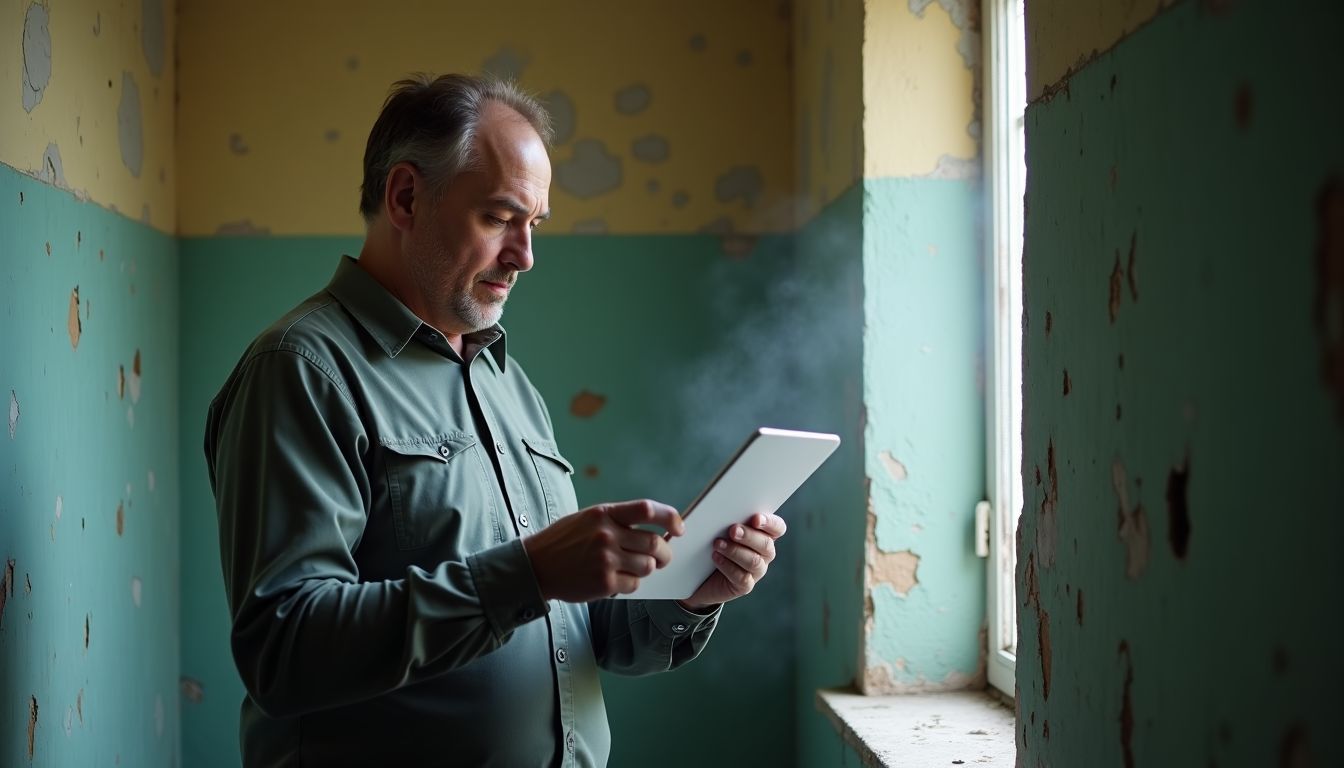
Asbestos vs Man Made Mineral Fibres: What Every Property Manager Needs to Know
Walk into almost any building constructed before 2000 and you are likely sharing space with one of two things: asbestos-containing materials, or their modern replacements. The comparison of asbestos vs man made mineral fibres matters enormously for anyone responsible for a property — because confusing the two, or underestimating either, can put people at serious risk.
Asbestos is a proven killer. Man made mineral fibres (MMF) are far safer but still require proper handling. Understanding where each sits on the risk spectrum helps you make better decisions, stay compliant with UK law, and protect everyone who lives or works in your building.
What Is Asbestos? A Natural Fibre With a Deadly Legacy
Asbestos is a naturally occurring group of silicate minerals found in rock formations across the world. It was widely used in UK construction from the 1950s through to the late 1990s because of its remarkable properties: heat resistance, tensile strength, and excellent insulating performance.
There are six recognised types, but three dominated the construction industry:
- Chrysotile — white asbestos, the most commonly used, found in roofing sheets, floor tiles, and cement products
- Amosite — brown asbestos, frequently used in insulation boards and ceiling tiles
- Crocidolite — blue asbestos, considered the most hazardous, used in pipe lagging and spray coatings
You can still find asbestos today in insulation boards, pipe lagging, boiler gaskets, textured coatings such as Artex, roofing sheets, floor tiles, wall panels, and certain older sealants. If your building was constructed or refurbished before 2000, there is a realistic chance asbestos-containing materials (ACMs) are present.
Why Asbestos Is So Dangerous
The danger lies in the fibres themselves. When ACMs are disturbed, they release microscopic respirable fibres that can travel deep into the lungs. Unlike many airborne particles, these fibres are not expelled by the body’s natural defences.
Over time, accumulated fibres cause severe and often fatal diseases:
- Mesothelioma — an aggressive cancer of the lung lining or abdomen with no cure
- Asbestos-related lung cancer — with a significantly elevated risk compared to non-exposed individuals
- Asbestosis — progressive scarring of the lung tissue that reduces breathing capacity
- Pleural thickening — thickening of the membrane surrounding the lungs
The International Agency for Research on Cancer classifies all forms of asbestos as Group 1 carcinogens — meaning there is sufficient evidence they cause cancer in humans. There is no safe level of asbestos exposure.
UK Regulations Governing Asbestos
The UK banned the import, supply, and use of all asbestos in 1999. However, because so much was installed in buildings before that date, the management of existing ACMs remains a live legal obligation.
The primary legislation is the Control of Asbestos Regulations, which places a duty on those who manage non-domestic premises to identify ACMs, assess their condition, and put a management plan in place. The HSE’s guidance document HSG264 sets out how asbestos surveys should be planned and conducted.
Key obligations under these regulations include:
- Commissioning an asbestos survey before any refurbishment or demolition work
- Maintaining an up-to-date asbestos register for the premises
- Ensuring ACMs are managed in situ or removed by licensed contractors
- Providing information about the location and condition of ACMs to anyone who may disturb them
Only licensed contractors can carry out notifiable non-licensed work and licensed removal. If you are dealing with suspected or confirmed ACMs, do not disturb them until a competent surveyor has assessed the situation.
For properties across the capital, an asbestos survey London service can identify and document any materials present, giving you the foundation for a legally compliant management plan.
What Are Man Made Mineral Fibres?
Man made mineral fibres are synthetic fibrous materials produced by spinning or blowing molten glass, rock, or industrial slag into thin threads. They were developed partly as safer alternatives to asbestos, and today they are the standard choice for thermal insulation, acoustic control, and fire protection in UK buildings.
The main categories of MMF include:
- Glass wool (fibrous glass) — the most common type, widely used in loft insulation and cavity wall batts
- Rock wool (stone wool) — denser than glass wool, used in partition walls and industrial applications
- Slag wool — produced from blast furnace slag, used in industrial and commercial insulation
- Refractory ceramic fibres (RCF) — designed for extreme high-temperature applications such as furnace linings
- Alkaline earth silicate (AES) wools — a newer generation of high-temperature wools developed to reduce health concerns associated with RCF
MMF products are found throughout modern buildings: in loft insulation rolls, cavity wall insulation, acoustic panels, fire-rated partition systems, and HVAC duct linings. They are valued for their fire resistance, thermal performance, and ease of installation.
Health Risks Associated With Man Made Mineral Fibres
MMF are considerably safer than asbestos, but they are not risk-free. Cutting, tearing, or otherwise disturbing MMF products releases airborne fibres and dust that can cause irritation to the skin, eyes, and upper respiratory tract. Most people experience this as a temporary nuisance rather than a long-term health concern.
The picture is more nuanced for certain types. Refractory ceramic fibres carry a higher respiratory risk than standard glass or rock wool. The IARC classifies RCF as Group 2B — possibly carcinogenic to humans — based on animal studies. AES wools were developed specifically to address this concern and are generally considered lower risk.
For most MMF work, good occupational hygiene is sufficient to control exposure:
- Use hand tools rather than power tools where possible to reduce dust generation
- Damp down materials before cutting where practical
- Use local exhaust ventilation and HEPA-filtered vacuum equipment
- Wear gloves and long sleeves to prevent skin irritation
- Use appropriate respiratory protection — an FFP2 mask is typically suitable for standard MMF work
- Conduct a COSHH assessment before starting any work involving MMF
Asbestos vs Man Made Mineral Fibres: Key Differences Compared
When comparing asbestos vs man made mineral fibres directly, several critical differences emerge across health risk, regulation, physical properties, and practical management.
Origin and Physical Characteristics
Asbestos is a naturally occurring mineral. Its fibres are exceptionally thin — far thinner than a human hair — and they split longitudinally when disturbed, creating even finer respirable particles that the body cannot easily clear.
MMF are manufactured products. Their fibres tend to be larger in diameter than asbestos fibres and are more brittle, meaning they tend to break across their width rather than split lengthways. This makes them less likely to penetrate deep lung tissue. They are also less biopersistent — the body is better able to break them down over time.
Health Risk Profile
Asbestos carries a proven, severe, and irreversible risk of causing cancer. There is no threshold below which exposure is considered entirely safe. The diseases it causes — mesothelioma, lung cancer, asbestosis — have long latency periods of 20 to 50 years, meaning workers exposed decades ago are still being diagnosed today.
Most MMF present a much lower long-term health risk. Standard glass wool and rock wool are not classified as human carcinogens. Short-term irritation is the primary concern for most workers. Refractory ceramic fibres occupy a middle ground, with a possible carcinogenic classification that warrants stricter controls.
Regulatory Status
Asbestos is banned in the UK. Its management is governed by the Control of Asbestos Regulations, with detailed guidance in HSG264. Removal requires licensed contractors, and certain work must be notified to the HSE in advance.
MMF are not banned and are actively used in new construction. They are regulated under the Control of Substances Hazardous to Health (COSHH) Regulations, and employers must assess and control exposure. Refractory ceramic fibres are subject to a specific workplace exposure limit under UK REACH legislation.
Common Applications
Asbestos was used in insulation boards, pipe lagging, floor tiles, ceiling panels, roofing sheets, textured coatings, and fire-resistant textiles. These materials are now legacy items — present in older buildings but no longer installed.
MMF are used in loft insulation, cavity wall batts, partition wall systems, acoustic ceilings, fire-rated boards, and industrial high-temperature applications. They are the standard modern replacement for asbestos insulation products.
Management Approach
ACMs in good condition can often be managed in situ — sealed, labelled, and recorded — rather than immediately removed. When removal is required, it must be carried out by licensed contractors following strict procedures. The duty holder must maintain an asbestos register and management plan.
For businesses in the Midlands, an asbestos survey Birmingham can establish what is present and inform a compliant management plan tailored to your premises.
MMF management is less prescriptive. The focus is on controlling exposure during installation and maintenance through COSHH assessments, appropriate PPE, and good ventilation. There is no requirement for a dedicated management plan equivalent to the asbestos duty to manage.
Identifying Which Material You Are Dealing With
One of the most practical challenges for property managers is knowing which material they are actually looking at. Asbestos and MMF insulation products can look very similar — both may appear as grey or white fibrous matting, loose fill, or rigid boards.
You cannot identify asbestos by sight alone. The only reliable method is laboratory analysis of a sample taken by a competent person. Attempting to take samples yourself without training and appropriate PPE risks releasing fibres and is not recommended.
If you suspect a material may contain asbestos, treat it as ACM until proven otherwise. Commission a survey from a UKAS-accredited surveying company who can take samples safely and have them analysed at an accredited laboratory.
A management survey is the appropriate starting point for most occupied premises — it identifies the location and condition of ACMs accessible under normal use and light maintenance. Where refurbishment or demolition is planned, a more intrusive demolition survey is required to locate all ACMs that may be disturbed by the works.
When Asbestos Removal Is the Right Decision
Not every ACM needs to be removed immediately. The duty to manage approach allows materials in good condition to remain in place, provided they are monitored and the risk is controlled. However, removal becomes necessary when:
- Refurbishment or demolition work will disturb ACMs
- Materials are in poor condition and deteriorating
- Ongoing maintenance activities repeatedly put workers at risk
- The building is changing use and the risk profile changes significantly
When removal is required, it must be planned carefully. Licensed asbestos removal contractors are legally required for the most hazardous materials, including sprayed coatings, insulation board, and pipe lagging. The work area must be enclosed, air tested during and after removal, and waste disposed of as hazardous material at a licensed facility.
Never attempt to remove suspected ACMs yourself. Professional asbestos removal carried out by licensed contractors protects workers, occupants, and the duty holder from both health risk and legal liability.
Practical Guidance for Property Managers and Employers
Whether you are dealing with legacy asbestos or modern MMF insulation, the principles of good risk management are consistent. Here is a practical framework to follow.
Before Any Work Starts
- Survey first. Commission an asbestos survey before any refurbishment, maintenance, or demolition work on buildings constructed before 2000. HSG264 sets out the two main survey types: management surveys and refurbishment and demolition surveys.
- Check your asbestos register. If one exists, review it before work begins. If it does not exist, commission a survey immediately.
- Conduct a COSHH assessment for any work involving MMF products, including loft insulation installation or removal.
During the Work
- Use the hierarchy of control. Eliminate the risk where possible, then substitute, then engineer controls, then administrative controls, then PPE as a last resort.
- Provide appropriate PPE. FFP2 respirators for MMF work; FFP3 or higher for asbestos-related work. Gloves, eye protection, and disposable overalls where relevant.
- Supervise licensed work. Ensure licensed asbestos contractors follow their licence conditions and that the work area is properly contained.
After the Work
- Update your asbestos register to reflect any materials removed or disturbed.
- Retain clearance certificates from licensed removal contractors — these are your evidence of compliant work.
- Review your management plan to ensure it reflects the current state of the building.
For property managers in the North West, an asbestos survey Manchester from a UKAS-accredited provider gives you the accurate information you need to manage your legal obligations with confidence.
The Bottom Line: Same-Looking Fibres, Very Different Risks
The asbestos vs man made mineral fibres debate is not simply academic. It has direct, practical consequences for how you manage your building, which contractors you engage, what regulations apply, and what risks your workers and occupants face.
Asbestos demands the highest level of caution — legal compliance, licensed contractors, and a structured management plan. MMF require sensible occupational hygiene controls and COSHH compliance, but they do not carry the same catastrophic health legacy.
The key is knowing what you have. That starts with a professional survey from a qualified, accredited surveyor — not guesswork, not visual inspection, and not assumptions based on the age of the material alone.
Frequently Asked Questions
Can you tell the difference between asbestos and MMF insulation just by looking at it?
No. Asbestos and man made mineral fibres can look almost identical — both may appear as white or grey fibrous material in rolls, loose fill, or board form. The only reliable way to confirm whether a material contains asbestos is laboratory analysis of a sample taken by a trained professional. Always treat unknown fibrous insulation in older buildings as potentially containing asbestos until it has been tested.
Are man made mineral fibres completely safe?
MMF are considerably safer than asbestos, but they are not entirely without risk. Standard glass wool and rock wool can cause temporary skin, eye, and respiratory irritation during handling. Refractory ceramic fibres (RCF) carry a higher concern level and are classified by the IARC as possibly carcinogenic. For all MMF work, a COSHH assessment should be carried out and appropriate PPE used.
Do I need a licensed contractor to remove man made mineral fibres?
No. Unlike asbestos removal, which requires a licensed contractor for the most hazardous materials, MMF removal does not require a licensed contractor. However, you should still carry out a COSHH assessment, use appropriate PPE including a suitable respirator, and follow good occupational hygiene practices to control fibre and dust exposure.
What survey do I need before refurbishing a building that might contain asbestos?
Before any refurbishment or demolition work, you need a refurbishment and demolition survey, as set out in HSG264. This is a more intrusive survey than a standard management survey and is designed to locate all ACMs that could be disturbed during the planned works. A management survey alone is not sufficient for refurbishment or demolition projects.
Is asbestos still present in UK buildings?
Yes. Despite the UK ban on asbestos use in 1999, a significant number of commercial and residential buildings constructed or refurbished before that date still contain asbestos-containing materials. These include schools, hospitals, offices, and domestic properties. The duty to manage under the Control of Asbestos Regulations requires those responsible for non-domestic premises to identify, assess, and manage any ACMs present.
Speak to Supernova Asbestos Surveys
Supernova Asbestos Surveys has completed over 50,000 surveys across the UK, helping property managers, employers, and building owners understand exactly what they are dealing with — and what to do about it. Whether you need a management survey, a refurbishment and demolition survey, or advice on managing ACMs in your building, our UKAS-accredited surveyors are ready to help.
Call us on 020 4586 0680 or visit asbestos-surveys.org.uk to book a survey or speak to a member of our team.