Recognising the Symptoms of Mesothelioma Before It’s Too Late
Mesothelioma is the most devastating illness linked to asbestos exposure — and it remains one of the most difficult cancers to detect early. Understanding the symptoms of mesothelioma could be the difference between catching this disease at a manageable stage and facing a far grimmer prognosis.
If you have ever lived or worked in a building constructed before 2000, this information is directly relevant to you. The disease attacks the mesothelium — a protective lining covering the lungs, abdomen, heart, and other major organs — and because its symptoms can mimic far more common conditions, it is frequently misdiagnosed or caught only once it has progressed significantly.
This post covers the warning signs by cancer type, why symptoms are so easily missed, how diagnosis works, what makes asbestos so uniquely dangerous, and what you can do right now to protect yourself and those around you.
The Symptoms of Mesothelioma by Type
Mesothelioma does not present as a single, uniform set of symptoms. Where the cancer develops determines what you are likely to experience. There are four recognised types, each with its own distinct warning signs.
Pleural Mesothelioma (Affecting the Lungs)
This is by far the most common form, accounting for the majority of UK cases. Asbestos fibres are inhaled and become lodged in the lining of the lungs — the pleura — where they cause chronic inflammation and, eventually, malignant cell changes.
Key symptoms include:
- Persistent chest pain that does not require physical exertion to trigger
- A nagging, dry cough that does not resolve with standard treatment
- Shortness of breath or difficulty taking a full, deep breath
- Unexplained weight loss despite no change in diet or activity levels
- Lumps or firm nodules forming under the skin around the chest and ribs
- Fatigue that feels disproportionate to your level of activity
- A hoarse or noticeably changed voice
These symptoms are routinely dismissed as a persistent chest infection, bronchitis, or even anxiety. If they are not resolving after a few weeks — and particularly if you have any history of asbestos exposure — always push for further investigation rather than accepting a generic diagnosis.
Peritoneal Mesothelioma (Affecting the Abdomen)
Peritoneal mesothelioma develops in the lining of the abdomen and accounts for a significant minority of UK cases. It can arise either through ingesting asbestos fibres or through fibres migrating from the lungs over time.
Symptoms to watch for include:
- Abdominal pain or swelling without an obvious cause
- Nausea and vomiting with no clear digestive explanation
- Unexplained weight loss
- Lumps or firm masses felt beneath the skin of the abdomen
- Changes in bowel habit or function
- A build-up of fluid in the abdomen, known as ascites
Peritoneal mesothelioma is frequently confused with irritable bowel syndrome, hernias, or other abdominal conditions. This is why a thorough medical history — including any history of asbestos exposure — is so critical when presenting with these symptoms.
Pericardial Mesothelioma (Affecting the Heart)
This is a rare form that develops in the lining surrounding the heart. It shares several symptoms with pleural mesothelioma, which can make it particularly difficult to identify without detailed imaging.
Symptoms include:
- Chest pain, sometimes severe
- Difficulty breathing, particularly when lying flat
- Irregular heartbeat or palpitations
- Persistent fatigue and general weakness
Because these symptoms overlap so significantly with common cardiac conditions, pericardial mesothelioma is one of the most challenging forms to diagnose promptly.
Testicular Mesothelioma
The rarest form of the disease, testicular mesothelioma develops in the lining of the testes. Swelling of the testes and the appearance of lumps on or around the surrounding tissue are the primary warning signs.
Any unexplained testicular swelling or lump should always be assessed by a doctor without delay. While this form of mesothelioma is exceptionally uncommon, early assessment remains essential.
Why the Symptoms of Mesothelioma Are So Easily Missed
One of the most dangerous aspects of mesothelioma is its latency period. From the point of asbestos exposure to the onset of symptoms, the gap can be anywhere from 20 to 60 years. This means someone exposed to asbestos dust on a building site or in a factory in the 1970s or 1980s may only now be developing symptoms for the first time.
Because the symptoms of mesothelioma mirror those of far more common conditions, they are routinely attributed to other causes first:
- Chest pain gets attributed to musculoskeletal strain
- A persistent cough is treated as a respiratory infection
- Abdominal discomfort gets investigated as a digestive issue
- Fatigue is put down to age or stress
This is why disclosing your full occupational and residential history to your GP is so important. If you have ever worked in construction, shipbuilding, insulation fitting, plumbing, or any trade involving older buildings, tell your doctor explicitly. It changes the diagnostic pathway entirely and can significantly affect the speed at which a correct diagnosis is reached.
Secondary exposure is also a recognised risk that is often overlooked. Family members of workers who brought asbestos dust home on their clothing have developed mesothelioma without any direct occupational exposure themselves. If a family member worked in a relevant trade, that history is worth mentioning to your GP.
How Mesothelioma Is Diagnosed
There is no single test that definitively confirms mesothelioma on its own. Diagnosis typically involves a combination of approaches, and the process can take time. Understanding what to expect can help you advocate for yourself or a family member throughout that process.
Initial Assessment
Your GP will take a full history, conduct a physical examination, and ask about any known or suspected asbestos exposure. If mesothelioma is a possibility, you should be referred to a specialist. Do not hesitate to request this referral if you have reason to be concerned — you are entitled to ask for it.
Imaging and Scans
X-rays, CT scans, and MRI scans are used to identify abnormalities in the chest or abdomen. Fluid build-up around the lungs, thickening of the pleura, or unusual masses can all indicate mesothelioma, though imaging alone cannot confirm the diagnosis.
Blood Tests
Certain biomarkers in the blood can indicate the presence of mesothelioma or suggest prior asbestos exposure. Blood tests are used alongside other diagnostic tools rather than as a standalone method of confirmation.
Biopsy
A biopsy — either a fluid sample or a tissue sample — is required to definitively diagnose mesothelioma. It can confirm the presence of malignant cells, identify the specific cell type, and guide treatment planning. This is the gold standard of diagnosis, and without it, a definitive conclusion cannot be reached.
Why Asbestos Is So Uniquely Dangerous
Asbestos is a naturally occurring mineral that, when processed and manufactured into building materials, becomes extraordinarily hazardous. Its fibres are microscopic — virtually invisible to the naked eye — and when disturbed they become airborne, where they can be inhaled or ingested without any awareness that exposure is occurring.
Once inside the body, asbestos fibres cannot be broken down or expelled. They embed in the lining of organs and remain there indefinitely, causing chronic inflammation and, over decades, triggering the genetic mutations that lead to mesothelioma and other serious asbestos-related conditions.
Before its ban in the UK, asbestos was used extensively in:
- Roof tiles and external cladding
- Floor tiles and adhesives
- Pipe lagging and insulation
- Spray-on coatings and textured ceiling finishes
- Boiler and heating system insulation
- Partition walls and ceiling tiles in commercial buildings
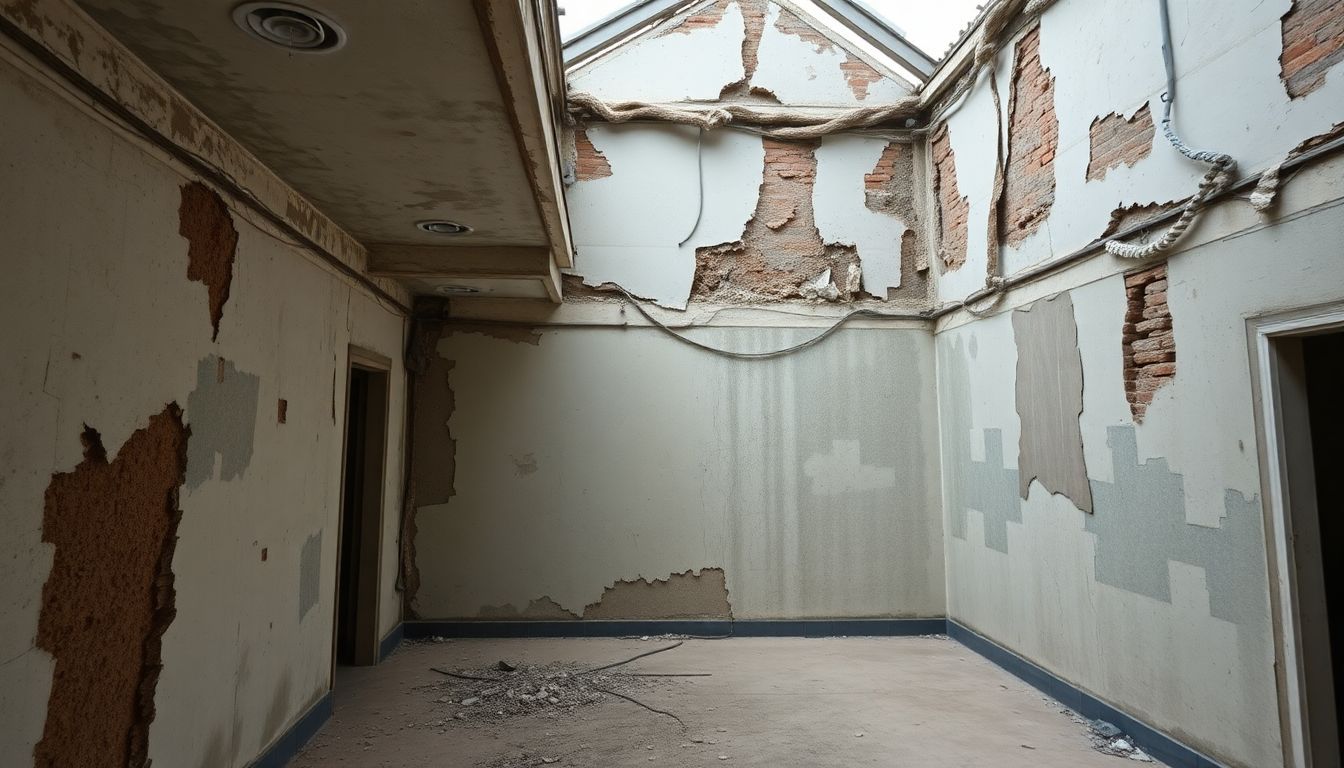
Buildings constructed or refurbished before 2000 may still contain asbestos-containing materials (ACMs) in situ. Many of these materials remain manageable as long as they are undisturbed and in good condition. The danger arises when they are damaged, drilled into, cut, or begin to deteriorate naturally — releasing fibres into the air that occupants then breathe in.
This is why professional asbestos surveys are not optional for anyone managing, renovating, or purchasing an older property. If you are based in the capital and need expert help, an asbestos survey London from a qualified team will identify the location, condition, and risk level of any ACMs in your property before any work begins — protecting both the people carrying out that work and those who occupy the building.
The Causes of Mesothelioma: What the Evidence Shows
Asbestos exposure is the primary and overwhelmingly dominant cause of mesothelioma. In the UK, the disease is directly associated with occupational exposure — particularly in trades and industries that were heavily reliant on asbestos-containing materials throughout the 20th century.
The mechanism involves genetic mutations within the cells of the mesothelium. Asbestos fibres trigger inflammation and cell damage over many years, eventually causing abnormal cells to multiply uncontrollably and form tumours.
There are also factors of individual predisposition that are not yet fully understood. Not everyone exposed to asbestos will develop mesothelioma — but there is no safe level of exposure, and no way to predict in advance who will be affected. The only rational approach is to minimise exposure wherever and whenever possible.
Treatment Options and What to Expect
There is currently no cure for mesothelioma. However, treatment has advanced considerably, and the goal is to manage the disease, slow its progression, and maintain quality of life for as long as possible.
Factors That Influence Treatment
The treatment plan will depend on several variables:
- The stage at which the cancer is diagnosed
- The type of mesothelioma (pleural, peritoneal, pericardial, or testicular)
- The specific cell type identified in the biopsy
- The patient’s overall health, age, and fitness
Early-stage diagnosis generally offers more treatment options, which is precisely why not dismissing persistent symptoms matters so much.
Surgery
Where possible, surgeons will attempt to remove as much affected tissue as they can. In some cases, this involves draining fluid that has accumulated around the lungs or abdomen — a procedure that can provide significant relief and restore more normal respiratory or digestive function.
Chemotherapy and Radiotherapy
Chemotherapy is used to slow the growth of cancer cells and is often combined with surgery where the patient’s health permits. Radiotherapy may be used to target specific areas of tumour growth. In some cases, a combination of surgery, chemotherapy, and radiotherapy is employed as part of a multimodal treatment approach.
Palliative Care
For many patients — particularly those diagnosed at a late stage — palliative care focuses on managing pain, maintaining breathing function, and preserving quality of life. This is a legitimate and important part of mesothelioma treatment, not a last resort, and specialist palliative teams can make a significant difference to a patient’s day-to-day experience.
Protecting Yourself and Others: What You Can Do Right Now
If you live or work in a building constructed before 2000, there is a real possibility that asbestos-containing materials are present somewhere in that structure. The risk is not necessarily immediate — undisturbed ACMs in good condition are generally considered manageable in place — but any renovation, maintenance, or refurbishment work changes that position entirely.
The single most effective thing you can do is commission a professional asbestos survey before any work takes place. This is not just best practice — for duty holders managing commercial or public buildings, it is a legal obligation under the Control of Asbestos Regulations. The HSE’s guidance document HSG264 sets out the standards to which surveys must be conducted, and only qualified surveyors should be carrying out this work.
If you are in the North West, an asbestos survey Manchester carried out by qualified surveyors will give you a full register of any ACMs present, their condition, and a recommended management plan tailored to your property.
For those in the Midlands, an asbestos survey Birmingham provides exactly the same level of assurance — identifying risk before it becomes exposure, and exposure before it becomes illness.
Do not wait until symptoms appear. By the time the symptoms of mesothelioma present clinically, decades of exposure have already occurred. Prevention — through proper identification and management of asbestos — is the only truly effective strategy available to us.
Frequently Asked Questions
What are the earliest symptoms of mesothelioma?
The earliest symptoms of mesothelioma are often subtle and easy to dismiss. For pleural mesothelioma — the most common type — these typically include a persistent dry cough, mild chest discomfort, and shortness of breath that gradually worsens. For peritoneal mesothelioma, early signs may include mild abdominal pain or bloating. Because these symptoms closely mimic common conditions, many people do not seek medical attention until the disease has progressed significantly. If you have any history of asbestos exposure and experience these symptoms persistently, see your GP and mention your exposure history explicitly.
How long after asbestos exposure do symptoms of mesothelioma appear?
The latency period for mesothelioma is exceptionally long. Symptoms typically appear between 20 and 60 years after the initial asbestos exposure. This means the disease can develop in people who were exposed during the 1960s, 1970s, or 1980s — well before the full health risks of asbestos were widely understood or regulated. The long latency period is one of the main reasons mesothelioma is so difficult to diagnose early.
Can mesothelioma be caused by brief or low-level asbestos exposure?
There is no established safe level of asbestos exposure. While prolonged or high-intensity exposure carries the greatest risk, mesothelioma has been diagnosed in people with relatively limited contact with asbestos — including family members of workers who brought fibres home on their clothing. Individual susceptibility also plays a role, though it is not yet possible to predict who will be affected. The only effective approach is to avoid exposure wherever possible.
Is mesothelioma always caused by asbestos?
In the vast majority of cases, yes. Asbestos exposure is the primary known cause of mesothelioma. There are rare cases where no asbestos exposure can be identified, and other factors — including certain genetic predispositions — may play a role. However, for practical purposes, a diagnosis of mesothelioma should always prompt a thorough review of the patient’s asbestos exposure history.
What should I do if I think I have been exposed to asbestos?
If you believe you have been exposed to asbestos — whether through work, a domestic property, or secondary contact — speak to your GP and provide a full account of when and how the exposure occurred. Your GP can arrange appropriate monitoring and refer you to a specialist if required. For properties you manage or own, commission a professional asbestos survey to identify and assess any asbestos-containing materials before any work is carried out. This protects both you and anyone else who works in or occupies that building.
Get Expert Help Today
If you need professional advice on asbestos in your property, our team of qualified surveyors is ready to help. With over 50,000 surveys completed across the UK, Supernova Asbestos Surveys delivers clear, actionable reports you can rely on.
Call us on 020 4586 0680 or visit asbestos-surveys.org.uk for a free, no-obligation quote.
Leave a Reply