The Most Common Types of Asbestos Illness — and Why They Still Matter
Asbestos was once considered a wonder material. Cheap, fire-resistant, and easy to work with, it was built into millions of UK homes, schools, hospitals, and commercial properties throughout the 20th century. Decades later, the consequences are still being felt. The most common types of asbestos illness continue to claim thousands of lives every year in the UK alone — and because these diseases can take 20 to 50 years to develop after exposure, many people are only now beginning to show symptoms from contact that happened long ago.
Understanding these diseases matters whether you own, manage, or work in an older property. It matters if you’re a tradesperson who has worked around building materials without knowing their composition. And it matters if you’re simply trying to understand what asbestos exposure actually means for long-term health.
Below, we cover the five most significant asbestos-related illnesses, what they do to the body, who is most at risk, and what practical steps you can take to protect yourself and others.
Why Asbestos Is So Dangerous to Human Health
Asbestos fibres are microscopic. When asbestos-containing materials are disturbed — during renovation, demolition, or even routine maintenance — those fibres become airborne. They are then inhaled, and because of their shape, they cannot be expelled by the body’s natural defences.
Once embedded in lung tissue or the surrounding membranes, they cause persistent inflammation and cellular damage over many years. This is why asbestos-related diseases have such long latency periods and why so many cases are only diagnosed at an advanced stage.
The risk is not limited to those who worked directly with asbestos. Secondary exposure — through contact with contaminated clothing, for example — has also caused illness. There is no known safe level of asbestos exposure.
The 5 Most Common Types of Asbestos Illness
1. Mesothelioma and Asbestos-Related Cancer
Cancer is the most serious outcome of asbestos exposure, and mesothelioma is the disease most directly associated with it. Mesothelioma is a cancer of the mesothelium — the thin membrane that lines the lungs, chest cavity, abdomen, and other internal organs. It is almost exclusively caused by asbestos exposure and remains one of the most aggressive cancers known to medicine.
Survival rates for mesothelioma are poor. The disease is typically not diagnosed until it has reached an advanced stage, partly because symptoms — breathlessness, chest pain, and unexplained weight loss — are easy to attribute to other conditions. Treatment options exist, including surgery, chemotherapy, and radiotherapy, but they are rarely curative.
Lung Cancer Linked to Asbestos
Lung cancer is another significant asbestos-related cancer. While smoking remains the leading cause of lung cancer, asbestos exposure is an established independent risk factor. Crucially, individuals who both smoke and have been exposed to asbestos face a dramatically elevated risk compared to either factor alone.
If you have a history of asbestos exposure, it is worth discussing this with your GP — particularly if you experience persistent respiratory symptoms. Early detection significantly improves outcomes.
Other Cancers Associated with Asbestos
Asbestos exposure has also been linked to cancers of the ovary, larynx, throat, kidney, and gallbladder. In the case of ovarian cancer, it is believed that inhaled fibres can travel through the bloodstream and accumulate in ovarian tissue. These associations are less common than mesothelioma or lung cancer, but they are recognised by the HSE.
If you have any history of significant asbestos exposure, make sure your GP is aware so they can factor it into any future assessments.
2. Pleural Disease
Pleural diseases affect the pleura — the two-layered membrane that surrounds the lungs and lines the chest cavity. Asbestos exposure is one of the leading causes of several distinct pleural conditions, ranging from uncomfortable but manageable to potentially serious.
Pleural Plaques
Pleural plaques are the most common asbestos-related pleural condition. They are areas of thickened, often calcified tissue that form on the pleura following prolonged asbestos exposure. Pleural plaques are not cancerous and are not themselves life-threatening, but they are an indicator of significant past exposure — and their presence may increase the risk of developing more serious conditions.
Many people with pleural plaques experience no symptoms at all. Others notice mild breathlessness. The condition is typically discovered incidentally on a chest X-ray or CT scan.
Pleural Effusion
Pleural effusion occurs when fluid accumulates between the layers of the pleural membrane. In the context of asbestos exposure, this can be a standalone condition or a symptom of an underlying disease such as mesothelioma. Symptoms include difficulty breathing, a persistent cough, and chest pain.
Pleural effusion is treatable, but its presence warrants thorough investigation to rule out malignancy.
Diffuse Pleural Thickening and Pleuritis
Pleuritis is inflammation of the pleural membrane, causing sharp chest and shoulder pain. It is not typically fatal but can be debilitating. Diffuse pleural thickening is a more serious condition in which large areas of the pleura stiffen and thicken, significantly restricting lung expansion.
In severe cases, diffuse pleural thickening can substantially limit a person’s ability to breathe and may lead to respiratory failure.
3. Asbestosis
Asbestosis is one of the few diseases caused exclusively by asbestos exposure. It is a chronic lung condition characterised by widespread scarring (fibrosis) of the lung tissue, caused by the body’s prolonged inflammatory response to embedded asbestos fibres.
As the scarring progresses, the lungs become stiffer and less able to expand. This results in increasingly severe breathlessness, a persistent dry cough, and tightness in the chest. In advanced cases, patients may also develop finger clubbing — a thickening and rounding of the fingertips associated with chronic oxygen deficiency.
Asbestosis is not directly fatal in the way that cancer is, but it significantly impairs quality of life and can lead to serious complications, including:
- Heart failure caused by extra strain on the cardiovascular system
- Increased risk of developing mesothelioma
- Increased risk of developing lung cancer
- Severe respiratory impairment requiring supplemental oxygen
There is currently no cure. Management focuses on slowing progression and relieving symptoms. The condition is most commonly diagnosed in those who had heavy, prolonged occupational exposure — construction workers, shipbuilders, insulation workers, and those who worked in asbestos manufacturing plants.
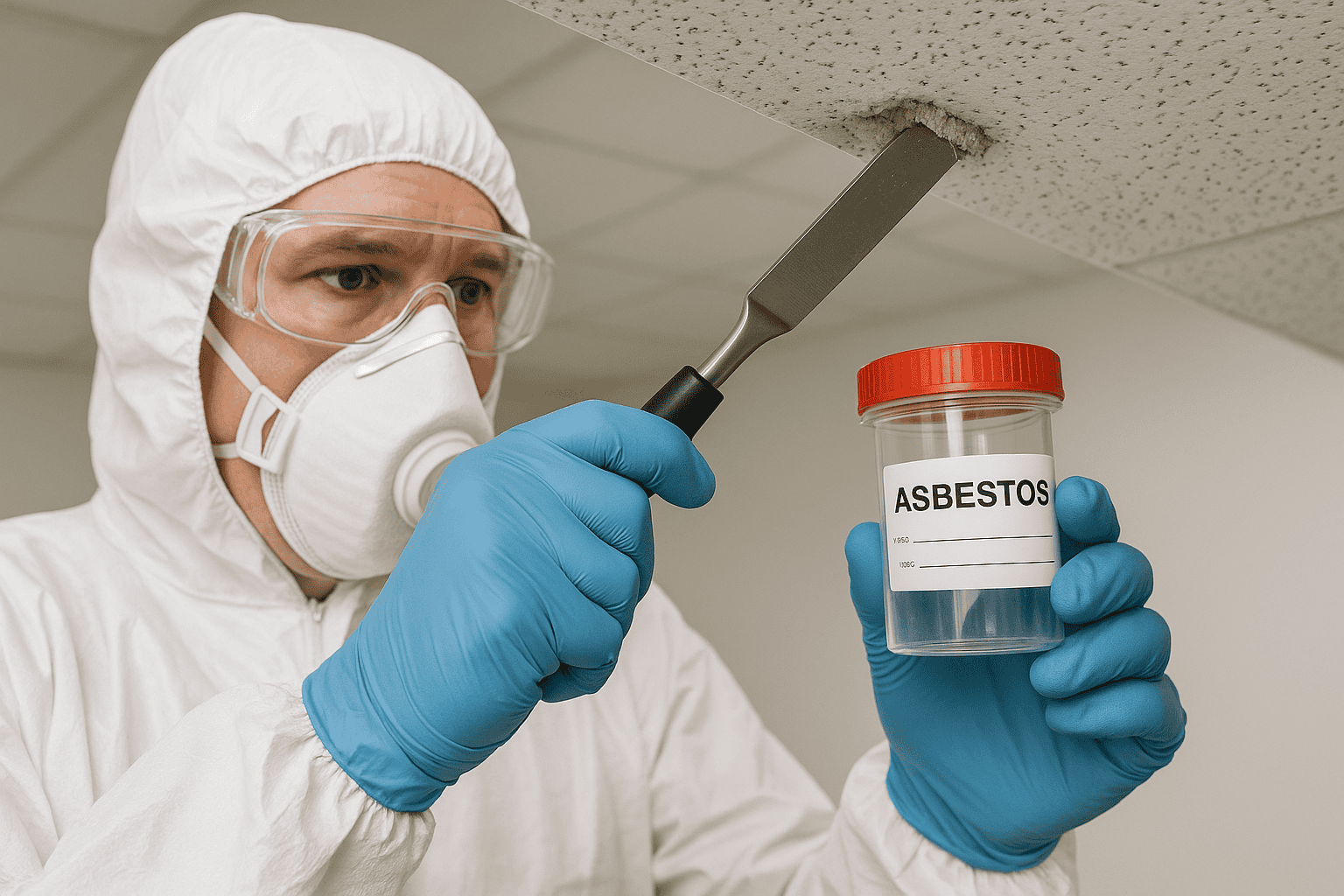
Given the long latency period, anyone who worked in or around older buildings during renovation or demolition may also be at risk. If you suspect a property you manage or work in may contain asbestos-containing materials, arranging professional asbestos testing is the most effective first step in protecting occupants and workers from ongoing exposure.
4. Atelectasis
Atelectasis refers to the partial or complete collapse of a lung or a section of lung tissue. While it can be caused by a number of different factors, asbestos exposure is a recognised contributor — typically through its association with a condition known as rounded atelectasis, or Blesovsky syndrome.
In rounded atelectasis, the pleural lining folds inward and traps a portion of the lung, causing it to collapse. This is often accompanied by pleural thickening and lung scarring — both of which are common consequences of long-term asbestos exposure. On imaging scans, rounded atelectasis can closely resemble a tumour, which means careful diagnosis is essential.
Symptoms include breathlessness and reduced tolerance for physical activity. Atelectasis is not inherently fatal, but it can lead to complications including respiratory infections and, in severe cases, respiratory failure.
If you have a known history of asbestos exposure and are experiencing respiratory symptoms, disclose this to your doctor so that appropriate investigations can be arranged promptly.
5. Chronic Obstructive Pulmonary Disease (COPD)
Chronic Obstructive Pulmonary Disease — commonly referred to as COPD — is an umbrella term for a group of progressive lung conditions, including chronic bronchitis, emphysema, and refractory asthma. COPD is not directly caused by asbestos exposure in the same way that mesothelioma or asbestosis are, but there is a well-established link between asbestos exposure and elevated COPD risk.
Asbestos fibres cause chronic inflammation in the airways and lung tissue. Over time, this inflammation can contribute to the obstructive changes characteristic of COPD, particularly in individuals who may already have a genetic predisposition to the condition or who have other risk factors such as smoking.
Symptoms of COPD include:
- Persistent breathlessness, especially during physical activity
- A chronic productive cough
- Wheezing
- Frequent chest infections
These symptoms often develop gradually and are frequently dismissed as a normal part of ageing or attributed solely to smoking history — meaning many cases go undiagnosed or are diagnosed late. COPD is not curable, but it is manageable through bronchodilator inhalers, corticosteroids, pulmonary rehabilitation, and in some cases, supplemental oxygen.
If you or someone you know has a history of asbestos exposure and is experiencing these symptoms, a referral to a respiratory specialist is advisable.
Who Is Most at Risk of Asbestos-Related Illness?
Occupational exposure remains the primary route through which people develop asbestos-related diseases. Those who worked in the following industries before asbestos was banned in the UK are considered at highest risk:
- Construction and demolition
- Shipbuilding and ship repair
- Insulation installation and removal
- Asbestos manufacturing
- Plumbing, electrical, and heating trades
- Firefighting, particularly in older buildings
However, risk is not limited to these groups. Teachers, nurses, and office workers who spent years in older buildings with deteriorating asbestos-containing materials have also developed asbestos-related illnesses. So too have family members of workers who brought fibres home on their clothing.
In the UK, asbestos-containing materials remain present in a significant proportion of buildings constructed before 2000. Anyone involved in maintenance, refurbishment, or demolition of such buildings should be aware of the risks and take appropriate precautions under the Control of Asbestos Regulations.
Recognising the Symptoms — When to Seek Medical Advice
One of the most challenging aspects of the most common types of asbestos illness is that their symptoms are often non-specific and easy to dismiss. Breathlessness, coughing, and chest discomfort are common to many conditions — and by the time they become severe enough to prompt a visit to the GP, the underlying disease may already be well established.
If any of the following apply to your history, you should proactively raise the possibility of asbestos-related disease with your doctor:
- Working in construction, shipbuilding, insulation, or related trades before asbestos was banned
- Working in or regularly visiting older buildings during renovation or refurbishment work
- Living with someone who worked directly with asbestos
- Spending significant time in a building later found to contain deteriorating asbestos-containing materials
Do not wait for symptoms to become severe. Earlier investigation leads to earlier diagnosis — and earlier diagnosis, even where treatment options are limited, gives patients and their families more time to make informed decisions.
The Role of Asbestos Surveys and Testing in Preventing Illness
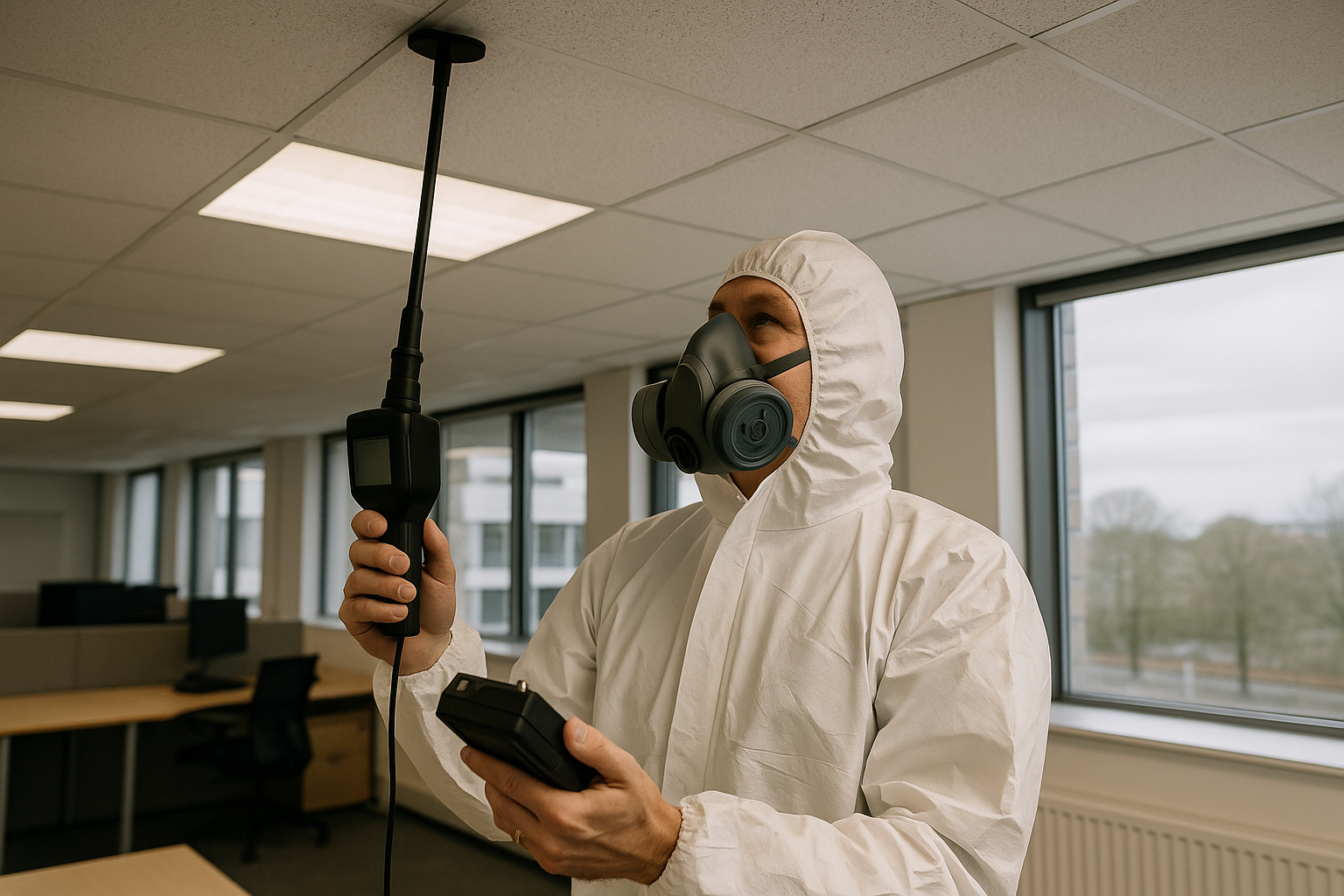
The most effective way to prevent asbestos-related illness is to identify the presence of asbestos-containing materials before they are disturbed. This is where professional asbestos surveys and testing become essential.
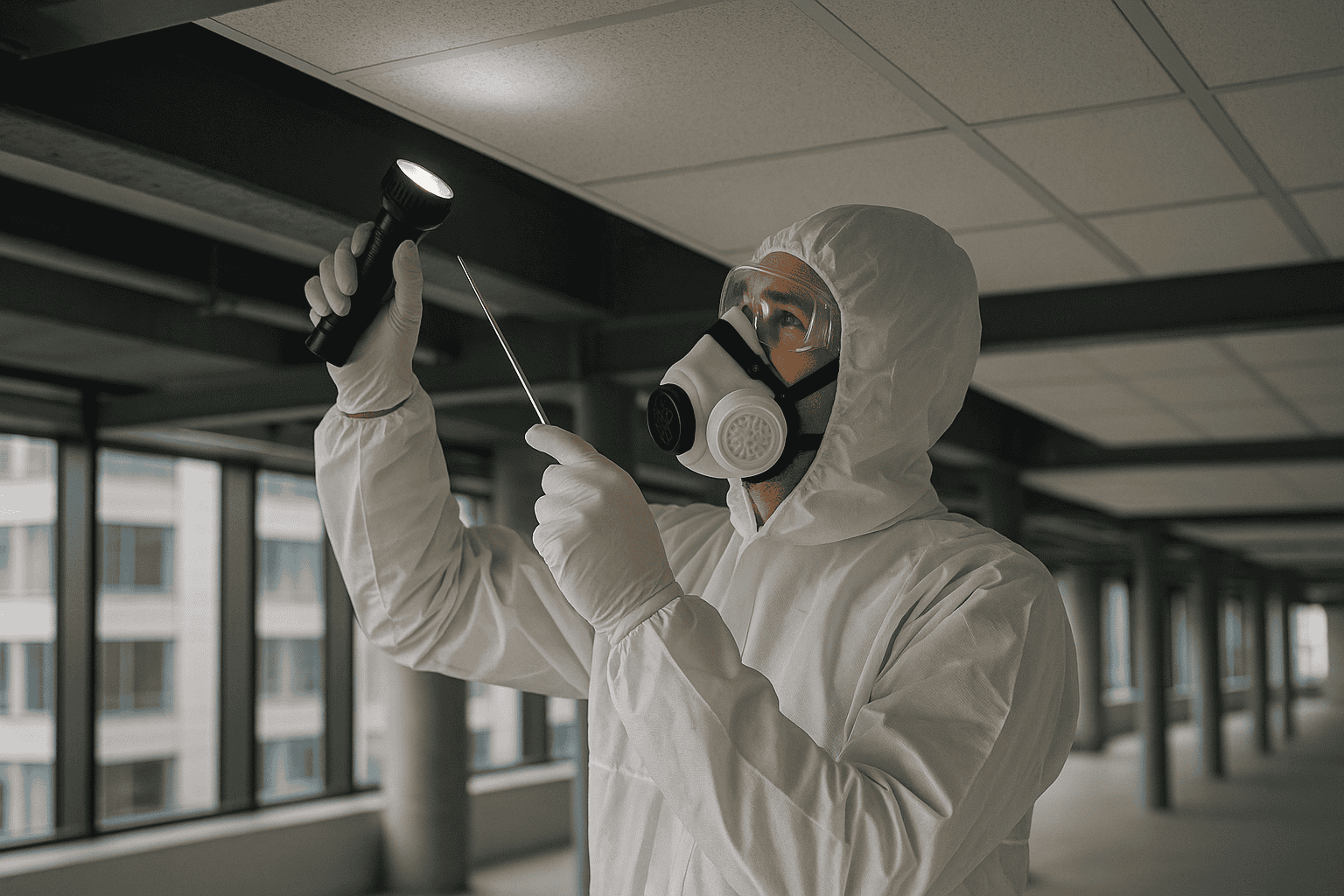
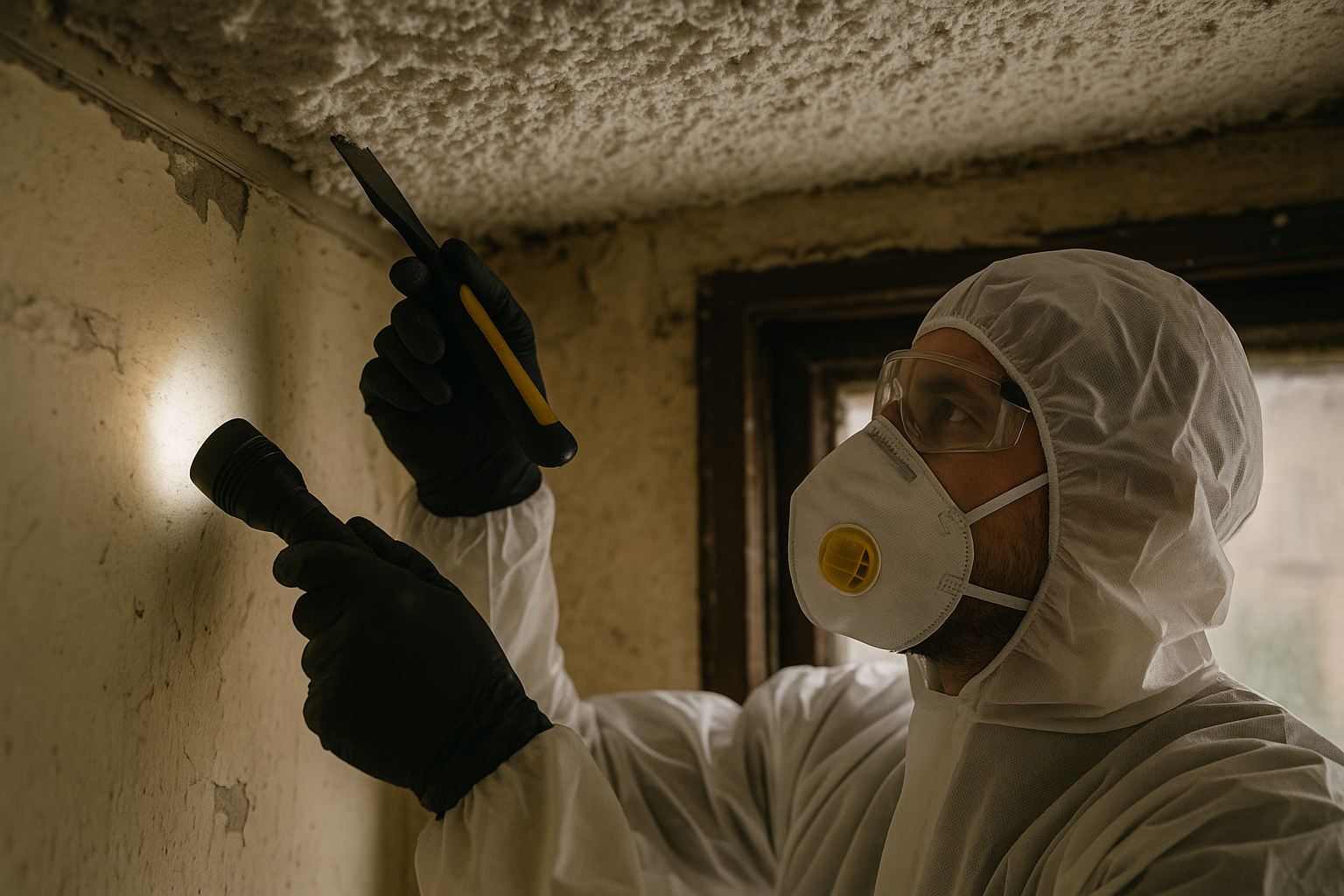
Under the Control of Asbestos Regulations, duty holders — those responsible for the maintenance and repair of non-domestic premises — are legally required to manage asbestos risks. This typically begins with a management survey to locate and assess any asbestos-containing materials present. Where refurbishment or demolition work is planned, a more intrusive refurbishment and demolition survey is required, as outlined in HSE guidance document HSG264.
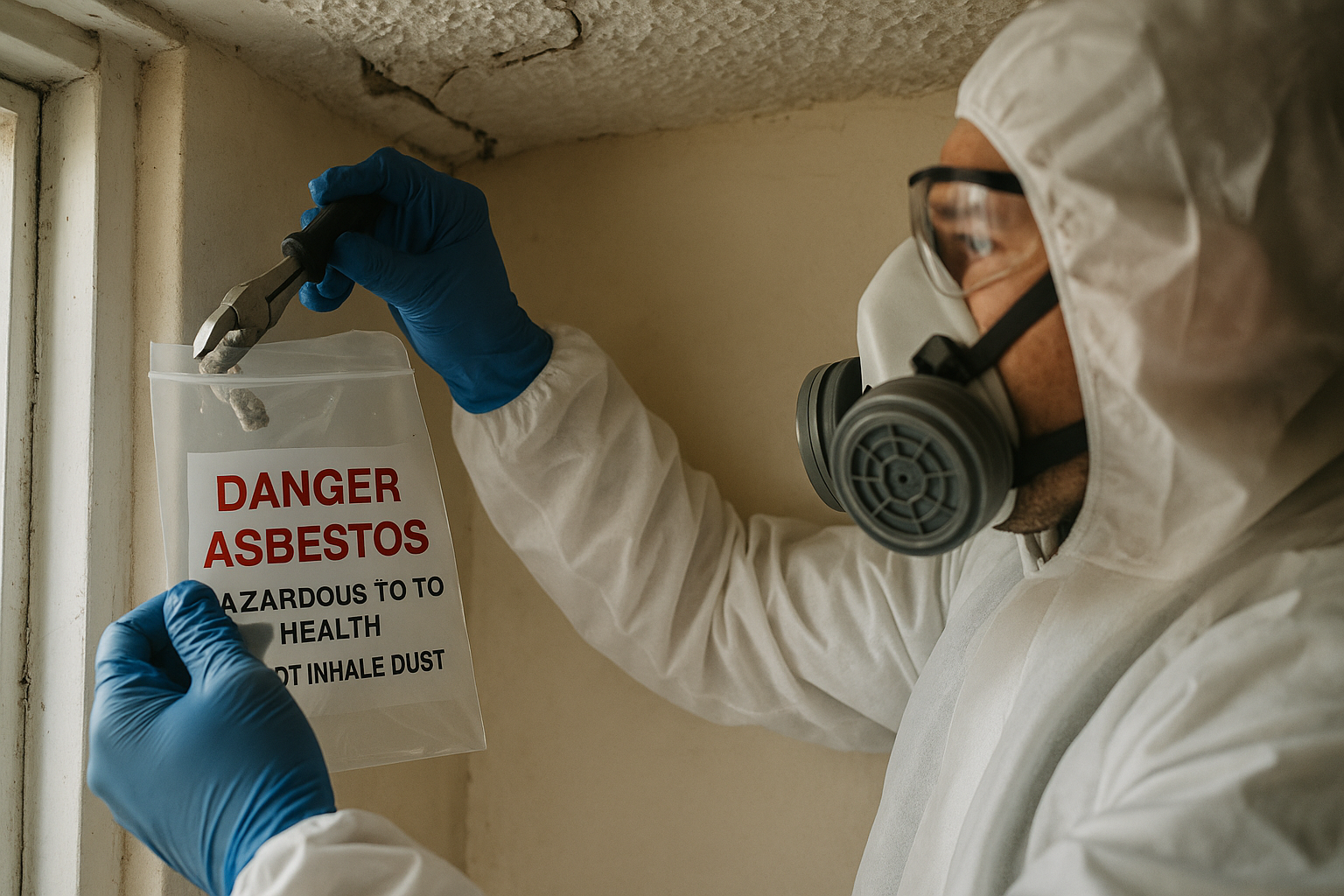
If you have reason to believe asbestos-containing materials may be present in a property, professional asbestos testing can confirm whether fibres are present and identify the type and condition of any materials found. This information is essential for making informed decisions about management, encapsulation, or removal.
Supernova Asbestos Surveys operates across the UK, with specialist teams available in major cities and regions. Whether you need an asbestos survey in London, an asbestos survey in Manchester, or an asbestos survey in Birmingham, our UKAS-accredited surveyors can provide the assessment you need quickly and professionally.
Practical Steps for Property Owners, Managers, and Tradespeople
If you own, manage, or work in a building constructed before 2000, there are practical steps you should take to reduce the risk of asbestos exposure:
- Commission a professional asbestos survey before any refurbishment, renovation, or demolition work begins. Do not assume materials are safe without testing.
- Maintain an asbestos register for your property and ensure it is kept up to date. This document should record the location, condition, and type of any identified asbestos-containing materials.
- Do not disturb materials you suspect may contain asbestos. If materials are in good condition and unlikely to be disturbed, they are often best managed in place rather than removed.
- Inform contractors and tradespeople about the presence and location of asbestos-containing materials before any work begins. This is a legal requirement under the Control of Asbestos Regulations.
- Monitor the condition of known asbestos-containing materials regularly. Deteriorating materials that are at risk of releasing fibres should be assessed by a qualified professional.
- Seek medical advice promptly if you or anyone working on your property develops respiratory symptoms and has a history of potential asbestos exposure.
These steps are not just good practice — many are legal obligations. Failing to meet them can result in enforcement action from the HSE, as well as civil liability if workers or occupants are harmed as a result.
The Long-Term Legacy of Asbestos in UK Buildings
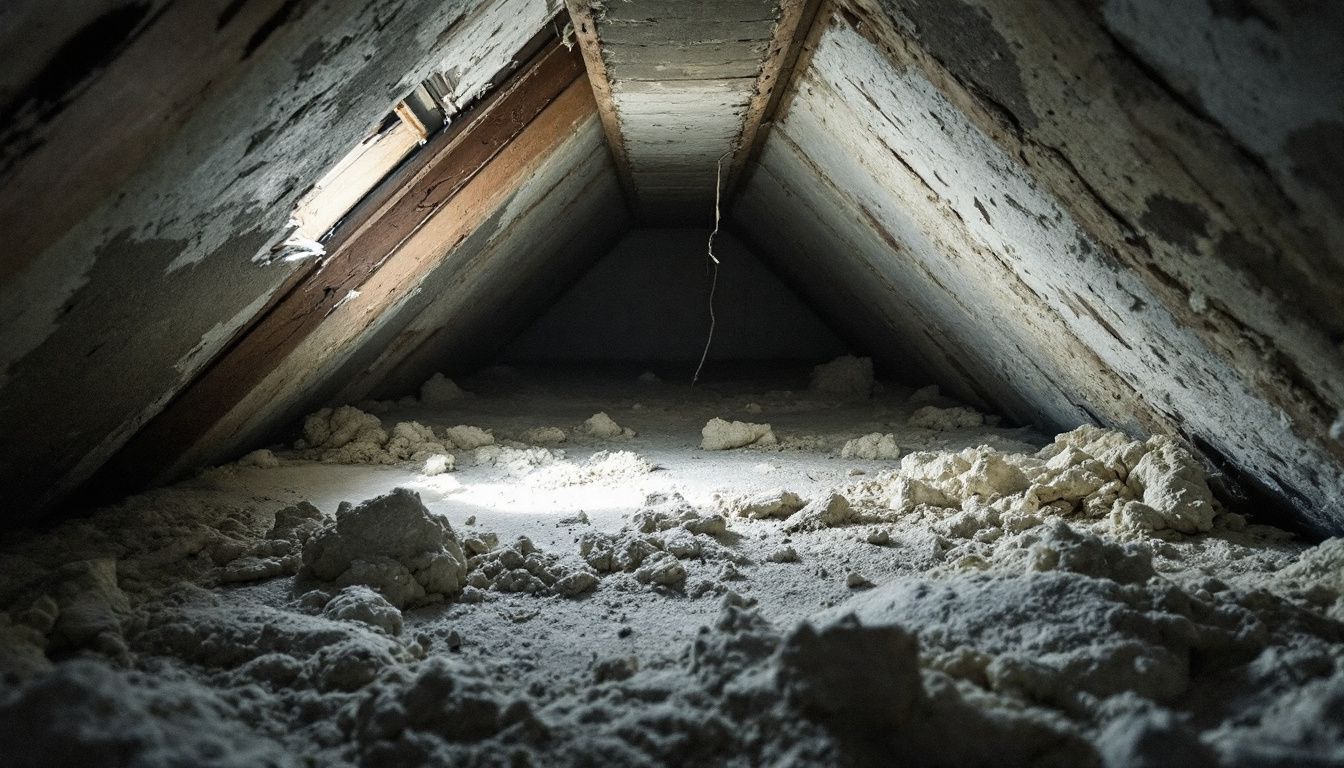
The UK used more asbestos per capita than almost any other country during the 20th century. Despite the ban on all forms of asbestos use, the legacy of that widespread use remains embedded in the fabric of millions of buildings. Hospitals, schools, universities, offices, and private homes built before 2000 may all contain asbestos-containing materials in varying types and conditions.
The most common types of asbestos illness are not historical curiosities. They are active, ongoing public health concerns. New diagnoses of mesothelioma, asbestosis, and related conditions continue to be recorded every year — and given the latency periods involved, they will continue to be recorded for decades to come.
Awareness is the first line of defence. Understanding what these diseases are, who is at risk, and what practical steps can reduce exposure is not just relevant for those who worked with asbestos directly. It is relevant for anyone who lives, works, or operates in the built environment.
Frequently Asked Questions
What are the most common types of asbestos illness?
The five most common types of asbestos illness are mesothelioma, asbestosis, pleural disease (including pleural plaques, pleural effusion, and diffuse pleural thickening), atelectasis, and COPD linked to asbestos exposure. Lung cancer and other cancers are also recognised consequences of asbestos exposure. All of these conditions have long latency periods, meaning symptoms may not appear until decades after the initial exposure.
How long does it take for asbestos-related illness to develop?
Most asbestos-related diseases have latency periods of between 20 and 50 years. This means someone exposed to asbestos in the 1970s or 1980s may only now be developing symptoms. The long latency period is one of the reasons these diseases are often diagnosed at an advanced stage, when treatment options are more limited.
Can you get an asbestos-related illness from a single exposure?
While prolonged or heavy exposure carries the greatest risk, there is no established safe threshold for asbestos exposure. Even relatively brief exposure has been linked to disease in some cases, particularly with the more dangerous fibre types such as crocidolite (blue asbestos). Anyone with any known history of asbestos exposure should make their GP aware of this fact.
Is asbestos still present in UK buildings?
Yes. Asbestos-containing materials remain present in a large proportion of UK buildings constructed before 2000. These include schools, hospitals, offices, and private homes. The materials are not always dangerous in their current state — asbestos that is in good condition and undisturbed poses a lower immediate risk — but any planned maintenance, refurbishment, or demolition work must be preceded by a professional asbestos survey.
What should I do if I think I’ve been exposed to asbestos?
If you believe you have been exposed to asbestos — whether through work, a property, or contact with someone who worked with asbestos — you should inform your GP as soon as possible. Your GP can arrange appropriate monitoring and investigations. You should also ensure that any property you are responsible for is assessed by a qualified asbestos surveyor to prevent further exposure to yourself or others.
Get Professional Asbestos Support from Supernova
Supernova Asbestos Surveys has completed over 50,000 surveys across the UK. Our UKAS-accredited team provides management surveys, refurbishment and demolition surveys, and asbestos testing services for residential, commercial, and industrial properties of all types.
If you have concerns about asbestos in a property you own or manage, do not wait. Early identification is the most effective way to protect the health of occupants, workers, and visitors.
Call us on 020 4586 0680 or visit asbestos-surveys.org.uk to book a survey or speak to one of our specialists.