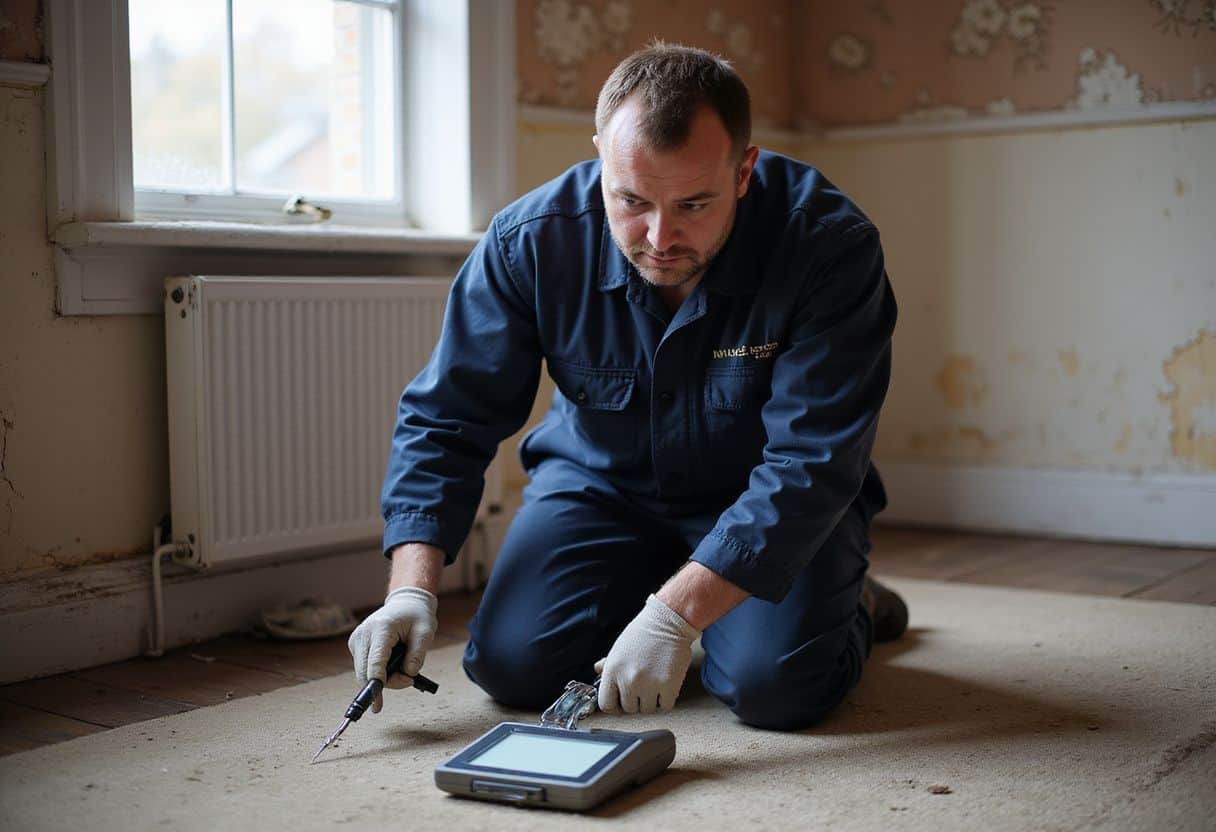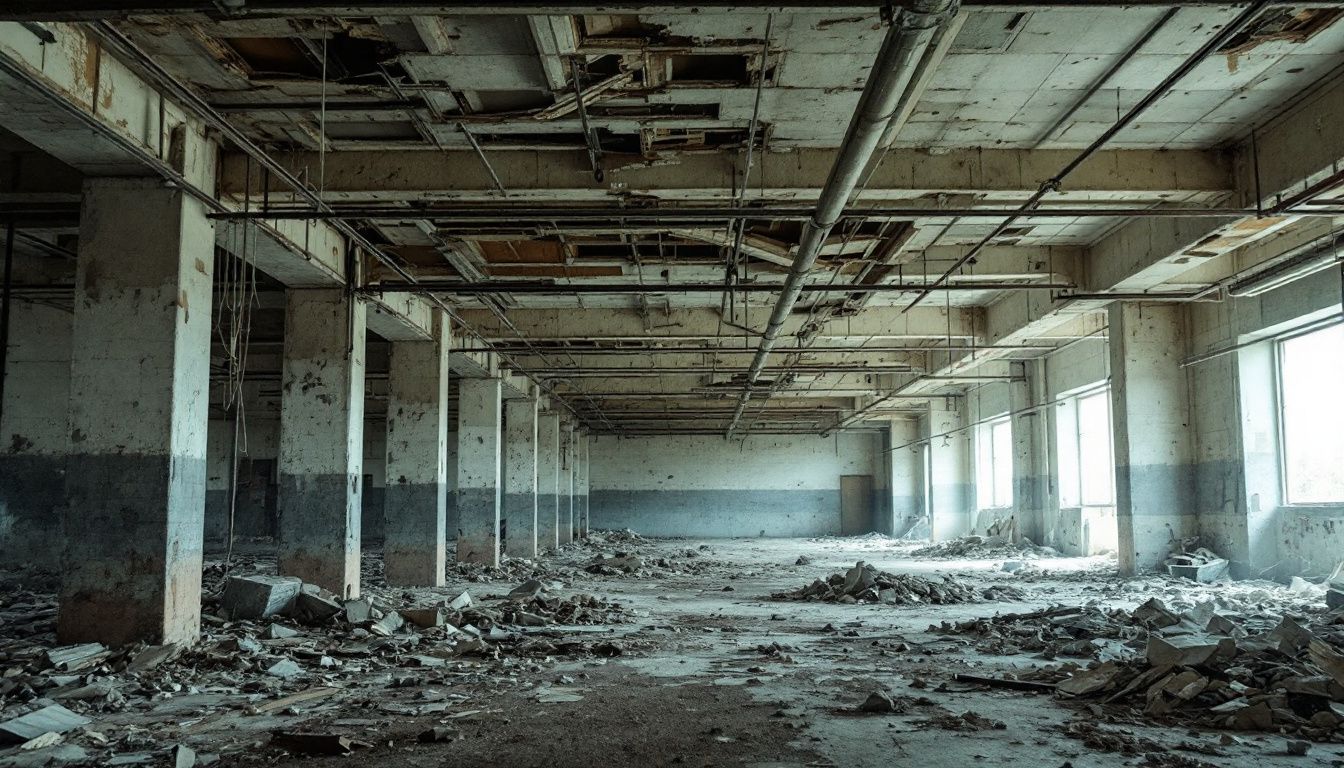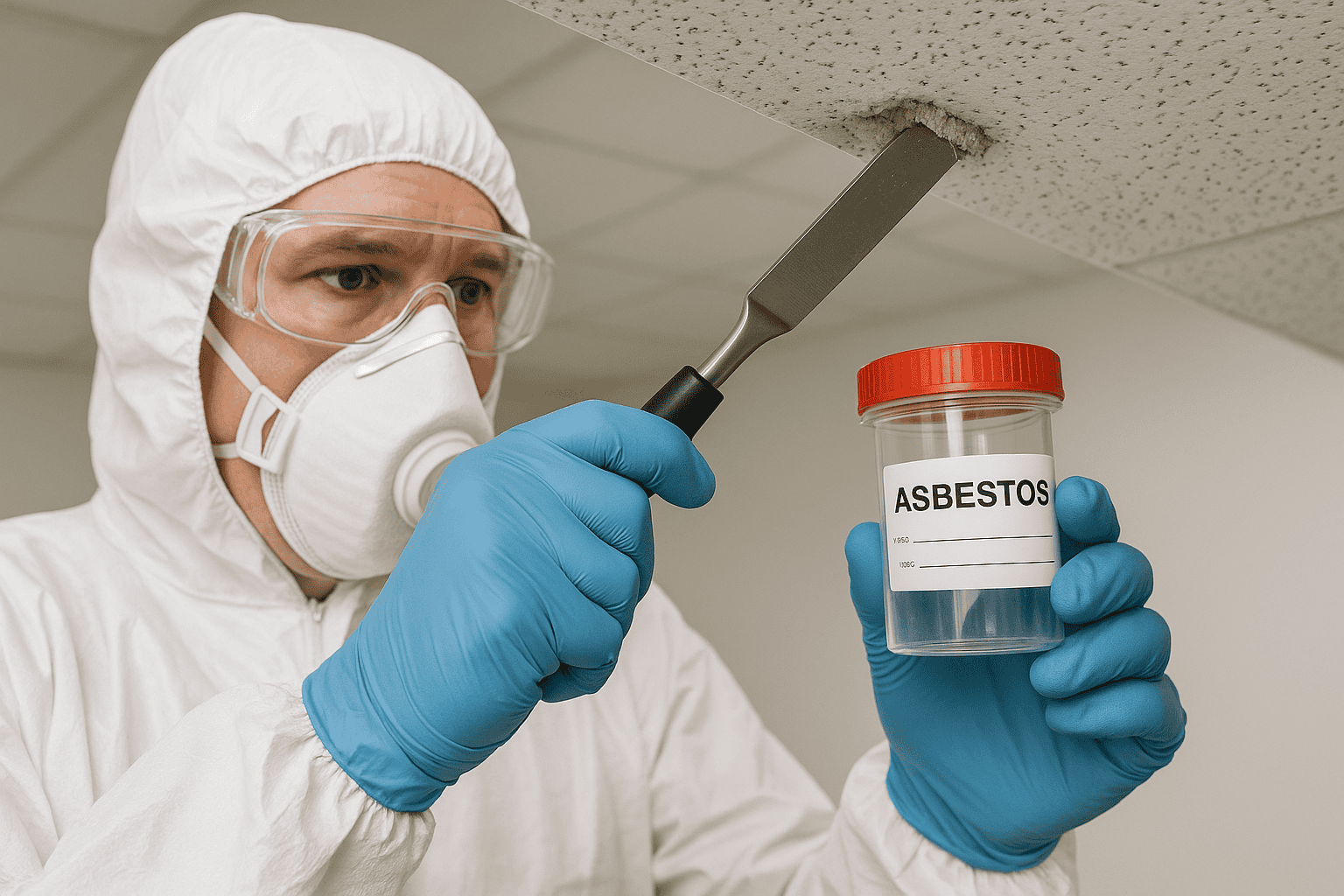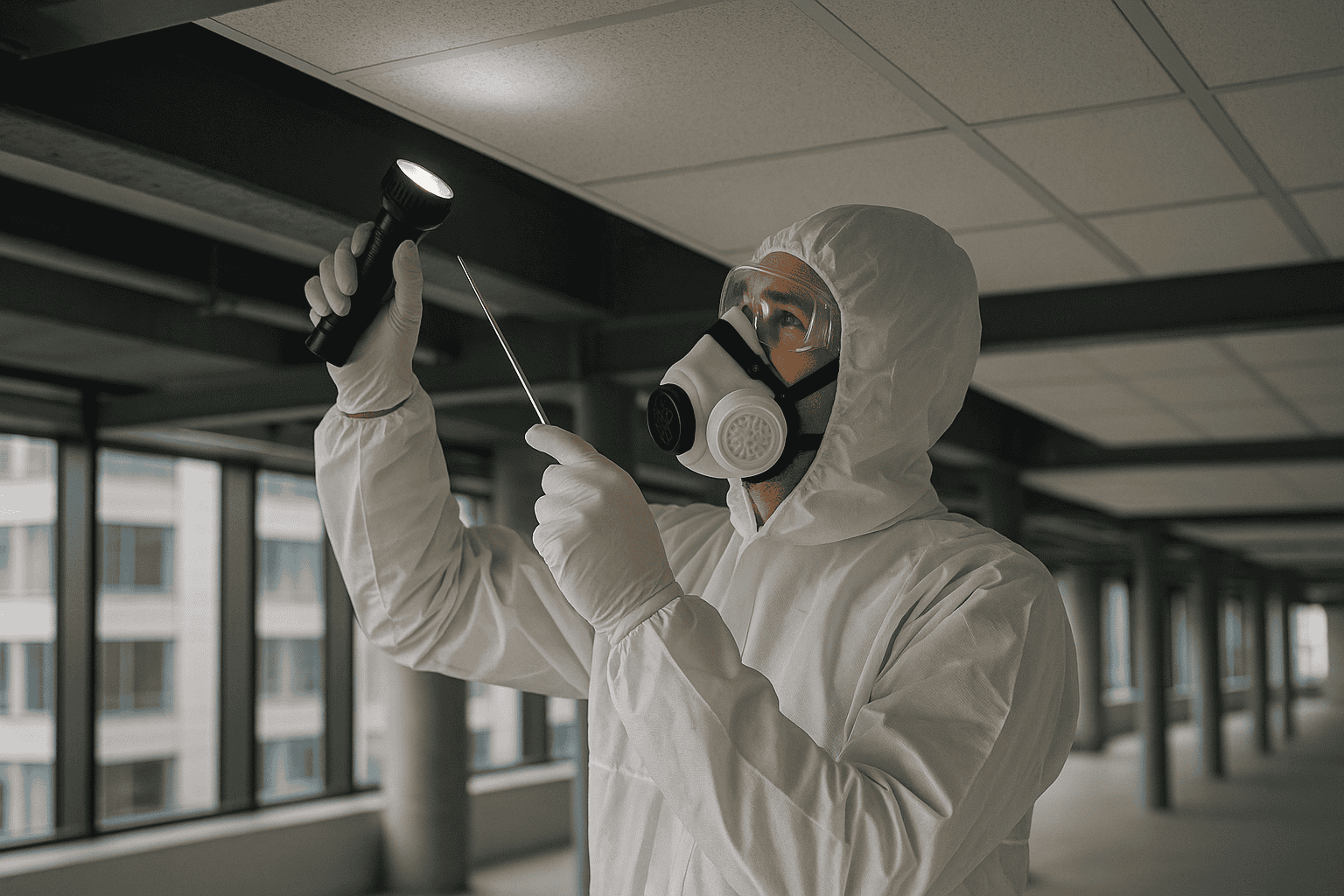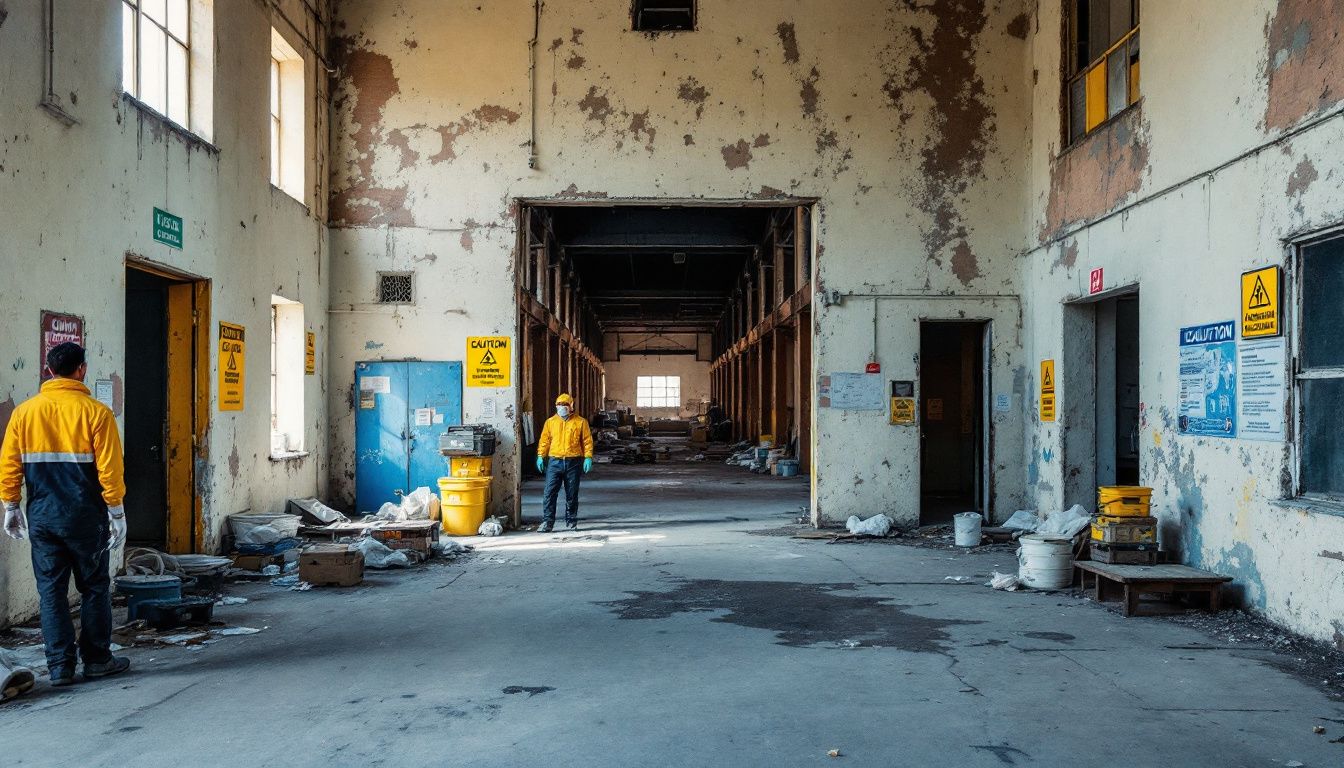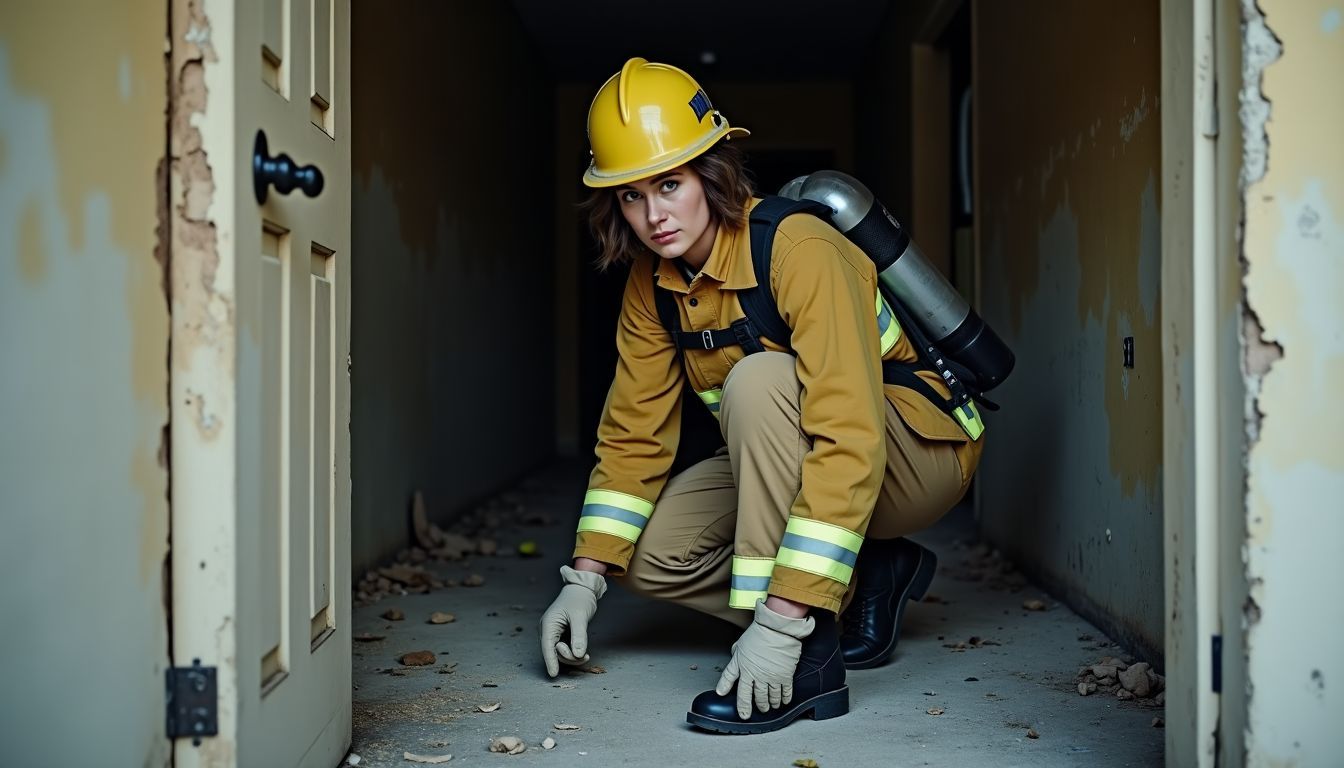
Asbestos warts sounds like the kind of problem you could spot on the skin and deal with in a GP appointment. That is exactly why the term causes confusion. In property management, maintenance and refurbishment, the real danger from asbestos is not usually a skin lesion at all. It is the release of airborne fibres when asbestos-containing materials are disturbed.
If you have heard the phrase asbestos warts from an old workplace story, a contractor, or an online search after noticing a rough patch on your hand, the first thing to know is this: asbestos risk in buildings is mainly about inhalation, not skin disease. For landlords, duty holders, facilities managers and contractors, that distinction matters because it affects what you do next, what survey you need, and how you stay compliant with the Control of Asbestos Regulations, HSG264 and HSE guidance.
What are asbestos warts?
Asbestos warts is an informal historical term rather than a formal medical diagnosis. It was used to describe small, hard, rough skin growths that could appear on the hands or fingers of workers who repeatedly handled raw asbestos in dusty industrial settings.
They were not true viral warts. The term generally referred to localised thickening of the skin, irritation or small lesions linked to direct contact, friction or embedded fibres during repeated handling of loose asbestos.
That history explains why the phrase still appears in searches today. But in modern asbestos management, asbestos warts are not the main issue. The serious health risks linked to asbestos come from fibres being breathed into the lungs.
Why the term asbestos warts is misleading
People often search for asbestos warts because they want to know whether a skin problem means they have been exposed to asbestos. That is understandable, but it can send attention in the wrong direction.
When asbestos is present in a building, the practical questions are far more urgent:
- Is the material actually asbestos-containing?
- What type of product is it?
- What condition is it in?
- Has it been damaged or disturbed?
- Is maintenance, refurbishment or demolition planned?
- Do contractors have the correct asbestos information before starting work?
Those questions are what protect people. Focusing only on whether a skin mark resembles asbestos warts does not tell you whether a ceiling tile, boxing panel, riser lining or pipe insulation is releasing fibres.
Can asbestos cause skin problems?
Asbestos is not mainly known for causing skin disease. Historically, direct handling of raw fibres could irritate the skin and may have contributed to the old term asbestos warts, but that is very different from the asbestos risks most UK property managers deal with now.
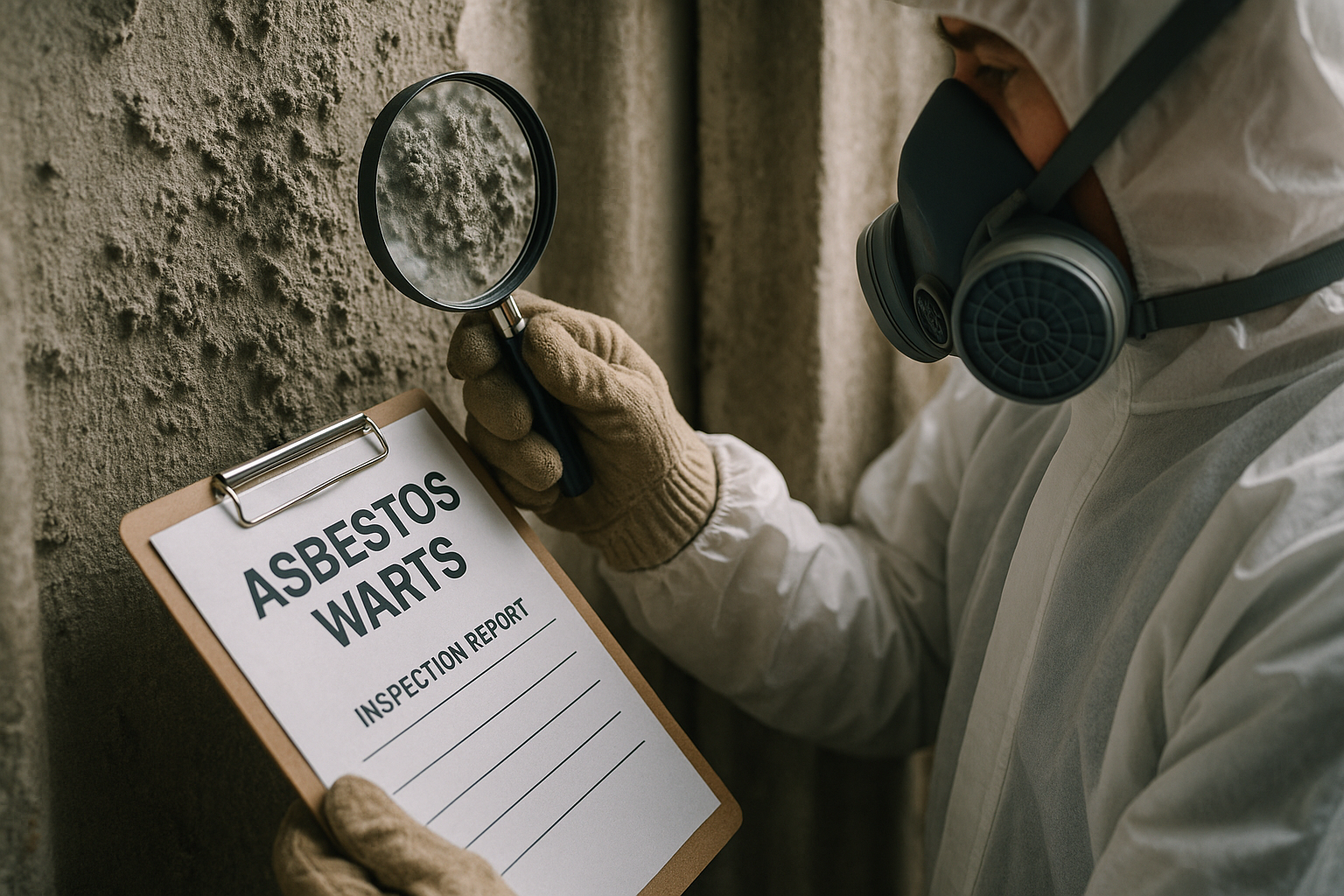
In today’s buildings, exposure is far more likely to happen during drilling, cutting, sanding, stripping out, cable installation, plumbing upgrades or demolition work. That is why asbestos control focuses on identifying asbestos-containing materials, assessing their condition and preventing disturbance.
Skin conditions that may be mistaken for asbestos warts
A rough lesion on the hand does not prove asbestos exposure. Several common conditions can look similar, including:
- Ordinary viral warts
- Calluses from manual work
- Dermatitis caused by irritants
- Small splinter reactions
- Dry, cracked skin
- Other occupational skin conditions unrelated to asbestos
If someone has an unexplained skin lesion, they should speak to a medical professional. Separately, if they may have disturbed a suspect material in a property, the building risk should be assessed immediately.
Can asbestos enter the body through the skin?
Asbestos fibres can irritate the surface of the skin, but the serious asbestos-related diseases associated with occupational and building exposure are linked to inhalation. The lungs and pleura are the main sites of harm.
From a practical site perspective, if a suspect material has been disturbed, treat airborne fibre release as the priority hazard. Stop the task, keep people away, and arrange competent asbestos advice before work resumes.
The real health risks linked to asbestos exposure
Anyone asking about asbestos warts should understand the conditions that actually drive asbestos regulation and asbestos risk management in the UK. These illnesses often develop after a long latency period, which is one reason prevention matters so much.
Mesothelioma
Mesothelioma is a cancer affecting the lining of the lungs or abdomen. It is strongly associated with asbestos exposure and can arise many years after exposure took place.
For duty holders, the lesson is straightforward: do not assume a minor disturbance is harmless. Even short tasks can create a risk if they release fibres.
Asbestos-related lung cancer
Asbestos exposure can cause lung cancer. Smoking can increase overall risk, but asbestos-related lung cancer can occur in non-smokers too.
That is why proper planning before maintenance or refurbishment is essential. Guesswork around older materials is not a safe system of work.
Asbestosis
Asbestosis is scarring of the lung tissue caused by inhaling asbestos fibres, usually after heavy or sustained exposure. It affects breathing and cannot be reversed.
For property managers, that underlines the need to identify asbestos before intrusive works begin. Once exposure has happened, the chance to prevent it has already been lost.
Pleural thickening and pleural plaques
Asbestos can also affect the pleura, the lining around the lungs. Some pleural changes may indicate previous exposure, while diffuse pleural thickening can impair breathing.
The practical takeaway is simple: prevention comes first. Effective asbestos management is about stopping disturbance before fibres become airborne.
How asbestos exposure happens in buildings
The phrase asbestos warts suggests direct handling of raw asbestos, but that is not how most current exposure happens in UK properties. The usual risk comes from disturbing asbestos-containing materials during occupation, maintenance, refurbishment or demolition.

Asbestos may still be present in many buildings constructed or refurbished before the final ban. It can appear in commercial premises, schools, offices, warehouses, public buildings and some domestic areas.
Common asbestos-containing materials
- Asbestos insulating board
- Pipe lagging
- Sprayed coatings
- Cement sheets and roof panels
- Floor tiles and adhesives
- Textured coatings
- Ceiling tiles
- Panels, soffits and boxing
- Gaskets, seals and rope products
- Service riser materials
Exposure usually occurs when these materials are drilled, broken, cut, sanded, removed or allowed to deteriorate without proper controls.
Typical situations that create asbestos risk
- Installing cables or pipework through walls and ceilings
- Replacing heating, plumbing or electrical systems
- Removing partitions during fit-outs
- Accessing plant rooms, risers and service ducts
- Repairing leaks that have damaged ceiling or wall materials
- Breaking up garages, outbuildings or industrial roofs
- Starting works based on old asbestos records
- Allowing contractors on site without briefing them properly
If you manage a property, these are the moments where asbestos planning matters most. A survey report only helps if it is current, suitable for the task and shared with the people doing the work.
Your legal duties under UK asbestos regulations
If you are a duty holder, landlord, employer, managing agent or facilities manager, your responsibilities sit under the Control of Asbestos Regulations. In non-domestic premises, there is a duty to manage asbestos.
That means taking reasonable steps to find out whether asbestos-containing materials are present, presuming materials contain asbestos unless there is strong evidence otherwise, assessing risk, and keeping records up to date. Surveying should be completed in line with HSG264, and any work involving asbestos should follow relevant HSE guidance.
In practice, duty holders should:
- Identify likely asbestos-containing materials
- Assess their condition and the likelihood of disturbance
- Maintain an asbestos register
- Create and implement an asbestos management plan
- Share asbestos information with staff and contractors
- Review records regularly and update them when conditions change
Many compliance failures happen because a property has some asbestos information, but not the right information for the work planned. A management record is not the same as a refurbishment or demolition survey.
Which asbestos survey do you need?
Questions about asbestos warts often arise after someone has already handled or disturbed a suspect material. The better approach is to identify risk before work starts. The right survey depends on the building use and the nature of the planned works.
Management survey
For normal occupation and routine maintenance, a management survey helps locate, as far as reasonably practicable, the presence and condition of asbestos-containing materials that could be disturbed during everyday use.
This is the baseline survey many duty holders need. It is not designed for intrusive refurbishment or strip-out work.
Refurbishment survey
If you are opening up walls, replacing services, reconfiguring layouts or carrying out invasive upgrades, you will usually need a refurbishment survey. This survey is intrusive because hidden asbestos-containing materials need to be identified before contractors begin.
Using a management survey for refurbishment work is a common mistake and a costly one when work has to stop mid-project.
Demolition survey
If a structure is due to be taken down, a demolition survey is required before demolition proceeds. This survey is designed to identify asbestos-containing materials so they can be managed or removed before the building is demolished.
Demolition without proper asbestos information creates obvious legal and safety risks. It can also lead to site contamination, delays and expensive clean-up work.
Re-inspection survey
If asbestos-containing materials have been identified and left in place, their condition should be checked periodically. A re-inspection survey helps keep your asbestos register accurate and highlights any deterioration.
This is especially useful in busy buildings where wear, leaks, accidental impacts or unauthorised works may have changed the condition of known materials.
What to do if you suspect asbestos has been disturbed
If someone raises concerns about asbestos warts after handling an unknown material, do not use the skin issue to judge the building risk. Treat the material and area as potentially contaminated until you have proper evidence.
Take these steps straight away:
- Stop work immediately
- Keep people out of the area
- Avoid sweeping, dry brushing or using an ordinary vacuum
- Do not break up or move more material than necessary
- Isolate the area where possible
- Check the asbestos register and any existing survey reports
- Arrange professional assessment and testing
If you need to confirm whether a material contains asbestos, use professional sample analysis rather than relying on appearance. Visual identification is not reliable enough for safe decision-making.
If asbestos-containing materials are confirmed and have been damaged, the next step may involve repair, encapsulation, specialist cleaning or licensed asbestos removal, depending on the material, its condition and the work planned.
Practical advice for property managers and duty holders
Most asbestos failures are not caused by a lack of regulation. They happen because records are outdated, surveys do not match the work, or contractors start before anyone checks the asbestos information.
To stay in control, follow a few basic rules consistently.
- Assume older premises may contain asbestos unless proven otherwise
- Make sure the survey type matches the planned work
- Keep the asbestos register current and easy to access
- Brief contractors before they start, not after they find a problem
- Review known materials after leaks, damage or alterations
- Do not rely on a historic survey for newly intrusive work elsewhere on site
- Record who received asbestos information and when
- Escalate concerns quickly if suspect materials are damaged
If you manage multiple sites, standardise your asbestos process. Use the same document controls, contractor briefing steps and review schedule across the portfolio. That reduces confusion and makes compliance easier to evidence.
When location matters: local asbestos surveying support
Fast access to competent asbestos advice matters when a project is about to start or a suspect material has already been disturbed. Local support can make a real difference to response times and planning.
If your property is in the capital, arranging an asbestos survey London service can help you get the right survey in place before maintenance or refurbishment begins.
For sites in the North West, an asbestos survey Manchester appointment is a practical option when you need prompt surveying support for commercial or residential properties.
If you are responsible for premises in the Midlands, booking an asbestos survey Birmingham service can help you deal with suspected asbestos-containing materials before works are disrupted.
Common mistakes to avoid when asbestos is suspected
The term asbestos warts can lead people to focus on the wrong symptom and miss the bigger building risk. These are the mistakes that cause the most trouble on site:
- Assuming a material is safe because it looks harmless
- Letting contractors proceed without checking asbestos records
- Using the wrong survey type for intrusive work
- Relying on verbal reassurance instead of documented evidence
- Trying to clean up debris without proper controls
- Ignoring minor damage to known asbestos-containing materials
- Failing to review the asbestos register after changes to the building
A simple rule helps here: if the material is unknown and the building age suggests asbestos could be present, pause the work and verify first. That is faster and cheaper than dealing with contamination after the fact.
Frequently Asked Questions
Are asbestos warts a recognised medical diagnosis?
No. Asbestos warts is an old informal term rather than a formal medical diagnosis. It was historically used to describe rough skin growths or thickened areas on the hands of workers who handled raw asbestos repeatedly.
Does getting asbestos on your skin cause serious illness?
Skin contact can cause irritation, but the serious illnesses associated with asbestos are mainly linked to inhaling airborne fibres. If a suspect material has been disturbed, the priority is to stop work and assess the risk of fibre release.
What should I do if a contractor disturbs a material that might contain asbestos?
Stop the work immediately, keep people away from the area, avoid sweeping or vacuuming debris, and check your asbestos records. Then arrange competent assessment and testing so the material can be identified properly.
Can I tell if a material contains asbestos just by looking at it?
No. Many asbestos-containing materials look similar to non-asbestos products. Visual checks are not enough for safe decisions, which is why professional sampling and analysis are used where identification is required.
Which survey do I need before building work starts?
That depends on the work. Routine occupation and standard maintenance usually call for a management survey, while intrusive upgrades need a refurbishment survey and demolition works require a demolition survey. If known asbestos remains in place, periodic re-inspection is also important.
If you need clear advice on suspect materials, the right survey for planned works, or urgent support after accidental disturbance, Supernova Asbestos Surveys can help. We provide nationwide asbestos surveying, testing and asbestos management support for landlords, duty holders, contractors and property managers. Call 020 4586 0680 or visit asbestos-surveys.org.uk to book a survey or speak to our team.