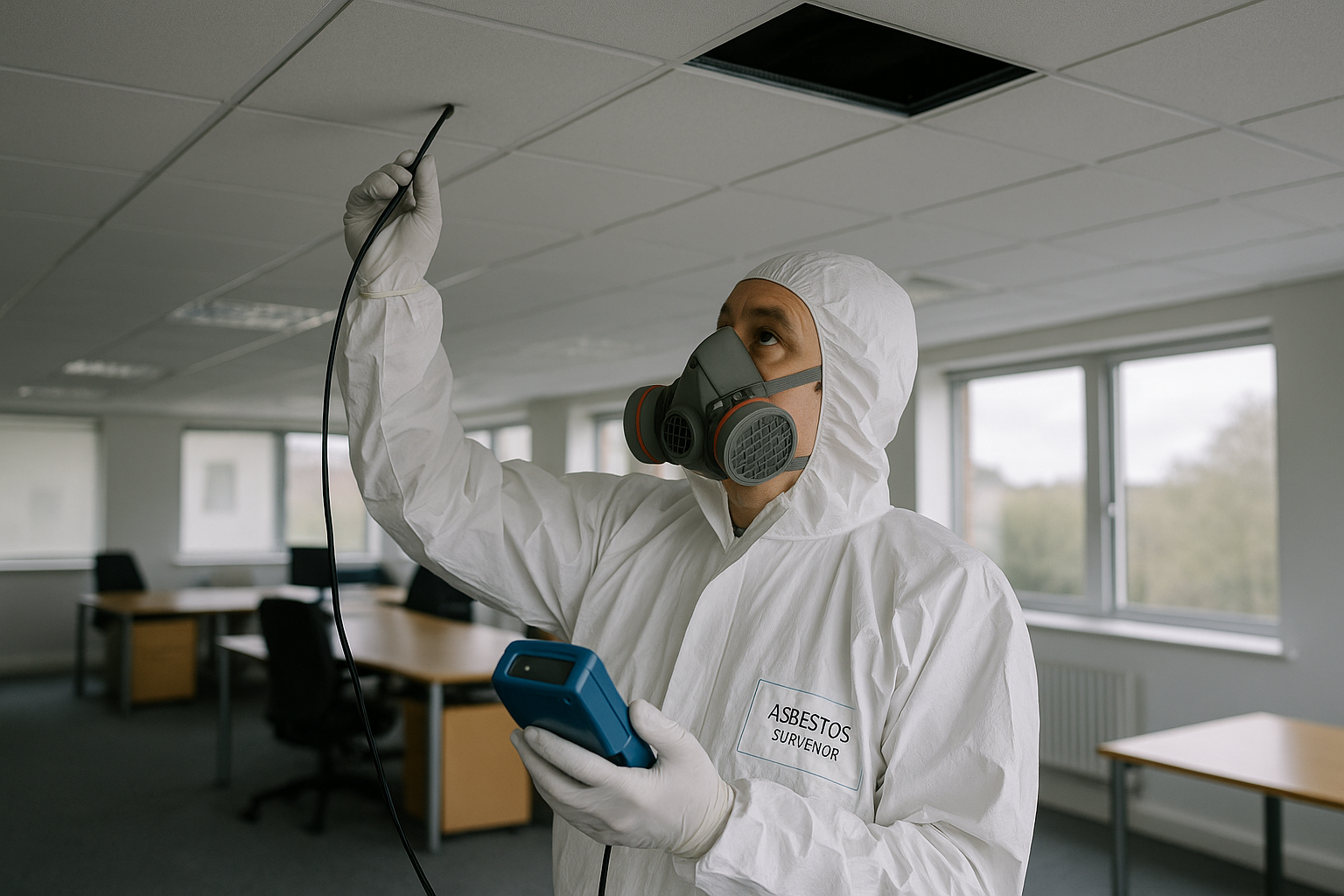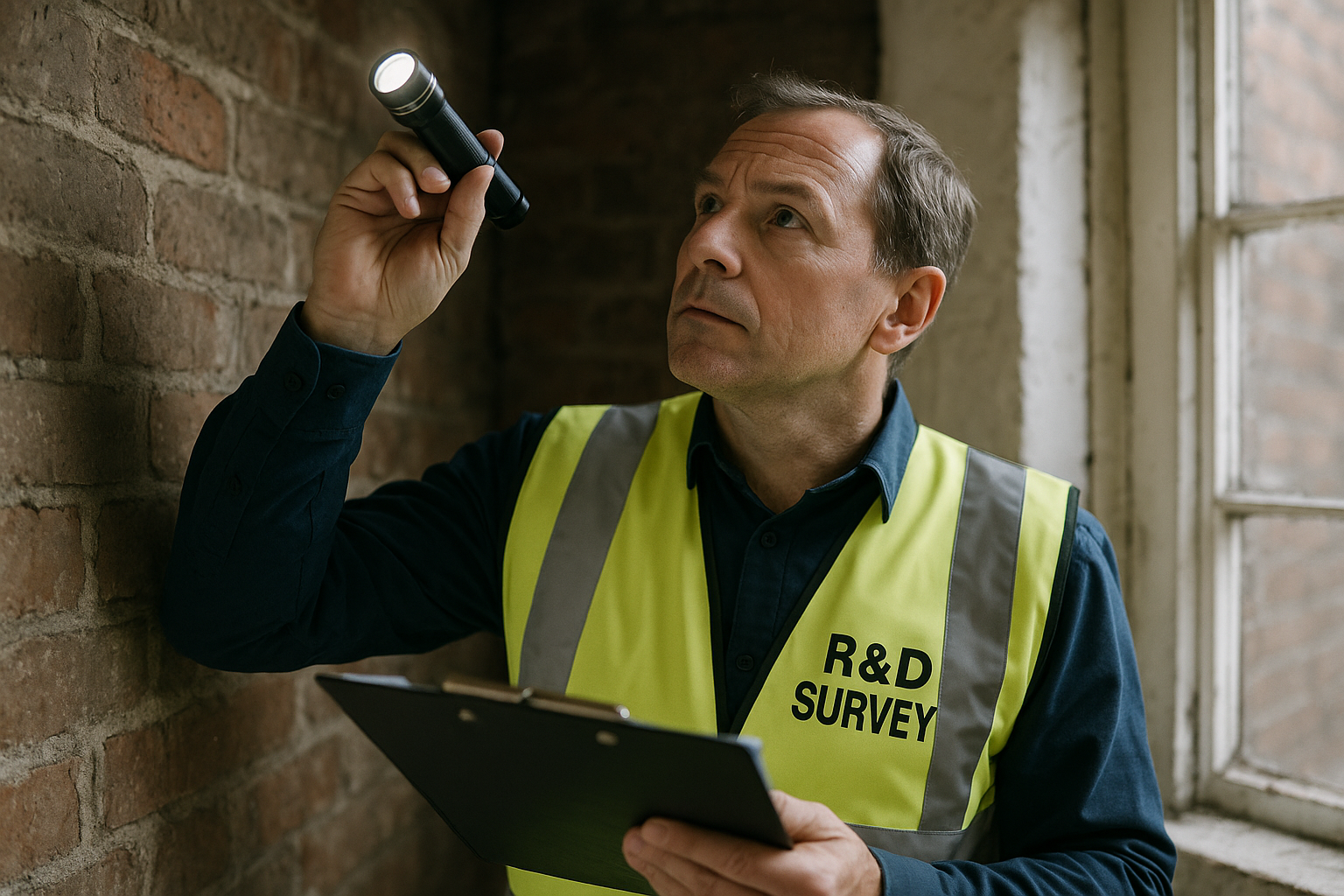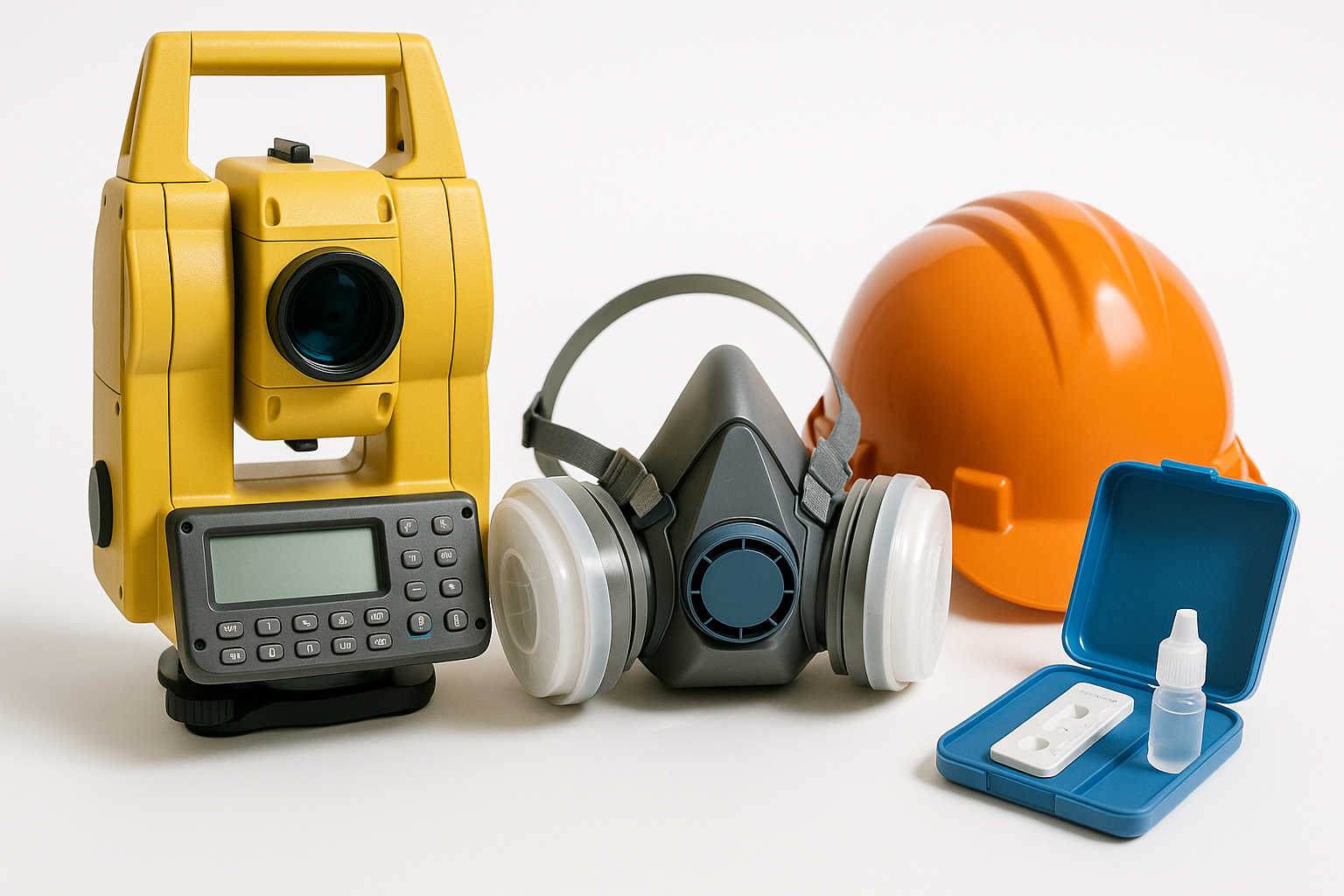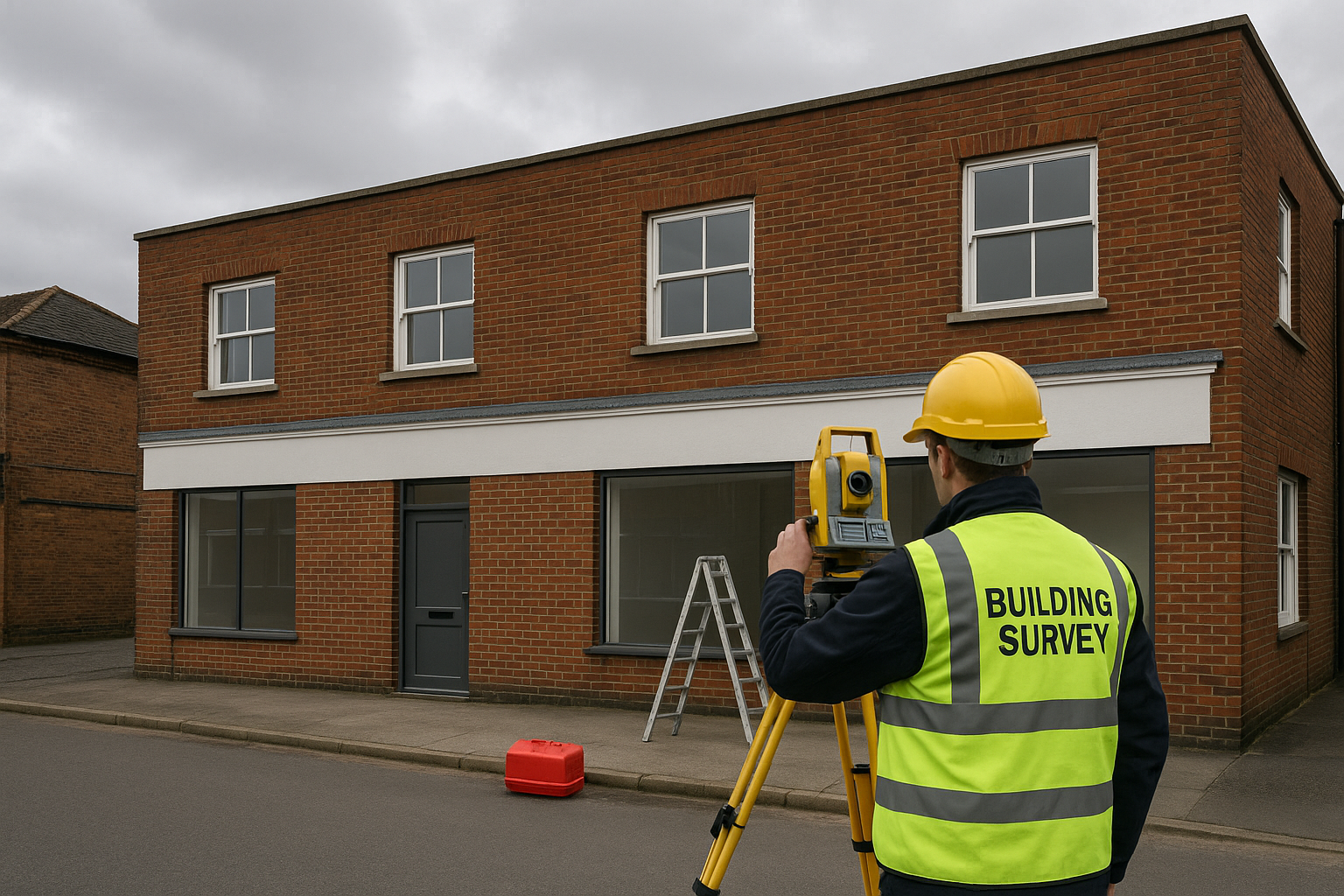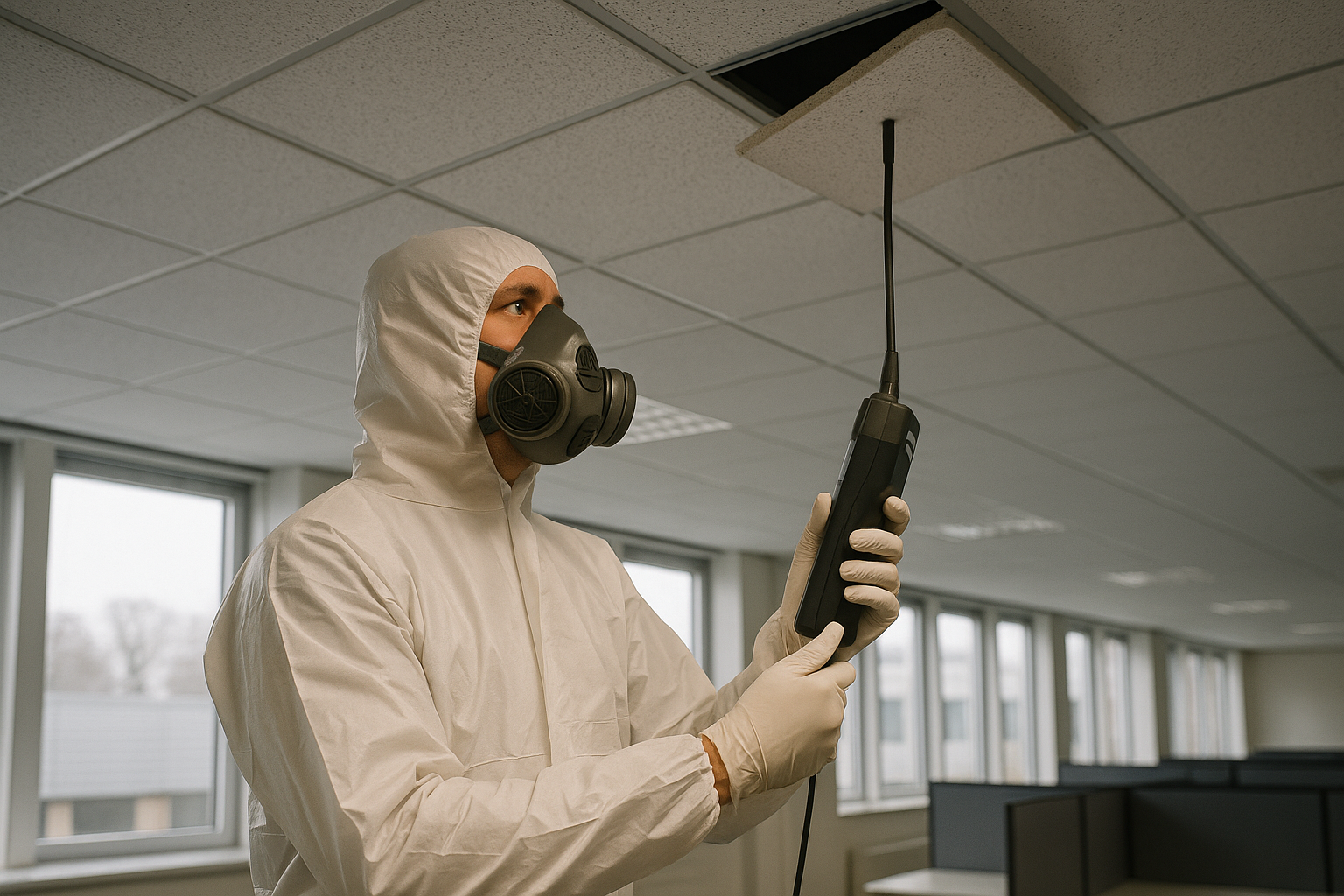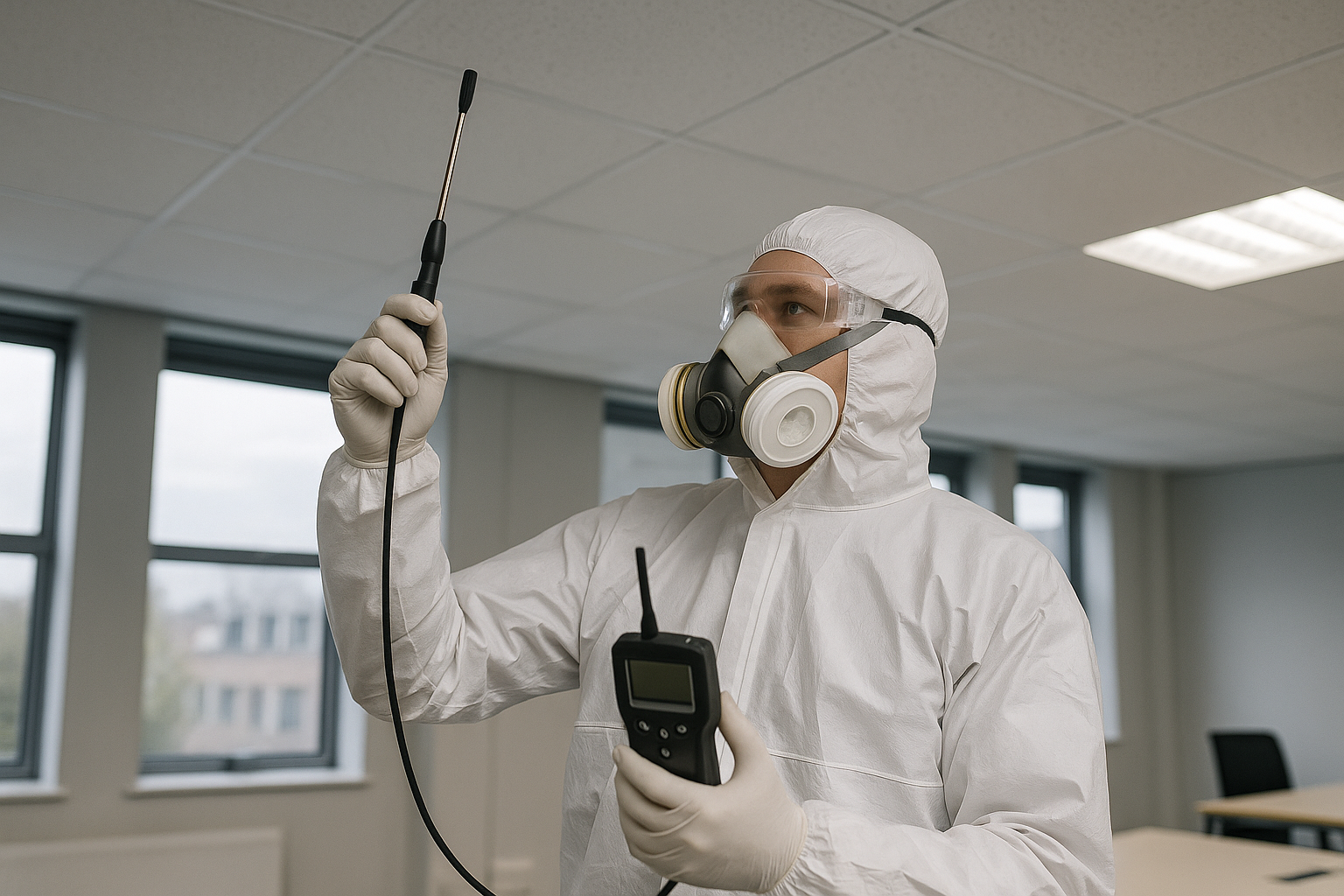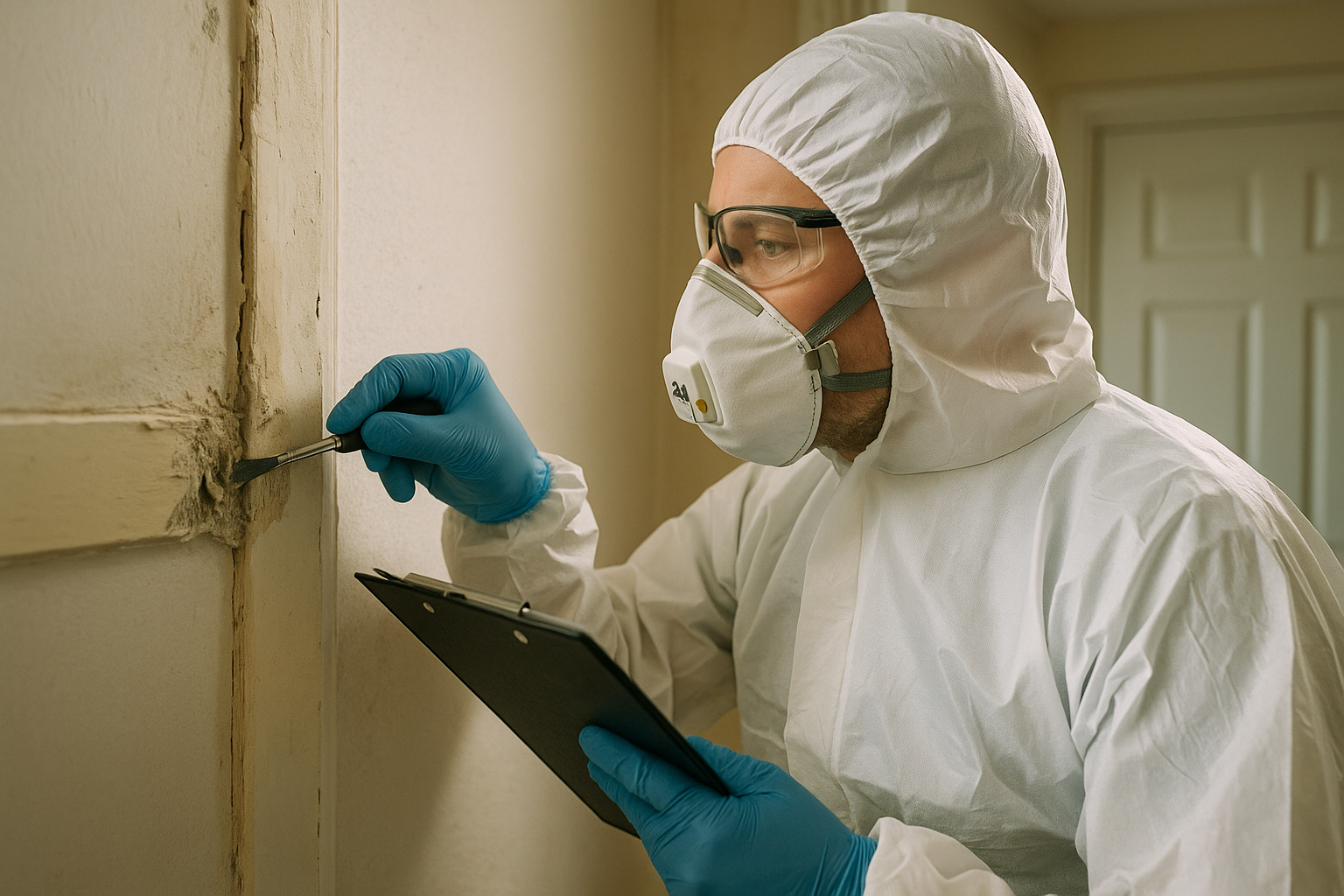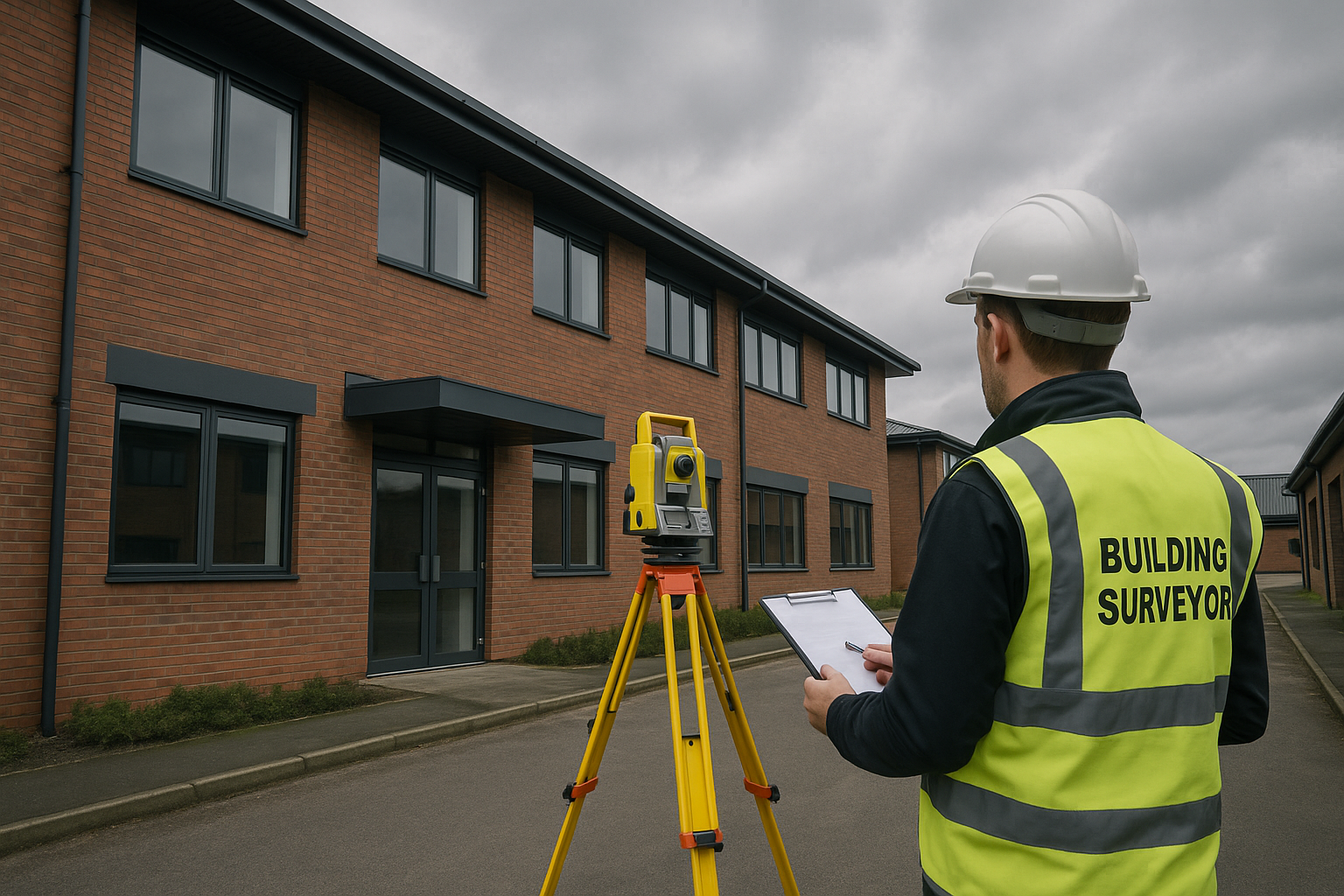
Choose the wrong asbestos survey types and the problem rarely stays hidden for long. It usually appears when a contractor opens a ceiling void, lifts flooring or starts stripping out a wall, and suddenly everyone is dealing with delays, extra cost and a serious safety issue.
For anyone responsible for a building built before 2000, understanding asbestos survey types is not an admin task to push down the list. It sits at the centre of legal compliance, safe maintenance, contractor control and sensible project planning.
Why asbestos survey types matter
Asbestos was used in a wide range of materials across UK buildings. It can still be found in insulation board, pipe lagging, cement sheets, floor tiles, textured coatings, ceiling panels, gaskets and other products.
If asbestos-containing materials remain in good condition and are not disturbed, the immediate risk may be lower. The issue starts when work damages those materials and releases fibres, which is why the right survey must match the work being carried out.
Under the Control of Asbestos Regulations, duty holders in non-domestic premises must manage asbestos risk. HSE guidance and HSG264 set out the purpose and approach for the main survey categories, and those survey categories are not interchangeable.
A survey should help you:
- Locate asbestos-containing materials as far as reasonably practicable
- Assess their condition
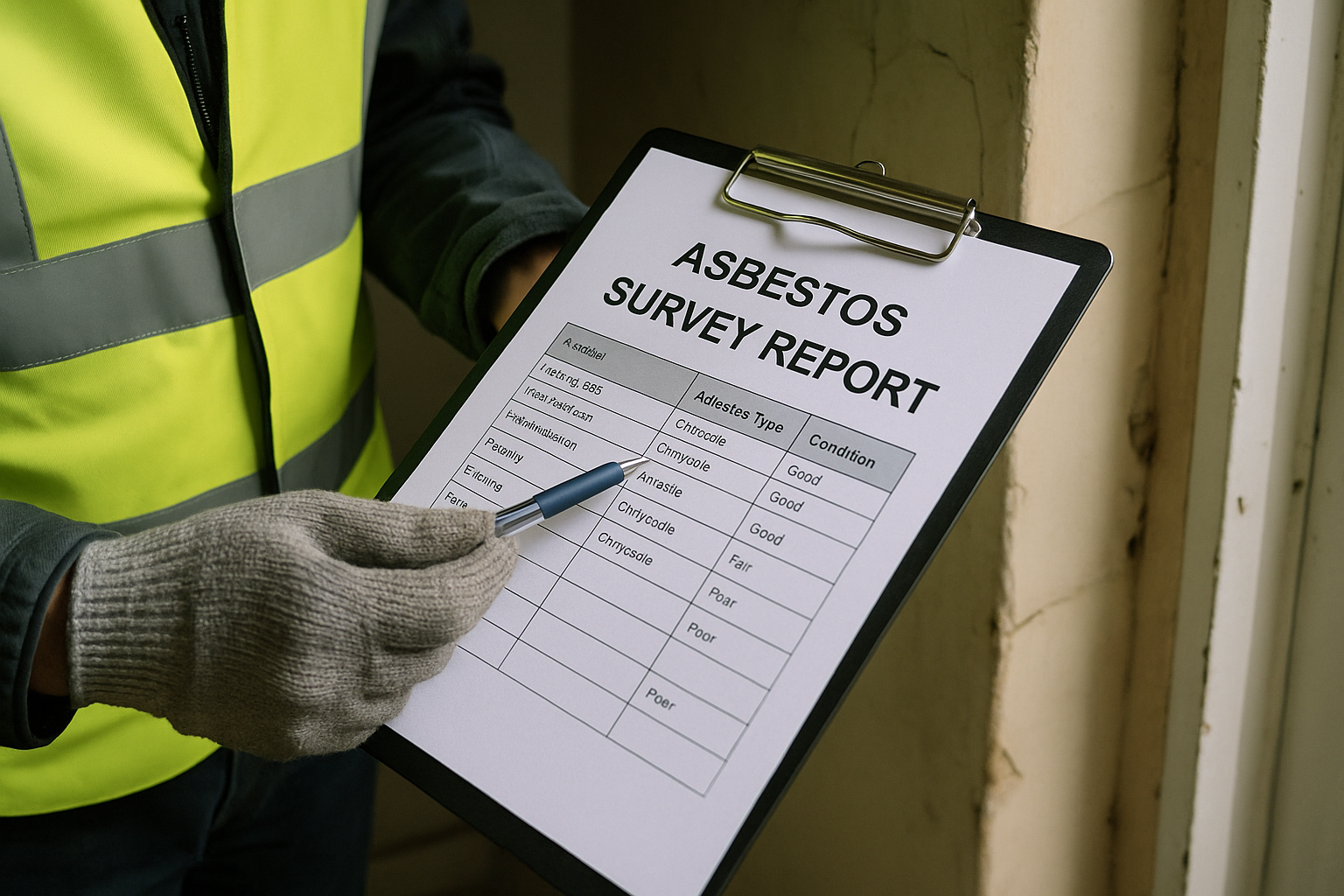
- Record what has been found or presumed
- Plan control measures
- Give contractors the right information before work starts
In simple terms, different asbestos survey types apply at different stages of a building’s life. A survey for day-to-day occupation is not the same as a survey for a strip-out project or demolition programme.
What are the main asbestos survey types?
In practice, the main asbestos survey types you will come across are:
- Management survey
- Refurbishment survey
- Demolition survey
- Reinspection survey
HSG264 recognises two core survey categories: the management survey and the refurbishment/demolition survey. In real-world property management, reinspection surveys are also a standard part of ongoing asbestos control because identified or presumed materials need reviewing over time.
If you brief the wrong survey, you may end up with a report that is technically valid but useless for the work ahead. That is where many avoidable project delays begin.
Management survey: the usual choice for occupied buildings
A management survey is the standard option when a building is occupied and the aim is to manage asbestos during normal use. Among all asbestos survey types, this is the one most commonly required for offices, schools, warehouses, retail units, communal areas and public buildings.
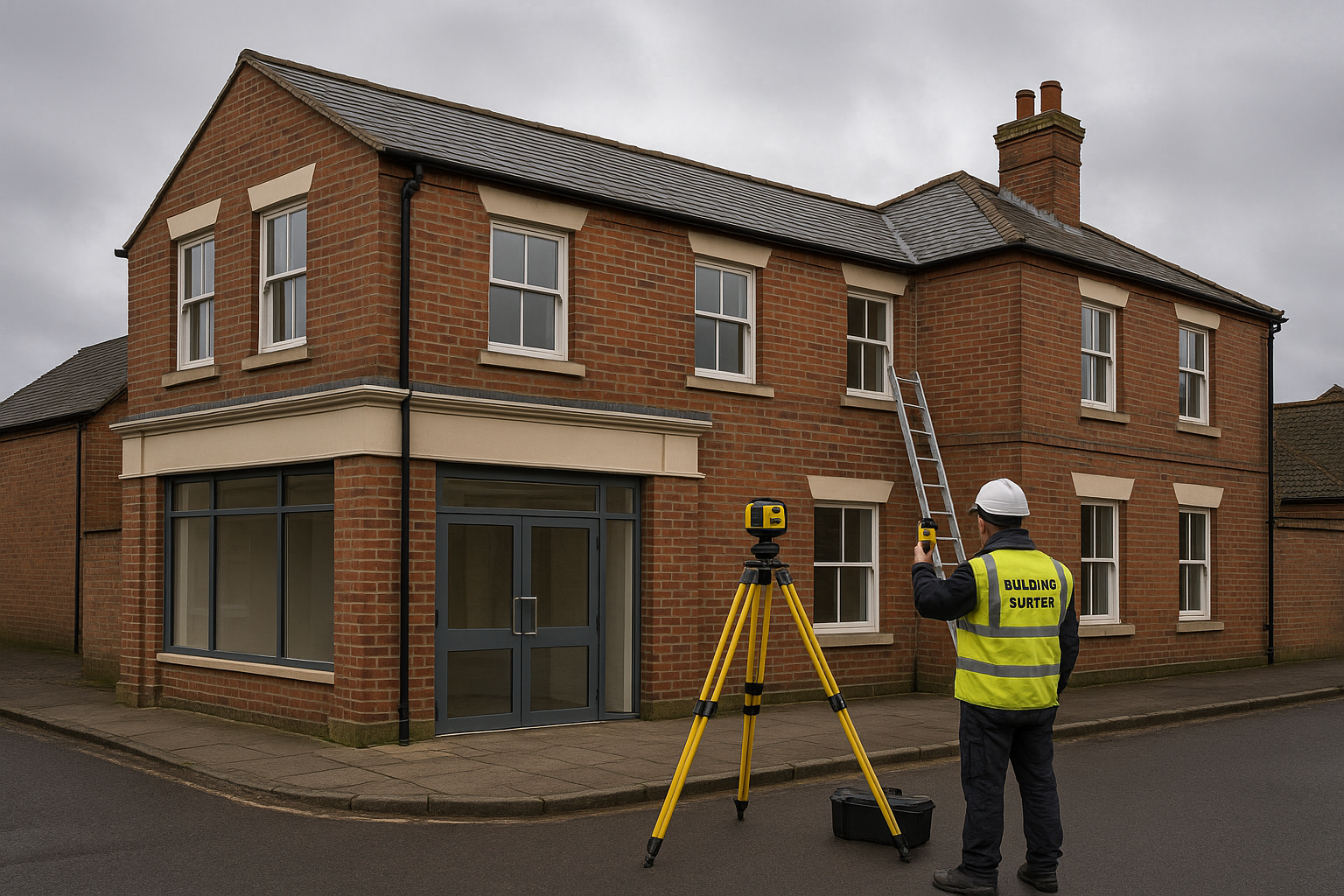
The purpose is to locate, as far as reasonably practicable, asbestos-containing materials that could be disturbed during everyday occupation, routine maintenance or minor installation work. If you need a management survey, the findings should support your asbestos register and day-to-day management plan.
Is a management survey non-intrusive?
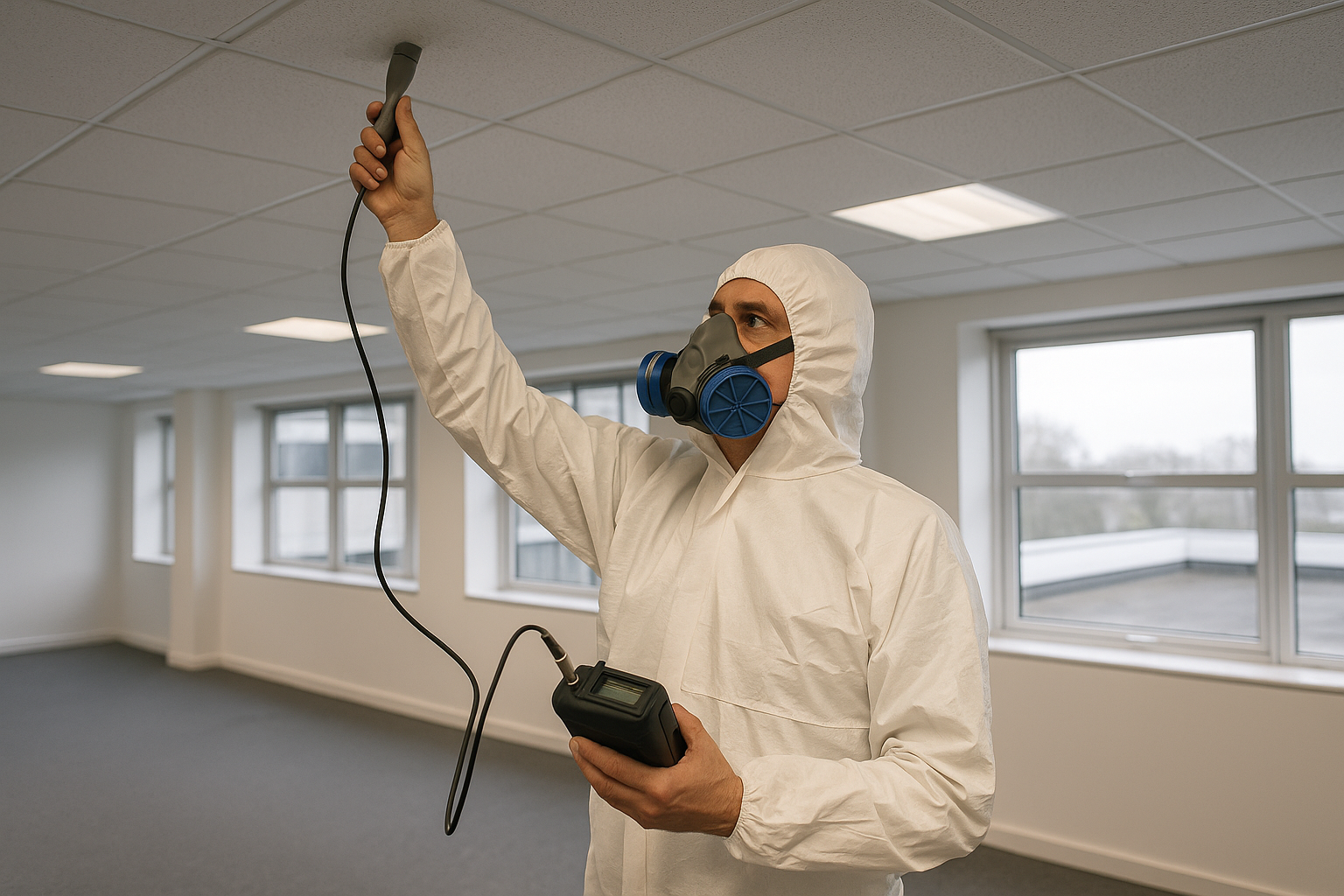
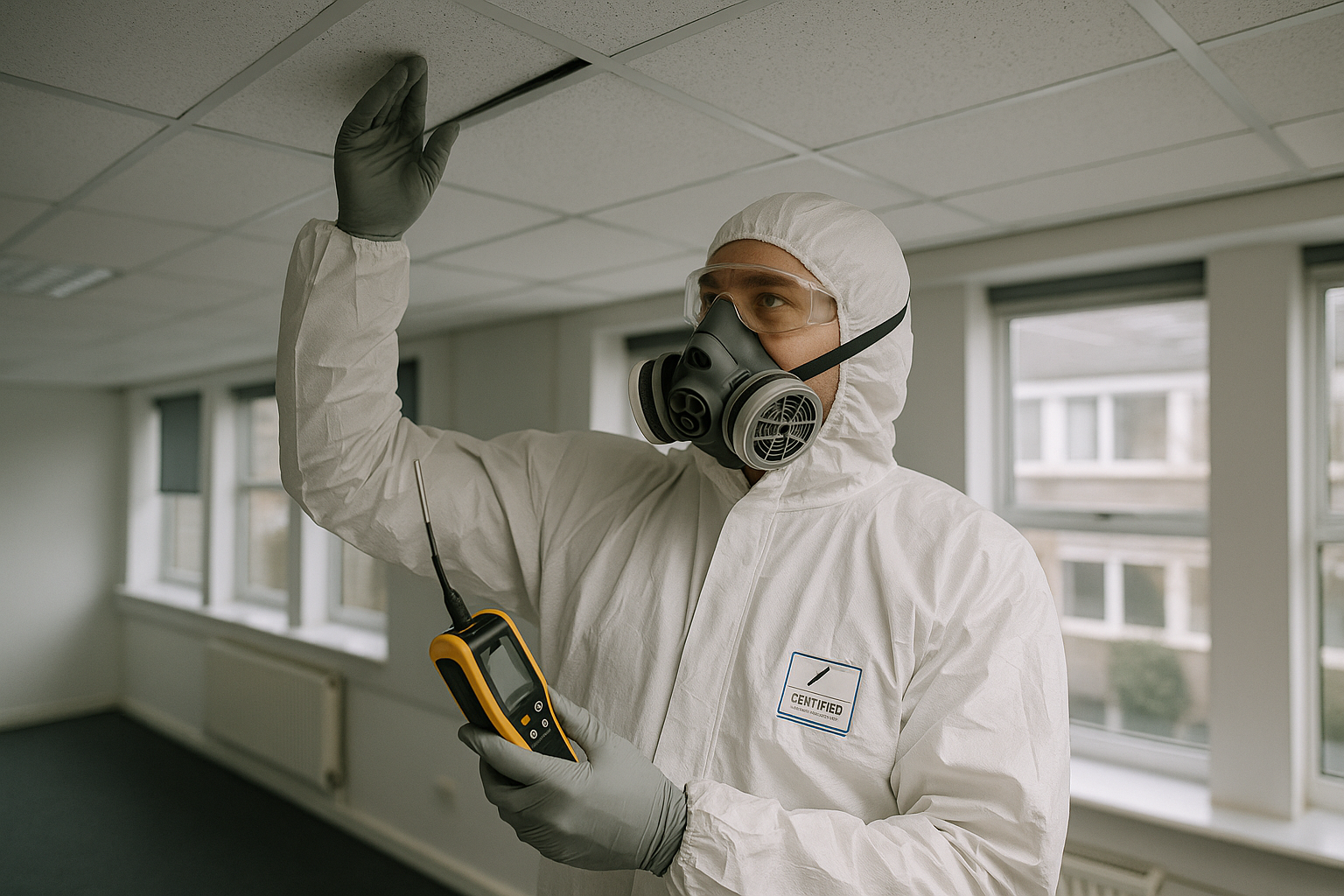
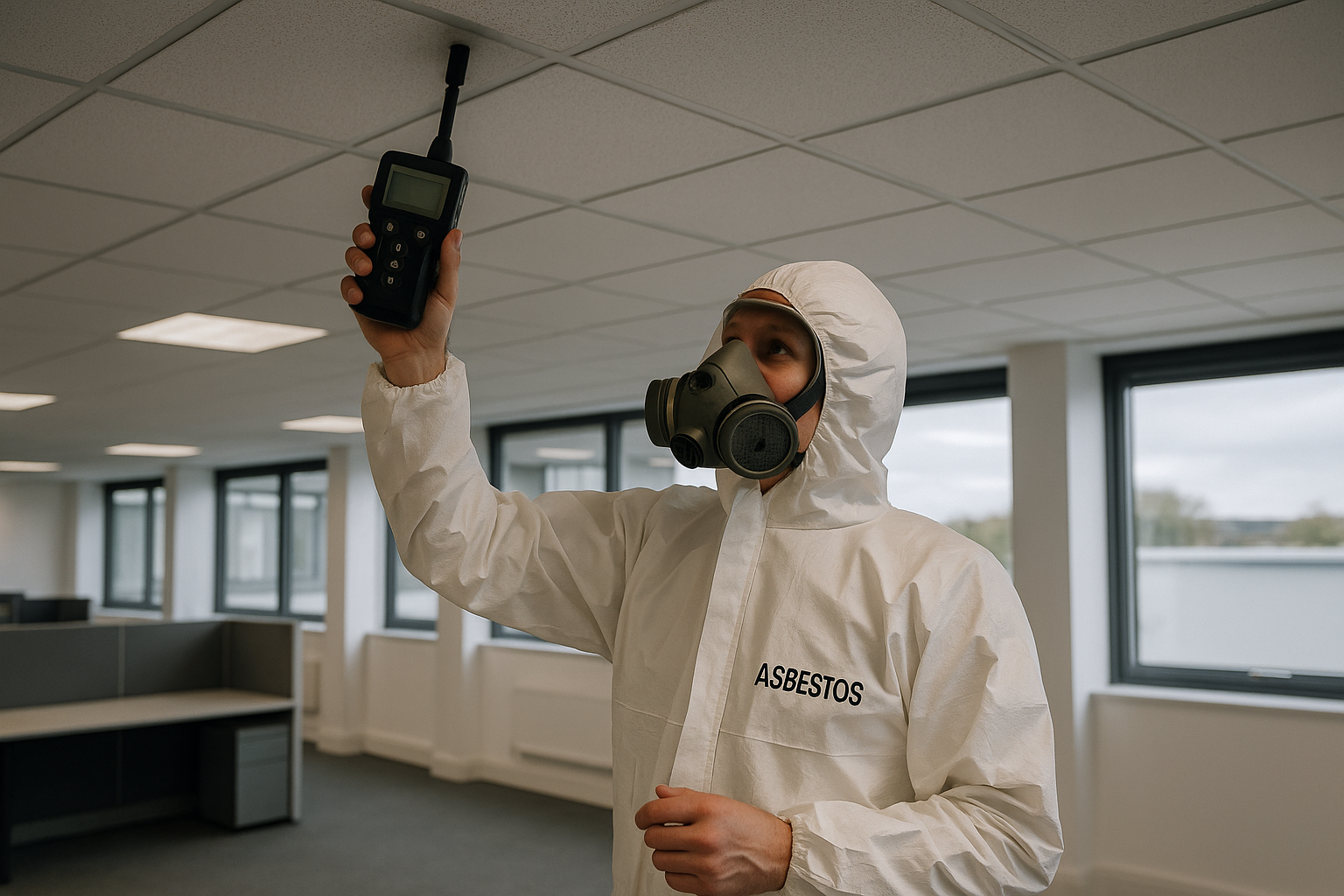
Usually, yes. A management survey is generally non-intrusive or only lightly intrusive. The surveyor inspects accessible areas, identifies suspect materials and takes samples where safe and appropriate.
It is not designed to open up every hidden void or dismantle major parts of the building. The focus is on asbestos that could be encountered during normal occupation and foreseeable maintenance.
What a management survey usually includes
- Inspection of accessible rooms, corridors and service areas
- Sampling of suspected asbestos-containing materials
- Laboratory analysis of samples
- Photographs and location references
- Material assessments of identified or presumed ACMs
- An asbestos register or schedule of findings
- Recommendations for management actions
- Clear notes on areas not accessed
When to arrange an asbestos management survey
An asbestos management survey is commonly needed when:
- You are responsible for a non-domestic property built before 2000
- You are taking over a commercial building and need reliable asbestos information
- Your existing register is missing, outdated or unclear
- You need to manage asbestos during occupation and routine maintenance
- You are reviewing compliance across a property portfolio
What it does not cover
This is where confusion around asbestos survey types often causes trouble. A management survey does not normally access concealed areas that require destructive inspection.
It should not be relied on before major refurbishment, strip-out, rewiring through hidden voids, structural alterations or demolition. If planned works will disturb the building fabric, a more intrusive survey is usually required.
Refurbishment survey: the intrusive survey for planned works
A refurbishment survey is needed before intrusive refurbishment or upgrade works. This survey is targeted to the specific area affected by the project and is designed to find asbestos in locations a management survey would not usually access.
If you are planning a fit-out, alteration or strip-out, a refurbishment survey should be scoped around the exact works area unless the whole building is affected.
Why this survey is intrusive
Unlike a management survey, this is an intrusive inspection. It may involve lifting floor finishes, opening ceiling voids, breaking through partitions, accessing risers and inspecting behind fixed surfaces.
That level of access matters because hidden asbestos is often the material most likely to be disturbed once contractors begin work.
When an asbestos refurbishment survey is required
An asbestos refurbishment survey is usually needed before:
- Office refurbishments and fit-outs
- Shop, restaurant and hospitality refits
- Replacement of ceilings, partitions or wall linings
- Mechanical and electrical upgrades affecting hidden areas
- Rewiring, replumbing or HVAC works
- Kitchen and bathroom refurbishments in older properties
- Internal remodelling, extensions and conversions
- Upgrade works in schools, healthcare sites and industrial premises
Does the area need to be vacant?
Usually, yes. Because the survey is intrusive, it often causes damage to finishes and may leave openings in walls, floors or ceilings. The area being surveyed should normally be vacated and isolated before work starts.
That is not over-cautious. It is practical planning. If the scope is vague or access is restricted, the survey may miss critical locations and the project can stall later when asbestos is discovered mid-job.
Practical advice before booking
- Define exactly where the planned works will take place.
- Provide drawings, specifications or contractor scopes if you have them.
- Confirm whether the area will be vacant during the survey.
- Flag any permits, security arrangements or access restrictions early.
- Allow time for sampling, analysis and reporting before contractors arrive.
The clearer the brief, the better the outcome. That applies to all asbestos survey types, but it is especially important for refurbishment work.
Demolition survey: full access before structural removal
Where a building, or part of one, is to be demolished, a demolition survey is required. Of all the common asbestos survey types, this is one of the most intrusive because the aim is to identify all asbestos-containing materials as far as reasonably practicable before demolition starts.

If demolition is planned, arrange a demolition survey for the exact structure involved. Do not assume an older management report will be enough.
When a demolition survey is needed
- Full demolition of a standalone building
- Partial demolition of a wing, extension or internal structure
- Major strip-out where the building is being taken back to shell
- Redevelopment projects involving structural removal
How it differs from refurbishment
Refurbishment and demolition surveys are often grouped together under HSG264, but the objective still matters. A refurbishment survey focuses on the area affected by planned works, while a demolition survey is intended to support complete structural removal.
That difference affects the scope, the level of access and the assumptions the surveyor can make. If the brief says refurbishment but the real plan is demolition, the survey may not go far enough.
What to expect on site
Demolition surveys often involve extensive access into hidden construction elements. Depending on the building, this may include shafts, risers, cladding zones, plant rooms, service ducts and structural voids.
The building or relevant area should normally be unoccupied. If access is limited, the report should state that clearly so those limitations can be resolved before demolition begins.
Reinspection survey: keeping your asbestos register current
Not all asbestos survey types are about finding new materials. Once asbestos has been identified or presumed, it needs to be monitored so your records stay accurate and your management plan remains workable.
That is where a reinspection survey comes in. It revisits known or suspected asbestos-containing materials and checks whether their condition has changed.
Why reinspections matter
Materials can deteriorate because of age, water ingress, vibration, accidental damage, poor repairs or maintenance activity. If the condition changes, your risk assessment and control measures may need updating.
A register that is never reviewed quickly becomes unreliable. That creates problems for maintenance teams, contractors and anyone trying to show compliance.
When to arrange a reinspection survey
- As part of routine asbestos management
- After leaks, impact damage or tenant alterations
- When previous recommendations need review
- Before issuing updated information to contractors
- When the use of the area has changed
This is a focused survey rather than a substitute for refurbishment or demolition work. It supports ongoing management, not intrusive construction activity.
Non-intrusive vs intrusive asbestos survey types
Many clients start with a simple question: do I need a non-intrusive survey or an intrusive one? In practice, that usually maps directly onto the recognised asbestos survey types.
Non-intrusive surveys
A management survey is generally non-intrusive or minimally intrusive. It suits occupied buildings and routine management because it focuses on accessible areas without significant damage to the fabric.
That makes it useful for compliance during normal occupation, but limited for planning works that open up hidden spaces.
Intrusive surveys
Refurbishment and demolition surveys are intrusive. They are designed to locate asbestos in places that only become visible when the building is opened up.
If contractors will disturb voids, finishes, service routes or structural elements, an intrusive survey is normally the correct choice. Anything less leaves uncertainty in the part of the building where risk is often highest.
How to choose the right asbestos survey type
If you are unsure which of the asbestos survey types you need, start with the planned activity rather than the building itself. The key question is straightforward: will the work disturb the fabric of the building?
Use this quick decision process:
- No planned works, but you need to manage the building safely: management survey
- Known asbestos already recorded and you need to check condition: reinspection survey
- Planned refurbishment, fit-out or intrusive maintenance: refurbishment survey
- Planned demolition or structural removal: demolition survey
If the answer is still unclear, speak to your surveyor before booking. A short scoping call can save a lot of wasted time and prevent the wrong report being commissioned.
Common mistakes when ordering asbestos survey types
The biggest errors are usually avoidable. They happen when the survey brief does not match the actual work on site.
1. Using a management survey for refurbishment works
This is one of the most common problems. A management survey may be perfectly suitable for occupation, but it will not normally provide the destructive inspection needed before intrusive works.
2. Surveying the wrong area
If only part of a building is being refurbished, the scope must match that area exactly. If the contractor later expands into adjacent rooms, risers or ceiling voids not covered by the survey, the report may no longer be sufficient.
3. Booking too late
Leaving asbestos surveys until just before contractors start is asking for delays. Sampling, laboratory analysis, reporting and any follow-up action all take time.
4. Ignoring access limitations
If locked rooms, tenant spaces, live plant areas or security restrictions prevent access, those limitations need resolving. Unchecked limitations can leave major gaps in the findings.
5. Failing to update records
An asbestos register should be a live document. If materials are removed, encapsulated, damaged or reinspected, records should be updated promptly.
What information to give your surveyor
The quality of the survey often depends on the quality of the brief. Good surveyors will ask the right questions, but you can speed things up by preparing the basics in advance.
Provide:
- The property address and building type
- The age of the premises, if known
- The planned works or reason for the survey
- Drawings, floor plans or contractor scopes
- Any existing asbestos reports or registers
- Access details, permits and contact names
- Whether the area is occupied or can be vacated
This is especially useful where multi-site portfolios are involved. If you manage buildings in the capital, an asbestos survey London service can help coordinate local access and reporting. The same applies if you need an asbestos survey Manchester or an asbestos survey Birmingham for regional properties.
What happens after the survey?
Ordering the right survey is only part of the job. Once the report arrives, someone needs to review it properly and act on the findings.
After receiving the report, you should:
- Check whether asbestos has been identified, presumed or ruled out
- Review any material assessments and recommended actions
- Update the asbestos register if required
- Share relevant information with contractors and maintenance teams
- Arrange remedial action, encapsulation, monitoring or removal where necessary
- Rebook a suitable survey if the planned works change
If asbestos is identified in an area due for refurbishment or demolition, do not let contractors proceed on assumptions. Review the findings, confirm the scope and arrange the next step before work starts.
Practical advice for property managers and duty holders
If you manage property, the simplest way to avoid problems with asbestos survey types is to tie the survey decision directly to the building activity. Match the survey to what people will actually do on site, not what the file says the building is used for.
A few practical habits make a big difference:
- Keep your asbestos register easy to access
- Review it before maintenance or project works are approved
- Make survey scope part of contractor pre-start planning
- Do not rely on old reports without checking limitations and relevance
- Arrange reinspections where identified materials remain in place
- Escalate early if the project scope changes
That approach is safer, faster and usually cheaper than dealing with unexpected asbestos once work has already begun.
Frequently Asked Questions
What are the main asbestos survey types?
The main asbestos survey types used in practice are management surveys, refurbishment surveys, demolition surveys and reinspection surveys. The right one depends on whether the building is occupied, being maintained, refurbished or demolished.
Is a management survey enough before refurbishment?
No. A management survey is intended for normal occupation and routine maintenance. If refurbishment works will disturb the building fabric, a refurbishment survey is usually required for the affected area.
When is an intrusive asbestos survey needed?
An intrusive asbestos survey is needed before works that open up hidden parts of the building, such as strip-outs, rewiring, major upgrades, structural alterations or demolition. In most cases, that means a refurbishment or demolition survey.
How often should asbestos be reinspected?
There is no single fixed interval that suits every building. Reinspection should follow your asbestos management plan and reflect the condition, location and risk of the materials present. If there has been damage, water ingress or a change in use, review sooner.
Can a survey cover only part of a building?
Yes. Refurbishment and demolition surveys are often scoped to the specific area affected by the planned works. The key is making sure the scope matches exactly where contractors will be working.
Need help choosing the right survey?
If you are still unsure which of the asbestos survey types applies to your building or project, Supernova Asbestos Surveys can help you scope it properly before work starts. We carry out management, refurbishment, demolition and reinspection surveys nationwide, with clear reporting that supports compliance and practical decision-making.
Call 020 4586 0680 or visit asbestos-surveys.org.uk to book a survey or speak to our team about the right service for your property.