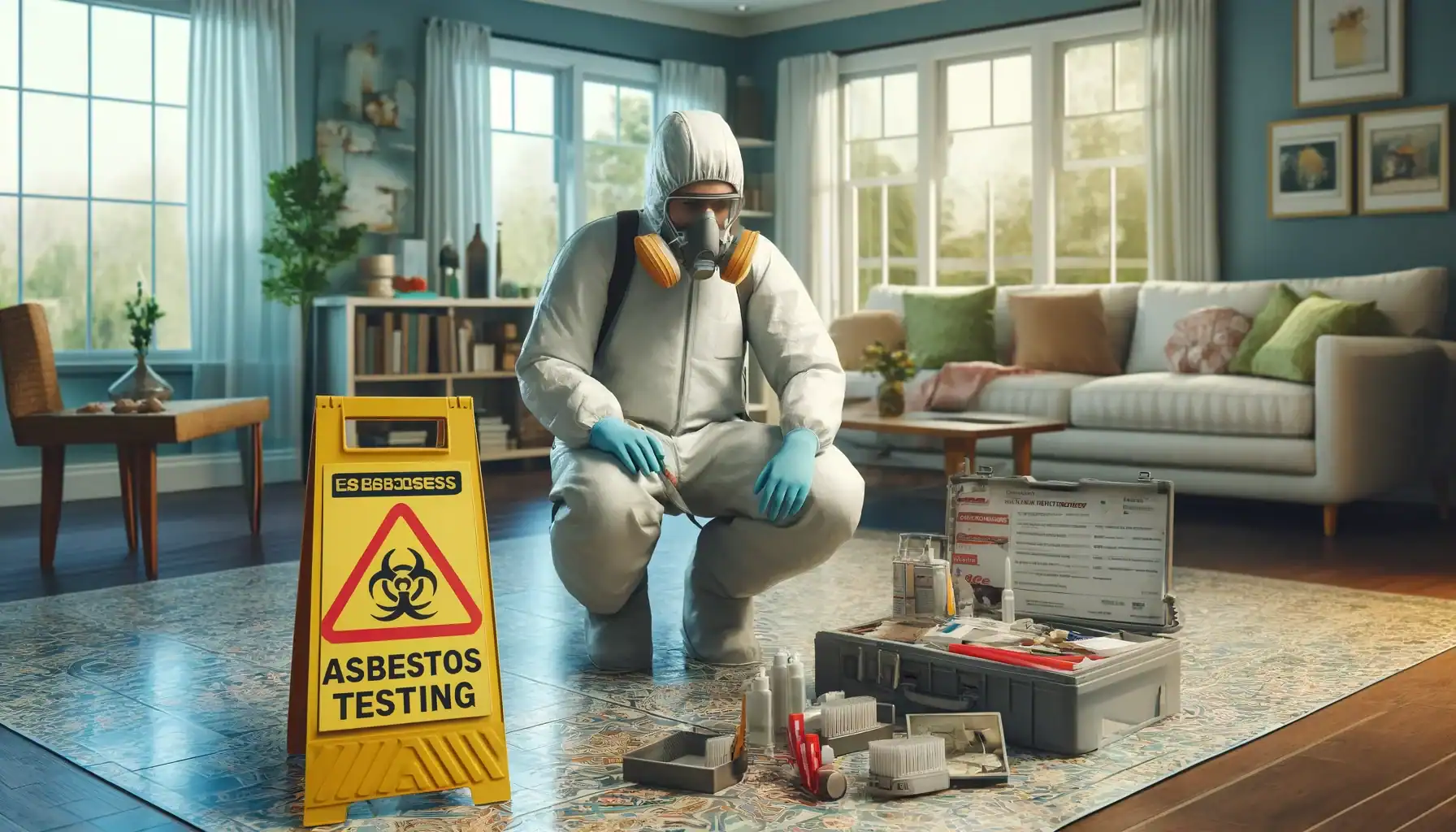
How to Test for Asbestos Tile — and What to Do When You Find It
Floor tiles, ceiling tiles, thermoplastic tiles, vinyl tiles — if your property was built or refurbished before 2000, there is a genuine possibility that some of those tiles contain asbestos. The fibres were woven into building materials for decades because they were cheap, durable, and exceptionally fire-resistant. Now they are a confirmed carcinogen, and the question most property owners and managers face is not whether asbestos might be present, but how to test for asbestos tile safely and accurately.
This post gives you the straight answer: which tiles to suspect, how testing works, when to call a professional, and what to do if results come back positive.
Which Tiles Are Most Likely to Contain Asbestos?
Asbestos was not confined to one or two product types. It was added to a wide range of building materials throughout the mid-twentieth century, and tiles were among the most common applications.
Floor Tiles
Vinyl floor tiles and thermoplastic floor tiles manufactured between the 1950s and 1980s frequently contained chrysotile (white asbestos). The tile itself may contain asbestos, but so can the adhesive used to bond it to the subfloor — a detail that catches many people out during renovation work.
If you are lifting old floor tiles or sanding down adhesive residue in a pre-2000 building, stop and test before you go any further. Disturbing asbestos-containing adhesive can release fibres just as readily as disturbing the tile itself.
Ceiling Tiles
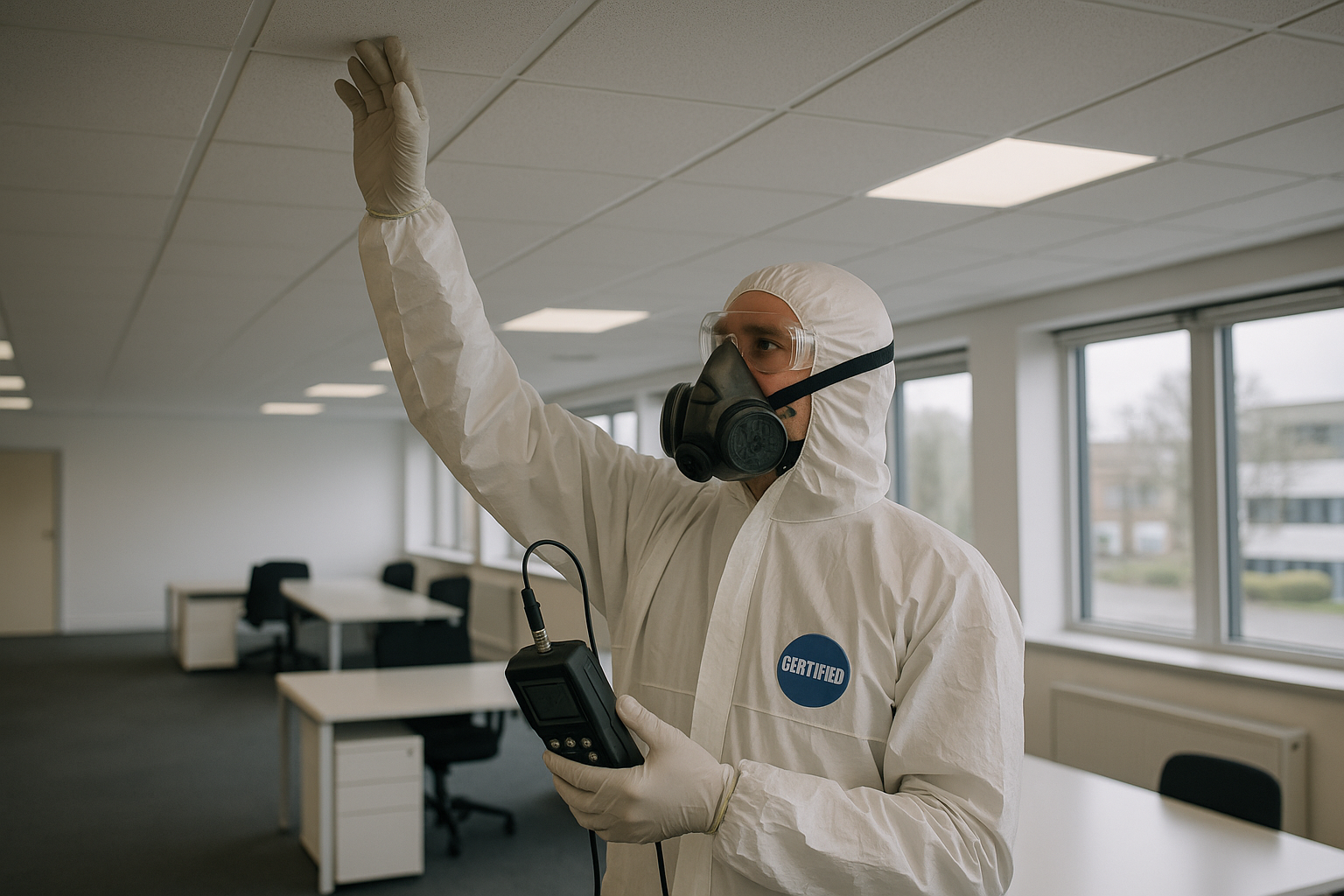
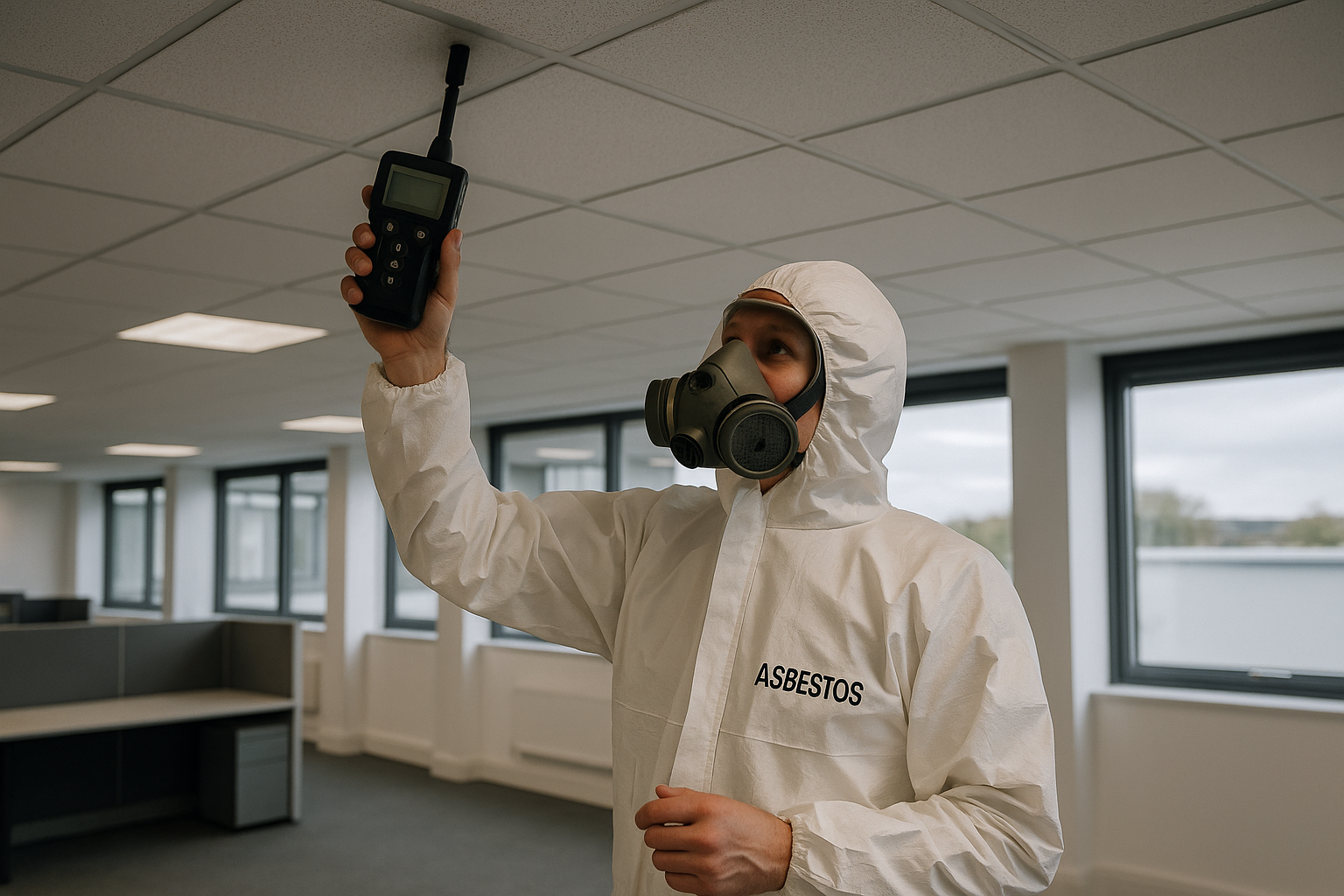
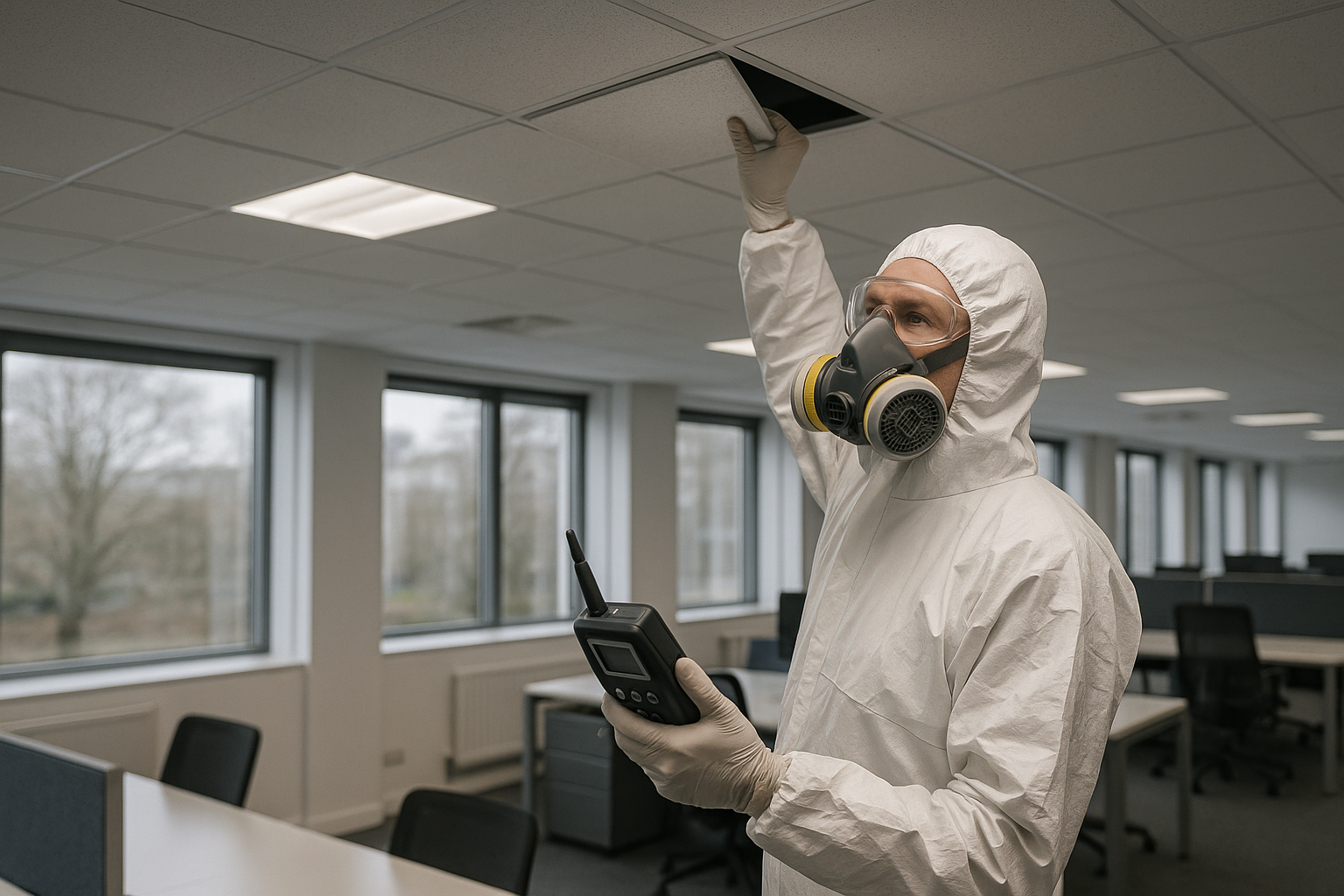
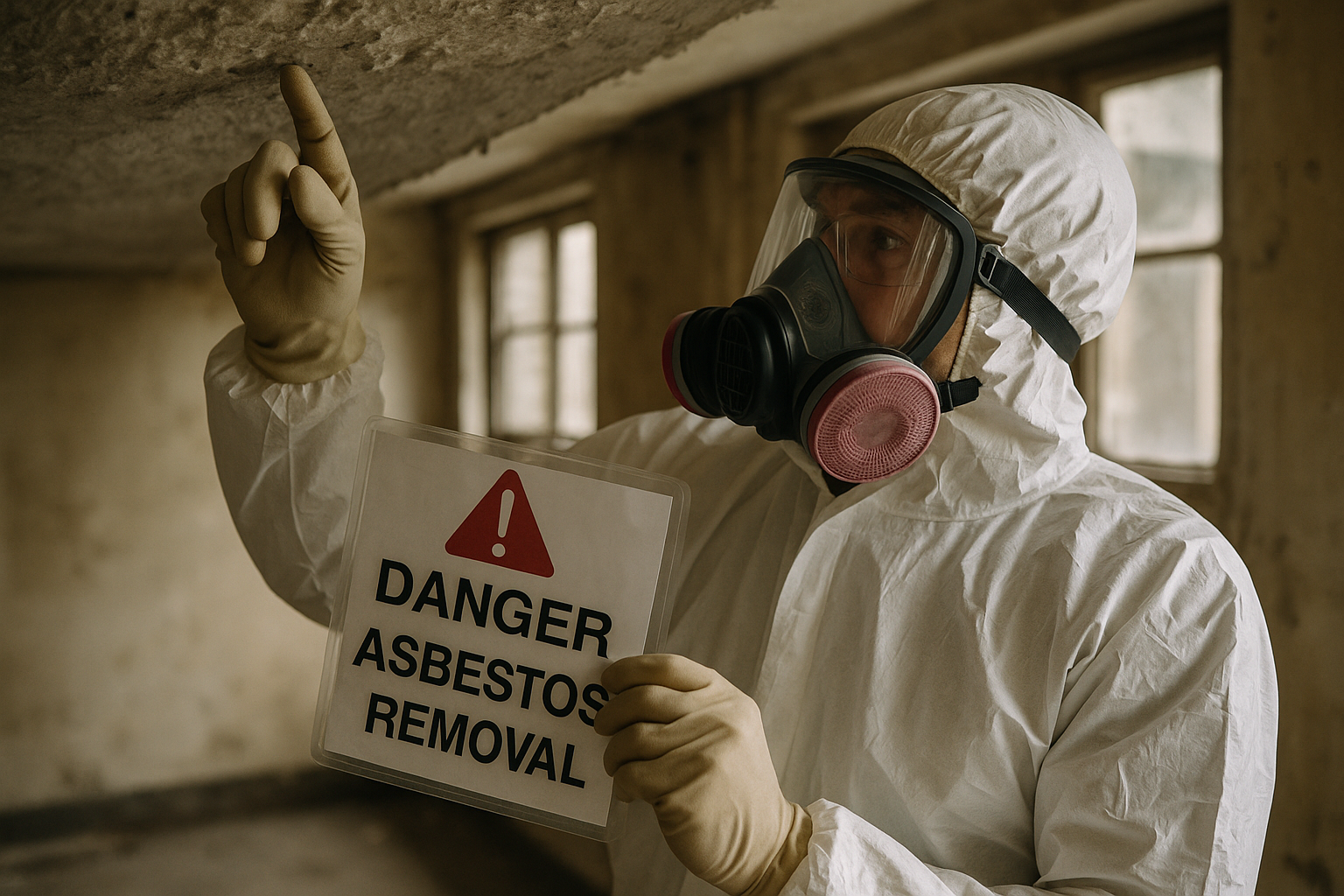
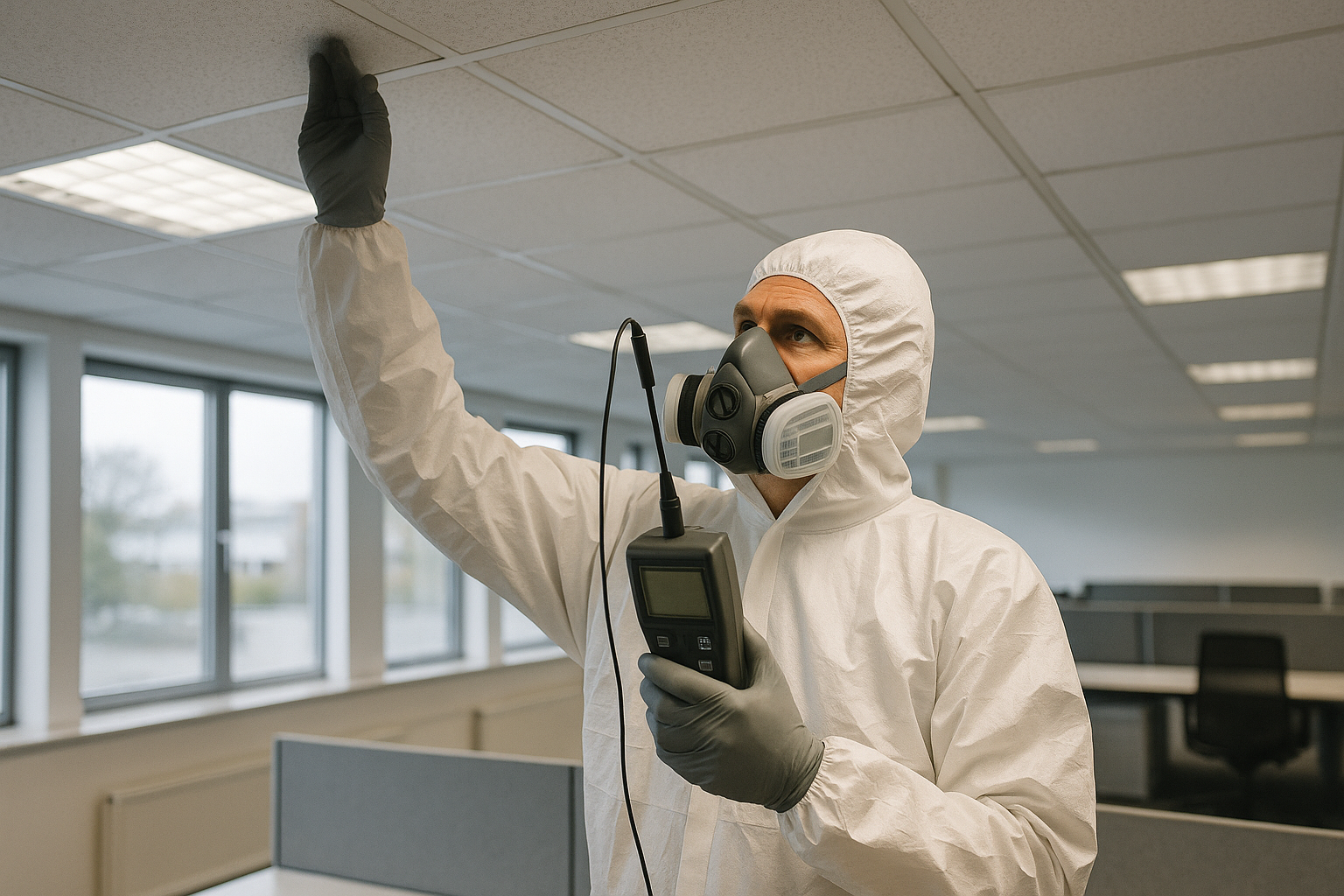
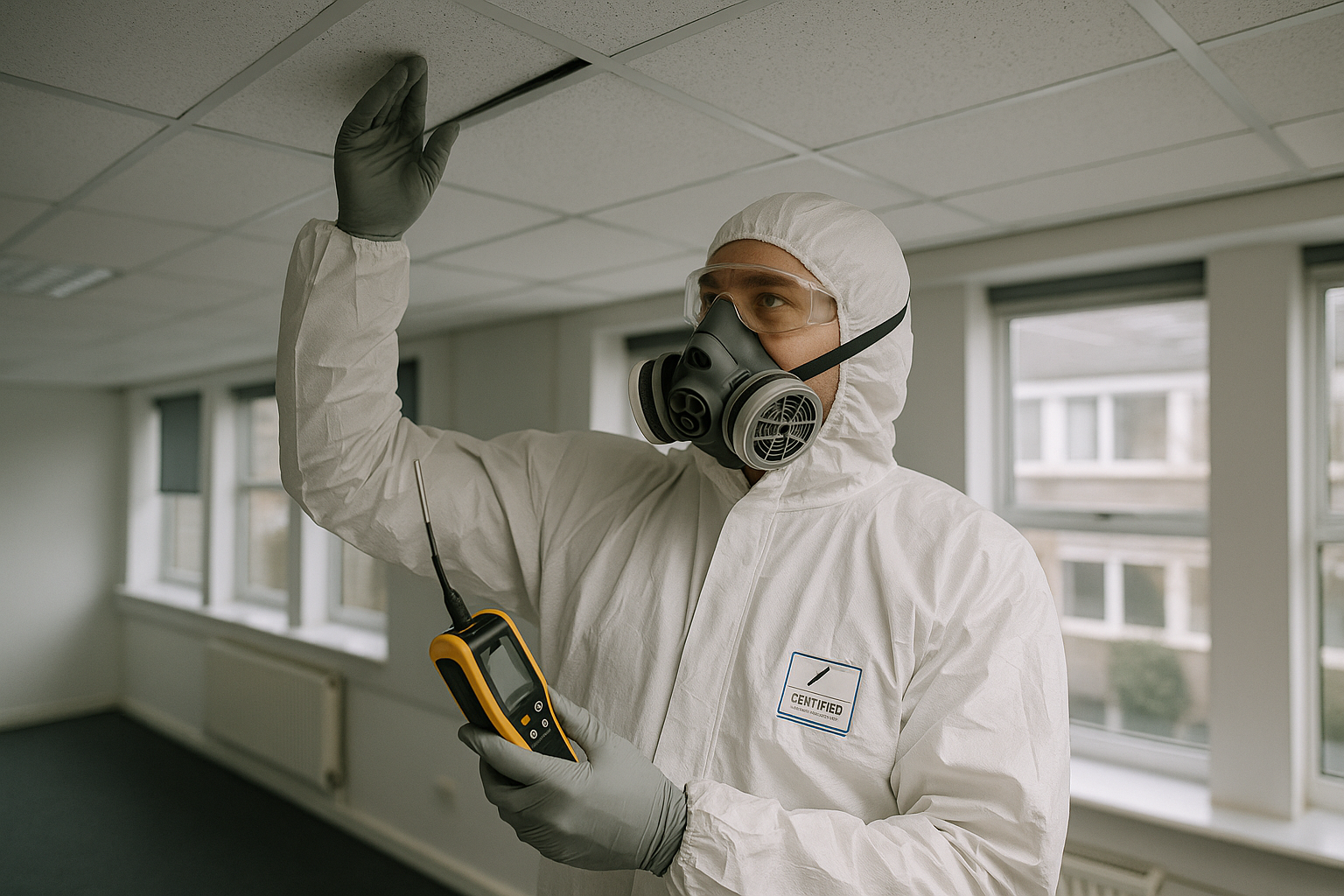
Ceiling tiles are a higher-risk category. Many were manufactured from asbestos insulating board (AIB), which contains amosite (brown asbestos) — a more hazardous form than chrysotile. AIB is classed as a higher-risk material under HSE guidance, and its removal requires a licensed contractor.
Textured coatings such as Artex, often applied directly to ceilings, can also contain asbestos and should be tested before any sanding, scraping, or overcoating work begins.
Other Tile-Adjacent Materials to Be Aware Of
- Roof sheets and corrugated panels — asbestos cement was widely used in industrial, agricultural, and commercial roofing
- Soffit boards and fascias — particularly on residential properties from the 1960s to 1980s
- Insulation board used behind electrical panels and in partition walls
- Pipe lagging and boiler insulation — not tiles, but often found in the same spaces and equally likely to contain asbestos
The critical point here is simple: you cannot identify asbestos by looking at a tile. A perfectly ordinary-looking floor tile could contain chrysotile, amosite, or crocidolite fibres. The only reliable method is laboratory analysis.
The Three Types of Asbestos Found in Tiles
UK surveyors and laboratories focus on three forms of asbestos, all of which have been identified in tile products at one point or another.
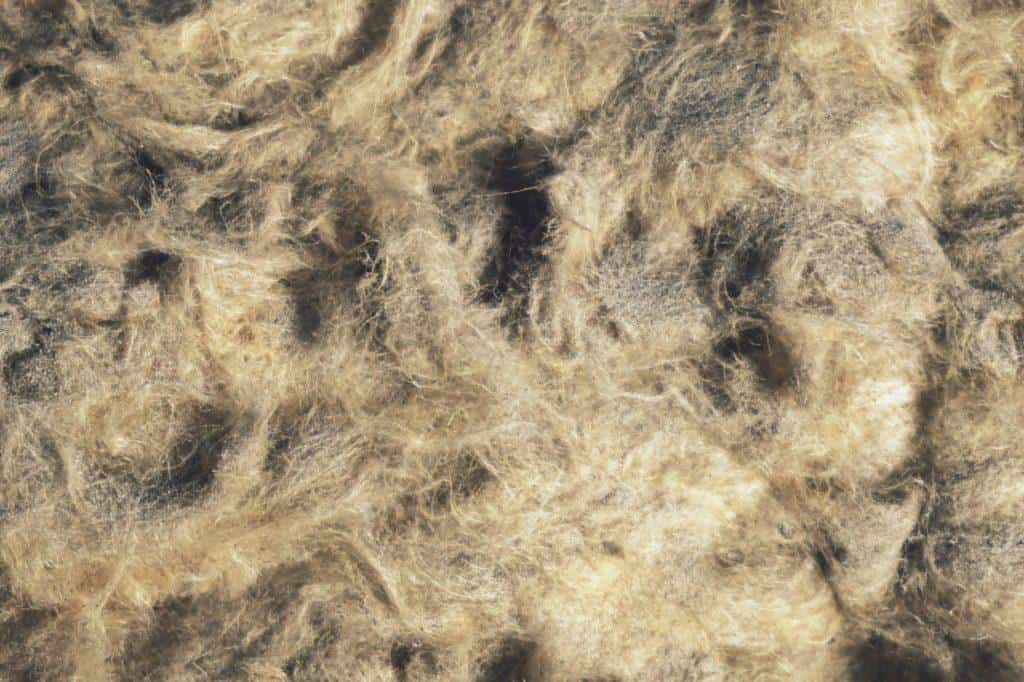
- Chrysotile (white asbestos) — the most widely used form, found in floor tiles, cement products, and roofing sheets. Still a confirmed carcinogen despite being considered slightly less hazardous than amphibole types.
- Amosite (brown asbestos) — used extensively in ceiling tiles and insulation board. More hazardous than chrysotile, and its presence in a material typically triggers more stringent removal requirements.
- Crocidolite (blue asbestos) — the most dangerous form. Its fine, needle-like fibres penetrate deep into lung tissue and are strongly associated with mesothelioma. Less common in tiles but not unheard of.
All three are banned in the UK. All three pose serious health risks when fibres become airborne. The type identified in your sample affects the risk assessment, the management approach, and whether licensed removal is required.
How to Test for Asbestos Tile: Your Two Main Options
When it comes to testing, you have two routes: a DIY sampling kit or a professional survey. Which one you choose depends on the condition of the material, the purpose of the test, and your legal obligations.
Option 1: DIY Asbestos Testing Kit
An asbestos testing kit allows you to collect a small sample from the tile yourself and send it to an accredited laboratory for analysis. This is a practical and cost-effective option when you need to check one or two materials that are in good, undamaged condition.
Supernova supplies testing kits directly from our website, complete with sampling instructions, PPE guidance, and pre-paid laboratory submission packaging. Before you collect a sample, however, there are non-negotiable safety steps you must follow.
PPE: What You Must Wear
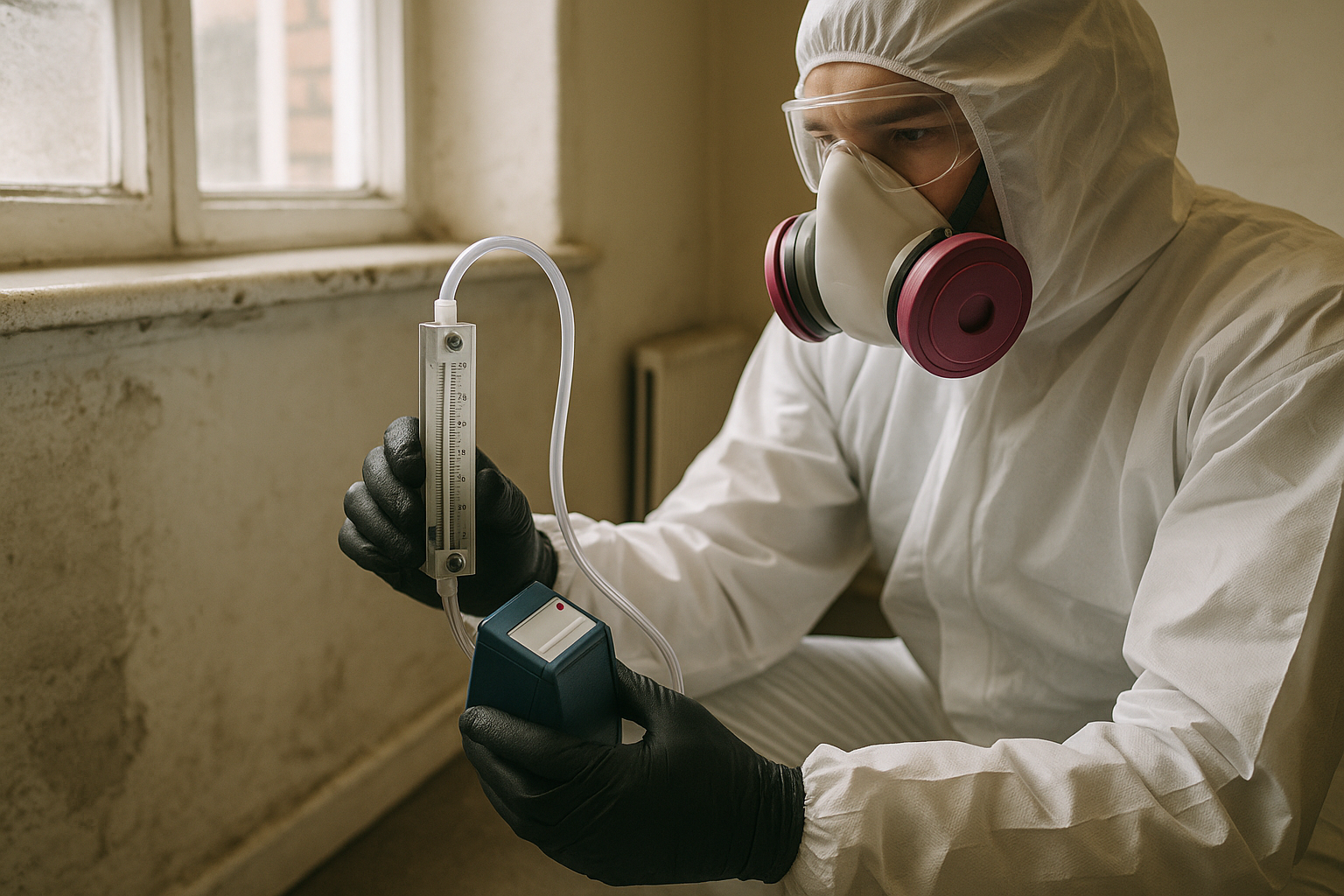
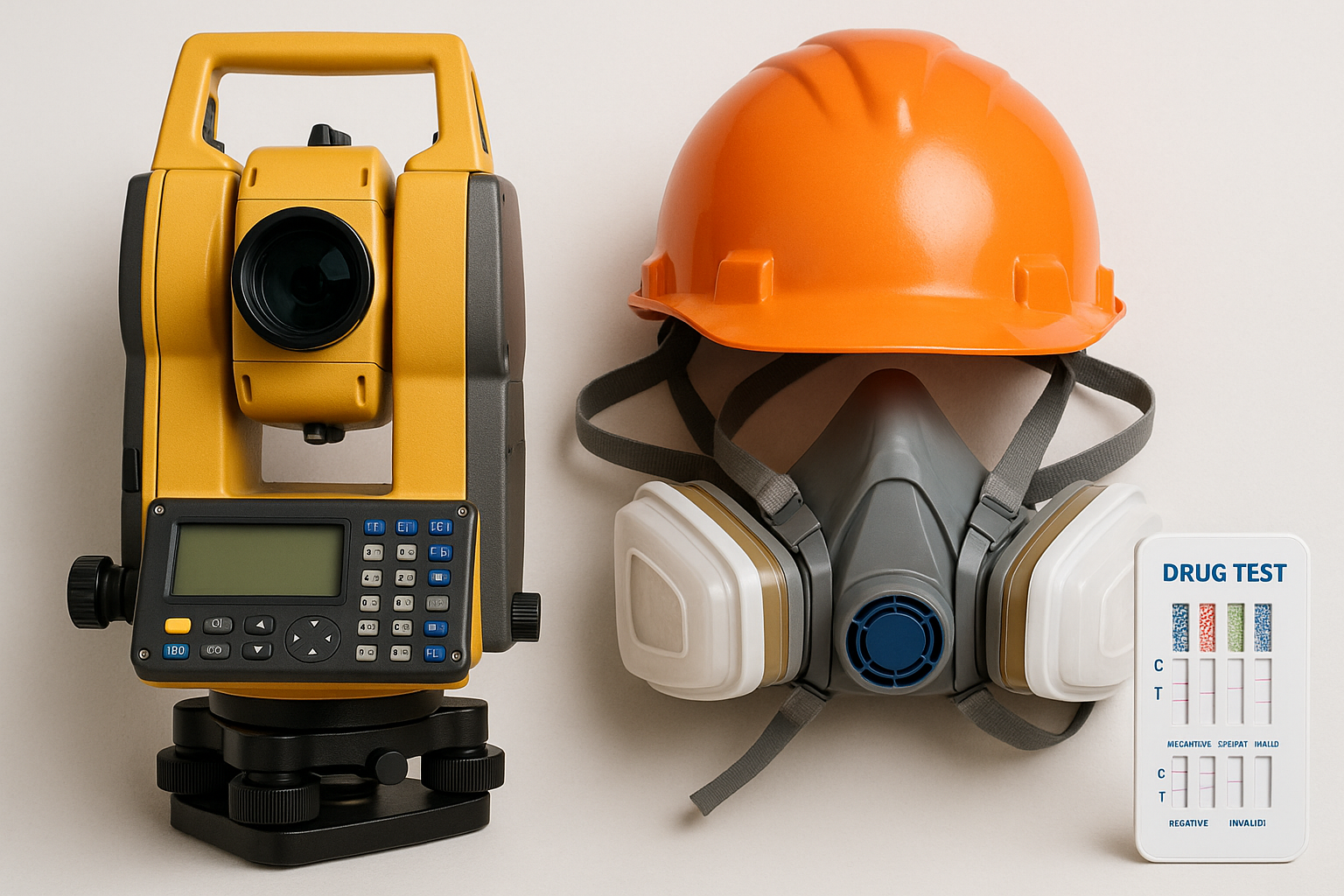
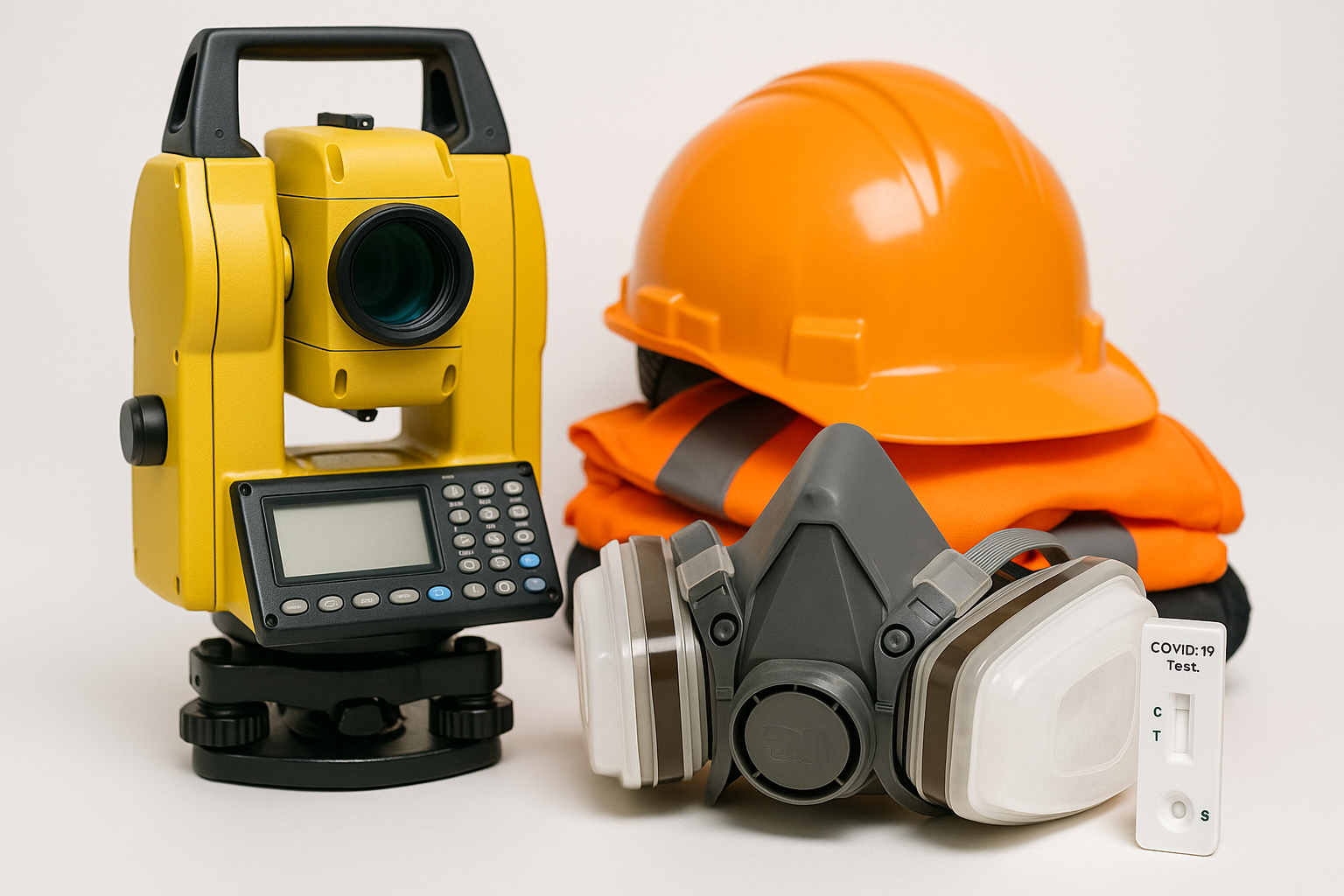
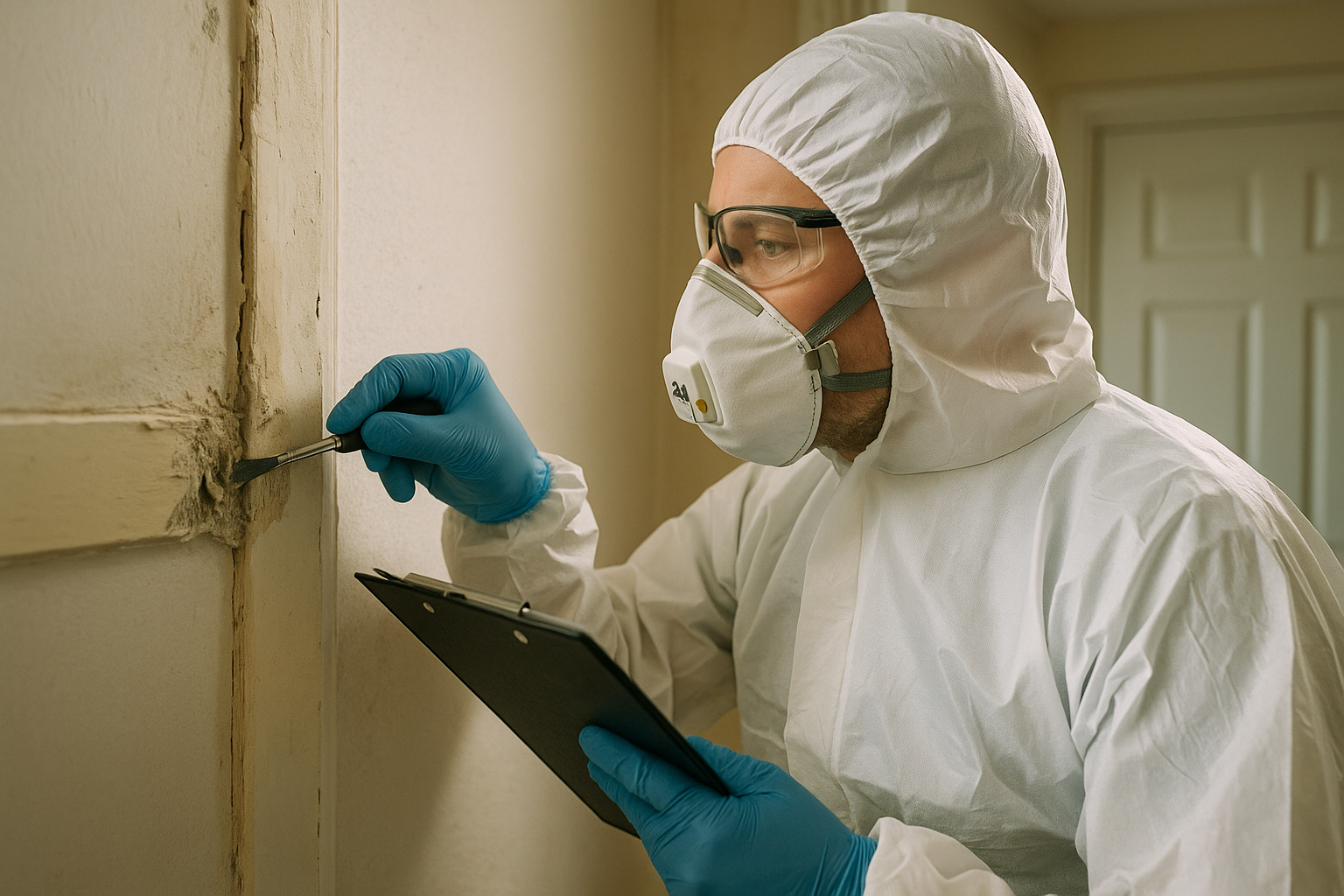
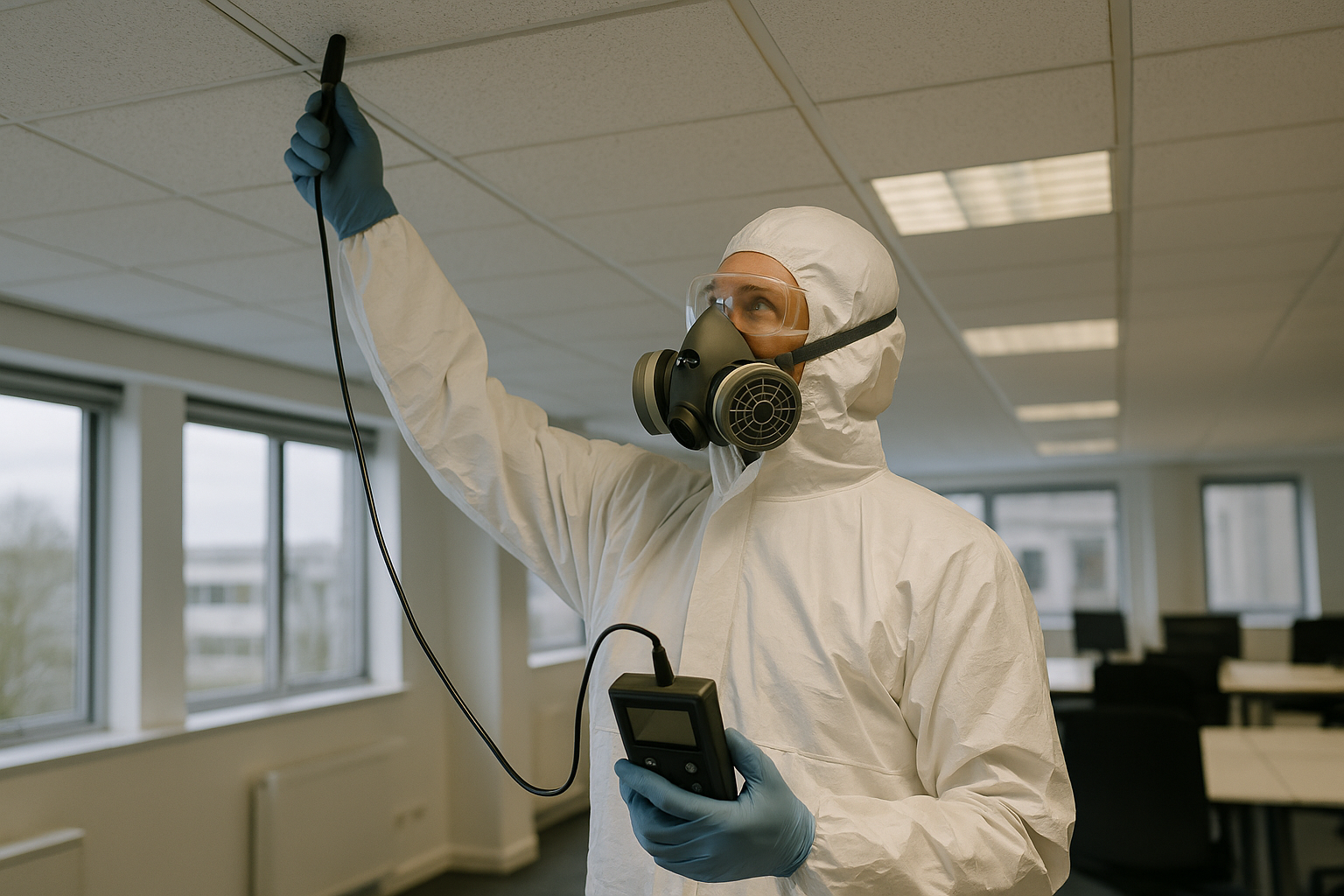
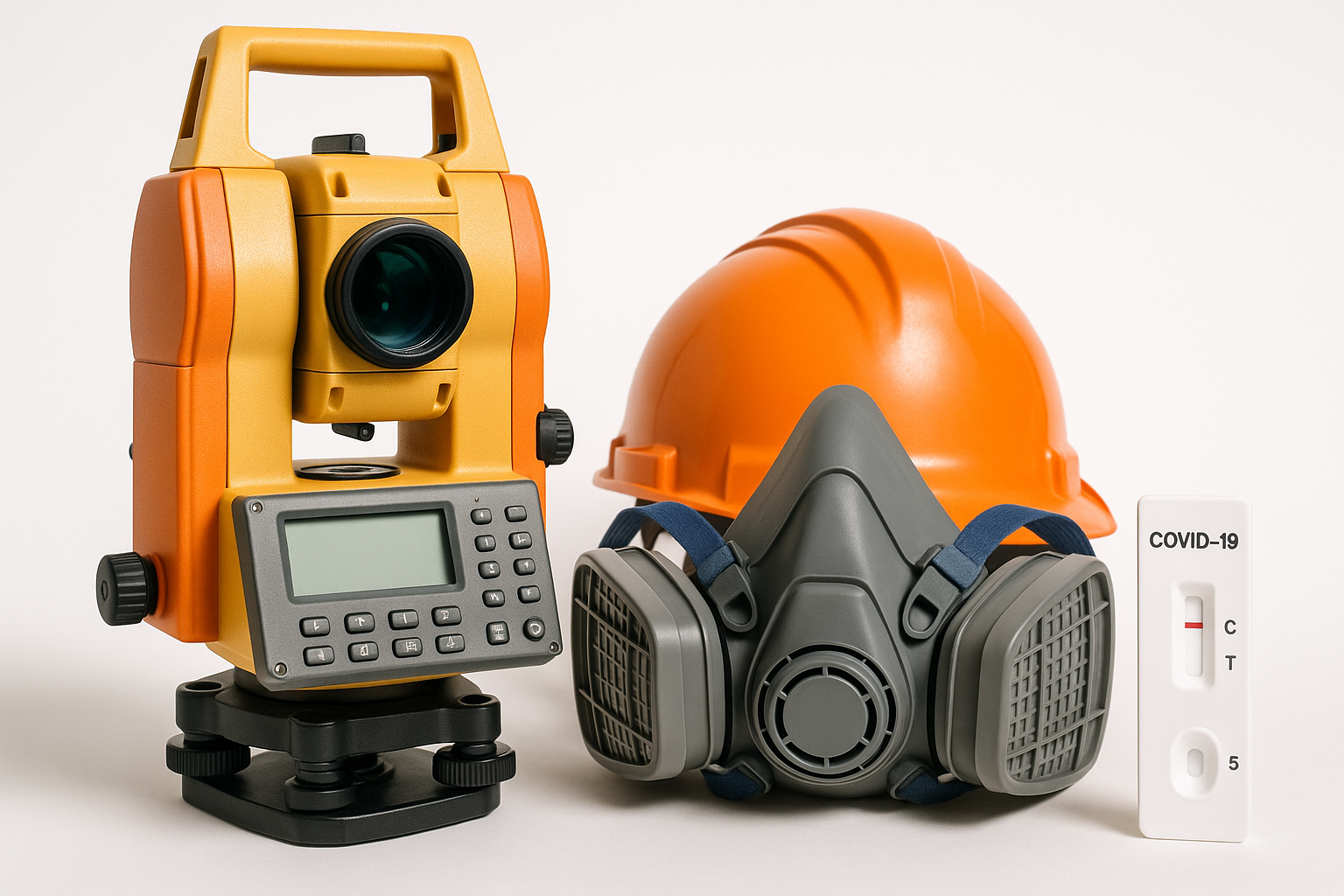
Even collecting a small sample disturbs fibres. Do not attempt sampling without the following:
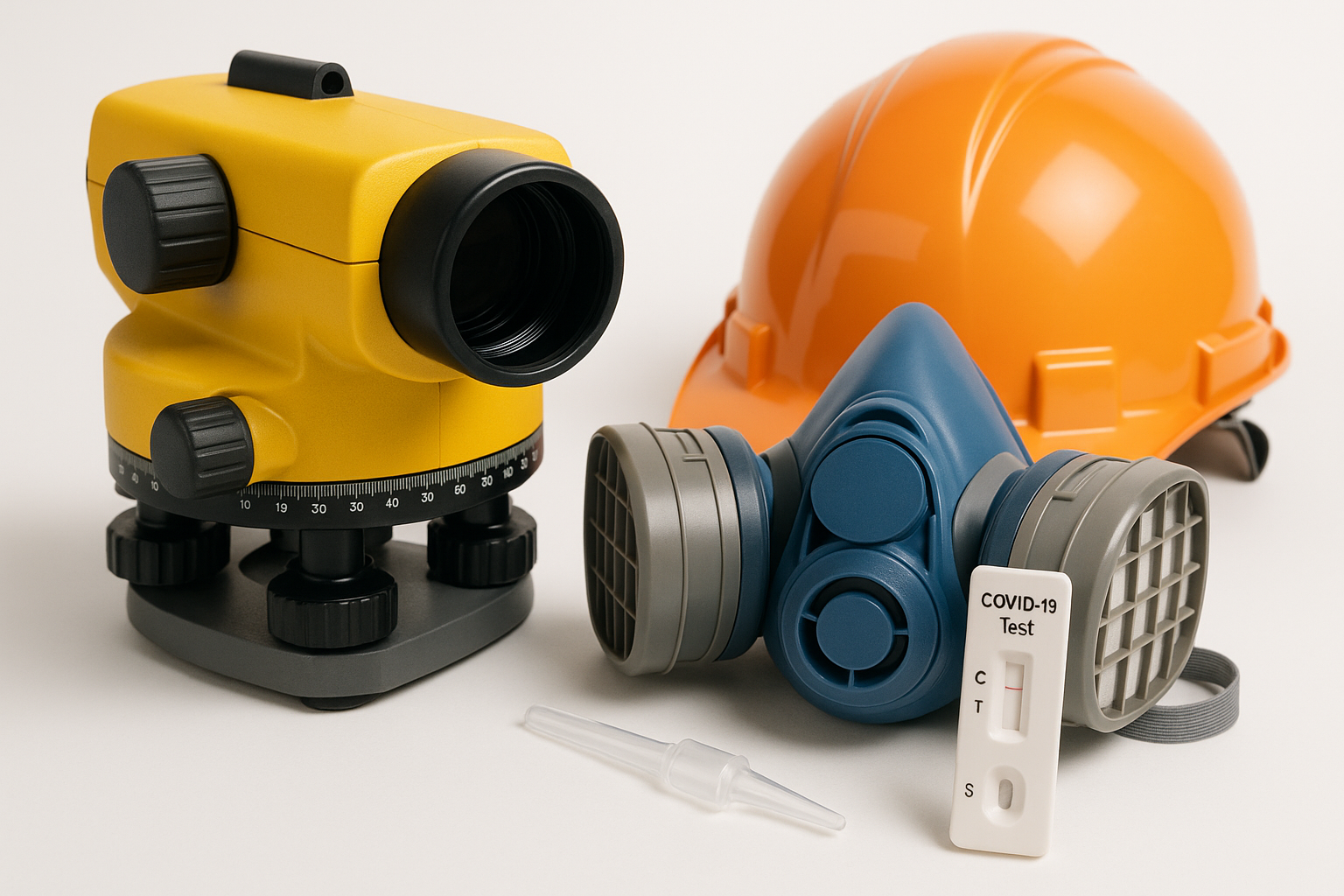
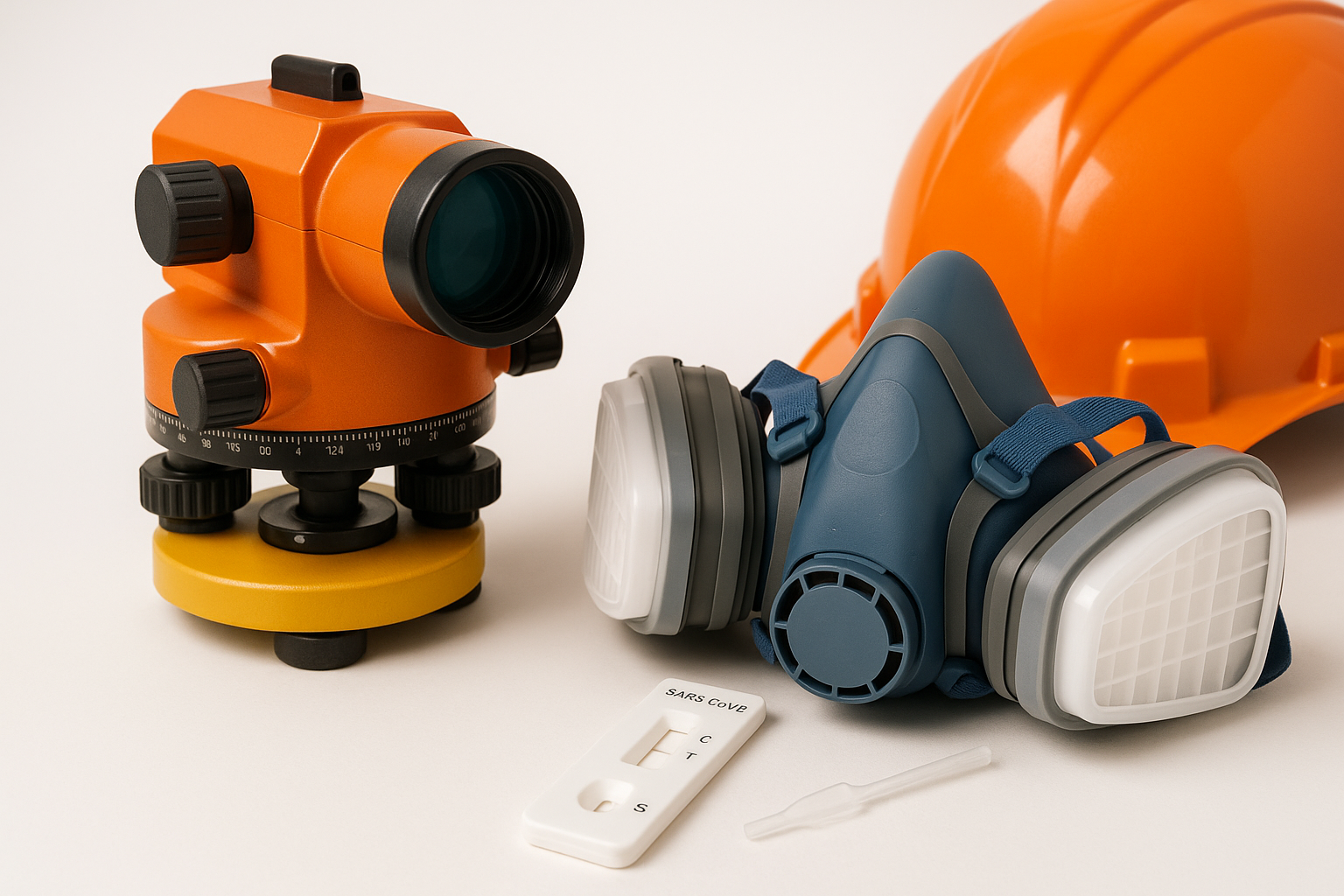
- FFP3 respirator — the minimum standard for asbestos sampling. A standard dust mask is not adequate. The respirator must be properly fit-tested to ensure a facial seal.
- Disposable Type 5/6 coveralls — to prevent fibres settling on your clothing
- Disposable nitrile gloves — double-gloving is advisable
- Overshoes or boot covers — to prevent contamination being tracked out of the area
Step-by-Step: Collecting a Tile Sample
- Prepare the area. Close off the space to other occupants. Switch off any ventilation or air conditioning that could circulate fibres.
- Put on your PPE. All of it. Before you touch anything.
- Dampen the material. Lightly spray the tile surface with water before cutting or chipping. This significantly reduces airborne fibre release — it is one of the most important steps in the entire process.
- Take a small sample. A piece roughly the size of a 50p coin is sufficient. Work slowly and carefully. If the tile has an adhesive layer, include a small amount of that too, as the adhesive may contain asbestos independently of the tile itself.
- Seal the sample immediately. Place it in the sealed sample bag or container provided, label it clearly with the location and material type, and seal it straight away.
- Reseal the sampled area. Use a sealant, filler, or duct tape to cover the exposed edge. This prevents ongoing fibre release while you wait for results.
- Remove PPE carefully. Remove gloves first, then coveralls, turning them inside out as you go. Bag them and dispose of them as asbestos waste.
- Send the sample to the lab. Follow the instructions provided with your kit. Results from an accredited laboratory typically come back within two to five working days.
When You Should Not Use a DIY Kit
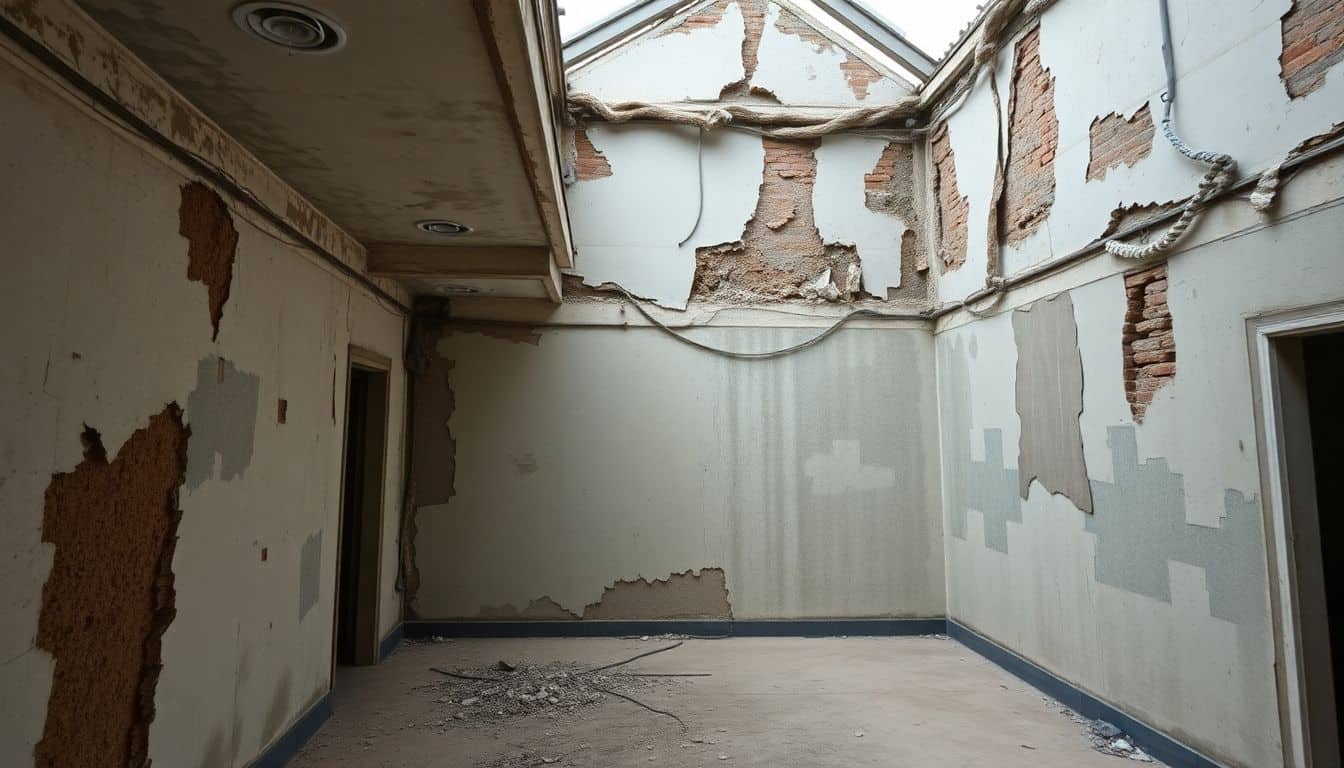
A DIY kit is suitable only when the tile is in good condition — intact, not crumbling, not visibly damaged. If the material is friable (crumbling or breaking apart), do not disturb it yourself. Sampling damaged asbestos-containing material without professional controls in place is dangerous and potentially unlawful.
Similarly, if you need a legally defensible report for insurance purposes, property sale, or regulatory compliance, you will need a professional survey. A DIY sample result will not carry the same evidential weight as a qualified surveyor’s report.
Professional Asbestos Surveys: Which One Do You Need?
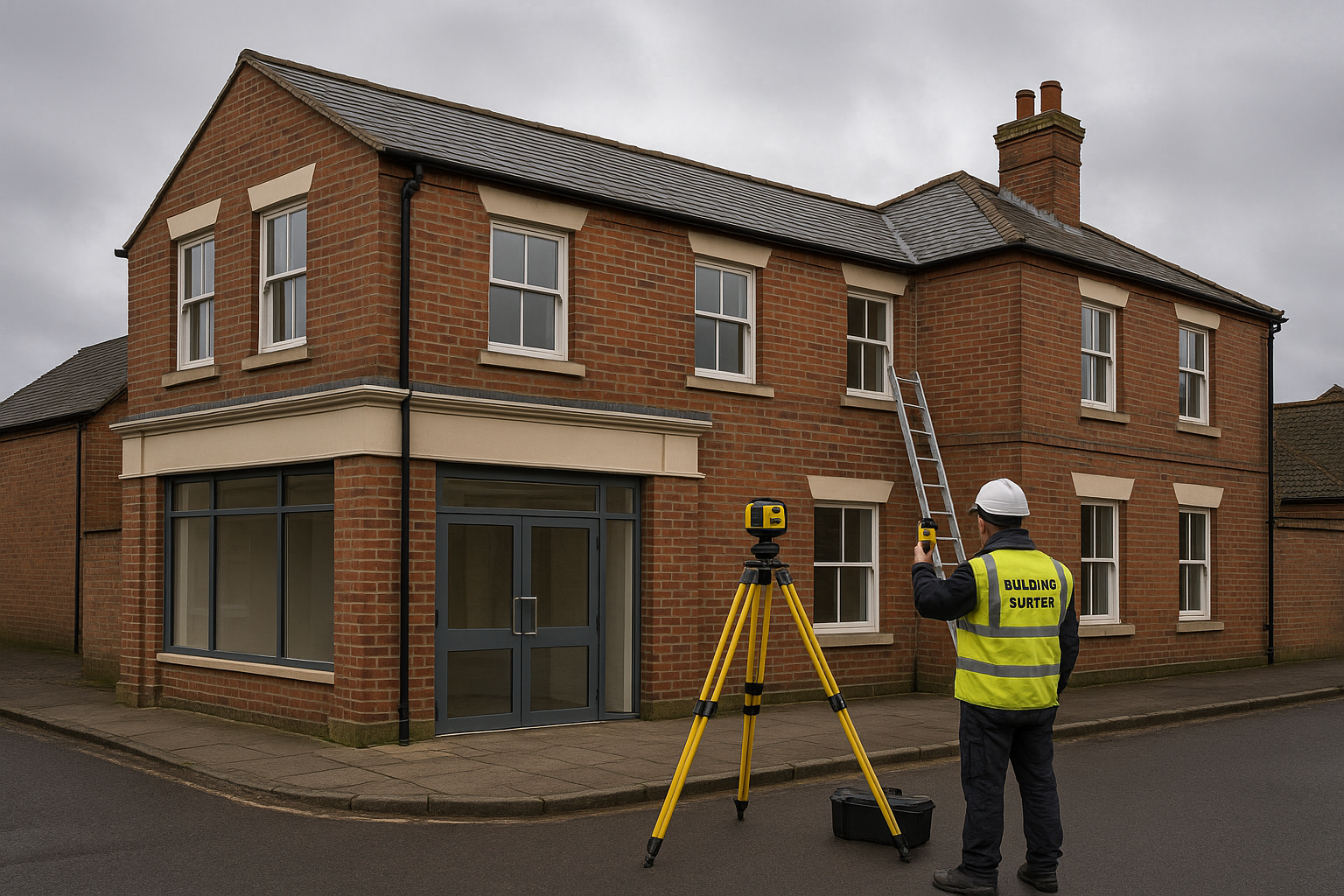
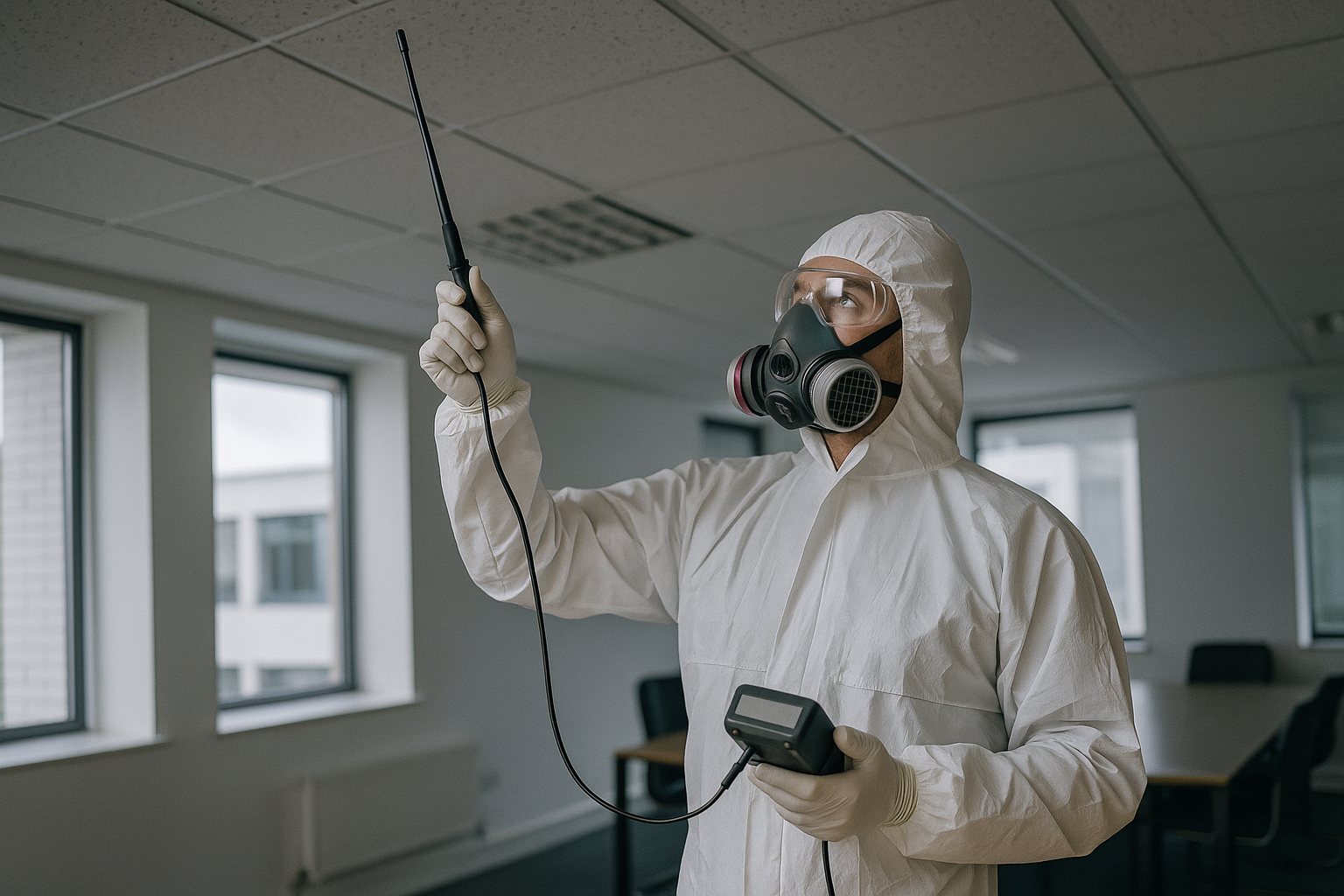
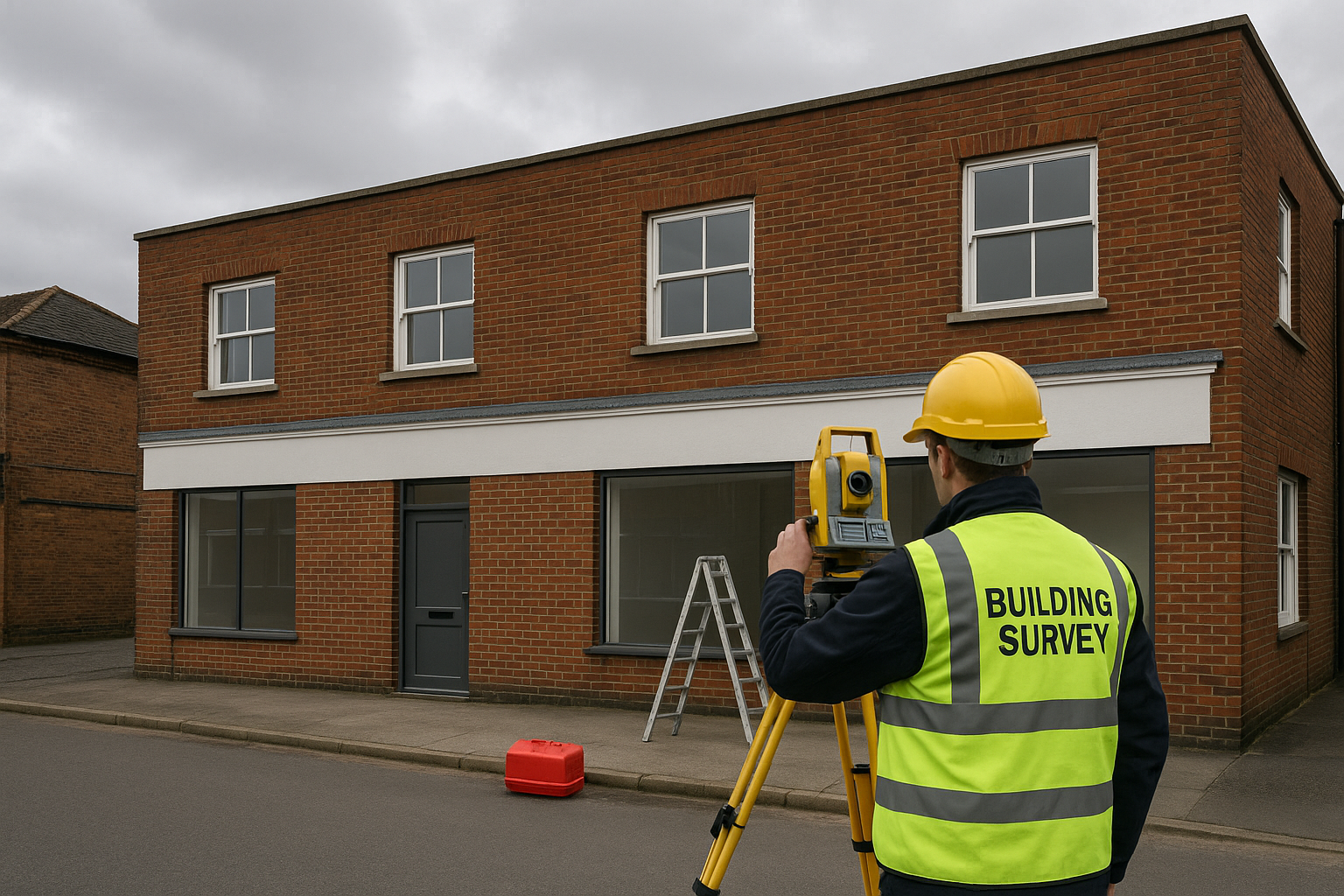
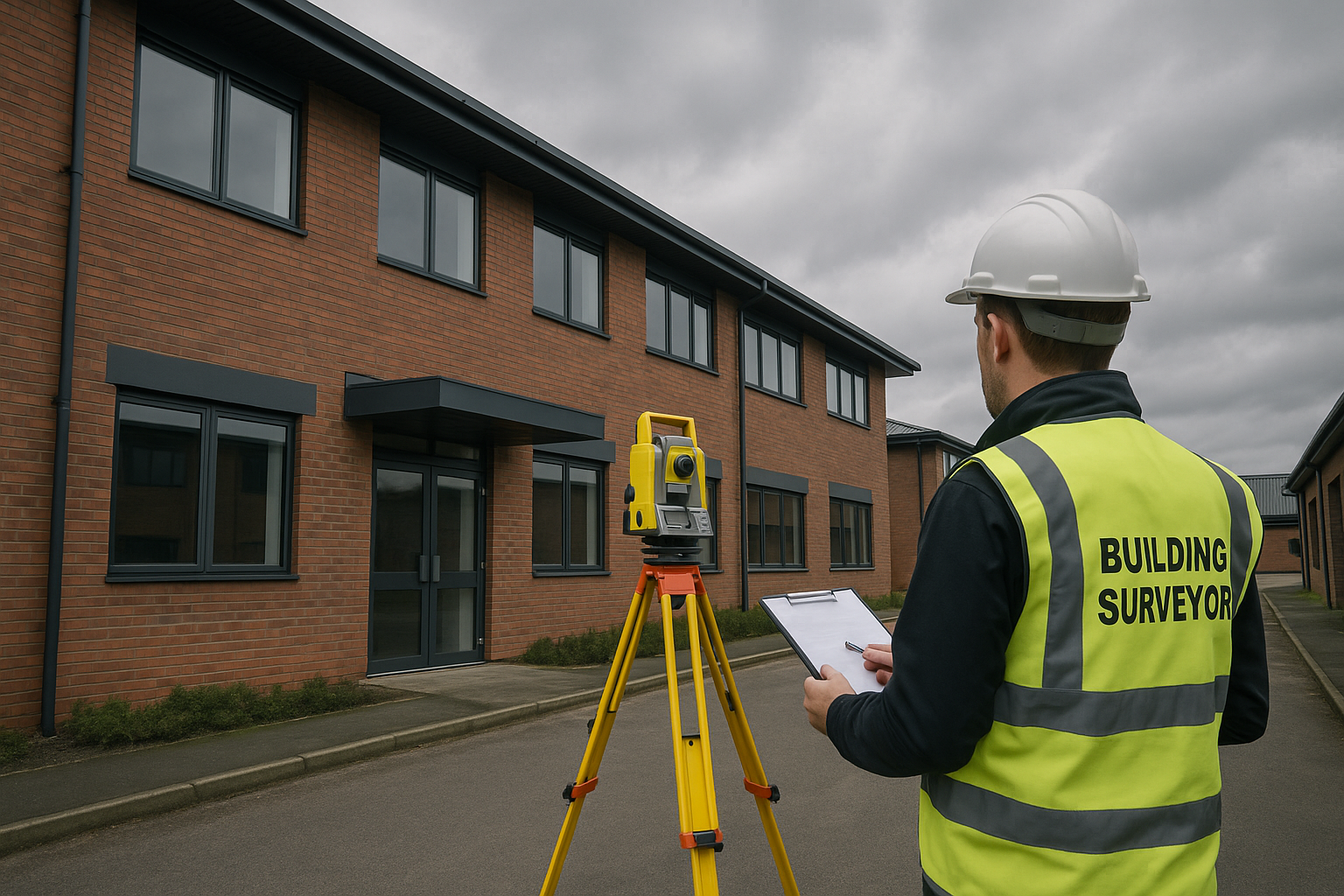
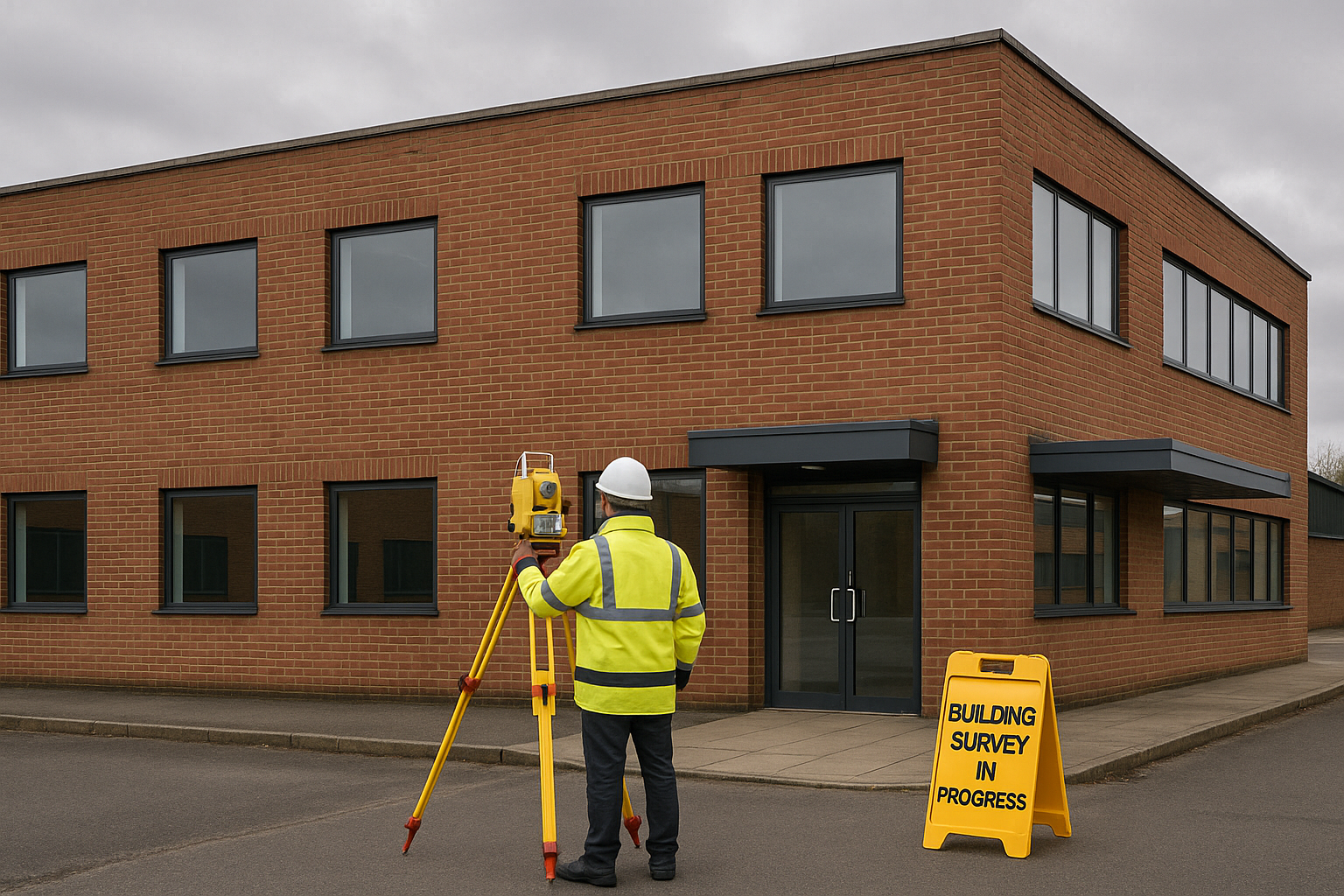
If you are managing a non-domestic property, planning any kind of building work, or need a formal asbestos register, a professional survey is the correct route. Supernova Asbestos Surveys carries out all types of survey across the UK, with fully qualified surveyors and UKAS-accredited laboratory analysis.
Management Survey
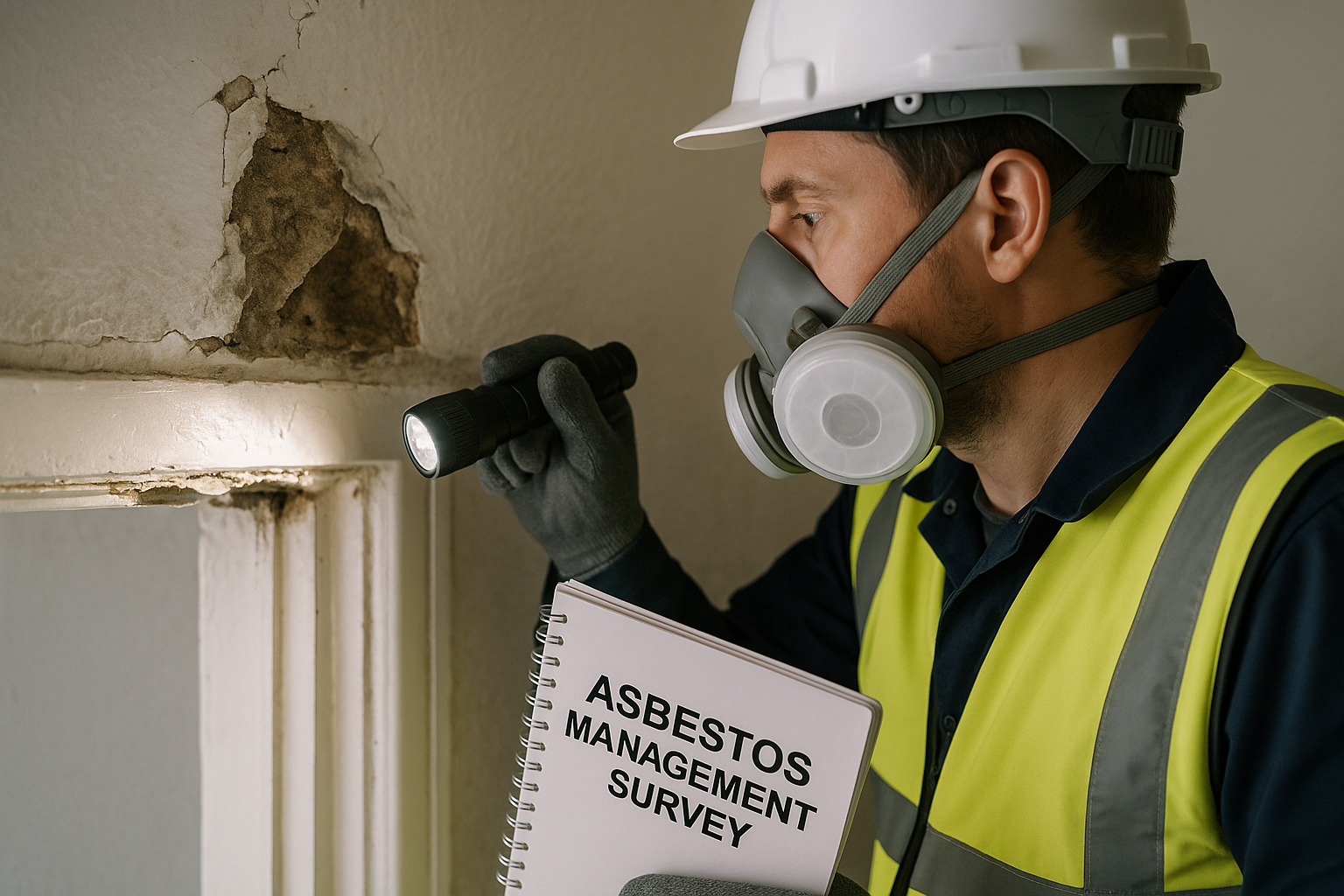
A management survey is the standard survey for occupied or in-use buildings. It identifies asbestos-containing materials — including tiles — that could be disturbed during normal occupancy or routine maintenance. This is what most duty holders need to meet their obligations under the Control of Asbestos Regulations.
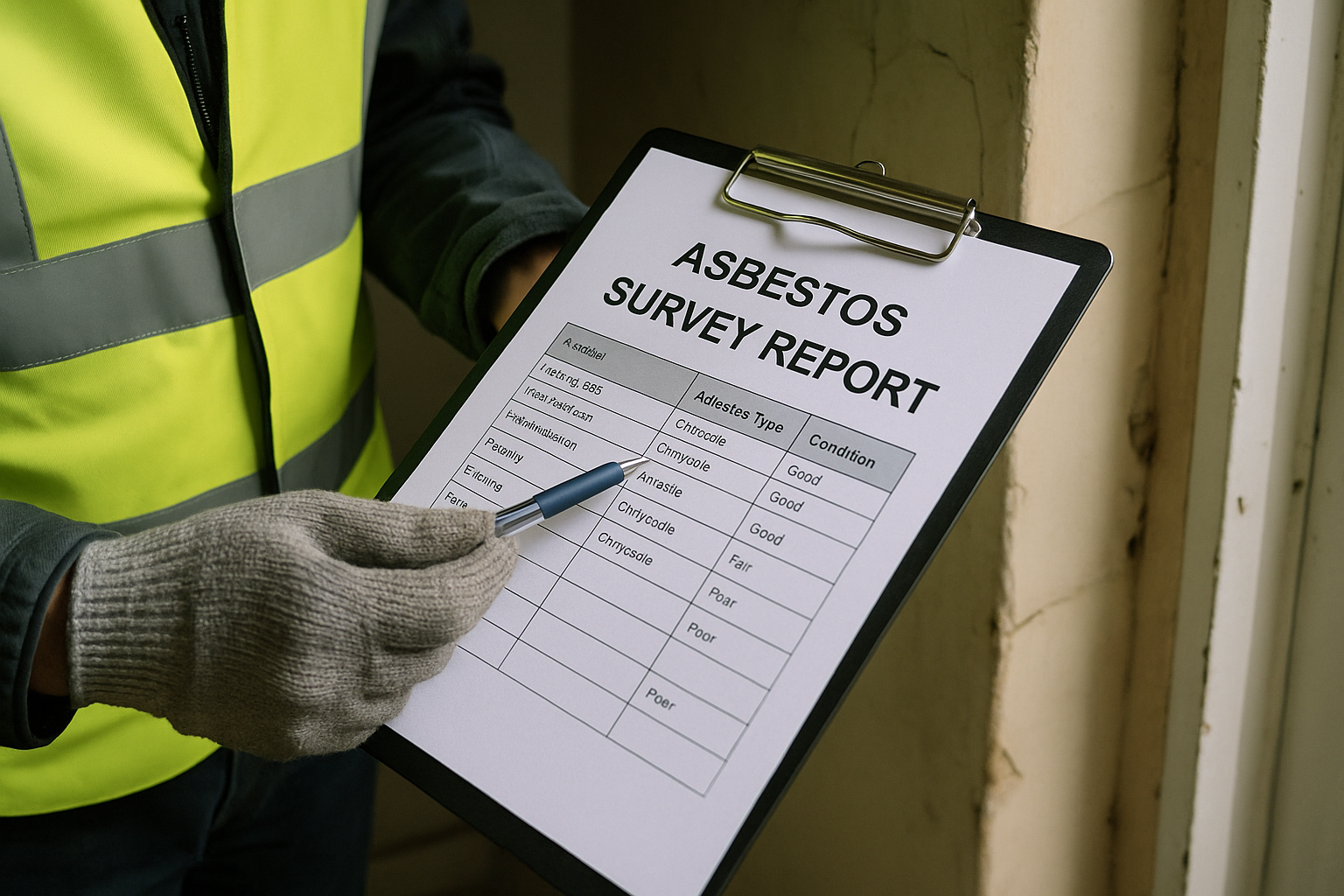
The result is an asbestos register and management plan: a documented record of what is present, where it is, what condition it is in, and how it should be managed going forward.
Refurbishment Survey
A refurbishment survey is required before any refurbishment work begins in a specific area. It is more intrusive than a management survey — surveyors will lift floors, access voids, and open up areas that will be disturbed during the planned works.
If you are replacing floor tiles or ceiling tiles in a pre-2000 building, this survey must be completed before contractors move in. No exceptions.
Demolition Survey
A demolition survey is the most thorough type and is legally required before any demolition work. It involves full structural access and a complete inspection of all materials in the building. Every asbestos-containing material must be identified and removed prior to demolition — this is not optional under the Control of Asbestos Regulations.
Re-Inspection Survey
If you already have an asbestos register, it must be reviewed and updated at regular intervals. A re-inspection survey checks the condition of known asbestos-containing materials — including any tiles that were previously identified — to confirm that nothing has deteriorated and that your management plan remains appropriate.
What Happens in the Laboratory?
Whether you have collected a sample yourself using a kit or a surveyor has taken samples during a professional inspection, the analysis process is the same. Reputable UK laboratories operate under UKAS accreditation to ISO/IEC 17025 — this is the standard to look for when arranging sample analysis.
The primary analytical method is polarised light microscopy (PLM), which allows analysts to identify asbestos fibres and distinguish between different types. For complex or low-concentration samples, transmission electron microscopy (TEM) may be used.
Your laboratory report will confirm:
- Whether asbestos fibres were detected
- The type or types of asbestos present
- The approximate concentration where relevant
- The reporting limit — the lowest concentration the method can reliably detect
Results typically come back within two to five working days. Express analysis is usually available if you need a faster turnaround.
What to Do If Your Tile Tests Positive for Asbestos
A positive result does not automatically mean you have an emergency. The appropriate response depends on the type of asbestos identified, the condition of the tile, and whether it is likely to be disturbed.
Do Not Disturb It
Asbestos-containing tiles that are in good condition and are not going to be disturbed pose a very low risk. In many cases, leaving them in place and managing them is the correct decision. What you must not do is start breaking, lifting, sanding, or removing tiles yourself without professional guidance.
Assess the Risk Properly
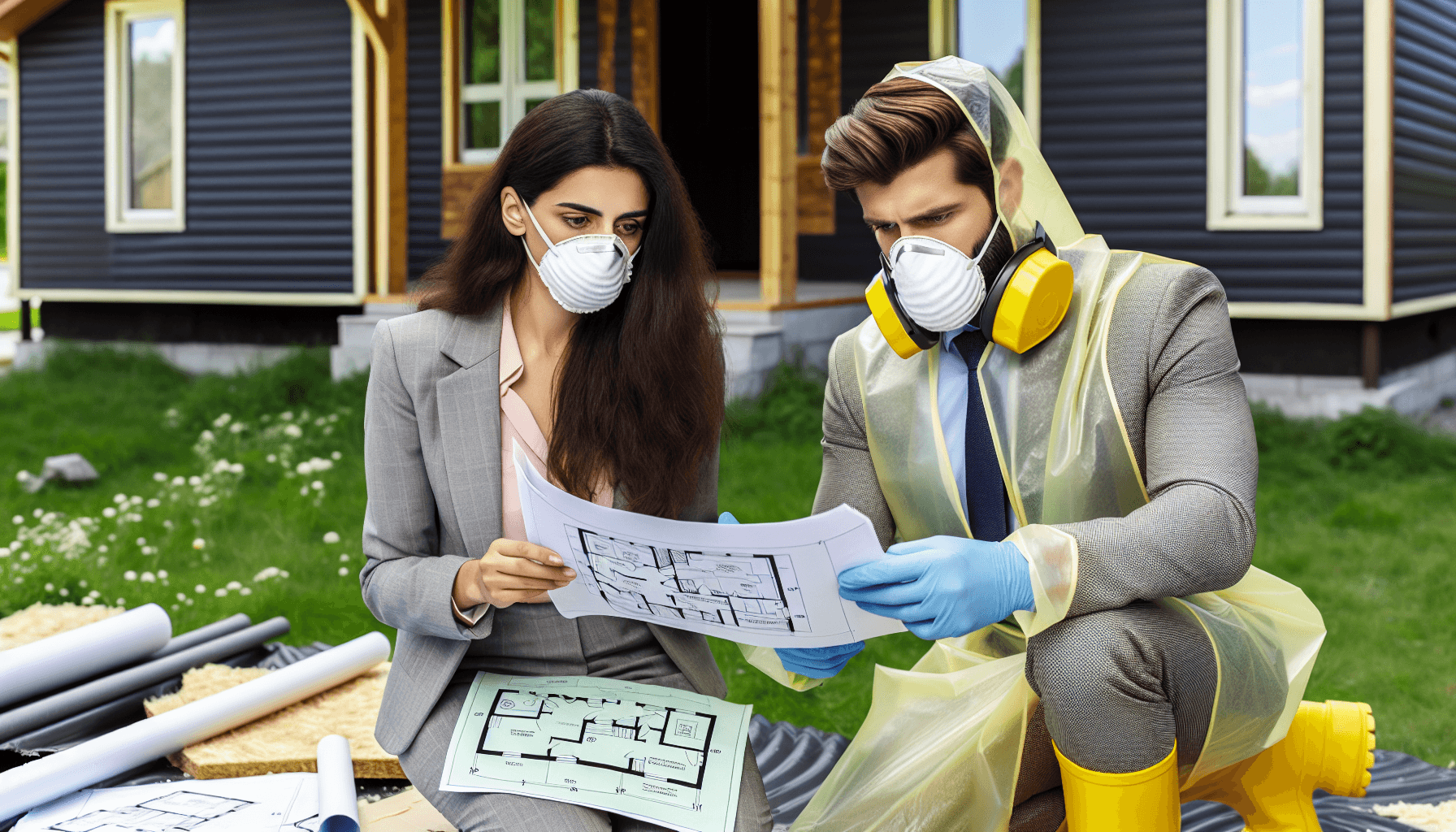
A professional surveyor or asbestos consultant can assess the risk based on the tile’s condition, location, and likelihood of disturbance. This assessment forms the basis of a management plan — a legal requirement for duty holders in non-domestic premises under the Control of Asbestos Regulations.
HSG264, the HSE’s guidance document on asbestos surveys, sets out clearly how materials should be assessed and scored. A competent surveyor will use this framework to determine the appropriate management action for each material identified.
Encapsulation or Removal?
Depending on the condition and type of material, you have two main options:
- Encapsulation — sealing the tile with a specialist coating or barrier to prevent fibre release. Suitable for tiles that are in reasonable condition and are not at immediate risk of disturbance. Requires ongoing monitoring and periodic re-inspection.
- Removal — the permanent solution. Higher-risk materials, including AIB ceiling tiles, sprayed coatings, and loose-fill insulation, must be removed by a licensed contractor registered with the HSE. Licensed removal contractors must notify the relevant enforcing authority at least 14 days before licensable work begins.
For asbestos removal, always use a contractor who can demonstrate their HSE licence and provide full documentation — including a waste transfer note confirming that the material has been disposed of correctly at a licensed facility.
Keep Your Documentation
Whether you encapsulate or remove, keep copies of everything: survey reports, test results, removal certificates, and waste transfer notes. These form part of your asbestos management file and may be requested by insurers, enforcing authorities, or future buyers of the property.
Losing this paperwork creates real problems. Treat it with the same care as a title deed or planning permission.
Understanding Your Legal Obligations Around Asbestos Tiles
Many property managers are uncertain about exactly where their legal duties begin and end. The Control of Asbestos Regulations place a duty to manage asbestos on those who are responsible for non-domestic premises — this includes landlords, facilities managers, and building owners.
The duty requires you to:
- Assess whether asbestos-containing materials are present in the building
- Presume materials contain asbestos unless there is strong evidence to the contrary
- Make and keep an up-to-date record of the location and condition of any ACMs
- Assess the risk of anyone being exposed to fibres from those materials
- Prepare a plan to manage that risk and put it into action
- Review and monitor the plan regularly
For domestic properties, the legal obligations are different, but the health risks are identical. If you are a homeowner planning renovation work, you should still test before disturbing any suspect materials — particularly old floor or ceiling tiles.
Our asbestos testing service is available to both commercial and residential clients across the UK, with clear advice on what the results mean and what steps to take next.
Choosing the Right Testing Route: A Quick Summary
Not sure which option is right for your situation? Use this as a quick reference:
- Single tile in good condition, domestic property, no legal report needed — a DIY testing kit with accredited laboratory analysis is a reasonable starting point
- Multiple materials, or any doubt about condition — book a professional survey rather than attempting DIY sampling
- Non-domestic property, occupied building — a management survey is required under the Control of Asbestos Regulations
- Pre-refurbishment work involving floor or ceiling tiles — a refurbishment survey must be completed before works begin
- Building due for demolition — a demolition survey is a legal requirement, not a recommendation
- Existing register in place — schedule a re-inspection survey to ensure the register remains current and accurate
Our asbestos testing team can advise you on the most appropriate route if you are unsure — just call us and we will point you in the right direction without any obligation.
Frequently Asked Questions
Can I test for asbestos tiles myself at home?
Yes, in certain circumstances. If the tile is in good condition — not crumbling, chipped, or damaged — you can use a DIY asbestos testing kit to collect a small sample and send it to an accredited laboratory. You must wear appropriate PPE, including an FFP3 respirator and disposable coveralls. If the tile is damaged or friable, do not attempt to sample it yourself. Call a professional surveyor instead.
How long does asbestos tile testing take?
Laboratory analysis of a tile sample typically takes two to five working days from receipt. Most accredited laboratories also offer express turnaround options if you need results faster. A professional survey, including laboratory analysis, usually takes a similar timeframe depending on the size of the property and the number of samples taken.
Do all old floor tiles contain asbestos?
No, but tiles manufactured or installed before 2000 — particularly those from the 1950s through to the 1980s — carry a meaningful risk of containing asbestos. The only way to know for certain is to have a sample tested by an accredited laboratory. Do not assume a tile is safe simply because it looks intact or undamaged.
What should I do if my ceiling tiles test positive for asbestos?
Do not disturb them. Asbestos-containing ceiling tiles in good condition can often be managed in place. However, if they are damaged, deteriorating, or scheduled to be removed during refurbishment, you will need a licensed asbestos removal contractor. AIB ceiling tiles are classified as a higher-risk material under HSE guidance, and their removal must be carried out by a contractor holding a current HSE licence.
Is asbestos testing a legal requirement?
For duty holders in non-domestic premises, the Control of Asbestos Regulations require a suitable and sufficient assessment of whether asbestos is present. In practice, this means surveying and, where necessary, testing suspect materials. For domestic homeowners, there is no legal obligation to test, but it is strongly advisable before any renovation or refurbishment work that could disturb older building materials.
Talk to Supernova Asbestos Surveys
Supernova Asbestos Surveys has completed over 50,000 surveys across the UK. Whether you need a single tile tested or a full site survey ahead of a major refurbishment, our team of qualified surveyors can help.
We offer management surveys, refurbishment surveys, demolition surveys, re-inspection surveys, and individual sample analysis — all backed by UKAS-accredited laboratory partners and clear, jargon-free reporting.
Call us on 020 4586 0680 or visit asbestos-surveys.org.uk to find out more or book a survey. If you are not sure which service you need, just call — we will give you a straight answer.