Old Boilers, Hidden Dangers: Asbestos Rope Gaskets, Seals, and What to Do About Them
Behind the panels of ageing boiler plant, packed into inspection ports, and wrapped around pipe joints, asbestos rope gaskets seals boilers is not a historical curiosity — it is a live risk present in thousands of UK buildings right now. Millions of older boiler systems were installed with these materials decades ago and have never been replaced or assessed. They were engineered for good reason: extreme heat resistance, pressure tolerance, and long service life. Today, the same properties that made them useful make them dangerous the moment they are disturbed without proper controls.
If you manage a commercial building, industrial facility, or heritage property with ageing boiler plant, understanding what these products are, where they sit, and what your legal duties require is not optional. It is a matter of health, law, and professional responsibility.
Why Asbestos Was Used in Boiler Sealing Products
Asbestos was, for much of the twentieth century, considered an engineering wonder material. It resisted fire, absorbed heat, tolerated chemical exposure, and could be woven, twisted, or compressed into almost any form. For boiler manufacturers and plant engineers, those properties made it the obvious choice for rope seals, gaskets, and packing materials.
The most common type used in these products was chrysotile — white asbestos — which could be spun into dense, heat-resistant cord that outperformed most alternatives available at the time. Teams across HVAC, oil and gas, heavy industry, and construction relied on these materials for decades.
The problem is that many of those installations are still in place today — ageing, degrading, and potentially releasing fibres into the air around them. The fact that a material was installed legally and competently fifty years ago offers no protection against the risks it presents now.
Where Asbestos Rope Gaskets Seals Boilers Are Typically Found
Knowing where to look is the first step in managing the risk effectively. Asbestos rope gaskets and seals in boilers appeared in a wide range of locations and configurations, and their presence is not always obvious to the untrained eye.
High-Temperature Sealing Points
Before the 1980s, rope seals reinforced almost every high-heat system: boilers, furnaces, engines, electric heating units, and industrial ovens. The packing material sat inside flanges, manways, and inspection ports, creating tight seals that could withstand repeated heating and cooling cycles.
In boiler rooms specifically, both twisted and square profile ropes were common around pipe joints. Fitters also packed valves, pumps, and air ducts with the same material to reduce leakage in harsh operating conditions.
It is worth understanding the distinction between a gasket and packing: a gasket creates a static seal between two flat faces, while packing fills a dynamic gap around a moving shaft or stem. Many asbestos rope products performed both functions, which is why they appeared so widely across industrial and commercial plant.
Boiler Door and Panel Sealing
Older boilers frequently relied on rope seals around doors, access panels, and combustion chambers. These seals prevented heat loss and kept combustion gases contained. Dense chrysotile fibres created a reliable seal under pressure and temperature that held up through years of operation.
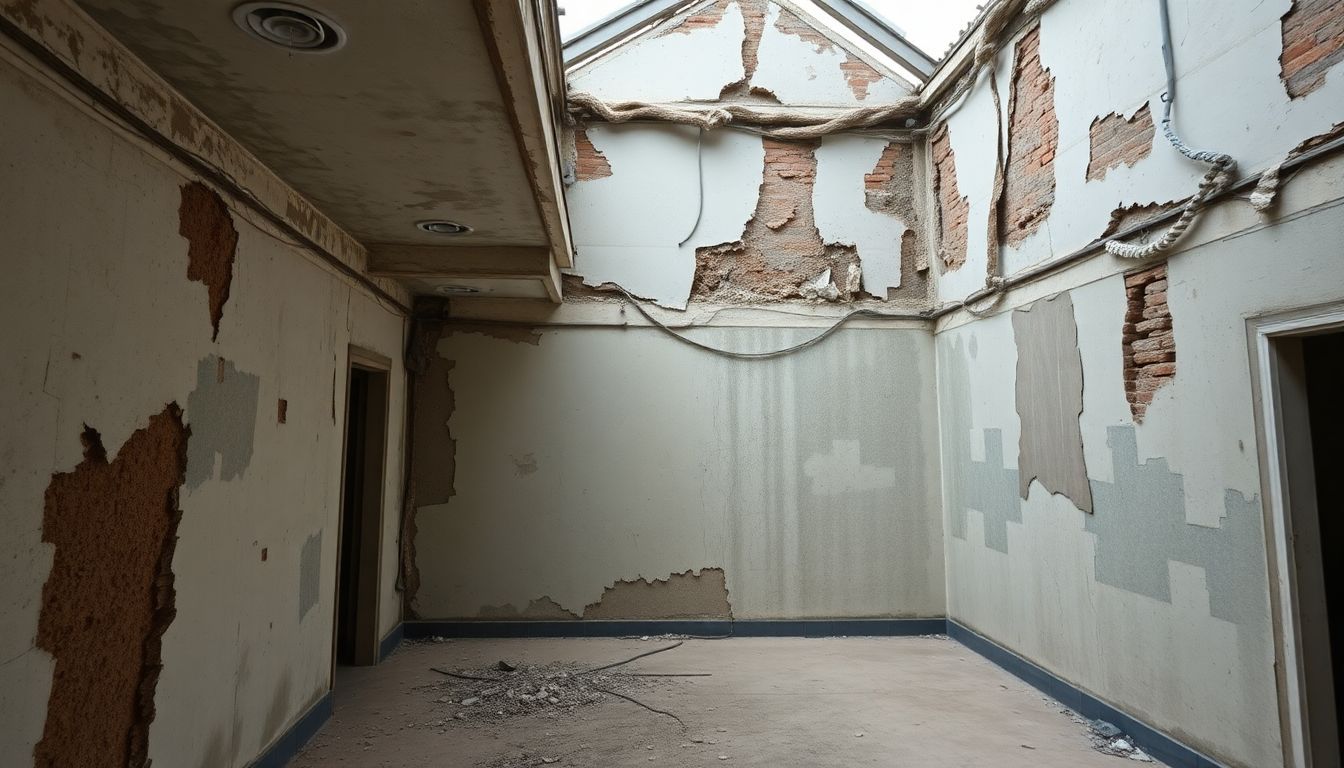
As that rope ages, it dries out, frays, and can become friable — meaning it crumbles easily and releases tiny fibres into the surrounding air. That creates two problems simultaneously: the boiler loses efficiency, and the environment becomes contaminated with airborne asbestos fibres.
If you see rope-like cords around boiler doors or panels that look degraded, dusty, or damaged, stop work immediately and contact a licensed asbestos surveyor before proceeding.
Pipework and Valve Packing
Beyond the boiler itself, asbestos packing was used extensively throughout connected pipework. Valves, pump glands, and expansion joints in older heating systems were routinely packed with chrysotile rope to prevent leaks at high pressure and temperature.
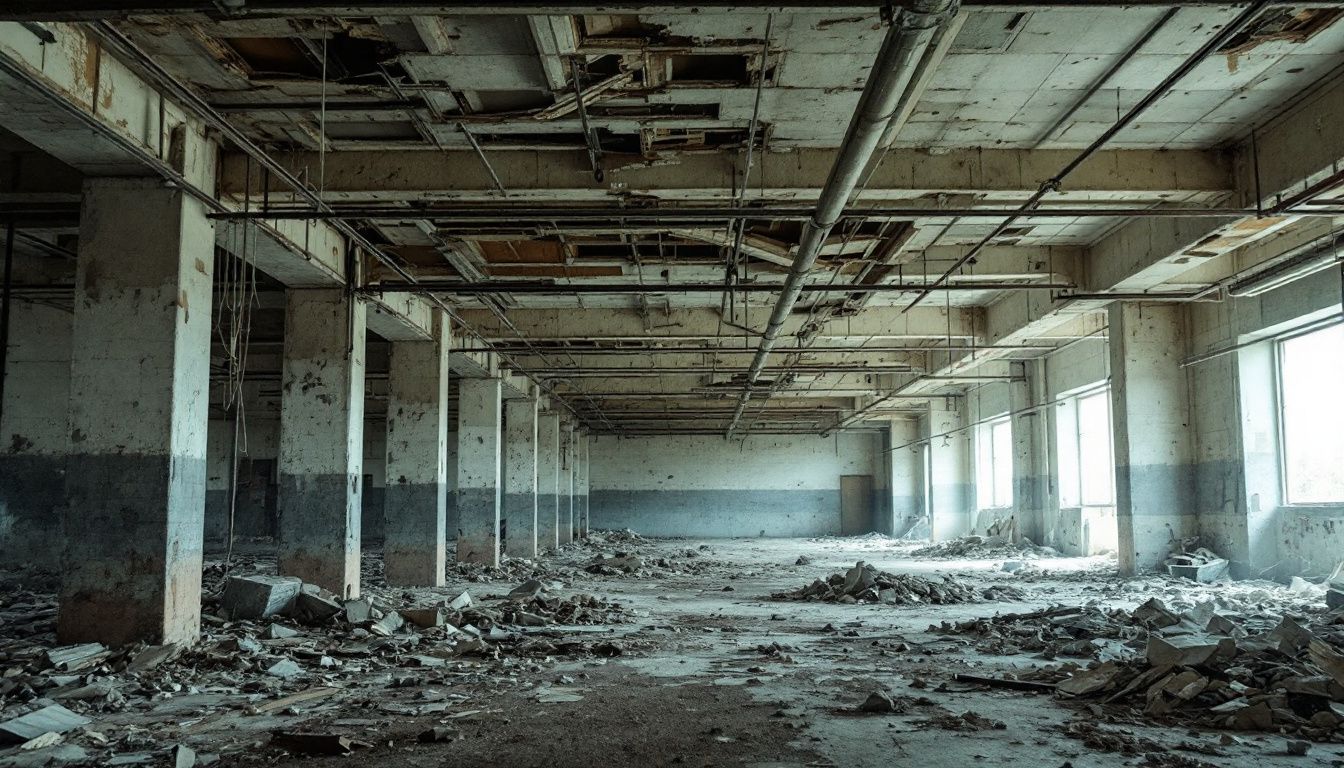
Power plants, refineries, steel works, and large commercial buildings constructed before 1980 are particularly likely to contain these materials. Any planned maintenance, refurbishment, or demolition work in these environments should be preceded by a thorough asbestos survey to identify and assess all potential sources before work begins.
Types of Asbestos Rope Gaskets and Seals
Not all asbestos rope products are the same. The form, weave, and composition affect how they behave when disturbed, which in turn affects the level of risk and the controls required. Understanding the type helps you brief contractors accurately and choose the correct approach for any planned work.
Twisted Asbestos Rope
Twisted rope is made from several strands of chrysotile spun together into a round cord. It was the most widely used form in boiler insulation and pipework, valued for its ability to handle high heat and vibration without breaking down quickly. Power plants, refineries, and older commercial facilities often still contain this product in original condition.
When intact and undisturbed, the risk is lower. When damaged, cut, or disturbed during maintenance work, it can release fibres rapidly into the surrounding air. Never cut, pull, or strip twisted asbestos rope without proper controls in place. Only trained teams with the correct personal protective equipment — including P3 respirators and disposable coveralls — should handle this material.
Square Asbestos Rope
Square rope uses a tight weave with a square cross-section, which made it ideal for flat faces and straight edges on boiler doors, pipe joints, and flanges. Engineers favoured it for steady, consistent sealing under frequent pressure changes, and it was a common sight in older industrial plant rooms.
Even small movements or vibrations can release fibres if the rope has aged, cracked, or dried out. During demolition or intrusive maintenance, that risk increases significantly. Any removal task involving square asbestos rope should be carried out by licensed professionals using proper dust containment and control methods.
Exposure to asbestos fibres is directly linked to mesothelioma and lung cancer. Strict handling procedures are not bureaucratic box-ticking — they are what stands between your workers and a potentially fatal illness.
Asbestos Lagging Rope
Lagging rope typically features a braided asbestos outer layer with a flexible ceramic or fibre core. This construction added strength and movement tolerance, making it the preferred choice for pipelines that vibrate or expand and contract with temperature changes.
Oil refineries, hot water distribution networks, and industrial heating systems made extensive use of lagging rope where rigid insulation would have cracked under movement. Once the outer braid is damaged, the rope can become highly friable and shed fibres across a wide area.
If you suspect lagging rope is present on your site, pause all work in the affected area and arrange a professional survey before proceeding. All work must follow the Control of Asbestos Regulations, with licensed or appropriately trained non-licensed workers depending on the specific task, along with full risk assessment, method statements, and correct waste disposal documentation.
Health Risks Associated with Asbestos Rope Gaskets Seals Boilers
The health risks linked to asbestos rope gaskets seals boilers are well established and serious. These are not theoretical concerns — they represent a documented history of illness and death among workers in industries that used these products routinely for decades.
Asbestos-Related Diseases
Breathing asbestos fibres can lead to several serious conditions, all of which have long latency periods — meaning symptoms may not appear until decades after initial exposure:
- Mesothelioma — a rare and aggressive cancer of the lining of the lungs or abdomen, almost exclusively caused by asbestos exposure
- Lung cancer — risk is significantly increased by asbestos exposure, particularly when combined with smoking
- Asbestosis — progressive scarring of the lung tissue that reduces breathing capacity over time
- Pleural plaques — thickened areas on the lining of the lungs that indicate past exposure
- Pleural thickening — more extensive scarring of the pleura that can restrict lung function significantly
All forms of asbestos are classified as known human carcinogens. There is no safe level of exposure.
Secondary and Bystander Exposure
One of the most troubling aspects of asbestos-related illness is that it does not only affect those who worked directly with the material. Family members of workers have developed mesothelioma after contact with contaminated work clothing. Bystanders working nearby during maintenance activities have been exposed without ever touching the material themselves.
The time between first exposure and diagnosis can range from 20 to 50 years. That long latency period means that people exposed during maintenance work on older boiler systems in the 1970s, 1980s, or even 1990s may only now be receiving diagnoses. Anyone with a known history of exposure to asbestos rope or boiler insulation should discuss this with their GP.
Exposure During Maintenance and Refurbishment
The highest risk scenarios occur during unplanned disturbance — a maintenance engineer cutting out old packing, a contractor drilling through a boiler room wall, or a refurbishment team stripping out old pipework without first establishing what materials are present.
Practical steps to reduce risk during any work near suspected asbestos rope or gaskets include:
- Stop work immediately if you see rope-like cords, dusty seals, or degraded packing around boiler plant
- Do not attempt to identify the material yourself by touching, cutting, or disturbing it
- Arrange an accredited asbestos survey before any further work proceeds
- Ensure all contractors working in the area are briefed on the suspected presence of asbestos
- Use P3 respirators and disposable coveralls if emergency work cannot be avoided
- Keep records of all surveys, inspections, and any work carried out near asbestos materials
Legal Duties for Managing Asbestos in Boiler Plant
The Control of Asbestos Regulations place clear duties on those who manage non-domestic premises. If you are a duty holder — whether a building owner, facilities manager, or employer — you are legally required to manage the risk from asbestos in your premises. That means identifying asbestos-containing materials, assessing their condition, and putting a management plan in place.
HSE guidance, including HSG264, sets out how asbestos surveys should be conducted and what information they should provide. Two survey types are particularly relevant to boiler plant:
- A management survey is appropriate for most occupied premises and will identify accessible asbestos-containing materials under normal use and occupancy conditions. This is the baseline survey every duty holder should have in place.
- A demolition survey is required before any intrusive work — including work on boiler plant, pipework, or plant room structures — to locate all asbestos-containing materials that could be disturbed during the works.
Failing to manage asbestos correctly is not just a health risk. It is a criminal offence that can result in prosecution, significant fines, and serious reputational damage. The duty to manage is not discretionary.
What to Do If You Suspect Asbestos Rope or Gaskets in Your Boiler System
If your building was constructed or refurbished before 2000 and contains original boiler plant, there is a realistic possibility that asbestos rope gaskets, seals, or packing materials are present. The following steps set out a practical approach to managing that risk.
Step 1: Do Not Disturb
If you can see rope-like seals, degraded packing, or dusty material around boiler doors, pipe joints, or valve stems, do not touch, cut, or remove it. Do not continue maintenance work in the area until the material has been assessed by a qualified professional.
The urge to press on with a repair or scheduled shutdown is understandable, but the consequences of disturbing asbestos rope without controls can affect workers, contractors, and building occupants for decades to come.
Step 2: Commission an Asbestos Survey
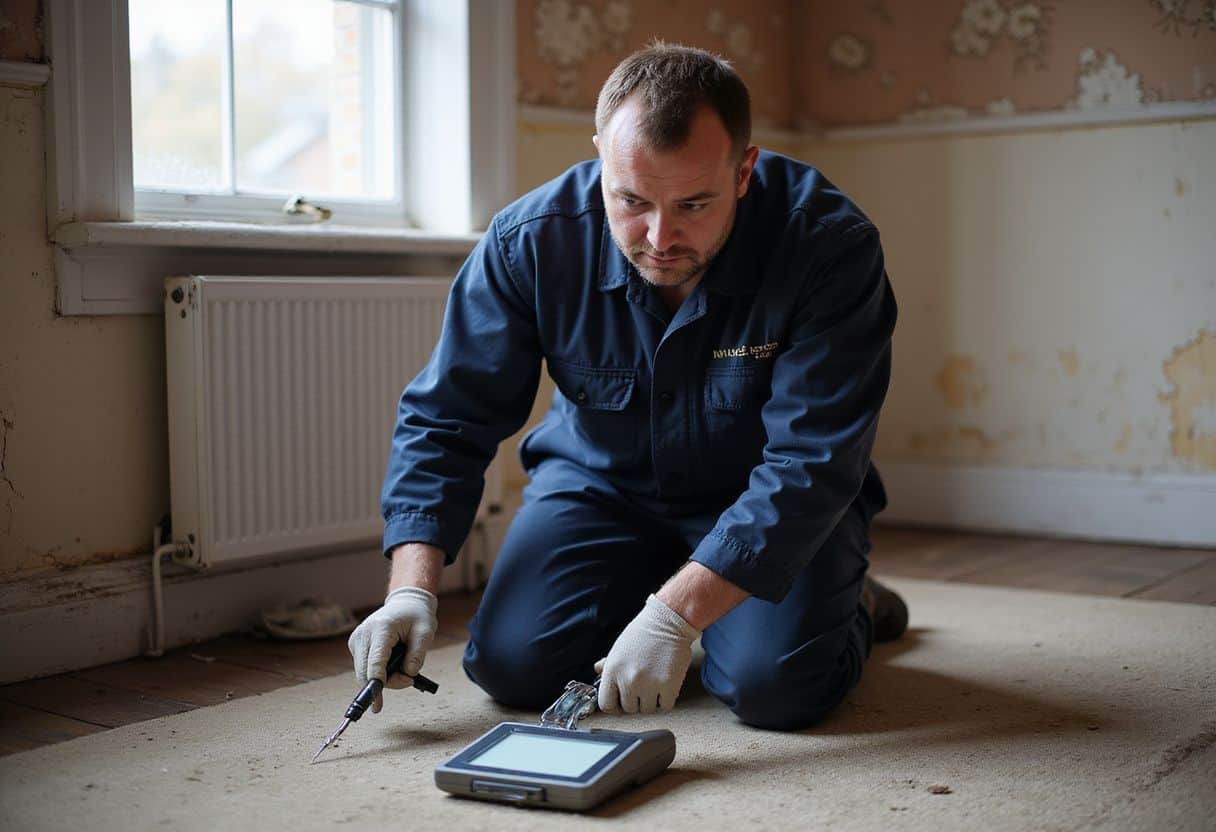
Contact an accredited asbestos surveying company to carry out a formal assessment of your boiler plant and associated pipework. A qualified surveyor will inspect the area, take samples for laboratory analysis where appropriate, and provide a written report identifying any asbestos-containing materials, their condition, and recommended actions.
If you are based in the capital, an asbestos survey London service can cover commercial and industrial premises across the city. For sites in the north-west, an asbestos survey Manchester team can assess boiler plant and pipework throughout the region. Properties in the Midlands can be covered by an asbestos survey Birmingham service with experience across industrial and commercial sites.
Step 3: Act on the Survey Findings
Once you have a survey report, you have three broad options depending on the condition and location of the materials identified:
- Leave in place and manage — if the material is in good condition and will not be disturbed, it can remain in situ with regular condition monitoring and a documented management plan
- Encapsulate — if the material is slightly degraded but not imminently dangerous, licensed professionals can apply sealant treatments to stabilise it and prevent fibre release
- Remove — if the material is in poor condition, if planned work will disturb it, or if removal is the most practical long-term option, it must be removed by a licensed asbestos removal contractor following a full method statement and risk assessment
The correct approach depends on the specific material, its condition, and your plans for the building. A qualified surveyor will advise on the most appropriate course of action based on the survey findings.
Step 4: Maintain an Asbestos Register
Every duty holder managing non-domestic premises should maintain an up-to-date asbestos register. This document records the location, type, condition, and management status of all known asbestos-containing materials in the building. It must be made available to anyone who may disturb those materials — including maintenance contractors, emergency services, and refurbishment teams.
An asbestos register is not a one-off document. It should be reviewed and updated whenever new information becomes available, whenever work is carried out near asbestos materials, and at regular intervals as part of your ongoing management obligations.
Replacing Asbestos Rope Gaskets and Seals
Where asbestos rope gaskets and seals are removed from boiler plant, they must be replaced with modern non-asbestos alternatives. A range of high-performance substitute materials is now available, including:
- Ceramic fibre rope — excellent heat resistance for high-temperature applications, widely used in industrial boilers and furnaces
- Graphite packing — suitable for valve stems and pump glands, offering good chemical resistance and temperature tolerance
- PTFE-based products — used in lower-temperature applications and where chemical resistance is a priority
- Mineral wool rope — appropriate for door seals and panel gaskets in commercial boiler plant
The choice of replacement material should be made by a qualified engineer with knowledge of the specific operating conditions — temperature range, pressure, chemical exposure, and movement tolerance all affect which product is appropriate. Never assume a modern product will perform identically to the asbestos rope it replaces without checking the technical specification against the application.
Asbestos Rope in Heritage and Listed Buildings
Heritage properties and listed buildings present additional challenges when it comes to asbestos rope gaskets seals boilers. Original boiler plant in these settings may be decades old and subject to planning restrictions that complicate straightforward removal or replacement. In some cases, the boiler itself may be of historical significance.
None of that changes the legal duty to manage asbestos safely. Heritage status does not create an exemption from the Control of Asbestos Regulations. What it may do is require closer co-ordination between the asbestos surveyor, the building owner, the conservation officer, and the licensed removal contractor to find a solution that meets both safety and heritage requirements.
If you manage a listed building or heritage site with original boiler plant, seek specialist advice early. The earlier asbestos-containing materials are identified and assessed, the more options you have for managing them appropriately.
Frequently Asked Questions
How do I know if my boiler contains asbestos rope gaskets or seals?
Visual inspection alone cannot confirm the presence of asbestos. Rope-like seals, dusty packing, or degraded material around boiler doors, pipe joints, and valve stems may indicate asbestos-containing products, but laboratory analysis of a sample taken by a qualified surveyor is the only reliable way to confirm it. If your boiler plant dates from before 2000 and has not been surveyed, commission an accredited asbestos survey before carrying out any maintenance or refurbishment work.
Is asbestos rope in a boiler dangerous if it is not disturbed?
Asbestos-containing materials that are in good condition and left undisturbed present a lower immediate risk than damaged or friable materials. However, they must still be identified, recorded in your asbestos register, and monitored regularly for any deterioration in condition. The risk increases significantly whenever the material is disturbed — even minor vibration or contact can release fibres from aged or degraded rope. Managing the material safely means knowing exactly where it is and ensuring no one disturbs it without proper controls in place.
Who is legally responsible for managing asbestos in boiler plant?
Under the Control of Asbestos Regulations, the duty to manage asbestos falls on the person or organisation responsible for maintaining non-domestic premises — typically the building owner, landlord, or employer. This duty holder is legally required to identify asbestos-containing materials, assess their condition, prepare a written management plan, and ensure that anyone who may disturb the materials is informed of their presence. Failure to comply is a criminal offence.
Can I remove asbestos rope gaskets myself?
No. The removal of asbestos rope gaskets and seals from boiler plant is classified as licensable work under the Control of Asbestos Regulations in most circumstances, meaning it must be carried out by a contractor holding a licence issued by the HSE. Even where a task falls below the licensable threshold, it must still be carried out by trained and competent workers following a written risk assessment and method statement, with correct personal protective equipment and proper waste disposal. Attempting to remove asbestos rope without the appropriate training, equipment, and authorisation is illegal and extremely dangerous.
What should I do if a contractor has already disturbed asbestos rope in my boiler room?
Stop all work in the affected area immediately and prevent access until the area has been assessed by a licensed asbestos surveyor. Do not attempt to clean up dust or debris yourself. Depending on the extent of the disturbance, air monitoring may be required to establish whether the area is safe to re-enter. You should also review your duty holder obligations under the Control of Asbestos Regulations and consider whether a notifiable non-licensed work notification or other reporting requirement applies. Seek professional advice promptly.
Speak to Supernova Asbestos Surveys
Supernova Asbestos Surveys has completed over 50,000 surveys across the UK, working with building owners, facilities managers, and contractors to identify and manage asbestos-containing materials safely and in full compliance with the Control of Asbestos Regulations.
Whether you need a management survey for an occupied commercial property, a demolition survey ahead of refurbishment work, or specialist advice on asbestos rope gaskets seals boilers in ageing plant, our accredited surveyors are ready to help.
Call us on 020 4586 0680 or visit asbestos-surveys.org.uk to book a survey or discuss your requirements with our team.