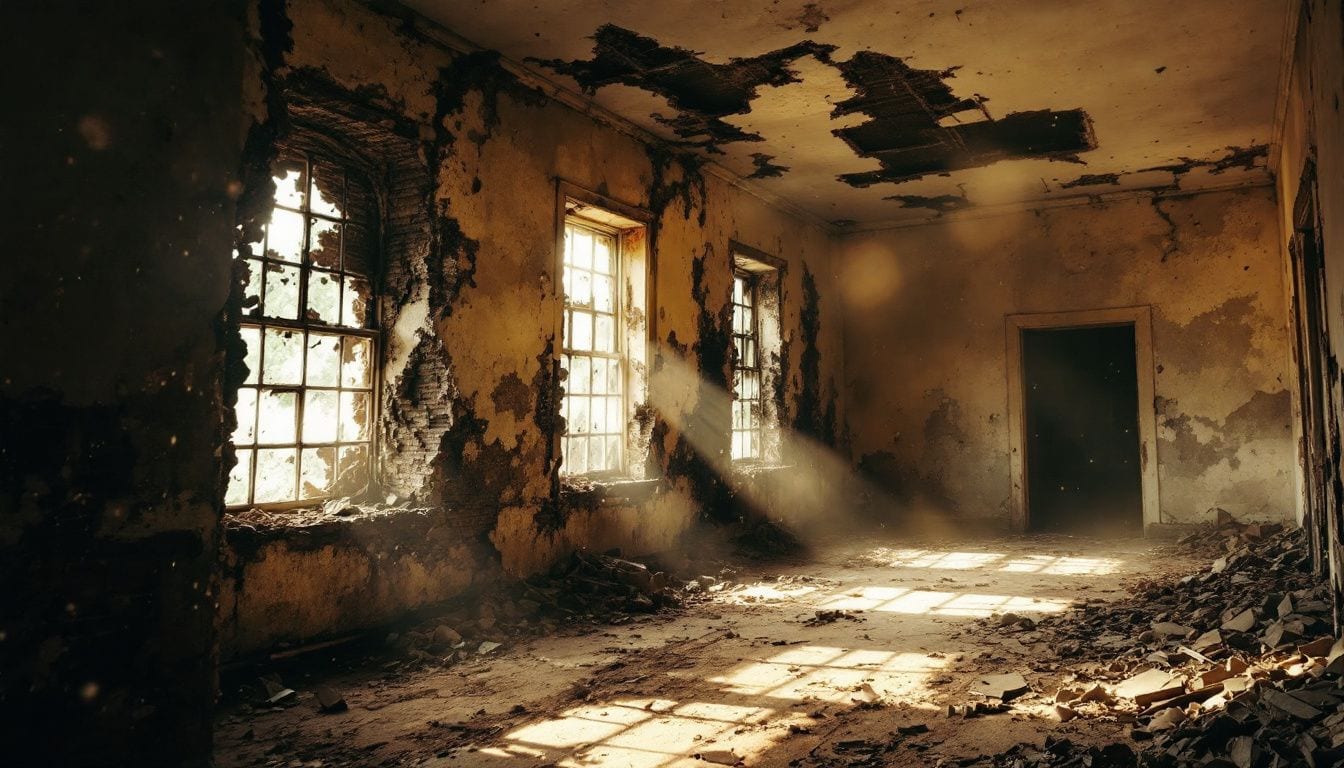
Why the UK’s Asbestos Crisis Is Far From Over
More than two decades after the UK’s complete ban on asbestos use, the material continues to kill thousands of people every single year. Understanding the impact and reasons behind the continuing asbestos problem in the UK is not a matter of historical curiosity — it is a live, urgent issue affecting workers, families, and entire communities right now.
Over 5,000 asbestos-related deaths occur in the UK annually. Mesothelioma alone accounts for more than 2,500 of those fatalities — roughly thirteen people dying every day from conditions caused by asbestos exposure. That death rate outpaces road accident fatalities in this country.
So why, after decades of regulation and increased public awareness, does this crisis persist? The answer lies in a combination of legacy building stock, the long latency of asbestos-related diseases, gaps in compliance, and the sheer volume of material still embedded in the UK’s built environment.
The Scale of Asbestos in the UK’s Built Environment
Asbestos was used extensively in UK construction from the 1950s through to the late 1990s. It appeared in insulation, roofing sheets, floor tiles, ceiling tiles, pipe lagging, fire blankets, and cement products. It was cheap, durable, and highly effective — which is precisely why it ended up in virtually every type of building imaginable.
Blue and brown asbestos (crocidolite and amosite) were banned in 1985. White asbestos (chrysotile) continued to be used legally until 1999. That means any building constructed or refurbished before 2000 may contain asbestos-containing materials (ACMs) in some form.
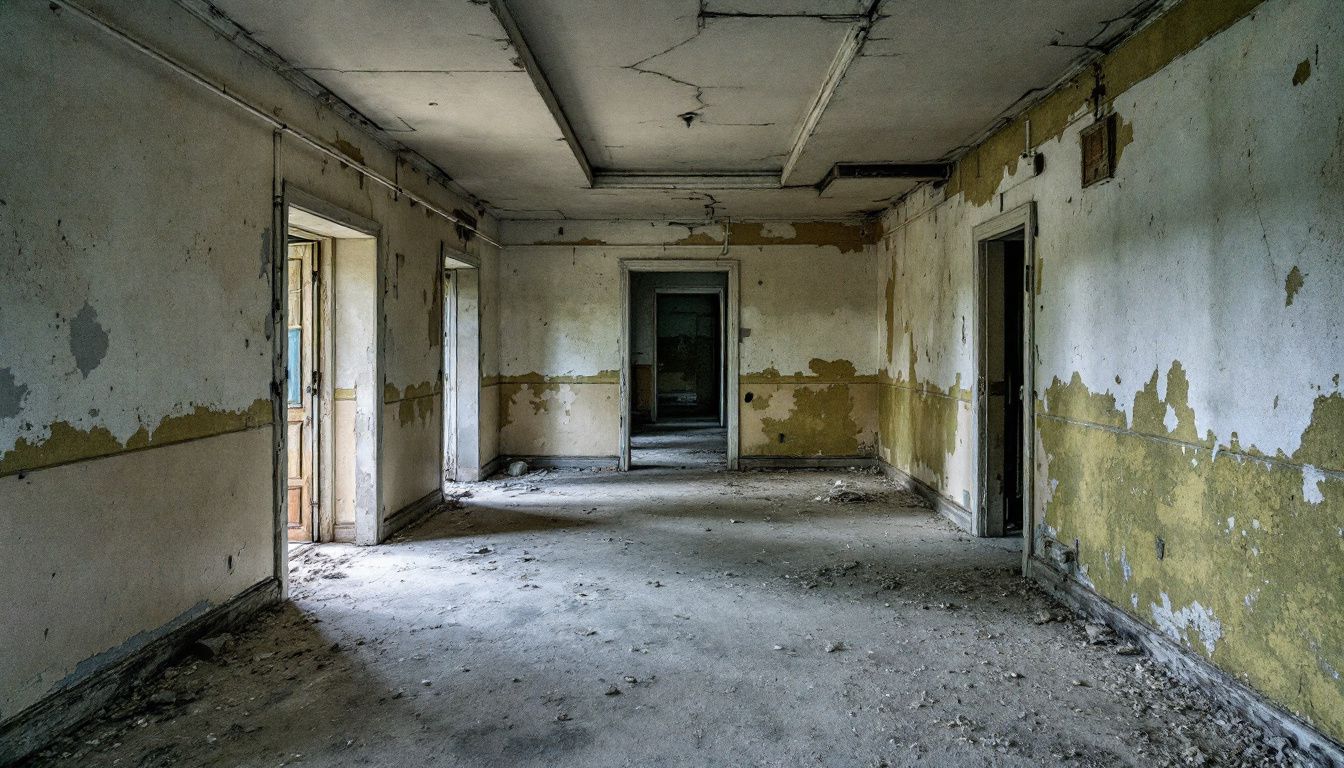
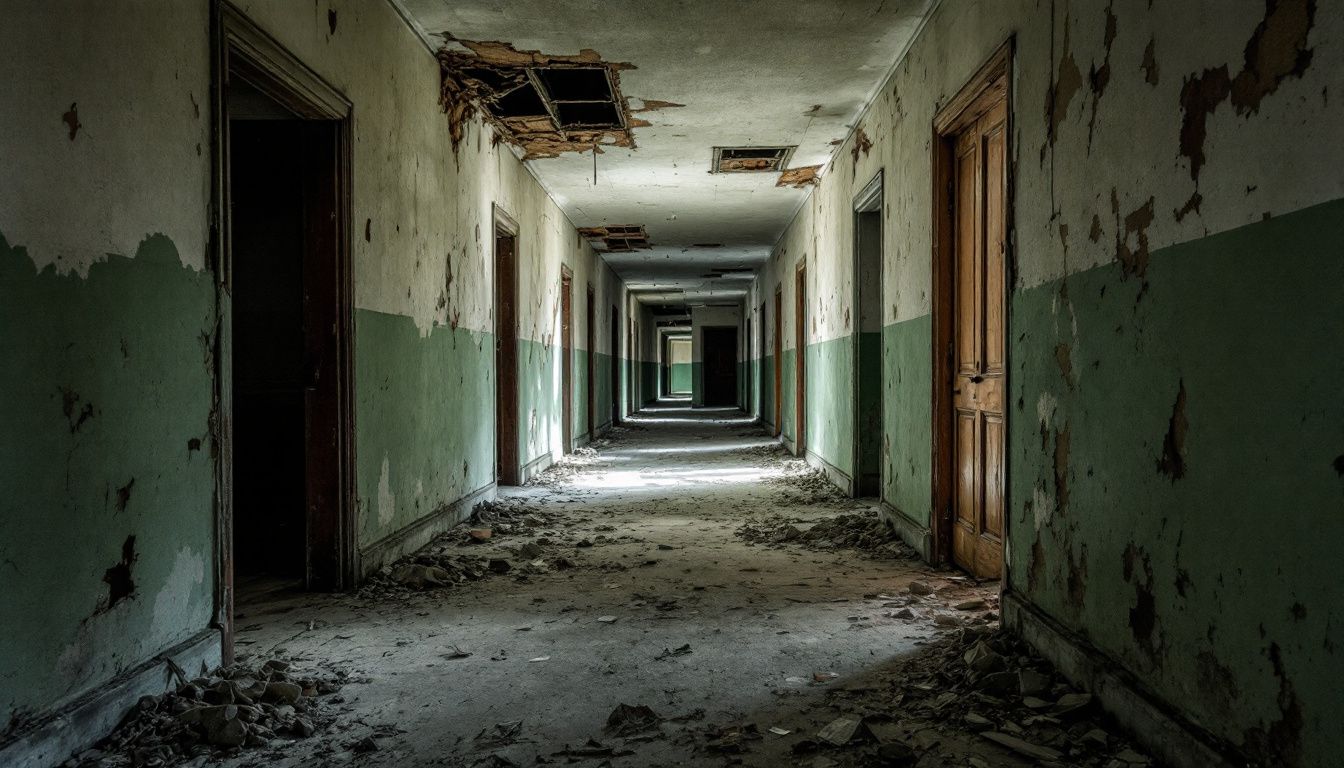
The UK has an enormous stock of pre-2000 buildings. Schools, hospitals, offices, factories, housing estates, and public buildings across the country were built during the peak decades of asbestos use. Estimates suggest that around 1.5 million non-domestic buildings in the UK still contain asbestos. The material does not simply disappear because it has been banned — it remains in place until it is properly managed or removed.
Understanding the Impact: Why Asbestos Still Kills
One of the most important reasons behind the continuing asbestos problem in the UK is the long gap between exposure and illness. Mesothelioma typically takes between 20 and 50 years to develop after initial exposure. People dying from asbestos-related conditions today were often exposed in the 1970s and 1980s.
This latency period creates a dangerous illusion. Workers and building occupants who were exposed decades ago may feel perfectly healthy for years, only to receive a devastating diagnosis much later in life. It also means the full impact of more recent exposures — during the 1990s and beyond — has not yet been fully felt.
Who Is Most at Risk?
Occupational exposure remains the primary driver of asbestos-related disease in the UK. The workers at highest risk include:
- Plumbers, electricians, and heating engineers working in older buildings
- Construction and demolition workers
- Carpenters and joiners undertaking refurbishment work
- Maintenance staff in schools, hospitals, and public buildings
- Roofing contractors working with older materials
The danger extends well beyond those working directly with asbestos. Fibres cling to clothing, hair, tools, and equipment. Workers can carry asbestos home without knowing it, exposing partners and children to fibres in a domestic setting. This secondary exposure has been linked to mesothelioma diagnoses in people who never set foot on a construction site.
Children are particularly vulnerable. Their developing respiratory systems and higher breathing rates relative to body size mean they absorb more airborne fibres per breath than adults. Deteriorating asbestos in school buildings is a specific and well-documented concern across the UK.
The Full Spectrum of Asbestos-Related Conditions
Mesothelioma is the most widely discussed asbestos-related disease, but it is far from the only one. People exposed to asbestos fibres may develop:
- Asbestosis — scarring of the lung tissue that reduces capacity and causes chronic breathlessness and chest pain
- Lung cancer — asbestos exposure significantly increases the risk, particularly in those who also smoke
- Pleural thickening — thickening of the lining around the lungs, which restricts breathing
- Pleural plaques — calcified areas on the pleura, often an indicator of past exposure
- Chronic bronchitis — linked to long-term inhalation of asbestos particles
All of these conditions can develop years or decades after exposure. Many have no effective cure, and treatment is largely palliative. Prevention and early management are the only realistic tools available.
The Legal Framework: What UK Law Requires
The UK has a robust legal framework governing asbestos management. The Control of Asbestos Regulations places a clear duty on those responsible for non-domestic premises — known as duty holders — to manage asbestos within their buildings.
The duty to manage requires duty holders to:
- Identify whether asbestos is present in their premises
- Assess the condition of any ACMs found
- Produce and maintain an asbestos management plan
- Ensure anyone who may disturb ACMs is informed of their location and condition
- Arrange for regular monitoring and reassessment
The Health and Safety Executive (HSE) enforces these regulations and provides detailed guidance through HSG264, which sets out the standards for asbestos surveys. Failure to comply can result in enforcement notices, prosecution, and significant fines.
For most non-domestic buildings, the appropriate starting point is a management survey, which identifies the location and condition of ACMs in areas that are normally occupied or accessed. Where a building is due for refurbishment or demolition, a more intrusive demolition survey is required to locate all ACMs before any structural work begins.
Why Compliance Gaps Persist Across the UK
Despite clear legal obligations, compliance remains inconsistent. Several factors contribute to this persistent problem:
- Cost pressures — smaller businesses and landlords sometimes defer surveys and management work due to financial constraints
- Lack of awareness — not all duty holders fully understand their legal obligations, particularly in sectors outside construction
- Complacency — where ACMs are in good condition and not causing obvious problems, some duty holders take a passive approach
- Inadequate record-keeping — buildings change hands, and asbestos registers are not always passed on or kept up to date
- Unlicensed work — some contractors undertake work on ACMs without the required HSE licence, putting workers and building occupants at risk
The HSE carries out inspections and prosecutions, but with a vast number of buildings to oversee and limited resources, enforcement cannot catch every instance of non-compliance. Self-regulation and a genuine commitment to duty of care are therefore essential.
Structural and Systemic Reasons Behind the Continuing Asbestos Problem
Fully understanding the impact and reasons behind the continuing asbestos problem in the UK requires looking beyond individual cases of non-compliance. There are structural and systemic factors that make this problem particularly persistent — and particularly difficult to resolve.
The Sheer Volume of Legacy Material
The UK simply has too much asbestos in too many buildings to address quickly. Even with the best will and sufficient resources, removing every ACM from every pre-2000 building would take generations. The practical approach endorsed by the HSE — managing ACMs in good condition in place rather than removing them — is pragmatic, but it means the material remains present and must be actively monitored.
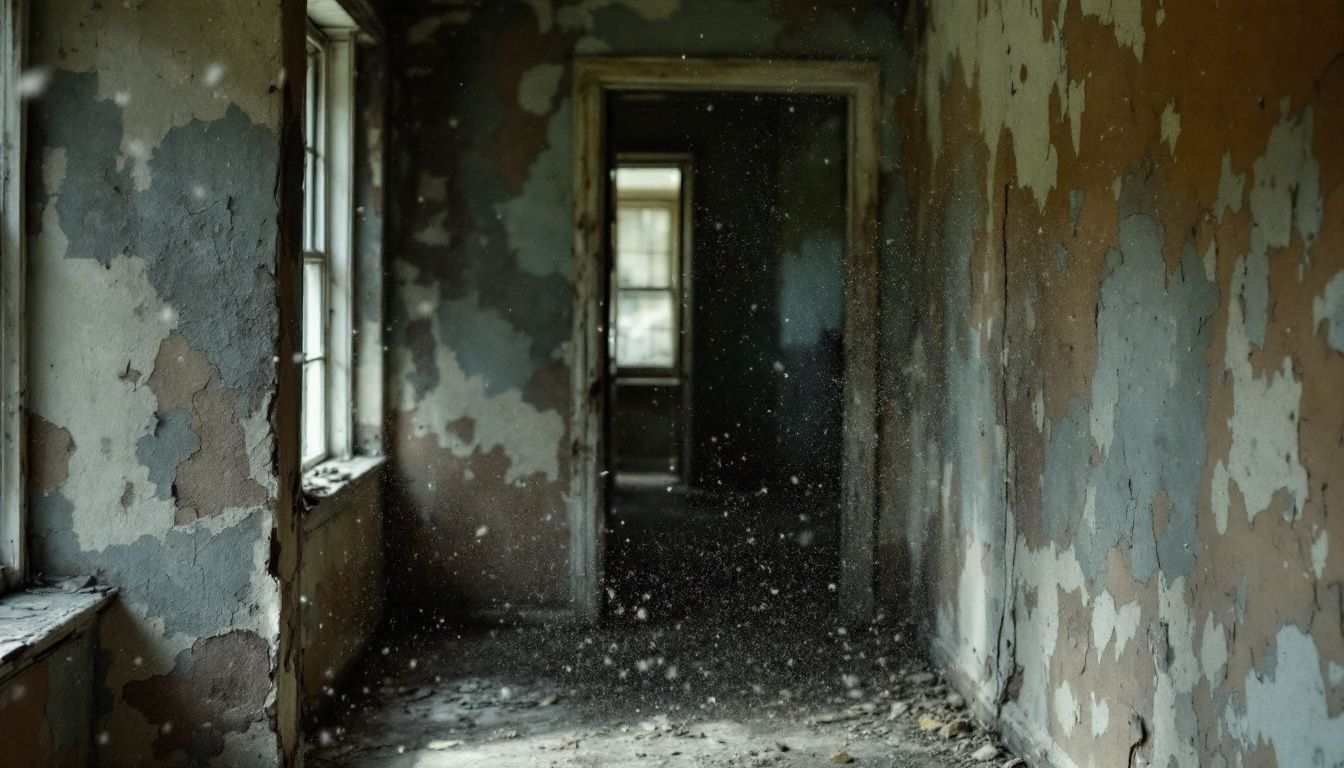
When maintenance or refurbishment work disturbs undocumented or poorly managed ACMs, fibres are released. This is one of the most common routes to occupational exposure today, and it happens far more often than it should.
The School Buildings Crisis
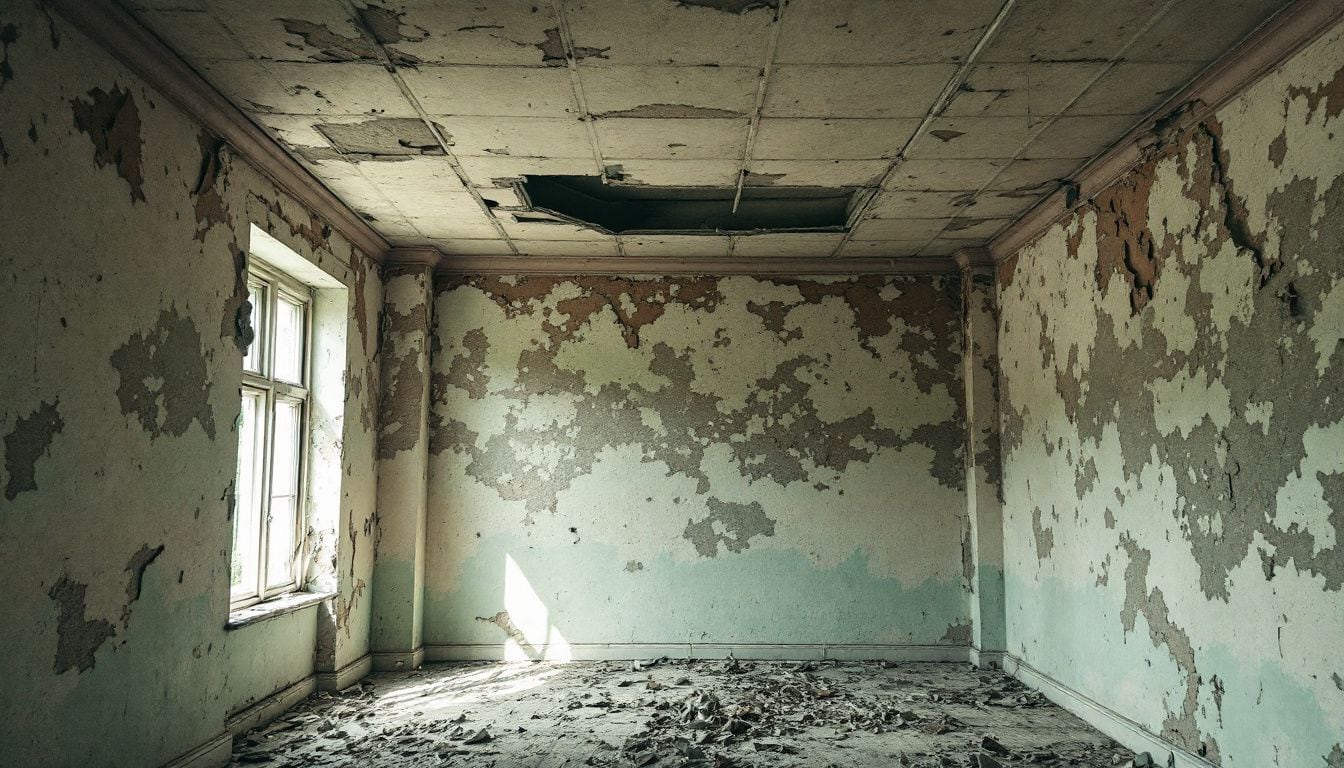
The condition of asbestos in UK school buildings has attracted significant public attention in recent years. Many school buildings constructed during the 1950s to 1970s contain asbestos insulating board (AIB), one of the more hazardous forms of the material. As these buildings age and deteriorate, the risk of fibre release increases.
Children and teachers spending extended periods in these buildings face ongoing exposure risks if ACMs are not properly managed. Regular surveys, condition monitoring, and prompt remediation where necessary are not optional extras in educational settings — they are essential safeguards.
Changing Ownership and Incomplete Records
Buildings are bought and sold, repurposed, and extended. Asbestos registers are not always transferred with the property, and previous survey records may be lost or incomplete. New owners and occupiers may be entirely unaware that ACMs are present, increasing the risk that maintenance or refurbishment work will disturb them without appropriate precautions.
This is one reason why commissioning a fresh survey when taking on responsibility for a building is strongly advisable, regardless of what documentation exists from previous owners. Historical records can be a useful starting point, but they are rarely a substitute for a current, professionally conducted assessment.
The Hidden Danger in Domestic Properties
While the legal duty to manage asbestos applies specifically to non-domestic premises, domestic properties are far from immune. Homeowners undertaking DIY renovations in pre-2000 properties regularly disturb ACMs without realising it. Artex coatings, floor tiles, textured paints, and pipe lagging in older homes can all contain asbestos.
Unlike commercial duty holders, homeowners have no legal obligation to survey their properties before undertaking work. This creates a significant and largely unregulated exposure risk, particularly as the housing stock continues to age.
Practical Steps: What Property Managers and Duty Holders Should Do
If you manage, own, or occupy a non-domestic building constructed before 2000, there are clear steps you should take to protect the people in your care and meet your legal obligations. None of these steps are optional — they are the minimum standard the law expects.
Commission a Professional Asbestos Survey
The first step is to establish what ACMs are present in your building and what condition they are in. A professional survey carried out to HSG264 standards will give you a clear, defensible picture of the risk.
Do not rely on assumptions, verbal assurances, or incomplete historical records. None of these will protect you legally or practically if something goes wrong. Supernova Asbestos Surveys operates nationwide, with dedicated teams available for an asbestos survey in London, an asbestos survey in Manchester, and an asbestos survey in Birmingham — so wherever your property is located, qualified surveyors are available.
Maintain and Act on Your Asbestos Register
Once a survey has been completed, you need an up-to-date asbestos register and a written management plan. This must be communicated to anyone who may disturb ACMs — contractors, maintenance staff, and others working in the building.
Review the register regularly and update it whenever circumstances change, including after any refurbishment work. A register that sits in a filing cabinet and is never consulted offers no real protection to anyone.
Use Licensed Contractors for Removal
Where ACMs need to be removed — either because they are deteriorating or because refurbishment work requires it — this must be carried out by licensed professionals. Asbestos removal is tightly regulated, and using unlicensed contractors puts workers, building occupants, and the public at serious risk, as well as exposing the duty holder to significant legal liability.
Ensure Workers Are Informed and Trained
Anyone who may work in or around areas where ACMs are present must be made aware of their location and condition before work begins. This is a legal requirement under the Control of Asbestos Regulations, not a courtesy.
Tradespeople and maintenance staff working in older buildings should have appropriate asbestos awareness training. Knowing how to recognise potential ACMs and when to stop work and seek guidance can be the difference between a managed risk and a serious incident.
Do Not Wait for Visible Deterioration
ACMs do not have to be visibly damaged to pose a risk. Disturbance during routine maintenance — drilling, cutting, or even vigorous cleaning — can release fibres from materials that appear to be in reasonable condition. Proactive management is always preferable to reactive crisis management.
If you are uncertain about the condition of materials in your building, treat them as suspected ACMs until proven otherwise. The cost of a professional assessment is trivial compared to the consequences of getting it wrong.
The Path Forward: Reducing the UK’s Asbestos Death Toll
Understanding the impact and reasons behind the continuing asbestos problem in the UK makes one thing clear: this will not resolve itself. The material is embedded in the built environment, the diseases it causes take decades to manifest, and the regulatory framework — though solid — cannot function without genuine commitment from duty holders.
Progress requires consistent enforcement, better awareness among property owners and managers, improved record-keeping during property transactions, and sustained investment in surveying and remediation. It also requires the trades and construction sectors to treat asbestos management as a professional standard, not an inconvenience.
Every survey commissioned, every register maintained, and every removal carried out correctly reduces the number of people who will receive a devastating diagnosis twenty or thirty years from now. The work done today determines the death toll of the future.
Frequently Asked Questions
Why is asbestos still such a major problem in the UK despite being banned?
The ban on asbestos use does not remove the material that was already installed. Millions of pre-2000 buildings still contain asbestos-containing materials, and the diseases caused by past exposure — particularly mesothelioma — take 20 to 50 years to develop. This means the full consequences of historical exposure are still being felt today, and will continue to be for years to come.
Who has a legal duty to manage asbestos in the UK?
Under the Control of Asbestos Regulations, the duty to manage asbestos applies to those responsible for non-domestic premises — typically owners, employers, or managing agents. These duty holders must identify whether ACMs are present, assess their condition, maintain an asbestos management plan, and ensure anyone who may disturb ACMs is informed. Domestic property owners are not subject to the same legal duty, though they still face real exposure risks.
What is the difference between a management survey and a demolition survey?
A management survey is designed to locate ACMs in areas that are normally occupied or accessed, allowing duty holders to manage them safely in place. A demolition survey is a more intrusive assessment required before any refurbishment or demolition work, ensuring all ACMs are identified and safely removed before structural work begins. Both must be carried out in accordance with HSG264 guidance.
Can asbestos in good condition be left in place?
Yes — the HSE’s guidance acknowledges that ACMs in good condition and unlikely to be disturbed can often be managed safely in place rather than removed. However, this requires regular monitoring, a current management plan, and clear communication with anyone working in the building. Removal is necessary when materials are deteriorating, damaged, or located in areas where disturbance is likely.
How do I know if my building contains asbestos?
The only reliable way to establish whether a building contains asbestos is to commission a professional survey carried out to HSG264 standards. Visual inspection alone is not sufficient — many ACMs are not identifiable by appearance. If your building was constructed or refurbished before 2000, you should assume ACMs may be present until a qualified surveyor has assessed the property.
Supernova Asbestos Surveys has completed over 50,000 surveys across the UK, working with property managers, employers, local authorities, schools, and housing providers to identify and manage asbestos risks. Whether you need a management survey, a demolition survey, or advice on asbestos removal, our qualified surveyors are available nationwide.
Call us on 020 4586 0680 or visit asbestos-surveys.org.uk to arrange a survey or speak to a member of our team.