Asbestos in the Workplace: Risks, Dangers and What Every Duty Holder Must Know
Asbestos is one of those building hazards that stays completely silent until someone drills a wall, lifts a ceiling tile, strips out a partition or opens a service riser. For property managers, employers and duty holders, that silence is precisely what makes it so dangerous. It can sit undisturbed for decades, then become a serious health and legal crisis in a single afternoon’s maintenance work.
The UK still holds an enormous stock of buildings where asbestos may be present. If your premises were built or refurbished before 2000, the sensible working assumption is that asbestos could be somewhere in the fabric of the property — until a proper survey and assessment prove otherwise.
What Asbestos Is and Why It Was Used So Widely
Asbestos is the commercial name for a group of naturally occurring fibrous silicate minerals. These minerals separate into extremely fine, durable fibres, which is why industry valued them so highly for insulation, fire resistance and structural reinforcement. Those same fibres are also the reason asbestos became one of the most significant occupational health hazards ever encountered.
When materials containing asbestos are disturbed, they can release fibres into the air. Once inhaled, those fibres can lodge deep in the lungs and remain there permanently. The body cannot break them down, and the damage they cause can take decades to become apparent.
The Two Mineral Families
Asbestos minerals fall into two broad groups:
- Serpentine group — includes chrysotile, commonly known as white asbestos, which has curly fibres
- Amphibole group — includes amosite (brown asbestos) and crocidolite (blue asbestos), which have straight, needle-like fibres
In UK buildings, chrysotile, amosite and crocidolite are the types most frequently encountered. All types are hazardous and must be treated with equal seriousness — there is no safe variety of asbestos.
Why Industry Favoured Asbestos
The reasons for asbestos being used on such a vast scale were straightforwardly practical. It was cheap, widely available, resistant to heat and chemicals, and easy to incorporate into other products. That made it attractive across construction, manufacturing, transport and heavy industry, appearing in products designed to insulate, strengthen, seal, protect against fire and reduce mechanical wear.
The History of Asbestos: From Early Use to the Industrial Era
The history of asbestos stretches back much further than most people realise. Long before any regulatory framework existed, people had already noticed its unusual resistance to heat and decay.
Early References and Uses
Ancient civilisations used fibrous minerals now recognised as asbestos in cloth, lamp wicks and ceremonial items. The material attracted attention because it would not burn in the way ordinary fibres did. For centuries, however, use remained limited — extraction and large-scale processing were nowhere near the levels that came later.
Asbestos in the Industrial Era
The industrial era transformed everything. As factories expanded and engineering grew more complex, demand increased sharply for materials that could cope with heat, friction and chemical exposure. Asbestos fitted that need perfectly.
By the time industrial production accelerated, asbestos was being woven into textiles, packed around boilers, mixed into cement, pressed into boards and added to countless building products. It became embedded in power stations, shipbuilding, railways, mills, factories, schools, hospitals, offices and homes. That industrial legacy is why asbestos still turns up in so many UK properties today — it was not a niche material. It was woven into ordinary construction practice for decades.
How Asbestos Spread Through UK Buildings
Asbestos was specified wherever designers and builders wanted one or more of the following properties:
- Fire protection
- Thermal insulation
- Acoustic insulation
- Durability and low-cost reinforcement
- Resistance to moisture and chemicals
That is why asbestos can be found in both obvious industrial settings and entirely ordinary commercial buildings. A well-maintained office block may still contain asbestos insulation board, textured coatings, floor tiles or cement products that look completely unremarkable.
Common Uses of Asbestos in Buildings and Products
Some asbestos-containing materials are high risk because they are friable and release fibres easily when damaged. Others present lower risk while intact, but become dangerous when cut, drilled or broken. Common uses include:
- Pipe lagging and thermal insulation
- Boiler and calorifier insulation
- Sprayed coatings on structural steel, ceilings and soffits
- Asbestos insulation board in partitions, fire breaks and ceiling tiles
- Textured decorative coatings on ceilings and walls
- Vinyl floor tiles and bitumen adhesives
- Roofing sheets and wall cladding made from asbestos cement
- Rainwater goods such as gutters and downpipes
- Flues, panels and service duct linings
- Gaskets, rope seals and packings in plant and machinery
These products can still be found in offices, schools, hospitals, retail premises, warehouses, factories and communal areas of residential blocks built before 2000.
Hidden Locations That Are Often Missed
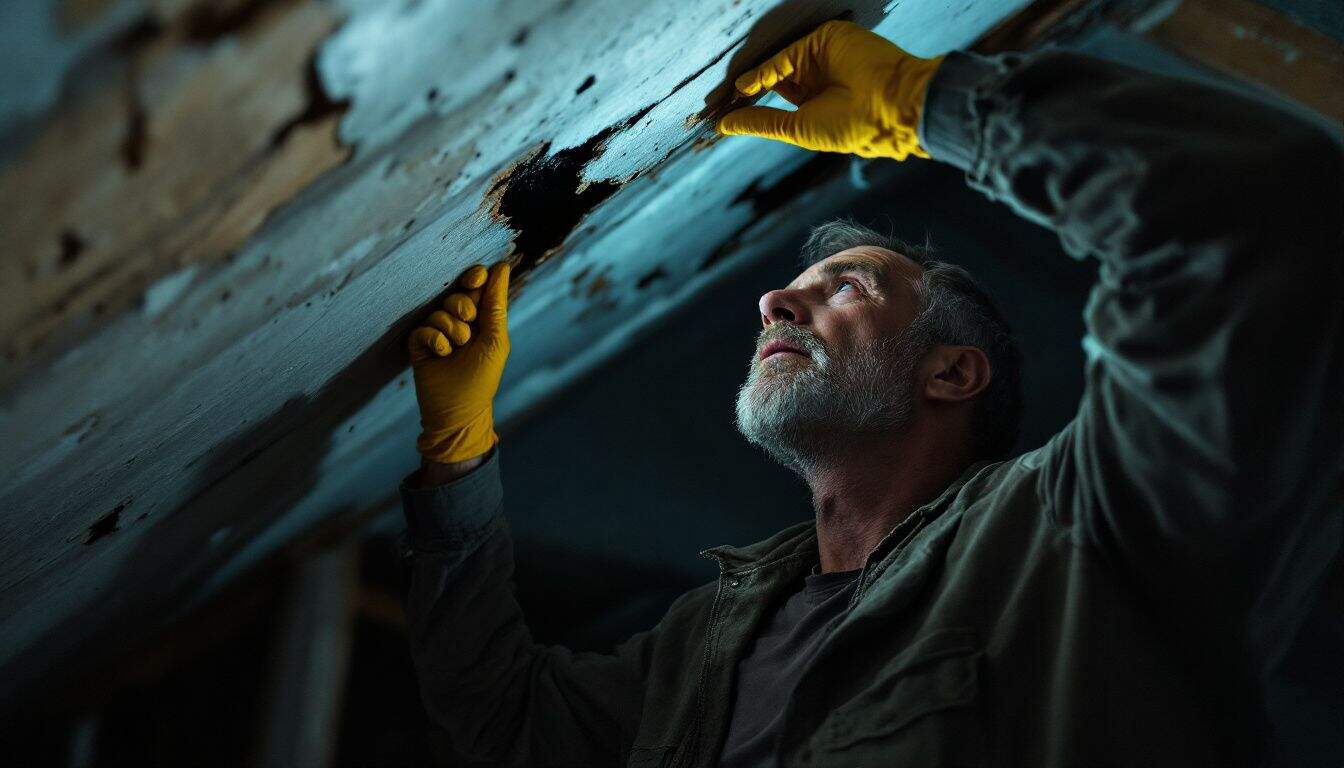
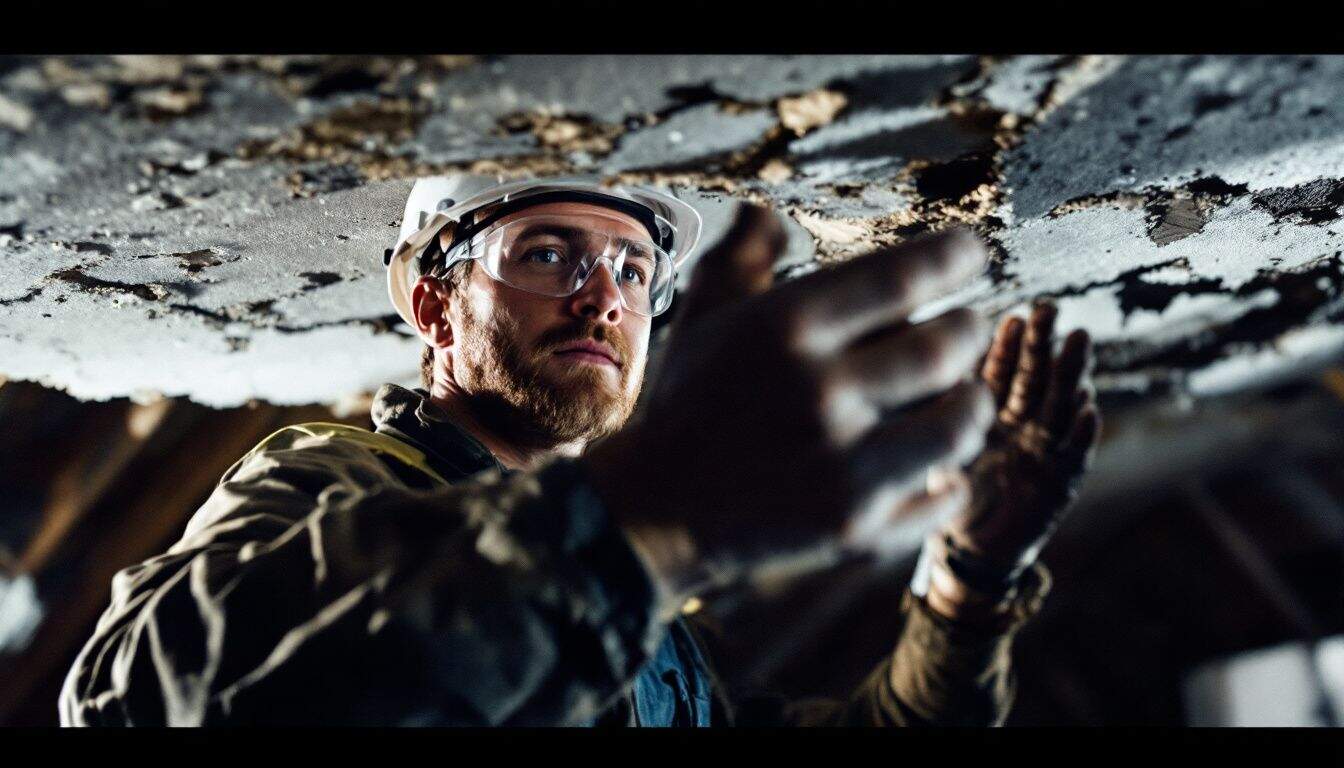
Asbestos is not always in plain sight. Some of the most problematic discoveries happen in spaces that are rarely inspected until work begins:
- Ceiling voids and roof spaces
- Service risers and ducts
- Plant rooms and boiler houses
- Lift motor rooms
- Electrical cupboards
- Basements and undercrofts
- Behind wall panels and boxing
- Under old floor coverings
Do not rely on visual assumptions. A clean, modern-looking room can still conceal asbestos behind finishes or within service voids that have never been opened.
When the Danger Became Clear: The Discovery of Toxicity
The recognition of asbestos as a health hazard did not happen overnight. Concerns developed gradually as doctors, factory inspectors and researchers began to see patterns of lung disease among workers handling raw fibre and dusty products. Early industrial use focused entirely on performance, and workers often handled asbestos in heavily dusty conditions with little or no respiratory protection.
How the Health Risks Emerged
As more people worked with asbestos over longer periods, links emerged between exposure and serious respiratory illness. Evidence accumulated showing that inhaling asbestos fibres could cause scarring of the lungs and cancers affecting the lungs and their surrounding lining. That was a turning point — asbestos was no longer simply a useful industrial mineral. It was recognised as a substance capable of causing severe, often fatal disease.
Why the Risk Was Underestimated for So Long
Several factors allowed the danger to be underestimated for years:
- Disease often develops after a long latency period — sometimes 20 to 40 years after exposure
- Exposure was common across many industries, making patterns harder to identify at first
- Dust was normalised in heavy industry and construction
- The material had strong commercial value, so use continued even as evidence grew
For duty holders today, the practical lesson is straightforward: age does not make asbestos harmless. Wear, vibration, water damage and maintenance work can all increase the likelihood of fibre release from materials that have been in place for decades.
Health Concerns: What Asbestos Exposure Can Cause
The health effects associated with asbestos exposure are severe, well established and central to UK compliance duties. Exposure does not usually cause immediate symptoms — the real harm often appears years or even decades later. That delay is one of the main reasons the danger continues to be underestimated.
Breathing in asbestos fibres can lead to the following serious conditions:
- Mesothelioma — a cancer affecting the lining of the lungs or abdomen, almost exclusively caused by asbestos exposure
- Lung cancer — risk increases with exposure, and smoking significantly compounds that risk
- Asbestosis — progressive scarring of lung tissue caused by inhaled fibres
- Pleural thickening — thickening of the lung lining that can restrict breathing
- Pleural plaques — markers of previous significant exposure
There is no safe, casual attitude to take with asbestos. If a material is suspected, work must stop until the risk has been properly assessed by a competent person.
UK Regulation and the Duty to Manage Asbestos
In the UK, the legal framework is established by the Control of Asbestos Regulations. These regulations place clear duties on those responsible for non-domestic premises to identify and manage asbestos risks. If you own, occupy, maintain or manage a building, you may be the duty holder — and your responsibilities do not begin only when a problem appears.
You are expected to take reasonable steps to determine whether asbestos is present, assess the risk and put suitable management arrangements in place before any work that could disturb the fabric of the building takes place.
What Duty Holders Need to Do
- Find out whether asbestos is present, or presume it is where appropriate
- Record the location and condition of asbestos-containing materials
- Assess the likelihood of disturbance during normal occupation and planned works
- Prepare and implement an asbestos management plan
- Keep records up to date as conditions change
- Share relevant information with anyone liable to disturb the material
Surveying should follow the approach set out in HSG264. Day-to-day decisions should align with HSE guidance and the wider requirements of the Control of Asbestos Regulations.
Is Asbestos Banned in the UK?
A question that comes up regularly from property managers: is asbestos banned? In practical terms, yes — the use of asbestos has been prohibited in the UK. But that does not mean the problem has gone away.
The key point is that existing asbestos remains in place in a very large number of buildings. A ban on new use does not remove the asbestos already installed. If you are responsible for an older property, do not confuse a prohibition on new installation with an absence of risk. The legal and safety challenge now is managing legacy asbestos safely — identifying where it is, understanding its condition and ensuring that maintenance or construction work does not disturb it without proper controls in place.
Occupations with High Asbestos Exposure Risk
Some workers have historically faced far higher levels of asbestos exposure than others. That was especially true during the industrial era, but the risk still exists today wherever building fabric is disturbed without adequate information.
Trades with High Historical Exposure
- Shipyard workers and boilermakers
- Laggers and insulation workers
- Construction and demolition workers
- Factory workers producing asbestos-containing products
- Railway engineering workers
- Power station workers
- Plumbers and heating engineers
- Electricians
- Carpenters and joiners
Who Is Most at Risk in Buildings Today
Modern exposure most often happens during maintenance, repair, installation and refurbishment rather than large-scale raw processing. Tradespeople and contractors are at particular risk when they disturb hidden materials without the right information about what is present.
Common high-risk tasks include:
- Drilling walls and ceilings
- Installing cables, alarms or lighting systems
- Replacing doors, panels or floor tiles
- Accessing service ducts and risers
- Removing old floor finishes
- Strip-out and soft demolition work
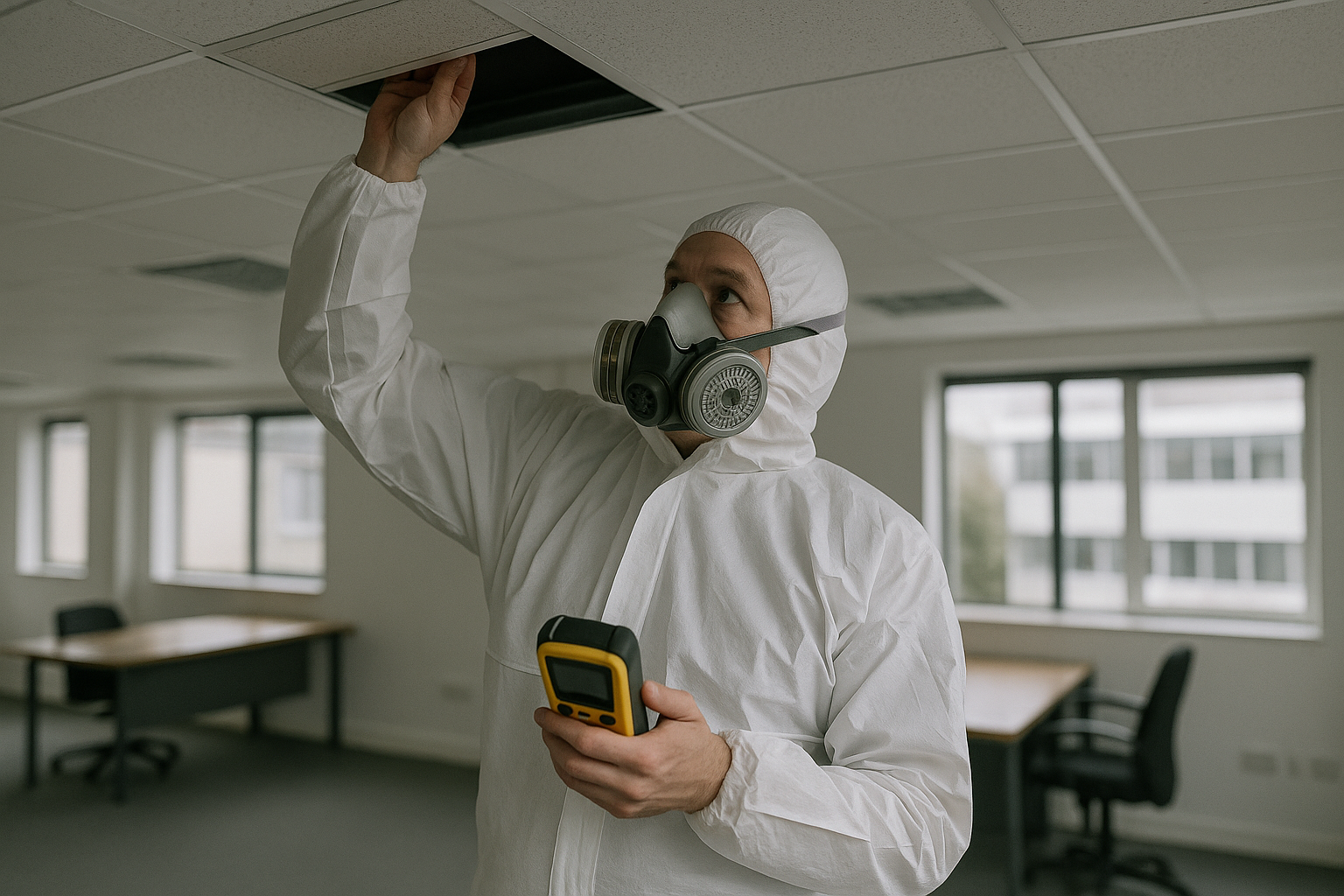
This is exactly why a suitable survey matters before any work begins. For occupied premises and routine maintenance, a properly scoped management survey helps identify materials that could be disturbed during normal use and maintenance activities.
Asbestos Surveys: Choosing the Right Survey for the Job
One of the most common failures in asbestos compliance is not the absence of action, but the wrong action. A survey must be matched to the work being planned and the circumstances of the premises.
Management Survey
A management survey is designed for occupied premises where the aim is to locate, as far as reasonably practicable, all asbestos-containing materials that could be disturbed during normal occupation, maintenance and minor repair work. It does not involve intrusive investigation of areas that are not accessible during normal use.
This is the appropriate starting point for most duty holders responsible for commercial or public buildings. The survey produces a register of materials, their condition and their risk rating, which feeds directly into the asbestos management plan.
Refurbishment and Demolition Survey
Where a building is being refurbished, extended or demolished, a more intrusive survey is required. A refurbishment and demolition survey involves destructive inspection techniques to locate asbestos in all areas that will be affected by the planned work. This type of survey should be completed before any refurbishment or demolition work begins — not during it.
Attempting to proceed without the right survey type is a compliance failure and a genuine safety risk. The survey scope must reflect what is actually planned.
Asbestos Surveys Across the UK: Where We Work
Supernova Asbestos Surveys operates nationwide, providing accredited asbestos surveys to property managers, employers, local authorities, housing associations, contractors and private clients. Our surveyors are experienced across all building types and sectors.
If you need an asbestos survey London teams can rely on, we cover the capital and surrounding areas with rapid turnaround and detailed reporting. For businesses and property managers in the North West, our asbestos survey Manchester service provides the same standard of accredited, thorough inspection. In the Midlands, our asbestos survey Birmingham offering covers commercial, industrial and public sector premises across the region.
Wherever your property is located, the process is the same: a qualified surveyor inspects the building, samples are taken where appropriate, and you receive a clear, actionable report that meets the requirements of HSG264 and the Control of Asbestos Regulations.
What Happens If You Ignore the Risk
The consequences of failing to manage asbestos properly are not abstract. They fall into two categories: human and legal.
On the human side, workers and building occupants can be exposed to fibres that cause fatal disease. The latency period means victims may not know they have been harmed until years after the exposure event. By then, it is too late to reverse the damage.
On the legal side, duty holders who fail to comply with the Control of Asbestos Regulations face enforcement action from the HSE, including improvement notices, prohibition notices and prosecution. Fines can be substantial, and in cases involving serious failures, individuals can face personal liability. Courts have taken a consistently serious view of asbestos compliance failures.
The cost of getting a proper survey and maintaining an up-to-date asbestos management plan is a fraction of the cost — financial, legal and human — of getting it wrong.
Practical Steps Every Duty Holder Should Take Now
If you are responsible for a building constructed or refurbished before 2000 and you do not have a current, valid asbestos survey, the position is straightforward: you need one. Here is where to start:
- Establish whether a survey exists — check your property records and ask your facilities management team or landlord
- Assess whether it is still valid — surveys become outdated after significant works, changes of use or the passage of time
- Commission the right survey type — management survey for occupied premises, refurbishment and demolition survey before intrusive works
- Ensure the surveyor is competent — look for UKAS-accredited bodies and qualified surveyors operating to HSG264
- Act on the results — produce or update your asbestos management plan, brief your maintenance team and share information with contractors
- Review regularly — the management plan is a live document, not a one-off exercise
Asbestos management is not a bureaucratic exercise. It is a direct line between information and the safety of everyone who enters your building.
Frequently Asked Questions
What buildings are most likely to contain asbestos?
Any building constructed or significantly refurbished before 2000 may contain asbestos. This includes offices, schools, hospitals, factories, warehouses, retail premises and communal areas of residential blocks. The presence of asbestos does not depend on the apparent condition or appearance of the building — it must be identified through a proper survey.
Is asbestos dangerous if it is left undisturbed?
Asbestos-containing materials that are in good condition and are not being disturbed present a lower immediate risk. However, condition can change over time due to wear, water damage, vibration or accidental damage. The duty to manage means you must monitor condition regularly, not simply assume that undisturbed materials will stay that way.
Who is responsible for managing asbestos in a commercial building?
The duty holder under the Control of Asbestos Regulations is typically the person or organisation responsible for the maintenance and repair of the building. This can be the owner, the employer, the occupier or a managing agent, depending on the terms of the lease or management arrangement. Where responsibility is shared, it should be clearly defined in writing.
What is the difference between a management survey and a refurbishment survey?
A management survey is suitable for occupied premises and routine maintenance planning. It locates accessible asbestos-containing materials without significant disruption to the building. A refurbishment and demolition survey is required before any intrusive work begins — it involves destructive inspection to locate asbestos in all areas that will be affected. Using the wrong survey type for the situation is a compliance failure.
How do I get an asbestos survey arranged?
Contact a UKAS-accredited asbestos surveying company to discuss the type of survey required and the scope of inspection. Supernova Asbestos Surveys has completed over 50,000 surveys nationwide and can advise on the right approach for your premises. Call us on 020 4586 0680 or visit asbestos-surveys.org.uk to get started.
Speak to Supernova Asbestos Surveys
Supernova Asbestos Surveys is the UK’s leading asbestos surveying company, with over 50,000 surveys completed across every type of property and sector. Our accredited surveyors work to HSG264, produce clear and actionable reports, and are available nationwide.
Whether you need a management survey for an occupied building, a refurbishment survey before planned works, or advice on your asbestos management obligations, we are ready to help. Call our team on 020 4586 0680 or visit asbestos-surveys.org.uk to book your survey or request a quote.