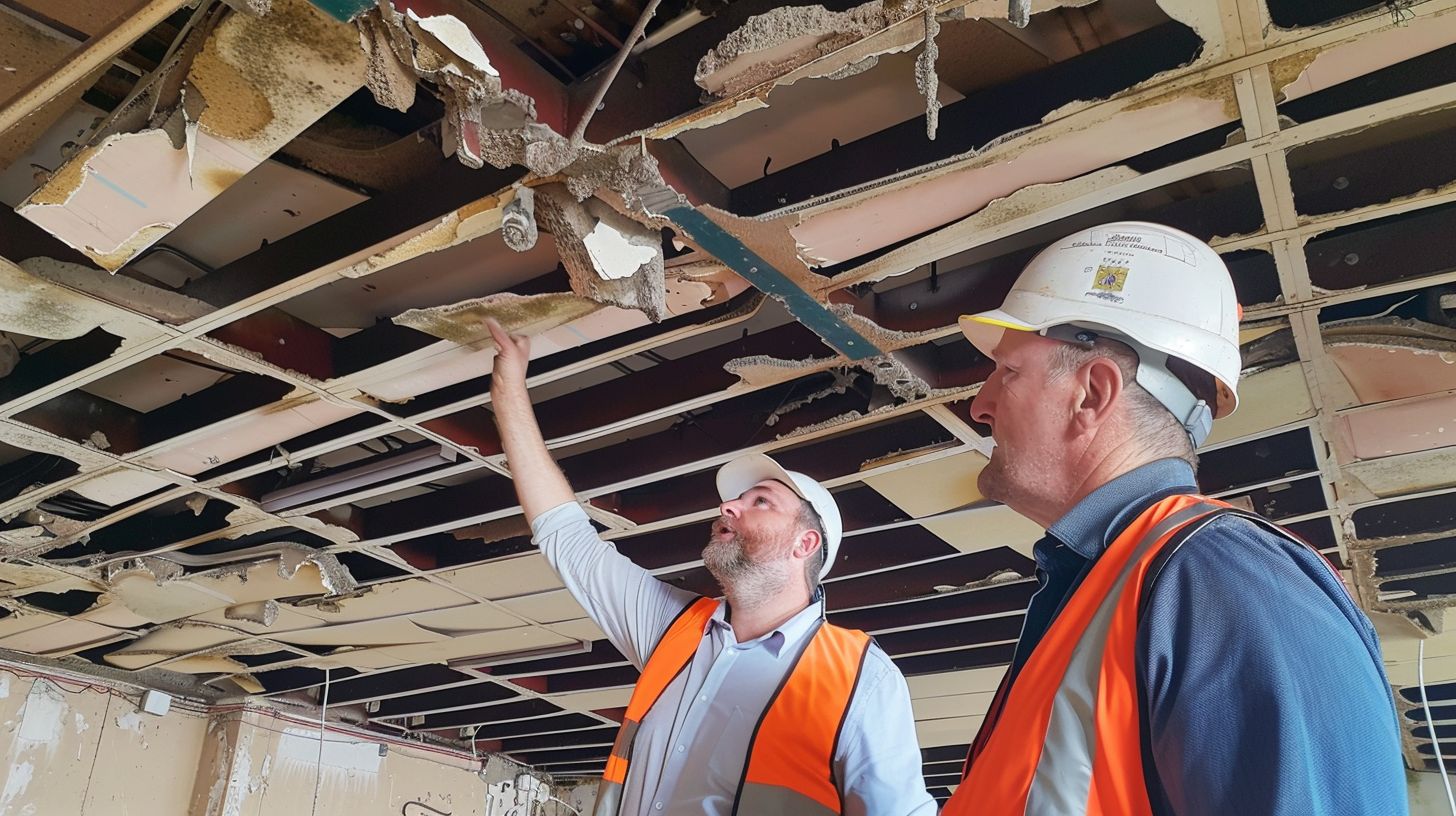
How the UK Government Balances Asbestos Management Costs Against Public Safety
Asbestos is the UK’s most significant occupational health issue — and one of its most expensive legacy problems. The question of how does the UK government balance the costs of asbestos management with public safety concerns sits at the heart of a genuinely difficult policy challenge: tens of thousands of buildings still contain it, the diseases it causes continue to kill thousands of people every year, and the bill for getting this wrong falls on the NHS, employers, insurers, and the state alike.
There is no clean answer. But there is a policy framework — and understanding it matters enormously if you own, manage, or maintain a building that might contain asbestos-containing materials (ACMs).
The Scale of What the UK Is Dealing With
Asbestos was widely used in UK construction from the 1950s through to the late 1990s, and was not fully banned until 1999. That means any building constructed or significantly refurbished before that date may contain ACMs. The Health and Safety Executive (HSE) estimates around 1.5 million commercial buildings in the UK still contain asbestos — schools, hospitals, offices, factories, and residential blocks among them.
Managing this at scale is one of the most complex legacy health challenges the country faces. Asbestos-related diseases — mesothelioma, lung cancer, asbestosis — continue to claim thousands of lives in the UK every year. Mesothelioma alone, a terminal cancer caused almost exclusively by asbestos exposure, accounts for the majority of those deaths.
What makes this particularly difficult is the latency period. These diseases can take 20 to 50 years to develop, meaning people are dying today from exposures that happened decades ago. The health consequences of decisions made now will not be fully visible for a generation.
The Core Policy Position: Manage in Place, Don’t Always Remove
One of the most widely misunderstood aspects of UK asbestos policy is that the government does not require the wholesale removal of asbestos from all buildings. In many circumstances, official guidance actively recommends against it.
The reasoning is practical. Disturbing ACMs during removal can release fibres that would otherwise remain safely contained. If asbestos is in good condition and is unlikely to be disturbed, leaving it in place — with proper monitoring and a documented management plan — is considered the safer option.
This “management in place” approach is the foundation of the Control of Asbestos Regulations, which place a legal duty on those responsible for non-domestic premises to:
- Identify whether ACMs are present
- Assess their condition and the associated risk
- Produce and maintain an asbestos management plan
- Ensure the plan is acted upon and regularly reviewed
- Share information about ACM locations with anyone who may disturb them
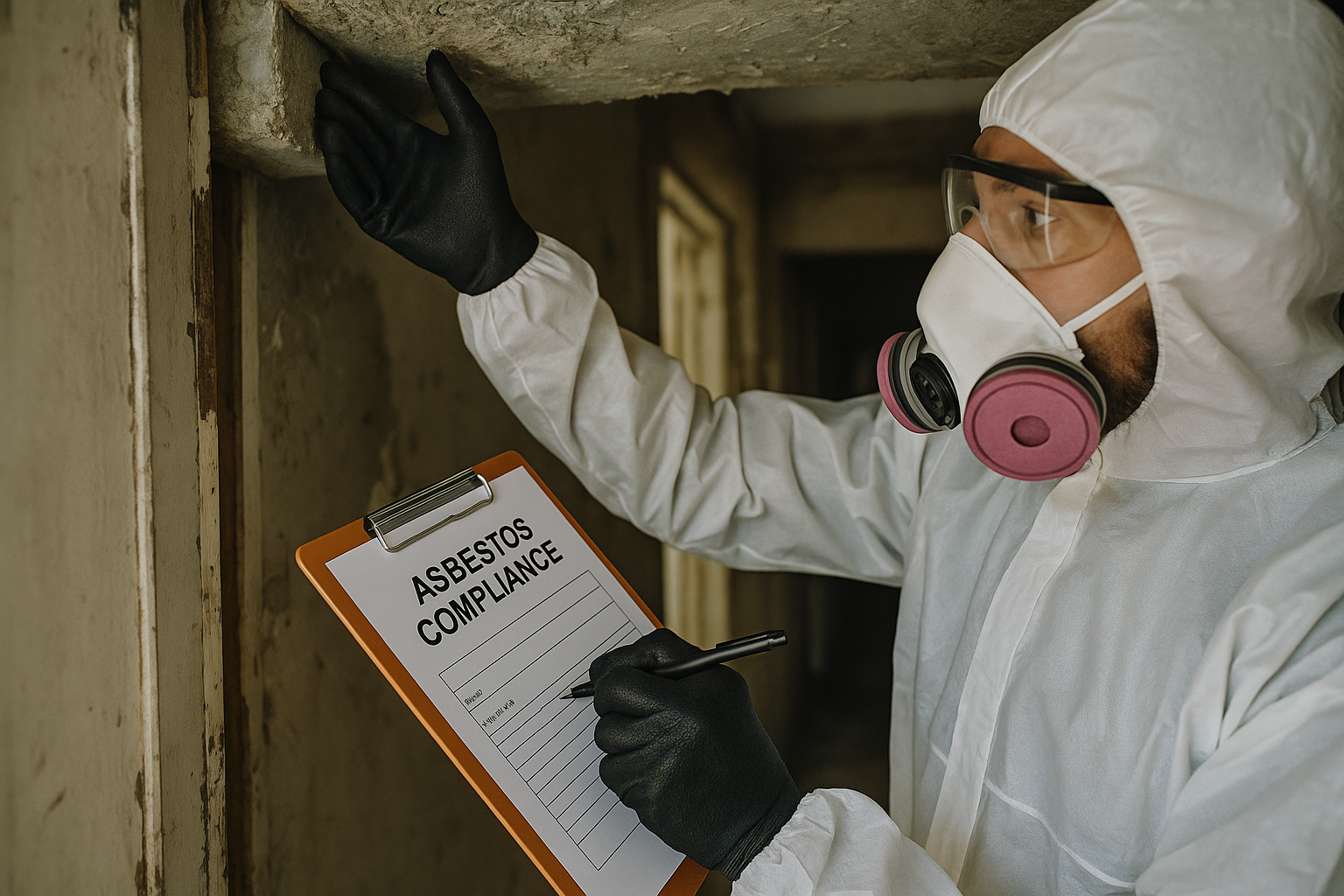
This is the duty to manage. It applies to commercial landlords, facilities managers, local authorities, housing associations, and anyone else with responsibility for maintaining a non-domestic building. Commissioning a management survey is the essential first step in discharging that duty.
When Removal Is the Right Answer
The government’s approach distinguishes clearly between routine management and higher-risk scenarios that require removal or encapsulation. Understanding where that line falls is critical for duty holders.
Refurbishment and Demolition
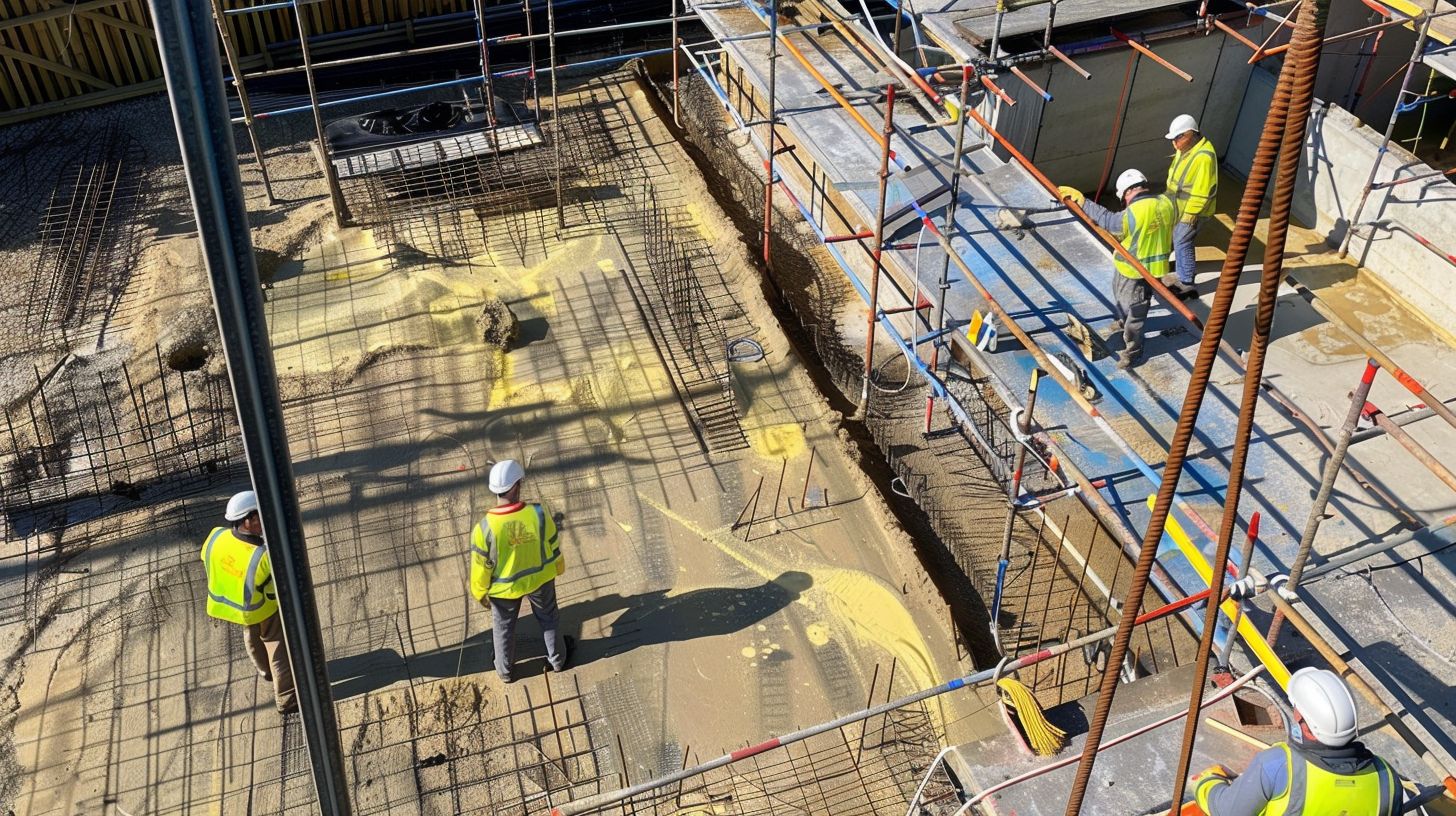
Before any significant building work takes place, a refurbishment and demolition survey is a legal requirement. This is a more intrusive survey than a standard management survey, designed to locate all ACMs that could be disturbed by the planned work. A demolition survey must be completed before works begin, and any identified materials must be removed by a licensed contractor beforehand.
Deteriorating or Damaged ACMs
If asbestos is in poor condition — crumbling, friable, or at risk of disturbance — removal or encapsulation becomes necessary. Leaving damaged ACMs in place is not compliant with the duty to manage and poses a direct risk to building occupants.
High-Risk Occupancy Settings
Schools, hospitals, and other buildings frequently used by vulnerable people attract heightened scrutiny. There is ongoing public and political debate about whether the current manage-in-place approach is appropriate for schools in particular, and the government has faced sustained pressure on this question.
The Economic Case for Getting This Right
There is a tendency to view asbestos management purely as a cost — a regulatory burden to be minimised. That framing is short-sighted, and the government’s policy framework reflects a more considered economic calculation.
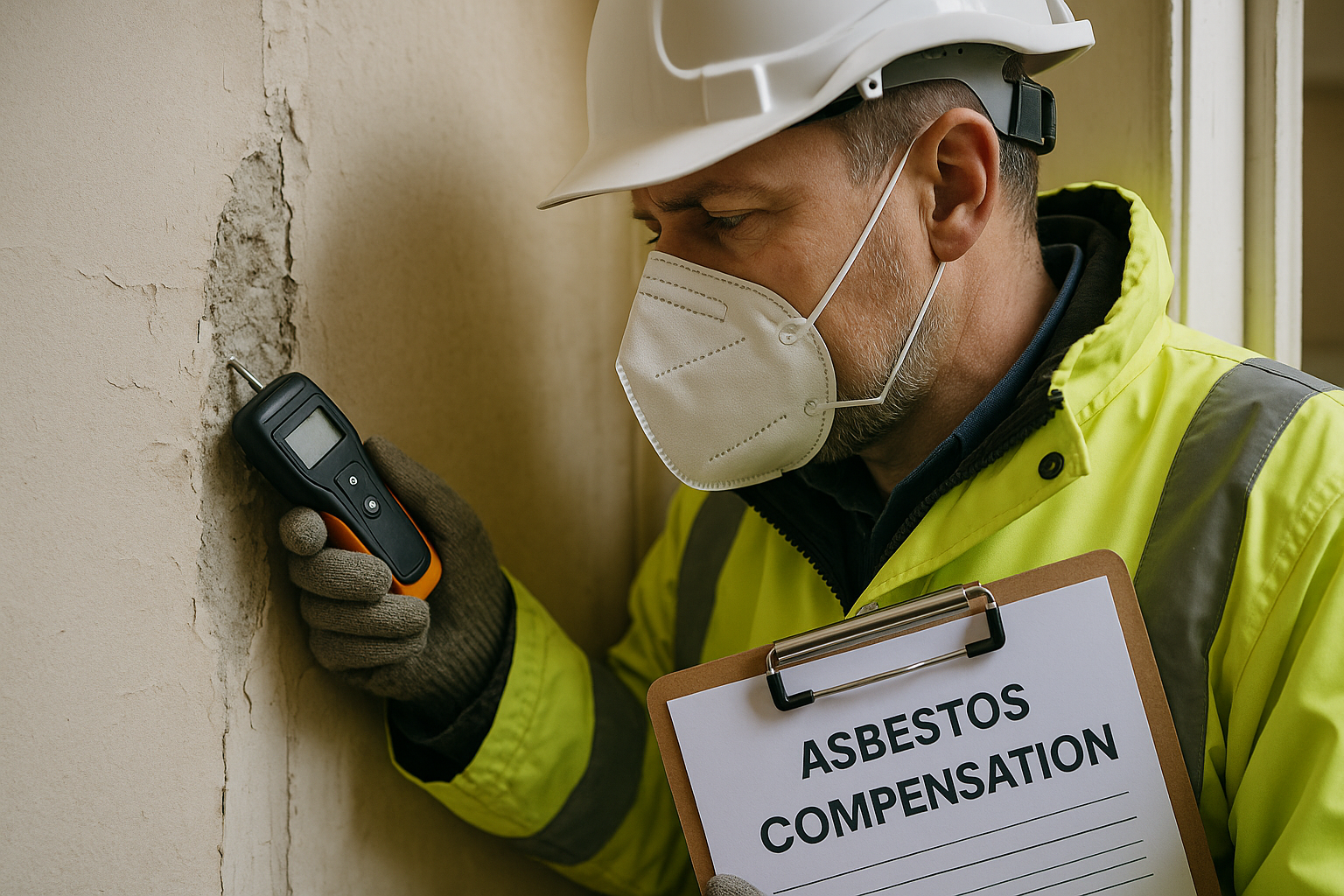
The costs of asbestos-related disease in the UK are substantial. When you factor in NHS treatment, compensation claims, lost productivity, and social care, the total annual burden runs into billions of pounds. Mesothelioma cases alone generate significant legal, medical, and compensation expenditure — much of it borne by insurers, former employers, and the state.
Against that backdrop, the cost of a re-inspection survey, a properly maintained management plan, or a correctly conducted removal project looks very different. These are not just compliance costs. They are risk mitigation investments with a calculable return.
The Control of Asbestos Regulations are framed around proportionate risk management rather than a blanket removal mandate precisely because the aim is to direct spending where it will have the most protective effect — not to impose uniform costs regardless of actual risk.
Regulation and Enforcement: The HSE’s Role
The HSE is the primary enforcer of asbestos legislation in the UK. It conducts inspections across commercial premises, construction sites, and public buildings, focusing on duty holders who are failing to meet their obligations under the Control of Asbestos Regulations and the associated HSG264 guidance.
Enforcement action ranges from improvement notices and prohibition notices through to prosecution. Fines for serious breaches are significant — large organisations have faced penalties well into six and seven figures. The HSE also investigates asbestos-related fatalities and can pursue criminal prosecution in cases of gross negligence.
The HSE’s enforcement activity is risk-based. It prioritises sectors and premises where exposure risks are highest, including construction trades, building maintenance, and facilities management — occupations where workers regularly encounter ACMs without always being aware of the risk.
Licensing of Removal Contractors
The Control of Asbestos Regulations require that most asbestos removal work is carried out by HSE-licensed contractors. Licensing ensures that those doing the most hazardous work are properly trained, equipped, and supervised. Licensed contractors must notify the HSE before undertaking licensable work, creating a traceable record of where and when asbestos has been removed.
This licensing regime is a direct mechanism for maintaining standards in asbestos removal — limiting who can carry out high-risk work and ensuring accountability across the supply chain.
How the Government Prioritises Where Resources Go
With limited public funds and a vast stock of asbestos-containing buildings, the government cannot remove every ACM at once — nor is it attempting to. The policy priority is to direct resources towards the highest-risk scenarios first.
Factors that inform risk prioritisation include:
- Condition of the ACMs — damaged or deteriorating materials present a more immediate risk than intact ones
- Type of asbestos — blue (crocidolite) and brown (amosite) are considered higher risk than white (chrysotile), though all types are hazardous
- Likelihood of disturbance — materials in areas subject to frequent maintenance or renovation are higher risk than those in sealed voids
- Occupancy and vulnerability — buildings used by children, elderly people, or those with health conditions receive greater scrutiny
- Historical incidents — sites with known previous disturbance or contamination are flagged for closer monitoring
This framework allows duty holders and local authorities to make defensible, proportionate decisions about where to spend money — and to demonstrate that their management approach is evidence-based rather than reactive.
The Role of Testing and Sample Analysis
Accurate identification of ACMs is fundamental to any risk-based approach. You cannot manage what you have not identified, and assumptions about whether a material contains asbestos are not acceptable under the regulatory framework.
Where a surveyor cannot confirm whether a material contains asbestos by visual inspection alone, asbestos testing through laboratory analysis is required. Samples are analysed to confirm the presence or absence of asbestos fibres and to identify the fibre type — information that directly informs risk assessment and management decisions.
For duty holders who need to test specific materials, sample analysis services allow targeted testing without the need for a full survey in every instance. This is particularly useful for condition monitoring between full re-inspections, or when a specific material has been damaged or disturbed.
Public Awareness and the Knowledge Gap
The government’s approach to asbestos is only effective if duty holders understand their obligations and the public understands the risks. The HSE runs ongoing guidance and awareness activity aimed at employers, building managers, and tradespeople — and the messaging is consistent: do not assume a material is safe because it looks fine.
ACMs can look entirely unremarkable. Ceiling tiles, floor tiles, pipe lagging, artex coatings — none of these are visually distinguishable from non-asbestos alternatives without testing. Without a survey, you simply do not know what you are dealing with.
For tradespeople — plumbers, electricians, joiners, decorators — the risk is particularly acute. These workers routinely disturb building fabric without knowing what is in it. The HSE’s guidance is explicit: if a building was constructed or refurbished before 2000, assume asbestos may be present until a survey confirms otherwise.
This is not overcaution. It is the only rational approach given the scale of the problem and the severity of the consequences.
The Ongoing Debate: Is the Current Approach Sufficient?
The manage-in-place policy is not without its critics. Campaigners and some medical professionals argue that the continued presence of asbestos in schools and public buildings represents an unacceptable risk, and that a more ambitious removal programme is needed.
The government’s counter-argument is that poorly planned or rushed removal can cause more harm than properly managed in-place containment. There is genuine scientific basis for this position — the act of removing asbestos, if not done correctly, can expose workers and building occupants to fibres that would otherwise have remained inert.
What most experts agree on is that the status quo requires active management, not passive acceptance. Management plans must be live documents, regularly reviewed and acted upon. Re-inspections must happen on schedule. Condition changes must be recorded and responded to promptly.
The gap between policy intention and on-the-ground compliance remains one of the UK’s most significant asbestos challenges. Many buildings have surveys that are years out of date. Many management plans exist on paper but are never acted upon. This is where enforcement attention is increasingly focused.
What This Means for Duty Holders in Practice
If you own or manage a non-domestic building that might contain asbestos, the regulatory framework places clear obligations on you — regardless of the wider policy debate. In practical terms, that means:
- Getting a management survey carried out if you do not already have one
- Ensuring your asbestos register is current and accessible to contractors and maintenance staff
- Commissioning a re-inspection survey periodically to check whether conditions have changed
- Obtaining a refurbishment or demolition survey before any intrusive works
- Using only licensed contractors for notifiable asbestos removal
- Keeping records of all survey findings, re-inspections, and removal works
These are not optional extras. They are legal requirements under the Control of Asbestos Regulations, and the HSE can and does take enforcement action against duty holders who fail to meet them.
If your building is in London, our asbestos survey London service covers the full capital. We also operate across the Midlands — our asbestos survey Birmingham team works with commercial and public sector clients throughout the region — and in the North West, where our asbestos survey Manchester service supports duty holders across Greater Manchester and beyond.
Frequently Asked Questions
Does the UK government require all asbestos to be removed from buildings?
No. The UK government does not require the wholesale removal of asbestos from all buildings. The Control of Asbestos Regulations are built around a manage-in-place approach, where asbestos that is in good condition and unlikely to be disturbed is left in place with a documented management plan. Removal is required in specific circumstances — primarily before refurbishment or demolition, or where ACMs are damaged and pose an immediate risk.
Who is responsible for managing asbestos in a commercial building?
The duty to manage asbestos falls on the person or organisation responsible for maintaining a non-domestic building — this includes commercial landlords, facilities managers, local authorities, and housing associations. The Control of Asbestos Regulations require them to identify ACMs, assess their condition, produce a management plan, and ensure it is regularly reviewed and acted upon.
How does the HSE enforce asbestos regulations?
The HSE conducts risk-based inspections of commercial premises, construction sites, and public buildings. Enforcement action can include improvement notices, prohibition notices, and prosecution. Fines for serious breaches can reach six or seven figures. The HSE also investigates asbestos-related fatalities and can pursue criminal prosecution in cases of gross negligence. Its enforcement focus prioritises sectors with the highest exposure risk, including construction and building maintenance.
How often should an asbestos management plan be reviewed?
Under the Control of Asbestos Regulations and HSG264 guidance, asbestos management plans should be reviewed at least annually, or sooner if there has been a change in the condition of ACMs, building use, or occupancy. A re-inspection survey should be carried out periodically — typically every 12 months for higher-risk premises — to check whether the condition of identified materials has changed.
What is the difference between a management survey and a demolition survey?
A management survey is a standard inspection designed to locate ACMs that could be disturbed during normal building occupation and routine maintenance. A demolition or refurbishment survey is a more intrusive inspection required before any significant building work takes place. It aims to locate all ACMs that could be disturbed by the planned works, and any materials identified must be removed by a licensed contractor before work begins.
Work With Supernova Asbestos Surveys
At Supernova Asbestos Surveys, we work with property managers, local authorities, facilities teams, and building owners across the UK to help them understand their asbestos obligations and meet them cost-effectively. We have completed over 50,000 surveys nationwide, and our reports are clear, actionable, and designed to support your management plan rather than gather dust in a filing cabinet.
We offer the full range of surveying services — management surveys, refurbishment and demolition surveys, re-inspection surveys, and asbestos testing — as well as sample analysis for those who need to test specific materials.
If you are unsure whether your building has been properly surveyed, or if you have a survey that has not been reviewed in years, now is the time to act. Call us on 020 4586 0680 or visit asbestos-surveys.org.uk to find out how we can help.