Asbestos Regulations for Domestic Properties: What Every UK Homeowner, Landlord, and Buyer Needs to Know
Asbestos doesn’t disappear just because a property changes hands. If your home was built before 2000, there’s a real chance asbestos-containing materials (ACMs) are lurking somewhere — in the artex ceiling, the floor tiles, the pipe lagging, or the roof insulation. Understanding asbestos regulations for domestic properties isn’t a bureaucratic formality; it’s the difference between a safe transaction and a costly, potentially dangerous mistake.
Whether you’re buying, selling, renting out, or planning renovation work, the rules around asbestos apply to you — and the consequences of getting it wrong can be severe.
Why Asbestos Is Still a Live Issue in UK Homes
The UK banned the import and use of all asbestos in 1999. Before that date, it was used extensively in construction — cheap, fire-resistant, and remarkably durable. The problem is that millions of residential properties built before 2000 still contain it.
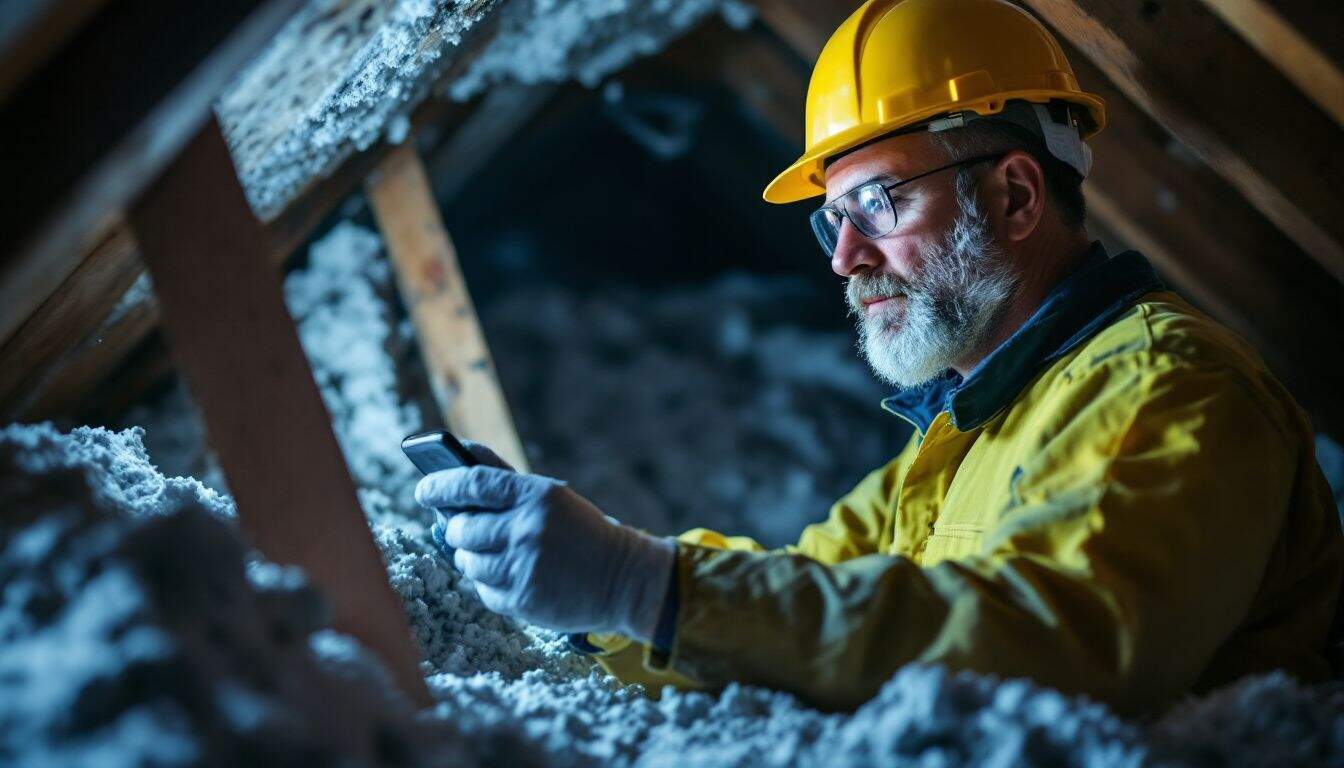
Asbestos is only dangerous when fibres become airborne. Undisturbed, well-maintained ACMs pose a low risk. But disturbed or deteriorating materials — during a kitchen refurbishment, for instance — can release fibres that cause serious diseases including mesothelioma, asbestosis, and lung cancer. These diseases can take decades to develop, which is precisely why the hazard is so easy to underestimate.
The Health and Safety Executive (HSE) continues to record hundreds of asbestos-related deaths each year, many linked to historic domestic exposure. This is not a historical problem — it’s an ongoing public health issue that demands ongoing attention.
How Asbestos Regulations for Domestic Properties Actually Work
The primary legislation governing asbestos in the UK is the Control of Asbestos Regulations. These regulations set out the legal duties for managing, identifying, and working with asbestos safely. Where domestic properties sit within that framework depends heavily on how the property is used and who is responsible for it.
Owner-Occupied Homes
If you own and live in your own home, the duty to manage asbestos under the Control of Asbestos Regulations does not technically apply to you in the same way it does to employers or those in control of non-domestic premises. However, this doesn’t mean you can ignore it.
If you hire tradespeople — plumbers, electricians, builders — you have a practical and moral responsibility to inform them of any known or suspected ACMs. Tradespeople are covered by health and safety law, and disturbing asbestos without proper precautions puts them at serious risk.
Landlords Renting Residential Properties
The picture changes significantly if you’re a landlord. Residential landlords carry obligations under general health and safety law and the Homes (Fitness for Human Habitation) Act, alongside the broader framework of the Control of Asbestos Regulations.
As a landlord, you must:
- Identify whether ACMs are present in the property
- Assess the condition and risk level of any ACMs found
- Put in place a management plan to monitor or remediate ACMs
- Ensure any contractors working on the property are informed of asbestos risks
- Keep records of any asbestos surveys or assessments carried out
Failing to do this isn’t just a regulatory breach — it exposes tenants to potential harm and landlords to significant legal liability.
HMOs and Multi-Occupancy Residential Buildings
Houses in multiple occupation (HMOs) and purpose-built blocks of flats occupy a more complex position. Common areas — hallways, stairwells, plant rooms — are typically treated as non-domestic premises, meaning the full duty to manage under the Control of Asbestos Regulations applies.
The person responsible for those common areas (usually the freeholder or managing agent) must have an asbestos management plan in place. Individual flat owners or tenants are responsible for their own units, but the overlap between shared and private spaces makes clear communication and documentation essential.
Asbestos Surveys: When You Need One and Which Type
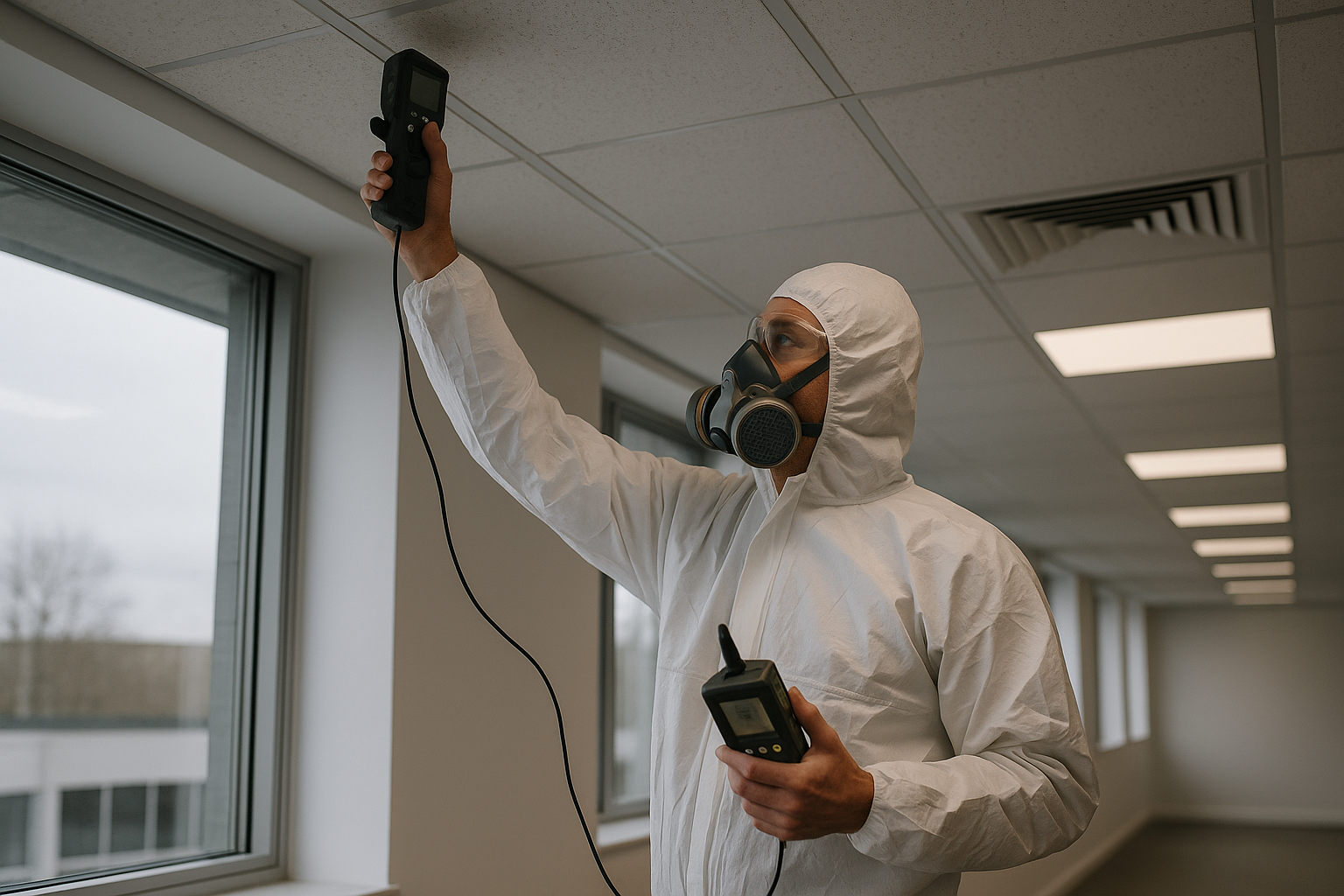
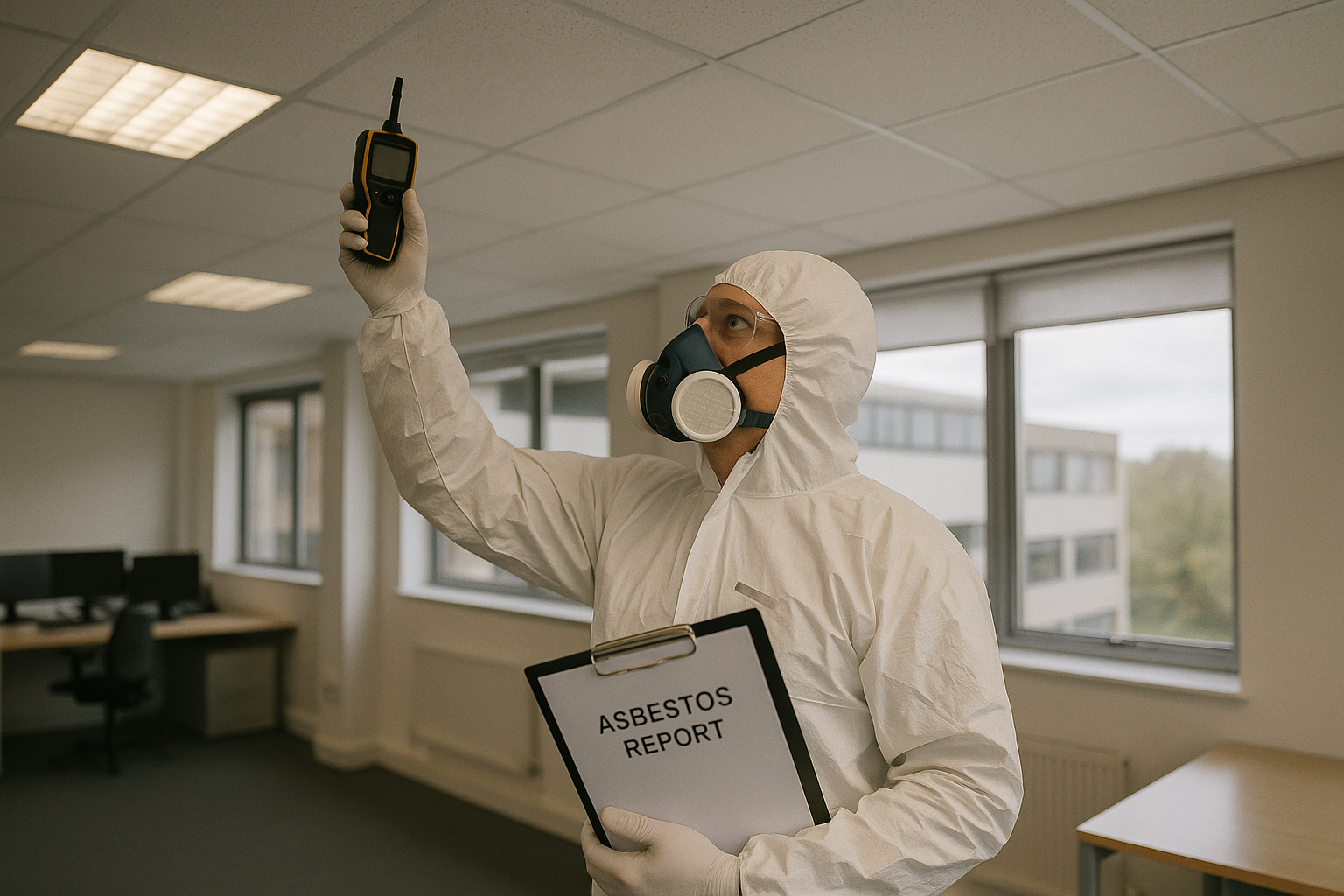
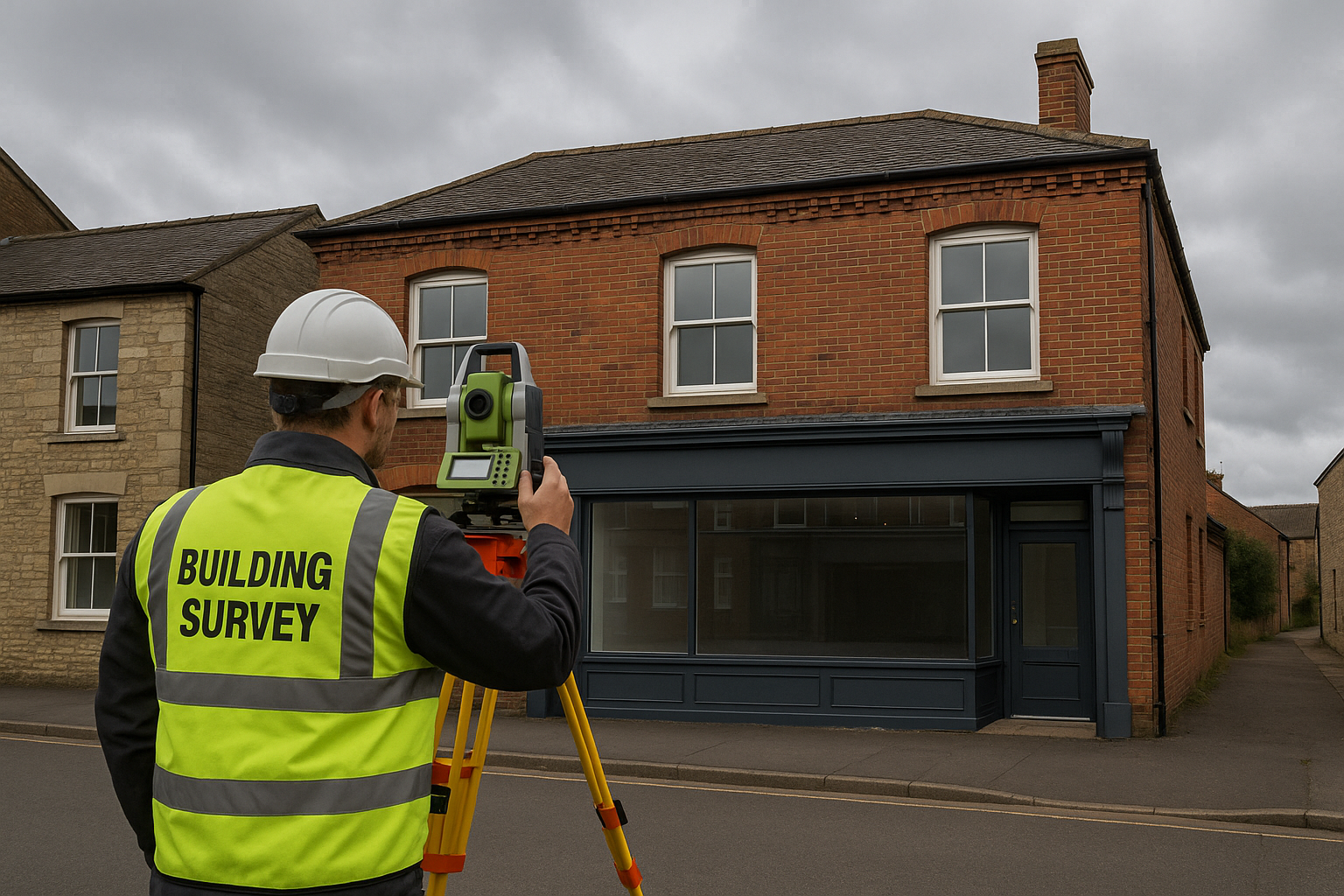
Not every domestic property requires a formal asbestos survey by law, but there are clear circumstances where commissioning one is not just advisable — it’s essential. The type of survey you need depends on the situation.
Before Buying or Selling a Pre-2000 Property
There is no legal requirement in England and Wales for sellers to commission an asbestos survey before selling a residential property. However, sellers are required to disclose known material facts, and known asbestos falls squarely into that category.
Buyers of pre-2000 properties are strongly advised to commission a management survey as part of their due diligence. This type of survey identifies ACMs present under normal occupation conditions — without intrusive investigation — and assesses their condition and risk level.
Armed with this information, buyers can:
- Negotiate on price to account for remediation costs
- Request that the seller arranges removal before completion
- Make an informed decision about whether to proceed
- Satisfy mortgage lender or insurance requirements
Before Renovation or Refurbishment Work
This is where the legal obligation becomes much clearer. Before any renovation, refurbishment, or significant alteration work on a pre-2000 property, a refurbishment survey must be carried out in the areas affected by the work.
A refurbishment survey is intrusive — surveyors will access areas that would be disturbed during the works, including inside walls, above ceilings, and beneath floors. This is the only reliable way to identify all ACMs that could be disturbed and to ensure that contractors can work safely.
Skipping this step isn’t just reckless — it’s potentially a criminal offence under the Control of Asbestos Regulations if the work is being carried out in connection with a business or managed property.
Before Demolition
If a domestic property is being demolished, a demolition survey is legally required. This is the most thorough type of survey, designed to locate all ACMs throughout the entire structure — including those that are inaccessible during normal use.
All asbestos must be identified and safely removed before demolition work begins. There are no exceptions to this requirement.
Asbestos in Property Transactions: Disclosure, Due Diligence, and Risk
Asbestos can materially affect a property transaction in several ways. Understanding the risks and obligations on both sides of a sale is critical — for buyers and sellers alike.
Sellers’ Obligations
Sellers must disclose known asbestos to buyers. Deliberately concealing known ACMs could constitute misrepresentation, exposing sellers to legal action after completion. If a survey has previously been carried out, that report should be made available to prospective buyers.
Sellers should also be prepared for the fact that asbestos — particularly if it’s in poor condition or present in significant quantities — can affect the property’s market value and the terms on which a buyer is willing to proceed.
Buyers’ Due Diligence
Buyers should not rely solely on the seller’s disclosure. Commissioning an independent asbestos survey gives you an objective assessment of what’s present and its condition. Some mortgage lenders and insurers may require evidence that asbestos has been assessed before they’ll proceed — particularly for older properties or those requiring renovation.
If asbestos is found, the survey report will help you understand whether it needs to be managed in place, encapsulated, or removed entirely. This directly informs your negotiating position and protects you from unexpected costs further down the line.
Impact on Mortgage and Insurance
Certain types of asbestos — particularly spray-applied coatings or heavily deteriorated materials — can cause mortgage lenders to decline or restrict lending until remediation is carried out. Insurance providers may also require asbestos surveys or impose conditions on coverage for properties where ACMs are present.
Getting ahead of this with a survey early in the process prevents delays and unwelcome surprises at the point of exchange.
What Happens When Asbestos Is Found: Your Options
Finding asbestos in a property doesn’t automatically mean it needs to be removed. The appropriate response depends on the type of asbestos, its condition, and what the property is being used for.
Manage in Place
If ACMs are in good condition and unlikely to be disturbed, the safest option is often to leave them in place and monitor them. This is a legitimate and widely used approach — asbestos that isn’t disturbed poses minimal risk. A management plan should be documented and kept with the property records.
Encapsulation
Encapsulation involves sealing or coating ACMs to prevent fibre release. This is appropriate for materials in fair condition that aren’t going to be disturbed but where there’s some concern about deterioration. It’s a cost-effective middle ground between monitoring and full removal.
Removal
Where ACMs are in poor condition, are being disturbed by works, or need to be removed to allow a transaction or renovation to proceed, professional asbestos removal is required. For certain types of asbestos — including blue (crocidolite) and brown (amosite) asbestos, and some forms of white asbestos — removal must be carried out by a contractor licensed by the HSE.
Never attempt to remove asbestos yourself. The risks are severe, and unlicensed removal of notifiable ACMs is a criminal offence.
Legal Penalties for Non-Compliance with Asbestos Regulations for Domestic Properties
The consequences of ignoring asbestos regulations for domestic properties — particularly in a landlord or managed property context — are serious. Breaches of the Control of Asbestos Regulations can result in:
- Unlimited fines in the Crown Court
- Custodial sentences for the most serious offences
- Prohibition notices preventing use of a property
- Civil liability claims from tenants or contractors who suffer harm
- Reputational damage and difficulties with future insurance or financing
The HSE takes enforcement seriously, and ignorance of the regulations is not accepted as a defence. If you’re a landlord or property manager, the onus is on you to understand and meet your obligations.
Practical Steps Every Property Owner Should Take
Whether you’re a homeowner, landlord, or buyer, there are clear actions you can take right now to manage asbestos risk sensibly and stay on the right side of the law.
- Find out when your property was built. If it predates 2000, assume ACMs may be present until you know otherwise.
- Commission a survey before any renovation work. Don’t rely on assumptions or a previous owner’s word. A refurbishment survey is the only way to be certain before work begins.
- Tell your contractors. If you suspect or know asbestos is present, inform any tradespeople before they start work. This is both a legal obligation and basic duty of care.
- Keep records. Any asbestos survey report, management plan, or remediation certificate should be stored safely and passed on to future buyers or tenants.
- Don’t disturb suspected materials. If you think something might contain asbestos — old floor tiles, textured coatings, pipe lagging — don’t drill, sand, cut, or break it until it’s been assessed.
- Use licensed contractors for removal. For notifiable ACMs, only HSE-licensed contractors can carry out removal legally. Check the HSE’s licensed contractor register before appointing anyone.
These steps don’t require specialist knowledge — they require awareness and a willingness to act before a problem becomes a crisis.
Asbestos Surveys Across the UK: Where We Work
Asbestos risk doesn’t respect geography. Whether you’re managing a Victorian terrace or a 1980s new-build, the same regulations apply regardless of where in the country the property sits.
Supernova Asbestos Surveys operates nationwide. If you’re based in the capital, our team providing asbestos survey London services covers residential and commercial properties across all London boroughs. In the north-west, our asbestos survey Manchester team handles everything from landlord inspections to pre-demolition surveys. And across the Midlands, our asbestos survey Birmingham service supports homeowners, landlords, and property developers throughout the region.
Wherever you are, the same standard of UKAS-accredited surveying applies.
Frequently Asked Questions
Do I legally have to have an asbestos survey before selling my home?
There is no legal requirement in England and Wales for sellers to commission an asbestos survey before selling a residential property. However, you are legally required to disclose any known asbestos to prospective buyers. Deliberately concealing known ACMs could amount to misrepresentation, leaving you open to legal action after completion. Commissioning a survey before marketing protects you and gives buyers confidence.
As a landlord, am I required to carry out an asbestos survey?
Residential landlords have clear obligations under general health and safety law and the Homes (Fitness for Human Habitation) Act to ensure their properties are safe for tenants. While the strict duty to manage under the Control of Asbestos Regulations is primarily aimed at non-domestic premises, landlords are expected to identify and manage asbestos risks — particularly in common areas of HMOs and blocks of flats. Commissioning an asbestos survey is the most reliable way to meet that obligation.
Can I remove asbestos from my own home myself?
For certain lower-risk, non-licensed asbestos work, homeowners may technically carry out limited tasks on their own domestic property. However, for notifiable ACMs — including blue and brown asbestos and many forms of white asbestos — removal must be carried out by an HSE-licensed contractor. Attempting to remove notifiable asbestos without a licence is a criminal offence. The safest approach is always to have any suspected material tested before deciding on a course of action.
What is the difference between a management survey and a refurbishment survey?
A management survey is designed to locate ACMs that could be disturbed or damaged during normal occupation of a building. It’s the appropriate survey for a property that’s being bought, sold, or managed without imminent building works. A refurbishment survey is intrusive and is required before any renovation or alteration work — it accesses areas that will be disturbed during the works to ensure all ACMs are identified before contractors begin. The HSE’s guidance document HSG264 sets out the requirements for both survey types in detail.
What should I do if asbestos is found during a property survey?
Finding asbestos doesn’t automatically mean you need to take immediate action. If the material is in good condition and unlikely to be disturbed, managing it in place with a documented plan is often the correct approach. If it’s deteriorating or needs to be removed to allow works to proceed, you’ll need to engage an HSE-licensed contractor for removal. Your survey report will include a risk assessment and recommended actions, which should guide your next steps.
Get Expert Advice from Supernova Asbestos Surveys
Navigating asbestos regulations for domestic properties is straightforward when you have the right support. Supernova Asbestos Surveys has completed over 50,000 surveys across the UK, providing UKAS-accredited asbestos surveys for homeowners, landlords, buyers, and property developers.
Whether you need a management survey ahead of a sale, a refurbishment survey before building work begins, or professional asbestos removal, our team delivers accurate, actionable reports that keep you legally compliant and your property safe.
Call us today on 020 4586 0680 or visit asbestos-surveys.org.uk to book a survey or speak to one of our qualified surveyors.