Category: The Link between Asbestos and Lung Cancer

  • Are there any laws or regulations in the UK regarding the use of asbestos and its link to lung cancer? Understanding what you need to know.

    Are there any laws or regulations in the UK regarding the use of asbestos and its link to lung cancer? Understanding what you need to know.

    The Law on Asbestos in the UK: What Dutyholders Are Legally Required to Do

    Asbestos remains the single greatest cause of work-related deaths in the UK. People are still dying today from exposures that happened decades ago, and buildings across the country still contain it. If you are responsible for a property or a workforce, understanding the law on asbestos is not optional — it is a legal obligation with serious consequences if ignored.

    This post covers the full picture: the regulations that apply, the health risks that make them necessary, what dutyholders must do in practice, and what happens when things go wrong.

    The Legal Framework: What UK Law Says About Asbestos

    The Control of Asbestos Regulations

    The Control of Asbestos Regulations form the cornerstone of asbestos law in the UK. They apply to non-domestic premises and set out clear duties for employers, building owners, and anyone responsible for maintaining or managing a property.

    The regulations cover three core areas: identifying asbestos-containing materials (ACMs), managing those materials safely, and ensuring that anyone who might disturb them knows what they are dealing with. There is no grey area — if you are in charge of a non-domestic building, you have a legal duty to manage asbestos.

    The Duty to Manage

    The duty to manage asbestos sits with the “dutyholder” — typically the building owner, facilities manager, or employer responsible for the premises. This is not a one-off task. It is an ongoing legal obligation.

    Under this duty, you are required to:

    • Identify whether ACMs are present, through a professional management survey
    • Assess the condition and risk level of any ACMs found
    • Produce and maintain a written asbestos management plan
    • Keep an up-to-date asbestos risk register
    • Inform anyone who may work on or disturb the building fabric — contractors, maintenance staff, and others
    • Review your management plan at least annually, or whenever conditions change

    If your building was constructed or refurbished before 2000, there is a realistic chance ACMs are present — in insulation, floor tiles, ceiling panels, pipe lagging, or roof materials. The duty to manage applies even if you believe your building is asbestos-free. You need documented evidence, not an assumption.

    Licensed Work and Notifiable Non-Licensed Work

    Not all asbestos work is treated equally under the law on asbestos. The regulations distinguish clearly between different risk levels.

    Some work with ACMs can only be carried out by a contractor holding a licence from the Health and Safety Executive (HSE). This typically applies to higher-risk materials such as sprayed asbestos coatings, pipe lagging, and asbestos insulating board (AIB). Attempting this work without a licence is a criminal offence.

    Other work falls into the category of “notifiable non-licensed work” (NNLW). It does not require a licence, but it must be notified to the relevant enforcing authority, and workers must receive appropriate medical surveillance and training.

    Lower-risk tasks — such as superficial work on well-sealed, low-fibre materials — may be carried out without a licence or notification, but safe working practices and appropriate controls still apply. If you are unsure which category applies, commission a demolition survey or refurbishment survey before any intrusive work begins.

    Asbestos and Lung Cancer: The Health Reality

    How Asbestos Fibres Cause Lung Cancer

    When ACMs are disturbed, microscopic fibres become airborne. These fibres are invisible to the naked eye and, once inhaled, lodge deep in lung tissue. The body cannot break them down or expel them.

    Over time, repeated irritation caused by embedded fibres can trigger cancerous changes in lung cells. The link between asbestos exposure and lung cancer is well established — all types of asbestos carry risk, though amphibole fibres such as crocidolite and amosite are considered more hazardous than chrysotile. For people who smoke, the risk multiplies significantly — smoking and asbestos exposure together create a combined risk far greater than either factor alone.

    The Latency Problem

    One of the most dangerous aspects of asbestos-related disease is how long it takes to appear. The latency period — the gap between exposure and diagnosis — typically ranges from 15 to 50 years.

    This means someone exposed to asbestos dust in the 1980s may only be receiving a cancer diagnosis now. The long delay also makes it extremely difficult to identify the source of exposure, complicating both treatment and any legal or compensation claims.

    Other Asbestos-Related Diseases

    Lung cancer is not the only serious condition linked to asbestos. Exposure is also associated with:

    • Mesothelioma — a cancer of the lining of the lungs, abdomen, or heart. It is almost exclusively caused by asbestos exposure and is always fatal. The UK has one of the highest rates of mesothelioma in the world, a direct consequence of the country’s heavy industrial and construction use of asbestos throughout the twentieth century.
    • Asbestosis — progressive scarring of the lung tissue caused by asbestos fibres. It causes increasing breathlessness, reduced lung function, and significantly shortens life expectancy.
    • Pleural thickening — thickening of the membrane surrounding the lungs, which restricts breathing and can become severely debilitating.
    • Pleural plaques — areas of fibrous thickening on the pleura. While not usually dangerous in themselves, they are a marker of significant past exposure and indicate elevated risk of more serious disease.

    There is no safe level of asbestos exposure. The greater the exposure — in terms of both concentration and duration — the higher the risk. Even relatively brief exposures in heavily contaminated environments can cause disease.

    Responsibilities in Practice: Employers and Property Owners

    What Employers Must Do

    If you employ people who work in or on buildings that may contain asbestos, you have specific legal obligations under the law on asbestos. These include:

    • Commissioning an asbestos survey before construction, refurbishment, or significant maintenance work
    • Ensuring workers are trained appropriately for the level of risk they face — from basic asbestos awareness through to full licensed operative training
    • Providing adequate personal protective equipment (PPE), including respiratory protective equipment (RPE), at no cost to the worker
    • Establishing and enforcing safe working methods that prevent fibre release
    • Notifying the HSE in advance of notifiable work involving ACMs
    • Monitoring and recording any incidents of accidental exposure
    • Reporting certain asbestos-related incidents under RIDDOR (the Reporting of Injuries, Diseases and Dangerous Occurrences Regulations)

    What Property Owners and Managers Must Do

    For anyone with responsibility for a non-domestic building, the duty to manage is non-negotiable. In practical terms, this means:

    • Arranging a professional management survey to locate and assess any ACMs
    • Maintaining a current asbestos risk register that records the location, type, condition, and risk rating of all identified materials
    • Developing a written asbestos management plan and reviewing it at least every 12 months
    • Ensuring the risk register is accessible to anyone working in or on the building
    • Commissioning a refurbishment or demolition survey before any intrusive work takes place
    • Using only licensed contractors for licensable asbestos removal work
    • Disposing of all asbestos waste through approved channels, at licensed disposal sites only

    HSE guidance — in particular HSG264, which covers asbestos surveying — provides detailed technical standards that surveys and surveyors must meet. Any survey you commission should be carried out by a UKAS-accredited organisation and produce a report that aligns with HSG264 requirements.

    Types of Asbestos Survey: Knowing Which One You Need

    There are three main survey types under the law on asbestos, each suited to different circumstances. Choosing the wrong one — or skipping a survey altogether — leaves you legally exposed.

    Management Survey

    This is the standard survey required for the ongoing management of a building in normal use. It identifies ACMs that could be disturbed during routine maintenance or general occupancy, assesses their condition, and informs the asbestos risk register.

    If you do not have one on record for your building, this is where you start. A professional management survey gives you the documented evidence you need to meet your legal duty and manage risk effectively.

    Refurbishment and Demolition Survey

    Required before any refurbishment, significant maintenance, or demolition work begins. It is more intrusive than a management survey because it needs to locate all ACMs in areas that will be affected by the planned work — including inside walls, above ceilings, and within structural elements.

    This survey must be completed before work commences, not during it. Commissioning a refurbishment survey at the planning stage protects both your workforce and your legal position.

    Re-inspection Survey

    An existing asbestos management plan must be regularly reviewed, and the condition of known ACMs must be monitored. A re-inspection survey — typically carried out annually — ensures that materials have not deteriorated and that your risk register remains accurate and up to date.

    Skipping re-inspections is a common compliance failure. If your last inspection was more than 12 months ago, it is time to book another one.

    Asbestos Testing: When You Need a Sample Analysed

    If you have found a material you suspect contains asbestos — during renovation work, a property purchase, or routine maintenance — you may need it tested before deciding how to proceed. Professional asbestos testing provides laboratory-confirmed results that tell you definitively whether a material contains asbestos and, if so, which type.

    Supernova offers an asbestos testing kit that can be ordered directly from our website. You collect a sample, send it to our accredited laboratory, and receive a confirmed result. It is a straightforward, cost-effective way to get certainty about a suspect material before committing to more extensive survey work or remediation.

    That said, sample collection itself carries risk if the material is friable or in poor condition. If you are not confident in safely taking a sample, a professional survey is the safer route. Our accredited surveyors can collect samples as part of a full inspection, ensuring the process is carried out safely and in line with HSE requirements.

    Asbestos Removal: When Materials Must Go

    Not all ACMs need to be removed. In good condition and left undisturbed, many materials are better managed in place than removed — removal itself carries risk if not carried out correctly. The law on asbestos does not require removal as a default response; it requires appropriate management.

    Removal becomes necessary when:

    • The material is in poor condition and poses an active risk of fibre release
    • Work is planned that will disturb the material
    • A building is being demolished
    • The management plan identifies removal as the most appropriate long-term solution

    Licensed asbestos removal work must only be carried out by HSE-licensed contractors. Supernova’s removal teams hold the relevant licences and work to strict containment and disposal standards, ensuring that removed materials are handled safely and disposed of at licensed waste facilities. Attempting licensed removal work without the appropriate credentials is a criminal offence.

    Enforcement: What Happens if You Don’t Comply

    The HSE’s Role

    The Health and Safety Executive is responsible for enforcing asbestos regulations in most workplaces. Local authorities enforce them in some premises, including shops and offices. Both bodies have significant powers.

    HSE inspectors can enter premises unannounced, review documentation, interview staff, and take samples. If they find evidence of non-compliance, they can issue improvement notices requiring remedial action within a set timeframe, or prohibition notices that stop work immediately.

    Prosecution and Penalties

    Where non-compliance is serious or persistent, the HSE can prosecute. Convictions under the law on asbestos can result in unlimited fines and, in the most serious cases, custodial sentences for individuals found to have wilfully disregarded legal duties.

    Beyond criminal penalties, dutyholders who fail to comply face significant civil liability. If a worker or building occupant develops an asbestos-related disease and can demonstrate that inadequate management contributed to their exposure, the dutyholder may face substantial compensation claims. The financial and reputational consequences of non-compliance far outweigh the cost of proper management.

    Common Compliance Failures

    The most frequently encountered failures include:

    • No asbestos management survey on record for a pre-2000 building
    • An outdated or incomplete asbestos risk register
    • Failure to share asbestos information with contractors before work begins
    • Re-inspections that have lapsed beyond the 12-month interval
    • Unlicensed contractors carrying out licensable removal work
    • Asbestos waste disposed of through non-approved channels

    Each of these failures is both a legal risk and a genuine health risk. Compliance is not bureaucratic box-ticking — it is the mechanism that prevents people from being harmed.

    Domestic Properties: Where the Law on Asbestos Applies Differently

    The duty to manage asbestos under the Control of Asbestos Regulations applies specifically to non-domestic premises. Private homeowners are not subject to the same statutory duty. However, this does not mean asbestos in domestic properties is without risk or without legal consequence.

    If you are a landlord, the picture changes. Where a property is let for residential purposes, landlords have health and safety obligations towards their tenants, and asbestos in a deteriorating condition in a rented property can constitute a hazard that landlords are required to address.

    For homeowners planning renovation or extension work, commissioning a survey before work begins is strongly advisable. Disturbing ACMs during a DIY project without knowing what you are dealing with puts you and anyone else in the property at risk. Our asbestos testing service and testing kit are practical options for homeowners who want to check a suspect material before proceeding with work.

    If you are in London and need a survey arranged quickly, our asbestos survey London service covers the full capital and surrounding areas, with rapid turnaround times and UKAS-accredited surveyors.

    Frequently Asked Questions

    Who does the law on asbestos apply to?

    The Control of Asbestos Regulations apply primarily to non-domestic premises. The duty to manage asbestos falls on the “dutyholder” — typically the building owner, employer, or facilities manager responsible for the property. Employers who send workers into buildings that may contain asbestos also have specific legal obligations, regardless of whether they own the building.

    Do I need an asbestos survey if my building was built after 2000?

    Asbestos was effectively banned from new construction in the UK in 1999. Buildings constructed entirely after this point are very unlikely to contain ACMs. However, if your building underwent refurbishment using older materials, or if you are uncertain about its construction history, a survey is still advisable to confirm the position. For pre-2000 buildings, a management survey is a legal requirement.

    What is the difference between a management survey and a refurbishment survey?

    A management survey is carried out on a building in normal use and identifies ACMs that could be disturbed during routine maintenance or occupancy. A refurbishment survey is required before any significant renovation or demolition work and is more intrusive — it locates all ACMs in areas that will be affected by the planned work. The two serve different purposes and are not interchangeable.

    Can I remove asbestos myself?

    For certain lower-risk, non-licensable materials, limited work may be carried out without an HSE licence, provided safe working practices are followed. However, higher-risk materials — including asbestos insulating board, pipe lagging, and sprayed coatings — must only be removed by HSE-licensed contractors. Attempting licensed removal work without the appropriate credentials is a criminal offence. If you are in any doubt, always seek professional advice before disturbing any suspect material.

    What happens if I fail to comply with asbestos regulations?

    Non-compliance can result in HSE improvement or prohibition notices, prosecution, unlimited fines, and in serious cases, custodial sentences for individuals. Beyond criminal penalties, dutyholders may face civil compensation claims from anyone who develops an asbestos-related disease as a result of inadequate management. The consequences of non-compliance — financial, legal, and human — are severe.

    Get Expert Help from Supernova Asbestos Surveys

    Supernova Asbestos Surveys has completed over 50,000 surveys across the UK. Our UKAS-accredited surveyors deliver management surveys, refurbishment and demolition surveys, re-inspection surveys, sampling, testing, and licensed removal — everything you need to meet your legal obligations and protect the people in your buildings.

    Whether you need a full survey, a laboratory test on a suspect material, or licensed removal work carried out to the highest standards, our team is ready to help. Call us on 020 4586 0680 or visit asbestos-surveys.org.uk to get started.
  • Are certain demographics more susceptible to developing asbestos-related lung cancer? Exploring the Risk Factors and Associations

    Are certain demographics more susceptible to developing asbestos-related lung cancer? Exploring the Risk Factors and Associations

    What Are the Chances of Getting Lung Cancer from Asbestos?

    Asbestos risk rarely feels urgent until someone asks the question nobody wants to answer: what are the chances of getting lung cancer from asbestos? The honest answer is that the risk varies considerably from person to person, but the link between asbestos exposure and lung cancer is well established and has been for decades.

    For anyone managing older premises, planning maintenance, or overseeing contractors, that makes asbestos a health issue, a legal duty, and a practical site management problem all at once. The danger is not limited to dramatic exposure events. Repeated low-level exposure over years can matter just as much, especially where asbestos-containing materials are damaged, poorly managed, or disturbed during routine work.

    Under the Control of Asbestos Regulations, dutyholders must identify and manage asbestos in non-domestic premises. Surveys should be carried out in line with HSG264 and relevant HSE guidance. This is not optional, and understanding the risk is the first step to meeting that duty properly.

    Understanding the Chances of Getting Lung Cancer from Asbestos

    There is no single percentage that applies to everyone. The chances of getting lung cancer from asbestos depend on how much fibre was inhaled, how often exposure happened, how long it continued, the type of asbestos involved, and whether the person also smoked.

    What is clear is that asbestos is a recognised cause of lung cancer. The risk rises with cumulative exposure, and it rises further when asbestos exposure is combined with tobacco smoke.

    • Heavier exposure generally means higher risk
    • Longer duration of exposure increases risk further
    • Smoking can dramatically multiply the risk when combined with asbestos exposure
    • Disease often appears decades after the original exposure
    • There is no known safe level of asbestos fibre inhalation

    This is why asbestos management is fundamentally about prevention rather than waiting for symptoms. By the time someone becomes unwell, the exposure that caused the damage may be many years in the past.

    How Asbestos Causes Lung Cancer

    Asbestos breaks down into microscopic fibres that can remain airborne for extended periods. Once inhaled, some fibres travel deep into the lungs and become lodged in tissue where the body struggles to remove them.

    Those retained fibres can trigger chronic inflammation and cellular damage over time. That long-term irritation can affect normal cell repair and growth, increasing the chance of malignant change in lung tissue.

    What Happens Inside the Lungs

    The lungs have defence mechanisms designed to trap and clear particles, but asbestos fibres are unusually durable. Many are thin enough to bypass normal clearance processes and remain embedded for years.

    That persistence matters. A fibre that stays in the lung can continue to provoke inflammation long after the original exposure has stopped, and long-term inflammation is closely associated with cancer development.

    Why Cumulative Exposure Matters

    The chances of getting lung cancer from asbestos are closely linked to cumulative burden. In simple terms, the more fibres inhaled and retained over time, the greater the opportunity for repeated tissue injury.

    That is why occupational exposure has been such a major driver of asbestos-related disease. A single brief exposure is not viewed in the same way as years of cutting insulation board, removing lagging, drilling textured coatings, or working in dusty plant rooms.

    Smoking and Asbestos: A Dangerous Combination

    One of the most important points for anyone concerned about the chances of getting lung cancer from asbestos is the effect of smoking. Smoking does not simply add a separate risk on top of asbestos. It interacts with asbestos in a way that makes lung cancer significantly more likely than either exposure alone would suggest.

    Tobacco smoke already damages airways and lung tissue. When asbestos fibres are also present, the lungs face both persistent fibre-related injury and chemical carcinogens from smoke simultaneously.

    • Smoking damages the normal defence mechanisms of the lungs
    • Asbestos fibres can remain trapped in tissue for years
    • Both exposures contribute to inflammation and DNA damage
    • Together they increase the likelihood of cancerous change considerably more than either alone

    Non-smokers can still develop asbestos-related lung cancer. Smoking is not required for asbestos to cause harm. But if someone has a history of asbestos exposure and still smokes, stopping smoking is one of the most practical steps they can take right now to reduce their ongoing lung cancer risk.

    Who Is Most at Risk?

    The chances of getting lung cancer from asbestos are highest in people with regular, prolonged, or heavy exposure. Historically, this has included workers in industries where asbestos-containing materials were manufactured, installed, repaired, or removed.

    Occupations with Known Asbestos Exposure Risk

    • Construction and refurbishment workers
    • Demolition workers
    • Electricians
    • Plumbers and heating engineers
    • Joiners and carpenters
    • Shipyard and dock workers
    • Insulation installers
    • Factory and plant maintenance staff
    • School, hospital, and estate maintenance teams

    Risk is not limited to people directly handling asbestos. Workers in the vicinity may inhale fibres released by others, and some family members have been exposed secondarily through contaminated clothing, footwear, tools, or vehicles brought home from work.

    Age and Latency

    Asbestos-related lung cancer usually develops after a long latency period. Someone exposed in early adult life may not develop symptoms until decades later.

    This delay is one reason exposure history matters so much. If a person has worked in older buildings, industrial settings, or dusty refurbishment environments, that information should be disclosed to a GP or specialist if respiratory symptoms develop at any point.

    Gender and Working Patterns

    Men have historically had higher rates of asbestos-related lung cancer because many high-exposure occupations were male-dominated. That said, women have also developed disease through factory work, public sector roles, schools, hospitals, offices, and secondary domestic exposure.

    For property managers, the practical lesson is clear: do not assume asbestos risk belongs only to heavy industry. It can be present in offices, retail units, warehouses, schools, healthcare buildings, communal areas, and service risers.

    Where Asbestos Is Still Found in Buildings

    Many people asking about the chances of getting lung cancer from asbestos are also asking a second question: where might exposure happen today? In the UK, asbestos remains present in many older buildings and can still be found in a wide range of materials.

    • Asbestos insulation board
    • Pipe lagging
    • Sprayed coatings on structural steelwork and ceilings
    • Cement sheets and roof panels
    • Vinyl floor tiles and their adhesives
    • Textured coatings on ceilings and walls
    • Gaskets, seals, and rope products
    • Boiler and plant insulation
    • Soffits, panels, and ceiling tiles

    Materials in good condition are often lower risk if left undisturbed and properly managed. The real danger usually arises when suspect materials are drilled, cut, sanded, broken, removed, or otherwise disturbed without proper controls in place.

    Practical Steps to Reduce Exposure Risk

    If you are responsible for a property, the most effective way to reduce the chances of getting lung cancer from asbestos is to stop people inhaling fibres in the first place. That means identifying asbestos, recording it properly, and making sure all work is planned around it.

    1. Assume Asbestos May Be Present in Older Premises

    If a building was constructed or refurbished before 2000, asbestos may be present somewhere within it. Do not rely on assumptions, old staff recollections, or incomplete historic paperwork.

    2. Commission the Correct Survey

    For normal occupation and routine maintenance, an management survey helps locate asbestos-containing materials that could be disturbed during everyday use. Before major structural work, intrusive refurbishment, or site clearance, a more invasive survey is needed.

    Where a building is due to be demolished, a demolition survey is legally required before any destructive work begins. This is not a paperwork exercise. It is how you prevent uncontrolled fibre release during the most disruptive phase of a building’s life.

    3. Keep an Asbestos Register Up to Date

    An asbestos register should record material locations, condition, product type where known, and recommended actions. It should be accessible to anyone planning maintenance, installations, or contractor visits on site.

    4. Do Not Disturb Suspect Materials

    If a panel, coating, board, or insulation looks suspicious, stop work and get it checked before proceeding. Drilling one hole in the wrong material can release fibres into a work area and create entirely avoidable exposure.

    5. Use Competent Professionals

    Surveying, sampling, risk assessment, and any work involving asbestos must be handled by competent, qualified people. Depending on the material and task, work may require specific controls or licensed contractors under HSE requirements.

    6. Train Staff and Contractors

    Anyone who may encounter asbestos during their work should understand what it looks like, where it is commonly found, and what to do if they suspect it has been disturbed. Awareness training does not qualify someone to remove asbestos, but it can prevent poor decisions being made on site.

    What to Do If Asbestos Is Damaged or Exposure May Have Occurred

    When suspect asbestos is damaged, speed matters. The immediate priority is to prevent further disturbance and keep people out of the affected area.

    1. Stop work immediately
    2. Keep others away from the affected area
    3. Avoid sweeping, vacuuming with a standard vacuum, or dry cleaning debris
    4. Report the issue to the dutyholder or site manager without delay
    5. Arrange a professional assessment before the area is re-entered
    6. Review whether anyone may have been exposed and document accordingly

    If someone believes they may have inhaled asbestos fibres, the right next step depends on the circumstances. A single minor event does not guarantee disease, but it should still be recorded properly. If exposure was significant, repeated, or occupational, the person should inform their employer and speak to a medical professional — particularly if they have a history of smoking or long-term work in older premises.

    Does Everyone Exposed to Asbestos Get Lung Cancer?

    No. Exposure does not mean a person will definitely develop lung cancer. That is one of the reasons the chances of getting lung cancer from asbestos can be difficult to explain simply. Risk is influenced by several factors working together rather than any single element in isolation.

    • The intensity of the exposure
    • The total duration of exposure over a working life
    • The type and condition of the asbestos material involved
    • How often fibres were released into the air during work activities
    • Whether the person smoked during or after the exposure period
    • Individual health factors and susceptibility

    Even so, the absence of certainty is not a reason for complacency. Asbestos-related disease is preventable only if exposure is prevented. That is the foundation of every asbestos management duty under UK law.

    Symptoms That Should Prompt Medical Attention

    Early asbestos-related lung cancer may not cause obvious symptoms. When symptoms do appear, they can overlap with many other respiratory conditions, which is one reason a clear exposure history is so valuable when speaking to a doctor.

    • A persistent cough that does not resolve
    • Breathlessness during normal activity
    • Chest pain or tightness
    • Unexplained weight loss
    • Persistent fatigue
    • Repeated chest infections

    These symptoms do not automatically indicate cancer, and they do not prove asbestos is the cause. But anyone with a history of asbestos exposure should mention that history to their GP if respiratory symptoms develop, regardless of when the exposure occurred.

    Demographics, Susceptibility, and What Actually Drives Risk

    The question of demographics often comes up when people research asbestos-related lung cancer. Are some groups more susceptible than others? The practical answer is that exposure history matters far more than broad demographic categories.

    Age, occupation, smoking status, and cumulative exposure are usually more useful indicators of individual risk than gender or geography alone. That said, building stock and historic work patterns do affect who is more likely to have encountered asbestos in significant quantities.

    Areas with older industrial and commercial premises carry a higher legacy burden, but asbestos remains a nationwide issue across the UK. If you manage property in the capital, arranging an asbestos survey London before maintenance or refurbishment work begins is a sensible and legally sound step.

    The same applies in the North West, where an asbestos survey Manchester can help identify risks in older commercial and public buildings before contractors arrive on site. In the Midlands, an asbestos survey Birmingham supports safer planning before any intrusive or refurbishment works begin.

    Wherever you are in the country, the principle is the same: know what is in your building before work starts, and manage it properly.

    Frequently Asked Questions

    What are the chances of getting lung cancer from asbestos if exposure was brief?

    A single brief exposure carries a much lower risk than prolonged occupational exposure over years. However, there is no known completely safe level of asbestos fibre inhalation. The risk from a brief incident is generally considered low, but it should still be recorded and any significant exposures discussed with a medical professional, particularly if the person smokes.

    Does smoking make asbestos-related lung cancer more likely?

    Yes, significantly. Smoking and asbestos exposure interact in a way that multiplies lung cancer risk beyond what either factor would produce alone. The combination damages lung tissue and defence mechanisms simultaneously, making cancerous change more likely. Stopping smoking is one of the most practical steps a person with prior asbestos exposure can take to reduce their ongoing risk.

    How long after asbestos exposure can lung cancer develop?

    Asbestos-related lung cancer typically has a long latency period, often developing many years or even decades after the original exposure. This is why people who worked in older buildings or industrial environments earlier in their careers may not develop symptoms until much later in life. Exposure history should always be disclosed to a GP when respiratory symptoms arise.

    What type of survey do I need to identify asbestos in my building?

    For buildings in normal occupation or undergoing routine maintenance, a management survey is the appropriate starting point. It identifies accessible asbestos-containing materials that could be disturbed during everyday use. For refurbishment or demolition projects, a more intrusive survey is required. A specialist asbestos surveying company can advise on the correct approach for your specific premises and planned works.

    Is asbestos still found in UK buildings today?

    Yes. Asbestos was widely used in UK construction until it was fully banned in 1999, meaning any building constructed or significantly refurbished before that date may contain asbestos-containing materials. It can be found in insulation, floor tiles, ceiling tiles, textured coatings, pipe lagging, roof panels, and many other locations. A professional survey is the only reliable way to identify what is present and where.

    Talk to Supernova Asbestos Surveys

    Supernova Asbestos Surveys has completed over 50,000 surveys across the UK, helping property managers, business owners, and landlords meet their legal duties and protect the people who use their buildings. Whether you need a management survey for an occupied premises or a full demolition survey before major works, our qualified surveyors work to HSG264 standards and provide clear, actionable reports.

    Call us on 020 4586 0680 or visit asbestos-surveys.org.uk to book a survey or discuss your requirements with our team.

  • The Link between Asbestos and Lung Cancer: Causes, Risks, and Treatment Options

    The Link between Asbestos and Lung Cancer: Causes, Risks, and Treatment Options

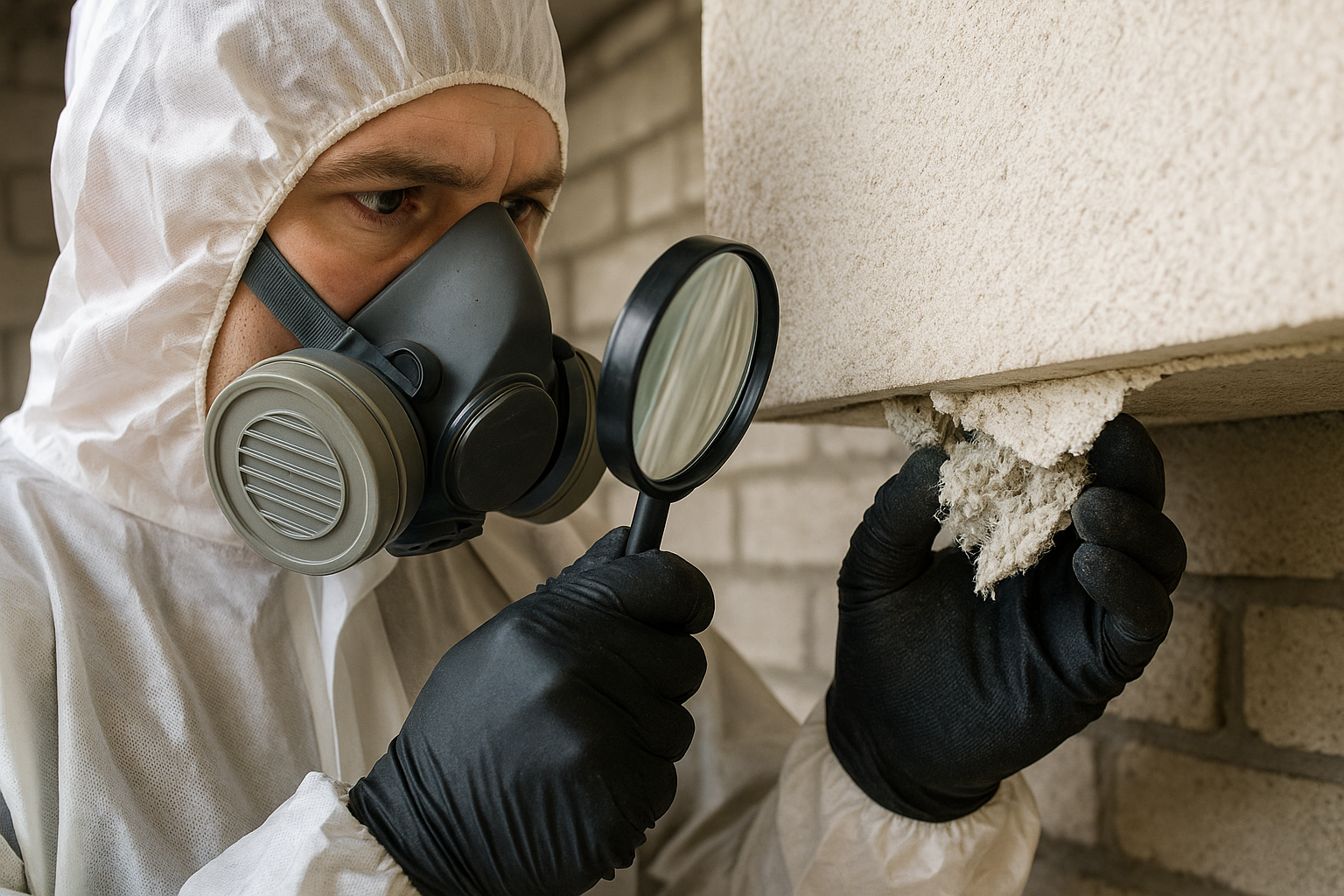
    You cannot answer what does asbestos look like with one neat image. In real buildings, asbestos turns up in roof sheets, boards, floor tiles, textured coatings, pipe insulation, gaskets and small plant components. That is why so many maintenance jobs go wrong: a material looks ordinary, someone drills or strips it, and the risk changes immediately.

    For UK properties built or refurbished before 2000, visual awareness matters. But sight alone is never enough to confirm asbestos. The safe approach is to recognise common warning signs, avoid disturbing anything suspicious, and arrange the right survey or testing before work starts.

    What does asbestos look like in buildings?

    When people ask what does asbestos look like, they are usually hoping for a simple visual checklist. The problem is that asbestos was added to a huge range of products, so its appearance depends on what it was mixed into.

    In raw form, asbestos can look fibrous, soft or silky. In buildings, though, it is far more often bound into cement, board, vinyl, paper, resin or insulation. That makes visual identification difficult and, in many cases, misleading.

    Common suspicious appearances include:

    • Grey, off-white or cement-coloured sheets and boards
    • Corrugated roof panels and wall cladding
    • Old floor tiles with black bitumen adhesive beneath
    • Insulating board around ceilings, risers, ducts and partitions
    • Pipe lagging and rope seals near boilers or plant
    • Paper-like linings behind old fuse boards or heaters
    • Textured coatings on walls and ceilings
    • Moulded components in older plant and electrical equipment

    None of those features proves asbestos is present. They simply make a material suspicious enough to leave alone until it has been properly checked.

    Why visual identification has limits

    The biggest mistake people make when asking what does asbestos look like is assuming experience alone is enough. It is not. Many non-asbestos products look similar, and some asbestos-containing materials were designed to resemble ordinary building products.

    That is why asbestos management in the UK relies on competent surveying, risk assessment and sampling where needed, not guesswork. Under the Control of Asbestos Regulations, dutyholders for non-domestic premises must manage asbestos risk properly. HSE guidance and HSG264 make clear that the survey must be suitable for the building and the planned work.

    If you are responsible for an occupied building and need to identify and manage materials during normal use, a professional management survey is usually the right starting point.

    What to do if you find a suspicious material

    1. Stop work straight away if the material could be disturbed.
    2. Keep other people out of the area.
    3. Do not sweep, dry brush or use a standard vacuum.
    4. Check your asbestos register, survey report or building records.
    5. Arrange professional inspection or testing if the material is not identified.

    If you need laboratory confirmation, use professional sample analysis rather than relying on appearance.

    What does asbestos look like as cement products?

    For many property managers, the first answer to what does asbestos look like is asbestos cement. It is one of the most common asbestos products still found across the UK, especially on garages, outbuildings, warehouses, schools, industrial units and agricultural structures.

    what does asbestos look like - The Link between Asbestos and Lung Cance

    Asbestos cement usually contains fibres tightly bound within a cement matrix. When it is intact and in good condition, it is generally less friable than insulation materials. That does not make it safe to cut, drill or remove without checks.

    Typical appearance of asbestos cement

    • Flat or corrugated sheets
    • Grey, pale grey or off-white colouring
    • Chalky, weathered or lichen-covered outdoor surfaces
    • Dense, brittle edges around old fixings
    • Moulded items such as flues, tanks, gutters and downpipes

    Where you might find it

    • Garage and shed roofs
    • Industrial roof sheets and wall cladding
    • Soffits and fascias
    • Rainwater goods
    • Water tanks and ducts
    • Farm buildings and workshops

    A common error is assuming paint or sealant makes asbestos cement safe to work on. It does not. Once the material is broken, abraded or drilled, fibres may be released.

    Practical steps:

    • Do not pressure wash old cement roofs.
    • Do not scrape moss or lichen from suspect sheets.
    • Do not allow trades to drill through soffits or cladding without prior checks.
    • If sheets are damaged or affected by planned works, get them assessed first.

    What does asbestos look like as insulating board?

    If you are trying to work out what does asbestos look like, asbestos insulating board is one of the most important materials to recognise. It can look plain and harmless, but it may present a much higher risk than asbestos cement if disturbed.

    Asbestos insulating board, often called AIB, was used for fire protection, thermal insulation, partitioning and service enclosures. It is commonly found inside buildings rather than outside.

    Typical appearance of AIB

    • Flat boards with a smooth or lightly textured surface
    • Usually grey, off-white, beige or light brown
    • Softer and less dense than cement sheet
    • Square-edged panels in ceilings, risers and service cupboards
    • Damaged edges that may appear fibrous or crumbly

    Common locations for AIB

    • Partition walls
    • Suspended ceiling tiles
    • Firebreaks in roof voids
    • Lift shafts and service risers
    • Boxing around columns or pipework
    • Panels behind heaters or electrical equipment

    AIB is often mistaken for plasterboard or other board products. That is exactly why visual assumptions are risky. If a board in an older building is due to be drilled, removed or opened up, verify it before the job begins.

    Where intrusive work is planned, a suitable refurbishment survey should be arranged before the area is disturbed.

    What does asbestos look like in floor tiles and adhesives?

    Flooring is often overlooked when people ask what does asbestos look like. Old floor finishes can appear ordinary, especially when they have been covered by carpet, laminate or newer vinyl.

    what does asbestos look like - The Link between Asbestos and Lung Cance

    Asbestos was used in some vinyl floor tiles and may also be present in associated bitumen adhesives. These materials are frequently uncovered during office refits, retail upgrades and domestic renovations.

    What asbestos floor materials may look like

    • Small square tiles, often in older 9-inch formats
    • Plain colours such as brown, black, maroon, cream or green
    • Speckled or marbled patterns
    • Hard, dense tiles that do not flex easily
    • Black adhesive or bitumen residue beneath older coverings

    The risk usually increases during removal. Heating, grinding, scraping and mechanical uplift can all disturb asbestos-containing flooring and adhesives.

    Checks before flooring work starts

    • Look beneath newer finishes in older buildings.
    • Do not assume hidden tiles are modern.
    • Do not grind adhesive residues without asbestos checks.
    • Verify floor build-ups before drilling for partitions or services.

    A short delay for inspection is far cheaper than stopping a project after suspect material has already been disturbed.

    What does asbestos look like in lagging, paper and insulation?

    Some of the hardest answers to what does asbestos look like involve insulation products. These materials may be hidden, dusty, damaged or covered over, and they can be much more friable than cement-based products.

    Asbestos paper was used for heat resistance and insulation. Pipe lagging was used around heating systems and service pipework. Both may be concealed within plant rooms, service voids and older building fabric.

    Asbestos paper may appear as

    • Thin white, grey or off-white sheets
    • Layered, felt-like or cardboard-like material
    • Brittle wraps behind old electrical boards
    • Fragile linings around heaters or warm surfaces

    Pipe lagging may appear as

    • Pre-formed insulation around pipework
    • Rough, plaster-like outer coverings
    • Fabric or paper wraps over insulation
    • Damaged sections with fibrous inner material exposed

    These materials should never be peeled back for a closer look. If you find paper-like or lagged material in an older service area, leave it undisturbed and get specialist advice immediately.

    What does asbestos look like in gaskets, seals and ropes?

    Not every answer to what does asbestos look like involves large boards or roof sheets. Some asbestos-containing materials are small components hidden inside mechanical systems.

    Gaskets, washers, rope seals and packing materials were used where heat resistance and sealing performance mattered. Engineers often come across them during plant maintenance, shutdowns and emergency repairs.

    Typical appearance

    • Flat cut gaskets between flanges
    • Compressed fibre-like rings or washers
    • White, grey, brown or off-white material
    • Dry, brittle residues stuck to metal surfaces
    • Rope-like seals around doors, hatches or boilers

    The risk often increases during removal. Scraping old gasket residue, wire-brushing flanges or dismantling ageing plant can disturb asbestos if no checks have been made.

    Practical advice for plant rooms:

    • Make asbestos information available to maintenance teams.
    • Check records before intrusive servicing starts.
    • Do not assume replacement parts mean original components were asbestos-free.
    • Review your asbestos register if site services are ageing or poorly documented.

    What does asbestos look like in textured coatings and decorative finishes?

    Another common response to what does asbestos look like involves textured coatings on ceilings and walls. These finishes can look decorative rather than industrial, which is why they are often underestimated.

    Some textured coatings in older buildings may contain asbestos. They may have stippled, swirled or patterned finishes and are often found on ceilings, stairwells, hallways and walls.

    Practical points to remember

    • Do not sand or scrape textured coatings without checks.
    • Drilling through coated ceilings may disturb asbestos-containing material.
    • Refurbishment work should assess coatings before removal or alteration.
    • Take extra care where coatings sit over board, plaster or concealed service routes.

    Textured finishes are a good example of why what does asbestos look like is not a simple question. A decorative surface can still require proper assessment before work begins.

    What does asbestos look like in resin and moulded products?

    Asbestos resin products are less widely recognised, which makes them easy to miss. They were made by combining asbestos fibres with resin or plastic binders to create durable moulded items.

    Because these products often look finished and manufactured, they may be mistaken for ordinary plastic or composite materials.

    Where asbestos resin may be found

    • Electrical flash guards and backing panels
    • Older toilet cisterns or seats
    • Moulded housings and plant components
    • Laboratory or industrial equipment parts

    They may appear black, dark brown, marbled or glossy. The key point is the same: the risk is not from seeing them, it is from cutting, drilling, sanding or breaking them without checking first.

    Materials people often confuse with asbestos

    Anyone asking what does asbestos look like should also know what commonly gets mistaken for it. Plenty of non-asbestos materials in older buildings look suspicious, and plenty of asbestos materials look surprisingly ordinary.

    Common lookalikes include:

    • Modern fibre cement sheets
    • Plasterboard and cement board
    • Mineral wool insulation
    • Cellulose fibre board
    • Ordinary paper or cardboard insulation
    • Modern vinyl flooring

    That is why appearance alone is never enough. Age, location, condition, use and building history all matter. A board in a service riser raises different questions from a clearly labelled modern product installed recently.

    High-risk assumptions to avoid

    When trying to decide what does asbestos look like, a few bad assumptions cause repeated problems on site. Avoiding them can prevent exposure, delays and expensive disruption.

    • Assuming white means safe. Colour does not tell you whether a material contains asbestos.
    • Assuming painted means harmless. A coated surface can still release fibres if drilled or broken.
    • Assuming domestic work carries no risk. Homes can still contain asbestos, especially if built or refurbished before 2000.
    • Assuming previous works removed everything. Partial removals are common, and hidden materials may remain.
    • Assuming one sample covers all similar materials. Different products in the same building may give different results.

    These assumptions are exactly why site teams need clear asbestos information before work starts, not halfway through the job.

    Practical advice for property managers, landlords and contractors

    If you are responsible for a building, the safest answer to what does asbestos look like is not to rely on sight alone. Use visual awareness as a trigger for action, not as a final decision.

    Before maintenance or minor works

    • Check whether an asbestos survey already exists.
    • Review the asbestos register and plans with contractors.
    • Confirm that the information matches the area being worked on.
    • Stop the job if suspect materials are not covered by existing records.

    Before refurbishment, strip-out or intrusive works

    • Arrange the right survey for the exact scope of works.
    • Make sure the survey covers all affected areas.
    • Do not start demolition, chasing, drilling or opening-up before the findings are reviewed.
    • Build asbestos checks into project planning, not just site induction.

    When a material is damaged

    • Restrict access immediately.
    • Avoid creating further dust or debris.
    • Do not attempt a quick tidy-up with general cleaning methods.
    • Seek competent advice on isolation, sampling and next steps.

    For local support, Supernova can help with an asbestos survey London, an asbestos survey Manchester or an asbestos survey Birmingham, depending on where your property is based.

    Why professional assessment matters more than appearance

    The real issue behind what does asbestos look like is not appearance on its own. It is whether the material is present, what type of product it is, what condition it is in, and whether planned work could disturb it.

    A competent asbestos surveyor looks at product type, location, accessibility, surface treatment, damage, occupancy and proposed works. Where needed, samples are taken safely and analysed by a laboratory. That is the only reliable way to move from suspicion to evidence.

    For dutyholders, landlords and project teams, that process protects more than compliance. It helps avoid accidental exposure, emergency stoppages, contaminated areas, contractor disputes and unplanned cost.

    If you are staring at an old board, tile, coating or roof sheet and wondering what does asbestos look like, treat that uncertainty as a warning sign. Do not disturb it. Check the records. If the records are missing, outdated or unclear, get it assessed properly.

    Get expert help from Supernova Asbestos Surveys

    If you need a clear answer on suspicious materials, Supernova Asbestos Surveys can help with surveys, sampling and practical advice across the UK. We have completed more than 50,000 surveys nationwide and work with property managers, landlords, contractors and organisations that need fast, accurate asbestos information.

    To book a survey, discuss suspect materials or arrange testing, call 020 4586 0680 or visit asbestos-surveys.org.uk. Supernova will help you identify the risk, choose the right service and keep your project moving safely.

    Frequently Asked Questions

    Can you identify asbestos just by looking at it?

    No. Visual clues can tell you a material is suspicious, but they cannot confirm asbestos. Many non-asbestos products look similar, so confirmation usually requires a competent survey and, where appropriate, laboratory analysis.

    What colour is asbestos?

    Asbestos-containing materials can be grey, white, off-white, brown, black, marbled or painted over. Colour is not a reliable way to identify asbestos, because the final appearance depends on the product it was mixed into.

    What does asbestos insulation board look like compared with plasterboard?

    Asbestos insulating board often looks like a plain grey or off-white board and can be mistaken for plasterboard. It is usually denser than plasterboard but softer than cement sheet. Because the difference is not always obvious, it should be checked professionally before disturbance.

    Is asbestos only found in industrial buildings?

    No. Asbestos can be found in homes, schools, offices, shops, warehouses and public buildings. Any property built or refurbished before 2000 may contain asbestos in some form.

    What should I do if I think I have found asbestos?

    Stop work, keep people away from the area and do not disturb the material further. Check whether asbestos records already exist, and if not, arrange a professional survey or sample analysis before any work continues.

  • Can asbestos exposure lead to other types of cancer besides lung cancer?

    Can asbestos exposure lead to other types of cancer besides lung cancer?

    Can Asbestos Cause Kidney Cancer — And What Other Cancers Should You Know About?

    Most people connect asbestos with lung cancer or mesothelioma and stop there. But the reality is considerably more troubling. Research has examined whether asbestos can cause kidney cancer, along with cancers of the throat, abdomen, ovaries, and digestive tract — and the evidence across these areas is serious enough that anyone with a history of exposure needs to understand the full picture.

    Asbestos fibres do not stay where they land. They migrate through tissue, travel in bodily fluids, and can lodge in organs far removed from the lungs. That biological reality is what makes asbestos a multi-system carcinogen — and why the question of whether asbestos can cause kidney cancer is one that occupational health researchers have been examining for decades.

    Why Asbestos Is Dangerous Beyond the Lungs

    Asbestos becomes hazardous the moment its fibres are disturbed and become airborne. Once inhaled or ingested, those microscopic fibres can embed in soft tissue — and the body has no mechanism to break them down or expel them. They stay permanently.

    The immune system responds to embedded fibres with a sustained inflammatory attack. That chronic inflammation damages surrounding cells repeatedly over years and decades, creating conditions where genetic mutations accumulate and normal cells can develop into cancerous ones.

    This process — carcinogenesis — can affect any tissue where fibres become lodged, which is precisely why asbestos-related cancer risk extends well beyond the respiratory system. There is no established safe level of asbestos exposure. Even limited contact carries measurable risk.

    Can Asbestos Cause Kidney Cancer?

    The link between asbestos and kidney cancer is less firmly established than the links to mesothelioma or lung cancer, but it is not absent. Several occupational studies examining workers in heavily asbestos-exposed industries have identified elevated rates of renal cell carcinoma — the most common form of kidney cancer — compared to the general population.

    The proposed mechanism involves asbestos fibres entering the bloodstream or lymphatic system after being inhaled or ingested, then being filtered through the kidneys. Fibres that become lodged in renal tissue can trigger the same cycle of chronic inflammation and cellular damage seen elsewhere in the body.

    The International Agency for Research on Cancer (IARC) has classified all forms of asbestos as Group 1 carcinogens — meaning there is sufficient evidence of cancer-causing potential in humans. While kidney cancer does not appear on the definitive list of asbestos-caused cancers in the way mesothelioma does, it features in the category of cancers for which a probable or possible association exists based on occupational data.

    If you have a history of significant asbestos exposure and develop any urological symptoms — blood in the urine, persistent flank pain, unexplained weight loss — that history should be shared with your GP without delay.

    Cancers Definitively Linked to Asbestos Exposure

    Mesothelioma

    Mesothelioma is the cancer most closely and definitively associated with asbestos. It develops in the mesothelium — the thin protective lining surrounding the lungs (pleura), abdomen (peritoneum), and heart (pericardium). Asbestos exposure accounts for the overwhelming majority of cases.

    What makes mesothelioma particularly devastating is its latency period. Symptoms typically do not appear until 20 to 50 years after exposure, by which point the disease is usually at an advanced stage. Prognosis remains poor, which is why identifying and managing asbestos risk before exposure occurs is so critical.

    Pleural mesothelioma — affecting the lung lining — is the most common form. Peritoneal mesothelioma, affecting the abdominal lining, is less frequent but equally serious.

    Lung Cancer

    Asbestos is a well-established cause of lung cancer, entirely distinct from mesothelioma. The risk is significantly elevated in people who both worked with asbestos and smoked — the two exposures interact multiplicatively rather than simply adding together.

    Non-smokers with occupational asbestos exposure are also at elevated risk and should not assume they are protected. This is a point that is frequently misunderstood and worth stating clearly.

    Laryngeal Cancer

    The IARC classifies asbestos as a confirmed cause of laryngeal cancer. The larynx sits directly in the path of inhaled fibres, making it vulnerable to the same pattern of fibre lodgement, chronic inflammation, and cellular damage seen in other affected tissues.

    The risk is compounded significantly by smoking and heavy alcohol use, both of which independently increase the likelihood of laryngeal cancer. Workers in construction, shipbuilding, and insulation trades should ensure their occupational history is clearly documented in their medical records.

    Ovarian Cancer

    The link between asbestos and ovarian cancer is well-established and often surprises people. The IARC confirmed this association, noting that asbestos fibres have been identified directly in ovarian tissue. One historically significant route of exposure involved talcum powder products contaminated with asbestos.

    Women who worked in asbestos-heavy industries, or who experienced prolonged domestic exposure through laundering a partner’s contaminated workwear, face elevated risk and should ensure their GP is aware of this history.

    Pharyngeal Cancer

    Cancers of the pharynx — the throat region connecting the nasal passages and mouth to the oesophagus — have been associated with asbestos inhalation. Fibres passing through the mouth and throat on their way to the lungs can become lodged in mucosal tissue, causing localised damage over time.

    This is a less commonly discussed risk, but one that occupational health professionals take seriously in cases of long-term or heavy exposure.

    Cancers With a Probable or Possible Association With Asbestos

    Kidney Cancer

    As discussed above, the association between asbestos exposure and renal cell carcinoma has been identified in occupational studies. The evidence does not yet meet the threshold for a definitive classification, but the biological plausibility — fibres migrating through the bloodstream and lodging in the kidneys — is well understood by researchers in this field.

    Anyone with significant occupational exposure should be aware of this potential risk and mention their history to their GP, particularly if urological symptoms develop.

    Colorectal Cancer

    Studies of workers in asbestos-heavy industries — including cement manufacturing and textile production — have found elevated rates of colorectal cancer. The proposed mechanism involves ingested fibres, swallowed after clearance from the respiratory tract, damaging the mucosal lining of the gut over time.

    The evidence base here is less definitive than for mesothelioma or laryngeal cancer, but the association is taken seriously in occupational health research.

    Stomach Cancer

    Asbestos fibres can enter the digestive system through ingestion or through mucociliary clearance — the natural process by which the airways move particles upward to be swallowed. There is also historical concern about asbestos contamination of drinking water through ageing asbestos cement pipes.

    Research has linked both routes of exposure to elevated stomach cancer risk in heavily exposed populations. Talc contaminated with asbestos has also been identified as a risk factor for gastric cancer, particularly where talc products were used extensively over time.

    Who Is Most at Risk?

    Occupational exposure remains the primary risk factor for all asbestos-related cancers. The industries with the highest historical burden include:

    • Construction and demolition workers
    • Shipbuilding and naval workers
    • Insulation and lagging trades
    • Plumbers, electricians, and heating engineers
    • Roofing and flooring contractors
    • Firefighters attending older building fires
    • Factory workers in asbestos product manufacturing

    Secondary — or para-occupational — exposure is also significant. Family members who regularly laundered contaminated workwear, or who lived near industrial facilities, have also been diagnosed with asbestos-related diseases.

    In the UK, asbestos was widely used in construction until it was banned entirely in 1999. Any building constructed or refurbished before 2000 may contain asbestos-containing materials (ACMs). This makes property managers, maintenance teams, and tradespeople working in older buildings an ongoing at-risk group — not just a historical one.

    Is There a Safe Level of Asbestos Exposure?

    No. This is not a debatable point. There is no established threshold below which asbestos exposure is considered safe. The Control of Asbestos Regulations set legally enforceable workplace exposure limits — but these limits exist to reduce risk to the lowest practicable level, not because exposure below them is harmless.

    The only genuinely protective approach is to prevent exposure altogether. When that is not possible — because ACMs are present in a building requiring maintenance or refurbishment — the priority must be identifying, managing, and controlling those materials through a professional survey and a robust management plan.

    Your Legal Responsibilities as a Duty Holder

    Under the Control of Asbestos Regulations, duty holders for non-domestic premises have a legal obligation to manage asbestos. This is not optional guidance — it is a criminal offence to fail in these duties. The core obligations are:

    1. Identify whether ACMs are present through a professional management survey
    2. Assess the condition of any ACMs found
    3. Produce and maintain an asbestos register
    4. Implement a written asbestos management plan
    5. Ensure anyone who may disturb ACMs is informed of their location and condition

    Prior to any refurbishment or demolition work, a demolition survey is legally required. This is a more intrusive survey designed to locate all ACMs before work begins, protecting workers from inadvertent exposure during a project.

    Where ACMs have already been identified and recorded, a re-inspection survey should be carried out at regular intervals to monitor their condition. Deteriorating materials present a significantly elevated risk, and a re-inspection programme is a core part of any compliant asbestos management plan under HSE guidance (HSG264).

    Failing to comply with these duties puts people at risk of developing the very cancers described in this article. The legal framework exists because the health consequences of non-compliance are severe and irreversible.

    What to Do If You Think You Have Been Exposed

    Tell Your GP

    Make sure your GP knows about your occupational history. This information should be on your medical record, and it is directly relevant to decisions about surveillance and symptom investigation. Be specific — what industry, what duration, what type of work.

    If you are unsure whether your exposure was significant, describe the circumstances and let your GP make that assessment. Do not assume it was too minor to matter.

    Do Not Ignore Symptoms

    The cancers linked to asbestos have long latency periods, but once symptoms appear, prompt investigation is essential. Seek medical attention without delay for:

    • Persistent breathlessness or chest pain
    • A cough that will not resolve
    • Unexplained weight loss
    • Persistent hoarseness or voice changes
    • Abdominal swelling or discomfort
    • Blood in the urine or persistent flank pain — particularly relevant given the question of whether asbestos can cause kidney cancer

    Understand Your Compensation Rights

    If you have been diagnosed with an asbestos-related disease as a result of occupational exposure, you may be entitled to industrial injuries benefits, civil compensation through a personal injury claim, or both. Specialist solicitors with experience in industrial disease can guide you through the process.

    Keep detailed records of your employment history — they are essential evidence in any claim. The more specific you can be about dates, employers, and job roles, the stronger your position.

    Connect With Support

    Organisations such as Mesothelioma UK offer specialist nursing support, access to clinical trials, and practical guidance for patients and their families. These services are free and can make a significant difference to both quality of life and treatment outcomes.

    Managing Asbestos Risk in Buildings Across the UK

    If you are responsible for a non-domestic building — whether as an owner, landlord, facilities manager, or employer — the presence of ACMs is a live health and safety issue, not a historical one. Every year, tradespeople are exposed to asbestos during routine maintenance work because the building they are working in has no asbestos register, or has one that has never been updated.

    The connection between asbestos exposure and serious cancers — including the question of whether asbestos can cause kidney cancer — is precisely why the regulatory framework demands proactive management rather than passive assumption.

    Supernova Asbestos Surveys operates nationwide. Whether you need a survey in the capital or elsewhere, our teams cover the full country. We carry out asbestos survey London commissions regularly, alongside major regional hubs. If you need an asbestos survey Manchester or an asbestos survey Birmingham, our local surveyors can mobilise quickly and deliver fully compliant reports that meet HSE and HSG264 requirements.

    With over 50,000 surveys completed across the UK, we have the experience to identify ACMs accurately, advise on risk, and help you build a management plan that keeps your building compliant and your people safe.

    Frequently Asked Questions

    Can asbestos cause kidney cancer?

    The association between asbestos exposure and kidney cancer — specifically renal cell carcinoma — has been identified in occupational studies, but it is classified as a probable or possible link rather than a definitive one. The proposed mechanism is that asbestos fibres enter the bloodstream after inhalation or ingestion, are filtered through the kidneys, and can lodge in renal tissue, triggering chronic inflammation and cellular damage. Anyone with a history of significant asbestos exposure who develops urological symptoms should inform their GP promptly.

    Which cancers are definitively caused by asbestos?

    The cancers most definitively linked to asbestos exposure include mesothelioma (of the pleura, peritoneum, and pericardium), lung cancer, laryngeal cancer, and ovarian cancer. The IARC classifies all forms of asbestos as Group 1 carcinogens, meaning there is sufficient evidence of their cancer-causing potential in humans across these categories.

    How long after asbestos exposure can cancer develop?

    Asbestos-related cancers typically have very long latency periods. Mesothelioma, for example, may not present with symptoms until 20 to 50 years after the original exposure. This is why people who worked in asbestos-heavy industries decades ago are still being diagnosed today, and why ongoing medical surveillance and GP awareness of occupational history remain important.

    Is there a safe level of asbestos exposure?

    No safe level of asbestos exposure has been established. The Control of Asbestos Regulations set workplace exposure limits to reduce risk to the lowest practicable level, but these limits do not define a threshold below which exposure is harmless. The only genuinely protective approach is to prevent exposure altogether through proper identification, management, and control of asbestos-containing materials.

    What legal duties do building owners have regarding asbestos?

    Under the Control of Asbestos Regulations, duty holders for non-domestic premises must identify whether ACMs are present, assess their condition, maintain an asbestos register, and implement a written management plan. A management survey is required to fulfil these duties, a demolition survey is legally required before any refurbishment or demolition work, and regular re-inspection surveys must be carried out to monitor the condition of known ACMs. Failure to comply is a criminal offence.

    Speak to Supernova Asbestos Surveys

    If you are responsible for a building that may contain asbestos, or if you need a survey to fulfil your legal duties under the Control of Asbestos Regulations, Supernova Asbestos Surveys can help. We are the UK’s leading asbestos surveying company, with over 50,000 surveys completed nationwide.

    Call us on 020 4586 0680 or visit asbestos-surveys.org.uk to book a survey or speak to one of our team about your specific requirements. We operate across the whole of the UK and can advise on the right type of survey for your situation — whether that is a management survey, a demolition survey, or a re-inspection of existing records.

  • How Does the Presence of Asbestos in Buildings Increase the Risk of Developing Lung Cancer?

    How Does the Presence of Asbestos in Buildings Increase the Risk of Developing Lung Cancer?

    Old Buildings Frequently Used This Material in Insulation and Ceiling Tiles — And Its Fibres May Cause Lung Cancer

    If your building was constructed before 2000, there is a very real chance it contains asbestos. Old buildings frequently used this material in insulation and ceiling tiles, roof sheeting, pipe lagging, and dozens of other applications — because at the time, it was considered an exceptional building material. The problem is that when those materials are disturbed, they release microscopic fibres that may cause lung cancer, mesothelioma, and other serious diseases.

    This is not a historical footnote. Asbestos-related diseases continue to claim lives across the UK every year, and the majority of exposures happen in buildings that are still standing and still in use. Understanding the risk — and what you are legally required to do about it — is essential for anyone responsible for a property.

    Where Is Asbestos Found in Older Buildings?

    Asbestos was used extensively throughout the construction industry for much of the twentieth century. Its fire resistance, durability, and insulating properties made it a popular choice across a wide range of building materials — which is why it can turn up almost anywhere in properties built before the ban on new use came into force.

    The most common locations include:

    • Ceiling and floor tiles — widely used in commercial and residential buildings from the 1950s through to the 1980s
    • Pipe lagging and boiler insulation — applied around heating systems to retain heat and reduce fire risk
    • Sprayed coatings — used on steel beams and concrete structures for fireproofing
    • Textured coatings — Artex and similar finishes applied to ceilings and walls
    • Asbestos insulation board (AIB) — used in partition walls, ceiling tiles, and door panels
    • Cement sheets — widely used in roofing, cladding, and outbuildings
    • Roofing felt and shingles — valued for their waterproofing and fire-resistant properties
    • Electrical switchboard panels — chosen for their non-conductive characteristics
    • Adhesives and sealants — found beneath floor tiles and around window frames

    The presence of asbestos-containing materials (ACMs) is not automatically dangerous. Asbestos in good condition and left completely undisturbed poses minimal immediate risk. The danger arises when materials are damaged, deteriorating, or disturbed — during routine maintenance, refurbishment, or demolition work.

    How Do Asbestos Fibres Enter the Body?

    When asbestos-containing materials are cut, drilled, sanded, or broken apart, they release microscopic fibres into the surrounding air. These fibres are invisible to the naked eye and can remain airborne for several hours after disturbance. Anyone in the vicinity can inhale them without being aware of it.

    Once inhaled, the fibres travel deep into the lungs. The body’s natural defences — coughing, mucus production — cannot effectively remove the thinnest fibres. Amphibole fibres such as crocidolite (blue asbestos) and amosite (brown asbestos) are particularly hazardous because of their needle-like shape; they penetrate deep into lung tissue and are virtually impossible for the body to expel naturally.

    These fibres can remain lodged in lung tissue for decades. Over time, they cause progressive cellular damage that may eventually lead to cancer — often with no symptoms until the disease is already advanced.

    The Link Between Asbestos and Lung Cancer

    Asbestos is classified as a Group 1 carcinogen by the International Agency for Research on Cancer, meaning there is conclusive evidence it causes cancer in humans. Lung cancer is one of the primary diseases associated with asbestos exposure, alongside mesothelioma, asbestosis, and pleural disease.

    How Asbestos Fibres Damage Lung Tissue

    The damage caused by asbestos fibres unfolds gradually, but the biological mechanisms are well understood:

    • Physical damage — Sharp fibres pierce delicate lung tissue, causing repeated micro-injuries and triggering a persistent inflammatory response
    • Scarring and fibrosis — Chronic inflammation leads to the formation of scar tissue, progressively reducing lung capacity and function
    • Oxidative stress — Asbestos fibres generate reactive oxygen species that damage cellular components, including DNA
    • Genetic mutations — DNA damage in lung cells disrupts normal cell division and repair processes, potentially triggering cancerous changes
    • Persistent immune response — Because the body cannot break down asbestos fibres, the immune system continues attacking surrounding tissue indefinitely, creating conditions in which cancerous cells can develop and multiply

    The latency period between first exposure and the development of lung cancer is typically between 15 and 40 years. This long gap is one of the reasons asbestos-related diseases continue to cause deaths today — among people whose exposure occurred long before they were aware of the risk.

    Non-Small Cell Lung Cancer and Asbestos

    Non-small cell lung cancer (NSCLC) is the more common form of lung cancer overall, and the type most frequently associated with asbestos exposure. It tends to grow and spread more slowly than small cell lung cancer, though it remains life-threatening.

    The three main subtypes — adenocarcinoma, squamous cell carcinoma, and large cell carcinoma — have all been linked to asbestos exposure. Anyone with a history of significant asbestos exposure should discuss surveillance options with their GP.

    Small Cell Lung Cancer and Asbestos

    Small cell lung cancer (SCLC) is less common but considerably more aggressive. It tends to spread rapidly to other organs — including the brain, liver, and bone — often before it is detected. Asbestos exposure is a recognised risk factor, particularly among those with a history of heavy or prolonged exposure.

    Mesothelioma — A Separate but Related Disease

    Mesothelioma is a cancer of the mesothelial lining surrounding the lungs, heart, and abdomen. Unlike lung cancer, mesothelioma is almost exclusively caused by asbestos exposure — there is no other significant risk factor.

    While it is a distinct disease from lung cancer, it belongs in the same conversation about the health hazards posed by ACMs in buildings. Mesothelioma has an even longer latency period than asbestos-related lung cancer, and prognosis remains poor. This makes prevention — through proper asbestos management — the only realistic strategy.

    Asbestos and Smoking: A Compounding Risk

    If you work in or around buildings where asbestos exposure is a possibility, smoking dramatically increases your risk. The interaction between tobacco smoke and asbestos fibres is not simply additive — it is multiplicative. Smokers who have been exposed to asbestos face a substantially higher risk of developing lung cancer than either smokers without asbestos exposure or non-smokers with asbestos exposure.

    Both tobacco smoke and asbestos fibres cause independent DNA damage in lung cells. Together, they create compounding layers of carcinogenic harm that are far greater than either factor alone.

    The practical implication is straightforward: if you work in a trade or building where asbestos exposure is a risk, stopping smoking is one of the most significant steps you can take to protect your own health. Smoking cessation reduces lung cancer risk even for those who have already experienced asbestos exposure.

    Recognising the Symptoms of Asbestos-Related Lung Cancer

    One of the most dangerous aspects of asbestos-related lung cancer is that symptoms rarely appear until the disease is at an advanced stage. By the time someone feels unwell, the cancer may already have spread beyond the lungs.

    Symptoms to be aware of include:

    • A persistent cough that does not resolve over several weeks
    • Coughing up blood or blood-streaked sputum
    • Chest pain or tightness
    • Unexplained breathlessness during ordinary activities
    • Unexplained weight loss and fatigue
    • Recurring chest infections
    • Hoarseness or a significant change in voice

    Anyone with a history of asbestos exposure who develops any of these symptoms should seek medical attention promptly and inform their GP of their exposure history. Early diagnosis significantly improves treatment outcomes, and your GP can refer you to appropriate specialist services.

    Your Legal Responsibilities Around Asbestos in Buildings

    In the UK, the management of asbestos in non-domestic premises is governed by the Control of Asbestos Regulations. The duty to manage asbestos falls on whoever is responsible for the maintenance or repair of a building — this may be an employer, a building owner, or a managing agent.

    Key obligations include:

    1. Identifying ACMs — through a professional management survey carried out by a qualified surveyor
    2. Assessing the risk — determining the condition of any ACMs and the likelihood of disturbance
    3. Producing an asbestos management plan — documenting where ACMs are located, their condition, and how they will be managed or removed
    4. Informing those who may disturb ACMs — including maintenance contractors, tradespeople, and employees
    5. Reviewing and monitoring — ACMs must be periodically re-inspected to confirm their condition has not deteriorated

    Before any refurbishment or demolition work, a more intrusive demolition survey is required. This goes beyond the standard management survey to locate all ACMs — including those in concealed areas — that could be disturbed during the planned works.

    Failure to comply with these regulations can result in prosecution and substantial fines. More importantly, non-compliance can result in preventable harm to workers and building occupants.

    Protecting Workers from Asbestos Exposure

    Tradespeople who regularly work in older buildings face the highest ongoing risk of asbestos exposure. Electricians, plumbers, carpenters, plasterers, and demolition workers are among those most frequently exposed — often without realising it, because the materials they are disturbing look no different from any other building component.

    Practical protective measures include:

    • Never assuming a building is asbestos-free without a survey — treat any building built before 2000 as potentially containing ACMs
    • Stopping work immediately if you suspect you have disturbed asbestos-containing material
    • Using appropriate respiratory protective equipment (RPE) when the risk of exposure cannot be eliminated
    • Ensuring workers receive asbestos awareness training appropriate to their role
    • Following HSE guidance on licensed and non-licensed asbestos work
    • Using wet methods where possible to suppress fibre release when working near ACMs

    Some categories of asbestos work — particularly involving sprayed coatings, asbestos insulation, and asbestos insulation board — must only be carried out by a licensed contractor. Attempting this work without the appropriate licence is illegal and extremely dangerous. If removal is required, always use a qualified asbestos removal specialist.

    What to Do If You Suspect Asbestos in Your Building

    If you manage or own a building constructed before 2000 and do not have an up-to-date asbestos survey and management plan, you should arrange one without delay. Do not attempt to identify or sample materials yourself — disturbing suspected ACMs without proper precautions is far more dangerous than leaving them in place.

    The correct steps are:

    1. Arrange a professional survey — a management survey for occupied buildings in use, or a refurbishment or demolition survey before any intrusive works begin
    2. Get suspected materials tested — if you are uncertain whether a material contains asbestos, a trained surveyor can take a sample for laboratory sample analysis; alternatively, a postal testing kit is available if you need a straightforward starting point
    3. Follow the recommendations of your asbestos management plan — this will specify which materials need to be monitored, managed in place, or removed
    4. Arrange regular re-inspections — a professional re-inspection survey should be carried out at appropriate intervals to confirm that the condition of known ACMs has not changed
    5. Commission removal where necessary — if ACMs are in poor condition or are likely to be disturbed, arrange removal by a licensed contractor before work begins

    Asbestos Surveys Across the UK

    Old buildings frequently used this material in insulation and ceiling tiles across every region of the country, which means the need for professional surveying is nationwide. Whether you manage a commercial property, a block of flats, a school, or an industrial unit, the legal duty to manage asbestos applies equally regardless of location.

    Supernova Asbestos Surveys operates across the UK, with specialist teams available in major cities and surrounding areas. If you need an asbestos survey in London, our team covers all London boroughs and the surrounding commuter belt. For properties in the North West, our asbestos survey in Manchester service covers Greater Manchester and beyond. In the Midlands, our asbestos survey in Birmingham team is available for both commercial and residential properties throughout the region.

    With over 50,000 surveys completed nationwide, Supernova has the experience, accreditation, and local knowledge to deliver accurate, compliant surveys wherever your property is located.

    Frequently Asked Questions

    Old buildings frequently used this material in insulation and ceiling tiles — does that mean my building definitely contains asbestos?

    Not necessarily, but if your building was constructed before 2000, there is a significant probability that some asbestos-containing materials are present somewhere. The only way to know for certain is to commission a professional asbestos survey. Assuming a building is asbestos-free without evidence is one of the most common — and most dangerous — mistakes property managers make.

    How long does it take for asbestos exposure to cause lung cancer?

    The latency period between first exposure and the development of asbestos-related lung cancer is typically between 15 and 40 years. This is why many people diagnosed today were exposed decades ago, often before the full health risks were widely understood. It also means that people currently being exposed in buildings containing ACMs may not experience symptoms for many years to come.

    Is asbestos in ceiling tiles dangerous if I leave it alone?

    Asbestos-containing ceiling tiles that are in good condition and completely undisturbed pose a low immediate risk. The danger arises when tiles are drilled, broken, damaged, or deteriorating — at which point fibres can be released into the air. Even so, the presence of ACMs must be documented in an asbestos management plan, and the materials must be monitored regularly through periodic re-inspections.

    What is the difference between a management survey and a demolition survey?

    A management survey is designed for buildings that are in normal use. It identifies ACMs that could be disturbed during routine maintenance and day-to-day activities, without being unnecessarily intrusive. A demolition or refurbishment survey is far more thorough — it involves accessing all areas of the building, including concealed voids and structural elements, to locate every ACM that could be disturbed during planned works. The demolition survey must be completed before any refurbishment or demolition work begins.

    Can I take an asbestos sample myself to find out if a material is dangerous?

    Taking a sample yourself is strongly discouraged. Attempting to sample a material without proper training and equipment can release fibres and create a greater risk than leaving the material undisturbed. If you need a material tested, a qualified surveyor can take a sample safely for laboratory analysis. For lower-risk situations where you need a preliminary indication, a postal testing kit can provide a starting point — but professional advice should always follow.

    Speak to Supernova Asbestos Surveys Today

    If you are responsible for a building constructed before 2000 and do not have a current asbestos management plan in place, you are likely in breach of your legal duties under the Control of Asbestos Regulations — and you may be putting people at risk without knowing it.

    Supernova Asbestos Surveys has completed over 50,000 surveys across the UK. Our UKAS-accredited surveyors provide management surveys, demolition surveys, re-inspection surveys, and asbestos removal coordination — everything you need to stay compliant and keep your building safe.

    Call us on 020 4586 0680 or visit asbestos-surveys.org.uk to book a survey or speak to one of our team. Do not wait until work is already under way — arrange your survey before disturbance happens, not after.

  • What specific types of lung cancer are associated with asbestos exposure? A comprehensive guide to asbestos-related lung cancer and mesothelioma

    What specific types of lung cancer are associated with asbestos exposure? A comprehensive guide to asbestos-related lung cancer and mesothelioma

    Asbestos lung cancer is not a historic problem locked away in old industrial sites. It remains a live risk in schools, offices, warehouses, shops, plant rooms and communal areas across the UK, because asbestos-containing materials are still present in many older buildings and can release fibres when disturbed.

    For property managers, dutyholders and anyone commissioning maintenance work, that matters for one simple reason: exposure is preventable. If asbestos is identified early, recorded properly and managed in line with the Control of Asbestos Regulations, you can reduce the risk of workers, contractors and occupants breathing in fibres that may later cause serious disease.

    The difficulty with asbestos-related disease is the delay between exposure and illness. A person may inhale fibres during a refurbishment job, a maintenance task or poorly controlled removal work, then remain well for years before symptoms appear. That long latency period is exactly why asbestos management cannot be treated as a paperwork exercise.

    Understanding asbestos lung cancer helps you make better decisions about surveys, testing, contractor control and day-to-day building management. It also helps you recognise where mesothelioma fits in, why smoking makes the risk worse, and what practical steps actually prevent exposure on site.

    What is asbestos lung cancer?

    Asbestos lung cancer is lung cancer caused, or materially contributed to, by inhaling asbestos fibres. Those fibres can become airborne when asbestos-containing materials are drilled, cut, broken, sanded, stripped out or otherwise disturbed.

    Once inhaled, fibres can lodge deep in the lungs and remain there for a long time. Over many years they may contribute to inflammation, tissue damage and malignant change.

    It is worth separating asbestos lung cancer from other asbestos-related disease:

    • Lung cancer develops in the lung tissue itself
    • Mesothelioma develops in the lining around the lungs or, less commonly, the abdomen
    • Asbestosis is a scarring disease of the lungs, not a cancer
    • Pleural thickening affects the lining of the lungs and can restrict breathing

    That distinction matters medically, but from a building safety point of view the message is the same: preventing fibre release prevents avoidable harm.

    Which types of cancer are linked to asbestos exposure?

    When people search for asbestos lung cancer, they are often trying to understand which specific cancers are associated with asbestos exposure. The main conditions to know are lung cancer and mesothelioma, but asbestos exposure has also been linked to other cancers.

    Non-small cell lung cancer

    Non-small cell lung cancer, often shortened to NSCLC, is the most common group of lung cancers. It includes adenocarcinoma, squamous cell carcinoma and large cell carcinoma.

    Asbestos exposure is a recognised cause of lung cancer, including these non-small cell types. In practice, a diagnosis is based on pathology and imaging, while the asbestos link is assessed through exposure history alongside other risk factors.

    Small cell lung cancer

    Small cell lung cancer is less common but tends to grow and spread quickly. Smoking is strongly associated with it, but asbestos exposure can also contribute to overall lung cancer risk.

    Where a patient has worked in construction, demolition, shipbuilding, plant maintenance or similar environments, that occupational history should be recorded clearly during clinical assessment.

    Mesothelioma

    Mesothelioma is the disease most strongly associated with asbestos. Strictly speaking, it is not a type of lung cancer because it affects the mesothelium, usually the pleural lining around the lungs rather than the lung tissue itself.

    That said, many people group it together with asbestos lung cancer because the symptoms can overlap and the cause is the same: inhalation of asbestos fibres. Mesothelioma can develop after relatively low or intermittent exposure, which is one reason all asbestos disturbance must be taken seriously.

    Other cancers linked to asbestos

    Asbestos exposure has also been linked to cancers of the larynx and ovary. While these are discussed less often than asbestos lung cancer or mesothelioma, they reinforce the wider point that asbestos is a serious carcinogen and should never be treated casually.

    How asbestos causes lung cancer

    Asbestos is most dangerous when fibres are released into the air. This usually happens when damaged materials are disturbed during maintenance, refurbishment, installation work or demolition.

    asbestos lung cancer - What specific types of lung cancer are a

    Common examples include:

    • Drilling into asbestos insulating board
    • Cutting ceiling tiles or wall panels
    • Breaking pipe lagging during repair work
    • Removing old floor tiles and adhesives
    • Disturbing textured coatings during redecoration
    • Stripping out services in plant rooms and risers

    The fibres are microscopic, so you cannot rely on sight alone. A room may look clear while still containing airborne asbestos fibres.

    Once inhaled, the body cannot easily break down or remove those fibres. Some remain in lung tissue or the pleural lining, where they can contribute to chronic inflammation and cellular damage over a long period. That is the mechanism behind asbestos lung cancer and mesothelioma.

    All asbestos types are hazardous. In UK buildings, you may encounter chrysotile, amosite or crocidolite in products such as insulation, cement sheets, sprayed coatings, gaskets, floor tiles, pipe lagging and insulating board. The practical rule is simple: if a material is suspected to contain asbestos, do not disturb it until it has been properly assessed.

    Who is most at risk of asbestos lung cancer?

    The highest historic risks have been seen in workers who handled asbestos directly or worked repeatedly in contaminated environments. That includes trades and sectors where disturbance of hidden materials was common.

    Groups with elevated risk have included:

    • Laggers and insulation workers
    • Demolition workers
    • Plumbers and heating engineers
    • Electricians
    • Joiners and carpenters
    • Boiler engineers
    • Shipyard workers
    • Construction workers
    • Maintenance staff
    • Industrial operatives in older premises

    But exposure is not limited to those occupations. Secondary exposure has occurred where contaminated clothing was taken home, and building occupants can still be exposed today if asbestos is poorly managed during works.

    For property managers, the modern risk usually comes from everyday tasks carried out in older buildings without the right asbestos information. Replacing lights, opening ceiling voids, fixing leaks, installing data cabling or upgrading HVAC systems can all disturb asbestos if the building has not been surveyed properly.

    Smoking and asbestos: why the risk is worse

    Smoking and asbestos are particularly harmful in combination. They do not simply add risk in a neat, linear way; together they significantly increase the likelihood of lung cancer.

    That does not mean non-smokers are safe from asbestos lung cancer. It means everyone should avoid asbestos exposure, and those with a history of both smoking and asbestos exposure should mention that clearly to their GP if symptoms develop.

    Symptoms of asbestos lung cancer and mesothelioma

    One of the biggest challenges with asbestos lung cancer is that symptoms often appear many years after exposure. Early symptoms can also resemble common respiratory illnesses, which is why exposure history matters so much.

    asbestos lung cancer - What specific types of lung cancer are a

    Symptoms that may be seen with asbestos lung cancer include:

    • Persistent cough
    • Shortness of breath
    • Chest pain or tightness
    • Unexplained weight loss
    • Fatigue
    • Hoarseness
    • Repeated chest infections
    • Coughing up blood in some cases

    Symptoms often associated with mesothelioma can include:

    • Breathlessness caused by pleural effusion
    • Pain in the chest wall or lower ribs
    • Persistent chest discomfort
    • Abdominal swelling in peritoneal cases
    • Lumps or thickening under the skin in some cases

    Anyone with a history of asbestos exposure and ongoing respiratory symptoms should speak to their GP promptly. The key practical advice is to mention possible asbestos exposure clearly and early, rather than assuming it will emerge later in the discussion.

    How asbestos lung cancer is diagnosed

    Diagnosis usually starts with symptoms, medical history and occupational or environmental exposure history. If asbestos lung cancer or mesothelioma is suspected, imaging and tissue sampling are generally needed to confirm the diagnosis.

    Common diagnostic tests may include:

    • Chest X-ray
    • CT scan
    • PET scan where appropriate
    • Bronchoscopy
    • CT-guided biopsy
    • Thoracentesis for fluid sampling
    • Pleural biopsy
    • Endobronchial ultrasound

    A confirmed diagnosis relies on pathology. In other words, specialists need to examine tissue or cells to identify the type of cancer accurately.

    This is especially important with mesothelioma, which can be difficult to distinguish from other conditions without specialist review. If mesothelioma is suspected, referral to a specialist team is sensible.

    Treatment options for asbestos lung cancer

    Treatment depends on the type of cancer, stage, spread and the patient’s overall health. There is no single treatment route for every case of asbestos lung cancer.

    Surgery

    Surgery may be considered for some early-stage non-small cell lung cancers where the tumour can be removed. It is less commonly used for small cell lung cancer because that disease often spreads early.

    In selected mesothelioma cases, surgery may be considered through specialist centres, though suitability depends on the individual case.

    Chemotherapy and radiotherapy

    Chemotherapy remains a key treatment for small cell lung cancer and mesothelioma, and it is also used in some non-small cell cases. Radiotherapy may be used as part of treatment or to help control symptoms such as pain.

    Targeted treatment and immunotherapy

    Some non-small cell lung cancers can be treated with targeted medicines if the tumour has specific features. Immunotherapy is also used in selected cases and now plays an established role in lung cancer care.

    Treatment decisions are usually made by a multidisciplinary team, including oncologists, respiratory specialists, radiologists, pathologists and specialist nurses.

    What dutyholders must do to prevent asbestos exposure

    If you manage non-domestic premises, the duty to manage asbestos sits squarely with you under the Control of Asbestos Regulations. That means taking reasonable steps to find out whether asbestos-containing materials are present, assessing the risk and managing that risk properly.

    HSE guidance and HSG264 set the framework for how asbestos should be surveyed and controlled. In practice, that means you need accurate information, the right survey at the right time, an up-to-date asbestos register and a clear process for sharing information with anyone liable to disturb asbestos.

    At a practical level, dutyholders should:

    1. Identify whether asbestos is present or likely to be present
    2. Assess the condition and risk of known materials
    3. Keep an asbestos register up to date
    4. Make sure contractors can access asbestos information before work starts
    5. Review known materials periodically
    6. Stop work immediately if suspect materials are uncovered unexpectedly
    7. Use competent surveyors and analysts

    If routine occupation continues in an older building, a suitable management survey helps identify asbestos-containing materials that could be disturbed during normal use or maintenance.

    Before intrusive works begin, a refurbishment survey is usually required so hidden asbestos can be found before it is affected by the project.

    If a structure is due to be taken down, a demolition survey is needed to identify asbestos before demolition starts.

    Where asbestos has already been identified and left in place for ongoing management, a periodic re-inspection survey helps confirm whether the material remains in suitable condition.

    Testing, sampling and when each option makes sense

    Not every asbestos concern starts with a full survey. Sometimes a single suspect material needs to be checked before maintenance or repair work goes ahead.

    In those situations, professional asbestos testing can provide clear identification of whether asbestos is present.

    If a sample has already been taken safely and you need laboratory confirmation, sample analysis can be a practical option.

    For straightforward situations, an asbestos testing kit may help start the process, and some clients simply search for a testing kit when they uncover a suspicious board, tile or coating.

    That said, sampling should never be approached casually. If the material is damaged, friable or difficult to access, do not attempt to take a sample yourself. Stop work and arrange professional attendance instead.

    For property teams comparing service options across multiple sites, this page on asbestos testing explains the process in more detail.

    A simple decision-making approach works well:

    • If work is planned, first check whether a survey is required
    • If a material is merely suspected, testing may confirm whether asbestos is present
    • If the material is damaged or likely to release fibres, stop work and get expert advice immediately
    • If asbestos is known to be present, make sure the register and site information are current before contractors attend

    Why older buildings still need active asbestos management

    Many UK buildings constructed or refurbished before the asbestos ban may still contain asbestos in some form. That includes commercial premises, public buildings, residential communal areas and industrial sites.

    Even where materials are in reasonable condition, they can become a problem during routine works. Ageing, water damage, vibration, poor previous repairs and unrecorded alterations can all change the condition of asbestos-containing materials over time.

    That is why older buildings need active management rather than assumptions. A register created years ago and never reviewed is not enough if layouts have changed, services have been upgraded or materials have deteriorated.

    Practical steps for older premises include:

    • Review the asbestos register before planned maintenance
    • Check whether previous surveys still reflect the current building layout
    • Re-inspect known asbestos-containing materials at suitable intervals
    • Brief contractors before they start work
    • Challenge vague RAMS that do not address asbestos risk properly
    • Escalate immediately if suspect hidden materials are uncovered during works

    If you manage sites in the capital, arranging an asbestos survey London service can help you deal with older stock quickly and with the right level of local support.

    Practical ways to reduce the risk of asbestos lung cancer

    The most effective way to prevent asbestos lung cancer is to prevent exposure in the first place. That sounds obvious, but on site it comes down to routine decisions made before work starts.

    Use this checklist as a working standard:

    1. Assume older materials may contain asbestos until you have evidence otherwise
    2. Do not disturb suspect materials by drilling, cutting, sanding or breaking them
    3. Check the asbestos register before maintenance, installation or repair work
    4. Commission the correct survey for occupation, refurbishment or demolition
    5. Use competent specialists for surveying, testing and analysis
    6. Share information with contractors before they attend site
    7. Stop work immediately if unexpected suspect materials are uncovered
    8. Keep records current so decisions are based on live information rather than assumptions

    These are not just administrative controls. They are the practical measures that stop fibres entering the air and reduce the chance of future disease.

    Frequently Asked Questions

    Is mesothelioma the same as asbestos lung cancer?

    No. Mesothelioma is not the same as asbestos lung cancer. Lung cancer develops in the lung tissue, while mesothelioma usually develops in the pleural lining around the lungs. Both are linked to asbestos exposure, but they are different diseases.

    Can low-level asbestos exposure cause cancer?

    Yes, asbestos exposure at relatively low or intermittent levels can still be harmful, particularly in the case of mesothelioma. There is no safe approach to disturbing asbestos-containing materials, which is why suspect materials should always be assessed properly.

    How long after exposure can asbestos lung cancer develop?

    Asbestos lung cancer can develop many years after exposure. The latency period is often long, which is why people may not connect symptoms with work carried out decades earlier.

    What should I do if contractors uncover a suspicious material?

    Stop work immediately, prevent further disturbance, restrict access to the area and seek expert advice. Do not rely on visual guesswork. Arrange testing or the appropriate survey before work resumes.

    Do I need a survey or just testing?

    It depends on the situation. If you are managing an occupied building, planning refurbishment or preparing for demolition, a survey is usually the right route. If you have a single suspect material and no wider intrusive works are planned, testing may be enough to confirm whether asbestos is present.

    Asbestos exposure can lead to life-changing disease, but the route to prevention is straightforward: identify it, record it, manage it and never let work begin on assumptions. If you need expert help with surveys, testing or asbestos management, contact Supernova Asbestos Surveys on 020 4586 0680 or visit asbestos-surveys.org.uk.