Category: The Importance of Asbestos Awareness Training

  • How does asbestos awareness training help to prevent the spread of asbestos fibers in the UK?

    How does asbestos awareness training help to prevent the spread of asbestos fibers in the UK?

    Why Asbestos Awareness Training Is the First Line of Defence Against Fibre Spread

    Asbestos is still present in a significant proportion of UK buildings constructed before 2000. When disturbed — even briefly and unintentionally — it releases microscopic fibres capable of causing fatal diseases decades later.

    Understanding how asbestos awareness training helps prevent the spread of asbestos fibres in the UK is not simply a compliance exercise. It is the difference between a safe workplace and a serious, irreversible health event that no amount of reactive remediation can undo.

    This training is the most practical tool available for stopping fibre release before it starts. It works by equipping the people most likely to encounter asbestos-containing materials (ACMs) with the knowledge to recognise, avoid, and correctly report them — and that single principle, applied consistently across a workforce, prevents a significant number of fibre releases every year.

    What Asbestos Awareness Training Actually Is

    Asbestos awareness training is a structured programme designed for workers in construction, maintenance, facilities management, and related trades. It teaches them how to recognise where asbestos might be present, understand the serious health risks it poses, and avoid disturbing it during everyday work.

    It is not a licence to work with asbestos. It does not qualify anyone to remove it, survey it, or carry out any form of remediation. Its sole purpose is prevention — ensuring that workers who might come across ACMs know enough to stop what they are doing, step back, and involve the right people.

    That single principle, applied consistently, is worth more than any reactive response after fibres have already been released into the air.

    Who Needs Asbestos Awareness Training in the UK?

    Under the Control of Asbestos Regulations, employers must ensure that any worker liable to disturb asbestos during their normal duties receives appropriate training. This covers a wide range of trades and roles, including:

    • Electricians and plumbers
    • Carpenters and joiners
    • Heating, ventilation, and air conditioning engineers
    • General builders and labourers
    • Facilities managers and maintenance staff
    • Painters and decorators
    • Demolition workers
    • Surveyors and site managers

    If your work involves entering, maintaining, or modifying older buildings, asbestos awareness training is a legal requirement — not an optional extra. The obligation falls on the employer, and ignorance of the requirement is not a defence.

    The Legal Framework: What UK Regulations Require

    The Control of Asbestos Regulations place clear, enforceable duties on employers and building owners. Asbestos awareness training is a statutory requirement for workers in at-risk roles, and failing to provide it is not a minor administrative oversight.

    The Duty to Manage

    Owners and managers of non-domestic premises have a legal duty to manage asbestos. This means identifying whether ACMs are present, assessing the risk they pose, and maintaining a written management plan.

    Workers who might disturb those materials must be informed of their location and trained to recognise them. An management survey is the standard starting point for fulfilling this duty — it identifies ACMs that could be disturbed during routine maintenance and provides the foundation for a compliant asbestos management plan.

    Licensed vs Non-Licensed Work

    Not all asbestos work requires an HSE licence, but all asbestos work requires competence. High-risk tasks — such as removing asbestos insulation board or pipe lagging — must only be carried out by licensed contractors.

    Lower-risk tasks may be undertaken by trained workers without a licence, but only with appropriate training and strict control measures in place. Awareness training helps workers understand which category their work falls into — and, critically, when to stop and call in a licensed professional rather than pressing on.

    Consequences of Non-Compliance

    Failing to provide adequate training can result in HSE enforcement action, prohibition notices, significant fines, and in serious cases, criminal prosecution. Beyond the legal exposure, the human cost is enormous: asbestos-related diseases remain the leading cause of work-related deaths in the UK.

    What Asbestos Awareness Training Covers

    Effective asbestos awareness training goes well beyond showing workers a warning sign. A properly structured programme covers the following areas in depth.

    The Properties of Asbestos and Why It Is Dangerous

    Workers learn what asbestos is, why it was used so extensively in UK construction, and how its fibres become airborne when ACMs are disturbed. The diseases linked to asbestos exposure — mesothelioma, lung cancer, asbestosis, and pleural disease — are explained clearly and honestly.

    Understanding the genuine, life-threatening nature of the risk motivates workers to take precautions seriously. This is not abstract health and safety theory; it is a hazard that has killed tens of thousands of people in the UK.

    Where Asbestos Is Commonly Found

    Asbestos was incorporated into hundreds of different building products. Workers are trained to recognise the locations where ACMs are most likely to be present, including:

    • Ceiling tiles and textured coatings, including Artex
    • Pipe lagging and boiler insulation
    • Floor tiles and their adhesives
    • Roof sheets, guttering, and soffit boards
    • Partition walls and fire doors
    • Insulation around structural steelwork
    • Sprayed coatings on ceilings and structural elements

    The critical message is this: asbestos cannot be reliably identified by appearance alone. Knowing where to expect it is the first step in avoiding it — and any material in an older building that looks suspicious should be treated as potentially containing asbestos until confirmed otherwise through professional asbestos testing.

    How to Avoid Disturbing Asbestos

    Training covers practical avoidance strategies: checking the asbestos register before starting work, understanding the site’s asbestos management plan, and knowing how to raise concerns if a suspected ACM is found that is not on the register.

    Workers are taught a straightforward principle that prevents a significant number of fibre releases every year: if in doubt, stop work and seek advice. That principle, drilled in through good training, is worth more than any amount of reactive remediation after the fact.

    What to Do If Asbestos Is Accidentally Disturbed

    Accidents happen, even on well-managed sites. Training prepares workers to respond correctly if they inadvertently disturb a suspected ACM:

    1. Stop work immediately
    2. Leave the area and prevent others from entering
    3. Do not attempt to clean up dust or debris
    4. Report the incident to the supervisor or responsible person
    5. Ensure the area is assessed by a competent person before work resumes

    Following these steps prevents a minor incident from escalating into a serious contamination event that requires extensive and costly remediation.

    Personal Protective Equipment

    Whilst awareness training is primarily about avoidance, it also covers basic PPE principles. Workers learn which types of respiratory protective equipment (RPE) are appropriate for different risk levels, and why a standard dust mask provides no meaningful protection against asbestos fibres.

    How Asbestos Awareness Training Prevents the Spread of Asbestos Fibres

    Understanding how asbestos awareness training helps prevent the spread of asbestos fibres in the UK means looking at the direct, practical mechanisms — not just the theory. Here is how it works on the ground.

    Preventing Accidental Disturbance

    The most common cause of uncontrolled asbestos fibre release is not wilful negligence — it is ignorance. A worker who does not know that the floor tiles they are drilling into may contain asbestos cannot protect themselves, their colleagues, or the building’s occupants.

    Training removes that ignorance. When workers know what to look for and where to check before starting work, they avoid disturbing ACMs in the first place. That is the most effective form of fibre control available.

    Ensuring Correct Reporting

    Trained workers understand that finding suspected asbestos is not something to work around or ignore. They know to report it, which triggers the appropriate management response — whether that means commissioning a survey, arranging asbestos testing to confirm the presence and type of material, or calling in a licensed removal contractor.

    Without training, workers may disturb ACMs without realising, or choose to continue working in the area without informing anyone. Both scenarios allow fibre release to go undetected and unmanaged — with potentially serious consequences for health.

    Supporting the Asbestos Management Plan

    A building’s asbestos management plan only works if the people working in that building understand and respect it. Awareness training ensures that maintenance staff and contractors know how to use the asbestos register, understand what the plan requires of them, and do not inadvertently undermine it by working in areas marked as containing ACMs.

    This is particularly important in buildings with multiple contractors working simultaneously, where a lack of shared awareness can quickly create dangerous gaps in protection.

    Reducing Cross-Contamination

    Training covers how asbestos fibres can be spread beyond the immediate work area — on clothing, tools, and footwear. Workers learn why decontamination procedures matter and how to avoid carrying fibres into clean areas, vehicles, or their homes, where secondary exposure can affect family members who were never near the original site.

    Cross-contamination from work clothing has been documented as a route of asbestos exposure for people who never set foot on a construction site. This aspect of training is frequently overlooked but is critically important.

    The Different Categories of Asbestos Training

    Asbestos awareness training sits within a broader framework of training categories, each designed for a different level of risk and responsibility.

    Category A: Asbestos Awareness

    The entry-level requirement for workers who might inadvertently disturb asbestos during their normal duties. This is the type of training discussed throughout this article, and it is the minimum standard for the vast majority of trades working in older buildings.

    Category B: Non-Licensed Work with Asbestos

    For workers who carry out low-risk, non-licensed asbestos work — such as limited work with asbestos cement products. This training covers safe working methods, control measures, and decontamination procedures in considerably more depth than Category A.

    Category C: Licensed Work

    For workers employed by HSE-licensed asbestos removal contractors. This is the most comprehensive level, covering full removal procedures, air monitoring, and clearance certification.

    If asbestos removal is required on your premises, it must be carried out by contractors trained and licensed to this standard. Most employers in property management, facilities, and construction need to ensure their teams hold at least Category A training — and many will require Category B depending on the nature of the work they carry out.

    How Training Is Delivered

    Asbestos awareness training can be delivered in several formats, and the right choice depends on the workforce, the level of risk, and the resources available.

    Online Training

    Online awareness training has become widely used and is well-suited to Category A requirements. It allows workers to complete modules at their own pace, works well for large or geographically dispersed workforces, and produces easily auditable completion records for employers managing compliance across multiple sites.

    Classroom-Based Training

    Instructor-led classroom sessions allow for questions, discussion, and deeper engagement with the material. This format is particularly valuable for supervisors, facilities managers, and anyone with significant responsibility for asbestos management in a building.

    Toolbox Talks

    Short, site-based sessions delivered by a competent person can reinforce awareness training for workers already in possession of their certification. They are especially useful when starting work on a new site or when an asbestos register has recently been updated following a survey.

    Refresher Training

    Asbestos awareness training is not a one-time event. The HSE and industry guidance recommend regular refresher training — typically annual — to ensure that knowledge remains current and that workers are aware of any changes to the site’s asbestos management plan or relevant legislation.

    Asbestos Awareness Training and the Duty Holder

    For duty holders — the people responsible for managing asbestos in non-domestic premises — awareness training is one part of a broader set of obligations. Training alone is not sufficient if the foundational management steps have not been taken.

    Before any training can be truly effective, the duty holder needs to know what ACMs are present in the building, where they are located, and what condition they are in. Without that information, even well-trained workers cannot check a register that does not exist or avoid materials that have never been identified.

    This is why a professional survey is the essential first step. Whether you need an asbestos survey in London, an asbestos survey in Manchester, or an asbestos survey in Birmingham, the survey findings feed directly into the management plan that your trained workers will rely upon every day.

    Training and surveying are not competing priorities — they are complementary components of the same duty of care.

    Common Mistakes That Undermine Asbestos Awareness Training

    Even organisations that invest in training can see its effectiveness undermined by avoidable errors. The most common include:

    • Training workers but not updating the asbestos register — workers cannot act on information that is out of date or incomplete
    • Failing to share the register with contractors — subcontractors working on site must be informed of known ACMs before they start work
    • Treating training as a one-off box-tick — without refresher training, knowledge degrades and new risks go unrecognised
    • Not cascading training to temporary or agency workers — the legal duty applies regardless of employment status
    • Assuming training covers all scenarios — trained workers still need supervision and access to a competent person when they encounter something unexpected

    Addressing these gaps is straightforward, but it requires a genuine commitment to asbestos management rather than a compliance-only mindset.

    Frequently Asked Questions

    How does asbestos awareness training help prevent the spread of asbestos fibres in the UK?

    Asbestos awareness training prevents fibre spread by ensuring workers can identify where ACMs are likely to be present, know to check the asbestos register before starting work, and understand the correct response if they encounter a suspected material. The most dangerous fibre releases occur when workers disturb ACMs unknowingly — training removes that ignorance and replaces it with practical, actionable knowledge.

    Is asbestos awareness training a legal requirement in the UK?

    Yes. Under the Control of Asbestos Regulations, employers must provide appropriate asbestos awareness training to any worker who is liable to disturb asbestos during their normal duties. This applies across a wide range of trades and roles in construction, maintenance, and facilities management. Failure to provide training can result in HSE enforcement action and significant penalties.

    How often does asbestos awareness training need to be renewed?

    Industry guidance and HSE recommendations support annual refresher training for workers in at-risk roles. The exact frequency may vary depending on the nature of the work and the level of risk involved, but treating awareness training as a one-time event is not considered best practice. Regular refreshers ensure knowledge remains current and that workers are aware of any changes to the buildings they work in.

    Can asbestos awareness training be completed online?

    Yes. Online training is widely accepted for Category A asbestos awareness and is well-suited to large or dispersed workforces. It produces auditable completion records and allows workers to complete modules at their own pace. For higher-risk roles requiring Category B or Category C training, more in-depth and practical delivery formats are typically required.

    What should I do if a worker discovers a suspected ACM that is not on the asbestos register?

    Work in the area should stop immediately. The worker should leave the area, prevent others from entering, and report the find to the responsible person or duty holder. The material should not be disturbed, sampled, or cleaned up. A competent surveyor should be instructed to assess the material — which may involve professional asbestos testing — before any work resumes in that location.

    Take the Next Step with Supernova Asbestos Surveys

    Asbestos awareness training is most effective when it is backed by accurate, up-to-date information about the materials present in your building. Without a professional survey, even well-trained workers are working blind.

    Supernova Asbestos Surveys has completed over 50,000 surveys across the UK. Our UKAS-accredited surveyors provide management surveys, refurbishment and demolition surveys, asbestos testing, and removal consultancy — giving you the foundation your training programme needs to be genuinely effective.

    Call us on 020 4586 0680 or visit asbestos-surveys.org.uk to arrange a survey or discuss your asbestos management requirements with our team.
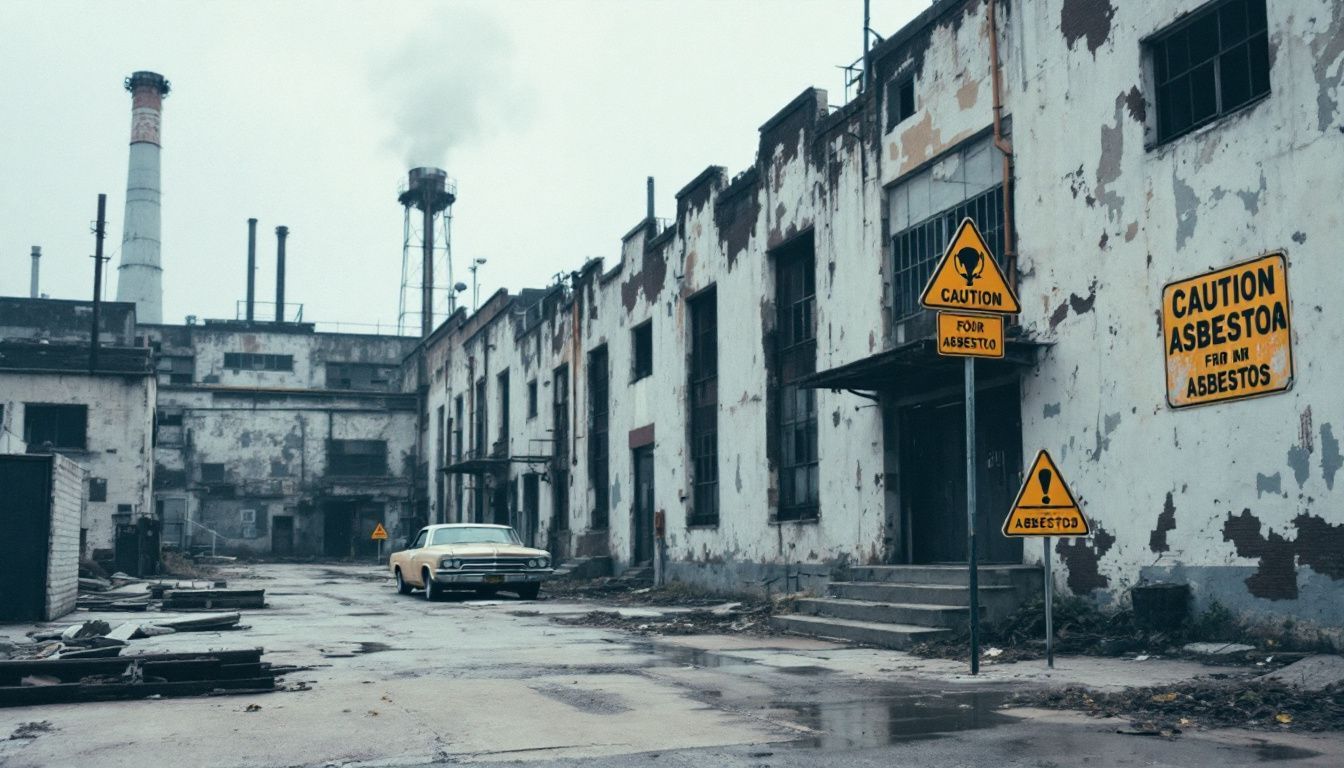

  • How does asbestos awareness training contribute to the overall health and well-being of UK residents?

    How does asbestos awareness training contribute to the overall health and well-being of UK residents?

    Asbestos Awareness Training Is One of the Most Important Public Health Tools in the UK

    Asbestos kills around 5,000 people in the UK every year — more than any other single work-related cause of death. The material still lurks in millions of properties built before 1999, hidden in walls, ceilings, pipe lagging, and floor tiles. Understanding how asbestos awareness training contributes to the overall health and well-being of UK residents is not an abstract exercise — it is a matter of life, death, and the long-term protection of entire communities.

    The problem has never been asbestos sitting undisturbed. The danger begins the moment someone drills, cuts, sands, or scrapes a material without knowing what it contains. Training is what stands between that moment of ignorance and a potentially fatal exposure.

    Why Asbestos Awareness Training Is a Public Health Issue, Not Just a Workplace Obligation

    It is tempting to frame asbestos awareness training purely as a health and safety tick-box for employers. That framing is far too narrow.

    When a tradesperson disturbs asbestos-containing materials (ACMs) without knowing what they are dealing with, the consequences do not stay in the room where the work happened. Fibres become airborne. They settle on clothing, tools, and surfaces. They travel through ventilation systems and reach building occupants, neighbouring properties, and in some cases the homes of workers who carry contamination back with them.

    Asbestos awareness training — when embedded across an entire workforce — creates a protective effect that radiates outward into the wider community. The diseases caused by asbestos exposure have latency periods of 20 to 60 years. Mesothelioma, asbestosis, asbestos-related lung cancer, and pleural thickening do not announce themselves immediately.

    By the time a diagnosis is made, the exposure that caused it may have happened decades earlier. There is no cure for mesothelioma — prevention is the only meaningful intervention, and training is the mechanism through which prevention becomes possible at scale.

    Who Needs Asbestos Awareness Training in the UK?

    Under the Control of Asbestos Regulations, employers are legally required to ensure that any worker who may encounter ACMs during their work receives appropriate training. The range of roles covered is broader than most people assume.

    Trades and Professions That Require Training

    • Electricians, plumbers, and gas engineers working in older buildings
    • Carpenters, joiners, and general builders
    • Plasterers, painters, and decorators
    • Heating and ventilation engineers
    • Surveyors, architects, and project managers involved in refurbishment
    • Facilities managers and building maintenance staff
    • Local authority housing officers
    • Demolition workers

    Self-employed tradespeople are not exempt. If you work in environments where ACMs are likely to be present, you have both a legal and moral duty to ensure you are trained appropriately.

    Even office-based staff in buildings with a known asbestos register benefit from awareness-level training. Understanding what not to disturb — and how to report concerns — is genuinely valuable, and it contributes directly to the safety of everyone sharing that building.

    The Legal Framework Behind Asbestos Awareness Training

    The Control of Asbestos Regulations sets out clear legal obligations for duty holders. Employers must identify whether ACMs are present in their premises and maintain an up-to-date asbestos register. They must assess the risk those materials pose, develop a written asbestos management plan, and ensure that workers who may disturb ACMs receive suitable training before they begin work.

    Ongoing refresher training — typically annual — is also a requirement, as is keeping records of all training completed. The Health and Safety Executive (HSE) takes asbestos breaches seriously. Prosecutions result in substantial fines, improvement notices, and in serious cases, custodial sentences for responsible individuals.

    Beyond regulatory exposure, employers who fail to provide adequate training face civil claims from workers who develop asbestos-related diseases years later. The legal and financial consequences of non-compliance are significant — but they remain secondary to the human cost.

    What Asbestos Awareness Training Actually Covers

    Good asbestos awareness training is practical, not abstract. Workers should not come away reciting legislation — they should come away knowing exactly what to do, and what not to do, when they encounter a suspected ACM.

    Recognising Asbestos-Containing Materials

    Asbestos was used in hundreds of building products. Awareness training teaches workers to recognise the most common ACMs they are likely to encounter, including:

    • Ceiling and floor tiles
    • Pipe and boiler lagging
    • Sprayed coatings on structural steelwork and ceilings
    • Asbestos insulating board (AIB) used in partition walls, door linings, and fire breaks
    • Roofing sheets and guttering, particularly cement-bonded asbestos
    • Textured decorative coatings such as Artex applied before 2000
    • Gaskets and rope seals in older heating equipment
    • Vinyl floor tiles and the bitumen adhesive beneath them

    Crucially, training reinforces that asbestos cannot be identified by sight alone. If materials are suspected, work must stop and a sample analysis must be completed by an accredited laboratory before any work proceeds.

    Understanding the Risks at a Fibre Level

    Workers learn how asbestos fibres become airborne, why they are so hazardous at a microscopic level, and which types of asbestos carry different risk profiles. The distinction between chrysotile (white asbestos), amosite (brown), and crocidolite (blue) is covered, along with why disturbing any type of ACM without controls in place is unacceptable.

    The Golden Rule: Stop and Check

    This is where awareness training delivers its most direct protective benefit. Workers learn the golden rule: if in doubt, stop. Do not drill, cut, sand, scrape, or disturb any material until its asbestos status has been confirmed.

    Training also covers how to check the asbestos register before starting work on a site, how to report suspected ACMs to supervisors or duty holders, and basic emergency procedures if asbestos is accidentally disturbed. Workers also learn when licensed contractors must be called in — a distinction that protects both them and everyone else in the building.

    PPE and Decontamination Procedures

    For workers who may carry out non-licensable work with asbestos, training covers the correct selection, use, and disposal of personal protective equipment — including respiratory protective equipment (RPE). Face-fit testing for RPE is a legal requirement and a key element of any practical training provision.

    Decontamination procedures — how to remove and dispose of contaminated clothing and equipment without spreading fibres — are also essential. These steps protect not just the worker, but their family and anyone else who comes into contact with them after a job.

    The Three Levels of Asbestos Training in the UK

    Not everyone needs the same level of training. The HSE recognises three main categories, each matched to the level of risk a worker is likely to face.

    Category A: Asbestos Awareness

    Suitable for workers who do not work directly with asbestos but may inadvertently disturb it — the majority of tradespeople fall into this category. Training covers recognition, risks, and what to do if suspected ACMs are encountered.

    Category B: Non-Licensable Work with Asbestos

    For workers who may carry out short-duration, low-risk work with certain ACMs — such as drilling into an AIB panel or working with asbestos cement. This level includes practical handling and safety procedures in addition to awareness content.

    Licensed Work Training

    Workers employed by HSE-licensed asbestos removal contractors receive more intensive training specific to the controlled removal of higher-risk materials such as sprayed coatings and pipe lagging. Category B training does not replace Category A — workers moving up a level still need the foundational awareness knowledge.

    How Refresher Training Sustains the Health Benefit Over Time

    Asbestos awareness training is not a one-time event. HSE guidance is clear that refresher training should be provided regularly — annual refreshers are standard practice for most roles. Complacency is one of the most significant risk factors in asbestos-related incidents, and refresher training exists specifically to combat it.

    Refresher training is an opportunity to:

    • Update workers on any changes to legislation or HSE guidance
    • Reinforce practical procedures that may have become routine and therefore overlooked
    • Address specific incidents or near-misses from the workplace
    • Introduce updates to the site’s asbestos register or management plan

    Workers who have received higher-level training still benefit from regular refreshers. The assumption that they do not need it is a common — and potentially costly — mistake.

    How Asbestos Awareness Training Contributes to the Overall Health and Well-Being of UK Residents Beyond the Workplace

    The protective effect of asbestos awareness training extends well beyond the individual worker. When tradespeople understand how to avoid disturbing ACMs, they also protect:

    • Building occupants — residents, staff, and visitors present during maintenance or refurbishment work
    • Neighbouring properties — asbestos fibres released outdoors can travel and settle in adjacent areas
    • Future occupants — improper disturbance of ACMs can leave residual contamination that persists for years
    • Families of workers — secondary exposure through contaminated clothing has caused asbestos-related disease in people who never set foot on a building site
    • Waste disposal facilities — asbestos waste that is not correctly classified and disposed of poses risks to facility workers and the wider environment

    When an entire workforce across a sector — construction, facilities management, social housing — has a baseline understanding of asbestos risk, the cumulative public health benefit is substantial. Training is not just an individual safeguard. It is a population-level intervention.

    Asbestos Awareness Training and Mental Well-Being

    This aspect does not get discussed often enough. Workers who discover they may have been unknowingly exposed to asbestos — sometimes years after the event — experience genuine psychological distress. Anxiety, fear, and uncertainty about long-term health can seriously affect mental well-being, impacting sleep, relationships, and quality of life.

    Proper training reduces these situations from occurring in the first place. When workers feel confident that they can identify and avoid risk, they are far less likely to face that anxiety later. Organisations that handle asbestos responsibly also protect themselves from the reputational and moral burden of having exposed their staff.

    There is also a broader community dimension. When residents in older housing stock understand the basics of asbestos risk — that undisturbed materials are generally low risk, but that DIY work on certain surfaces carries real danger — they make safer decisions. Public awareness, even at a general level, reduces the number of accidental disturbances that occur outside of professional settings.

    The Role of Professional Asbestos Surveys in Making Training Effective

    Asbestos awareness training works best when workers have access to accurate, up-to-date information about the buildings they are working in. That means having a current asbestos register — and that requires a professional asbestos survey.

    An management survey is the standard starting point for most occupied buildings. It identifies the location, condition, and risk rating of ACMs that are likely to be disturbed during normal occupancy and routine maintenance. This is the foundation document that allows a trained workforce to make informed decisions before they begin any work.

    Without an accurate survey, even the best-trained worker is operating without the information they need. Training and surveying are not alternatives — they are complementary tools that work together to protect people.

    Where ACMs are identified and found to be in poor condition or likely to be disturbed by planned works, professional asbestos removal by a licensed contractor is often the safest long-term solution. Removing the hazard eliminates the risk entirely, rather than managing it indefinitely.

    Asbestos Awareness in Different Property Types and Regions

    The need for asbestos awareness training is not confined to any single type of building or part of the country. Pre-2000 construction is found everywhere — from Victorian terraced housing to 1970s office blocks, from school buildings to NHS facilities.

    In high-density urban areas, the concentration of older building stock makes asbestos awareness particularly critical. Workers carrying out refurbishment or maintenance in cities are statistically more likely to encounter ACMs simply because of the volume and age of the buildings they work in.

    Supernova Asbestos Surveys operates nationally, with specialist teams covering major cities and their surrounding regions. If you need an asbestos survey in London, our surveyors are experienced across the capital’s diverse building stock — from Georgian townhouses to post-war commercial developments. For clients in the North West, our asbestos survey in Manchester service covers the full range of residential, commercial, and industrial properties across the region. In the Midlands, our asbestos survey in Birmingham team works with property managers, local authorities, and contractors across the city and beyond.

    Wherever you are in the UK, having a current, UKAS-accredited survey in place is the foundation that makes asbestos awareness training genuinely effective on the ground.

    Practical Steps Every Duty Holder Should Take Now

    If you are responsible for a building or a workforce that works in older properties, the following steps are not optional — they are the baseline of legal compliance and genuine duty of care.

    1. Commission a management survey if one does not already exist or if the existing one is out of date. The asbestos register must reflect the current condition of materials in the building.
    2. Ensure all relevant workers are trained at the appropriate level before they begin work in any building that may contain ACMs. Keep records of training completed.
    3. Schedule annual refresher training and do not allow it to slip. Complacency is the enemy of safe practice.
    4. Make the asbestos register accessible to every contractor and worker who needs it before they start any job on site.
    5. Act on survey findings. If ACMs are identified as high risk or likely to be disturbed, arrange for licensed removal rather than leaving the hazard in place.
    6. Review your management plan regularly — especially after any building works, changes in occupancy, or incidents involving suspected ACMs.

    These steps are not burdensome. They are the minimum required to protect the people in your buildings and the workers you employ.

    Frequently Asked Questions

    How does asbestos awareness training contribute to the overall health and well-being of UK residents?

    Asbestos awareness training reduces the likelihood of accidental disturbance of asbestos-containing materials, which is the primary cause of fibre release and subsequent exposure. By ensuring that workers across construction, maintenance, and facilities management can identify, avoid, and correctly report suspected ACMs, training prevents exposures that would otherwise go undetected for years. Given the 20 to 60-year latency of asbestos-related diseases, the health benefit of training today will be measured in lives saved over the coming decades. The protection extends beyond individual workers to building occupants, neighbouring residents, and the families of those who work in affected environments.

    Is asbestos awareness training a legal requirement in the UK?

    Yes. Under the Control of Asbestos Regulations, employers must ensure that any worker who is liable to disturb ACMs in the course of their work receives appropriate training before doing so. This applies to a wide range of trades and professions, including electricians, plumbers, builders, decorators, and facilities managers. Self-employed tradespeople are also covered. Failure to provide adequate training is a criminal offence and can result in prosecution, fines, and civil liability if a worker subsequently develops an asbestos-related disease.

    How often does asbestos awareness training need to be refreshed?

    HSE guidance recommends that refresher training is provided regularly, with annual refreshers being standard practice for most roles. The frequency reflects the fact that complacency is a genuine risk factor — workers who have not encountered asbestos recently may become less vigilant over time. Refresher training also provides an opportunity to update workers on any changes to legislation, HSE guidance, or the asbestos register for specific sites they work on.

    Can asbestos awareness training replace a professional asbestos survey?

    No. Training and surveying serve different but complementary functions. Training equips workers to recognise risk and respond appropriately. A professional asbestos survey provides the accurate, site-specific information — recorded in an asbestos register — that trained workers need to make safe decisions. Without a current survey, even a well-trained worker lacks the information required to work safely. Both are necessary components of an effective asbestos management approach.

    What should I do if I suspect I have encountered asbestos during work?

    Stop work immediately. Do not attempt to clean up any debris or dust without appropriate controls in place. Report the situation to your supervisor or the duty holder for the building. If a sample is required to confirm whether a material contains asbestos, this must be carried out by a competent person and sent for laboratory analysis — do not attempt to take samples yourself without training. If there is any possibility that fibres have been released, the area should be secured and a licensed contractor contacted to assess the situation.

    Speak to Supernova Asbestos Surveys

    Supernova Asbestos Surveys has completed over 50,000 surveys across the UK, working with property managers, local authorities, housing associations, schools, and commercial clients of every size. Our UKAS-accredited surveyors provide management surveys, refurbishment and demolition surveys, and sample analysis — giving you the accurate information that makes asbestos awareness training genuinely effective in your buildings.

    If you need a survey, have concerns about ACMs in a property you manage, or want to discuss your asbestos management obligations, call us on 020 4586 0680 or visit asbestos-surveys.org.uk to find out more.

  • What role does asbestos training play in preventing asbestos-related illnesses in the UK?

    What role does asbestos training play in preventing asbestos-related illnesses in the UK?

    Asbestos Still Kills — And Training Is the Strongest Line of Defence

    Asbestos remains the single largest cause of work-related deaths in Great Britain. Thousands of people die every year from diseases linked to past exposure, and virtually every one of those deaths was preventable. Understanding what role does asbestos training play in preventing asbestos-related illnesses in the UK is not an academic exercise — it is a matter of life and death for the tradespeople, maintenance workers, and building occupants who encounter asbestos-containing materials (ACMs) every single day.

    The building and construction trades carry the highest risk. Electricians, plumbers, joiners, decorators, and gas engineers regularly disturb ACMs without realising it. Effective, properly delivered asbestos training is the most powerful tool available to stop this from continuing.

    Why Asbestos Remains a Serious Risk in UK Buildings

    The UK banned the import and use of all asbestos types in 1999, but the material is still present in an enormous number of buildings constructed before that date. Schools, hospitals, offices, industrial units, and domestic properties all potentially contain ACMs. Anyone working on those buildings is potentially at risk — whether they know it or not.

    When ACMs are disturbed, microscopic fibres are released into the air. Those fibres are invisible to the naked eye, can remain suspended for hours, and are easily inhaled. Once lodged in lung tissue, the body cannot expel them. The damage accumulates silently over years, often without any immediate warning signs whatsoever.

    The Three Types of Asbestos

    • White asbestos (chrysotile) — the most widely used type, historically accounting for the vast majority of asbestos installed in UK buildings
    • Brown asbestos (amosite) — commonly found in insulation board, ceiling tiles, and thermal insulation; poses significant health risks
    • Blue asbestos (crocidolite) — considered the most dangerous type due to the particularly fine nature of its fibres

    All three types are hazardous. No safe level of asbestos exposure has ever been established. Training that helps workers identify, avoid, and correctly manage all three types is therefore not a nicety — it is a necessity.

    The Diseases That Asbestos Training Exists to Prevent

    Asbestos-related diseases have notoriously long latency periods. Symptoms often do not appear until 20 to 50 years after exposure. By the time a diagnosis is made, it is too late to reverse the damage — which is precisely why prevention through training matters so much.

    The main asbestos-related diseases are:

    • Mesothelioma — a cancer of the lining of the lungs or abdomen, almost exclusively caused by asbestos exposure and invariably fatal
    • Asbestos-related lung cancer — risk increases significantly with asbestos exposure, particularly in smokers
    • Asbestosis — chronic scarring of lung tissue that causes progressive breathlessness and has no cure
    • Pleural thickening — scarring of the membrane surrounding the lungs, causing pain and restricted breathing

    These are not abstract risks. They are diseases that continue to claim thousands of lives in the UK every year, predominantly among tradespeople who worked with or around asbestos before awareness and regulation improved. The workers being exposed today are the patients of tomorrow — unless training intervenes.

    What the Law Requires: Asbestos Training Under UK Regulations

    The Control of Asbestos Regulations set out clear legal duties for employers and the self-employed. Training is not optional — it is a legal requirement for anyone who is liable to be exposed to asbestos during their work. The Health and Safety Executive (HSE) oversees compliance, and employers who fail to provide appropriate training are not just putting workers at risk. They are breaking the law.

    The regulations define three tiers of asbestos work, each requiring a different level of training. Understanding these tiers is essential for any employer or duty holder managing a workforce that operates in pre-2000 buildings.

    Tier 1: Asbestos Awareness Training

    This is the foundation level, required for any worker whose job could inadvertently disturb ACMs. That covers a very wide range of trades — maintenance workers, electricians, plumbers, gas engineers, joiners, decorators, and plasterers are all included.

    Asbestos awareness training covers:

    • The properties of asbestos and the health risks it presents
    • The types of materials likely to contain asbestos and where they are commonly found
    • How to recognise materials that might contain asbestos
    • How to avoid creating asbestos exposure — and what to do if ACMs are accidentally disturbed
    • Emergency procedures if asbestos dust is released unexpectedly
    • The importance of reporting suspected ACMs to a supervisor immediately

    The HSE recommends this training is refreshed annually. A certificate issued years ago provides little assurance that a worker’s knowledge and behaviour are still current.

    Tier 2: Non-Licensable and Notifiable Non-Licensed Work (NNLW)

    Some asbestos work can legally be carried out without a licence, but it still requires specific training beyond basic awareness. This applies to short, non-continuous work on ACMs where exposure is low and sporadic.

    Workers undertaking non-licensable work must be trained in:

    • Risk assessment specific to the task
    • Safe working methods that minimise fibre release
    • Correct selection, use, and limitations of personal protective equipment (PPE) and respiratory protective equipment (RPE)
    • Correct disposal procedures for asbestos waste
    • Legal requirements, including notification obligations for Notifiable Non-Licensed Work

    Notifiable Non-Licensed Work carries an additional requirement: employers must notify the relevant enforcing authority before work begins and keep health records for all workers involved.

    Tier 3: Licensable Work with Asbestos

    The highest-risk asbestos work — such as removing sprayed coatings, asbestos insulation, or heavily damaged asbestos insulating board — can only be carried out by contractors holding an HSE licence. Training for licensable work is the most rigorous and must align with HSE guidance, including the Approved Code of Practice L143.

    This tier covers:

    • Advanced risk assessment and method statement preparation
    • Correct enclosure construction and controlled removal techniques
    • Air monitoring and clearance procedures
    • Decontamination procedures for workers and equipment
    • Waste handling, packaging, and disposal to legal standards

    All licensable contractors must hold current, valid certification. Companies are legally required to keep records of trained staff, and regular refresher training is mandatory. Where high-risk ACMs need to come out of a building entirely, asbestos removal must always be carried out by a licensed contractor with the appropriate training and certification in place.

    What Makes Asbestos Training Actually Effective?

    Not all training is equal. A poorly delivered online module that workers rush through to receive a certificate achieves very little. Effective training changes behaviour — and changed behaviour is what actually prevents illness.

    Choosing a Competent Training Provider

    The quality of the trainer matters enormously. When selecting a provider, look for accreditation from recognised bodies such as:

    • UKATA — UK Asbestos Training Association
    • BOHS — British Occupational Hygiene Society
    • IATP — Independent Asbestos Training Providers
    • ARCA — Asbestos Removal Contractors Association
    • ACAD — Asbestos Control and Abatement Division

    Accredited providers deliver training that meets recognised standards, issue valid certificates, and maintain proper records. A trainer who cannot demonstrate relevant accreditation and practical industry experience should be avoided.

    Tailoring Training to the Role

    Generic training rarely hits the mark. A decorator faces different asbestos risks to a heating engineer, and the training content should reflect that. A thorough Training Needs Analysis (TNA) should identify what each worker actually does, where they work, and what ACMs they might realistically encounter.

    Tailored training is more engaging, more relevant, and far more likely to be applied in practice. Workers who can see the direct connection between the training content and their daily tasks are the ones who actually change how they work.

    Refresher Training and Ongoing Education

    Initial training is not a one-time box-ticking exercise. Regulations, best practice, and working methods evolve. Workers forget. New risks emerge.

    Refresher training — recommended annually for asbestos awareness, and at regular intervals for higher tiers — keeps knowledge current and reinforces safe behaviours over time. Treating training as a continuous process rather than a single event is what separates genuinely compliant organisations from those simply going through the motions.

    Certificates and Record-Keeping

    Employers must keep clear records of all asbestos training undertaken by their workforce. Records should include the employee’s name, the type of training received, the training date, and the provider.

    Good record-keeping also helps employers identify when refresher training is due and ensures that no worker is sent to a site without the appropriate level of training for the tasks involved. If an HSE inspector visits, solid training records are one of the clearest demonstrations of a duty holder’s commitment to compliance.

    How Asbestos Training Directly Prevents Disease

    The connection between what role does asbestos training play in preventing asbestos-related illnesses in the UK and real-world outcomes is direct and measurable. Here is how effective training translates into genuine protection against asbestos-related disease.

    Workers Know What to Look For

    Many tradespeople have accidentally disturbed ACMs simply because they did not recognise what they were looking at. Training equips workers to identify materials that are likely to contain asbestos — textured coatings, pipe lagging, ceiling tiles, insulation board, floor tiles — and to treat them with appropriate caution before any work begins.

    That recognition instinct, built through proper training, is often the difference between a safe job and a serious exposure incident.

    Workers Know When to Stop

    One of the most important lessons in any asbestos training programme is this: if you suspect asbestos, stop work immediately. Trained workers understand why this matters and are empowered to act on it — rather than pressing on to avoid delays.

    That single decision, made correctly, can prevent a lifetime of illness.

    Correct Use of PPE and RPE

    Respiratory protective equipment is only effective if it is the right type for the task and worn correctly. Training covers the selection, fitting, use, maintenance, and disposal of PPE and RPE — ensuring it actually provides the protection it is designed to deliver, rather than providing a false sense of security.

    Safe Systems of Work

    Trained workers follow safe systems of work that minimise fibre release and contain any exposure. This includes correct methods for damping down materials, controlled removal techniques, appropriate bagging and labelling of waste, and proper decontamination procedures after the work is complete.

    Accurate Reporting and Management

    Workers who receive training are far more likely to report suspected asbestos correctly and promptly. This feeds into a wider management system — enabling duty holders to update asbestos registers, commission surveys, and manage risk before it escalates into a serious exposure incident.

    Training Within a Broader Asbestos Management System

    Training is most effective when it sits within a properly managed asbestos management system — not in isolation. A trained worker who arrives on site without access to an up-to-date asbestos register or survey is still operating without the information they need to stay safe.

    Duty holders responsible for non-domestic premises have a legal obligation under the Control of Asbestos Regulations to manage asbestos on their premises. That means commissioning a suitable asbestos survey, maintaining an asbestos register, producing a written management plan, and ensuring that anyone working on the building has access to that information.

    Training reinforces this system. A worker who understands what an asbestos register is and why it matters will actually use it — rather than ignoring it and proceeding regardless.

    The Role of Asbestos Surveys in Supporting Safe Working

    Before any refurbishment or demolition work begins, a full asbestos survey should be carried out by a competent surveyor. This identifies the location, type, and condition of all ACMs in the areas to be disturbed — giving workers the information they need to plan their work safely.

    In London, organisations managing commercial or public buildings can access professional asbestos survey London services to ensure their duty of care obligations are met before any work commences. Similarly, businesses and property managers in the North West can rely on specialist asbestos survey Manchester provision to underpin their asbestos management programmes. For those managing properties in the Midlands, a professional asbestos survey Birmingham delivers the site-specific intelligence that trained workers need to operate safely.

    Training and surveying work together. Neither is sufficient on its own.

    Common Gaps That Undermine Asbestos Training Programmes

    Even well-intentioned training programmes can fall short. Knowing where the common gaps lie helps employers address them before they become incidents.

    • Training that is not role-specific — generic content that does not reflect the worker’s actual environment or tasks
    • Outdated certificates — workers holding awareness training certificates that have not been refreshed in several years
    • No link to site information — workers trained in theory but not given access to the asbestos register or survey for the site they are working on
    • Inadequate supervision — trained workers left to work without appropriate oversight, particularly on higher-risk tasks
    • Poor record-keeping — training records that are incomplete, out of date, or not accessible when needed
    • Training treated as a one-off event — initial training completed but no refresher programme in place

    Addressing these gaps does not require significant resources. It requires a systematic approach to training management — one that treats worker safety as an ongoing commitment rather than a compliance exercise completed once and filed away.

    The Duty Holder’s Responsibilities: A Practical Checklist

    If you are responsible for managing a building or a workforce that operates in pre-2000 structures, the following checklist covers the core obligations that underpin an effective asbestos management and training programme:

    1. Identify all buildings under your control that were constructed before 2000
    2. Commission a suitable asbestos survey for any premises where the asbestos status is unknown
    3. Maintain an up-to-date asbestos register for each premises
    4. Produce and regularly review a written asbestos management plan
    5. Ensure all workers whose tasks could disturb ACMs receive appropriate, accredited awareness training
    6. Ensure workers undertaking non-licensable or licensable work receive the correct tier of training for their tasks
    7. Keep full records of all training, including dates, providers, and certificate details
    8. Implement a refresher training schedule and ensure it is followed
    9. Ensure site-specific asbestos information is accessible to all workers before they begin any work
    10. Engage only licensed contractors for licensable asbestos work

    This is not an exhaustive list of every legal obligation, but it covers the practical foundations that genuinely protect workers and demonstrate compliance to the HSE.

    Frequently Asked Questions

    Who legally needs asbestos awareness training in the UK?

    Any worker whose job could result in the disturbance of asbestos-containing materials is legally required to receive asbestos awareness training under the Control of Asbestos Regulations. This includes a very broad range of trades — electricians, plumbers, gas engineers, joiners, decorators, plasterers, maintenance workers, and many others who regularly work in buildings constructed before 2000. Employers are responsible for ensuring their workforce receives appropriate training before working in environments where ACMs may be present.

    How often should asbestos awareness training be refreshed?

    The HSE recommends that asbestos awareness training is refreshed annually. Workers’ knowledge can fade over time, regulations and best practice can evolve, and annual refresher training ensures that safe behaviours remain current. For higher tiers of asbestos work — non-licensable and licensable work — refresher training is similarly required at regular intervals, with specific requirements set out in the relevant guidance and the Approved Code of Practice L143.

    What is the difference between asbestos awareness training and training for licensable work?

    Asbestos awareness training is the foundation level, designed to help workers recognise potential ACMs and avoid disturbing them accidentally. It does not qualify workers to carry out any deliberate work on asbestos. Training for non-licensable work covers safe working methods for low-risk, short-duration tasks on ACMs. Training for licensable work is the most rigorous tier, covering controlled removal, enclosure techniques, air monitoring, and decontamination — and is only relevant to contractors holding an HSE licence for the highest-risk asbestos work.

    Can asbestos training prevent all asbestos-related illnesses?

    No training can eliminate risk entirely, but effective asbestos training is the single most powerful preventive measure available. It equips workers to recognise ACMs, stop work when asbestos is suspected, use PPE and RPE correctly, and follow safe systems of work that minimise fibre release. When training is combined with a properly maintained asbestos management system — including up-to-date surveys, registers, and management plans — the risk of exposure can be reduced to the lowest reasonably practicable level.

    What should I do if a worker accidentally disturbs asbestos on site?

    Work should stop immediately. The area should be vacated and secured to prevent others from entering. The incident should be reported to the person responsible for managing asbestos on the premises. An assessment should be carried out by a competent person to determine the extent of any contamination, and specialist advice should be sought before work resumes. Trained workers know to follow this process instinctively — which is one of the clearest illustrations of why proper asbestos training matters so much in practice.

    Talk to Supernova Asbestos Surveys

    Supernova Asbestos Surveys has completed over 50,000 surveys nationwide, working with property managers, duty holders, contractors, and building owners across the UK to identify and manage asbestos risk. Whether you need a management survey, a refurbishment and demolition survey, or specialist advice on your asbestos management obligations, our team is ready to help.

    Call us on 020 4586 0680 or visit asbestos-surveys.org.uk to find out how we can support your asbestos management programme and help protect the people who work in and around your buildings.

  • Why is it important for those responsible for asbestos management in the UK to have proper training?

    Why is it important for those responsible for asbestos management in the UK to have proper training?

    Why Those Responsible for Asbestos Management in the UK Cannot Afford to Skip Proper Training

    Asbestos management is not something you can afford to get wrong. When it is handled poorly — through ignorance, complacency, or a lack of proper training — the consequences can be fatal. Not just for the person disturbing the material, but for every occupant of that building afterwards.

    Understanding why it is important those responsible for asbestos management in the UK have proper training is not merely a matter of best practice. In most cases, it is a direct legal obligation. If you are a dutyholder, building manager, landlord, or facilities professional, this is not a topic you can afford to skim over.

    What the Law Actually Requires

    The Control of Asbestos Regulations place a clear legal duty on anyone who owns, manages, or holds responsibility for non-domestic premises to manage asbestos within those buildings. This is commonly referred to as the “duty to manage.”

    Under these regulations, dutyholders must:

    • Identify whether asbestos-containing materials (ACMs) are present in their premises
    • Assess the condition and risk level of any ACMs found
    • Maintain an up-to-date asbestos register
    • Develop and implement an asbestos management plan
    • Ensure anyone who may disturb ACMs is made aware of their location and condition

    None of this can be done competently without adequate training. The Health and Safety Executive (HSE) is clear: dutyholders must have sufficient knowledge and skills to fulfil these responsibilities.

    Appointing someone without the right training does not just put lives at risk — it leaves your organisation legally exposed. And critically, ignorance of your obligations is not a defence that will hold up in court.

    Who Counts as a Dutyholder?

    This catches more people than many realise. If you hold a lease or freehold on a commercial building, manage a block of flats, run facilities for a school, hospital, or housing association, or maintain industrial premises — you are likely a dutyholder.

    Responsibility can also be shared between multiple parties, depending on the terms of contracts and leases. That is why training is not just relevant for specialist surveyors — it is essential for property managers, maintenance supervisors, and anyone who commissions or oversees building work.

    Courts have consistently held that the responsibility exists regardless of whether the individual understood what was required of them. You cannot delegate your way out of dutyholder status simply by being unaware of it.

    The Very Real Health Stakes

    Asbestos is the single greatest cause of work-related deaths in the UK. It kills more people each year than any other occupational health hazard, with mesothelioma, asbestos-related lung cancer, and asbestosis among the most serious diseases linked to exposure.

    These diseases do not appear immediately. The latency period between exposure and diagnosis is typically measured in decades, which means someone exposed during routine maintenance work today may not develop symptoms until much later in life. By then, treatment options are severely limited.

    Why Tradespeople Are Particularly at Risk

    Asbestos was used extensively in UK construction until it was fully banned in 1999. Any building constructed or refurbished before that date may contain ACMs — and there are millions of such buildings still in active use across the country.

    Electricians, plumbers, joiners, and general builders disturb ACMs regularly, often without realising it. A drilled ceiling tile here, a cut floor tile there — these are the kinds of incidental disturbances that generate airborne asbestos fibres. Without proper awareness and management protocols in place, this exposure accumulates over a working lifetime.

    Trained asbestos managers are the first line of defence. When they do their job properly, they ensure workers are never sent into a situation blind.

    What Proper Training Actually Covers

    There is a significant difference between basic asbestos awareness and the kind of training required by someone who holds management responsibility. Understanding which level applies to your role matters enormously.

    Asbestos Awareness Training

    This is the foundational level, suitable for workers who may inadvertently disturb ACMs during their regular duties but who are not expected to work directly with asbestos. It covers:

    • What asbestos is and where it is commonly found in buildings
    • The health risks associated with exposure
    • How to identify potential ACMs and when to stop work
    • Reporting procedures and emergency protocols

    This level of training is non-negotiable for anyone working on or in buildings that predate the 1999 ban.

    Duty to Manage Training

    This is aimed specifically at appointed persons and asbestos managers — those with formal responsibility for managing ACMs in a building. It goes considerably further, covering:

    • Legal duties and regulatory compliance requirements
    • How to create and maintain an asbestos register
    • Commissioning and interpreting asbestos surveys
    • Risk assessment and priority scoring of ACMs
    • Developing and reviewing asbestos management plans
    • Managing contractors and ensuring information is shared appropriately

    Courses accredited by UKATA (UK Asbestos Training Association) or BOHS (British Occupational Hygiene Society) are widely recognised and recommended. These organisations set the training standards that HSE guidance points towards, and completing an accredited programme gives both the individual and their employer documented evidence of competence.

    Specialist and Licensed Work Training

    Some types of asbestos work — particularly involving high-risk materials such as sprayed coatings, lagging, or asbestos insulating board — require a licensed contractor and additional training beyond the management level.

    A competent asbestos manager needs to understand when licensed work is required and how to procure it correctly. Getting this wrong can have serious regulatory consequences.

    The Practical Responsibilities of a Trained Asbestos Manager

    Training is not just about ticking a compliance box. It directly shapes how an asbestos manager performs their day-to-day role. Here is what good practice looks like in reality.

    Commissioning the Right Survey

    Not all asbestos surveys are the same, and choosing the wrong type can have serious consequences. An management survey is used for normal occupancy conditions — it identifies known or suspected ACMs and assesses their condition without causing unnecessary disruption to the building.

    A refurbishment survey is required before any intrusive work is carried out, and it is far more thorough by design. Where a building is being demolished in part or entirely, a demolition survey is required — this is the most intrusive type and must locate all ACMs before work begins.

    A trained manager knows which type of survey is needed and when. They understand what a survey report should contain, how to interpret the risk ratings, and what actions those ratings require. Without training, it is easy to commission the wrong type of survey — or to misread the results and make poor decisions as a consequence.

    Maintaining the Asbestos Register

    The asbestos register is a live document. It needs to be updated whenever new information is gathered — following a re-inspection survey, after remedial work, or when new areas of the building are surveyed. It must be accessible to anyone who might need it, including contractors before they start work on site.

    A register that is incomplete, out of date, or poorly understood by the person managing it is a serious risk. Trained managers know what the register must contain, how to keep it current, and how to use it to brief contractors effectively.

    Developing and Reviewing the Management Plan

    Every dutyholder must have a written asbestos management plan — a document that sets out how ACMs in the building are going to be managed, monitored, and where necessary, remediated. This plan should be reviewed at least annually and updated whenever circumstances change.

    A trained manager understands how to write a plan that is practical and proportionate, not just a document that exists to satisfy an audit. They know how to prioritise actions, what triggers a re-inspection, and when to escalate to asbestos removal rather than continued management in situ.

    Briefing Contractors and Staff

    One of the most critical — and most frequently neglected — duties is ensuring that contractors are given relevant asbestos information before they start work. This is not optional. It is a direct requirement under the regulations.

    Trained managers are equipped to communicate this information clearly, to ask the right questions of contractors about their own asbestos competency, and to ensure that any work carried out in areas where ACMs are present is managed safely. Failing to brief a contractor who then disturbs ACMs is a failure of the dutyholder, not just the contractor.

    Using Sample Analysis to Confirm Presence

    Where a surveyor cannot visually confirm whether a material contains asbestos, samples are taken and sent for laboratory testing. Understanding the role of sample analysis — and knowing how to interpret results — is part of the competent manager’s toolkit.

    Acting on assumed presence rather than confirmed results can lead to unnecessary expenditure; acting on assumed absence can be catastrophic. A trained manager knows how to use analytical data to make proportionate, evidence-based decisions.

    The Consequences of Getting It Wrong

    The HSE takes asbestos management seriously, and enforcement action for non-compliance is not uncommon. Improvement notices, prohibition notices, and prosecutions have all been issued against dutyholders who have failed to meet their legal obligations — including those who simply did not have the knowledge to do so.

    Courts have consistently held that ignorance of the regulations is not a defence. If you are a dutyholder, the responsibility is yours regardless of whether you understood what was required of you.

    Beyond regulatory penalties, the civil liability implications of poor asbestos management can be significant. If a worker or building occupant develops an asbestos-related disease that can be linked to negligent management practices, the financial and reputational consequences for the responsible party can be severe and long-lasting.

    What Good Asbestos Management Looks Like in Practice

    A building with properly trained asbestos management in place will typically have:

    • A current asbestos register, reviewed following any building works or re-inspection
    • A written management plan reviewed at least annually
    • An appointed person with documented asbestos management training
    • A process for briefing contractors before any intrusive work begins
    • Scheduled re-inspections of known ACMs to monitor their condition over time
    • A clear escalation pathway when ACMs deteriorate or are accidentally disturbed

    This is not an aspirational standard — it is the baseline the HSE expects from any dutyholder managing asbestos in a UK building. HSG264, the HSE’s guidance on asbestos surveying, reinforces these expectations and provides the technical framework that trained managers work within.

    Why Training Must Be Kept Current

    Asbestos management is not a one-and-done exercise. Regulations evolve, guidance is updated, and buildings change over time. A trained manager from ten years ago who has not refreshed their knowledge may be operating with an outdated understanding of their obligations.

    Regular refresher training, combined with ongoing professional development, ensures that the person responsible for your building’s asbestos management is working to current standards. UKATA and BOHS both offer structured pathways for ongoing competency development.

    Training records should be maintained and made available for inspection. If the HSE or a court ever examines your asbestos management arrangements, documented evidence of training is a critical part of demonstrating that you took your duties seriously.

    Nationwide Asbestos Survey Coverage From Supernova

    Wherever your premises are located, Supernova Asbestos Surveys provides professional asbestos surveying services carried out by qualified, experienced surveyors. With over 50,000 surveys completed across the UK, we work with property managers, landlords, facilities teams, and contractors to ensure their asbestos obligations are met correctly.

    We cover the full range of survey types and support clients at every stage of their asbestos management journey. Whether you need an initial survey, a periodic re-inspection, or specialist advice ahead of refurbishment or demolition work, our team is ready to help.

    We operate across the country, including asbestos survey London, asbestos survey Manchester, and asbestos survey Birmingham, as well as many other locations nationwide.

    Call us today on 020 4586 0680 or visit asbestos-surveys.org.uk to book a survey or speak with one of our team about your specific requirements.

    Frequently Asked Questions

    Who is legally required to have asbestos management training in the UK?

    Anyone who holds dutyholder responsibility under the Control of Asbestos Regulations — including landlords, building managers, facilities professionals, and appointed persons — must have sufficient knowledge and training to fulfil their legal obligations. This extends beyond specialist surveyors to anyone who oversees building maintenance or commissions work on premises that may contain ACMs.

    What level of asbestos training do I need as a property manager?

    As a property manager with dutyholder responsibilities, you will typically need duty-to-manage training rather than basic awareness training alone. This covers how to create and maintain an asbestos register, commission the correct type of survey, develop a management plan, and brief contractors appropriately. Accredited training from UKATA or BOHS is widely recognised and recommended by the HSE.

    How often does asbestos management training need to be refreshed?

    There is no single fixed interval prescribed in legislation, but the HSE expects dutyholders to maintain current competency. Most training providers and industry bodies recommend refresher training every one to three years, depending on the role. Training records should be kept and made available if your asbestos management arrangements are ever scrutinised by the HSE or in legal proceedings.

    What happens if a dutyholder does not have proper asbestos training?

    Failure to demonstrate adequate training and competency can result in enforcement action from the HSE, including improvement notices, prohibition notices, or prosecution. Ignorance of the regulations is not accepted as a legal defence. Beyond regulatory penalties, dutyholders may also face significant civil liability if a worker or occupant develops an asbestos-related disease linked to negligent management practices.

    Do contractors working on my building need asbestos training too?

    Yes. Any contractor working on a building that may contain ACMs must have at minimum asbestos awareness training. As a dutyholder, you are also required to share relevant asbestos information — including the asbestos register — with contractors before they begin work. Failing to do so is a breach of your legal duties, regardless of whether the contractor themselves takes precautions.

  • In what ways does asbestos training promote safe handling and removal of asbestos in the UK?

    In what ways does asbestos training promote safe handling and removal of asbestos in the UK?

    Training for Asbestos Removal: How the UK Keeps Workers Safe

    Every year, workers across the UK are exposed to asbestos fibres simply because they didn’t know what they were dealing with. Mesothelioma, asbestosis, lung cancer — these diseases are entirely preventable, and proper training for asbestos removal and handling is the single most effective tool in stopping them.

    This post breaks down exactly how asbestos training works in the UK, what it covers, who needs it, and how to make sure the training your workers receive is genuinely fit for purpose.

    The Three Levels of Asbestos Training in the UK

    The Control of Asbestos Regulations sets out clear requirements for training, and in practice this breaks down into three distinct categories. Getting workers into the right category matters — too little training for the work being carried out is precisely where serious harm occurs.

    Category A — Asbestos Awareness

    This is the foundational level, designed for anyone who might accidentally disturb asbestos-containing materials (ACMs) during their normal work. Think electricians, plumbers, joiners, painters, and general maintenance staff working in buildings constructed before 2000.

    Awareness training does not qualify workers to carry out any asbestos work. Its purpose is to ensure they can recognise potential ACMs, understand the risks, and know when to stop and call in a specialist.

    Core topics covered include:

    • What asbestos is, where it was used, and why it’s dangerous
    • The properties of asbestos fibres and how they cause disease
    • How to recognise common ACMs in domestic and commercial buildings
    • What to do if asbestos is discovered or accidentally disturbed
    • Legal duties under the Control of Asbestos Regulations
    • Emergency procedures for accidental fibre release

    This training can be completed online and is widely available through accredited providers. It satisfies Regulation 10 of the Control of Asbestos Regulations, which places a duty on employers to provide adequate information, instruction, and training to workers who may encounter ACMs.

    Category B — Non-Licensed Asbestos Work

    Some asbestos tasks can be carried out without a licence, but they still require specific training that goes beyond awareness level. Category B covers work where ACMs are handled but the risk of significant fibre release is lower — for example, minor repairs to textured coatings or the removal of small quantities of asbestos cement.

    Workers undertaking non-licensed work must be trained in:

    • Risk assessment specific to non-licensed tasks
    • Safe working methods and appropriate control measures
    • Correct selection, use, and maintenance of PPE and RPE
    • Proper waste handling and disposal
    • Decontamination procedures

    Employers must maintain records of this work, including plans of work, air monitoring results where relevant, and personal health records. Non-licensed training does not qualify workers for licensed asbestos removal — the two are entirely distinct, and crossing that line without the right credentials is a criminal offence.

    Category C — Licensed Asbestos Work

    Licensed work covers the highest-risk activities — the removal of sprayed coatings, lagging, insulating board, and any work likely to result in significant fibre release. Only contractors holding a licence issued by the Health and Safety Executive (HSE) can carry out this work.

    Training for asbestos removal at this level is comprehensive and rigorous. It covers everything in Categories A and B, plus:

    • Detailed risk assessment and written plans of work
    • Air monitoring techniques and understanding of control limits
    • HSE notification requirements before work commences
    • Medical surveillance and health monitoring obligations
    • Advanced decontamination and enclosure techniques
    • Incident and emergency management

    Licensing is not just about training — it requires demonstrated competence, robust management systems, and regular HSE inspection. But training is the foundation that everything else is built on. If you need specialist asbestos removal carried out by a licensed contractor, ensure you verify their credentials before any work begins.

    What Good Training for Asbestos Removal Actually Covers

    Regardless of category, quality asbestos training should be practical, relevant, and tailored to the roles and environments workers actually deal with. Here’s what that looks like in practice.

    Identifying Asbestos-Containing Materials

    Workers need to be able to recognise where ACMs are likely to be found — in ceiling tiles, pipe lagging, floor tiles, roofing sheets, textured coatings, and dozens of other locations. Training should include examples relevant to the type of buildings workers are likely to enter, whether that’s Victorian terraces, 1970s office blocks, or industrial facilities.

    Understanding Health Risks

    It’s not enough to tell workers asbestos is dangerous. Effective training explains why — how inhaled fibres lodge permanently in lung tissue, why symptoms can take decades to appear, and what diseases result. Workers who genuinely understand the mechanism of harm take precautions far more seriously.

    Risk Assessment

    Training should equip workers — and especially supervisors — to conduct meaningful risk assessments. This means assessing the type, condition, and location of ACMs, the likely disturbance from planned work, who might be exposed, and what controls are needed.

    Safe Work Practices and Control Measures

    This is the practical heart of asbestos training. Workers learn the approved methods for the work they’re authorised to carry out, including:

    • Wet methods to suppress fibre release
    • Shadow vacuuming using H-class (HEPA) equipment
    • Enclosure and negative pressure unit use (for licensed work)
    • Correct bagging, labelling, and disposal of asbestos waste

    PPE and RPE — Selection, Fitting, and Use

    Knowing PPE exists isn’t enough. Training must cover how to select the right grade of respiratory protective equipment for the risk level, how to carry out a pre-use check, and — critically — face-fit testing. An RPE mask that doesn’t fit properly offers little to no protection.

    Employers must keep records of face-fit test results alongside other training documentation. This is not optional, and HSE inspectors will look for it.

    Decontamination

    Decontamination procedures are frequently underestimated. Fibres carried out of a work area on clothing or equipment cause secondary exposure — to family members, colleagues, and others who were never near the work site.

    Training covers:

    • The correct sequence for removing contaminated PPE
    • Use of designated decontamination units and facilities
    • Cleaning and disposing of tools and equipment
    • Personal hygiene requirements after asbestos work

    Emergency Procedures

    Accidental disturbance happens. Workers must know exactly what to do — isolate the area, prevent others from entering, inform the responsible person, and follow the site’s emergency plan. Panic responses that spread contaminated dust further are a foreseeable consequence of inadequate training.

    How Often Does Asbestos Training Need to Be Refreshed?

    There is no blanket legal requirement for annual asbestos awareness refresher training, but that doesn’t mean it can be completed once and forgotten. HSE guidance makes clear that refresher training should be provided when work methods change, when workers move into different roles or environments, or where incident reviews highlight gaps in knowledge.

    For most organisations, annual or biennial refresher training is a sensible baseline — and it’s the kind of decision that should be documented as part of a training needs analysis.

    Good refresher training isn’t simply a repeat of the original course. It should:

    • Review any changes to regulations, guidance, or internal procedures
    • Include lessons learned from incidents — both internal and industry-wide
    • Re-test competency in practical skills, including RPE use and decontamination
    • Be tailored to the specific tasks workers are actually carrying out

    For licensed contractors, health surveillance is an ongoing requirement — medical examinations at regular intervals, with records maintained for the duration of a worker’s employment and beyond.

    Legal Requirements and Record Keeping

    The Control of Asbestos Regulations places clear duties on employers. These include providing appropriate training, maintaining records, and ensuring that anyone likely to encounter ACMs in the course of their work has received adequate instruction before they do so.

    Records that must be kept include:

    • Individual training records for all workers who have received asbestos training
    • Face-fit test results for RPE users
    • Plans of work for non-licensed and licensed activities
    • Air monitoring results where applicable
    • Notifications to the HSE for licensed work
    • Medical surveillance records for licensed workers

    HSE inspectors will ask to see these records. Failure to produce them — or to have them at all — carries significant enforcement risk, including improvement notices, prohibition notices, and prosecution.

    Keeping records isn’t just a compliance exercise. If a worker later develops an asbestos-related disease, the historical record of what training they received, when, and what work they carried out becomes critical evidence in any subsequent legal proceedings.

    Choosing a Competent Asbestos Trainer

    The quality of asbestos training varies considerably. Choosing the right provider isn’t just about ticking a box — it’s about ensuring workers genuinely come away knowing how to protect themselves and others.

    Look for UKATA or IATP Accreditation

    The UK Asbestos Training Association (UKATA) and the Independent Asbestos Training Providers (IATP) are the two main accreditation bodies for asbestos training in the UK. Courses delivered by accredited providers have been assessed against industry standards and are updated to reflect current regulations and HSE guidance.

    Accreditation is not a guarantee of quality, but its absence is a red flag worth taking seriously.

    Practical Experience Matters

    The best asbestos trainers have worked in the industry. Theoretical knowledge delivered by someone who has never been on a licensed asbestos removal site doesn’t translate well into the practical realities of the job. Ask about trainers’ backgrounds and whether the training includes hands-on elements.

    Check Course Content Against Your Needs

    Generic training is often too broad to be genuinely useful. A trainer who can tailor content to your industry, your building types, and your workers’ specific roles will deliver far better outcomes. A facilities manager in an NHS trust has different training needs from a demolition contractor — and the content should reflect that.

    References and Track Record

    Ask for references from organisations in a similar sector to yours. A provider that regularly trains workers in your type of environment will understand the practical challenges your team faces and can speak directly to those scenarios during training.

    Role-Specific Asbestos Training

    Different roles carry different responsibilities, and training for asbestos removal and management should reflect this clearly.

    Maintenance and Trade Workers

    These workers are often at highest risk of accidental exposure because they work in buildings without necessarily knowing what’s in the fabric of the structure. Category A awareness training is a minimum requirement; those carrying out any physical work on building elements need Category B as a minimum.

    Supervisors and Site Managers

    Supervisors need to understand not just their own responsibilities but how to manage their team’s compliance. Training should cover risk assessment, oversight of safe working practices, and the supervisor’s role in maintaining records and managing incidents.

    Safety Representatives

    Employee-elected safety representatives have specific rights and responsibilities under health and safety law. Their asbestos training should cover air monitoring interpretation, control limits, and how to raise concerns — both internally and with the HSE where necessary.

    Duty Holders and Property Managers

    Anyone with responsibility for managing asbestos in non-domestic premises has a legal duty under Regulation 4 of the Control of Asbestos Regulations. Training for duty holders focuses on understanding the asbestos management plan, commissioning appropriate surveys, managing ACMs in place, and ensuring contractors working on site are properly informed.

    If you manage properties in a major city, professional survey support is available across the country. Whether you need an asbestos survey in London, an asbestos survey in Manchester, or an asbestos survey in Birmingham, working with a qualified surveyor ensures your duty holder obligations are met before any training or remediation work begins.

    The Link Between Asbestos Surveys and Effective Training

    Training for asbestos removal doesn’t happen in isolation. Before workers set foot in a building where ACMs may be present, a management or refurbishment survey should have been carried out to identify what’s there, where it is, and what condition it’s in.

    Without that baseline information, even the best-trained workers are operating blind. A proper asbestos register gives supervisors and contractors the information they need to plan work safely, select the right controls, and ensure training is targeted at the actual hazards present.

    HSG264 — the HSE’s guidance on asbestos surveys — sets out the standards surveyors must meet and the information surveys must provide. Duty holders should ensure any survey they commission is carried out by a UKAS-accredited organisation and produces a register that is kept up to date as conditions change.

    Training and surveying are two sides of the same coin. One tells workers what to do; the other tells them what they’re dealing with. Both are legally required. Neither is optional.

    Common Failures in Asbestos Training — and How to Avoid Them

    Despite the clear legal framework, asbestos training failures remain a consistent feature of HSE enforcement action. Understanding where organisations go wrong is the fastest way to make sure yours doesn’t follow the same path.

    Training the Wrong Category of Worker

    Sending a worker on awareness training and then expecting them to carry out non-licensed removal work is a serious compliance failure. Audit your workforce against the tasks they actually perform and match training levels accordingly.

    Using Non-Accredited Providers

    Online courses from unaccredited providers are widely available and often cheap. They may satisfy a tick-box requirement on paper, but they won’t withstand scrutiny from an HSE inspector — and they won’t equip workers to stay safe. Accreditation through UKATA or IATP is the minimum standard to apply.

    Failing to Refresh Training

    Workers who completed asbestos awareness training several years ago and have received no refresher since are, in practical terms, undertrained. Regulations, guidance, and best practice evolve. Training must keep pace.

    No Face-Fit Testing Records

    Face-fit testing is a legal requirement for anyone using tight-fitting RPE. The absence of records is one of the most commonly cited failures during HSE inspections and enforcement visits. If your workers wear RPE, the records must exist and must be current.

    Generic Rather Than Role-Specific Training

    A one-size-fits-all approach to asbestos training is a missed opportunity at best and a compliance failure at worst. Tailor training to the roles, environments, and ACM types your workers are likely to encounter.

    Frequently Asked Questions

    Who legally needs training for asbestos removal in the UK?

    Under the Control of Asbestos Regulations, any worker who is liable to disturb asbestos-containing materials during the course of their work must receive adequate training. This includes maintenance workers, tradespeople, and contractors working in buildings constructed before 2000. The level of training required depends on the nature of the work being carried out — awareness, non-licensed, or licensed.

    What is the difference between non-licensed and licensed asbestos work?

    Non-licensed work involves lower-risk tasks where fibre release is limited — such as minor repairs to asbestos cement or textured coatings. Licensed work covers high-risk activities including the removal of sprayed coatings, lagging, and insulating board. Only HSE-licensed contractors can carry out licensed work, and the training requirements are significantly more demanding.

    How often does asbestos training need to be refreshed?

    There is no single mandatory refresh interval in the regulations, but HSE guidance is clear that training should be refreshed when roles change, when working methods change, or when incident reviews identify knowledge gaps. For most organisations, annual or biennial refresher training is a practical and defensible baseline. For licensed workers, health surveillance is an ongoing legal requirement.

    What accreditation should I look for in an asbestos training provider?

    The two main accreditation bodies in the UK are UKATA (UK Asbestos Training Association) and IATP (Independent Asbestos Training Providers). Courses from accredited providers are assessed against industry standards and kept current with HSE guidance. Using an accredited provider is the clearest way to demonstrate that training meets the standard required under the Control of Asbestos Regulations.

    Can asbestos awareness training be completed online?

    Yes — Category A asbestos awareness training can be completed online through accredited providers and is widely accepted as meeting the requirements of Regulation 10 of the Control of Asbestos Regulations. However, Category B and Category C training require practical, hands-on elements that cannot be delivered through an online-only course. Always verify that the format of the training is appropriate for the category of work your workers carry out.


    At Supernova Asbestos Surveys, we’ve completed over 50,000 surveys nationwide and work alongside duty holders, contractors, and facilities managers to ensure asbestos is identified, managed, and handled safely. Whether you need a management survey before a training programme begins, or specialist advice on your obligations under the Control of Asbestos Regulations, our team is ready to help.

    Call us on 020 4586 0680 or visit asbestos-surveys.org.uk to discuss your requirements.

  • How does asbestos awareness training help to prevent the spread of asbestos fibers in the UK?

    How does asbestos awareness training help to prevent the spread of asbestos fibers in the UK?

    Disturb Asbestos Without Training and You Release a Silent Killer

    Microscopic asbestos fibres are invisible, odourless, and capable of causing fatal diseases decades after a single exposure. Understanding how asbestos awareness training helps prevent the spread of asbestos fibres in the UK is not an academic exercise — it is a matter of life and death for thousands of workers every year.

    Training is the single most effective intervention that stops uninformed action from turning a manageable risk into a serious health incident. This post covers what the law requires, what good training actually delivers, who needs it, and how it fits alongside professional surveys and proper asbestos management.

    What UK Law Requires on Asbestos Awareness Training

    The Control of Asbestos Regulations places a clear legal duty on employers to ensure that any worker who may encounter asbestos-containing materials (ACMs) during their normal work receives appropriate training. This applies across a far wider range of trades than many employers realise.

    The Health and Safety Executive (HSE) defines three categories of asbestos training, each matched to the level of risk involved:

    • Asbestos awareness training — for anyone who could accidentally disturb ACMs during routine work activities, without intentionally working with asbestos
    • Non-licensable work training — for workers carrying out specific lower-risk tasks with ACMs, such as removing small quantities of certain materials under controlled conditions
    • Licensed work training — required for contractors undertaking higher-risk asbestos removal, where a licence from the HSE is mandatory before work can begin

    Failure to provide the correct level of training is not just a compliance failure. It directly exposes workers to serious health risks and exposes employers to significant legal liability, including prosecution and unlimited fines.

    Why Asbestos Disturbance Is So Dangerous

    Asbestos was used extensively across UK construction until it was fully banned in 1999. Any building constructed or refurbished before that date may contain ACMs — and in many cases, multiple types in multiple locations throughout the structure.

    The Three Main Types Found in UK Buildings

    • Chrysotile (white asbestos) — the most commonly encountered type, historically used in ceiling tiles, floor tiles, pipe insulation, and roofing products
    • Amosite (brown asbestos) — found in insulation boards, ceiling tiles, and cement sheets
    • Crocidolite (blue asbestos) — considered the most hazardous; used in high-temperature insulation and some spray-applied coatings

    All three are dangerous when disturbed. The fibres they release are so fine they can remain suspended in air for several hours and penetrate deep into lung tissue when inhaled. There is no safe level of asbestos exposure.

    The Health Consequences of Asbestos Exposure

    Asbestos-related diseases are entirely preventable — but they are not curable. The conditions caused by inhaling asbestos fibres include:

    • Mesothelioma — a cancer of the lining of the lungs or abdomen, almost exclusively caused by asbestos exposure
    • Asbestos-related lung cancer — particularly prevalent among workers who also smoked
    • Asbestosis — progressive scarring of lung tissue, causing severe and worsening breathing difficulties
    • Pleural thickening — thickening of the membrane surrounding the lungs, permanently reducing lung capacity

    These diseases typically develop 20 to 40 years after exposure. That latency period does not reduce the danger — it simply delays it. Workers who disturb ACMs today may not experience symptoms for decades, which is precisely why awareness training is so critical right now.

    What Asbestos Awareness Training Actually Covers

    Effective asbestos awareness training is not a box-ticking exercise. It equips workers with practical, applicable knowledge they can use every single day on the job.

    Recognising Asbestos-Containing Materials

    One of the most critical skills training delivers is knowing where ACMs are likely to be found and what they may look like. Workers learn to identify common ACM locations, including:

    • Textured coatings such as Artex on ceilings and walls
    • Insulation on pipes, boilers, and heating systems
    • Asbestos insulating board (AIB) used in ceiling tiles, partition walls, and fire doors
    • Corrugated roof sheeting and soffit boards
    • Vinyl floor tiles and the adhesive beneath them
    • Gaskets and rope seals in older plant and equipment
    • Textured or sprayed coatings on structural steelwork

    Training reinforces a fundamental principle: you cannot reliably identify asbestos by sight alone. If a material is suspected to contain asbestos, it must be treated as though it does until professional sample analysis confirms otherwise.

    Understanding the Risks of Disturbance

    Workers learn why the condition and location of ACMs matters so much. Asbestos that is in good condition and left undisturbed poses minimal risk.

    The danger arises when materials are drilled, cut, sanded, broken, or otherwise disturbed — activities that are entirely routine in construction and maintenance trades. Training helps workers understand the crucial difference between managing asbestos safely in place and accidentally releasing fibres through uninformed action. That distinction is what saves lives.

    Safe Working Practices and Emergency Procedures

    Effective training covers what workers should do — and critically, what they must not do — if they suspect they have encountered asbestos:

    1. Stop work immediately
    2. Do not attempt to clean up or continue without specialist advice
    3. Vacate the area and prevent others from entering
    4. Report to a supervisor and arrange for a licensed survey or testing kit to be used
    5. Do not re-enter the area until it has been assessed by a qualified professional

    Workers also learn the correct use of personal protective equipment (PPE), including respiratory protective equipment (RPE), disposable coveralls, and gloves. Just as importantly, they learn how to remove and dispose of contaminated PPE without spreading fibres further — a step that is frequently overlooked by untrained workers.

    Legal Duties and the Duty to Manage

    Training programmes explain the duty to manage asbestos under the Control of Asbestos Regulations, including the responsibilities of building owners, employers, and those in control of non-domestic premises.

    Workers understand how asbestos management plans function, why registers are maintained, and how to access that information before starting work on any site. This knowledge is not optional — it is part of what makes a workforce genuinely safe rather than merely compliant on paper.

    How Does Asbestos Awareness Training Help Prevent the Spread of Asbestos Fibres in the UK?

    The connection is direct. Workers who have not received training are far more likely to:

    • Drill into an ACM without recognising what it is
    • Attempt to remove or repair an ACM themselves rather than calling in licensed contractors
    • Fail to use appropriate PPE, or use it incorrectly
    • Continue working after disturbing a suspected ACM, spreading contamination across a wider area
    • Dispose of asbestos waste incorrectly, creating further risks for others

    Awareness training interrupts every one of these failure points. A trained worker who recognises a suspicious material will stop, check, and escalate. That single decision can prevent fibres from spreading across a site, contaminating other areas, and exposing colleagues and building occupants to a hazard they never knew existed.

    The HSE’s own guidance under HSG264 makes clear that awareness is the foundation of any effective asbestos management strategy. Training is where that awareness begins.

    Who Needs Asbestos Awareness Training?

    The requirement is broader than many employers realise. Any worker whose role could involve disturbing building fabric — even incidentally — should receive asbestos awareness training. This includes:

    • Electricians, plumbers, heating engineers, and gas engineers
    • Joiners, plasterers, and general builders
    • Painters and decorators
    • Facilities managers and maintenance teams
    • Housing association and local authority maintenance staff
    • Fire, alarm, and security system installers
    • Architects, surveyors, and site managers who attend sites where ACMs may be present
    • Roofing contractors and window fitters

    Office staff who never set foot in a plant room or ceiling void may not need formal training — but they should still have access to asbestos information relevant to their workplace as part of the broader management approach.

    How Often Should Training Be Refreshed?

    Asbestos awareness certificates are typically valid for one year. Annual refresher training is widely recommended by the HSE — both to reinforce safe behaviours and to keep workers updated on any changes to regulations, working practices, or site-specific asbestos information.

    Workers who receive training once and then go years without a refresher are unlikely to maintain the vigilance needed to work safely around ACMs. Complacency is one of the most common causes of accidental disturbance.

    Employers should keep records of all training completed, including dates and the qualifications of the training provider. This documentation is important evidence of compliance if the HSE investigates an incident or if a worker later develops an asbestos-related disease.

    The Role of Professional Asbestos Surveys Alongside Training

    Training tells workers what to look for — but it does not replace the need for professional asbestos surveys conducted by qualified surveyors. Before any refurbishment or demolition work, a professional survey is not just best practice; it is a legal requirement.

    Management Surveys

    A management survey is used to locate and assess ACMs in occupied buildings so they can be managed safely over time. It forms the basis of the asbestos register and management plan that every duty holder is required to maintain under the Control of Asbestos Regulations.

    Refurbishment Surveys

    A refurbishment survey is required before any intrusive work begins. It is more thorough than a management survey and involves accessing areas that would be disturbed during the planned works, including above ceilings, within wall cavities, and beneath floors.

    Demolition Surveys

    A demolition survey is required before a building is demolished. It is the most thorough type of survey, designed to locate all ACMs throughout the entire structure so they can be removed safely before demolition work begins.

    Re-Inspection Surveys

    A re-inspection survey provides periodic checks to monitor the condition of known ACMs against the existing management plan. The frequency of re-inspections depends on the condition and risk rating of the materials identified.

    The Duty to Manage: What Building Owners and Landlords Must Do

    If you own, manage, or are responsible for a non-domestic building constructed before 2000, you have a legal duty to manage asbestos within it. Training is one part of this picture — but it sits alongside, not instead of, professional surveys and proper documentation.

    Your duty to manage requires you to:

    1. Have a management survey carried out to identify ACMs
    2. Assess the condition and risk of those materials
    3. Produce and maintain an asbestos register
    4. Create and implement an asbestos management plan
    5. Ensure anyone likely to disturb ACMs — contractors, maintenance staff — is informed of their location before work begins
    6. Arrange periodic re-inspection surveys to monitor conditions over time

    Where ACMs are in poor condition or at risk of disturbance, professional asbestos removal by a licensed contractor is the appropriate course of action. Attempting to manage badly deteriorated materials in place is not an acceptable long-term solution.

    Asbestos Disposal: Getting It Right

    Asbestos waste is classified as hazardous waste under UK law and cannot be disposed of through normal waste streams. Even small quantities of ACM debris must be double-bagged in clearly labelled, heavy-duty polythene bags and transported to a licensed hazardous waste facility.

    Awareness training covers these disposal requirements because incorrect disposal is one of the most common ways fibres are spread beyond a work site. A worker who sweeps up suspected asbestos debris and puts it in a general skip has not solved the problem — they have created a new one.

    If in doubt about waste classification or disposal routes, a licensed asbestos contractor or your local Environment Agency office can advise on the correct procedure.

    Asbestos Surveys Across the UK

    Supernova Asbestos Surveys operates nationwide, providing UKAS-accredited surveys to commercial, industrial, and residential clients. Whether you need an asbestos survey in London, an asbestos survey in Manchester, or an asbestos survey in Birmingham, our qualified surveyors are available to assess your property quickly and accurately.

    With over 50,000 surveys completed, we have the experience to identify ACMs that others miss — and to provide the clear, actionable reports that duty holders need to manage their legal obligations with confidence.

    Training and Surveys Work Together — Not Separately

    The most common mistake organisations make is treating asbestos awareness training and professional surveys as alternatives to one another. They are not. They serve entirely different purposes and are both legally required in different circumstances.

    Training ensures that workers on the ground can recognise risk, respond correctly, and avoid accidental disturbance. Surveys ensure that the full extent of ACMs in a building is known, documented, and managed by qualified professionals.

    Together, they form the backbone of any serious asbestos management strategy. Without training, even the most thorough survey will not prevent a maintenance worker from drilling into a fire door containing AIB. Without a survey, even the best-trained worker has no reliable information about what ACMs are present and where.

    Both are non-negotiable if you are serious about protecting people from one of the UK’s leading occupational health killers.

    Frequently Asked Questions

    How does asbestos awareness training help prevent the spread of asbestos fibres in the UK?

    Awareness training gives workers the knowledge to recognise suspected ACMs, stop work immediately if they encounter one, and follow the correct procedures rather than continuing to disturb the material. This interrupts the most common routes through which fibres are released and spread — uninformed drilling, cutting, or removal of ACMs — before any exposure occurs.

    Is asbestos awareness training a legal requirement in the UK?

    Yes. The Control of Asbestos Regulations requires employers to ensure that workers who may encounter ACMs during their normal activities receive appropriate asbestos training. The level of training required depends on the nature of the work. Failure to provide it is a criminal offence and can result in prosecution, unlimited fines, and significant civil liability.

    How often does asbestos awareness training need to be renewed?

    Asbestos awareness certificates are typically valid for one year. The HSE recommends annual refresher training to reinforce safe behaviours and keep workers up to date with any changes in regulations or site-specific asbestos information. Employers should maintain records of all training completed, including provider details and dates.

    What should a worker do if they suspect they have disturbed asbestos?

    They should stop work immediately, leave the area without attempting to clean up any debris, prevent others from entering, and report to their supervisor. The area should not be re-entered until it has been assessed by a qualified professional. A testing kit or professional survey can confirm whether ACMs are present.

    Does asbestos awareness training replace the need for a professional asbestos survey?

    No. Training and surveys serve entirely different functions. Training equips workers to respond safely if they encounter a suspected ACM. A professional survey, carried out by a qualified surveyor, identifies and documents all ACMs in a building so they can be managed or removed appropriately. Both are required under UK law in their respective contexts — one does not substitute for the other.

    Speak to Supernova Asbestos Surveys

    If you need a professional asbestos survey, sample analysis, or advice on your duty to manage, Supernova Asbestos Surveys is ready to help. Our UKAS-accredited team operates across the UK and has completed over 50,000 surveys for clients in every sector.

    Call us on 020 4586 0680 or visit asbestos-surveys.org.uk to book a survey or request a quote. Don’t leave asbestos management to chance — get the professional assessment your building and your people deserve.

  • What are the consequences of not having proper asbestos awareness training in the UK?

    What are the consequences of not having proper asbestos awareness training in the UK?

    Asbestos Awareness Training Does Not Authorise You to Disturb Asbestos — Here Is What Does

    There is a dangerous misconception spreading through the UK trades and construction sector, and it is costing lives in slow motion. Workers complete an asbestos awareness course, tick the box, and assume they are now equipped to get on with any asbestos-related task. They are not — and the consequences of that misunderstanding can take 30 years to become apparent.

    The question of whether you can carry out work that intentionally disturbs the fibres of asbestos after doing asbestos awareness training has one clear answer: no, you cannot. Awareness training and authorisation to disturb asbestos are governed by entirely separate legal requirements, and confusing the two puts workers, employers, and building occupants at serious risk.

    If you manage, own, or work in a pre-2000 building — or if you employ tradespeople who do — understanding exactly where that line sits is not optional. It is a legal obligation.

    What Asbestos Awareness Training Actually Covers

    Asbestos awareness training has one primary purpose: to prevent workers from accidentally disturbing asbestos-containing materials (ACMs) during their normal duties. It is not a licence to work with asbestos. It is not a qualification that unlocks any category of asbestos work whatsoever.

    Think of it as hazard recognition training, not task authorisation. A worker who completes an awareness course should leave knowing enough to stop and step back — not enough to proceed.

    Effective awareness training covers:

    • What asbestos is and why it is dangerous
    • The types of asbestos and the diseases they cause — mesothelioma, asbestosis, asbestos-related lung cancer, and pleural thickening
    • Where ACMs are commonly found in buildings constructed before 2000
    • How to recognise materials that may contain asbestos, including textured coatings, pipe lagging, floor tiles, insulating board, and roofing sheets
    • What to do if a suspect material is encountered — which means stopping work immediately and reporting it
    • How to access an asbestos management plan and what it contains
    • The correct use of personal protective equipment (PPE) and respiratory protective equipment (RPE) in relevant situations

    Notice what is absent from that list. There is no instruction on how to safely remove asbestos. No training in encapsulation techniques. No guidance on controlled disturbance procedures. That is entirely deliberate — because awareness training does not authorise any of those activities.

    The Three Categories of Asbestos Work — and Why They Matter

    The Control of Asbestos Regulations divide asbestos work into three distinct categories. Where your specific task sits within that framework determines the training, equipment, supervision, and notification required before a single tool is picked up.

    Licensed Work

    The most hazardous asbestos work requires a licence issued by the Health and Safety Executive (HSE). This covers work with the most dangerous ACMs — including sprayed asbestos coatings, lagging, and asbestos insulating board — or any work where significant fibre release is likely and exposure cannot be adequately controlled.

    Licensed contractors must hold a current HSE asbestos licence, employ workers who have received specific licensed work training, notify the relevant enforcing authority before work begins, and maintain detailed medical surveillance records for all operatives. Asbestos awareness training does not come close to meeting any of these requirements.

    Notifiable Non-Licensed Work (NNLW)

    Some asbestos work falls below the threshold for a licence but still requires notification to the enforcing authority before it starts. Notifiable non-licensed work typically involves short-duration tasks with lower-risk ACMs where fibre release is expected to be limited and controlled.

    Even for NNLW, workers must have received training that goes beyond awareness level. They require specific task training, appropriate supervision, health surveillance, and advance notification of the work. Awareness training, again, is not sufficient.

    Non-Licensed Work

    Non-licensed work covers tasks involving ACMs that are unlikely to release significant quantities of fibres — for example, minor work with asbestos cement products in good condition, or encapsulation of intact materials.

    Workers carrying out non-licensed work still require training that is appropriate to the specific task. General awareness training may form part of that picture, but it cannot stand alone as the sole qualification for intentional disturbance of any kind.

    Can You Carry Out Work That Intentionally Disturbs the Fibres of Asbestos After Doing Asbestos Awareness Training?

    To be absolutely direct: no. The Control of Asbestos Regulations are unambiguous that awareness training is the baseline for workers who may inadvertently encounter asbestos during their normal duties. It is not training for intentional disturbance — not for any category of work, not even at the lowest risk level.

    The HSE’s own guidance, including HSG264 which sets out the framework for asbestos surveying and management, reinforces this distinction clearly. Awareness training equips workers to avoid accidental exposure. Any task that involves deliberately disturbing ACMs, regardless of scale, requires additional and specific training appropriate to the category of work being undertaken.

    If a worker completes an asbestos awareness course on Monday and then deliberately cuts, drills, removes, or otherwise disturbs an ACM on Tuesday, they are operating outside the scope of their training and in breach of the regulations. So, potentially, is their employer.

    Why This Misunderstanding Is So Dangerous

    The gap between what awareness training covers and what workers believe it covers is not a minor administrative issue. It is a matter of life and death — and the consequences play out over decades.

    Asbestos fibres, once inhaled, lodge permanently in lung tissue. The body cannot break them down or expel them. The diseases they cause — mesothelioma, asbestosis, asbestos-related lung cancer — can take 20 to 40 years to develop. A worker who disturbs ACMs without adequate protection today may not receive a diagnosis until they are in their 60s or 70s. By that point, the damage is irreversible.

    This latency period is precisely what makes the misunderstanding so insidious. There is no immediate consequence. No cough, no shortness of breath, no visible sign that anything has gone wrong. The worker carries on. The employer carries on. The exposure accumulates silently.

    The trades most commonly affected include:

    • Electricians drilling through walls, ceilings, and insulating boards
    • Plumbers cutting through pipe lagging
    • Joiners removing or cutting asbestos insulating board
    • Decorators sanding or stripping textured coatings such as Artex
    • Roofers working with asbestos cement sheets
    • HVAC engineers disturbing duct insulation
    • General builders carrying out refurbishment work in older properties

    In each case, the risk is not the trade itself — it is the absence of appropriate training and the false belief that awareness training is sufficient authorisation to proceed.

    The Legal Consequences of Getting This Wrong

    Employers who allow workers to disturb asbestos without the correct training and controls in place face serious legal exposure under the Control of Asbestos Regulations and the Health and Safety at Work Act. The HSE has wide enforcement powers, and it uses them.

    Potential consequences include:

    • Unlimited fines — there is no statutory cap on financial penalties in the Crown Court
    • Imprisonment — individuals, including directors and senior managers, can face custodial sentences for serious or wilful breaches
    • Improvement and prohibition notices — the HSE can halt work immediately and require remedial action before operations resume
    • Civil liability — workers who develop asbestos-related diseases can pursue compensation claims against employers who failed in their duty of care

    Mesothelioma compensation claims are among the most significant personal injury cases in UK law. For smaller businesses, a single successful claim can be financially devastating — and reputational damage from a public prosecution compounds the harm further.

    Self-employed contractors are not exempt. The Control of Asbestos Regulations apply to the self-employed as well as to employers. If you are working on someone else’s premises and you disturb ACMs without appropriate training and controls, the legal responsibility falls squarely on you.

    What Training Do You Actually Need to Disturb Asbestos?

    The answer depends entirely on the category of work involved. There is no single universal qualification — the training must be appropriate to the task, the material, and the risk level.

    For Licensed Work

    Operatives must complete specific training delivered by a competent training provider. This covers the hazards of the specific materials being worked with, the control measures required, correct RPE selection and use, decontamination procedures, and emergency arrangements. This training must be refreshed regularly and is tied to the employer’s HSE licence conditions.

    For Notifiable Non-Licensed Work

    Workers need task-specific training covering the particular ACMs involved, appropriate control measures, correct RPE selection and use, and safe working procedures. This must be documented, and the work must be notified to the relevant enforcing authority before it begins.

    For Non-Licensed Work

    Training must still be appropriate to the task. Awareness training may form a component of the overall training picture, but workers must also understand the specific risks of the material they are working with and the controls required to keep exposure below the relevant action level.

    In all cases, the employer is responsible for ensuring that training is in place, documented, and up to date before any intentional disturbance takes place. Good intentions are not a defence.

    The Role of Asbestos Surveys Before Any Work Begins

    One of the most effective ways to prevent the wrong work being carried out in the wrong way is to ensure that accurate, current information about ACMs is available before any task begins. That means commissioning the right type of survey for the work planned — and doing so before contractors arrive on site.

    A management survey is the standard survey for any non-domestic building built before 2000. It identifies the location and condition of ACMs that could be disturbed during normal occupation or routine maintenance, forming the basis of an asbestos management plan. If you do not have one, you are likely already in breach of the Control of Asbestos Regulations.

    Before any refurbishment or intrusive maintenance work, a refurbishment survey is required. This is a more intrusive investigation of the specific areas where work is planned, designed to identify all ACMs that could be disturbed during the works. Without this survey, contractors cannot know what they are dealing with — and cannot plan the appropriate controls.

    For buildings scheduled for full or partial demolition, a demolition survey is required. This is the most comprehensive type, covering the entire structure to ensure that all ACMs are identified and safely managed before demolition begins.

    Once ACMs are identified and recorded, they need to be monitored over time. A re-inspection survey checks the condition of known ACMs at regular intervals, ensuring that any deterioration is identified and managed before it becomes a risk to occupants or workers.

    What to Do If You Suspect a Material Contains Asbestos

    If a worker encounters a material they suspect may contain asbestos — whether during routine maintenance, a refurbishment project, or any other task — the correct action is straightforward and non-negotiable:

    1. Stop work immediately
    2. Do not disturb the material further
    3. Report the concern to a supervisor or the duty holder
    4. Do not re-enter the area until a competent person has assessed the situation
    5. Arrange for the material to be sampled and tested by an accredited laboratory

    Professional asbestos testing carried out by an accredited analyst is the only reliable method to confirm whether a material contains asbestos. Visual identification — even by experienced surveyors — is not sufficient on its own. Sample analysis by a UKAS-accredited laboratory provides definitive results that can inform your management decisions and protect your legal position.

    If you need a fast, reliable answer about a suspect material, asbestos testing services are available nationwide and can typically turn around results quickly so that work is not unnecessarily delayed.

    Common Scenarios Where the Misunderstanding Causes Real Harm

    It is worth being specific about how this plays out in practice, because the scenarios are not unusual — they happen on sites across the UK every day.

    The Electrician Rewiring an Old Office

    An electrician is tasked with rewiring a 1970s office block. They have completed asbestos awareness training, so they know to look out for suspect materials. They notice what appears to be asbestos insulating board in a ceiling void but, believing their awareness training covers them, they cut through it anyway to route the cables. It does not. They needed specific task training at minimum — and depending on the board type, potentially a licensed contractor.

    The Decorator Stripping Artex

    A decorator is asked to skim over textured ceilings in a 1980s house. The homeowner says the Artex was tested years ago and was fine. The decorator, having done an awareness course, gets to work. Without current, documented test results from an accredited laboratory and the appropriate task-specific training and controls, they are exposing themselves — and potentially the homeowner — to serious risk.

    The Maintenance Team Fixing a Roof

    A facilities team is sent to repair a leaking roof on a pre-2000 industrial unit. The roof is asbestos cement sheeting — technically non-licensed work if in good condition. But the workers have only awareness training, not task-specific training for working with asbestos cement. The work proceeds, sheets are broken, fibres are released, and no one is wearing the correct RPE. Every person on that roof has been exposed.

    These scenarios are not hypothetical. They are the types of incidents that the HSE investigates and that result in enforcement action — and, decades later, in diagnoses of mesothelioma.

    Supernova Asbestos Surveys: Professional Surveys Nationwide

    Supernova Asbestos Surveys has completed over 50,000 surveys across the UK, working with property managers, facilities teams, contractors, and building owners to ensure that the right information is available before any work begins.

    Whether you need a survey ahead of planned works, a re-inspection of known ACMs, or rapid testing of a suspect material, our accredited surveyors operate nationwide — including asbestos survey London, asbestos survey Manchester, and asbestos survey Birmingham.

    Getting the right survey in place before work starts is not just good practice — it is the foundation of legal compliance and the most effective way to protect the people working in and around your building.

    Call us on 020 4586 0680 or visit asbestos-surveys.org.uk to book a survey or speak to one of our team about your specific requirements.

    Frequently Asked Questions

    Can you carry out work that intentionally disturbs the fibres of asbestos after doing asbestos awareness training?

    No. Asbestos awareness training is designed to help workers recognise and avoid accidental disturbance of asbestos-containing materials. It does not authorise any intentional disturbance of asbestos, regardless of the scale or type of work involved. Any task that deliberately disturbs ACMs requires additional, task-specific training appropriate to the category of work — licensed, notifiable non-licensed, or non-licensed — as set out in the Control of Asbestos Regulations.

    What training do I need to legally disturb asbestos?

    The training required depends on the category of work. Licensed work requires operatives to hold specific training tied to their employer’s HSE asbestos licence. Notifiable non-licensed work requires task-specific training and advance notification to the enforcing authority. Non-licensed work requires training appropriate to the specific task and materials involved. In all cases, the employer is responsible for ensuring training is documented and current before any disturbance takes place.

    What happens if a worker disturbs asbestos without the correct training?

    Both the worker and the employer may be in breach of the Control of Asbestos Regulations and the Health and Safety at Work Act. The HSE can issue prohibition notices halting work immediately, impose unlimited fines, and pursue criminal prosecution resulting in custodial sentences for individuals. Workers who later develop asbestos-related diseases can also pursue civil compensation claims against employers who failed to provide adequate training and controls.

    Do I need an asbestos survey before starting refurbishment work?

    Yes. Before any refurbishment or intrusive maintenance work in a pre-2000 building, a refurbishment survey is legally required to identify all ACMs in the areas where work is planned. Without this survey, contractors cannot assess the risks, plan appropriate controls, or confirm whether licensed contractors are needed. Starting refurbishment work without a current survey exposes both the duty holder and the contractors to significant legal and health risks.

    How do I confirm whether a material contains asbestos?

    Visual identification alone is not sufficient. The only reliable method is laboratory analysis of a physical sample, carried out by a UKAS-accredited laboratory. Supernova Asbestos Surveys offers professional asbestos testing and sample analysis services nationwide, providing definitive results that inform your management decisions and protect your legal position. Call 020 4586 0680 or visit asbestos-surveys.org.uk to arrange testing.

  • What role does asbestos training play in preventing asbestos-related illnesses in the UK?

    What role does asbestos training play in preventing asbestos-related illnesses in the UK?

    Asbestos Still Kills — And Training Is the Only Thing Standing in the Way

    Asbestos remains the single biggest cause of work-related deaths in the UK. Millions of buildings constructed before 2000 still contain asbestos-containing materials (ACMs), and the people most at risk are the tradespeople, maintenance workers, and contractors who disturb those materials every day — often without realising it.

    Understanding what role does asbestos training play in preventing asbestos-related illnesses in the UK is not an academic exercise. It is a question with life-or-death consequences for workers and the families they go home to. Proper training is the most effective tool available to break the cycle of exposure — it protects workers, keeps employers on the right side of the law, and prevents fatal diseases that can take decades to develop.

    The Legal Framework: Asbestos Training Is Not Optional

    Asbestos training in the UK is a legal requirement, not a best-practice suggestion. The Control of Asbestos Regulations place a clear duty on employers to ensure that any worker who may come into contact with ACMs receives appropriate training before they begin work.

    The Approved Code of Practice L143, published by the Health and Safety Executive (HSE), sets out exactly what that training must cover and who needs it. HSG264 provides additional technical guidance on survey requirements and how asbestos information should be gathered and communicated to those working in affected buildings.

    Falling short of these standards exposes employers to enforcement action, improvement notices, and — in serious cases — prosecution. There is no grey area here.

    What Employers Must Provide

    • Asbestos awareness training for any worker who could inadvertently disturb ACMs
    • Task-specific training for workers carrying out non-licensable asbestos work
    • Licensable work training for contractors removing or working extensively with higher-risk asbestos materials
    • Access to relevant risk assessments, written work plans, and air monitoring results
    • Records of all training, health surveillance, and face-fit testing for licensable work

    There is no statutory requirement to repeat asbestos awareness training on a fixed annual cycle — but refresher training is expected whenever working methods change, new equipment is introduced, or a significant period has passed since the last session.

    The Three Tiers of Asbestos Training in the UK

    Not everyone who needs asbestos training needs the same training. The UK framework recognises three distinct categories, each matched to the level of risk a worker is likely to face.

    1. Asbestos Awareness Training

    This is the baseline. It is designed for anyone whose work could accidentally disturb ACMs — electricians, plumbers, joiners, plasterers, painters, and general maintenance workers all fall into this group.

    The training does not teach people how to work with asbestos. It teaches them to recognise it and stop work immediately if they encounter it.

    Core topics include:

    • What asbestos is, where it is typically found, and how to recognise ACMs
    • Why asbestos is dangerous and how diseases develop
    • What to do if you suspect you have found asbestos
    • Emergency procedures if fibres are accidentally released

    Online and e-learning formats are acceptable for asbestos awareness training, provided the content meets HSE standards. This makes it a practical option for large teams or contractors working across multiple sites.

    2. Non-Licensable Work Training (Including NNLW)

    Some tasks involve working directly with ACMs but do not require a licence — for example, drilling into asbestos cement sheets, removing textured coatings, or replacing asbestos floor tiles. Workers carrying out these tasks need training that goes beyond basic awareness.

    Notifiable Non-Licensed Work (NNLW) sits within this tier and carries additional obligations: employers must notify the relevant enforcing authority before work begins and keep health records for affected workers.

    Training for non-licensable work covers:

    • Task-specific risk assessment and safe working methods
    • Correct use and maintenance of PPE, including respiratory protective equipment (RPE)
    • Waste handling, packaging, and disposal at licensed facilities
    • Decontamination procedures
    • Legal notification requirements for NNLW

    3. Licensable Work Training

    The most hazardous asbestos work — including removal of sprayed coatings, pipe lagging, and most work with asbestos insulating board — must be carried out by contractors holding an HSE licence. The training for this work is the most rigorous of the three tiers.

    Workers must demonstrate competence in:

    • Advanced risk assessment and detailed written work plans
    • Enclosure construction and air monitoring
    • Correct use of full-face respirators, including face-fit testing
    • Decontamination units and controlled removal techniques
    • Regulatory notification and record-keeping

    Refresher training for licensable work should take place at least annually, or more frequently if required by the nature of the work or following any incident.

    What Role Does Asbestos Training Play in Preventing Asbestos-Related Illnesses in the UK: The Core Components

    A training certificate alone does not make a worker safe. Effective asbestos training needs to build genuine competence — not simply tick a box. There are three core components that every effective programme must address.

    Identifying Asbestos-Containing Materials

    Workers need to understand where ACMs are commonly found: pipe lagging, ceiling tiles, textured coatings such as Artex, floor tiles, roofing sheets, and fire doors, among others. The age of a building is a useful starting indicator — if it was built or refurbished before 2000, asbestos should be assumed present until proven otherwise.

    Training should cover how to use an asbestos register, what a management survey looks like, and when to stop work and seek professional assessment. Where no survey information is available, workers must treat unknown materials as potentially containing asbestos.

    Understanding the Health Risks

    Asbestos fibres are invisible to the naked eye. They are odourless. You can inhale a significant dose without feeling anything at the time — and the diseases they cause typically take decades to develop. This delayed effect is one reason asbestos risks are still underestimated in some workplaces.

    The diseases linked to asbestos exposure include:

    • Mesothelioma — an aggressive cancer of the lining of the lungs or abdomen, almost exclusively caused by asbestos
    • Asbestos-related lung cancer — risk is significantly increased in those who have also smoked
    • Asbestosis — scarring of the lung tissue that causes progressive breathlessness
    • Pleural thickening — thickening of the lung lining that restricts breathing

    Effective training makes these risks real and tangible — not just statistics on a slide. Workers who understand what is at stake are far more likely to follow safety procedures consistently.

    Safe Handling and Control Measures

    Where work involving ACMs is unavoidable, training must cover the practical steps to minimise fibre release and exposure:

    • Wet methods to suppress fibre release during disturbance
    • Correct selection, fitting, and maintenance of RPE
    • Establishing controlled work areas and preventing cross-contamination
    • Decontamination procedures before leaving a work area
    • Double-bagging and labelling of asbestos waste
    • Disposal only at licensed waste facilities
    • Air monitoring to verify fibre levels are within safe limits

    Practical, hands-on sessions are essential here. Reading about decontamination procedures is not the same as practising them under realistic conditions.

    How Asbestos Training Directly Prevents Disease

    The link between training and disease prevention is direct. Workers who know what asbestos looks like, understand the risks, and know how to protect themselves are significantly less likely to be exposed. Reduced exposure means reduced risk of disease.

    Stopping Inadvertent Disturbance

    The majority of asbestos exposures in the UK today do not happen on licensed removal projects. They happen when a plumber drills through a ceiling tile, an electrician cuts into a partition wall, or a builder sands down a textured coating — without knowing the material contains asbestos.

    Asbestos awareness training addresses this directly. It gives workers the knowledge to pause, check, and seek guidance before disturbing an unknown material. That moment of hesitation can be the difference between safe working and a harmful exposure that leads to a fatal illness decades later.

    Reducing Secondary Exposure

    Without proper training, asbestos fibres do not stay on the job site. They travel home on contaminated clothing, get into family cars, and spread through domestic environments — putting partners and children at risk.

    Training on decontamination procedures and the correct handling of contaminated PPE is a critical but often overlooked element of worker safety. It is not enough to protect the worker alone; training must address the risk of secondary exposure to those who never set foot on a construction site.

    Building a Culture of Compliance

    Effective training does not just inform — it changes behaviour. When workers genuinely understand why the rules exist, they are more likely to follow them under pressure, raise concerns when something does not look right, and challenge unsafe practices on site.

    That cultural shift is what makes training a long-term investment rather than a one-off obligation. A workforce that takes asbestos seriously every day — not just during a training session — is a workforce that is genuinely protected.

    Common Challenges in Asbestos Training Delivery

    Keeping Content Current

    Asbestos regulations and best practice guidance evolve. Training content that was accurate several years ago may not reflect current HSE guidance or the latest understanding of safe working methods.

    Employers should review training programmes regularly and update materials whenever working methods, equipment, or regulatory requirements change. Using an accredited training provider helps ensure content remains aligned with current standards.

    Proving Competence, Not Just Attendance

    A certificate confirms someone attended a course — it does not confirm they understood it or can apply it safely. Competence should be assessed through practical demonstrations, scenario-based questions, and ongoing observation on site.

    Employers should maintain training records that go beyond certificates to include assessment outcomes and any follow-up actions. In the event of an HSE inspection or incident investigation, robust records demonstrate a genuine commitment to compliance.

    Engaging the Workforce

    Dry, lecture-based training rarely produces lasting behaviour change. The most effective programmes use a mix of formats: e-learning for foundational knowledge, practical workshops for hands-on skills, toolbox talks for site-specific reminders, and real case studies to illustrate consequences.

    Involving safety representatives in training design also improves relevance and buy-in. Workers are far more likely to engage with content that reflects the realities of their day-to-day jobs.

    The Role of Asbestos Surveys in Supporting Training

    Training is only effective when workers have accurate information about what they are dealing with. A proper asbestos survey — carried out before any refurbishment or maintenance work — gives workers the information they need to plan safely and avoid inadvertent disturbance of ACMs.

    There are three types of survey relevant to working premises, and choosing the right one matters:

    • A management survey is used to locate and assess the condition of ACMs in a building that is in normal occupation and use, informing the asbestos management plan.
    • A refurbishment survey is required before any intrusive work that could disturb the building fabric, providing a full picture of ACMs in the affected area.
    • A demolition survey is needed before any demolition work, ensuring all ACMs are identified and safely removed before the structure comes down.

    Without an up-to-date survey, even the best-trained worker is operating without the information they need. Training and surveying work together — one without the other leaves gaps that can cost lives.

    Supernova Asbestos Surveys provides all three survey types across the UK. Whether you need an asbestos survey in London, an asbestos survey in Manchester, or an asbestos survey in Birmingham, our UKAS-accredited surveyors deliver accurate, actionable results that give your workforce the information they need to work safely.

    Who Bears Responsibility for Asbestos Training?

    Responsibility for asbestos training does not sit with workers — it sits with employers and, in certain circumstances, with those who manage or control premises. The Control of Asbestos Regulations are clear on this point.

    Duty holders — typically the owners or managers of non-domestic premises — must ensure that an asbestos management plan is in place and that anyone working in the building has access to relevant asbestos information. That includes contractors brought in for maintenance or refurbishment work.

    Principal contractors on construction projects have a further obligation to co-ordinate asbestos information across all trades working on site. If one subcontractor disturbs an ACM without knowing it is there, the consequences affect everyone in the vicinity — not just that individual.

    In practice, this means employers cannot simply hand a worker a certificate and consider the job done. They must verify that training is appropriate to the work being carried out, that the worker has understood it, and that the working environment supports safe behaviour.

    Asbestos Training in Specialist Settings

    The risks and training requirements vary depending on the type of building and the nature of the work. Some settings warrant particular attention.

    Schools and Educational Buildings

    A significant proportion of UK school buildings were constructed during periods when asbestos use was widespread. Maintenance staff, caretakers, and contractors working in these buildings need robust asbestos awareness training — and the asbestos management plan must be readily accessible to anyone who needs it.

    Healthcare Premises

    Hospitals and healthcare facilities present unique challenges: they are rarely fully vacated, maintenance work is ongoing, and the consequences of a fibre release in a clinical environment can be severe. Training in these settings must account for the specific layout and occupancy patterns of the building.

    Industrial and Commercial Properties

    Older industrial buildings often contain high concentrations of ACMs, including pipe lagging, insulation boards, and roof sheeting. Workers in these environments — including those carrying out routine inspections — need training that reflects the specific materials they are likely to encounter.

    Practical Steps for Employers Right Now

    If you manage a premises or oversee a workforce that works in buildings constructed before 2000, here is what you should be doing:

    1. Commission an up-to-date asbestos survey — if you do not have a current asbestos register, you are operating without the information you need to protect your workers.
    2. Identify which workers need which tier of training — not everyone needs licensable work training, but everyone who could disturb ACMs needs at minimum asbestos awareness.
    3. Use an accredited training provider — check that your provider delivers content aligned with current HSE guidance and L143.
    4. Assess competence, not just attendance — build assessment into your training programme and keep records of outcomes.
    5. Review and refresh regularly — do not wait for an incident to prompt a review of your training arrangements.
    6. Make asbestos information accessible — your asbestos register should be available to anyone working in the building, not locked in a filing cabinet.

    Frequently Asked Questions

    Who legally needs asbestos training in the UK?

    Under the Control of Asbestos Regulations, any worker whose work could foreseeably disturb asbestos-containing materials must receive appropriate training before starting that work. This includes tradespeople such as electricians, plumbers, joiners, and painters, as well as maintenance staff, contractors, and anyone carrying out work in buildings constructed before 2000. The level of training required depends on the nature of the work — awareness training for those who might inadvertently disturb ACMs, and more detailed training for those working directly with asbestos materials.

    How often does asbestos training need to be refreshed?

    There is no fixed statutory interval for refreshing asbestos awareness training, but the HSE expects employers to ensure training remains current and relevant. Refresher training should be provided when working methods change, new equipment is introduced, or a significant period has elapsed since the last session. For licensable asbestos work, refresher training should take place at least annually. Employers should not wait for a specific trigger — regular review of training arrangements is good practice.

    What diseases can result from asbestos exposure?

    Asbestos exposure can cause several serious and often fatal diseases. Mesothelioma is an aggressive cancer affecting the lining of the lungs or abdomen and is almost exclusively linked to asbestos exposure. Asbestos-related lung cancer is also strongly associated with asbestos, particularly in those who have smoked. Asbestosis is a progressive scarring of lung tissue caused by prolonged exposure to asbestos fibres. Pleural thickening — a thickening of the membrane surrounding the lungs — can restrict breathing and reduce quality of life significantly. All of these conditions typically develop decades after the initial exposure, which is why prevention through training is so critical.

    Do I need an asbestos survey before starting refurbishment work?

    Yes. Before any intrusive refurbishment work that could disturb the building fabric, a refurbishment survey is required under HSE guidance. This survey identifies the location and condition of all ACMs in the areas to be affected by the work, giving contractors the information they need to plan safely. Without this survey, workers risk disturbing asbestos materials without knowing they are there — which is one of the most common causes of accidental asbestos exposure in the UK.

    What is the difference between a management survey and a refurbishment survey?

    A management survey is designed for buildings in normal occupation and use. It locates ACMs that could be disturbed during routine maintenance and informs the asbestos management plan. A refurbishment survey is more intrusive — it is carried out before any work that will disturb the building fabric, such as renovation or fit-out projects. It provides a comprehensive picture of all ACMs in the affected area so that they can be safely managed or removed before work begins. Both surveys play a vital role in keeping workers safe and ensuring compliance with the Control of Asbestos Regulations.

    Get the Surveys That Make Training Count

    Training is only as effective as the information behind it. If your asbestos register is out of date — or does not exist — your workers are making decisions without the data they need to stay safe.

    Supernova Asbestos Surveys has completed over 50,000 surveys across the UK. Our UKAS-accredited surveyors provide management surveys, refurbishment surveys, and demolition surveys that give duty holders and their workforces accurate, actionable information.

    Call us on 020 4586 0680 or visit asbestos-surveys.org.uk to book a survey or discuss your requirements with our team.

  • How does asbestos awareness training improve the management and disposal of asbestos in the UK?

    How does asbestos awareness training improve the management and disposal of asbestos in the UK?

    Asbestos Kills — And Awareness Training Is One of the Strongest Defences We Have

    Asbestos remains the single biggest cause of work-related deaths in the UK. Millions of buildings constructed before 2000 still contain asbestos-containing materials (ACMs), and the people who live, work, and carry out maintenance in those buildings face a very real, ongoing risk. Understanding how asbestos awareness training improves the management and disposal of asbestos in the UK is not an abstract compliance question — it is the difference between life-threatening exposure and a genuinely safe working environment.

    Training only works when it is done properly, kept current, and matched to the actual tasks workers carry out. What follows is a practical breakdown of how good training translates into safer asbestos management and legally compliant disposal.

    Why Asbestos Training Matters More Than Ever

    It is easy to assume asbestos is a problem of the past. It is not. Asbestos-related diseases — including mesothelioma, asbestosis, and asbestos-related lung cancer — have a latency period of up to 40 years. The people dying today were exposed decades ago, and without sustained training and awareness, the same pattern will repeat itself.

    The Control of Asbestos Regulations place a legal duty on employers to provide adequate training for any worker who may come into contact with ACMs in the course of their work. That includes not just specialist contractors, but electricians, plumbers, carpenters, maintenance engineers, and anyone else who regularly works in older buildings.

    Ignorance is not a defence — and it is certainly not protection.

    The Three Types of Asbestos Training in the UK

    Training is not one-size-fits-all. The level required depends on the nature of the work and the likelihood of encountering or disturbing asbestos. There are three distinct categories, and employers must understand which applies to each member of their workforce.

    Asbestos Awareness Training

    This is the baseline level, required for any worker who could accidentally disturb ACMs during normal duties — even if asbestos work is not their primary role. It covers:

    • What asbestos is, where it was used, and which materials are likely to contain it
    • The health risks associated with fibre inhalation, including mesothelioma and asbestosis
    • How to recognise potentially asbestos-containing materials in buildings
    • What to do — and crucially, what not to do — if ACMs are encountered unexpectedly
    • The importance of not disturbing suspected ACMs and reporting them to the duty holder

    This level of training does not authorise workers to remove or work directly with asbestos. Its purpose is to prevent accidental disturbance and ensure workers know how to respond safely when they come across something they did not expect.

    Non-Licensable Work Training

    Some asbestos work does not require a licence but still carries a meaningful risk of fibre release. Workers undertaking these tasks need a higher level of training that goes well beyond basic awareness.

    Non-licensable asbestos work includes tasks such as:

    • Drilling or cutting asbestos cement sheets in a controlled manner
    • Removing asbestos floor tiles or textured coatings in good condition
    • Laying cables in areas where ACMs are present without directly disturbing them

    Training at this level covers risk assessment, appropriate use of personal protective equipment (PPE), control measures to minimise fibre release, and correct waste disposal procedures. Some of these tasks — particularly those involving short, sporadic exposure — also require notification to the HSE before work begins.

    Licensable Work Training

    High-risk asbestos removal — including work on pipe lagging, sprayed coatings, and insulation board — must only be carried out by HSE-licensed contractors. Operatives working for licensed contractors receive extensive training covering:

    • Advanced containment and enclosure techniques
    • Respiratory protective equipment (RPE) selection, fit testing, and correct use
    • Decontamination procedures
    • Air monitoring and clearance testing
    • Strict compliance with the licensed contractor framework

    This training is tightly regulated, requires documented competency, and must be regularly refreshed. It is not a one-time qualification — ongoing competency is a legal requirement, not a courtesy.

    What the Law Actually Requires

    Regulation 10 of the Control of Asbestos Regulations is the key provision governing training. It requires employers to ensure that any employee who is liable to be exposed to asbestos — or who supervises such employees — receives adequate information, instruction, and training.

    In practice, this means employers must:

    1. Carry out a training needs analysis to identify which workers require which level of training
    2. Ensure training is provided before workers begin relevant tasks
    3. Arrange annual refresher training to keep knowledge current
    4. Update training when work methods, materials, or equipment change significantly
    5. Maintain training records — the HSE recommends keeping these for at least 40 years, given the long latency of asbestos-related diseases

    The HSE’s Approved Code of Practice L143 provides detailed guidance on how these requirements should be met. Certificates from training providers demonstrate that training has been received, but they do not in themselves prove competency — employers remain responsible for ensuring their workers are genuinely capable of working safely.

    How Asbestos Awareness Training Directly Improves Management and Disposal

    This is where how asbestos awareness training improves the management and disposal of asbestos in the UK becomes most tangible. The benefits are not theoretical — they play out on site, every day, in the decisions workers make when they encounter unfamiliar materials or begin a task in an older building.

    Workers Know What They Are Looking At

    One of the most common causes of accidental asbestos exposure is straightforward: workers do not recognise that the material in front of them contains asbestos. Artex ceilings, floor tiles, pipe lagging, roof sheets, ceiling tiles, and partition boards can all contain asbestos — and none of them look dangerous.

    Awareness training gives workers the knowledge to approach unfamiliar materials with appropriate caution, check the building’s asbestos register before starting work, and stop and report if they suspect ACMs are present. That instinct alone prevents countless unnecessary exposures every year.

    Risk Assessment Becomes Meaningful

    A risk assessment completed by someone with no asbestos training is close to worthless. Good training enables workers and supervisors to assess tasks realistically — considering the condition of ACMs, the likely disturbance involved, the duration of exposure, and the adequacy of control measures in place.

    This is what turns a tick-box exercise into an effective safety tool. Without that understanding, paperwork is produced but risk is not actually managed.

    PPE and RPE Are Used Correctly

    Personal protective equipment is only effective when it is selected and worn correctly. Many workers have received equipment without adequate instruction — an ill-fitting half-face respirator provides little protection if it has not been fit-tested, or if the worker does not know how to seal-check it before use.

    Training covers not just which equipment to use, but how to use it, maintain it, and when to replace it. Decontamination procedures — often overlooked — are also addressed, preventing workers from inadvertently carrying fibres out of a work area on their clothing.

    Disposal Is Handled Properly

    Asbestos waste is classified as hazardous waste under UK legislation and cannot be disposed of via standard waste streams. Improper disposal is both illegal and dangerous — asbestos waste left in skips or taken to general waste facilities causes environmental contamination and ongoing exposure risk for others.

    Trained workers understand the requirements: double-bagging in sealed, clearly labelled polythene bags, completing waste transfer documentation, and using only licensed carriers and approved disposal sites. These are not bureaucratic formalities — they are the difference between safe, compliant asbestos removal and a serious criminal offence that carries significant penalties.

    Training and Legal Compliance — What the HSE Looks For

    HSE inspectors carry out both planned and reactive inspections at workplaces where asbestos is likely to be encountered or worked on. They will examine training records, check that workers can demonstrate competency, and assess whether the employer has a robust system for asbestos management in place.

    Enforcement action for asbestos failures is taken seriously. Improvement notices, prohibition notices, and significant fines are all possible outcomes — and in the most serious cases, prosecution and custodial sentences have been handed down.

    Good training records, maintained for the appropriate period and accessible for inspection, are a fundamental part of demonstrating compliance. Employers should ensure that training is documented centrally, that expiry dates are tracked, and that refresher training is booked before certificates lapse rather than after.

    Classroom Training vs. Online Training — Which Is Better?

    Both formats have a place, and the right choice depends on the level of training required and the practical context of the work being carried out.

    Online and E-Learning Courses

    • Cost-effective and accessible — workers can complete training from any location
    • Flexible scheduling, particularly useful for lone workers or geographically dispersed teams
    • Well-suited to awareness-level training and annual refresher content
    • Can include video demonstrations, knowledge checks, and downloadable resources

    Classroom and Practical Training

    • Essential for non-licensable and licensable work, where hands-on competency must be demonstrated
    • Allows for live Q&A, scenario-based discussion, and practical demonstrations of PPE use and decontamination
    • Provides a stronger foundation for workers who may face complex or unfamiliar situations on site
    • Enables trainers to directly assess understanding and address misconceptions in real time

    For most employers, a blended approach makes the most sense — online delivery for awareness content, supplemented by practical sessions for those undertaking hands-on work with ACMs. Neither format alone is sufficient for all situations.

    Keeping Training Current — Why Annual Refreshers Are Not Optional

    Asbestos training is not a one-time event. Knowledge fades, working practices evolve, regulations are updated, and new HSE guidance is issued. Annual refresher training is a legal requirement under the Control of Asbestos Regulations, not a recommendation that can be deferred when budgets are tight.

    Refreshers should also be triggered when:

    • A worker moves into a new role that involves a different type of asbestos work
    • Working methods or equipment change significantly
    • An incident or near-miss reveals a gap in knowledge or practice
    • A worker has been absent for an extended period

    Toolbox talks, in-house safety briefings, and e-learning modules all have a role in keeping awareness high between formal refresher sessions. The goal is a workforce that does not just hold a certificate, but genuinely understands the risks and knows how to manage them day to day.

    Common Misconceptions That Training Must Address

    Even experienced workers carry misconceptions about asbestos. Effective training addresses these directly, using clear evidence and real-world examples rather than generic health and safety messaging.

    Some of the most common misconceptions include:

    • “If I can’t see dust, there’s no risk.” Asbestos fibres are invisible to the naked eye. Low visible dust does not mean low risk.
    • “It’s only dangerous if it’s disturbed.” True — but disturbance includes apparently minor activities like drilling a single hole, sweeping an area where ACMs are present, or sanding a textured surface.
    • “Asbestos was banned years ago, so older buildings are fine now.” The ban on new use does not mean existing ACMs have been removed. The vast majority remain in place and must be actively managed.
    • “A dust mask is enough protection.” Standard dust masks offer no meaningful protection against asbestos fibres. Correctly selected and fit-tested RPE is essential for any work involving potential fibre release.
    • “The building owner would have told us if there was asbestos.” Duty holders do not always have complete or accurate asbestos registers. Workers must never assume a building is asbestos-free without documented evidence.

    Correcting these beliefs is not a minor administrative task — it is a direct intervention that prevents exposure. Training that fails to challenge misconceptions is training that leaves workers at risk.

    Asbestos Awareness Training Across Different Sectors

    The need for asbestos awareness training is not limited to the construction industry, though that is where it is most commonly discussed. Any sector that involves work in older buildings carries the same underlying risk.

    Schools, hospitals, local authority housing, commercial offices, and industrial premises all have their own asbestos management challenges. Maintenance teams in these settings — carrying out routine repairs, installing new equipment, or responding to emergencies — need appropriate training just as much as specialist contractors.

    Property managers and facilities teams working across cities such as London, Manchester, and Birmingham are particularly exposed to this challenge, given the volume and age of the building stock in those areas. If your organisation manages properties in any of these locations, professional surveying support is an essential complement to staff training. Whether you need an asbestos survey in London, an asbestos survey in Manchester, or an asbestos survey in Birmingham, having an accurate picture of what ACMs are present is the foundation on which effective training and management must be built.

    The Link Between Surveying, Training, and Safe Management

    Training does not exist in isolation. It is most effective when workers have access to accurate, up-to-date information about the buildings they work in. An asbestos management survey, carried out by a qualified surveyor, produces a register of ACMs — their location, condition, and risk rating — that workers can consult before beginning any task.

    Without a reliable asbestos register, even the best-trained worker is operating with incomplete information. They may take appropriate precautions when they suspect a risk, but they cannot account for ACMs they do not know exist. Surveying and training are two sides of the same coin — neither is sufficient without the other.

    Employers and duty holders should treat their asbestos management plan, their survey records, and their training programme as a single, integrated system. When one element is weak, the whole system is compromised.

    Frequently Asked Questions

    Who legally needs asbestos awareness training in the UK?

    Under the Control of Asbestos Regulations, any worker who may come into contact with — or accidentally disturb — asbestos-containing materials during the course of their work must receive appropriate training. This includes tradespeople such as electricians, plumbers, and carpenters working in older buildings, as well as maintenance staff, supervisors, and facilities managers. The level of training required depends on the nature of the work and the likelihood of exposure.

    How often does asbestos training need to be renewed?

    Annual refresher training is a legal requirement under the Control of Asbestos Regulations. Training should also be updated whenever a worker changes role, working methods change significantly, or an incident reveals a gap in knowledge. Certificates alone do not demonstrate ongoing competency — employers must ensure workers remain genuinely capable of working safely with or around ACMs.

    Can asbestos awareness training be completed online?

    Online and e-learning formats are suitable for awareness-level training and annual refresher content. They are cost-effective and flexible, particularly for dispersed teams. However, non-licensable and licensable work requires practical, hands-on training that cannot be fully replicated online. A blended approach — combining online delivery with classroom or practical sessions — is the most effective model for most organisations.

    What happens if an employer does not provide adequate asbestos training?

    Failure to provide adequate training is a breach of the Control of Asbestos Regulations and can result in HSE enforcement action, including improvement notices, prohibition notices, and significant financial penalties. In the most serious cases, prosecution and custodial sentences are possible. Beyond the legal consequences, inadequate training puts workers at direct risk of asbestos-related disease, which can take decades to manifest but is frequently fatal.

    How does asbestos awareness training improve the management and disposal of asbestos in the UK?

    Effective training improves asbestos management by ensuring workers can identify potentially hazardous materials, carry out meaningful risk assessments, use PPE and RPE correctly, and follow proper decontamination procedures. It directly improves disposal by ensuring workers understand that asbestos waste is classified as hazardous, must be double-bagged and clearly labelled, and can only be transported by licensed carriers to approved disposal sites. Without this knowledge, both management and disposal are left to chance — with potentially fatal consequences.

    Work With Supernova Asbestos Surveys

    Training and surveying go hand in hand. At Supernova Asbestos Surveys, we have completed over 50,000 surveys nationwide, providing the accurate, detailed asbestos registers that underpin effective management and safe working practices. Our qualified surveyors work across the UK, delivering management surveys, refurbishment and demolition surveys, and sampling services for properties of all types and sizes.

    If you need professional asbestos surveying support — whether to establish your asbestos register for the first time, update an existing one, or prepare for planned works — contact our team today.

    Call us on 020 4586 0680 or visit asbestos-surveys.org.uk to find out how we can help you manage asbestos safely, legally, and with confidence.

  • Why is it necessary for individuals in the UK to receive proper asbestos training before handling asbestos?

    Why is it necessary for individuals in the UK to receive proper asbestos training before handling asbestos?

    Who Requires Asbestos Training in the UK — and What Does It Actually Cover?

    Asbestos is still the single largest cause of work-related deaths in the UK. It sits hidden inside millions of buildings constructed before 2000, and disturbing it without the right knowledge can have fatal consequences that take decades to become apparent. So who requires asbestos training, and what does that training actually involve?

    The answer covers far more roles than most people assume. It is not just asbestos removal contractors who need to be trained — it is anyone whose work could bring them into contact with asbestos-containing materials (ACMs). Under the Control of Asbestos Regulations, employers have a clear legal duty to ensure their workers receive appropriate training before starting any work where exposure is possible.

    This post sets out exactly who needs training, what the three categories of training cover, why the health stakes are so high, and what practical steps employers and workers should take to stay compliant.

    The Legal Basis: What the Control of Asbestos Regulations Require

    The Control of Asbestos Regulations impose specific duties on employers and the self-employed. If workers are liable to encounter asbestos during their normal duties — or could disturb it — they must receive appropriate training before that work begins. This applies regardless of whether asbestos removal is the primary purpose of the job.

    The Health and Safety Executive (HSE) enforces these requirements and has the power to prosecute employers and contractors who fail to comply. Penalties can include improvement notices, prohibition notices, unlimited fines, and in serious cases, custodial sentences.

    HSE guidance document HSG264 provides detailed practical guidance on asbestos surveying and management, and it reinforces the principle that competence — including training — is non-negotiable for anyone working with or around ACMs.

    Who Requires Asbestos Training? A Broader List Than You Might Expect

    The question of who requires asbestos training does not have a short answer. The obligation extends across a wide range of trades, roles, and responsibilities. The following workers all have a legal requirement to receive appropriate asbestos training:

    • Construction workers, joiners, carpenters, and plasterers working in pre-2000 buildings
    • Plumbers, electricians, and heating engineers carrying out maintenance or installation work
    • Facilities managers and building managers responsible for pre-2000 properties
    • Property managers and duty holders under the Control of Asbestos Regulations
    • Demolition and refurbishment crews
    • Safety representatives and site supervisors
    • Contractors and self-employed tradespeople working in domestic and commercial settings
    • Roofing contractors and surveyors working on older buildings
    • Anyone with a formal duty to manage asbestos in a non-domestic building

    The common thread is straightforward: if your work could disturb ACMs, you need training. That includes incidental disturbance — a plumber drilling through a wall, an electrician lifting floor tiles, a maintenance operative cutting through ceiling boards. These are the scenarios where untrained workers cause the most harm, often without realising it.

    The Three Categories of Asbestos Training Explained

    UK asbestos training is structured into three categories, each corresponding to the level of risk involved and the nature of the work being carried out. Understanding which category applies to a given role is essential for both employers and workers.

    Category A: Asbestos Awareness Training

    Category A is the foundational level of training. It is aimed at workers who may come into contact with asbestos during their normal duties but are not expected to work directly with it. The objective is recognition and response — ensuring workers can identify a potential risk and stop work before any disturbance occurs.

    A typical Category A programme covers:

    • What asbestos is, the different types, and why it is dangerous
    • Where ACMs are commonly found in buildings constructed before 2000
    • How to recognise materials that may contain asbestos
    • The health risks associated with fibre inhalation
    • What to do if you suspect you have found asbestos
    • An overview of relevant legislation and employer duties

    Category A training is widely available online and is often CPD-certified. It is the minimum requirement for any worker operating in environments where asbestos may be present — including domestic properties. Annual refresher training is strongly recommended to keep knowledge current.

    Category B: Non-Licensed Asbestos Work Training

    Category B training is required for workers who carry out non-licensed asbestos work. These are tasks involving lower-risk ACMs — such as asbestos cement sheets, textured coatings, and some floor tiles — that do not require an HSE licence but still carry significant risk if handled incorrectly.

    This level builds on Category A and adds:

    • Safe working methods specific to non-licensed tasks
    • Correct selection, use, and fit-testing of respiratory protective equipment (RPE)
    • Full PPE protocols including disposable coveralls, gloves, and boot covers
    • Containment and decontamination procedures
    • Safe disposal of asbestos waste in accordance with waste regulations
    • Emergency procedures in the event of an uncontrolled fibre release

    Employers must ensure workers complete Category B training before undertaking non-licensed work, and must keep records of that training. Maintenance trades in particular — including plumbers, electricians, and joiners working in commercial properties — will frequently fall into this category.

    Category C: Licensed Asbestos Work Training

    Category C covers the highest-risk activities: removing, repairing, or disturbing materials such as sprayed asbestos coatings, asbestos insulation board (AIB), and pipe lagging. Only contractors holding a valid HSE licence can legally undertake this work.

    Category C training is the most comprehensive and covers advanced safe systems of work, complex enclosure and containment techniques, stringent decontamination unit procedures, and detailed emergency response protocols. Workers must also understand the notification requirements that apply before licensed work begins.

    If you are commissioning any work that may involve licensed asbestos removal, always ask to see the contractor’s HSE licence and verify it directly on the HSE’s public register. Do not accept verbal assurances.

    The Health Risks: Why Getting This Wrong Is Irreversible

    Asbestos fibres are microscopic. You cannot see them, smell them, or detect them without specialist equipment. When disturbed, they become airborne and can be inhaled deep into the lungs, where they remain permanently embedded in tissue.

    The diseases that result — mesothelioma, asbestosis, asbestos-related lung cancer, and pleural disease — can take 20 to 50 years to develop after initial exposure. There is no cure for mesothelioma. There is no safe level of asbestos exposure. The only effective protection is prevention, and prevention starts with proper training.

    Critically, an untrained worker does not just put themselves at risk. A person who does not know how to contain a disturbance can spread fibres across a work site, into communal areas, and even inadvertently carry them home on clothing. The consequences extend far beyond the individual.

    Practical Elements of Quality Asbestos Training

    Good asbestos training is not a slideshow and a multiple-choice test. For Category B and C workers especially, hands-on practical elements are essential to genuine competence.

    PPE and RPE: Understanding and Using Your Equipment Correctly

    Training must cover the correct selection, use, and fit-testing of respiratory protective equipment. A mask worn incorrectly offers no meaningful protection. Workers must understand the difference between a basic dust mask — which provides no protection against asbestos fibres — and an appropriate FFP3 respirator or half-face respirator, and they must be face-fit tested for the specific equipment they will use on site.

    Full PPE protocols, including disposable coveralls, gloves, and boot covers, must be practised until they become instinctive. Putting on or removing PPE incorrectly is one of the most common routes to inadvertent exposure.

    Containment and Controlled Working Procedures

    Category B and C trainees learn how to set up controlled work areas, establish airlocks, and use negative pressure enclosures where required. The goal is to ensure that fibres are contained at source and do not migrate into adjacent areas or the wider building.

    Decontamination Procedures

    Decontamination is a non-negotiable step at the end of every work session. Workers must follow a strict sequence:

    1. Vacuum contaminated clothing and equipment using an H-class vacuum before removal
    2. Remove disposable coveralls carefully, rolling them inward to contain fibres
    3. Seal and label all contaminated waste for specialist disposal
    4. Wash hands, face, and any exposed skin thoroughly
    5. Follow site-specific decontamination unit protocols for licensed work

    Cutting corners here — even under time pressure — is how fibres end up on workers’ clothing, in their vehicles, and potentially in their homes.

    Scenario-Based Learning

    The best training programmes use realistic scenarios to build decision-making skills. What is the correct response if you drill into a ceiling tile and suspect it contains asbestos? What do you do if a colleague accidentally damages a lagged pipe? Scenario-based learning builds the kind of instinctive, correct response that keeps people safe when the pressure is on.

    Record Keeping: An Employer’s Ongoing Legal Obligation

    Training alone is not enough. Employers must maintain accurate records of all asbestos training completed by their workforce. These records should include the type and category of training completed, the date, the training provider, and the individual’s name and role.

    Records must be retained for a minimum of 40 years, reflecting the long latency period of asbestos-related diseases. If a worker later develops an asbestos-related illness, those records may be critical evidence in legal proceedings. A missing training record is not just an administrative oversight — it can expose an employer to significant liability.

    Using a structured learning management system (LMS) to track training completion, renewal dates, and individual competency records is strongly advisable for any organisation with multiple workers in scope.

    Refresher Training: Keeping Compliance Current

    A one-off training course completed several years ago is not adequate. Asbestos awareness training should be renewed annually. Regulations evolve, HSE guidance is updated, and the types of materials workers encounter can change — particularly as older buildings are refurbished or repurposed.

    Annual refresher training ensures that safety knowledge remains sharp and that any updates to guidance are properly communicated. For licensed workers, refresher training forms part of the broader licence renewal process. Supervisors should track renewal dates proactively and not wait for a licence review to discover a gap in their team’s competency.

    Training Requirements for Specific Roles

    Duty Holders and Property Managers

    If you manage a non-domestic building constructed before 2000, you are almost certainly a duty holder under the Control of Asbestos Regulations. You have a legal obligation to manage asbestos in that building — which means knowing where it is, assessing its condition, and ensuring that anyone who might disturb it is properly informed and trained.

    A current management survey is the foundation of your duty holder obligations. Without one, you cannot demonstrate compliance, and you cannot adequately inform the contractors and maintenance workers operating in your building.

    Contractors and Self-Employed Tradespeople

    Self-employed workers are responsible for their own training and compliance. You cannot rely on a principal contractor to cover your obligations. If you are a sole trader working in domestic or commercial properties built before 2000, Category A awareness training is the absolute minimum — both for your own safety and to avoid inadvertently breaching your duty of care to clients or invalidating your professional insurance.

    Demolition and Refurbishment Teams

    Any team undertaking demolition or significant refurbishment work in a pre-2000 building must ensure a demolition survey has been completed before work begins. This is a legal requirement, and it is the responsibility of the principal contractor to ensure it is in place. Workers on these sites must hold at minimum Category B training, and licensed contractors must be engaged for any work involving high-risk ACMs.

    Safety Representatives and Supervisors

    Safety representatives play a critical role in asbestos management on site. Their training should cover risk assessment principles, how to interpret an asbestos register, emergency response procedures, and the limits of their authority — specifically, knowing when to stop work and escalate to a specialist.

    What to Do If You Suspect Asbestos on Site

    Training teaches workers a clear principle: stop, do not disturb, do not assume. If you encounter a material you suspect may contain asbestos during work in a pre-2000 building, the correct response is always:

    1. Stop work immediately
    2. Leave the area and prevent others from entering
    3. Inform your supervisor or the duty holder
    4. Do not attempt to sample or remove the material yourself
    5. Arrange for a professional survey or bulk sample analysis before work resumes

    If you need to identify a suspicious material quickly, you can order a testing kit directly from our website, or contact Supernova Asbestos Surveys to arrange professional sampling. Do not attempt to collect samples yourself without the appropriate training and equipment.

    For buildings where ACMs have already been identified and recorded, a periodic re-inspection survey is essential to monitor the condition of those materials over time and update the asbestos register accordingly.

    How Supernova Asbestos Surveys Supports Your Compliance

    Asbestos training is one part of a broader compliance picture. Before training is even relevant, you need to know where asbestos is located in your building. That requires a current, accurate asbestos survey carried out by a qualified professional.

    Supernova Asbestos Surveys has completed over 50,000 surveys nationwide, covering management surveys, demolition and refurbishment surveys, re-inspection surveys, and asbestos removal support. We operate across the UK, including dedicated teams for an asbestos survey London, an asbestos survey Manchester, and an asbestos survey Birmingham.

    Whether you need a management survey to underpin your duty holder obligations, a demolition survey ahead of refurbishment work, or rapid sample analysis to identify a suspicious material, our team can help.

    Call us on 020 4586 0680 or visit asbestos-surveys.org.uk to book a survey or speak to our team about your compliance requirements.

    Frequently Asked Questions

    Who requires asbestos training in the UK?

    Any worker who could encounter or disturb asbestos-containing materials during their normal duties requires asbestos training. This includes construction workers, plumbers, electricians, joiners, maintenance operatives, facilities managers, property managers, safety representatives, demolition teams, and self-employed tradespeople working in buildings constructed before 2000.

    Is asbestos training a legal requirement?

    Yes. The Control of Asbestos Regulations place a clear legal duty on employers to ensure that workers who are liable to encounter asbestos receive appropriate training before starting that work. Failure to comply can result in prosecution, fines, and in serious cases, custodial sentences.

    What are the three categories of asbestos training?

    Category A is asbestos awareness training, aimed at workers who may encounter ACMs but are not expected to work directly with them. Category B covers non-licensed asbestos work, involving lower-risk materials handled in controlled conditions. Category C is required for licensed asbestos work — the highest-risk activities involving materials such as sprayed coatings, insulation board, and lagging, which can only be carried out by HSE-licensed contractors.

    How often does asbestos training need to be renewed?

    Asbestos awareness training should be renewed annually. A one-off course completed several years ago is not considered adequate, as regulations and best practice guidance can change. For workers carrying out licensed asbestos work, refresher training is part of the licence renewal process.

    What should I do if I find a material I think contains asbestos?

    Stop work immediately, leave the area, and prevent others from entering. Inform your supervisor or the duty holder for the building. Do not attempt to sample or remove the material yourself. Arrange for a professional survey or bulk sample analysis before any work resumes. Supernova Asbestos Surveys can provide rapid sample analysis — call us on 020 4586 0680 or visit asbestos-surveys.org.uk.

  • What are the consequences of not having proper asbestos awareness training in the UK?

    What are the consequences of not having proper asbestos awareness training in the UK?

    Asbestos Awareness Training Does Not Licence You to Disturb Asbestos Fibres

    There is a persistent and genuinely dangerous misconception circulating among tradespeople, facilities managers, and employers across the UK. It goes something like this: “We’ve done our asbestos awareness training, so we’re covered.”

    The answer to the question — can you carry out work that intentionally disturbs the fibres of asbestos after doing asbestos awareness training? — is an unequivocal no. Awareness training and a licence to disturb asbestos are entirely different things, and confusing the two puts workers at serious risk and employers on the wrong side of the law.

    Understanding exactly what asbestos awareness training does and does not authorise is not a technicality. It is the difference between a legal, safe working environment and a criminal prosecution.

    What Asbestos Awareness Training Actually Is

    Asbestos awareness training — referred to as Category A training under the industry framework — is designed to do one thing: help workers recognise that asbestos-containing materials (ACMs) may be present in the buildings they work in, and understand what to do when they suspect they have found one.

    That is its entire purpose. It is not a qualification. It does not grant any permission to work with, disturb, remove, or handle asbestos-containing materials.

    It is foundational knowledge — the baseline that prevents accidental exposure by ensuring workers know when to stop, step back, and seek specialist advice.

    Who Needs Asbestos Awareness Training?

    The Control of Asbestos Regulations require that anyone whose work could foreseeably disturb ACMs — or who supervises such work — receives adequate training. This is a broad category that includes:

    • Electricians and electrical contractors
    • Plumbers and heating engineers
    • Carpenters and joiners
    • Painters and decorators
    • Plasterers and roofers
    • Building surveyors and architects
    • Facilities managers and maintenance staff
    • General labourers working on refurbishment or maintenance
    • Self-employed tradespeople of any kind

    If your work takes you into buildings constructed before 2000, asbestos awareness training is a legal requirement — not an optional extra. But completing it does not move you one step closer to being authorised to intentionally disturb asbestos fibres.

    The Three Categories of Asbestos Work — and Why They Matter

    To understand why asbestos awareness training falls so far short of authorising disturbance work, you need to understand how the regulations classify asbestos-related activity. There are three distinct categories, each with its own requirements.

    Category A: Asbestos Awareness Training

    This is the entry-level training discussed above. It covers what asbestos is, where it was historically used, how to recognise ACMs, and what steps to take if asbestos is suspected.

    It prepares workers to avoid accidental disturbance — nothing more. Completing it and then proceeding to work with or near ACMs as though you have clearance to do so is a serious regulatory breach.

    Category B: Non-Licensable Work with Asbestos

    Some work that disturbs asbestos does not require a licence but still demands specific training beyond awareness level. This applies to work with certain lower-risk ACMs — such as asbestos cement products or textured coatings — where the disturbance is limited in scale and fibre release is relatively low.

    Workers carrying out non-licensable work must have received Category B training, which covers practical skills: how to use appropriate respiratory protective equipment (RPE), how to set up and clear a work area correctly, and how to handle and dispose of asbestos waste safely.

    Awareness training alone does not meet this standard. The two categories are not interchangeable.

    Licensable Work: The Highest Category

    Licensable work involves asbestos insulation, asbestos insulating board (AIB), and asbestos coatings — materials that release high levels of fibres when disturbed. This work can only be carried out by contractors holding a licence issued by the HSE.

    Licensed contractors must employ workers who have received full, trade-specific asbestos training. They must notify the HSE before work begins, maintain health surveillance records, and follow detailed written plans of work.

    No amount of awareness training — or any other non-licence training — permits an individual or company to carry out licensable work.

    Can You Carry Out Work That Intentionally Disturbs the Fibres of Asbestos After Doing Asbestos Awareness Training?

    To answer the question directly and without ambiguity: no, you cannot carry out work that intentionally disturbs the fibres of asbestos after doing asbestos awareness training alone.

    Asbestos awareness training specifically teaches workers to avoid disturbing ACMs. Intentionally disturbing asbestos fibres — even in a limited, controlled way — requires a higher level of training, and in many cases a full HSE licence.

    Completing a Category A awareness course and then proceeding to drill, cut, sand, or otherwise disturb an ACM is not only dangerous — it is a breach of the Control of Asbestos Regulations. The HSE is explicit on this point. Awareness training is a prerequisite for working in environments where ACMs may be present, not an authorisation to interact with those materials.

    If you are in any doubt about whether the work you are planning falls within or outside the scope of your training and authorisation, stop. The cost of pausing and seeking advice is negligible compared to the consequences of getting it wrong.

    What the Regulations Actually Require Before Disturbing Asbestos

    Before any work that might disturb ACMs takes place, several steps are required by law. Skipping any of them creates both legal and health risks.

    Step 1: Obtain a Current Asbestos Survey

    For occupied buildings undergoing routine maintenance, a management survey identifies the location and condition of ACMs and informs the building’s asbestos management plan. Before any refurbishment or intrusive work begins, a demolition survey is required — a more intrusive investigation that establishes exactly what ACMs are present in the areas to be affected by the work.

    Without a current survey, no contractor — licensed or otherwise — can safely plan or price the work. Proceeding without one is a regulatory breach.

    Step 2: Confirm the Material’s Status

    If there is any doubt about whether a material contains asbestos, it must be tested before work proceeds. You can use a testing kit to collect and submit samples directly, with results provided by a UKAS-accredited laboratory. Alternatively, professional asbestos testing carried out by a qualified surveyor ensures the process is handled correctly from start to finish.

    Assuming a material does not contain asbestos is not an acceptable approach. If it looks like it might, treat it as if it does — and get it confirmed through proper asbestos testing before any disturbance takes place.

    Step 3: Submit Samples for Laboratory Analysis

    Where samples have been collected, sample analysis through a UKAS-accredited laboratory provides the definitive confirmation needed to inform management decisions. Assumptions are not a management strategy — documented evidence is.

    Step 4: Engage the Right Contractor

    Once the presence and type of ACM has been confirmed, the work must be assigned to a contractor with the appropriate level of authorisation. For licensable materials, that means an HSE-licensed contractor. For non-licensable work, it means a contractor whose workers hold Category B training and can demonstrate competence in that specific type of work.

    Where ACMs need to be removed entirely before work can proceed, professional asbestos removal by a licensed contractor is the only compliant route. Attempting removal without a licence — regardless of what training the individual holds — is a criminal offence.

    The Health Consequences of Getting This Wrong

    The regulatory framework around asbestos disturbance exists because the health consequences of exposure are catastrophic. Asbestos fibres, once inhaled, cannot be removed from the lungs. The damage they cause is cumulative, irreversible, and often fatal.

    Mesothelioma

    Mesothelioma is a cancer of the lining of the lungs, abdomen, or heart caused almost exclusively by asbestos exposure. It is aggressive, difficult to treat, and almost always fatal — with prognosis typically measured in months from diagnosis.

    The UK has one of the highest rates of mesothelioma in the world, a direct consequence of widespread asbestos use throughout the 20th century.

    Lung Cancer and Asbestosis

    Asbestos exposure significantly increases the risk of lung cancer, particularly in combination with smoking. Asbestosis — chronic scarring of lung tissue — causes progressive breathlessness and a severely reduced quality of life. There is no cure for either condition.

    The Long Latency Problem

    These diseases do not develop immediately after exposure. Mesothelioma typically takes 20 to 50 years to manifest. A worker exposed today through an uninformed disturbance of ACMs may not receive a diagnosis until decades later — by which point the harm is irreversible and the legal liability falls on whoever failed to prevent the exposure.

    Legal and Financial Consequences for Employers

    Employers who permit or fail to prevent unauthorised disturbance of asbestos face serious consequences under the Control of Asbestos Regulations. The HSE can issue improvement notices, prohibition notices, and pursue prosecutions.

    Magistrates’ courts can impose fines of up to £20,000 per offence; Crown Court cases carry unlimited fines. Individual directors and managers can be prosecuted personally, and imprisonment is a real possibility in serious cases.

    Beyond regulatory action, employers face civil liability for asbestos-related disease claims. Given the long latency periods involved, a claim may arise decades after the exposure event — and if records show that adequate training, surveys, and management procedures were not in place, the employer’s position in defending that claim is extremely weak.

    Compensation awards in asbestos disease cases routinely run into hundreds of thousands of pounds. Insurance is not a reliable safety net either — insurers who determine that adequate precautions were not in place may decline to pay out, leaving businesses fully exposed to compensation costs.

    Maintaining Ongoing Asbestos Management

    Proper asbestos management does not end with a single survey. ACMs in buildings deteriorate over time, and their condition needs to be monitored on a regular basis.

    A re-inspection survey allows dutyholders to track changes in the condition of known ACMs, update their management plan accordingly, and ensure that any deterioration is addressed before it creates a risk. This is not optional — it is part of a dutyholder’s ongoing legal obligations.

    For buildings where asbestos may be present alongside other hazards, a fire risk assessment should also be carried out. Asbestos-containing materials can be affected by fire damage, and the interaction between fire risk and asbestos management needs to be properly understood by the dutyholder.

    If your building is in the capital and you need professional advice, an asbestos survey London service can be arranged quickly with a team experienced in working across all property types.

    What to Do If You Suspect Asbestos Has Already Been Disturbed

    If you believe that asbestos fibres have already been disturbed — whether accidentally or through inadequate understanding of the regulations — act immediately:

    1. Stop all work in the affected area immediately.
    2. Evacuate personnel from the area without disturbing the material further.
    3. Seal off the area to prevent others from entering.
    4. Do not attempt to clean up dust or debris — this will worsen the situation.
    5. Contact a licensed asbestos surveyor or contractor to assess the situation.
    6. Notify your employer and, where required, the HSE.

    The instinct to deal with the problem quietly and quickly is understandable — but acting on it almost always makes the situation worse. A proper assessment by a qualified professional is the only way to establish the extent of the problem and put in place a safe remediation plan.

    Frequently Asked Questions

    Can you carry out work that intentionally disturbs the fibres of asbestos after doing asbestos awareness training?

    No. Asbestos awareness training — Category A — is designed solely to help workers recognise ACMs and avoid accidental disturbance. It does not authorise any intentional disturbance of asbestos fibres. Depending on the material involved, you will need either Category B training for non-licensable work or a full HSE licence for licensable work. Proceeding without the correct authorisation is a breach of the Control of Asbestos Regulations.

    What training do I need to carry out non-licensable asbestos work?

    Non-licensable work with asbestos — such as work involving asbestos cement or textured coatings in limited quantities — requires Category B training. This covers practical skills including the use of respiratory protective equipment, correct work area setup, and safe disposal of asbestos waste. Awareness training alone does not meet this requirement.

    How do I know if a material in my building contains asbestos?

    You cannot tell by looking at a material whether it contains asbestos. The only reliable method is laboratory testing. You can arrange professional asbestos testing through a qualified surveyor, or use a testing kit to collect samples yourself for submission to a UKAS-accredited laboratory. Any material suspected of containing asbestos should be treated as though it does until confirmed otherwise.

    What is the difference between a management survey and a demolition survey?

    A management survey is used for occupied buildings to locate and assess the condition of ACMs during normal occupation and routine maintenance. A demolition survey — sometimes called a refurbishment and demolition survey — is required before any intrusive work, refurbishment, or demolition takes place. It is more thorough, involves destructive inspection where necessary, and must be completed before work begins.

    What should I do if I accidentally disturb asbestos on site?

    Stop work immediately, evacuate the area, and seal it off to prevent further exposure. Do not attempt to clean up any dust or debris yourself. Contact a licensed asbestos surveyor or contractor to carry out an assessment and advise on remediation. Depending on the scale of the disturbance, you may also need to notify the HSE. Acting quickly and correctly is essential — attempting to deal with the situation without professional help will almost always make matters worse.

    Get Professional Asbestos Advice from Supernova

    Supernova Asbestos Surveys has completed over 50,000 surveys nationwide. Whether you need a management survey for an occupied building, a demolition survey ahead of refurbishment, or urgent testing to confirm whether a material is safe, our team of qualified surveyors is ready to help.

    Do not rely on awareness training to cover situations it was never designed for. Get the right advice, the right survey, and the right contractor for the job.

    Call us on 020 4586 0680 or visit asbestos-surveys.org.uk to book your survey today.

  • How does asbestos awareness training improve the management and disposal of asbestos in the UK?

    How does asbestos awareness training improve the management and disposal of asbestos in the UK?

    Why Asbestos Awareness Training Is the Foundation of Safe Management Across the UK

    Asbestos kills more people in the UK each year than any other single work-related cause. Mesothelioma, asbestosis, and asbestos-related lung cancer claim thousands of lives annually — and the overwhelming majority of those deaths trace back to workplace exposure that occurred years, sometimes decades, earlier. Most were preventable.

    Understanding how does asbestos awareness training improve management disposal asbestos UK-wide is not an abstract question. It has a direct, measurable answer: trained workers recognise risk before it becomes exposure, handle materials safely, and follow disposal procedures that protect themselves and everyone around them. Untrained workers guess — and guessing with asbestos is how people die.

    This post covers what asbestos training actually involves, what the law requires, and how it translates into safer day-to-day decisions across your workforce.

    The Scale of the Problem: Why Training Cannot Be Optional

    Asbestos was used extensively in UK construction until it was fully banned in 1999. Any building constructed or refurbished before that date could contain asbestos-containing materials (ACMs) — in ceiling tiles, pipe lagging, floor tiles, textured coatings, roof panels, partition boards, and more.

    Workers who disturb these materials without knowing what they are dealing with can release dangerous fibres into the air. Those fibres, once inhaled, can cause irreversible damage that may not manifest as disease for 20 to 40 years. By the time symptoms appear, the harm is already done.

    Training breaks that chain. It gives workers the knowledge to pause, assess, and act safely — before fibres are released, not after.

    The Three Categories of Asbestos Training in the UK

    Not all asbestos training is the same, and the Control of Asbestos Regulations sets out different requirements depending on the type of work being carried out. Getting this right matters — both for legal compliance and for genuine protection.

    Category A — Asbestos Awareness Training

    This is the foundational level, required for anyone who could inadvertently disturb ACMs during their normal work. It applies to maintenance staff, electricians, plumbers, joiners, painters, decorators, and general building workers — essentially anyone working in a building that might contain asbestos.

    Category A training covers:

    • What asbestos is, where it is commonly found, and why it is dangerous
    • The health risks — mesothelioma, asbestosis, lung cancer, and pleural disease
    • How to identify materials that may contain asbestos
    • What to do if suspected ACMs are encountered
    • The importance of asbestos management plans and registers

    Critically, Category A training does not authorise anyone to work with asbestos. Its purpose is to ensure workers can recognise risk and stop work before exposure occurs. That distinction matters enormously.

    Category B — Non-Licensable Work Training

    Some lower-risk asbestos tasks do not require an HSE licence but do require a higher level of training than basic awareness. This covers notifiable non-licensed work (NNLW) and non-notifiable non-licensed work — tasks such as drilling into asbestos cement, removing certain floor tiles, or working around textured coatings.

    Category B training covers:

    • Risk assessment for specific tasks involving ACMs
    • Safe working methods to minimise fibre release
    • Selection and correct use of personal protective equipment (PPE) and respiratory protective equipment (RPE)
    • Decontamination procedures
    • Documentation requirements for NNLW

    Category C — Licensable Work Training

    High-risk asbestos work — removing lagging, insulation board, or sprayed coatings — must be carried out by HSE-licensed contractors. Workers undertaking this work require the most comprehensive level of training, covering controlled removal procedures, enclosures, air monitoring, decontamination, and safe disposal.

    This training must be delivered in accordance with the Approved Code of Practice L143 and is subject to strict oversight. Online training alone is not sufficient at this level — practical, face-to-face instruction is essential.

    What the Law Requires: Your Obligations Under the Control of Asbestos Regulations

    Regulation 10 of the Control of Asbestos Regulations places a clear legal duty on employers. If your workers are liable to disturb asbestos — or could encounter it during their work — you must ensure they receive adequate information, instruction, and training. This is a legal requirement, actively enforced by the Health and Safety Executive (HSE).

    Who Needs Training?

    At minimum, Category A awareness training is required for:

    • Maintenance, repair, and facilities management workers
    • Electricians and plumbers working in older buildings
    • Construction and refurbishment workers
    • Demolition workers
    • Surveyors and inspectors
    • Any employee who may encounter ACMs during routine work

    Managers and duty holders responsible for asbestos management in non-domestic premises also benefit significantly from awareness-level training, even where they are not doing hands-on work themselves. Understanding the risks helps them make better decisions about surveys, contractors, and management plans.

    Record Keeping

    Employers must maintain training records for every employee who has received asbestos awareness training. The HSE recommends keeping these records for at least 40 years, reflecting the long latency period of asbestos-related diseases.

    Records should include the date of training, the type of training delivered, the provider used, and any refresher courses completed. During an HSE inspection, you will be expected to produce them.

    A certificate alone does not prove competence — records of training content and assessment outcomes carry more weight.

    Refresher Training

    There is no fixed legal interval for refresher training, but the HSE is clear that training must remain current and relevant. A Training Needs Analysis (TNA) should identify when refreshers are required — particularly when job roles change, when regulations are updated, or when a significant period has passed since the last training session.

    Organisations that treat asbestos training as a one-time exercise create gaps. Those gaps are where incidents happen.

    How Training Directly Improves Asbestos Management in Practice

    Understanding the legal framework is one thing. Understanding the practical impact of good training is another — and it is where the real difference is made on site, day to day. How does asbestos awareness training improve management disposal asbestos UK operations? The answer plays out in four specific ways.

    Workers Recognise Risk Before It Becomes Exposure

    The most valuable outcome of asbestos awareness training is behavioural change. A trained electrician who encounters suspicious pipe lagging stops work and reports it. An untrained one might carry on drilling, releasing fibres into the air they are breathing.

    Training embeds the instinct to pause, assess, and escalate. That simple shift — stopping before disturbing a suspect material — prevents exposure incidents. It is the single most effective intervention available, and it costs far less than the consequences of getting it wrong.

    Asbestos Management Plans Are Used Properly

    Under the Control of Asbestos Regulations, duty holders for non-domestic premises must maintain an asbestos management plan. But a plan sitting in a filing cabinet does no good if the workers who need it do not know it exists or how to use it.

    Training ensures workers understand the importance of consulting the asbestos register before any work begins. It joins the dots between the survey, the management plan, and the day-to-day activity on site — turning a document into a living part of the safety process.

    If your premises does not yet have an up-to-date survey, a management survey is the starting point. It identifies the location, condition, and risk of ACMs across your property, giving duty holders and workers the accurate information they need to stay safe.

    Safe Handling and Disposal Procedures Are Followed

    Where work with ACMs does take place — even low-risk non-licensed tasks — trained workers know how to handle materials correctly. This includes:

    • Using appropriate PPE and RPE, correctly fitted and worn
    • Minimising dust generation through wet methods and hand tools where possible
    • Containing and sealing waste before removal
    • Disposing of asbestos waste only at licensed sites, using correctly labelled and double-bagged packaging
    • Decontaminating themselves and their equipment properly after work

    Proper disposal in particular is non-negotiable. Asbestos waste cannot go into a general skip or landfill. Trained workers know this. Untrained workers often do not — and that is precisely when illegal dumping occurs, putting the public at risk and exposing employers to serious legal liability.

    Risk Assessments Become More Thorough

    A worker who understands asbestos risk is far better equipped to contribute meaningfully to a risk assessment. They can identify which materials in a space may be ACMs, assess the likely condition of those materials, and determine whether planned work could disturb them.

    This improves the quality of risk assessments across the board and reduces the chance of something being missed before work begins. Better risk assessments mean fewer incidents — and fewer incidents mean fewer enforcement actions, fewer compensation claims, and fewer lives damaged.

    Training and Legal Compliance: What HSE Enforcement Looks Like

    Asbestos regulation in the UK is enforced by the HSE, and enforcement is serious. Non-compliance with the Control of Asbestos Regulations can result in improvement notices, prohibition of work, and significant financial penalties. In the most serious cases, criminal prosecution follows.

    Training is central to demonstrating compliance. HSE inspectors will look at whether employees have received appropriate instruction, whether records are properly maintained, and whether the training delivered was relevant to the actual risks those workers face.

    Online asbestos awareness courses are recognised by the HSE where they meet the requirements of Regulation 10 and the L143 Approved Code of Practice. However, for higher-risk work, practical face-to-face training is essential — online content alone is not sufficient for Category B or C workers.

    Choosing an Approved Training Provider

    The quality of asbestos training varies considerably. When selecting a provider, look for accreditation from recognised bodies such as:

    • UKATA — UK Asbestos Training Association
    • BOHS — British Occupational Hygiene Society
    • IATP — Independent Asbestos Training Providers
    • ARCA — Asbestos Removal Contractors Association
    • ACAD — Asbestos Control and Abatement Division

    Check that trainers have genuine hands-on experience in asbestos management — not just training qualifications. Content should be tailored to your workers’ actual roles, not delivered as a generic, one-size-fits-all package.

    Training Alone Is Not Enough: The Wider Management Framework

    Asbestos awareness training is a critical component of safe asbestos management, but it works best as part of a broader framework. Training your workers to recognise ACMs is only half the answer if they do not have access to accurate, up-to-date information about what has already been identified in the building.

    Training should sit alongside:

    • A current asbestos survey — so workers and duty holders know where ACMs are located
    • A maintained asbestos register and management plan — documenting condition, risk, and planned action
    • Regular re-inspections — to monitor the condition of known ACMs over time
    • Clear communication channels — so workers can report concerns and receive up-to-date information before starting work

    If your building is due for refurbishment or significant alteration, a refurbishment survey is required before work begins. Unlike a management survey, it involves more intrusive inspection of areas that will be affected by the works — it is a legal requirement, not an optional extra.

    When ACMs are identified and need to come out, the removal process itself must be handled correctly. Professional asbestos removal by a licensed contractor ensures that materials are taken out safely, waste is disposed of lawfully, and the site is properly cleared and certified before other trades move in.

    Asbestos Training and Management Across UK Locations

    The need for robust asbestos awareness training is consistent across the UK, but the scale of the challenge varies by region. Cities with large stocks of pre-2000 commercial and industrial buildings carry the highest concentration of ACM risk.

    In London, where the built environment includes vast quantities of Victorian, Edwardian, and mid-20th-century commercial stock, the demand for properly trained workers and accurate surveys is particularly acute. Supernova provides asbestos survey London services across all London boroughs, supporting duty holders in meeting their legal obligations.

    In the North West, older industrial and commercial premises present significant ACM risk. Our asbestos survey Manchester team works with property managers, housing associations, and contractors across Greater Manchester to identify and manage asbestos safely.

    In the Midlands, the combination of post-war construction and heavy industrial heritage means ACMs are widespread across both commercial and public sector buildings. Supernova’s asbestos survey Birmingham service provides the thorough, accredited surveys that underpin effective management plans and trained workforce decisions.

    Common Mistakes That Training Prevents

    Experienced asbestos surveyors see the same avoidable errors again and again in premises where training has been inadequate or absent. Awareness of these patterns is useful — it illustrates precisely where training makes the difference.

    Failing to Check the Asbestos Register Before Starting Work

    Workers who have not been trained often do not know an asbestos register exists, let alone that they are supposed to consult it before beginning any maintenance or repair task. Training makes this a habit, not an afterthought.

    Treating All Suspect Materials the Same

    Not all ACMs carry the same risk. Friable, damaged materials in poor condition release fibres far more readily than intact, well-bound materials. Trained workers understand this distinction and respond proportionately — rather than either ignoring a serious risk or over-reacting to a low-risk material.

    Improper Disposal of Asbestos Waste

    This is one of the most common and serious errors made by untrained workers. Asbestos waste must be double-bagged in UN-approved packaging, clearly labelled, transported only by a registered waste carrier, and deposited only at a licensed disposal site. Putting asbestos debris in a general skip is illegal — and trained workers know that.

    Working Without Appropriate RPE

    Even for low-risk tasks, appropriate respiratory protection is essential. Trained workers understand which type of RPE is required for which task, how to fit-test a mask, and why a poorly fitted mask provides little real protection. That knowledge can be the difference between safe work and a preventable exposure.

    The Business Case for Investing in Asbestos Training

    Some employers treat asbestos training as a compliance cost — something to tick off a list. That framing misses the point entirely.

    The cost of an HSE enforcement action, a compensation claim, or a criminal prosecution dwarfs the cost of a well-delivered training programme. Beyond the financial risk, the reputational damage from a serious asbestos incident can be significant and lasting.

    More importantly, trained workers are safer workers. The moral case for investing in training is straightforward: the diseases caused by asbestos exposure are devastating, slow, and fatal. No business outcome justifies exposing employees to that risk through preventable ignorance.

    Asbestos training is not expensive relative to the risk it mitigates. Delivered properly, refreshed regularly, and embedded within a broader management framework, it is one of the most cost-effective safety investments a property manager or employer can make.

    Frequently Asked Questions

    Who is legally required to receive asbestos awareness training in the UK?

    Under Regulation 10 of the Control of Asbestos Regulations, any worker who is liable to disturb ACMs — or who could encounter asbestos during their normal work — must receive appropriate asbestos awareness training. This includes maintenance workers, electricians, plumbers, joiners, painters, decorators, construction workers, and demolition operatives working in buildings constructed before 2000. Managers and duty holders responsible for asbestos management in non-domestic premises should also receive training.

    How does asbestos awareness training improve management and disposal of asbestos in practice?

    Training improves asbestos management in several direct ways. It teaches workers to recognise suspect materials and stop work before fibres are released. It ensures asbestos registers and management plans are consulted before tasks begin. It establishes correct handling, containment, and disposal procedures — including the legal requirement to use licensed disposal sites. And it improves the quality of risk assessments by giving workers the knowledge to identify and assess ACM risk accurately before work starts.

    How often does asbestos awareness training need to be refreshed?

    There is no fixed legal interval, but the HSE requires that training remains current and relevant. A Training Needs Analysis should determine when refreshers are needed — particularly after changes in job role, updates to regulations, or where a significant period has elapsed since the last training. Treating asbestos training as a one-time exercise is a common mistake that leaves organisations exposed to both legal and safety risk.

    Can asbestos awareness training be completed online?

    For Category A awareness training, online delivery is accepted by the HSE where the content meets the requirements of Regulation 10 and the L143 Approved Code of Practice. However, for Category B and Category C work — which involves actually working with or removing ACMs — practical, face-to-face training is essential. Online content alone is not sufficient for workers carrying out hands-on asbestos tasks.

    What should I do if asbestos is discovered in my building?

    Stop work in the affected area immediately and prevent access. Do not disturb the material further. Contact a qualified asbestos surveyor to assess the situation and determine the condition and risk of the material. Depending on the findings, the ACM may need to be managed in place, encapsulated, or removed by a licensed contractor. A management survey will identify all ACMs across your property and inform the decisions that follow.


    Supernova Asbestos Surveys has completed over 50,000 surveys across the UK, supporting duty holders, property managers, and contractors in meeting their legal obligations and keeping people safe. Whether you need an initial survey, a management plan review, or advice on asbestos removal, our accredited team is ready to help.

    Call us on 020 4586 0680 or visit asbestos-surveys.org.uk to speak with a surveyor or book your survey today.

  • Why is it necessary for individuals in the UK to receive proper asbestos training before handling asbestos?

    Why is it necessary for individuals in the UK to receive proper asbestos training before handling asbestos?

    Why Proper Asbestos Training is Essential Before Handling Asbestos in the UK

    Asbestos kills more people in the UK every year than any other single work-related cause. The fibres are invisible, odourless, and can remain suspended in the air long after disturbance — which is precisely why it is necessary for individuals in the UK to receive proper asbestos training before handling asbestos of any kind. If you work in construction, facilities management, property maintenance, or any trade that brings you into contact with older buildings, training is not optional. It is a legal requirement and, more importantly, a matter of survival.

    What Asbestos Does to the Body

    Asbestos-containing materials (ACMs) were used extensively in UK construction until a full ban came into force in 1999. Any building built or refurbished before 2000 may contain asbestos — and there are millions of them still in use across the country today.

    When ACMs are disturbed, microscopic fibres are released into the air. Once inhaled, those fibres become embedded in lung tissue. The body cannot break them down or expel them, and the consequences are severe:

    • Mesothelioma — an aggressive and almost always fatal cancer of the lining of the lungs or abdomen
    • Asbestos-related lung cancer — indistinguishable from other forms of lung cancer and equally deadly
    • Asbestosis — progressive scarring of the lungs, causing severe breathing difficulties
    • Pleural thickening — thickening of the lung lining, restricting lung function

    What makes asbestos particularly hazardous is the latency period. Symptoms can take 20 to 50 years to appear after exposure. By the time a diagnosis is made, the damage has long since been done — often from work carried out decades earlier.

    This is precisely why training matters. You cannot rely on immediate symptoms to tell you when exposure has occurred. Prevention is the only effective strategy.

    The Legal Framework: What UK Law Requires

    The Control of Asbestos Regulations set out clear, enforceable duties for employers, building owners, and workers. Ignorance of these rules is not a defence — and the consequences of non-compliance are serious.

    The Duty to Manage

    Anyone responsible for the maintenance or management of a non-domestic property has a legal duty to manage the risk from asbestos within it. This means identifying where ACMs are located, assessing their condition, and ensuring that anyone who might disturb them is made aware of their presence. This duty also applies in communal areas of residential buildings such as blocks of flats.

    A management survey is typically the starting point for fulfilling this duty, providing a detailed record of ACMs and their condition throughout an occupied building. Without one, duty holders are operating without the information they need to protect their workforce or comply with the law.

    The Duty to Train

    Employers must ensure that any worker liable to encounter asbestos during their work receives appropriate training before they begin that work. This applies even when asbestos handling is not the primary purpose of the job. A plumber working in a 1970s office block needs to know what asbestos looks like and what to do if they suspect they have found it.

    The Health and Safety Executive (HSE) can inspect workplaces, issue improvement and prohibition notices, and prosecute employers who fail to comply. Fines are uncapped in the Crown Court, and individuals — not just companies — can face prosecution.

    Licensed vs Non-Licensed Work

    Not all asbestos work is treated the same under law. Higher-risk work — such as removing asbestos insulation or asbestos insulation board — must only be carried out by HSE-licensed contractors. Lower-risk work may be carried out without a licence but still requires proper training and, in some cases, formal notification to the relevant enforcing authority.

    Why It Is Necessary for Individuals in the UK to Receive Proper Asbestos Training: The Three Categories

    UK asbestos training is structured into three categories, each aligned to the type of work being carried out. Selecting the right level of training is not just good practice — it is a legal obligation under the Control of Asbestos Regulations and HSE guidance, including HSG264.

    Category A: Asbestos Awareness Training

    This is the baseline level of training, required for anyone whose work could inadvertently disturb asbestos — even if that is not the purpose of their job. It is particularly relevant for trades such as electricians, plumbers, carpenters, and decorators working in pre-2000 buildings.

    Category A training covers:

    • What asbestos is and where it is commonly found in buildings
    • The health risks associated with asbestos exposure
    • How to recognise materials that may contain asbestos
    • What to do if asbestos is discovered or suspected during work
    • Why work must stop immediately if asbestos is suspected

    Critically, Category A training does not authorise anyone to work with or handle asbestos. It is about recognition and avoidance, not removal. Annual refresher training is required to keep this certification current.

    Category B: Non-Licensed and Notifiable Non-Licensed Work

    Some asbestos work can be carried out without an HSE licence, provided the risk is adequately controlled. Category B training covers this non-licensed and notifiable non-licensed work (NNLW), equipping workers to carry out lower-risk tasks safely.

    This training includes:

    • How to plan and prepare for non-licensed asbestos work
    • Correct use and maintenance of personal protective equipment (PPE), including respiratory protective equipment (RPE)
    • Decontamination procedures for workers and equipment
    • Safe methods of working to minimise fibre release
    • Correct handling and disposal of asbestos waste
    • Emergency procedures if something goes wrong

    Annual refresher training is required for Category B workers. Supervision arrangements and method statements must also be in place before any non-licensed asbestos work begins.

    Category C: Licensed Asbestos Work

    This is the most comprehensive level of training and is required for workers carrying out high-risk asbestos removal — work that legally must be done by an HSE-licensed contractor. This includes removing sprayed asbestos coatings, asbestos lagging, asbestos insulation board, and other high-risk ACMs.

    Category C training covers:

    • Detailed planning and risk assessment for licensed work
    • Setting up and maintaining asbestos enclosures
    • Engineering controls to suppress fibre release
    • Full decontamination unit procedures
    • Fit testing and correct use of specialist RPE
    • Clearance procedures and air monitoring
    • Emergency response and incident management
    • Regulatory requirements specific to licensed work

    Certification for licensed asbestos work must be renewed, and workers must demonstrate ongoing competence. Supervisors and managers within licensed asbestos removal companies require additional training tailored to their responsibilities.

    Who Needs Asbestos Training?

    The short answer: more people than most employers realise. The common assumption is that only asbestos removal operatives need training. In practice, the net is considerably wider.

    Workers who typically require at least Category A training include:

    • Electricians and electrical contractors
    • Plumbers and heating engineers
    • Gas engineers
    • Joiners and carpenters
    • Plasterers and painters
    • Roofers
    • Demolition workers
    • Building surveyors and site managers
    • Facilities managers and maintenance staff
    • Housing association and local authority maintenance teams
    • Fire and rescue service personnel

    If your team works in or on buildings constructed before 2000, asbestos awareness training is not a nice-to-have. It is a legal requirement under the Control of Asbestos Regulations.

    What Makes a Good Asbestos Training Provider?

    Not all asbestos training is equal. The market includes providers with vastly different standards, and choosing poorly could leave your workforce inadequately prepared — and your business legally exposed.

    Look for UKATA or IATP Accreditation

    The UK Asbestos Training Association (UKATA) and the Independent Asbestos Training Providers (IATP) are the two recognised accreditation bodies for asbestos training in the UK. Both set rigorous standards for course content, delivery, and trainer competence.

    An accredited course gives you confidence that the training meets HSE expectations and is recognised by regulatory bodies and insurers alike. If a provider is not accredited by one of these organisations, think carefully before booking.

    Role-Specific Content

    Good asbestos training is not generic. The best providers tailor their content to the specific roles and working environments of the people being trained. A course aimed at demolition workers should look quite different from one aimed at housing maintenance operatives.

    Practical, Hands-On Elements

    For Category B and C training especially, practical components are essential. Workers should be able to practise donning and doffing PPE correctly, set up containment arrangements, and work through realistic scenarios before they encounter asbestos in a real work environment.

    Ongoing Support and Refreshers

    A competent training provider will offer annual refresher courses and support you with record-keeping and compliance documentation. Training records should be retained for a minimum of 40 years for workers who have carried out licensed asbestos work.

    The Role of Asbestos Surveys in Supporting Safe Working

    Training is one half of the equation. The other is knowing where asbestos actually is before work begins. A professional asbestos survey identifies and assesses ACMs in a building so that workers, contractors, and duty holders can make informed decisions. Without a survey, even the best-trained worker is operating blind.

    There are several survey types, each serving a different purpose:

    • A management survey is used for the ongoing management of ACMs in an occupied building, identifying materials that could be disturbed during normal use or routine maintenance.
    • A refurbishment survey is required before any refurbishment work begins, to locate and describe all ACMs in the areas to be disturbed.
    • A demolition survey is a full intrusive survey required before any demolition work, covering the entire structure.
    • A re-inspection survey is used to monitor the condition of known ACMs over time and update your asbestos management plan accordingly.

    If you need to test a specific material rather than commission a full survey, asbestos testing is available as a standalone service. For situations where a survey has already been completed but you need to test an individual sample, our sample analysis service provides laboratory results quickly and reliably.

    You can also order an asbestos testing kit directly from our website — a practical option when you need to collect a sample safely and send it for professional analysis without a site visit.

    Where ACMs are confirmed and require removal, our asbestos removal service ensures the work is carried out safely, legally, and by qualified operatives.

    Practical Steps for Employers

    If you are responsible for a workforce that works in or on older buildings, here is what you should be doing right now:

    1. Identify who needs training — review the roles in your team and assess who is at risk of encountering asbestos during their work.
    2. Determine the right category of training — match the training level to the type of work being carried out. Do not assume Category A covers everyone.
    3. Book with an accredited provider — check for UKATA or IATP accreditation before committing to any course.
    4. Keep training records — document who has been trained, what course they completed, and when refresher training is due.
    5. Commission a survey before major works — never allow refurbishment or demolition to begin without an appropriate asbestos survey. Where specific materials are in question, asbestos testing can provide fast, definitive answers.
    6. Have a clear procedure for suspected finds — every worker should know exactly what to do if they suspect they have encountered asbestos. Stop work, leave the area, report to a supervisor, and do not return until the material has been assessed.
    7. Review and refresh annually — training is not a one-time exercise. Annual refresher courses are required for all three categories, and your asbestos management arrangements should be reviewed regularly.

    The Cost of Getting It Wrong

    The consequences of inadequate asbestos training fall into two categories: human and legal. On the human side, a single uncontrolled exposure event can set in motion a disease process that will not become apparent for decades — by which point it will be too late to intervene.

    On the legal side, employers who fail to provide adequate training face HSE enforcement action, unlimited fines, and the very real possibility of individual prosecution. Directors and managers can be held personally liable where failures are found to be systemic or deliberate.

    Insurance cover can also be affected. If an employer cannot demonstrate that their workforce was properly trained and that appropriate surveys were in place before work began, insurers may decline to pay out on claims arising from asbestos-related incidents.

    The cost of proper training, regular surveys, and competent management is a fraction of the cost of getting it wrong. There is no credible argument for cutting corners on asbestos.

    Frequently Asked Questions

    Why is it necessary for individuals in the UK to receive proper asbestos training before handling asbestos?

    Because asbestos fibres cause fatal diseases — including mesothelioma and lung cancer — that may not become apparent for decades after exposure. The Control of Asbestos Regulations legally require employers to ensure that workers who may encounter asbestos receive appropriate training before carrying out that work. Training equips workers to recognise asbestos, avoid disturbing it unnecessarily, and respond correctly if it is suspected or found.

    What are the three categories of asbestos training in the UK?

    Category A covers asbestos awareness — recognising and avoiding asbestos — and is required for trades that could inadvertently disturb ACMs. Category B covers non-licensed and notifiable non-licensed work, equipping workers to carry out lower-risk tasks safely. Category C is for workers carrying out high-risk licensed asbestos removal. Each category requires annual refresher training to remain current.

    Do I need an asbestos survey before starting refurbishment work?

    Yes. Under the Control of Asbestos Regulations and HSE guidance (HSG264), a refurbishment survey must be completed before any refurbishment work begins in areas that will be disturbed. This applies even if a management survey is already in place, as a management survey is not designed to be fully intrusive and may not have identified all ACMs in areas to be worked on.

    Who is responsible for ensuring workers receive asbestos training?

    The employer is legally responsible. Under the Control of Asbestos Regulations, employers must ensure that any worker liable to disturb asbestos during their work has received appropriate training before starting that work. This obligation cannot be delegated to the worker or to a subcontractor without ensuring the training requirement has actually been met.

    What should a worker do if they suspect they have found asbestos?

    Stop work immediately. Leave the area without disturbing the material further. Report the find to a supervisor or the responsible person for the building. Do not return to the area until the material has been assessed by a competent person. If there is any doubt about whether a material contains asbestos, treat it as if it does until proven otherwise through professional testing.

    Speak to Supernova Asbestos Surveys

    Supernova Asbestos Surveys has completed over 50,000 surveys nationwide, working with property managers, employers, contractors, and duty holders across the UK. Whether you need a management survey, a pre-refurbishment inspection, standalone asbestos testing, or advice on your asbestos management obligations, our team is ready to help.

    Call us on 020 4586 0680 or visit asbestos-surveys.org.uk to find out how we can support your compliance and keep your workforce safe.

  • How does the prevalence of asbestos in the UK highlight the need for asbestos awareness training?

    How does the prevalence of asbestos in the UK highlight the need for asbestos awareness training?

    Why the Importance of Asbestos Awareness Is Still a Matter of Life and Death

    Asbestos is still killing people. Not in a distant, abstract sense — but right now, across the UK, thousands of people are dying every year from diseases caused by exposure that happened decades ago. Mesothelioma, asbestosis, asbestos-related lung cancer: these are not relics of a bygone industrial era. They are the present-day consequences of past decisions, and they make the importance of asbestos awareness as urgent today as it has ever been.

    For anyone who works in, manages, or is responsible for buildings constructed before 2000, asbestos is not a historical footnote. It is a live hazard — sitting inside walls, above ceilings, beneath floors, and around pipework — waiting to be disturbed.

    The Scale of the Problem: Asbestos Across the UK

    The UK used more asbestos per capita than almost any other country during the twentieth century. It was woven into the fabric of industrial and commercial construction, used in everything from pipe lagging and ceiling tiles to floor adhesives and textured coatings like Artex.

    When the full ban on asbestos came into force, it stopped new asbestos-containing products from entering buildings. It did nothing to remove what was already there.

    The result is a building stock in which asbestos-containing materials (ACMs) remain present in schools, hospitals, offices, factories, residential properties, and public buildings across the country. Many of those buildings are still in daily use. Many are being refurbished, maintained, and worked on — often by people who have no idea what they might be disturbing.

    The diseases that result from asbestos exposure have latency periods of 20 to 40 years. The people dying today were exposed a generation ago. The exposures happening on worksites right now will shape health outcomes well into the 2040s and beyond.

    Who Is Actually at Risk?

    The greatest risk does not fall on office workers or members of the public. It falls on the tradespeople and maintenance workers who physically disturb building fabric as part of their everyday work — often without knowing what they are dealing with.

    The occupations consistently identified as highest risk include:

    • Electricians and electrical engineers
    • Plumbers and heating engineers
    • Carpenters and joiners
    • Plasterers
    • Roofers
    • Building maintenance workers and caretakers
    • HVAC engineers
    • Demolition workers
    • Construction site managers

    These workers routinely lift floor tiles, remove ceiling panels, chase cables through walls, cut through roof materials, and work inside plant rooms — all activities that can disturb ACMs. Without proper awareness, they may not recognise the risk until it is far too late.

    Self-employed tradespeople face a compounded risk. Without an employer’s health and safety team behind them, their own knowledge and training is often the only line of defence they have.

    What the Law Requires: Your Legal Obligations

    The importance of asbestos awareness is not just a moral argument — it is a legal one. The Control of Asbestos Regulations place clear, enforceable duties on employers and those responsible for non-domestic premises.

    Regulation 10 specifically requires that employers provide adequate information, instruction, and training to any employee who is liable to be exposed to asbestos, or who supervises those who are. Training is not a suggestion. It is a statutory requirement.

    Failure to comply can result in enforcement action, improvement notices, prohibition notices, and — in serious cases — criminal prosecution.

    The Three Categories of Asbestos Work

    The regulations distinguish between different levels of asbestos work, each with corresponding training requirements:

    1. Asbestos awareness training — Required for anyone whose work could foreseeably disturb ACMs, even incidentally. This applies to the majority of maintenance and construction trades.
    2. Non-licensed work training — Required for those carrying out work with ACMs that does not meet the threshold for licensed work but still carries meaningful risk.
    3. Licensed work training — Required for work involving higher-risk materials such as sprayed asbestos coatings or asbestos insulation. This work must only be carried out by HSE-licensed contractors.

    If your workers could foreseeably encounter asbestos in the course of their duties, you have a legal obligation to ensure they have received appropriate training for the level of work they carry out.

    What Good Asbestos Awareness Training Actually Covers

    Effective asbestos awareness training is not a history lesson. It equips workers with practical, site-applicable knowledge they can use every day.

    The core areas should include:

    • Types and properties of asbestos — Understanding chrysotile, amosite, and crocidolite, and why all forms are hazardous regardless of type.
    • Where ACMs are commonly found — The building materials and locations most likely to contain asbestos in UK structures built before 2000.
    • Health effects — Clear, honest information about mesothelioma, asbestosis, lung cancer, and pleural disease, and why the latency period makes prevention the only effective strategy.
    • Visual indicators and their limitations — How to identify potentially suspicious materials, alongside the understanding that visual inspection alone cannot confirm asbestos presence.
    • What to do if you suspect or disturb asbestos — Stop work, leave the area, prevent others from entering, report immediately, and do not attempt to clean up without proper controls in place.
    • Respiratory protective equipment (RPE) — Which types are appropriate, how to fit-test correctly, and the limitations of RPE as a control measure.
    • The asbestos register — How to locate and use the asbestos management plan or register before starting any intrusive work on a pre-2000 building.

    The Golden Rule: Check Before You Work

    The single most important habit that asbestos awareness training instils is this: before any intrusive work on a building constructed before 2000, check whether an asbestos survey has been carried out and review the register.

    If no survey exists, one should be arranged before work begins. This straightforward step prevents the vast majority of accidental disturbances — and it costs far less than the consequences of getting it wrong.

    Common Misconceptions That Put Workers in Danger

    Asbestos awareness training also has to tackle the myths that persist in the construction and maintenance industries — because those myths are genuinely dangerous.

    “It was banned — surely it’s not a problem any more”

    The ban prohibits the import, supply, and use of new asbestos-containing products. It does not remove the asbestos already present in existing buildings. That material remains in place — and it does not become safer with age.

    In many cases, ACMs that were in reasonable condition when first installed have deteriorated significantly over the decades. Age and disturbance through normal building wear can make previously stable materials far more hazardous.

    “I’d recognise asbestos if I saw it”

    Most people would not — not reliably. ACMs frequently look identical to non-asbestos materials. Asbestos cement sheeting, textured coatings, floor tiles, pipe lagging, and ceiling tiles all require laboratory analysis to confirm their composition.

    Visual identification is not sufficient, and acting on assumption is exactly how accidental exposures occur. If there is any doubt about a material, it should be tested. Our asbestos testing service provides fast, accredited results — and if you need to submit your own sample, our testing kit can be ordered directly from our website.

    “One training session is enough”

    Asbestos awareness training should be refreshed regularly. Regulations evolve, guidance is updated, and workers’ roles change over time. Training that was adequate several years ago may not reflect current best practice.

    Regular refreshers also ensure that asbestos awareness remains an active habit — not something workers learned once and have long since forgotten.

    The Role of Asbestos Surveys in Supporting Awareness

    Training alone cannot protect workers if the information they need is not available. That is where asbestos surveys become essential. A current, accurate survey gives workers — and the duty holders responsible for them — the information needed to make safe decisions before any intrusive work begins.

    There are different types of survey for different situations:

    • A management survey identifies the location, type, and condition of ACMs in an occupied building so they can be managed safely over time.
    • A refurbishment survey is required before any intrusive maintenance or refurbishment work, to ensure no ACMs are disturbed unexpectedly during the project.
    • A demolition survey is a thorough, fully intrusive inspection required before any demolition work takes place, covering all accessible areas of the structure.
    • A re-inspection survey monitors the condition of known ACMs over time, ensuring that the register remains accurate and that any deterioration is identified promptly.

    Without a current survey and a maintained asbestos register, even a well-trained worker is operating without the information they need. Training and surveying are not alternatives — they work together.

    For properties in the capital, our asbestos survey London service covers the full city and surrounding areas, with UKAS-accredited surveyors available at short notice. If you are based in the North West, our asbestos survey Manchester team operates across the region with the same level of accredited expertise.

    What to Do If Asbestos Has Been Disturbed

    Despite best efforts, accidental disturbances do occur. When they do, the immediate response matters enormously. Workers who have been trained know exactly what to do. Those who have not are far more likely to compound the problem.

    The correct steps are:

    1. Stop work immediately — do not continue the task under any circumstances.
    2. Leave the area — without disturbing the material further.
    3. Prevent others from entering — seal off the area if it is safe to do so.
    4. Do not attempt to clean up — standard vacuum cleaners and brushes will spread fibres further.
    5. Report to the responsible person — the duty holder, site manager, or health and safety lead.
    6. Arrange a professional assessment — a licensed asbestos contractor or surveyor should assess the area before any further work continues.

    These steps are simple. But they only happen reliably when workers have been trained to follow them.

    Building a Genuine Safety Culture Around Asbestos

    Compliance is the minimum. Organisations that genuinely protect their workers go beyond the legal baseline and embed the importance of asbestos awareness into their broader health and safety culture.

    In practice, this means:

    • Making the asbestos register easily accessible to all relevant staff and contractors.
    • Including asbestos checks as a standard part of any planned maintenance or refurbishment process.
    • Encouraging workers to raise concerns without fear of pressure to continue work.
    • Ensuring that subcontractors and self-employed tradespeople working on your premises have received appropriate training.
    • Scheduling regular re-inspections of known ACMs to monitor their condition.
    • Keeping training records current and factoring in refresher dates proactively.

    A strong safety culture is not built through policies alone. It is built through consistent behaviour, clear communication, and leadership that takes these risks seriously at every level of the organisation.

    For those who want to confirm the presence of asbestos in a specific material before work begins, our sample analysis service offers fast, accredited laboratory testing — giving you certainty rather than assumption. You can also find out more about all of our asbestos testing options on our dedicated testing page.

    How Supernova Asbestos Surveys Can Help

    Managing asbestos effectively starts with accurate information — and accurate information starts with a professional survey carried out by qualified, accredited surveyors.

    Supernova Asbestos Surveys has completed over 50,000 surveys nationwide. Our surveyors are UKAS-accredited, our reports are clear and actionable, and our turnaround times are among the fastest in the industry. Whether you need a management survey for an occupied commercial property, a refurbishment survey ahead of planned works, or urgent testing of a suspect material, we can help.

    The importance of asbestos awareness extends beyond training. It encompasses having the right surveys in place, keeping registers up to date, and working with professionals who understand both the regulatory landscape and the practical realities of managing asbestos in occupied buildings.

    To speak to our team, call us on 020 4586 0680 or visit asbestos-surveys.org.uk to find out more about our full range of services.

    Frequently Asked Questions

    Who needs asbestos awareness training?

    Any worker whose role could foreseeably lead them to disturb asbestos-containing materials — even incidentally — requires asbestos awareness training under the Control of Asbestos Regulations. This includes most trades working on buildings constructed before 2000, including electricians, plumbers, carpenters, plasterers, roofers, and building maintenance staff. Employers are legally required to ensure their workers receive appropriate training before undertaking such work.

    How often should asbestos awareness training be refreshed?

    There is no fixed statutory interval, but the HSE and industry guidance recommend that asbestos awareness training is refreshed regularly — typically on an annual basis. Roles change, regulations are updated, and the effectiveness of training diminishes over time if it is not reinforced. Keeping training records current and scheduling refreshers proactively is considered best practice.

    What is the difference between a management survey and a refurbishment survey?

    A management survey is designed for occupied buildings in normal use. It identifies the location, type, and condition of ACMs so that they can be safely managed over time. A refurbishment survey is required before any intrusive works take place — such as renovation, rewiring, or significant maintenance — and involves a more thorough inspection of the areas that will be affected. Using the wrong type of survey for the situation is a common compliance error.

    Can I identify asbestos visually without testing?

    No — not reliably. Many asbestos-containing materials are visually indistinguishable from non-asbestos equivalents. Textured coatings, floor tiles, ceiling tiles, pipe lagging, and asbestos cement products all require laboratory analysis to confirm whether asbestos fibres are present. If you suspect a material may contain asbestos, do not disturb it. Arrange for a sample to be taken and tested by an accredited laboratory before any work continues.

    What should I do if I think asbestos has been disturbed on site?

    Stop work immediately and leave the area without disturbing the material further. Prevent others from entering the affected area and do not attempt to clean up using standard equipment — this will spread fibres. Report the incident to the duty holder or site manager, and arrange for a professional assessment by a licensed asbestos contractor or qualified surveyor before any further work takes place. Prompt, correct action significantly limits the risk of exposure to those on site.

  • What impact can asbestos awareness training have on the handling of asbestos in the UK?

    What impact can asbestos awareness training have on the handling of asbestos in the UK?

    Is Asbestos Awareness Training Required Annually in the UK?

    Asbestos kills more people in the UK each year than any other work-related cause. It sits hidden inside millions of buildings constructed before 2000, and the workers most likely to disturb it are often those who never expected to encounter it at all. So when employers ask whether asbestos awareness training is required annually, the answer is more nuanced than a simple yes or no — and getting it wrong carries serious consequences.

    The short version: there is no fixed legal requirement for annual renewal, but that does not mean refresher training is optional. Here is what the regulations actually say, what good practice looks like, and why the distinction matters enormously for anyone responsible for managing asbestos risks in a workplace.

    What the Law Actually Requires

    The Control of Asbestos Regulations places a clear duty on employers. Anyone liable to disturb asbestos-containing materials (ACMs) during their work must receive appropriate information, instruction, and training before they do so. This is not discretionary — it is a statutory obligation.

    The HSE’s Approved Code of Practice L143 supports this framework and sets out what adequate training looks like across different categories of work. What neither the regulations nor the guidance specifies is an annual renewal deadline. There is no legal certificate expiry date attached to asbestos awareness training in the same way there is for, say, a forklift licence.

    However, the regulations do require that training is kept up to date and that workers remain competent. That is a meaningfully different standard from completing a course once and never revisiting it.

    Why Annual Refresher Training Is Widely Adopted

    Despite the absence of a mandatory annual requirement, the majority of responsible employers in construction, facilities management, and property maintenance opt for yearly refresher training. There are sound reasons for this.

    Asbestos awareness is not a skill that stays sharp without reinforcement. Workers who completed a course several years ago may have forgotten key details about where ACMs are commonly found, how to respond if asbestos is accidentally disturbed, or what their obligations are before starting work in an older building. A refresher brings that knowledge back to the surface and updates it where guidance has evolved.

    Annual training also provides a clear, auditable record. If an incident occurs and the question of employer competence arises — in a prosecution, an insurance claim, or a civil case — documented annual refresher training is a far stronger position than a single certificate from several years prior.

    When Refresher Training Should Definitely Happen

    Even if you do not operate a fixed annual cycle, the HSE’s guidance makes clear that refresher training should be triggered by specific circumstances. These include:

    • A worker moving into a new role or working with a different type of building stock
    • Updates to regulations, approved codes of practice, or best practice guidance
    • An incident or near-miss that reveals a gap in understanding or procedure
    • A significant period of time passing since the original training was completed
    • A worker returning from a long absence
    • Changes to the asbestos register or the condition of known ACMs in a building

    If any of these apply to someone in your team, waiting for an arbitrary renewal date is not good enough. The competency requirement is ongoing, not periodic.

    Who Needs Asbestos Awareness Training?

    A persistent misconception is that asbestos training is only relevant to specialist removal contractors. In practice, the workers most frequently at risk are those who encounter asbestos incidentally — people who have no expectation of coming across it but do so anyway during routine maintenance, refurbishment, or inspection work.

    The following roles should all receive asbestos awareness training as a baseline minimum:

    • Electricians and electrical engineers
    • Plumbers and heating engineers
    • Joiners and carpenters
    • Roofers
    • Plasterers
    • Building surveyors and inspectors
    • General maintenance workers and facilities managers
    • Demolition workers
    • Property managers responsible for older building stock

    Self-employed tradespeople are not exempt. If you work in or around buildings that may contain asbestos, the legal duty applies to you in exactly the same way as it does to an employed worker.

    The Three Categories of Asbestos Training

    Understanding which category of training applies to a given worker is essential. The level required depends on the nature of the work — and getting the category wrong leaves both the worker and the employer exposed.

    Category A — Asbestos Awareness

    This is the baseline level, intended for workers who may encounter asbestos incidentally but are not expected to work directly with it. It covers identification of common ACMs, health risks, and what to do if asbestos is found unexpectedly.

    Category A applies to most tradespeople and maintenance staff and is well-suited to online or e-learning delivery. It is the most widely required category across property and construction sectors.

    Category B — Non-Licensed Work

    Workers who carry out non-licensed asbestos work — tasks that fall below the threshold requiring a licence — need more detailed training on safe working methods, risk assessment, and control measures. This cannot be adequately delivered through online learning alone; practical, hands-on instruction is required.

    Category C — Licensed Work

    This is the most comprehensive level, required for licensed asbestos removal contractors working with higher-risk materials such as sprayed coatings and lagging. Workers must be trained, competent, and employed by a company holding an HSE licence. Refresher training is taken very seriously within the licensed sector.

    Training providers accredited by bodies such as BOHS, UKATA, and IATP are widely recognised as delivering training that meets HSE standards. When commissioning training for your workforce, accreditation from one of these organisations is a reliable indicator of quality.

    What Asbestos Awareness Training Covers

    Good asbestos awareness training goes well beyond a brief introduction to what asbestos looks like. A thorough course covers the following areas in practical, applicable detail.

    Types of Asbestos and Their Properties

    Workers learn about the three main types — crocidolite (blue), amosite (brown), and chrysotile (white) — and why all of them are hazardous regardless of colour or condition. Understanding the physical characteristics of each helps workers make better-informed judgements in the field.

    Health Risks and the Latency Period

    Training covers the full range of conditions caused by asbestos exposure: mesothelioma, asbestosis, asbestos-related lung cancer, and pleural thickening. All are serious, many are terminal, and all are preventable.

    The latency period — the 20 to 40 years that can pass between exposure and symptoms — is explained in detail, because it is precisely this delay that leads workers to underestimate the risk.

    Where ACMs Are Commonly Found

    This is one of the most practically valuable elements of any awareness course. Workers learn to identify where asbestos-containing materials are most likely to be present, including:

    • Ceiling tiles and textured coatings such as Artex
    • Insulation boards around boilers, pipes, and ducts
    • Roofing sheets and corrugated panels
    • Vinyl floor tiles and their adhesive backing
    • Fire doors and partition panels
    • Soffit boards and external cladding
    • Sprayed coatings on structural steelwork

    Risk Assessment and Safe Work Practices

    Training explains how to assess the risk posed by ACMs in a given situation, taking into account condition, location, and the likelihood of disturbance. Workers learn the fundamental principle that undisturbed asbestos in good condition is generally safer left in place than disturbed.

    PPE and Emergency Procedures

    The correct selection, use, and disposal of personal protective equipment — including respiratory protective equipment and disposable overalls — is covered in detail. Emergency procedures are also addressed: what to do if asbestos is accidentally disturbed, how to stop work safely, and who to notify.

    The Real-World Impact of Training on Asbestos Handling

    Compliance is the starting point, but the genuine value of asbestos awareness training shows up in day-to-day behaviour on site and in buildings. The difference between a trained and untrained workforce is measurable and significant.

    Untrained workers are far more likely to drill, cut, or break into materials without considering whether asbestos might be present. Trained workers pause, check the asbestos register, and seek clarification before starting any work that could disturb a suspect material. That pause is what prevents exposure.

    Training also builds visual recognition skills. Workers who can identify the appearance and typical locations of ACMs are less likely to disturb them accidentally — and less likely to treat safe materials as hazardous unnecessarily, which causes disruption and unnecessary cost.

    When training is embedded into induction programmes and refreshed regularly, it shifts workplace culture. Asbestos safety stops being an afterthought and becomes part of how teams operate — a far more robust outcome than a one-off course completed years ago and largely forgotten.

    The Asbestos Register: Why Training Alone Is Not Enough

    Asbestos awareness training is one part of a broader management framework. For training to be truly effective, workers need access to accurate information about where asbestos is present in the buildings they work in. Without it, even well-trained workers are operating with incomplete information.

    This is why a current, up-to-date asbestos register — produced following a professional asbestos management survey — is so important. The register tells workers what is present, where it is, and what condition it is in. Training tells them what to do with that information. Neither is sufficient without the other.

    If you manage a commercial property, school, hospital, or any non-domestic building constructed before 2000 and you do not have a current management survey in place, that needs to be addressed before training can deliver its full benefit.

    A re-inspection survey should also be carried out periodically — or whenever conditions in the building have changed — to ensure the register remains accurate. An outdated register is almost as dangerous as no register at all, because it creates a false sense of security.

    Practical Steps for Employers and Dutyholders

    If you are responsible for managing asbestos risks in a workplace or property portfolio, the following represents good practice aligned with HSE guidance:

    1. Commission a management survey if you do not already have one — or a re-inspection if your existing survey is more than a year old or conditions have changed
    2. Maintain an up-to-date asbestos register that is accessible to workers and contractors before any work begins
    3. Ensure all relevant staff receive appropriate training at the correct category for their role
    4. Keep training records and schedule refresher training based on role changes, time elapsed, and any incidents
    5. Include asbestos information in contractor inductions — anyone working in your buildings should know where asbestos is present
    6. Have a clear emergency procedure in place for accidental disturbance, communicated to all relevant staff
    7. Seek professional advice before any refurbishment survey or demolition survey is needed — specialist surveys are a legal requirement before significant works begin

    When Training Is Not Enough: Removal and Specialist Work

    Awareness training equips workers to recognise and avoid asbestos. It does not qualify them to remove it. If ACMs are identified during a survey or discovered during work, and removal is required rather than management in situ, that work must be carried out by a licensed contractor.

    Attempting to remove asbestos without the appropriate licence, training, and controls is a criminal offence under the Control of Asbestos Regulations. It also creates a serious and immediate risk of exposure — not just for the person doing the work, but for anyone else in or near the building.

    If your survey identifies materials that need to be removed, Supernova can arrange professional asbestos removal carried out safely, legally, and with full documentation. Do not attempt to manage this in-house unless you hold the relevant licence and your staff are trained to the appropriate category.

    Asbestos Surveys Across the UK

    Whether you manage a single site or a large property portfolio, having the right survey in place is the foundation of any effective asbestos management strategy. Supernova Asbestos Surveys operates nationally, with local expertise across all major regions.

    If you are based in the capital, our asbestos survey London service covers commercial, residential, and public sector properties across Greater London. In the North West, our asbestos survey Manchester team provides fast-turnaround surveys for businesses and property managers across the region. And in the Midlands, our asbestos survey Birmingham service supports dutyholders managing older building stock across the city and surrounding areas.

    With over 50,000 surveys completed nationwide, we have the experience and accreditation to support your asbestos management obligations — wherever your properties are located.

    Frequently Asked Questions

    Is asbestos awareness training required annually by law in the UK?

    There is no fixed legal requirement for annual renewal under the Control of Asbestos Regulations. However, the regulations do require that training is kept up to date and that workers remain competent. In practice, annual refresher training is widely adopted as best practice and provides a clear, auditable record of ongoing compliance.

    Who is legally required to receive asbestos awareness training?

    Any worker who is liable to disturb asbestos-containing materials during their work must receive appropriate training before doing so. This includes tradespeople, maintenance staff, building surveyors, facilities managers, and self-employed contractors working in buildings constructed before 2000. The duty applies regardless of employment status.

    What are the three categories of asbestos training?

    Category A covers asbestos awareness for workers who may encounter ACMs incidentally. Category B applies to those carrying out non-licensed asbestos work and requires practical instruction. Category C is the most comprehensive level, required for licensed removal contractors working with high-risk materials such as sprayed coatings and lagging.

    Do I need an asbestos survey before my staff can be trained effectively?

    Training and surveys work together. Without an accurate asbestos register produced by a professional management survey, even well-trained workers are operating without complete information about what is present in the buildings they work in. Both are necessary components of a legally compliant asbestos management strategy.

    When should asbestos refresher training be arranged outside of a regular cycle?

    Refresher training should be arranged when a worker changes role, when regulations or guidance are updated, following an incident or near-miss, after a long absence, or when there have been significant changes to the asbestos register or the condition of known ACMs in a building. Waiting for a fixed renewal date is not appropriate in these circumstances.

    Speak to Supernova Asbestos Surveys

    If you need an asbestos management survey, re-inspection, refurbishment survey, or advice on your asbestos management obligations, Supernova Asbestos Surveys is here to help. With over 50,000 surveys completed across the UK, we provide fast, professional, and fully accredited asbestos surveying services for all property types.

    Call us on 020 4586 0680 or visit asbestos-surveys.org.uk to request a quote or speak to one of our surveyors directly.

  • In what ways does asbestos awareness training protect individuals from the dangers of asbestos?

    In what ways does asbestos awareness training protect individuals from the dangers of asbestos?

    Who Is Asbestos Awareness Training Suitable For — and Why Does It Matter?

    Asbestos kills more people in the UK each year than almost any other work-related cause. Yet the workers most at risk are often the least informed — not because they’re careless, but because nobody has told them what to look for. Understanding who asbestos awareness training is suitable for is the first step towards making sure the right people have the knowledge they need before they pick up a drill or a scraper in an older building.

    This isn’t about paperwork compliance. It’s about preventing fatal diseases that take decades to develop and are entirely avoidable with the right training in place.

    Why Asbestos Still Poses a Real Risk in UK Buildings

    Asbestos was used extensively in UK construction until it was fully banned in 1999. Any building constructed or refurbished before 2000 could contain asbestos-containing materials (ACMs) — and that covers millions of properties across the country. Offices, schools, hospitals, factories, housing estates, and domestic homes all fall within that bracket.

    When ACMs are disturbed, they release microscopic fibres that are invisible to the naked eye. Those fibres lodge in the lungs and can remain there for decades, eventually causing:

    • Mesothelioma — a cancer of the lung lining with no cure
    • Asbestos-related lung cancer
    • Asbestosis — progressive, irreversible scarring of lung tissue
    • Pleural thickening — which severely restricts breathing

    These diseases typically take 20 to 40 years to develop after exposure. That delay is precisely why workers often don’t connect a terminal diagnosis with a routine job they carried out decades earlier on a building site or during a maintenance visit.

    What Is Asbestos Awareness Training?

    Asbestos awareness training is a structured course designed to give workers the knowledge they need to avoid accidental asbestos exposure. It doesn’t train people to work with asbestos — that requires a separate, higher-level qualification. Awareness training is specifically about recognising risk and knowing when to stop work.

    Under the Control of Asbestos Regulations, employers are legally required to provide this training to any employee whose work could disturb asbestos, or who supervises such work. This is a legal duty, not optional guidance.

    A thorough asbestos awareness course will cover:

    • The properties of asbestos and why it’s dangerous
    • The types of asbestos and where they’re commonly found in buildings
    • How to identify common ACMs — including textured coatings such as Artex, insulating board, pipe lagging, floor tiles, cement panels, and roofing materials
    • How ACMs can be disturbed during everyday maintenance and construction work
    • The health effects of asbestos exposure
    • Legal duties under the Control of Asbestos Regulations
    • What to do if you suspect you’ve found asbestos
    • The role of asbestos surveys and management plans
    • Safe working procedures and appropriate use of PPE
    • Emergency procedures if ACMs are accidentally disturbed

    Who Is Asbestos Awareness Training Suitable For?

    The Control of Asbestos Regulations are clear on this point: anyone whose work could disturb asbestos, or who supervises such work, must receive appropriate training. In practice, that covers a far wider range of occupations than most people initially assume.

    Trades and Construction Workers

    Tradespeople are among the highest-risk groups, because they routinely work in older buildings without necessarily knowing what’s hidden inside walls, floors, and ceilings. Asbestos awareness training is suitable for:

    • Electricians and electrical contractors
    • Plumbers and heating engineers
    • Gas engineers
    • Joiners and carpenters
    • Plasterers
    • Painters and decorators
    • Roofers
    • Demolition workers
    • Shop fitters
    • Telecommunications engineers and alarm installers

    A plasterer sanding a textured ceiling, an electrician drilling through insulating board, a plumber cutting through pipe lagging — all of these routine tasks can release asbestos fibres if the worker doesn’t know what they’re dealing with. Awareness training gives workers the knowledge to pause and think before they start.

    Facilities Management and Maintenance Teams

    Maintenance staff working in commercial, industrial, or public sector buildings are regularly in environments where ACMs may be present. Whether they’re fixing a leaking pipe, replacing ceiling tiles, or carrying out routine inspections, the risk of accidental disturbance is real.

    Asbestos awareness training is suitable for:

    • Facilities managers and building managers
    • In-house maintenance operatives
    • Housing association and local authority maintenance teams
    • Caretakers and site managers in schools and public buildings
    • Contracted maintenance workers

    Construction Site Management and Supervisory Roles

    It’s not only the people physically doing the work who need training. Site managers, project managers, and supervisors who direct or oversee work in older buildings must also understand the risks. The Control of Asbestos Regulations explicitly include those who supervise work that could disturb asbestos.

    Asbestos awareness training is suitable for:

    • Construction site managers
    • Contracts managers
    • Health and safety officers
    • Building surveyors and architects
    • Project managers overseeing refurbishment or fit-out works

    Self-Employed Workers

    Self-employed workers have exactly the same obligations as employed workers under the Control of Asbestos Regulations. If your work takes you into buildings built before 2000, you need appropriate awareness training — regardless of whether you have an employer to arrange it for you.

    Many self-employed tradespeople assume the regulations only apply to larger companies. They don’t. The duty is personal, and the risk is just as real.

    Non-Domestic Duty Holders and Property Managers

    Duty holders — those responsible for the maintenance and repair of non-domestic premises — have specific legal obligations under the Control of Asbestos Regulations. While their role may not involve physical disturbance of ACMs, understanding asbestos risk is essential for managing their legal duties effectively.

    This includes property managers, landlords of commercial premises, and anyone responsible for commissioning maintenance or refurbishment work. They need to understand when a management survey is required, what an asbestos register contains, and how to ensure contractors are given the information they need before work begins.

    How Asbestos Awareness Training Directly Protects Individuals

    Recognition Prevents Accidental Disturbance

    The most dangerous scenarios occur when workers disturb asbestos without realising it’s there. Awareness training gives workers the ability to recognise materials that could be hazardous and to stop before causing a release of fibres.

    That moment of recognition — looking at a material and knowing it needs to be checked — is what prevents exposure. It’s a simple instinct, but it only develops with proper training.

    Workers Know the Correct Response

    Knowing that a material might contain asbestos isn’t enough on its own. Training also covers what to do next:

    1. Stop work immediately and do not disturb the material further
    2. Leave the area and inform a supervisor
    3. Arrange for a professional survey or sample analysis to confirm whether asbestos is present
    4. Follow the site’s asbestos management plan
    5. Do not resume work until the material has been assessed and a safe working method confirmed

    This structured response can be the difference between a near-miss and a serious exposure incident.

    Correct Use of PPE

    Personal protective equipment is a critical control measure when working near suspected ACMs. Training ensures workers understand which PPE is required, how to wear it correctly, and — crucially — how to remove it safely without contaminating themselves or others.

    An improperly fitted respirator offers little real protection. Training makes sure workers don’t carry a false sense of security into a potentially hazardous environment.

    Understanding the Asbestos Register and Management Plan

    Duty holders in non-domestic premises are legally required to maintain an asbestos register — a record of where ACMs are located and their condition. Awareness training teaches workers how to consult this document before starting work in an unfamiliar building.

    If an asbestos management plan is in place, workers need to understand what it says and follow it. Training makes that possible and ensures the register isn’t simply filed away and ignored.

    Reducing Long-Term Cumulative Risk

    Every instance of exposure avoided is a potential life saved — even if the effects wouldn’t be seen for decades. Repeated low-level exposures accumulate over a career.

    A worker who receives proper awareness training throughout their working life carries far less cumulative risk than one who has never had it. Over a 30 or 40-year career in the trades, that difference is significant.

    How Often Does Asbestos Awareness Training Need to Be Renewed?

    Asbestos awareness training should be refreshed annually. A certificate is generally valid for 12 months, after which a renewal course is required. Regular refresher training keeps knowledge sharp, incorporates any updates to guidance or regulations, and reinforces the behaviours that prevent exposure from becoming routine and overlooked.

    Refresher training can be delivered in person or via accredited e-learning platforms, making it straightforward for employers to keep entire workforces compliant without significant disruption to operations.

    What Employers Are Legally Required to Do

    The Control of Asbestos Regulations place clear duties on employers. They must:

    • Identify employees at risk of asbestos exposure
    • Provide appropriate awareness training before work begins in relevant environments
    • Ensure training is renewed at regular intervals
    • Keep records of training completed by each employee
    • Consult safety representatives when planning training programmes

    Failure to comply can result in enforcement action by the Health and Safety Executive (HSE), substantial fines, and — in the most serious cases — prosecution. Beyond the legal consequences, an employer who fails to protect workers from asbestos exposure faces the human cost of being responsible for a preventable, fatal illness.

    Choosing the Right Asbestos Awareness Training Provider

    Not all training is created equal. When choosing a provider, look for:

    • Accreditation from recognised bodies such as UKATA (UK Asbestos Training Association), BOHS (British Occupational Hygiene Society), or ACAD
    • Practical, relevant content that reflects the actual environments and materials your workers encounter
    • Trainers with genuine field experience, not just theoretical knowledge
    • Clear, accessible materials that workers at all levels can engage with
    • Certificates issued upon completion for your records

    Avoid providers who offer suspiciously short or cheap courses with no real substance. A 20-minute online video is not a substitute for proper accredited training, and the HSE expects training to be appropriate to the level of risk workers face.

    Training Is Only Part of the Picture

    Awareness training teaches workers what to do when they suspect asbestos. But someone needs to establish where the asbestos actually is — and that requires a professional survey carried out by a qualified surveyor.

    Under the Control of Asbestos Regulations, duty holders in non-domestic premises must have a management survey carried out to locate and assess ACMs before any routine maintenance or minor works take place. This provides the foundation for an asbestos register and management plan — the very documents that trained workers are taught to consult.

    Before any refurbishment or demolition work, a more intrusive demolition survey is required to ensure all ACMs are identified before work begins. This is a legal requirement, not a recommendation, and it applies regardless of the scale of the project.

    If a material is found during work and its status is unknown, professional sample analysis can confirm whether asbestos is present quickly and accurately. Work should not resume until that confirmation is in hand.

    Supernova Asbestos Surveys operates nationwide, including dedicated teams covering asbestos survey London, asbestos survey Manchester, and asbestos survey Birmingham — so wherever your properties are located, professional support is close at hand.

    Asbestos Awareness Training and the Broader Duty of Care

    Training doesn’t exist in isolation. It sits within a broader framework of asbestos management that includes surveys, registers, management plans, and — where necessary — licensed removal. Each element depends on the others working properly.

    A trained workforce that knows how to recognise risk and respond correctly is only as effective as the systems around them. If the asbestos register hasn’t been updated, if contractors aren’t briefed before starting work, or if a survey hasn’t been commissioned before a refurbishment, training alone cannot prevent exposure.

    Employers and duty holders need to think about asbestos management as a system, not a box-ticking exercise. Training is a vital component of that system — but it works best when everything else is in place too.

    Domestic Properties: A Specific Note

    The Control of Asbestos Regulations apply primarily to non-domestic premises and the common parts of domestic buildings such as blocks of flats. Private homeowners carrying out DIY in their own homes are not subject to the same legal framework — but the health risk is identical.

    Anyone planning renovation work on a pre-2000 home should be aware of the potential for ACMs to be present. While formal awareness training may not be a legal requirement for a private homeowner, understanding the risks and commissioning a survey before starting work is strongly advisable. The fibres don’t discriminate between a professional and an amateur.

    Tradespeople working in domestic properties, however, remain fully subject to the regulations — and asbestos awareness training is suitable for every tradesperson entering a pre-2000 home, regardless of how minor the task appears.

    Frequently Asked Questions

    Who is asbestos awareness training suitable for?

    Asbestos awareness training is suitable for any worker whose job could bring them into contact with asbestos-containing materials, or who supervises such work. This includes tradespeople such as electricians, plumbers, plasterers, and roofers, as well as facilities managers, maintenance operatives, site managers, health and safety officers, and self-employed contractors. Duty holders and property managers responsible for non-domestic premises also benefit significantly from awareness training, even if they don’t carry out physical work themselves.

    Is asbestos awareness training a legal requirement?

    Yes. Under the Control of Asbestos Regulations, employers must provide appropriate asbestos awareness training to employees whose work could disturb asbestos or who supervise such work. Self-employed workers have the same obligation. Failure to provide training can result in enforcement action by the HSE, fines, and in serious cases, prosecution.

    How often does asbestos awareness training need to be renewed?

    Asbestos awareness training certificates are generally valid for 12 months. Annual refresher training is required to keep workers’ knowledge current, reflect any updates to regulations or guidance, and reinforce safe working behaviours. Both in-person and accredited e-learning formats are available to make renewal straightforward for employers.

    Does asbestos awareness training allow workers to remove asbestos?

    No. Asbestos awareness training is not a licence to work with or remove asbestos. It teaches workers how to recognise potential ACMs and what to do when they suspect asbestos is present — primarily, to stop work and seek professional assessment. Working with or removing asbestos requires separate, higher-level qualifications, and licensed removal work must be carried out by a contractor licensed by the HSE.

    What should I do if I find a suspected asbestos-containing material during work?

    Stop work immediately and do not disturb the material further. Leave the area, inform your supervisor, and arrange for professional assessment — either through a qualified asbestos surveyor or by having a sample sent for laboratory analysis. Do not resume work in the affected area until the material has been confirmed as safe or a safe working method has been agreed. This is the correct procedure taught in every accredited asbestos awareness course.

    Get Professional Asbestos Support from Supernova

    Supernova Asbestos Surveys has completed over 50,000 surveys across the UK, supporting employers, duty holders, and property managers in meeting their legal obligations and keeping workers safe. Whether you need a management survey, a demolition survey, or rapid sample analysis, our qualified surveyors are ready to help.

    Call us on 020 4586 0680 or visit asbestos-surveys.org.uk to book a survey or discuss your requirements with our team.

  • How does asbestos training contribute to the safety of UK residents in regards to asbestos?

    How does asbestos training contribute to the safety of UK residents in regards to asbestos?

    How Long Does an Asbestos Certificate Last in the UK?

    There is a persistent misconception in property management circles that once you have an asbestos certificate, you are covered indefinitely. You are not. Understanding how long does an asbestos certificate last — and what triggers the need for a new one — is not simply a compliance question. It is a duty of care question that affects everyone who lives or works in a building constructed before the year 2000.

    The validity of any asbestos-related documentation depends entirely on the type of certificate, the condition of the building, and what has changed since the original survey was carried out. Get this wrong and you are not just failing a paperwork exercise — you are exposing people to one of the most dangerous substances ever used in UK construction.

    What Is an Asbestos Certificate?

    The term “asbestos certificate” is used loosely, and conflating the different document types is one of the most common mistakes dutyholders make. In practice, it usually refers to one of the following:

    • An asbestos survey report — documenting the location, condition, and risk rating of asbestos-containing materials (ACMs) identified during a survey
    • An asbestos management plan — setting out how identified ACMs will be managed over time
    • An asbestos clearance certificate — issued after licensed removal work to confirm the area is safe to reoccupy
    • An asbestos register — the live record of all ACMs in a building, updated following surveys and re-inspections

    Each of these has a different function and a different lifespan. Treating them as interchangeable is where many dutyholders run into serious trouble.

    How Long Does an Asbestos Survey Report Last?

    This is where most of the confusion lies. An asbestos survey report does not carry a fixed expiry date in the same way a gas safety certificate or electrical installation condition report does. However, that does not mean it remains valid indefinitely.

    A survey report reflects the condition of a building at a specific point in time. The moment anything changes — the building is altered, materials deteriorate, or work disturbs ACMs — the report may no longer be accurate. An inaccurate register is arguably worse than no register at all, because it gives contractors and workers a false sense of security.

    Management Surveys and the 12-Month Re-inspection Rule

    For non-domestic premises, the Control of Asbestos Regulations places a duty to manage asbestos on anyone responsible for maintenance or repair. Part of that duty is keeping the asbestos register up to date.

    HSE guidance in HSG264 recommends that ACMs are re-inspected at regular intervals — typically every 12 months. This does not mean a brand new management survey is required every year. It means that a periodic re-inspection should be carried out annually to check whether:

    • The condition of known ACMs has changed
    • Any materials have been disturbed since the last inspection
    • The risk ratings in the register remain accurate
    • Any new suspect materials have been identified

    If ACMs are deteriorating rapidly — for example, damaged pipe lagging or friable ceiling tiles — re-inspections may need to happen more frequently than once a year. The frequency should always be proportionate to the risk.

    When a Full Survey Needs to Be Repeated

    There are circumstances where a new full asbestos management survey is required rather than a re-inspection. These include:

    • The original survey was carried out many years ago and large portions of the building have not been re-inspected since
    • Significant building work has taken place that altered the structure
    • The original survey is known to be incomplete or of poor quality
    • The building has changed use and new areas are now accessible or occupied
    • Records have been lost or cannot be verified

    In these situations, relying on an outdated report is not defensible from a legal or safety standpoint. The duty to manage is ongoing — it does not pause because the paperwork is inconvenient to update.

    How Long Does an Asbestos Clearance Certificate Last?

    An asbestos clearance certificate — sometimes referred to as a four-stage clearance — is issued after licensed asbestos removal work. It certifies that the area has been decontaminated, that air monitoring shows fibre levels are below the clearance indicator, and that the space is safe to reoccupy.

    This type of certificate is specific to the removal event. It does not expire in the traditional sense, but it also does not mean the rest of the building is clear of asbestos — it only covers the area where the licensed removal took place.

    If further asbestos work is carried out in the same or adjacent areas at a later date, a new clearance certificate will be required for that scope of work. The certificate from a previous job provides no protection for subsequent activities.

    Refurbishment and Demolition: A Separate Requirement Entirely

    If a building is being refurbished or demolished, a standard management survey is not sufficient. The Control of Asbestos Regulations requires a demolition survey — formally known as a refurbishment and demolition survey — to be completed before intrusive works begin.

    This is a more invasive form of inspection that accesses areas a management survey does not reach. It is designed to locate all ACMs in the areas affected by planned works, so that licensed removal can be arranged before contractors move in.

    A refurbishment and demolition survey is project-specific. It is valid for the scope of works it was commissioned to cover. If the scope changes — for example, additional floors are added to the project — the survey may need to be extended or repeated for the new areas.

    Starting refurbishment or demolition work without a current, valid survey for the affected areas is a serious legal breach under the Control of Asbestos Regulations. It also puts workers and future occupants at significant risk of asbestos fibre exposure.

    Does Asbestos Testing Expire?

    Asbestos testing is the process of taking a physical sample from a suspect material and sending it for laboratory analysis. The result tells you definitively whether asbestos is present and, if so, which fibre type.

    A test result does not expire in isolation. If a sample from a specific material tests negative, that result remains valid for that material unless it is disturbed, altered, or replaced. However, the context around it can change — for example, if adjacent materials are damaged and there is a risk of cross-contamination, or if the material itself has been partially removed and replaced.

    If you have acquired a property without a full asbestos history, or if you are unsure whether materials have been tested, commissioning asbestos testing of suspect materials is the most direct way to establish what you are dealing with. UKAS-accredited sample analysis gives you a legally defensible result that can be incorporated into your asbestos register.

    The Asbestos Management Plan — It Must Stay Live

    An asbestos management plan is not a document you write once and file away. Under the Control of Asbestos Regulations, the dutyholder must not only create a management plan but keep it up to date and ensure it is accessible to anyone who might disturb ACMs — including contractors and maintenance workers.

    In practice, the plan should be reviewed:

    • After every re-inspection survey
    • Following any work that disturbs or removes ACMs
    • When the condition of ACMs changes
    • When the building changes use or occupancy
    • When new information about the building becomes available

    A management plan written five years ago that has never been updated is not compliant. The document must reflect the current state of the building, not the state it was in when the plan was first written. HSG264 is explicit on this point.

    Domestic Properties: A Different Landscape

    The duty to manage under the Control of Asbestos Regulations applies to non-domestic premises. Private homeowners are not subject to the same legal obligations — but that does not make asbestos any less dangerous in a domestic setting.

    Landlords, however, do have responsibilities. If you let residential property, you have a duty of care to your tenants. While the regulations do not mandate a formal asbestos survey for all domestic rental properties, the HSE is clear that landlords must take reasonable steps to manage the risk of asbestos in buildings that may contain it.

    For landlords managing multiple properties or houses in multiple occupation (HMOs), commissioning a management survey and keeping it updated is both good practice and a strong defence against liability. There is no fixed rule on how often a domestic landlord must re-survey, but the principle remains the same: if anything changes, the documentation must reflect it.

    Key Triggers That Invalidate Existing Asbestos Documentation

    Regardless of the type of certificate or report you hold, the following events should prompt an immediate review of your asbestos documentation:

    • Any building works — even minor maintenance can disturb ACMs that were previously in good condition
    • Change of building use — new occupants or activities may bring people into contact with areas previously considered low-risk
    • Visible deterioration — if ACMs are showing signs of damage, the risk rating will have changed
    • Acquisition of a property — always verify the quality and completeness of any existing asbestos documentation before relying on it
    • Planned refurbishment or demolition — a management survey is never sufficient for intrusive works
    • Accidental disturbance — if ACMs are disturbed unexpectedly, the register must be updated and the area reassessed immediately
    • Significant time elapsed — if the last re-inspection was more than 12 months ago, the register should be treated as potentially out of date

    None of these triggers are obscure edge cases. They are routine events in the life of any building. Treating asbestos documentation as a one-off task rather than an ongoing responsibility is the most common compliance failure we see across the properties we survey.

    What Happens If You Rely on Outdated Documentation?

    The consequences of working from inaccurate or outdated asbestos documentation are serious. From a legal standpoint, dutyholders who cannot demonstrate that their asbestos register is current and their management plan is being followed are in breach of the Control of Asbestos Regulations.

    The HSE has the power to issue improvement notices, prohibition notices, and pursue prosecution. Fines and custodial sentences have been handed down in cases where negligence has led to asbestos exposure.

    From a practical standpoint, contractors working from an inaccurate register may unknowingly disturb ACMs, releasing fibres into the air. Asbestos-related diseases — including mesothelioma and asbestosis — have a latency period of decades, meaning the consequences of a single exposure event may not become apparent for many years. The duty to manage exists precisely to prevent this.

    If you manage a building in the capital and your documentation is overdue for review, an asbestos survey London team can be on site quickly to bring your register back up to date. Equally, if you are based in the north of England, an asbestos survey Manchester service can provide the same rapid response.

    How to Keep Your Asbestos Documentation Current

    Keeping your asbestos documentation in order does not have to be complicated. A straightforward approach looks like this:

    1. Commission a full management survey if you do not already have one, or if the existing survey is significantly out of date
    2. Establish an annual re-inspection programme for all known ACMs in the building
    3. Update the management plan after every re-inspection and after any work that affects ACMs
    4. Ensure all contractors receive a copy of the relevant sections of the asbestos register before starting work
    5. Commission a refurbishment and demolition survey before any intrusive works begin
    6. Arrange UKAS-accredited sample analysis whenever suspect materials cannot be confirmed by visual inspection alone
    7. Review the entire asbestos file whenever the building changes hands, changes use, or undergoes significant alteration

    This is not a burdensome process when it is built into routine property management. The problems arise when asbestos documentation is treated as a one-time task rather than a living part of how a building is managed.

    A Quick Reference: Certificate Types and Their Validity

    To summarise how long each type of asbestos certificate or document typically remains valid:

    • Asbestos survey report (management survey) — No fixed expiry, but should be reviewed annually and updated whenever the building changes or ACMs deteriorate
    • Asbestos register — A live document; must be updated continuously as conditions change
    • Asbestos management plan — Must be reviewed and updated after every re-inspection and after any relevant event
    • Asbestos clearance certificate — Specific to the removal event; does not cover subsequent work in the same area
    • Refurbishment and demolition survey — Project-specific; valid only for the scope and areas it was commissioned to cover
    • Asbestos test results — Valid for the specific material tested, unless that material is disturbed, altered, or the surrounding context changes significantly

    The common thread running through all of these is that asbestos documentation is not static. It must reflect the current reality of the building at all times.

    Frequently Asked Questions

    How long does an asbestos certificate last in the UK?

    There is no single answer because the term covers several different document types. An asbestos survey report has no fixed expiry date, but it must be kept current — typically through annual re-inspections. An asbestos clearance certificate is specific to the removal event it covers. A refurbishment and demolition survey is valid only for the scope of works it was commissioned for. In all cases, any change to the building or its ACMs can render existing documentation out of date immediately.

    Do I need a new asbestos survey every year?

    Not necessarily a full new survey, but HSG264 recommends annual re-inspections of known ACMs in non-domestic premises. A full management survey should be repeated when the original is significantly out of date, when the building has been substantially altered, or when the existing documentation is of poor quality or incomplete. The re-inspection is a lighter-touch review, not a complete resurvey — but it must be carried out by a competent surveyor and the register updated accordingly.

    Does an asbestos test result expire?

    A test result does not have a formal expiry date. If a material has been sampled and confirmed as negative for asbestos, that result stands — unless the material is later disturbed, partially replaced, or the surrounding area is damaged in a way that could affect it. If you are unsure whether a previous test result still applies, commissioning fresh sample analysis is the safest course of action.

    What happens if I rely on an outdated asbestos register?

    Working from an outdated register puts contractors and building occupants at risk of unknowing asbestos fibre exposure. It also puts the dutyholder in breach of the Control of Asbestos Regulations. The HSE can issue improvement or prohibition notices, and in serious cases, prosecution can follow. The practical and legal risks of relying on inaccurate documentation are significant — and entirely avoidable with a proper re-inspection programme in place.

    Are domestic landlords required to have an asbestos certificate?

    The formal duty to manage under the Control of Asbestos Regulations applies to non-domestic premises. However, landlords letting residential properties have a duty of care to their tenants and should take reasonable steps to identify and manage asbestos risk — particularly in properties built before 2000. For HMOs and larger residential portfolios, commissioning a management survey and keeping it updated is considered best practice and provides a clear record of due diligence should any issue arise.

    Get Your Asbestos Documentation in Order

    Supernova Asbestos Surveys has completed over 50,000 surveys across the UK. Whether you need a first-time management survey, an annual re-inspection, a pre-demolition survey, or urgent sample analysis, our UKAS-accredited team can help you establish exactly where you stand and what needs to be done.

    Call us on 020 4586 0680 or visit asbestos-surveys.org.uk to book a survey or speak to one of our team about your specific situation. Keeping your asbestos documentation current is not optional — but with the right support, it does not have to be complicated either.

  • What impact can asbestos awareness training have on the handling of asbestos in the UK?

    What impact can asbestos awareness training have on the handling of asbestos in the UK?

    Asbestos Awareness Training: What It Actually Changes in UK Workplaces

    Asbestos remains the single biggest cause of work-related deaths in the UK. Despite being banned from use in construction since 1999, it still lurks inside millions of buildings — offices, schools, hospitals, rental properties — and presents a very real danger to anyone who disturbs it without knowing what they’re dealing with.

    Understanding what impact asbestos awareness training can have on handling asbestos in the UK is not an abstract question. It has direct consequences for whether workers go home healthy or spend their later years battling a preventable, terminal illness.

    Asbestos awareness training isn’t a box-ticking exercise. Done properly, it fundamentally changes how workers think, act, and make decisions on site — and in many situations, it’s a legal requirement.

    Why Asbestos Awareness Still Matters Today

    You might assume that because asbestos was banned decades ago, the risk has largely passed. The opposite is true. Asbestos-containing materials (ACMs) were used extensively in UK construction throughout the 20th century, and millions of buildings still contain them in some form.

    The danger isn’t asbestos sitting undisturbed behind a wall. It’s what happens when someone drills, cuts, sands, or otherwise disturbs it without realising it’s there. That’s when microscopic fibres become airborne, get inhaled, and begin causing irreversible damage to lung tissue.

    The diseases caused by asbestos exposure — mesothelioma, asbestosis, lung cancer, pleural thickening — can take decades to develop. By the time symptoms appear, it’s often too late for effective treatment. Prevention, and the training that enables it, is everything.

    Who Needs Asbestos Awareness Training?

    Under the Control of Asbestos Regulations, employers are legally required to ensure that workers who may encounter asbestos during their normal duties receive appropriate training. This applies broadly across a wide range of trades and industries.

    Trades Most at Risk

    • Electricians and plumbers working in older buildings
    • Carpenters, joiners, and general builders
    • Plasterers and decorators
    • Roofers and cladding contractors
    • Heating and ventilation engineers
    • Demolition and refurbishment workers
    • Facilities managers and maintenance staff

    But it’s not just tradespeople on the tools. Supervisors, site managers, architects, and office-based facilities teams all benefit from understanding the basics — because decisions made at planning and management level can inadvertently put workers at risk.

    Duty Holders and Property Managers

    If you manage or own a non-domestic building constructed before 2000, you are likely a duty holder under the Control of Asbestos Regulations. You have a legal obligation to manage any asbestos in your premises.

    Awareness training helps you understand what that obligation actually looks like in practice — and what happens if you fail to meet it. Duty holders who have never received any asbestos awareness training often don’t realise they’re already in breach of their legal duties. Training closes that gap before it becomes a costly enforcement issue.

    What Does Asbestos Awareness Training Cover?

    Good asbestos awareness training goes well beyond a generic health and safety briefing. It equips people with specific knowledge they can apply in real-world situations — not just theoretical understanding that evaporates the moment they leave the room.

    Identifying Asbestos-Containing Materials

    One of the biggest challenges with asbestos is that it’s not always obvious. It was mixed into hundreds of different products — insulation boards, floor tiles, ceiling tiles, textured coatings such as Artex, roofing felt, pipe lagging, and more.

    Training helps workers recognise where ACMs are commonly found and understand which materials should be treated with caution until confirmed safe. Workers learn about the three main types of asbestos used in construction — white (chrysotile), blue (crocidolite), and brown (amosite) — and understand that all three are hazardous.

    The common assumption that only blue or brown asbestos poses a serious risk is one of the most dangerous misconceptions in the industry. Awareness training directly challenges and corrects that assumption.

    Understanding the Health Risks

    It’s not enough to tell workers that asbestos is dangerous. Training should explain precisely why — how fibres behave when airborne, why the body struggles to expel them, and what diseases can result from exposure. Understanding the mechanism of harm encourages workers to take the risk seriously rather than dismissing it as something that happens to other people.

    Crucially, training must convey the latency period — the fact that symptoms may not emerge for 20 to 40 years after exposure. This is one reason the risk is so often underestimated: there’s no immediate consequence to reinforce the danger. A worker who breathes in asbestos fibres on a Tuesday morning feels absolutely fine on Wednesday. That disconnect is dangerous, and good training addresses it head-on.

    Safe Working Practices and Emergency Procedures

    Workers need to know exactly what to do if they encounter a material they suspect contains asbestos. That means stopping work immediately, not disturbing the material further, reporting it to a supervisor, and following the correct procedures before any work resumes.

    Training covers the appropriate use of personal protective equipment (PPE) — including the correct grade of respiratory protective equipment (RPE) — as well as decontamination procedures and waste disposal requirements. Workers learn what they can legally do themselves and when a licensed contractor must be brought in.

    Legal Duties and the Three Categories of Work

    The Control of Asbestos Regulations sets out three categories of asbestos work, each with different requirements:

    1. Licensable work — high-risk activities that can only be carried out by a contractor licensed by the Health and Safety Executive (HSE). This includes most asbestos removal work involving high-risk materials.
    2. Notifiable non-licensed work (NNLW) — lower-risk work that doesn’t require a licence but must be notified to the relevant enforcing authority, and requires specific training, health surveillance, and record-keeping.
    3. Non-licensed work — the lowest-risk category, where minimal disturbance of low-risk materials occurs. Awareness training is still required.

    Understanding these categories helps both workers and managers make the right call on site — rather than either ignoring a genuine risk or unnecessarily halting work that could safely proceed with appropriate precautions.

    The Different Levels of Asbestos Training

    Not everyone needs the same level of training. The Control of Asbestos Regulations specifies that training must be appropriate to the nature of the work and the level of risk involved. Getting this calibration right matters — under-training leaves workers exposed, whilst over-specifying training wastes resources and credibility.

    Asbestos Awareness Training (Category A)

    This is the baseline level, designed for workers who may inadvertently come into contact with asbestos as part of their normal work but are not expected to carry out any work on ACMs. It covers identification, health risks, and what to do if you suspect you’ve found asbestos.

    This level is widely required across the construction, maintenance, and facilities management sectors. If you employ people who work in buildings built before 2000, the question is rarely whether they need this training — it’s whether they’ve already received it.

    Non-Licensed Work Training (Category B)

    This training is for workers who carry out non-licensed or notifiable non-licensed asbestos work. It builds on awareness training with more detailed guidance on safe working methods, RPE selection and use, decontamination, and waste handling.

    It must be refreshed periodically to remain valid. A lapsed certificate is not a minor administrative oversight — it’s a gap in legal compliance that leaves both the worker and the employer exposed.

    Licensed Work Training (Category C)

    The most advanced level — required for workers employed by HSE-licensed asbestos removal contractors. This covers all aspects of licensed asbestos work, including detailed risk assessment, enclosure construction, air monitoring, and emergency procedures.

    This isn’t a one-day course; it reflects the full complexity and risk of licensed removal operations. Workers operating at this level are handling some of the most hazardous materials in any UK workplace.

    The Real-World Impact of Asbestos Awareness Training on Handling Asbestos in the UK

    When asbestos awareness training is delivered properly and embedded into a workplace’s safety culture, the effects are tangible — not just in compliance terms, but in the day-to-day behaviour of people on site.

    Fewer Accidental Disturbances

    The most immediate benefit is a reduction in accidental disturbances. Workers who know what to look for are far less likely to unknowingly drill into asbestos insulation board or sand down a floor containing asbestos vinyl tiles.

    That reduction in accidental exposure directly reduces the risk of future disease — not in some abstract way, but in real terms for real people working in real buildings across the UK every day.

    Faster and More Appropriate Incident Response

    When workers do encounter suspected ACMs, training ensures they respond correctly — stopping work, containing the area, and escalating appropriately. Without training, workers may continue working through an exposure incident without realising the danger, or they may overcorrect and create unnecessary disruption.

    Both outcomes are costly. Trained workers make better decisions faster, and that speed matters when fibres are already in the air.

    A Stronger Safety Culture Across the Organisation

    Training builds a culture where asbestos risk is taken seriously at all levels — from apprentices to site managers to senior leadership. When everyone understands the stakes, safety behaviours become the norm rather than the exception.

    Regular toolbox talks and refresher training keep that culture alive. Knowledge fades, complacency sets in, and new workers arrive without the same grounding as established staff. Refresher training is not optional — it’s how you maintain the gains you’ve already made.

    Legal Protection for Employers

    Employers who fail to provide adequate asbestos training face significant legal exposure. HSE enforcement action, improvement notices, prohibition notices, and prosecution are all possibilities — as are civil claims from workers who go on to develop asbestos-related disease.

    Documented, appropriate training provides evidence of due diligence and is a key component of any defensible safety management system. If something goes wrong, the absence of training records is a serious liability.

    Does Asbestos Awareness Training Actually Save Lives?

    Yes — and the logic is straightforward. Asbestos-related diseases are entirely preventable. They result from exposure. Exposure is reduced when people know how to avoid it. Training is how people learn to avoid it.

    The UK’s asbestos death toll reflects decades of past exposure — workers who handled ACMs routinely, often without any protective equipment, often without even knowing what they were being put at risk from. The goal now is to ensure that today’s workforce does not become the next generation of statistics.

    That requires a consistent, high-quality approach to training — not a one-off online module that gets clicked through in 20 minutes and forgotten. It requires training that’s relevant, practical, regularly refreshed, and backed up by genuine management commitment to taking asbestos seriously as an ongoing risk.

    The Role of Asbestos Surveys in Supporting Training

    Training tells workers what asbestos looks like and how to respond if they find it. But an asbestos survey tells you exactly where it is in your building — which materials contain it, what condition they’re in, and what risk they pose right now.

    These two things work together. A trained workforce without an up-to-date asbestos register is still operating with incomplete information. An asbestos register without a trained workforce is a document that nobody knows how to act on.

    If you manage a property in London, an asbestos survey London from a qualified surveyor will identify ACMs and produce a management plan you can actually use. The same applies across the country — whether you need an asbestos survey Manchester for a commercial premises in the North West, or an asbestos survey Birmingham for a pre-2000 industrial or office building in the Midlands.

    HSE guidance — including HSG264, the definitive reference document for asbestos surveying — makes clear that managing asbestos effectively requires both knowledge of where it is and a workforce capable of responding appropriately when they encounter it.

    Practical Steps for Employers Right Now

    If you’re responsible for managing asbestos risk in your organisation, here’s where to start:

    1. Audit your current training records. Who has been trained? At what level? When does it expire? If you don’t have clear answers to these questions, that’s the first problem to solve.
    2. Identify which workers need which level of training. Not everyone needs Category C. But anyone who works in a building constructed before 2000 almost certainly needs at least Category A.
    3. Commission an asbestos management survey if you don’t already have an up-to-date asbestos register for your premises. Training works best when it’s backed by accurate information about where ACMs are located.
    4. Establish a refresher training schedule. Training isn’t a one-time event. Build refresher dates into your safety management calendar and treat lapsed certificates as a compliance issue, not an admin task.
    5. Integrate asbestos awareness into induction. Every new worker who will spend time in a pre-2000 building should receive asbestos awareness training before they start work — not weeks later when it’s convenient.
    6. Keep records. Document who received what training, when, and from whom. In the event of an HSE inspection or a civil claim, those records are your first line of defence.

    Common Misconceptions That Training Corrects

    Awareness training is most valuable when it directly challenges the assumptions that put workers at risk. Some of the most persistent and dangerous misconceptions include:

    • “I’d be able to tell if something contained asbestos.” You wouldn’t. ACMs look like ordinary building materials. Without testing or a survey, visual identification is unreliable.
    • “White asbestos is safe.” It isn’t. Chrysotile (white asbestos) is still a Group 1 carcinogen and was used in the vast majority of ACMs found in UK buildings.
    • “The building was renovated recently, so it’s fine.” Renovation doesn’t guarantee removal. ACMs are often left in place during refurbishment if they’re in good condition and not being disturbed.
    • “I only disturbed it briefly — it won’t affect me.” There is no known safe level of asbestos exposure. Even brief, low-level exposure carries some degree of risk.
    • “Asbestos is an old problem — it doesn’t affect modern workers.” The average age of a mesothelioma diagnosis in the UK is in the late 70s, reflecting past exposure. But workers disturbing ACMs today are creating future cases.

    Each of these misconceptions is correctable through well-delivered training. Each one, left uncorrected, is a potential pathway to a future diagnosis.

    Frequently Asked Questions

    Is asbestos awareness training a legal requirement in the UK?

    Yes, under the Control of Asbestos Regulations, employers must ensure that workers who may come into contact with asbestos during their normal work receive appropriate training. The level of training required depends on the nature of the work and the degree of risk involved. Failure to provide adequate training is a breach of legal duty and can result in HSE enforcement action.

    How often does asbestos awareness training need to be refreshed?

    The Control of Asbestos Regulations require that training is kept up to date. For Category B (non-licensed work) training, annual refreshers are typically required. Category A awareness training should also be refreshed regularly — most safety professionals recommend every one to two years, and whenever a worker’s role changes in a way that affects their asbestos exposure risk.

    What impact can asbestos awareness training have on handling asbestos in the UK on a day-to-day basis?

    The practical impact is significant. Trained workers are more likely to recognise potential ACMs before disturbing them, respond correctly when they suspect they’ve found asbestos, use appropriate PPE and RPE, and escalate incidents through the right channels. Over time, this reduces accidental exposures, improves incident response, and builds a safety culture that treats asbestos as the serious ongoing risk it is — rather than a historical problem that’s already been dealt with.

    Do office workers and managers need asbestos awareness training?

    If they work in or manage a building constructed before 2000, then yes — awareness training is strongly advisable and may be a legal requirement depending on their role. Duty holders and facilities managers in particular need to understand their obligations under the Control of Asbestos Regulations. Poor decisions made at management level — such as commissioning refurbishment work without first checking for ACMs — can put workers at serious risk.

    What’s the difference between asbestos awareness training and an asbestos survey?

    They serve different but complementary purposes. Asbestos awareness training equips workers with the knowledge to recognise, avoid, and respond to asbestos risks. An asbestos survey — carried out by a qualified surveyor — identifies exactly where ACMs are located in a specific building, their condition, and the risk they present. Both are essential components of effective asbestos management. Training without survey data leaves workers acting on incomplete information; survey data without trained workers is a document that nobody knows how to act on.

    Speak to Supernova Asbestos Surveys

    Supernova Asbestos Surveys has completed over 50,000 surveys across the UK, helping property managers, employers, and duty holders understand exactly what they’re dealing with — and what to do about it.

    Whether you need a management survey to underpin your asbestos training programme, a refurbishment survey before planned works, or expert advice on your legal obligations as a duty holder, our team is ready to help.

    Call us on 020 4586 0680 or visit asbestos-surveys.org.uk to book a survey or speak to one of our qualified surveyors. Don’t wait until a worker disturbs something they shouldn’t — get the information you need to manage asbestos safely and legally, starting today.

  • In what ways does asbestos awareness training protect individuals from the dangers of asbestos?

    In what ways does asbestos awareness training protect individuals from the dangers of asbestos?

    Asbestos Awareness Training Is Suitable For More People Than You Might Think

    Asbestos is still present in millions of UK buildings, and it continues to claim thousands of lives every year. The diseases it causes — mesothelioma, asbestosis, asbestos-related lung cancer — are entirely preventable when workers understand how to protect themselves. That protection starts with training, and understanding who asbestos awareness training is suitable for is the first step towards building a genuinely safe workplace.

    It is not just for specialist asbestos contractors. It is a legal baseline requirement for a far wider range of workers than most employers realise — and getting it wrong puts people’s lives at risk.

    Who Is Asbestos Awareness Training Suitable For?

    The Control of Asbestos Regulations places a clear legal duty on employers to provide adequate information, instruction, and training to any worker who may be exposed to asbestos fibres during their work. That definition is deliberately broad.

    Asbestos awareness training is suitable for any worker whose job could bring them into contact with asbestos-containing materials (ACMs) — even accidentally. If you work in or around buildings constructed before 2000, this almost certainly applies to you or your workforce.

    Trades and Occupations That Require Training

    The following trades are among those most commonly at risk of accidental asbestos disturbance:

    • Electricians and electrical engineers
    • Plumbers and heating engineers
    • Carpenters and joiners
    • Roofers and cladding installers
    • Painters and decorators
    • Heating, ventilation, and air conditioning engineers
    • Plasterers and drylining workers
    • Demolition workers
    • General maintenance and facilities staff
    • Building surveyors and inspectors
    • Flooring installers
    • Gas engineers

    What links all of these roles is the likelihood of working in older buildings where ACMs may be present — and the real risk of disturbing those materials without realising it. A single uninformed decision to drill, cut, or sand through an ACM can have consequences that do not become apparent for decades.

    Non-Trade Roles That Also Need Training

    Asbestos awareness training is suitable for people well beyond the trades. Facilities managers, housing officers, local authority property teams, and school premises managers all have responsibilities under the regulations — and all benefit from understanding what asbestos is, where it might be found, and what to do if it is encountered.

    Architects, project managers, and construction site supervisors also need a working understanding of asbestos risk, particularly when overseeing refurbishment or maintenance work in older buildings. If your role involves making decisions about older buildings, training is not optional — it is essential.

    What Asbestos Awareness Training Actually Covers

    Good training is not a box-ticking exercise. It gives workers knowledge they can apply on every job — practical, site-ready understanding that genuinely reduces the risk of exposure.

    Identifying Asbestos-Containing Materials

    One of the most valuable outcomes of training is the ability to recognise where asbestos is likely to be found. ACMs are not always obvious — asbestos was used in hundreds of building products, many of which look completely unremarkable.

    Training covers the materials most commonly found to contain asbestos, including:

    • Ceiling tiles and floor tiles
    • Pipe lagging and boiler insulation
    • Textured coatings such as Artex
    • Roof sheets and cement panels
    • Soffit boards and partition walls
    • Insulating board around firebreaks and service ducts
    • Gaskets and rope seals in older plant and machinery

    A worker who cannot identify a potential ACM may unknowingly drill, cut, or sand through it. Training removes that dangerous blind spot before it causes irreversible harm.

    Understanding the Health Risks

    Asbestos fibres are microscopic. When ACMs are disturbed, those fibres become airborne and can be inhaled without the worker even noticing. Once lodged in the lungs, the damage is irreversible.

    The diseases caused by asbestos exposure include:

    • Mesothelioma — a cancer of the lining of the lungs and abdomen, almost exclusively caused by asbestos
    • Asbestosis — progressive scarring of lung tissue causing severe breathing difficulties
    • Asbestos-related lung cancer — risk significantly increased in those who also smoke
    • Pleural thickening — thickening of the membrane surrounding the lungs, causing breathlessness

    What makes this particularly serious is the latency period. Symptoms may not appear for 20 to 40 years after exposure. By the time a disease is diagnosed, the harm has long been done. Training helps workers understand this not as an abstract risk, but as a real consequence of complacency.

    Legal Duties and Responsibilities

    Both employers and workers have legal obligations under the Control of Asbestos Regulations. Training makes those obligations clear and actionable.

    For employers, the key duties include:

    • Providing asbestos awareness training to all workers who may be at risk
    • Ensuring a suitable risk assessment is completed before any work that may disturb ACMs
    • Maintaining records of training and exposure
    • Arranging health surveillance for workers involved in licensable asbestos work

    For workers, training clarifies the responsibility to follow safe systems of work, use PPE correctly, and report any suspected ACMs. A workforce that understands its legal obligations is a workforce that challenges unsafe practices — and that protects everyone on site.

    Safe Working Practices and Control Measures

    Training goes well beyond theory. Workers learn practical control measures they can apply immediately:

    • How to carry out a risk assessment before starting work
    • How to avoid disturbing ACMs unnecessarily
    • When to stop work and who to report to
    • What constitutes licensable, notifiable non-licensed, and non-licensed work
    • How to correctly segregate and label asbestos waste
    • The correct procedure for cleaning up after potential exposure

    These are site-ready skills, not classroom concepts. They reduce the risk of accidental exposure on every job a trained worker undertakes.

    Correct Use of Personal Protective Equipment

    PPE is the last line of defence against asbestos exposure — not the first. But it is an essential one, and it is only effective when used correctly.

    Training ensures workers understand:

    • Which respirator provides adequate protection — typically a half-mask with a P3 filter as a minimum
    • The importance of face-fit testing — a poorly fitted mask offers little real protection
    • How to put on and remove PPE without contaminating themselves
    • When disposable coveralls are required and how to remove them safely
    • How to inspect and maintain equipment before use

    Too many workers assume a standard dust mask is sufficient. It is not. Proper training dispels that dangerous assumption before it costs someone their life.

    Emergency Response Procedures

    Even with the best precautions, accidental disturbances happen. Training prepares workers to respond correctly when they do:

    1. Stop work immediately and leave the area
    2. Prevent others from entering the affected zone
    3. Notify a supervisor or responsible person
    4. Avoid touching the face, and wash hands and face thoroughly before eating or drinking
    5. Follow the site emergency plan for uncontrolled asbestos releases

    A trained worker who encounters disturbed asbestos knows exactly what to do. An untrained worker may continue working, spreading contamination and increasing their own exposure with every passing minute.

    The Different Levels of Asbestos Training — And Why the Distinction Matters

    Asbestos awareness training is suitable for workers who may encounter ACMs but who are not directly involved in asbestos removal or remediation. Understanding where awareness training ends and more specialist training begins is critical.

    Awareness Training

    This is the baseline level — suitable for any worker who might come across asbestos incidentally during their normal duties. It does not qualify someone to carry out asbestos work. It qualifies them to recognise risk, stop work, and seek appropriate help.

    Non-Licensed Asbestos Work Training

    Workers carrying out non-licensed asbestos work — such as minor repairs to textured coatings or the removal of small quantities of asbestos cement — need additional, more detailed training covering specific safe systems of work. This goes beyond awareness level and must not be confused with it.

    Licensed Asbestos Work

    Removing sprayed coatings, pipe lagging, or asbestos insulating board requires a licence from the HSE. Workers undertaking this type of work must receive specialist training and operate under strict controls — this is a very different category from awareness training. Professional asbestos removal must always be carried out by appropriately licensed contractors operating within these regulatory boundaries.

    Good awareness training should help workers understand which category applies to them, and make clear that awareness training alone does not authorise anyone to carry out asbestos removal work. If you are unsure what level of training applies to your workforce, speaking to a qualified asbestos surveying professional is the right first step.

    Why Refresher Training Matters

    Asbestos awareness training is not a one-and-done exercise. Regulations evolve, best practice develops, and knowledge fades. A course completed several years ago may not reflect current HSE guidance or site conditions.

    Annual refresher training is widely recommended by the HSE and industry bodies, even where it is not mandated for every category of work. Refresher training should also be considered whenever:

    • A worker changes role or begins working in a new type of building
    • There has been an asbestos-related incident on site
    • Significant time has passed since the original training
    • New guidance or regulatory changes have been introduced

    Regular training signals to your workforce that asbestos safety is taken seriously. It keeps knowledge front of mind rather than something that fades after a single course completed years ago.

    The Benefits of Getting Asbestos Awareness Training Right

    It Saves Lives

    Asbestos-related diseases are entirely preventable when exposure does not occur. Training is one of the most direct interventions available. The UK still has one of the highest rates of mesothelioma in the world, largely because of the widespread use of asbestos in construction throughout the 20th century.

    Those buildings still exist. Tradespeople are still working in them every day. Training is what stands between those workers and a preventable, fatal disease.

    It Ensures Legal Compliance

    Employers who fail to provide adequate asbestos training are in breach of the Control of Asbestos Regulations. The Health and Safety Executive has the power to issue improvement notices, prohibition notices, and substantial fines. In serious cases, individual directors and managers can face prosecution.

    Keeping training records current, providing regular refresher courses, and ensuring all at-risk workers are trained is a straightforward way to demonstrate compliance during inspections and audits.

    It Protects Your Business Reputation

    A serious asbestos incident can be catastrophic — not just in terms of fines and legal costs, but in reputational damage. Clients, principal contractors, and other stakeholders increasingly expect to see evidence of robust asbestos management. Certified training is part of that picture.

    It Empowers Workers to Speak Up

    One of the less-discussed benefits of training is the confidence it gives workers to raise concerns. A trained worker who spots an unlabelled ACM will stop work, report it, and protect everyone around them. That proactive behaviour is exactly what effective asbestos management depends on.

    Asbestos Surveys: The Essential Complement to Training

    Asbestos awareness training is most effective when it forms part of a wider, well-managed approach to asbestos safety. That starts with knowing what asbestos is present in your building — and where.

    Before any maintenance or refurbishment work begins, a professional asbestos survey should be carried out by a qualified surveyor. The survey identifies ACMs, assesses their condition, and produces a register that informs every subsequent decision about the building — including what training workers need before they set foot on site.

    Without a survey, even the best-trained worker is operating with incomplete information. They know what to look for, but they do not know what has already been found and recorded. A survey closes that gap.

    Supernova Asbestos Surveys carries out professional asbestos surveys across the UK. Whether you need an asbestos survey in London, an asbestos survey in Manchester, or an asbestos survey in Birmingham, our qualified surveyors provide accurate, actionable reports that support your legal compliance and your duty of care to workers.

    A management survey is the starting point for most occupied buildings. A refurbishment and demolition survey is required before any intrusive work begins. Both provide the information your workforce needs to work safely — and both complement the training your people have received.

    Bringing It All Together: A Practical Approach to Asbestos Safety

    Understanding who asbestos awareness training is suitable for is not the end of the conversation — it is the beginning. Training tells workers what asbestos is, where it might be found, and what to do if they encounter it. Surveys tell them what is actually present in the specific building they are working in. Together, they form the foundation of a genuinely effective asbestos management strategy.

    If you are an employer, a facilities manager, or a principal contractor, the steps are straightforward:

    1. Identify all workers whose roles could bring them into contact with ACMs
    2. Ensure they receive appropriate asbestos awareness training — and keep records
    3. Commission a professional asbestos survey for any building where work is planned
    4. Use the survey findings to inform site-specific risk assessments and method statements
    5. Review training annually and after any significant changes to roles or sites

    This is not a bureaucratic exercise. It is the practical difference between a workforce that goes home safe and one that does not.

    Frequently Asked Questions

    Who does asbestos awareness training apply to?

    Asbestos awareness training is suitable for any worker who may encounter asbestos-containing materials during their normal duties — even if that contact is accidental. This includes a wide range of trades such as electricians, plumbers, roofers, and painters, as well as non-trade roles including facilities managers, housing officers, school premises managers, and construction site supervisors. Under the Control of Asbestos Regulations, employers are legally required to provide training to all workers who may be at risk of exposure.

    Does asbestos awareness training allow workers to remove asbestos?

    No. Asbestos awareness training qualifies workers to recognise risk, stop work, and seek appropriate help — it does not authorise anyone to carry out asbestos removal. Removing certain types of asbestos, such as pipe lagging or sprayed coatings, requires an HSE licence and specialist training that goes well beyond awareness level. Workers should never attempt to remove or disturb asbestos materials on the basis of awareness training alone.

    How often should asbestos awareness training be refreshed?

    The HSE and industry bodies widely recommend annual refresher training, even where it is not strictly mandated for every category of work. Refresher training is particularly important when a worker changes role, begins working in a new type of building, or when significant time has passed since their original training. Regulations and best practice guidance also evolve, so refresher courses ensure workers are up to date with current requirements.

    What is the difference between asbestos awareness training and non-licensed asbestos work training?

    Asbestos awareness training is the baseline level — it covers recognition, health risks, legal duties, and emergency procedures for workers who may encounter ACMs incidentally. Non-licensed asbestos work training is a higher level of training required for workers who carry out specific tasks involving asbestos, such as minor repairs to textured coatings or the removal of small quantities of asbestos cement. These are distinct categories and must not be confused with one another.

    Do I need an asbestos survey as well as training?

    Yes. Training and surveys work together. Training gives workers the knowledge to recognise risk and respond safely. A professional asbestos survey identifies what ACMs are actually present in a specific building, their location, and their condition. Without a survey, workers are making decisions based on general knowledge rather than site-specific facts. HSG264 guidance sets out when surveys are required — and for most buildings built before 2000, a management survey should already be in place before any maintenance or refurbishment work begins.

    Talk to Supernova Asbestos Surveys

    Supernova Asbestos Surveys has completed over 50,000 surveys nationwide. Our qualified surveyors work with employers, property managers, contractors, and local authorities to provide the accurate, reliable information that underpins safe asbestos management.

    If you need a professional asbestos survey to complement your training programme — or if you simply want to understand what your obligations are — get in touch with our team today.

    Call us on 020 4586 0680 or visit asbestos-surveys.org.uk to find out how we can help.

  • How does asbestos training contribute to the safety of UK residents in regards to asbestos?

    How does asbestos training contribute to the safety of UK residents in regards to asbestos?

    Why Asbestos Training Is One of the Most Critical Safety Measures in UK Buildings

    Asbestos is still present in a significant proportion of UK buildings constructed before 2000. Despite being banned, it hasn’t disappeared — it’s sitting inside walls, ceilings, floor tiles, and pipe lagging across millions of properties right now. Understanding how does asbestos training contribute to the safety of UK residents regards asbestos is not an abstract question. It’s the difference between a near-miss and a fatality.

    Asbestos training isn’t a box-ticking exercise. Done properly, it’s what stops tradespeople, maintenance workers, and building managers from unknowingly disturbing materials that can cause fatal diseases — sometimes decades after a single exposure event.

    Here’s what asbestos training actually involves, what the law requires, and why it matters for everyone who lives or works in a UK building.

    The Three Levels of Asbestos Training in the UK

    Asbestos training in the UK isn’t one-size-fits-all. The Health and Safety Executive (HSE) recognises three distinct training categories, each aligned to the level of risk a worker is likely to encounter. Getting the right level for the right role is essential — under-training workers who regularly disturb asbestos-containing materials (ACMs) is a serious and potentially fatal failing.

    Asbestos Awareness Training

    This is the foundation level, designed for anyone who might accidentally come across asbestos during normal work — electricians, plumbers, carpenters, gas engineers, and general maintenance staff. It doesn’t qualify someone to work with asbestos directly, but it equips them to recognise it, avoid disturbing it, and know what to do if they encounter it unexpectedly.

    Core topics typically covered include:

    • What asbestos is and where it’s commonly found in UK buildings
    • The health risks associated with inhaling asbestos fibres — including mesothelioma, asbestosis, and lung cancer
    • How to identify materials likely to contain asbestos
    • What to do if you suspect you’ve disturbed ACMs
    • The importance of asbestos management plans and registers

    Awareness training is widely available and can often be completed in a few hours. Workers receive a CPD certificate on completion. While there’s no strict legal requirement to hold a specific certificate format, the Control of Asbestos Regulations places a duty on employers to ensure workers are adequately informed — and documented training is the clearest way to demonstrate that.

    Non-Licensable Work Training

    Some asbestos-related tasks don’t require a licence but go beyond simple awareness. Drilling into asbestos cement sheets, removing asbestos floor tiles, or laying cables near ACMs all fall into this category. Workers carrying out these tasks need practical training in how to do so safely.

    Non-licensable work training covers:

    • Risk assessment for specific tasks
    • Selection and correct use of personal protective equipment (PPE) and respiratory protective equipment (RPE)
    • Safe working methods to minimise fibre release
    • Correct bagging and disposal of asbestos waste
    • Decontamination procedures
    • Emergency response if something goes wrong

    This level bridges the gap between awareness and the full licence-holder training required for higher-risk work. It’s particularly relevant for construction workers and building maintenance teams operating in older properties.

    Licensable Work Training

    The highest tier of training is for workers involved in licensable asbestos removal — handling materials such as sprayed coatings, lagging, and loose-fill insulation, which carry the greatest risk of releasing high concentrations of fibres. Only contractors holding a licence issued by the HSE can carry out this type of work.

    Licensable work training is comprehensive and tightly regulated. It includes:

    • Advanced decontamination procedures
    • Controlled removal and encapsulation techniques
    • Use of full-face respiratory protective equipment and full-body protective suits
    • Air monitoring and clearance testing
    • Preparation and interpretation of work plans and risk assessments
    • HSE Approved Code of Practice requirements

    Workers at this level are operating in some of the most hazardous environments found in UK buildings. Their training reflects that — and it’s refreshed and updated regularly to ensure standards are maintained. Where asbestos removal is required, only HSE-licensed contractors with this level of training should ever be appointed.

    What the Law Requires From Employers and Duty Holders

    The Control of Asbestos Regulations sets out clear legal duties for employers and duty holders. Understanding these requirements is central to understanding how asbestos training contributes to the safety of UK residents regards asbestos at a structural level.

    Under these regulations:

    • Employers must ensure that any employee liable to be exposed to asbestos fibres receives adequate information, instruction, and training
    • Duty holders responsible for non-domestic premises must manage asbestos in their buildings — which includes ensuring any contractors they appoint are properly trained
    • Licensable asbestos work can only be carried out by HSE-licensed contractors
    • Training records must be kept and made available for HSE inspection

    The HSE’s Approved Code of Practice (L143) and HSG264 guidance provide detailed direction on compliance. Falling short isn’t just a legal risk — it’s a genuine danger to the people working in or occupying your building.

    For non-domestic premises, duty holders are also required to commission appropriate surveys before any refurbishment or maintenance work begins. An management survey is typically the first step in identifying ACMs and informing an asbestos management plan — something any trained facilities manager should understand and be able to act on.

    Key Components of Effective Asbestos Training

    Understanding the Health Risks

    Asbestos training must begin with a clear understanding of why this material is so dangerous. Asbestos fibres are microscopic and, when disturbed, can remain suspended in the air for hours. When inhaled, they embed in lung tissue and cannot be removed by the body.

    The resulting damage can take 20 to 40 years to manifest — which is partly why asbestos continues to cause a significant number of deaths in the UK each year, long after its use was banned. Diseases caused by asbestos exposure include:

    • Mesothelioma — a cancer of the lining of the lungs, almost exclusively caused by asbestos exposure
    • Asbestos-related lung cancer — particularly in those who also smoked
    • Asbestosis — scarring of the lung tissue leading to severe breathing difficulties
    • Pleural thickening — thickening of the membrane surrounding the lungs, causing breathlessness

    None of these conditions are curable. Prevention — through proper training and safe working practices — is the only effective response.

    Safe Handling Procedures

    Knowing the risks isn’t enough without knowing what to do about them. Practical training in safe handling procedures is central to any effective programme. This includes:

    • Using ventilation controls to reduce airborne fibre concentrations
    • Wetting techniques to suppress fibre release during removal
    • Controlled removal methods that minimise material disturbance
    • Safe bagging, labelling, and disposal of asbestos waste in line with hazardous waste regulations
    • Thorough decontamination after any work involving ACMs
    • Emergency procedures if asbestos is accidentally released

    Personal Protective Equipment

    PPE and RPE are non-negotiable when working with or near asbestos. But wearing the wrong type — or wearing it incorrectly — offers little real protection. Training must cover:

    • Selecting the correct grade of RPE for the specific task and fibre risk
    • Fitting and adjusting PPE correctly, including face-fit testing for tight-fitting respirators
    • Inspecting, maintaining, and replacing PPE appropriately
    • Understanding the limitations of PPE — it’s a last line of defence, not a substitute for other controls

    Certification, Records, and Refresher Training

    Training Certificates

    On completing an approved asbestos training course, workers receive a certificate — typically a CPD-accredited record of completion. While the Control of Asbestos Regulations don’t specify a mandatory certificate format, having documented evidence of training is essential for demonstrating compliance, particularly during HSE inspections or following an incident.

    For licensable work, the requirements are more prescriptive. Contractors must hold a current HSE licence which is reviewed on a regular basis.

    Record Keeping

    Employers are legally required to maintain training records for all workers who may be exposed to asbestos. These records should include:

    • The type of training completed
    • The date of training
    • The name of the training provider
    • Certificate details where applicable

    Self-employed workers should maintain their own records. The HSE can request these at any time, and gaps in documentation can be treated as evidence of non-compliance.

    Refresher Training

    Asbestos training is not a one-and-done requirement. Regulations and best practices evolve, new materials are identified, and workers’ knowledge can fade over time. While the frequency of refresher training isn’t mandated in law for all categories, the HSE strongly recommends annual refreshers — and for licensable work, they are effectively built into the licence renewal process.

    Refresher training should be scheduled:

    • Annually as a general rule
    • When HSE guidance or regulations are updated
    • When a worker moves into a new role with different asbestos risks
    • Following an incident or near-miss involving ACMs

    Choosing a Competent Asbestos Training Provider

    The quality of asbestos training varies considerably. Choosing the right provider matters — both for the effectiveness of the training and for demonstrating compliance to the HSE.

    Look for trainers who:

    • Have verifiable, hands-on experience working with asbestos
    • Are certified by or members of recognised industry bodies such as BOHS, UKATA, ARCA, ACAD, or IATP
    • Deliver training that aligns with HSE guidance and the Approved Code of Practice
    • Provide practical elements alongside theoretical instruction
    • Issue recognised certificates upon completion

    Cheap online-only courses from unverified providers are unlikely to meet the standard expected by the HSE. If you’re an employer procuring training for your team, verify the provider’s credentials before committing.

    The Real-World Impact of Asbestos Training on UK Resident Safety

    Safer Workplaces for Everyone

    When workers understand what asbestos looks like, where it’s found, and how to avoid disturbing it, the risk of accidental exposure drops significantly. Proper training means tradespeople stop and assess before cutting into an unfamiliar material, rather than pressing on and potentially releasing fibres into the air around them — and everyone else on site.

    This is precisely how asbestos training contributes to the safety of UK residents regards asbestos in a direct, practical sense. Fewer disturbances mean fewer fibres in the air, and fewer fibres in the air means fewer people developing fatal diseases twenty or thirty years from now.

    Better Building Management Decisions

    Asbestos awareness training isn’t just for contractors. It’s also valuable for facilities managers, property managers, and landlords who have a duty of care over buildings that may contain asbestos. Understanding what an asbestos management plan involves, how to commission the right surveys, and when to act makes for significantly better building management decisions.

    A trained facilities manager is far more likely to commission a proper survey before maintenance work begins, rather than assuming the building is clear because no one has flagged a problem before. Whether you need an asbestos survey London or support anywhere else in the country, having the knowledge to act promptly and correctly is what training ultimately delivers.

    Protecting Residents in Occupied Buildings

    Training doesn’t only protect the workers carrying out the job — it protects the people living and working in the buildings around them. When a tradesperson knows not to drill through a ceiling tile without checking for asbestos first, the residents below are protected from a potential exposure event they’d never even know had occurred.

    This indirect protection is one of the most underappreciated aspects of how asbestos training contributes to the safety of UK residents. The person who receives the training and the person who benefits from it are often not the same person — but the connection is direct.

    Regional Coverage and Local Awareness

    Asbestos risks aren’t confined to any one part of the country. Older housing stock, industrial buildings, schools, and commercial premises exist across every region. Whether you’re managing a property in the north or the south, the same legal duties apply and the same training standards are expected.

    For those managing properties in the north-west, commissioning an asbestos survey Manchester ensures that trained, qualified surveyors assess your building in line with HSG264 requirements. Similarly, an asbestos survey Birmingham gives property managers in the Midlands the professional baseline they need to make informed decisions about their buildings.

    Trained personnel across all regions means consistent standards of protection — and that consistency is what keeps UK residents safer, regardless of where they live or work.

    Frequently Asked Questions

    Who legally needs asbestos training in the UK?

    Under the Control of Asbestos Regulations, employers must ensure that any employee liable to be exposed to asbestos fibres receives adequate information, instruction, and training. This covers a wide range of workers — from electricians and plumbers to building maintenance staff, facilities managers, and construction workers in older properties. The level of training required depends on the nature and degree of likely exposure.

    How does asbestos training contribute to the safety of UK residents regards asbestos in practical terms?

    Trained workers are far less likely to disturb asbestos-containing materials accidentally. They know how to identify suspect materials, when to stop work, how to use PPE correctly, and how to manage and dispose of ACMs safely. This directly reduces the number of uncontrolled fibre releases in occupied buildings, protecting not just the workers themselves but the residents and building users around them.

    How often does asbestos training need to be refreshed?

    The HSE strongly recommends annual refresher training for all categories of asbestos work. For licensable work, refresher training is effectively built into the HSE licence renewal process. Refreshers should also be undertaken when regulations or guidance are updated, when a worker changes role, or following any incident involving ACMs.

    What qualifications should an asbestos training provider hold?

    Look for providers affiliated with recognised industry bodies such as BOHS, UKATA, ARCA, ACAD, or IATP. They should deliver training that aligns with HSE guidance and the Approved Code of Practice, include practical elements, and issue recognised certificates on completion. Avoid providers offering purely online courses with no verifiable credentials or industry accreditation.

    Does asbestos training replace the need for a professional asbestos survey?

    No. Training equips workers and managers to handle asbestos safely and make informed decisions — but it does not replace the need for a professional survey carried out by a qualified surveyor in line with HSG264. Before any refurbishment or significant maintenance work, a proper survey must be commissioned to identify and assess ACMs in the building.

    Work With a Team That Understands Asbestos Risk

    Supernova Asbestos Surveys has completed over 50,000 surveys across the UK, working with property managers, landlords, facilities teams, and contractors who need reliable, HSE-compliant asbestos assessments. Our surveyors are fully qualified and experienced across all property types — commercial, residential, industrial, and public sector.

    If you need a survey, advice on your asbestos management obligations, or guidance on what training your team should have in place, get in touch with us today.

    Call us on 020 4586 0680 or visit asbestos-surveys.org.uk to find out how we can help you manage asbestos safely and legally.