Category: The Dangers of Asbestos: What You Need to Know

  • Long-Term Health Impacts of Asbestos Exposure

    Long-Term Health Impacts of Asbestos Exposure

    Asbestos Still Kills More People in the UK Than Any Other Work-Related Cause

    That is not a historical footnote. It is the present reality. The diseases caused by asbestos exposure are serious, progressive, and in most cases entirely preventable — yet because symptoms can take decades to appear, many people never connect their current health problems to exposure that happened 30 or 40 years ago.

    Whether you manage a commercial property, work in the trades, or are simply concerned about past exposure, understanding what asbestos does to the body — and what legal protections exist — is not optional knowledge. It is essential.

    What Is Asbestos?

    Asbestos is a naturally occurring fibrous mineral valued for its heat resistance, tensile strength, and insulating properties. It was used extensively across UK construction, manufacturing, and shipbuilding throughout most of the 20th century, right up until a full ban came into force in 1999.

    The danger does not come from asbestos sitting undisturbed in a wall or ceiling. It begins when asbestos-containing materials (ACMs) are damaged or disturbed, releasing microscopic fibres into the air that can be inhaled deep into the lungs. Those fibres cannot be seen with the naked eye, and they can remain airborne for hours after the initial disturbance.

    The Main Types of Asbestos

    There are six recognised forms of asbestos, but three were most commonly used in the UK:

    • Crocidolite (blue asbestos) — considered the most dangerous; strongly linked to mesothelioma
    • Amosite (brown asbestos) — also strongly linked to mesothelioma; widely used in insulation boards
    • Chrysotile (white asbestos) — the most commonly used globally; once considered lower risk, now understood to cause serious disease

    All three types are hazardous. There is no safe form of asbestos, and no safe level of exposure has ever been established by health authorities or regulators.

    Where Was Asbestos Used?

    The list of applications is extensive. Asbestos was incorporated into buildings and products in ways that are not always obvious:

    • Spray-applied insulation on structural steelwork and ceilings
    • Pipe and boiler lagging
    • Ceiling and floor tiles
    • Asbestos insulating board (AIB) in ceiling panels, partition walls, and door linings
    • Roofing felt and corrugated cement sheets
    • Textured coatings such as Artex
    • Brake linings and gaskets
    • Fire doors and protective boards

    If a building was constructed or refurbished before 2000, there is a realistic chance it contains asbestos somewhere. That includes schools, hospitals, offices, factories, and domestic properties.

    How Does Asbestos Exposure Happen?

    Inhalation is the primary and most dangerous route of exposure. When ACMs are cut, drilled, sanded, broken, or otherwise disturbed, they release fibres that are invisible to the naked eye. Those fibres can remain suspended in the air for several hours after the initial disturbance.

    Common Exposure Scenarios

    Exposure does not only happen to people directly handling asbestos. The range of scenarios is broader than many people realise:

    • Trades workers cutting or disturbing ACMs — plumbers, electricians, carpenters, and joiners are among the highest-risk groups
    • Workers in adjacent areas while asbestos work is taking place nearby
    • Building occupants where damaged ACMs are deteriorating and releasing fibres over time
    • Secondary or para-occupational exposure — family members exposed to fibres brought home on work clothing
    • Renovation or demolition of older properties without a prior asbestos survey

    Who Is Most at Risk?

    The risk of developing an asbestos-related disease depends on several factors working in combination:

    • Concentration of fibres — how much asbestos was in the air during exposure
    • Duration and frequency — one-off versus repeated or prolonged exposure
    • Fibre type — amphibole fibres such as crocidolite and amosite are generally more hazardous than chrysotile
    • Smoking status — smoking dramatically multiplies the risk of lung cancer in people who have been exposed to asbestos
    • Time since first exposure — asbestos diseases have long latency periods; the longer the time elapsed, the more likely symptoms are to emerge

    Historically, workers in construction, shipbuilding, power generation, and heavy manufacturing carried the heaviest burden. But exposure is not purely a historical problem. Anyone working in or managing older buildings today faces ongoing risk if asbestos is not properly identified and managed.

    The Diseases Asbestos Causes

    Asbestos fibres that reach the lungs cannot be expelled or broken down by the body. Over time, they trigger chronic inflammation that can lead to scarring, structural damage, and malignant disease. The latency period — the gap between first exposure and the appearance of symptoms — is typically between 20 and 50 years.

    This long delay is one reason asbestos-related disease continues to claim lives decades after the UK ban.

    Asbestosis

    Asbestosis is a chronic, progressive lung condition caused by the scarring (fibrosis) of lung tissue. As the scarring spreads, the lungs become stiffer and less able to transfer oxygen into the bloodstream.

    Symptoms include:

    • Persistent shortness of breath, worsening over time
    • Persistent dry cough
    • Chest tightness or pain
    • A crackling sound when breathing, heard through a stethoscope
    • Finger clubbing in advanced cases

    Asbestosis typically develops after prolonged, heavy exposure. It is not curable. Treatment focuses on managing symptoms — oxygen therapy, pulmonary rehabilitation, and in severe cases, referral for lung transplant assessment. Smoking accelerates progression significantly.

    Anyone with a history of asbestos exposure who develops breathing difficulties should see their GP and mention that history explicitly — it is not always volunteered as part of a standard consultation.

    Pleural Disease

    Asbestos can also cause changes to the pleura — the two-layer membrane surrounding the lungs. These conditions include:

    • Pleural plaques — areas of thickened, calcified tissue on the pleura; usually benign and often discovered incidentally on X-ray, but a clear marker of past asbestos exposure
    • Diffuse pleural thickening — more extensive scarring that can restrict lung expansion and cause breathlessness
    • Pleural effusion — fluid accumulation between the pleural layers, causing breathlessness and, in the case of malignant effusion, requiring urgent investigation

    Lung Cancer

    Asbestos exposure significantly raises the risk of lung cancer — and that risk compounds sharply with smoking. Someone who has been exposed to asbestos and smokes faces a considerably higher risk than someone who has done either alone.

    Asbestos-related lung cancer typically develops many years after exposure and often presents at an advanced stage because early symptoms — a new or changed cough, unexplained weight loss, chest pain, breathlessness — are easy to attribute to other causes.

    All types of asbestos are considered carcinogenic for lung cancer. If you have a significant history of asbestos exposure and you smoke, stopping smoking is the single most impactful action you can take to reduce your personal risk.

    Mesothelioma

    Mesothelioma is a rare and aggressive cancer that develops in the mesothelium — the lining around the lungs (pleural mesothelioma), abdomen (peritoneal mesothelioma), or less commonly the heart or testicles. It is almost exclusively caused by asbestos exposure.

    Even relatively limited exposure can be sufficient to trigger it, which is why secondary exposure cases — family members of asbestos workers — are not uncommon.

    Key facts about mesothelioma in the UK:

    • The UK has one of the highest rates of mesothelioma in the world, a direct legacy of the country’s heavy industrial past
    • Several thousand people are diagnosed in the UK each year
    • Most cases occur in people aged 70 and over, and men are more frequently affected — reflecting historic occupational exposure patterns
    • The latency period is commonly 30 to 50 years between first exposure and diagnosis
    • Mesothelioma is currently incurable; treatment aims to control symptoms, slow progression, and maintain quality of life

    Symptoms of pleural mesothelioma include chest pain (often described as a dull, persistent ache), increasing breathlessness, unexplained weight loss, and fatigue. Peritoneal mesothelioma may present with abdominal swelling or pain, nausea, loss of appetite, and unexplained weight loss.

    Treatment options include chemotherapy, radiotherapy, surgery in selected cases, and immunotherapy. Clinical trials are ongoing and have produced meaningful improvements in outcomes for some patients.

    Other Associated Cancers

    There is recognised evidence linking asbestos exposure to increased risk of cancers of the larynx and ovary. Research into potential links with pharyngeal, stomach, and colorectal cancers is ongoing, though the evidence base for those is less firmly established.

    The UK Regulatory Framework for Asbestos

    The UK has some of the most robust asbestos regulations in the world. The core framework is built around the Control of Asbestos Regulations, which impose clear legal duties on those who own, manage, or work in non-domestic buildings.

    The Duty to Manage

    If you are a dutyholder — a building owner, landlord, employer, or facilities manager — you have a legal obligation to:

    1. Identify whether asbestos is present in your premises
    2. Assess the condition of any ACMs found
    3. Produce and maintain an asbestos management plan
    4. Share that information with anyone who might disturb ACMs, including contractors
    5. Review and update the plan regularly

    Ignorance is not a defence. If you manage a building constructed before 2000 and you have not had an asbestos management survey carried out, you are likely in breach of your legal duty — and you are leaving workers and occupants at risk.

    Licensed and Non-Licensed Work

    Not all work involving asbestos requires a licensed contractor, but the highest-risk work — including removal of asbestos insulation, asbestos insulating board, and asbestos coating — must only be carried out by a contractor holding a licence issued by the Health and Safety Executive (HSE).

    Notifiable non-licensed work (NNLW) covers lower-risk work with ACMs and must be notified to the relevant enforcing authority. Employers must maintain health records for workers undertaking this category of work for 40 years.

    Supporting Legislation

    The Control of Asbestos Regulations sits alongside other legislation relevant to asbestos management:

    • Control of Substances Hazardous to Health Regulations (COSHH) — requires employers to prevent or adequately control exposure to hazardous substances
    • Health and Safety at Work etc. Act — places overarching duties on employers to protect anyone affected by their work activities
    • Construction (Design and Management) Regulations — require clients and principal designers to identify and communicate asbestos risks at the outset of any project
    • Reporting of Injuries, Diseases and Dangerous Occurrences Regulations (RIDDOR) — requires reporting when work activities cause an accidental release of asbestos fibres sufficient to cause a risk to health

    Protecting Yourself, Your Workers, and Your Building

    Regulation sets the minimum. Good practice goes further.

    For Employers and Dutyholders

    • Commission a management survey before anyone works in an older building — do not rely on assumptions about what is or is not present
    • Ensure your asbestos register is up to date and accessible to contractors before they start any work
    • Use only HSE-licensed contractors for notifiable licensed work
    • Provide adequate training for any employees undertaking non-licensed work with ACMs
    • Ensure appropriate respiratory protective equipment is provided and used correctly
    • Before any refurbishment or demolition, commission a demolition survey to locate all ACMs that might be disturbed during the works

    For Workers

    • If you are working in a building built before 2000 and you are unsure whether asbestos is present, stop and check before disturbing any material
    • Ask to see the asbestos register before starting any work in an unfamiliar building
    • Never dry sweep or use compressed air in areas where asbestos may be present
    • Use appropriate personal protective equipment and follow the safe system of work provided by your employer
    • Report damaged or deteriorating materials that you suspect may contain asbestos — do not attempt to repair or remove them yourself

    For Building Occupants

    • If you notice damaged ceiling tiles, crumbling pipe lagging, or deteriorating wall boards in an older building, report them to the building manager immediately
    • Do not attempt DIY work on walls, ceilings, or floors in a pre-2000 building without first checking whether asbestos is present
    • If you are concerned about potential exposure in your home, a domestic asbestos survey can provide clarity and peace of mind

    If You Have Been Exposed to Asbestos

    If you have a history of significant asbestos exposure — whether occupational, secondary, or environmental — there are practical steps you can take now.

    Tell your GP about your exposure history and ask whether you should be referred to a specialist respiratory physician. Early detection of asbestos-related conditions can improve the options available to you, even where a cure is not possible.

    If you believe your exposure occurred through your employer’s negligence, legal advice from a solicitor specialising in industrial disease claims is worth seeking. Compensation claims can be made even where the original employer no longer exists, through insurers or government schemes.

    If you are a smoker with a history of asbestos exposure, stopping smoking should be treated as a medical priority. The combined risk of asbestos exposure and smoking for lung cancer is substantially higher than either factor alone.

    Asbestos Surveys Across the UK

    Regardless of where your property is located, professional asbestos surveying is available nationwide. Supernova Asbestos Surveys operates across the country, including in major urban centres where the density of pre-2000 buildings makes the need for surveys particularly acute.

    If you are based in the capital, an asbestos survey London can be arranged quickly and efficiently to meet your compliance obligations. For properties in the north-west, an asbestos survey Manchester covers the full range of survey types required under current regulations. In the Midlands, an asbestos survey Birmingham provides the same rigorous, accredited service that dutyholders across the country rely on.

    Wherever you are, the obligation is the same: identify what is present, assess the risk, and manage it properly.

    Frequently Asked Questions

    How long after asbestos exposure do symptoms appear?

    The latency period for asbestos-related diseases is typically between 20 and 50 years. This means someone exposed in their 20s or 30s may not develop symptoms until they are in their 50s, 60s, or 70s. The long gap between exposure and illness is one of the reasons asbestos-related diseases continue to be diagnosed at high rates decades after the UK ban.

    Is asbestos still present in UK buildings?

    Yes. The UK ban on asbestos came into force in 1999, but it applied to new use — not to materials already installed. Millions of buildings constructed or refurbished before 2000 still contain asbestos in various forms. It is estimated that the majority of UK schools, hospitals, and commercial buildings built during the latter half of the 20th century contain some form of ACM.

    What should I do if I think I have found asbestos?

    Do not disturb it. If you find a material you suspect may contain asbestos — particularly in a building built before 2000 — leave it undisturbed, restrict access to the area if possible, and arrange for a professional survey and, if necessary, laboratory analysis to confirm whether asbestos is present. Acting on suspicion without confirmation can lead to unnecessary exposure or unnecessary disruption.

    What is the legal duty regarding asbestos in non-domestic buildings?

    The Control of Asbestos Regulations place a legal duty on dutyholders — building owners, landlords, and those responsible for the maintenance of non-domestic premises — to identify whether asbestos is present, assess its condition, and put in place a written management plan. This duty applies to all non-domestic buildings, regardless of size or sector. Failure to comply can result in prosecution, fines, and unlimited liability in the event of harm to workers or occupants.

    Does asbestos in good condition need to be removed?

    Not necessarily. The Control of Asbestos Regulations do not require all asbestos to be removed. Where ACMs are in good condition and are unlikely to be disturbed, managing them in place — with regular monitoring and a clear management plan — is often the safest and most practical approach. Removal itself carries risk if not carried out correctly, which is why it should only be undertaken by HSE-licensed contractors when there is a genuine reason to do so.

    Speak to Supernova Asbestos Surveys

    Supernova Asbestos Surveys has completed over 50,000 surveys across the UK. Our UKAS-accredited surveyors provide management surveys, refurbishment and demolition surveys, bulk sampling, and air testing — everything you need to meet your legal obligations and protect the people in your building.

    Call us on 020 4586 0680 or visit asbestos-surveys.org.uk to arrange a survey or discuss your requirements with a member of our team.
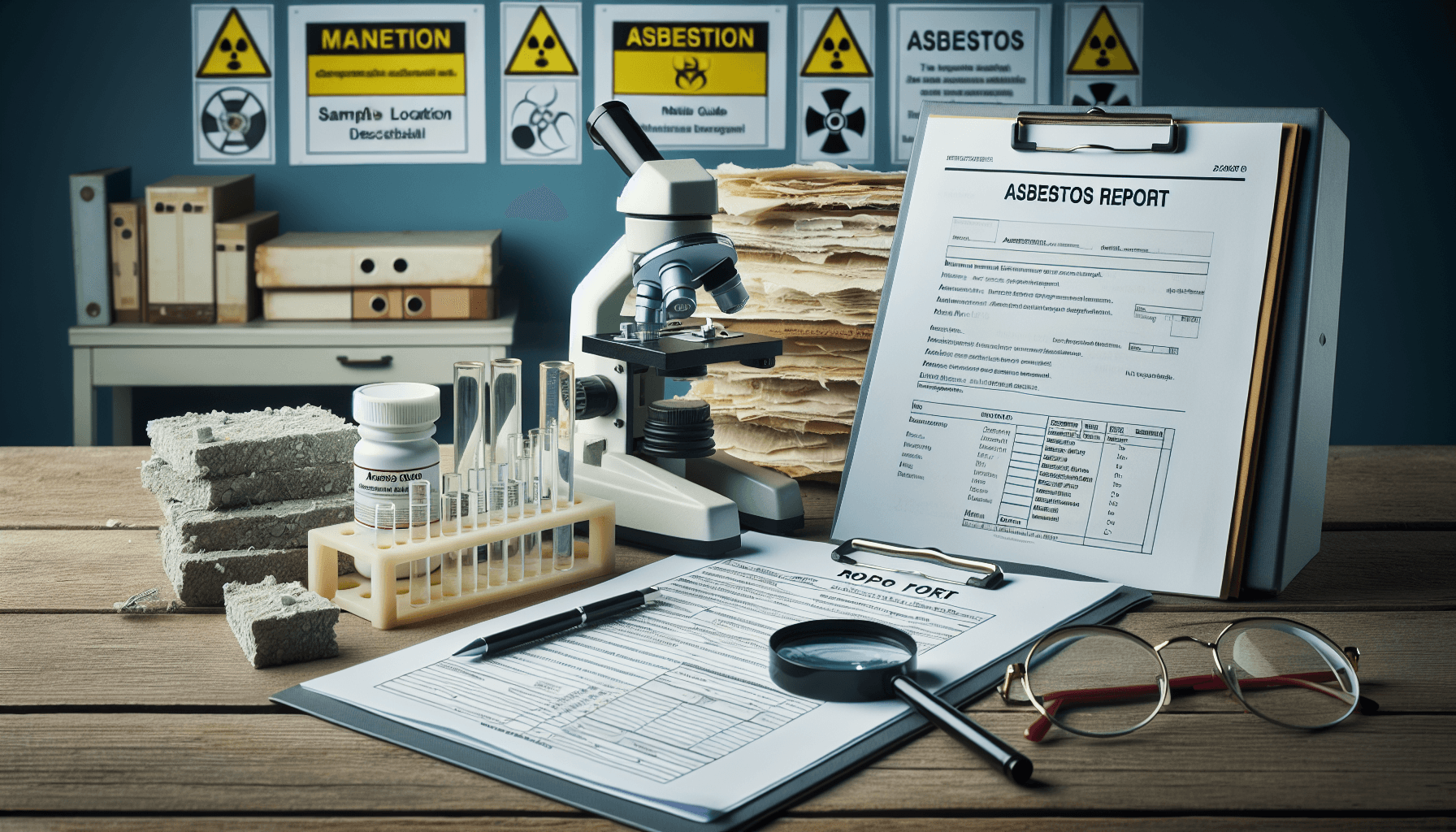
  • Essential Elements of an Asbestos Report: What You Need to Know

    Essential Elements of an Asbestos Report: What You Need to Know

    What Your Asbestos Report Must Actually Contain — And How to Tell a Good One From a Bad One

    If you’ve commissioned an asbestos survey, you’ll receive a report when it’s done. But most duty holders never look beyond the first page — and that’s a problem. Understanding asbestos report requirements isn’t optional when you’re legally responsible for a building. A vague, incomplete, or poorly structured report can leave you exposed to serious liability, even if you genuinely believed you were doing the right thing.

    This post covers everything you need to know: what a compliant report must contain, how surveys differ, what happens in the laboratory, and what your legal obligations are as a duty holder under the Control of Asbestos Regulations.

    What Is an Asbestos Report?

    An asbestos report is the formal document produced after a surveyor has inspected your premises for asbestos-containing materials (ACMs). It records what was found, where it was found, what condition it’s in, and what you should do about it.

    Under the Control of Asbestos Regulations, duty holders — typically building owners and employers — are legally required to manage ACMs in non-domestic premises. A proper report is the foundation of that legal duty. Without one, you cannot produce a compliant asbestos management plan, and without a plan, you’re in breach of the regulations.

    A report that’s vague, incomplete, or produced by an unqualified surveyor isn’t just unhelpful — it could expose you to criminal prosecution, significant fines, and the kind of liability that doesn’t go away.

    The Different Types of Asbestos Survey — And the Reports They Produce

    Asbestos report requirements vary depending on which type of survey was carried out. The survey type must be matched to the purpose — using the wrong one is a compliance failure in itself.

    Management Survey

    A management survey is the standard survey for buildings in normal use and occupation. Its purpose is to locate ACMs that could be disturbed during everyday activities — routine maintenance, minor repairs, cable runs — and to support the creation of an asbestos management plan.

    The survey involves a thorough visual inspection with limited intrusion. Surveyors take samples of suspect materials where appropriate, but the work is designed to minimise disruption to occupants. Most commercial properties, schools, hospitals, and multi-tenancy buildings require this as a baseline.

    Refurbishment Survey

    A refurbishment survey is required before any significant refurbishment or remedial works take place. It’s far more intrusive than a management survey because it must locate all ACMs in the affected areas — including those hidden behind walls, above ceilings, and beneath floors.

    Carrying out refurbishment without this survey is a potential breach of the Control of Asbestos Regulations. That’s not a technicality — it’s a serious legal risk that has resulted in prosecutions.

    Demolition Survey

    Before any structure is demolished, a demolition survey must be completed. This is the most intrusive survey type, requiring access to all areas of the building — including those that would be destroyed during the works. Every ACM must be identified and removed before demolition begins.

    Re-Inspection Survey

    Once ACMs are identified and recorded, they don’t disappear from your responsibilities. Any ACMs being managed in situ must be reinspected at least annually, or following any event that may have affected their condition.

    A re-inspection survey allows duty holders to maintain a clear chronological record of how they’ve managed their legal obligations over time — which is exactly what the Health and Safety Executive will want to see if they ever investigate.

    Core Asbestos Report Requirements: What Must Be Included

    Regardless of which survey type was carried out, the final report must be clear, unambiguous, and immediately usable by the people responsible for the building. Here’s what the HSE’s guidance document HSG264 requires and what good practice demands.

    Surveyor and Laboratory Details

    • Full name and qualifications of the surveyor who carried out the inspection
    • Name and UKAS accreditation details of the laboratory that analysed any samples
    • Date of survey and a clear scope of areas covered

    If any of these details are missing, treat the report with caution. A report without verifiable surveyor credentials or accredited laboratory details is not a compliant document.

    Executive Summary

    A brief overview of the key findings, overall conclusions, and immediate recommendations. This section is what most clients read first — it should give a clear picture of risk without requiring you to wade through pages of technical detail.

    A good executive summary tells you immediately whether there are urgent actions required and what the overall risk profile of the building looks like.

    Identified Asbestos-Containing Materials

    This is the core of the report. Each suspected or confirmed ACM must be recorded with:

    • Location — floor, room, specific area within the room
    • Type of material and likely asbestos type (chrysotile, amosite, crocidolite, etc.)
    • Quantity or extent of the material
    • Current condition — good, fair, or poor
    • Surface treatment — sealed, damaged, or exposed
    • Accessibility to occupants and maintenance workers
    • Photographs providing clear visual context

    Photographs are non-negotiable. Without them, the report is significantly less useful to anyone who needs to locate or assess the material at a later date.

    Priority Assessment Scores

    Each identified ACM should be given a priority assessment score based on material condition, fibre type, location, and likelihood of disturbance. This scoring system helps duty holders understand which materials pose the greatest risk and need the most urgent attention.

    Without priority scores, you’re left making subjective judgements about risk — which is precisely what the report should be doing for you.

    The Asbestos Register

    The asbestos register is a structured record of every ACM found in the building. It forms the backbone of your asbestos management plan and must be kept accessible to anyone who might work on the building — contractors, maintenance teams, and emergency services.

    The register must be updated every time something changes: materials are disturbed, removed, or their condition deteriorates. An out-of-date register is almost as problematic as no register at all.

    Laboratory Certificates and Sample Analysis Results

    Where physical samples were taken, the report must include the laboratory certificates confirming what analysis was carried out and what was found. These certificates must come from a UKAS-accredited laboratory. Any report citing results from a non-accredited facility should be treated with serious scepticism.

    You can arrange standalone sample analysis if you have suspect materials that weren’t included in a previous survey — this is a straightforward and cost-effective way to fill gaps in your records.

    Recommendations

    The report must clearly state what action is recommended for each identified ACM. Options typically include:

    • Removal — where the material is in poor condition or at high risk of disturbance
    • Encapsulation or sealing — where the material is stable but benefits from additional protection
    • Management and monitoring — where the ACM is in good condition and in a low-disturbance location

    Recommendations should be specific and actionable — not generic statements that leave you unsure what to do next.

    Scope, Limitations, and Caveats

    A reputable asbestos report will be honest about what the survey couldn’t assess — areas that were inaccessible, sealed voids, or sections excluded from the scope. These limitations must be clearly stated so you know exactly where knowledge gaps exist.

    If a report makes no mention of limitations whatsoever, that’s actually a red flag, not a sign of a thorough survey. Every building has areas that can’t be fully assessed.

    Sample Analysis: What Happens in the Laboratory

    When a surveyor suspects a material contains asbestos, they take a physical sample for laboratory analysis. This is a controlled process with specific requirements at every stage — and it directly affects the reliability of your asbestos report.

    How Samples Are Collected

    Samples are collected carefully to minimise fibre release. The surveyor should use a HEPA-filtered vacuum and a water spray to suppress dust. The sample is immediately sealed in a labelled container recording the date, time, location, and site address.

    The affected area must be decontaminated and cleared before reoccupation. Even a small sample — roughly the size of a two-pence piece — is sufficient for laboratory analysis.

    Laboratory Analysis Techniques

    Laboratory analysis follows a structured process using two primary techniques:

    1. Stereo Microscopy: The initial stage. Analysts examine the sample under a stereo microscope, assessing fibres by appearance and physical properties to determine the appropriate next steps.
    2. Polarised Light Microscopy (PLM) with Refractive Index Liquids: The definitive analysis stage. Analysts examine specific optical properties of each fibre — morphology, colour, pleochroism, extinction characteristics, and dispersion staining — to identify the type of asbestos present.

    Where no visible fibres are present in the initial examination, analysts prepare at least two microscope slides from the sample before concluding analysis.

    Laboratory Accreditation Requirements

    All asbestos sample analysis in the UK must be carried out by a UKAS-accredited laboratory operating to ISO/IEC 17025. Analysts must hold the P401 qualification or an accepted equivalent. Samples must be retained by the laboratory for a minimum of six months after testing, after which they are disposed of as asbestos waste under controlled conditions.

    The Asbestos Management Plan: What Comes After the Report

    The asbestos report feeds directly into your asbestos management plan (AMP). You cannot produce a compliant AMP without a current, accurate report — and without a plan, you’re in breach of the Control of Asbestos Regulations as a non-domestic duty holder.

    What the Plan Must Cover

    • The asbestos register — kept current and accessible at all times
    • Responsibility assignment — who is the named duty holder and who is the appointed Asbestos Responsible Person
    • An action plan — what works are planned, what’s being monitored, and on what schedule
    • Communication and training — who has been informed about ACMs and what training is in place for relevant staff and contractors
    • Emergency and contingency arrangements — what happens if ACMs are accidentally disturbed

    How Often to Review It

    The plan should be reviewed at least annually. Your risk assessment should be revisited every six to twelve months, or sooner if there’s been any change in the condition of ACMs or works carried out on the building.

    The plan needs to be usable by the people managing the building day to day — not a bureaucratic document gathering dust in a filing cabinet.

    Surveyor Competence: Why It Matters for Report Quality

    The quality of an asbestos report is only as good as the surveyor who produced it. Duty holders are responsible for ensuring they appoint a competent surveyor — and competence has a specific meaning here.

    Qualified surveyors should hold the BOHS P402 qualification (Building Surveys and Bulk Sampling for Asbestos) as a minimum. Many will also hold the RSPH equivalent. Look for surveyors who are members of a recognised professional body such as BOHS (British Occupational Hygiene Society) or ARCA.

    Using an unqualified surveyor to save money is a false economy. An incomplete or inaccurate survey leaves you exposed to liability and could put workers and occupants at genuine risk. The asbestos report requirements set out in HSG264 exist precisely because poor-quality reports have real consequences.

    Your Legal Obligations as a Duty Holder

    The Control of Asbestos Regulations set out clear legal duties for employers and building owners. Key obligations include:

    • Identifying whether ACMs are present in non-domestic premises
    • Assessing the risk from any ACMs found
    • Creating, implementing, and maintaining an asbestos management plan
    • Ensuring any work with asbestos is carried out by appropriately licensed contractors where required
    • Providing information to anyone who might disturb ACMs during their work
    • Ensuring staff who may encounter asbestos receive appropriate training

    The exposure control limit for asbestos under the regulations is 0.1 fibres per cubic centimetre of air, averaged over a four-hour period. Employers must not allow workers to be exposed above this level and must take all reasonable steps to reduce exposure as far below this as possible.

    Consequences of Non-Compliance

    Non-compliance with the Control of Asbestos Regulations is a criminal offence. Penalties range from significant fines to imprisonment, depending on the severity of the breach. The HSE takes a robust approach to enforcement — particularly where workers have been put at risk.

    Beyond the legal consequences, the human cost is real. Asbestos-related diseases — mesothelioma, asbestosis, asbestos-related lung cancer — kill thousands of people in the UK every year. The diseases typically take decades to develop after exposure, meaning decisions made today have consequences that last a lifetime.

    When Should You Commission a Survey?

    You should commission an asbestos survey in any of the following circumstances:

    • You manage or own a non-domestic building constructed before 2000 and have no existing asbestos records
    • You’re planning refurbishment, renovation, or demolition work
    • Your existing asbestos register is out of date or incomplete
    • You’ve purchased a commercial property and there’s no asbestos information available
    • ACMs have been disturbed or damaged and you need an updated assessment
    • You’re a landlord with responsibilities for communal areas in residential buildings

    If you’re based in or around the capital, our asbestos survey London service covers the full range of survey types across all London boroughs. We also carry out surveys across the wider UK — our asbestos survey Manchester and asbestos survey Birmingham teams operate to exactly the same standards as our London-based surveyors.

    Frequently Asked Questions

    What are the legal requirements for an asbestos report in the UK?

    Under the Control of Asbestos Regulations, duty holders of non-domestic premises must identify whether ACMs are present, assess the risk, and create an asbestos management plan. The asbestos report produced following a survey must include surveyor credentials, laboratory certificates from a UKAS-accredited facility, a full register of identified ACMs with condition assessments, priority scores, photographs, and clear recommendations. HSG264 sets out the detailed guidance on what a compliant survey and report must contain.

    How long is an asbestos report valid for?

    There is no fixed expiry date on an asbestos report, but it must remain accurate and current. If the condition of ACMs changes, works are carried out on the building, or materials are disturbed or removed, the report and register must be updated. ACMs being managed in situ must be reinspected at least annually. In practice, most duty holders commission re-inspection surveys every twelve months to ensure their records remain compliant.

    Who can carry out an asbestos survey and produce a report?

    Surveyors must be competent, which means holding appropriate qualifications — typically the BOHS P402 qualification as a minimum. Laboratory analysts examining samples must hold the P401 qualification and operate within a UKAS-accredited laboratory. Duty holders are responsible for ensuring they appoint competent surveyors. Using an unqualified individual to carry out a survey is a compliance failure, regardless of whether the report looks professional on paper.

    Do I need an asbestos report for a domestic property?

    The Control of Asbestos Regulations apply primarily to non-domestic premises. However, landlords have duties in relation to communal areas of residential buildings. Private homeowners are not subject to the same legal duties, but if you’re planning renovation or demolition work on a pre-2000 property, it’s strongly advisable to have a survey carried out before work begins — both to protect the workers involved and to avoid inadvertently creating a liability.

    What should I do if my asbestos report identifies ACMs in poor condition?

    ACMs recorded as being in poor condition should be treated as a priority. Your report’s recommendations will guide the appropriate action — this may be removal by a licensed asbestos contractor, encapsulation to stabilise the material, or increased monitoring frequency. Do not carry out any work on or near a material in poor condition without first seeking specialist advice. Poor-condition ACMs represent the highest risk of fibre release and must be managed accordingly.

    Get a Compliant Asbestos Report From Supernova

    Supernova Asbestos Surveys has completed over 50,000 surveys across the UK. Every survey is carried out by qualified, experienced surveyors operating to HSG264 standards, and every report meets the full asbestos report requirements set out under the Control of Asbestos Regulations.

    Whether you need a management survey for an occupied building, a refurbishment or demolition survey ahead of planned works, or an annual re-inspection to keep your records current, we can help. We cover the whole of the UK, with dedicated teams across London, Manchester, Birmingham, and beyond.

    Call us on 020 4586 0680 or visit asbestos-surveys.org.uk to get a quote or book a survey.

  • Why Is It Important To Conduct An Asbestos Survey?

    Why Is It Important To Conduct An Asbestos Survey?

    What Is the Purpose of an Asbestos Survey — and Why Does It Matter?

    Asbestos was woven into the fabric of UK construction for decades. Fire-resistant, durable, and cheap to produce, it ended up in millions of buildings before its dangers were fully understood. When asbestos-containing materials (ACMs) are disturbed, they release microscopic fibres capable of causing fatal diseases — often decades after exposure.

    Understanding what is the purpose of an asbestos survey is the first step towards meeting your legal duties and protecting the people who use your building. If you manage, own, or hold responsibility for a non-domestic building constructed before 2000, this is not a matter of best practice. It is a legal obligation.

    The Health Risks Are Serious and Long-Lasting

    Asbestos-related diseases kill thousands of people in the UK every year. These are not minor conditions — they include mesothelioma, lung cancer, asbestosis, and laryngeal and ovarian cancers. There is no safe level of asbestos exposure.

    What makes asbestos particularly insidious is its latency period. Symptoms may not appear until 20 to 40 years after exposure. People are still dying today from fibres they encountered in buildings decades ago — and without proper surveys and management, that same risk is still being created right now.

    An asbestos survey exists, at its most fundamental level, to break that chain. You cannot manage a risk you do not know about.

    Which Buildings Are at Risk?

    Any building constructed or refurbished before 2000 could contain ACMs. Asbestos was progressively restricted in the UK — blue and brown asbestos were banned in 1985, with a full ban on white asbestos (chrysotile) following in 1999. Buildings built or fitted out before those dates may contain any of the six recognised asbestos types.

    Common locations for ACMs include:

    • Ceiling tiles and floor tiles
    • Pipe lagging and boiler insulation
    • Textured coatings such as Artex
    • Roof sheets and guttering
    • Insulating board panels
    • Fire doors and partition walls
    • Soffit boards and fascias
    • Lift shafts and service ducts

    Asbestos does not always look dangerous. In many buildings it sits undisturbed and in reasonable condition. But the moment someone drills into a wall, removes a ceiling tile, or strips old pipe lagging without knowing what is there, the risk becomes immediate and potentially life-threatening.

    The Legal Framework Behind Asbestos Surveys

    The Control of Asbestos Regulations place a legal duty on those responsible for non-domestic premises to manage asbestos. This duty applies to building owners, employers, and anyone with responsibility for maintaining or repairing a building — collectively referred to as dutyholders.

    The duty to manage requires dutyholders to:

    1. Find out whether asbestos is present, where it is, and what condition it is in
    2. Assess the risk of anyone being exposed to fibres from those materials
    3. Prepare a written asbestos management plan and act on it
    4. Keep the plan up to date and ensure anyone who may disturb the materials is informed

    For most buildings, fulfilling that first obligation starts with commissioning an asbestos survey. Assumptions and guesswork do not satisfy the legal requirement. The HSE’s guidance document HSG264 sets out the standards that surveys must meet, and it is the benchmark against which any professional surveyor should be working.

    What About Domestic Properties?

    The duty to manage under the Control of Asbestos Regulations applies specifically to non-domestic premises. However, landlords of residential properties still carry duties under other health and safety legislation.

    If you are a landlord planning refurbishment work, or a managing agent overseeing communal areas of a residential block, an asbestos survey is strongly advisable — and in many cases legally necessary before work begins. The communal areas of a residential building are treated as non-domestic for regulatory purposes.

    Penalties for Non-Compliance

    The consequences of ignoring asbestos obligations are significant. The HSE enforces asbestos regulations and can prosecute dutyholders who fail to comply. Penalties range from unlimited fines and enforcement notices through to imprisonment for the most serious breaches.

    Beyond the legal consequences, the human cost is far greater. Contractors, maintenance staff, and building occupants can be exposed to fibres simply because no one knew the asbestos was there. An asbestos survey is what prevents that from happening.

    Types of Asbestos Survey — and When You Need Each One

    Not all asbestos surveys are the same. The type required depends on what the building is being used for and what work is planned. Using the wrong survey type can leave you legally exposed and practically in the dark.

    Management Survey

    A management survey is the standard survey for buildings in normal occupation. Its purpose is to identify ACMs that could be disturbed during everyday activities — routine maintenance, minor repairs, or work by cleaning and facilities staff.

    The surveyor carries out a visual inspection with limited intrusive sampling, sufficient to locate and record the likely presence of asbestos in accessible areas. The findings feed directly into your asbestos register and management plan. You need a management survey if you are responsible for a non-domestic building built before 2000 and do not already have an up-to-date asbestos register in place.

    Refurbishment Survey

    If you are planning any structural work or significant refurbishment, a management survey is not sufficient. A refurbishment survey is required before work begins.

    This is a highly intrusive survey — the surveyor needs access to all areas that will be affected by the planned works, including inside walls, above ceilings, beneath floors, and within structural elements. It must be completed before contractors start work, not during. This survey type is typically carried out on vacant premises or in vacant sections of a building, and it gives contractors the information they need to work safely.

    Demolition Survey

    Before any demolition work takes place, a demolition survey is a legal requirement. This is the most thorough and intrusive survey type, covering the entire structure to ensure all ACMs are identified before the building is brought down.

    Demolition surveys are carried out on vacant premises and are designed to ensure that no asbestos is released uncontrolled during demolition. The findings inform the asbestos removal programme that must be completed before demolition work begins.

    Re-Inspection Survey

    Once ACMs have been identified and a management plan is in place, the story does not end there. The condition of asbestos materials changes over time — through building use, environmental factors, and general wear and tear.

    A re-inspection survey is required at least annually under the Control of Asbestos Regulations. Re-inspections provide a regular check on the condition of known ACMs, update the asbestos register, and ensure your management plan remains valid and effective. Skipping them does not just create legal risk — it means you may be unaware that a previously stable material has deteriorated and is now releasing fibres.

    What Does an Asbestos Survey Actually Involve?

    A professional asbestos survey conducted by a qualified, UKAS-accredited surveyor follows a structured process. Here is what to expect at each stage.

    Pre-Survey Planning

    The surveyor reviews any existing information about the building, confirms the scope of work, and plans access. For refurbishment and demolition surveys, the areas affected by planned works are defined clearly upfront so nothing is missed.

    On-Site Inspection

    The surveyor systematically inspects the building, checking ceilings, walls, floors, service areas, plant rooms, roof voids, and other relevant spaces. The aim is to identify all materials that could reasonably contain asbestos — not just the obvious ones.

    Sampling and Laboratory Analysis

    Where suspect materials are found, samples are taken and sent for sample analysis at a UKAS-accredited laboratory. Sampling must be carried out by a suitably trained person following safe working procedures to avoid releasing fibres during the process itself.

    If you have a specific material you are concerned about and want a quick result, asbestos testing on individual samples is also available as a standalone service.

    Risk Assessment

    Each identified ACM is assessed for its condition, accessibility, and the likelihood of it being disturbed. This produces a material assessment score that helps dutyholders prioritise action — so you know what needs urgent attention and what can be safely monitored in place.

    Survey Report and Asbestos Register

    The surveyor produces a written report that includes the location and condition of all ACMs found, material assessment ratings, photographs, annotated floor plans, and recommendations. This report forms the basis of your asbestos register.

    A good survey report should be clear, accurate, and immediately usable. If you receive a report with unexplained caveats, missing areas, or vague descriptions, question it before relying on it.

    What Happens After the Survey?

    The survey is the starting point, not the finish line. Once you know what is in your building, you need to act on that information.

    Create and Maintain an Asbestos Register

    Your asbestos register is a live document recording all identified ACMs — their location, type, condition, and risk rating. It must be kept up to date and made available to anyone who may carry out work in the building, including maintenance contractors and emergency services.

    Develop an Asbestos Management Plan

    Your management plan sets out how you will manage the ACMs identified in the survey. This includes decisions about which materials should be left in place and monitored, which need encapsulation, and which require removal.

    It also covers how you will communicate asbestos information to relevant parties and what procedures will be followed if materials are accidentally disturbed.

    Decide on Removal or Encapsulation

    Not all asbestos needs to be removed. ACMs that are in good condition and unlikely to be disturbed can often be safely managed in situ. Encapsulation — applying a sealant to prevent fibre release — is sometimes appropriate for materials in fair condition.

    Where removal is necessary, it must be carried out by a licensed contractor for most ACM types. Asbestos removal is a legal requirement for higher-risk materials including sprayed coatings, lagging, and insulating board, and must only be undertaken by contractors holding the appropriate HSE licence.

    Inform and Train Relevant People

    Everyone who works in or around the building and could potentially disturb ACMs needs to know they exist. This includes in-house maintenance staff, external contractors, and cleaning teams. Asbestos awareness training is a legal requirement for workers in roles that could bring them into contact with asbestos.

    Why Regular Re-Inspections Matter

    Annual re-inspections are a legal requirement, but they are also genuinely important in practical terms. Buildings change — works take place, ACMs get knocked or damaged, and materials that were previously in good condition can deteriorate.

    Regular re-inspections ensure your asbestos register remains accurate, your management plan stays relevant, and you maintain a clear chronological record demonstrating you have been meeting your duty to manage over time. That record matters enormously if the HSE ever investigates your building.

    Re-inspections also give you the opportunity to update the register when changes to the building occur — following maintenance work, partial refurbishment, or changes in building use.

    Can You Test for Asbestos Without a Full Survey?

    If you are concerned about a specific material in a domestic property or want a preliminary indication before commissioning a full survey, standalone asbestos testing is available. This involves collecting a sample from the suspect material and having it analysed by a UKAS-accredited laboratory.

    It is worth being clear about the limitations, though. A single sample test tells you whether that specific material contains asbestos. It does not tell you about other materials elsewhere in the building, and it does not fulfil your legal duty to manage. For compliance purposes, a properly scoped survey carried out by a qualified surveyor is what the regulations require.

    If you are a dutyholder and you are relying solely on spot tests rather than a formal survey, you are not meeting your obligations under the Control of Asbestos Regulations.

    Choosing the Right Asbestos Surveyor

    Not every surveyor is equally qualified. When commissioning an asbestos survey, look for the following:

    • UKAS accreditation — the surveying organisation should be accredited by the United Kingdom Accreditation Service to carry out asbestos surveys
    • Qualified surveyors — individual surveyors should hold the relevant P402 qualification as a minimum
    • Clear scope of work — the surveyor should confirm in writing exactly which areas will be covered and any limitations before the survey begins
    • Transparent reporting — the survey report should follow HSG264 standards, with photographs, floor plans, and clear material assessment scores
    • UKAS-accredited laboratory analysis — samples should be analysed by an accredited laboratory, not an in-house facility that lacks independent oversight

    Be cautious of very low-cost surveys that seem too good to be true. A survey that misses ACMs or produces a vague report is worse than no survey at all — it creates false confidence and leaves you legally exposed.

    Asbestos Surveys Across the UK

    Whether you are managing a commercial property in the capital or overseeing a portfolio of buildings in the north of England, the legal requirements are the same. Supernova Asbestos Surveys provides professional asbestos surveys nationwide.

    If you are based in the capital and need an asbestos survey in London, our teams cover all London boroughs and the surrounding areas. For those in the north-west, our asbestos survey in Manchester service covers Greater Manchester and beyond.

    With over 50,000 surveys completed across the UK, we have the experience and accreditation to handle everything from routine management surveys to complex demolition projects.

    Frequently Asked Questions

    What is the purpose of an asbestos survey?

    The purpose of an asbestos survey is to identify whether asbestos-containing materials (ACMs) are present in a building, establish their location and condition, and assess the risk they pose. This information is used to create an asbestos register and management plan, fulfilling the legal duty to manage asbestos under the Control of Asbestos Regulations. Without a survey, dutyholders cannot know what risks exist or take appropriate action to protect building occupants and workers.

    Is an asbestos survey a legal requirement?

    Yes, for non-domestic premises built before 2000, the Control of Asbestos Regulations place a legal duty on dutyholders to manage asbestos — and for most buildings, this starts with commissioning a survey. Dutyholders who fail to comply can face unlimited fines, enforcement notices, and in the most serious cases, imprisonment. The duty also extends to the communal areas of residential buildings.

    How often does an asbestos survey need to be carried out?

    The initial management survey establishes your asbestos register and management plan. After that, a re-inspection survey is required at least annually to check the condition of known ACMs and update the register. Additional surveys — such as refurbishment or demolition surveys — are required whenever significant works are planned, regardless of when the last management survey or re-inspection took place.

    What is the difference between a management survey and a refurbishment survey?

    A management survey is designed for buildings in normal occupation and focuses on identifying ACMs that could be disturbed during routine maintenance. A refurbishment survey is far more intrusive and is required before any structural or significant refurbishment work begins. It involves accessing areas that a management survey would not disturb, such as wall cavities, ceiling voids, and floor structures, to ensure contractors have full information before work starts.

    Do I need an asbestos survey for a domestic property?

    The legal duty to manage under the Control of Asbestos Regulations applies to non-domestic premises. However, if you are a landlord planning refurbishment work on a residential property, or if the property has communal areas, an asbestos survey is strongly advisable and may be legally required before work begins. For homeowners, a survey is not a legal obligation but is highly recommended before any renovation or demolition work on a pre-2000 property.

    Speak to Supernova Asbestos Surveys

    Supernova Asbestos Surveys is the UK’s leading asbestos surveying company, with over 50,000 surveys completed nationwide. Our UKAS-accredited surveyors carry out management surveys, refurbishment surveys, demolition surveys, re-inspections, and asbestos testing across the whole of the UK.

    If you need to establish what is in your building, update an existing register, or prepare for planned works, we can help. Call us on 020 4586 0680 or visit asbestos-surveys.org.uk to request a quote or find out more about our services.

  • How is asbestos commonly found in the UK?

    How is asbestos commonly found in the UK?

    Where Is Asbestos Found Naturally — And Why Does It Still Matter for UK Buildings?

    Asbestos is not a man-made chemical or industrial invention. It is a naturally occurring mineral, formed over millions of years within the earth’s crust, and understanding where asbestos is found naturally helps explain why it was so widely used — and why its legacy continues to cause serious harm in UK buildings today.

    Naturally occurring asbestos exists in rock formations across the world, from South Africa and Canada to parts of Europe and beyond. In the UK, while large-scale natural deposits are not present, the mineral was imported in vast quantities and worked into thousands of building products. The result is that millions of UK buildings still contain asbestos-containing materials (ACMs) — and the health risks remain very much alive.

    What Is Asbestos and Where Does It Come From Naturally?

    Asbestos is the collective name for a group of naturally occurring silicate minerals that form in fibrous crystal structures. These minerals are found in metamorphic and igneous rock formations, typically where magnesium-rich rocks have been altered by heat and pressure over geological time.

    There are six recognised types of asbestos minerals, all of which occur naturally in the earth:

    • Chrysotile (white asbestos) — found predominantly in serpentine rock formations. The most commercially exploited type globally, and the last to be banned in the UK.
    • Crocidolite (blue asbestos) — found in South Africa and Bolivia, in banded ironstone formations. The most hazardous type due to its thin, needle-like fibres.
    • Amosite (brown asbestos) — sourced almost exclusively from South Africa. Widely used in UK insulation board and ceiling tiles before its ban.
    • Anthophyllite — found in Finland and parts of North America. Less commonly used commercially.
    • Tremolite — occurs in metamorphic rocks and is often found as a contaminant in talc and vermiculite deposits.
    • Actinolite — found in metamorphic rocks; rarely used commercially but occurs as a natural contaminant in other minerals.

    The reason asbestos was so attractive to industry is directly tied to its natural properties. As a mineral, it is extraordinarily heat-resistant, chemically stable, and its fibrous structure gives it tensile strength that synthetic materials struggled to match.

    These properties made it seem ideal for construction — until the health consequences became impossible to ignore.

    Natural Asbestos Deposits Around the World

    Asbestos deposits are found on every inhabited continent. The largest historical producers include Russia, Canada, Kazakhstan, China, and Brazil. South Africa was a major source of both crocidolite and amosite, and it was from these countries that the UK imported the vast majority of its supply during the peak usage period of the 1950s through to the 1980s.

    In some parts of the world, naturally occurring asbestos presents an environmental health concern in its own right — not just in buildings, but in soil and rock that people live alongside. In the United States, for example, naturally occurring asbestos has been identified in certain geological zones, and guidance exists around managing exposure from disturbed soil.

    In the UK, while natural deposits are not a significant environmental concern, the legacy of imported asbestos used in construction absolutely is. That is where the real and ongoing risk lies for property owners, managers, and workers across the country.

    Why the Natural Properties of Asbestos Make It So Dangerous

    The very properties that made asbestos useful are what make it lethal. Its fibres are microscopic — invisible to the naked eye — and when ACMs are disturbed, those fibres become airborne.

    Once inhaled, they embed in lung tissue and the lining of the chest and abdomen, where they cause progressive, irreversible damage. The fibres do not break down in the body. They remain, causing inflammation and cellular damage over years and decades.

    The diseases they cause — mesothelioma, asbestosis, asbestos-related lung cancer, and pleural thickening — typically take between 15 and 60 years to develop after exposure. Many people diagnosed today were exposed during the 1960s and 1970s.

    How a Naturally Occurring Mineral Became a Building Crisis

    The transition from naturally occurring mineral to widespread building material happened quickly once industrialisation created demand for cheap, durable, fire-resistant products. From the 1930s onwards, asbestos was incorporated into an enormous range of construction materials used across the UK.

    By the 1960s and 1970s — the peak years of use — the UK was importing enormous quantities annually. It was used in everything from roofing sheets and floor tiles to pipe lagging, ceiling boards, and sprayed fireproofing on structural steelwork.

    The three types used most extensively in UK construction were:

    • Chrysotile (white asbestos) — the most common, found in cement sheets, floor tiles, textured coatings, and gaskets.
    • Amosite (brown asbestos) — used widely in insulation board, ceiling tiles, and thermal insulation.
    • Crocidolite (blue asbestos) — used in sprayed coatings and some insulation products. The most dangerous type, and the first to be banned from import.

    Despite growing evidence of the health risks — concerns were raised as far back as the late 1800s — comprehensive legislation took decades to follow. The Control of Asbestos Regulations now provide the legal framework governing how asbestos must be managed, and compliance is not optional.

    Where Is Asbestos Commonly Found in UK Buildings?

    Understanding where asbestos is found naturally in the geological sense is one thing. Understanding where it is found in the buildings you own, manage, or work in is what matters for your legal duties and your safety.

    If a building was constructed or significantly refurbished before 2000, there is a realistic chance it contains ACMs. The materials vary widely in form and location.

    Insulation and Sprayed Coatings

    • Pipe lagging on heating and hot water systems
    • Boiler and plant room insulation
    • Sprayed coatings on structural steelwork — used extensively in commercial and industrial buildings for fireproofing
    • Thermal and acoustic insulation in walls, floors, and ceilings
    • Loose-fill insulation in cavity walls and loft spaces

    Asbestos Insulating Board (AIB)

    AIB is particularly hazardous because it is semi-friable — it looks like ordinary board material, but can release fibres when cut, drilled, or as it deteriorates with age. It was used in:

    • Ceiling tiles and suspended ceiling systems
    • Partition walls and internal wall linings
    • Fire doors and door facings
    • Soffit boards and protected exits
    • Electrical consumer unit backing boards

    Asbestos Cement Products

    • Corrugated roofing sheets — extremely common in agricultural, industrial, and older commercial buildings
    • Exterior cladding panels
    • Guttering and downpipes
    • Flue pipes and water storage tanks
    • Flat sheets used for partitions and cladding

    Floor, Ceiling, and Decorative Materials

    • Vinyl floor tiles — often containing asbestos in the tile itself and in the bitumen adhesive underneath
    • Thermoplastic floor tiles and floor screeds
    • Textured coatings — commonly known as Artex, applied to ceilings and walls throughout the 1960s to 1980s
    • Asbestos-containing paints, sealants, caulking, and fillers
    • Plasters and renders

    Heating, Ventilation, and Electrical Systems

    • Gaskets and rope seals in boilers and heating equipment
    • Insulating rope around furnace doors
    • Flash guards in electrical panels and fuse boxes
    • Duct insulation and lagging

    High-Risk Areas in Residential Properties

    For homeowners and landlords, the most commonly encountered ACMs are found in predictable locations. Knowing where to look is the first step to managing the risk responsibly.

    • Textured coatings on ceilings and walls — almost universal in houses built or decorated between the 1960s and 1980s
    • Vinyl floor tiles — particularly common in kitchens and hallways from the 1950s through to the 1980s
    • Garage and outbuilding roofs — corrugated asbestos cement sheeting was the standard roofing material for garages, sheds, and extensions for decades
    • Airing cupboard insulation — AIB or sprayed coatings around boilers and hot water cylinders
    • Pipe lagging — particularly in older properties with original plumbing
    • Loft insulation — loose-fill asbestos was used in some properties, though less commonly than other ACMs

    Asbestos in good condition and left undisturbed does not present an immediate risk. The danger arises when it is damaged, deteriorating, or disturbed during maintenance, renovation, or demolition work.

    High-Risk Areas in Commercial and Industrial Properties

    Commercial and industrial buildings — particularly those constructed before 1980 — often contain ACMs in greater quantities and in more hazardous forms than residential properties.

    Office Buildings

    • Sprayed asbestos on structural steelwork and concrete
    • AIB ceiling tiles and partition walls
    • Textured coatings and vinyl floor tiles
    • Asbestos in plant rooms and service risers

    Industrial and Warehouse Buildings

    • Asbestos cement roofing and cladding — often covering very large surface areas
    • Pipe lagging on industrial heating systems
    • Sprayed fireproofing on structural elements
    • Gaskets and seals in plant and machinery

    Schools, Hospitals, and Public Buildings

    Many schools, hospitals, and public buildings constructed under post-war building programmes used significant quantities of AIB and sprayed coatings. These buildings often have complex maintenance and refurbishment histories, which can mean ACMs have been disturbed, moved, or partially removed without proper records being kept.

    If you manage a public sector building and records are incomplete or absent, commissioning a fresh survey is not just advisable — it is a legal necessity.

    What the Law Requires You to Do

    The Control of Asbestos Regulations set out clear legal duties for those responsible for non-domestic premises. If you own or manage a commercial building, you have a legal duty to manage asbestos — whether it is present or not needs to be established through a proper survey.

    Your responsibilities include:

    1. Finding out whether ACMs are present — usually through a management survey
    2. Assessing the condition of any ACMs found
    3. Presuming materials contain asbestos unless you have strong evidence or survey results confirming otherwise
    4. Producing and maintaining an asbestos register and management plan
    5. Ensuring anyone who might disturb ACMs knows where they are
    6. Reviewing and updating the plan regularly

    Types of Asbestos Survey — Choosing the Right One

    The type of survey you need depends on what work is planned and the current status of the building. Getting this wrong can leave you legally exposed and your workers at risk.

    Asbestos Management Survey

    An asbestos management survey is required for the routine management of a building. It identifies ACMs in accessible areas that could be disturbed during normal occupancy and maintenance. This is the baseline survey every non-domestic building should have.

    Refurbishment Survey

    A refurbishment survey is required before any refurbishment work that may disturb the building fabric. It is more intrusive than a management survey and must be completed before any contractor begins work.

    Demolition Survey

    A demolition survey is required before demolition. It must locate all ACMs throughout the entire structure, including those found only by destructive inspection. No demolition should proceed without one.

    Re-Inspection Survey

    A re-inspection survey is required to monitor the condition of ACMs that are being managed in situ. Asbestos condition changes over time, and regular re-inspection is a legal requirement under the Control of Asbestos Regulations.

    HSE guidance document HSG264 provides the technical framework for how surveys should be conducted and what they must cover. Any surveyor working to this standard will provide you with a clear, usable asbestos register.

    Penalties for Non-Compliance

    The Health and Safety Executive (HSE) takes asbestos regulation seriously. Failure to have an adequate asbestos management plan can result in significant fines or a custodial sentence. Serious breaches of the regulations can result in an unlimited fine and up to two years’ imprisonment.

    Beyond the legal penalties, the civil liability and reputational consequences of a serious asbestos incident can be severe. Getting it right from the start is always the better option.

    Practical Steps for Property Owners and Managers

    If you are responsible for a building constructed before 2000, here is what you should be doing now:

    1. Commission a survey if one does not already exist. This is the starting point for all asbestos management. Without a survey, you cannot know what you are dealing with.
    2. Review existing survey records. If a survey exists but is more than a few years old, or if significant work has been carried out since, it may need updating.
    3. Ensure your asbestos register is accessible. Anyone carrying out maintenance or refurbishment work should be able to see it before they begin.
    4. Never assume a material is safe. If you are not certain, treat it as containing asbestos until proven otherwise.
    5. Arrange re-inspections on a regular basis. The condition of ACMs changes over time and must be monitored.
    6. Use licensed contractors for high-risk work. Some asbestos work legally requires a licensed contractor. Do not cut corners.

    If you are based in or around the capital, our team carries out asbestos survey London work across all property types. We also cover major cities across England, including providing asbestos survey Manchester services and asbestos survey Birmingham services for commercial, industrial, and residential clients.

    Frequently Asked Questions

    Where is asbestos found naturally in the earth?

    Asbestos occurs naturally in metamorphic and igneous rock formations across the world. It forms where magnesium-rich rocks have been subjected to heat and pressure over geological time. Major natural deposits have historically been found in Russia, Canada, South Africa, Kazakhstan, China, and Brazil. In the UK, there are no significant natural deposits, but asbestos was imported in large quantities for use in construction from the 1930s through to the late 1990s.

    Is naturally occurring asbestos dangerous?

    Yes. Naturally occurring asbestos carries the same health risks as asbestos found in buildings. When asbestos-bearing rock or soil is disturbed — through construction, mining, or even natural erosion — fibres can become airborne and be inhaled. In countries with significant natural deposits, this presents a genuine environmental health concern. In the UK, the primary risk comes from asbestos in buildings rather than natural geological deposits.

    Which type of asbestos is the most dangerous?

    Crocidolite, or blue asbestos, is widely considered the most hazardous type due to its extremely fine, needle-like fibres, which penetrate deep into lung tissue and are particularly difficult for the body to expel. Amosite (brown asbestos) is also highly dangerous. Chrysotile (white asbestos) is considered less hazardous in relative terms but is still a serious health risk and is responsible for the majority of asbestos-related disease globally due to its extensive use.

    Do I need an asbestos survey if my building was built after 2000?

    If your building was constructed entirely after 1999, it is unlikely to contain asbestos-containing materials, as the use of all forms of asbestos was banned in the UK by that point. However, if the building underwent significant refurbishment using older materials, or if you have any doubt, a survey is still advisable. For any building with a construction or refurbishment date before 2000, a survey is not just advisable — it is a legal requirement for non-domestic premises.

    How often should an asbestos re-inspection be carried out?

    The Control of Asbestos Regulations require that ACMs being managed in situ are monitored regularly. In practice, HSE guidance recommends re-inspection at least annually, though the frequency may need to increase depending on the condition of the materials, their location, and the level of activity in the building. Your asbestos management plan should specify the re-inspection schedule, and it should be reviewed whenever circumstances change.

    Commission Your Asbestos Survey with Supernova

    Supernova Asbestos Surveys has completed over 50,000 surveys across the UK, working with property managers, landlords, local authorities, schools, and commercial operators of all sizes. Our surveyors are fully qualified, our reports are clear and actionable, and we work to HSG264 throughout.

    Whether you need a management survey for routine compliance, a refurbishment or demolition survey ahead of planned works, or a re-inspection of existing ACMs, we can help. We cover the whole of England and Wales, with dedicated teams in London, Manchester, Birmingham, and beyond.

    Call us on 020 4586 0680 or visit asbestos-surveys.org.uk to request a quote or discuss your requirements with our team.

  • The Dangers of Asbestos: What You Need to Know

    The Dangers of Asbestos: What You Need to Know

    Breathlessness that appears years after working around lagging, insulation board, sprayed coatings or dusty plant rooms should never be brushed aside. Asbestosis testing is the medical process used to work out whether past asbestos exposure has caused permanent scarring in the lungs, and for many people that question does not arise until decades after the original contact.

    For property managers and dutyholders, there is another urgent issue running alongside the medical one. If asbestos-containing materials are still present in a building, the responsibility to identify and manage them sits under the Control of Asbestos Regulations, supported by HSG264 and current HSE guidance. In practice, that means acting on symptoms quickly while also making sure nobody else is exposed through poor maintenance, refurbishment or accidental disturbance.

    What is asbestosis?

    Asbestosis is a chronic lung disease caused by inhaling asbestos fibres over time. Those fibres can settle deep in the lungs and trigger inflammation, which gradually leads to fibrosis, or scarring, within the lung tissue itself.

    As the scarring builds, the lungs become stiffer and less able to move oxygen into the bloodstream efficiently. That is why people with asbestosis often notice worsening breathlessness, a persistent cough and reduced tolerance for physical activity.

    Unlike a short-term irritation, asbestosis is irreversible. Once scarring has formed, treatment focuses on managing symptoms, slowing further decline where possible and helping the person maintain day-to-day function.

    How asbestosis differs from other asbestos-related conditions

    People often use the phrase asbestos-related disease as if it means one thing, but the conditions are different. Asbestosis testing is aimed specifically at identifying fibrosis in the lung tissue caused by asbestos exposure.

    • Asbestosis is scarring within the lungs.
    • Mesothelioma is a cancer affecting the lining of the lungs or abdomen.
    • Asbestos-related lung cancer is cancer in the lung tissue.
    • Pleural plaques are markers of exposure, not the same as asbestosis.
    • Diffuse pleural thickening affects the lining of the lungs and can restrict breathing, but it is different from fibrosis within the lungs.

    These distinctions matter. A clinician carrying out asbestosis testing is looking for a particular pattern of exposure history, symptoms, imaging findings and lung function changes rather than relying on one label for every asbestos-related problem.

    Who may need asbestosis testing?

    Asbestosis usually develops after heavy or prolonged exposure, most often in occupational settings. It is far less commonly linked to casual or low-level contact, although any suspected exposure history should still be discussed with a GP or respiratory specialist.

    People referred for asbestosis testing often worked in trades or industries where asbestos was regularly handled, cut, stripped, drilled or disturbed before tighter controls were introduced.

    Higher-risk occupations and settings

    • Shipbuilding and dockyard work
    • Insulation installation and removal
    • Construction and demolition
    • Boiler and heating work
    • Power station and industrial plant maintenance
    • Plumbing and electrical work in older premises
    • Asbestos manufacturing, milling or mining
    • Vehicle brake and clutch work
    • Refurbishment work in older commercial buildings

    The risk generally rises with cumulative exposure. Put simply, the more fibres inhaled over time, the greater the chance of lasting lung damage.

    Can building occupants be at risk?

    For most people in a well-managed building, the risk of developing asbestosis from normal occupancy is low. The greater danger comes when asbestos-containing materials are drilled, cut, broken, sanded or otherwise disturbed during maintenance, repairs, refurbishment or demolition.

    That is why prevention starts with knowing what is in the building. If you manage an older non-domestic property, arranging a management survey is the practical first step to locating asbestos-containing materials so they can be assessed and managed safely.

    Symptoms that may lead to asbestosis testing

    Symptoms often develop slowly. Many people put them down to ageing, smoking history, poor fitness or another chest condition, which is one reason asbestosis testing may be delayed for years.

    asbestosis testing - The Dangers of Asbestos: What You Need t

    The most common symptoms include:

    • Gradually worsening breathlessness
    • A persistent cough, often dry
    • Chest tightness or discomfort
    • Fatigue
    • Reduced ability to exercise or climb stairs
    • Breathlessness during routine daily tasks

    In more advanced cases, clinicians may also notice finger clubbing, low oxygen levels or signs of strain on the heart caused by chronic lung disease.

    If you have these symptoms and any history of asbestos exposure, tell your GP clearly and directly. Be specific about:

    • The jobs you did
    • The sites or buildings where you worked
    • The materials you handled or worked around
    • Whether visible dust was present
    • When the exposure was likely to have happened
    • Whether protective equipment was used

    That occupational history is a key part of asbestosis testing. Vague descriptions make diagnosis harder, while practical detail helps the clinician build a reliable picture.

    How asbestosis testing works

    There is no single standalone test that confirms every case. Asbestosis testing is built from several pieces of information taken together, with doctors looking at the whole clinical picture rather than one isolated result.

    In most cases, the process includes:

    1. A detailed exposure and work history
    2. A review of symptoms
    3. Physical examination
    4. Chest imaging
    5. Pulmonary function tests
    6. Further investigations to rule out other causes of lung scarring

    This matters because other interstitial lung diseases can look similar. A reliable diagnosis depends on pattern recognition, not guesswork.

    Exposure history

    A detailed work and exposure history is often the foundation of asbestosis testing. Clinicians may ask about every major role, whether visible dust was present, what materials were handled and whether respiratory protection was actually worn properly.

    Useful details include:

    • Job titles and employers
    • Approximate dates or working periods
    • Specific tasks, such as cutting insulation board or stripping lagging
    • Whether the work was indoors, enclosed or dusty
    • Whether colleagues developed asbestos-related disease
    • Possible secondary exposure through contaminated work clothing

    If compensation or industrial disease claims are later considered, that exposure record becomes even more important. Write down what you remember before appointments so key details are not lost.

    Physical examination

    During examination, a doctor will listen to the chest with a stethoscope. Fine crackling sounds at the lung bases can suggest fibrosis.

    They may also look for:

    • Finger clubbing
    • Reduced chest expansion
    • Signs of low oxygen levels
    • Evidence of other respiratory or cardiac problems

    These findings are not unique to asbestosis, but they help guide the next stage of asbestosis testing.

    Diagnostic procedures used in asbestosis testing

    Once symptoms and exposure history raise suspicion, doctors move on to formal diagnostic procedures. The exact pathway can vary, but the broad approach is consistent across respiratory practice.

    asbestosis testing - The Dangers of Asbestos: What You Need t

    1. Chest X-ray

    A chest X-ray is often the first imaging test. It can show changes linked with fibrosis and may also reveal pleural plaques or pleural thickening that support a history of asbestos exposure.

    However, chest X-rays can miss subtle or early disease. A normal X-ray does not automatically rule out asbestos-related lung damage.

    2. High-resolution CT scan

    High-resolution CT, often called HRCT, provides a much more detailed view of the lungs than a plain X-ray. It is one of the most useful tools in asbestosis testing because it can show the pattern and extent of scarring more clearly.

    HRCT may identify:

    • Interstitial fibrosis
    • Subpleural lines
    • Parenchymal bands
    • Traction bronchiectasis
    • Honeycombing in more advanced disease
    • Pleural plaques or diffuse pleural thickening

    It can also help distinguish asbestosis from other lung conditions, although interpretation should always be made by experienced clinicians and radiologists.

    3. Blood oxygen assessment

    Doctors may check oxygen levels using a pulse oximeter clipped to the finger. In some cases, arterial blood gas testing is used to assess how well oxygen is moving from the lungs into the bloodstream.

    4. Exercise assessment

    Walking tests or exercise-based assessments can show whether oxygen levels fall during exertion. This helps measure severity and day-to-day impact rather than relying only on resting results.

    5. Specialist referral

    Many patients are referred to a respiratory specialist for further review. Complex cases may be discussed in a multidisciplinary setting, particularly where scan findings are borderline or there are several possible causes of fibrosis.

    6. Biopsy, rarely

    Lung biopsy is not routine in asbestosis testing and is only considered in selected cases where diagnosis remains uncertain. Because it is invasive, clinicians usually prefer to rely on exposure history, imaging and lung function wherever possible.

    Pulmonary function tests in asbestosis testing

    Pulmonary function tests are central to assessing how much the lungs have been affected. They do not prove asbestos exposure on their own, but they show how well the lungs are working and help monitor progression over time.

    Spirometry

    Spirometry measures how much air you can blow out and how quickly. In asbestosis, the pattern is often restrictive, meaning the total volume of air the lungs can hold is reduced.

    That differs from conditions such as asthma, where airway narrowing is more prominent. The result helps the clinician understand whether breathlessness is likely to be linked to stiffened lungs.

    Lung volumes

    Full lung volume testing can confirm restriction more accurately than spirometry alone. Reduced total lung capacity is a common finding where fibrosis has made the lungs less flexible.

    Gas transfer testing

    Gas transfer tests, often reported as DLCO or transfer factor, assess how effectively oxygen passes from the lungs into the blood. This can be reduced in asbestosis because scarring interferes with gas exchange.

    In practical terms, this often explains why someone feels breathless even when they are not doing very much.

    Why these tests matter

    Pulmonary function tests help with:

    • Supporting the diagnosis
    • Measuring severity
    • Tracking progression
    • Guiding treatment decisions
    • Supporting occupational health or compensation evidence where appropriate

    Repeat testing may show whether lung function is stable or deteriorating, making it an important part of ongoing asbestosis testing and follow-up.

    What doctors look for when confirming asbestosis

    Diagnosis usually rests on a combination of factors rather than one result. Broadly, clinicians are looking for three things.

    1. A credible history of significant asbestos exposure
    2. Evidence of interstitial lung fibrosis on imaging or examination
    3. No more likely alternative explanation for the findings

    Other causes of lung scarring may need to be considered, including idiopathic pulmonary fibrosis, connective tissue disease, hypersensitivity pneumonitis and other occupational dust exposures. That is why specialist input is often valuable where the picture is not straightforward.

    If you are undergoing asbestosis testing, expect questions that may seem repetitive. They are necessary because diagnosis depends on linking symptoms, exposure and objective findings in a defensible way.

    Treatment and support after asbestosis testing

    There is no cure that reverses established scarring. Once asbestosis testing has led to a diagnosis, treatment focuses on symptom relief, preserving lung function where possible, preventing complications and supporting quality of life.

    Monitoring

    Some people need regular follow-up with respiratory services. This may include repeat scans, oxygen checks and pulmonary function tests to monitor whether the disease is progressing.

    Medicines

    There is no medicine that removes asbestos fibres or reverses fibrosis caused by asbestosis. Medication may still be prescribed to manage associated issues such as chest infections, wheeze or co-existing respiratory disease.

    Oxygen therapy

    If oxygen levels are low, long-term oxygen therapy may be recommended. This can reduce strain on the body and improve day-to-day function in more advanced disease.

    Pulmonary rehabilitation

    Pulmonary rehabilitation is one of the most useful therapies for many chronic lung conditions. It usually combines supervised exercise, breathing techniques and education to help people manage breathlessness more effectively.

    It does not cure asbestosis, but it can improve stamina, confidence and symptom control.

    Self-management advice

    • Stop smoking if you smoke
    • Keep up with vaccinations recommended by your clinician
    • Pace strenuous tasks and plan breaks
    • Seek medical help promptly for chest infections
    • Attend follow-up appointments rather than waiting for symptoms to worsen

    Practical daily habits matter. Small adjustments often make living with chronic breathlessness more manageable.

    Why property managers should care about asbestosis testing

    If you manage older premises, asbestosis testing may sound like a purely medical issue. It is not. A suspected case of asbestos-related disease can be the first sign that historic exposure risks were not identified, recorded or controlled properly in a building portfolio.

    Under the Control of Asbestos Regulations, dutyholders must take reasonable steps to find asbestos-containing materials in non-domestic premises, assess the risk and put a management plan in place. HSG264 sets out how asbestos surveys should be planned and delivered, while HSE guidance explains the practical standards expected when asbestos is present.

    That means you should not wait for refurbishment work, contractor concern or a health complaint before taking action. The sensible approach is to:

    1. Identify whether asbestos is likely to be present
    2. Arrange the correct survey for the building and planned works
    3. Keep an up-to-date asbestos register
    4. Share information with contractors before work starts
    5. Review the condition of known materials regularly
    6. Act quickly if damage or disturbance is suspected

    If your property is in the capital, arranging an asbestos survey London service can help you establish what is present before maintenance teams or tenants are put at risk.

    For regional portfolios, the same principle applies. Whether you need an asbestos survey Manchester appointment or an asbestos survey Birmingham inspection, the key is to get reliable information before any work disturbs suspect materials.

    Practical steps if you suspect exposure or asbestos in a building

    When symptoms, maintenance work or damaged materials raise concerns, speed matters. Good decisions early on can protect health and reduce disruption.

    If you are concerned about personal exposure

    • Book a GP appointment and mention asbestos exposure clearly
    • Prepare a written employment and exposure history
    • Take details of symptoms, when they started and how they have changed
    • Ask whether respiratory referral or imaging is appropriate
    • Keep copies of letters, scan reports and test results

    If you manage a property with possible asbestos

    • Stop any work that could disturb the material
    • Prevent access to the immediate area if damage is visible
    • Do not sample or remove material yourself
    • Check whether an asbestos register or previous survey exists
    • Arrange a suitable survey by a competent asbestos surveying company
    • Inform contractors and relevant staff before works resume

    One of the most common mistakes is assuming a material is safe because it has been there for years. Asbestos risk depends heavily on condition and disturbance. A previously stable material can become hazardous very quickly once drilled, broken or stripped out.

    Common misunderstandings about asbestosis testing

    A chest X-ray alone confirms everything

    It does not. Chest X-rays are useful, but they can miss early or subtle disease. Asbestosis testing usually relies on a combination of history, examination, lung function and often HRCT imaging.

    If exposure was brief, there is never any risk

    Heavy and prolonged exposure is more strongly associated with asbestosis, but any significant suspected exposure should still be discussed with a clinician. The details matter.

    No symptoms means no need to manage asbestos in buildings

    That is wrong. Building management duties exist to prevent fresh exposure, not simply to react after someone becomes ill. Surveying and asbestos management are preventive controls.

    Only industrial sites need to worry

    Older offices, schools, retail units, warehouses, communal areas and plant rooms can all contain asbestos-containing materials. The duty to manage is not limited to heavy industry.

    Frequently Asked Questions

    What is asbestosis testing?

    Asbestosis testing is the medical assessment used to investigate whether past asbestos exposure has caused scarring in the lungs. It usually involves reviewing exposure history, symptoms, physical examination, imaging and pulmonary function tests rather than relying on a single test.

    Can a GP diagnose asbestosis?

    A GP may suspect the condition and start the referral process, but confirmation often involves respiratory specialists, imaging and lung function assessment. Specialist input is particularly useful where scan findings are unclear or other lung diseases are possible.

    Does asbestosis testing include a CT scan?

    It often does. A chest X-ray may be the first step, but high-resolution CT is commonly used when doctors need a clearer view of lung scarring or need to distinguish asbestosis from other conditions.

    Is asbestosis the same as mesothelioma?

    No. Asbestosis is scarring of the lung tissue caused by asbestos exposure, while mesothelioma is a cancer affecting the lining of the lungs or abdomen. They are different conditions and are investigated differently.

    What should a property manager do if asbestos is suspected in a building?

    Stop any work that could disturb the material, restrict access if needed, check existing asbestos records and arrange a suitable asbestos survey by a competent surveying company. Do not let contractors proceed on assumptions.

    If you need clear advice on asbestos risks in a commercial, public or residential building, Supernova Asbestos Surveys can help. We provide professional asbestos surveys across the UK, including management surveys, refurbishment surveys and site-specific guidance to help you stay compliant and protect occupants. Call 020 4586 0680 or visit asbestos-surveys.org.uk to arrange a survey or speak to our team.

  • What are the potential health risks associated with asbestos?

    What are the potential health risks associated with asbestos?

    Asbestos warts sounds like the kind of problem you could spot on the skin and deal with in a GP appointment. That is exactly why the term causes confusion. In property management, maintenance and refurbishment, the real danger from asbestos is not usually a skin lesion at all. It is the release of airborne fibres when asbestos-containing materials are disturbed.

    If you have heard the phrase asbestos warts from an old workplace story, a contractor, or an online search after noticing a rough patch on your hand, the first thing to know is this: asbestos risk in buildings is mainly about inhalation, not skin disease. For landlords, duty holders, facilities managers and contractors, that distinction matters because it affects what you do next, what survey you need, and how you stay compliant with the Control of Asbestos Regulations, HSG264 and HSE guidance.

    What are asbestos warts?

    Asbestos warts is an informal historical term rather than a formal medical diagnosis. It was used to describe small, hard, rough skin growths that could appear on the hands or fingers of workers who repeatedly handled raw asbestos in dusty industrial settings.

    They were not true viral warts. The term generally referred to localised thickening of the skin, irritation or small lesions linked to direct contact, friction or embedded fibres during repeated handling of loose asbestos.

    That history explains why the phrase still appears in searches today. But in modern asbestos management, asbestos warts are not the main issue. The serious health risks linked to asbestos come from fibres being breathed into the lungs.

    Why the term asbestos warts is misleading

    People often search for asbestos warts because they want to know whether a skin problem means they have been exposed to asbestos. That is understandable, but it can send attention in the wrong direction.

    When asbestos is present in a building, the practical questions are far more urgent:

    • Is the material actually asbestos-containing?
    • What type of product is it?
    • What condition is it in?
    • Has it been damaged or disturbed?
    • Is maintenance, refurbishment or demolition planned?
    • Do contractors have the correct asbestos information before starting work?

    Those questions are what protect people. Focusing only on whether a skin mark resembles asbestos warts does not tell you whether a ceiling tile, boxing panel, riser lining or pipe insulation is releasing fibres.

    Can asbestos cause skin problems?

    Asbestos is not mainly known for causing skin disease. Historically, direct handling of raw fibres could irritate the skin and may have contributed to the old term asbestos warts, but that is very different from the asbestos risks most UK property managers deal with now.

    asbestos warts - What are the potential health risks asso

    In today’s buildings, exposure is far more likely to happen during drilling, cutting, sanding, stripping out, cable installation, plumbing upgrades or demolition work. That is why asbestos control focuses on identifying asbestos-containing materials, assessing their condition and preventing disturbance.

    Skin conditions that may be mistaken for asbestos warts

    A rough lesion on the hand does not prove asbestos exposure. Several common conditions can look similar, including:

    • Ordinary viral warts
    • Calluses from manual work
    • Dermatitis caused by irritants
    • Small splinter reactions
    • Dry, cracked skin
    • Other occupational skin conditions unrelated to asbestos

    If someone has an unexplained skin lesion, they should speak to a medical professional. Separately, if they may have disturbed a suspect material in a property, the building risk should be assessed immediately.

    Can asbestos enter the body through the skin?

    Asbestos fibres can irritate the surface of the skin, but the serious asbestos-related diseases associated with occupational and building exposure are linked to inhalation. The lungs and pleura are the main sites of harm.

    From a practical site perspective, if a suspect material has been disturbed, treat airborne fibre release as the priority hazard. Stop the task, keep people away, and arrange competent asbestos advice before work resumes.

    The real health risks linked to asbestos exposure

    Anyone asking about asbestos warts should understand the conditions that actually drive asbestos regulation and asbestos risk management in the UK. These illnesses often develop after a long latency period, which is one reason prevention matters so much.

    Mesothelioma

    Mesothelioma is a cancer affecting the lining of the lungs or abdomen. It is strongly associated with asbestos exposure and can arise many years after exposure took place.

    For duty holders, the lesson is straightforward: do not assume a minor disturbance is harmless. Even short tasks can create a risk if they release fibres.

    Asbestos-related lung cancer

    Asbestos exposure can cause lung cancer. Smoking can increase overall risk, but asbestos-related lung cancer can occur in non-smokers too.

    That is why proper planning before maintenance or refurbishment is essential. Guesswork around older materials is not a safe system of work.

    Asbestosis

    Asbestosis is scarring of the lung tissue caused by inhaling asbestos fibres, usually after heavy or sustained exposure. It affects breathing and cannot be reversed.

    For property managers, that underlines the need to identify asbestos before intrusive works begin. Once exposure has happened, the chance to prevent it has already been lost.

    Pleural thickening and pleural plaques

    Asbestos can also affect the pleura, the lining around the lungs. Some pleural changes may indicate previous exposure, while diffuse pleural thickening can impair breathing.

    The practical takeaway is simple: prevention comes first. Effective asbestos management is about stopping disturbance before fibres become airborne.

    How asbestos exposure happens in buildings

    The phrase asbestos warts suggests direct handling of raw asbestos, but that is not how most current exposure happens in UK properties. The usual risk comes from disturbing asbestos-containing materials during occupation, maintenance, refurbishment or demolition.

    asbestos warts - What are the potential health risks asso

    Asbestos may still be present in many buildings constructed or refurbished before the final ban. It can appear in commercial premises, schools, offices, warehouses, public buildings and some domestic areas.

    Common asbestos-containing materials

    • Asbestos insulating board
    • Pipe lagging
    • Sprayed coatings
    • Cement sheets and roof panels
    • Floor tiles and adhesives
    • Textured coatings
    • Ceiling tiles
    • Panels, soffits and boxing
    • Gaskets, seals and rope products
    • Service riser materials

    Exposure usually occurs when these materials are drilled, broken, cut, sanded, removed or allowed to deteriorate without proper controls.

    Typical situations that create asbestos risk

    • Installing cables or pipework through walls and ceilings
    • Replacing heating, plumbing or electrical systems
    • Removing partitions during fit-outs
    • Accessing plant rooms, risers and service ducts
    • Repairing leaks that have damaged ceiling or wall materials
    • Breaking up garages, outbuildings or industrial roofs
    • Starting works based on old asbestos records
    • Allowing contractors on site without briefing them properly

    If you manage a property, these are the moments where asbestos planning matters most. A survey report only helps if it is current, suitable for the task and shared with the people doing the work.

    Your legal duties under UK asbestos regulations

    If you are a duty holder, landlord, employer, managing agent or facilities manager, your responsibilities sit under the Control of Asbestos Regulations. In non-domestic premises, there is a duty to manage asbestos.

    That means taking reasonable steps to find out whether asbestos-containing materials are present, presuming materials contain asbestos unless there is strong evidence otherwise, assessing risk, and keeping records up to date. Surveying should be completed in line with HSG264, and any work involving asbestos should follow relevant HSE guidance.

    In practice, duty holders should:

    1. Identify likely asbestos-containing materials
    2. Assess their condition and the likelihood of disturbance
    3. Maintain an asbestos register
    4. Create and implement an asbestos management plan
    5. Share asbestos information with staff and contractors
    6. Review records regularly and update them when conditions change

    Many compliance failures happen because a property has some asbestos information, but not the right information for the work planned. A management record is not the same as a refurbishment or demolition survey.

    Which asbestos survey do you need?

    Questions about asbestos warts often arise after someone has already handled or disturbed a suspect material. The better approach is to identify risk before work starts. The right survey depends on the building use and the nature of the planned works.

    Management survey

    For normal occupation and routine maintenance, a management survey helps locate, as far as reasonably practicable, the presence and condition of asbestos-containing materials that could be disturbed during everyday use.

    This is the baseline survey many duty holders need. It is not designed for intrusive refurbishment or strip-out work.

    Refurbishment survey

    If you are opening up walls, replacing services, reconfiguring layouts or carrying out invasive upgrades, you will usually need a refurbishment survey. This survey is intrusive because hidden asbestos-containing materials need to be identified before contractors begin.

    Using a management survey for refurbishment work is a common mistake and a costly one when work has to stop mid-project.

    Demolition survey

    If a structure is due to be taken down, a demolition survey is required before demolition proceeds. This survey is designed to identify asbestos-containing materials so they can be managed or removed before the building is demolished.

    Demolition without proper asbestos information creates obvious legal and safety risks. It can also lead to site contamination, delays and expensive clean-up work.

    Re-inspection survey

    If asbestos-containing materials have been identified and left in place, their condition should be checked periodically. A re-inspection survey helps keep your asbestos register accurate and highlights any deterioration.

    This is especially useful in busy buildings where wear, leaks, accidental impacts or unauthorised works may have changed the condition of known materials.

    What to do if you suspect asbestos has been disturbed

    If someone raises concerns about asbestos warts after handling an unknown material, do not use the skin issue to judge the building risk. Treat the material and area as potentially contaminated until you have proper evidence.

    Take these steps straight away:

    1. Stop work immediately
    2. Keep people out of the area
    3. Avoid sweeping, dry brushing or using an ordinary vacuum
    4. Do not break up or move more material than necessary
    5. Isolate the area where possible
    6. Check the asbestos register and any existing survey reports
    7. Arrange professional assessment and testing

    If you need to confirm whether a material contains asbestos, use professional sample analysis rather than relying on appearance. Visual identification is not reliable enough for safe decision-making.

    If asbestos-containing materials are confirmed and have been damaged, the next step may involve repair, encapsulation, specialist cleaning or licensed asbestos removal, depending on the material, its condition and the work planned.

    Practical advice for property managers and duty holders

    Most asbestos failures are not caused by a lack of regulation. They happen because records are outdated, surveys do not match the work, or contractors start before anyone checks the asbestos information.

    To stay in control, follow a few basic rules consistently.

    • Assume older premises may contain asbestos unless proven otherwise
    • Make sure the survey type matches the planned work
    • Keep the asbestos register current and easy to access
    • Brief contractors before they start, not after they find a problem
    • Review known materials after leaks, damage or alterations
    • Do not rely on a historic survey for newly intrusive work elsewhere on site
    • Record who received asbestos information and when
    • Escalate concerns quickly if suspect materials are damaged

    If you manage multiple sites, standardise your asbestos process. Use the same document controls, contractor briefing steps and review schedule across the portfolio. That reduces confusion and makes compliance easier to evidence.

    When location matters: local asbestos surveying support

    Fast access to competent asbestos advice matters when a project is about to start or a suspect material has already been disturbed. Local support can make a real difference to response times and planning.

    If your property is in the capital, arranging an asbestos survey London service can help you get the right survey in place before maintenance or refurbishment begins.

    For sites in the North West, an asbestos survey Manchester appointment is a practical option when you need prompt surveying support for commercial or residential properties.

    If you are responsible for premises in the Midlands, booking an asbestos survey Birmingham service can help you deal with suspected asbestos-containing materials before works are disrupted.

    Common mistakes to avoid when asbestos is suspected

    The term asbestos warts can lead people to focus on the wrong symptom and miss the bigger building risk. These are the mistakes that cause the most trouble on site:

    • Assuming a material is safe because it looks harmless
    • Letting contractors proceed without checking asbestos records
    • Using the wrong survey type for intrusive work
    • Relying on verbal reassurance instead of documented evidence
    • Trying to clean up debris without proper controls
    • Ignoring minor damage to known asbestos-containing materials
    • Failing to review the asbestos register after changes to the building

    A simple rule helps here: if the material is unknown and the building age suggests asbestos could be present, pause the work and verify first. That is faster and cheaper than dealing with contamination after the fact.

    Frequently Asked Questions

    Are asbestos warts a recognised medical diagnosis?

    No. Asbestos warts is an old informal term rather than a formal medical diagnosis. It was historically used to describe rough skin growths or thickened areas on the hands of workers who handled raw asbestos repeatedly.

    Does getting asbestos on your skin cause serious illness?

    Skin contact can cause irritation, but the serious illnesses associated with asbestos are mainly linked to inhaling airborne fibres. If a suspect material has been disturbed, the priority is to stop work and assess the risk of fibre release.

    What should I do if a contractor disturbs a material that might contain asbestos?

    Stop the work immediately, keep people away from the area, avoid sweeping or vacuuming debris, and check your asbestos records. Then arrange competent assessment and testing so the material can be identified properly.

    Can I tell if a material contains asbestos just by looking at it?

    No. Many asbestos-containing materials look similar to non-asbestos products. Visual checks are not enough for safe decisions, which is why professional sampling and analysis are used where identification is required.

    Which survey do I need before building work starts?

    That depends on the work. Routine occupation and standard maintenance usually call for a management survey, while intrusive upgrades need a refurbishment survey and demolition works require a demolition survey. If known asbestos remains in place, periodic re-inspection is also important.

    If you need clear advice on suspect materials, the right survey for planned works, or urgent support after accidental disturbance, Supernova Asbestos Surveys can help. We provide nationwide asbestos surveying, testing and asbestos management support for landlords, duty holders, contractors and property managers. Call 020 4586 0680 or visit asbestos-surveys.org.uk to book a survey or speak to our team.