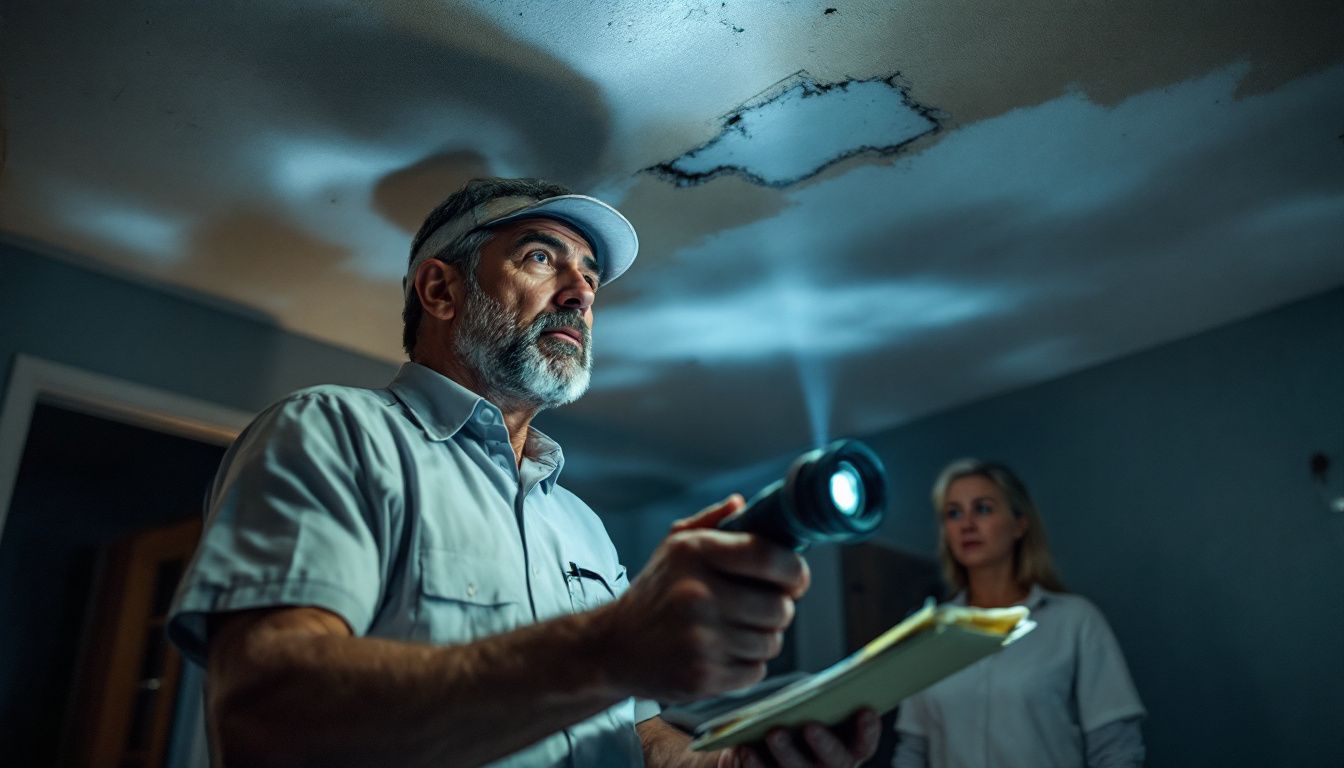
Category: Residential asbestos surveys: What You Need to Know

  • Exploring the Different Types of Asbestos Surveys for Homes

    Exploring the Different Types of Asbestos Surveys for Homes

    What Every Homeowner Needs to Know Before Touching a Wall

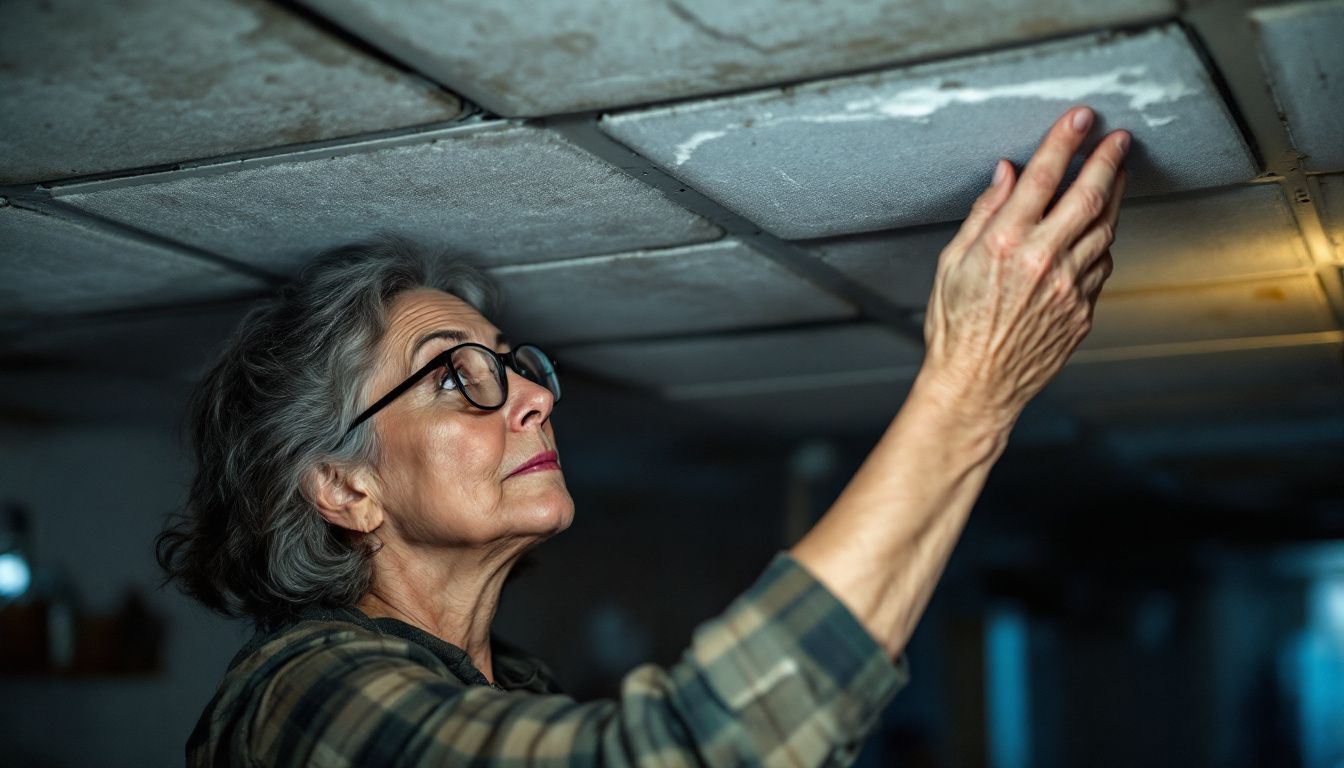
    If your home was built before 2000, there is a genuine chance asbestos-containing materials (ACMs) are hidden somewhere inside it — in the walls, ceiling tiles, floor coverings, pipe lagging, or roof materials. Most homeowners never think about it until they start planning renovation work, at which point the risks become very real, very quickly.

    Exploring the different types of asbestos surveys for homes is not just an academic exercise. It is a practical necessity. The wrong type of survey — or no survey at all — can lead to dangerous asbestos fibre release, serious health consequences, and significant legal liability.

    This post breaks down exactly what each survey type involves, when you need one, and how to make sure you are getting the right service for your property.

    Why Asbestos Surveys Matter in Residential Properties

    Asbestos was widely used in UK construction from the 1950s through to the late 1990s. It was cheap, fire-resistant, and excellent at insulation — which is precisely why it ended up in so many building materials. The UK banned the use of all asbestos types by 1999, but that ban did nothing to remove what was already built into millions of homes across the country.

    When ACMs are left undisturbed, they are generally considered low risk. The danger comes when materials are damaged, drilled into, cut, or disturbed during building work. At that point, microscopic fibres become airborne, and once inhaled, they can cause mesothelioma, asbestosis, and lung cancer — diseases that can take decades to develop but carry devastating consequences.

    Asbestos-related disease remains one of the leading causes of work-related death in the UK. For homeowners and tradespeople alike, a proper survey before any significant work is not optional — it is the responsible course of action, and in many circumstances, a legal requirement.

    The Legal Framework: What UK Regulations Actually Say

    The Control of Asbestos Regulations place a duty on those responsible for non-domestic premises to manage asbestos. For purely residential properties, the legal position is somewhat different — there is no automatic statutory obligation on a homeowner to commission a survey for their own home.

    However, the moment a property becomes a workplace — including during construction or renovation work — the regulations apply to the work being carried out. HSG264, the HSE’s guidance document on asbestos surveys, sets out the standards that qualified surveyors must follow. It defines survey types, sampling requirements, and reporting standards. Any reputable surveying company will work to this guidance as a baseline.

    If you are a landlord, the position is clearer still. You have a duty of care to tenants, and failing to identify and manage asbestos in a rental property can expose you to enforcement action. Even for owner-occupiers, instructing qualified tradespeople to work on a property without first identifying ACMs could create liability if those workers are subsequently exposed.

    Exploring the Different Types of Asbestos Surveys for Homes

    There are four main survey types used in residential settings, each designed for a specific situation. Understanding the differences is essential before you commission any work — choosing the wrong one can leave you exposed both physically and legally.

    Management Asbestos Survey

    A management survey is the standard survey used to locate and assess the condition of ACMs in a property that is occupied and in normal use. The goal is not to find every last piece of asbestos in the building — it is to identify materials that could be disturbed during everyday activities and assess the risk they pose.

    The survey involves a visual inspection of accessible areas, with sampling of suspected materials where appropriate. Surveyors will check walls, ceilings, floors, service areas, and other accessible spaces. Critically, the survey is designed to be minimally intrusive — surveyors will not break into concealed areas or cause significant disturbance to the building fabric.

    At the end of a management survey, you receive a detailed report identifying all ACMs found, their location, condition, and a risk assessment. This forms the basis of an asbestos management plan — a live document that should be reviewed and updated regularly.

    A management survey is the right starting point if you have just purchased an older property, if you are a landlord taking on a new rental, or if you simply want to understand what is in your home before making any decisions about maintenance or renovation.

    Refurbishment Asbestos Survey

    A refurbishment survey is required before any work that will disturb the fabric of the building. Extensions, loft conversions, kitchen or bathroom refits, rewiring, new central heating systems — all of these fall into this category.

    Unlike a management survey, a refurbishment survey is intrusive by design. Surveyors need to access areas that would be disturbed during the planned work, which may mean breaking into walls, lifting floorboards, removing ceiling panels, or accessing roof voids. The survey must cover all areas where work is planned.

    Because the survey involves disturbing building materials, it must be carried out before the refurbishment work begins — not during it. This is a critical point that homeowners and contractors sometimes overlook. Starting work without a refurbishment survey in place is not just legally problematic; it is genuinely dangerous.

    The survey report will identify any ACMs in the areas to be worked on, along with recommendations for safe removal or encapsulation before work proceeds. If asbestos is found, a licensed contractor will typically need to be engaged before your builders can start.

    Demolition Asbestos Survey

    A demolition survey is the most thorough and intrusive of the three. It is required before any demolition work takes place — whether that is taking down an entire building or demolishing a significant part of it, such as an outbuilding, extension, or structural wall.

    The survey must cover the entire structure, including all concealed areas. This means destructive inspection techniques are used — surveyors will physically open up building fabric to ensure nothing is missed. The aim is to produce a complete picture of all ACMs present so that they can be removed safely before demolition begins.

    Demolition surveys are typically more time-consuming and costly than management or refurbishment surveys, reflecting the level of access and inspection required. They are, however, non-negotiable before any demolition work proceeds.

    Re-Inspection Asbestos Survey

    Once ACMs have been identified and an asbestos management plan is in place, those materials need to be monitored over time. A re-inspection survey does exactly that — it checks the condition of known ACMs to ensure they have not deteriorated or been disturbed since the last inspection.

    Re-inspections are typically carried out annually, though the frequency may be higher if materials are in a vulnerable location or in poor condition. For landlords, regular re-inspections form an essential part of demonstrating ongoing compliance with their duty of care.

    When Do You Need an Asbestos Survey at Home?

    The short answer: if your home was built before 2000 and you are planning any work that could disturb building materials, you need a survey before that work starts. Here are the most common scenarios where a survey is strongly advisable or legally required:

    • Buying or selling an older property — A survey gives you clarity on what you are taking on and can inform price negotiations.
    • Planning a renovation or extension — Any work that disturbs walls, floors, ceilings, or roof structures requires a refurbishment survey first.
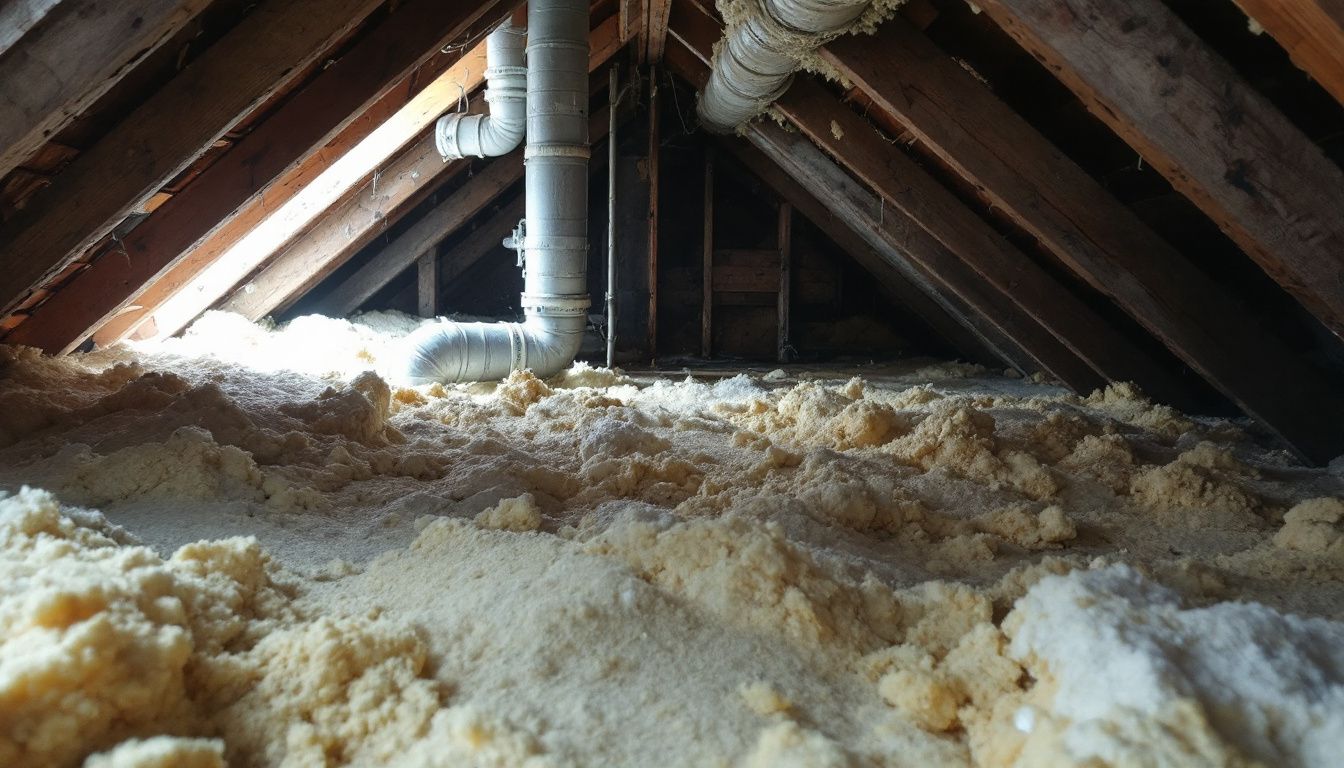
    • Loft conversions — Roof spaces in older homes frequently contain asbestos insulation boards and pipe lagging.
    • Kitchen or bathroom refits — Floor tiles, adhesives, and ceiling coatings in older properties can all contain asbestos.
    • Rewiring or plumbing work — Tradespeople working in wall cavities or around pipe runs need to know what they are working near.
    • Landlord responsibilities — If you let a property built before 2000, a management survey and ongoing re-inspections are strongly advisable.
    • Demolition of any structure — Outbuildings, garages, and extensions built before 2000 are all subject to the same considerations as the main dwelling.

    Properties built between the 1950s and 1970s carry the highest risk, as this was the peak period for asbestos use in UK construction. However, any property built up to 1999 should be treated with caution until a survey confirms otherwise.

    Common Materials in Homes That May Contain Asbestos

    One of the most useful things a homeowner can know is where asbestos is most commonly found in residential properties. The following materials are frequently identified during surveys of pre-2000 homes:

    • Textured coatings such as Artex on ceilings and walls
    • Floor tiles and the adhesive used to fix them
    • Roof tiles and corrugated cement sheets, particularly in garages and outbuildings
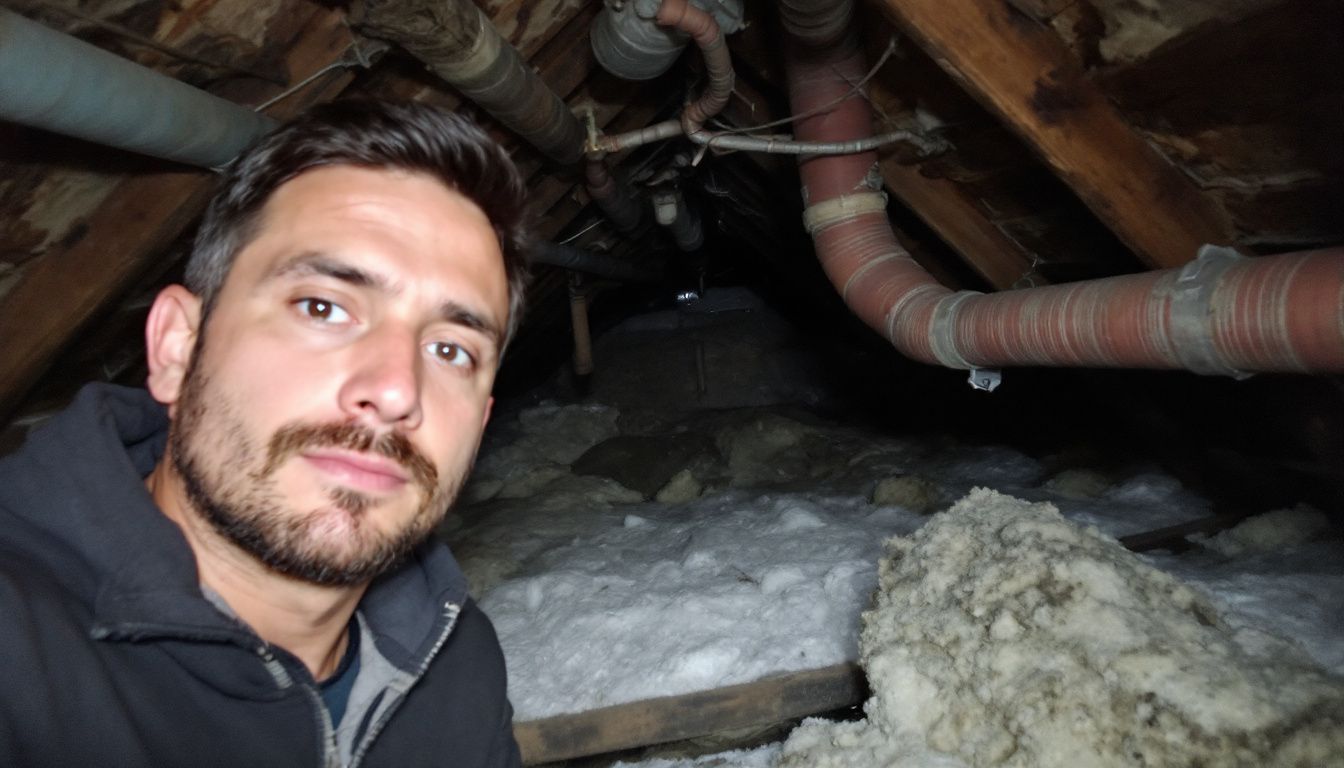
    • Pipe lagging and boiler insulation
    • Asbestos insulation board (AIB) used in fire doors, ceiling tiles, and partition walls
    • Soffit boards and fascias
    • Loose fill insulation in ceiling voids
    • Vinyl floor coverings and their backing materials

    The presence of any of these materials does not automatically mean danger. Condition and location are critical factors. A well-maintained, undamaged asbestos cement roof sheet poses a very different risk profile to damaged AIB in a frequently accessed ceiling void. A proper survey will assess all of this in context.

    What Happens During a Residential Asbestos Survey?

    Understanding the process helps homeowners prepare properly and know what to expect. Here is a typical sequence for a residential asbestos survey:

    1. Initial consultation — The surveying company will discuss the property, its age, planned works, and any known history of asbestos. This shapes the scope of the survey.
    2. Site visit — A qualified surveyor attends the property and carries out a systematic inspection of all areas within scope.
    3. Sampling — Where materials are suspected to contain asbestos, small samples are taken and sent to an accredited laboratory for analysis.
    4. Laboratory analysis — Samples are analysed under polarised light microscopy to confirm the presence and type of any asbestos fibres.
    5. Report preparation — A detailed written report is produced, identifying all ACMs, their location, condition, and risk rating.
    6. Recommendations — The report includes clear recommendations on management, encapsulation, or removal as appropriate.

    For situations where you suspect a specific material, targeted asbestos testing can sometimes be carried out without a full survey. This is useful when you want to confirm whether a particular material — a textured ceiling coating, for example — contains asbestos before deciding how to proceed.

    Asbestos Testing: When a Full Survey Is Not Required

    Sometimes a full survey is not the right tool for the job. If you have a single material you want to test — perhaps a suspicious ceiling coating or an old floor tile — asbestos testing of that specific material may be all you need.

    Testing involves taking a small sample of the material in question and having it analysed by a UKAS-accredited laboratory. Results will confirm whether asbestos is present and, if so, which type. This can be a quick and cost-effective way to get clarity before deciding on next steps.

    That said, targeted testing only tells you about the material sampled. It does not give you a picture of the wider property. If you are planning significant works, a full survey is always the more prudent choice.

    Choosing the Right Asbestos Surveyor

    Not all asbestos surveyors are equal. When selecting a company to carry out a residential survey, there are several things you should look for:

    • UKAS accreditation — The laboratory analysing your samples should be accredited by the United Kingdom Accreditation Service. This is a non-negotiable quality marker.
    • P402-qualified surveyors — Surveyors should hold the British Occupational Hygiene Society (BOHS) P402 qualification or equivalent. This is the industry-recognised standard for building surveys and bulk sampling.
    • Clear reporting — A good survey report is detailed, clearly written, and includes photographs, location plans, and unambiguous risk ratings.
    • Experience with residential properties — Residential surveys have different characteristics to commercial ones. Look for a company with a demonstrable track record in homes.
    • Transparent pricing — Reputable companies will give you a clear quote upfront. Be wary of unusually low prices that may reflect shortcuts in sampling or reporting.
    • Nationwide coverage — Whether you need an asbestos survey in London, an asbestos survey in Manchester, or an asbestos survey in Birmingham, choose a company with proven local expertise and national reach.

    What to Do If Asbestos Is Found

    Finding asbestos in your home does not automatically mean you need to take immediate action. In many cases, the right response is to leave the material undisturbed and monitor it through regular re-inspections. ACMs in good condition, in locations where they will not be disturbed, can safely remain in place for many years.

    Where asbestos does need to be removed — because it is damaged, deteriorating, or in the way of planned works — removal must be carried out by a licensed contractor. The type of licence required depends on the material involved. High-risk materials such as AIB and sprayed coatings require a fully licensed contractor. Lower-risk materials may be handled by a contractor holding a notifiable non-licensed work (NNLW) notification.

    Never attempt to remove asbestos yourself. Even materials that appear to be in good condition can release fibres when disturbed. The risks are simply not worth taking.

    Once removal or remediation is complete, a clearance inspection should be carried out by an independent analyst to confirm that the area is safe before reoccupation or further works begin.

    Asbestos Surveys Across the UK: Getting the Right Coverage

    Supernova Asbestos Surveys operates nationwide, with surveyors covering residential and commercial properties across England, Scotland, and Wales. Whether your property is a Victorian terrace in a city centre or a 1980s detached house in a rural area, the same rigorous standards apply.

    Local knowledge matters too. Surveyors familiar with the housing stock in a particular area will often have a clearer sense of what materials are likely to be present based on construction period and regional building practices. This experience feeds directly into the quality and accuracy of the survey.

    If you are unsure which type of survey you need, a brief conversation with an experienced surveyor will usually clarify things quickly. The right company will ask the right questions before recommending anything.

    Frequently Asked Questions

    Do I legally have to get an asbestos survey for my home?

    For owner-occupied residential properties, there is no automatic legal requirement to commission an asbestos survey under the Control of Asbestos Regulations. However, once renovation or construction work begins, the regulations apply to the work itself. If you are a landlord, you have a duty of care to tenants that makes surveys and ongoing management strongly advisable. Even for owner-occupiers, getting a survey before any significant works is the responsible approach — and protects the tradespeople working in your home.

    How long does a residential asbestos survey take?

    The duration depends on the size of the property and the type of survey being carried out. A management survey for an average-sized house typically takes two to three hours. A refurbishment or demolition survey may take longer, particularly if the scope of works is extensive or if the property has multiple areas requiring intrusive inspection. Your surveyor should be able to give you a realistic time estimate when you book.

    Can I stay in my home during an asbestos survey?

    For a management survey, occupants can generally remain in the property, though it is sensible to keep out of the rooms being inspected while sampling is taking place. For refurbishment or demolition surveys, which involve more intrusive work, your surveyor will advise on whether any areas need to be vacated temporarily. In most cases, a residential survey causes minimal disruption to daily life.

    How much does a residential asbestos survey cost?

    Costs vary depending on the type of survey, the size of the property, and the number of samples taken for laboratory analysis. A management survey for a standard house is generally the most affordable option. Refurbishment and demolition surveys cost more, reflecting the greater level of access and inspection involved. Always request a detailed written quote before proceeding, and be cautious of prices that seem unusually low — they may reflect reduced sampling or less thorough reporting.

    What is the difference between asbestos testing and an asbestos survey?

    An asbestos survey is a systematic inspection of a property to identify all suspected ACMs, assess their condition, and produce a risk-rated report. Asbestos testing refers to the laboratory analysis of a specific sample taken from a particular material. Testing can be carried out as a standalone exercise if you want to confirm whether one specific material contains asbestos. A full survey gives you a much broader picture of the entire property and is the appropriate choice before any significant works.

    Speak to Supernova Asbestos Surveys

    Supernova Asbestos Surveys has completed over 50,000 surveys nationwide. Our qualified surveyors work to HSG264 standards, and all laboratory analysis is carried out by UKAS-accredited facilities. Whether you need a straightforward management survey before letting a property or a full demolition survey ahead of a major project, we will match you with the right service for your situation.

    Call us on 020 4586 0680 or visit asbestos-surveys.org.uk to find out more or request a quote. Do not start work on a pre-2000 property without speaking to us first.
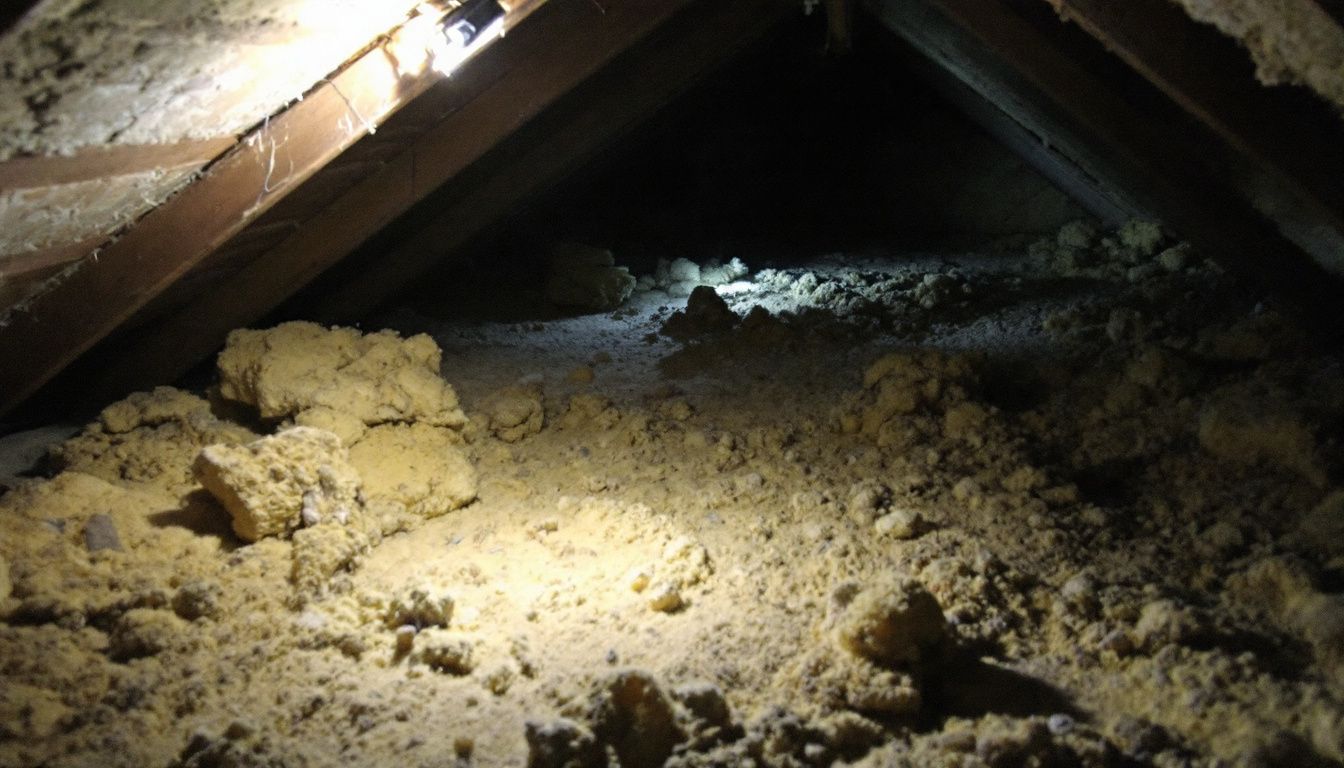

  • How to Prepare for a Residential Asbestos Survey: Tips and Advice

    How to Prepare for a Residential Asbestos Survey: Tips and Advice

    What Every Homeowner Should Know Before Booking a Domestic Asbestos Survey

    If your home was built before 2000, there is a realistic chance it contains asbestos-containing materials (ACMs). A domestic asbestos survey is the only reliable way to find out exactly what you are dealing with — and how to manage it safely. Whether you are planning a renovation, selling your property, or simply want peace of mind, knowing how to prepare makes the whole process faster, smoother, and more accurate.

    Why a Domestic Asbestos Survey Matters

    Asbestos was widely used in UK residential construction until it was fully banned in 1999. It was mixed into floor tiles, artex ceilings, pipe lagging, roof felt, insulation boards, and dozens of other common building materials.

    In good condition, ACMs are not immediately dangerous. But once disturbed — during a DIY project, a loft conversion, or even a simple kitchen refit — fibres can become airborne and pose a serious long-term health risk.

    A domestic asbestos survey identifies exactly where ACMs are located, assesses their condition, and tells you what action (if any) is required. Without that information, you are essentially working blind — and so is any contractor you bring onto site.

    Whilst the legal duty to manage asbestos under the Control of Asbestos Regulations applies primarily to non-domestic premises, homeowners still carry a moral and practical responsibility to protect themselves, their families, and any tradespeople working in their property. Many mortgage lenders and conveyancing solicitors now request asbestos survey reports as part of the buying and selling process.

    Types of Domestic Asbestos Survey — Which One Do You Need?

    Not all asbestos surveys are the same. The type you need depends entirely on what you plan to do with the property.

    Management Survey

    A management survey is the standard option for an occupied home where no major building work is planned. It locates ACMs in areas that are normally accessible, assesses their condition, and produces a risk-rated register.

    This is the right choice if you want to understand what is in your home and monitor it over time. It is also the survey most commonly requested during property sales and remortgages. If you simply want to know what you are living with, this is where to start.

    Refurbishment Survey

    If you are planning any building work — a loft conversion, extension, kitchen or bathroom refit, or structural alterations — you need a refurbishment survey before work begins. This is a more intrusive inspection that targets the specific areas to be disturbed.

    Surveyors may need to lift floorboards, open wall cavities, or access hidden voids to ensure nothing is missed. No reputable contractor should begin significant renovation work on a pre-2000 property without an asbestos refurbishment survey in place. If yours is asking you to skip this step, that is a serious red flag.

    Re-Inspection Survey

    If ACMs have already been identified and are being managed in situ, they need to be checked periodically to ensure their condition has not deteriorated. A re-inspection survey revisits known ACMs, updates their condition rating, and flags any that may now require remediation or removal.

    How to Prepare Your Home for a Domestic Asbestos Survey

    A little preparation on your part makes a significant difference to the quality and completeness of the survey. Here is exactly what to do before the surveyor arrives.

    1. Gather Any Existing Building Records

    If you have original building plans, planning permission documents, previous asbestos reports, or any records from prior renovation work, have these ready. They help the surveyor understand the construction history of the property and identify materials that may not be immediately visible.

    2. Make Every Area Accessible

    Your surveyor needs to inspect all parts of the property — not just the main rooms. This includes:

    • Loft spaces and roof voids
    • Basements and cellars
    • Understairs cupboards
    • Garages and outbuildings
    • External areas including roofing, soffits, and fascias
    • Boiler rooms and utility areas

    Clear access to these spaces before the appointment. Move stored items away from walls and ceiling hatches. If a loft hatch is difficult to open or a cupboard is packed full, let the surveyor know in advance.

    3. Note Any Areas of Concern

    If you have noticed any crumbling ceiling tiles, damaged pipe lagging, or suspicious-looking insulation material, make a note and flag it to the surveyor. You do not need to touch or disturb anything — just point it out. The surveyor will assess it properly.

    4. Notify All Occupants

    Everyone in the property should know the survey is happening. During sampling, small amounts of dust may be generated. Whilst surveyors use correct containment procedures to minimise this, it is sensible to keep children and pets out of rooms being actively sampled.

    5. Do Not Disturb Suspect Materials Beforehand

    This is critical. If you suspect a material might contain asbestos, do not sand it, drill it, cut it, or attempt to remove it before the survey. Leave everything exactly as it is. Disturbing ACMs without proper controls in place is how people get exposed.

    What Happens During the Survey

    Understanding the process helps you know what to expect on the day and ensures you can ask the right questions.

    Visual Inspection

    The surveyor carries out a thorough room-by-room visual inspection of the property. They are looking for materials that, based on their age, location, and appearance, may contain asbestos. This includes textured coatings, floor tiles, ceiling tiles, pipe lagging, insulation boards, roofing sheets, and more.

    Sampling

    Where a material is suspected to contain asbestos, the surveyor takes a small representative sample. This is done carefully, using correct containment procedures to prevent fibre release. Samples are labelled, sealed, and sent to a UKAS-accredited laboratory for analysis.

    If you would prefer to collect samples yourself from accessible, non-friable materials, our testing kit allows you to do so safely and send them directly to the lab. However, for a full domestic asbestos survey, a qualified surveyor attending in person is always the more thorough option.

    Laboratory Analysis

    Samples are analysed under polarised light microscopy (PLM) at a UKAS-accredited laboratory. This is the only method that reliably identifies asbestos type and confirms its presence. Results are typically returned within a few working days.

    For standalone asbestos testing of specific materials, results can often be turned around even faster.

    The Survey Report

    Once analysis is complete, you receive a written report containing:

    • An asbestos register listing all identified and suspected ACMs
    • The location and condition of each material
    • A risk rating for each ACM
    • Photographs and floor plan references
    • Recommended management actions

    A good report should be clear, unambiguous, and free from unagreed caveats. It should follow the standards set out in HSG264 — the HSE’s definitive guidance on asbestos surveying. If a report you receive is vague or lacks a risk-rated register, question it.

    Understanding Your Survey Report

    Receiving a report full of technical language can feel overwhelming. Here is a plain-English breakdown of the key elements.

    Risk Ratings

    Each ACM in the report will carry a risk rating — typically scored on a numerical scale. A high-risk rating does not necessarily mean the material needs to be removed immediately. It means it requires prompt attention, whether that is professional encapsulation, increased monitoring, or managed removal.

    Management Recommendations

    The report will recommend one of the following actions for each ACM:

    1. Leave in situ and monitor — material is in good condition and poses minimal risk if left undisturbed
    2. Encapsulate or seal — material is slightly damaged but can be made safe without removal
    3. Label and manage — material should be clearly identified and included in an ongoing management plan
    4. Remove — material is in poor condition or in a location where disturbance is likely; removal by a licensed contractor is required

    Ongoing Management

    For ACMs that are being left in place, the report will specify how often they should be re-inspected. This is where a periodic re-inspection survey becomes part of your long-term property management routine, ensuring that materials in good condition today are not quietly deteriorating over time.

    Choosing the Right Surveyor for a Domestic Asbestos Survey

    The quality of your survey is only as good as the person carrying it out. Here is what to look for.

    BOHS P402 Qualification

    Surveyors should hold the British Occupational Hygiene Society (BOHS) P402 qualification as a minimum. This is the industry-recognised standard for asbestos surveying and sampling. Do not accept a survey from someone who cannot demonstrate this qualification.

    UKAS-Accredited Laboratory

    Samples must be analysed by a UKAS-accredited laboratory. Accreditation means the lab has been independently assessed against internationally recognised standards. Results from non-accredited labs are not legally defensible and may not be accepted by contractors, solicitors, or local authorities.

    Compliance with HSG264

    The surveyor should work in accordance with HSG264 — the HSE’s survey guide. This sets out the methodology, sampling requirements, and reporting standards that all competent surveyors must follow.

    Clear, Fixed Pricing

    Reputable surveyors provide transparent, fixed-price quotes before work begins. Be cautious of unusually low quotes — a thorough domestic asbestos survey takes time, and cutting corners on sampling or reporting puts you at risk.

    Asbestos Survey Costs: What to Expect

    Survey costs vary depending on property size, location, and the type of survey required. As a general guide:

    • Management Survey: From £195 for a standard residential property
    • Refurbishment Survey: From £295, covering all areas to be disturbed prior to works
    • Re-Inspection Survey: From £150, plus a per-ACM fee for each material re-inspected
    • Bulk Sample Testing Kit: From £30 per sample for DIY collection of specific materials

    All prices should be confirmed before booking. You can request a free quote from Supernova Asbestos Surveys with no obligation.

    It is also worth noting that some survey providers offer combined services. If your property also requires a fire risk assessment, booking this alongside your asbestos survey can save time and reduce disruption to occupants.

    The Legal Framework: What Homeowners Need to Know

    Whilst the formal legal duty to manage asbestos under the Control of Asbestos Regulations applies to non-domestic premises, the regulations still have relevance for homeowners — particularly if any part of the property is used commercially, let to tenants, or if you employ contractors to carry out work.

    Under the Control of Asbestos Regulations, anyone carrying out work that may disturb asbestos must take appropriate precautions. This means that before any contractor works on a pre-2000 home, they should be made aware of any known or suspected ACMs. If you do not have a survey, you cannot provide that information — and that puts both you and them at risk.

    HSG264 sets out the standards for how surveys should be conducted and reported. Any surveyor working on your property should be able to demonstrate that their methodology aligns with this guidance.

    If you are based in the capital and need a trusted local team, our asbestos survey London service covers the full Greater London area with rapid turnaround times.

    For more detail on the full range of options available to homeowners, our dedicated asbestos testing page provides clear guidance on what is available and when each approach is appropriate.

    Book Your Domestic Asbestos Survey with Supernova

    Supernova Asbestos Surveys has completed over 50,000 surveys nationwide. Our surveyors hold the BOHS P402 qualification, all samples are analysed by UKAS-accredited laboratories, and every report is produced in line with HSG264.

    Whether you need a management survey for peace of mind, a refurbishment survey ahead of building works, or a re-inspection of previously identified ACMs, we can help. We offer fixed, transparent pricing and fast turnaround times across the UK.

    Call us on 020 4586 0680, visit asbestos-surveys.org.uk, or request your free quote online today.

    Frequently Asked Questions

    What is a domestic asbestos survey?

    A domestic asbestos survey is a professional inspection of a residential property carried out by a qualified surveyor to identify the location, type, and condition of any asbestos-containing materials (ACMs). The surveyor takes samples of suspected materials, which are sent to a UKAS-accredited laboratory for analysis. The findings are compiled into a written report with a risk-rated register and recommended management actions.

    Does my home legally need an asbestos survey?

    There is no legal requirement for homeowners to commission a domestic asbestos survey on their own private residence. However, the Control of Asbestos Regulations require that anyone carrying out work likely to disturb asbestos takes appropriate precautions. In practice, this means any contractor working on a pre-2000 property should be informed of known or suspected ACMs — and a survey is the only reliable way to provide that information. Surveys are also increasingly requested by mortgage lenders and solicitors during property transactions.

    How long does a domestic asbestos survey take?

    For a typical residential property, a management survey usually takes between one and three hours on site. A refurbishment survey may take longer depending on the scope of the planned works and the areas to be inspected. Laboratory analysis of samples typically takes two to three working days, after which the written report is issued.

    Can I stay in my home during the survey?

    Yes, in most cases you can remain in the property during the survey. However, it is advisable to keep children and pets out of rooms where sampling is actively taking place. Surveyors use containment procedures to minimise dust during sampling, but keeping the immediate area clear is a sensible precaution.

    What should I do if asbestos is found in my home?

    Finding asbestos in your home does not automatically mean it needs to be removed. Many ACMs in good condition are best left undisturbed and monitored over time. Your survey report will include specific management recommendations for each material identified — ranging from leaving it in situ and monitoring it, to encapsulation, or removal by a licensed contractor where necessary. Follow the recommendations in the report and arrange a periodic re-inspection survey to track the condition of any materials being managed in place.

  • Key Components of a Comprehensive Asbestos Survey Report

    Key Components of a Comprehensive Asbestos Survey Report

    What Your Asbestos Survey Report Actually Tells You — And Why Every Section Matters

    An asbestos survey report is not just paperwork to file away. It is a legally significant document that tells you exactly where asbestos-containing materials (ACMs) exist in your building, what condition they are in, and what you need to do about them.

    Getting that report right — and understanding what it contains — is fundamental to managing your duty of care under UK law. Whether you are a property manager, landlord, or business owner, this post walks you through every key component of a proper asbestos survey report, so you know what to expect, what to look for, and what action to take once you have it in your hands.

    Why the Asbestos Survey Report Is the Foundation of Safe Management

    Under the Control of Asbestos Regulations, the duty to manage asbestos in non-domestic premises is a legal obligation — not a recommendation. The asbestos survey report is the primary document that enables you to fulfil that duty.

    Without it, you cannot maintain a compliant asbestos register, assess risk accurately, or instruct contractors safely. HSE guidance in HSG264 sets out exactly how surveys should be conducted and what the resulting report must contain. A report that falls short of these standards is not just unhelpful — it could leave you legally exposed if something goes wrong.

    The type of survey you commission also shapes the report you receive. A management survey focuses on identifying ACMs that could be disturbed during normal occupancy and routine maintenance. A refurbishment survey is far more intrusive, designed to locate all ACMs in areas where work is planned. Both produce different reports with different scopes — and both must meet HSG264 standards.

    Surveyor Credentials: The First Thing to Check

    Before you read a single finding in your asbestos survey report, check who produced it. The surveyor’s qualifications and the accreditation of the laboratory used are not optional extras — they determine whether the report is legally defensible.

    What Qualifications Should a Surveyor Hold?

    Surveyors should hold the BOHS P402 qualification as a minimum — this is the British Occupational Hygiene Society certificate for surveying and sampling of asbestos-containing materials. It is widely regarded as the industry benchmark.

    At Supernova Asbestos Surveys, all surveyors hold BOHS P402 qualifications and have extensive field experience. Our team has completed over 50,000 surveys across the UK, and every report we produce is fully compliant with HSG264 and the Control of Asbestos Regulations.

    UKAS Accreditation for Laboratory Analysis

    Any samples collected during the survey must be analysed by a UKAS-accredited laboratory. UKAS (United Kingdom Accreditation Service) accreditation means the lab operates to internationally recognised standards, and its results are legally credible.

    Your report should clearly state which laboratory was used and confirm its UKAS accreditation. If it does not, treat that as a red flag.

    Scope and Objectives: What Was Actually Inspected?

    A reliable asbestos survey report will set out clearly what the survey covered. This section defines the boundaries of the inspection and protects both the surveyor and the duty holder by making explicit what was — and was not — included.

    Areas Inspected

    The report should list every area of the building that was accessed and inspected. This includes rooms, plant rooms, roof voids, ceiling voids, basements, service ducts, and external structures.

    If any areas were inaccessible — due to locked rooms, fixed furniture, or unsafe access — these must be clearly noted as limitations. A good report will flag this and recommend follow-up action. If an area could not be inspected, it must be treated as potentially containing ACMs until proven otherwise.

    Survey Type and Methodology

    The report should state which type of survey was carried out and the methodology used. For a management survey, this means a visual inspection with sampling of accessible suspect materials. For a refurbishment survey, it means intrusive inspection of areas where work will take place — including breaking into structures where necessary.

    The sampling strategy should also be described. This includes how many samples were taken, from which materials, and using what containment procedures to prevent fibre release during collection.

    Survey Findings: The Core of Your Asbestos Survey Report

    The findings section is where the substantive data lives. This is what you will return to repeatedly when managing asbestos on site, instructing contractors, or preparing for refurbishment work.

    The Asbestos Register

    Every asbestos survey report must include an asbestos register — a structured record of all identified ACMs. The register typically presents information in a table format and should include the following for each material identified:

    • Location: The specific area of the building where the material was found (e.g., Boiler Room — pipe lagging, Ground Floor Office — ceiling tiles)
    • Material type: The type of asbestos-containing material (e.g., asbestos insulating board, asbestos cement, textured coating)
    • Asbestos type: The specific fibre type confirmed by lab analysis — chrysotile, amosite, or crocidolite
    • Quantity: Estimated area or length of the material present
    • Condition: Whether the material is in good, fair, or poor condition
    • Accessibility: How easily the material can be disturbed during normal use or maintenance
    • Risk assessment score: A numerical or categorical risk rating based on condition and accessibility
    • Recommended action: What should be done — monitor, repair, encapsulate, or remove

    This register becomes a living document. It should be updated whenever conditions change, work is carried out, or a re-inspection survey is completed.

    Risk Assessment Methodology

    The risk assessment within an asbestos survey report is typically based on a scoring system that considers the material’s condition, its type, its location, and how likely it is to be disturbed. HSG264 provides a standardised algorithm for this, and reputable surveyors use it consistently.

    A high-risk score does not automatically mean the material must be removed. In many cases, materials in good condition and low-disturbance locations are best left in place and managed. The report’s recommended actions should reflect this nuance — not simply recommend removal for everything.

    Laboratory Results

    Each sample collected during the survey should have a corresponding laboratory result included in or appended to the report. These results will confirm:

    • Whether asbestos was detected in the sample
    • The type of asbestos fibre identified
    • The analytical method used (typically polarised light microscopy, or PLM)
    • The UKAS-accredited lab’s reference number and analyst details

    If you are ever unsure whether a material contains asbestos and cannot wait for a full survey, a testing kit allows you to collect a sample yourself and have it analysed — though this is no substitute for a full survey where one is legally required.

    The Management Plan: Turning Findings Into Action

    A thorough asbestos survey report does not just catalogue what was found — it tells you what to do next. The management plan section translates the risk assessment into a practical action plan.

    Prioritised Recommendations

    Recommendations should be prioritised by risk level. High-risk materials — those in poor condition or in areas of high disturbance — require immediate attention. Lower-risk materials may only require periodic monitoring and re-inspection.

    The management plan should specify:

    • Which materials require immediate action (repair, encapsulation, or removal)
    • Which materials should be monitored and at what frequency
    • When the next re-inspection should take place
    • What information needs to be communicated to contractors and building occupants

    Communicating the Register to Others

    The duty to manage asbestos includes a legal obligation to share information about ACMs with anyone who may disturb them. This means contractors, maintenance staff, and emergency services must be made aware of the asbestos register before carrying out any work.

    Your asbestos survey report should be kept on site and readily accessible. It should not be locked away in a filing cabinet where no one can find it.

    Legal Compliance: What the Regulations Require

    Understanding the legal framework behind the asbestos survey report helps you appreciate why every section matters. The key regulations and guidance documents are:

    • Control of Asbestos Regulations: The primary legislation governing asbestos management in Great Britain. Regulation 4 imposes the duty to manage asbestos in non-domestic premises. This includes identifying ACMs, assessing and managing risk, and keeping an up-to-date asbestos register.
    • HSG264 — Asbestos: The Survey Guide: The HSE’s definitive guidance on how surveys should be conducted and reported. Any survey report that does not follow HSG264 methodology should be questioned.
    • UKAS accreditation requirements: All laboratory analysis must be carried out by a UKAS-accredited facility to be legally credible.

    Failure to comply with the duty to manage can result in enforcement action, substantial fines, and — most critically — serious harm to building occupants and workers. The asbestos survey report is your primary evidence of compliance.

    Different Surveys, Different Reports: Knowing Which One You Need

    Not every asbestos survey report looks the same, because not every survey serves the same purpose. Understanding the distinctions helps you commission the right survey and interpret the resulting report correctly.

    A management survey report documents ACMs across the accessible areas of a building in its current state. It is the standard survey for occupied premises and feeds directly into your ongoing asbestos management plan.

    A refurbishment survey report is required before any construction or refurbishment work begins in an area. It is intrusive by design — walls, floors, and ceilings may be opened up to locate hidden ACMs. The resulting report covers only the areas relevant to the planned works.

    A demolition survey is the most thorough of all. It is required before any building is demolished and must locate all ACMs throughout the entire structure — including those that would only be accessible by destructive inspection. The report produced is exhaustive and must be completed before demolition work can legally proceed.

    If you already have an asbestos register in place, a re-inspection survey updates it. The report from a re-inspection records any changes in the condition of known ACMs, flags new concerns, and confirms whether previously recommended actions have been completed.

    What to Expect From the Survey Process

    Understanding what happens before and during the survey helps you prepare your building and get the most accurate report possible.

    Step-by-Step: From Booking to Report

    1. Booking: Contact the survey provider, confirm the survey type required, and agree a date. At Supernova, we typically offer same-week availability.
    2. Site visit: A qualified P402 surveyor attends and conducts a thorough inspection, taking samples from suspect materials using correct containment procedures.
    3. Laboratory analysis: Samples are sent to a UKAS-accredited laboratory for analysis under polarised light microscopy (PLM).
    4. Report delivery: You receive your full asbestos survey report — including the register, risk assessment, and management plan — typically within 3 to 5 working days, in digital format.

    If your property is in the capital, our asbestos survey London service covers all boroughs with rapid turnaround. We also offer a dedicated asbestos survey Manchester service and asbestos survey Birmingham coverage, with qualified surveyors based locally across the UK.

    How to Read and Use Your Asbestos Survey Report

    Receiving your asbestos survey report is the beginning of the process, not the end. Knowing how to read it correctly means you can act on it quickly and confidently.

    Start with the executive summary if one is provided — this gives you an at-a-glance overview of what was found and what requires urgent attention. Then move to the asbestos register and focus on any materials rated as high risk or in poor condition.

    Check the limitations section carefully. If areas of your building were inaccessible during the survey, you need to arrange access and have those areas inspected before any work takes place in or near them.

    When sharing the report with contractors, do not simply hand over the full document and expect them to find what they need. Walk them through the relevant sections for their specific work area and confirm they have understood the locations and risk ratings of any nearby ACMs.

    Keeping Your Report Up to Date

    An asbestos survey report has a shelf life. The condition of ACMs can deteriorate over time, and building use changes. HSE guidance recommends that ACMs in poor or damaged condition are re-inspected at least annually, while those in good condition may only require inspection every two to three years — though your surveyor will advise based on your specific building.

    Any time remedial work is carried out on an ACM — whether it is repaired, encapsulated, or removed — the register must be updated to reflect that change. A report that does not reflect the current state of your building is not a useful management tool.

    Common Mistakes to Avoid With Asbestos Survey Reports

    Even when a survey has been properly conducted, duty holders sometimes make avoidable errors in how they manage and use the resulting report.

    • Filing it away and forgetting it: The report must be actively used and kept accessible on site. It is not a one-time compliance exercise.
    • Not sharing it with contractors: Every contractor working in or around the building must be made aware of the asbestos register before starting work. Failure to do this is a breach of the duty to manage.
    • Assuming a clean report means no asbestos: A management survey only covers accessible areas. If the report notes limitations or inaccessible areas, those zones are not confirmed as asbestos-free.
    • Using an outdated report for refurbishment work: A management survey is not sufficient before structural work begins. A separate refurbishment survey is required, and its report must cover the specific areas being worked on.
    • Commissioning a survey from an unaccredited provider: A report produced by a surveyor without BOHS P402 qualifications, or using a non-UKAS laboratory, may not be legally defensible. Always check credentials before booking.

    Survey Pricing: What You Should Expect to Pay

    Transparent pricing is a mark of a trustworthy asbestos surveying company. The cost of a survey — and therefore the report — varies depending on the size of the property, the type of survey required, and the number of samples taken.

    As a general guide, a management survey for a small commercial property will cost less than one covering a large industrial site with multiple buildings. Refurbishment and demolition surveys tend to cost more due to the intrusive nature of the inspection and the larger number of samples typically required.

    Be cautious of unusually low quotes. A surveyor who charges significantly less than the market rate may be cutting corners on sample numbers, laboratory analysis, or report quality — all of which affect the legal validity of the document you receive.

    At Supernova Asbestos Surveys, we provide clear, itemised quotes before any work begins. You will always know exactly what is included in your asbestos survey report before we start.

    Get Your Asbestos Survey Report From the UK’s Leading Provider

    Supernova Asbestos Surveys has completed over 50,000 surveys nationwide, and every report we produce meets the full requirements of HSG264 and the Control of Asbestos Regulations. Our surveyors hold BOHS P402 qualifications, our laboratory partners are UKAS-accredited, and our reports are delivered in clear, actionable digital format — typically within 3 to 5 working days.

    Whether you need a management survey for an occupied building, a refurbishment survey before planned works, or a demolition survey for a site clearance, we have the expertise and nationwide coverage to deliver.

    Call us on 020 4586 0680 or visit asbestos-surveys.org.uk to get a quote or book your survey today.

    Frequently Asked Questions

    What should an asbestos survey report include?

    A compliant asbestos survey report should include the surveyor’s credentials and methodology, a full asbestos register listing all identified ACMs with their location, type, condition, and risk rating, laboratory results for all samples taken, and a management plan with prioritised recommendations. It should also note any areas that were inaccessible during the survey.

    How long is an asbestos survey report valid for?

    There is no fixed expiry date on an asbestos survey report, but it must reflect the current condition of ACMs in your building. HSE guidance recommends that known ACMs are re-inspected periodically — at least annually for those in poor condition. Any time the condition of an ACM changes or remedial work is carried out, the register must be updated. If you are planning refurbishment or demolition work, a new survey will be required regardless of how recent your existing report is.

    Do I need a new asbestos survey report before refurbishment work?

    Yes. A management survey report is not sufficient before refurbishment or construction work begins. You will need a refurbishment survey covering the specific areas where work is planned. This is a legal requirement under the Control of Asbestos Regulations, and the resulting report must be available before any contractors start work on the affected areas.

    Can I rely on an asbestos survey report produced by a previous owner?

    You can use a previous owner’s report as a starting point, but you should treat it with caution. Check when it was produced, whether the surveyor held BOHS P402 qualifications, and whether a UKAS-accredited laboratory was used for sample analysis. If the report is more than a few years old, or if there is any doubt about its quality or completeness, commissioning a new survey is the safest course of action.

    What happens if I do not have an asbestos survey report for my building?

    If you are a duty holder for a non-domestic premises built before the year 2000, you are legally required to have an asbestos management plan in place — and that requires a survey. Operating without one leaves you in breach of the Control of Asbestos Regulations, which can result in enforcement action and fines from the HSE. More importantly, it puts anyone working in or visiting your building at risk of asbestos exposure.

  • Common Misconceptions About Asbestos in Residential Buildings

    Common Misconceptions About Asbestos in Residential Buildings

    The Asbestos Myths That Put Homeowners at Real Risk

    There are more common misconceptions about asbestos in residential buildings than almost any other home safety topic — and some of those myths are genuinely dangerous. Homeowners dismiss risks they shouldn’t, disturb materials they shouldn’t touch, and skip surveys they legally or practically need.

    Asbestos was used extensively in UK residential construction right up until its full ban in 1999. That means millions of homes built or refurbished before 2000 could contain asbestos-containing materials (ACMs). Knowing the truth about where it hides, what it does, and how to manage it safely isn’t optional — it’s essential.

    Misconception 1: “My Home Is Too New to Contain Asbestos”

    This is one of the most persistent common misconceptions about asbestos in residential buildings. Many homeowners assume that because their property was built in the 1980s or even the early 1990s, they’re in the clear. They’re not necessarily.

    Asbestos use in the UK was phased out gradually. Brown and blue asbestos were banned in 1985, but white asbestos (chrysotile) remained legal for use in certain products until 1999. Properties built or significantly renovated right up to that point may still contain ACMs in floor tiles, artex coatings, pipe lagging, roof panels, soffit boards, and more.

    If your home was built before 2000, the only way to know for certain is to have it surveyed by a qualified professional. Assumptions based on age alone can leave you and your family exposed to a risk you didn’t know existed.

    Misconception 2: “Asbestos Is Only Dangerous If You Disturb It”

    There’s a kernel of truth here, but it’s dangerously oversimplified. Asbestos fibres become hazardous when they’re airborne — and yes, undisturbed, well-bonded ACMs in good condition are generally considered lower risk. However, materials don’t stay undisturbed forever.

    Asbestos textured coatings can degrade over time. Pipe lagging can crack. Floor tiles can chip during everyday use. Even routine maintenance — drilling a wall, sanding a ceiling, replacing a light fitting — can disturb hidden ACMs without the homeowner realising it.

    The HSE is clear: there is no known safe level of asbestos exposure. Every fibre inhaled carries a degree of risk. Diseases caused by asbestos — including mesothelioma, lung cancer, and asbestosis — can take 20 to 40 years to develop after exposure, which means the damage is often done long before any symptoms appear.

    What the Health Risks Actually Look Like

    Around 2,500 people are diagnosed with mesothelioma in the UK each year. This is a cancer of the lining of the lungs or abdomen caused almost exclusively by asbestos exposure, and it has no cure.

    Asbestosis — scarring of the lung tissue — and pleural plaques are also directly linked to asbestos fibre inhalation. Smoking significantly increases the risk of asbestos-related lung cancer. But even non-smokers with no occupational exposure can develop these diseases through what’s known as secondary or para-occupational exposure — for example, washing the clothes of a family member who worked with asbestos.

    Misconception 3: “A Dust Mask Will Protect Me If I Need to Work Near Asbestos”

    This misconception genuinely costs lives. Standard dust masks — including many disposable FFP2 or FFP3 respirators used on general building sites — do not provide adequate protection against asbestos fibres. Asbestos fibres are microscopic, and many pass straight through inadequate filtration.

    Work involving asbestos requires asbestos-specific personal protective equipment (PPE), including correctly fitted, asbestos-grade respiratory protective equipment (RPE). For licensed work, this means full-face powered air-purifying respirators or similar. The equipment must be worn correctly, and workers must be trained and medically fit-tested to use it.

    The Control of Asbestos Regulations set out strict requirements for anyone carrying out work with or near ACMs. These aren’t bureaucratic formalities — they exist because the health consequences of getting it wrong are catastrophic and irreversible.

    Misconception 4: “I Can Remove Asbestos Myself to Save Money”

    DIY asbestos removal is one of the most dangerous things a homeowner can attempt. Beyond the obvious health risks, it is also illegal in many circumstances and can result in significant fines.

    Under the Control of Asbestos Regulations, certain types of asbestos work require a licence from the HSE. Even for non-licensable work, strict notification, containment, and disposal rules apply. Asbestos waste cannot be placed in your household bin or taken to a standard recycling centre — it must be double-bagged in specialist asbestos waste sacks, labelled correctly, and taken to a licensed disposal site.

    If you’re considering any work that might disturb suspected ACMs, the right first step is a refurbishment survey carried out before work begins. This identifies exactly what’s present, where it is, and what needs to happen before contractors start. Skipping this step can expose workers, family members, and neighbours to fibres — and leave you legally liable.

    What Happens to Asbestos Waste?

    Asbestos waste is classified as hazardous waste under UK law. It cannot be mixed with general building rubble or skip waste. Disposal must be handled by a licensed waste carrier, and a consignment note must accompany the waste to a licensed landfill site.

    If you’re using a contractor who doesn’t mention waste documentation, that’s a serious warning sign. Reputable licensed contractors handle the full waste chain and provide paperwork as a matter of course.

    Misconception 5: “Asbestos Only Affects Construction Workers”

    Historically, the highest rates of asbestos-related disease were seen in industries like shipbuilding, construction, and insulation work. But the idea that asbestos is purely an occupational hazard for tradespeople is badly outdated.

    Homeowners carrying out DIY renovations, teachers in schools with deteriorating ACMs, office workers in older buildings — all can be exposed. Women and children have developed mesothelioma through secondary exposure, having never worked in a trade in their lives.

    In residential settings specifically, the risk often comes from well-meaning renovation work. Knocking down a wall, ripping out an old artex ceiling, or pulling up 1970s floor tiles without first checking for asbestos can release significant quantities of fibres into the home environment.

    Misconception 6: “Once Asbestos Is Identified, It Always Has to Be Removed Immediately”

    This surprises many people, but immediate removal is not always the right approach — and can sometimes make things worse. Disturbing ACMs that are in good condition and low risk can release more fibres than leaving them in place and managing them carefully.

    The HSE’s approach, reflected in HSG264 guidance, is based on risk assessment. ACMs in good condition that are unlikely to be disturbed can often be managed in situ, with their condition monitored through regular inspections.

    A management survey is the standard starting point for any occupied residential or commercial property — it identifies ACMs, assesses their condition, and produces a risk-rated register and management plan. Where materials are deteriorating, damaged, or in an area where work is planned, asbestos removal or encapsulation may be the appropriate course of action. But that decision should be made by a qualified professional based on evidence, not assumption.

    The Role of Regular Re-Inspection

    Managing asbestos in place isn’t a one-time decision. The condition of ACMs can change over time, particularly in properties that are occupied, heated, and subject to general wear and tear.

    A re-inspection survey carried out at regular intervals — typically annually for higher-risk materials — ensures that any deterioration is caught early and acted upon before fibres are released. Skipping re-inspections is a common failing in both residential and commercial properties, and for duty holders managing non-domestic premises it’s also a legal compliance issue.

    Misconception 7: “I Can Tell If a Material Contains Asbestos Just by Looking at It”

    You cannot. Asbestos fibres are invisible to the naked eye, and ACMs often look identical to non-asbestos equivalents. Artex containing asbestos looks the same as artex that doesn’t. Asbestos cement panels look like standard fibre cement. Floor tiles with and without chrysotile are visually indistinguishable.

    The only reliable way to confirm whether a material contains asbestos is laboratory analysis of a sample. If you want to test a specific material before deciding whether to commission a full survey, a testing kit can be posted to you, allowing you to collect a sample safely for professional analysis.

    However, sampling should only be done by someone who understands how to do it safely — incorrect sampling can itself release fibres. For any property where multiple suspect materials are present, a professional survey is always the more thorough and reliable approach.

    Misconception 8: “Asbestos Surveys Are Only for Commercial Properties”

    The legal duty to manage asbestos under the Control of Asbestos Regulations applies specifically to non-domestic premises. But that doesn’t mean residential homeowners have no reason to commission a survey.

    Mortgage lenders, buyers’ solicitors, and insurers increasingly require evidence of asbestos status for older properties. If you’re planning renovation work in a pre-2000 home, a survey is not just sensible — it’s the only way to ensure contractors aren’t unknowingly disturbing ACMs. Landlords renting residential properties also have a duty of care to tenants, and many choose to commission surveys as part of responsible property management.

    Misconception 9: “Asbestos Removal Always Solves the Problem”

    Professional asbestos removal carried out by a licensed contractor is absolutely the right solution in many circumstances. But it’s not a silver bullet, and it doesn’t eliminate all risk by default.

    Removal must be carried out under controlled conditions with proper containment, air monitoring, and clearance testing before the area is reoccupied. Poorly executed removal — whether by an unlicensed contractor cutting corners or an inexperienced operative — can leave residual contamination or cause wider spread of fibres.

    Always use a licensed removal contractor for licensable work, and ensure a four-stage clearance procedure is completed before any area is signed off as safe. Your surveyor should be able to advise on this process and recommend appropriate contractors.

    Asbestos and Fire Safety: A Consideration Often Overlooked

    One area where asbestos and property safety intersect — and which is frequently missed — is fire risk. Some ACMs, particularly certain types of insulation board and ceiling tiles, were used in fire-resistant applications. Removing or damaging these materials without understanding their role in a building’s fire strategy can inadvertently compromise fire safety.

    If you’re managing an older property and haven’t recently reviewed your fire safety arrangements, a fire risk assessment alongside your asbestos survey gives you a complete picture of the property’s safety status. These two areas of compliance often overlap in older residential and mixed-use buildings, and addressing them together is both efficient and thorough.

    What to Do If You Suspect Asbestos in Your Home

    If you suspect ACMs are present in your property, the steps are straightforward — but the order matters.

    1. Don’t disturb anything. Leave suspected materials alone until you have professional advice. Drilling, sanding, cutting, or scraping any material that might contain asbestos is the single action most likely to create a hazard where none previously existed.
    2. Commission a survey. A management survey will identify what’s present, assess its condition, and tell you what — if anything — needs to happen next. If you’re planning renovation or demolition work, a refurbishment survey is the appropriate type.
    3. Follow the management plan. If ACMs are found but are in good condition and not at risk of disturbance, the plan will typically recommend monitoring rather than immediate removal. Follow that advice — don’t take unilateral action.
    4. Use licensed contractors for removal. If removal is recommended, always verify that your contractor holds a current HSE licence for licensable work. Ask for documentation — reputable contractors will provide it without hesitation.
    5. Keep records. Whether you’re a homeowner, landlord, or managing agent, maintaining a clear record of survey findings, management decisions, and any work carried out protects you legally and practically.

    Why These Misconceptions About Asbestos in Residential Buildings Persist

    Many of the common misconceptions about asbestos in residential buildings survive because the topic feels abstract until something goes wrong. Asbestos-related diseases have a long latency period — the gap between exposure and diagnosis can be decades. That delay makes it psychologically difficult to connect today’s DIY project with a health risk that might not manifest for 30 years.

    There’s also a cost factor. Surveys, professional removal, and proper waste disposal all carry a price tag, and some homeowners convince themselves that the risk is overstated to avoid facing that cost. It isn’t overstated. The UK still has one of the highest rates of mesothelioma in the world, a direct legacy of its industrial use of asbestos throughout the 20th century.

    The good news is that managing asbestos correctly doesn’t have to be complicated or prohibitively expensive. A professional survey gives you the information you need to make the right decisions — and in many cases, the outcome is simply a management plan and a monitoring schedule rather than costly removal work.

    Understanding the facts, rather than acting on myths, is what keeps households safe. And for pre-2000 properties specifically, that process starts with knowing what you’re dealing with.

    Frequently Asked Questions

    Do I legally have to have an asbestos survey done on my home?

    The legal duty to manage asbestos under the Control of Asbestos Regulations applies to non-domestic premises, not private homes. However, if you’re a landlord, you have a duty of care to your tenants. Even for owner-occupiers, a survey is strongly advisable before any renovation or building work in a pre-2000 property — and some mortgage lenders and insurers now require evidence of asbestos status before proceeding.

    How do I know if my artex ceiling contains asbestos?

    You cannot tell by looking at it. Artex applied before the late 1980s very commonly contained chrysotile (white asbestos), and even some products used into the 1990s may contain ACMs. The only reliable way to confirm is laboratory analysis of a sample. A professional surveyor can take a sample safely, or you can use a postal testing kit for a single material — though a full survey is recommended where multiple suspect materials are present.

    Is it safe to live in a house that contains asbestos?

    In many cases, yes — provided the ACMs are in good condition, unlikely to be disturbed, and properly managed. Asbestos fibres only become a health hazard when they’re airborne. Undisturbed, well-bonded materials in sound condition present a much lower risk than materials that are deteriorating or at risk of damage. A management survey will assess the condition of any ACMs found and advise on the appropriate course of action.

    Can I remove a small amount of asbestos myself?

    Some minor, non-licensable asbestos work can legally be carried out by a competent non-specialist, but the rules around what qualifies as non-licensable are specific, and the safety requirements are still stringent. For most homeowners, the safest and most practical approach is to use a licensed contractor. DIY removal carries serious health risks, and improper disposal of asbestos waste is a criminal offence under UK law.

    How often should asbestos in a property be re-inspected?

    HSE guidance recommends that ACMs managed in situ are re-inspected at regular intervals — typically at least annually for higher-risk materials. The frequency should reflect the condition of the materials, how likely they are to be disturbed, and the type of property. A re-inspection survey documents any changes in condition and updates the management plan accordingly, ensuring that deterioration is identified and addressed before it becomes a hazard.

    Get Accurate Advice from Supernova Asbestos Surveys

    Supernova Asbestos Surveys has completed over 50,000 surveys across the UK, working with homeowners, landlords, managing agents, and contractors. Our qualified surveyors provide clear, evidence-based reports — not guesswork — so you can make informed decisions about your property.

    Whether you need a management survey, a refurbishment survey ahead of building work, or advice on a specific material you’re concerned about, we’re here to help. Call us on 020 4586 0680 or visit asbestos-surveys.org.uk to book a survey or speak to a member of our team.

  • Navigating the Asbestos Survey Process for Residential Properties

    Navigating the Asbestos Survey Process for Residential Properties

    What an Asbestos Survey Priority Risk Assessment Actually Tells You

    If you own or manage a property built before 2000, understanding the asbestos survey priority risk assessment explained process is one of the most important things you can do to protect the people inside it. It is not simply about finding asbestos — it is about understanding what condition it is in, where it sits in relation to human activity, and what action, if any, is needed right now.

    Too many property owners receive a survey report and have no idea how to read it. This post walks you through exactly how priority risk assessments work, what the scores mean, and how to act on the findings in a way that is both legally sound and practically sensible.

    Why Priority Risk Assessment Is the Heart of Any Asbestos Survey

    Asbestos-containing materials (ACMs) are not all equally dangerous. A sealed, undisturbed floor tile in a rarely accessed plant room presents a very different risk profile to damaged pipe lagging in a busy corridor. The priority risk assessment exists to make that distinction clear.

    The assessment scores each identified ACM against a set of criteria drawn from HSG264, the HSE’s definitive guide to asbestos surveying. Those criteria fall into two broad categories: the material’s condition and its potential to be disturbed. Together, they produce a risk rating that tells you — and any contractor who later works on the building — how urgently each material needs attention.

    Without this scoring system, a survey report is just a list. With it, you have a prioritised action plan.

    How the Priority Risk Assessment Score Is Calculated

    Surveyors following HSG264 guidance use an algorithm that combines two separate assessments: the Material Assessment and the Priority Assessment. Understanding both helps you interpret what you are reading in the report.

    Material Assessment

    The material assessment looks at the ACM itself and scores it based on four factors:

    • Product type — friable materials like pipe lagging or sprayed coatings score higher than bonded materials like floor tiles or cement sheets
    • Extent of damage or deterioration — is the surface intact, slightly damaged, or severely damaged?
    • Surface treatment — is the material sealed, painted, or bare?
    • Asbestos type — amphibole fibres such as amosite (brown) and crocidolite (blue) score higher than chrysotile (white) due to their greater health risk

    Each factor carries a numerical score. The total material assessment score indicates how likely the ACM is to release fibres if disturbed.

    Priority Assessment

    The priority assessment considers the context around the ACM — specifically, how likely people are to come into contact with it:

    • Normal occupant activity — what do people typically do in that area?
    • Likelihood of disturbance — could maintenance work, cleaning, or general use disturb the material?
    • Human exposure potential — how many people use the area and how frequently?
    • Maintenance activity — is the area subject to regular work by tradespeople?

    A high-scoring material in a rarely visited roof void may produce a lower combined priority than a lower-scoring material in a frequently used corridor. Context is everything.

    The Combined Risk Rating

    The two scores are combined to produce an overall risk rating. Most survey reports present this as a traffic light system or a numerical band:

    • High risk — immediate action required; the material poses a significant risk of fibre release in current conditions
    • Medium risk — action required in the short to medium term; regular monitoring and a clear management plan are essential
    • Low risk — the material can be managed in situ with periodic re-inspection, provided conditions do not change

    A well-structured asbestos report will list every identified ACM with its individual scores and an overall recommendation. If yours does not, it may not be fully compliant with HSG264.

    The Four Survey Types and When Each One Applies

    The type of survey you commission directly affects the quality of the risk assessment data you receive. Each survey type is designed for a specific purpose, and using the wrong one can leave significant gaps in your knowledge.

    Management Survey

    A management survey is the standard survey for properties in normal occupation. It covers all reasonably accessible areas and is designed to locate ACMs that could be disturbed during everyday activities or routine maintenance. This is the survey most property managers will commission as part of their ongoing duty to manage obligations.

    Refurbishment Survey

    Before any intrusive works — whether that is a kitchen refit, a loft conversion, or a rewire — you need a refurbishment survey of the areas to be disturbed. This is a more invasive inspection that may involve opening up walls, lifting floors, and accessing concealed voids. It is not appropriate to rely on a management survey when structural or cosmetic works are planned.

    Demolition Survey

    A demolition survey is the most thorough and intrusive of all survey types. It is legally required before any demolition work begins and must cover the entire structure. Every ACM must be identified and removed before demolition proceeds — there is no option to manage in situ at this stage.

    Re-inspection Survey

    Once ACMs have been identified and a management plan is in place, the condition of those materials must be monitored over time. A re-inspection survey provides that periodic check, updating the condition scores and flagging any deterioration that changes the risk rating. The frequency of re-inspections should be determined by the initial priority assessment — high-risk materials may need checking annually or more frequently.

    What Happens After the Survey: Acting on the Priority Risk Assessment

    Receiving a survey report is not the end of the process — it is the beginning of your management obligations. The priority risk assessment tells you what to do and in what order. Here is how to work through the findings systematically.

    High-Risk Findings

    Any ACM rated as high risk needs immediate attention. Depending on the material and its condition, the options are typically:

    1. Removal — carried out by a licensed contractor where required under the Control of Asbestos Regulations. Licensed removal is mandatory for certain ACM types, including most sprayed coatings and pipe lagging containing amphibole fibres. Professional asbestos removal ensures the work is done safely and in full compliance with HSE notification requirements.
    2. Encapsulation — applying a sealant or encapsulant to prevent fibre release where removal is not immediately practicable. This is a temporary measure and must be followed up with regular monitoring.
    3. Immediate restriction — sealing off the area to prevent access until remediation work can be completed.

    Medium-Risk Findings

    Medium-risk ACMs should be included in your asbestos management plan with clear timescales for review and action. They do not necessarily require immediate removal, but they must be monitored and the risk re-evaluated if conditions change — for example, if the building use changes or maintenance work is planned nearby.

    Low-Risk Findings

    Low-risk ACMs can generally remain in place, provided they are undisturbed and their condition is maintained. They must still be recorded in your asbestos register and included in your re-inspection programme. Anyone working on the building — from electricians to decorators — must be made aware of their location before work begins.

    The Legal Framework Underpinning Priority Risk Assessment

    The priority risk assessment process is not a voluntary best practice — it sits within a clear legal framework that applies to most non-domestic premises and has implications for residential landlords and property managers too.

    The Control of Asbestos Regulations place a duty to manage on those responsible for non-domestic premises. This duty includes identifying ACMs, assessing their condition and risk, and maintaining an up-to-date asbestos register and management plan. The priority risk assessment is the mechanism by which that duty is discharged in a meaningful, documented way.

    HSG264 provides the technical framework surveyors follow when conducting assessments. A survey that does not follow HSG264 methodology may not be legally defensible if the matter is ever scrutinised by the HSE or a court.

    For residential properties — particularly houses in multiple occupation (HMOs), leasehold blocks, and rented homes — the obligations are less prescriptive but the health risks are identical. A priority risk assessment gives any responsible landlord or homeowner the information they need to make safe, informed decisions.

    Sampling, Testing, and Confirming ACM Identification

    A priority risk assessment is only as reliable as the identification of ACMs that underpins it. Where materials are suspected but not confirmed, samples must be taken and analysed in a UKAS-accredited laboratory using polarised light microscopy (PLM).

    Professional asbestos testing confirms not just the presence of asbestos but the fibre type — critical information for the material assessment score. Amosite and crocidolite carry a higher score than chrysotile, so correct identification directly affects the priority rating assigned to that material.

    For those who suspect a specific material in their property and want a preliminary check before commissioning a full survey, a postal testing kit allows samples to be collected and submitted for laboratory analysis. This is only appropriate for accessible, clearly defined suspect materials — it is not a substitute for a full professional survey.

    It is also worth noting that asbestos surveys and fire risk assessment requirements often arise at the same time — particularly in commercial premises and residential blocks. Addressing both together can reduce disruption and ensure your overall compliance position is solid.

    What to Expect from a Supernova Asbestos Survey

    Supernova Asbestos Surveys has completed over 50,000 surveys across the UK. Every survey follows HSG264 methodology and is conducted by BOHS P402-qualified surveyors. Here is what the process looks like from booking to report delivery.

    1. Booking — contact us by phone or through our website. We confirm availability quickly and provide a fixed-price quote before any work begins.
    2. Site visit — a qualified surveyor attends at the agreed time and conducts a thorough inspection of all relevant areas, taking representative samples from suspect materials using correct containment procedures.
    3. Laboratory analysis — samples are analysed at our UKAS-accredited laboratory using polarised light microscopy.
    4. Report delivery — you receive a detailed asbestos register, priority risk assessment scores for each identified ACM, and a clear management plan in digital format, typically within three to five working days.

    The report is fully compliant with HSG264 and satisfies all requirements under the Control of Asbestos Regulations. It gives you everything you need to demonstrate legal compliance and make informed decisions about management or remediation.

    Survey Costs and Pricing

    Supernova Asbestos Surveys offers transparent, fixed-price surveys with no hidden fees. Indicative pricing is as follows:

    • Management Survey — from £195 for a standard residential or small commercial property
    • Refurbishment and Demolition Survey — from £295, covering all areas to be disturbed prior to works
    • Re-inspection Survey — from £150, plus £20 per ACM re-inspected
    • Bulk Sample Testing Kit — from £30 per sample for postal submission
    • Fire Risk Assessment — from £195 for a standard commercial premises

    All prices vary with property size and location. Request a free quote online for a figure tailored to your specific property and requirements.

    Frequently Asked Questions

    What is a priority risk assessment in an asbestos survey?

    A priority risk assessment is a scoring system used within an asbestos survey to evaluate both the condition of identified asbestos-containing materials and their likelihood of being disturbed. The combined score determines how urgently each material needs to be managed, removed, or monitored. It follows the methodology set out in HSG264, the HSE’s guidance on asbestos surveying, and forms the basis of any compliant asbestos management plan.

    How does the material assessment score differ from the priority assessment score?

    The material assessment score reflects the physical condition of the ACM itself — its product type, extent of damage, surface treatment, and fibre type. The priority assessment score considers the surrounding context, including how often people use the area, the likelihood of disturbance, and the level of maintenance activity. Both scores are combined to produce the overall risk rating for each material identified during the survey.

    Do I need an asbestos survey for a residential property?

    For private homes, there is no strict legal requirement to commission a survey, but it is strongly advisable for any property built before 2000 — particularly before any renovation or building work. For residential landlords, HMO licence holders, and those managing leasehold blocks, the obligations are more significant and a survey with a priority risk assessment is the responsible and often legally necessary course of action. You can find out more about the right survey type by visiting the asbestos testing information page.

    How often should ACMs be re-inspected once identified?

    The frequency of re-inspection depends on the risk rating assigned during the original survey. High-risk materials in poor condition or in frequently used areas may require re-inspection every six to twelve months. Lower-risk, well-maintained materials in undisturbed locations may only require annual or biennial checks. The management plan produced as part of your survey report should specify the recommended re-inspection intervals for each ACM.

    What should I do if a survey identifies a high-risk ACM?

    A high-risk finding requires prompt action. Depending on the material type and condition, this may mean restricting access to the area immediately, arranging licensed removal, or applying encapsulation as a temporary measure. Your survey report will include recommendations specific to each high-risk material. If you are unsure how to proceed, speak directly with a qualified surveyor — acting quickly is always preferable to leaving a high-risk material unaddressed.


    If your property needs an asbestos survey with a full priority risk assessment, Supernova Asbestos Surveys is ready to help. With over 50,000 surveys completed, BOHS-qualified surveyors, and a UKAS-accredited laboratory, we deliver reports you can rely on and act on with confidence.

    📞 Call us on 020 4586 0680 to speak with a specialist.
    🌐 Visit asbestos-surveys.org.uk to request a free quote online.

  • Why Every Homeowner Should Consider an Asbestos Survey

    Why Every Homeowner Should Consider an Asbestos Survey

    Your Home Could Be Hiding a Silent Danger — Here’s Why an Asbestos Survey Matters

    If your home was built before 2000, there’s a real chance it contains asbestos-containing materials (ACMs). You can’t see them, smell them, or feel them — but disturb them during a renovation, and the consequences can be severe.

    Understanding why every homeowner should consider an asbestos survey isn’t about scaremongering. It’s about making informed decisions that protect your family, your property, and anyone who works in it.

    Asbestos was widely used in UK construction for decades. It was cheap, fire-resistant, and versatile — and it wasn’t until the late 1990s that all forms were finally banned in the UK. That means millions of homes still contain it, often in places you’d least expect.

    What Exactly Is an Asbestos Survey?

    An asbestos survey is a professional inspection of your property carried out by a qualified surveyor. Its purpose is to identify whether asbestos-containing materials are present, where they are located, and what condition they’re in.

    Surveyors who carry out these inspections hold the BOHS P402 qualification — the industry standard set by the British Occupational Hygiene Society. During the survey, the inspector will visually assess suspect materials and, where necessary, take physical samples for laboratory analysis.

    Those samples are sent to a UKAS-accredited laboratory and analysed using polarised light microscopy. The result is a written report containing an asbestos register, a risk assessment, and — where relevant — a management plan. This document tells you exactly what you’re dealing with and what action, if any, needs to be taken.

    Types of Asbestos Survey Available to Homeowners

    There are different types of survey depending on your circumstances. Choosing the right one matters — the wrong type of survey won’t give you the information you actually need.

    Management Survey

    A management survey is suited to properties that are occupied and not undergoing major works. It identifies ACMs that could be disturbed during normal day-to-day use and is the most common type commissioned by homeowners seeking general peace of mind.

    Refurbishment Survey

    A refurbishment survey is required before any renovation, extension, or significant building work begins. It’s more intrusive than a management survey and focuses specifically on areas that will be disturbed during the planned works.

    Demolition Survey

    If demolition is planned, a demolition survey is required before any structural work begins. This is the most thorough type of survey and must cover the entire structure — not just areas of planned disturbance.

    Re-Inspection Survey

    If asbestos has already been identified in your property, it doesn’t necessarily need to be removed immediately — but it does need to be monitored. A re-inspection survey should be carried out periodically to check whether the condition of known ACMs has deteriorated. Damaged or deteriorating asbestos is far more dangerous than material that’s intact and undisturbed.

    Why Every Homeowner Should Consider an Asbestos Survey Before It’s Too Late

    Asbestos-related diseases remain a serious public health issue in the UK. Conditions including mesothelioma, asbestosis, and asbestos-related lung cancer can take decades to develop after exposure — which is precisely what makes asbestos so deceptive.

    You won’t know you’ve been exposed until it’s too late to reverse the damage. That’s not a scare tactic; it’s the clinical reality of how these diseases progress.

    The materials most commonly found in pre-2000 homes include:

    • Artex and textured ceiling coatings
    • Floor tiles and the adhesive beneath them
    • Pipe lagging and boiler insulation
    • Roof tiles and soffit boards
    • Insulating board around fireplaces and in partition walls
    • Garage roofs and outbuildings made from asbestos cement
    • Guttering and downpipes on older properties
    • Textured coatings on external walls

    Many homeowners assume asbestos is only a problem in industrial buildings or old schools. In reality, it’s just as common in terraced houses, semi-detached homes, and flats built throughout the 20th century.

    If you’re planning any work on your home — even something as straightforward as drilling into a wall or sanding a floor — you need to know what’s in it first. Disturbing ACMs without knowing they’re there is how accidental exposure happens, and it’s entirely preventable.

    When Should You Get an Asbestos Survey Done?

    There isn’t a single right moment — there are several. Here are the situations where getting a survey is not just sensible, but arguably essential.

    Before Any Renovation or Building Work

    This is the most critical trigger. Whether you’re knocking down a wall, fitting a new kitchen, or converting a loft, a refurbishment survey must be carried out before work begins.

    Tradespeople have a duty to protect themselves and others from asbestos exposure — and so do you as the homeowner commissioning the work. Sending in a builder without knowing whether asbestos is present puts everyone at risk and could expose you to legal liability if something goes wrong.

    When Buying or Selling a Property

    An asbestos survey gives buyers clarity about what they’re purchasing and can prevent nasty surprises after completion. For sellers, having a survey already in place demonstrates transparency and can speed up the conveyancing process.

    Estate agents and solicitors are increasingly flagging asbestos as a material concern in older properties. Getting ahead of this with a professional survey is a smart move that can protect the sale.

    If You’re a Landlord

    Landlords have a clear responsibility to ensure their properties are safe for tenants. While the formal legal duty to manage asbestos under the Control of Asbestos Regulations applies specifically to non-domestic premises, the broader duty of care under health and safety law applies to all landlords.

    Carrying out a survey and maintaining an up-to-date asbestos register is considered best practice — and in many cases, a legal necessity. If you’re a landlord with a portfolio of older properties, this isn’t something to put off.

    If Your Property Is Pre-2000 and Has Never Been Surveyed

    If you’ve lived in an older home for years without ever having it checked, a management survey is a straightforward way to get peace of mind. You’ll know exactly what’s present, where it is, and whether it poses any risk in its current condition.

    Many homeowners are surprised to discover ACMs in their property — not because they’ve done anything wrong, but simply because the materials were so widely used. Knowing is always better than not knowing.

    Following a Previous Survey Where ACMs Were Identified

    If asbestos has already been found in your home, regular monitoring is essential. A periodic re-inspection is how you stay ahead of the risk and catch any deterioration before it becomes a genuine hazard.

    What Happens During an Asbestos Survey?

    The process is more straightforward than most people expect. Here’s how it works from start to finish.

    1. Booking: Contact Supernova by phone or through the website. We’ll confirm availability — often within the same week — and send you a booking confirmation.
    2. Site Visit: A BOHS P402-qualified surveyor attends at the agreed time and carries out a thorough visual inspection of all accessible areas of the property.
    3. Sampling: Where suspect materials are identified, representative samples are collected using correct containment procedures to prevent fibre release.
    4. Laboratory Analysis: Samples are sent to our UKAS-accredited laboratory, where they’re analysed under polarised light microscopy to confirm whether asbestos is present and identify the fibre type.
    5. Report Delivery: Within 3–5 working days, you receive a detailed written report including an asbestos register, risk ratings for any ACMs found, and a management plan where required.

    The report is fully compliant with HSG264 guidance — the HSE’s definitive framework for how asbestos surveys should be conducted. The whole process is designed to be minimally disruptive, and the surveyor will explain their findings clearly before leaving.

    What Does Asbestos Testing Involve?

    If you’ve spotted a material you’re concerned about but aren’t ready to commission a full survey, asbestos testing of individual samples is an option worth knowing about. This involves collecting a small sample from the suspect material and having it analysed in a UKAS-accredited laboratory.

    Supernova offers a testing kit that can be posted directly to you. Once you’ve collected your sample following the instructions provided, you return it to the lab for analysis, and results are returned quickly.

    It’s worth being clear about what sample testing does and doesn’t tell you. It confirms whether a specific material contains asbestos — but it doesn’t give you the broader picture that a full survey provides. If you have multiple areas of concern or are planning works, a full survey is almost always the more appropriate route.

    You can find out more about the full range of asbestos testing options available through Supernova, from individual bulk samples through to full laboratory analysis packages.

    Understanding the Legal Framework Around Asbestos

    Asbestos management in the UK is governed by the Control of Asbestos Regulations. These regulations set out the legal requirements for identifying, managing, and working with asbestos-containing materials, and establish licensing requirements for contractors who carry out higher-risk asbestos work.

    The HSE’s guidance document HSG264 — Asbestos: The Survey Guide — provides the definitive framework for how asbestos surveys should be conducted. All Supernova surveys are carried out in full compliance with HSG264 standards.

    Regulation 4 of the Control of Asbestos Regulations places a formal legal obligation on owners and managers of non-domestic premises to identify ACMs, assess the risk they pose, and maintain a current asbestos register. For residential landlords and homeowners planning works, the practical and legal case for surveying is equally compelling.

    Failure to take reasonable steps to identify asbestos before works begin can result in significant fines and enforcement action from the HSE. More importantly, it can cause irreversible harm to people’s health — including your own, your family’s, and your tradespeople’s.

    How Much Does an Asbestos Survey Cost?

    Supernova offers transparent, fixed-price surveys across the UK. Pricing is competitive without cutting corners on quality or compliance. Here’s a breakdown of what to expect:

    • Management Survey: From £195 for a standard residential or small commercial property
    • Refurbishment & Demolition Survey: From £295, covering all areas to be disturbed prior to works
    • Re-inspection Survey: From £150, plus £20 per ACM re-inspected
    • Bulk Sample Testing Kit: From £30 per sample, posted to you for collection
    • Fire Risk Assessment: From £195 for a standard commercial premises

    If your property also requires a fire risk assessment, Supernova can arrange this alongside your asbestos survey, making it straightforward to manage both obligations at once.

    All prices vary depending on property size and location. Get a free quote online and receive a fixed price with no hidden fees before any work begins.

    Why Choose Supernova Asbestos Surveys?

    Supernova has completed over 50,000 surveys nationwide and holds more than 900 five-star reviews. Our surveyors are BOHS P402/P403/P404 qualified — the gold standard in asbestos surveying — and all laboratory analysis is carried out in our own UKAS-accredited facility.

    We operate across England, Scotland, and Wales, with same-week appointments available in most areas. Whether you need an asbestos survey in London or cover anywhere else in the country, our teams are ready to help.

    Clear communication, accurate reports, and transparent pricing — that’s what every Supernova client receives, every time. Call us on 020 4586 0680 or visit asbestos-surveys.org.uk to book your survey or request a free quote today.

    Frequently Asked Questions

    Does every home built before 2000 contain asbestos?

    Not necessarily — but there’s a significant chance. Asbestos was used extensively in UK construction from the 1950s through to the 1990s, and many common building materials contained it. The only way to know for certain whether your home contains ACMs is to have it professionally surveyed. Don’t assume it’s safe simply because the property looks well-maintained or has been renovated previously.

    Is asbestos dangerous if it’s left undisturbed?

    Asbestos-containing materials that are in good condition and left completely undisturbed generally pose a low risk. The danger arises when ACMs are damaged, deteriorating, or disturbed — for example, during drilling, sanding, or demolition work. That’s why knowing where ACMs are located in your home is so valuable: it allows you and any tradespeople to avoid disturbing them accidentally.

    Do I legally have to get an asbestos survey as a homeowner?

    There is no legal requirement for private homeowners living in their own home to commission an asbestos survey. However, if you are a landlord, the duty of care under health and safety law applies strongly — and if you’re planning any renovation or building works, identifying asbestos beforehand is both a practical and legal obligation. The Control of Asbestos Regulations place formal duties on those managing non-domestic premises, but the health risks apply regardless of property type.

    How long does an asbestos survey take?

    For a standard residential property, a management survey typically takes between one and three hours depending on the size of the home. A refurbishment survey may take longer, as it involves more intrusive access to areas that will be affected by planned works. Your Supernova surveyor will give you a clear indication of timing when you book, and the process is designed to cause minimal disruption to your day.

    What happens if asbestos is found in my home?

    Finding asbestos doesn’t automatically mean it needs to be removed. Your survey report will include a risk rating for each ACM identified. Materials that are in good condition and pose a low risk are often best left in place and monitored through periodic re-inspection. Where removal is recommended — particularly before renovation or demolition work — Supernova can advise on the appropriate next steps and connect you with licensed removal contractors where required.

  • The Basics of Asbestos in the UK: A Guide for Homeowners

    The Basics of Asbestos in the UK: A Guide for Homeowners

    Asbestos in Domestic Properties: What Every UK Homeowner Needs to Know

    If your home was built before 2000, there is a realistic chance it contains asbestos. That is not a reason to panic — but it is absolutely a reason to be informed. Asbestos domestic exposure remains one of the most preventable health risks in UK housing, and understanding where it hides, how to identify it, and what your options are could protect your family’s long-term health in a very real way.

    No jargon, no scare tactics — just practical guidance grounded in UK regulations and the experience of a team that has completed over 50,000 surveys across the country.

    What Is Asbestos and Why Does It Matter in Domestic Properties?

    Asbestos is a naturally occurring mineral fibre that was used extensively in UK construction throughout the twentieth century. Builders and manufacturers valued it for its resistance to heat, fire, water, and chemical damage. It was cheap, durable, and seemingly ideal for insulation, fireproofing, and strengthening building materials.

    The problem is what happens when those fibres become airborne. Inhaled asbestos fibres lodge in the lungs and cannot be expelled by the body. Over years or decades, this can lead to serious and often fatal diseases including mesothelioma — a cancer of the lining of the lungs — as well as asbestosis, lung cancer, and pleural disease.

    There is no safe level of exposure. The UK banned blue (crocidolite) and brown (amosite) asbestos in 1985, followed by white (chrysotile) asbestos in 1999. Any property built or refurbished before that final ban may contain asbestos-containing materials (ACMs). That covers an enormous proportion of the UK’s housing stock — and the risk does not disappear simply because the material has been there for decades.

    Where Is Asbestos Found in Domestic Properties?

    Asbestos was used in so many building products that it can turn up almost anywhere in an older home. Knowing the most common locations helps you make informed decisions before starting any work — particularly if you are planning DIY or renovation.

    Common Locations to Check

    • Textured coatings: Artex and similar finishes on ceilings and walls frequently contain asbestos, particularly in homes decorated between the 1960s and 1990s.
    • Floor tiles: Vinyl floor tiles and their adhesive backing from this era often contain chrysotile asbestos.
    • Pipe lagging: Thermal insulation wrapped around boiler pipes and in airing cupboards is one of the higher-risk materials due to its friable nature.
    • Roof sheeting and gutters: Asbestos cement was widely used for garage roofs, outbuildings, and flat roof sections.
    • Soffits and fascias: External boards on older properties — particularly pre-1990s builds — may be asbestos cement.
    • Loose-fill insulation: Some loft spaces were insulated with loose asbestos fibre, one of the most hazardous forms due to how readily it disperses.
    • Insulating board: Used around fireplaces, in partition walls, and as ceiling tiles, asbestos insulating board (AIB) is a high-risk material requiring licensed handling.
    • Boilers and storage heaters: Older heating systems may contain asbestos components, particularly around seals and insulation panels.

    Undisturbed asbestos in good condition generally does not pose an immediate risk. The danger arises when materials are drilled, cut, sanded, or otherwise disturbed — releasing fibres into the air. This is precisely why renovation and DIY work in older homes carries such significant risk.

    How to Test for Asbestos in Your Home

    You cannot identify asbestos by sight alone. Some materials look perfectly ordinary yet contain significant quantities of asbestos fibre. The only reliable way to confirm its presence is through laboratory analysis of a physical sample.

    DIY Testing Kits

    For homeowners who want a cost-effective first step, a professional testing kit allows you to collect a small sample from a suspect material and send it to a UKAS-accredited laboratory for analysis. This is suitable where the material is in good condition and can be sampled without significant disturbance.

    Sampling must still be done carefully. Dampen the area before taking the sample to suppress fibre release, wear gloves and a disposable mask, seal the sample in a double bag, and clean the area thoroughly afterwards. Results will confirm whether asbestos is present and, if so, which type.

    Professional Asbestos Surveys

    For a more thorough assessment — particularly before buying a property, undertaking renovation work, or if you have concerns about the condition of materials — a professional survey carried out by a qualified surveyor is the appropriate route.

    A management survey is the standard survey for an occupied domestic property. It identifies the location, extent, and condition of any ACMs that could be disturbed during normal occupation or routine maintenance. The surveyor will produce a written report including an asbestos register and a risk assessment, in line with HSG264 guidance.

    If you are planning significant renovation, extension, or demolition work, you will need a refurbishment survey instead. This is a more intrusive inspection covering all areas that will be disturbed, and it must be completed before any work begins. Contractors need this information to plan their work safely and legally.

    Asbestos Domestic Regulations: What the Law Says

    The legal framework around asbestos in the UK is primarily set out in the Control of Asbestos Regulations, which apply across Great Britain. These regulations establish licensing requirements, notification duties, and obligations to protect workers and others from asbestos exposure. The HSE’s definitive guidance document, HSG264, sets the standard for how surveys should be conducted and reported.

    Does the Duty to Manage Apply to Homeowners?

    The formal legal duty to manage asbestos — under the Control of Asbestos Regulations — applies to the owners and managers of non-domestic premises. If you own a private home and live in it, you are not legally required to commission a survey or maintain an asbestos register.

    However, this does not mean you have no obligations. If you employ contractors to work on your property — builders, plumbers, electricians — you have a duty of care to ensure they are not unknowingly exposed to asbestos. Providing them with information about potential ACMs, or commissioning a survey before work starts, is both responsible and legally prudent.

    If you are a landlord renting out a domestic property, your obligations are considerably more significant. You must take reasonable steps to identify and manage any asbestos risk in the property, and you should maintain records accordingly. Failing to do so could expose you to serious legal liability if a tenant or tradesperson is subsequently harmed.

    Managing Asbestos Safely: Your Options as a Homeowner

    Discovering asbestos in your home does not automatically mean it needs to be removed. In many cases, leaving it in place and managing it is the safer and more proportionate response — provided the material is in good condition and is not at risk of being disturbed.

    Leave It in Place and Monitor It

    Where asbestos is intact, well-bonded, and unlikely to be disturbed, the recommended approach is often to leave it alone and monitor its condition over time. A periodic re-inspection survey will assess whether the condition of known ACMs has changed and whether any action is now required. This is the pragmatic approach for the majority of domestic properties.

    Encapsulation

    Where a material has slightly deteriorated but removal is not immediately necessary, encapsulation — sealing or overcoating the material — can reduce fibre release. This must be carried out by competent professionals and is not a permanent solution. The material will still need to be managed and re-inspected at regular intervals.

    Removal

    Removal is appropriate when materials are in poor condition, when renovation work requires access to areas containing ACMs, or when a homeowner simply wants the peace of mind of having the material eliminated entirely.

    It is critical that removal is carried out correctly. Higher-risk materials — including asbestos insulating board, pipe lagging, and sprayed coatings — must be removed by a licensed asbestos contractor. Working with these materials without the correct licence is illegal and dangerous. Professional asbestos removal ensures the work is completed safely, with appropriate containment, correct disposal of waste as hazardous material, and a clearance certificate upon completion.

    Lower-risk materials such as asbestos cement can in some circumstances be handled by non-licensed but trained operatives, but the work must still follow strict procedures to prevent fibre release. Always seek professional advice before making this judgement yourself.

    What to Expect From a Professional Asbestos Survey

    If you have never had a survey carried out, understanding the process helps you prepare and ensures you get the most from the inspection.

    1. Booking: Contact the surveying company by phone or online. A reputable company will confirm availability quickly — often within the same week — and send a booking confirmation with all relevant details.
    2. Site visit: A BOHS P402-qualified surveyor attends at the agreed time and conducts a thorough visual inspection of the property, accessing all relevant areas.
    3. Sampling: Representative samples are collected from suspect materials using correct containment procedures to prevent fibre release during the process.
    4. Laboratory analysis: Samples are sent to a UKAS-accredited laboratory for analysis under polarised light microscopy (PLM), which identifies both the presence and type of asbestos.
    5. Report delivery: You receive a written report including an asbestos register, condition assessment, and risk-rated management plan — typically within three to five working days.

    The report should be fully compliant with HSG264 guidance. Keep it safe — it is a valuable document if you sell the property, commission further work, or need to demonstrate due diligence to contractors or insurers.

    Asbestos Survey Costs: What to Budget

    Cost is a common concern, but professional asbestos surveys are more affordable than many homeowners expect. At Supernova Asbestos Surveys, pricing is transparent and fixed, with no hidden fees.

    • Management Survey: From £195 for a standard residential property
    • Refurbishment Survey: From £295, covering all areas to be disturbed prior to works
    • Bulk Sample Testing Kit: From £30 per sample, posted to you for safe DIY collection
    • Re-inspection Survey: From £150, plus £20 per ACM re-inspected
    • Fire Risk Assessment: From £195 for a standard commercial premises

    All prices vary depending on property size and location. You can request a free quote tailored to your specific property and requirements — there is no obligation to proceed.

    Where We Work Across the UK

    Supernova Asbestos Surveys covers the whole of England, Scotland, and Wales. If your property is in or near a major city, local teams are available for fast turnaround appointments.

    We carry out asbestos survey London appointments regularly, and our teams also cover asbestos survey Manchester and asbestos survey Birmingham with the same fast turnaround and consistent quality standards.

    Additional Services Worth Knowing About

    Asbestos management does not always sit in isolation. If you are a landlord or managing a property with mixed use, a fire risk assessment may also be required alongside your asbestos obligations. Supernova Asbestos Surveys offers both services, making it straightforward to address multiple compliance requirements through a single provider.

    Why Choose Supernova Asbestos Surveys?

    With over 50,000 surveys completed and more than 900 five-star reviews, Supernova Asbestos Surveys has built its reputation on accuracy, reliability, and clear communication.

    • BOHS P402/P403/P404 Qualified Surveyors: All our surveyors hold British Occupational Hygiene Society qualifications — the gold standard in asbestos surveying.
    • UKAS-Accredited Laboratory: All samples are analysed by an accredited laboratory, ensuring results you can rely on.
    • Fast Turnaround: Survey reports delivered within three to five working days as standard, with faster options available.
    • Transparent Pricing: Fixed fees with no hidden extras — you know exactly what you are paying before we arrive.
    • Nationwide Coverage: Teams operating across England, Scotland, and Wales with local knowledge and quick availability.
    • Clear, Actionable Reports: Every report is written to be understood by the property owner, not just specialists.

    Whether you are a homeowner wanting peace of mind, a landlord meeting your legal obligations, or a buyer about to exchange contracts on an older property, Supernova Asbestos Surveys has the expertise to help. Call us on 020 4586 0680 or visit asbestos-surveys.org.uk to book your survey or request a free, no-obligation quote today.

    Frequently Asked Questions

    Does my home definitely contain asbestos if it was built before 2000?

    Not necessarily — but there is a realistic possibility. Asbestos-containing materials were used so widely in UK construction that homes built or significantly refurbished before the 1999 ban are considered at risk. The only way to know for certain is through sampling and laboratory analysis. A professional management survey or DIY testing kit will give you a definitive answer.

    Is asbestos in a domestic property dangerous if I leave it alone?

    Asbestos that is in good condition, firmly bonded, and not at risk of being disturbed is generally considered low risk. The danger arises when fibres are released into the air — typically through drilling, cutting, sanding, or deterioration of the material. If you have identified or suspect ACMs in your home, the safest approach is to have them assessed by a qualified surveyor who can advise on condition and risk.

    Do I have to tell my builder if I think there is asbestos in my home?

    Yes — you have a duty of care to protect anyone working on your property from foreseeable risks, including asbestos exposure. Before any renovation or maintenance work begins on a pre-2000 property, you should either provide information about known ACMs or commission a refurbishment survey so your contractor can plan the work safely. Failing to do so could have serious legal and health consequences.

    How much does an asbestos survey cost for a domestic property?

    At Supernova Asbestos Surveys, a management survey for a standard residential property starts from £195. A refurbishment survey — required before renovation work — starts from £295. Prices vary depending on property size and location. You can request a free, no-obligation quote online or by calling 020 4586 0680.

    Can I remove asbestos myself from my home?

    For certain lower-risk materials such as asbestos cement in good condition, non-licensed removal by a trained operative may be permissible under the Control of Asbestos Regulations — but strict procedures must be followed. Higher-risk materials including asbestos insulating board, pipe lagging, and sprayed coatings must be removed by a licensed contractor. Attempting to remove these materials without the correct licence is illegal and extremely dangerous. Always take professional advice before proceeding.

  • Residential Asbestos Surveys: Legal Requirements & Best Practice

    Residential Asbestos Surveys: Legal Requirements & Best Practice

    Why Residential Asbestos Surveys Matter More Than Most Homeowners Realise

    Asbestos doesn’t announce itself. It hides in artex ceilings, floor tiles, pipe lagging, and roof panels — quietly posing a risk that most homeowners never think about until someone puts a drill through the wrong wall.

    Understanding the importance of residential asbestos surveys is one of the most valuable things you can do if you own, manage, or are buying a property built before 2000. Asbestos-related diseases still claim thousands of lives in the UK every year, and a significant proportion of exposure incidents occur in domestic settings during routine maintenance or renovation work.

    A proper survey tells you exactly what you’re dealing with — before the damage is done.

    What Is a Residential Asbestos Survey?

    A residential asbestos survey is a systematic inspection of a property carried out by a trained, competent surveyor. Its purpose is to identify the presence, location, and condition of any asbestos-containing materials (ACMs) within the building.

    Unlike a general homebuyer’s report or structural survey, an asbestos survey is specifically focused on hazardous materials. The surveyor will visually inspect accessible areas, take samples where necessary, and send those samples to an accredited laboratory for analysis.

    The results form part of a detailed written report that tells you exactly what’s present, where it is, what condition it’s in, and what action — if any — is required. That report becomes an essential document for anyone managing, renovating, or selling the property.

    Types of Residential Asbestos Survey

    There are two main types of survey used in residential settings. The right one depends entirely on your circumstances — and choosing the wrong one is a common, potentially dangerous mistake.

    Management Survey

    The standard option for an occupied home, a management survey is non-intrusive. The surveyor works within the accessible areas of your property without causing significant disruption, locating ACMs that could be disturbed during normal day-to-day living or routine maintenance.

    This is the survey most homeowners need as a baseline check. It gives you a clear picture of what’s present and allows you to put a management plan in place before any issues arise.

    Refurbishment or Demolition Survey

    Required before any major building work, renovation, or demolition, a demolition survey is a far more intrusive inspection. The surveyor may need to access areas behind walls, above ceilings, or beneath floors to locate all ACMs that could be disturbed during the planned work.

    This type of survey must be completed before any structural work begins — no exceptions. If you’re planning a kitchen renovation, loft conversion, or extension, a management survey alone will not be sufficient.

    Understanding the Importance of Residential Asbestos Surveys for Your Health

    Asbestos fibres, when disturbed, become airborne. They’re microscopic, odourless, and invisible to the naked eye. Once inhaled, they lodge in the lining of the lungs and other organs, where they can cause irreversible damage over time.

    The diseases associated with asbestos exposure — mesothelioma, asbestosis, and asbestos-related lung cancer — have long latency periods. Symptoms may not appear for 20 to 40 years after exposure, and by the time a diagnosis is made, the disease is often at an advanced stage.

    The danger isn’t always visible. A ceiling tile that looks perfectly intact might be friable asbestos insulation board just waiting to be disturbed by a drill or a damp patch. A survey removes the guesswork entirely.

    Who Is Most at Risk?

    Homeowners who carry out DIY work in older properties are among the most at-risk groups in the UK. Tradespeople — plumbers, electricians, carpenters — who regularly work in pre-2000 buildings also face significant exposure risks when they don’t have accurate information about what’s in the fabric of the building.

    Children are particularly vulnerable because their developing lungs are more susceptible to fibre damage, and they have more years ahead of them during which disease can develop. If you have children living in an older property, a survey provides genuine peace of mind — not just a legal formality.

    Where Is Asbestos Commonly Found in Residential Properties?

    Asbestos was used extensively in UK construction from the 1950s through to its full ban in 1999. It was valued for its fire resistance, durability, and insulating properties — which is why it ended up in so many different building materials across so many property types.

    Common locations in residential properties include:

    • Textured coatings (artex) on ceilings and walls
    • Floor tiles and the adhesive beneath them
    • Roof tiles and corrugated roofing sheets
    • Pipe lagging and boiler insulation
    • Insulation boards around fireplaces and in ceiling voids
    • Soffit boards, fascias, and garage panels
    • Guttering and rainwater pipes
    • Textured paint and decorative finishes

    Many homeowners are surprised to discover that artex — a finish applied to millions of UK homes from the 1960s onwards — frequently contains chrysotile (white asbestos). It’s one of the most commonly encountered ACMs in domestic surveys, and one of the most frequently disturbed during renovation work.

    When Should You Commission a Residential Asbestos Survey?

    There are several situations where getting a survey isn’t just sensible — it’s essential.

    Before Buying or Selling a Property

    Standard conveyancing searches don’t cover asbestos. If you’re purchasing a property built before 2000, you could be buying a home with undisclosed asbestos-containing materials. Having a survey carried out before exchange gives you the full picture and puts you in a stronger negotiating position.

    For sellers, having a survey report available demonstrates transparency and can smooth the sale process considerably. Buyers increasingly ask about asbestos, and being able to hand over a professional report builds confidence on both sides.

    Before Any Renovation or Building Work

    This is non-negotiable. Before any contractor starts drilling, cutting, or removing materials in a pre-2000 property, the relevant areas must be surveyed. Disturbing ACMs without knowing they’re there is how exposure incidents happen — and how legal liability arises.

    Professional asbestos testing of suspect materials before work begins is a straightforward step that protects both you and any tradespeople on site.

    When You Suspect Damage to Existing Materials

    If you notice damaged ceiling tiles, crumbling pipe lagging, or deteriorating textured coatings, don’t wait. Damaged ACMs are far more likely to release fibres than materials in good condition. A survey will assess the risk and advise on next steps.

    Following Previous Asbestos Removal Work

    If asbestos has been removed from your property in the past, it’s worth verifying that the work was completed properly. A re-inspection can confirm that no residual materials remain and that the area is safe for occupation and use.

    Periodic Checks for Properties with Known ACMs

    Properties with known ACMs that are being managed in situ — rather than removed — should be re-inspected periodically to check that the materials remain in good condition and haven’t deteriorated. This is good practice and, in some circumstances, a legal obligation.

    The Legal Position for Residential Properties in the UK

    The legal picture around domestic asbestos surveys is worth understanding clearly. The Control of Asbestos Regulations place a formal duty to manage asbestos on the owners and managers of non-domestic premises. Private residential properties where the owner also lives are not subject to the same statutory duty.

    However, this does not mean homeowners can ignore the issue. Several important legal considerations still apply:

    • If you employ contractors to work on your property, you have a duty of care under health and safety law to ensure they are not exposed to hazardous materials.
    • If you rent out your property — even a single room — you take on the role of a duty holder with obligations towards your tenants.
    • Licensed contractors carrying out work on residential properties are still bound by the Control of Asbestos Regulations in terms of how they handle and dispose of ACMs.
    • Selling a property without disclosing known asbestos risks can expose you to legal liability further down the line.

    The HSE’s guidance document HSG264 sets out best practice for asbestos surveys and is the benchmark against which all competent surveyors work. Any survey you commission should be carried out in accordance with this guidance — if a surveyor isn’t familiar with it, look elsewhere.

    What Happens During a Residential Asbestos Survey?

    Knowing what to expect helps you prepare properly and get the most useful result from your survey.

    Initial Assessment

    The surveyor will begin with a brief discussion about the property — its age, construction type, any known history of asbestos, and the purpose of the survey. This helps them plan the inspection effectively and ensures nothing is overlooked.

    Physical Inspection

    The surveyor will work through the property systematically, inspecting all accessible areas. They’ll be looking for materials known to potentially contain asbestos based on their appearance, age, and location. Where appropriate, they’ll take small samples for laboratory analysis.

    Sampling is done carefully and in accordance with strict protocols. The area is dampened before sampling to minimise fibre release, and the sample point is sealed afterwards to prevent any ongoing risk.

    Laboratory Analysis

    Samples are sent to an accredited laboratory for analysis under polarised light microscopy. Results confirm whether asbestos is present and, if so, which type. This matters because different types of asbestos — chrysotile, amosite, and crocidolite — carry different risk profiles and may require different management approaches.

    Written Report and Risk Assessment

    You’ll receive a detailed written report covering every material sampled, its location, condition, and risk rating. The report will include a recommended action plan — whether that’s monitoring, encapsulation, or removal.

    If removal is recommended, you’ll need to engage a licensed contractor. You can find out more about the asbestos removal process and what to expect when working with a licensed specialist.

    Can You Use a DIY Asbestos Testing Kit?

    DIY testing kits are available and can provide a useful first indication of whether a particular material contains asbestos. If you want an initial check before commissioning a full survey, an asbestos testing kit allows you to take a sample yourself and send it to a laboratory for analysis.

    However, there are important limitations. A testing kit only tests the specific material you sample — it won’t give you the whole-property picture that a professional survey provides. It also relies on you correctly identifying and safely sampling the suspect material, which carries its own risks if done incorrectly.

    For a thorough understanding of what’s in your property, professional asbestos testing carried out by a qualified surveyor remains the gold standard. A DIY kit is a useful supplement, not a substitute.

    How to Choose a Qualified Asbestos Surveyor

    Not everyone offering asbestos surveys is equally qualified. Here’s what to look for when choosing a surveyor for your residential property:

    • UKAS accreditation: The surveying company should hold UKAS accreditation for asbestos surveying. This is the recognised mark of competence in the UK.
    • Qualified surveyors: Individual surveyors should hold the P402 qualification (or equivalent) as a minimum. This is the industry-standard qualification for asbestos surveying.
    • Accredited laboratory: Samples should be analysed by a UKAS-accredited laboratory. Ask which laboratory the company uses and confirm their accreditation status.
    • Clear, detailed reports: A good surveyor produces reports that are easy to understand and clearly prioritise any recommended actions. Ask to see a sample report before you commit.
    • Transparent pricing: Reputable surveyors will give you a clear quote upfront. Be wary of unusually low quotes — they often reflect corners being cut.
    • Insurance: The company should carry professional indemnity and public liability insurance. Don’t be afraid to ask for confirmation.

    Residential Asbestos Surveys Across the UK

    Asbestos is not a regional issue — it’s found in older properties right across the country. Whether your property is in the capital or the north of England, the risks are the same and the need for a professional survey is equally pressing.

    Supernova Asbestos Surveys provides residential survey services nationwide. If you’re based in the capital, our asbestos survey London service covers all London boroughs and surrounding areas. For properties in the north-west, our asbestos survey Manchester team operates across Greater Manchester and the wider region. And for properties in the West Midlands, our asbestos survey Birmingham service covers the city and surrounding areas.

    Wherever you are in the UK, our surveyors are experienced in residential properties of all types and ages — from Victorian terraces to 1980s new-builds.

    The Cost of Not Commissioning a Survey

    Some homeowners hesitate over the cost of a professional survey. It’s worth putting that cost in context.

    The cost of an asbestos survey is a fraction of the cost of emergency remediation following an accidental disturbance. It’s a fraction of the cost of legal proceedings if a contractor is exposed to asbestos on your property. And it is, of course, immeasurable compared to the human cost of an asbestos-related disease that might have been prevented.

    A survey is also a one-off cost that produces a document you can use for years — for managing the property, for future renovation planning, and for eventual sale. The return on that investment is significant.

    Frequently Asked Questions

    Do I legally have to get an asbestos survey for my home?

    If you live in your own home as a private owner-occupier, there is no statutory legal requirement to commission an asbestos survey under the Control of Asbestos Regulations. However, if you rent out your property, employ contractors to carry out work, or are planning renovation or demolition, legal obligations do apply. Even where there is no strict legal duty, a survey is strongly recommended for any property built before 2000.

    How long does a residential asbestos survey take?

    For a typical residential property, the physical inspection usually takes between one and three hours, depending on the size and complexity of the building. Laboratory analysis of samples typically takes a few working days. Your full written report should be with you within a week of the survey being completed, though many surveyors can offer faster turnaround times if required.

    Is asbestos always dangerous in a residential property?

    Not necessarily. Asbestos-containing materials that are in good condition and are not being disturbed pose a relatively low risk. The danger arises when ACMs are damaged, deteriorating, or disturbed during maintenance or renovation work — releasing fibres into the air. A professional survey will assess the condition and risk level of any ACMs found, so you can make informed decisions about whether to manage them in place or have them removed.

    Can I sell my house if it contains asbestos?

    Yes. The presence of asbestos does not prevent a property from being sold. However, if you are aware of asbestos-containing materials in your property, failing to disclose this to a buyer could expose you to legal liability. Having a professional survey report to hand demonstrates transparency and can actually help the sale proceed more smoothly, as it removes uncertainty for the buyer.

    What’s the difference between asbestos encapsulation and removal?

    Encapsulation involves sealing ACMs with a specialist coating to prevent fibre release, without physically removing the material. It’s appropriate where ACMs are in reasonable condition and not at immediate risk of disturbance. Removal involves extracting the material entirely and disposing of it as hazardous waste by a licensed contractor. Your survey report will recommend the most appropriate course of action based on the condition and location of any ACMs found.

    Get a Professional Residential Asbestos Survey from Supernova

    Supernova Asbestos Surveys has completed over 50,000 surveys across the UK. Our UKAS-accredited surveyors work to the highest professional standards, producing clear, actionable reports that tell you exactly what you need to know about your property.

    Whether you’re buying, selling, renovating, or simply want peace of mind, we’re here to help. Call us on 020 4586 0680 or visit asbestos-surveys.org.uk to request a quote or find out more about our residential survey services.