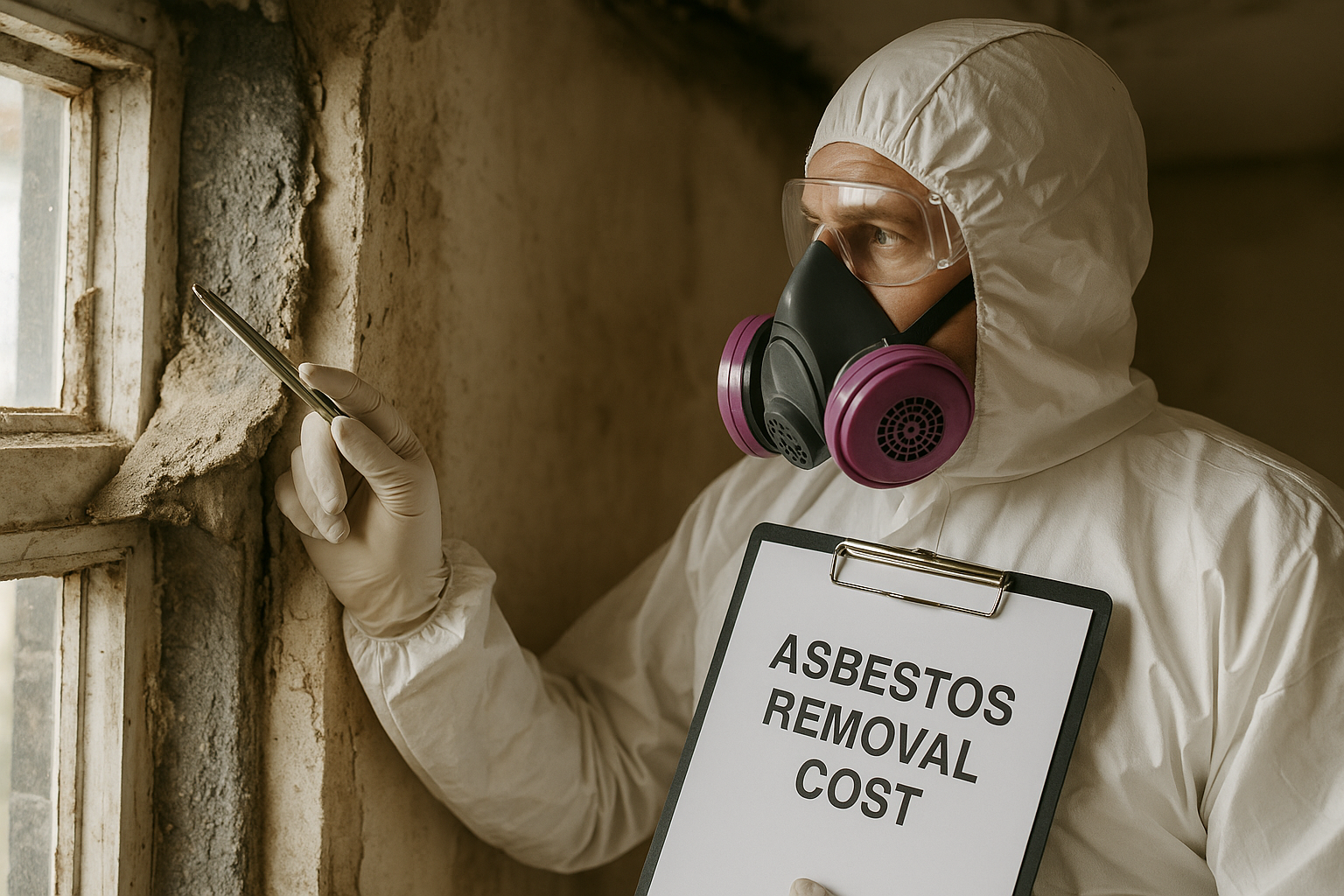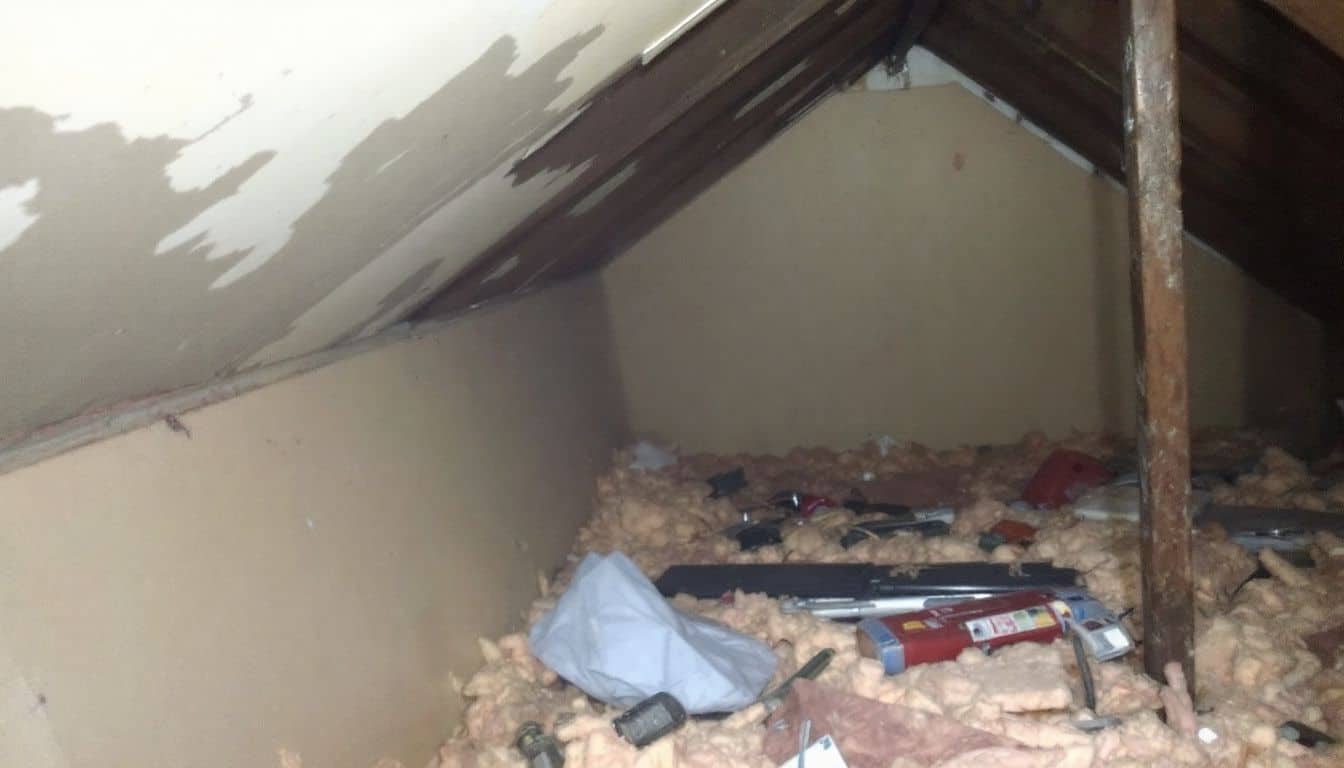
One hidden asbestos-containing material can turn a tidy project budget into a live commercial problem overnight. For property managers, landlords, FM teams and developers, asbestos removal cost is not just a line item for labour and waste. It affects programme risk, contractor access, compliance, tenant disruption and whether works can proceed at all.
Get the scope wrong and the cheapest quote quickly becomes the most expensive outcome. The right approach starts with identifying what is present, where it sits, how likely it is to be disturbed and whether removal is actually required under the planned works.
For commercial buildings, there is no single national price that answers every question. A small non-licensed job may cost a few hundred pounds, while licensed removal involving enclosures, decontamination and air monitoring can run into many thousands. The useful question is not “what is the average?” but “what will this material, in this building, under these conditions, actually cost to manage or remove safely?”
What affects asbestos removal cost in commercial properties?
The biggest mistake in budgeting is assuming asbestos removal is priced like ordinary strip-out. It is not. Asbestos removal cost depends on the material, its condition, the control measures required and the practical realities of the site.
Two quotes for the same address can differ sharply because one contractor has priced for full compliance and another has made risky assumptions. When comparing prices, check exactly what is included.
1. Type of asbestos-containing material
This is usually the main cost driver. Bonded materials such as asbestos cement are generally cheaper to remove than friable materials like pipe lagging, sprayed coatings or damaged asbestos insulation board.
The easier a material can release fibres, the more controls are needed. More controls mean more labour, more equipment and more time on site.
2. Licensed, notifiable or non-licensed work
Under the Control of Asbestos Regulations, some work must be carried out by a licensed contractor. Higher-risk materials and tasks often require stricter controls, including enclosures, negative pressure units, decontamination procedures and, where needed, air testing.
That is why asbestos removal cost for AIB or lagging is far higher than for intact cement sheets. If a quote for high-risk material looks unusually low, treat it carefully.
3. Quantity and scale
More material usually means a higher total price, but the unit rate does not always rise in line. Small jobs can look expensive per square metre because transport, setup, paperwork and disposal still need to be covered.
Large projects may benefit from economies of scale, but they still carry a much higher total spend. For budgeting, it helps to separate mobilisation costs from removal rates.
4. Access and site conditions
Access can change the price dramatically. A straightforward ground-floor store room is one thing; a live plant room, roof void or city-centre facade is another.
- Work at height may need scaffolding or MEWPs
- Confined spaces can slow removal and cleaning
- Occupied buildings may require out-of-hours working
- Restricted loading areas can increase labour time
- Hidden materials behind finishes can expand the scope
5. Condition of the material
Intact bonded asbestos is often simpler to remove than damaged or deteriorating material. Once the product is broken, weathered or contaminated with debris, more dust suppression, wrapping and cleaning may be required.
That can increase both the labour element and the waste handling cost. Damaged materials also raise the likelihood of additional controls before the area can be handed back.
6. Occupied versus vacant premises
Removing asbestos in an empty building is usually more efficient. In occupied offices, schools, shops and mixed-use blocks, contractors may need segregated routes, temporary closures and carefully phased work.
Those restrictions add time and management effort. They also increase the indirect cost of the project, even if the removal rate itself looks similar.
7. Quality of survey information
Poor information creates poor pricing. If a contractor is working from assumptions rather than a proper survey, they may either add large contingencies or submit a low number that later turns into variations.
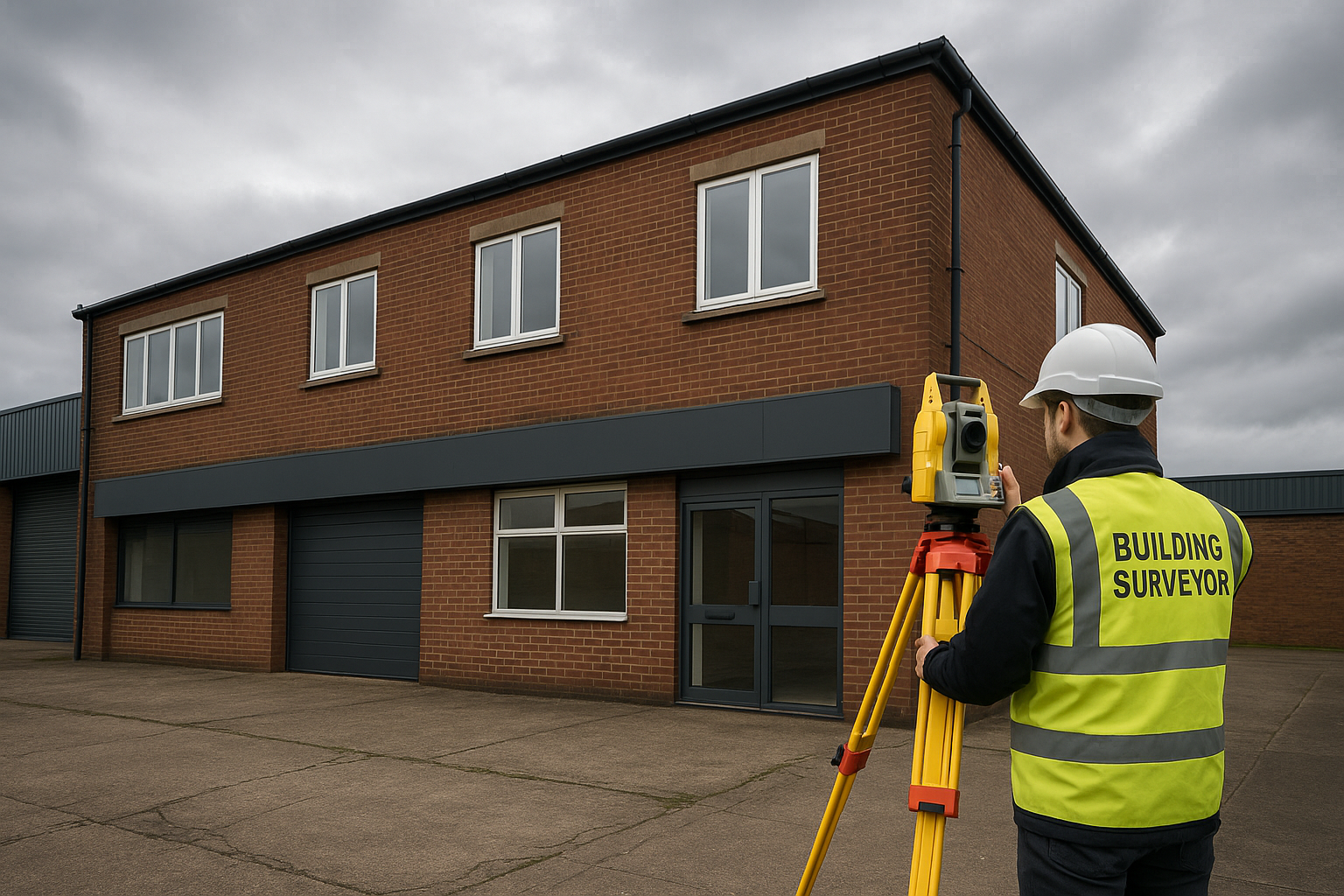
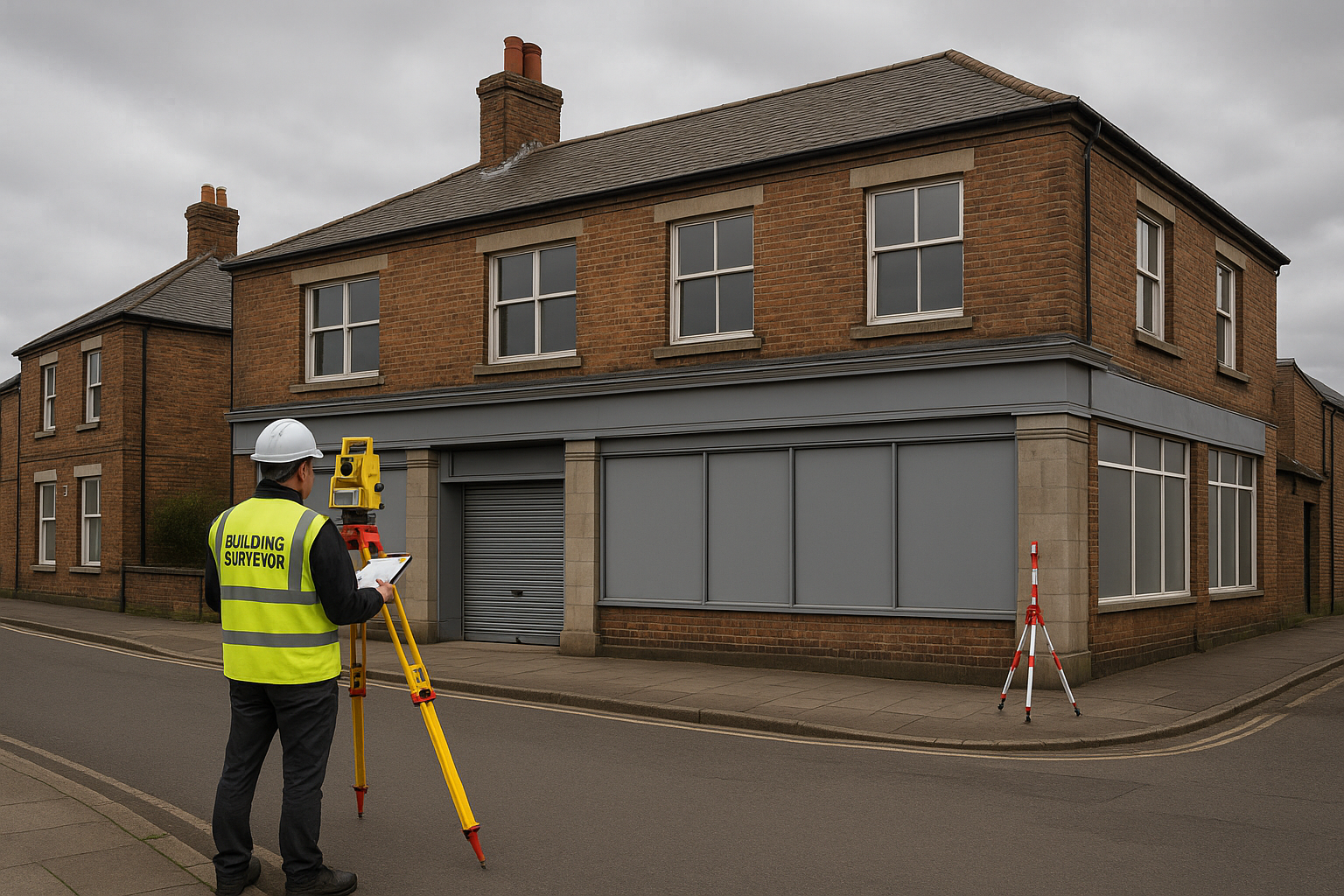
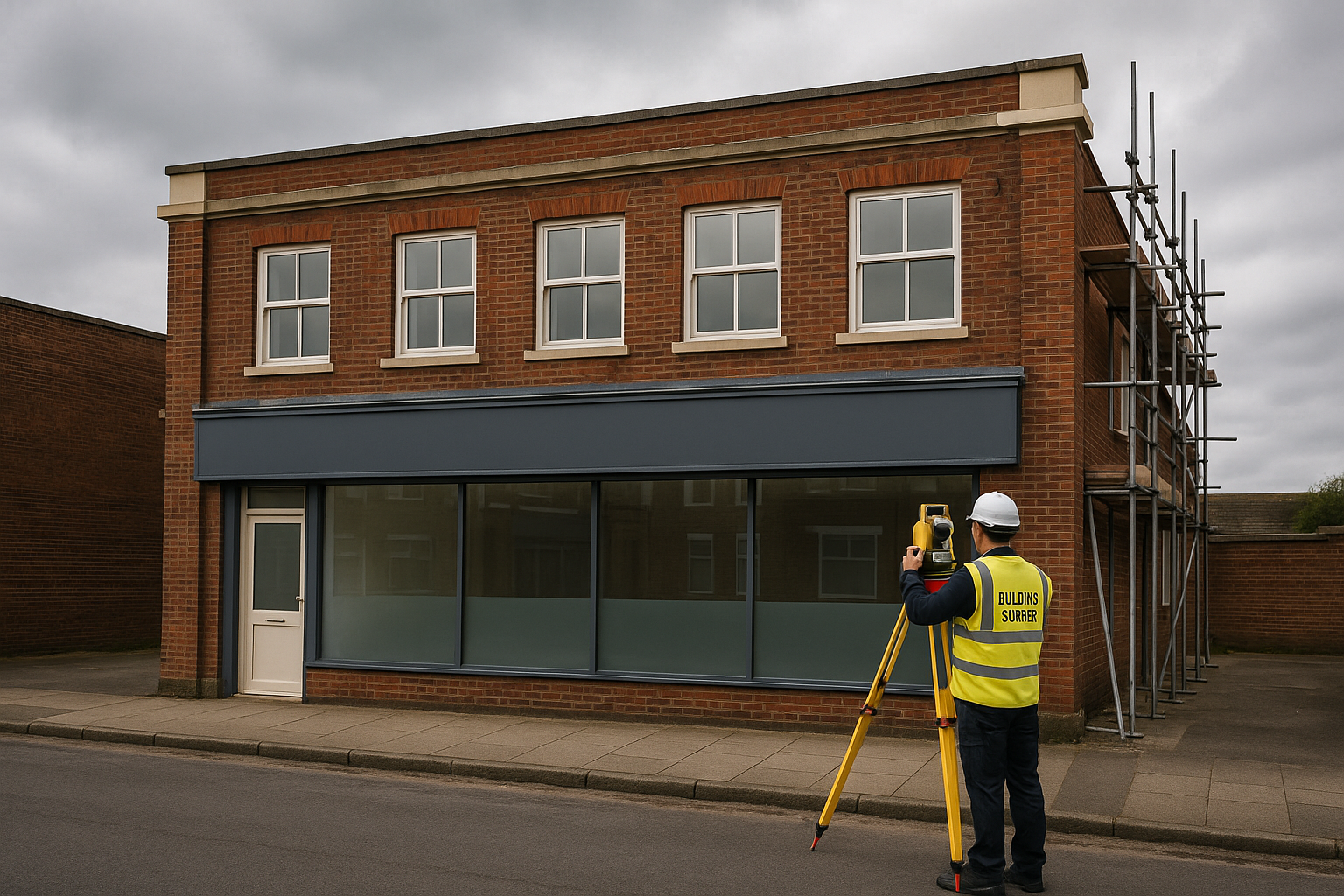
Where refurbishment or strip-out is planned, a proper refurbishment survey is usually the best way to define the real scope before works begin.
Typical asbestos removal cost by type
Commercial clients usually need cost ranges by material type rather than one generic average. The figures below are budgeting guides only. Final pricing should always follow inspection, scope definition and, where needed, sampling.
Actual rates vary by access, quantity, location and whether the building remains in use. Still, these ranges help with early-stage planning.
Asbestos cement sheets and roof panels
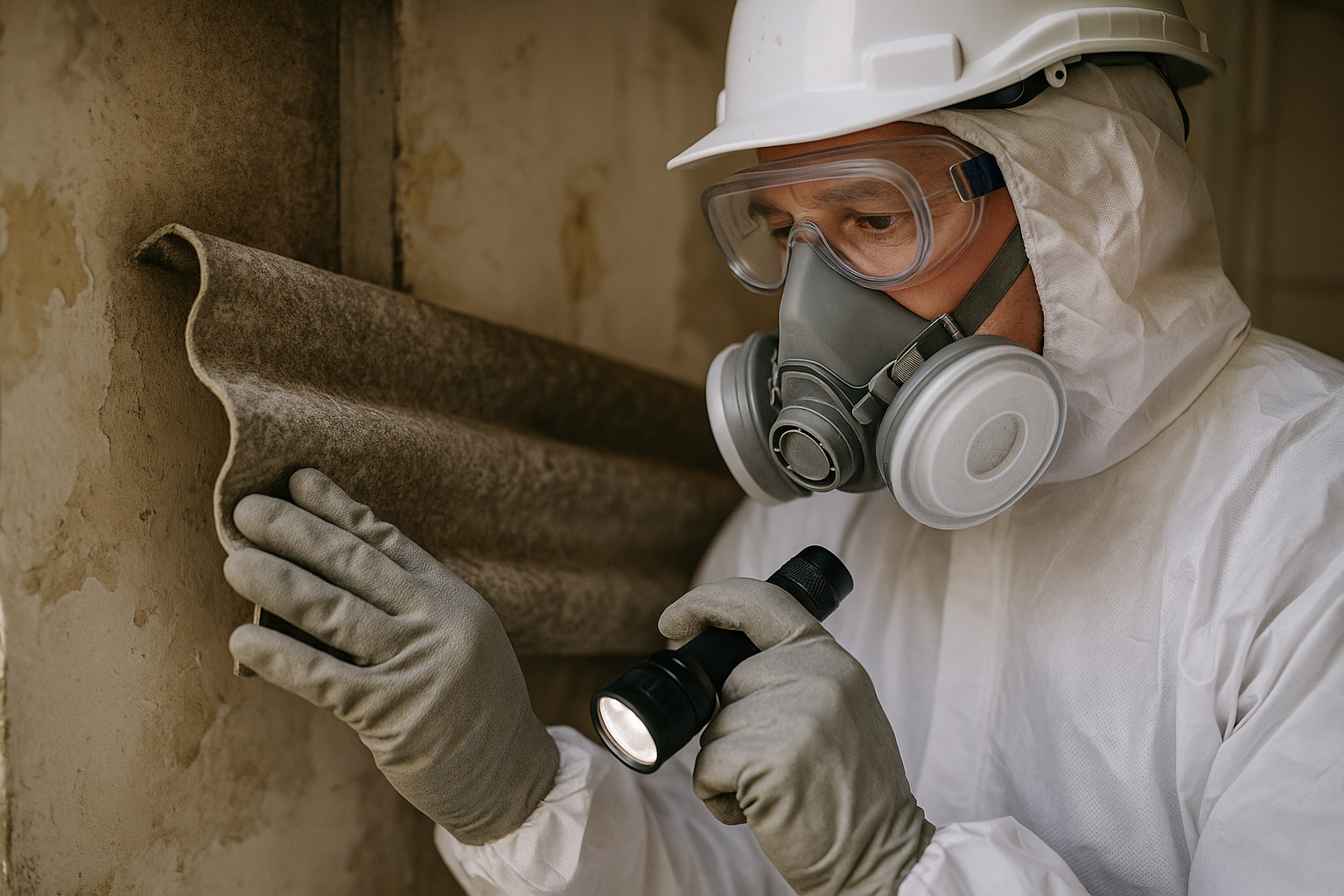
Asbestos cement is commonly found in garages, outbuildings, roof sheets, wall cladding, gutters, downpipes and some flues. Because the fibres are bound into the cement matrix, intact material is lower risk than friable products.
Typical budgeting ranges are often around £20 to £50 per m², plus access equipment, waste handling and any making-good. If the roof is fragile, high-level or badly weathered, the price can move well beyond that range.
Asbestos insulation board (AIB)
AIB is a common commercial cost issue. It may be found in ceiling tiles, partition walls, service risers, fire breaks, column casings, soffits and boxing around services.
Typical budgeting ranges are often around £50 to £130 per m², sometimes more where enclosures and licensed removal are required. AIB is one of the materials most likely to push asbestos removal cost up quickly.
Pipe lagging
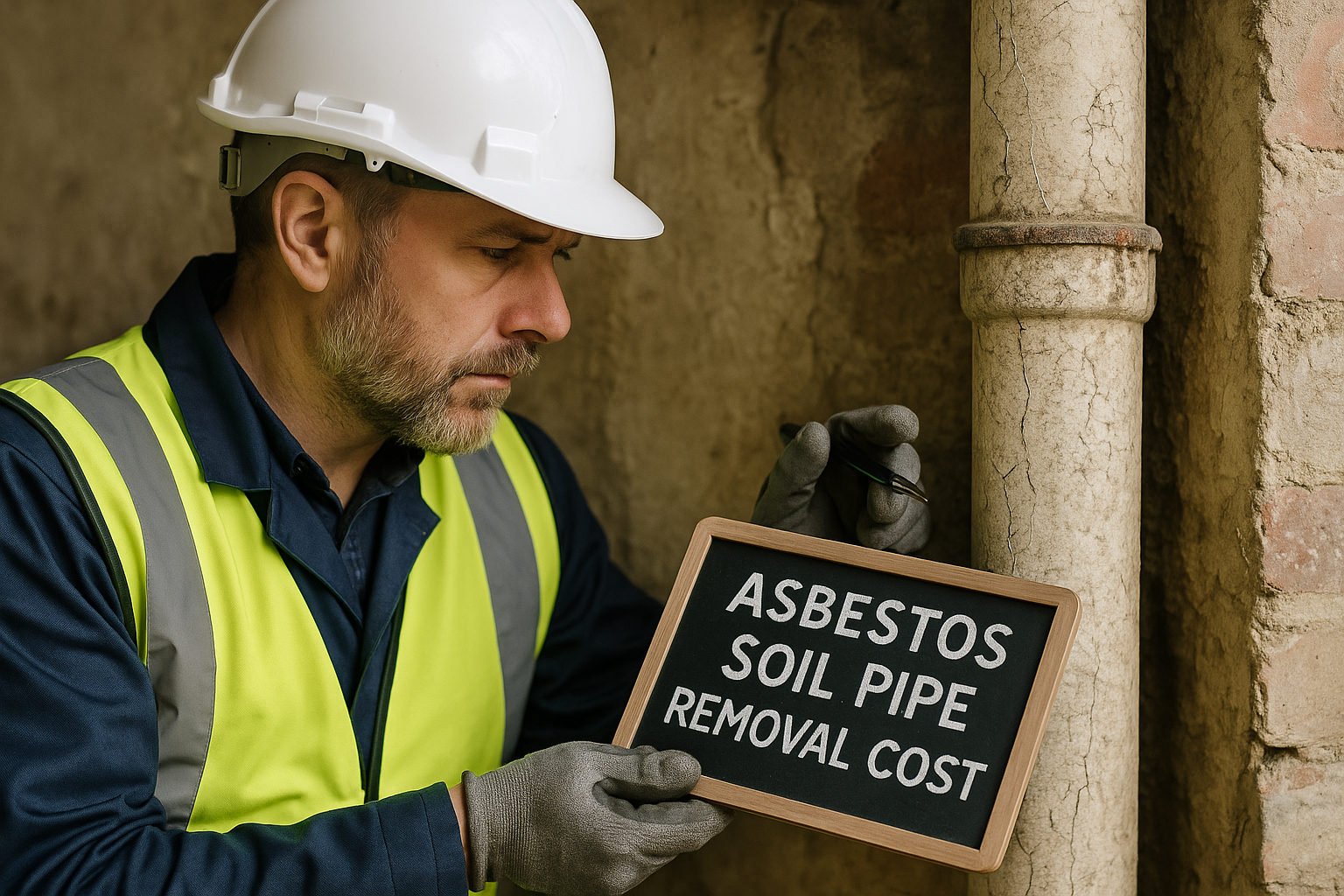
Pipe lagging is among the most expensive and highest-risk asbestos materials to remove. It is often found in boiler rooms, basements, service ducts, plant rooms and older heating systems.
Typical budgeting ranges are often around £100 to £250 per linear metre, though complex plantroom work can exceed this. Pipe lagging usually requires licensed removal, robust enclosure arrangements and careful decontamination.
If pipework runs through occupied areas or hard-to-access risers, expect costs to rise. Lagging is not a material to budget lightly or leave to guesswork.
Textured coatings and Artex
Textured coatings are often priced per room rather than strictly by area. A typical room might fall around £300 to £700, while larger corridors or multiple rooms are usually project-priced.
Not all textured coatings contain asbestos, so testing before removal decisions is sensible. In some cases, management in place or encapsulation is more proportionate than removal.
Floor tiles and bitumen adhesive
Older vinyl floor tiles and bitumen adhesive are common in commercial interiors. They often appear during office refits, school refurbishments and retail strip-outs.
Typical budgeting ranges are often around £25 to £60 per m², with small rooms sometimes priced as a lump sum of £350 to £900. Costs increase if adhesive is stubborn, flooring is layered or the area must stay partly operational.
Soffits, fascias and undercloaking
These external elements are regularly found on older buildings and can be awkward to access. Typical costs often fall around £600 to £2,000+ depending on the scale and whether scaffold is needed.
External work can look simple on paper, but access and weather protection often shape the final price more than the material itself.
Loose-fill insulation and sprayed coatings
These are specialist, high-risk materials. It is common for projects involving them to run into several thousands of pounds due to the level of containment, cleaning and verification required.
Where these materials are suspected, stop invasive work and get specialist advice immediately. They sit at the top end of asbestos removal cost for good reason.
Where is asbestos commonly found in commercial buildings?
If your building was constructed or refurbished before the ban era, asbestos may still be present in a wide range of materials. It is not limited to obvious insulation products.
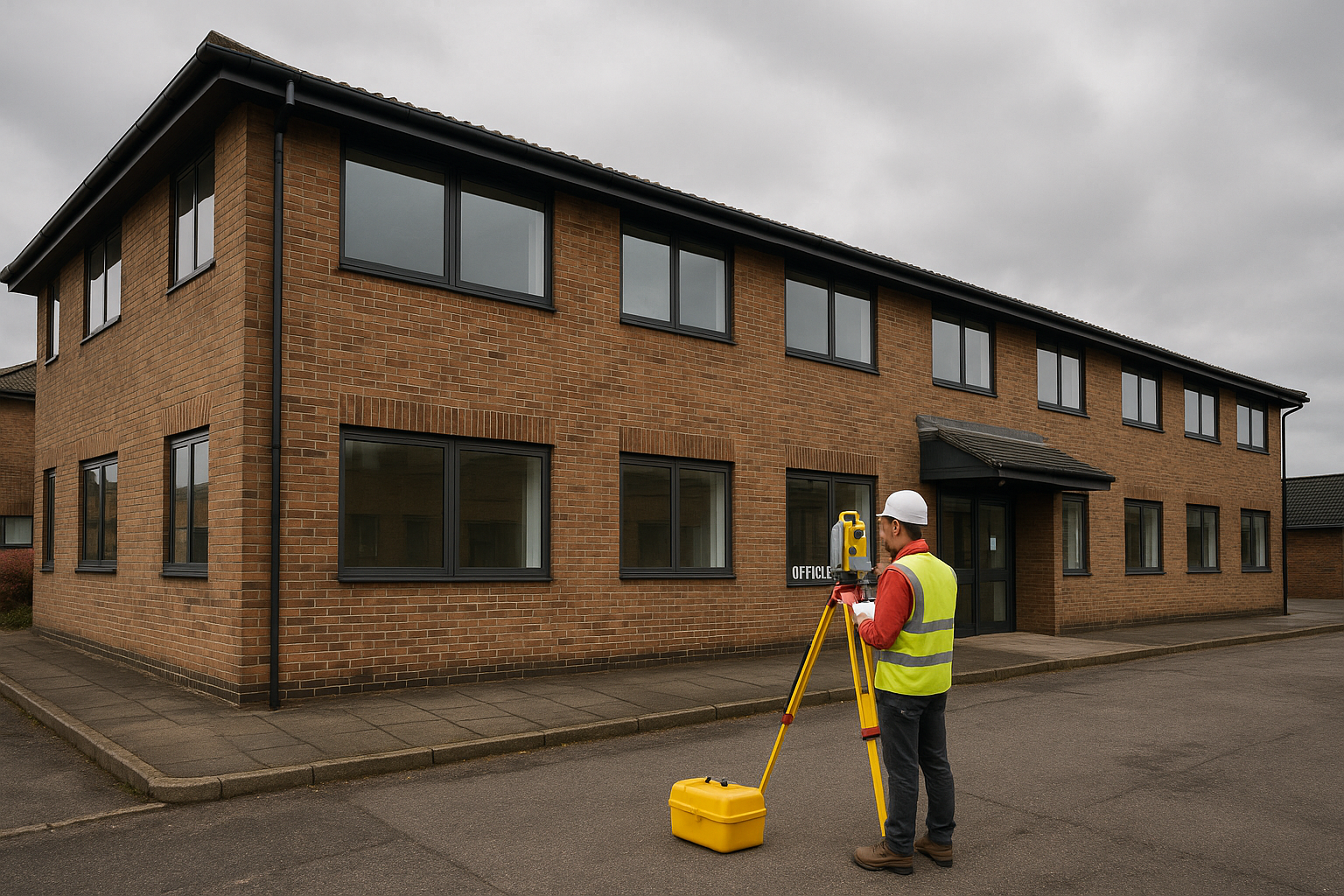
Knowing where asbestos is commonly found helps you budget early and avoid surprises during maintenance or refurbishment.
- Ceiling tiles and suspended ceiling voids
- Partition walls and service risers
- Boiler rooms, plant rooms and pipe insulation
- Textured coatings on ceilings and walls
- Vinyl floor tiles and bitumen adhesive
- Soffits, fascias and undercloaking
- Roof sheets, wall cladding and guttering
- Fire doors, panels and column casings
- Lift shafts, basements and ductwork
- Garage roofs, stores and outbuildings
Before any intrusive works, the safest commercial assumption is simple: if the building is older and the material has not been tested, do not assume it is asbestos-free.
Where there is uncertainty, a survey should come first. For local projects, Supernova can assist with an asbestos survey London, an asbestos survey Manchester instruction or an asbestos survey Birmingham assessment.
Asbestos garage roofs: what do they usually cost?
Asbestos garage roofs are one of the most common enquiries because they are widespread, visible and often nearing the end of their service life. In commercial and mixed-use settings, this can include garage blocks, storage bays, maintenance sheds and service yard buildings.
Most garage roofs are made from corrugated asbestos cement sheets. These are lower risk than friable materials, but they still require careful handling, transport and disposal.
Typical cost for asbestos garage roof removal
Small single-garage roofs may sometimes be removed for a few hundred pounds where access is easy and disposal routes are straightforward. Larger garage blocks or sites needing scaffold, traffic management or replacement roofing can quickly move into the low thousands.
Budgeting often depends on:
- Total roof area
- Condition of the sheets
- Ease of access
- Height and fragility considerations
- Waste volume and transport distance
- Whether replacement roofing is included
If the sheets are badly broken or mixed with other waste, costs rise because handling becomes slower and more controlled. For portfolio owners, grouping several garage roofs into one contract can sometimes reduce the unit cost.
When garage roof removal becomes more expensive
Price tends to increase where roofs are difficult to reach, structures are unstable or adjacent occupiers must be protected. City-centre sites and dense residential estates can also add logistical cost.
Do not forget the reinstatement budget. The removal figure is only part of the total project cost if the garage must remain weather-tight and usable afterwards.
Pipe lagging: why it sits at the high end of asbestos removal cost
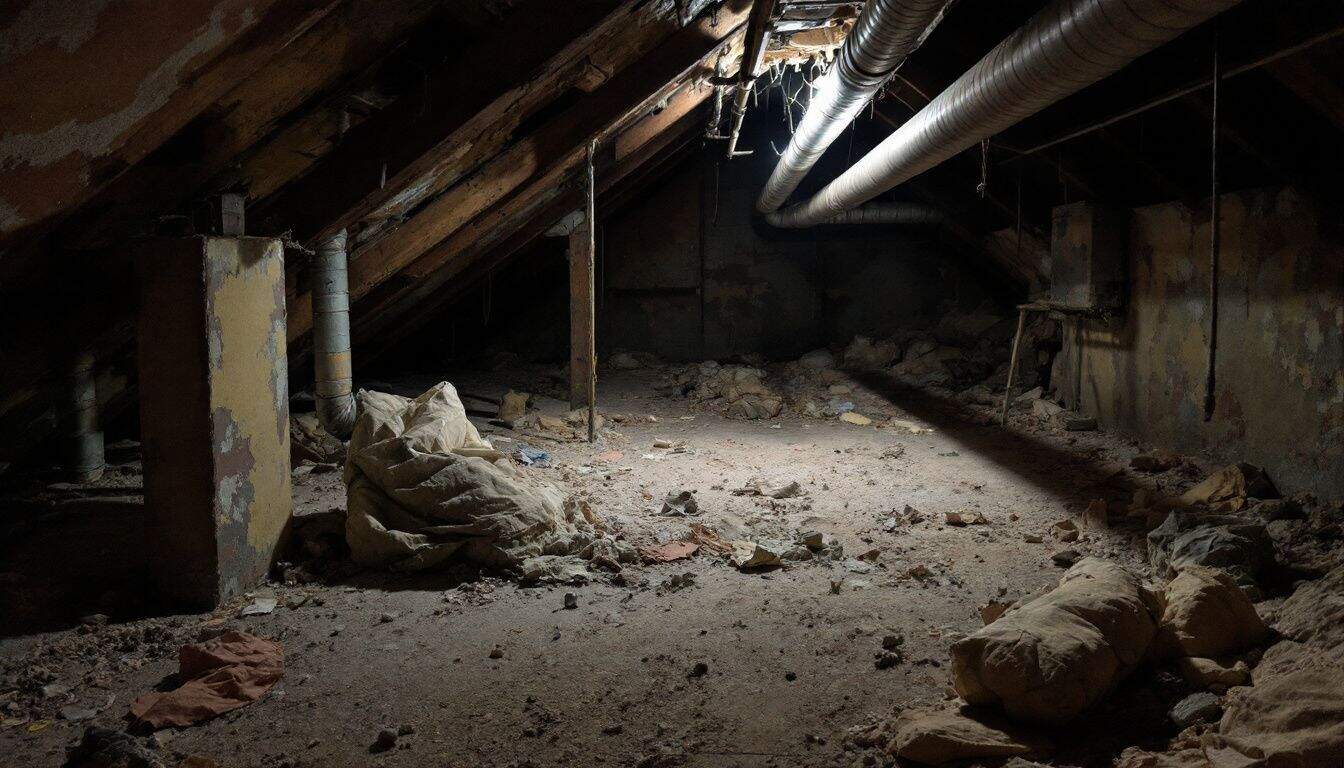
Pipe lagging deserves its own section because it is one of the biggest cost and risk triggers in older commercial buildings. It was widely used for thermal insulation and may still be hidden in basements, ceiling voids, plant areas and service risers.
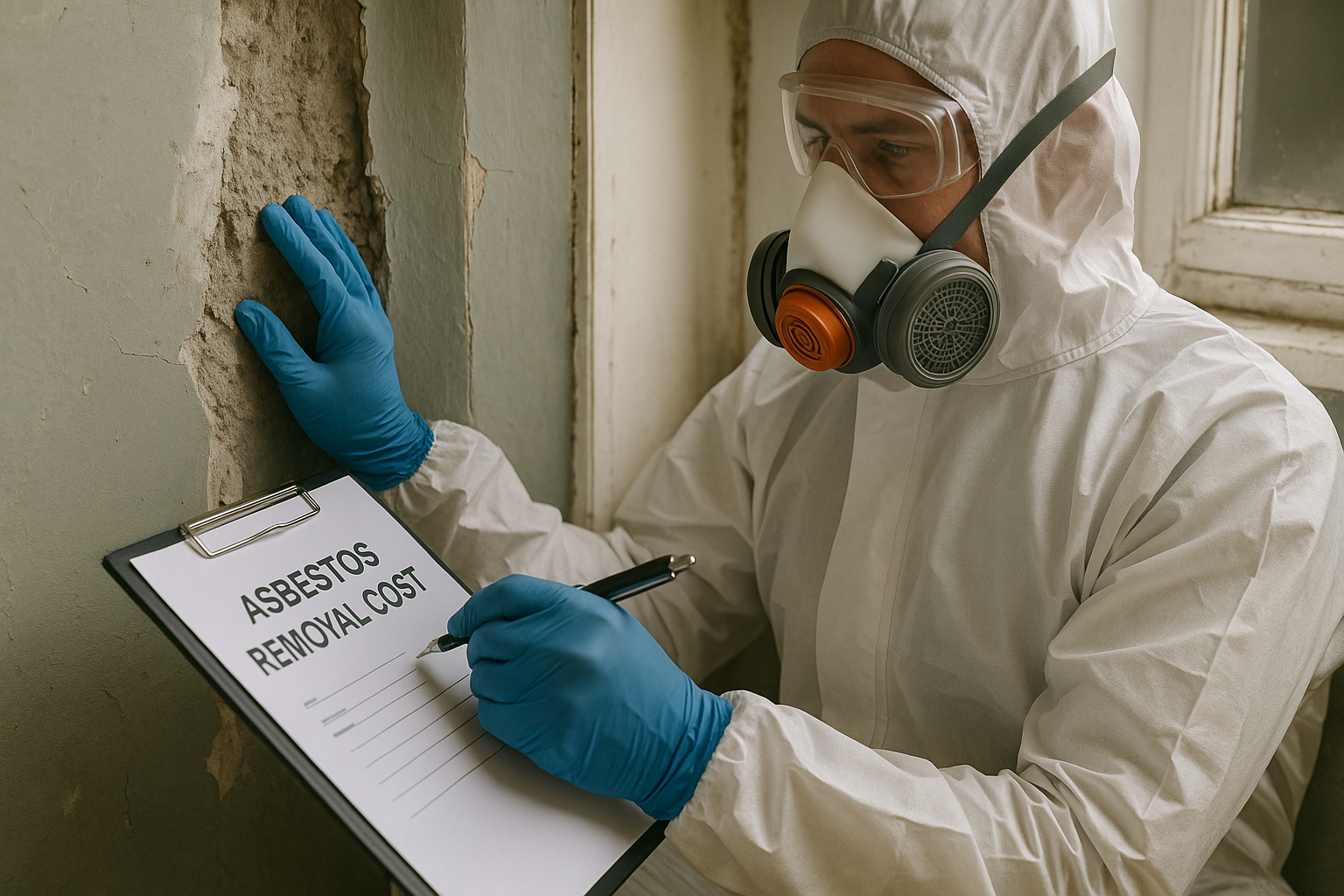
Unlike cement sheets, lagging is friable. That means fibres can be released far more easily if the material is disturbed or damaged.
Why pipe lagging costs more
- It often requires licensed contractors
- Enclosures and negative pressure units are commonly needed
- Access is frequently poor in service areas
- Pipe runs may extend through multiple rooms or floors
- Cleaning and decontamination are more intensive
Where old heating systems are being replaced, lagging can turn a simple M&E upgrade into a controlled asbestos project. If pipework is due to be removed, sampled or exposed, budget for investigation before contractors start cutting openings.
Practical advice for plant rooms and risers
Do not rely on historic O&M files or labels alone. Pipe insulation may have been patched, painted or partly removed over time.
Where access is limited, early survey work and sequencing discussions can save significant time later. This is one area where accurate scoping protects both budget and programme.
Do you need a survey before budgeting for asbestos removal?
In many commercial situations, yes. If planned works will disturb the fabric of the building, a management survey is not enough. You need information that reflects the actual intrusive scope.
That is why a refurbishment survey is so often the starting point for reliable cost planning. It identifies asbestos-containing materials in the areas affected by the works, helping contractors price the real job rather than a guess.
Why surveys reduce cost risk
- They reduce surprise discoveries after mobilisation
- They help contractors quote against a defined scope
- They support programme planning and phasing
- They reduce the likelihood of emergency stop-work situations
- They help dutyholders show they are managing risk properly
Where there is only one suspect item and you need an initial check before wider decisions, a testing kit can sometimes help confirm whether a material needs professional management. For refurbishment, demolition or wider commercial works, though, site-specific surveying remains the safer route.
Removal versus encapsulation: which is more cost-effective?
Removal is not always the only answer. In some cases, encapsulation is the more proportionate option, especially where the material is in good condition, unlikely to be disturbed and can be safely managed in place.
That said, encapsulation is not a loophole and it is not always cheaper over the life of the asset. It still requires assessment, records, monitoring and future management.
When removal usually makes more sense
- The material will be disturbed by refurbishment works
- The asbestos is damaged or deteriorating
- You want to remove future management liability
- Access for ongoing inspection is poor
- The building is being repurposed or stripped out
When encapsulation may be suitable
- The material is stable and in good condition
- It is unlikely to be disturbed
- The area can be inspected and managed safely
- Immediate removal would cause unnecessary disruption
For commercial decision-making, ask three practical questions:
- Will planned works disturb the material?
- Is the material sound enough to remain in place safely?
- Are you content to retain a future management duty for that item?
If the answer to the first question is yes, removal is often the realistic route. If the answer to the third is no, paying more now may save repeated cost later.
Reducing asbestos removal costs without cutting corners
There are sensible ways to reduce asbestos removal cost, but none of them involve ignoring the regulations or choosing a contractor on price alone. The real savings come from planning, scoping and sequencing.
1. Identify asbestos early
Late discovery is expensive. If asbestos is found after strip-out starts, you may face emergency stoppages, contractor downtime and reprogramming costs.
Early surveys usually cost far less than late disruption.
2. Define the exact scope
Vague instructions create inflated quotes or variation-heavy contracts. Clear schedules, marked-up drawings and access details help contractors price accurately.
The more precise the brief, the more reliable the cost.
3. Bundle works where practical
If you manage a portfolio or multiple units on one estate, combining similar jobs can reduce mobilisation and transport costs. This is especially relevant for garage roofs, floor tiles and other lower-risk materials.
Grouping works also helps with access planning and contractor availability.
4. Carry out work in vacant periods where possible
Occupied buildings are slower and more expensive to work in. If removal can be scheduled between tenancies, during shutdowns or before fit-out contractors arrive, costs often improve.
You also reduce disruption to tenants and staff.
5. Separate removal from reinstatement when budgeting
Many clients confuse asbestos removal cost with the full remedial package. Removal, disposal, air testing, making-good and replacement finishes may all be separate items.
Breaking these down makes quotes easier to compare and helps avoid under-budgeting.
6. Do not skip sampling
Testing a suspect material before deciding on removal can prevent unnecessary work. Not every textured coating, ceiling tile or floor finish contains asbestos.
Where there is doubt, confirm first rather than pricing for the worst case by default.
DIY vs professional asbestos removal
This is where commercial clients need to be particularly careful. The question is not just whether you can remove asbestos yourself in limited circumstances. It is whether doing so is lawful, safe and sensible for the material and setting involved.
For commercial premises, professional removal is usually the correct route. The Control of Asbestos Regulations place duties on those responsible for non-domestic premises, and HSE guidance is clear that higher-risk materials and many work activities require competent contractors and proper controls.
Can you remove asbestos yourself?
Some lower-risk, non-licensed work may be legally possible in limited circumstances. That does not make it advisable for a commercial building, especially where employees, tenants, contractors or members of the public could be affected.
You should not attempt DIY removal of:
- Pipe lagging
- Sprayed coatings
- Loose-fill insulation
- Most work involving asbestos insulation board
- Damaged or friable asbestos materials
Even lower-risk products such as asbestos cement can become a compliance and liability issue if handled incorrectly. Waste must also be packaged, transported and disposed of lawfully.
Why professional asbestos removal is usually better value
- Correct classification of the work
- Proper control measures and PPE
- Suitable waste handling and paperwork
- Reduced risk of contamination and project delays
- Clear audit trail for compliance purposes
For commercial dutyholders, a failed DIY attempt can cost far more than proper removal in the first place. If asbestos is confirmed and removal is required, use a specialist asbestos removal service rather than improvising.
Do councils or insurance cover asbestos removal?
This is a common budgeting question, especially for mixed-use blocks, garages and older public-sector-linked estates. The short answer is: sometimes there may be limited support, but commercial owners should not assume councils or insurers will cover asbestos removal cost.
Council schemes
Some local authorities offer disposal arrangements or limited support for household asbestos cement from domestic properties. These schemes vary widely by council and often come with strict conditions on quantity, packaging and booking.
For commercial properties, council-funded removal is far less common. Business premises, managed blocks and development sites are usually expected to arrange compliant private removal and disposal.
If a site includes domestic garages or mixed-use buildings, it is still worth checking local council policy. Just do not build your project budget around assumed public support unless you have written confirmation.
Insurance cover
Insurance policies do not routinely cover asbestos removal simply because asbestos is present. Many policies exclude gradual deterioration, contamination or the cost of complying with statutory obligations.
In some cases, cover may apply if asbestos removal is directly linked to an insured event, such as fire or escape of water, but the policy wording matters. Even then, insurers may only cover associated damage rather than the underlying asbestos issue itself.
Practical advice on councils and insurance
- Check local authority guidance before assuming any council support
- Review policy wording carefully rather than relying on general assumptions
- Ask your broker or insurer for a written position on asbestos-related claims
- Budget on the basis that removal may need to be privately funded
If you are managing a commercial asset, the safest planning assumption is that the owner or dutyholder will bear the cost unless confirmed otherwise.
Typical commercial cost scenarios
Average figures are useful, but real projects are easier to understand through common scenarios. These examples are broad budgeting illustrations, not fixed quotations.
Scenario 1: Small office floor tile removal
An older office suite with asbestos floor tiles and bitumen adhesive in two rooms may fall into the high hundreds to low thousands, depending on access, occupancy and subfloor condition. If the building is vacant and the work can be done in one visit, the rate is usually more favourable.
Scenario 2: AIB in service risers during refurbishment
Where AIB panels are discovered in risers across several floors, costs can move quickly because the work may need licensed removal, enclosure setup and phased access. The direct removal spend may be only one part of the total, with programme impact often just as significant.
Scenario 3: Garage roof removal on a mixed-use site
A single asbestos cement garage roof may be a modest job. A block of garages with difficult access, resident coordination and replacement roofing can move into several thousands once access and reinstatement are included.
Scenario 4: Pipe lagging in a basement plant room
This is often one of the more expensive categories of work. Even a relatively short run of lagged pipework can generate a substantial quote because of enclosure requirements, licensed labour and cleaning standards.
How to compare asbestos removal quotes properly
Do not compare only the bottom-line number. A cheaper quote may exclude critical elements that later reappear as extras.
Ask each contractor to confirm:
- What material and quantity they have priced for
- Whether the work is licensed, notifiable or non-licensed
- What access equipment is included
- Whether waste transport and disposal are included
- Whether air monitoring or clearance is included where relevant
- What assumptions they have made about occupancy and working hours
- Whether making-good is excluded
If the scope is unclear, pause and fix that first. Better information almost always leads to better commercial decisions.
Regulatory points commercial dutyholders should know
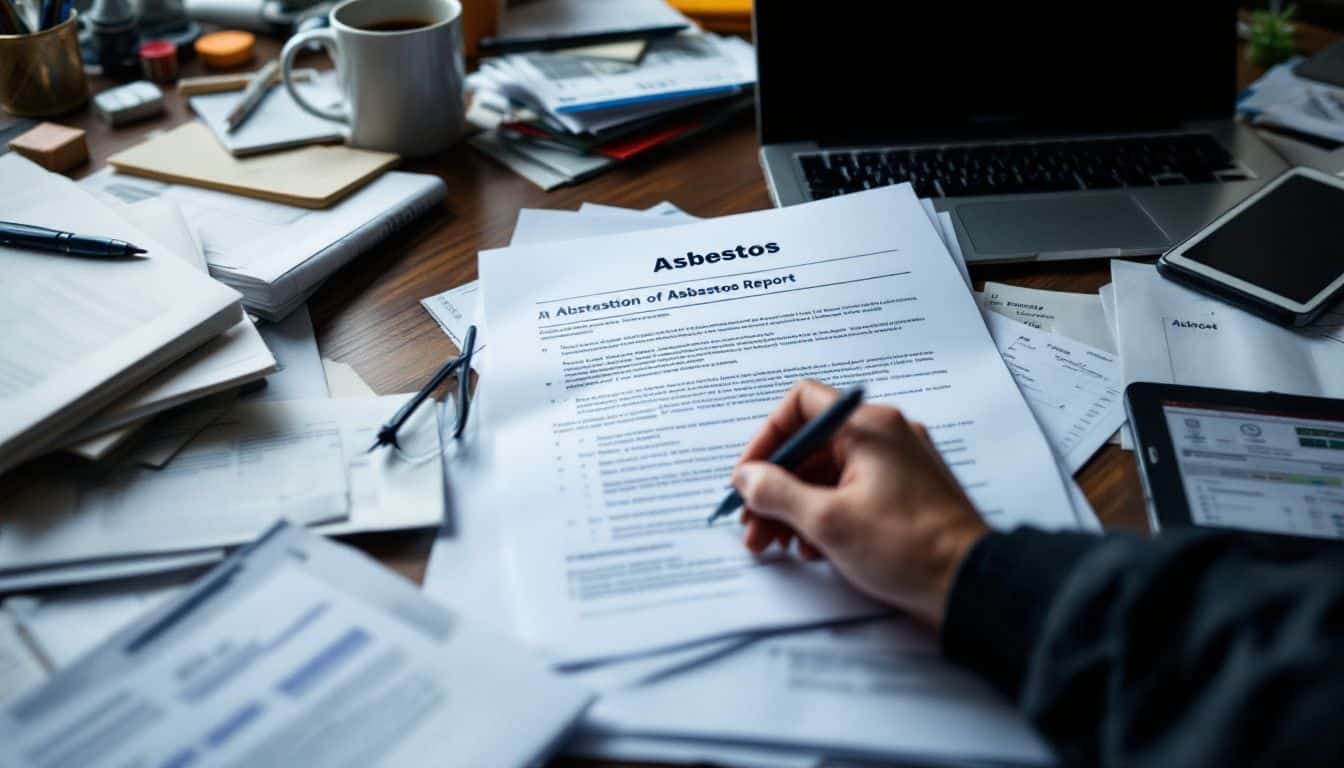
For non-domestic premises, the duty to manage asbestos sits under the Control of Asbestos Regulations. Surveying and assessment should align with HSG264, and wider management decisions should follow HSE guidance.
Three practical points matter most:
- Do not disturb suspect materials without suitable information
- Use competent professionals for surveying and removal
- Keep clear records of findings, decisions and actions
If refurbishment or demolition is planned, make sure the survey type matches the work. A management survey is not a substitute for intrusive pre-construction investigation.
Frequently Asked Questions
How much does asbestos removal cost for a commercial property?
Asbestos removal cost varies by material, risk level, access and occupancy. Lower-risk asbestos cement may be priced from around £20 to £50 per m², while higher-risk materials such as AIB or pipe lagging can cost far more due to licensed controls and site setup.
Can you remove asbestos yourself in a commercial building?
In practice, commercial dutyholders should use professionals. Some limited lower-risk work may fall outside licensed removal, but DIY handling creates legal, safety and waste-disposal risks. Higher-risk materials such as pipe lagging, sprayed coatings and most AIB work should not be attempted without specialist contractors.
Do councils cover asbestos removal?
Usually not for commercial properties. Some councils offer limited disposal schemes for small quantities of domestic asbestos cement, but business premises and managed sites are generally expected to arrange private compliant removal.
Will insurance pay for asbestos removal?
Not automatically. Many policies exclude asbestos-related costs unless the removal is directly linked to a separate insured event. Always check the wording and obtain written confirmation before relying on cover.
What is the cheapest way to reduce asbestos removal cost?
The safest way to reduce cost is to identify asbestos early, define the scope properly and schedule work efficiently. Early surveys, accurate sampling and bundling similar jobs often save more money than chasing the lowest headline quote.
If you need clear commercial advice on asbestos risk, surveys or removal, speak to Supernova Asbestos Surveys. We provide nationwide support for surveying, sampling and asbestos removal, with practical guidance that keeps projects compliant and moving. Call 020 4586 0680 or visit asbestos-surveys.org.uk to discuss your site.