Asbestos Surveys in Wolverhampton: What Every Property Owner Needs to Know
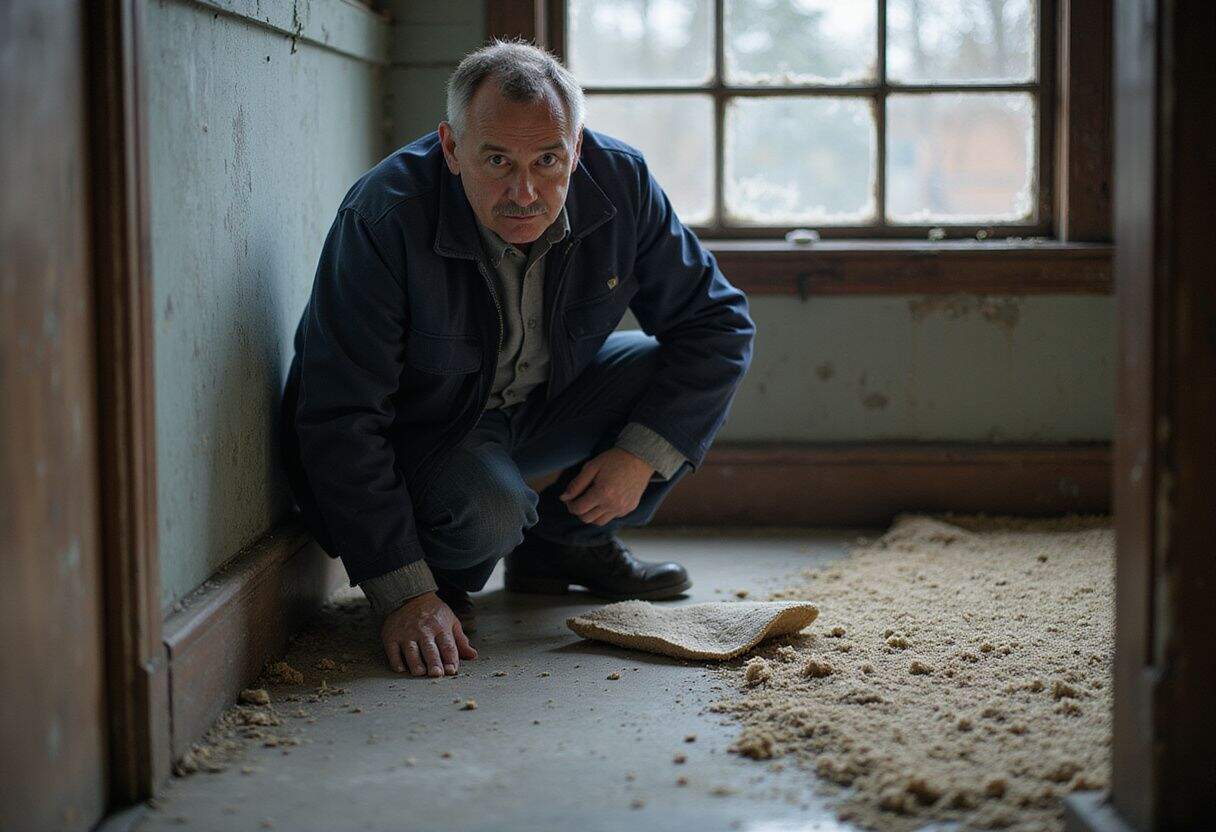
Asbestos doesn’t announce itself. It sits quietly inside walls, ceiling tiles, pipe lagging, and floor coverings — completely harmless until it’s disturbed. If your Wolverhampton property was built before 2000, there’s a real chance asbestos-containing materials (ACMs) are present, and the only way to know for certain is through professional asbestos surveys in Wolverhampton carried out by qualified, accredited surveyors.
Whether you’re a landlord, facilities manager, business owner, or homeowner planning renovation work, understanding your obligations and your options is the first step to staying safe and legally compliant.
Why Asbestos Remains a Serious Risk in Wolverhampton Properties
Wolverhampton has a rich industrial and residential heritage, which means a significant proportion of its building stock dates from the mid-twentieth century — precisely the era when asbestos use was at its peak. It was used in everything from sprayed coatings and insulation boards to roof sheeting, floor tiles, and textured decorative coatings like Artex.
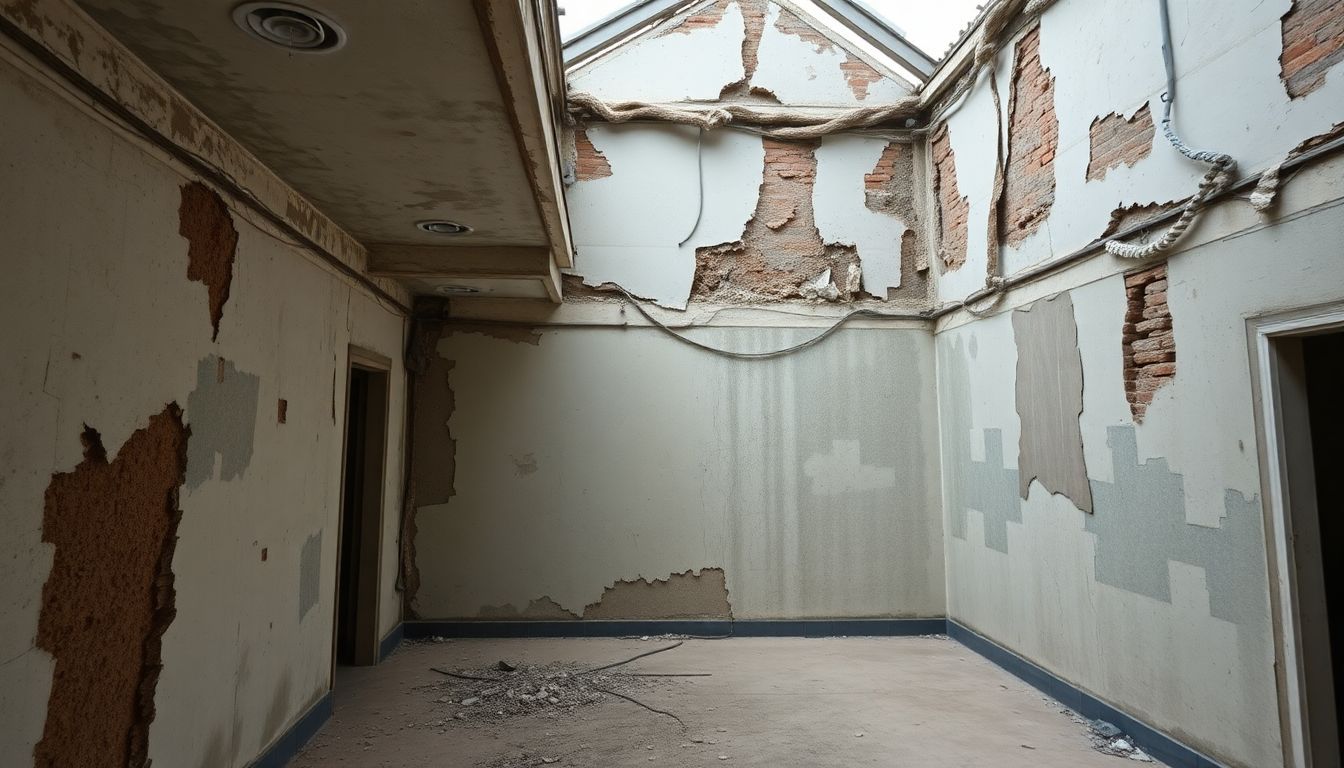
When ACMs are in good condition and left undisturbed, the risk is relatively low. The danger arises when materials are drilled, cut, broken, or deteriorate with age — releasing microscopic fibres into the air that, when inhaled, can cause serious and often fatal lung diseases including mesothelioma, asbestosis, and lung cancer.
There is no safe level of asbestos exposure. That’s why the law takes it seriously, and so should every property owner and dutyholder in the city.
The Legal Framework: What UK Regulations Require
For non-domestic premises, the duty to manage asbestos is set out under the Control of Asbestos Regulations. Regulation 4 places a legal obligation on the person responsible for a building — the dutyholder — to identify whether ACMs are present, assess their condition, and put a management plan in place.
This isn’t optional. Failure to comply can result in enforcement action from the Health and Safety Executive (HSE), improvement notices, prohibition notices, and in serious cases, prosecution.
Key legal requirements include:
- Conducting an asbestos management survey for all non-domestic premises
- Maintaining an up-to-date asbestos register
- Producing and implementing an asbestos management plan
- Conducting a refurbishment or demolition survey before any intrusive building work
- Using only licensed contractors for high-risk asbestos removal
- Informing anyone who may disturb ACMs of their location and condition
Residential landlords also have responsibilities under related health and safety legislation. If you rent out property in Wolverhampton, you have a duty of care to your tenants that should not be taken lightly.
Types of Asbestos Surveys Available in Wolverhampton
Not all asbestos surveys are the same. The type you need depends on the purpose of the inspection and what you plan to do with the building. HSG264 — the HSE’s definitive guide to asbestos surveying — sets out three main survey types, each with a distinct scope and purpose.
Management Survey
A management survey is the standard survey for occupied buildings in day-to-day use. It’s designed to locate ACMs that could be disturbed during normal occupation, routine maintenance, and minor works.
The surveyor will carry out a thorough visual inspection and take samples from suspect materials for laboratory analysis. The survey is minimally invasive — small holes may be made to access cavities, but there’s no major disruption to the building fabric.
At the end of the process, you receive:
- A full asbestos register listing all identified and presumed ACMs
- A risk assessment for each material
- Photographic evidence and location plans
- An asbestos management plan with recommended actions
- Guidance on re-inspection intervals
An asbestos management survey should be reviewed and updated at least annually, or whenever the building’s use or condition changes significantly.
Refurbishment Survey
If you’re planning renovation work — even something as straightforward as fitting a new kitchen or replacing a bathroom — you’ll need a refurbishment survey before any work begins. This survey is fully intrusive, with surveyors accessing all areas likely to be disturbed during the planned works, including wall cavities, floor voids, ceiling spaces, and ductwork.
An asbestos refurbishment survey is scoped specifically to the area of planned works. If the scope of the project changes, the survey scope must be updated accordingly — this protects workers from unexpected exposure and keeps your project legally compliant.
Demolition Survey
Before any structure is demolished — in whole or in part — a demolition survey is a legal requirement. This is the most thorough and intrusive of all survey types, covering the entire building including areas that are normally inaccessible.
An asbestos demolition survey aims to identify every ACM present so that it can be safely removed by a licensed contractor before demolition begins. This protects demolition workers, neighbouring properties, and the wider public from fibre release.
Asbestos Testing: What Happens to Your Samples
Samples collected during any survey are sent to an accredited laboratory for analysis. Reliable asbestos testing uses polarised light microscopy (PLM) to identify the type and concentration of asbestos fibres present in each sample.
The laboratory should hold UKAS accreditation to ISO 17025 — the internationally recognised standard for testing laboratories that guarantees the accuracy and independence of results. Always check your surveying company uses a UKAS-accredited lab. It matters for both safety and legal defensibility.
Results are typically returned within a few working days, and fast-track options are available when projects are time-critical. If you need targeted sample analysis without a full survey, this can also be arranged — useful when you have a specific suspect material you want to test quickly.
When Do You Need an Asbestos Survey in Wolverhampton?
The short answer: sooner than most people think. Here are the situations that legally or practically require asbestos surveys in Wolverhampton:
- Before buying or selling a commercial property — buyers need to understand their future liabilities
- Before any renovation or refurbishment work on a building constructed before 2000
- Before demolition of any structure, regardless of age
- When taking on a new lease of commercial premises — you may inherit the dutyholder responsibility
- When an existing asbestos register is out of date or doesn’t cover recent changes to the building
- Following accidental damage to materials suspected of containing asbestos
- As part of routine compliance for non-domestic premises under the Control of Asbestos Regulations
If you’re unsure whether a survey is needed, the safest course is always to have one. The cost of a survey is negligible compared to the cost of enforcement action, remediation following accidental exposure, or the human cost of asbestos-related disease.
What to Expect from the Survey Process
Knowing what happens on the day helps you prepare properly and ensures the survey goes smoothly. Here’s a clear breakdown of each stage.
Before the Survey
Provide your surveyor with any existing building records, plans, or previous asbestos reports. Ensure access to all areas is arranged in advance — locked rooms, plant rooms, and roof spaces all need to be accessible.
Inform staff, tenants, or occupants that a survey is taking place so there are no unexpected disruptions on the day.
During the Survey
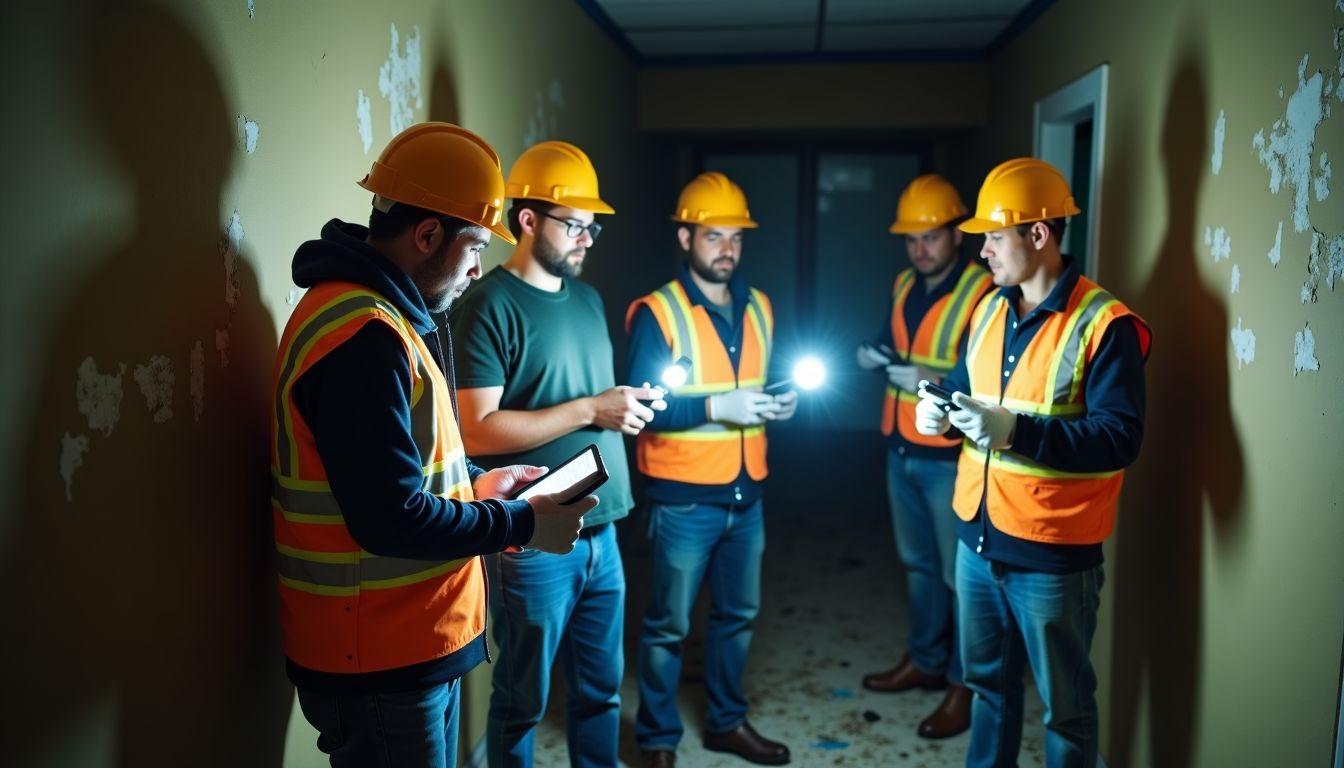
The surveyor will systematically work through the building, visually inspecting all accessible materials and taking samples where asbestos is suspected or cannot be ruled out. For management surveys, disruption is minimal. For refurbishment and demolition surveys, some damage to building fabric is inevitable and expected.
Good surveyors will explain what they’re doing as they go, flag any immediate concerns on site, and give you a clear picture of findings before they leave.
After the Survey
You’ll receive a detailed written report, typically within five working days, though many companies offer same-day or next-day reporting for urgent situations. The report will include:
- A full schedule of ACMs with location, extent, and condition
- Risk assessments and priority ratings for each material
- Photographic records
- Laboratory analysis certificates
- Recommended actions and timescales
Many providers now offer secure online portal access so you can view and share your asbestos register at any time — useful for contractors, insurers, and regulators.
Typical Costs for Asbestos Surveys in Wolverhampton
Survey costs vary depending on the type of survey, the size and complexity of the property, and the urgency of the work. As a general guide for the Wolverhampton and wider West Midlands area:
- Asbestos sampling only: From around £90–£150 for targeted sampling from suspect materials, including lab analysis
- Management survey (three-bedroom residential property): Typically £250–£400, including samples and full written report
- Refurbishment or demolition survey: Priced individually based on scope, building size, and complexity — always request a detailed written quote
- Emergency or next-day surveys: Available with most reputable providers, though premium charges apply
Always ask for a fixed, itemised quote that includes laboratory analysis. Reputable providers will not charge hidden extras for sample analysis or report production. Be wary of unusually low quotes — they often indicate corners being cut on accreditation, qualifications, or laboratory standards.
Choosing the Right Asbestos Surveyor in Wolverhampton
With asbestos surveys, qualifications and accreditation aren’t just box-ticking — they directly affect the quality and legal validity of your results. Here’s what to look for when selecting a provider.
Surveyor Qualifications
Your surveyor should hold either the BOHS P402 Certificate in Building Surveys and Bulk Sampling for Asbestos, or the RSPH Level 3 Award in Asbestos Surveying. These are the industry-recognised qualifications required under HSG264.
Ask how long surveyors have been practising and whether they undertake regular continuing professional development. A surveyor who has worked across a wide range of property types in the West Midlands will be better equipped to identify unusual or hidden ACMs.
Company Accreditation
Look for UKAS accreditation to ISO 17020 for inspection bodies. This is the benchmark standard for asbestos surveying companies and demonstrates that the organisation operates to independently verified quality standards.
Paired with ISO 17025 laboratory accreditation, it gives you the highest level of confidence in your results and protects you legally if your survey is ever scrutinised by the HSE.
Questions to Ask Before Booking
- Is laboratory analysis included in the quoted price?
- What is the turnaround time for the report?
- Do you hold UKAS accreditation to ISO 17020?
- Which laboratory do you use, and is it UKAS accredited?
- Can you provide references or examples of similar projects in Wolverhampton?
- What happens if additional areas need to be surveyed once work is under way?
What Happens If Asbestos Is Found?
Finding asbestos in your property doesn’t automatically mean it needs to be removed. In many cases, ACMs in good condition are best left in place and managed. The priority is to know where they are, assess the risk, and ensure they’re not disturbed during routine activities.
Where removal is necessary — because materials are damaged, deteriorating, or in the way of planned works — you must use a licensed contractor for higher-risk materials. Professional asbestos removal must comply with the Control of Asbestos Regulations, and licensable work must be notified to the HSE in advance.
Never attempt to remove or disturb asbestos yourself. The risks are serious, and doing so without the correct controls and licensing could result in prosecution as well as significant harm to yourself and others.
Additional Services to Consider Alongside Your Survey
Many property owners find it efficient to combine their asbestos survey with other compliance checks. A fire risk assessment is another legal requirement for non-domestic premises and residential buildings above a certain size. Combining fire risk and asbestos compliance work through the same provider saves time, reduces disruption to occupants, and often reduces overall cost.
It also means a single point of contact for your compliance documentation — which makes life considerably easier when dealing with insurers, local authority inspectors, or prospective tenants.
Wolverhampton Properties: Common Places Asbestos Is Found
Surveyors working across Wolverhampton’s varied building stock — from Victorian terraces and 1960s council blocks to post-war industrial units and schools — encounter ACMs in a wide range of locations. Being aware of the most common hiding places helps you understand why a thorough survey matters.
Common locations include:
- Textured coatings — Artex on ceilings and walls was widely used from the 1950s through to the late 1980s
- Insulation boards — used extensively around boilers, in ceiling tiles, and as partition boards in commercial and industrial buildings
- Floor tiles and adhesives — particularly thermoplastic floor tiles and the black mastic adhesive used to fix them
- Pipe and boiler lagging — amosite and chrysotile were commonly used to insulate heating systems
- Roof sheeting and guttering — corrugated asbestos cement was standard on garages, outbuildings, and industrial units
- Soffit boards and fascias — particularly on properties built between the 1950s and 1980s
- Sprayed coatings — applied to structural steelwork and concrete in commercial and industrial buildings for fire protection
A qualified surveyor will know exactly where to look and how to distinguish asbestos-containing materials from visually similar non-hazardous alternatives — which is why professional inspection is always preferable to guesswork.
Frequently Asked Questions
Do I legally need an asbestos survey for my Wolverhampton property?
If you are the dutyholder for a non-domestic premises — which includes commercial landlords, employers, and facilities managers — you have a legal obligation under the Control of Asbestos Regulations to manage asbestos. This means conducting an asbestos management survey if one hasn’t been completed, and keeping an up-to-date asbestos register. For residential properties, a survey is not a statutory requirement unless refurbishment or demolition work is planned, but it is strongly advisable before any building work on a pre-2000 property.
How long does an asbestos survey take in Wolverhampton?
The duration depends on the type of survey and the size of the property. A management survey for a typical three-bedroom house can be completed in two to three hours. A commercial property or industrial unit may take a full day or more. Refurbishment and demolition surveys take longer because they are more intrusive. Your surveyor will give you a realistic time estimate when you book.
Can I stay in the building during an asbestos survey?
For a management survey, yes — occupants can generally remain in the building as disruption is minimal. For refurbishment and demolition surveys, certain areas may need to be vacated temporarily while intrusive sampling takes place. Your surveyor will advise you on any specific access requirements before the survey begins.
What qualifications should an asbestos surveyor in Wolverhampton hold?
Under HSG264, surveyors should hold the BOHS P402 Certificate in Building Surveys and Bulk Sampling for Asbestos or the equivalent RSPH Level 3 Award in Asbestos Surveying. The company they work for should hold UKAS accreditation to ISO 17020. Always verify these credentials before booking — a reputable company will be happy to confirm them.
What happens after asbestos is identified in my property?
Not all asbestos needs to be removed. Your survey report will include a risk assessment and recommended actions for each identified material. ACMs in good condition and low-risk locations are often best managed in place, with regular monitoring. Where removal is required — due to damage, deterioration, or planned works — you must use a licensed contractor. The survey report will guide you on priorities and timescales, and a reputable surveyor will talk you through the options.
Supernova Asbestos Surveys provides professional asbestos surveys in Wolverhampton and across the West Midlands, backed by over 50,000 surveys completed nationwide. Our UKAS-accredited surveyors carry full qualifications under HSG264 and work with UKAS-accredited laboratories to deliver accurate, legally defensible results.
Whether you need a management survey, refurbishment survey, demolition survey, targeted sample analysis, or asbestos removal guidance, our team is ready to help. Call us on 020 4586 0680 or visit asbestos-surveys.org.uk to get a quote or book your survey today.