Who Is the Largest Producer of Asbestos in the World — And Why It Still Matters for UK Buildings
Asbestos has been mined, traded, and used by civilisations for thousands of years. But the question of who is the largest producer of asbestos in the world is not merely a matter of economic geography — it explains why this mineral continues to cause deaths globally, and why its legacy remains very much alive in UK buildings today.
Understanding the full story, from ancient use to modern production, gives property owners, managers, and duty holders essential context for why asbestos management remains both a legal obligation and a moral one in Britain.
The Ancient Origins of Asbestos Use
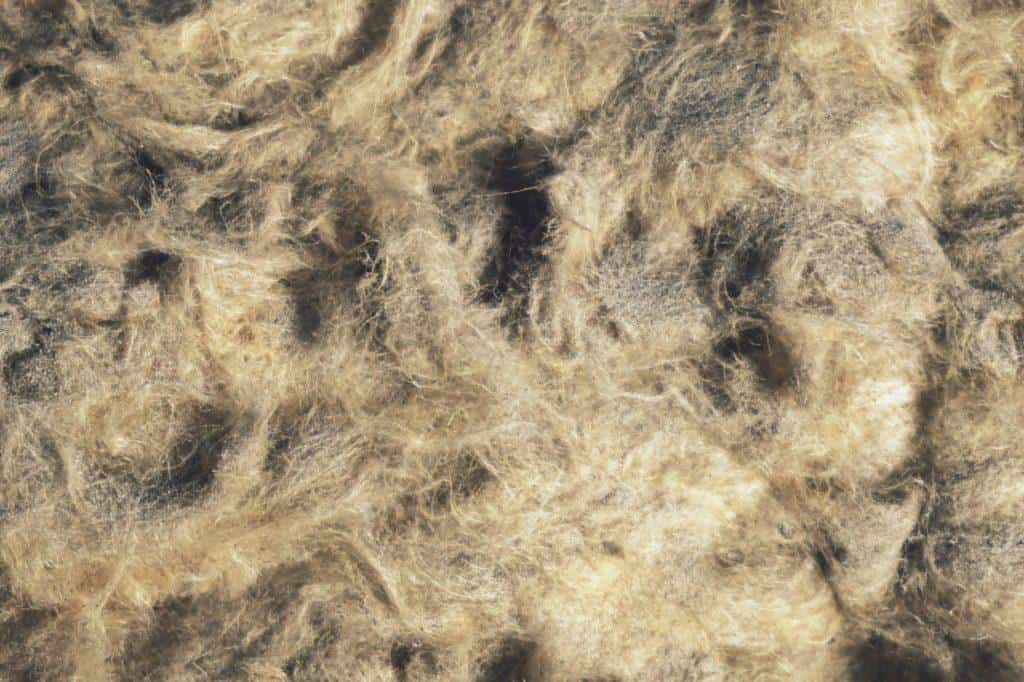
Asbestos is a naturally occurring silicate mineral found in rock formations across every continent. Its name derives from the ancient Greek word meaning “indestructible” — and that reputation was earned early.
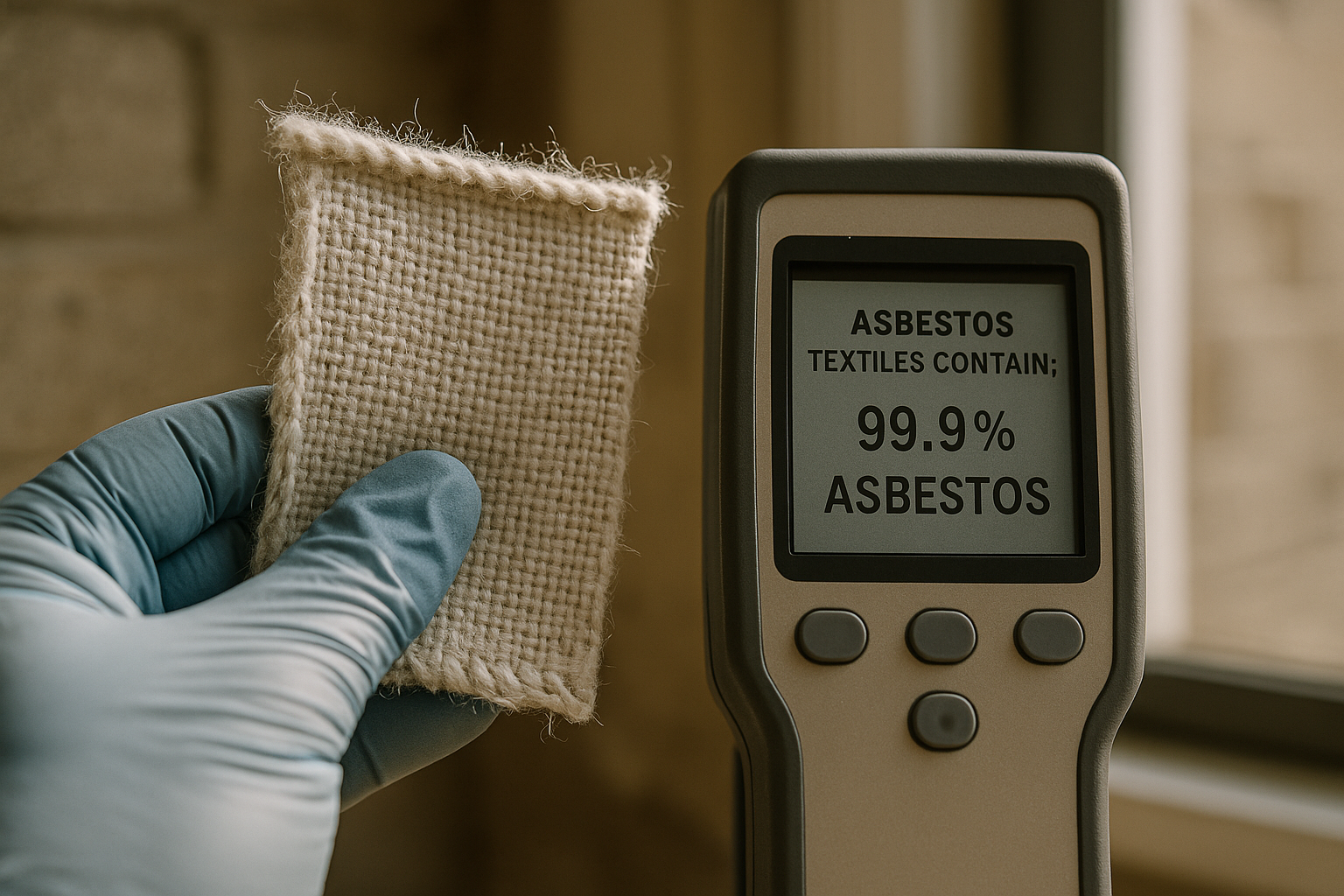
Traces of asbestos use have been identified in archaeological sites dating back to around 4,000 BC. Ancient Egyptians are believed to have wrapped deceased pharaohs in asbestos-containing cloth for preservation. Clay pots found in Finland from roughly the same period show evidence of asbestos mixed into the clay for structural reinforcement and fire resistance.
The Greeks wove asbestos into cloth used at funeral pyres, allowing them to separate cremated remains from wood ash. They also recorded the first known health concerns linked to asbestos — physicians of the time noted a lung sickness among those who mined it over long periods. Some accounts describe miners wearing crude face coverings.
They knew it was harmful. They used it anyway.
The Romans continued this pattern — asbestos appeared in tablecloths, napkins, and building materials. Legend suggests Emperor Charlemagne used an asbestos tablecloth to impress dinner guests, throwing it into the fire and pulling it out unscathed.
Medieval Applications and the Global Spread of Asbestos Trade
During the Crusades, European armies used asbestos-lined bags to carry burning tar catapulted into enemy positions. The bags would not burn through before impact — a crude but effective military application.
Marco Polo’s writings from the late 13th century describe a cloth used by Mongolians that could not be burnt. Most historians believe this was an asbestos-based textile. Polo described it as coming from a salamander’s skin — the mythology surrounding asbestos was as persistent as its fibres.
What these accounts reveal is that asbestos was not confined to one region. Its natural deposits span the globe, and wherever it was found, people found uses for it. That global distribution would eventually make it one of the most widely traded industrial minerals in history.
The Industrial Revolution and the Rise of Mass Asbestos Production
Nothing in asbestos’s history compares to what happened during the Industrial Revolution. From the mid-19th century onwards, mass manufacturing created enormous demand for heat-resistant, fireproof, and durable materials. Asbestos answered that demand almost perfectly.
It was incorporated into:
- Boilers and pipe lagging
- Steam engines and locomotives
- Roofing and floor tiles
- Insulation for walls and ceilings
- Brake pads and gaskets
- Electrical insulation
- Shipbuilding materials
In the UK, asbestos manufacturing and importation grew dramatically from the 1870s onwards. Towns like Hebden Bridge in Yorkshire and Rochdale became centres of asbestos textile production. By the early 20th century, asbestos was considered an industrial miracle material — cheap, widely available, and seemingly indispensable.
To meet this industrial demand, large-scale commercial mining operations expanded rapidly across several countries. Canada, South Africa, and the Soviet Union emerged as dominant producers. The health consequences were building in parallel — but were largely ignored in pursuit of profit.
Who Is the Largest Producer of Asbestos in the World?
For much of the 20th century, Canada held that title. The country mined primarily chrysotile (white asbestos) from the province of Quebec. The town of Asbestos — later renamed Val-des-Sources — was literally built around the industry. Canada only ceased commercial asbestos mining in 2011, and its final ban on production and use came into effect in 2018.
Today, Russia is unambiguously the largest producer of asbestos in the world. The country mines chrysotile asbestos on an industrial scale, primarily from the Ural Mountains region. The city of Asbest — whose name translates directly as “asbestos” — remains the centre of Russian production, home to one of the largest open-pit asbestos mines on the planet.
Russia produces hundreds of thousands of tonnes of asbestos annually, accounting for the majority of global supply. The Russian asbestos industry actively promotes “controlled use” of chrysotile, arguing that it can be handled safely under regulated conditions — a position firmly rejected by the World Health Organisation, which classifies all forms of asbestos as Group 1 carcinogens.
Other Major Asbestos-Producing Countries
While Russia dominates current production, several other countries continue to mine and export asbestos:
- Kazakhstan — a significant producer, often exporting to Asian markets
- China — both produces and consumes asbestos domestically, particularly in construction and manufacturing
- Brazil — was a major producer until its Supreme Court upheld a national ban in 2017
- Zimbabwe — maintains active mining operations
- India — does not produce significant quantities but is one of the world’s largest importers, sourcing primarily from Russia and Kazakhstan
The global trade in asbestos continues despite the fact that over 60 countries have implemented full bans. The mineral remains in active use across parts of Asia, Africa, and the Middle East, where regulatory frameworks are less developed and the economic case for cheap, fire-resistant building materials still holds sway.
The Global Health Burden of Continued Asbestos Production
The World Health Organisation estimates that tens of thousands of people die each year from asbestos-related diseases globally. These include mesothelioma, asbestosis, and lung cancer — all directly linked to the inhalation of asbestos fibres.
Mesothelioma has a latency period of 20 to 50 years. This means that people being exposed to asbestos in countries where it remains in active use today will not begin developing disease until the 2040s and beyond. The global death toll from asbestos is not declining — it is still rising in many parts of the world.
The UK currently has one of the highest rates of mesothelioma deaths in the world. This is a direct consequence of the heavy industrial and construction use of asbestos throughout the mid-20th century, when much of the material was imported from the very countries that continue to produce it today.
The UK’s Phased Approach to Banning Asbestos
The first formally recorded asbestos-related death in the UK occurred in the early 1900s. A post-mortem examination found a young worker’s lungs heavily scarred and laden with asbestos fibres. It was not an isolated case.
In 1930, a landmark study commissioned by the UK government — led by Dr E.R.A. Merewether — confirmed that asbestos dust caused a specific and fatal lung disease. This led to the first UK asbestos regulations, which introduced basic dust controls in factories. It was a start, but far from sufficient.
Post-war construction in the UK relied heavily on asbestos. Schools, hospitals, council housing, and commercial buildings were insulated, fire-proofed, and reinforced with asbestos-containing materials throughout the 1950s, 60s, and into the 70s. Global use peaked in the late 1970s.
The UK took a phased approach to banning asbestos:
- Blue asbestos (crocidolite) and brown asbestos (amosite) — the most dangerous forms — were banned in the late 1980s
- White asbestos (chrysotile) was banned in 1999
- Today, the importation, supply, and use of all forms of asbestos is prohibited in the UK
The legal framework governing asbestos management is the Control of Asbestos Regulations, which places a duty on those responsible for non-domestic premises to manage asbestos-containing materials. This is known as the “duty to manage” — and it applies to landlords, property managers, employers, and building owners across the country.
Why the Ban Doesn’t Mean Asbestos Has Gone from UK Buildings
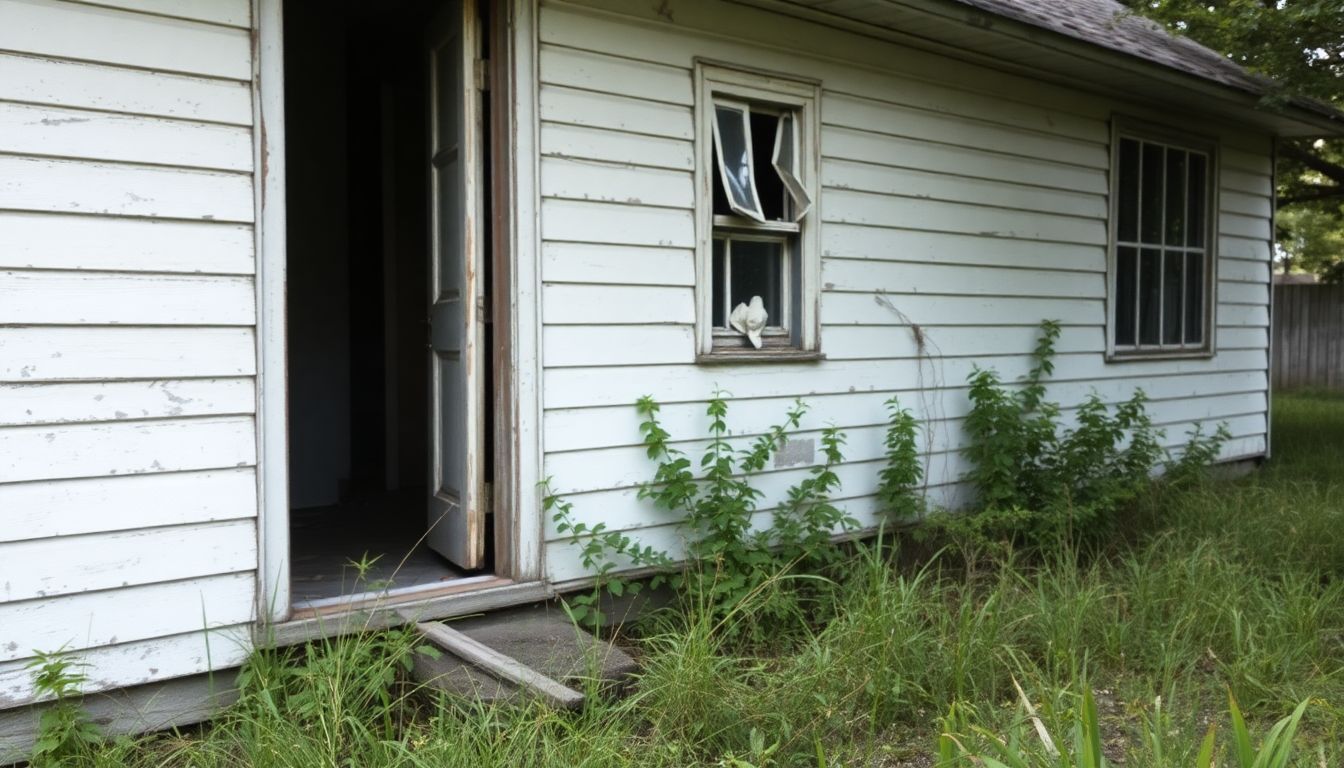
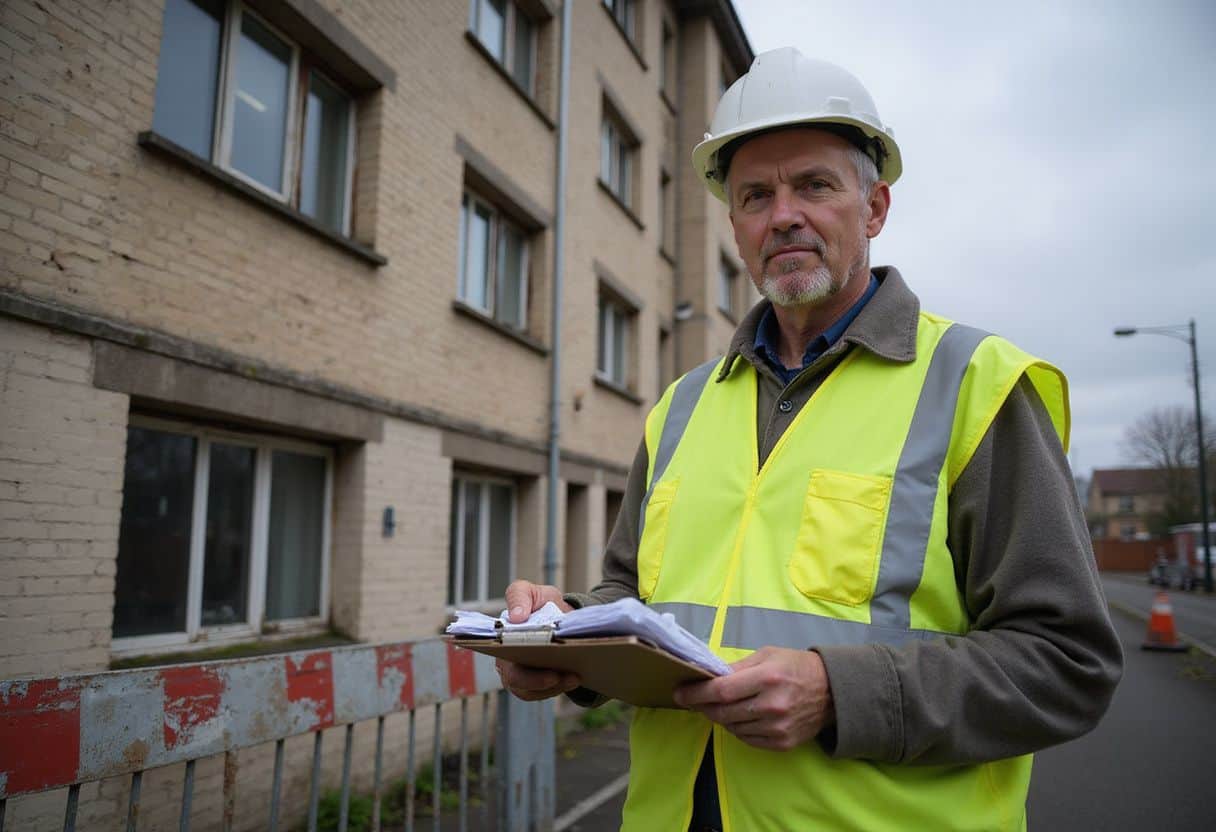
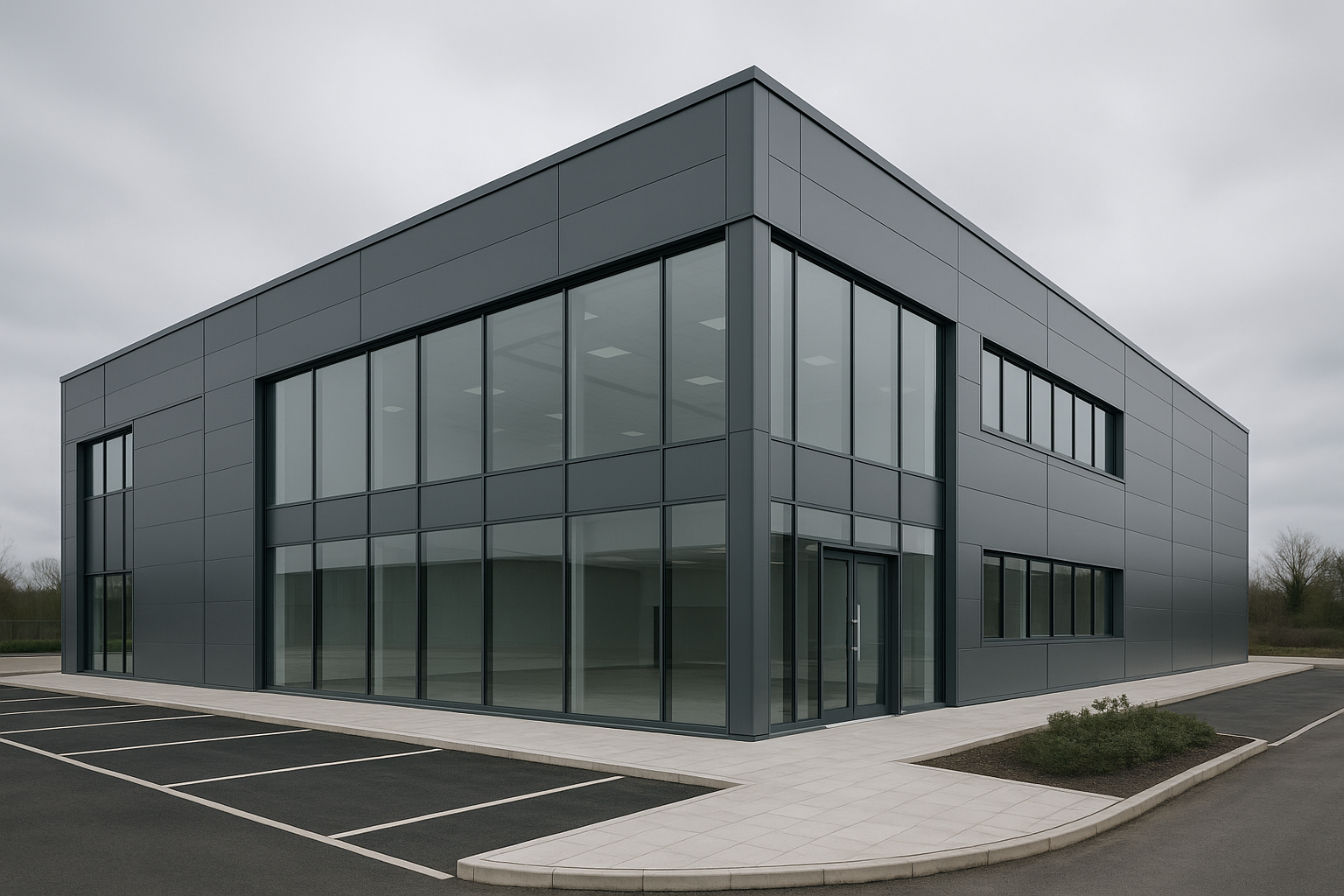
Here is the uncomfortable reality: the UK ban on asbestos does not mean asbestos has disappeared. Any building constructed or refurbished before the year 2000 may contain asbestos-containing materials — and that covers a vast proportion of the UK’s housing stock, commercial properties, schools, hospitals, and public buildings.
The materials are not always obvious. Asbestos was used in:
- Textured coatings such as Artex
- Floor tiles and floor adhesives
- Roof sheets and guttering
- Ceiling tiles
- Pipe insulation and lagging
- Fire doors and door linings
- Insulating board panels
- Boiler and plant room insulation
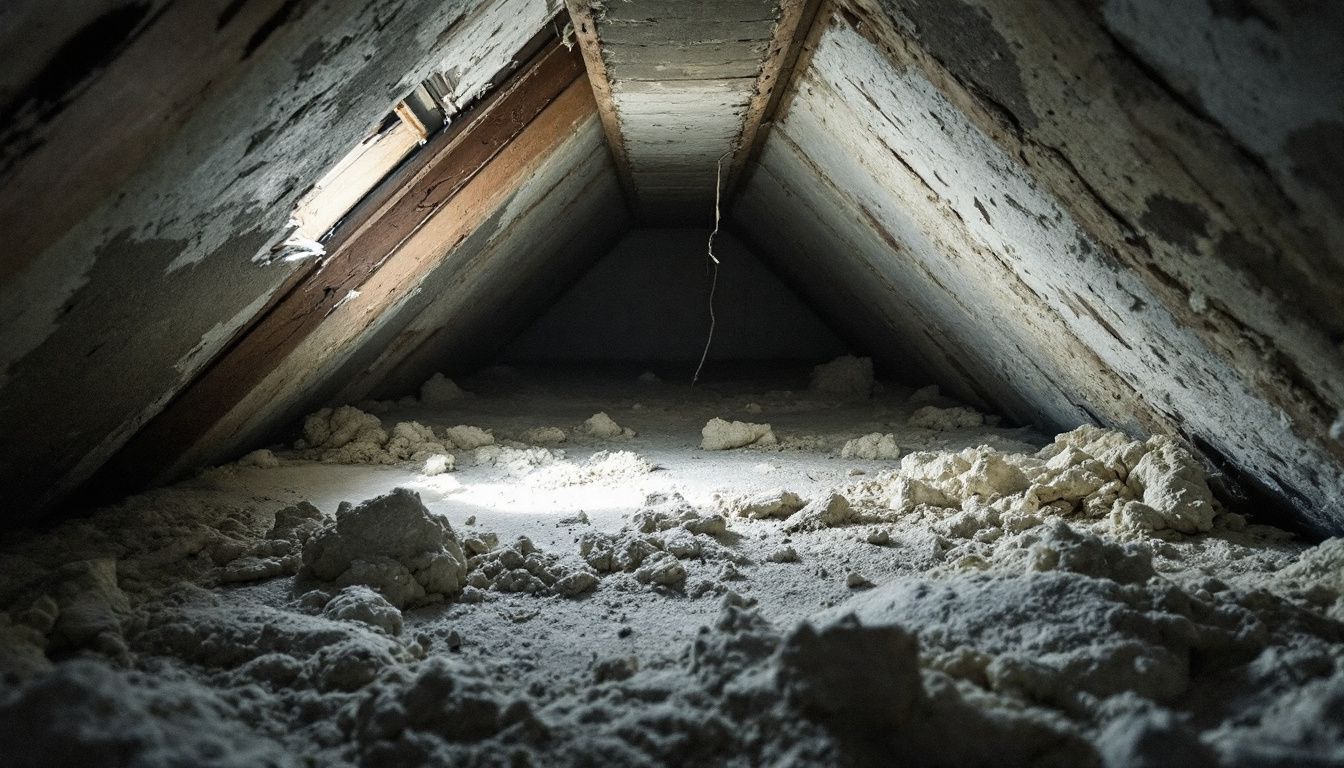
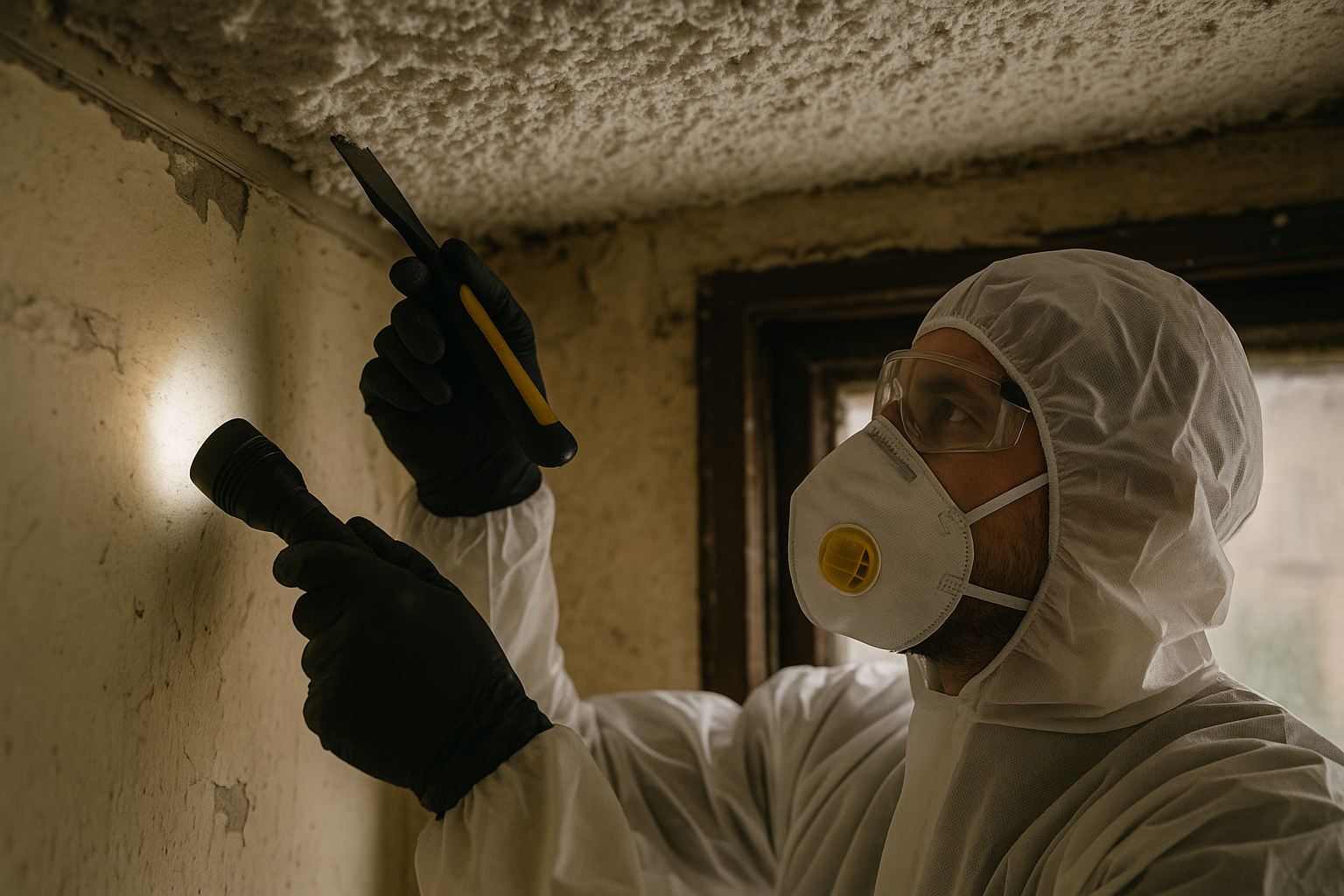
When asbestos-containing materials are in good condition and left undisturbed, the risk they pose is generally low. The danger arises when materials deteriorate, or when building work disturbs them — releasing fibres into the air where they can be inhaled.
Your Legal Obligations as a Duty Holder
If you are responsible for a building built before 2000, the history of global asbestos production is directly relevant to you. The material in your building almost certainly originated from the same countries — Canada, South Africa, Russia — that dominated the global trade throughout the 20th century.
Under the Control of Asbestos Regulations and HSE guidance including HSG264, your key legal obligations include:
- Identifying whether asbestos-containing materials (ACMs) are present in your premises
- Assessing the condition and risk of those materials
- Producing and maintaining an asbestos management plan
- Ensuring that anyone liable to disturb ACMs is informed of their location and condition
- Arranging periodic re-inspections to monitor condition over time
Non-compliance is a criminal offence. The Health and Safety Executive takes enforcement seriously, and prosecutions — including substantial fines — are not uncommon.
The Right Survey for Your Situation
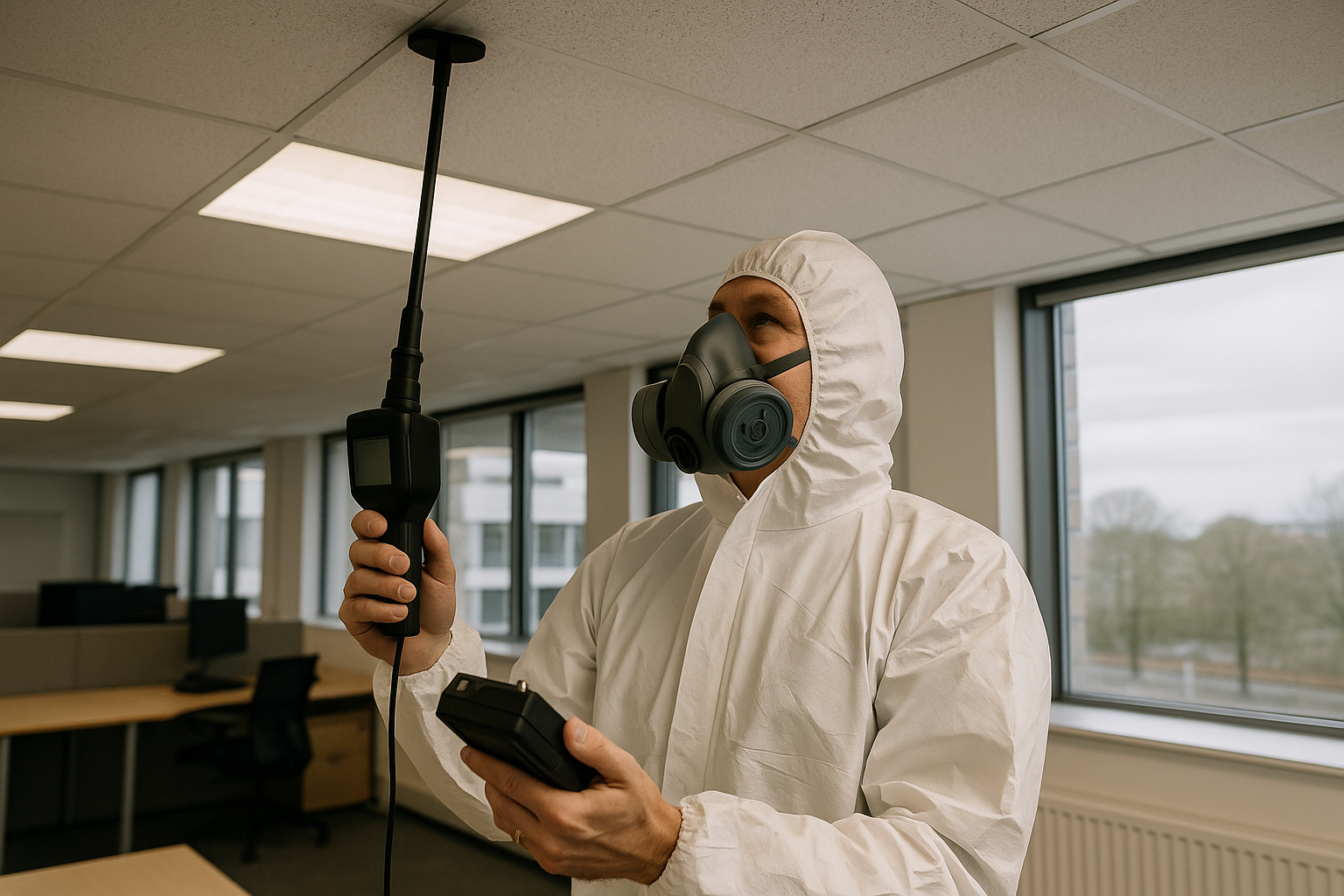
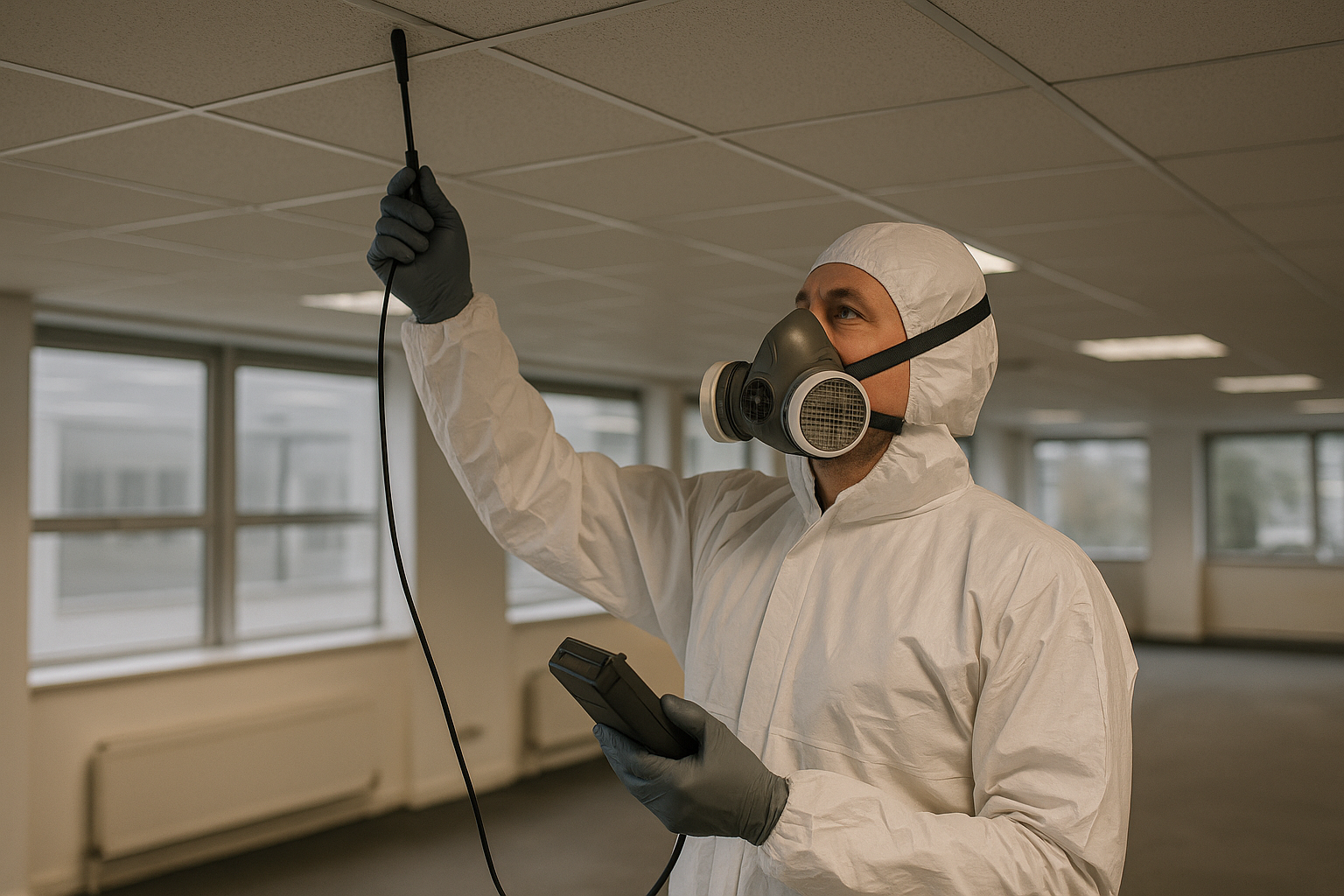
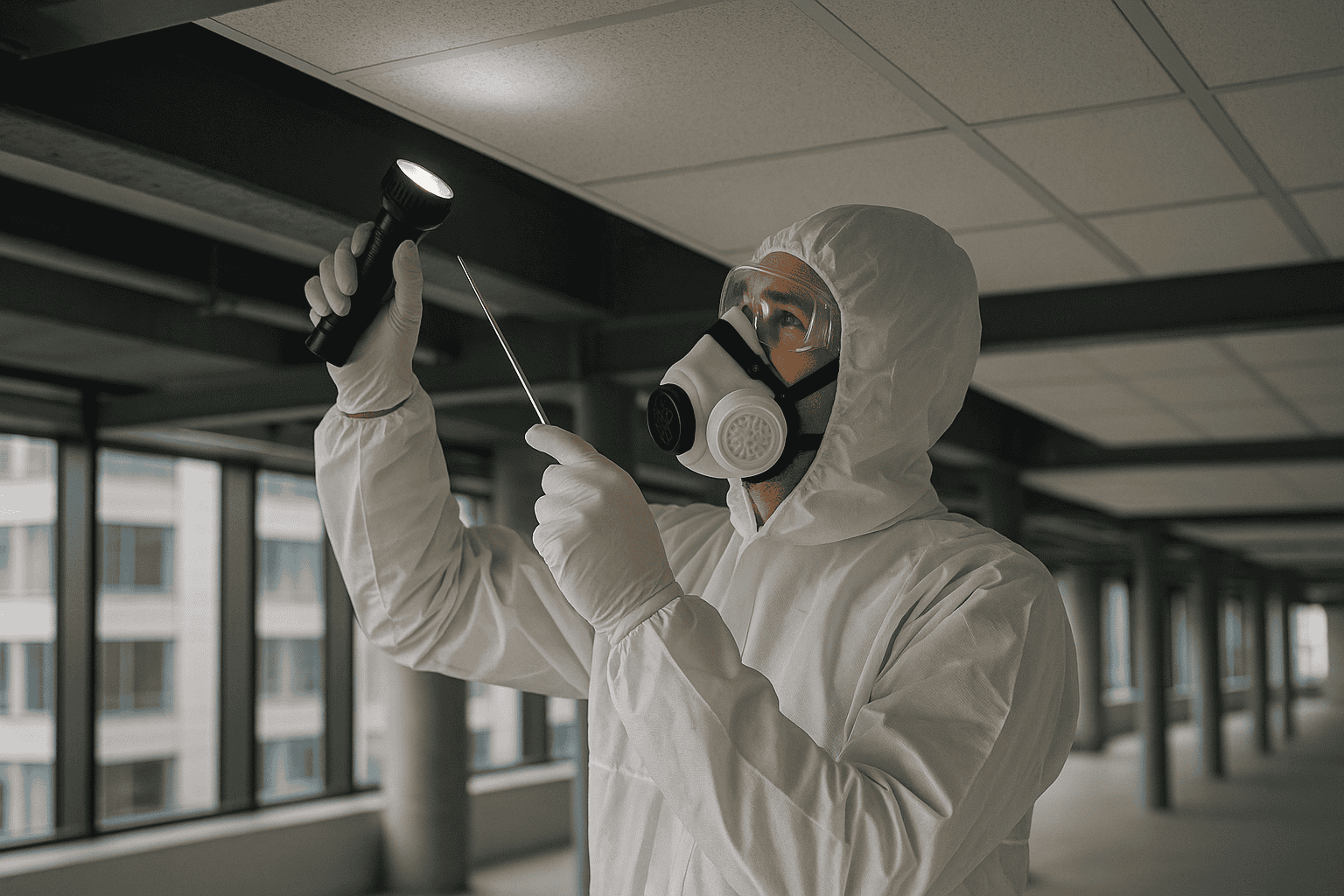
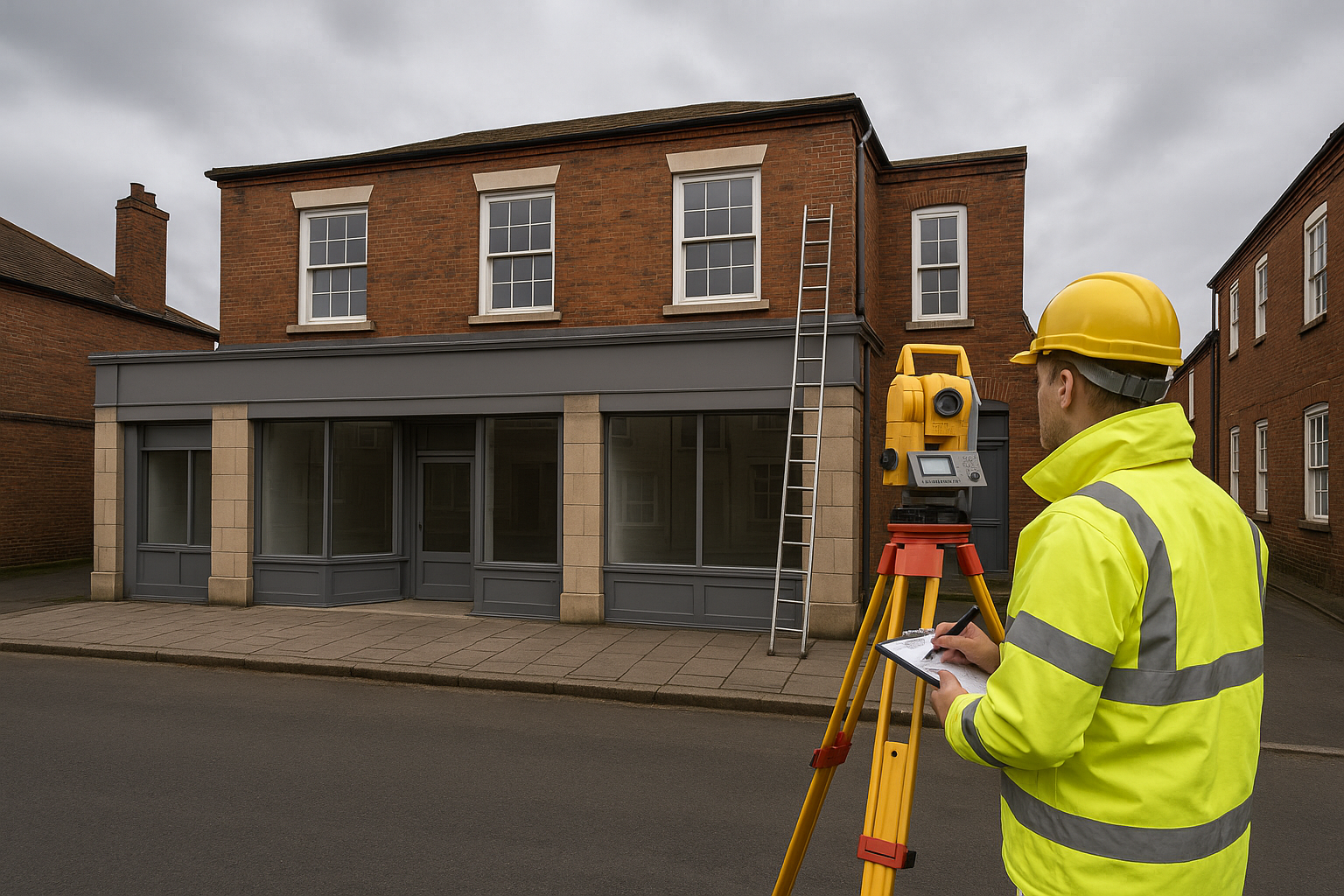
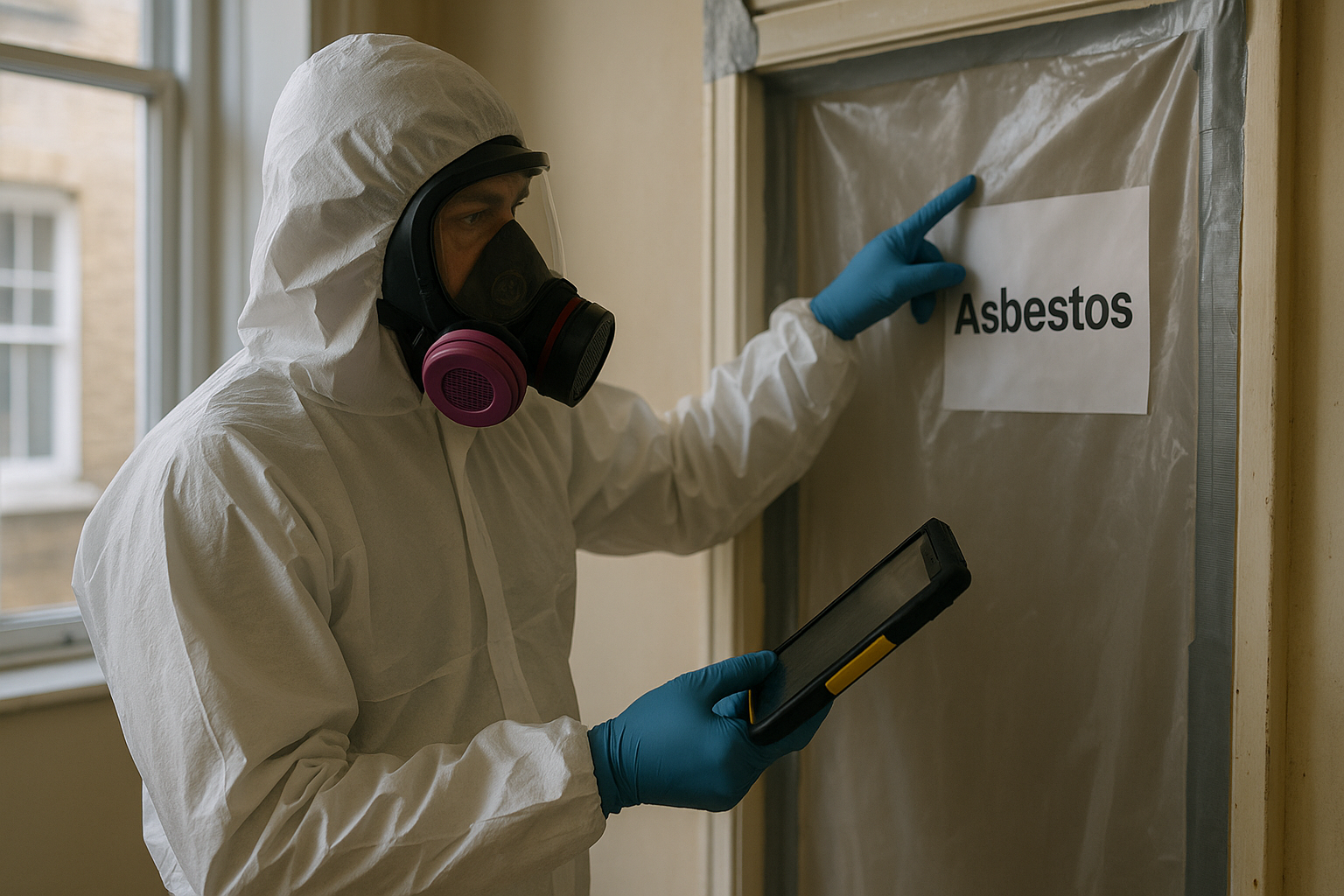
The starting point for meeting your legal obligations is always a professional asbestos survey. The type of survey you need depends on what is happening with your building.
Management Survey
A management survey is the standard survey for occupied buildings. It identifies asbestos-containing materials that could be disturbed during normal use and maintenance, and forms the basis of your asbestos management plan. If you do not yet have a survey in place, this is where you start.
Refurbishment Survey
Before any refurbishment or intrusive maintenance work begins, you need a refurbishment survey. This covers areas that will be disturbed and must be completed before any contractor starts work — not during or after.
Demolition Survey
A demolition survey is a full, intrusive survey required before any demolition work begins. It is one of the most thorough types of survey, designed to locate all asbestos-containing materials before the structure is taken down.
Re-Inspection Survey
If you already have an asbestos management plan in place, a re-inspection survey provides a periodic review of known ACMs, updating their condition and risk rating. This is a legal requirement under the duty to manage — not an optional extra.
Asbestos Testing and Sample Analysis
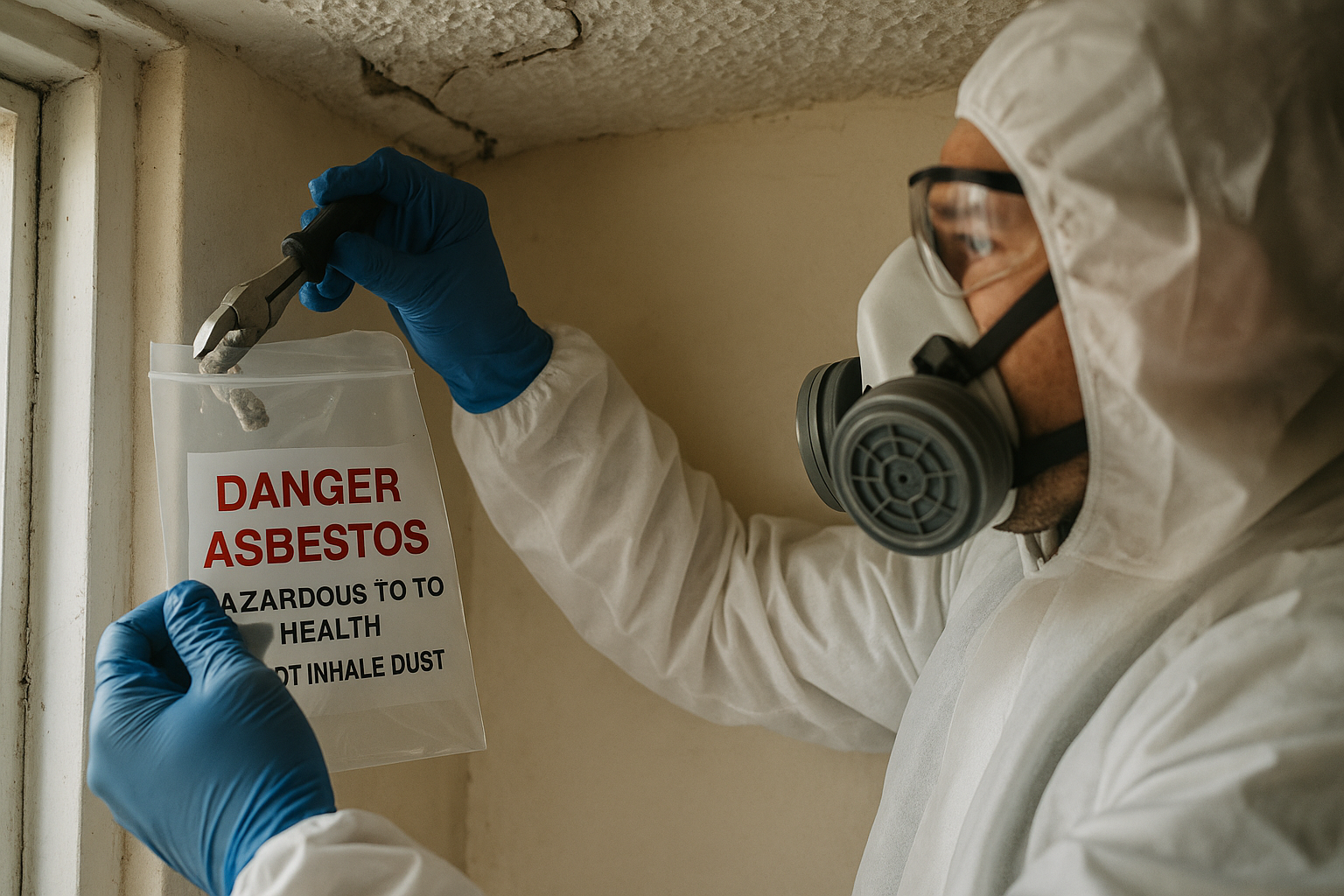
If you are unsure whether a specific material contains asbestos, asbestos testing provides a definitive answer. Bulk samples are analysed in an accredited laboratory to confirm the presence or absence of asbestos fibres and identify the fibre type.
For those who need to submit a sample independently, our sample analysis service provides fast, accurate results from a UKAS-accredited laboratory. This is particularly useful for contractors and property managers who encounter a suspect material during works and need a rapid answer before proceeding.
If you are researching your options, our asbestos testing information page explains exactly how the process works, what to expect, and how results are reported.
Supernova Asbestos Surveys: Nationwide Coverage
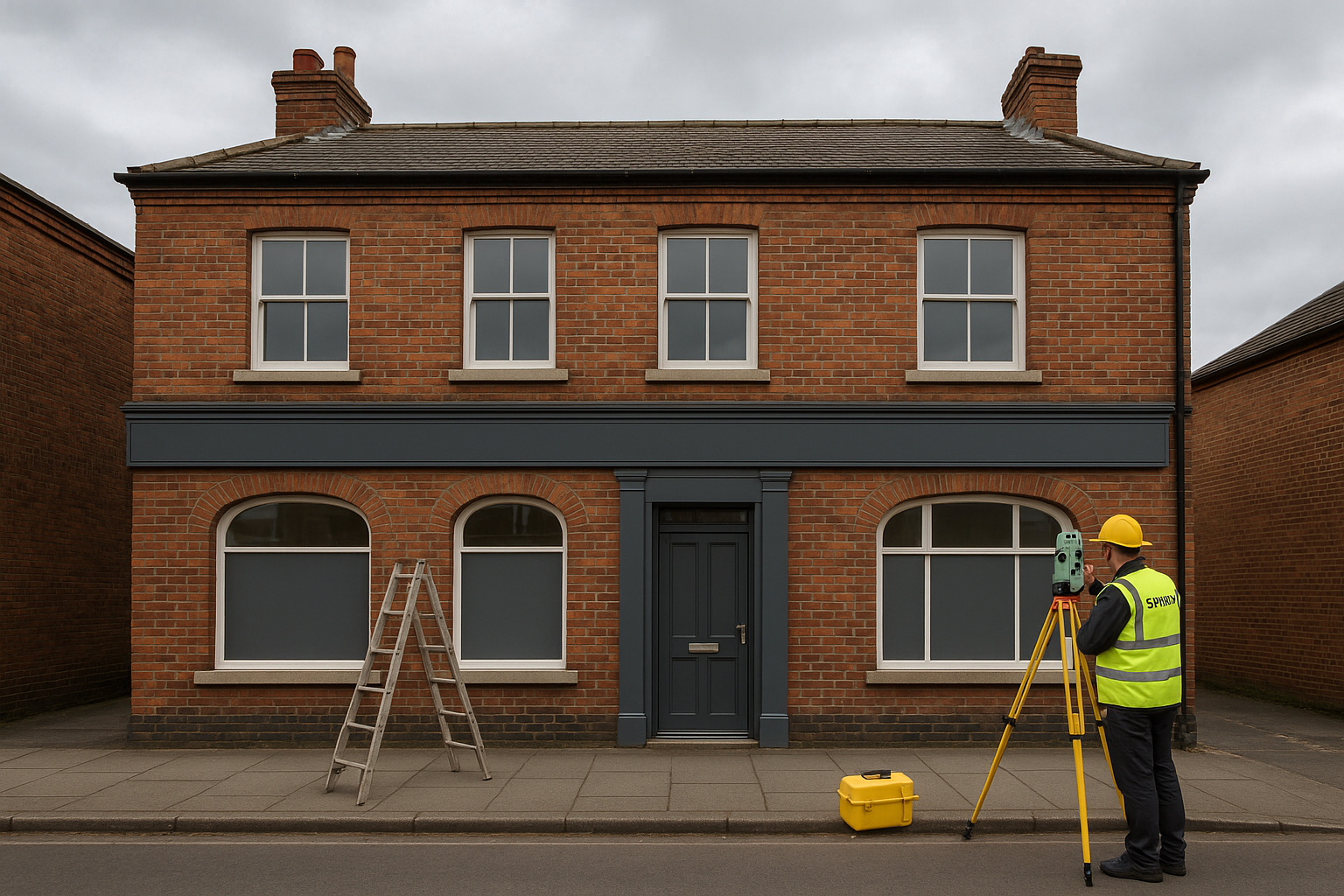
Supernova Asbestos Surveys operates across the UK, providing fully accredited asbestos surveys and testing services to commercial and residential clients. With over 50,000 surveys completed nationwide, we have the experience and reach to support duty holders wherever their properties are located.
If you are based in the capital, our asbestos survey London service covers all London boroughs with rapid response times. For clients in the North West, our asbestos survey Manchester team is on hand to carry out surveys quickly and professionally. In the Midlands, our asbestos survey Birmingham service ensures local property managers have access to expert support without delay.
Wherever you are in the UK, we can help you understand your obligations, identify any asbestos-containing materials, and put a compliant management plan in place.
Call us today on 020 4586 0680 or visit asbestos-surveys.org.uk to book your survey or speak with one of our qualified surveyors.
Frequently Asked Questions
Who is the largest producer of asbestos in the world today?
Russia is currently the largest producer of asbestos in the world. Mining is concentrated in the Ural Mountains region, centred on the city of Asbest, which is home to one of the largest open-pit asbestos mines on the planet. Russia produces hundreds of thousands of tonnes of chrysotile asbestos annually and accounts for the majority of global supply.
Is asbestos still being mined and used globally?
Yes. Despite over 60 countries having implemented full bans, asbestos continues to be mined and used in parts of Asia, Africa, the Middle East, and elsewhere. Russia, Kazakhstan, China, and Zimbabwe are among the countries with active production or significant consumption. The global trade in asbestos remains substantial.
When did the UK ban asbestos?
The UK took a phased approach. Blue asbestos (crocidolite) and brown asbestos (amosite) were banned in the late 1980s. White asbestos (chrysotile) was banned in 1999. Since then, the importation, supply, and use of all forms of asbestos has been prohibited in the UK. However, asbestos installed before these bans remains in a large proportion of UK buildings.
Does the UK ban on asbestos mean my building is safe?
Not necessarily. Any building constructed or refurbished before the year 2000 may contain asbestos-containing materials. The ban prevents new asbestos from being installed — it does not remove what is already there. Under the Control of Asbestos Regulations, duty holders are legally required to identify, assess, and manage any asbestos-containing materials in their premises.
What type of asbestos survey do I need?
The survey type depends on your circumstances. A management survey is appropriate for occupied buildings where you need to identify and monitor asbestos-containing materials. A refurbishment survey is required before any intrusive building work. A demolition survey is needed before any structure is demolished. A re-inspection survey is used to periodically review the condition of known materials. If you are unsure which applies to your situation, contact Supernova Asbestos Surveys on 020 4586 0680 for guidance.