Category: Asbestos

  • The Significance of Asbestos Management Surveys in Liverpool: Why Asbestos Management Survey Liverpool is Essential

    The Significance of Asbestos Management Surveys in Liverpool: Why Asbestos Management Survey Liverpool is Essential

    Asbestos Surveying in Liverpool: What Every Property Owner and Duty Holder Needs to Know

    If your Liverpool property was built before 2000, there is a realistic chance it contains asbestos-containing materials (ACMs). Asbestos surveying in Liverpool is not a box-ticking exercise — it is the legally required foundation for understanding what is in your building, where it sits, and what risk it poses. Without a professional survey, you are operating blind, and potentially in breach of the law.

    Liverpool’s architectural heritage means the city has a substantial stock of older commercial, industrial, and residential buildings. From Victorian warehouses in the docklands to 1970s office blocks and converted factories, asbestos was used extensively across the construction industry during the decades these buildings were built and refurbished. That legacy has not disappeared.

    Why Asbestos Surveying in Liverpool Matters

    Asbestos was used in hundreds of building products throughout most of the twentieth century. It was cheap, fire-resistant, and highly effective as an insulator — which is exactly why it ended up in everything from ceiling tiles and floor coverings to pipe lagging, roof sheeting, and textured wall coatings.

    Liverpool’s commercial and residential building stock reflects this history. The city’s docklands and industrial heritage produced a dense concentration of warehouses, factories, civic buildings, and terraced housing — many of which were constructed or refurbished at the height of asbestos use.

    Age alone does not determine risk. An ACM that is in good condition and left completely undisturbed poses a low risk. The same material, deteriorating or about to be cut through by a maintenance contractor who has not been informed of its presence, is an entirely different matter.

    Types of Asbestos Survey Available in Liverpool

    Not every survey is the same. The type of survey you need depends on how the building is being used and what work is planned. Getting this right from the outset is essential — using the wrong type of survey can leave you non-compliant and expose workers to unnecessary risk.

    Management Survey

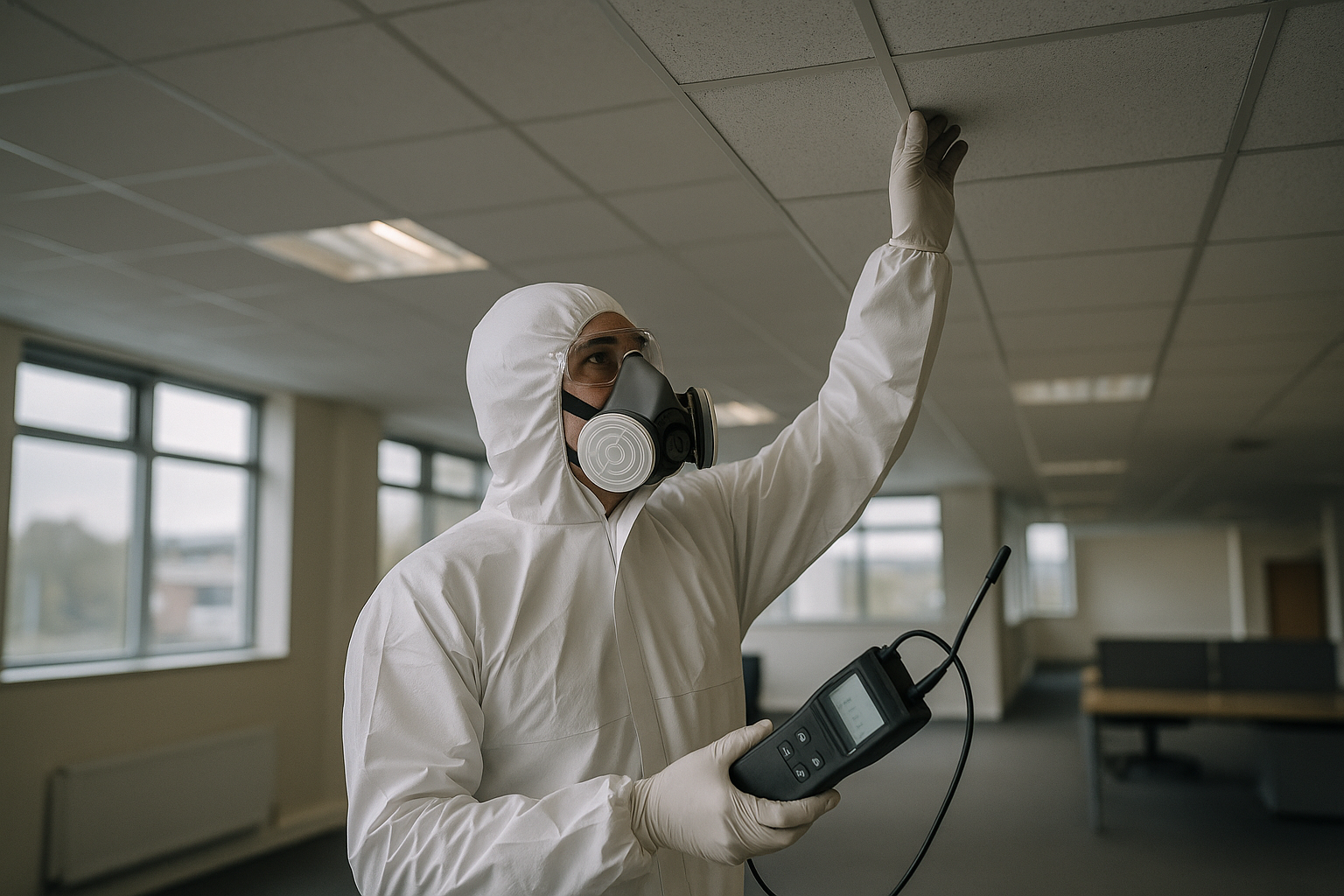
    A management survey is the standard survey for occupied buildings undergoing normal use. It is a non-intrusive inspection carried out by a qualified surveyor whose job is to locate ACMs that could be disturbed during routine maintenance, minor repairs, or everyday building occupation.

    The surveyor will visually inspect all accessible areas, take samples of suspect materials, and submit those samples to a UKAS-accredited laboratory for analysis. The resulting report covers the location of all identified or presumed ACMs, the type of asbestos present where confirmed, the condition and risk rating of each material, and recommendations for management, monitoring, or remediation.

    This report forms the backbone of your asbestos management plan — a document that is legally required for any non-domestic property where ACMs are present or suspected. If you manage an occupied commercial building in Liverpool, an asbestos management survey is almost certainly the right starting point.

    Refurbishment Survey

    If you are planning significant building works, a standard management survey is not sufficient. A refurbishment survey is a more intrusive inspection designed to locate all ACMs in areas that will be disturbed or affected by the planned works. It may require destructive access to areas that a management survey would not touch.

    Using a management survey when a refurbishment survey is required is a common and potentially dangerous mistake. If you are planning works on a Liverpool property, speak to a qualified surveyor before any work begins — not after.

    Demolition Survey

    Before any building is demolished, a demolition survey must be completed. This is the most thorough and intrusive type of asbestos survey, designed to locate every ACM within the structure so that all asbestos can be safely removed prior to demolition work starting.

    A demolition survey is a legal requirement under the Control of Asbestos Regulations. No licensed demolition contractor should proceed without one.

    Re-Inspection Survey

    An asbestos survey is not a one-off exercise. Once ACMs have been identified in a building, their condition must be monitored over time. A re-inspection survey revisits previously identified ACMs to assess whether their condition has changed, whether any new risks have emerged, and whether your management plan needs updating.

    Annual re-inspections are standard practice for many commercial property types, though the appropriate frequency will depend on the nature and condition of the materials involved.

    The Legal Framework: What Liverpool Duty Holders Must Understand

    The Control of Asbestos Regulations place a clear legal duty on those who own, manage, or have responsibility for non-domestic premises. This is known as the duty to manage asbestos. It is not optional, and ignorance of it is not a defence.

    Under these regulations, duty holders must:

    • Take reasonable steps to find ACMs in their premises
    • Assess the condition and risk of those materials
    • Produce and maintain a written asbestos management plan
    • Provide information about ACMs to anyone who may disturb them
    • Review and monitor the plan regularly

    An asbestos management survey is the standard mechanism for fulfilling the first two of those duties. Without one, you have no documented basis for your management plan — and no defence if something goes wrong.

    The Health and Safety Executive (HSE) takes asbestos regulation seriously. Prosecution for breaches of the Control of Asbestos Regulations can result in unlimited fines and, in serious cases, custodial sentences. Beyond criminal penalties, failing to have an up-to-date survey can invalidate insurance, complicate property transactions, and expose you to civil liability if an occupant or contractor is harmed.

    What About Residential Properties in Liverpool?

    The formal duty to manage applies to non-domestic premises. However, landlords of residential properties — particularly houses in multiple occupation (HMOs) and properties with communal areas — do have responsibilities under wider health and safety legislation.

    If you are a residential landlord in Liverpool and your property was built before 2000, carrying out a survey is the sensible and legally defensible course of action. It protects your tenants, your contractors, and yourself.

    Common Asbestos-Containing Materials Found During Liverpool Surveys

    Surveyors working across Liverpool regularly encounter ACMs in locations that many property owners simply do not anticipate. The following materials are among those most commonly identified:

    • Artex and textured coatings — applied to ceilings and walls in domestic and commercial buildings throughout the 1970s and 1980s
    • Asbestos insulating board (AIB) — used in ceiling tiles, partition walls, fire doors, and service ducts
    • Pipe and boiler lagging — particularly in older heating systems and plant rooms
    • Corrugated cement roofing — common on industrial and agricultural buildings across Merseyside
    • Floor tiles and adhesives — thermoplastic floor tiles from the mid-twentieth century frequently contain chrysotile asbestos
    • Soffit boards and external cladding — especially on properties built in the 1960s and 1970s
    • Rope seals and gaskets — found around boilers, furnaces, and pipe joints in older plant rooms

    This is not an exhaustive list. A professional surveyor will assess all suspect materials systematically rather than relying on visual identification alone. Sampling and laboratory analysis is the only reliable way to confirm the presence or absence of asbestos fibres.

    Building Types in Liverpool Where ACMs Are Frequently Found

    Asbestos surveying in Liverpool covers a wide range of property types. The following building categories are among those where ACMs are most commonly identified:

    • Pre-2000 office buildings and commercial premises
    • Schools and educational buildings
    • NHS and healthcare facilities
    • Industrial units, factories, and warehouses
    • Retail premises with older fit-outs
    • Housing association and council properties
    • Churches, community halls, and civic buildings
    • Victorian and Edwardian terraced housing
    • Converted dockland and warehouse properties

    If your property falls into any of these categories and was built or significantly refurbished before 2000, an asbestos survey should be a priority — not an afterthought.

    What Happens During an Asbestos Survey in Liverpool?

    Understanding the process helps you prepare your property and staff, and ensures the survey is completed as efficiently as possible.

    Before the Survey

    You will need to provide the surveyor with access to all relevant areas of the building. Having building plans or floor drawings available is useful but not always essential. Inform any occupants or staff that a survey is taking place — while management surveys are non-intrusive, surveyors will need to access plant rooms, roof voids, and service areas where practical.

    During the Survey

    The surveyor will systematically inspect all accessible areas, recording the location and condition of any materials suspected to contain asbestos. Where sampling is required, a small sample is taken using appropriate PPE and containment methods to prevent fibre release. Sample points are sealed after sampling.

    Where sampling is not practical — for example, in areas that cannot be safely accessed without intrusive work — the surveyor will presume that certain materials contain asbestos. These presumed ACMs are treated as if they contain asbestos until proven otherwise.

    After the Survey

    Samples are submitted to a UKAS-accredited laboratory for sample analysis. You will receive a detailed written report that typically includes:

    • A full register of all identified and presumed ACMs
    • Photographic evidence of each location
    • Risk assessments and priority scores for each material
    • Clear recommendations for each ACM — whether to manage in place, repair, encapsulate, or remove
    • A site plan or drawing showing ACM locations where available

    This report should be kept on site and made available to any contractor working in the building. It forms the basis of your legally required asbestos management plan.

    Asbestos Testing and Sampling in Liverpool

    In some situations, you may need asbestos testing carried out on specific materials rather than a full building survey. This might apply where a suspect material has been identified during works, where a previous survey left certain materials as presumed rather than confirmed, or where you want to verify the status of a particular area before maintenance begins.

    For those who need fast, reliable results, professional asbestos testing services provide UKAS-accredited analysis without the need for a full survey. However, sample collection should always be carried out by a competent person using appropriate precautions — disturbing a suspected ACM without proper controls can create a risk where none previously existed.

    What Happens If Asbestos Is Found?

    Finding asbestos in your building does not automatically mean it needs to be removed. In many cases, the recommended approach is to manage ACMs in place — monitoring their condition, ensuring they are not disturbed, and keeping the information on record for anyone who might work in the building.

    Removal is typically recommended when:

    • The material is in poor condition and deteriorating
    • It will be disturbed by planned refurbishment or maintenance works
    • The risk of disturbance during normal building use is high
    • The building is due for demolition

    Where removal is necessary, it must be carried out by a licensed contractor for most ACM types, with appropriate notification to the HSE. For certain lower-risk materials, non-licensed work may be permissible — but this should always be assessed by a qualified professional. Supernova provides professional asbestos removal services where required, working with licensed contractors to ensure all work is carried out safely and in full compliance with the Control of Asbestos Regulations.

    How Liverpool Compares to Other UK Cities

    Liverpool shares many of the same asbestos challenges as other major UK cities with significant pre-2000 building stock. The scale of industrial activity during the twentieth century, combined with the city’s extensive port and manufacturing heritage, means ACMs are present across a broad cross-section of property types — not just obviously industrial sites.

    Supernova operates nationally, and our surveyors bring the same rigorous, HSG264-compliant approach to asbestos surveying in Liverpool as they do to every other location we cover. Whether you manage a single commercial unit in the city centre or a portfolio of properties across Merseyside, our team has the expertise and local knowledge to support you. We also carry out asbestos survey London work and across all major UK regions, so multi-site clients can rely on a single, consistent provider.

    Choosing a Qualified Asbestos Surveyor in Liverpool

    Not all asbestos surveyors are equal. When selecting a surveyor for your Liverpool property, look for the following:

    • UKAS-accredited laboratory analysis — all sample results should be processed by a laboratory accredited by the United Kingdom Accreditation Service
    • Surveyors holding P402 qualification — the recognised industry qualification for asbestos surveying under the British Occupational Hygiene Society (BOHS) framework
    • Clear, compliant reporting — reports should align with HSG264, the HSE’s guidance document on asbestos surveying
    • Professional indemnity and public liability insurance — essential for any contractor working on your premises
    • Transparent pricing with no hidden costs — you should know exactly what is included before the survey begins

    Supernova Asbestos Surveys has completed over 50,000 surveys across the UK. Our surveyors are fully qualified, our laboratory partners are UKAS-accredited, and our reports are produced to the standard required by the HSE and the Control of Asbestos Regulations.

    Frequently Asked Questions

    Do I legally need an asbestos survey for my Liverpool property?

    If you own, manage, or have responsibility for a non-domestic premises built before 2000, you have a legal duty under the Control of Asbestos Regulations to manage asbestos. An asbestos management survey is the standard way to fulfil this duty. Residential landlords also have responsibilities under wider health and safety legislation, particularly where communal areas or HMOs are involved.

    How long does an asbestos survey take in Liverpool?

    The duration depends on the size and complexity of the property. A small commercial unit may take two to three hours, while a large industrial building or multi-floor office block could take a full day or more. Your surveyor will provide an estimated timeframe when the survey is booked. Laboratory results typically take between three and five working days, after which your full written report is issued.

    What is the difference between a management survey and a refurbishment survey?

    A management survey is designed for occupied buildings in normal use. It is non-intrusive and focuses on materials that could be disturbed during routine maintenance or occupation. A refurbishment survey is required before any significant building works and is more intrusive — it may involve destructive access to locate all ACMs in areas that will be affected by the planned works. Using the wrong survey type can leave you non-compliant and workers at risk.

    Can I take my own asbestos samples and send them for testing?

    Technically, samples can be submitted for laboratory analysis by a non-specialist, but this is strongly discouraged. Disturbing a suspected ACM without the correct PPE, containment, and disposal procedures can release fibres and create a risk where none previously existed. Sample collection should always be carried out by a competent person with appropriate training and equipment. Supernova offers professional sampling services as part of both full surveys and standalone testing.

    How often should I have my Liverpool property re-inspected for asbestos?

    Once ACMs have been identified and recorded, their condition should be monitored regularly. Annual re-inspections are standard practice for most commercial properties, though the appropriate frequency depends on the type, condition, and location of the materials involved. Your asbestos management plan should specify the re-inspection schedule, and this should be reviewed whenever significant changes occur in the building or its use.

    Get Your Liverpool Asbestos Survey Booked Today

    Supernova Asbestos Surveys provides professional asbestos surveying in Liverpool and across the UK. Whether you need a management survey for an occupied building, a refurbishment survey ahead of planned works, or a demolition survey before a site is cleared, our qualified surveyors are ready to help.

    With over 50,000 surveys completed nationwide, UKAS-accredited laboratory partners, and reports produced in full compliance with HSG264 and the Control of Asbestos Regulations, Supernova is the trusted choice for property owners, managers, and duty holders across Merseyside.

    Call us on 020 4586 0680 or visit asbestos-surveys.org.uk to request a quote or find out more about our services.
  • Asbestos Management Surveys in Northwich: A Guide to asbestos management survey northwich: Why It Matters

    Asbestos Management Surveys in Northwich: A Guide to asbestos management survey northwich: Why It Matters

    Building Survey Northwich: What Every Property Owner Needs to Know About Asbestos

    If you own or manage a commercial, industrial, or public building in Northwich, arranging a proper building survey isn’t just good practice — it’s a legal obligation. Northwich has a rich industrial past, and many of its older buildings contain asbestos-containing materials (ACMs) that remain perfectly safe when managed correctly, but potentially deadly when disturbed without the right controls in place.

    Getting the right survey commissioned is where safe, legally compliant management begins. Here’s everything you need to know.

    Why Northwich Buildings Carry a Particular Asbestos Risk

    Northwich and the wider Cheshire area have a strong industrial heritage — chemicals, salt mining, and manufacturing were central to the town’s growth. Many buildings constructed or refurbished from the 1950s through to the late 1990s used asbestos-containing products as a matter of course.

    Common materials include ceiling tiles, pipe lagging, floor tiles, roofing sheets, and sprayed coatings on structural steelwork. Asbestos wasn’t banned from UK construction until 1999, so any building constructed or significantly refurbished before that date should be treated as potentially containing ACMs until a survey confirms otherwise.

    Assuming a building is asbestos-free because it looks modern, or because a previous owner said so, is not a defensible legal position — and it puts people at genuine risk.

    What Is an Asbestos Management Survey?

    An asbestos management survey is a non-intrusive inspection of a building designed to locate, as far as reasonably practicable, any ACMs that could be disturbed during normal occupation — including routine maintenance and everyday use. It’s distinct from a refurbishment or demolition survey, which is required before any major structural work begins.

    The management survey is your baseline — the document that forms the foundation of your asbestos management plan and keeps you legally compliant throughout the building’s normal working life.

    Under the Control of Asbestos Regulations, the duty to manage asbestos applies to anyone with responsibility for the maintenance or repair of non-domestic premises. That includes commercial landlords, facilities managers, local authorities, housing associations, school business managers, and employers with their own premises.

    What Does a Management Survey Inspect?

    A qualified surveyor carries out a thorough walk-through of all accessible areas, inspecting materials known to commonly contain asbestos. Where suspect materials are identified, samples are taken and sent to a UKAS-accredited laboratory for analysis.

    Areas and materials typically covered include:

    • Ceiling tiles and suspended ceiling systems
    • Floor tiles and associated adhesives
    • Pipe and boiler lagging
    • Textured coatings such as Artex
    • Roof sheets and soffits
    • Partition walls and wall boards
    • Older electrical equipment and fuse boxes
    • Structural steelwork with sprayed coatings

    The three main types of asbestos found in UK buildings are chrysotile (white), amosite (brown), and crocidolite (blue). All three are hazardous — the colour coding is a crude historical reference, not a reliable indicator of risk level.

    Condition Assessment

    Finding asbestos doesn’t automatically mean danger. The key question is: what condition is it in, and how likely is it to release fibres?

    Surveyors assess each identified ACM using a standardised scoring system that considers the material’s type, condition, surface treatment, extent, and the likelihood of disturbance based on its location. This generates a priority score that directly informs your management plan.

    A well-encapsulated ceiling tile in a locked plant room carries a very different risk profile to damaged pipe lagging in a busy corridor. The survey report makes these distinctions clearly.

    Risk Assessment and Management Planning

    The survey report doesn’t just tell you what’s there — it tells you what to do about it. Each ACM will have a recommended action: monitor in place, repair, encapsulate, or remove.

    This feeds directly into your asbestos management plan, which must include:

    • The location and condition of all identified ACMs
    • A risk assessment for each material
    • A schedule for re-inspection, typically annual
    • Procedures for anyone working on or near ACMs
    • Emergency arrangements in the event of accidental disturbance
    • Records of training for relevant staff

    This plan is a living document — it must be kept up to date as conditions change, work is carried out, or materials are removed.

    The Legal Position: What Duty Holders Must Do

    The Control of Asbestos Regulations set out clear requirements for duty holders. If you manage non-domestic premises — or have any responsibility for their maintenance — you must:

    1. Take reasonable steps to find out whether ACMs are present
    2. Presume materials contain asbestos unless there is strong evidence they don’t
    3. Assess the condition of any ACMs found
    4. Produce and maintain an asbestos register and management plan
    5. Make the register available to anyone who may disturb the fabric of the building
    6. Arrange periodic re-inspections to check the condition of known ACMs

    Failure to comply can result in improvement notices, prosecution, and unlimited fines. More importantly, it puts lives at risk. Asbestos-related diseases — mesothelioma, asbestosis, and lung cancer — remain a significant cause of occupational death in the UK.

    The HSE takes a dim view of duty holders who haven’t commissioned a survey. Ignorance is not a defence.

    Who Needs a Building Survey in Northwich?

    A building survey for asbestos is a legal requirement if you are responsible for any of the following property types built or refurbished before 2000:

    • Commercial offices
    • Retail premises
    • Warehouses and industrial units
    • Schools, colleges, and universities
    • Healthcare premises
    • Leisure facilities
    • Hotels and hospitality venues
    • Residential blocks of flats (common areas)
    • Local authority-owned buildings
    • Places of worship

    Private domestic homeowners are not bound by the duty to manage, but they carry a clear moral responsibility — particularly when employing tradespeople who could be exposed during maintenance or renovation work.

    The Different Types of Survey: Choosing the Right One

    One of the most common sources of confusion among property managers is understanding which survey type applies to their situation. Getting this wrong can have serious consequences.

    Management Survey

    A management survey is for buildings in normal use. It’s non-intrusive, covers accessible areas, and identifies ACMs that could be disturbed during day-to-day occupation. This is the standard survey for ongoing legal compliance.

    Refurbishment Survey

    A refurbishment survey is required before any work that will disturb the fabric of the building — from a bathroom refit to a significant structural alteration. It is fully intrusive, may require destructive access, and must cover all areas where work will take place.

    If you commission a management survey and then proceed with refurbishment without upgrading to the appropriate survey type, you’re in breach of the regulations — and any contractor working on site faces serious exposure risks.

    Demolition Survey

    A demolition survey is required before any building is demolished, in whole or in part. It is the most thorough and intrusive survey type, designed to locate all ACMs throughout the entire structure so they can be removed safely before demolition begins.

    Re-Inspection Survey

    Once your asbestos register is in place, ACMs that are being managed in place need to be checked periodically. A re-inspection survey is a focused assessment of known ACMs rather than a fresh search for new materials. It updates condition scores, flags anything that has worsened, and adjusts recommended actions accordingly.

    Annual re-inspection is the standard minimum. You should also commission a re-inspection after any incident that might have disturbed ACMs — a flood, fire, accidental damage, or unauthorised building work.

    Asbestos Testing Options for Northwich Properties

    Sometimes you need to confirm whether a specific material contains asbestos before commissioning a full survey — particularly if you’re a homeowner, a small landlord, or you’ve encountered a suspect material during routine maintenance.

    Professional asbestos testing involves taking a sample of the suspect material and having it analysed by a UKAS-accredited laboratory. This gives you a definitive answer about whether asbestos is present and, if so, which type.

    If you want to collect a sample yourself, our asbestos testing kit provides everything you need to do so safely, with clear instructions and prepaid laboratory submission included. Alternatively, our sample analysis service allows you to submit samples directly for UKAS-accredited analysis.

    Bear in mind that a testing kit is suitable for confirming the presence or absence of asbestos in a known material — it doesn’t replace a full management survey, which is a systematic inspection of the whole building.

    What to Look for When Choosing a Surveyor in Northwich

    Not all asbestos surveyors are equal, and cutting corners on price is a false economy. A poor-quality survey that misses materials, under-scores risks, or produces an unusable report offers no real legal or practical protection.

    BOHS Qualifications

    Surveyors should hold the British Occupational Hygiene Society (BOHS) P402 qualification as a minimum — this is the recognised professional standard for asbestos surveying in the UK. Ask to see proof before work begins.

    UKAS-Accredited Laboratory Analysis

    All samples taken during the survey must be analysed by a laboratory accredited by the United Kingdom Accreditation Service (UKAS) under ISO 17025. Analysis carried out by a non-accredited lab has no legal standing.

    Adequate Insurance

    Your surveyor should carry both professional indemnity insurance and public liability insurance. Ask for certificates before any work begins.

    Clear, Compliant Reporting

    The survey report should be produced in line with HSG264 — Asbestos: The Survey Guide. It should include a full asbestos register, photographs, sample results, condition scores, and recommended actions. Ask to see a sample report before commissioning.

    Transparency on Scope

    A reputable surveyor will be clear about what the survey does and doesn’t cover. A management survey will not access areas requiring destructive investigation — that requires a refurbishment or demolition survey. Any provider who implies their management survey covers everything without limitation should be treated with caution.

    Practical Steps for Northwich Property Managers

    If you manage a pre-2000 building in Northwich and you’re not certain your asbestos documentation is in order, here’s where to start:

    1. Commission a survey now. If your building predates 2000 and you have no asbestos register, you are already non-compliant. Don’t wait for an HSE inspection or a refurbishment project to force the issue.
    2. Keep your register accessible. Contractors, maintenance staff, and emergency services must be able to access it quickly. A locked filing cabinet that nobody knows about defeats the purpose entirely.
    3. Brief your maintenance team. Anyone who may disturb building materials — plumbers, electricians, decorators — needs to be made aware of the asbestos register before starting work.
    4. Never assume. If a material hasn’t been sampled and confirmed as asbestos-free, treat it as suspect.
    5. Schedule annual re-inspections. Conditions change. An ACM that was low-risk two years ago may have deteriorated since.
    6. Document everything. Keep a full audit trail of surveys, re-inspections, remediation work, and training records.

    When Asbestos Removal Becomes Necessary

    Not every ACM needs to be removed — in many cases, managing it in place is the safest and most cost-effective approach. Removal introduces its own risks, since disturbing an ACM during the removal process is precisely the moment when fibres can be released.

    However, removal becomes the right option when:

    • An ACM is in poor condition and deteriorating further
    • Planned refurbishment or demolition work will disturb the material
    • The location of the ACM makes ongoing management impractical
    • The risk score from a re-inspection has increased significantly

    Licensed asbestos removal must be carried out by a contractor holding a licence from the HSE. This applies to all work with higher-risk materials, including most sprayed coatings, pipe lagging, and loose-fill insulation. Some lower-risk work can be carried out by an unlicensed but trained contractor — your surveyor can advise on which category applies.

    Never attempt to remove asbestos yourself. The risks to health are severe, and improper removal can spread contamination throughout a building, creating a far larger and more expensive problem than the one you started with.

    Frequently Asked Questions

    Do I legally need a building survey in Northwich if my property was built after 1999?

    If your building was constructed entirely after 1999, the likelihood of asbestos-containing materials is very low. However, if any significant refurbishment was carried out using older materials, or if the build date is uncertain, a survey is still advisable. For buildings where the construction date is clearly post-1999 and no older materials were incorporated, the strict legal duty to manage does not apply — but if you’re in any doubt, a survey is the only way to be certain.

    How long does an asbestos management survey take in Northwich?

    The duration depends on the size and complexity of the building. A small commercial unit might take two to three hours, while a large industrial facility or school could take a full day or more. Your surveyor should provide an estimated timeframe when they quote for the work. The building can typically remain in use during a management survey, as the inspection is non-intrusive.

    What happens if asbestos is found during my building survey?

    Finding asbestos during a building survey in Northwich doesn’t mean you have to close the building or arrange immediate removal. The surveyor will assess the condition of each material and assign a risk score. Low-risk materials in good condition are typically managed in place with periodic re-inspection. Only materials in poor condition, or those that will be disturbed by planned work, are likely to require remediation or removal in the short term.

    Can I use a testing kit instead of commissioning a full building survey?

    A testing kit is useful for confirming whether a specific suspect material contains asbestos — for example, if a tradesperson has flagged a particular tile or coating before starting work. It is not a substitute for a full management survey, which systematically inspects the whole building and produces a legally compliant asbestos register. If you manage non-domestic premises, a management survey is what the regulations require.

    How often should I arrange a re-inspection survey in Northwich?

    Annual re-inspection is the standard minimum recommended under HSE guidance. You should also arrange a re-inspection following any event that may have disturbed known ACMs — including accidental damage, flooding, fire, or unauthorised building work. If conditions in the building change significantly, such as a change of use or increased foot traffic near ACMs, it’s worth bringing the re-inspection forward rather than waiting for the annual date.

    Get Your Building Survey in Northwich Sorted Today

    Supernova Asbestos Surveys has completed over 50,000 surveys across the UK, working with commercial landlords, facilities managers, local authorities, schools, and businesses of every size. Our surveyors hold the relevant BOHS qualifications, all sample analysis is carried out by UKAS-accredited laboratories, and every report is produced in line with HSG264.

    Whether you need a management survey for a Northwich office, a refurbishment survey ahead of building works, or a re-inspection to update an existing register, we can help. We also offer nationwide asbestos removal referrals for when remediation is required.

    Call us on 020 4586 0680 or visit asbestos-surveys.org.uk to get a quote or find out more about our services.

  • The Significance of Asbestos Management Surveys in Kent: Guide to Asbestos Management Survey Kent

    The Significance of Asbestos Management Surveys in Kent: Guide to Asbestos Management Survey Kent

    Hidden asbestos is one of those risks that stays quiet until a contractor drills into it, a ceiling tile breaks, or a refurbishment opens up an area nobody has checked for years. If you need an asbestos survey Kent property owners, duty holders and managing agents can rely on, the priority is simple: get the right survey, get clear findings, and make sure your building can be managed safely without delays or guesswork.

    Kent has a wide mix of property types, from older schools and civic buildings to retail units, warehouses, hotels, offices and mixed-use blocks. Many premises across Maidstone, Canterbury, Ashford, Dartford, Medway, Tunbridge Wells and the wider county were built or altered when asbestos-containing materials were still commonly used, so accurate asbestos information remains essential.

    A proper asbestos survey is not just a document for a file. It helps you meet legal duties, protect staff and contractors, plan maintenance properly, and avoid expensive disruption when asbestos is discovered after work has already started.

    Why an asbestos survey Kent property owners trust matters

    Asbestos was used in a wide range of building materials because it was durable, heat resistant and cheap. It can still be found in insulation board, cement sheets, textured coatings, floor tiles, pipe insulation, sprayed coatings, bitumen products and many other materials in older premises.

    Under the Control of Asbestos Regulations, those responsible for non-domestic premises and the common parts of certain residential buildings have a duty to manage asbestos. HSE guidance and HSG264 make it clear that you need suitable, sufficient information about the location, amount and condition of asbestos-containing materials, or presumed asbestos-containing materials, so the risk can be controlled.

    If your building has never had an asbestos survey, or the information is outdated, the risks quickly become practical rather than theoretical.

    • Contractors may disturb asbestos during routine works
    • Refurbishment projects can stop without warning
    • Your asbestos register may be incomplete or unreliable
    • Occupants and maintenance staff may be exposed unnecessarily
    • Unexpected remedial work can increase project costs

    A reliable asbestos survey Kent duty holders use should tell you what is present, where it is, what condition it is in, and what action is needed next.

    Who needs an asbestos survey in Kent?

    The duty to manage asbestos applies across a wide range of sectors. In practice, if you control maintenance, repairs, contractor access or building works, asbestos information is likely to be your responsibility.

    This commonly includes:

    • Commercial landlords
    • Facilities managers
    • Property management companies
    • Schools, academies and colleges
    • Healthcare providers
    • Retail and leisure operators
    • Industrial and warehouse businesses
    • Local authorities
    • Managing agents for residential blocks with communal areas
    • Hospitality businesses such as hotels and pubs

    Small premises are not exempt from the practical need for asbestos information. A single office suite, a parade shop unit or a compact warehouse can still contain asbestos in ceiling voids, risers, partitions or service areas.

    Two mistakes come up again and again. The first is assuming earlier building work removed all asbestos. The second is relying on an old report that no longer reflects the current layout, use or condition of the premises.

    Choosing the right type of asbestos survey Kent buildings need

    Not every survey is designed for the same purpose. Choosing the wrong one can leave major gaps in your compliance position and cause delays when contractors ask for more intrusive information before starting work.

    asbestos survey kent - The Significance of Asbestos Management

    Management survey

    For occupied premises in normal use, a management survey is usually the starting point. This survey is designed to locate, as far as reasonably practicable, asbestos-containing materials that could be disturbed during normal occupation, routine maintenance or foreseeable installation work.

    An asbestos management survey helps you create or update your asbestos register and supports day-to-day asbestos management. It is commonly used for offices, schools, retail premises, hotels, warehouses and communal areas in residential buildings.

    It is not a substitute for a more intrusive survey where refurbishment or demolition is planned.

    Refurbishment survey

    If intrusive work is planned, you will usually need a refurbishment survey. This type of survey targets the specific areas affected by the works and is used before upgrades, strip-outs, reconfiguration, kitchen replacements, ceiling removals or major services alterations.

    Because the survey needs to identify asbestos in the areas that will actually be disturbed, it is more intrusive than a management survey. That may involve accessing voids, opening up boxed-in services and inspecting behind finishes where reasonably practicable.

    Demolition survey

    Where a building or structure is going to be demolished, a demolition survey is required. This is a fully intrusive survey intended to identify asbestos-containing materials throughout the structure, so they can be managed and removed appropriately before demolition proceeds.

    This survey is not designed for occupied day-to-day use. It is designed for buildings that are due to be taken down.

    Re-inspection survey

    If asbestos-containing materials remain in place, they need to be monitored. A re-inspection survey checks known or presumed asbestos-containing materials, records their current condition and helps keep your asbestos register and management plan up to date.

    This is especially useful for schools, multi-site portfolios, commercial properties with frequent contractor activity, and buildings where wear and tear may affect the condition of known materials.

    What an asbestos survey in Kent actually involves

    A professional asbestos survey Kent clients receive should follow the methodology set out in HSG264 and relevant HSE guidance. The process should be structured, practical and suited to the building and the work you are planning.

    1. Pre-survey planning

    The work starts before the surveyor arrives on site. Good planning includes understanding the building type, age, layout, use, previous asbestos information, access restrictions and the reason the survey is needed.

    This matters because the survey scope has to match the real purpose of the report. If you need information for intrusive works, a day-to-day management survey will not be enough.

    2. Site inspection

    The surveyor inspects all accessible areas within the agreed scope. That may include plant rooms, service risers, roof voids, ceiling voids, storage rooms, external areas and circulation spaces.

    The level of intrusion depends on the survey type. A management survey is generally less intrusive, while refurbishment and demolition surveys involve more extensive access into the building fabric.

    3. Sampling and testing

    Where suspect materials are found, samples may be taken safely and sent for laboratory testing. This confirms whether asbestos is present and, where identified, the asbestos type.

    If you need standalone testing rather than a full survey, sample analysis can be arranged separately. That can be useful where a specific material needs checking before minor works or disposal decisions are made.

    4. Assessment and reporting

    The report should record the location, extent, product type and condition of each identified or presumed asbestos-containing material. It should also explain limitations, inaccessible areas and any assumptions made.

    A useful asbestos report will typically include:

    • A summary of findings
    • The survey scope and limitations
    • Area-by-area results
    • Sample outcomes
    • Material assessments
    • Photographs where appropriate
    • Location references or plans where available
    • Recommendations for management, repair, encapsulation or removal

    5. Next steps after the survey

    The findings should feed directly into your asbestos register and management arrangements. If materials are in good condition and unlikely to be disturbed, they may remain in place and be managed.

    If they are damaged or likely to be disturbed, remedial action may be needed. In some cases, that may mean repair, encapsulation or licensed or non-licensed asbestos removal, depending on the material and risk.

    Common places asbestos is found in Kent properties

    One reason an asbestos survey Kent building managers arrange is so valuable is that asbestos is not limited to one obvious product. It can appear in visible materials, hidden voids and areas that are only exposed during maintenance or refurbishment.

    Common locations include:

    • Ceiling tiles and ceiling void materials
    • Asbestos insulating board in partitions, risers and soffits
    • Pipe lagging and thermal insulation
    • Textured coatings
    • Floor tiles and bitumen adhesives
    • Cement roofing sheets, gutters and downpipes
    • Boiler rooms and plant areas
    • Fire doors and service duct linings
    • Lift shafts and service cupboards
    • Garage roofs, outbuildings and industrial units

    You cannot identify asbestos reliably by sight alone. Some asbestos-containing materials look identical to non-asbestos alternatives, which is why proper surveying and analysis are so important.

    What affects the cost of an asbestos survey in Kent?

    Price matters, but the cheapest quote is rarely the best value if the survey is too limited or the report does not support your legal duties or planned works. A low-cost survey that has to be repeated later usually costs more overall.

    Several factors influence cost:

    • The type of survey required
    • The size and layout of the building
    • The number of rooms, floors or separate blocks
    • The age and construction of the premises
    • Access issues and whether specialist equipment is needed
    • The number of samples required
    • Urgency of attendance and reporting
    • Travel and site logistics

    When comparing quotes, ask practical questions:

    1. Is the correct survey type included?
    2. Does the price include laboratory analysis?
    3. Are photographs and clear location details provided?
    4. What access assumptions have been made?
    5. Will the report be suitable for contractors and duty holders?
    6. How quickly will the final report be issued?

    A good quote should be clear about scope, exclusions and turnaround. If anything is vague, ask before booking.

    How quickly can an asbestos survey be arranged?

    Urgency is common. Property transactions, contractor start dates, school holiday works and reactive maintenance can all create pressure for fast attendance and reporting.

    A fast turnaround can be helpful, but it still needs to be accurate. The key question is not just how quickly someone can attend site, but whether the survey delivered will actually match the work you need to do.

    Urgent surveys are often requested for:

    • Pre-start contractor checks
    • Insurance or compliance deadlines
    • Property acquisitions and disposals
    • Retail and hospitality refits
    • School and college holiday works
    • Unexpected maintenance issues

    Before booking an urgent asbestos survey Kent service, check:

    • Whether the turnaround covers attendance, reporting or both
    • Whether sample analysis is included
    • Whether access arrangements could delay the report
    • Whether the report will suit the planned works
    • How urgent findings will be communicated if a significant risk is identified

    How to choose the right asbestos surveyor in Kent

    Search rankings do not tell you whether a provider is right for your building. What matters is competence, clarity, reporting quality and whether the surveyor understands the practical needs of property management and compliance.

    Look for a surveyor who works in line with the Control of Asbestos Regulations, HSG264 and HSE guidance. Reports should be clear enough for facilities teams, contractors and managing agents to use without second-guessing what the findings mean.

    Questions worth asking before you appoint

    • What survey type do you recommend for this job, and why?
    • What information do you need before attending site?
    • Will inaccessible areas be clearly identified?
    • How are samples analysed?
    • What turnaround can you realistically provide?
    • Will the report help update the asbestos register?
    • Can you support next steps if removal or re-inspection is needed?

    You should also expect practical communication. If the surveyor cannot explain the difference between a management survey and a refurbishment survey in plain language, that is not a good sign.

    Practical advice for managing asbestos after the survey

    Getting the survey done is only the first step. The value comes from using the information properly.

    Once you receive the report:

    1. Review the findings promptly
    2. Update your asbestos register
    3. Make sure contractors can access relevant asbestos information before they start work
    4. Arrange remedial action where materials are damaged or likely to be disturbed
    5. Plan future monitoring for any asbestos left in place
    6. Keep records organised and accessible

    If your premises are part of a wider portfolio, standardise the process across all sites. That makes it far easier to track surveys, re-inspections and remedial works.

    If you also manage buildings outside Kent, it can help to use the same provider across regions. For example, some organisations coordinate surveys across multiple locations such as asbestos survey London properties, asbestos survey Manchester sites and asbestos survey Birmingham portfolios to keep reporting consistent.

    Why older surveys may no longer be enough

    One of the most common issues with an asbestos survey Kent duty holders already have is that the report may no longer reflect the building as it stands today. Layout changes, partial refurbishments, new service installations and wear over time can all affect the reliability of older asbestos information.

    You may need updated asbestos input if:

    • The building layout has changed
    • Areas were inaccessible during the earlier survey
    • There has been damage, leaks or service work since the report was issued
    • The survey purpose has changed from management to refurbishment or demolition
    • Your asbestos register is incomplete or inconsistent

    If there is any doubt, review the report against the work planned rather than assuming it will do.

    Book a trusted asbestos survey Kent service

    If you need a fast, reliable and properly scoped asbestos survey Kent service, Supernova Asbestos Surveys can help. We carry out management, refurbishment, demolition and re-inspection surveys nationwide, with clear reporting that supports legal compliance and practical decision-making.

    To discuss your site, call 020 4586 0680 or visit asbestos-surveys.org.uk. Whether you manage a single property or a multi-site portfolio, Supernova can help you arrange the right survey without delay.

    Frequently Asked Questions

    Do I need an asbestos survey before refurbishment work in Kent?

    Yes, if the work is intrusive, a management survey is usually not enough. You will normally need a refurbishment survey covering the specific areas affected by the planned works.

    How long does an asbestos survey in Kent take?

    That depends on the size, complexity and type of survey. A small management survey may be completed relatively quickly, while a larger or more intrusive refurbishment or demolition survey will take longer and may require more sampling.

    Can asbestos be identified without taking samples?

    Not reliably in many cases. Some materials can only be confirmed through laboratory analysis, although in certain situations materials may be presumed to contain asbestos if sampling is not practical or safe.

    What happens if asbestos is found during the survey?

    The material will be recorded in the report with its location, extent and condition. The next step may be to manage it in place, monitor it, repair it, encapsulate it or arrange asbestos removal, depending on the risk and whether the material will be disturbed.

    How often should asbestos-containing materials be re-checked?

    There is no single fixed interval that suits every building. Re-inspection should be based on the condition of the material, the likelihood of disturbance and the management arrangements in place, with reviews carried out often enough to keep records accurate and risks controlled.

  • What are the main types of asbestos found in homes and how can they be identified? A Comprehensive Guide

    What are the main types of asbestos found in homes and how can they be identified? A Comprehensive Guide

    Brown asbestos is one of the materials most likely to catch property managers out. It often sits quietly behind panels, inside risers, above ceilings or around plant until a repair, leak or refurbishment exposes it and turns a routine job into a compliance problem.

    Also known as amosite, brown asbestos was widely used in UK buildings because it offered strength, insulation and fire resistance. If you manage any premises built before 2000, you need a practical understanding of where it may be found, why it presents a serious risk when disturbed, and how to deal with it properly under the Control of Asbestos Regulations, HSE guidance and HSG264.

    What is brown asbestos?

    Brown asbestos is the common name for amosite, one of the six recognised asbestos minerals. It belongs to the amphibole group, which means the fibres are typically straight, rigid and needle-like rather than curly.

    That fibre structure matters. When brown asbestos is damaged, fibres can become airborne and, once inhaled, may remain in the lungs for a long time. As with all asbestos types, exposure can lead to serious long-term disease.

    The name comes from its usual brown or grey-brown appearance, but colour is not a reliable way to identify it. Some products containing brown asbestos look pale grey, off-white or much the same as non-asbestos materials.

    Why brown asbestos was used so widely

    Brown asbestos became popular because it combined heat resistance with strength. Manufacturers used it in products that needed to withstand fire, improve insulation or reinforce building components.

    That is why brown asbestos still appears in many older commercial and public buildings. Schools, hospitals, offices, factories, local authority stock and mixed-use premises are all places where amosite may still be present.

    Common reasons amosite was specified

    • Fire protection
    • Thermal insulation
    • Structural reinforcement
    • Partitioning and ceiling systems
    • Plant room and service riser lining

    What once looked like a practical building material is now a management issue. If those materials are drilled, cut, broken or allowed to deteriorate, brown asbestos fibres can be released without any obvious warning.

    Where brown asbestos is commonly found in buildings

    Brown asbestos is especially associated with higher-risk asbestos-containing materials. It is less about loose visual clues and more about understanding the building age, the product type and the history of alterations.

    brown asbestos - What are the main types of asbestos foun

    In practice, brown asbestos may still be found in:

    • Asbestos insulating board in walls, soffits and ceiling voids
    • Partition walls and ceiling tiles
    • Fire breaks and fire protection panels
    • Service risers and duct panels
    • Plant rooms and boiler cupboards
    • Pipe insulation and some thermal lagging systems
    • Fire door cores and surrounding panels
    • Certain composite or cement-based products

    For property managers, the main issue is that many of these locations are disturbed during ordinary maintenance. A cable installation, plumbing repair or ventilation upgrade can affect brown asbestos long before anyone realises it is there.

    Buildings where brown asbestos is more likely

    Although homes can contain asbestos, brown asbestos is more often associated with non-domestic premises and larger residential blocks. It is particularly common in buildings where fire protection and service distribution were built into partitions, risers and plant spaces.

    If you manage older stock, pay close attention to:

    • Schools and colleges
    • Hospitals and clinics
    • Office blocks
    • Factories and warehouses
    • Council buildings
    • Flats with communal service areas
    • Premises that have been refurbished in phases

    How brown asbestos differs from other asbestos types

    All asbestos is hazardous, but not all asbestos minerals are the same. Brown asbestos is part of the amphibole family, while white asbestos, or chrysotile, belongs to the serpentine family.

    Amphibole fibres are generally straighter and more brittle. Chrysotile fibres are more curly. That difference affects how fibres behave when released and is one reason brown asbestos is treated as a particularly serious concern.

    Brown asbestos and white asbestos

    White asbestos was used more widely across a broad range of products, including cement sheets, floor tiles, textured coatings and gaskets. Brown asbestos is more strongly linked with insulating board, fire protection and thermal insulation applications.

    You may hear people say white asbestos is less dangerous. That should never lead to complacency. Both materials are dangerous, and both require proper identification, risk assessment and control.

    Brown asbestos and other amphiboles

    Other amphibole asbestos types include crocidolite, anthophyllite, actinolite and tremolite. These are less commonly encountered in routine building management, but they still matter.

    Tremolite may appear as a contaminant in other materials. Anthophyllite is relatively uncommon in UK buildings but can appear in some insulation and composite products. None of these can be ruled in or out by sight alone.

    The practical lesson is simple: if a suspect material is present, do not guess. Arrange professional inspection and testing.

    Why brown asbestos is dangerous when disturbed

    The risk from brown asbestos comes from inhaling airborne fibres. Intact material in good condition may sometimes be managed safely in place, but once it is damaged or disturbed, the risk changes quickly.

    brown asbestos - What are the main types of asbestos foun

    Fibres are microscopic. People can breathe them in without seeing dust, smelling anything unusual or realising a release has happened.

    Typical exposure scenarios

    • Drilling through old wall panels
    • Removing ceiling sections during repairs
    • Opening service risers without checking records
    • Cutting access hatches into boxed-in services
    • Damaging insulating board during strip-out
    • Breaking debris during waste handling
    • Working near deteriorated plant room linings

    It does not take major demolition to create a problem. A small maintenance task can release fibres if brown asbestos is present in insulating board, lagging or hidden fire protection materials.

    Who is most at risk?

    Anyone exposed to airborne fibres can be harmed, but certain trades are more likely to encounter brown asbestos during everyday work.

    • Electricians
    • Plumbers and heating engineers
    • Maintenance operatives
    • Facilities teams
    • Builders and joiners
    • Refurbishment contractors
    • Demolition workers
    • Caretakers carrying out minor repairs

    Property managers also carry legal risk if work is authorised without the right asbestos information. A contractor cannot avoid disturbing brown asbestos if nobody has checked what is behind the panel they are about to cut.

    Can you identify brown asbestos by appearance?

    No. Brown asbestos cannot be confirmed by colour, texture, age or product type alone. While some amosite-containing materials do have a brownish cast, many do not.

    Non-asbestos products can look similar, and asbestos-containing materials can vary depending on binders, coatings, paint layers and age. Visual assumptions are one of the most common causes of avoidable exposure.

    What reliable identification looks like

    Correct identification usually involves two stages:

    1. A competent surveyor inspects the material in context.
    2. Representative samples are analysed by an accredited laboratory.

    That process is the only dependable way to confirm whether brown asbestos is present and to distinguish it from white asbestos, other amphiboles or non-asbestos lookalikes.

    If you need confirmation on a suspect material, arrange professional asbestos testing before any work starts. A quick decision based on appearance can become a very expensive mistake.

    What to do if you suspect brown asbestos

    The right first step is to stop and control the area. Do not let anyone carry on working while someone tries to identify the material by eye.

    If you suspect brown asbestos, take these actions straight away:

    1. Stop work immediately.
    2. Keep people out of the area.
    3. Do not drill, cut, scrape or move the material.
    4. Do not sweep dust or use a standard vacuum cleaner.
    5. Check the asbestos register and any previous survey records.
    6. Arrange a competent asbestos surveyor to assess the material.
    7. Organise sampling if the material has not been confirmed.

    If the suspect material has already been damaged, isolate the area and seek urgent professional advice. The priority is to prevent further disturbance and avoid spreading contamination through foot traffic, tools, clothing or airflow.

    What not to do

    • Do not bag it up yourself unless you are trained, equipped and legally permitted to do so
    • Do not ask a general contractor to “just remove that bit”
    • Do not rely on old assumptions about the building
    • Do not continue with works while waiting for someone to have a look later

    Management, encapsulation or removal?

    Not every discovery of brown asbestos means immediate removal. The correct response depends on the material type, its condition, its location and whether it is likely to be disturbed.

    In some situations, asbestos in good condition can be managed in place. In others, encapsulation may reduce the immediate risk. Where refurbishment, access works or deterioration make disturbance likely, removal may be necessary.

    When management in place may be suitable

    Management in place may be considered where the material is in good condition, sealed, clearly recorded and unlikely to be disturbed. This approach still requires regular review, clear communication and an up-to-date asbestos management plan.

    When removal is more likely

    Removal is often the safer option where:

    • The material is damaged or friable
    • Refurbishment will disturb it
    • Demolition is planned
    • Access for maintenance cannot be avoided
    • The location makes accidental damage likely

    Because brown asbestos is frequently found in higher-risk materials such as asbestos insulating board and thermal insulation, removal work may require specialist controls and, in many cases, a licensed asbestos contractor.

    Brown asbestos and refurbishment or demolition works

    This is where many asbestos incidents begin. A standard management survey is not enough if the building is going to be stripped out, altered or demolished.

    Where intrusive works are planned, you need the right survey for the job. If walls, ceilings, risers, plant enclosures or hidden voids will be opened up, arrange a proper demolition survey before work starts.

    This allows hidden asbestos-containing materials to be identified so the project can be planned safely. It also helps dutyholders meet their obligations under the Control of Asbestos Regulations and follow HSE guidance and HSG264.

    Practical planning tips for dutyholders

    • Review the survey scope before appointing contractors
    • Make sure intrusive areas are included, not assumed
    • Share asbestos information with every contractor involved
    • Pause works if hidden materials are uncovered
    • Update records after removal or remediation

    Good asbestos planning is not paperwork for its own sake. It prevents delays, emergency call-outs and unsafe decisions on site.

    Legal duties around brown asbestos in the UK

    If you are responsible for non-domestic premises, or the common parts of certain residential buildings, you may have duties under the Control of Asbestos Regulations. In practical terms, that means identifying asbestos where it may be present, assessing the risk and preventing exposure.

    The survey standard set out in HSG264 helps determine how asbestos surveys should be planned and carried out. HSE guidance supports how dutyholders, employers and contractors should manage asbestos risk in real settings.

    What dutyholders should have in place

    • An asbestos survey appropriate to the building and planned works
    • An asbestos register that is current and accessible
    • A management plan for known or presumed asbestos
    • Clear procedures for contractors and maintenance teams
    • A process for reviewing records after changes to the building

    If you manage multiple sites, consistency matters. Brown asbestos often remains hidden in older estates because records are incomplete, outdated or not shared properly with those doing the work.

    Environmental spread and waste handling

    Brown asbestos does not behave like ordinary dust. Once fibres are released, they can spread through debris, on clothing, across surfaces and into adjacent spaces.

    A localised incident can quickly affect a wider area. A damaged board in a service cupboard may result in room isolation, specialist cleaning, air monitoring and disruption to occupants or operations.

    Waste handling basics

    Asbestos waste must be handled correctly. That means suitable packaging, labelling, transport and disposal in line with legal requirements.

    What you should never allow on site:

    • Breaking asbestos waste into smaller pieces for convenience
    • Mixing suspect waste with general construction debris
    • Unlabelled bags or loose contaminated materials
    • General labourers moving asbestos waste without proper controls

    If there is any doubt about whether debris contains brown asbestos, stop and get it assessed before disposal arrangements are made.

    Special consideration: pregnancy and vulnerable occupants

    Questions about pregnancy come up regularly after asbestos is found in a workplace or residential setting. The core risk from brown asbestos remains inhalation of airborne fibres by the exposed person.

    If brown asbestos is suspected or has been disturbed, keep everyone away from the area, including pregnant workers, residents and visitors. The right response is fast and practical: stop work, isolate the area, check records and arrange competent assessment.

    The same cautious approach should apply where vulnerable occupants are involved, such as children, hospital patients or people in supported living settings. Do not wait to see whether the material is a problem later. Treat the situation as potentially hazardous until it has been properly assessed.

    Practical advice for property managers dealing with brown asbestos

    The best way to avoid an asbestos incident is to build checks into routine property management. Brown asbestos is often discovered not because it was impossible to find, but because nobody looked at the records before authorising work.

    A sensible working routine

    1. Assume pre-2000 materials may contain asbestos unless records prove otherwise.
    2. Check the asbestos register before any intrusive task.
    3. Make sure contractors have the relevant survey information.
    4. Stop jobs immediately if hidden suspect materials are uncovered.
    5. Train staff to report damage, debris or exposed board straight away.
    6. Update records after testing, removal or refurbishment.

    For isolated suspect materials, laboratory-based asbestos testing can help you decide whether management, encapsulation or removal is needed. That is far better than making assumptions that lead to unnecessary cost or unsafe work.

    If you oversee sites across the capital or the regions, local survey support can make response times easier to manage. Supernova can help with an asbestos survey London appointment, an asbestos survey Manchester visit or an asbestos survey Birmingham booking, depending on where your property sits.

    Frequently Asked Questions

    Is brown asbestos more dangerous than white asbestos?

    Brown asbestos, or amosite, is generally regarded as particularly hazardous because of its amphibole fibre structure. That said, white asbestos is also dangerous, and all asbestos-containing materials must be managed with the same level of care.

    Where is brown asbestos usually found?

    Brown asbestos is commonly found in asbestos insulating board, fire protection panels, partition walls, ceiling systems, service risers, plant rooms, fire doors and some thermal insulation products. It is especially associated with older commercial, industrial and public buildings.

    Can I identify brown asbestos by colour alone?

    No. Brown asbestos cannot be confirmed by colour alone. Many asbestos-containing materials resemble non-asbestos products, and some amosite materials appear grey or off-white. Proper sampling and laboratory analysis are needed for confirmation.

    What should I do if brown asbestos is damaged?

    Stop work immediately, keep people away, prevent further disturbance and check your asbestos records. Then arrange professional assessment and, where needed, sampling, cleaning and remedial action by competent specialists.

    Do I always need to remove brown asbestos?

    No. If brown asbestos is in good condition and unlikely to be disturbed, it may be managed in place. If it is damaged, accessible, friable or likely to be affected by planned works, removal may be the safer and more appropriate option.

    Need expert help with brown asbestos?

    If you suspect brown asbestos in your building, do not rely on guesswork. Supernova Asbestos Surveys carries out surveys, sampling and testing across the UK, helping dutyholders, landlords and property managers make safe, compliant decisions before maintenance, refurbishment or demolition begins.

    To book a survey or discuss suspect materials, call 020 4586 0680 or visit asbestos-surveys.org.uk. Supernova can advise on the right next step, whether that is inspection, testing, survey work or support for planned projects.

  • Are There Any UK Regulations for Removing Asbestos After Identification in Homes?

    Are There Any UK Regulations for Removing Asbestos After Identification in Homes?

    Domestic Asbestos Removal in UK Homes: What You Need to Know Before Anyone Touches a Thing

    A cracked garage roof, a damaged ceiling board, or old floor tiles uncovered during a refurbishment can turn a routine job into a serious compliance issue overnight. When domestic asbestos removal becomes necessary, the safest route is to slow down, confirm what you are dealing with, and use the right survey, testing and removal process from the start.

    Asbestos in a home does not always mean immediate danger. The risk rises sharply when asbestos-containing materials are drilled, sanded, broken, stripped out or removed without proper controls. That is why homeowners, landlords and property managers need clear, practical advice before anyone touches the material.

    What Domestic Asbestos Removal Actually Means

    Domestic asbestos removal is the controlled removal, packaging, transport and disposal of asbestos-containing materials from residential settings. That includes houses, flats, maisonettes, garages, outbuildings, communal areas and shared service spaces linked to homes.

    The term covers a wide range of jobs. Removing asbestos cement sheets from a garage is very different from removing asbestos insulating board around a boiler cupboard or pipe lagging in a service riser. Each situation carries its own risk level and requires its own approach.

    The key point is straightforward: not every asbestos material must be removed, but every suspected asbestos material should be properly assessed before work begins. In some cases, leaving the material in place and managing it is actually safer than disturbing it.

    Common Places Asbestos Is Found in UK Homes

    Asbestos was used extensively in residential construction until its full ban in the late 1990s. If your property was built or refurbished before 2000, there is a realistic chance asbestos-containing materials are present somewhere.

    Common locations include:

    • Textured coatings on ceilings and walls (often called Artex)
    • Vinyl floor tiles and bitumen adhesive beneath them
    • Soffits, gutters and downpipes
    • Garage and outbuilding roof sheets
    • Ceiling tiles and partition boards
    • Bath panels, airing cupboards and service ducts
    • Boiler insulation and pipe lagging
    • Asbestos insulating board, commonly called AIB

    You cannot confirm asbestos by sight alone. Materials that look completely ordinary can still contain fibres. Testing or a survey is essential before any refurbishment, repair or removal work begins.

    UK Regulations That Affect Domestic Asbestos Removal

    The main legal framework governing asbestos work in the UK is the Control of Asbestos Regulations. These regulations set out how asbestos must be identified, assessed and controlled, and when licensed contractors are required to carry out the work.

    domestic asbestos removal - Are There Any UK Regulations for Removin

    Survey work should follow HSG264, the recognised HSE guidance document for asbestos surveys. If the survey is poor or incomplete, the rest of the project can unravel quickly — leading to unsafe assumptions, project delays and significant additional cost.

    There is no blanket rule forcing every owner-occupier to remove all asbestos from a private home. That said, there are still clear responsibilities when asbestos is present:

    • Do not expose occupants, tradespeople or neighbours to avoidable asbestos risk
    • Do not start work on suspect materials without evidence of what they are
    • Do not use unqualified people for work that requires specialist controls
    • Do not place asbestos waste in household bins, mixed skips or standard recycling
    • Do not assume a material is safe simply because it looks intact

    For landlords, managing agents and those responsible for communal areas, the position is more demanding in practice. If the property is rented or managed, asbestos risks should be identified and handled responsibly so that contractors and residents are not put at risk.

    Why the Duty Often Falls on Whoever Arranges the Work

    Even in a domestic setting, legal duties become more obvious the moment contractors are involved. If you instruct builders, electricians, plumbers or roofers to work in an area containing asbestos, they should not be expected to guess what is present.

    That is why testing and surveys matter before works begin. A short delay for proper asbestos checks is far better than contamination, project shutdowns or unsafe removal that puts people at risk.

    Licensed vs Non-Licensed Domestic Asbestos Removal

    One of the biggest misunderstandings around domestic asbestos removal is the idea that all asbestos jobs are broadly the same. They are not. The material type, its condition and the method of work determine whether a task is licensed, notifiable non-licensed work, or non-licensed work.

    Work That Often Requires a Licensed Contractor

    • Asbestos pipe lagging
    • Sprayed coatings
    • Many jobs involving damaged insulation materials
    • Much work on asbestos insulating board

    Licensed work must be carried out by a contractor holding the relevant HSE licence. The controls are stricter because the risk of fibre release is much higher. This work may involve enclosures, decontamination procedures and formal clearance arrangements before the area can be reoccupied.

    Lower-Risk Work That May Not Require a Licence

    • Some asbestos cement sheets in good condition
    • Certain textured coatings, depending on method and condition
    • Vinyl floor tiles removed carefully with minimal breakage
    • Some bonded products where fibre release is low and the material is intact

    Even where a licence is not required, the work still needs competent assessment, suitable training, correct equipment, proper packaging and lawful disposal. Non-licensed does not mean informal or low-standard.

    If anyone describes domestic asbestos removal as a quick job with no paperwork and no need for controls, that should raise concerns immediately.

    What to Do First If You Suspect Asbestos in a Home

    The first rule is not to disturb the material any further. Do not drill, cut, scrape, sand, snap, sweep or vacuum anything you suspect may contain asbestos. Once the area is left undisturbed, your next step depends on what you are planning to do with the property.

    domestic asbestos removal - Are There Any UK Regulations for Removin

    Step 1: Arrange Testing for a Specific Material

    If the concern is limited to one item — a garage roof sheet, a ceiling coating or a board panel — asbestos testing can be the quickest way to get clarity. It helps you avoid unnecessary removal and gives contractors reliable information before work starts.

    For some straightforward domestic cases, a postal asbestos testing kit can be a practical option, provided the sample is taken carefully and the instructions are followed exactly. If you would prefer laboratory analysis arranged through a professional service, this asbestos testing route is another way to get suspect materials checked quickly and accurately.

    Step 2: Book the Right Asbestos Survey

    If the property is occupied and you need to understand asbestos risks during normal use, a management survey is usually the appropriate starting point. This identifies accessible asbestos-containing materials that could be disturbed during everyday occupation, maintenance or minor works.

    If major refurbishment, structural alterations or strip-out works are planned, a demolition survey is needed before intrusive work begins. Despite the name, this type of survey is also used before major refurbishment where the building fabric will be significantly disturbed.

    Where asbestos has already been identified and left in place, a re-inspection survey helps confirm whether the material remains in good condition or whether removal has now become the safer option.

    Step 3: Decide Whether to Manage, Encapsulate or Remove

    Once the material has been properly identified, you can make a sensible, evidence-based decision. If it is intact, sealed and unlikely to be disturbed, management may be enough. If it is damaged, friable, located in a work area or likely to be disturbed during refurbishment, domestic asbestos removal may be necessary.

    When removal is required, use a specialist provider of asbestos removal so the scope of work, safety controls and waste arrangements are handled properly from start to finish.

    When Asbestos Can Stay in Place

    Many people assume asbestos must always be removed the moment it is found. That is not correct. In some homes, the safer option is to leave the material in place and monitor it over time.

    This usually applies where the material is in good condition, properly sealed, not being disturbed and located away from any planned works. Removal creates disturbance by definition, so if the risk from leaving it in place is lower than the risk from removing it, management can genuinely be the better decision.

    Situations where management may be appropriate include:

    • Asbestos cement sheets in sound condition
    • Textured coatings that are intact and not being altered
    • Floor tiles that are undamaged and covered by another floor finish
    • Boxing or panels that are sealed and unlikely to be disturbed

    Management still requires common sense and record-keeping. Keep a note of what has been identified, warn contractors before they start any work nearby, and monitor the material periodically if the property is rented or managed.

    What a Well-Run Domestic Asbestos Removal Job Looks Like

    Good domestic asbestos removal should feel calm, controlled and organised. There should be no shortcuts, no confusion about access, and no uncertainty over waste handling.

    A competent contractor will typically follow a clear sequence:

    1. Review the survey or test results thoroughly
    2. Assess the condition, risk and full scope of work
    3. Confirm whether the work is licensed, notifiable or non-licensed
    4. Prepare a plan of work and method statement
    5. Set up suitable controls, such as segregation or enclosure where needed
    6. Use the correct PPE and RPE throughout
    7. Remove the material using techniques that minimise fibre release
    8. Clean the area using appropriate asbestos control methods
    9. Package, label and remove the waste lawfully
    10. Arrange clearance procedures where required

    Occupants should know what is happening, which areas are restricted and when the space can safely be used again. A tidy, well-documented finish matters just as much as the removal itself.

    Questions to Ask Before Appointing a Contractor

    • What exactly is included in the scope of work?
    • Is the work licensed or non-licensed, and why?
    • How will the area be segregated or protected during removal?
    • How will waste be packaged, transported and disposed of?
    • Will cleaning, air monitoring or clearance be included where relevant?
    • Can they provide evidence of training, insurance and competence?

    These questions help you compare contractors properly. A low quote can become expensive quickly if it excludes cleaning, waste handling or essential control measures.

    Collection and Disposal During Domestic Asbestos Removal

    Removal is only part of the job. Domestic asbestos removal must also include lawful collection and disposal, because asbestos waste is classified as hazardous waste and cannot be treated like ordinary building debris.

    It should never go into a household bin, a mixed builder’s skip or a general recycling load. If someone suggests that approach, walk away immediately.

    Proper asbestos waste handling includes:

    • Correct packaging in approved asbestos waste bags or wrapped sheeting
    • Clear hazardous waste labelling on all packages
    • Transport by a suitable registered waste carrier
    • Delivery to a site authorised to accept asbestos waste
    • Waste documentation where applicable

    Can You Take Asbestos to a Household Waste Recycling Centre?

    Some local authorities allow limited quantities of certain domestic asbestos waste to be taken to designated sites, but the rules vary widely between councils. You should always check your council’s current arrangements before loading anything into a vehicle.

    You may need advance booking, proof the waste came from a domestic property, specific packaging and labelling, and there will likely be limits on the quantity accepted. Never assume a standard skip or tip will accept asbestos materials.

    Domestic Asbestos Removal Across the UK

    Domestic asbestos removal is carried out across the country, and the need for professional surveys and testing applies wherever your property is located. Whether you are dealing with a terraced house in the north or a period flat in the capital, the regulations are the same.

    If you are based in the capital and need professional help, our asbestos survey London service covers residential and commercial properties across the city. For those in the north west, our asbestos survey Manchester team provides the same level of professional support for homeowners, landlords and managing agents.

    Wherever you are, the starting point is the same: identify what is present, assess the risk, and take the right action based on evidence rather than assumption.

    Selling or Buying a Home With Asbestos Present

    Asbestos does not automatically prevent a property sale, but it does create practical and legal considerations that both buyers and sellers need to handle carefully.

    Sellers are not legally obliged to carry out domestic asbestos removal before selling a pre-2000 property. However, having a survey completed and making the results available to buyers demonstrates transparency and can prevent delays further down the line.

    Buyers should treat any pre-2000 property as a potential asbestos risk until proven otherwise. If you are purchasing a property and planning immediate refurbishment, factor in the cost of a proper survey and any necessary removal before committing to a budget.

    Mortgage lenders and insurers may also have views on asbestos, particularly if the material is in a poor condition. Getting clarity early avoids surprises after exchange.

    Rented Properties and Landlord Responsibilities

    Landlords have broader responsibilities than owner-occupiers when it comes to asbestos in residential properties. While the duty to manage asbestos under the Control of Asbestos Regulations applies most directly to non-domestic premises, landlords still have a clear obligation to ensure the safety of their tenants and any contractors who work in the property.

    In practice, this means:

    • Knowing whether asbestos is present in the property
    • Informing contractors before any maintenance or repair work begins
    • Not instructing work that will disturb asbestos without proper controls
    • Monitoring any known asbestos materials and acting if their condition deteriorates
    • Keeping records of any surveys, test results and removal work carried out

    If a tenant reports damaged or disturbed asbestos materials, that should be treated as urgent. Do not delay in getting the material assessed and, if necessary, arranging domestic asbestos removal through a qualified contractor.

    Frequently Asked Questions

    Do I legally have to remove asbestos from my home?

    There is no blanket legal requirement for owner-occupiers to remove asbestos from a private home. The obligation is to ensure that asbestos-containing materials are not left in a condition that poses a risk to people. In many cases, leaving intact materials in place and managing them is perfectly acceptable — and sometimes safer than removing them. The decision should always be based on a proper assessment of the material’s condition and location.

    Can I remove asbestos myself from my own home?

    The Control of Asbestos Regulations do not automatically prohibit a homeowner from removing certain low-risk asbestos materials from their own property. However, this only applies to specific non-licensed materials in good condition, and it requires correct protective equipment, safe working methods and lawful disposal. For anything beyond the simplest cases — and for any licensed material — you must use a qualified contractor. Attempting to remove asbestos without the right knowledge and equipment creates serious health risks.

    How do I know if a material contains asbestos?

    You cannot tell by looking at it. The only reliable way to confirm whether a material contains asbestos is through laboratory analysis of a sample. This can be arranged through a professional asbestos testing service or, for straightforward domestic cases, through a testing kit that allows you to submit a sample by post. Do not disturb the material further while waiting for results.

    What happens to asbestos waste after removal?

    Asbestos waste is classified as hazardous waste and must be handled accordingly. It must be double-bagged in approved asbestos waste packaging, clearly labelled, transported by a registered waste carrier and deposited at a licensed disposal site. It cannot go into household bins, general skips or standard recycling. Your contractor should manage all of this as part of the removal job. If waste handling is not included in a quote, ask why and get clarity before work begins.

    How much does domestic asbestos removal cost?

    The cost depends on the type of material, its location, the quantity involved and whether the work is licensed or non-licensed. Licensed removal is more expensive because it requires specialist contractors, stricter controls and formal clearance procedures. Non-licensed removal of smaller quantities will typically cost less, but should never be treated as a budget shortcut. Always get a detailed, itemised quote that includes waste handling, clearance and any air monitoring required — not just the removal itself.

    Get Professional Help With Domestic Asbestos Removal

    Supernova Asbestos Surveys has completed over 50,000 surveys across the UK. Our team provides professional asbestos surveys, testing and removal support for homeowners, landlords and property managers — giving you the evidence you need to make the right decisions and stay safe throughout.

    Whether you need a management survey before maintenance work, a full demolition survey ahead of a major refurbishment, or guidance on arranging domestic asbestos removal through a qualified contractor, we are here to help.

    Call us on 020 4586 0680 or visit asbestos-surveys.org.uk to speak with our team or book a survey online.

  • How can you ensure that all potential sources of asbestos are identified during the survey process?

    How can you ensure that all potential sources of asbestos are identified during the survey process?

    Why Getting Asbestos Identification Right Is a Legal and Moral Obligation

    A missed asbestos-containing material (ACM) isn’t just an oversight — it’s a liability that can cost you dearly in health consequences, legal exposure, and financial penalties. Understanding how can asbestos be accurately identified is the foundation of everything that follows: your management plan, your contractor briefings, your regulatory compliance, and the safety of every person who sets foot in that building.

    Getting this right demands more than a quick visual walkthrough. It requires the correct survey type, a properly qualified surveyor, rigorous sampling, accredited laboratory analysis, and a report you can actually act on. Here’s what that looks like in practice.

    Why Visual Identification Alone Is Never Enough

    Asbestos cannot be reliably identified by sight. It was mixed into hundreds of different building materials — floor tiles, ceiling coatings, pipe lagging, roof sheets, adhesives, decorative plaster, and more — and in most cases it’s completely invisible within the host material.

    Even experienced surveyors cannot confirm the presence of asbestos without taking physical samples and sending them for laboratory analysis. Anyone who tells you otherwise is either misinformed or cutting corners.

    Visual inspection is a starting point for identifying suspect materials — it is never a conclusion. This is why the process of accurately identifying asbestos involves several distinct stages, each of which must be carried out correctly for the overall result to be reliable.

    Choosing the Right Type of Asbestos Survey

    Commissioning the wrong survey type is one of the most common — and costly — mistakes building owners and managers make. The Control of Asbestos Regulations sets out clear requirements depending on your circumstances, and the type of survey you need determines how intrusive the inspection will be and what materials it’s designed to find.

    Management Surveys

    A management survey is the standard requirement for any occupied non-domestic building. Its purpose is to locate ACMs that could be disturbed during normal occupancy — routine maintenance, minor repairs, or everyday use of the building.

    The surveyor inspects all reasonably accessible areas, takes samples of suspect materials, and assesses their condition. The findings feed directly into your asbestos management plan, which you’re legally required to maintain as a duty holder.

    Management surveys are not fully intrusive — they won’t involve breaking into wall voids or lifting floor screeds, which is precisely why they’re insufficient before significant building work begins.

    Refurbishment and Demolition Surveys

    If any part of a building is being refurbished, extended, or demolished, you need a demolition survey for the affected areas — or the entire structure, depending on the scope of works. This type of survey is intrusive by design.

    Surveyors will access hidden voids, break into structural elements, and use destructive techniques where necessary to locate ACMs that would otherwise only be disturbed during the works themselves. Attempting a refurbishment or demolition without this survey in place isn’t just dangerous — it’s a criminal offence under the Control of Asbestos Regulations.

    Re-Inspection Surveys

    If your building already has an asbestos register, it still needs reviewing and updating at regular intervals. A re-inspection survey assesses whether the condition of known ACMs has changed and whether any new materials have been identified.

    This is a legal requirement under ongoing duty holder obligations — not an optional extra. Skipping re-inspections leaves you exposed both legally and in terms of the actual safety of the building’s occupants.

    How Can Asbestos Be Accurately Identified? It Starts With the Right Surveyor

    The quality of any asbestos survey is only as good as the person conducting it. A surveyor who misses materials — or incorrectly assesses their condition — can leave you with a false sense of security that puts people at serious risk.

    Qualifications to Look For

    • BOHS P402 certificate (Buildings Surveys and Bulk Sampling for Asbestos) — the recognised industry qualification for asbestos surveyors in the UK
    • RSPH Level 3 Award in Asbestos Surveying — an equally recognised alternative qualification
    • UKAS-accredited organisation — the surveying company should hold UKAS accreditation to ISO 17020, demonstrating it meets rigorous inspection body standards

    Other Important Criteria

    • Experience across building types — a surveyor who has only worked on modern commercial offices may miss material types more commonly found in older industrial, residential, or public-sector buildings
    • No conflict of interest — be cautious of surveyors directly affiliated with removal contractors; the survey must be impartial
    • Adequate insurance — professional indemnity and public liability insurance must be in place
    • HSG264-compliant reporting — the survey report must meet the requirements of the HSE’s guidance document for asbestos surveys; ask to see a sample report before commissioning

    At Supernova Asbestos Surveys, all of our surveyors hold the relevant P402 or equivalent qualifications, and we operate as a UKAS-accredited organisation. You can verify this before you book — and we’d encourage you to do the same with any provider you consider.

    The Physical Inspection: Where Surveys Succeed or Fail

    The on-site inspection is where thoroughness matters most. A competent surveyor doesn’t simply walk through visible areas with a clipboard — they systematically work through every part of the structure, including spaces that are easy to overlook or deliberately avoid.

    Areas That Are Commonly Missed

    • Ceiling voids and roof spaces
    • Beneath raised floors and within floor screeds
    • Inside service ducts and around pipe runs
    • Behind panels, cladding, and partition walls
    • Plant rooms, boiler rooms, and meter cupboards
    • External areas including soffits, guttering, and roof sheets
    • Lift shafts and basement areas

    In older buildings — particularly those built or refurbished between the 1950s and 1980s — asbestos can appear in dozens of different forms. From obvious pipe lagging and ceiling tiles to less obvious floor adhesives, textured coatings, and decorative plaster compounds, the range of materials is extensive.

    Using Building History to Guide the Inspection

    A thorough surveyor will review any available building records before the inspection begins. Original construction drawings, maintenance logs, and previous asbestos surveys can reveal where ACMs are likely to be located — and flag areas that may have been disturbed or altered over time.

    If historical records are incomplete or unavailable — which is common in older buildings — the surveyor should treat the absence of records as a reason to inspect more carefully, not less. Gaps in documentation are a warning sign, not a green light.

    Sampling: The Critical Step in Accurate Asbestos Identification

    Sampling is where the science of accurately identifying asbestos really begins. The way samples are collected, handled, and documented directly affects the reliability of the results — and a poorly managed sampling process can undermine an otherwise thorough inspection.

    Types of Sampling Used in Asbestos Surveys

    • Bulk sampling — small physical samples taken from suspect materials; the most common method during surveys
    • Surface sampling — dust or debris collected using adhesive tape or wipes, used where fibres may have settled on surfaces
    • Air sampling — specialist equipment used to measure airborne fibre concentrations, typically used after disturbance or during removal works rather than routine surveys

    If you want to test specific materials independently before commissioning a full survey, Supernova offers an asbestos testing kit that can be ordered directly from our website, with sample analysis carried out by an accredited laboratory.

    Ensuring Sampling Is Representative

    A thorough survey doesn’t take one sample from one location and assume the whole building is covered. Materials can vary in composition across the same building, particularly where different contractors worked on different phases of construction.

    Surveyors should use a stratified approach — dividing the building into zones based on construction type, age, and usage — and ensuring adequate sampling coverage within each zone. Random sampling within zones reduces bias and increases confidence in the results.

    Chain of Custody and Documentation

    Every sample must be properly labelled with a unique identifier, the location it was taken from, and the date of collection. Samples should be double-bagged, securely sealed, and transported to a UKAS-accredited laboratory without delay.

    A chain of custody record must accompany the samples. This ensures the integrity of the results and provides a clear audit trail — something that matters enormously if your survey is ever scrutinised by the HSE or during legal proceedings.

    Laboratory Analysis: What Happens to Your Samples

    Once samples reach the laboratory, they’re analysed using established techniques to identify the presence and type of asbestos fibres. The two primary methods used in the UK are:

    • Polarised Light Microscopy (PLM) — the standard method for bulk sample analysis, used to identify asbestos fibre types based on their optical properties
    • Transmission Electron Microscopy (TEM) — a more sensitive technique used when finer analysis is required, particularly for amphibole asbestos types

    The laboratory must be UKAS-accredited for asbestos testing. Results should clearly state whether asbestos was detected, the type of asbestos present (chrysotile, amosite, crocidolite, and so on), and the approximate concentration within the sample.

    For those looking to arrange their own preliminary checks, our dedicated asbestos testing service provides a straightforward route to accredited results without needing to commission a full survey immediately.

    Interpreting the Survey Report

    A survey report is only useful if it’s accurate, complete, and clearly communicated. Under HSG264 guidance, a compliant asbestos survey report should include:

    • A full schedule of all ACMs identified, including location, extent, and material type
    • A condition assessment for each ACM, indicating whether fibres are likely to be released
    • A risk priority rating to help you manage materials in order of urgency
    • Photographs of materials and sampling locations
    • Floor plans or site drawings with ACM locations marked
    • Laboratory analysis certificates for all samples taken
    • Details of any areas that were inaccessible during the survey, and why

    That last point is particularly important. No survey can guarantee 100% coverage of every square centimetre of a building — some areas may be inaccessible due to live services, structural constraints, or occupancy. A credible report will clearly state these limitations rather than presenting the survey as entirely comprehensive when it isn’t.

    Areas noted as inaccessible should be presumed to contain asbestos until a subsequent inspection can be carried out. This is the responsible approach — and it’s what HSG264 requires.

    Safety Protocols During the Survey

    A professional asbestos survey should cause minimal disturbance to ACMs — but the nature of the work still carries some exposure risk, particularly for the surveyor. Proper safety protocols must be followed throughout.

    PPE Requirements

    • FFP3 disposable respirator or half-mask with P3 filter, fit-tested to the individual
    • Disposable Type 5/6 coveralls
    • Nitrile gloves
    • Appropriate footwear that can be decontaminated or covered

    Used PPE must be removed carefully to avoid self-contamination and disposed of as asbestos waste in sealed, labelled bags. This isn’t optional — it’s a basic duty of care.

    Controlling Access During the Survey

    Areas being actively surveyed should be restricted to essential personnel only. Signage should be posted, and building occupants should be informed in advance of which areas will be accessed and when.

    If sampling is likely to disturb friable or damaged ACMs, more stringent controls may be required — including enclosures or localised negative pressure units. A competent surveyor will assess this risk before beginning work and adjust their approach accordingly.

    What Happens After the Survey

    Receiving a survey report isn’t the end of the process — it’s the beginning of your ongoing duty holder responsibilities. Once you know where ACMs are located and what condition they’re in, you’re obligated to act on that information.

    For materials in good condition that aren’t at risk of disturbance, management in situ is often the appropriate course of action. This means monitoring their condition at regular intervals, ensuring anyone working near them is informed, and updating your asbestos register accordingly.

    For damaged, deteriorating, or high-risk materials, remedial action — encapsulation or removal — will need to be planned and carried out by a licensed contractor. The risk priority ratings in your survey report should guide this decision-making process.

    Keeping Your Asbestos Register Up to Date

    An asbestos register is a live document, not a one-off exercise. Every time building works are carried out, new areas are accessed, or materials are disturbed, the register must be reviewed and updated. A re-inspection survey at appropriate intervals is the mechanism by which this is formally done.

    Failing to maintain an up-to-date register is a breach of your duties under the Control of Asbestos Regulations — and it leaves contractors and building users without the information they need to protect themselves.

    Location-Specific Considerations

    The age, construction type, and use history of a building all influence where asbestos is likely to be found and what type of survey approach is most appropriate. Buildings in dense urban areas — particularly older commercial and industrial stock — often present the greatest complexity.

    If you’re based in the capital and need an asbestos survey London professionals can rely on, or you need an asbestos survey Manchester building owners and managers trust, Supernova Asbestos Surveys operates nationwide with local expertise across both cities and beyond.

    Our surveyors are familiar with the construction methods, material types, and building stock typical of each region — which means fewer missed materials and more reliable results.

    Frequently Asked Questions

    How can asbestos be accurately identified in a building?

    Asbestos cannot be identified visually with certainty. Accurate identification requires a physical sample to be taken from the suspect material and analysed by a UKAS-accredited laboratory using Polarised Light Microscopy or a comparable technique. The sampling must be carried out by a qualified surveyor as part of a formal survey process that complies with HSG264 guidance.

    What qualifications should an asbestos surveyor hold?

    In the UK, the recognised qualifications for asbestos surveyors are the BOHS P402 certificate (Buildings Surveys and Bulk Sampling for Asbestos) and the RSPH Level 3 Award in Asbestos Surveying. The surveying organisation should also hold UKAS accreditation to ISO 17020. Always verify these credentials before commissioning any survey.

    Can I test for asbestos myself without commissioning a full survey?

    You can collect a sample using an asbestos testing kit and send it to an accredited laboratory for analysis. This can be a useful first step if you suspect a specific material. However, a self-collected sample does not replace a formal survey — it won’t cover the full building, and it won’t satisfy your legal obligations as a duty holder under the Control of Asbestos Regulations.

    How often does an asbestos survey need to be updated?

    There is no single fixed interval prescribed in law, but HSE guidance indicates that re-inspections should be carried out at least annually for most premises — and more frequently where ACMs are in poor condition or at higher risk of disturbance. Any significant building works or changes in occupancy should also trigger a review of the asbestos register.

    What should a compliant asbestos survey report include?

    Under HSG264, a compliant report must include a full schedule of identified ACMs with locations and material types, condition assessments, risk priority ratings, photographs, annotated floor plans, laboratory certificates, and a clear record of any areas that were inaccessible during the survey. Areas that could not be inspected should be presumed to contain asbestos until proven otherwise.

    Get Accurate Asbestos Identification From a Team You Can Trust

    Supernova Asbestos Surveys has completed over 50,000 surveys across the UK. Our UKAS-accredited surveyors hold the relevant P402 qualifications, follow HSG264 to the letter, and produce reports that give you a clear, actionable picture of your building’s asbestos status.

    Whether you need a management survey, a refurbishment and demolition survey, or a re-inspection of an existing register, we cover the full range of survey types — as well as laboratory sample analysis and asbestos testing kits for preliminary checks.

    Call us on 020 4586 0680 or visit asbestos-surveys.org.uk to book your survey or discuss your requirements with a member of our team.

  • How Has the Use of Asbestos Evolved Over Time? A Comprehensive History

    How Has the Use of Asbestos Evolved Over Time? A Comprehensive History

    Asbestos still turns up in schools, offices, shops, warehouses and blocks of flats across the UK. That is why the question what is asbestos is not just about history. It is a live issue for anyone responsible for property, maintenance or building work.

    If you manage a site built or refurbished before 2000, you cannot afford guesswork. Under the Control of Asbestos Regulations, supported by HSE guidance and survey standards in HSG264, you need reliable information before routine maintenance, refurbishment or demolition starts.

    What is asbestos?

    What is asbestos in simple terms? It is the name for a group of naturally occurring fibrous minerals. These minerals were widely used in construction and manufacturing because they are heat resistant, durable and easy to mix into other materials.

    The problem is what happens when asbestos fibres are released. Once disturbed, tiny fibres can become airborne and be breathed in. They are too small to see with the naked eye, and they can stay in the lungs for many years.

    When people ask what is asbestos, they usually want to know three things:

    • What the material actually is
    • Why it was used so widely
    • Why it creates a risk today

    The short answer is that asbestos was valued for its practical performance, but it becomes dangerous when damaged or disturbed. That is why asbestos-containing materials must be identified, assessed and managed properly.

    The main types of asbestos found in UK buildings

    In UK premises, three types are most commonly encountered:

    • Chrysotile – often called white asbestos
    • Amosite – often called brown asbestos
    • Crocidolite – often called blue asbestos

    All asbestos types are hazardous. Some materials are more friable than others, which means they release fibres more easily if damaged, but none should be treated as safe.

    For day-to-day property management, the type matters less than the condition, location and likelihood of disturbance. A damaged insulating board panel in a busy service area may present a greater immediate risk than intact cement sheeting on an outbuilding.

    Why asbestos was used so widely

    To understand what is asbestos, it helps to understand why it became so common. It solved several building and engineering problems at once. It resisted heat, helped with fire protection, improved durability and was relatively cheap to use.

    what is asbestos - How Has the Use of Asbestos Evolved Over

    That made it attractive across construction, manufacturing, transport, shipbuilding and heavy industry. In buildings, it was often added to products that looked completely ordinary.

    Common reasons asbestos was added to products

    • Thermal insulation for pipes, boilers and ducts
    • Fire protection in walls, ceilings, doors and structural steel
    • Strengthening cement sheets, roof panels and flues
    • Improving durability in floor tiles, textured coatings and sealants
    • Heat resistance in gaskets, brakes and plant equipment

    This is why a simple visual check is never enough. Asbestos may be hidden in materials that do not look unusual at all.

    Where asbestos is commonly found

    If a building was constructed or refurbished before 2000, asbestos may be present. That does not mean it definitely contains asbestos, but it does mean you should not assume materials are safe without evidence.

    Asbestos-containing materials can appear in obvious and less obvious places. Some are high risk if disturbed, while others are lower risk when intact.

    Common asbestos-containing materials

    • Pipe and boiler lagging
    • Asbestos insulating board in partitions, risers and ceiling tiles
    • Sprayed coatings on structural steel and ceilings
    • Asbestos cement roof sheets, wall cladding, gutters and flues
    • Textured coatings on walls and ceilings
    • Vinyl floor tiles and bitumen adhesive
    • Soffits, panels and service duct linings
    • Fire doors, insulation panels and rope seals
    • Gaskets, fuse boards and older plant room components

    Condition makes a major difference. Intact asbestos cement is generally lower risk than damaged lagging or broken insulating board. Accessibility also matters, especially in plant rooms, ceiling voids, risers and service areas where contractors may work.

    For occupied premises, the usual starting point is a professional management survey. This helps identify asbestos-containing materials that could be disturbed during normal occupation or foreseeable maintenance.

    Why asbestos is dangerous

    The danger comes from breathing in airborne fibres. You cannot rely on sight or smell to tell whether fibres are present, which is why asbestos risk is often underestimated until work has already started.

    what is asbestos - How Has the Use of Asbestos Evolved Over

    Exposure can happen during drilling, cutting, sanding, breaking, maintenance, refurbishment or demolition. Even small jobs can create a serious problem if the material has not been checked first.

    Health risks linked to asbestos exposure

    • Mesothelioma
    • Asbestos-related lung cancer
    • Asbestosis
    • Pleural thickening

    These diseases can take many years to develop. That long delay is one reason asbestos remains such a serious issue in the UK, even though its use has been banned.

    Who is most at risk?

    Anyone can be exposed if asbestos is disturbed, but some groups face greater routine risk because of the work they carry out:

    • Maintenance staff
    • Electricians
    • Plumbers
    • Joiners
    • Heating engineers
    • Roofers
    • Demolition workers
    • Refurbishment contractors

    For dutyholders and property managers, the practical message is clear. Before work begins, confirm whether asbestos is present and make sure anyone likely to disturb it has the right information.

    What the law expects from dutyholders

    If you are asking what is asbestos from a legal and compliance angle, the answer is tied directly to your duties. In non-domestic premises, the Control of Asbestos Regulations place a duty to manage asbestos.

    This duty can apply to owners, landlords, occupiers, managing agents and others with responsibility for maintenance or repair. It can also apply to common parts of domestic buildings such as corridors, stairwells, service risers and plant rooms.

    What the duty to manage involves

    • Finding out whether asbestos is present, and where
    • Assessing the risk from those materials
    • Keeping an up-to-date asbestos register
    • Preparing and implementing an asbestos management plan
    • Providing information to anyone liable to disturb asbestos
    • Reviewing and monitoring the condition of known materials

    HSE guidance is clear on the basic principle. Asbestos in good condition is often safer left in place and managed than removed without a proper reason.

    The right action depends on the material, its condition, its accessibility and the likelihood of disturbance. Survey work should follow HSG264 so the information you rely on is suitable for the building and the planned works.

    If records are old or known materials may have deteriorated, a re-inspection survey helps confirm whether they remain in a safe condition and whether your register still reflects the property accurately.

    How asbestos is identified properly

    You cannot confirm asbestos just by looking at a material. Some products may strongly suggest its presence because of their age, appearance or location, but visual identification alone is not enough for safe decision-making.

    Proper identification usually combines building history, professional inspection, sampling where appropriate and laboratory analysis.

    Typical ways asbestos is identified

    1. Review the age and refurbishment history of the building
    2. Inspect suspect materials in the relevant areas
    3. Take representative samples where safe and appropriate
    4. Have those samples analysed by a competent laboratory

    If there is uncertainty about a suspect material, arrange professional asbestos testing. For isolated items, using a laboratory for sample analysis can help confirm whether asbestos is present before maintenance or repair goes ahead.

    For wider works, localised testing alone may not be enough. The survey type matters just as much as the test result.

    What to do if you suspect asbestos

    If you think a material may contain asbestos, stop work immediately. Do not drill it, cut it, break it, sand it or try to remove it yourself.

    Your first priority is to prevent further disturbance. Your second is to get competent advice quickly.

    Immediate steps to take

    • Stop work in the area
    • Restrict access if needed
    • Avoid sweeping, brushing or vacuuming debris
    • Record the location and condition of the suspect material
    • Inform anyone who may be affected, including contractors
    • Arrange inspection by a competent asbestos surveyor

    If asbestos is confirmed, the next step depends on risk. In some cases, the material can remain in place and be managed. In others, repair, encapsulation, enclosure or removal may be needed.

    Where removal is necessary, use a competent specialist for asbestos removal. Some asbestos work requires licensed contractors, strict controls and carefully planned procedures.

    Survey types and when you need them

    Surveying is how you move from assumptions to evidence. Under HSG264, the survey type must match the purpose. Choosing the wrong one can leave hidden asbestos directly in the path of planned works.

    Management surveys

    A management survey is used to locate, as far as reasonably practicable, the presence and extent of asbestos-containing materials that could be disturbed during normal occupation and foreseeable maintenance.

    It is the standard survey for occupied buildings where no major intrusive works are planned. If you are running a property day to day, this is often the baseline document you need.

    Refurbishment and demolition surveys

    Before intrusive refurbishment or demolition, a more invasive survey is required. These surveys are designed to identify asbestos in the area of planned works, including hidden materials behind finishes, inside voids and within the building fabric.

    If demolition is planned, a demolition survey is essential before work begins. The same level of intrusive investigation is generally needed for refurbishment in the affected areas.

    Re-inspection surveys

    Where asbestos has already been identified and is being managed in place, periodic re-inspections are used to monitor condition. This helps keep the asbestos register current and highlights deterioration before it creates a bigger problem.

    Asbestos during maintenance, refurbishment and demolition

    Many asbestos incidents happen during routine jobs that seem minor at first. Replacing a light fitting, opening a ceiling void, removing boxing, upgrading fire doors or accessing a riser can all disturb hidden asbestos.

    That is why work planning matters. Contractors should never start based on assumptions, memory or a vague note saying there is probably no asbestos.

    Before maintenance work

    • Check the asbestos register
    • Confirm the information is current and relevant to the exact work area
    • Make sure contractors have seen the asbestos information
    • Pause work if records are incomplete or unclear

    Before refurbishment work

    • Define the scope of works clearly
    • Arrange the correct intrusive survey for affected areas
    • Review findings before tendering or starting site work
    • Allow time for any remedial action or removal

    Before demolition work

    • Do not rely on a management survey
    • Commission the correct pre-demolition survey
    • Ensure asbestos risks are addressed in the wider project plan
    • Coordinate removal and waste handling properly

    Practical planning prevents delays and protects workers, occupants and visitors from avoidable exposure.

    Asbestos and wider building safety duties

    Asbestos compliance rarely sits on its own. In real buildings, it overlaps with fire safety, contractor control, maintenance planning and general health and safety management.

    Plant rooms, service risers, ceiling voids and fire protection works often involve both asbestos risk and other safety considerations. Coordinating these duties saves time and reduces the chance of unsafe work.

    For example, if you are reviewing service penetrations, ceiling works or compartment lines, check whether asbestos information is current before opening anything up. If the records are old, unclear or incomplete, deal with that first rather than hoping the area is clear.

    Practical advice for property managers and dutyholders

    If you are responsible for a building, the safest approach is to treat asbestos management as a live process rather than a one-off document exercise. Records that sit in a folder but never reach contractors are of limited use.

    Use these practical steps to stay ahead of the risk:

    1. Know your building stock. Flag properties built or refurbished before 2000.
    2. Check your surveys. Make sure you have the right survey for the purpose, not just any survey.
    3. Keep the register current. Update it when materials are removed, repaired or re-assessed.
    4. Share information properly. Contractors need relevant asbestos information before they start work.
    5. Review condition regularly. Materials can deteriorate over time, especially in high-traffic or service areas.
    6. Do not rely on assumptions. If there is doubt, stop and verify.

    These steps are straightforward, but they prevent the most common failures: outdated records, poor communication and work starting before asbestos risk has been checked.

    Local asbestos survey support across the UK

    Fast access to competent surveyors matters when maintenance is due, a tenant fit-out is planned or a project is already under time pressure. Local support can make compliance quicker and easier to manage.

    If you need help in the capital, an asbestos survey London service can help you assess risk and keep works moving safely. For projects in the North West, an asbestos survey Manchester option gives you local coverage for commercial and residential properties. In the Midlands, an asbestos survey Birmingham service can support everything from routine management duties to pre-refurbishment planning.

    If you need broader testing support, this dedicated asbestos testing page explains how professional testing can fit into maintenance and project planning.

    What is asbestos management really about?

    At a practical level, what is asbestos management really about? It is about preventing exposure by making informed decisions before materials are disturbed.

    That means knowing what is in the building, understanding the risk, choosing the right survey, keeping records up to date and making sure anyone carrying out work has the right information at the right time.

    For most dutyholders, the biggest mistake is not failing to remove asbestos. It is failing to identify and communicate the risk early enough. Good management is usually quieter than people expect. It is planned, documented and built into everyday maintenance control.

    Need expert asbestos help?

    If you need clear answers about what is asbestos, or you need a survey, testing or removal support, Supernova Asbestos Surveys can help. We carry out management, refurbishment, demolition and re-inspection surveys nationwide, along with testing and practical advice for dutyholders, landlords and property managers.

    Call 020 4586 0680 or visit asbestos-surveys.org.uk to book a survey or speak to our team.

    Frequently Asked Questions

    What is asbestos made of?

    Asbestos is a group of naturally occurring fibrous minerals. The fibres are strong, heat resistant and durable, which is why asbestos was used in many building products and industrial materials.

    Is asbestos always dangerous if it is in a building?

    Not always in the same way. Asbestos is most dangerous when fibres are released and breathed in. Materials in good condition that are sealed and unlikely to be disturbed may often be managed in place, but they still need proper assessment and monitoring.

    Can you identify asbestos just by looking at it?

    No. Some materials may look suspicious because of their age or appearance, but asbestos cannot be confirmed by sight alone. Proper identification usually requires inspection, sampling and laboratory analysis.

    When do I need an asbestos survey?

    You may need a survey when managing an older non-domestic property, before maintenance that could disturb materials, before refurbishment or before demolition. The correct survey type depends on what work is planned and how the building is used.

    What should I do if a contractor damages a suspect material?

    Stop work immediately, keep people away from the area and avoid disturbing the debris further. Then arrange competent asbestos advice and assessment as quickly as possible so the risk can be controlled properly.

  • How did the use of asbestos begin around the world? A historical perspective

    How did the use of asbestos begin around the world? A historical perspective

    Where Did Asbestos Come From? The Full History Behind a Dangerous Material

    Asbestos has been called the “magic mineral” and the “miracle fibre.” Today it is recognised as one of the most hazardous substances ever used in construction, responsible for thousands of deaths across the UK every year. But where did asbestos come from, and how did something so harmful become so deeply embedded in human history — and in so many British buildings?

    The story spans thousands of years and crosses continents. Understanding it explains why asbestos remains present in a significant proportion of UK buildings constructed before 2000, and why managing it correctly is both a legal duty and a moral obligation for every property owner and manager.

    The Ancient Origins: Where Did Asbestos Come From First?

    Stone Age Discoveries

    Asbestos use predates written history. Archaeological evidence suggests that Stone Age peoples were incorporating asbestos fibres into ceramic pots and lamp wicks as far back as 4000 BCE. The reasoning was entirely practical — the fibrous mineral didn’t burn, didn’t crack under heat, and added structural strength to fragile clay vessels.

    Asbestos occurs naturally in surface deposits across many parts of the world, so early contact with the material was almost inevitable. Once people discovered its properties, knowledge of those uses spread rapidly along trade routes.

    Greek and Roman Uses

    The ancient Greeks gave us the word “asbestos” — derived from a term meaning indestructible or unquenchable. Greek and Roman writers documented its remarkable fire-resistant properties with a mixture of wonder and mythology. Some believed it came from the fur of a fire-dwelling creature; others simply marvelled at cloth that could be “cleaned” by throwing it into flames.

    Practical applications in the ancient world included:

    • Woven tablecloths and napkins that could be held over fire to remove stains
    • Wicks for eternal flames in temples and sacred spaces
    • Burial shrouds for prominent figures, believed to keep their ashes pure
    • Insulating materials for pottery and vessels

    The Romans reportedly used asbestos napkins at banquets, impressing guests by tossing them into the fire to “launder” them. Whether this was entirely practical or partly theatrical is debatable — but it shows how deeply the material captured the imagination of ancient cultures.

    Asbestos in Asia and the Middle East

    Chinese records reference asbestos-woven fabrics used for fire-resistant clothing for emperors, with some accounts dating back thousands of years. Charlemagne is said to have owned an asbestos tablecloth, used to astonish visitors by holding it over flames.

    Across the ancient world, asbestos was rare enough to seem magical and useful enough to be genuinely valued. Its trade along early commerce routes meant it reached civilisations far from natural deposits, cementing its reputation as a material of almost supernatural quality.

    The Industrial Revolution: When Asbestos Became Big Business

    Why Industry Embraced Asbestos

    Everything changed during the Industrial Revolution. Steam engines, factories, shipbuilding, and power generation created enormous demand for materials that could withstand intense heat, resist fire, and insulate against both temperature and electricity. Asbestos ticked every box — and it was relatively cheap to extract and process at scale.

    Major mining operations were established in Canada, Russia, and South Africa during the 19th century, and production scaled rapidly. The Jeffrey Mine in Quebec became one of the largest asbestos mines in the world. Russia’s Ural Mountains contained vast chrysotile deposits that would be mined for well over a century.

    Applications That Defined an Era

    By the late 1800s and early 1900s, asbestos was being incorporated into an extraordinary range of products:

    • Insulation lagging on steam pipes and boilers
    • Fireproofing for ships and naval vessels
    • Roofing felt and asbestos-cement sheets
    • Textile fibres woven into protective clothing
    • Gaskets, seals, and packing materials for machinery
    • Electrical insulation in industrial settings

    For engineers and manufacturers of the era, asbestos wasn’t just convenient — it seemed almost miraculous. No synthetic material of the time could replicate its combination of heat resistance, tensile strength, and chemical stability.

    The 20th Century: Peak Production and the UK Building Boom

    Asbestos Enters Everyday Life

    The first half of the 20th century saw asbestos move beyond industrial settings and into ordinary homes, schools, hospitals, and offices. Post-war building programmes — including the UK’s enormous social housing expansion — relied heavily on asbestos-containing materials (ACMs) for their affordability and practicality.

    Common ACMs installed in UK buildings during this period included:

    • Sprayed asbestos coatings on structural steelwork and ceilings
    • Asbestos insulating board (AIB) used in ceiling tiles, partition walls, and fire doors
    • Asbestos cement sheets for roofing and external cladding
    • Floor tiles bonded with asbestos-containing adhesives
    • Pipe lagging in boiler rooms and heating systems
    • Textured coatings such as Artex applied to ceilings

    This is precisely why the Health and Safety Executive (HSE) recognises that asbestos-containing materials are still present in a significant proportion of UK buildings constructed before 2000. The legacy of 20th-century construction is still with us today — and it affects properties across the country, from those requiring an asbestos survey in London to Victorian terraces in the north.

    The Automotive Industry

    It wasn’t just buildings. The automotive industry became one of the largest consumers of asbestos globally, incorporating it into brake pads, clutch facings, gaskets, and heat shields. Mechanics working on older vehicles were unknowingly exposed to asbestos dust for decades — a fact that has contributed to mesothelioma cases appearing many years after the original exposure.

    Global Production Peaks

    Global asbestos mining reached its peak in the mid-1970s. The countries driving production were primarily Russia (then the Soviet Union), Canada, South Africa, Brazil, China, and Kazakhstan. Demand came from industrialised nations across North America, Europe, Japan, and Australia — all of which were building rapidly and faced little regulatory pressure to stop.

    The Global Asbestos Trade: Who Produced It and Who Used It

    The Major Producers

    Russia has historically been the world’s dominant asbestos producer and remains active today, continuing to mine and export chrysotile asbestos despite widespread international bans. Kazakhstan is the other significant current producer. Both countries have resisted calls to ban the substance, arguing — contrary to scientific consensus — that controlled use of chrysotile asbestos is safe.

    Canada was a major producer for much of the 20th century but banned the substance in 2018. South Africa phased out mining significantly before implementing a full ban. Brazil banned asbestos in 2017 following years of legal challenges from the industry.

    The Heaviest Users

    The UK, United States, Japan, Australia, and most of Western Europe were among the heaviest importers and users throughout the 20th century. Industrial uses varied by country — some prioritised asbestos-cement construction products, others focused on insulation and fireproofing for shipbuilding or textiles.

    Developing nations in Asia, Africa, and Latin America also adopted asbestos heavily, often at a time when health risks were already documented elsewhere. Economic pressures, lower regulatory standards, and active lobbying from asbestos industry groups contributed to continued use in these regions well into the 2000s.

    When Did We Know It Was Dangerous?

    Early Warning Signs

    The health risks of asbestos were not a sudden discovery. Concerns emerged early and built steadily — but were suppressed, ignored, or deprioritised for decades by both industry and government.

    Factory inspectors in Britain noted alarming levels of lung disease among asbestos textile workers as early as 1898. By the late 1920s, physicians were documenting a new condition — asbestosis — caused by the scarring of lung tissue from inhaled asbestos fibres. A landmark UK government report in the early 1930s formally established the link between asbestos dust and lung disease, leading to the first asbestos industry regulations.

    The Link to Cancer

    The connection between asbestos and cancer took longer to establish formally. Research in the 1950s definitively linked asbestos exposure to significantly elevated rates of lung cancer. By the 1960s, mesothelioma — a rare and aggressive cancer of the lining of the lungs or abdomen — was identified as being caused almost exclusively by asbestos exposure.

    What makes asbestos-related disease particularly devastating is the latency period. Mesothelioma can take anywhere from 20 to 60 years after exposure to develop. Many people diagnosed today were exposed during the UK’s post-war construction boom or whilst working in shipyards, power stations, and factories in the 1960s and 70s.

    Industry Concealment

    It is now well-documented that major asbestos manufacturers and mining companies were aware of the health risks far earlier than the public. Internal documents revealed that some companies actively suppressed research findings, manipulated studies, and lobbied against regulation.

    This deliberate concealment delayed protective action by decades and contributed directly to preventable deaths. It is one of the most troubling episodes in the history of occupational health.

    Regulation, Restriction, and the Road to Bans

    Early UK Regulation

    The UK was among the first countries to attempt regulation, introducing asbestos industry rules in the early 1930s following the Merewether report. However, these early rules focused primarily on limiting visible dust rather than restricting asbestos use itself.

    Stricter controls followed gradually. Asbestos licensing requirements for high-risk work were introduced in the 1980s. Crocidolite (blue asbestos) and amosite (brown asbestos) were both banned in the UK in 1985, and chrysotile (white asbestos) followed in 1999. From 1999, the importation, supply, and use of all forms of asbestos has been prohibited in the UK.

    The Current UK Legal Framework

    Today, the management of existing asbestos in buildings is governed by the Control of Asbestos Regulations. The duty to manage asbestos applies to non-domestic premises and requires dutyholders — employers, building owners, and those responsible for maintenance — to:

    1. Identify the location and condition of any asbestos-containing materials
    2. Assess and manage the risk those materials present
    3. Maintain an asbestos register and management plan
    4. Ensure anyone who might disturb ACMs is informed of their presence
    5. Arrange re-inspections at appropriate intervals

    Any work involving the disturbance, removal, or encapsulation of licensed asbestos materials must be carried out by a contractor holding an HSE asbestos licence. The HSE’s guidance document HSG264 sets out the standards for asbestos surveying and should be followed by any competent surveyor.

    The Global Picture Today

    More than 60 countries have now implemented comprehensive bans on asbestos, including all EU member states, Australia, Japan, Canada, and the UK. The World Health Organisation and International Labour Organisation have both called for global elimination of asbestos use.

    However, asbestos mining and use continues in several countries, with Russia and Kazakhstan remaining significant producers. Some lower-income nations continue to import and use asbestos in construction and manufacturing, often with limited regulatory infrastructure to protect workers.

    Why This History Matters for UK Property Owners Today

    The historical trajectory of asbestos — from ancient marvel to industrial staple to banned substance — explains directly why so many UK buildings still contain it. If your property was built or refurbished before 2000, there is a realistic possibility that ACMs are present somewhere within the fabric of the building.

    This isn’t a reason for panic. Asbestos-containing materials that are in good condition and left undisturbed do not typically pose an immediate risk. The danger arises when materials are damaged, deteriorating, or disturbed during maintenance, renovation, or demolition work.

    The practical steps every property owner or manager should take include:

    • Commission a management survey to identify the location, type, and condition of any ACMs in your building
    • Maintain an asbestos register documenting all identified materials and their condition
    • Brief contractors before any building work begins, ensuring they are aware of any ACMs that might be disturbed
    • Arrange periodic re-inspections to monitor the condition of known ACMs over time
    • Commission a refurbishment or demolition survey before any intrusive work takes place

    Property managers in major cities face the same obligations as those managing buildings anywhere in the UK. Whether you need an asbestos survey in Manchester or are managing a portfolio of commercial premises elsewhere, the legal framework applies equally and the risks are identical.

    What Types of Survey Do You Need?

    Under HSG264, there are two principal types of asbestos survey:

    • Management survey: The standard survey for occupied buildings. It identifies ACMs that could be disturbed during normal occupation and routine maintenance. It is the starting point for every asbestos management plan.
    • Refurbishment and demolition survey: Required before any intrusive work or demolition. It is more invasive and aims to locate all ACMs in the areas affected by the planned work, including those that are hidden or inaccessible during normal occupation.

    Choosing the wrong survey type — or using an unqualified surveyor — can leave you legally exposed and your occupants at risk. Always use a surveyor who works to HSG264 standards and holds appropriate qualifications.

    The Human Cost of Getting It Wrong

    Asbestos-related diseases remain a significant cause of occupational death in the UK. Mesothelioma, lung cancer, asbestosis, and pleural thickening continue to affect people whose exposure occurred decades ago. The latency of these diseases means the full impact of past asbestos use is still unfolding.

    For property owners and managers, this history is not abstract. Every building constructed before 2000 is a potential site of legacy asbestos, and every renovation or maintenance job that disturbs ACMs without proper precautions is a potential exposure event. The duty to manage is not a bureaucratic formality — it exists because the consequences of getting it wrong are severe and irreversible.

    If you manage properties in the West Midlands, arranging an asbestos survey in Birmingham with a qualified specialist is the single most effective step you can take to protect both your occupants and your legal position.

    Frequently Asked Questions

    Where did asbestos come from originally?

    Asbestos is a naturally occurring fibrous silicate mineral found in surface and underground deposits across many parts of the world, including Canada, Russia, South Africa, Australia, and parts of Europe and Asia. It was first used by humans thousands of years ago, with evidence of its use in ceramics and lamp wicks dating back to around 4000 BCE. Its fire-resistant properties made it highly valued across ancient civilisations long before industrial mining began.

    When was asbestos banned in the UK?

    The UK banned crocidolite (blue asbestos) and amosite (brown asbestos) in 1985. Chrysotile (white asbestos) was banned in 1999. Since 1999, the importation, supply, and use of all forms of asbestos has been prohibited in the UK. However, asbestos installed before these bans remains in a significant proportion of buildings constructed before 2000 and must be managed in accordance with the Control of Asbestos Regulations.

    Why is asbestos still found in UK buildings today?

    Asbestos was used extensively in UK construction from the early 20th century through to the late 1990s. It was incorporated into a wide range of building materials including ceiling tiles, floor tiles, pipe lagging, roofing sheets, textured coatings, and fire doors. Because it was not banned until 1999, a large number of buildings constructed or refurbished before that date still contain asbestos-containing materials. These materials are not necessarily dangerous if they are in good condition and undisturbed, but they must be identified, recorded, and managed correctly.

    How do I know if my building contains asbestos?

    The only reliable way to determine whether asbestos-containing materials are present in your building is to commission a professional asbestos survey carried out by a qualified surveyor working to the standards set out in HSG264. Visual inspection alone is not sufficient — many ACMs are indistinguishable from non-asbestos materials without laboratory analysis. If your building was constructed or refurbished before 2000, you should treat ACMs as potentially present until a survey confirms otherwise.

    Who is responsible for managing asbestos in a building?

    Under the Control of Asbestos Regulations, the duty to manage asbestos in non-domestic premises falls on the dutyholder — typically the building owner, employer, or person responsible for maintenance and repair. This duty requires the dutyholder to identify ACMs, assess and manage the risk they present, maintain an asbestos register and management plan, and ensure that anyone liable to disturb ACMs is made aware of their presence. Failure to comply with this duty is a criminal offence.

    Speak to Supernova Asbestos Surveys

    Supernova Asbestos Surveys has completed over 50,000 asbestos surveys across the UK, working with property owners, facilities managers, housing associations, local authorities, and commercial landlords. Our surveyors work to HSG264 standards and provide clear, actionable reports that meet your legal obligations and help you manage risk effectively.

    Whether you need a management survey for an occupied building, a refurbishment survey ahead of planned works, or advice on your asbestos management plan, our team is ready to help.

    Call us on 020 4586 0680 or visit asbestos-surveys.org.uk to arrange a survey or discuss your requirements with one of our specialists.

  • In which countries has asbestos been used historically? A global perspective

    In which countries has asbestos been used historically? A global perspective

    Asbestos may be banned in the UK, but the question what countries still use asbestos is not just a point of curiosity. It affects procurement, refurbishment planning, imported materials, and the wider risk picture for anyone responsible for buildings. For UK property managers, landlords and dutyholders, the global position helps explain why asbestos remains a live compliance issue even where new use has stopped.

    Britain imported asbestos for decades and used it extensively in construction, plant and industrial products. That legacy is now managed under the Control of Asbestos Regulations, supported by HSE guidance and survey standards set out in HSG264. So while the UK no longer permits new use, asbestos remains present in many existing premises and still appears in parts of the global market.

    What countries still use asbestos today?

    If you are asking what countries still use asbestos, the short answer is that asbestos has not been fully banned worldwide. Some countries still mine chrysotile asbestos, some still import it, and others continue to allow it in certain products or sectors.

    The position changes over time, and legal frameworks can tighten quickly. Even so, countries often identified as still allowing some form of asbestos use have included Russia, Kazakhstan, China, India, Indonesia, Vietnam and Thailand, alongside other jurisdictions where restrictions, enforcement or phase-out measures vary.

    Most ongoing use is linked to chrysotile, sometimes promoted as suitable for controlled use. That argument is not accepted by mainstream occupational health guidance. In real workplaces, control measures are often inconsistent, and the risk of exposure during manufacture, installation, maintenance, damage and demolition remains a serious concern.

    • Russia – a major producer and exporter of chrysotile
    • Kazakhstan – another significant chrysotile-producing country
    • China – historical production and use in manufacturing and industry
    • India – a major importer, especially for asbestos-cement materials
    • Indonesia – long associated with asbestos imports and use
    • Vietnam – asbestos has remained present in some sectors
    • Thailand – restrictions have existed, but not always a full ban

    If you need certainty for due diligence, supply chain checks or procurement decisions, do not rely on a static list. Check the current legal position in the relevant jurisdiction and review product documentation properly.

    Why some countries still use asbestos

    The reason what countries still use asbestos remains such a common search is simple: asbestos was cheap, durable, heat resistant and widely used for decades. In lower-cost construction markets, those characteristics have continued to attract manufacturers and buyers, particularly for cement-based products.

    Asbestos-cement roofing sheets, wall panels, pipes and industrial components have often remained in use because they are familiar and relatively inexpensive. Where domestic mining or manufacturing exists, the commercial pressure to continue can be strong.

    Main drivers behind continued use

    • Low cost compared with substitute materials
    • Established factories and supply chains
    • Domestic chrysotile mining industries
    • Weak enforcement of workplace protections
    • Claims that chrysotile can be used safely under strict controls
    • Slow movement from partial restriction to full prohibition

    That last point matters. A country may recognise asbestos as hazardous but still take years to move from limited controls to a complete ban. During that gap, workers, contractors and occupants can still be exposed.

    For UK businesses buying overseas products, practical caution is essential. If the origin, composition or certification of a material is unclear, do not make assumptions.

    Countries that still mine or export asbestos

    When looking at what countries still use asbestos, mining and export are central to the picture. Global production is far more concentrated than it once was, but a handful of producing countries have helped keep asbestos in international trade.

    what countries still use asbestos - In which countries has asbestos been use

    Russia

    Russia is one of the most prominent answers to what countries still use asbestos. It has long been one of the world’s largest producers of chrysotile and has exported to overseas markets for many years.

    That matters beyond Russia itself. A strong export industry helps maintain supply to manufacturers in countries where asbestos use continues, especially in building materials and industrial products.

    Kazakhstan

    Kazakhstan is another major producer. It has substantial chrysotile reserves and has remained part of the export market, which means it plays a wider role in keeping asbestos available internationally.

    For anyone tracking global asbestos use, Kazakhstan matters not only because of domestic activity but because it supports ongoing manufacturing elsewhere.

    Other producing nations

    The wider picture can change as mines open, close or reduce output. Production is now concentrated in fewer places, but where mining continues it tends to support both local use and export-led demand.

    That is one reason asbestos has not disappeared from the world economy, even though many countries have banned it outright.

    Countries that still import or manufacture with asbestos

    Mining is only part of the story behind what countries still use asbestos. Importing and manufacturing are just as relevant, particularly where asbestos-cement products remain common.

    India

    India is frequently cited in discussions about what countries still use asbestos. It has been one of the largest importers of asbestos, with asbestos-cement roofing sheets and related construction products widely used in parts of the market.

    The commercial appeal has often been cost. The health concern is exposure during manufacturing, installation, maintenance, breakage, repair and demolition.

    China

    China has a significant history of asbestos production and use. Controls have developed over time, but asbestos has remained present in some industrial and manufacturing settings.

    As with many large economies, the practical picture is complex. National policy, regional enforcement, industrial demand and legacy buildings do not always move at the same pace.

    Indonesia, Vietnam and Thailand

    These countries have often appeared in discussions about ongoing asbestos use, especially in roofing and construction materials. The exact position can shift, but they are regularly referenced when people ask what countries still use asbestos.

    If you are sourcing products internationally, this is where proper due diligence matters. Review technical data, declarations, origin information and testing evidence rather than relying on labels or assumptions.

    Countries that have banned asbestos

    To understand what countries still use asbestos, it helps to set that against the many countries that no longer allow it. More than 60 countries have adopted some form of ban, although the scope and enforcement of those bans can differ.

    what countries still use asbestos - In which countries has asbestos been use

    Countries and regions that have moved to prohibit asbestos include:

    • United Kingdom
    • European Union member states
    • Australia
    • Canada
    • South Africa
    • Brazil
    • Japan

    A ban on new use does not remove asbestos from the built environment. Older buildings, industrial sites, plant, equipment and contaminated land can still present a risk for decades. That is exactly the position in the UK.

    The ban stopped new installation, but it did not remove asbestos from offices, schools, warehouses, factories, hospitals, retail units and housing built or refurbished before the prohibition took effect.

    The UK position: banned, but still heavily managed

    In Britain, asbestos is no longer used in new construction, but it remains a major compliance issue because so many existing buildings still contain asbestos-containing materials. That is why the question what countries still use asbestos should not distract from the practical question for dutyholders: where is asbestos in your building, what condition is it in, and how is it being managed?

    Under the Control of Asbestos Regulations, those responsible for non-domestic premises must identify and manage asbestos risk. The duty is not automatic removal in every case. It is about proper assessment, recording, communication and control.

    Survey work should follow HSG264, which sets out the purpose and standard of asbestos surveys. HSE guidance also makes clear that asbestos in good condition can sometimes be managed in place, provided it is properly identified, monitored and protected from disturbance.

    What this means in practice

    • Know whether asbestos is present
    • Keep an up-to-date asbestos register
    • Assess material condition and risk
    • Review asbestos information regularly
    • Control maintenance and refurbishment work
    • Use competent contractors where required

    If you need to identify asbestos in an occupied building, a management survey is usually the starting point. It helps dutyholders locate likely asbestos-containing materials and manage them safely during normal occupation and routine maintenance.

    Why global asbestos use still matters to UK property managers

    There is a direct link between what countries still use asbestos and day-to-day building management in the UK. Even where domestic use has ended, international trade and historical imports still shape the materials found in British properties.

    For decades, asbestos fibres and asbestos-containing products moved across borders in huge volumes. UK buildings incorporated materials sourced from overseas mines and manufacturers, then used them in everything from insulation board and pipe lagging to floor tiles, cement sheets, textured coatings and service risers.

    Practical implications for UK buildings

    • Older buildings may contain imported asbestos products – the age of the building matters more than the country of origin
    • Refurbishment can expose hidden materials – asbestos is often concealed behind finishes, in voids and plant areas
    • Imported plant or components may need checking – especially older machinery or undocumented stock
    • Procurement teams should verify materials carefully – particularly where products come from markets with a known asbestos history

    If you manage older premises, focus on what is actually in the building rather than assuming all risk sits overseas. The global story explains the background, but compliance starts with your own register, survey information and control measures.

    Common products linked to asbestos use worldwide

    When people ask what countries still use asbestos, they often picture mines or heavy industry. In reality, asbestos has been linked to a wide range of products, especially in markets where chrysotile use has continued.

    Examples include:

    • Asbestos-cement roofing sheets
    • Wall cladding and partition boards
    • Pipes and flues
    • Brake and clutch components
    • Gaskets and seals
    • Thermal insulation materials
    • Some fire-resistant textiles and specialist products

    That does not mean every imported product contains asbestos. It means assumptions are risky, especially with older stock, undocumented materials or products from sectors with a known history of asbestos use.

    If there is doubt, stop and verify. Sampling and inspection should be carried out by competent professionals, not by site staff improvising on live materials.

    Health risks behind the global move away from asbestos

    The reason so many countries have banned asbestos is straightforward. Exposure to asbestos fibres is linked to serious disease, and the risk sits with inhalation of airborne fibres released when materials are damaged, drilled, cut, broken or disturbed.

    Diseases associated with asbestos exposure include:

    • Mesothelioma
    • Asbestos-related lung cancer
    • Asbestosis
    • Pleural thickening and other pleural disease

    Risk depends on the type of material, the work being done, how friable the product is, the duration of exposure and the controls in place. What does not change is the need for caution. If a material may contain asbestos, it should be treated carefully until it has been properly assessed.

    For dutyholders, the practical lesson is simple: do not guess, do not disturb suspect materials unnecessarily, and do not rely on visual judgement alone.

    Practical advice before maintenance, refurbishment or demolition

    The search for what countries still use asbestos often starts as general interest. For property professionals, it should end with practical action. The biggest mistakes usually happen when work starts before asbestos information is checked.

    Before maintenance work

    • Check whether the building was constructed or refurbished before 2000
    • Review the asbestos register and any existing survey reports
    • Make sure contractors have relevant asbestos information before starting
    • Do not allow drilling, cutting or access into hidden voids without checking risk first

    Before refurbishment or intrusive works

    • Do not rely on a standard management survey for intrusive work
    • Arrange the correct survey before opening up the building fabric
    • Plan access so hidden materials can be inspected properly
    • Build asbestos risk into project timelines and budgets

    If suspect materials are damaged

    1. Stop work immediately
    2. Keep people away from the area
    3. Do not sweep, vacuum, cut or sample the material yourself
    4. Seek competent advice on inspection, sampling and next steps
    5. Record the incident and review controls before work resumes

    Where removal is necessary because materials are damaged, deteriorating or in the way of planned works, use a specialist asbestos removal service so the work is handled safely and in line with legal requirements.

    How asbestos surveys fit into compliance

    Surveying is the foundation of proper asbestos management. Without reliable information, registers become guesswork, contractors are exposed to unnecessary risk, and projects can grind to a halt once suspect materials are uncovered.

    A suitable survey helps you identify likely asbestos-containing materials, assess their condition and decide whether they can be managed in place or need further action. It also supports communication with maintenance teams, trades and project managers.

    If you are responsible for sites in the capital, arranging an asbestos survey London service before works begin can prevent delays and uncontrolled disturbance. The same applies in other regions. For North West properties, an asbestos survey Manchester booking can help establish what is present before contractors start opening up walls, ceilings or plant areas.

    In the Midlands, a pre-works asbestos survey Birmingham service can save time, protect workers and avoid expensive stop-start projects caused by unexpected asbestos discoveries.

    What to do if you are buying materials or equipment from overseas

    If your interest in what countries still use asbestos is linked to procurement, take a structured approach. Imported products, old spare parts and second-hand plant can all raise questions, especially where origin records are weak.

    • Ask for product composition and compliance documentation
    • Check whether the item comes from a sector with a known asbestos history
    • Be cautious with older machinery, friction products, seals and insulation components
    • Do not assume a product is asbestos-free because it is commonly sold
    • Where doubt remains, seek professional inspection or testing before use

    This is particularly relevant for facilities teams, industrial operators and buyers dealing with legacy equipment. A low-cost component can create a much larger compliance problem if asbestos is discovered after installation or disturbance.

    Frequently Asked Questions

    What countries still use asbestos the most?

    Countries commonly identified in discussions about ongoing asbestos use include Russia, Kazakhstan, China, India, Indonesia, Vietnam and Thailand. The exact legal position can change, so current local law and product controls should always be checked.

    Is asbestos still legal anywhere in the world?

    Yes. Although many countries have banned asbestos, some still allow mining, import, manufacture or use in certain products. Most ongoing use is associated with chrysotile asbestos.

    If asbestos is banned in the UK, why does it still matter here?

    It matters because many UK buildings still contain asbestos installed before the ban. Dutyholders must manage that legacy under the Control of Asbestos Regulations, using surveys, registers, risk assessment and proper controls.

    Does a building need asbestos removed straight away if it is found?

    No. HSE guidance allows some asbestos-containing materials to be managed in place if they are in good condition and unlikely to be disturbed. Removal is usually considered where materials are damaged, deteriorating or affected by planned works.

    What is the first step if I manage an older commercial property?

    The first step is to make sure you have suitable asbestos information for the building. If that information is missing or out of date, arrange a professional survey and build the findings into your asbestos register and maintenance controls.

    Need expert asbestos help?

    If you manage property and need clear, practical advice, Supernova Asbestos Surveys can help. We carry out asbestos surveys nationwide, support dutyholders with compliant asbestos management, and can advise on the next steps where removal is required.

    Call 020 4586 0680 or visit asbestos-surveys.org.uk to book a survey, discuss your site, or get expert guidance from a team that understands how asbestos risk works in real buildings.

  • asbestos in buildings

    asbestos in buildings

    Old Buildings Frequently Used This Material in Insulation and Ceiling Tiles — And the Fibres May Cause Lung Cancer

    If your building went up before 2000, there is a realistic chance it contains asbestos. Old buildings frequently used this material in insulation and ceiling tiles, and the fibres it releases can cause lung cancer, mesothelioma, and other fatal diseases. That is not scaremongering — it is the documented reality of UK construction history, and it is why the law places a clear duty on property owners and managers to find out what is in their buildings and manage it responsibly.

    Understanding where asbestos hides, what the health risks genuinely are, and what you are legally required to do is the foundation of responsible property management. This could be the most consequential thing you do for your building this year.

    Why Old Buildings Contain Asbestos

    Asbestos is not a single substance. It is a group of naturally occurring fibrous minerals prized in construction for their heat resistance, tensile strength, chemical resistance, and low cost. For much of the twentieth century, it was considered a wonder material — cheap, durable, and extraordinarily versatile.

    It was incorporated into hundreds of building products: insulation boards, ceiling tiles, textured coatings, floor tiles, roofing sheets, pipe lagging, and more. The UK was among the largest consumers of asbestos in the world. By the time a full ban came into effect in 1999, it had been embedded into the fabric of millions of buildings across the country.

    If your building dates from the 1950s through to the late 1990s, the question is rarely whether asbestos was used — it is where, in what form, and in what condition. That distinction matters enormously when it comes to managing risk.

    Where Is Asbestos Typically Found in Buildings?

    One of the biggest challenges with asbestos is that it blends into building materials rather than standing apart from them. You cannot identify it reliably by sight. Knowing the common locations, however, helps you understand where risk is most likely to exist and where to direct investigation.

    Insulation on Pipes, Boilers, and Ductwork

    Thermal insulation applied to pipes, boilers, and ductwork was one of the most common applications of asbestos in commercial and industrial buildings. This lagging can appear as a white or grey coating wrapped around pipework, sometimes covered with a canvas or foil finish.

    Loose-fill asbestos insulation was also used in cavity walls and loft spaces. This is among the most hazardous forms because the fibres are already in a loose state — even light foot traffic in a loft can be enough to disturb them.

    Insulation Boards and Ceiling Tiles

    Old buildings frequently used this material in insulation boards and ceiling tiles throughout the 1950s to 1980s. Asbestos insulating board (AIB) was a standard product in offices, schools, hospitals, and public buildings — used for ceiling tiles, partition walls, soffit boards, and fire doors.

    AIB is considered a higher-risk material because it is relatively friable, meaning it can crumble and release fibres when damaged or drilled. It requires careful management and, where removal is necessary, a licensed contractor. If your premises were built or refurbished during this period, AIB should be near the top of your investigation list.

    Textured Coatings on Ceilings and Walls

    Artex and similar textured coatings applied to ceilings and walls commonly contained asbestos, particularly products applied before the mid-1980s. This is one of the most widespread sources of asbestos in domestic and light commercial properties.

    If a pre-2000 property has a stippled or heavily textured ceiling, it should be investigated before any sanding, drilling, or redecoration work begins. Disturbing it without knowing its composition is a risk that catches many property owners off guard.

    Asbestos Cement Products

    Asbestos cement — sometimes called AC sheet or Eternit — was used to manufacture corrugated roofing sheets, cladding panels, guttering, downpipes, water tanks, and flue pipes. It contains a lower proportion of asbestos than some other materials and is generally lower risk when intact and undamaged.

    However, it becomes hazardous when broken, cut, weathered, or drilled. Any maintenance or replacement work involving asbestos cement products needs to be approached with appropriate controls in place — never treated as routine building work.

    Floor Tiles and Adhesives

    Vinyl floor tiles manufactured from the 1950s through to the 1980s frequently contained chrysotile (white) asbestos. The black bitumen adhesive used to fix these tiles — often referred to as black mastic — can also contain asbestos fibres.

    Undisturbed and in good condition, these materials pose a low risk. Sanding, grinding, or removal work is where the danger lies. Any floor refurbishment in a building of this age should be preceded by testing — without exception.

    Sprayed Coatings on Structural Steelwork

    In commercial and industrial buildings, sprayed asbestos coatings were applied directly to structural steelwork for fire protection. This is one of the highest-risk materials — it is friable, difficult to contain, and can release fibres very readily when disturbed.

    Sprayed coatings require licensed removal and should never be approached without a full survey and a licensed contractor in place. There is no safe shortcut here.

    Gaskets, Rope Seals, and Electrical Components

    Boiler rooms and plant rooms often contain asbestos in the form of rope seals, gaskets, and packing around pipes and valves. Maintenance engineers working in these areas are at particular risk if the presence of asbestos is not known and managed.

    Older fuse boxes, consumer units, and electrical panel boards sometimes used asbestos as an insulating material — particularly in older industrial premises where electrical infrastructure has not been updated for decades.

    The Health Risks: Why Asbestos Fibres May Cause Lung Cancer and Other Diseases

    Asbestos is the single greatest cause of work-related deaths in the UK. The risk comes from inhaling microscopic fibres that are released when asbestos-containing materials are disturbed. These fibres are too small to see and too fine to be expelled by the body once inhaled.

    Once lodged deep in lung tissue, they cause chronic inflammation, scarring, and cellular damage. The diseases that result are serious, progressive, and in most cases fatal. The long latency periods involved — often decades — mean that harm done today will not become apparent for years.

    Mesothelioma

    Mesothelioma is a cancer of the lining of the lungs or abdomen. It is almost exclusively caused by asbestos exposure and is always fatal — there is currently no cure. It typically develops between 20 and 50 years after initial exposure, which means people dying of it today were often exposed decades ago without knowing it.

    Asbestos-Related Lung Cancer

    Old buildings frequently used this material in insulation and ceiling tiles, and the fibres released from those materials may cause lung cancer. Asbestos exposure significantly increases the risk of lung cancer, and that risk is multiplied substantially in people who also smoke. Latency periods are typically 15 to 35 years.

    Asbestosis

    Asbestosis is a chronic, progressive scarring of the lung tissue caused by prolonged heavy exposure. It causes breathlessness and reduced lung function, developing over 10 to 20 years. There is no cure — only management of symptoms.

    Pleural Plaques and Pleural Thickening

    Pleural plaques are areas of scarring and calcification on the pleura — the lining of the lungs. They are generally benign and symptom-free, but their presence confirms past asbestos exposure and indicates an elevated risk of more serious disease.

    Pleural thickening can restrict lung function and cause breathlessness that significantly affects quality of life. The long latency periods involved in all of these conditions are precisely why preventing exposure now is so critical.

    Your Legal Obligations Under the Control of Asbestos Regulations

    Asbestos management in non-domestic buildings is governed by the Control of Asbestos Regulations. These regulations place a clear legal duty to manage on those responsible for non-domestic premises — that includes employers, building owners, managing agents, and landlords of commercial properties.

    The Duty to Manage

    If you have responsibility for maintenance and repair of a non-domestic building built before 2000, you are legally required to:

    • Find out whether asbestos-containing materials are present — typically through a management survey
    • Assess the condition and risk posed by any asbestos identified
    • Produce and maintain a written asbestos management plan
    • Keep a register of all identified asbestos-containing materials
    • Ensure that anyone who might disturb asbestos — contractors, maintenance staff — is made aware of its location and condition
    • Monitor the condition of asbestos-containing materials periodically

    Failure to comply is not just a regulatory matter. It puts people at risk and can result in enforcement action, significant fines, and — in serious cases — prosecution. The HSE takes this duty seriously, and so should you.

    Before Refurbishment or Demolition

    If any building work is planned that could disturb the fabric of the structure, a refurbishment survey or demolition survey is required before work starts. These are more intrusive investigations than a management survey — areas are accessed and materials sampled that would not be disturbed during normal occupancy.

    These surveys must be completed before any contractor begins work. Sending workers in without one is not just legally negligent — it is potentially lethal, and the courts have treated it as such.

    Asbestos Removal

    Most removal work involving higher-risk materials — asbestos insulating board, sprayed coatings, and pipe lagging — must be carried out by a contractor holding a licence from the Health and Safety Executive. Even for non-licensed work, strict controls apply around personal protective equipment, containment, and waste disposal.

    Asbestos waste is classified as hazardous waste. It must be double-bagged, clearly labelled, and disposed of at a licensed facility — it cannot go into a skip or general waste stream. If you need to arrange asbestos removal, always use a licensed and accredited contractor.

    How to Manage Asbestos in Your Building: Practical Steps

    Managing asbestos becomes far more straightforward once you understand the process. Here is what responsible management looks like in practice.

    Step 1: Commission a Survey

    If you do not already have an up-to-date asbestos survey, this is your starting point. A management survey covers all areas of the building that are normally accessible during occupancy. It identifies and assesses the condition of any asbestos-containing materials and provides you with a register you can act on.

    The survey must be carried out by a competent surveyor working to the standards set out in HSG264, the HSE’s guidance on asbestos surveying. UKAS-accredited surveyors provide the highest level of assurance — always check accreditation before appointing anyone.

    Step 2: Produce an Asbestos Management Plan

    Based on the survey findings, you need a written plan that sets out:

    • Where asbestos is located and in what condition
    • The risk each material poses
    • What action is required and by when
    • How and when conditions will be re-inspected
    • How contractors and maintenance staff will be informed

    This is a living document — it needs to be reviewed and updated as conditions change, work is carried out, or materials are removed.

    Step 3: Communicate With Anyone Working on the Building

    Your asbestos register is only useful if the people who need it can access it. Before any contractor, maintenance engineer, or tradesperson begins work on your building, they must be made aware of the location and condition of any asbestos-containing materials in the areas they will be working.

    This is not optional — it is a legal requirement under the Control of Asbestos Regulations, and it is the single most effective way to prevent accidental disturbance.

    Step 4: Re-inspect Regularly

    Asbestos-containing materials in good condition and left undisturbed pose a low risk. But conditions change — materials deteriorate, buildings are modified, and maintenance activities can inadvertently cause damage. Regular re-inspection, typically annually, ensures your register remains accurate and your management plan reflects current conditions.

    Step 5: Act on Deteriorating Materials Promptly

    If a re-inspection identifies materials that have deteriorated, been damaged, or are at risk of disturbance, you need to act. That may mean encapsulation, over-boarding, or licensed removal — depending on the material type and extent of damage. Leaving deteriorating asbestos-containing materials unaddressed is both a legal failing and a genuine risk to health.

    Asbestos Surveys Across the UK

    Asbestos management obligations apply to buildings across the country, and access to competent, accredited surveyors matters wherever your property is located. Supernova Asbestos Surveys operates nationwide, with specialist teams covering every region.

    If you manage property in the capital, our asbestos survey London service covers all London boroughs, from commercial offices to mixed-use developments. For properties in the North West, our asbestos survey Manchester team handles everything from industrial units to listed buildings. In the Midlands, our asbestos survey Birmingham service provides the same standard of UKAS-accredited surveying to property managers and owners across the region.

    Wherever your building is located, the same legal obligations apply — and the same standard of professional service is available to you.

    Common Mistakes Property Managers Make With Asbestos

    Even well-intentioned property managers can fall into traps that create legal exposure and genuine risk. Here are the most common errors to avoid.

    • Assuming a clean-looking building is asbestos-free. Asbestos-containing materials can look perfectly sound and still release fibres when disturbed. Appearance tells you nothing about composition.
    • Relying on an outdated survey. A survey carried out years ago may not reflect the current condition of materials, especially if work has been done on the building since.
    • Failing to pass information to contractors. The duty to manage includes an obligation to share asbestos information with anyone who might disturb it. Keeping the register in a filing cabinet and never referring to it defeats its purpose entirely.
    • Treating all asbestos the same. The risk posed by asbestos-containing materials varies enormously depending on the type of asbestos, the form of the material, its condition, and the likelihood of disturbance. A blanket approach — either removing everything or ignoring everything — is rarely appropriate.
    • Using unlicensed contractors for licensed work. Using an unlicensed contractor to remove higher-risk asbestos materials is a criminal offence, not just a procedural failing. The consequences — for the contractor and for the duty holder — can be severe.

    Frequently Asked Questions

    Does my building definitely contain asbestos if it was built before 2000?

    Not necessarily — but the probability is high enough that you should not assume otherwise without evidence. Buildings constructed or refurbished between the 1950s and 1999 are most likely to contain asbestos-containing materials. The only reliable way to establish whether asbestos is present is through a professional survey and, where necessary, laboratory analysis of samples.

    Is asbestos dangerous if it is left undisturbed?

    Asbestos-containing materials that are in good condition and are not likely to be disturbed pose a low risk. The danger arises when fibres are released into the air — typically through damage, deterioration, or poorly controlled maintenance or construction work. Managing asbestos in situ, rather than removing it, is often the appropriate approach provided the material is stable and monitored regularly.

    Who is legally responsible for managing asbestos in a building?

    Under the Control of Asbestos Regulations, the duty to manage falls on the person or organisation responsible for the maintenance and repair of non-domestic premises. This is typically the building owner, employer, or managing agent — sometimes referred to as the duty holder. In multi-tenanted buildings, responsibility may be shared or allocated by the terms of the lease.

    What is the difference between a management survey and a refurbishment survey?

    A management survey is designed to locate and assess asbestos-containing materials in areas that are normally accessible during day-to-day occupancy. It is the standard survey required to fulfil the duty to manage. A refurbishment survey is more intrusive — it involves accessing areas that would normally be left undisturbed and is required before any refurbishment or demolition work that could disturb the fabric of the building. The two serve different purposes and are not interchangeable.

    Can I remove asbestos myself?

    For the majority of higher-risk asbestos-containing materials — including asbestos insulating board, pipe lagging, and sprayed coatings — removal must be carried out by a contractor licensed by the Health and Safety Executive. Even for materials that fall outside the licensed work category, strict controls apply. Attempting to remove asbestos without the appropriate competence, equipment, and controls is dangerous, illegal in many circumstances, and can expose you to significant legal liability.

    Get Expert Help From Supernova Asbestos Surveys

    Supernova Asbestos Surveys has completed over 50,000 surveys across the UK. Our UKAS-accredited surveyors work to the standards set out in HSG264 and the Control of Asbestos Regulations, providing management surveys, refurbishment surveys, demolition surveys, and asbestos removal coordination for commercial and residential properties of all types.

    If you are not certain what is in your building, or if you know asbestos is present but are unsure how to manage it, the right next step is a conversation with a qualified professional. Do not wait until a contractor disturbs something — or until a re-inspection reveals deterioration that should have been caught sooner.

    Call us on 020 4586 0680 or visit asbestos-surveys.org.uk to arrange a survey or speak to one of our team. We cover the whole of the UK and can typically mobilise quickly to meet your timescales.

  • asbestos insulation

    asbestos insulation

    Asbestos insulation is one of the highest-risk asbestos materials still found in UK properties. It often sits out of sight in lofts, plant rooms, risers and ceiling voids, then becomes a serious problem the moment someone starts drilling, lifting panels or opening up old services.

    For landlords, dutyholders, facilities teams and property managers, the issue is straightforward: if a building was constructed or refurbished before 2000, you should assume asbestos-containing materials may be present until a suitable survey or sample says otherwise. That approach aligns with the Control of Asbestos Regulations, HSG264 and wider HSE guidance.

    What is asbestos insulation?

    Asbestos insulation is any insulating material that contains asbestos fibres. It was widely used because it offered heat resistance, fire protection, sound reduction and durability, while also being easy to apply in different forms.

    The term covers more than one product. In real buildings, asbestos insulation may include loose-fill insulation, pipe lagging, sprayed coatings, thermal blankets, rope, cloth, block insulation and formed products around plant and services.

    That range matters because risk varies by product type and condition. A damaged friable material can release fibres far more easily than a firmly bonded product, so identification and assessment must be handled properly.

    Why asbestos insulation was used so widely

    Asbestos solved several building problems at once. It resisted heat, slowed the spread of fire and improved thermal performance in both domestic and commercial settings.

    Because of that, asbestos insulation was used across a wide range of building types and service areas, including:

    • Boiler rooms and plant rooms
    • Heating and hot water systems
    • Service ducts and risers
    • Factories and warehouses
    • Schools, hospitals and offices
    • Lofts and roof voids
    • Partition walls and ceiling voids
    • Industrial equipment and older process lines

    Many of these materials remain in place today. The key question is not just whether a building is old, but where the material is, what condition it is in and whether planned work could disturb it.

    Where asbestos insulation is commonly found

    Asbestos insulation often turns up in places people rarely inspect until maintenance or refurbishment begins. It may be hidden behind later repairs, decorative finishes or replacement plant.

    asbestos insulation - asbestos insulation

    Common locations include:

    • Loft spaces and roof voids
    • Pipework, valves and boiler housings
    • Calorifiers and hot water cylinders
    • Service risers and ducts
    • Structural steel fire protection
    • Ceiling voids and suspended ceilings
    • Inside partition walls
    • Plant rooms and basement service areas
    • Industrial ovens, heaters and older equipment

    If you manage an occupied building, arrange the right inspection before routine work starts. A management survey helps identify asbestos-containing materials that could be disturbed during normal occupation, maintenance or minor works.

    What asbestos insulation looks like

    There is no single appearance for asbestos insulation. Depending on the product, it can look fluffy, chalky, layered, woven, wrapped, sprayed or plaster-like.

    You might see:

    • Rough lagging around pipes and valves
    • Fluffy loose material in lofts
    • Textured sprayed coatings on beams or ceilings
    • Old blankets around cylinders or ducts
    • Pre-formed sections around bends and fittings
    • Solid-looking slabs or block insulation in plant areas

    Visual clues are only a starting point. You cannot confirm asbestos insulation safely by sight alone, especially where age, paint, dust and previous repairs have changed the surface.

    What colour is asbestos insulation?

    There is no single colour for asbestos insulation, which is one reason visual identification is unreliable. It may appear white, off-white, grey, brown, blue-grey, cream, buff or dirty beige.

    Colour does not tell you whether a material contains asbestos, or which fibre type may be present. Water staining, age, dirt, paint and weathering can all alter how it looks.

    If someone asks whether white insulation is safe or brown insulation is definitely asbestos, the practical answer is the same: do not guess. Arrange professional sampling instead.

    Types of asbestos insulation found in buildings

    Asbestos insulation was used in several forms across domestic, commercial and industrial properties. Some are particularly friable and high risk, while others may appear solid until they are cut, drilled or broken.

    asbestos insulation - asbestos insulation

    Spray-on insulation

    Sprayed coatings were used for fire protection and thermal insulation on structural steel, ceilings, soffits and walls. They can contain a high proportion of asbestos and are often very easy to damage.

    These coatings are commonly found in older public buildings, industrial premises and service spaces. If sprayed insulation is cracked, flaking or exposed during works, stop immediately and keep the area clear.

    Loose-fill insulation

    Loose-fill asbestos insulation is one of the most hazardous materials because it consists of loose fibres with little or no binder. It may be found in lofts, cavity walls and under floorboards.

    At a glance, it can resemble mineral wool or other fibrous insulation, but it behaves very differently when disturbed. Even light movement can release fibres into the air.

    If you find unidentified fluffy insulation in an older property:

    1. Do not touch, move or disturb it.
    2. Keep other people out of the area.
    3. Close access points if it is safe to do so.
    4. Arrange professional asbestos testing.

    Block insulation

    Block insulation was manufactured as rigid thermal products for use around boilers, plant, ducts and industrial equipment. It may look more solid than loose-fill or lagging, but it can still release fibres if broken, cut or drilled.

    In older plant rooms, block insulation may be hidden behind casings or later repairs. Treat any unidentified thermal block or slab with caution, especially where dust or debris is present nearby.

    Batt and blanket insulation

    Some older thermal blankets, quilts and wraps contained asbestos insulation to improve heat resistance and fire performance. These were used around boilers, ducts, cylinders and other hot equipment.

    They may be hidden beneath foil facings, paint or outer coverings. If the material is torn, frayed or powdery, the chance of fibre release rises sharply.

    Pipe lagging and thermal insulation

    Pipe lagging is one of the best-known forms of asbestos insulation. It was applied around heating pipes, calorifiers, boilers, valves and fittings to retain heat and provide fire protection.

    This material is often highly friable. Damaged lagging, exposed elbows, missing sections and debris beneath pipe runs should always be treated as urgent issues.

    Materials that may be mistaken for asbestos insulation

    Not every older insulation product contains asbestos. Some materials are more likely to be non-asbestos, although visual checks still have clear limits.

    Cellulose insulation

    Cellulose insulation is usually made from recycled paper treated with fire retardants. It is typically loose, greyish and shredded in appearance.

    Modern cellulose insulation does not contain asbestos. Even so, confusion can arise in older buildings where different insulation types have been mixed, topped up or contaminated during previous works.

    Fibreglass and mineral wool

    Fibreglass and mineral wool are common non-asbestos insulation materials. They often appear as batts, rolls or loose fibres and are widely used in lofts and cavity walls.

    Resemblance is not proof. If the property is older and the insulation is unusual, hidden in service areas or linked to old thermal systems, have it checked before disturbance.

    Foam board and modern rigid insulation

    Modern foam boards and rigid insulation products are not asbestos insulation. They are usually cleaner-cut, more uniform and associated with later construction methods.

    The risk comes when newer materials have been installed over older asbestos insulation. During refurbishment, contractors regularly discover historic layers behind apparently modern finishes.

    Warning signs you should not ignore

    Asbestos insulation rarely announces itself clearly, but there are warning signs that should stop work straight away. The biggest mistake is assuming a suspicious material is harmless because it has been there for years.

    Warning signs include:

    • Fluffy or dusty insulation in a pre-2000 property
    • Damaged pipe lagging or exposed thermal wraps
    • Textured sprayed coating on steel or ceilings
    • Debris beneath insulated pipework or plant
    • Unknown insulation uncovered during maintenance
    • Historic repairs covering older thermal materials

    If any of these are present, isolate the area if you can do so safely and get advice before work continues. For confirmation, book independent asbestos testing so the material can be identified properly.

    Why asbestos insulation is dangerous

    Asbestos insulation is dangerous because it can release microscopic fibres that are invisible to the naked eye. Once airborne, those fibres can be inhaled and may remain in the lungs for many years.

    The main issue is friability. Many insulation products crumble or shed fibres far more easily than asbestos cement or other more firmly bonded materials.

    High-risk situations include:

    • Drilling through hidden insulation
    • Cutting into service ducts or risers
    • Entering contaminated loft spaces
    • Repairing old heating systems
    • Removing ceilings beneath insulation debris
    • Breaking block insulation during strip-out works

    Exposure to asbestos fibres is associated with serious diseases, including mesothelioma, asbestos-related lung cancer, asbestosis and pleural thickening. That is why suspected asbestos insulation should always be managed carefully and never disturbed casually.

    Who is most at risk of exposure?

    Exposure risk is not limited to licensed asbestos workers. Many trades and building staff come into contact with asbestos insulation because they work near hidden services, voids and plant.

    Occupations with higher exposure risks include:

    • Heating and ventilation engineers
    • Plumbers and pipefitters
    • Electricians working in ceiling voids and risers
    • Maintenance operatives
    • Demolition and refurbishment contractors
    • Boiler engineers
    • Shipyard and industrial plant workers
    • Caretakers and facilities teams in older premises

    Property managers should not assume contractors will identify every hazard themselves. Share survey information before works start, check whether the scope could disturb asbestos insulation and make sure access is controlled where needed.

    How contamination can spread

    Loose asbestos insulation can spread well beyond the point where it was first installed. Fibres may be carried by air movement, loft access, stored items, damaged light fittings or attempts to clean the area.

    Common routes of spread include:

    • Air movement through ceiling voids
    • Contractors entering lofts
    • Stored items moved through contaminated spaces
    • Damage to downlighters, hatches or ceilings
    • Cleaning with ordinary vacuums or brushes

    That is why sweeping, bagging or vacuuming suspicious insulation is the wrong response. Early containment can prevent a much wider problem.

    What to do if you suspect asbestos insulation

    If you come across suspect asbestos insulation, the safest response is to stop and control the area. Acting quickly matters, but so does avoiding panic and unnecessary disturbance.

    Use this practical checklist:

    1. Stop work immediately. Do not drill, cut, lift or move the material.
    2. Keep people away. Restrict access to the room, void or plant area.
    3. Do not clean it up. Avoid brushing, sweeping or vacuuming debris.
    4. Report it internally. Inform the dutyholder, site manager or responsible person.
    5. Arrange professional assessment. A competent surveyor or analyst should inspect and sample if appropriate.
    6. Record the location. Make sure contractors and staff know the area is off limits until advice is received.

    If the material has already been disturbed, treat the incident more seriously. Keep the affected area isolated and seek specialist advice without delay.

    Surveying and testing asbestos insulation

    The right inspection depends on what is happening in the building. If the premises are occupied and you need to manage asbestos during normal use, a management survey is usually the starting point.

    If refurbishment, intrusive maintenance or strip-out work is planned, a more intrusive survey may be needed before work begins. The purpose is to locate asbestos-containing materials that could be disturbed by the planned activity.

    Sampling should only be carried out by competent professionals using suitable procedures. If you need clarity on a suspicious product, arrange an asbestos survey or testing before anyone starts work.

    Supernova supports clients across the country, including those needing an asbestos survey London, an asbestos survey Manchester or an asbestos survey Birmingham.

    Can asbestos insulation be left in place?

    Sometimes, yes. The Control of Asbestos Regulations do not require every asbestos-containing material to be removed immediately.

    If asbestos insulation is confirmed, in good condition, properly sealed where appropriate, clearly identified and unlikely to be disturbed, it may be managed in place. That decision must be based on a suitable assessment, not guesswork.

    Management in place usually involves:

    • Recording the material in the asbestos register
    • Assessing its condition and risk
    • Labelling or otherwise communicating the hazard where appropriate
    • Monitoring its condition over time
    • Making sure contractors have the information before starting work

    Where asbestos insulation is damaged, deteriorating or likely to be disturbed, removal or remedial action may be necessary. Because insulation materials are often friable, decisions should be made cautiously and with competent advice.

    Legal duties for property managers and dutyholders

    If you are responsible for non-domestic premises, or the common parts of certain residential buildings, you may have duties under the Control of Asbestos Regulations. Those duties include taking reasonable steps to find out whether asbestos-containing materials are present, assessing the risk and managing that risk.

    That means you should:

    • Know whether asbestos insulation may be present
    • Keep an up-to-date asbestos register where required
    • Make sure information is available to anyone who may disturb asbestos
    • Review the condition of known materials
    • Plan surveys before maintenance or refurbishment

    HSG264 sets out expectations for asbestos surveying, while HSE guidance supports dutyholders in identifying and managing asbestos safely. If you are unsure whether your records are current, review them before the next contractor visit rather than after an accidental disturbance.

    Practical mistakes to avoid

    Most asbestos insulation incidents happen because someone makes a quick assumption. A short delay for proper checks is far cheaper than dealing with contamination after the event.

    Avoid these common mistakes:

    • Assuming insulation is safe because it looks modern
    • Relying on colour or appearance alone
    • Letting contractors start work without survey information
    • Opening ceiling voids or risers without checking the asbestos register
    • Trying to tidy suspicious debris yourself
    • Ignoring old lagging because it has not caused a visible problem yet

    Good asbestos management is mostly about timing. Check before work starts, not after dust appears on the floor.

    Frequently Asked Questions

    Is asbestos insulation more dangerous than asbestos cement?

    It often is, because asbestos insulation is usually much more friable. That means it can release fibres more easily when damaged or disturbed, whereas asbestos cement is more firmly bound.

    Can I identify asbestos insulation by looking at it?

    No. Appearance alone is not enough to confirm asbestos insulation. Many non-asbestos products look similar, and age, paint, dirt and repairs can change how materials appear.

    What should I do if a contractor finds suspicious insulation during work?

    Stop work immediately, keep people away from the area and do not try to clean it up. Arrange professional assessment and testing before work resumes.

    Does every building with asbestos insulation need removal?

    No. Some materials can be managed in place if they are in good condition and unlikely to be disturbed. The right decision depends on condition, location, accessibility and planned works.

    When should I arrange a survey for asbestos insulation?

    Arrange a survey before maintenance, refurbishment or any work that could disturb hidden materials. In occupied buildings, a suitable management survey also helps you control ongoing risk.

    If you need clear advice on asbestos insulation, Supernova Asbestos Surveys can help with surveys, sampling and practical support nationwide. Call 020 4586 0680 or visit asbestos-surveys.org.uk to book the right service for your property.

  • mesothelioma

    mesothelioma

    Asbestos and Mesothelioma Risk: What Everyone Needs to Know

    Mesothelioma is one of the most devastating consequences of asbestos exposure — an aggressive, life-limiting cancer that can lie dormant for decades before a single symptom appears. Understanding the link between asbestos and mesothelioma risk is not just medically relevant; it is essential for anyone who has worked in a high-risk industry, lived or worked in a building containing asbestos, or manages property where asbestos-containing materials may still be present.

    This disease is almost entirely preventable. But prevention depends on awareness — and on taking asbestos management seriously before exposure ever occurs.

    What Is Mesothelioma?

    Mesothelioma is a malignant cancer that develops in the mesothelium — the thin tissue lining surrounding the lungs, abdomen, heart, and other internal organs. It is directly and overwhelmingly linked to asbestos exposure.

    There are three main types, defined by where in the body the cancer originates:

    • Pleural mesothelioma — affects the lining of the lungs; the most common form by far
    • Peritoneal mesothelioma — affects the lining of the abdomen
    • Pericardial mesothelioma — affects the lining of the heart; relatively rare

    What makes mesothelioma particularly dangerous is its latency period. Symptoms typically do not appear until 20 to 50 years after initial asbestos exposure. By the time most patients receive a diagnosis, the disease has already reached an advanced stage — which is precisely why understanding risk factors and acting early on asbestos management matters so much.

    The Direct Link Between Asbestos and Mesothelioma Risk

    Asbestos is the primary cause of mesothelioma. In the vast majority of cases, it is the only cause. When asbestos-containing materials are disturbed or damaged, they release microscopic fibres into the air.

    These fibres, once inhaled or swallowed, can become permanently lodged in the mesothelium, triggering persistent inflammation and cellular damage over many years. The body cannot break them down or expel them effectively — so the damage accumulates silently over time.

    There is no established safe level of asbestos exposure. Even relatively brief or low-level contact carries some degree of risk, and that risk increases significantly with repeated or prolonged exposure.

    Who Is Most at Risk of Asbestos-Related Mesothelioma?

    Mesothelioma has historically been most prevalent among workers in industries where asbestos was widely used before the UK’s total ban in 1999. High-risk occupations have included:

    • Construction and building trades — plumbers, electricians, joiners, and laggers
    • Shipbuilding and naval work
    • Insulation installation
    • Manufacturing, particularly of asbestos-containing products
    • Demolition and refurbishment work

    Secondary exposure is also a serious concern. Family members of workers who brought asbestos fibres home on their clothing, hair, or tools have developed mesothelioma without any direct occupational exposure of their own. This is sometimes called para-occupational exposure, and it underlines just how far the consequences of asbestos mismanagement can reach.

    The risk does not stop at the factory gate or building site.

    Other Contributing Factors

    A small number of mesothelioma cases are associated with other factors, including exposure to erionite (a naturally occurring mineral found in certain regions), prior radiation therapy to the chest or abdomen, and in some instances, inherited genetic mutations such as changes to the BAP1 gene.

    These remain far less common than asbestos-related cases. The overwhelming driver of mesothelioma in the UK remains occupational and environmental asbestos exposure.

    Recognising the Symptoms of Mesothelioma

    Because mesothelioma develops so slowly, early symptoms are often vague and easy to dismiss. They frequently resemble other, less serious respiratory or digestive conditions — which is one of the primary reasons diagnosis is so often delayed.

    Pleural Mesothelioma Symptoms

    • Persistent chest pain or tightness
    • Shortness of breath, even at rest
    • A chronic, unexplained cough
    • Fluid build-up around the lungs (pleural effusion)
    • Unexplained weight loss
    • Fatigue and general malaise
    • Hoarseness or difficulty swallowing in advanced cases

    Peritoneal Mesothelioma Symptoms

    • Abdominal pain or swelling
    • Nausea and loss of appetite
    • Unexplained weight loss
    • Changes in bowel habits
    • Fluid accumulation in the abdomen (ascites)

    When Should You See a Doctor?

    If you have any history of asbestos exposure — however brief, however long ago — and you are experiencing any of the symptoms listed above, speak to your GP without delay. Be explicit about your asbestos history; that context is critical for a doctor to make an informed referral decision.

    Do not wait for symptoms to worsen. Persistent chest symptoms or unexplained weight loss lasting more than a few weeks warrant investigation regardless of whether you suspect mesothelioma. Early detection significantly improves the range of treatment options available.

    How Is Mesothelioma Diagnosed?

    Diagnosing mesothelioma is a multi-stage process. No single test confirms the disease — clinicians use a combination of imaging, blood tests, and tissue sampling to reach a diagnosis and determine the stage of the cancer.

    Imaging Tests

    • Chest X-ray — often the first step; can reveal pleural thickening or fluid accumulation
    • CT scan — provides detailed cross-sectional images to identify tumour size and location
    • MRI scan — useful for assessing soft tissue involvement
    • PET scan — helps determine whether and where cancer has spread

    Blood Tests and Biomarkers

    Certain biomarkers — proteins associated with mesothelioma — can be elevated in the blood of affected patients. These include mesothelin and fibulin-3. Blood tests alone cannot diagnose mesothelioma, but they support and complement other diagnostic findings.

    Fluid and Tissue Sampling

    • Thoracentesis — a needle draws fluid from around the lungs for laboratory analysis
    • Paracentesis — a similar procedure for abdominal fluid
    • Fine-needle aspiration — a thin needle extracts a small tissue sample

    Biopsy and Staging

    A tissue biopsy is required to confirm mesothelioma. This is typically performed via thoracoscopy — a camera-guided procedure through small chest incisions — or laparoscopy for abdominal cases. In some instances, an open surgical biopsy is necessary to obtain sufficient tissue for analysis.

    Once diagnosed, the cancer is staged using the TNM system, which accounts for tumour size and local spread, lymph node involvement, and distant metastasis. Staging runs from Stage 1 (localised) through to Stage 4 (advanced spread), and directly determines which treatment options are viable.

    Treatment Options for Mesothelioma

    Treatment depends on the type, stage, and location of the cancer, as well as the patient’s overall health. There is currently no cure, but treatment can meaningfully extend life expectancy, control symptoms, and improve quality of life.

    Surgery

    Surgical intervention aims to remove as much cancerous tissue as possible. For pleural mesothelioma, the two main procedures are pleurectomy/decortication (P/D) — which removes the pleural lining and visible tumours while preserving the lung — and extrapleural pneumonectomy (EPP), a more radical procedure that removes the affected lung along with part of the diaphragm and surrounding tissue.

    Surgery is most effective when the cancer is caught at an early stage. Not all patients are suitable candidates — age, fitness, and the extent of disease spread all factor into the decision.

    Chemotherapy

    Chemotherapy remains the most widely used systemic treatment for mesothelioma. The standard combination of cisplatin and pemetrexed has been the backbone of treatment for many years, typically administered intravenously in cycles alongside surgery or radiotherapy.

    Common side effects include nausea, fatigue, and increased infection risk, all of which are managed with supportive medication and careful monitoring throughout the treatment cycle.

    Radiotherapy

    Radiotherapy uses targeted high-energy beams to kill cancer cells and reduce tumour size. It may be used before surgery to shrink tumours, after surgery to destroy remaining cells, or as a standalone palliative treatment to manage pain and breathlessness.

    Emerging and Newer Treatments

    Research into mesothelioma treatment is advancing, and several newer approaches are now available through clinical trials or specialist centres:

    • Immunotherapy — checkpoint inhibitors such as nivolumab and ipilimumab help the immune system recognise and attack cancer cells, and are now used as second-line treatments in some cases
    • Targeted therapy — drugs designed to interfere with specific proteins or genetic mutations driving tumour growth
    • Tumour Treating Fields (TTF) — a non-invasive therapy using low-intensity electrical fields to disrupt cancer cell division, now approved for use alongside chemotherapy in malignant pleural mesothelioma
    • CAR T-cell therapy — an experimental approach that modifies a patient’s own T-cells to target cancer; early results are promising
    • Photodynamic therapy — uses light-activated drugs to destroy localised tumour cells

    Your oncology team will advise which options are appropriate for your specific situation. Clinical trials may also be worth exploring — your specialist can confirm whether you are eligible.

    Living With Mesothelioma: Support and Practical Help

    Managing Symptoms Day to Day

    Palliative care plays a central role in mesothelioma management, particularly in later stages. A specialist palliative care team can assist with pain management, breathlessness, fluid drainage procedures to relieve pressure, fatigue management strategies, and emotional wellbeing through counselling and support groups.

    Support Organisations in the UK

    A mesothelioma diagnosis affects the whole family. Several organisations offer specialist support:

    • Mesothelioma UK — the leading specialist charity, offering a free helpline, clinical nurse specialists, and access to support services nationwide
    • Asbestos Victims Support Groups Forum UK — connects patients and families with others going through similar experiences
    • Asthma + Lung UK (formerly British Lung Foundation) — provides information and support for lung-related conditions
    • NHS specialist mesothelioma centres — multi-disciplinary teams with specific expertise in managing this disease

    Legal Rights and Compensation

    If you or a family member has been diagnosed with mesothelioma as a result of occupational or environmental asbestos exposure, you may be entitled to compensation. The UK has specific legal provisions for this, including access to the Diffuse Mesothelioma Payment Scheme (DMPS) for those who cannot trace a liable employer or their insurer.

    A solicitor specialising in asbestos-related disease claims can advise on your options. Many work on a no-win, no-fee basis, meaning there is no financial barrier to seeking advice.

    The Role of Asbestos Management in Reducing Mesothelioma Risk

    Prevention is where the asbestos management industry plays a critical and irreplaceable role. Asbestos and mesothelioma risk go hand in hand — but mesothelioma is almost entirely preventable if asbestos-containing materials are properly identified, assessed, and managed before they pose a risk to anyone in or around a building.

    Under the Control of Asbestos Regulations, duty holders — anyone responsible for the maintenance or management of non-domestic premises — are legally required to manage asbestos on their properties. This means knowing where asbestos is located, what condition it is in, and ensuring it is either safely managed in place or removed by licensed contractors.

    The same duty extends to anyone commissioning refurbishment or demolition work. Disturbing unknown asbestos during building work remains one of the most common routes to unintentional exposure in the UK today. A demolition survey carried out before any structural work begins is not just best practice — it is a legal requirement under HSE guidance, and a direct line of defence against the kind of exposure that causes mesothelioma.

    Whether you own, lease, or manage a commercial, industrial, or residential building constructed before 2000, the obligation to understand your asbestos risk is clear. An asbestos management survey identifies where asbestos-containing materials are present, assesses their condition, and produces a register that informs every future maintenance or refurbishment decision.

    If you are based in or around the capital, our asbestos survey London service covers the full range of survey types across all property categories. For clients in the North West, our asbestos survey Manchester team operates across the entire Greater Manchester area and beyond. And for properties across the West Midlands, our asbestos survey Birmingham service provides the same rigorous, accredited approach to asbestos identification and risk assessment.

    Wherever you are in the UK, acting now to understand the asbestos risk in your building is the single most effective step you can take to reduce the long-term asbestos and mesothelioma risk for everyone who uses it.

    Frequently Asked Questions

    What is the connection between asbestos and mesothelioma risk?

    Asbestos is the primary and overwhelming cause of mesothelioma in the UK. When asbestos-containing materials are disturbed, they release microscopic fibres that, once inhaled or swallowed, become permanently embedded in the mesothelium — the tissue lining the lungs, abdomen, and heart. Over time, these fibres cause cellular damage and inflammation that can develop into mesothelioma, sometimes decades after the initial exposure.

    How long after asbestos exposure can mesothelioma develop?

    Mesothelioma has an unusually long latency period. Symptoms typically do not appear until 20 to 50 years after initial asbestos exposure. This means many people diagnosed today were exposed during working lives in industries that used asbestos heavily before the UK’s total ban in 1999. It also means that people exposed more recently may not develop symptoms for many years to come.

    Can you get mesothelioma from low-level or brief asbestos exposure?

    There is no established safe level of asbestos exposure. Even brief or low-level contact carries some degree of risk, and secondary or para-occupational exposure — for example, living with a worker who brought fibres home on their clothing — has been sufficient to cause mesothelioma in some cases. Risk increases with the frequency and duration of exposure, but cannot be said to be zero at any level.

    What should I do if I think I have been exposed to asbestos?

    If you believe you have been exposed to asbestos at any point — whether occupationally, domestically, or through living or working in a building containing asbestos — speak to your GP and make sure they are aware of your exposure history. You do not need to be experiencing symptoms to seek advice. Your GP can monitor your health over time and refer you promptly if any concerning symptoms develop. For property-related concerns, commission a professional asbestos survey to understand what materials are present and what risk they pose.

    Are property owners legally required to manage asbestos to protect against mesothelioma risk?

    Yes. Under the Control of Asbestos Regulations, duty holders responsible for non-domestic premises are legally required to identify, assess, and manage asbestos-containing materials. This duty exists precisely because unmanaged or disturbed asbestos is a direct cause of mesothelioma and other serious asbestos-related diseases. Failure to comply is a criminal offence and can result in significant penalties — but more importantly, it puts lives at risk.

    Speak to Supernova Asbestos Surveys

    Supernova Asbestos Surveys has completed over 50,000 surveys across the UK, helping property owners, managers, and employers meet their legal obligations and protect the people in their buildings. Our accredited surveyors operate nationwide, providing management surveys, refurbishment surveys, demolition surveys, and asbestos testing services to the highest professional standards.

    If you are concerned about asbestos and mesothelioma risk in a property you own or manage, do not delay. Call us on 020 4586 0680 or visit asbestos-surveys.org.uk to book a survey or speak to a member of our team.

  • The History of Asbestos Use around the World

    The History of Asbestos Use around the World

    Who Is the Largest Producer of Asbestos in the World — And Why It Still Matters for UK Buildings

    Asbestos has been called a miracle mineral and a killer in the same breath — and both descriptions are accurate. Its story spans thousands of years, crossing continents and civilisations, before culminating in one of the most significant public health crises of the 20th century. Understanding who is the largest producer of asbestos in the world, and how global production shaped the crisis we still live with today, helps explain why asbestos remains a live and dangerous issue in buildings across the UK. Millions of properties built before 1999 still contain it. The legacy isn’t just historical — it’s structural, and it demands action.

    Ancient Origins: Asbestos Before Industry

    Asbestos wasn’t discovered by Victorian industrialists. Evidence of its use stretches back to the Stone Age, with fibres found woven into clay pots dating to around 2500 BC in what is now Finland. Ancient peoples had stumbled upon something genuinely remarkable: a soft, flexible mineral that wouldn’t burn.

    Greece, Rome, and the Mediterranean World

    The ancient Greeks and Romans were fascinated by asbestos. The word itself derives from the Greek ásbestos, meaning “indestructible.” Merchants traded it across the Mediterranean, and its fire-resistant qualities generated considerable mythology.

    Common uses in the ancient world included:

    • Wicks for temple lamps said to burn eternally
    • Napkins and tablecloths cleaned by throwing them into fire
    • Funeral shrouds, believed to keep the ashes of the dead separate from funeral pyre embers
    • Building materials and plaster in Roman construction
    • Clothing and textiles for ceremonial use

    Plutarch described asbestos wicks in the eternal lamps of Delphi. The Roman geographer Strabo noted that asbestos cloth could be cleaned by fire. The material was rare, expensive, and treated with something close to reverence.

    Notably, even at this early stage, there are references in ancient texts to illness among the slaves who worked with asbestos fibres. The Greeks reportedly avoided buying asbestos-working slaves because they tended to die young. The danger was observed long before it was understood.

    Asia and the Silk Road

    In China, asbestos was associated for centuries with the mythological fire salamander — the belief being that the fibres came from an animal that lived in flames. Marco Polo, visiting in the 13th century, made a point of dispelling this myth after seeing asbestos mines firsthand in what is now Xinjiang province.

    Asbestos also appeared in Persian and Indian cultures, where it was similarly prized for its apparent magical resistance to fire. The mineral’s reputation as something almost supernatural followed it across the ancient world.

    The Industrial Revolution: Asbestos Goes Global

    For most of human history, asbestos remained a curiosity — expensive, rare, and largely limited to prestige applications. The Industrial Revolution changed everything. Steam engines, factories, and ironclad ships created an enormous demand for fireproofing and insulation. Asbestos, with its unmatched heat resistance and flexibility, was the answer to almost every problem industrial engineers faced.

    The Birth of the Modern Asbestos Industry

    Large-scale commercial asbestos mining began in earnest in the 1860s and 1870s. Key developments included:

    • Canada: Major chrysotile deposits discovered in the Eastern Townships of Quebec, particularly around the town of Asbestos. This region became one of the most significant asbestos-producing areas in the world for over a century.
    • South Africa: Significant deposits of crocidolite (blue asbestos) and amosite (brown asbestos) discovered in the Northern Cape and Limpopo regions — both later found to be among the most dangerous asbestos types.
    • Russia: Vast chrysotile reserves in the Ural Mountains began to be exploited, laying the groundwork for what would eventually become the world’s largest asbestos-producing nation.

    The UK, with no significant domestic deposits, became a major importer and processor. By the early 20th century, asbestos was being woven into the fabric of British industry — literally and figuratively.

    Applications That Drove Demand

    Asbestos proved useful in an almost bewildering range of applications:

    • Boiler and pipe lagging in ships, factories, and power stations
    • Fireproofing in commercial and public buildings
    • Roof tiles, floor tiles, and cement sheeting
    • Insulation boards and ceiling tiles
    • Brake linings and clutch pads in vehicles
    • Gaskets and seals in industrial machinery
    • Textured coatings and spray-on insulation

    For contractors and manufacturers, asbestos was almost too good to be true — cheap, widely available, easy to work with, and effective. The construction boom of the post-war decades saw it incorporated into schools, hospitals, offices, and homes across the UK and beyond. Those buildings are still standing today.

    Who Is the Largest Producer of Asbestos in the World?

    Global asbestos production followed a steep upward curve through most of the 20th century, peaking in the late 1970s and early 1980s before regulations and bans began to bite. The question of who is the largest producer of asbestos in the world has had different answers at different points in history — but one nation has dominated for decades.

    Russia: The World’s Largest Asbestos Producer

    Russia has been the world’s largest producer of asbestos for several decades and remains so today. The Soviet Union overtook Canada as the world’s leading producer around 1975, eventually exceeding 2.5 million tonnes annually at peak production.

    Russian production is centred on the city of Asbest in the Ural Mountains — a city literally named after the mineral — where the Uralasbest mine operates as one of the largest open-pit asbestos mines on earth. Russia continues to mine and export chrysotile asbestos in significant quantities, primarily to markets in Asia, despite the WHO’s clear position that all forms of asbestos are carcinogenic.

    Russian asbestos packaging has even featured politically charged imagery in export markets, illustrating how commercially and diplomatically loaded the global asbestos trade remains. The industry in Russia is not in decline — it is state-supported and actively promoted.

    Other Major Producers Past and Present

    While Russia leads, several other nations have played — and in some cases continue to play — significant roles in global asbestos production:

    • Canada: Peaked at around 1.7 million tonnes in 1973, with the Jeffrey Mine in Quebec among the largest open-pit asbestos mines ever operated. Canada implemented a comprehensive ban in 2018 — a major turning point given its long history as a leading producer.
    • China: Emerged as a dominant producer from the 1990s onwards and remains among the largest producers and consumers of asbestos globally. China’s domestic construction and industrial sectors continue to consume substantial quantities.
    • Kazakhstan: Home to significant chrysotile deposits, Kazakhstan is a major producer supplying Asian markets.
    • Brazil: Was a significant producer and consumer until its Supreme Court ruled in favour of a comprehensive ban, implemented in 2017.
    • South Africa: A major exporter of blue and brown asbestos through the 1970s, despite growing evidence of their extreme toxicity. South Africa has since banned asbestos.
    • Zimbabwe: Produced significant quantities of chrysotile through the 1970s and 1980s.

    At the height of global production, asbestos was one of the most widely mined minerals on earth. The assumption — widely shared by industry and many governments — was that it was a wonder material with manageable risks. That assumption was catastrophically wrong.

    The Medical Evidence: When the Truth Emerged

    The health effects of asbestos were not a sudden discovery. Medical concern developed gradually over decades, often suppressed or downplayed by industry interests — a pattern that became a major focus of litigation and public inquiry worldwide.

    Early Warning Signs

    As far back as the late 19th century, factory inspectors in the UK were noting unusually high death rates among asbestos textile workers. In 1899, Dr H. Montague Murray examined a young man dying of severe lung fibrosis who had worked in an asbestos factory, and later testified that he believed asbestos dust was the cause of death — one of the earliest documented cases of what would later be called asbestosis.

    In 1924, Dr W.E. Cooke published a detailed case study in the British Medical Journal, coining the term “asbestosis” to describe the progressive lung scarring caused by inhaled asbestos fibres. This was followed by a landmark report by Dr E.R.A. Merewether and C.W. Price, commissioned by the UK government, which confirmed that asbestosis was an occupational disease caused by asbestos dust in workplaces.

    The UK introduced its first asbestos regulations in 1931 as a direct result — limited in scope, but significant as the first formal acknowledgement that asbestos posed an occupational health risk.

    Cancer: The Evidence Mounts

    Asbestosis was serious enough. But the cancer link proved to be the decisive factor in asbestos’s eventual downfall. By the 1950s and 1960s, researchers — including Sir Richard Doll in the UK — had established a clear statistical link between asbestos exposure and lung cancer.

    Then came mesothelioma: a rare and invariably fatal cancer of the lining of the lungs and sometimes the abdomen, found to be caused almost exclusively by asbestos exposure. The cruelty of mesothelioma — with a latency period of anywhere between 20 and 50 years between exposure and diagnosis — meant that workers exposed during the post-war construction boom were only beginning to develop the disease decades later.

    The UK still records over 2,500 mesothelioma deaths annually, a figure that reflects exposure from many decades past. What also emerged through legal proceedings and investigative journalism from the 1970s onwards was that several major asbestos manufacturers had known about the cancer risks for years and actively suppressed the evidence. This remains one of the most damaging episodes of corporate concealment in industrial history.

    Regulation and Bans: The Slow Road to Prohibition

    Governments moved at different speeds in response to the medical evidence. The picture is complicated by the enormous economic interests involved, particularly in producing nations, and by the challenge of regulating an industry that employed hundreds of thousands of people globally.

    Key Milestones in Asbestos Regulation

    1. Sweden (1982): First country to implement a comprehensive ban on asbestos use
    2. Denmark (1986): Banned import, manufacture, and sale of asbestos products
    3. UK (1985): Banned blue (crocidolite) and brown (amosite) asbestos — the most dangerous types
    4. UK (1999): Extended the ban to cover all forms of asbestos, including white (chrysotile)
    5. Australia (2003): Comprehensive national ban on all asbestos-containing materials
    6. Brazil (2017): Banned asbestos following a landmark Supreme Court ruling
    7. Canada (2018): Implemented a comprehensive ban — a major turning point given Canada’s long history as a leading producer

    International Frameworks

    Beyond national legislation, several international agreements have shaped the global response:

    • The Basel Convention regulates transboundary movement of hazardous wastes, including asbestos-containing materials
    • The Rotterdam Convention requires prior informed consent for international trade of hazardous chemicals
    • The ILO Asbestos Convention sets safety standards for asbestos in workplaces and calls for national laws to prevent and control exposure
    • The World Health Organisation has consistently called for the elimination of all asbestos use globally, citing the absence of a safe level of exposure

    Despite these frameworks, asbestos production continues in Russia, China, Kazakhstan, and a number of other countries. The Rotterdam Convention’s listing of chrysotile asbestos as a hazardous substance has repeatedly been blocked by producing nations. The gap between what science demands and what politics permits remains wide.

    Where Asbestos Still Exists Today — Including in UK Buildings

    More than 60 countries have now banned asbestos. But banning future use does nothing to remove what is already in place. The UK banned all asbestos in 1999, yet the material remains present in an enormous proportion of the country’s building stock.

    Any non-domestic building constructed or refurbished before 2000 may contain asbestos-containing materials (ACMs). Under the Control of Asbestos Regulations, duty holders — those responsible for the maintenance and repair of non-domestic premises — are legally required to manage the risk from asbestos. This means identifying its presence, assessing its condition, and ensuring that anyone liable to disturb it is informed.

    The HSE’s guidance document HSG264 sets out in detail how asbestos surveys should be conducted and what duty holders are expected to do. Ignoring these obligations is not a minor administrative oversight — it is a criminal offence that can result in prosecution, unlimited fines, and imprisonment.

    The Types of Asbestos Found in UK Buildings

    Not all asbestos is the same. The three types most commonly encountered in UK buildings are:

    • Chrysotile (white asbestos): The most widely used type globally, found in cement sheets, floor tiles, and insulation boards
    • Amosite (brown asbestos): Commonly used in insulation boards and ceiling tiles; considered highly hazardous
    • Crocidolite (blue asbestos): Used in spray coatings and pipe insulation; considered the most dangerous type

    Blue and brown asbestos were banned in the UK in 1985. White asbestos continued to be used legally until 1999. All three types remain present in buildings constructed or refurbished before those dates.

    Common Locations of Asbestos in Buildings

    Asbestos can be found in dozens of locations within a typical pre-2000 building:

    • Ceiling tiles and textured coatings (such as Artex)
    • Floor tiles and the adhesive beneath them
    • Pipe and boiler lagging
    • Insulation boards around heating systems and in partition walls
    • Roof sheeting and guttering in cement products
    • Sprayed coatings on structural steelwork
    • Gaskets and seals in plant rooms

    The challenge is that asbestos is rarely visible or obvious. It was mixed into dozens of different building products, and without professional testing, there is no way to identify it by sight. That is precisely why a professional asbestos survey is the essential first step for any duty holder managing a pre-2000 building.

    What This Means for Property Managers and Building Owners in the UK

    The global history of asbestos production — from Russian mines to Canadian quarries to South African deposits — ultimately ends in one place: the buildings where people work, study, and receive care across the UK. Russia’s continued status as the world’s largest asbestos producer is a matter of geopolitical concern. The asbestos already embedded in UK buildings is a matter of immediate practical responsibility.

    If you manage or own a non-domestic building constructed before 2000, your legal obligations under the Control of Asbestos Regulations are clear. You must know what is in your building, where it is, what condition it is in, and who needs to know about it. Failing to meet those obligations puts workers, contractors, and occupants at risk.

    If you are planning refurbishment or demolition work, a management survey alone is not sufficient — you will need a refurbishment and demolition survey, conducted by a competent surveyor, before any intrusive work begins. HSG264 is explicit on this point.

    Supernova Asbestos Surveys operates nationwide, with specialist teams covering major cities and regions. Whether you need an asbestos survey in London, an asbestos survey in Manchester, or an asbestos survey in Birmingham, our surveyors are UKAS-accredited and fully trained to HSG264 standards. We have completed over 50,000 surveys across the UK and understand the full range of building types, ages, and complexities involved.

    Frequently Asked Questions

    Who is the largest producer of asbestos in the world today?

    Russia is currently the world’s largest producer of asbestos. Production is centred on the city of Asbest in the Ural Mountains, where the Uralasbest open-pit mine is one of the largest asbestos mining operations on earth. Russia exports chrysotile asbestos primarily to Asian markets, including China and India, and continues to mine it in large quantities despite the WHO’s position that all forms of asbestos are carcinogenic.

    Is asbestos still being mined and used around the world?

    Yes. While over 60 countries have banned asbestos, it continues to be mined and used in significant quantities in Russia, China, Kazakhstan, India, and a number of other nations. Global production has declined substantially from its peak in the late 1970s, but it has not ceased. The Rotterdam Convention’s attempts to restrict international trade in chrysotile asbestos have repeatedly been blocked by producing nations.

    Does the UK still have asbestos in its buildings?

    Yes, and in very large quantities. The UK banned all asbestos use in 1999, but the material remains present in a significant proportion of buildings constructed or refurbished before that date. Under the Control of Asbestos Regulations, duty holders responsible for non-domestic premises are legally required to manage asbestos risk, which begins with commissioning a professional asbestos survey.

    What are the legal requirements for managing asbestos in UK buildings?

    The Control of Asbestos Regulations place a duty to manage asbestos on those responsible for the maintenance and repair of non-domestic premises. This requires identifying asbestos-containing materials, assessing their condition and the risk they pose, preparing a written management plan, and ensuring that anyone liable to disturb the materials is made aware of their presence. The HSE’s HSG264 guidance document provides detailed requirements for how surveys must be conducted and recorded.

    What type of asbestos survey do I need?

    There are two main types. A management survey is used to locate and assess asbestos-containing materials in a building that is in normal occupation and use. A refurbishment and demolition survey is required before any intrusive work — including renovation, fit-out, or demolition — takes place. The refurbishment survey is more intrusive by design, as it must locate all ACMs in areas that will be disturbed. HSG264 sets out the requirements for both survey types in detail.

    Get Expert Asbestos Advice from Supernova

    Supernova Asbestos Surveys has completed over 50,000 surveys across the UK, working with property managers, local authorities, housing associations, schools, and commercial landlords. Our surveyors are UKAS-accredited and trained to the standards set out in HSG264.

    If you manage a building constructed before 2000 and are unsure of your obligations — or if you need a survey booked quickly — contact our team today. Call us on 020 4586 0680 or visit asbestos-surveys.org.uk to request a quote. Don’t wait for a refurbishment to find out what’s in your building.

  • What were the Earliest Documented Uses of Asbestos? Exploring its History

    What were the Earliest Documented Uses of Asbestos? Exploring its History

    Who Invented Asbestos? The Ancient Origins of Earth’s Most Controversial Mineral

    Asbestos wasn’t invented — it was discovered. The question of who invented asbestos is really a question about who first recognised its extraordinary properties, and how that recognition shaped thousands of years of human history across every major civilisation on earth. It’s also a question with a direct bearing on the present day, because that same history of widespread use is precisely why asbestos remains embedded in millions of UK buildings right now.

    The Earliest Known Uses of Asbestos: Going Back 6,000 Years

    The oldest documented evidence of asbestos use dates back to around 4,000 BCE. Archaeological finds from the Stone Age show asbestos fibres woven into clay pottery — the fibres strengthened the ceramic and prevented cracking during the firing process. Nobody needed to understand the mineral’s chemistry. Observation was enough.

    From that point, use spread across cultures and continents, driven almost entirely by one remarkable property: asbestos doesn’t burn. In a world where fire was both essential and terrifying, a material that appeared immune to it was nothing short of extraordinary.

    What’s striking about these earliest uses is how consistent they are across cultures that had no contact with one another. From Scandinavia to the Middle East, early peoples independently arrived at the same conclusion — this material is useful precisely because it refuses to combust.

    Ancient Greece and Rome: Where the Name Came From

    The ancient Greeks are widely credited with giving asbestos its name. The word derives from the Greek meaning “indestructible” or “unquenchable” — which tells you exactly what they thought of it.

    Greek and Roman craftsmen wove asbestos into textiles: tablecloths, napkins, and ceremonial cloths that could be “cleaned” simply by throwing them into fire. The flames would burn away food and grease whilst the cloth emerged intact. This trick was reportedly used to impress guests at royal banquets, and asbestos quickly acquired an almost mythological status.

    Pliny the Elder, the Roman naturalist and writer, described asbestos cloth in his writings with obvious fascination, noting its resistance to flame as something bordering on supernatural. Roman engineers also put asbestos to practical use — there is evidence of it in building materials, lamp wicks, and candle holders throughout the empire. Logical applications in a world where open flames were a constant presence in every structure.

    Roman Engineering and Asbestos

    Roman construction was among the most sophisticated of the ancient world, and asbestos found a natural home within it. Engineers used it to reinforce building materials, and there is evidence to suggest it was incorporated into mortar and plaster in certain high-temperature environments.

    The Roman military also had practical applications in mind. Asbestos-woven materials were reportedly used to create fire-resistant pouches and wrappings for transporting lit torches and other combustibles — a genuinely useful property on campaign.

    Ancient Egypt, China, and the Far East

    Asbestos and the Pharaohs

    In ancient Egypt, asbestos cloth was reportedly used in burial practices. Pharaohs were said to have been wrapped in asbestos linen during cremation to keep their ashes separated from those of the funeral pyre, preserving the purity of the remains. Whether this was widespread practice or something more limited remains debated by historians.

    The association between asbestos and preservation reflects a sophisticated understanding of its properties — even without any knowledge of its mineralogy. These ancient Egyptians didn’t know what asbestos was on a molecular level, but they understood precisely what it could do.

    Fire Cloth and Mythology in the Far East

    In China, asbestos was known as “fire cloth” and used to create fire-resistant textiles. Chinese craftsmen also mixed asbestos with other materials, including lead, to produce more durable cookware and construction elements. References appear in Chinese texts dating back well over a thousand years, often describing the material in mythological terms — as the wool of a fire-resistant animal, or stone spun into thread.

    Across the Far East more broadly, asbestos was associated with magic and the supernatural. Its apparent immunity to flame made it genuinely difficult for early observers to classify as a naturally occurring mineral at all. The mythology surrounding it wasn’t ignorance — it was a reasonable response to something that appeared to defy the natural order.

    Medieval Europe and the Salamander Legend

    By the medieval period, asbestos had accumulated considerable folklore across Europe. The most persistent myth was that it was the fur or skin of the salamander — a creature believed to live in fire. Merchants and travellers brought asbestos textiles back from Asia and the Middle East, and the salamander story made for a far more compelling sales pitch than “naturally occurring silicate mineral.”

    Marco Polo, travelling through Asia in the 13th century, is credited with debunking this particular legend. After witnessing asbestos mining operations firsthand, he wrote that the “salamander” cloth was in fact a mineral extracted from the earth — one of the earliest recorded attempts to document asbestos accurately rather than mythologically.

    Despite Polo’s account, the salamander myth persisted for centuries. Asbestos cloth remained a luxury item in Europe, used in religious ceremonies, displayed in court, and occasionally presented as a curiosity to royalty. The gap between what asbestos actually was and what people believed it to be remained wide for a very long time.

    The Industrial Revolution: From Curiosity to Industrial Staple

    Asbestos remained a relatively exotic material until the Industrial Revolution transformed the scale of its use entirely. As steam power, factories, and heavy industry spread across Britain and Europe through the 18th and 19th centuries, demand for fireproofing and insulation materials skyrocketed — and asbestos ticked every box.

    It was heat-resistant, durable, flexible when processed into fibres, and abundant enough to mine commercially. Scotland, Canada, Russia, and South Africa became major suppliers, and industrial-scale extraction began in earnest.

    Key Industrial Applications That Drove Demand

    • Steam engines and boilers: Asbestos insulated boilers, steam pipes, and engine components — essential for the railways and factories that powered the industrial age.
    • Shipbuilding: The Royal Navy and commercial shipyards became major consumers. Asbestos was applied to boiler rooms, engine rooms, pipe lagging, bulkheads, and decking. Workers handled loose fibres daily, often in confined spaces with no ventilation.
    • Building construction: Asbestos cement became a widely used product — strong, cheap, and fire-resistant. It appeared in roof tiles, wall panels, guttering, and pipe systems across British housing, schools, hospitals, and commercial buildings.
    • Insulation: Loose-fill asbestos was blown into wall cavities and loft spaces. Sprayed coatings were applied to structural steelwork. Asbestos insulating board (AIB) became a common interior construction material.
    • Textiles and manufacturing: Asbestos-woven gloves, aprons, and protective clothing were standard in foundries and high-heat environments.
    • Automotive: Asbestos was used in brake pads, clutch linings, and gaskets well into the 20th century.

    By the mid-20th century, asbestos was genuinely everywhere. The peak of its use in UK construction ran roughly from the 1950s through to the 1980s — which is precisely why so many buildings from that era contain asbestos-containing materials (ACMs) in some form today.

    When the Health Risks Became Impossible to Ignore

    The health risks of asbestos were not entirely unknown, even in the early days of industrial use. As far back as the late 19th century, physicians were noticing unusually high rates of lung disease among workers who handled asbestos fibres.

    Dr H. Montague Murray is typically credited with documenting one of the earliest clinical cases of asbestosis — a scarring of the lung tissue caused by inhaled fibres — in a young asbestos textile worker who had spent years in heavily contaminated conditions.

    In the 1920s, further research began to formalise the connection between asbestos dust and serious lung disease. The term “asbestosis” entered medical use, and by the 1930s the UK government had introduced some of the earliest occupational health regulations in the world specifically addressing asbestos exposure.

    Despite this, the industry continued to expand. Economic interests, wartime demand, and a significant gap between early research and public awareness meant that asbestos use actually accelerated through the 1940s, 50s, and 60s. It wasn’t until the 1970s and 1980s that the link between asbestos and mesothelioma — an aggressive cancer of the lung lining — became widely accepted and acted upon with any urgency.

    The UK banned blue (crocidolite) and brown (amosite) asbestos in 1985. White asbestos (chrysotile) wasn’t banned until 1999, making the UK one of the later Western nations to impose a full prohibition.

    The Three Types of Asbestos and Why They Matter

    Not all asbestos is the same. The three types most commonly encountered in UK buildings each carry different risk profiles:

    • Crocidolite (blue asbestos): The most hazardous type. Fine, needle-like fibres that penetrate deep into lung tissue. Banned in the UK in 1985.
    • Amosite (brown asbestos): Commonly used in insulating board, ceiling tiles, and thermal insulation. Also banned in 1985.
    • Chrysotile (white asbestos): The most widely used type globally and the last to be banned in the UK. Found in cement products, floor tiles, and textured coatings. Still considered hazardous despite being regarded as less dangerous than the other two types.

    All three types can cause serious and fatal disease when fibres are inhaled. There is no safe level of asbestos exposure, and this principle underpins every aspect of the UK’s regulatory framework for managing the material today.

    The Legacy of Asbestos in UK Buildings Today

    That long history of use — from ancient pottery kilns to 20th-century tower blocks — has left the UK with an enormous stock of buildings containing asbestos. Any non-domestic building constructed or refurbished before the year 2000 may contain ACMs. That includes schools, hospitals, offices, industrial units, and rental properties.

    Asbestos is also found in many residential properties, particularly those built or extended between the 1950s and 1980s. The material doesn’t announce itself — it’s embedded in floor tiles, ceiling panels, pipe lagging, roof sheets, and textured coatings that look entirely ordinary.

    The Control of Asbestos Regulations place a legal duty on those responsible for non-domestic premises to manage asbestos risk. That means knowing what’s in your building, where it is, what condition it’s in, and having a plan to manage or remediate it. This isn’t a historical concern — it’s an active legal and health responsibility affecting hundreds of thousands of buildings across the country right now.

    From Ancient Discovery to Modern Management: What You Need to Do

    Understanding the history of who invented asbestos and how it came to be used so widely is one thing. Knowing what to do about it in a building you’re responsible for is another. Here’s what the practical management process looks like.

    Management Surveys

    An asbestos management survey is the baseline requirement for any non-domestic building in normal occupation. It identifies the location, type, and condition of ACMs so that a management plan can be put in place. If you don’t have one for your building, you’re likely already in breach of the Control of Asbestos Regulations.

    The management survey is non-intrusive by design — it’s intended to locate ACMs in accessible areas without disturbing them. It gives you the information you need to manage risk without creating unnecessary disturbance to materials that are better left alone.

    Refurbishment and Demolition Surveys

    Before any construction work, renovation, or demolition, a more intrusive survey is required. A refurbishment survey is needed before any renovation work begins, accessing areas that would be disturbed during the project.

    Where a building is being torn down entirely, a demolition survey goes even further — it is a legal requirement before any significant demolition work commences, ensuring all ACMs are identified and safely managed before structural work begins.

    Re-Inspection Surveys

    Where ACMs are being managed in place rather than removed, a periodic re-inspection survey is needed to check whether their condition has deteriorated and whether the risk level has changed. The HSE’s HSG264 guidance recommends these are carried out at least annually, though higher-risk materials may require more frequent assessment.

    Asbestos Testing and Sample Analysis

    Where the presence of asbestos is suspected but unconfirmed, material samples can be sent for laboratory analysis. Professional asbestos testing provides definitive identification of fibre type and confirms whether a material contains ACMs.

    Our sample analysis service uses UKAS-accredited laboratory testing to give you a clear, legally defensible result. If you want to take a first step yourself, an asbestos testing kit allows you to collect samples safely for professional analysis — the kit includes everything you need to take samples without disturbing the material unnecessarily.

    For a broader overview of your options, our dedicated asbestos testing service page sets out the full range of sampling and analytical services we provide. Whether you need a single sample confirmed or a full programme of testing across a large estate, we can help.

    Why the History of Asbestos Still Matters

    It might seem like an academic exercise — tracing who invented asbestos back through millennia of human history. But the reason this history matters is practical. Every era of enthusiastic asbestos use left a physical legacy in the built environment. The Romans used it in mortar. The Victorians used it to lag pipes. The post-war building boom embedded it in schools, hospitals, and homes across the country.

    Each of those layers of use is still present somewhere. Understanding the scale and longevity of asbestos adoption helps explain why the UK’s regulatory framework takes it so seriously, and why the duty to manage it falls on such a wide range of building owners and managers today.

    The mineral that ancient civilisations revered as indestructible turns out to be indestructible in another, less welcome sense — it persists in our buildings, in our lungs when disturbed carelessly, and in the disease burden that continues to affect thousands of people in the UK every year.

    Managing that legacy well isn’t optional. It’s a legal duty, a moral responsibility, and — when done properly — a straightforward process that protects everyone who uses the buildings in your care.

    Frequently Asked Questions

    Who invented asbestos, and when was it first used?

    Asbestos wasn’t invented — it’s a naturally occurring mineral. The earliest documented evidence of human use dates to around 4,000 BCE, when Stone Age peoples wove asbestos fibres into clay pottery to strengthen it and prevent cracking during firing. Ancient Greek and Roman civilisations later used it extensively in textiles and building materials, and the Greeks gave it its name, derived from a word meaning “indestructible.”

    Why was asbestos used so widely throughout history?

    Its fire resistance was the primary driver across every era of use. In a world without modern fire suppression, a material that genuinely would not burn was extraordinarily valuable. The Industrial Revolution added further demand — asbestos was also heat-resistant, durable, cheap to process, and flexible enough to be woven, sprayed, or mixed into building materials. These properties made it almost universally adopted across industry, construction, and manufacturing throughout the 19th and 20th centuries.

    When did the UK ban asbestos?

    The UK banned blue (crocidolite) and brown (amosite) asbestos in 1985. White asbestos (chrysotile) remained in use until 1999, when a full ban came into force. Any building constructed or refurbished before 2000 may therefore contain asbestos-containing materials, and the Control of Asbestos Regulations place a legal duty on those responsible for non-domestic premises to manage that risk.

    Does asbestos in older buildings still pose a risk today?

    Yes — but the risk depends heavily on the condition and type of the material. Asbestos that is in good condition and left undisturbed generally poses a low risk. The danger arises when ACMs are damaged, deteriorating, or disturbed during maintenance or refurbishment work, releasing fibres into the air. This is why regular re-inspection and proper management are essential, not just a one-off survey.

    What should I do if I think my building contains asbestos?

    Don’t disturb it. Commission a professional asbestos management survey to identify what’s present, where it is, and what condition it’s in. If you need to confirm whether a specific material contains asbestos before work begins, professional sample analysis or an asbestos testing kit can provide a definitive answer. From there, a qualified surveyor can advise on whether management in place or removal is the appropriate course of action.

    Speak to Supernova Asbestos Surveys

    Supernova Asbestos Surveys has completed over 50,000 surveys across the UK, working with property managers, local authorities, housing associations, schools, and commercial landlords. Whether you need a baseline management survey, a pre-refurbishment inspection, or laboratory testing of a suspected material, our team can help you meet your legal obligations and protect the people in your buildings.

    Call us on 020 4586 0680 or visit asbestos-surveys.org.uk to find out more or book a survey.

  • The Significance of Asbestos Management Surveys in Eastbourne: Asbestos Management Survey Eastbourne

    The Significance of Asbestos Management Surveys in Eastbourne: Asbestos Management Survey Eastbourne

    Asbestos Surveying in Eastbourne: What Every Property Owner and Manager Needs to Know

    If your Eastbourne property was built before 2000, there is a realistic chance it contains asbestos-containing materials (ACMs). Asbestos surveying in Eastbourne is not a bureaucratic box-ticking exercise — it is how you protect people, meet your legal obligations, and avoid serious regulatory consequences.

    The UK used asbestos extensively across commercial, industrial, and residential construction right up until its total ban in 1999. A significant proportion of that material is still sitting inside buildings across East Sussex today.

    Understanding what surveys are available, which one applies to your situation, and what happens next is essential for any duty holder. Here is everything you need to know, in plain terms.

    Why Eastbourne Properties Carry a Particular Risk

    Eastbourne has a substantial stock of older buildings. Victorian and Edwardian residential properties, post-war commercial premises, schools, and public sector buildings were all constructed or significantly refurbished during the peak decades of asbestos use — roughly the 1950s through to the late 1980s.

    Asbestos turned up in a remarkable range of building materials during those decades:

    • Roof sheeting and corrugated panels
    • Floor tiles and adhesives
    • Pipe lagging and boiler insulation
    • Textured coatings such as Artex
    • Ceiling panels and suspended ceiling tiles
    • Fire-resistant partitions and door linings
    • Insulating board around structural steelwork

    Many of these materials remain in place today, either unknown to current owners or simply left undisturbed over the years. Asbestos in good condition and left alone does not necessarily pose an immediate risk.

    The danger arises when it is disturbed — during maintenance, renovation, or demolition — releasing microscopic fibres into the air. That is precisely why professional asbestos surveying in Eastbourne matters before any work takes place.

    The Four Types of Asbestos Survey Available in Eastbourne

    Choosing the wrong survey type is a common and costly mistake. The survey you need depends entirely on what you are planning to do with the building. There are four main types, each serving a different purpose.

    Asbestos Management Survey

    A management survey is the standard survey for any non-domestic building that is occupied or in normal use. Its purpose is to locate and assess the condition of any ACMs that could be disturbed during everyday activities — routine maintenance, minor works, or general occupation.

    The surveyor carries out a thorough visual inspection of accessible areas, takes samples of suspected ACMs, and sends those samples for laboratory analysis. The results feed directly into an asbestos register and management plan, both of which are legal requirements for duty holders under the Control of Asbestos Regulations.

    A management survey does not involve intrusive access. It focuses on what could realistically be encountered during normal building use and does not, for example, involve breaking into wall cavities or lifting floor finishes.

    Who needs one? Any non-domestic property owner or manager responsible for maintenance, including landlords of residential blocks with common areas.

    Asbestos Refurbishment Survey

    If you are planning any kind of refurbishment, alteration, or installation work — even something as straightforward as fitting new pipework or replacing suspended ceilings — you need an asbestos refurbishment survey before work begins.

    Unlike a management survey, a refurbishment survey is intrusive. The surveyor will access areas that will be disturbed by the planned works: inside wall cavities, above ceiling voids, beneath floor finishes. Sampling is more extensive, and the focus is specifically on the area being worked on rather than the whole building.

    This survey protects your contractors. Disturbing hidden ACMs without prior identification is one of the most common causes of accidental asbestos exposure on building sites, and responsibility falls on the duty holder who commissioned the work.

    Who needs one? Anyone commissioning refurbishment, fit-out, or alteration works in any pre-2000 building, regardless of whether a management survey is already in place.

    Asbestos Demolition Survey

    If a building is being demolished — either partially or fully — a demolition survey is required. This is the most thorough and intrusive survey type, designed to locate every ACM in the structure, including those in locations that would only be accessible by destructive inspection.

    That means inspecting wall cavities, beneath concrete floors, inside structural elements, and within plant rooms and service risers. The aim is to produce a complete picture so that all asbestos can be safely removed before demolition takes place.

    Demolition surveys are frequently required by local planning authorities and principal contractors as a condition of project approval. Attempting to proceed without one is a serious regulatory breach.

    Who needs one? Any party responsible for a building earmarked for full or partial demolition.

    Re-Inspection Survey

    ACMs that are left in place do not stay the same forever. Their condition can deteriorate, particularly in areas subject to mechanical damage, moisture ingress, or temperature fluctuations. A re-inspection survey allows you to track changes and act before materials become a hazard.

    Re-inspections are typically carried out annually, though the frequency depends on the risk level assigned to each material. They keep your asbestos register current and demonstrate ongoing compliance with your duty to manage.

    Your Legal Obligations as a Duty Holder

    The Control of Asbestos Regulations place a legal duty on anyone who owns, occupies, or manages non-domestic premises to manage the risk from asbestos. This applies to commercial buildings, schools, hospitals, housing association common areas, and more.

    Your core obligations are:

    1. Identify whether ACMs are present — or presume they are where identification is not possible
    2. Assess the condition and risk level of any ACMs found
    3. Produce and maintain a written asbestos register
    4. Develop and implement an asbestos management plan
    5. Share this information with anyone likely to disturb the materials — contractors, maintenance staff, and others
    6. Keep the register up to date and conduct regular re-inspections

    Failure to comply can result in improvement notices, prohibition notices, and in serious cases criminal prosecution by the Health and Safety Executive (HSE). Fines and custodial sentences have been imposed in cases where asbestos management failures led to exposure incidents.

    Ignorance is not a legal defence. If you have not had a survey carried out, the regulations require you to presume ACMs are present and manage accordingly — which in practice means commissioning a proper survey as soon as possible.

    The HSE’s guidance document HSG264 sets out the technical standards for asbestos surveys and provides the framework surveyors must follow. Any survey you commission should be carried out in accordance with HSG264.

    Why UKAS Accreditation Matters When Choosing a Surveyor

    Asbestos surveying is a specialist discipline, and not all practitioners are equal. When commissioning asbestos surveying in Eastbourne, you should only use a company that holds UKAS accreditation to ISO 17020 for inspection bodies.

    UKAS accreditation is the UK’s national standard for assessing the competence of inspection, testing, and calibration organisations. For asbestos surveyors, it means:

    • The company has been independently assessed against internationally recognised standards
    • Surveyors have demonstrated the required technical knowledge and practical competence
    • Processes, reporting, and quality management systems have been independently verified
    • The organisation is subject to ongoing surveillance and re-assessment

    The HSE actively encourages the use of UKAS-accredited surveyors. Using a non-accredited provider may mean your survey does not meet the standard required for regulatory compliance — and in the event of an enforcement investigation, that is a significant problem.

    Supernova Asbestos Surveys operates with full UKAS accreditation, providing surveys that meet the rigorous standards required by the Control of Asbestos Regulations and are accepted by the HSE, local authorities, and principal contractors nationwide.

    What Happens After Your Asbestos Survey?

    A survey report is not the end of the process — it is the beginning of your asbestos management responsibilities. Here is what follows a completed survey.

    The Asbestos Register

    Every identified ACM must be recorded in your asbestos register: its location, the type of asbestos, its condition, its risk rating, and any recommended actions. This register must be kept on site and made available to contractors before they carry out any work on the premises.

    Failing to share the register with contractors before work begins is itself a breach of the regulations — and it puts workers at direct risk.

    The Asbestos Management Plan

    Based on the register, you need a management plan that sets out how each ACM will be handled — whether it is left in place with monitoring, encapsulated, or removed. The plan should include a schedule for re-inspections and clear responsibilities for ongoing management.

    This is a living document. It should be reviewed and updated whenever the condition of materials changes, new works are planned, or re-inspections identify deterioration.

    Ongoing Re-Inspections

    Regular re-inspection surveys allow you to track the condition of ACMs over time. They are not optional — they are part of your duty to manage. Supernova offers re-inspection surveys as a standalone service, making it straightforward to maintain compliance year on year without having to start from scratch each time.

    Asbestos Removal: When Is It Necessary?

    Not all asbestos needs to be removed immediately. The decision to remove or manage in place depends on the type of asbestos, its condition, and where it is located.

    Low-risk ACMs in good condition — such as asbestos cement panels or floor tiles with intact surfaces — are often best left alone and monitored. Disturbing them can create more risk than leaving them undisturbed.

    However, where ACMs are damaged, deteriorating, or in locations where they are likely to be disturbed, asbestos removal is often the right course of action. Licensed removal is required for the most hazardous materials, including all forms of sprayed asbestos insulation, asbestos insulating board, and pipe lagging. Other lower-risk materials can be removed by non-licensed contractors, though strict controls still apply.

    Supernova’s team can advise on the appropriate course of action for any ACMs identified during survey and can arrange removal through our network of licensed contractors where needed.

    Asbestos Testing for Eastbourne Homeowners

    Homeowners in Eastbourne are not subject to the same legal duty to manage asbestos as commercial property owners — but that does not mean the risk is any less real, particularly if you are planning DIY work or a renovation.

    If you have a suspect material and want to know what it is before you touch it, Supernova offers asbestos testing kits that you can order directly from our website. You collect a small sample following our safety guidance, send it to our accredited laboratory, and receive a clear result.

    It is a straightforward, affordable first step — and it could prevent a serious accidental exposure during what might otherwise seem like routine home improvement work.

    Fire Risk Assessments: A Practical Pairing for Eastbourne Properties

    Many of the properties that require asbestos surveying in Eastbourne also have obligations under fire safety legislation. A fire risk assessment is a legal requirement for all non-domestic premises and for the common areas of residential blocks.

    Supernova carries out fire risk assessments alongside asbestos surveys, making it straightforward for property managers and duty holders to address both obligations at the same time. Combining the two services reduces disruption to occupants and can be more cost-effective than booking them separately.

    If you manage a portfolio of properties across Eastbourne and East Sussex, speak to us about scheduling both services together — it is a practical way to stay on top of your compliance calendar.

    Choosing the Right Asbestos Surveying Company in Eastbourne

    When selecting a surveyor for asbestos surveying in Eastbourne, accreditation is the baseline — but it is not the only factor. Here is what to look for:

    • UKAS accreditation to ISO 17020 — non-negotiable for regulatory compliance
    • Experience with your property type — commercial, industrial, residential, and public sector buildings each present different challenges
    • Clear, detailed reporting — your report should be easy to understand and actionable, not buried in technical jargon
    • Turnaround times — if you have a project deadline, confirm how quickly results and reports will be delivered
    • Aftercare and advice — a good surveyor will explain your results and help you understand what action, if any, is needed

    Supernova Asbestos Surveys has completed over 50,000 surveys across the UK. Our surveyors are experienced across all property types and all four survey categories, and our reports are produced to the standard required by HSG264 and accepted by the HSE, local authorities, and principal contractors.

    Frequently Asked Questions

    Do I legally need an asbestos survey for my Eastbourne property?

    If you own, occupy, or manage a non-domestic property built before 2000, you have a legal duty under the Control of Asbestos Regulations to manage the risk from asbestos. In practice, this means commissioning an asbestos management survey if one has not already been carried out. The duty also applies to the common areas of residential blocks such as stairwells, plant rooms, and corridors.

    What is the difference between a management survey and a refurbishment survey?

    A management survey covers the accessible areas of a building in normal use and identifies ACMs that could be disturbed during routine activities. A refurbishment survey is intrusive and focuses specifically on areas that will be affected by planned works — it involves accessing wall cavities, ceiling voids, and floor voids that would not be opened during a management survey. You need a refurbishment survey before any alteration or refurbishment work begins, even if a management survey is already in place.

    How long does an asbestos survey take?

    The duration depends on the size and complexity of the property. A management survey for a small commercial unit might be completed in a few hours. A large industrial premises or multi-storey building will take considerably longer. A demolition survey, being the most intrusive type, typically takes the longest. Supernova will give you a realistic time estimate before the survey begins so you can plan access and minimise disruption.

    Can I arrange asbestos removal directly after a survey?

    Yes. Once your survey report identifies ACMs that require removal, Supernova can advise on the appropriate removal route and connect you with licensed contractors where needed. Licensed removal is legally required for the most hazardous materials, including sprayed coatings, asbestos insulating board, and pipe lagging. For lower-risk materials, non-licensed removal may be permitted under strict controls.

    Is asbestos surveying in Eastbourne the same as asbestos testing?

    They are related but different. An asbestos survey is a full inspection of a building carried out by a qualified surveyor, resulting in a register and management plan. Asbestos testing refers to the laboratory analysis of samples — either taken during a survey or collected independently using a testing kit. Homeowners who want to check a specific material before DIY work can use a standalone testing service without commissioning a full survey.

    Get Asbestos Surveying in Eastbourne Sorted Today

    Whether you need a management survey for an occupied building, a refurbishment survey ahead of planned works, or a demolition survey for a site earmarked for redevelopment, Supernova Asbestos Surveys has the accreditation, experience, and coverage to help.

    We serve Eastbourne and the wider East Sussex area as part of our nationwide operation, with over 50,000 surveys completed and full UKAS accreditation to ISO 17020.

    Call us on 020 4586 0680 or visit asbestos-surveys.org.uk to request a quote or find out more about our services. Our team will help you identify the right survey type for your situation and get you booked in quickly.
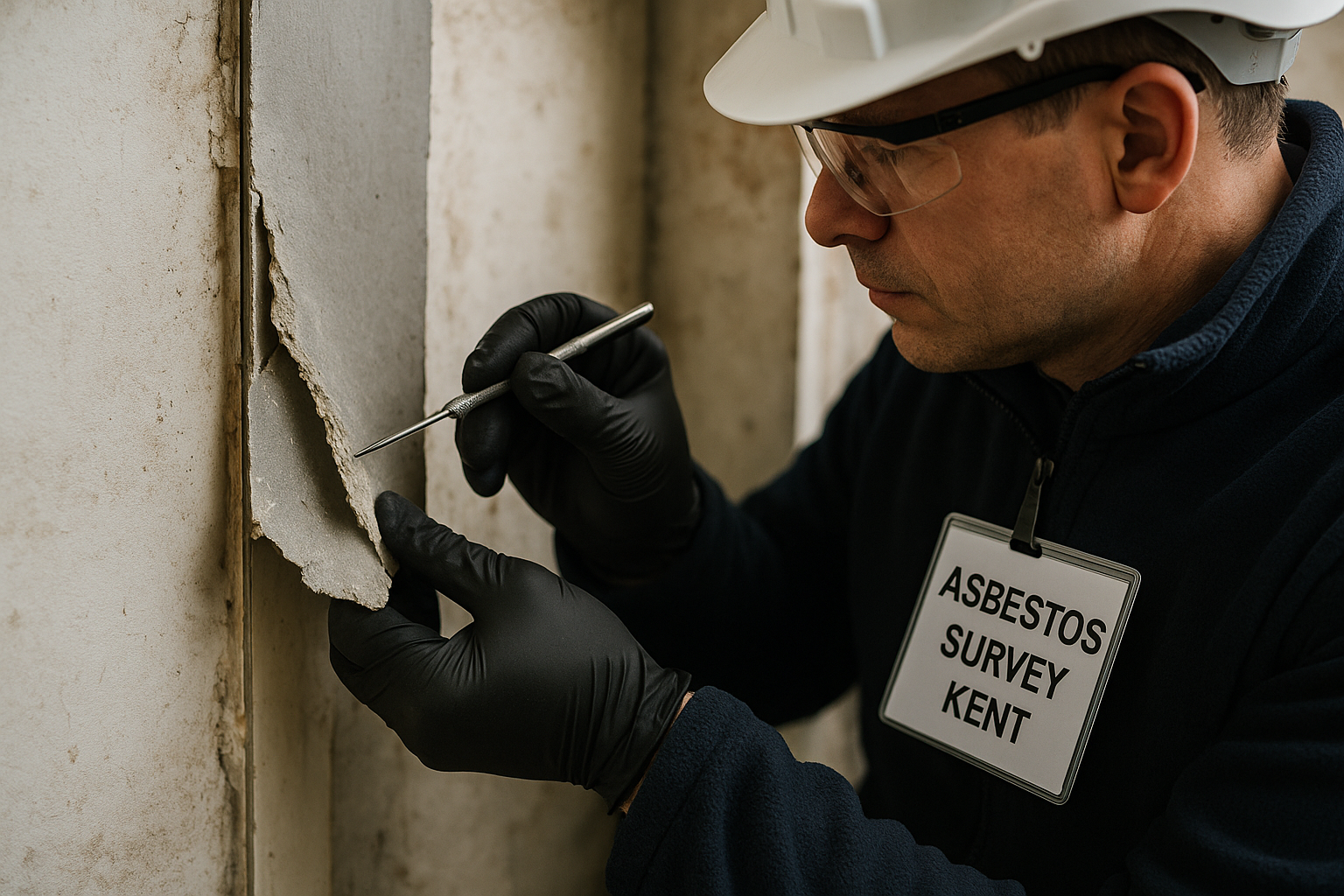
  • The Significance of Commercial Asbestos Management Surveys in Newport: Guide to Commercial Asbestos Management Survey Newport

    The Significance of Commercial Asbestos Management Surveys in Newport: Guide to Commercial Asbestos Management Survey Newport

    Asbestos Management in Newport: What Every Commercial Property Owner Must Know

    If you own or manage a commercial building in Newport, asbestos management Newport isn’t optional — it’s a legal obligation. Any building constructed before 2000 is likely to contain asbestos-containing materials (ACMs), and the Control of Asbestos Regulations place a clear duty on those responsible for non-domestic premises to identify, assess, and manage them.

    Asbestos-related diseases — mesothelioma, asbestosis, lung cancer — remain among the UK’s leading causes of work-related death. The fibres that cause them are invisible, odourless, and can remain airborne for hours after disturbance.

    The risk doesn’t disappear just because asbestos was banned from use in 1999. If your building was constructed before that date, there’s a strong chance ACMs are present — and you need to know about them.

    Why Newport’s Commercial Property Stock Carries Significant Asbestos Risk

    Newport has a substantial number of pre-2000 commercial buildings — offices, warehouses, retail units, industrial premises, schools, and public sector facilities. Many were built during decades when asbestos was a standard construction material, prized for its fire resistance, insulating properties, and low cost.

    Here’s where asbestos commonly turns up in commercial buildings:

    • Ceiling tiles and suspended ceiling systems
    • Floor tiles and adhesive compounds
    • Textured coatings such as Artex
    • Pipe and boiler lagging
    • Insulating boards around structural steelwork
    • Roofing sheets and soffit boards
    • Partition walls and fire doors
    • Electrical equipment housings

    These materials don’t pose a risk when they’re intact and undisturbed. The danger arises when they deteriorate, are damaged, or are disturbed during maintenance, refurbishment, or everyday building activity.

    At that point, microscopic fibres become airborne — and that’s when people are put at risk.

    Your Legal Duty to Manage Asbestos in Newport

    The Control of Asbestos Regulations impose what’s known as the “duty to manage” on anyone responsible for maintaining or repairing non-domestic premises. This applies to freeholders, leaseholders, facilities managers, and managing agents — anyone with meaningful control over the building.

    Meeting that duty requires you to:

    1. Determine whether ACMs are present in the building, and if so, where and in what condition
    2. Assess the risk of anyone being exposed to those materials
    3. Produce a written asbestos management plan and act on it
    4. Keep the information up to date and make it accessible to contractors and maintenance staff

    A professional asbestos management survey is the recognised method for gathering that information. Without one, you’re not just putting people at risk — you’re in breach of the law.

    Penalties for non-compliance can include substantial fines and, in serious cases, prosecution. HSE guidance makes clear that ignorance is not a defence. If you haven’t taken steps to identify and manage ACMs in your building, you’re already non-compliant.

    What a Commercial Asbestos Management Survey Actually Involves

    A management survey is designed to identify, as far as reasonably practicable, any ACMs in a building that could be disturbed during normal occupation — including routine maintenance and minor works. It’s a non-intrusive survey, meaning the surveyor won’t break into sealed or inaccessible areas, but they will access all areas that are reasonably reachable during normal use.

    Initial Site Assessment and Preparation

    Before setting foot on site, a qualified surveyor will review any existing asbestos information, building plans, or previous survey records. For larger commercial premises — multi-storey offices, industrial sites, retail parks — this preparation is critical to ensure every area is accounted for.

    The surveyor will also clarify the scope of the survey, confirm access arrangements, and identify any areas that may require special consideration.

    Physical Inspection of the Premises

    The surveyor carries out a thorough, methodical walk-through of the entire accessible building. Walls, ceilings, floors, service ducts, plant rooms, roof spaces, and any other reachable areas are all inspected systematically.

    The surveyor notes the location, extent, and apparent condition of any suspected ACMs, and assesses whether they’re likely to be disturbed during normal use of the building. Every suspected material is recorded — nothing is assumed to be safe without evidence.

    Bulk Sampling and Laboratory Analysis

    Where materials are suspected to contain asbestos, the surveyor takes small bulk samples for laboratory analysis. Samples are handled carefully to minimise any fibre release, and the sampling point is sealed immediately afterwards.

    Each sample is sent to a UKAS-accredited laboratory for sample analysis using polarised light microscopy. Results confirm whether asbestos is present and, if so, which type — chrysotile (white), amosite (brown), or crocidolite (blue).

    Knowing the type matters. The amphibole types — amosite and crocidolite — are considered more hazardous than chrysotile, and that affects how the material is managed and, if necessary, removed.

    Risk Assessment for Each Material

    Once survey data and sample results are combined, each identified ACM is assessed for risk. The assessment takes into account:

    • The type and concentration of asbestos in the material
    • The condition of the material — intact, damaged, or deteriorating
    • Whether the surface is sealed, painted, or exposed
    • The likelihood of disturbance — high-traffic area or sealed plant room?
    • The number of people who could be exposed and how frequently

    This risk scoring guides the priority and urgency of any recommended action.

    The Survey Report and Asbestos Register

    The final report is the document you’ll use to manage asbestos in your building going forward. A good survey report includes:

    • A register of all identified and presumed ACMs
    • Precise location details and photographs
    • Sample analysis results from the accredited laboratory
    • Condition assessments and risk scores for each material
    • Annotated floor plans showing ACM locations
    • Clear recommendations — monitoring, encapsulation, or removal

    This report becomes your asbestos register. It must be kept on site and made available to anyone who may need it — maintenance staff, contractors, emergency services, and incoming tenants.

    What Happens After the Survey: Building Your Management Plan

    The survey isn’t the end of the process — it’s the beginning of an ongoing management cycle. Based on the survey findings, you need a written asbestos management plan that sets out how you’ll manage the ACMs in your building.

    A robust management plan should cover:

    • Who is responsible for managing asbestos on site
    • Where ACMs are located and what condition they’re in
    • What actions are required and over what timeframe
    • How contractors will be informed before undertaking any work
    • Procedures to follow if ACMs are accidentally disturbed
    • The schedule for monitoring and re-inspection

    The plan should be a live document — updated whenever circumstances change, including after refurbishment work, accidental disturbance, or a periodic re-inspection.

    Acting on Survey Recommendations

    Survey recommendations typically fall into one of three categories:

    1. Monitor and manage: ACMs in good condition and low-risk locations can often be left in place and monitored. They should be clearly marked on the asbestos register and checked periodically for any deterioration.
    2. Encapsulate or seal: Where materials are in moderate condition or at some risk of disturbance, encapsulation — applying a sealant or protective coating — can extend their safe lifespan without the need for removal.
    3. Removal: Damaged, deteriorating, or high-risk ACMs should be removed by a licensed contractor. Some materials — including asbestos insulating board and sprayed coatings — always require a licensed contractor under the regulations.

    Our asbestos removal service handles this safely and compliantly. Don’t let a survey sit in a filing cabinet without acting on its findings — the duty to manage is ongoing, not a one-time compliance exercise.

    Regular Re-Inspection and Monitoring

    ACMs that remain in situ must be monitored at regular intervals — typically annually, though higher-risk materials may require more frequent checks. A re-inspection survey assesses whether the condition of known ACMs has changed, whether any new materials have been identified, and whether the management plan remains fit for purpose.

    Changes to the building — a new tenant fit-out, maintenance work, minor alterations — can all affect the status of ACMs. After any such work, the asbestos register should be reviewed and updated accordingly.

    Understanding the Different Types of Asbestos Survey

    One of the most common mistakes property managers make is commissioning the wrong type of survey. The survey type must match the situation — using the wrong one can leave you legally exposed and, more importantly, put people at risk.

    Management Survey

    For buildings in normal use, a management survey is what the regulations require. It’s non-intrusive, covers all accessible areas, and provides the information needed for day-to-day legal compliance and ongoing asbestos management in Newport properties.

    Refurbishment Survey

    If you’re planning significant building works — structural alterations, strip-outs, internal remodelling — you need a refurbishment survey before work starts. This is an intrusive survey that may involve opening up walls, breaking through ceilings, and accessing areas not covered by a management survey.

    It must be completed before the affected area is handed to contractors. Using a management survey as the basis for refurbishment work is a common and potentially dangerous mistake.

    Demolition Survey

    Before any demolition work, a demolition survey is required. This is the most thorough and intrusive of the three survey types, designed to locate all ACMs throughout the entire building — including those that would only be accessible during demolition. It’s a legal requirement before demolition work begins.

    Asbestos Testing: When You Need It Outside a Full Survey

    There are situations where a full management survey isn’t the immediate requirement. For example, when a specific material has been identified as suspect and you need confirmation before deciding how to proceed.

    In these cases, targeted asbestos testing can provide the answer quickly and cost-effectively. Samples are analysed by a UKAS-accredited laboratory, and results confirm the presence and type of asbestos in the material.

    This can be particularly useful when a contractor has flagged a material during maintenance work, or when you’re purchasing a property and want specific materials checked before exchange.

    Fire Risk Assessments: The Other Legal Obligation for Newport Commercial Properties

    Asbestos management isn’t the only compliance requirement for commercial property owners and managers. The Regulatory Reform (Fire Safety) Order also places a legal duty on the responsible person to carry out and maintain a fire risk assessment for non-domestic premises.

    In practice, asbestos and fire safety often intersect — particularly where asbestos-containing fire doors, insulating boards around structural elements, or fire-resistant coatings are present. Managing both obligations together makes practical sense.

    Supernova Asbestos Surveys provides fire risk assessments alongside our asbestos services, so you can address both requirements through a single provider rather than coordinating multiple contractors.

    Choosing the Right Asbestos Surveying Partner in Newport

    Not all asbestos surveyors are equal. When selecting a provider for asbestos management Newport, there are several non-negotiables you should look for before signing anything.

    Check that the surveying company holds UKAS accreditation — this is the recognised standard for asbestos surveying organisations in the UK and confirms that their processes, personnel, and quality management systems have been independently assessed.

    Look for surveyors who are qualified to the P402 standard as a minimum. This is the British Occupational Hygiene Society (BOHS) qualification specifically for asbestos surveys and is the benchmark recognised by the HSE.

    Beyond qualifications, consider experience with your type of property. A surveyor who regularly works across commercial, industrial, and public sector premises in South Wales will bring practical knowledge that a generalist may lack.

    Ask how reports are delivered and what they include. A good survey report should be clear, detailed, and immediately usable — not a template document with minimal site-specific information. Floor plans, photographs, and precise ACM locations are essential, not optional extras.

    Finally, consider whether the provider can support you beyond the initial survey. Ongoing re-inspection, management plan support, removal referrals, and fire safety services all under one roof make compliance considerably more straightforward.

    Common Mistakes Newport Property Managers Make with Asbestos Compliance

    Even well-intentioned property managers can fall into compliance gaps that create real legal and safety risks. Here are the most common pitfalls to avoid:

    • Assuming a survey from a previous owner is still valid. If the building has changed — new partitions, maintenance work, tenant alterations — the existing register may no longer be accurate or complete.
    • Not sharing the asbestos register with contractors. The duty to manage requires that anyone who may disturb ACMs has access to the register before they start work. Failing to do this is a breach of the regulations and can have serious consequences if someone is exposed.
    • Commissioning the wrong survey type. Using a management survey to support refurbishment or demolition work is a well-documented mistake that leaves both the property manager and the contractor exposed.
    • Treating the survey as a one-off exercise. The asbestos register must be kept current. Annual re-inspections, post-works reviews, and updates after any disturbance are all part of your ongoing duty.
    • Delaying action on removal recommendations. If the survey has flagged materials as requiring removal, acting promptly is both a legal and a moral obligation. Leaving high-risk ACMs in place without a clear management rationale is not defensible.

    HSG264 and What It Means for Your Survey

    HSG264 is the HSE’s guidance document on asbestos surveys and is the definitive reference for how surveys should be planned, conducted, and reported. Any reputable surveying company will work to HSG264 standards as a matter of course.

    The guidance sets out the methodology for each survey type, the competency requirements for surveyors, the sampling protocols, and the information that must be included in the survey report. It also clarifies the distinction between management, refurbishment, and demolition surveys — and when each is appropriate.

    When commissioning a survey, it’s worth asking your provider directly whether their work is conducted in accordance with HSG264. Any qualified surveyor should be able to confirm this without hesitation.

    Get Your Asbestos Management in Newport Right — From Day One

    Supernova Asbestos Surveys has completed over 50,000 surveys across the UK, working with commercial property owners, facilities managers, housing associations, local authorities, and contractors. Our surveyors are UKAS-accredited and BOHS-qualified, and we work to HSG264 standards on every job.

    Whether you need an initial management survey, a re-inspection of existing ACMs, targeted sample analysis, or specialist support ahead of refurbishment or demolition, we can help. We also provide fire risk assessments, so you can meet all your compliance obligations through a single trusted provider.

    For asbestos management Newport and across South Wales, call us on 020 4586 0680 or visit asbestos-surveys.org.uk to request a quote or find out more about our services.
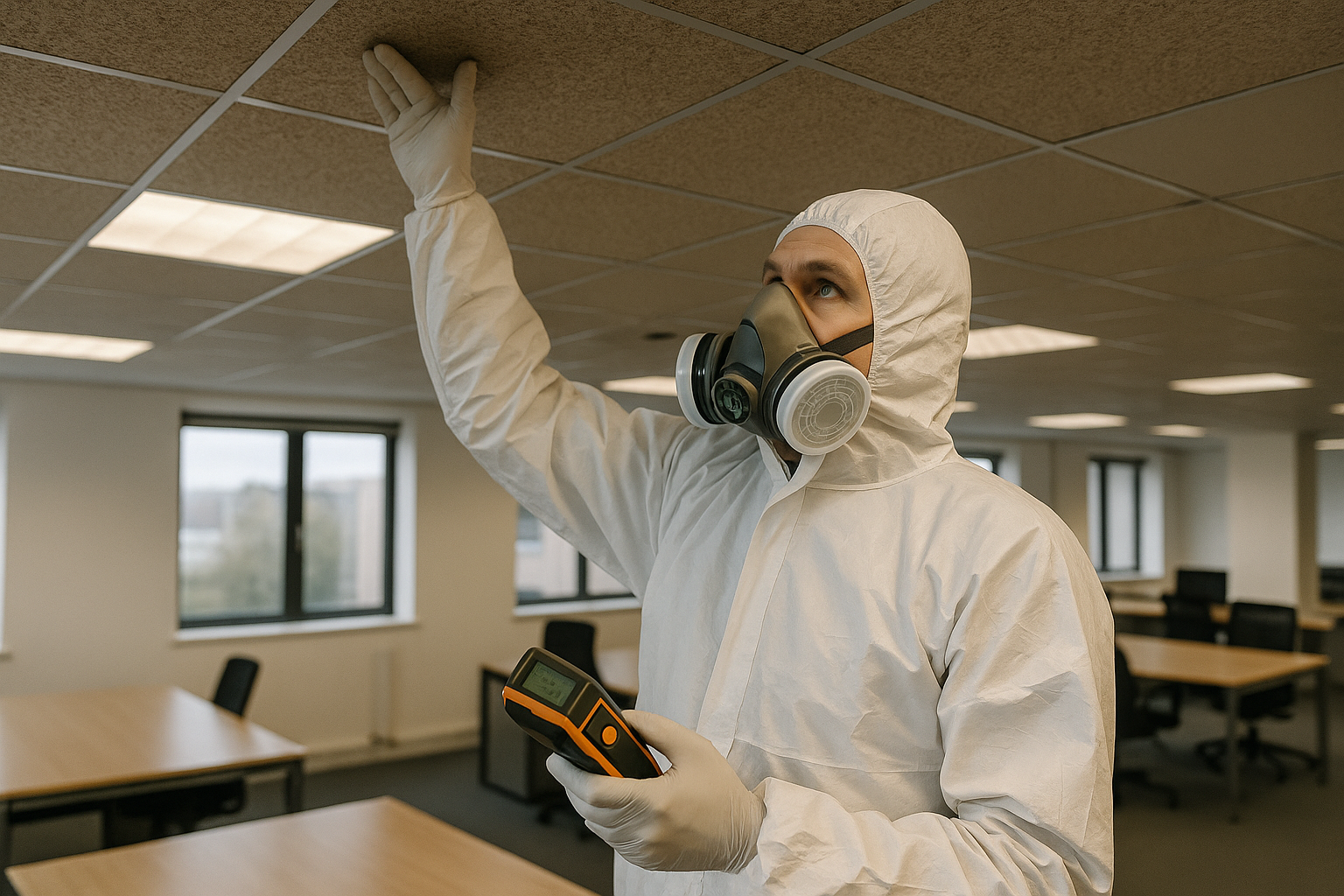
    Frequently Asked Questions

    What is asbestos management and why is it legally required in Newport?

    Asbestos management is the process of identifying, assessing, and controlling asbestos-containing materials (ACMs) in a building. Under the Control of Asbestos Regulations, anyone responsible for a non-domestic building built before 2000 has a legal duty to manage any ACMs present. This duty applies regardless of whether the building is in Newport or anywhere else in the UK — it’s a national legal obligation, not a local one.

    How often does an asbestos management survey need to be repeated?

    A management survey doesn’t typically need to be repeated in full every year, but the asbestos register it produces must be kept current. This means carrying out annual re-inspections of known ACMs, updating the register after any building works or disturbance, and reviewing the management plan whenever circumstances change. If significant alterations are planned, a refurbishment survey will also be required before work begins.

    Can I manage asbestos myself, or do I need a professional surveyor?

    The identification and assessment of ACMs must be carried out by a competent person — in practice, this means a qualified asbestos surveyor. While the duty to manage sits with the dutyholder (the property owner or manager), the technical work of surveying, sampling, and risk assessment requires specific qualifications and equipment. Attempting to manage asbestos without professional support is unlikely to meet the legal standard and could expose you to significant liability.

    What’s the difference between a management survey and a refurbishment survey?

    A management survey is a non-intrusive inspection of accessible areas, designed to support day-to-day asbestos management in an occupied building. A refurbishment survey is intrusive and is required before any significant building works — it accesses areas that wouldn’t be reached during a standard management survey. Using a management survey to support refurbishment work is a common compliance error that can have serious legal and safety consequences.
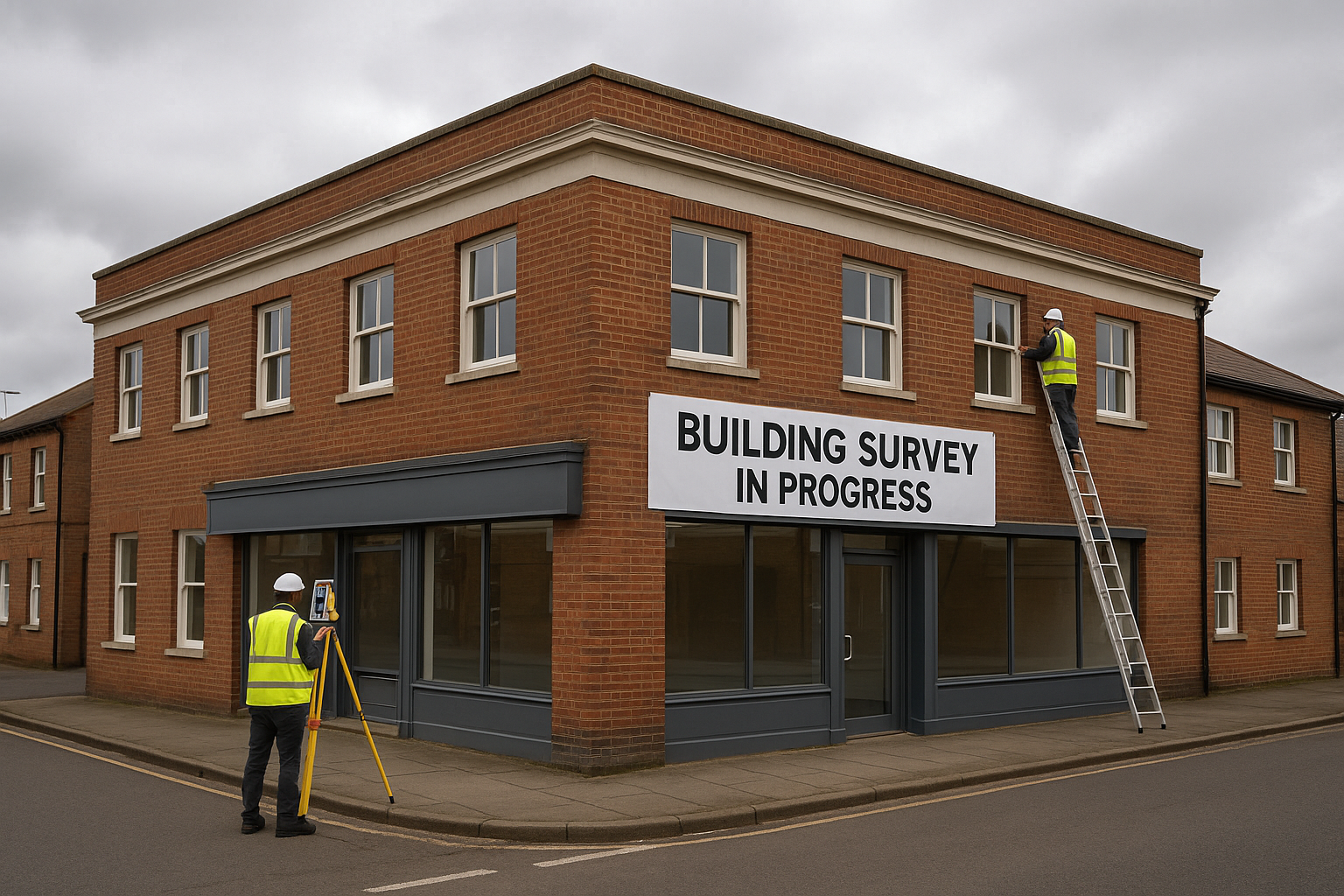
    What should I do if a contractor disturbs suspected asbestos during maintenance work?

    Work in the affected area should stop immediately. The area should be vacated and access restricted until a qualified surveyor has assessed the situation. Depending on the nature and extent of the disturbance, air monitoring may be required before the area is reoccupied. The incident should be documented, the asbestos register reviewed and updated, and — if fibres may have been released — the relevant authorities notified. Never allow work to continue in an area where ACMs may have been disturbed without professional assessment first.

  • Importance of Asbestos Management Surveys in Warrington: A Guide to Asbestos Management Survey Warrington

    Importance of Asbestos Management Surveys in Warrington: A Guide to Asbestos Management Survey Warrington

    Asbestos Survey Warrington: What Every Dutyholder Needs to Know

    If you manage or own a building in Warrington, leaving asbestos to guesswork is a risk you simply do not need to take. An asbestos survey Warrington property owners and dutyholders can rely on gives you a clear picture of what is in the building, where it sits, and what action is needed next. Asbestos is still found across a wide range of Warrington premises — from older offices, schools and warehouses to shops, communal areas of residential blocks and industrial units. If your building was constructed or refurbished before 2000, you should assume asbestos-containing materials may be present until a proper survey proves otherwise.

    Why an Asbestos Survey Warrington Dutyholders Trust Actually Matters

    Asbestos is not always obvious. It can sit quietly in ceiling tiles, floor coverings, insulation, textured coatings, cement sheets, service risers and fire protection materials for years without drawing any attention. The problem starts when those materials are damaged, drilled, cut, sanded or disturbed during maintenance or building work.

    Once fibres are released into the air, the risk moves from manageable to serious very quickly. A professional asbestos survey helps Warrington dutyholders:

    • Locate suspected asbestos-containing materials throughout the building
    • Assess the condition of those materials
    • Understand the realistic likelihood of disturbance
    • Meet legal duties under the Control of Asbestos Regulations
    • Create or update a compliant asbestos register
    • Plan safe maintenance, refurbishment or demolition work

    For most non-domestic premises, this is not optional. It is a core part of responsible property management.

    Your Legal Duties Under Asbestos Regulations

    The Control of Asbestos Regulations place a duty to manage asbestos squarely on those responsible for non-domestic premises. That duty typically falls on the owner, landlord, managing agent, employer or whichever party is named in a lease as responsible for maintenance and repair.

    asbestos survey warrington - Importance of Asbestos Management Survey

    As the dutyholder, you are expected to take reasonable steps to find out whether asbestos is present, assess the risk, and keep that information current. HSE guidance under HSG264 is clear on how survey work should be carried out and what it must cover. In practical terms, your responsibilities include:

    • Identifying whether asbestos-containing materials are present or presumed to be present
    • Recording their location, extent and condition
    • Assessing the risk of disturbance to anyone working in or visiting the building
    • Preparing an asbestos management plan
    • Sharing relevant information with contractors, staff and anyone else who may carry out work on the building
    • Reviewing the condition of known materials at suitable intervals

    Without reliable asbestos information, even routine jobs become hard to control safely. Installing cabling, replacing a light fitting, repairing pipework or fixing signage can all expose workers if the wrong material is accidentally disturbed. A proper asbestos survey is usually the first step in meeting those duties correctly.

    Which Buildings in Warrington Need an Asbestos Survey?

    Any non-domestic building constructed or refurbished before 2000 may contain asbestos. That covers a much wider range of premises than many people initially expect. Common examples in and around Warrington include:

    • Office buildings and business parks
    • Retail units and shopping centres
    • Warehouses and factories
    • Schools and colleges
    • GP surgeries and healthcare settings
    • Hotels, pubs and restaurants
    • Churches and community buildings
    • Common parts of residential blocks
    • Garages, plant rooms and outbuildings

    Warrington has a strong mix of industrial, commercial and public-sector property, much of it dating from periods when asbestos use was widespread across construction. Older premises in the area frequently need careful review before any maintenance or project work begins.

    If you are unsure whether your premises need attention, start with three questions: How old is the building? What is it used for? Do existing asbestos records exist, and are they current? If records are missing, outdated or vague, book a fresh survey carried out to current standards.

    Types of Asbestos Survey and When Each One Is Needed

    Not every survey serves the same purpose. Using the wrong type can leave dangerous gaps in your information and create unnecessary risk for contractors and building occupants alike.

    asbestos survey warrington - Importance of Asbestos Management Survey

    Management Surveys

    A management survey is the standard survey for buildings that remain in normal occupation. Its purpose is to locate, as far as reasonably practicable, asbestos-containing materials that could be disturbed during everyday use or routine maintenance. This type of inspection is usually non-intrusive or only minimally intrusive, focusing on accessible areas to help you build an asbestos register and management plan.

    If you need a baseline inspection for a property that stays in use, an asbestos management survey is usually the right place to start.

    Refurbishment Surveys

    If planned work will disturb the fabric of the building, a management survey is not sufficient. You will need a refurbishment survey before that work starts. This survey is more intrusive because it must identify asbestos in the specific areas affected by the planned works — which may involve opening up floors, walls, ceilings or service voids so hidden materials can be properly checked.

    Typical triggers for a refurbishment survey include:

    • Removing or repositioning partitions
    • Replacing kitchens or bathrooms in communal or commercial settings
    • Rewiring or electrical upgrades
    • Mechanical and HVAC works
    • Window replacement
    • Major fit-outs or tenant alterations

    Demolition Surveys

    Where a building or part of it will be taken down, a demolition survey is required. This is the most intrusive survey type, designed to identify all asbestos-containing materials before demolition proceeds. It is usually carried out in vacant areas because destructive inspection is often necessary to reach hidden materials.

    Re-Inspection Surveys

    Once asbestos-containing materials have been identified and recorded, they should not simply be forgotten about. A re-inspection survey checks known materials to see whether their condition has changed and whether existing management arrangements remain suitable. How often this should happen depends on the materials, their location, condition and the realistic likelihood of disturbance — annual review is common, but the right interval should reflect the actual risk in your building.

    What Happens During an Asbestos Survey in Warrington?

    A good survey should feel methodical, not disruptive for the sake of it. The detail varies depending on the building and survey type, but the process generally follows these stages.

    1. Scoping the Work

    The surveyor will ask for basic information about the property — address, age, current use, access arrangements, floor plans, previous asbestos records and details of any planned works. This stage shapes the scope, so be thorough. If you are planning refurbishment and do not explain the full extent of the project, the survey may not cover the areas that need intrusive inspection.

    2. Site Inspection

    The surveyor inspects the relevant areas systematically, looking for materials that may contain asbestos, noting their location, recording their condition and assessing how likely they are to be disturbed. Depending on the survey type, this may include ceiling voids, risers and ducts, plant rooms, roof spaces, service cupboards, wall panels, floor coverings, external cladding, soffits and cement products.

    3. Sampling and Laboratory Analysis

    Where a material is suspected to contain asbestos, the surveyor will take a sample unless strong existing evidence already confirms its composition. Those samples are sent for asbestos testing by a competent laboratory. If you already have a suspect material and need a quick standalone check, you can also arrange sample analysis directly — though testing a single sample is not a substitute for a full building survey where one is required.

    4. Report and Asbestos Register

    After the inspection and analysis, you should receive a report that clearly sets out what was inspected, any access limitations, materials identified or presumed to contain asbestos, their location and extent, material assessment information, photographs and plans where appropriate, and recommendations for management or further action. This information forms the basis of your asbestos register, which must be accessible and kept current.

    Where Asbestos Is Commonly Found in Warrington Properties

    An asbestos survey in Warrington buildings often reveals materials in places that are easy to overlook. Some are obvious once pointed out. Others are hidden behind finishes or tucked away in service areas.

    Common locations include:

    • Pipe lagging and thermal insulation around boilers and heating systems
    • Asbestos insulating board in partitions, ceiling tiles, risers and fire doors
    • Textured coatings on ceilings and walls
    • Vinyl floor tiles and bitumen adhesive beneath them
    • Roof sheets, gutters and downpipes made from asbestos cement
    • Soffits and external panels
    • Sprayed coatings on structural steelwork
    • Toilet cisterns, bath panels and other moulded products
    • Fuse boards and backing panels in older electrical installations

    Not all asbestos-containing materials carry the same level of risk. Cement sheets in good condition are very different from damaged lagging or broken insulating board. The survey helps you separate lower-risk materials that can be managed in place from higher-risk materials that need urgent attention.

    What to Do Once Your Asbestos Survey Report Arrives

    The report is useful only if you act on it. Too many dutyholders file the document away and assume the job is done. Once your Warrington asbestos survey report has been issued, take these steps:

    1. Read the executive summary and recommendations carefully. Do not rely on assumptions about what the survey found.
    2. Create or update the asbestos register. Make sure it reflects the current building layout and any access limitations noted during the survey.
    3. Write or review the management plan. Assign responsibility to named individuals, not just departments.
    4. Inform contractors before they start work. This should be part of your permit-to-work or contractor induction process.
    5. Label materials where appropriate. Labelling is not always required everywhere, but in many settings it helps prevent accidental disturbance.
    6. Arrange remedial work where needed. This may involve encapsulation, repair, enclosure or removal depending on the material and its condition.
    7. Set review dates. Known asbestos-containing materials should be monitored at suitable intervals.

    If the report recommends licensed work or specialist remediation, use competent contractors. Where removal is the right course of action, arrange professional asbestos removal rather than relying on general trades who may not be licensed or equipped for the work.

    When Asbestos Can Stay in Place — and When It Cannot

    Finding asbestos does not automatically mean stripping it out. In many buildings, the safest option is to leave stable materials in place and manage them properly. That approach can work well when the material is in good condition, is sealed or protected, is unlikely to be disturbed, can be inspected periodically, and is clearly recorded in the asbestos register.

    Removal or other remedial action becomes more likely when the material:

    • Is damaged, friable or deteriorating
    • Is in an area of frequent access or high footfall
    • Will be disturbed by planned works
    • Cannot be managed safely in its current location
    • Creates a foreseeable risk to occupants or contractors

    This is where professional judgement matters. A sound asbestos survey report should not simply identify materials — it should support sensible, proportionate next steps.

    How to Choose a Competent Asbestos Surveyor in Warrington

    Survey quality matters enormously. A poor survey can miss materials, misidentify products or give vague recommendations that are difficult to act on. When choosing a provider for an asbestos survey Warrington buildings require, look for:

    • Surveyors holding suitable asbestos surveying qualifications
    • Work carried out in line with HSG264
    • Clear understanding of the Control of Asbestos Regulations
    • Access to competent laboratory support for asbestos testing
    • Reports that are specific, clear and practical — not generic templates
    • Relevant experience across the type of property you manage

    Ask sensible questions before you book. What type of survey do you actually need? Will sampling be included? How are results reported and how quickly? What happens if access is restricted on the day? A reputable surveyor will answer these questions clearly and without hesitation.

    It is also worth knowing that Supernova Asbestos Surveys operates nationally. If you manage property portfolios across multiple locations, the same standards that apply to an asbestos survey in Warrington apply equally to an asbestos survey London or anywhere else in the country — consistent methodology, qualified surveyors and clear reporting every time.

    Frequently Asked Questions

    Do I legally need an asbestos survey for my Warrington premises?

    If you are the dutyholder for a non-domestic building constructed or refurbished before 2000, you have a legal duty under the Control of Asbestos Regulations to manage asbestos. That duty requires you to take reasonable steps to identify whether asbestos is present. A professional survey is the standard way to fulfil that requirement. Without one, you cannot reliably meet your obligations or protect the people who work in or visit your building.

    How long does an asbestos survey in Warrington take?

    The time required depends on the size and complexity of the building and the type of survey needed. A management survey of a small commercial unit might be completed in a couple of hours, while a large industrial facility or school could take considerably longer. Your surveyor should give you a realistic time estimate at the scoping stage. Laboratory results for any samples taken typically add a few working days before the final report is issued.

    What is the difference between a management survey and a refurbishment survey?

    A management survey is designed for buildings in normal use. It identifies asbestos-containing materials that could be disturbed during routine maintenance and forms the basis of an asbestos register. A refurbishment survey is required before any work that will disturb the fabric of the building. It is more intrusive and focuses specifically on the areas affected by the planned works. Using a management survey where a refurbishment survey is needed can leave workers dangerously exposed.

    Can I just test a single material rather than having a full survey?

    You can arrange sample analysis for a specific suspect material, and that can be useful in certain circumstances — for example, when a contractor flags a material during a job and you need a quick answer. However, testing one sample is not a substitute for a full building survey. It tells you only about that specific material and gives you no information about anything else in the building. Where a survey is legally required, sample testing alone does not fulfil that duty.

    How often should I have my asbestos-containing materials re-inspected?

    The Control of Asbestos Regulations require that known asbestos-containing materials are monitored regularly and that your management plan is kept up to date. Annual re-inspection is a common interval, but the right frequency depends on the condition of the materials, where they are located, how accessible they are and how likely they are to be disturbed. Your surveyor should advise on a suitable monitoring schedule as part of the original survey report.

    Get Your Asbestos Survey Warrington Booked Today

    Supernova Asbestos Surveys has completed over 50,000 surveys across the UK, working with property managers, landlords, employers and local authorities to meet their asbestos obligations safely and efficiently. Whether you need a management survey for an occupied building, a refurbishment survey ahead of planned works, or a re-inspection of materials already on your register, our qualified surveyors can help.

    Call us on 020 4586 0680 or visit asbestos-surveys.org.uk to book your asbestos survey Warrington today. Clear reports, qualified surveyors, and straightforward advice — no unnecessary jargon, no unnecessary delays.

  • How to Identify and Safely Handle Asbestos-Containing Materials in Your Home: What to Do When You Find Asbestos

    How to Identify and Safely Handle Asbestos-Containing Materials in Your Home: What to Do When You Find Asbestos

    One damaged ceiling coating or cracked garage roof can turn a routine job into a serious asbestos issue. If you suspect a material in your property, an asbestos test is the only reliable way to find out what you are dealing with and what should happen next.

    You cannot confirm asbestos by sight, touch or guesswork. In UK properties built or refurbished before 2000, suspect materials still appear in homes, offices, schools, shops, warehouses and communal areas, and the wrong decision can expose people to fibres, delay works and create avoidable compliance problems.

    For property owners, landlords, facilities teams and homeowners, the key is simple: stop disturbing the material, assess the situation properly and choose the right type of asbestos test for the job. Sometimes that means lab analysis of a single sample. Sometimes it means a full survey carried out in line with the Control of Asbestos Regulations, HSG264 and current HSE guidance.

    What an asbestos test actually tells you

    An asbestos test confirms whether a material contains asbestos fibres. Depending on the situation, that may involve a physical sample being analysed by a UKAS-accredited laboratory, or a surveyor inspecting the building and arranging sampling as part of a wider survey.

    A proper result is more useful than a simple yes or no. It helps identify the asbestos type present, where the material is located, how likely it is to be disturbed and whether it should be managed in place, encapsulated or removed.

    What testing can include

    • Sample analysis to confirm whether asbestos is present in a specific material
    • Surveying to locate suspect materials across part or all of a building
    • Material assessment to understand condition and potential fibre release
    • Reporting to support maintenance planning and legal compliance
    • Records that feed into an asbestos register or management plan

    If you only have one accessible suspect item, a single asbestos test may be enough. If you are managing a larger property, planning refurbishment or dealing with incomplete records, testing should usually sit within a formal survey rather than being treated as a standalone task.

    Where asbestos is commonly found in UK properties

    Asbestos was used in a wide range of products because it offered heat resistance, insulation and strength. That means the materials are not limited to one part of a building, and some are far less obvious than people expect.

    Common locations inside a property

    • Textured coatings on ceilings and walls
    • Vinyl floor tiles and bitumen adhesive
    • Asbestos insulating board in cupboards, risers and service ducts
    • Ceiling tiles and partition panels
    • Pipe lagging and boiler insulation
    • Bath panels, toilet cisterns and boxing
    • Electrical flash guards and older fuse board components
    • Fire door cores and surrounding panels

    Common locations outside the main building

    • Corrugated cement garage and shed roofs
    • Wall cladding panels
    • Soffits, fascias and rainwater goods
    • Flue pipes and cement ducts
    • Roofing sheets on outbuildings
    • Water tanks and ancillary plant structures

    These materials can look harmless, especially when painted, sealed or hidden behind later finishes. That is why visual inspection alone is never enough. If there is any doubt, arrange an asbestos test before drilling, sanding, stripping or demolishing anything.

    Can you identify asbestos without testing?

    No. You can suspect asbestos based on age, appearance and location, but you cannot confirm it without testing or professional surveying. Two materials can look almost identical, with one containing asbestos and the other containing none.

    asbestos test - How to Identify and Safely Handle Asbest

    This is where many costly mistakes happen. A contractor assumes a board is standard plasterboard, cuts into it and only then discovers it is asbestos insulating board. A homeowner removes a textured coating thinking it is cosmetic plaster. A maintenance team drills a service riser panel without checking records first.

    Warning signs that should trigger caution

    • The building was constructed or refurbished before 2000
    • You are planning maintenance, refurbishment or demolition works
    • The material is damaged, cracked, flaking or friable
    • Existing asbestos records are missing or out of date
    • The product resembles cement sheeting, insulation board, lagging or textured coating
    • Previous works have exposed hidden materials behind walls, ceilings or service panels

    If any of these apply, stop work and decide whether you need a single asbestos test, a survey, or immediate professional attendance because the material has already been disturbed.

    Asbestos test options: which route is right for you?

    Not every property issue needs the same approach. The right option depends on the material, its condition, how many suspect items there are and whether you need a formal report for compliance or planned works.

    1. Laboratory sample analysis for a single suspect material

    If you have one or two accessible materials in good condition, sending a sample for sample analysis can be a practical first step. This type of asbestos test is often suitable for bonded, low-risk materials where careful sampling can be carried out without causing unnecessary disturbance.

    It is useful when you need a clear answer about a specific item, but it does not replace a survey where one is legally or practically required.

    2. Self-sampling using an asbestos testing kit

    For some low-risk situations, an asbestos testing kit can help you collect a small sample and send it for analysis. This can work for intact materials that are easy to access and unlikely to release fibres if sampled carefully.

    If you are ordering a kit, make sure the laboratory process is robust and the instructions are clear. A basic testing kit is only appropriate when self-sampling is genuinely safe and sensible.

    3. Professional asbestos testing

    Where there is any uncertainty, professional asbestos testing is the safer option. A trained surveyor can assess the material, take representative samples and reduce the chance of accidental fibre release.

    This is especially useful when the material is damaged, overhead, enclosed, difficult to access or part of a wider property concern.

    4. Full building surveys

    If the issue goes beyond a single item, a survey is usually the right route. A management survey is designed to locate and assess asbestos-containing materials that could be disturbed during normal occupation and routine maintenance.

    If intrusive works are planned, a demolition survey is required before refurbishment or demolition proceeds. Where asbestos has already been identified and managed in place, a re-inspection survey helps monitor condition and keep records current.

    How many samples are needed for an asbestos test?

    This depends on how many different materials are present and whether they are genuinely the same product throughout. One sample from one location does not automatically clear every similar-looking material elsewhere in the property.

    asbestos test - How to Identify and Safely Handle Asbest

    Good sampling strategy matters. Taking too few samples can leave risk unconfirmed. Taking samples carelessly can create exposure that did not need to happen.

    General sampling principles

    • Each distinct material usually needs its own assessment
    • Materials in different locations may need separate samples
    • Layered products may require more than one sample point
    • Textured coatings across large areas may need representative sampling
    • Adhesives and backing materials may need separate consideration from the visible finish

    For example, a garage roof sheet, a textured ceiling, a floor tile and the adhesive beneath it are not one material type. They should not be treated as if one asbestos test result applies to all of them.

    Professional surveyors follow HSG264 methodology when deciding how many samples are necessary and where they should be taken. If you are unsure, ask before sampling rather than making assumptions on site.

    PPE and RPE: useful, but not a substitute for judgement

    People often assume that gloves, coveralls and a mask make asbestos sampling safe in every case. They do not. PPE and RPE reduce exposure risk during carefully controlled low-risk tasks, but they do not make high-risk materials suitable for DIY handling.

    An asbestos test involving self-sampling should only be considered where the material is intact, bonded and straightforward to access. Friable products are a different matter entirely.

    Typical protective items used during low-risk sampling

    • Disposable coveralls
    • Disposable gloves
    • Suitable respiratory protection such as FFP3
    • Sealable sample bags or containers
    • Damp wipes for cleaning tools and surfaces
    • Labels and paperwork for secure submission

    Practical steps if low-risk sampling is being carried out

    1. Keep the sample area as small as possible
    2. Dampen the material where appropriate to suppress dust
    3. Never use power tools
    4. Avoid breaking large sections or scraping aggressively
    5. Seal the sample immediately
    6. Clean the area with damp wipes, not a household vacuum
    7. Bag used protective items appropriately

    If the material is soft, crumbly, badly damaged or likely to release dust easily, stop. That is not the point to continue with a home asbestos test. That is the point to call a professional.

    When not to use a self-sampling asbestos test

    There are clear situations where a self-sampling kit is the wrong choice. Convenience should never override risk, especially where legal duties or fragile materials are involved.

    Do not self-sample when:

    • The material is friable, crumbling or heavily damaged
    • The suspect product is pipe lagging, sprayed coating or loose insulation
    • The sample point is overhead or difficult to access safely
    • The material has already been accidentally disturbed
    • You need a formal survey for compliance or works planning
    • The premises are non-domestic and dutyholder obligations apply

    Under the Control of Asbestos Regulations, dutyholders in non-domestic premises must manage asbestos risk properly. A retail asbestos test kit does not replace those responsibilities, and it does not create an asbestos register or management plan.

    Professional surveys and testing for legal compliance

    Where compliance, refurbishment planning or wider building management is involved, a professional service is usually essential. Testing should fit the purpose of the building and the work being planned, not just provide a quick answer to one visible issue.

    If you need broader support, our professional asbestos testing services cover both targeted sampling and wider property investigations.

    Management surveys

    A management survey is used to locate, as far as reasonably practicable, the presence and extent of asbestos-containing materials that could be disturbed during normal occupancy, routine maintenance or foreseeable installation work. It supports day-to-day control of asbestos risk.

    This is often the right choice for landlords, managing agents, schools, offices, retail units and communal residential areas where asbestos may remain in place and must be monitored.

    Refurbishment and demolition surveys

    Before intrusive refurbishment or demolition works, the survey scope changes. Hidden materials behind walls, above ceilings, inside risers and within structural elements may need to be accessed and sampled properly.

    This is why a demolition or refurbishment survey is more intrusive than a management survey. It is designed to identify asbestos that would be disturbed by the planned works, not just what is visible during occupation.

    Re-inspection surveys

    Finding asbestos once is not the end of the process. If materials are managed in place, they should be reviewed periodically to confirm that condition has not changed and that records still reflect reality.

    Re-inspection surveys are particularly useful where maintenance activity, tenant changes or water ingress may have affected previously known materials.

    What happens after a positive asbestos test?

    A positive asbestos test does not automatically mean panic or immediate removal. The correct response depends on the material type, its condition, where it is located and how likely it is to be disturbed.

    Many asbestos-containing materials can remain in place safely if they are in good condition and are properly managed. Others need sealing, enclosure, repair or removal by the right contractor.

    Typical next steps after a positive result

    1. Confirm exactly which material tested positive
    2. Record the location clearly and accurately
    3. Assess its condition and accessibility
    4. Consider the likelihood of disturbance during normal use or planned works
    5. Decide whether it should be managed, encapsulated or removed
    6. Update the asbestos register and site records
    7. Inform anyone who may work on or near the material

    If licensed work is required, use a licensed asbestos contractor. If the material can stay in place, label it where appropriate, restrict unnecessary disturbance and make sure future contractors know it is there before starting work.

    What to do if asbestos has already been disturbed

    If a suspect material has been drilled, cut, broken or sanded, stop work immediately. Do not keep investigating, do not sweep the debris dry and do not use a domestic vacuum cleaner.

    Keep people out of the area if possible. Close doors, limit movement and seek advice on whether emergency cleaning, air monitoring or specialist attendance is needed.

    Immediate actions to take

    • Stop the work at once
    • Prevent others entering the area
    • Avoid further disturbance
    • Do not dry sweep or brush debris
    • Do not use standard vacuum equipment
    • Arrange professional advice and testing as soon as possible

    The priority is to contain the issue and avoid spreading debris or dust to other parts of the building. Fast, calm action is far better than trying to tidy it up without the right controls.

    Practical advice for homeowners, landlords and property managers

    The best asbestos decisions are made before work starts, not after something has been damaged. If you manage older property stock, build asbestos checks into routine planning rather than treating them as a last-minute hurdle.

    Good practice that saves time and risk

    • Check the age and refurbishment history of the building
    • Review any existing survey reports before instructing contractors
    • Do not assume previous results cover all similar materials
    • Arrange testing before maintenance becomes intrusive
    • Keep asbestos records accessible and current
    • Schedule re-inspections where materials remain in place
    • Brief contractors before they start work

    If you are based in the capital, a local asbestos survey London service can help with responsive testing and surveying across residential and commercial properties. For properties in the North West, an asbestos survey Manchester team can support everything from single suspect materials to multi-site instructions.

    Choosing the right asbestos test for your situation

    If you only remember one thing, make it this: the right asbestos test depends on the task ahead. A single lab result can be enough for one accessible bonded material. It is not enough where a building needs formal asbestos management, intrusive works are planned or the material is damaged.

    Use this simple rule of thumb:

    • One suspect item, intact and accessible: sample analysis may be suitable
    • Several suspect materials: consider professional testing or a survey
    • Routine occupation and maintenance in non-domestic premises: management survey
    • Refurbishment or demolition works planned: intrusive survey required
    • Known asbestos already on record: re-inspection may be due
    • Damaged or friable material: stop and call a professional immediately

    That approach protects people, keeps projects moving and helps you meet your responsibilities without overreacting or underestimating the risk.

    Why accurate records matter after any asbestos test

    Testing without proper records creates problems later. Whether you are a homeowner keeping a file for future works or a dutyholder managing a portfolio, the result should be stored clearly with the location, material description and any action taken.

    Good records make future maintenance safer. They also reduce repeat visits, prevent unnecessary disturbance and help contractors plan work properly.

    Keep the following information together

    • Laboratory reports
    • Survey reports and plans
    • Photographs of sampled locations where available
    • Material condition notes
    • Recommendations for management or removal
    • Dates of re-inspection and follow-up actions

    If a report says a material contains asbestos but no one can find the exact location later, the value of that asbestos test drops quickly. Clear documentation is part of risk management, not admin for its own sake.

    Need an asbestos test or survey?

    If you have found a suspect material, planned works are approaching or your asbestos records need updating, Supernova Asbestos Surveys can help. We provide asbestos testing, management surveys, refurbishment and demolition surveys, re-inspection surveys and laboratory-backed sample analysis across the UK.

    Call 020 4586 0680 to speak with our team or visit asbestos-surveys.org.uk to book the right service for your property.

    Frequently Asked Questions

    Can I tell if a material contains asbestos just by looking at it?

    No. Appearance alone cannot confirm asbestos. An asbestos test or professional survey is needed to identify asbestos-containing materials reliably.

    Does a positive asbestos test mean the material must be removed straight away?

    No. Many asbestos-containing materials can remain in place safely if they are in good condition and unlikely to be disturbed. The correct action depends on condition, location and planned works.

    Is a self-sampling asbestos test kit suitable for every material?

    No. Self-sampling is not suitable for friable, damaged or difficult-to-access materials such as lagging, sprayed coatings or loose insulation. In those cases, use a professional surveyor.

    When do I need a survey instead of a simple asbestos test?

    You usually need a survey when managing non-domestic premises, planning refurbishment or demolition, or when multiple suspect materials are present and a wider assessment is required.

    What should I do if I accidentally disturb suspected asbestos?

    Stop work immediately, keep people away from the area, avoid dry cleaning or vacuuming the debris, and seek professional advice on testing and next steps.

  • What safety precautions should be taken while identifying asbestos in your home?

    What safety precautions should be taken while identifying asbestos in your home?

    How to Test for Asbestos: A Practical Guide for UK Homeowners and Landlords

    If your property was built or refurbished before 2000, there is a realistic chance it contains asbestos-containing materials (ACMs). Knowing how to test for asbestos — and doing it safely — is one of the most important steps you can take to protect yourself, your family, and anyone who works on your property.

    This is not about causing alarm. Asbestos in good condition and left undisturbed is generally low risk. But the moment you start investigating, renovating, or disturbing materials, the rules change entirely.

    Here is everything you need to know: where asbestos hides, how to stay safe during testing, what the law requires, and when to bring in a qualified professional.

    Where Asbestos Hides in UK Properties

    Asbestos was not used in one or two places — it was used extensively across residential and commercial construction because it was cheap, fireproof, and durable. If your property dates from before the millennium, it could be present in more locations than you might expect.

    Common Locations to Check

    • Textured coatings — Artex and similar decorative finishes on ceilings and walls frequently contain chrysotile (white) asbestos
    • Floor tiles and adhesives — Vinyl floor tiles, particularly 9-inch square tiles, and the bitumen adhesive beneath them
    • Pipe and boiler lagging — Insulation wrapped around hot water pipes and heating systems
    • Insulating board — Used in partition walls, ceiling tiles, fire doors, and around boilers
    • Roof and soffit sheets — Corrugated asbestos cement sheets on garages, outbuildings, and flat roofs
    • Guttering and downpipes — Older properties sometimes used asbestos cement for external drainage
    • Spray coatings — Found on structural steelwork or beneath floor joists for fire protection
    • Electrical panels and fuse boxes — Some older consumer units used asbestos board as a backing material
    • Bath panels and window surrounds — Particularly in properties fitted out between the 1960s and 1980s

    The critical point here is that you cannot identify asbestos by looking at it. Visual inspection can help you spot materials that are likely suspects based on age, appearance, and location — but confirmation always requires laboratory analysis of a physical sample.

    The Golden Rule Before You Test for Asbestos

    Before anything else, one principle must be stated clearly: if you suspect a material contains asbestos, do not disturb it unnecessarily. Asbestos fibres only become dangerous when they are released into the air and inhaled.

    Intact, well-bonded materials — such as undamaged floor tiles or solid cement sheets — pose a very low risk. The danger comes from cutting, drilling, sanding, breaking, or aggressively handling these materials.

    If you are unsure whether something contains asbestos, treat it as though it does until you have professional confirmation.

    Your Options: How to Test for Asbestos

    There are two main routes available to property owners who need to test for asbestos. Understanding the difference between them will help you choose the right approach for your situation.

    Option 1: DIY Sample Collection with Laboratory Analysis

    If you want to test a specific material without commissioning a full survey, you can collect a small sample yourself and send it to an accredited laboratory for analysis. Supernova Asbestos Surveys offers an asbestos testing kit that you can order directly from our website, giving you everything you need to collect and submit a sample safely.

    Once collected, the sample is sent for sample analysis by accredited analysts who will confirm whether asbestos fibres are present and, if so, which type. Results are typically returned quickly, and the process is straightforward if you follow the correct safety procedures.

    This route is suitable for testing a single suspect material — for example, a ceiling tile or a section of floor adhesive — where you want confirmation before deciding on next steps.

    Option 2: Professional Asbestos Survey

    For a thorough, documented assessment of your property, a professional survey is the appropriate route. A qualified surveyor will systematically inspect accessible areas, take samples where ACMs are suspected, and produce a written report with a risk assessment and management recommendations.

    Professional asbestos testing carried out as part of a survey gives you far greater certainty than a single DIY sample, particularly if you are a landlord, planning building work, or buying or selling a property.

    PPE: What You Need Before You Collect a Sample

    If you are conducting a visual inspection without touching or disturbing materials, the risk is low. But if you are collecting samples — even carefully — you must use appropriate personal protective equipment (PPE). There are no shortcuts here.

    Respiratory Protection

    This is non-negotiable. Use a disposable FFP3 respirator or a half-face respirator fitted with P3 filters. Standard dust masks and surgical masks offer no meaningful protection against asbestos fibres — they are too fine to be filtered by anything less than P3-rated filtration.

    Make sure the mask is correctly fitted and face-checked before you enter the area.

    Full PPE for Sampling

    • Disposable coveralls (Type 5/6) — Full-body, hooded coveralls prevent fibres settling on your clothing
    • Nitrile gloves — Disposable, chemical-resistant, and properly fitted at the wrist
    • Disposable boot covers — Prevent tracking fibres through the rest of your property
    • FFP3 or P3-filtered respirator — Correctly fitted and face-checked before entering the area
    • Safety goggles — If there is any risk of material falling or spraying

    All disposable PPE must be double-bagged in heavy-duty polythene bags, sealed, and disposed of as asbestos waste — not in your household bin. Asbestos waste is classified as hazardous waste in the UK and must go to a licensed hazardous waste disposal facility.

    Step-by-Step: How to Safely Collect a Sample for Testing

    We would always recommend having sampling carried out by a professional surveyor. But if you choose to use a testing kit and collect a sample yourself, follow this process carefully.

    Before You Start

    1. Clear the room of other people and pets
    2. Turn off any ventilation, fans, or air conditioning that could spread fibres
    3. Lay plastic sheeting on the floor beneath the area you are working on
    4. Put on your full PPE before entering the area

    Taking the Sample

    1. Lightly dampen the material using a water spray — this suppresses fibre release
    2. Use a sharp implement such as a knife or chisel to take a small sample — no larger than a 50p coin
    3. Work slowly and avoid breaking, crumbling, or crushing the material
    4. Immediately seal the sample in a resealable plastic bag, then place that bag inside a second bag
    5. Label the outer bag clearly: “Asbestos — Suspect Sample”

    After Sampling

    1. Carefully seal any disturbed area with a small piece of duct tape or specialist sealant
    2. Remove your PPE carefully — peel off coveralls from the outside in, rolling them downward
    3. Dispose of all used PPE as asbestos waste
    4. Wash your hands and face thoroughly
    5. Clean the area using damp wipes — never a standard vacuum cleaner, which will spread fibres through the air

    What the Law Says About Asbestos Testing in UK Properties

    Many homeowners do not realise that asbestos legislation can apply to them — not just commercial landlords and large businesses. Understanding your legal position before you test for asbestos is essential.

    The Duty to Manage

    The Control of Asbestos Regulations place a legal duty on those responsible for non-domestic premises to manage asbestos. For private homeowners living in their own home, this specific duty does not apply in the same way.

    However, the moment you employ someone to work on your property, they have a right to know about any known asbestos hazards. Failing to disclose this puts both you and them at legal risk.

    Landlords and Rental Properties

    If you rent out a property, the duty to manage asbestos applies to you as the dutyholder. You are legally required to have a management survey carried out, maintain an asbestos register, and ensure that contractors are made aware of ACMs before any work begins.

    This is not optional — it is a legal obligation under the Control of Asbestos Regulations.

    Licensed vs Non-Licensed Work

    Not all asbestos work requires a licensed contractor, but some does. Work on higher-risk materials — such as pipe lagging, sprayed coatings, and insulating board — must be carried out by an HSE-licensed contractor.

    Lower-risk, non-licensed work — such as removing intact cement sheets with the correct precautions — can be carried out without a licence but must still follow strict safety procedures set out in HSE guidance. If you are unsure which category your situation falls into, seek professional advice before proceeding.

    Choosing the Right Type of Professional Survey

    When a professional survey is the right route, it is worth understanding the different types available so you commission the one that matches your circumstances.

    Management Survey

    A management survey is the standard starting point for most homeowners and landlords. It covers all normally accessible areas of a property and is designed to locate ACMs that could be disturbed during normal occupation or routine maintenance. The output is a written report with a risk assessment and management recommendations.

    Refurbishment Survey

    If you are planning significant building work, a refurbishment survey goes further. It involves destructive inspection of areas that will be affected by the works, to ensure nothing is missed before contractors move in. This type of survey is required by law before any refurbishment work begins.

    Demolition Survey

    Before any structure is demolished, a demolition survey must be carried out. This is the most thorough type of survey, involving intrusive inspection of the entire structure to locate all ACMs before demolition work commences.

    Re-Inspection Survey

    If ACMs have been identified and are being managed in place rather than removed, a periodic re-inspection survey is required — typically on an annual basis — to check for deterioration and ensure the management plan remains effective.

    Choosing a Qualified Asbestos Surveyor

    Not all surveyors are equal. When selecting someone to carry out professional asbestos testing or a survey, check the following before booking.

    • The surveyor should hold a BOHS P402 qualification (or recognised equivalent)
    • The company should be UKAS-accredited for asbestos surveying
    • Surveyors should work to the standards set out in HSG264, the HSE’s guidance document on asbestos surveys
    • Ask to see evidence of qualifications and accreditation — a reputable company will provide this without hesitation

    If you are based in the capital and need qualified local expertise, our asbestos survey London service is available across all London boroughs, carried out by fully qualified surveyors working to HSG264 standards.

    Managing Asbestos in Place: When Removal Is Not the Answer

    Once you have tested for asbestos and confirmed its presence, removal is not always the right response. In many cases, ACMs in good condition are better left in place and managed, rather than removed.

    Removal itself carries risk — disturbing intact asbestos to remove it can create more of a hazard than simply monitoring it over time. An effective management plan includes:

    • A written record of where ACMs are located, their condition, and their risk rating
    • Regular re-inspection — typically annually — to check for deterioration
    • Clear communication to anyone working in the property, including tradespeople, contractors, and tenants
    • Action protocols if materials become damaged or disturbed

    Supernova Asbestos Surveys provides re-inspection surveys to help property owners keep their asbestos management plans current and remain compliant with their legal obligations.

    The Health Risks: Real, but Manageable

    Asbestos-related diseases — including mesothelioma, asbestosis, and asbestos-related lung cancer — are serious and irreversible. They develop after prolonged or significant exposure to airborne asbestos fibres, typically following repeated disturbance of ACMs without adequate protection.

    For most homeowners who are not carrying out building work, the risk from undisturbed ACMs in good condition is very low. The risk increases sharply the moment materials are disturbed without proper precautions in place.

    This is precisely why knowing how to test for asbestos correctly — and when to hand over to a professional — matters so much. Getting it right from the start avoids creating a hazard that did not previously exist.

    When to Call a Professional Instead of Testing Yourself

    DIY sample collection is a legitimate option in some circumstances, but there are situations where you should not attempt it yourself and should call a qualified surveyor directly.

    • The suspected material is damaged, friable, or already crumbling
    • The material is in a confined space or difficult-to-access area
    • You are a landlord with a legal duty to manage asbestos across a rental property
    • You are about to commence refurbishment or demolition work
    • You have already disturbed a material and are concerned about exposure
    • You need a legally defensible survey report for a property transaction

    In any of these situations, a professional survey is not just the safer option — it is often the legally required one.

    Frequently Asked Questions

    Can I test for asbestos myself at home?

    Yes, in some circumstances. If you want to test a single suspect material, you can use a dedicated testing kit to collect a small sample and send it to an accredited laboratory for analysis. However, you must use the correct PPE, follow safe sampling procedures, and dispose of all waste as hazardous material. For comprehensive assessments, planning building work, or landlord compliance, a professional survey is the appropriate route.

    How much does asbestos testing cost in the UK?

    The cost varies depending on the route you take. A DIY testing kit with laboratory analysis is the most affordable option for testing a single material. A professional survey will cost more but provides a full written report, risk assessment, and legal compliance documentation. Contact Supernova Asbestos Surveys on 020 4586 0680 for a quote tailored to your property.

    What types of asbestos are found in UK homes?

    The three most commonly encountered types in UK residential properties are chrysotile (white asbestos), amosite (brown asbestos), and crocidolite (blue asbestos). All three are hazardous when fibres are inhaled, though they vary in risk level. Chrysotile was the most widely used and is found in textured coatings, floor tiles, and cement products. Amosite and crocidolite were used in insulation and insulating board and are considered higher risk.

    Do I have to remove asbestos if it is found in my property?

    Not necessarily. ACMs in good condition and unlikely to be disturbed are often best left in place and managed rather than removed. Removal itself disturbs the material and can increase risk if not handled correctly by a licensed contractor. A professional surveyor will assess the condition and risk of any ACMs found and recommend whether management or removal is the appropriate course of action.

    How long does it take to get asbestos test results back?

    Turnaround times vary depending on the laboratory and the service level selected. Standard analysis through an accredited laboratory typically takes a few working days. Some services offer faster turnaround for urgent situations. When you use Supernova’s sample analysis service, you will be advised of expected timescales at the point of submission.

    Get Professional Asbestos Testing from Supernova

    Supernova Asbestos Surveys has completed over 50,000 surveys across the UK. Our fully qualified surveyors hold BOHS P402 qualifications, operate under UKAS accreditation, and work to HSG264 standards on every job.

    Whether you need a DIY testing kit, a professional management survey, or a full refurbishment or demolition survey before building work begins, we have the expertise and accreditation to help.

    Call us on 020 4586 0680 or visit asbestos-surveys.org.uk to book your survey or order a testing kit today.

  • Can You Rent or Purchase Tools to Assist with Identifying Asbestos in Your Home? How to Safely Detect Asbestos

    Can You Rent or Purchase Tools to Assist with Identifying Asbestos in Your Home? How to Safely Detect Asbestos

    A search for an asbestos detector usually starts the same way: you’ve found an old board, ceiling coating, tile or garage roof, and you want a fast answer before anyone touches it. That instinct makes sense. The problem is that asbestos cannot usually be confirmed by a simple handheld device in the way people expect, and relying on the wrong tool can lead to the wrong decision.

    In UK properties, especially those built or refurbished before 2000, suspect materials still turn up regularly. Some are low risk if left undisturbed. Others can release fibres if drilled, broken, sanded or stripped out. That is why an asbestos detector is rarely the right answer on its own, while proper surveying, sampling and laboratory analysis are what actually give you a reliable basis for action.

    What people mean when they search for an asbestos detector

    Most people are not really looking for a single magic machine. When someone searches for an asbestos detector, they are usually thinking of one of three things:

    • a scanner or handheld device that gives an instant reading
    • a home sampling kit
    • a professional inspection or survey

    Those options are very different. Only one of them gives you a dependable result without guesswork, and that is a competent inspection backed by suitable sampling and analysis where needed.

    Asbestos fibres are microscopic. Identification is normally based on recognising suspect materials, assessing where they are used, taking samples safely where appropriate, and having those samples analysed by a competent laboratory. A consumer asbestos detector does not replace that process.

    Can you buy or hire an asbestos detector in the UK?

    Yes, you can find products marketed as an asbestos detector online, and some specialist equipment may be available in technical or commercial settings. That does not mean it is suitable for household use, landlord checks, or property management decisions.

    If you are responsible for a building, you need evidence that stands up in practice. A vague reading from a device with unclear limitations is not enough when contractors are due on site or when you need to comply with your duties under the Control of Asbestos Regulations.

    Consumer devices and quick-scan products

    Some products are sold as scanners or rapid detectors. Treat those claims carefully. A surface scan cannot reliably confirm the composition of many building materials, especially where asbestos is mixed into cement, textured coatings, insulation boards, adhesives or floor products.

    If a seller suggests their asbestos detector can replace sampling, a survey or lab analysis, that should raise concerns straight away.

    Specialist equipment

    You may also see references to air monitoring pumps, microscopes or other technical instruments. These are not DIY tools. They are used by trained professionals within controlled procedures, and they answer different questions.

    For example, air monitoring is not the same as identifying whether a board or tile contains asbestos. It is a specialist process used in specific circumstances, often alongside removal work or clearance procedures.

    Why an asbestos detector is not enough

    The biggest issue with any so-called asbestos detector is false confidence. If a device suggests a material is clear when it is not, people carry on drilling, cutting or removing it. That is when exposure risk rises.

    asbestos detector - Can You Rent or Purchase Tools to Assist

    Many asbestos-containing materials look similar to non-asbestos alternatives. Equally, some ordinary-looking materials can contain asbestos in a way that is not obvious at all. Visual appearance alone is not enough, and neither is a gadget that promises certainty without proper analysis.

    HSE guidance and HSG264 place the emphasis on competent inspection, suitable survey types, safe sampling and clear reporting. That is because asbestos management is not just about identifying a material. It is about understanding:

    • what the material is
    • where it is located
    • how much is present
    • what condition it is in
    • how likely it is to be disturbed
    • what action is needed next

    A simple asbestos detector cannot give you that full picture.

    Where asbestos is commonly found in UK properties

    If a property was built or refurbished before 2000, asbestos may be present. That does not automatically mean there is immediate danger. It does mean you should be cautious before maintenance, refurbishment or demolition work begins.

    Common places where surveyors find asbestos include:

    • textured coatings on ceilings and walls
    • floor tiles and bitumen adhesive
    • soffits, gutters and cement roof sheets
    • garage and shed roofs
    • pipe lagging and boiler insulation
    • asbestos insulating board in partitions, cupboards and service risers
    • ceiling tiles
    • panels behind heaters or fuse boards
    • bath panels, boxing and duct covers
    • sprayed coatings in some larger or older premises
    • rope seals, gaskets and insulation around plant

    This is another reason an asbestos detector is not a shortcut. The level of risk depends on the product type and condition. Bonded asbestos cement in good condition is very different from damaged lagging or insulating board.

    What actually works instead of an asbestos detector

    If you need a dependable answer, there are practical routes that work far better than relying on an asbestos detector. The right option depends on what you are trying to achieve.

    asbestos detector - Can You Rent or Purchase Tools to Assist

    1. Arrange the correct asbestos survey

    If you need to understand asbestos risk across a building, a survey is usually the right starting point. For occupied premises, a management survey helps identify asbestos-containing materials that could be disturbed during normal occupation or routine maintenance.

    If refurbishment is planned, you need a more intrusive inspection. Before renovation or major alterations, a refurbishment survey is designed to locate asbestos in the areas affected by the work.

    Where a structure is due to be taken down, full or partial demolition requires a demolition survey. No asbestos detector can replace that level of investigation.

    If asbestos has already been identified and is being managed in place, a re-inspection survey helps check whether its condition has changed and whether the asbestos register remains accurate.

    2. Use laboratory testing for suspect materials

    If there is a single suspect material and you need to know whether it contains asbestos, proper asbestos testing is far more reliable than an asbestos detector. The result comes from laboratory analysis of the material itself.

    For suitable situations, a postal sample analysis service can be a practical way to confirm a suspect item. This is often useful when you have one straightforward material and no wider survey requirement.

    3. Use a testing kit only where it is appropriate

    A home kit is not an asbestos detector. It is simply a controlled way to collect and send a sample to a laboratory. That distinction matters.

    For lower-risk, straightforward cases, an asbestos testing kit may be suitable. Some people also search more generally for a testing kit when they want to submit a sample for analysis.

    What the kit does not do is confirm asbestos on the spot. The answer still comes from the lab, not from the kit itself and not from any asbestos detector claim on the packaging.

    How asbestos is identified professionally

    Professional asbestos identification is a structured process. It does not rely on guesswork, and it does not rely on a single asbestos detector reading.

    A competent surveyor will usually:

    1. review the age, construction and use of the building
    2. inspect accessible areas for suspect materials
    3. assess the likelihood of asbestos based on product type and location
    4. take samples safely where required
    5. send samples for laboratory analysis
    6. record the location, extent and condition of any asbestos-containing materials
    7. provide recommendations for management, repair, encapsulation or removal where appropriate

    That process is aligned with HSE expectations and the surveying principles set out in HSG264. It gives property managers and owners something useful: a defensible record that can be shared with contractors and used to plan work safely.

    When DIY investigation becomes risky

    There is a big difference between being cautious and pushing your luck. If a material is damaged, crumbly, dusty or likely to release fibres, stop. An asbestos detector is not a safe workaround in those cases.

    You should avoid DIY sampling and get professional help if:

    • the material is pipe lagging, loose insulation or sprayed coating
    • asbestos insulating board is damaged or friable
    • the area has already been disturbed
    • you need ladders, access equipment or intrusive opening-up
    • the property is occupied by vulnerable people
    • contractors are waiting and you need a clear asbestos record quickly
    • you are not confident about controlling dust and packaging waste safely

    In those situations, the safest move is to stop work, isolate the area if needed, and arrange professional advice. A cheap asbestos detector can create exactly the wrong kind of reassurance.

    How to handle suspected asbestos safely

    If you think a material may contain asbestos, the immediate goal is simple: do not disturb it any further. That matters more than finding an asbestos detector online and hoping for a fast answer.

    Use this practical approach:

    1. Stop work immediately. Do not continue drilling, sanding, stripping or breaking out materials.
    2. Keep people away. Restrict access if the area may have been disturbed.
    3. Do not clean with a household vacuum. Standard vacuums are not suitable for asbestos debris.
    4. Do not take repeated samples. More disturbance means more potential fibre release.
    5. Arrange testing or a survey. Choose the route that matches the scale of the issue.
    6. Record the location. If you manage premises, note the material and inform anyone who may work nearby.

    If dust or debris is already present, get specialist advice before attempting to clean up. The wrong response can spread contamination beyond the original area.

    Choosing the right survey type

    One of the most common mistakes is using the wrong level of assessment. A single sample result does not replace a full survey where one is required, and no asbestos detector can fill that gap.

    Management survey

    A management survey is for occupied buildings where the aim is to locate, as far as reasonably practicable, asbestos-containing materials that could be disturbed during normal occupation, including foreseeable maintenance. It supports an asbestos register and management plan.

    This is especially relevant for dutyholders responsible for non-domestic premises and common parts of certain residential buildings.

    Refurbishment survey

    A refurbishment survey is needed before refurbishment work starts in the affected area. It is more intrusive because the surveyor must inspect behind finishes, within voids and in areas that will be disturbed by the planned works.

    If you are replacing kitchens, bathrooms, ceilings, heating systems, floor finishes or partitions in an older property, this is often the correct route.

    Demolition survey

    A demolition survey is required before full or partial demolition. It is fully intrusive and aims to identify all asbestos-containing materials so they can be addressed before demolition begins.

    This is one of the clearest examples of why an asbestos detector is not enough. Demolition planning needs certainty, not assumptions.

    Legal responsibilities in the UK

    The legal position depends on the type of property and who is responsible for it. Under the Control of Asbestos Regulations, dutyholders for non-domestic premises and common parts of certain residential buildings must manage asbestos properly.

    In practice, that means they need to:

    • find out whether asbestos is present, or presume it is
    • keep an up-to-date record of its location and condition
    • assess the risk of exposure
    • prepare and implement a management plan
    • provide information to anyone liable to disturb it
    • review the arrangements regularly

    HSE guidance is clear that the right survey must be used for the right purpose. A management survey does not replace a refurbishment or demolition survey. Likewise, an asbestos detector does not satisfy the duty to manage asbestos on its own.

    For owner-occupiers, the legal framework is different, but the practical risk is still real. If tradespeople disturb asbestos during work in a pre-2000 property, the consequences can be serious for everyone involved.

    Should asbestos always be removed?

    No. Finding asbestos does not automatically mean it must be removed. In many cases, asbestos-containing materials in good condition are safer left in place and managed properly rather than disturbed unnecessarily.

    Removal may be appropriate where:

    • the material is damaged or deteriorating
    • it will be disturbed by planned works
    • it cannot be protected effectively
    • its location creates an ongoing risk of accidental damage

    Management in place may be suitable where:

    • the material is in good condition
    • it is sealed or enclosed
    • it is unlikely to be disturbed
    • there is a clear asbestos register and management plan

    This is where professional advice matters. An asbestos detector cannot tell you whether the right next step is removal, encapsulation, repair or routine monitoring.

    Practical advice for homeowners, landlords and property managers

    If you are making decisions about suspect asbestos, keep the process simple and evidence-based. Do not let the search for an asbestos detector distract you from the real question, which is what information you need to act safely.

    • If you have one suspect item, consider lab-based testing.
    • If you manage a building, make sure the asbestos register is current and accessible.
    • If works are planned, commission the correct survey before contractors start.
    • If materials are already known and retained in place, schedule periodic re-inspections.
    • If a material is damaged, stop work and get advice before anyone tries to clean or remove it.

    For those needing local help in the capital, arranging an asbestos survey London service can be the quickest way to get clear answers before maintenance or refurbishment begins.

    If you only need testing rather than a full building survey, there is also a dedicated asbestos testing service for confirming suspect materials through proper analysis.

    What to do next if you suspect asbestos

    The safest next step is rarely buying an asbestos detector. It is choosing the right level of professional help for the situation in front of you.

    If you need clarity across a property, book the right survey. If you need to confirm one suspect material, use proper testing and analysis. If the material is damaged or friable, stop work and get specialist advice before anyone goes near it again.

    Supernova Asbestos Surveys has completed more than 50,000 surveys nationwide and can help with asbestos surveys, testing, sampling and re-inspections across domestic, commercial and public sector properties. Call 020 4586 0680 or visit asbestos-surveys.org.uk to arrange the right service quickly and safely.

    Frequently Asked Questions

    Can an asbestos detector tell me instantly if a material contains asbestos?

    Usually no. Products marketed as an asbestos detector should be treated with caution. Reliable identification normally depends on competent inspection, safe sampling where appropriate, and laboratory analysis.

    Is a home asbestos testing kit the same as an asbestos detector?

    No. A testing kit does not detect asbestos by itself. It allows you to collect and send a sample to a laboratory, where the material is analysed properly. The result comes from the lab, not the kit.

    Do I need a survey or just a sample test?

    It depends on the situation. If you have one suspect material, a sample test may be enough. If you are responsible for a building, need an asbestos register, or are planning refurbishment or demolition, a survey is usually the correct route.

    Should I remove asbestos as soon as I find it?

    Not always. If asbestos-containing material is in good condition and unlikely to be disturbed, it may be safer to leave it in place and manage it properly. Damaged materials or areas affected by planned works often need more action.

    What should I do if I accidentally disturb suspected asbestos?

    Stop work immediately, keep people out of the area, avoid further disturbance, and seek professional advice. Do not sweep up debris dry or use a standard household vacuum. Arrange testing, a survey, or specialist support depending on the extent of the disturbance.