Choosing the right replacement of asbestos fibre is rarely straightforward. In older UK buildings, plant rooms, workshops and refurbishment projects, the issue is not simply removing a hazardous material. It is making sure the substitute is suitable for fire performance, insulation, durability, maintenance and legal compliance without creating fresh problems later.
That matters because asbestos was used in many different ways. It appeared in insulation, boards, cement sheets, coatings, gaskets, floor products, fire protection systems and friction materials. The replacement of asbestos fibre therefore needs a practical, application-led approach rather than a generic like-for-like swap.
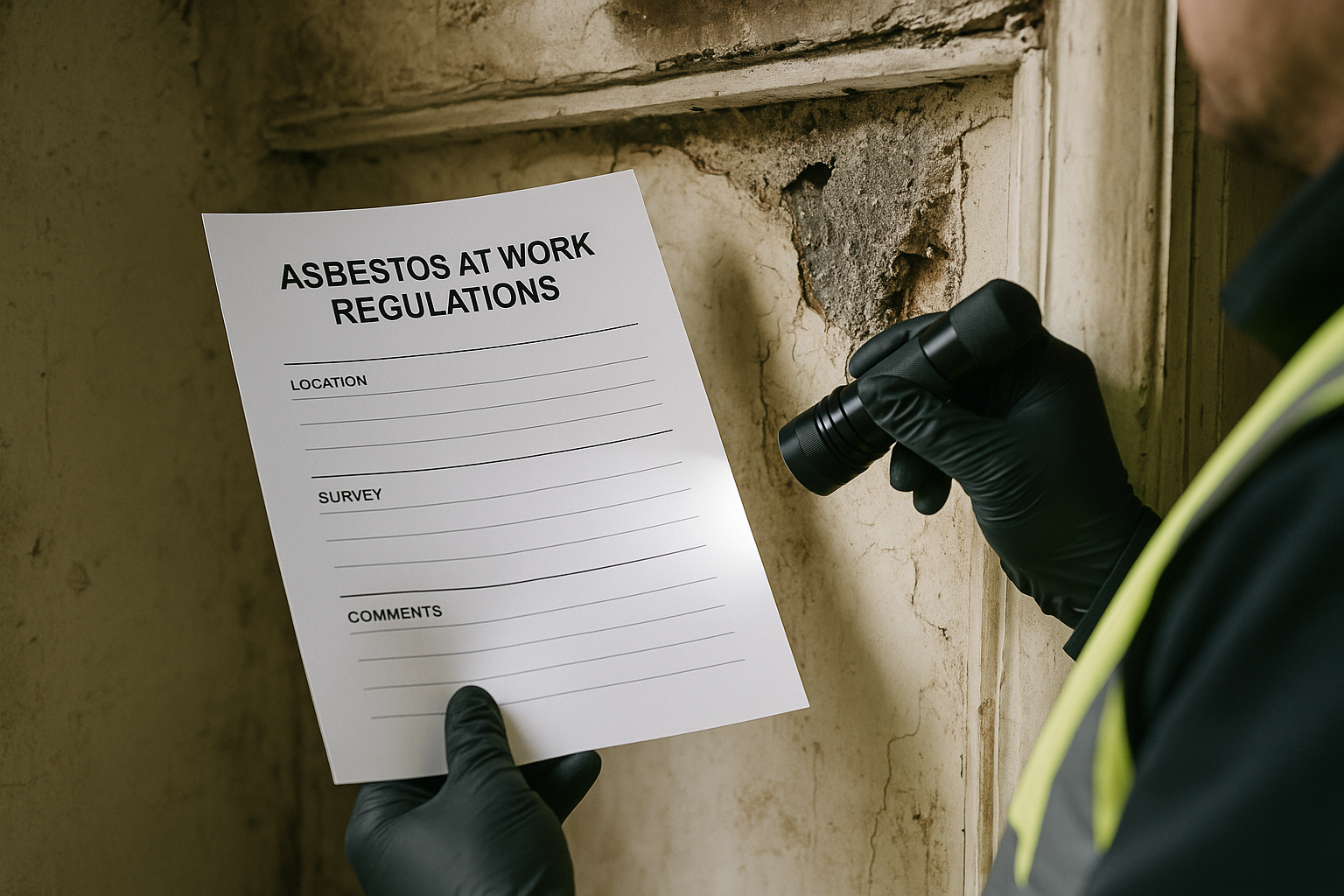
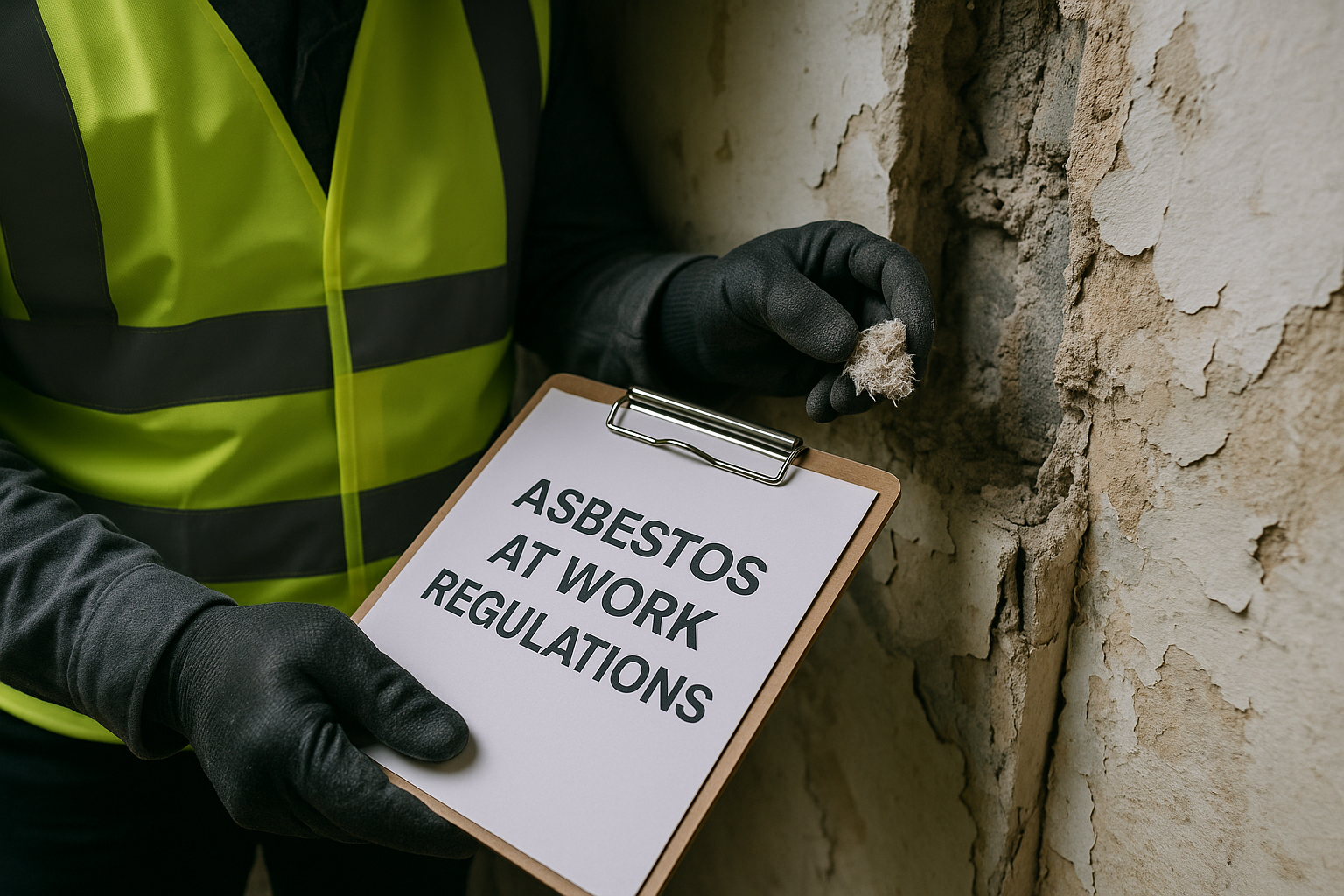
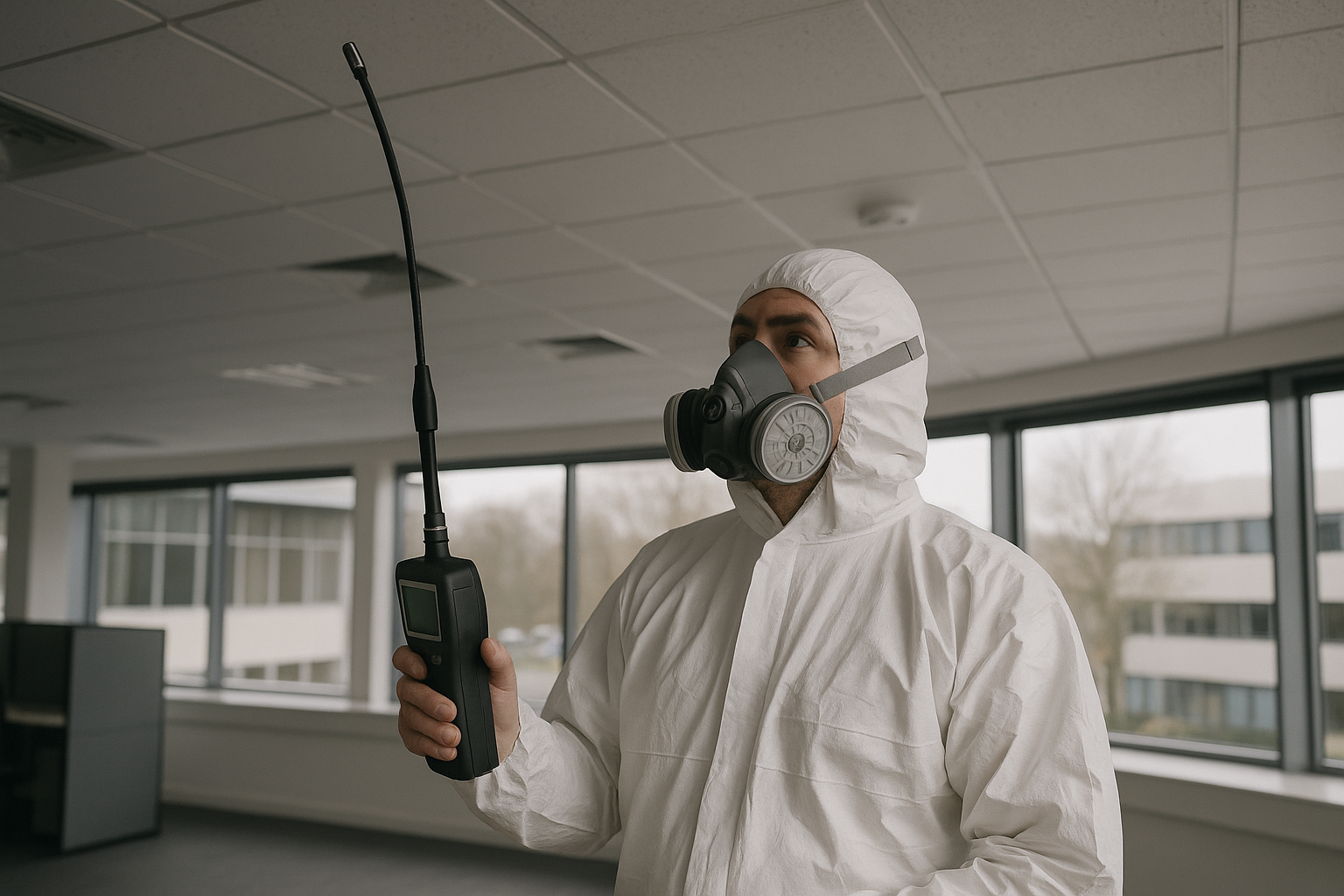
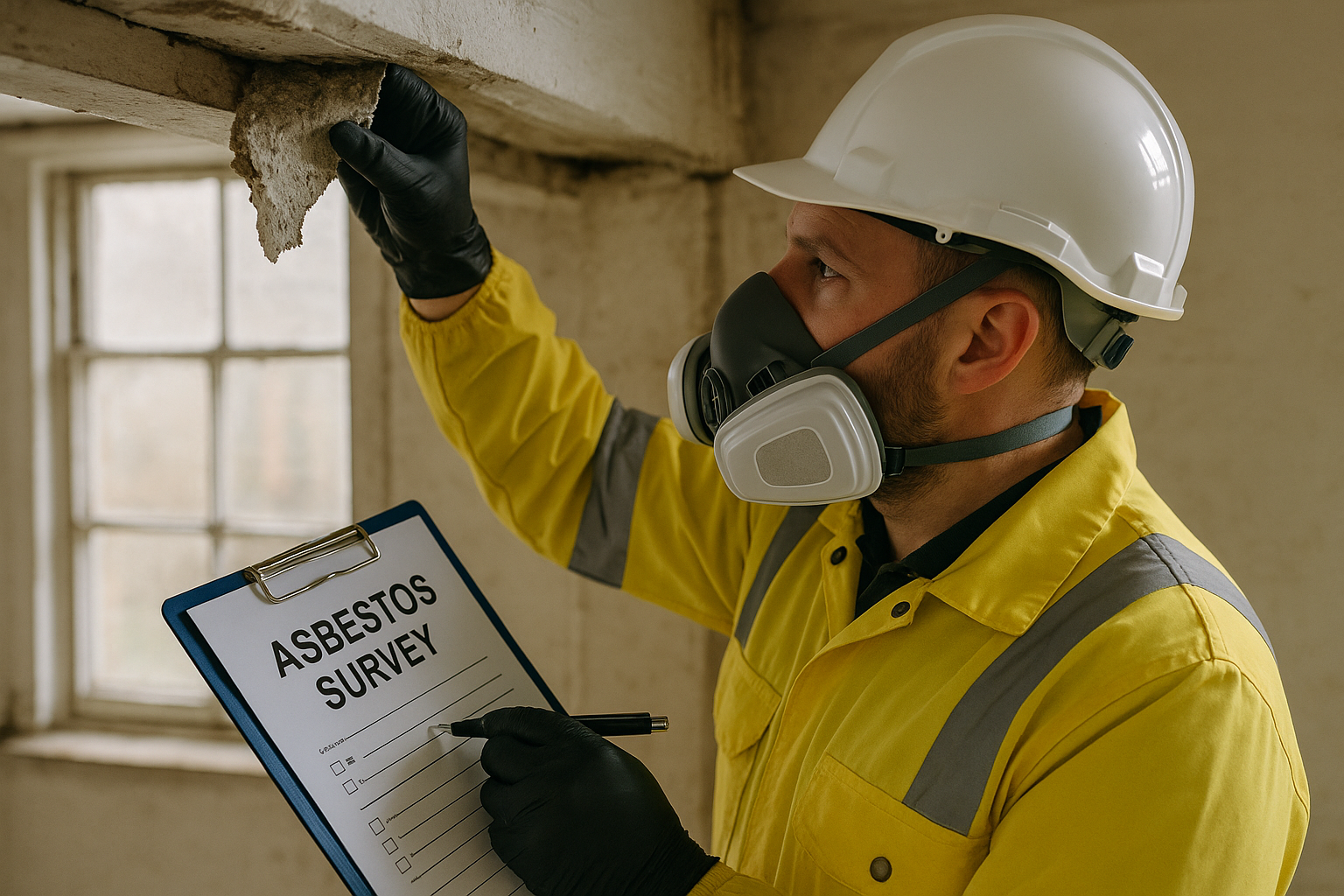
If you are responsible for a property, a construction project or a maintenance programme, start with one question: what is already in the building, and where could it be disturbed? Under the Control of Asbestos Regulations, dutyholders must manage asbestos risk in non-domestic premises and prevent exposure. HSE guidance and HSG264 make it clear that decisions should be based on suitable information, not assumptions.
Why the replacement of asbestos fibre still matters
Asbestos became widespread because it solved several technical problems at once. It offered heat resistance, tensile strength, durability and affordability across a wide range of products. Those same performance demands still exist today, which is why the replacement of asbestos fibre remains a live issue in construction, maintenance, engineering and manufacturing.
The hazard is not simply the presence of asbestos. The real risk comes when asbestos-containing materials are damaged, cut, drilled, broken or allowed to deteriorate, releasing fibres into the air. That is why every decision about repair, removal and reinstatement has to consider both immediate safety and long-term building management.
For dutyholders, there are three practical reasons to get this right:
- Health protection for contractors, occupants, maintenance teams and visitors
- Legal compliance with asbestos management duties and HSE expectations
- Asset planning so replacement works do not store up future cost or disruption
If your building was constructed or refurbished before 2000, do not rely on visual checks alone. Materials that look modern may sit next to older asbestos-containing materials, and some replacements installed years ago may not match current specifications or site conditions.
Know the asbestos risk before choosing any replacement
The replacement of asbestos fibre should never begin with a product catalogue. It begins with understanding the original material, where it is located, how it functions and whether planned work could disturb it.
Common activities that can disturb asbestos include:
- Drilling walls, ceilings or service risers
- Removing partitions, linings or ceiling systems
- Replacing boilers, pipework or electrical services
- Lifting floor coverings and underlays
- Accessing plant rooms, ducts and voids
- Structural alteration and demolition
In UK premises, asbestos may still be found in asbestos insulating board, pipe lagging, sprayed coatings, cement products, floor tiles, textured coatings, gaskets, seals and fire protection materials. Each of these applications places different demands on any substitute.
That is why the replacement of asbestos fibre is not just about finding something asbestos-free. It is about checking whether the alternative can safely deliver the required thermal, acoustic, fire or mechanical performance in that exact location.
What dutyholders should do before work starts
Before maintenance, refurbishment or strip-out begins, take a structured approach:
- Check whether the building was built or refurbished before 2000
- Review the asbestos register and existing survey information
- Confirm whether that information is suitable for the planned work
- Commission the right survey where information is missing, limited or outdated
- Share asbestos information with all contractors before they start
- Make sure the work scope matches the survey type and findings
For routine occupation and normal maintenance, a management survey helps identify asbestos-containing materials that could be disturbed during day-to-day use. If the work is intrusive, more targeted investigation is needed. For strip-out or structural change, a demolition survey is required before work proceeds.
If you are planning works in the capital, arranging an asbestos survey London inspection early can help avoid emergency stoppages once contractors are on site. The same principle applies elsewhere. A pre-project asbestos survey Manchester visit can identify hidden asbestos before specifications are finalised, while an early asbestos survey Birmingham appointment can reduce programme delays on refurbishment and redevelopment work.
Materials commonly used in the replacement of asbestos fibre
There is no single universal substitute. The best replacement depends on what the original asbestos product was doing. Was it insulating pipework, resisting fire, reinforcing cement, reducing friction or sealing a joint? The answer determines the right material.
Glass fibre and glass wool
Glass wool is widely used for thermal and acoustic insulation in walls, ceilings, service voids and plant applications. It is a common part of the replacement of asbestos fibre where older insulation products once featured.
It does not present the same risk profile as asbestos, but it can still cause temporary irritation during handling. Installers should follow the manufacturer’s instructions, control dust and use suitable PPE where required.
Rock wool and mineral wool
Rock wool and related mineral wool products are often chosen where stronger fire performance is needed. They are used in cavity barriers, partition systems, service penetrations, compartmentation and industrial insulation.
For many building applications, mineral wool is a practical replacement of asbestos fibre because it can combine thermal performance with non-combustible or limited-combustibility characteristics, depending on the product and test evidence.
Cellulose fibre
Cellulose insulation is typically made from recycled paper or wood pulp with additives to improve fire performance. It is often selected where environmental considerations matter alongside insulation value.
It is not suitable for every setting. Moisture exposure, installation method and product certification all need checking before it is specified as a replacement of asbestos fibre.
Calcium silicate boards
Calcium silicate products are widely used where heat resistance, dimensional stability and non-combustibility are required. They are common in fire protection systems, service enclosures, linings and certain industrial environments.
Where asbestos insulating board once appeared, calcium silicate boards are often considered in the replacement of asbestos fibre, subject to the required fire rating, fixing method and system build-up.
Aramid, PVA and other synthetic fibres
These materials are often used in fibre cement products, gaskets, seals and friction materials. They provide reinforcement and durability without relying on asbestos.
In many sectors, engineered blends of synthetic and mineral components now sit at the centre of the replacement of asbestos fibre. The mix is selected to suit the application rather than to imitate asbestos in a vague way.
Basalt fibre and specialist mineral fibres
Basalt fibre is used in some specialist applications because of its thermal and mechanical properties. It is not a universal substitute, but it can be useful where both strength and heat performance are important.
Specialist mineral fibres may also be specified in technical environments. Selection should always be based on the actual duty required, not marketing claims.
Refractory ceramic fibres
Refractory ceramic fibres are used in very high-temperature industrial settings. They can perform well in the right environment, but they still require careful handling, proper risk assessment and suitable control measures.
That is a useful reminder that asbestos-free does not automatically mean risk-free. The replacement of asbestos fibre should always include a wider review of installation, maintenance and occupational exposure issues.
How to choose safer alternatives in buildings and construction
Construction is one of the sectors most affected by the replacement of asbestos fibre. Many products once made with asbestos have been reformulated using mineral wool, cellulose, glass fibre, calcium silicate and synthetic binders.
Common examples include:
- Pipe and boiler insulation replaced with mineral wool or calcium silicate systems
- Asbestos insulating board applications replaced with non-asbestos fire-resistant boards
- Fibre cement sheets reinforced with cellulose or synthetic fibres
- Flooring underlays and adhesives replaced with modern polymer-based systems
- Textured coatings and finishes reformulated without asbestos
- Gaskets and seals replaced with synthetic fibre or composite products
When specifying a replacement, focus on the function the product must perform. Do not ask for an asbestos-free equivalent as if that alone settles the issue. Ask whether the product meets the required fire performance, moisture resistance, acoustic performance, load tolerance, durability and maintenance needs for that location.
Questions to ask suppliers and contractors
- What exactly is the product made from?
- Does the technical data sheet match the intended application?
- What fire classification or tested system evidence applies?
- Are there substrate, fixing or installation limitations?
- How should the product be inspected and maintained?
- Is it compatible with surrounding materials and systems?
- Will future access disturb adjacent asbestos-containing materials?
These checks help avoid a common mistake: replacing one problem with another. A board may be asbestos-free but still be unsuitable for damp conditions, impact risk, service access or compartmentation requirements.
Replacement of asbestos fibre in refurbishment and demolition projects
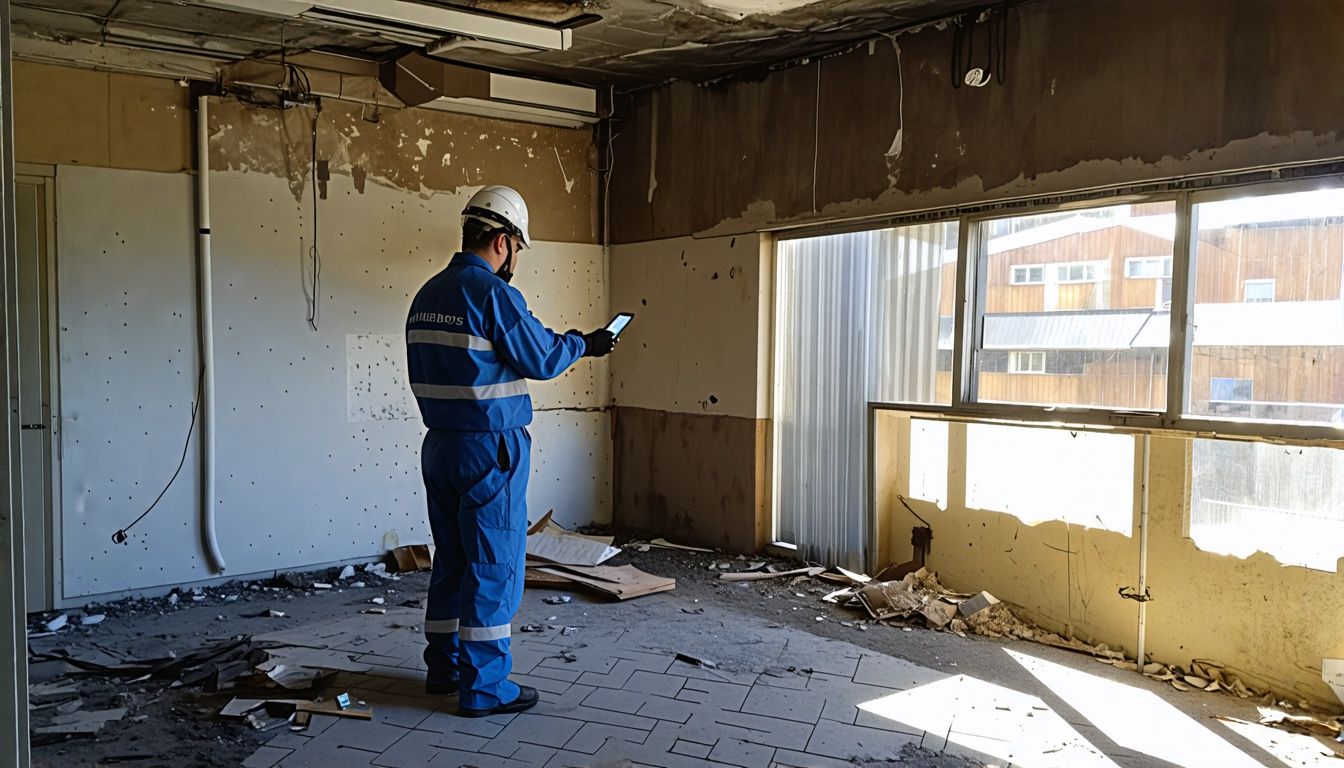
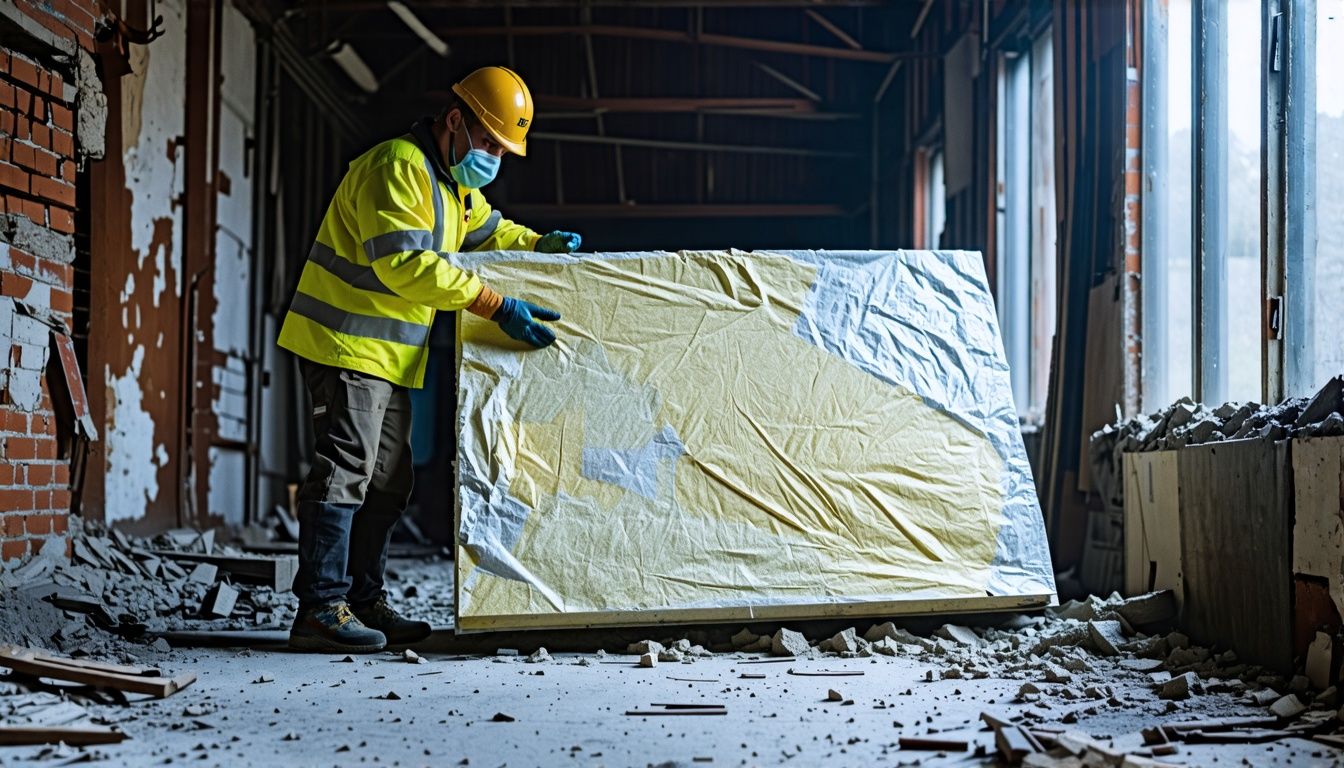
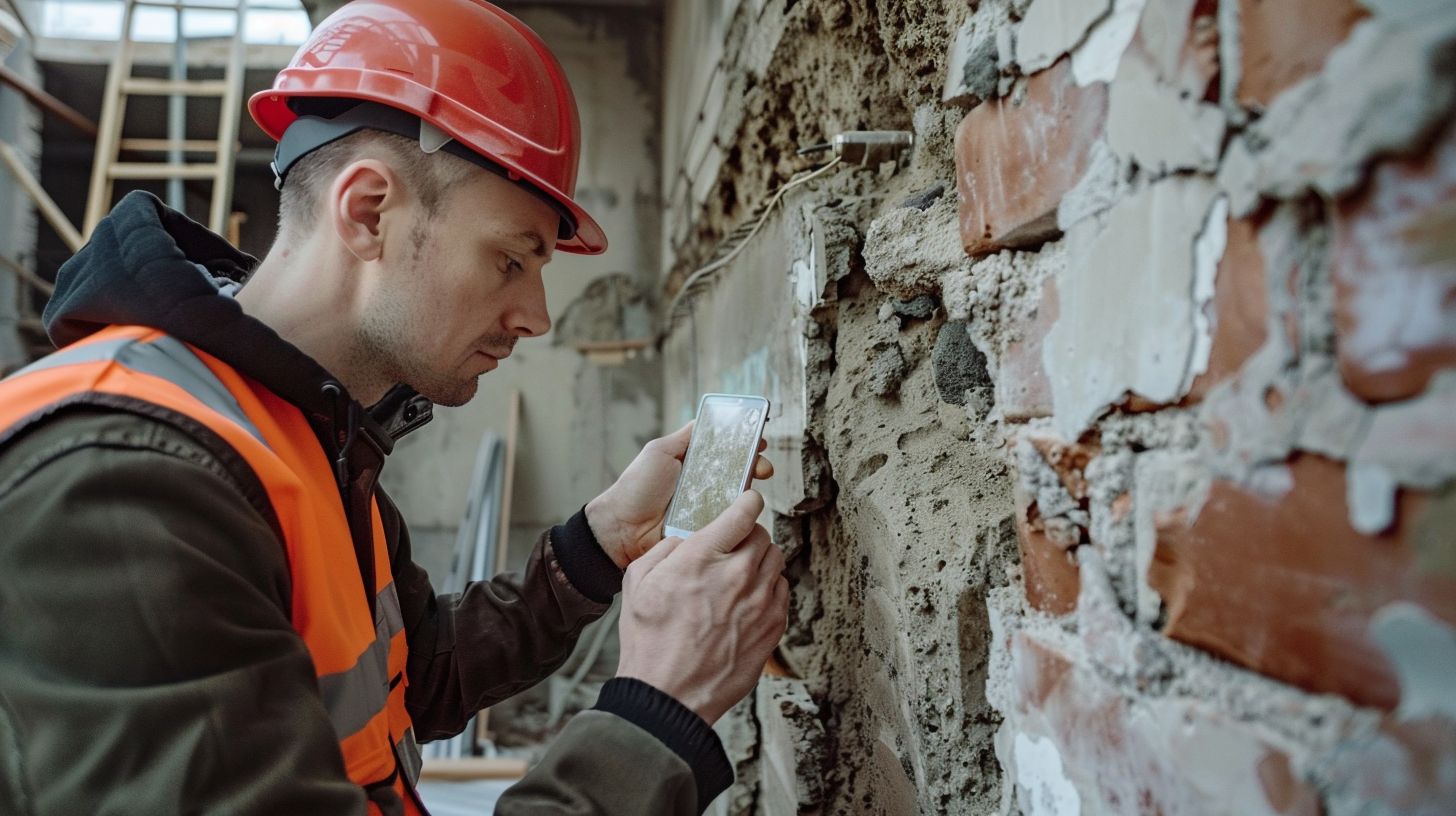
The replacement of asbestos fibre becomes more complex during major refurbishment and demolition because hidden asbestos is far more likely to be exposed. Ceiling voids, risers, service ducts, floor build-ups, boxing, cladding and plant areas often contain materials that are not visible during normal occupation.
This is where projects commonly go off track. A contractor starts strip-out based on incomplete information, asbestos is uncovered mid-job, work stops, areas are isolated and the programme slips while sampling, removal or redesign is arranged.
To reduce that risk:
- Commission the correct survey before intrusive work starts
- Build asbestos findings into the specification and programme
- Sequence removal and reinstatement logically
- Choose replacement materials only after the original build-up is understood
- Allow enough time for licensed work where relevant
- Brief every trade on asbestos findings before they enter the area
The replacement of asbestos fibre should never be treated as a late procurement decision. It needs to be part of project planning from the outset, especially where fire stopping, service upgrades, compartmentation or structural changes are involved.
Practical tip for project managers
Freeze the specification only after survey findings have been reviewed. Ordering substitute materials too early can lead to waste, redesign and delays if hidden asbestos changes the scope of work.
Replacement of asbestos fibre in industrial and plant environments
Industrial settings often present tougher conditions than ordinary commercial buildings. High temperatures, mechanical stress, vibration, moisture, chemicals and confined access points all affect the replacement of asbestos fibre.
Historic asbestos use in plant and process environments included pipe insulation, boiler lagging, rope seals, gaskets, thermal boards and heat-resistant linings. Modern substitutes may involve mineral wool, calcium silicate, specialist sealing products, synthetic fibre composites or high-temperature engineered materials.
When selecting a replacement in plant areas, check:
- Operating temperature range
- Resistance to compression and vibration
- Moisture and chemical exposure
- Maintenance access requirements
- Compatibility with adjacent plant and housings
- Whether future dismantling could generate dust or debris
Do not allow procurement teams to substitute products on cost alone. In plant environments, a cheaper material can fail early, increase maintenance frequency or compromise thermal and fire performance.
Replacement of asbestos fibre in the automotive sector
The automotive industry once used asbestos extensively because it performed well under heat and friction. Historic applications included brake linings, clutch facings, gaskets and heat shields.
Today, the replacement of asbestos fibre in automotive products usually relies on composite formulations rather than a direct one-for-one substitute. Manufacturers may use blends of aramid fibres, glass fibres, mineral fibres, cellulose fibres, ceramic materials, metallic compounds and engineered resins.
These materials are selected to balance:
- Heat tolerance
- Friction stability
- Wear resistance
- Noise control
- Durability
- Cost
If you manage vehicle fleets, workshops or procurement for older vehicles, take a cautious approach. Verify the specification of legacy stock, be careful with imported or historic parts and do not assume every replacement component is automatically asbestos-free. Use competent suppliers who can provide clear technical information.
Replacement of asbestos fibre in textiles and heat-resistant products
Asbestos was also used in textiles where heat and flame resistance were needed. Historic products included blankets, ropes, gloves, curtains and woven materials used around furnaces, plant and hot equipment.
The replacement of asbestos fibre in these applications often involves glass fibre textiles, ceramic fibre products, aramid fabrics or other specialist heat-resistant materials. The right choice depends on operating temperature, flexibility, abrasion resistance and how often the item will be handled.
For example, a static heat shield and a reusable protective blanket may require very different materials. Always check whether the product is intended for direct contact with hot surfaces, intermittent exposure or continuous service conditions.
Common mistakes when specifying alternatives
Many asbestos-related project problems are avoidable. The replacement of asbestos fibre tends to go wrong when the decision is rushed or treated as purely a purchasing exercise.
Watch for these common mistakes:
- Choosing a substitute before confirming what the original material was
- Assuming asbestos-free means suitable for the job
- Ignoring fire stopping or compartmentation requirements
- Overlooking moisture, impact or maintenance conditions
- Failing to brief contractors on nearby asbestos-containing materials
- Using outdated survey information for intrusive works
- Allowing substitutions without technical review
A practical rule is simple: if the replacement affects fire performance, plant safety, insulation or structural detailing, get the technical information checked before installation. That is faster and cheaper than rectifying a poor specification later.
Legal and compliance points UK dutyholders should remember
The replacement of asbestos fibre sits within a wider legal framework. The key duty is to prevent exposure to asbestos and manage the risk in non-domestic premises. The Control of Asbestos Regulations set out those duties, while HSE guidance and HSG264 explain how asbestos information should be gathered and used.
From a practical property management point of view, that means:
- Knowing whether asbestos is present or likely to be present
- Keeping survey information and registers accessible
- Making sure the survey type matches the planned work
- Sharing asbestos information with anyone liable to disturb materials
- Reviewing whether replacement works could affect the asbestos management plan
Do not confuse survey, removal and reinstatement as one single task. They are linked, but each needs proper planning. The replacement of asbestos fibre should follow reliable identification of existing asbestos-containing materials, not replace that step.
Practical advice for property managers and dutyholders
If you oversee offices, schools, warehouses, retail units, industrial premises or mixed portfolios, keep the process simple and disciplined.
- Review your asbestos records before any planned works
- Check whether the proposed work is routine, intrusive or destructive
- Commission the correct survey early
- Share findings with designers, contractors and maintenance teams
- Specify replacement materials based on function, not assumption
- Keep records of what was removed and what was installed
- Update the asbestos register and building information after the work
This approach saves time later. It also helps future maintenance teams understand what remains in the building and what has already been replaced.
If there is any uncertainty, pause before work starts. The cost of checking is usually far lower than the cost of accidental disturbance, emergency response and project delay.
Frequently Asked Questions
What is the best replacement of asbestos fibre?
There is no single best option for every use. The right replacement of asbestos fibre depends on the original application, such as insulation, fire protection, cement reinforcement, gaskets or friction materials. Common alternatives include mineral wool, glass fibre, cellulose, calcium silicate and synthetic fibre composites.
Is asbestos-free material always safe?
No. Asbestos-free does not automatically mean risk-free or suitable for the task. Some substitute materials can still cause irritation, require dust control or be unsuitable for heat, moisture or fire conditions. Always check technical data, installation guidance and maintenance requirements.
Do I need a survey before replacing asbestos materials?
If work could disturb asbestos-containing materials, you need suitable asbestos information before it starts. For routine occupation and normal maintenance, a management survey may be appropriate. For intrusive refurbishment or demolition work, the survey requirement changes and a more intrusive survey is needed.
Can I replace asbestos materials during refurbishment without stopping the project?
Only if the asbestos risk has been identified and planned for properly in advance. If hidden asbestos is discovered mid-project, work may need to stop while the area is assessed and made safe. Early surveying and clear specifications are the best way to avoid disruption.
What should I do if I am unsure which replacement material to specify?
Start by confirming what the original material was and what function it performed. Then review the technical requirements for the replacement, including fire, insulation, durability and maintenance needs. If asbestos may be present, get a competent surveyor involved before works begin.
If you need clear asbestos information before maintenance, refurbishment or demolition, Supernova Asbestos Surveys can help. We provide surveys nationwide, practical advice for dutyholders and fast support for projects of every size. Call 020 4586 0680 or visit asbestos-surveys.org.uk to arrange your survey.