Where Are You Most Likely to Come Across Asbestos in a Building?
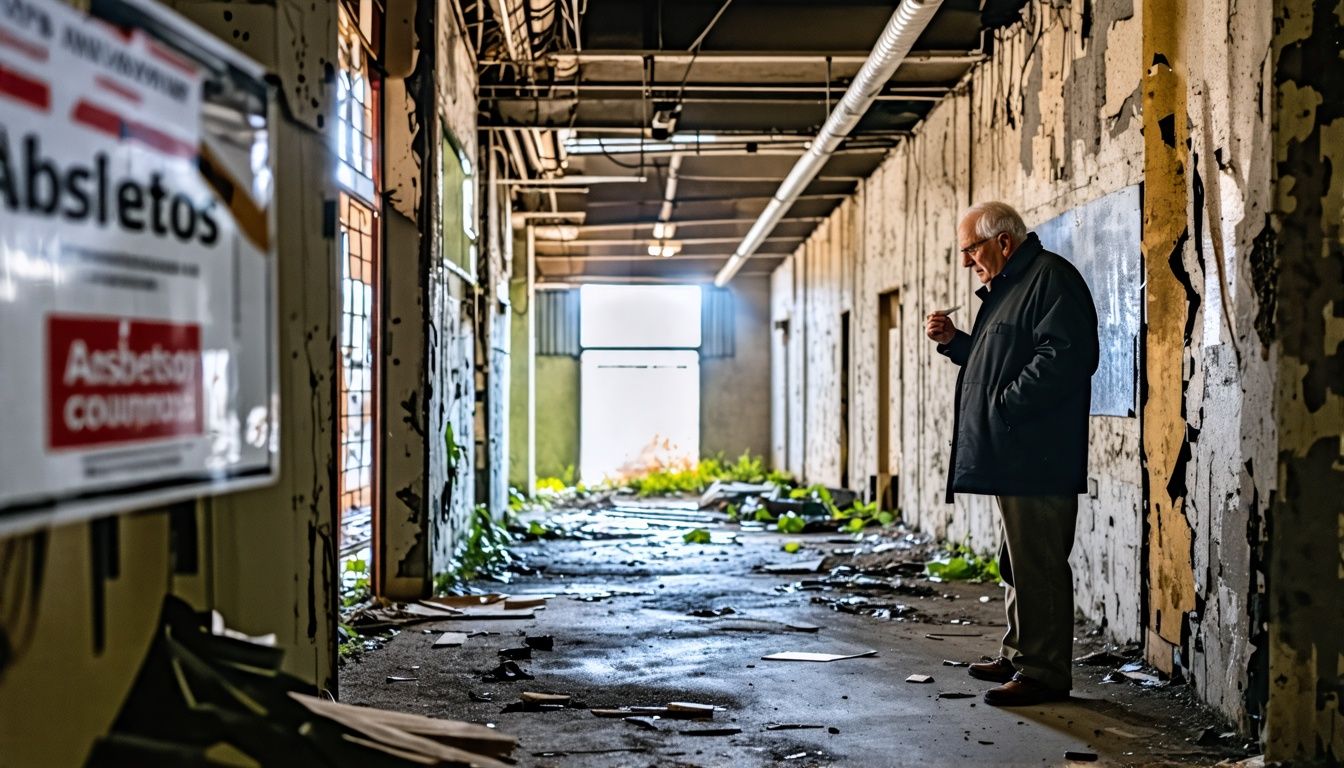
Asbestos doesn’t announce itself. It hides in plain sight — in the ceiling above your head, beneath the floor tiles you walk on every day, wrapped around the pipes in the boiler room. If you’re responsible for a building constructed before 2000, understanding where you are most likely to come across asbestos is not just useful knowledge — it’s a legal and moral obligation.
The UK banned the use of all asbestos types in 1999, but decades of widespread use in construction mean millions of buildings still contain asbestos-containing materials (ACMs). Knowing where to look — and what to do when you find it — is the foundation of managing that risk properly.
Why Asbestos Is Still a Live Threat in UK Buildings
Asbestos was prized by builders and architects throughout the twentieth century. It’s fire-resistant, durable, cheap to produce, and an excellent insulator. Those properties made it a go-to material for everything from pipe lagging to decorative ceiling finishes.
The problem is what happens when those materials are disturbed. Microscopic fibres are released into the air — invisible, odourless, and capable of remaining airborne for hours. Once inhaled, they lodge permanently in lung tissue, where they can trigger mesothelioma, asbestosis, asbestos-related lung cancer, and pleural thickening.
These diseases have latency periods of 20 to 50 years, meaning the exposure that kills someone today may have happened decades ago. The Health and Safety Executive (HSE) consistently identifies asbestos as the single greatest cause of work-related deaths in the UK. The scale of the ongoing risk is directly linked to how many buildings still contain ACMs — and how often those materials are disturbed without anyone realising what they’re dealing with.
The Buildings Most Likely to Contain Asbestos
Not every building carries the same level of risk. Age is the single biggest factor. If a building was constructed or significantly refurbished between the 1950s and 1999, the likelihood of finding asbestos somewhere within it is high.
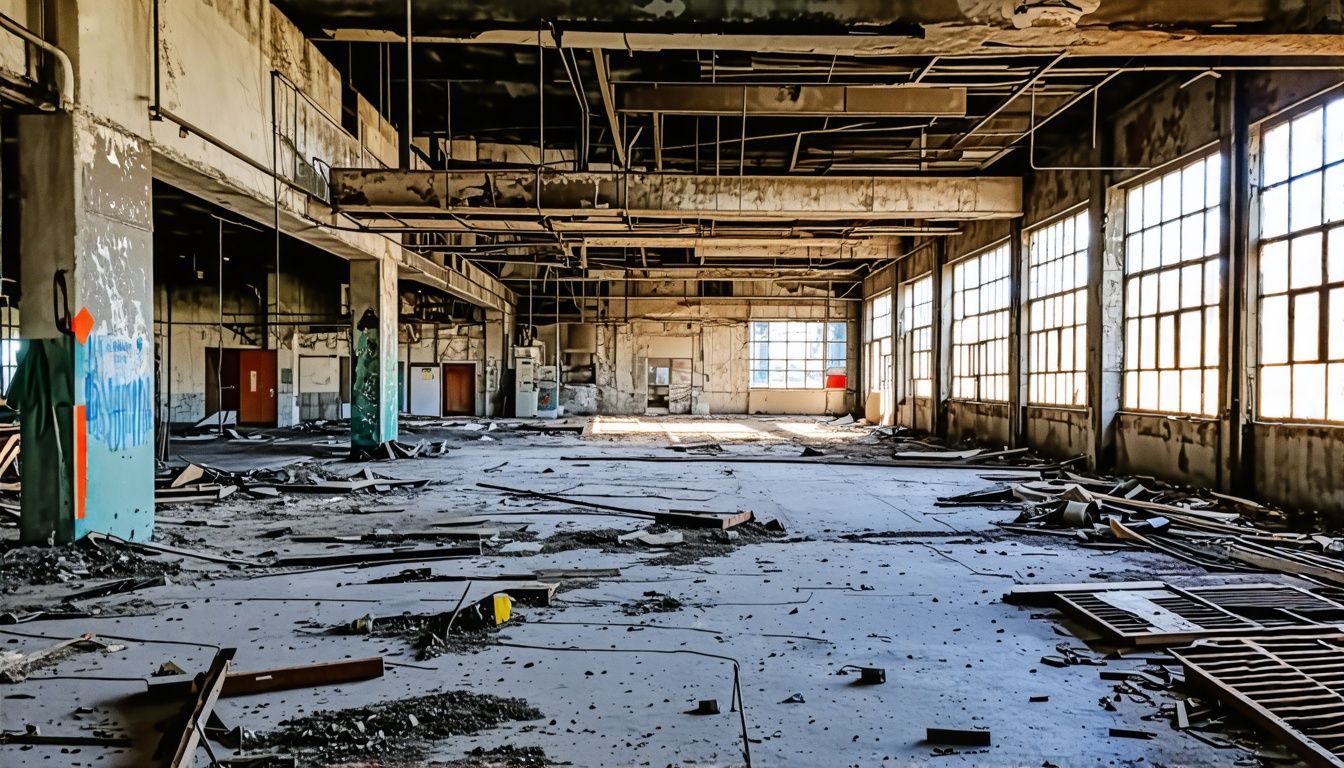
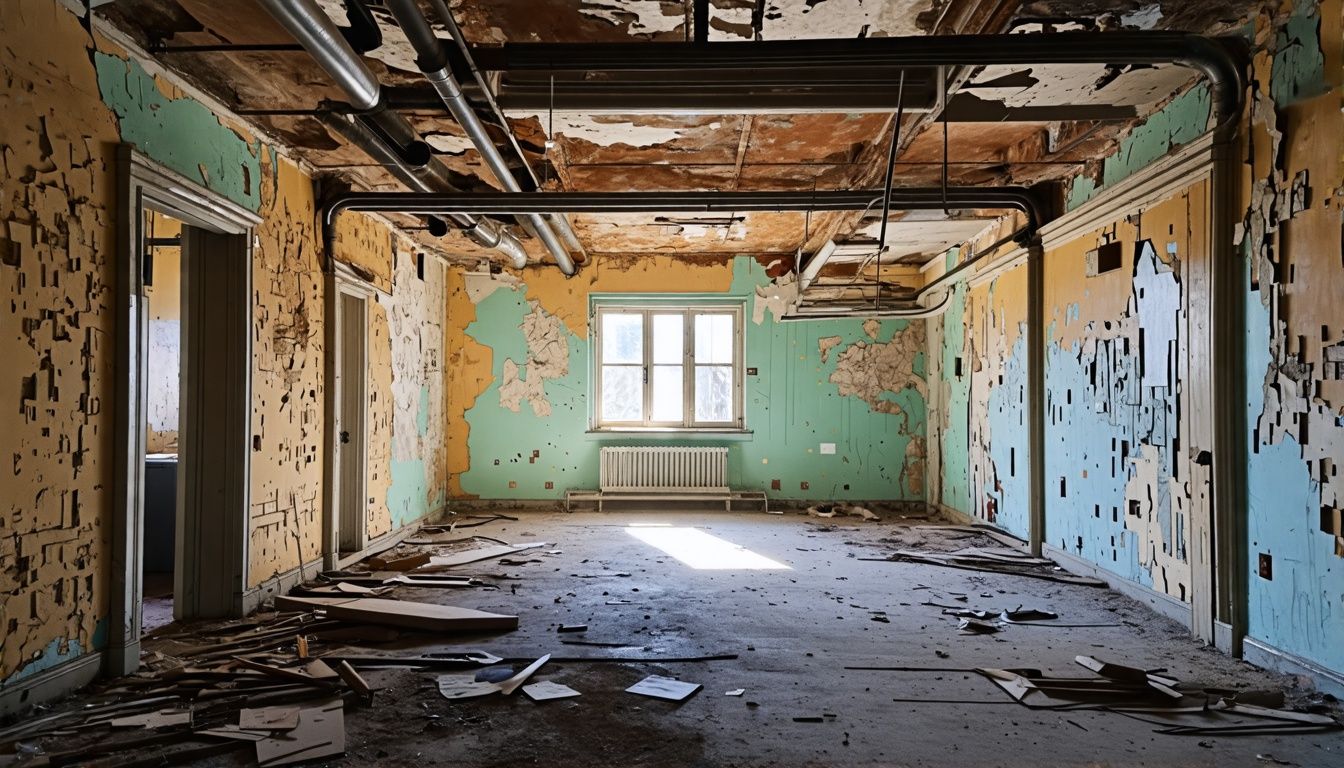
Buildings from the post-war era through to the 1980s are particularly likely to contain multiple ACM types, because this was the peak period of asbestos use in UK construction. Industrial premises, schools, hospitals, and commercial office blocks from this era were routinely built with asbestos in structural, insulating, and decorative roles.
Pre-war buildings are not automatically safe either. Asbestos was used in the UK from the late nineteenth century, and some older properties contain pipe lagging, gaskets, or roofing materials that include asbestos. Buildings constructed after 1999 are generally considered low risk, but any building with a complex refurbishment history may have had ACMs introduced during earlier renovation work.
Property Types Where Asbestos Is Commonly Found
- Commercial offices and retail units — particularly those with suspended ceilings, partition walls, and floor tiles from the 1960s to 1990s
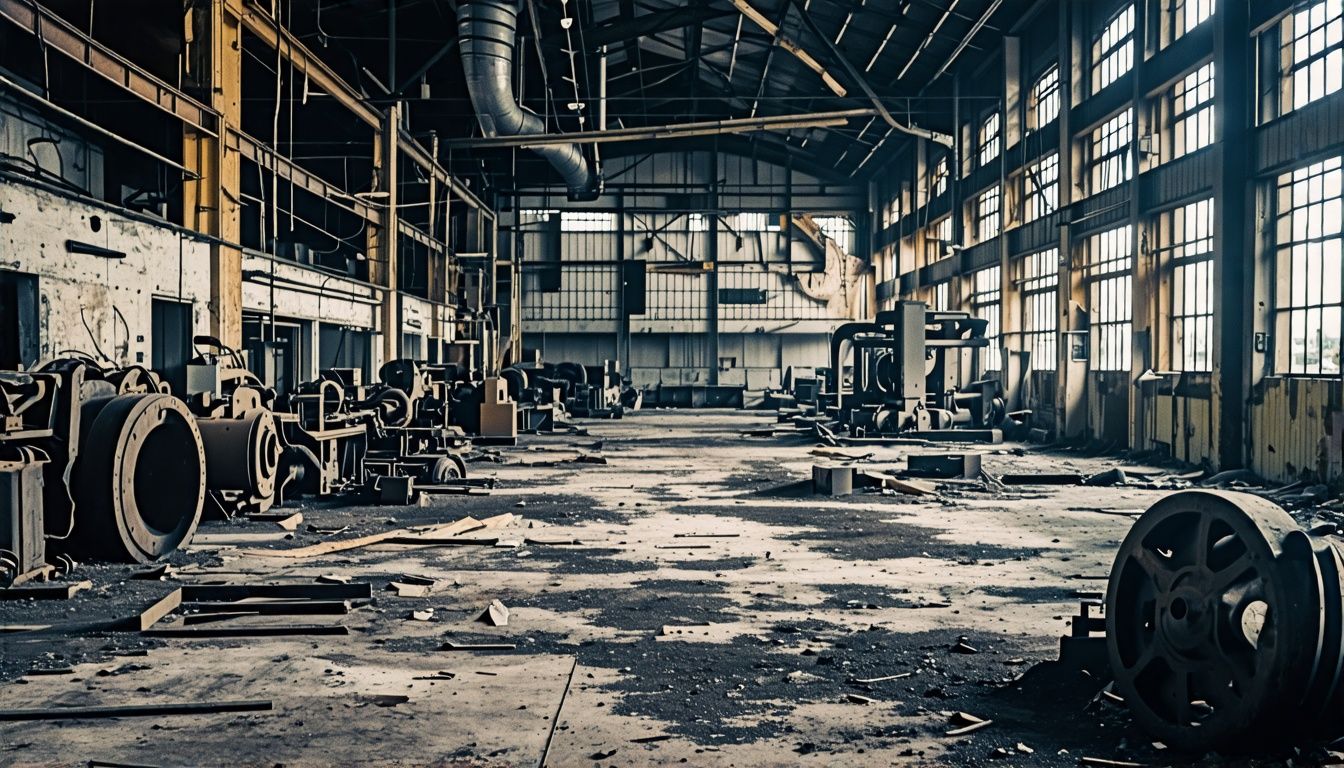
- Industrial and warehouse buildings — often featuring corrugated asbestos cement roofing and sprayed fireproofing on structural steelwork
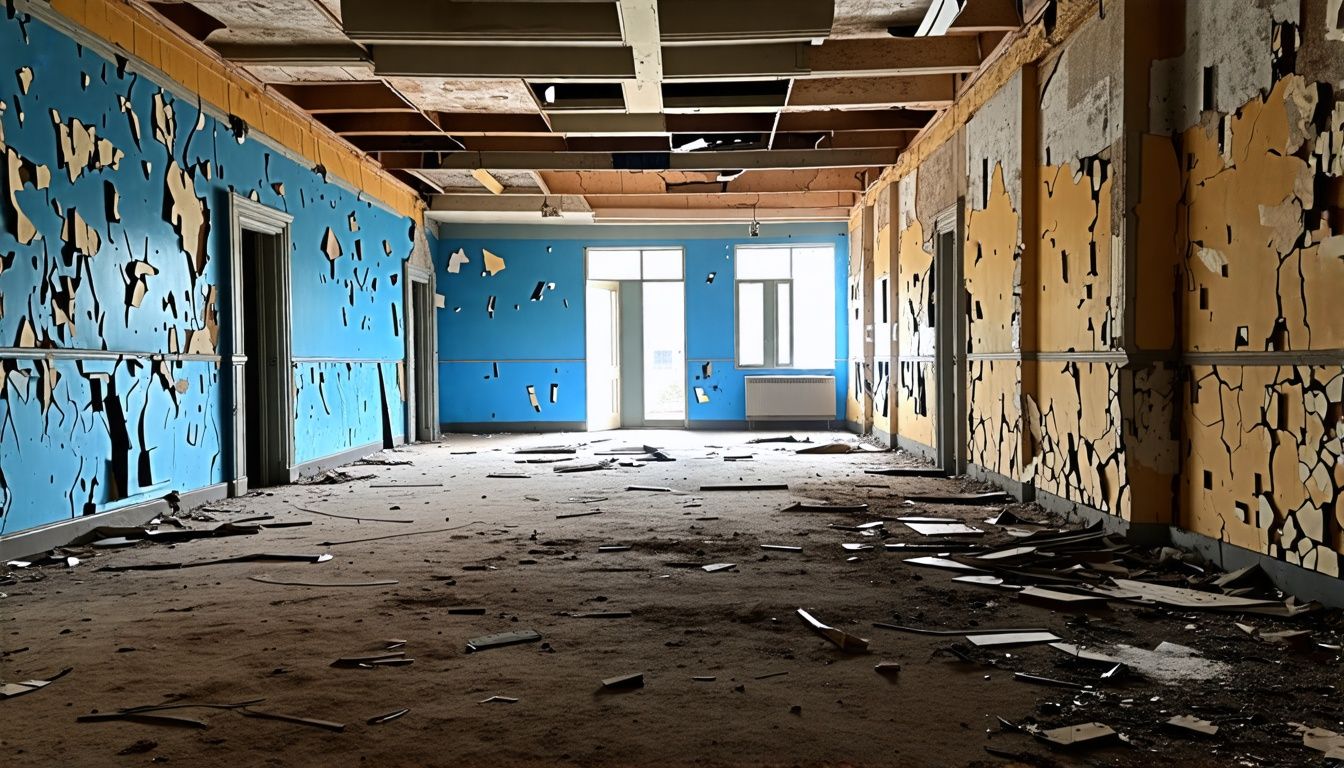
- Schools and public sector buildings — heavily built with asbestos insulating board (AIB) during the post-war construction boom
- Residential blocks of flats — particularly those built under social housing programmes in the 1960s and 1970s
- Hospitals and healthcare premises — where asbestos was used extensively in pipe lagging, ceiling tiles, and fire doors
- Domestic properties — including semi-detached and terraced houses built before 2000, which may contain Artex ceilings, floor tiles, and garage roofing
Where Are You Most Likely to Come Across Asbestos? The Most Common Locations
Asbestos was used in an extraordinarily wide range of construction products. A survey of any pre-2000 building might turn it up in dozens of different locations. These are the areas where it’s most commonly found.
Ceiling Tiles and Suspended Ceilings
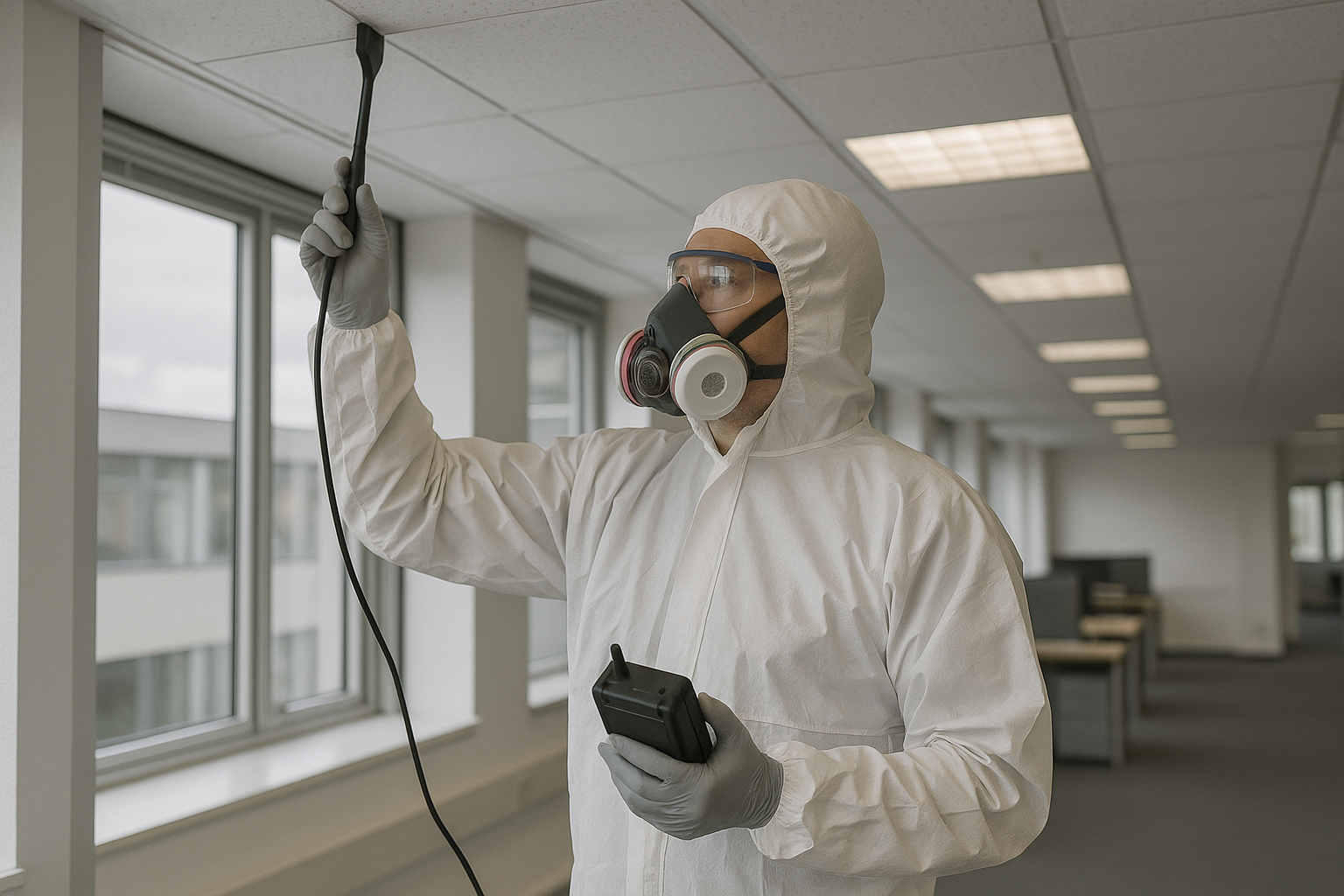
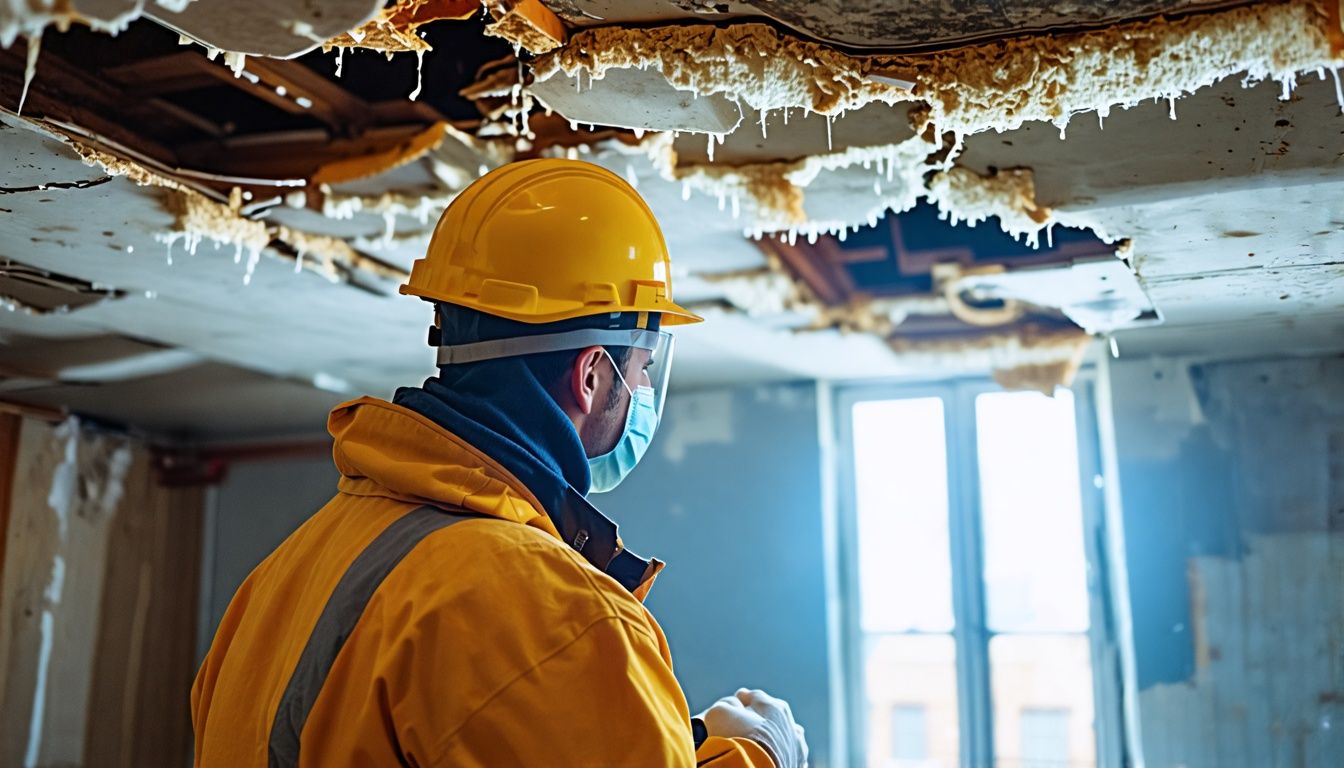
Asbestos insulating board (AIB) was widely used for ceiling tiles in commercial and public buildings throughout the mid-twentieth century. If your building has a suspended ceiling system installed before the 1990s, there’s a meaningful chance the tiles contain asbestos.
The risk increases significantly when tiles are damaged, drilled, or lifted — as often happens during routine electrical or HVAC maintenance. Tradespeople working above suspended ceilings without knowing what the tiles contain are among the most at-risk groups in the UK today.
Textured Wall and Ceiling Coatings
Artex and similar textured decorative coatings were applied to millions of ceilings and walls in UK homes and commercial premises from the 1960s through to the 1990s. Many of these products contained chrysotile (white asbestos) as a binding agent.
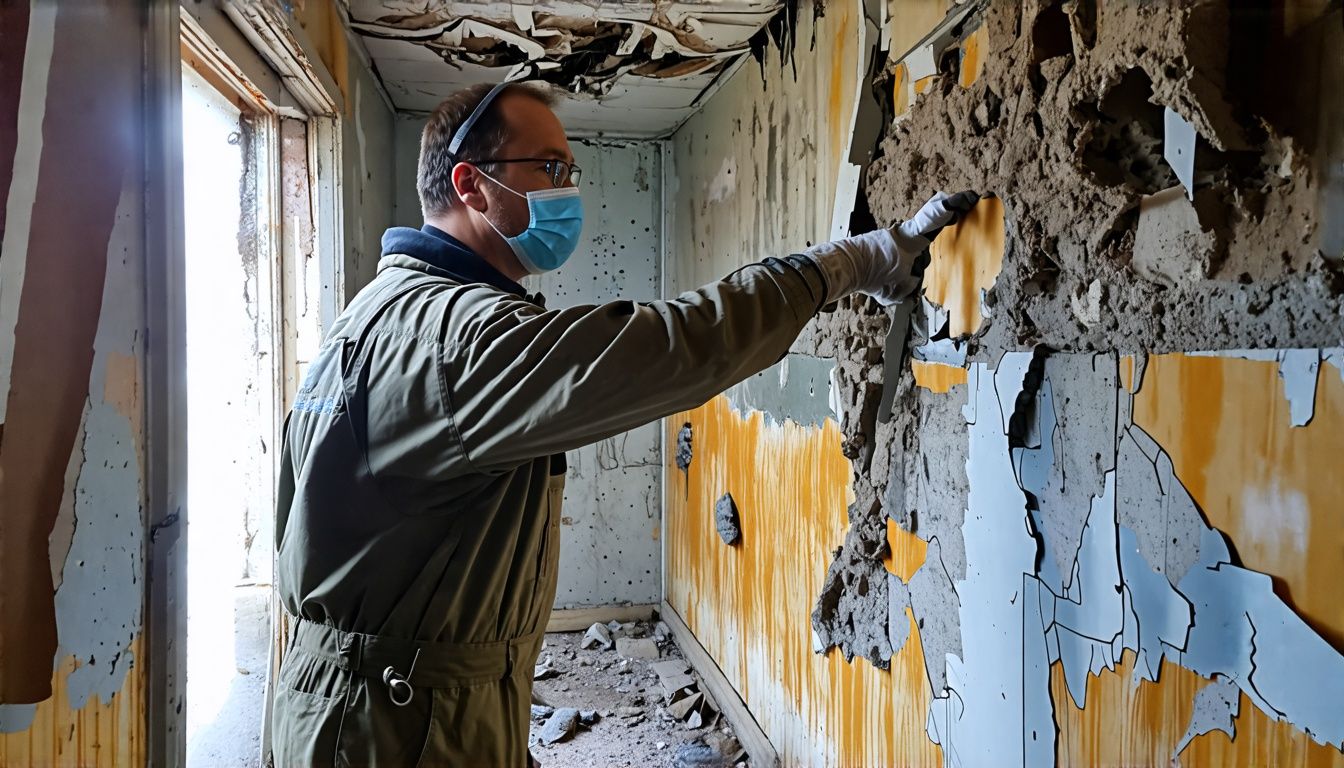
In good condition and left undisturbed, textured coatings pose a low risk. The danger comes when someone sands, scrapes, or drills through them — activities that happen constantly during renovation work. This is one of the most common sources of accidental asbestos exposure in domestic properties.
Floor Tiles and Adhesives
Thermoplastic and vinyl floor tiles manufactured before the mid-1980s frequently contained asbestos. The adhesive used to fix them to the substrate often did too. These materials are found in commercial kitchens, offices, corridors, and older domestic properties.
Intact floor tiles in good condition are generally low risk. Cutting, grinding, or removing them without knowing their composition is a different matter entirely. The adhesive layer beneath can be particularly friable once tiles are lifted.
Pipe and Boiler Lagging
Thermal insulation around hot water pipes, boilers, and heating systems was one of the most widespread applications of asbestos in UK buildings. This lagging is often found in boiler rooms, plant rooms, roof spaces, and service ducts — areas that maintenance engineers access regularly.
Pipe lagging containing asbestos is often in poor condition due to age, heat cycling, and physical wear. Friable, degraded lagging can release fibres with minimal disturbance, making it one of the higher-risk ACM types surveyors encounter.
Partition Walls and Fire Doors
AIB was used extensively in internal partition walls and fire door construction, particularly in commercial and public buildings. It provided both thermal insulation and fire resistance in a single, cost-effective material.
Fire doors are a particularly overlooked location. The AIB panels within older fire doors may not be visible from the outside, but drilling, cutting, or damaging these doors can release fibres. Any fire door in a pre-1990 commercial building should be treated as a potential ACM until confirmed otherwise.
Roof Sheets and Guttering
Corrugated asbestos cement sheets were the roofing material of choice for industrial buildings, garages, agricultural premises, and outbuildings throughout much of the twentieth century. Asbestos cement was also used in guttering, downpipes, and rainwater systems.
Asbestos cement is a relatively low-risk material when intact, because the fibres are bound within the cement matrix. Weathered, cracked, or broken sheets are a different story — and any work involving cutting, drilling, or pressure-washing these materials carries a significant risk of fibre release.
Sprayed Coatings on Structural Steelwork
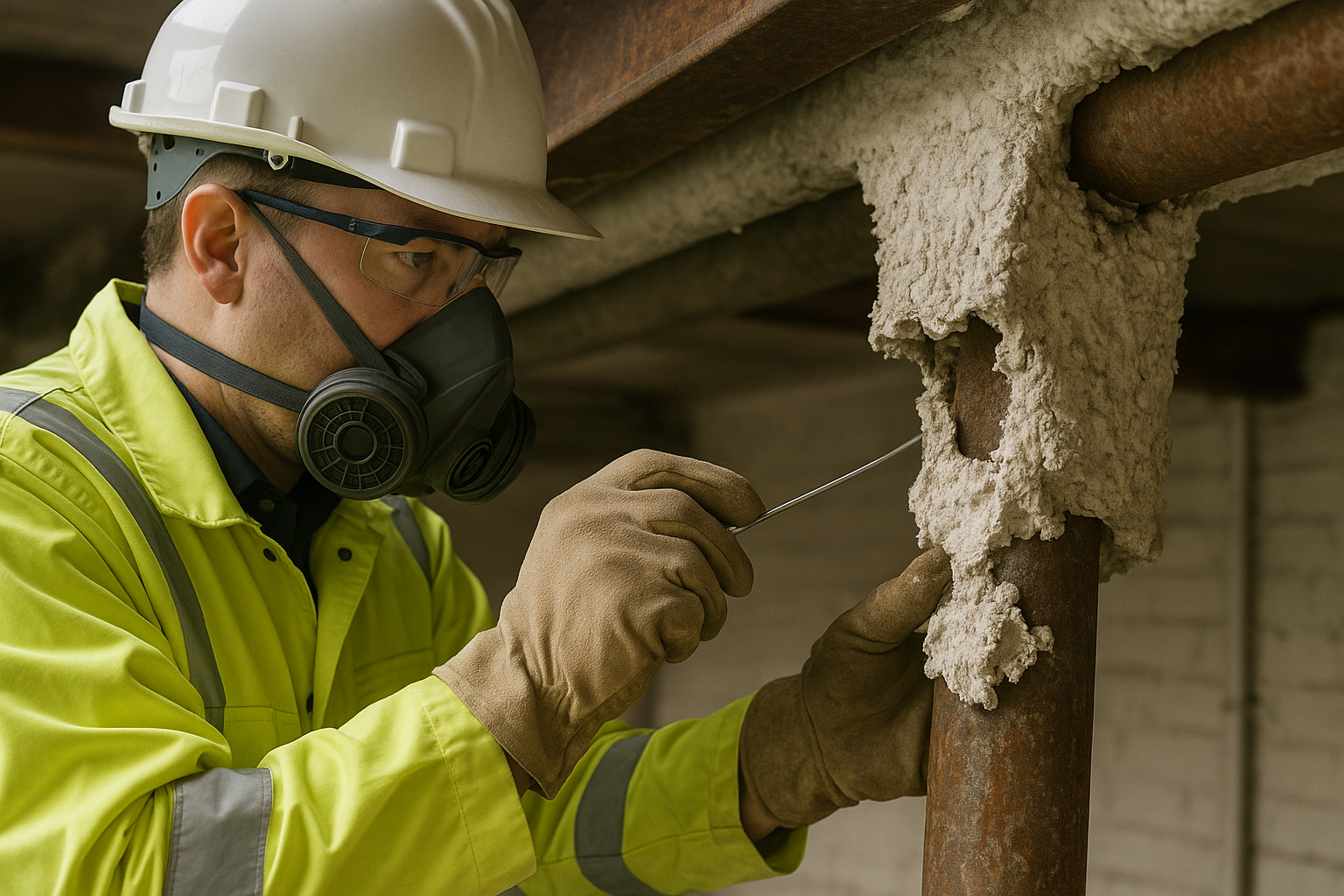
Sprayed asbestos was applied as fireproofing to structural steel beams and columns in commercial and industrial buildings, particularly during the 1960s and 1970s. It was also used as an acoustic treatment in some public buildings.
Sprayed asbestos coatings are among the most hazardous ACM types. They are highly friable, often in poor condition due to age and disturbance, and can release large quantities of fibres with minimal contact. If a survey identifies sprayed asbestos, it should be treated as a priority for management or removal.
Insulation in Electrical Equipment
Asbestos was used as an insulating material within older electrical panels, fuse boxes, and storage heaters. Night storage heaters manufactured before the mid-1970s are a known source of asbestos, with chrysotile used in the internal insulation boards.
Electricians working on older buildings are at particular risk here, especially when decommissioning or replacing legacy electrical systems without prior knowledge of what the equipment contains.
Bitumen and Roofing Felt Products
Asbestos fibres were added to bitumen products including roofing felt, waterproof coatings, and some forms of bitumen-based adhesive. These materials are found on flat roofs, in waterproofing applications, and in certain floor coverings.
Bitumen-based ACMs are generally low risk when intact, but cutting, heating, or mechanically disturbing them during roofing or waterproofing work can release fibres.
The Difference Between Low-Risk and High-Risk ACMs
Not all asbestos poses the same level of immediate risk. Surveyors assess ACMs based on two key factors: the type of asbestos present and the condition of the material.
Amphibole fibres — particularly amosite (brown asbestos) and crocidolite (blue asbestos) — are considered more hazardous than chrysotile due to their needle-like shape and the length of time they persist in lung tissue. Crocidolite is widely regarded as the most dangerous commercially used form. If a survey identifies either of these types, management decisions should reflect that elevated risk.
Condition matters just as much as type. Encapsulated ACMs in good condition, unlikely to be disturbed, can often be safely managed in place. Friable materials — those that crumble easily and release fibres with minimal contact — require more urgent attention, regardless of the asbestos type present.
What to Do When You Find — or Suspect — Asbestos
If you discover a material you suspect might contain asbestos, the immediate advice is straightforward: don’t disturb it, don’t attempt to sample it yourself, and don’t ignore it. The right course of action depends on the context.
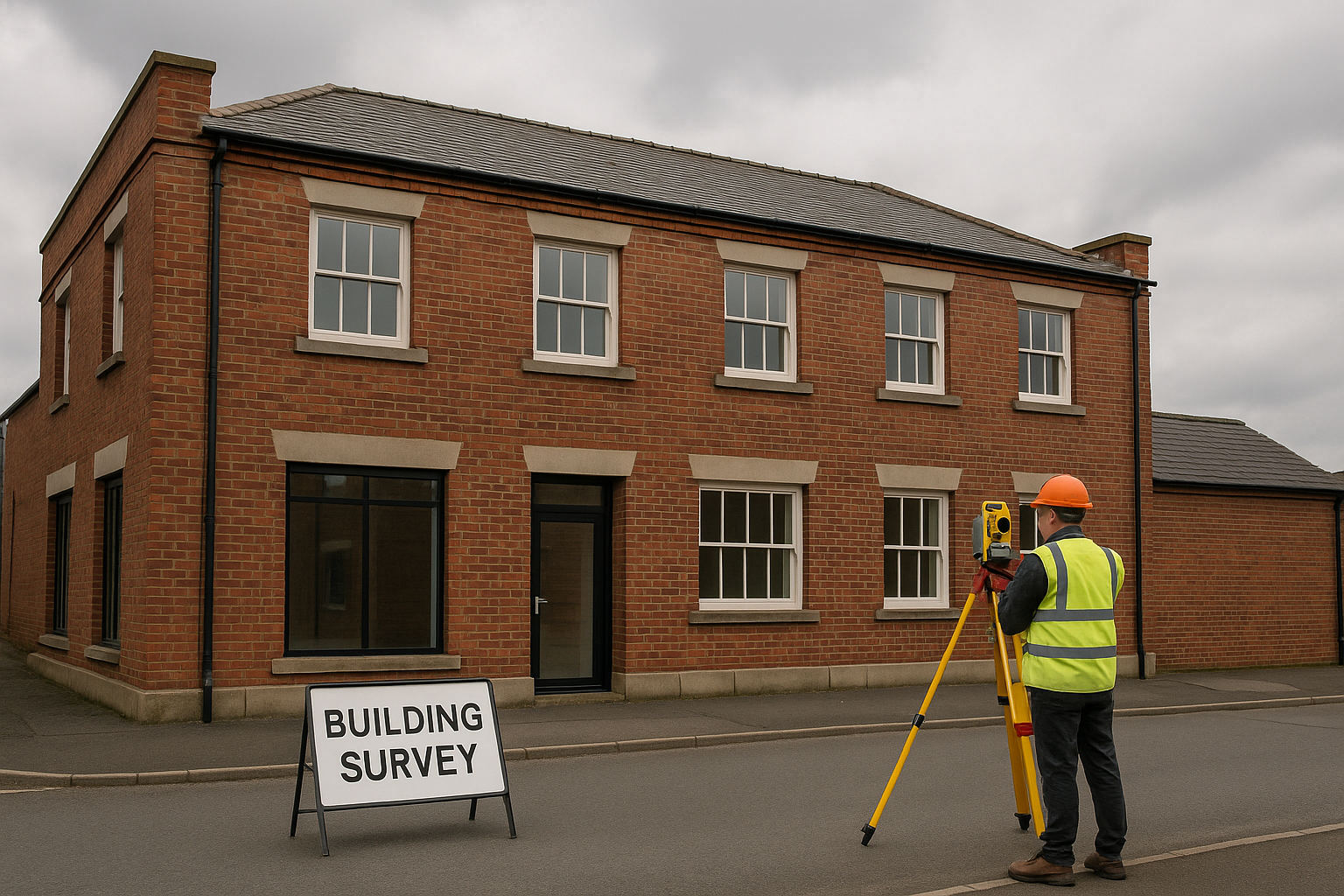
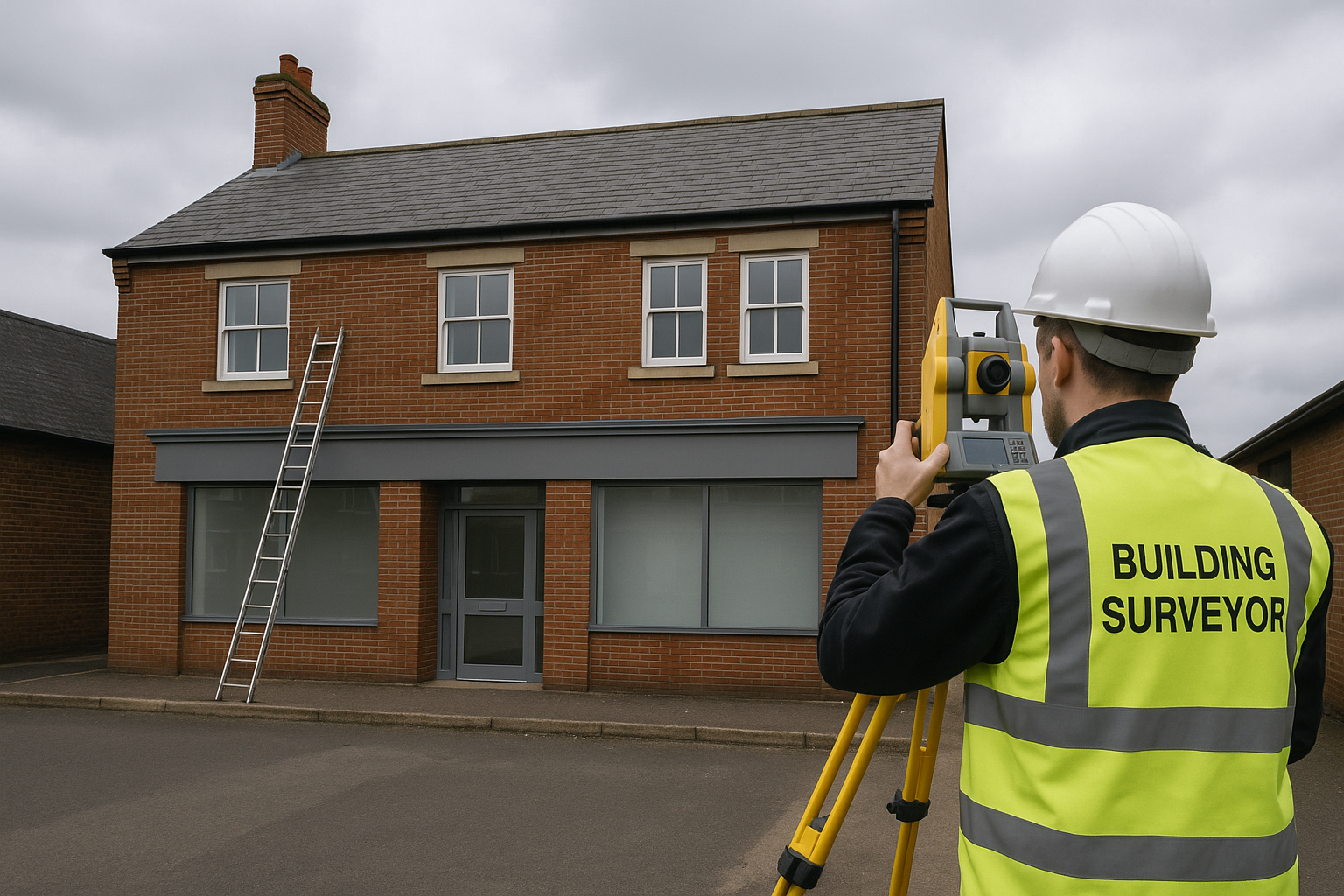
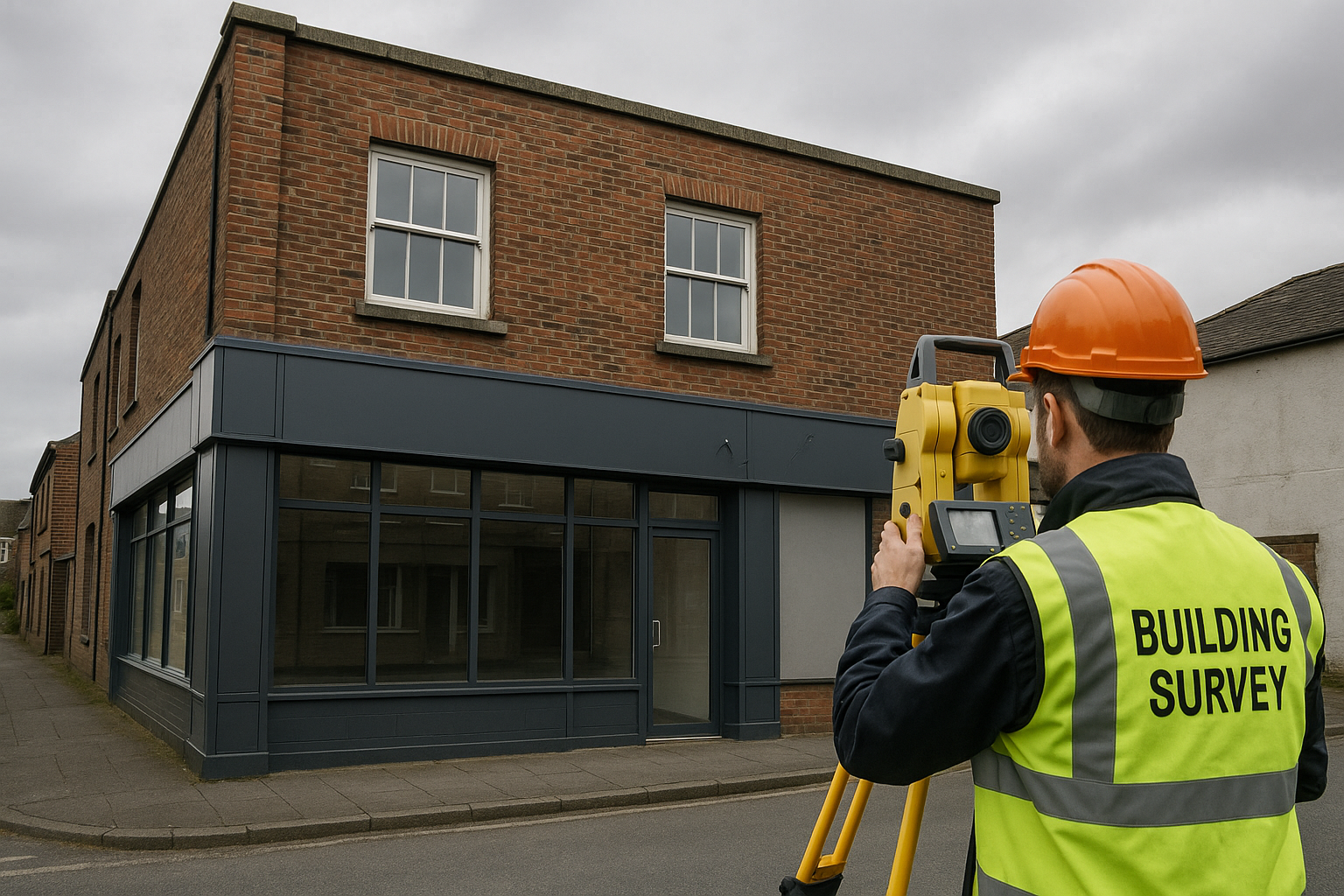
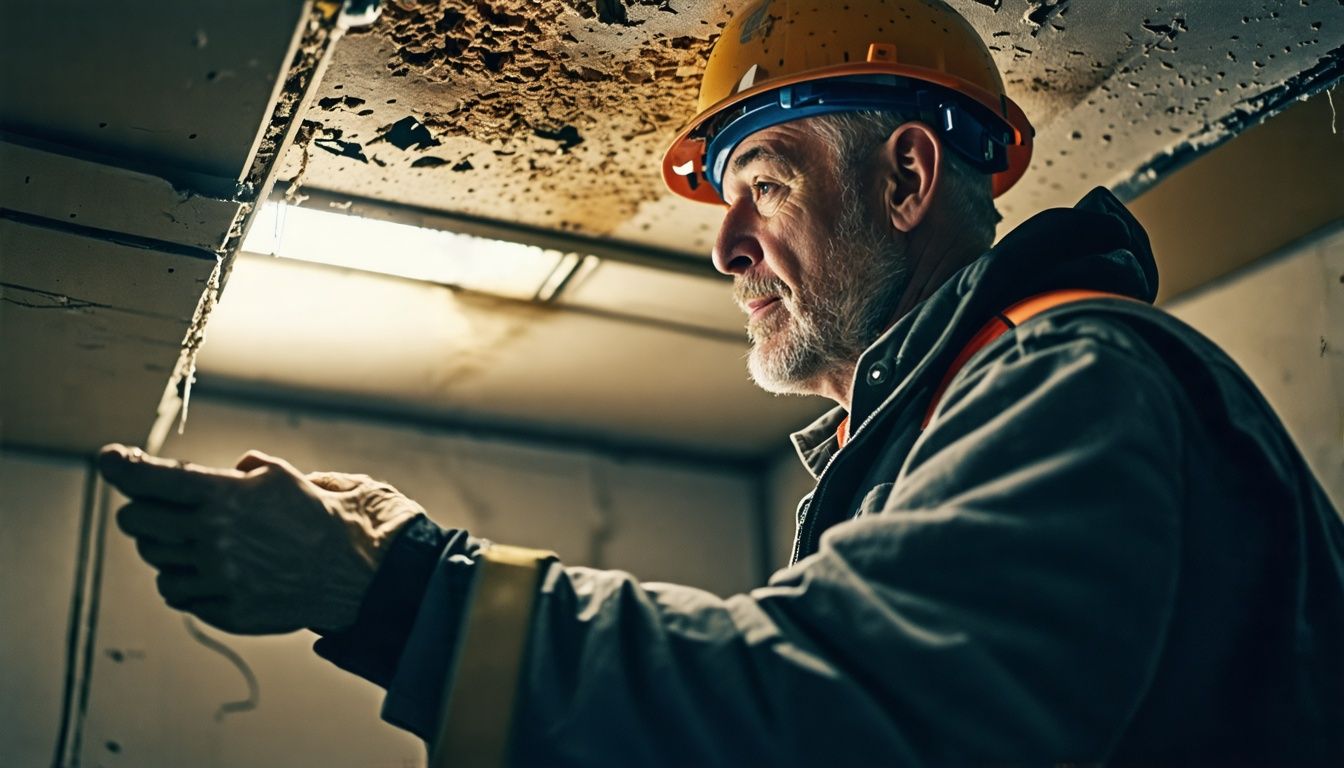
For most occupied non-domestic premises, a management survey is the starting point. This identifies ACMs throughout the accessible areas of a building, assesses their condition, and provides the information you need to build an asbestos register and management plan.
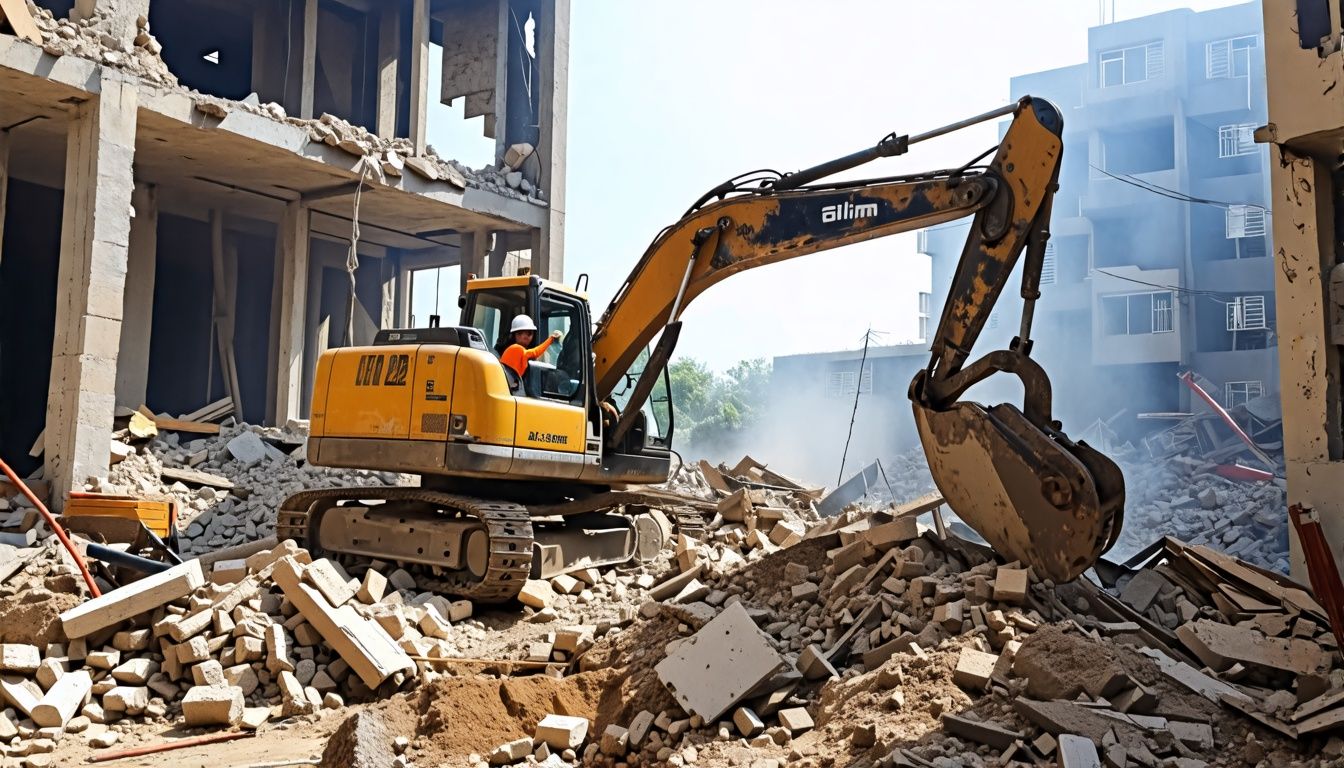
If you’re planning any significant building work, refurbishment, or demolition, you need a demolition survey before work begins. This is a more intrusive investigation that accesses concealed areas, voids, and structural elements to identify every ACM that contractors might encounter. It’s a legal requirement under the Control of Asbestos Regulations, and starting work without one puts your workforce at serious risk.
Where ACMs are being managed in situ rather than removed, they must be periodically checked. A re-inspection survey updates your asbestos register and flags any materials whose condition has deteriorated since the last assessment. This is not optional — it’s part of your ongoing duty to manage.
Where materials need to come out, asbestos removal must be carried out by an HSE-licensed contractor for higher-risk ACM types and significant quantities of material. Unlicensed removal of notifiable asbestos is a criminal offence.
Your Legal Duty Under the Control of Asbestos Regulations
The Control of Asbestos Regulations place a clear legal duty on anyone responsible for non-domestic premises to manage asbestos risk. This means identifying ACMs, assessing their condition, and putting a written management plan in place.
The duty to manage applies to landlords, facilities managers, employers, and anyone else with responsibility for the maintenance or repair of non-domestic premises. It is not limited to large commercial buildings — it applies to small offices, workshops, and community buildings just as much.
HSE guidance, including HSG264, sets out the standards surveyors must follow when identifying and assessing ACMs. Surveys must be carried out by competent, accredited professionals — not by in-house staff without specialist training. Failing to comply with the duty to manage is a criminal offence that can result in prosecution, unlimited fines, and imprisonment.
If you’re unsure whether your building has been properly assessed, or if your asbestos register hasn’t been updated recently, that’s a gap in your compliance that needs addressing now — not when a contractor puts a drill through an AIB ceiling tile.
Asbestos Surveys Across the UK
Supernova Asbestos Surveys operates nationwide, providing accredited asbestos surveys to commercial, industrial, public sector, and residential clients. Whether you need a survey in central London, the North West, or the Midlands, our surveyors are ready to attend promptly.
We provide asbestos survey London services across all London boroughs, covering everything from office blocks and retail units to residential conversions and public buildings. Our London team understands the particular challenges of surveying older commercial stock in a dense urban environment.
For clients in the North West, our asbestos survey Manchester service covers the Greater Manchester area and surrounding regions, including a large volume of industrial and mixed-use premises from the post-war construction era.
In the Midlands, our asbestos survey Birmingham team works across the city and wider West Midlands, serving commercial landlords, local authorities, housing associations, and private clients.
Frequently Asked Questions
Where are you most likely to come across asbestos in a domestic property?
In a domestic property built before 2000, the most common locations include textured Artex coatings on ceilings and walls, thermoplastic floor tiles and their adhesive, roof sheets on garages and outbuildings, and pipe lagging in the loft or airing cupboard. Night storage heaters from before the mid-1970s may also contain asbestos insulation internally. None of these materials pose a significant risk if left undisturbed, but any renovation or repair work that might affect them should be preceded by sampling or a survey.
How do I know if a material contains asbestos without touching it?
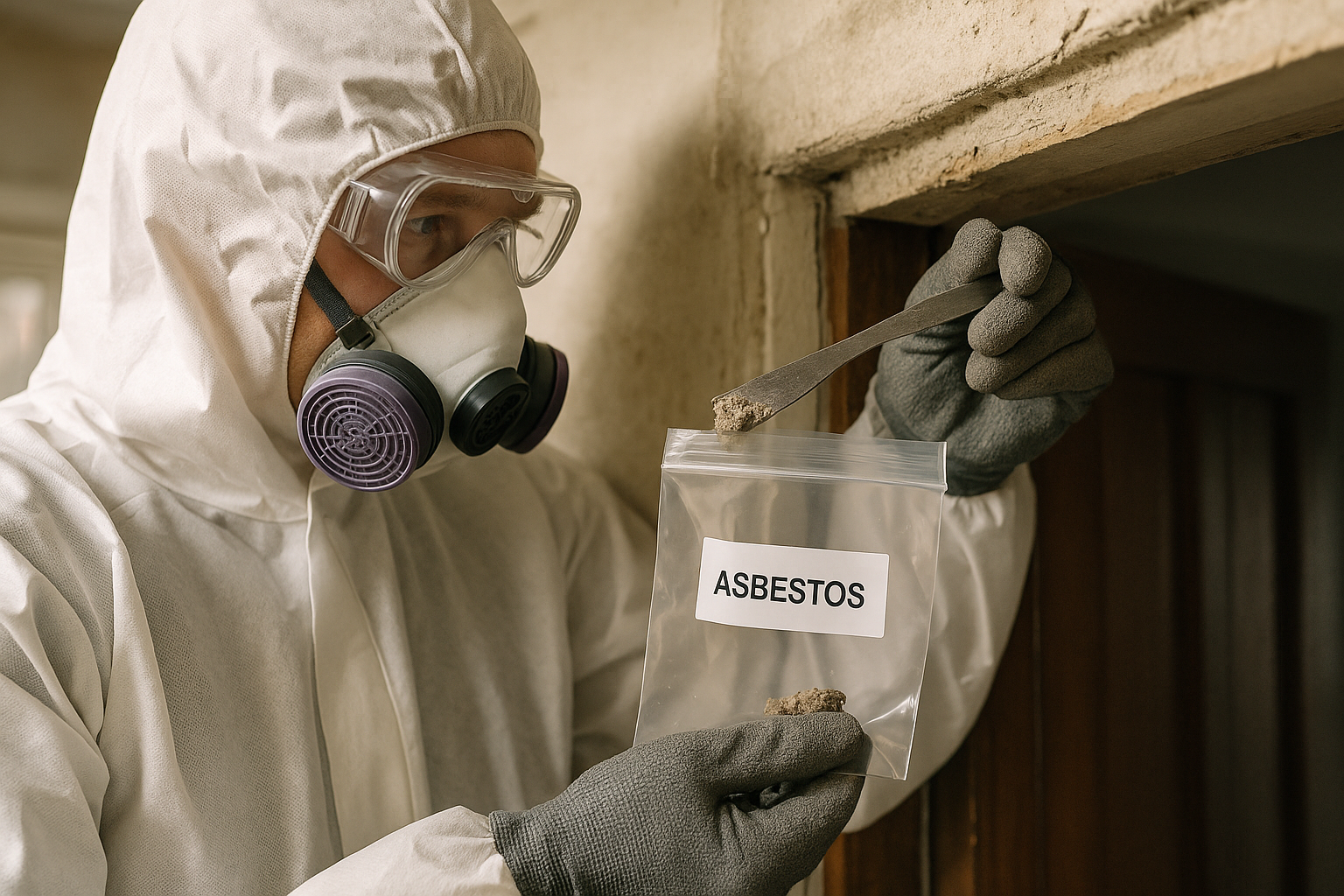
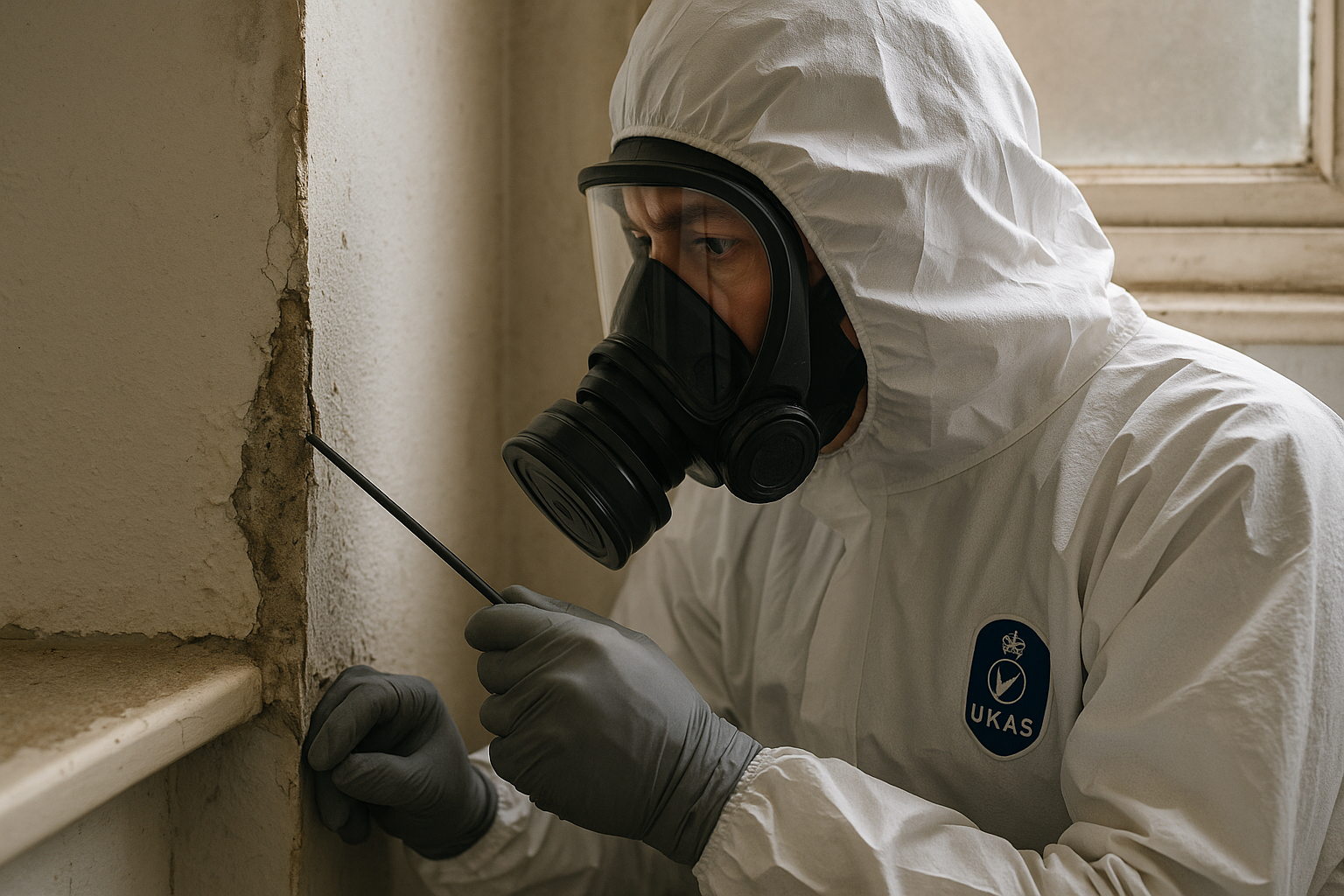
You cannot identify asbestos by appearance alone. Many ACMs look identical to non-asbestos alternatives. The only reliable way to confirm whether a material contains asbestos is through laboratory analysis of a sample taken by a competent professional, or by commissioning a formal asbestos survey. If you’re in any doubt about a material in a pre-2000 building, treat it as a suspected ACM until proven otherwise.
Is asbestos only found in old buildings?
The vast majority of asbestos risk in the UK relates to buildings constructed or refurbished before 1999, when the final ban on asbestos use came into force. Buildings constructed after 1999 are generally considered free from asbestos risk, although any building with a complicated refurbishment history should be assessed on its own merits. If you don’t know when a building was constructed or what materials were used during previous renovation work, a survey is the only way to be certain.
What should I do if I accidentally disturb a material that might contain asbestos?
Stop work immediately, leave the area, and prevent others from entering. Do not attempt to clean up dust or debris yourself. Ventilate the area if possible without spreading dust further. Contact a licensed asbestos contractor to assess the situation and carry out any necessary air monitoring or decontamination. If there is any possibility that fibres were released, the area should not be reoccupied until it has been cleared as safe by a competent professional.
How often does an asbestos register need to be updated?
Under the Control of Asbestos Regulations, duty holders are required to keep their asbestos management plan — including the register — up to date. In practice, this means carrying out periodic re-inspection surveys to check the condition of known ACMs and identify any changes. The frequency of re-inspection depends on the condition and type of materials present, but annual checks are common for higher-risk ACMs. Any time building work is carried out, the register should be reviewed and updated to reflect any changes.
Get Your Building Surveyed by Supernova
Supernova Asbestos Surveys has completed over 50,000 surveys across the UK. Our UKAS-accredited surveyors work to HSG264 standards, providing clear, actionable reports that give you everything you need to manage your legal obligations and protect the people in your buildings.
If you’re not certain where asbestos might be lurking in your building — or if your existing asbestos register is out of date — call us today on 020 4586 0680 or visit asbestos-surveys.org.uk to request a quote or find out more about our services.