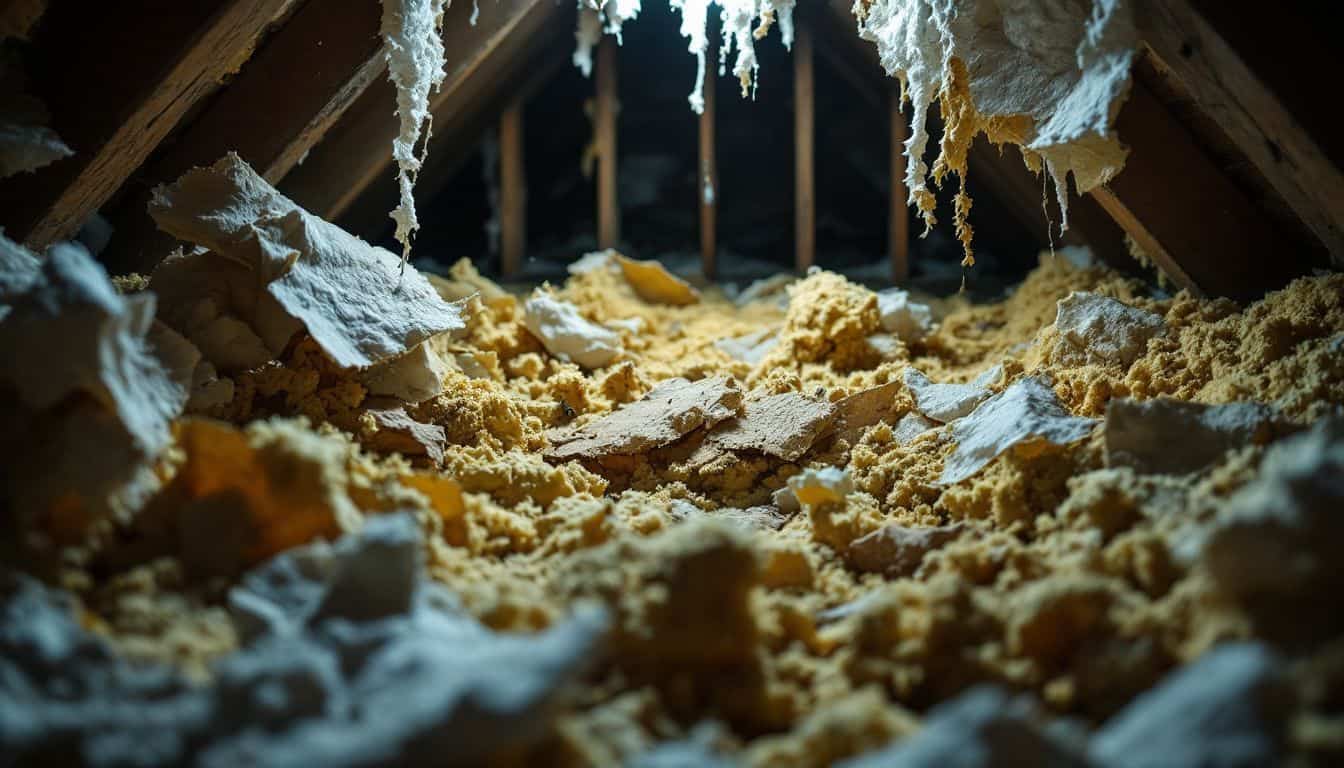
DIY Asbestos Removal Is Never Worth the Risk
Every year, thousands of UK homeowners discover what looks like asbestos in their property and face the same uncomfortable question: can they deal with it themselves? The short answer is almost always no — and professional asbestos removal exists for very good reason.
Asbestos fibres are invisible to the naked eye. They carry no smell, cause no immediate irritation, and by the time they’ve caused irreversible damage to your lungs, there is nothing medicine can do to reverse it. This post sets out exactly why DIY removal is so dangerous, what professional asbestos removal actually involves, how to choose the right contractor, and what you can realistically expect to pay.
Why Asbestos Remains a Serious Problem in UK Properties
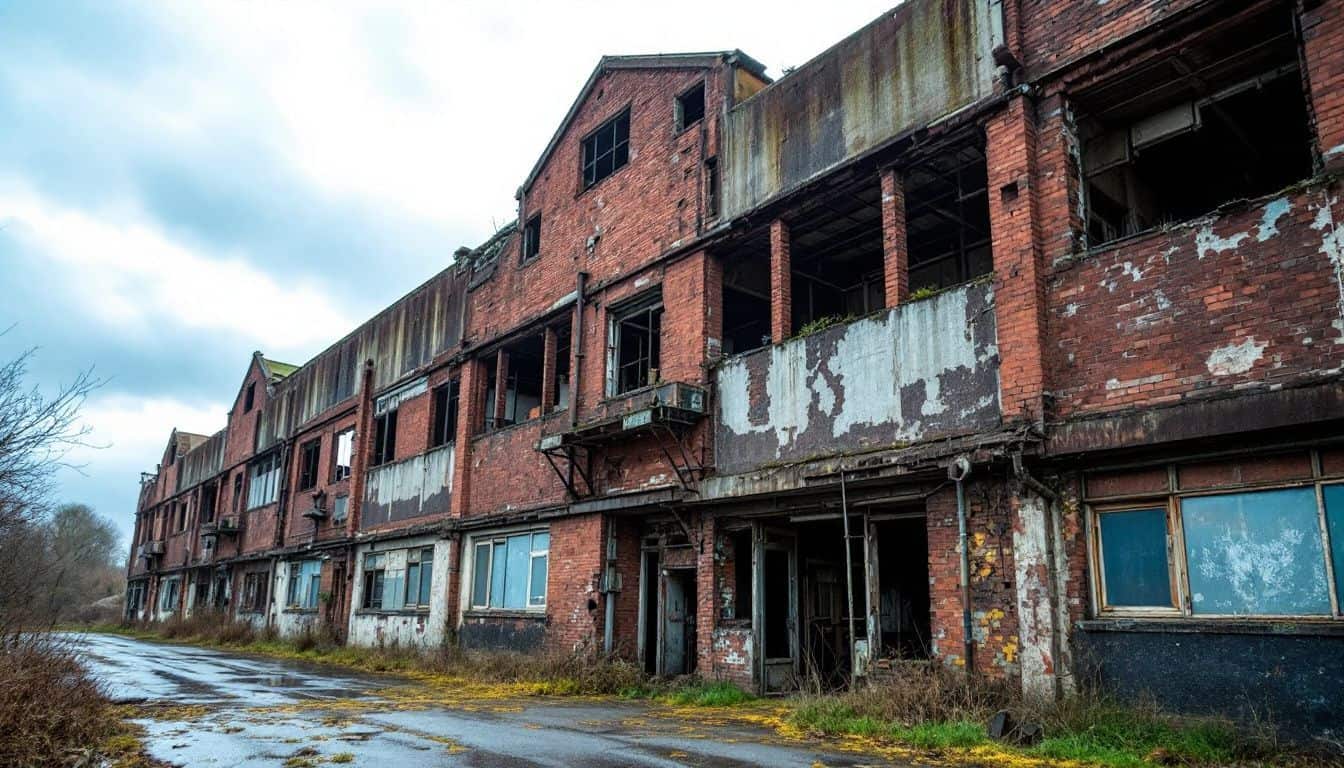
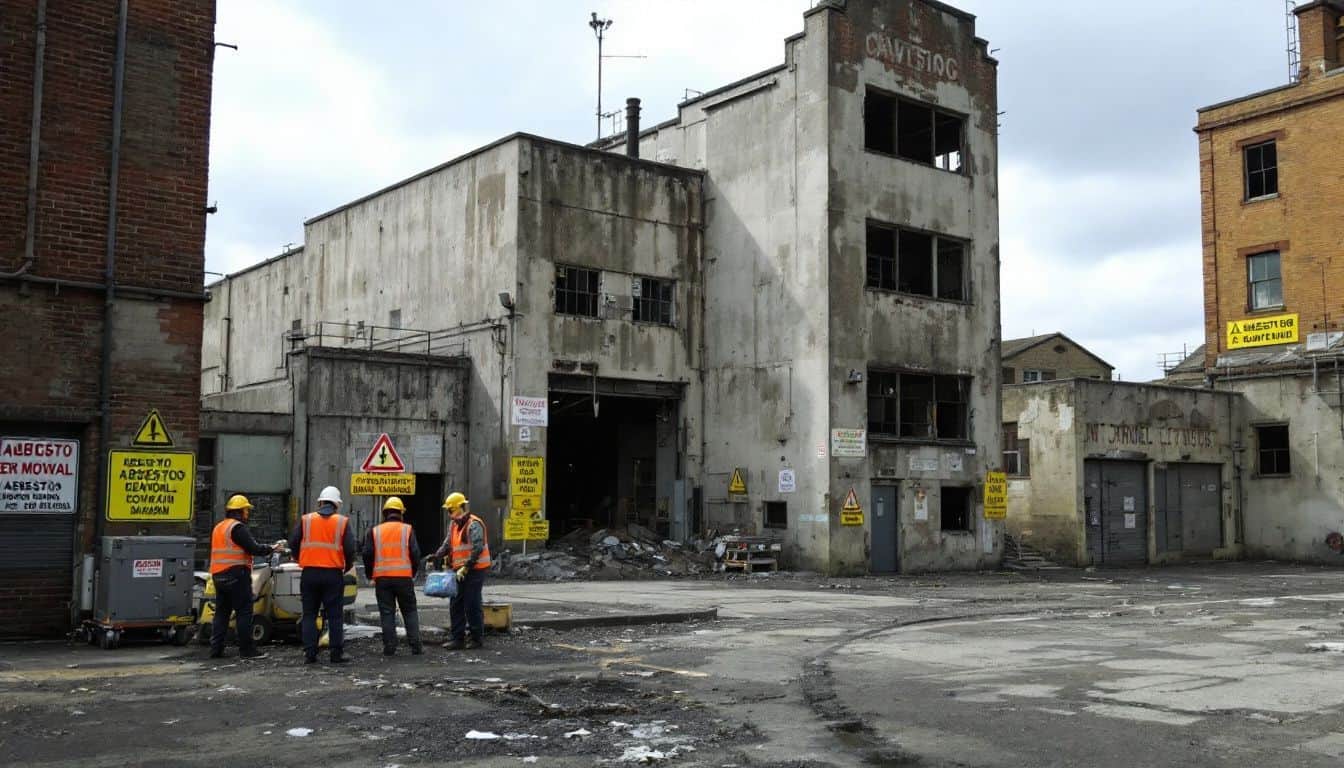
Asbestos was used extensively in UK construction throughout the 20th century, right up until it was fully banned in 1999. Any building constructed or refurbished before 2000 may contain asbestos-containing materials (ACMs) — and this isn’t a rare edge case. It is extremely common across residential, commercial, and industrial stock alike.
You’ll typically find ACMs in locations such as:
- Ceiling tiles and textured coatings such as Artex
- Floor tiles and the adhesives used to fix them
- Pipe lagging and boiler insulation
- Roof sheeting and garage roofs
- Partition walls and ceiling panels
- Guttering, soffit boards, and fascias
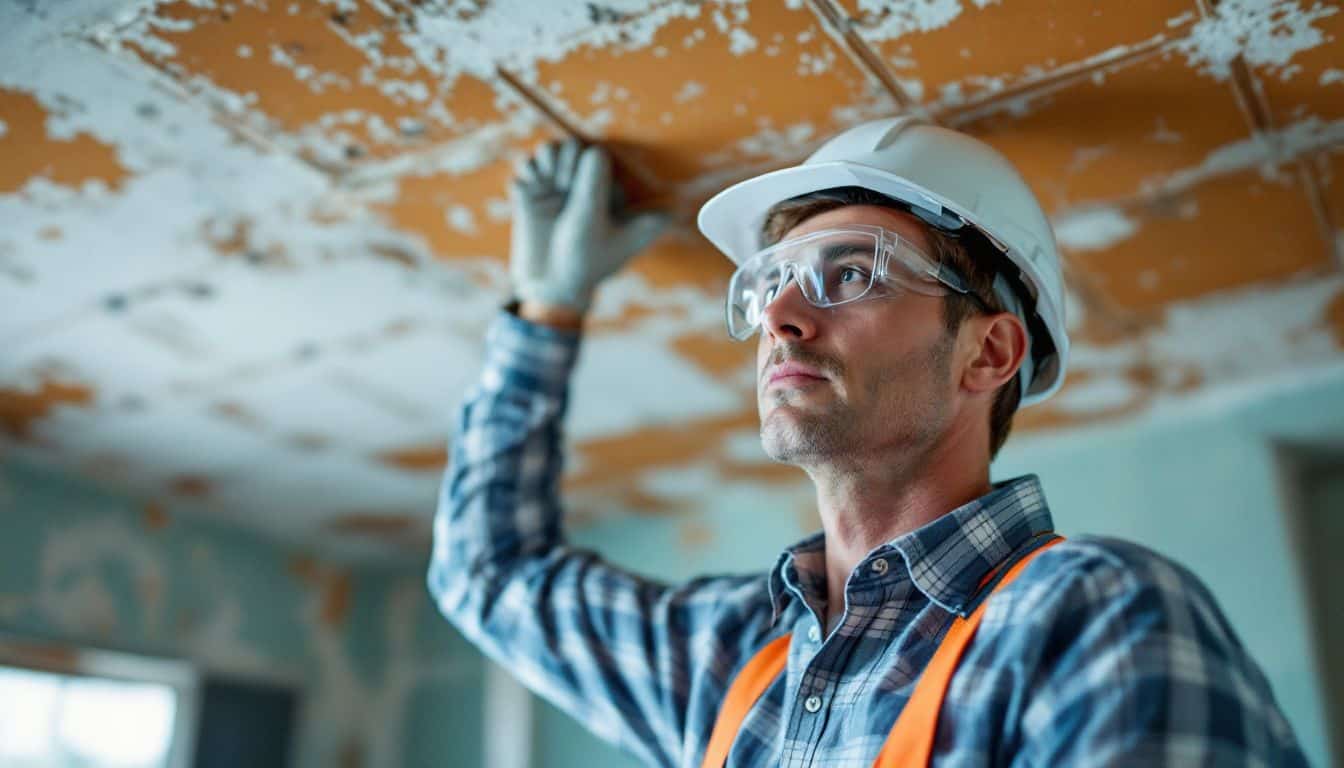
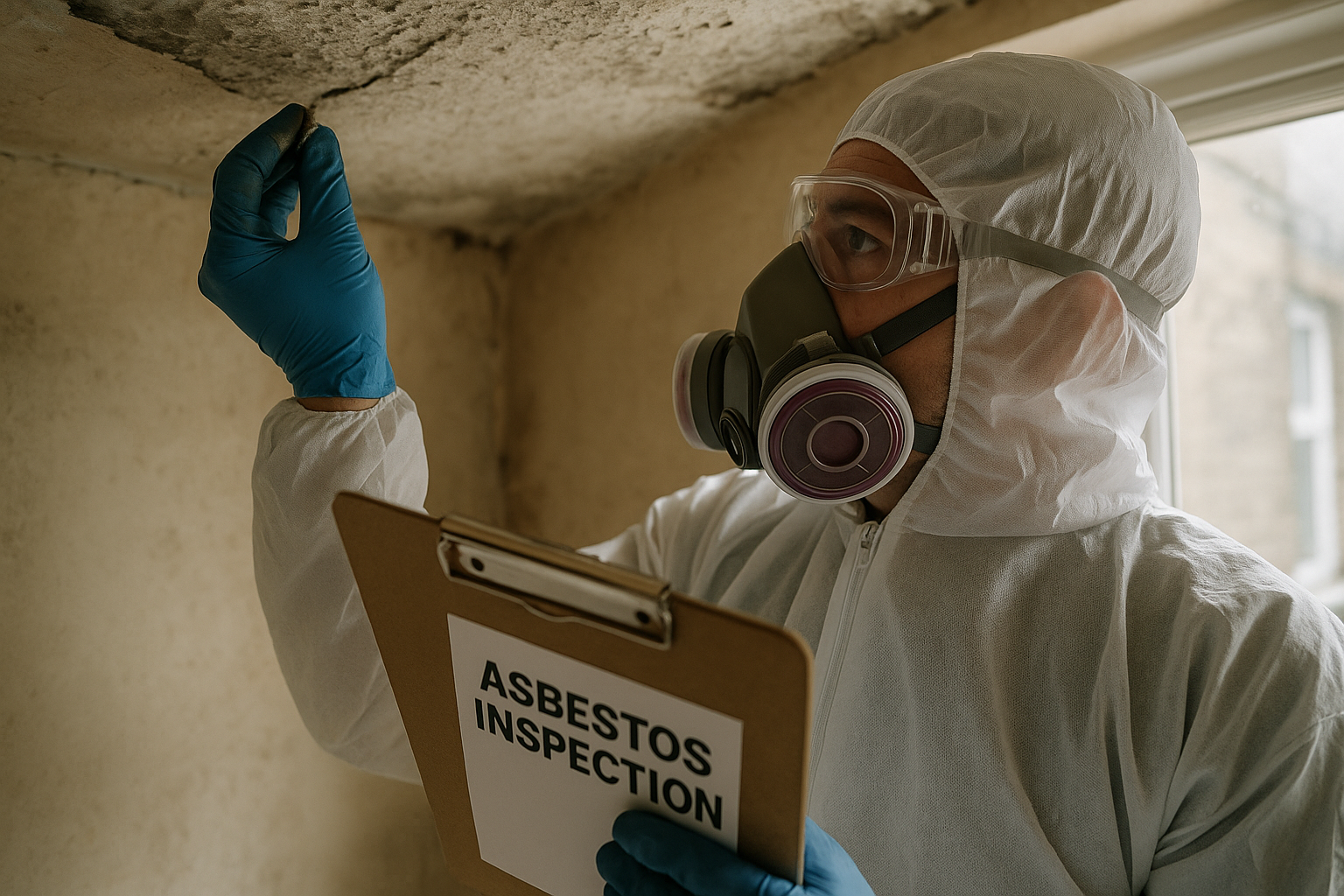
ACMs aren’t necessarily dangerous when they’re in good condition and left completely undisturbed. The danger arises when they’re damaged, drilled, sanded, cut, or broken — releasing microscopic fibres into the air that can be inhaled deep into the lungs.
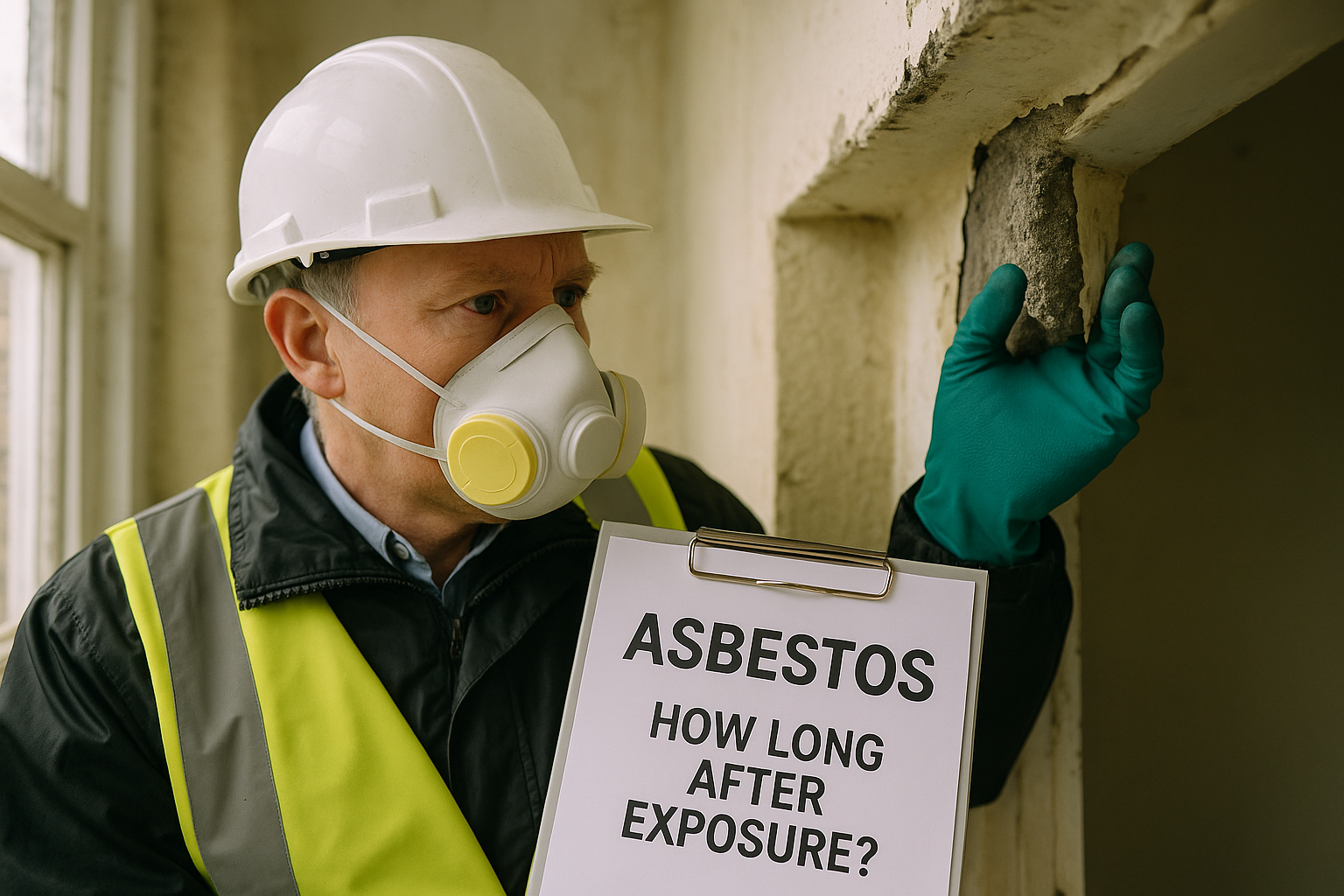
Asbestos-related diseases — including mesothelioma, asbestosis, and lung cancer — have a latency period of 20 to 50 years. Exposure today may not manifest as illness until decades later. There is no safe level of exposure.
The Real Dangers of DIY Asbestos Removal
Health Risks You Cannot See or Feel
When asbestos fibres are disturbed, they become airborne. You cannot see them, and you won’t experience any immediate irritation or warning signal. This is precisely what makes DIY removal so dangerous — there is nothing to tell you that you’ve just inhaled something that could cause cancer.
Mesothelioma, a cancer of the lining of the lungs, is almost exclusively caused by asbestos exposure. It is aggressive, incurable, and fatal. Asbestosis causes progressive scarring of lung tissue, leading to breathing difficulties that worsen over time.
These are not theoretical risks. Asbestos-related diseases remain one of the leading causes of work-related death in the UK, and the toll continues to rise as buildings from the peak construction era of the 1960s and 1970s are renovated or demolished.
The Legal Consequences of Getting It Wrong
The Control of Asbestos Regulations set out strict legal requirements for how asbestos must be managed, handled, and disposed of. These regulations apply to both commercial properties and, in certain circumstances, domestic properties where work is being carried out.
Most professional asbestos removal work — particularly anything involving higher-risk materials like sprayed coatings, pipe lagging, or asbestos insulating board — must be carried out by an HSE-licensed contractor. Attempting to remove these materials yourself isn’t just inadvisable; it’s illegal.
Even for lower-risk materials, asbestos waste must be double-bagged in approved packaging, labelled correctly, and taken to a licensed hazardous waste disposal site. You cannot put asbestos in your general household waste or a skip. Non-compliance can result in significant fines and, in serious cases, criminal prosecution. The HSE takes asbestos enforcement seriously, and businesses found in breach face unlimited fines.
What Professional Asbestos Removal Actually Involves
Professional asbestos removal is a structured, regulated process — not simply a case of someone turning up in a suit and pulling material off a wall. Understanding what’s involved helps you appreciate why it costs what it does and why there’s no viable DIY shortcut.
The Survey Always Comes First
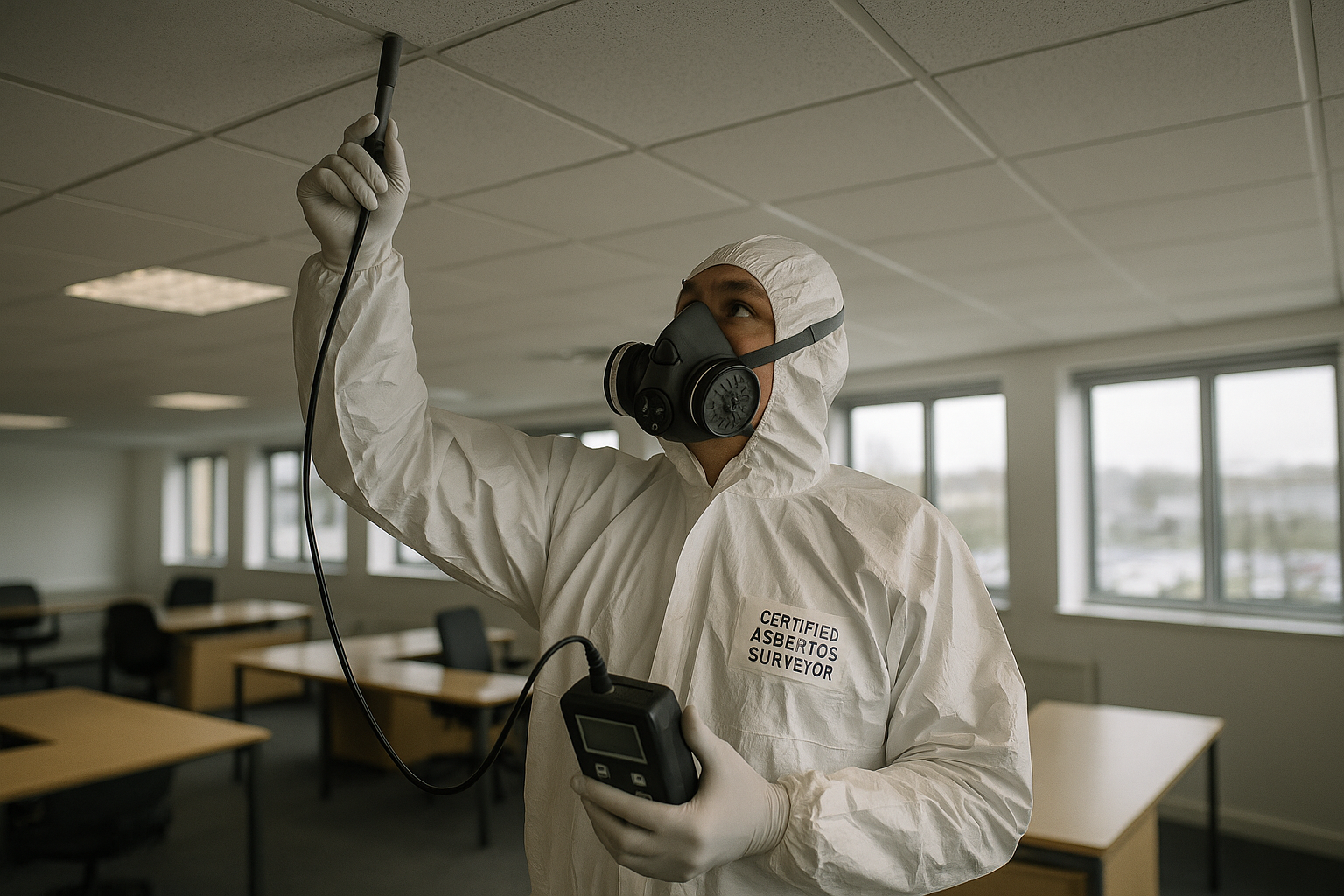
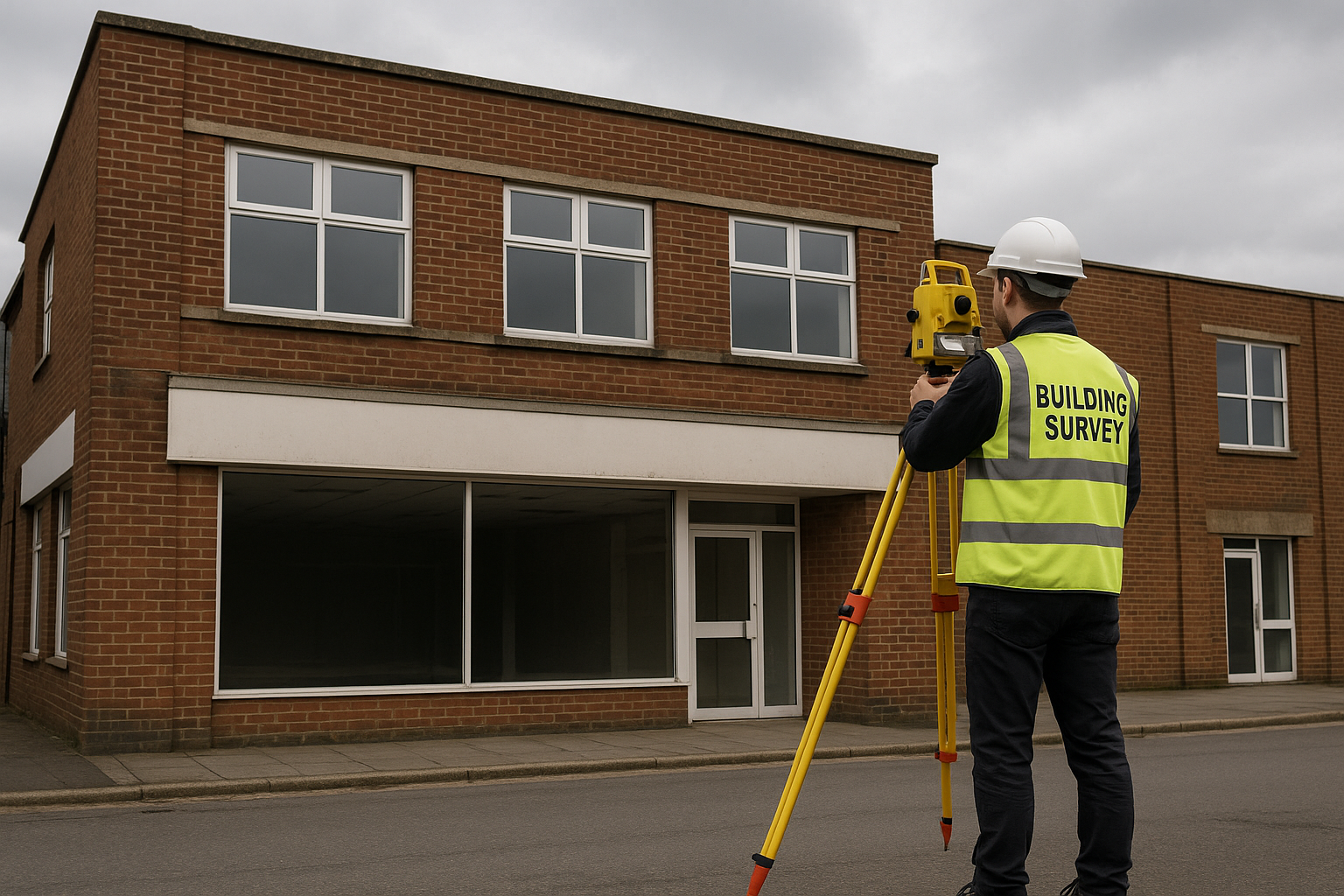
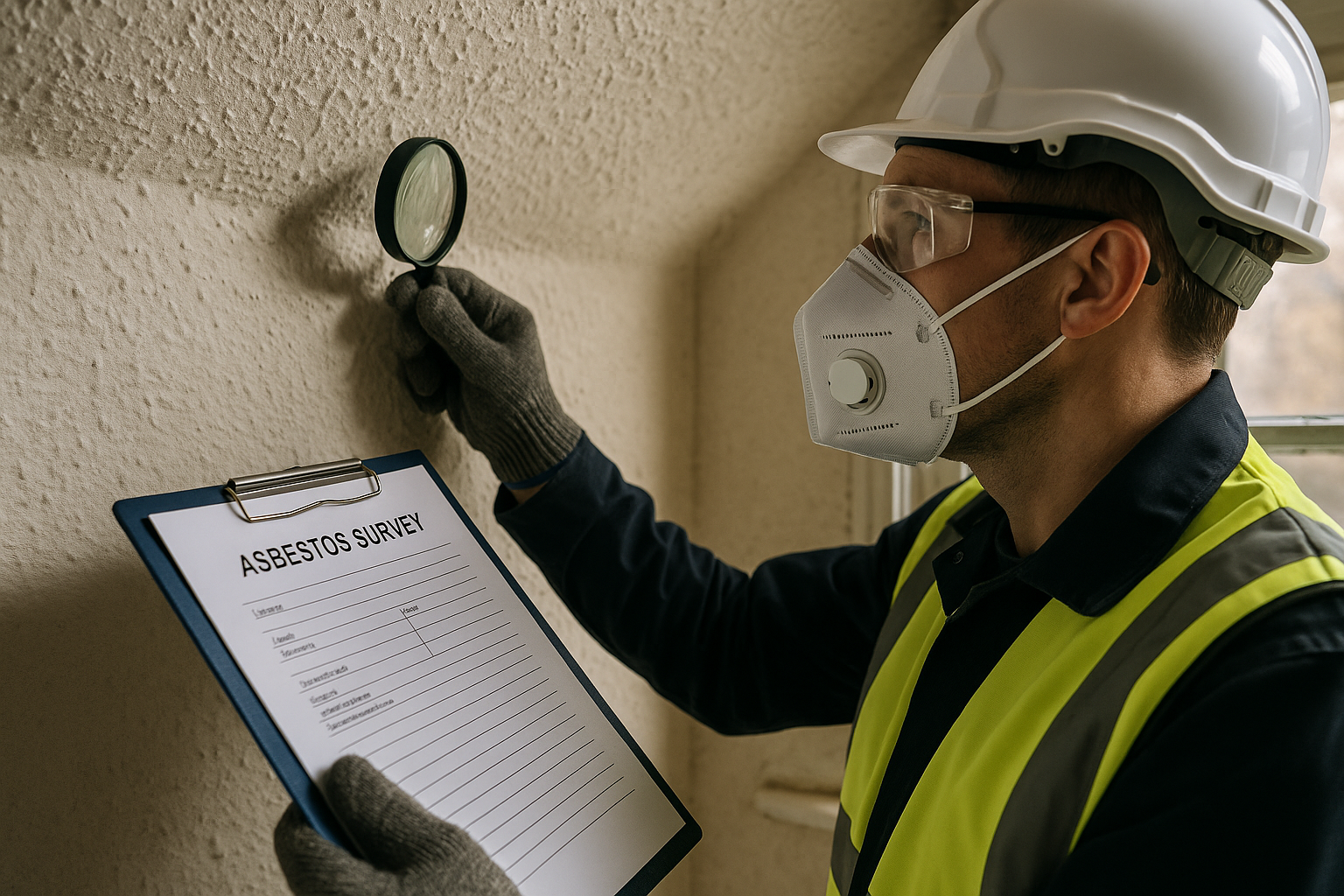
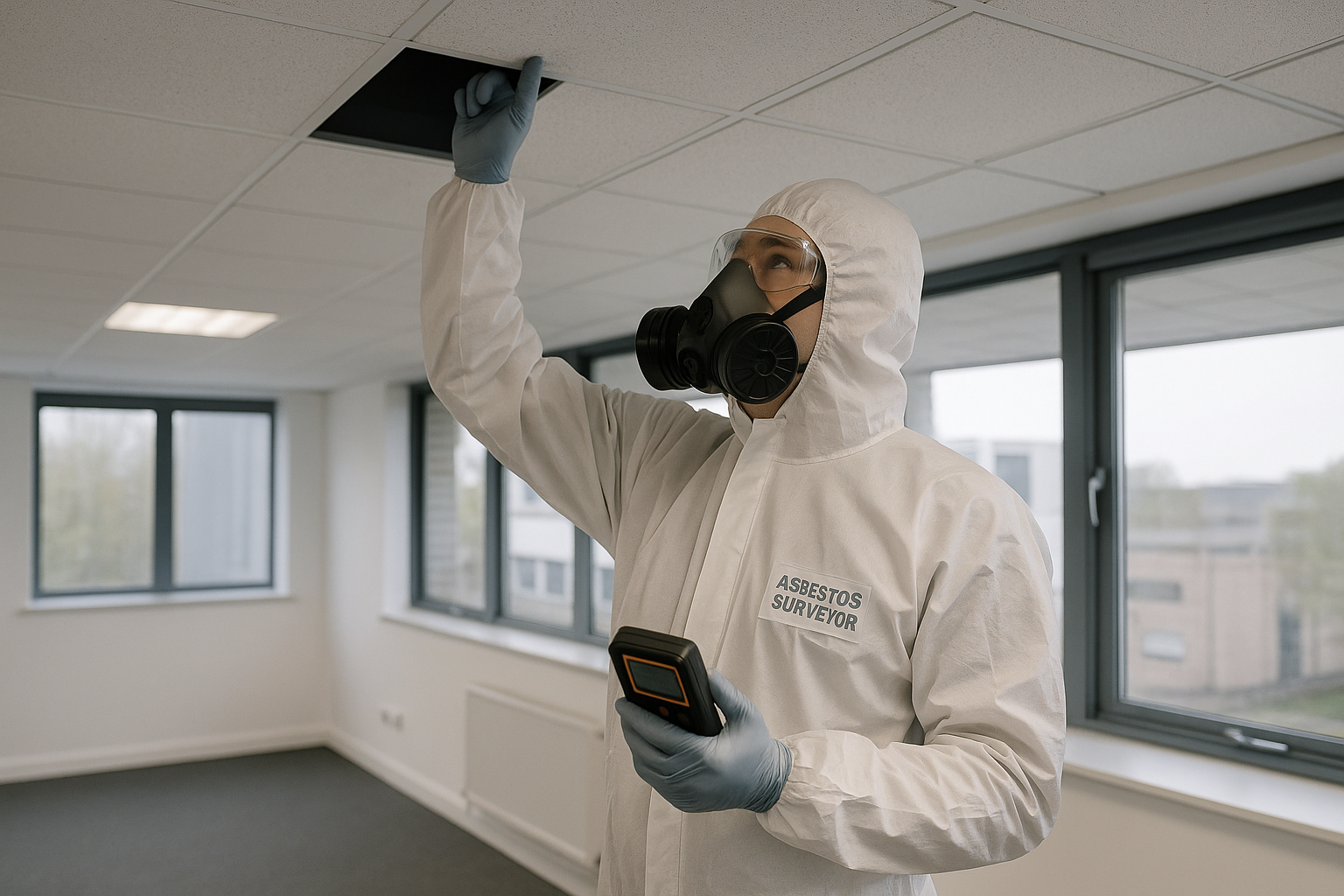
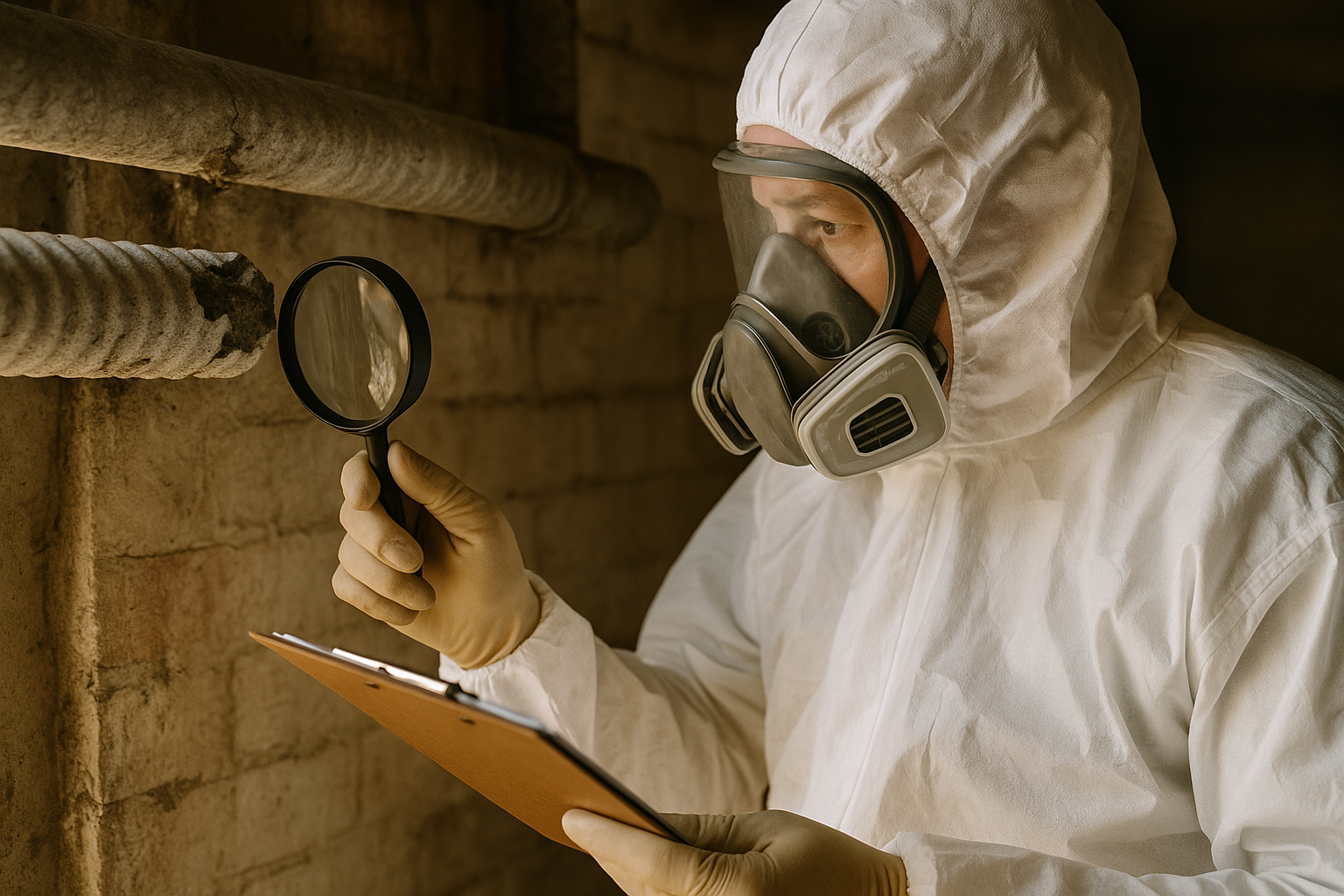
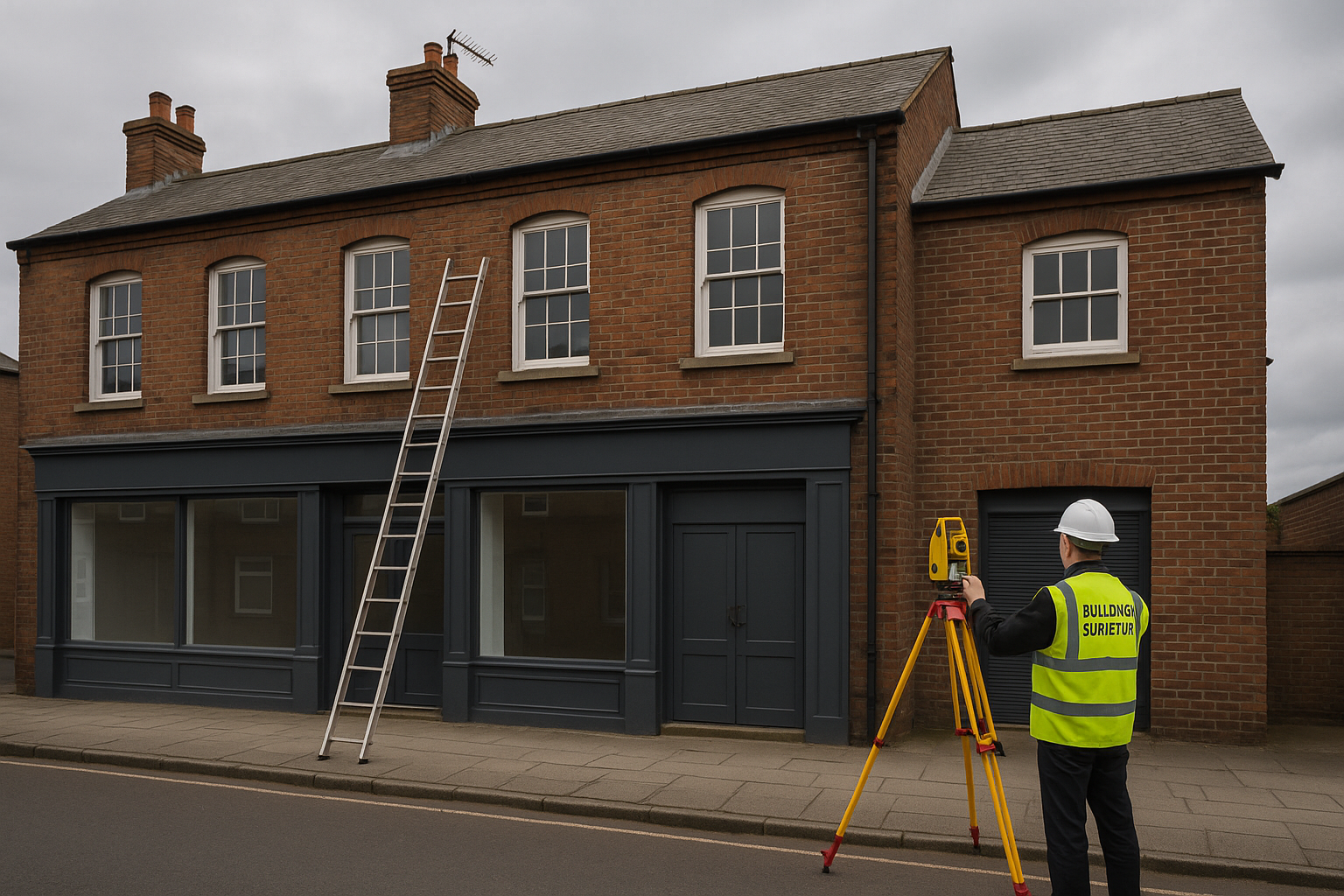
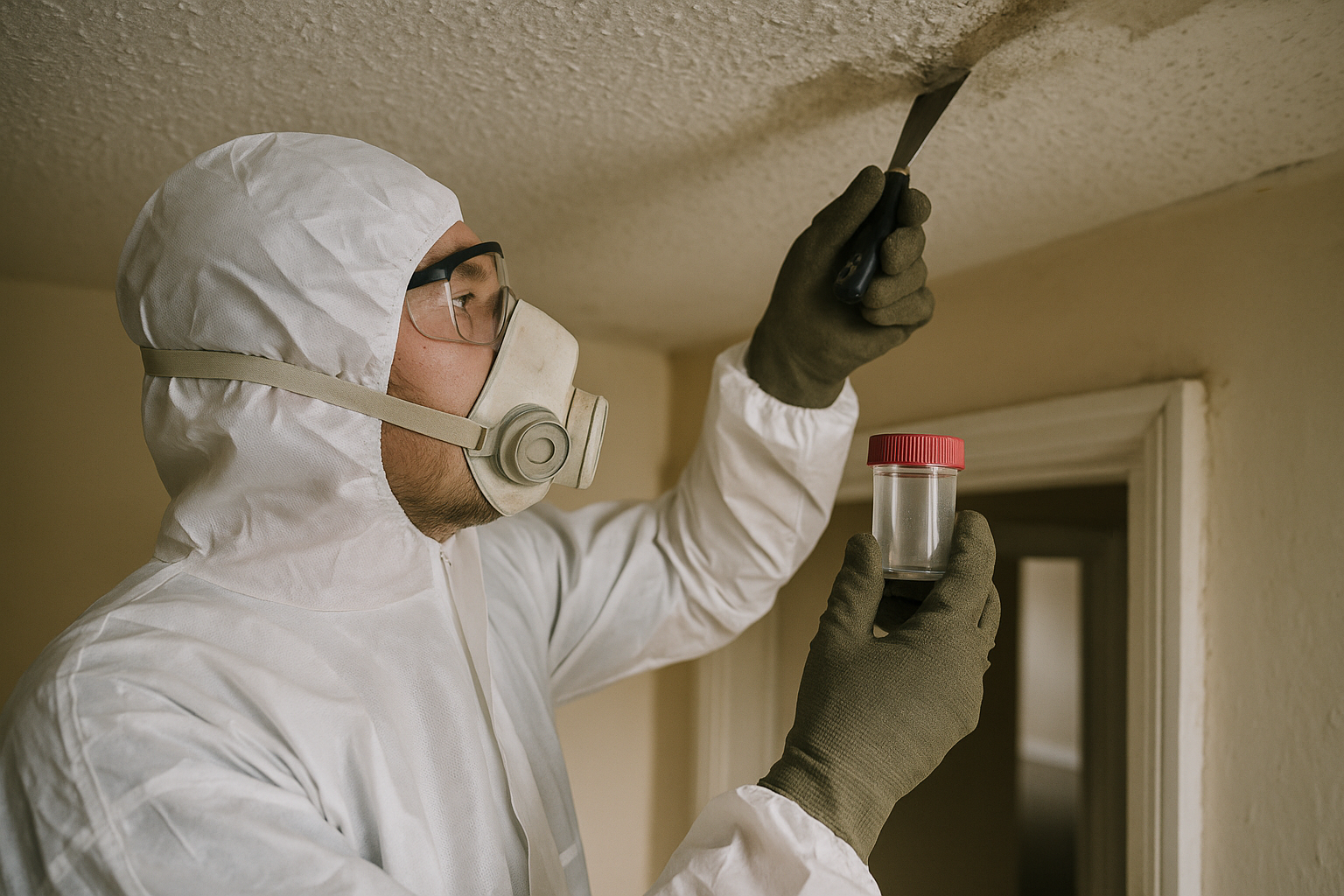
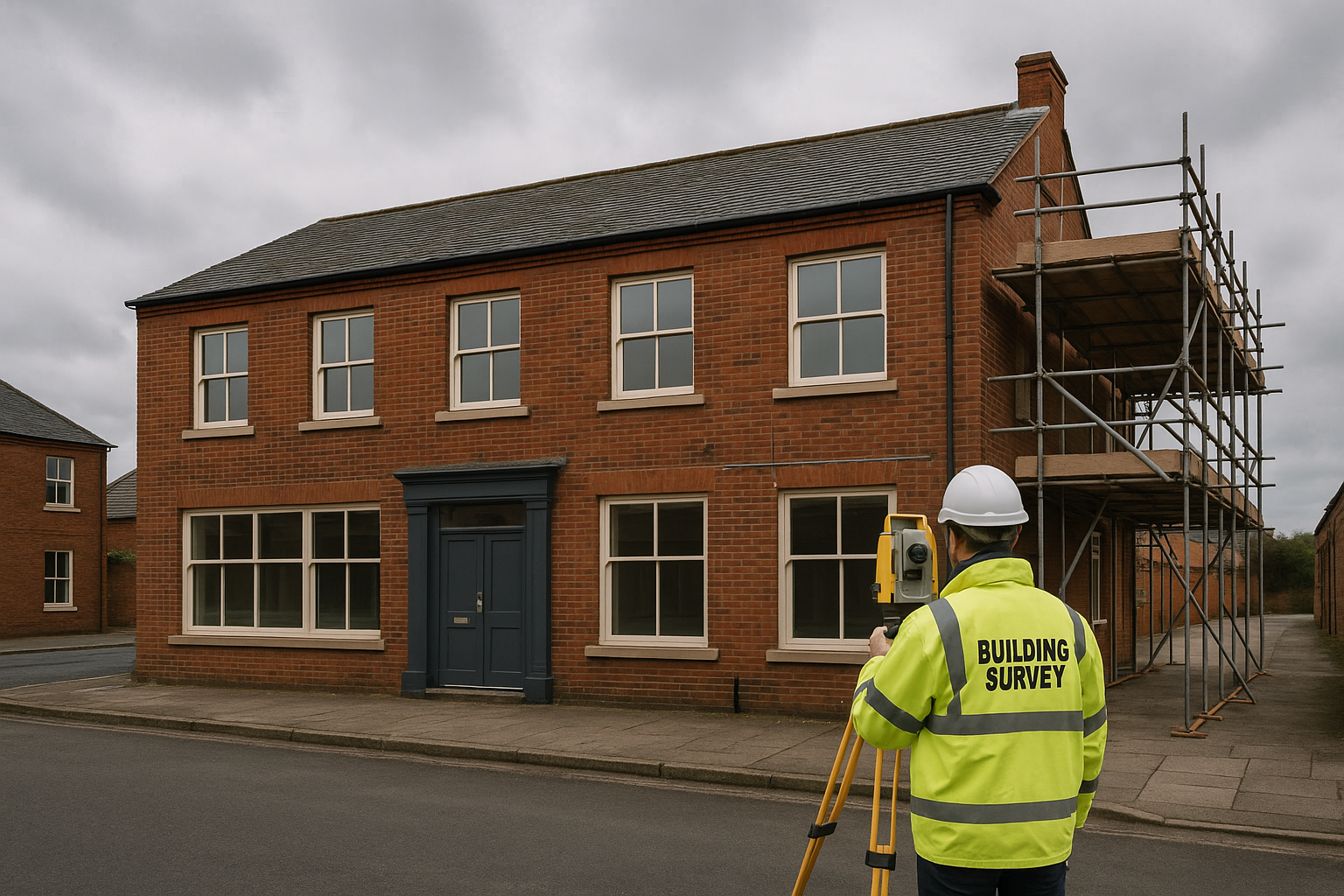
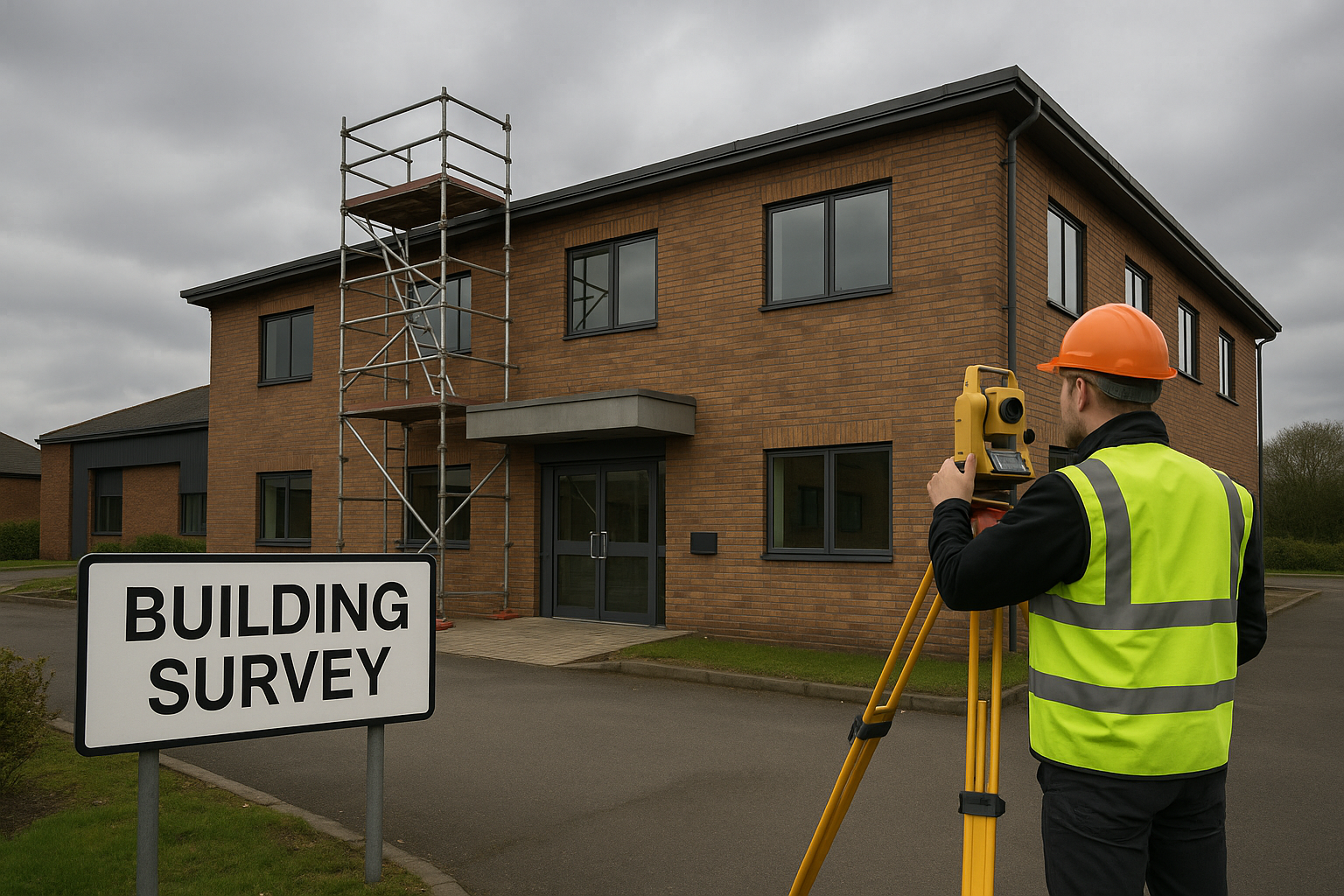
Before any removal work begins, a qualified surveyor must assess the property. An asbestos survey identifies the location, type, and condition of any ACMs present. The surveyor takes samples, which are sent to an accredited laboratory for analysis.
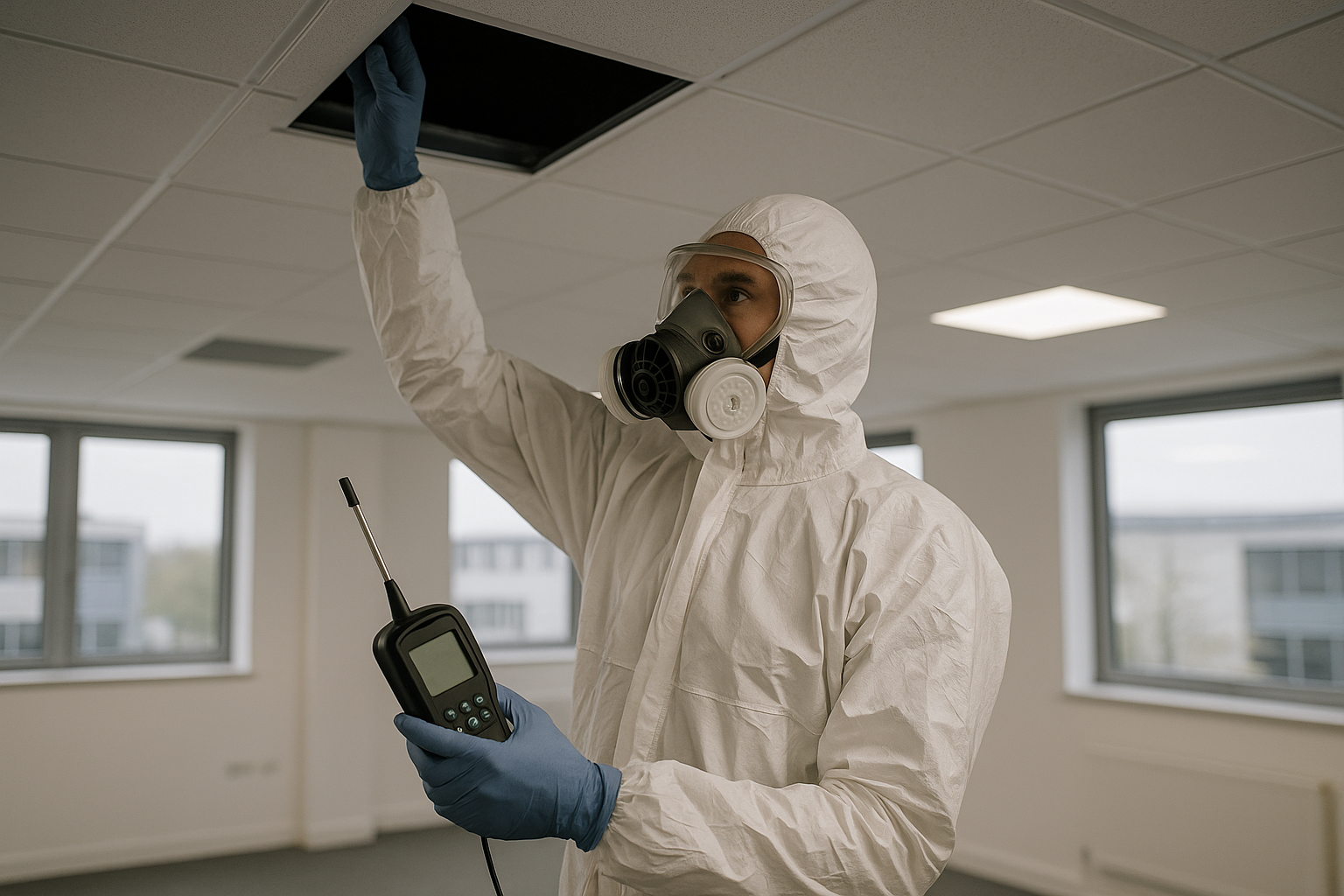
There are three main types of survey relevant here. A management survey is used for occupied buildings to identify ACMs that could be disturbed during normal use or routine maintenance. A refurbishment survey is required before any intrusive work begins — it’s more thorough and involves accessing areas that may be hidden or hard to reach.
If a building is due to be demolished or significantly stripped out, a demolition survey is required. This is the most intrusive type and must be completed before demolition work commences. Skipping the survey and going straight to removal is a common and costly mistake.
Controlled Removal and Containment
Once the survey is complete and a licensed contractor is engaged, the removal process begins. This is a carefully controlled operation that follows strict HSE guidance, including HSG264 where applicable.
The process typically involves:
- Sealing off the affected area with polythene sheeting and negative air pressure units to prevent fibres spreading to other parts of the building
- Contractors wearing full disposable coveralls, respiratory protective equipment (RPE) to the correct standard, and gloves
- Carefully removing ACMs using wet methods to suppress dust at source
- Double-bagging all asbestos waste in clearly labelled, UN-approved asbestos waste sacks
- Decontaminating the work area using HEPA-filtered vacuum equipment
- Conducting a thorough visual inspection before the area is cleared for re-use
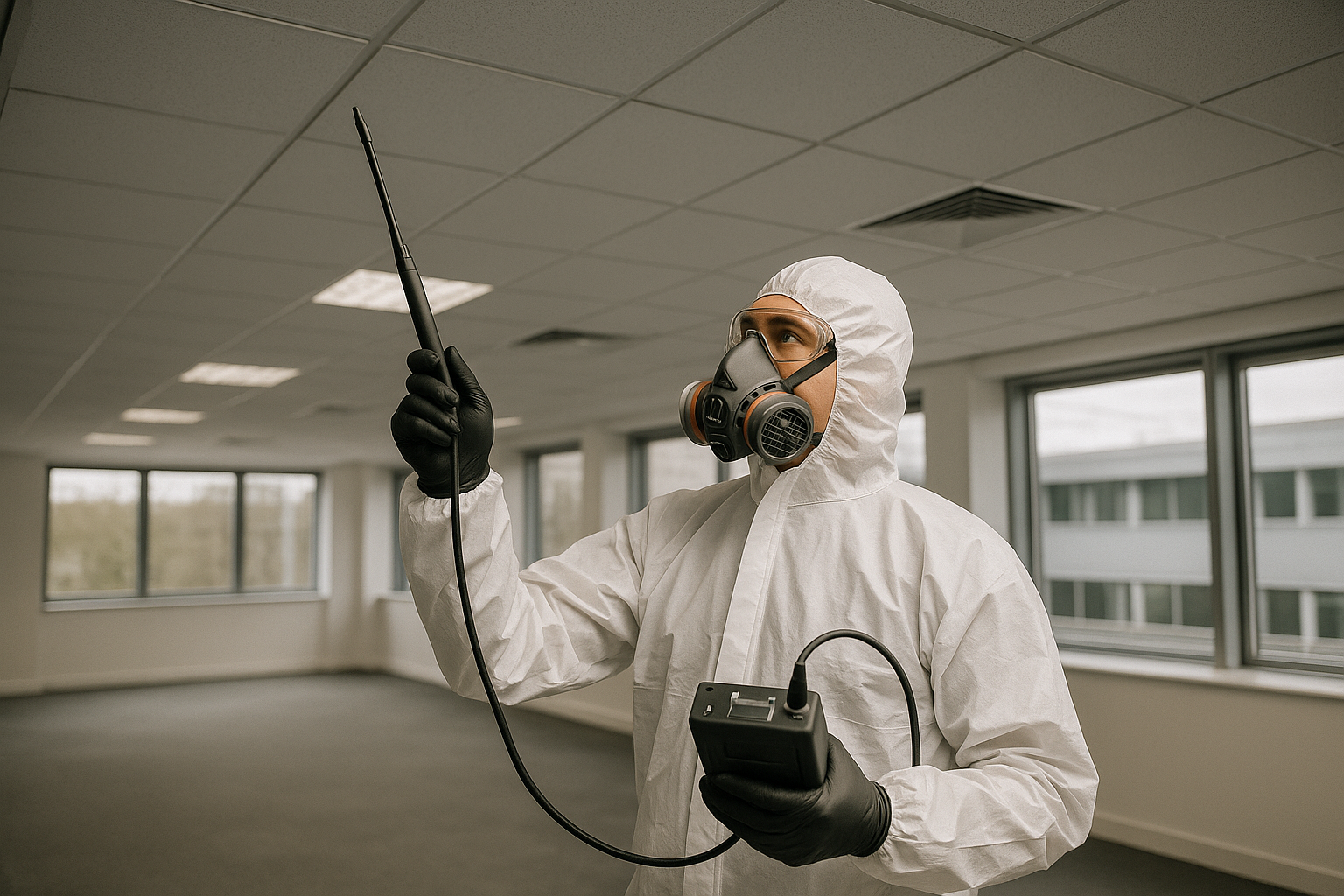
For higher-risk removal work, a four-stage clearance procedure is required. This includes an independent inspection by a UKAS-accredited analyst who takes air samples to confirm that fibre levels are below the clearance indicator before the area is handed back.
Asbestos Waste Disposal
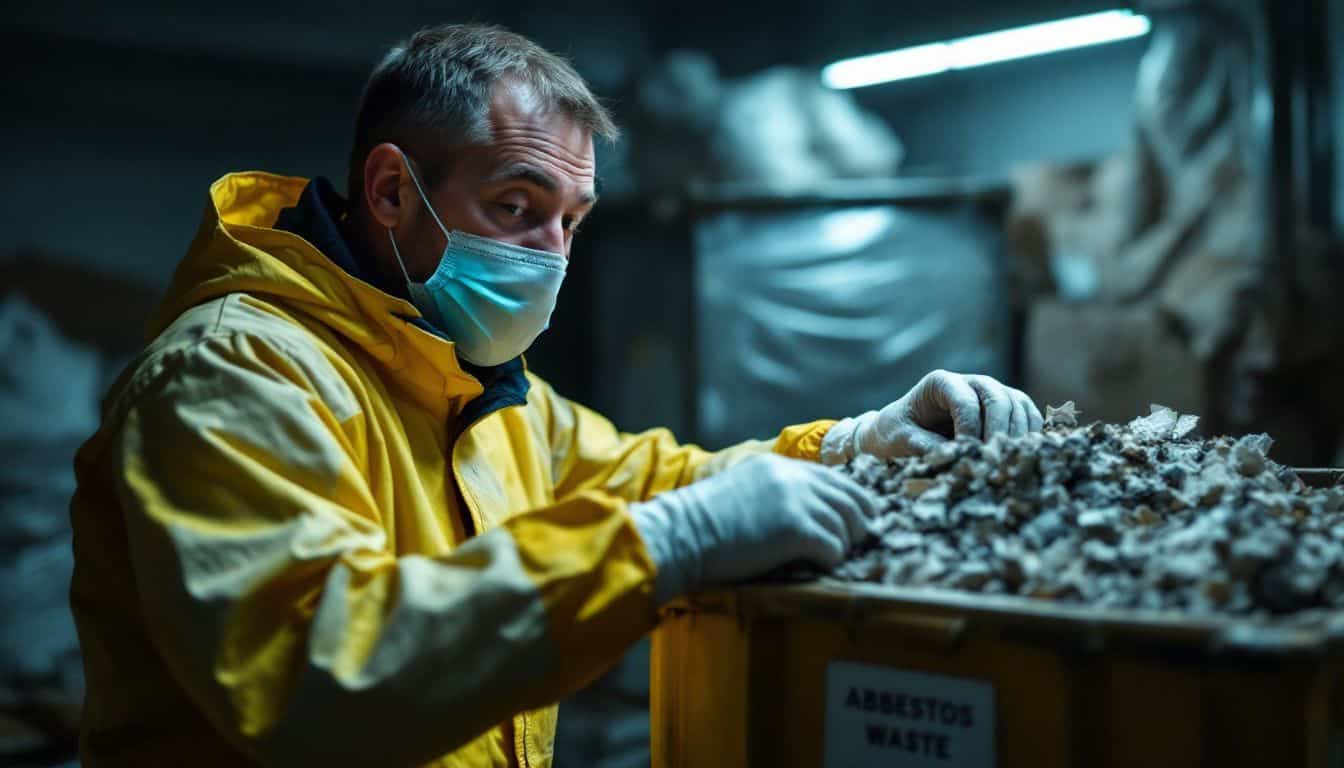
Asbestos waste is classified as hazardous waste under UK law. Licensed contractors hold a Hazardous Waste Carriers Licence and are responsible for transporting waste to an approved disposal facility. A consignment note is produced as part of the legal paper trail — this is your evidence that disposal was handled correctly and legally.
If you’re planning a project that will disturb ACMs, our asbestos removal service covers the full process from survey through to legally compliant disposal, with no gaps in the chain of responsibility.
Professional Asbestos Removal vs DIY: The Real Cost Comparison
It’s understandable to look at professional removal costs and wonder whether you could save money by handling it yourself. But that comparison only holds up if you ignore the full picture.
What Professional Removal Costs
Professional asbestos removal costs vary depending on the type and quantity of material, the location, and the complexity of the job. As a general guide:
- Asbestos surveys typically range from £200 to £1,000 depending on property size and survey type
- Removal of a small quantity of asbestos floor tiles or ceiling panels may start from around £500 to £1,000
- A garage roof removal typically costs in the region of £1,500 to £2,500
- Removal of textured coatings such as Artex from a ceiling can range from £2,750 to £6,000 for a 20m² area
- Larger or more complex projects involving pipe lagging or insulating board will cost considerably more
These costs include the survey, the removal, waste disposal, and — where required — air testing. You’re paying for a complete, legally compliant service from start to finish.
The Hidden Costs of DIY
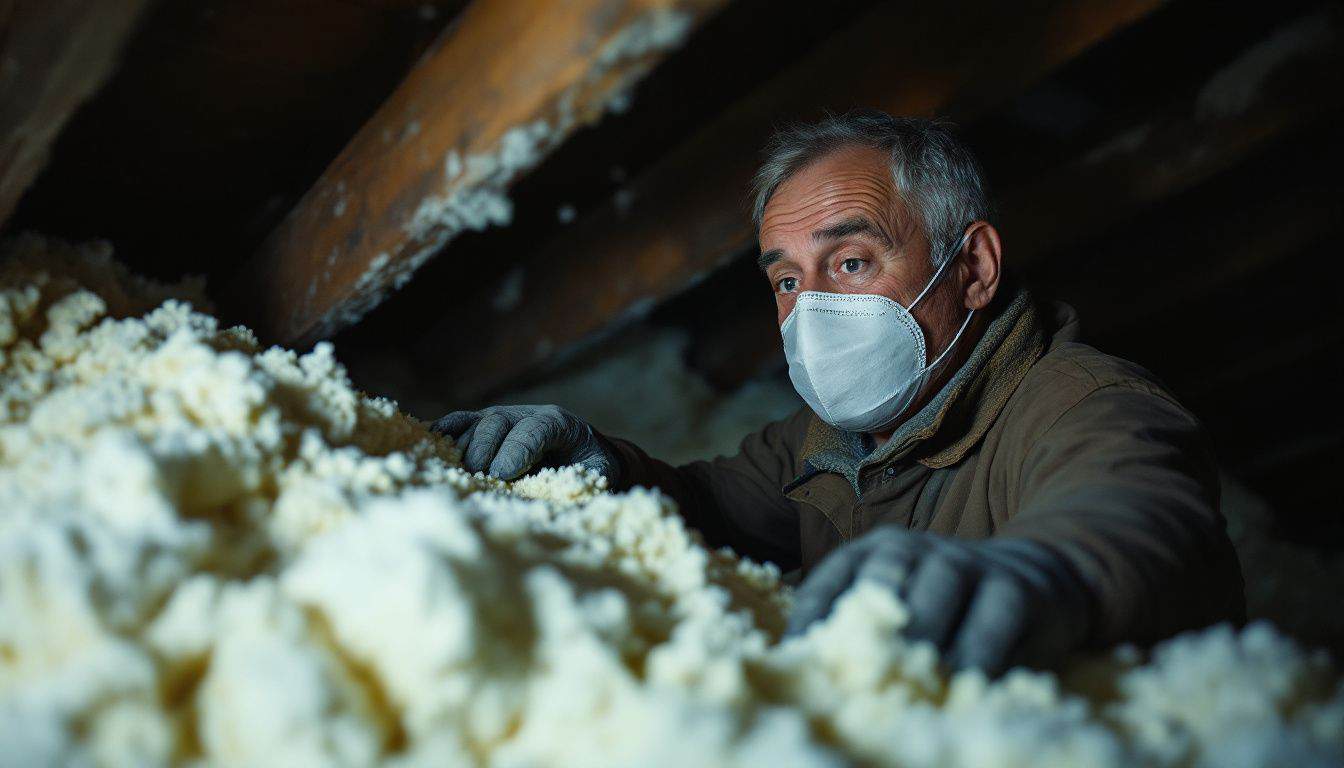
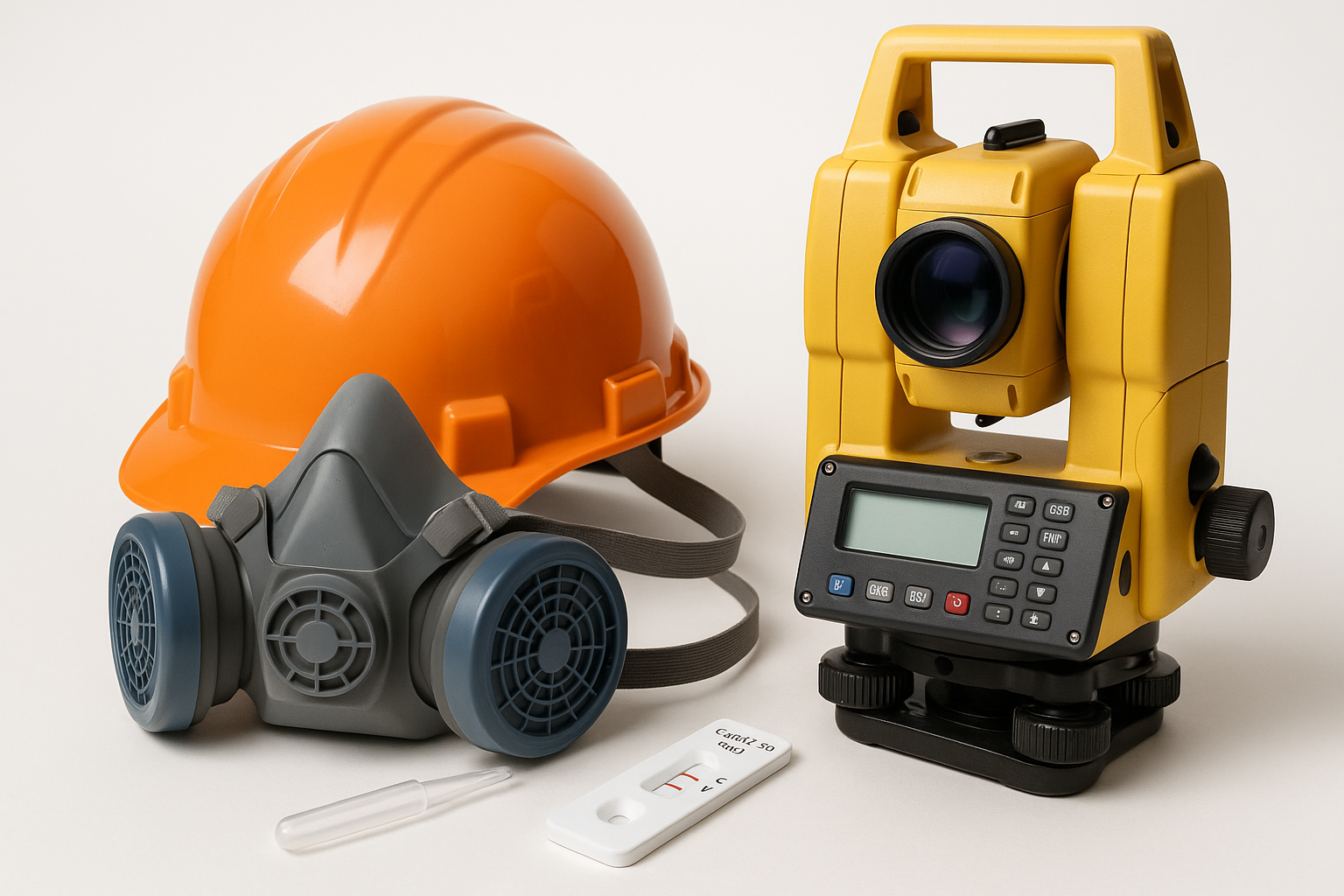
If you attempt removal yourself, you’d need to purchase appropriate RPE to the correct grade — standard dust masks are completely inadequate and offer no meaningful protection against asbestos fibres. You’d also need disposable coveralls, HEPA vacuum equipment, and proper UN-approved waste packaging.
You’d then need to arrange licensed hazardous waste disposal separately, which is not straightforward for a private individual. And that’s before factoring in the risk of doing it incorrectly.
Contaminating your home with asbestos fibres can make it extremely difficult to sell, require extensive professional decontamination at significant cost, and expose your family to ongoing health risks that may not become apparent for decades. The financial and human cost of getting it wrong far exceeds whatever you might save by avoiding professional fees.
How to Choose the Right Professional Asbestos Removal Service
Not all asbestos contractors are equal. Here’s what to look for when selecting a company to carry out professional asbestos removal on your property.
Licences and Certifications
For licensed asbestos work, the contractor must hold a current HSE asbestos licence. You can verify this directly on the HSE’s public register — any reputable contractor will actively encourage you to do so. For survey work, look for surveyors holding the BOHS P402 qualification as a minimum standard.
The company should also hold a Hazardous Waste Carriers Licence for the transportation and disposal of asbestos waste, and carry appropriate public liability and employers’ liability insurance. If a contractor cannot demonstrate these credentials, that is a significant red flag and you should look elsewhere.
Accreditation and Industry Membership
Look for membership of recognised industry bodies and accreditation schemes. These provide an additional layer of assurance that a contractor meets consistent quality and safety standards, and that their work is subject to independent oversight.
A reputable contractor will be entirely transparent about their qualifications and happy to provide evidence on request — without hesitation or evasion.
Vetting a Contractor Before You Commit
Before appointing any professional asbestos removal company, work through the following checklist:
- Ask for a copy of their HSE licence and verify it’s current on the public register
- Request a written method statement and risk assessment before work begins
- Get at least two or three quotes and compare what’s included, not just the headline price
- Check independent reviews and ask for references from previous clients
- Confirm they will provide a waste consignment note as proof of legal disposal
- Make sure the contract clearly sets out the scope of work, timeline, and all costs
- Ask whether air testing is included or whether you’ll need to arrange this separately
A good contractor will answer all of these questions readily and without hesitation. If a company is evasive, reluctant to provide documentation, or pushes you to make a quick decision, walk away.
Where Supernova Asbestos Surveys Operates
Supernova Asbestos Surveys provides professional asbestos removal services across the UK, with qualified surveyors and licensed removal teams operating nationwide. Whether you’re dealing with a small domestic job or a large commercial project, we have the expertise and accreditations to handle it safely and in full compliance with the law.
If you’re based in the capital, our asbestos survey London service covers properties across all London boroughs — from residential flats to commercial office buildings. We understand the particular challenges of older London stock, where asbestos is frequently found in unexpected locations.
In the North West, our asbestos survey Manchester team works with landlords, housing associations, schools, and commercial property managers throughout Greater Manchester and the surrounding region.
For properties in the Midlands, our asbestos survey Birmingham service covers the city and wider West Midlands area, providing management surveys, refurbishment surveys, and full removal services where required.
To discuss your requirements or arrange a survey, call us on 020 4586 0680 or visit asbestos-surveys.org.uk.
Frequently Asked Questions
Is it legal to remove asbestos yourself in the UK?
It depends on the type of material and the nature of the work. Some lower-risk asbestos work — such as removing a small number of asbestos cement sheets in good condition — can be carried out by a competent non-licensed person, provided strict precautions are followed and waste is disposed of legally. However, most professional asbestos removal work, particularly anything involving higher-risk materials such as pipe lagging, sprayed coatings, or asbestos insulating board, must be carried out by an HSE-licensed contractor. Attempting licensed work without the appropriate authorisation is illegal and can result in prosecution.
How do I know if my property contains asbestos?
You cannot identify asbestos by sight alone — the only reliable way to confirm whether a material contains asbestos is through laboratory analysis of a sample taken by a qualified surveyor. If your property was built or refurbished before 2000, there is a reasonable chance it contains ACMs somewhere. The safest course of action is to commission a professional asbestos survey before carrying out any work that could disturb building materials.
What happens to asbestos waste after removal?
Asbestos waste is classified as hazardous waste under UK law and cannot be disposed of in general waste, a skip, or at a standard household recycling centre. Licensed professional asbestos removal contractors hold a Hazardous Waste Carriers Licence and transport all waste to an approved, licensed disposal facility. A consignment note is produced as a legal record of the disposal, and you should always request a copy for your records.
How long does professional asbestos removal take?
The duration depends entirely on the type and quantity of material being removed. A small domestic job — such as removing asbestos floor tiles from a single room — may be completed within a day. Larger projects involving extensive pipe lagging, multiple rooms, or a full commercial premises can take several days or longer. For higher-risk work, additional time is required for the four-stage clearance procedure, including independent air testing before the area is released for re-use.
Will I need to leave my property during asbestos removal?
For most professional asbestos removal work, occupants are required to vacate the affected area — and in many cases the wider property — while work is in progress. This is a precautionary measure to prevent any risk of fibre exposure to people who are not part of the licensed removal team. Your contractor should advise you clearly on this before work begins, and the area will only be cleared for re-occupation once air testing confirms it is safe.