Category: Mesothelioma Awareness: Fighting for Asbestos Victims’ Rights

  • Mesothelioma Awareness: Standing Up for Asbestos Victims’ Rights

    Mesothelioma Awareness: Standing Up for Asbestos Victims’ Rights

    The Crisis Still Claiming Lives: Mesothelioma Awareness and Standing Up for Asbestos Victims’ Rights

    Every year in the UK, hundreds of families receive a mesothelioma diagnosis that traces back to asbestos exposure that happened decades earlier. Mesothelioma awareness and standing up for asbestos victims’ rights has never been more urgent — this is not a historical footnote quietly fading from view, it is a present-day crisis unfolding in homes, hospitals, and courtrooms across the country.

    Behind every statistic is a person who went to work, did their job, and trusted that their employer kept them safe. This post examines why advocacy matters, how legal frameworks support victims, what the UK’s regulatory landscape means in practice, and what you can do — whether you are a victim, a family member, or a property professional — to play your part.

    Understanding Mesothelioma: The Disease That Hides for Decades

    Mesothelioma is a form of cancer that develops in the lining of the lungs, abdomen, or heart. It is almost exclusively caused by inhaling or ingesting asbestos fibres — and what makes it particularly devastating is its latency period.

    Symptoms can take anywhere from 20 to 50 years to appear after initial exposure. By the time a diagnosis is made, the disease is typically at an advanced stage, and prognosis is often poor despite the treatment options available.

    This long latency period is one of the core reasons why mesothelioma awareness campaigns matter so deeply. Many people do not know they were exposed until it is far too late to act early — and many others are still being exposed today without realising it.

    Who Is Most at Risk?

    Asbestos exposure was widespread across dozens of industries throughout the 20th century. Those most commonly affected include:

    • Construction workers and labourers
    • Shipbuilders and dockworkers
    • Insulation and lagging engineers
    • Electricians, plumbers, and heating engineers
    • Factory and manufacturing workers
    • Teachers and school staff in older buildings
    • Family members of workers who brought fibres home on clothing

    That last group is particularly important. Secondary exposure — where a family member was exposed through contact with a worker’s contaminated clothing — is one of the most painful aspects of the mesothelioma story.

    Spouses who washed work clothes, children who greeted parents at the door — none of them knew the risk they faced. Their suffering is just as real, and their rights deserve equal recognition.

    The Role of Advocacy in Supporting Asbestos Victims’ Rights

    Advocacy organisations have been central to driving change for asbestos victims across the UK. A growing network of charities, legal firms, and campaign groups has worked to ensure that victims are not left to navigate a complex legal and medical landscape alone.

    These organisations raise public awareness about the dangers of asbestos exposure, provide emotional and practical support to victims and their families, and lobby governments and regulators to strengthen protections for workers and the public. Their work is ongoing — and it matters.

    Action Mesothelioma Day

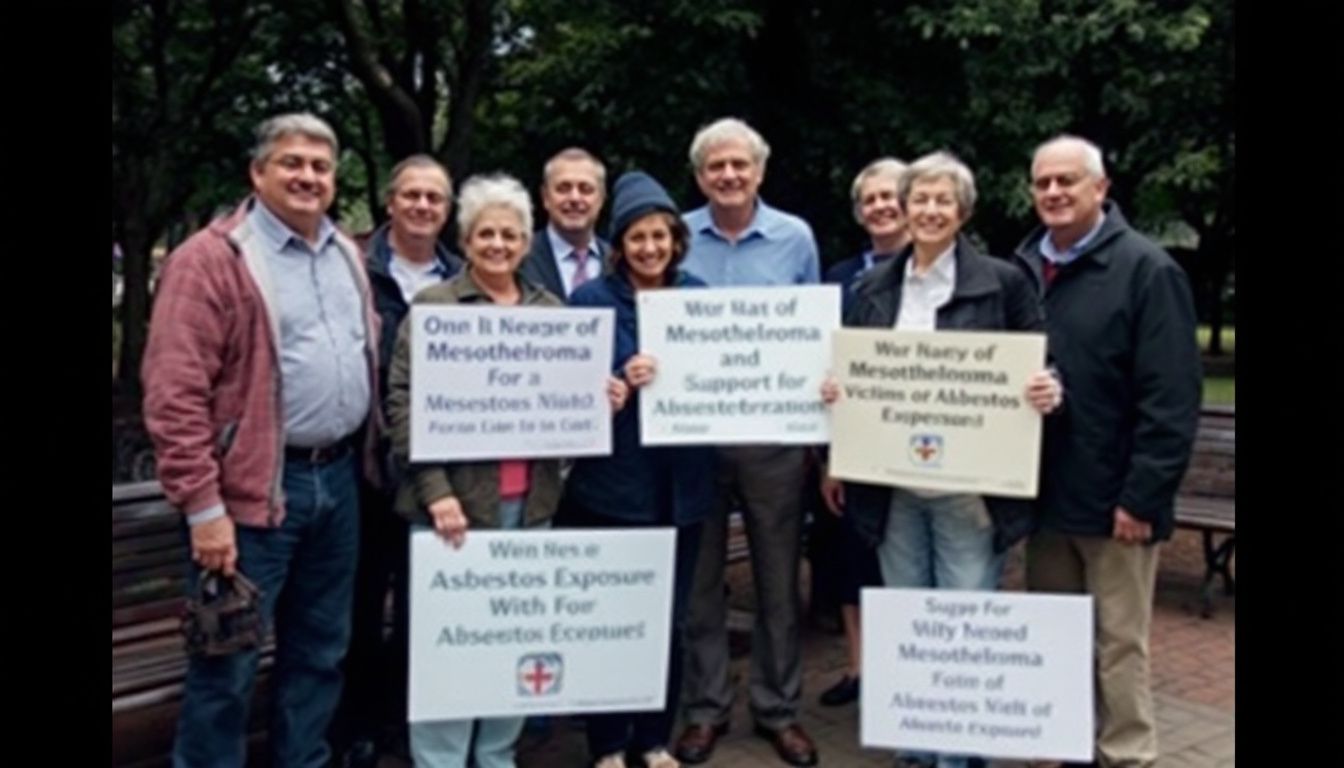
    One of the most visible expressions of this advocacy is Action Mesothelioma Day, held annually on the first Friday in July. This event brings together patients, families, healthcare professionals, legal experts, and campaigners to share stories, push for better funding, and keep mesothelioma in the public consciousness.

    Mesothelioma can feel invisible — it does not carry the same public profile as other cancers, despite the number of lives it claims each year in the UK. Action Mesothelioma Day helps to change that, one conversation at a time.

    Educational Outreach and Training

    Advocacy groups also invest heavily in education. Workshops and training programmes teach workers, employers, and property professionals how to identify asbestos risks, what their legal duties are, and how to handle suspected asbestos-containing materials safely.

    Many people still do not know that asbestos is present in a large proportion of buildings constructed before 2000, or that disturbing it without proper precautions puts lives at risk. Closing that knowledge gap saves lives — and it is a responsibility shared across communities, industries, and professions.

    Mesothelioma Awareness and the UK Legal Framework

    The UK banned the use of all forms of asbestos in 1999, following earlier restrictions on the most dangerous varieties. This was a landmark moment — but the ban did not remove the asbestos already in place across millions of buildings, and it did not undo the harm already done to those exposed before it came into force.

    Legal advocacy has been essential in ensuring that victims can access justice. Specialist law firms have helped thousands of people bring compensation claims against former employers, insurers, and other liable parties. Compensation can cover lost earnings, care costs, and the profound pain and suffering caused by a mesothelioma diagnosis.

    What Are Asbestos Victims’ Rights Under UK Law?

    Under UK law, individuals who develop mesothelioma or other asbestos-related diseases as a result of negligent exposure have several important rights:

    • The right to claim compensation from a former employer or their insurer, even if the company has since closed
    • Access to the Diffuse Mesothelioma Payment Scheme (DMPS), which provides payments to those who cannot trace a liable employer or insurer
    • Industrial Injuries Disablement Benefit (IIDB) for those whose disease is linked to occupational exposure
    • Access to NHS treatment and specialist mesothelioma centres
    • Support for bereaved families, including bereavement payments and access to legal claims after a victim’s death

    Navigating these rights can be complex, particularly when exposure happened many decades ago. Specialist legal advice is essential, and many firms offer no-win, no-fee arrangements so that financial barriers do not prevent victims from seeking justice.

    Policy Progress and What Still Needs to Change

    Advocacy efforts have achieved real, tangible results. The UK ban on asbestos, improved workplace safety regulations, the creation of compensation schemes, and increased NHS funding for mesothelioma research have all come about — at least in part — because of sustained campaigning by victims and their supporters.

    But campaigners argue that more needs to be done. Research funding for mesothelioma remains relatively modest compared to other cancers, and diagnosis-to-treatment timelines need to improve. There are also ongoing calls for better support for families who lose a loved one to an asbestos-related disease.

    Standing up for asbestos victims’ rights is not a finished task — it is an ongoing commitment that demands continued public attention and political will.

    Why Asbestos Surveys Are Central to Prevention

    Mesothelioma awareness is not just about the past — it is about preventing future cases. And that prevention starts with knowing where asbestos is, managing it properly, and ensuring that anyone who might disturb it is protected.

    Under the Control of Asbestos Regulations, duty holders — those responsible for non-domestic premises — have a legal obligation to manage asbestos in their buildings. This means identifying asbestos-containing materials, assessing the risk they pose, and putting a management plan in place. Failure to do so is not just a legal risk; it is a moral one.

    The Management Survey: Where It All Starts

    A management survey is the starting point for most duty holders. It identifies the location, type, and condition of asbestos-containing materials in a building and informs the management plan that keeps workers and visitors safe day to day.

    Without this foundation, you are flying blind — and that is not a position any responsible building owner or manager should be in. If you have not commissioned a management survey for a pre-2000 building, that needs to change.

    The Refurbishment Survey: Protecting Workers Before Work Begins

    Before any renovation or demolition work, a refurbishment survey is legally required. This more intrusive survey ensures that no asbestos-containing materials are disturbed during works without appropriate controls in place.

    Tradespeople working in older buildings — electricians chasing cables, plumbers cutting through walls, decorators sanding surfaces — are among those most at risk today. A refurbishment survey protects them, the contractors commissioning the work, and future occupants of the building.

    Keeping the Register Up to Date: The Re-Inspection Survey

    Once an asbestos register is in place, it must be kept current. A re-inspection survey ensures that the condition of known asbestos-containing materials is monitored over time, and that any deterioration is caught before it becomes a hazard.

    Asbestos that is in good condition and left undisturbed poses a lower risk. But condition changes — and without regular re-inspection, you will not know when it does.

    When You Need a Quick Answer

    If you are unsure whether asbestos is present in your property and cannot wait for a full survey, professional asbestos testing services can provide fast, laboratory-confirmed results.

    Alternatively, an asbestos testing kit allows you to collect samples from suspect materials yourself and have them analysed at an accredited laboratory — a practical first step when you need answers quickly and responsibly.

    The Human Cost of Inadequate Asbestos Management

    When asbestos is not properly managed, people get hurt. The mesothelioma cases being diagnosed today are the direct result of exposures that happened decades ago — in workplaces where asbestos was used freely, where safety was an afterthought, and where workers had no idea of the risk they were taking on.

    We cannot change that history. But we can make different choices now.

    Every building that goes unsurveyed, every renovation that proceeds without a refurbishment survey, every asbestos register that is left out of date — these are decisions that carry real consequences for real people, even if those consequences will not be visible for another 20 or 30 years.

    Standing up for asbestos victims’ rights means more than supporting those already diagnosed. It means taking the steps today that prevent the next generation of victims from ever having to fight that battle.

    How Communities Can Support Asbestos Victims

    Standing up for asbestos victims’ rights is not solely the job of lawyers and campaigners. Communities, employers, and property professionals all have a role to play — and the actions available to most people are straightforward.

    Here are practical ways to contribute:

    1. Share information about mesothelioma and asbestos risks within your workplace, community, or social networks
    2. Support advocacy organisations — donations, volunteering, and simply amplifying their campaigns makes a real difference
    3. Attend or promote Action Mesothelioma Day events in your area
    4. Encourage anyone who suspects past asbestos exposure to seek medical advice and legal guidance without delay
    5. Ensure your own building is properly surveyed and managed, so that no one working or living there faces the same risks that affected previous generations
    6. Contact your MP to express support for increased mesothelioma research funding and stronger victim support schemes

    None of these actions requires specialist expertise. They require only a willingness to take the issue seriously — and to treat the people affected by it with the dignity they deserve.

    Asbestos Surveys Across the UK: Protecting People Everywhere

    Asbestos is not a regional problem. Buildings constructed before 2000 exist in every city, town, and village across the UK, and the duty to manage asbestos applies equally to all of them.

    Whether you manage a school, an office block, a warehouse, or a residential building, your legal obligations under the Control of Asbestos Regulations are the same — and so is the human cost of getting it wrong.

    Supernova Asbestos Surveys operates nationwide, with dedicated local teams covering major cities and surrounding areas. If you are based in the capital, our asbestos survey London service covers the full range of survey types across all London boroughs. For those in the North West, our asbestos survey Manchester team is ready to assist with everything from initial management surveys through to re-inspections. And in the Midlands, our asbestos survey Birmingham service provides the same rigorous, accredited approach to properties of all types and sizes.

    Wherever you are in the UK, professional asbestos testing and surveying support is within reach. The geography changes; the obligation does not.

    Frequently Asked Questions

    What is mesothelioma and how is it linked to asbestos?

    Mesothelioma is a cancer that develops in the lining of the lungs, abdomen, or heart. It is almost exclusively caused by exposure to asbestos fibres — either through direct occupational contact or secondary exposure via contaminated clothing. Symptoms can take between 20 and 50 years to appear, which is why many people are only diagnosed long after the exposure occurred.

    What legal rights do asbestos victims have in the UK?

    Victims of asbestos-related diseases in the UK have the right to claim compensation from former employers or their insurers, even if those companies no longer exist. Where a liable employer cannot be traced, the Diffuse Mesothelioma Payment Scheme (DMPS) may provide financial support. Industrial Injuries Disablement Benefit (IIDB) is also available for those whose disease is linked to occupational exposure. Specialist legal advice — often available on a no-win, no-fee basis — is strongly recommended.

    Do I have a legal duty to survey my building for asbestos?

    If you are a duty holder responsible for a non-domestic premises built before 2000, the Control of Asbestos Regulations place a legal obligation on you to identify, assess, and manage any asbestos-containing materials in the building. This typically begins with a management survey, followed by a management plan and regular re-inspections. Failing to meet these duties carries both legal and moral consequences.

    What is the difference between a management survey and a refurbishment survey?

    A management survey is designed to locate and assess asbestos-containing materials during the normal occupation and use of a building — it informs your asbestos register and management plan. A refurbishment survey is more intrusive and is required before any renovation, refurbishment, or demolition work takes place. It ensures that no asbestos is disturbed during works without appropriate controls. Both are governed by HSE guidance set out in HSG264.

    How can I find out quickly whether my property contains asbestos?

    If you need a fast answer, professional asbestos testing services can provide laboratory-confirmed results from samples taken by a qualified surveyor. Alternatively, a testing kit allows you to collect samples yourself for analysis at an accredited laboratory. For a full picture of what is present in your building, a management or refurbishment survey carried out by an accredited surveyor remains the most thorough and legally defensible approach.

    Speak to Supernova Asbestos Surveys

    If you are a property manager, building owner, or employer with responsibilities under the Control of Asbestos Regulations, Supernova Asbestos Surveys can help. With over 50,000 surveys completed nationwide and fully accredited surveyors operating across the UK, we provide the expertise and reliability you need to meet your legal duties and protect the people in your buildings.

    Call us today on 020 4586 0680 or visit asbestos-surveys.org.uk to book a survey, request a quote, or speak to one of our team about the right approach for your property. Because standing up for asbestos victims’ rights starts with making sure no one else has to become one.


  • The Link between Asbestos and Mesothelioma: Awareness Matters

    The Link between Asbestos and Mesothelioma: Awareness Matters

    Mesothelioma Is Still Killing People — And Asbestos Is Still the Reason

    Around 2,500 people die from mesothelioma in the UK every year. In virtually every case, the cause is the same: asbestos exposure. Understanding the link between asbestos, mesothelioma, and why awareness matters is not a historical footnote — it is a live, ongoing crisis affecting workers, property owners, and families across Britain right now.

    Asbestos was used extensively in UK construction, shipbuilding, and manufacturing for decades. Despite a full ban coming into force in 1999, it remains present in millions of buildings. The danger has not disappeared — it has simply been waiting.

    What Is Asbestos?

    Asbestos is a naturally occurring fibrous silicate mineral. Builders and manufacturers prized it for its heat resistance, tensile strength, and insulating properties. There are six recognised types, broadly split into two groups:

    • Serpentine asbestos: Chrysotile (white asbestos) — the most widely used form, with curly fibres
    • Amphibole asbestos: Includes crocidolite (blue), amosite (brown), anthophyllite, tremolite, and actinolite — generally considered more hazardous due to their needle-like fibres

    All six types are classified as known human carcinogens. No form of asbestos is considered safe.

    In the UK, asbestos appeared in everything from pipe lagging and floor tiles to roofing sheets, textured coatings such as Artex, and fire-resistant panels. Any building constructed or refurbished before the year 2000 may contain asbestos-containing materials (ACMs).

    What Is Mesothelioma?

    Mesothelioma is an aggressive and almost always fatal cancer. It develops in the mesothelium — the thin protective lining that covers the lungs (pleura), abdomen (peritoneum), and heart (pericardium).

    The most common form is pleural mesothelioma, affecting the lining of the lungs. Peritoneal mesothelioma, which affects the abdominal lining, accounts for a smaller proportion of cases. Both are serious, and both are strongly associated with asbestos exposure.

    Mesothelioma is not the same as lung cancer, though the two are frequently confused. Lung cancer grows within the lung tissue itself, whereas mesothelioma develops in the surrounding lining. Both conditions can be caused or worsened by asbestos, but mesothelioma has a far more direct and exclusive link to asbestos fibres.

    How Quickly Does Mesothelioma Progress?

    Mesothelioma is an exceptionally aggressive disease. Most patients receive a diagnosis at an advanced stage because early symptoms — breathlessness, chest pain, persistent cough — are easily mistaken for less serious conditions.

    Once diagnosed, median survival is typically measured in months rather than years. Treatment options including surgery, chemotherapy, and immunotherapy can extend life and manage symptoms, but there is currently no cure.

    Understanding the Link Between Asbestos, Mesothelioma, and Why Awareness Matters

    The causal relationship between asbestos exposure and mesothelioma is one of the most thoroughly established links in occupational medicine. When asbestos-containing materials are disturbed — during demolition, refurbishment, or even routine maintenance — microscopic fibres are released into the air.

    Once inhaled, these fibres travel deep into the lungs. The body cannot break them down or expel them effectively. Over time, the fibres embed themselves in the pleural lining, causing chronic inflammation, cellular damage, and ultimately, malignant change.

    The Latency Period: Why Diagnosis Takes So Long

    One of the most alarming features of mesothelioma is its latency period. The disease typically takes between 30 and 50 years to develop after initial asbestos exposure.

    This means workers exposed during the industrial peak of the 1960s and 1970s are only now presenting with symptoms. By the time a diagnosis is made, the exposure event may have occurred half a century ago — often in a workplace that no longer exists. This long delay makes prevention and early awareness especially critical.

    Who Is at Risk?

    Historically, the highest-risk groups were those in trades with direct asbestos contact:

    • Insulation workers and laggers
    • Shipyard workers
    • Plumbers and heating engineers
    • Electricians
    • Carpenters and joiners
    • Demolition and construction workers
    • Boilermakers

    However, risk is not confined to those who worked directly with asbestos. Secondary exposure — sometimes called para-occupational exposure — is a recognised and serious risk factor. Family members who washed the work clothes of asbestos workers, or who lived near asbestos processing plants, have developed mesothelioma as a result.

    Today, the risk has shifted. Tradespeople carrying out maintenance and refurbishment work in older buildings are now among the most at-risk groups, often encountering asbestos without realising it is present.

    Does Smoking Increase the Risk?

    Smoking does not directly increase the risk of mesothelioma. However, for individuals who have been exposed to asbestos, smoking dramatically increases the risk of developing asbestos-related lung cancer — a separate but equally serious condition.

    The combined effect of asbestos exposure and smoking on lung cancer risk is multiplicative, not merely additive. Anyone with a history of asbestos exposure should inform their GP, particularly if they are or have been a smoker.

    Genetic Factors

    Not everyone exposed to asbestos develops mesothelioma, which has led researchers to investigate genetic susceptibility. Mutations in the BAP1 tumour suppressor gene have been identified as a significant risk factor.

    Individuals carrying this mutation appear to have a heightened vulnerability to mesothelioma following asbestos exposure. Research in this area is ongoing and may eventually inform screening programmes for high-risk individuals.

    The UK’s Asbestos Legacy

    Britain has one of the highest rates of mesothelioma in the world. This is a direct consequence of the country’s industrial history. The UK was a major centre for shipbuilding, heavy engineering, and construction throughout the twentieth century — all industries that relied heavily on asbestos.

    The Control of Asbestos Regulations remains the primary legislative framework governing asbestos management in the UK. Under these regulations, duty holders — those responsible for non-domestic premises — are legally required to manage asbestos risk. This includes identifying ACMs, assessing their condition, and implementing a management plan.

    The Health and Safety Executive’s HSG264 guidance sets out the standards for asbestos surveys and underpins the duty to manage. Failure to comply is not just a regulatory breach — it can result in criminal prosecution and, more importantly, it puts lives at risk.

    Why Awareness Matters — and What It Changes

    Awareness of the asbestos-mesothelioma link has a direct, measurable impact on outcomes. Here is why it matters at every level.

    For Workers and Tradespeople

    A plumber who knows that pipe lagging in a pre-2000 building may contain asbestos will stop work and seek advice before disturbing it. One who does not know will drill, cut, or sand through it — releasing fibres into the air and potentially causing a disease that will not manifest for decades.

    Awareness is the first line of defence. No personal protective equipment, no regulation, and no survey can protect someone who does not know the risk exists.

    For Property Owners and Managers

    Duty holders who understand the risks take their legal obligations seriously. They commission management surveys to identify and record ACMs, maintain asbestos registers, and ensure contractors are informed before any work begins.

    Those who are unaware — or who dismiss the issue — create environments where accidental exposure is almost inevitable. Property managers in major cities are particularly exposed to this risk given the volume of older building stock.

    Commissioning an asbestos survey in Manchester, or an equivalent survey in any city with significant pre-2000 commercial property, is a straightforward step that protects both legal compliance and human health.

    For the Public

    Public awareness drives political and regulatory action. The Mesothelioma Act introduced the Diffuse Mesothelioma Payment Scheme, which provides compensation for sufferers who cannot trace their former employer or their employer’s insurer.

    This legislation exists because campaigners, charities, and affected families raised awareness and pushed for change. Organisations such as Mesothelioma UK continue to provide support, fund research, and advocate for better treatment options. Awareness events help keep the issue in the public consciousness and support fundraising for research into new therapies.

    For Medical Diagnosis

    Clinicians who are aware of the asbestos-mesothelioma link are more likely to consider it when a patient presents with unexplained breathlessness or pleural effusion — particularly if the patient has a history of working in a high-risk industry.

    Earlier referral to specialist services can extend survival and improve quality of life, even if a cure remains elusive. Awareness at the clinical level is therefore as important as awareness in the workplace.

    Asbestos Research: The Ongoing Fight

    Research into mesothelioma treatment has accelerated in recent years. Immunotherapy has emerged as a significant area of progress, with combination immunotherapy treatments showing improved survival outcomes in clinical trials and now available through the NHS for eligible patients.

    While these advances are genuinely encouraging, the fundamental message remains unchanged: prevention is far better than treatment. No drug can undo decades of fibre damage. The only reliable way to prevent mesothelioma is to prevent asbestos exposure in the first place — and that requires awareness, proper management, and professional surveying.

    What You Should Do If You Suspect Asbestos

    If you manage, own, or work in a building constructed before 2000, there are clear steps you should take:

    1. Do not disturb suspected materials. Asbestos in good condition and left undisturbed poses a lower risk. The danger arises when fibres are released into the air.
    2. Commission a professional asbestos survey. A management survey will identify the location, type, and condition of any ACMs in the building. A demolition survey is required before any intrusive refurbishment or demolition work begins.
    3. Maintain an asbestos register. Once materials are identified, a register must be kept and shared with contractors before any work commences.
    4. Review the register regularly. The condition of ACMs can change over time. Regular reinspection ensures the register remains accurate and fit for purpose.
    5. Use licensed contractors for high-risk work. Certain asbestos removal work must only be carried out by HSE-licensed contractors. Using unlicensed operatives is a legal offence and a serious health risk.

    For property managers in the capital, arranging a professional asbestos survey in London is a legal requirement under the duty to manage — not an optional precaution. For those managing property in the West Midlands, commissioning an asbestos survey in Birmingham with a qualified surveyor is the most reliable way to meet your legal obligations and protect everyone who enters the building.

    The Role of Professional Surveying in Preventing Mesothelioma

    Every step in the chain of prevention — from identifying ACMs to managing their condition and overseeing safe removal — depends on accurate, professional surveying. An asbestos survey is not a bureaucratic box-ticking exercise. It is a direct intervention that can prevent a fatal disease from developing in the people who live and work in your building.

    The Control of Asbestos Regulations and HSG264 guidance exist precisely because the consequences of ignorance are so severe. A survey carried out by a qualified surveyor gives you the information you need to manage risk responsibly, meet your legal duties, and — most importantly — protect people’s lives.

    Understanding the link between asbestos, mesothelioma, and why awareness matters is not abstract knowledge. It translates directly into action: commissioning surveys, maintaining registers, briefing contractors, and ensuring that the fibres in your building never become the fibres in someone’s lungs.

    Frequently Asked Questions

    What is the connection between asbestos and mesothelioma?

    Mesothelioma is caused almost exclusively by asbestos exposure. When asbestos-containing materials are disturbed, microscopic fibres are released into the air and inhaled. These fibres become permanently lodged in the lining of the lungs or abdomen, causing inflammation and cellular damage that can develop into mesothelioma over a period of decades. There is no safe level of asbestos exposure.

    How long after asbestos exposure does mesothelioma develop?

    Mesothelioma has an unusually long latency period — typically between 30 and 50 years from the point of initial exposure to the appearance of symptoms. This is why many people being diagnosed today were exposed during the 1960s and 1970s, when asbestos use in UK industry was at its peak. The long delay between exposure and diagnosis makes early awareness and prevention critically important.

    Am I at risk if I work in an older building?

    If you regularly work in a building constructed or refurbished before 2000, there is a possibility that asbestos-containing materials are present. The risk is highest when those materials are disturbed — for example, during drilling, cutting, or maintenance work. Any duty holder responsible for such premises is legally required under the Control of Asbestos Regulations to identify and manage ACMs. A professional management survey is the most effective way to establish what is present and where.

    Is there any treatment for mesothelioma?

    There is currently no cure for mesothelioma. Treatment options including surgery, chemotherapy, and immunotherapy can extend survival and manage symptoms, and combination immunotherapy is now available through the NHS for eligible patients. However, outcomes remain poor, and the disease is almost always diagnosed at an advanced stage. This is why preventing asbestos exposure — through awareness, proper management, and professional surveying — remains the only reliable strategy.

    What should I do if I think my building contains asbestos?

    Do not attempt to investigate or disturb suspected materials yourself. Contact a qualified asbestos surveying company to arrange a professional survey. A management survey will identify the location, type, and condition of any ACMs without the need for intrusive work. If refurbishment or demolition is planned, a demolition and refurbishment survey is required before any work begins. Supernova Asbestos Surveys operates nationwide and can advise on the right type of survey for your property. Call us on 020 4586 0680 or visit asbestos-surveys.org.uk.

    Speak to Supernova Asbestos Surveys

    Supernova Asbestos Surveys has completed over 50,000 surveys across the UK. Our qualified surveyors work to HSG264 standards, providing management surveys, demolition surveys, and asbestos removal oversight for property owners, managers, and developers nationwide.

    If you manage a building constructed before 2000, do not wait for a problem to arise. Contact our team today to arrange a survey that meets your legal obligations and protects the people in your building.

    Call us on 020 4586 0680 or visit asbestos-surveys.org.uk to request a quote or speak to a surveyor.

  • Mesothelioma Awareness in the Fight for Asbestos Victims’ Rights: Why It Matters

    Mesothelioma Awareness in the Fight for Asbestos Victims’ Rights: Why It Matters

    How ADAO Honours Victims and Why Mesothelioma Awareness Still Matters

    Every year, thousands of people receive a mesothelioma diagnosis that traces directly back to asbestos exposure that happened decades earlier. The Asbestos Disease Awareness Organisation — ADAO — honours victims of this devastating cancer through campaigns, advocacy, and sustained pressure on lawmakers around the world. Their work sits at the heart of a global movement that is far from finished.

    For anyone with a connection to this disease — whether as a patient, a family member, or someone responsible for a building that may contain asbestos — understanding the fight for victims’ rights is both relevant and urgent.

    What Is Mesothelioma and Why Does Asbestos Cause It?

    Mesothelioma is a rare but aggressive cancer that develops in the thin tissue lining the lungs (pleura), abdomen (peritoneum), or heart (pericardium). In the vast majority of cases, it is directly caused by asbestos exposure — there is no ambiguity about this link.

    What makes this disease particularly cruel is its latency period. Symptoms can take anywhere from 20 to 50 years to appear after the initial exposure. By the time a diagnosis is confirmed, the disease is often advanced and treatment options are limited.

    Who Is Most at Risk?

    The highest-risk groups have traditionally been those in trades and industries where asbestos was widely used. However, the risk extends well beyond those who worked directly with the material.

    • Construction workers involved in insulation, roofing, and demolition
    • Shipyard workers and naval engineers
    • Plumbers, electricians, and heating engineers working in older buildings
    • Teachers and school staff in buildings constructed before 2000
    • Family members of workers who brought asbestos fibres home on their clothing

    Asbestos was used extensively in UK buildings until it was fully banned in 1999. That means millions of properties still contain asbestos-containing materials (ACMs) today — and the people who work in or manage those buildings remain at risk.

    How ADAO Honours Victims Through Awareness Campaigns

    The Asbestos Disease Awareness Organisation was founded in 2004 and has become one of the most prominent voices in the global fight against asbestos-related disease. The way ADAO honours victims goes beyond memorial events — it combines education, legislative advocacy, and community building into a sustained campaign for change.

    Mesothelioma Awareness Day: 26 September

    Mesothelioma Awareness Day, observed annually on 26 September, was established to draw public and political attention to the disease. What began as a small observance has grown into a globally recognised event, with organisations across multiple continents marking the date with fundraising, education drives, and calls for asbestos bans.

    The 20th anniversary in 2024 was a significant milestone, reflecting two decades of sustained effort to keep mesothelioma in the public conversation. Survivor stories, shared through ADAO and its partner organisations, remain one of the most powerful tools in humanising the statistics.

    Action Mesothelioma Day in the UK

    In the UK, Action Mesothelioma Day takes place each July. It brings together patients, families, medical professionals, and campaigners to demand better treatment options, increased research funding, and stronger legal protections for those affected.

    It is a reminder that the UK has one of the highest rates of mesothelioma in the world — a direct consequence of the country’s industrial history and the widespread use of asbestos throughout the twentieth century.

    Light the World Blue and Paint the World in Mesothelioma Blue

    The Mesothelioma Applied Research Foundation launched the Light the World Blue campaign to illuminate landmarks across every US state in mesothelioma blue. This has since evolved into Paint the World in Mesothelioma Blue, a broader international effort that encourages communities worldwide to show solidarity with victims and their families.

    These visual campaigns serve a practical purpose beyond symbolism — they generate media coverage, social media engagement, and public conversation that translates into political pressure for legislative change.

    The Wider Advocacy Network Fighting for Asbestos Victims

    ADAO does not work in isolation. A network of organisations worldwide shares the mission of protecting victims and pushing for an end to asbestos use globally. Understanding who these groups are helps illustrate the scale of the movement.

    Key Organisations in the Global Fight

    • ADAO (Asbestos Disease Awareness Organisation) — Leading advocacy, education, and victim support in the US and internationally since 2004
    • IBAS (International Ban Asbestos Secretariat) — Established to combat misinformation and connect asbestos victims across borders
    • Mesothelioma Applied Research Foundation — Funds scientific research and supports patients navigating treatment
    • Ban Asbestos Network India and Ban Asbestos Network Japan — Regional organisations fighting for workers’ rights in countries where asbestos use continues
    • Asbestos Diseases Foundation of Australia — Supporting victims and campaigning in the Asia-Pacific region

    In the UK, organisations including Mesothelioma UK and the British Lung Foundation provide direct support to patients and families, offering specialist nursing, legal guidance, and access to clinical trials.

    Community Fundraising: The Alton Miles for Meso Story

    Grassroots fundraising has played a significant role in sustaining mesothelioma research. The Alton Miles for Meso event, launched in 2009, raised over £250,000 to fund research into the disease. Events like this demonstrate that community action — however local — contributes to a global research effort that benefits every patient.

    If you are looking to support mesothelioma research or advocacy in the UK, connecting with a local fundraising group or a national charity is a practical first step.

    Legal Rights and Compensation for Asbestos Victims in the UK

    Awareness without action is incomplete. For victims and their families, understanding legal rights is as important as understanding the disease itself.

    What Compensation Routes Are Available?

    In the UK, several routes exist for those affected by asbestos-related disease:

    1. Civil claims against employers — If exposure occurred in the workplace, a negligence claim against a former employer or their insurers may be possible, even if the company no longer exists
    2. Industrial Injuries Disablement Benefit — A government benefit available to those with certain asbestos-related conditions, including mesothelioma, pleural thickening, and asbestosis
    3. Diffuse Mesothelioma Payment Scheme — For those unable to trace a liable employer or insurer, this government scheme provides lump-sum payments
    4. Armed Forces Compensation Scheme — For veterans exposed to asbestos during military service

    Specialist asbestos disease solicitors can advise on which route is most appropriate. Many operate on a no-win, no-fee basis, removing the financial barrier to pursuing a claim.

    Why Awareness Directly Supports Legal Claims

    When victims and their families understand their rights, they are better placed to seek legal advice promptly. Mesothelioma cases are subject to time limits — generally three years from diagnosis or date of knowledge — so acting quickly matters.

    Awareness campaigns that reach affected communities directly contribute to more people accessing the justice they deserve. This is one of the most tangible ways in which ADAO honours victims beyond remembrance.

    The Role of Asbestos Surveys in Protecting People Today

    The fight for victims’ rights looks backwards at harm already done. But prevention is equally critical — and in the UK, that means managing asbestos in existing buildings responsibly.

    Under the Control of Asbestos Regulations, duty holders — anyone responsible for the maintenance or repair of non-domestic premises — have a legal obligation to manage asbestos. This begins with knowing where asbestos is located and what condition it is in. An asbestos survey is the essential first step.

    Who Needs an Asbestos Survey?

    If you manage, own, or are responsible for any of the following, you likely have a legal duty to arrange a survey:

    • Commercial offices, retail units, or industrial premises built before 2000
    • Schools, hospitals, or public buildings
    • Rental properties, particularly Houses in Multiple Occupation
    • Any building undergoing refurbishment or demolition

    The HSE’s guidance document HSG264 sets out the standards for asbestos surveying in the UK. An asbestos management survey identifies ACMs that could be disturbed during normal occupation, while a refurbishment survey is required before any intrusive work begins. If a building is being taken down entirely, a demolition survey is a legal requirement before work can commence.

    Understanding the Different Survey Types

    A management survey is the standard survey for buildings in normal use. It locates and assesses the condition of any ACMs that might be disturbed or damaged during everyday activities, and it forms the basis of your asbestos management plan.

    A refurbishment or demolition survey is far more intrusive — surveyors will access all areas of the building, including those that are normally inaccessible. This level of investigation is necessary because construction work disturbs materials that would otherwise remain undisturbed and low-risk.

    Choosing the wrong survey type is not just a compliance issue — it can put workers and building occupants at serious risk. If you are unsure which survey you need, speak to a qualified surveyor before commissioning any work.

    Getting Surveyed Across the UK

    Supernova Asbestos Surveys operates nationwide, with local expertise in major cities. If you need an asbestos survey London for a commercial or residential property in the capital, our team can respond quickly and provide a detailed, compliant report.

    For properties in the North West, our asbestos survey Manchester service covers the full city region. And if you are based in the Midlands, our asbestos survey Birmingham team is on hand to help you meet your legal obligations and protect everyone who uses your building.

    What You Can Do Right Now

    Whether you are a property manager, a concerned worker, or someone with a personal connection to mesothelioma, there are concrete steps you can take today.

    For Property Managers and Duty Holders

    • Commission an asbestos survey if you do not have an up-to-date asbestos register for your premises
    • Review your asbestos management plan — if you have one, check it reflects the current condition of any ACMs
    • Ensure contractors are briefed on the location of asbestos before any maintenance or refurbishment work begins
    • Train relevant staff on asbestos awareness — this is a legal requirement under the Control of Asbestos Regulations

    For Those Affected by Mesothelioma

    • Contact a specialist asbestos disease solicitor as soon as possible after diagnosis
    • Reach out to Mesothelioma UK for specialist nursing support and access to clinical trials
    • Connect with ADAO or a local support group — the peer support available through these networks is genuinely valuable
    • Consider registering with patient registries that contribute to ongoing research efforts

    For Everyone

    • Share awareness on Mesothelioma Awareness Day (26 September) and Action Mesothelioma Day (July)
    • Support fundraising events that contribute to mesothelioma research
    • Write to your MP about the continued impact of asbestos-related disease in the UK

    The work ADAO does — the way it honours victims, amplifies survivor voices, and drives legislative change — matters in both human and practical terms. In the UK, that work is complemented by strong legal frameworks around asbestos management. But frameworks only protect people when they are followed.

    If you manage a building and have not arranged a survey, now is the time to act. Call Supernova Asbestos Surveys on 020 4586 0680 or visit asbestos-surveys.org.uk to book your survey and meet your legal obligations today.

    Frequently Asked Questions

    What does ADAO do to honour asbestos victims?

    ADAO — the Asbestos Disease Awareness Organisation — honours victims through a combination of awareness campaigns, survivor advocacy, legislative lobbying, and community events. Key initiatives include Mesothelioma Awareness Day on 26 September and the Paint the World in Mesothelioma Blue campaign. The organisation also works to educate the public and policymakers about the ongoing dangers of asbestos exposure and the need for a global ban.

    Can you still make a compensation claim for mesothelioma in the UK?

    Yes. Several routes exist, including civil negligence claims against former employers, the Diffuse Mesothelioma Payment Scheme for those who cannot trace a liable insurer, and Industrial Injuries Disablement Benefit. Time limits apply — generally three years from diagnosis — so it is important to seek specialist legal advice as soon as possible after a diagnosis is confirmed.

    What buildings in the UK are likely to contain asbestos?

    Any building constructed or refurbished before 2000 may contain asbestos-containing materials. This includes commercial offices, schools, hospitals, industrial premises, and residential properties. Asbestos was used in a wide range of building products including insulation board, floor tiles, ceiling tiles, pipe lagging, and roofing materials. A professional asbestos survey is the only reliable way to identify what is present and assess the risk it poses.

    What is the difference between a management survey and a refurbishment survey?

    A management survey is designed for buildings in normal use. It identifies ACMs that could be disturbed during everyday activities and informs your asbestos management plan. A refurbishment survey is required before any intrusive building work takes place — it is more thorough and covers areas that would not normally be accessed. A demolition survey is required before a building is demolished and is the most comprehensive of the three types.

    Is asbestos awareness relevant if I am not in a high-risk trade?

    Absolutely. Anyone who manages, owns, or regularly occupies a pre-2000 building has a potential exposure risk. Teachers, office workers, and building managers have all been diagnosed with asbestos-related conditions as a result of disturbed ACMs in their workplaces. Understanding the risks, supporting awareness campaigns like those run by ADAO, and ensuring buildings are properly surveyed are all meaningful contributions to reducing future harm.

  • Fighting for Asbestos Victims’ Rights: The Role of Mesothelioma Awareness

    Fighting for Asbestos Victims’ Rights: The Role of Mesothelioma Awareness

    Fighting Asbestos Victims’ Rights: Why Mesothelioma Awareness Has Never Mattered More

    Asbestos kills — but it does so quietly, and on a delay that can span half a lifetime. For the thousands of people diagnosed with mesothelioma in the UK every year, fighting asbestos victims’ rights through mesothelioma awareness is not a campaign slogan. It is a matter of survival, justice, and dignity.

    Understanding how awareness campaigns, legal advocacy, and proper building management all connect is essential for anyone who wants to see fewer families devastated by this entirely preventable disease.

    Understanding Mesothelioma: The Disease Behind the Fight

    Mesothelioma is a cancer of the lining of the lungs, abdomen, or heart. It is caused almost exclusively by exposure to asbestos fibres, and what makes it particularly cruel is the latency period — symptoms can take anywhere from 20 to 50 years to appear after the initial exposure.

    By the time a diagnosis is confirmed, the disease is typically at an advanced stage. That long delay creates serious legal and financial obstacles for victims, who must trace exposure events that may have happened many decades earlier, often to employers that no longer exist.

    The Scale of the Problem in the UK

    The UK has one of the highest rates of mesothelioma in the world. This is a direct consequence of the country’s industrial past — shipbuilding, construction, insulation work, and manufacturing all relied heavily on asbestos throughout the 20th century.

    Asbestos was not fully banned in the UK until 1999. Despite that ban, millions of buildings constructed before that date still contain asbestos-containing materials (ACMs). Workers and building occupants continue to be exposed every year, often without knowing it.

    Who Is Most at Risk?

    The risk of asbestos exposure is not limited to those who worked directly with the material. Secondary exposure — where family members inhaled fibres brought home on contaminated clothing — has caused mesothelioma in people who never set foot in an industrial environment.

    Those most commonly at risk include:

    • Construction and demolition workers
    • Electricians and plumbers working in older buildings
    • Heating and ventilation engineers
    • Former shipyard and factory workers
    • Teachers and other staff in older school buildings
    • Family members of workers who brought fibres home on clothing

    Key Awareness Days: Putting Mesothelioma on the Public Agenda

    One of the most powerful tools in fighting asbestos victims’ rights is public visibility. When mesothelioma stays out of public discourse, research funding stalls, legal protections lag, and victims feel isolated.

    Two annual dates help drive that visibility and keep the issue firmly in the public eye.

    Action Mesothelioma Day

    Held on the first Friday of July each year, Action Mesothelioma Day is the UK’s national day of remembrance and action for people affected by mesothelioma. It brings together patients, families, medical professionals, legal advocates, and campaigners to honour those lost and push for better research funding and support.

    Events typically include memorial services, fundraising activities, and direct calls on government to strengthen protections for workers and victims.

    Mesothelioma Awareness Day

    Observed on 26 September each year, Mesothelioma Awareness Day is an international campaign. It aims to educate the public about the dangers of asbestos, amplify the experiences of those affected, and build pressure for stronger global action — including in countries where asbestos is still mined and exported.

    Together, these two dates create annual focal points for advocacy — moments when media, policymakers, and the public pay closer attention to an ongoing public health crisis.

    Legal Advocacy: Securing Justice for Asbestos Victims

    Awareness without action changes very little. Legal advocacy sits at the core of fighting asbestos victims’ rights, ensuring that those harmed by asbestos exposure can access compensation, support, and justice — regardless of how long ago the exposure occurred.

    What Legal Support Looks Like in Practice

    Many law firms specialising in asbestos claims offer no-win, no-fee arrangements. This removes the financial barrier that would otherwise prevent many victims — often elderly and in poor health — from pursuing the compensation they deserve.

    Legal workshops and community outreach sessions, often held in cities with high rates of industrial asbestos use, help victims and families understand their rights. These sessions typically cover:

    • How to trace historical asbestos exposure
    • What medical evidence is required for a claim
    • How compensation is calculated
    • What government schemes are available when a former employer is no longer trading

    Government Compensation Schemes

    For victims whose former employers are no longer in business, the UK government operates specific compensation schemes. The Diffuse Mesothelioma Payment Scheme provides lump-sum payments to eligible sufferers who cannot trace a liable employer or insurer.

    Industrial Injuries Disablement Benefit is also available to those whose mesothelioma or other asbestos-related condition arose from employment. These schemes exist because of sustained advocacy — campaigners fought hard to ensure that victims were not left without recourse simply because companies had dissolved.

    Public Awareness Campaigns: Building Momentum for Change

    Legal frameworks and compensation schemes do not emerge in a vacuum. They are won through sustained public pressure, and awareness campaigns have played a decisive role in shaping UK policy on asbestos and mesothelioma.

    Fundraising Events That Make a Difference

    Events like Miles for Meso and iWalk4Meso have raised significant funds for mesothelioma research while bringing communities together. These events serve a dual purpose: generating income for vital scientific work and keeping public attention focused on a disease that can otherwise be overlooked.

    The Light the World Blue campaign, which saw global landmarks illuminated in blue to mark mesothelioma awareness, demonstrated the international dimension of the asbestos problem. Asbestos continues to be mined and used in many countries where it remains legal, and global pressure is needed to end that practice.

    Education as Prevention

    Awareness campaigns are not only about supporting existing victims. They are also about preventing future ones. Educating tradespeople, property managers, and building owners about the risks of disturbing asbestos-containing materials is one of the most effective ways to reduce new cases of mesothelioma in the decades ahead.

    If you manage a property built before 2000, understanding your legal obligations is essential. A management survey identifies the location and condition of any ACMs in your building, giving you the information you need to manage them safely and comply with the duty to manage under the Control of Asbestos Regulations.

    The Role of Advocacy Organisations

    Organisations such as the Asbestos Disease Awareness Organisation (ADAO) give victims and their families a unified voice. They provide platforms for personal testimonies, connect victims with legal and medical resources, and lobby for stronger protections at national and international levels.

    Their work illustrates a core truth about fighting asbestos victims’ rights: individual cases matter, but collective action is what drives systemic change.

    How Awareness Campaigns Led to the UK Asbestos Ban

    It is worth pausing to appreciate how far the UK has come — and to recognise that this progress was not inevitable. It was the result of decades of campaigning by victims, their families, trade unions, and advocacy organisations.

    The UK banned blue and brown asbestos in 1985. White asbestos was banned in 1999. These milestones came after sustained pressure from campaigners who documented the human cost of asbestos use and demanded that government act.

    The same model of evidence-based advocacy continues today — pushing for better compensation, stronger enforcement, and greater public awareness. Countries that have not yet banned asbestos remain a focus of international advocacy efforts, because asbestos exported to developing nations continues to cause preventable deaths.

    The Connection Between Asbestos Surveys and Victim Prevention

    Every conversation about mesothelioma awareness must eventually turn to prevention. The disease that kills people today was caused by exposures that happened decades ago. The exposures happening today will cause deaths decades from now — unless we act.

    Proper asbestos management in buildings is one of the most direct ways to prevent future victims. This is not just a moral obligation; it is a legal one.

    Your Legal Duty as a Property Manager or Owner

    Under the Control of Asbestos Regulations, the duty holder for any non-domestic premises has a legal obligation to identify, assess, and manage asbestos-containing materials. Failing to do so puts workers, contractors, and visitors at risk — and exposes the duty holder to significant legal liability.

    If you are planning renovation or demolition work, a refurbishment survey is legally required before work begins. This ensures that any ACMs are identified and safely managed before they can be disturbed and release dangerous fibres into the air.

    Once an asbestos register is in place, it does not simply sit on a shelf. Conditions change, and ACMs must be monitored over time. A re-inspection survey ensures that previously identified materials are reassessed regularly, and that any deterioration is caught before it becomes a hazard.

    When You Are Unsure Whether Asbestos Is Present

    If you suspect a material may contain asbestos but have not yet commissioned a full survey, a testing kit allows you to collect samples for laboratory analysis. This is a practical first step for homeowners or small property managers who want to establish whether a risk exists before proceeding to a full survey.

    For properties where fire safety and asbestos management intersect — particularly in commercial premises — a fire risk assessment should be considered alongside your asbestos management plan. Both are legal requirements for many commercial buildings, and addressing them together is both efficient and cost-effective.

    Supporting the Fight: What You Can Do Right Now

    You do not need to be a lawyer or a professional campaigner to contribute to fighting asbestos victims’ rights and mesothelioma awareness. There are practical steps that anyone can take:

    • Share information about mesothelioma awareness days on social media to reach people who may not know the risks
    • Donate to or participate in fundraising events like Miles for Meso or iWalk4Meso
    • Report unsafe asbestos to the HSE if you encounter it in a workplace or public building
    • Ensure your own building is managed safely — if you are a duty holder, commission the surveys required by law
    • Support affected colleagues and family members in accessing legal advice and the compensation schemes available to them

    The connection between individual action and systemic change is real. Every property manager who commissions a survey, every tradesperson who refuses to disturb unidentified materials, and every campaigner who shares a victim’s story is contributing to a future with fewer mesothelioma diagnoses.

    Asbestos Surveys Across the UK

    Wherever you are based, professional asbestos surveying is accessible. If you are in the capital, our team provides an asbestos survey London service across the city and surrounding areas. For those in the north of England, we deliver a full asbestos survey Manchester service covering the wider region.

    Our Midlands team carries out thorough asbestos survey Birmingham work for commercial and public sector clients alike. Wherever you are in the UK, Supernova Asbestos Surveys can help you meet your legal obligations and protect the people in your building.

    Take Action: Protect Your Building and Support the Cause

    Mesothelioma awareness and asbestos management are two sides of the same coin. Honouring the victims of this disease means doing everything in our power to prevent the next generation of diagnoses — and that starts with knowing what is in your building.

    Supernova Asbestos Surveys has completed over 50,000 surveys nationwide. Our accredited surveyors work with property managers, employers, local authorities, and housing providers to ensure that asbestos-containing materials are identified, recorded, and managed in full compliance with the Control of Asbestos Regulations and HSE guidance including HSG264.

    To book a survey or discuss your requirements, call us on 020 4586 0680 or visit asbestos-surveys.org.uk. Do not wait for an incident to prompt action — the time to manage asbestos safely is before a fibre is ever disturbed.

    Frequently Asked Questions

    What is mesothelioma and how is it caused?

    Mesothelioma is a cancer affecting the lining of the lungs, abdomen, or heart. It is caused almost exclusively by exposure to asbestos fibres. Because symptoms can take 20 to 50 years to appear after exposure, many people are diagnosed at an advanced stage, often long after the exposure event itself.

    What legal rights do mesothelioma victims have in the UK?

    Mesothelioma victims in the UK have the right to pursue compensation through civil claims against former employers or their insurers. Where a former employer is no longer trading, the Diffuse Mesothelioma Payment Scheme provides lump-sum payments to eligible sufferers. Industrial Injuries Disablement Benefit may also be available. Specialist asbestos solicitors, many of whom work on a no-win, no-fee basis, can guide victims through the claims process.

    When is Mesothelioma Awareness Day and why does it matter?

    Mesothelioma Awareness Day is observed on 26 September each year. It is an international campaign designed to educate the public about asbestos dangers, amplify the voices of those affected, and build pressure for stronger action globally. In the UK, Action Mesothelioma Day — held on the first Friday of July — serves as the national day of remembrance and advocacy.

    What are my legal obligations as a property manager regarding asbestos?

    Under the Control of Asbestos Regulations, duty holders for non-domestic premises must identify, assess, and manage any asbestos-containing materials on site. This typically requires a management survey for occupied buildings and a refurbishment survey before any renovation or demolition work. ACMs must be recorded in an asbestos register and monitored through regular re-inspection surveys.

    How can I find out if a material in my building contains asbestos?

    The only reliable way to confirm whether a material contains asbestos is through laboratory analysis of a sample. You can use a testing kit to collect samples safely for analysis, or commission a professional asbestos survey from an accredited surveyor. If you manage a commercial or public building, a full management survey is strongly recommended to ensure full compliance with your legal duty.

  • Mesothelioma Awareness in the UK: Fighting for Justice for Asbestos Victims

    Mesothelioma Awareness in the UK: Fighting for Justice for Asbestos Victims

    The Fight for Justice Is Still Being Fought

    Every year, thousands of people across the UK receive a mesothelioma diagnosis — a devastating cancer with a direct and proven link to asbestos exposure. For many, the illness arrives decades after the exposure occurred, making the pursuit of justice feel both urgent and cruelly delayed.

    Mesothelioma awareness in the UK has grown considerably in recent years, but for victims and families living with this disease, awareness alone is never enough. Justice, compensation, and meaningful support matter just as much as recognition — and the fight for all three continues.

    What Is Mesothelioma and Who Does It Affect?

    Mesothelioma is an aggressive cancer that develops in the lining of the lungs (pleura), abdomen (peritoneum), or heart (pericardium). In the overwhelming majority of cases, asbestos exposure is the direct cause. There is no safe level of exposure — even brief or indirect contact with asbestos fibres can trigger the disease.

    What makes mesothelioma particularly devastating is its latency period. The disease can take anywhere from 20 to 50 years to develop after initial exposure. A worker who handled asbestos insulation in the 1970s may only receive a diagnosis today, long after the circumstances of their exposure have become difficult or impossible to reconstruct.

    Who Is Most at Risk?

    Elderly men aged 75 and older carry the highest risk, reflecting the widespread industrial use of asbestos throughout the mid-20th century. Tradespeople — including plumbers, electricians, builders, and shipyard workers — were among the most heavily exposed groups.

    Approximately 2,700 new cases of mesothelioma are diagnosed in the UK each year, and around 2,500 people die from the disease annually. These figures place the UK among the countries with the highest mesothelioma rates in the world — a direct legacy of the country’s industrial history and the delayed prohibition of asbestos use.

    Recognising the Symptoms

    Symptoms typically include breathlessness, persistent chest pain, and a dry or painful cough. Because these symptoms closely resemble other respiratory conditions, mesothelioma is frequently diagnosed only at an advanced stage.

    Early diagnosis significantly improves the options available to patients, which is precisely why public awareness of the warning signs carries such weight. If you or someone you know has a history of occupational asbestos exposure and develops any of these symptoms, prompt medical attention is essential.

    The Legal Challenges Facing Asbestos Victims

    Securing justice for mesothelioma is rarely straightforward. Victims face a range of legal obstacles that can make the compensation process feel overwhelming — particularly when they are already managing a life-limiting illness and the emotional toll that comes with it.

    Proving Asbestos Exposure After Decades

    Because of the long latency period, victims must often trace their exposure back 30, 40, or even 50 years. Employers may have gone out of business, employment records may have been destroyed, and witnesses may no longer be available.

    Specialist solicitors with experience in asbestos litigation are essential for building a viable claim. Expert testimonies from occupational hygienists and medical professionals play a critical role in establishing the link between a specific workplace and a victim’s diagnosis — without this kind of specialist evidence, claims can fail even when the exposure itself is not genuinely in dispute.

    Strict Time Limits on Claims

    Mesothelioma claims are subject to strict limitation periods under UK law. Generally, victims have three years from the date of diagnosis — or from the date they had reasonable knowledge of the link to asbestos — to bring a claim.

    For families pursuing claims after a loved one’s death, the three-year period typically runs from the date of death. Instructing a specialist solicitor as soon as possible after diagnosis gives the best chance of gathering evidence and meeting court deadlines.

    The Compensation Landscape and Government Support

    Compensation for mesothelioma through successful civil claims varies considerably depending on the severity of the illness, the victim’s age, loss of earnings, and care needs arising from the disease.

    A significant funding gap exists within the asbestos compensation system. Asbestos trust funds — established by companies that have since become insolvent — hold substantial reserves, yet the total value of outstanding claims significantly exceeds those reserves. This shortfall places enormous pressure on victims and highlights the systemic inadequacy of current compensation arrangements.

    The Mesothelioma Act: A Safety Net, Not a Solution

    The Mesothelioma Act provides a safety net for victims who cannot identify a liable employer or insurer. The scheme was designed to ensure that people who developed mesothelioma through negligent workplace exposure are not left without any recourse simply because their employer’s insurer cannot be traced.

    The scheme covers 80% of the average civil settlement, and government updates have raised the lump-sum award to £123,000. While this falls well short of what many victims could recover through a successful civil claim, it provides a meaningful lifeline for those who would otherwise receive nothing.

    The scheme represents an important acknowledgement that the state has a responsibility to victims of industrial diseases caused by negligent employers — even where those employers or their insurers are no longer traceable.

    Mesothelioma Awareness in the UK: Campaigns Fighting for Justice and Change

    Mesothelioma awareness in the UK — and the broader fight for justice for asbestos victims — has been driven by a dedicated network of charities, patient groups, legal professionals, and campaigners. Their work has been instrumental in shaping legislation, raising public understanding, and ensuring that victims know their rights before it is too late to act on them.

    Action Mesothelioma Day

    Action Mesothelioma Day is held on the first Friday in July each year. The event brings together patients, families, healthcare professionals, and campaigners to remember those lost to the disease and to push for better support and faster access to justice.

    Events are held across the UK, with a particular focus on regions with strong industrial heritage where asbestos exposure was historically widespread. The day serves as a powerful reminder that mesothelioma is not a historical problem — it is an ongoing public health crisis affecting thousands of families right now.

    What Awareness Campaigns Are Achieving

    Beyond raising public understanding, awareness campaigns are driving tangible improvements in policy and practice. Key areas of progress include:

    • Pushing for increased funding for mesothelioma research and clinical trials
    • Advocating for faster access to benefits and financial support for patients
    • Lobbying for improved NHS pathways to ensure rapid diagnosis and specialist referral
    • Educating employers and property owners about their ongoing legal duties regarding asbestos
    • Supporting families through the legal and emotional challenges of pursuing compensation

    Support groups connected to these campaigns provide practical guidance, emotional support, and access to specialist legal and medical advice. For many victims, these groups are the first point of meaningful contact after a diagnosis.

    The Ongoing Asbestos Risk in UK Buildings

    Mesothelioma awareness in the UK is not purely about historical exposure. Asbestos remains present in a significant proportion of UK buildings constructed before the year 2000, and the risk of exposure continues for anyone who works in or manages these properties without proper precautions.

    Under the Control of Asbestos Regulations, duty holders — including landlords, employers, and building managers — have a legal obligation to identify and manage asbestos-containing materials (ACMs) in non-domestic premises. Failure to comply can result in prosecution, significant fines, and most importantly, preventable harm to workers and occupants.

    Every mesothelioma diagnosis being made today is the result of an exposure that happened years or decades ago. The decisions that property owners, employers, and duty holders make right now will determine whether the UK continues to see preventable asbestos-related deaths in the decades ahead.

    The Importance of Professional Asbestos Surveys

    The most effective way to manage the ongoing risk is through a professional asbestos survey carried out by a qualified surveyor. A management survey identifies the location and condition of ACMs in an occupied building, enabling duty holders to manage the risk without unnecessarily disturbing materials.

    Where renovation or demolition work is planned, a refurbishment survey is required before any work begins. This more intrusive survey identifies all ACMs in areas that will be disturbed, ensuring that workers are not inadvertently exposed during the project — exactly the kind of exposure that leads to a mesothelioma diagnosis decades later.

    Once an asbestos register is in place, a re-inspection survey should be carried out periodically to check that known ACMs remain in a safe condition and that the risk assessment remains accurate. The HSG264 guidance published by the HSE sets out best practice for all types of asbestos survey and should be the benchmark for any duty holder managing asbestos in their premises.

    What If You Suspect Asbestos at Home?

    For homeowners who suspect asbestos-containing materials in their property, a DIY testing kit allows samples to be collected and sent to an accredited laboratory for analysis. This is a practical and cost-effective first step before commissioning a full professional survey.

    Never attempt to disturb or remove suspected asbestos-containing materials without first confirming what they are and taking appropriate precautions. Disturbing ACMs without proper controls is one of the most common ways that domestic asbestos exposure continues to occur in the UK today — and every unnecessary exposure carries the potential for a future mesothelioma diagnosis.

    Fire Risk and Asbestos: A Combined Concern

    Buildings with known or suspected ACMs often require additional risk management measures beyond asbestos surveys alone. A fire risk assessment should be considered alongside asbestos management, particularly in commercial or multi-occupancy premises where fire damage could disturb ACMs and release fibres into the air.

    These two areas of risk management complement each other directly. A building that has a current asbestos register and a current fire risk assessment is significantly better protected — both legally and practically — than one that treats these obligations in isolation.

    Preventing Future Cases: Why Proper Management Is an Act of Responsibility

    Proper asbestos management is not a bureaucratic exercise. It is a direct contribution to preventing future cases of mesothelioma — and to the broader goal of fighting for justice for asbestos victims by ensuring that no more people are needlessly exposed.

    When duty holders take their obligations seriously, commission professional surveys, and maintain accurate asbestos registers, they are actively reducing the risk of exposure for everyone who works in or visits their buildings. The connection between today’s management decisions and tomorrow’s mesothelioma diagnoses is not abstract — it is the same connection that explains why the UK is still recording thousands of deaths from a disease caused by exposures that happened half a century ago.

    The choices made now matter. Future generations should not be fighting the same battles that today’s asbestos victims are still fighting. Every survey commissioned, every register updated, and every precaution taken is a small but meaningful act in breaking the cycle of preventable harm.

    Supernova Covers the Whole of the UK

    Supernova Asbestos Surveys operates nationwide, with experienced surveyors working across every region of the UK. Whether you need an asbestos survey in London, an asbestos survey in Manchester, or an asbestos survey in Birmingham, our qualified surveyors are ready to help you meet your legal obligations and protect the people in your building.

    With over 50,000 surveys completed, Supernova is the UK’s most trusted asbestos surveying company. Our surveyors are BOHS-qualified and fully independent, so you can be confident that every report you receive is accurate, impartial, and compliant with HSG264 guidance.

    To book a survey or speak to a member of our team, call us on 020 4586 0680 or visit asbestos-surveys.org.uk. We respond quickly, we work around your schedule, and we give you the information you need to manage asbestos safely and legally.

    Frequently Asked Questions

    What is mesothelioma and what causes it?

    Mesothelioma is an aggressive cancer that affects the lining of the lungs, abdomen, or heart. In the vast majority of cases, it is caused by exposure to asbestos fibres. There is no safe level of asbestos exposure — even limited or indirect contact can lead to the disease developing decades later.

    How long does it take for mesothelioma to develop after asbestos exposure?

    The latency period for mesothelioma is typically between 20 and 50 years. This means someone exposed to asbestos in the 1970s or 1980s may only receive a diagnosis today. This long gap between exposure and diagnosis is one of the reasons why mesothelioma cases continue to be recorded in high numbers across the UK.

    Can I claim compensation if I have been diagnosed with mesothelioma?

    Yes. Mesothelioma victims in the UK can pursue compensation through a civil claim against a negligent employer or their insurer. Where a liable employer or insurer cannot be traced, the Mesothelioma Act provides a government-backed scheme offering a lump-sum payment. You should instruct a specialist asbestos litigation solicitor as soon as possible after diagnosis, as strict time limits apply.

    Do I need an asbestos survey if my building was built before 2000?

    If you are a duty holder responsible for a non-domestic building constructed before the year 2000, you are legally required under the Control of Asbestos Regulations to manage any asbestos-containing materials present. This typically begins with a professional management survey to identify what ACMs are present and assess their condition. Domestic properties are not subject to the same legal duty, but surveys are strongly recommended before any renovation or demolition work.

    What is Action Mesothelioma Day?

    Action Mesothelioma Day takes place on the first Friday in July each year. It is a UK-wide event that brings together patients, families, healthcare professionals, legal experts, and campaigners to remember those who have died from mesothelioma and to push for better support, faster justice, and improved research funding. It plays a central role in maintaining mesothelioma awareness in the UK and keeping pressure on policymakers to act.