Category: Mesothelioma Awareness: Fighting for Asbestos Victims’ Rights

  • The Power of Awareness: How Mesothelioma Awareness Can Bring Hope to Asbestos Victims

    The Power of Awareness: How Mesothelioma Awareness Can Bring Hope to Asbestos Victims

    Mesothelioma Support: What Patients, Families and Carers Need to Know

    A mesothelioma diagnosis changes everything — for the patient and for everyone who loves them. It is a rare but aggressive cancer caused almost exclusively by asbestos exposure, and the path from diagnosis through treatment can feel overwhelming without the right mesothelioma support in place.

    This post is for anyone who has been diagnosed, anyone supporting a loved one through it, and anyone responsible for buildings that may still contain asbestos. Understanding what help is available — and how to access it — can make a profound difference to outcomes and quality of life.

    Understanding Mesothelioma and Its Link to Asbestos

    Mesothelioma is a cancer of the mesothelium — the thin tissue lining that surrounds the lungs, abdomen, and other organs. The pleural form, which affects the lung lining, is by far the most common type seen in the UK.

    The overwhelming cause is asbestos exposure. Once asbestos fibres are inhaled or ingested, they can embed in tissue and remain there for decades before triggering malignant changes.

    This long latency period — often 20 to 50 years — means many people diagnosed today were exposed during their working lives in industries like construction, shipbuilding, manufacturing, and insulation installation. New cases continue to emerge as the legacy of historical asbestos use works its way through the population.

    Why Mesothelioma Awareness Drives Real Change

    Awareness is not just about statistics — it drives real-world outcomes. When more people understand the link between asbestos and mesothelioma, it creates pressure for better regulation, faster diagnosis, and more research funding.

    Mesothelioma Awareness Day falls on 26 September each year, with the entire month of September recognised as Mesothelioma Awareness Month. These campaigns bring together patients, families, medical professionals, and advocacy organisations to shine a light on a disease that is still too often diagnosed late.

    Early diagnosis is critical. The sooner mesothelioma is identified, the more treatment options become available and the better the potential outcomes. Campaigns that encourage people with known asbestos exposure histories to seek medical advice genuinely save lives.

    How You Can Help Raise Awareness

    • Wear blue clothing, wristbands, or ribbons during September to show solidarity
    • Share information on social media using hashtags such as #MesotheliomaAwarenessDay
    • Participate in fundraising events like Miles for Meso or iWalk4Meso
    • Attend educational webinars and research conferences hosted by patient advocacy groups
    • Support organisations working on research funding and policy change

    These actions may seem small individually, but collectively they shift public understanding and political will in ways that directly benefit patients and families seeking mesothelioma support.

    Key Mesothelioma Support Organisations in the UK

    If you or someone you care about has received a mesothelioma diagnosis, knowing where to turn is the first step. Several dedicated organisations provide specialist mesothelioma support across the UK.

    Mesothelioma UK

    Mesothelioma UK is the leading specialist resource centre for the disease in the United Kingdom. They provide free, specialist nursing support to patients and families, fund research, and offer information on legal rights, benefits, and treatment options.

    Their clinical nurse specialists can be accessed through NHS mesothelioma centres across the country. For anyone newly diagnosed, this should be one of the first calls you make.

    Asbestos Victims Support Groups Forum UK

    This umbrella organisation connects regional support groups across the UK, giving patients and families access to local networks of people who truly understand what they are going through. Peer support from others who have lived the same experience is invaluable and often complements clinical care in ways that medical teams alone cannot provide.

    Asthma + Lung UK

    Formerly known as the British Lung Foundation, Asthma + Lung UK provides helplines, information resources, and community support for people affected by lung conditions including mesothelioma. Their helpline connects callers with trained advisers who can signpost appropriate services.

    Asbestos Disease Awareness Organisation (ADAO)

    Although US-based, the ADAO has had significant global influence on asbestos policy and patient advocacy. Their resources and campaigns are widely used by UK advocacy groups, and their work has helped drive international awareness of asbestos-related diseases including mesothelioma.

    Treatment Options and Medical Advances

    Mesothelioma treatment has advanced considerably in recent years. Patients today have access to a broader range of options than were available even a decade ago, and ongoing research continues to open new avenues.

    Standard Treatment Approaches

    • Surgery: In eligible patients, surgical procedures can remove tumour tissue and, in some cases, improve survival outcomes significantly
    • Chemotherapy: Combination chemotherapy remains a core treatment for many mesothelioma patients, particularly those not suitable for surgery
    • Radiotherapy: Used to manage symptoms and, in some protocols, as part of a multimodal treatment approach

    Emerging Treatments

    • Immunotherapy: Checkpoint inhibitor drugs have shown promising results in mesothelioma, with some combinations now approved for use in the UK
    • Gene therapy: Research into gene-based approaches is ongoing, with clinical trials exploring ways to target mesothelioma cells at a molecular level
    • Robotic surgery: Minimally invasive surgical techniques are improving recovery times and expanding the pool of patients who can benefit from surgery

    Clinical trial participation is one of the most important ways patients can access cutting-edge treatments while contributing to research that will help future patients. Mesothelioma UK and NHS specialist centres can advise on current trial availability.

    Legal Rights and Financial Support for Mesothelioma Patients

    Mesothelioma is almost always an occupational disease — which means there are legal avenues available to patients and their families. This is an area where specialist mesothelioma support is essential, and the financial help available can be life-changing.

    Industrial Injuries Disablement Benefit

    Mesothelioma is a prescribed industrial disease in the UK. Those diagnosed as a result of workplace asbestos exposure may be entitled to Industrial Injuries Disablement Benefit (IIDB). This is a non-means-tested benefit, so it does not affect other income or savings.

    The Diffuse Mesothelioma Payment Scheme

    Where an employer or their insurer cannot be traced, the Diffuse Mesothelioma Payment Scheme provides a lump sum payment to eligible patients. This scheme exists specifically to ensure that those who cannot pursue a conventional compensation claim are not left without financial support.

    Civil Compensation Claims

    Many mesothelioma patients are entitled to bring a civil claim against former employers responsible for their asbestos exposure. Specialist asbestos disease solicitors handle these cases, many on a no-win, no-fee basis. Mesothelioma UK and local support groups can provide referrals to trusted legal specialists.

    Financial support matters because it allows patients to focus on their health rather than worrying about income. It also enables families to access care and support without additional hardship during an already difficult time.

    Emotional and Psychological Support for Patients and Families

    The emotional impact of a mesothelioma diagnosis is enormous. Patients face not only the physical challenges of the disease and its treatment, but also grief, fear, and the practical burden of managing a serious illness.

    Families and carers carry their own weight — often balancing caring responsibilities with work and their own emotional needs. Good mesothelioma support must address the psychological dimension as well as the medical one.

    What Emotional Support Looks Like

    • One-to-one counselling through NHS psychological support services or charity-funded counsellors
    • Peer support groups — both in person and online — where patients and families can connect with others in similar situations
    • Palliative care teams who address not just physical symptoms but emotional and spiritual wellbeing
    • Carer support services that give family members their own space to process and receive help

    Asking for emotional support is not a sign of weakness — it is a practical step that improves resilience and quality of life throughout treatment and beyond.

    The Role of Asbestos Prevention in Reducing Future Cases

    Every future case of mesothelioma is preventable. The disease does not arise spontaneously — it is caused by asbestos exposure. Preventing that exposure, particularly in buildings where asbestos-containing materials still exist, is the most powerful form of mesothelioma support available at a population level.

    Asbestos was widely used in UK construction until its full ban in 1999. A significant proportion of buildings constructed before 2000 may therefore contain asbestos-containing materials (ACMs). Under the Control of Asbestos Regulations, duty holders — those responsible for non-domestic premises — have a legal obligation to identify, assess, and manage asbestos in their buildings.

    Starting With a Management Survey

    A professional management survey is the starting point for any duty holder seeking to fulfil their legal obligations. It identifies where ACMs are present, assesses their condition and risk, and forms the basis of an asbestos management plan.

    Protecting Workers During Renovation

    Where buildings are being renovated or demolished, a refurbishment survey is required before any intrusive work begins. This more thorough survey ensures that workers are not unknowingly disturbing asbestos during construction activities — a scenario that has caused countless occupational mesothelioma cases.

    Keeping Your Asbestos Register Current

    Once an asbestos register is in place, it must be kept current. A re-inspection survey ensures that the condition of known ACMs is monitored over time, so that deteriorating materials can be managed or removed before they pose a risk.

    Quick Testing Where You Suspect Asbestos

    For properties where asbestos is suspected but a full survey is not immediately feasible, a testing kit allows samples to be collected and sent for laboratory analysis — providing a quick and affordable first step towards understanding what is present in a building.

    Combining Asbestos and Fire Safety

    Buildings also need to be assessed for other safety risks. A fire risk assessment is a legal requirement for most non-domestic premises and should be carried out alongside asbestos management to ensure a complete picture of building safety.

    Asbestos Surveys Across the UK

    Supernova Asbestos Surveys operates nationwide, providing professional asbestos surveys to property owners, managers, landlords, and contractors across England, Scotland, and Wales.

    If you are based in the capital, our team provides expert asbestos survey London services, with same-week availability across all London boroughs. In the North West, our asbestos survey Manchester team covers the city and surrounding areas. And in the Midlands, our asbestos survey Birmingham service ensures that property managers across the region can access qualified surveyors quickly.

    Every survey we carry out is conducted by BOHS P402-qualified surveyors and follows HSG264 guidance. Samples are analysed at our UKAS-accredited laboratory, and you receive a fully compliant asbestos register and risk-rated management plan within 3–5 working days.

    How Supernova Asbestos Surveys Supports Mesothelioma Prevention

    We have completed over 50,000 surveys across the UK. Our work is directly connected to mesothelioma prevention — every survey we carry out is a step towards ensuring that workers, residents, and visitors are not exposed to asbestos fibres in the buildings they use every day.

    The connection between asbestos surveying and mesothelioma support may not be immediately obvious, but it is direct. Identifying and managing ACMs before they are disturbed is the single most effective way to stop new cases of this devastating disease from occurring.

    If you are a duty holder, property manager, landlord, or contractor and you need asbestos surveying services, call us today on 020 4586 0680 or visit asbestos-surveys.org.uk to book your survey. If you or someone you know has been diagnosed with mesothelioma, please reach out to Mesothelioma UK and the organisations listed above — specialist mesothelioma support is available, and you do not have to face this alone.

    Frequently Asked Questions

    What is mesothelioma and what causes it?

    Mesothelioma is a cancer of the mesothelium, the thin tissue lining surrounding the lungs, abdomen, and other organs. It is caused almost exclusively by exposure to asbestos fibres, which can be inhaled or ingested and remain embedded in tissue for decades before triggering malignant changes. The latency period between exposure and diagnosis is typically 20 to 50 years.

    Where can I find mesothelioma support in the UK?

    Several specialist organisations provide mesothelioma support in the UK. Mesothelioma UK offers free specialist nursing support and information on legal rights and treatment options. The Asbestos Victims Support Groups Forum UK connects patients with regional peer support networks. Asthma + Lung UK also provides helpline support and information for those affected by mesothelioma and other lung conditions.

    Am I entitled to financial compensation if I have been diagnosed with mesothelioma?

    In most cases, yes. Mesothelioma is a prescribed industrial disease in the UK, and those diagnosed as a result of workplace asbestos exposure may be entitled to Industrial Injuries Disablement Benefit. Where employers or insurers cannot be traced, the Diffuse Mesothelioma Payment Scheme provides a lump sum. Many patients are also entitled to bring civil compensation claims against former employers, often handled on a no-win, no-fee basis by specialist solicitors.

    What are the legal obligations for managing asbestos in buildings?

    Under the Control of Asbestos Regulations, duty holders responsible for non-domestic premises must identify, assess, and manage any asbestos-containing materials in their buildings. This typically begins with a professional management survey, followed by an asbestos management plan and regular re-inspection surveys to monitor the condition of known materials. Failure to comply can result in enforcement action by the HSE.

    How does asbestos surveying help prevent mesothelioma?

    Professional asbestos surveying identifies where asbestos-containing materials are present in a building and assesses the risk they pose. By knowing exactly where ACMs are located and in what condition, duty holders can ensure that workers and occupants are not accidentally exposed to asbestos fibres during maintenance, renovation, or everyday use. This prevention work directly reduces the number of future mesothelioma cases caused by occupational and environmental asbestos exposure.

  • Mesothelioma Awareness and the Fight for Asbestos Victims’ Rights: A Global Perspective

    Mesothelioma Awareness and the Fight for Asbestos Victims’ Rights: A Global Perspective

    Many people face uncertain health futures after exposure to asbestos. Workers and families risk serious illness. They struggle with unfair treatment and high medical costs. The UK banned asbestos in 1999 to protect lives.

    This blog explains these risks and shares facts that matter.

    I write this post to clear up confusion over mesothelioma and its causes. I show how research and legal support help victims claim fair compensation. I offer simple advice and real examples to guide readers.

    Read more now.

    Key Takeaways

    • Many people suffer from mesothelioma due to exposure to asbestos, a dangerous material used for over 4,000 years.
    • The UK banned asbestos in 1999, and the Mesothelioma Act 2014 lets victims claim an average of £123,000, with a total support sum of £380 million for 3,500 families.
    • The Industrial Revolution increased asbestos use in construction, power plants, and shipyards, leading to new safety laws like the UK Asbestos Regulations in 1969.
    • Researchers, including Irving Selikoff, and global campaigns such as Action Mesothelioma Day strengthen the fight for asbestos victims’ rights and improve public awareness.

    Historical Context of Asbestos Use and Its Dangers

    An old Victorian factory room with asbestos-insulated machinery from the Industrial Revolution.

    Following our introduction, the historical context of asbestos use shifts our focus to its long and vivid past. Ancient civilisations used mineral fibres for their fire-resistant properties over 4,000 years.

    Pliny the Elder noted asbestos, and Charlemagne owned items made from this material. Finnish societies used it around 2500 BCE, while Egyptian pharaohs also valued its strength.

    The Industrial Revolution saw asbestos become essential in construction materials, power plant safety, and shipyards. Workplace safety regulations emerged with the UK Asbestos Regulations in 1969.

    The Clean Air Act and a 1999 ban ended its use in the UK. These changes address clear health hazards linked to asbestos dangers.

    Global Efforts in Advocating for Asbestos Victims’ Rights

    A man speaks about his experience with asbestos exposure at an awareness event.

    The historical context shapes global advocacy for victims’ rights. Global efforts target asbestos exposure and asbestos-related diseases. The Mesothelioma Act 2014 lets victims claim an average of £123,000.

    The Diffuse Mesothelioma Payment Scheme raised compensation to £123,000 in April 2023. A sum of £380 million supports 3,500 victims or families. ELTO, created in 2011, tracks employer liability.

    Advocacy organisations such as the Asbestos Victims Support Group Forum UK campaign for legal rights for asbestos victims. Public awareness campaigns, including Action Mesothelioma Day on the first Friday in July, strengthen these efforts.

    Global alliances unite to improve victims’ rights and mesothelioma compensation. This fight bolsters legal rights and compensation schemes across nations. Many survivors share their personal experiences to support reform.

    Individuals recount their struggles with asbestos exposure and occupational health risks.

    I experienced asbestos exposure at work and value the advocacy that fought for my rights.

    The Role of Medical Research and Public Awareness in Mesothelioma Advocacy

    A woman lies on a CT scan table while medical professionals review lung damage.

    Irving Selikoff’s research shows that asbestos exposure causes serious diseases. His work links exposure to fatal outcomes. Media coverage exposes corporate negligence and asbestos hazards.

    I have seen first-hand how public awareness drives change for mesothelioma advocacy. Transmission and scanning electron microscopy detect asbestos fibres in samples, while advanced imaging scans and biopsies improve mesothelioma diagnosis.

    Medical research powers mesothelioma advocacy. Researchers use microscopy techniques to detect harmful fibres. Clinical teams rely on updated imaging scans and biopsies to diagnose cases faster.

    Over 2,700 mesothelioma cases hit the UK every year. The World Health Organisation reports that 125 million people face exposure and 232,562 die annually. A first-hand account from a patient attests to the impact of timely research and public information.

    Conclusion

    A diverse group of activists advocating for mesothelioma awareness.

    Advocacy groups promote mesothelioma awareness worldwide. Legal experts secure asbestos victims’ rights with strong laws. Researchers prove that asbestos exposure causes serious illness.

    Communities unite to gain fair compensation and improve safety.

    FAQs

    1. What does mesothelioma awareness involve?

    It calls for clear knowledge of mesothelioma and its causes. Learning its signs and risks helps communities and health bodies act faster. This approach links with a global perspective.

    2. Why do we support the fight for asbestos victims’ rights?

    We support this fight to set fair legal rules and secure compensation for those harmed. Hard work in pushing for asbestos survivors’ rights strengthens community support and trust.

    3. How do authorities promote mesothelioma awareness?

    Government bodies and charities run campaigns with facts and data. They spread clear information about mesothelioma and organise events that view the issue from a global perspective.

    4. What is the role of international co-operation in the fight for asbestos victims’ rights?

    International groups share experiences and legal methods. This exchange builds a global perspective and helps raise standards for the rights of those affected by asbestos.

    What to Expect From an Asbestos Survey

    When you book an asbestos survey with Supernova Group, our BOHS P402-qualified surveyor will contact you to confirm a convenient appointment, often available within the same week. On arrival, the surveyor will conduct a thorough visual inspection of the property, taking samples from any materials suspected to contain asbestos. Samples are sent to our UKAS-accredited laboratory for analysis, and you will receive a comprehensive written report — including an asbestos register, risk assessment, and management plan — within 3–5 working days. The report is fully compliant with HSG264 guidance and satisfies all legal requirements under the Control of Asbestos Regulations 2012.

    • Step 1 – Booking: Contact us by phone or online; we confirm availability and send a booking confirmation.
    • Step 2 – Site Visit: A qualified P402 surveyor attends at the agreed time and carries out a thorough inspection.
    • Step 3 – Sampling: Representative samples are collected from suspect materials using correct containment procedures.
    • Step 4 – Lab Analysis: Samples are analysed under polarised light microscopy (PLM) at our UKAS-accredited laboratory.
    • Step 5 – Report Delivery: You receive a detailed asbestos register and risk-rated management plan in digital format.

    Survey Costs & Pricing

    Supernova Group offers transparent, fixed-price asbestos surveys across the UK. Our pricing is competitive without compromising on quality or compliance. Below is a guide to our standard pricing:

    • Management Survey: From £195 for a standard residential or small commercial property.
    • Refurbishment & Demolition (R&D) Survey: From £295, covering all areas to be disturbed prior to works.
    • Bulk Sample Testing Kit: From £30 per sample, posted to you for DIY collection (where permitted).
    • Re-inspection Survey: From £150, plus £20 per ACM (Asbestos-Containing Material) re-inspected.
    • Fire Risk Assessment (FRA): From £195 for a standard commercial premises.

    All prices are subject to property size and location. Contact us for a free, no-obligation quote tailored to your specific requirements.

    Asbestos Regulations You Need to Know

    Asbestos management is governed by a strict legal framework in the United Kingdom. Understanding your obligations helps you stay compliant and protects everyone who works in or visits your property.

    • Control of Asbestos Regulations 2012 (CAR 2012): The primary legislation controlling work with asbestos in Great Britain. It sets out licensing requirements, notification duties, and the obligation to protect workers and others from asbestos exposure.
    • HSG264 – Asbestos: The Survey Guide: The HSE’s definitive guidance on conducting management and refurbishment/demolition asbestos surveys. Supernova Group follows HSG264 standards on every survey.
    • Duty to Manage (Regulation 4, CAR 2012): Owners and managers of non-domestic premises have a legal duty to manage asbestos. This includes identifying ACMs, assessing risk, and maintaining an up-to-date asbestos register.

    Failure to comply with these regulations can result in significant fines and, more importantly, serious harm to building occupants. Our surveys provide the documentation you need to demonstrate full legal compliance.

    Why Choose Supernova Group?

    With thousands of surveys completed and over 900 five-star reviews, Supernova Group is one of the UK’s most trusted asbestos consultancies. Here’s why clients choose us:

    • BOHS P402/P403/P404 Qualified Surveyors: All our surveyors hold British Occupational Hygiene Society qualifications — the gold standard in asbestos surveying.
    • 900+ Five-Star Reviews: Our reputation is built on consistently excellent service, clear communication, and accurate reports.
    • UK-Wide Coverage: We operate across England, Scotland, and Wales — whether you’re in London, Manchester, Cardiff, or anywhere in between.
    • Same-Week Availability: We understand that surveys are often time-critical. We prioritise fast scheduling to keep your project on track.
    • UKAS-Accredited Laboratory: All samples are analysed in our accredited lab, ensuring accurate and legally defensible results.
    • Transparent Pricing: No hidden fees. You receive a fixed-price quote before we begin.

    Book Your Asbestos Survey Today

    Do not leave asbestos management to chance. Whether you need a management survey for an ongoing duty of care, a refurbishment survey before renovation works, or bulk sample testing, Supernova Group is ready to help.

    📞 Call us on 020 4586 0680 to speak with a specialist today.
    🌐 Visit asbestos-surveys.org.uk to request a free quote online.

  • Mesothelioma Awareness in Seeking Justice for Asbestos Victims: Why It Matters

    Mesothelioma Awareness in Seeking Justice for Asbestos Victims: Why It Matters

    Peritoneal Mesothelioma Compensation: What Victims and Families Need to Know

    Being diagnosed with peritoneal mesothelioma is devastating — and discovering that it was caused by someone else’s negligence makes it even harder to bear. If you or a loved one has received this diagnosis, understanding your right to peritoneal mesothelioma compensation could make an enormous difference to your financial security, your care options, and your sense of justice.

    This cancer does not appear overnight. It can take 20 to 50 years after asbestos exposure for symptoms to develop, meaning many victims worked with or around asbestos decades ago and are only now facing the consequences. That delay does not diminish your right to claim — and in the UK, legal routes exist specifically to support people in exactly this situation.

    What Is Peritoneal Mesothelioma?

    Mesothelioma is a cancer of the mesothelium — the thin protective lining that surrounds many of the body’s internal organs. There are several types, defined by where in the body the cancer develops.

    Peritoneal mesothelioma affects the peritoneum, the lining of the abdominal cavity. It is the second most common form of the disease after pleural mesothelioma, which affects the lung lining, and it accounts for roughly 10 to 20 per cent of all mesothelioma cases in the UK.

    How Does Asbestos Cause Peritoneal Mesothelioma?

    When asbestos fibres are disturbed, they become airborne and can be inhaled or swallowed. Swallowed fibres can travel through the digestive system and embed themselves in the peritoneal lining, where they trigger chronic inflammation and, eventually, cancerous changes.

    The fibres do not break down. They remain in the tissue for life, causing ongoing cellular damage over many years before a tumour develops. This is why the disease appears so long after the original exposure — and why so many victims are only now coming forward with claims relating to work carried out decades ago.

    Who Is Most at Risk?

    Peritoneal mesothelioma most commonly affects people who worked in industries where asbestos use was widespread before restrictions were introduced. High-risk occupations include:

    • Construction and demolition workers
    • Plumbers, electricians, and heating engineers
    • Shipbuilders and dockyard workers
    • Factory and manufacturing workers
    • Firefighters
    • Insulation installers
    • Teachers and school staff in buildings containing asbestos materials

    Secondary exposure is also legally recognised. Family members who regularly washed the work clothes of someone who handled asbestos have developed mesothelioma as a result, and they too may have grounds for a compensation claim.

    Your Right to Peritoneal Mesothelioma Compensation in the UK

    The UK legal system recognises mesothelioma as an occupational disease caused by negligent asbestos exposure. Victims and their families have several routes to pursue peritoneal mesothelioma compensation, and specialist solicitors exist to guide claimants through every step.

    The compensation available is not a token gesture. Successful claims regularly settle between £1 million and £2 million, and trial verdicts can exceed £5 million in complex cases. The exact amount depends on the severity of the illness, the impact on quality of life, financial losses, and the circumstances of the original exposure.

    Personal Injury Claims

    If you have been diagnosed with peritoneal mesothelioma and can identify the employer or company responsible for your asbestos exposure, you may be able to bring a personal injury claim. These claims can cover:

    • Medical expenses and treatment costs
    • Loss of earnings, both past and future
    • Care and support costs
    • Pain, suffering, and loss of amenity
    • Travel costs related to treatment

    Time is a factor. UK law generally requires claims to be brought within three years of diagnosis, so it is worth speaking to a specialist solicitor as soon as possible after receiving a diagnosis.

    Wrongful Death Claims

    Where a victim has already passed away, their family can pursue a wrongful death claim on their behalf. These claims follow a similar structure but also include a bereavement element and may cover funeral costs and the financial impact on dependants.

    There is no need to feel that the opportunity has passed simply because your loved one is no longer alive. A specialist solicitor can advise on the specific steps involved and the timeframes that apply.

    The Mesothelioma Act and Government Schemes

    Not everyone can identify the employer responsible for their exposure, particularly when companies have dissolved or insurers cannot be traced. The Mesothelioma Act provides a government-backed compensation scheme for eligible victims who cannot access traditional legal routes.

    The scheme pays eligible claimants a percentage of the average civil settlement. The Department for Work and Pensions has periodically reviewed and updated payment levels to better reflect the true cost of the disease. The government has also increased lump-sum payments for asbestos victims under the Pneumoconiosis etc. (Workers’ Compensation) Act scheme, and these figures are reviewed on an ongoing basis.

    If you are unsure which route applies to your situation, a specialist asbestos disease solicitor can assess your circumstances and advise on the most appropriate path forward.

    The Role of Asbestos Surveys in Building a Compensation Case

    One of the most important elements of any peritoneal mesothelioma compensation claim is establishing where and how asbestos exposure occurred. This is where professional asbestos surveys can play a crucial supporting role.

    If a claimant worked in a specific building — a factory, school, office, or public building — a survey of that property can provide documentary evidence of asbestos-containing materials that were present. This kind of evidence can considerably strengthen a legal case by corroborating the claimant’s account of exposure.

    For properties undergoing renovation or change of use, a refurbishment survey is a legal requirement before any work begins. These surveys identify all asbestos-containing materials in areas that will be disturbed, protecting both workers and building occupants — and creating a clear record of what was present and where.

    For property owners, employers, and duty holders, having up-to-date asbestos surveys also demonstrates compliance with the Control of Asbestos Regulations and HSE guidance under HSG264. Failure to manage asbestos in line with these regulations can itself become a factor in negligence claims — making proper survey documentation not just a legal obligation but a genuine protection against liability.

    How the Compensation Process Works

    Understanding the steps involved in pursuing peritoneal mesothelioma compensation can make the process feel less daunting. Here is a general overview of what to expect:

    1. Seek specialist legal advice. Find a solicitor who specialises in asbestos disease claims. Many offer no-win, no-fee arrangements, meaning there is no financial risk to you in pursuing a claim.
    2. Gather evidence of exposure. Your solicitor will help you piece together your employment history, identify former employers, and gather available records — including asbestos survey reports, employment records, and witness statements.
    3. Medical assessment. A formal medical report confirming the diagnosis and its likely cause will be central to your claim.
    4. Identify the liable party. This may be a former employer, a company that supplied asbestos-containing products, or a building owner who failed in their duty of care.
    5. Negotiate or litigate. Many claims settle out of court. Where a fair settlement cannot be reached, your solicitor can pursue the case through the courts.
    6. Receive compensation. Successful claimants receive a settlement or court award covering the categories of loss outlined in their claim.

    Given the serious nature of peritoneal mesothelioma and the life expectancy challenges it presents, courts and legal processes in the UK can prioritise these cases to ensure victims receive compensation while they are still alive to benefit from it.

    Asbestos in Buildings: The Ongoing Risk That Drives Future Claims

    Asbestos was used extensively in UK construction until it was fully banned in 1999. That means millions of buildings — homes, schools, hospitals, offices, and industrial premises — still contain asbestos-containing materials today.

    Where those materials are in good condition and left undisturbed, they may pose little immediate risk. But the moment they are disturbed — during renovation, refurbishment, or even routine maintenance — fibres can be released into the air and inhaled or swallowed by those nearby.

    This is why the Control of Asbestos Regulations places a legal duty on those who manage non-domestic premises to identify, assess, and manage asbestos. Failure to do so is not just a regulatory offence — it can directly contribute to the kind of exposure that leads to peritoneal mesothelioma decades later.

    If you need a professional survey to fulfil your legal obligations as a duty holder, or to support an ongoing legal case, Supernova Asbestos Surveys operates across the UK. Our experienced surveyors carry out HSG264-compliant assessments in commercial, industrial, and public sector buildings nationwide.

    For clients in the capital, our asbestos survey London service provides thorough, fully documented assessments carried out by qualified surveyors familiar with the full range of building types found across the city.

    In the North West, our asbestos survey Manchester team works with commercial property managers, local authorities, and housing associations to ensure buildings are properly assessed and asbestos risks are managed in line with HSE guidance.

    Across the West Midlands, our asbestos survey Birmingham service supports duty holders in meeting their obligations under the Control of Asbestos Regulations — protecting occupants, workers, and the long-term legal position of building owners.

    Why Mesothelioma Awareness Still Matters

    Action Mesothelioma Day, held on the first Friday in July each year, exists to shine a light on the scale of this disease and the rights of those affected. In the UK, approximately 2,000 people receive a mesothelioma diagnosis every year, and nearly 2,500 deaths are recorded annually — predominantly among men aged 75 and older who worked with asbestos before restrictions came into force.

    Awareness campaigns serve a practical purpose beyond solidarity. Many victims do not know they are entitled to compensation, or they assume that because their former employer no longer exists, they have no legal options. Advocacy work challenges these assumptions and directs people towards the support that is available.

    Support groups, charities, and legal advice services all play a role in connecting newly diagnosed patients with the resources they need. Virtual consultations have made specialist legal advice more accessible, particularly for those whose illness limits their mobility.

    What Families Should Know

    If a loved one has been diagnosed with peritoneal mesothelioma, the impact on the whole family is profound. Beyond the emotional toll, there are practical and financial pressures — time off work to provide care, travel costs, adaptations to the home, and uncertainty about the future.

    Compensation claims can address many of these costs directly. Care costs, loss of a partner’s income, and the financial impact on dependants are all legitimate heads of claim. And where a victim has already passed away, families can still bring a claim on their behalf.

    Speaking to a specialist solicitor early — ideally as soon as a diagnosis is confirmed — gives you the best chance of securing the maximum compensation available and ensures the legal process does not add unnecessary stress to an already difficult time.

    How Supernova Asbestos Surveys Can Help

    While Supernova Asbestos Surveys does not provide legal advice, our professional survey reports are frequently used as supporting evidence in asbestos exposure and negligence cases. If you need a survey of a building where exposure may have occurred, or if you are a duty holder seeking to demonstrate compliance, our team can help.

    We have completed over 50,000 surveys across the UK, working with commercial property managers, housing associations, local authorities, schools, and private clients. Every survey is carried out to HSG264 standards and delivered with clear, actionable findings.

    To book a survey or discuss your requirements, call us on 020 4586 0680 or visit asbestos-surveys.org.uk. Our team is ready to help you understand what is in your building and what you are required to do about it.

    Frequently Asked Questions

    What is peritoneal mesothelioma compensation and who can claim it?

    Peritoneal mesothelioma compensation refers to financial awards made to individuals who have developed peritoneal mesothelioma as a result of negligent asbestos exposure. Anyone diagnosed with the disease who can demonstrate that their exposure occurred through another party’s fault — typically a former employer — may be eligible to claim. Family members of those who have died from the disease can also bring a claim on their behalf through a wrongful death claim.

    How much compensation can a peritoneal mesothelioma victim receive?

    Compensation amounts vary depending on the severity of the illness, the financial losses incurred, and the circumstances of exposure. Settlements in mesothelioma cases frequently range between £1 million and £2 million, with court verdicts in complex cases reaching significantly higher. Government scheme payments, such as those under the Mesothelioma Act, are calculated as a percentage of the average civil settlement and are reviewed periodically by the Department for Work and Pensions.

    What if the company responsible for my asbestos exposure no longer exists?

    This is a common situation, and it does not necessarily prevent you from claiming. If the company’s insurers can be traced, a claim can often still proceed against the insurer. Where no insurer can be identified, the government-backed scheme established under the Mesothelioma Act may provide an alternative route to compensation. A specialist solicitor can advise on which options apply to your circumstances.

    Can family members claim peritoneal mesothelioma compensation after a loved one has died?

    Yes. Where a victim has passed away from peritoneal mesothelioma, their family can bring a wrongful death claim on their behalf. These claims can cover the same categories of loss as a personal injury claim, plus a bereavement element, funeral costs, and the financial impact on dependants. There are time limits that apply, so it is advisable to seek legal advice as soon as possible.

    How can an asbestos survey support a mesothelioma compensation claim?

    A professional asbestos survey report can provide documentary evidence that asbestos-containing materials were present in a specific building where the claimant worked. This kind of evidence corroborates the claimant’s account of exposure and can significantly strengthen a legal case. Survey reports carried out to HSG264 standards are considered reliable evidence in legal proceedings. Supernova Asbestos Surveys can carry out surveys of relevant properties across the UK — call 020 4586 0680 to discuss your requirements.

  • The Link between Asbestos Exposure and Mesothelioma: Why We Must Raise Awareness

    The Link between Asbestos Exposure and Mesothelioma: Why We Must Raise Awareness

    Asbestos Exposure and Mesothelioma: A Silent Crisis We Cannot Afford to Ignore

    Asbestos was once celebrated as a wonder material — fireproof, durable, cheap to produce, and straightforward to install. Decades later, we are still counting the cost. The link between asbestos exposure and mesothelioma is one of the most well-established and devastating connections in occupational health, and yet public awareness remains dangerously low. Understanding this connection — and acting on it — could genuinely save lives.

    This is not a historical footnote. It is an ongoing crisis that touches builders, landlords, teachers, and homeowners across the UK every single day.

    What Is Asbestos and Why Is It Still a Threat?

    Asbestos is a naturally occurring fibrous mineral that was widely used in UK construction throughout most of the twentieth century. It was incorporated into insulation, floor tiles, ceiling panels, pipe lagging, roofing materials, and much more. Its use was banned in the UK in 1999, but the material still exists in millions of buildings constructed before that date.

    When asbestos-containing materials are disturbed — through drilling, cutting, renovation, or general deterioration — microscopic fibres are released into the air. These fibres are invisible to the naked eye, odourless, and can remain airborne for hours.

    Once inhaled, they embed themselves in lung tissue and the lining of the chest cavity, where they can remain for decades before triggering disease. Anyone who works in, manages, or occupies a building constructed before 2000 could potentially be at risk if asbestos-containing materials are present and in poor condition. The danger did not end when the ban came into force.

    The Link Between Asbestos Exposure and Mesothelioma

    Mesothelioma is an aggressive and almost always fatal cancer that develops in the mesothelium — the thin tissue lining that covers the lungs, chest wall, abdomen, and heart. The overwhelming majority of mesothelioma cases are directly caused by asbestos exposure. This is not a disputed association; it is one of the clearest causal links in cancer research.

    What makes mesothelioma particularly cruel is its latency period. The disease typically develops between 20 and 60 years after initial exposure. A worker who handled asbestos insulation in the 1970s may only now be receiving a diagnosis.

    By the time symptoms appear — breathlessness, chest pain, persistent cough, fatigue — the disease is usually at an advanced stage, and treatment options are severely limited. Men are disproportionately affected, largely reflecting historical patterns of occupational exposure in industries such as shipbuilding, construction, and engineering.

    The people most affected are often those who worked hard in industries that built modern Britain — boilermakers, insulation engineers, electricians, carpenters, and shipbuilders. They were not warned. They were not protected.

    The UK’s Unenviable Record

    The United Kingdom has one of the highest rates of mesothelioma in the world — a direct legacy of its industrial history and heavy use of asbestos throughout the twentieth century. These are not abstract numbers. Each figure represents a person, often someone who had no idea they were being exposed to a lethal substance while simply doing their job.

    The disease typically strikes people in their 60s, 70s, and 80s, long after the exposure that caused it. Most patients survive less than two years from diagnosis, and there is currently no cure.

    The urgency of prevention — and of raising awareness of the link between asbestos exposure and mesothelioma — cannot be overstated.

    Beyond Mesothelioma: Other Asbestos-Related Diseases

    While mesothelioma is the disease most closely associated with asbestos, it is far from the only one. Asbestos exposure is also a leading cause of several other serious conditions:

    • Asbestosis — a chronic scarring of the lung tissue that causes progressive breathlessness and reduced lung function
    • Lung cancer — asbestos exposure significantly increases the risk, particularly in those who also smoke
    • Pleural plaques and pleural thickening — changes to the lining of the lungs that can cause discomfort and breathing difficulties

    No level of asbestos exposure has been established as safe. Even low-dose exposure carries risk, which is why the duty to manage asbestos in buildings is a legal requirement under the Control of Asbestos Regulations — not merely a recommendation.

    Who Is at Risk Today?

    It would be easy to assume that asbestos risk is confined to retired industrial workers. The reality is far broader. Current risk groups in the UK include:

    • Construction workers, electricians, plumbers, and joiners working in pre-2000 buildings
    • Teachers and school staff — a significant proportion of UK schools contain asbestos, often unidentified and unregistered
    • Property managers, landlords, and facilities managers responsible for older buildings
    • Homeowners undertaking DIY work in properties built before 2000
    • Emergency services personnel attending incidents in older buildings

    Secondary exposure is also a recognised risk. Family members of workers who brought asbestos fibres home on their clothing have developed mesothelioma without ever setting foot in an industrial environment. This underlines just how insidious asbestos contamination can be.

    If you are responsible for a building and are unsure whether asbestos is present, commissioning a professional management survey is the most important first step you can take.

    Why Raising Awareness of the Link Between Asbestos Exposure and Mesothelioma Matters

    The link between asbestos exposure and mesothelioma is well understood within medical and occupational health circles. The problem is that this knowledge has not translated into adequate public awareness — and that gap costs lives.

    Many people working in trades or managing older buildings are still unaware of the risks. Many homeowners do not know that asbestos may be present in their property. Many employees do not know their rights or their employer’s legal obligations.

    Awareness is the foundation of prevention.

    Action Mesothelioma Day

    Every year on the first Friday of July, Action Mesothelioma Day brings together patients, families, campaigners, and health professionals to honour those lost to the disease and to push for stronger protections. It is a powerful reminder that behind every statistic is a human story — and that advocacy can drive real policy change.

    The Case for a Central Asbestos Register

    One of the most significant ongoing advocacy campaigns calls for a central register of asbestos locations across the UK — a publicly accessible record of where asbestos-containing materials are known to exist, along with plans for their safe management and eventual removal.

    Currently, asbestos information is held in individual building registers maintained by duty holders, but there is no national, searchable database. Workers entering a building for the first time have no reliable way to check whether asbestos is present unless the duty holder has fulfilled their legal obligations and shared that information.

    This is precisely why those obligations exist — and why compliance matters beyond paperwork.

    Your Legal Obligations as a Duty Holder

    Under the Control of Asbestos Regulations, anyone who owns, occupies, or manages non-domestic premises has a legal duty to manage asbestos. This is known as the Duty to Manage. It requires duty holders to:

    1. Identify whether asbestos-containing materials are present in the building
    2. Assess the condition and risk associated with any materials found
    3. Produce and maintain an up-to-date asbestos register
    4. Create a written management plan and act upon it
    5. Share asbestos information with anyone who may disturb the materials

    Failure to comply is not just a legal risk — it is a direct risk to the health of everyone who works in or visits your building. The HSE’s guidance document HSG264 sets out in detail how asbestos surveys should be conducted and what information must be recorded.

    If you are planning renovation or demolition work, a refurbishment survey is a legal requirement before any work begins. This more intrusive survey identifies all asbestos-containing materials in the areas to be disturbed, ensuring that contractors can work safely.

    For properties with an existing asbestos register, conditions change over time. A re-inspection survey should be carried out at least every 12 months for materials in poor condition, and periodically for materials assessed as low risk, to ensure the register remains accurate and the management plan reflects current conditions.

    Practical Steps to Protect Yourself and Others

    Awareness without action achieves little. Here is what property managers, employers, and individuals can do right now.

    For Property Managers and Employers

    • Commission a management survey if you do not already have an up-to-date asbestos register
    • Ensure your asbestos register is reviewed regularly and kept current
    • Share asbestos information with contractors before any work commences
    • Never allow work to proceed on suspect materials without proper assessment
    • Arrange for professional asbestos removal where materials are damaged, deteriorating, or likely to be disturbed

    For Homeowners and DIY Workers

    • If your home was built before 2000, treat any textured coatings, floor tiles, ceiling panels, or pipe insulation as potentially containing asbestos until proven otherwise
    • Do not drill, sand, or cut suspect materials without first having them tested
    • Use a postal testing kit to collect and submit samples for laboratory analysis — a straightforward and affordable option for homeowners
    • If in doubt, stop work and seek professional advice

    For Anyone Who Suspects Past Exposure

    If you believe you have been exposed to asbestos — whether recently or in the past — speak to your GP and request a referral to an occupational health specialist. Early monitoring does not prevent mesothelioma from developing, but it can support earlier diagnosis and more informed treatment decisions.

    Keep records of where and when you believe exposure occurred. This information can be important both medically and legally.

    The Role of Professional Asbestos Surveys

    Professional asbestos surveys are the cornerstone of effective asbestos management. They are not a bureaucratic formality — they are the mechanism by which hidden risks are identified, assessed, and controlled.

    A BOHS P402-qualified surveyor will conduct a thorough visual inspection of the property, collect samples from suspect materials using correct containment procedures, and submit those samples to a UKAS-accredited laboratory for analysis. The resulting report provides an asbestos register, a risk assessment for each material identified, and a management plan — giving duty holders everything they need to fulfil their legal obligations and protect building occupants.

    Where a full survey is not immediately possible, professional asbestos testing of specific materials can provide rapid answers about whether a particular substance contains asbestos fibres. This is particularly useful ahead of minor maintenance or repair work.

    You can also arrange dedicated asbestos testing as a standalone service where targeted sampling is required, without the need for a full survey.

    Some properties also benefit from a combined approach to safety. If your building needs both an asbestos assessment and a fire risk assessment, Supernova can arrange both, simplifying compliance for busy property managers.

    For properties in the capital, our asbestos survey London service provides fast, qualified coverage across all London boroughs, with same-week appointments available in most cases. In the north of England, our asbestos survey Manchester service offers the same standard of qualified, responsive coverage for properties across Greater Manchester and the surrounding region.

    The Human Cost and the Urgency of Action

    Numbers and regulations can sometimes obscure the human reality of mesothelioma. Behind every case is a person who went to work, did their job, and came home not knowing they had been exposed to something that would eventually take their life. Behind every patient is a family who watched someone they loved decline from a disease that should never have been allowed to develop.

    The link between asbestos exposure and mesothelioma is not complicated. Asbestos fibres, once inhaled, can cause mesothelioma. The disease is almost always fatal. The latency period means that people are still being diagnosed today from exposures that happened half a century ago. And asbestos is still present in millions of UK buildings, waiting to be disturbed.

    Prevention is the only effective strategy. There is no cure for mesothelioma. There is no way to reverse the damage once fibres have been inhaled. What we can do — what we must do — is identify where asbestos exists, manage it responsibly, and ensure that the workers, residents, and visitors who enter our buildings are never unknowingly put at risk.

    Raising awareness of the link between asbestos exposure and mesothelioma is not just a campaigning priority for charities and health professionals. It is a responsibility that falls on every property owner, every employer, every contractor, and every individual who may encounter asbestos-containing materials in the course of their work or daily life.

    Take Action Today

    If you manage a building constructed before 2000 and do not have a current asbestos register, or if you are unsure whether your existing register is accurate and up to date, do not wait. The consequences of inaction are too serious.

    Supernova Asbestos Surveys has completed over 50,000 surveys nationwide. Our BOHS-qualified surveyors work with property managers, employers, local authorities, schools, and homeowners across the UK to identify asbestos risks, fulfil legal obligations, and protect the people who matter most.

    Call us today on 020 4586 0680 or visit asbestos-surveys.org.uk to book a survey, arrange asbestos testing, or speak to one of our team about the right approach for your property.

    Frequently Asked Questions

    What is the link between asbestos exposure and mesothelioma?

    Mesothelioma is a cancer of the mesothelium — the lining of the lungs, chest wall, abdomen, and heart. The overwhelming majority of mesothelioma cases are caused by asbestos exposure. When asbestos fibres are inhaled, they can lodge permanently in the body’s tissue, causing cellular damage that may eventually lead to mesothelioma. This causal link is one of the most clearly established in occupational medicine.

    How long after asbestos exposure does mesothelioma develop?

    Mesothelioma has an exceptionally long latency period, typically developing between 20 and 60 years after the initial exposure. This means that someone exposed to asbestos in the 1970s or 1980s may only receive a diagnosis today. By the time symptoms appear, the disease is usually at an advanced stage.

    Am I at risk of asbestos exposure if I work in an older building?

    Potentially, yes. Any building constructed before 2000 may contain asbestos-containing materials. The risk arises when those materials are disturbed — through maintenance, renovation, or deterioration — releasing fibres into the air. If you work in, manage, or regularly visit an older building, you should ensure that a current asbestos register exists and that all contractors are made aware of any asbestos present before work begins.

    What should I do if I think my home contains asbestos?

    Do not disturb any suspect materials. Asbestos that is in good condition and left undisturbed poses a very low risk. If you need to carry out work that might disturb suspect materials, arrange for them to be tested first — either using a postal testing kit for homeowners or by commissioning a professional asbestos survey. Never drill, sand, or cut materials you suspect may contain asbestos without first confirming their composition.

    Is there a legal duty to manage asbestos in buildings?

    Yes. Under the Control of Asbestos Regulations, duty holders — those who own, manage, or occupy non-domestic premises — have a legal obligation to identify asbestos-containing materials, assess their condition, maintain an asbestos register, produce a management plan, and share information with anyone who may disturb the materials. Failure to comply can result in enforcement action by the HSE and, more critically, puts building occupants at genuine risk of harm.

  • Standing Up for Asbestos Victims: How Mesothelioma Awareness Can Make a Difference

    Standing Up for Asbestos Victims: How Mesothelioma Awareness Can Make a Difference

    Mesothelioma Protection: What Every Property Owner and Worker Needs to Know

    Mesothelioma is one of the most devastating consequences of asbestos exposure — and the tragedy is that it is almost entirely preventable. Genuine mesothelioma protection starts with understanding where the risks come from, knowing where asbestos hides in UK buildings, and taking the right steps before fibres ever become airborne.

    Whether you manage a commercial property, own an older home, or work in a trade that regularly brings you into contact with older construction materials, what follows could protect your life or the lives of those around you.

    What Is Mesothelioma and Why Does It Matter?

    Mesothelioma is an aggressive cancer that develops in the lining of the lungs (pleural mesothelioma), the abdomen (peritoneal mesothelioma), or — far less commonly — the heart. It is almost exclusively caused by inhaling or ingesting asbestos fibres.

    What makes this disease particularly cruel is its latency period. Symptoms can take anywhere from 20 to 50 years to appear after the initial exposure. By the time a diagnosis is confirmed, the disease is often at an advanced stage, making effective treatment far more difficult.

    In the UK, mesothelioma rates remain among the highest in the world — a direct legacy of the country’s industrial past and the widespread use of asbestos in construction throughout much of the twentieth century. The disease does not discriminate. It has affected shipyard workers, teachers, electricians, plumbers, and office staff who simply happened to work in buildings where asbestos was present.

    Where Asbestos Hides in UK Buildings

    Asbestos was used in a vast range of building materials before it was fully banned in the UK in 1999. Any building constructed or refurbished before that date could contain asbestos-containing materials (ACMs).

    Common locations include:

    • Ceiling tiles and textured coatings such as Artex
    • Floor tiles and the adhesive used beneath them
    • Pipe lagging and boiler insulation
    • Roof panels and corrugated sheeting
    • Partition walls and ceiling panels
    • Insulating boards around fire doors and electrical equipment
    • Sprayed coatings on structural steelwork

    Asbestos in good condition and left completely undisturbed is generally considered low risk. The danger arises when materials are damaged, drilled, cut, or disturbed during maintenance or renovation work — releasing microscopic fibres into the air that can then be inhaled.

    This is precisely why mesothelioma protection depends on knowing what is in your building before work begins, not after.

    Mesothelioma Protection Starts With Knowing What You Have

    The single most effective step towards mesothelioma protection is identifying whether asbestos is present in your building before any work starts. You cannot see asbestos fibres with the naked eye, and many ACMs look identical to their non-asbestos alternatives. The only reliable method is professional testing and surveying.

    Management Surveys

    A management survey is the standard survey for buildings in normal occupation. It identifies the location, condition, and extent of any ACMs that could be disturbed during everyday use or routine maintenance.

    This type of survey is a legal requirement for duty holders managing non-domestic premises under the Control of Asbestos Regulations. The result is a detailed asbestos register and risk assessment — a live document that must be kept up to date and made available to anyone who may disturb the fabric of the building, including contractors and maintenance staff.

    Refurbishment Surveys

    If you are planning renovation, extension, or demolition work, a management survey alone is not sufficient. You will need a refurbishment survey, which is more intrusive and covers all areas that will be affected by the planned works.

    This survey must be completed before any contractor sets foot on site. Failing to commission one before refurbishment begins is one of the most common ways tradespeople are inadvertently exposed to asbestos fibres — and one of the most avoidable causes of mesothelioma cases in the UK today.

    Re-Inspection Surveys

    Asbestos management is not a one-time exercise. ACMs that are left in place must be monitored regularly to check their condition has not deteriorated. A re-inspection survey ensures that your asbestos register remains accurate and that any changes in the condition of materials are identified early — before they become a genuine health risk.

    DIY Sample Testing

    If you suspect a specific material may contain asbestos and want a quick preliminary answer, a testing kit allows you to collect a sample safely and send it to a UKAS-accredited laboratory for analysis. This is a useful first step, though it does not replace a full professional survey for legal compliance purposes.

    Your Legal Duties Under UK Asbestos Regulations

    Mesothelioma protection is not just a moral obligation — it is a legal one. The Control of Asbestos Regulations sets out clear duties for anyone who owns, occupies, or manages non-domestic premises.

    The key obligations include:

    • Duty to manage: Duty holders must take reasonable steps to find out whether ACMs are present, assess their condition, and manage the risk they pose.
    • Asbestos register: A written record of the location and condition of all known or presumed ACMs must be maintained and kept accessible at all times.
    • Management plan: A plan must be in place setting out how identified ACMs will be managed, monitored, and — where necessary — removed or remediated.
    • Information sharing: The register must be shared with anyone likely to disturb the fabric of the building, including contractors and the emergency services.
    • Training: Employees who may encounter asbestos in the course of their work must receive appropriate information, instruction, and training before doing so.

    The HSE’s guidance document HSG264 sets out the standards for conducting asbestos surveys and underpins the entire regulatory framework. Surveys carried out by Supernova Asbestos Surveys are fully compliant with HSG264 and satisfy all requirements under the Control of Asbestos Regulations.

    Non-compliance can result in significant financial penalties and, far more seriously, real harm to the people who live and work in your building.

    Protecting Workers: The Trades Most at Risk

    While building owners and managers carry formal legal duties, workers in certain trades face the most direct daily risk of asbestos exposure. Mesothelioma protection for these individuals depends on proper training, correct working procedures, and employers who take their responsibilities seriously.

    The trades with the highest historical and ongoing exposure risk include:

    • Electricians working in older commercial and industrial premises
    • Plumbers and heating engineers disturbing pipe lagging
    • Joiners and carpenters working with older partition boards
    • Roofers handling corrugated asbestos cement sheets
    • Demolition workers on pre-2000 structures
    • Maintenance staff in schools, hospitals, and public buildings

    If you work in any of these trades, never assume a material is safe simply because it looks intact. If in doubt, stop work and arrange for testing before proceeding. No job is worth a mesothelioma diagnosis decades down the line.

    Employers also have a duty to ensure that workers are not put at unnecessary risk. Before any maintenance or refurbishment project begins on a pre-2000 building, an asbestos management survey should be reviewed — or commissioned if one does not already exist.

    Secondary Exposure: A Risk That Is Still Underestimated

    One of the most sobering aspects of mesothelioma’s history in the UK is the number of cases attributable to secondary or para-occupational exposure. This refers to people who were never directly employed in asbestos-related industries but who were exposed through contact with someone who was.

    Partners and children of workers who brought asbestos-contaminated clothing home have developed mesothelioma as a result. This underlines why mesothelioma protection must be treated as a whole-community issue, not simply a workplace one.

    If you are a contractor or employer, ensuring that workers do not leave a site with contaminated clothing or equipment is not just good practice — it is part of your broader duty of care to the people around them. Decontamination procedures, appropriate personal protective equipment, and clear site protocols all contribute to reducing secondary exposure risk.

    Supporting Those Affected by Mesothelioma

    Beyond practical protection, it is worth acknowledging the devastating human impact of mesothelioma. Thousands of people in the UK are diagnosed each year, and many were exposed to asbestos through no fault of their own — through their work, through living near industrial sites, or through secondary exposure from a family member.

    Raising Awareness

    Events such as Asbestos Awareness Week and World Cancer Day play an important role in keeping mesothelioma in the public consciousness. Awareness campaigns drive funding for research, push for stronger regulatory enforcement, and remind property owners and employers of their ongoing responsibilities.

    Sharing information — whether through social media, community groups, or workplace toolbox talks — contributes directly to mesothelioma protection by ensuring people understand the risks before they encounter them. The more widely this knowledge spreads, the fewer preventable cases there will be.

    Legal Rights and Compensation

    People diagnosed with mesothelioma as a result of occupational or environmental asbestos exposure have legal rights to seek compensation. Claims can cover medical expenses, loss of earnings, care costs, and the broader impact on quality of life.

    Specialist asbestos disease solicitors can advise on eligibility, and in many cases, claims can be pursued even where the original employer no longer exists. If you or someone you know has received a mesothelioma diagnosis, seeking legal advice promptly is strongly recommended.

    Community and Emotional Support

    A mesothelioma diagnosis affects not just the individual but their entire family and support network. Organisations dedicated to asbestos-related diseases provide information, helplines, and peer support networks that can make an enormous difference during an incredibly difficult time.

    Connecting with others who have had similar experiences — whether through local groups or online communities — can reduce isolation and help patients and carers navigate the practical and emotional challenges that follow a diagnosis.

    Fire Risk and Asbestos: An Overlooked Connection

    One area that is frequently overlooked in asbestos management is the relationship between fire safety and asbestos risk. Many older buildings contain asbestos in fire doors, fire breaks, and structural fireproofing materials. Disturbing these materials during a fire — or during fire safety works — can release fibres into the air.

    A fire risk assessment carried out alongside your asbestos management plan ensures that both risks are considered together. This reduces the chance of dangerous situations arising during emergency works or routine fire safety maintenance, and forms part of a genuinely joined-up approach to building safety.

    Mesothelioma Protection Across the UK: Getting the Right Survey

    Supernova Asbestos Surveys operates nationwide, with specialist teams covering every major city and region. Wherever your property is located, professional support is available.

    If you need an asbestos survey in London, our teams are available across all London boroughs and can typically mobilise quickly for urgent requirements. For those in the North West, an asbestos survey in Manchester can be arranged to cover commercial, industrial, and residential properties throughout Greater Manchester. In the Midlands, an asbestos survey in Birmingham is available for properties of all sizes and types, from single-occupancy offices to large multi-site estates.

    All surveys are conducted by qualified, experienced surveyors working to HSG264 standards and fully compliant with the Control of Asbestos Regulations.

    How to Take Action Today

    Effective mesothelioma protection does not require complicated or expensive action in most cases. It requires awareness, the right surveys, and a commitment to following the process correctly.

    Here is a straightforward checklist for property owners and managers:

    1. Establish whether your building was constructed or refurbished before 2000.
    2. If it was, commission a professional asbestos management survey if one does not already exist.
    3. Ensure your asbestos register is current and accessible to all relevant parties.
    4. Before any refurbishment or maintenance work, check the register and commission a refurbishment survey where needed.
    5. Schedule regular re-inspection surveys to monitor the condition of any ACMs left in place.
    6. Ensure all relevant staff and contractors have received appropriate asbestos awareness training.
    7. Consider a combined approach to fire safety and asbestos management for older buildings.
    8. If you suspect a specific material, use a testing kit for a rapid preliminary result before arranging a full survey.

    Each of these steps is manageable. Each one reduces the risk of someone in your building — or your workforce — developing mesothelioma as a result of preventable exposure.

    Mesothelioma is a disease with a long shadow. The decisions made today about asbestos management will determine whether people are safe from it decades from now. That is not an abstraction — it is a measurable, real-world outcome that professional surveying directly influences.

    Speak to Supernova Asbestos Surveys

    Supernova Asbestos Surveys has completed over 50,000 surveys across the UK. Our qualified surveyors provide management surveys, refurbishment surveys, re-inspection surveys, and asbestos testing services that are fully compliant with HSG264 and the Control of Asbestos Regulations.

    If you have questions about asbestos in your building, want to arrange a survey, or need guidance on your legal duties, our team is ready to help.

    Call us on 020 4586 0680 or visit asbestos-surveys.org.uk to book your survey today.

    Frequently Asked Questions

    What is the most effective form of mesothelioma protection for property owners?

    The most effective step is commissioning a professional asbestos survey before any work is carried out on a pre-2000 building. An asbestos management survey identifies where ACMs are located and assesses their condition, allowing you to manage the risk before fibres are ever disturbed. Keeping your asbestos register current and sharing it with contractors is equally important.

    Can mesothelioma be caused by brief or low-level asbestos exposure?

    There is no established safe threshold for asbestos exposure. While the risk increases with the duration and intensity of exposure, mesothelioma has been diagnosed in individuals with relatively limited contact with asbestos fibres. This is why even occasional work on older buildings requires proper precautions and awareness of potential ACMs.

    What is secondary asbestos exposure and who is at risk?

    Secondary exposure — sometimes called para-occupational exposure — occurs when someone is exposed to asbestos fibres brought home by another person, typically on work clothing or equipment. Family members of workers in high-risk trades have historically developed mesothelioma through this route. Employers and contractors have a duty to prevent workers leaving sites with contaminated clothing.

    Do I need an asbestos survey if my building was built after 1999?

    If a building was constructed entirely after 1999, it is unlikely to contain asbestos-containing materials, as asbestos was banned in the UK at that point. However, if the building underwent significant refurbishment using pre-1999 materials, or if any element of the structure predates the ban, a survey is still advisable. When in doubt, professional advice is the safest course of action.

    How often should asbestos re-inspection surveys be carried out?

    The frequency of re-inspection surveys depends on the type, condition, and location of ACMs identified in your building. HSE guidance recommends that ACMs in poor condition or in high-traffic areas are inspected more frequently. As a general rule, annual re-inspections are common practice for most non-domestic premises, though your asbestos management plan should specify the appropriate interval for your building.

  • Advocating for Asbestos Victims’ Rights: The Essential Role of Mesothelioma Awareness

    Advocating for Asbestos Victims’ Rights: The Essential Role of Mesothelioma Awareness

    Advocating Asbestos Victims’ Rights: The Essential Role Mesothelioma Awareness Plays Today

    Asbestos was once called a wonder material. For decades it was woven into the fabric of British industry — shipyards, power stations, schools, hospitals, and homes. The consequences of that widespread use are still being felt today, and the people living with those consequences deserve far more than silence.

    Advocating asbestos victims’ rights and the essential role mesothelioma awareness plays in that fight is not a historical footnote. It is an ongoing, urgent cause. Every new diagnosis is a reminder that decisions made in the twentieth century are still destroying lives in the twenty-first.

    Mesothelioma is a cancer caused almost exclusively by asbestos exposure. It has a notoriously long latency period, often taking 20 to 50 years to develop after initial exposure. By the time a diagnosis is made, the disease is frequently at an advanced stage — which makes awareness, early action, and robust victim support more critical than ever.

    Understanding Mesothelioma: What Asbestos Victims Are Facing

    Mesothelioma affects the lining of the lungs, abdomen, or heart. It is aggressive, difficult to treat, and carries a poor prognosis. The majority of those diagnosed in the UK were exposed to asbestos during their working lives — in trades such as plumbing, construction, electrical work, and manufacturing.

    The UK has one of the highest mesothelioma rates in the world. That is a direct legacy of its industrial history and the volume of asbestos imported and used throughout the twentieth century. Thousands of new cases are diagnosed each year, and many more individuals are living with related asbestos diseases including asbestosis and pleural plaques.

    For victims and their families, a diagnosis brings not only a devastating medical reality but also an immediate need for legal, financial, and emotional support. That is precisely where mesothelioma awareness campaigns and advocacy groups become essential.

    The Role of Advocacy Groups in Supporting Asbestos Victims

    Advocacy groups sit at the heart of the fight for asbestos victims’ rights. They do not simply raise awareness — they translate that awareness into practical, tangible outcomes for people who are often too ill to fight their own battles.

    Legal and Financial Support

    Many victims are unaware they have legal recourse, or they feel too overwhelmed by illness to pursue it. Advocacy organisations work with specialist solicitors to connect victims with no-win, no-fee legal representation. Mesothelioma compensation claims can provide vital funds for treatment, care, and financial security for surviving families.

    Financial assistance programmes operated by advocacy groups can help cover medical expenses, travel costs to treatment centres, and in some cases funeral costs. These programmes fill gaps that statutory support does not always reach, particularly for those without strong family networks or financial means.

    Emotional Counselling and Peer Support

    A mesothelioma diagnosis is isolating. Peer support networks connect newly diagnosed individuals with others who have lived experience of the disease. Advocacy groups facilitate these networks alongside counselling services that address the mental health impact on both patients and their carers.

    Support groups also serve a practical function: sharing information about treatment options, clinical trials, and specialist centres. For someone newly diagnosed, that kind of informed community can be genuinely life-changing.

    Lobbying for Policy Change

    Advocacy groups do not stop at individual support. They lobby government and regulators for systemic change — pushing for improved compensation schemes, faster diagnosis pathways, increased research funding, and stronger enforcement of asbestos regulations.

    Without sustained advocacy, these systemic changes simply do not happen. This lobbying work is unglamorous but essential. It is the mechanism through which individual suffering is converted into structural reform.

    Action Mesothelioma Day and Awareness Campaigns

    Action Mesothelioma Day takes place on the first Friday of July each year. It is one of the most significant dates in the mesothelioma awareness calendar — a moment when campaigners, survivors, families, and healthcare professionals come together to focus public and political attention on the disease.

    Events held on and around this day include parliamentary briefings, public information campaigns, fundraising activities, and memorial gatherings. The day serves a dual purpose: honouring those who have died from mesothelioma, and pressing for the policy and funding changes needed to help those still living with the disease.

    Awareness campaigns of this kind have a proven track record of driving change. They shift public understanding, encourage earlier medical consultation, and generate the political pressure needed to improve diagnosis and treatment infrastructure. They also remind employers, property owners, and the wider public that asbestos is not simply a problem of the past.

    Asbestos Is Still Present — And Still Dangerous

    One of the most persistent and damaging misconceptions about asbestos is that it is a historical issue. It is not. Asbestos was not fully banned in the UK until 1999, which means it remains present in a significant proportion of buildings constructed before that date — offices, schools, hospitals, factories, and homes.

    Any building owner or manager with premises built before 2000 has a legal duty under the Control of Asbestos Regulations to manage asbestos-containing materials (ACMs) on their property. That duty requires identifying where ACMs are located, assessing the risk they pose, and maintaining an up-to-date asbestos register.

    Failure to manage asbestos properly does not just carry legal consequences — it puts people at risk of developing mesothelioma decades from now. That is the direct link between property management today and the mesothelioma cases of tomorrow. Advocating asbestos victims’ rights and the essential role mesothelioma awareness plays includes making this connection visible and impossible to ignore.

    Who Is at Risk Right Now?

    The groups most at risk of asbestos exposure today include construction and maintenance workers, electricians, plumbers, and anyone working in older buildings without proper asbestos management in place. DIY home renovations in pre-2000 properties carry particular risk when asbestos-containing materials are disturbed without proper identification and precautions.

    Building owners who do not know whether their property contains asbestos — or who have not had a professional survey carried out — are inadvertently placing workers and occupants at risk. This is not a hypothetical concern. It is how new mesothelioma cases continue to occur.

    The Importance of Professional Asbestos Surveys

    The most effective step any building owner or manager can take to protect people from asbestos exposure is to commission a professional asbestos survey. For non-domestic premises, this is not optional — it is a legal requirement under the Control of Asbestos Regulations, supported by the HSE’s guidance document HSG264.

    Understanding which type of survey you need is straightforward once you know the purpose:

    • Management survey: The standard survey for occupied premises. It identifies the location, condition, and risk level of any ACMs present, and provides the foundation for an asbestos management plan. This is the baseline document every duty holder needs.
    • Refurbishment survey: Required before any renovation work begins. This is a more intrusive survey that identifies all ACMs in the areas to be affected, ensuring workers are not unknowingly disturbing dangerous materials.
    • Demolition survey: Required before any demolition work. This survey covers the entire structure and must be completed before demolition commences — no exceptions.
    • Re-inspection survey: Carried out periodically to check the condition of known ACMs and update the asbestos register. The frequency of re-inspection depends on the risk level of the materials identified.

    If ACMs are found to be damaged, deteriorating, or at risk of disturbance, asbestos removal by a licensed contractor may be the most appropriate course of action. Removal eliminates the long-term risk and removes the ongoing management burden entirely.

    For properties where asbestos presence is uncertain, a testing kit allows samples to be collected and sent for laboratory analysis — a practical first step for smaller properties or specific suspect materials.

    It is also worth noting that your building’s fire risk assessment should take account of any asbestos-containing materials. Fire damage can release asbestos fibres into the air, creating an exposure risk that extends well beyond the fire itself.

    Challenges in Advancing Asbestos Victims’ Rights

    Despite decades of advocacy, significant challenges remain in securing justice and support for asbestos victims. Understanding these challenges is part of advocating asbestos victims’ rights and the essential role mesothelioma awareness must play in overcoming them.

    Funding and Resource Constraints

    Advocacy organisations frequently operate with limited funding. This restricts the scale of legal workshops, counselling services, and lobbying activity they can sustain. Without adequate resourcing, the most vulnerable victims — those without family support or financial means — can fall through the gaps entirely.

    Political Resistance and Slow Legislative Change

    Improving compensation frameworks and strengthening enforcement of asbestos regulations requires political will. Advocacy groups often face resistance from those who view asbestos as a resolved legacy issue. Sustained campaigning is needed to keep mesothelioma on the political agenda and resist complacency at every level of government.

    Public Misconceptions

    The belief that asbestos is no longer a concern — because it was banned — is one of the most damaging misconceptions advocacy campaigns have to counter. Millions of tonnes of asbestos remain in the built environment. Until that material is properly managed or removed, the risk of future exposure, and future mesothelioma diagnoses, persists.

    Legal Complexity

    Mesothelioma claims can be legally complex, particularly where exposure occurred decades ago, employers no longer exist, or insurance records are incomplete. Advocacy groups play a vital role in connecting victims with specialist legal expertise and navigating these complexities on their behalf. Without that support, many victims would simply never receive the compensation they are entitled to.

    What Building Owners and Managers Can Do Right Now

    Advocacy is not only for those directly affected by mesothelioma. Every building owner, facilities manager, and employer with responsibilities for older properties has a role to play in preventing future cases. The actions required are not complicated — they just need to be taken.

    1. Commission a professional asbestos survey if your property was built before 2000 and you do not have an up-to-date asbestos register.
    2. Ensure your asbestos management plan is current and accessible to all relevant staff and contractors.
    3. Brief contractors before any maintenance or renovation work on the asbestos register and any known ACMs.
    4. Schedule periodic re-inspections to monitor the condition of ACMs and update your records.
    5. Take prompt action if ACMs are found to be damaged or deteriorating — do not wait for a scheduled inspection.
    6. Ensure your building’s fire risk assessment takes account of any asbestos-containing materials.

    These are not bureaucratic exercises. They are the practical steps that prevent workers and building occupants from becoming the mesothelioma victims of the future. Property management done properly is, in a very real sense, an act of advocacy.

    Asbestos Surveys Across the UK

    Protecting people from asbestos exposure — and by extension, supporting the broader cause of mesothelioma prevention — requires professional survey services to be accessible wherever buildings are located. Supernova Asbestos Surveys operates nationwide, with dedicated coverage in major cities and regions across England, Scotland, and Wales.

    Whether you need an asbestos survey in London, an asbestos survey in Manchester, or an asbestos survey in Birmingham, our qualified surveyors can be on site quickly and deliver results that are fully compliant with HSG264 and the Control of Asbestos Regulations.

    With over 50,000 surveys completed, we have the experience and capacity to support duty holders of all kinds — from small commercial landlords to large public sector estates. Every survey we carry out is a step towards preventing the next generation of mesothelioma diagnoses.

    The Broader Picture: Prevention as a Form of Advocacy

    Advocating asbestos victims’ rights and the essential role mesothelioma awareness plays is not solely the responsibility of campaign groups and legal specialists. It is a responsibility shared by everyone with influence over the built environment.

    When a building owner commissions a survey, they are not just ticking a compliance box. They are making a decision that could, decades from now, prevent a worker or occupant from receiving a mesothelioma diagnosis. When a facilities manager keeps their asbestos register up to date, they are protecting people who may not even know they are at risk.

    The connection between today’s property management decisions and tomorrow’s mesothelioma statistics is direct and well established. Awareness campaigns make that connection visible. Regulations make it legally enforceable. But it is the day-to-day decisions of building owners, managers, and contractors that ultimately determine whether people are exposed or protected.

    That is why mesothelioma awareness is not just a matter for those already affected by the disease. It is a matter for everyone who owns, manages, or works in a building that might contain asbestos — which, in the UK, means a very large number of people indeed.

    Frequently Asked Questions

    What is mesothelioma and how is it linked to asbestos?

    Mesothelioma is a cancer that affects the lining of the lungs, abdomen, or heart. It is caused almost exclusively by exposure to asbestos fibres, which become lodged in body tissue and trigger malignant changes over time. The disease has a latency period of 20 to 50 years, meaning symptoms often do not appear until decades after the original exposure occurred.

    Do I have a legal duty to manage asbestos in my building?

    Yes, if you own or manage a non-domestic premises built before 2000, you have a legal duty under the Control of Asbestos Regulations to identify, assess, and manage any asbestos-containing materials present. This duty applies to employers, building owners, and anyone with responsibility for the maintenance or repair of non-domestic premises. The HSE’s guidance document HSG264 sets out how surveys should be conducted to fulfil this duty.

    What type of asbestos survey do I need?

    The type of survey you need depends on the circumstances. A management survey is required for occupied premises as part of ongoing asbestos management. A refurbishment survey is needed before renovation work begins. A demolition survey is required before any demolition takes place. A re-inspection survey should be carried out periodically to monitor the condition of known asbestos-containing materials. A qualified asbestos surveyor will be able to advise on which survey is appropriate for your situation.

    Can I test for asbestos myself before commissioning a full survey?

    For smaller properties or where there is a specific suspect material, a testing kit allows you to collect a sample and send it to a laboratory for analysis. This can be a useful first step. However, for non-domestic premises, a full professional survey conducted by a qualified surveyor is a legal requirement under the Control of Asbestos Regulations, and a testing kit alone does not fulfil that duty.

    How do advocacy groups help mesothelioma victims in practice?

    Advocacy groups provide a range of practical support including connecting victims with specialist legal representation for compensation claims, offering financial assistance for medical and care costs, facilitating peer support networks and counselling services, and lobbying government for improved compensation frameworks and research funding. For many victims, particularly those without family support or financial resources, these organisations provide assistance that is simply not available elsewhere.

    Speak to Supernova Asbestos Surveys

    If you own or manage a property built before 2000 and you do not have an up-to-date asbestos register, the time to act is now. Supernova Asbestos Surveys has completed over 50,000 surveys across the UK, and our qualified team can help you meet your legal obligations and protect the people who use your building.

    Call us on 020 4586 0680 or visit asbestos-surveys.org.uk to find out more about our survey services, removal support, and nationwide coverage. Every survey matters. Every protected building is one fewer source of future harm.

  • Mesothelioma Awareness and Education: Empowering Asbestos Victims and Their Communities

    Mesothelioma Awareness and Education: Empowering Asbestos Victims and Their Communities

    What the Mesothelioma and Asbestos Awareness centre Movement Means for UK Property Owners

    Mesothelioma is one of the most devastating consequences of asbestos exposure — a cancer that can take decades to develop, yet remains incurable in the vast majority of cases. The mesothelioma and asbestos awareness centre movement, both in the UK and internationally, exists to change that reality through education, community support, and relentless advocacy. Whether you have been personally affected by asbestos-related disease, manage a building that may contain asbestos-containing materials, or simply want to understand the risks, this post covers everything you need to know.

    Asbestos was used extensively across UK construction and industry throughout the twentieth century, and the consequences of that widespread use are still being felt today.

    Understanding Mesothelioma: The Disease Caused by Asbestos

    Mesothelioma is a cancer that develops in the lining of organs — most commonly the lungs (pleural mesothelioma) or the abdomen (peritoneal mesothelioma). The overwhelming cause is exposure to asbestos fibres, which become lodged in the body’s tissues and trigger malignant changes over time.

    The latency period between first exposure and diagnosis is typically between 20 and 50 years. This means people diagnosed today were often exposed to asbestos decades ago — frequently in workplaces where the risks were either unknown or deliberately concealed.

    Who Is Most at Risk?

    Historically, the highest-risk groups have included construction workers, shipbuilders, insulation installers, electricians, and plumbers — all trades that regularly worked with or near asbestos-containing materials. Veterans also face disproportionate risk, particularly those who served in naval environments where asbestos was used extensively in ships’ insulation and engine rooms.

    In the UK, mesothelioma rates remain among the highest in the world — a direct legacy of the country’s industrial history and the delayed prohibition of asbestos use. The UK only banned all forms of asbestos in 1999, meaning millions of buildings constructed before that date may still contain the material.

    Types of Asbestos Found in UK Buildings

    There are several types of asbestos, broadly divided into serpentine and amphibole groups. The most common types found in UK buildings include:

    • Chrysotile (white asbestos) — the most widely used type, found in roofing sheets, floor tiles, and pipe lagging
    • Amosite (brown asbestos) — frequently used in thermal insulation boards and ceiling tiles
    • Crocidolite (blue asbestos) — considered the most hazardous type, used in spray coatings and pipe insulation

    All three types are capable of causing mesothelioma and other serious diseases including asbestosis and lung cancer. There is no safe level of asbestos exposure.

    The Role of the Mesothelioma and Asbestos Awareness centre

    The mesothelioma and asbestos awareness centre concept brings together patient support, public education, legal guidance, and research funding under one umbrella. These organisations play a vital role in helping those affected navigate an incredibly difficult diagnosis — and in pushing for stronger protections to prevent future cases.

    Key functions of awareness centres and advocacy organisations include:

    • Providing accessible, accurate information about diagnosis, treatment options, and prognosis
    • Connecting patients and families with specialist medical teams and clinical trials
    • Offering free educational resources such as guides, helplines, and online communities
    • Campaigning for stronger asbestos regulations and workplace safety standards
    • Funding research into new treatments and earlier diagnostic methods

    Organisations such as the Mesothelioma Applied Research Foundation and the Asbestos Disease Awareness Organisation have been instrumental in raising the profile of asbestos-related disease globally. In the UK, Mesothelioma UK provides specialist nursing support and funds research through NHS treatment centres.

    Mesothelioma Awareness Day

    Each year on 26 September, Mesothelioma Awareness Day brings together patients, families, healthcare professionals, and advocates to raise the profile of this preventable disease. The day serves as a reminder that mesothelioma is not a historical problem — new cases are still being diagnosed in significant numbers, and the fight for better treatment and complete asbestos bans continues.

    In the UK, awareness events are supported by charities, trade unions, and legal firms specialising in asbestos compensation claims. These events help ensure that newly diagnosed patients know where to turn for support.

    Asbestos in UK Buildings: Why Awareness Still Matters Today

    Despite the 1999 ban, asbestos remains present in a vast number of UK buildings. Any property constructed or refurbished before 2000 could contain asbestos-containing materials (ACMs). Schools, hospitals, offices, industrial units, and residential properties all potentially harbour asbestos in various forms.

    This is not a theoretical risk. Tradespeople, maintenance workers, and building occupants continue to be exposed to asbestos fibres when ACMs are disturbed during renovation or repair work. Awareness of where asbestos is likely to be found — and how to manage it safely — is therefore essential for anyone involved in property management or construction.

    Common Locations for Asbestos in UK Properties

    Asbestos can be found in a wide range of building materials and locations, including:

    • Ceiling tiles and textured coatings such as Artex applied before 2000
    • Insulation boards around boilers, pipes, and ducts
    • Roof sheets and guttering on commercial and agricultural buildings
    • Floor tiles and the adhesive beneath them
    • Fire doors and their surrounds
    • Electrical panels and fuse boxes
    • Soffit boards and external cladding

    If you are unsure whether materials in your building contain asbestos, do not disturb them. Commission a professional survey before any work begins.

    Your Legal Duties Under UK Asbestos Regulations

    The Control of Asbestos Regulations place clear legal obligations on those who own or manage non-domestic premises. The duty to manage asbestos — set out in Regulation 4 — requires duty holders to identify ACMs, assess their condition and risk, and put in place a written management plan to ensure they are properly managed.

    Failure to comply is not just a regulatory matter. It can result in significant fines, enforcement action by the HSE, and — most seriously — preventable harm to building occupants and workers. The HSE’s guidance document HSG264 sets out in detail how asbestos surveys should be conducted and what they must cover.

    Which Type of Survey Do You Need?

    The type of asbestos survey required depends on what you plan to do with the building:

    • A management survey is required for occupied buildings to locate and assess ACMs that could be disturbed during normal use or routine maintenance.
    • A refurbishment survey is required before any renovation, refurbishment, or demolition work. It is more intrusive and covers all areas to be disturbed.
    • A re-inspection survey is required periodically to reassess the condition of known ACMs and update the asbestos register.

    Each survey type serves a distinct purpose, and using the wrong one could leave you legally exposed and your building occupants at risk.

    How Asbestos Surveys Protect People — Not Just Buildings

    An asbestos survey is not a bureaucratic exercise. It is the foundation of a genuinely protective approach to managing a hazardous material that is still responsible for thousands of deaths in the UK each year.

    When a professional survey identifies ACMs, it allows duty holders to make informed decisions: whether to leave materials in place and manage them, encapsulate them, or arrange for licensed removal. Without that information, every tradesperson who drills, cuts, or sands a suspect material is potentially being exposed to fibres that could cause mesothelioma decades later.

    Connecting the work of awareness centres with the practical reality of asbestos management is essential. The education provided by the mesothelioma and asbestos awareness centre movement should translate directly into action — and that action starts with knowing what is in your building.

    What Happens During a Professional Asbestos Survey?

    1. Booking: You contact the surveying company and confirm the appointment. A qualified surveyor is assigned to your property.
    2. Site visit: A BOHS P402-qualified surveyor attends and carries out a thorough visual inspection, identifying all suspect materials.
    3. Sampling: Representative samples are collected from suspect materials using correct containment procedures to prevent fibre release.
    4. Laboratory analysis: Samples are analysed under polarised light microscopy at a UKAS-accredited laboratory.
    5. Report delivery: You receive a detailed asbestos register, risk assessment, and management plan — typically within 3 to 5 working days.

    The resulting report gives you everything you need to demonstrate legal compliance and protect everyone who uses your building.

    Supporting Asbestos Victims: Community Resources and Practical Help

    For those already diagnosed with mesothelioma or another asbestos-related disease, knowing where to turn is vital. The following types of support are available in the UK:

    • Specialist mesothelioma nurses — Mesothelioma UK funds clinical nurse specialists at NHS treatment centres across the country, providing expert support from diagnosis onwards.
    • Legal advice and compensation claims — Many people with asbestos-related diseases are entitled to compensation through civil claims against former employers, or through government schemes such as the Diffuse Mesothelioma Payment Scheme.
    • Benefits and financial support — Industrial Injuries Disablement Benefit and other state support may be available to those with asbestos-related conditions.
    • Support groups and peer networks — Connecting with others who have had similar experiences can be invaluable for patients and their families.
    • Palliative care services — For those at advanced stages, specialist palliative care can significantly improve quality of life.

    No one should face a mesothelioma diagnosis alone. Awareness centres and advocacy organisations exist precisely to ensure that patients and families have access to the support and information they need.

    Testing for Asbestos: Your Practical Options

    If you suspect asbestos in your property but are not yet ready to commission a full survey, a testing kit allows you to collect samples from suspect materials and have them analysed by an accredited laboratory. This is a cost-effective first step for homeowners and small landlords who want to establish whether a material contains asbestos before deciding on next steps.

    However, for commercial premises, schools, or any property where a duty to manage applies, a professional survey conducted by a qualified surveyor is the legally appropriate route. A testing kit alone does not satisfy the requirements of the Control of Asbestos Regulations.

    Fire Risk and Asbestos: An Overlooked Connection

    Buildings that contain asbestos often present compound risks. A fire risk assessment is a separate legal requirement for most non-domestic premises, but the two processes complement each other closely.

    Fire damage can disturb ACMs, releasing fibres into the air — making it essential that fire risk assessors are aware of any asbestos present in the building. Ensuring both your asbestos management plan and your fire risk assessment are current and coordinated is sound practice for any responsible property manager.

    Asbestos Surveys Across the UK: We Come to You

    Supernova Asbestos Surveys operates nationwide, with experienced surveyors covering every region of the UK. If you need an asbestos survey in London, our team is on hand to provide fast, professional service across all London boroughs.

    For clients in the North West, our asbestos survey in Manchester service covers the entire Greater Manchester area and beyond. And if you are based in the Midlands, our asbestos survey in Birmingham team delivers the same high standard of service with rapid turnaround times.

    Wherever your property is located, Supernova’s BOHS-qualified surveyors and UKAS-accredited laboratory analysis ensure you receive accurate, legally compliant results you can act on with confidence.

    From Awareness to Action: The Practical Legacy of the Mesothelioma and Asbestos Awareness centre Movement

    The mesothelioma and asbestos awareness centre movement has achieved something genuinely important: it has kept public attention focused on a disease that might otherwise have faded from view as asbestos use declined. But awareness alone is not enough.

    Every building manager who commissions a proper asbestos survey, every landlord who ensures their property is assessed before renovation work begins, and every employer who trains their staff to recognise and avoid ACMs is putting the principles of that movement into practice. The connection between education and action is direct — and the stakes could not be higher.

    Mesothelioma takes decades to develop, but the exposure that causes it happens in a moment. The decisions made today — about whether to survey a building, whether to train a workforce, whether to take asbestos seriously — will determine who receives a devastating diagnosis in 20 or 30 years’ time.

    Frequently Asked Questions

    What is the mesothelioma and asbestos awareness centre movement?

    The mesothelioma and asbestos awareness centre movement refers to a network of organisations, charities, and advocacy groups dedicated to educating the public about asbestos-related diseases, supporting those diagnosed with mesothelioma, and campaigning for stronger safety regulations. In the UK, organisations such as Mesothelioma UK play a central role in this effort, providing specialist nursing support, funding research, and connecting patients with the resources they need.

    How long after asbestos exposure does mesothelioma develop?

    The latency period for mesothelioma — the time between initial asbestos exposure and the development of the disease — is typically between 20 and 50 years. This long latency period means that many people diagnosed today were exposed to asbestos during their working lives decades ago, often before the full risks were publicly acknowledged or regulated.

    Do I need an asbestos survey if my building was built before 2000?

    If you own or manage a non-domestic building constructed before 2000, you are likely required by the Control of Asbestos Regulations to have an asbestos management survey carried out. This establishes whether asbestos-containing materials are present, assesses their condition, and informs a written management plan. Even for residential properties, a survey is strongly advisable before any renovation or refurbishment work takes place.

    What support is available for people diagnosed with mesothelioma in the UK?

    People diagnosed with mesothelioma in the UK can access a range of support, including specialist mesothelioma nurses funded by Mesothelioma UK, legal advice regarding compensation claims through civil litigation or the Diffuse Mesothelioma Payment Scheme, Industrial Injuries Disablement Benefit, and peer support groups. Palliative care services are also available for those at advanced stages of the disease.

    Can I test for asbestos myself, or do I need a professional surveyor?

    For homeowners and small landlords, a testing kit can provide a cost-effective way to establish whether a suspect material contains asbestos. However, for commercial premises or any property subject to the duty to manage under the Control of Asbestos Regulations, a professional survey conducted by a BOHS P402-qualified surveyor is the legally required approach. A DIY testing kit does not constitute a compliant asbestos management survey.

    Get Your Asbestos Survey Booked Today

    Supernova Asbestos Surveys has completed over 50,000 surveys nationwide. Our BOHS-qualified surveyors, UKAS-accredited laboratory analysis, and rapid report turnaround make us the trusted choice for property managers, landlords, and building owners across the UK.

    Call us today on 020 4586 0680 or visit asbestos-surveys.org.uk to book your survey or request a quote. Don’t leave your building’s asbestos risk to chance — get the facts, meet your legal obligations, and protect the people who matter.

  • Raising Mesothelioma Awareness in the UK: A Critical Component in the Fight for Asbestos Victims’ Rights

    Raising Mesothelioma Awareness in the UK: A Critical Component in the Fight for Asbestos Victims’ Rights

    Mesothelioma in the UK: Why Awareness Remains the Most Powerful Weapon Asbestos Victims Have

    Every year, close to 2,700 people in the UK receive a mesothelioma diagnosis — a cancer caused almost exclusively by asbestos exposure. Many of them had no idea they were ever at risk. Raising mesothelioma awareness in the UK is a critical component in the fight for asbestos victims’ rights, and without it, thousands more will face the same fate without the knowledge, support, or legal recourse they deserve.

    Asbestos was banned in the UK in 1999, but that ban did not make the problem disappear. Millions of buildings constructed before that date still contain asbestos-containing materials (ACMs), and the people who live, work, and study in them are not always told. That silence costs lives.

    What Is Mesothelioma and Why Does Asbestos Cause It?

    Mesothelioma is an aggressive cancer that develops in the mesothelium — the thin tissue layer lining the lungs, abdomen, and other internal organs. It is almost always caused by inhaling or ingesting asbestos fibres, which lodge in tissue and trigger malignant changes over decades.

    Asbestos is a group of six naturally occurring silicate minerals historically prized for their resistance to heat, fire, and corrosion. From the 1950s through to the late 1990s, it was used extensively across UK construction, shipbuilding, manufacturing, and public infrastructure.

    The link between asbestos and mesothelioma was formally established in research published in 1960, yet commercial use continued for decades afterwards. The gap between what was known and what was done remains one of the most damning aspects of the asbestos story in the UK.

    The Latency Problem

    One of the most insidious aspects of mesothelioma is its latency period. Symptoms typically do not appear until 20 to 50 years after initial exposure, which means someone exposed to asbestos dust during building work in the 1970s or 1980s may only now be receiving a diagnosis.

    By the time symptoms emerge — breathlessness, chest pain, persistent cough — the disease is often at an advanced stage. Early awareness and medical screening can make a meaningful difference to outcomes and to the legal options available to victims.

    Who Is Most at Risk?

    Occupational exposure accounts for the majority of mesothelioma cases. Those historically at highest risk include:

    • Construction and demolition workers
    • Plumbers, electricians, and heating engineers
    • Shipyard and dockyard workers
    • Insulation installers
    • Teachers and school staff in buildings with damaged ACMs
    • Family members of workers who brought asbestos fibres home on their clothing

    Environmental exposure is also a documented risk. People living near former asbestos processing sites or in buildings with deteriorating ACMs can be exposed without any direct occupational link.

    The Scale of the Problem Across the UK

    The UK holds the unenviable record of having one of the highest mesothelioma mortality rates in the world. Deaths from the disease increased tenfold between the 1970s and the early 2000s, and projections suggest annual death tolls will remain significant until at least 2030.

    The burden on public buildings is particularly stark:

    • Hospital trusts across England have reported that approximately 94% of their estate contains asbestos
    • Around 80% of state schools are estimated to contain ACMs
    • A survey of over 710,000 asbestos items recorded in UK properties found that approximately 71% were in a damaged or deteriorating condition

    These figures are not abstract. They represent real exposure risks for NHS staff, patients, teachers, and children — many of whom have no idea asbestos is present in their environment. Estimates suggest that thousands of students who attended schools between 1980 and 2017 may develop mesothelioma as a result of in-school exposure.

    For anyone concerned about asbestos in a building they occupy or manage, commissioning a professional asbestos survey London or in your local area is the essential first step to understanding what is present and what condition it is in.

    Raising Mesothelioma Awareness in the UK: The Organisations Leading the Charge

    Raising mesothelioma awareness in the UK is a critical component in the fight for asbestos victims’ rights, and several dedicated organisations have made it their mission to ensure victims are not left without support or information.

    Mesothelioma UK

    Mesothelioma UK is a specialist charity providing free, expert support to anyone affected by mesothelioma. They fund clinical nurse specialists, run a national helpline, and produce educational resources for patients, families, and healthcare professionals. Their work ensures that a mesothelioma diagnosis does not have to mean navigating the system alone.

    ActionMeso

    ActionMeso is a patient advocacy group that campaigns for better treatment options, improved research funding, and stronger legal protections for mesothelioma victims. They work alongside parliamentarians to push for legislative reform and engage directly with government on asbestos policy.

    Action Mesothelioma Day

    Held annually on 7 July, Action Mesothelioma Day is a UK-wide event that brings together patients, families, campaigners, and healthcare professionals to raise public awareness. Initiatives such as Go Blue for Meso encourage communities to show solidarity and share the message that mesothelioma is preventable — if asbestos is managed properly.

    The HSE’s Asbestos and You Campaign

    The Health and Safety Executive (HSE) runs ongoing public information campaigns aimed at tradespeople and employers who may encounter asbestos in their day-to-day work. The Asbestos and You campaign provides practical guidance on identifying risk, following safe working procedures, and understanding legal duties under the Control of Asbestos Regulations.

    Airtight on Asbestos and Don’t Let the Dust Settle

    These campaigns have pushed for stricter asbestos management regulations and greater transparency around the presence of ACMs in public buildings. Their advocacy has kept the issue in front of parliamentarians and the public, countering the argument that asbestos managed in situ poses a negligible risk.

    The Legal Framework: What Rights Do Asbestos Victims Have?

    Understanding the legal landscape is essential for anyone affected by mesothelioma or another asbestos-related disease. The UK has a framework of legislation and regulation designed to protect both workers and the public, though advocates argue it does not yet go far enough.

    The Control of Asbestos Regulations

    The Control of Asbestos Regulations place a legal duty on those responsible for non-domestic premises to manage asbestos risk. This includes identifying ACMs, assessing their condition, and implementing a management plan. Failure to comply is a criminal offence.

    HSE guidance document HSG264 sets out the standards for asbestos surveys and is the benchmark used by professional surveyors across the UK. Compliance is not optional — it is a legal requirement that protects both occupants and the duty holder.

    The Mesothelioma Act and Compensation

    The Mesothelioma Act created a diffuse mesothelioma payment scheme for victims who cannot trace a liable employer or their insurer. This scheme has provided financial support to victims and their families who would otherwise have had no route to compensation.

    Where a responsible employer or insurer can be identified, victims may pursue civil claims that can result in significantly higher awards. Legal specialists in asbestos disease claims can advise on the best route based on individual circumstances.

    A National Asbestos Register: The Campaign for Greater Transparency

    One of the most significant recent legislative proposals has been a Private Members’ Bill calling for the creation of a national asbestos register. Such a register would require all buildings to record the presence and condition of ACMs, making that information accessible to workers, occupants, and emergency services.

    Proponents argue this would be transformative — giving tradespeople advance warning before they cut into a wall or lift a floor tile, and giving building occupants the information they have a right to know. The UK Government has so far resisted calls to mandate the removal of asbestos from public buildings, citing expert opinion that managed in-situ asbestos poses a lower risk than disturbing it.

    Critics counter that this position ignores the cumulative risk of decades of ongoing exposure in deteriorating buildings. For those managing properties in major cities, commissioning an asbestos survey Manchester or an asbestos survey Birmingham is a concrete step that demonstrates genuine commitment to transparency and duty of care — regardless of what government mandates.

    Challenges Facing Mesothelioma Advocates in the UK

    Despite the progress made by campaigners, significant obstacles remain in the fight for asbestos victims’ rights.

    Government Resistance to Removal Mandates

    The UK Government has repeatedly declined to implement recommendations calling for the systematic removal of asbestos from public buildings. The official position — that managed asbestos is safer than disturbed asbestos — is contested by many in the medical and campaigning community who point to the ongoing exposure risks in schools and hospitals.

    Tracing Former Employers and Insurers

    Many mesothelioma victims were exposed to asbestos decades ago, often by employers who have since gone out of business. Tracing liability through dissolved companies and historic insurance records is complex and time-consuming.

    Not all victims are aware that legal routes remain open to them even when the original employer no longer exists. Specialist legal advice is critical — and awareness campaigns play a vital role in making sure victims know their options.

    Public Complacency

    Because the asbestos ban came into force over two decades ago, there is a widespread public assumption that asbestos is no longer a live issue. This complacency is dangerous. Asbestos is still present in millions of UK buildings, and tradespeople disturb it every day — often without realising it.

    Awareness campaigns must continually work against the perception that this is a problem of the past. It is not. It is a problem happening right now, in buildings people enter every single day.

    Under-Diagnosis and Delayed Diagnosis

    Mesothelioma symptoms overlap with many common respiratory conditions, and GPs may not immediately consider an asbestos exposure history. Raising awareness among both the public and healthcare professionals about the disease’s presentation and the importance of occupational history is essential for earlier diagnosis and better outcomes.

    Why Personal Accounts Drive Change

    Statistics are powerful, but personal testimony is what moves public opinion and shifts political will. The accounts of workers who developed mesothelioma after relatively brief occupational exposure — a few months working with lagging materials, a summer spent in a school building undergoing renovation — demonstrate in human terms what the data can only suggest in aggregate.

    Advocacy organisations actively collect and share these testimonies. They appear before parliamentary select committees, in media campaigns, and in legal submissions. Every story told publicly makes it harder for policymakers to treat mesothelioma as a legacy problem with a manageable tail.

    It is not manageable. It is ongoing, and it will continue to claim lives for decades to come. Raising mesothelioma awareness in the UK is a critical component in the fight for asbestos victims’ rights precisely because awareness creates pressure — on employers, on building owners, on government — to act before more lives are lost.

    What Property Owners and Managers Must Do Right Now

    Awareness is not just for campaigners and policymakers. If you own or manage a property built before 2000, you have legal obligations — and a moral responsibility — to understand and manage any asbestos risk.

    The starting point is always a professional asbestos survey. A management survey will identify the location, type, and condition of any ACMs in your building and form the basis of an asbestos management plan. This is the foundation of your legal compliance under the Control of Asbestos Regulations.

    Here is what responsible management looks like in practice:

    1. Commission a survey — A qualified surveyor assesses the building and produces a written report identifying all ACMs, their condition, and their risk rating.
    2. Develop a management plan — Based on the survey findings, a plan sets out how each ACM will be monitored, managed, or remediated.
    3. Communicate findings — Anyone working in or on the building must be informed of the location and condition of any ACMs before they begin work.
    4. Review regularly — Asbestos management is not a one-off exercise. Conditions change, buildings are altered, and plans must be updated accordingly.
    5. Act on deterioration — Where ACMs are found to be in poor condition, take action promptly. Encapsulation or removal by a licensed contractor may be required.

    Ignoring your duty to manage asbestos does not just put occupants at risk — it puts you at risk of prosecution, civil liability, and, in the worst cases, contributing to the very harm that awareness campaigns are fighting to prevent.

    The Connection Between Awareness and Prevention

    There is a direct line between public awareness and the prevention of future mesothelioma cases. When building owners understand their obligations, they commission surveys. When tradespeople know the risks, they check for asbestos before they drill or cut. When patients and GPs recognise the symptoms and the occupational history that should prompt further investigation, diagnoses come earlier.

    None of this happens without sustained, well-funded, and credible awareness activity. The organisations doing this work — charities, patient groups, regulatory bodies, and legal advocates — are not peripheral to the asbestos issue. They are central to it.

    Every survey commissioned, every management plan implemented, every tradesperson who stops to check before disturbing a material they are unsure about — these are the practical outcomes of awareness. They represent lives that may not be cut short by a disease that was entirely preventable.

    Raising mesothelioma awareness in the UK is a critical component in the fight for asbestos victims’ rights. But it is also a component in the fight to ensure there are fewer victims in the future. The two goals are inseparable.

    Frequently Asked Questions

    What is mesothelioma and how is it linked to asbestos?

    Mesothelioma is an aggressive cancer affecting the lining of the lungs, abdomen, or other internal organs. It is caused almost exclusively by exposure to asbestos fibres, which are inhaled or ingested and lodge in tissue, causing malignant changes that may not become apparent for 20 to 50 years after exposure.

    Is asbestos still a risk in UK buildings today?

    Yes. Although asbestos was banned in the UK in 1999, it remains present in millions of buildings constructed before that date. Schools, hospitals, offices, and residential properties all potentially contain asbestos-containing materials. Where those materials are deteriorating or disturbed, they pose an active exposure risk.

    What legal rights do mesothelioma victims have in the UK?

    Victims may be entitled to compensation through civil claims against a former employer or their insurer, or through the diffuse mesothelioma payment scheme established under the Mesothelioma Act for those who cannot trace a liable party. Specialist legal advice is essential, as routes to compensation vary significantly depending on individual circumstances.

    What is the duty to manage asbestos under UK law?

    The Control of Asbestos Regulations impose a legal duty on those responsible for non-domestic premises to identify ACMs, assess their condition, and implement an asbestos management plan. HSE guidance document HSG264 sets the standard for asbestos surveys. Failure to comply is a criminal offence that can result in prosecution.

    How do I find out if my building contains asbestos?

    The only reliable way to determine whether a building contains asbestos is to commission a professional asbestos survey carried out by a qualified surveyor. A management survey will identify the presence, location, type, and condition of any ACMs and provide the information needed to manage them safely and legally.

    Speak to Supernova Asbestos Surveys

    Supernova Asbestos Surveys has completed over 50,000 surveys across the UK. Our UKAS-accredited surveyors work with property owners, managers, and employers to ensure full compliance with the Control of Asbestos Regulations — and to protect the people who use their buildings.

    Whether you need a management survey, a refurbishment and demolition survey, or advice on asbestos sampling and testing, we are here to help. Call us on 020 4586 0680 or visit asbestos-surveys.org.uk to book your survey or request a quote.

  • The Role of Mesothelioma Awareness in Supporting Asbestos Victims and Their Families

    The Role of Mesothelioma Awareness in Supporting Asbestos Victims and Their Families

    When Asbestos Steals a Life: Understanding the Role of Mesothelioma Awareness in Supporting Asbestos Victims and Their Families

    Mesothelioma does not arrive with warning. It surfaces decades after exposure — sometimes 20, 30, even 50 years later — and by then, the damage is irreversible. The role of mesothelioma awareness in supporting asbestos victims and their families is not an abstract concern. It is a matter of life, dignity, and justice for thousands of people across the UK every single year.

    The UK has one of the highest rates of mesothelioma in the world. This is a direct consequence of widespread asbestos use throughout the 20th century in construction, shipbuilding, manufacturing, and public buildings. Behind every case is a person. Behind every person is a family navigating grief, financial pressure, and an often overwhelming legal landscape.

    Asbestos-related diseases remain one of Britain’s most significant occupational health crises — and awareness is the thread that connects prevention, diagnosis, support, and justice.

    Understanding Mesothelioma and Why Awareness Matters

    Mesothelioma is a cancer of the lining of the lungs, abdomen, or heart, caused almost exclusively by asbestos exposure. It is aggressive, difficult to treat, and frequently diagnosed at an advanced stage. Alongside mesothelioma, asbestos exposure causes asbestosis, pleural thickening, and lung cancer — all serious, all life-altering conditions.

    The long latency period between exposure and diagnosis is one of the cruelest aspects of these diseases. A builder who worked with asbestos insulation boards in the 1970s may not receive a diagnosis until well into their 60s or 70s. By that point, tracing exposure history, identifying responsible employers, and pursuing compensation becomes a race against time.

    This is precisely why awareness matters. When people understand what mesothelioma is, what causes it, and what support is available, they act faster. Earlier diagnosis, quicker legal action, and better-informed families all stem from robust public education. Awareness does not just comfort — it changes outcomes.

    Action Mesothelioma Day and Community Campaigns

    Every year, communities across the UK mark Action Mesothelioma Day, held on the first Friday of July. This annual event brings together patients, families, medical professionals, legal experts, and campaigners to raise awareness, share experiences, and push for continued progress in treatment and compensation.

    Events include public talks, memorial gatherings, and legal workshops that connect affected individuals with specialist solicitors and support organisations. These gatherings are not ceremonial. They are practical, providing real access to real help for people who need it most.

    Awareness campaigns run throughout the year, too — through social media, workplace training, trade union outreach, and community health initiatives. Each touchpoint is an opportunity to reach someone who does not yet know they need help, or who does not know that help exists.

    The Role of Mesothelioma Awareness in Supporting Asbestos Victims and Their Families

    Awareness campaigns serve a dual purpose. They educate the general public about asbestos risks, and they create visible pathways to support for those already affected. The role of mesothelioma awareness in supporting asbestos victims and their families runs through every stage of the experience — from the moment of diagnosis through to bereavement and beyond.

    When a person receives a mesothelioma diagnosis, their family is immediately thrust into an unfamiliar world. Medical appointments, prognosis conversations, legal consultations, and benefit applications all demand attention simultaneously. Awareness initiatives ensure that people know where to turn, and that the support infrastructure is visible and accessible when it is needed most.

    Free Support Groups and Community Networks

    Across the UK, a network of support groups provides free, practical help to mesothelioma patients and their families. The Asbestos Victims Support Groups Forum UK acts as an umbrella organisation, connecting local groups that offer coffee mornings, group meetings, befriending services, and community campaigns.

    These groups are not simply social gatherings. They provide:

    • Free emotional counselling and peer support from others who understand the experience first-hand
    • Guidance on Department for Work and Pensions (DWP) benefits, including Industrial Injuries Disablement Benefit
    • Referrals to specialist asbestos disease solicitors for compensation claims
    • Help accessing grants for medical expenses, travel costs, and in some cases funeral costs
    • Social events and activities designed to reduce isolation and ease stress for both patients and carers

    Families consistently describe their local support group as a lifeline — a place where they do not need to explain themselves, because everyone in the room already understands.

    Financial Support and Benefits Entitlements

    One of the most immediate pressures facing families is financial. A mesothelioma diagnosis typically means the patient can no longer work, and carers often reduce their own working hours to provide support. Awareness campaigns play a crucial role in ensuring families know what financial help is available and how to claim it promptly.

    Key financial support routes in the UK include:

    • Industrial Injuries Disablement Benefit (IIDB) — available to those who developed mesothelioma through workplace asbestos exposure
    • Diffuse Mesothelioma Payment Scheme — for those unable to trace a liable employer or their insurer
    • Pneumoconiosis etc. (Workers’ Compensation) Act payments — lump sum payments for certain dust-related diseases including mesothelioma
    • Personal Independence Payment (PIP) — to help with daily living and mobility costs
    • Carer’s Allowance — for family members providing substantial care

    Many families, particularly older ones, are simply unaware that these schemes exist. Outreach work by support organisations and legal firms helps bridge that gap. Missing a deadline or failing to apply can mean losing significant financial support at the most vulnerable time.

    Legal Support and Compensation Claims

    For many mesothelioma patients, pursuing legal compensation is both a financial necessity and a matter of justice. Specialist asbestos disease solicitors operate on a No Win No Fee basis, meaning families do not need to fund legal action upfront.

    Awareness campaigns help people understand that legal action is possible, accessible, and often successful — even when the employer no longer exists or the exposure occurred decades ago. Compensation claims for mesothelioma can result in significant settlements, providing financial security for surviving family members.

    Legal workshops hosted by advocacy groups connect patients and families with solicitors who understand the specific complexities of asbestos litigation, including tracing historical employers, identifying insurers, and gathering occupational exposure evidence.

    The legal process is time-sensitive. Seeking legal advice as early as possible following diagnosis is essential, as limitation periods apply to personal injury claims. Awareness campaigns make this urgency clear in plain, accessible language.

    24/7 Legal Support Services

    Recognising that a mesothelioma diagnosis does not follow office hours, several specialist legal firms now offer round-the-clock telephone support. This ensures that patients and families can access initial guidance at any time — whether that is the evening after a diagnosis or a sleepless night filled with questions.

    These services are a direct product of awareness advocacy. Campaigners and support organisations have worked to ensure that legal help is not only available but genuinely accessible to people who may be frightened, exhausted, and uncertain about where to begin.

    The Emotional Impact on Families and the Role of Peer Support

    Mesothelioma does not only affect the person diagnosed. It reshapes the lives of everyone around them. Partners become carers. Adult children take on new responsibilities. Families face grief while their loved one is still alive — a process sometimes described as anticipatory grief — alongside the practical demands of navigating a complex medical and legal system.

    Awareness campaigns help normalise the emotional experience of mesothelioma families, reducing isolation and encouraging people to seek support. Peer support — connecting with others who have walked the same path — is consistently identified by families as one of the most valuable forms of help available.

    Support organisations train volunteer befrienders who have personal experience of mesothelioma, either as patients or family members. These volunteers offer a kind of understanding that no professional, however skilled, can fully replicate. They have sat in the same waiting rooms, made the same phone calls, and faced the same impossible conversations.

    Supporting Children and Young People

    When a parent or grandparent is diagnosed with mesothelioma, children and young people in the family need support too. Some awareness organisations provide age-appropriate resources to help young people understand what is happening and express their feelings. Schools can also be supported in understanding the situation and providing appropriate pastoral care.

    This aspect of mesothelioma support is often overlooked, but it matters enormously. Children who receive adequate support during a family member’s illness are better equipped to cope with bereavement and carry fewer long-term psychological consequences.

    Asbestos Awareness in the Workplace and Beyond

    Tradespeople — plumbers, electricians, carpenters, builders — remain among the groups most at risk of asbestos exposure today. They frequently work in pre-2000 buildings and may disturb asbestos-containing materials without realising it. Awareness campaigns targeting these groups are not optional extras. They are a frontline public health intervention.

    Asbestos was banned in the UK in 1999, but it remains present in millions of buildings constructed before that date — homes, schools, hospitals, offices, and public buildings. Anyone who works in or manages a pre-2000 building may encounter asbestos-containing materials at any time.

    Public education campaigns teach people to recognise the risk, seek professional advice, and avoid disturbing materials that may contain asbestos. This is where professional asbestos surveying becomes a critical part of the awareness picture. Knowing that asbestos is present — and managing it properly — protects workers, residents, and visitors from the exposure that leads to mesothelioma decades later.

    The Link Between Asbestos Management and Preventing Future Victims

    Every mesothelioma case diagnosed today is the result of asbestos exposure that happened years or decades in the past. The cases that will be diagnosed in the future will be determined by the actions — or inactions — taken now. Proper asbestos management in buildings is not bureaucratic box-ticking. It is the front line of mesothelioma prevention.

    Under the Control of Asbestos Regulations, duty holders in non-domestic premises have a legal obligation to identify asbestos-containing materials, assess the risk they pose, and manage them appropriately. Failing to do so does not just risk a regulatory penalty — it risks creating the next generation of mesothelioma victims.

    Management Surveys: The Foundation of Compliance

    A professional management survey identifies the location, condition, and risk level of asbestos-containing materials in a building, providing the foundation for a compliant asbestos management plan. It is the starting point for any duty holder who takes their legal and moral obligations seriously.

    Without this baseline information, building managers are making decisions in the dark. They cannot protect workers or occupants from risks they have not identified.

    Refurbishment Surveys: Protecting Workers Before Work Begins

    For buildings undergoing renovation or demolition, a refurbishment survey is required before any intrusive work begins. This ensures that contractors are not unknowingly disturbing asbestos and exposing themselves and others to dangerous fibres.

    This is one of the most direct ways in which professional surveying connects to mesothelioma prevention. A refurbishment survey completed before a kitchen refit or a loft conversion could be the difference between safe work and a future diagnosis.

    Re-Inspection Surveys: Keeping the Management Plan Current

    Once an asbestos management plan is in place, it must be kept current. A re-inspection survey ensures that previously identified asbestos-containing materials are monitored over time, with any deterioration identified and addressed before it becomes a risk to health.

    Asbestos in good condition, left undisturbed, poses a low risk. Asbestos that has deteriorated or been damaged releases fibres into the air. Regular re-inspection is what catches that deterioration before it causes harm.

    Testing Kits for Homeowners and Small Properties

    For homeowners or small landlords who want to check suspect materials in their own property, a postal testing kit provides a straightforward, affordable way to get samples analysed by a UKAS-accredited laboratory. It is a practical first step for anyone who suspects asbestos may be present but is not yet ready to commission a full survey.

    Awareness campaigns that mention this option give people an accessible entry point — reducing the likelihood that they will simply ignore the issue and hope for the best.

    Supernova Asbestos Surveys: Supporting Awareness Through Professional Practice

    Mesothelioma awareness and professional asbestos surveying are two sides of the same coin. One educates and supports those already affected. The other works to ensure that fewer people are affected in the future.

    At Supernova Asbestos Surveys, we have completed over 50,000 surveys nationwide. We understand that every survey we carry out is not just a compliance exercise — it is a contribution to breaking the chain of asbestos exposure that has caused so much suffering across generations of British workers and their families.

    Whether you need an asbestos survey in London, an asbestos survey in Manchester, or an asbestos survey in Birmingham, our qualified surveyors operate to the standards set out in HSG264 and the Control of Asbestos Regulations, giving you accurate, actionable information about the asbestos risks in your building.

    We work with property managers, duty holders, housing associations, schools, commercial landlords, and private homeowners. Our job is to give you the information you need to protect the people in your building — and to ensure that the decisions made today do not create the mesothelioma diagnoses of tomorrow.

    To book a survey or discuss your requirements, call us on 020 4586 0680 or visit asbestos-surveys.org.uk.

    Frequently Asked Questions

    What is the role of mesothelioma awareness in supporting asbestos victims and their families?

    Mesothelioma awareness campaigns educate people about the disease, its causes, and the support available. For those already affected, awareness initiatives create visible pathways to financial benefits, legal compensation, emotional support, and peer networks. Without awareness, many families miss entitlements, delay legal action, and face the experience in unnecessary isolation.

    What financial support is available for mesothelioma patients in the UK?

    Several financial support schemes are available, including Industrial Injuries Disablement Benefit, the Diffuse Mesothelioma Payment Scheme, Pneumoconiosis etc. (Workers’ Compensation) Act lump sum payments, Personal Independence Payment, and Carer’s Allowance. Specialist support organisations and solicitors can help families identify and apply for everything they are entitled to.

    Can you claim compensation for mesothelioma even if the employer no longer exists?

    Yes. Specialist asbestos disease solicitors are experienced in tracing historical employers and their insurers, even when companies have closed or changed hands decades ago. Legal action is often possible, and many claims are pursued on a No Win No Fee basis. Acting quickly after diagnosis is important, as limitation periods apply.

    How does proper asbestos management help prevent mesothelioma?

    Mesothelioma is caused by inhaling asbestos fibres. Proper asbestos management — through professional surveys, compliant management plans, and regular re-inspections — identifies where asbestos is present and ensures it is not disturbed. This directly reduces the risk of fibre release and protects workers, occupants, and contractors from the exposure that causes mesothelioma decades later.

    What is Action Mesothelioma Day?

    Action Mesothelioma Day is an annual awareness event held on the first Friday of July across the UK. It brings together patients, families, medical professionals, legal experts, and campaigners to raise awareness, share experiences, and connect affected individuals with practical support. Events include public talks, memorial gatherings, and legal workshops providing direct access to specialist advice.

  • Fighting for Asbestos Victims’ Rights: How Mesothelioma Awareness Can Lead to Change

    Fighting for Asbestos Victims’ Rights: How Mesothelioma Awareness Can Lead to Change

    The Fight for Asbestos Victims’ Rights: How Mesothelioma Awareness Drives Real Change

    Every year, thousands of UK families receive a diagnosis that traces back to asbestos exposure that happened decades earlier. Fighting asbestos victims’ rights and understanding how mesothelioma awareness can lead to change is not an abstract campaign — it is a matter of justice for people who were exposed through no fault of their own, often simply by going to work.

    The fight is ongoing, and awareness is the engine that drives it forward. Understanding the history, the legal landscape, and the practical steps available to building managers and property owners is how awareness becomes meaningful action.

    This is where policy meets practice — and where the decisions made in offices and on building sites today can prevent the tragedies of tomorrow.

    Why Mesothelioma Awareness Matters More Than Ever

    Mesothelioma is an aggressive cancer that develops in the lining of the lungs, abdomen, or heart. It is almost exclusively caused by asbestos exposure, and its latency period — often 20 to 50 years — means victims are only now suffering the consequences of exposure that occurred in the 1970s and 1980s.

    The UK has one of the highest mesothelioma rates in the world. Over 2,700 new cases are diagnosed in Great Britain each year, and the disease remains almost universally fatal. These are not abstract statistics — they represent builders, plumbers, teachers, electricians, and office workers whose workplaces contained asbestos-laden materials that were never properly managed or disclosed.

    The World Health Organisation has recognised asbestos-related disease as a global public health crisis, with hundreds of thousands of deaths recorded annually from conditions caused by asbestos exposure. Raising awareness of these figures is the first step in compelling governments, employers, and legislators to act — and it is a step that requires constant, sustained effort.

    Without continued pressure from campaigners, victims, and informed professionals, the political will to enforce existing protections — let alone strengthen them — tends to erode. Mesothelioma awareness keeps that pressure alive.

    The History of Asbestos Use and the Long Road to a Ban

    Asbestos has been used in construction and industry for centuries, valued for its heat resistance and durability. In the UK, its use peaked during the post-war rebuilding period, when it was incorporated into everything from ceiling tiles and pipe lagging to floor adhesives and roof sheeting.

    The UK did not ban all forms of asbestos until 1999 — a date that arrived far too late for many workers already exposed. The European Union followed with a comprehensive ban, and countries including Australia implemented their own bans in the early 2000s. These bans were hard-won, driven in large part by advocacy campaigns and the mounting evidence of harm that mesothelioma awareness helped bring to public attention.

    Before those bans, earlier legislation attempted to reduce harm. The Asbestos Regulations of 1969 represented a significant early effort to control asbestos dust in workplaces. However, enforcement was inconsistent, and many employers continued to expose workers to dangerous levels of fibres long after the risks were well understood by both industry and government.

    The gap between knowledge and action — between what was known about asbestos and what was done about it — is at the heart of why fighting asbestos victims’ rights and how mesothelioma awareness can lead to change remains such a pressing cause today.

    How Advocacy Groups Have Shaped Asbestos Victims’ Rights

    The fight for asbestos victims’ rights has been sustained by determined advocacy groups, legal professionals, and affected individuals who refused to accept inadequate compensation or government inaction. Their collective effort has shaped the legal and regulatory landscape we have today.

    Key Organisations Supporting Victims

    Organisations such as the Asbestos Victims Support Groups Forum (AVSGF) have played a central role in connecting victims with legal support, lobbying for legislative reform, and ensuring that mesothelioma remains visible in public health policy discussions. Their work has directly influenced compensation frameworks and the design of support schemes.

    Legal firms specialising in asbestos litigation have also been instrumental. Landmark cases have set important precedents for compensation awards, demonstrating that courts can and do hold asbestos manufacturers and employers accountable for the harm caused by their products and practices. For many victims, access to specialist legal advice has been the difference between meaningful compensation and nothing at all.

    The Role of Individual Advocates

    Individual advocates — many of them former workers or family members of victims — have given a human face to the statistics. Their testimony before parliamentary committees, their presence at Action Mesothelioma Day (held on the first Friday of July each year), and their willingness to share personal stories have repeatedly shifted the tone of public debate from abstract policy to lived experience.

    This kind of advocacy is not peripheral to legislative change — it is often the catalyst for it. When policymakers hear directly from those affected, the urgency of reform becomes harder to ignore. The personal becomes political in the most direct and productive sense.

    Legislative Changes Driven by Mesothelioma Awareness

    The connection between public awareness and legislative action is well established in asbestos policy. As campaigns raised the profile of mesothelioma, successive UK governments were compelled to strengthen the legal framework protecting both victims and those still at risk of exposure.

    The Control of Asbestos Regulations

    The Control of Asbestos Regulations remain the cornerstone of asbestos management law in Great Britain. They set out licensing requirements for asbestos removal work, impose notification duties, and — critically — establish the duty to manage asbestos in non-domestic premises.

    This duty requires building owners and managers to identify asbestos-containing materials (ACMs), assess their condition, and maintain an up-to-date asbestos register. For anyone managing a commercial property, compliance with these regulations is not optional.

    A management survey is typically the starting point for meeting that legal obligation, providing a thorough assessment of any asbestos present and the risk it poses. Without one, building managers are operating without the information they need to protect both occupants and themselves from liability.

    The Mesothelioma Act and Compensation Schemes

    One of the most significant legislative achievements of the asbestos awareness movement was the passage of the Mesothelioma Act. This legislation created the Diffuse Mesothelioma Payment Scheme, which provides compensation to victims who cannot trace their former employer or the employer’s insurer — a common problem given the long latency period of the disease.

    The scheme has provided meaningful financial support to many victims who might otherwise have received nothing. Sustained advocacy pressure has led to increases in the level of support available over time, and individual victims have secured considerably larger awards through litigation handled by specialist legal teams.

    HSG264 and Workplace Safety Standards

    The HSE’s guidance document HSG264 — Asbestos: The Survey Guide — sets out the definitive standards for conducting asbestos surveys in the UK. It exists because awareness of asbestos risk demanded a consistent, enforceable approach to identifying and managing asbestos in buildings.

    Before such guidance existed, survey quality was inconsistent and building occupants were left unnecessarily exposed. HSG264 created a benchmark that every responsible surveyor must meet — and that every building manager should expect from the professionals they commission.

    If your surveyor cannot demonstrate compliance with HSG264, that is a serious concern worth acting on immediately.

    Asbestos in Buildings Today: The Ongoing Risk

    The ban on asbestos use does not mean the risk has disappeared. An estimated 1.5 million buildings in the UK still contain ACMs. Schools, hospitals, offices, and residential properties built or refurbished before 2000 may all harbour asbestos that — if undisturbed — poses a manageable but very real risk.

    The danger arises when those materials are disturbed during renovation, maintenance, or demolition work. This is why survey requirements remain so critically important. Before any significant building work, a refurbishment survey must be carried out to identify all ACMs in areas to be disturbed.

    Skipping this step does not just breach regulations — it puts workers and building occupants at risk of the very exposure that has already caused so much harm.

    For properties where asbestos has already been identified and recorded, a periodic re-inspection survey is required to check that materials remain in a safe condition and that risk assessments are still accurate. Asbestos does not stay static — materials can deteriorate, be accidentally damaged, or be affected by building alterations over time.

    When Asbestos Must Be Removed

    Not all asbestos needs to be removed. Where materials are in good condition and are not at risk of disturbance, managing them in place is often the appropriate and legally acceptable approach.

    However, when materials are damaged, deteriorating, or located in areas that will be disturbed by planned works, professional intervention becomes necessary. Licensed asbestos removal must be carried out in strict compliance with the Control of Asbestos Regulations.

    Licensed contractors are required for the most hazardous materials, and all removal work must be notified to the relevant enforcing authority in advance. Attempting to remove asbestos without the appropriate licence and controls is both illegal and genuinely dangerous — it is not a corner worth cutting.

    The Link Between Asbestos Management and Fire Safety

    Asbestos management and fire safety are more closely connected than many building managers realise. Fire can disturb asbestos-containing materials and release fibres into the air, turning a fire incident into a dual emergency that is far more complex and hazardous to manage.

    Equally, many older fire-resistant materials — including certain ceiling tiles and insulation boards — may themselves contain asbestos. A fire risk assessment carried out alongside an asbestos survey gives building managers a complete picture of the hazards present and ensures that emergency planning accounts for the specific risks posed by ACMs on site.

    Treating these two disciplines in isolation is a common oversight that responsible building management should address. The overlap between fire risk and asbestos risk is real, and planning for both simultaneously is both practical and prudent.

    Fighting Asbestos Victims’ Rights: What Individuals and Building Managers Can Do Right Now

    Fighting asbestos victims’ rights and how mesothelioma awareness can lead to change depends on individuals and organisations taking practical steps — not just at a policy level, but in the buildings they manage and the decisions they make every day. Awareness is only valuable if it translates into action.

    Here is what property owners, building managers, and individuals can do to support both their own compliance and the broader cause of asbestos victims’ rights:

    • Know your building. If your property was built or refurbished before 2000, assume asbestos may be present until a survey confirms otherwise. Do not wait for a problem to arise before investigating.
    • Commission a professional survey. Do not rely on assumptions or previous surveys that may be out of date. A current, HSG264-compliant survey is the only reliable basis for risk management decisions.
    • Keep your asbestos register current. An asbestos register is only useful if it reflects the current condition of materials. Schedule re-inspections regularly and update records after any building work.
    • Train your staff. Anyone who might disturb asbestos-containing materials — maintenance workers, contractors, cleaners — must be made aware of the risks and how to avoid them. Awareness at the building level mirrors awareness at the policy level.
    • Support awareness campaigns. Share information about mesothelioma, attend or promote events such as Action Mesothelioma Day, and engage with organisations fighting for victims’ rights. The more visible the issue, the more pressure there is for meaningful reform.
    • Report non-compliance. If you witness unsafe asbestos work or believe a building is being managed irresponsibly, report it to the HSE. Enforcement depends on those with knowledge being willing to use it.

    Asbestos Surveys Across the UK: Local Expertise, National Standards

    Asbestos does not respect geography, and neither does the legal duty to manage it. Whether you are managing a property in the capital or the north of England, the same regulations apply and the same standards must be met.

    For building managers and property owners in the capital, a professional asbestos survey London service ensures your premises meet the requirements of the Control of Asbestos Regulations, with surveyors who understand the specific challenges of London’s varied building stock.

    In the north west, an asbestos survey Manchester covers the region’s significant legacy of industrial and commercial buildings, many of which date from periods when asbestos use was at its peak.

    In the Midlands, an asbestos survey Birmingham provides the same rigorous, HSG264-compliant service for one of the UK’s largest and most diverse property markets.

    Wherever your property is located, the obligation to protect building occupants and comply with the law is the same. Local expertise matters — a surveyor who knows the building types, construction methods, and materials common in your area will produce a more accurate and useful survey than one who does not.

    The Broader Picture: Why This Fight Is Far From Over

    The UK’s asbestos legacy will continue to claim lives for decades to come. The latency period of mesothelioma means that people being diagnosed today were exposed in the 1980s and 1990s — and those being exposed now, through inadequate management of existing ACMs, may not show symptoms until the 2040s or beyond.

    This is not a historical problem that has been solved. It is an ongoing public health crisis that requires sustained attention, robust regulation, and genuine accountability from those responsible for managing buildings and protecting workers.

    Fighting asbestos victims’ rights and understanding how mesothelioma awareness can lead to change means refusing to treat this as a legacy issue that belongs to the past. Every building manager who commissions a proper survey, every contractor who follows safe working procedures, and every individual who supports awareness campaigns is contributing to a future where fewer families receive that devastating diagnosis.

    The victims of yesterday’s negligence deserve justice. The potential victims of tomorrow deserve prevention. Both goals are served by the same commitment: taking asbestos seriously, managing it responsibly, and never allowing awareness to fade.

    Frequently Asked Questions

    What is mesothelioma and what causes it?

    Mesothelioma is an aggressive cancer affecting the lining of the lungs, abdomen, or heart. It is almost exclusively caused by exposure to asbestos fibres. Because the disease has a latency period of 20 to 50 years, many people diagnosed today were exposed decades ago, often in workplaces where asbestos was used without adequate controls.

    What legal rights do asbestos victims have in the UK?

    Asbestos victims in the UK have the right to pursue compensation through the courts against former employers or manufacturers responsible for their exposure. Where an employer or insurer cannot be traced, the Diffuse Mesothelioma Payment Scheme — established by the Mesothelioma Act — provides a route to financial support. Specialist legal advice is strongly recommended for anyone pursuing a claim.

    What is the duty to manage asbestos under UK law?

    The Control of Asbestos Regulations impose a duty to manage asbestos on those responsible for non-domestic premises. This duty requires the identification of asbestos-containing materials, an assessment of their condition and risk, and the maintenance of an up-to-date asbestos register. A management survey is the standard starting point for meeting this obligation.

    Do I need an asbestos survey before refurbishment work?

    Yes. Before any refurbishment, demolition, or significant maintenance work that may disturb building materials, a refurbishment survey must be carried out in areas to be affected. This is a legal requirement under the Control of Asbestos Regulations and exists to protect workers from inadvertent asbestos exposure during building works.

    How often should an asbestos register be reviewed?

    An asbestos register should be reviewed at least annually, or whenever building works are carried out that might affect asbestos-containing materials. A re-inspection survey carried out by a qualified surveyor ensures that the condition of identified materials is accurately recorded and that any changes in risk are reflected in the management plan.

    Get Expert Help Today

    If you need professional advice on asbestos in your property, our team of qualified surveyors is ready to help. With over 50,000 surveys completed across the UK, Supernova Asbestos Surveys delivers clear, actionable reports you can rely on.

    Call us on 020 4586 0680 or visit asbestos-surveys.org.uk for a free, no-obligation quote.

  • The Impact of Mesothelioma Awareness on Asbestos Legislation and Policies

    The Impact of Mesothelioma Awareness on Asbestos Legislation and Policies

    Mesothelioma Awareness Day 2014: How One Campaign Changed Asbestos Law in the UK

    Mesothelioma awareness day 2014 marked a turning point in how the UK approached asbestos-related disease — not just as a health tragedy, but as a legal and political issue demanding action. That year, the Mesothelioma Act received Royal Assent, creating a compensation lifeline for thousands of sufferers who had nowhere else to turn. Understanding what drove that change, and what it means for asbestos management today, matters for anyone responsible for a building where asbestos may still be present.

    Around 2,400 people die from mesothelioma in the UK every year. It remains one of the few cancers still rising in incidence, a direct legacy of decades of industrial asbestos use. The awareness campaigns that built pressure for legislative reform did not happen in isolation — they were the result of sustained advocacy, personal testimony, and hard evidence.

    What Is Mesothelioma and Why Does It Matter for Asbestos Management?

    Mesothelioma is a cancer of the lining of the lungs, abdomen, or heart, caused almost exclusively by asbestos fibre inhalation. Its latency period — often 20 to 50 years between exposure and diagnosis — means people diagnosed today were typically exposed during the 1970s and 1980s, when asbestos use was at its peak in UK construction.

    This long gap between cause and consequence is precisely why awareness campaigns have been so critical. Many sufferers had no idea they had been exposed to dangerous levels of asbestos until decades later. By that point, tracing the employer responsible — or their insurer — was often impossible.

    The disease disproportionately affects people who worked in construction, shipbuilding, plumbing, and electrical trades. However, secondary exposure has also affected teachers, office workers, and family members of those who worked with asbestos — a fact that broadened public sympathy and political pressure considerably.

    The Road to the Mesothelioma Act: How Awareness Drove Legislation

    The campaign that culminated in mesothelioma awareness day 2014 and the subsequent Mesothelioma Act was years in the making. Advocacy groups, trade unions, and individual sufferers pushed relentlessly for a statutory compensation scheme to cover those who could not pursue employers or insurers through conventional legal routes.

    The Diffuse Mesothelioma Payment Scheme (DMPS), established under the Act, provides lump sum payments to eligible sufferers diagnosed on or after 25 July 2012 who cannot trace a liable employer or insurer. This was a significant legislative achievement — and it came directly from public pressure, not government initiative.

    The Trades Union Congress played a central role in this campaign, consistently arguing that in-situ asbestos management was insufficient and that the burden of disease was falling on workers who had no means of redress. Insurance companies currently pay around £200 million per year in mesothelioma claims, a figure that underlines the scale of the ongoing public health crisis.

    The Employers’ Liability Tracing Office

    Launched in April 2011, the Employers’ Liability Tracing Office (ELTO) was another product of advocacy pressure. It created a searchable database allowing mesothelioma sufferers and their families to trace historic employers’ liability insurance policies — something that had previously been near-impossible for many claimants.

    This infrastructure, combined with the DMPS, gave sufferers a realistic route to compensation for the first time. It also sent a clear message to insurers and employers that the cost of historic negligence would not simply disappear over time.

    Key Changes in UK Asbestos Policy Driven by Public Advocacy

    The UK’s approach to asbestos has evolved significantly over the past three decades, largely in response to public awareness and campaigning. The complete ban on asbestos in 1999 was itself the result of sustained pressure from health advocates, trade unions, and medical researchers who had spent years documenting the scale of the crisis.

    The Control of Asbestos at Work Regulations introduced in the early 2000s established clear duties for managing asbestos in workplaces. Subsequent updates extended those duties and tightened the requirements around training, notification, and risk assessment. The current framework under the Control of Asbestos Regulations covers all non-domestic premises and places a legal duty on owners and managers to identify, assess, and manage asbestos-containing materials (ACMs).

    HSG264 — the HSE’s definitive guidance on asbestos surveying — provides the practical framework for meeting those duties. It sets out how surveys should be conducted, how materials should be sampled, and how risk should be assessed and communicated. Any survey that does not follow HSG264 standards is not fit for purpose.

    The UK National Asbestos Register

    One of the longer-term outcomes of sustained advocacy was the establishment of the UK National Asbestos Register in 2020. This represented a significant shift in how the country tracks and manages the legacy of asbestos in its built environment. The register aims to create a centralised record of where asbestos is located — something that has been a persistent gap in the management framework.

    If you manage a non-domestic property, your asbestos register is not just a legal requirement — it is a live document that should be updated whenever work is carried out, new surveys are completed, or ACMs are removed or disturbed. A re-inspection survey ensures your register remains accurate and your risk assessments reflect the current condition of materials.

    Challenges in Enforcing Asbestos Regulations

    Despite the legislative progress driven by mesothelioma awareness campaigns, enforcement of asbestos regulations in the UK has faced serious challenges. The data tells a concerning story about the gap between regulation on paper and regulation in practice.

    Asbestos enforcement notices fell by approximately 60% between 2011/12 and 2018/19. Over the same period, HSE inspection numbers dropped from around 1,520 in 2012/13 to approximately 907 in 2019/20. Funding cuts reduced HSE support significantly — from around £213 million in 2010/11 to approximately £136 million by 2019/20.

    The average penalty for asbestos regulation offences has remained low, which limits the deterrent effect of enforcement action. When the financial cost of non-compliance is modest relative to the cost of proper management, some duty holders make the wrong calculation.

    The Human Cost of Under-Enforcement

    These are not abstract statistics. Research has found that a significant proportion of construction workers were not checking asbestos registers before beginning work on sites — a basic precaution that the regulations require. In 2019, a notable proportion of female teachers diagnosed with mesothelioma had documented prior asbestos exposure, highlighting that the risk extends well beyond traditional industrial settings.

    Schools, hospitals, offices, and public buildings constructed before the year 2000 may contain asbestos. Anyone managing such a building has a legal duty to know what is there and to manage it safely. A management survey is the starting point for meeting that duty.

    What Mesothelioma Awareness Means for Building Owners and Managers Today

    The legacy of mesothelioma awareness day 2014 is not just historical. It has direct, practical implications for anyone responsible for a building where asbestos may be present. The legislative and policy changes driven by awareness campaigns have created a clear legal framework — and the consequences of ignoring it are serious.

    Under the Control of Asbestos Regulations, duty holders must:

    • Take reasonable steps to find out if asbestos-containing materials are present
    • Assess the condition and risk of any ACMs identified
    • Prepare and maintain a written asbestos management plan
    • Ensure that anyone who might disturb ACMs is informed of their location and condition
    • Arrange for periodic re-inspection of ACMs to monitor their condition

    Failure to meet these duties is a criminal offence. It also exposes building occupants, contractors, and visitors to unnecessary risk — the same kind of risk that has caused tens of thousands of mesothelioma deaths in the UK over the past half-century.

    Before Renovation or Demolition Work

    If you are planning any work that will disturb the fabric of a building — whether that is a minor refurbishment or a full demolition — you need a refurbishment survey before work begins. This is a legal requirement, not a recommendation. A refurbishment survey is more intrusive than a management survey because it needs to identify all ACMs in areas that will be disturbed, including those hidden within the building structure.

    Starting work without this survey in place puts contractors at risk and exposes the duty holder to significant legal liability. It can also halt a project entirely if asbestos is discovered mid-works — at far greater cost than a survey would have incurred.

    When Asbestos Needs to Come Out

    Not all asbestos needs to be removed — in many cases, managing it in situ is the appropriate course of action. However, when ACMs are in poor condition, are being disturbed by planned works, or present an unacceptable risk, asbestos removal by a licensed contractor is required. Licensed removal is mandatory for the most hazardous materials, including sprayed coatings, lagging, and certain types of asbestos insulating board.

    Any removal work should be followed by a clearance inspection and air testing to confirm that the area is safe before it is reoccupied. Your asbestos register must then be updated to reflect the work carried out.

    International Perspectives on Asbestos Abatement

    The UK is not alone in grappling with the legacy of asbestos use, and awareness campaigns in other countries have driven similarly significant policy changes. France has set an ambitious target to remove asbestos from all buildings within a 40-year programme. Poland operates a subsidised national asbestos removal programme through its Programme for Asbestos Abatement, providing financial support to property owners who undertake removal work.

    These international examples demonstrate that large-scale asbestos abatement is achievable when there is sufficient political will — and that political will is, in large part, a product of public awareness and advocacy. The mesothelioma awareness campaigns that shaped UK policy in 2014 were part of a broader global movement.

    Practical Steps You Can Take Now

    If you are responsible for a non-domestic property built before 2000, the following steps will help you meet your legal obligations and protect the people who use your building:

    1. Commission a management survey if you do not already have an up-to-date asbestos register. This is the foundation of your duty to manage.
    2. Review your existing register if you have one — check when it was last updated and whether conditions have changed.
    3. Schedule a re-inspection at regular intervals to monitor the condition of known ACMs. Annual re-inspections are standard practice for most premises.
    4. Ensure contractors are briefed on the location and condition of ACMs before any work begins.
    5. Commission a refurbishment survey before any planned works that will disturb the building fabric.
    6. Consider a fire risk assessment alongside your asbestos management — a fire risk assessment is a separate legal requirement for most non-domestic premises and should be kept current alongside your asbestos documentation.

    If you are unsure whether materials in your property contain asbestos, a testing kit allows you to collect samples for laboratory analysis — a straightforward first step when a full survey is not yet required.

    Supernova Asbestos Surveys operates across the UK, including asbestos survey London, asbestos survey Manchester, and asbestos survey Birmingham — as well as hundreds of locations nationwide. Our BOHS P402-qualified surveyors follow HSG264 guidance on every survey, and all samples are analysed at our UKAS-accredited laboratory.

    Frequently Asked Questions

    What was mesothelioma awareness day 2014 and why was it significant?

    Mesothelioma awareness day 2014 coincided with the passage of the Mesothelioma Act, which established the Diffuse Mesothelioma Payment Scheme. This scheme provided compensation for sufferers diagnosed after 25 July 2012 who could not trace a liable employer or insurer — a landmark achievement for advocacy groups who had campaigned for years to close this gap in the compensation framework.

    Who is eligible for the Diffuse Mesothelioma Payment Scheme?

    The scheme covers people diagnosed with diffuse mesothelioma on or after 25 July 2012 who were negligently exposed to asbestos during UK employment, but cannot trace the employer or their employers’ liability insurer. Dependants of eligible sufferers who have since died may also be able to make a claim. The scheme is administered by the Mesothelioma UK organisation and funded by the insurance industry.

    Does asbestos in a building always need to be removed?

    Not necessarily. Asbestos that is in good condition and is not being disturbed can often be safely managed in situ under the Control of Asbestos Regulations. A management survey will identify the location and condition of ACMs and help you decide whether management or removal is the appropriate course of action. Removal is required when materials are in poor condition, are being disturbed by planned works, or present an unacceptable ongoing risk.

    What is the legal duty to manage asbestos?

    The duty to manage is set out in Regulation 4 of the Control of Asbestos Regulations. It applies to owners and managers of non-domestic premises and requires them to take reasonable steps to identify ACMs, assess their condition and risk, prepare a written management plan, and ensure that anyone who might disturb ACMs is informed of their location. Failure to comply is a criminal offence and can result in significant fines and prosecution.

    How often should an asbestos register be updated?

    An asbestos register should be reviewed and updated whenever circumstances change — for example, after any work that disturbs or removes ACMs, or when new materials are identified. In addition, a periodic re-inspection survey should be carried out at regular intervals (typically annually) to check the condition of known ACMs and confirm that the risk assessment remains valid. A register that has not been updated is not fit for purpose and does not meet your legal obligations.

    Book Your Asbestos Survey with Supernova

    Supernova Asbestos Surveys has completed over 50,000 surveys across the UK. Our BOHS P402-qualified surveyors deliver accurate, HSG264-compliant reports that give you everything you need to meet your legal obligations and protect the people in your building.

    Whether you need a management survey, a refurbishment survey ahead of planned works, or a re-inspection to keep your register current, we offer same-week availability and transparent fixed pricing. Get a free quote online or call us on 020 4586 0680 to speak with a specialist. Visit asbestos-surveys.org.uk to find out more.

  • A Call to Action: Joining the Fight for Asbestos Victims’ Rights through Mesothelioma Awareness

    A Call to Action: Joining the Fight for Asbestos Victims’ Rights through Mesothelioma Awareness

    Leigh Day Asbestos Claims: What Victims Need to Know — And How to Prevent Future Harm

    Every year, thousands of people across the UK receive a diagnosis that traces back to asbestos exposure — often from work carried out decades earlier. For many, that moment raises urgent questions not just about health, but about justice. Leigh Day asbestos litigation has played a central role in securing compensation for mesothelioma and asbestos disease victims, and understanding that legal landscape can make a real difference to outcomes for those affected.

    This post covers the legal framework around asbestos compensation claims, what victims and families can expect from the process, and — critically — how proper asbestos management today prevents future harm to workers, tenants, and building occupants.

    Why Asbestos Claims Still Matter in the UK

    Asbestos was fully banned in the UK in 1999, but its legacy continues. Mesothelioma — the cancer most closely associated with asbestos exposure — has a latency period of 20 to 50 years. People are still being diagnosed today from exposures that occurred in the 1970s and 1980s, and the UK has one of the highest rates of mesothelioma in the world.

    New cases are diagnosed every year, predominantly affecting former construction workers, electricians, plumbers, shipyard workers, and others who handled or worked near asbestos-containing materials (ACMs) before the ban. The burden falls hardest on those who had no idea of the risks at the time.

    Despite the ban, asbestos still exists in a significant proportion of UK buildings constructed before 2000. The risk of exposure has not disappeared — it has shifted from industrial settings to building maintenance, renovation, and demolition work. That shift is why the legal and regulatory framework around asbestos management remains as relevant as ever.

    Leigh Day Asbestos: Legal Action That Has Shaped Compensation for Victims

    Leigh Day is one of the UK’s most prominent law firms handling asbestos-related disease claims. Their work in this area has helped establish important legal precedents and secured significant compensation for mesothelioma victims and their families.

    In 2021, Leigh Day joined twelve other law firms in launching the #ActionMeso campaign — a coordinated effort to raise public awareness about mesothelioma and push for stronger support for those affected. The campaign highlighted both the human cost of asbestos exposure and the legal routes available to victims seeking justice.

    One widely reported compensation award reached £2 million, a figure that illustrates what is possible when victims receive proper legal representation. These outcomes are not guaranteed, but they demonstrate that the law can and does work for those harmed by negligent asbestos management.

    What Types of Claims Can Asbestos Victims Pursue?

    Asbestos-related legal claims generally fall into several categories:

    • Employer liability claims — where an employer failed to protect workers from asbestos exposure
    • Occupier liability claims — where a property owner or manager failed to manage asbestos safely
    • Product liability claims — where manufacturers of asbestos-containing products are held responsible
    • Industrial disease claims — covering mesothelioma, asbestosis, pleural thickening, and asbestos-related lung cancer

    Many specialist firms, including Leigh Day, operate on a no win, no fee basis for asbestos claims. This means victims and families can access legal representation without upfront financial risk — an important consideration when dealing with a serious illness.

    Mesothelioma Awareness and Advocacy in the UK

    Legal action is only one part of the picture. Awareness campaigns have been central to improving outcomes for asbestos victims — both by educating the public and by putting pressure on government and industry to act.

    Action Mesothelioma Day takes place on the first Friday in July each year. September is recognised as Mesothelioma Awareness Month. These events bring together patients, families, medical professionals, legal experts, and campaigners to share information, honour those lost, and advocate for better research funding and treatment options.

    Advocacy groups have run nationwide campaigns for many years, doing significant work to educate people about the risks of asbestos exposure and the importance of workplace safety. These campaigns have helped drive improvements in regulation and increased the number of people seeking early diagnosis and legal advice.

    Support Available for Asbestos Victims and Families

    Beyond legal representation, a range of support is available to those affected by asbestos-related disease:

    • Health counselling and psychological support for patients and families
    • Financial assistance through the Diffuse Mesothelioma Payment Scheme for those who cannot trace a liable employer
    • Bereavement support groups run by charities and NHS services
    • Legal workshops and free consultation services offered by specialist firms
    • Educational outreach programmes for workers in high-risk trades

    If you or a family member has been diagnosed with an asbestos-related condition, seeking specialist legal advice as early as possible is strongly recommended. Time limits apply to personal injury and industrial disease claims under UK law, so acting promptly can be the difference between a successful claim and a missed opportunity.

    The Legal Duty to Manage Asbestos in Buildings

    While compensation claims address past harm, preventing future harm requires active asbestos management today. The Control of Asbestos Regulations place a clear legal duty on owners and managers of non-domestic premises to identify, assess, and manage any ACMs in their buildings.

    This duty — set out in Regulation 4 — applies to commercial properties, schools, hospitals, housing association stock, and any other non-domestic premises. Failure to comply can result in prosecution, significant fines, and — far more seriously — preventable illness or death.

    The HSE’s guidance document HSG264 sets out how asbestos surveys should be conducted and what duty holders must do to demonstrate compliance. Following this guidance is not optional; it is the standard against which enforcement action is measured.

    The Connection Between Past Claims and Present Duty

    The connection between Leigh Day asbestos litigation and the work of asbestos surveyors is direct. Most of the compensation claims being pursued today stem from failures in asbestos management — employers and property owners who did not take adequate steps to protect workers from exposure.

    Proper asbestos management — identifying ACMs, assessing their condition, maintaining an up-to-date register, and ensuring that anyone working in the building is aware of the risks — is the single most effective way to prevent future harm and future claims. If you manage a building constructed before 2000 and you do not have a current asbestos register, you are potentially exposing workers and contractors to risk and yourself to serious legal liability.

    Which Type of Asbestos Survey Do You Need?

    The type of survey required depends on what is planned for the building. Choosing the wrong survey type is a common mistake that can leave duty holders non-compliant.

    Management Survey

    A management survey is the standard survey for buildings in normal use. It identifies ACMs that could be disturbed during routine maintenance and assesses their condition and risk. This is the foundation of any asbestos management plan and is required for all non-domestic premises.

    Refurbishment Survey

    A refurbishment survey is required before any renovation, refurbishment, or intrusive building work. It is more thorough than a management survey and covers all areas that will be disturbed. No contractor should begin refurbishment work without one.

    Demolition Survey

    A demolition survey is required before any part of a building is demolished. It is the most intrusive survey type and must confirm that all ACMs have been identified before demolition proceeds. This is a strict legal requirement under the Control of Asbestos Regulations.

    Re-Inspection Survey

    A re-inspection survey is carried out periodically to monitor the condition of known ACMs and update the asbestos register. The frequency of re-inspections depends on the condition and risk rating of the materials identified in the original survey.

    All survey types must be carried out by qualified surveyors in accordance with HSG264. The results feed into an asbestos register and management plan — both of which are legal requirements for non-domestic premises.

    What Happens During an Asbestos Survey with Supernova?

    Supernova Asbestos Surveys has completed over 50,000 surveys across the UK. Every survey is carried out by BOHS P402-qualified surveyors, and all samples are analysed at a UKAS-accredited laboratory. You receive a fully compliant report — including an asbestos register, risk assessment, and management plan — within 3 to 5 working days.

    The process is straightforward and designed to minimise disruption:

    1. Booking: Contact us by phone or online. We confirm availability and send a booking confirmation — often with same-week availability.
    2. Site Visit: A BOHS P402-qualified surveyor attends at the agreed time and carries out a thorough visual inspection of the premises.
    3. Sampling: Representative samples are collected from suspect materials using correct containment procedures to avoid fibre release.
    4. Lab Analysis: Samples are analysed under polarised light microscopy (PLM) at our UKAS-accredited laboratory.
    5. Report Delivery: You receive a detailed asbestos register and risk-rated management plan in digital format within 3 to 5 working days.

    Every report is fully compliant with HSG264 and satisfies the requirements of the Control of Asbestos Regulations. If you need to demonstrate legal compliance to an insurer, local authority, or prospective buyer, our reports provide exactly that documentation.

    Additional Services: Testing, Fire Risk, and More

    If you suspect a material may contain asbestos but are not yet ready to book a full survey, our testing kit allows you to collect a sample and have it analysed at our accredited laboratory — a practical first step for homeowners and smaller premises.

    For commercial premises, asbestos management often sits alongside other compliance obligations. Our fire risk assessment service ensures you can address multiple regulatory requirements with a single trusted provider, reducing administrative burden and ensuring nothing is overlooked.

    Supernova’s Pricing and Nationwide Coverage

    Our pricing is transparent and fixed in advance — no hidden charges and no surprises:

    • Management Survey: from £195 for a standard residential or small commercial property
    • Refurbishment & Demolition Survey: from £295, covering all areas to be disturbed prior to works
    • Re-inspection Survey: from £150, plus £20 per ACM re-inspected
    • Bulk Sample Testing Kit: from £30 per sample
    • Fire Risk Assessment: from £195 for a standard commercial premises

    We operate nationwide. Whether you need an asbestos survey in London, an asbestos survey in Manchester, or an asbestos survey in Birmingham, our teams are available across England, Scotland, and Wales.

    If you manage a building constructed before 2000 and do not yet have a current asbestos register, the time to act is now — before an incident occurs. Get a free quote from Supernova today and take the first step towards full compliance.

    Call us on 020 4586 0680 or visit asbestos-surveys.org.uk to book your survey or speak to a qualified surveyor.

    Frequently Asked Questions

    What is Leigh Day’s involvement in asbestos compensation claims?

    Leigh Day is a specialist law firm that handles asbestos-related disease claims, including mesothelioma, asbestosis, and asbestos-related lung cancer. They have represented numerous victims and families in securing compensation from employers and other liable parties. In 2021, they were among the law firms that launched the #ActionMeso campaign to raise awareness of mesothelioma and support victims’ rights across the UK.

    Who is eligible to make an asbestos compensation claim in the UK?

    Anyone diagnosed with an asbestos-related disease — including mesothelioma, asbestosis, pleural thickening, or asbestos-related lung cancer — may be eligible to make a claim. Claims can also be made by the families of those who have died from such conditions. Eligibility depends on establishing that exposure occurred due to someone else’s negligence. Time limits apply under UK law, so seeking specialist legal advice promptly is strongly recommended.

    Does asbestos still pose a risk in UK buildings?

    Yes. Although asbestos was banned in the UK in 1999, it remains present in a significant proportion of buildings constructed before that date. ACMs in good condition and left undisturbed do not necessarily pose an immediate risk. However, any renovation, maintenance, or demolition work that disturbs ACMs without proper precautions can release fibres and create serious health risks. This is why the duty to manage asbestos under the Control of Asbestos Regulations applies to all non-domestic premises.

    What is the difference between a management survey and a refurbishment survey?

    A management survey is used for buildings in normal occupation. It identifies accessible ACMs, assesses their condition, and informs the asbestos management plan. A refurbishment survey is required before any building work that will disturb the fabric of the structure — it is more intrusive and covers all areas where work will take place. Both must be carried out in accordance with HSG264 guidance by qualified surveyors.

    How long does an asbestos survey take and when will I receive my report?

    The duration of the site visit depends on the size and complexity of the property, but most standard surveys are completed within a few hours. Supernova Asbestos Surveys delivers fully compliant reports — including the asbestos register, risk assessment, and management plan — within 3 to 5 working days of the survey being completed.

  • The Power of Mesothelioma Awareness in Protecting the Rights of Asbestos Victims

    The Power of Mesothelioma Awareness in Protecting the Rights of Asbestos Victims

    When Asbestos Steals a Life: What Mesothelioma Victims Deserve to Know

    Mesothelioma victims face one of the most devastating diagnoses imaginable — a cancer caused not by lifestyle choices, but by exposure to a substance that was used freely in UK buildings for decades. Behind every statistic is a worker, a family member, a person who had no idea the materials around them were quietly causing irreparable harm.

    Understanding the landscape of mesothelioma — from awareness campaigns and legal rights to the role of proper asbestos management — matters enormously for anyone affected by this disease, or anyone responsible for a building where asbestos may still be present.

    Why Mesothelioma Awareness Matters More Than Ever

    Asbestos was banned in the UK in 1999, but its legacy is far from over. Mesothelioma has a latency period of 20 to 50 years, meaning people exposed decades ago are still receiving diagnoses today. The UK consistently records one of the highest mesothelioma death rates in the world — a direct consequence of the country’s heavy industrial use of asbestos throughout the twentieth century.

    Awareness campaigns have played a central role in shifting public understanding. Since the early 2010s, advocacy groups have worked to educate the public, support affected families, and push for stronger legal protections. Two key dates now mark the annual calendar:

    • Mesothelioma Awareness Day — observed on 26 September each year
    • Action Mesothelioma Day — held on the first Friday of July, focused on support and policy change

    These events are not symbolic gestures. They drive real conversations in Parliament, in workplaces, and in communities where the impact of asbestos exposure is still being felt every day.

    The Scale of the Problem in the UK

    The numbers are sobering. Mesothelioma deaths in the UK have remained stubbornly high, with thousands of new diagnoses recorded each year. Experts project that annual case numbers will remain significant well into the 2030s and 2040s as the long latency period continues to play out.

    One of the most pressing concerns is that asbestos-containing materials (ACMs) remain in a large proportion of UK buildings constructed before 2000. Schools, hospitals, offices, and residential properties may all contain asbestos in some form — whether that is insulation board, ceiling tiles, pipe lagging, or floor tiles.

    Asbestos is not dangerous when it is intact and undisturbed. The risk arises when materials are damaged, deteriorating, or disturbed during maintenance or refurbishment work. This is precisely why proper asbestos management is not optional — it is a legal duty under the Control of Asbestos Regulations.

    Legal Rights and Financial Support for Mesothelioma Victims

    Mesothelioma victims in the UK have legal routes available to them, and advocacy groups have worked hard to ensure those routes are accessible. A diagnosis does not have to mean financial ruin on top of physical suffering.

    Personal Injury and Compensation Claims

    Personal injury claims for asbestos-related disease are well established in UK law. Victims — or their families in cases of bereavement — can pursue compensation from former employers or their insurers where negligent asbestos exposure can be demonstrated. Specialist solicitors with asbestos expertise handle thousands of these cases every year.

    The legal framework recognises the severity of mesothelioma and the clear causal link between asbestos exposure and the disease. This can make claims more straightforward than other industrial disease cases, and some have resulted in significant compensation awards.

    Government Financial Support Schemes

    Where a former employer is no longer trading or cannot be traced, government schemes exist to provide financial support. The Diffuse Mesothelioma Payment Scheme offers lump-sum payments to eligible sufferers and dependants. Advocacy organisations can guide mesothelioma victims through eligibility criteria and application processes so that no one falls through the gaps.

    Health and Wellbeing Support

    Beyond financial compensation, mesothelioma victims and their families need practical and emotional support. Many advocacy groups offer:

    • Health counselling and access to specialist medical teams
    • Bereavement support for families
    • Guidance on benefits and financial planning
    • Help navigating NHS and private treatment pathways

    No one should have to face this diagnosis without proper support around them. Reaching out to a specialist advocacy organisation early in the process can make an enormous practical difference.

    The Role of Asbestos Surveys in Preventing Future Victims

    Every mesothelioma victim represents a failure of protection at some point in the past. The most powerful thing we can do now is ensure that failure is not repeated — and that means taking asbestos management seriously, not just as a legal obligation but as a moral one.

    Under the Control of Asbestos Regulations, duty holders in non-domestic premises have a legal obligation to manage asbestos. This includes identifying where ACMs are located, assessing their condition, and maintaining an up-to-date asbestos register. Ignoring this duty does not make the risk disappear — it simply leaves workers, contractors, and occupants in danger without knowing it.

    Management Surveys

    A management survey is the standard survey required for managing asbestos in an occupied building. It identifies the location, extent, and condition of ACMs so that a risk-rated management plan can be put in place. This is the foundation of any responsible asbestos management programme and the starting point for every duty holder who does not yet have an up-to-date register.

    Refurbishment Surveys

    Before any renovation or demolition work begins, a refurbishment survey is legally required. This more intrusive survey identifies all ACMs in areas that will be disturbed, protecting contractors and future occupants alike. Skipping this step has been the cause of countless unnecessary asbestos exposures — and the subsequent diagnoses that follow years later.

    Re-Inspection Surveys

    Asbestos management is not a one-off exercise. A re-inspection survey ensures that known ACMs are monitored over time, with their condition reassessed regularly. Deteriorating materials can become a hazard quickly, and only regular inspection catches changes before they become dangerous.

    Testing Kits for Homeowners and Small Landlords

    For homeowners or small landlords who suspect a material may contain asbestos, a testing kit offers an accessible first step. Samples are sent to an accredited laboratory for analysis, providing clear answers without the need for a full survey in every situation. It is a practical, low-cost way to get certainty about a material before any work is carried out.

    Fire Safety and Asbestos: An Overlooked Connection

    Buildings that contain asbestos often have other legacy safety issues that deserve equal attention. A fire risk assessment is a legal requirement for most non-domestic premises and is an important part of any complete building safety review.

    Asbestos and fire risk should be assessed together as part of a holistic approach to building safety — particularly in older commercial and industrial properties where both hazards are more likely to be present. Treating these as separate, unrelated obligations misses the bigger picture of occupant protection.

    The Push for a Central Asbestos Register

    One of the most significant ongoing advocacy efforts in the UK is the campaign for a central register of asbestos locations in buildings. Currently, information about where asbestos is present is held by individual duty holders — or, in many cases, is simply not recorded at all.

    A central register would mean that contractors, emergency services, and building occupants could access information about known asbestos locations before work begins or before an incident occurs. Advocacy groups and parliamentarians have been pushing for this reform, and it represents a logical next step in protecting future generations from the mistakes of the past.

    Plans for the safe, managed removal of asbestos from public buildings over the coming decades are also part of this longer-term picture. The goal is not to cause panic — much in-situ asbestos is currently safe — but to create a clear, time-bound plan for its eventual elimination from the built environment.

    Awareness in Action: Real Outcomes for Real People

    Awareness campaigns are not abstract exercises. They produce tangible results for mesothelioma victims and their families. Legal victories have been won, compensation has been secured, and policy has shifted — in part because advocacy groups have made it impossible for legislators and employers to claim ignorance.

    Survivors who share their stories publicly play a vital role. Personal testimony cuts through statistics and reminds decision-makers that every case number represents a human life. The courage it takes to speak publicly about a terminal diagnosis should not be underestimated — and the impact it has on public awareness and policy should not be dismissed.

    International comparisons also matter. Australia’s experience with asbestos — including its own ban and the establishment of a national mesothelioma registry to track disease data and inform public health responses — offers lessons for how the UK can continue to improve its approach to monitoring and supporting those affected.

    What Duty Holders Can Do Right Now

    If you manage a building constructed before 2000, you have both a legal and ethical responsibility to understand what asbestos may be present. Here is what responsible management looks like in practice:

    1. Commission a management survey if you do not already have an up-to-date asbestos register.
    2. Review your existing register — when was it last updated? Has any work been carried out that may have disturbed ACMs?
    3. Book a re-inspection if your last survey was more than 12 months ago or if conditions in the building have changed.
    4. Never start refurbishment or demolition work without a refurbishment survey completed first.
    5. Train staff who work in or manage the building so they can recognise potential ACMs and understand the correct reporting procedures.
    6. Keep records — your asbestos management plan must be kept up to date and made available to contractors before they begin any work.

    These steps will not undo the harm already done to mesothelioma victims. But they can prevent the next generation of victims from ever having to face this disease.

    Supernova Asbestos Surveys: Supporting Safe Buildings Nationwide

    Supernova Asbestos Surveys has completed over 50,000 surveys across the UK, helping duty holders meet their legal obligations and protect the people who live and work in their buildings. Our BOHS P402-qualified surveyors follow HSG264 guidance on every survey, and all samples are analysed in our UKAS-accredited laboratory.

    We offer a full range of services across the country. Whether you need an asbestos survey in London, an asbestos survey in Manchester, or an asbestos survey in Birmingham, our teams are ready to help with fast turnaround and transparent fixed pricing.

    Protecting people from asbestos exposure is not just our business — it is the reason we do this work. Every survey we complete is a step towards a future with fewer mesothelioma diagnoses.

    Request a free quote online today, or call us on 020 4586 0680 to speak with a specialist. Visit us at asbestos-surveys.org.uk.

    Frequently Asked Questions

    What causes mesothelioma, and who is most at risk?

    Mesothelioma is a cancer of the lining of the lungs, abdomen, or heart caused almost exclusively by exposure to asbestos fibres. Those most at risk are people who worked in industries with heavy asbestos use — construction, shipbuilding, manufacturing, and insulation work — particularly during the mid-to-late twentieth century. Secondary exposure, such as family members washing the work clothing of those directly exposed, has also led to diagnoses.

    Can mesothelioma victims claim compensation even if their former employer no longer exists?

    Yes. Where a former employer has ceased trading, victims may be able to claim through the employer’s historic liability insurers, or through the Diffuse Mesothelioma Payment Scheme if insurers cannot be traced. Specialist asbestos solicitors can advise on the most appropriate route based on individual circumstances. A diagnosis does not automatically close off the path to compensation.

    Is asbestos still present in UK buildings?

    Yes. Asbestos was banned from use in new construction in the UK in 1999, but a large proportion of buildings constructed before that date still contain asbestos-containing materials. These materials are not necessarily dangerous if they remain intact and undisturbed — but they must be properly managed, monitored, and recorded by the duty holder responsible for the building.

    What is the difference between a management survey and a refurbishment survey?

    A management survey is carried out in occupied buildings to locate and assess the condition of ACMs for ongoing management purposes. A refurbishment survey is a more intrusive inspection required before any renovation, demolition, or significant maintenance work begins. Both are governed by HSE guidance under HSG264, and both serve distinct legal and protective purposes.

    How often does an asbestos register need to be updated?

    There is no single fixed interval set in law, but the Control of Asbestos Regulations require duty holders to keep their asbestos management plan — and the register within it — up to date. In practice, a re-inspection survey is typically recommended at least every 12 months, or sooner if the condition of ACMs may have changed due to building works, damage, or deterioration.

  • Mesothelioma Awareness and the Fight Against Asbestos: Why We Must Continue to Raise Awareness

    Mesothelioma Awareness and the Fight Against Asbestos: Why We Must Continue to Raise Awareness

    Mesothelioma Awareness: Understanding the Disease That Asbestos Left Behind

    Every year, thousands of families across the UK receive a diagnosis that traces back to a workplace from decades ago, a school classroom, or a home renovation that seemed entirely routine at the time. Mesothelioma awareness is not a campaign slogan — it is the difference between people understanding their risk and people discovering it far too late.

    This aggressive cancer, caused almost exclusively by asbestos exposure, continues to claim lives long after the material responsible was banned. The latency period — the gap between first exposure and first symptoms — can be anywhere from 20 to 50 years. People exposed to asbestos in the 1970s and 1980s are still receiving diagnoses today.

    And because asbestos remains present in millions of UK buildings, new exposures are still happening right now.

    What Is Mesothelioma and How Does Asbestos Cause It?

    Mesothelioma is a cancer of the mesothelium — the thin tissue layer that lines several internal organs. It most commonly affects the pleura (the lining of the lungs), but it can also develop in the peritoneum (the abdominal lining) and, more rarely, the pericardium (the lining around the heart).

    When asbestos-containing materials are disturbed, microscopic fibres become airborne. Inhaled fibres lodge deep in the lung lining and cannot be expelled by the body. Over decades, this causes cellular damage that eventually leads to malignant tumour growth.

    By the time symptoms appear, the disease is typically at an advanced stage. That delay is what makes mesothelioma so devastating — and why early awareness and prevention matter so much.

    Key Facts About Mesothelioma in the UK

    • Approximately 2,700 new mesothelioma cases are diagnosed in the UK each year
    • The latency period between exposure and diagnosis is typically 20 to 50 years
    • The UK has one of the highest rates of mesothelioma in the world, a direct legacy of its industrial past
    • Mesothelioma is almost always caused by asbestos exposure — there is no safe level of exposure
    • The disease affects not just those who worked directly with asbestos, but family members and bystanders too

    These are not abstract numbers. Each figure represents a person, a family, and a preventable tragedy. Raising mesothelioma awareness means ensuring those numbers do not keep climbing.

    The Ongoing Threat: Asbestos Is Still in UK Buildings

    Many people assume asbestos is a problem of the past. It is not. The UK banned the import and use of all forms of asbestos in 1999, but that ban did nothing to remove the material already built into millions of structures.

    Any building constructed or refurbished before 2000 could contain asbestos-containing materials (ACMs). Hospitals, offices, factories, schools, housing estates, and public buildings across the country still have ACMs embedded in their fabric.

    When those materials are disturbed — during maintenance, renovation, or simple wear and tear — fibres are released into the air. The problem is not historical. It is live, ongoing, and affecting people today.

    Who Is Most at Risk?

    Occupational exposure remains the primary driver of mesothelioma diagnoses. Tradespeople — plumbers, electricians, carpenters, and plasterers — who worked in buildings containing asbestos during the 1960s, 70s, and 80s carry the highest historical risk. But the threat has not disappeared for today’s workforce.

    Anyone who works in or manages older buildings faces potential exposure if ACMs are not properly identified and managed. This includes:

    • Construction and maintenance workers
    • Teachers and school staff
    • Healthcare workers in older hospital buildings
    • Facilities managers and property owners
    • Domestic DIY workers disturbing older building materials

    Secondary exposure is also well documented. Family members of workers who brought asbestos fibres home on their clothing have developed mesothelioma without ever setting foot on a worksite. No level of exposure can be considered safe.

    Action Mesothelioma Day and the Power of Advocacy

    Action Mesothelioma Day (AMD) takes place on the first Friday of July each year. It is the UK’s principal awareness event for mesothelioma, bringing together patients, families, medical professionals, campaigners, and organisations to honour those lost to the disease and push for better research, treatment, and prevention.

    AMD is more than a remembrance event. It is a platform for advocacy — a day when voices that are often unheard get amplified. Campaigners use it to press for improved compensation routes, faster diagnosis pathways, and greater investment in mesothelioma research.

    How People and Organisations Get Involved

    Participation in AMD takes many forms, and every act of solidarity contributes to the broader push for mesothelioma awareness:

    • Wearing blue to show support for those living with mesothelioma
    • Sharing information on social media using campaign hashtags such as #GoBluForMeso and #AsbestosAwareness
    • Organisations illuminating landmarks and buildings in blue
    • Fundraising for mesothelioma research charities
    • Hosting workplace or community events to share information about asbestos risks

    These actions matter because public pressure shapes policy. Increased mesothelioma awareness leads to better-funded research, which leads to improved treatments and, ultimately, better outcomes for patients.

    Why Mesothelioma Awareness Must Translate Into Action

    Awareness without action is just information. The reason mesothelioma awareness campaigns carry such weight is that they drive real-world change — in legislation, in workplace practice, and in how property owners manage their legal responsibilities.

    In the UK, the Control of Asbestos Regulations place a clear legal duty on owners and managers of non-domestic premises to identify, assess, and manage any asbestos present. This is known as the duty to manage. Failure to comply is not just a regulatory breach — it puts people at risk of developing mesothelioma decades from now.

    The Legal Framework You Need to Understand

    The Control of Asbestos Regulations set out the obligations that apply to anyone responsible for a non-domestic building. Key requirements include:

    1. Identify ACMs: Carry out a suitable and sufficient survey to locate any asbestos-containing materials
    2. Assess the risk: Evaluate the condition and accessibility of ACMs to determine the risk they pose
    3. Produce an asbestos register: Document the location, type, and condition of all ACMs found
    4. Implement a management plan: Set out how ACMs will be managed, monitored, or removed
    5. Review and update: Keep the register and plan current, particularly before any works are carried out

    HSG264, the HSE’s definitive survey guidance, sets the standard for how asbestos surveys must be conducted. Any survey that does not follow HSG264 is not fit for purpose.

    The Role of Professional Asbestos Surveys in Preventing Mesothelioma

    The single most effective thing a property owner or manager can do to protect people from asbestos exposure — and by extension, from mesothelioma — is to commission a professional asbestos survey. You cannot manage what you cannot see, and you cannot see asbestos without proper investigation.

    There are different types of survey depending on your circumstances, and choosing the right one is essential.

    Management Surveys

    A management survey is the standard survey for occupied premises, identifying ACMs that could be disturbed during normal use and maintenance. It is the foundation of any effective asbestos management programme and the starting point for fulfilling your duty to manage.

    Refurbishment Surveys

    If you are planning renovation or demolition work, a refurbishment survey is required before any work begins. This is a more intrusive investigation that locates all ACMs in the areas to be disturbed. Starting refurbishment without one is not only illegal — it is genuinely dangerous.

    Re-Inspection Surveys

    Once an asbestos register is in place, it must be kept up to date. A re-inspection survey is carried out periodically to check whether the condition of known ACMs has changed, ensuring that your management plan remains accurate and effective.

    What Happens If You Suspect Asbestos at Home?

    Domestic properties are not covered by the duty to manage, but that does not mean homeowners should ignore the risk. If you suspect a material in your home contains asbestos — artex ceilings, floor tiles, pipe lagging, roof sheets — do not disturb it.

    Consider using a testing kit to collect a sample safely for laboratory analysis, or arrange a professional survey before carrying out any renovation work. The cost of testing is negligible compared to the potential consequences of disturbing asbestos without knowing what you are dealing with.

    Mesothelioma Research and Treatment: Where Things Stand

    Mesothelioma remains one of the hardest cancers to treat. Its long latency period means it is rarely caught early, and the mesothelium is not an easy target for conventional cancer treatments. Median survival after diagnosis has historically been measured in months rather than years.

    However, research is progressing. Immunotherapy treatments have shown promise in extending survival for some patients, and clinical trials are ongoing. Awareness campaigns that drive fundraising directly contribute to this research — the more funding reaches mesothelioma-specific programmes, the faster progress can be made.

    Improved diagnostic tools are also being developed, with the aim of detecting mesothelioma at an earlier stage when treatment options are more effective. Greater mesothelioma awareness among GPs and healthcare professionals means patients are more likely to receive timely referrals when they report symptoms consistent with the disease.

    Symptoms That Should Never Be Ignored

    Because mesothelioma has such a long latency period, anyone with a history of asbestos exposure should be alert to the following symptoms and seek medical advice promptly:

    • Persistent shortness of breath or breathlessness
    • Chest pain or tightness
    • A persistent cough that does not resolve
    • Unexplained weight loss or fatigue
    • Abdominal swelling or pain (in cases of peritoneal mesothelioma)

    Early referral to a specialist can make a meaningful difference to treatment options and quality of life. If you know you were exposed to asbestos in the past, tell your GP — that context matters enormously.

    Protecting Communities: What Property Managers and Employers Must Do

    If you manage a commercial property, school, healthcare facility, or any non-domestic building constructed before 2000, you have legal obligations that directly relate to mesothelioma prevention. The connection is direct: unmanaged asbestos leads to exposure, exposure leads to mesothelioma.

    Beyond the legal minimum, responsible property management means taking a proactive approach. This includes ensuring all contractors working on your premises are aware of any known ACMs before they begin work, keeping your asbestos register accessible to those who need it, and reviewing your management plan regularly.

    If your building also requires a fire risk assessment, this can often be coordinated alongside your asbestos management obligations — both are legal requirements for non-domestic premises, and both protect the people who use your building.

    Practical Steps for Property Owners and Managers

    • Commission a professional asbestos survey if you do not already have an up-to-date asbestos register
    • Ensure your asbestos register is accessible to contractors before any maintenance or renovation work begins
    • Schedule periodic re-inspections to monitor the condition of known ACMs
    • Train relevant staff in asbestos awareness so they can recognise potential risks
    • Never allow work to proceed in areas where asbestos has not been assessed
    • Keep records of all surveys, re-inspections, and any remedial work carried out

    Asbestos Surveys Across the UK: Local Expertise, National Standards

    Mesothelioma awareness is a national issue, but asbestos management is always a local one. The building in front of you — your office, your school, your rented commercial unit — is where the risk either gets managed or gets ignored.

    Supernova Asbestos Surveys operates nationwide, with local teams who understand the building stock, the planning context, and the practical realities of asbestos management in their areas. Whether you need an asbestos survey in London, an asbestos survey in Manchester, or an asbestos survey in Birmingham, our surveyors are qualified, experienced, and ready to help.

    Every survey we carry out is conducted in accordance with HSG264 and the Control of Asbestos Regulations. With over 50,000 surveys completed across the UK, we understand what good asbestos management looks like — and we know what happens when it is neglected.

    Frequently Asked Questions

    What is mesothelioma awareness and why does it matter?

    Mesothelioma awareness refers to public and professional understanding of mesothelioma — its causes, symptoms, and the asbestos exposure that leads to it. It matters because mesothelioma has a latency period of up to 50 years, meaning people exposed decades ago are still being diagnosed today. Greater awareness leads to earlier diagnosis, better-funded research, and stronger pressure on property owners and employers to manage asbestos properly — preventing new exposures from occurring.

    Can I get mesothelioma from asbestos in a building I work or live in?

    Yes. If asbestos-containing materials in a building are disturbed — through maintenance, renovation, or deterioration — fibres can be released into the air and inhaled. This is why the duty to manage asbestos in non-domestic buildings exists under the Control of Asbestos Regulations. Even low-level exposure carries risk, and there is no established safe threshold for asbestos fibre inhalation.

    What type of asbestos survey do I need for my building?

    This depends on how the building is being used. For occupied premises where normal use and maintenance is ongoing, a management survey is the appropriate starting point. If you are planning any refurbishment or demolition work, a refurbishment survey must be completed before work begins. If you already have an asbestos register, periodic re-inspection surveys are required to keep it accurate. A qualified surveyor can advise on what is needed for your specific circumstances.

    What should I do if I think I have been exposed to asbestos in the past?

    Tell your GP about your exposure history, even if you have no current symptoms. Because mesothelioma can take 20 to 50 years to develop, your GP needs this context to make appropriate referrals if relevant symptoms arise. Be alert to persistent breathlessness, chest pain, an unexplained cough, or unexplained fatigue, and seek medical advice promptly if any of these develop.

    How does Supernova Asbestos Surveys support mesothelioma prevention?

    Every asbestos survey Supernova carries out is a direct act of mesothelioma prevention. By identifying, assessing, and helping clients manage asbestos-containing materials in their buildings, we reduce the risk of fibre release and the exposure that leads to mesothelioma. We conduct surveys in accordance with HSG264 and the Control of Asbestos Regulations, and we work with property owners, facilities managers, schools, healthcare providers, and landlords across the UK to ensure asbestos is managed safely and legally.

    Speak to Supernova Asbestos Surveys Today

    If your building was constructed or refurbished before 2000 and you do not have an up-to-date asbestos register, you are not just at legal risk — you are putting people at risk of a disease that can take decades to develop and is almost always fatal. That is the reality mesothelioma awareness exists to communicate.

    Supernova Asbestos Surveys has completed over 50,000 surveys across the UK. Our qualified surveyors work to HSG264 standards, produce clear and actionable reports, and help you meet your legal obligations without unnecessary complexity.

    Call us on 020 4586 0680 or visit asbestos-surveys.org.uk to book your survey or request a quote. Do not wait for a problem to become a tragedy.

  • Mesothelioma Awareness and Advocacy: Giving Voice to Asbestos Victims

    Mesothelioma Awareness and Advocacy: Giving Voice to Asbestos Victims

    What Every Asbestos Victim Needs to Know: Support, Rights, and Where to Turn

    Being diagnosed with mesothelioma or another asbestos-related disease is devastating — not just physically, but emotionally and financially too. If you or someone you love is seeking asbestos victim advice, understanding what support exists and what your legal rights are can make an enormous difference at the most difficult time.

    Asbestos-related diseases are entirely preventable. They are the direct result of exposure to a hazardous material that was widely used in UK construction and industry for decades. Thousands of people are still being diagnosed every year, and the ripple effects on families are profound.

    This post covers the practical support available, the role of advocacy in driving real change, the legal routes open to victims, and how ongoing asbestos management in buildings helps protect the next generation from suffering the same fate.

    Understanding Asbestos-Related Diseases

    Mesothelioma is a cancer of the lining of the lungs, abdomen, or heart, almost exclusively caused by asbestos exposure. It has a long latency period — symptoms often do not appear until 20 to 50 years after the original exposure. That means people being diagnosed today may have been exposed in the 1970s or 1980s, often without ever knowing the risk they were taking.

    Other conditions linked to asbestos include:

    • Asbestosis — scarring of the lung tissue caused by inhaling asbestos fibres
    • Pleural thickening — thickening of the membrane surrounding the lungs, causing breathlessness
    • Pleural plaques — patches of scar tissue on the pleural membrane, often symptomless but an indicator of past exposure
    • Lung cancer — asbestos exposure significantly increases the risk, particularly in smokers

    All of these conditions can be life-altering. For mesothelioma in particular, the prognosis remains poor despite advances in treatment, which makes access to the right support all the more urgent.

    Asbestos Victim Advice: Your Key Sources of Support

    No one has to face an asbestos-related diagnosis alone. A range of charities, NHS services, and specialist organisations exist specifically to support victims and their families.

    Mesothelioma UK

    Mesothelioma UK is the leading national resource for mesothelioma patients. The charity provides specialist clinical nurse support, a helpline, and a network of mesothelioma clinical nurse specialists based in hospitals across the country. They also fund research and actively campaign for better treatment options and improved patient care.

    Mesothelioma UK has lobbied government officials directly, calling for improvements such as home chemotherapy delivery, dedicated research funding, and a strengthened national asbestos awareness campaign. Their work ensures that the voices of patients shape the policies that affect them.

    HASAG and Other Advocacy Groups

    The Health and Safety Advisory Group and similar advocacy organisations work alongside patients to push for policy change. These groups provide peer support networks where victims can connect with others who truly understand their experience.

    Emotional counselling, bereavement support, and financial guidance are often available through these channels. For many families, peer support is as valuable as any formal service.

    Financial Assistance Available to Victims

    Financial pressure is a real concern for many families dealing with an asbestos-related illness. Support may be available through several routes:

    • Industrial Injuries Disablement Benefit (IIDB) — a government benefit for those whose illness was caused by their work
    • Diffuse Mesothelioma Payment Scheme — for those unable to trace a former employer or their insurer
    • Charitable grants — Mesothelioma UK and similar organisations can direct patients to financial assistance for medical costs, travel, and funeral expenses
    • Legal compensation — through civil claims against negligent employers (covered in more detail below)

    If you are unsure where to start, contacting Mesothelioma UK directly is one of the most effective first steps. Their helpline staff are trained to navigate these options with you.

    Legal Rights and Compensation for Asbestos Victims

    One of the most important pieces of asbestos victim advice is this: you may well be entitled to substantial legal compensation, even if your employer no longer exists or has changed ownership.

    How Compensation Claims Work

    Asbestos compensation claims are typically pursued as personal injury or industrial disease claims. Specialist solicitors who work on a no-win, no-fee basis handle the majority of these cases, meaning there is no financial risk to the victim in bringing a claim.

    To bring a claim, solicitors will usually need to establish:

    1. That the claimant has been diagnosed with an asbestos-related condition
    2. That they were exposed to asbestos during their working life, or through secondary exposure
    3. That a duty of care existed and was breached by an employer, landlord, or other responsible party

    Successful claims can result in significant settlements. Cases involving mesothelioma negligence have resulted in awards running into hundreds of thousands — and in some instances millions — of pounds. Even where the original employer is no longer trading, insurers from the time of exposure can often be traced and held liable.

    Time Limits on Claims

    There are time limits on bringing a personal injury claim — generally three years from the date of diagnosis or from the date the claimant became aware of the link between their illness and asbestos exposure. Seeking specialist legal advice promptly after diagnosis is strongly recommended.

    Do not assume that the passage of time rules out a claim. Specialist asbestos solicitors are experienced in working with complex historical exposure cases, and many have succeeded in claims where the exposure occurred decades ago.

    Secondary Exposure Claims

    Asbestos victims are not limited to those who worked directly with the material. Secondary or para-occupational exposure — for example, washing the work clothes of a spouse who worked with asbestos — has been recognised in successful legal claims.

    If you believe your exposure came through a family member’s occupation, you should still seek specialist legal advice. The law recognises that the harm caused by asbestos extended well beyond the factory floor.

    The Role of Advocacy in Changing Asbestos Policy

    Advocacy has driven meaningful change in how the UK handles asbestos — and continues to do so. The UK banned the use of asbestos in 1999, but that still leaves an enormous legacy of asbestos-containing materials in buildings constructed before that date. Ongoing advocacy ensures that this legacy is managed responsibly.

    Campaigning for Stronger Protections

    Patient groups, charities, and trade unions have consistently pushed for tighter regulations around asbestos in existing buildings — particularly in schools, hospitals, and other public buildings where staff and visitors are at risk. Campaigns have called for a national register of asbestos in public buildings and more rigorous enforcement of existing duties.

    Action Mesothelioma Day, held annually on the first Friday of July, brings together patients, families, healthcare professionals, and campaigners to raise awareness and call for action. Events like this keep the issue in the public eye and remind policymakers that the asbestos crisis is far from over.

    Fundraising and Research

    Fundraising events play a vital role in supporting both research and direct patient care. Sponsored walks, charity challenges, and community events have raised significant sums for organisations like Mesothelioma UK, helping fund clinical nurse specialists and research into new treatments.

    Increased research funding is critical. While treatment options have improved, mesothelioma remains extremely difficult to treat. Greater investment in clinical trials and novel therapies offers the best hope for future patients.

    How Proper Asbestos Management Protects Future Generations

    The most effective asbestos victim advice also looks forward. Preventing new cases of asbestos-related disease depends on responsible management of the asbestos that still exists in millions of UK buildings.

    Duty holders — owners and managers of non-domestic premises — have a legal obligation under the Control of Asbestos Regulations to identify, assess, and manage asbestos-containing materials. Failure to do so puts building occupants, maintenance workers, and contractors at risk.

    The tragic irony is that many people being diagnosed with mesothelioma today were exposed not in traditional industrial settings, but during routine building maintenance or renovation work — precisely the scenarios that proper asbestos management is designed to prevent.

    The Importance of Asbestos Surveys

    An asbestos survey is the essential first step in any asbestos management programme. A management survey identifies the location, condition, and risk level of any asbestos-containing materials present in a building that is in normal use. This information forms the basis of an asbestos register and management plan, which must be kept up to date and made available to anyone who might disturb those materials.

    Where building work, renovation, or demolition is planned, a refurbishment survey is required before work begins. This more intrusive survey ensures that workers are not inadvertently exposed to asbestos fibres during the project.

    Once an asbestos register is in place, it must be reviewed regularly. A re-inspection survey checks the condition of known asbestos-containing materials and updates the risk assessment accordingly, ensuring that any deterioration is identified before it becomes a hazard.

    Testing Suspect Materials

    If you are a homeowner or a small business owner and you suspect that materials in your property may contain asbestos, a testing kit allows you to collect a sample safely and have it analysed by a UKAS-accredited laboratory. This is a straightforward and cost-effective way to get certainty before undertaking any work that might disturb the material.

    Fire Risk and Asbestos: An Overlooked Connection

    Many properties that contain asbestos also require a fire risk assessment as part of their overall safety management. Both obligations sit with the responsible person under their respective regulations, and addressing them together is an efficient and sensible approach to building safety.

    Asbestos Surveys Across the UK

    Asbestos-related disease affects communities right across the country, reflecting the widespread industrial and construction heritage of the UK. Supernova Asbestos Surveys operates nationwide, providing surveys to duty holders and property owners wherever they are based.

    If you are based in the capital and need an asbestos survey London service, our qualified surveyors cover all London boroughs and can typically offer same-week availability. For those in the North West, our asbestos survey Manchester team serves both the city and the surrounding region. In the Midlands, our asbestos survey Birmingham service covers the city and wider West Midlands area.

    Wherever you are in England, Scotland, or Wales, Supernova can help you meet your legal obligations and protect the people in your building.

    What to Do If You Suspect Asbestos in Your Building

    If you manage or own a building constructed before 2000, there is a realistic possibility that asbestos-containing materials are present. Here is what to do:

    1. Do not disturb suspected materials. If you think something might contain asbestos, leave it alone until it has been assessed by a qualified surveyor.
    2. Commission an asbestos survey. A BOHS P402-qualified surveyor will identify and assess all suspect materials and provide you with a written report, asbestos register, and management plan.
    3. Follow the management plan. Keep the register up to date, inform contractors of any asbestos-containing materials before they begin work, and arrange re-inspection surveys at the intervals recommended in your report.
    4. Arrange removal only when necessary. Not all asbestos needs to be removed. In many cases, managing it in place is the safest option. Removal is required when materials are in poor condition or when work will disturb them.
    5. Keep records. Document every survey, re-inspection, and remediation action. Good records protect you legally and ensure continuity when staff or ownership changes.

    Supporting Victims While Preventing Future Harm

    The asbestos crisis in the UK has two dimensions: supporting those already harmed, and preventing new harm from occurring. Both matter equally.

    For victims and their families, knowing where to turn for support, financial assistance, and legal advice is essential. The organisations and routes described in this post exist precisely to ensure that no one has to navigate this alone. Advocacy work — from patient charities to trade unions — continues to push for the policy changes that will reduce the burden of asbestos-related disease in the decades ahead.

    For property owners and duty holders, the message is equally clear. The Control of Asbestos Regulations exist for a reason. Identifying and managing asbestos-containing materials in your building is not a bureaucratic exercise — it is a direct contribution to preventing the next generation of victims.

    Every survey commissioned, every management plan followed, and every contractor briefed on asbestos risks is a small but meaningful act of protection. The diseases caused by asbestos take decades to manifest. The decisions made today about how buildings are managed will determine the diagnosis statistics of the 2040s and 2050s.

    Frequently Asked Questions

    What is the best first step for someone newly diagnosed with an asbestos-related disease?

    Contact Mesothelioma UK as soon as possible. Their helpline connects you with specialist clinical nurse support, and their staff can guide you through the financial assistance schemes, NHS pathways, and legal options available to you. Seeking specialist legal advice early is also strongly recommended, given the time limits that apply to compensation claims.

    Can I claim compensation if my former employer no longer exists?

    Yes, in many cases. Employers were legally required to hold employers’ liability insurance, and insurers from the time of exposure can often be traced even if the company itself has closed. Specialist asbestos solicitors have extensive experience in identifying and pursuing these historical insurers. A no-win, no-fee arrangement means there is no financial risk in exploring a claim.

    What is secondary asbestos exposure and can it support a legal claim?

    Secondary exposure refers to asbestos exposure that occurred indirectly — for example, through contact with a family member’s contaminated work clothing. UK courts have recognised secondary exposure as the basis for successful compensation claims. If you believe this applies to your situation, seek specialist legal advice regardless of how indirect the exposure may seem.

    As a building owner, what are my legal obligations regarding asbestos?

    Under the Control of Asbestos Regulations, duty holders responsible for non-domestic premises must take reasonable steps to identify asbestos-containing materials, assess their condition and risk, and put in place a written management plan. This duty applies to all non-domestic buildings, including commercial premises, schools, and communal areas of residential blocks. HSE guidance document HSG264 sets out in detail how surveys should be conducted and what a compliant management plan must contain.

    How often does an asbestos register need to be updated?

    There is no single fixed interval prescribed in law, but the Control of Asbestos Regulations require that the condition of asbestos-containing materials is monitored and the risk assessment kept current. In practice, most asbestos management plans recommend annual re-inspection surveys, though higher-risk materials or buildings with significant footfall may require more frequent checks. Your surveyor will advise on the appropriate interval based on the specific materials and conditions in your building.

    Speak to Supernova Asbestos Surveys Today

    Supernova Asbestos Surveys has completed over 50,000 surveys across the UK. Our BOHS-qualified surveyors work with property managers, duty holders, housing associations, schools, and businesses of all sizes to identify asbestos risks and put compliant management plans in place.

    If you need an asbestos survey, a re-inspection, or simply want to understand your obligations, call us on 020 4586 0680 or visit asbestos-surveys.org.uk to request a quote. We offer nationwide coverage with fast turnaround times, and our team is ready to help you protect your building and the people in it.

  • Raising Mesothelioma Awareness: A Vital Step in the Fight for Asbestos Victims’ Rights

    Raising Mesothelioma Awareness: A Vital Step in the Fight for Asbestos Victims’ Rights

    What Is the Mesothelioma and Asbestos Awareness centre — and Why Does It Matter in the UK?

    Mesothelioma kills quietly. By the time symptoms appear, decades may have passed since the original asbestos exposure — and for many patients, a diagnosis arrives as a complete shock. The mesothelioma and asbestos awareness centre movement exists precisely because of this cruel timeline: to educate people before exposure becomes a death sentence, and to support those already living with the consequences.

    In the UK, asbestos remains the single largest cause of work-related deaths. Understanding the disease, the organisations fighting for victims, and the legal protections available is not just useful — it is essential for anyone who owns, manages, or works in a building constructed before 2000.

    Understanding Mesothelioma: The Disease Linked to Asbestos Exposure

    Mesothelioma is a cancer of the mesothelium — the thin tissue lining that covers the lungs, abdomen, and heart. It is almost exclusively caused by exposure to asbestos fibres, which lodge in tissue and cause cellular damage over many years.

    There are four recognised types:

    • Pleural mesothelioma — affecting the lining of the lungs; the most common form
    • Peritoneal mesothelioma — affecting the lining of the abdomen
    • Pericardial mesothelioma — affecting the lining of the heart; extremely rare
    • Cutaneous mesothelioma — affecting the skin; documented in rare case studies

    What makes this disease particularly devastating is its latency period. Symptoms typically do not emerge until 20 to 50 years after the initial asbestos exposure. A builder who worked with asbestos insulation boards in the 1970s may only receive a diagnosis today.

    Who Is Most at Risk?

    Tradespeople — electricians, plumbers, plasterers, and carpenters — are statistically among the most at risk. They regularly work in older buildings without always knowing what materials they are cutting into or drilling through.

    Secondary exposure is also a recognised risk. Family members of workers who brought asbestos dust home on their clothing have developed mesothelioma decades later, despite never setting foot on a worksite. This is why awareness must extend beyond the building trade and into the general public.

    The Scale of the Problem in the UK

    Britain used more asbestos per capita than almost any other country during the twentieth century. The legacy of that industrial use is still being felt in hospitals, courts, and families across the country.

    Mesothelioma death rates in the UK remain among the highest in the world. This is not a historical problem that has been solved — it is an ongoing public health crisis, and the peak of UK mesothelioma deaths has only recently begun to plateau after decades of increase.

    Asbestos-containing materials (ACMs) are still present in an estimated 1.5 million non-domestic buildings across the UK. Every one of those buildings represents a potential exposure risk if materials are disturbed without proper precautions.

    What the Mesothelioma and Asbestos Awareness centre Movement Does

    The phrase mesothelioma and asbestos awareness centre refers not only to specific organisations but to a broader movement dedicated to education, advocacy, and victim support. These centres — whether physical, digital, or campaign-based — serve several critical functions.

    Education and Public Information

    Many people still do not know that asbestos is present in millions of UK buildings, or that disturbing it during DIY work can be fatal. Awareness centres provide clear, accessible information about where asbestos is found, what it looks like, and what to do if you suspect you have encountered it.

    This education work is especially vital for homeowners. Someone sanding down an artex ceiling or ripping up old vinyl floor tiles may have no idea they are releasing carcinogenic fibres into the air. Awareness campaigns change that — and in doing so, they prevent future cases of mesothelioma that would otherwise be diagnosed in the 2040s and 2050s.

    Support for Patients and Families

    A mesothelioma diagnosis is devastating. Awareness centres and support organisations help patients navigate the medical system, understand their treatment options, and connect with others in similar situations.

    Financial guidance is also a core part of what these groups offer. Mesothelioma patients often face significant costs and loss of income at a time when they are least equipped to deal with bureaucratic complexity. Support organisations help them access benefits, compensation schemes, and charitable funds.

    Legal Advocacy and Compensation

    Many victims were exposed to asbestos through their employer’s negligence, and they have a legal right to claim compensation. Advocacy organisations — including specialist legal firms in the UK — help victims pursue those claims, often on a no-win, no-fee basis.

    The UK government also operates the Diffuse Mesothelioma Payment Scheme, which provides compensation to those who cannot trace their former employer or their employer’s insurer. Awareness organisations play a key role in ensuring victims and families know this scheme exists.

    Key Awareness Dates and Campaigns

    Awareness campaigns play a vital role in keeping mesothelioma in the public consciousness. Two dates in particular stand out in the international calendar.

    Mesothelioma Awareness Day — 26 September

    Mesothelioma Awareness Day is observed on 26 September each year. It was established by the Mesothelioma Applied Research Foundation and has since gained significant international recognition.

    The Light the World Blue campaign encourages landmarks and individuals to display blue lights in solidarity with mesothelioma patients. The Paint the World in Mesothelioma Blue initiative extended this campaign’s reach globally, bringing attention to a disease that affects communities in every country where asbestos was historically used.

    Action Mesothelioma Day — First Friday in July

    In the UK, Action Mesothelioma Day takes place on the first Friday in July. It honours those who have died from the disease and calls for continued investment in research and treatment.

    Events are held across the country, often organised by patient groups and legal charities working in the asbestos space. These campaigns are not ceremonial — they generate media coverage, drive donations to research funds, and remind property owners, employers, and tradespeople that asbestos exposure is an ongoing risk, not a historical one.

    The UK Legal Framework: What Property Owners Must Know

    The UK has one of the most robust asbestos regulatory frameworks in the world, but it only works if people understand and comply with it. The primary legislation is the Control of Asbestos Regulations, which sets out licensing requirements, notification duties, and the legal obligation to protect workers and building occupants from asbestos exposure.
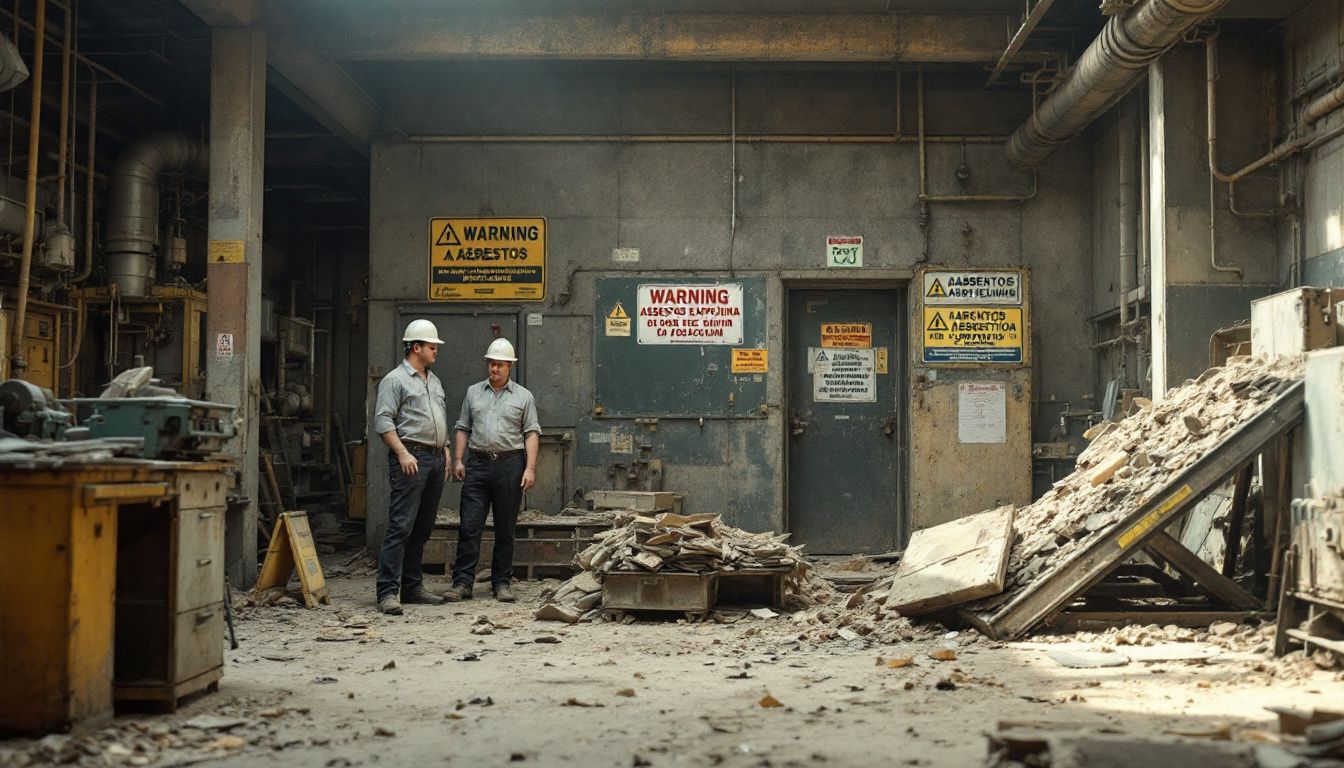
    The Duty to Manage

    Under Regulation 4 of the Control of Asbestos Regulations, owners and managers of non-domestic premises have a legal duty to manage asbestos. This means identifying ACMs, assessing their condition, and maintaining an up-to-date asbestos register.

    Failure to comply is not a minor administrative oversight — it can result in substantial fines and, far more seriously, the preventable illness or death of workers and visitors. The HSE’s guidance document HSG264 sets out exactly how surveys should be conducted to meet this duty.

    Why Surveys Are the Foundation of Compliance

    You cannot manage what you have not identified. A professional asbestos survey is the starting point for any compliant asbestos management plan. Depending on your circumstances, you may need one of several survey types.

    A management survey is required for occupied premises where you need to locate and assess ACMs without disturbing the fabric of the building. This is the standard survey for any non-domestic property and forms the basis of your legal compliance.

    A refurbishment survey is necessary before any renovation, demolition, or intrusive works that might disturb building materials. It is more invasive than a management survey and must be completed before contractors begin work.

    A re-inspection survey monitors the condition of known ACMs over time and keeps your asbestos register current. Annual re-inspections are standard practice for most non-domestic buildings.

    Each of these serves a distinct purpose and is required at different stages of a building’s lifecycle. Getting the right survey at the right time is a legal requirement, not an optional extra.

    Practical Steps for Property Owners and Managers

    If you own or manage a building constructed before 2000, asbestos awareness is not an abstract concern — it is a day-to-day responsibility. Here is what you should be doing.

    1. Commission a professional survey. Do not assume your building is asbestos-free. Asbestos was used in hundreds of different building materials — ceiling tiles, floor tiles, pipe lagging, roof sheets, textured coatings, and more. A BOHS P402-qualified surveyor will inspect the property, take samples from suspect materials, and send them to a UKAS-accredited laboratory for analysis.
    2. Test specific materials if needed. If you want to check a particular material before commissioning a full inspection, a testing kit allows you to collect samples safely for laboratory analysis. This is a practical first step for homeowners or managers with a specific concern.
    3. Maintain an asbestos register. Once ACMs are identified, they must be recorded in an asbestos register. This document should be kept on site, reviewed regularly, and updated whenever the condition of materials changes or works are carried out.
    4. Communicate with workers and contractors. Anyone working in your building needs to know where asbestos is located. Before any contractor begins work, they must be shown the asbestos register and briefed on the location of ACMs. This is a legal requirement, not a courtesy.
    5. Schedule regular re-inspections. Asbestos in good condition and left undisturbed does not necessarily need to be removed. But its condition must be monitored. More frequent checks may be needed in high-traffic or high-risk areas.
    6. Consider a fire risk assessment. Asbestos management and fire safety are closely linked in older buildings. A fire risk assessment alongside your asbestos survey gives you a complete picture of the hazards present in your property and helps you meet your obligations under both asbestos and fire safety legislation.

    Why Awareness Saves Lives — Not Just in the Courtroom

    It is tempting to think of mesothelioma awareness as something relevant only to those already affected. In reality, awareness is the most powerful preventive tool available.

    When a tradesperson knows that textured coatings on ceilings may contain asbestos, they wear the right PPE before sanding. When a property manager understands their duty under the Control of Asbestos Regulations, they commission a survey before renovation works begin. When a homeowner knows that disturbing old floor tiles can release fibres, they call a professional rather than reaching for a crowbar.

    Every case of mesothelioma diagnosed today is the result of an exposure that happened decades ago. Every exposure prevented today is a life saved in the 2040s or 2050s. That is the true value of the mesothelioma and asbestos awareness centre movement — and it is why the work of these organisations matters far beyond awareness days and blue lights.

    How Supernova Asbestos Surveys Supports This Mission

    Professional asbestos surveying is one of the most direct contributions any company can make to mesothelioma prevention. At Supernova Asbestos Surveys, we have completed over 50,000 surveys across the UK and hold more than 900 five-star reviews from property owners, managers, and facilities teams who needed clear answers fast.

    Our BOHS P402/P403/P404-qualified surveyors operate nationwide. Whether you need an asbestos survey London, an asbestos survey Manchester, or an asbestos survey Birmingham, we offer same-week availability, transparent fixed pricing, and reports fully compliant with HSG264 and the Control of Asbestos Regulations.

    All samples are analysed at our UKAS-accredited laboratory using polarised light microscopy. Your report is delivered promptly and written in plain English — so you understand exactly what is in your building and what you are legally required to do about it.

    To book a survey or speak with one of our team, call us on 020 4586 0680 or visit asbestos-surveys.org.uk. Do not wait for a problem to find you.

    Frequently Asked Questions

    What is the mesothelioma and asbestos awareness centre?

    The term refers to organisations and campaigns dedicated to educating the public about asbestos-related diseases, supporting patients and families affected by mesothelioma, and advocating for victims’ legal rights. These centres may be physical organisations, online resources, or campaign-based initiatives. In the UK, several charities, legal organisations, and health bodies contribute to this movement.

    How long after asbestos exposure can mesothelioma develop?

    Mesothelioma has an exceptionally long latency period — symptoms typically do not appear until 20 to 50 years after the initial exposure. This means someone exposed to asbestos in the 1970s or 1980s may only receive a diagnosis today. It is one of the reasons why awareness and prevention work remains so critical even decades after asbestos was banned in the UK.

    Is asbestos still present in UK buildings?

    Yes. Asbestos-containing materials are still present in an estimated 1.5 million non-domestic buildings across the UK. Asbestos was widely used in construction until its full ban in 1999, meaning any building constructed or refurbished before 2000 may contain ACMs. Under the Control of Asbestos Regulations, owners and managers of non-domestic premises have a legal duty to identify and manage these materials.

    What compensation is available for mesothelioma victims in the UK?

    Victims who were exposed to asbestos through their employer’s negligence may be entitled to civil compensation, often pursued on a no-win, no-fee basis through specialist legal firms. The UK government also operates the Diffuse Mesothelioma Payment Scheme for those who cannot trace their former employer or insurer. Awareness organisations play a vital role in helping victims and families understand their entitlements.

    What type of asbestos survey do I need for my building?

    The type of survey depends on your circumstances. A management survey is required for occupied non-domestic premises to locate and assess ACMs as part of your ongoing duty to manage. A refurbishment survey is needed before any renovation or demolition work. A re-inspection survey keeps your asbestos register up to date by monitoring the condition of known materials over time. A qualified surveyor can advise which type is appropriate for your specific situation.

  • Fighting for Asbestos Victims’ Rights: The Role of Asbestos Reports in Mesothelioma Awareness

    Fighting for Asbestos Victims’ Rights: The Role of Asbestos Reports in Mesothelioma Awareness

    When Asbestos Records Fail, Victims Pay the Price

    Every year, thousands of families across the UK receive a mesothelioma diagnosis that traces back to asbestos exposure that happened decades ago. The tragedy deepens when those victims discover that the documentation needed to support their legal claims simply does not exist — because no one ever commissioned a proper survey, or the records were lost, ignored, or never fit for purpose.

    Fighting asbestos victims’ rights and raising mesothelioma awareness depends, more than most people realise, on the quality of asbestos reports that surveyors, employers, and building owners produce and maintain. This is not a peripheral concern. It sits at the heart of how victims access justice, how advocacy groups build campaigns, and how regulators enforce the law.

    If you are a property manager, employer, legal professional, or someone who cares about the thousands of people still being harmed by this material, understanding the connection between rigorous asbestos surveying and mesothelioma awareness is not optional — it is essential.

    What Asbestos Reports Actually Are — and Why They Matter

    An asbestos report is not simply a checklist. It is a legally significant document that records the presence, condition, location, and risk level of asbestos-containing materials (ACMs) within a property. Produced following a professional survey, these reports form the backbone of any asbestos management plan and carry significant weight in legal proceedings.

    Under the Control of Asbestos Regulations, duty holders — typically employers or building owners — are legally required to identify ACMs in non-domestic premises, assess their condition, and manage the risk they present. A properly structured asbestos report is the primary mechanism through which this duty is discharged and demonstrated.

    The HSE’s guidance document HSG264 sets out exactly what a compliant asbestos survey and report should contain. This includes:

    • A full assessment of all accessible areas within the building
    • Identification of all suspected ACMs, with their location clearly mapped
    • A material assessment score indicating the condition and risk of each ACM
    • Recommendations for management, remediation, or removal
    • A register of asbestos that can be updated over time

    When these reports are thorough, they protect workers and occupants. When they are incomplete, inaccurate, or simply never commissioned, the consequences can be fatal — and the legal path for victims seeking compensation becomes considerably harder to navigate.

    Mesothelioma in the UK: The Scale of the Problem

    Mesothelioma is an aggressive cancer caused almost exclusively by asbestos exposure. It has a latency period of between 20 and 50 years, meaning people diagnosed today were typically exposed during the 1970s, 1980s, or even 1990s — when asbestos was still widely used in UK construction, shipbuilding, and manufacturing.
    The UK has one of the highest rates of mesothelioma in the world. Over 2,700 new cases are diagnosed annually, and construction workers remain among the most at-risk groups. The disease is almost always fatal, with most patients surviving less than 18 months after diagnosis.

    What makes this particularly difficult is the gap between exposure and diagnosis. By the time someone falls ill, the building where they were exposed may have been demolished, the employer may no longer exist, and the records — if they were ever created — may have long since disappeared. This is why fighting asbestos victims’ rights and mesothelioma awareness must begin with better documentation, not just better compensation schemes after the fact.

    How Asbestos Reports Support the Fight for Victims’ Rights

    Asbestos reports contribute to mesothelioma awareness and the fight for victims’ rights in several direct and practical ways.

    They Create a Documented History of Exposure

    When a victim or their legal team can access historical asbestos surveys from workplaces or properties, they can establish a clear link between a specific location and the exposure that caused the disease. Without this documentation, claimants face an uphill battle simply proving the basic facts of their case.

    The existence — or conspicuous absence — of a properly maintained asbestos register can be decisive before legal proceedings even begin.

    They Inform Regulatory Enforcement

    Reports that reveal widespread ACMs in particular industries or building types help the HSE and other bodies identify where enforcement action is most needed. Accurate, accessible records allow regulators to act proactively rather than reactively.

    When survey data consistently points to specific sectors — say, older school buildings or industrial units from a particular era — regulators can target inspections and guidance accordingly.

    They Support Public Health Campaigns

    Aggregated data from asbestos surveys across the country feeds into the broader understanding of where asbestos remains a live risk. Awareness campaigns rely on accurate, up-to-date data about where ACMs are found — data that ultimately originates from professional surveys and reports.

    When surveyors produce thorough, well-structured reports, they are not just fulfilling a legal obligation. They are contributing to the evidence base that advocacy groups use to lobby government and change policy.

    They Educate Building Users

    A well-communicated asbestos management plan, rooted in an accurate report, tells workers and occupants what materials are present and how to avoid disturbing them. This is arguably the most immediate form of mesothelioma prevention available to duty holders today.

    How Accurate Reporting Supports Legal Action

    For a mesothelioma victim or their family, the legal process of securing compensation is often the only means of achieving a measure of justice. Asbestos-related diseases typically emerge long after the companies responsible for the exposure have changed ownership, merged, or dissolved. This makes evidence gathering exceptionally difficult.

    Establishing That Asbestos Was Present

    A legal claim for mesothelioma compensation must demonstrate that the claimant was exposed to asbestos in a specific setting. Historical asbestos surveys, inspection records, and management reports can confirm that ACMs were present in a workplace or building where the victim worked or lived.

    Without this documentation, establishing even the most basic facts of a claim becomes a significant challenge. Many cases founder at this stage simply because no records were ever kept.

    Demonstrating a Failure of Duty

    If a duty holder failed to commission a survey when required, or if a survey was conducted but its findings were ignored, this constitutes a breach of the Control of Asbestos Regulations. Legal teams can use the absence of proper reporting — or evidence of inadequate reporting — to demonstrate negligence.

    The paper trail, or the conspicuous lack of one, is often what determines the outcome of a claim. Duty holders who cannot produce compliant documentation are in an extremely difficult position when litigation follows.

    Supporting Claims Under the Mesothelioma Act

    The Mesothelioma Act created the Diffuse Mesothelioma Payment Scheme, which allows victims to claim compensation even when the employer responsible for their exposure can no longer be traced or their insurer identified. The scheme provides significant lump-sum payments to eligible claimants.

    Evidence from asbestos reports strengthens the factual basis of these claims and helps establish the circumstances of exposure. The Employers’ Liability Tracing Office (ELTO) has also operated to help victims identify historic employers’ liability insurance policies — another mechanism that depends on accurate record-keeping to function effectively.

    Advocacy Organisations and the Campaign for Change

    A number of UK advocacy organisations work tirelessly to support mesothelioma victims and their families. These groups campaign for stronger regulation, better compensation, and improved awareness — and they rely heavily on accurate asbestos data to make their case.

    Advocacy organisations typically offer:

    • Free legal advice and signposting to specialist solicitors
    • Support with no-win, no-fee compensation claims
    • Campaigning for legislative improvements
    • Emotional and practical support for victims and families
    • Annual awareness events, including Action Mesothelioma Day, held on the first Friday of July each year

    These groups use asbestos survey data and inspection records to lobby government, inform media coverage, and build the evidence base for policy change. When asbestos reports are thorough and accessible, advocacy becomes more effective. When records are missing or inadequate, the fight for victims’ rights is correspondingly harder.

    The UK’s legal and regulatory framework for asbestos victim relief is relatively strong by international standards. Maintaining and improving that framework depends directly on the quality of asbestos documentation produced across the country.

    The Role of Professional Surveys in Prevention

    Prevention is always preferable to litigation. The most effective way to protect people from mesothelioma is to identify asbestos before it is disturbed and to manage it safely. This is precisely what professional asbestos surveys are designed to do.

    Management Surveys

    A management survey identifies ACMs in the normal occupied areas of a building and assesses their condition. It is the standard survey required under the Control of Asbestos Regulations for most non-domestic premises, and the resulting report forms the basis of the asbestos management plan that duty holders must maintain and review.

    This type of survey is the frontline tool in preventing inadvertent disturbance of asbestos by maintenance workers, cleaning staff, and other building users. Getting it right — and keeping the report up to date — is not just a legal obligation. It is a direct act of protection for everyone who enters the building.

    Refurbishment and Demolition Surveys

    A demolition survey is required before any work that will disturb the building fabric — from a minor renovation to full demolition. It is more intrusive than a management survey and must be completed before contractors begin work.

    Failing to commission this survey before refurbishment is one of the most common ways tradespeople are inadvertently exposed to asbestos today. Electricians, plumbers, and joiners working in older buildings are at particular risk when no survey has been carried out and no one on site knows what materials are hidden behind walls, above ceilings, or beneath floors.

    Asbestos Testing and Sampling

    For properties where asbestos presence is uncertain, professional asbestos testing of suspected materials provides definitive laboratory confirmation and removes the guesswork from risk assessment. This is a critical step before any remediation or management decisions are made.

    Homeowners and landlords who suspect asbestos in a domestic property can access an asbestos testing kit to collect samples safely for laboratory analysis. It is a practical first step when a full professional survey is not immediately available, and it provides the kind of documented evidence that matters both for safety and, potentially, for legal purposes later on.

    What Good Asbestos Reporting Looks Like in Practice

    A high-quality asbestos report does more than list materials. It gives duty holders, legal teams, and advocacy groups the information they need to act effectively. Here is what separates a genuinely useful report from one that falls short.

    Clarity and Accessibility

    The report should be written in plain language that a non-specialist can understand, with clear maps and photographs showing the location of each ACM. Jargon-heavy reports that only a surveyor can interpret are of limited practical value — particularly when the document needs to be understood by a building manager, a legal professional, or a victim’s family years down the line.

    Accessibility is not a luxury. It is what makes a report genuinely useful to the people who will rely on it.

    Accurate Material Assessment

    Each identified ACM should be assessed for its type, condition, surface treatment, and accessibility. The material assessment score helps duty holders prioritise which materials require immediate action and which can be safely managed in situ.

    Cutting corners here is not just a regulatory failure — it is a direct risk to human health. An under-assessed ACM that is later disturbed during routine maintenance can expose workers to fibres that cause mesothelioma decades later.

    Actionable Recommendations

    A good report does not simply identify risks — it tells the duty holder what to do about them. Clear recommendations for management, encapsulation, or removal give building owners a practical roadmap. Vague or generic recommendations leave duty holders uncertain about their obligations and increase the likelihood that ACMs will be mishandled.

    Regular Review and Updates

    An asbestos register is a living document. As building works are carried out, materials are removed, or conditions change, the register must be updated to reflect the current state of the building. A report that was accurate five years ago may no longer reflect reality — and an outdated register offers false reassurance to everyone who relies on it.

    Duty holders should schedule regular reviews of their asbestos management plan and ensure that any new survey findings are incorporated promptly.

    Asbestos Surveys Across the UK: Local Expertise Matters

    The quality of an asbestos survey depends not just on the surveyor’s technical competence but on their familiarity with the types of buildings and construction methods common in a given area. Older industrial cities, for example, often have a higher concentration of buildings from the post-war period when asbestos use was at its peak.

    Whether you need an asbestos survey London for a commercial premises in the capital, an asbestos survey Manchester for an older mill conversion, or an asbestos survey Birmingham for an industrial unit, the principle is the same: the survey must be thorough, the report must be accurate, and the documentation must be maintained.

    Local knowledge of building stock, planning history, and common construction materials strengthens the quality of the survey and the usefulness of the report that follows.

    The Duty to Act: What Building Owners and Employers Must Do Now

    If you are responsible for a non-domestic building constructed before the year 2000, the law is clear. You have a duty to manage asbestos, and that duty begins with commissioning a professional survey and maintaining an up-to-date register.

    Here is a straightforward checklist for duty holders:

    1. Commission a management survey if you do not already have one for your premises.
    2. Review your existing asbestos register to confirm it reflects the current condition and location of all ACMs.
    3. Ensure your asbestos management plan is in place and communicated to all relevant staff and contractors.
    4. Commission a refurbishment or demolition survey before any work that will disturb the building fabric.
    5. Arrange professional testing for any suspected ACMs that have not yet been sampled and confirmed.
    6. Keep records — not just for regulatory compliance, but because those records may one day be the evidence that protects a worker’s right to justice.

    If you are uncertain about the condition of materials in your property, professional asbestos testing is the right first step. Do not rely on visual inspection alone — many ACMs look identical to non-hazardous materials, and only laboratory analysis provides certainty.

    For domestic properties where a full survey is not yet practical, a testing kit allows you to collect samples safely and have them analysed by an accredited laboratory. It is a simple, affordable way to begin the process of understanding what is in your building.

    Frequently Asked Questions

    What is mesothelioma and how is it linked to asbestos?

    Mesothelioma is a cancer that affects the lining of the lungs, abdomen, or heart. It is caused almost exclusively by exposure to asbestos fibres, which lodge in the body’s tissues and cause cellular damage over many years. Because of a latency period that can span 20 to 50 years, people diagnosed today were typically exposed decades ago in workplaces or buildings where asbestos was present.

    How do asbestos reports help mesothelioma victims claim compensation?

    Asbestos reports provide documented evidence that ACMs were present in a specific location at a specific time. This evidence is critical for legal claims, as it helps establish the link between a victim’s exposure and a particular workplace or building. Without proper records, claimants often struggle to prove the basic facts of their case, making compensation far harder to secure.

    Who is legally responsible for commissioning an asbestos survey?

    Under the Control of Asbestos Regulations, the duty to manage asbestos falls on the duty holder — typically the employer, building owner, or person in control of the premises. For most non-domestic buildings constructed before 2000, commissioning a management survey and maintaining an asbestos register is a legal requirement, not a discretionary measure.

    What is the difference between a management survey and a demolition survey?

    A management survey is carried out in occupied buildings to identify ACMs in areas likely to be disturbed during normal use and maintenance. A demolition survey is more intrusive and is required before any refurbishment or demolition work that will disturb the building fabric. Both types of survey produce reports that duty holders are required to act on.

    Can I test for asbestos myself, or do I need a professional?

    For domestic properties, a professional testing kit allows you to collect a sample safely, which is then sent to an accredited laboratory for analysis. However, for non-domestic premises, or where there is significant risk of disturbance, a professional survey carried out by a qualified and accredited surveyor is always the recommended approach. Professional surveys produce the kind of comprehensive, legally defensible reports that matter most when it comes to protecting both occupants and duty holders.

    Speak to Supernova Asbestos Surveys

    Supernova Asbestos Surveys has completed over 50,000 surveys across the UK, working with property managers, employers, landlords, and legal professionals to produce the accurate, thorough documentation that protects people and supports the fight for victims’ rights.

    Whether you need a management survey, a refurbishment survey, professional testing, or simply advice on your obligations as a duty holder, our team is ready to help.

    Call us on 020 4586 0680 or visit asbestos-surveys.org.uk to find out more or book a survey.

  • The Impact of Mesothelioma Awareness in the Fight for Asbestos Victims’ Rights

    The Impact of Mesothelioma Awareness in the Fight for Asbestos Victims’ Rights

    What Mesothelioma Victims Deserve: Awareness, Justice, and the Fight That Continues

    Every year, around 2,700 people in the UK are diagnosed with mesothelioma — a devastating cancer caused almost exclusively by asbestos exposure. Behind each of those diagnoses is a person who was exposed to a dangerous material, often decades ago, often at work, and often with no warning of the risk they were taking.

    Mesothelioma victims and their families deserve both justice and answers. Awareness is the engine driving progress on both fronts — shaping public understanding, driving landmark legal reforms, and continuing to push for the rights of those affected by asbestos-related disease across the UK and beyond.

    Understanding Mesothelioma and Its Asbestos Link

    Mesothelioma is a cancer that affects the lining of the lungs (pleural mesothelioma), abdomen, or heart. It is caused by inhaling or ingesting asbestos fibres, which become lodged in the body’s tissues and trigger cellular changes over time. There is no cure, and the prognosis remains poor for most patients.

    What makes this disease particularly cruel is its latency period. Mesothelioma typically takes between 20 and 50 years to develop after initial exposure — meaning someone exposed on a building site in the 1970s may only receive a diagnosis today, long after the responsible employer has closed and memories of specific exposures have faded.

    Who Is Most at Risk?

    Historically, mesothelioma victims have been concentrated in industries where asbestos use was widespread. Those most commonly affected include workers from:

    • Construction and building trades
    • Shipbuilding and naval dockyards
    • Insulation and lagging work
    • Plumbing and heating engineering
    • Electrical installation
    • Manufacturing and industrial processing

    Secondary exposure has also affected family members — particularly women who washed the work clothes of partners or parents who unknowingly brought asbestos fibres home. These cases have gained increasing recognition in UK courts over recent decades.

    The Role of Mesothelioma Awareness in Protecting People Today

    Awareness campaigns do more than commemorate those lost to asbestos-related disease. They actively protect people who may be at risk right now — particularly workers in older buildings where asbestos-containing materials (ACMs) remain in place.

    Action Mesothelioma Day, observed on the first Friday of July each year, is the UK’s most prominent annual event dedicated to raising awareness. It brings together patients, families, legal professionals, healthcare workers, and campaigners to highlight the scale of the problem and push for continued progress.

    Why Awareness Translates to Safer Buildings

    When mesothelioma victims share their stories publicly, it reminds property owners, employers, and managers that asbestos is not a historical problem — it is a present-day one. Approximately half of all UK buildings constructed before 2000 may contain some form of asbestos, and many of those buildings remain in daily use.

    Awareness campaigns have directly encouraged more building owners to commission a management survey, which identifies the location and condition of ACMs and forms the basis of a legally compliant asbestos management plan. Without this kind of proactive action, workers and visitors remain unknowingly at risk.

    Campaigns also promote asbestos testing as a sensible first step for anyone uncertain about materials in their property — a straightforward but potentially life-saving measure.

    Landmark Legal Victories That Changed the Landscape for Mesothelioma Victims

    The legal history of mesothelioma in the UK is a story of persistent advocacy pushing against institutional resistance. Each major case has expanded the rights of asbestos victims and set precedents that continue to matter today.

    Thompsons Solicitors and the House of Lords

    Thompsons Solicitors secured the first successful asbestos case in the House of Lords, establishing that employers could be held liable for asbestos-related harm to their workers. This was a watershed moment — it confirmed that industrial negligence had legal consequences and opened the door for future claims.

    The Fairchild Case

    The case of Mr Fairchild was a turning point in how UK courts approached the challenge of proving causation in mesothelioma claims. Because the disease can be triggered by a single fibre and victims are often exposed by multiple employers over their careers, proving which employer caused the disease had been nearly impossible.

    The Fairchild judgment established that employers could be held fully liable even where the precise source of exposure could not be pinpointed — a ruling that transformed the prospects for mesothelioma victims pursuing compensation.

    The Jeromson Case

    Mr Jeromson’s case extended the scope of asbestos industry regulations to cover all industries handling raw asbestos — not just those originally named. This broadened the reach of employer liability and meant that workers across a wider range of sectors could seek redress.

    The Compensation Act and the Diffuse Mesothelioma Payment Scheme

    The Compensation Act strengthened the legal framework around asbestos claims, including provisions for secondary exposure and full compensation entitlement. The Diffuse Mesothelioma Payment Scheme (DMPS) addressed a critical gap: what happens when a victim cannot trace their former employer or that employer’s insurer?

    The scheme provides a route to compensation for mesothelioma victims who would otherwise receive nothing. The case of Margaret Ward, whose successful DMPS claim was settled shortly before her death, illustrated both the scheme’s value and the urgency with which these claims must often be pursued.

    Thompsons Solicitors also secured a £45 million settlement for South African miners — a case that demonstrated the global reach of asbestos litigation and the scale of harm that negligent industrial practices have caused across borders.

    Barriers That Mesothelioma Victims Still Face

    Despite significant legal progress, the path to justice for mesothelioma victims remains difficult. Understanding these barriers matters — both for those affected and for anyone involved in managing buildings where asbestos may be present.

    Proving Historical Exposure

    Establishing exactly when, where, and how a person was exposed to asbestos — often 30 or 40 years before their diagnosis — is a formidable legal challenge. Employment records from decades ago are frequently incomplete, lost, or destroyed, and witnesses may no longer be alive. Courts must weigh evidence that is, by its nature, fragmentary.

    Insurance Industry Resistance

    Insurance companies that covered employers during periods of heavy asbestos use have sometimes resisted or delayed claims, creating additional hardship for victims who are already seriously ill. Legal teams working on behalf of mesothelioma victims have repeatedly had to challenge this resistance through the courts.

    The Scale of Future Litigation

    Estimates suggest that future asbestos litigation costs in the UK could reach up to £200 billion. This reflects the sheer scale of historical asbestos use and the long latency period of mesothelioma — meaning new cases will continue to emerge for decades. The legal and financial systems that support mesothelioma victims must be robust enough to meet this demand.

    How Asbestos Surveys Protect People From Becoming Future Victims

    The most powerful thing we can do for future mesothelioma victims is to prevent exposure from happening in the first place. In the UK, that means taking the duty to manage asbestos seriously — particularly in non-domestic premises, where the legal obligation under the Control of Asbestos Regulations is clear.

    If you manage or own a property built before 2000, you have a legal duty to identify any asbestos present, assess its condition and risk, and put a management plan in place. Failing to do so does not just risk regulatory penalties — it risks lives.

    The Types of Survey That Matter

    Different situations call for different types of asbestos survey. Here is a straightforward breakdown:

    1. Management survey — The standard starting point for any occupied building. A management survey identifies ACMs that could be disturbed during normal use and maintenance, forming the foundation of your legal compliance.
    2. Refurbishment survey — Before any renovation or demolition work begins, a refurbishment survey is required to ensure that workers will not disturb hidden asbestos during the project.
    3. Re-inspection survey — Once an asbestos register is in place, a regular re-inspection survey ensures that the condition of known ACMs is monitored over time. If asbestos deteriorates or is damaged, the risk profile changes and the management plan must be updated.

    For those who want to check specific materials before commissioning a full survey, a testing kit provides a straightforward way to collect samples for laboratory analysis. Full asbestos testing by a qualified professional remains the most reliable approach for any material you suspect may contain asbestos.

    Where asbestos is found to be in poor condition or where planned work will disturb it, asbestos removal by a licensed contractor is the appropriate course of action. Removal is not always necessary — but where it is, it must be carried out safely and in full compliance with the Control of Asbestos Regulations.

    Alongside asbestos management, building owners should also consider a fire risk assessment — another legal requirement for most non-domestic premises, and one that complements an asbestos management plan as part of a broader approach to building safety.

    Nationwide Coverage, Including Major Cities

    Supernova Asbestos Surveys operates across the UK. If you are based in the capital, our asbestos survey London service covers properties across the city, with same-week availability and BOHS P402-qualified surveyors. For those in the north-west, our asbestos survey Manchester team provides the same professional standard of service across Greater Manchester and the surrounding region.

    Supporting Mesothelioma Victims: What You Can Do

    If you or someone you know has been diagnosed with mesothelioma, there are several avenues worth exploring without delay.

    • Seek specialist support: Mesothelioma UK provides specialist nursing support and information for patients and families.
    • Get legal advice early: A solicitor experienced in asbestos claims should be consulted as soon as possible after diagnosis. The disease progresses quickly, and legal processes take time.
    • Explore compensation routes: Depending on your circumstances, you may be eligible to claim through a civil claim against a former employer, the Diffuse Mesothelioma Payment Scheme, or industrial injuries benefits.

    For those managing buildings or employing workers, the most meaningful contribution to the cause of mesothelioma victims is straightforward: take asbestos management seriously. Commission surveys. Maintain registers. Act on findings.

    The workers and visitors who move through your building every day deserve that protection. Awareness campaigns, legal reforms, and compensation schemes all matter enormously — but prevention is the only way to reduce the number of mesothelioma victims in the decades ahead.

    Frequently Asked Questions

    What is mesothelioma and how is it caused?

    Mesothelioma is a cancer that affects the lining of the lungs, abdomen, or heart. It is caused by exposure to asbestos fibres, which are inhaled or ingested and become embedded in body tissue. The disease typically develops 20 to 50 years after exposure, which is why many people diagnosed today were exposed decades ago, often in industrial or construction settings.

    Are mesothelioma victims entitled to compensation in the UK?

    Yes. Mesothelioma victims in the UK may be entitled to compensation through several routes, including civil claims against former employers, claims through the Diffuse Mesothelioma Payment Scheme where an employer or their insurer cannot be traced, and industrial injuries benefits. Legal advice should be sought as early as possible after diagnosis, given the urgency of these claims.

    What is the Diffuse Mesothelioma Payment Scheme?

    The Diffuse Mesothelioma Payment Scheme (DMPS) was established to provide compensation to mesothelioma victims who cannot trace their former employer or that employer’s insurer. It provides a route to financial support for those who would otherwise have no means of making a claim, and it has provided vital assistance to many patients and their families.

    Do building owners have a legal duty to manage asbestos?

    Yes. Under the Control of Asbestos Regulations, duty holders responsible for non-domestic premises built before 2000 are legally required to identify any asbestos present, assess its condition, and implement a written management plan. Failure to comply is a criminal offence and puts workers and visitors at risk of the very exposure that causes mesothelioma.

    What should I do if I think a building I manage contains asbestos?

    The first step is to commission a professional asbestos survey. A management survey will identify the location and condition of any ACMs within the building and provide the information needed to create a compliant asbestos management plan. Do not attempt to sample or disturb suspected materials yourself — always use a qualified surveyor. Contact Supernova Asbestos Surveys on 020 4586 0680 or visit asbestos-surveys.org.uk to arrange a survey.

    Speak to Supernova Asbestos Surveys

    Supernova Asbestos Surveys has completed over 50,000 surveys across the UK. Our BOHS-qualified surveyors work with property managers, employers, landlords, and contractors to ensure full compliance with the Control of Asbestos Regulations — and to help ensure that no one else becomes a victim of preventable asbestos exposure.

    To book a survey or discuss your requirements, call us on 020 4586 0680 or visit asbestos-surveys.org.uk. Same-week appointments are available across the UK.

  • How Mesothelioma Awareness Can Help in the Fight Against Asbestos

    How Mesothelioma Awareness Can Help in the Fight Against Asbestos

    Why Mesothelioma Awareness Remains One of the Most Powerful Weapons Against Asbestos

    Asbestos doesn’t announce itself. It hides inside walls, ceiling tiles, pipe lagging, and floor coverings — often in buildings that look completely ordinary from the outside. Understanding how mesothelioma awareness can help fight against asbestos is one of the most powerful tools we have to protect lives, because the disease it causes remains entirely preventable in the vast majority of cases.

    Mesothelioma is an aggressive cancer caused almost exclusively by asbestos exposure. It can take decades to develop after initial exposure, which means people diagnosed today were likely exposed in workplaces or homes that existed long before modern safety regulations were in place.

    That lag between exposure and diagnosis makes awareness — real, sustained, public awareness — absolutely critical. Without it, people continue to disturb materials they don’t recognise as dangerous, and the cycle of preventable harm continues.

    The Scale of the Problem in the UK

    The UK has one of the highest rates of mesothelioma in the world. That reflects decades of heavy industrial use of asbestos in construction, shipbuilding, manufacturing, and utilities. Asbestos was widely used in buildings constructed before 2000, and the UK only banned all forms of asbestos in 1999.

    Thousands of people are diagnosed with mesothelioma in the UK every year, and the disease carries a very poor prognosis. There is currently no cure — treatment can extend life and improve quality of life, but the focus must remain firmly on prevention.

    The tragedy is that mesothelioma is largely preventable. When people know where asbestos is, understand the risks of disturbing it, and take appropriate action — whether that’s managing it safely in place or arranging proper removal — exposure can be avoided entirely. Prevention starts with awareness, and awareness starts with education.

    How Mesothelioma Awareness Can Help Fight Against Asbestos Exposure

    Awareness campaigns do far more than raise a flag. They change behaviour, shape policy, and drive the kind of cultural shift that saves lives over the long term. Here’s how that plays out in practice.

    Educating Workers and Homeowners

    Many people who work in the trades — plumbers, electricians, carpenters, builders — encounter asbestos-containing materials regularly without realising it. Awareness programmes that target these groups directly help workers understand which materials are likely to contain asbestos, what the warning signs are, and what to do when they suspect they’ve found it.

    For homeowners, the message is equally important. Anyone planning renovation work on a property built before 2000 should treat the presence of asbestos as a real possibility until proven otherwise. Commissioning a management survey before any intrusive work begins is the responsible first step — and awareness campaigns help people understand exactly why that matters.

    Without targeted education, well-meaning homeowners and tradespeople continue to drill, cut, and sand materials that may be releasing harmful fibres into the air. Awareness turns ignorance into informed caution.

    Encouraging Proper Testing Before Disturbance

    One of the most dangerous moments for asbestos exposure is during renovation or demolition work. Disturbing asbestos-containing materials releases fibres into the air, where they can be inhaled and lodge permanently in lung tissue — and this is precisely how mesothelioma begins.

    Awareness campaigns that communicate this risk clearly lead to better decision-making. When property owners and contractors understand that disturbing unknown materials without proper asbestos testing first is genuinely life-threatening, they are far more likely to arrange proper checks before work begins.

    That single action — test before you touch — prevents countless exposures every year. It’s one of the simplest and most effective messages any awareness campaign can deliver.

    Promoting Compliance With UK Regulations

    The Control of Asbestos Regulations places a legal duty on owners and managers of non-domestic premises to manage asbestos in their buildings. This includes identifying asbestos-containing materials, assessing the risk they pose, and maintaining an up-to-date asbestos register.

    Despite this clear legal framework, compliance is not universal. Awareness campaigns play a vital role in helping duty holders understand their obligations. When employers, facilities managers, and building owners know what the law requires — and why — compliance rates improve and exposure incidents fall.

    HSE guidance, including HSG264, sets out exactly how surveys should be conducted and recorded. Awareness of these standards means duty holders are better placed to commission the right type of survey and act on the findings appropriately.

    The Role of Campaigns and Advocacy Groups

    Organised advocacy is the engine behind meaningful change. In the UK, organisations including Mesothelioma UK and ActionMeso have been instrumental in pushing asbestos awareness into the mainstream, lobbying for stronger protections, and supporting those affected by the disease.

    Events such as Action Mesothelioma Day bring together patients, families, healthcare professionals, and campaigners to share experiences and drive the conversation forward. These events aren’t just symbolic — they generate media coverage, political attention, and public understanding that translate into real-world change.

    The Royal British Legion has also been active in supporting veterans affected by asbestos-related disease, recognising that many who served in the armed forces were exposed to asbestos in ships, barracks, and vehicles. Their advocacy highlights how mesothelioma awareness extends beyond any single industry or community.

    The cumulative effect of these campaigns is significant. Each year, more people know what asbestos looks like, where it’s likely to be found, and what to do when they encounter it. That knowledge directly reduces the number of people who are inadvertently exposed.

    Funding and Driving Research

    Awareness campaigns raise money. That money funds research. And research is what will ultimately improve outcomes for those diagnosed with mesothelioma, even as we work to prevent new cases from occurring.

    Researchers are working to identify new biomarkers that could enable earlier diagnosis — when treatment options are more effective. They are also investigating new therapeutic approaches and studying the mechanisms by which asbestos fibres cause cellular damage at a molecular level.

    Earlier detection is particularly important because mesothelioma symptoms — breathlessness, chest pain, persistent cough — often don’t appear until the disease is already advanced. Raising public awareness of these symptoms, and of the need to disclose any history of asbestos exposure to a GP, can make a meaningful difference to individual outcomes.

    Sustained funding, driven by awareness, also supports the development of better occupational health screening programmes for workers in high-risk industries. This is how awareness translates directly into lives saved.

    Practical Steps Property Owners and Managers Can Take Now

    Awareness without action is just knowledge. If you manage or own a property that could contain asbestos, here’s what you should be doing right now.

    Commission a Professional Asbestos Survey

    If you don’t know whether asbestos is present in your building, find out. A qualified surveyor can inspect the property, identify suspected asbestos-containing materials, take samples for laboratory analysis, and provide you with a full asbestos register and risk assessment.

    For occupied non-domestic premises, a management survey is the standard starting point. If you’re planning refurbishment or demolition work, you’ll need a more intrusive refurbishment survey that assesses all areas likely to be disturbed. Both types of survey follow HSG264 guidance and are essential for legal compliance.

    Whether you need an asbestos survey London or an asbestos survey Manchester, Supernova Asbestos Surveys covers the full length and breadth of the country.

    Keep Your Asbestos Register Up to Date

    An asbestos register isn’t a one-time exercise. Materials degrade over time, and the risk they pose can change. A periodic re-inspection survey ensures that your register reflects the current condition of asbestos-containing materials in your building, and that your management plan remains appropriate and legally defensible.

    Failing to maintain an up-to-date register isn’t just a compliance risk — it means workers and contractors entering your building may be unaware of hazards that have changed since the last assessment.

    Use a Testing Kit for Initial Screening

    If you’re a homeowner who suspects a particular material might contain asbestos but isn’t sure whether a full survey is warranted, a testing kit can provide a straightforward way to collect a sample for laboratory analysis. This is a practical, low-cost first step that can give you the information you need to make an informed decision.

    Sample collection should be done carefully to avoid disturbing the material unnecessarily. If you’re at all uncertain, a professional asbestos testing service is always the safer option.

    Arrange Safe Removal Where Necessary

    Where asbestos-containing materials are damaged, deteriorating, or in a location where they’re likely to be disturbed, asbestos removal by a licensed contractor is often the right course of action. Professional removal ensures that materials are taken out safely, with appropriate containment and disposal, eliminating the ongoing risk they pose.

    Not all asbestos needs to be removed — materials that are in good condition and unlikely to be disturbed can often be managed safely in place. The key is making that decision on the basis of a proper risk assessment, not guesswork.

    Don’t Overlook Fire Safety

    Buildings that contain asbestos often have other legacy safety issues too. A fire risk assessment is a legal requirement for most non-domestic premises and should be carried out alongside asbestos management as part of a joined-up approach to building safety.

    Treating these obligations in isolation means you may be compliant in one area while remaining exposed to significant risk in another. A holistic approach to building safety is always more effective.

    Training, Certification, and Safe Working Practices

    One of the most direct ways that understanding how mesothelioma awareness can help fight against asbestos translates into safer outcomes is through improved training. Workers who understand the risks of asbestos exposure — and who have been properly trained in how to identify and handle asbestos-containing materials — are far less likely to cause inadvertent disturbance.

    Under the Control of Asbestos Regulations, anyone who is liable to disturb asbestos during their work must receive appropriate information, instruction, and training. This applies to a wide range of trades, not just those working directly with asbestos.

    Consider the range of workers who might encounter asbestos in older buildings:

    • Electricians chasing cables through walls and ceiling voids
    • Plumbers working around pipe lagging and boiler rooms
    • Decorators stripping old textured coatings and artex
    • Carpenters working with floor tiles and ceiling boards
    • HVAC engineers accessing ductwork and plant rooms
    • General maintenance workers in older commercial or public buildings

    Awareness campaigns that target these groups — and the employers responsible for their training — help ensure that legal requirements are met and that workers are genuinely equipped to protect themselves.

    The Human Cost: Why This Is Never Just a Compliance Issue

    It’s easy to frame asbestos management in purely regulatory terms — legal duties, compliance timelines, penalty notices. But behind every diagnosis is a person, a family, and a story that didn’t have to end this way.

    Mesothelioma is a disease that robs people of years they should have had. It typically affects people later in life, often decades after the exposure that caused it — meaning victims frequently have no memory of the specific incident that sealed their fate. They may have been doing nothing more than working in a school, fitting a boiler, or renovating a family home.

    That is why mesothelioma awareness matters beyond statistics and surveys. Every person who learns to ask the right questions before picking up a drill, every contractor who commissions a survey before breaking ground, every facilities manager who keeps their asbestos register current — each of those actions represents a potential life protected.

    Awareness campaigns give people the knowledge to make those decisions. And knowledge, in this context, is genuinely life-saving.

    What Meaningful Awareness Looks Like in Practice

    Mesothelioma awareness isn’t a single campaign or an annual awareness day — though those matter. Meaningful awareness is woven into how we train workers, how we regulate buildings, how we educate young people entering the trades, and how we support those already living with the disease.

    It looks like a plumber who pauses before cutting into old pipe lagging and calls for a survey. It looks like a school business manager who schedules a re-inspection because materials have been flagged as deteriorating. It looks like a homeowner who buys a testing kit before starting a kitchen renovation, rather than assuming the artex on the ceiling is safe.

    These aren’t dramatic gestures. They’re small, informed decisions that collectively prevent exposure and save lives. That is the real legacy of mesothelioma awareness — not just the campaigns themselves, but the culture of caution and responsibility they create.

    The fight against asbestos is long, and it won’t be won overnight. But with sustained awareness, proper regulation, and professional support, the number of people harmed by this entirely preventable disease can be reduced significantly — and eventually, the goal is to reduce it to zero.

    Frequently Asked Questions

    How does mesothelioma awareness help prevent asbestos exposure?

    Mesothelioma awareness educates workers, homeowners, and building managers about where asbestos is likely to be found, what happens when it’s disturbed, and what steps to take before carrying out any work that might affect asbestos-containing materials. That education leads to better decisions — commissioning surveys, arranging testing, and avoiding disturbance — which directly prevents the fibre inhalation that causes mesothelioma.

    Who is most at risk of asbestos exposure in the UK?

    Workers in the construction and maintenance trades carry the highest risk, particularly those working in buildings constructed before 2000. This includes electricians, plumbers, decorators, carpenters, and HVAC engineers. Homeowners undertaking DIY renovation work on older properties are also at significant risk if they disturb materials without first checking for asbestos.

    What should I do if I think I’ve found asbestos in my building?

    Do not disturb the material. If it’s in good condition and unlikely to be touched, it may be safest to leave it in place and have it assessed by a professional. Contact a qualified asbestos surveyor to inspect the material, take samples for laboratory analysis, and advise on the appropriate course of action — whether that’s monitoring, encapsulation, or removal.

    Is asbestos still a problem in UK buildings?

    Yes. Asbestos was used extensively in UK construction until it was fully banned in 1999, meaning a very large proportion of buildings constructed before that date may still contain asbestos-containing materials. Schools, hospitals, offices, factories, and residential properties built during the twentieth century are all potentially affected. The material remains in place in millions of buildings across the country.

    What legal duties do building owners have regarding asbestos?

    Under the Control of Asbestos Regulations, duty holders — typically the owners or managers of non-domestic premises — are legally required to identify asbestos-containing materials in their buildings, assess the risk they pose, and put a management plan in place. This includes maintaining an up-to-date asbestos register and ensuring that anyone working in the building is informed of any known asbestos locations. Failure to comply can result in enforcement action by the HSE.


    Need professional asbestos support? Supernova Asbestos Surveys has completed over 50,000 surveys across the UK. Whether you need a management survey, a refurbishment survey, asbestos testing, or safe removal, our qualified team is ready to help. Call us on 020 4586 0680 or visit asbestos-surveys.org.uk to book your survey today.

  • The Connection Between Asbestos Surveys and Mesothelioma Awareness

    The Connection Between Asbestos Surveys and Mesothelioma Awareness

    Riviera Asbestos Exposure: What You Need to Know About Mesothelioma Risk and Building Safety

    Asbestos doesn’t announce itself. It sits silently inside walls, ceilings, and floor tiles — and for decades, nobody thought twice about it. But for those affected by riviera asbestos exposure and similar occupational or environmental cases, the consequences have been devastating, often only becoming apparent 20 to 50 years after the original contact.

    Understanding the relationship between asbestos exposure, mesothelioma risk, and the role of professional surveys is essential for anyone responsible for an older building in the UK. Whether you own a commercial property, manage a school, or are renovating a pre-2000 home, the stakes are real.

    What Is Riviera Asbestos Exposure?

    The term “riviera asbestos exposure” refers to cases studied and supported through mesothelioma awareness and research initiatives — including funding connected to the Riviera United 4-a-Cure grant, which has helped drive investigation into asbestos-related disease prevention. These research efforts have contributed to a broader understanding of how asbestos fibres cause mesothelioma and other serious illnesses.

    Cases like that of Navy veteran John Conway — who developed pleural mesothelioma roughly 40 years after his initial exposure — illustrate just how long the latency period can be. The disease doesn’t show up immediately. That’s precisely what makes asbestos so dangerous and why awareness campaigns backed by research funding matter enormously.

    The public health emergency declared in Libby, Montana, where widespread asbestos contamination from vermiculite mining caused mass illness, is another stark reminder of what unmanaged exposure can lead to at a community level.

    How Asbestos Causes Mesothelioma

    Asbestos is made up of six naturally occurring mineral fibre types. The three most hazardous — and most commonly encountered in UK buildings — are crocidolite (blue asbestos), amosite (brown asbestos), and chrysotile (white asbestos).

    When asbestos-containing materials are disturbed, microscopic fibres become airborne. Once inhaled, they lodge deep in lung tissue or the lining of the chest cavity (the pleura) or abdomen (the peritoneum). The body cannot expel them.

    Over time, these fibres cause chronic inflammation. This triggers cytokine release and activates signalling pathways — including NF-κB — that promote tumour development. The result can be mesothelioma, a rare but aggressive cancer with a poor prognosis.

    The statistics are sobering. Studies suggest that between 8% and 13% of heavily exposed individuals may develop mesothelioma. Among specific occupational groups — miners, shipyard workers, and manufacturing workers — the figure sits around 5% following prolonged exposure. Male individuals face approximately 2.4 times the risk compared to females, largely reflecting historical patterns of occupational exposure.

    Why Asbestos Surveys Are Central to Mesothelioma Awareness

    Awareness campaigns and research funding are vital — but on the ground, in real buildings, the most practical tool for preventing future cases of mesothelioma is the asbestos survey.

    A professional asbestos survey identifies where asbestos-containing materials (ACMs) are located, assesses their condition, and determines the risk they pose. Without this information, building owners and managers are operating blind.

    In the UK, any building constructed before the year 2000 may contain asbestos. The material was widely used in construction for its fire resistance, durability, and insulating properties — until its use was banned in the late 1990s. That means millions of commercial and residential properties across the country still contain it today.

    Types of Asbestos Survey

    There are three main types of survey, each suited to different circumstances:

    • Management survey: The standard survey for occupied premises. It locates ACMs that could be disturbed during normal use and informs an ongoing asbestos management plan. A management survey is the starting point for most duty holders.
    • Refurbishment survey: Required before any renovation, refurbishment, or demolition work begins. A refurbishment survey is more intrusive and covers all areas that will be disturbed by the planned works.
    • Re-inspection survey: For buildings where ACMs have already been identified and are being managed in situ. A re-inspection survey checks whether the condition of known materials has changed and whether the risk rating needs updating.

    Each survey type plays a distinct role in protecting building occupants and workers — and in preventing the kind of long-term exposure that leads to mesothelioma decades down the line.

    Your Legal Obligations Under UK Asbestos Regulations

    In the UK, asbestos management isn’t optional. The Control of Asbestos Regulations sets out clear duties for those who own or manage non-domestic premises.

    Regulation 4 — the “duty to manage” — requires duty holders to identify whether ACMs are present, assess the risk they pose, and put in place a written management plan. This plan must be kept up to date and made available to anyone who might disturb the materials, including contractors and maintenance staff.

    The HSE’s guidance document HSG264 sets the standard for how surveys must be conducted. All surveys carried out by Supernova Asbestos Surveys are fully compliant with HSG264 and satisfy the requirements of the Control of Asbestos Regulations.

    Failure to comply can result in significant fines, enforcement notices, and — far more importantly — serious harm to the people who live and work in your building.

    Who Has a Duty to Manage?

    The duty to manage applies to owners and managers of non-domestic properties. This includes:

    • Commercial landlords and property managers
    • School and university facilities managers
    • NHS trusts and healthcare providers
    • Local authorities managing public buildings
    • Housing associations with communal areas
    • Industrial and warehouse operators

    If you’re responsible for any of the above, an asbestos survey isn’t just good practice — it’s a legal requirement.

    What Happens During an Asbestos Survey?

    When you book a survey with Supernova Asbestos Surveys, a BOHS P402-qualified surveyor will contact you to confirm a convenient appointment — often available within the same week.

    On arrival, the surveyor carries out a thorough visual inspection of the property, taking samples from any materials suspected to contain asbestos. Those samples are sent to a UKAS-accredited laboratory for analysis under polarised light microscopy (PLM).

    You’ll receive a detailed written report — including a full asbestos register, risk assessment, and management plan — within three to five working days. The report is fully compliant with HSG264 and satisfies all requirements under the Control of Asbestos Regulations.

    Here’s how the process works step by step:

    1. Booking: Contact us by phone or online. We confirm availability and send a booking confirmation.
    2. Site visit: A qualified P402 surveyor attends at the agreed time and carries out a thorough inspection.
    3. Sampling: Representative samples are collected from suspect materials using correct containment procedures.
    4. Lab analysis: Samples are analysed under PLM at our UKAS-accredited laboratory.
    5. Report delivery: You receive a detailed asbestos register and risk-rated management plan in digital format.

    What to Do If Asbestos Is Found

    Finding asbestos in a building doesn’t automatically mean danger. Asbestos that is in good condition and unlikely to be disturbed can often be safely managed in place. The key is knowing it’s there and monitoring it regularly.

    If materials are damaged, deteriorating, or are in an area where they will be disturbed by planned works, action is needed. Depending on the situation, this might mean encapsulation, overskimming, or full asbestos removal by a licensed contractor.

    Never attempt to remove or disturb asbestos yourself. Licensed removal must be carried out by contractors holding a licence from the HSE, following strict procedures to prevent fibre release.

    If you’re unsure whether a material contains asbestos, a testing kit allows you to collect a sample safely and send it to an accredited laboratory for analysis — a useful first step before commissioning a full survey.

    Asbestos and Fire Safety: A Combined Risk

    In older buildings, asbestos and fire safety risks often go hand in hand. Many of the same buildings that contain ACMs also have outdated fire protection systems, inadequate means of escape, or fire doors that no longer meet current standards.

    A fire risk assessment should be carried out alongside asbestos management to ensure a complete picture of the hazards present. Supernova Asbestos Surveys offers both services, making it straightforward to address multiple compliance obligations in a single engagement.

    Survey Costs and Pricing

    Supernova Asbestos Surveys offers transparent, fixed-price surveys across the UK. Here’s a guide to standard pricing:

    • Management survey: From £195 for a standard residential or small commercial property
    • Refurbishment and demolition survey: From £295, covering all areas to be disturbed prior to works
    • Bulk sample testing kit: From £30 per sample, posted to you for collection
    • Re-inspection survey: From £150, plus £20 per ACM re-inspected
    • Fire risk assessment: From £195 for a standard commercial premises

    All prices are subject to property size and location. Contact us for a free, no-obligation quote tailored to your specific requirements.

    Supernova Asbestos Surveys: UK-Wide Coverage

    With over 50,000 surveys completed and more than 900 five-star reviews, Supernova Asbestos Surveys is one of the UK’s most trusted asbestos consultancies. Our BOHS P402, P403, and P404-qualified surveyors operate across England, Scotland, and Wales.

    Whether you need an asbestos survey in London, an asbestos survey in Manchester, or an asbestos survey in Birmingham, our teams are on hand with same-week availability to keep your project on track.

    Every sample is analysed in our UKAS-accredited laboratory, ensuring accurate, legally defensible results. No hidden fees. No vague estimates. Just clear, professional service from start to finish.

    Don’t leave asbestos management to chance. Call us on 020 4586 0680 or visit asbestos-surveys.org.uk to get a free quote today.

    Frequently Asked Questions

    What is riviera asbestos exposure and why does it matter?

    Riviera asbestos exposure refers to cases and research associated with the Riviera United 4-a-Cure grant, which funds mesothelioma awareness and prevention efforts. These studies have helped build understanding of how asbestos-related diseases develop, particularly the long latency period between exposure and diagnosis. The research underlines why proactive asbestos management in buildings is so critical.

    How long after asbestos exposure can mesothelioma develop?

    Mesothelioma typically has a latency period of 20 to 50 years. This means someone exposed to asbestos in the 1970s or 1980s may only now be receiving a diagnosis. It also means that current exposure — in workplaces or buildings where asbestos is present and undisturbed — could cause illness several decades from now.

    Is asbestos still found in UK buildings?

    Yes. Although asbestos use was banned in the UK in the late 1990s, any building constructed before 2000 may still contain asbestos-containing materials. This includes homes, offices, schools, hospitals, and industrial premises. A professional asbestos survey is the only reliable way to identify whether ACMs are present.

    Do I legally need an asbestos survey?

    If you own or manage a non-domestic property built before 2000, you have a legal duty under the Control of Asbestos Regulations to manage asbestos. This includes identifying ACMs through a management survey, assessing the risk, and maintaining an up-to-date asbestos register. Failure to comply can result in enforcement action and significant fines.

    What should I do if I think I’ve been exposed to asbestos?

    If you believe you have been exposed to asbestos fibres — for example, during building work where ACMs were disturbed — you should inform your GP and request that the exposure is recorded. You should also report the incident to the HSE if it occurred in a workplace setting. For the building itself, arrange a professional asbestos survey immediately to assess the extent of the risk and prevent further exposure.