Asbestos-related disease is usually preventable, but only when exposure is stopped before fibres become airborne. If you are asking how to prevent asbestos related disease, the starting point is simple: do not disturb suspect materials until you know exactly what you are dealing with and what controls are required.
That matters in the UK because asbestos is still found in many homes, offices, schools, shops, warehouses and industrial premises. You cannot identify asbestos fibres by sight, smell or taste, and once fibres are released they can be inhaled without anyone noticing at the time.
For property managers, landlords, employers and homeowners, prevention is not about panic or stripping out every old material. It is about identifying asbestos-containing materials, assessing condition and risk, following HSE guidance, and making sure surveys, testing and any remedial work are carried out properly under the Control of Asbestos Regulations and in line with HSG264.
How to prevent asbestos related disease starts with understanding exposure
Asbestos-related diseases include mesothelioma, asbestosis, asbestos-related lung cancer and pleural thickening. These conditions usually develop many years after exposure, which is why prevention always matters more than reacting after the event.
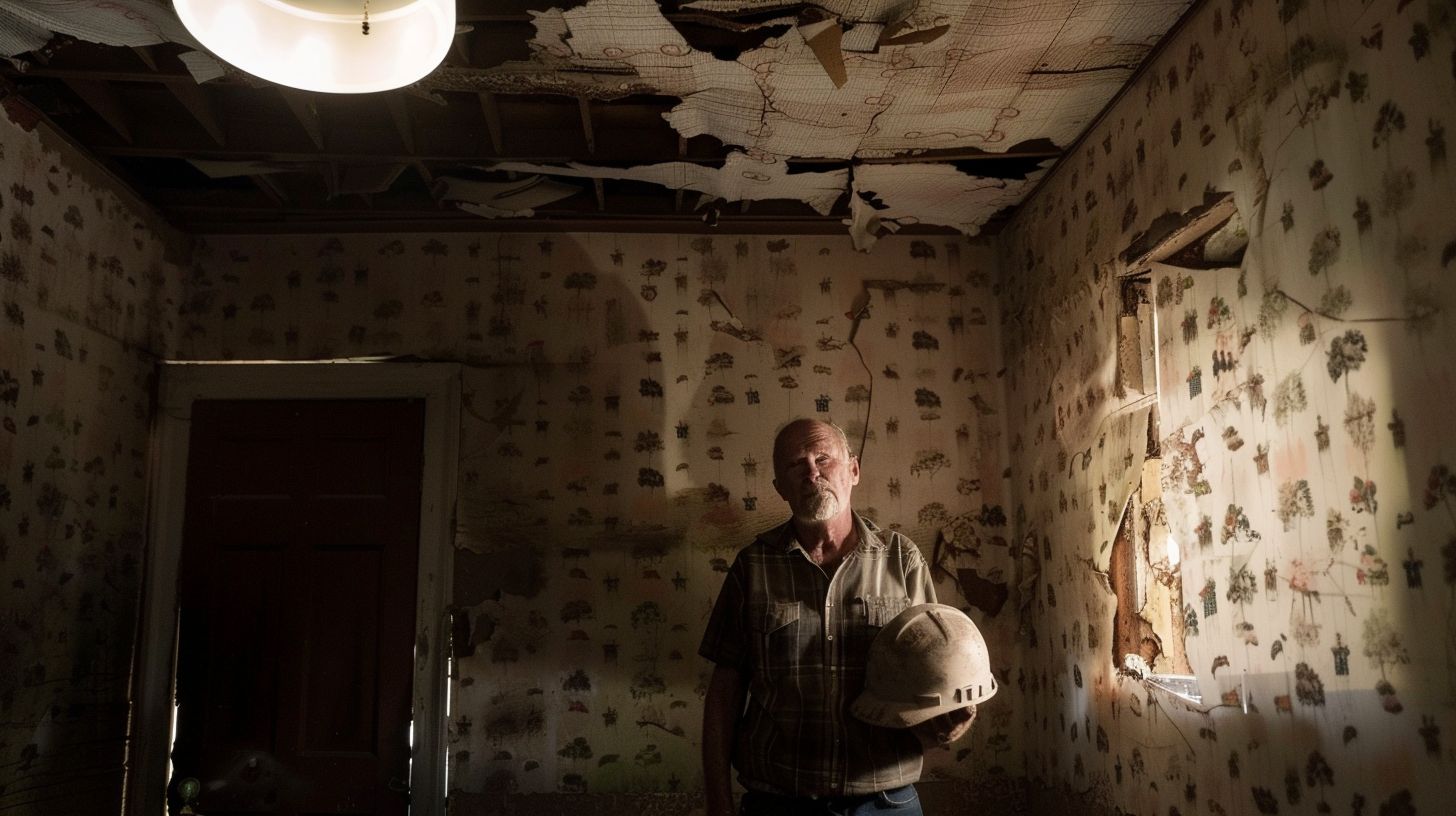
Asbestos is most dangerous when materials are damaged, drilled, cut, sanded, broken, removed badly or allowed to deteriorate. Intact asbestos-containing materials in good condition are often lower risk and may be managed safely in place.
If you manage a property, there are three practical questions to ask:
- Is asbestos present, or likely to be present?
- Could anyone disturb it during normal occupation, maintenance, refurbishment or demolition?
- What controls are needed to prevent fibre release?
Guesswork is where exposure incidents begin. If a material might contain asbestos, treat it as suspect until it has been properly surveyed or tested.
Where asbestos is commonly found in UK buildings
Any building constructed before 2000 could contain asbestos. That does not automatically mean there is immediate danger, but it does mean caution is needed before maintenance, repairs or refurbishment starts.
Common locations include:
- Textured coatings
- Floor tiles and bitumen adhesive
- Pipe lagging and boiler insulation
- Asbestos insulating board in ceilings, partitions, soffits and risers
- Cement roofing sheets, wall panels, flues, gutters and downpipes
- Panels behind heaters and around fire doors
- Fuse box backing boards
- Garage and shed roofs
- Sprayed coatings and thermal insulation in older commercial premises
Some materials are much higher risk than others. Asbestos cement is generally lower risk than lagging or asbestos insulating board because the fibres are more tightly bound, but any asbestos-containing material can become hazardous if damaged or worked on incorrectly.
How to prevent asbestos related disease at home
Homeowners often come across asbestos during DIY, repairs or renovation work. A kitchen refit, bathroom upgrade, loft conversion, garage roof replacement or even fitting downlights can disturb hidden materials.
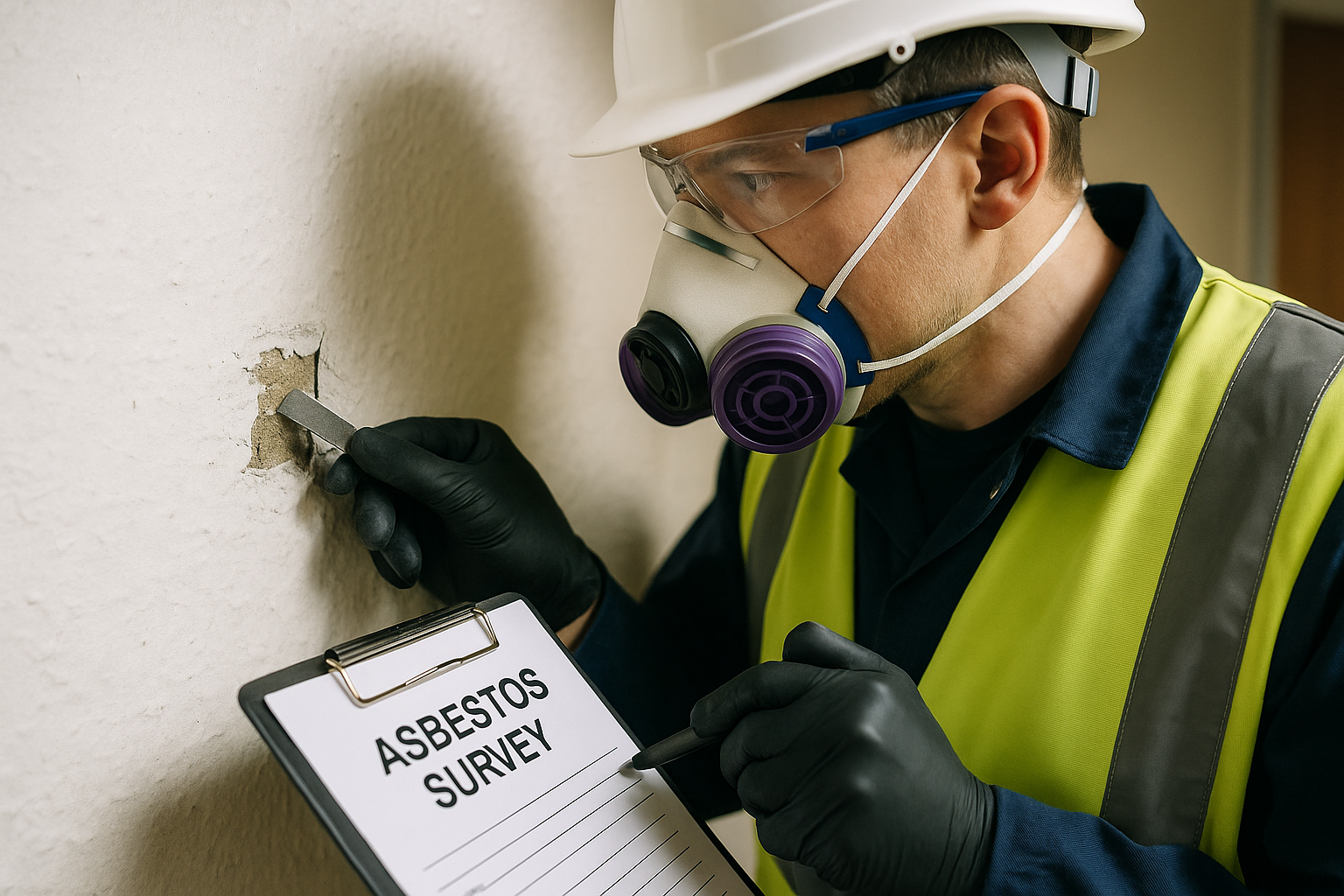
If you want to know how to prevent asbestos related disease in a domestic setting, the safest approach is straightforward: identify first, disturb nothing until you know what it is, and get competent advice before work begins.
Practical steps for homeowners
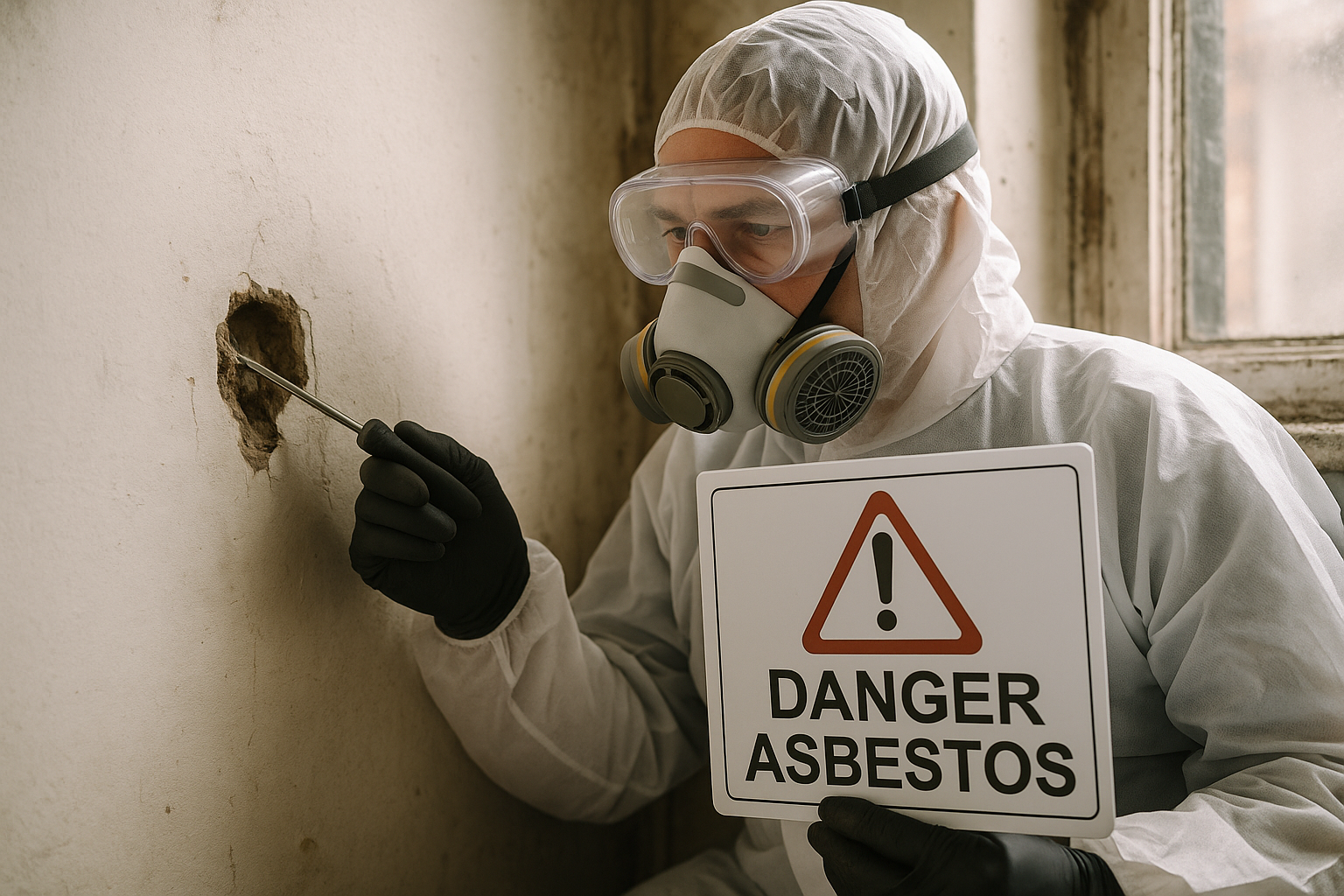
- Do not drill, sand, scrape, cut or break suspect materials
- Do not use a standard vacuum cleaner on suspected asbestos dust
- Do not sweep dry debris around a suspect area
- Keep children, pets and other occupants away if material has been damaged
- Arrange testing or surveying before planned works start
- Use a competent asbestos professional if there is any doubt
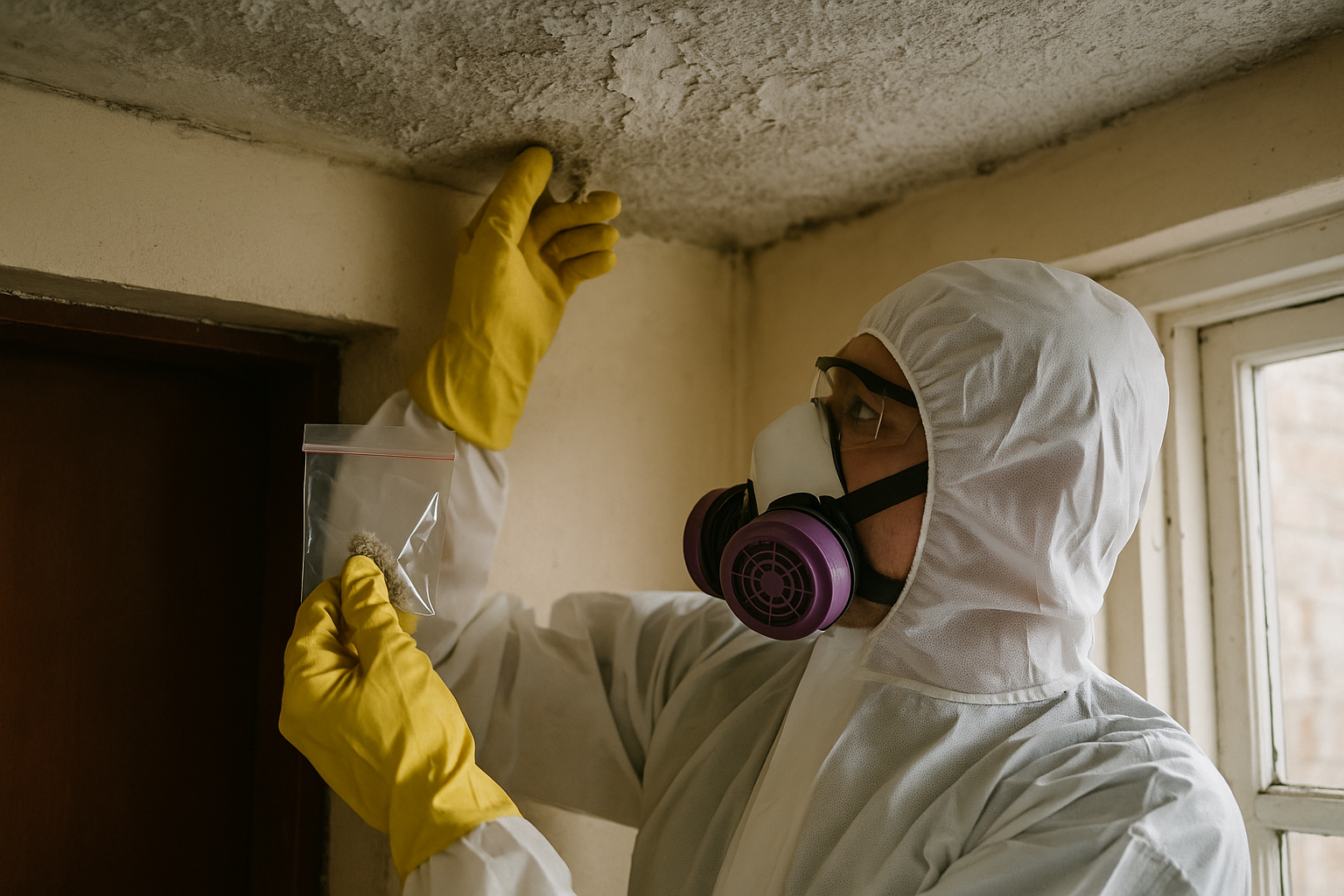
If you only need to confirm whether a small item contains asbestos, asbestos testing can provide a clear answer. For individual materials, postal sample analysis may be suitable, and some homeowners choose a testing kit for straightforward submissions.
The key point is that sampling itself must be handled carefully. Poorly taken samples can release fibres and create the very exposure you are trying to avoid.
When testing is not enough
Testing a single item can be useful, but it does not replace a survey where wider work is planned. If contractors will be opening up walls, ceilings, floors or service voids, a survey is usually the safer route because hidden asbestos may be present beyond the one visible material you are concerned about.
Before renovation work, a refurbishment survey is designed to locate asbestos in the areas affected by the works. This survey is intrusive because hidden materials need to be identified before trades start opening up the building.
If the whole structure is due to come down, a demolition survey is required before demolition proceeds. This is a critical step in preventing uncontrolled exposure during strip-out and demolition.
How to prevent asbestos related disease in workplaces and commercial premises
For non-domestic premises, the duty to manage asbestos is a legal obligation under the Control of Asbestos Regulations. If you own, occupy, manage or have maintenance responsibilities for a building, you may be the duty holder.
Knowing how to prevent asbestos related disease in the workplace means taking that duty seriously. The HSE expects a planned, evidence-based approach rather than assumptions or old paperwork left unreviewed.
The essentials of the duty to manage
In practical terms, duty holders should:
- Find out whether asbestos is present, or presume materials contain asbestos if there is uncertainty
- Assess the risk from asbestos-containing materials
- Keep an up-to-date asbestos register
- Prepare and implement an asbestos management plan
- Share information with anyone liable to disturb asbestos
- Review the condition of materials regularly
If contractors, electricians, plumbers, decorators, IT installers or maintenance teams are not given asbestos information before they start work, the risk of accidental disturbance rises sharply.
Start with the right survey
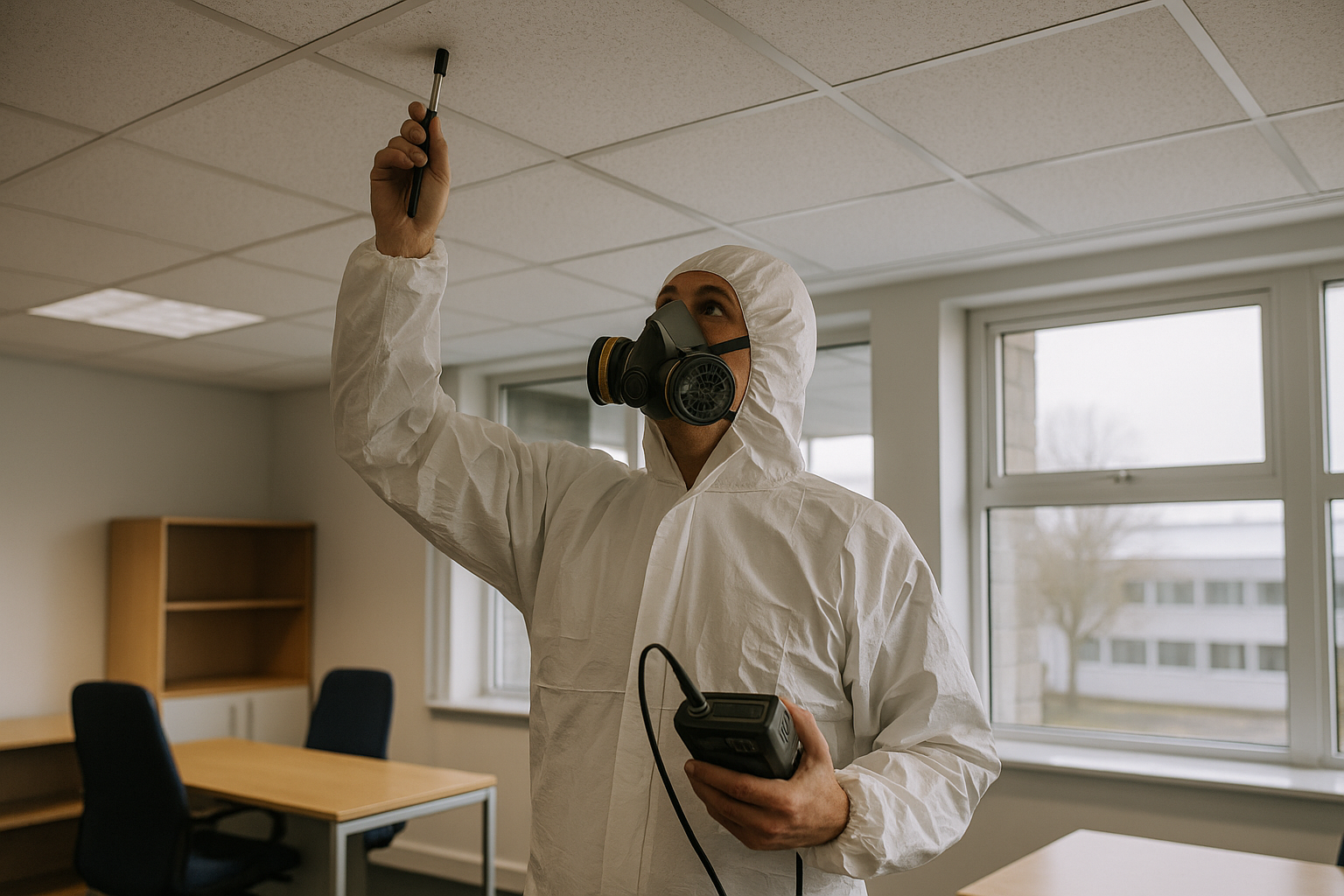
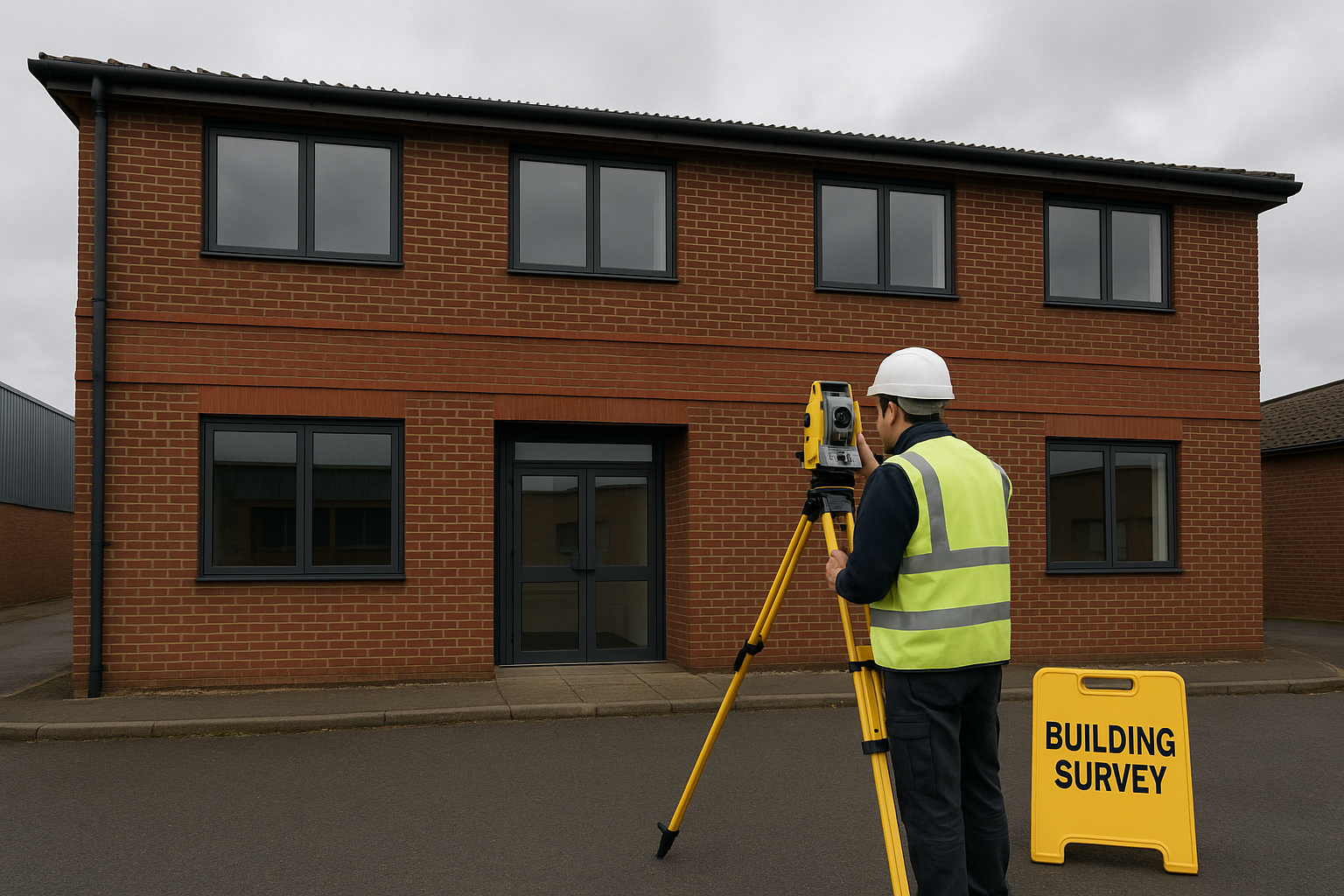
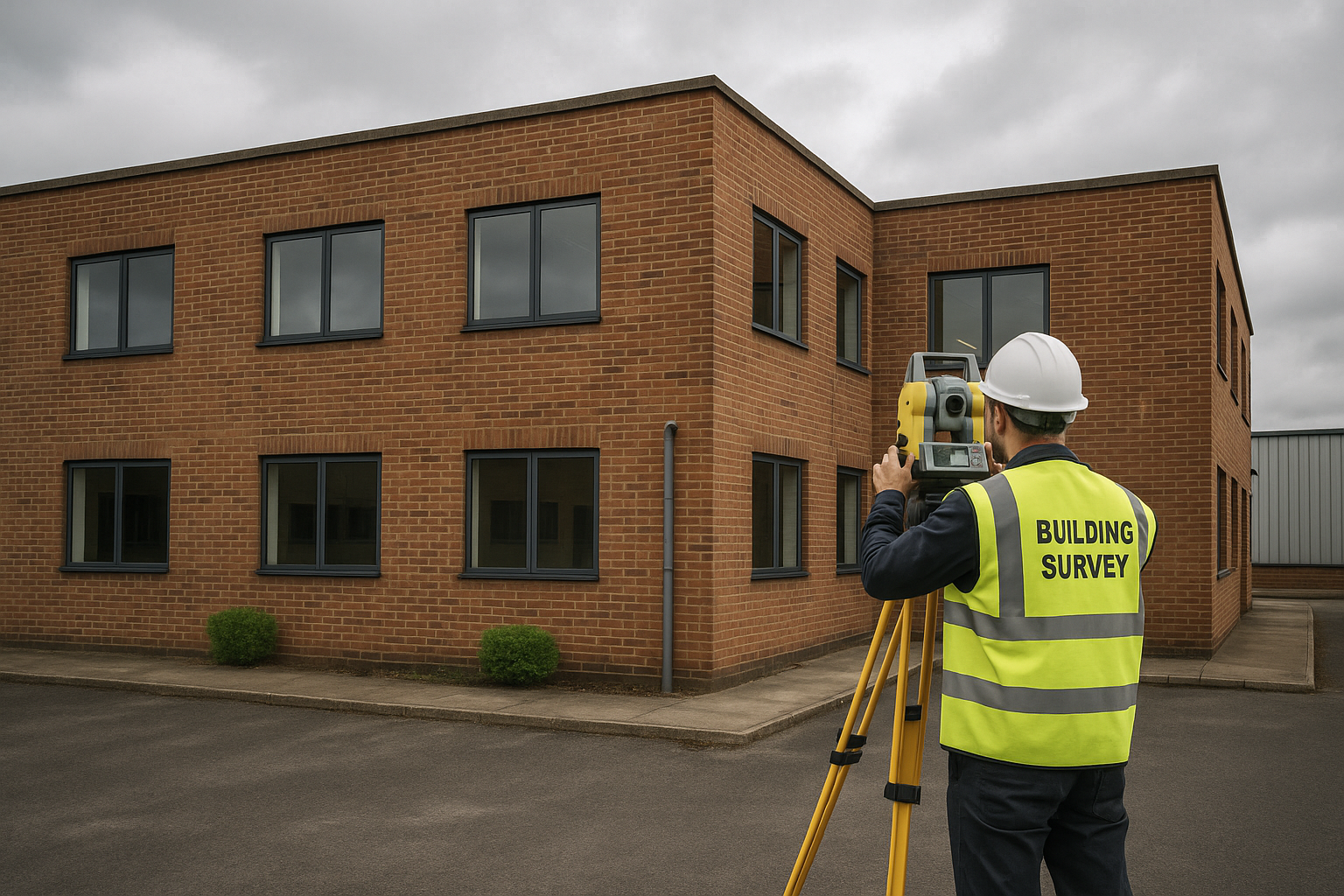
For occupied buildings, a management survey is usually the starting point. Its purpose is to locate, as far as reasonably practicable, asbestos-containing materials that could be disturbed during normal occupation or routine maintenance.
The findings support your asbestos register and management plan. If asbestos is identified and left in place, it should be monitored rather than forgotten.
That is where a re-inspection survey becomes useful. Re-inspection checks whether known asbestos-containing materials remain in the same condition and whether the existing risk assessment still reflects what is happening on site.
Communication prevents exposure
One of the most effective ways to prevent asbestos-related disease is to make sure information is actually used. Survey reports and registers should not sit in a folder until there is a problem.
Good day-to-day practice includes:
- Briefing contractors before work starts
- Controlling access to higher-risk areas
- Labelling where appropriate
- Making maintenance teams aware of suspect locations
- Updating records after repair, encapsulation or removal
In busy buildings, poor communication is often what turns a manageable asbestos issue into an exposure incident.
Training, safe systems of work and accidental disturbance
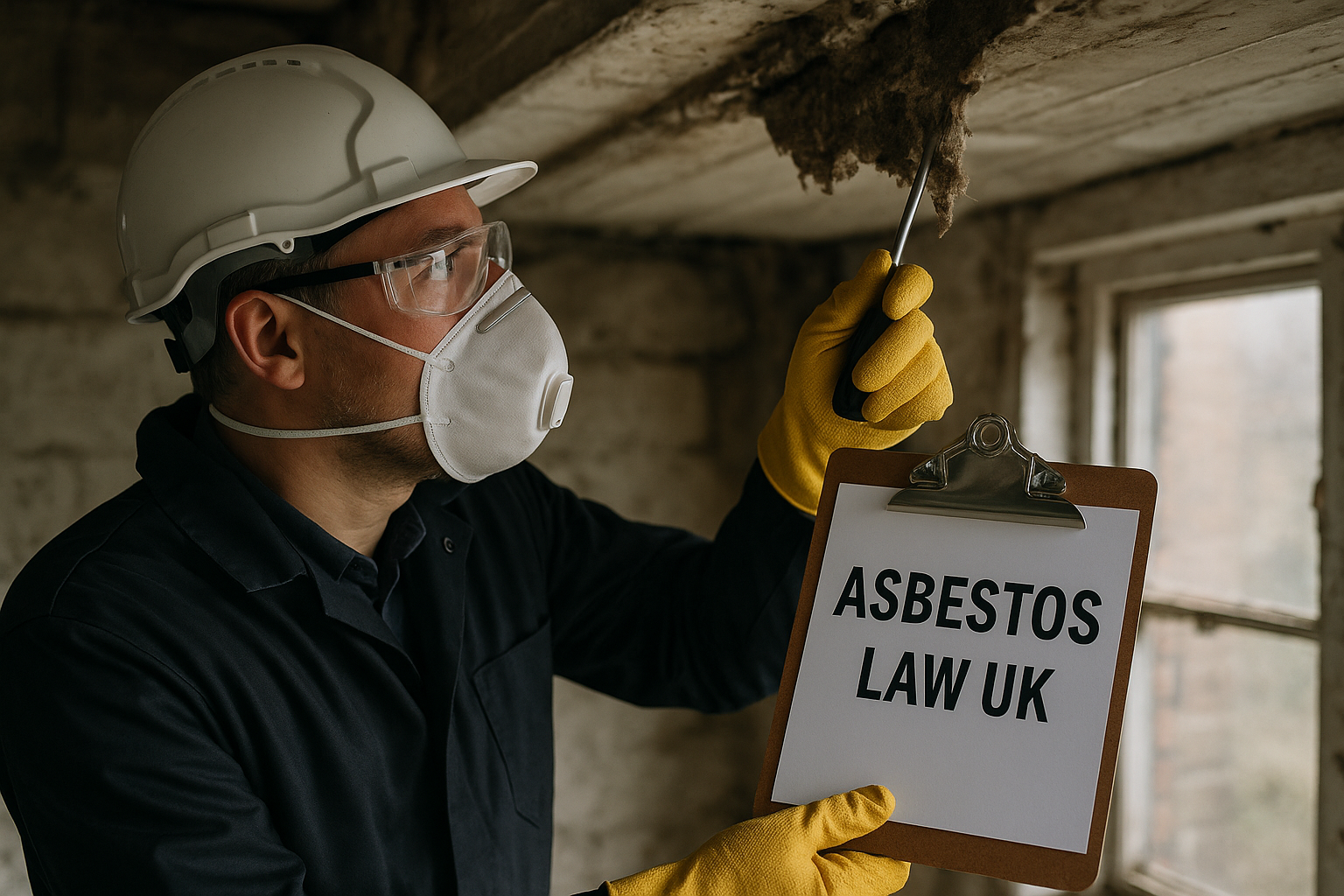
Anyone who may encounter asbestos during their work should have appropriate asbestos awareness training. This often applies to tradespeople, caretakers, facilities teams, surveyors, telecoms engineers and maintenance operatives.
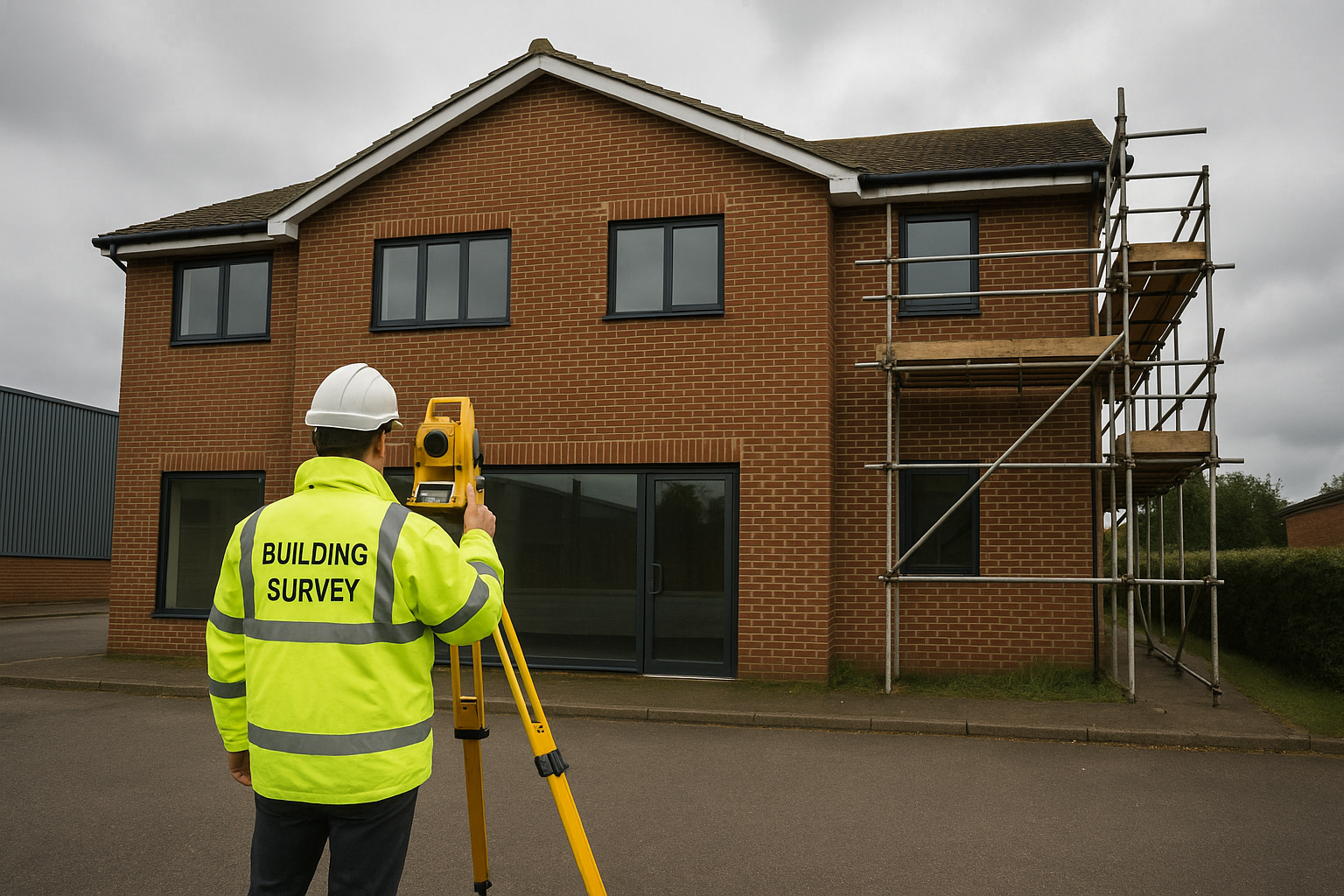
Training does not qualify someone to remove asbestos. It helps them recognise where asbestos may be present, understand the health risks and know when to stop work and report concerns.
Workers should know
- Typical asbestos locations in the buildings they work in
- Which materials are higher risk
- How to avoid disturbing suspect materials
- When to stop work immediately
- Who to report concerns to
- Why survey information must be checked before intrusive work
Safe systems of work matter just as much. If a task could disturb the fabric of a building, asbestos information should be checked before any tools come out. That includes small jobs such as drilling into walls, lifting flooring, replacing ceiling tiles or running new cabling.
What to do if asbestos is accidentally disturbed
If a suspect material has been damaged, quick action can reduce further exposure:
- Stop work immediately
- Keep other people out of the area
- Avoid sweeping, vacuuming or further disturbance
- Report the incident to the responsible manager, landlord or duty holder
- Arrange professional assessment and any required remedial action
- Record what happened, including location and activity underway
Trying to tidy up without the right controls usually makes the situation worse.
Removal is not always the answer, but poor removal is a major risk
People often assume that preventing disease means removing every trace of asbestos. In reality, that is not always necessary or sensible. If a material is in good condition, sealed, unlikely to be disturbed and properly managed, leaving it in place can be the lower-risk option.
Where asbestos is damaged, deteriorating or likely to be disturbed by planned work, removal or remedial treatment may be required. The crucial point is that the work must be assessed properly and carried out by competent people.
When removal is necessary, arrange professional asbestos removal rather than relying on guesswork or general builders. Licensable work must be undertaken by a contractor licensed by the HSE, and the exact requirements depend on the material, condition and task involved.
Why DIY removal is a bad idea
- You may not know the material type or risk level
- Fibres can be released without you realising
- Standard masks and household cleaning methods are not enough
- Waste handling and disposal are tightly controlled
- You could contaminate other parts of the property
If you are unsure whether removal is needed, get the material assessed first. Evidence-based decisions are the safest decisions.
Monitoring, maintenance and long-term prevention
Preventing asbestos-related disease is not a one-off task. Buildings change over time. Materials age, leaks develop, ceilings are opened, occupancy changes and maintenance work introduces new risks.
That is why long-term asbestos management matters just as much as the first survey. The best answer to how to prevent asbestos related disease is often consistent management over years, not one single action.
Good long-term control looks like this:
- Survey information is checked before intrusive work
- Known asbestos-containing materials are inspected periodically
- Damage is reported and dealt with quickly
- Registers are updated after any changes
- Contractors are checked and briefed before starting work
- Staff know the reporting procedure for suspect materials
For larger estates or older premises, it often helps to appoint one responsible person to oversee asbestos records, contractor communication and review dates. Clear responsibility reduces the chance of information being lost between teams.
Testing, surveying and choosing the right service
Different situations call for different asbestos services. Choosing the right one saves time, reduces disruption and lowers the chance of unnecessary exposure.
When to choose testing
Testing is useful when you need to identify whether a specific material contains asbestos. This might apply to a textured coating, floor tile, cement sheet or board where the material is accessible and you do not need a wider inspection of the property.
If you need local help, you can also arrange asbestos testing through a dedicated service page. For buildings in the capital, booking an asbestos survey London service can be the most efficient way to get site-specific advice and a compliant inspection.
When to choose a survey
A survey is usually the better option when:
- You are responsible for a non-domestic building
- You need an asbestos register and management plan
- Refurbishment works are planned
- Demolition is proposed
- You suspect asbestos may be present in multiple areas
- You need reliable information for contractors before work starts
Under HSG264, the survey type should match the reason for the inspection. Ordering the wrong survey can leave gaps in information and increase the risk of accidental disturbance later.
What if you think you have already been exposed?
Anyone worried about past exposure should take it seriously, but without assuming the worst. A single brief exposure does not automatically mean disease will follow, yet it is sensible to keep a clear record and seek medical advice where there has been known or repeated exposure.
Asbestos-related disease usually has a long latency period. Symptoms may not appear for many years, which is why exposure incidents should be documented properly at the time.
When to seek medical advice
Speak to your GP if you have a history of asbestos exposure and develop symptoms such as:
- Persistent cough
- Shortness of breath
- Chest pain
- Unexplained weight loss
- Repeated chest infections
If the exposure happened at work, make sure your employer has recorded the incident. For workers carrying out licensable asbestos work, medical surveillance requirements may apply under the regulations.
Practical checklist: how to prevent asbestos related disease
When asbestos risk needs managing, a clear checklist helps avoid rushed decisions.
- Assume caution first. If a material looks suspicious and the building is older, do not disturb it.
- Get the right information. Use testing for isolated materials or a survey for wider building risk.
- Match the survey to the work. Management for normal occupation, refurbishment before intrusive works, demolition before full knock-down.
- Keep records current. An out-of-date register is nearly as risky as having no register at all.
- Brief anyone who may disturb materials. Contractors need asbestos information before starting, not after an incident.
- Monitor materials left in place. Good condition today does not guarantee good condition next year.
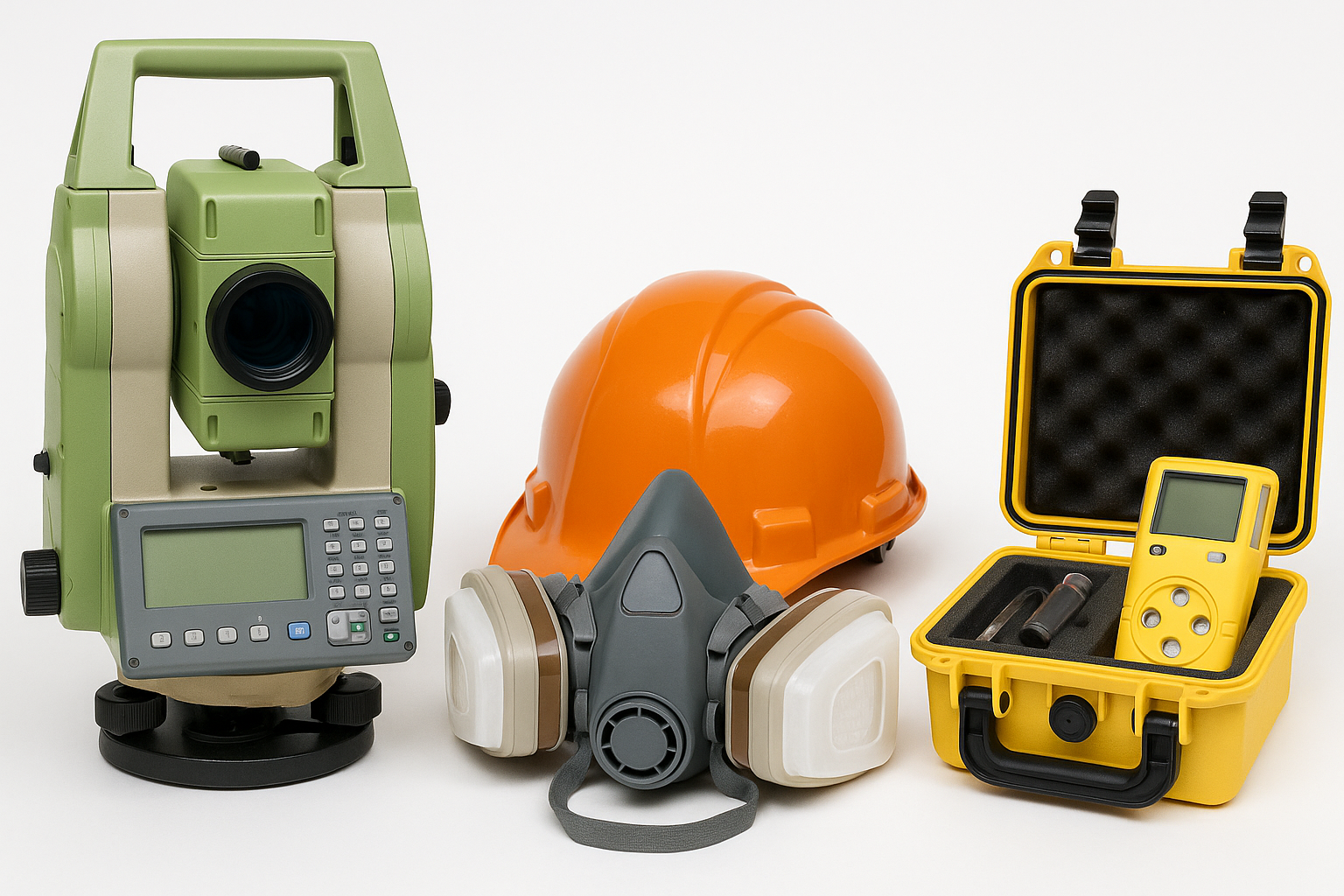
- Use competent specialists. Surveying, testing and removal should be done by people who understand the regulations and risks.
- Stop work if something unexpected appears. Fast reporting prevents a small problem becoming a major contamination issue.
If you remember one thing, make it this: how to prevent asbestos related disease always comes back to preventing fibre release. Identify materials early, control the risk properly and never let intrusive work start on assumptions.
Frequently Asked Questions
Can asbestos-related disease really be prevented?
Yes, in many cases it can be prevented by avoiding exposure to airborne asbestos fibres. That means identifying suspect materials, managing them properly, and ensuring any work that could disturb them is planned and controlled.
Should all asbestos be removed from a building?
No. Asbestos in good condition and unlikely to be disturbed can often be managed safely in place. Removal is usually considered where materials are damaged, deteriorating or likely to be affected by planned work.
What is the first step if I suspect asbestos in my property?
Do not disturb the material. Arrange professional testing or the appropriate asbestos survey so you can make decisions based on evidence rather than guesswork.
Do homeowners need an asbestos survey before renovation?
If the work is likely to disturb the building fabric, a refurbishment survey is often the safest option. It helps identify hidden asbestos before contractors start opening up walls, floors or ceilings.
How often should asbestos be re-inspected?
There is no single fixed interval that suits every building. Re-inspection should be based on the material, its condition, location and likelihood of disturbance, with regular review as part of the asbestos management plan.
If you need clear advice on how to prevent asbestos related disease, Supernova Asbestos Surveys can help with surveys, testing, re-inspections and support for safe asbestos management across the UK. Call 020 4586 0680 or visit asbestos-surveys.org.uk to book the right service.