Brown asbestos is one of the materials most likely to catch property managers out. It often sits quietly behind panels, inside risers, above ceilings or around plant until a repair, leak or refurbishment exposes it and turns a routine job into a compliance problem.
Also known as amosite, brown asbestos was widely used in UK buildings because it offered strength, insulation and fire resistance. If you manage any premises built before 2000, you need a practical understanding of where it may be found, why it presents a serious risk when disturbed, and how to deal with it properly under the Control of Asbestos Regulations, HSE guidance and HSG264.
What is brown asbestos?
Brown asbestos is the common name for amosite, one of the six recognised asbestos minerals. It belongs to the amphibole group, which means the fibres are typically straight, rigid and needle-like rather than curly.
That fibre structure matters. When brown asbestos is damaged, fibres can become airborne and, once inhaled, may remain in the lungs for a long time. As with all asbestos types, exposure can lead to serious long-term disease.
The name comes from its usual brown or grey-brown appearance, but colour is not a reliable way to identify it. Some products containing brown asbestos look pale grey, off-white or much the same as non-asbestos materials.
Why brown asbestos was used so widely
Brown asbestos became popular because it combined heat resistance with strength. Manufacturers used it in products that needed to withstand fire, improve insulation or reinforce building components.
That is why brown asbestos still appears in many older commercial and public buildings. Schools, hospitals, offices, factories, local authority stock and mixed-use premises are all places where amosite may still be present.
Common reasons amosite was specified
- Fire protection
- Thermal insulation
- Structural reinforcement
- Partitioning and ceiling systems
- Plant room and service riser lining
What once looked like a practical building material is now a management issue. If those materials are drilled, cut, broken or allowed to deteriorate, brown asbestos fibres can be released without any obvious warning.
Where brown asbestos is commonly found in buildings
Brown asbestos is especially associated with higher-risk asbestos-containing materials. It is less about loose visual clues and more about understanding the building age, the product type and the history of alterations.
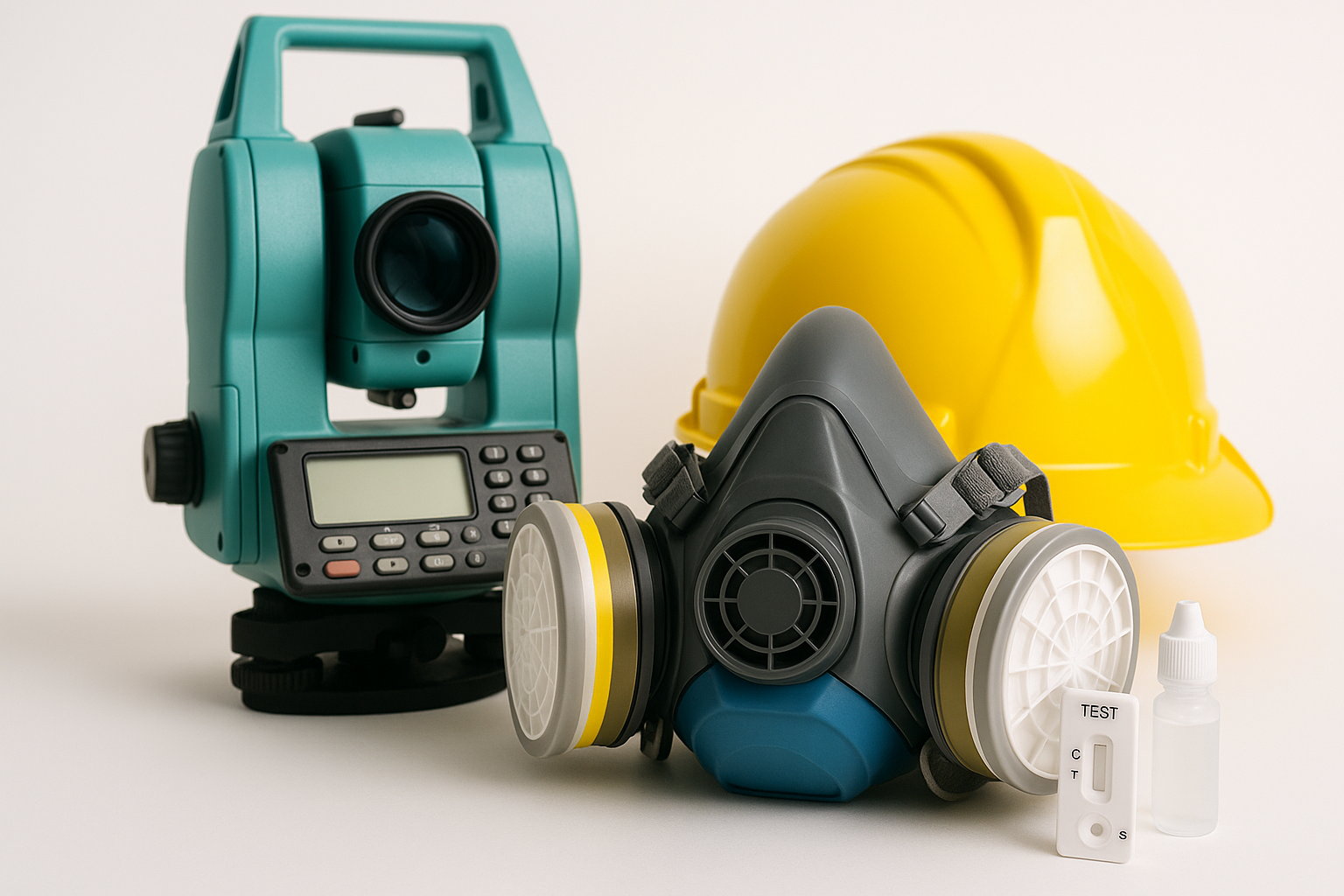
In practice, brown asbestos may still be found in:
- Asbestos insulating board in walls, soffits and ceiling voids
- Partition walls and ceiling tiles
- Fire breaks and fire protection panels
- Service risers and duct panels
- Plant rooms and boiler cupboards
- Pipe insulation and some thermal lagging systems
- Fire door cores and surrounding panels
- Certain composite or cement-based products
For property managers, the main issue is that many of these locations are disturbed during ordinary maintenance. A cable installation, plumbing repair or ventilation upgrade can affect brown asbestos long before anyone realises it is there.
Buildings where brown asbestos is more likely
Although homes can contain asbestos, brown asbestos is more often associated with non-domestic premises and larger residential blocks. It is particularly common in buildings where fire protection and service distribution were built into partitions, risers and plant spaces.
If you manage older stock, pay close attention to:
- Schools and colleges
- Hospitals and clinics
- Office blocks
- Factories and warehouses
- Council buildings
- Flats with communal service areas
- Premises that have been refurbished in phases
How brown asbestos differs from other asbestos types
All asbestos is hazardous, but not all asbestos minerals are the same. Brown asbestos is part of the amphibole family, while white asbestos, or chrysotile, belongs to the serpentine family.
Amphibole fibres are generally straighter and more brittle. Chrysotile fibres are more curly. That difference affects how fibres behave when released and is one reason brown asbestos is treated as a particularly serious concern.
Brown asbestos and white asbestos
White asbestos was used more widely across a broad range of products, including cement sheets, floor tiles, textured coatings and gaskets. Brown asbestos is more strongly linked with insulating board, fire protection and thermal insulation applications.
You may hear people say white asbestos is less dangerous. That should never lead to complacency. Both materials are dangerous, and both require proper identification, risk assessment and control.
Brown asbestos and other amphiboles
Other amphibole asbestos types include crocidolite, anthophyllite, actinolite and tremolite. These are less commonly encountered in routine building management, but they still matter.
Tremolite may appear as a contaminant in other materials. Anthophyllite is relatively uncommon in UK buildings but can appear in some insulation and composite products. None of these can be ruled in or out by sight alone.
The practical lesson is simple: if a suspect material is present, do not guess. Arrange professional inspection and testing.
Why brown asbestos is dangerous when disturbed
The risk from brown asbestos comes from inhaling airborne fibres. Intact material in good condition may sometimes be managed safely in place, but once it is damaged or disturbed, the risk changes quickly.
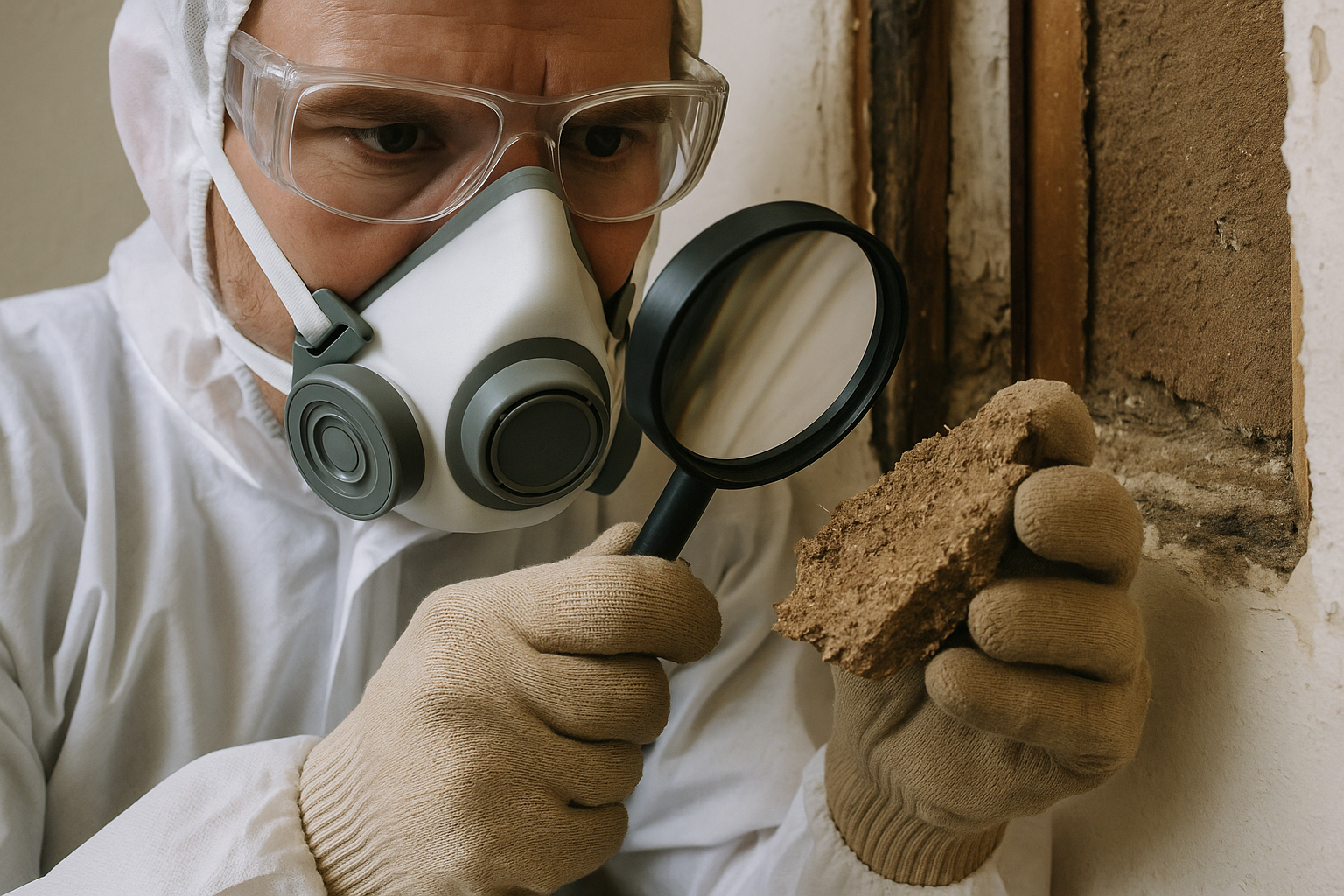
Fibres are microscopic. People can breathe them in without seeing dust, smelling anything unusual or realising a release has happened.
Typical exposure scenarios
- Drilling through old wall panels
- Removing ceiling sections during repairs
- Opening service risers without checking records
- Cutting access hatches into boxed-in services
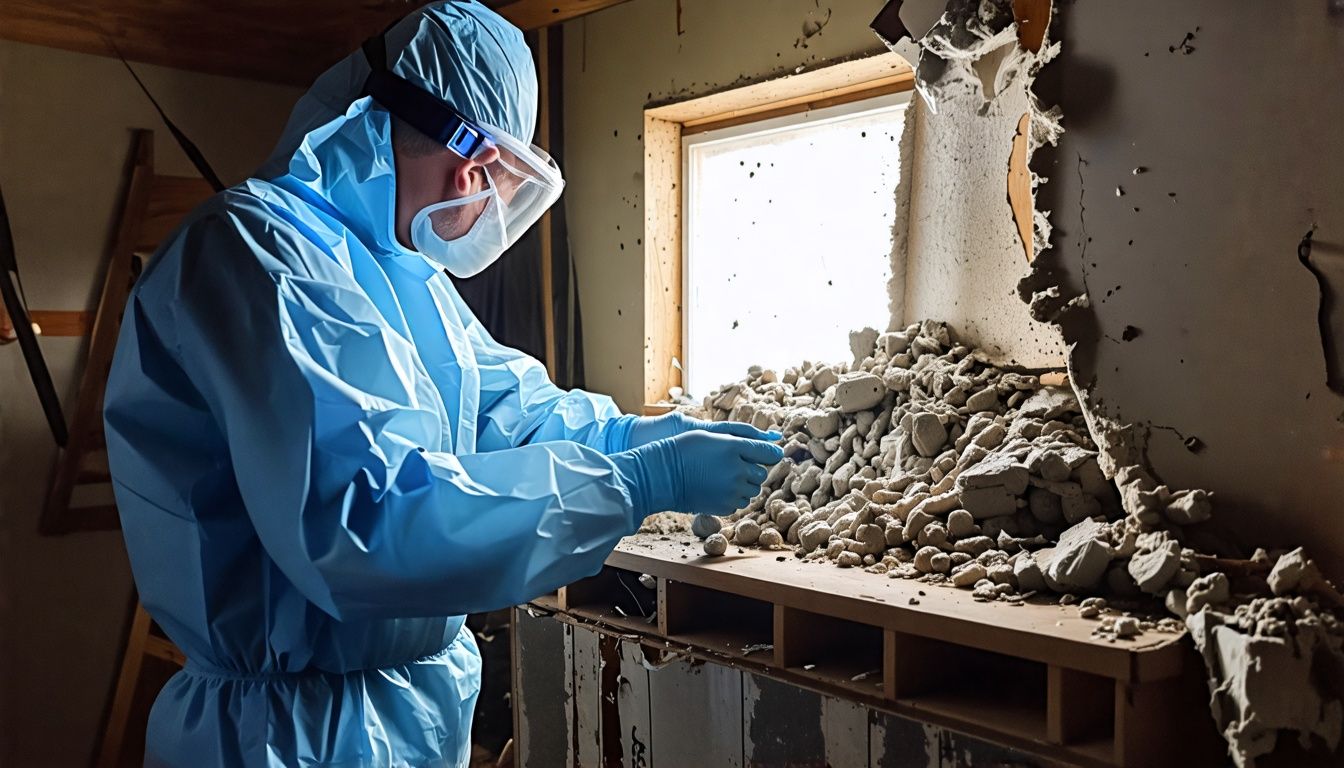
- Damaging insulating board during strip-out
- Breaking debris during waste handling
- Working near deteriorated plant room linings
It does not take major demolition to create a problem. A small maintenance task can release fibres if brown asbestos is present in insulating board, lagging or hidden fire protection materials.
Who is most at risk?
Anyone exposed to airborne fibres can be harmed, but certain trades are more likely to encounter brown asbestos during everyday work.
- Electricians
- Plumbers and heating engineers
- Maintenance operatives
- Facilities teams
- Builders and joiners
- Refurbishment contractors
- Demolition workers
- Caretakers carrying out minor repairs
Property managers also carry legal risk if work is authorised without the right asbestos information. A contractor cannot avoid disturbing brown asbestos if nobody has checked what is behind the panel they are about to cut.
Can you identify brown asbestos by appearance?
No. Brown asbestos cannot be confirmed by colour, texture, age or product type alone. While some amosite-containing materials do have a brownish cast, many do not.
Non-asbestos products can look similar, and asbestos-containing materials can vary depending on binders, coatings, paint layers and age. Visual assumptions are one of the most common causes of avoidable exposure.
What reliable identification looks like
Correct identification usually involves two stages:
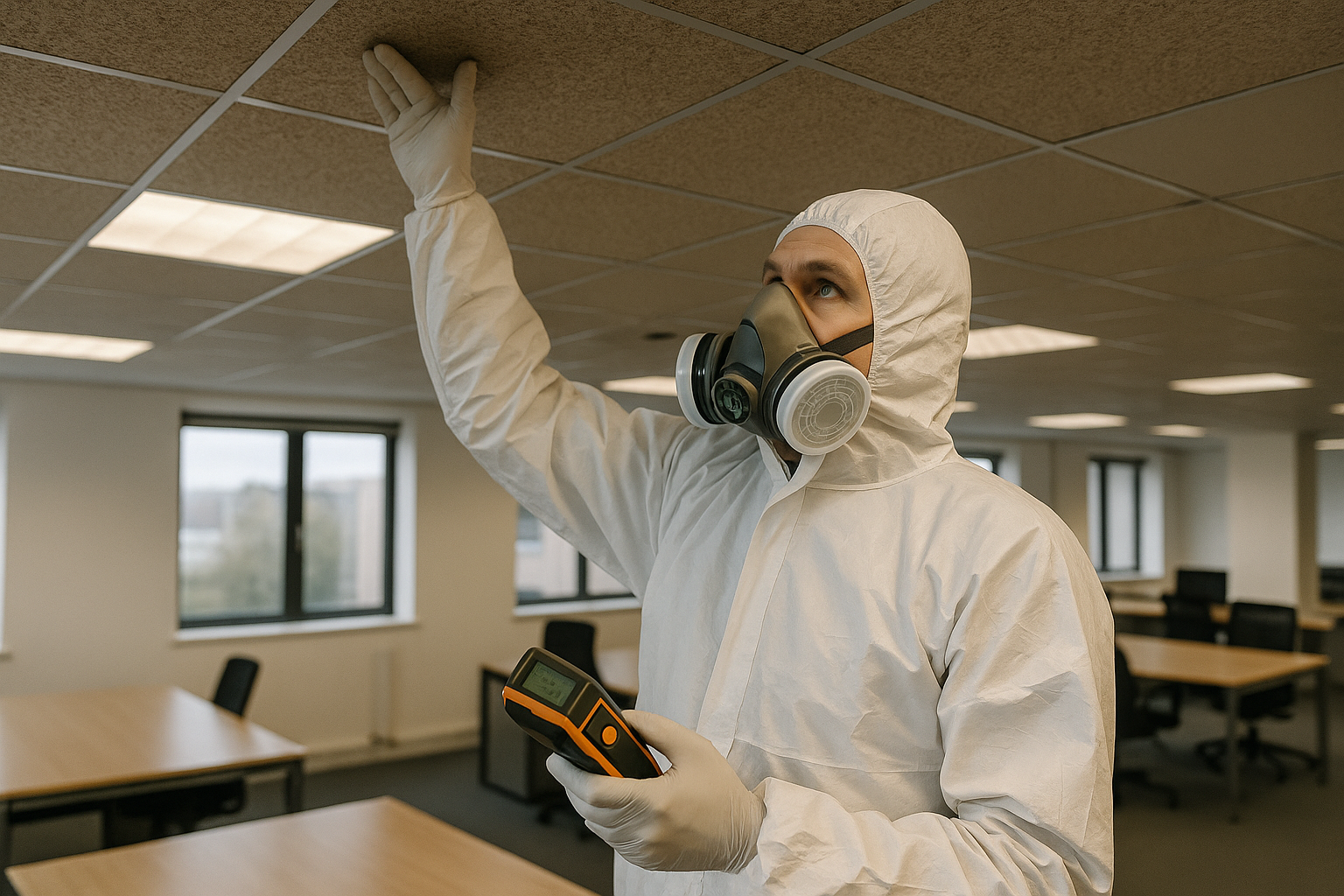
- A competent surveyor inspects the material in context.
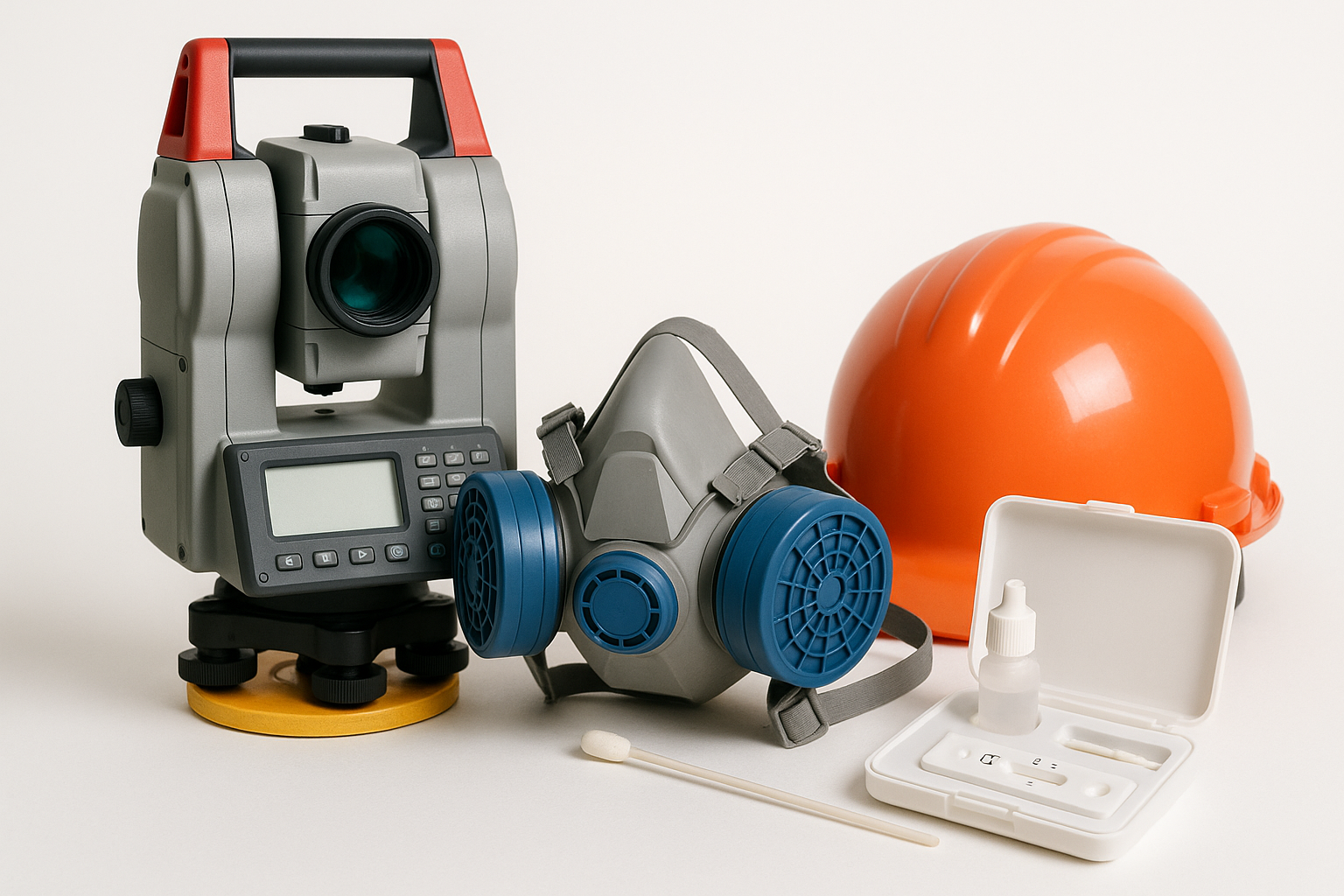
- Representative samples are analysed by an accredited laboratory.
That process is the only dependable way to confirm whether brown asbestos is present and to distinguish it from white asbestos, other amphiboles or non-asbestos lookalikes.
If you need confirmation on a suspect material, arrange professional asbestos testing before any work starts. A quick decision based on appearance can become a very expensive mistake.
What to do if you suspect brown asbestos
The right first step is to stop and control the area. Do not let anyone carry on working while someone tries to identify the material by eye.
If you suspect brown asbestos, take these actions straight away:
- Stop work immediately.
- Keep people out of the area.
- Do not drill, cut, scrape or move the material.
- Do not sweep dust or use a standard vacuum cleaner.
- Check the asbestos register and any previous survey records.
- Arrange a competent asbestos surveyor to assess the material.
- Organise sampling if the material has not been confirmed.
If the suspect material has already been damaged, isolate the area and seek urgent professional advice. The priority is to prevent further disturbance and avoid spreading contamination through foot traffic, tools, clothing or airflow.
What not to do
- Do not bag it up yourself unless you are trained, equipped and legally permitted to do so
- Do not ask a general contractor to “just remove that bit”
- Do not rely on old assumptions about the building
- Do not continue with works while waiting for someone to have a look later
Management, encapsulation or removal?
Not every discovery of brown asbestos means immediate removal. The correct response depends on the material type, its condition, its location and whether it is likely to be disturbed.
In some situations, asbestos in good condition can be managed in place. In others, encapsulation may reduce the immediate risk. Where refurbishment, access works or deterioration make disturbance likely, removal may be necessary.
When management in place may be suitable
Management in place may be considered where the material is in good condition, sealed, clearly recorded and unlikely to be disturbed. This approach still requires regular review, clear communication and an up-to-date asbestos management plan.
When removal is more likely
Removal is often the safer option where:
- The material is damaged or friable
- Refurbishment will disturb it
- Demolition is planned
- Access for maintenance cannot be avoided
- The location makes accidental damage likely
Because brown asbestos is frequently found in higher-risk materials such as asbestos insulating board and thermal insulation, removal work may require specialist controls and, in many cases, a licensed asbestos contractor.
Brown asbestos and refurbishment or demolition works
This is where many asbestos incidents begin. A standard management survey is not enough if the building is going to be stripped out, altered or demolished.
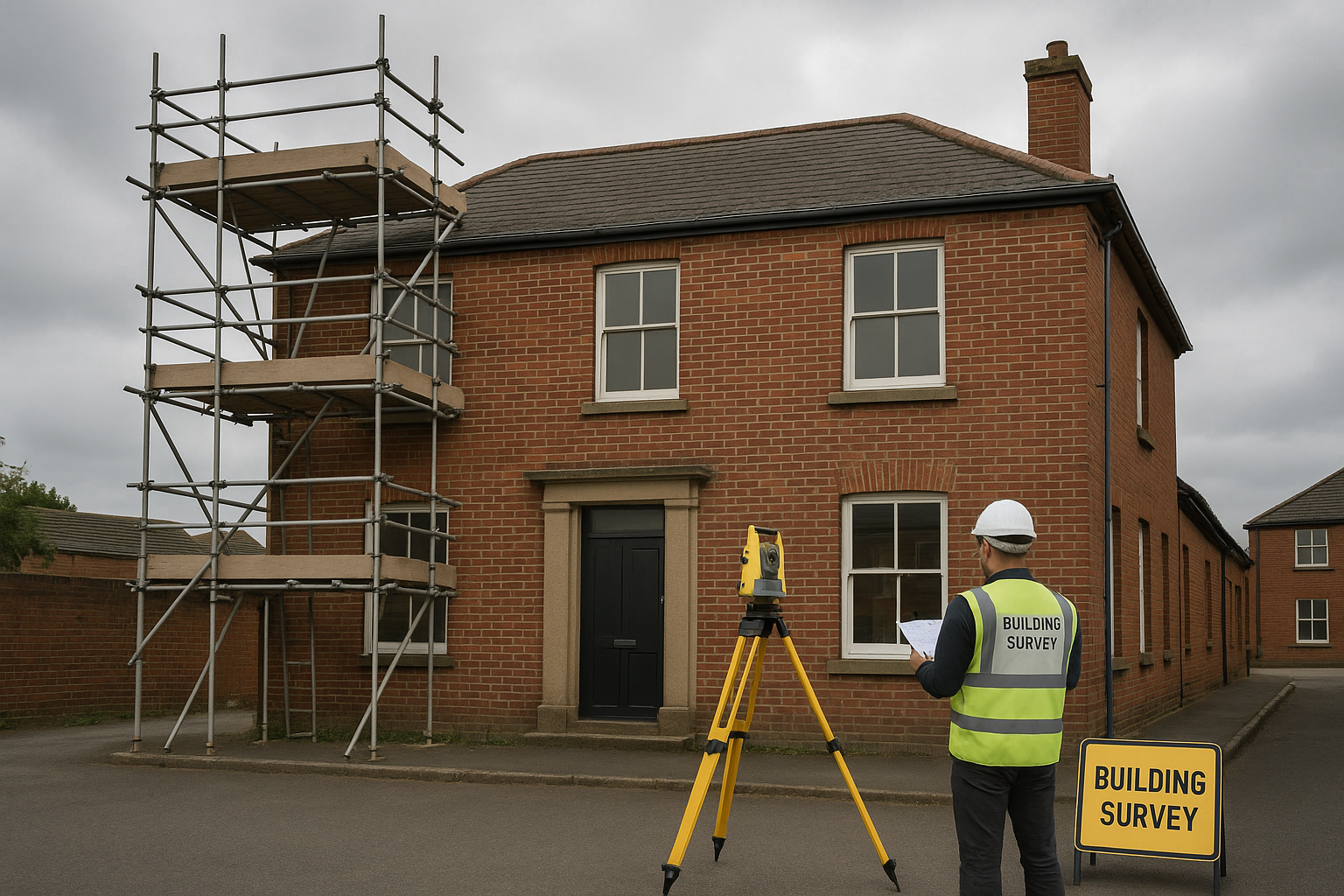
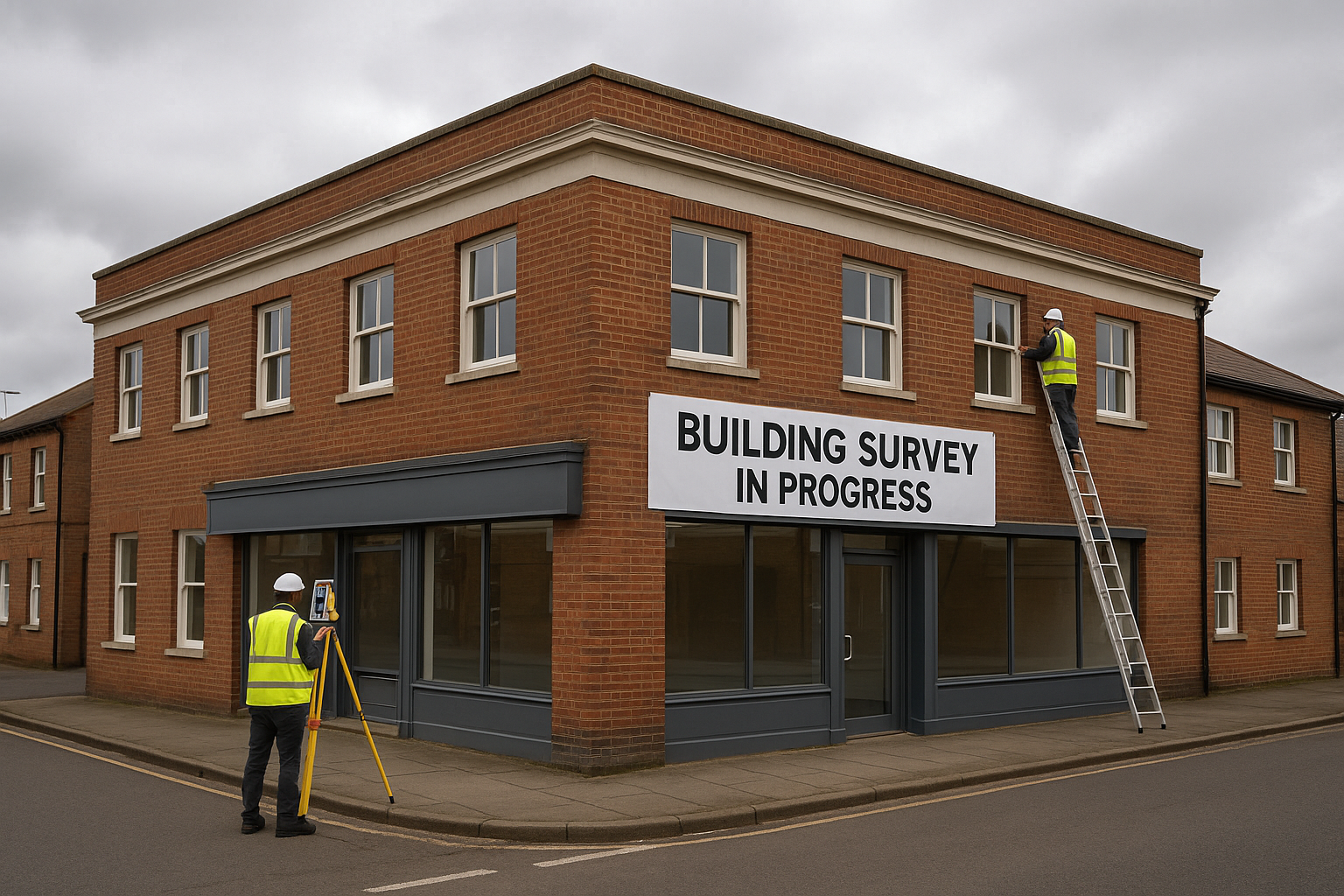
Where intrusive works are planned, you need the right survey for the job. If walls, ceilings, risers, plant enclosures or hidden voids will be opened up, arrange a proper demolition survey before work starts.
This allows hidden asbestos-containing materials to be identified so the project can be planned safely. It also helps dutyholders meet their obligations under the Control of Asbestos Regulations and follow HSE guidance and HSG264.
Practical planning tips for dutyholders
- Review the survey scope before appointing contractors
- Make sure intrusive areas are included, not assumed
- Share asbestos information with every contractor involved
- Pause works if hidden materials are uncovered
- Update records after removal or remediation
Good asbestos planning is not paperwork for its own sake. It prevents delays, emergency call-outs and unsafe decisions on site.
Legal duties around brown asbestos in the UK
If you are responsible for non-domestic premises, or the common parts of certain residential buildings, you may have duties under the Control of Asbestos Regulations. In practical terms, that means identifying asbestos where it may be present, assessing the risk and preventing exposure.
The survey standard set out in HSG264 helps determine how asbestos surveys should be planned and carried out. HSE guidance supports how dutyholders, employers and contractors should manage asbestos risk in real settings.
What dutyholders should have in place
- An asbestos survey appropriate to the building and planned works
- An asbestos register that is current and accessible
- A management plan for known or presumed asbestos
- Clear procedures for contractors and maintenance teams
- A process for reviewing records after changes to the building
If you manage multiple sites, consistency matters. Brown asbestos often remains hidden in older estates because records are incomplete, outdated or not shared properly with those doing the work.
Environmental spread and waste handling
Brown asbestos does not behave like ordinary dust. Once fibres are released, they can spread through debris, on clothing, across surfaces and into adjacent spaces.
A localised incident can quickly affect a wider area. A damaged board in a service cupboard may result in room isolation, specialist cleaning, air monitoring and disruption to occupants or operations.
Waste handling basics
Asbestos waste must be handled correctly. That means suitable packaging, labelling, transport and disposal in line with legal requirements.
What you should never allow on site:
- Breaking asbestos waste into smaller pieces for convenience
- Mixing suspect waste with general construction debris
- Unlabelled bags or loose contaminated materials
- General labourers moving asbestos waste without proper controls
If there is any doubt about whether debris contains brown asbestos, stop and get it assessed before disposal arrangements are made.
Special consideration: pregnancy and vulnerable occupants
Questions about pregnancy come up regularly after asbestos is found in a workplace or residential setting. The core risk from brown asbestos remains inhalation of airborne fibres by the exposed person.
If brown asbestos is suspected or has been disturbed, keep everyone away from the area, including pregnant workers, residents and visitors. The right response is fast and practical: stop work, isolate the area, check records and arrange competent assessment.
The same cautious approach should apply where vulnerable occupants are involved, such as children, hospital patients or people in supported living settings. Do not wait to see whether the material is a problem later. Treat the situation as potentially hazardous until it has been properly assessed.
Practical advice for property managers dealing with brown asbestos
The best way to avoid an asbestos incident is to build checks into routine property management. Brown asbestos is often discovered not because it was impossible to find, but because nobody looked at the records before authorising work.
A sensible working routine
- Assume pre-2000 materials may contain asbestos unless records prove otherwise.
- Check the asbestos register before any intrusive task.
- Make sure contractors have the relevant survey information.
- Stop jobs immediately if hidden suspect materials are uncovered.
- Train staff to report damage, debris or exposed board straight away.
- Update records after testing, removal or refurbishment.
For isolated suspect materials, laboratory-based asbestos testing can help you decide whether management, encapsulation or removal is needed. That is far better than making assumptions that lead to unnecessary cost or unsafe work.
If you oversee sites across the capital or the regions, local survey support can make response times easier to manage. Supernova can help with an asbestos survey London appointment, an asbestos survey Manchester visit or an asbestos survey Birmingham booking, depending on where your property sits.
Frequently Asked Questions
Is brown asbestos more dangerous than white asbestos?
Brown asbestos, or amosite, is generally regarded as particularly hazardous because of its amphibole fibre structure. That said, white asbestos is also dangerous, and all asbestos-containing materials must be managed with the same level of care.
Where is brown asbestos usually found?
Brown asbestos is commonly found in asbestos insulating board, fire protection panels, partition walls, ceiling systems, service risers, plant rooms, fire doors and some thermal insulation products. It is especially associated with older commercial, industrial and public buildings.
Can I identify brown asbestos by colour alone?
No. Brown asbestos cannot be confirmed by colour alone. Many asbestos-containing materials resemble non-asbestos products, and some amosite materials appear grey or off-white. Proper sampling and laboratory analysis are needed for confirmation.
What should I do if brown asbestos is damaged?
Stop work immediately, keep people away, prevent further disturbance and check your asbestos records. Then arrange professional assessment and, where needed, sampling, cleaning and remedial action by competent specialists.
Do I always need to remove brown asbestos?
No. If brown asbestos is in good condition and unlikely to be disturbed, it may be managed in place. If it is damaged, accessible, friable or likely to be affected by planned works, removal may be the safer and more appropriate option.
Need expert help with brown asbestos?
If you suspect brown asbestos in your building, do not rely on guesswork. Supernova Asbestos Surveys carries out surveys, sampling and testing across the UK, helping dutyholders, landlords and property managers make safe, compliant decisions before maintenance, refurbishment or demolition begins.
To book a survey or discuss suspect materials, call 020 4586 0680 or visit asbestos-surveys.org.uk. Supernova can advise on the right next step, whether that is inspection, testing, survey work or support for planned projects.