What Every Property Owner Needs to Know About Asbestos Soffit Removal
That strip of boarding running along the underside of your roofline looks harmless enough. But if your property was built before 1999, there is a real chance it contains asbestos — and disturbing it without the right knowledge could put lives at risk.
Asbestos soffit removal is one of the most misunderstood tasks in property maintenance. Getting it wrong carries serious legal and health consequences that no property owner, landlord, or contractor wants to face.
Why Soffits Are a Common Source of Asbestos in UK Properties
From the 1950s through to the late 1990s, asbestos was routinely used in building materials across the UK. Soffits — the horizontal boards fitted beneath the eaves of a roof — were no exception.
Manufacturers favoured asbestos cement and Asbestos Insulating Board (AIB) because both materials were durable, fire-resistant, and cheap to produce at scale. You will find asbestos soffits on houses, garages, porches, outbuildings, and commercial properties built during this period.
Asbestos cement soffits are the more common of the two. They are made by binding asbestos fibres into a cement matrix, which makes them relatively hard and less likely to release fibres unless cut, drilled, or broken.
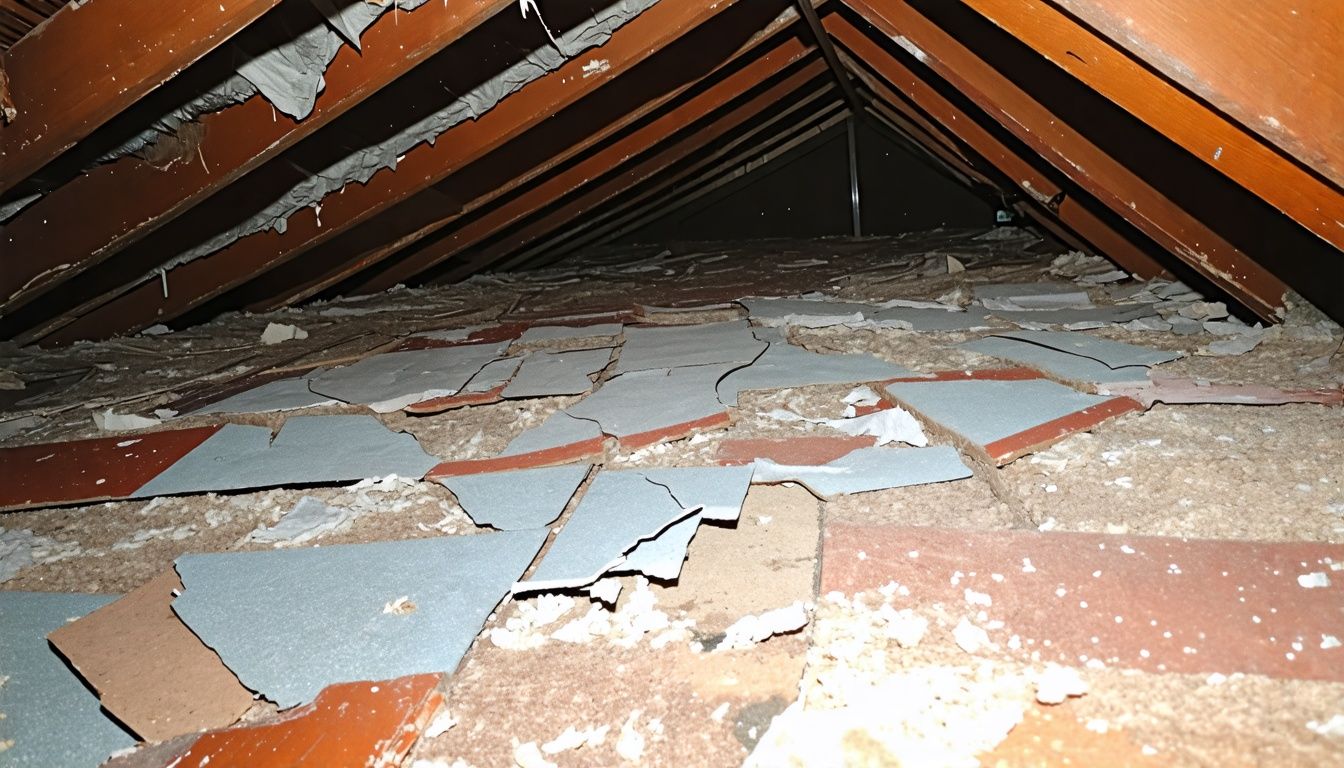
AIB soffits are considerably more hazardous. The fibres are less tightly bound, meaning the material can crumble under pressure and release dust into the air with minimal disturbance. Properties constructed in the 1970s and 1980s carry a particularly high risk, and because soffits are often painted to match the roofline, they can be very difficult to identify by eye alone.
How to Identify Asbestos Soffit Boards
Visual identification is a starting point, not a conclusion. Even experienced surveyors do not rely on sight alone — and neither should you.
What Asbestos Soffits Look Like
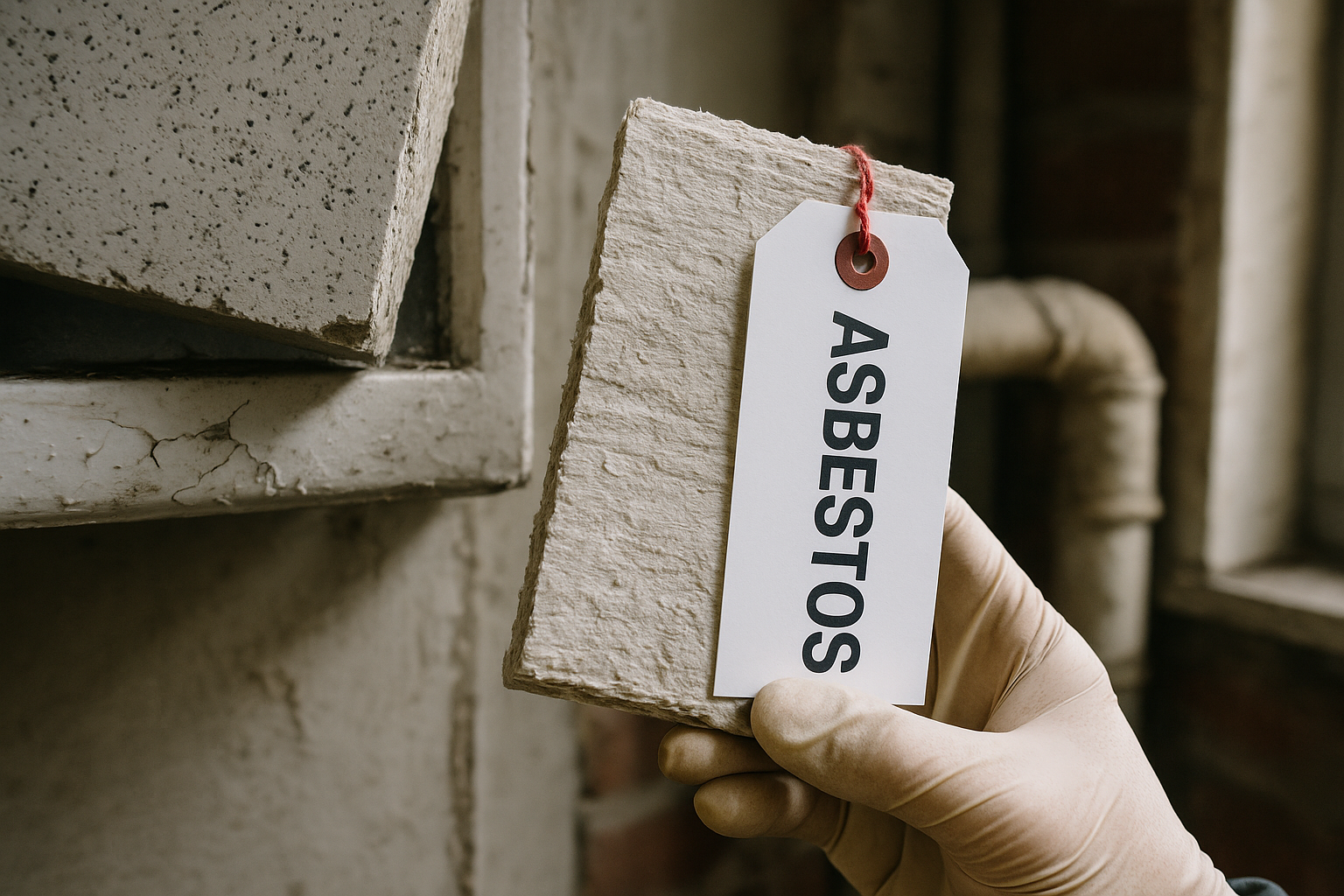
Asbestos cement soffits are typically flat, thin panels with a smooth or lightly textured surface. They are usually white or light grey, though decades of painting can obscure this entirely.
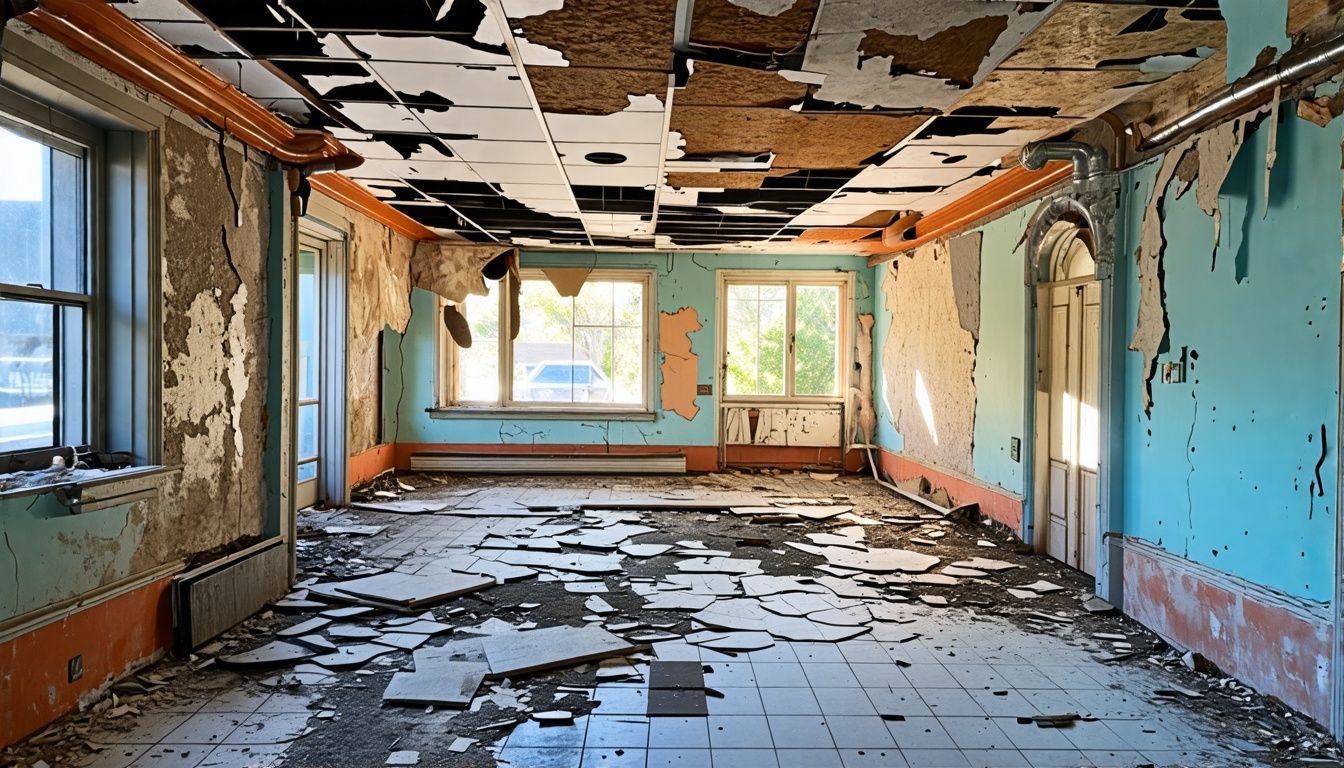
Look for hairline cracks, chalky deposits along the edges, or powdery residue near the eaves — these are signs of weathering and potential fibre release. AIB soffits tend to be slightly thicker and feel more fibrous at any broken edge.
Both types can look identical to modern non-asbestos boards from a distance. Modern uPVC soffits do not contain asbestos, but they are sometimes fitted directly over older asbestos boards rather than replacing them — so the presence of a plastic-looking soffit does not automatically mean there is no asbestos underneath.
Age of the Property as a Guide
If your property was built or significantly refurbished before 1999, asbestos-containing materials (ACMs) should be assumed present until proven otherwise. The UK banned the use of all asbestos in construction materials in 1999, so anything installed after that date should be asbestos-free — but older materials may still be in place beneath newer finishes.
If you are unsure of the construction date or the history of any renovation work, treat all suspect boarding as potentially hazardous and arrange professional testing before proceeding.
Laboratory Testing Is the Only Way to Be Certain
No visual check, app, or rule of thumb can confirm asbestos with certainty. Only laboratory analysis of a physical sample can do that.
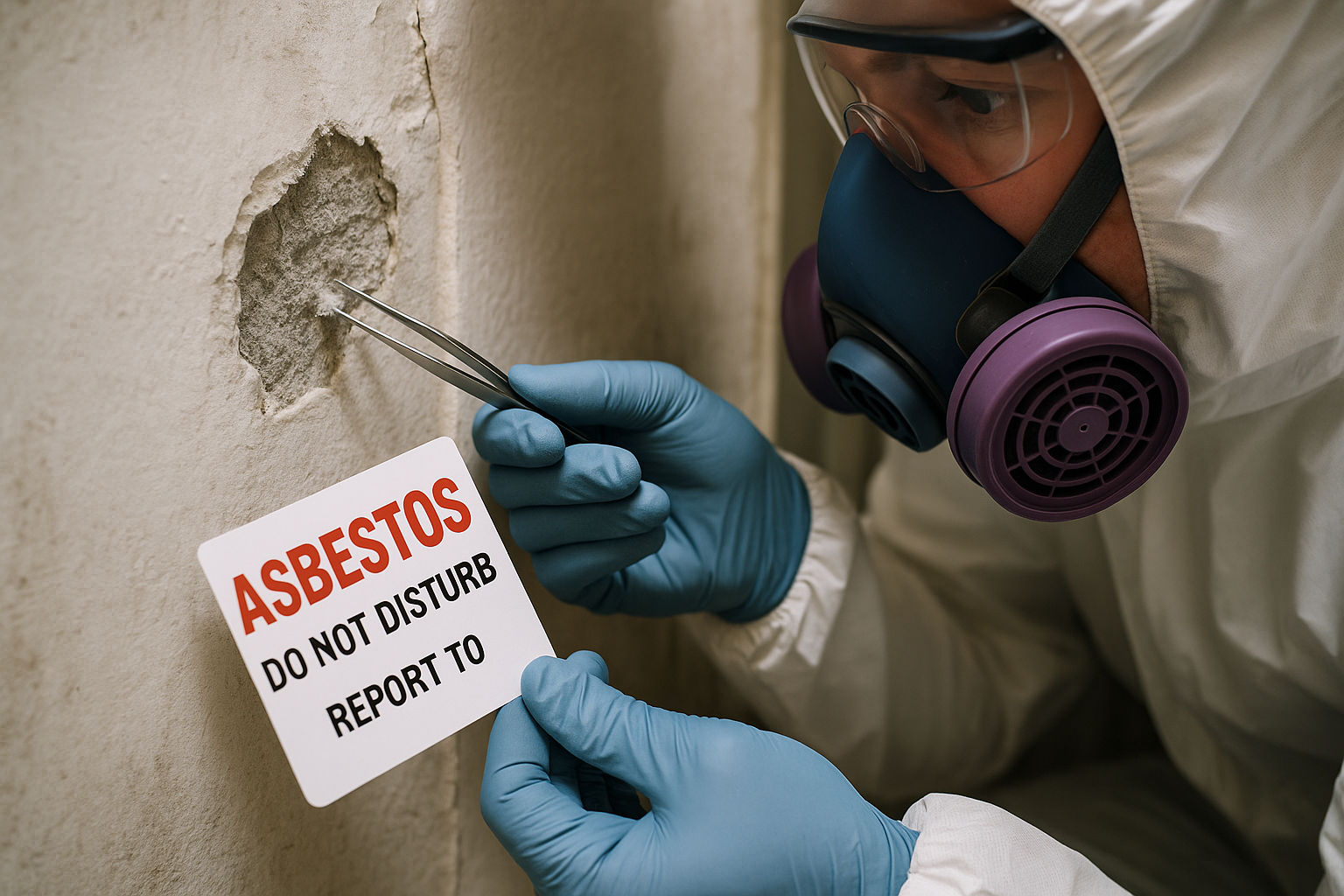
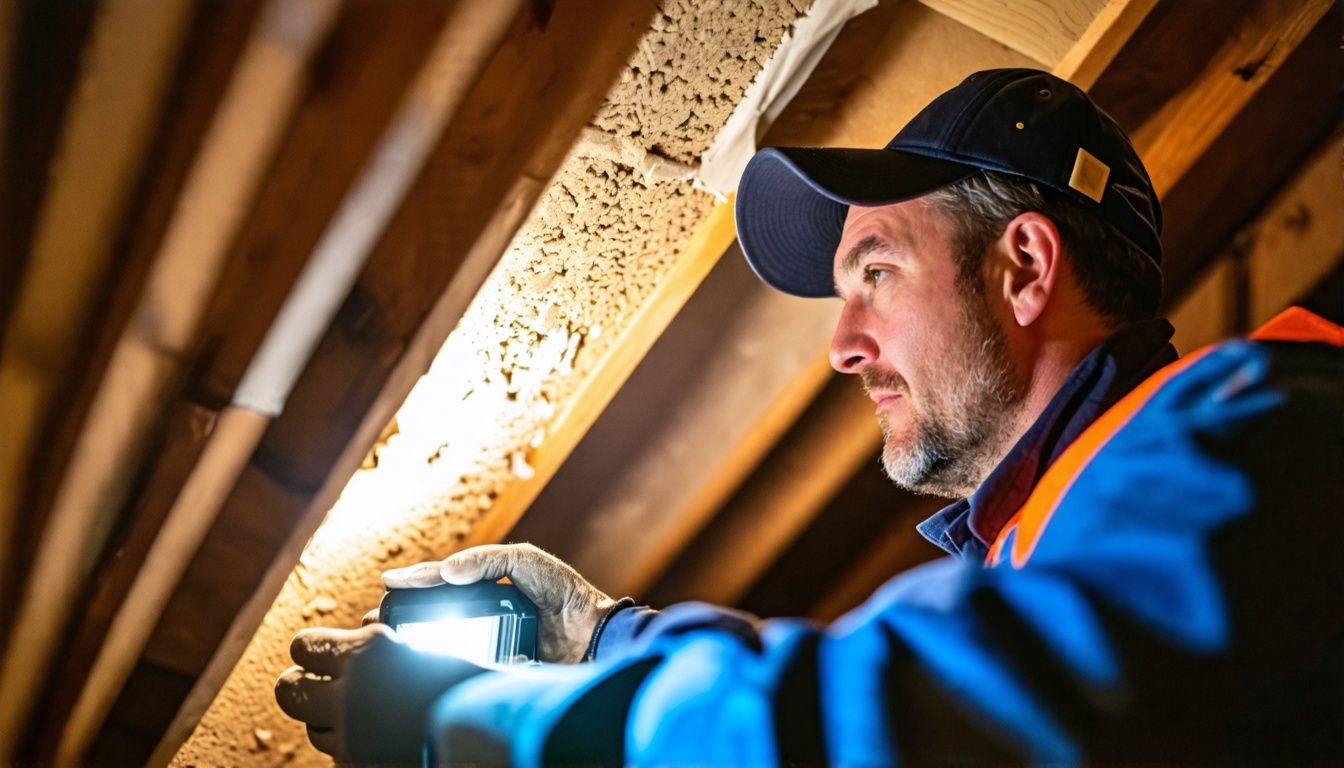
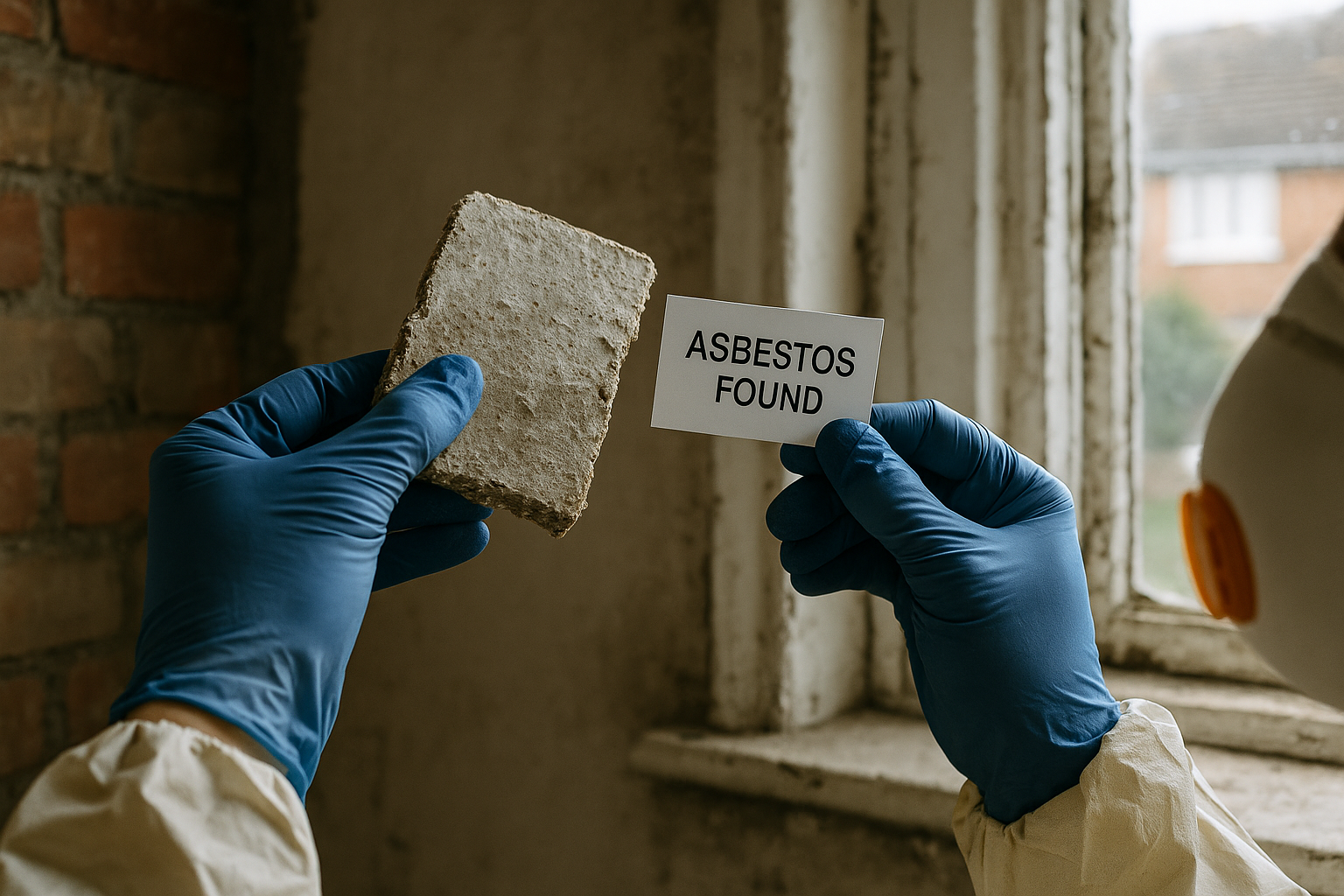
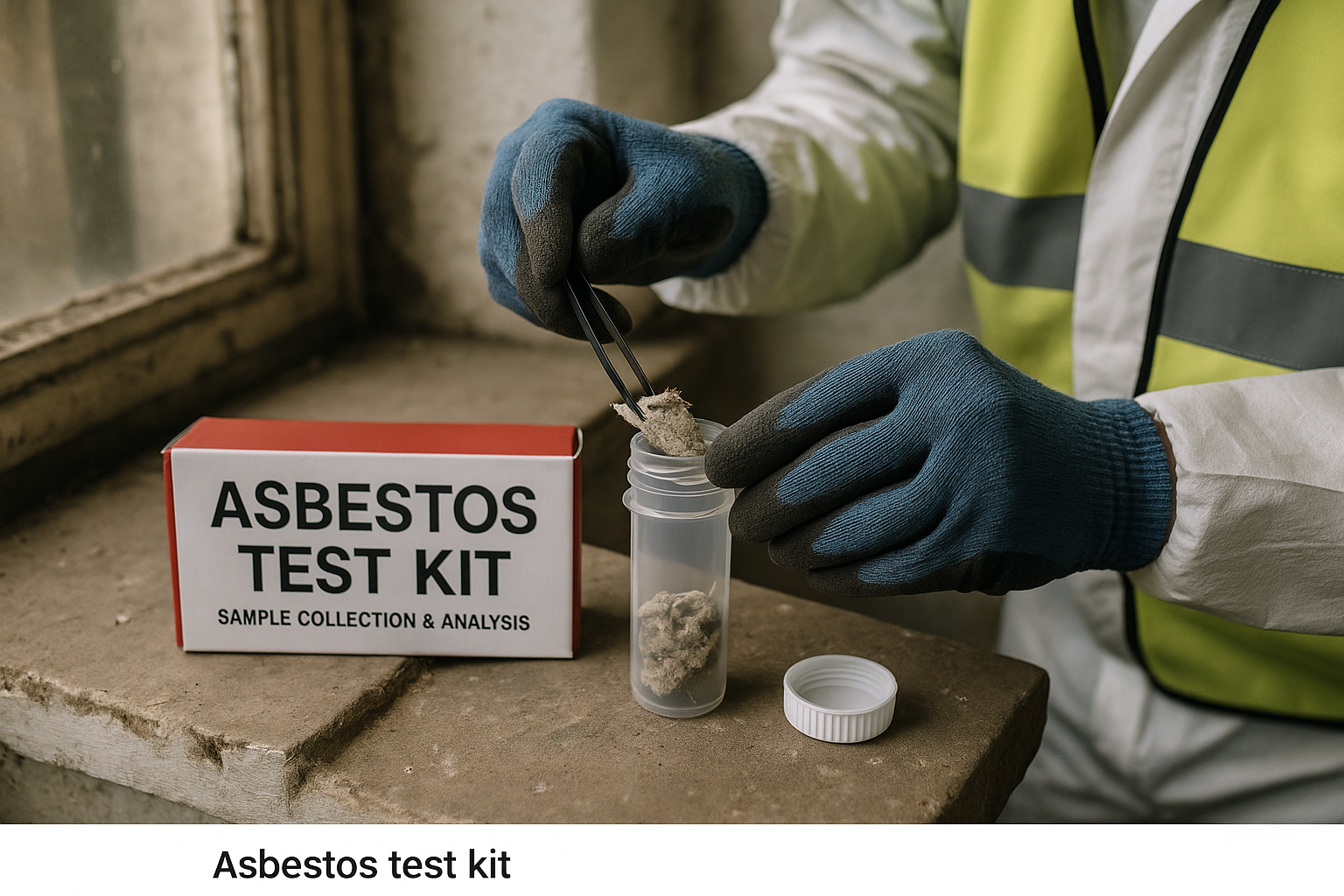
Samples must be collected by a qualified professional using controlled methods that minimise fibre release, then sent to a UKAS-accredited laboratory for examination under polarised light microscopy. Professional asbestos testing is the only reliable route to confirmation — do not attempt to take samples yourself, as improper sampling can release fibres and create a hazard where none previously existed.
The Health Risks of Disturbing Asbestos Soffits
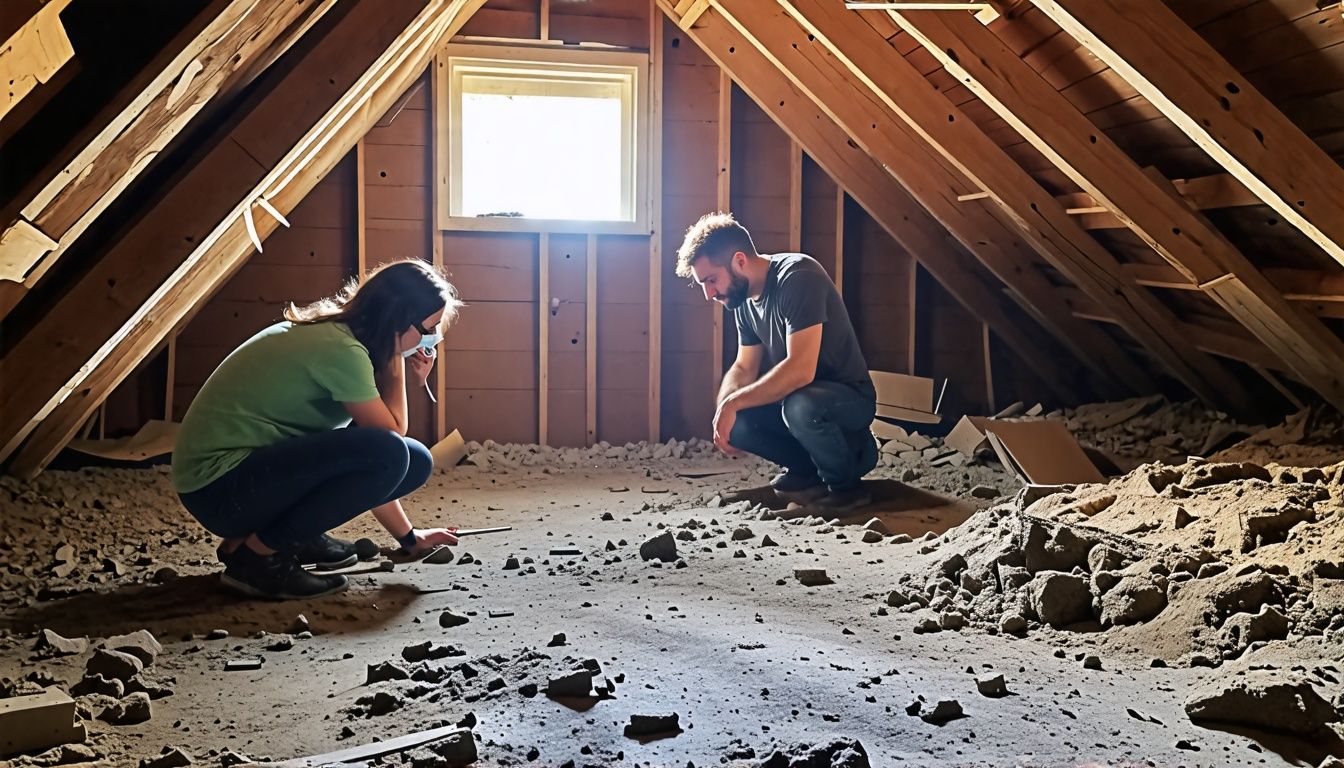
Asbestos fibres are microscopic. You cannot see them, smell them, or feel them in the air. When asbestos-containing materials are cut, drilled, sanded, or broken, those fibres become airborne and can be inhaled deep into the lungs.
The diseases linked to asbestos exposure — mesothelioma, asbestosis, and lung cancer — are serious, frequently fatal, and have a latency period of 20 to 40 years. Someone exposed during a routine soffit repair today may not develop symptoms until decades later.
Friable materials like AIB carry the highest risk because they release fibres more readily. But even asbestos cement soffits in poor condition — cracked, crumbling, or weathered — can shed fibres without any physical intervention.
The risk increases significantly the moment any cutting or drilling begins. This is why the legal framework around asbestos is so stringent, and why asbestos soffit removal must never be treated as a DIY job.
What UK Law Requires
The Control of Asbestos Regulations set out the legal duties for anyone who manages, maintains, or works on buildings that may contain asbestos. The key obligations are non-negotiable.
The Duty to Manage
If you are a building owner, landlord, or responsible person for a non-domestic property, you have a legal duty to manage asbestos. This means identifying ACMs, assessing their condition, and putting a management plan in place.
Domestic properties are subject to different rules, but homeowners still have responsibilities when commissioning work that could disturb asbestos-containing materials.
Notifiable and Licensed Work
Not all asbestos work requires a licence, but AIB removal always does. Licensed asbestos removal contractors must be approved by the HSE, and work involving AIB must be notified to the HSE at least 14 days before it begins.
Failure to notify, or using an unlicensed contractor for licensable work, is a criminal offence. Asbestos cement soffit removal may fall into a lower-risk category depending on the condition of the material and the scale of the work, but it still requires a risk assessment, appropriate controls, and in most cases a competent contractor with asbestos training.
The HSE’s guidance document HSG264 provides the technical framework for asbestos surveying and should be referenced when planning any survey or removal project.
Waste Disposal
Asbestos waste is classified as hazardous waste under UK law. Removed soffit boards must be double-bagged in heavy-duty polythene bags, clearly labelled with asbestos hazard warnings, and transported to a licensed disposal facility.
Fly-tipping asbestos waste carries severe penalties — both financial and criminal. Always obtain a waste transfer note from your contractor as proof that disposal was handled correctly.
Personal Protective Equipment for Asbestos Soffit Removal
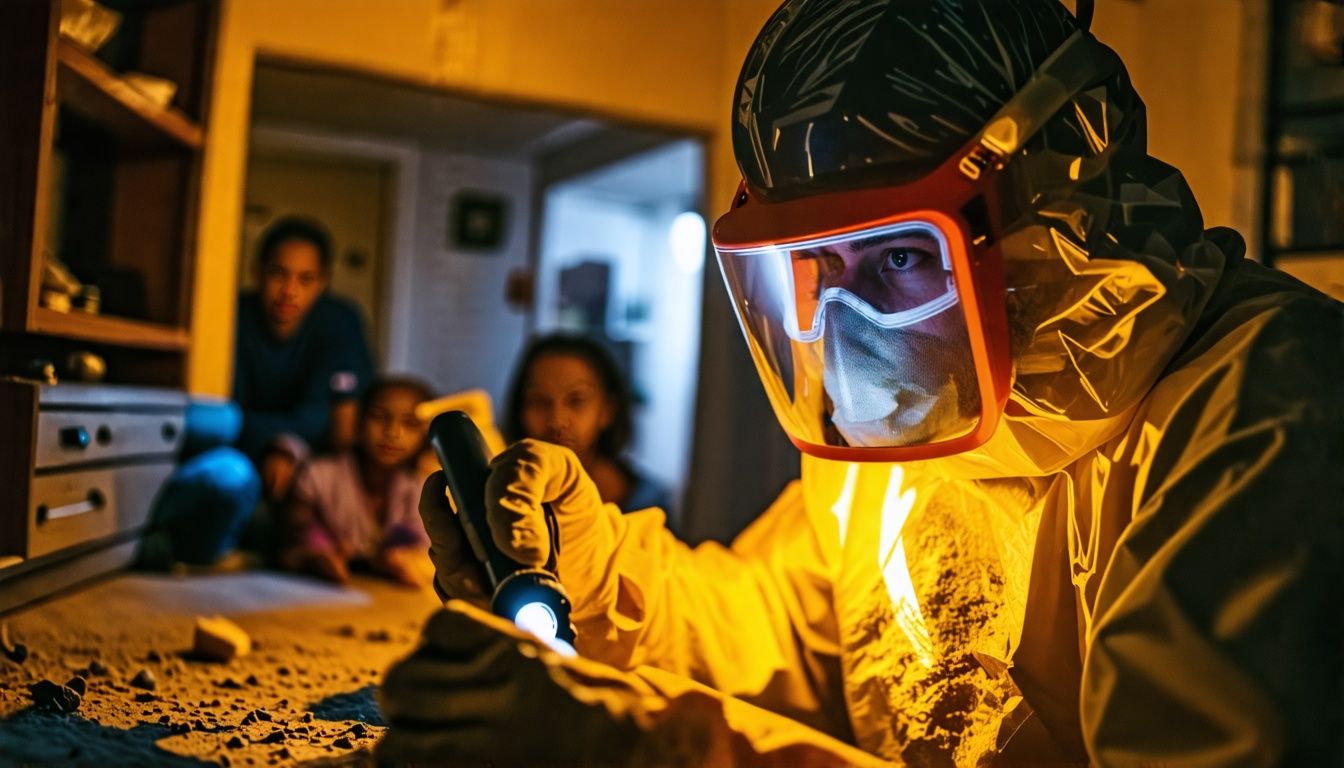
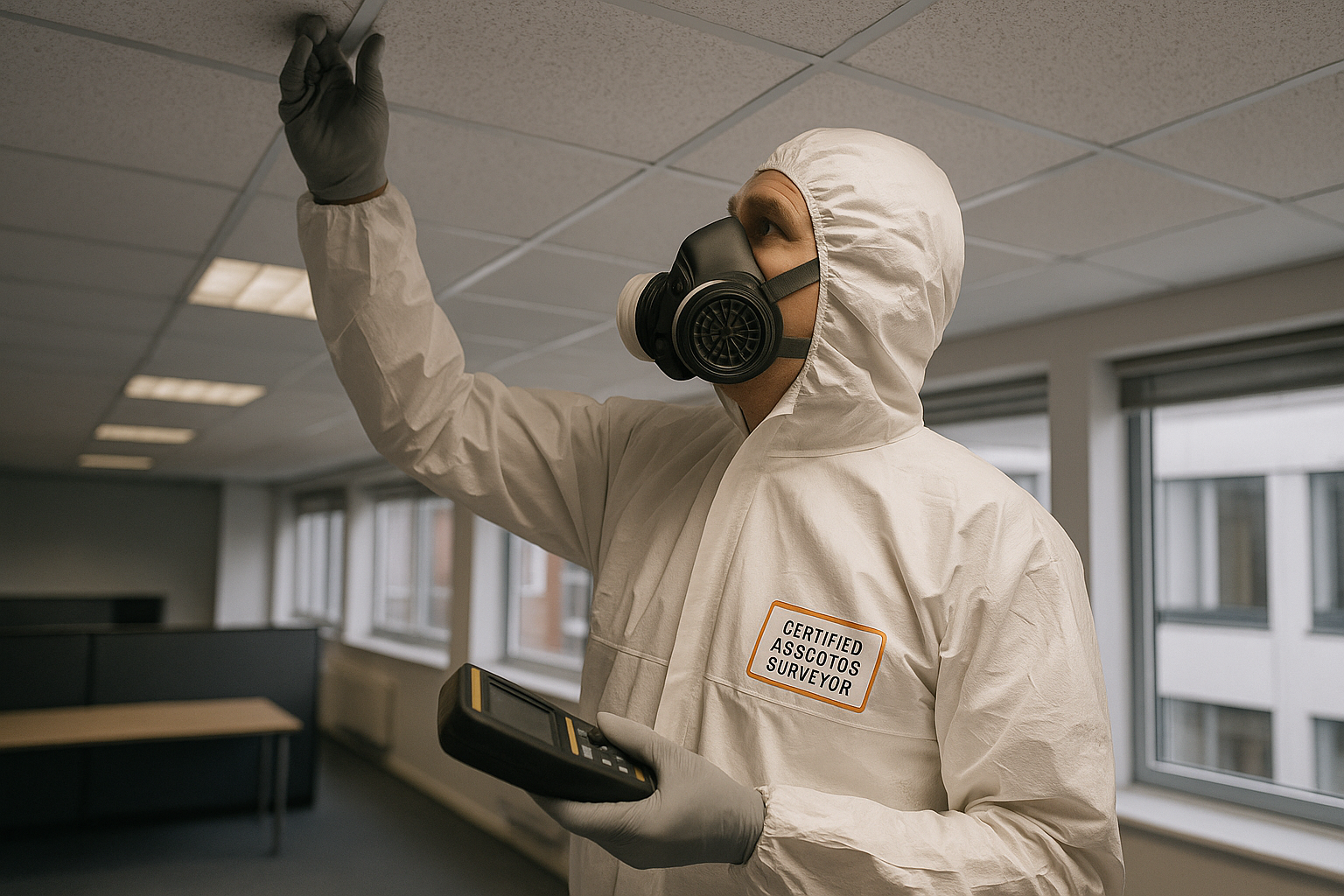
PPE is not optional when working near asbestos-containing materials. The correct equipment must be worn from the moment work begins until the area has been fully cleared and cleaned.
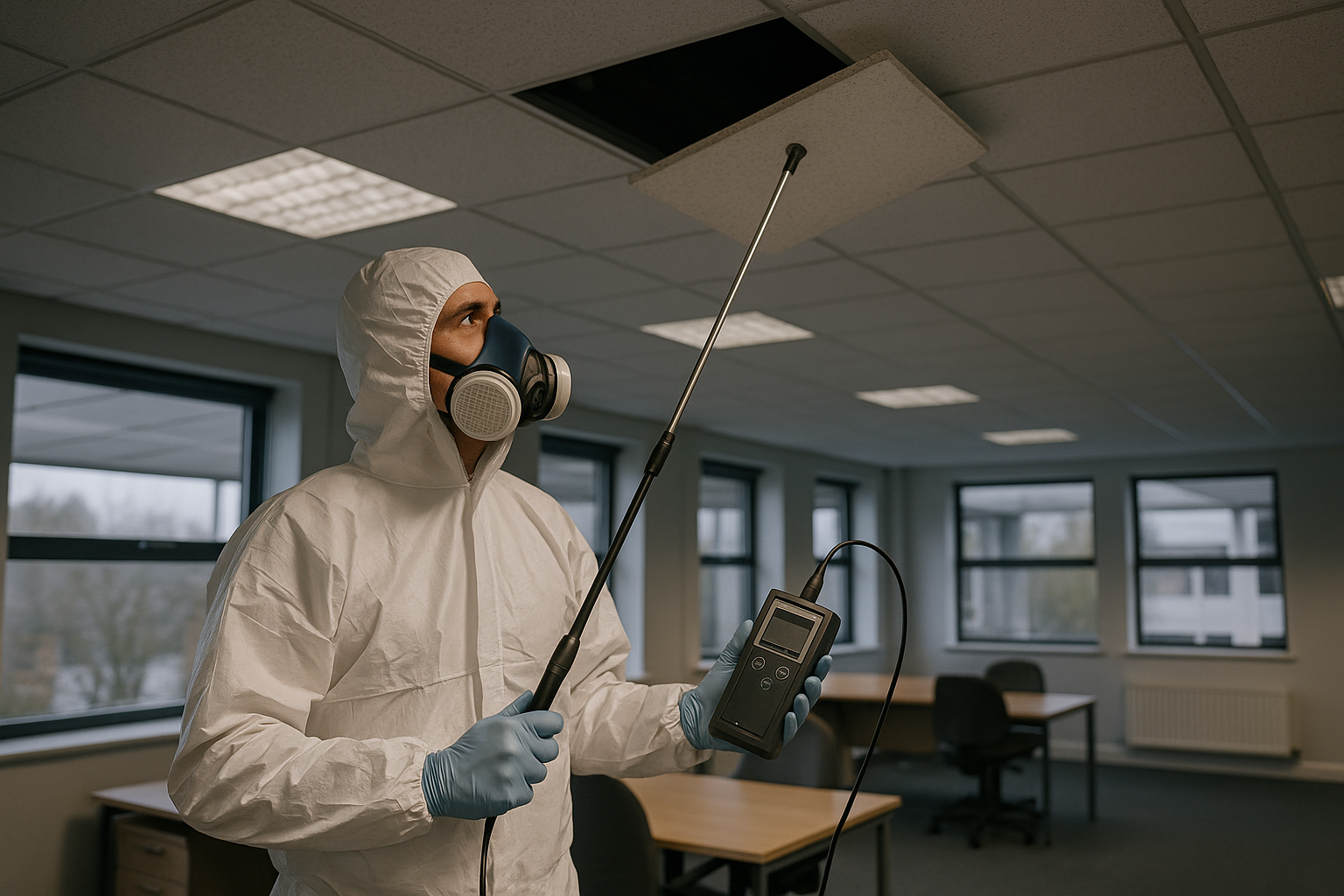
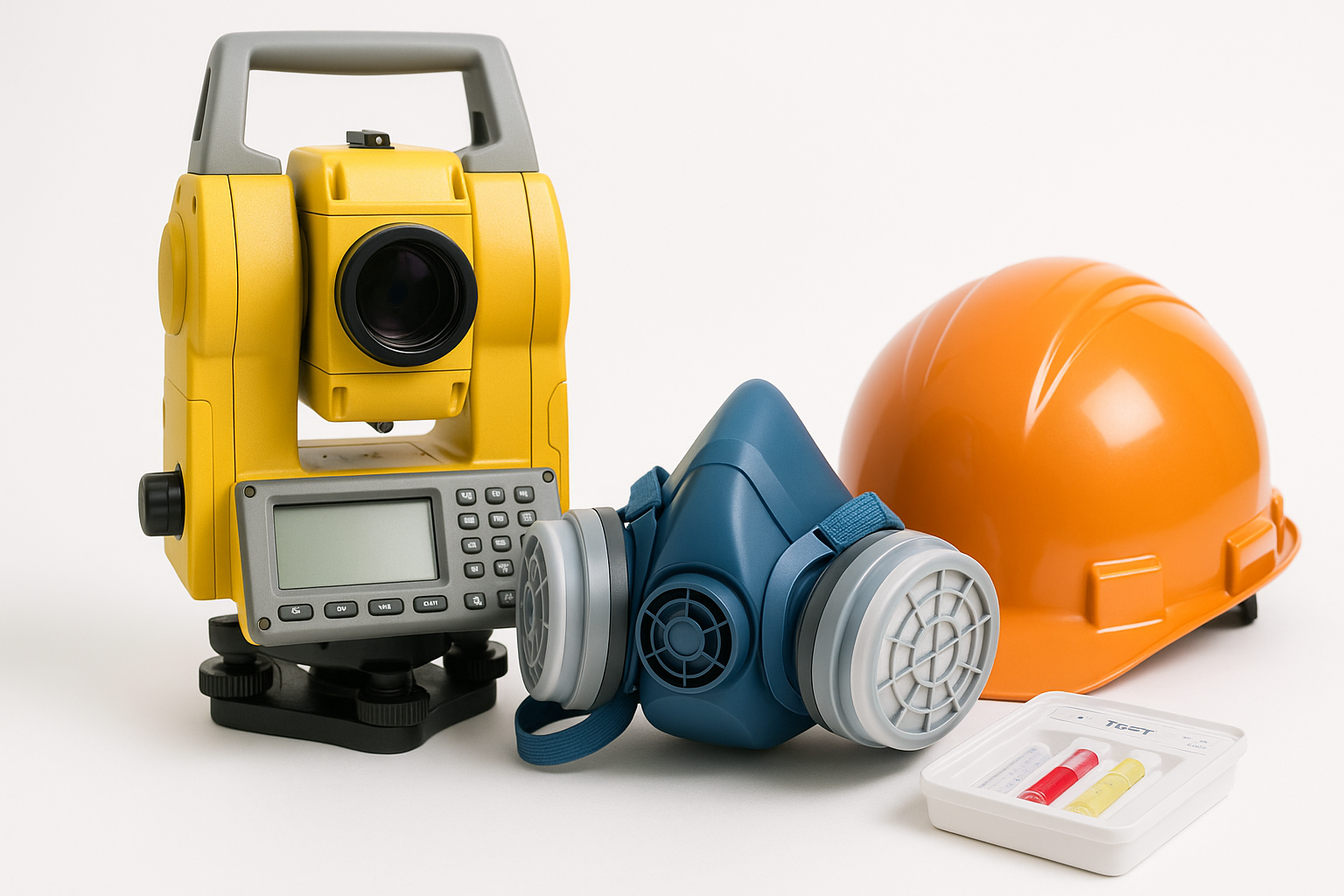
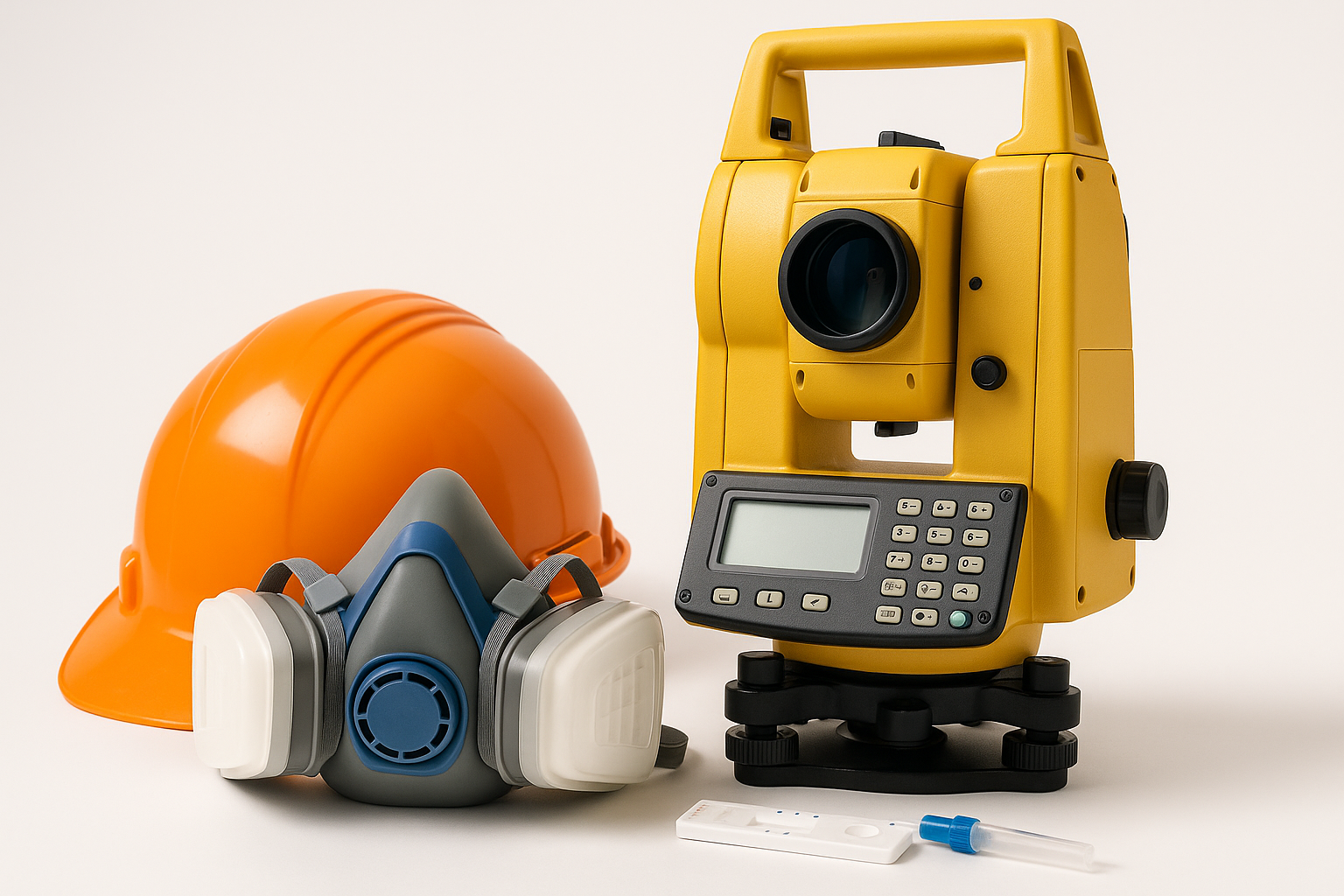
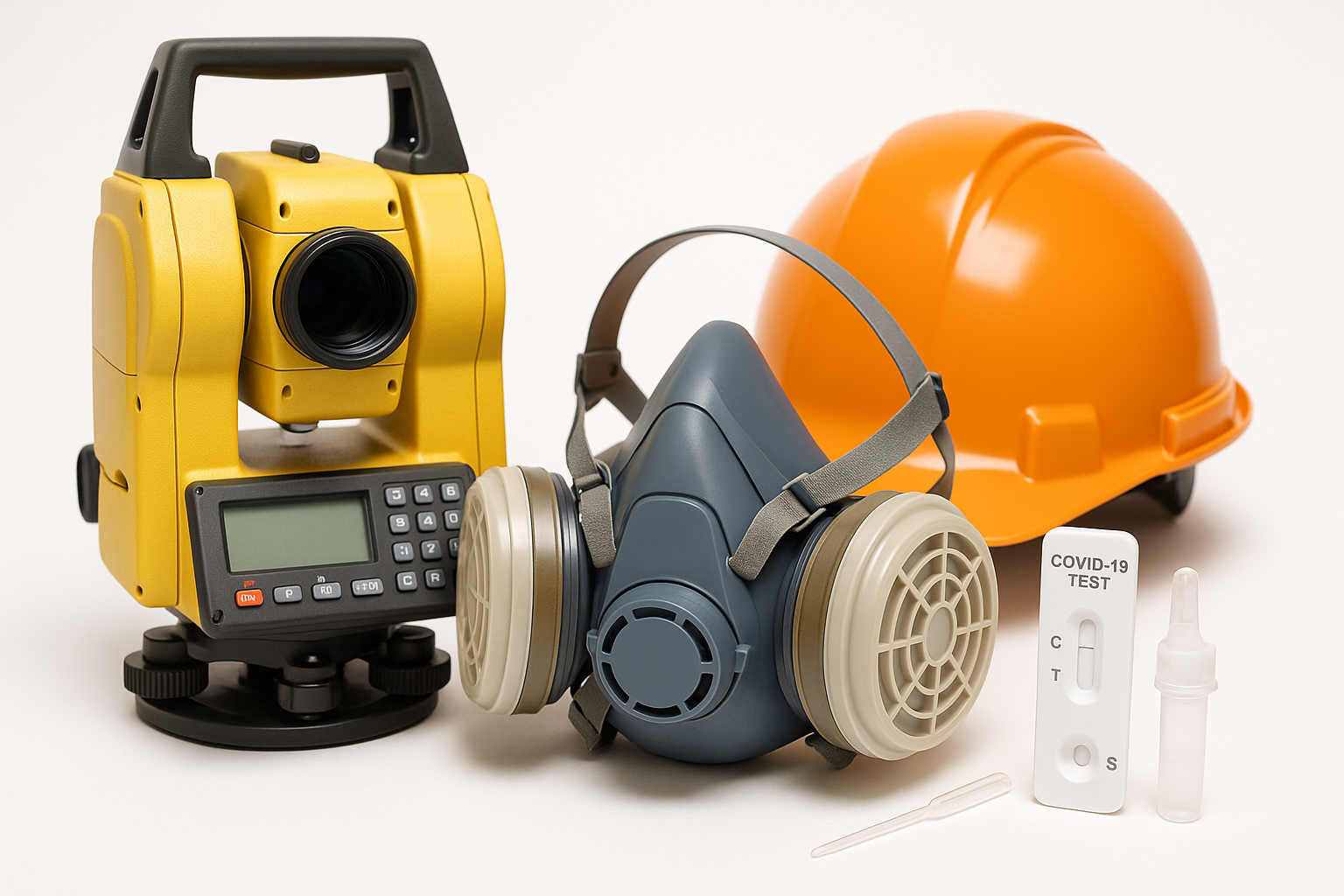
For work involving asbestos soffits, the minimum PPE requirements typically include:
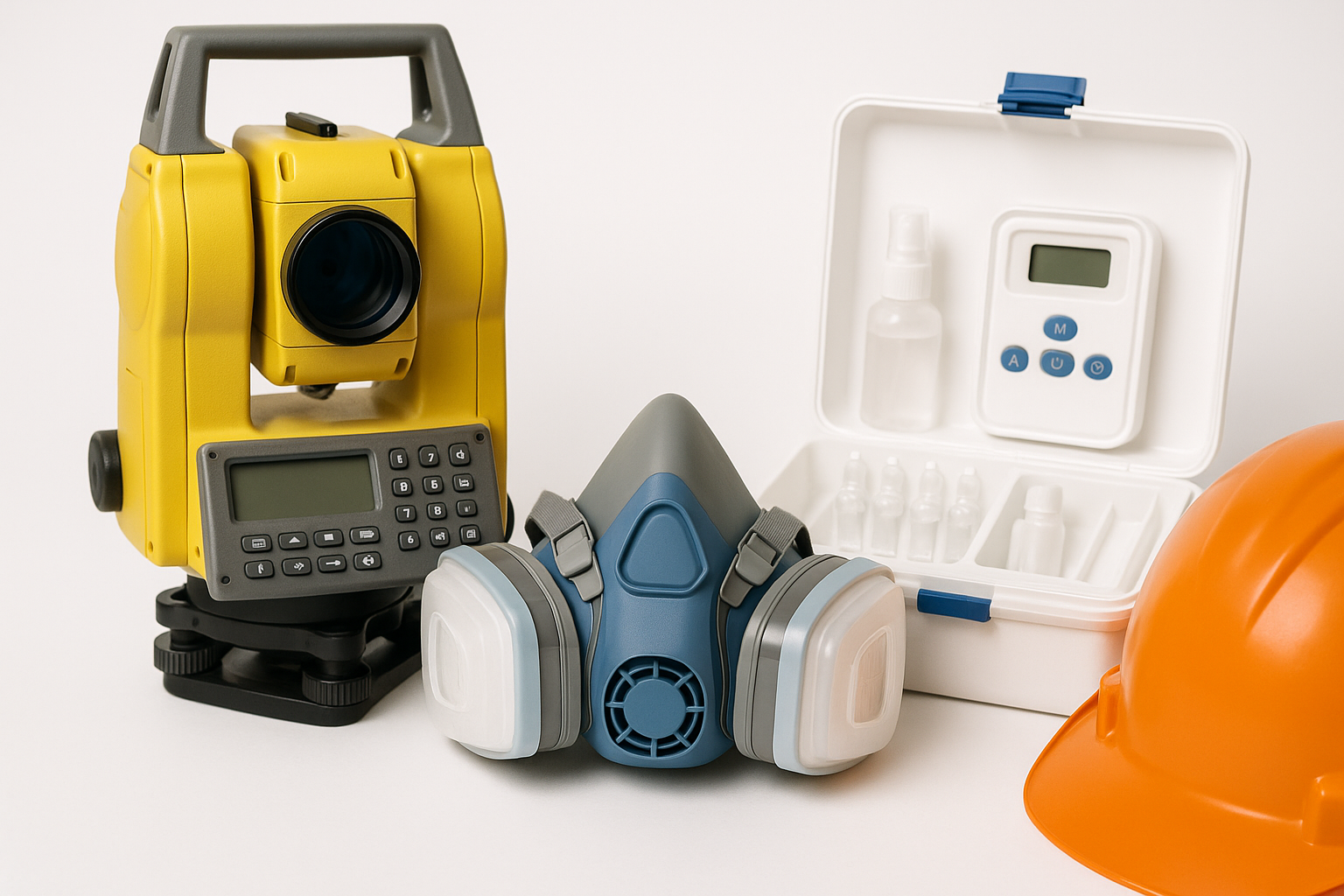
- A properly fitted FFP3 disposable respirator or a half-face mask with a P3 filter — full-face respirators for higher-risk work involving AIB
- Disposable coveralls (Type 5 category) with tight-fitting cuffs at the wrists, ankles, and neck
- Disposable gloves
- Safety goggles where there is a risk of eye exposure
Putting on and removing PPE correctly is as important as wearing it. Contaminated coveralls must be removed carefully — inside out — and disposed of as asbestos waste. Never take PPE home or shake it out near occupied areas.
Training in PPE use is a legal requirement for anyone working near asbestos. Employers must provide asbestos awareness training under the Control of Asbestos Regulations, and this training must be renewed regularly.
Step-by-Step Guide to Safe Asbestos Soffit Removal
Asbestos soffit removal must follow a controlled process. Here is what a licensed contractor should do — and what you should expect if you are commissioning the work.
- Commission a survey. Before any work begins, arrange a professional asbestos survey to confirm the type and condition of the soffit material. A refurbishment survey is required before any work that will disturb the fabric of the building, including soffit replacement.
- Confirm the contractor’s credentials. For AIB, only an HSE-licensed contractor may carry out removal. Check the HSE’s licensed contractor register before appointing anyone.
- Notify the HSE if required. For notifiable licensed work, the HSE must be informed at least 14 days in advance. Your contractor should handle this, but confirm it has been done.
- Set up a controlled work area. The area beneath and around the soffits should be sealed off, with access restricted to essential workers wearing appropriate PPE.
- Lightly dampen asbestos cement boards. Wetting the surface before removal reduces airborne fibre release. Do not soak AIB — it can become unstable.
- Remove boards carefully and intact. Avoid breaking, snapping, drilling, or sawing. Boards should be removed whole wherever possible to minimise fibre release.
- Double-bag and label all waste immediately. Waste bags must be sealed, labelled, and kept away from other materials until collected for licensed disposal.
- Clean the work area thoroughly. Use damp cloths or a Type H vacuum — never a standard vacuum cleaner. Dry sweeping spreads fibres rather than removing them.
- Arrange a clearance inspection. A four-stage clearance process, including air monitoring, should be completed before the area is reoccupied.
- Install replacement materials. Once clearance is confirmed, uPVC, aluminium, or asbestos-free fibre cement boards can be fitted as permanent replacements.
For the asbestos removal element of this process, always use a contractor who can provide documentation of their HSE licence, insurance, and waste transfer notes. These documents protect you legally and confirm the job has been done correctly.
Getting a Professional Asbestos Survey Before Work Begins
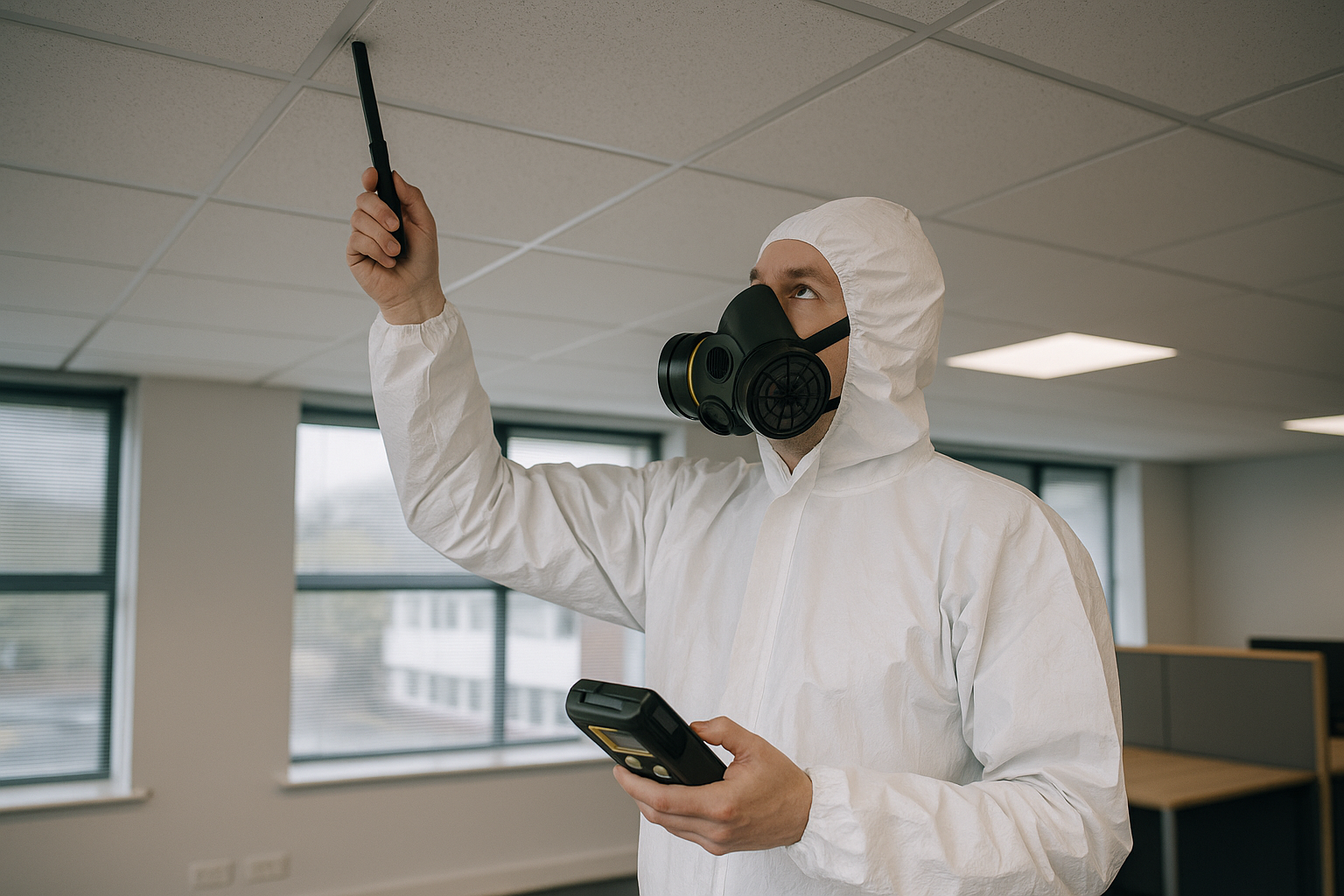
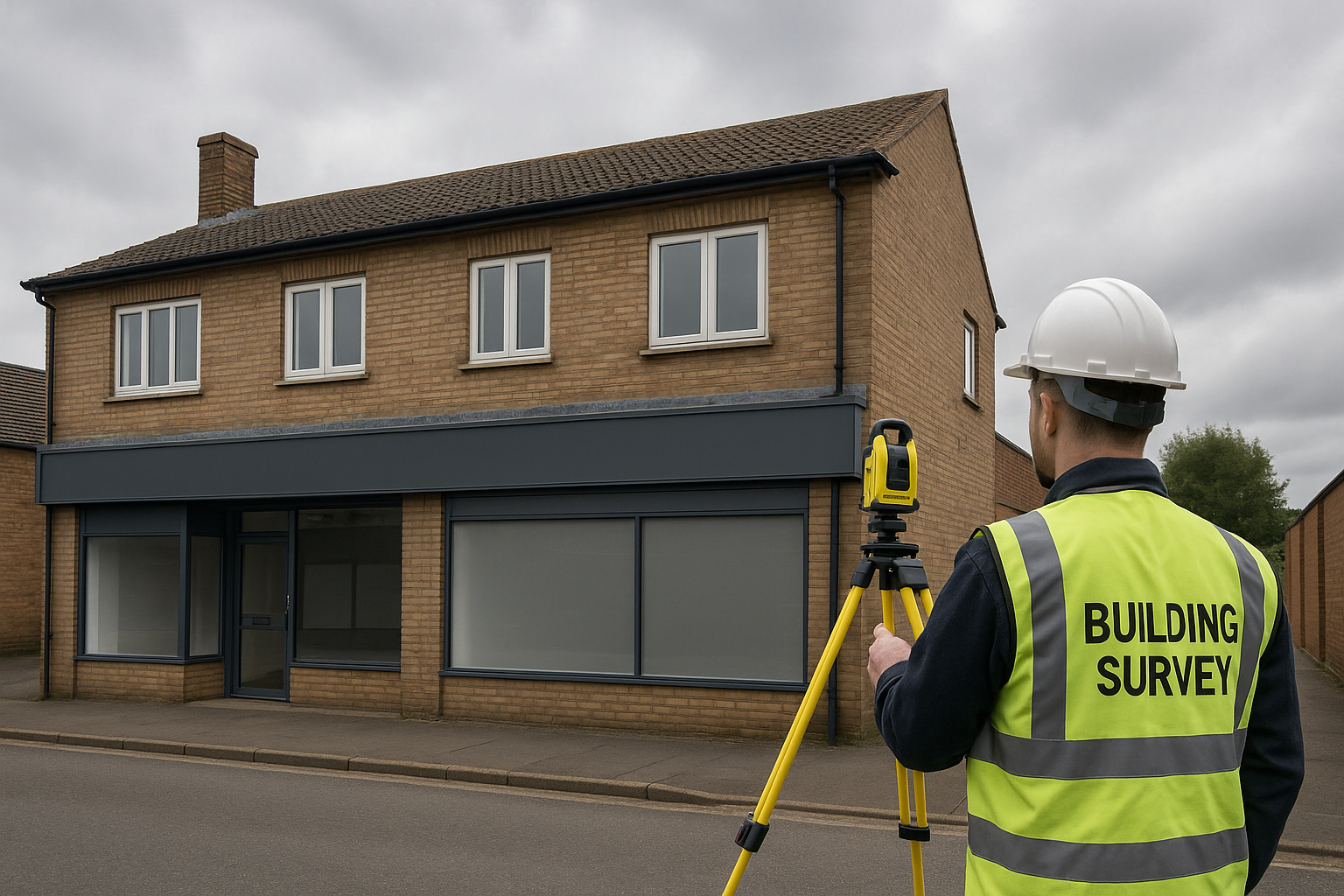
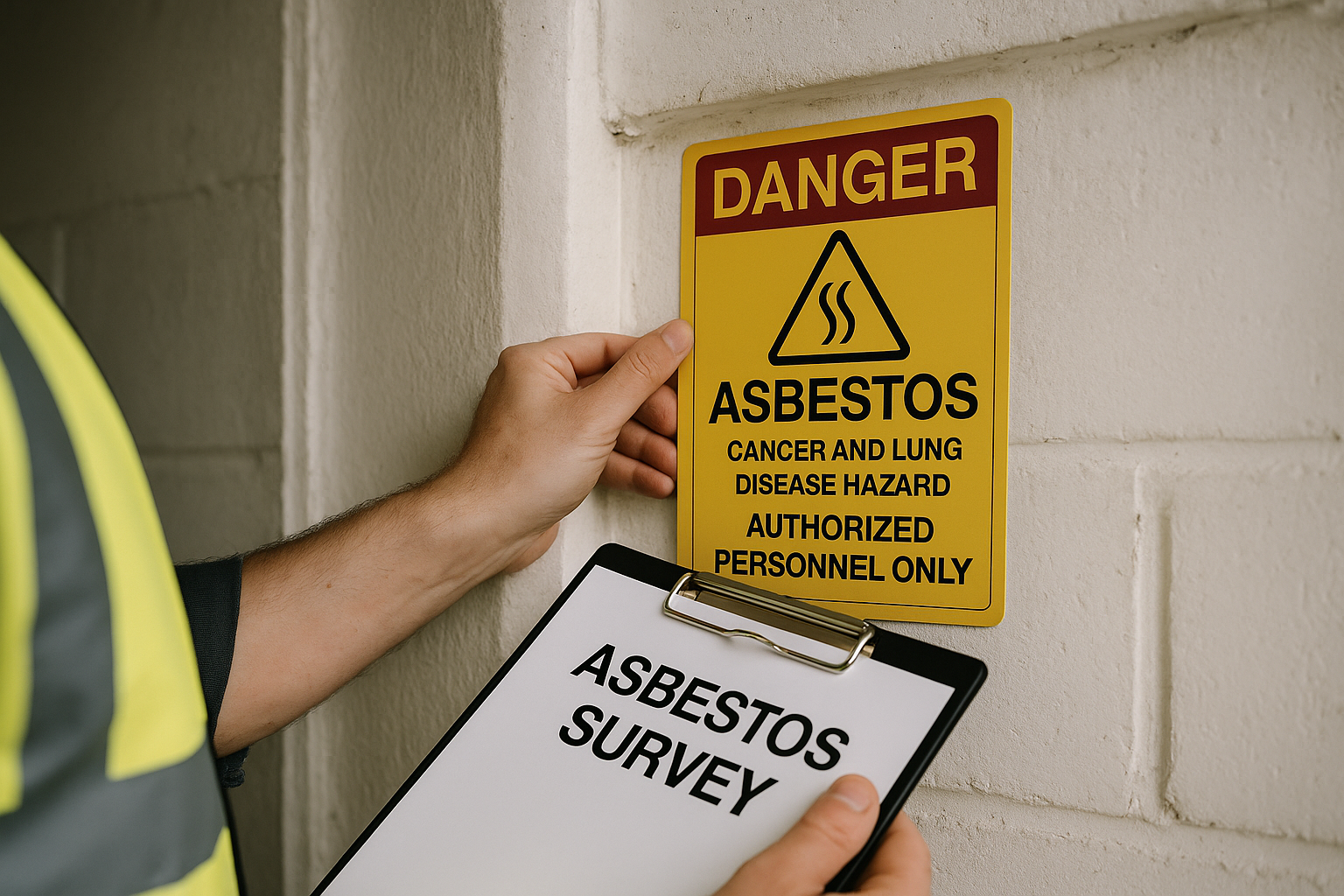
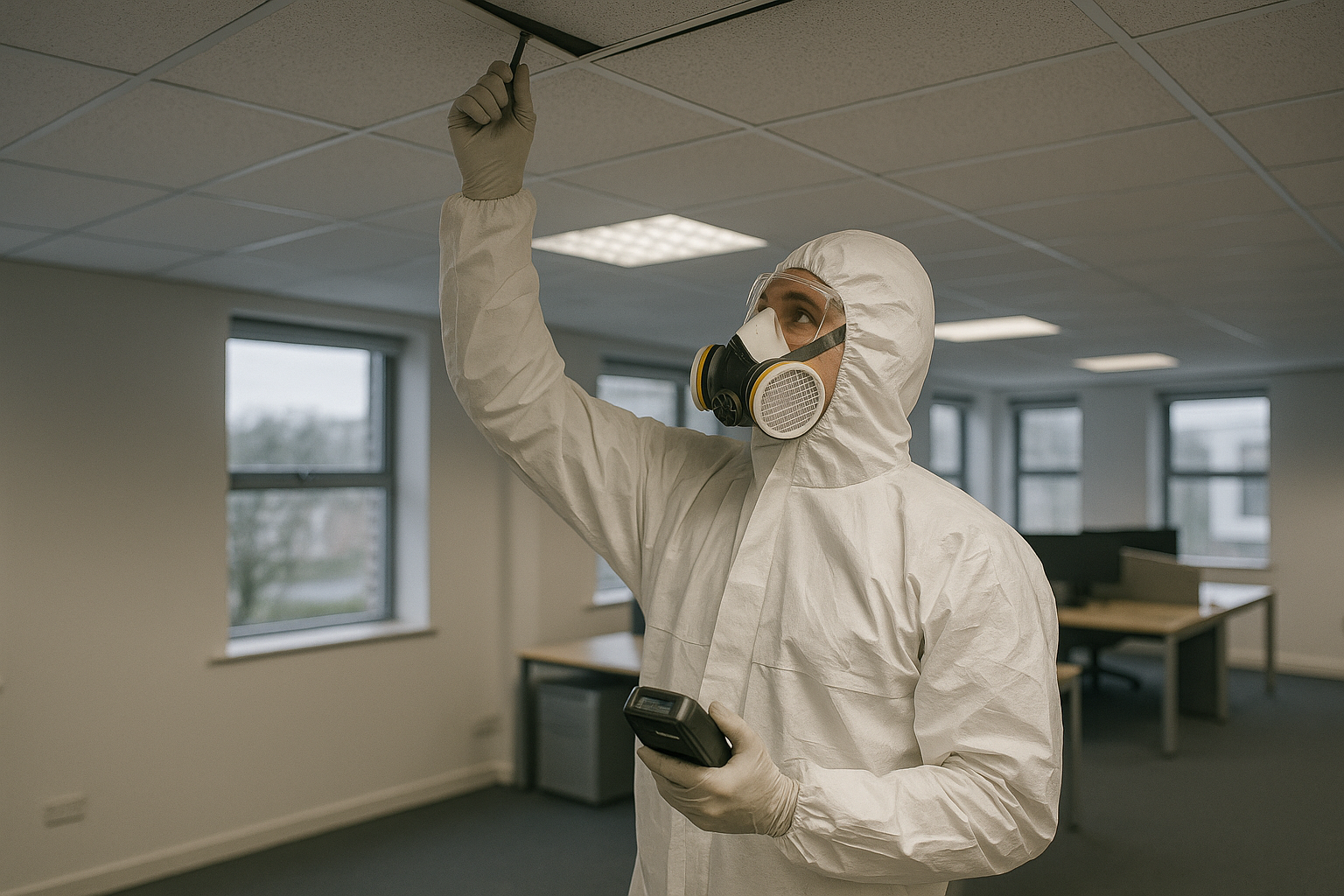
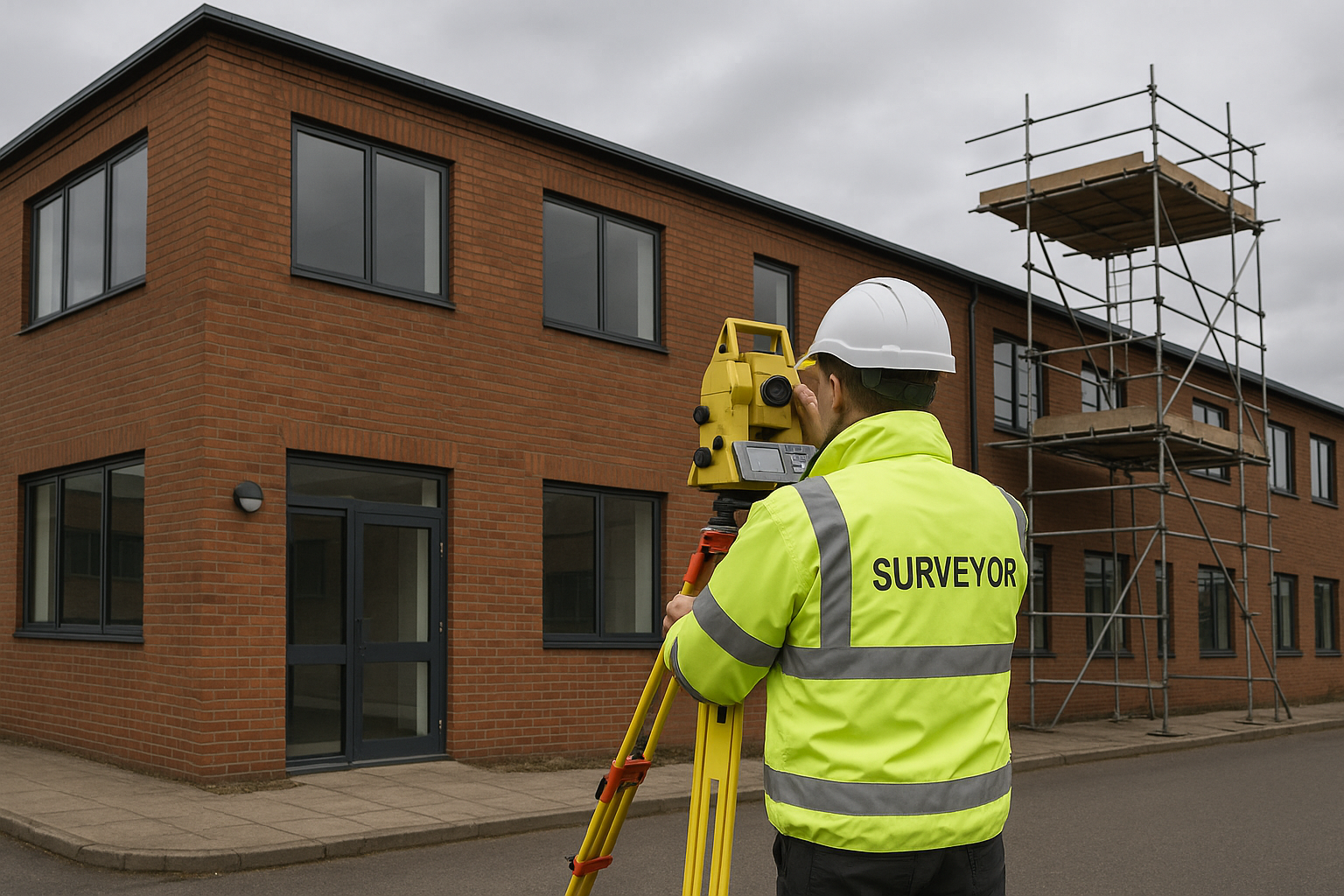
A professional asbestos survey is not a legal formality — it is the most important step you can take before any work on a pre-1999 building. Surveys identify exactly which materials contain asbestos, assess their condition, and inform a risk-based management plan.
There are two main survey types relevant to soffit work. A management survey is appropriate for occupied buildings where no major work is planned and you need to understand what ACMs are present and how to manage them safely. A refurbishment survey is required before any work that will disturb the building fabric — including soffit replacement or repair.
Where a property is being demolished or undergoing significant structural work, a demolition survey will be required to locate all ACMs before work begins. Qualified surveyors follow HSE guidance and UKAS-accredited laboratory analysis to provide results you can rely on.
The survey report will specify the type of asbestos present, its condition, and recommended actions. This document is essential for any contractor you appoint and forms the basis of your asbestos register.
If you are at an earlier stage and simply need to confirm whether a material contains asbestos, standalone asbestos testing can provide that answer quickly and cost-effectively before you commit to a full survey or removal project.
Asbestos Soffit Removal Across the UK
Asbestos soffits are found on properties across the country, from Victorian terraces with later extensions to post-war housing estates and commercial premises. The challenge is the same wherever you are: identifying the material correctly and managing removal safely and legally.
If you are based in the capital and need an asbestos survey London property owners can trust, Supernova Asbestos Surveys covers all London boroughs. Our surveyors are familiar with the full range of property types across the city, from converted warehouses to 1980s residential developments.
In the North West, our team provides a full asbestos survey Manchester service covering the wider Greater Manchester area. We work with housing associations, local authorities, and private landlords managing large residential portfolios.
In the Midlands, property managers and homeowners can book an asbestos survey Birmingham with our local team. Birmingham and the surrounding areas have a significant stock of pre-1999 commercial and residential buildings, many of which have never been formally surveyed for asbestos.
Supernova Asbestos Surveys operates nationwide, with surveyors available across England, Scotland, and Wales. With over 50,000 surveys completed, we have the experience and accreditation to support every stage of the process — from initial identification through to post-removal clearance.
When Asbestos Soffits Can Be Left in Place
Not every asbestos soffit needs to be removed immediately. If a material is in good condition and is not being disturbed, it may be safer to manage it in place rather than risk fibre release through unnecessary removal.
This is known as an asbestos management approach. The material is recorded in an asbestos register, its condition is monitored regularly, and removal is only triggered if the condition deteriorates or work is planned that would disturb it.
However, if the soffit is cracked, crumbling, flaking, or in an area where it is likely to be disturbed — by ladder access, gutter maintenance, or roofline repairs — removal is usually the safer long-term option. A qualified surveyor can assess the condition and advise on the most appropriate course of action for your specific property.
Common Mistakes to Avoid
Many of the problems that arise with asbestos soffit removal are avoidable. Here are the most common errors made by property owners and unqualified contractors:
- Assuming a soffit is safe because it looks intact. Condition is only part of the picture — the material may still contain asbestos even if it appears undamaged.
- Removing soffits without a survey. Without a survey, you cannot know what you are dealing with or what legal obligations apply.
- Using an unlicensed contractor for AIB removal. This is a criminal offence and leaves you legally exposed.
- Skipping the clearance inspection. Without a four-stage clearance, you cannot confirm the area is safe to reoccupy or that the work was completed properly.
- Disposing of asbestos waste incorrectly. Placing asbestos boards in a skip or general waste bin is illegal and can result in significant fines.
- Fitting new soffits over old ones without checking for asbestos. This is a common shortcut that leaves a hazard in place and creates problems for future owners or contractors.
Avoiding these mistakes starts with one simple step: getting a professional survey before any work begins.
Frequently Asked Questions
How do I know if my soffits contain asbestos?
The only way to confirm whether a soffit contains asbestos is through laboratory testing of a physical sample. Visual inspection alone cannot provide a definitive answer. If your property was built or refurbished before 1999, treat all suspect materials as potentially hazardous and arrange professional asbestos testing before any work begins.
Can I remove asbestos soffits myself?
No. Asbestos soffit removal should never be carried out as a DIY task. If the soffits contain AIB, removal must be carried out by an HSE-licensed contractor. Even asbestos cement soffits require proper risk assessment, appropriate PPE, and correct waste disposal procedures. Attempting removal without the right training and equipment puts you and others at serious risk of exposure.
How much does asbestos soffit removal cost?
Costs vary depending on the type of asbestos present, the quantity of material, the accessibility of the soffits, and whether the work is notifiable to the HSE. AIB removal is more expensive than asbestos cement removal due to the additional controls required. Getting a professional survey first will give you a clear picture of what is involved and allow contractors to provide accurate quotes.
Do I need to notify the HSE before removing asbestos soffits?
It depends on the type of asbestos and the nature of the work. Removal of AIB is notifiable licensed work, which means the HSE must be informed at least 14 days before work begins. Some asbestos cement removal work may fall into a non-notifiable category, but it still requires a risk assessment and competent supervision. Your licensed contractor should advise on notification requirements and handle the process on your behalf.
What happens after asbestos soffits are removed?
Once the asbestos-containing material has been removed and disposed of correctly, the area must undergo a four-stage clearance inspection, including visual checks and air monitoring, before it is reoccupied. Once clearance is confirmed, replacement soffits — typically uPVC, aluminium, or asbestos-free fibre cement — can be fitted. All waste transfer notes and clearance certificates should be retained as part of your property records.
Talk to Supernova Asbestos Surveys
If you have asbestos soffits on your property — or suspect you might — the right move is to get a professional survey before anything else. Supernova Asbestos Surveys has completed over 50,000 surveys across the UK, working with homeowners, landlords, housing associations, and commercial property managers.
We provide management surveys, refurbishment surveys, demolition surveys, asbestos testing, and removal services — everything you need to manage asbestos safely and legally from start to finish.
Call us on 020 4586 0680 or visit asbestos-surveys.org.uk to book a survey or speak to one of our team about your specific situation. We cover the whole of the UK, with local surveyors available in London, Manchester, Birmingham, and beyond.