Why Emergency Responders Face Unique Asbestos Risks — And What Must Be Done
When a building is burning or collapsing, no firefighter is thinking about the age of the insulation. Yet mitigating the effects of asbestos on emergency responders is one of the most pressing occupational health challenges facing UK fire and rescue services today. Asbestos-containing materials disturbed during emergencies release fibres instantly — and responders can inhale them before anyone realises the danger exists.
The UK banned asbestos in 1999, but that ban did nothing to remove the material already embedded in millions of buildings. Any structure built before that date is a potential asbestos site. Emergency responders enter those structures under the worst possible conditions: poor visibility, extreme time pressure, and no opportunity for pre-job surveys.
The risk is real, it is ongoing, and it demands a structured response. What follows covers the practical steps that protect emergency teams — from identifying asbestos in the field, to PPE, decontamination, health surveillance, and the legal framework that governs it all.
Identifying Asbestos in Emergency Environments
Emergency responders cannot always wait for a surveyor. That means teams need baseline knowledge of where asbestos is likely to be found and what disturbed asbestos materials look like under real operational conditions.
Where Asbestos Hides in Older Buildings
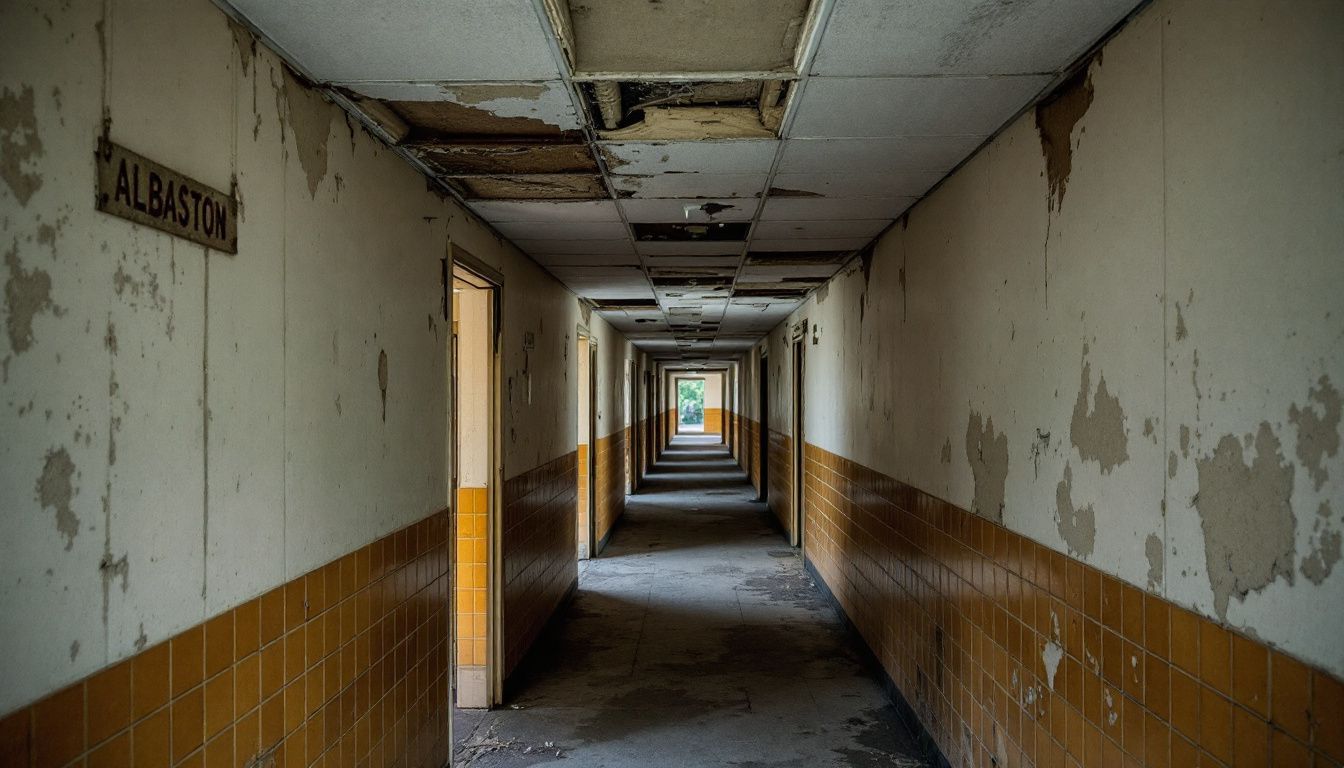
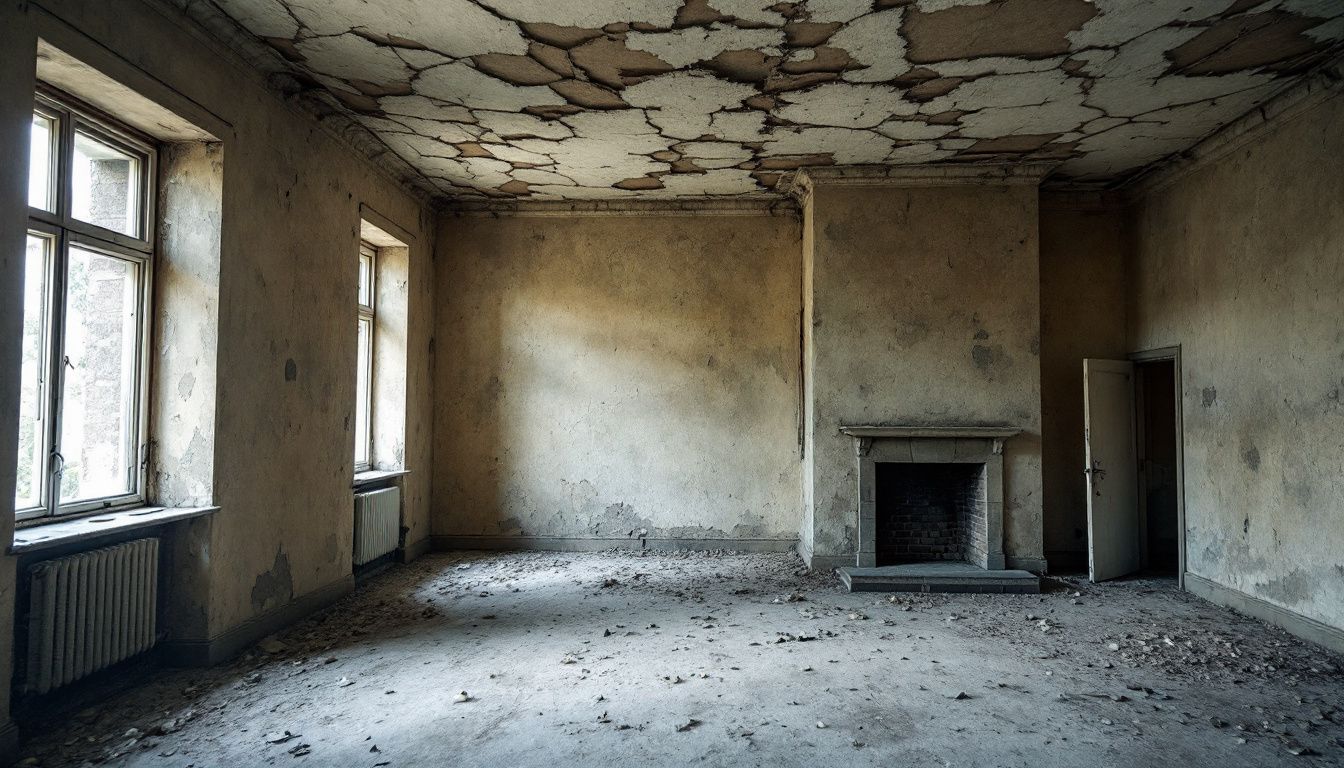
Buildings constructed before 2000 used asbestos-containing materials across a huge range of applications. Asbestos was prized for its fire resistance, thermal insulation, and durability — which is precisely why it becomes so dangerous when those same buildings are on fire or structurally compromised.
Common locations include:
- Sprayed coatings on structural steelwork and ceilings
- Pipe lagging and boiler insulation
- Ceiling tiles and floor tiles, including vinyl composite tiles
- Corrugated cement roof sheets
- Partition boards and wall panels
- Textured decorative coatings such as Artex
- Rope seals around boiler and furnace doors
- Insulating boards used in fire doors and around heating systems
In a fire scenario, all of these materials can be disturbed simultaneously. Sprayed coatings — among the most friable asbestos-containing materials — can release fibres at extremely high concentrations when subjected to heat, water from hoses, or physical impact.
Visual Identification in the Field
Asbestos cannot be identified with certainty by sight alone — laboratory analysis is required for confirmation. However, responders trained to recognise suspect materials can make better protective decisions in the field.
Look out for:
- Grey or white fibrous material mixed into cement, boards, or insulation
- Damaged pipe lagging with a chalky, fibrous texture
- Crumbling ceiling or wall boards with a layered structure
- Corrugated roofing sheets that resemble reinforced cement
The operational rule is straightforward: if a building was constructed before 2000 and materials are damaged or disturbed, treat it as potentially containing asbestos until proven otherwise. That assumption could save a life.
The Legal Framework Governing Asbestos and Emergency Responders
Mitigating the effects of asbestos on emergency responders is not just good practice — it is a legal obligation. Several pieces of UK legislation place clear duties on employers and incident commanders.
Control of Asbestos Regulations
The Control of Asbestos Regulations set out the legal requirements for managing and working with asbestos across the UK. They apply to employers, self-employed individuals, and those with responsibilities for premises.
Key duties include:
- Identifying the presence of asbestos-containing materials before work begins, where reasonably practicable
- Carrying out a suitable and sufficient risk assessment
- Providing appropriate PPE and ensuring it is used correctly
- Ensuring workers are adequately trained and supervised
- Preventing or, where not practicable, reducing exposure to the lowest reasonably practicable level
The HSE’s guidance document HSG264 provides the technical framework for asbestos surveys and is the standard against which professional surveys are assessed. While emergency responders may not be able to commission a survey before entering a building, incident commanders should use HSG264-compliant survey data wherever it exists — for example, from a duty holder’s asbestos register.
Health and Safety at Work Act
The Health and Safety at Work Act places a broad duty on employers to ensure the health, safety, and welfare of their employees so far as is reasonably practicable. For fire and rescue services, this means providing adequate training, appropriate PPE, and robust systems for managing asbestos exposure — not just in principle, but in day-to-day operational practice.
RIDDOR Reporting
Any incident involving significant asbestos exposure must be reported under the Reporting of Injuries, Diseases and Dangerous Occurrences Regulations (RIDDOR). Incident commanders and employers must have clear reporting procedures in place — and responders must know how to trigger them promptly.
Delays in reporting create gaps in health records that can matter enormously decades later. Clear, well-rehearsed reporting chains are not an administrative nicety — they are a health protection measure.
Protective Measures: PPE and Safe Handling Practices
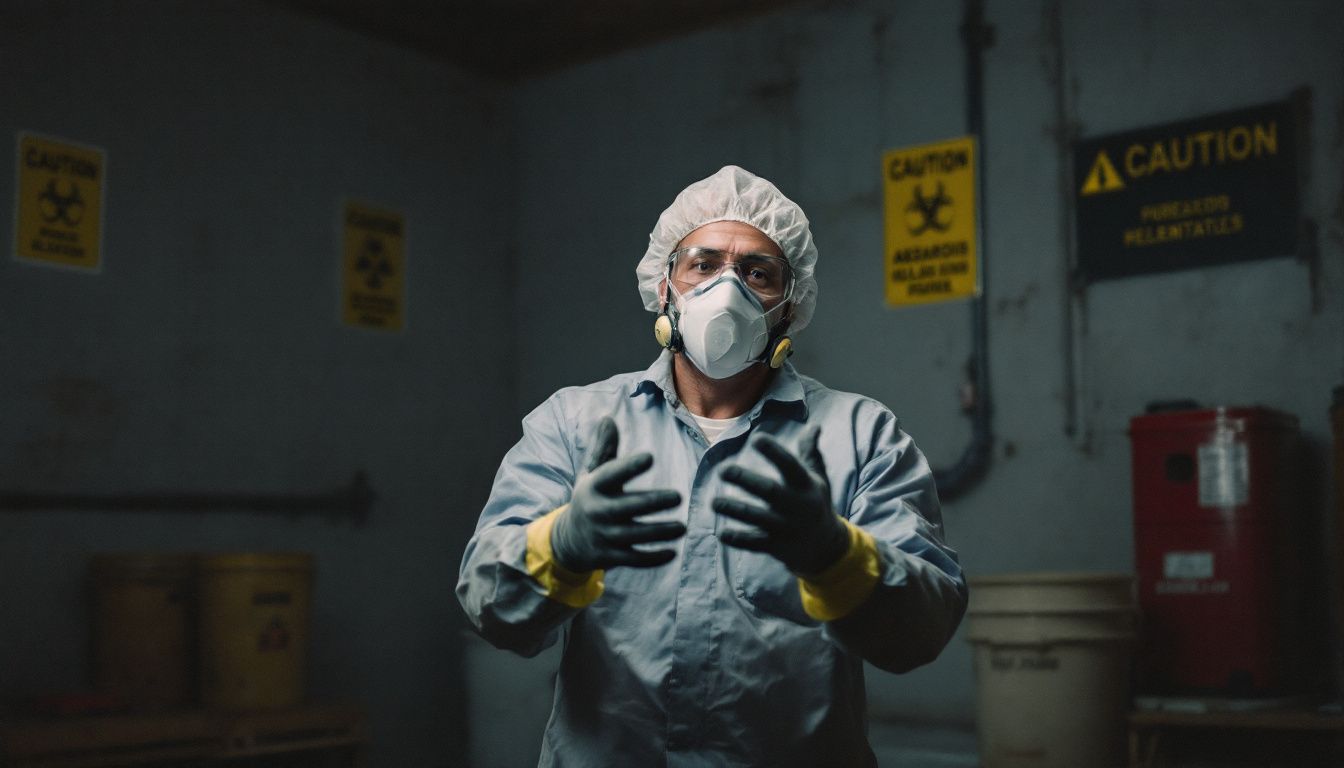
Proper personal protective equipment is the first and most immediate line of defence when mitigating the effects of asbestos on emergency responders. But PPE alone is not enough — it must be used correctly, maintained properly, and combined with sound operational procedures.
Respiratory Protection
In a live fire scenario, self-contained breathing apparatus (SCBA) provides full respiratory protection and will prevent asbestos fibre inhalation. The problem arises during overhaul — the post-fire inspection and clearance phase — when responders sometimes remove SCBA too early, believing the immediate danger has passed.
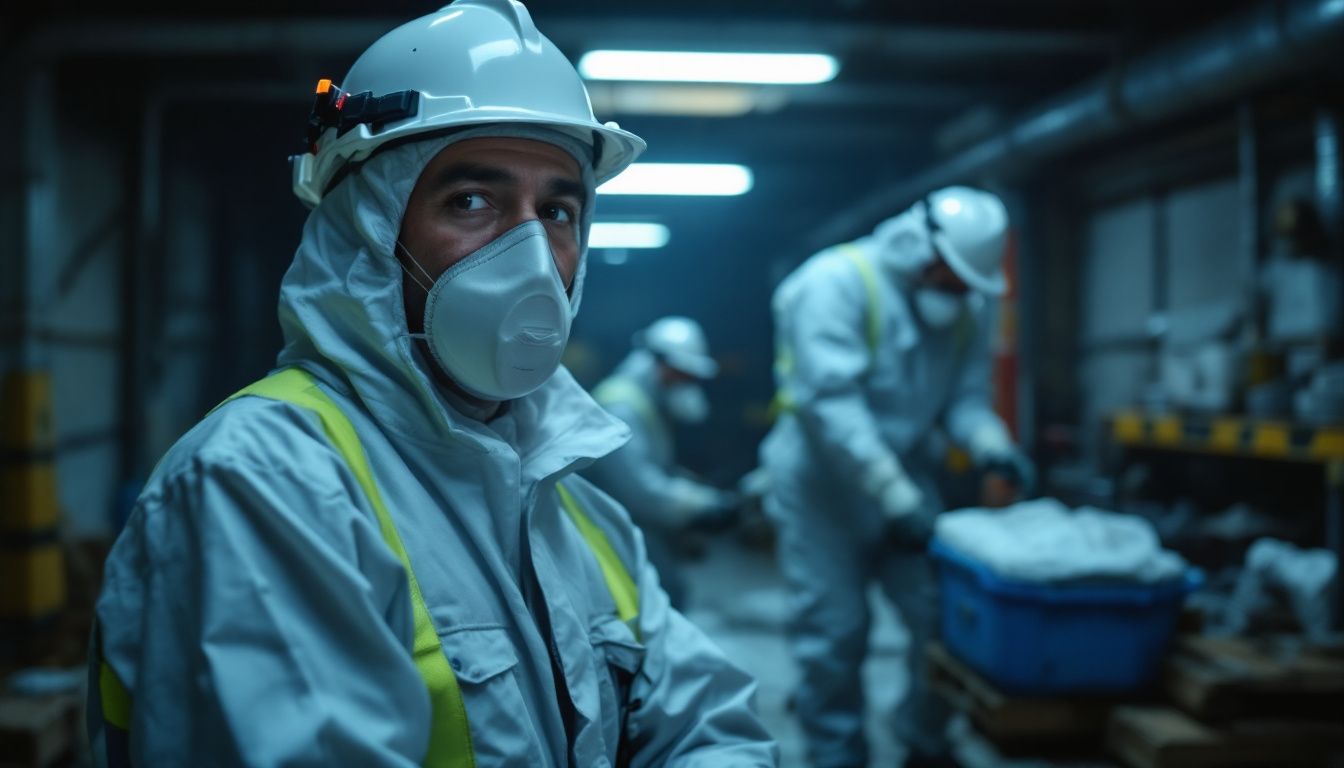
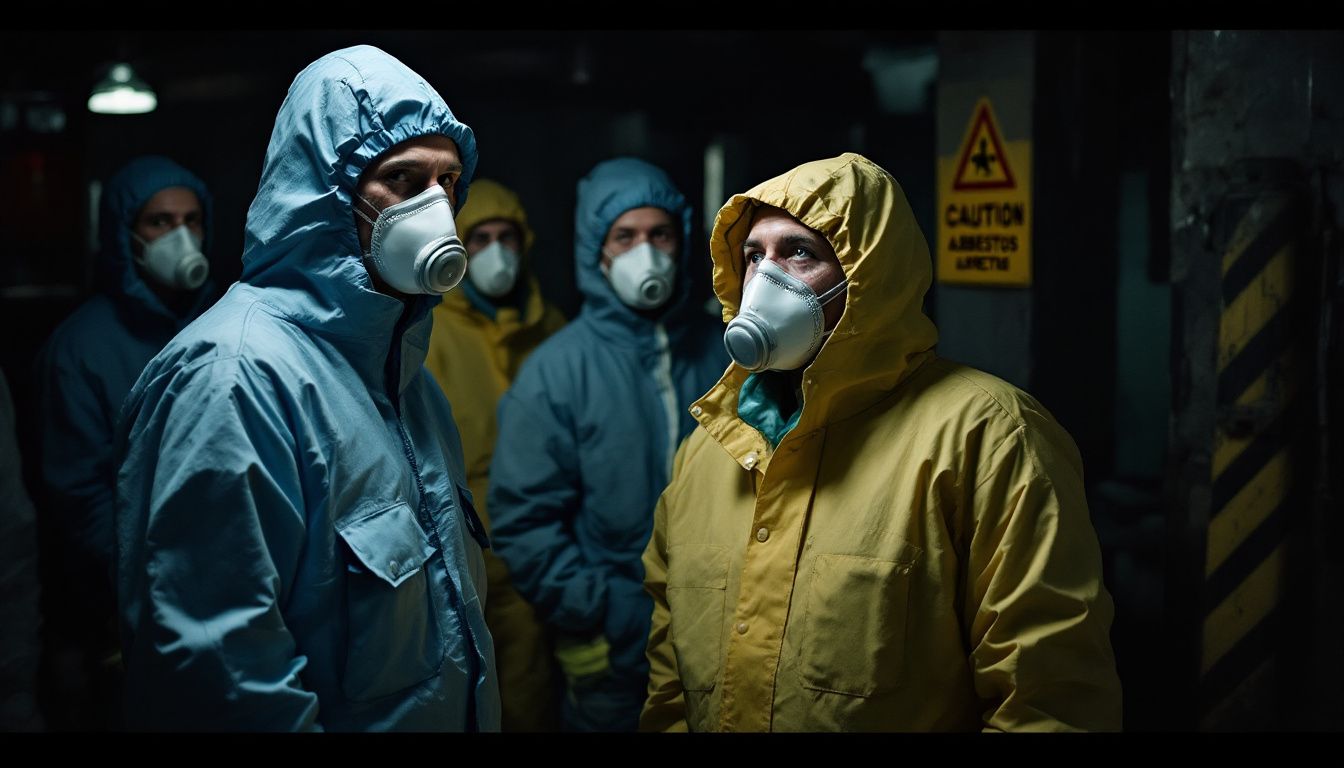
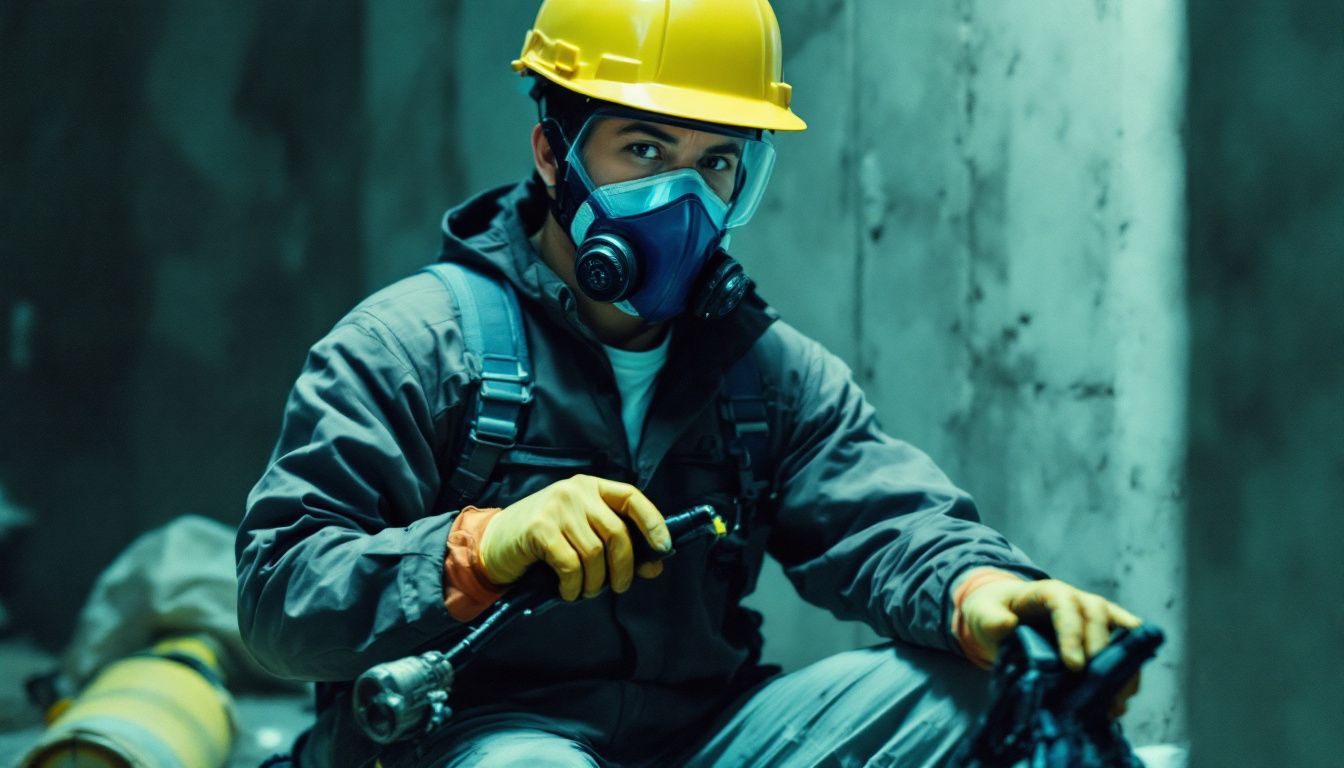
During overhaul and any subsequent work in a potentially contaminated building, the minimum standard should be a half-face respirator fitted with a P3 filter, or a full-face respirator where higher concentrations are suspected. HEPA-rated filtration is essential — standard dust masks offer no meaningful protection against asbestos fibres and should never be treated as an adequate substitute.
Protective Clothing
Disposable Type 5 coveralls prevent asbestos dust from contaminating personal clothing and skin. These should be worn whenever there is a reasonable possibility of asbestos disturbance, and removed at the work site — not in the appliance or back at the station.
Gloves and eye protection should also be worn as standard during any work involving damaged building materials in pre-2000 structures. These are not optional extras — they are basic safeguards against fibre transfer.
Safe Handling Procedures During Incidents
Where asbestos disturbance is identified or suspected during an incident, the following operational steps help minimise exposure:
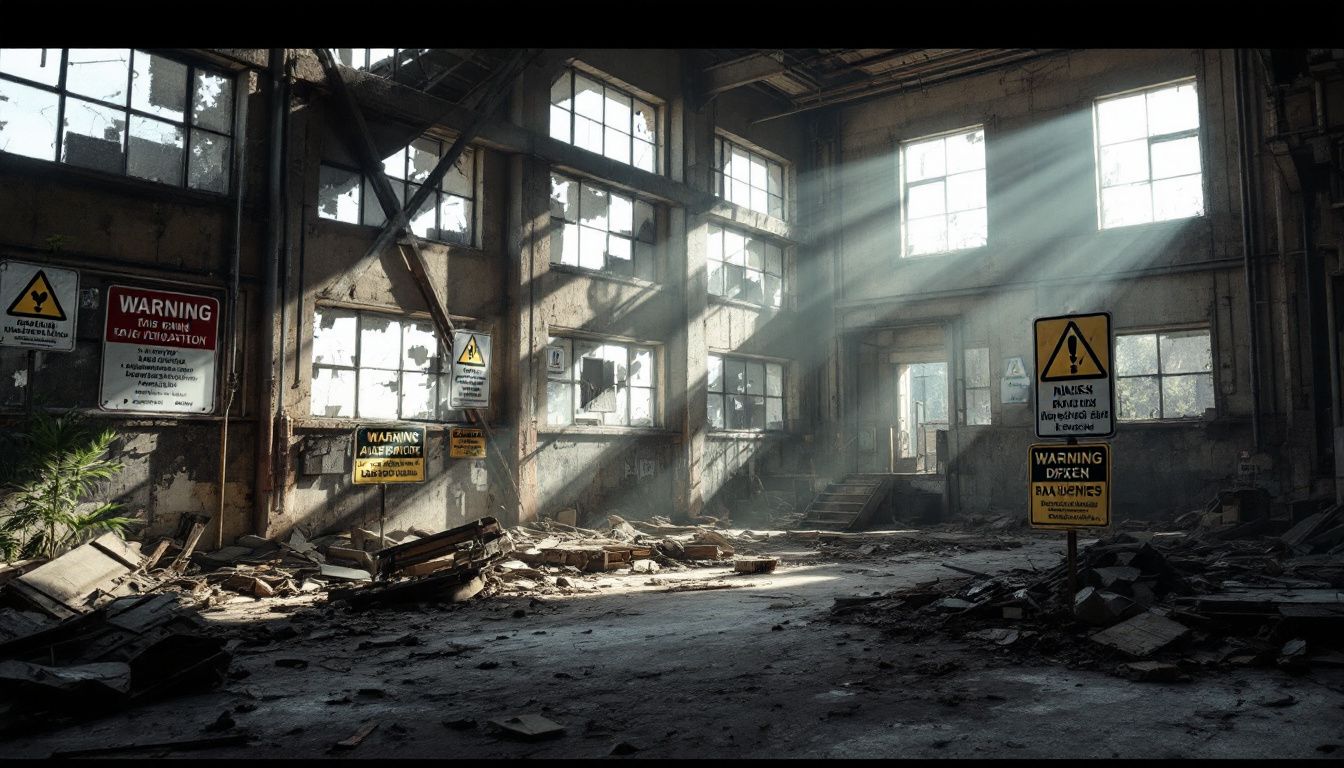
- Establish a clearly defined exclusion zone and restrict access to personnel with appropriate PPE
- Dampen asbestos-containing materials with water to suppress airborne fibres — but avoid high-pressure jets that can fragment materials further
- Use HEPA-filter vacuum equipment rather than dry sweeping to collect debris
- Double-bag all asbestos waste in heavy-duty labelled polythene bags
- Place sharp or fragmented materials in puncture-resistant containers before bagging
- Decontaminate all tools and equipment before leaving the site
- Remove and bag contaminated PPE at the exclusion zone boundary
- Arrange for asbestos removal by a licensed, qualified contractor for any non-emergency remediation work
- Test air quality before declaring the site safe for unprotected access
- Complete full documentation of the incident, exposure details, and actions taken
Decontamination: Protecting Responders and Their Families
One of the most overlooked aspects of mitigating the effects of asbestos on emergency responders is what happens after the incident ends. Asbestos fibres cling to clothing, hair, and skin — and can be carried home, exposing family members to secondary contamination.
This is not a theoretical risk. It is a documented pathway of exposure that has caused serious harm to people who never set foot near an incident site.
On-Site Decontamination Procedures
A proper decontamination procedure should be established at the outer boundary of the exclusion zone. This typically involves:
- Removing and bagging disposable PPE before leaving the contaminated area
- Wiping down reusable equipment with damp cloths or wet wipes
- Bagging personal clothing worn under coveralls if contamination is suspected
- Showering as soon as practicable after the incident
Fire stations should have clear protocols for washing turnout gear that may have been exposed to asbestos. Contaminated kit must be bagged and handled separately from routine laundry — this is a genuine health safeguard for everyone in the household, not a minor procedural detail.
Asbestos Waste Disposal
Asbestos waste is classified as hazardous waste under UK law and cannot be disposed of with general building rubble or standard waste streams. All asbestos waste must be:
- Double-bagged in heavy-duty polythene bags clearly marked with asbestos hazard labels
- Transported in sealed, covered vehicles displaying appropriate hazard signage
- Delivered to a licensed hazardous waste facility
- Accompanied by a consignment note — a legal requirement for hazardous waste movement
Records of disposal must be kept, and the receiving facility should be notified in advance of asbestos deliveries. Getting this wrong creates ongoing risk for others and constitutes a regulatory failure with serious consequences.
Health Monitoring and Medical Surveillance
Asbestos-related diseases — including mesothelioma, asbestosis, and asbestos-related lung cancer — have latency periods that can extend to several decades. A responder exposed to asbestos fibres today may not develop symptoms for 20 to 40 years. This makes ongoing health surveillance not just useful, but essential.
What Medical Surveillance Should Include
For emergency responders with known or suspected asbestos exposure, a structured surveillance programme should incorporate:
- Baseline health assessment at the point of employment
- Regular chest X-rays to detect early pleural or parenchymal changes
- Lung function testing (spirometry) to monitor respiratory capacity over time
- CT scanning where clinical indicators suggest more detailed investigation
- Detailed occupational history recording all known asbestos exposure incidents
Records should be maintained throughout the individual’s career and beyond. The long latency of asbestos disease means that health monitoring should continue after retirement for those with significant exposure histories.
Reporting and Acting on Symptoms
Responders must be trained to recognise and report early symptoms that could indicate asbestos-related disease: persistent cough, breathlessness on exertion, chest tightness, or unexplained weight loss. Early detection significantly improves outcomes and enables appropriate medical intervention.
Employers must ensure that reporting these symptoms carries no professional stigma. A culture where workers feel able to raise health concerns without fear is fundamental to effective surveillance — and to the long-term wellbeing of the whole team.
Training and Awareness: Building a Safety-First Culture
Equipment and procedures only work if the people using them understand why. Asbestos awareness training is a legal requirement for anyone liable to disturb asbestos-containing materials in the course of their work — and that absolutely includes emergency responders.
What Asbestos Training for Responders Should Cover
Effective training programmes for emergency services personnel should address:
- The properties of asbestos and why it poses a health risk when disturbed
- Where asbestos-containing materials are commonly found in older buildings
- How to recognise suspect materials under operational conditions
- Correct use, fitting, and limitations of respiratory protective equipment
- Donning and doffing procedures for protective clothing
- Decontamination protocols — both on-site and at the station
- Incident reporting under RIDDOR and internal exposure recording
- The importance of health surveillance and how to access it
Training should be refreshed regularly — not treated as a one-off induction exercise. Operational conditions change, personnel turn over, and the built environment itself changes as more pre-2000 buildings are refurbished or demolished. Regular refresher sessions keep awareness sharp and procedures current.
Pre-Incident Planning and Asbestos Registers
Where time allows, incident commanders should consult available asbestos register data before committing crews to a building. Duty holders for non-domestic premises are legally required to maintain an asbestos register under the Control of Asbestos Regulations, and this information can be invaluable in planning a safe operational response.
Building information management systems and pre-incident plans should flag asbestos risk wherever known. This is not always possible in a fast-moving emergency — but for planned operations such as training exercises, demolition support, or scheduled inspections, there is no excuse for entering a building without checking available records first.
For commercial and public buildings across major urban areas, professional surveys provide the baseline data that makes this possible. An asbestos survey London can identify the location, type, and condition of asbestos-containing materials in a building before any work or emergency response takes place — giving incident commanders the information they need to protect their crews.
Regional Considerations for Emergency Services
The UK’s older industrial and residential building stock is not evenly distributed. Cities with heavy Victorian and post-war construction heritage present a higher statistical likelihood of asbestos-containing materials in the buildings emergency responders attend.
In the North West, for example, the density of pre-2000 industrial premises, terraced housing, and commercial buildings means asbestos exposure risk is a daily operational reality for fire and rescue crews. An asbestos survey Manchester carried out on commercial or public premises before refurbishment or demolition can feed directly into local fire service pre-incident planning databases — reducing the information gap that puts responders at risk.
Similarly, in the West Midlands, the volume of former industrial and manufacturing premises means legacy asbestos materials are widespread. An asbestos survey Birmingham of older commercial or public buildings provides the kind of documented evidence base that supports both duty holder compliance and emergency service pre-planning.
The principle is the same wherever you are in the UK: the more surveyed and documented the local building stock, the better protected the emergency responders who enter those buildings.
The Role of Duty Holders and Building Owners
Mitigating the effects of asbestos on emergency responders is not solely the responsibility of fire and rescue services. Building owners and duty holders play a critical upstream role.
Under the Control of Asbestos Regulations, those responsible for non-domestic premises must manage asbestos in their buildings — which includes maintaining an up-to-date asbestos register, assessing the condition of known asbestos-containing materials, and making that information available to anyone who may need it, including emergency services.
When a duty holder fails to commission a survey, fails to maintain their register, or fails to share information with relevant parties, they are not just breaching their legal obligations. They are creating conditions in which emergency responders enter buildings without the information they need to protect themselves. That failure has consequences — potentially fatal ones.
Proactive duty holders commission management surveys as a matter of course, keep their registers current, and ensure that building information is accessible. This is the standard that protects workers, contractors, and the emergency services alike.
Frequently Asked Questions
Are emergency responders legally protected from asbestos exposure under UK law?
Yes. Emergency responders are covered by the Health and Safety at Work Act, the Control of Asbestos Regulations, and RIDDOR. Employers — including fire and rescue services — have a legal duty to provide appropriate PPE, training, and health surveillance. Significant asbestos exposure incidents must be reported under RIDDOR, and records must be maintained throughout an individual’s career and beyond.
What type of respirator should firefighters use during overhaul operations in potentially asbestos-contaminated buildings?
During overhaul, the minimum standard is a half-face respirator with a P3 filter. Where higher fibre concentrations are suspected, a full-face respirator should be used. Standard dust masks provide no meaningful protection against asbestos fibres and must never be used as a substitute. Self-contained breathing apparatus (SCBA) used during active firefighting provides full protection, but must not be removed prematurely during post-fire operations.
How should asbestos waste generated during an emergency incident be disposed of?
Asbestos waste is classified as hazardous waste under UK law. It must be double-bagged in heavy-duty polythene bags marked with asbestos hazard labels, transported in sealed covered vehicles with appropriate hazard signage, and delivered to a licensed hazardous waste facility. A consignment note is a legal requirement for every hazardous waste movement. Records of disposal must be retained.
Can asbestos fibres be carried home on a firefighter’s clothing?
Yes. This is a documented exposure pathway known as secondary or para-occupational exposure. Asbestos fibres cling to clothing, hair, and skin, and can be transferred to family members at home. Proper decontamination — including removing and bagging PPE on-site, showering promptly, and handling contaminated turnout gear separately from domestic laundry — is essential to prevent this.
How can building owners help protect emergency responders from asbestos exposure?
Duty holders for non-domestic premises are legally required under the Control of Asbestos Regulations to maintain an asbestos register and manage asbestos-containing materials in their buildings. Sharing this information with fire and rescue services as part of pre-incident planning gives responders the data they need to make safer operational decisions. Commissioning a professional asbestos survey is the first step — without a survey, there is no register, and without a register, responders enter buildings blind.
Supernova Asbestos Surveys has completed over 50,000 surveys across the UK, providing the documented building data that protects workers, contractors, and emergency responders alike. Whether you manage a single commercial property or a portfolio of pre-2000 buildings, our qualified surveyors can provide HSG264-compliant management and refurbishment surveys that meet your legal obligations and support emergency service pre-planning.
Call us on 020 4586 0680 or visit asbestos-surveys.org.uk to arrange a survey or discuss your asbestos management requirements.