When Asbestos Is Disturbed: Emergency Asbestos Removal and How to Respond
Disturbed asbestos is one of the most serious hazards you can encounter in any building. When asbestos-containing materials (ACMs) are accidentally broken, drilled, or damaged, microscopic fibres become airborne within seconds — and once inhaled, the damage to lung tissue is irreversible.
Knowing exactly what to do in those first few minutes can be the difference between a contained incident and a full-scale health emergency requiring asbestos removal by a licensed contractor. This post walks you through every stage of the correct response: from the moment you suspect disturbance, through sealing and decontamination, to engaging a licensed contractor and meeting your legal duties under the Control of Asbestos Regulations.
Stop Everything: Your First Response in the First 60 Seconds
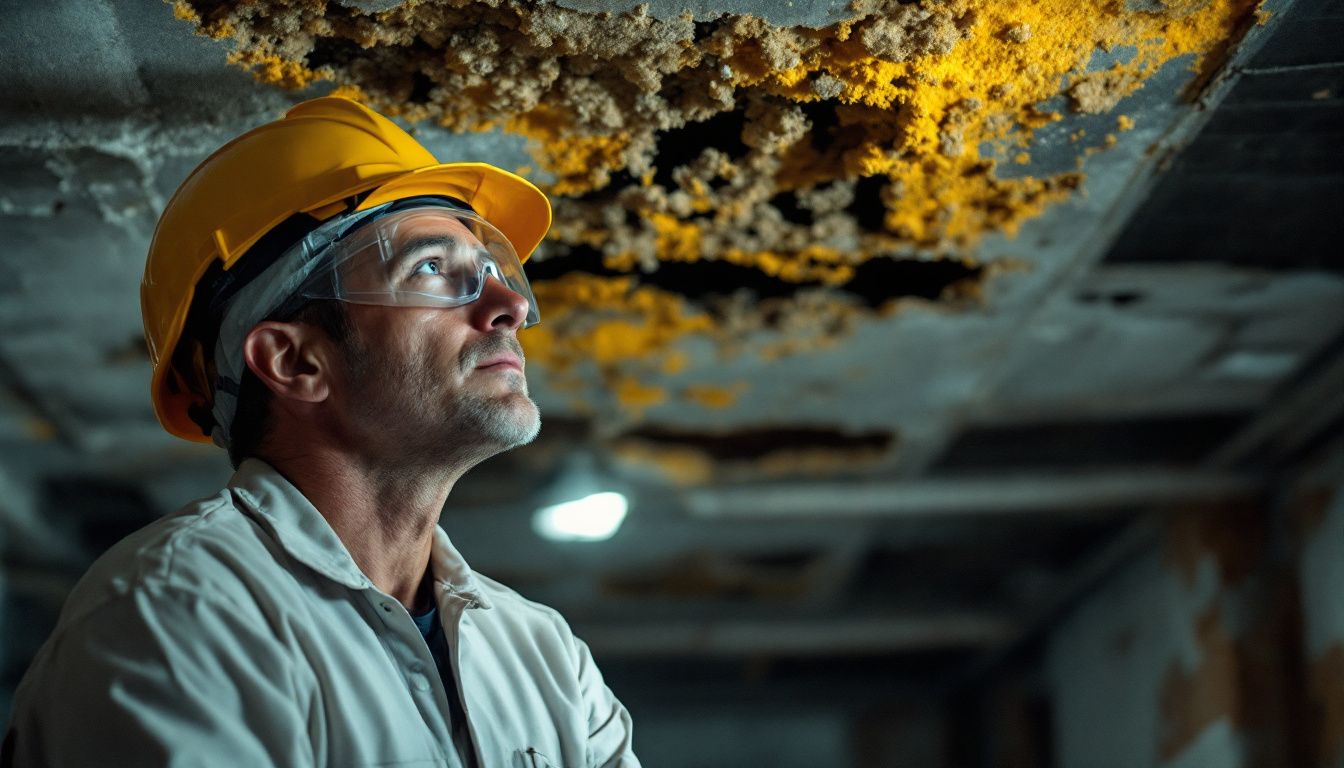
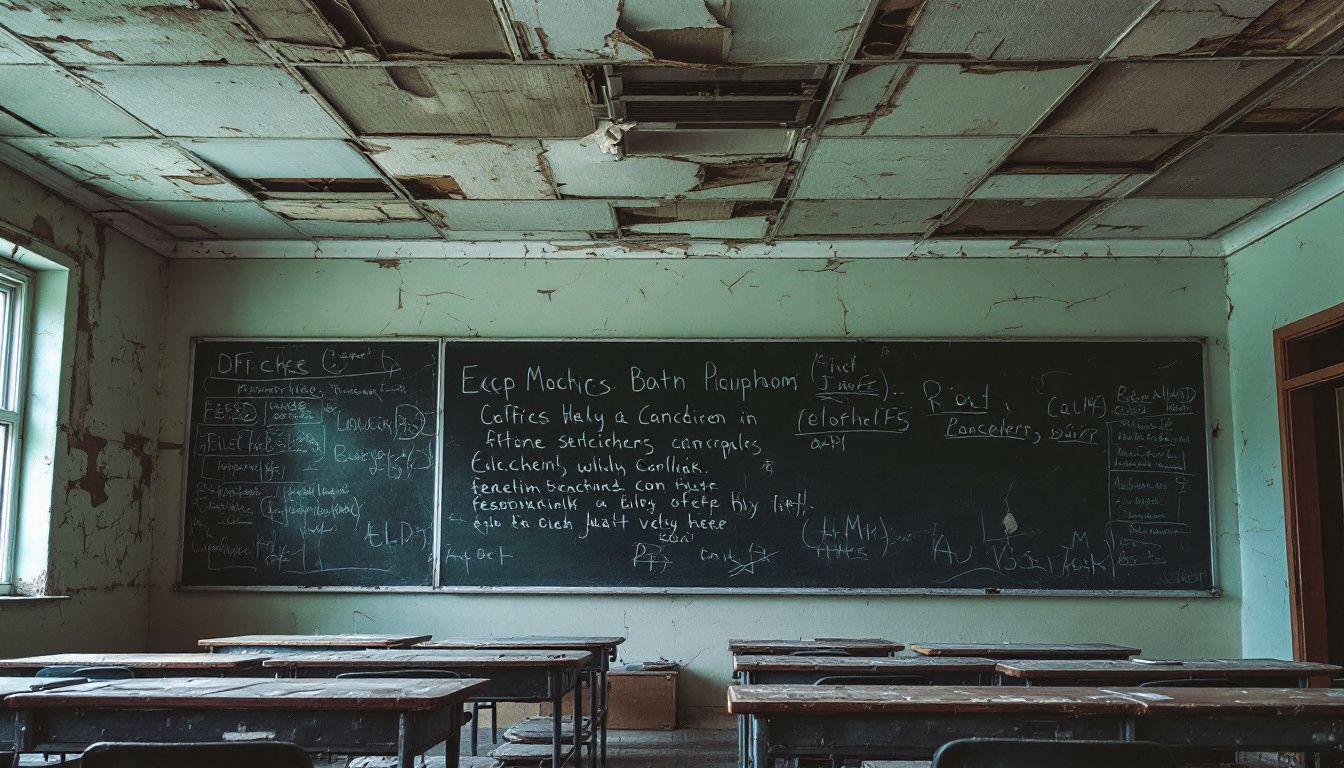
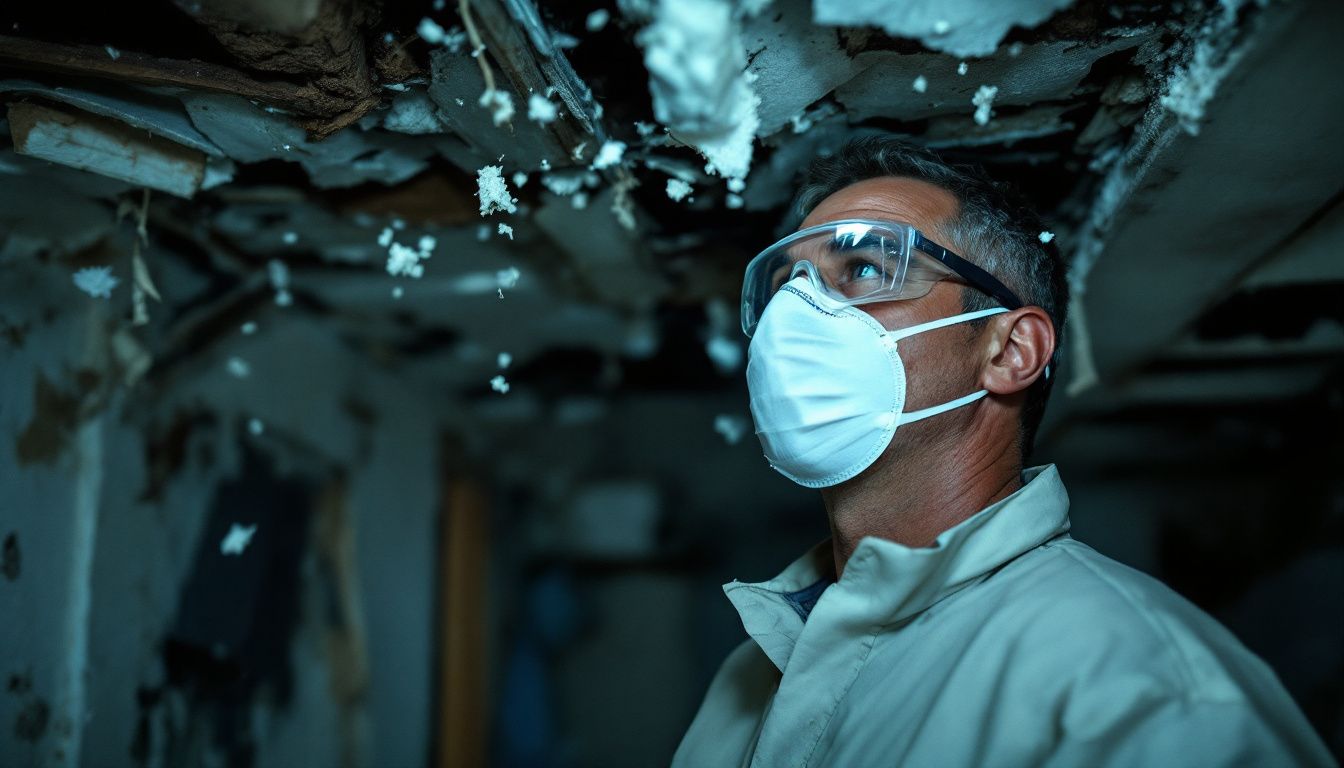
The moment you see broken insulation, crumbling pipe lagging, damaged ceiling tiles, or any suspicious dust in older building fabric — stop all work immediately. Do not attempt to clean up, sweep, or vacuum the area. Every second of continued activity increases the concentration of airborne fibres.
Even a brief delay in stopping work can significantly raise the exposure risk for everyone nearby.
Your immediate checklist:
- Stop all work at once — tools down, machines off
- Do not touch, sweep, or disturb any debris
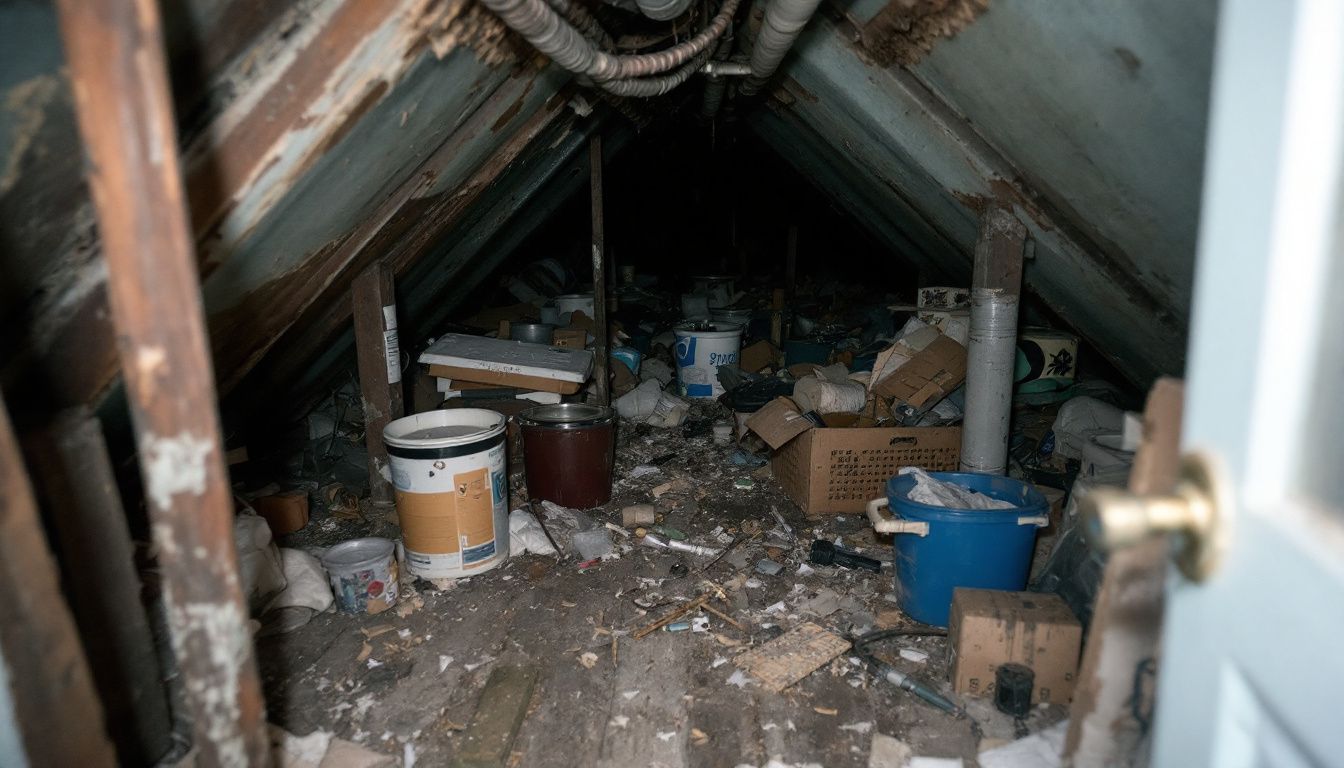
- Do not enter suspended ceiling voids or crawl spaces
- Do not attempt to bag or remove any material yourself
- Alert your supervisor or site manager immediately
If you are managing a site and workers have already been exposed, note their names, the time of the incident, the location, and a description of what was disturbed. This record will be essential for regulatory reporting and any future health monitoring.
Evacuate Safely and Contain the Area
Once work has stopped, evacuate everyone from the affected space calmly and without rushing — unnecessary movement stirs up settled dust and sends fibres back into the breathing zone. Guide people out in an orderly manner and account for everyone who may have been in the area.
As you leave, take these containment steps if you can do so safely without re-entering or disturbing the ACMs:
- Close all doors and windows to the affected room or area
- Switch off ventilation, air handling units, and HVAC systems serving that space
- Post clear warning signs at every entry point
- Use barrier tape or physical barriers to prevent re-entry
- Assign a responsible person to supervise the exclusion zone until contractors arrive
Do not re-enter for any reason — not to retrieve tools, personal belongings, or documents. The area must remain sealed until a licensed contractor has assessed and cleared it.
If the emergency services need to attend for any reason, brief them immediately on the suspected asbestos contamination. They will need to know the location, the type of material involved if known, and whether anyone has been directly exposed. This is part of your duty of care under HSE guidance.
Sealing Off the Contaminated Space
Containment is the priority before any emergency asbestos removal work begins. The goal is to prevent fibres from migrating to other parts of the building through air movement, foot traffic, or ventilation systems.
Where it is safe to do so without entering the contaminated zone, use heavy-duty polythene sheeting and duct tape to seal gaps around doors and any openings. If the area has a separate ventilation supply, have a competent person isolate it from outside the risk zone.
Key points for effective sealing:
- Use 1000-gauge polythene sheeting where possible
- Tape all edges securely — gaps allow fibres to escape
- Do not use standard vacuum cleaners on any debris (they spread fibres further)
- Only a Type H vacuum cleaner is suitable for asbestos-contaminated areas
- Electrical and ventilation isolation should be carried out by staff outside the sealed zone, following your asbestos management plan
Only trained personnel with asbestos awareness training should approach the sealed perimeter. All others should be kept well clear.
Who to Call and When: Engaging a Licensed Contractor for Emergency Asbestos Removal
Once the area is evacuated and sealed, your next action is to contact a licensed asbestos contractor. This is not optional — under the Control of Asbestos Regulations, certain categories of asbestos work can only be carried out by contractors holding an HSE licence.
High-risk materials that require a licensed contractor include:
- Sprayed asbestos coatings
- Pipe lagging and thermal insulation
- Loose-fill insulation
- Asbestos insulating board (AIB) in most circumstances
Do not attempt to manage or remove these materials using unlicensed workers. Doing so breaches UK asbestos regulations, exposes your organisation to serious legal liability, and puts lives at risk.
A licensed contractor will arrive with specialist equipment including sealed enclosures, negative pressure units, and decontamination facilities. They will assess the extent of contamination, carry out the necessary emergency asbestos removal or encapsulation, and arrange for an independent environmental analyst to conduct air testing once the work is complete.
Only when air monitoring confirms that fibre concentrations are within safe limits — and a re-occupation certificate has been issued — can the area be safely reopened.
What Emergency Asbestos Removal Actually Looks Like
Understanding what a licensed contractor will do during emergency asbestos removal helps you prepare, cooperate effectively, and manage expectations with building occupants or tenants.
Initial Assessment
The contractor will first assess the extent of the disturbance and identify the type of ACM involved. If no asbestos survey has been carried out previously, or if the existing survey does not cover the affected area, sampling and analysis may be required before work can begin.
This adds time but cannot be skipped. Working without knowing what you are dealing with is both dangerous and unlawful.
Setting Up the Enclosure
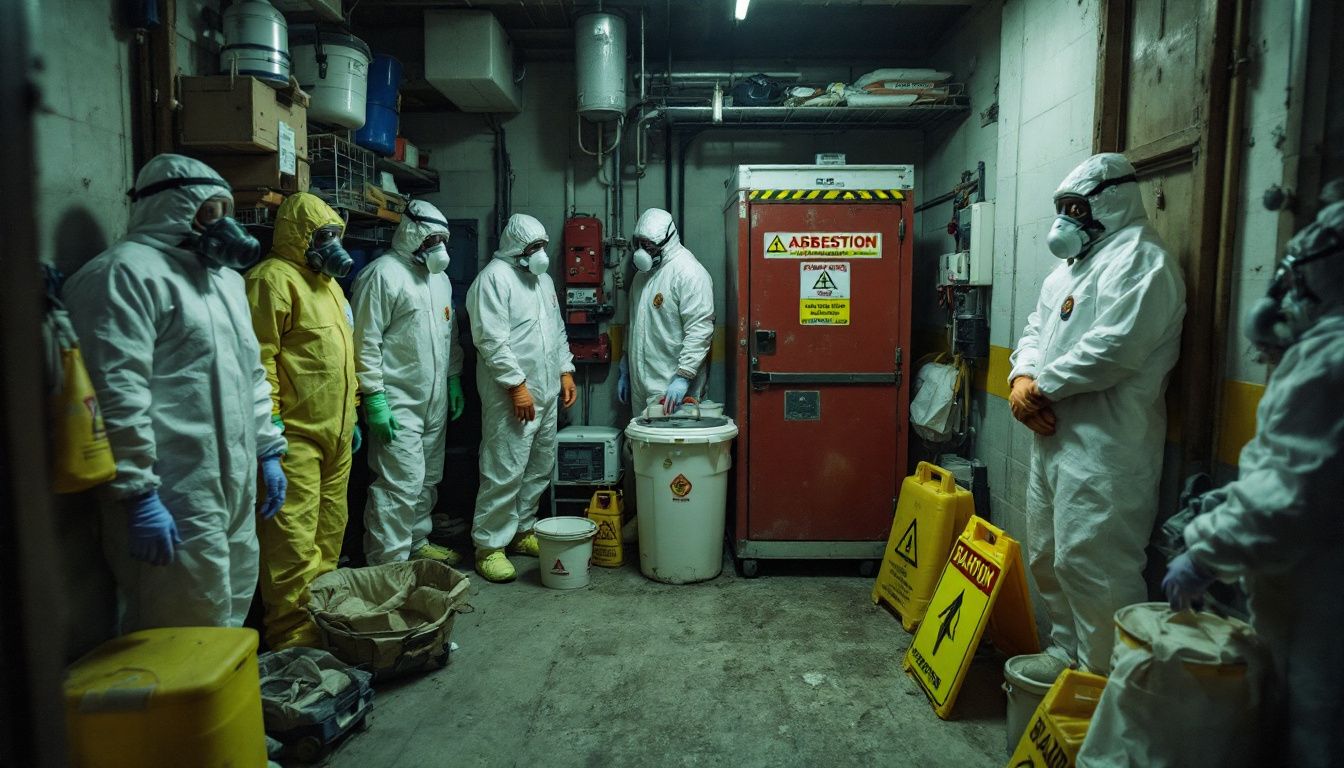
For licensable work, the contractor will erect a sealed enclosure around the work area using polythene sheeting, negative pressure equipment, and an airlock system. This prevents fibres from escaping into the wider building during removal.
Removal and Waste Disposal
ACMs are carefully removed, double-bagged in clearly labelled asbestos waste sacks, and transported by licensed waste carriers to an approved disposal facility. Every stage of this process is documented and must comply with the Environmental Protection Act and waste carrier regulations.
Asbestos waste cannot go into general waste streams under any circumstances — licensed disposal is a legal requirement, not a recommendation.
Air Testing and Clearance
After removal, an independent UKAS-accredited analyst carries out a thorough visual inspection followed by air monitoring. Only when fibre counts fall below the clearance indicator can a re-occupation certificate be issued. This certificate is your legal proof that the area is safe to reoccupy.
Your Legal Duties: Reporting and Record-Keeping
An accidental asbestos disturbance is not just an operational incident — it triggers specific legal obligations that property owners, employers, and duty holders must meet.
Reporting Under RIDDOR
Under the Reporting of Injuries, Diseases and Dangerous Occurrences Regulations (RIDDOR), certain asbestos-related incidents must be reported to the HSE. If workers have been exposed to asbestos fibres as a result of the disturbance, you may have a duty to report.
Seek legal advice or consult HSE guidance promptly to determine whether your incident triggers a RIDDOR notification.
Notifying the HSE Before Work Begins
For licensable asbestos work, the licensed contractor must notify the HSE before work begins — this is a legal requirement. As the duty holder or employer, ensure your contractor has complied with this requirement before any emergency asbestos removal work starts.
Keeping Records
Document everything from the moment the incident occurs. Your records should include:
- Date, time, and exact location of the disturbance
- Description of the ACM involved
- Names of all individuals potentially exposed
- Actions taken and by whom
- Contractor details and arrival time
- Air monitoring results and re-occupation certificate
These records support legal compliance and may be needed for future health monitoring of exposed individuals. Under the Control of Asbestos Regulations, employees who may have been exposed should also receive appropriate asbestos awareness training to prevent future incidents.
Decontamination: The Correct Procedure
Anyone who was in the affected area before it was evacuated — or who has worked in the contaminated zone as part of the emergency response — must follow a strict decontamination procedure. This is a legal and health requirement, not a matter of preference.
The correct decontamination process:
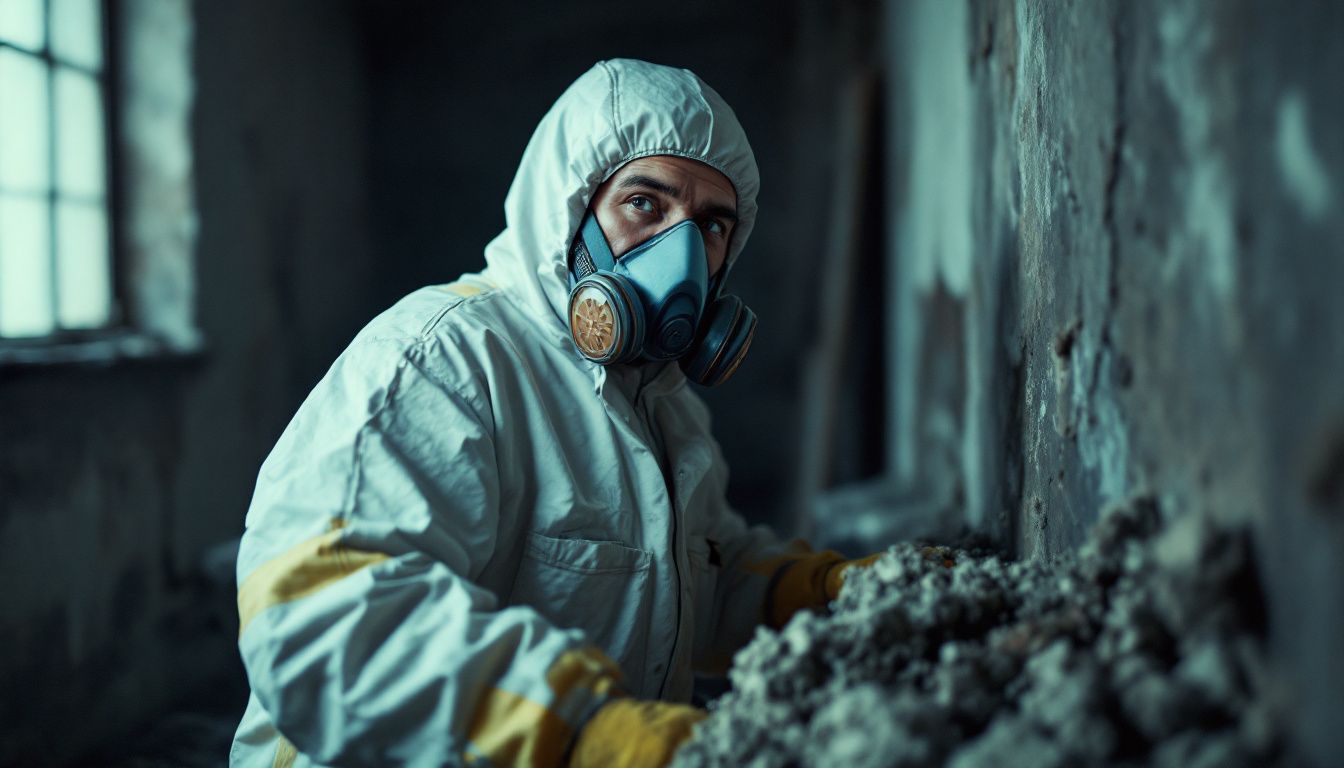
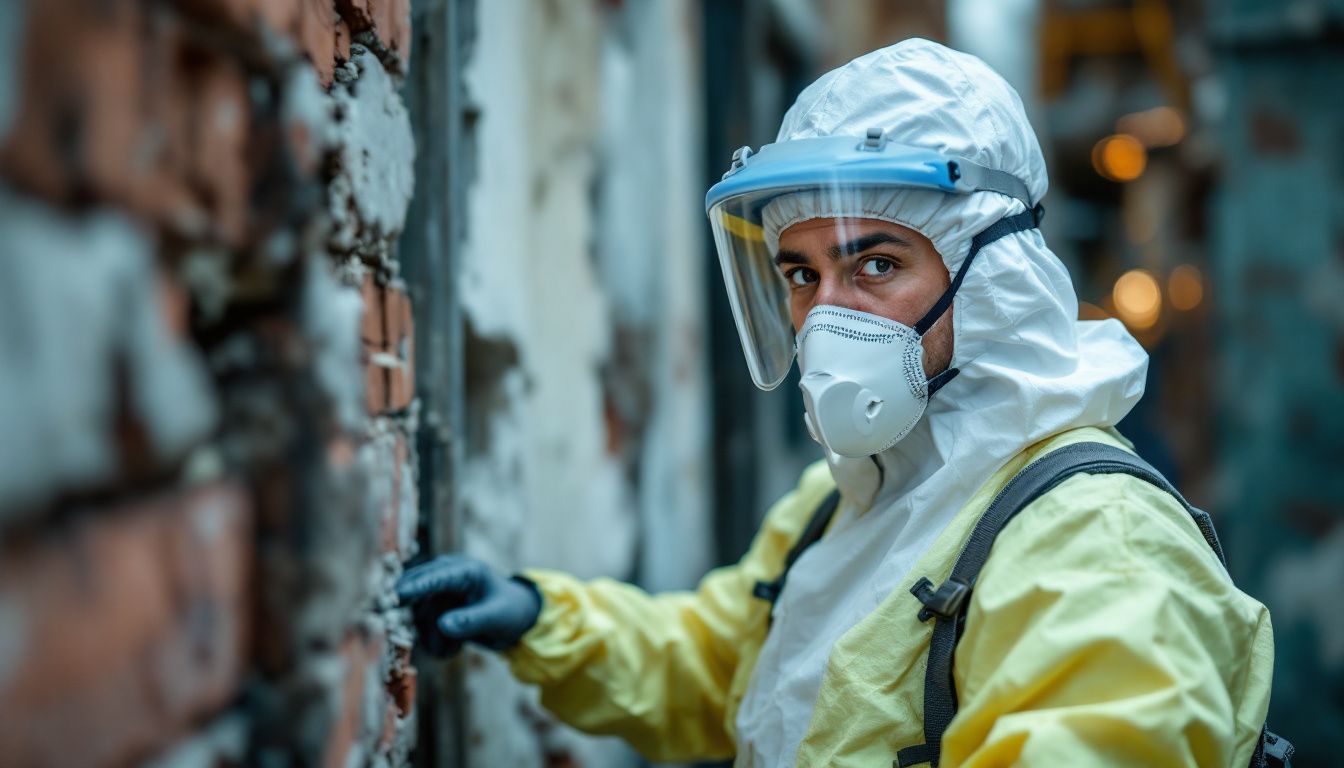
- Remove disposable overalls carefully, rolling them inward to trap any fibres on the outer surface
- Double-bag all disposable PPE and label it as asbestos waste
- Remove respiratory protective equipment (RPE) last, after all other PPE has been removed
- Wash hands and face thoroughly before leaving the decontamination unit
- Never reuse disposable overalls or respirators after work involving ACMs
- Arrange licensed disposal of all asbestos waste
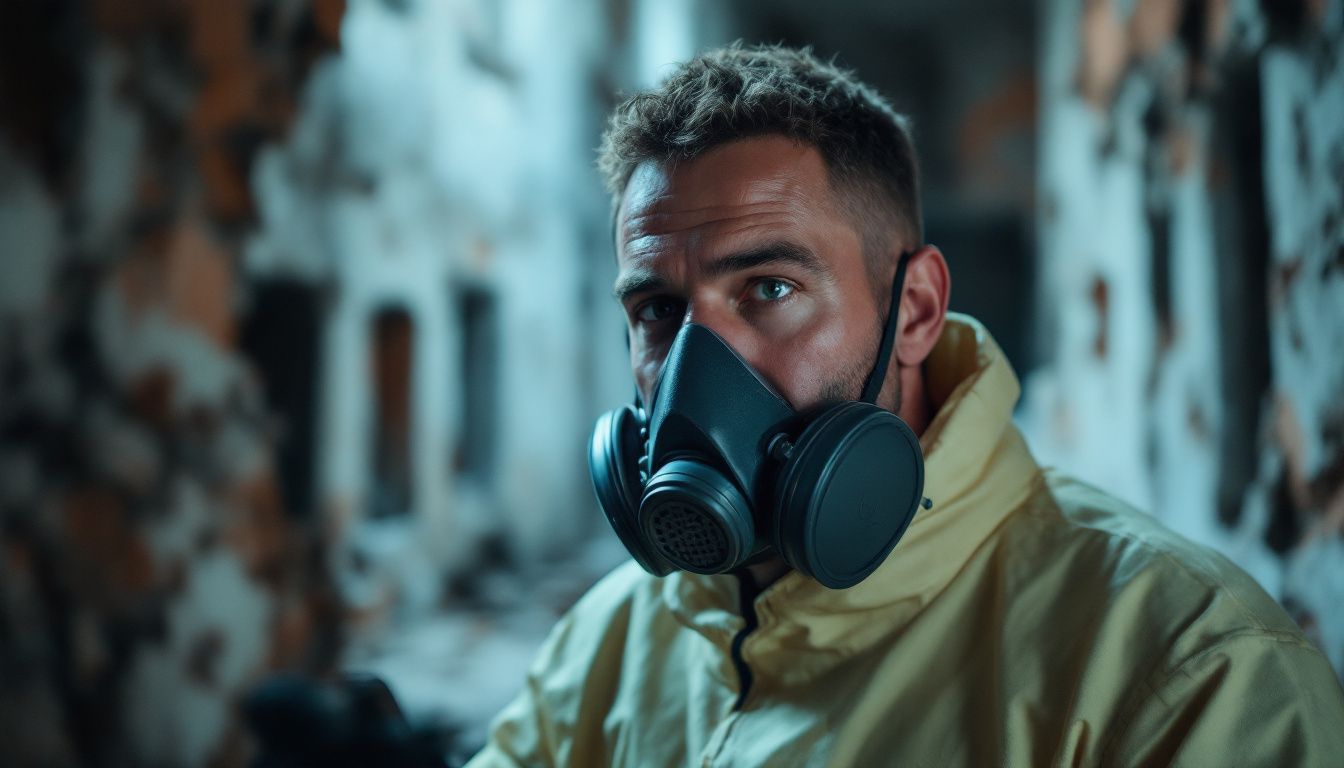
RPE must be correctly selected and face-fit tested for each individual wearer. An ill-fitting mask provides no meaningful protection against asbestos fibres — this is a requirement under HSE guidance and is non-negotiable on any licensed asbestos site.
Type H vacuum cleaners and damp wiping are the only acceptable methods for cleaning surfaces in contaminated areas. Dry brushing and standard vacuum cleaners must never be used — they aerosolise fibres rather than capturing them.
Health Monitoring After Asbestos Exposure
Asbestos-related diseases have long latency periods — symptoms may not appear for decades after exposure. This does not mean early action is pointless. Identifying exposure early and monitoring health over time gives individuals the best chance of detecting any changes before they become serious.
Conditions associated with asbestos fibre inhalation include:
- Mesothelioma — a cancer affecting the lining of the lungs and abdomen, almost exclusively caused by asbestos exposure
- Asbestosis — progressive scarring of lung tissue causing breathlessness and reduced lung function
- Lung cancer — risk is significantly elevated in those with a history of asbestos exposure, particularly smokers
- Pleural thickening — scarring of the membrane surrounding the lungs, causing breathlessness
Anyone potentially exposed during an incident should be encouraged to register the exposure with their GP and attend any occupational health screening offered. Persistent cough, shortness of breath, or chest pain should always be investigated promptly.
Employers have a duty to maintain health records for workers exposed to asbestos and to ensure they have access to medical surveillance where required under the Control of Asbestos Regulations.
Does Your Building Have an Asbestos Management Plan?
If an accidental disturbance has caught you off guard, it may be a sign that your asbestos management arrangements need reviewing. Under the Control of Asbestos Regulations, duty holders for non-domestic premises are legally required to manage asbestos in their buildings — and that means having an up-to-date asbestos survey and a written asbestos management plan.
An asbestos management survey identifies the location, type, and condition of ACMs in your building before someone drills into them. Without one, you are managing blind — and that dramatically increases the likelihood of exactly the kind of emergency described in this post.
If you already have a survey in place, check that it is current and covers all areas of the building. ACMs can be disturbed during refurbishment, maintenance, or even routine repairs — any of which may not have been anticipated when the original survey was conducted.
A management survey carried out to HSG264 standards will give you the information you need to manage asbestos safely, prioritise remedial action, and ensure that contractors and maintenance workers are properly briefed before they begin any work.
Preventing the Next Emergency: Practical Steps for Duty Holders
Emergency asbestos removal is always more disruptive, more expensive, and more distressing than planned management. The best way to avoid it is to get ahead of the risk before something goes wrong.
Steps every duty holder should take:
- Commission an asbestos survey if you do not already have one — and ensure it is reviewed and updated regularly
- Ensure your asbestos register is accessible to all contractors before they begin any work on the building
- Provide asbestos awareness training for all staff who may disturb ACMs — maintenance workers, electricians, plumbers, and decorators are all at risk
- Review your emergency response procedure and ensure everyone on site knows what to do if asbestos is disturbed
- Appoint a competent person to manage asbestos on your behalf if you do not have the in-house expertise
Buildings constructed before 2000 are the most likely to contain asbestos. If you manage, own, or occupy a building from that era and do not have a current survey in place, the risk of an unplanned disturbance is real and ongoing.
Supernova Asbestos Surveys carries out surveys across the UK, including asbestos survey London, asbestos survey Manchester, and asbestos survey Birmingham — as well as nationwide. Our surveyors are fully qualified, and every survey is conducted in line with HSG264 guidance.
Frequently Asked Questions
What should I do immediately if asbestos is disturbed?
Stop all work immediately, do not touch or sweep any debris, and evacuate the area calmly. Close doors and windows, switch off any ventilation serving the space, and post warning signs to prevent re-entry. Contact a licensed asbestos contractor as soon as possible — do not attempt to clean up or remove any material yourself.
Who is allowed to carry out emergency asbestos removal?
Only contractors holding a current HSE licence are permitted to carry out licensable asbestos work, which includes removal of materials such as pipe lagging, sprayed coatings, loose-fill insulation, and asbestos insulating board. Using unlicensed workers for this type of work is a breach of the Control of Asbestos Regulations and carries serious legal consequences.
Does an asbestos disturbance need to be reported to the HSE?
It may do. Under RIDDOR, certain incidents involving asbestos exposure must be reported to the HSE. Additionally, before any licensable removal work begins, the licensed contractor is legally required to notify the HSE. If you are unsure whether your incident triggers a reporting obligation, seek advice from a qualified consultant or the HSE directly.
How long does emergency asbestos removal take?
This depends on the extent of the disturbance, the type of ACM involved, and the size of the affected area. A contractor must first assess the situation, set up a sealed enclosure, carry out the removal, and then arrange independent air testing before a re-occupation certificate can be issued. In practice, this process can take anywhere from a day to several days for larger or more complex incidents.
How can I prevent an accidental asbestos disturbance in my building?
The most effective preventive measure is commissioning an up-to-date asbestos management survey carried out to HSG264 standards. This identifies where ACMs are located so that contractors and maintenance workers can avoid disturbing them. Ensuring your asbestos register is shared with anyone working on the building, and providing asbestos awareness training to relevant staff, significantly reduces the risk of an accidental disturbance.
Get Expert Help From Supernova Asbestos Surveys
If you have experienced an asbestos disturbance, or you want to ensure your building is properly surveyed and managed before an emergency arises, Supernova Asbestos Surveys is here to help. With over 50,000 surveys completed nationwide, our team has the experience and qualifications to support you at every stage — from initial survey through to management planning and contractor referral.
Call us on 020 4586 0680 or visit asbestos-surveys.org.uk to book a survey or speak to one of our team about your asbestos management obligations.