The Asbestos Myth That’s Still Putting Lives at Risk
Ask most people whether asbestos use in the UK is still a problem, and the majority will tell you it isn’t. The ban happened decades ago, they’ll say. It’s been dealt with. It hasn’t. And that widespread belief remains one of the most dangerous misconceptions in public health today.
Asbestos wasn’t eradicated when it was banned — it was simply left in place in millions of buildings across the country. Understanding the difference between “banned” and “gone” could quite literally save your life.
What Do People Actually Believe About Asbestos Use in the UK?
Public awareness has improved over the years, but significant gaps remain. Many people conflate the 1999 ban on asbestos use with the removal of asbestos from existing buildings — but those are two very different things.
The ban made it illegal to import, supply, and use asbestos materials going forward. It did not require anyone to strip asbestos out of buildings where it already existed. That asbestos is still there.
The Most Common Misconceptions
These are the beliefs that keep coming up — and each one carries real risk:
- “Asbestos has been removed from all buildings.” It hasn’t. Removal is expensive, disruptive, and in many cases unnecessary if the material is in good condition and left undisturbed.
- “New buildings don’t have asbestos.” Any building constructed or refurbished before 2000 may contain asbestos-containing materials (ACMs). That covers an enormous proportion of the UK’s built environment.
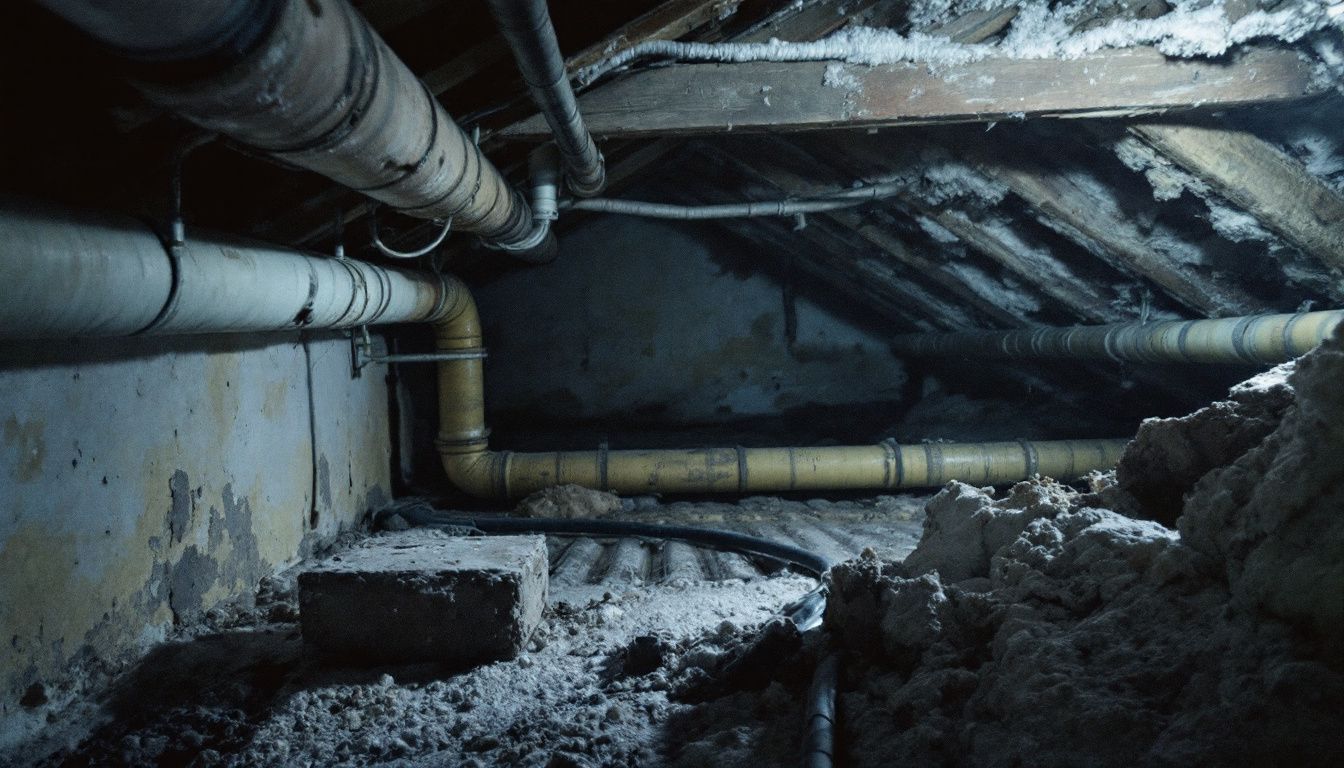
- “If it’s not visible, it’s not a risk.” Asbestos is often hidden inside walls, above suspended ceilings, beneath floor coverings, and within service ducts — completely invisible until someone starts drilling, cutting, or demolishing.
- “DIY work in an old building is fine.” This is where the misconception becomes genuinely lethal. Disturbing ACMs without knowing what you’re dealing with releases microscopic fibres that, once inhaled, can trigger mesothelioma, asbestosis, and lung cancer decades later.
The Scale of Asbestos Use in UK Buildings
Around 1.5 million UK buildings are estimated to still contain asbestos. These aren’t derelict warehouses on the outskirts of towns — they’re schools, hospitals, offices, housing association properties, and public buildings that people use every single day.
Approximately 75% of UK schools are thought to contain asbestos. NHS hospitals face similar figures. The people working and studying in these buildings often have no idea.
Why Is Asbestos Still in So Many Buildings?
Asbestos use in UK construction spanned well over a century. It was cheap, durable, fire-resistant, and an excellent insulator. Builders incorporated it into an extraordinarily wide range of materials, including:
- Ceiling tiles and textured coatings (including Artex)
- Floor tiles and vinyl sheet flooring
- Roof sheeting and guttering
- Pipe lagging and boiler insulation
- Insulating boards around fire doors and service risers
- Soffit boards, fascias, and external panels
- Rope seals and gaskets in heating systems
- Cement products including water tanks and drainage pipes
This material doesn’t disappear on its own. Unless it has been professionally surveyed and removed, it remains exactly where it was installed — sometimes 50, 60, or 70 years ago.
When Was Asbestos Banned in the UK?
Blue asbestos (crocidolite) and brown asbestos (amosite) were banned in the UK in 1985, following growing evidence of their extreme toxicity. White asbestos (chrysotile) — argued at the time to be less dangerous — continued to be used until 1999, when the UK introduced a comprehensive ban covering all forms of asbestos.
That 1999 ban was a landmark moment. But it’s worth being clear about what it actually did: it stopped new asbestos being brought into use. It did not — and could not — make the asbestos already installed in millions of buildings disappear overnight.
The legal duty to manage that existing asbestos falls under the Control of Asbestos Regulations, which place a clear responsibility on dutyholders — typically building owners, employers, or those responsible for maintenance — to identify, assess, and manage any ACMs in non-domestic premises.
The Health Consequences of Getting This Wrong
Asbestos is the UK’s single biggest cause of work-related deaths. The diseases it causes are brutal, and they appear long after the exposure occurred — typically 20 to 50 years later. By the time a diagnosis is made, the window for effective treatment is often narrow.
Asbestos-Related Diseases
- Mesothelioma — an aggressive cancer of the lining of the lungs or abdomen, almost exclusively caused by asbestos exposure. There is no cure.
- Asbestos-related lung cancer — clinically similar to smoking-related lung cancer but triggered by fibre inhalation.
- Asbestosis — progressive scarring of the lung tissue, causing increasing breathlessness and reduced quality of life.
- Pleural thickening — a non-malignant but debilitating condition where the lining of the lungs becomes scarred and thickened.
Thousands of people in the UK die from asbestos-related diseases every year. Many of them were not construction workers or factory labourers — they were teachers, nurses, electricians, plumbers, and office workers who simply spent time in buildings where asbestos was present and disturbed.
The Long Latency Period Makes Prevention Critical
The fact that asbestos diseases can take decades to manifest makes prevention the only truly effective strategy. By the time someone is diagnosed, the exposure happened a generation ago. There is no way to undo it.
This is why public understanding of asbestos use in the UK — particularly among anyone who manages, maintains, or works in older buildings — is not just an educational issue. It is a life-and-death one.
Who Is Most at Risk From Asbestos in the UK?
While the general public faces risks from disturbed asbestos in homes and public buildings, certain groups carry a disproportionate burden of exposure:
- Tradespeople — electricians, plumbers, carpenters, and plasterers working in pre-2000 buildings are at elevated risk every time they work without knowing what’s in the structure around them.
- Construction and demolition workers — particularly on older sites where a proper refurbishment or demolition survey hasn’t been carried out before work begins.
- Maintenance staff — those responsible for ongoing upkeep of commercial or public buildings where ACMs may be present.
- Teachers and school staff — given the high proportion of UK schools containing asbestos, long-term exposure through damaged or deteriorating materials is a genuine concern.
- Healthcare workers — NHS buildings built or extended during the peak asbestos era often contain significant quantities of ACMs.
- DIYers — homeowners carrying out their own renovations in older properties are perhaps the most overlooked at-risk group, precisely because they’re least likely to know what they might be disturbing.
What the Law Actually Requires
If you own or manage a non-domestic building — offices, schools, retail units, warehouses, communal areas of residential blocks, or any building to which workers or the public have access — you have a legal duty to manage asbestos under the Control of Asbestos Regulations.
That duty means you must:
- Find out whether asbestos is present and where
- Assess its condition and the risk it poses
- Produce and maintain an asbestos register
- Implement a written asbestos management plan
- Ensure anyone who might disturb ACMs is made aware of their location
- Monitor the condition of known ACMs on a regular basis
Failure to comply is not just a regulatory issue — it exposes you to significant legal liability and, more importantly, puts people’s lives at risk.
For buildings undergoing refurbishment or demolition, the duty goes further. A refurbishment and demolition survey is required before any intrusive or structural work begins, regardless of the building’s age. If it was constructed at any point before 2000, assume asbestos could be present until you know otherwise.
What a Proper Asbestos Survey Involves
There are three main types of asbestos survey, each serving a different purpose. Choosing the right one depends on your building’s current use and what you’re planning to do with it.
Management Survey
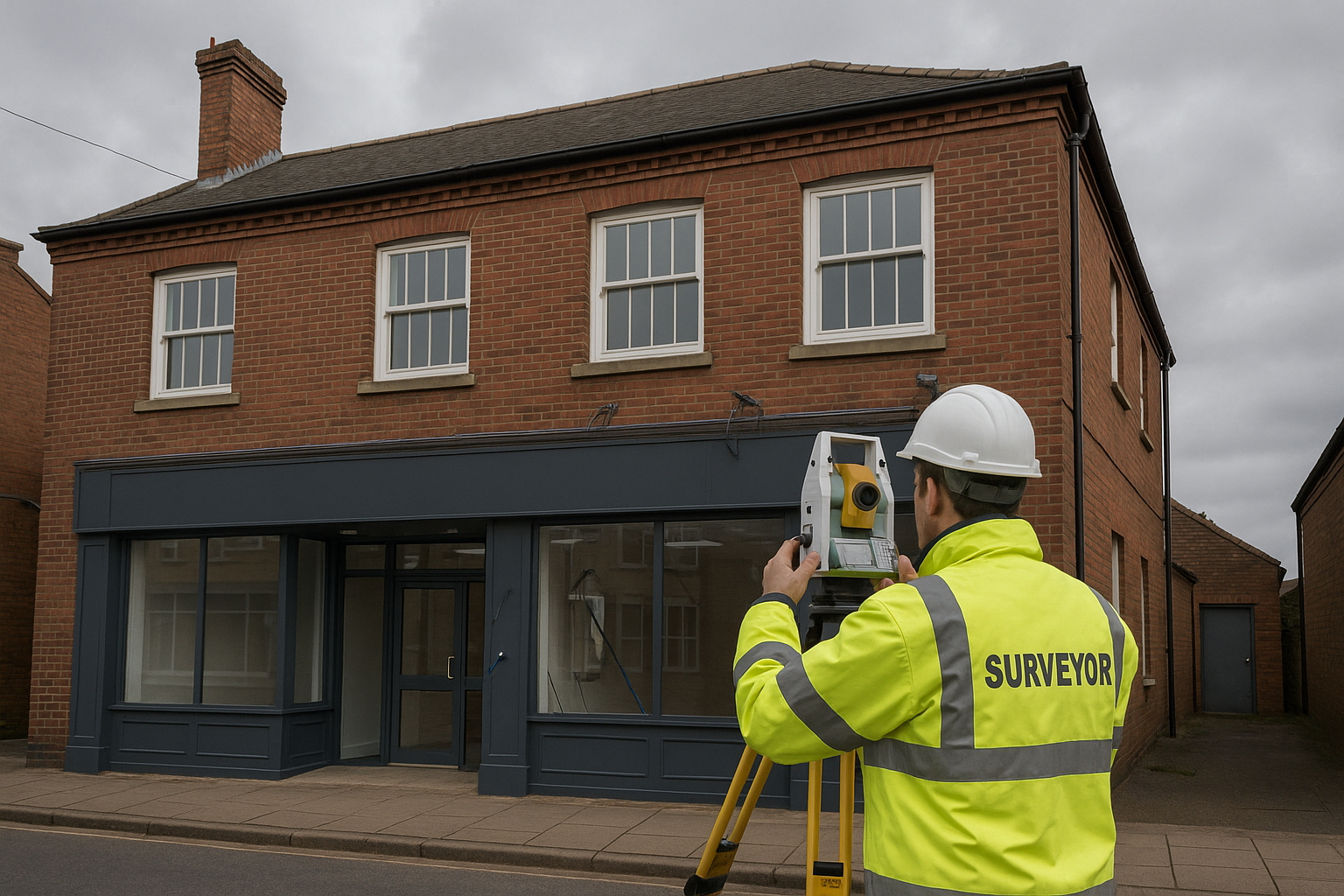
The standard survey for occupied buildings. A qualified surveyor inspects accessible areas to locate and assess any ACMs, helping you fulfil your duty to manage asbestos in a building that’s in normal use. An management survey forms the basis of your asbestos register and is the starting point for any compliant asbestos management plan.
If you haven’t had one carried out yet, this is where you begin.
Refurbishment and Demolition Survey
Required before any structural work, refurbishment, or demolition. This is a more intrusive investigation — surveyors need to access areas that would be disturbed during the planned work. Commissioning a demolition survey before breaking ground is mandatory, not optional.
Whether you’re fitting out a new office or knocking down a wall, this survey must happen first. Skipping it isn’t a shortcut — it’s a criminal liability.
Re-Inspection Survey
An ongoing check of previously identified ACMs to monitor their condition over time. The Control of Asbestos Regulations require regular monitoring — typically annually — to ensure nothing has deteriorated or been damaged since the last assessment. Booking a re-inspection survey keeps your register current and your management plan effective.
It also demonstrates to the HSE and insurers that you’re taking your duty of care seriously.
What to Do If You Suspect Asbestos Is Present
If you’re in a building constructed before 2000 and you’re unsure whether asbestos is present, follow these steps:
- Don’t disturb it. Asbestos in good condition and left undisturbed poses minimal risk. The danger comes when fibres are released into the air.
- Don’t assume it’s fine. Visual inspection alone is not sufficient. Many ACMs look identical to non-asbestos materials.
- Get it tested. Professional asbestos testing involves samples being analysed by an accredited laboratory, giving you a definitive answer rather than a guess.
- Consider a home testing kit. If you want to collect a sample yourself before committing to a full survey, our testing kit is available directly from our website and is a practical first step for homeowners.
- Commission a professional survey. This is the only way to get a complete, reliable picture of what’s in your building and where.
- Keep records. Once you have your asbestos register, maintain it and ensure contractors and maintenance staff have access to it before any work begins.
For homeowners or landlords who want a clearer picture before committing to a full survey, our asbestos testing service offers a straightforward first step. Where asbestos is confirmed and poses a risk, professional asbestos removal by a licensed contractor is the appropriate course of action.
Asbestos Surveys Across the UK
Asbestos use in UK buildings is a nationwide issue — and so is the need for professional surveying. Whether you’re managing a property in the capital or overseeing a portfolio of sites across the country, qualified surveyors are available to help you meet your legal obligations.
If you’re based in the capital, our asbestos survey London service covers commercial and residential properties throughout Greater London. For businesses and property managers in the North West, our asbestos survey Manchester team operates across the region. And for those in the Midlands, our asbestos survey Birmingham service provides the same standard of accredited surveying.
Wherever your property is located, the same principle applies: if it was built before 2000, treat asbestos as a possibility until a professional survey tells you otherwise.
Frequently Asked Questions
Is asbestos use in the UK still legal?
No. All forms of asbestos were banned in the UK in 1999. It is illegal to import, supply, or use asbestos materials. However, asbestos that was already installed in buildings before the ban was not required to be removed, which is why it remains present in millions of properties across the country.
How do I know if my building contains asbestos?
You cannot tell by looking. Many asbestos-containing materials are visually indistinguishable from non-asbestos alternatives. The only reliable way to confirm whether asbestos is present is through professional asbestos testing or a formal asbestos survey carried out by a qualified surveyor.
Do I have a legal duty to manage asbestos in my building?
If you own or manage a non-domestic building — or are responsible for its maintenance — you have a legal duty under the Control of Asbestos Regulations to identify, assess, and manage any asbestos-containing materials. This includes producing an asbestos register and a written management plan. Domestic properties are not covered by the same duty, but landlords of residential properties do have obligations where communal areas are concerned.
What’s the difference between asbestos removal and asbestos management?
Asbestos management means monitoring and maintaining ACMs that are in good condition and pose a low risk when left undisturbed. Removal means physically extracting the material from the building, which must be done by a licensed contractor where higher-risk materials are involved. Not all asbestos needs to be removed — but all asbestos in non-domestic buildings needs to be managed.
What should I do if I accidentally disturb asbestos?
Stop work immediately. Evacuate the area and prevent others from entering. Do not attempt to clean up any debris yourself. Contact a licensed asbestos contractor to assess the situation, carry out air monitoring if necessary, and arrange for safe decontamination and disposal. Report the incident to the HSE if the exposure was significant.
Speak to Supernova Asbestos Surveys
Supernova Asbestos Surveys has completed over 50,000 surveys across the UK. Our accredited team provides management surveys, refurbishment and demolition surveys, re-inspection surveys, testing, and removal referrals — everything you need to understand and manage asbestos use in UK properties, whatever their age or type.
Call us on 020 4586 0680 or visit asbestos-surveys.org.uk to book a survey or speak to one of our surveyors about your specific situation.