Category: Breaking the Silence: Personal Stories of Asbestos Victims

  • Asbestos Victims Speak Out: Breaking the Silence and Fighting for Justice

    Asbestos Victims Speak Out: Breaking the Silence and Fighting for Justice

    Every year, asbestos hurts thousands of workers in the UK. It kills about 5,000 people each year, making it Britain’s biggest workplace killer. We share real stories from victims and their families who fight for better safety rules and fair pay.

    These brave people refuse to stay quiet, and their voices are making a difference.

    Key Takeaways

    • Asbestos kills 5,000 UK workers yearly, making it Britain’s deadliest workplace hazard. Victims like Tony Dulwich, who died at 68 in 2022, show the human cost of this crisis.
    • Altrad offered £60 million to sick workers and set aside £70 million for future claims. Yet, their £10 million research offer came with strict rules that would stop victims from speaking up.
    • The Asbestos Victims Support Group Forum fights for justice through legal battles and public awareness. They help sick workers get fair pay and push for stronger safety rules to protect others.
    • Since the 1990s UK ban, asbestos has hurt thousands of families. The toxic dust came home on workers’ clothes. Medical experts knew the risks since 1924, but companies kept using it.
    • Linda Reinstein’s ADAO shows how 10,000 Americans die yearly from asbestos illness. Personal stories help change laws and save lives.

    The Struggles Faced by Asbestos Victims

    An elderly man surrounded by medical bills and legal documents looking worried.

    Asbestos victims face daily battles with painful symptoms and crushing medical bills. Many workers got sick from jobs they loved, now spending their time between hospital visits and legal meetings.

    Health impacts and emotional toll

    Living with asbestos-related illness brings deep pain to victims and their loved ones. Each year, 5,000 people die from workplace asbestos exposure in Britain. Tony Dulwich faced this harsh reality after his mesothelioma diagnosis in 2019.

    The carpenter spent his final years fighting against the companies that failed to protect workers like him. His battle ended too soon at age 68 in October 2022.

    People with asbestos diseases deal with more than just physical pain. Their lungs get weaker day by day, making simple tasks hard to do. The worst part is knowing these illnesses have no cure.

    Most patients only live for months after their diagnosis. Many families watch helplessly as their loved ones suffer from workplace hazards that could have been stopped. The next section shows how hard it is for victims to get the help they need.

    Challenges in accessing compensation

    Getting money for asbestos harm remains a big problem for many victims. Most companies that made asbestos have gone broke, leaving sick workers with no way to get paid. Some firms try to dodge their duty to help those they hurt.

    The path to compensation often feels like climbing a mountain with no end in sight.

    Every day we see families struggling to get the support they deserve after asbestos exposure. It’s not right, and it’s not fair.

    Altrad stands out as one company that has stepped up to help its former workers. They paid £60 million to workers who got sick from asbestos cancer. They also set aside £70 million more for future claims.

    Still, their offer of less than £10 million for research came with strings attached. They wanted people to stop legal cases and stop speaking badly about them. Many victims feel trapped between taking what little help they can get or fighting longer for fair treatment.

    The Silent Killer: Impact of Asbestos on Individuals and Families

    Asbestos has left a trail of pain through countless homes across the UK. The toxic fibres have caused serious health problems for tens of thousands of people since the 1990s ban. Workers like Tony Dulwich faced daily exposure to dangerous products such as Asbestolux, not knowing the risks to their health.

    The silent killer spread far beyond factory walls into public spaces. Schools, cinemas, banks, and churches all used these hazardous boards, putting many families at risk.

    The damage from asbestos strikes deep into family life. People who worked with this material often brought the deadly fibres home on their clothes, exposing their loved ones too. Medical experts knew about the dangers as far back as 1924, yet companies kept using it because it was cheap and fireproof.

    The result? Many families now deal with serious illnesses like lung cancer and mesothelioma. These diseases tear through families, causing both emotional and money problems. South African and Canadian mines supplied this carcinogenic material for years, creating a legacy of suffering that continues today.

    Fighting for Justice

    Asbestos victims fight hard in court to make big companies pay for their pain. Many workers join forces with skilled lawyers who know how to win cases against firms that put profits before people’s lives.

    Legal battles against corporations

    Legal battles against asbestos companies show a hard fight for justice. Many victims face tough challenges in getting fair payment for their suffering.

    • Altrad, a big French building company, tried to keep victims quiet with money offers. They started with £1.5 million, which was much less than what victims needed.
    • The company raised their offer to £2.4 million after victims spoke up. Still, this amount fell short of the £10 million needed for cancer research.
    • Victims stood firm against Altrad’s final offer of £3 million spread over ten years. The deal came with strict rules that would limit victims’ rights.
    • Lawyer Harminder Bains from Leigh Day spoke up against the unfair treatment. She pointed out how Cape put money before people’s safety.
    • The fight for fair payment shows how big companies try to avoid paying what they owe. Many victims need this money for medical care.
    • Victims joined forces to make their voices heard. They refused to accept small payments that didn’t match their suffering.
    • Court battles help hold companies responsible for putting workers at risk. These legal fights make companies think twice about unsafe work spaces.
    • Speaking up brings change and helps other victims come forward. More people now know about the dangers of working with harmful materials.
    • Strong legal action forces companies to pay fair amounts. This helps victims get the care and support they need.
    • Public pressure makes companies change their ways. More safety rules now protect workers from getting sick.

    Advocacy for stricter regulations

    Asbestos victims need stronger laws to protect people from harm. Groups like MAVSG fight hard to make rules better and save lives.

    • Medical experts back new rules with proof from studies. Dr Robin Rudd leads research that shows why we need better laws.
    • Support groups ask big companies to help fund research. The £10 million request from Altrad could help find new treatments.
    • Victims speak up at town halls and public meetings to share their stories. Their voices push leaders to make safer rules.
    • Local groups team up with doctors to show proof of health risks. Three top medical experts join forces with Asthma + Lung UK.
    • People hurt by asbestos push for better safety checks at work. They want rules that stop others from getting sick.
    • Groups ask for money to study how asbestos hurts people. Long-term studies need steady cash to find answers.
    • Victims join forces to make their voices louder. More people speaking up means more chance for change.
    • Support teams help sick people fight for their rights. The MAVSG helps victims get the care they need.
    • Doctors and patients work as a team to prove why new rules matter. Their facts help make stronger laws.
    • Groups push for quick action on new safety rules. Fast changes could save more lives.

    The Importance of Breaking the Silence

    Speaking up about asbestos harm saves lives and helps others spot danger signs early. Personal stories from victims create a strong push for better safety rules and proper handling of this deadly material.

    Raising awareness through personal stories

    Personal stories shine a light on the real harm of asbestos. Linda Reinstein from ADAO leads the charge in sharing these vital tales. Her work helps people understand why 10,000 Americans die each year from asbestos illness.

    These stories push for better laws to protect everyone’s health.

    Brave people step up to tell their truth about asbestos damage. They share how this deadly material changed their lives forever. The Asbestos Disease Awareness Organisation gives them a platform to speak up.

    Their voices make others pay attention to this serious problem. These powerful stories help push for stricter rules on asbestos use. Now, let’s look at how these stories create change through legal battles and better laws.

    Empowering others to take action

    Victims of asbestos need strong voices to speak up. The Asbestos Victims Support Group Forum leads the charge in this fight. Tony Whitston started this group to help people get justice.

    They push companies like Altrad to take real action, not just protect their image. The group shares stories through talks, tours, and news reports. These efforts make more people aware of asbestos dangers.

    We must turn our pain into power and our voices into action for change. – Tony Whitston, AVSGF Founder

    Speaking up creates ripples of change in society. Brave victims share their stories to help others spot dangers at work. The £10 million request from Altrad shows how groups fight for fair treatment.

    Public outreach helps spread facts about asbestos risks. These actions push companies to handle hazards better. The next step is learning how breaking the silence leads to real change.

    Conclusion

    The fight against asbestos harm needs everyone’s voice. Brave people share their stories to help others spot dangers and get help faster. Speaking up saves lives and pushes companies to make safer choices.

    Together, we can stop more workers from getting sick and make sure those who are ill get proper care. Your story matters in this battle for justice and safety.

    For further reading on how asbestos profoundly affects lives, kindly visit The Silent Killer: The Impact of Asbestos on Individuals and Families.

    FAQs

    1. What should I do if I think I was exposed to asbestos?

    See your doctor right away. Tell them where and when you might have touched asbestos. Write down all your health problems, no matter how small they seem.

    2. How long does it take for asbestos illness to show up?

    Most people don’t get sick until 20 to 50 years after they touch asbestos. This long wait time makes it hard to link the illness back to where it came from.

    3. Can I get money help if asbestos made me sick?

    Yes! Many groups give money to people hurt by asbestos. A good lawyer who knows about these cases can help you get what you need.

    4. Why are more people talking about asbestos now?

    People are tired of staying quiet. More victims are sharing their stories to help others spot the danger signs. Their brave words are making big companies own up to their mistakes and pay for the harm they caused.

    What to Expect From an Asbestos Survey

    When you book an asbestos survey with Supernova Group, our BOHS P402-qualified surveyor will contact you to confirm a convenient appointment, often available within the same week. On arrival, the surveyor will conduct a thorough visual inspection of the property, taking samples from any materials suspected to contain asbestos. Samples are sent to our UKAS-accredited laboratory for analysis, and you will receive a comprehensive written report — including an asbestos register, risk assessment, and management plan — within 3–5 working days. The report is fully compliant with HSG264 guidance and satisfies all legal requirements under the Control of Asbestos Regulations 2012.

    • Step 1 – Booking: Contact us by phone or online; we confirm availability and send a booking confirmation.
    • Step 2 – Site Visit: A qualified P402 surveyor attends at the agreed time and carries out a thorough inspection.
    • Step 3 – Sampling: Representative samples are collected from suspect materials using correct containment procedures.
    • Step 4 – Lab Analysis: Samples are analysed under polarised light microscopy (PLM) at our UKAS-accredited laboratory.
    • Step 5 – Report Delivery: You receive a detailed asbestos register and risk-rated management plan in digital format.

    Survey Costs & Pricing

    Supernova Group offers transparent, fixed-price asbestos surveys across the UK. Our pricing is competitive without compromising on quality or compliance. Below is a guide to our standard pricing:

    • Management Survey: From £195 for a standard residential or small commercial property.
    • Refurbishment & Demolition (R&D) Survey: From £295, covering all areas to be disturbed prior to works.
    • Bulk Sample Testing Kit: From £30 per sample, posted to you for DIY collection (where permitted).
    • Re-inspection Survey: From £150, plus £20 per ACM (Asbestos-Containing Material) re-inspected.
    • Fire Risk Assessment (FRA): From £195 for a standard commercial premises.

    All prices are subject to property size and location. Contact us for a free, no-obligation quote tailored to your specific requirements.

    Asbestos Regulations You Need to Know

    Asbestos management is governed by a strict legal framework in the United Kingdom. Understanding your obligations helps you stay compliant and protects everyone who works in or visits your property.

    • Control of Asbestos Regulations 2012 (CAR 2012): The primary legislation controlling work with asbestos in Great Britain. It sets out licensing requirements, notification duties, and the obligation to protect workers and others from asbestos exposure.
    • HSG264 – Asbestos: The Survey Guide: The HSE’s definitive guidance on conducting management and refurbishment/demolition asbestos surveys. Supernova Group follows HSG264 standards on every survey.
    • Duty to Manage (Regulation 4, CAR 2012): Owners and managers of non-domestic premises have a legal duty to manage asbestos. This includes identifying ACMs, assessing risk, and maintaining an up-to-date asbestos register.

    Failure to comply with these regulations can result in significant fines and, more importantly, serious harm to building occupants. Our surveys provide the documentation you need to demonstrate full legal compliance.

    Why Choose Supernova Group?

    With thousands of surveys completed and over 900 five-star reviews, Supernova Group is one of the UK’s most trusted asbestos consultancies. Here’s why clients choose us:

    • BOHS P402/P403/P404 Qualified Surveyors: All our surveyors hold British Occupational Hygiene Society qualifications — the gold standard in asbestos surveying.
    • 900+ Five-Star Reviews: Our reputation is built on consistently excellent service, clear communication, and accurate reports.
    • UK-Wide Coverage: We operate across England, Scotland, and Wales — whether you’re in London, Manchester, Cardiff, or anywhere in between.
    • Same-Week Availability: We understand that surveys are often time-critical. We prioritise fast scheduling to keep your project on track.
    • UKAS-Accredited Laboratory: All samples are analysed in our accredited lab, ensuring accurate and legally defensible results.
    • Transparent Pricing: No hidden fees. You receive a fixed-price quote before we begin.

    Book Your Asbestos Survey Today

    Do not leave asbestos management to chance. Whether you need a management survey for an ongoing duty of care, a refurbishment survey before renovation works, or bulk sample testing, Supernova Group is ready to help.

    📞 Call us on 020 4586 0680 to speak with a specialist today.
    🌐 Visit asbestos-surveys.org.uk to request a free quote online.

  • Surviving Asbestos: A Compilation of Firsthand Accounts

    Surviving Asbestos: A Compilation of Firsthand Accounts

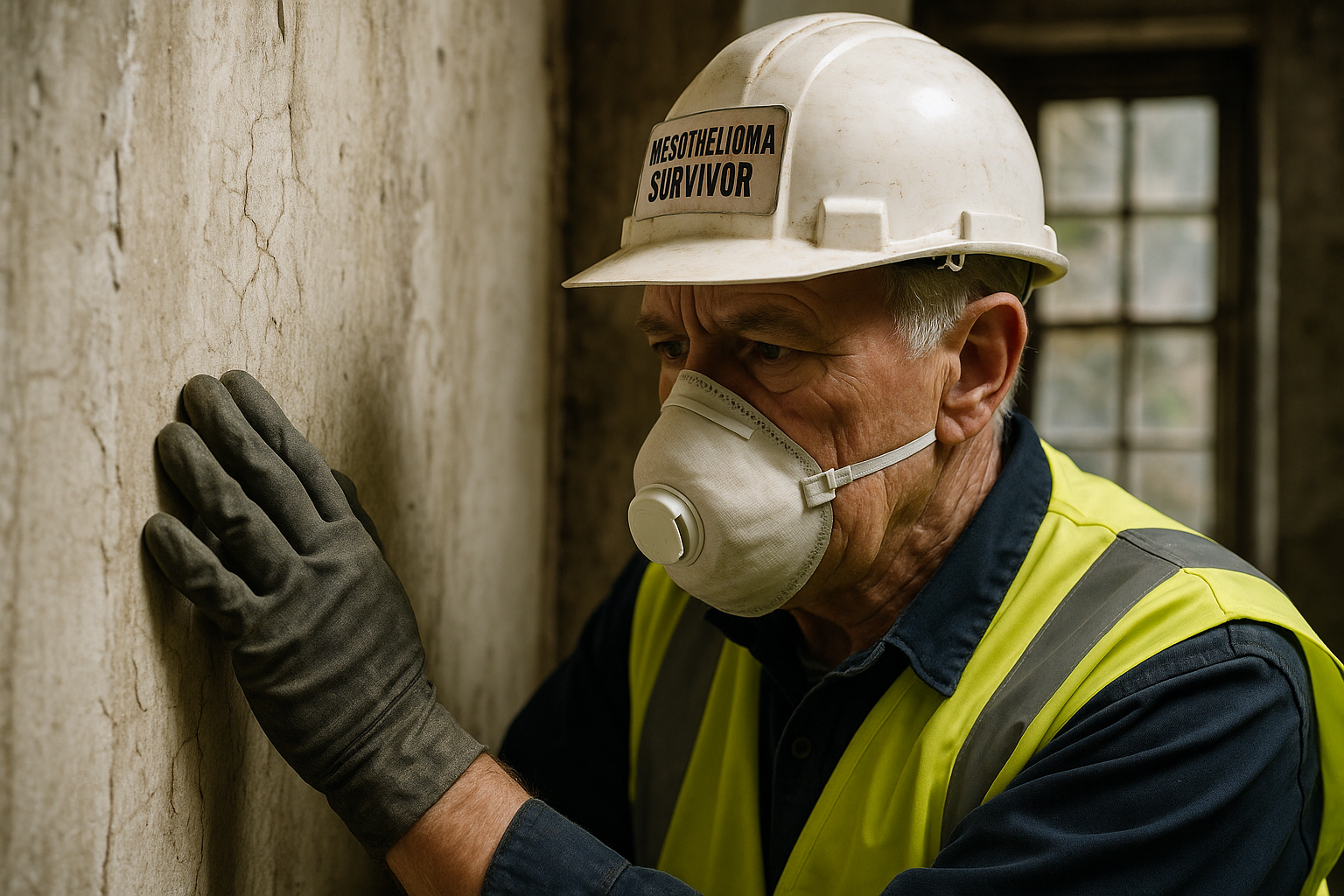
    A diagnosis of mesothelioma changes the ground beneath a person’s feet. Yet the experiences shared by mesothelioma survivors show something far more useful than fear alone: how people navigate symptoms, treatment, family life and uncertainty in practical, human ways. For patients and relatives, these stories offer perspective. For landlords, employers, dutyholders and property managers, they are also a reminder that asbestos exposure has lasting consequences and that proper asbestos management is not optional under the Control of Asbestos Regulations, HSG264 and wider HSE guidance.

    Listening to mesothelioma survivors is not about searching for a single perfect outcome. It is about understanding what helped, what delayed answers, what made treatment more manageable, and why prevention in buildings still matters. When exposure can happen decades before diagnosis, every decision made around asbestos today can affect somebody’s future health.

    What mesothelioma survivors often teach us first

    No two cases are identical, but many mesothelioma survivors describe similar turning points. Symptoms were sometimes vague at first. Breathlessness, chest pain, fatigue or abdominal swelling did not always seem alarming straight away, and some people spent months trying to find out what was wrong.

    That is why one of the clearest lessons from mesothelioma survivors is simple: persistent symptoms should be followed up properly, especially where asbestos exposure is possible. A detailed occupational or building exposure history can be just as important as the symptom itself.

    • Early referral matters. Specialist input can speed up investigation and clarify treatment options.
    • Clear communication matters. People cope better when they understand what scans, tests and appointments are for.
    • Support matters. Family, friends, specialist nurses and peer groups can make daily life more manageable.
    • Quality of life matters. Comfort, energy and routine should be discussed from the start, not only later on.

    Many mesothelioma survivors also describe a shift in mindset after diagnosis. Instead of waiting for life to feel normal again, they begin making deliberate choices about how to use their energy, how to organise help and what matters most in the weeks and months ahead.

    Recognising symptoms and acting quickly

    Mesothelioma can be difficult to identify early because the symptoms can resemble more common conditions. Depending on the site of disease, people may experience breathlessness, chest pain, a persistent cough, fatigue, abdominal swelling or unexplained weight loss.

    Mesothelioma survivors often say the same thing in hindsight: mention possible asbestos exposure clearly and early. Even if it happened decades ago, and even if you are not certain, it is relevant information for the GP or hospital team.

    Practical steps if mesothelioma is suspected

    1. Write down your symptoms and when they started.
    2. Note whether they are worsening, staying the same or coming and going.
    3. List previous jobs, trades, military service, renovation work or time spent in older buildings.
    4. Tell the clinician directly if asbestos exposure may have occurred.
    5. Ask whether specialist referral is appropriate.
    6. Take someone to appointments if you may struggle to remember details.

    Many mesothelioma survivors describe persistence as essential. That does not mean assuming every cough or pain is mesothelioma. It means not allowing an asbestos history to be brushed aside when symptoms continue without a clear explanation.

    For those responsible for older premises, this is also where prevention becomes tangible. If you manage buildings in the capital, arranging an asbestos survey London service before maintenance or refurbishment can help identify asbestos-containing materials before they are disturbed.

    The real-life experience behind mesothelioma survivors stories

    Firsthand accounts from mesothelioma survivors often begin with shock. Then comes the rush of scans, appointments, unfamiliar terminology and urgent decisions. After that, many people describe a more practical phase, where daily life starts revolving around treatment schedules, transport, medication and energy levels.

    mesothelioma survivors - Surviving Asbestos: A Compilation of Fir

    This stage can be disorientating. Family members may suddenly become drivers, note-takers, organisers and carers. Work may need to change quickly. Everyday tasks that once felt automatic can require planning and rest breaks.

    What survivors often say helped most

    • Being treated by clinicians with direct mesothelioma experience
    • Receiving plain-English explanations rather than vague summaries
    • Taking a relative or friend to appointments
    • Speaking to other patients who understood the strain
    • Accepting help with meals, transport and household tasks

    There is no single model of survivorship. Some mesothelioma survivors continue working in a reduced capacity for a time. Others stop completely and focus on treatment, symptom control and family life. Both are valid responses.

    Uncertainty runs through many of these stories. Scan results, treatment changes and future planning can feel hard to carry. Honest conversations with clinicians and loved ones usually make that uncertainty easier to manage, even when the answers are not simple.

    Treatment options and living through treatment

    Treatment depends on the type of mesothelioma, the stage, the person’s general health and the judgement of the specialist team. Options may include surgery, chemotherapy, immunotherapy, radiotherapy, drainage procedures for fluid build-up and palliative interventions aimed at symptom relief.

    Mesothelioma survivors often describe treatment as a sequence of decisions rather than one fixed path. One approach may be tried first, then adjusted depending on response, side effects and the person’s goals.

    Common challenges during treatment

    • Fatigue that affects basic routines
    • Nausea or appetite changes
    • Breathlessness and reduced stamina
    • Anxiety before scans or consultations
    • Travel demands linked to specialist care

    Preparation helps more than many people expect. Mesothelioma survivors and carers often recommend keeping a treatment diary, preparing simple meals in advance, asking early about side-effect management and arranging transport before it becomes urgent.

    Useful questions to ask the clinical team

    • What is the aim of this treatment?
    • What side effects are most likely?
    • When should urgent advice be sought?
    • Are there other suitable options?
    • How is this likely to affect day-to-day life over the next few weeks?

    These questions help people leave appointments with a clearer understanding of what comes next. Many mesothelioma survivors also find it useful to keep one folder or digital record containing appointment letters, medication changes, scan dates and key contact details.

    That single habit can reduce stress significantly. When treatment becomes busy, having everything in one place saves time and helps relatives step in more easily when support is needed.

    The emotional reality for mesothelioma survivors and families

    The physical effects of mesothelioma are only part of the picture. Fear, anger, grief and uncertainty are common, and they often affect the whole household. Mesothelioma survivors frequently describe the emotional impact as uneven rather than linear.

    mesothelioma survivors - Surviving Asbestos: A Compilation of Fir

    One week may feel manageable. The next may be dominated by pain, poor sleep, scan anxiety or worries about work and finances. Emotional support should be treated as part of care, not as an optional extra to think about later.

    Support that can genuinely help

    • Hospital counselling or psycho-oncology services
    • Peer support groups for patients and carers
    • Community or faith-based support where appropriate
    • Practical help from friends and relatives
    • Clear family communication about needs and limits

    Carers often carry a heavy load. They may be managing transport, appointments, medication, meals and paperwork while trying to remain emotionally steady for someone else. Mesothelioma survivors often say the best support for carers starts early, before exhaustion becomes the norm.

    Resilience, in these accounts, rarely means feeling positive all the time. More often, it means being honest about bad days, allowing space for fear and still finding some structure in ordinary routines.

    Building a support network that actually works

    Many mesothelioma survivors say speaking to somebody with direct experience of the illness can be a turning point. Friends and family may be compassionate, but another patient often understands the specific pressure of scans, breathlessness, treatment changes and uncertainty in a way others cannot.

    Support can come from formal groups, online communities, specialist nurses, hospital teams and patient advocates. The key is choosing help that is reliable and manageable, rather than overwhelming.

    Ways to build a useful support network

    1. Ask the clinical team about local or national mesothelioma support groups.
    2. Find out whether the hospital has a specialist nurse or key worker.
    3. Use trusted charities or patient organisations for reliable information.
    4. Choose one or two close contacts to coordinate practical help.
    5. Set boundaries with well-meaning people if too much contact becomes tiring.

    A small dependable circle is often better than a large one that creates extra pressure. Mesothelioma survivors regularly mention the value of one organised family member or friend who can track appointments, update others and reduce repetition.

    Patient advocates can also help people prepare for consultations, understand next steps and keep paperwork under control. That support can be especially useful when treatment decisions are moving quickly or when a person feels too unwell to manage the detail alone.

    For organisations managing premises in the North West, prevention should sit alongside support. If maintenance or refurbishment is planned, an asbestos survey Manchester inspection can help identify asbestos-containing materials before work starts and reduce the risk of future disease.

    Quality of life after diagnosis

    Life after diagnosis looks different for every individual. Some mesothelioma survivors focus on treatment milestones. Others focus on comfort, family events, maintaining independence or making the home easier to live in.

    Quality of life is not a vague idea. It usually comes down to practical areas that can be reviewed, adjusted and improved with the right support.

    Areas worth reviewing regularly

    • Pain control: ask for review early if pain is increasing.
    • Breathlessness: discuss drainage, breathing techniques or mobility aids where needed.
    • Nutrition: seek advice if appetite is poor or weight is dropping.
    • Sleep: address insomnia, discomfort or anxiety affecting rest.
    • Mobility: consider physiotherapy or home adjustments if movement becomes harder.

    Mesothelioma survivors often find that small changes improve day-to-day life more than expected. A better chair, a stair rail, meal planning, medication reminders or arranged lifts to treatment can all reduce effort and preserve energy.

    Families should not assume they need to solve everything alone. Palliative care teams, occupational therapists and community services can help improve comfort and function, even while active treatment is still ongoing.

    Simple ways to make daily life easier

    • Keep essential items within easy reach at home.
    • Plan demanding tasks for the time of day when energy is best.
    • Use a notebook or phone reminders for medicines and appointments.
    • Accept practical help with shopping, cooking or transport.
    • Review symptoms regularly rather than waiting for the next routine appointment.

    Many mesothelioma survivors say the most useful changes were not dramatic. They were small, repeatable adjustments that reduced daily friction and gave back a little control.

    Why mesothelioma survivors stories matter to property managers and dutyholders

    Every account from mesothelioma survivors points back to the same uncomfortable truth: asbestos exposure is preventable when buildings are managed properly. The long delay between exposure and diagnosis means failures from decades ago still affect people now.

    For dutyholders, landlords, facilities managers and contractors, prevention means acting before asbestos-containing materials are disturbed. That includes identifying likely materials, assessing their condition, keeping accurate records and making sure anyone who may disturb them has the right information.

    Under the Control of Asbestos Regulations, those responsible for non-domestic premises have a duty to manage asbestos. Surveying should be carried out by competent professionals, and the type of survey must match the purpose. HSG264 sets out the survey framework used across the industry, while HSE guidance supports decisions around management, maintenance and refurbishment.

    What good asbestos management looks like in practice

    • Knowing whether asbestos is present, presumed present or absent
    • Keeping an up-to-date asbestos register
    • Assessing the risk posed by each asbestos-containing material
    • Sharing asbestos information with contractors before work begins
    • Reviewing the management plan regularly
    • Arranging the correct survey before refurbishment or demolition

    Mesothelioma survivors remind us that asbestos risk is not theoretical. A damaged ceiling void, pipe insulation, textured coating, insulating board or old plant room material can become a serious issue if work is carried out without proper checks.

    If you oversee properties in the Midlands, booking an asbestos survey Birmingham assessment before intrusive work begins is a practical step that supports compliance and helps protect contractors, staff, tenants and visitors.

    Actionable advice for anyone worried about exposure

    Concerns about asbestos exposure can surface years after the event. Some people remember a specific job, renovation or workplace. Others only start piecing together the possibility once symptoms appear.

    If exposure may have happened, practical steps now can still make a difference.

    1. Write down where and when exposure may have occurred. Include job roles, sites, dates if known and the type of work carried out.
    2. Tell your GP or hospital team. Do not assume old exposure is irrelevant because it happened a long time ago.
    3. Keep copies of medical letters and test results. This helps if you are referred between teams.
    4. Ask clear questions. If something is unclear, ask for it to be explained again in straightforward language.
    5. Do not disturb suspect materials. In a building setting, seek professional advice rather than sampling or removing anything yourself.

    For employers and property professionals, the equivalent advice is just as direct: do not let work begin on older premises until asbestos information is checked and, where necessary, updated. Prevention is always easier than managing the consequences of exposure later.

    What mesothelioma survivors show about living with uncertainty

    One of the hardest parts of mesothelioma is uncertainty. Mesothelioma survivors often speak about waiting: waiting for scans, results, treatment responses and decisions. That waiting can be exhausting in its own right.

    What helps is rarely a grand solution. It is usually a set of workable habits that make uncertainty easier to carry.

    • Keeping a written list of questions between appointments
    • Breaking admin into small manageable tasks
    • Letting one trusted person handle updates to wider family and friends
    • Planning for the next week rather than trying to solve everything at once
    • Asking for symptom reviews promptly instead of waiting in silence

    Mesothelioma survivors regularly describe relief when they stop trying to manage everything alone. Shared tasks, clearer routines and honest conversations often make more difference than people expect.

    For families, it helps to ask practical questions rather than broad ones. Instead of saying, Let me know if you need anything, ask whether a lift, meal, phone call, prescription collection or appointment notes would help. Specific offers are easier to accept.

    Prevention is the lasting message

    The experiences of mesothelioma survivors carry two messages at once. The first is personal: symptoms should be taken seriously, specialist help matters and quality of life deserves attention from the start. The second is preventative: asbestos must be managed properly in the buildings people work in, maintain and occupy.

    That is where competent surveying matters. Management surveys help dutyholders understand the presence and condition of asbestos-containing materials during normal occupation. Refurbishment and demolition surveys are needed before intrusive work so hidden materials can be identified. Choosing the right survey at the right time is not box-ticking. It is a practical step that supports legal compliance and helps prevent avoidable exposure.

    If you need expert help identifying and managing asbestos risks, speak to Supernova Asbestos Surveys. We carry out surveys nationwide for landlords, dutyholders, facilities managers and property professionals. Call 020 4586 0680 or visit asbestos-surveys.org.uk to arrange the right survey for your building.

    Frequently Asked Questions

    What can mesothelioma survivors teach people who may have been exposed to asbestos?

    Mesothelioma survivors often highlight the importance of acting on persistent symptoms, mentioning any possible asbestos exposure to clinicians and seeking specialist advice early. Their experiences also show how useful clear records, support networks and practical planning can be during diagnosis and treatment.

    Do mesothelioma symptoms always appear soon after asbestos exposure?

    No. Mesothelioma can develop many years after exposure to asbestos. That is why past jobs, renovation work or time spent in older buildings should still be mentioned to a GP or hospital team, even if the exposure happened decades ago.

    Why should property managers pay attention to mesothelioma survivors stories?

    Because these stories underline the human impact of poor asbestos management. For dutyholders and property managers, they reinforce the need to comply with the Control of Asbestos Regulations, follow HSG264 and relevant HSE guidance, and arrange suitable asbestos surveys before maintenance or refurbishment work begins.

    What type of support do mesothelioma survivors often find most helpful?

    Many mesothelioma survivors benefit from specialist clinical teams, peer support groups, counselling, practical help from family and friends, and clear communication during treatment. Small, dependable support networks are often easier to use consistently than large informal ones.

    Can quality of life be improved after a mesothelioma diagnosis?

    Yes. Mesothelioma survivors often report that pain reviews, breathlessness support, nutrition advice, home adjustments and better daily routines can make a meaningful difference. Small practical changes can reduce effort, preserve energy and improve comfort.

  • Tales of Tragedy: Uncovering the Hidden Victims of Asbestos Exposure

    Tales of Tragedy: Uncovering the Hidden Victims of Asbestos Exposure

    Real Asbestos Case Studies: What Happened When the Dust Settled

    Asbestos has never been an abstract threat. It has names, addresses, and death certificates attached to it. Across the UK, real people — factory workers, housewives, schoolchildren, and office staff — have paid the ultimate price for exposure to a material used in everything from ceiling tiles to pipe lagging. These asbestos case studies reveal not just the scale of the tragedy, but the specific ways exposure occurred, who was affected, and what lessons must be carried forward.

    If you manage a property, work in construction, or simply live or work in a building constructed before 2000, these stories are directly relevant to you.

    The Turner & Newall Factory in Clydebank: A Community Poisoned

    One of the most well-documented asbestos case studies in UK history centres on the Turner & Newall asbestos factory in Clydebank, Scotland. The factory was a major employer in the area for decades, and workers handled asbestos-containing products daily — without adequate respiratory protection, and without any meaningful understanding of the risks.

    The consequences were catastrophic. Workers brought asbestos dust home on their clothes, their hair, and their skin. Families who had never set foot inside the factory began developing mesothelioma and asbestosis. The surrounding streets and homes became contaminated as fibres drifted beyond the factory walls.

    The Scale of Contamination

    When investigators assessed the former Turner site, they uncovered a contaminated area stretching approximately 1,200 metres long, 50 metres wide, and 8 metres deep. The clean-up operation ultimately cost £8.4 million — a figure that reflects not just the physical extent of the pollution, but the decades of unchecked asbestos use that preceded it.

    Air quality studies from the mid-1970s revealed that urban areas near asbestos factories contained significantly more airborne asbestos fibres than rural locations. In Glasgow and the wider Clydeside region, entire communities were breathing contaminated air simply by stepping outside their front doors.

    What This Case Tells Us Today

    The Clydebank case is a reminder that asbestos risk is not confined to the person holding the drill or the lagging. It radiates outward — into streets, homes, schools, and lungs that had no connection to industry whatsoever. For anyone managing or surveying older properties in industrial areas, this history is essential context.

    A thorough management survey is the starting point for understanding what you are dealing with and how to protect the people in your building. Without that baseline knowledge, you are managing risk blind.

    June Hancock and the Landmark Secondary Exposure Case

    In 1995, June Hancock won a landmark legal case that changed how the UK understood asbestos exposure. Hancock had developed mesothelioma despite never working directly with asbestos. Her exposure came from her father, who worked at the Turner & Newall factory and regularly returned home covered in white dust.

    As a child, she had played near her father’s work clothes. She had breathed in fibres that clung to fabric and settled on furniture. Decades later, she was dying from a cancer caused by that childhood exposure.

    Why This Case Mattered

    The Hancock ruling established a legal precedent for secondary or para-occupational asbestos exposure — the principle that people who never worked with asbestos could still hold employers liable for their illness. It opened the door for hundreds of similar claims and forced a reckoning with the true breadth of asbestos-related harm.

    Her case also drew attention to a pattern researchers had already begun to document: women, in particular, were developing mesothelioma at significant rates despite having no direct occupational exposure. A substantial proportion of female mesothelioma patients were exposed through washing or handling a family member’s contaminated work clothing.

    Secondary Exposure: The Forgotten Victims in Asbestos Case Studies

    When most people think of asbestos victims, they picture factory workers or construction labourers. But some of the most affecting asbestos case studies involve people who were exposed in their own homes, through no fault of their own and with no awareness of the danger.

    Washing Clothes, Breathing Fibres

    The mechanism is straightforward and devastating. A worker returns home after a shift. Their overalls are coated in asbestos dust. A partner or parent collects those clothes, shakes them out, and puts them in the wash. In that moment — repeated hundreds or thousands of times over a working life — microscopic fibres are released into the air of a family home.

    Children playing nearby, partners doing laundry, family members eating at the same table — all of them potentially inhaling fibres that would lodge permanently in lung tissue. The disease might not appear for 20, 30, or even 40 years. By then, the source of exposure is a distant memory.

    Nancy Tait and the Birth of SPAID

    Nancy Tait lost her husband to mesothelioma. Recognising that she was far from alone, she founded the Society for the Prevention of Asbestosis and Industrial Diseases (SPAID) in 1978 — one of the earliest organisations in the UK dedicated specifically to advocating for asbestos victims, including those affected by secondary exposure.

    Tait’s work helped give a voice to a group of victims who had largely been invisible in both medical literature and legal proceedings. Her legacy is a reminder that behind every asbestos statistic is a family whose life was reshaped by a material they never chose to encounter.

    The Health Consequences: What These Case Studies Reveal

    Across all the asbestos case studies documented in the UK, certain health outcomes appear repeatedly. Understanding them is not just a matter of historical interest — it is essential for anyone who may have been exposed, or who manages buildings where asbestos-containing materials may still be present.

    Mesothelioma

    Mesothelioma is a cancer of the lining of the lungs, abdomen, or heart. It is almost exclusively caused by asbestos exposure, and it carries a poor prognosis. The latency period — the time between first exposure and diagnosis — is typically between 20 and 50 years, which means people diagnosed today may have been exposed in the 1970s or 1980s.

    The UK has one of the highest rates of mesothelioma in the world, a direct consequence of widespread industrial asbestos use throughout the twentieth century. Thousands of new cases are registered each year, and the disease remains incurable in the vast majority of patients.

    Asbestosis

    Asbestosis is a chronic scarring of the lung tissue caused by prolonged inhalation of asbestos fibres. Unlike mesothelioma, it is not a cancer — but it is progressive, debilitating, and irreversible. Patients experience worsening breathlessness, chronic cough, and fatigue.

    There is no treatment that reverses the scarring; management focuses on slowing progression and improving quality of life. Early documentation of asbestosis dates back to the late nineteenth century, when factory inspectors noted unusually high rates of lung disease among textile workers. Despite this, meaningful regulation took decades to arrive.

    Lung Cancer and Other Conditions

    Asbestos exposure significantly increases the risk of lung cancer, particularly in individuals who also smoked. It is also associated with pleural plaques — areas of thickened tissue on the lung lining — and pleural effusion, a build-up of fluid around the lungs.

    These conditions may not always be fatal, but they cause significant long-term health problems and serve as markers of past exposure. They are also a stark reminder of why prevention, not reaction, must be the guiding principle for anyone responsible for a building that may contain asbestos.

    Asbestos in Buildings: Case Studies from the Surveying Frontline

    Beyond the industrial tragedies of the twentieth century, asbestos case studies continue to emerge from everyday property management. Asbestos-containing materials were used extensively in UK construction until the full ban in 1999, meaning millions of buildings still contain them today.

    Schools and Public Buildings

    Some of the most concerning contemporary case studies involve asbestos discovered in schools and public buildings — places where children and staff spend significant time, and where the consequences of disturbance can be severe. Asbestos was commonly used in ceiling tiles, floor tiles, pipe insulation, and spray coatings in buildings constructed from the 1950s through to the 1980s.

    When these materials are damaged — by routine maintenance, renovation work, or simple wear and tear — fibres can be released into the air. The key principle under the Control of Asbestos Regulations is that asbestos in good condition and left undisturbed poses minimal risk. The danger arises when it is disturbed without proper precautions.

    Practical steps for those managing schools and public buildings include:

    • Commissioning a management survey before any refurbishment work begins
    • Maintaining an up-to-date asbestos register accessible to all contractors
    • Ensuring maintenance staff are trained to recognise asbestos-containing materials
    • Arranging regular condition monitoring of known asbestos-containing materials
    • Never allowing drilling, cutting, or sanding in areas where asbestos presence is unknown

    Residential Properties

    Homeowners and landlords have also featured in asbestos case studies where DIY work — removing an old ceiling, drilling through a textured wall coating, or ripping out old floor tiles — has inadvertently released asbestos fibres. Many people are unaware that their home may contain asbestos, and without a proper survey, there is no way to know.

    HSE guidance under HSG264 sets out the standards for asbestos surveying in non-domestic premises, but residential properties are not exempt from risk. Any property built before 2000 should be treated with caution before any refurbishment or demolition work begins. If in doubt, always survey before you start work — not after.

    Commercial Refurbishments Gone Wrong

    Several well-documented asbestos case studies involve commercial refurbishment projects where contractors disturbed asbestos-containing materials without prior survey work. In some cases, this has led to enforcement action by the HSE, significant remediation costs, and — most seriously — potential exposure for workers and building occupants.

    The financial and legal consequences of getting this wrong are substantial. Properly planned asbestos removal carried out correctly from the outset is always less costly than emergency remediation after an uncontrolled release.

    What UK Regulations Say: Lessons Drawn from These Cases

    The legal and regulatory framework around asbestos in the UK has been shaped, in large part, by the kinds of tragedies described in these asbestos case studies. The Control of Asbestos Regulations place a clear duty on those responsible for non-domestic premises to manage asbestos risk — including commissioning management surveys, maintaining asbestos registers, and ensuring that any work involving asbestos-containing materials is carried out by licensed contractors.

    The HSE oversees compliance and licences asbestos removal contractors. Firms carrying out licensed asbestos work are subject to inspection and must meet strict standards for containment, personal protective equipment, and waste disposal.

    Key duties under the regulations include:

    1. Identify whether asbestos-containing materials are present in your premises
    2. Assess the condition and risk level of any materials found
    3. Produce and maintain an asbestos register and management plan
    4. Share this information with anyone who may disturb the materials
    5. Review the plan regularly and update it when conditions change

    The lesson from decades of asbestos case studies is consistent: the risks are not theoretical. They are documented, they are ongoing, and they are entirely preventable with the right approach.

    Asbestos Surveys Across the UK: Acting on the Lessons of the Past

    The tragedies documented in these asbestos case studies did not happen because asbestos was an unknown hazard. They happened because the hazard was minimised, ignored, or managed too late. The same pattern plays out today when property managers, landlords, or contractors proceed without proper survey work.

    Whether you are managing a Victorian terrace, a 1970s office block, or a post-war school building, the obligation is the same: know what is in your building before anyone disturbs it. For those based in the capital, an asbestos survey London can be arranged quickly through Supernova, with results that give you a clear picture of what is present and how to manage it safely.

    In the north-west, where industrial heritage means many buildings have a complex asbestos history, an asbestos survey Manchester provides the same rigorous assessment tailored to local building stock. And across the Midlands, an asbestos survey Birmingham ensures that property managers and employers in one of the UK’s most densely built urban environments are meeting their legal duties and protecting the people in their care.

    The geography changes. The obligation does not.

    How to Avoid Becoming an Asbestos Case Study Yourself

    Every case study in this article began with a failure of knowledge, process, or accountability. The good news is that each of those failures is preventable. Here is what responsible property management looks like in practice:

    • Survey before you act. Never commission refurbishment or demolition work in a pre-2000 building without an asbestos survey first. This is not optional — it is a legal requirement under the Control of Asbestos Regulations.
    • Maintain your asbestos register. A survey is only useful if its findings are documented, accessible, and kept up to date. Your asbestos register must be shared with any contractor who works on the premises.
    • Train your maintenance team. The people most likely to disturb asbestos-containing materials are often those carrying out routine repairs. Awareness training is a straightforward and cost-effective way to reduce risk.
    • Use licensed contractors for removal. Certain categories of asbestos work — including work on sprayed coatings, lagging, and loose-fill insulation — must be carried out by HSE-licensed contractors. Do not cut corners here.
    • Act on deteriorating materials promptly. Asbestos in good condition can often be managed in situ. Asbestos that is damaged, friable, or in a high-traffic area needs professional assessment and may need to be removed.
    • Document everything. In the event of an HSE inspection or a legal claim, your documentation is your defence. Keep records of surveys, management plans, contractor appointments, and condition monitoring.

    None of this is complicated. It requires commitment, not expertise — because the expertise is what surveyors like Supernova provide.

    Frequently Asked Questions

    What are the most common health conditions linked to asbestos exposure in UK case studies?

    The most frequently documented conditions in UK asbestos case studies are mesothelioma, asbestosis, lung cancer, pleural plaques, and pleural effusion. Mesothelioma is the most serious, as it is almost exclusively caused by asbestos exposure and carries a very poor prognosis. All of these conditions have long latency periods, meaning symptoms may not appear until decades after the original exposure.

    Can I be affected by asbestos even if I have never worked with it directly?

    Yes. Secondary or para-occupational exposure is well-documented in UK case studies. People have developed asbestos-related diseases after exposure through a family member’s contaminated work clothing, by living near asbestos factories, or by occupying buildings where asbestos-containing materials were disturbed without proper precautions. The June Hancock case established a legal precedent confirming that employers can be held liable for secondary exposure.

    Do I need an asbestos survey if my building looks fine and has had no recent work done?

    Appearance is not a reliable indicator of asbestos risk. Many asbestos-containing materials look perfectly normal and pose no immediate danger — until they are disturbed. If your building was constructed before 2000 and you do not have a current asbestos register, you are likely in breach of your duties under the Control of Asbestos Regulations. A management survey will tell you exactly what is present, its condition, and how to manage it safely.

    What should I do if asbestos is accidentally disturbed during building work?

    Stop work immediately and evacuate the affected area. Do not attempt to clean up any debris yourself. Contact a licensed asbestos removal contractor to assess the situation and carry out any necessary remediation. You should also notify the HSE if the disturbance was significant. Document everything from the point of discovery onwards. This is precisely the scenario that a pre-work asbestos survey is designed to prevent.

    How do I find a reputable asbestos surveying company in the UK?

    Look for a company whose surveyors hold BOHS P402 qualifications or equivalent, and which operates under UKAS-accredited laboratory analysis. Check that any removal contractors they recommend hold a current HSE licence for asbestos work. Supernova Asbestos Surveys operates nationwide with over 50,000 surveys completed, providing independent, accredited survey services for commercial, residential, and public sector clients.

    Get the Right Survey Before It Becomes a Case Study

    The asbestos case studies documented here are not historical curiosities. They are the direct result of decisions made — or not made — by people responsible for buildings and workplaces. The regulatory framework exists because of these tragedies. The duty to act exists because the alternative has already been lived out, repeatedly, by real families across the UK.

    Supernova Asbestos Surveys has completed over 50,000 surveys nationwide. Our qualified surveyors work across all property types — commercial, residential, industrial, and public sector — delivering clear, actionable reports that meet HSE and HSG264 standards. We are available nationwide, with dedicated teams covering London, Manchester, Birmingham, and every major region in between.

    Call us on 020 4586 0680 or visit asbestos-surveys.org.uk to book a survey or speak to a member of our team. Do not wait for a problem to find you — find out what is in your building first.

  • The Devastating Effects of Asbestos: Breaking the Silence Through Personal Stories

    The Devastating Effects of Asbestos: Breaking the Silence Through Personal Stories

    Asbestos Has Killed Thousands of British People — And Most Never Saw It Coming

    Asbestos is the UK’s single biggest cause of work-related death. More than 5,000 people die from asbestos-related diseases every year in Britain, and behind every one of those deaths is a real person, a real family, and a story that deserves to be told.

    The tragedy is that many of those deaths trace back to exposures that happened decades ago — in ordinary homes, schools, and workplaces that seemed entirely unremarkable at the time. People went to work, came home, raised their families, and had no idea that invisible fibres were quietly accumulating in their lungs.

    This post shares real accounts of the human cost of asbestos exposure, explains the science behind asbestos-related illness, and gives you the practical knowledge to protect yourself and the people around you.

    Where Asbestos Hides — and Why It’s Still a Threat Today

    The UK banned the use of all forms of asbestos in 1999. Yet the material remains present in a vast number of buildings constructed before that date — millions of homes, offices, schools, hospitals, and industrial sites across the country still contain asbestos in some form.

    The problem is that asbestos isn’t always obvious. It was incorporated into hundreds of building products, many of which look completely unremarkable to the untrained eye.

    Common locations include:

    • Ceiling tiles and floor tiles
    • Pipe lagging and boiler insulation
    • Roof sheets and guttering
    • Textured coatings such as Artex
    • Fuse boxes and electrical panels
    • Partition walls and ceiling boards
    • Soffit boards and window panels

    When these materials are in good condition and left undisturbed, they don’t necessarily pose an immediate risk. The danger comes when they are drilled, sanded, cut, or disturbed during renovation work — releasing microscopic fibres into the air that can then be inhaled.

    Those fibres are invisible to the naked eye. You cannot smell them or taste them. People can breathe them in without any awareness at all, which is precisely what makes asbestos so dangerous.

    How Asbestos Damages Your Health

    One of the most disturbing features of asbestos-related disease is the latency period — the gap between exposure and the appearance of symptoms. For many conditions linked to asbestos, this gap can be anywhere from 20 to 50 years.

    Someone exposed during building work in the 1970s or 1980s may only now be receiving a diagnosis. This delay makes early detection extremely difficult, and people often feel completely well for decades with no indication that damage is quietly accumulating inside their lungs and surrounding tissue.

    The Main Asbestos-Related Diseases

    Asbestos exposure is linked to several serious and often fatal conditions:

    • Mesothelioma: A rare and aggressive cancer affecting the lining of the lungs, abdomen, or heart. It is almost exclusively caused by asbestos exposure, and survival rates remain very poor.
    • Asbestosis: Scarring of the lung tissue caused by inhaled fibres. It causes progressive breathlessness and has no cure.
    • Asbestos-related lung cancer: Distinct from mesothelioma, this form of lung cancer is directly linked to asbestos exposure and carries a poor prognosis.
    • Pleural thickening: Thickening of the membrane surrounding the lungs, which restricts breathing and causes chronic pain.
    • Pleural plaques: Patches of scar tissue on the pleura. These are not cancerous but indicate past exposure and can cause discomfort.

    Research also suggests that asbestos fibres can affect the immune system and contribute to wider systemic health problems. There is evidence that fibres can cross into the bloodstream and affect organs beyond the lungs, making the full health picture even more complex.

    Symptoms Worth Raising With Your GP

    Because symptoms take so long to appear, many people don’t connect them to past asbestos exposure. If you have worked in construction, shipbuilding, manufacturing, or any industry where asbestos was common — or if you lived with someone who did — speak to your GP and mention your history explicitly.

    Symptoms worth raising include:

    • Persistent dry cough that doesn’t resolve
    • Shortness of breath during everyday activities
    • Chest pain or tightness, particularly on deep breathing
    • Unexplained weight loss
    • Fatigue that doesn’t improve with rest
    • Difficulty swallowing
    • Swelling of the face or neck
    • Clubbing of the fingertips
    • Night sweats and loss of appetite

    None of these symptoms alone confirms an asbestos-related disease, but in the context of known or likely past exposure, they warrant urgent investigation.

    Real Stories: The Human Cost of Asbestos Exposure

    Statistics can feel abstract. Personal accounts make the reality of asbestos-related illness impossible to ignore. The following stories represent the kinds of experiences that thousands of British families have lived through.

    A Family Loses a Father to Workplace Exposure

    Robert Kennedy spent the better part of his working life in the construction industry during the 1970s and 1980s. Asbestos was everywhere on the sites where he worked — in the boards, the insulation, the roofing materials. Nobody told him it was dangerous. Nobody gave him a mask.

    Decades later, Robert was diagnosed with lung cancer linked to his occupational asbestos exposure. He died two years after his diagnosis. His niece Susanne has spoken publicly about the family’s loss, describing the helplessness of watching someone you love suffer from an illness caused by decisions made long before they understood the risk.

    Stories like Robert’s are not unusual. Thousands of tradespeople — plumbers, electricians, carpenters, plasterers, roofers — were routinely exposed to asbestos throughout the mid-to-late twentieth century with little or no protective equipment and no meaningful safety guidance.

    A Professor’s Illness Traced to Home Renovation

    Asbestos exposure isn’t confined to industrial settings. Professor Gillian North’s case is a stark reminder that ordinary domestic work can be just as dangerous when asbestos is present.

    Gillian developed mesothelioma, and her illness was linked to renovation work carried out at her home. Disturbing old building materials without knowing they contained asbestos put her directly in the path of fibres she couldn’t see and couldn’t avoid.

    She has since become a prominent advocate for mandatory asbestos checks before any home renovation work begins, and has pushed for better public awareness of the risks involved in DIY projects in older properties. Her case is a reminder that the danger isn’t confined to professionals who worked with asbestos directly — homeowners, DIY enthusiasts, and even family members present during renovation work can all be exposed.

    Industrial Workers and the Failure of Duty of Care

    In factories and manufacturing plants across the UK, workers were exposed to asbestos on a daily basis for decades. In some facilities, workers ate their lunch sitting near asbestos materials with no awareness of the risk. Safety information was withheld or simply never provided.

    Frances Hamilton’s mesothelioma diagnosis was traced back to her years of workplace exposure. Her case, alongside many others, contributed to legal actions against employers who knew — or should have known — about the dangers of asbestos but failed to protect the people working for them.

    These cases have helped to establish important legal precedents in the UK, holding employers accountable for the long-term consequences of negligent asbestos management.

    Secondary Exposure: When the Danger Comes Home

    Some of the most heartbreaking asbestos cases involve people who were never in a workplace where asbestos was used — but who were exposed through contact with someone who was.

    Spouses and children who washed the work clothes of tradespeople, or who were present when those workers came home covered in dust, have gone on to develop asbestos-related diseases decades later. This secondary or para-occupational exposure is a recognised pathway to illness. It underlines the fact that asbestos risk doesn’t stop at the factory gate or the building site perimeter — it travels home.

    The Legal Fight for Justice

    For many asbestos victims and their families, pursuing legal action is both a practical necessity and a matter of principle. Compensation can help cover medical costs, lost income, and the care needs that come with serious illness. It can also provide a measure of accountability for employers who failed in their duty of care.

    Legal cases involving asbestos can be complex. The long latency period means victims may be pursuing claims against employers who no longer exist, or for exposures that occurred many years before the claim is made. Specialist solicitors with experience in asbestos litigation are essential, and a number of support organisations offer free guidance to help victims and families navigate the process.

    High-profile compensation cases — including awards running into significant sums — have helped to shift attitudes and strengthen legal protections for workers. Support groups such as Asbestos & You campaign actively for better workplace safety standards and provide practical help to those seeking justice.

    If you believe you or a family member has been affected by asbestos exposure, contacting a specialist solicitor and seeking a formal medical assessment are the right first steps. Don’t assume that because exposure happened long ago, a claim is no longer possible — specialist legal advice will clarify your options.

    Your Legal Obligations Around Asbestos

    If you own or manage a non-domestic property, you have a legal duty to manage asbestos under the Control of Asbestos Regulations. This duty requires you to identify whether asbestos-containing materials are present, assess the risk they pose, and put a management plan in place to prevent exposure.

    The HSE’s guidance document HSG264 sets out the standards for asbestos surveying in the UK. It defines two main types of survey:

    • Management survey: Used to locate and assess asbestos-containing materials that could be disturbed during normal occupation and routine maintenance. This is the standard survey required for most occupied premises.
    • Demolition survey: Required before any major refurbishment or demolition work. More intrusive than a management survey and designed to locate all asbestos before work begins.

    Failing to meet your duty to manage can result in enforcement action by the HSE, and more importantly, it puts people at risk. If you’re unsure whether your property has been surveyed, or whether your existing asbestos register is up to date, commissioning a professional survey is the right course of action.

    Why DIY Asbestos Removal Is Never the Answer

    During the COVID-19 lockdowns, a sharp increase in home renovation activity led to a corresponding rise in accidental asbestos disturbance. People working on older properties without professional guidance were unknowingly cutting through, drilling into, or pulling apart materials that contained asbestos.

    DIY asbestos removal is not just inadvisable — in many circumstances it is illegal. Licensed removal is required for the most hazardous asbestos materials, including sprayed coatings, lagging, and asbestos insulating board. Even for lower-risk materials, removal should only be carried out by trained professionals using the correct equipment and following safe working procedures.

    If you discover a material you suspect contains asbestos during renovation work, stop immediately. Don’t disturb it further. Contact a professional surveyor who can take a sample for laboratory analysis and advise on next steps.

    Our asbestos removal service is carried out by licensed contractors who follow all HSE requirements from start to finish, giving you the assurance that the work is done safely and legally.

    Protecting People Across the UK

    Asbestos-related disease does not discriminate by geography. From city centres to rural towns, buildings across every part of the UK contain asbestos-containing materials that require professional management.

    Supernova Asbestos Surveys operates nationally, with specialist teams covering major cities and surrounding regions. Whether you need an asbestos survey in London, an asbestos survey in Manchester, or an asbestos survey in Birmingham, our qualified surveyors can attend promptly and deliver fully compliant reports that meet HSG264 standards.

    With more than 50,000 surveys completed nationwide, we have the experience and expertise to handle properties of every type and size — from domestic homes to large commercial and industrial sites.

    What You Can Do Right Now

    The personal stories shared here are not historical curiosities. They are happening now, to people diagnosed today with diseases caused by exposures that took place a generation ago. And without action, the same pattern will continue.

    Here is what you can do immediately:

    1. If you own or manage a pre-2000 building, commission a professional asbestos survey if one has not been carried out recently.
    2. If you are planning renovation work, arrange a survey before any work begins — not after.
    3. If you suspect asbestos is present, stop work and contact a qualified surveyor before proceeding.
    4. If you have symptoms and a history of possible asbestos exposure, speak to your GP and be explicit about that history.
    5. If you believe you have been harmed by negligent asbestos management, seek specialist legal advice — time limits apply to personal injury claims.

    Awareness is not enough on its own. Action is what protects people. The stories of those who have suffered from asbestos-related disease carry a clear message: the time to act is before exposure happens, not after.

    Frequently Asked Questions

    Is asbestos still present in UK buildings today?

    Yes. Although asbestos was banned in the UK in 1999, it remains present in millions of buildings constructed before that date. Homes, schools, offices, hospitals, and industrial premises built before 2000 may all contain asbestos-containing materials. The material is only dangerous when disturbed — which is why professional surveys and management plans are essential before any renovation or maintenance work takes place.

    How long after exposure do asbestos-related diseases develop?

    The latency period for asbestos-related diseases is typically between 20 and 50 years. This means someone exposed during the 1970s or 1980s may only now be developing symptoms. Because of this long delay, many people do not connect their symptoms to past asbestos exposure. If you have a history of possible exposure, always mention it to your GP when discussing any respiratory or chest-related symptoms.

    What is the legal duty to manage asbestos?

    Under the Control of Asbestos Regulations, owners and managers of non-domestic properties have a legal duty to identify, assess, and manage asbestos-containing materials. This typically involves commissioning a professional asbestos survey, maintaining an asbestos register, and putting a management plan in place. The HSE’s HSG264 guidance document sets out the standards surveyors must follow. Failure to comply can result in enforcement action and, more seriously, puts building occupants at risk.

    Can I remove asbestos myself?

    In most cases, no. Licensed removal is legally required for the most hazardous asbestos materials, including sprayed coatings, pipe lagging, and asbestos insulating board. Even for lower-risk materials, DIY removal is strongly discouraged because of the risk of fibre release. If you discover a material you think may contain asbestos, stop work immediately and contact a qualified surveyor. Our licensed asbestos removal team can advise on the safest and most legally compliant approach.

    What types of asbestos survey do I need?

    This depends on what work you are planning. A management survey is suitable for occupied premises where you need to identify and manage asbestos-containing materials during routine occupation and maintenance. A demolition survey is required before any significant refurbishment or demolition work and is more intrusive, designed to locate all asbestos in the building before work begins. A qualified surveyor will be able to advise which type of survey is appropriate for your specific situation.

    Get Professional Asbestos Support From Supernova

    Supernova Asbestos Surveys has completed more than 50,000 surveys across the UK. Our qualified team provides management surveys, demolition surveys, sampling, and licensed removal services — all fully compliant with HSG264 and the Control of Asbestos Regulations.

    If you have a property that may contain asbestos, or if you need to commission a survey before renovation work begins, contact us today. Call 020 4586 0680 or visit asbestos-surveys.org.uk to request a quote or speak to one of our surveyors.

  • The Price of Silence: Sharing the Stories of Asbestos Victims

    The Price of Silence: Sharing the Stories of Asbestos Victims

    The Price of Silence: Why Sharing the Stories of Asbestos Victims Still Matters

    Every year, asbestos-related diseases claim around 5,000 lives in the UK. Behind each of those deaths is a person who worked hard, trusted their employer, and was never told the truth about what they were breathing in. The price of silence sharing stories asbestos victims is not an abstract concept — it is measured in lives cut short, families left in financial ruin, and justice denied for decades.

    These are not historical footnotes. Asbestos still exists in thousands of buildings across the UK, from schools and hospitals to office blocks and private homes. The dangers are real, ongoing, and entirely preventable.

    The Hidden Toll: The Health and Human Cost of Asbestos Exposure

    Asbestos-related diseases are among the cruellest industrial illnesses known to medicine. Mesothelioma, asbestosis, and asbestos-related lung cancer can lie dormant for 20 to 40 years before symptoms emerge. By the time a diagnosis arrives, the disease is often at an advanced stage with limited treatment options available.

    Tony Dulwich, a carpenter who spent his working life around asbestos-containing materials, was diagnosed with mesothelioma and died at the age of 68. His case is far from unusual. Tradespeople — joiners, plumbers, electricians, and builders — were routinely exposed to asbestos dust without adequate protection, and often without any warning at all.

    The Emotional Burden on Victims and Families

    Beyond the physical suffering, the emotional impact of an asbestos diagnosis is profound. Victims frequently describe feelings of anger, betrayal, and helplessness — particularly when they discover their employer knew about the risks and chose not to act.

    Families are left to manage caregiving responsibilities while facing the knowledge that their loved one’s illness was entirely preventable. Many describe the grief as compounded by injustice — a sense that the system failed them at every level.

    The Financial Devastation That Follows

    Medical bills, lost earnings, and the cost of specialist care place enormous pressure on victims and their families. Many people are forced to give up work entirely as their condition deteriorates, savings are depleted, and in some cases families lose their homes while waiting for compensation claims to be resolved.

    The cruellest irony is that many victims die before their claims are settled. Their families are then left to pursue justice alone, often without the firsthand testimony that would have strengthened their case considerably.

    Corporate Tactics: How Companies Have Tried to Buy Silence

    The price of silence sharing stories asbestos victims has a literal meaning for many people. Some of the UK’s largest industrial firms have used legal agreements and financial settlements to prevent victims from speaking publicly about their experiences. This is not a conspiracy theory — it is a documented pattern of behaviour that advocacy groups, journalists, and legal representatives have exposed over many years.

    Gag Clauses Hidden in Settlement Offers

    When companies offer compensation, they sometimes attach conditions that prevent victims from discussing their illness, their settlement, or the circumstances of their exposure. These clauses may appear buried in legal documents, presented as standard practice when they are anything but.

    Altrad, a major industrial services firm, was reported to have offered structured payments to former workers who developed asbestos-related illnesses — but with conditions attached that restricted what victims and their representatives could say publicly. The Asbestos Victims Support Groups Forum (AVSGF) found itself constrained in its advocacy work as a direct result of such arrangements.

    These settlements can look generous on paper. But when a company generating billions in annual revenue offers limited structured payments in exchange for silence, it raises serious questions about whether justice is truly being served.

    Intimidation and Legal Pressure on Advocates

    Advocacy organisations and legal firms representing asbestos victims have also faced direct pressure. Leigh Day, a legal firm that has represented asbestos victims in high-profile cases, faced attempts to curtail their actions against major corporations including Cape and Altrad.

    Harminder Bains, a prominent victims’ rights advocate, has spoken publicly about the lengths to which companies will go to protect their reputations at the expense of those they harmed. Sharing private information, using contractual conditions to limit advocacy, and applying legal pressure are all tactics that have been documented.

    The effect is chilling. When victims fear losing their compensation if they speak out, many stay silent — and that silence protects corporations, not people.

    Stories of Resilience: Victims Who Refused to Stay Quiet

    Despite the pressure, many asbestos victims and their families have chosen to speak out — and their courage has changed things. Their stories have driven media campaigns, legal reforms, and public awareness that no corporate communications budget could ever have achieved.

    Tony Dulwich: Speaking Truth Until the End

    Tony Dulwich spent his final months speaking publicly about the dangers of asbestos and the responsibility of companies who knowingly exposed workers. As a carpenter who had worked with asbestos-containing materials throughout his career, he understood exactly what had happened to him — and he wanted others to know.

    His willingness to share his story, even in his final days, is the kind of testimony that no legal clause can fully suppress once it enters the public record. It is precisely why the price of silence sharing stories asbestos victims matters so much to the ongoing fight for justice.

    Legal Victories That Set Precedents

    Cape, a major asbestos company, faced significant legal action after documents revealed that the firm had concealed knowledge of asbestos dangers from workers for years. The resulting court proceedings helped establish important precedents for how evidence of corporate concealment can be used in compensation claims.

    Altrad paid £60 million to former workers who developed asbestos-related illnesses and set aside a further £70 million for future claims. While these figures may seem substantial, critics — including victims’ groups — have pointed out that they represent a fraction of the company’s annual revenues and profits.

    Each legal victory matters not just for the individual claimant, but for the broader principle it establishes: that companies cannot hide behind legal complexity to avoid accountability for the harm they caused.

    The Role of Advocacy Groups and Public Awareness

    Organisations like the Asbestos Victims Support Groups Forum (AVSGF) play a vital role in ensuring that the price of silence sharing stories asbestos victims does not go unpaid. They provide practical support, legal guidance, and a collective voice that individual victims simply cannot achieve alone.

    What advocacy groups actually do includes:

    • Running support networks and regular meetings where victims can share experiences and receive emotional support
    • Campaigning for increased government funding for mesothelioma research
    • Lobbying MPs and policymakers for stronger asbestos regulations
    • Helping victims navigate complex compensation processes
    • Challenging corporate behaviour through public advocacy and media engagement
    • Working with legal professionals to build stronger cases for victims
    • Maintaining records of exposure sites and working conditions to support claims

    AVSGF has called for £10 million in dedicated research funding for asbestos-related cancers — a figure that reflects the scale of ongoing need and the inadequacy of current provision.

    The Role of Investigative Journalism

    Investigative journalism has been essential in bringing corporate misconduct into the open. The Daily Mail’s “Asbestos: Britain’s Hidden Killer” campaign gave victims a national platform and applied pressure on both government and industry that advocacy groups alone could not generate.

    BBC coverage — including a podcast that examined corporate conduct in asbestos compensation cases — brought these issues to a wider audience, even if it created friction with some of the companies involved. That friction is precisely the point. Accountability is uncomfortable for those who have avoided it for too long.

    The Regulatory Picture: What UK Law Says — and What It Should Say

    The Control of Asbestos Regulations set out clear duties for those who manage buildings containing asbestos. The regulations require duty holders to identify asbestos-containing materials, assess their condition, and manage them safely. HSE guidance, including HSG264, provides detailed instruction on how surveys should be conducted and recorded.

    In practice, however, compliance is uneven. Many building owners are unaware of their obligations. Others know the rules but treat compliance as a box-ticking exercise rather than a genuine commitment to safety.

    What Stronger Regulation Would Look Like

    Victims’ groups and health campaigners have consistently argued that current regulations do not go far enough. Among the changes being called for:

    • Mandatory annual asbestos checks in all non-domestic buildings
    • A central national database of asbestos findings, accessible to workers and the public
    • Stronger enforcement powers for the Health and Safety Executive
    • Mandatory asbestos surveys before any refurbishment or demolition work
    • Full corporate liability for medical costs arising from occupational asbestos exposure
    • Specific protections for schools, hospitals, and other public buildings
    • Increased fines for companies that fail to comply with asbestos management duties

    These are not radical demands. They are the logical extension of what the science and the case histories already tell us — and what the stories of asbestos victims have been demanding for years.

    Why Professional Asbestos Surveys Are Still the First Line of Defence

    The stories of asbestos victims are a powerful reminder of what happens when asbestos is ignored, concealed, or managed inadequately. But awareness alone is not enough. Action is required — and for most property owners and managers, that action starts with a professional asbestos survey.

    An asbestos survey identifies the location, type, and condition of any asbestos-containing materials in a building. It provides the information needed to make informed decisions about management, remediation, or removal. Without it, building owners are making decisions in the dark — putting workers, occupants, and visitors at risk.

    Management Surveys vs. Demolition Surveys

    There are two primary types of survey, each serving a different purpose. A management survey is used to locate and assess asbestos-containing materials that could be disturbed during normal building use. It is required for most non-domestic premises under the Control of Asbestos Regulations.

    A demolition survey is required before any work that could disturb the building fabric. It is more intrusive and must be completed before work begins — not during it.

    Both types must be carried out by a competent surveyor with appropriate training and experience. Choosing the wrong type of survey — or using an unqualified surveyor — can leave a duty holder legally exposed and workers physically at risk. The stories of asbestos victims make clear that cutting corners on this process has consequences that extend far beyond a single building.

    Getting a Survey in Your Area

    Supernova Asbestos Surveys operates across the UK, providing professional asbestos surveys to property owners, managers, and developers. Whether you need an asbestos survey London for a commercial property in the capital, an asbestos survey Manchester ahead of a refurbishment project, or an asbestos survey Birmingham for an ongoing building management programme, our surveyors are ready to help.

    With over 50,000 surveys completed nationwide, we have the experience, the accreditations, and the local knowledge to deliver surveys that are accurate, legally compliant, and genuinely useful — not just paperwork for a filing cabinet.

    What Duty Holders Can Do Right Now

    The stories shared by asbestos victims carry a clear message for anyone responsible for managing a building: do not wait for something to go wrong before you act. The legal duties are clear, the moral case is overwhelming, and the practical steps are straightforward.

    If you manage a non-domestic property and do not have an up-to-date asbestos management plan, here is where to start:

    1. Commission a professional asbestos survey — this is the foundation of everything else. You cannot manage what you have not identified.
    2. Review your existing asbestos register — if you have one, check when it was last updated and whether it reflects any changes to the building.
    3. Communicate findings to relevant workers and contractors — anyone who might disturb asbestos-containing materials needs to know where they are.
    4. Put a management plan in place — document how asbestos-containing materials will be monitored, maintained, or removed.
    5. Keep records — thorough documentation protects you legally and helps future duty holders manage the building safely.

    None of these steps are burdensome. All of them are legally required in most non-domestic settings. And all of them are infinitely less costly — in every sense — than the alternative.

    Remembering Why This Matters

    The price of silence sharing stories asbestos victims is not just a matter of legal obligation or regulatory compliance. It is about remembering that behind every asbestos survey, every management plan, and every safety notice is a human story — often a tragic one.

    The workers who were exposed in shipyards, schools, factories, and offices did not choose to take on that risk. Many of them were never told it existed. The least we can do is honour their experiences by taking the obligations we have today seriously.

    Sharing those stories — keeping them visible, refusing to let them be buried in legal settlements or corporate silence — is part of what drives the ongoing effort to make buildings safer, regulations stronger, and justice more accessible for those who need it most.

    The practical and the moral are not in opposition here. Getting a proper asbestos survey is both the right thing to do and the legally required thing to do. For property managers, developers, and duty holders across the UK, that is where the commitment to safety has to start.

    Frequently Asked Questions

    Why do the stories of asbestos victims still matter today?

    Asbestos-related diseases continue to claim thousands of lives in the UK every year. Many of the buildings where people live and work still contain asbestos-containing materials. Sharing the stories of victims keeps public and regulatory pressure alive, drives campaigning for better protections, and reminds duty holders that the consequences of inadequate asbestos management are real and severe.

    What are gag clauses in asbestos compensation settlements?

    Gag clauses are contractual conditions sometimes attached to compensation offers that prevent victims — or their representatives — from speaking publicly about their illness, the settlement amount, or the circumstances of their asbestos exposure. Advocacy groups have documented their use by some major industrial firms and have raised concerns that they prioritise corporate reputation over victims’ rights.

    What legal duties do building owners have regarding asbestos?

    Under the Control of Asbestos Regulations, duty holders responsible for non-domestic premises must identify any asbestos-containing materials, assess their condition, and put in place a written management plan. HSE guidance including HSG264 sets out how surveys should be conducted. Failure to comply can result in enforcement action, prosecution, and significant fines.

    What is the difference between a management survey and a demolition survey?

    A management survey identifies asbestos-containing materials that could be disturbed during normal building occupation and is required for most non-domestic premises. A demolition survey is a more intrusive inspection required before any refurbishment or demolition work that could disturb the building’s fabric. Both must be carried out by a competent, trained surveyor.

    How do I arrange a professional asbestos survey?

    Contact Supernova Asbestos Surveys on 020 4586 0680 or visit asbestos-surveys.org.uk. With over 50,000 surveys completed across the UK, our accredited surveyors can advise on the right type of survey for your property and carry out the work quickly, accurately, and in full compliance with HSE guidance.

    Get a Professional Asbestos Survey from Supernova

    If you are responsible for a building that may contain asbestos, do not delay. The duty to act is clear — and so are the consequences of inaction. Supernova Asbestos Surveys provides professional, accredited asbestos surveys across the UK, with fast turnaround times and detailed reports that give you everything you need to meet your legal obligations.

    Call us today on 020 4586 0680 or visit asbestos-surveys.org.uk to request a quote or find out more about our services.