The Hidden Cost of Asbestos: Real Stories, Real Consequences
Asbestos has never been an abstract threat. For thousands of families across the UK, it is a lived reality — a slow, devastating consequence of working in a factory, living in a poorly renovated home, or simply serving on a ship. Exposing the truth about asbestos exposure is not comfortable reading, but it is necessary. These personal stories deserve to be heard, and the lessons within them could save lives.
More than 5,000 people die each year in the UK from asbestos-related diseases. That figure has not dropped significantly in decades, despite asbestos being banned in the UK. The reason is straightforward: millions of buildings still contain it, and disturbance remains a daily risk for tradespeople, renovators, and building occupants alike.
Faces Behind the Statistics: Personal Stories of Asbestos Exposure
Statistics are easy to scroll past. People are not. The following accounts represent the human reality of asbestos exposure — from workers who had no idea of the danger, to children who were harmed before they could even understand what asbestos was.
Jason’s Story: A Family Destroyed by a Workplace Hazard
Jason Williams was 45 years old when he received his mesothelioma diagnosis. He had spent his working life in corporate environments, never imagining that the buildings around him harboured a lethal material. Six months after his diagnosis, Jason died.
He left behind a family who had watched him deteriorate rapidly. His father, Roy Williams, refused to let that loss go unanswered and has since become a vocal advocate for the complete removal of asbestos from UK buildings. Roy argues — rightly — that the current duty-to-manage approach leaves too many people at risk.
His family pursued legal action against Jason’s former employers and received compensation. But as Roy has made clear publicly, no financial settlement replaces a son, a father, or a husband.
Jim McWhorter: Asbestos Aboard a Navy Ship
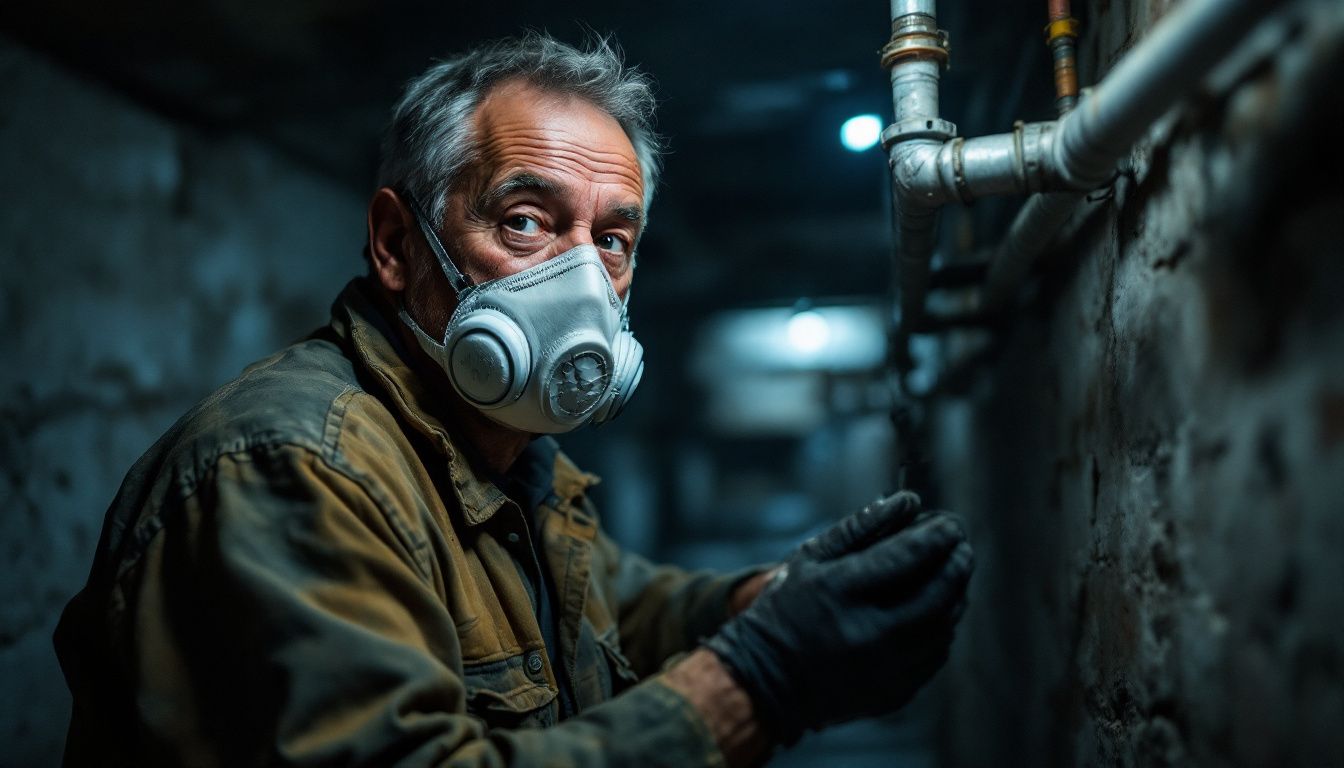
Jim McWhorter served in the US Navy, spending years working in engine rooms and below-deck spaces heavily insulated with asbestos-containing materials. Pipes, bulkheads, boiler rooms — asbestos was everywhere, and the dust it released was constant. Jim was not told about the risk. Nobody was.
He was eventually diagnosed with pleural mesothelioma and died on 26 December 2018. His story is representative of an entire generation of naval and merchant seafarers, both in the US and the UK, who were exposed to asbestos as a routine part of their service.
The latency of asbestos disease — the gap between exposure and diagnosis — is what makes cases like Jim’s so tragic. He spent decades not knowing, and by the time symptoms appeared, the disease was already advanced.
Raeleen Minchuk: Exposed Before She Could Walk
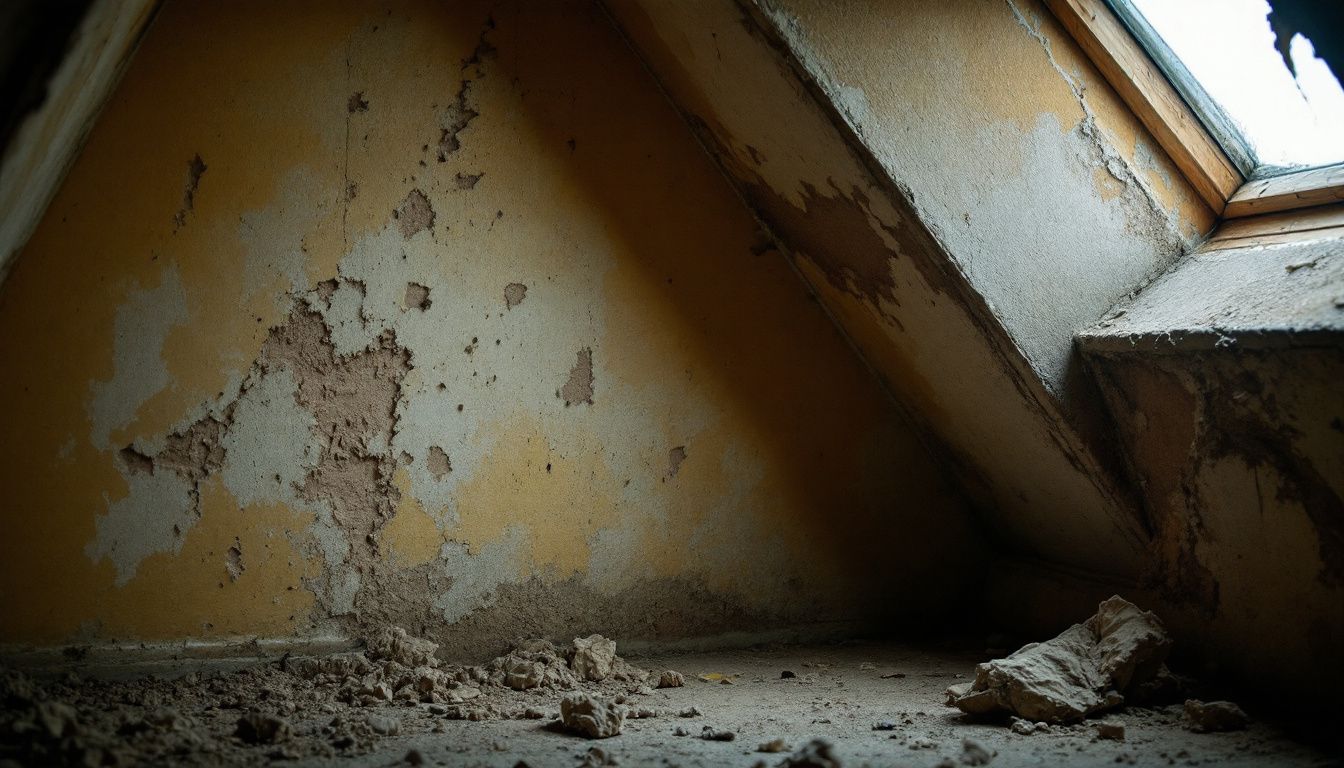
Perhaps the most unsettling accounts involve people who had no agency whatsoever in their exposure. Raeleen Minchuk was a baby when her parents carried out home renovations in 1979. The work disturbed asbestos-containing materials, and fibres settled throughout the family home. Raeleen crawled through those rooms. She played in that dust.
In October 2014, aged just 36, she was diagnosed with peritoneal mesothelioma — a cancer of the abdominal lining linked directly to asbestos exposure. Her case illustrates a critical point: there is no safe age for asbestos exposure, and there is no minimum threshold that guarantees safety.
Even brief, incidental contact with asbestos fibres can, in some cases, lead to life-altering disease decades later.
Susanne Kennedy and the Generational Grief of Asbestos
Susanne Kennedy lost her uncle Robert, who had worked in construction throughout the 1970s, handling building materials that routinely contained asbestos. Like so many tradespeople of that era, he had no protective equipment, no warnings, and no awareness of the risk.
Robert’s death left a family to process not just grief, but anger — the particular kind that comes from knowing the harm was preventable. Susanne’s experience is shared by countless UK families who have watched relatives die from diseases that were entirely foreseeable.
The Physical Reality: What Asbestos Does to the Body
Asbestos fibres, once inhaled or ingested, cannot be expelled by the body. They embed in tissue and cause chronic inflammation over many years, eventually triggering cellular changes that lead to disease.
Mesothelioma
Mesothelioma is the cancer most closely associated with asbestos exposure. It affects the lining of the lungs (pleural mesothelioma) or the abdomen (peritoneal mesothelioma). It is aggressive, largely resistant to treatment, and almost always fatal within months of diagnosis.
The latency period — the time between first exposure and diagnosis — is typically between 20 and 50 years. This means people diagnosed today were likely exposed in the 1970s, 1980s, or 1990s. The disease is not going away any time soon.
Asbestosis and Lung Cancer
Asbestosis is a chronic scarring of the lung tissue caused by prolonged asbestos inhalation. It causes progressive breathlessness, persistent cough, and reduced lung function. It is not curable, and it significantly increases the risk of lung cancer.
Lung cancer linked to asbestos exposure is particularly prevalent among workers who also smoked, as the two risk factors interact. But non-smokers with heavy asbestos exposure are also at elevated risk. Both conditions can take decades to manifest, making early detection genuinely difficult.
Symptoms to Watch For
If you have a history of asbestos exposure — whether occupational or domestic — these are the symptoms that warrant immediate medical attention:
- Persistent or worsening cough
- Shortness of breath, particularly on exertion
- Chest pain or tightness
- Unexplained weight loss
- Swelling in the abdomen
- Finger clubbing (widening and rounding of the fingertips)
Symptoms may not appear for 15 to 60 years after exposure. If you know you were exposed — even decades ago — tell your GP. Early detection remains the single most effective way to improve outcomes.
The Psychological Weight of an Asbestos Diagnosis
The physical consequences of asbestos-related disease are well documented. The psychological impact receives far less attention, but it is equally real and equally devastating.
Anxiety, Depression, and Isolation
Receiving a mesothelioma diagnosis is, for most people, a terminal prognosis. The emotional response — fear, anger, grief, guilt — is profound and often overwhelming. Many patients describe a sense of profound injustice: they did nothing wrong, they simply went to work.
Partners and children carry their own burden. The anticipatory grief of watching a loved one deteriorate, combined with the practical demands of caregiving, creates enormous psychological strain. Children who lose a parent to an asbestos-related disease often carry that loss into adulthood in complex ways.
Support Systems That Make a Difference
Specialist support groups for mesothelioma patients and their families exist across the UK. Organisations such as Mesothelioma UK offer clinical nurse specialists, counselling, and peer support networks that have been shown to meaningfully improve quality of life.
Family counselling, where available, helps all members of a household develop tools for coping — both during the patient’s illness and in bereavement. Mental health support should be considered a standard part of asbestos disease care, not an optional extra.
Exposing the Truth About Where Asbestos Still Hides
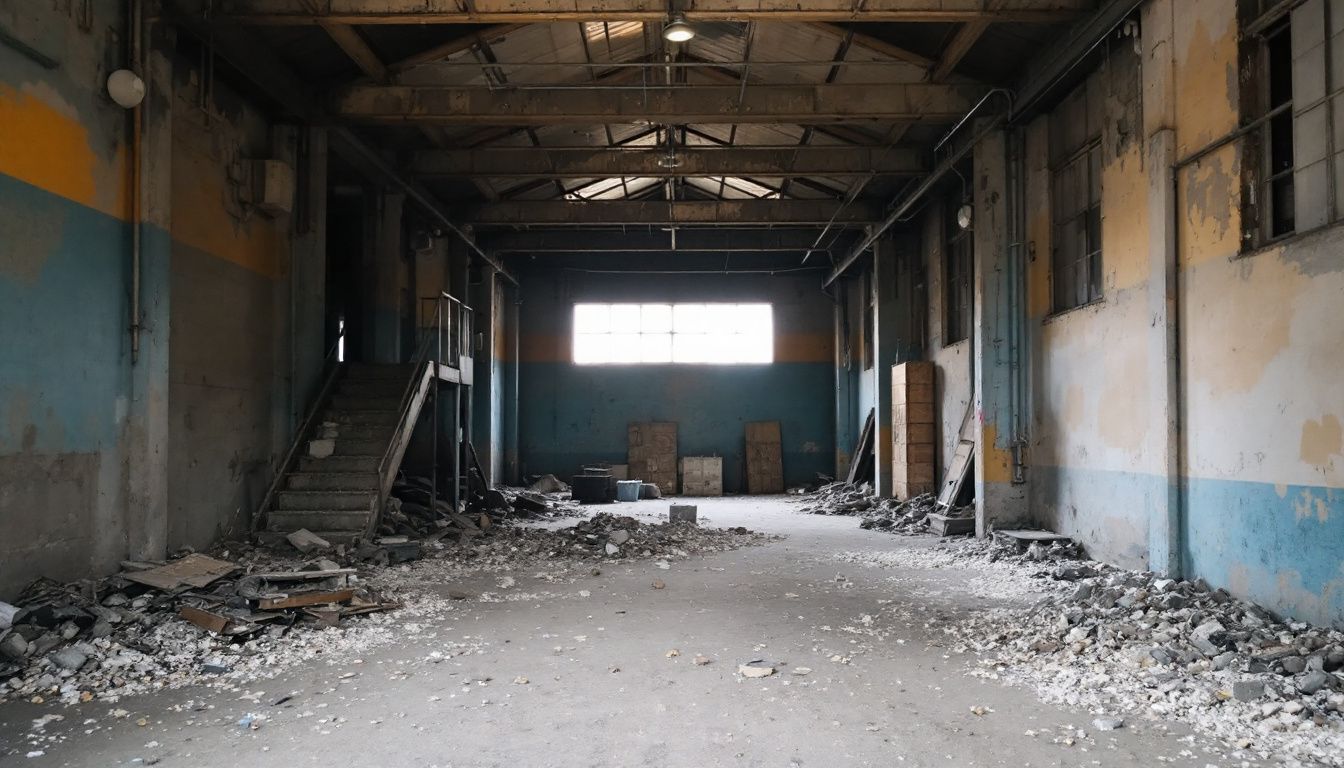
Exposing the truth about asbestos means being honest about the scale of the ongoing problem. Asbestos was used extensively in UK construction from the 1950s through to its final ban in 1999. Any building constructed or refurbished before 2000 may contain it.
Common locations include:
- Ceiling tiles and floor tiles
- Textured coatings such as Artex
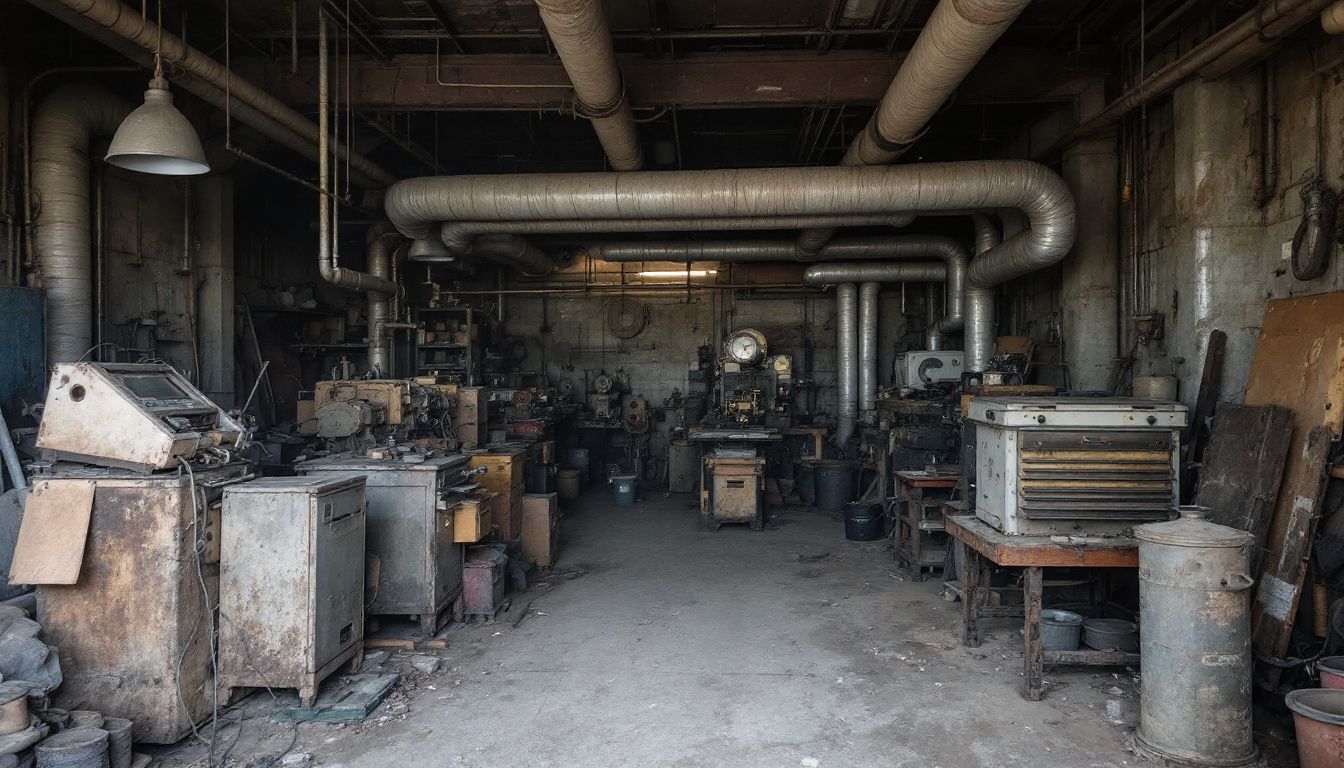
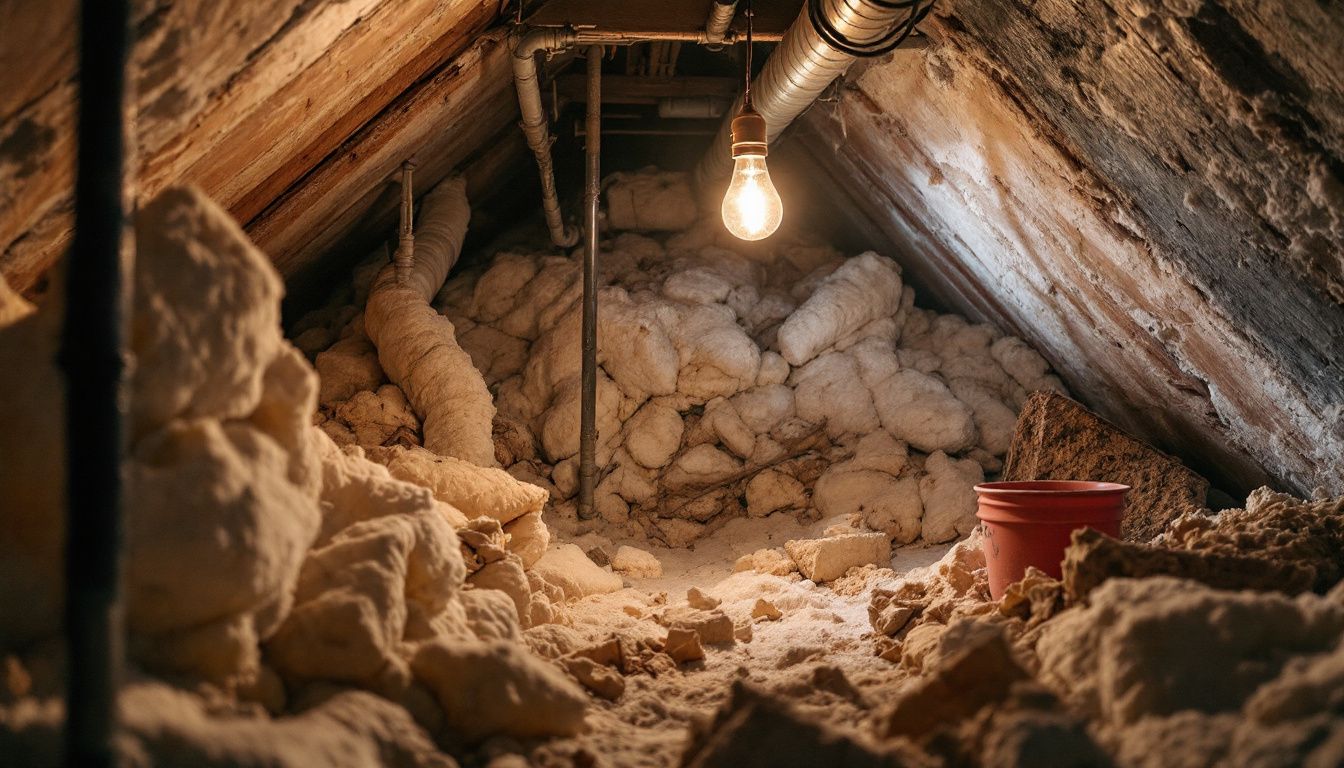
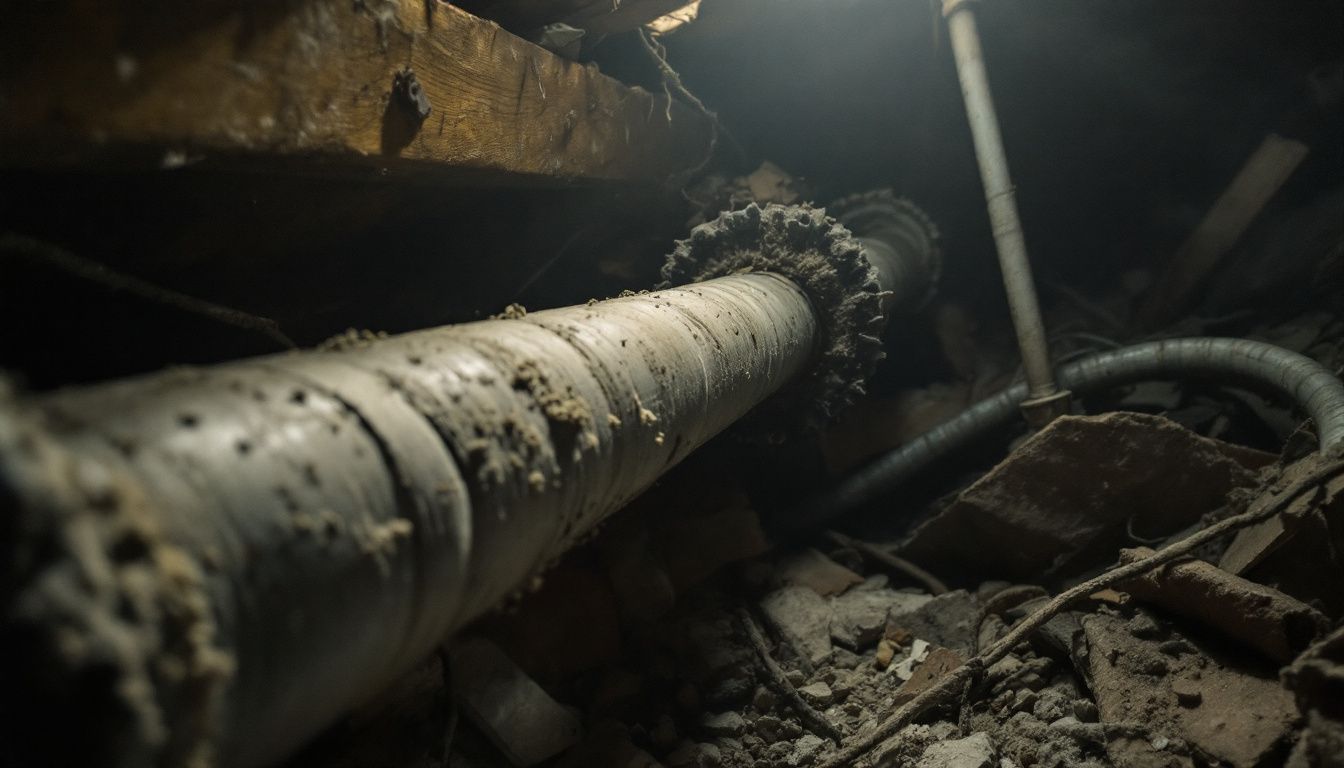
- Pipe lagging and boiler insulation
- Roof sheeting and soffit boards
- Insulating board used in partition walls and door panels
- Sprayed coatings on structural steelwork
- Gaskets and rope seals in industrial plant
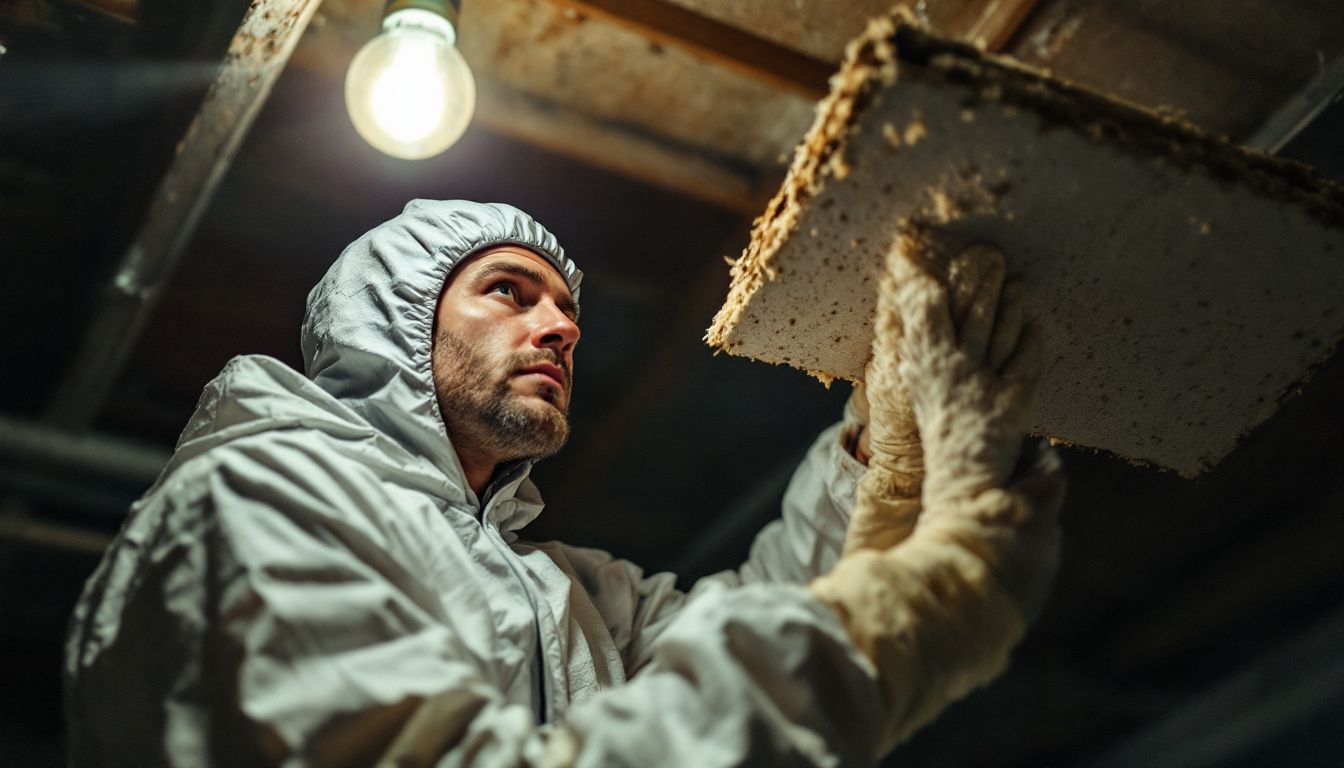
Asbestos-containing materials in good condition and left undisturbed pose a low risk. The danger arises when they are drilled, cut, sanded, or otherwise disturbed — releasing respirable fibres into the air.
This is why renovation work in older buildings carries particular risk, and why a professional survey is essential before any such work begins.
The Legal Framework: What Building Owners Must Do
Under the Control of Asbestos Regulations, duty holders — those responsible for non-domestic premises — are legally required to manage the risk from asbestos. This means identifying whether asbestos is present, assessing its condition, and putting a management plan in place.
The HSE’s guidance document HSG264 sets out the standards for asbestos surveys and is the benchmark against which all professional surveys in the UK are assessed. Compliance is not optional: failure to manage asbestos correctly can result in prosecution, unlimited fines, and — most critically — preventable harm to workers and occupants.
For domestic properties, the regulations are less prescriptive, but the risk is no less real. Homeowners undertaking renovation work should always commission a survey before disturbing any materials in a pre-2000 property.
What Needs to Change: The Case for Stronger Action
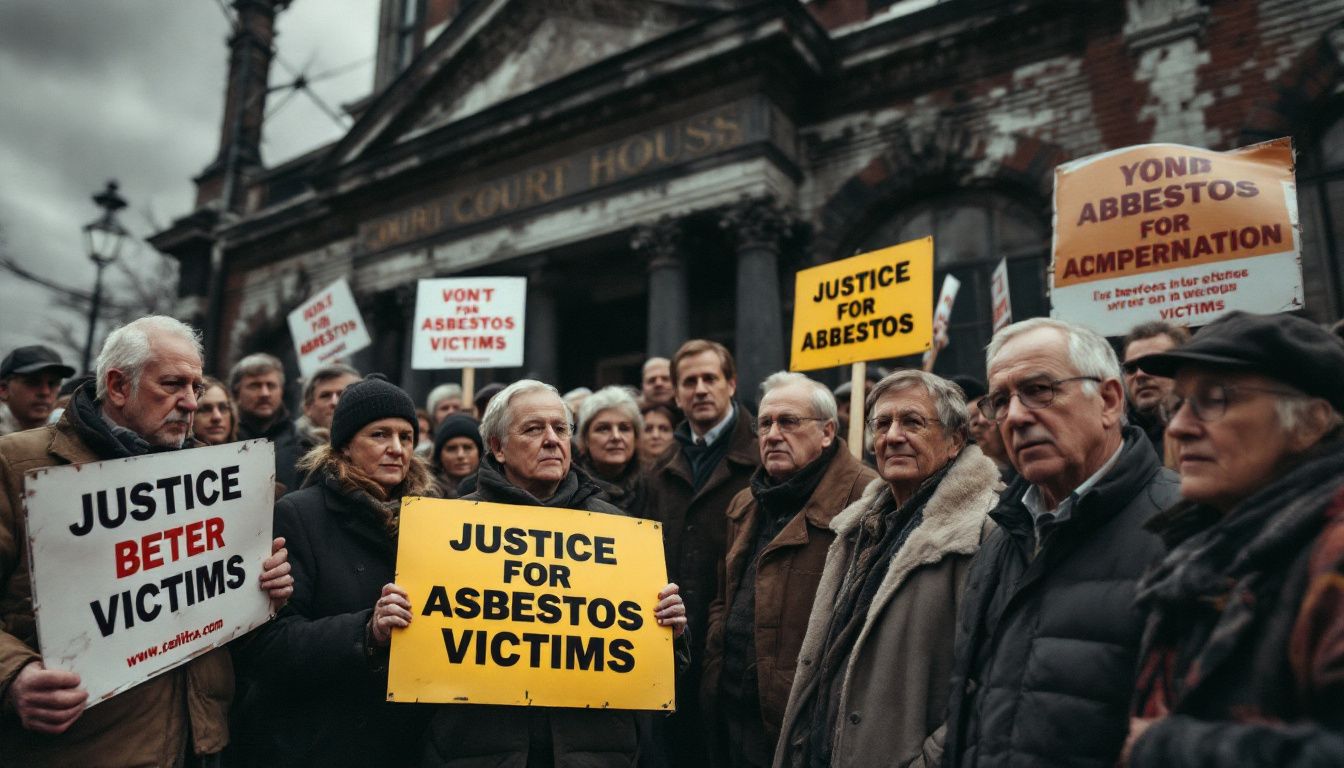
Roy Williams, who lost his son Jason, is among many campaigners calling for a more proactive approach to asbestos removal in the UK. The current regulatory framework requires management rather than removal — meaning asbestos is often left in place, monitored, and managed over time.
Critics argue this approach is inadequate. Buildings change hands, maintenance records are lost, and tradespeople working in good faith disturb materials they had no idea were dangerous. The argument for a planned, funded programme of asbestos removal from public buildings — schools, hospitals, offices — has significant merit and growing political support.
In the meantime, the practical responsibility falls to building owners, employers, and contractors to take the duty to manage seriously. That means commissioning proper surveys, maintaining accurate records, and ensuring that anyone working in a building with known asbestos is properly informed and protected.
Protecting Yourself and Others: Practical Steps
Whether you are a property owner, a contractor, or simply someone living in an older home, there are concrete steps you can take to reduce risk.
Before Any Renovation or Maintenance Work
- Commission a professional asbestos survey from a UKAS-accredited provider before any intrusive work begins.
- Share the survey results with all contractors working on the site.
- Ensure that any identified asbestos-containing materials are either removed by a licensed contractor or clearly marked and protected.
- Keep records of all asbestos surveys, removals, and management actions.
If You Suspect You Have Been Exposed
- Stop work immediately and leave the area.
- Do not attempt to clean up any dust or debris yourself.
- Seal off the area if possible.
- Contact a licensed asbestos professional to assess and remediate the situation.
- Inform your GP of the potential exposure and request it is noted in your medical records.
Professional asbestos removal should always be carried out by a licensed contractor working in accordance with the Control of Asbestos Regulations. Attempting to remove asbestos-containing materials without the correct training, equipment, and licensing is illegal for certain material types and extremely dangerous in all cases.
Asbestos Surveys Across the UK: Getting the Right Help
The stories in this post span workplaces, homes, and naval vessels. Asbestos does not discriminate by geography — it is present in buildings from Cornwall to Caithness. Getting the right professional help, wherever you are in the country, is essential.
If you are based in the capital, a professional asbestos survey London service can assess your property quickly and accurately, whether you manage a commercial building, a block of flats, or a pre-2000 residential home requiring work.
For those in the North West, an asbestos survey Manchester can cover everything from industrial premises to domestic properties, ensuring full compliance and peace of mind before any renovation or maintenance work begins.
In the Midlands, an asbestos survey Birmingham provides the same rigorous, accredited service for property owners and managers dealing with the legacy of decades of industrial and residential construction.
Wherever you are based, the principle is the same: do not guess, do not assume, and do not start work without knowing what is in your building. A professional survey is the only reliable way to find out.
The Moral Imperative: Why These Stories Must Be Told
Jason, Jim, Raeleen, and Robert’s family did not choose to become part of the asbestos story. They were placed in harm’s way by decisions made by employers, builders, and regulators — decisions that prioritised cost and convenience over human life.
Exposing the truth about asbestos exposure serves a purpose beyond remembrance. Every person who reads these accounts and decides to commission a survey before renovating their home, or who ensures their contractors are properly briefed, is making a decision that could prevent the next generation of victims.
The latency of asbestos disease means the consequences of today’s decisions will not be felt for decades. That is precisely why those decisions matter so much right now. The families who have already paid the price deserve to know that their stories are changing behaviour — and saving lives.
Frequently Asked Questions
How long after asbestos exposure do symptoms appear?
The latency period for asbestos-related diseases is typically between 15 and 60 years. Mesothelioma, the most serious asbestos-related cancer, usually takes between 20 and 50 years to develop after initial exposure. This is why many people being diagnosed today were exposed during the 1970s, 1980s, or 1990s. If you have any history of asbestos exposure, inform your GP regardless of how long ago it occurred.
Is asbestos still present in UK buildings?
Yes. Asbestos was not fully banned in the UK until 1999, and it was used extensively in construction from the 1950s onwards. Millions of buildings — homes, schools, hospitals, offices, and industrial premises — still contain asbestos-containing materials. Any building constructed or significantly refurbished before 2000 should be treated as potentially containing asbestos until a professional survey confirms otherwise.
What should I do if I think I’ve disturbed asbestos during renovation work?
Stop work immediately and leave the area. Do not attempt to clean up dust or debris yourself, as this can spread fibres further. Seal off the affected area if you can do so safely, and contact a licensed asbestos professional to assess the situation. You should also inform your GP of the potential exposure and ask for it to be recorded in your medical notes.
Do I need an asbestos survey for a domestic property?
There is no legal requirement for homeowners to commission an asbestos survey in the same way that applies to non-domestic duty holders. However, if you are planning any renovation, maintenance, or building work on a property constructed before 2000, commissioning a professional survey before work begins is strongly advisable. Disturbing asbestos-containing materials without knowing they are present is one of the most common ways domestic exposure occurs.
What is the difference between a management survey and a refurbishment survey?
A management survey is used to locate and assess the condition of asbestos-containing materials in a building during normal occupation. It is designed to inform an asbestos management plan. A refurbishment or demolition survey is more intrusive and is required before any building work that could disturb the fabric of the structure. HSG264, the HSE’s guidance on asbestos surveys, sets out the standards for both types. Always use a UKAS-accredited surveyor to ensure the survey meets the required standard.
Speak to Supernova Asbestos Surveys
Supernova Asbestos Surveys has completed over 50,000 surveys nationwide. Our UKAS-accredited surveyors work across the UK, providing management surveys, refurbishment and demolition surveys, and asbestos testing and sampling services for commercial, industrial, and domestic properties.
If you own or manage a building constructed before 2000, or if you are planning any renovation or maintenance work, do not take chances. Call us on 020 4586 0680 or visit asbestos-surveys.org.uk to book your survey today.