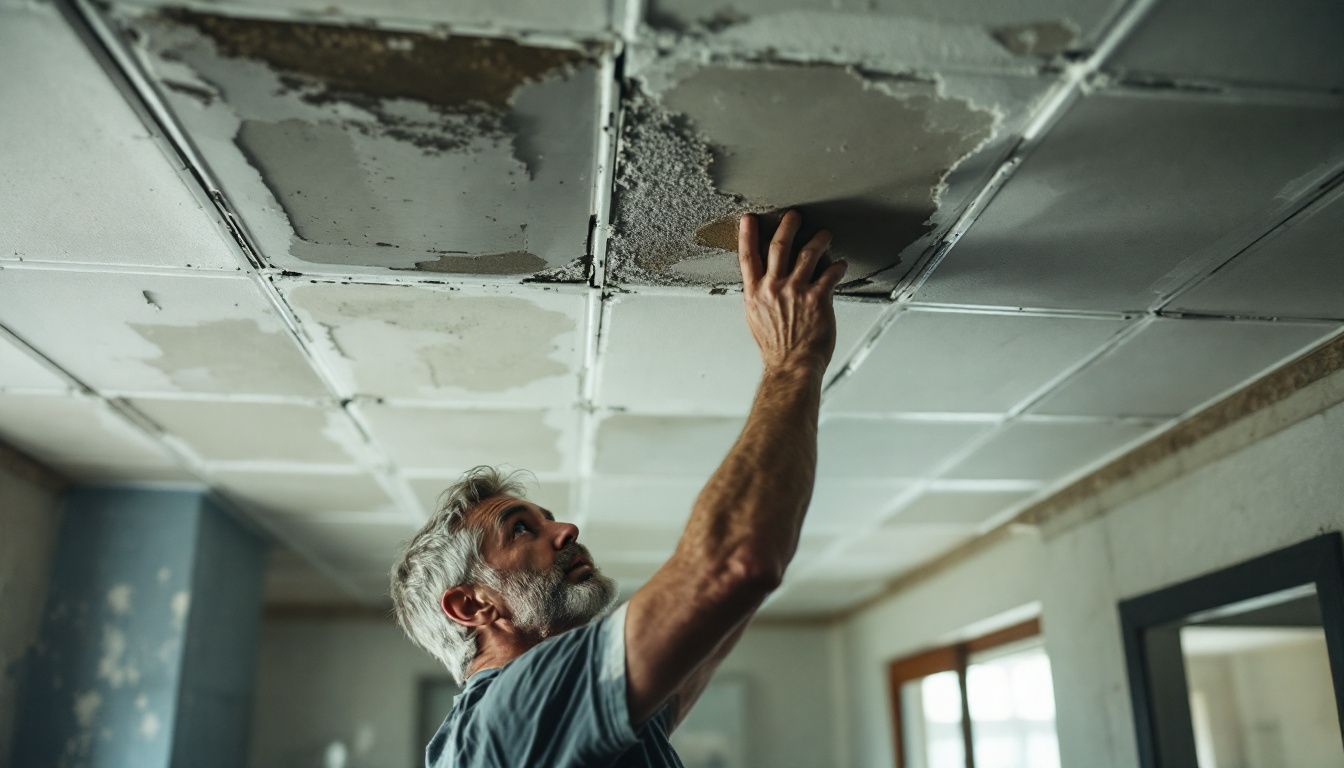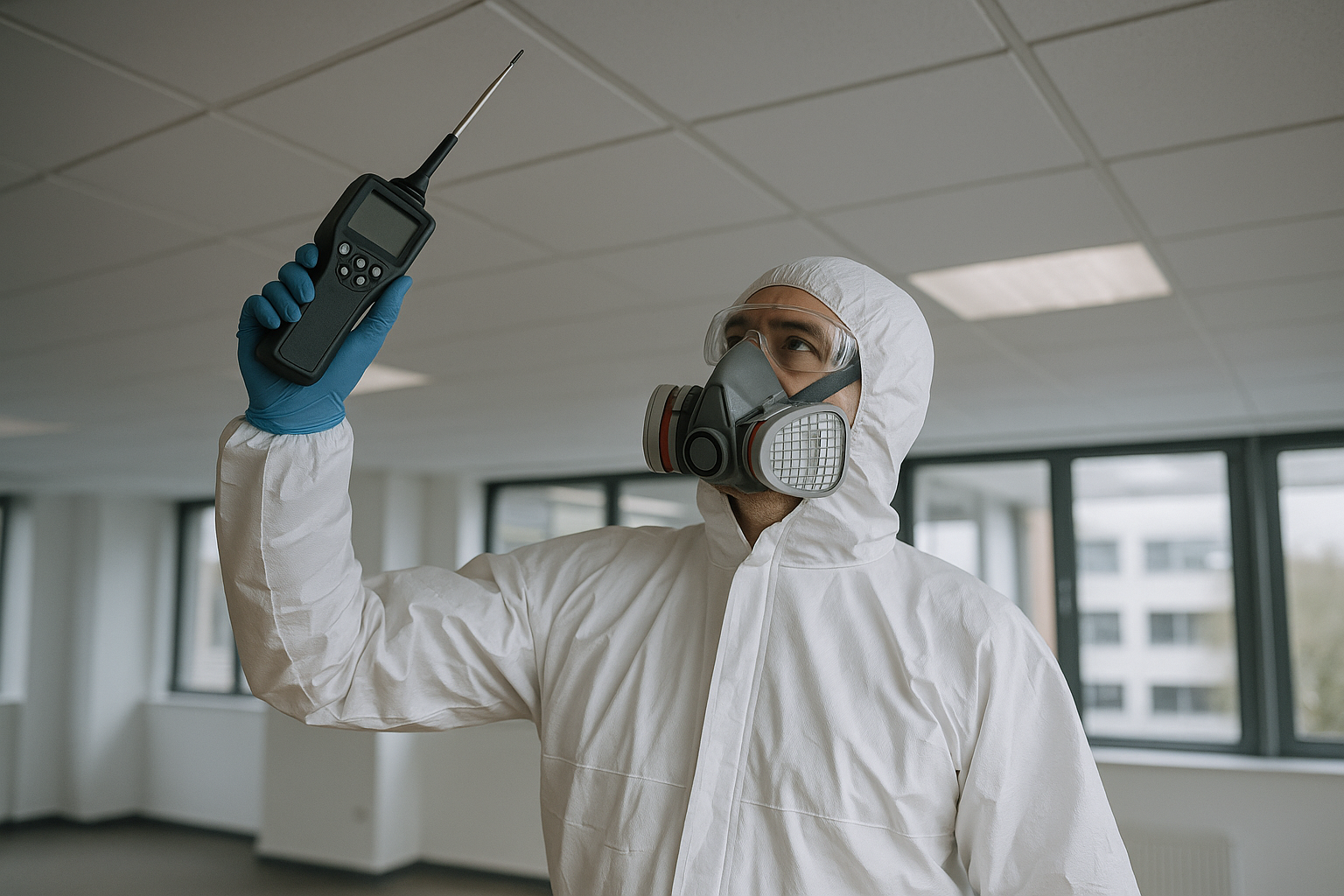
Category: Asbestos Testing: What You Need to Know

  • What are the potential health risks associated with asbestos exposure?

    What are the potential health risks associated with asbestos exposure?

    Asbestos is still one of the most serious hidden risks in the UK built environment. It sits above ceilings, inside risers, behind panels, under floor finishes and around plant, often unnoticed until a contractor drills, cuts or strips out the wrong material and releases fibres into the air.

    That is why asbestos remains a live issue for landlords, facilities teams, contractors and property managers. You cannot rely on sight, smell or guesswork. If asbestos is disturbed, exposure can happen without any obvious warning, and the health consequences may not appear for many years.

    Why asbestos exposure is dangerous

    The main danger from asbestos comes from breathing in microscopic fibres. Once airborne, these fibres can travel deep into the lungs and stay there for a long time.

    Unlike a slip hazard or an electrical fault, asbestos does not usually cause an immediate visible injury. Someone can disturb asbestos during maintenance today, feel completely fine, and still face serious health effects later on.

    How fibres enter the body

    Inhalation is the key route of exposure in buildings and construction work. Fibres can be released when asbestos-containing materials are drilled, cut, broken, sanded, scraped, stripped or removed without proper controls.

    Swallowing fibres is also possible, but from a practical property management point of view, airborne asbestos is the issue that causes the greatest concern. If dust is generated from suspect materials, treat it as a potential exposure event until proven otherwise.

    Why disturbed asbestos is the real problem

    Not every asbestos-containing material presents the same immediate level of risk. Materials in good condition and left undisturbed can often be managed safely in place under the Control of Asbestos Regulations, supported by HSE guidance and the surveying principles set out in HSG264.

    The risk rises when asbestos is damaged, deteriorating or likely to be disturbed during repair, maintenance, refurbishment or demolition. Softer and more friable materials usually release fibres more easily, but any asbestos-containing material can become hazardous if handled incorrectly.

    What health risks are associated with asbestos?

    The health risks linked to asbestos are the reason the material is so tightly controlled in the UK. These diseases are serious, often life-limiting, and closely tied to exposure that could have been prevented with proper identification and control.

    For dutyholders, the practical lesson is simple: prevention matters more than reaction. Once asbestos fibres have been inhaled, there is no way to reverse that exposure.

    Mesothelioma

    Mesothelioma is a cancer affecting the lining of the lungs and, less commonly, the lining of the abdomen. It is strongly associated with asbestos exposure.

    From a building management perspective, this is one of the clearest reasons never to treat disturbed asbestos casually. If suspect materials are uncovered, stop work immediately, isolate the area and get competent advice before anything else happens.

    Asbestos-related lung cancer

    Lung cancer can also be caused by asbestos exposure. The risk is particularly serious where exposure has been repeated, significant or poorly controlled.

    That is why survey information must be reviewed before work starts. If a contractor is relying on assumptions instead of confirmed asbestos data, the risk control has already failed.

    Asbestosis

    Asbestosis is a chronic lung disease caused by inhaling asbestos fibres. It leads to scarring of lung tissue, which can affect breathing and quality of life.

    It is more commonly linked to heavier or prolonged exposure, but that does not make smaller incidents acceptable. No one should treat brief, uncontrolled asbestos disturbance as harmless.

    Pleural thickening and other pleural disease

    Asbestos can also cause pleural thickening and other conditions affecting the lining around the lungs. These may reduce lung function and can indicate previous exposure.

    For employers and dutyholders, that reinforces the need to keep exposure as low as reasonably practicable. The best control is always to prevent disturbance in the first place.

    How much asbestos exposure is risky?

    There is no sensible reason to gamble with asbestos. The level of risk depends on several factors, including the type of material, its condition, how much dust is released, how long people are exposed and how often that happens.
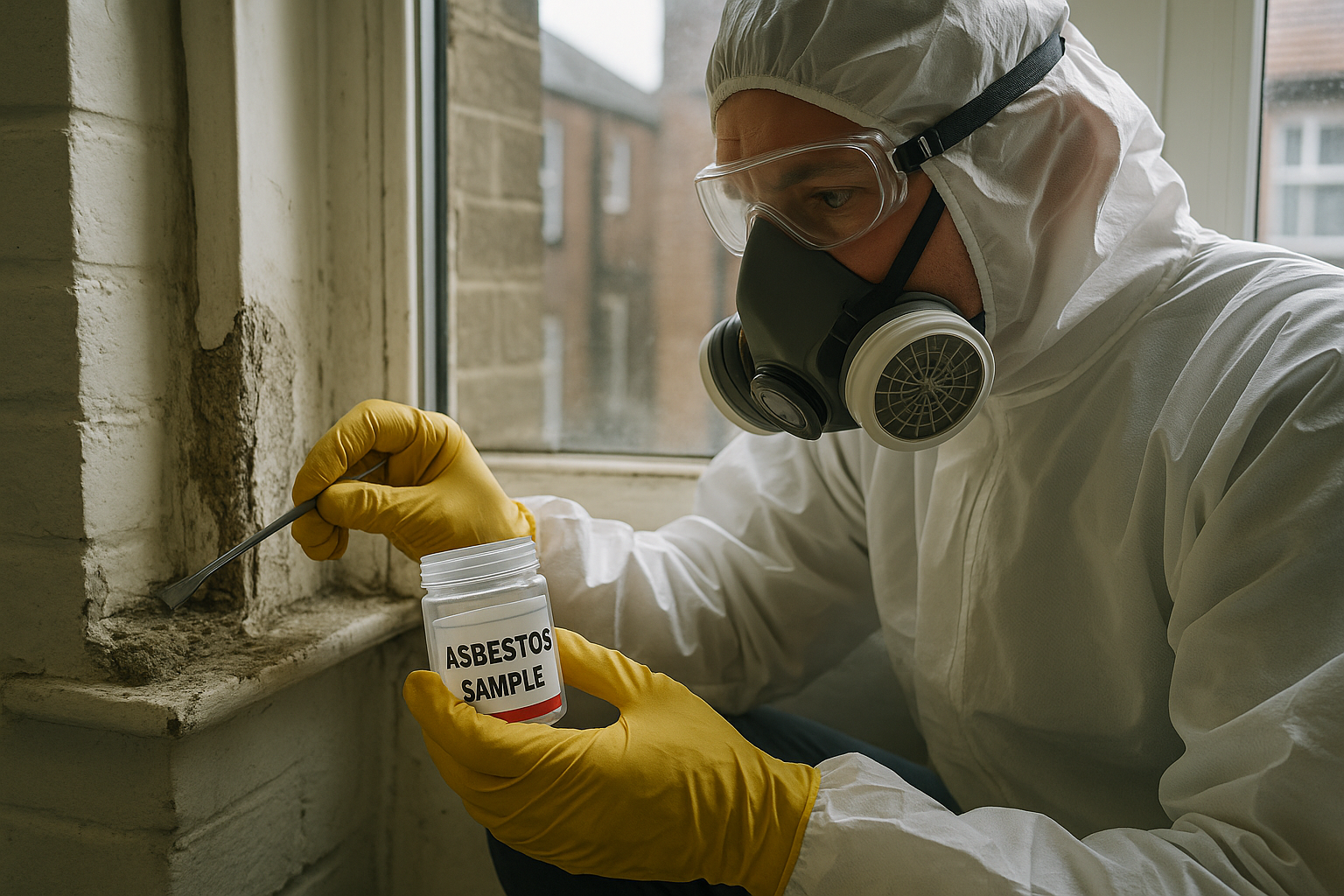
    asbestos - What are the potential health risks asso

    In practical terms, even small jobs can create a serious problem if the material contains asbestos and the work is uncontrolled. One hole drilled into the wrong board or one section of damaged lagging can trigger a major incident.

    Factors that affect asbestos risk

    • Material type: pipe lagging, sprayed coatings and asbestos insulation board are generally higher risk than bonded cement products
    • Condition: cracked, damaged or crumbling asbestos is more likely to release fibres
    • Activity: drilling, sanding, chasing, cutting, stripping and demolition increase fibre release
    • Location: confined or poorly ventilated spaces can worsen exposure potential
    • Duration: repeated exposure over time increases overall risk
    • Control measures: poor planning, lack of isolation and untrained handling make asbestos incidents more likely

    If you do not know what a material is, do not guess. Arrange inspection and sampling before intrusive work begins.

    Where asbestos is commonly found in buildings

    Asbestos was used in a huge range of products because it offered heat resistance, insulation, durability and fire protection. That is why it still turns up in offices, schools, warehouses, retail units, factories, communal areas and older homes.

    In premises built before 2000, asbestos may be present in both obvious and hidden locations. Appearance alone is never enough to confirm whether a material does or does not contain asbestos.

    Common asbestos-containing materials

    • Pipe lagging
    • Boiler insulation
    • Sprayed coatings
    • Asbestos insulation board
    • Cement sheets and roof panels
    • Corrugated garage and warehouse roofs
    • Ceiling tiles
    • Floor tiles
    • Bitumen adhesives
    • Textured coatings
    • Fire doors and fire protection panels
    • Gaskets, seals and rope products
    • Electrical backing boards and flash guards
    • Older toilet cisterns, flues and external products made from asbestos cement

    Typical locations in older properties

    • Plant rooms
    • Service risers
    • Ceiling voids
    • Wall partitions
    • Lift shafts
    • Roof spaces
    • Basements
    • Pipe boxing
    • Behind old fuse boards
    • Around boilers and calorifiers
    • Under vinyl floor finishes
    • Garages, outbuildings and industrial roofs

    If there is uncertainty, the next step is proper sampling. Laboratory confirmation is the only reliable way to establish whether a suspect material contains asbestos.

    Who is most at risk from asbestos exposure?

    Asbestos exposure is often associated with historic industry, but the modern risk is much broader. Many incidents now happen during everyday maintenance, fit-out, repair and refurbishment work in occupied buildings.
    asbestos - What are the potential health risks asso

    Anyone working on older premises should assume asbestos may be present unless reliable records prove otherwise. That applies just as much to a short maintenance visit as it does to a major project.

    Trades and roles with regular asbestos exposure risk

    • Electricians
    • Plumbers
    • Joiners
    • Heating and ventilation engineers
    • Roofers
    • Decorators
    • Telecoms installers
    • Maintenance staff
    • General builders
    • Demolition workers
    • Facilities managers
    • Property managers and landlords overseeing works

    Occupants can also be affected if asbestos is disturbed in live areas. That is why communication, access control and review of survey information are essential before even minor works start.

    What to do if you suspect asbestos

    When suspect asbestos is found, speed matters, but guessing does not help. The safest response is to stop activity and move into a controlled decision-making process.

    1. Stop work immediately. Do not drill, cut, scrape, break or move the material.
    2. Keep people away. Restrict access so nobody disturbs the area further.
    3. Do not clean it up yourself. Sweeping or using a standard vacuum can spread asbestos fibres.
    4. Check existing records. Review the asbestos register and any survey information already held for the site.
    5. Arrange professional assessment. If the material is not identified, or if there is doubt, get it inspected and sampled properly.

    If you need confirmation before maintenance or building work proceeds, professional asbestos testing can identify suspect materials and provide clear reporting on what to do next.

    Managing asbestos safely in place

    Not all asbestos has to be removed. In many properties, asbestos-containing materials in good condition can remain where they are if the risk is assessed properly and managed under the Control of Asbestos Regulations.

    This is where practical management matters more than alarm. The key is knowing what asbestos is present, where it is, what condition it is in and who might disturb it.

    What good asbestos management looks like

    • An asbestos survey with the correct scope
    • An up-to-date asbestos register
    • Regular reinspection of known or presumed asbestos-containing materials
    • A management plan for monitoring and control
    • Clear communication to contractors and maintenance teams
    • Permit-to-work or access controls where needed
    • Prompt review when the building use or planned works change

    For occupied buildings, a properly scoped management survey helps locate, as far as reasonably practicable, the asbestos that could be disturbed during normal occupation and foreseeable maintenance.

    HSG264 remains the recognised guidance for asbestos surveying. It helps dutyholders understand survey scope, limitations and why the right survey type must match the work being planned.

    When asbestos removal may be necessary

    There are times when leaving asbestos in place is no longer suitable. Removal may be needed where asbestos is damaged, deteriorating, difficult to manage or likely to be disturbed during planned works.

    Refurbishment and demolition are common triggers. If walls, ceilings, service runs, plant areas or structural elements are going to be opened up, a standard management survey is not enough on its own.

    Situations where stronger action is often needed

    • The asbestos is damaged or shedding debris
    • The area is accessed regularly by contractors
    • Future works will disturb the material
    • The asbestos is in a vulnerable location
    • It cannot be monitored safely in place
    • The planned use of the space has changed

    Where removal is the right option, professional asbestos removal should be planned on the basis of survey findings, material type, condition and the work area involved.

    Legal duties around asbestos in the UK

    The legal framework for asbestos is clear. Under the Control of Asbestos Regulations, dutyholders for non-domestic premises must take reasonable steps to find out whether asbestos is present, presume materials contain asbestos unless there is strong evidence otherwise, assess the risk, keep records and provide information to anyone liable to disturb it.

    That duty is not just a paper exercise. It affects maintenance planning, contractor briefing, record keeping, access control and incident prevention across the life of the building.

    Practical duties for property managers and dutyholders

    • Identify whether asbestos is present
    • Keep an accurate record of its location and condition
    • Assess the risk from known or presumed asbestos
    • Prepare and implement a management plan
    • Share asbestos information with contractors before work starts
    • Review survey information when refurbishment or demolition is planned
    • Update records when materials are removed, repaired or reinspected

    If you manage multiple sites, consistency is essential. Having an asbestos survey on file is not enough if contractors cannot access the information or if the survey scope does not match the work.

    Why surveys matter before maintenance, refurbishment or demolition

    A lot of accidental asbestos exposure happens because work starts without the right survey information. Verbal reassurance, old assumptions and incomplete records are common causes of avoidable incidents.

    The survey type must match the task. If the planned work is intrusive, the survey must be intrusive too.

    Management surveys

    A management survey is used to locate, as far as reasonably practicable, the presence and extent of asbestos-containing materials that could be damaged or disturbed during normal occupation, including foreseeable maintenance. It supports day-to-day asbestos management in occupied buildings.

    Refurbishment and demolition surveys

    Where intrusive work is planned, a more intrusive survey is required to locate asbestos in the areas affected. Before strip-out or structural work, a suitable demolition survey or refurbishment-focused intrusive survey is critical so hidden asbestos is identified before work begins.

    If there is any doubt about a specific material, additional sampling through independent asbestos testing can help confirm what is present and inform the next step.

    Practical steps to reduce asbestos risk on site

    Good asbestos control is built around planning, communication and discipline. Most exposure incidents are preventable when the right checks happen before tools come out.

    Before work starts

    • Check whether the building is likely to contain asbestos
    • Review the asbestos register and relevant survey reports
    • Confirm the survey scope matches the planned work
    • Brief contractors on known and presumed asbestos locations
    • Stop the job if records are missing, unclear or out of date

    During the work

    • Keep to the agreed work area and method
    • Do not make unplanned openings into walls, ceilings or risers
    • Report suspect materials immediately
    • Restrict access if an unexpected asbestos issue is found
    • Escalate quickly to a competent surveyor or asbestos specialist

    After any asbestos-related change

    • Update the asbestos register
    • Keep removal or repair records with the survey file
    • Share revised information with facilities teams and contractors
    • Reinspect remaining asbestos-containing materials as required

    These steps are straightforward, but they only work if someone owns the process. In most organisations, that means the dutyholder, property manager or facilities lead must make asbestos information easy to find and impossible to ignore.

    Asbestos surveys for different locations

    Asbestos risk exists nationwide, but local support makes a difference when you need fast access, clear reporting and practical advice for a live property issue. Whether you manage a single building or a portfolio, local survey coverage helps keep projects moving safely.

    Supernova provides support across major UK locations, including asbestos survey London, asbestos survey Manchester and asbestos survey Birmingham.

    If your team is planning maintenance, fit-out, refurbishment or demolition, getting the right asbestos survey in place before work starts is one of the simplest ways to avoid delays, exposure incidents and legal problems.

    Frequently Asked Questions

    Is asbestos always dangerous if it is present in a building?

    No. Asbestos is most dangerous when fibres are released and inhaled. Materials in good condition that are sealed, recorded and unlikely to be disturbed can often be managed safely in place under the Control of Asbestos Regulations.

    What should I do if a contractor accidentally disturbs asbestos?

    Stop work immediately, keep people out of the area, avoid further disturbance and seek competent advice. Check the asbestos register and arrange urgent assessment if the material has not already been identified.

    Do I need an asbestos survey before refurbishment works?

    Yes, if the building could contain asbestos and the work is intrusive. A management survey is not enough for refurbishment or demolition work in affected areas, because hidden asbestos may not be identified without an intrusive survey.

    Can asbestos be identified just by looking at it?

    No. Many materials that contain asbestos look similar to non-asbestos products. The only reliable way to confirm whether a suspect material contains asbestos is through inspection and sampling by a competent professional.

    Who is responsible for managing asbestos in non-domestic premises?

    The dutyholder is responsible under the Control of Asbestos Regulations. In practice, that may be the building owner, landlord, managing agent or another party with responsibility for maintenance and repair.

    Need expert help with asbestos?

    If you need clear advice on asbestos, surveys, sampling or next steps before work starts, Supernova Asbestos Surveys can help. We carry out management surveys, refurbishment and demolition surveys, asbestos testing and support for removal planning across the UK.

    Call 020 4586 0680 or visit asbestos-surveys.org.uk to book a survey or speak to Supernova about your property.
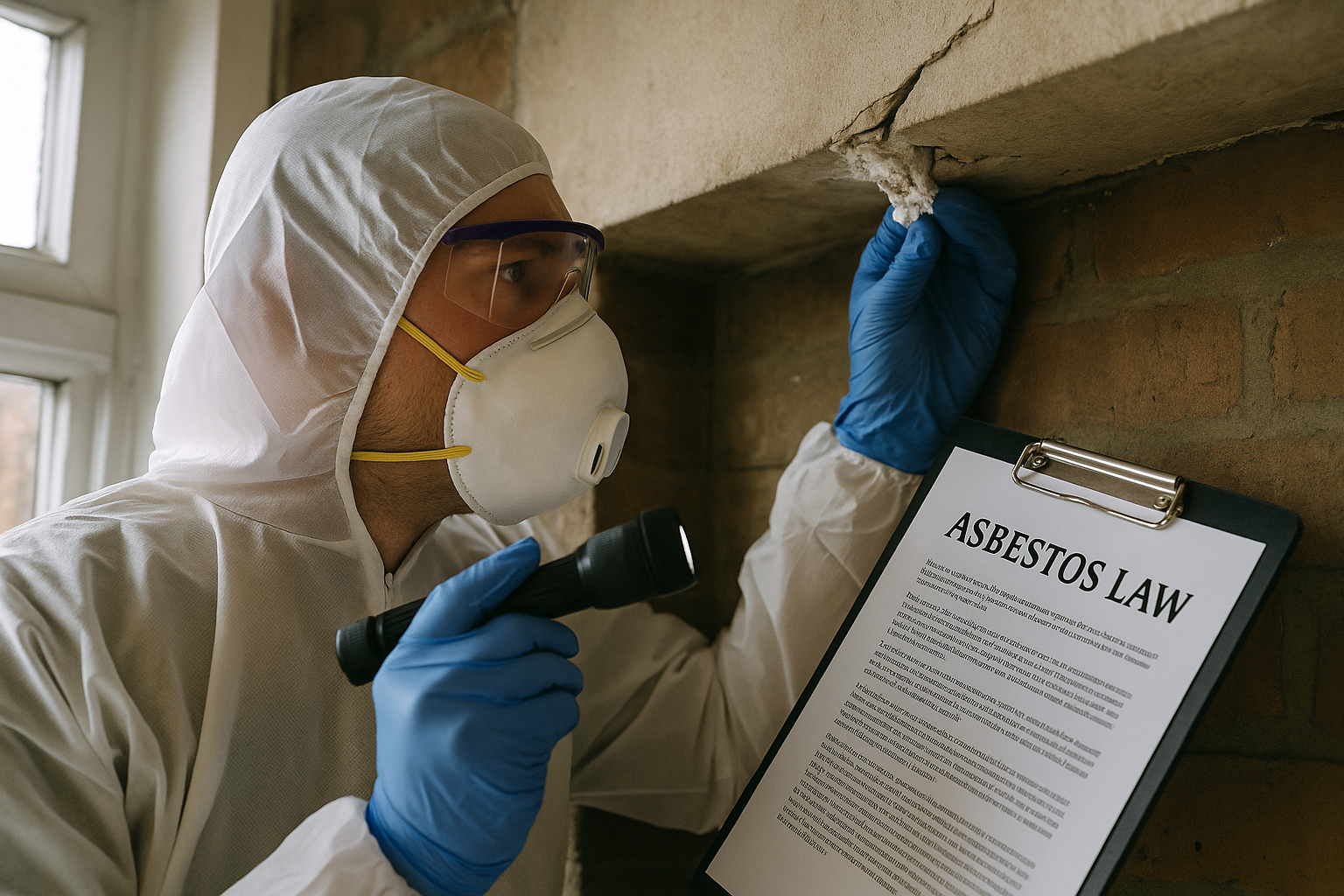
  • Are there any regulations or laws regarding asbestos testing?

    Are there any regulations or laws regarding asbestos testing?

    Get asbestos law wrong and the fallout is rarely minor. One missing survey, one outdated register, or one contractor drilling into the wrong board can trigger enforcement action, delays, expensive remedial work, and avoidable exposure risks.

    For property managers, landlords, employers, and duty holders, asbestos law is not a side issue. It sits at the centre of safe building management, maintenance planning, refurbishment, demolition, and contractor control in older premises across the UK.

    What asbestos law means in practice

    When people talk about asbestos law, they are usually referring to the duties created by the Control of Asbestos Regulations, supported by wider health and safety law, HSE guidance, and surveying standards in HSG264.

    The practical message is straightforward. If asbestos is present, or likely to be present, you are expected to identify the risk, assess it properly, and prevent anyone from being exposed to asbestos fibres.

    That is why surveys, sampling, asbestos registers, management plans, contractor briefings, and regular reviews all matter. Asbestos law is not only about removal. In many buildings, it is equally about finding asbestos, recording it, monitoring it, and making sure it is not disturbed.

    The HSE enforces these duties. Inspectors can ask to see records, review how asbestos is being managed, issue improvement notices, stop unsafe work, and prosecute where responsibilities have been ignored.

    The main legal framework

    For most duty holders and employers, the key parts of asbestos law include:

    • Control of Asbestos Regulations for managing asbestos, controlling exposure, and setting duties around work involving asbestos
    • Health and Safety at Work etc. Act for the wider duty to protect employees and others affected by work activities
    • HSG264 for recognised asbestos survey types and expectations around competent surveying
    • HSE guidance covering management, training, licensed work, and safe systems of work
    • RIDDOR requirements where dangerous occurrences or reportable incidents arise

    If you manage property, the takeaway is simple: asbestos law expects active control, not assumptions.

    Which buildings are affected by asbestos law?

    Asbestos law is especially relevant to buildings constructed or refurbished before asbestos use was fully banned in the UK. In practice, any older building should be treated as potentially containing asbestos unless there is reliable evidence showing otherwise.

    The legal duty to manage asbestos applies to non-domestic premises. That covers far more buildings than many people first assume.

    Premises commonly affected

    • Offices and business parks
    • Warehouses and factories
    • Schools, colleges, and universities
    • Hospitals, clinics, and care settings
    • Retail units, restaurants, and hotels
    • Churches, village halls, and public buildings
    • Communal areas in blocks of flats, including corridors, stairwells, risers, basements, and plant rooms

    Domestic homes are treated differently, but asbestos law can still affect residential properties when tradespeople are working there. If refurbishment, structural alteration, or demolition is planned, asbestos must still be considered before work starts.

    If you are unsure whether your premises fall within the duty to manage, the safest approach is to assume they do until a competent surveyor confirms otherwise.

    The duty to manage under asbestos law

    The best-known part of asbestos law for property professionals is the duty to manage. This usually applies to owners, landlords, managing agents, employers, and anyone with responsibility for maintenance or repair under a lease, tenancy, or contract.

    asbestos law - Are there any regulations or laws regard

    The law does not require every asbestos-containing material to be removed automatically. The legal requirement is to manage the risk so nobody is exposed.

    What duty holders must do

    • Find out whether asbestos is present or likely to be present
    • Identify the location and condition of known or presumed asbestos-containing materials
    • Assess the risk of those materials being disturbed
    • Prepare a written asbestos management plan
    • Keep an accurate and accessible asbestos register
    • Share relevant information with contractors, staff, and maintenance teams
    • Monitor materials and review arrangements regularly

    This is where a proper management survey becomes essential. Without one, many duty holders are trying to manage asbestos with incomplete information.

    A common mistake is assuming the legal duty ends once a survey report arrives. It does not. Asbestos law expects you to use that report, update records, brief anyone carrying out work, and arrange follow-up reviews when needed.

    When surveys and testing are required under asbestos law

    Asbestos law does not say that every material in every building must be tested immediately. What it does require is a suitable and sufficient approach to identifying and controlling risk.

    In many real-world situations, that means surveys or sampling are effectively necessary if you want to stay compliant.

    Before routine occupation and maintenance

    If you manage an occupied non-domestic building, you will usually need an asbestos management survey to identify materials that could be disturbed during normal occupation, routine maintenance, or minor installation work.

    This provides the baseline information for your asbestos register and management plan. Without it, it is very difficult to brief contractors properly or judge whether materials can remain safely in place.

    Before refurbishment work

    Planned refurbishment changes the legal picture. If works will disturb the fabric of the building, asbestos law requires a more intrusive survey of the affected area before work starts.

    That is where a demolition survey or refurbishment and demolition survey becomes necessary. This type of survey is designed to locate asbestos hidden behind walls, above ceilings, beneath floors, within risers, or inside structural elements.

    Do not rely on an old management survey for intrusive works. It is the wrong survey type for that level of disturbance.

    Before demolition

    If a building, or part of it, is due to be demolished, asbestos law expects asbestos-containing materials within the scope of work to be identified beforehand so they can be managed or removed safely before demolition proceeds.

    Starting demolition without the correct survey is one of the clearest ways to breach your duties.

    When a material needs confirmation

    Sometimes the issue is not a full survey but a single suspect material. In those cases, targeted asbestos testing can confirm whether asbestos is present.

    That might apply to a ceiling tile, insulation board, textured coating, floor tile, pipe insulation debris, or an old panel uncovered during maintenance. Sampling has to be done safely, and the result then needs to be considered in the wider context of building management.

    A lab result is useful, but it does not replace the broader decisions asbestos law requires.

    Survey types recognised by HSG264

    HSG264 is the HSE guidance document that sets the benchmark for asbestos surveying. If you are appointing a surveyor, their work should align with this guidance.

    asbestos law - Are there any regulations or laws regard

    Management survey

    A management survey is the standard survey for occupied premises. Its purpose is to locate, as far as reasonably practicable, the presence and extent of asbestos-containing materials that could be damaged or disturbed during normal use, routine maintenance, or simple installation work.

    It is usually non-intrusive or only lightly intrusive. The findings feed directly into your asbestos register and management plan.

    Arrange this type of survey when:

    • You are taking over responsibility for an older commercial building
    • You do not have a current asbestos register
    • Your existing records are incomplete or unreliable
    • Contractors need asbestos information before maintenance work

    Refurbishment and demolition survey

    This survey is fully intrusive and is required before refurbishment or demolition in the relevant area. The aim is to locate all asbestos-containing materials, including those hidden within the building fabric.

    Because it is intrusive, the area being surveyed normally needs to be vacant. This is not a paperwork exercise. It is a practical requirement for safe project planning.

    Re-inspection survey

    Asbestos law expects known or presumed asbestos-containing materials to be monitored over time. A re-inspection survey helps duty holders check whether previously identified materials remain in the same condition and whether the management plan still reflects the building as it stands now.

    If materials have deteriorated, been damaged, or become easier to access, your risk assessment and control measures may need updating.

    How asbestos law applies to testing, sampling, and DIY kits

    Testing has a clear role within asbestos law, but it needs to be handled carefully. Sampling can release fibres if it is done badly, especially where materials are damaged or more friable.

    For commercial premises, the safest option is usually to have suspect materials sampled by a competent professional as part of a wider inspection or survey. That gives you both the laboratory result and practical advice on what to do next.

    For some lower-risk domestic situations, a homeowner may choose an asbestos testing kit to submit a sample for analysis. There is also a simple testing kit option for people who need an initial answer on a specific material.

    Even then, a positive result should lead to professional advice rather than guesswork. Testing tells you whether asbestos is present. It does not, on its own, create a safe management plan.

    Practical advice on sampling

    • Do not cut, sand, drill, scrape, or break suspect materials unnecessarily
    • Do not ask a general tradesperson to “just take a sample”
    • Use a competent surveyor where the material is damaged, friable, or located in a workplace
    • Treat positive results as part of a wider management issue, not an isolated fact
    • Keep people away from the area if the material has already been disturbed

    If you need direct laboratory confirmation as part of a wider property decision, specialist asbestos testing services can help you move from suspicion to a clear action plan.

    Registers, risk assessments, and management plans

    Asbestos law is not satisfied by identification alone. Once asbestos is known or presumed, the risk must be assessed and managed properly.

    That means looking beyond a lab certificate. The type of material, its condition, surface treatment, accessibility, and likelihood of disturbance all affect the real risk in the building.

    What your asbestos register should include

    • The location of each known or presumed asbestos-containing material
    • A description of the material
    • Its condition at the time of inspection
    • Material and priority risk assessments
    • Recommended actions
    • Dates of inspection and review

    What your management plan should do

    • Set out who is responsible for asbestos management
    • Explain how asbestos information will be shared with contractors and staff
    • Confirm how materials will be monitored
    • State when repair, encapsulation, or removal is needed
    • Provide a process for review after damage, changes, or planned works

    Review should happen regularly and whenever circumstances change. If occupancy changes, maintenance activity increases, damage occurs, or works are planned, revisit the plan.

    Asbestos law expects your records to reflect the building as it is now, not how it looked several years ago.

    Training and communication duties under asbestos law

    One of the most overlooked parts of asbestos law is communication. Even a good survey has little value if the people carrying out the work never see it.

    Anyone likely to disturb asbestos during their work needs suitable information, instruction, and training. That includes in-house maintenance teams and many common trades working in older premises.

    Workers who often need asbestos awareness

    • Electricians
    • Plumbers
    • Joiners
    • Decorators
    • IT and cabling installers
    • General maintenance staff
    • Refurbishment contractors
    • Demolition operatives

    Before any work starts, contractors should know:

    1. Whether asbestos is present or presumed in the work area
    2. Where the relevant asbestos register or survey is held
    3. What restrictions or control measures apply
    4. Who to contact if suspect materials are found or damaged

    If a contractor uncovers an unexpected board, insulation, or debris and there is any doubt, stop work immediately. Isolate the area, prevent further access, and get competent advice before work resumes.

    Common mistakes that lead to breaches of asbestos law

    Most asbestos law failures are not caused by obscure technical points. They usually come from everyday management gaps.

    Frequent problems seen in practice

    • Assuming a building is asbestos-free because no issues have arisen before
    • Relying on an old survey that no longer reflects the premises
    • Using a management survey for refurbishment or demolition work
    • Failing to update the asbestos register after changes or damage
    • Not sharing asbestos information with contractors before work starts
    • Letting minor works proceed without checking the register
    • Confusing a lab result with a full compliance strategy
    • Ignoring communal areas in residential blocks

    These mistakes are avoidable. A clear process, up-to-date records, and competent surveying go a long way.

    Practical steps to stay compliant with asbestos law

    If you are responsible for a building, focus on actions that reduce uncertainty and create a paper trail of sensible control.

    1. Check whether your premises are likely to contain asbestos. If the building is older and records are weak, assume asbestos may be present.
    2. Arrange the right survey. Occupied premises usually need a management survey. Planned intrusive works need the correct pre-work survey.
    3. Build or update your asbestos register. Make sure it is accessible, readable, and current.
    4. Create a workable management plan. Keep responsibilities clear and practical.
    5. Brief contractors before they start. Do not wait for them to ask.
    6. Schedule regular reviews. Re-inspect known materials and update records after changes.
    7. Stop work if suspect materials are uncovered. Get advice before anyone disturbs them further.

    For organisations with multiple sites, standardise the process. Use the same reporting structure, review timetable, and contractor briefing method across the portfolio.

    Asbestos law in real property scenarios

    Office fit-out

    A tenant wants to add new meeting rooms and cabling in an older office. A management survey may help day-to-day occupation, but intrusive fit-out works could disturb hidden materials. Asbestos law points you towards the correct pre-refurbishment survey for the affected area before work begins.

    School maintenance

    A school has known asbestos-containing materials in ceiling voids and service risers. The duty is not automatic removal. The duty is to keep records current, monitor condition, brief contractors, and ensure maintenance work does not disturb those materials.

    Retail unit strip-out

    A shop is being stripped back for a new tenant. If walls, ceilings, flooring, or service routes will be opened up, asbestos law requires the right intrusive survey first. Starting strip-out with only historic paperwork is asking for trouble.

    Residential block communal areas

    Landlords and managing agents often overlook plant rooms, stairwells, basements, and risers. Those areas can fall within the duty to manage. If caretakers, electricians, or fire alarm engineers work there, asbestos information needs to be available and current.

    Choosing competent asbestos support

    Not all asbestos issues need the same service. The right support depends on what you are trying to achieve.

    • If you need baseline compliance for an occupied building, arrange the appropriate survey and management documents.
    • If you are planning intrusive works, book the correct pre-refurbishment or pre-demolition survey.
    • If you have one suspect material, targeted sampling may be enough as a first step.
    • If you already have known asbestos, plan regular reviews and condition checks.

    Location matters too. If you need local support in the capital, an asbestos survey London service can help with fast attendance and practical reporting. For the North West, an asbestos survey Manchester service may be the quickest route to compliant action.

    Frequently Asked Questions

    Is asbestos testing a legal requirement?

    Not in every single case, but asbestos law requires a suitable and sufficient approach to identifying and managing risk. In practice, testing or surveying is often necessary where materials are suspected and decisions need to be made safely.

    Does asbestos law require removal of all asbestos?

    No. The law requires risk to be managed so people are not exposed. If asbestos-containing materials are in good condition, properly recorded, and unlikely to be disturbed, they can often remain in place under an effective management plan.

    Who is responsible for asbestos law compliance in a building?

    Usually the duty holder is the person or organisation responsible for maintenance or repair of non-domestic premises, or the relevant parts of them. That may be an owner, landlord, managing agent, employer, or another party with contractual responsibility.

    What survey do I need before refurbishment?

    If the work will disturb the building fabric, you need a refurbishment or demolition survey for the affected area. A standard management survey is not enough for intrusive works.

    What should I do if a contractor finds suspect asbestos during work?

    Stop work immediately, keep people out of the area, and seek competent advice. Do not allow further disturbance until the material has been assessed and the next steps are clear.

    Need help with asbestos law compliance?

    If you need clear, practical support with surveys, testing, re-inspections, or project planning, Supernova Asbestos Surveys can help. We work with landlords, managing agents, schools, offices, retailers, industrial sites, and multi-site property portfolios across the UK.

    Call 020 4586 0680 or visit asbestos-surveys.org.uk to book a survey, discuss asbestos law obligations, or get advice on the right next step for your building.

  • Can asbestos be found in all types of buildings?

    Can asbestos be found in all types of buildings?

    Asbestos Should Not Be Found in Buildings Built After the Ban — But the Reality Is More Complex

    Asbestos should not be found in buildings built after the UK ban took full effect. That is the general expectation, and it is a reasonable starting point — but it is not the whole picture. Newer-looking premises can still contain older materials, reused components, hidden service elements, or fabric left behind during earlier refurbishments.

    For property managers, landlords, contractors, and homeowners, the real question is not whether a building looks modern. It is whether any part of it was built, altered, extended, or fitted out during the decades when asbestos-containing materials were still widely used across the UK construction industry.

    If there is any doubt, do not guess. Check the records, review previous works, and get the right survey or testing in place before anyone drills, strips out, or disturbs suspect materials.

    Why Age Alone Is Not Enough to Clear a Property

    Buildings are rarely static. They are extended, refurbished, reclad, and altered constantly — often without complete records being kept. Many sites include a mix of original construction, later extensions, second-hand materials, legacy plant, and hidden voids that do not match the apparent age of the premises.

    That is why surveyors do not rely on appearance. They rely on records, physical inspection, sampling where needed, and a clear understanding of how the building has been used and altered over time.

    Reasons a Seemingly Modern Building May Still Raise Concerns

    • Older parts of the structure may remain behind later finishes
    • Refurbishment works may have covered rather than removed asbestos-containing materials
    • Service ducts, risers, ceiling voids, and plant rooms may contain legacy materials
    • Outbuildings, garages, roofs, or external stores may pre-date the main building
    • Old equipment or machinery may still include asbestos components
    • Second-hand or salvaged materials may have been incorporated during fit-outs or repairs

    A cautious approach is always sensible where records are incomplete or intrusive work is planned. Never assume that a clean, modern interior means the building is asbestos-free throughout.

    Where Asbestos Is Still Found in UK Buildings

    Asbestos was used because it was durable, heat resistant, insulating, and inexpensive to incorporate into a wide range of building products. Those properties made it common across homes, offices, schools, factories, hospitals, shops, warehouses, and public buildings throughout much of the twentieth century.

    asbestos should not be found in buildings built - Can asbestos be found in all types of bu

    Millions of UK properties were built or significantly altered during the period when asbestos use was widespread. In those buildings, asbestos-containing materials may still be present — often hidden in plain sight, undisturbed and unrecorded.

    Common Asbestos-Containing Materials Found During Surveys

    • Textured coatings on ceilings and walls
    • Vinyl floor tiles and bitumen adhesive beneath them
    • Asbestos cement roofing sheets, gutters, and downpipes
    • Soffits and fascias
    • Asbestos insulating board in partitions, ceiling tiles, and fire doors
    • Pipe lagging and boiler insulation
    • Sprayed coatings on structural steelwork
    • Firebreak panels and cavity barriers
    • Gaskets, rope seals, and insulation around plant and machinery

    You cannot confirm asbestos by eye. Some materials look obviously suspicious and test negative. Others appear completely ordinary and test positive. Where there is any uncertainty, proper asbestos testing is the only reliable way to confirm what a material contains.

    Property Types Where Asbestos Is Regularly Encountered

    Asbestos is not limited to one type of building or use class. It has been found across:

    • Domestic properties, including houses, bungalows, and flats
    • Blocks of flats and communal areas in residential developments
    • Schools, colleges, and universities
    • Hospitals, GP surgeries, and care settings
    • Offices and commercial premises
    • Retail units, restaurants, and hospitality venues
    • Factories, workshops, and industrial sites
    • Warehouses and logistics facilities
    • Local authority housing and public buildings
    • Transport and utility infrastructure

    Industrial sites deserve particular care. Asbestos may be present both in the building fabric and in old machinery, plant, ovens, electrical equipment, seals, and process systems that have never been surveyed.

    Why Asbestos Is Dangerous When Disturbed

    Asbestos becomes dangerous when fibres are released into the air and breathed in. This typically happens when materials are drilled, cut, broken, sanded, removed, or allowed to deteriorate badly over time. Once inhaled, fibres can lodge deep in the lung tissue and remain there permanently.

    Diseases linked to asbestos exposure include mesothelioma, asbestos-related lung cancer, and asbestosis. These conditions often develop many years — sometimes decades — after the original exposure. That is why even a short, poorly planned task can carry serious long-term consequences for the person carrying it out.

    Factors That Affect the Level of Risk

    • The type of asbestos-containing material and the asbestos fibre type it contains
    • The condition of the material — whether it is intact, damaged, or deteriorating
    • How easily the material releases fibres when disturbed
    • Whether it is likely to be disturbed during planned work
    • The nature, duration, and frequency of the exposure

    Higher-risk materials generally include pipe lagging, sprayed coatings, and asbestos insulating board. Lower-risk materials such as asbestos cement can still be hazardous if broken, weathered, cut, or handled without adequate controls.

    Pregnancy and Asbestos Exposure

    Pregnancy does not create a separate category of asbestos disease, but exposure should still be avoided entirely. If a pregnant person inhales asbestos fibres, that exposure carries the same health risks as for anyone else — and should be treated with the same seriousness.

    If asbestos is suspected during work, the practical response is straightforward: stop immediately, leave the area, and arrange professional assessment before anyone returns.

    Check Records Before Anyone Starts Work

    Before lifting ceiling tiles, opening risers, drilling walls, replacing boilers, or stripping out kitchens and bathrooms, start with the paperwork. Existing records often tell you far more than a visual inspection ever can.

    asbestos should not be found in buildings built - Can asbestos be found in all types of bu

    Under the Control of Asbestos Regulations, those responsible for non-domestic premises must manage asbestos risk properly. HSE guidance and HSG264 are clear that existing information should be reviewed before deciding what inspection or sampling is needed. Ignoring records — or assuming there are none — is one of the most common ways accidental disturbance happens.

    What to Look for in Existing Records

    • Previous asbestos survey reports
    • An asbestos register and management plan
    • Refurbishment or demolition records from earlier works
    • Building drawings, plans, and specifications
    • Operation and maintenance manuals
    • Maintenance logs and contractor notes
    • Historic photographs

    If records are missing, out of date, vague, or only cover part of the site, do not assume the building is asbestos-free. A partial survey is not the same as a complete picture of what is present.

    What Good Asbestos Information Should Show

    A useful report should identify the material, its location and extent, its current condition, any risk assessment information, and whether it has been removed, repaired, encapsulated, or left in place for management. Clear plans and photographs are essential — if contractors cannot understand the records quickly, the risk of accidental disturbance increases significantly.

    Choosing the Right Asbestos Survey for the Job

    The correct survey depends on what you plan to do in the building. This is where many avoidable mistakes occur. A survey intended for routine occupation is not sufficient for intrusive refurbishment works. A refurbishment survey is not a substitute for a demolition survey if the whole structure is coming down.

    Management Survey

    For routine occupation, normal maintenance, and day-to-day management, a management survey is usually the starting point. Its purpose is to locate, as far as reasonably practicable, asbestos-containing materials that could be disturbed during normal use or foreseeable maintenance.

    This is typically the right option for offices, schools, communal areas, retail units, and other occupied premises where the aim is to manage asbestos safely in place rather than remove it immediately.

    Refurbishment Survey

    If you are planning intrusive works, you need a refurbishment survey in the affected area before work starts. This survey is more intrusive because hidden materials must be identified before contractors begin opening up the structure.

    Typical triggers include kitchen replacements, bathroom upgrades, rewiring, heating works, structural alterations, and commercial fit-outs. Starting intrusive work without this survey in place is one of the most common causes of accidental asbestos exposure on construction sites.

    Demolition Survey

    If a building is due to be taken down, a demolition survey is required. This is fully intrusive and aims to locate all asbestos-containing materials throughout the structure so they can be dealt with safely before demolition proceeds. Anything less leaves serious risk behind for demolition crews and anyone in the surrounding area.

    Re-Inspection Survey

    Where asbestos is already known and being managed in place, a re-inspection survey confirms whether those materials remain in the same condition. This is particularly useful in busy buildings where wear and tear, vibration, leaks, or maintenance activity may have affected known asbestos-containing materials over time.

    Schools, plant rooms, service areas, and older commercial buildings often benefit from regular review as part of a structured asbestos management programme.

    Areas That Need Close Attention During Inspection

    Some parts of a building are more likely to conceal asbestos than others. When reviewing a site, pay particular attention to areas where original fabric, fire protection, insulation, or service installations may still survive behind later finishes.

    • Boiler rooms and plant areas
    • Ceiling voids and roof spaces
    • Service risers and duct runs
    • Partition walls and firebreaks
    • Floor tiles and the adhesive beneath them
    • Roof sheets, cladding, and rainwater goods
    • Soffits and fascias
    • Lift motor rooms
    • Cupboards housing old tanks, cylinders, or heaters
    • Garages, sheds, workshops, and outbuildings

    Older machinery and plant should never be overlooked. Gaskets, rope seals, insulation pads, backing boards, and brake components may all contain asbestos — even in equipment that appears to be in regular use.

    What to Do If You Find or Suspect Asbestos

    If you uncover a suspicious material during work, do not carry on. The safest response is immediate and straightforward.

    1. Stop work straight away
    2. Prevent further disturbance of the material
    3. Keep other people away from the area
    4. Do not sweep, drill, snap, sand, or vacuum the material
    5. Report it to the dutyholder, landlord, site manager, or responsible person
    6. Check existing asbestos records
    7. Arrange assessment by a competent surveyor or analyst

    If the material is confirmed as asbestos, the next step depends on the type, condition, and likelihood of disturbance. Some materials can remain in place and be managed safely. Others need repair, encapsulation, labelling, or removal. Where removal is required, professional asbestos removal should always be arranged through competent specialists rather than attempted by unqualified personnel.

    Testing Options When You Are Unsure About a Specific Material

    Sometimes the issue is not the whole building but one suspect item. A garage roof sheet, floor tile, textured coating, or boxed-in pipe may need confirmation before works can proceed. In that situation, targeted testing can be the quickest route to a clear answer.

    Supernova offers a dedicated asbestos testing service for homeowners, landlords, and contractors who need laboratory confirmation before work starts. Samples are analysed by accredited laboratories, and results give you the certainty needed to plan the next step safely.

    When an Asbestos Testing Kit May Help

    For some lower-complexity situations, an asbestos testing kit can be a practical option — provided it is used carefully and the sample can be taken without damaging the material or putting anyone at risk.

    A testing kit may be suitable for straightforward, accessible materials where there is no risk of releasing fibres during sampling. If the material is friable, damaged, high-risk, or difficult to access safely, use a professional surveyor instead. Never take a sample if doing so could disturb fibres or if you are unsure how to control the area properly.

    Practical Advice for Dutyholders, Landlords, and Contractors

    If you are responsible for non-domestic premises, asbestos management should be routine rather than reactive. The Control of Asbestos Regulations place a legal duty on those who manage non-domestic premises to take reasonable steps to identify asbestos-containing materials, assess their condition, and manage the risk they present.

    That means having an up-to-date asbestos register, keeping it accessible to maintenance staff and contractors, reviewing it regularly, and ensuring that anyone planning work on the premises has seen the relevant information before they start.

    Key Steps for Effective Asbestos Management

    • Obtain a current, site-specific asbestos survey from a qualified surveyor
    • Maintain an asbestos register that covers all known and presumed materials
    • Share the register with contractors before any work begins
    • Commission a refurbishment or demolition survey before intrusive works
    • Schedule regular re-inspections of known asbestos-containing materials
    • Ensure removal is only carried out by licensed contractors where required
    • Keep records updated after any work that affects asbestos-containing materials

    If you manage a building in the capital and need advice specific to your area, Supernova provides a full asbestos survey London service covering all property types across the city.

    Get the Right Support From Supernova Asbestos Surveys

    Supernova Asbestos Surveys has completed over 50,000 surveys across the UK. Whether you need a management survey for a school, a refurbishment survey before a fit-out, demolition clearance, targeted testing, or professional removal, our team can help you get the right information quickly and safely.

    Do not take chances with suspect materials or incomplete records. Call us on 020 4586 0680 or visit asbestos-surveys.org.uk to discuss your requirements and arrange a survey that fits your building, your timescale, and your legal obligations.

    Frequently Asked Questions

    Asbestos should not be found in buildings built after what date in the UK?

    The UK banned the import, supply, and use of all forms of asbestos, with the final comprehensive ban covering chrysotile (white asbestos) completing the prohibition. As a general rule, buildings constructed entirely after the ban came fully into force should not contain asbestos-containing materials — but this does not mean every building that appears modern is necessarily clear. Extensions, refurbishments, reused materials, and legacy plant can all introduce asbestos into otherwise newer structures. If there is any doubt, a professional survey is the only reliable way to confirm the position.

    Can a domestic property contain asbestos even if it looks modern?

    Yes. A property may look modern but still contain asbestos in areas that were not updated during refurbishment — such as roof spaces, floor voids, outbuildings, or behind newer finishes. Textured coatings, floor tiles, and pipe lagging in particular are frequently found behind or beneath later decoration. If you are planning building work on a domestic property and are unsure of its full history, targeted testing or a professional survey is advisable before work begins.

    What is the difference between a management survey and a refurbishment survey?

    A management survey is designed for occupied premises where the aim is to identify asbestos-containing materials that could be disturbed during normal use or routine maintenance. It is not intrusive enough to support major building works. A refurbishment survey is more intrusive and is required before any work that involves opening up the building fabric — such as rewiring, heating replacement, or structural alterations. Using a management survey where a refurbishment survey is needed is a common and potentially serious mistake.

    Is it legal to leave asbestos in place rather than removing it?

    Yes, in many cases it is both legal and appropriate to leave asbestos-containing materials in place, provided they are in good condition, unlikely to be disturbed, and properly managed. The Control of Asbestos Regulations do not require removal in all circumstances — they require that the risk is assessed and managed. Where materials are deteriorating, at risk of disturbance, or in an area where work is planned, removal may become necessary. A qualified surveyor can advise on the most appropriate course of action for each material.

    How often should asbestos-containing materials be re-inspected?

    HSE guidance recommends that known asbestos-containing materials being managed in place are inspected at regular intervals — typically at least annually, though higher-risk materials or busy environments may warrant more frequent checks. The purpose is to confirm that the condition of the material has not changed and that the management plan remains appropriate. A formal re-inspection survey carried out by a qualified surveyor provides a documented record that supports your legal duty of care.

  • Is there a specific timeframe for conducting asbestos testing?

    Is there a specific timeframe for conducting asbestos testing?

    Asbestos Testing Timeframe: What Every Dutyholder Needs to Know

    If you own or manage a building constructed before 2000, understanding the asbestos testing timeframe and what you should know about your legal obligations is not optional — it is a matter of compliance, safety, and duty of care. One of the most common questions we hear from property managers and dutyholders is: how often does asbestos testing actually need to happen?

    The honest answer is that there is no single universal schedule. The right testing frequency depends on your building type, how it is used, its age, and what previous surveys have found. But there are clear legal obligations and best-practice guidelines that leave very little room for ambiguity.

    Your Legal Obligations Under the Control of Asbestos Regulations

    The Control of Asbestos Regulations place a legal duty on those responsible for non-domestic premises — known as dutyholders — to manage asbestos-containing materials (ACMs). This means identifying whether ACMs are present, assessing their condition, and putting a management plan in place to keep everyone safe.

    For any non-domestic building built before 2000, you must have either a valid asbestos survey report or an asbestos register. Without one, you are non-compliant — and the consequences are serious.

    Failure to comply can result in:

    • Unlimited fines in the Crown Court
    • Up to 12 months’ imprisonment for summary conviction offences
    • Enforcement notices from the Health and Safety Executive (HSE)
    • Personal liability for directors and managers

    This is not a tick-box exercise. Asbestos-related diseases — including mesothelioma, asbestosis, and asbestos-related lung cancer — remain a leading cause of occupational death in the UK. Getting the timing of your surveys right is a matter of life and safety, not just paperwork.

    When Should the Initial Asbestos Survey Be Carried Out?

    If you are taking on responsibility for a building built before 2000 and no valid asbestos survey exists, the initial survey should happen before anything else. Before renovations. Before maintenance work. Before contractors go anywhere near the fabric of the building.

    The standard starting point for an occupied, non-domestic building is a management survey. It is non-intrusive and designed to locate ACMs in areas that are routinely accessible, so they can be managed safely over time. Samples are collected by a qualified surveyor and sent for sample analysis at a UKAS-accredited laboratory. The results feed directly into your asbestos register and management plan.

    Do not wait for a renovation project to trigger your first survey. If your building was constructed before 2000 and you do not have a current survey on file, you need one now — not when it is convenient.

    The Asbestos Testing Timeframe: How Often Does Testing Need to Happen?

    This is where many property managers get confused — and where getting it wrong can put people at serious risk. The asbestos testing timeframe and what you should know about frequency is not fixed by a single rule; it is shaped by a combination of legal minimums, building-specific risk factors, and the findings of previous surveys.

    Annual Re-Inspections as a Minimum

    Once ACMs have been identified and recorded in your asbestos register, they need to be monitored regularly. HSE guidance recommends re-inspecting known ACMs at least once every 12 months as a baseline minimum. This ensures that materials which were in a stable, manageable condition have not deteriorated, been disturbed, or damaged since the last inspection.

    Your asbestos management plan should specify inspection intervals for each material individually, based on its condition and location. High-risk or deteriorating materials may need inspecting far more frequently than once a year.

    Six-to-Twelve Month Re-Inspections After an Initial Survey

    If ACMs are identified during your initial management survey, your first re-inspection should typically take place within six to twelve months. This shorter interval helps you establish a baseline for how the materials are behaving in your specific building environment before settling into a regular annual schedule.

    After that initial re-inspection, frequency is guided by the condition of the materials, the building’s usage, and any changes that have taken place — such as building works, changes in occupancy, or accidental damage.

    Before Any Refurbishment or Demolition Work

    A management survey is not sufficient if you are planning refurbishment or demolition work. In these cases, a separate refurbishment survey or a demolition survey is legally required before work begins. These surveys are intrusive by nature — they may involve opening up structures, lifting floors, and accessing cavities — to ensure all ACMs in the affected area are identified and safely removed before contractors start.

    Results from these surveys are typically valid for up to 12 months, provided the ACMs identified are managed appropriately in the interim. If work is delayed beyond that window, or site conditions change, a new survey may be required before proceeding.

    Factors That Affect How Frequently You Should Test

    There is no one-size-fits-all answer to survey frequency. These are the key factors that should shape your asbestos testing schedule.

    Age of the Building

    Buildings constructed before 2000 are most likely to contain ACMs. The older the building, the greater the likelihood of multiple asbestos-containing products being present — from ceiling tiles and floor adhesives to pipe lagging and sprayed coatings.

    If your building dates from the 1960s or 1970s — the peak of asbestos use in UK construction — treat it with extra caution and consider more frequent inspections. Older materials are more likely to have deteriorated simply due to age and wear.

    How the Building Is Used

    A rarely visited storage facility carries a very different risk profile to a busy school, hospital, or manufacturing facility. High-footfall buildings, or those where maintenance work is carried out frequently, are more likely to disturb ACMs through day-to-day activity.

    Buildings that warrant a more active inspection schedule include:

    • Schools and universities
    • Hospitals and care homes
    • Factories and industrial units
    • Offices with frequent fit-outs or maintenance programmes
    • Retail premises with regular refits

    Cellars, plant rooms, and service areas also warrant closer attention. ACMs in these locations are often in worse condition and more likely to be disturbed during routine maintenance.

    Condition of Known ACMs

    Not all asbestos is equally dangerous. ACMs in good condition that are not being disturbed can often be safely managed in place. But materials that are damaged, friable (crumbling), or located in areas where they are likely to be disturbed need much more frequent monitoring — and may need to be removed entirely.

    Your asbestos surveyor will assign a risk score to each material based on its condition, accessibility, and likelihood of disturbance. Use this scoring to set your re-inspection intervals — do not just apply a blanket annual rule to everything.

    Previous Survey Findings

    If past surveys have identified ACMs, your building must have an up-to-date asbestos register that records their location, type, condition, and risk score. Each subsequent re-inspection should be cross-referenced against this register to track any changes over time.

    If previous surveys found widespread or deteriorating ACMs, your re-inspection frequency should increase accordingly. Treat your inspection history as an active risk management tool — not just an archive gathering dust in a filing cabinet.

    Types of Asbestos Surveys — Choosing the Right One

    Understanding which survey type you need is central to getting the testing timeframe right. Using the wrong survey type does not just leave gaps in your knowledge — it can leave you legally exposed.

    Management Surveys

    A management survey is the standard survey for occupied non-domestic buildings. It is non-intrusive, covers all normally accessible areas, and is designed to support ongoing asbestos management. This is the baseline survey most dutyholders need first.

    At Supernova Asbestos Surveys, our management surveys are carried out by experienced, qualified surveyors across the UK. We provide a full written report, asbestos register, and practical guidance on what to do next — not just a report and a handshake.

    Refurbishment and Demolition Surveys

    Required before any refurbishment or demolition work on any part of a building, these surveys are intrusive by nature. The surveyor needs to access areas that would be disturbed by the planned work, even if that means breaking into the fabric of the structure. This must be completed before contractors start — there are no exceptions.

    Proceeding with refurbishment or demolition without a valid survey puts workers at direct risk and exposes the client to serious legal liability. If you are unsure whether your planned works require one of these surveys, assume they do and get professional advice.

    Re-Inspection Surveys

    A re-inspection survey is the ongoing monitoring element of asbestos management. It assesses whether previously identified ACMs have changed in condition, whether any new materials have been exposed, and whether the management plan needs updating.

    These are not a formality. A re-inspection that reveals a material has deteriorated significantly may change your entire management approach — and could mean that asbestos removal becomes the appropriate course of action rather than continued management in place.

    What Happens If You Miss a Re-Inspection?

    Missing a scheduled re-inspection does not just mean you are non-compliant on paper. It means you may have deteriorating ACMs in your building that nobody is monitoring. If those materials release fibres and someone is exposed, the consequences — legal, financial, and human — can be severe.

    Dutyholders have been prosecuted by the HSE for exactly this kind of failure. “We didn’t get round to it” is not a defence, and it will not protect you from enforcement action or civil liability.

    If your re-inspection schedule has slipped, the right move is to get it back on track immediately — not to wait for your next planned review or annual audit.

    Practical Steps to Stay on Top of Your Asbestos Testing Timeframe

    Staying compliant does not have to be complicated. Follow these practical steps and you will have a solid, defensible asbestos management programme in place.

    1. Know what you have. If you do not have a current asbestos survey, arrange one. Do not assume a previous owner dealt with it — verify it yourself.
    2. Maintain your asbestos register. It should be a live document, updated after every inspection and every incident of disturbance or damage.
    3. Set calendar reminders for re-inspections. Annual inspections need to be scheduled proactively, not reactively. Build them into your property management calendar at the start of each year.
    4. Brief your contractors. Before anyone carries out maintenance or building work, they should have seen the relevant section of your asbestos register. Make this a non-negotiable part of your contractor induction process.
    5. Do not wait for visible damage. ACMs can be releasing fibres without any obvious sign of deterioration to the untrained eye. Regular professional inspection is the only reliable way to assess condition.
    6. Use UKAS-accredited laboratories. Any samples taken for asbestos testing should go to an accredited lab. This is a requirement under HSG264 guidance — do not cut corners here.
    7. Consider an asbestos testing kit for interim checks. If you need to send off a suspect sample between formal surveys, an asbestos testing kit allows you to collect and post a sample for professional laboratory analysis quickly and cost-effectively.

    Understanding the Role of Professional Asbestos Testing Services

    There is a meaningful difference between collecting a sample yourself and commissioning a full professional survey. Both have their place, but they serve different purposes — and knowing which one you need at any given point is part of managing your obligations effectively.

    A professional asbestos testing service involves a qualified surveyor visiting your site, identifying suspect materials, collecting samples safely, and submitting them to a UKAS-accredited laboratory. The results are then interpreted in the context of your building and fed into a formal report. This is what you need for compliance purposes.

    A testing kit, by contrast, is a practical tool for situations where you have a specific suspect material and need a quick answer between formal inspection cycles. It is not a substitute for a survey, but it is a useful addition to your asbestos management toolkit when used appropriately.

    The key is never to use a testing kit as a reason to delay a formal survey. If your survey is overdue, that needs to be addressed first.

    How HSG264 Guides Survey Standards and Testing Protocols

    HSG264 is the HSE’s technical guidance document for asbestos surveys. It sets out the standards that surveyors must follow when carrying out management, refurbishment, and demolition surveys — covering everything from how samples are collected to how results are reported.

    For dutyholders, the practical takeaway from HSG264 is straightforward: your surveys must be carried out by a suitably trained and competent surveyor, samples must go to a UKAS-accredited laboratory, and the resulting report must meet specific content requirements to be valid for compliance purposes.

    A survey report that does not meet these standards — for example, one produced by an unqualified operative or without UKAS-accredited analysis — will not stand up to scrutiny if the HSE investigates. Always check the credentials of whoever you appoint to carry out your surveys.

    Don’t Overlook Your Other Statutory Obligations

    Asbestos management sits alongside other statutory duties for non-domestic premises. Fire risk assessments, legionella risk assessments, and electrical installation condition reports all have their own inspection schedules — and a well-managed building needs all of them in order.

    From an asbestos perspective specifically, remember that your duty to manage is ongoing. It does not end when you commission your first survey. The register needs updating, the management plan needs reviewing, and re-inspections need to happen on schedule — year after year, for as long as you hold responsibility for the building.

    If you acquire a building that already has an asbestos register in place, do not simply accept it at face value. Check when the last survey was carried out, whether it was conducted to HSG264 standards, and whether any work has been done on the building since that might have disturbed or altered the condition of known ACMs. If there is any doubt, commission a fresh survey.

    Frequently Asked Questions

    Is there a legal deadline for getting an initial asbestos survey done?

    There is no specific countdown timer written into the regulations, but the duty to manage is immediate for any dutyholder responsible for a non-domestic building built before 2000. If no valid survey exists, you are already non-compliant. The practical answer is: as soon as you take on responsibility for the building, arrange a management survey without delay.

    How often does an asbestos management survey need to be repeated?

    A management survey itself does not need to be repeated on a fixed schedule in the same way that re-inspections do. However, if significant changes have occurred — such as building works, a change of use, or evidence that the original survey was incomplete — a new management survey may be necessary. What must happen regularly are re-inspections of known ACMs, typically at least annually.

    Can I carry out asbestos re-inspections myself?

    Re-inspections must be carried out by a suitably competent person. For most dutyholders, that means appointing a qualified asbestos surveyor rather than attempting to self-assess. While the regulations do not mandate a specific qualification for re-inspections in all cases, HSE guidance is clear that the person carrying out the inspection must have the knowledge and training to assess ACM condition accurately. Getting this wrong can have serious consequences.

    What should I do if I discover damaged asbestos between scheduled inspections?

    Do not attempt to handle or repair it yourself. Immediately restrict access to the area, inform your asbestos management plan holder, and contact a qualified asbestos surveyor to assess the damage. Depending on the findings, the appropriate response may range from encapsulation to full removal. Do not wait for your next scheduled inspection — treat it as an urgent matter.

    Does the asbestos testing timeframe apply to domestic properties?

    The duty to manage under the Control of Asbestos Regulations applies specifically to non-domestic premises. However, landlords of residential properties do have duties where common areas are involved — such as communal hallways, plant rooms, and roof spaces in blocks of flats. For privately owned homes, there is no statutory duty to survey, but testing is strongly advisable before any renovation or demolition work on a pre-2000 property.

    Get Your Asbestos Testing on the Right Schedule

    At Supernova Asbestos Surveys, we have completed over 50,000 surveys across the UK. Whether you need an initial management survey, a refurbishment or demolition survey ahead of building works, or a re-inspection to bring your compliance record up to date, our qualified surveyors are ready to help.

    We work with property managers, facilities teams, local authorities, housing associations, and private landlords — delivering clear, actionable reports that tell you exactly what you have, where it is, and what you need to do next.

    Call us on 020 4586 0680 or visit asbestos-surveys.org.uk to book your survey or discuss your requirements with a member of our team.

  • Are there different types of asbestos testing?

    Are there different types of asbestos testing?

    Choosing the wrong types of asbestos survey can cause immediate trouble: unsafe work, project delays, unexpected costs and avoidable legal risk. If you manage, buy, refurbish or demolish a UK property built before 2000, knowing which survey is needed is a practical part of staying compliant and keeping people safe.

    Under the Control of Asbestos Regulations, duty holders must manage asbestos in non-domestic premises. HSE guidance, including HSG264, sets out how asbestos surveys should be planned, carried out and reported. The challenge is not whether asbestos matters. It is making sure the survey matches the actual work taking place.

    What are the main types of asbestos survey?

    There are two main types of asbestos survey used in buildings under HSE guidance:

    • Management Survey
    • Refurbishment and Demolition Survey

    Alongside those, a re-inspection survey is commonly used to monitor known or presumed asbestos-containing materials over time. It is not a separate primary survey category in HSG264, but it is a key part of ongoing asbestos management.

    There is also asbestos sampling and laboratory testing. That is useful when you need to identify one suspect material rather than commission a full building survey.

    The different types of asbestos survey are not interchangeable. A survey that is suitable for day-to-day occupation will not be enough before intrusive building work. That is where many property managers get caught out.

    Why the right types of asbestos survey matter

    Asbestos is only dangerous when fibres are released and inhaled. That release can happen during routine maintenance, minor installations, strip-out work, drilling, cable runs, ceiling access, flooring replacement or demolition.

    The right survey helps you understand:

    • Whether asbestos-containing materials are present
    • Where they are located
    • What condition they are in
    • How likely they are to be disturbed
    • What action should be taken next

    That information supports safer maintenance, better contractor control and more reliable project planning. It also helps you avoid relying on assumptions, which is where asbestos problems usually start.

    Practical advice: before any contractor starts work, check whether the planned task could disturb the building fabric. If it could, review the existing asbestos information before work begins, not after the first hole is drilled.

    Management Survey: the standard survey for occupied premises

    A management survey is the standard option for occupied non-domestic premises and the communal areas of some residential buildings. Its purpose is to locate, as far as reasonably practicable, any asbestos-containing materials that could be disturbed during normal occupation, routine maintenance or foreseeable installation work.

    types of asbestos survey - Are there different types of asbestos te

    This is one of the most common types of asbestos survey because it supports ongoing legal duties to manage asbestos. If you are responsible for an office, school, warehouse, shop, surgery, industrial unit or block communal area built before 2000, this is often the starting point.

    What a management survey is designed to do

    A management survey aims to find accessible asbestos-containing materials that could be damaged or disturbed during everyday use of the building. It is not intended to uncover every hidden material behind walls, beneath floors or inside inaccessible voids.

    That means it is useful for management, but it does not clear a building for intrusive works.

    What is usually included

    • Visual inspection of accessible areas
    • Limited intrusion where needed and appropriate
    • Sampling of suspect materials
    • Laboratory identification of samples
    • An asbestos register or schedule of findings
    • Material assessments and practical recommendations

    When a management survey is typically needed

    • Before routine maintenance arrangements are put in place
    • When taking responsibility for an older building
    • Before contractors carry out minor works
    • When existing asbestos information is missing, outdated or unreliable

    Practical advice: if contractors may drill, fix, lift ceiling tiles, open risers, replace lights, access lofts or disturb floor finishes, make sure the survey is current and available to them. A report sitting unread in a file does not manage asbestos.

    Common misunderstanding

    Many people assume a management survey means the building is asbestos-free. It does not. It identifies asbestos-containing materials that can be found through a survey for normal occupation and maintenance. Hidden materials may remain.

    If certain areas were locked, heavily furnished, unsafe to access or otherwise not reasonably practicable to inspect, the report may record limitations or presume asbestos. Those limitations matter. Read them carefully before planning any work.

    Refurbishment and Demolition Survey: for intrusive works

    A refurbishment survey is required before refurbishment or other works that will disturb the building fabric. A demolition survey is needed before full or partial demolition.

    These are the most intrusive types of asbestos survey. Surveyors may need to break through walls, lift floor coverings, open ceiling voids, inspect service risers and access concealed areas to identify asbestos in the scope of works.

    When this survey is required

    • Office, retail or school refurbishments
    • Strip-out projects
    • Removal of kitchens, bathrooms, ceilings or partitions
    • Plant room upgrades
    • Structural alterations
    • Full or partial demolition

    If the planned work will disturb the fabric of the building, a management survey is not enough. That is one of the most important distinctions between the types of asbestos survey.

    Why the survey is intrusive

    Asbestos is often hidden in places that are not visible during normal occupation. It may be inside partition walls, beneath floor finishes, around pipework, within boxing, above ceilings or inside service ducts.

    To identify those materials before work begins, the survey has to go beyond a surface-level inspection. That is why these surveys are usually carried out in vacant areas or under controlled conditions.

    Practical points before booking

    1. Define the exact scope of works
    2. Identify the rooms, floors or structures affected
    3. Confirm whether the area can be vacated
    4. Provide any drawings or previous asbestos reports
    5. Make sure the survey matches the actual project boundary

    Practical advice: do not ask for a refurbishment survey “for the whole building” unless the whole building is genuinely in scope. The survey should reflect the works planned. Too narrow, and materials may be missed. Too broad, and you may create unnecessary disruption and cost.

    Re-inspection survey: ongoing monitoring of known asbestos

    Where asbestos-containing materials have already been identified and left in place, they need to be monitored. A re-inspection survey checks the condition of known or presumed asbestos materials and confirms whether they remain safe to manage.

    types of asbestos survey - Are there different types of asbestos te

    This is often overlooked when discussing the types of asbestos survey, but it is essential for ongoing compliance and sensible property management.

    What a re-inspection survey looks at

    • Whether previously identified materials are still present
    • Whether they have been damaged, disturbed or deteriorated
    • Whether material assessments need updating
    • Whether the asbestos register still reflects site conditions
    • Whether repair, encapsulation or removal should now be considered

    The frequency of re-inspection depends on the material, its condition, its location and the likelihood of disturbance. Higher-risk materials in busy or vulnerable areas usually need closer attention.

    Practical advice: if your asbestos register has not been reviewed for a long time, do not assume it is still reliable. Buildings change. Occupation patterns change. Maintenance work happens. Re-inspection keeps the record useful.

    Asbestos testing and sampling: when a full survey is not necessary

    Sometimes the issue is not choosing between the main types of asbestos survey. Sometimes you simply need to know whether one suspect material contains asbestos.

    In that situation, asbestos testing may be the better option. This is commonly used for items such as textured coatings, floor tiles, insulation board, cement products, soffits, ceiling tiles or other suspect materials.

    When targeted testing makes sense

    • You have one or two suspect materials to identify
    • You do not need a full building survey
    • You need laboratory confirmation before minor decisions are made
    • You are checking a material found during maintenance or purchase enquiries

    If you already have a sample ready for laboratory examination, sample analysis can be a simple route. If you need a postal option, an asbestos testing kit may be suitable. Some clients simply want a straightforward testing kit for a small number of materials.

    Practical advice: never disturb suspect materials casually. If there is any doubt about safe sampling, arrange professional attendance instead. A cheap shortcut can create contamination and unnecessary exposure.

    How to choose between the types of asbestos survey

    The easiest way to choose between the types of asbestos survey is to start with one question: what is happening in the building?

    If the building is occupied and you need to manage asbestos

    You will usually need a management survey. This supports normal occupation, routine maintenance and contractor awareness.

    If you are planning intrusive works

    You will usually need a refurbishment survey for the affected area. If the structure is being demolished, a demolition survey is required.

    If asbestos is already known and remains in place

    You may need a re-inspection survey to review condition and update records.

    If you only need one material identified

    Targeted asbestos testing may be enough.

    A simple way to think about the types of asbestos survey is this:

    • Management Survey = manage asbestos during normal use
    • Refurbishment Survey = find asbestos before intrusive refurbishment works
    • Demolition Survey = find asbestos before demolition
    • Re-inspection Survey = monitor known asbestos over time
    • Testing = identify a specific suspect material

    Practical advice: if you are unsure, explain the planned works to a specialist before booking. The purpose of the survey matters more than the label someone guesses over the phone.

    What happens during an asbestos survey?

    Although the exact process depends on which of the types of asbestos survey you need, most surveys follow a similar path.

    1. Initial discussion and scope

    The surveyor or office team will ask about the property type, age, occupancy, access, previous asbestos information and the reason for the survey. For refurbishment or demolition work, the exact project scope is critical.

    2. Site inspection

    The surveyor inspects the relevant areas, identifies suspect materials and takes samples where appropriate. For intrusive surveys, parts of the building may need to be opened up.

    3. Laboratory analysis

    Samples are analysed to confirm whether asbestos is present. This helps ensure the report is based on evidence rather than guesswork, except where materials are presumed because sampling is not possible.

    4. Report and recommendations

    A proper report should be clear, practical and easy to use. It should identify locations, material types where known, condition, risk information, limitations and recommended actions.

    You should be able to use the report for:

    • Updating the asbestos register
    • Informing contractors
    • Planning maintenance safely
    • Preparing refurbishment works
    • Deciding whether remedial action or removal is needed

    How survey results are used in practice

    The survey itself is only part of the job. What matters is how the findings are used on site. The best of the types of asbestos survey still adds little value if the report is ignored or misunderstood.

    After a survey, the findings may be used to:

    • Update the asbestos register
    • Support the asbestos management plan
    • Brief maintenance staff and contractors
    • Set restrictions on certain activities
    • Plan repair, encapsulation or removal
    • Define safe project sequencing before works begin

    Where asbestos is damaged, high risk or directly affected by planned works, professional asbestos removal may be required. Removal should follow proper review of the survey findings and the correct method of work.

    Practical advice: give contractors the relevant asbestos information before they arrive on site. Do not leave it to the site manager to mention it halfway through the job.

    Common mistakes when choosing types of asbestos survey

    Most asbestos problems are not caused by the survey itself. They start with the wrong survey being commissioned, poor site information or a report that is never used properly.

    Common errors to avoid

    • Booking a management survey when refurbishment is planned
    • Assuming an old report still reflects current site conditions
    • Ignoring survey limitations or inaccessible areas
    • Failing to define the exact scope of works
    • Starting work before the survey report is reviewed
    • Using testing alone when a full survey is actually needed

    Practical advice: before approving any survey, ask two questions. What work is happening? Which areas will be disturbed? The answers usually point to the correct service quickly.

    What to prepare before you book

    Arranging the right one of the types of asbestos survey is much easier when you have the right details ready.

    • Property address and postcode
    • Building type and approximate age
    • Whether the premises are occupied
    • The purpose of the survey
    • Any planned works and affected areas
    • Existing asbestos reports or registers
    • Access restrictions or deadlines

    The more accurate the information, the more accurate the survey scope and quotation will be. That reduces the chance of delay, repeat visits or gaps in coverage.

    If you are ready to move forward, you can book a survey online and get advice on the most suitable option for your property and planned works.

    Choosing a surveyor: what good service looks like

    Not all providers deliver the same standard of inspection or reporting. When comparing the types of asbestos survey, the quality of the surveyor matters just as much as the survey category.

    Look for a provider that offers:

    • Surveying carried out in line with HSG264
    • Clear, usable reports
    • Competent surveyors with relevant experience
    • Reliable sampling and laboratory arrangements
    • Practical recommendations, not vague commentary
    • Experience across commercial, industrial and residential settings

    A cheap survey can become expensive if materials are missed, access is not handled properly or the report is too unclear for contractors to use. Good surveying should reduce uncertainty, not create more of it.

    Frequently Asked Questions

    What are the main types of asbestos survey?

    The main types of asbestos survey are the Management Survey and the Refurbishment and Demolition Survey, as set out in HSE guidance including HSG264. A re-inspection survey is also commonly used to monitor known asbestos-containing materials over time.

    Do I need an asbestos survey before refurbishment?

    Yes, if the work will disturb the building fabric in a property that may contain asbestos, a refurbishment survey is usually required before work starts. A management survey is not designed for intrusive works.

    What is the difference between a management survey and a demolition survey?

    A management survey supports normal occupation and routine maintenance in an occupied building. A demolition survey is intrusive and is used to identify asbestos before a structure, or part of it, is demolished.

    Can I just test one material instead of having a full survey?

    Sometimes, yes. If you only need to identify a specific suspect material, targeted asbestos testing may be enough. If wider maintenance, refurbishment or demolition is planned, a full survey is usually the safer and more appropriate option.

    How often should asbestos be re-inspected?

    There is no single interval that suits every building. Re-inspection frequency depends on the type of material, its condition, location and the likelihood of disturbance. The key is to review known asbestos often enough to keep the register accurate and the management plan effective.

    Need help choosing the right asbestos survey?

    Supernova Asbestos Surveys has completed more than 50,000 surveys nationwide, helping property managers, duty holders, contractors, landlords and homeowners choose the right service with clear, practical advice. Whether you need help comparing the types of asbestos survey, arranging testing, or planning next steps after a report, we can help.

    Call 020 4586 0680, visit asbestos-surveys.org.uk, or get started online to arrange the right survey for your property.

  • What is asbestos testing and why is it important?

    What is asbestos testing and why is it important?

    One drilled panel, one lifted floor tile or one cracked soffit can turn a routine job into a health risk and a compliance problem. Asbestos testing removes the guesswork, giving you clear evidence before maintenance, refurbishment or occupation decisions are made.

    If your building was constructed before 2000, suspect materials should never be judged by appearance alone. Products that look ordinary can still contain asbestos, and the only reliable way to confirm that is proper sampling and laboratory analysis carried out in line with HSE guidance, the Control of Asbestos Regulations and the survey principles set out in HSG264.

    At Supernova Asbestos Surveys, we help homeowners, landlords, contractors and dutyholders choose the right route. That might mean a single postal sample, a site visit, a full survey, or advice on whether the material should be left alone and managed safely.

    Why asbestos testing matters in real buildings

    Most asbestos problems do not start with major demolition. They start with everyday work such as replacing lights, drilling textured coatings, lifting old vinyl tiles, opening service risers or repairing garage roofs.

    Without asbestos testing, every one of those jobs carries uncertainty. You do not know whether the material can stay in place, needs to be recorded and monitored, or should be dealt with before work continues.

    Health risk comes first

    When asbestos-containing materials are damaged or disturbed, fibres can be released into the air. Those fibres are invisible, can remain airborne, and may stay in the lungs for many years once inhaled.

    That is why damaged insulation board, lagging, sprayed coatings and other friable materials should never be treated casually. A visual check is not enough, and neither is relying on memory, old drawings or what a previous contractor thought was there.

    Legal compliance follows closely behind

    In non-domestic premises, the duty to manage asbestos sits under the Control of Asbestos Regulations. If you are responsible for repair or maintenance, you may need evidence that suspect materials have been properly identified and assessed before work starts.

    For occupied buildings, a single isolated sample is often not enough. Where accessible asbestos-containing materials need to be located, assessed and recorded across the premises, a management survey is usually the more appropriate option.

    Testing supports practical decisions

    A positive result does not automatically mean immediate removal. Some materials can remain in place if they are in good condition, protected from disturbance and recorded properly.

    Equally, some products should not be left where planned works will affect them. Good asbestos testing helps you decide whether to monitor, encapsulate, restrict access or arrange asbestos removal.

    What asbestos testing actually involves

    Asbestos testing is not one single process. The right approach depends on the material, the building, the planned works and whether you need a one-off answer or a wider picture of the property.

    Bulk sampling of suspect materials

    This is the most common form of asbestos testing. A small piece of a suspect material is taken and sent to a laboratory for identification.

    Typical materials sampled include:

    • Textured coatings
    • Ceiling tiles
    • Floor tiles and bitumen adhesive
    • Asbestos insulation board
    • Pipe lagging
    • Cement roof sheets and wall panels
    • Soffits, gutters and downpipes
    • Vinyl flooring and backing
    • Boiler and plant room insulation products

    The laboratory confirms whether asbestos is present and, where possible, identifies the fibre type. That result then informs the next step.

    Survey-led asbestos testing

    When there are several suspect materials, poor records or planned building works, survey-led testing is usually the better option. It combines inspection, targeted sampling and reporting, rather than leaving you with isolated results and unanswered questions.

    If you need professional attendance rather than a postal service, our main asbestos testing service is designed for exactly that situation.

    Air testing is different

    People often use the term asbestos testing to describe everything from material sampling to air monitoring. They are not the same thing.

    Bulk sampling identifies whether a solid material contains asbestos. Air testing measures airborne fibre levels in a space and is used in specialist situations such as reassurance testing, leak monitoring, personal monitoring or clearance procedures after licensed work.

    If you need post-removal reassurance or formal clearance arrangements, that has to follow the correct HSE process. A DIY sample submission will not provide that.

    How many samples are needed?

    This is one of the most common questions around asbestos testing, and the honest answer is that it depends on the material, its spread, its consistency and the purpose of the inspection. HSG264 sets out the principles surveyors use when deciding sampling strategy.

    asbestos testing - What is asbestos testing and why is it i

    The aim is to obtain representative information from homogeneous materials while avoiding unnecessary disturbance. That balance matters, because too few samples can create false confidence, while unnecessary sampling can increase risk and cost.

    Factors that affect sample numbers

    The right number of samples depends on:

    • The type of material
    • How consistent it appears across the property
    • The size of the area
    • The condition of the material
    • How accessible it is
    • Whether the material varies between rooms, elevations or phases of construction
    • The reason testing is being carried out

    One garage ceiling made from a clearly uniform sheet material may need only limited sampling. A large office with multiple ceiling voids, risers, plant rooms and phased refurbishments may require far more.

    A practical rule of thumb

    If you have several suspect materials, assume each one may need separate consideration. Textured coating in one room is not automatically the same as textured coating elsewhere, and floor tiles in a corridor may differ from those in a kitchen, basement or plant room.

    Trying to reduce sample numbers too aggressively can leave gaps in the evidence. Good asbestos testing is based on representative information, not the lowest possible sample count.

    When materials are presumed rather than sampled

    Sometimes the safest option is to presume a material contains asbestos instead of sampling it. That may be appropriate where disturbance would create greater risk, access is restricted, or the material will be managed as asbestos regardless of the exact result.

    Presumption is not a shortcut around compliance. It still needs to be recorded properly and reflected in the asbestos management arrangements for the building.

    Asbestos testing kit options for simple cases

    There are situations where a full site visit is not necessary. A homeowner checking one accessible panel in a garage or outbuilding may choose an asbestos testing kit for a straightforward sample submission.

    That can be practical, but only in the right circumstances. A kit is not a substitute for a survey, and it is not suitable for every material.

    When a testing kit may be suitable

    • You are dealing with a single or very limited number of suspect materials
    • The material is accessible and in reasonable condition
    • The setting is domestic or otherwise limited in scope
    • You only need laboratory confirmation of that specific item
    • You can follow instructions carefully and stop if the material appears higher risk than expected

    When a testing kit is not the right choice

    • The material is friable, damaged or debris is already present
    • You suspect pipe lagging, loose insulation, sprayed coating or insulation board in poor condition
    • The building is non-domestic and requires formal compliance evidence
    • There are multiple suspect materials across the property
    • Refurbishment or demolition is planned
    • Access is awkward, high-level or unsafe

    In those cases, professional attendance is more appropriate than relying on a mailed kit. If you need a simple postal option for a low-risk scenario, our testing kit can be useful, but the decision to use one should always be made sensibly.

    2. Asbestos Testing Kit – PPE and RPE Included

    If someone is collecting a sample themselves, protection matters. A better-quality kit should include or clearly specify suitable personal protective equipment and respiratory protective equipment, along with instructions on how to reduce disturbance.

    asbestos testing - What is asbestos testing and why is it i

    PPE and RPE do not remove the hazard, and they do not make every material safe to sample. They are simply part of a basic control approach for lower-risk, limited domestic sampling.

    What PPE and RPE usually means

    For low-risk sample collection, people usually mean items such as disposable gloves, a suitable mask for the task, protective overalls where provided, and secure packaging for the sample itself. The purpose is to reduce the chance of inhaling fibres and to avoid spreading contamination onto clothes, skin or nearby surfaces.

    Even then, the approach only suits limited scenarios. If the material starts to crumble easily, if debris is released, or if you discover a more hazardous product than expected, stop immediately and get professional advice.

    Practical advice before opening the kit

    1. Read the instructions fully before starting.
    2. Prepare the area so you are not searching for tools halfway through.
    3. Keep other people away from the sample point.
    4. Lay protective sheeting beneath the area where appropriate.
    5. Dampen the material if the instructions advise it.
    6. Take the smallest representative sample needed.
    7. Seal and label the sample straight away.
    8. Clean the immediate area as instructed.

    3. Asbestos Testing Kit – Additional Tests

    Some situations call for more than one sample or more than one type of analysis. This is where people often ask about additional tests when ordering an asbestos testing kit or arranging postal sample submission.

    Additional tests are useful when you have several suspect materials, when one room contains different finishes, or when you want separate confirmation for distinct products rather than assuming they are all the same.

    When additional tests make sense

    • You have textured coating in several rooms that may have been applied at different times
    • You have both floor tiles and adhesive to check
    • You want to test separate garage components such as roof sheets, soffits and rainwater goods
    • You are dealing with materials from different extensions or phases of construction
    • You need clearer evidence before arranging maintenance works

    Ordering too few tests can leave you with an incomplete picture. Ordering the right number gives you a more reliable basis for decision-making.

    If you already have safely collected samples and only need the laboratory element, our sample analysis option can be a practical route.

    Popular essentials for safer sample collection

    Some of the most useful items are simple ones that help keep the task controlled and organised. Popular essentials are not luxury extras. They are basic controls that reduce unnecessary disturbance and help avoid sample mix-ups.

    • Strong disposable gloves
    • Seal-able sample bags or pots
    • A fine water spray to dampen the sample point where appropriate
    • Polythene sheeting beneath the area
    • Disposable wipes
    • A marker pen for clear labelling
    • Written instructions you have read before starting

    These essentials matter because most mistakes happen when people improvise. If you are collecting a sample yourself, keep the process simple, controlled and limited.

    Item added to your cart: what you should check before you buy

    Seeing item added to your cart on a product page is easy. Knowing whether you are buying the right service is the more important step.

    Before you order any asbestos testing product, stop and ask what decision the result needs to support. That one question usually tells you whether you need a postal kit, laboratory-only analysis, a surveyor visit or a wider survey.

    Check these points before ordering

    • Are you testing one material or several?
    • Is the material low risk and in good condition?
    • Is the property domestic or non-domestic?
    • Do you need a single answer or a full record of asbestos-containing materials?
    • Are refurbishment works planned?
    • Can the material be accessed safely without creating damage?

    If you are unsure, ask before purchasing. It is far better to confirm the correct route than to buy a kit that does not meet your actual needs.

    Description and additional information: what a test result tells you

    The simplest description of asbestos testing is this: a representative sample of a suspect material is taken and analysed by a competent laboratory to confirm whether asbestos is present. That answer is valuable, but it has limits.

    A test result for one material does not create an asbestos register, does not assess every room in the property, and does not replace a survey where the building needs wider inspection.

    Additional information that buyers often miss

    When reading product pages, the section labelled additional information often contains the details that matter most. These are the practical points people should understand before relying on a test result.

    • A single sample only applies to the material tested
    • Different-looking materials may need separate samples
    • Similar-looking materials in different areas may still be different products
    • Testing confirms presence or absence of asbestos in that sample, not the overall condition of all asbestos in the building
    • Testing does not replace a refurbishment or demolition survey where intrusive works are planned

    For example, if a homeowner wants to check one garage roof sheet before arranging repairs, a single test may be enough. If a managing agent needs to understand accessible asbestos-containing materials across an occupied block, isolated testing will not be sufficient.

    That is why the first question should not be “how cheap is the test?” but “what decision do I need this result to support?”

    Reviews: what to look for when choosing an asbestos testing service

    Reviews can be useful, but only if you read them with the right priorities. The most helpful reviews are not the ones that simply say a service was quick. They are the ones that show the provider gave clear advice, accurate reporting and sensible next steps.

    Look for reviews that mention

    • Clear communication before sampling
    • Straightforward instructions for postal submissions
    • Reports that are easy to understand
    • Advice on what to do after a positive result
    • Professional handling of survey work in occupied premises

    Be cautious of choosing purely on price. Cheap testing that leaves you unsure what to do next often costs more in delays, repeat visits and contractor downtime.

    Help and Information for property owners, landlords and dutyholders

    The right help depends on what you are trying to achieve. A homeowner checking one suspect panel needs different advice from a facilities manager planning maintenance across a commercial estate.

    Use this simple approach to choose the right route.

    If you need to check one suspect material

    A limited postal option may be suitable if the material is low risk, accessible and in good condition. If you already have the sample and only need the laboratory result, laboratory-only analysis may be enough.

    If you need evidence for an occupied non-domestic building

    You will usually need more than one isolated test. Survey-led inspection and sampling are often required so that accessible asbestos-containing materials can be identified, assessed and recorded properly.

    If you are planning refurbishment works

    Do not rely on ad hoc testing alone. Planned intrusive works usually require a more targeted inspection strategy so hidden materials can be identified before contractors disturb them.

    If the material appears damaged or friable

    Do not sample it yourself. Stop work, limit access and get professional advice immediately.

    Useful Resources for making the right decision

    Useful resources are only useful if they help you act. The best starting point is always the actual task in front of you: maintenance, repair, purchase, occupation or refurbishment.

    These practical resources can help you decide the next step:

    • HSE guidance on identifying and managing asbestos in buildings
    • HSG264 principles on survey planning, sampling and assessment
    • Your asbestos register and management plan, if one already exists
    • Previous survey reports for the property
    • Planned works information from contractors or project managers

    If records are missing, out of date or clearly incomplete, treat that as a warning sign rather than a minor admin issue.

    What about claims like “the USA’s best rated on Trustpilot”?

    You may see product pages using phrases such as the USA’s best rated on Trustpilot. That kind of wording is marketing, not a substitute for deciding whether the service fits your property, your material and your legal duties.

    For UK buildings, what matters is whether the work is suitable, the advice is competent, and the testing route matches HSE expectations and the Control of Asbestos Regulations. Focus on service quality, reporting clarity and whether the provider can support you if the result is positive.

    Choosing between postal testing and a surveyor visit

    There is no single answer that fits every property. The right option depends on risk, scale and what you need the result to achieve.

    Postal testing is usually best when

    • You have one or two low-risk suspect materials
    • The materials are accessible and in good condition
    • The setting is domestic
    • You only need confirmation on those specific items

    A surveyor visit is usually best when

    • You have several suspect materials
    • The building is non-domestic
    • There are gaps in existing asbestos records
    • Contractors need reliable information before work starts
    • The material may be higher risk or difficult to access

    If you are weighing up the options, our local teams can help whether you need an asbestos testing service, a survey, or advice on the safest next step.

    Location matters when you need fast asbestos testing support

    Speed matters when works are waiting, but speed should not come at the expense of accuracy. If you need local support, Supernova can assist across major regions including asbestos survey London, asbestos survey Manchester and asbestos survey Birmingham.

    That means less delay when you need a site visit, practical advice on sampling strategy, or a survey arranged before maintenance and refurbishment works begin.

    Practical next steps after asbestos testing

    Once you receive the result, the next action depends on the material, its condition and the likelihood of disturbance. Do not stop at the lab report and assume the job is finished.

    If the result is negative

    Keep the report with your property records. If there are other suspect materials nearby, consider whether they also need to be assessed rather than assuming everything in the area is clear.

    If the result is positive

    • Do not disturb the material further
    • Record its location
    • Assess whether it can remain in place safely
    • Inform anyone who may work on or near it
    • Arrange professional advice if the material is damaged, likely to be disturbed or already affecting planned works

    Positive results do not always mean urgent removal. In many cases, management is the right answer. In others, removal before work starts is the only sensible option.

    Get the right asbestos testing support from Supernova

    If you need clear, practical advice on asbestos testing, Supernova Asbestos Surveys can help. We carry out surveys, arrange testing, support postal submissions where suitable, and advise on the next step when results come back positive.

    Whether you need a single sample checked, a survey for an occupied building, or guidance before maintenance or refurbishment works, contact Supernova Asbestos Surveys on 020 4586 0680 or visit asbestos-surveys.org.uk.

    Frequently Asked Questions

    How accurate is asbestos testing?

    Asbestos testing is reliable when the sample is representative and analysed by a competent laboratory. The main limitation is not usually the lab process itself, but whether the correct material was sampled in the first place.

    Can I use an asbestos testing kit for any material?

    No. A kit may be suitable for limited, low-risk domestic scenarios where the material is accessible and in good condition. It is not appropriate for friable, damaged or higher-risk materials, or where formal compliance evidence is needed.

    How many samples do I need?

    That depends on the type of material, how consistent it is, the size of the area and why you need the testing. Similar-looking materials in different rooms or phases of construction may still need separate samples.

    Does asbestos testing replace an asbestos survey?

    No. Testing confirms whether a specific sample contains asbestos. A survey is broader and is used to locate, assess and record asbestos-containing materials across a property in line with the building’s use and planned works.

    What should I do if a sample tests positive?

    Do not disturb the material further. Record the location, consider who may be affected, and get professional advice on whether the material should be managed in place or removed before any work continues.

  • Who should be responsible for conducting asbestos testing?

    Who should be responsible for conducting asbestos testing?

    Who Is Responsible for Managing the Risk of Asbestos in Your Building?

    Asbestos kills around 5,000 people in the UK every year — more than any other single work-related cause of death. Yet in many buildings, it still sits unmanaged, undocumented, and largely forgotten about.

    Understanding who is responsible for managing the risk of asbestos isn’t just a legal exercise. It’s the difference between protecting the people in your building and leaving them exposed to one of the most dangerous substances ever used in construction. The rules are clear, but they catch people out constantly.

    Here’s what every property owner, landlord, and facilities manager needs to know.

    The Legal Framework: Who Holds the Duty?

    Under the Control of Asbestos Regulations, the legal responsibility for managing asbestos in non-domestic premises rests with the dutyholder. This is the person or organisation that has control over the building — typically the owner, landlord, employer, or facilities manager.

    If you own or manage a commercial property, a school, a care home, a block of flats, a hospital, or any other non-domestic building constructed before the year 2000, you are almost certainly a dutyholder. That legal accountability cannot be delegated away, even if you appoint a managing agent or contractor to handle day-to-day operations.

    The HSE’s guidance document HSG264 sets out in detail how surveys should be planned and executed, and it forms the backbone of what competent asbestos management looks like in practice.

    What Does the Duty to Manage Actually Require?

    The duty to manage asbestos is more than commissioning a survey and filing the report away. It’s an ongoing obligation that covers the full lifecycle of asbestos management in your premises.

    As a dutyholder, you are legally required to:

    • Take reasonable steps to identify whether asbestos-containing materials (ACMs) are present in your premises
    • Assess the condition of any ACMs found and the risk they present
    • Produce and maintain a written asbestos management plan
    • Make that information available to anyone likely to disturb the materials — contractors, maintenance staff, and emergency services
    • Ensure the plan is reviewed and kept up to date as conditions change
    • Monitor the condition of any ACMs that are being managed in place

    None of that can be achieved through guesswork or a quick visual inspection by untrained staff. It requires a proper asbestos survey carried out by a qualified professional.

    Who Should Actually Carry Out the Asbestos Survey?

    Being responsible for managing the risk of asbestos doesn’t mean you have to carry out the survey yourself. What you must do is appoint a competent, qualified surveyor to carry out the work on your behalf.

    The HSE is explicit on this point: surveys should be conducted by surveyors who are sufficiently competent, ideally from an organisation accredited by the United Kingdom Accreditation Service (UKAS) for asbestos surveying under ISO 17020. Choosing an unaccredited surveyor may mean your survey doesn’t meet legal requirements — and that puts you back at square one.

    What Qualifications Should You Look For?

    When appointing an asbestos surveyor, these are the credentials you should be checking:

    • BOHS P402 Certificate — awarded by the British Occupational Hygiene Society, this is the benchmark qualification for asbestos surveyors across the UK
    • RSPH Level 3 Certificate in Asbestos Surveying — a recognised equivalent that meets HSE competency requirements
    • UKAS accreditation — the surveying organisation should hold UKAS accreditation for asbestos surveying, which provides independent assurance of quality standards across staff, equipment, and documentation

    Don’t simply take a company’s word for it. You can verify UKAS accreditation directly through the UKAS online directory, and any reputable firm will provide their credentials without hesitation.

    Why UKAS Accreditation Matters

    UKAS accreditation isn’t just a badge on a website. It means the surveying organisation has been independently assessed against internationally recognised standards — covering staff competency, equipment calibration, documentation practices, and quality management systems.

    Choosing a UKAS-accredited surveyor protects you in two important ways: you’re more likely to receive an accurate, reliable result, and you have far stronger grounds to demonstrate due diligence if your asbestos management is ever scrutinised by the HSE or in legal proceedings.

    Which Type of Survey Do You Need?

    The type of survey required depends on the current use of your building and what you’re planning to do with it. There are three primary survey types, each with a distinct legal purpose.

    Management Survey

    The standard survey for buildings in normal day-to-day use. A management survey identifies the location, extent, and condition of any ACMs that could be disturbed during routine maintenance or occupation.

    It forms the foundation of your asbestos management plan and is the essential starting point for any dutyholder who doesn’t already have one in place.

    Refurbishment Survey

    Required before any refurbishment work that could disturb the fabric of the building. A refurbishment survey is more intrusive than a management survey — surveyors need access to all areas that will be affected by the planned works, including inside walls, floors, and ceilings.

    It must be completed before work begins, not during it. Starting refurbishment without this survey in place is a legal breach, not simply poor practice.

    Demolition Survey

    The most thorough survey type, required before any demolition work takes place. A demolition survey covers every part of the structure so that all ACMs can be identified and safely removed before demolition begins.

    This is a legal requirement — not a recommendation — and there are no acceptable shortcuts.

    Re-Inspection Survey

    If you already have an asbestos management plan in place, your legal obligation doesn’t stop there. A re-inspection survey assesses whether the condition of known ACMs has changed and whether your management plan remains adequate.

    Most dutyholder obligations require re-inspections at least annually, though the frequency should reflect the specific risk profile of your building and the condition of the materials identified.

    Asbestos Testing: When Sampling Is the Right First Step

    In some situations — particularly where the presence of asbestos is suspected in a specific material but a full survey isn’t immediately practicable — asbestos testing through laboratory sample analysis can provide a faster answer.

    Samples of suspected material are collected and sent to a UKAS-accredited laboratory for analysis. The results confirm whether asbestos fibres are present and, if so, which type. This can be especially useful for smaller properties or where only one or two materials are in question.

    One important caveat: sample collection should be carried out carefully. Disturbing suspected materials without proper precautions can release fibres into the air. If you’re not confident about what you’re dealing with, a professional survey is always the safer starting point.

    For those who do want to collect samples themselves, Supernova Asbestos Surveys offers an asbestos testing kit that allows samples to be safely collected and submitted for laboratory analysis — a cost-effective option where only a single suspect material needs checking. If you already have samples ready to submit, you can arrange sample analysis directly through our online shop.

    Who Is Responsible for Managing the Risk of Asbestos in Residential Properties?

    The duty to manage under the Control of Asbestos Regulations applies specifically to non-domestic premises. If you own a private house and live in it yourself, there is no legal obligation to commission an asbestos survey before occupation.

    However, the picture changes in several important circumstances:

    • Landlords of rented properties — you have general health and safety obligations to your tenants. Asbestos in poor condition must be managed, and many mortgage lenders and insurers now expect documented evidence of asbestos management
    • Before renovation or demolition — anyone planning work that could disturb suspected ACMs should arrange testing first, regardless of whether the property is domestic or commercial. Contractors disturbing asbestos unknowingly remains one of the most significant sources of exposure risk in the UK
    • Common areas of blocks of flats — corridors, stairwells, plant rooms, and other shared spaces are treated as non-domestic premises, meaning the duty to manage falls on the building owner or managing agent

    The cost of a survey is negligible compared to the cost of managing an asbestos incident — or the human cost of a disease that may not become apparent for decades.

    What Happens If You Get It Wrong?

    Failing to comply with your asbestos duties isn’t a minor administrative oversight. The HSE takes enforcement seriously, and the consequences for non-compliance can be severe.

    Potential outcomes include:

    • Improvement notices — requiring corrective action within a specified timeframe
    • Prohibition notices — preventing use of all or part of the premises until remedial action is taken
    • Prosecution — with the potential for substantial fines or, in serious cases, custodial sentences
    • Civil liability — if workers, tenants, or visitors are harmed as a result of asbestos exposure, you may face civil claims entirely separate from any criminal proceedings

    Beyond the legal exposure, there is the straightforward matter of health. Asbestos-related diseases — including mesothelioma, asbestosis, and asbestos-related lung cancer — are invariably fatal or severely debilitating. They take decades to develop, which means a failure to manage asbestos today could have consequences that only become apparent long after the building has changed hands.

    What About Asbestos Removal?

    Finding asbestos doesn’t automatically mean it needs to be removed. If ACMs are in good condition and are unlikely to be disturbed, managing them in place is often the safest approach.

    Removal itself carries risks if not carried out correctly. Where asbestos removal is necessary — because materials are damaged, deteriorating, or because planned work will disturb them — it must be carried out by a licensed contractor. For certain higher-risk materials, a contractor licensed by the HSE is a legal requirement, not an option.

    Your surveyor should provide a risk rating and clear management recommendations following the survey. Any reputable company will give you an honest assessment rather than pushing towards removal when it isn’t warranted.

    Don’t Overlook Your Fire Risk Obligations

    Asbestos management often sits alongside other statutory obligations for non-domestic property owners. If you’re managing a commercial or multi-occupancy building, a fire risk assessment is also a legal requirement under the Regulatory Reform (Fire Safety) Order.

    At Supernova, we carry out both asbestos surveys and fire risk assessments, which means you can manage both compliance obligations through a single provider — reducing administration and ensuring nothing falls through the gaps.

    How to Choose the Right Asbestos Surveying Company

    With many companies offering asbestos surveys across the UK, knowing who to trust matters. Here’s what to look for when making your decision:

    • UKAS accreditation — non-negotiable for any reputable surveying firm
    • Qualified surveyors — all surveyors should hold BOHS P402 or an equivalent recognised qualification
    • Clear, detailed reporting — a good survey report should identify ACMs by location and condition, provide a risk rating, and give specific management recommendations
    • No conflict of interest — be cautious of any company that steers you towards removal before the survey has even been completed
    • Nationwide coverage — if you manage multiple properties across the UK, a company with genuine national reach will be far more efficient to work with than a series of local firms

    How Supernova Asbestos Surveys Can Help

    At Supernova Asbestos Surveys, we work with property owners, landlords, facilities managers, and contractors across the UK — with over 50,000 surveys completed nationwide. Whether you need a management survey for a commercial property, a refurbishment survey before planned works, or laboratory sample analysis for a single suspect material, we have the expertise and accreditation to do it properly.

    Every survey we carry out is conducted by BOHS P402-qualified surveyors, and our organisation holds full UKAS accreditation for asbestos surveying. Our reports are clear, detailed, and give you exactly what you need to fulfil your legal obligations with confidence.

    To speak with our team about your requirements, call us on 020 4586 0680 or visit asbestos-surveys.org.uk to request a quote or book a survey online.

    Frequently Asked Questions

    Who is responsible for managing the risk of asbestos in a commercial building?

    The legal responsibility rests with the dutyholder — the person or organisation that has control over the building. This is typically the owner, landlord, employer, or facilities manager. Under the Control of Asbestos Regulations, the dutyholder must take reasonable steps to identify ACMs, assess their condition, produce a written management plan, and keep it up to date. This obligation cannot be passed on to a managing agent or contractor, even if day-to-day management is delegated.

    Do I need an asbestos survey if my building was built after 2000?

    Asbestos was banned from use in construction materials in the UK in 1999. Buildings constructed after this date are very unlikely to contain ACMs, and a survey is generally not required for them. However, if you’re unsure of a building’s construction date, or if it was built in the late 1990s and may have used older stockpiled materials, arranging a survey or targeted testing is a sensible precaution.

    How often does an asbestos management plan need to be reviewed?

    The Control of Asbestos Regulations require that your asbestos management plan is kept up to date and reviewed whenever there is reason to believe it may no longer be valid — for example, if the condition of known ACMs changes or if works are planned that could disturb them. In practice, most dutyholders should arrange a re-inspection survey at least annually, with higher-risk buildings requiring more frequent checks.

    Can I collect asbestos samples myself?

    Technically, there is no legal prohibition on a property owner collecting their own samples from suspected materials. However, disturbing ACMs without proper precautions can release fibres into the air, creating a health risk. If you do collect samples yourself, use a proper asbestos testing kit designed for safe sample collection, and ensure samples are sent to a UKAS-accredited laboratory for analysis. For anything beyond a single suspect material, a professional survey is the safer and more reliable approach.

    What is the difference between a management survey and a refurbishment survey?

    A management survey is the standard survey for buildings in normal use. It identifies ACMs that could be disturbed during routine maintenance or occupation and forms the basis of your asbestos management plan. A refurbishment survey is required before any work that will disturb the fabric of the building — it’s more intrusive, accessing areas inside walls, floors, and ceilings that a management survey wouldn’t typically examine. The two serve different legal purposes and one cannot substitute for the other.