One careless scrape can turn a small maintenance job into a contamination problem. An asbestos testing kit can help answer a very specific question about one suspect material, but it is not a shortcut around safe practice, competent inspection or your wider duties under the Control of Asbestos Regulations.
That distinction matters whether you manage a rental property, oversee a commercial site or simply want clarity before minor work at home. Used in the right situation, an asbestos testing kit can be practical. Used in the wrong one, it can create avoidable fibre release, unreliable results and a much bigger job than you started with.
When an asbestos testing kit is useful — and when it is not
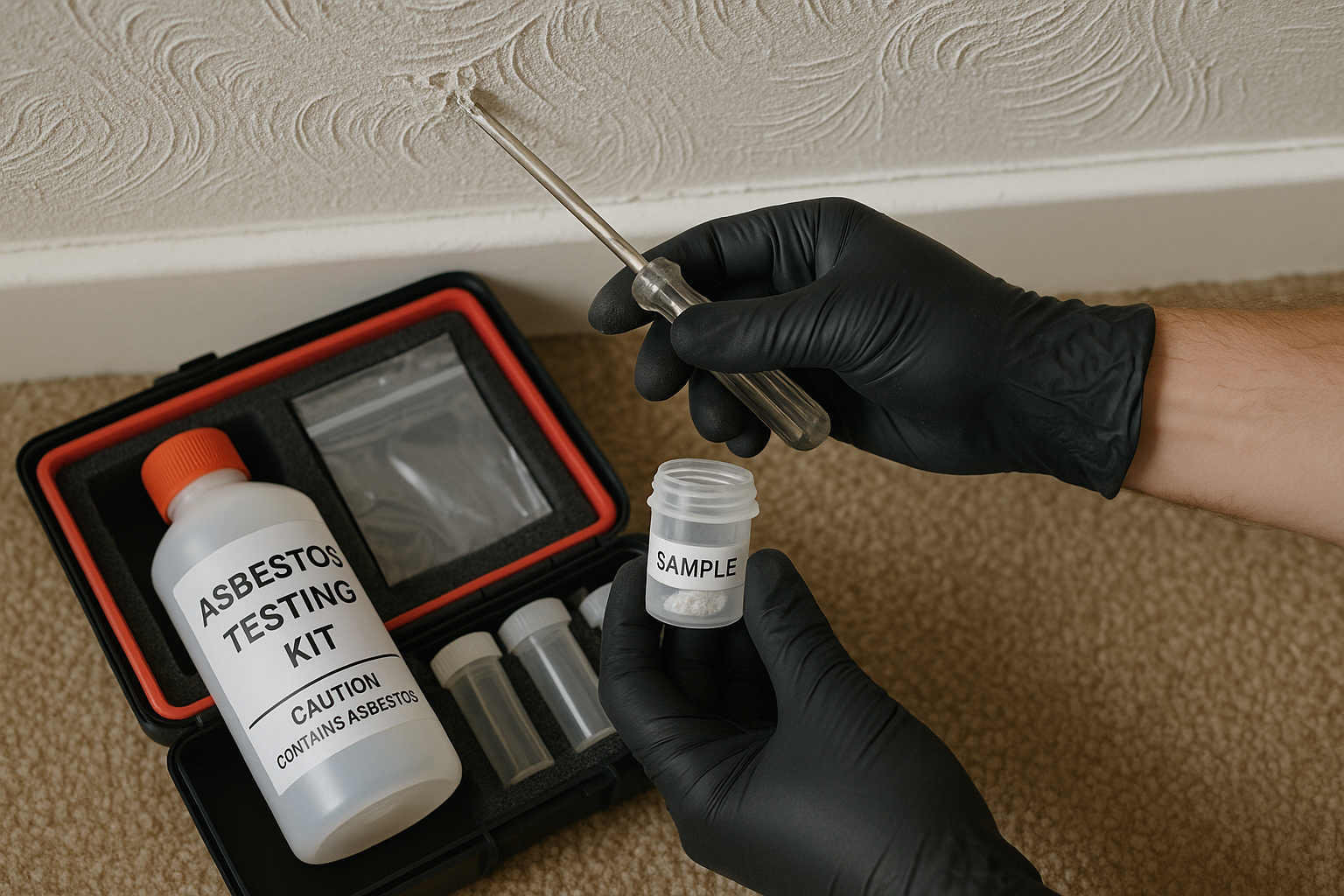
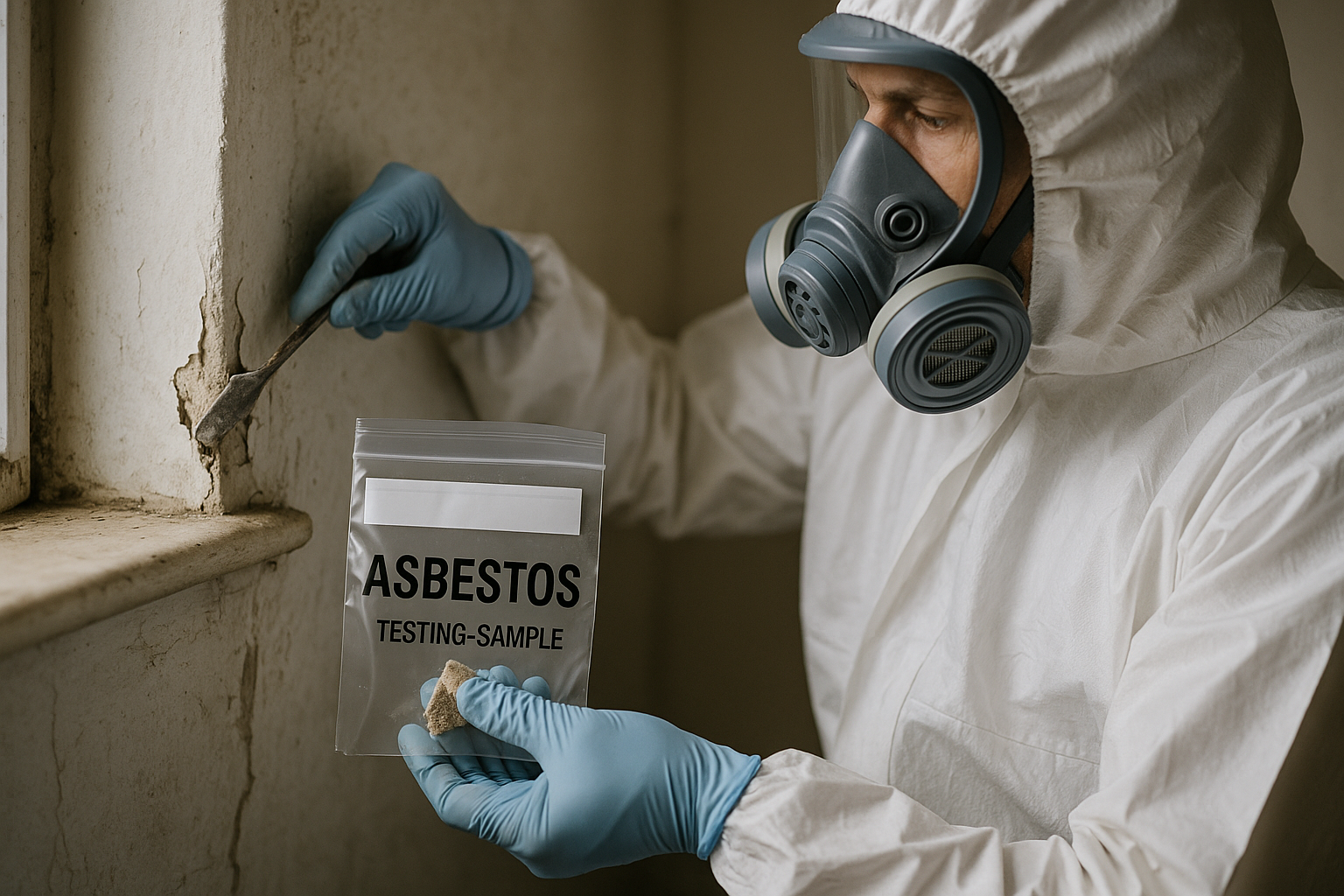
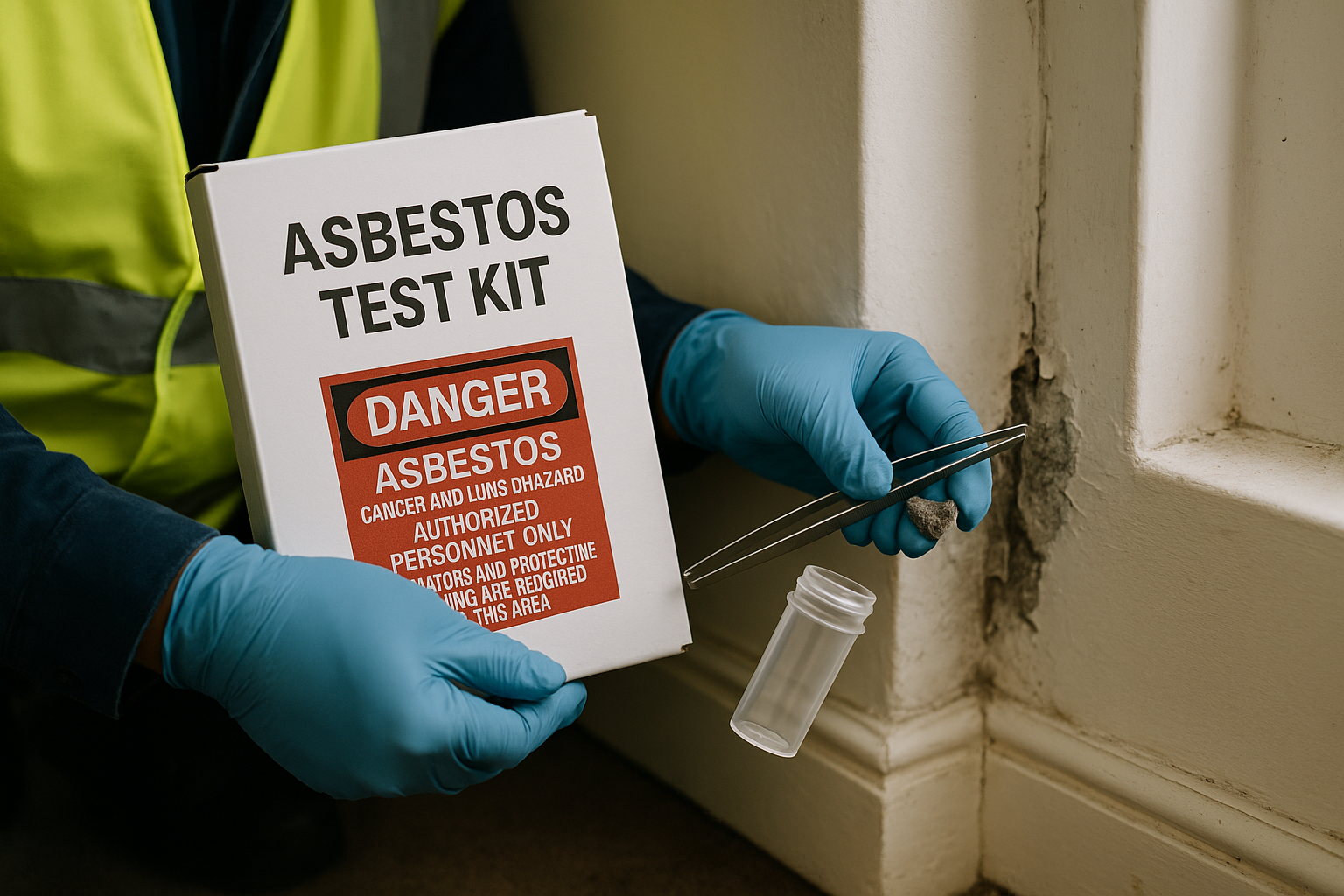
The main purpose of an asbestos testing kit is straightforward: you take a small sample from one suspect material, send it to a laboratory, and receive a result confirming whether asbestos is present in that sample.
What it does not do is tell you whether the rest of the building contains asbestos. It does not assess condition across the premises. It does not replace a survey carried out in line with HSG264.
Suitable situations for an asbestos testing kit
An asbestos testing kit is most useful when you have one accessible, intact material and one clear question. Typical examples include:
- A single section of textured coating before minor decorating work
- A garage roof sheet that appears to be asbestos cement
- One floor tile or adhesive sample before replacing flooring
- A soffit, panel or board that can be sampled with minimal disturbance
In those cases, a targeted sample can help you decide the next step. If the result is positive, you can stop work and arrange professional advice. If it is negative, you can proceed with better information.
We DO NOT recommend that you sample in higher-risk situations
There are plenty of cases where DIY sampling is the wrong choice. If the material is friable, damaged, hidden, overhead, or likely to release fibres easily, do not rely on an asbestos testing kit.
We DO NOT recommend that you sample any of the following yourself:
- Pipe lagging
- Sprayed coatings
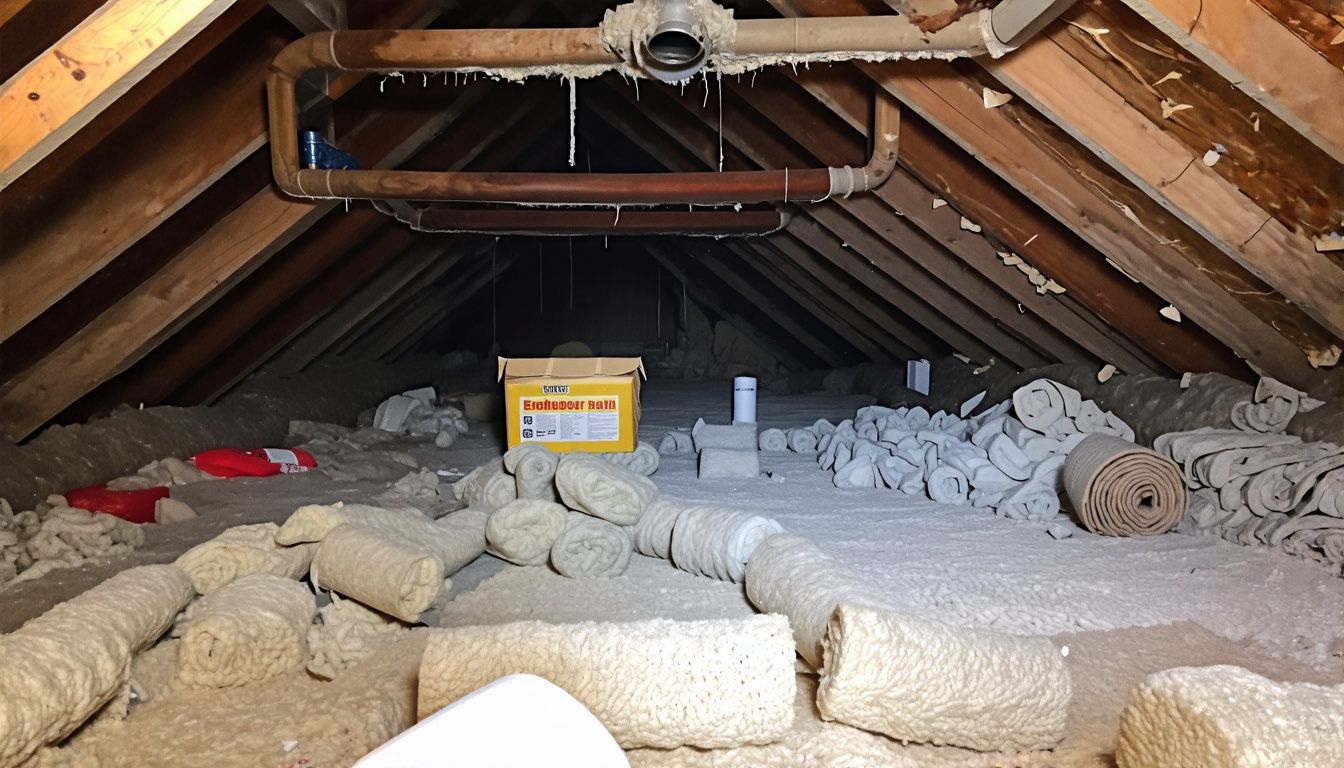
- Loose fill insulation
- Damaged asbestos insulation board
- Debris from previous works
- Materials in risers, ceiling voids or difficult access areas
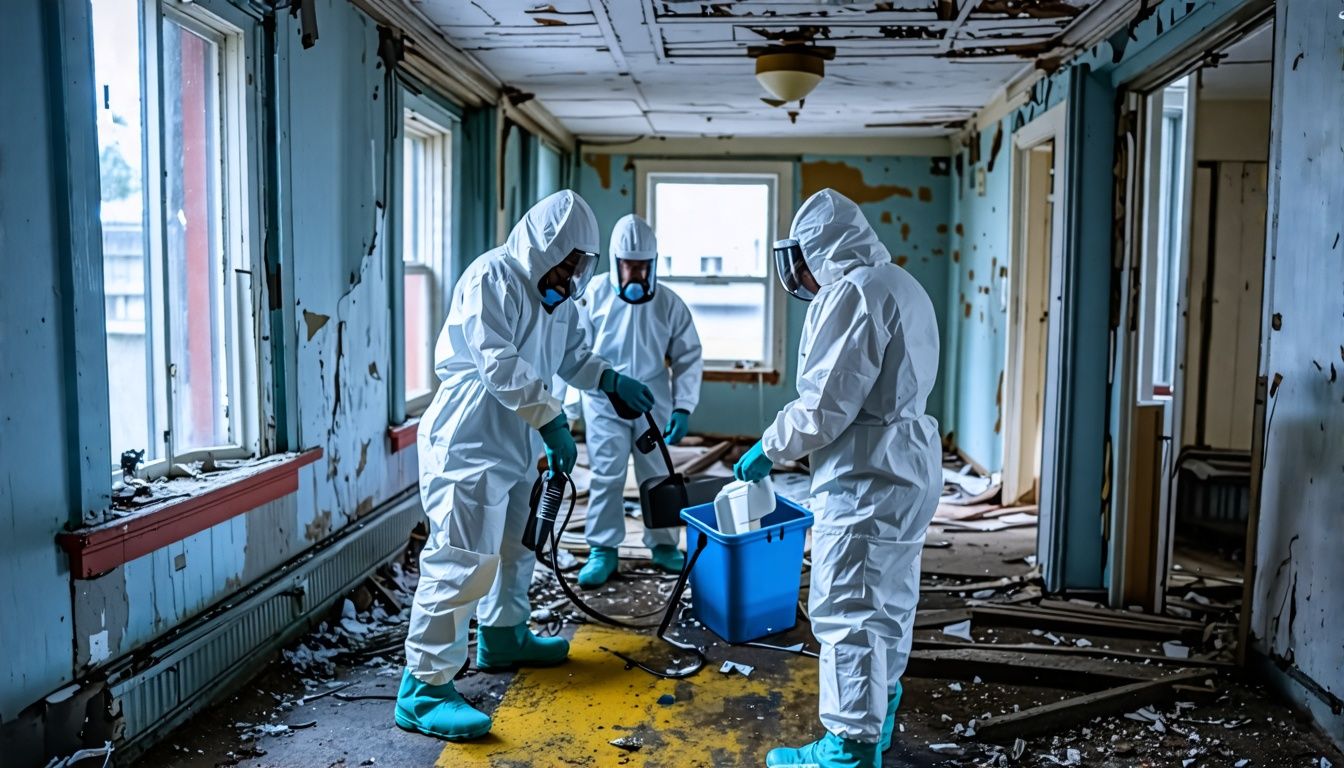
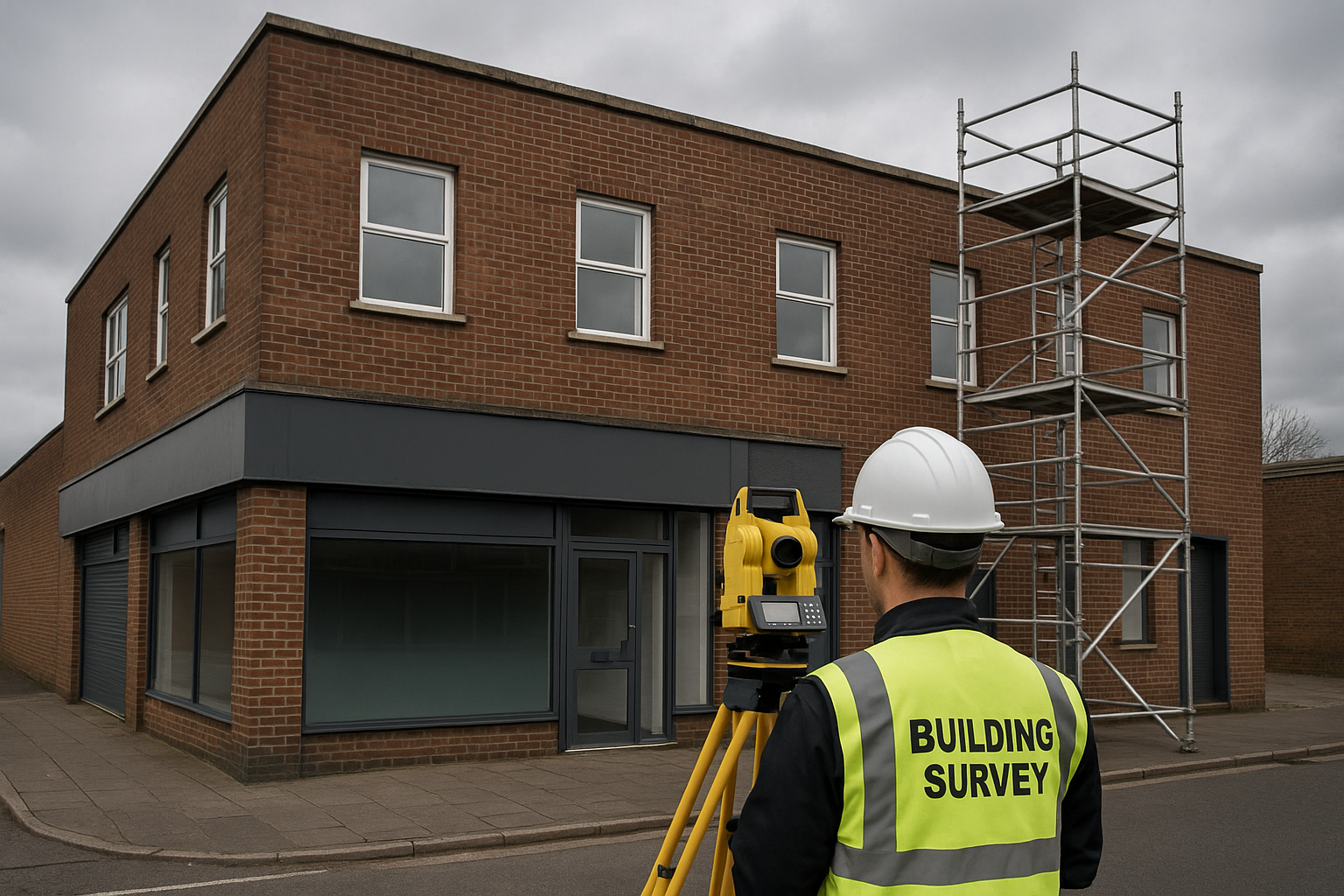
Those materials need a competent asbestos professional. If you need to understand asbestos risk across an occupied building, a single sample is not enough either. For day-to-day occupation and maintenance, arrange a management survey. If intrusive work is planned, book a refurbishment survey before work starts.
What a good asbestos testing kit should include
Not every asbestos testing kit on the market offers the same value or the same level of practical support. Some are little more than a bag and a form. Others provide the packaging, instructions and protective items that make controlled sampling more realistic.
Before ordering, check exactly what is included rather than relying on the product title.
Core items to expect
- Sealable sample bag or pot
- Clear labels for each sample
- Submission form for the laboratory
- Protective outer return packaging
- Step-by-step instructions
PPE and RPE included or not?
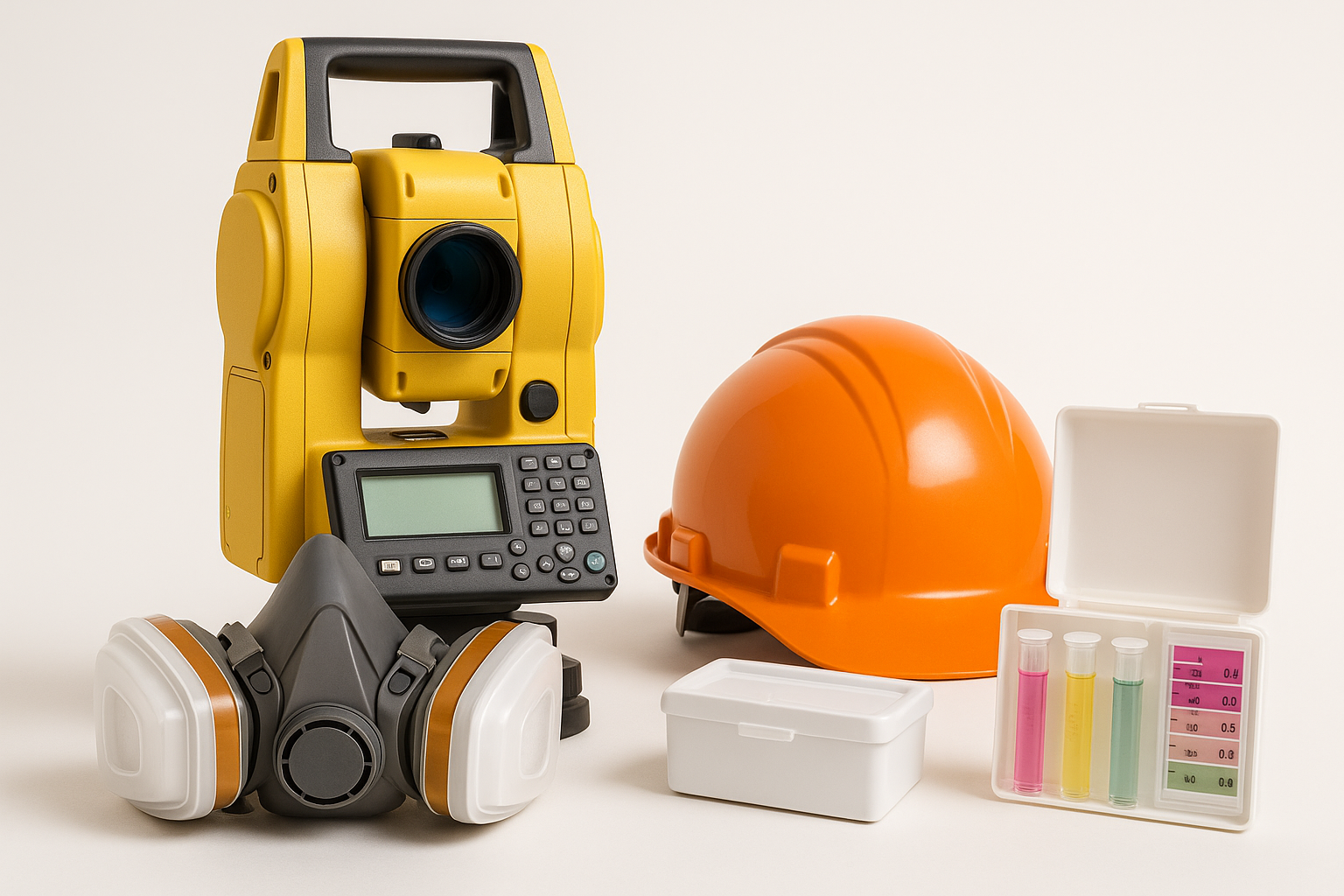
Some versions of an asbestos testing kit include PPE and RPE, while others are analysis-only packs. For occasional users, PPE and RPE included is usually the safer option because it reduces the temptation to improvise with unsuitable household items.
Even then, protective equipment does not make every material safe to sample. It only helps reduce risk where the product is suitable for controlled, low-disturbance sampling in the first place.
Popular Essentials to look for
Many suppliers promote “Popular Essentials”, but the phrase only matters if the essentials are genuinely useful. When comparing products, look for:
- FFP3 respiratory protection where sampling is intended
- Disposable gloves
- Disposable coveralls where appropriate
- Wipes for surface cleaning after sampling
- Simple written instructions
- Realistic laboratory turnaround information
- A clear statement of how many samples are covered
If the listing is vague on these points, be cautious. A quality asbestos testing kit should make safe handling easier, not leave you guessing once the pack arrives.
Asbestos testing kit options explained
Property owners and managers often assume there is one standard asbestos testing kit. In reality, there are several common formats, and choosing the wrong one can lead to confusion, unnecessary cost or unsafe sampling.

1. Asbestos Testing Kit – Sample Analysis Only
This option is aimed at people who already have the sample, know how to package it correctly and have suitable protective equipment. It focuses on the lab stage only.
For experienced contractors or facilities teams, that can be enough. For homeowners and infrequent users, it often is not the best choice because it assumes you can handle the sampling stage safely and correctly.
If you already have a properly collected sample, Supernova offers dedicated sample analysis without needing to buy a full collection pack.
2. Asbestos Testing Kit – PPE and RPE Included
This is often the most practical asbestos testing kit format for domestic users and smaller property managers. It combines the packaging and instructions with protective items for straightforward, low-risk sampling of suitable materials.
Including PPE and RPE helps reduce unsafe shortcuts. It does not replace judgement, but it does make the process more controlled.
3. Asbestos Testing Kit – Additional Tests
Asbestos Testing Kit – Additional Tests options are usually sold for situations where basic identification is only part of the picture. They may be useful if you need several materials assessed, need extra samples added to one order, or need more technical information for planning work.
These additional tests are not standard for every order. They are usually relevant where there is a more specific technical requirement, where multiple suspect materials are involved, or where a previous result needs clarification.
If you are unsure whether standard analysis is enough, ask before ordering. That is usually quicker and cheaper than submitting the wrong type of request.
4. PPE and RPE Kit
A separate PPE and RPE kit can be useful for maintenance teams or contractors who already have a laboratory arrangement and simply need suitable consumables for occasional low-risk sampling.
It is worth repeating: having PPE does not automatically mean you should sample. The material still has to be suitable, accessible and in a condition that allows controlled sampling with minimal disturbance.
5. Water Absorption Test
Water Absorption Test is a more specialist option. It is generally associated with assessing certain asbestos-containing materials where classification or removal planning requires more detail than a standard identification result.
Most buyers of an asbestos testing kit will not need a water absorption test as the first step. For many situations, confirming whether asbestos is present is enough to decide whether work should stop, whether a survey is needed, or whether a licensed contractor should be consulted.
If a water absorption test is being considered, get advice first. It is a technical option, not a routine add-on for every suspect material.
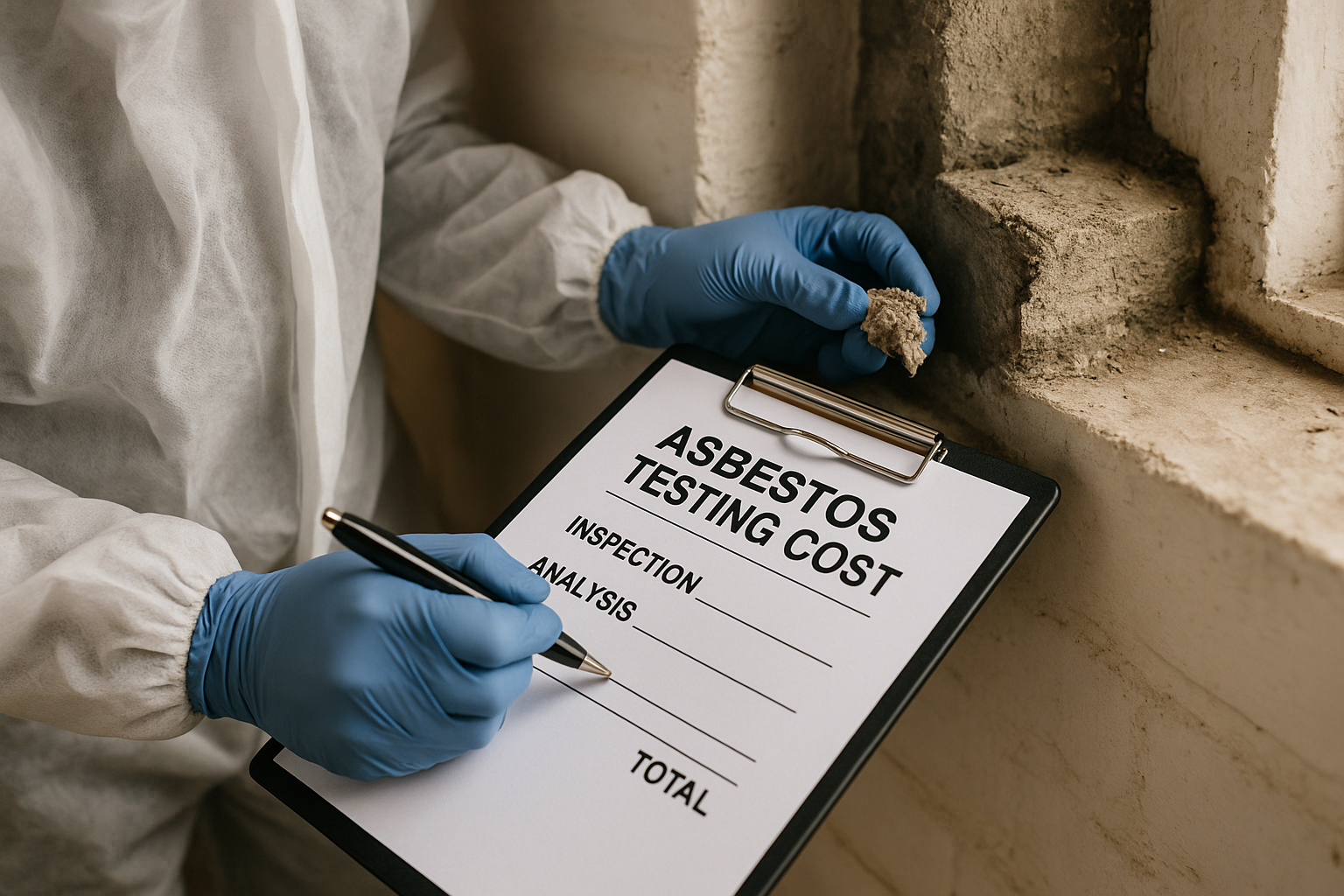
ANALYSIS ONLY FROM £24! What that really means
Listings that advertise ANALYSIS ONLY FROM £24! can be useful, but read the wording carefully. Analysis-only pricing usually means the laboratory stage only. It may not include PPE, packaging, return materials or advice on whether the material should be sampled at all.
That can still be the right route if:
- You already have a correctly collected sample
- You are an experienced contractor or surveyor
- You only need confirmation from the laboratory
It is less suitable if you are starting from scratch and need guidance, packaging and protective items. In those cases, a full asbestos testing kit or professional attendance is usually the better option.
Price matters, but clarity matters more. Always check:
- How many samples are included
- Whether return postage is included
- Whether PPE and RPE are included
- What turnaround starts from — order date or lab receipt date
- How results are issued
How many samples do you need?
One of the most common mistakes with an asbestos testing kit is assuming one sample covers everything that looks similar. In practice, the number of samples depends on how many distinct materials are present.

Think in terms of separate products, finishes and locations. If materials look different, were fitted at different times, or serve different functions, they should usually be treated as separate samples.
One sample may be enough for
- One isolated cement sheet from a clearly uniform garage roof
- One small section of consistent textured coating in a single area
- One panel from a uniform material in one location
You may need multiple samples for
- Different textured coatings in different rooms
- Floor tiles and the adhesive beneath them
- Several board types around a boiler cupboard
- Mixed cement products in an outbuilding
- Debris where the source is unclear
Do not put different materials into one bag. Mixed samples can produce ambiguous results and make the report far less useful.
If you are not sure how many samples are needed, stop before disturbing anything. A quick discussion with a specialist in asbestos testing can save repeat sampling, wasted fees and unnecessary exposure.
Asbestos Insulation (AIB) Products and why they need extra care
Asbestos Insulation (AIB) Products are one of the areas where people often get into trouble with DIY sampling. AIB can look similar to ordinary board products, but it is more friable than asbestos cement and can release fibres more readily if damaged.
You may find AIB in:
- Partition walls
- Ceiling tiles
- Soffits
- Firebreaks
- Service riser panels
- Cupboards around boilers or electrical installations
If you suspect AIB, do not assume an asbestos testing kit is the right answer. The condition, accessibility and likelihood of fibre release all matter. Damaged or concealed AIB should be assessed by a competent surveyor rather than sampled casually.
Where work is planned and AIB may be present, a survey is usually the correct route. For broader property advice or a site-specific inspection, Supernova can arrange professional asbestos testing rather than relying on ad hoc DIY decisions.
Asbestos Cement Products are lower risk — but not risk-free
Asbestos Cement Products are commonly found in garages, sheds, outbuildings, rainwater goods, flues and roof sheets. Because the fibres are bound into cement, these products are generally lower risk than friable materials such as lagging or sprayed coatings.
That lower risk does not mean no risk. Drilling, snapping, sanding or aggressively scraping asbestos cement can still release fibres.
Common examples of asbestos cement products
- Corrugated garage and shed roofs
- Flat wall cladding panels
- Soffits and fascias
- Downpipes and gutters
- Flue pipes and cowls
- Cold water tanks
An asbestos testing kit may be suitable for a small, carefully taken sample from an intact cement product where access is straightforward. The key is to avoid unnecessary breakage and to keep disturbance to the absolute minimum.
If the sheet is badly weathered, already broken, or in an awkward position overhead, step back and get professional help instead.
How to use an asbestos testing kit more safely
An asbestos testing kit does not make asbestos safe. It simply gives you a structured way to obtain a sample where sampling is appropriate. The safest method is always the one that creates the least disturbance.
If there is any doubt about the material, stop and arrange professional attendance instead.
Before you start
- Read the instructions fully before opening the pack.
- Keep children, occupants and pets out of the area.
- Close doors and windows where practical to limit air movement.
- Turn off fans or systems that may move dust around.
- Wear the PPE and RPE provided or other suitable equipment.
- Prepare the sample bag and labels before touching the material.
While taking the sample
- Take the smallest representative piece needed.
- Avoid drilling, sanding or breaking more material than necessary.
- Use hand pressure carefully rather than power tools.
- Place the sample straight into the inner bag or container.
- Seal and label it immediately.
After sampling
- Wipe down the immediate area if the instructions allow.
- Seal used wipes and disposable items as directed.
- Wash hands thoroughly after removing PPE.
- Complete the submission form clearly.
- Send the sample using the return method provided.
If the material starts crumbling, dust is visible, or access becomes more difficult than expected, stop immediately. That is the point where an asbestos testing kit has reached its limit.
Order Now! But only if the kit matches the job
Order Now! is a common sales message on kit websites, but speed should not come before judgement. Before buying an asbestos testing kit, ask yourself three practical questions:
- Am I dealing with one specific suspect material, or do I need a wider assessment?
- Is the material intact and suitable for controlled sampling?
- Would a survey be the better option because work is planned or multiple materials are involved?
If the answer points to one accessible, low-disturbance sample, a testing kit may be appropriate. If the answer points to uncertainty across the building, hidden materials, or planned refurbishment, a survey is the right next step.
Free Shipping UK, turnaround times and practical buying checks
Free Shipping UK can make an asbestos testing kit more convenient, but delivery offers should not distract from the details that affect safety and usefulness.
Before placing an order, check:
- Whether shipping covers the initial delivery only or also the return process
- Whether the return packaging is supplied
- Whether the laboratory turnaround starts when the order is placed or when the sample arrives
- Whether the result is emailed in a form you can keep for records
- Whether support is available if you are unsure how many samples to submit
Fast shipping is helpful. Clear instructions and the right product are more important.
Where asbestos is commonly found before people reach for an asbestos testing kit
Most people look for an asbestos testing kit because they have found a suspicious material during repair, maintenance or refurbishment. Common locations include:
- Garage and shed roofs
- Textured coatings on ceilings and walls
- Boxing around pipes
- Soffits and fascias
- Floor tiles and adhesives
- Boiler cupboards and service ducts
- Cement flues and rainwater goods
- Ceiling tiles and partition boards
The challenge is that appearance alone is not reliable. Some non-asbestos materials look convincing, and some asbestos-containing materials look harmless. That is why testing or surveying matters before work starts.
When a survey is better than an asbestos testing kit
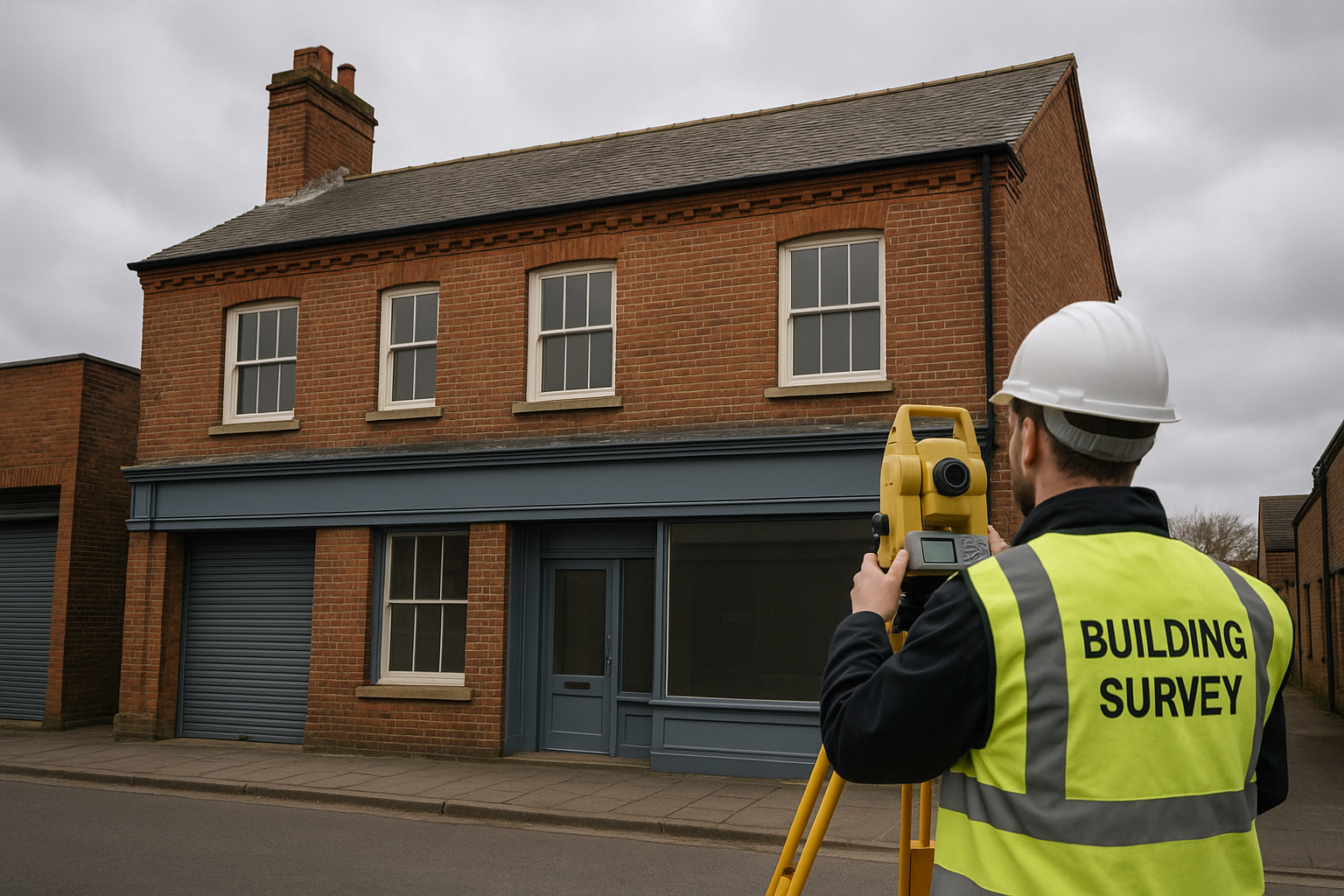
An asbestos testing kit is a narrow tool. A survey is broader, more structured and often the correct choice for landlords, dutyholders, contractors and property managers.
Choose a survey when:
- You need to manage asbestos across non-domestic premises
- You are responsible for communal areas
- Refurbishment or demolition is planned
- There are multiple suspect materials
- You need a record of location, extent and condition
Supernova carries out surveys nationwide, including asbestos survey London, asbestos survey Manchester and asbestos survey Birmingham. If your building needs more than a single sample result, that is usually the smarter route.
Practical buying advice for property managers and homeowners
If you are comparing an asbestos testing kit online, keep the decision simple. Focus on the scope of the job, the condition of the material and the level of support included.
Use this quick checklist before buying:
- One material or several?
- Intact or damaged?
- Accessible or difficult to reach?
- Domestic reassurance or legal duty to manage?
- Need analysis only or a full kit?
- Need results for records or wider planning?
If the job is small and specific, a kit can work. If the answers start getting complicated, bring in a surveyor before you disturb anything.
Need answers on asbestos? Speak to Supernova
An asbestos testing kit can be useful for one controlled sample from one suitable material. It is not a replacement for professional judgement, and it is not the right choice for every property or every product.
If you need expert advice, laboratory support, a survey or a safer alternative to DIY sampling, Supernova Asbestos Surveys can help. We provide testing, management surveys, refurbishment surveys and nationwide support for homeowners, landlords, contractors and property managers.
Call Supernova on 020 4586 0680 or visit asbestos-surveys.org.uk to arrange the right service for your property.
Frequently Asked Questions
Can an asbestos testing kit tell me if my whole property is asbestos-free?
No. An asbestos testing kit only confirms whether asbestos is present in the specific sample submitted. It does not assess the rest of the building. If you need a wider understanding of asbestos in a property, you need a survey.
How many samples should I send with an asbestos testing kit?
That depends on how many distinct materials you have. One sample may be enough for one uniform product in one location. Different materials, coatings, boards or adhesives should usually be treated as separate samples.
Is it safe to sample asbestos insulation board myself?
Usually, that is not the best approach. Asbestos insulation board can release fibres more readily than asbestos cement, especially if damaged. If you suspect AIB, get professional advice before attempting any sampling.
What is the difference between analysis only and a full asbestos testing kit?
Analysis only usually means the laboratory examines a sample you have already collected. A full asbestos testing kit typically includes packaging, instructions and sometimes PPE and RPE to help with the collection stage as well.
When should I choose a survey instead of an asbestos testing kit?
Choose a survey when you need to assess multiple materials, manage asbestos in non-domestic premises, or inspect a building before refurbishment or demolition. A survey provides a broader picture than a single sample result.