Category: Asbestos Testing: How to Identify and Confirm Potential Contamination

  • DIY Asbestos Testing: Pros and Cons

    DIY Asbestos Testing: Pros and Cons

    Home Asbestos Test: What It Can Tell You, What It Can’t, and When to Call a Professional

    You spot something suspicious — an old textured ceiling, a garage roof that looks like it could be cement sheet, some crumbling boxing around a pipe — and you want an answer before anyone picks up a drill. A home asbestos test feels like the obvious first step. And in some situations, it genuinely is. But it only works well when you understand exactly what it does, what it misses, and when the safer choice is to bring in a qualified surveyor.

    Asbestos-containing materials still turn up regularly in UK homes, rental properties, shared residential areas and commercial buildings. Some are relatively low risk when left undisturbed. Others can release fibres far more easily than people expect — especially when sampled badly. So before you order a kit, it is worth knowing what you are actually dealing with.

    What a Home Asbestos Test Actually Does

    A home asbestos test is typically a postal sampling service. You collect a small piece of suspect material, seal it in the packaging provided, complete the submission form and send it to an accredited laboratory for analysis. The lab determines whether asbestos is present, and in most cases will also identify the type found within that specific sample.

    That can be genuinely useful. But the limits are just as important as the result itself.

    A home asbestos test does not:

    • Inspect the rest of the property
    • Confirm that similar-looking materials elsewhere are asbestos-free
    • Create an asbestos register
    • Assess the condition of materials across the building
    • Replace a formal survey where one is legally or practically required

    If you need to identify one accessible suspect material and nothing more, a home asbestos test may be sufficient. If you need certainty across a whole property, if planned works are involved, or if there are multiple suspect materials in different locations, professional assessment is usually the better route.

    When a Home Asbestos Test Is — and Isn’t — Appropriate

    Situations where DIY sampling may be reasonable

    A home asbestos test can be a sensible option in a fairly narrow set of circumstances. The material should be easy to reach, in stable condition, and capable of being sampled with minimal disturbance. Typical examples include:

    • A small piece from an asbestos cement-type garage roof edge
    • A single old vinyl floor tile
    • A detached fragment of textured coating
    • A loose piece of board or boxing that can be sampled without cutting into sound material

    Even in these cases, care is essential. A material looking solid does not mean it is safe to break, scrape or trim indoors without the right precautions.

    When you should not sample it yourself

    Skip the DIY approach and call a professional if any of the following apply:

    • The material is damaged, dusty or crumbling
    • You suspect pipe lagging, loose fill insulation, sprayed coating or asbestos insulating board
    • The sample point is overhead or difficult to reach safely
    • You are planning refurbishment, structural alteration or demolition
    • There are several suspect materials in different parts of the building
    • You manage a commercial property or the common parts of a block of flats

    Where normal occupation is the main concern, a management survey is usually the correct starting point. Where planned works will disturb the fabric of the building, a refurbishment survey is typically required before work begins.

    Why a Home Asbestos Test Is Not the Same as a Survey

    This is where many property owners come unstuck. A home asbestos test can confirm whether a posted sample contains asbestos. It cannot replace the judgement of an experienced surveyor assessing the wider building.

    A survey considers far more than identification alone. It looks at location, accessibility, extent, condition and the likelihood of disturbance during normal use or planned works. It records findings in a way that supports proper management and gives you a defensible record if questions arise later.

    Asbestos risk is not just about what a material is made of. It also depends on:

    • How friable the material is
    • Whether it is sealed, damaged or already exposed
    • How likely it is to be disturbed during everyday use
    • Whether planned works will affect it
    • How many suspect materials are present throughout the building

    For homeowners doing a very limited check on one material, a home asbestos test may answer the immediate question. For anyone managing a building, buying a property with several suspect materials, or preparing for significant works, a full survey is usually the more practical and legally defensible option. You can learn more about what professional asbestos testing involves and when it applies.

    How Many Samples Do You Actually Need?

    One of the most common mistakes with a home asbestos test is assuming one negative result clears a whole room, floor or outbuilding. It does not. The number of samples needed depends on how many distinct materials you are dealing with, not just the size of the property.

    Materials that look similar may come from different installations and contain different substances. A practical rule of thumb: treat each distinct material type and location grouping separately.

    In practice, that means:

    • One textured coating sample in one room does not represent every textured ceiling in the house
    • One floor tile sample does not tell you whether the adhesive beneath also contains asbestos
    • One cement sheet may represent matching sheets installed at the same time, but not different boards nearby
    • Different soffits, ducts, flues, boards and linings should be treated as separate materials unless there is a clear reason to believe they are identical

    If you find yourself listing five, ten or more suspect items, a home asbestos test quickly becomes less efficient than professional asbestos testing carried out by a trained surveyor. At that point, a full survey will usually give you better value and much clearer risk control.

    Examples of sensible sample planning

    • Single garage roof: one or two samples may be enough if all sheets are clearly the same age and material
    • Textured coatings in several rooms: more than one sample is likely needed if the finish or apparent age differs between rooms
    • Mixed outbuilding: roof sheet, wall panel and ceiling board should each be treated as separate materials
    • Kitchen refurbishment: floor tiles, adhesive, boxing, backing boards and soffits may all need separate assessment

    Under-sampling creates false confidence. One clear result can lead people to assume everything similar is safe — which is exactly how asbestos gets disturbed by mistake.

    The Real Risks of DIY Sampling

    The biggest weakness in any home asbestos test is not the laboratory stage. It is the moment the sample is taken. If sampling is done carelessly, fibres can be released into the air and spread around the room — and potentially beyond it.

    That risk rises sharply with friable materials, overhead work, power tools, dry scraping and heavy-handed handling. The following materials should never be sampled by householders:

    • Pipe lagging
    • Loose fill insulation
    • Sprayed coatings
    • Damaged asbestos insulating board
    • Any material that is soft, crumbly or already shedding visible dust

    These can release fibres far more easily than lower-risk products such as asbestos cement. They should be left to trained professionals using the correct controls.

    Practical precautions for lower-risk materials

    If a home asbestos test is appropriate for a stable, accessible material, keep disturbance to an absolute minimum:

    1. Do not sand, saw or drill the material
    2. Dampen the sample area where appropriate to suppress dust
    3. Wear suitable disposable PPE and an appropriate respirator
    4. Take the smallest sample needed — a few grams is usually sufficient
    5. Double-bag and clearly label the sample
    6. Clean the immediate area carefully using the method set out in the kit instructions
    7. Seal the sample point if the material allows it

    If any part of the process feels uncertain, stop. A low-cost kit is never worth a poor sampling decision.

    What Types of Home Asbestos Test Products Are Available?

    Search online and you will find several different product formats. The names vary, but most fall into a few standard categories. The cheapest option is not always the safest or most useful — what matters is what is actually included.

    Sample analysis only

    This is the most basic option, designed for people who already have a detached sample and only need the laboratory stage. These products typically include sample bags, a submission form, return packaging and laboratory analysis for a set number of samples. If you already have a suitable sample, a dedicated sample analysis service can be a straightforward and cost-effective choice.

    All-in-one testing kit with PPE

    This is usually the more sensible format for a home asbestos test where DIY sampling is genuinely appropriate. A good kit includes everything needed for lower-risk collection from stable materials. Typical contents include:

    • Disposable coveralls
    • Gloves
    • Suitable wipes
    • Respiratory protection
    • Sample bags and labels
    • Clear instructions and submission paperwork
    • Return packaging

    Supernova offers an asbestos testing kit designed for straightforward sample submission, with everything you need to collect and return a sample safely.

    Multi-sample or express options

    Some suppliers offer additional analyses, faster turnaround or added technical services. This can be useful if you discover more suspect materials after ordering or need results back quickly ahead of minor works. Just remember: more posted samples do not automatically equal a thorough building assessment. If widespread suspect materials are present, a survey is the smarter next step.

    What to Check Before Buying a Home Asbestos Test Kit

    Not all kits are equal. Before ordering, look past the headline price and check the actual specification.

    Key points to compare:

    • How many samples are included
    • Whether laboratory analysis is included in the advertised price or charged separately
    • Standard and express turnaround times
    • Whether PPE is included — and whether respiratory protection specifically is provided
    • How the return process works
    • Whether clear, step-by-step instructions are provided
    • Whether support is available before you take the sample

    Questions worth asking the supplier before you buy:

    • Which materials should not be sampled by the customer?
    • What happens if the sample is inconclusive?
    • How should the sample area be cleaned afterwards?
    • What format will the laboratory report be in?
    • Can you speak to someone before taking the sample if you are unsure?

    If the answers are vague, that is a warning sign. A reputable supplier will be clear about what their testing kit does and does not cover.

    How Laboratory Analysis Works

    The strongest element of any home asbestos test is the laboratory analysis stage. Once a sample arrives intact and clearly labelled at an accredited lab, trained analysts examine it to determine whether asbestos fibres are present and, if so, which type.

    This analytical stage is why postal testing can be a genuinely reliable tool — when the sample has been collected properly. The lab cannot fix problems created earlier in the process. If the wrong material was sampled, if the sample was contaminated during collection, or if one small sample was used to represent several different materials, the result will have limited practical value regardless of how accurate the analysis itself is.

    The result you receive should clearly state whether asbestos was detected, the type identified (if present), and any relevant notes on the sample condition. Keep a copy of every result — even negative ones — as part of your property records.

    Legal and Duty of Care Considerations

    If you own or manage a non-domestic property, or are responsible for the common parts of a residential building, the Control of Asbestos Regulations place specific duties on you. A home asbestos test result on one or two samples does not satisfy those duties.

    The regulations require dutyholders to identify asbestos-containing materials, assess their condition and risk, and put in place a written management plan. That requires a proper survey carried out in line with HSG264 and wider HSE guidance — not a postal kit.

    For homeowners in purely domestic settings, there is no equivalent legal duty. But the duty of care to anyone working in your home — tradespeople, contractors, family members — still applies. Knowing what you are dealing with before work starts is always the responsible approach.

    Getting Professional Help Across the UK

    Supernova Asbestos Surveys operates nationwide, with experienced surveyors covering properties of all types and sizes. Whether you need a single-material identification or a full building assessment, professional advice is always available.

    If you are based in the capital and need an asbestos survey London teams can rely on, Supernova has surveyors working across Greater London and the surrounding areas. For the North West, our asbestos survey Manchester service covers the city and wider region. And if you are in the Midlands, our asbestos survey Birmingham team is ready to help.

    With over 50,000 surveys completed across the UK, Supernova has the experience to advise you on whether a home asbestos test is the right starting point or whether a professional survey is what your situation actually requires.

    Frequently Asked Questions

    Is a home asbestos test accurate?

    The laboratory analysis stage of a home asbestos test is accurate when the sample has been collected correctly from the right material. The result tells you whether asbestos is present in that specific sample. It cannot tell you about other materials in the property, and it is only as reliable as the sampling process that preceded it.

    Can I take an asbestos sample myself?

    You can take a sample yourself from stable, accessible, low-risk materials such as asbestos cement sheet or intact vinyl floor tiles, provided you follow the correct precautions. You should not attempt DIY sampling from pipe lagging, sprayed coatings, loose fill insulation, damaged asbestos insulating board, or any material that is crumbling or releasing visible dust. In those cases, contact a trained professional.

    How long does a home asbestos test take to get results?

    Turnaround times vary between suppliers. Standard analysis typically takes between three and five working days from when the sample arrives at the laboratory. Express or priority services are often available if you need results more quickly ahead of planned works. Check the turnaround options before you order.

    Does a home asbestos test satisfy my legal duties as a property manager?

    No. If you are a dutyholde under the Control of Asbestos Regulations — for example, managing a commercial property or the common parts of a residential building — a postal test result does not fulfil your obligations. You are required to carry out a suitable and sufficient assessment in line with HSG264, which means a formal survey conducted by a competent surveyor.

    What is the difference between a home asbestos test and a full asbestos survey?

    A home asbestos test identifies whether asbestos is present in one or more posted samples. A full asbestos survey — whether a management survey or a refurbishment survey — involves a trained surveyor physically inspecting the property, assessing all suspect materials, recording their condition and extent, and producing a formal report and asbestos register. A survey gives you a complete picture; a postal test gives you one data point.


    If you are unsure whether a home asbestos test is sufficient for your situation, or if you need a professional survey anywhere in the UK, contact Supernova Asbestos Surveys today. Call us on 020 4586 0680 or visit asbestos-surveys.org.uk to find out how we can help.
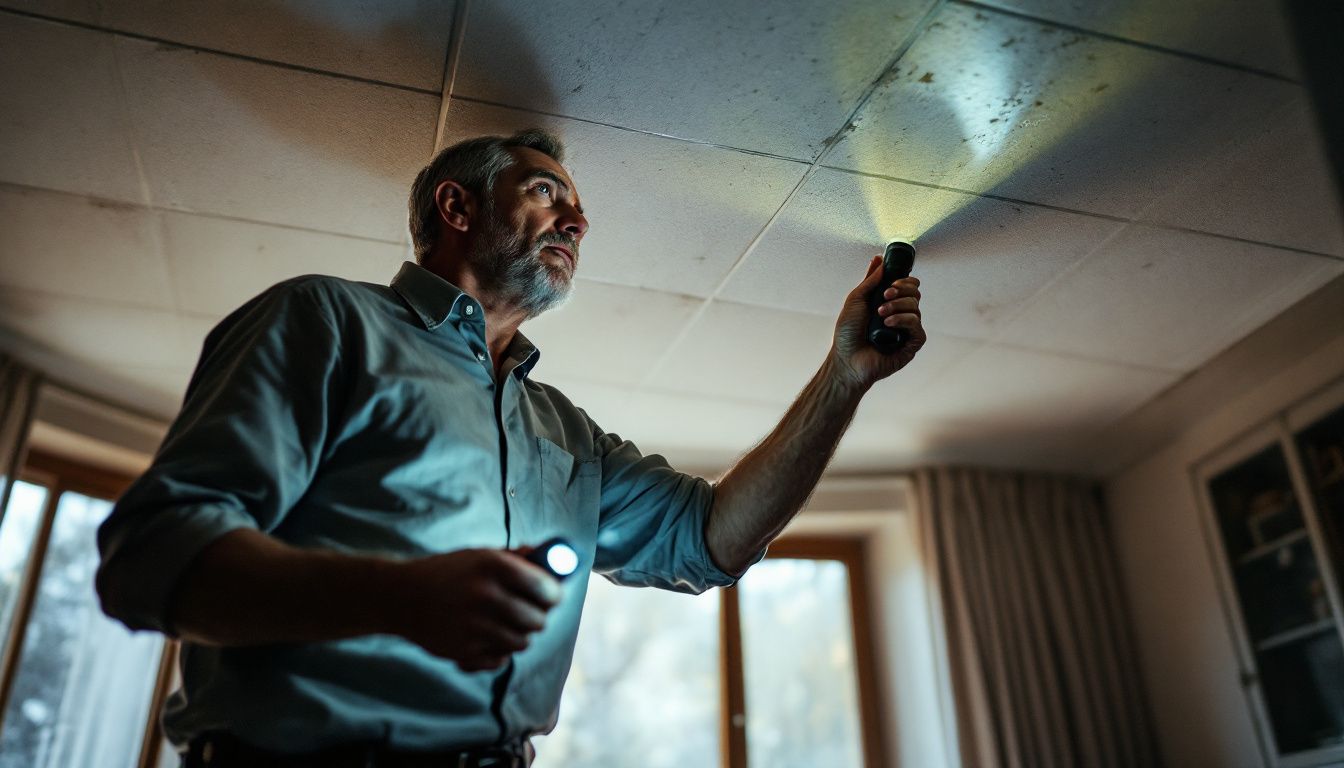

  • Testing for Asbestos in Older UK Properties

    Testing for Asbestos in Older UK Properties

    Why the Properties of Asbestos Made It a Wonder Material — and a Public Health Crisis

    For most of the twentieth century, asbestos was treated as one of the most valuable building materials ever discovered. Cheap, abundant, and seemingly indestructible, it was woven into the fabric of almost every building type across the UK. Understanding the properties of asbestos explains both why it was used so extensively and why it remains one of the most serious occupational health hazards Britain has ever faced.

    If you own or manage a property built before 2000, this is not abstract chemistry. It directly affects how you identify risk, meet your legal duties, and protect the people inside your building.

    What Is Asbestos? A Brief Overview

    Asbestos is a naturally occurring silicate mineral that forms in long, thin fibrous crystals. There are six recognised types, but three dominated UK construction: chrysotile (white asbestos), amosite (brown asbestos), and crocidolite (blue asbestos).

    All six types share a core set of physical and chemical properties that made them attractive to manufacturers and builders. Those same properties are precisely what makes asbestos so hazardous when fibres become airborne and are inhaled.

    The Physical Properties of Asbestos

    Fibrous Structure

    The defining characteristic of asbestos is its fibrous nature. The mineral separates into microscopic fibres that are completely invisible to the naked eye — some are up to 700 times thinner than a human hair.

    This fibrous structure is what made asbestos so effective as a reinforcing material in composites, textiles, and building products. It is also what makes it lethal. When disturbed, fibres become airborne and can be inhaled deep into the lungs, where the body is entirely unable to expel them.

    High Tensile Strength

    Asbestos fibres have exceptional tensile strength — in some forms, stronger than steel by weight. This made asbestos ideal for reinforcing cement sheets, floor tiles, and roofing products, giving them a durability that plain cement or plaster could not match.

    Asbestos cement products were used extensively in the construction of schools, hospitals, factories, and housing estates across the UK from the 1940s through to the 1980s. Many of those buildings are still standing today.

    Flexibility and Spinnability

    Chrysotile fibres are notably flexible and can be woven or spun into textiles. This property led to their use in fire-resistant clothing, theatre curtains, boiler lagging, and pipe insulation wraps.

    The ability to spin asbestos into yarn-like material meant it could be manufactured into gaskets, rope seals, and even brake linings — products that needed to withstand both heat and mechanical stress simultaneously.

    The Thermal and Fire-Resistant Properties of Asbestos

    Perhaps the most commercially valuable properties of asbestos were its resistance to heat and fire. Asbestos does not burn, does not melt under ordinary conditions, and does not conduct heat effectively. This made it the insulation material of choice across a vast range of industries.

    Heat Resistance

    Chrysotile begins to degrade at temperatures above 600°C, while amphibole types such as amosite and crocidolite can withstand temperatures exceeding 1,000°C. For industrial applications — boilers, furnaces, steam pipes, and kilns — this level of heat resistance was almost impossible to replicate with other materials at the time.

    In domestic and commercial buildings, asbestos was routinely applied as lagging around hot water pipes and boilers, and as thermal insulation board behind radiators and in roof spaces.

    Fire Protection

    Because asbestos fibres do not combust, they were widely applied as passive fire protection in buildings. Sprayed asbestos coatings were applied to structural steelwork in offices, warehouses, and public buildings to prevent steel from buckling in a fire.

    Textured coatings containing asbestos — commonly known as Artex — were applied to ceilings in millions of UK homes as both a decorative finish and a fire-retardant measure. Many of these coatings remain in place today, largely undisturbed and unidentified.

    The Chemical Properties of Asbestos

    Chemical Resistance

    Asbestos is highly resistant to chemical attack. It does not react with most acids, alkalis, or organic solvents under normal conditions. This made it valuable in chemical processing plants, laboratories, and anywhere materials were exposed to corrosive substances.

    In building products, this chemical stability meant that asbestos-containing materials (ACMs) could last for decades without visibly deteriorating. That is a significant part of the reason so many remain in UK buildings today — they simply do not break down on their own.

    Electrical Insulation

    Asbestos is a poor conductor of electricity, which made it useful as an electrical insulator. Asbestos millboard was used behind electrical panels and fuse boxes in older properties, and asbestos-containing materials were used to insulate wiring in industrial settings.

    If you are working on or near electrical installations in a building constructed before 1990, there is a genuine risk of encountering asbestos millboard or associated insulation materials. This is a documented hazard that catches tradespeople off guard regularly.

    Biological Inertness

    Asbestos does not biodegrade. Once fibres are released into the environment, they persist indefinitely. In the human lung, this inertness is catastrophic — the body’s immune response cannot break down inhaled fibres, leading to chronic inflammation, scarring, and ultimately diseases such as mesothelioma, asbestosis, and lung cancer.

    Diseases caused by asbestos typically take 20 to 50 years to develop after exposure. The consequences of disturbing ACMs today may not become apparent for a generation.

    Where the Properties of Asbestos Led to Its Use in UK Buildings

    Understanding the properties of asbestos makes it straightforward to see why it appeared in so many different building materials. Its combination of strength, heat resistance, chemical stability, and low cost meant it was incorporated into products that touched almost every part of a building’s structure.

    Common locations where ACMs are found in older UK properties include:

    • Sprayed coatings on structural steelwork, ceilings, and beams
    • Pipe and boiler lagging — often amosite or crocidolite
    • Insulating board (AIB) used in fire doors, ceiling tiles, and partition walls
    • Textured decorative coatings such as Artex on ceilings and walls
    • Asbestos cement sheets used for roofing, guttering, and cladding
    • Vinyl and thermoplastic floor tiles from the 1950s to 1980s
    • Rope seals and gaskets around boilers, ovens, and industrial equipment
    • Asbestos millboard behind electrical panels and switchgear
    • Loose-fill insulation in cavity walls and roof spaces

    Properties built or refurbished before 1999 — when the final UK ban on asbestos came into force — may contain any or all of these materials. The only reliable way to know is through professional asbestos testing carried out by qualified surveyors.

    Why the Properties of Asbestos Make It So Difficult to Manage Safely

    The very properties that made asbestos so commercially useful are what make it so difficult to manage safely once it is in a building. Its durability means ACMs can remain in good condition for decades — but any disturbance during maintenance, renovation, or demolition can release fibres instantly.

    Its fibrous structure means those fibres are invisible and can remain suspended in the air for hours after a disturbance. Its biological inertness means the body cannot neutralise inhaled fibres once they reach the lungs. There is no safe level of asbestos exposure.

    Your Legal Duties as a Property Owner or Manager

    The Control of Asbestos Regulations set out clear legal obligations for those who own or manage non-domestic premises. The duty to manage asbestos — established under Regulation 4 — requires duty holders to identify the presence of ACMs, assess their condition and risk, and maintain an up-to-date asbestos register.

    For domestic landlords, similar responsibilities apply where common areas of a building are involved. And for anyone planning renovation or refurbishment work, an asbestos refurbishment survey is legally required before work begins in any area that may be disturbed.

    The HSE’s guidance document HSG264 sets out the standards for asbestos surveys and is the benchmark that all reputable surveyors work to. Failure to comply with the Control of Asbestos Regulations can result in significant fines and, far more seriously, preventable harm to workers, residents, and visitors.

    The Types of Asbestos Survey Explained

    Management Survey

    A management survey is the standard survey required for occupied premises. It identifies the location and condition of ACMs that could be disturbed during normal occupation and maintenance, producing a risk-rated asbestos register that forms the basis of your asbestos management plan.

    This type of survey is appropriate for landlords, facilities managers, and business owners who need to demonstrate compliance with their duty to manage asbestos in a building that is in active use.

    Refurbishment and Demolition Survey

    A refurbishment survey is more intrusive and is required before any work that will disturb the building fabric. Surveyors access all areas affected by the planned works, including voids, wall cavities, and beneath floor finishes.

    Where a building is being entirely demolished, a demolition survey is required. This is the most thorough type of survey and must locate all ACMs before any structural work begins, without exception.

    Re-inspection Survey

    If ACMs have already been identified in your building, a periodic re-inspection survey is required to monitor their condition. Annual checks are standard for higher-risk ACMs.

    This ensures that any deterioration is caught early, before fibres are released into the occupied environment. Skipping re-inspections is not just a legal risk — it is a practical one.

    What Happens During a Professional Asbestos Survey

    When you book a survey with Supernova Asbestos Surveys, a BOHS P402-qualified surveyor will attend your property and carry out a thorough visual inspection. Samples are taken from any materials suspected of containing asbestos using correct containment procedures to prevent fibre release.

    Those samples are then sent to our UKAS-accredited laboratory for analysis under polarised light microscopy (PLM). You receive a full written report — including an asbestos register, risk assessment, and management plan — within three to five working days.

    The process follows these steps:

    1. Booking: Contact us by phone or online. We confirm availability and send a booking confirmation.
    2. Site visit: A qualified P402 surveyor attends at the agreed time and carries out a thorough inspection.
    3. Sampling: Representative samples are collected from suspect materials using correct containment procedures.
    4. Lab analysis: Samples are analysed under PLM at our UKAS-accredited laboratory.
    5. Report delivery: You receive a detailed asbestos register and risk-rated management plan in digital format.

    For smaller properties or where a preliminary check is needed, a postal testing kit is available, allowing you to collect samples yourself for laboratory analysis. This is a practical option for homeowners who have a specific suspect material they want checked before committing to a full survey.

    What to Do If Asbestos Is Found in Your Property

    Finding asbestos in a property is not automatically an emergency. ACMs that are in good condition and are not being disturbed pose a low risk and can often be managed in place. The key is knowing what you have, where it is, and what condition it is in.

    If ACMs are damaged, deteriorating, or located in an area where work is planned, professional asbestos removal by a licensed contractor is the appropriate course of action. Attempting to remove asbestos without the correct training, equipment, and licensing is illegal and extremely dangerous.

    Your surveyor’s report will clearly set out which materials require action, which can be monitored, and what the priority order should be. Follow that guidance — it is based on an objective assessment of the actual risk in your specific building.

    How to Get Your Property Tested

    Whether you are a landlord, facilities manager, or homeowner with concerns about a suspect material, the starting point is always the same: get the building assessed by a qualified professional. Guessing is not a risk management strategy when the consequences include mesothelioma.

    Supernova Asbestos Surveys has completed over 50,000 surveys across the UK. Our surveyors are BOHS P402-qualified, our laboratory is UKAS-accredited, and our reports are produced to HSG264 standards. We cover the whole of England, Scotland, and Wales.

    If you are not sure which type of survey you need, call us and we will advise you based on your specific property and circumstances — no obligation, no jargon.

    To arrange a survey or get a quote, book a survey online or call us directly on 020 4586 0680. You can also visit asbestos-surveys.org.uk to learn more about our services and pricing.

    Frequently Asked Questions

    What are the key properties of asbestos that made it so widely used in construction?

    Asbestos has several properties that made it exceptionally attractive to builders and manufacturers: high tensile strength, resistance to heat and fire, chemical stability, electrical insulation, and the ability to be woven into flexible fibrous forms. These properties meant it could be incorporated into insulation, cement products, floor tiles, fire protection coatings, and dozens of other building materials at very low cost.

    Are all types of asbestos equally dangerous?

    All six recognised types of asbestos are classified as carcinogenic and there is no safe level of exposure to any of them. However, the amphibole types — particularly crocidolite (blue) and amosite (brown) — are generally considered to pose a higher risk due to the shape and durability of their fibres in lung tissue. Chrysotile (white) asbestos is more flexible and was the most widely used, but it remains hazardous and is still banned in the UK.

    How do I know if my property contains asbestos-containing materials?

    You cannot identify asbestos by sight alone. The only reliable method is professional sampling and laboratory analysis. A management survey carried out by a BOHS P402-qualified surveyor will identify suspected ACMs throughout your property, take samples for UKAS-accredited laboratory testing, and provide a risk-rated register. If you have a single suspect material, a postal testing kit can provide a preliminary answer before you commit to a full survey.

    Do I have a legal duty to manage asbestos in my property?

    If you own or manage a non-domestic property, the Control of Asbestos Regulations place a legal duty on you to manage asbestos. This means identifying ACMs, assessing their condition, and maintaining an asbestos register and management plan. Domestic landlords also have responsibilities where common areas — such as stairwells and plant rooms — are involved. Failure to comply can result in enforcement action by the HSE.

    What should I do if I discover a material I think might contain asbestos?

    Do not disturb it. If the material is intact and undamaged, leave it in place and arrange for a professional survey or sample test as soon as possible. If the material is already damaged or crumbling, treat the area as potentially contaminated, keep people away from it, and contact a licensed asbestos surveyor immediately. Never attempt to remove or repair suspect materials yourself without professional guidance.

  • What You Need to Know About Asbestos Testing Regulations in the UK

    What You Need to Know About Asbestos Testing Regulations in the UK

    The HSE Asbestos Limit Explained: What It Means and Why It Matters

    The HSE asbestos limit is one of the most misunderstood aspects of asbestos management in the UK — and getting it wrong can cost lives. Whether you’re a building owner, facilities manager, or contractor, understanding what the control limit means, how it’s measured, and what your legal obligations are isn’t optional. It’s the foundation of every safe decision you make around asbestos-containing materials.

    What Is the HSE Asbestos Limit?

    The HSE sets a control limit for asbestos fibre exposure in workplace air. That limit is 0.1 fibres per cubic centimetre (f/cm³), measured over a four-hour period. There is also a short-term exposure limit of 0.6 fibres per cubic centimetre over ten minutes, which applies to sporadic, low-intensity work activities.

    These figures are not targets to work towards — they are absolute ceilings. Exposure must be reduced as far below these limits as is reasonably practicable. If monitoring shows levels approaching or exceeding the control limit, work must stop immediately.

    It’s worth being clear: the HSE control limit does not represent a “safe” level of exposure. There is no known safe threshold for asbestos fibre inhalation. The limit exists as a legally enforceable benchmark for air monitoring during licensed and non-licensed asbestos work.

    Why the Asbestos Exposure Limit Matters

    Asbestos-related diseases are responsible for thousands of deaths in the UK every year. Conditions including mesothelioma, asbestos-related lung cancer, asbestosis, and pleural thickening develop after fibres are inhaled and become lodged in lung tissue. The damage is irreversible, and symptoms often don’t appear until decades after exposure.

    The latency period between exposure and diagnosis can be 20 to 50 years — meaning workers exposed during the latter half of the twentieth century are still dying from those exposures today. Enforcing strict fibre limits during any work that disturbs asbestos-containing materials is the primary mechanism for preventing future disease.

    Understanding the limit also matters for property owners and managers. If asbestos is present in your building and it’s disturbed during maintenance or refurbishment work without proper controls, you may be liable — both legally and morally — for the consequences.

    The Legal Framework Behind the HSE Asbestos Limit

    The HSE asbestos limit is set within the Control of Asbestos Regulations, which is the primary legislation governing all asbestos work in Great Britain. These regulations apply to anyone who works with asbestos or manages premises where asbestos may be present.

    The regulations are supported by HSG264 — Asbestos: The Survey Guide, the HSE’s definitive guidance document for conducting asbestos surveys. Together, these set out a clear legal framework covering:

    • The duty to manage asbestos in non-domestic premises
    • Requirements for asbestos surveys before refurbishment or demolition
    • Licensing requirements for high-risk asbestos work
    • Air monitoring and clearance testing procedures
    • Notification duties for licensable and notifiable non-licensed work
    • Health surveillance requirements for workers
    • Record-keeping obligations — health records must be retained for 40 years

    The Duty to Manage under Regulation 4 is particularly significant for building owners and managers of non-domestic premises. It requires you to identify asbestos-containing materials, assess their condition and risk, and maintain an up-to-date asbestos register. Failure to comply can result in enforcement action from the HSE.

    How Air Monitoring Works in Practice

    Air monitoring is the process used to measure asbestos fibre concentrations in the air during and after asbestos work. It’s how compliance with the HSE asbestos limit is verified in practice.

    Background and Personal Air Sampling

    There are two main types of air sampling used during asbestos work. Background sampling establishes the baseline fibre concentration before work begins. Personal air sampling involves attaching a sampling pump to a worker to measure their actual breathing zone exposure throughout the task.

    Personal sampling results are compared against the four-hour control limit of 0.1 f/cm³. If results exceed this figure, the work method must be reviewed, additional controls applied, and — depending on the severity — the HSE may need to be notified.

    Clearance Air Testing

    Once asbestos removal work is complete, a clearance air test — sometimes called a four-stage clearance — is carried out before the area can be reoccupied. This involves a thorough visual inspection, followed by air sampling to confirm that fibre concentrations have returned to background levels.

    Clearance testing must be carried out by an independent body — not the contractor who carried out the removal. This independence is a legal requirement for licensed asbestos work and is critical to the integrity of the process. Our asbestos testing service covers both personal air sampling and clearance testing to ensure full compliance with the HSE asbestos limit.

    Types of Asbestos Work and How the Limit Applies

    Not all asbestos work carries the same risk, and the regulations recognise this by creating different categories of work with different requirements.

    Licensed Asbestos Work

    Licensed work involves the highest-risk activities — typically work with sprayed coatings, asbestos insulation, and asbestos insulating board (AIB) where the work is not short-duration. A licence from the HSE is mandatory for this category.

    Workers must undergo medical surveillance, and air monitoring against the HSE asbestos limit is a core requirement throughout the project. Using an unlicensed contractor for this category of work is a serious criminal offence.

    Notifiable Non-Licensed Work (NNLW)

    Some lower-risk asbestos work doesn’t require a licence but must still be notified to the relevant enforcing authority before it begins. Medical surveillance is required every three years for workers regularly undertaking NNLW.

    Air monitoring still applies, and the HSE asbestos limit remains the benchmark regardless of the work category. Records of NNLW must be kept, and workers must receive appropriate training before carrying out this type of work.

    Non-Licensed Work

    The lowest category covers minor, short-duration work with low-risk materials. Even here, exposure must be controlled and kept as low as reasonably practicable. The control limit still applies — it’s just that the risk of exceeding it during correctly managed non-licensed work is significantly lower.

    Identifying Asbestos Before Work Begins

    You cannot manage asbestos fibre exposure — or comply with the HSE asbestos limit — if you don’t know where asbestos is in the first place. Surveys are the essential first step for any property owner or contractor, and the type of survey required depends on what you’re planning to do.

    A management survey is the standard survey for occupied premises. It identifies the location, type, and condition of any asbestos-containing materials that could be disturbed during normal occupation and routine maintenance. This survey forms the basis of your asbestos register and management plan.

    Before any refurbishment, renovation, or building work, a refurbishment survey is required. This is a more intrusive investigation of the specific areas to be disturbed, ensuring that contractors know exactly what they’re dealing with before any work begins. Starting refurbishment work without this survey is a breach of the Control of Asbestos Regulations.

    Where a full structure is being demolished, a demolition survey must be commissioned before any demolition activity takes place. This is a comprehensive, fully intrusive inspection of the entire building to identify all asbestos-containing materials that need to be removed before demolition proceeds.

    If you already have an asbestos register in place, it needs to be kept current. A re-inspection survey assesses whether the condition of known asbestos-containing materials has changed and whether the risk rating needs updating. The HSE recommends these are carried out at least annually.

    What Happens If the Asbestos Limit Is Exceeded?

    If air monitoring shows that the control limit of 0.1 f/cm³ has been exceeded, a defined set of actions must follow. These are not optional — they are legal requirements under the Control of Asbestos Regulations.

    1. Work must stop immediately in the affected area.
    2. The cause must be investigated — was it a failure in enclosure, PPE, or work method?
    3. The area must be decontaminated before work can resume.
    4. Corrective measures must be implemented — improved enclosures, different tools, enhanced respiratory protective equipment (RPE).
    5. Workers must be informed of the exceedance and the steps taken.
    6. Records must be updated, and the HSE may need to be notified depending on the circumstances.

    The HSE has powers to issue improvement notices, prohibition notices, and in serious cases, to prosecute employers and contractors. Fines for asbestos-related breaches can be substantial, and prosecutions have resulted in custodial sentences where negligence has been particularly serious.

    What to Do If You Suspect Asbestos Is Present

    If you suspect a material in your building contains asbestos, the rule is simple: don’t disturb it. Asbestos fibres are released when materials are cut, drilled, sanded, or broken — not when they’re left intact.

    The correct course of action is to arrange for a sample to be taken and analysed by a UKAS-accredited laboratory. For minor sampling work, a testing kit allows you to collect a sample safely and send it for professional analysis. For anything more involved, commission a professional asbestos testing service.

    Where asbestos-containing materials are confirmed and need to be removed, always use a competent contractor. For high-risk materials, that means an HSE-licensed contractor. Our asbestos removal service connects you with licensed contractors who operate in full compliance with the Control of Asbestos Regulations and can manage the process from survey through to clearance testing.

    Practical Steps for Property Owners and Managers

    Understanding the HSE asbestos limit is one thing. Translating it into day-to-day property management is another. If your building was constructed before 2000, here’s what you should be doing:

    • Commission an asbestos survey if you don’t already have one — this is the legal starting point.
    • Maintain your asbestos register and ensure it’s accessible to anyone who may disturb materials, including maintenance contractors.
    • Brief contractors on the asbestos register before any maintenance or repair work begins.
    • Ensure licensed work is only carried out by licensed contractors — never attempt to manage high-risk asbestos removal yourself.
    • Arrange re-inspections annually to check the condition of known ACMs hasn’t deteriorated.
    • Keep records — surveys, re-inspections, air monitoring results, and training records should all be retained.
    • Test before you assume — if you’re unsure whether a material contains asbestos, use a professional testing service or a testing kit to collect a sample for laboratory analysis.

    If you manage commercial premises in the capital, our asbestos survey London service provides fast, accredited surveying across all London boroughs. For businesses and property managers in the North West, our asbestos survey Manchester team delivers the same standard of accredited service across Greater Manchester and the surrounding region.

    HSE Enforcement and Inspection

    The HSE actively inspects workplaces and construction sites for asbestos compliance. Inspectors have the authority to enter premises, examine records, take samples, and interview workers. Where they find breaches, they can issue:

    • Improvement notices — requiring specific actions within a set timeframe
    • Prohibition notices — stopping work immediately where there is risk of serious personal injury
    • Prosecution — through the courts, resulting in fines or imprisonment

    The HSE also publishes guidance, including HSG264 and a range of free resources, to help duty holders understand and meet their obligations. Ignorance of the rules is not a defence — and the HSE does not treat it as one.

    Beyond enforcement, the HSE expects duty holders to take a proactive approach. That means commissioning surveys, maintaining records, training staff, and ensuring any contractor who works on your premises understands what asbestos-containing materials are present and how to work safely around them.

    Respiratory Protective Equipment and the Control Limit

    Respiratory protective equipment (RPE) plays an important role in keeping workers below the HSE asbestos limit, but it is not a substitute for engineering controls. The hierarchy of control under the regulations places elimination and enclosure above personal protection.

    RPE must be suitable for the type of asbestos fibre present and the nature of the work being carried out. It must be correctly fitted, regularly maintained, and workers must be face-fit tested where tight-fitting respirators are used. Poorly fitted RPE provides far less protection than its rated performance suggests.

    Air monitoring remains the only reliable way to verify that the HSE asbestos limit is being met — RPE alone does not confirm compliance. Monitoring data should be retained as part of your overall asbestos records.

    Frequently Asked Questions

    What is the HSE asbestos limit for workplace air?

    The HSE sets a control limit of 0.1 fibres per cubic centimetre (f/cm³) measured over a four-hour period. There is also a short-term exposure limit of 0.6 f/cm³ measured over ten minutes. These are absolute ceilings — not targets — and exposure must be reduced as far below these figures as is reasonably practicable.

    Does the HSE asbestos limit mean there is a safe level of exposure?

    No. The control limit is a legally enforceable benchmark for air monitoring, not a threshold below which exposure is considered safe. There is no known safe level of asbestos fibre inhalation. The limit exists to provide a measurable standard during work activities, not to define an acceptable dose.

    Who is responsible for monitoring asbestos fibre levels during work?

    The employer or contractor carrying out the asbestos work is responsible for ensuring that air monitoring is conducted and that results remain within the HSE asbestos limit. For licensed asbestos work, clearance air testing must be carried out by an independent body — not the contractor who performed the removal work.

    What type of asbestos survey do I need before starting building work?

    Before any refurbishment or renovation, you need a refurbishment survey of the areas to be disturbed. Before full demolition, a demolition survey of the entire structure is required. A management survey is appropriate for occupied premises where no intrusive work is planned. The type of survey determines what information contractors receive before work begins.

    What should I do if I think a material in my building contains asbestos?

    Do not disturb it. Asbestos fibres are only released when materials are physically damaged or disturbed. Arrange for a sample to be collected and analysed by a UKAS-accredited laboratory. You can use a professional testing service or, for minor sampling, a testing kit to collect a sample safely for analysis. If asbestos is confirmed and removal is required, use an HSE-licensed contractor for high-risk materials.

    Get Expert Help from Supernova Asbestos Surveys

    Supernova Asbestos Surveys has completed over 50,000 surveys nationwide. Our UKAS-accredited team provides management surveys, refurbishment surveys, demolition surveys, re-inspection surveys, air monitoring, and asbestos testing — everything you need to stay fully compliant with the Control of Asbestos Regulations and the HSE asbestos limit.

    Whether you’re managing a single commercial property or a large portfolio, we provide clear, accurate reports that give you the information you need to make safe decisions. Call us on 020 4586 0680 or visit asbestos-surveys.org.uk to book your survey or request a quote today.

  • How to Conduct an Asbestos Survey in Your Home

    How to Conduct an Asbestos Survey in Your Home

    The Water Absorption Test for Asbestos: What It Is, How It Works, and Why It Matters

    If you’ve ever watched a surveyor crouch down and place a single drop of water onto a ceiling tile or floor panel, you’ve witnessed the water absorption test for asbestos in action. It looks deceptively simple — and in some ways it is — but it’s a genuinely useful technique that helps trained professionals build a clearer picture of what a material might contain before any samples are taken.

    This post explains exactly what the test involves, where it sits within a full professional asbestos survey, and — critically — what it can and cannot tell you. Whether you manage a commercial building, own a rental property, or simply want to understand what a surveyor is doing on your site, read on.

    What Is the Water Absorption Test for Asbestos?

    The water absorption test is a simple field technique used during asbestos inspections to help characterise suspect materials. It works on the principle that different building materials absorb water at different rates — and asbestos-containing materials (ACMs) often behave differently to their non-asbestos equivalents when a small drop of water is applied to the surface.

    In practice, the surveyor places a small drop of water onto the suspect material and observes how quickly it is absorbed. Asbestos cement, for example, tends to absorb water more slowly than some non-asbestos cement products. That behaviour gives the surveyor a useful additional data point — not a verdict, but a meaningful observation within the broader context of the inspection.

    To be absolutely clear: the water absorption test alone cannot confirm or rule out the presence of asbestos. It is always used as part of a wider assessment. Any suspect material must ultimately be sent for sample analysis at a UKAS-accredited laboratory to obtain a result that is scientifically robust and legally defensible.

    Why Surveyors Use This Test During an Asbestos Inspection

    A qualified surveyor arrives at a property with a range of tools and techniques at their disposal. Visual inspection is always the starting point — examining the age, condition, location, and appearance of materials. But many ACMs look almost identical to their non-asbestos counterparts, particularly products like fibre cement sheets, floor tiles, and textured coatings.

    The water absorption test helps build a more complete picture before the surveyor decides whether and where to take samples. It is non-destructive, fast, and adds another layer of evidence to the assessment without disturbing the material unnecessarily.

    Used alongside visual clues — texture, colour, age, location within the building — it helps the surveyor make a more informed judgement. Surveyors conducting an asbestos management survey will typically use a combination of these field techniques throughout the inspection, recording observations before deciding which materials to sample.

    How the Water Absorption Test Works in Practice

    The mechanics of the test are straightforward, but the interpretation requires experience. Here is what actually happens during the test and why each stage matters.

    The Testing Process Step by Step

    1. Surface identification: The surveyor identifies a suspect material — a ceiling tile, floor panel, soffit board, or similar product — based on its appearance, location, and the age of the building.
    2. Water application: A small drop of water is placed directly onto the surface of the material using a dropper or similar tool.
    3. Observation: The surveyor observes how the water behaves — whether it beads on the surface, sits without absorbing, or is quickly drawn into the material.
    4. Interpretation: The absorption rate is noted alongside other visual observations. A slow or negligible absorption rate may be consistent with certain ACMs, but this observation is always considered in context.
    5. Recording: The result is recorded as part of the surveyor’s field notes, contributing to the overall assessment of the material.

    The entire process takes seconds. Its value lies not in the test itself but in the trained judgement applied to the result.

    What the Absorption Rate Indicates

    Asbestos cement products — including corrugated roofing sheets, flat sheeting, and guttering — tend to have a relatively dense, compacted structure that resists rapid water absorption. When a drop of water sits on the surface for a noticeable period before being absorbed, or beads slightly, this can be consistent with asbestos cement.

    By contrast, some non-asbestos fibre cement products or calcium silicate boards may absorb water more readily. However, this is not a universal rule — surface coatings, sealants, and weathering can all affect how a material responds to the test.

    This is precisely why the water absorption test for asbestos is a supporting technique, not a diagnostic one. It adds weight to other observations but never stands alone as evidence.

    Materials Where the Test Is Most Commonly Applied

    Surveyors tend to use the water absorption test on materials where visual identification alone is insufficient. Common candidates include:

    • Fibre cement soffit boards and cladding panels
    • Ceiling tiles, particularly those in suspended grid systems
    • Floor tiles and associated adhesives
    • Corrugated or flat roofing sheets
    • Pipe lagging and insulation boards where surface access is possible

    Materials that are heavily painted, sealed, or composite in nature may not respond to the test in a meaningful way, and surveyors will adapt their approach accordingly.

    Where Does the Water Absorption Test Fit Within a Full Asbestos Survey?

    To understand the role of the water absorption test, it helps to understand how a professional asbestos survey actually unfolds. The process is structured and methodical — field testing is one step within a larger sequence, not a standalone activity.

    Here’s how a professional asbestos survey typically progresses:

    1. Preliminary walk-through: The surveyor assesses the property, identifies access requirements, and notes any areas of particular concern.
    2. Systematic inspection: Each area of the building is examined methodically — walls, ceilings, floors, roof spaces, service ducts, and plant rooms are all checked for suspect materials.
    3. Field testing: Techniques including visual assessment and the water absorption test are used to characterise suspect materials before sampling decisions are made.
    4. Sample collection: Representative samples are taken from suspect materials using correct containment procedures to prevent fibre release.
    5. Laboratory analysis: Samples are analysed under polarised light microscopy (PLM) at a UKAS-accredited laboratory to confirm or rule out the presence of asbestos fibres.
    6. Report and register: Findings are compiled into a detailed asbestos register and risk-rated management plan, fully compliant with HSG264 guidance.

    The water absorption test sits within step three. It informs sampling decisions — it does not replace laboratory analysis, and it does not substitute for the formal reporting process.

    The Different Types of Asbestos Survey and When Each Applies

    Field techniques like the water absorption test are used across different survey types, each of which serves a distinct purpose. Understanding which survey you need is just as important as understanding how the testing process works.

    Management Survey

    A management survey is the standard survey required for occupied premises. Its purpose is to locate, as far as reasonably practicable, the presence and extent of any suspect ACMs that could be damaged or disturbed during normal occupation. It is the survey required to fulfil the duty to manage under the Control of Asbestos Regulations.

    During a management survey, surveyors use visual inspection and field techniques — including water absorption testing where appropriate — to assess materials without causing unnecessary disruption to the building or its occupants.

    Refurbishment Survey

    A refurbishment survey is required before any refurbishment or intrusive maintenance work begins. It is more invasive than a management survey because it needs to locate all ACMs in areas where work will take place — including those concealed within the building fabric. The building or affected area must be vacated during the survey.

    Water absorption testing may still be used to characterise exposed materials, but the intrusive nature of the survey means that physical sampling is more extensive.

    Demolition Survey

    A demolition survey is the most thorough type of asbestos survey and is required before any demolition work. It must locate all ACMs in the entire building, including those in areas not accessible during a standard inspection. The survey is fully intrusive and requires the building to be empty.

    Given the scale and invasiveness of a demolition survey, field techniques like water absorption testing play a supporting role alongside extensive physical sampling.

    Re-inspection Survey

    Once an asbestos register is in place, a re-inspection survey is carried out periodically to monitor the condition of known ACMs and update the risk assessment. The frequency of re-inspections depends on the condition and risk rating of the materials identified.

    During re-inspections, surveyors may use the water absorption test if previously unidentified materials have come to light since the last visit.

    What the Water Absorption Test Cannot Tell You

    It’s easy to overstate the value of any single field technique, and the water absorption test for asbestos is no exception. Understanding its limitations is just as important as understanding what it offers.

    Here is what the test genuinely cannot do:

    • It cannot confirm asbestos is present. A slow water absorption rate is consistent with some ACMs, but other non-asbestos materials behave similarly. The test is indicative, not conclusive.
    • It cannot identify the type of asbestos. Whether a material contains chrysotile, amosite, or crocidolite can only be determined through laboratory analysis.
    • It cannot substitute for sampling. Under HSG264 guidance and the Control of Asbestos Regulations, suspect materials must be sampled and analysed to be formally classified. Field tests alone are not sufficient for a legally compliant asbestos register.
    • It is not suitable for all material types. Some materials — particularly those that are sealed, painted, or composite in nature — may not respond to the test in a meaningful way.
    • It provides no information about fibre condition. Even if a material contains asbestos, the test gives no indication of whether fibres are friable or likely to become airborne.

    If you’re considering using a DIY testing kit to collect samples yourself, be aware that while this can be a useful starting point, samples must still be sent to a UKAS-accredited laboratory for analysis. DIY collection without proper training also carries risks if containment procedures are not followed correctly.

    Laboratory Analysis: The Gold Standard for Asbestos Identification

    Once samples have been collected, they are sent for asbestos testing at a UKAS-accredited laboratory. The standard analytical method in the UK is polarised light microscopy (PLM), which allows analysts to identify asbestos fibres by their optical properties.

    The laboratory will determine:

    • Whether asbestos fibres are present
    • The type or types of asbestos present (chrysotile, amosite, crocidolite, or others)
    • An approximate percentage of asbestos content within the material

    This information is then used to populate the asbestos register, assign a risk rating to each ACM, and determine the appropriate management or remediation strategy.

    Laboratories operating to ISO/IEC 17025 accreditation provide results that are both scientifically robust and legally defensible — essential if the register is ever scrutinised by the HSE or reviewed during a property transaction.

    Understanding Your Legal Obligations Around Asbestos

    The water absorption test sits within a much broader legal framework that governs how asbestos must be managed in non-domestic premises across the UK. Getting to grips with your obligations is not optional — the consequences of non-compliance can be severe.

    Under the Control of Asbestos Regulations, those with responsibility for non-domestic premises have a duty to manage asbestos. This means:

    • Identifying whether ACMs are present, or presuming their presence where they cannot be ruled out
    • Assessing the condition and risk of any ACMs identified
    • Producing and maintaining a written asbestos management plan
    • Ensuring the plan is implemented, monitored, and kept up to date
    • Sharing information about ACM locations with anyone who may disturb them

    HSG264 — the HSE’s guidance document on asbestos surveying — sets out how surveys should be planned, conducted, and reported. Compliance with HSG264 is not a legal requirement in itself, but it represents the accepted standard against which survey quality is measured.

    If you are unsure whether your current asbestos documentation meets the required standard, a professional survey is the most reliable way to find out. Supernova Asbestos Surveys operates nationwide and has completed over 50,000 surveys across a wide range of property types.

    Asbestos in Domestic Properties: What Homeowners Should Know

    The duty to manage under the Control of Asbestos Regulations applies to non-domestic premises. However, homeowners are not exempt from all obligations — and understanding the risks in a domestic setting is equally important.

    Properties built before 2000 may contain ACMs in a wide range of locations, including:

    • Artex and other textured ceiling coatings
    • Floor tiles and associated adhesives
    • Roof slates and soffit boards
    • Pipe lagging and boiler insulation
    • Partition walls and ceiling tiles in extensions or outbuildings

    If you are planning any renovation or building work, it is strongly advisable to commission a survey before work begins. Disturbing ACMs without proper precautions can release fibres into the air, creating a serious health risk for occupants, workers, and neighbours.

    For those based in the capital, an asbestos survey London can be arranged quickly and efficiently through Supernova’s nationwide network of qualified surveyors.

    Practical Steps if You Suspect Asbestos in Your Property

    If you suspect a material in your property may contain asbestos, the right course of action is straightforward — but it does require professional involvement.

    1. Do not disturb the material. If a material is in good condition and is not being damaged or disturbed, the fibres it contains are unlikely to become airborne. Leave it alone until it has been assessed.
    2. Commission a professional survey. A qualified surveyor will inspect the material, apply appropriate field techniques including the water absorption test where relevant, and take samples for laboratory analysis if required.
    3. Wait for confirmed laboratory results. Do not make decisions about removal or remediation based on field observations alone. Laboratory analysis is the only way to confirm the presence and type of asbestos.
    4. Follow the management plan. If ACMs are confirmed, a risk-rated management plan will set out what action — if any — is required. Not all ACMs need to be removed; many can be safely managed in situ.
    5. Keep records up to date. Your asbestos register should be reviewed and updated regularly, particularly following any building work or changes to the condition of known ACMs.

    The asbestos testing process is designed to give you certainty — not just about what is present, but about the level of risk and the most appropriate response.

    Frequently Asked Questions

    Can the water absorption test confirm whether a material contains asbestos?

    No. The water absorption test for asbestos is a supporting field technique, not a diagnostic tool. It can indicate that a material’s behaviour is consistent with certain asbestos-containing products, but it cannot confirm or rule out the presence of asbestos fibres. Only laboratory analysis — specifically polarised light microscopy at a UKAS-accredited laboratory — can provide a scientifically robust and legally defensible result.

    Is the water absorption test used on all types of suspect material?

    Not always. The test is most useful on materials with an accessible, uncoated surface — such as fibre cement sheets, ceiling tiles, and roofing panels. Materials that are heavily painted, sealed, or composite in nature may not respond to the test in a meaningful way, and a qualified surveyor will adapt their approach based on the specific material and its condition.

    Do I need a professional survey, or can I collect samples myself?

    You can use a DIY testing kit to collect samples yourself, but this carries risks if containment procedures are not followed correctly. Disturbing a suspect material without proper precautions can release asbestos fibres. Samples must still be sent to a UKAS-accredited laboratory for analysis regardless of how they are collected. For a legally compliant asbestos register, a survey conducted by a qualified professional in accordance with HSG264 is the appropriate route.

    What types of asbestos survey are available, and which one do I need?

    There are three main types of asbestos survey: a management survey for occupied premises, a refurbishment survey before intrusive maintenance or renovation work, and a demolition survey before any demolition. A re-inspection survey is also carried out periodically to monitor known ACMs. The type of survey you need depends on the nature of your property and the work being planned. A qualified surveyor can advise on the most appropriate option for your circumstances.

    How often should an asbestos register be updated?

    There is no fixed statutory interval, but HSE guidance recommends that asbestos registers and management plans are reviewed regularly — and always following any building work, changes to the condition of known ACMs, or alterations to the building’s use or occupancy. A periodic re-inspection survey is the standard mechanism for keeping the register current and ensuring that risk ratings remain accurate.


    Supernova Asbestos Surveys has completed over 50,000 surveys across the UK, working with property managers, landlords, facilities teams, and homeowners to deliver accurate, compliant asbestos assessments. Whether you need a management survey, a pre-refurbishment inspection, or simply want to understand more about a suspect material on your site, our qualified surveyors are ready to help.

    Call us on 020 4586 0680 or visit asbestos-surveys.org.uk to book a survey or speak to a member of our team.

  • Asbestos Testing in UK Properties: Why It Matters

    Asbestos Testing in UK Properties: Why It Matters

    What Is Asbestos Testing — and Why Every UK Property Owner Needs to Know

    Asbestos is still present in millions of UK buildings, quietly hidden inside walls, ceilings, floors, and pipe lagging. If your property was built or refurbished before 2000, there is a real chance asbestos-containing materials (ACMs) are somewhere in the fabric of that building. Understanding what is asbestos testing, when you need it, and what happens during the process is one of the most important steps you can take to protect the people who use your building.

    This is not a box-ticking exercise. Asbestos remains the single greatest cause of work-related deaths in the UK, according to the Health and Safety Executive (HSE). Getting testing right — by the right people, using the right methods — is a genuine safeguard against one of the most serious occupational health hazards in the country.

    What Is Asbestos Testing?

    Asbestos testing is the process of identifying whether ACMs are present in a building, determining what type of asbestos is involved, assessing the condition of those materials, and evaluating the risk they pose to occupants and workers. It combines physical sampling on site with laboratory analysis carried out by a UKAS-accredited facility.

    The term covers several distinct activities:

    • Bulk material sampling — small samples are taken from suspect materials such as ceiling tiles, pipe lagging, floor tiles, artex coatings, or insulation boards, and sent to a laboratory for analysis
    • Air monitoring — measures the concentration of asbestos fibres in the air, typically carried out before, during, or after disturbance or removal works
    • Soil and water contamination testing — used on sites where asbestos may have been dumped or disturbed during groundworks

    In the laboratory, analysts use techniques including polarised light microscopy (PLM) and transmission electron microscopy (TEM) to identify the type of asbestos present. There are six regulated types, but the three most commonly found in UK buildings are chrysotile (white asbestos), amosite (brown asbestos), and crocidolite (blue asbestos).

    The results are compiled into an asbestos report detailing the location, type, and condition of any ACMs found, along with clear recommendations for management or remediation. You can find out more about professional asbestos testing services and what they include on our dedicated service page.

    Why Asbestos Testing Matters in UK Properties

    Asbestos was widely used in UK construction from the 1950s through to the late 1990s. It was valued for its fire resistance, thermal insulation, and durability, and it ended up in an enormous range of building materials — from roof sheeting and floor tiles to textured coatings and boiler insulation.

    Any building constructed or substantially refurbished before the year 2000 could contain asbestos. That covers a significant proportion of the UK’s existing building stock.

    When ACMs are in good condition and left undisturbed, the risk to occupants is generally low. The danger arises when materials are damaged, deteriorating, or disturbed during maintenance or construction work. Asbestos fibres, once airborne, are invisible to the naked eye. They can be inhaled deep into the lungs, where they can cause serious and life-threatening diseases:

    • Mesothelioma — a cancer of the lining of the lungs and abdomen, almost exclusively caused by asbestos exposure
    • Asbestosis — a chronic and progressive scarring of lung tissue
    • Asbestos-related lung cancer
    • Pleural thickening — a thickening of the membrane surrounding the lungs, causing breathlessness

    These diseases typically have a latency period of several decades. Someone exposed today may not develop symptoms for 20 to 40 years. That delayed effect is precisely what makes asbestos so insidious — and why proactive testing is so critical rather than waiting for visible signs of damage.

    Tradespeople — plumbers, electricians, carpenters, and builders — are among those most frequently exposed, often without realising it. Many are working in older buildings every day, drilling into walls or cutting through materials that may contain asbestos fibres.

    The Legal Framework: What UK Regulations Require

    Asbestos testing and management in the UK is governed primarily by the Control of Asbestos Regulations, which set out clear legal duties for those who own, manage, or have responsibility for non-domestic premises. The HSE’s guidance document HSG264 provides the technical standard for how asbestos surveys should be planned and carried out.

    Under the duty to manage asbestos, those responsible for non-domestic buildings must:

    1. Take reasonable steps to find out whether ACMs are present and assess their condition
    2. Presume materials contain asbestos unless there is strong evidence to the contrary
    3. Record the location and condition of ACMs in a written asbestos register
    4. Assess the risk from those materials
    5. Prepare and implement an asbestos management plan
    6. Provide information about the location and condition of ACMs to anyone who may disturb them

    Failing to comply with these duties is a criminal offence. It can result in prosecution, significant fines, and in the most serious cases, imprisonment.

    Residential landlords also have obligations under health and safety law to protect tenants — particularly in common areas of houses in multiple occupation (HMOs) and purpose-built flats. If you manage rental properties, do not assume the regulations do not apply to you.

    Types of Asbestos Survey: Choosing the Right One

    Not all asbestos surveys are the same. The type you need depends on what you are planning to do with the property and its current state of use. There are three main survey types, each with a specific purpose and scope.

    Management Survey

    A management survey is the standard survey for properties that are in normal use and occupation. Its purpose is to locate, as far as reasonably practicable, any ACMs that could be disturbed during everyday activities, and to assess their condition and risk.

    This survey forms the basis of your asbestos register and management plan. It involves a visual inspection and sampling of accessible materials — it does not involve destructive investigation of sealed voids or hidden areas.

    Refurbishment Survey

    A refurbishment survey is required before any refurbishment or maintenance work that could disturb the building fabric. This is a more intrusive survey, designed to locate all ACMs in the areas affected by the planned works.

    It often involves breaking into walls, lifting floors, and accessing ceiling voids. The affected areas must be vacated before the surveyor begins work. If you are planning any building work — even something as straightforward as fitting a new kitchen or rewiring — a refurbishment survey is likely to be required.

    Demolition Survey

    A demolition survey is required before a building or part of a building is demolished. It is the most thorough and intrusive of all survey types, designed to locate every ACM throughout the entire structure — including materials that would only be disturbed when the building is taken down.

    All identified asbestos must be removed by a licensed contractor before demolition work begins. There are no shortcuts here — this is a legal requirement, not a recommendation.

    The Asbestos Testing Process: Step by Step

    Knowing what to expect during asbestos testing helps you prepare the property properly and ensures the process runs smoothly. Here is how it typically works.

    Step 1: Initial Assessment and Survey Planning

    Before any sampling takes place, a qualified surveyor will assess the property, review any existing asbestos records, and develop a survey plan. This includes identifying which areas need to be inspected, which materials are suspect, and what level of intrusion is required.

    Step 2: On-Site Inspection and Sampling

    The surveyor carries out a thorough inspection of the property, taking bulk samples from suspect materials. Samples are collected in a controlled manner to minimise fibre release — the area is dampened, the sample is sealed immediately, and disturbance is kept to an absolute minimum.

    The surveyor also assesses the condition of materials found, recording whether they are in good condition, slightly damaged, or significantly damaged. This condition assessment is critical to the final risk rating and determines what action — if any — is required.

    Step 3: Laboratory Analysis

    Samples are sent to a UKAS-accredited laboratory for analysis. Polarised light microscopy is the primary method used, with transmission electron microscopy deployed where greater sensitivity is required — for example, in air monitoring or where chrysotile content is suspected at very low concentrations.

    The laboratory confirms whether asbestos is present, identifies the fibre type, and in some cases quantifies the proportion of asbestos within the material. Results are typically returned within a few working days, with urgent turnaround available when the situation demands it.

    Step 4: Report and Recommendations

    The surveyor compiles a full written report detailing all findings. A well-structured asbestos report will include:

    • A site plan or floor plan showing the location of all ACMs
    • Photographs of each sampled material
    • Laboratory analysis results for each sample
    • A condition assessment and risk rating for each ACM
    • Clear recommendations — whether materials should be managed in situ, repaired, encapsulated, or removed

    This report becomes the foundation of your asbestos register and management plan, and must be kept up to date as the condition of materials changes over time.

    What Happens After Testing: Management and Removal

    Testing is not the end of the process — it is the beginning of informed, responsible management. Once you know what ACMs are present and in what condition, you have clear options.

    Not all asbestos needs to be removed. In many cases, ACMs that are in good condition and are not at risk of disturbance can be safely managed in place. This means monitoring their condition at regular intervals, ensuring anyone working in the building knows their location, and reviewing the management plan periodically.

    Where removal is necessary — because materials are damaged, deteriorating, or located in an area subject to refurbishment or demolition — this must be carried out by a licensed contractor. Licensed asbestos removal is required for the most hazardous ACMs, including sprayed coatings, pipe lagging, and asbestos insulating board (AIB).

    Unlicensed work is permitted for lower-risk materials under specific conditions set out in the Control of Asbestos Regulations, but it must still follow HSE guidance and be carried out by trained, competent operatives.

    Never attempt to remove or disturb asbestos yourself. DIY asbestos removal is dangerous, illegal in most circumstances, and can dramatically increase fibre release — putting yourself, your family, or your workers at serious risk.

    Who Should Carry Out Asbestos Testing?

    Asbestos surveys and testing must be carried out by a competent person. The HSE strongly recommends using surveyors who hold a relevant qualification — typically the British Occupational Hygiene Society (BOHS) P402 certificate for building surveys and bulk sampling, or an equivalent qualification.

    Laboratories must be UKAS-accredited for asbestos analysis. When choosing a surveying company, look for:

    • UKAS accreditation or use of a UKAS-accredited laboratory
    • Surveyors holding P402 or equivalent qualifications
    • Membership of a recognised professional body such as ARCA or IATP
    • A clear, detailed report format with photographs and risk ratings that meet HSG264 standards
    • Transparent pricing with no hidden costs

    Qualifications and accreditations matter because the quality of an asbestos report directly affects the decisions you make about your building and the safety of everyone in it. A poorly conducted survey can leave ACMs undetected — with serious consequences.

    Asbestos Testing Across the UK

    Asbestos does not respect geography. Older buildings across every region of the UK carry the same potential risks, whether you are managing a Victorian terrace in the North West or a 1970s office block in the Midlands.

    Supernova Asbestos Surveys operates nationwide, with local expertise in major cities and surrounding areas. If you need an asbestos survey London teams can rely on, we have extensive experience working across the capital’s diverse mix of commercial, residential, and heritage properties.

    For clients in the North West, our asbestos survey Manchester service covers the full Greater Manchester area and beyond. In the Midlands, our asbestos survey Birmingham team works with commercial landlords, housing associations, local authorities, and private property owners across the region.

    Wherever your property is located, our qualified surveyors can be with you quickly. We have completed over 50,000 surveys across the UK, and our reports meet HSG264 standards as standard.

    Frequently Asked Questions

    What is asbestos testing and do I legally need it?

    Asbestos testing is the process of sampling suspect materials in a building and having them analysed by a UKAS-accredited laboratory to confirm whether asbestos is present. Under the Control of Asbestos Regulations, those responsible for non-domestic premises have a legal duty to manage asbestos — which includes identifying whether ACMs are present. Testing is the only reliable way to do this. Residential landlords also have obligations, particularly in HMOs and purpose-built flats.

    How long does asbestos testing take?

    The on-site survey itself typically takes a few hours for a standard property, though larger or more complex buildings will take longer. Laboratory results are usually returned within two to five working days. Urgent turnaround is available if you need results more quickly — for example, ahead of planned construction works.

    Can I test for asbestos myself?

    No. Asbestos testing must be carried out by a competent, qualified person — typically a surveyor holding the BOHS P402 qualification or equivalent. Attempting to take samples yourself risks disturbing ACMs and releasing fibres, which is both dangerous and potentially unlawful. Always use a qualified professional and a UKAS-accredited laboratory.

    What happens if asbestos is found in my building?

    Finding asbestos does not automatically mean it needs to be removed. If materials are in good condition and not at risk of disturbance, they can often be safely managed in place through an asbestos management plan. Where materials are damaged or in areas subject to refurbishment or demolition, removal by a licensed contractor will be required. Your asbestos report will set out the recommended course of action for each ACM identified.

    How much does asbestos testing cost in the UK?

    The cost of asbestos testing varies depending on the size and complexity of the property, the type of survey required, and the number of samples taken. A management survey for a small commercial property will cost significantly less than a full demolition survey of a large industrial site. The best approach is to request a detailed, itemised quote from a qualified surveying company so you know exactly what is included.

    Get Professional Asbestos Testing From Supernova

    Supernova Asbestos Surveys has completed over 50,000 surveys across the UK. Our fully qualified surveyors, UKAS-accredited laboratory analysis, and HSG264-compliant reports give property owners, managers, and landlords the clear, reliable information they need to manage asbestos safely and legally.

    Whether you need a management survey, a refurbishment survey ahead of building works, or a full demolition survey, we can help. Our asbestos testing services are available nationwide, with fast turnaround and transparent pricing.

    Call us today on 020 4586 0680 or visit asbestos-surveys.org.uk to request a quote or find out more about how we can help you meet your legal obligations and protect the people in your building.

  • Identifying Common Areas for Asbestos Contamination

    Identifying Common Areas for Asbestos Contamination

    Where Asbestos Contamination Hides in UK Buildings — and What to Do About It

    Asbestos contamination is one of the most serious hidden hazards in older UK buildings. If your property was constructed before 2000, there is a realistic chance that asbestos-containing materials (ACMs) are present somewhere — often in places you would never think to look. The fibres are invisible to the naked eye, and disturbing them without proper precautions can have life-altering consequences.

    This is not a theoretical risk. Asbestos-related diseases including mesothelioma and asbestosis remain a significant cause of occupational death in the UK. Knowing where asbestos contamination is most likely to occur — and what to do when you suspect it — is the first step towards protecting yourself, your family, or your building’s occupants.

    Why Asbestos Was Used So Widely in UK Buildings

    Asbestos was considered a wonder material for much of the twentieth century. It is naturally fire-resistant, a superb insulator, and remarkably durable — qualities that made it attractive to builders and manufacturers across dozens of industries. More than 3,000 different construction products incorporated asbestos at some point.

    From textured coatings on ceilings to lagging around boiler pipes, it was applied almost everywhere. Buildings constructed or refurbished between the 1930s and 1980s are at particularly high risk, though properties built right up to 1999 can still contain ACMs — a full ban on all asbestos types in Great Britain was not introduced until 1999.

    Common Areas of Asbestos Contamination in Residential Properties

    Visual inspection alone cannot confirm the presence of asbestos. However, knowing the most likely locations helps you prioritise where professional attention is needed most urgently.

    Insulation in Lofts, Walls, and Around Pipes

    Loose-fill asbestos insulation was used in cavity walls and loft spaces, particularly in properties built during the 1960s and 1970s. This form of contamination is especially dangerous because the material is friable — it crumbles easily, releasing fibres into the air with minimal disturbance.

    Pipe lagging and boiler insulation are equally concerning. Older heating systems frequently used asbestos-based materials to wrap pipes and tanks, and these can deteriorate significantly over time. If you notice crumbling or damaged insulation around any heating or plumbing components, do not touch it.

    Floor Tiles and Vinyl Flooring

    Vinyl floor tiles manufactured before the 1980s commonly contained chrysotile (white asbestos). The tiles themselves, when in good condition, pose a relatively low risk. The danger arises during removal or sanding, when fibres become airborne.

    The adhesive used to lay these tiles — often called black mastic — can also contain asbestos. If you are planning any flooring work in an older property, have the materials tested before any work begins.

    Textured Coatings — Including Artex and Similar Products

    Textured decorative coatings applied to ceilings and walls were widely used in the UK from the 1960s through to the early 1990s. Many of these products contained chrysotile asbestos. Artex is the best-known brand, though numerous similar products were available.

    Intact textured coatings in good condition are generally considered low risk. However, any drilling, scraping, or sanding — even as part of a minor redecoration — can release fibres. Always assume these coatings contain asbestos until proven otherwise.

    Roofing Materials and Roof Panels

    Corrugated asbestos cement sheeting was a staple of industrial and agricultural buildings, but it also appeared on domestic garages, outbuildings, and extensions. Asbestos cement is a bonded material, which means fibres are less likely to be released under normal conditions — but weathering, drilling, or cutting changes that picture entirely.

    Roofing felt, guttering, and soffits from the same era can also harbour ACMs. If your property has any original outbuildings or flat-roofed extensions, these should be included in any asbestos assessment.

    Electrical Panels, Fuse Boxes, and Wiring

    Older electrical installations sometimes used asbestos as an insulating material within consumer units and fuse boxes. Asbestos paper and millboard were used as heat-resistant linings inside these units.

    Any work on older electrical systems should be preceded by a check for ACMs in the surrounding area. An electrician working on a pre-1980s consumer unit without this information is taking an unnecessary risk.

    Basements and Plant Rooms

    Mechanical and plant rooms — boiler rooms, basement utility areas, and similar spaces — concentrate the risk considerably. Pipe lagging, boiler casing, and duct insulation all converge in these areas.

    If your building has a basement or dedicated plant room, it warrants close attention during any survey. These spaces are often overlooked precisely because they are out of sight.

    Asbestos Contamination in Commercial and Industrial Buildings

    The risks in commercial premises are, if anything, more acute. Duty holders — owners and managers of non-domestic buildings — have a legal obligation under the Control of Asbestos Regulations to manage asbestos risk actively. This is known as the Duty to Manage, set out in Regulation 4.

    Commercial buildings from the post-war period to the late 1990s may contain ACMs in:

    • Sprayed coatings on structural steelwork and concrete
    • Suspended ceiling tiles
    • Partition walls and fire-break materials
    • Floor coverings and adhesives
    • Roof cladding and rainwater goods
    • Insulation boards around heating systems

    Sprayed asbestos applied directly to steel beams and concrete as a fire-protection measure is among the most hazardous forms of contamination due to its friable nature. If you manage a commercial property and do not have an up-to-date asbestos register, you are likely in breach of your legal duties.

    A management survey is the starting point for establishing that register and demonstrating compliance. It covers all accessible areas of the building and produces a risk-rated report that forms the basis of your asbestos management plan.

    How to Confirm Asbestos Contamination — The Right Way

    You cannot identify asbestos by looking at it. The only way to confirm contamination is through laboratory analysis of a physical sample. There are two routes available to you.

    Professional Asbestos Survey

    A professional survey conducted by a BOHS P402-qualified surveyor is the most thorough and legally defensible approach. The surveyor will carry out a systematic inspection of the property, collect samples from suspect materials using correct containment procedures, and submit those samples to a UKAS-accredited laboratory for analysis under polarised light microscopy.

    For properties that are occupied and in normal use, a management survey is the appropriate starting point. If you are planning renovation or structural works, a refurbishment survey is required — this is a more intrusive investigation that accesses areas likely to be disturbed during the works.

    Where total demolition is planned, a demolition survey is required by law before any structural work begins. This is the most thorough survey type and must locate all ACMs throughout the entire structure, including those that would not normally be accessible.

    Once ACMs have been identified and a management plan is in place, those materials need to be monitored over time. A re-inspection survey ensures that the condition of known ACMs is regularly assessed and that your register remains current.

    DIY Testing Kits

    For homeowners who suspect a specific material and want a quick answer, a testing kit allows you to collect a sample yourself and send it to an accredited laboratory for analysis. This is a cost-effective option for a single suspect material, though it does not replace a full survey.

    It should only be used where sampling can be done safely without significantly disturbing the material. If there is any doubt, call a professional. Our asbestos testing service covers both professional sampling and laboratory analysis, giving you accurate, legally recognised results.

    What Happens If Asbestos Contamination Is Found?

    Finding asbestos in your property does not automatically mean it needs to be removed. In many cases, if the material is in good condition and is not likely to be disturbed, managing it in place is the safer and more practical option. This is why a risk assessment forms part of every professional survey report.

    Where ACMs are damaged, deteriorating, or in locations where disturbance is unavoidable — such as during planned renovation works — asbestos removal becomes necessary. Licensed removal must be carried out by a contractor holding an HSE licence for notifiable work. Attempting to remove asbestos yourself is not only dangerous but potentially illegal depending on the type and quantity involved.

    The three management options following a positive identification are:

    1. Manage in place — monitor the condition of the ACM regularly, restrict access if needed, and update your asbestos register accordingly.
    2. Encapsulate or seal — apply a specialist encapsulant to bind fibres and prevent release. Suitable for ACMs in reasonable condition that cannot easily be removed.
    3. Remove — the appropriate choice where materials are heavily damaged, where planned works would disturb them, or where ongoing management is impractical.

    The Legal Framework Around Asbestos Contamination

    UK asbestos law is clear and carries real consequences for non-compliance. The key legislation and guidance you need to understand are:

    • Control of Asbestos Regulations — the primary legislation governing the management, handling, and removal of asbestos in Great Britain. It sets out licensing requirements, notification duties, and the obligation to protect workers and building occupants from exposure.
    • Regulation 4 — Duty to Manage — applies to non-domestic premises. Requires duty holders to identify ACMs, assess their condition, prepare a written plan for managing the risk, and implement and monitor that plan.
    • HSG264 — Asbestos: The Survey Guide — the HSE’s definitive guidance on how asbestos surveys should be conducted. Any survey you commission should comply with HSG264 standards.

    Failure to comply with these obligations can result in substantial fines and, in serious cases, criminal prosecution. More importantly, non-compliance puts lives at risk. If you are a duty holder without an asbestos register in place, addressing this should be your immediate priority.

    Asbestos Contamination and Fire Risk

    Asbestos management does not exist in isolation. Many older buildings that contain ACMs also have outdated fire protection systems, and the two risks can interact — for example, if fire-stopping materials containing asbestos are disturbed during emergency works or routine maintenance.

    A fire risk assessment should be carried out alongside your asbestos management programme, particularly in commercial and multi-occupancy residential premises. Understanding both risk profiles gives you a complete picture of your building’s safety status and helps you meet your broader duties as a responsible duty holder.

    Practical Steps to Take Right Now

    If you own or manage a property built before 2000 and have not yet established whether asbestos contamination is present, here is a straightforward action plan:

    1. Do not disturb suspect materials. If you see damaged insulation, textured coatings, or old floor tiles, leave them alone until they have been assessed.
    2. Identify the appropriate survey type. Occupied building in routine use? Book a management survey. Planning renovation or demolition? You need a refurbishment or demolition survey respectively.
    3. Commission a BOHS-qualified surveyor. Only use surveyors with recognised qualifications and laboratories with UKAS accreditation. The results need to be legally defensible.
    4. Establish an asbestos register. Once surveyed, record the location, type, condition, and risk rating of all identified ACMs. This document forms the foundation of your management plan.
    5. Review and re-inspect regularly. ACMs in good condition today may deteriorate over time. Schedule periodic re-inspections to keep your register accurate and your management plan current.
    6. Inform anyone working on the building. Contractors, maintenance staff, and tradespeople must be made aware of any known or suspected ACMs before they begin work. This is a legal requirement under the Control of Asbestos Regulations.

    If you only suspect one specific material and want a fast, affordable answer before committing to a full survey, our asbestos testing service provides laboratory-confirmed results from a single sample.

    What to Expect From a Supernova Asbestos Survey

    When you book a survey with Supernova Asbestos Surveys, a BOHS P402-qualified surveyor will contact you to arrange a convenient appointment — often available within the same week. On the day, the surveyor carries out a thorough visual inspection and collects samples from any materials suspected to contain asbestos.

    Samples go to our UKAS-accredited laboratory for analysis, and you receive a written report — including an asbestos register, risk assessment, and management plan — within three to five working days. The report is fully compliant with HSG264 and satisfies all requirements under the Control of Asbestos Regulations.

    Here is how the process works:

    1. Booking — contact us by phone on 020 4586 0680 or online at asbestos-surveys.org.uk. We confirm availability and survey type with you.
    2. Survey day — your qualified surveyor attends, inspects all relevant areas, and takes samples using safe containment procedures.
    3. Laboratory analysis — samples are submitted to our UKAS-accredited laboratory for polarised light microscopy analysis.
    4. Report delivery — you receive a full written report within three to five working days, complete with your asbestos register and management recommendations.
    5. Ongoing support — if ACMs are identified, we can advise on next steps including encapsulation, removal, or ongoing re-inspection scheduling.

    Supernova Asbestos Surveys has completed over 50,000 surveys nationwide. Our surveyors work across residential, commercial, and industrial properties, and we cover the full range of survey types required under HSG264 and the Control of Asbestos Regulations.

    Do not wait until works are already under way to find out whether asbestos contamination is present. The time to act is before any disturbance occurs — not after.

    Frequently Asked Questions

    How do I know if my property has asbestos contamination?

    You cannot tell by looking. Asbestos fibres are invisible to the naked eye, and many ACMs look identical to non-asbestos alternatives. The only reliable way to confirm or rule out asbestos contamination is through laboratory analysis of a physical sample taken by a qualified surveyor or using a tested sampling method. If your property was built or refurbished before 2000, treat suspect materials as potentially containing asbestos until proven otherwise.

    Is asbestos contamination always dangerous?

    Not immediately. ACMs in good condition that are not being disturbed pose a low risk because fibres are not being released into the air. The danger arises when materials are damaged, deteriorating, or disturbed through drilling, cutting, or demolition. This is why condition assessment is central to every professional asbestos survey — risk is determined by both the type of material and its current state.

    What is the difference between a management survey and a refurbishment survey?

    A management survey is designed for occupied buildings in normal use. It covers all accessible areas and identifies ACMs that could be disturbed during routine maintenance or occupancy. A refurbishment survey is required before any renovation or structural work and involves a more intrusive inspection of areas that will be affected by the works. Both must comply with HSG264 guidance.

    Do homeowners have a legal duty to manage asbestos?

    The formal Duty to Manage under Regulation 4 of the Control of Asbestos Regulations applies to non-domestic premises. However, homeowners still have responsibilities — particularly if they employ contractors to carry out work. Anyone who disturbs ACMs without proper precautions can face prosecution, and contractors must be informed of any known or suspected asbestos before starting work. If you are selling a property, known asbestos contamination may also need to be disclosed.

    Can I remove asbestos myself?

    In very limited circumstances, minor amounts of certain non-licensable ACMs can be removed by a competent person following strict HSE guidance. However, most asbestos removal — particularly anything involving friable or high-risk materials — must be carried out by an HSE-licensed contractor. Attempting to remove asbestos without the correct training, equipment, and legal authority is dangerous and potentially a criminal offence. Always seek professional advice before attempting any removal work.

  • The Role of Asbestos Reports in Building Safety

    The Role of Asbestos Reports in Building Safety

    What Asbestos Reports Actually Tell You — And Why They Matter

    If your building was constructed or refurbished before 2000, there is a reasonable chance asbestos-containing materials (ACMs) are present somewhere inside it. Asbestos reports are the primary tool for identifying exactly where those materials are, what condition they are in, and what needs to be done about them. Without one, you are managing a risk you cannot see.

    Asbestos fibres cause mesothelioma, asbestosis, and lung cancer — diseases with no cure and long latency periods. The legal and moral responsibility to manage this risk falls squarely on building owners and duty holders.

    What Are Asbestos Reports?

    Asbestos reports are formal written documents produced following an asbestos survey. They record every suspected or confirmed ACM found within a property, along with a risk assessment for each material and guidance on how it should be managed.

    A properly produced asbestos report is not simply a list of findings. It is a living management document that informs decisions about maintenance, refurbishment, and demolition work. Under the Control of Asbestos Regulations, duty holders in non-domestic premises are legally required to have this information and act on it.

    What a Report Typically Contains

    • An asbestos register listing every ACM identified, its location, type, and quantity
    • A condition assessment for each material, indicating whether fibres are likely to be released
    • A risk priority rating to guide management decisions
    • Photographic evidence and location plans
    • Laboratory analysis results from UKAS-accredited testing
    • A management plan outlining recommended actions

    The report must comply with HSG264 — the HSE’s definitive guidance on asbestos surveying. Any report that falls short of this standard is not fit for purpose, legally or practically.

    The Different Types of Asbestos Survey — And the Reports They Produce

    Not all asbestos reports are the same. The type of survey carried out determines the scope of the report and what it can legally be used for. Choosing the wrong survey type means your report will not satisfy your legal obligations — a mistake that carries real consequences.

    Management Survey Reports

    A management survey is the standard survey required for occupied or operational buildings. It focuses on accessible areas and materials that could be disturbed during normal use or routine maintenance.

    The resulting report forms the basis of your asbestos management plan and must be kept up to date. This type of report is what most duty holders need to satisfy Regulation 4 of the Control of Asbestos Regulations — the Duty to Manage. It tells you what is present, where it is, and how risky it is right now.

    Refurbishment and Demolition Survey Reports

    Before any construction, renovation, or demolition work begins, a refurbishment survey is required. This is a more intrusive process — surveyors access voids, lift floorboards, and open up wall cavities to locate ACMs that would be disturbed by the planned works.

    The report produced must cover all areas affected by the works. Without it, contractors face serious legal exposure, and so does the client commissioning the work.

    A demolition survey goes further still, requiring a fully intrusive inspection of the entire building before any demolition activity takes place. The resulting report must confirm that all ACMs have been identified across the whole structure.

    Re-inspection Survey Reports

    Once ACMs have been identified and a management plan is in place, those materials must be monitored over time. A re-inspection survey produces an updated report on the condition of known ACMs, typically on an annual basis.

    This is not optional. The condition of asbestos materials changes over time — particularly in buildings subject to maintenance work, wear, or environmental factors. A re-inspection report ensures your asbestos register remains accurate and your risk assessments reflect current conditions.

    Where Asbestos Hides — And Why Reports Are Difficult to Produce Without Professional Help

    Asbestos was used in over 3,000 different products during its peak years of use in the UK. It is not always obvious, and it is rarely labelled. This is why professional surveys are essential — and why the resulting asbestos reports carry real value.

    Common locations where ACMs are found include:

    • Ceiling tiles and textured coatings such as Artex
    • Floor tiles and the adhesive beneath them
    • Pipe lagging and boiler insulation
    • Roof sheets and soffit boards
    • Fire doors and fire-resistant panels
    • Wall cavities and partition boards
    • Electrical switchgear and fuse boxes
    • Gaskets and rope seals in heating equipment

    A surveyor trained to BOHS P402 standard knows where to look and how to take samples safely. Samples are sent to a UKAS-accredited laboratory for analysis under polarised light microscopy — the only reliable method for confirming the presence and type of asbestos fibres.

    If you want to test a specific material before booking a full survey, a testing kit allows you to collect a sample and have it analysed professionally. This is useful for targeted testing but does not replace a full survey report for compliance purposes.

    Your Legal Obligations Around Asbestos Reports

    The legal framework governing asbestos management in the UK is clear and enforceable. Ignorance is not a defence, and the consequences of non-compliance are serious.

    The Control of Asbestos Regulations

    The Control of Asbestos Regulations set out the primary legal duties for managing asbestos in Great Britain. Regulation 4 places a specific Duty to Manage on those responsible for non-domestic premises.

    This duty requires you to identify ACMs, assess their condition and risk, and maintain an up-to-date written record — in other words, an asbestos report. The regulations also set out licensing requirements for work with higher-risk asbestos materials, notification duties, and requirements for health surveillance of workers exposed to asbestos.

    HSG264 — The Survey Standard

    HSG264 is the HSE’s definitive guidance on how asbestos surveys should be conducted and what reports must contain. Any survey report that does not meet HSG264 standards is not legally compliant.

    When commissioning a survey, always confirm that the surveying company works to this standard. If they cannot confirm this, look elsewhere.

    Penalties for Non-Compliance

    The HSE has powers to issue improvement and prohibition notices for asbestos-related failures. Fines for minor breaches can reach £20,000 in the Magistrates’ Court. More serious offences — including failing to manage known asbestos risks — can result in unlimited fines and up to two years’ imprisonment in the Crown Court.

    Prosecutions in this area are not rare, and penalties handed down in recent years reflect how seriously the courts treat asbestos failures.

    Asbestos Reports in Property Transactions

    Asbestos reports are increasingly requested during commercial property transactions. Buyers, mortgage lenders, and solicitors want to understand the asbestos risk profile of a building before exchange.

    An up-to-date, professionally produced report can accelerate transactions and provide reassurance to all parties. The absence of one can raise red flags and delay or derail a sale entirely.

    If you are preparing a commercial property for sale or lease, having current asbestos reports in place is simply good practice — and increasingly expected as standard due diligence.

    How to Read an Asbestos Report

    Receiving asbestos reports for the first time can feel daunting. Understanding the key elements helps you act on them correctly.

    The Asbestos Register

    The register is the core of the report. It lists every ACM found, with a unique reference number, location description, material type, estimated quantity, and the type of asbestos confirmed or suspected. Each entry should correspond to a photograph and a location plan.

    Risk Ratings

    Each ACM is assigned a risk priority rating based on its condition, accessibility, and the likelihood of fibre release. Common rating systems use a numerical score or a traffic light system.

    Materials rated as high risk require immediate action — either encapsulation, labelling, or removal. Lower-rated materials may simply require monitoring through annual re-inspections.

    The Management Plan

    The management plan section of the report sets out what actions are recommended for each ACM and by when. It should be treated as a working document, updated whenever the condition of materials changes, work is carried out, or new materials are identified.

    Keeping the Report Current

    An asbestos report is only useful if it reflects the current state of the building. Any time asbestos is removed, repaired, or encapsulated, the register must be updated.

    Any time building fabric is altered, a new or revised survey may be required. A report that is years out of date is not just unhelpful — it could create a false sense of security and leave you legally exposed.

    Asbestos Reports and Fire Safety — An Overlooked Connection

    Asbestos management and fire safety are more closely linked than many building owners realise. Fire-resistant panels, fire doors, and certain ceiling materials used in older buildings frequently contain asbestos.

    Any fire risk assessment that fails to account for the presence of ACMs is incomplete. If you are managing a commercial premises, having both your asbestos reports and a current fire risk assessment in place is not just best practice — it is part of your broader legal duty of care to occupants.

    Supernova offers both services, allowing you to address these overlapping obligations in one place.

    What to Expect When You Book a Survey with Supernova

    Supernova Asbestos Surveys has completed over 50,000 surveys across the UK. Every survey follows the same structured process to ensure your report is accurate, compliant, and delivered promptly.

    1. Booking: Contact us by phone or online. We confirm availability and send a booking confirmation — same-week appointments are often available.
    2. Site Visit: A BOHS P402-qualified surveyor attends at the agreed time and carries out a thorough inspection of the property.
    3. Sampling: Representative samples are collected from suspect materials using correct containment procedures to prevent fibre release.
    4. Laboratory Analysis: Samples are analysed under polarised light microscopy at our UKAS-accredited laboratory.
    5. Report Delivery: You receive a detailed asbestos register, risk-rated management plan, and all supporting documentation in digital format within 3–5 working days.

    Every report we produce is fully compliant with HSG264 and satisfies the legal requirements under the Control of Asbestos Regulations.

    Survey and Report Pricing

    Supernova offers transparent, fixed-price surveys with no hidden fees. Pricing varies by property size and location, but our standard rates are as follows:

    • Management Survey: From £195 for a standard residential or small commercial property
    • Refurbishment & Demolition Survey: From £295, covering all areas to be disturbed prior to works
    • Re-inspection Survey: From £150, plus £20 per ACM re-inspected
    • Bulk Sample Testing Kit: From £30 per sample, posted to you for collection
    • Fire Risk Assessment: From £195 for a standard commercial premises

    Request a free quote online and we will provide a fixed price tailored to your property and requirements.

    Supernova Covers the Whole of the UK

    We operate nationwide, with surveyors available across England, Scotland, and Wales. Whether you need an asbestos survey London clients can rely on, or an asbestos survey Manchester businesses trust, our team can be with you quickly.

    With over 900 five-star reviews and more than 50,000 surveys completed, our reputation speaks for itself. Every surveyor holds BOHS P402 qualifications — the gold standard in the industry — and every report is produced to HSG264 standards.

    Ready to get your asbestos reports in order? Book a survey today or call us on 020 4586 0680. Visit asbestos-surveys.org.uk to find out more about our full range of services.

    Frequently Asked Questions

    How long does an asbestos report remain valid?

    There is no fixed expiry date for an asbestos report, but it must accurately reflect the current condition of your building. If building work has been carried out, materials have deteriorated, or ACMs have been removed or encapsulated, the report must be updated. Most duty holders commission annual re-inspection surveys to keep their reports current and meet their ongoing legal obligations.

    Who is legally required to have asbestos reports?

    Under the Control of Asbestos Regulations, duty holders of non-domestic premises are legally required to identify and manage ACMs — which means having a current asbestos report in place. This applies to owners, landlords, and those responsible for the maintenance of commercial, industrial, and public buildings. Domestic properties are not subject to the same duty, though surveys are still strongly advisable before any renovation work.

    Can I use an old asbestos report when selling a property?

    An old report may be better than nothing, but it is unlikely to satisfy buyers, solicitors, or lenders if it does not reflect the current state of the building. A report produced several years ago will not account for any changes to building fabric, deterioration of materials, or work carried out since. Having a current, professionally produced report in place before marketing a property is the most straightforward approach.

    What happens if asbestos is found during a survey?

    Finding asbestos does not automatically mean it needs to be removed. The report will assign a risk rating to each ACM based on its condition and the likelihood of fibre release. Many materials in good condition are best left in place and managed through regular monitoring. Where materials are damaged, deteriorating, or in an area subject to disturbance, the report will recommend encapsulation, labelling, or removal by a licensed contractor.

    What is the difference between an asbestos survey and an asbestos report?

    The survey is the physical inspection of the building — the process of identifying, sampling, and assessing suspect materials. The report is the formal document produced as a result of that survey. You cannot have a compliant asbestos report without a properly conducted survey, and a survey is only useful if it results in a report that meets HSG264 standards and accurately records all findings.

  • Types of Asbestos Testing Methods: A Practical Guide

    Types of Asbestos Testing Methods: A Practical Guide

    How Does Asbestos Testing Work? Everything Property Owners Need to Know

    If you’ve ever stood in an older building and wondered whether the materials around you might contain asbestos, you’re not alone. Understanding how does asbestos testing work is one of the most common questions we receive from property managers, landlords, and business owners across the UK — and getting a clear answer matters, because the stakes are genuinely high.

    Asbestos-related diseases remain one of the leading causes of occupational death in Britain. The only way to know with certainty whether your building contains asbestos-containing materials (ACMs) is to test for them properly. This post walks you through every stage of the process — from the initial visual assessment right through to laboratory analysis — so you know exactly what to expect and what your legal obligations are.

    Why Asbestos Testing Is a Legal Requirement, Not Just Good Practice

    Under the Control of Asbestos Regulations, duty holders managing non-domestic premises are legally required to identify whether asbestos is present, assess its condition, and manage the risk accordingly. This isn’t optional — failure to comply can result in substantial fines and prosecution.

    Asbestos was widely used in UK construction throughout the twentieth century, particularly in buildings constructed or refurbished before 2000. It was valued for its fire resistance, insulation properties, and durability. The problem is that when ACMs are disturbed or deteriorate, they release microscopic fibres into the air that can cause mesothelioma, asbestosis, and lung cancer when inhaled.

    Testing is the only reliable way to confirm whether a material contains asbestos. Visual inspection alone — no matter how experienced the surveyor — cannot definitively identify asbestos. Lab analysis is always required to confirm its presence.

    Stage One: Visual Inspection and Risk Assessment

    The testing process almost always begins with a thorough visual inspection of the property. A qualified surveyor will walk through the building, examining materials known to have historically contained asbestos — things like ceiling tiles, floor tiles, pipe lagging, textured coatings (such as Artex), roofing felt, and insulation boards.

    During this stage, the surveyor is looking for visual clues: the age of the material, its physical appearance, its location within the building, and whether it shows signs of damage or deterioration. Materials commonly manufactured with asbestos during certain periods will be flagged for sampling.

    A visual inspection is a starting point, not a conclusion. Even the most experienced surveyor cannot tell you whether a material contains asbestos just by looking at it. What the visual inspection does is identify which materials are suspicious and need to be sampled.

    What Gets Flagged During a Visual Survey?

    • Textured wall and ceiling coatings in pre-2000 buildings
    • Insulation around boilers, pipes, and heating systems
    • Ceiling tiles and floor tiles, particularly vinyl floor tiles
    • Roofing sheets and guttering made from cement-based materials
    • Partition walls and fire doors in commercial premises
    • Sprayed coatings on structural steelwork
    • Rope seals and gaskets in older plant rooms

    Once suspicious materials are identified, the surveyor moves on to the sampling stage. The type of survey being carried out will also shape what happens next — a management survey focuses on materials likely to be disturbed during normal occupation, whereas a refurbishment or demolition survey is far more intrusive.

    Stage Two: Sample Collection — How It’s Done Safely

    This is where asbestos testing begins in earnest. A trained technician collects small samples from the suspect materials identified during the visual survey. This process requires strict safety controls, because disturbing a material that contains asbestos — even briefly — can release fibres.

    Professional sample collection follows HSE guidance and involves appropriate personal protective equipment (PPE), including disposable coveralls, gloves, and a half-face respirator with a P3 filter. The area around the sample point is often dampened to suppress any fibre release, and the sample is taken quickly and carefully to minimise disturbance.

    Once collected, the sample is sealed in a labelled, airtight container and logged with a unique reference number. The area where the sample was taken is then sealed with a small piece of tape or filler to prevent any residual fibres from becoming airborne.

    How Many Samples Are Needed?

    The number of samples required depends on the size of the property, the number of suspect materials, and the type of survey being conducted. As a general principle, each distinct material in each distinct location should be sampled separately — a single room might require multiple samples if several different suspect materials are present.

    HSG264, the HSE’s guidance document on asbestos surveys, sets out the approach surveyors should follow when determining sample numbers and locations. Reputable surveyors will always err on the side of taking more samples rather than fewer — under-sampling can lead to missed ACMs, which creates ongoing risk.

    Stage Three: Laboratory Analysis — The Science Behind the Results

    Once samples have been collected, they are sent to an accredited laboratory for analysis. This is the definitive stage of the process — the point at which it’s confirmed whether asbestos is present, and if so, which type.

    Laboratories used for asbestos analysis in the UK must be accredited by the United Kingdom Accreditation Service (UKAS). This accreditation ensures the laboratory meets the required standards for competence, impartiality, and consistent performance. Always check that any laboratory used for your samples holds current UKAS accreditation.

    Polarised Light Microscopy (PLM)

    The most widely used method for bulk sample analysis is Polarised Light Microscopy (PLM). A small portion of the sample is prepared and examined under a microscope using polarised light. Different types of asbestos fibres have distinct optical properties — they refract and reflect light in characteristic ways that allow an analyst to identify them.

    PLM can identify all six regulated types of asbestos: chrysotile (white asbestos), amosite (brown asbestos), crocidolite (blue asbestos), anthophyllite, tremolite, and actinolite. It’s a reliable, cost-effective method for bulk material testing and is the standard approach used in UK laboratories for most survey samples.

    Transmission Electron Microscopy (TEM)

    For situations where greater sensitivity is required — particularly for air monitoring or where very low fibre concentrations need to be detected — Transmission Electron Microscopy (TEM) may be used. TEM uses a beam of electrons rather than light to image samples, allowing analysts to identify individual fibres at nanometre scale.

    TEM is significantly more expensive than PLM and requires specialist equipment and expertise. It’s typically used in clearance air testing after asbestos removal work, or in situations where contamination is suspected but PLM has returned a negative result.

    Phase Contrast Microscopy (PCM)

    Phase Contrast Microscopy is used primarily for air sampling — measuring the concentration of airborne fibres in a given environment. It counts fibres rather than identifying them by type, so it doesn’t distinguish between asbestos and non-asbestos fibres.

    PCM is used as part of the four-stage clearance procedure following licensed asbestos removal work. It provides a rapid indication of whether fibre levels in the air are within acceptable limits before an area is reoccupied.

    Air Monitoring: Testing the Environment, Not Just the Materials

    In some situations, testing the air itself is necessary — particularly during or after disturbance of known or suspected ACMs, or as part of a clearance inspection following removal work. Air monitoring involves drawing a measured volume of air through a filter membrane over a set period of time.

    The filter is then analysed using PCM or TEM to count and, where necessary, identify the fibres present. Air monitoring is a specialist activity and should only be carried out by qualified professionals. It provides a snapshot of fibre concentrations at a particular moment in time and is a key component of demonstrating that an area is safe to reoccupy following remediation work.

    DIY Asbestos Testing Kits: What You Need to Know

    For homeowners who want to check a specific material in a domestic property, a DIY asbestos testing kit is an accessible option. These kits allow you to collect a small sample yourself and send it to an accredited laboratory for sample analysis.

    A good quality testing kit will include everything you need: a sample collection bag, protective gloves, clear instructions, and a prepaid returns envelope. The laboratory will send you a written report confirming whether asbestos was detected and, if so, which type.

    There are some important limitations to be aware of:

    • DIY sampling carries a risk of fibre release if not done carefully — always follow the instructions precisely
    • A DIY kit tests only the specific material you sample — it doesn’t give you a picture of the whole property
    • Results from a DIY kit are not a substitute for a formal asbestos survey in commercial or rented properties
    • If you are in any doubt about how to collect a sample safely, contact a professional surveyor instead

    DIY kits are best suited to homeowners who want to check a single suspect material — for example, before undertaking renovation work. They are not appropriate for duty holders managing commercial premises, where a formal survey is required by law.

    Understanding Your Laboratory Report

    Once the laboratory has completed its analysis, you’ll receive a written report. Understanding what this report tells you is important for making informed decisions about risk management.

    A typical laboratory report will include:

    • Sample reference number — linking the result to a specific material and location in the property
    • Material description — what the sample appeared to be (e.g. textured coating, insulation board)
    • Analytical method used — PLM, TEM, or PCM
    • Result — whether asbestos was detected, and if so, the fibre type(s) identified
    • Reporting limit — the minimum concentration the method can reliably detect
    • Analyst’s comments — any additional observations relevant to the result

    If asbestos is confirmed, the report will identify the type present. This matters because different fibre types carry different levels of risk — crocidolite (blue asbestos) and amosite (brown asbestos) are generally considered more hazardous than chrysotile (white asbestos), though all types are dangerous and none should be treated as safe.

    What Happens After a Positive Result?

    A positive asbestos result doesn’t automatically mean the material needs to be removed immediately. The appropriate course of action depends on the condition of the material, its location, and the likelihood of it being disturbed.

    ACMs in good condition and in locations where they are unlikely to be disturbed can often be managed in place — monitored regularly and recorded in an asbestos register. Materials that are damaged, deteriorating, or in areas where disturbance is likely will typically need to be either encapsulated or removed by a licensed contractor.

    Your surveyor will provide recommendations based on the survey findings, and any removal work must be carried out in accordance with the Control of Asbestos Regulations. Licensed removal is required for the most hazardous materials, including sprayed coatings, lagging, and most insulation board.

    Choosing the Right Type of Survey

    The type of survey you need depends on what you’re trying to achieve. HSG264 defines two main types of asbestos survey, and understanding the difference is essential before you commission any work.

    Management Survey

    A management survey is the standard survey required for managing ACMs in an occupied building during normal use. It identifies ACMs that could be disturbed during everyday activities and assesses their condition. This is what most duty holders need to fulfil their legal obligations under the Control of Asbestos Regulations.

    Refurbishment and Demolition Survey

    A refurbishment or demolition survey is required before any work that will disturb the building fabric — whether that’s a minor refurbishment or full demolition. It is far more intrusive than a management survey and is designed to locate all ACMs in the relevant areas, including those that are hidden or inaccessible during normal occupation.

    Getting the survey type wrong can have serious legal and safety consequences. If you’re unsure which survey applies to your situation, speak to a qualified surveyor before proceeding.

    Where Asbestos Testing Is Available Across the UK

    Supernova Asbestos Surveys provides professional asbestos testing services across the whole of the UK. Whether you’re managing a commercial property in the capital and need an asbestos survey London team to attend quickly, or you’re based in the north and need an asbestos survey Manchester appointment, we have qualified surveyors ready to help.

    We also cover the Midlands extensively — if you need an asbestos survey Birmingham, our local team can be with you promptly. With over 50,000 surveys completed nationwide, we have the experience and accreditation to handle projects of any size or complexity.

    Frequently Asked Questions

    How does asbestos testing work in a commercial building?

    In a commercial building, asbestos testing typically begins with a qualified surveyor carrying out a visual inspection to identify suspect materials. Small samples are then collected from those materials under strict safety controls and sent to a UKAS-accredited laboratory for analysis. The laboratory uses techniques such as Polarised Light Microscopy (PLM) to confirm whether asbestos is present and identify the fibre type. The surveyor then produces a report with findings and recommendations, which forms the basis of your asbestos management plan.

    Can I test for asbestos myself at home?

    Yes, for domestic properties, a DIY asbestos testing kit allows you to collect a sample from a specific suspect material and send it to an accredited laboratory for analysis. However, you must follow the instructions carefully to avoid releasing fibres during collection. DIY kits are suitable for checking a single material — they do not provide a whole-property assessment and are not a legal substitute for a formal survey in rented or commercial premises.

    How long does asbestos testing take?

    The on-site survey itself can typically be completed in a few hours for a standard commercial property, though larger or more complex buildings may take longer. Laboratory turnaround times vary — standard results are usually returned within five to seven working days, though many laboratories offer an expedited service if results are needed urgently. Your surveyor will be able to give you a realistic timescale before work begins.

    What happens if asbestos is found?

    A positive result does not automatically mean the material must be removed. If the ACM is in good condition and unlikely to be disturbed, it can often be managed in place and monitored as part of an ongoing asbestos management plan. If the material is damaged or in a high-risk location, encapsulation or removal by a licensed contractor will be recommended. Your surveyor will advise on the most appropriate course of action based on the specific findings.

    Do I need a licensed contractor to remove asbestos?

    It depends on the type and condition of the material. The most hazardous ACMs — including sprayed coatings, pipe lagging, and most insulation board — must be removed by a contractor licensed by the HSE under the Control of Asbestos Regulations. Some lower-risk materials may be removed by an unlicensed contractor following notification procedures, and a small category of materials can be handled without notification. A qualified surveyor will be able to advise which category applies to the materials identified in your building.

    Get Professional Asbestos Testing From Supernova

    If you need to understand how does asbestos testing work for your specific property — or you’re ready to book a survey — Supernova Asbestos Surveys is here to help. With over 50,000 surveys completed across the UK, our UKAS-accredited team provides fast, reliable results and clear, actionable reports.

    Call us on 020 4586 0680 or visit asbestos-surveys.org.uk to get a quote or book your survey today. Don’t leave asbestos risk to chance — get the answers you need from people who know exactly what they’re doing.