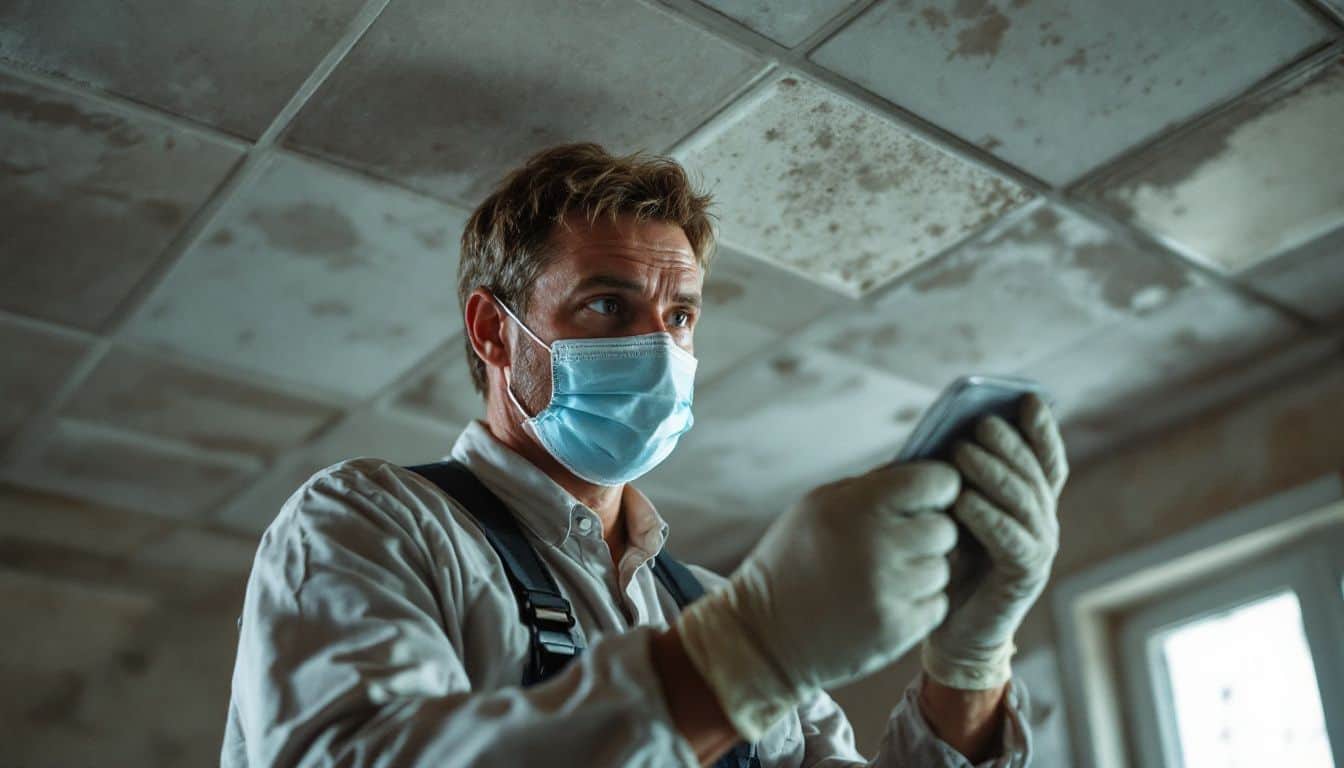
Category: Asbestos Surveying Techniques and Protocols

  • What precautions should be taken during asbestos surveying to ensure safety?

    What precautions should be taken during asbestos surveying to ensure safety?

    Asbestos Surveying: Essential Safety Precautions Every Property Owner and Manager Must Know

    Asbestos surveying is not something you approach casually. The fibres released from disturbed asbestos-containing materials (ACMs) are invisible to the naked eye, odourless, and capable of causing devastating diseases — mesothelioma, asbestosis, and lung cancer among them. Getting the safety precautions right is not optional; it is a legal and moral obligation for anyone commissioning or conducting a survey.

    Whether you manage a commercial property, a school, or a block of flats built before 2000, understanding what responsible asbestos surveying looks like will help you protect workers, occupants, and yourself from serious harm.

    Understanding the Risks Before Asbestos Surveying Begins

    The first step in any safe asbestos surveying process is understanding exactly what you are dealing with. Asbestos was used extensively in UK construction until its full ban in 1999, meaning an enormous number of buildings still contain it today — often in places that are not immediately obvious.

    Common locations for ACMs include:

    • Suspended ceiling tiles and floor tiles
    • Pipe lagging and boiler insulation
    • Textured coatings such as Artex
    • Partition walls and ceiling linings
    • Roof sheets and soffit boards
    • Sprayed coatings on structural steelwork

    Asbestos in good condition and left undisturbed poses a lower immediate risk. The danger escalates sharply when materials are damaged, degraded, or disturbed during maintenance, renovation, or demolition work.

    A thorough survey identifies what is present, where it is, and what condition it is in — so informed decisions can be made about management or removal.

    Why Buildings Built Before 2000 Require Particular Attention

    Any building constructed or significantly refurbished before the year 2000 should be treated as potentially containing asbestos until proven otherwise. This includes properties that appear modern on the surface — cosmetic renovation does not eliminate ACMs hidden within the structure.

    Surveyors conducting a management survey will systematically inspect accessible areas, take samples where ACMs are suspected, and produce a detailed register of findings. This register becomes the foundation of your ongoing asbestos management plan.

    Legal Responsibilities Under UK Asbestos Regulations

    Asbestos surveying in the UK is governed by the Control of Asbestos Regulations, which place clear duties on employers, building owners, and those responsible for non-domestic premises. The Health and Safety Executive (HSE) enforces these regulations and provides detailed technical guidance through HSG264 — the definitive document on asbestos surveys.

    The duty to manage asbestos applies to anyone who has responsibility for the maintenance or repair of non-domestic premises. Failing to comply is not just a regulatory matter — it can result in prosecution, unlimited fines, and imprisonment in serious cases.

    Employer Duties During Asbestos Surveying

    Employers commissioning or overseeing asbestos surveying work must ensure:

    • A suitable risk assessment is completed before any survey work begins
    • Only competent, trained surveyors are appointed — ideally those holding a BOHS P402 qualification or equivalent
    • Workers are not exposed to asbestos fibres above the control limit set by the HSE
    • Appropriate personal protective equipment (PPE) is provided and used correctly
    • An up-to-date asbestos register is maintained and made accessible to anyone who may disturb ACMs

    For higher-risk work — particularly where notifiable non-licensed work or licensed asbestos removal is involved — additional notification requirements apply. Only HSE-licensed contractors can carry out the most hazardous categories of asbestos removal work.

    The Role of HSG264 in Survey Practice

    HSG264 sets out how asbestos surveys should be planned, conducted, and reported. It defines the two main survey types — management surveys and refurbishment and demolition surveys — and specifies the competency standards surveyors must meet.

    Any surveying company worth appointing will work fully in accordance with HSG264. If a provider cannot clearly explain how their methodology aligns with this guidance, treat that as a red flag.

    Personal Protective Equipment: What Surveyors Must Wear

    PPE is the last line of defence against asbestos fibre inhalation, not the first. Engineering controls and safe working methods come first — but PPE remains absolutely essential during asbestos surveying, particularly when samples are being taken.

    Respiratory Protective Equipment

    The correct respirator depends on the level of risk involved. For most sampling work during asbestos surveying, a half-face air-purifying respirator fitted with a P3 filter is the minimum standard. For higher-risk environments, powered air-purifying respirators (PAPRs) with HEPA filtration provide greater protection and are more comfortable for extended use.

    Critically, respirators must be fit-tested before use. A respirator that does not seal properly against the wearer’s face offers dramatically reduced protection. Fit testing is not a one-off exercise — it should be repeated if a surveyor’s facial features change or a different model of respirator is used.

    Protective Clothing

    Disposable coveralls — Type 5 as a minimum — prevent asbestos fibres from contaminating clothing and being carried out of the work area. Surveyors should also wear:

    • Disposable gloves to prevent skin contact with fibres
    • Boot covers or dedicated site footwear
    • Eye protection where there is any risk of fibre splash or dust

    After use, disposable PPE must be carefully removed to avoid shaking fibres into the air, placed into sealed polythene bags, and disposed of as asbestos waste. Reusable items such as PAPRs must be thoroughly decontaminated before being removed from the work area.

    Safe Handling Procedures During Asbestos Surveying

    Even during a survey — before any removal takes place — fibres can be released when samples are taken or when materials are inspected more closely. Following safe handling procedures is essential to protect the surveyor and anyone else in the vicinity.

    Controlling Fibre Release When Taking Samples

    Responsible asbestos surveying minimises fibre release at every stage. Key practices include:

    • Wet sampling: Dampening the material before cutting or breaking reduces the amount of dust generated. A fine water mist applied directly to the sampling point is standard practice.
    • Minimal disturbance: Surveyors take the smallest sample necessary for accurate sample analysis. Larger samples mean more disturbance and more fibre release.
    • Immediate sealing: Samples are placed immediately into sealed, labelled containers to prevent fibre escape during transport to the laboratory.
    • Resealing the sample point: After sampling, the disturbed area is sealed with a suitable sealant or tape to prevent ongoing fibre release.
    • HEPA vacuuming: Any dust or debris around the sample point is cleaned up using a vacuum fitted with a HEPA filter — standard domestic vacuums must never be used, as they recirculate fibres into the air.

    Controlling Access to the Survey Area

    During active sampling, the immediate area should be restricted to the surveyor and any necessary colleagues. Warning signs should be posted, and building occupants should be informed in advance that survey work is taking place and which areas may be temporarily inaccessible.

    For more intrusive survey work — such as a demolition survey that requires access to concealed voids — the area may need to be fully isolated with plastic sheeting and negative pressure units deployed to prevent fibre migration.

    Proper Disposal and Containment of Asbestos Waste

    Asbestos waste generated during surveying — including samples, used PPE, and cleaning materials — is classified as hazardous waste and must be handled accordingly. Improper disposal is a criminal offence.

    The correct procedure involves:

    1. Double-bagging waste in heavy-duty polythene bags with clear asbestos warning labels
    2. Placing double-bagged waste into a rigid, clearly labelled asbestos waste container
    3. Transporting waste only to a licensed waste disposal facility
    4. Maintaining a waste transfer note for all asbestos waste movements
    5. Keeping records of disposal for a minimum of three years

    If your survey identifies materials that require removal rather than management, this work must be carried out by an appropriately licensed contractor. Our asbestos removal service explains what this process involves and what to expect.

    Decontamination Procedures After Asbestos Surveying

    Decontamination is not an afterthought — it is a structured process that prevents fibres from being spread beyond the survey area. Surveyors working in higher-risk environments will use a three-stage airlock decontamination unit, moving from a contaminated zone through a shower stage into a clean area.

    For lower-risk survey work, decontamination still involves:

    • HEPA vacuuming of coveralls before removal
    • Careful removal of disposable PPE to avoid shaking fibres loose
    • Bagging and sealing all used disposables as asbestos waste
    • Wiping down reusable equipment with damp cloths before removal from site
    • Washing hands and face thoroughly after removing PPE

    Equipment — including sampling tools, cases, and torches — must be inspected and cleaned before being taken off site. Any item that cannot be adequately decontaminated should be disposed of as asbestos waste.

    Emergency Procedures: What to Do If Exposure Occurs

    Despite every precaution, unexpected situations can arise during asbestos surveying. Having a clear emergency plan in place before work begins is a regulatory requirement, not an optional extra.

    If an uncontrolled release of asbestos fibres occurs or accidental exposure is suspected:

    1. Evacuate the affected area immediately and prevent re-entry
    2. Notify the responsible supervisor or safety officer without delay
    3. Isolate the area with appropriate barriers and warning signage
    4. Decontaminate all personnel who may have been exposed
    5. Seek medical advice — even if no immediate symptoms are present
    6. Report the incident under the Reporting of Injuries, Diseases and Dangerous Occurrences Regulations (RIDDOR) if applicable
    7. Document the incident fully and review working procedures to prevent recurrence

    Asbestos-related diseases have a long latency period, meaning symptoms may not appear for decades after exposure. This is precisely why prompt medical reporting matters — it creates a record that may be critical for the individual’s future health monitoring.

    Choosing the Right Asbestos Surveying Company

    Not all surveying companies offer the same level of competence, accreditation, or diligence. When selecting a provider, look for:

    • UKAS accreditation for asbestos surveying and bulk sample analysis
    • Surveyors holding recognised qualifications such as BOHS P402
    • Clear evidence of compliance with HSG264 in their survey reports
    • Transparent methodology and willingness to explain their approach
    • A detailed, properly formatted asbestos register as a deliverable

    Location matters too. If you need an asbestos survey London and the surrounding areas, Supernova Asbestos Surveys provides fully accredited surveying with rapid turnaround. For clients in the North West, our asbestos survey Manchester team operates across the entire region. And for those in the Midlands, our asbestos survey Birmingham service covers commercial and residential properties throughout the area.

    With over 50,000 surveys completed nationwide, Supernova Asbestos Surveys brings the experience and accreditation that responsible asbestos surveying demands. To book a survey or discuss your requirements, call us on 020 4586 0680 or visit asbestos-surveys.org.uk.

    Frequently Asked Questions

    What qualifications should an asbestos surveyor hold?

    Asbestos surveyors should hold a recognised qualification such as the BOHS P402 certificate for buildings surveys and bulk sampling. The surveying company itself should also hold UKAS accreditation for asbestos surveying activities. These credentials confirm that surveyors have been trained and assessed to the standard required by HSG264 and the Control of Asbestos Regulations.

    How do surveyors prevent asbestos fibres from spreading during a survey?

    Responsible asbestos surveying uses a combination of controls to minimise fibre release. These include wet sampling techniques, taking the smallest sample necessary, immediately sealing sample points with sealant or tape, using HEPA-filtered vacuums to clean up any debris, and restricting access to the survey area during sampling. For more intrusive work, physical containment with plastic sheeting and negative pressure units may also be required.

    Is asbestos surveying legally required for all buildings?

    The duty to manage asbestos under the Control of Asbestos Regulations applies to non-domestic premises. Duty holders — those responsible for the maintenance or repair of such buildings — are legally required to identify whether ACMs are present, assess their condition, and manage the risk accordingly. For domestic properties, the legal requirements differ, but a survey is still strongly advisable before any refurbishment or demolition work.

    What happens if asbestos is found during a survey?

    Finding asbestos during a survey does not automatically mean it needs to be removed. The surveyor will assess the condition and risk level of each ACM. Materials in good condition and unlikely to be disturbed may be managed in place, with their location and condition recorded in an asbestos register. Where materials are damaged, deteriorating, or in an area scheduled for refurbishment, removal by a licensed contractor will typically be recommended.

    How long does an asbestos survey take?

    The duration depends on the size and complexity of the building. A management survey for a small commercial unit may be completed in a few hours, while a large industrial site or multi-storey building could take several days. A refurbishment or demolition survey, which requires more intrusive access to concealed areas, will generally take longer than a standard management survey. Your surveying company should be able to give you a realistic timeframe before work begins.
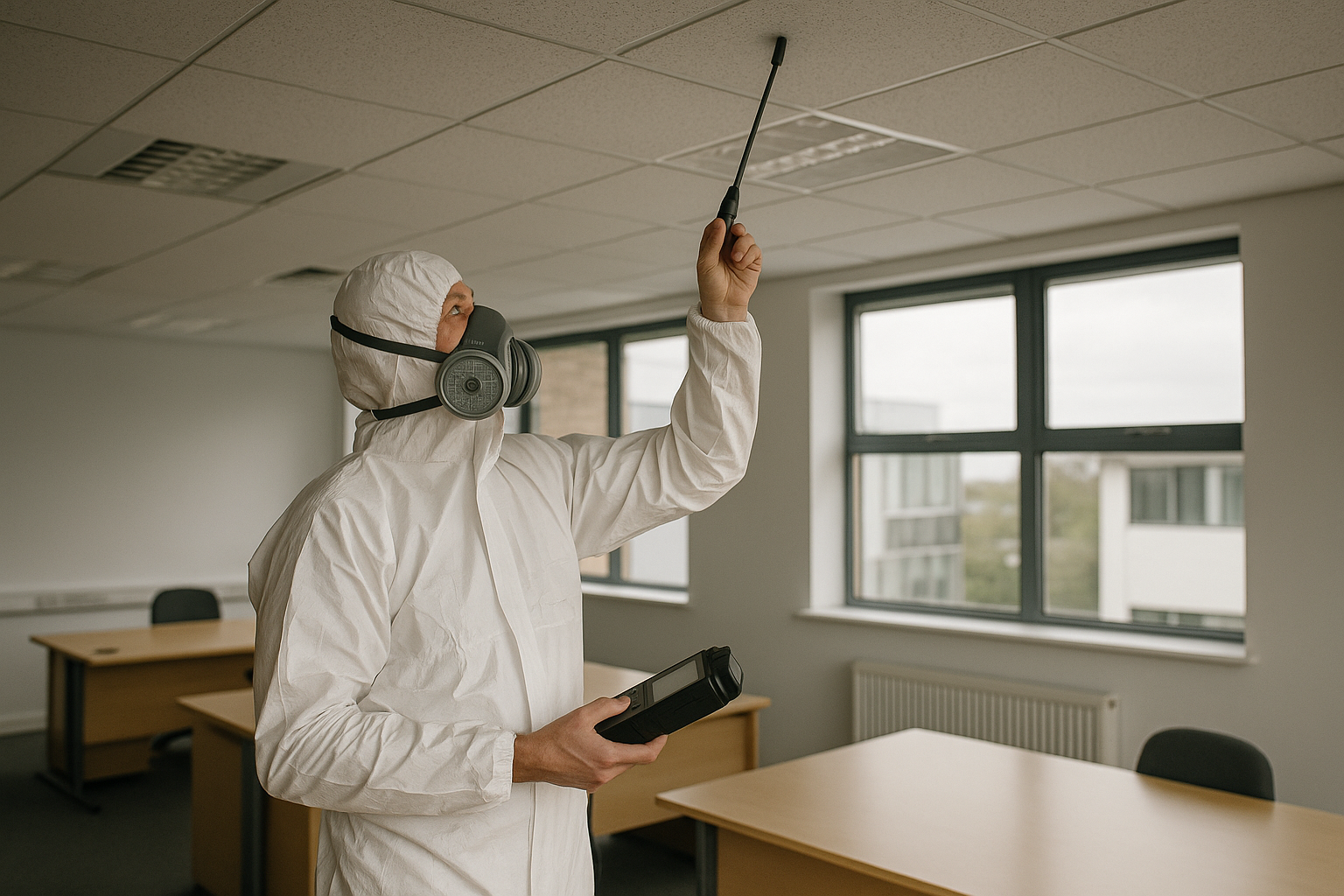
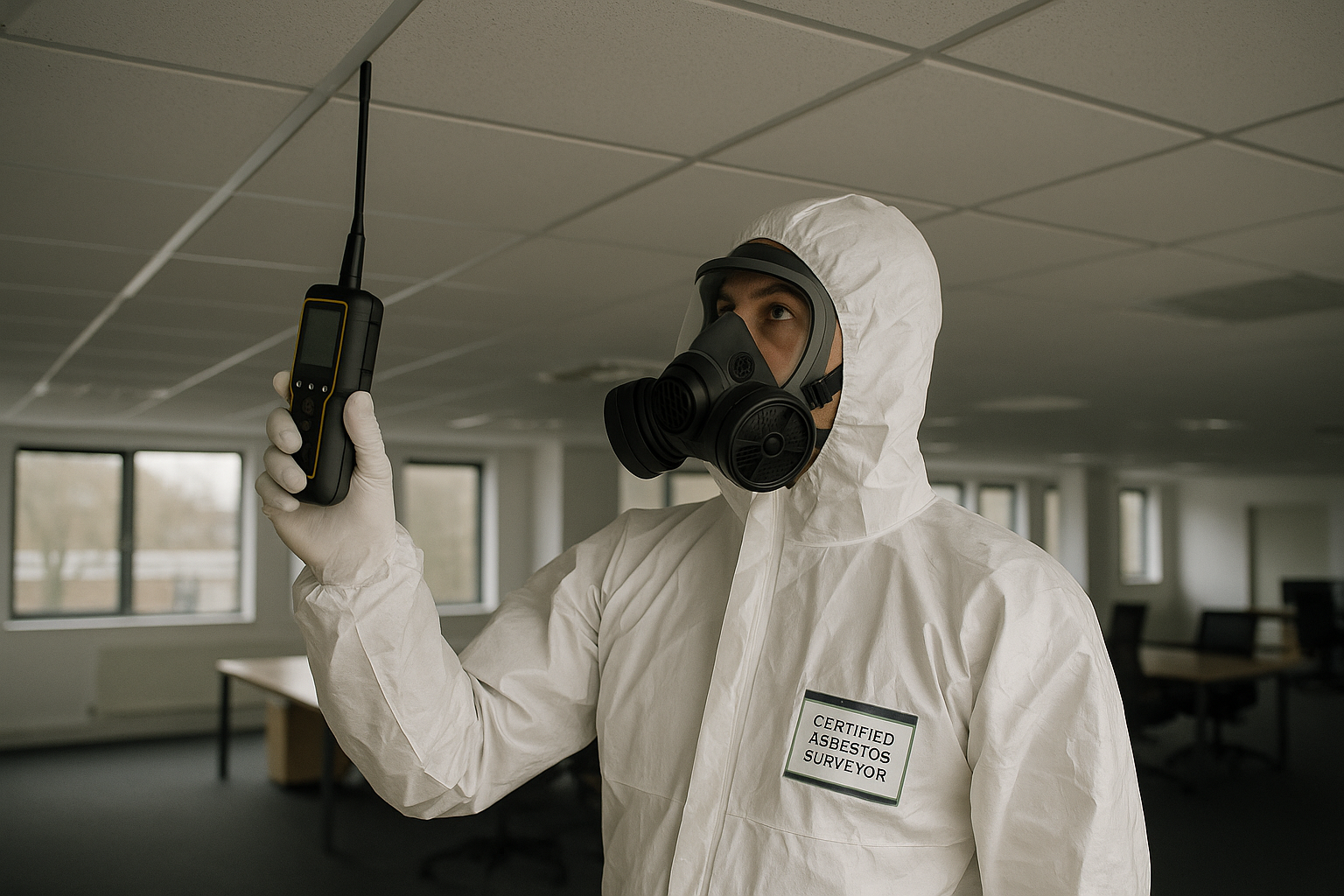
  • What factors determine the frequency of asbestos surveys in the UK?

    What factors determine the frequency of asbestos surveys in the UK?

    How Often Does Your Building Really Need an Asbestos Survey?

    Getting asbestos survey frequency wrong puts you in a difficult position from two directions at once: legal exposure and genuine safety risk. If you manage a non-domestic property, the question is never whether your asbestos information needs reviewing — it is how often your specific building needs that review to stay accurate, usable and compliant.

    There is no universal timetable that works for every premises. The right asbestos survey frequency depends on the type of survey you have, the condition of any asbestos-containing materials, how the building is used, and whether anything has changed since the last inspection.

    What Asbestos Survey Frequency Actually Means

    When people talk about asbestos survey frequency, they are often referring to different things. Some mean how often an asbestos register should be reviewed. Others mean how often a building needs re-inspection. Others are asking whether they need a fresh survey before planned works begin.

    That distinction matters enormously. Under the Control of Asbestos Regulations, duty holders for non-domestic premises must manage asbestos risk properly. HSE guidance and HSG264 make clear that survey information must be suitable, sufficient and kept up to date — meaning it should reflect what is actually on site now, not what was recorded years ago.

    In practical terms, this means:

    • A management survey is used to manage asbestos risk during normal occupation and routine maintenance
    • Known or presumed asbestos-containing materials should be re-inspected at suitable intervals
    • Refurbishment or demolition work requires a more intrusive survey before work begins
    • The asbestos register and management plan must reflect current site conditions

    For many properties, a re-inspection every six to twelve months is a sensible starting point. But that is a baseline, not a fixed rule that applies equally to every building.

    Legal Duties That Shape Asbestos Survey Frequency

    If you are the duty holder — whether that is a landlord, managing agent, employer or person with repair obligations — you need to know where asbestos is, what condition it is in, and how exposure will be prevented. That duty sits within the Control of Asbestos Regulations and is supported by HSE guidance on managing asbestos in premises.

    Your legal responsibility is ongoing. It does not end once an initial survey has been completed.

    What the law expects from duty holders

    You must take reasonable steps to find out whether asbestos is present. Where it is, or where it is presumed to be present, you must assess the risk and put a management plan in place. You also need to make sure that anyone liable to disturb asbestos has access to the right information before they start work.

    That includes contractors, maintenance teams, electricians, telecoms engineers and anyone carrying out installation or repair work on the premises.

    Why survey information must be reviewed regularly

    An asbestos survey is not a document to file away and forget. Buildings change over time. Materials deteriorate. Tenants alter layouts. Maintenance teams drill into walls and ceilings. Water ingress, vibration and accidental impact can all affect asbestos-containing materials in ways that are not immediately obvious.

    If the information in your asbestos register is out of date, that register may no longer be reliable enough to protect workers. That is precisely why asbestos survey frequency is so closely tied to ongoing risk assessment and active site management.

    How Often Should Asbestos Surveys Be Carried Out?

    Different surveys have different triggers. A regular re-inspection cycle typically applies to management survey findings, while refurbishment and demolition surveys are carried out when specific planned works demand them.

    Management survey re-inspection frequency

    A management survey locates, as far as reasonably practicable, the presence and extent of asbestos-containing materials that could be disturbed during normal occupancy, including foreseeable maintenance. Where asbestos has been identified or presumed, those materials should be re-inspected at intervals that reflect the actual risk on site.

    In many premises, that means every six to twelve months. You may need the shorter end of that range if:

    • Materials are damaged or showing signs of deterioration
    • The area is busy or easily accessible to staff and contractors
    • Maintenance activity is frequent
    • Occupants are likely to disturb surfaces, panels or ceiling voids
    • There is a history of leaks, vibration or accidental damage

    You may be able to justify the longer end of that range if:

    • Materials are in good condition and properly encapsulated
    • They are located in low-access areas
    • Building use has been stable
    • The management plan is working effectively with no incidents

    Even in those circumstances, regular review is still required. Letting the register go stale is where problems — and liability — begin to accumulate.

    Refurbishment survey frequency

    A refurbishment survey is not scheduled on a rolling calendar. It is required before any refurbishment work that could disturb the fabric of the building — whether that is upgrading a kitchen, replacing ceilings, rewiring, moving partitions, installing HVAC systems or opening up service risers.

    The trigger is the planned work itself, not the date of the last management survey. A management survey does not authorise refurbishment activity. If works are planned, the correct survey must be in place before anyone starts.

    Demolition survey frequency

    A demolition survey is required before a building, or part of it, is demolished. This is a fully intrusive survey designed to locate all asbestos-containing materials so they can be removed or appropriately managed before demolition proceeds.

    Again, this is not about routine asbestos survey frequency. It is about ensuring the right survey type is in place for the specific planned activity.

    The Main Factors That Determine Asbestos Survey Frequency

    No two properties carry exactly the same asbestos risk profile. The right review interval depends on real conditions on site, not a generic rule borrowed from another building. Here are the factors that should genuinely drive your decision.

    1. Age of the building

    If a non-domestic building was constructed before asbestos use was fully prohibited in UK construction, asbestos should be treated as a possibility unless there is strong evidence to the contrary. Older premises are more likely to contain asbestos insulation board, textured coatings, floor tiles, pipe insulation, cement products and other asbestos-containing materials.

    If the site has had decades of alterations, patch repairs and undocumented works, survey information may need more frequent review to stay reliable.

    2. Type of premises

    Different buildings create very different levels of disturbance risk. A quiet storage unit with limited access is not the same as a school, hospital, office block, retail unit or industrial site. Higher-risk property types often need closer monitoring because more people interact with the building fabric on a daily basis.

    This can include:

    • Schools and colleges
    • Hospitals and healthcare settings
    • Care homes
    • Busy offices and commercial premises
    • Factories and workshops
    • Communal areas in large residential blocks

    Where occupancy is high and contractor activity is frequent, accidental disturbance becomes more likely — and that pushes asbestos survey frequency towards more regular re-inspection.

    3. Condition of asbestos-containing materials

    The physical condition of the material is one of the most significant factors in deciding how often it should be checked. Intact, sealed asbestos that is unlikely to be disturbed can often be managed in place with less frequent review. Damaged, friable or exposed material demands much tighter control and shorter re-inspection intervals.

    Watch for signs such as:

    • Cracking or flaking surfaces
    • Water damage or staining
    • Surface abrasion or scuffing
    • Broken edges or missing sections
    • Debris nearby that suggests disturbance
    • Deterioration around fixings, hatches or access panels

    If any of these are present, waiting a full year for the next review is likely too long.

    4. Accessibility and likelihood of disturbance

    Asbestos behind a sealed riser panel in a locked plant room presents a fundamentally different risk from asbestos insulating board in a corridor cupboard accessed every week by maintenance staff. The easier it is to reach, the more likely it is to be disturbed.

    Areas that deserve particular attention include maintenance cupboards, service ducts, ceiling voids, boiler rooms, storerooms, loading areas and back-of-house spaces where contractors routinely work.

    5. Changes in building use

    A building can become significantly riskier without any change to the asbestos itself. If a low-traffic area becomes a workshop, classroom or office, the chance of disturbance increases considerably. Changes in tenant fit-out, staffing levels, equipment use or access arrangements can all affect the appropriate asbestos survey frequency for a site.

    Your review cycle must keep pace with how the premises is actually being used, not how it was used when the last survey was carried out.

    6. Planned maintenance or refurbishment

    Routine maintenance can expose hidden asbestos just as easily as larger building works. Replacing lighting, installing data cabling, upgrading fire suppression systems or carrying out plumbing works may all disturb asbestos-containing materials if the right information is not in place beforehand.

    If works are planned, review the existing survey before anyone starts. If the survey is not specific enough for the area and scope of work, commission the correct survey type rather than relying on assumptions or incomplete records.

    When a Fresh Asbestos Survey Is Needed Immediately

    Sometimes the issue is not about normal asbestos survey frequency at all. It is that the existing survey is no longer reliable, and a fresh inspection is needed without delay.

    After damage or accidental disturbance

    If asbestos-containing materials are knocked, drilled, broken, scraped or exposed by water ingress, work in the area should stop immediately. The area may need to be isolated, assessed and potentially sampled before it can be used safely again.

    Where material identity is uncertain, arranging sample analysis can confirm whether asbestos is present and help determine the appropriate next step. Do not make assumptions about materials that have not been tested.

    When unrecorded materials are discovered

    If contractors uncover suspect materials that are not listed in the asbestos register, treat that as a significant warning sign. It may mean earlier survey information was limited in scope, certain areas were inaccessible at the time of the original survey, or changes have been made to the building fabric since the last inspection.

    Do not carry on with work based on an incomplete register. Update the survey information first.

    After significant alterations to the building

    Structural changes, major fit-outs, partition moves, service upgrades and layout changes can all affect the accuracy of previous survey findings. Areas that were once inaccessible may now be open, and previously surveyed areas may have been altered or enclosed. Once the building fabric changes, review whether the existing asbestos information still accurately reflects the site.

    How to Set the Right Asbestos Survey Frequency for Your Building

    The safest approach is to base your schedule on a documented risk review rather than guesswork or habit. If you manage multiple sites, apply a consistent decision-making process across the portfolio so nothing slips through the gaps.

    A practical review framework

    1. Check the type of survey you have. Confirm whether it is a management survey, refurbishment survey or demolition survey, and that it is appropriate for the current situation.
    2. Review the asbestos register. Look at all known or presumed asbestos-containing materials and note their condition, extent and accessibility.
    3. Assess building use. Consider occupancy levels, contractor activity, maintenance frequency and any particularly vulnerable areas.
    4. Record recent changes. Include leaks, damage, tenant works, service upgrades and layout changes since the last inspection.
    5. Set a re-inspection interval. For most sites this will be six to twelve months — but the timing should be justified based on the actual risk, not chosen arbitrarily.
    6. Update the management plan. Make sure staff, maintenance teams and contractors can access the latest information before they start any work.

    If you cannot confidently answer each of those points, bring in a qualified asbestos surveyor to review the site and your existing documentation.

    Common mistakes to avoid

    • Assuming one survey lasts forever regardless of what changes on site
    • Using a management survey to authorise refurbishment or demolition work
    • Forgetting to update the register after damage, removal or new discoveries
    • Setting the same review interval for every property in a portfolio regardless of individual risk
    • Failing to share asbestos information with contractors before work starts

    Keeping Your Asbestos Register and Management Plan Current

    Your asbestos register should function as a live working document — not an archive. It should show what was found, where it is located, what condition it is in, and what action is required to prevent disturbance. The management plan should then explain how that information is being controlled day to day.

    That includes decisions about labelling, signage, access restrictions, contractor briefings and re-inspection scheduling. A plan that sits in a drawer is not a plan that is working.

    Duty holders who manage properties in major urban centres should also be aware that local building stock, construction eras and property types can influence risk profiles significantly. Whether you are managing premises requiring an asbestos survey in London, overseeing commercial buildings that need an asbestos survey in Manchester, or handling a portfolio that includes properties requiring an asbestos survey in Birmingham, the same principles of regular, risk-based review apply — but the specific conditions on each site will shape the right frequency.

    Frequently Asked Questions

    How often should an asbestos management survey be repeated?

    There is no single fixed interval required by law, but HSE guidance indicates that known or presumed asbestos-containing materials should be re-inspected at suitable intervals. For most non-domestic premises, that means every six to twelve months. The appropriate frequency depends on the condition of the materials, how the building is used, and how much maintenance or contractor activity takes place on site.

    Does an asbestos survey expire?

    A survey does not have a formal expiry date, but the information it contains can become unreliable over time. If the building has changed, materials have deteriorated, or works have been carried out since the last survey, the existing information may no longer be sufficient. Duty holders should treat their asbestos register as a document that requires active maintenance, not a one-off exercise.

    Do I need a new asbestos survey before refurbishment work?

    Yes, in most cases. A management survey is not sufficient to authorise refurbishment work that will disturb the building fabric. A refurbishment survey is required before work begins in any area where asbestos-containing materials may be present or disturbed. This applies whether you are replacing ceilings, rewiring, moving partitions or carrying out any other work that involves breaking into the building structure.

    What triggers the need for an immediate asbestos inspection?

    Several situations require prompt action outside of your normal re-inspection schedule. These include accidental damage to suspected asbestos-containing materials, discovery of materials not recorded in the existing register, significant changes to the building layout or fabric, and any incident where asbestos disturbance is suspected. In these cases, do not wait for the next scheduled review — seek competent advice straight away.

    Who is responsible for managing asbestos survey frequency in a commercial building?

    The duty holder is responsible. This is typically the building owner, employer, landlord or managing agent — whoever has control over maintenance and repair of the premises. In some buildings, duty may be shared between parties, which means clear agreements about who is responsible for commissioning surveys, maintaining the register and briefing contractors are essential.

    Talk to Supernova Asbestos Surveys

    Supernova Asbestos Surveys has completed over 50,000 surveys across the UK, working with property managers, landlords, facilities teams and contractors who need accurate, reliable asbestos information they can act on. Whether you need a management survey, refurbishment survey, demolition survey or sample analysis, our qualified surveyors can assess your site and advise on the right review schedule for your specific circumstances.

    Call us on 020 4586 0680 or visit asbestos-surveys.org.uk to book a survey or discuss your requirements with our team.

  • What are the differences between a visual inspection and a comprehensive asbestos survey?

    What are the differences between a visual inspection and a comprehensive asbestos survey?

    A quick walk-round can spot obvious damage, but a proper asbestos inspection does far more than glance at ceilings and pipework. If you manage a building constructed before 2000, the difference between a simple visual check and the right level of survey can affect compliance, project timelines and, most importantly, people’s safety.

    Under the Control of Asbestos Regulations, dutyholders must take reasonable steps to find asbestos-containing materials, assess their condition and manage the risk. That means choosing an asbestos inspection that matches the building’s use and any planned work, rather than relying on assumptions or outdated records.

    Why the Right Asbestos Inspection Matters

    Asbestos is still present in a significant number of UK properties, particularly commercial, public and residential buildings constructed before the ban on its use. It can be found in obvious places such as garage roofs and ceiling tiles, but also in hidden areas like risers, voids, floor layers and behind wall linings.

    The point of an asbestos inspection is not simply to confirm whether asbestos exists somewhere in the building. It is there to identify or presume asbestos-containing materials, record where they are, assess their condition and support safe decisions about management, maintenance, refurbishment or demolition.

    Choose the wrong inspection and problems follow quickly:

    • Hidden asbestos may be missed entirely
    • Contractors may start work without the right information
    • Projects can halt when suspect materials are uncovered mid-job
    • Your asbestos register may be incomplete or unreliable
    • You may fall short of your duties under HSE guidance

    For property managers, facilities teams and landlords, the practical rule is straightforward: match the asbestos inspection to what will actually happen in the building.

    When an Asbestos Inspection Is Required

    There are two main situations where an asbestos inspection is usually needed. The first is for day-to-day occupation and routine maintenance. The second is before any work that will disturb the building fabric.

    That distinction matters because the scope changes completely. A non-intrusive inspection for normal occupation is not the same as an intrusive survey before strip-out works.

    Typical triggers for an asbestos inspection include:

    • You have taken responsibility for a building with no reliable asbestos records
    • Your existing asbestos information is out of date
    • Contractors are due to carry out maintenance that may disturb suspect materials
    • You are planning a fit-out, refurbishment or structural alteration
    • All or part of the property is due for demolition
    • Known asbestos-containing materials remain in place and need reviewing

    If you are unsure what level of asbestos inspection is appropriate, get the planned works reviewed before booking anything. Paying for the wrong survey often costs more in delays, repeat visits and emergency sampling later.

    Types of Asbestos Inspection and When to Use Each One

    The term asbestos inspection is often used loosely, but in practice there are several distinct survey types. Each has a different purpose, level of intrusion and output. Understanding which applies to your situation is the first practical step.

    Management Survey

    A management survey is the standard asbestos inspection for occupied premises during normal use. Its purpose is to locate, as far as reasonably practicable, the presence and extent of suspect asbestos-containing materials that could be damaged or disturbed during everyday occupation, including foreseeable maintenance.

    This survey is usually non-intrusive or only lightly intrusive. The surveyor inspects accessible areas and may take samples where needed, but does not generally carry out destructive access into the building fabric.

    A management survey is typically suitable where:

    • The building is occupied and in active use
    • You need an asbestos register for ongoing management
    • Only routine maintenance is planned
    • There is no major opening up of floors, walls or ceilings

    Refurbishment Survey

    If planned works will disturb walls, ceilings, floors, service ducts or other concealed areas, a management survey is not sufficient. You will usually need a refurbishment survey for the specific area affected by the works.

    This type of asbestos inspection is intrusive. It is designed to find asbestos that could be disturbed during refurbishment, fit-out, structural alteration or strip-out. Because the survey itself can disturb asbestos-containing materials, it is normally carried out in vacant areas or under controlled conditions.

    Use a refurbishment survey when:

    • You are replacing kitchens, bathrooms or ceilings
    • You are altering layouts or removing partitions
    • You are upgrading services, heating systems or electrical installations
    • Contractors will access hidden voids or enclosed risers

    Demolition Survey

    Where a building, or part of it, is due to be pulled down or heavily stripped back, a demolition survey is needed. This is the most intrusive form of asbestos inspection.

    Its purpose is to locate and identify, as far as reasonably practicable, all asbestos-containing materials in the areas due for demolition. That can involve opening up floors, walls, ceilings, boxing, plant spaces and service risers.

    A demolition survey is appropriate when:

    • A whole structure is being demolished
    • A major extension requires removal of existing sections
    • Substantial strip-out is planned before redevelopment
    • The works will expose hidden construction layers throughout the building

    Re-Inspection Survey

    Where asbestos-containing materials remain in place, they need periodic review. A re-inspection survey checks known or presumed materials to confirm whether their condition has changed and whether management actions are still suitable.

    This type of asbestos inspection supports ongoing compliance. It helps keep the asbestos register current and flags deterioration before it becomes a more serious problem.

    What an Asbestos Inspection Actually Looks For

    A proper asbestos inspection is about more than spotting obvious insulation boards. Surveyors look for materials that may contain asbestos, assess how likely they are to release fibres if disturbed, and record enough detail for the findings to be used in practice.

    Common asbestos-containing materials include:

    • Pipe lagging and thermal insulation
    • Asbestos insulating board in ceilings, partitions and service risers
    • Textured coatings on walls and ceilings
    • Vinyl floor tiles and bitumen adhesive
    • Cement sheets, soffits, gutters and roof panels
    • Sprayed coatings on structural elements
    • Bath panels, toilet cisterns and moulded products
    • Gaskets, rope seals and boiler insulation

    Not every asbestos-containing material presents the same level of risk at the time of inspection. The product type, its condition, surface treatment, accessibility and likelihood of disturbance all matter.

    A damaged insulation board in a service cupboard is a different risk from an intact cement sheet on an outbuilding. That is why an asbestos inspection must always be tied to how the premises are used and what work is planned next.

    Visual Inspection Versus a Full Asbestos Survey

    This is where confusion often starts. People use the phrase visual inspection to describe anything from a quick maintenance walk-round to part of a formal survey. In reality, a simple visual check on its own is rarely enough for compliance or project planning.

    What a Visual Inspection Can Do

    A visual inspection may help identify obvious damage to known asbestos-containing materials. It can also be useful as part of routine monitoring where asbestos has already been formally identified and recorded.

    For example, a facilities manager might visually check whether labelled insulation board in a plant room has been knocked, drilled or exposed since the last formal review. That has value, but only because the prior survey work was already done.

    What a Visual Inspection Cannot Do

    A visual inspection cannot reliably confirm whether a material contains asbestos. It cannot see behind fixed panels, inside risers, above sealed ceilings or beneath floor finishes.

    It also does not provide the structured scope, sampling strategy and reporting standards expected under HSE guidance for formal asbestos surveying. If you need evidence for compliance, contractor information or planned works, a proper asbestos inspection is the right route.

    Why Surveys Follow HSG264

    HSG264 sets out the survey standard used across the industry. It explains survey types, planning requirements, sampling, limitations and reporting expectations. A competent asbestos inspection should align with this guidance so the findings are clear, usable and defensible.

    For property managers, the practical takeaway is clear: do not treat a casual visual look as a substitute for a survey. The two serve different purposes and carry very different weight when compliance is tested.

    Sampling and Analysis During an Asbestos Inspection

    Some materials can be strongly suspected by appearance and location, but visual identification alone is not always reliable. Many asbestos-containing products look similar to non-asbestos alternatives, particularly older floor tiles, textured coatings and cement products.

    During an asbestos inspection, the surveyor may take controlled samples from suspect materials where it is safe and appropriate to do so. These samples are then analysed by a UKAS-accredited laboratory, and the results are matched to the exact material and location in the report.

    How Sampling Is Usually Handled

    1. The surveyor identifies a suspect material
    2. The risk of taking a sample is assessed
    3. A small sample is taken using controlled techniques
    4. The sample is sealed, labelled and logged
    5. Laboratory analysis confirms whether asbestos is present
    6. The result is added to the survey report and asbestos register

    If you only need to check a single suspect item, professional asbestos testing can be a practical option. Some clients also use an asbestos testing kit where a limited sample submission is suitable for a one-off identification need.

    A testing kit can help with isolated queries, but it does not replace an asbestos inspection where dutyholder responsibilities or refurbishment plans are involved. A lab result on its own does not give you material assessments, location plans, access notes or management recommendations.

    This page on asbestos testing explains when standalone testing may be useful and when a full survey is the more appropriate choice.

    Planning an Asbestos Inspection Properly

    The best asbestos inspection starts before the surveyor arrives. Poor planning leads to missed rooms, unclear scope and reports that do not answer the question you actually needed resolved.

    What to Prepare in Advance

    • Existing asbestos reports and registers
    • Site plans and room lists
    • Refurbishment drawings or work specifications
    • Details of previous asbestos removal or encapsulation
    • Access arrangements for roof voids, risers, plant rooms and basements
    • Occupancy information and any operational restrictions

    For intrusive work, isolate the survey area where possible. Make sure the survey brief clearly states every room, corridor, void, outbuilding or service area that the project will affect. Gaps at this stage often become expensive surprises once work begins.

    Questions to Ask Before Booking

    • What type of asbestos inspection do we actually need?
    • Will the survey be intrusive?
    • Which areas are included and which are excluded?
    • How will inaccessible areas be recorded?
    • Will samples be taken and analysed on-site or sent to a laboratory?
    • When will the report be issued and in what format?

    If you manage sites in the capital, arranging an asbestos survey London service with clear local access planning can save time and prevent scope gaps. The same principle applies across any regional portfolio.

    Why Surveyor Competence Matters

    An asbestos inspection is only as reliable as the person carrying it out. HSE guidance makes it clear that asbestos surveyors must be competent. That means training, practical experience, knowledge of building construction, understanding of asbestos product types and the ability to produce accurate, actionable reports.

    Choosing on price alone is a false economy. A cheap inspection that misses hidden asbestos, records locations poorly or gives vague recommendations can leave you with a much bigger problem when works begin or when a regulatory inspection takes place.

    What Competence Should Look Like

    • Relevant qualifications and demonstrable experience in asbestos surveying
    • Knowledge of different building types, construction methods and material locations
    • Clear, structured reports that identify materials, locations, condition and risk
    • Sampling carried out to the correct standard with UKAS-accredited laboratory analysis
    • Willingness to explain scope limitations and inaccessible areas clearly

    The survey report should be something you can hand to a contractor, a solicitor or an HSE inspector with confidence. If it would not stand up to scrutiny, it is not doing its job.

    What Happens After the Asbestos Inspection

    The inspection itself is not the end of the process. The findings need to be acted on in a way that is proportionate to the risk identified.

    For management surveys, the output typically feeds into an asbestos management plan. This records what materials are present, their condition, who is responsible for monitoring them and what action is needed. The plan should be reviewed regularly and updated after any work that affects the building fabric.

    For refurbishment and demolition surveys, the findings go directly to the contractor and principal designer so that the works can be planned safely. Where asbestos-containing materials need to be removed before works proceed, licensed asbestos removal will be required for certain material types.

    Not all asbestos has to be removed. Many materials in good condition and low-risk locations are better managed in place than disturbed unnecessarily. The survey findings and the material risk assessment together inform that decision.

    Keeping records up to date matters too. An asbestos register that was accurate five years ago may not reflect the current state of the building. Periodic re-inspection surveys ensure the information remains current and that any changes in condition are captured before they become a hazard.

    Frequently Asked Questions

    What is the difference between a visual inspection and an asbestos inspection?

    A visual inspection is an informal check of visible surfaces and known materials. It can help monitor the condition of already-identified asbestos but cannot confirm whether a material contains asbestos or identify hidden materials. A formal asbestos inspection follows HSG264 guidance, involves a structured scope, may include sampling and laboratory analysis, and produces a report suitable for compliance and contractor use.

    Do I need an asbestos inspection before refurbishment work?

    Yes. If refurbishment work will disturb the building fabric — including walls, ceilings, floors or service areas — a refurbishment survey is required for the affected zones before work begins. A management survey alone is not sufficient for intrusive works. Starting without the right survey puts workers at risk and may breach your duties under the Control of Asbestos Regulations.

    How often should an asbestos inspection be carried out?

    There is no single fixed interval that applies to every building. Where asbestos-containing materials are managed in place, a re-inspection survey is typically carried out annually, though the frequency should reflect the condition of materials, the level of activity in the building and any changes to use or occupancy. Your asbestos management plan should specify the review schedule.

    Can I use an asbestos testing kit instead of a full survey?

    A testing kit can be useful for identifying whether a single suspect material contains asbestos, but it does not replace a formal asbestos inspection. It provides a laboratory result for one sample only — it does not give you material condition assessments, location records, risk ratings or management recommendations. Where dutyholder responsibilities apply or works are planned, a proper survey is needed.

    Who can carry out an asbestos inspection?

    Asbestos inspections must be carried out by a competent surveyor with the appropriate training, qualifications and practical experience. HSE guidance sets out what competence means in this context. Many clients choose surveyors who hold relevant BOHS qualifications and work within a quality management framework. Checking the surveyor’s credentials before booking is a straightforward step that protects both safety and compliance.


    Supernova Asbestos Surveys has completed over 50,000 surveys across the UK. Whether you need a management survey for an occupied building, a refurbishment or demolition survey ahead of planned works, or a re-inspection to keep your register current, our surveyors are ready to help. Call us on 020 4586 0680 or visit asbestos-surveys.org.uk to discuss your requirements and book your asbestos inspection.

  • Can asbestos surveys be conducted remotely or do they require physical presence?

    Can asbestos surveys be conducted remotely or do they require physical presence?

    Asbestos QR Tagging: The Smarter Way to Manage ACMs in Your Building

    If you manage a commercial or residential property built before 2000, keeping on top of asbestos-containing materials (ACMs) is a legal duty — not a choice. Knowing where asbestos is located is only half the battle. The other half is making sure that information reaches the right person, at the right time, before they start work — and that is exactly where asbestos QR tagging comes in.

    QR tagging is transforming the way duty holders, contractors, and surveyors interact with asbestos management data. Instead of hunting through paper registers or waiting for a surveyor to email a PDF, a quick scan with a smartphone delivers everything needed in seconds.

    What Is Asbestos QR Tagging?

    Asbestos QR tagging is the process of attaching a unique QR (Quick Response) code label directly to, or immediately adjacent to, a known or suspected asbestos-containing material. Each code is linked to a digital record containing the full survey data for that specific ACM.

    Scan the code with any smartphone camera and you instantly access:

    • The type of asbestos identified (e.g. chrysotile, amosite, crocidolite)
    • The exact location and extent of the material
    • Its current condition and risk rating
    • Recommended management actions
    • The date of the last inspection
    • Any remedial or removal work carried out

    This information is drawn directly from the asbestos register — the legal document that every non-domestic building must maintain under the Control of Asbestos Regulations.

    Why Traditional Asbestos Registers Are No Longer Enough

    Paper-based asbestos registers have served the industry for decades, but they carry a fundamental weakness: they are only useful if people can find them and read them at the right moment.

    Consider a maintenance engineer arriving to fix a leaking pipe in a ceiling void. The asbestos register is stored in the facilities manager’s office on the third floor — or worse, in a filing cabinet at the managing agent’s premises across town. The engineer either delays the job, proceeds without the information, or makes a phone call that may or may not be answered.

    Any of those outcomes is unacceptable from a health and safety perspective. The Control of Asbestos Regulations places a clear duty on those responsible for non-domestic premises to ensure that information about ACMs is made available to anyone who is liable to disturb them. Asbestos QR tagging fulfils that duty in the most practical way possible.

    The Problem With Relying on Paperwork Alone

    Paper registers can be misfiled, lost, or simply not updated after reinspections. They offer no way of knowing whether the person who needed the information actually received it.

    There is no audit trail, no timestamped access record, and no mechanism to flag when data is out of date. Digital asbestos management systems linked to QR tags solve all of these problems simultaneously.

    How Asbestos QR Tagging Works in Practice

    The process begins with a physical asbestos survey — either a management survey for occupied premises or a demolition survey ahead of major refurbishment or demolition work. There is no substitute for a qualified, UKAS-accredited surveyor physically inspecting the building, collecting samples, and recording findings.

    Once the survey is complete and ACMs have been identified, the tagging process follows these steps:

    1. Each ACM is assigned a unique identifier within the digital asbestos management system.
    2. A QR code label is generated for that identifier and printed on durable, tamper-evident material suited to the environment — whether that is a damp plant room, a high-traffic corridor, or an external roofline.
    3. The label is affixed as close as safely possible to the ACM — on the surface itself, on adjacent pipework, or on a nearby wall or door frame where direct labelling is not appropriate.
    4. The digital record is populated with all survey data, photographs, laboratory results, and risk assessments.
    5. Access permissions are configured so that contractors, facilities teams, and duty holders can all view the relevant level of detail.

    From that point on, anyone with a smartphone can scan the tag and immediately understand what they are dealing with before lifting a tile, drilling a wall, or cutting into a ceiling.

    What Happens When ACMs Are Re-inspected?

    One of the most powerful aspects of asbestos QR tagging is that the digital record is live. When a surveyor carries out a periodic reinspection — as required under an asbestos management plan — the updated condition data is added to the same record.

    The QR code on the wall never needs replacing; the information it points to simply gets updated. This means the register is always current, and there is never a situation where an engineer is working from outdated information.

    The Legal Case for Asbestos QR Tagging

    Under the Control of Asbestos Regulations, the duty holder for non-domestic premises must manage the risk from ACMs. This includes assessing the condition of asbestos, keeping an up-to-date written record of its location and condition, and ensuring that the record is made available to anyone who may disturb it.

    HSE guidance in HSG264 reinforces this, making clear that the asbestos register should be readily accessible and that information must be passed on to contractors before they begin work. Asbestos QR tagging is arguably the most robust and auditable way of meeting that requirement.

    It also supports compliance with the CDM Regulations, which require that health and safety information about a structure is available to those carrying out construction work. An asbestos register linked to QR tags on the fabric of the building satisfies this requirement directly.

    Demonstrating Due Diligence

    In the event of an HSE inspection or a legal challenge following an asbestos disturbance incident, a QR-tagged system provides timestamped evidence that information was available at the point of need. That is a far stronger defence than a paper register that may or may not have been handed to the right person on the right day.

    Benefits of Asbestos QR Tagging for Different Stakeholders

    QR tagging delivers specific, practical benefits depending on who is using it. Here is how it works for each group:

    For Facilities Managers and Duty Holders

    • Instant visibility of all ACMs across a portfolio of buildings from a single dashboard
    • Automated alerts when reinspections are due or when condition ratings change
    • A clear, auditable record of every access event and update
    • Reduced administrative burden — no more managing multiple versions of paper registers
    • Easier handover of information when buildings change management

    For Contractors and Maintenance Teams

    • Immediate access to asbestos information before starting any intrusive work
    • No need to wait for a facilities manager to locate and share the register
    • Clear visual indication that a material has been surveyed and recorded
    • Confidence that the information is current and accurate

    For Asbestos Surveyors

    • Faster reinspection workflows — scan the tag, update the record, move on
    • Reduced risk of data entry errors when linking samples to locations
    • Ability to photograph and annotate directly within the digital record on site

    Physical Surveys Still Come First — Always

    Asbestos QR tagging is a management and communication tool, not a surveying method. No QR code, drone, or digital platform can replace a qualified surveyor physically inspecting a building and taking samples for laboratory analysis.

    Remote technology has a role to play in supporting surveys — high-resolution cameras and drones can assist with accessing difficult areas — but they cannot detect asbestos fibres, assess the condition of materials, or collect samples. The Control of Asbestos Regulations and HSG264 are unambiguous on this point: surveys must be carried out by competent, accredited surveyors in person.

    QR tagging makes the data from those surveys more useful, more accessible, and more durable. It does not generate that data in the first place.

    The Two Survey Types That Underpin Any Tagging System

    A management survey is the foundation for any QR tagging programme in an occupied building. It identifies ACMs present under normal-use conditions and assesses their risk so that a management plan can be created and maintained.

    Where a building is being refurbished or demolished, a demolition survey is required first. This is a fully intrusive inspection that locates all ACMs, including those in areas that would normally be inaccessible. Any asbestos removal required before work commences must be based on the findings of this survey — and those findings should be tagged and recorded with the same rigour.

    Choosing the Right Asbestos QR Tagging System

    Not all asbestos management software is equal. When evaluating a QR tagging solution, look for the following features:

    • Integration with survey reports: The system should import data directly from your surveyor’s report, not require manual re-entry.
    • Durable label materials: Tags in plant rooms, roof spaces, or external locations need to withstand heat, moisture, and UV exposure.
    • Role-based access: Contractors should see what they need to see; full survey data and risk assessments may be restricted to authorised personnel.
    • Audit logging: Every scan, update, and access event should be timestamped and recorded.
    • Reinspection scheduling: The system should flag when periodic reinspections are due based on the condition and risk rating of each ACM.
    • Offline capability: In areas with poor mobile signal — basements, plant rooms, roof voids — the system should still function without an active connection.

    Taking time to evaluate these features before committing to a platform will save significant administrative effort later, particularly across multi-site portfolios.

    Asbestos QR Tagging Across Different Property Types

    Asbestos QR tagging is applicable across the full range of non-domestic property types, and increasingly in residential blocks where common areas fall under the duty to manage.

    Large commercial portfolios benefit particularly from centralised digital management, where a single platform can hold tagged data for dozens of buildings. Schools, hospitals, and public buildings — where contractors are constantly on site — gain the most immediate safety benefit from instant, point-of-need access to asbestos information.

    Industrial premises with complex plant and pipework, where ACMs are often located in confined or difficult-to-access areas, benefit from the ability to tag materials on adjacent surfaces without disturbing the asbestos itself. Even smaller commercial properties — offices, retail units, and light industrial units — benefit from the simplicity of having a scannable record on the wall rather than a folder in a drawer.

    Managing Asbestos Across Multiple Sites and Locations

    For property managers responsible for multiple buildings across different locations, asbestos QR tagging is a genuine operational advantage. A single login can provide oversight of every tagged ACM across an entire estate, with condition ratings, reinspection due dates, and access histories all visible in one place.

    This level of visibility was simply not possible with paper-based systems. It also makes it far easier to prioritise remedial work — identifying which buildings have the highest number of deteriorating ACMs and directing resources accordingly.

    Whether your portfolio includes properties covered by an asbestos survey London team, buildings requiring an asbestos survey Manchester service, or sites across the Midlands needing an asbestos survey Birmingham specialist, a QR-tagged system gives you a single, consistent view of your entire asbestos risk profile.

    Integrating QR Tagging Into Your Asbestos Management Plan

    An asbestos management plan is the document that sets out how a duty holder will manage the risk from ACMs in their building. Asbestos QR tagging is not a replacement for that plan — it is the mechanism that makes the plan operational on the ground.

    When the management plan is reviewed or updated — which should happen at regular intervals and following any significant change to the building or its use — the digital records linked to each QR tag should be reviewed at the same time. This keeps the physical tagging system aligned with the documented management strategy.

    If your building does not yet have an asbestos management plan, or if your existing plan has not been reviewed recently, that is the starting point. A management survey will provide the data you need, and from there a QR tagging programme can be implemented alongside the plan itself.

    Key Steps to Implementing Asbestos QR Tagging

    1. Commission a management survey from a UKAS-accredited surveying company if one has not already been completed.
    2. Ensure your asbestos register is up to date and reflects the current condition of all identified ACMs.
    3. Select a digital asbestos management platform that supports QR tag generation and integration with survey data.
    4. Work with your surveyor or platform provider to generate and affix QR labels to each recorded ACM location.
    5. Brief all contractors, maintenance staff, and facilities personnel on the system and how to use it.
    6. Set up reinspection schedules within the platform so that alerts are triggered automatically when periodic inspections fall due.
    7. Review the system as part of each management plan update cycle.

    Common Questions About Asbestos QR Tagging

    Duty holders and facilities managers often raise similar questions when first encountering QR tagging as part of their asbestos management programme. Here are the ones that come up most frequently.

    Does QR tagging mean the asbestos has been made safe? No. A QR tag indicates that an ACM has been identified, recorded, and assessed. It does not mean the material has been removed or encapsulated. The tag communicates the risk — it does not eliminate it.

    What if a tag is damaged or removed? A missing or damaged tag should be reported to the facilities manager immediately. The digital record remains intact regardless of the physical label’s condition. Replacement tags can be printed and reaffixed at any time without affecting the underlying data.

    Can QR tags be used in residential properties? The duty to manage under the Control of Asbestos Regulations applies to non-domestic premises. However, residential blocks where common areas are managed by a responsible person — such as a housing association or managing agent — may benefit from QR tagging in those shared spaces. Individual domestic dwellings fall outside the scope of the duty to manage, though survey and management good practice still applies.

    Frequently Asked Questions

    What is asbestos QR tagging and how does it work?

    Asbestos QR tagging involves attaching a unique QR code label to or near an identified asbestos-containing material. The code links to a live digital record containing all survey data for that ACM — including its type, condition, risk rating, and management history. Anyone with a smartphone can scan the tag to access this information instantly, without needing to locate a paper register or contact a facilities manager.

    Is asbestos QR tagging a legal requirement in the UK?

    Asbestos QR tagging is not explicitly mandated by law, but it is a highly effective way of meeting legal obligations under the Control of Asbestos Regulations. Duty holders are legally required to maintain an up-to-date asbestos register and make it accessible to anyone who may disturb ACMs. A QR tagging system is one of the most auditable and practical ways of demonstrating compliance with this duty.

    Can a QR tag replace a physical asbestos survey?

    No. Asbestos QR tagging is a data management and communication tool — it does not generate survey data. A physical inspection by a qualified, UKAS-accredited surveyor is always required to identify and assess ACMs. The QR tag simply makes the findings of that survey accessible at the point of need.

    How often should QR-tagged ACMs be reinspected?

    The frequency of reinspections depends on the condition and risk rating of each ACM, as set out in the asbestos management plan. HSG264 guidance recommends that ACMs in poor condition or in areas of high disturbance risk are inspected more frequently. A well-configured QR tagging system will automate reinspection scheduling and alert the responsible person when an inspection is due.

    What happens to QR tag records when asbestos is removed?

    When an ACM is removed, the digital record linked to its QR tag should be updated to reflect the removal — including the date, the licensed contractor used, and any waste transfer documentation. The tag itself can be removed from the surface, but the historical record should be retained within the management system as evidence of due diligence. This is particularly relevant if the building is later sold or changes management.

    Work With a Surveying Team That Understands the Full Picture

    Asbestos QR tagging is only as good as the survey data that sits behind it. If your register is incomplete, out of date, or based on a survey carried out by an unaccredited provider, no digital system will fix those underlying problems.

    At Supernova Asbestos Surveys, we have completed over 50,000 surveys across the UK. Our UKAS-accredited surveyors provide the accurate, detailed findings that make a QR tagging programme genuinely effective — not just a box-ticking exercise. From initial management surveys through to reinspections, remedial recommendations, and support with your asbestos management plan, we cover every stage of the process.

    Call us on 020 4586 0680 or visit asbestos-surveys.org.uk to discuss your requirements with our team.

  • Are there any specific regulations or guidelines for asbestos surveying in the UK?

    Are there any specific regulations or guidelines for asbestos surveying in the UK?

    What UK Law Actually Requires: Asbestos Survey Requirements Explained

    Asbestos remains the single biggest cause of work-related deaths in the UK, killing thousands of people every year. Yet building owners, landlords, and property managers regularly underestimate — or misunderstand entirely — the asbestos survey requirements that apply to their properties.

    That gap between legal obligation and actual practice puts lives at risk and exposes dutyholders to serious criminal liability. Whether you manage a commercial property, oversee a block of flats, or are planning renovation work, here is exactly what the law requires, who it applies to, and what you need to do to stay compliant.

    The Legal Framework Governing Asbestos Survey Requirements in the UK

    The primary legislation is the Control of Asbestos Regulations. These regulations place a legal duty on dutyholders — typically building owners, landlords, and employers — to manage asbestos in non-domestic premises. They define who is responsible, what steps must be taken, and what the consequences are for non-compliance.

    Sitting alongside the regulations is HSG264, the Health and Safety Executive’s technical guidance on asbestos surveys. HSG264 is the definitive industry standard for how surveys must be planned, conducted, and reported. Any surveyor working to a professional standard will follow this guidance as a matter of course.

    Together, these form the backbone of asbestos survey requirements in the UK. Non-compliance is not a paperwork issue — it is a criminal offence that can result in prosecution, unlimited fines, and imprisonment.

    Who Has a Legal Duty to Survey?

    Non-Domestic Properties

    The duty to manage asbestos applies to all non-domestic properties. Offices, factories, schools, hospitals, retail units, warehouses, and any other commercial or public building are all covered. If you own, occupy, manage, or have any degree of control over such a premises, you are likely a dutyholder.

    Your legal obligations include:

    • Taking reasonable steps to find out whether asbestos-containing materials (ACMs) are present
    • Presuming materials contain asbestos unless there is strong evidence to the contrary
    • Assessing the condition and risk of any ACMs identified
    • Producing and maintaining a written asbestos management plan
    • Keeping an up-to-date asbestos register
    • Sharing relevant information with anyone who may disturb those materials

    Commissioning an asbestos management survey is the standard first step in fulfilling these obligations. Without one, you have no reliable basis for your management plan.

    Domestic Properties and Residential Blocks

    Private residential homes fall outside the scope of the duty to manage. There is no legal requirement for a homeowner to commission a survey on their own home — though it is strongly advisable before any renovation work in a property built before 2000.

    However, the duty does apply to common areas within residential buildings. If you manage a block of flats, the corridors, stairwells, plant rooms, roof spaces, and any shared areas are covered by the same regulations as a commercial building. Many managing agents are unaware of this, which leaves them legally exposed.

    Any building constructed before 2000 is at risk of containing asbestos. A survey before refurbishment work protects both the tradespeople carrying out the work and the residents living there.

    Landlord and Tenant Responsibilities

    Where a building is leased, responsibility for asbestos management depends on the terms of the lease and the level of control each party exercises over the property. In many cases, the landlord retains responsibility for common areas and the building structure, while tenants take on responsibility for their occupied space.

    Many older leases do not address asbestos management at all. If you are unsure where responsibility falls, take legal advice — and commission a survey regardless, so the facts are established before any dispute arises.

    The Three Types of Asbestos Survey and When Each Is Required

    Not all asbestos surveys are the same. The asbestos survey requirements differ depending on what the building is being used for and what work is planned. HSG264 defines three distinct survey types, each with a specific purpose and scope.

    Management Survey

    A management survey is the standard survey for occupied buildings during normal use. Its purpose is to locate, as far as reasonably practicable, the presence and extent of any ACMs that could be disturbed during everyday activities — maintenance, cleaning, moving furniture, and general building management.

    The survey covers all accessible areas: rooms, corridors, stairwells, basements, loft spaces, service ducts, roof voids, and external areas such as soffits and gutters. Samples are taken where materials are suspected of containing asbestos, and a full written report with an asbestos register is produced.

    This survey is mandatory for non-domestic premises and forms the foundation of your ongoing asbestos management. It does not involve destructive inspection — areas are assessed as they are, without breaking into walls or floors.

    Refurbishment Survey

    If you are planning any refurbishment work that will disturb the fabric of the building — rewiring, replumbing, fitting out, or structural alterations — a refurbishment survey is legally required before work begins. This applies even if you already have a management survey in place.

    This survey is more intrusive than a management survey. The surveyor will access areas that would normally remain undisturbed, including inside walls, ceiling voids, and floor spaces. The affected area must be vacated during the survey, and the surveyor must confirm it is safe to return before work proceeds.

    The goal is to identify every ACM that could be disturbed by the planned work, so it can be removed or safely managed before contractors start. Sending tradespeople in without this survey is a serious breach of the regulations — and puts workers at direct risk of asbestos exposure.

    Demolition Survey

    A demolition survey is the most thorough type of asbestos survey and is required before any building is demolished or undergoes major structural work. It must be completed before demolition begins — not during or after.

    The entire building must be surveyed, including all areas, voids, and structural elements. The survey is fully intrusive, meaning walls, floors, and ceilings may be opened up to access all materials. All ACMs must be identified so they can be removed by a licensed contractor before demolition proceeds.

    Failing to carry out a demolition survey before pulling a building down is one of the most serious asbestos compliance failures possible. Prosecutions in this area are not uncommon, and the consequences — for individuals and organisations alike — can be severe.

    Surveyor Qualifications and Accreditation

    The asbestos survey requirements in the UK extend beyond the survey itself. They also govern who is qualified to carry one out. You cannot simply ask any contractor to inspect your building for asbestos.

    P402 Certification

    Individual surveyors should hold a P402 Certificate in Asbestos Surveying, or an equivalent qualification. This is the industry-recognised standard that demonstrates a surveyor has the knowledge, skills, and understanding to conduct surveys safely and accurately. It covers survey methodology, sampling techniques, risk assessment, and report writing.

    A surveyor without this qualification — or without the direct supervision of a qualified colleague — should not be conducting asbestos surveys. Always verify the credentials of anyone you commission before work begins.

    UKAS Accreditation

    At the organisational level, the HSE strongly recommends that asbestos surveys are carried out by companies accredited by the United Kingdom Accreditation Service (UKAS). UKAS is the sole national accreditation body for Great Britain and operates to the ISO/IEC 17020 standard for inspection bodies.

    UKAS accreditation means the organisation has been independently assessed against rigorous technical and quality standards. It gives you confidence that the survey will be conducted correctly, the report will be reliable, and the findings will stand up to scrutiny if your compliance is ever questioned.

    You can verify a company’s UKAS accreditation status directly on the UKAS website. If a company cannot demonstrate current accreditation, commission your survey elsewhere.

    What a Compliant Asbestos Survey Report Should Contain

    Once a survey is completed, you should receive a detailed written report. Knowing what to expect helps you verify that the work has been done properly and that the report will satisfy your legal obligations.

    A compliant survey report should include:

    • A full asbestos register listing every material sampled or presumed to contain asbestos
    • The location of each ACM, with floor plans or drawings where appropriate
    • The condition and risk rating of each ACM
    • Photographs of materials and sample locations
    • Laboratory analysis results for any samples taken
    • Recommendations for management, repair, or removal
    • The surveyor’s name, qualifications, and the organisation’s UKAS accreditation number

    Receiving the report is not the end of your obligation. You must act on the findings, keep the register up to date, review it regularly, and share relevant information with anyone working in or on the building.

    Asbestos Survey Requirements in Specific Situations

    Before Buying or Selling a Commercial Property

    There is no legal requirement to obtain an asbestos survey as part of a property transaction. However, any competent commercial solicitor or surveyor will tell you it is essential due diligence.

    Buying a commercial property without knowing its asbestos status means inheriting the duty to manage — and potentially inheriting a significant remediation liability. A survey before exchange gives you the information you need to negotiate on price, plan any works, and understand your obligations from day one.

    The cost of a survey is negligible compared to the cost of discovering a significant ACM problem after completion.

    Schools and Healthcare Settings

    Schools and healthcare premises are non-domestic buildings and are fully subject to the duty to manage. Given the vulnerability of the people who use these buildings — children, patients, and care recipients — the standard of asbestos management in these settings demands particular rigour.

    Management surveys, regular reviews, and clear communication with all staff who may disturb materials are essential. There is no justification for a lower standard of compliance in these environments.

    Local Authority and Housing Association Properties

    Local authorities and housing associations have exactly the same obligations as any other dutyholder for non-domestic and common areas. In practice, this means surveying, registering, managing, and monitoring asbestos across entire property portfolios — a significant undertaking that requires a structured, systematic approach and a reliable surveying partner.

    Where You Are Located Makes No Difference to the Law

    The Control of Asbestos Regulations apply uniformly across England, Scotland, and Wales. Whether you need an asbestos survey London for a city-centre office block, an asbestos survey Manchester for a converted mill building, or an asbestos survey Birmingham for a retail unit, the same legal standards and survey requirements apply.

    What does vary is the age and construction type of the local building stock. Cities with large amounts of pre-2000 commercial property — which covers most of the UK’s major urban centres — tend to have a higher prevalence of ACMs. This makes thorough, professional surveying even more critical in these areas.

    A Practical Compliance Checklist for Dutyholders

    Meeting the asbestos survey requirements is not a one-off exercise. It is an ongoing management responsibility. Use this checklist to keep your obligations on track:

    1. Establish whether your property is in scope. Non-domestic premises and common areas of residential buildings are covered. If in doubt, assume the duty applies.
    2. Commission a management survey if you do not already have one for your property. This is your legal starting point.
    3. Review your asbestos register regularly. The condition of materials changes over time. Annual reviews are standard practice.
    4. Commission a refurbishment survey before any building work. Even minor works that disturb walls, ceilings, or floors require a survey of the affected area first.
    5. Ensure your surveying company is UKAS-accredited and that individual surveyors hold P402 certification.
    6. Share the register with contractors, maintenance staff, and anyone else who may work in or on the building.
    7. Keep records. Your management plan, survey reports, and any remediation work should be documented and retained.
    8. Commission a demolition survey before any demolition or major structural work — no exceptions.

    If you have inherited a property, taken on a new management contract, or simply never commissioned a survey, the time to act is now — not after an incident.

    Frequently Asked Questions

    Do I need an asbestos survey for a property built after 2000?

    The HSE guidance is clear: if a building was constructed after the year 2000, it is very unlikely to contain asbestos-containing materials, as asbestos was banned in the UK in 1999. In practice, most surveyors and dutyholders treat post-2000 construction as low risk. However, if there is any reason to believe asbestos-containing materials may have been used — for example, in a refurbishment using reclaimed materials — a survey is still advisable.

    What is the difference between a management survey and a refurbishment survey?

    A management survey is designed for occupied buildings in normal use. It identifies ACMs that could be disturbed during everyday activities and forms the basis of your asbestos management plan. A refurbishment survey is more intrusive and is required before any work that will disturb the fabric of the building. It covers areas that would not be accessible during a management survey, such as inside walls and ceiling voids. Both are defined under HSG264.

    Who is legally responsible for asbestos management in a leased building?

    Responsibility depends on the lease terms and the degree of control each party exercises over the property. Typically, landlords retain responsibility for common areas and the building structure, while tenants are responsible for their occupied space. Where the lease is silent on asbestos, both parties should seek legal advice. The key principle under the Control of Asbestos Regulations is that whoever has control of the premises bears the duty — so responsibility can fall on either party, or be shared.

    Does a homeowner need an asbestos survey?

    Private homeowners are not subject to the duty to manage under the Control of Asbestos Regulations — that duty applies to non-domestic premises. However, any homeowner planning renovation or building work on a property built before 2000 should commission a survey before work begins. Disturbing asbestos without knowing it is there puts contractors and occupants at serious risk of exposure. Many tradespeople will also decline to work in a property without confirmation of the asbestos status.

    How long does an asbestos survey take?

    The duration of a survey depends on the size, age, and complexity of the building. A management survey for a small commercial unit might be completed in a few hours. A large industrial or multi-storey building could take several days. A demolition survey, which is fully intrusive, will typically take longer than a management survey of the same building. Your surveying company should be able to give you a realistic timeframe when they quote for the work.

    Commission Your Asbestos Survey with Supernova

    Supernova Asbestos Surveys has completed over 50,000 surveys nationwide. Our surveyors are P402-certified, our organisation holds UKAS accreditation, and every report we produce is fully compliant with HSG264 and the Control of Asbestos Regulations.

    Whether you need a management survey for an occupied building, a refurbishment survey before planned works, or a demolition survey for a site clearance project, we have the expertise and capacity to deliver — anywhere in the UK, on a timescale that works for you.

    Call us on 020 4586 0680 or visit asbestos-surveys.org.uk to request a quote or speak to one of our surveyors directly.

  • How has asbestos surveying evolved in the UK over time?

    How has asbestos surveying evolved in the UK over time?

    How Asbestos Survey Types Have Changed — and What That Means for You Today

    Asbestos surveying in the UK has come a long way from the days when workers handled deadly fibres with no protection and no legal recourse. The asbestos survey types changes we have seen over the past century reflect a hard-won understanding of just how dangerous this material is — and how seriously the industry now takes the duty to protect people.

    Whether you own a commercial building, manage a housing portfolio, or are planning a refurbishment, understanding how surveying has evolved helps you make better decisions today. This is not just history — it directly affects your legal obligations right now.

    Where It All Began: Asbestos Use Before Regulation

    Asbestos has been used by human civilisations for thousands of years. Ancient cultures valued its fire-resistant properties and wove it into textiles and building materials. By the time of the Industrial Revolution, demand had exploded — factories relied on asbestos for insulation, pipe lagging, roofing, and machinery components.

    Workers handled asbestos-containing materials (ACMs) daily, often in poorly ventilated spaces, with no protective equipment and no understanding of the risks. The consequences were catastrophic, though they took decades to become visible.

    In 1900, Dr H. Montague Murray recorded the first clinical case of asbestosis in the UK. The patient — a factory worker — presented with severe respiratory symptoms directly linked to prolonged asbestos fibre inhalation. This single case was the first formal acknowledgement that asbestos was not just a useful industrial material but a serious occupational health hazard.

    The Legislative Milestones That Shaped Asbestos Surveying

    Regulation did not arrive overnight. It developed incrementally over more than a century, with each new law responding to mounting evidence of harm. Understanding this timeline helps explain why asbestos survey types changes have been so significant.

    The Factory and Workshop Act 1901

    One of the earliest pieces of legislation to address dust-related hazards in the workplace, this Act gave factory inspectors powers to enforce better ventilation and dust suppression. It did not mention asbestos by name, but it laid the groundwork for occupational health standards that would eventually target ACMs specifically.

    The Asbestos Industry Regulations 1931

    These were the first UK regulations to tackle asbestos dangers directly. Factories were required to limit asbestos dust, and workers were to be provided with protective equipment. Awareness of conditions like asbestosis began to filter into public consciousness. These regulations were limited in scope but represented a genuine shift in attitude.

    The Health and Safety at Work Act 1974

    This landmark legislation transformed workplace safety across all industries. It established the Health and Safety Executive (HSE) as the enforcing authority, introduced mandatory risk assessments, and created a framework within which asbestos management could be properly regulated. Asbestos surveys began to emerge as a recognised professional practice during this period.

    The Asbestos Prohibition Regulations 1985

    By the mid-1980s, the evidence linking certain asbestos types to mesothelioma and lung cancer was overwhelming. The 1985 regulations banned blue asbestos (crocidolite) and brown asbestos (amosite) — the two most dangerous forms. This was a decisive turning point, signalling that the UK government was prepared to act on the science, even when it meant restricting widely used industrial materials.

    A complete ban on all forms of asbestos followed in 1999, including white asbestos (chrysotile), which had previously been considered less hazardous.

    The Control of Asbestos at Work Regulations 2002

    These regulations placed a formal duty to manage asbestos on employers and building owners. For the first time, there was a legal requirement to identify ACMs, assess their condition, and produce a written management plan. UKAS-accredited surveyors became the standard for conducting these assessments, and the profession of asbestos surveying was effectively formalised.

    The Control of Asbestos Regulations — The Current Framework

    The current Control of Asbestos Regulations consolidated all previous legislation into a single, unified framework. This made compliance clearer and more manageable for businesses. The regulations mandate the identification of ACMs in workplaces, require proper training for anyone who may disturb asbestos, and set out licensing requirements for higher-risk removal work.

    HSE inspectors actively enforce compliance. Non-compliant businesses face prosecution, substantial fines, and serious reputational damage.

    Asbestos Survey Types Changes: From Ad Hoc Inspections to a Structured Standard

    Perhaps the most visible expression of asbestos survey types changes in the UK is the formal categorisation of surveys themselves. Where once a site visit might have involved a cursory visual inspection, today’s surveys are structured, standardised, and governed by HSG264 — the HSE’s definitive guidance document on asbestos surveying.

    Before the 2002 regulations, asbestos surveys were largely inconsistent. Different surveyors used different methodologies, and there was no agreed standard for what a survey should include. Buildings might be assessed visually with no sampling, or sampled in ways that were not representative of the full ACM picture.

    HSG264 changed that entirely. It defined clear survey types with distinct purposes, sampling requirements, and reporting standards — transforming surveying from a loosely defined service into a regulated, quality-assured discipline.

    The Three Core Survey Types You Need to Know

    The Asbestos Management Survey

    The management survey is the standard survey for occupied buildings. Its purpose is to locate, as far as reasonably practicable, the presence and extent of any suspect ACMs in the building that could be damaged or disturbed during normal occupancy. Samples are taken and analysed in a UKAS-accredited laboratory.

    The survey informs the asbestos register and management plan — both of which are legal requirements for non-domestic premises. An asbestos management survey is not a one-and-done exercise. It feeds into an ongoing management process that must be reviewed regularly.

    This type of survey represents one of the most significant shifts in modern practice: the move from reactive identification to proactive, documented management.

    The Asbestos Refurbishment Survey

    When any structural or refurbishment work is planned — whether that is a full fit-out or a relatively minor alteration — a refurbishment survey is required before work begins. This is a more intrusive survey than a management survey, because it needs to locate all ACMs in areas that will be disturbed by the planned work.

    The asbestos refurbishment survey may involve opening up cavities, removing ceiling tiles, and taking samples from materials that would not be accessible during a standard management survey. Contractors who proceed without one are exposing themselves and their workers to serious legal and health risks — this is not a box-ticking exercise.

    The Asbestos Re-inspection Survey

    Once ACMs are identified and recorded, the duty to manage does not end. Known asbestos must be monitored regularly to assess whether its condition has changed. This is where the re-inspection survey comes in.

    Re-inspections check whether previously identified ACMs have deteriorated, been damaged, or been disturbed. The frequency depends on the condition and risk rating of the material — high-risk ACMs may need checking annually, while stable, well-encapsulated materials might be inspected less frequently. This ongoing monitoring is a cornerstone of responsible asbestos management.

    The Role of HSG264 in Standardising Survey Practice

    HSG264 is the HSE’s technical guidance document for asbestos surveying. It sets out how surveys should be planned, conducted, and reported. For surveyors, it defines sampling strategies, competency requirements, and the information that must be included in a survey report.

    For building owners and managers, HSG264 is the benchmark against which any survey you commission should be measured. If a surveyor cannot demonstrate compliance with HSG264, that is a serious red flag.

    The introduction of HSG264 was one of the most consequential asbestos survey types changes in recent decades. It gave the profession a clear, auditable standard and gave clients a way to assess the quality of the service they were receiving.

    Key requirements set out in HSG264 include:

    • Surveyors must be competent — either holding relevant qualifications or working under appropriate supervision
    • Sampling must follow a defined strategy, not be left to the surveyor’s discretion
    • Laboratory analysis must be carried out by a UKAS-accredited laboratory
    • Survey reports must include a risk assessment for each identified ACM
    • The survey scope must be clearly defined and any limitations documented

    The Impact on Public Health and Industry

    The combined effect of tighter legislation and more rigorous surveying practice has been a measurable improvement in public health outcomes. Asbestos-related diseases — mesothelioma, asbestosis, asbestos-related lung cancer, and pleural thickening — have long latency periods of 20 to 50 years. This means the full impact of regulations introduced in the 1980s and 1990s is still working its way through the statistics.

    Stricter controls on asbestos exposure, combined with improved occupational hygiene practices, have contributed to a reduction in new diagnoses among younger workers who entered the industry after the major bans took effect. The trajectory is encouraging, though complacency remains a real risk.

    Changes in the Construction and Manufacturing Sectors

    The prohibition of asbestos use forced the construction industry to find alternatives. Gypsum board, mineral wool, and PVC replaced ACMs in insulation, fireproofing, and building products. This was not just a regulatory compliance exercise — it fundamentally changed how buildings are designed and constructed.

    Manufacturing companies updated their processes, invested in occupational hygiene, and developed safer materials. The asbestos surveying industry itself grew into a significant professional sector, with thousands of accredited surveyors operating across the UK — from asbestos survey London teams working in dense urban environments to specialists serving regional markets including asbestos survey Manchester and asbestos survey Birmingham.

    Contemporary Challenges: Asbestos Is Still Out There

    Despite decades of regulation and a complete ban on new asbestos use, the legacy problem is enormous. Millions of UK buildings still contain asbestos — many of them schools, hospitals, offices, and residential properties built before 2000. The challenge now is not preventing new asbestos from entering buildings. It is managing what is already there.

    This requires a structured, ongoing approach:

    • Accurate, up-to-date asbestos registers for all non-domestic premises
    • Regular re-inspection of known ACMs to monitor condition
    • Proper planning before any refurbishment or demolition work
    • Licensed asbestos removal where materials are in poor condition or where work cannot be safely completed around them
    • Ongoing training for anyone who may disturb ACMs in the course of their work

    The duty holder — typically the building owner or employer — carries legal responsibility for all of this. Ignorance is not a defence under the Control of Asbestos Regulations.

    The Risk of Complacency

    One of the biggest contemporary challenges is complacency. Because asbestos is no longer manufactured or installed, some building owners assume the problem is historical and therefore not their concern. This is a dangerous misunderstanding.

    Asbestos that is in good condition and undisturbed poses a lower immediate risk than damaged or friable material. But conditions change. Maintenance work, accidental damage, building wear and tear, and even vibration can alter the state of ACMs over time. A material that was low-risk five years ago may not be low-risk today.

    This is precisely why regular re-inspection is not optional — it is a legal and moral obligation. Duty holders who allow their asbestos register to become outdated are not just breaking the law. They are putting the people who use their buildings at genuine risk.

    What Good Asbestos Management Looks Like in Practice

    Understanding the history of asbestos survey types changes is useful, but what matters most is how you apply that knowledge to your building today. Good asbestos management is not complicated, but it does require consistency and attention to detail.

    A practical asbestos management programme should include:

    1. An up-to-date asbestos register — based on a compliant management survey, reviewed and updated whenever conditions change
    2. A written management plan — setting out how identified ACMs will be managed, who is responsible, and what actions are required
    3. Regular re-inspections — scheduled according to the risk rating of each ACM, with findings documented and acted upon
    4. Pre-work surveys — a refurbishment or demolition survey commissioned before any work that could disturb the fabric of the building
    5. Contractor communication — ensuring anyone working on the building has access to the asbestos register and understands the risks
    6. Staff awareness training — particularly for maintenance personnel and anyone likely to carry out work that could disturb ACMs

    None of this is onerous if it is managed proactively. The problems arise when duty holders treat asbestos management as a one-off task rather than an ongoing responsibility.

    Choosing the Right Surveying Partner

    Not all asbestos surveys are equal. The asbestos survey types changes driven by HSG264 and the Control of Asbestos Regulations have raised the bar significantly — but only for those who follow them. When commissioning a survey, you should expect:

    • Evidence of surveyor competency and relevant qualifications
    • UKAS-accredited laboratory analysis of all samples
    • A clear scope of works agreed before the survey begins
    • A detailed report that includes a risk assessment for every ACM identified
    • Transparent documentation of any areas that could not be accessed
    • Practical recommendations for managing or removing identified materials

    A surveying company with genuine experience across different property types — commercial offices, industrial units, schools, healthcare facilities, residential blocks — will bring contextual knowledge that a generalist cannot match. The evolution of asbestos surveying has created a profession capable of delivering exactly this level of service. Make sure the company you choose is actually delivering it.

    Frequently Asked Questions

    What are the main asbestos survey types in the UK?

    There are three main survey types defined under HSG264: the management survey, the refurbishment and demolition survey, and the re-inspection survey. Each serves a distinct purpose. The management survey is for occupied buildings in normal use. The refurbishment survey is required before any work that will disturb the building fabric. The re-inspection survey monitors the condition of previously identified ACMs over time.

    How have asbestos survey types changed over the years?

    The most significant asbestos survey types changes came with the introduction of HSG264 and the Control of Asbestos Regulations. Before these frameworks existed, surveys were inconsistent — different surveyors used different methods, and there was no agreed standard for reporting. HSG264 introduced defined survey categories, mandatory sampling strategies, UKAS-accredited laboratory requirements, and structured reporting standards. This transformed surveying from an informal service into a regulated profession.

    Do I need an asbestos survey if my building was built after 2000?

    Buildings constructed entirely after 1999 are unlikely to contain asbestos, as the complete ban on asbestos use came into effect that year. However, if there is any doubt about the construction date, or if the building underwent refurbishment using older materials, a survey is still advisable. For all buildings constructed before 2000, a management survey is a legal requirement for non-domestic premises.

    How often should an asbestos re-inspection be carried out?

    The frequency of re-inspections depends on the condition and risk rating of the ACMs identified in your building. High-risk or deteriorating materials should be re-inspected at least annually. Stable, well-encapsulated materials in low-disturbance areas may be inspected less frequently. Your asbestos management plan should set out a re-inspection schedule based on the findings of your original survey, and this schedule should be reviewed whenever conditions in the building change.

    What happens if I do not comply with the Control of Asbestos Regulations?

    Non-compliance with the Control of Asbestos Regulations is a serious matter enforced by the HSE. Duty holders who fail to manage asbestos correctly can face prosecution, significant fines, and in serious cases, custodial sentences. Beyond the legal consequences, non-compliance puts the health of building occupants, maintenance workers, and contractors at genuine risk. The duty to manage asbestos is not discretionary — it applies to all non-domestic premises where ACMs may be present.

    Speak to Supernova Asbestos Surveys

    Supernova Asbestos Surveys has completed over 50,000 surveys across the UK. Whether you need a management survey for an occupied building, a refurbishment survey ahead of planned works, or a re-inspection of previously identified ACMs, our accredited surveyors deliver compliant, thorough assessments you can rely on.

    Call us on 020 4586 0680 or visit asbestos-surveys.org.uk to book your survey or discuss your requirements with our team.

  • What are the most common asbestos surveying techniques used in the UK?

    What are the most common asbestos surveying techniques used in the UK?

    Asbestos Survey Types Explained: Which One Does Your Property Need?

    Not all asbestos surveys are the same — and choosing the wrong type could leave you legally exposed, financially liable, or worse, putting people at risk. Whether you manage a commercial property, own a residential block, or are planning a major refurbishment, understanding the different asbestos survey types available in the UK is the first step to staying compliant and keeping people safe.

    The Control of Asbestos Regulations places a legal duty on those responsible for non-domestic premises to manage asbestos risks. That duty starts with getting the right survey done by the right people.

    The Three Main Asbestos Survey Types in the UK

    HSE guidance under HSG264 sets out a clear framework for asbestos surveying. There are three principal survey types, each designed for a specific purpose and set of circumstances. Using the wrong one — or skipping one entirely — is a common and costly mistake.

    1. Management Survey

    The management survey is the standard survey for occupied buildings. Its purpose is to locate asbestos-containing materials (ACMs) that could be disturbed during normal occupation, routine maintenance, or minor repairs. It is not designed for areas that will be significantly disturbed during major works.

    This survey involves a combination of visual inspection, minor intrusive work, and material sampling. Surveyors assess the condition of any ACMs found and assign a risk rating based on their location, accessibility, and physical state. The results feed directly into your asbestos register and asbestos management plan — both of which are legal requirements for duty holders.

    An asbestos management survey is typically required in the following situations:

    • Before a building is occupied or handed over to a new tenant
    • When a new duty holder takes responsibility for a premises
    • As the foundation for an ongoing asbestos management strategy
    • When no previous survey record exists for the building

    It is worth being clear: a management survey is not sufficient before refurbishment or demolition work. That requires a different approach entirely — and proceeding without the correct survey type is not a grey area under the regulations.

    2. Refurbishment and Demolition Survey

    When significant structural work is planned — whether that is a full demolition or a targeted refurbishment — a refurbishment survey or demolition survey is legally required before any work begins. This is non-negotiable.

    Unlike a management survey, this type is fully intrusive. Surveyors need to access all areas affected by the planned works — including voids, ceiling cavities, floor spaces, risers, and structural elements. That means destructive inspection techniques are used: cutting into walls, lifting floors, and breaking through surfaces to expose hidden materials.

    The goal is to locate every ACM in the affected area before any contractor sets foot on site. Disturbing asbestos without prior identification is not only dangerous — it is a criminal offence under the Control of Asbestos Regulations.

    Key points about refurbishment and demolition surveys:

    • Must be completed before any licensed or notifiable non-licensed work begins
    • The survey scope should match the planned work area — a full demolition requires a whole-building survey
    • Results are used to plan safe asbestos removal prior to construction commencing
    • Must be carried out by a surveyor with appropriate competence and accreditation

    Contractors who proceed with demolition or refurbishment without this survey in place face significant HSE enforcement action, including improvement notices, prohibition notices, and prosecution. The HSE has taken cases to court that have resulted in substantial fines and, in some instances, custodial sentences.

    3. Re-inspection Survey

    If your building already has an asbestos management plan in place, your duty does not end there. The re-inspection survey is the mechanism by which you keep that plan current and accurate.

    ACMs do not remain static. Over time, they can deteriorate, get accidentally damaged, or be disturbed by maintenance activities. A re-inspection survey assesses the current condition of known ACMs, identifies any changes in risk status, and updates the asbestos register accordingly.

    Re-inspections are typically carried out annually, though higher-risk materials or buildings with frequent maintenance activity may warrant more frequent checks. The frequency should be determined by the risk assessment within your management plan — not simply defaulted to once a year without review.

    During a re-inspection, surveyors will:

    • Visually assess all previously identified ACMs
    • Check for new damage, deterioration, or disturbance
    • Review whether any new materials have been introduced that may contain asbestos
    • Update condition scores and priority recommendations
    • Confirm whether any remedial action is required

    Surveying Techniques Used Across All Asbestos Survey Types

    Regardless of which of the asbestos survey types is being carried out, qualified surveyors draw on a consistent set of techniques to identify and assess ACMs. Understanding these methods helps you know what to expect when a surveyor visits your property.

    Visual Inspection

    Every survey begins with a thorough visual inspection of the building. Surveyors systematically examine all accessible areas — rooms, corridors, plant rooms, roof voids, service ducts, external structures, and basements. They are looking for materials that are known or suspected to contain asbestos, based on the building’s age, construction type, and condition.

    Visual inspection alone cannot confirm the presence of asbestos. It identifies suspect materials that then require sampling.

    Material Sampling

    Sampling is the only way to confirm whether a material contains asbestos. Surveyors take small physical samples from suspect materials using appropriate tools, then seal and label them securely for laboratory analysis.

    The number of samples taken depends on the survey type, the size of the building, and the number of suspect materials identified. Where sampling is not possible — for instance, in an occupied area where disturbance would create risk — surveyors may make a presumptive assessment, treating the material as if it contains asbestos until proven otherwise.

    Intrusive Inspection

    For refurbishment and demolition surveys, surveyors must go beyond surface-level access. Intrusive inspection involves physically opening up building fabric — removing ceiling tiles, lifting floor coverings, cutting into partition walls, and accessing service voids.

    This is the only way to identify ACMs that are concealed within the structure. Intrusive work is carried out with full PPE and, where necessary, with controlled conditions to prevent fibre release during the inspection itself.

    Air Monitoring

    In some circumstances — particularly during or after intrusive surveys — air monitoring is used to measure the concentration of asbestos fibres in the atmosphere. This is especially relevant during refurbishment surveys where disturbance of materials is unavoidable, or when assessing whether an area is safe to re-occupy following remediation work.

    Laboratory Analysis

    All samples collected during a survey are sent to UKAS-accredited laboratories for analysis. The primary technique used is polarised light microscopy (PLM), which identifies asbestos fibre types by their optical properties. Where more detailed analysis is required — particularly for very fine fibres — transmission electron microscopy (TEM) or scanning electron microscopy (SEM) may be used.

    Other analytical methods include:

    • Energy dispersive X-ray spectroscopy (EDX) — to confirm chemical composition
    • X-ray diffraction (XRD) — to identify crystalline structures
    • Fourier-transform infrared spectroscopy (FTIR) — to distinguish asbestos from non-asbestos mineral fibres

    Only UKAS-accredited laboratories should be used — this is a requirement under HSG264 and ensures results are legally defensible.

    What a Compliant Asbestos Survey Report Must Include

    The survey itself is only part of the picture. The report that follows is a legal document, and its accuracy directly affects how well asbestos risks are managed in your building. A poor report — one with missing areas, vague descriptions, or inaccurate condition scores — can create significant liability for duty holders.

    A compliant asbestos survey report should include:

    1. A clear description of the survey scope and methodology
    2. A full schedule of all ACMs identified, including location, extent, and condition
    3. Risk assessments for each material based on its condition and likelihood of disturbance
    4. Photographic evidence and floor plan annotations
    5. Laboratory analysis certificates for all samples taken
    6. Recommendations for management, remediation, or removal
    7. Details of any areas that were inaccessible and the reason why

    Reports must be kept up to date and made available to anyone who may disturb ACMs — including contractors, maintenance staff, and emergency services. Failing to share this information is a serious breach of duty under the Control of Asbestos Regulations.

    How to Choose a Competent Asbestos Surveyor

    The quality of your survey is entirely dependent on the competence of the surveyor carrying it out. HSG264 is explicit on this point: surveys must be carried out by someone with the necessary skills, knowledge, experience, and resources. Cutting corners here is not a risk worth taking.

    UKAS Accreditation

    The surveying organisation should hold UKAS accreditation to ISO 17020 for inspection bodies. This is the recognised standard for asbestos surveyors in the UK and demonstrates that the organisation operates to independently verified quality standards.

    Always ask to see the accreditation certificate and check its scope covers the type of survey you need. An accredited body is also required to participate in regular proficiency testing — giving you additional assurance about the reliability of results.

    Relevant Qualifications

    Individual surveyors should hold recognised qualifications such as the RSPH Level 3 Award in Asbestos Surveying or equivalent. These qualifications demonstrate that the surveyor has been formally assessed against national competency standards.

    Experience matters too. A surveyor who has worked across a wide range of building types — from Victorian terraces to modern industrial units — will identify materials that a less experienced colleague might overlook.

    Professional Indemnity Insurance

    Any reputable surveying company should carry adequate professional indemnity and public liability insurance. If a survey misses asbestos that is subsequently disturbed and causes harm, you need confidence that appropriate cover is in place.

    Clear Communication and Reporting

    A good surveyor will explain the process clearly, set realistic expectations, and deliver a report that is easy to understand and act upon. If a surveyor cannot explain their methodology in plain terms, or their report is full of jargon without practical guidance, treat that as a warning sign.

    Asbestos Survey Types and Your Legal Obligations

    The Control of Asbestos Regulations places specific legal duties on those responsible for non-domestic premises. Understanding which of the asbestos survey types applies to your situation is central to meeting those obligations.

    The duty to manage asbestos requires duty holders to:

    • Find out whether ACMs are present in the premises
    • Assess the condition and risk of any ACMs found
    • Prepare and implement a management plan based on the survey findings
    • Review and monitor the plan regularly
    • Provide information about ACMs to anyone who may disturb them

    Without a completed management survey, you cannot demonstrate compliance — and the HSE takes a dim view of duty holders who have made no effort to identify asbestos risks in their buildings.

    For buildings undergoing significant change, the refurbishment and demolition survey is not optional. Proceeding without one is a criminal offence, not a procedural oversight. The financial and reputational consequences of getting this wrong far outweigh the cost of commissioning the correct survey from the outset.

    Where We Work: Asbestos Surveys Across the UK

    Supernova Asbestos Surveys operates nationwide, with specialist teams covering every region of the country. If you need an asbestos survey London properties require, our capital-based team handles everything from large commercial offices to residential blocks across all London boroughs.

    For those in the North West, our team provides a full asbestos survey Manchester service covering the city and surrounding areas, including industrial and mixed-use properties across Greater Manchester.

    In the Midlands, we deliver a dedicated asbestos survey Birmingham service for commercial landlords, local authorities, housing associations, and contractors working across the region.

    Wherever your property is located, our UKAS-accredited surveyors are ready to carry out the correct survey type for your specific circumstances — quickly, accurately, and in full compliance with HSG264 and the Control of Asbestos Regulations.

    Frequently Asked Questions

    What are the different asbestos survey types in the UK?

    There are three main asbestos survey types recognised under HSE guidance: the management survey, the refurbishment and demolition survey, and the re-inspection survey. Each serves a different purpose — the management survey is for occupied buildings, the refurbishment and demolition survey is required before significant structural works, and the re-inspection survey keeps an existing asbestos management plan up to date.

    Do I legally need an asbestos survey?

    If you are a duty holder responsible for a non-domestic premises, the Control of Asbestos Regulations requires you to manage asbestos risks — and that begins with identifying whether ACMs are present. A management survey is the standard starting point. For any refurbishment or demolition work, a fully intrusive survey is a legal requirement before works commence.

    How long does an asbestos survey take?

    The duration depends on the size and complexity of the building and the type of survey being carried out. A management survey for a small commercial property may take a few hours, while a fully intrusive refurbishment or demolition survey on a large site could take several days. Your surveyor should give you a clear time estimate before work begins.

    What happens if asbestos is found during a survey?

    Finding asbestos does not automatically mean it needs to be removed. The survey report will include a risk assessment for each ACM identified, with recommendations for management, encapsulation, or removal depending on the material’s condition and location. Removal is only required when the material poses an unacceptable risk or when works will disturb it. Your surveyor will guide you through the appropriate next steps.

    How often should a re-inspection survey be carried out?

    Re-inspection surveys are typically carried out annually, but the correct frequency is determined by the risk assessment within your asbestos management plan. Materials in poor condition, or buildings with high maintenance activity, may require more frequent checks. HSG264 is clear that re-inspection intervals should be reviewed regularly and adjusted based on actual risk — not simply set to once a year and forgotten.


    With over 50,000 surveys completed across the UK, Supernova Asbestos Surveys has the experience, accreditation, and expertise to carry out every asbestos survey type your property may require. Call us today on 020 4586 0680 or visit asbestos-surveys.org.uk to discuss your requirements and get a quote.

  • What protocols should be followed when conducting an asbestos survey?

    What protocols should be followed when conducting an asbestos survey?

    Asbestos Surveys: Protocols, Procedures and What Every Property Owner Needs to Know

    If your building was constructed before 2000, asbestos-containing materials (ACMs) could be hiding almost anywhere within its fabric — in ceiling tiles, floor coverings, pipe lagging, roof panels, or textured coatings. Without proper asbestos surveys, you simply cannot know where those materials are, what type of asbestos they contain, or how dangerous they might be. That uncertainty is not just uncomfortable — it is a legal liability.

    Getting the survey process right from the outset is a legal obligation under the Control of Asbestos Regulations. This post walks through the protocols that must be followed when commissioning and conducting asbestos surveys, from selecting a competent surveyor to implementing a post-survey management plan.

    Whether you manage a single commercial unit or a large property portfolio, understanding these steps protects your occupants, your workers, and yourself.

    Why Asbestos Surveys Are a Legal and Moral Necessity

    Asbestos fibres, when disturbed, become airborne and can be inhaled deep into the lungs. Over time, this exposure can cause mesothelioma, asbestosis, and lung cancer — diseases that take decades to develop but remain incurable. Asbestos-related disease continues to claim thousands of lives in the UK every year, making it the single largest cause of work-related deaths in the country.

    The duty to manage asbestos in non-domestic premises sits squarely with the dutyholder — typically the building owner or occupier. That duty begins with knowing what is in your building, and that is exactly what a properly conducted asbestos survey provides.

    Without a current, accurate survey, you cannot produce a valid asbestos register, you cannot develop a management plan, and you cannot safely plan any refurbishment or demolition work. The survey is the foundation everything else is built upon.

    The Two Main Types of Asbestos Surveys

    HSE guidance document HSG264 — Asbestos: The Survey Guide — defines two distinct types of survey. Each serves a different purpose, and choosing the wrong one for your situation can leave you legally exposed and your building occupants at risk.

    Management Surveys

    A management survey is the standard survey required during the normal occupation and use of a building. Its purpose is to locate, as far as reasonably practicable, ACMs that could be disturbed during routine maintenance and to assess their condition.

    Surveyors will inspect accessible areas throughout the building, including:

    • All rooms, corridors, stairwells, and communal spaces
    • Basements, cellars, and roof spaces
    • Above false ceilings and below raised floors
    • Service ducts, lift shafts, and plant rooms
    • External elements such as roofing, soffits, gutters, and window surrounds
    • Areas behind access hatches that maintenance staff might disturb

    The survey produces an asbestos register — a documented record of all identified or presumed ACMs, their location, type, condition, and risk rating. This register must be kept up to date and made available to anyone who might disturb those materials, including contractors.

    Management surveys are not intended to be destructive. Minor intrusive work may be carried out where necessary, but the building can remain in use throughout.

    Refurbishment and Demolition Surveys

    A demolition survey — more formally called a refurbishment and demolition survey — is required before any work that will disturb the fabric of a building. This includes full demolitions, major refurbishments, and even targeted works such as removing partitions, installing new cabling, or opening up ceiling voids.

    This type of survey is far more intrusive. The affected area must be vacated, and surveyors will carry out destructive inspection to locate all ACMs, including those hidden within the structure. Materials that a management survey might presume to be asbestos-free are physically sampled and tested.

    Key elements of a refurbishment and demolition survey include:

    • Full destructive inspection of the area to be disturbed
    • Sampling of all suspected ACMs, including hidden insulation and structural materials
    • Air testing — background, reassurance, and personal monitoring where required
    • Laboratory analysis of all samples
    • A detailed report to inform safe working plans and asbestos removal specifications

    You must not begin any notifiable refurbishment or demolition work without a valid survey of this type. The consequences of skipping this step — for contractors, workers, and building owners — can be severe, both legally and in terms of health outcomes.

    Selecting a Competent Surveyor

    The quality of an asbestos survey is only as good as the person carrying it out. Choosing the right surveyor is not simply a matter of finding the cheapest quote — it is about ensuring the person has the technical knowledge, accreditation, and experience to do the job properly.

    Qualifications and Accreditation

    Surveyors should hold relevant qualifications and work for a company that holds UKAS accreditation for asbestos surveying. UKAS (United Kingdom Accreditation Service) accreditation means the organisation has been independently assessed against internationally recognised standards, giving you confidence in the reliability of their findings.

    Under HSG264, surveyors must be competent — meaning they have the necessary training, knowledge, experience, and understanding of the relevant regulations and guidance. This includes familiarity with identifying different ACM types, understanding how buildings are constructed, and knowing where asbestos is most likely to be found.

    Analysts who examine samples in the laboratory must work in ISO/IEC 17025 accredited facilities. This standard ensures that laboratory testing methods — including polarised light microscopy (PLM) and transmission electron microscopy (TEM) — are carried out with rigorous quality controls.

    Experience and Reputation

    Accreditation matters, but so does practical experience. An experienced surveyor will have encountered the full range of building types and construction methods, making them far better placed to identify ACMs that a less experienced operative might miss.

    Ask prospective surveyors about their experience with your specific building type — whether that is a Victorian terrace, a 1970s office block, or an industrial unit. Ask for example reports so you can assess the quality and clarity of their documentation. A good survey report should be detailed, clearly laid out, and immediately actionable.

    Supernova Asbestos Surveys has completed over 50,000 surveys across the UK, working across all property types and sectors. That depth of experience translates directly into more accurate, more reliable survey results.

    The Key Steps in Conducting Asbestos Surveys

    Understanding what happens during a survey helps you prepare your building properly and ensures you get the most accurate results possible.

    Pre-Survey Preparation

    Before the survey begins, the surveyor will gather information about the building — its age, construction type, history of previous surveys or remediation work, and any known or suspected ACMs. Building plans, maintenance records, and previous asbestos registers should all be made available.

    Ensure the surveyor has full access to all areas of the building. Locked rooms, sealed voids, and inaccessible areas will be recorded as such in the report — but every limitation on access is a potential gap in the survey findings. The more access you can provide, the more complete the survey will be.

    Initial Site Inspection

    The survey team will carry out an initial walk-through to assess the building layout, identify potential ACMs visually, and plan the sampling strategy. During this phase, work areas are restricted to the survey team only — other occupants should not be present in areas being actively inspected.

    The surveyor will assess the condition of suspected materials at this stage, noting any visible damage, deterioration, or disturbance that might indicate an elevated risk. This informs both the sampling approach and the risk assessment in the final report.

    Sampling Procedures

    Sampling is the most technically sensitive part of the survey. It must be carried out by trained personnel following strict protocols to prevent fibre release and cross-contamination. The correct process is as follows:

    1. Prepare the area — Clear unnecessary items, seal off the sampling zone, and lay down protective sheeting where required.
    2. Don protective equipment — Surveyors wear disposable coveralls, nitrile gloves, and appropriate respiratory protective equipment (RPE) rated for asbestos work.
    3. Collect samples — A minimum of one to two samples are taken from each distinct material. Specialised tools are used to minimise fibre release during sampling.
    4. Seal and label samples — Each sample is placed immediately into a sealed, labelled container. Labels must record the location, date, and surveyor reference.
    5. Decontaminate the area — Any debris is cleaned up using appropriate methods; the area is made safe before access is restored.
    6. Transport samples securely — Samples are sent to a UKAS-accredited laboratory for analysis, with a clear chain of custody maintained throughout.
    7. Document everything — Precise records of sample locations, material descriptions, and conditions are maintained throughout the process.

    Cutting corners at the sampling stage undermines the entire survey. If samples are contaminated, mislabelled, or taken from unrepresentative locations, the laboratory results — and therefore the risk assessment — will be unreliable.

    Laboratory Analysis

    All samples must be analysed by a UKAS-accredited laboratory. The two primary analytical methods are polarised light microscopy (PLM), used for bulk samples, and transmission electron microscopy (TEM), which offers greater sensitivity for lower concentrations of fibres.

    The laboratory will identify the type of asbestos present — chrysotile (white), amosite (brown), or crocidolite (blue) — and confirm whether the material is an ACM. This information feeds directly into the risk assessment and determines what management or remediation action is required.

    Only results from ISO/IEC 17025 accredited laboratories should be accepted. This accreditation is your assurance that the analytical methods are validated, the equipment is calibrated, and the results are reproducible.

    Post-Survey Protocols: Reporting and Management

    The survey report and subsequent management actions are where the real value of the process is realised. A survey that sits in a filing cabinet and is never acted upon has failed in its purpose.

    The Survey Report

    A properly structured asbestos survey report should include:

    • A full record of all areas inspected and any areas not accessed, with reasons
    • Locations of all identified or presumed ACMs, supported by photographs and building plans
    • The type, condition, and extent of each ACM
    • A risk assessment for each identified material, based on its condition and likelihood of disturbance
    • Laboratory analysis results for all samples taken
    • Clear recommendations for management, remediation, or removal
    • Any caveats or limitations agreed with the client prior to the survey

    The report forms the basis of your asbestos register. It must be kept on site (or readily accessible), kept up to date, and shared with anyone who may disturb the materials identified — contractors, maintenance staff, and emergency services.

    Developing and Implementing an Asbestos Management Plan

    Once you have a completed survey, the Control of Asbestos Regulations requires you to develop and implement an asbestos management plan. This is not a one-off document — it is a living record that must be actively maintained.

    A robust management plan will:

    • Document the location, type, condition, and risk level of all ACMs in the building
    • Set out clear procedures for managing each material — whether that is monitoring in place, encapsulation, or removal
    • Define inspection schedules — typically every six to twelve months for materials in good condition, more frequently where deterioration has been noted
    • Record all actions taken, including contractor visits, remediation works, and re-inspections
    • Assign clear responsibility for ongoing management to a named dutyholder
    • Include emergency procedures for accidental disturbance

    Where materials are assessed as higher risk, asbestos removal may be the most appropriate course of action. Removal must be carried out by a licensed contractor in accordance with the Control of Asbestos Regulations, and the area must be re-inspected and air-tested before it is returned to use.

    Asbestos Surveys Across the UK: Location Matters

    The age and construction type of buildings varies significantly across different parts of the UK, and so does the likelihood of encountering specific ACMs. Industrial cities with heavy post-war construction activity, for example, often have a higher prevalence of asbestos insulation board, lagging, and sprayed coatings than areas dominated by newer builds.

    Supernova Asbestos Surveys operates nationwide, with specialist teams covering major urban centres and surrounding areas. If you need an asbestos survey in London, our teams are experienced across the capital’s diverse building stock — from Victorian commercial premises to post-war council housing and modern office developments.

    For clients in the North West, our asbestos survey Manchester service covers the city and surrounding boroughs, including Salford, Trafford, and beyond. Manchester’s industrial heritage means a high proportion of older commercial and industrial stock where asbestos use was widespread.

    In the Midlands, our asbestos survey Birmingham teams work across the city and the wider West Midlands region, covering everything from former manufacturing premises to schools, hospitals, and residential blocks.

    Wherever your property is located, using a surveyor with genuine local knowledge and experience of the building types in your area will always produce more thorough, more reliable results.

    Common Mistakes Dutyholders Make — and How to Avoid Them

    Even well-intentioned property managers and owners make avoidable errors when it comes to asbestos surveys. Here are the most common pitfalls and how to sidestep them.

    Commissioning the Wrong Type of Survey

    Using a management survey when a refurbishment and demolition survey is required is one of the most serious mistakes a dutyholder can make. If you are planning any work that will disturb the building fabric — even minor works — always check with your surveyor which type of survey applies before work begins.

    Restricting Access During the Survey

    Every area the surveyor cannot access is a gap in your asbestos register. Before the survey date, ensure all areas are unlocked and accessible, including roof spaces, plant rooms, basement areas, and locked plant cupboards. Brief your facilities team so they can assist on the day.

    Treating the Survey as a One-Off Exercise

    An asbestos survey is not a permanent record — it is a snapshot in time. Materials degrade, buildings change, and new ACMs may be uncovered during maintenance work. Your asbestos register and management plan must be reviewed and updated regularly, and a new survey commissioned whenever significant changes are made to the building.

    Failing to Share the Register with Contractors

    The Control of Asbestos Regulations place a clear obligation on dutyholders to share asbestos information with anyone who might disturb ACMs. Before any contractor begins work on your building, they must be provided with a copy of the relevant sections of the asbestos register. Failing to do so puts workers at risk and exposes you to significant legal liability.

    Choosing on Price Alone

    A cut-price asbestos survey from an unaccredited provider is not a bargain — it is a liability. If the survey misses ACMs, underestimates their condition, or produces a report that does not meet the requirements of HSG264, you are no better protected than if you had not surveyed at all. Always verify UKAS accreditation before appointing a surveyor.

    Frequently Asked Questions

    How long does an asbestos survey take?

    The duration of an asbestos survey depends on the size and complexity of the building. A small commercial unit might be completed in two to three hours, while a large industrial facility or multi-storey building could take a full day or more. Your surveyor will give you a realistic estimate once they have reviewed the building details.

    Do I need an asbestos survey for a residential property?

    The legal duty to manage asbestos under the Control of Asbestos Regulations applies to non-domestic premises. However, residential properties — particularly those built before 2000 — can contain ACMs, and a survey is strongly advisable before any refurbishment or demolition work. Landlords of houses in multiple occupation (HMOs) may also have additional obligations.

    How often should asbestos surveys be updated?

    There is no fixed statutory interval for re-surveying a building, but your asbestos management plan should include a regular review schedule. Materials in good condition should be re-inspected at least annually, and a new survey should be commissioned whenever significant refurbishment, change of use, or structural alterations are planned.

    What happens if asbestos is found during a survey?

    Finding asbestos is not automatically a cause for alarm. Many ACMs in good condition can be safely managed in place under a documented management plan. Your surveyor will assign a risk rating to each material and recommend the appropriate course of action — whether that is monitoring, encapsulation, or removal by a licensed contractor.

    Can I carry out an asbestos survey myself?

    No. Asbestos surveys must be carried out by a competent person with the appropriate training, qualifications, and — for most commercial buildings — UKAS accreditation. Attempting to sample suspected ACMs yourself is dangerous, potentially illegal, and will not produce a survey report that satisfies your legal obligations under the Control of Asbestos Regulations.

    Commission Your Asbestos Survey with Supernova

    Supernova Asbestos Surveys is one of the UK’s most experienced asbestos surveying companies, with over 50,000 surveys completed across every property type and sector. Our UKAS-accredited surveyors operate nationwide, delivering thorough, clearly reported results that give dutyholders the information they need to manage their buildings safely and legally.

    Whether you need a management survey for an occupied building, a refurbishment and demolition survey ahead of planned works, or specialist advice on asbestos management planning, our team is ready to help.

    Call us today on 020 4586 0680 or visit asbestos-surveys.org.uk to request a quote or speak to one of our surveyors directly.