Buying a Property? Don’t Exchange Without a Home Buyer Asbestos Report
Purchasing a home is one of the biggest financial decisions most people will ever make. Yet thousands of buyers exchange contracts each year on properties containing asbestos-containing materials — without ever knowing it. A home buyer asbestos report cuts through that uncertainty, giving you clear, factual information about what’s inside the building before you commit.
Whether you’re buying a Victorian terrace, a 1970s semi-detached, or a commercial building being converted to residential use, asbestos is a genuine possibility if the property was built or significantly refurbished before 2000. Here’s what a home buyer asbestos report covers, why it matters legally and financially, and how to make sure you get the right one.
What Is a Home Buyer Asbestos Report?
A home buyer asbestos report is a formal document produced following a professional inspection of a property. It identifies whether asbestos-containing materials (ACMs) are present, where they are located, what condition they’re in, and what risk they pose to occupants.
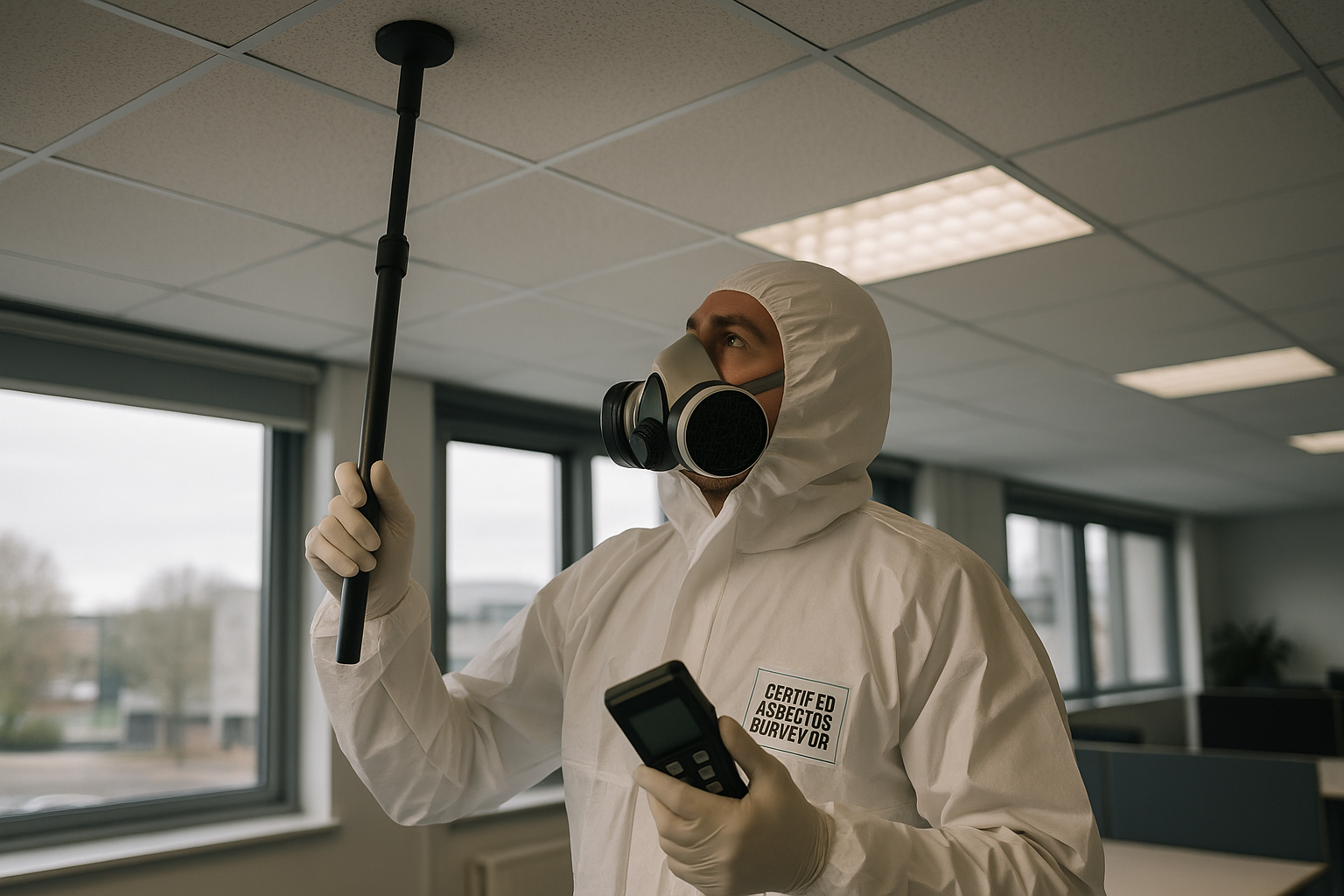
The report is produced by a qualified asbestos surveyor following a physical inspection of accessible areas. It typically includes a material assessment score, a risk rating, photographic evidence, and clear recommendations — whether that’s monitoring, encapsulation, or removal.
This isn’t a box-ticking exercise. A properly produced home buyer asbestos report is a prioritised action plan that gives you, your solicitor, your mortgage lender, and your insurer the information they need to make informed decisions.
Which Properties Need a Home Buyer Asbestos Report?
Any property built or significantly refurbished before the year 2000 could contain asbestos. Asbestos was used extensively in UK construction from the 1950s through to the late 1990s, and a full ban on its use didn’t come into force until 1999.
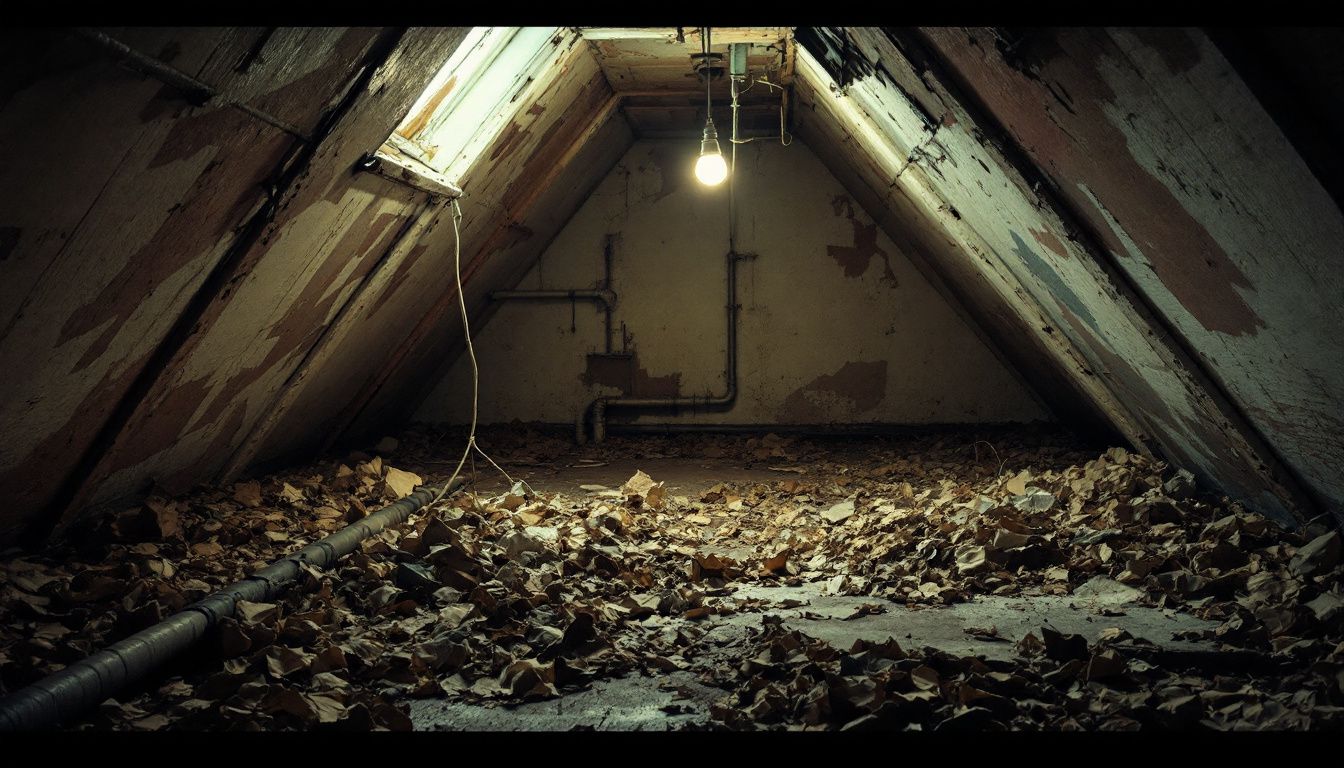
That means a substantial proportion of the UK’s housing stock is potentially affected — including many properties that look well-maintained and modernised on the surface. ACMs can be concealed beneath newer finishes, behind partition walls, or under floor coverings.
Common locations for asbestos in domestic properties include:
- Artex and textured ceiling coatings
- Floor tiles and the adhesive beneath them
- Roof tiles, guttering, and soffit boards
- Pipe lagging and boiler insulation
- Insulating board panels in airing cupboards and around fireplaces
- Garage roofs and outbuildings — often corrugated asbestos cement sheeting
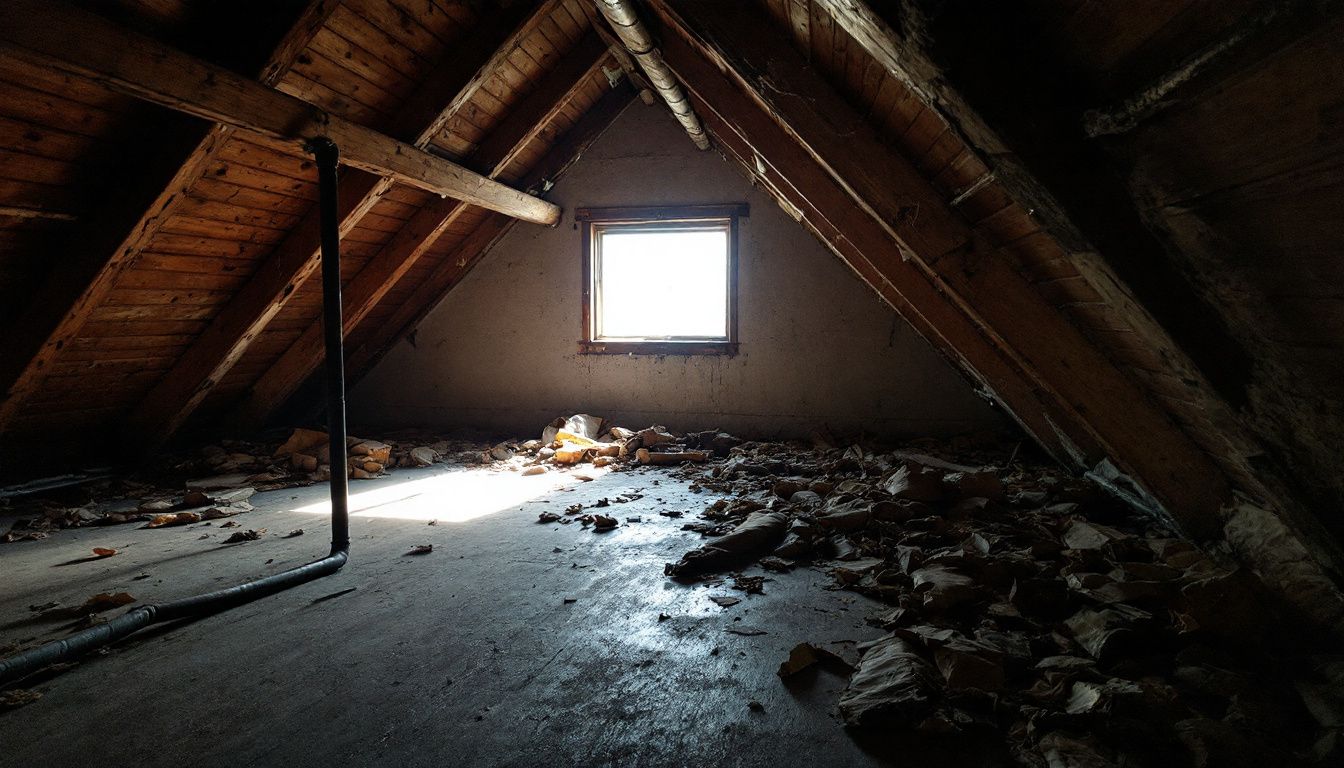
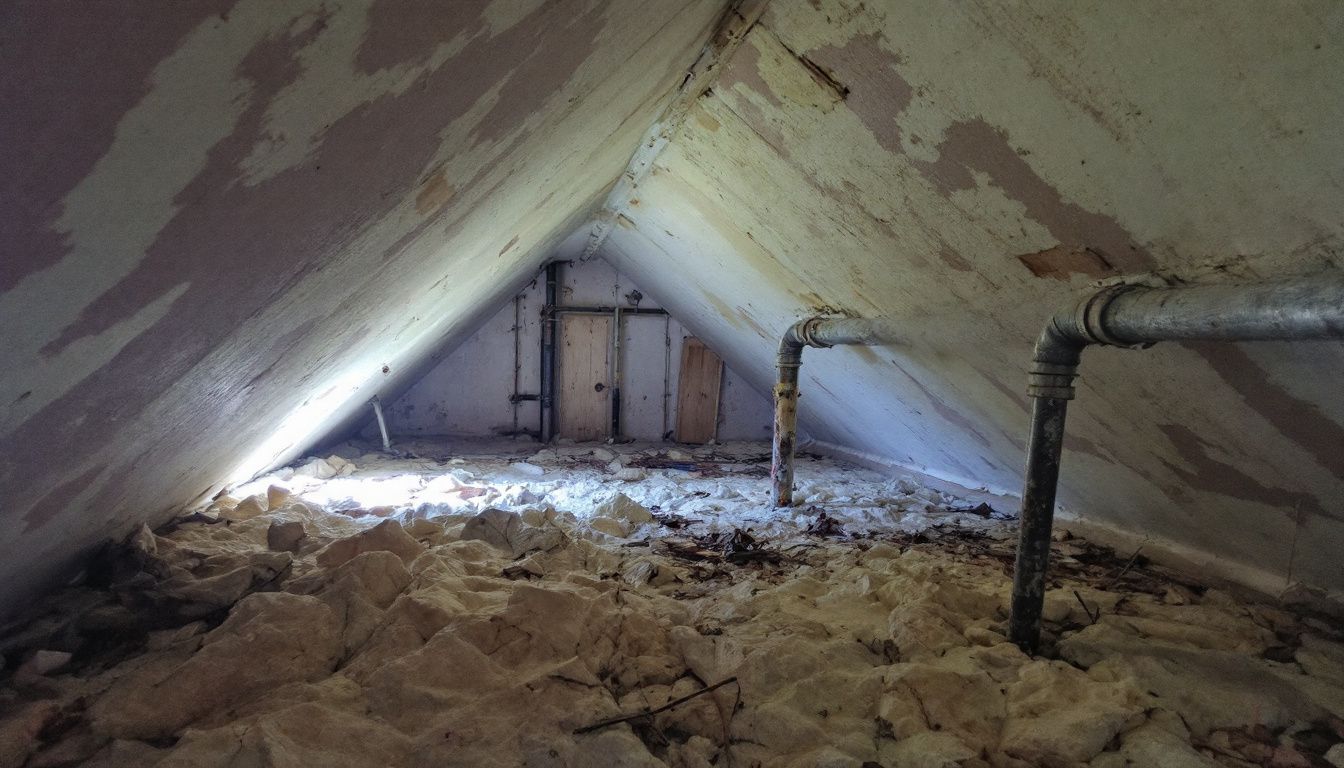
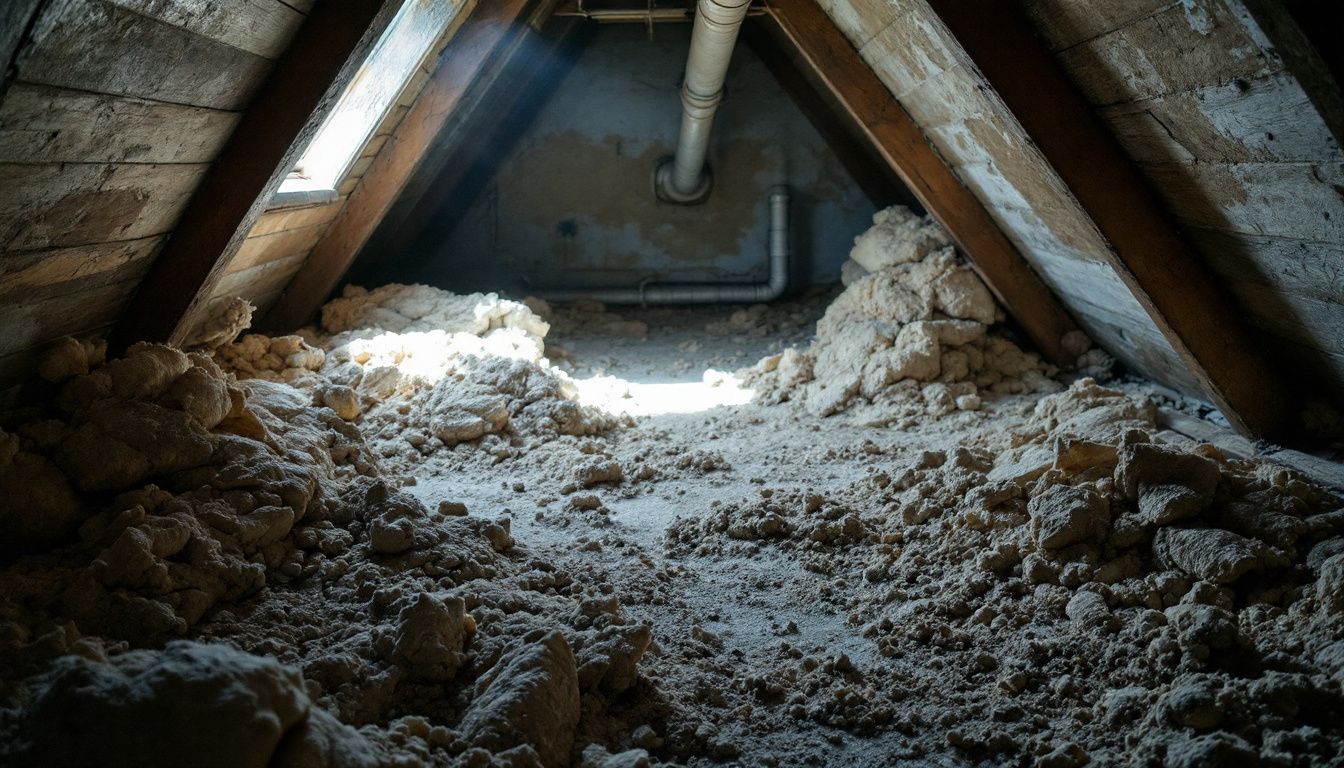
- Loose-fill insulation in cavity walls or loft spaces
A home buyer asbestos report is the only reliable way to establish whether any of these materials are present and what risk they actually pose.
What Types of Survey Produce a Home Buyer Asbestos Report?
There are three main types of asbestos survey relevant to property buyers. Understanding the difference between them is essential — commissioning the wrong one can leave you exposed.
Management Survey
A management survey is the standard option for properties in normal occupation. It identifies ACMs in accessible areas, assesses their condition, and recommends a management approach — making it the survey type that underpins most home buyer asbestos reports for residential purchases.
It’s non-intrusive — surveyors won’t break into walls or lift floorboards — but it covers all reasonably accessible areas of the building and provides a thorough picture of the property’s asbestos status.
Refurbishment Survey
A refurbishment survey is required before any significant structural work, renovation, or alteration. It’s more intrusive than a management survey and covers areas that wouldn’t be accessible during normal occupation.
If you’re planning to renovate immediately after purchase — extending, reconfiguring, or stripping back the property — you’ll need a refurbishment survey in addition to the standard management survey. Don’t assume one covers the other.
Demolition Survey
If the property is being purchased for demolition or major structural redevelopment, a demolition survey is required before any work begins. This is the most intrusive survey type and must be completed before demolition or major structural works commence.
The Legal Framework: What UK Regulations Require
Asbestos management in the UK is governed primarily by the Control of Asbestos Regulations, supported by the HSE’s guidance document HSG264, which sets out the standards for asbestos surveys and reporting.
These regulations place clear duties on those responsible for non-domestic premises — but the implications extend directly into residential property transactions. Sellers have a legal obligation not to misrepresent the condition of a property. Knowingly concealing the presence of asbestos — or failing to disclose an existing asbestos report — can expose a seller to legal action after completion.
This cuts both ways. Vendors who commission a home buyer asbestos report before marketing their property are in a far stronger legal position and are far less likely to face challenges once contracts have been exchanged.
What Mortgage Lenders and Insurers Need to Know
Many mortgage lenders will require evidence of an asbestos survey before approving a loan on certain types of property. This is particularly common with ex-local authority homes, properties with flat roofs, and those built using non-traditional construction methods such as prefabricated or system-built designs.
Insurers may also ask for survey documentation before providing buildings insurance cover. Without a home buyer asbestos report, you may find your mortgage offer is conditional — or even withdrawn.
Having the report in hand from the outset keeps the transaction moving and removes one of the most common causes of delays and complications during the conveyancing process.
How the HSE Risk Scoring System Works
Qualified surveyors use the HSE’s material assessment algorithm to score the condition and risk of any identified ACMs. The scoring system considers the type of asbestos, its physical condition, surface treatment, and the likelihood of fibre release under normal conditions.
A combined score of 10 or above indicates that the material requires urgent attention. Each identified material is also given a risk rating from 1 (low) to 3 (high), which guides the recommended management action.
This structured approach means a home buyer asbestos report isn’t simply a list of findings — it tells you what needs to be done, in what order, and how urgently.
How a Home Buyer Asbestos Report Affects Property Value
The presence of asbestos doesn’t automatically devalue a property — but the absence of information about it almost always does. Buyers who discover asbestos during negotiations, or who suspect it’s present without confirmation, will typically reduce their offers significantly to account for the unknown risk.
A professionally produced home buyer asbestos report changes that dynamic entirely. When a report shows that ACMs are present but in good condition and low risk, buyers can proceed with confidence. When it shows that materials have already been safely removed or encapsulated, it removes a major source of uncertainty from the transaction.
For sellers, having a clean or clearly documented report can actively support the asking price and reduce the likelihood of late-stage renegotiation.
The Real Cost of Not Having a Report
Consider the alternative. You buy a property without commissioning an asbestos survey. Six months later, you begin renovations and your contractor discovers asbestos insulating board behind a partition wall. Work stops immediately.
You now face the cost of an emergency refurbishment survey, specialist asbestos removal by a licensed contractor, potential delays running into weeks, and possibly a legal dispute with a vendor who failed to disclose what they knew.
The cost of a professional asbestos survey is modest in the context of a property purchase. The cost of an unplanned removal project — or litigation — is not.
Asbestos Testing and Sample Analysis
In some cases, a visual inspection alone isn’t sufficient to confirm whether a material contains asbestos. Where a surveyor identifies a suspected ACM that can’t be confirmed visually, they’ll take a sample for laboratory analysis.
This is where asbestos testing becomes an essential part of the process — providing definitive confirmation of a material’s composition rather than relying on visual identification alone. Bulk sampling and analysis follows UKAS-accredited laboratory procedures.
You can arrange sample analysis directly if you already have a suspected material and want it tested independently. Results are incorporated into the final report, giving you a complete picture of the property’s asbestos status.
If you want to understand more about the testing process before commissioning a survey, detailed information on asbestos testing and what it involves is available on our website.
What Happens After You Receive the Report?
A home buyer asbestos report is not the end of the process — it’s the beginning of informed decision-making. Once you have the report, your next steps depend entirely on what it contains.
If No ACMs Are Found
The report provides a clean bill of health for the property’s accessible areas. You can proceed with the purchase with confidence, and the document can be passed to your solicitor, mortgage lender, and insurer as evidence of due diligence.
If ACMs Are Found in Good Condition
Low-risk materials in good condition are often best left in place and managed rather than removed. Your report will include a management plan recommendation. You may wish to use the findings to negotiate on price, or to request that the seller contributes to future management costs.
If High-Risk Materials Are Identified
Where the report identifies materials with a high risk score or in poor condition, you’ll need to factor the cost of professional removal into your purchase decision. This might mean renegotiating the purchase price, requesting that the seller arranges removal prior to completion, or in some cases, reconsidering the purchase altogether.
None of these are decisions you can make effectively without the information a home buyer asbestos report provides.
What to Do Before Instructing a Survey
Before commissioning a home buyer asbestos report, a few practical steps are worth taking:
- Check the property’s age. If it was built after 2000, asbestos is unlikely — but not impossible, particularly if older materials were used in any subsequent refurbishment.
- Ask the vendor directly. Have they had any previous asbestos surveys carried out? Are there existing reports you can review before commissioning a new one?
- Check with your solicitor. They can advise whether any asbestos-related disclosures have been made in the property information forms submitted by the seller.
- Consider your plans for the property. If you intend to renovate, extend, or make structural changes, you’ll need a refurbishment survey in addition to a standard management survey.
- Book early in the process. Don’t wait until exchange is imminent. Commission the survey early enough to act on the findings without being rushed.
Choosing the Right Asbestos Surveyor
Not all asbestos surveys are equal. For a home buyer asbestos report to carry weight with solicitors, lenders, and insurers, it must be produced by a qualified, accredited surveyor following the standards set out in HSG264.
Look for surveyors who hold BOHS (British Occupational Hygiene Society) qualifications — specifically the P402 certificate for building surveys and bulk sampling. UKAS-accredited laboratories should be used for any sample analysis. These aren’t optional extras — they’re the baseline standard for a credible, defensible report.
Supernova Asbestos Surveys operates nationwide, with experienced, qualified surveyors covering properties of all types and sizes. Whether you need an asbestos survey in London, an asbestos survey in Manchester, or an asbestos survey in Birmingham, our team delivers reports that meet HSG264 standards and stand up to scrutiny from all parties in the transaction.
Frequently Asked Questions
Do I legally need a home buyer asbestos report when purchasing a residential property?
There is no blanket legal requirement for buyers to commission a home buyer asbestos report on a residential property. However, mortgage lenders may require one for certain property types, and without it you’re making a significant financial decision without full information. For any property built before 2000, commissioning a report is strongly advisable.
How long does a home buyer asbestos survey take?
For a typical residential property, the physical inspection usually takes between one and three hours, depending on the size and accessibility of the building. The written report is generally produced within a few working days of the inspection. Turnaround times can vary, so it’s worth discussing timescales with your surveyor when booking.
Can I use a home buyer asbestos report to renegotiate the purchase price?
Yes — and this is one of the most practical uses of the report. If ACMs are identified that require management or removal, you have documented, professional evidence to support a price renegotiation. The cost of any required work can be quantified and used as a basis for discussion with the vendor or their agent.
What is the difference between a management survey and a refurbishment survey for a home purchase?
A management survey is the standard survey for properties in normal use — it inspects accessible areas and is the basis for most home buyer asbestos reports. A refurbishment survey is more intrusive and is required before structural work or renovation begins. If you’re buying a property and planning immediate works, you may need both. Speak to a qualified surveyor about your specific plans before deciding which type to commission.
How much does a home buyer asbestos report cost?
Costs vary depending on the size and type of property, the number of suspected materials requiring sampling, and the location. As a general guide, a management survey for a typical residential property is a modest cost relative to the overall transaction. Contact Supernova Asbestos Surveys on 020 4586 0680 or visit asbestos-surveys.org.uk for a tailored quote.
Get Your Home Buyer Asbestos Report from Supernova
Supernova Asbestos Surveys has completed over 50,000 surveys across the UK. Our qualified surveyors produce home buyer asbestos reports that meet HSG264 standards, use UKAS-accredited laboratories for all sample analysis, and give you the clear, actionable information you need to proceed with your purchase confidently.
Don’t exchange contracts without knowing what you’re buying. Call us on 020 4586 0680 or visit asbestos-surveys.org.uk to book your survey or request a quote today.