Category: Asbestos Removal: DIY or Hire a Professional?

  • How long does it take for a professional to complete an asbestos removal job?

    How long does it take for a professional to complete an asbestos removal job?

    How Long Does an Asbestos Survey Take? A Practical Guide for Property Owners

    If you’ve booked an asbestos survey — or you’re trying to plan around one — the question you need answered is straightforward: how long does an asbestos survey take? Most surveys are completed within a few hours to a full working day on site, but the total time from booking to final report is typically one to two weeks. Understanding what drives that timeline helps you plan effectively and avoid unnecessary delays.

    Whether you’re a property manager, landlord, or building owner, knowing what to expect means fewer surprises and a smoother experience from start to finish.

    Typical Survey Durations at a Glance

    Most asbestos surveys fall into predictable time brackets based on property size and survey type. Here’s a general guide to on-site duration:

    • Small residential property (1–2 bed flat or terraced house): 1–2 hours
    • Medium residential property (3–4 bed house): 2–4 hours
    • Large residential or small commercial property: 4–6 hours
    • Large commercial, industrial, or complex building: A full day or multiple days

    These are working estimates. A surveyor can give you a more accurate timeframe once they know the specifics of your property. Don’t rely on a rough figure alone — always ask for an upfront time estimate when you book.

    What Type of Survey Are You Having?

    The type of asbestos survey is one of the biggest factors affecting how long it takes. There are two main types defined under HSG264, the HSE’s guidance on asbestos surveys.

    Management Survey

    A management survey is the standard option for occupied properties in normal use. The surveyor inspects all reasonably accessible areas, takes samples where asbestos-containing materials (ACMs) are suspected, and produces a report to help you manage any asbestos in place.

    For most domestic and straightforward commercial properties, a management survey is completed within a single visit. Smaller properties can be done in under two hours; larger or more complex ones may take the better part of a day.

    Refurbishment and Demolition Survey

    A demolition survey — formally a refurbishment and demolition (R&D) survey — is far more intrusive. It’s required before any structural work, renovation, or demolition takes place. Surveyors access areas that wouldn’t normally be disturbed: inside walls, above suspended ceilings, beneath floor screeds, and within service ducts.

    Because of the destructive sampling involved, an R&D survey takes considerably longer than a management survey. A medium-sized commercial building could require a full day or more. Large industrial sites or multi-storey buildings may need several days of survey work before the report can even be compiled.

    Key Factors That Affect How Long an Asbestos Survey Takes

    Beyond the survey type, a range of practical factors will influence the time your surveyor spends on site. Understanding these helps you set realistic expectations and prepare properly.

    Size and Layout of the Property

    This is the most obvious factor. A two-bedroom flat requires far less time than a 10,000 sq ft warehouse or a Victorian school building. It’s not just floor area either — a property with many small rooms, corridors, plant rooms, and service areas takes longer to survey than an open-plan space of equivalent size.

    Age and Construction Type

    Buildings constructed or refurbished between the 1950s and 1999 are most likely to contain asbestos. The more potential ACMs a surveyor identifies, the more samples they need to take — and the longer the survey takes.

    Asbestos was used in over 3,000 different products, so a surveyor working through a complex older building needs to assess a wide variety of materials: ceiling tiles, floor tiles, pipe lagging, partition boards, roof materials, and more. Properties with multiple layers of historic refurbishment can be particularly time-consuming.

    Accessibility

    Areas that are hard to reach slow the survey down. Confined roof spaces, basement plant rooms, areas above suspended ceilings, and service voids all add time. If the surveyor needs to arrange access equipment such as ladders or scissor lifts, this must be factored in before the survey begins.

    For commercial properties, ensure all areas are unlocked and accessible on the day. A surveyor who can’t access a significant part of the building will either need to return or will have to note limitations in the report — which can cause problems further down the line.

    Number of Samples Required

    Each suspected ACM requires a physical sample to be sent to an accredited laboratory for analysis. The more materials that need sampling, the longer the on-site portion of the survey takes. Sampling also involves careful preparation — the surveyor must contain the area, wear appropriate PPE, and seal and label each sample correctly.

    Occupied vs. Vacant Property

    Surveying an occupied building takes longer. Surveyors must work around staff and occupants, restrict access to certain areas during sampling, and minimise disruption. A vacant property can be surveyed far more efficiently, with unrestricted access throughout.

    Complexity of the Building’s History

    A building that has been extended, refurbished, or repurposed multiple times may contain asbestos from different eras in different locations. Surveyors working through these properties need to be methodical and thorough, which adds time to the process.

    What Happens After the Survey? The Full Timeline

    The on-site visit is only part of the picture. After the surveyor leaves, there are additional steps before you receive your final report.

    Laboratory Analysis

    All samples taken during the survey are sent to an accredited laboratory for analysis using polarised light microscopy or other approved methods. Standard laboratory turnaround is typically 5–7 working days.

    Many surveying companies, including Supernova, offer fast-track laboratory analysis if your project has urgent timescales — this can reduce turnaround to 24–48 hours. Ask about this when you book if speed is a priority.

    Report Compilation

    Once laboratory results are back, the surveyor compiles the full asbestos survey report. This document includes a material assessment, risk assessment, location drawings, photographic evidence, and management recommendations.

    A thorough report takes time to produce accurately — expect 1–3 working days for report compilation after results are received.

    In total, from the day of the survey to receiving your completed report, you’re typically looking at 1–2 weeks for a standard management survey. Urgent instructions can often be turned around faster — speak to your surveying company at the point of booking.

    Survey Duration by Property Type

    To give you a clearer sense of real-world timescales, here’s how survey duration typically breaks down across common property types.

    Residential Properties

    For a standard pre-2000 residential property, a management survey usually takes between 1.5 and 3 hours on site. The surveyor will inspect loft spaces, under-floor areas where accessible, wall and ceiling materials, pipe lagging, and any outbuildings. Most homeowners find the process straightforward and minimally disruptive.

    Commercial Offices

    A single-floor commercial office of moderate size can typically be surveyed in half a day. Multi-floor office blocks with suspended ceilings, raised floors, and extensive service areas will take a full day or more.

    If you’re based in the capital and need an asbestos survey in London, Supernova’s local surveyors can assess your premises and provide an accurate time estimate upfront.

    Industrial and Warehouse Buildings

    Large industrial units, factories, and warehouses often contain significant quantities of asbestos — particularly in roofing, insulation boards, and pipe lagging. These surveys can run to a full day or multiple days depending on size and complexity.

    If you need an asbestos survey in Manchester for an industrial property, our team is experienced in managing large-scale commercial and industrial instructions efficiently.

    Schools, Hospitals, and Public Buildings

    These are among the most complex survey environments. Large footprints, many rooms, restricted access during operating hours, and extensive historic construction all extend the survey timeline. Multi-day surveys are common for larger public buildings, and phased survey approaches are sometimes necessary.

    Mixed-Use and Older Buildings

    Buildings with retail on the ground floor and residential above, or Victorian and Edwardian properties that have been converted and extended over decades, present their own challenges. For properties in the Midlands, our team carrying out an asbestos survey in Birmingham regularly handles this type of complex mixed-use instruction and can advise on realistic timescales from the outset.

    How to Make Your Asbestos Survey Run as Smoothly as Possible

    There are practical steps you can take before the surveyor arrives that will help the process run efficiently and avoid the need for a return visit.

    1. Ensure all areas are accessible. Unlock plant rooms, roof hatches, basement areas, and any locked service cupboards. If the surveyor can’t access an area, it will be noted as a limitation in the report.
    2. Clear access routes. Move stored items away from walls, ceiling hatches, and service areas where possible. Cluttered spaces slow the surveyor down significantly.
    3. Have building plans or drawings available. If you have existing floor plans, these help the surveyor navigate the property efficiently and produce more accurate location references in the report.
    4. Notify occupants in advance. If the property is occupied, let people know the surveyor is coming and what to expect. Unnecessary interruptions add time to the visit.
    5. Be available to answer questions. The surveyor may have questions about the building’s history, previous works, or materials used. Having someone on hand who knows the property saves time.

    What Happens If Asbestos Is Found?

    Finding asbestos during a survey doesn’t automatically mean it needs to be removed. The survey report will include a risk assessment for each identified ACM, taking into account its condition, location, and likelihood of disturbance. Many ACMs in good condition are best managed in place rather than disturbed.

    Where removal is necessary — particularly ahead of refurbishment or demolition — a licensed contractor must carry out the work. Supernova offers a full end-to-end service, and our asbestos removal team works closely with our surveyors to ensure a seamless process from identification through to safe, compliant disposal.

    Removal timescales are separate from survey timescales and depend on the type, quantity, and location of ACMs identified. Your surveyor’s report will give you the information needed to plan any remediation work accurately.

    Your Legal Obligations Around Asbestos Surveys

    Under the Control of Asbestos Regulations, duty holders — which includes landlords, employers, and those responsible for non-domestic premises — are legally required to manage asbestos in their buildings. This means knowing where asbestos is, assessing the risk it presents, and keeping an up-to-date asbestos register.

    For anyone planning refurbishment or demolition work, an R&D survey is a legal requirement before work begins. Failing to commission the appropriate survey can result in enforcement action from the HSE, significant fines, and — most seriously — exposure of workers to asbestos fibres.

    Asbestos remains the single largest cause of work-related deaths in the UK. The regulatory framework exists for good reason, and compliance is non-negotiable.

    Planning Your Survey: A Quick Summary

    If you’re trying to work out how long an asbestos survey takes for your specific property, here’s a quick reference:

    • On-site visit: 1 hour (small flat) to several days (large industrial or public building)
    • Laboratory analysis: 5–7 working days standard; 24–48 hours fast-track
    • Report compilation: 1–3 working days after lab results
    • Total from survey to report: Typically 1–2 weeks

    The best way to get an accurate estimate is to speak directly with a qualified surveyor who can assess your property’s specifics before you commit to a timescale.

    Get Your Asbestos Survey Booked with Supernova

    Supernova Asbestos Surveys has completed over 50,000 surveys across the UK. Our UKAS-accredited surveyors provide accurate timescales upfront, fast laboratory turnaround options, and detailed reports that meet all regulatory requirements.

    Whether you need a straightforward residential management survey or a complex multi-day commercial instruction, we’ll give you a clear picture of how long your asbestos survey will take — and make sure the process runs as efficiently as possible.

    Call us on 020 4586 0680 or visit asbestos-surveys.org.uk to get a quote or book your survey today.

    Frequently Asked Questions

    How long does an asbestos survey take for a typical house?

    For a standard pre-2000 residential property, a management survey usually takes between 1.5 and 3 hours on site. The surveyor will inspect all accessible areas including loft spaces, under-floor voids where accessible, and any outbuildings. The full report, including laboratory results, is typically ready within 1–2 weeks of the survey date.

    How long does an asbestos survey take for a commercial building?

    This varies considerably depending on the size and complexity of the building. A small single-floor office might take half a day, while a large multi-storey commercial building could require a full day or more on site. Speak to your surveyor before booking so they can give you a property-specific estimate.

    Does the type of survey affect how long it takes?

    Yes, significantly. A management survey is less intrusive and generally faster than a refurbishment and demolition survey. R&D surveys involve destructive sampling in areas that wouldn’t normally be accessed, which adds considerable time — particularly in larger or more complex buildings.

    How long does it take to get the asbestos survey report after the visit?

    Once the on-site visit is complete, samples are sent to an accredited laboratory. Standard turnaround is 5–7 working days, after which the report is compiled — typically taking a further 1–3 working days. In total, you can expect your completed report within 1–2 weeks. Fast-track options are available if you need results sooner.

    Can I speed up the asbestos survey process?

    Yes. You can help by ensuring all areas of the building are accessible on the day, providing existing floor plans, notifying occupants in advance, and being available to answer the surveyor’s questions. On the laboratory side, fast-track analysis can reduce turnaround to 24–48 hours for an additional cost. Ask about this when you book.
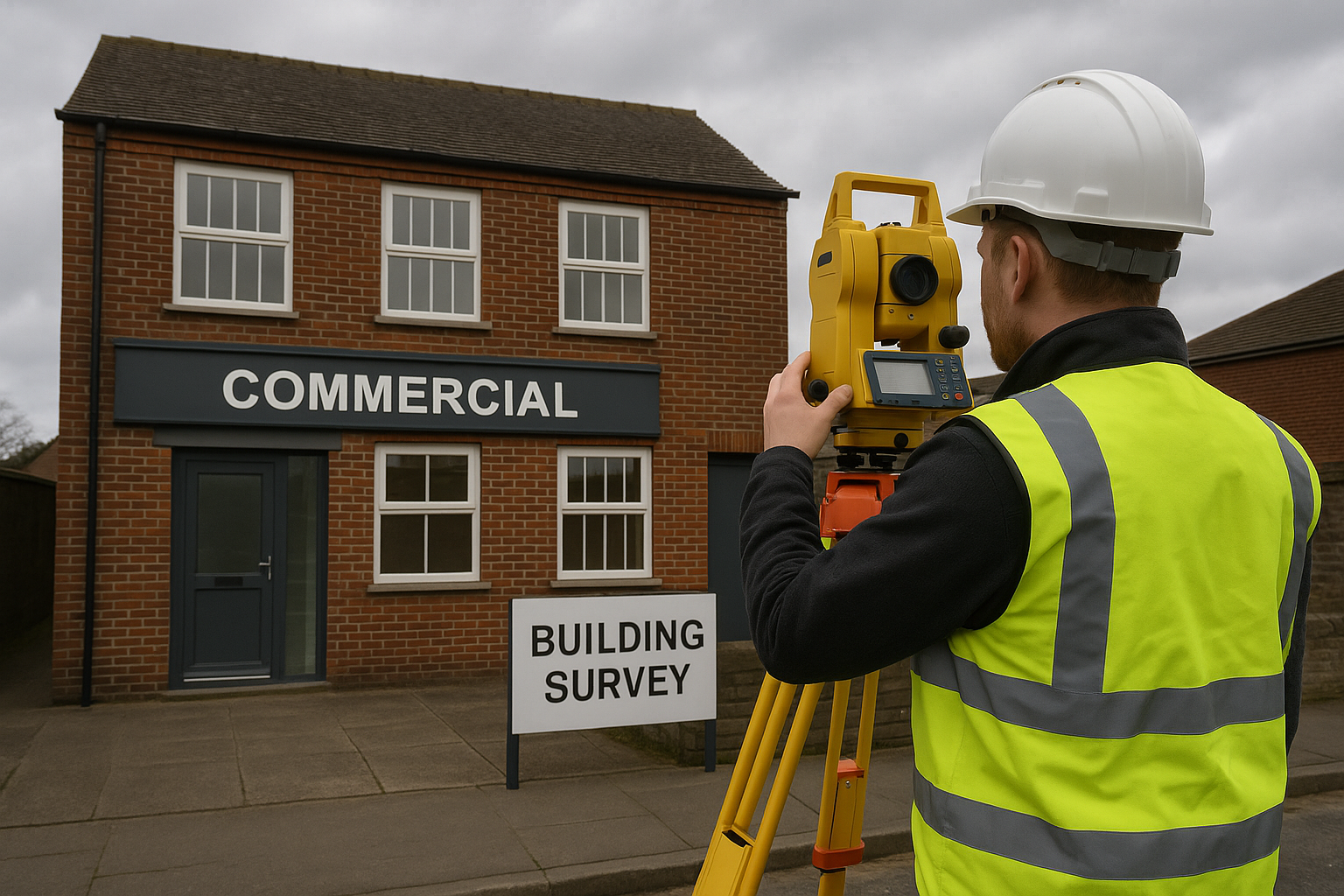
  • How can I determine if I have asbestos in my home?

    How can I determine if I have asbestos in my home?

    Asbestos is still found in homes across the UK, and the most common mistake is assuming you can identify it by sight alone. You usually cannot. If your property was built or refurbished before 2000, suspect materials should be treated cautiously until they have been properly inspected and, where needed, sampled by a competent professional.

    For homeowners, landlords and property managers, the issue with asbestos is not just whether it exists. The real question is whether it is damaged, likely to be disturbed, and what action you need to take before repairs, decorating or building work begins.

    What asbestos is and why it matters

    Asbestos is the name used for a group of naturally occurring mineral fibres. Those fibres are strong, heat resistant and durable, which is why asbestos was added to so many building products for decades.

    The problem is that when asbestos-containing materials are damaged, drilled, sawn, broken or allowed to deteriorate, tiny fibres can be released into the air. If inhaled, those fibres can lodge in the lungs and create serious long-term health risks.

    In practical terms, asbestos is not a single product. It may be present in insulation, boards, cement sheets, floor tiles, textured coatings, pipe lagging, fire protection materials, gaskets and many other items still found in UK properties.

    Main types of asbestos found in UK buildings

    There are six recognised asbestos minerals, but three are most commonly associated with UK buildings:

    • Chrysotile – often called white asbestos
    • Amosite – often called brown asbestos
    • Crocidolite – often called blue asbestos

    The key point is simple: all asbestos should be treated as hazardous. There is no safe type to cut, drill or sand without proper controls.

    How to tell if you may have asbestos in your home

    If you are asking whether you have asbestos in your home, age and location are your first clues. Properties built or refurbished before 2000 are more likely to contain asbestos in some form, particularly in garages, ceilings, service areas, floor finishes and older heating systems.

    That said, appearance is unreliable. Many asbestos-containing materials look similar to modern non-asbestos products, and even experienced tradespeople should not rely on visual identification alone.

    Common warning signs

    You should be more cautious if your property has:

    • Old garage or shed roofs made from corrugated cement sheets
    • Textured wall or ceiling coatings
    • Vinyl floor tiles with bitumen adhesive
    • Boxing around pipes or old warm air systems
    • Insulating boards in cupboards, soffits, partitions or ceilings
    • Older fuse boards, backing panels or fire doors
    • Pipe lagging or insulation around boilers and plant

    None of these signs confirms asbestos on their own. They simply indicate where asbestos is often found and where you should avoid disturbing materials until they have been checked.

    What you cannot do by eye

    You cannot reliably confirm asbestos from colour, texture or age alone. A plain cement sheet may contain asbestos, but so might a board hidden behind a modern finish. Equally, some materials that look suspicious turn out not to contain asbestos at all.

    The safest approach is straightforward:

    1. Assume suspect materials may contain asbestos
    2. Do not disturb them
    3. Check existing records or survey reports
    4. Arrange inspection and sampling where needed

    Where asbestos is commonly found in homes

    Asbestos was used in a huge range of domestic building products. Some are relatively low risk when in good condition and left undisturbed. Others are much more friable and can release fibres more easily if damaged.

    asbestos - How can I determine if I have asbestos i

    In homes and residential buildings, common locations include:

    • Garage roofs, wall panels and soffits
    • Roofing felt, undercloak and flues
    • Textured coatings on walls and ceilings
    • Ceiling tiles and partition boards
    • Floor tiles and adhesive layers
    • Pipe boxing and service risers
    • Boiler cupboards and airing cupboards
    • Bath panels, toilet cisterns and moulded products
    • Fire doors and fire protection linings
    • Outbuildings, sheds and lean-tos

    In blocks of flats, asbestos may also be present in common parts such as corridors, stairwells, meter cupboards, plant rooms and ceiling voids. That matters for landlords and dutyholders because shared areas often fall within wider asbestos management responsibilities.

    Higher-risk and lower-risk asbestos materials

    Not all asbestos materials present the same level of risk. Condition, fibre release potential and the type of work being carried out all matter.

    Higher-risk materials often include:

    • Pipe lagging
    • Loose fill insulation
    • Sprayed coatings
    • Asbestos insulating board

    Lower-risk materials often include:

    • Asbestos cement sheets
    • Floor tiles
    • Bitumen products
    • Some textured coatings

    Lower risk does not mean harmless. Even bonded asbestos materials can become dangerous if they are drilled, sanded, broken or removed incorrectly.

    What to do if you suspect asbestos

    If you suspect asbestos, the best action is usually the simplest: stop and avoid disturbing it. Many exposures happen because someone starts a small job without checking what the material is.

    If a wall needs chasing, a ceiling needs new lights, or a garage roof is due for replacement, pause first. A short delay for proper checks is far safer than creating an avoidable contamination issue.

    Immediate steps to take

    • Stop work straight away if the material may contain asbestos
    • Keep other people away from the area
    • Do not drill, cut, scrape, sand or break the material
    • Do not vacuum debris with a standard vacuum cleaner
    • Do not dry sweep dust or fragments
    • Check whether you already have an asbestos survey or register
    • Arrange professional inspection or sampling if the material is unidentified

    If material has already been damaged, isolate the area as far as possible and get specialist advice. Do not try to bag debris or wipe surfaces down without knowing what you are dealing with.

    When sampling is needed

    Sampling is often the only reliable way to confirm whether a suspect material contains asbestos. This should be carried out by a competent surveyor or analyst using the correct method, controls and laboratory process.

    For a homeowner, that means resisting the temptation to snap off a piece yourself. DIY sampling can create the very exposure you were trying to avoid.

    Which asbestos survey you may need

    The right survey depends on what you are planning to do in the property. If the building is occupied and you need to manage asbestos during normal use, maintenance or light works, a management survey is usually the correct starting point.

    asbestos - How can I determine if I have asbestos i

    A management survey helps locate, as far as reasonably practicable, the presence and condition of asbestos-containing materials that could be disturbed during normal occupation or routine maintenance. It supports the asbestos register and ongoing management plan.

    When a management survey is appropriate

    • You own or manage an occupied building
    • You need to understand likely asbestos risks during day-to-day use
    • Maintenance staff or contractors may access ceilings, risers, cupboards or service areas
    • You need an asbestos register for ongoing management

    If you are planning major structural work, strip-out or demolition, a management survey is not enough. Intrusive work needs a more targeted survey so hidden asbestos can be identified before the building fabric is disturbed.

    For that, you may need a demolition survey. This type of survey is designed for areas due to be demolished or heavily altered, and it is intrusive because the purpose is to find asbestos that would otherwise remain concealed.

    Practical rule for homeowners and landlords

    If the job involves more than simple surface-level work, ask for survey advice before instructing contractors. Rewiring, new heating systems, kitchen refits, loft conversions, garage roof replacement and wall removals can all disturb hidden asbestos.

    Checking first can prevent delays, unexpected costs and unsafe working conditions once the job starts.

    Legal duties and UK guidance you should know

    Asbestos is regulated in the UK through the Control of Asbestos Regulations, supported by HSE guidance and survey standards set out in HSG264. These rules are especially relevant to dutyholders, landlords, employers and those responsible for non-domestic premises and common parts of residential buildings.

    For a private homeowner living in a single domestic property, the legal position is different from that of a commercial dutyholder. Even so, the practical safety principles remain the same: identify suspect asbestos before work starts, prevent exposure and use competent professionals.

    What the regulations mean in practice

    • Do not assume a material is safe because it looks sound
    • Check asbestos information before maintenance, refurbishment or demolition
    • Keep an asbestos register where management duties apply
    • Make sure contractors have the information they need before starting work
    • Use the correct survey type for the planned activity
    • Ensure any removal or remedial work is carried out under the right controls

    HSG264 is particularly relevant because it sets expectations for asbestos surveying. A proper survey is not a box-ticking exercise. It should be proportionate to the building, the work planned and the likely risk of disturbance.

    Why asbestos is still found in so many UK properties

    Asbestos became common because it was cheap, durable and highly effective in products needing heat resistance, insulation or fire protection. It was used in homes, schools, offices, factories, hospitals and public buildings on a very large scale.

    That legacy matters now because many older materials are still in place. Some remain in good condition and can be managed safely. Others deteriorate with age or become a problem when refurbishment work begins.

    Properties with a history of repeated alterations can be especially difficult. One room may contain modern finishes, while hidden behind them are older boards, service ducts or pipe insulation containing asbestos.

    Buildings and sectors where asbestos is often encountered

    • Domestic homes and converted houses
    • Blocks of flats and maisonettes
    • Schools and colleges
    • Hospitals and care settings
    • Offices and retail units
    • Factories, depots and workshops
    • Plant rooms and service buildings

    If you manage multiple sites, do not assume the asbestos profile will be the same across your estate. Building age, construction type, previous refurbishments and original use all influence what may be present.

    Can you live in a house with asbestos?

    Yes, in many cases people live safely in properties that contain asbestos, provided the material is in good condition and is not being disturbed. The presence of asbestos does not automatically mean a home is unsafe or that everything must be removed.

    The real risk comes from damage, deterioration or uncontrolled work. Drilling into a soffit, sanding textured coating, lifting old floor tiles or breaking boards during renovation can release fibres.

    When asbestos may be manageable in place

    • The material is in good condition
    • It is sealed, enclosed or otherwise protected
    • It is unlikely to be disturbed during normal use
    • Its location is known and recorded where management duties apply

    When asbestos is damaged, friable or likely to be disturbed, leaving it in place may not be appropriate. The correct next step depends on the material, condition and planned works, which is why survey evidence matters more than guesswork.

    Mistakes to avoid when dealing with asbestos

    Most asbestos problems start with assumptions. Someone assumes a board is plasterboard, a roof sheet is harmless cement, or a textured coating is safe to scrape. By the time the mistake is obvious, the area may already be contaminated.

    Avoid these common errors:

    • Starting DIY work without checking suspect materials
    • Letting contractors begin before sharing survey information
    • Trying to identify asbestos by eye alone
    • Taking your own sample without proper controls
    • Using power tools on old materials
    • Cleaning debris with a standard vacuum
    • Assuming low-risk materials can be handled casually

    If you are responsible for a property portfolio, build asbestos checks into your maintenance workflow. Before works orders are issued, confirm whether asbestos information exists for the exact area affected.

    Getting local asbestos survey support

    If you need professional help, local knowledge can speed up access and reduce delays before works start. Supernova provides survey support across the country, including asbestos survey London services for property managers, landlords and homeowners dealing with occupied buildings, planned works and compliance checks.

    For properties in the North West, our asbestos survey Manchester team supports domestic and commercial clients who need clear reporting before maintenance, refurbishment or demolition activity.

    We also provide asbestos survey Birmingham services, helping clients identify suspect materials, understand risk and choose the right next step without unnecessary disruption.

    Practical next steps if you think your home contains asbestos

    If you suspect asbestos in your home, do not panic and do not start pulling materials apart. Take a measured approach based on evidence.

    1. Identify the area or material causing concern
    2. Stop any work that could disturb it
    3. Check for previous survey reports or asbestos records
    4. Arrange a suitable survey or sampling visit
    5. Review the findings and recommended actions
    6. Share the information with anyone carrying out work

    This approach keeps people safer and avoids the cost of getting halfway through a project before an unexpected asbestos discovery brings everything to a halt.

    Frequently Asked Questions

    How can I tell if a material contains asbestos?

    You usually cannot confirm asbestos by sight alone. The age of the property and the type of material may raise suspicion, but proper inspection and, where needed, sampling are the reliable way to identify it.

    Is asbestos always dangerous if it is in my home?

    Not always. Asbestos is most dangerous when fibres are released through damage, deterioration or disturbance. Materials in good condition and left undisturbed may sometimes be managed safely, depending on the situation.

    Should I remove asbestos as soon as I find it?

    Not necessarily. Some asbestos-containing materials are safer managed in place if they are in good condition and unlikely to be disturbed. Removal decisions should be based on the material type, condition, location and planned works.

    Do I need a survey before renovation work?

    If the property may contain asbestos and the work could disturb the fabric of the building, yes, you should seek survey advice before work starts. The correct survey type depends on whether the work is routine management, refurbishment or demolition.

    Who should I call if I suspect asbestos?

    Contact a competent asbestos surveying company. Supernova Asbestos Surveys can help you identify the right survey, arrange inspection and provide clear reporting for homes, commercial buildings and public sector properties. Call 020 4586 0680 or visit asbestos-surveys.org.uk to book a survey or get advice on the next step.

    If you need clear, practical advice on asbestos, Supernova Asbestos Surveys can help. We provide surveys nationwide for homeowners, landlords, dutyholders and property managers, with fast booking, competent inspectors and reports you can act on. Call 020 4586 0680 or visit asbestos-surveys.org.uk to arrange your survey.

  • Is it possible to remove asbestos without professional equipment?

    Is it possible to remove asbestos without professional equipment?

    One broken sheet, one drilled panel or one scraped ceiling can turn a routine maintenance job into a contamination incident. Chrysotile asbestos removal is never a matter of grabbing a mask, opening a window and hoping for the best. In UK buildings, white asbestos still appears in everyday materials, and once fibres are released they can spread through work areas, communal spaces, vehicles and clothing far more easily than most people expect.

    For landlords, property managers, schools, developers and dutyholders, the real question is not whether asbestos can be removed without professional equipment. It is whether the work can be carried out lawfully, safely and with proper controls under the Control of Asbestos Regulations, HSG264 and current HSE guidance. That starts with knowing what chrysotile is, where it is found, how it gets into the environment, when management is enough and when removal is the right call.

    Overview: what chrysotile asbestos removal actually means

    Chrysotile, often called white asbestos, is the type most commonly found in UK properties. It was used widely because it was flexible, durable, heat resistant and easy to add to other products.

    That history is exactly why chrysotile asbestos removal still comes up during repairs, refurbishments, strip-outs and demolition projects. The material may be hidden in plain sight, tucked behind finishes or mixed into products that do not immediately look hazardous.

    There is still a persistent myth that white asbestos is somehow the safe form of asbestos. It is not. If fibres are released and inhaled, chrysotile can present a serious health risk, which is why any decision to disturb, repair, encapsulate or remove it must be based on evidence rather than guesswork.

    In practice, chrysotile asbestos removal means more than taking material out of a building. It usually involves:

    • Identifying whether asbestos is present
    • Confirming the type, extent and condition of the material
    • Assessing the likelihood of disturbance and fibre release
    • Deciding whether management, encapsulation or removal is most appropriate
    • Preparing a suitable risk assessment and method statement
    • Using the right controls, equipment and trained personnel
    • Packaging, transporting and disposing of waste correctly
    • Keeping records for dutyholders and contractors

    In many cases, the first question should be simple: does this asbestos-containing material need to be removed at all? If it is in good condition and unlikely to be disturbed, active asbestos management may be safer and more proportionate than immediate removal. If it is damaged, exposed, friable or in the way of planned works, removal may be the practical route.

    Uses of asbestos: where chrysotile is commonly found

    Chrysotile was used across domestic, commercial and industrial buildings for decades. Because it was mixed into so many products, it can still appear in both obvious and unexpected places.

    Typical uses of asbestos containing chrysotile include:

    • Asbestos cement roofing sheets and wall cladding
    • Soffits, gutters, downpipes and rainwater goods
    • Textured coatings on ceilings and walls
    • Vinyl floor tiles and bitumen adhesives
    • Gaskets, rope seals and packing materials
    • Panels, linings and partition boards
    • Service risers, boxing and plant room materials
    • Some older insulation products and backing materials
    • Fuse boards and electrical flash guards in some settings
    • Garage roofs, sheds and outbuildings

    The product matters because the risk profile changes with the material. Chrysotile tightly bound into cement is generally lower risk than chrysotile in a damaged, more friable product. That does not mean lower risk materials are harmless. It means the removal method, control measures and legal classification of the work may differ.

    Assumptions are where problems begin. A ceiling coating may look minor but still need proper assessment. A cracked cement sheet may seem manageable until it breaks further during handling. A floor tile job can become a contamination issue if the adhesive beneath it also contains asbestos and is disturbed with the wrong tools.

    How asbestos gets into the environment

    Asbestos does not need a dramatic event to become an environmental problem. Fibres can be released by low-level disturbance, poor maintenance, weathering, accidental damage or badly planned removal work.

    chrysotile asbestos removal - Is it possible to remove asbestos withou

    In buildings, asbestos commonly gets into the environment when:

    • Materials are drilled, sanded, cut or broken
    • Ceilings, wall linings or floor finishes are stripped without checks
    • Water damage causes deterioration
    • Old cement products weather and shed debris
    • Plant rooms and service voids are accessed carelessly
    • Debris is swept dry instead of cleaned with suitable methods
    • Waste is transported or stored incorrectly
    • Contaminated clothing or tools are taken through occupied areas

    Once released, fibres may settle on surfaces or remain airborne depending on the activity and the material involved. That is why a small localised job can affect more than the immediate work area if there are no controls.

    External asbestos can also affect the wider environment. Damaged garage roofs, broken cement sheets in yards, fly-tipped waste and weathered cladding can all create problems. If material is left exposed, driven over, broken up or handled by untrained people, the risk increases.

    For property managers, the practical lesson is straightforward. If you suspect asbestos, stop work, restrict access and get competent advice before anyone touches it.

    Why surveys come before chrysotile asbestos removal

    No competent contractor should begin chrysotile asbestos removal without reliable asbestos information. A survey gives you the evidence needed to make safe decisions, budget properly and plan work in line with HSG264.

    For occupied premises and routine maintenance, a management survey helps identify, as far as reasonably practicable, the presence and condition of asbestos-containing materials that could be disturbed during normal occupation or foreseeable maintenance.

    Where intrusive work is planned, a demolition survey is usually required before refurbishment, strip-out or demolition starts. This survey is intentionally more intrusive because it needs to locate asbestos in the areas affected by the planned works.

    A good survey does more than list suspect items. It helps answer the questions that matter on site:

    • What is the material?
    • Where is it located?
    • What condition is it in?
    • How likely is it to be disturbed?
    • Does it need management, encapsulation or removal?
    • What further action is needed before work starts?

    Poor surveys create poor decisions. If access was restricted, the report is outdated or the scope did not match the work planned, you may not have enough information to proceed safely. That is how trades end up drilling into unknown materials or clients receive unrealistic removal quotes that change once the job starts.

    Location matters as well. If you manage multiple sites, local support can speed up planning and reduce delays. That may mean arranging an asbestos survey London project for a high-occupancy office, an asbestos survey Manchester for an industrial unit, or an asbestos survey Birmingham for a mixed-use property.

    Risk assessment: how chrysotile asbestos removal is assessed in practice

    Risk assessment sits at the centre of every asbestos decision. The word chrysotile on its own does not tell you enough. The material type, condition, surface treatment, extent of damage, work method and occupancy all affect the level of risk and the controls required.

    chrysotile asbestos removal - Is it possible to remove asbestos withou

    Before chrysotile asbestos removal starts, competent contractors should assess:

    • Whether the material is firmly bound or friable
    • Its current condition and extent of damage
    • The likelihood of fibre release during the task
    • Whether the work is non-licensed, notifiable non-licensed or licensable
    • How close the work is to occupied areas
    • Whether vulnerable people are nearby
    • Whether the material can be removed whole
    • Whether tools or access methods will create dust
    • How waste will be bagged, stored and transported
    • What cleaning, decontamination and verification steps are needed

    This is why two jobs involving white asbestos can be handled very differently. Removing a small number of intact cement sheets from an outbuilding is not the same as disturbing damaged insulating materials in a confined service area. The legal duties, controls and contractor requirements may be completely different.

    What a suitable risk assessment should cover

    A proper asbestos risk assessment should not be a generic template with the address changed. It should reflect the actual site, the actual material and the actual work sequence.

    It should usually cover:

    • Scope of work and exact material location
    • Condition of the asbestos-containing material
    • Work area segregation and access control
    • Dust suppression and handling methods
    • Personal protective equipment and respiratory protective equipment
    • Decontamination arrangements
    • Emergency procedures if material breaks unexpectedly
    • Waste packaging, labelling and transport
    • Communication with occupants, staff and contractors
    • Post-work inspection and, where needed, air monitoring or clearance

    If a contractor cannot explain the risk assessment in plain English, that is a warning sign. Dutyholders should expect practical answers, not vague reassurance.

    Asbestos management: when removal is not the first option

    Not every asbestos-containing material should be stripped out immediately. In many properties, active asbestos management is the safest and most proportionate approach.

    If chrysotile-containing materials are in good condition, sealed, recorded and unlikely to be disturbed, leaving them in place may reduce risk better than unnecessary removal. Disturbing stable material without a clear reason can create exposure that did not previously exist.

    Common examples where management may be suitable include:

    • Intact asbestos cement sheets on low-traffic outbuildings
    • Stable textured coatings where no refurbishment is planned
    • Undamaged floor tiles in areas with no intrusive work scheduled
    • Boxing or panels that are sound, labelled and protected from impact

    Management only works if it is active. A survey report filed away and forgotten is not an asbestos management plan.

    Practical asbestos management steps

    1. Maintain an up-to-date asbestos register.
    2. Inspect known materials at suitable intervals.
    3. Record damage, leaks or changes in condition.
    4. Label or otherwise identify materials where appropriate.
    5. Brief contractors before they start work.
    6. Use permit-to-work controls for intrusive tasks.
    7. Review the plan after incidents, tenant changes or new projects.
    8. Update records when materials are repaired, encapsulated or removed.

    If the material starts deteriorating, becomes exposed to impact, is affected by leaks or blocks planned works, management may no longer be enough. That is often the point where chrysotile asbestos removal becomes the practical next step.

    Asbestos removal: can it be done without professional equipment?

    In real terms, this is the wrong question. The right question is whether the material can be removed without exposing people, contaminating the building or breaching legal duties. If the answer is no, the work should not proceed.

    Professional equipment is not just a disposable mask and a pair of overalls. It is part of a control system designed to reduce fibre release, protect workers, prevent spread and leave the area in a safe condition.

    Typical controls used during asbestos work include:

    • Task-specific PPE and suitable RPE
    • Controlled wetting methods where appropriate
    • Segregation of the work area
    • Warning signage and restricted access
    • Suitable cleaning methods, including Class H vacuum equipment where required
    • Careful handling to avoid breakage
    • Decontamination procedures
    • Correct asbestos waste bags, labels and storage
    • Transport by appropriate arrangements
    • Air monitoring and clearance where required

    Even lower-risk jobs need planning. A damaged cement sheet handled carelessly can contaminate walkways, vehicles, tools and adjoining areas. The difference between a controlled job and a costly incident usually comes down to competence, preparation and proper equipment.

    If you already know removal is required, specialist asbestos removal support should be based on the actual material and risk, not assumptions made over the phone from a vague description.

    When licensed contractors may be required

    Some asbestos work must be carried out by a contractor holding the appropriate HSE licence. Other tasks may fall into non-licensed or notifiable non-licensed categories depending on the material and work method.

    That classification matters because it affects:

    • Who can carry out the work
    • What training and competence are needed
    • Whether notification is required
    • What control measures must be in place
    • What records need to be kept

    No one should decide this purely because the material contains chrysotile. The condition of the material and the planned method of work are just as important.

    Children and other vulnerable occupants

    Occupancy matters as much as the material itself. Buildings are used by people who cannot simply be moved at short notice, and some groups need especially careful planning.

    Children deserve particular attention. In schools, nurseries, homes, communal residential settings and healthcare environments, asbestos work must be planned to prevent uncontrolled exposure and unnecessary disruption. Children may not recognise warning signs, may move unpredictably around buildings and are more likely to touch damaged surfaces or debris if access controls are poor.

    If chrysotile asbestos removal is planned where children are present or nearby, dutyholders should make sure:

    • The exact work area is clearly defined
    • Access is physically restricted, not just signposted
    • Work is scheduled to minimise occupancy risks
    • Parents, staff or responsible adults are informed where appropriate
    • Cleaning and verification steps are documented
    • Alternative access routes or temporary relocation are arranged if needed

    The same careful approach applies to pregnant occupants, elderly residents, hospital patients and people with respiratory conditions. Reassurance should come from documented control measures, not informal promises that the job will be fine.

    Contact the experts early, not after the damage is done

    Many asbestos problems become expensive because advice is sought too late. By the time someone calls, a panel has already been drilled, debris has been moved or contractors have tracked dust through occupied areas.

    The safest point to get help is before work starts. If there is any doubt about a material, stop the task and speak to a specialist. Early advice can prevent emergency closures, tenant complaints, project delays and avoidable clean-up costs.

    You should contact the experts when:

    • You are planning maintenance, refurbishment or demolition
    • A survey report identifies suspected chrysotile materials
    • Materials are damaged by leaks, impact or vandalism
    • Contractors uncover unknown boards, tiles, lagging or debris
    • You manage an older building with poor asbestos records
    • Occupants are raising concerns about possible asbestos exposure

    Fast action matters, but rushed action does not help. The right response is to isolate the issue, preserve the scene where possible and get competent assessment before anyone tries to clean up or carry on working.

    Navigation menu, services and information: what property managers should actually look for

    When people search online after finding suspected asbestos, they often land on pages full of navigation menu links, services and information headings, and broad summaries that do not answer the practical question in front of them. What matters is whether the advice helps you decide the next safe step.

    For property managers and dutyholders, the most useful asbestos information should tell you:

    • Whether you need a survey or a review of an existing report
    • Whether the material should be managed or removed
    • What category of work may apply
    • How to protect occupants and contractors immediately
    • What records you need to keep
    • How waste and clearance will be handled

    Good service is not just a list of options in a navigation menu. It is clear advice matched to the property, the material and the planned works. If a provider cannot move beyond generic wording, they are unlikely to help when a live site issue appears.

    What a sensible chrysotile asbestos removal process looks like

    Every project is different, but the broad process should be structured and evidence-led. This is what a sensible route usually looks like.

    1. Identify the issue. Suspected material is found during inspection, maintenance or planned works.
    2. Stop disturbance. Work pauses and access is controlled.
    3. Review records. Existing survey information and asbestos registers are checked.
    4. Arrange further inspection or sampling. If information is missing or unclear, competent surveyors investigate.
    5. Assess the risk. Material type, condition, location and occupancy are reviewed.
    6. Choose management or removal. The decision is based on actual risk and planned use of the area.
    7. Plan the work. Risk assessments, method statements and logistics are prepared.
    8. Carry out the task with suitable controls. The work is completed by competent personnel using the right equipment and procedures.
    9. Clean, inspect and verify. The area is checked and any required follow-up actions are completed.
    10. Update records. The asbestos register and project documentation are amended.

    This process may sound straightforward, but each step matters. Skipping one often creates problems later, especially where multiple contractors, occupied areas or tight programmes are involved.

    Common mistakes that make chrysotile asbestos removal more dangerous

    Most serious asbestos mistakes are not dramatic. They are ordinary shortcuts taken under time pressure.

    Common failures include:

    • Starting work based on age or visual guesswork
    • Relying on an old survey that does not match the work area
    • Assuming white asbestos is low risk in every form
    • Breaking materials up instead of removing them carefully
    • Using unsuitable vacuums or dry sweeping debris
    • Letting unbriefed contractors enter the area
    • Moving waste in open containers or unlabelled bags
    • Failing to tell occupants what is happening
    • Forgetting to update the asbestos register after the job

    If you manage property, these are the points worth checking before any asbestos job starts. A short pre-start review can prevent a much bigger problem later.

    Practical advice for landlords, dutyholders and facilities teams

    If you are responsible for a building, you do not need to become an asbestos specialist overnight. You do need a clear process and the discipline to follow it.

    Use this checklist whenever suspected chrysotile is involved:

    • Do not let anyone drill, cut or break suspect materials.
    • Check whether you already have a relevant survey.
    • Make sure the survey matches the planned work scope.
    • Keep asbestos registers accessible and up to date.
    • Brief maintenance teams and visiting contractors.
    • Challenge vague advice and ask how the risk has been assessed.
    • Consider children and other vulnerable occupants in your planning.
    • Do not judge risk by appearance alone.
    • Keep written records of decisions, inspections and completed work.

    Where there is uncertainty, pause the job. A short delay for proper advice is usually far cheaper than dealing with contamination, complaints and emergency remedial work.

    Why DIY chrysotile asbestos removal is rarely a sensible idea

    People often ask whether a small amount of white asbestos can be removed without specialist help. The problem is that what looks small may still be legally sensitive, technically awkward or easy to mishandle.

    DIY approaches usually fail because people underestimate one of three things:

    • How easily fibres can spread
    • How specific the legal duties are
    • How difficult it is to clean and verify an area properly afterwards

    Even if the material seems straightforward, the surrounding circumstances may not be. Occupied flats, shared corridors, schools, offices, plant rooms and retail units all create practical complications that amateurs rarely plan for properly.

    For that reason, chrysotile asbestos removal should be approached as a controlled professional task, not a quick maintenance fix.

    Frequently Asked Questions

    Is chrysotile asbestos less dangerous than other types of asbestos?

    Chrysotile is often described as white asbestos, but it is not safe. If fibres are released and inhaled, it can present a serious health risk. The right approach depends on the material, its condition and the likelihood of disturbance, not on the mistaken idea that chrysotile is harmless.

    Can chrysotile asbestos be left in place instead of removed?

    Yes, in some cases. If the material is in good condition, properly recorded and unlikely to be disturbed, active asbestos management may be safer than removal. If it is damaged, deteriorating or in the way of planned works, removal may be necessary.

    Do I always need a survey before chrysotile asbestos removal?

    In practice, you need reliable asbestos information before work starts. A suitable survey helps identify the material, its condition and the right course of action. For routine occupation and maintenance, that often means a management survey. For intrusive refurbishment or demolition, a more intrusive survey is usually required.

    Can children stay in a building during asbestos removal work?

    That depends on the location, scope of work and control measures. Where children are present, planning must be especially careful. Access controls, segregation, scheduling and communication all need to be robust. If the work could affect occupied areas, temporary relocation or alternative arrangements may be needed.

    What should I do if a contractor accidentally disturbs suspected asbestos?

    Stop work immediately, keep people away from the area and avoid any further disturbance or cleaning attempts. Do not sweep debris or move materials unless competent advice tells you to. Review your asbestos records and contact a specialist to assess the situation and advise on the next safe step.

    If you need clear advice on chrysotile asbestos removal, asbestos management or pre-works surveys, speak to Supernova Asbestos Surveys. We support landlords, dutyholders, developers and facilities teams across the UK with surveying, sampling and removal coordination. Call 020 4586 0680 or visit asbestos-surveys.org.uk to arrange expert help.

  • Are there any DIY methods that are considered safe for asbestos removal?

    Are there any DIY methods that are considered safe for asbestos removal?

    DIY Asbestos Removal: Why It’s Never Worth the Risk

    Every year, people across the UK attempt to remove asbestos themselves — and every year, some of them pay for that decision with their health. Safe asbestos removal is not something you can achieve with a dust mask, a pair of rubber gloves, and a YouTube tutorial. The fibres are invisible, the diseases they cause take decades to develop, and by the time symptoms appear, the damage is already done.

    If you’ve found what you think might be asbestos in your home or commercial property, this post will explain exactly what you’re dealing with, why DIY is not an option, and what the correct process looks like.

    What Makes Asbestos So Dangerous?

    Asbestos is a naturally occurring mineral that was widely used in UK construction throughout the 20th century. Its fire resistance and insulating properties made it popular in everything from floor tiles and ceiling panels to pipe lagging and roofing felt. The problem is that when asbestos-containing materials (ACMs) are disturbed, they release microscopic fibres into the air.

    Those fibres, once inhaled, become permanently lodged in lung tissue. The body cannot break them down or expel them. Over time — often 20 to 40 years — they cause serious and often fatal diseases.

    Asbestos-related diseases

    • Mesothelioma — an aggressive cancer of the lining of the lungs or abdomen, almost exclusively caused by asbestos exposure and with a very poor prognosis
    • Asbestosis — scarring of the lung tissue that causes progressive breathlessness and has no cure
    • Lung cancer — asbestos exposure significantly increases the risk, particularly in smokers
    • Pleural thickening — a condition where the lining around the lungs thickens, restricting breathing

    Asbestos remains the single largest cause of work-related deaths in the UK. There is no safe level of exposure — even a brief, one-off encounter with disturbed asbestos fibres carries a real risk.

    Is DIY Asbestos Removal Legal in the UK?

    The Control of Asbestos Regulations sets out clear rules on who can handle asbestos and under what conditions. The short version: most meaningful asbestos work requires a licensed contractor, and attempting it yourself is likely to put you on the wrong side of the law.

    The Regulations divide asbestos work into three categories:

    1. Licensed work — high-risk activities such as removing asbestos insulation, asbestos insulating board (AIB), or working with sprayed asbestos coatings. This must only be carried out by a contractor holding an HSE licence.
    2. Notifiable non-licensed work (NNLW) — lower-risk tasks that still require notification to the relevant enforcing authority, health surveillance for workers, and proper record-keeping.
    3. Non-licensed work — the lowest-risk category, covering activities such as working with asbestos cement in good condition, where strict exposure limits are not exceeded.

    The vast majority of domestic removal scenarios — stripping old pipe lagging, removing ceiling tiles, taking out floor panels — fall into the licensed or NNLW category. Assuming your project qualifies as non-licensed work without a proper assessment is a serious mistake.

    Penalties for non-compliance

    Breaching the Control of Asbestos Regulations is a criminal offence. The Health and Safety Executive (HSE) has the power to issue improvement and prohibition notices, pursue prosecutions, and impose substantial fines. For individuals, fines can reach £20,000 in magistrates’ courts, with unlimited fines and custodial sentences possible in crown court proceedings.

    Beyond the legal consequences, improper handling creates a contaminated property that is difficult and expensive to remediate — and may need to be declared when selling.

    Why Safe Asbestos Removal Requires Professional Expertise

    Safe asbestos removal is a technically demanding process. Licensed contractors don’t simply put on a mask and start pulling materials out — they follow a carefully controlled procedure designed to protect workers, building occupants, and the wider environment.

    The correct removal process

    A licensed asbestos removal contractor will typically follow these steps:

    1. Pre-removal survey and risk assessment — identifying the type, condition, and extent of ACMs before any work begins
    2. Preparation of a method statement — a detailed written plan covering how the work will be carried out, what controls will be in place, and how waste will be managed
    3. Enclosure and containment — sealing off the work area using heavy-duty polythene sheeting, creating an airtight enclosure to prevent fibre migration
    4. Negative pressure ventilation — using specialist equipment to maintain lower air pressure inside the enclosure than outside, so any air movement is inward rather than outward
    5. Wetting and controlled removal — dampening ACMs before removal to suppress fibre release, then carefully removing materials with hand tools rather than power tools wherever possible
    6. Air monitoring — ongoing monitoring throughout the job to ensure fibre levels remain within safe limits
    7. Decontamination — all workers, tools, and equipment pass through a decontamination unit before leaving the work area
    8. Clearance inspection — an independent four-stage clearance procedure, including a visual inspection and air testing, before the enclosure is removed
    9. Licensed waste disposal — all asbestos waste is double-bagged, labelled, and transported to a licensed waste facility

    None of these steps are optional. Each one exists because previous experience — often measured in lives — demonstrated what happens when it’s skipped.

    The equipment involved

    Licensed contractors use equipment that is simply not available to the general public, including:

    • Type H HEPA-filtered vacuum cleaners (standard vacuum cleaners spread asbestos fibres rather than capturing them)
    • Powered air-purifying respirators (PAPRs) or full-face air-fed respirators
    • Disposable Type 5 coveralls changed and disposed of inside the work area
    • Negative pressure units with HEPA filtration
    • Specialist air monitoring equipment

    A dust mask from a hardware shop offers no meaningful protection against asbestos fibres. The fibres are too fine for standard filtration materials to capture effectively.

    What About Encapsulation — Is That a Safer Option?

    In some circumstances, encapsulation is a legitimate alternative to removal. This involves applying a specialist sealant to the surface of ACMs to bind the fibres and prevent them from becoming airborne. It does not remove the asbestos — it manages it in place.

    Encapsulation is appropriate when:

    • The ACM is in good condition with no visible damage or deterioration
    • The material is unlikely to be disturbed by future maintenance or building work
    • Removal would cause more disturbance than leaving the material in place

    However, encapsulation is not a DIY job either. It requires a proper assessment of the ACM’s condition, the correct product applied correctly, and documentation for the building’s asbestos register. It also doesn’t eliminate the asbestos — any future work that disturbs the encapsulated material will still require a licensed contractor.

    Our dedicated asbestos removal service covers both removal and encapsulation options, with expert guidance on which approach is appropriate for your specific situation.

    What to Do If You Suspect Asbestos in Your Property

    Finding suspected asbestos is not an emergency — provided you don’t disturb it. Asbestos in good condition, left undisturbed, poses minimal risk. The danger comes from disturbance. So the first rule is: don’t touch it, drill it, sand it, scrape it, or cut it until you know what you’re dealing with.

    Step 1: Get a professional survey

    An asbestos survey carried out by a qualified surveyor is the only reliable way to identify whether ACMs are present, what type of asbestos they contain, and what condition they’re in. The HSE’s guidance document HSG264 sets out the standards that surveys must meet.

    There are two main types of survey:

    • Management survey — used to locate and assess ACMs that could be disturbed during normal occupancy and maintenance. Required for all non-domestic premises.
    • Refurbishment and demolition survey — required before any refurbishment or demolition work. More intrusive, as it needs to locate all ACMs that could be disturbed by the planned work.

    Samples taken during the survey are analysed in a UKAS-accredited laboratory to confirm the presence and type of asbestos fibres.

    Step 2: Act on the survey findings

    Once you have survey results, a qualified professional can advise on the appropriate management strategy — whether that’s leaving materials in place with monitoring, encapsulation, or full removal. This decision should be based on the condition of the ACM, its location, and the likelihood of future disturbance.

    Step 3: Use a licensed contractor for any removal

    If removal is required, only use a contractor holding a current HSE asbestos removal licence. You can verify a contractor’s licence status on the HSE’s public register. Don’t be tempted by unlicensed operators offering lower prices — the risk to your health and your legal liability are not worth the saving.

    Where Supernova Asbestos Surveys Operates

    We carry out asbestos surveys and support safe removal processes across the UK. Whether you’re a homeowner, landlord, property manager, or contractor, our UKAS-accredited surveyors can provide the assessments you need to manage asbestos safely and legally.

    We cover major cities and regions nationwide, including dedicated teams for asbestos survey London projects across all London boroughs, asbestos survey Manchester and the wider Greater Manchester area, and asbestos survey Birmingham covering the West Midlands region.

    With over 50,000 surveys completed, we have the experience to handle everything from a single domestic property to large commercial portfolios.

    Frequently Asked Questions

    Is there any asbestos removal that a homeowner can legally do themselves?

    In very limited circumstances, non-licensed asbestos work is technically permitted under the Control of Asbestos Regulations — for example, minor work with asbestos cement in good condition that doesn’t exceed strict exposure limits. However, correctly identifying whether your situation qualifies requires professional assessment. The vast majority of domestic removal tasks require a licensed contractor. If in doubt, always get a survey first.

    How do I know if a material in my home contains asbestos?

    You cannot identify asbestos by sight alone. Many ACMs look identical to non-asbestos materials. The only reliable method is laboratory analysis of a sample taken during a professional asbestos survey. If your property was built or refurbished before 2000, there is a reasonable possibility that some materials contain asbestos, and a management survey is advisable before any building work.

    What happens if I accidentally disturb asbestos?

    Stop work immediately, leave the area, and close it off to prevent others from entering. Don’t attempt to clean up the debris yourself — a standard vacuum cleaner will spread fibres rather than contain them. Contact a licensed asbestos contractor who can assess the situation, carry out air monitoring, and arrange professional decontamination and clearance testing.

    How much does professional asbestos removal cost?

    Costs vary significantly depending on the type of asbestos, the quantity of material, its location, and the complexity of the work. Licensed removal of high-risk materials such as asbestos insulation is more expensive than removing asbestos cement sheets. Getting a proper survey first allows contractors to quote accurately. Attempting to save money through DIY removal risks costs far greater than professional fees — both in health terms and in remediation costs if contamination occurs.

    Do I need an asbestos survey before renovation work?

    Yes. If your property was built before 2000 and you’re planning any refurbishment or demolition work, a refurbishment and demolition survey is a legal requirement for non-domestic premises and strongly recommended for domestic properties. Disturbing hidden ACMs during building work is one of the most common causes of significant asbestos exposure in the UK. A survey before work starts is far cheaper and safer than dealing with the consequences afterwards.

    Get Expert Help With Safe Asbestos Removal

    Asbestos is not something to gamble with. The consequences of getting it wrong are severe, irreversible, and long-lasting. If you suspect asbestos in your property, or you’re planning work that could disturb existing materials, the right first step is always a professional survey.

    Supernova Asbestos Surveys has completed over 50,000 surveys nationwide. Our UKAS-accredited team can identify what’s in your property, advise on the appropriate management strategy, and connect you with licensed contractors for any removal work required.

    Call us on 020 4586 0680 or visit asbestos-surveys.org.uk to book a survey or speak to one of our team.

  • How much does it typically cost to hire a professional for asbestos removal?

    How much does it typically cost to hire a professional for asbestos removal?

    One line in a project budget can throw everything off: asbestos removal cost. For commercial property managers, landlords and facilities teams, the issue is rarely just the headline figure. The real question is what sits behind that price, whether removal is actually necessary, and how to keep the job compliant without inflating the programme or exposing occupants to avoidable risk.

    Commercial asbestos work is priced around risk, access, scope, occupation and control measures. A small high-risk task can cost more than a larger low-risk one. That is why sensible budgeting starts with identifying the material properly, understanding the work category under the Control of Asbestos Regulations, and using survey information prepared in line with HSG264 where a survey is required.

    Supernova Asbestos Surveys has completed more than 50,000 surveys nationwide. That experience gives property professionals something more useful than a generic online estimate: a practical route from uncertainty to a clear plan.

    What is the typical asbestos removal cost for commercial property?

    There is no universal UK price list for asbestos removal cost. Online guides can help with early budgeting, but they cannot replace a site-specific quotation. The final price depends on the material, its condition, the work method, access restrictions, whether the building is occupied, and how waste is packaged and removed.

    For commercial buildings, broad budgeting ranges often look like this:

    • Small asbestos cement removal: around £400 to £1,500
    • Asbestos cement roof sheets or canopies: around £1,000 to £5,000+
    • Asbestos garage roofs: around £1,000 to £3,500+
    • Asbestos floor tiles and bitumen adhesive: around £800 to £3,000+ for a contained area
    • Textured coatings or Artex ceiling removal: around £1,500 to £6,000+
    • Soffits, fascias and undercloaking: around £800 to £4,000+
    • Asbestos Insulation Board (AIB) removal: around £2,000 to £15,000+
    • Pipe lagging removal: around £2,000 to £20,000+
    • Emergency clean-up after accidental disturbance: highly variable and often costly

    These figures are guides for budgeting only. They may not include surveys, sampling, analyst charges, scaffolding, access platforms, out-of-hours work, waste consignment charges, project management or reinstatement.

    When comparing quotes, ask for a clear breakdown. A lower figure may simply exclude key items that appear later as extras.

    What drives asbestos removal cost?

    The biggest pricing mistake is treating asbestos work like ordinary strip-out. It is not. The physical removal is only part of the cost. Planning, containment, cleaning, waste handling, supervision and documentation can be just as significant.

    Two jobs involving the same product can be priced very differently. A few boards in a vacant storeroom are not the same as the same boards above a trading retail unit or inside an occupied office floor.

    Main cost drivers

    • Material type: asbestos cement is usually cheaper to remove than AIB, lagging or sprayed coatings
    • Condition: damaged or friable materials require tighter controls
    • Work category: licensed, notifiable non-licensed and non-licensed work are priced differently
    • Access: risers, ceiling voids, basements, plant rooms and roof edges all add complexity
    • Building occupation: live environments often need phasing, segregation and out-of-hours attendance
    • Control measures: enclosures, negative pressure units and decontamination arrangements increase cost
    • Waste disposal: hazardous waste packaging, transport and disposal are essential
    • Analyst attendance: some projects need independent air monitoring and clearance procedures
    • Reinstatement: replacement ceilings, boards, roof sheets or finishes are often separate from removal

    Why commercial work is often more expensive than domestic work

    Commercial sites usually involve more coordination. You may need permits, tenant liaison, inductions, segregated access routes, loading restrictions, welfare arrangements and sequencing around operations.

    If the building stays open, the contractor may need to mobilise in stages. That pushes up asbestos removal cost because setup, cleaning and decontamination are repeated rather than done once.

    Asbestos removal costs by type

    Different asbestos-containing materials carry different levels of risk. That is why asbestos removal cost varies so sharply by product type. The material itself matters, but so does how it has been installed and how likely it is to release fibres during the work.

    asbestos removal cost - How much does it typically cost to hire

    Asbestos cement

    Asbestos cement is generally one of the lower-risk materials when intact. It is commonly found in roof sheets, wall panels, gutters, downpipes, flues and outbuildings.

    Because the fibres are bound into cement, removal is often more straightforward than with friable materials. Typical budgets can range from a few hundred pounds for small items to several thousand pounds for larger roofs or difficult access.

    Costs rise where sheets are broken, access is poor, edge protection is needed or the work must be phased around occupants.

    Asbestos Insulation Board (AIB)

    AIB is a major cost driver in commercial property. It was used in ceiling tiles, partitions, fire breaks, service risers, soffits and cupboard linings.

    AIB is more friable than cement products and often requires licensed removal depending on the task and condition. Even modest quantities can require enclosure work, decontamination procedures and analyst attendance, which is why the asbestos removal cost can rise quickly.

    Textured coatings and Artex

    Textured coatings are often assumed to be simple decorative finishes. In practice, the cost depends on whether the coating alone is being removed, whether the underlying board is also affected, and how the area is accessed and controlled.

    Ceiling works in commercial spaces can involve lighting, ductwork, high-level access and repeated cleaning across multiple rooms. That is why broad online figures are often misleading.

    Floor tiles and bitumen adhesive

    Asbestos floor tiles are common in older offices, schools, retail units and plant areas. The tiles themselves may look straightforward, but the adhesive can complicate the method and programme.

    Costs rise if the area is large, the tiles are damaged, the adhesive also contains asbestos, or the building needs to remain operational while work is phased room by room.

    Sprayed coatings

    Sprayed coatings are high-risk and specialist. They are far less common than cement or floor tiles, but where present they can be expensive to manage and remove because of the level of fibre release risk.

    Jobs involving sprayed coatings usually sit at the higher end of the asbestos removal cost range due to enclosure requirements, licensed work procedures and extensive cleaning.

    Asbestos cement flues, soffits and undercloaking

    These are often mid-range jobs. They may be lower risk than AIB or lagging, but access can be awkward and external works can require scaffolding or traffic management.

    Where multiple elevations are involved, the labour and access costs can exceed the removal cost of the material itself.

    Pipe lagging: why it is often one of the most expensive jobs

    Pipe lagging is one of the clearest examples of why a small area can produce a high asbestos removal cost. Lagging is a friable insulation material, and the risk of fibre release is much higher than with bonded products like cement sheets.

    In commercial buildings, lagging is often found in basements, plant rooms, service ducts, ceiling voids and risers. It may be hidden behind boxing, mixed with later repairs, or located in areas with poor access.

    Why pipe lagging removal costs more

    • It commonly falls into licensed work
    • Enclosures and negative pressure units may be required
    • Decontamination arrangements are more involved
    • Independent analyst attendance may be needed
    • Access to live services can complicate the programme
    • Cleaning and waste handling are more intensive

    Broad budgets often start from around £2,000 for limited sections and can rise well beyond £20,000 where lagging is extensive or difficult to access. If the lagging runs through occupied areas or critical services, expect the programme and cost to increase further.

    If lagging is suspected, do not allow maintenance teams or general contractors to disturb it. Confirm the material first through professional asbestos testing and then obtain a method-specific quotation.

    Where is asbestos commonly found in commercial buildings?

    Before anyone can estimate asbestos removal cost properly, they need to know what may be present and where. Many commercial buildings still contain asbestos-containing materials, particularly where the structure or finishes pre-date the ban on asbestos use.

    asbestos removal cost - How much does it typically cost to hire

    Common locations include:

    • Garage and outbuilding roofs
    • Warehouse and industrial roof sheets
    • Ceiling tiles and ceiling voids
    • Partition walls and service risers
    • Plant rooms and boiler houses
    • Pipe insulation and lagging
    • Floor tiles and bitumen adhesive
    • Textured coatings on ceilings and walls
    • Soffits, fascias and undercloaking
    • Cement flues, gutters and downpipes
    • Fire doors, panels and linings
    • Lift shafts, ducts and service cupboards

    The material type matters more than appearance. A board, tile or coating may look harmless but still contain asbestos. The safest approach is to identify suspect materials before works are priced or started.

    Survey or testing first?

    If you are planning refurbishment, maintenance or strip-out, a survey is usually the right starting point. It gives contractors a defined scope and reduces pricing based on worst-case assumptions.

    Where you only need to identify a specific item, targeted asbestos testing may be enough. For isolated suspect materials, some dutyholders also look at an asbestos testing kit for early-stage screening, though sampling must only be done where it can be carried out safely and appropriately.

    If you need a regional survey before tendering works, Supernova can help with an asbestos survey London, an asbestos survey Manchester or an asbestos survey Birmingham service.

    Asbestos garage roofs: typical cost and what affects it

    Asbestos garage roofs are one of the most commonly searched jobs because they are widespread and relatively visible. In many cases, these roofs are made from asbestos cement sheets, which are lower risk than friable materials when in good condition.

    That often makes them one of the more affordable categories of asbestos removal cost. Typical budgets are often around £1,000 to £3,500+, but the final figure depends on more than roof size.

    Main cost factors for asbestos garage roofs

    • Size of the garage or block
    • Condition of the sheets
    • Ease of access for labour and waste loading
    • Need for scaffolding or edge protection
    • Terraced or shared garage arrangements
    • Proximity to neighbours or public areas
    • Waste handling and transport logistics

    For commercial estates, management companies and block managers, there is often a practical way to reduce cost: bundle multiple garage roofs into one planned package. Mobilisation, access equipment and waste collection can then be spread across several units.

    If the sheets are weathered but intact, ask whether immediate removal is necessary or whether short-term management is acceptable until a wider estate programme is ready. That decision should be based on condition and likelihood of disturbance, not guesswork.

    Do councils or insurance cover asbestos removal?

    This is one of the most common budget questions. The honest answer is: sometimes, but not usually in the way people hope.

    Council schemes

    Some local authorities offer limited support for domestic asbestos cement disposal or collection, particularly for small quantities from household properties. Schemes vary widely by council. Some offer designated disposal arrangements, some provide guidance only, and some offer no collection service at all.

    For commercial property, council support is far less common. Businesses, landlords and managing agents should generally budget on the basis that they are responsible for arranging compliant asbestos removal and disposal through the correct channels.

    If a council scheme exists in your area, check the details carefully:

    • Is it domestic only?
    • Does it exclude commercial or mixed-use sites?
    • Does it cover bonded cement only?
    • Are there quantity limits?
    • Is collection available, or is drop-off required?

    Do not assume that a local authority scheme will reduce your commercial asbestos removal cost. In most cases, it will not.

    Insurance cover

    Standard property insurance does not usually cover routine asbestos removal simply because asbestos is present. Insurers often treat asbestos as a pre-existing material rather than an insured event.

    There can be exceptions. If asbestos is disturbed as part of an insured incident such as a fire, flood or impact event, some associated costs may be considered under the policy. Even then, cover depends on the wording, the cause of loss and any exclusions.

    Before assuming insurance will help, check:

    1. The policy wording
    2. Any asbestos exclusions
    3. Whether contamination clean-up is covered
    4. Whether the trigger is an insured event rather than planned maintenance
    5. Whether consequential delays or reinstatement are included

    For planned refurbishment or routine risk management, most owners and dutyholders should expect to fund the work themselves.

    Can you remove asbestos yourself? DIY vs professional asbestos removal

    Many people ask whether they can cut the asbestos removal cost by doing the work themselves. For commercial property, that is usually the wrong question. The better question is whether DIY removal is lawful, safe and likely to save money once the real risks are understood.

    Some lower-risk asbestos work may fall outside licensed work, but that does not make it suitable for untrained people. The Control of Asbestos Regulations still require work to be properly assessed, planned and carried out with suitable precautions. Waste must also be handled correctly.

    Why DIY removal is risky

    • You may misidentify the material
    • You may disturb a higher-risk product such as AIB or lagging
    • You may contaminate surrounding areas
    • You may expose staff, tenants or contractors
    • You may create a much more expensive clean-up
    • You may breach legal duties as a dutyholder or employer

    What looks like a saving can quickly become a larger bill. Once asbestos debris is spread through a live building, the final asbestos removal cost can be far higher than the original planned job.

    When professional removal is the sensible option

    For commercial premises, professional removal is usually the correct route where:

    • The material has not been confirmed
    • The building is occupied
    • The work affects common parts or trading areas
    • The material is damaged or friable
    • The task may be licensed or notifiable
    • You need documentation for compliance and contractors

    If you need to identify a suspect material before making a decision, a testing kit may help in limited, low-risk situations, but for commercial decision-making a professional inspection is usually the safer and more reliable route.

    Where removal is required, use a competent specialist for asbestos removal rather than relying on general trades.

    Licensed, non-licensed and notifiable work: why classification changes the cost

    One of the biggest influences on asbestos removal cost is the legal category of the work. Under the Control of Asbestos Regulations, asbestos work is not all treated the same. The material type, condition and likely fibre release determine whether the task is licensed work, notifiable non-licensed work or non-licensed work.

    Non-licensed work

    This often covers lower-risk bonded materials in good condition, such as some asbestos cement products or certain floor tile tasks. The work still needs proper planning, trained personnel, suitable controls and compliant waste handling.

    Because the setup is generally simpler, this is usually the lower-cost category.

    Notifiable non-licensed work

    Some tasks sit in the middle. They may not require a licensed contractor, but they still require notification and additional precautions. That usually pushes the asbestos removal cost above standard non-licensed work.

    Licensed work

    Licensed removal commonly applies to higher-risk materials such as pipe lagging, sprayed coatings and much AIB work. It can involve:

    • Formal notification
    • Detailed plans of work
    • Full enclosures
    • Negative pressure units
    • Decontamination arrangements
    • Independent analyst attendance
    • Four-stage clearance where required

    This is why a small quantity of high-risk material can cost more than a much larger area of asbestos cement. If you are trying to budget accurately, the work category matters as much as the quantity.

    Reducing asbestos removal costs without cutting corners

    There are ways to reduce asbestos removal cost, but they do not involve taking shortcuts. The best savings come from better planning, clearer scope and avoiding emergency decisions.

    1. Identify the material before tendering

    Quotes based on assumptions are often inflated. If contractors do not know whether a board is cement, AIB or something else, they may price for the worst case.

    Testing or survey information gives them a defined scope and usually leads to more accurate pricing.

    2. Separate removal from reinstatement in your budget

    Many clients compare one quote that includes making good against another that does not. Separate the asbestos works from reinstatement so you can compare like with like.

    3. Bundle similar works

    If you manage multiple units, garage blocks or repeated defects across an estate, combining them into one package can improve value. Mobilisation, waste collection and access equipment can then be used more efficiently.

    4. Plan works in vacant periods where possible

    Occupied buildings often require phasing, segregation and out-of-hours attendance. If a floor, unit or block can be vacated temporarily, the programme is often simpler and cheaper.

    5. Avoid accidental disturbance

    Emergency response work is usually far more expensive than planned work. Make sure contractors have asbestos information before drilling, stripping out or accessing hidden voids.

    6. Consider whether removal is actually necessary

    Not every asbestos-containing material needs immediate removal. If the material is in good condition and unlikely to be disturbed, management in place or encapsulation may be more proportionate.

    That decision should be based on risk assessment, condition and planned works. Removal is not automatically the cheapest or safest answer in every case.

    7. Get a line-by-line quote

    Ask contractors to break down:

    • Labour
    • Access equipment
    • Enclosure or control measures
    • Analyst charges
    • Waste disposal
    • Out-of-hours costs
    • Reinstatement exclusions

    This makes it easier to spot where the real cost sits and where efficiencies may be possible.

    Removal vs encapsulation: which is better for cost?

    Sometimes the lowest immediate asbestos removal cost is achieved by not removing the material at all. If an asbestos-containing material is in good condition and is unlikely to be disturbed, encapsulation or management in place may be the better option.

    Encapsulation can involve sealing, enclosing or protecting the material so fibres are less likely to be released. It is not suitable in every case, and it does not remove the duty to manage the risk.

    Encapsulation may be appropriate when:

    • The material is in good condition
    • It will remain undisturbed
    • Access can be controlled
    • Future maintenance can be managed safely
    • Refurbishment is not imminent

    Removal may still be the better choice where the material is damaged, in a vulnerable location, repeatedly disturbed or likely to obstruct future works. For commercial property managers, the right decision is often the one that balances immediate cost against future disruption and risk.

    Do you need a survey before pricing asbestos removal?

    In many cases, yes. If the material has not been identified, any quote is provisional. The fastest way to control asbestos removal cost is to confirm what you are dealing with before asking contractors to price the work.

    A proper survey can:

    • Distinguish asbestos-containing materials from non-asbestos items
    • Define the extent of affected areas
    • Reduce overpricing based on assumptions
    • Prevent underpricing that leads to delays later
    • Support planning in line with HSG264 where survey information is needed

    For refurbishment, maintenance and strip-out, survey information is often what turns a vague budget into a workable scope.

    Practical steps for property managers budgeting asbestos work

    If you are preparing a budget or tender pack, keep the process simple and structured. That alone can reduce delays and help control asbestos removal cost.

    1. Identify suspect materials early. Do not wait until contractors are on site.
    2. Confirm whether testing or a survey is needed. Use the right level of information for the project.
    3. Check whether the building will remain occupied. Occupation changes the method and cost.
    4. Ask for work category clarification. Licensed and non-licensed work are priced very differently.
    5. Request itemised quotations. Make sure access, waste and analyst costs are clear.
    6. Separate asbestos work from reinstatement. This avoids confusion when comparing quotes.
    7. Coordinate with other trades. Good sequencing prevents double handling and emergency call-outs.
    8. Keep asbestos information available. Maintenance teams and contractors need it before starting work.

    Most overspends happen because the material was not identified early enough or because the scope changed once work started. Good information is the most reliable cost control tool you have.

    Frequently Asked Questions

    How much is the average asbestos removal cost in the UK?

    There is no single average that fits every job. Small asbestos cement removals may start from a few hundred pounds, while higher-risk work such as AIB or pipe lagging can run into many thousands. The final cost depends on material type, condition, access, occupation and the control measures required.

    Do councils pay for asbestos removal?

    Some councils offer limited schemes for domestic asbestos cement disposal or collection, but support varies by area and is often restricted. Commercial properties should usually assume they will need to fund compliant removal and disposal themselves.

    Can you remove asbestos yourself?

    For commercial property, DIY removal is rarely sensible. Even where work is not licensed, it still needs proper assessment, planning, controls and compliant waste handling. Misidentifying or disturbing asbestos can create contamination and increase the overall cost significantly.

    Why is pipe lagging removal so expensive?

    Pipe lagging is a friable, higher-risk material that often requires licensed procedures. Enclosures, decontamination, specialist labour and analyst attendance can all be needed, which is why even a small amount can produce a high removal cost.

    Are asbestos garage roofs expensive to remove?

    They are often cheaper than higher-risk materials because many are asbestos cement. Typical costs are commonly around £1,000 to £3,500+, but access, roof size, sheet condition and disposal logistics can all affect the final figure.

    If you need clear pricing, fast identification or a survey before works start, Supernova Asbestos Surveys can help. We provide surveys, sampling, testing and support for asbestos projects across the UK. Call 020 4586 0680 or visit asbestos-surveys.org.uk to book the right service for your property.

  • What should I look for in an asbestos removal professional?

    What should I look for in an asbestos removal professional?

    Why Asbestos Contractor Insurance Is the First Thing You Should Check

    When you’re hiring someone to handle asbestos on your property, the conversation usually starts with licences and qualifications. That’s understandable — but asbestos contractor insurance deserves equal attention, and it’s often the detail that separates a credible firm from a liability waiting to happen.

    Asbestos work carries genuine risk. If something goes wrong — contamination spreads, a worker is exposed, or a third party makes a claim — the financial and legal consequences can be severe. Insurance is the mechanism that protects you, the contractor, and anyone else in the vicinity.

    This post walks you through exactly what insurance, credentials, and safety standards to look for when appointing an asbestos removal professional in the UK.

    Understanding Asbestos Contractor Insurance: What It Covers and Why It Matters

    Asbestos contractor insurance isn’t a single policy — it’s typically a package of cover types that together address the specific risks of asbestos work. Each element serves a different purpose, and a reputable contractor should hold all of them.

    Public Liability Insurance

    Public liability insurance covers claims made by third parties — property owners, occupants, or members of the public — who suffer injury or property damage as a result of the contractor’s work. In the context of asbestos removal, this could mean contamination spreading beyond the work area, or damage caused during access and encapsulation works.

    A credible contractor should carry public liability cover of at least £5 million, though many carry £10 million or more. Always ask to see the certificate, not just a verbal assurance.

    Employers’ Liability Insurance

    If the contractor employs anyone — including subcontractors — employers’ liability insurance is a legal requirement under UK law. It covers claims from workers who are injured or become ill as a result of their work.

    Given that asbestos exposure is one of the most serious occupational health risks in the UK, this cover is non-negotiable. A contractor without it is operating illegally and represents a serious red flag.

    Professional Indemnity Insurance

    Professional indemnity insurance covers claims arising from professional advice or services that turn out to be negligent or inadequate. For asbestos contractors who also offer surveying or consultancy services, this is particularly relevant.

    If a contractor advises you that a material is safe and it later proves to contain asbestos, professional indemnity cover is what enables a claim to be pursued. Don’t assume it’s included — ask specifically.

    Pollution and Contamination Cover

    Standard public liability policies often exclude pollution and contamination incidents. Given that asbestos fibre release is, by definition, a contamination event, you should specifically ask whether the contractor’s policy includes this cover.

    Without it, a claim arising from fibre dispersal during removal may not be honoured — leaving you financially exposed when you thought you were protected.

    HSE Licensing: The Non-Negotiable Starting Point

    Before insurance, there’s one credential that trumps everything else: an HSE licence. Under the Control of Asbestos Regulations, certain categories of asbestos work can only be carried out by contractors licensed by the Health and Safety Executive.

    Licensed work includes the removal of asbestos insulation, asbestos insulating board (AIB), and asbestos coating. These are the most hazardous materials, and the licensing requirement exists because the risks of getting it wrong are catastrophic.

    How to Verify an HSE Licence

    The HSE maintains a public register of licensed asbestos contractors. You can search this register directly on the HSE website to confirm that any contractor you’re considering holds a current, valid licence.

    Don’t accept a copy of a licence document as sufficient proof — licences can lapse or be revoked. Always verify directly with the register before work begins.

    Notifiable Non-Licensed Work (NNLW)

    Not all asbestos work requires a full HSE licence. Some tasks fall under the category of Notifiable Non-Licensed Work, which means the contractor doesn’t need a licence but must notify the relevant enforcing authority before starting. Workers must also receive appropriate training and medical surveillance.

    Understanding which category your project falls into is important — and a competent contractor will be able to explain this clearly before quoting. If they can’t, that’s a concern in itself.

    Qualifications and Accreditations to Look For

    Beyond the HSE licence and asbestos contractor insurance, a range of qualifications and third-party accreditations signal that a contractor operates to a consistently high standard.

    P402 Qualification

    Surveyors working on asbestos projects should hold at least a P402 qualification, which covers the surveying and sampling of asbestos-containing materials. This is the benchmark qualification recognised under HSG264, the HSE’s guidance document on asbestos surveys.

    If a contractor is offering survey work as part of their service, ask specifically about the qualifications held by the individuals who will be on site — not just the company as a whole.

    ACAD Membership

    The Asbestos Control and Abatement Division (ACAD) is the leading trade body for asbestos contractors in the UK. Membership requires contractors to demonstrate compliance with industry standards and undergo regular auditing.

    ACAD membership isn’t a substitute for an HSE licence, but it’s a useful additional indicator of professionalism and commitment to best practice.

    ISO 9001 Certification

    ISO 9001 is an internationally recognised standard for quality management systems. Contractors who hold this certification have had their operational processes independently audited and verified.

    In practical terms, it means the contractor has documented procedures, trained staff, and mechanisms for identifying and correcting errors — all of which matter when the work involves a hazardous material like asbestos.

    Supply Chain Accreditations

    Accreditations from platforms such as Constructionline, Altius, or SafeContractor indicate that a contractor has been vetted for health and safety compliance, financial stability, and insurance adequacy. These are widely used in the construction and facilities management sectors as a pre-qualification tool.

    If you’re a property manager or facilities professional, working with contractors who hold these accreditations simplifies your own due diligence obligations considerably.

    Safety Standards and Equipment: What Compliant Asbestos Removal Looks Like

    A licensed, insured contractor with the right qualifications should also be operating to rigorous safety standards on site. Here’s what that looks like in practice.

    Respiratory Protective Equipment (RPE)

    All operatives working with asbestos must wear appropriate RPE — typically a half-face or full-face respirator fitted with a P3 filter. The type of RPE required depends on the nature of the work and the asbestos type involved.

    Fit testing is a legal requirement. If a contractor cannot confirm that their operatives have been fit-tested for their RPE, that’s a serious concern and should be treated as a disqualifying factor.

    Protective Clothing and Decontamination

    Operatives should wear disposable coveralls (Type 5 as a minimum) and follow a strict decontamination procedure when leaving the work area. This typically involves a three-stage decontamination unit — a dirty area, a shower, and a clean area — to prevent fibre transfer.

    Asbestos waste must be double-bagged in UN-approved bags, clearly labelled, and transported to an authorised hazardous waste landfill site. Ask the contractor how they handle and document waste disposal — it’s a regulated process and the paperwork should be available to you.

    Air Monitoring and Clearance Testing

    During and after licensed asbestos removal, air monitoring should be carried out to confirm that fibre levels remain within safe limits. On completion of licensed work, a four-stage clearance procedure is required before the enclosure is dismantled and the area handed back.

    This includes a thorough visual inspection and a final air test — known as a clearance air test — carried out by an independent analyst. Be wary of any contractor who suggests this step can be skipped or combined with their own monitoring.

    HEPA Vacuuming and Controlled Enclosures

    HEPA (High Efficiency Particulate Air) vacuum cleaners are essential for asbestos work — standard vacuums will simply redistribute fibres into the air. The work area should also be enclosed and placed under negative pressure to prevent fibre migration to adjacent spaces.

    These aren’t optional extras. They’re fundamental requirements under HSE guidance, and any contractor who doesn’t use them should not be appointed.

    Experience, Track Record, and Due Diligence

    Insurance and licences establish a baseline. Experience and track record tell you whether a contractor actually delivers on that promise.

    Years in the Industry

    Asbestos removal is a specialist discipline. Contractors with many years of experience have encountered a wider range of scenarios — unusual material types, complex building configurations, sensitive environments — and are better equipped to handle them safely.

    Ask specifically how long the company has been operating and how many asbestos projects they complete each year. A high volume of completed projects suggests both capacity and competence.

    Types of Projects Handled

    Asbestos removal spans a wide range of project types. A credible contractor should be able to demonstrate experience across:

    • Domestic properties — houses, flats, and residential conversions
    • Commercial premises — offices, retail units, and industrial buildings
    • Public sector buildings — schools, hospitals, and local authority properties
    • Specialist environments — roofing systems, HVAC plant, ceiling voids, and floor coverings

    If your project involves a specific material type or environment, ask whether the contractor has relevant prior experience. Don’t assume that a licence covers competence in every scenario.

    References and Case Studies

    Ask for references from previous clients on comparable projects. A contractor confident in their work will be happy to provide these. Case studies on a company’s website can also give useful insight into their methods and the types of environments they operate in.

    Where possible, speak directly with previous clients rather than relying solely on written testimonials. Ask about project management, communication, adherence to programme, and — critically — whether any issues arose and how they were handled.

    The Importance of Separating Survey and Removal

    One important principle in asbestos management is the separation of surveying and removal functions. The HSE advises against using the same contractor for both survey and removal on the same project, as this creates a potential conflict of interest.

    An independent surveyor will give you an objective assessment of what needs to be removed. That assessment then forms the basis for a removal specification, which can be tendered competitively — giving you both assurance and value.

    A Practical Checklist Before You Appoint Any Asbestos Contractor

    Before signing any contract or allowing work to begin, run through this checklist:

    1. Verify their HSE licence directly on the HSE public register — don’t rely on documents alone
    2. Request insurance certificates covering public liability, employers’ liability, professional indemnity, and pollution/contamination
    3. Confirm cover limits — public liability should be a minimum of £5 million
    4. Check qualifications of the individuals who will be on site, not just the company
    5. Ask about RPE fit testing and decontamination procedures
    6. Confirm waste disposal arrangements and ask to see documentation from previous projects
    7. Request references from comparable projects and follow them up
    8. Clarify the clearance testing process and confirm it will be carried out by an independent analyst
    9. Check for ACAD membership, ISO 9001, or supply chain accreditations as additional indicators of quality
    10. Ensure the contractor can explain whether your project is licensed, NNLW, or non-licensed work — and why

    Any contractor unwilling to provide this information clearly and promptly should not be appointed, regardless of how competitive their price appears.

    Choosing an Asbestos Professional in Your Area

    Asbestos work is regulated nationally, but local knowledge and proximity matter for responsiveness, mobilisation, and familiarity with regional building stock.

    If you need an asbestos survey London based property requires, working with a team that understands the capital’s mix of Victorian terraces, post-war commercial buildings, and modern developments makes a practical difference to how the survey is scoped and conducted.

    For properties in the North West, an asbestos survey Manchester property owners commission should be carried out by professionals familiar with the region’s industrial heritage and the building types most likely to contain legacy asbestos materials.

    In the Midlands, an asbestos survey Birmingham clients need should account for the region’s significant commercial and industrial building stock, much of which dates from periods when asbestos use was widespread and largely unregulated.

    Wherever your property is located, the same standards apply — but a contractor with genuine local presence is better placed to respond quickly and understand the specific context of your site.

    Frequently Asked Questions

    What insurance should an asbestos contractor hold?

    A reputable asbestos contractor should hold at least four types of cover: public liability insurance (minimum £5 million), employers’ liability insurance (a legal requirement if they employ anyone), professional indemnity insurance, and pollution and contamination cover. Standard public liability policies often exclude contamination events, so the last point is particularly important to verify. Always ask to see actual insurance certificates rather than accepting verbal confirmation.

    Is an HSE licence the same as asbestos contractor insurance?

    No — these are entirely separate requirements. An HSE licence is a regulatory authorisation issued by the Health and Safety Executive that permits a contractor to carry out certain categories of high-risk asbestos work. Insurance is a financial protection mechanism covering claims arising from injury, damage, or negligence. A contractor needs both. Holding an HSE licence does not mean a contractor carries adequate insurance, and vice versa.

    How do I verify that an asbestos contractor’s insurance is valid?

    Ask the contractor to provide copies of their insurance certificates, which will show the insurer, policy number, cover limits, and expiry date. For additional assurance, you can contact the insurer directly to confirm the policy is active. Don’t rely solely on documents provided by the contractor — policies can lapse between renewal dates, and a certificate can be out of date without the contractor flagging it.

    What is pollution and contamination cover, and why does it matter for asbestos work?

    Pollution and contamination cover is an extension to a public liability policy that specifically covers incidents involving the release of hazardous substances. Many standard public liability policies exclude these events entirely. Since asbestos removal inherently involves the risk of fibre release — which constitutes a contamination event — a contractor without this cover may leave you unprotected if fibres spread beyond the work area during a project. Always confirm this cover is included, not assumed.

    Can I use the same contractor for both the asbestos survey and the removal?

    The HSE advises against this arrangement, as it creates a potential conflict of interest. A contractor who surveys the building and then removes the asbestos has a financial incentive to identify more material than may actually be present — or conversely, to underscope the survey to win the removal contract. Using an independent surveyor to assess the building and produce a specification, then tendering that specification to removal contractors separately, gives you a more objective outcome and better value.

    Get Expert Asbestos Advice from Supernova

    At Supernova Asbestos Surveys, we’ve completed over 50,000 surveys nationwide and work with property managers, facilities teams, and building owners across the UK to ensure asbestos is identified, assessed, and managed correctly.

    We operate independently from removal contractors — which means our surveys give you an objective, conflict-free assessment of what’s present and what needs to happen next. Whether you need a management survey, refurbishment survey, or specialist sampling, our qualified surveyors are ready to help.

    Call us on 020 4586 0680 or visit asbestos-surveys.org.uk to book a survey or discuss your requirements with our team.

  • Can I perform an asbestos survey on my own before deciding to hire a professional?

    Can I perform an asbestos survey on my own before deciding to hire a professional?

    Can You Do Your Own Asbestos Survey? Here’s What UK Law Actually Says

    Every week, property owners across the UK ask the same question: can I just walk around my building, check for suspicious materials, and call it an asbestos survey? It’s an understandable thought — surveys cost money, and the logic of “I’ll just have a look first” seems reasonable on the surface. But when it comes to an asbestos survey, that thinking can land you in serious legal trouble and put lives at genuine risk.

    This post cuts through the confusion. You’ll find out exactly what the law requires, why DIY attempts fall short, and what a properly conducted survey actually involves — so you can make an informed decision and stay on the right side of the law.

    What the Law Says About Asbestos Surveys in the UK

    The Control of Asbestos Regulations set out clear duties for anyone responsible for non-domestic premises — and, in certain circumstances, domestic properties undergoing work. These regulations don’t leave much wiggle room.

    Under the regulations, asbestos surveys must be carried out by a competent person. In practice, that means someone with the appropriate training, experience, equipment, and — critically — accreditation. The Health and Safety Executive (HSE) is explicit in its guidance document HSG264: surveys should be conducted by organisations holding UKAS accreditation to BS EN ISO/IEC 17020.

    That standard isn’t a box-ticking exercise. It’s an internationally recognised benchmark for inspection bodies, covering everything from technical competence and impartiality to quality management systems. A member of the public walking around with a torch does not meet it. Neither does a well-meaning facilities manager with no formal training.

    Who Is Legally Responsible?

    The “duty holder” — typically the building owner, employer, or person in control of the premises — carries legal responsibility for managing asbestos. If you commission a non-compliant survey, or attempt to conduct one yourself, you are the one who faces enforcement action.

    The HSE can issue improvement notices, prohibition notices, and prosecute under the Health and Safety at Work etc. Act. Fines for asbestos-related breaches can be substantial — magistrates’ courts can impose fines up to £20,000, while Crown Court cases carry unlimited fines and potential custodial sentences. The personal liability here is real, and it falls squarely on the duty holder.

    The Three Types of Asbestos Survey — and Why Each Requires a Professional

    Not all asbestos surveys are the same. The type you need depends entirely on what’s happening with the building. Getting this wrong — even with the best intentions — can create serious problems down the line.

    Management Survey

    A management survey is the standard survey required for buildings in normal occupation and use. Its purpose is to locate, as far as reasonably practicable, asbestos-containing materials (ACMs) that could be disturbed during everyday maintenance or minor works.

    The surveyor must access all areas of the building — including ceiling voids, floor spaces, and service ducts — and take samples of suspected materials for laboratory analysis. This requires specialist sampling equipment, appropriate respiratory protective equipment (RPE), and the knowledge to recognise ACMs in their many forms. It’s a skilled, regulated process, not a visual inspection.

    Refurbishment Survey

    Before any refurbishment or intrusive maintenance work begins, a refurbishment survey is legally required. This is a more intrusive inspection — walls may be opened, floors lifted, and concealed spaces accessed — to find all ACMs in the area to be worked on.

    This type of survey is destructive by nature, which is precisely why it must be conducted by someone who knows how to disturb materials safely, take representative samples, and avoid spreading fibres. Attempting this yourself isn’t just legally non-compliant — it’s actively dangerous.

    Demolition Survey

    The most thorough of the three, a demolition survey is required before a structure is demolished. Every part of the building must be inspected and sampled, including areas that would normally be inaccessible.

    The goal is to ensure all asbestos is identified and removed before demolition begins — because demolition without proper asbestos removal is both illegal and extraordinarily dangerous. This isn’t a survey type where any shortcuts are possible or permissible.

    Why a DIY Asbestos Survey Creates More Problems Than It Solves

    Let’s be direct about this. A DIY asbestos survey isn’t just legally non-compliant — it’s genuinely dangerous, and it won’t give you the information you actually need.

    You Cannot Identify ACMs by Looking at Them

    Asbestos was used in over 3,000 different products. It was mixed into floor tiles, ceiling tiles, textured coatings (like Artex), pipe lagging, insulating board, roofing felt, adhesives, and more. Many of these materials look entirely ordinary.

    You cannot tell by sight whether a ceiling tile or a piece of insulation board contains asbestos — only laboratory sample analysis can confirm it. If you miss an ACM, it doesn’t get managed. Workers carrying out future maintenance won’t know the risk is there. That’s how people get exposed.

    Sampling Without Training Releases Fibres

    If you try to take a sample yourself — which some people do, having read about the process online — you risk releasing asbestos fibres into the air. Asbestos fibres are microscopic. You won’t see them, smell them, or feel them. But if you inhale them, the damage is done.

    Diseases caused by asbestos exposure — mesothelioma, asbestosis, and asbestos-related lung cancer — have latency periods of 20 to 50 years. The consequences of a single poorly handled sample may not become apparent for decades. Professional surveyors use controlled sampling techniques, appropriate RPE, and wet suppression methods to minimise fibre release. They also carry out clearance procedures after sampling to ensure the area is safe.

    Your Report Won’t Be Legally Recognised

    Even if you managed to walk around and document everything you found, your report would carry no legal weight. Contractors, insurers, and local authorities will require a report from a UKAS-accredited body. If you’re selling a commercial property, or a tenant asks for evidence of asbestos management, a self-produced document won’t cut it.

    You’d still need to commission a professional survey — meaning you’ve spent time and potentially disturbed materials unnecessarily, for nothing. The DIY route doesn’t save money. It creates additional cost and risk.

    What a Professional Asbestos Survey Actually Involves

    Understanding what a qualified surveyor does helps illustrate why this work requires expertise. It’s not simply a walk-around with a clipboard.

    • Pre-survey planning: The surveyor reviews building plans, construction history, and any existing asbestos records before arriving on site.
    • Systematic inspection: Every accessible area is inspected methodically, including roof spaces, service areas, plant rooms, and below floor levels where appropriate.
    • Material assessment: Each suspected ACM is assessed for its condition, accessibility, surface treatment, and the likelihood of disturbance — all factors that feed into a risk score.
    • Sampling: Representative samples are taken using controlled techniques and sent to a UKAS-accredited laboratory for fibre identification and analysis.
    • Reporting: A detailed written report is produced, including an asbestos register, photographs, sample results, risk assessments, and recommendations for management or removal.

    This process typically takes several hours for a standard commercial building, and the report forms the foundation of your legal asbestos management plan. It’s a professional service with professional rigour — and that’s exactly what the law demands.

    After the Survey: Managing or Removing Asbestos

    A survey is the starting point, not the end point. Once ACMs are identified, you have a legal duty to manage them appropriately.

    For materials in good condition that won’t be disturbed, this usually means monitoring and recording their condition regularly. Where materials are damaged, deteriorating, or in an area that will be worked on, asbestos removal may be required.

    Removal must be carried out by a licensed contractor for higher-risk materials — another task that is strictly regulated and absolutely not suitable for DIY. The duty holder remains responsible throughout this process, which is why having accurate, legally compliant survey data matters so much from the outset.

    How to Choose a Qualified Asbestos Surveyor

    Not every company offering asbestos surveys holds the correct accreditation. Before commissioning any survey, check for the following:

    • UKAS accreditation to BS EN ISO/IEC 17020 for inspection work
    • Use of a UKAS-accredited laboratory for sample analysis (typically to ISO/IEC 17025)
    • Public liability and professional indemnity insurance
    • Clear, detailed reporting that includes a full asbestos register
    • Surveyors who can explain their methodology and answer your questions directly

    Don’t be afraid to ask for proof of accreditation before commissioning any survey. A reputable company will provide it without hesitation. You can verify a company’s accreditation status directly on the UKAS website before committing to any work.

    If you’re ready to move forward, you can request a quote directly from Supernova Asbestos Surveys — our team will advise on the correct survey type for your property and provide a clear, competitive price.

    Finding a Qualified Asbestos Surveyor Near You

    Supernova Asbestos Surveys operates across the UK, with local teams covering major cities and surrounding regions. Whether you need an asbestos survey in London, an asbestos survey in Manchester, or an asbestos survey in Birmingham, our UKAS-accredited surveyors are available to carry out compliant, thorough inspections.

    With over 50,000 surveys completed nationwide, we have the experience and accreditation to handle everything from small commercial units to large, complex sites. Our reports are clear, legally compliant, and give you everything you need to manage asbestos safely and confidently.

    Frequently Asked Questions

    Can I legally carry out an asbestos survey myself?

    For most purposes, no. The Control of Asbestos Regulations and HSE guidance in HSG264 require that asbestos surveys are carried out by competent, UKAS-accredited professionals. A self-conducted survey will not meet legal requirements, will not be recognised by contractors or insurers, and risks your health if you disturb any asbestos-containing materials in the process.

    What happens if I don’t get an asbestos survey before refurbishment?

    Proceeding with refurbishment or demolition work without a compliant asbestos survey is a criminal offence under the Control of Asbestos Regulations. If workers disturb unidentified ACMs, you — as the duty holder — face potential prosecution, unlimited fines, and civil liability if anyone suffers harm as a result. The legal and financial consequences far outweigh the cost of a professional survey.

    How much does a professional asbestos survey cost?

    Survey costs vary depending on the size and complexity of the property, the type of survey required, and your location. A management survey for a small commercial property may cost a few hundred pounds. Larger or more complex buildings will cost more. Given the legal and health consequences of non-compliance, professional survey fees represent a modest and essential investment.

    How do I know if my building contains asbestos?

    If your building was constructed or refurbished before the year 2000, it is likely to contain some asbestos-containing materials. The only reliable way to confirm whether ACMs are present — and where they are — is through a professional asbestos survey with laboratory analysis of samples. Visual inspection alone cannot confirm or rule out the presence of asbestos.

    What accreditation should I look for in an asbestos surveyor?

    Look for UKAS accreditation to BS EN ISO/IEC 17020, which is the standard for inspection bodies. The laboratory analysing your samples should also hold UKAS accreditation, typically to ISO/IEC 17025. You can verify a company’s accreditation status directly on the UKAS website before commissioning any work.

    Get a Professional Asbestos Survey from Supernova

    Supernova Asbestos Surveys has completed over 50,000 surveys across the UK. Our UKAS-accredited surveyors carry out management, refurbishment, and demolition surveys to full HSE standards — producing clear, legally compliant reports that give you everything you need to manage asbestos safely and confidently.

    Don’t take risks with your health, your legal position, or your building. Call us today on 020 4586 0680 or visit asbestos-surveys.org.uk to book your survey or request a quote.

  • When is it necessary to hire a professional for asbestos removal?

    When is it necessary to hire a professional for asbestos removal?

    Why Asbestos Equipment Hire Is Never the Right Answer

    The idea of asbestos equipment hire for DIY removal might look like a sensible way to cut costs. It is not. In the vast majority of cases, attempting to remove asbestos yourself is a criminal offence under UK law — and the health consequences can be fatal.

    If you own or manage a property containing asbestos-containing materials (ACMs), understanding your legal obligations is not optional. Your health, your finances, and potentially your freedom depend on getting this right.

    Asbestos fibres are microscopic. Once disturbed, they become airborne and can be inhaled without any immediate sensation or warning. The diseases they cause — mesothelioma, asbestosis, and lung cancer — can take decades to develop. That delay is precisely what makes asbestos so deceptive and so deadly.

    What UK Law Actually Says About Asbestos Removal

    The Control of Asbestos Regulations sets out clear legal duties for anyone who manages, disturbs, or removes asbestos in the UK. These regulations apply to non-domestic premises and to any contractor or individual carrying out work that could disturb ACMs.

    Under these regulations, licensable asbestos work — which covers the vast majority of removal tasks — must only be carried out by a contractor holding a licence issued by the Health and Safety Executive (HSE). This is not a technicality. It is a hard legal requirement, and breaching it can result in criminal prosecution, substantial fines, and in serious cases, imprisonment.

    Even for notifiable non-licensed work (NNLW), there are strict requirements around notification, medical surveillance, and record-keeping. The HSE’s guidance document HSG264 makes clear that identifying, managing, and removing asbestos is a task for trained, competent professionals — not DIY enthusiasts armed with rented equipment.

    What Counts as Licensable Work?

    Most asbestos removal tasks require a licence. This includes:

    • Removal of asbestos insulation, asbestos insulating board (AIB), and asbestos coatings
    • Any work where the risk of fibre release is high or the exposure time is significant
    • Removal of ACMs in poor condition or that are heavily damaged
    • Work in confined spaces or areas with limited ventilation

    Non-licensed work covers a narrow range of lower-risk tasks — and even these carry strict controls. If you are uncertain which category your situation falls into, the safest and most legally sound step is to commission a professional asbestos survey before any work begins.

    The Real Problem With Asbestos Equipment Hire

    Some tool hire companies do offer equipment marketed for asbestos-related tasks — negative pressure units, HEPA vacuum cleaners, disposable coveralls. The availability of this equipment does not make DIY asbestos removal legal or safe.

    Professional asbestos removal requires far more than the right hardware. It demands trained operatives, site-specific risk assessments, air monitoring during and after the work, correct waste disposal procedures, and — for licensable work — an HSE licence. Renting a HEPA vacuum gives you none of these things.

    Equipment Alone Cannot Manage the Risk

    Even with respiratory protective equipment (RPE) and disposable coveralls, an untrained person removing asbestos is likely to make critical errors. These include:

    • Failing to wet ACMs before disturbing them, which dramatically increases fibre release
    • Incorrect donning and doffing of PPE, leading to cross-contamination
    • Inadequate enclosure of the work area, allowing fibres to spread throughout the building
    • Improper double-bagging and labelling of asbestos waste
    • Disposing of asbestos waste at standard household or commercial waste facilities — which is illegal

    Each of these errors can result in widespread contamination, exposure to other occupants, and serious legal consequences. The cost of remediation following a botched DIY removal can far exceed the cost of hiring a licensed professional in the first place.

    When You Must Call a Licensed Professional

    There is no grey area here. If you are dealing with any of the following situations, you need a licensed asbestos removal contractor — not asbestos equipment hire.

    Damaged or deteriorating ACMs. Friable asbestos — material that crumbles easily — releases fibres readily. This includes deteriorating pipe lagging, damaged ceiling tiles, or crumbling spray coatings. Do not touch it.

    Pre-demolition or pre-refurbishment work. Before any significant building work, a demolition survey is legally required. Any ACMs identified must be removed by a licensed contractor before work proceeds.

    Commercial or industrial properties. The duty to manage asbestos applies to all non-domestic premises. Employers and building managers have a legal duty of care to workers and visitors, and that duty cannot be discharged with hired equipment and good intentions.

    Residential properties undergoing renovation. If your home was built before 2000 and you are planning renovation work, there is a real possibility of encountering asbestos. A survey before you start could save your life.

    Emergency situations. If ACMs have been accidentally damaged — during a flood, fire, or accidental impact — professional assessment and remediation must happen quickly to prevent ongoing exposure. For property owners in the capital, an asbestos survey London team can mobilise quickly to assess the situation and advise on the correct course of action.

    What Professional Asbestos Removal Actually Involves

    Understanding what licensed professionals do during an asbestos removal project makes it clear why this work cannot be replicated with hired equipment and good intentions.

    Site Assessment and Survey

    Before any removal work begins, a thorough survey identifies the location, type, and condition of all ACMs on site. This informs the risk assessment and the method statement — both of which are legal requirements for licensable work.

    The survey results determine the correct approach: encapsulation, enclosure, or full removal. Commissioning a management survey for an occupied non-domestic property gives you the baseline information you need to make legally compliant decisions about your building.

    Controlled Enclosure and Negative Pressure

    Licensed contractors erect a fully sealed enclosure around the work area. A negative pressure unit — a powerful HEPA-filtered air extraction system — maintains lower air pressure inside the enclosure than outside. This means any airborne fibres are drawn inward rather than escaping into the rest of the building.

    This level of controlled containment simply cannot be achieved with hired equipment operated by an untrained person. The enclosure must be smoke-tested to verify its integrity before work begins — a step that requires both specialist equipment and the knowledge to interpret the results correctly.

    Controlled Removal and Decontamination

    Operatives work in full PPE — including powered air-purifying respirators (PAPRs) or appropriate half-face masks with P3 filters, disposable Type 5/6 coveralls, and gloves. ACMs are wetted to suppress fibre release and removed in manageable sections.

    All waste is double-bagged in UN-approved asbestos waste sacks, clearly labelled, and stored in a designated waste skip. Decontamination units (DCUs) ensure operatives do not carry fibres out of the enclosure on their clothing or skin. There is no equivalent to this process in any DIY scenario.

    Air Monitoring and Clearance Testing

    During the work, air monitoring checks that fibre concentrations remain within safe limits. Once removal is complete, a four-stage clearance procedure is followed — including a thorough visual inspection and a final air test carried out by an independent UKAS-accredited analyst.

    Only when the air test returns a satisfactory result can the enclosure be dismantled and the area reoccupied. This independent clearance process is a legal requirement for licensable work. No amount of asbestos equipment hire can replicate it.

    The Financial Case for Professional Removal

    Some property owners are drawn to asbestos equipment hire because they perceive professional removal as prohibitively expensive. This calculation rarely holds up when you examine the full picture.

    A botched DIY removal that results in contamination of a building can cost tens of thousands of pounds to remediate — because the entire affected area must be treated as contaminated and decontaminated by licensed professionals. Legal penalties for unlicensed asbestos removal can be severe. And the long-term health costs — to yourself or to others who were exposed — are incalculable.

    Professional asbestos removal carried out by a licensed contractor gives you a legally compliant, independently verified result. The cost is an investment in safety and legal protection, not an unnecessary overhead.

    Asbestos Surveys: The Essential First Step

    Before any removal work is considered, the right starting point is always a professional asbestos survey. A survey tells you exactly what ACMs are present, where they are, what condition they are in, and what risk they pose. Without this information, any decisions about removal are made in the dark.

    Supernova Asbestos Surveys has completed over 50,000 surveys across the UK. Our UKAS-accredited surveyors work across all property types — from residential homes and commercial offices to industrial facilities and public buildings.

    If you are based in the North West, our asbestos survey Manchester team covers the full Greater Manchester area and surrounding regions. In the Midlands, our asbestos survey Birmingham specialists serve property owners and managers across the city and beyond.

    Managing Asbestos Safely: Your Practical Checklist

    If you suspect your property contains asbestos, here is what you should do — and what you must avoid.

    Do:

    • Commission a management survey if you own or manage a non-domestic property
    • Commission a refurbishment and demolition survey before any building, renovation, or demolition work
    • Keep an asbestos register and management plan updated
    • Engage only HSE-licensed contractors for licensable removal work
    • Request independent air testing and clearance certificates after removal
    • Ensure all asbestos waste is disposed of at a licensed hazardous waste facility

    Do Not:

    • Attempt to remove ACMs yourself, regardless of what equipment you hire
    • Disturb suspected ACMs during renovation without a prior survey
    • Assume that because a material looks intact it poses no risk — condition can change rapidly
    • Dispose of asbestos waste in standard skips or at household waste centres
    • Rely on a contractor who cannot provide evidence of their HSE licence

    What to Do If You Accidentally Disturb Asbestos

    Accidents happen — especially during renovation work in older buildings. If you suspect you have accidentally disturbed an ACM, the steps you take in the next few minutes matter enormously.

    1. Stop work immediately and put down any tools
    2. Leave the area and close any doors behind you to limit the spread of fibres
    3. Prevent anyone else from entering the area
    4. Do not attempt to clean up the material yourself
    5. Contact a licensed asbestos contractor for emergency assessment
    6. Notify your employer or building manager if applicable

    Do not return to the area until it has been assessed and, if necessary, remediated by a licensed professional. The HSE’s guidance is unambiguous on this point: the area must be treated as potentially contaminated until proven otherwise by independent air testing.

    Choosing the Right Asbestos Contractor

    Not all contractors offering asbestos-related services are equal — and not all are legally permitted to carry out the work they advertise. Before engaging any contractor, verify the following:

    • HSE licence: For licensable work, the contractor must hold a current HSE asbestos licence. You can verify this on the HSE’s publicly available register.
    • UKAS accreditation: For survey and analytical work, look for UKAS accreditation to ISO 17020 (inspection) or ISO 17025 (testing). This is the recognised standard for competence in asbestos surveying and analysis.
    • Insurance: Ensure the contractor holds adequate public liability and professional indemnity insurance for asbestos work specifically.
    • Method statements and risk assessments: Any reputable contractor will provide these before work begins. If they cannot or will not, walk away.
    • References and track record: Ask for evidence of similar projects completed to a satisfactory standard, including clearance certificates.

    Cutting corners on contractor selection is as dangerous as attempting DIY removal. The consequences of engaging an unlicensed or incompetent contractor fall squarely on the property owner or manager who commissioned the work.

    The Bottom Line on Asbestos Equipment Hire

    Asbestos equipment hire exists. But in the context of asbestos removal, it represents a false economy and a genuine legal and health risk. The equipment available through hire companies is not a substitute for training, accreditation, site-specific risk management, and the independent verification that licensed professional removal provides.

    The regulatory framework in the UK is clear. HSG264 and the Control of Asbestos Regulations exist to protect workers, building occupants, and the wider public from a substance that has caused and continues to cause serious harm. Those regulations do not make allowances for DIY approaches, however well-intentioned.

    If you manage a property and asbestos is a concern, the right first step is a professional survey — not a trip to a tool hire company. Get the facts about what is in your building, understand your legal obligations, and engage qualified professionals to manage the risk properly.

    Frequently Asked Questions

    Can I legally hire asbestos equipment and remove asbestos myself?

    In most cases, no. The Control of Asbestos Regulations requires that licensable asbestos work — which covers the majority of removal tasks — is carried out only by contractors holding a current HSE asbestos licence. Attempting to carry out licensable work without a licence is a criminal offence, regardless of what equipment you use. Even for lower-risk non-licensed work, strict controls apply. A professional survey is always the correct first step before any removal is considered.

    What equipment do licensed asbestos contractors use that I cannot hire?

    Licensed contractors use a combination of specialist equipment and trained expertise that cannot be replicated through hire. This includes fully sealed negative pressure enclosures, smoke-tested to verify integrity; powered air-purifying respirators calibrated and fit-tested for individual operatives; decontamination units for safe exit from the work area; and UKAS-accredited air monitoring equipment. Beyond the hardware, contractors bring trained operatives, site-specific method statements, legal waste disposal arrangements, and the ability to obtain independent clearance certification. None of this is available through equipment hire alone.

    How much does professional asbestos removal cost compared to DIY?

    Professional asbestos removal costs vary depending on the type, quantity, and location of the ACMs, as well as the complexity of the work. However, the true cost comparison must account for the potential consequences of DIY removal: remediation of a contaminated building can run to tens of thousands of pounds, legal penalties for unlicensed work can be severe, and the long-term health costs of asbestos exposure are incalculable. Professional removal by a licensed contractor provides a legally compliant, independently verified outcome — which represents genuine value, not an unnecessary expense.

    Do I need an asbestos survey before removal work begins?

    Yes. A survey is the essential first step before any removal work is considered. For occupied non-domestic properties, a management survey establishes what ACMs are present, their condition, and the risk they pose. Before any refurbishment or demolition work, a refurbishment and demolition survey is a legal requirement under the Control of Asbestos Regulations. Without survey data, any decisions about removal are made without the information needed to manage the risk safely or comply with the law.

    What should I do if I discover asbestos during renovation work?

    Stop work immediately. Leave the area, close doors to limit fibre spread, and prevent anyone else from entering. Do not attempt to clean up or remove the material yourself. Contact a licensed asbestos contractor for an emergency assessment. The area should be treated as potentially contaminated until it has been independently assessed and, if necessary, remediated. Only when a UKAS-accredited analyst has confirmed the area is clear through air testing should work resume.

    Speak to Supernova Asbestos Surveys Today

    Supernova Asbestos Surveys is the UK’s leading asbestos surveying company, with over 50,000 surveys completed nationwide. Our UKAS-accredited surveyors provide management surveys, refurbishment and demolition surveys, and expert guidance on asbestos management across all property types.

    If you are concerned about asbestos in your property — whether you are planning renovation work, managing a commercial building, or dealing with an emergency situation — the right step is a professional survey, not asbestos equipment hire.

    Call us today on 020 4586 0680 or visit asbestos-surveys.org.uk to book a survey or speak to one of our specialists. We cover the whole of the UK, with dedicated teams serving London, Manchester, Birmingham, and beyond.

  • Are there specific regulations for asbestos removal in the UK?

    Are there specific regulations for asbestos removal in the UK?

    Getting asbestos work wrong is never a minor admin issue. If you are asking which category of work is the least dangerous according to the control of asbestos regulations?, the practical answer is usually non-licensed work — but only where the asbestos-containing material, its condition, and the planned method of work genuinely fit that category.

    That point matters more than many people realise. The Control of Asbestos Regulations do not describe any asbestos work as harmless. They divide work by likely fibre release, the condition of the material, and the level of control needed to protect workers, occupants, and anyone nearby.

    For property managers, landlords, facilities teams, contractors, and maintenance leads, the real challenge is not memorising labels. It is knowing when a job is truly non-licensed, when it becomes notifiable non-licensed work, and when it crosses into licensed work. Get that wrong and you can create exposure risks, enforcement problems, delays, and expensive clean-up costs.

    Which category of work is the least dangerous according to the Control of Asbestos Regulations?

    The category of work that is generally considered the least dangerous according to the Control of Asbestos Regulations is non-licensed asbestos work. This is the lowest-risk category because it usually involves asbestos-containing materials where fibres are tightly bound into the product and the task can be completed without significant fibre release.

    Typical examples may include limited work on asbestos cement, certain textured coatings, or other lower-risk materials in good condition. Even then, the classification depends on the exact material, its condition, how much disturbance is involved, and whether the work is short duration and properly controlled.

    So when someone asks which category of work is the least dangerous according to the control of asbestos regulations?, the answer is not simply “the one that does not need a licence”. The correct answer is non-licensed work, where a suitable risk assessment shows the job genuinely falls into that category.

    That is an important distinction because lower risk does not mean no risk. Poor planning, damaged materials, or unsuitable tools can turn a supposedly minor task into a serious asbestos incident.

    How asbestos work is divided under the regulations

    The Control of Asbestos Regulations split asbestos work into three broad categories. These categories help determine who can do the work, whether notification is required, what records must be kept, and what level of control is needed on site.

    1. Licensed asbestos work

    Licensed work is the highest-risk category. It usually involves more friable materials or tasks that are likely to release a significant amount of asbestos fibres.

    Examples often include work involving:

    • Pipe lagging
    • Loose fill insulation
    • Sprayed coatings
    • Asbestos insulation board in poorer condition or where disturbance is substantial
    • Insulating materials with a high potential for fibre release

    This work must be carried out by an HSE-licensed contractor. It also requires stricter planning, site controls, documentation, and formal notification where required.

    2. Notifiable non-licensed work

    Notifiable non-licensed work, often shortened to NNLW, sits between licensed and non-licensed work. It does not require a licence, but it does trigger extra duties because the risk is higher than standard non-licensed work.

    Those duties can include:

    • Notifying the relevant enforcing authority before work starts
    • Keeping records of the work
    • Providing appropriate medical surveillance where required
    • Ensuring workers have suitable training and task-specific controls

    NNLW often applies where the material is less hazardous than licensed materials, but the condition is poor or the planned work increases the chance of fibre release.

    3. Non-licensed asbestos work

    Non-licensed work is generally the lowest-risk category, which is why it is the usual answer to the question which category of work is the least dangerous according to the control of asbestos regulations?

    It usually involves lower-risk asbestos-containing materials in good condition, where the work is controlled, limited, and unlikely to release significant fibres. Even so, it still requires proper assessment, trained workers, suitable equipment, and safe waste handling.

    Why non-licensed work is considered the least dangerous

    Non-licensed asbestos work is considered the least dangerous category because the expected level of fibre release is lower. In most cases, the fibres are more firmly bound within the material, and the task can be carried out using methods designed to avoid breakage, dust, and unnecessary disturbance.

    which category of work is the least dangerous according to the control of asbestos regulations? - Are there specific regulations for asbes

    In practical terms, non-licensed work is usually lower risk for a few clear reasons:

    • The asbestos fibres are often tightly bound into the product
    • The material may be cement-based, sealed, or coated
    • The work is normally short duration and limited in scope
    • The method should minimise breakage and dust generation
    • Suitable controls can reduce exposure to a much lower level than higher-risk work

    That said, the material alone does not decide the category. The same product can move into a higher-risk classification if it is badly damaged, deteriorated, or handled in a way that releases more fibres.

    This is why the question which category of work is the least dangerous according to the control of asbestos regulations? should always be followed by another: what is the actual condition of the material and how exactly will the work be done?

    What HSG264 and HSE guidance mean in practice

    Before anyone can classify asbestos work properly, they need reliable information about what is present in the building. That is where HSG264 matters. It sets the recognised survey standard for identifying asbestos-containing materials and assessing their extent and condition.

    If your asbestos information is incomplete, outdated, or based on assumptions, you cannot confidently decide whether work is licensed, notifiable non-licensed, or non-licensed. That is where many avoidable mistakes begin.

    HSE guidance makes it clear that asbestos work classification depends on several factors, including:

    • The type of asbestos-containing material
    • Its friability
    • Its condition
    • Whether the task will damage it
    • The likely level of fibre release
    • The duration and frequency of the work

    For a property manager, the practical takeaway is simple: do not guess. Use a competent surveyor, keep your asbestos register current, and make sure contractors are working from accurate information.

    If you manage property in the capital, arranging an asbestos survey London service gives you the evidence you need to plan work safely. The same principle applies across regional portfolios, whether you need an asbestos survey Manchester for a commercial site in the North West or an asbestos survey Birmingham for premises in the Midlands.

    Examples of work that may fall into the lowest-risk category

    People often want a simple list of tasks that answer the question which category of work is the least dangerous according to the control of asbestos regulations? The trouble is that no task is automatically low risk in every situation. The category depends on the condition, the method, and the likely exposure.

    which category of work is the least dangerous according to the control of asbestos regulations? - Are there specific regulations for asbes

    Still, there are common examples of work that may fall within non-licensed asbestos work when properly assessed.

    Work on asbestos cement in good condition

    Asbestos cement products are often treated as lower risk because the fibres are tightly bound into the cement matrix. You may find them in garage roofs, wall cladding, flues, soffits, rainwater goods, outbuildings, and some industrial units.

    Limited work on intact asbestos cement can be non-licensed where the material is in good condition and the job is controlled carefully. The moment sheets are badly damaged, crumbling, or likely to be broken extensively, the risk profile changes.

    Some textured coating work

    Certain tasks involving textured coatings may also fall into non-licensed work, depending on how the job is carried out. The method is critical.

    Controlled removal techniques are very different from aggressive scraping, sanding, or uncontrolled breakage. If the chosen approach is likely to generate dust, the work may no longer fit the lower-risk category.

    Short-duration minor maintenance

    Some minor maintenance work involving lower-risk materials may be non-licensed when it is infrequent, short in duration, and completed using appropriate controls. This is often where mistakes happen because someone assumes a small job does not need proper planning.

    Small jobs still need a written assessment, clear instructions, and competent workers. If the task becomes more extensive once work starts, stop and reassess before continuing.

    When lower-risk work becomes notifiable or licensed

    One of the biggest asbestos mistakes on site is assuming a material is always low risk. It is not. A lower-risk product can become a higher-risk job if the condition is poor or the planned method of work is intrusive.

    Non-licensed work may become notifiable non-licensed work or licensed work when:

    • The material is significantly damaged or degraded
    • The task is likely to generate more dust or debris than expected
    • The work lasts longer or happens more often than planned
    • The method involves cutting, drilling, abrasion, or substantial breakage
    • The material is more friable than first thought
    • The work area cannot be controlled safely using lower-risk methods

    This is why the question which category of work is the least dangerous according to the control of asbestos regulations? can never be answered by product name alone. A garage roof made of asbestos cement may be lower risk when intact and handled carefully. The same roof may create a very different risk if it is shattered, weathered, or removed using poor methods.

    When there is any doubt, get specialist advice before work starts. That is far cheaper than dealing with contamination, emergency cleaning, or enforcement action after the fact.

    What dutyholders and employers must do

    The duty to manage asbestos in non-domestic premises remains one of the most important parts of the Control of Asbestos Regulations. If you are responsible for a commercial building, school, office, warehouse, plant room, or the common parts of residential property, you need to know where asbestos is and how it will be managed.

    Your responsibilities typically include:

    • Identifying asbestos-containing materials so far as is reasonably practicable
    • Keeping an up-to-date asbestos register
    • Assessing the risk from those materials
    • Preparing and implementing an asbestos management plan
    • Sharing information with anyone liable to disturb asbestos
    • Reviewing the information regularly and when circumstances change

    These duties apply whether the planned work is licensed, notifiable non-licensed, or non-licensed. The category affects the control measures, but it does not remove the wider duty to manage asbestos properly.

    A practical approach for dutyholders is to check three things before any maintenance or refurbishment starts:

    1. Do we have current survey information for the relevant area?
    2. Does the contractor have access to the asbestos register and plan of work?
    3. Has someone competent checked whether the work category is correct?

    If the answer to any of those is no, pause the job and fix that first.

    Training, PPE and safe systems of work

    Even where the answer to which category of work is the least dangerous according to the control of asbestos regulations? is non-licensed work, workers still need suitable training. No licence does not mean no competence.

    Anyone liable to disturb asbestos should have the right level of asbestos training for the work they do. For those carrying out non-licensed tasks, that means understanding the material, the control measures, emergency procedures, decontamination steps, and the limits of what they are allowed to do.

    Key controls for lower-risk asbestos work

    For non-licensed tasks, the basics matter. Most asbestos incidents happen because routine controls were ignored, not because the job was unusually complex.

    • Carry out a written risk assessment
    • Prepare a method statement or plan of work
    • Avoid methods that create unnecessary dust
    • Keep the material damp where appropriate
    • Minimise breakage and handling
    • Restrict access to the area
    • Use suitable PPE and RPE where required
    • Use cleaning methods appropriate for asbestos work
    • Package, label, and dispose of waste correctly

    Dry sweeping, uncontrolled drilling, and casual debris handling are exactly the kind of shortcuts that turn a lower-risk task into a serious problem.

    Why method matters more than assumptions

    A common site error is to look at a material, decide it is probably low risk, and then use normal construction methods. That is the wrong way round.

    The correct approach is to identify the material, assess the condition, choose a suitable method, and confirm the work category before anyone starts. If the method cannot control fibre release properly, the task may not belong in the non-licensed category at all.

    Do you always need asbestos removal?

    No. Asbestos does not always need to be removed. If an asbestos-containing material is in good condition, sealed, and unlikely to be disturbed, management in place may be the safer and more proportionate option.

    Removal is usually considered where the material is damaged, likely to be disturbed during planned works, or difficult to manage safely over time. If removal is required, it must match the correct work category and be carried out using the right controls.

    Where removal is necessary, use a competent specialist and make sure the scope reflects the actual risk. If you need professional support, Supernova can help with asbestos removal as well as surveys, sampling, and management advice.

    Practical steps before any asbestos work starts

    If you are responsible for a building and want to avoid misclassification, delays, and exposure incidents, a simple process goes a long way.

    1. Check the survey information. Make sure it is suitable for the planned work. A management survey may not be enough for refurbishment or demolition.
    2. Review the asbestos register. Confirm the location, extent, and condition of any asbestos-containing materials in the work area.
    3. Assess the task properly. Look at the material, the method, the duration, and the likelihood of fibre release.
    4. Choose the correct category of work. Decide whether the job is licensed, notifiable non-licensed, or non-licensed based on evidence, not assumptions.
    5. Brief everyone involved. Contractors, maintenance staff, and site managers should all understand the risks and controls.
    6. Prepare for waste and emergencies. Make sure packaging, disposal routes, and incident procedures are in place before work begins.

    That process is not overkill. It is what keeps a routine job from becoming an avoidable asbestos event.

    Common misunderstandings about the least dangerous category

    There are a few myths that cause repeated problems in buildings of every type.

    “Non-licensed means safe”

    It does not. Non-licensed means lower risk under the regulations, not risk free. Exposure can still happen if the material is damaged or the method is poor.

    “Asbestos cement is always non-licensed”

    Not always. It often falls into the lower-risk category, but condition and method still matter. Damaged sheets or uncontrolled removal can change the risk picture quickly.

    “Small jobs do not need planning”

    Small jobs are often where standards slip. Short duration does not remove the need for assessment, training, and clear controls.

    “If a contractor says it is fine, that is enough”

    Dutyholders still need evidence. You should be able to show why the work was classified as non-licensed and what controls were used.

    Why accurate surveys make classification easier

    Many asbestos problems start long before the work itself. They begin with poor information. If the survey is vague, incomplete, or not suitable for the planned activity, the work category can be misjudged from the outset.

    An accurate survey helps you:

    • Identify the right asbestos-containing materials
    • Understand their condition
    • Plan maintenance and refurbishment safely
    • Give contractors reliable information
    • Reduce the risk of unexpected discoveries during work

    That is especially useful on larger estates, mixed-use buildings, schools, industrial units, and older commercial properties where asbestos may appear in several different forms.

    If your records have not been reviewed recently, or if upcoming works will disturb the fabric of the building, it is worth getting fresh advice before the programme starts.

    Frequently Asked Questions

    Is non-licensed asbestos work always the least dangerous?

    Generally, yes. Non-licensed work is usually the lowest-risk category under the Control of Asbestos Regulations. However, it is only the least dangerous when the material is lower risk, in suitable condition, and handled using a controlled method that keeps fibre release low.

    Can non-licensed work still require notification?

    Yes. Some work is classed as notifiable non-licensed work. It does not require a licence, but it does require additional duties such as notification, record keeping, and medical surveillance where applicable.

    Does asbestos always need to be removed?

    No. If asbestos-containing material is in good condition and unlikely to be disturbed, it can often be managed in place. Removal is usually considered when the material is damaged, likely to be disturbed, or difficult to manage safely.

    What is the difference between HSG264 and the Control of Asbestos Regulations?

    The Control of Asbestos Regulations set the legal duties around asbestos management and work. HSG264 provides recognised guidance on asbestos surveying, including how materials are identified and assessed in buildings.

    Who should I contact if I am unsure about asbestos work classification?

    You should speak to a competent asbestos surveyor or specialist before work starts. Supernova Asbestos Surveys can help with surveys, sampling, management advice, and removal support across the UK. Call 020 4586 0680 or visit asbestos-surveys.org.uk to arrange the right service for your property.

    If you need clear advice on asbestos risk, work categories, or the right next step for your building, speak to Supernova Asbestos Surveys. We provide asbestos surveys, testing, management support, and removal services nationwide. Call 020 4586 0680 or visit asbestos-surveys.org.uk to book a survey or discuss your project.

  • What are the risks associated with DIY asbestos removal?

    What are the risks associated with DIY asbestos removal?

    One careless cut into an old ceiling board can release fibres you cannot see, smell or taste. That is the reality behind the dangers of asbestos, and it is exactly why older buildings need proper checks before any maintenance, refurbishment or demolition starts.

    Across homes, offices, schools, shops and industrial sites, asbestos may still be present in plain sight or hidden behind finishes. Left undisturbed, some asbestos-containing materials can sometimes be managed safely. Disturb them without the right survey, controls or training, and the dangers of asbestos become immediate.

    For property managers, landlords, dutyholders and homeowners, the issue is practical rather than theoretical. Asbestos is often hidden, exposure can happen during ordinary work, and the health effects may not appear for many years. That is why the Control of Asbestos Regulations, HSG264 and current HSE guidance place so much emphasis on identifying asbestos properly and preventing fibre release.

    Why the dangers of asbestos still matter

    Asbestos was widely used because it resisted heat, improved insulation and added strength to building materials. Those qualities made it popular in thousands of products across the UK.

    The problem is not simply that asbestos exists in a building. The real risk comes when asbestos-containing materials are cut, drilled, sanded, broken, scraped, weathered or allowed to deteriorate. When that happens, microscopic fibres can become airborne and be inhaled deep into the lungs.

    The dangers of asbestos usually depend on three factors:

    • What type of material it is
    • What condition it is in
    • How likely it is to be disturbed

    Damaged pipe lagging, sprayed coatings and loose insulation are generally far higher risk than intact asbestos cement. Even so, lower-friability materials can still become dangerous when broken or worked on with tools.

    In occupied non-domestic premises, asbestos management is a legal duty. That means identifying likely asbestos-containing materials, assessing their condition, keeping records up to date and making sure anyone who may disturb them has the right information before work starts.

    Dangers of asbestos in buildings built or refurbished before 2000

    If a building was constructed or refurbished before 2000, asbestos could still be present somewhere in the structure. Age alone does not confirm asbestos, but it is a clear warning sign that checks are needed before work begins.

    Sometimes asbestos is obvious, such as a garage roof made from cement sheets. More often, it is hidden behind walls, inside risers, above ceilings, beneath floor coverings or around heating systems.

    If you are responsible for an occupied property, a professional management survey helps identify asbestos-containing materials that need to be recorded, monitored and managed. That gives contractors and maintenance teams the information they need before they disturb anything.

    Where asbestos is commonly found

    One of the biggest problems with the dangers of asbestos is how ordinary the materials can look. Many asbestos-containing products do not stand out at all.

    dangers of asbestos - What are the risks associated with DIY a

    Common locations include:

    • Textured coatings on walls and ceilings
    • Asbestos insulating board in ceiling tiles, partitions, boxing and panels
    • Pipe lagging and thermal insulation
    • Sprayed coatings on structural elements
    • Vinyl floor tiles and bitumen adhesive
    • Roof sheets, wall cladding, soffits and gutters made from asbestos cement
    • Boiler cupboards, plant rooms and service risers
    • Fire doors and insulation around heating systems
    • Bath panels, toilet cisterns and partition walls
    • Flues, ducts and old service enclosures

    Asbestos can appear in domestic, commercial and public buildings. It is not limited to factories or heavy industry.

    Higher-risk asbestos materials

    Some materials release fibres much more easily than others. These need especially careful control.

    • Pipe lagging
    • Loose fill insulation
    • Sprayed coatings
    • Damaged asbestos insulating board

    Lower-friability materials that still need caution

    These may release fewer fibres when intact, but they can still create serious exposure if drilled, snapped, sanded or broken.

    • Asbestos cement sheets
    • Roof panels
    • Vinyl floor tiles
    • Bitumen products
    • Cement flues and rainwater goods

    If refurbishment is planned, a standard management survey is not enough. You will usually need a refurbishment survey for the specific area affected by the works so hidden asbestos can be located before intrusive work starts.

    What makes asbestos dangerous?

    The dangers of asbestos come from fibre release. These fibres are microscopic, durable and light enough to remain airborne after disturbance. You cannot judge the risk by appearance alone.

    A room can look clean while still containing airborne asbestos fibres. That is one reason accidental exposure happens so easily during routine work.

    Friability and fibre release

    Friable materials are more likely to release fibres with minimal disturbance. This is why surveyors assess not just whether asbestos is present, but how easily it may break down and spread contamination.

    For example, damaged insulating board around a service riser presents a very different risk from an intact cement roof sheet on an outbuilding. Both may contain asbestos, but the likelihood of fibre release is not the same.

    Condition and accessibility

    Condition matters. A sealed material in good order and protected from damage may sometimes remain in place under a management plan.

    If it is cracked, flaking, water-damaged, exposed to impact or likely to be disturbed during maintenance, the risk rises sharply. Accessibility matters too. A damaged board in a busy service area is a more urgent concern than a stable material locked away and unlikely to be touched.

    Nature of the work

    Routine occupation may present little immediate risk. Drilling, rewiring, plumbing, strip-out work, HVAC replacement and demolition are very different.

    If a structure is being dismantled, a demolition survey is needed before demolition proceeds. This is essential because demolition can disturb hidden asbestos throughout the building.

    How people get exposed to asbestos

    Most exposure does not happen during dramatic accidents. It usually happens during ordinary building work where nobody checked properly first.

    dangers of asbestos - What are the risks associated with DIY a

    Common exposure routes include:

    • Drilling into walls, ceilings or soffits
    • Removing old floor tiles or scraping adhesive
    • Sanding textured coatings
    • Breaking boxing around pipes and columns
    • Replacing boilers, radiators or heating systems
    • Opening ceiling voids and service risers
    • Cutting or dismantling cement roof sheets
    • Using power tools on suspect materials
    • Cleaning up debris after accidental damage

    Secondary exposure can also happen when contaminated dust is carried on clothing, footwear, tools or waste. That is one reason DIY asbestos work is such a poor decision.

    DIY work is a common trigger

    A homeowner lifts old flooring, chases a cable route or removes a partition wall without checking what is inside. Within minutes, fibres may be released.

    The dangers of asbestos are not limited to large commercial sites. Domestic properties built or refurbished before 2000 can contain asbestos in garages, ceilings, floor finishes, service areas and outbuildings.

    Maintenance contractors face regular risk

    Electricians, plumbers, decorators, telecoms engineers, roofers and general builders often encounter asbestos when records are missing or ignored. Before any work starts in an older building, contractors should review the asbestos register or ask for survey information.

    If asbestos-containing materials are already known, a periodic re-inspection survey helps confirm whether their condition has changed and whether the existing management plan still remains suitable.

    Why asbestos harms the lungs

    The health damage caused by asbestos starts when fibres are inhaled. Because they are so small, they can bypass the body’s normal defences and travel deep into the lungs.

    Once inside, some fibres lodge in delicate lung tissue and remain there. The body struggles to break them down or remove them, which can lead to inflammation, scarring and disease over time.

    Bronchioles and alveoli

    To understand the dangers of asbestos, it helps to know where the fibres go. Air travels through the windpipe into larger airways, then into smaller branches called bronchioles. At the ends of the bronchioles are tiny air sacs called alveoli, where oxygen passes into the bloodstream.

    When asbestos fibres are inhaled, some can reach these deep parts of the lungs. The fibres may become trapped around the bronchioles and alveoli, irritating tissue and contributing to long-term scarring.

    Why symptoms can take years to appear

    Asbestos-related disease often develops slowly. People may feel completely well for many years after exposure.

    This delay is one of the most dangerous aspects of asbestos exposure. The absence of immediate symptoms does not mean the exposure was harmless.

    Health conditions linked to the dangers of asbestos

    The dangers of asbestos are taken seriously because exposure can lead to life-limiting disease. The main conditions associated with asbestos include asbestosis, mesothelioma, asbestos-related lung cancer and pleural disease.

    Asbestosis

    Asbestosis is a chronic lung disease caused by inhaling asbestos fibres, usually after significant exposure over time. The fibres trigger scarring in the lungs, which reduces lung function.

    People with asbestosis may develop progressive breathlessness, a persistent cough and reduced physical capacity. The condition is irreversible.

    Mesothelioma

    Mesothelioma is a cancer affecting the lining of the lungs or abdomen. It is strongly associated with asbestos exposure.

    One reason the dangers of asbestos are treated so seriously is that mesothelioma can develop long after the original exposure. The exposure event may have happened decades earlier.

    Asbestos-related lung cancer

    Asbestos exposure can also cause lung cancer. Smoking does not cause asbestos disease by itself, but smoking combined with asbestos exposure significantly increases the risk of asbestos-related lung cancer.

    That combined effect is well recognised in HSE guidance. It is another reason exposure prevention matters so much.

    Pleural thickening and pleural disease

    Asbestos can affect the pleura, the lining around the lungs. Pleural thickening and other pleural changes may contribute to breathlessness and discomfort.

    Not every pleural condition is cancerous, but they can still affect quality of life and respiratory function.

    Possible symptoms

    Symptoms usually do not appear straight away. When they do develop, they can be easy to dismiss at first.

    • Shortness of breath
    • Persistent cough
    • Chest tightness
    • Chest pain
    • Wheezing
    • Unexplained fatigue
    • Reduced exercise tolerance

    These symptoms are not unique to asbestos-related disease, which is why medical assessment matters. If someone has a history of asbestos exposure and later develops respiratory symptoms, they should speak to a medical professional and keep a record of where and when the exposure happened.

    Practical steps to reduce the dangers of asbestos

    The best way to deal with the dangers of asbestos is to prevent fibre release in the first place. Once exposure has happened, you cannot undo it.

    Good prevention is mostly about planning, information and restraint. If you are not sure whether a material contains asbestos, do not disturb it.

    Before any work starts

    1. Check the age of the building. If it was built or refurbished before 2000, treat asbestos as a possibility.
    2. Review existing records. Ask for the asbestos register, previous surveys and management plan.
    3. Match the survey to the work. Management surveys are for normal occupation. Refurbishment and demolition work need more intrusive surveys.
    4. Brief contractors properly. Anyone who may disturb the fabric of the building must know what is present and where.
    5. Stop if there is doubt. If a material looks suspicious and there is no reliable information, pause the work and get it checked.

    If you suspect asbestos has been disturbed

    • Stop work immediately
    • Keep people out of the area
    • Avoid sweeping, vacuuming or dry cleaning debris
    • Shut doors if possible to limit spread
    • Seek professional advice before re-entry or clean-up

    Trying to tidy up without the right controls can make the situation worse. Disturbance spreads fibres, and ordinary cleaning methods are not suitable for asbestos contamination.

    When removal is necessary

    Not all asbestos has to be removed. In many cases, materials in good condition can remain in place and be managed safely.

    Removal becomes more likely where the material is damaged, likely to be disturbed, or located where planned works will affect it. In those cases, professional asbestos removal should be arranged rather than relying on guesswork or untrained labour.

    What dutyholders and property managers should do

    If you manage non-domestic premises, the law expects you to take asbestos seriously. That means more than filing away an old survey and hoping for the best.

    You should have a working asbestos management system that people actually use. Practical steps include:

    • Keeping survey information accessible
    • Maintaining an up-to-date asbestos register
    • Labelling or clearly identifying known risks where appropriate
    • Reviewing material condition regularly
    • Sharing asbestos information before maintenance starts
    • Updating records after removal, repair or re-inspection

    A common failure point is communication. The survey exists, but the contractor on site never sees it. That is when avoidable exposure happens.

    Why DIY asbestos removal is such a high-risk mistake

    The original question many people ask is simple: what are the risks associated with DIY asbestos removal? The short answer is that DIY removal can turn a manageable material into an uncontrolled fibre release within minutes.

    Homeowners and small contractors often underestimate the dangers of asbestos because the material may look harmless. A board, tile or sheet can seem solid enough until it is drilled, snapped or broken apart.

    DIY removal creates several problems at once:

    • No reliable identification of the material
    • No proper assessment of its condition or friability
    • No controlled method of removal
    • No suitable decontamination process
    • No lawful or safe waste handling plan

    Even where certain lower-risk tasks may fall outside licensed work, that does not make them suitable for casual DIY. The wrong method, the wrong tools and the wrong clean-up approach can all increase exposure.

    If there is any doubt, stop and get professional advice. That is cheaper and safer than dealing with contamination after the event.

    Getting asbestos surveys in London, Manchester and Birmingham

    Location matters when work needs to move quickly. If you are arranging surveys for a property portfolio or a single site, using a local team with national standards helps keep projects on track.

    Supernova provides support across the UK, including dedicated services for asbestos survey London, asbestos survey Manchester and asbestos survey Birmingham. That means faster access to surveyors who understand the practical demands of occupied buildings, refurbishments and pre-demolition planning.

    Frequently Asked Questions

    Is asbestos always dangerous if it is present in a building?

    Not always. The dangers of asbestos depend on the type of material, its condition and whether it is likely to be disturbed. Some materials in good condition can remain in place under a proper management plan, but damaged or disturbed asbestos can present a serious risk.

    Can I identify asbestos just by looking at it?

    No. Many asbestos-containing materials look similar to non-asbestos products. Visual inspection alone is not enough to confirm whether asbestos is present, which is why professional surveys and sampling are so important.

    What should I do if I accidentally drill into suspected asbestos?

    Stop work immediately, keep others away from the area and avoid sweeping or vacuuming debris. Seek professional advice as soon as possible so the material can be assessed and the area managed safely.

    Do I need a survey before refurbishment works?

    Yes, if the building was built or refurbished before 2000 and the works will disturb the fabric of the building. A refurbishment survey is usually required for the specific area affected because a standard management survey is not designed for intrusive works.

    When should asbestos be removed instead of managed?

    Removal is usually considered when asbestos is damaged, deteriorating, difficult to protect, or likely to be disturbed by planned work. If the material can remain safely in place and be monitored, management may be suitable, but that decision should be based on proper assessment.

    The dangers of asbestos are easiest to control before anyone starts drilling, stripping out or breaking into the building fabric. If you need clear advice, fast reporting and surveys carried out to the standards expected under the Control of Asbestos Regulations, HSG264 and HSE guidance, speak to Supernova Asbestos Surveys.

    We provide asbestos surveys, re-inspections and support for removal projects across the UK. Call 020 4586 0680 or visit asbestos-surveys.org.uk to book a survey or discuss your property.

  • How can I safely remove asbestos from my home?

    How can I safely remove asbestos from my home?

    Domestic Asbestos Removal: What Every Homeowner Needs to Know Before Starting Work

    Finding a cracked garage roof panel or a suspicious board behind a kitchen unit can stop a home project dead in its tracks. Domestic asbestos removal is sometimes the right answer — but rarely the first one. The safest route is always to identify the material properly, assess its condition, and decide whether removal, repair, encapsulation or careful management is the most appropriate response.

    If your home was built or refurbished before asbestos was phased out of UK construction, asbestos-containing materials may still be present. That is not a reason to panic or immediately start stripping things out. It is a reason to make a controlled, evidence-based decision guided by HSE advice and the actual risk of disturbance.

    What Domestic Asbestos Removal Actually Involves

    Domestic asbestos removal means taking asbestos-containing materials out of a home without releasing dangerous fibres into the air. The work must be planned, controlled and followed by lawful waste disposal. Crucially, removal is not the automatic answer every time asbestos is found.

    Under the Control of Asbestos Regulations and HSE guidance, the first question to ask is whether the material is damaged, friable or likely to be disturbed. In homes, asbestos is commonly found in:

    • Garage and outbuilding roofs
    • Soffits, gutters and downpipes
    • Textured coatings on walls and ceilings
    • Vinyl floor tiles and bitumen adhesive
    • Pipe insulation and boiler insulation
    • Asbestos insulating board in partition walls, cupboards and ceiling panels
    • Bath panels, toilet cisterns and boxing
    • Flue pipes and cement sheets

    Some of these materials carry relatively low risk when in good condition. Others can release fibres rapidly if drilled, broken, sanded, stripped or snapped during building work. The material type and its current condition both matter enormously before any decision is made.

    When Is Domestic Asbestos Removal Actually Necessary?

    The presence of asbestos alone does not automatically mean urgent action is required. Domestic asbestos removal is typically recommended when the material is damaged, deteriorating, or will be disturbed by planned works.

    domestic asbestos removal - How can I safely remove asbestos from my

    Typical situations where removal becomes necessary include:

    • A cracked garage roof that is actively shedding fragments
    • Asbestos insulating board in the way of a kitchen or bathroom refit
    • Old pipe lagging in poor condition in a loft, cellar or service space
    • Textured coating that needs to be scraped back during major redecoration
    • Floor tiles breaking up during replacement works
    • Damaged boxing around pipes or ducts

    If the material is intact and will remain undisturbed, management is often safer than removal. That could mean leaving it in place, recording its location, monitoring its condition and ensuring nobody drills or cuts into it at a later date.

    A rushed removal decision can create more risk than the material posed in the first place. Always get the material properly identified before anyone starts pulling fixtures off walls or lifting old flooring.

    Which Asbestos Materials Are Higher Risk in Homes?

    High-Risk Materials That Need Specialist Attention

    Some asbestos-containing materials are far more friable than others. These are the materials most likely to release fibres when disturbed and should never be treated as a DIY task:

    • Asbestos insulating board
    • Pipe lagging
    • Loose fill insulation
    • Sprayed coatings
    • Damaged thermal insulation around boilers or heating systems

    Work on these materials is often licensable or notifiable under HSE guidance, depending on the task and the condition of the material. That means strict controls, trained personnel and correct procedures must be followed.

    Lower-Risk Materials That Still Require Care

    Bonded products such as asbestos cement sheets, roof panels, gutters and some flue pipes are generally lower risk because the fibres are bound into the material. Even so, poor handling can turn a lower-risk job into a serious contamination problem very quickly.

    Lower risk does not mean no risk. Breaking sheets, using power tools, dry sweeping dust or throwing waste into a standard skip can spread fibres across the home and garden. The handling method matters just as much as the material type.

    Why a Survey Should Always Come Before Domestic Asbestos Removal

    Guesswork causes a significant amount of avoidable asbestos disturbance. Before any domestic asbestos removal decision is made, you need to know what the material is, where it is, what condition it is in and whether your planned works will affect it. A proper asbestos survey gives you that information.

    domestic asbestos removal - How can I safely remove asbestos from my

    If refurbishment is planned, a refurbishment survey is often the right starting point, because it is specifically designed to locate hidden asbestos before contractors begin opening up the structure. This type of survey is intrusive by design — it finds materials that a standard management survey would not access.

    Surveying should be carried out in line with HSG264, the HSE guidance that sets the standard for asbestos surveys and ensures decisions are based on evidence rather than assumptions.

    If you are planning works in the capital, booking an asbestos survey London service before work begins can prevent delays, contamination and costly changes once trades are already on site. The same principle applies wherever you are in the country.

    Homeowners and property managers planning works in the North West can arrange an asbestos survey Manchester appointment to identify risks before a renovation starts. For projects in the Midlands, an asbestos survey Birmingham service can establish whether suspect materials are present before walls, ceilings or floors are disturbed.

    The practical advice here is straightforward:

    1. Stop any planned intrusive work if asbestos is suspected
    2. Arrange a survey or sampling by a competent professional
    3. Use the findings to decide whether removal is necessary
    4. Share the information with all builders, electricians, plumbers and decorators before they start

    Can You Remove Asbestos Yourself at Home?

    This is where many homeowners come unstuck. Some non-licensed asbestos work may be carried out without a licensed contractor, but that does not make it straightforward or low-risk. As a firm rule, DIY should never be considered for friable or higher-risk materials.

    If there is any uncertainty over the material, its condition, the scale of the work or the legal category of the task, stop and seek professional advice before proceeding.

    When DIY Is a Poor Decision

    Do not attempt DIY removal if the material is:

    • Damaged or crumbly
    • Hidden behind finishes or difficult to access safely
    • Overhead or in a confined space
    • Located in an occupied part of the home where contamination could spread easily
    • Part of a larger refurbishment project
    • Likely to require cutting, drilling, scraping or breaking

    It is also a poor decision if children, elderly occupants or anyone with respiratory conditions is living in the property. Saving money on the job is rarely worth the cost of contamination, clean-up and delay further down the line.

    When Limited Non-Licensed Work May Be Possible

    Some bonded asbestos cement items in good condition may be removed carefully by a competent person, provided the work is minor, the material can be taken down whole and all HSE guidance is followed. Even then, you need the right protective equipment, a clear work method, appropriate wrapping materials and a lawful disposal route.

    For most homeowners, professional asbestos removal is the safer and more practical option. It reduces the chance of breakage, contamination and illegal disposal — and it removes any ambiguity about whether the work was done correctly.

    Safe Handling Principles if Bonded Asbestos Must Be Dealt With

    Where lower-risk bonded asbestos is being handled legally and appropriately, the goal is always the same: keep the material intact and prevent fibres from spreading. If that work is being considered, these principles apply:

    • Confirm the material first. If it has not been sampled or professionally identified, do not proceed.
    • Plan the area. Keep other people away and avoid carrying debris through the house.
    • Use suitable PPE. Disposable coveralls, appropriate gloves and a correctly fitted respirator are basic controls.
    • Dampen carefully. Light wetting can help suppress dust. Do not use high-pressure water.
    • Remove fixings gently. Use hand tools where possible and avoid forcing sheets or panels.
    • Do not cut, sand or drill. These tasks can release fibres rapidly.
    • Wrap waste properly. Use heavy-duty polythene or approved asbestos waste bags and label them correctly.
    • Clean properly. Use damp rags or a suitable Class H vacuum. Never use a household vacuum cleaner.
    • Dispose of waste lawfully. Check local authority arrangements or use a licensed waste carrier.

    Even this list illustrates why domestic asbestos removal is not a casual weekend task. One mistake can spread contamination to floors, clothing, vehicles and shared areas that are then very difficult and expensive to remediate.

    Protective Equipment and Site Controls That Matter

    People often focus only on masks, but proper site control is broader than personal protection. Effective domestic asbestos removal depends on reducing fibre release at source and preventing spread beyond the work area.

    Basic controls include:

    • Disposable Type 5/6 coveralls
    • An appropriate respirator with the correct filter and a proper fit
    • Disposable gloves
    • Footwear that can be cleaned, or disposable overshoes
    • Polythene sheeting for local containment
    • Warning signage or barrier tape to keep others away
    • Damp rags for wiping surfaces
    • Approved asbestos waste bags or wrapping materials

    What should never happen during any asbestos work:

    • Using a domestic vacuum cleaner
    • Dry sweeping dust with a brush
    • Snapping sheets into smaller pieces for convenience
    • Burning waste
    • Putting asbestos in household bins or general skips
    • Leaving debris in a loft, garden, garage or driveway

    If an area becomes contaminated, stop immediately. Do not continue in the hope that it will be fine once the room is repainted or cleaned later. Contamination needs to be addressed properly before any further work takes place.

    How Asbestos Waste Must Be Disposed Of

    Waste disposal is one of the most misunderstood aspects of domestic asbestos removal. Once asbestos has been removed, it remains hazardous waste and must be packaged, labelled, transported and disposed of correctly. It cannot go into household refuse, a builder’s skip or mixed construction waste.

    Local authorities may have arrangements for small amounts of domestic asbestos, but those rules vary by area and usually come with strict wrapping and booking requirements. Before any work starts, check:

    • Whether your local council accepts domestic asbestos waste
    • How the waste must be wrapped or bagged
    • Whether a booking or advance notice is required
    • Any quantity limits that apply
    • Whether proof of residence is needed

    For larger amounts, damaged materials or higher-risk products, use a licensed waste carrier. If you appoint a contractor, ask where the waste will go and how it will be transported. Never rely on informal disposal arrangements.

    Fly-tipping asbestos is illegal, dangerous and expensive to remediate once discovered. The consequences — environmental, financial and legal — are far greater than the cost of doing it properly.

    Legal Points Homeowners, Landlords and Managing Agents Should Know

    You do not need to become an asbestos specialist, but you do need to understand the basics. The legal framework exists to prevent exposure, and unsafe work can create serious liability as well as health risk.

    The key points are:

    • The Control of Asbestos Regulations set out duties around asbestos work, control measures, training and licensing requirements.
    • HSG264 explains how asbestos surveys should be planned and carried out.
    • HSE guidance helps determine whether work is licensable, notifiable non-licensed work, or non-licensed work.
    • Asbestos waste must go through the correct hazardous waste route regardless of the quantity involved.

    If you are a landlord, managing agent or responsible for common parts of domestic premises, your responsibilities may go further than those of an owner-occupier. Shared corridors, plant rooms, service risers, stairwells and other communal areas need proper asbestos management in place.

    If tradespeople are attending the property, tell them about any known or suspected asbestos before they begin. Do not assume that a plumber or electrician will identify every asbestos-containing material on sight.

    Common Mistakes During Domestic Asbestos Removal

    Most domestic asbestos incidents come down to haste, incorrect assumptions or poor planning. Avoiding a handful of common mistakes can prevent a much larger and more costly problem.

    • Starting work before a survey: Hidden asbestos is often only discovered once walls, ceilings or floors have already been opened up.
    • Assuming all asbestos presents the same risk: Asbestos cement and pipe lagging do not carry the same level of risk — the material type and condition both matter.
    • Using power tools: Cutting and drilling can dramatically increase fibre release compared with careful hand removal.
    • Breaking materials for convenience: Smaller pieces are harder to control, contain and package safely.
    • Poor cleaning methods: Dry sweeping spreads fibres rather than removing them. Always use damp methods or a Class H vacuum.
    • Improper disposal: Household bins, general skips and informal arrangements are not acceptable routes for asbestos waste.
    • Not telling other workers: Tradespeople who arrive after the initial discovery may unknowingly disturb remaining materials if they are not informed.
    • Delaying professional advice: The longer a damaged material is left without assessment, the greater the risk of accidental disturbance.

    Frequently Asked Questions

    Can I remove asbestos from my home myself?

    In limited circumstances, a competent person may carefully remove small amounts of bonded asbestos cement in good condition without a licensed contractor. However, for friable, damaged or higher-risk materials — including asbestos insulating board, pipe lagging and sprayed coatings — professional removal is required. If there is any doubt about the material type or condition, stop work and seek professional advice before proceeding.

    How do I know if a material in my home contains asbestos?

    You cannot identify asbestos by sight alone. The only reliable method is sampling and laboratory analysis carried out by a competent professional. If your property was built or significantly refurbished before asbestos was phased out of UK construction, any suspect material should be treated as potentially containing asbestos until tested. Do not disturb the material while waiting for results.

    Do I need a survey before domestic asbestos removal?

    Yes, in most cases a survey or sampling is the right first step. If refurbishment is planned, a refurbishment survey is specifically designed to locate hidden asbestos before contractors start opening up the structure. Working without survey information increases the risk of unexpected asbestos disturbance and can create significant delays and costs once trades are already on site.

    How should asbestos waste be disposed of from a domestic property?

    Asbestos waste is classified as hazardous waste and cannot go into household bins, general skips or mixed construction waste. Some local authorities accept small amounts of domestic asbestos at designated facilities, subject to specific wrapping requirements and booking procedures. For larger quantities or higher-risk materials, a licensed waste carrier must be used. Always confirm the disposal route before work begins.

    What regulations apply to domestic asbestos removal?

    The Control of Asbestos Regulations set out the legal framework for asbestos work in the UK, including duties around control measures, training and licensing. HSG264 provides guidance on how asbestos surveys should be conducted. HSE guidance helps determine whether specific tasks are licensable, notifiable or non-licensed. These regulations apply to domestic settings as well as commercial properties, and non-compliance can result in enforcement action and legal liability.

    Get Professional Advice Before Any Work Begins

    Domestic asbestos removal is not something to approach without proper preparation. Getting the right survey information, using qualified professionals and following correct disposal procedures protects your household, your property and anyone else who works on the building.

    Supernova Asbestos Surveys has completed over 50,000 surveys across the UK and provides asbestos surveying and removal services for homeowners, landlords and managing agents nationwide. Whether you need a survey before a renovation or professional removal of a suspect material, our team can help you make the right decision based on evidence.

    Call us on 020 4586 0680 or visit asbestos-surveys.org.uk to book a survey or discuss your requirements with one of our specialists.

  • Is it legal to remove asbestos on my own?

    Is it legal to remove asbestos on my own?

    Is It Illegal to Remove Asbestos Yourself? What UK Law Actually Says

    Asbestos is still hiding in millions of UK properties, and every year homeowners make the costly mistake of trying to deal with it themselves. So, is it illegal to remove asbestos yourself? The short answer is: in most cases, yes — and the consequences of getting it wrong go far beyond a fine.

    Whether you’ve found suspicious material during a renovation or you’re simply trying to cut costs, understanding the legal framework around asbestos removal could protect your health, your wallet, and your freedom from prosecution.

    Why Asbestos Is Still Such a Live Issue in the UK

    The UK banned the import, supply, and use of all asbestos in 1999. But that ban didn’t make existing asbestos disappear. Any building constructed or refurbished before 2000 may still contain asbestos-containing materials (ACMs) — and there are tens of millions of such properties across the country.

    Asbestos was used extensively in construction because it’s cheap, fire-resistant, and durable. You’ll find it in:

    • Ceiling tiles and textured coatings (including Artex)
    • Floor tiles and the adhesive beneath them
    • Pipe lagging and boiler insulation
    • Roof sheeting and guttering
    • Partition walls and ceiling panels
    • Insulating boards around heating systems

    When these materials are disturbed — during drilling, sanding, cutting, or demolition — they release microscopic fibres into the air. Those fibres are what cause the damage.

    Is It Illegal to Remove Asbestos Yourself? Understanding the Law

    The Control of Asbestos Regulations is the primary legislation governing how asbestos must be managed, handled, and removed in the UK. These regulations divide asbestos removal work into three categories, and the rules differ significantly depending on which category applies.

    Licensed Work

    The most hazardous types of asbestos removal — particularly those involving sprayed coatings, asbestos insulation, and asbestos insulating board (AIB) — must only be carried out by a contractor holding a licence issued by the Health and Safety Executive (HSE). This is non-negotiable.

    If you attempt licensed asbestos removal without the appropriate HSE licence, you are breaking the law. Full stop.

    Notifiable Non-Licensed Work (NNLW)

    Some lower-risk asbestos work doesn’t require a full HSE licence but must still be notified to the relevant enforcing authority before it begins. Workers carrying out NNLW must have appropriate training, and medical surveillance records must be maintained.

    Non-Licensed Work

    A narrow category of work — involving materials in very good condition that release minimal fibres — can be carried out without a licence or notification. However, this still requires a proper risk assessment, appropriate PPE, and safe disposal of waste.

    It does not mean a homeowner can simply rip out materials with no preparation. The critical point here is that correctly identifying which category your situation falls into requires professional expertise. Misidentifying ACMs is extremely common and extremely dangerous.

    What About Homeowners? Is DIY Asbestos Removal Ever Legal?

    This is where many people get confused. The Control of Asbestos Regulations technically applies to work activities rather than private domestic settings. In theory, a homeowner working on their own home is not subject to the same obligations as an employer or contractor.

    However, this does not mean DIY asbestos removal is safe, advisable, or without legal risk. Here’s why:

    • You cannot legally hire unlicensed workers to remove licensed asbestos materials from your home — even if you supervise them yourself.
    • Fly-tipping asbestos waste is a criminal offence under the Environmental Protection Act, with prosecutions and significant fines.
    • If you disturb asbestos and it affects neighbours or other occupants, you could face civil liability and even prosecution under health and safety legislation.
    • Most local authorities have bylaws and enforcement powers that apply to residential asbestos removal.
    • Asbestos waste cannot go into your standard household bins — it requires specialist licensed waste carriers.

    In practice, even where the law technically permits a homeowner to carry out minor non-licensed work on their own property, doing so safely requires training, specialist PPE, and proper waste disposal — resources that most homeowners simply don’t have.

    The Health Risks Are Not Theoretical

    Asbestos-related diseases kill more people in the UK each year than road accidents. The fibres released during disturbance are invisible to the naked eye, odourless, and can remain suspended in the air for hours. Once inhaled, they lodge permanently in the lung tissue.

    The diseases caused by asbestos exposure include:

    • Mesothelioma — a terminal cancer of the lining of the lungs or abdomen, almost exclusively caused by asbestos exposure
    • Asbestos-related lung cancer — particularly prevalent in those who also smoked
    • Asbestosis — scarring of the lung tissue that causes progressive and irreversible breathing difficulties
    • Pleural thickening — stiffening of the membrane surrounding the lungs, which restricts breathing capacity

    These diseases have a latency period of between 15 and 60 years. That means you won’t know you’ve been harmed until decades after the exposure. By then, it is too late to reverse the damage.

    Common DIY Mistakes That Make Things Worse

    Homeowners attempting to remove asbestos without training frequently make the situation significantly worse. The act of removal itself — done incorrectly — can turn a manageable problem into a serious contamination event affecting the entire property.

    Common mistakes include:

    • Using power tools such as angle grinders, drills, and sanders that generate high volumes of airborne fibres
    • Using a standard vacuum cleaner, which passes fibres straight through the filter and back into the air
    • Breaking materials rather than carefully removing them intact
    • Failing to wet materials before removal, which helps suppress fibre release
    • Not sealing the work area, allowing fibres to spread throughout the property
    • Bagging waste incorrectly or disposing of it in general waste

    Licensed professionals use HEPA-filtered negative pressure units, full-face respiratory protective equipment, disposable Type 5 coveralls, and wet suppression techniques. They also carry out air monitoring during and after removal to confirm the area is safe before it’s reoccupied.

    Penalties for Unlicensed Asbestos Removal

    The HSE takes asbestos enforcement seriously, and the penalties for non-compliance reflect that. Contractors and individuals who carry out unlicensed removal of licensable materials can face:

    • Unlimited fines in the Crown Court
    • Fines of up to £20,000 in Magistrates’ Court
    • Custodial sentences in serious cases
    • Improvement notices and prohibition notices stopping all work on site
    • Prosecution under both the Control of Asbestos Regulations and the Health and Safety at Work etc. Act

    Local councils also have enforcement powers, particularly in residential settings. And if asbestos waste is fly-tipped or incorrectly disposed of, the Environment Agency can pursue separate criminal proceedings.

    If you sell a property where asbestos removal was carried out improperly, you may also face claims from future owners — particularly if the work created contamination that wasn’t disclosed.

    The Duty to Manage: What Commercial Property Owners Must Do

    For non-domestic premises, the Control of Asbestos Regulations places a clear legal duty on those who manage buildings to identify, assess, and manage any ACMs present. This is commonly referred to as the ‘duty to manage’.

    Duty holders — which includes landlords, employers, and facilities managers — must:

    1. Commission a suitable asbestos management survey of the premises
    2. Produce a written asbestos management plan detailing how ACMs will be monitored and managed
    3. Ensure all ACMs are regularly monitored for condition
    4. Share asbestos information with anyone who may disturb the materials — contractors, maintenance workers, and tradespeople
    5. Arrange for licensed removal where ACMs are deteriorating or will be disturbed by planned work

    Failure to fulfil the duty to manage is a criminal offence. The HSE has prosecuted duty holders who failed to commission surveys, failed to maintain management plans, or allowed contractors to work on sites without informing them of known ACMs.

    What to Do If You Suspect Asbestos in Your Property

    If you think a material in your property may contain asbestos, the first and most important rule is: don’t disturb it. Asbestos that is in good condition and left undisturbed poses minimal risk. The danger comes from disturbance.

    Here’s what you should do instead:

    1. Stop any work in the area immediately if you’ve already started disturbing the material
    2. Commission a management survey from a UKAS-accredited surveying company before any further work takes place
    3. Get a sample analysed in a UKAS-accredited laboratory if you need confirmation of whether a material contains asbestos
    4. Follow the surveyor’s recommendations — which may be to leave the material in place, encapsulate it, or arrange licensed removal
    5. Only use licensed contractors for any removal work involving licensable materials

    If you’re based in London, our team provides a full asbestos survey London service, covering both management surveys and refurbishment and demolition surveys across all London boroughs.

    For clients in the North West, our asbestos survey Manchester service delivers the same accredited standard of surveying across Greater Manchester and the surrounding region.

    And for the Midlands, our asbestos survey Birmingham team is on hand to assess commercial and residential properties across the city and beyond.

    When Is Asbestos Removal Actually Necessary?

    Not all asbestos needs to be removed. In many cases, the safest option is to leave ACMs in place and manage them — provided they’re in good condition and won’t be disturbed. Removal itself creates risk if not done correctly, which is why HSE guidance acknowledges that management in situ is often preferable.

    Removal becomes necessary when:

    • The material is deteriorating and can no longer be safely managed in place
    • Planned refurbishment or demolition work will disturb the material — in which case a demolition survey is legally required before work begins
    • The material has already been damaged and fibres may have been released
    • The duty holder or property owner decides removal is the most practical long-term solution

    When removal is required, always use a licensed contractor. Our asbestos removal service is carried out by fully licensed operatives in accordance with HSE guidance and the Control of Asbestos Regulations, using safe working methods and proper waste disposal throughout.

    How to Choose a Licensed Asbestos Removal Contractor

    Not all asbestos contractors are equal. When selecting a company to carry out removal work, check the following:

    • HSE licence — verify the contractor holds a current asbestos removal licence via the HSE’s online register
    • UKAS accreditation — for surveying and testing work, look for accreditation from the United Kingdom Accreditation Service
    • Experience and references — ask for examples of similar projects and client references
    • Air monitoring — confirm that independent air monitoring will be carried out during and after removal
    • Waste disposal documentation — the contractor should provide a waste transfer note confirming correct disposal at a licensed facility
    • Insurance — ensure the contractor carries adequate public liability and employer’s liability insurance

    Be wary of any contractor who offers asbestos removal at a price that seems too good to be true, or who cannot produce a valid HSE licence on request. Cutting corners on asbestos is never worth the risk — to health, to finances, or to your legal standing.

    The Bottom Line on DIY Asbestos Removal

    The question of whether it is illegal to remove asbestos yourself doesn’t have a single yes-or-no answer — it depends on the type of material, the condition it’s in, and the nature of the work involved. But in the vast majority of real-world situations, the answer is yes, it is illegal, and even where it technically isn’t, it is almost always unsafe and inadvisable.

    The legal framework exists for good reason. Asbestos-related diseases are devastating, irreversible, and fatal. The only sensible approach is to have suspected materials professionally surveyed, assessed, and — where necessary — removed by licensed specialists who have the training, equipment, and legal authority to do the job safely.

    At Supernova Asbestos Surveys, we’ve completed over 50,000 surveys nationwide and work with homeowners, landlords, facilities managers, and contractors across the UK. Whether you need a management survey, a refurbishment survey, or a full licensed removal, our team is ready to help.

    Call us on 020 4586 0680 or visit asbestos-surveys.org.uk to book your survey or speak to one of our specialists today.

    Frequently Asked Questions

    Is it illegal to remove asbestos yourself in the UK?

    For most types of asbestos — particularly sprayed coatings, asbestos insulation, and asbestos insulating board — yes, removal without an HSE licence is illegal. Even for lower-risk materials that fall outside the licensed work category, safe removal still requires proper risk assessment, specialist PPE, and correct waste disposal. In practice, DIY removal is almost never advisable and carries serious legal and health risks.

    Can a homeowner remove asbestos from their own property?

    The Control of Asbestos Regulations primarily applies to work activities rather than private domestic settings, so homeowners are not subject to exactly the same obligations as employers or contractors. However, this does not mean DIY removal is legal in all circumstances or safe in any. Fly-tipping asbestos waste is a criminal offence, and disturbing asbestos that affects neighbours or other occupants can lead to prosecution. The safest and most legally secure approach is always to use a licensed professional.

    What happens if you illegally remove asbestos?

    Penalties for unlicensed removal of licensable asbestos materials include unlimited fines in the Crown Court, fines of up to £20,000 in Magistrates’ Court, and custodial sentences in serious cases. The HSE and local councils both have enforcement powers, and the Environment Agency can pursue separate proceedings if asbestos waste is incorrectly disposed of. There may also be civil liability if the work affects other people or future property owners.

    How do I know if a material contains asbestos?

    You cannot tell whether a material contains asbestos by looking at it. The only way to confirm the presence of asbestos is to have a sample analysed by a UKAS-accredited laboratory. Before any analysis takes place, a qualified surveyor should inspect the property and identify materials that may be ACMs. Do not attempt to take samples yourself without proper training and PPE — the sampling process itself can release fibres if done incorrectly.

    Do I need a survey before having asbestos removed?

    Yes. Before any refurbishment or demolition work that may disturb asbestos, a refurbishment and demolition survey is a legal requirement for non-domestic premises and strongly recommended for residential properties. For ongoing management of known or suspected ACMs in commercial buildings, a management survey is required under the duty to manage provisions of the Control of Asbestos Regulations. A survey ensures the correct materials are identified, the correct removal category is applied, and the work is carried out safely and legally.