Category: Asbestos Management in Historic Buildings

  • Comprehensive Guide to Asbestos Survey for Churches and Listed Buildings: Ensuring Safety and Compliance

    Why Asbestos Surveys in Churches and Listed Buildings Are in a Category of Their Own

    Churches and listed buildings sit at a genuinely difficult crossroads. An asbestos survey for churches and listed buildings is not a routine tick-box exercise — it carries legal weight under two separate regulatory regimes simultaneously, and getting it wrong means potential prosecution under both health and safety law and heritage legislation.

    If your building predates 2000, asbestos-containing materials (ACMs) are almost certainly present somewhere. In a Victorian church or a Grade II listed hall, that somewhere might be a bell tower, a boiler room, an organ housing, or a ceiling void nobody has entered in decades.

    This post covers your legal responsibilities, the survey types available, where ACMs typically hide in historic buildings, how to choose the right surveyor, and how to build a management plan that satisfies both the Health and Safety Executive (HSE) and your local conservation officer.

    Legal Responsibilities: Two Regimes Running in Parallel

    Churches, chapels, and listed buildings are non-domestic premises. The Control of Asbestos Regulations applies in full — there is no heritage exemption from health and safety law. Both regimes run in parallel, and both must be satisfied.

    The Duty to Manage Asbestos

    The Control of Asbestos Regulations places a clear legal duty on those responsible for non-domestic premises to manage asbestos. If your building predates 2000, you must assume ACMs are present unless a survey has confirmed otherwise.

    Duty holders — typically the building owner, facilities manager, or the church’s property trustee — must:

    • Locate and assess suspected ACMs
    • Record findings in an asbestos register
    • Produce and maintain an asbestos management plan
    • Share information with contractors, maintenance staff, and anyone else who could disturb building materials
    • Review the register regularly and after any work that might affect ACMs

    Decisions about how to manage ACMs should be based on their actual condition and risk level — not on anxiety alone. ACMs in good condition are often best left in place and monitored, rather than disturbed through unnecessary removal. Only licensed contractors should carry out notifiable asbestos removal, and everything must be documented.

    Heritage Law and Listed Building Consent

    Listed buildings are protected under planning legislation. Any work that alters the structure or character of the building — including asbestos removal — typically requires Listed Building Consent from the local planning authority. Carrying out work without consent is a criminal offence.

    Consent may be refused where proposed work would harm historic fabric without sufficient public benefit to justify it. This does not mean asbestos cannot be managed safely in listed buildings — it means careful planning, early engagement with conservation officers, and a clear demonstration that your approach balances safety with preservation.

    A well-constructed asbestos management plan is frequently the document that makes that case.

    Which Type of Asbestos Survey Does Your Building Need?

    Not all surveys serve the same purpose. A qualified surveyor will advise which type is appropriate, but understanding the difference helps you ask the right questions from the outset.

    Management Surveys

    A management survey is the standard survey for buildings in normal day-to-day use. It identifies ACMs that could be disturbed during routine activities — cleaning, minor maintenance, decoration — and assesses their condition and risk.

    Surveyors inspect rooms, staircases, cellars, basements, service ducts, loft spaces, risers, underfloor voids, and external areas such as soffits and gutters. Samples are taken from suspect materials and sent to an accredited laboratory for analysis. The findings feed directly into your asbestos register and form the foundation of your management plan.

    For most churches and listed buildings in active use, an asbestos management survey is the appropriate starting point.

    Refurbishment and Demolition Surveys

    If you are planning significant building work — restoration, refurbishment, or demolition — a demolition survey is required before work begins. This is a legal requirement under the Control of Asbestos Regulations.

    These surveys are intrusive. Surveyors open up walls, ceilings, floors, and roof voids to locate hidden ACMs that would not be accessible during a standard management survey. The affected area must be vacated during the inspection.

    Any ACMs that could be disturbed by the planned work must be removed or made safe before contractors move in. In a listed building, this stage requires particularly careful coordination between surveyors, contractors, and conservation officers to avoid unnecessary damage to historic fabric.

    Where Asbestos Hides in Churches and Listed Buildings

    Historic buildings accumulate layers of modification. Each repair era brought its own materials, and asbestos was ubiquitous in UK construction from the 1950s through to the late 1990s. A thorough survey covers all of these areas — including the ones that are awkward to access.

    Boiler Rooms and Basements

    These spaces carry some of the highest risk in any historic building. Pipe lagging, boiler insulation, gaskets, seals, flues, and valve packing were routinely made with asbestos before its ban. Warm-air heating systems installed beneath pews can conceal asbestos gaskets and fire-resistant panels.

    Deterioration in damp or poorly ventilated basements increases the likelihood of fibre release, particularly during maintenance visits. Water tanks and plant housings in these areas should also be inspected carefully.

    Do not allow contractors to carry out any work in boiler rooms or plant spaces before an asbestos survey has been completed and the results shared with them.

    Ceilings, Roof Voids, and Acoustic Treatments

    Ceiling tiles, textured coatings, acoustic plaster, and insulation board were all commonly manufactured with asbestos. Roof voids in older buildings sometimes contain loose-fill asbestos, which is among the most hazardous forms because it can spread fibres easily when disturbed.

    Churches often have complex roof structures with limited access points. Acoustic linings installed to improve sound quality in large, reverberant spaces sometimes incorporated dense asbestos-reinforced boards or plasters — materials that can appear entirely unremarkable to the untrained eye.

    Never commission refurbishment work on ceilings or roof structures without a prior survey.

    Organ Equipment and Bell Towers

    These are areas that general building surveys often overlook, but they are genuine risk zones in ecclesiastical buildings. Organ blower boxes and panel linings were sometimes constructed using asbestos board for soundproofing and fire protection. Pipework connected to organ systems may have been lagged with asbestos-containing materials.

    Bell towers present their own challenges. Asbestos boards, fire-resistant panels, and patched repairs from previous decades can all be found in these spaces. Access is often difficult, and the materials may be in poor condition due to exposure to the elements.

    If the age or origin of any material is uncertain, treat it as suspect until laboratory analysis confirms otherwise. Add all findings to your asbestos register — including spaces used only occasionally for maintenance or access.

    Other Risk Areas to Inspect

    Beyond the obvious hotspots, surveyors working on churches and listed buildings should also inspect:

    • Vestries and ancillary rooms with older floor tiles or textured wall finishes
    • Sanitary facilities with older pipe runs and ceiling finishes
    • External areas including soffits, gutters, and cement panels
    • Storage areas, sheds, and outbuildings on the same site
    • Any area that has been subject to ad hoc repairs over the decades

    Each repair era brought its own materials. A surveyor experienced in historic buildings will know where to look — and what questions to ask about the building’s history before they begin.

    Choosing a Competent Surveyor for a Listed Building

    The HSE is clear that asbestos surveys must be carried out by competent, trained professionals. For churches and listed buildings, competence means more than technical knowledge of asbestos — it also means understanding the sensitivities of working within a heritage context.

    When selecting a surveyor, look for the following:

    • UKAS accreditation — The HSE advises using United Kingdom Accreditation Service accredited organisations. This provides assurance that the surveyor’s work meets recognised quality standards.
    • Experience with historic buildings — Ask specifically whether the surveyor has worked in listed buildings or ecclesiastical settings. The access challenges and the need to avoid unnecessary damage to historic fabric require practical experience.
    • Independence — The surveyor should have no conflict of interest and no connection to any contractor who might subsequently carry out removal work.
    • Laboratory accreditation — Samples must be analysed by an accredited laboratory. Confirm this before appointing anyone.
    • Knowledge of survey types — A competent surveyor will explain clearly whether a management survey or a refurbishment and demolition survey is appropriate for your situation.

    Provide the surveyor with all available information before they begin: building age, any existing records, architectural drawings, details of planned work, and known areas of concern. The more information they have, the more targeted and useful the survey will be.

    Building and Maintaining an Asbestos Register

    Every non-domestic premises must maintain an asbestos register under the Control of Asbestos Regulations. For churches and listed buildings, this document is not just a legal requirement — it is a practical tool that protects everyone who enters the building.

    A well-maintained register should include:

    • The location of each identified ACM, mapped on a site plan
    • The type of asbestos material and its condition at the time of survey
    • A risk assessment for each ACM
    • The date of the survey and the surveyor’s details
    • A schedule for re-inspection of known ACMs
    • Records of any remediation or removal work carried out

    Appoint a named individual — typically the facilities manager, property trustee, or a designated duty holder — to maintain the register and control access to it. The register must be shared with any contractor, conservation officer, or maintenance worker who could disturb building materials.

    Update the register after every inspection, after any building work, and whenever new materials are identified. Keep a current copy on site at all times.

    Developing an Asbestos Management Plan

    An asbestos register tells you where ACMs are. An asbestos management plan tells you what you are going to do about them. Both are required, and both must be kept current.

    A robust management plan for a church or listed building should:

    1. Identify the duty holder and their responsibilities
    2. Summarise the findings of the asbestos survey
    3. Set out the risk controls in place for each ACM
    4. Define inspection frequencies for known ACMs
    5. Include safe working procedures for activities near ACMs
    6. Set out emergency procedures if ACMs are accidentally damaged
    7. Plan for remediation or asbestos removal of higher-risk materials, in line with listed building consent requirements
    8. Establish a training schedule for relevant staff
    9. Set a review date — at minimum annually, or sooner following building work or a new survey

    The plan should be written in plain language. It needs to be understood and used by the people responsible for the building day to day — not filed away for inspectors.

    Balancing Safety and Preservation: A Practical Approach

    The tension between heritage preservation and asbestos management is real, but it is manageable. Conservation officers are not the enemy of safety — in most cases they are willing partners when approached early and given clear information.

    Engage your local conservation officer before any survey work begins, particularly if you anticipate that intrusive investigation or removal may be necessary. Explain the legal obligations you are working under. Share the findings of your survey as soon as they are available.

    Where removal is required, work with a contractor experienced in heritage settings. Techniques that minimise damage to historic fabric — careful encapsulation, targeted removal, and phased works — are often possible and may satisfy both the HSE and the planning authority.

    Where ACMs are in good condition and not at risk of disturbance, a management-in-place approach with regular monitoring is frequently the most appropriate solution. This avoids unnecessary damage to historic fabric and reduces the risk of fibre release that poorly planned removal can cause.

    Document every decision, every inspection, and every conversation with conservation officers and contractors. In a heritage context, the paper trail is as important as the physical work.

    Practical Steps for Church and Listed Building Duty Holders

    If you are responsible for a church or listed building and have not yet commissioned an asbestos survey, here is where to start:

    1. Establish whether a survey has ever been carried out. Check with previous duty holders, trustees, or the diocese. Existing records may reduce the scope and cost of new survey work.
    2. Identify your duty holder. In a church setting this is often a property trustee, churchwarden, or facilities manager. The responsibility must sit with a named individual.
    3. Commission a management survey from a UKAS-accredited surveyor with experience of historic buildings.
    4. Notify your conservation officer if you anticipate that the survey may lead to removal or significant investigative work.
    5. Use the survey findings to build your asbestos register and management plan. Do not treat the survey report as the end of the process — it is the beginning.
    6. Communicate with everyone who enters the building. Contractors, volunteers, maintenance staff, and cleaning teams all need to know where ACMs are and what precautions to take.
    7. Review regularly. The register and management plan are living documents. Update them after any building work, any change of use, or any new survey.

    Supernova Asbestos Surveys carries out asbestos surveys for churches and listed buildings across the UK, including asbestos survey London, asbestos survey Manchester, and asbestos survey Birmingham. Our surveyors are UKAS accredited, experienced in heritage settings, and understand the dual requirements of health and safety law and listed building legislation.

    Frequently Asked Questions

    Do churches legally need an asbestos survey?

    Yes. Churches and chapels are non-domestic premises and fall within the scope of the Control of Asbestos Regulations. If the building predates 2000, the duty holder must assume ACMs are present and manage them accordingly. An asbestos survey is the recognised method for identifying what is present and where.

    Can asbestos be removed from a listed building?

    Yes, but it requires careful planning. Asbestos removal that involves altering the fabric of a listed building typically requires Listed Building Consent from the local planning authority. Work must be carried out by licensed contractors, and the approach should be agreed with the conservation officer in advance to minimise damage to historic fabric.

    What is the difference between a management survey and a demolition survey for a church?

    A management survey is appropriate for buildings in normal use and identifies ACMs accessible during routine activities. A demolition or refurbishment survey is required before any significant building works and involves intrusive investigation of areas not accessible during a standard survey. For churches undergoing restoration or significant repair, a demolition survey is a legal requirement before work begins.

    Who is responsible for managing asbestos in a church?

    The duty holder under the Control of Asbestos Regulations is typically the person with responsibility for maintaining the building — often a churchwarden, property trustee, or facilities manager. In practice, this responsibility should be clearly assigned to a named individual who maintains the asbestos register and management plan.

    How often should asbestos be reinspected in a listed building?

    The HSE recommends that known ACMs are reinspected at least annually, with the findings recorded in the asbestos register. Additional inspections should take place after any building work, after any incident that may have disturbed ACMs, or if the condition of a material is believed to have changed. The management plan should set out the specific inspection schedule for each identified material.

    Get Expert Help With Your Asbestos Survey

    Managing asbestos in a church or listed building requires surveyors who understand both the technical requirements of HSE guidance and the practical realities of working in a heritage context. Supernova Asbestos Surveys has completed over 50,000 surveys nationwide and works regularly with ecclesiastical and listed building clients.

    To discuss your requirements or book a survey, call us on 020 4586 0680 or visit asbestos-surveys.org.uk.

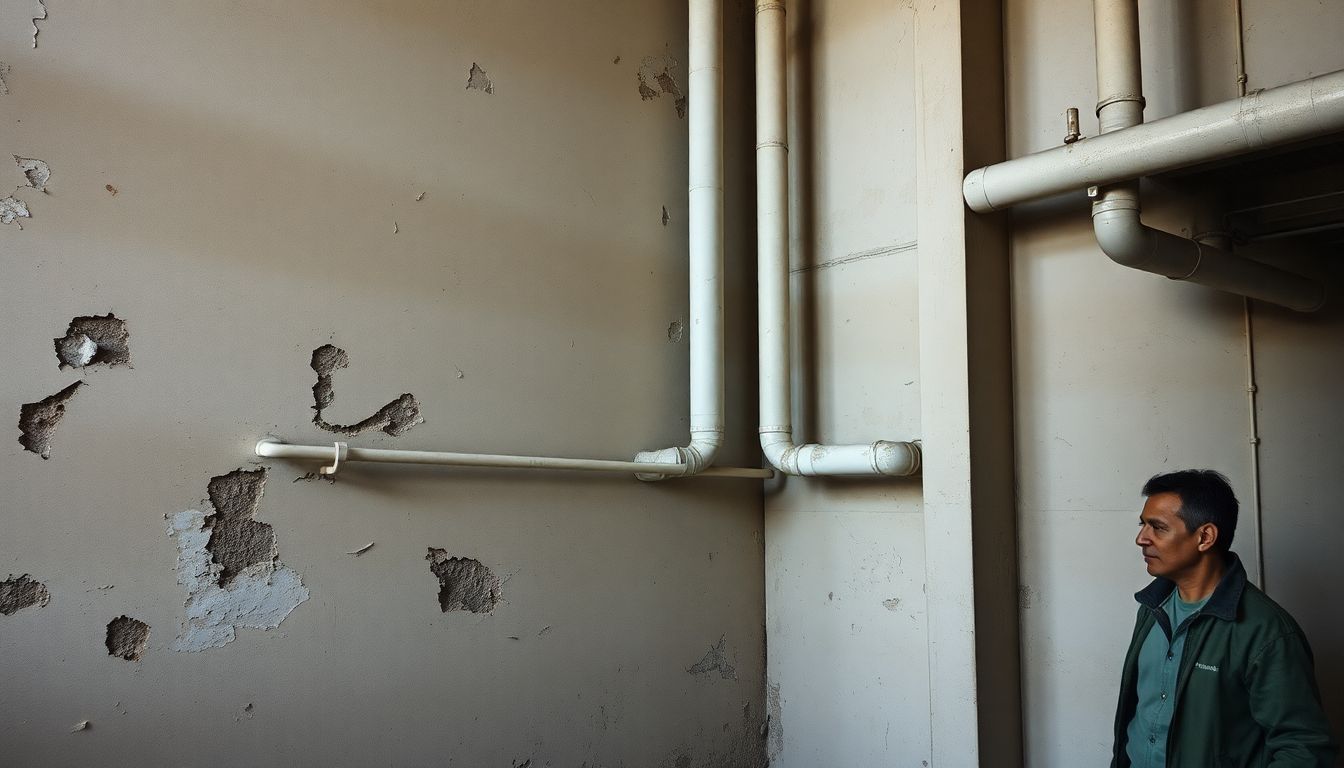
  • Asbestos in Edwardian Houses Common Locations: Identifying Risks and Safety Measures

    Asbestos in Edwardian Houses Common Locations: Identifying Risks and Safety Measures

    Asbestos in Victorian Houses: What Every Owner Needs to Know

    Victorian houses are beloved for their character — bay windows, ornate cornicing, solid brick construction. But beneath those period features, many properties built between roughly 1837 and 1901 contain a less welcome legacy: asbestos-containing materials (ACMs) introduced during later renovations and upgrades. Understanding asbestos in Victorian houses is not about panic — it is about knowing where to look, what to do, and when to call in the professionals.

    The key thing to understand is that asbestos was not widely used in construction during the Victorian era itself. The real risk comes from the decades that followed — particularly the 1950s through to the mid-1980s — when asbestos products were at the height of their popularity and were routinely used to upgrade older housing stock.

    If your Victorian property was ever refurbished, extended, or had its heating system updated during those decades, ACMs could well be present. Every Victorian home that has not been professionally assessed should be treated as potentially containing asbestos — especially before any renovation or maintenance work begins.

    Why Victorian Houses Are at Higher Risk From Asbestos

    Asbestos was cheap, fire-resistant, and durable — everything a builder or landlord wanted when modernising an older property on a budget. Victorian terraces, semi-detached villas, and larger town houses were frequently upgraded throughout the twentieth century, and many of those upgrades involved asbestos-containing products.

    The materials introduced during these refurbishments ranged from floor tiles and pipe lagging to ceiling coatings and partition boards. Because the original Victorian structure often remains intact beneath later additions, you can have a house that looks entirely period on the outside but contains decades’ worth of potentially hazardous materials hidden behind plaster, under floors, and inside roof spaces.

    This combination of original fabric and twentieth-century upgrades is precisely what makes Victorian properties one of the higher-risk categories when it comes to ACMs. Age alone is not the issue — it is the history of modification that matters.

    Common Locations of Asbestos in Victorian Houses

    Knowing where ACMs are most likely to be found helps you plan safe maintenance and avoid accidental disturbance. These are the areas that professional surveyors consistently flag in Victorian properties.

    Floors and Floor Coverings

    Vinyl floor tiles — particularly the classic 9×9 inch square format — were widely used from the 1950s onwards to modernise Victorian kitchens, hallways, and bathrooms. Many of these tiles contain chrysotile (white asbestos), and the black bitumen adhesive used to fix them can also contain asbestos.

    Sanding, scraping, or breaking these tiles releases fibres that are invisible to the naked eye. Even lifting them carelessly can pose a risk. If you have old vinyl tiles in your Victorian property, assume they may contain asbestos until a professional sample confirms otherwise.

    Ceilings and Textured Coatings

    Textured ceiling coatings — most famously sold under the Artex brand — were applied extensively in Victorian homes from the 1970s through to the early 1990s. Many of these products contained chrysotile asbestos fibres to improve their workability and durability.

    Drilling, sanding, or scraping a textured ceiling can release fibres into the air. Even fitting a new light fitting or attaching a curtain pole to a coated ceiling carries risk. If your Victorian property has textured ceilings that have not been tested, treat them as suspect until proven otherwise.

    Heating Systems: Pipe Lagging and Boiler Insulation

    This is one of the highest-risk areas in any older property. Asbestos was used extensively as thermal insulation around hot water pipes, boilers, and heating systems because it withstood high temperatures better than most alternatives available at the time.

    Pipe lagging containing asbestos often appears as a grey or white wrapping around pipes — sometimes soft and fibrous, sometimes more solid. You will commonly find it in:

    • Airing cupboards
    • Under suspended floors
    • Cellars and basements (common in larger Victorian properties)
    • Roof spaces and loft areas
    • Around old back boilers behind fireplaces

    Asbestos insulation materials around heating systems are classified as high-risk ACMs under HSE guidance. Disturbing them — even accidentally during a plumbing job — can release significant quantities of fibres. Only licensed asbestos contractors should work on or near these materials.

    Kitchens and Bathrooms

    Victorian kitchens and bathrooms were frequently modernised during the mid-twentieth century, and many of the materials used in those upgrades contained asbestos. Areas to be aware of include:

    • Bath panels: Asbestos insulating board (AIB) was commonly used for bath panels. It looks like a dense, pale sheet material and can be difficult to distinguish from safe alternatives without testing.
    • Splashbacks: Asbestos cement was used behind sinks, baths, and cookers as a heat and moisture-resistant surface.
    • Ceiling tiles: Dropped or false ceilings in bathrooms and kitchens sometimes incorporated asbestos ceiling tiles.
    • Window sills and surrounds: Some were constructed using asbestos cement board during renovation periods.

    Never attempt to take your own samples from suspected ACMs. Visual identification is unreliable, and sampling without proper controls can release fibres into the living environment.

    Roofs, Soffits, and Outbuildings

    Asbestos cement was one of the most widely used roofing materials of the twentieth century. In Victorian properties, it was often used for:

    • Garage roofs and outbuilding roofs
    • Lean-to and conservatory roofing
    • Soffits and fascia boards
    • Flat roof coverings on extensions
    • Rainwater goods such as guttering and downpipes

    Asbestos cement in good condition is relatively low risk if left undisturbed. However, weathered, cracked, or broken asbestos cement can shed fibres, particularly during high winds or if pressure-washed. Any roofing or external maintenance work should be preceded by a professional assessment.

    Partition Walls and Internal Boards

    When Victorian properties were converted into flats or had rooms subdivided — which happened extensively during the mid-twentieth century — partition walls were often constructed using asbestos insulating board. AIB is denser than standard plasterboard and was valued for its fire-resistance.

    Fire doors in converted Victorian properties may also contain AIB panels. These are particularly hazardous because AIB releases fibres readily when cut, drilled, or abraded.

    Decorative Fireplaces and Hearth Areas

    Victorian homes are famous for their fireplaces, and many were later fitted with gas fire surrounds or inserts that incorporated asbestos rope seals, asbestos millboard, or asbestos cement components. The area behind and around a fireplace insert — particularly if it was added or altered in the 1960s or 1970s — is worth flagging for survey.

    How to Identify Asbestos-Containing Materials in a Victorian Property

    The honest answer is that you cannot reliably identify asbestos by looking at it. Many ACMs are visually indistinguishable from safe materials. What you can do is recognise the warning signs that warrant professional investigation.

    Look out for:

    • Old vinyl floor tiles — especially the 9×9 inch format with black adhesive beneath
    • Grey or white fibrous wrapping around pipes, particularly in airing cupboards or cellars
    • Hard, cement-like boards in bathrooms, around fireplaces, or in partition walls
    • Textured ceiling coatings applied before the mid-1990s
    • Corrugated or flat cement sheeting on garage or outbuilding roofs
    • Heavy, dense boards that seem disproportionately solid for their apparent material
    • Fibrous or fluffy insulation around boilers or heating equipment

    If you notice any of these features — particularly if you are planning renovation work — the right step is to arrange a professional management survey before work begins. This gives you a clear picture of what is present, where it is, and what condition it is in.

    The Different Types of Asbestos Survey for Victorian Properties

    Not all surveys are the same. The type you need depends on what you are planning to do with your Victorian property.

    Management Survey

    A management survey is the standard survey for properties that are occupied and not undergoing major work. It identifies ACMs that could be disturbed during normal occupation or routine maintenance — and is what most homeowners and landlords need as a baseline assessment.

    The survey is non-intrusive and designed to work around an occupied building. It gives you a written report detailing the location, type, and condition of any ACMs found, along with a risk rating to guide your next steps.

    Refurbishment and Demolition Survey

    If you are planning significant renovation — knocking through walls, replacing floors, upgrading the heating system — you need a more intrusive demolition survey. This goes deeper into the building fabric to locate ACMs that might be disturbed during the works. For full demolition, this type of survey is a legal requirement.

    Both survey types should be carried out by accredited surveyors following the HSE’s HSG264 guidance. Reports should include the location of each ACM, its condition, and a risk assessment to guide your management decisions.

    What Happens if Asbestos Is Found?

    Finding asbestos in your Victorian house does not automatically mean it needs to be removed. The appropriate response depends on the type of material, its condition, and what you plan to do with the property.

    Leave It in Place and Manage It

    For ACMs in good condition that are not going to be disturbed, the HSE’s guidance generally favours leaving them in place and managing them. This means:

    • Recording the location and condition in an asbestos register
    • Inspecting the material periodically — typically every six to twelve months — to check for deterioration
    • Ensuring all contractors are informed before any work is carried out
    • Encapsulating materials where appropriate to prevent fibre release

    Encapsulation

    Where an ACM is in fair condition but not immediately hazardous, encapsulation — sealing the surface with a specialist coating — can lock fibres in and extend the safe life of the material. This is often appropriate for textured coatings or asbestos cement in accessible locations.

    Removal

    Where ACMs are damaged, deteriorating, or need to be disturbed for renovation work, asbestos removal by a licensed contractor is the safest option. Under the Control of Asbestos Regulations, certain high-risk materials — including asbestos insulating board and pipe lagging — must only be removed by contractors licensed by the HSE.

    Never attempt to remove asbestos yourself. The risks of improper removal — both to your health and to your legal compliance — are significant.

    Legal Responsibilities for Victorian Property Owners

    The Control of Asbestos Regulations place clear duties on those who own, manage, or occupy non-domestic premises. For domestic properties, the picture is slightly different — private homeowners do not have the same statutory duty to manage asbestos as commercial landlords — but the health risks are identical regardless of tenure.

    Key responsibilities include:

    • Landlords of residential properties: While the duty to manage under the Control of Asbestos Regulations applies primarily to non-domestic premises, landlords have broader health and safety obligations to their tenants. Awareness of ACMs and appropriate management is strongly advisable.
    • Commercial property owners: The duty to manage applies in full. You must identify ACMs, assess the risk, produce a management plan, and keep it under review.
    • Anyone commissioning refurbishment or demolition: A refurbishment or demolition survey is required before work begins on any pre-2000 building. This is not optional — it is a legal requirement under the Control of Asbestos Regulations.

    Even where there is no strict legal duty, the practical case for getting a survey done before any work is straightforward: disturbing asbestos unknowingly is far more costly — financially and in health terms — than identifying it in advance.

    Practical Steps Before Any Renovation Work on a Victorian Property

    If you are planning any work on your Victorian home — from a full refurbishment to simply replacing a bathroom suite — follow these steps before a single tool is lifted:

    1. Commission a survey first. A management survey for occupied properties, or a refurbishment and demolition survey if structural work is planned. Do not rely on a visual inspection or a builder’s opinion.
    2. Share the report with all contractors. Every tradesperson working on your property should be made aware of any ACMs identified, their location, and the conditions under which they can safely work.
    3. Do not disturb suspect materials. If you discover something during work that looks like it could be an ACM — stop work immediately, isolate the area, and seek professional advice.
    4. Use licensed contractors for high-risk materials. If removal of AIB, pipe lagging, or other high-risk ACMs is required, only an HSE-licensed contractor can legally carry out that work.
    5. Keep records. Maintain an asbestos register for the property and update it whenever survey findings change or materials are removed.

    Where We Work: Asbestos Surveys for Victorian Properties Across the UK

    Victorian housing stock is spread across every major city and town in the UK. Whether you own a terraced house in East London, a converted flat in Manchester, or a period villa in Birmingham, the risks from asbestos in Victorian houses are the same — and so is the solution.

    Supernova Asbestos Surveys carries out professional asbestos surveys nationwide. If you are based in the capital, our team provides a full asbestos survey London service covering all property types, including Victorian residential and commercial buildings. In the North West, our asbestos survey Manchester service covers the full range of survey types required for period properties. And in the West Midlands, our asbestos survey Birmingham team works with homeowners, landlords, and developers on Victorian properties of all sizes.

    All surveys are carried out by accredited surveyors in line with HSG264 guidance, and reports are delivered promptly so your project is not delayed.

    Frequently Asked Questions

    Is asbestos always present in Victorian houses?

    Not necessarily. Asbestos was not commonly used during the Victorian era itself — the risk comes from later renovations and upgrades carried out between the 1950s and mid-1980s. If your Victorian property has never been refurbished or had its heating system updated during that period, the risk is lower. However, without a professional survey, there is no reliable way to know for certain.

    Can I test for asbestos myself in a Victorian house?

    No. Taking your own samples from suspected ACMs is not safe and is not recommended. Disturbing a material to take a sample can release fibres into your home. Only accredited surveyors with appropriate equipment and training should collect samples for laboratory analysis. If you suspect asbestos is present, arrange a professional survey rather than attempting to investigate it yourself.

    Do I legally have to remove asbestos found in my Victorian home?

    Not automatically. The HSE’s guidance generally favours leaving ACMs in good condition undisturbed rather than removing them, because removal itself carries risk if not done correctly. Removal becomes necessary when materials are damaged, deteriorating, or need to be disturbed for renovation work. The legal requirement is to manage ACMs appropriately — not to remove them in every case.

    What type of asbestos survey do I need for a Victorian house renovation?

    If you are planning significant renovation work — including structural alterations, floor replacements, or heating system upgrades — you need a refurbishment and demolition survey. This is more intrusive than a standard management survey and is specifically designed to locate ACMs that might be disturbed during the works. For occupied properties not undergoing major work, a management survey is the appropriate starting point.

    How much does an asbestos survey for a Victorian house cost?

    Survey costs vary depending on the size of the property, its location, and the type of survey required. A management survey for a standard Victorian terraced house is typically more affordable than a full refurbishment and demolition survey. The best approach is to contact a qualified surveying company directly for a quote based on your specific property and circumstances. Supernova Asbestos Surveys provides competitive, transparent pricing — call us on 020 4586 0680 or visit asbestos-surveys.org.uk for a quote.

    Get a Professional Asbestos Survey for Your Victorian Property

    Asbestos in Victorian houses is a manageable risk — but only if you know what you are dealing with. A professional survey gives you the facts, protects the health of everyone in the property, and keeps your renovation project on the right side of the law.

    Supernova Asbestos Surveys has completed over 50,000 surveys nationwide. Our accredited surveyors specialise in period properties and deliver clear, actionable reports so you can move forward with confidence.

    Call us on 020 4586 0680 or visit asbestos-surveys.org.uk to book your survey today.

  • The Risks and Management of Asbestos in Victorian Houses

    The Risks and Management of Asbestos in Victorian Houses

    Asbestos in Victorian Houses: What Every Owner Needs to Know

    Victorian houses are admired for their character, craftsmanship, and solid construction. But beneath the ornate cornicing and original floorboards, many hide a serious health risk. Asbestos in Victorian houses is far more widespread than most owners realise — and the consequences of disturbing it without proper guidance can be severe.

    Asbestos-related diseases kill thousands of people in the UK every year, and a significant proportion of cases are linked to exposure during routine home maintenance or renovation work. If your property was built before 2000 — and Victorian homes obviously were — asbestos-containing materials (ACMs) could be present almost anywhere.

    Why Victorian Houses Carry a Particularly High Risk for Asbestos

    Victorian properties were built between 1837 and 1901, long before asbestos was commercially widespread. So why are they such a concern? Because most have been modified, extended, or upgraded multiple times since then — particularly during the 1950s, 1960s, and 1970s, when asbestos use in UK construction was at its peak.

    A Victorian terrace that had its roof repaired in 1965, its bathroom refitted in 1972, and its kitchen updated in 1985 could contain ACMs from every one of those projects. The original Victorian fabric may be entirely asbestos-free, but the layers of 20th-century work added on top are a different matter entirely.

    This layering effect makes asbestos surveys in Victorian properties particularly complex. Materials are often hidden behind original features, tucked into roof voids, or buried beneath later flooring. You genuinely cannot tell what is there without a professional investigation.

    Where Asbestos Is Commonly Found in Victorian Houses

    ACMs can appear in dozens of locations across a typical Victorian property. The following areas deserve particular attention.

    Roofs, Soffits, and Guttering

    Asbestos cement was widely used for corrugated roof sheets, particularly on garage roofs and outbuildings. Soffits, fascias, and rainwater goods — including gutters, downpipes, and flue pipes — were also commonly manufactured from asbestos cement.

    These materials are relatively stable when intact, but drilling, cutting, or weathering can release fibres. Never assume external cement products on an older property are asbestos-free without professional confirmation.

    Ceilings and Walls

    Textured coatings such as Artex were applied to millions of UK homes from the 1960s through to the late 1990s. Many formulations contained chrysotile (white asbestos) fibres. If you have a stippled or swirled ceiling in a Victorian property, there is a genuine chance it contains asbestos — particularly if it was applied before the 1990s.

    Asbestos insulating board (AIB) was used as a fire-resistant lining in wall panels, behind fireplaces, and inside service ducts. AIB is one of the more hazardous ACM types because it can be friable — meaning it crumbles and releases fibres more readily than denser materials.

    Floors

    Vinyl floor tiles and thermoplastic tiles laid before the 1990s frequently contained asbestos fibres. The bitumen adhesive used to fix them could also contain ACMs. If you are planning to lift old flooring in a Victorian property, do not assume it is safe simply because it looks like ordinary vinyl.

    Pipe Lagging and Insulation

    Pipe lagging — the insulation wrapped around hot water pipes and boilers — was one of the most common uses of asbestos in domestic properties. In loft spaces, cellars, and service areas, this lagging can deteriorate over time, becoming friable and releasing loose fibres. This is among the highest-risk ACM types you are likely to encounter.

    Cold Water Tanks

    Cold water storage tanks in loft spaces were commonly made from asbestos cement, particularly in properties that had not been modernised. If your Victorian property still has its original loft tank and it has never been replaced, it warrants professional assessment before anyone works near it.

    Electrical Components and Window Seals

    Older fuse boards and consumer units sometimes incorporated asbestos pads as fire protection. Window putties, mastics, and rope seals in older frames could also contain asbestos fibres. These are easy to overlook during a visual inspection, which is exactly why a professional survey matters.

    Dropped Ceilings and Partition Walls

    False ceilings installed during 20th-century refurbishments may contain calcium silicate boards or other ACM panels above the visible surface. Partition walls added during the same period could incorporate asbestos insulating board as a structural or fire-resistant element.

    The Health Risks of Asbestos Exposure

    Asbestos fibres are microscopic, sharp, and — critically — permanent. Once inhaled, they cannot be expelled by the body. Over time, they cause scarring and inflammation that can develop into serious, life-limiting conditions.

    The primary diseases associated with asbestos exposure are:

    • Mesothelioma — a cancer of the lining of the lungs or abdomen, almost exclusively caused by asbestos exposure
    • Asbestosis — progressive scarring of lung tissue, causing breathlessness and reduced lung function
    • Lung cancer — asbestos exposure significantly increases the risk, particularly in smokers
    • Pleural thickening — thickening of the lung lining that restricts breathing capacity

    What makes these diseases particularly insidious is the latency period. Symptoms may not appear for 20 to 40 years after exposure. Someone who disturbs asbestos during a home renovation today might not develop symptoms until decades later — by which point the damage is irreversible.

    There is no safe level of asbestos exposure. Even brief, low-level contact with friable ACMs carries risk. Professional management is not optional — it is essential.

    Why Renovation Work Carries the Greatest Risk

    Asbestos that is in good condition and left undisturbed presents a relatively low risk. The danger escalates dramatically the moment someone starts drilling, cutting, sanding, or breaking apart materials that contain it.

    Victorian properties are popular renovation projects precisely because of their original features and potential. But that popularity creates real risk. Common renovation tasks that can disturb ACMs include:

    • Drilling into walls or ceilings to install fixtures or run cables
    • Sanding or scraping textured coatings before redecorating
    • Lifting old floor tiles or removing bitumen adhesive
    • Removing partition walls or ceiling panels
    • Replacing pipe lagging or boiler insulation
    • Repairing or replacing garage roofs and outbuildings
    • Chasing walls for new electrical or plumbing runs

    Any one of these tasks, carried out without prior asbestos assessment, could expose you, your family, or your contractors to harmful fibres. Commissioning a management survey before work begins is the single most effective step you can take to protect everyone on site.

    UK Regulations You Need to Understand

    The Control of Asbestos Regulations places legal duties on those responsible for non-domestic premises — including the common areas of residential buildings such as blocks of flats. If you own or manage a Victorian property with shared spaces, stairwells, or communal areas, you have a legal duty to manage asbestos risk.

    For privately owned Victorian houses used as single dwellings, there is no specific legal duty to survey — but this does not mean asbestos can be ignored. The moment you engage contractors to carry out work, you have a responsibility to ensure they are not put at risk. HSE guidance is clear: if you cannot confirm that a material is asbestos-free, it should be treated as though it contains asbestos.

    Before any significant refurbishment or demolition work, a demolition survey — formally known as a refurbishment and demolition survey — is required by law in non-domestic settings and is strongly recommended for any residential property undergoing structural work.

    Key legal and regulatory requirements include:

    • Identifying and managing ACMs in non-domestic premises
    • Producing a written asbestos management plan and reviewing it regularly
    • Informing contractors of the location and condition of any known ACMs
    • Using only licensed contractors for certain types of asbestos removal work
    • Ensuring correct disposal through licensed waste carriers to permitted facilities

    HSG264, the HSE’s guidance document on asbestos surveys, sets out the standards that surveyors must follow. Any survey carried out on your Victorian property should comply with this guidance — if a surveyor cannot confirm this, look elsewhere.

    Professional Asbestos Surveys: What to Expect

    A professional asbestos survey is the only reliable way to identify ACMs in a Victorian property. Visual inspection alone is not sufficient — asbestos cannot be identified by sight, texture, or smell. Only laboratory analysis of a physical sample can confirm the presence of asbestos fibres.

    Management Surveys

    A management survey is designed to locate ACMs that could be disturbed during normal occupation and routine maintenance. It involves a thorough inspection of accessible areas, sampling of suspect materials, and a detailed written report.

    This is the standard starting point for most Victorian property owners and the foundation of any sensible asbestos management approach. It gives you a clear picture of what is present, where it is, and what condition it is in — so you can make informed decisions about maintenance and renovation work.

    Refurbishment and Demolition Surveys

    If you are planning significant building work — extending, converting, or demolishing any part of a Victorian property — a refurbishment and demolition survey is required. This is a more invasive process, involving access to concealed areas and a comprehensive assessment of all materials that could be disturbed during the planned work. Do not start any structural work without one.

    Re-inspection Surveys

    Where ACMs have been identified and a management plan is in place, a re-inspection survey should be carried out periodically to monitor the condition of known materials. Asbestos that was stable last year may have deteriorated — re-inspections ensure your management plan remains accurate and up to date.

    Sample Analysis

    If you have a specific material you are concerned about, standalone sample analysis can confirm whether asbestos is present. Samples must be collected carefully to avoid disturbing fibres — this is a task for a trained professional, not a DIY job. Attempting to collect samples yourself can release the very fibres you are trying to identify.

    Safe Removal and Disposal of Asbestos in Victorian Properties

    If a survey identifies ACMs in your Victorian property, you have two broad options: manage them in place, or arrange removal. The right choice depends on the type of material, its condition, and your plans for the property.

    Materials in good condition that will not be disturbed can often be safely managed in place, provided they are monitored regularly and contractors are informed of their location. Damaged, deteriorating, or friable ACMs — particularly pipe lagging or AIB — generally require removal.

    Professional asbestos removal must be carried out by licensed contractors for certain ACM types, including AIB and pipe lagging. Licensed contractors work under strict controls: they seal the work area, use specialist respiratory protection and disposable protective clothing, and conduct air monitoring throughout the process.

    Disposal is equally regulated. ACMs must be double-wrapped in heavy-gauge polythene, clearly labelled, and transported by a licensed waste carrier to a permitted hazardous waste facility. Fly-tipping asbestos is a serious criminal offence carrying significant fines and potential prosecution. Always obtain consignment notes as proof of lawful disposal and keep these records securely.

    Buying or Selling a Victorian Property: Asbestos Due Diligence

    If you are purchasing a Victorian house, asbestos should be firmly on your due diligence checklist. Sellers are not legally required to disclose the presence of ACMs in a private residential sale, and a standard homebuyer’s survey will not identify asbestos. That responsibility falls to you.

    Commissioning an asbestos survey before exchange of contracts gives you accurate information about what you are buying. If ACMs are identified, you can factor remediation costs into your offer, negotiate with the seller, or make an informed decision about whether to proceed.

    If you are selling a Victorian property, having a current asbestos management survey and report available demonstrates transparency and can smooth the conveyancing process — particularly if buyers or their solicitors raise questions about the property’s condition.

    For landlords letting Victorian properties, the picture is different. Whilst the duty to manage under the Control of Asbestos Regulations applies specifically to non-domestic premises, landlords have broader duties of care to tenants. Knowing the asbestos status of your property before tenants move in — and before any maintenance contractors carry out work — is simply good practice and good risk management.

    Asbestos Surveys for Victorian Houses Across the UK

    Victorian housing stock is spread across every part of the UK, from densely packed urban terraces to rural farmhouses and suburban semis. Wherever your property is located, professional asbestos surveying services are available nationwide.

    If you are based in the capital and need an asbestos survey London property owners can rely on, Supernova operates across all London boroughs, covering the full range of Victorian residential and commercial stock. For property owners in the north-west, our asbestos survey Manchester service covers the city and surrounding areas, including the extensive Victorian terraced housing found across Greater Manchester. In the Midlands, our asbestos survey Birmingham team works across the city and wider region, where Victorian back-to-back and terraced housing remains common.

    Supernova operates nationwide, with surveyors experienced in the specific challenges that Victorian properties present. Whether you need a straightforward management survey or a complex refurbishment survey ahead of a major renovation, our team has the expertise to deliver accurate, actionable results.

    Practical Steps Every Victorian Property Owner Should Take

    If you own or manage asbestos in a Victorian house, here is a clear sequence of actions to follow:

    1. Do not disturb anything until you know what you are dealing with. If in doubt, stop work immediately.
    2. Commission a management survey to establish a baseline picture of ACMs across the property.
    3. Review the survey report carefully and understand the condition and risk rating of any identified materials.
    4. Produce or update your asbestos management plan based on the survey findings.
    5. Inform contractors of the location and condition of any ACMs before they start work.
    6. Commission a refurbishment and demolition survey before any structural, conversion, or demolition work begins.
    7. Arrange licensed removal for any damaged or friable ACMs identified as requiring remediation.
    8. Schedule periodic re-inspections to monitor the condition of materials being managed in place.

    Following this sequence keeps you, your occupants, and your contractors protected — and keeps you on the right side of your legal obligations.

    Frequently Asked Questions

    Does my Victorian house definitely contain asbestos?

    Not necessarily — but it may well do, particularly if it has been modified or refurbished at any point during the 20th century. The only way to know for certain is to commission a professional asbestos survey. Visual inspection alone cannot confirm whether a material contains asbestos fibres.

    Is asbestos in a Victorian house dangerous if left alone?

    Asbestos-containing materials that are in good condition and are not disturbed present a relatively low risk. The danger arises when ACMs are damaged, deteriorating, or disturbed through drilling, cutting, or renovation work. If you have identified or suspect ACMs, the priority is to assess their condition and manage them appropriately — not to panic, but not to ignore them either.

    Do I need a licensed contractor to remove asbestos from my Victorian property?

    It depends on the type of material. Certain ACMs — including asbestos insulating board and pipe lagging — must by law be removed by a licensed contractor. Other lower-risk materials may be handled by non-licensed but trained operatives. A professional survey report will indicate the appropriate removal category for each material identified.

    How much does an asbestos survey for a Victorian house cost?

    Survey costs vary depending on the size and complexity of the property, the type of survey required, and the number of samples taken for laboratory analysis. Supernova provides transparent, competitive pricing — contact us directly for a no-obligation quote tailored to your property.

    What should I do if I accidentally disturb asbestos during renovation work?

    Stop work immediately. Evacuate the area and keep others away. Do not attempt to clean up any debris yourself. Ventilate the space if possible without spreading dust further. Contact a licensed asbestos contractor for advice on decontamination and safe clearance. If you believe significant exposure has occurred, seek medical advice and inform your GP of the potential exposure.

    Get Expert Help with Asbestos in Your Victorian Property

    Supernova Asbestos Surveys has completed over 50,000 surveys across the UK, with extensive experience in Victorian residential and commercial properties. Our surveyors work to HSG264 standards, provide clear and detailed reports, and can advise on the most appropriate course of action for your specific situation.

    Whether you need a management survey, a refurbishment survey ahead of planned works, or specialist removal services, we are here to help. Call us on 020 4586 0680 or visit asbestos-surveys.org.uk to book your survey or request a quote.