Category: Asbestos in the Hospitality Industry: Guest and Employee Safety

  • How to Properly Handle Asbestos in the Hospitality Industry

    How to Properly Handle Asbestos in the Hospitality Industry

    Asbestos Survey for Hotels: What Every Hospitality Owner Needs to Know

    If your hotel was built or refurbished before the year 2000, there is a very real chance asbestos-containing materials (ACMs) are present somewhere in the building. An asbestos survey for hotels is not just a legal formality — it is the foundation of your duty of care to guests, staff, and every contractor who sets foot on your premises.

    Asbestos was widely used in UK construction right up until its full ban in 1999. Hotels contain a particularly complex mix of building materials across guest rooms, kitchens, plant rooms, corridors, and service areas — many installed during the decades when asbestos use was at its peak.

    Understanding where it hides, what the law requires, and how to manage it properly is essential for any responsible hotel operator.

    Why Hotels Face a Particularly High Asbestos Risk

    Hotels are not like standard offices or warehouses. They are lived-in environments with constant maintenance, regular refurbishment cycles, and a high turnover of contractors working across the building at any given time. That combination creates significant risk if asbestos is not properly identified and managed.

    Older hotel buildings often have layers of renovation work on top of the original construction. Each layer can disturb previously undisturbed ACMs, releasing fibres into the air without anyone realising. The risk extends beyond maintenance staff — it reaches housekeeping teams, kitchen workers, and guests in rooms where work has been carried out.

    Asbestos-related diseases, including mesothelioma, asbestosis, and lung cancer, can take decades to develop after exposure. There is no safe level of exposure, and no cure for the diseases asbestos causes. Prevention — starting with a proper survey — is the only responsible approach.

    Where Asbestos Hides in Hotel Buildings

    Asbestos is not always obvious. It was used in dozens of different building products, and you cannot identify it by sight alone. In a hotel environment, ACMs are commonly found in the following locations:

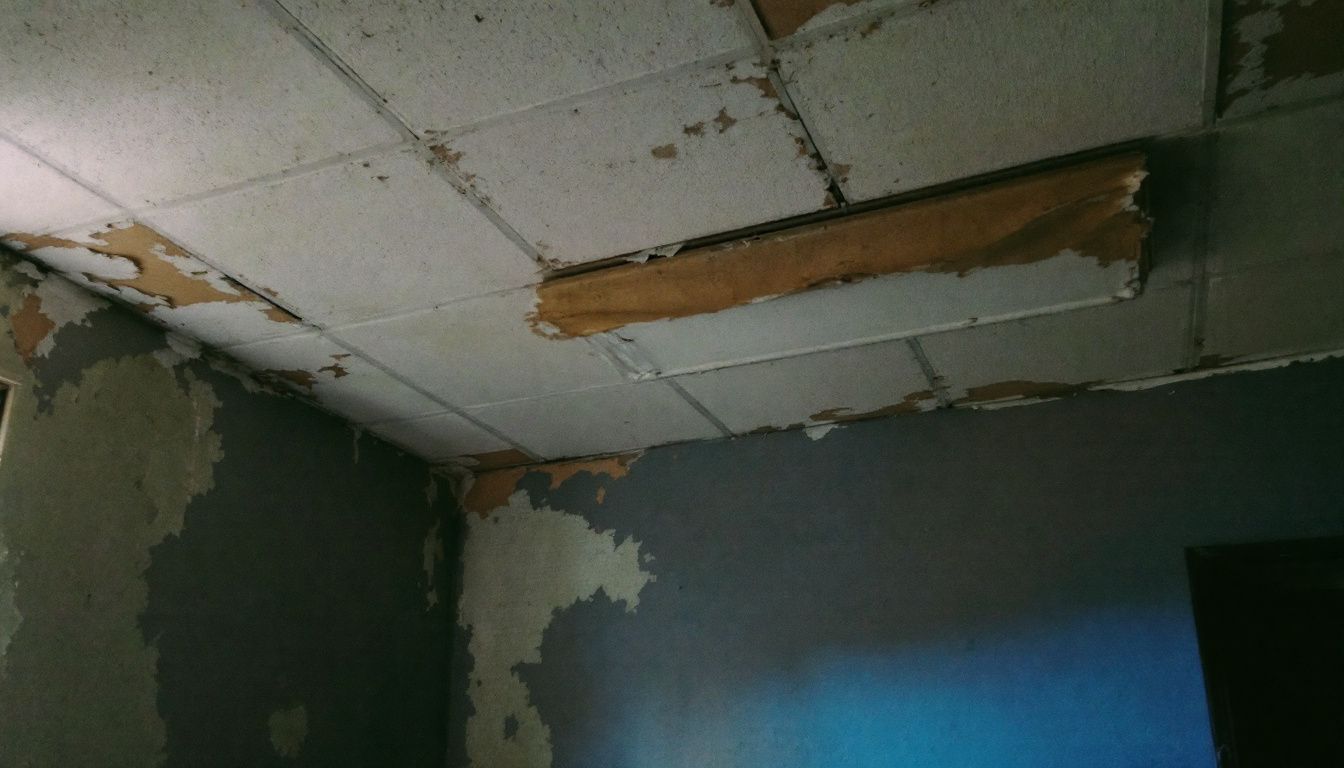
    • Ceiling tiles and suspended ceiling systems — particularly in function rooms, corridors, and older guest rooms
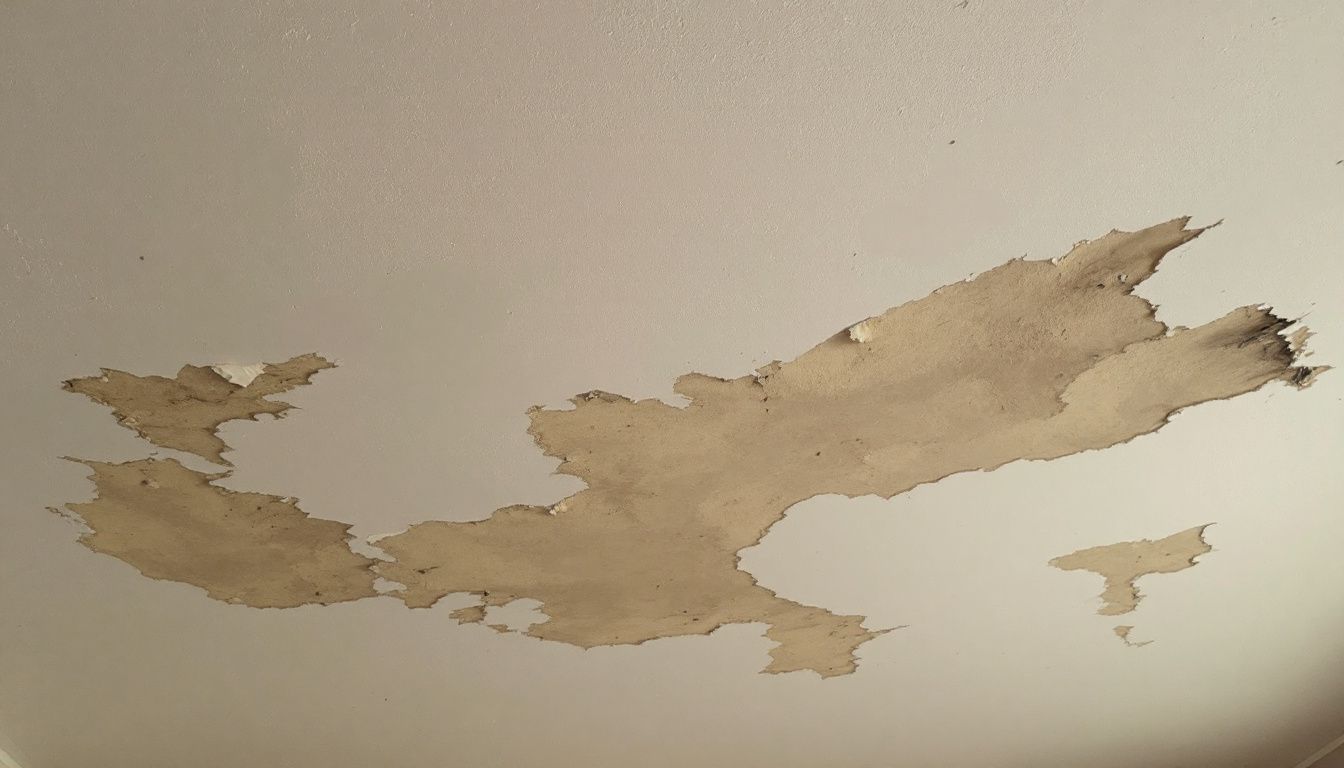
    • Textured coatings — such as Artex on ceilings and walls throughout the building
    • Floor tiles and adhesive backing — vinyl floor tiles from the 1960s to 1980s frequently contain chrysotile asbestos
    • Pipe lagging and boiler insulation — plant rooms, boiler houses, and service ducts are high-risk areas
    • Partition walls and wall boards — asbestos insulation board was widely used in internal partitions
    • Fire doors and door linings — asbestos was used for its fire-resistant properties in older fire door construction
    • Roof materials and soffits — asbestos cement was common in roofing, fascias, and guttering
    • Kitchen heat panels and equipment surrounds — commercial kitchens often incorporated asbestos materials around cooking equipment
    • Lift shafts and machine rooms — structural linings and insulation in older lift installations
    • Window surrounds and external panels — asbestos cement panels were used in curtain walling and infill panels

    This is not an exhaustive list. Any pre-2000 building material should be treated as potentially containing asbestos until a professional survey and laboratory analysis confirms otherwise.

    What an Asbestos Survey for Hotels Actually Involves

    A professional asbestos survey for hotels involves a qualified surveyor systematically inspecting the building, taking samples of suspected ACMs, and sending those samples for laboratory analysis. The results are compiled into a detailed report that forms the basis of your asbestos management plan.

    There are two main types of survey relevant to hotel operators, and understanding the difference is essential.

    Management Survey

    A management survey is the standard survey required for any non-domestic building in normal use. It identifies ACMs that could be disturbed during routine maintenance and day-to-day activities. For most hotels, this is the starting point — and it is a legal requirement under the Control of Asbestos Regulations.

    The surveyor will inspect all accessible areas of the building, including plant rooms, roof spaces, and service areas where practical. Samples are taken and analysed, and the final report tells you exactly where ACMs are located, what condition they are in, and what risk they pose.

    Refurbishment Survey

    If you are planning any significant renovation or extension work, a refurbishment survey is required before work begins. This is a more intrusive survey involving destructive inspection to locate all ACMs that could be disturbed during the planned works. It must be completed before any contractor starts work on the affected areas.

    Failing to commission this survey before refurbishment is not just a legal breach — it puts every worker on site at risk.

    Demolition Survey

    Where a hotel building or part of it is scheduled for demolition, a demolition survey is required. This is the most thorough and intrusive type of survey, designed to locate every ACM in the structure before demolition work begins. It is a legal requirement and must be completed before any demolition contractor commences work.

    Your Legal Responsibilities as a Hotel Owner or Manager

    The Control of Asbestos Regulations place a clear legal duty on those who own, manage, or have responsibility for non-domestic premises. As a hotel owner or operator, that duty falls squarely on you.

    The regulations require you to:

    1. Identify whether ACMs are present in your building through a professional survey
    2. Assess the condition and risk of any ACMs found
    3. Produce and maintain an asbestos register and written management plan
    4. Act on the findings — either managing ACMs in place or arranging for their removal
    5. Share information about ACM locations with anyone who may disturb them, including maintenance contractors
    6. Review and update your asbestos management plan regularly

    HSE guidance, including HSG264, sets out in detail how surveys should be conducted and what the management plan must contain. Ignorance of these requirements is not a defence. Enforcement action, improvement notices, and prosecution are all possible outcomes for non-compliance.

    The Duty to Manage

    The duty to manage asbestos applies to the common parts of hotels — corridors, plant rooms, roof spaces, kitchens, and any areas accessible to staff or contractors. It does not matter whether you own the freehold or hold a long lease; if you are responsible for maintenance, the duty applies to you.

    If you manage a hotel under a franchise or management agreement, clarify clearly in your contracts who holds responsibility for asbestos management. Ambiguity here can be costly.

    Building Your Asbestos Management Plan

    Once your survey is complete, the asbestos register and management plan must be put in place. This is a living document — not something to file away and forget.

    A robust asbestos management plan for a hotel should include:

    • A full asbestos register listing the location, type, condition, and risk rating of every ACM identified
    • Floor plans or drawings showing ACM locations clearly
    • A schedule of regular reinspections — typically annual — to monitor ACM condition
    • Procedures for informing contractors about ACM locations before any work begins
    • Emergency procedures if ACMs are accidentally disturbed
    • Records of all asbestos-related work carried out on the premises
    • Details of staff training and awareness programmes

    The plan must be accessible to anyone who needs it — including maintenance staff, contractors, and the responsible person on site. Keeping it locked in a head office filing cabinet defeats the purpose entirely.

    Asbestos Removal in Hotels: When Is It Necessary?

    Not all asbestos needs to be removed. ACMs in good condition and in locations where they will not be disturbed can often be safely managed in place. Removal is not always the safest option — the act of removal itself creates risk if not carried out properly.

    However, removal becomes necessary when:

    • ACMs are in poor condition and deteriorating
    • Planned refurbishment or maintenance work will disturb the material
    • The material is in a location where it is regularly at risk of damage
    • The material poses an unacceptable ongoing risk to occupants or workers

    All licensable asbestos removal work must be carried out by an HSE-licensed contractor. This includes the removal of asbestos insulation, asbestos insulation board, and any work with asbestos in poor condition. Attempting to remove these materials without a licensed contractor is illegal and extremely dangerous.

    For professional asbestos removal carried out safely and in full compliance with the regulations, always use a contractor who holds a current HSE licence and can demonstrate relevant experience in occupied or operational buildings.

    Staff Training and Awareness in Hotel Environments

    Everyone who works in a hotel and could potentially disturb asbestos needs appropriate training. This does not mean every member of staff needs to become an asbestos expert — but awareness training is both a legal and practical necessity.

    Asbestos awareness training should cover:

    • What asbestos is and why it is dangerous
    • Where ACMs are likely to be found in the building
    • How to recognise potentially damaged or disturbed materials
    • What to do if suspected ACMs are found or disturbed — stop work, leave the area, report immediately
    • The location and contents of the asbestos register and management plan

    Maintenance staff, housekeeping supervisors, and any employees who carry out minor repairs should receive this training, with annual refreshers as standard practice.

    Contractors working on your premises must also be informed of ACM locations before work begins. Passing a copy of the relevant sections of your asbestos register to every contractor is not just good practice — it is a legal requirement under the Control of Asbestos Regulations.

    Practical Steps Before Any Refurbishment or Maintenance Work

    Before any planned maintenance or refurbishment project at your hotel, follow this sequence:

    1. Check your asbestos register for the areas affected by the planned work
    2. If the register does not cover the area, commission a refurbishment survey before work begins
    3. Brief all contractors on ACM locations and provide relevant documentation
    4. Ensure any licensed asbestos removal is completed and cleared before other trades begin work
    5. Update your asbestos register following any work that affects ACMs

    This process applies whether you are replacing a boiler, refitting a guest bathroom, or undertaking a full floor renovation. The scale of the project does not change the legal obligation.

    Asbestos Surveys for Hotels Across the UK

    Supernova Asbestos Surveys operates nationwide, with qualified surveyors covering every region of the UK. Whether your hotel is in the capital and you need an asbestos survey London teams can rely on, or you operate in the north and require an asbestos survey Manchester hotel operators can trust, we have experienced surveyors ready to assist.

    We also cover the Midlands — if you need an asbestos survey Birmingham property managers and hotel operators can depend on, our local team is available. With over 50,000 surveys completed nationwide, we understand the specific challenges that come with surveying operational hospitality venues.

    We work around your operational schedule to minimise disruption to guests and staff, and our surveyors are experienced in accessing the full range of hotel environments — from basement plant rooms to roof spaces and everything in between.

    To arrange an asbestos survey for your hotel, call us on 020 4586 0680 or visit asbestos-surveys.org.uk to request a quote. Our team will advise on the right type of survey for your property and get a qualified surveyor to you as quickly as possible.

    Frequently Asked Questions

    Do I legally need an asbestos survey for my hotel?

    Yes. If your hotel is a non-domestic premises built or refurbished before the year 2000, the Control of Asbestos Regulations require you to identify whether ACMs are present and manage them appropriately. A professional survey is the only reliable way to fulfil this duty. Operating without one puts you in breach of the law and exposes staff, guests, and contractors to unacceptable risk.

    What type of asbestos survey does a hotel need?

    Most hotels require a management survey as the baseline requirement — this covers all areas in normal use and identifies ACMs that could be disturbed during routine maintenance. If you are planning any refurbishment or demolition work, a refurbishment or demolition survey must be completed for the affected areas before work begins. In many cases, both types are needed at different stages of the building’s life.

    Can I just leave asbestos in place rather than having it removed?

    In many cases, yes. ACMs in good condition that are not at risk of being disturbed can be safely managed in place under a proper asbestos management plan. Removal is not always the best option, as the process itself carries risk. However, if materials are deteriorating, in a vulnerable location, or will be disturbed by planned works, removal by an HSE-licensed contractor is required.

    How often does a hotel asbestos management plan need to be reviewed?

    Your asbestos management plan should be reviewed regularly — at minimum annually, or whenever there is a change in circumstances such as refurbishment work, a change in building use, or evidence that ACMs have been disturbed or have deteriorated. The asbestos register should be updated after any work that affects ACMs, and reinspections of materials managed in place are typically carried out annually.

    Who is responsible for asbestos management in a hotel managed under a franchise or management agreement?

    Responsibility for asbestos management lies with whoever has control over maintenance of the building. In a franchise or management agreement, this can be ambiguous — which is why it is essential to define responsibility clearly in your contracts. Both the property owner and the operator should seek legal clarity on this point, as the duty under the Control of Asbestos Regulations cannot simply be contracted away.
  • Managing Asbestos Risks for Guests and Employees in the Hospitality Sector

    Managing Asbestos Risks for Guests and Employees in the Hospitality Sector

    Asbestos Survey for Hotels: What Every Owner and Manager Needs to Know

    Hotels carry a duty of care that goes far beyond thread counts and breakfast menus. If your property was built before 2000, there is a very real chance asbestos-containing materials are hidden inside its walls, ceilings, floors, and service areas — and the law requires you to find them. An asbestos survey for hotels is not optional paperwork. It is the foundation of every safe and legally compliant hospitality operation in the UK.

    Whether you manage a grand Victorian property, a 1970s motor lodge, or an 80s city-centre chain hotel, the obligation is the same: identify what is there, assess the risk, and manage it properly.

    Why Hotels Are Particularly High-Risk Asbestos Environments

    Hotels are complex buildings. They combine guest-facing spaces, back-of-house service areas, plant rooms, kitchens, laundries, and often multiple floors of accommodation — many of which were built or refurbished during the decades when asbestos use was at its peak in the UK.

    Unlike an office block where access is controlled, hotels have a constant flow of guests, contractors, maintenance staff, and housekeeping teams moving through every corner of the building. That footfall increases the risk of accidental disturbance to asbestos-containing materials (ACMs), especially during routine maintenance tasks like drilling into walls, replacing ceiling tiles, or working on pipework.

    Any pre-2000 hotel should be treated as potentially containing asbestos until a professional survey proves otherwise. That is not alarmism — it is the legal default position under the Control of Asbestos Regulations.

    Where Asbestos Hides in Hospitality Buildings

    Asbestos was used extensively in UK construction because it is fire-resistant, durable, and cheap. In hospitality buildings, it tends to appear in predictable locations — but it can also turn up in surprising places during refurbishment work.

    Common Locations to Check

    • Ceiling tiles and suspended ceiling systems — particularly in function rooms, corridors, and kitchens
    • Floor tiles and adhesives — vinyl floor tiles from the 1960s to 1980s frequently contain chrysotile asbestos
    • Pipe lagging and boiler insulation — plant rooms and service risers are high-risk areas
    • Sprayed coatings — used for fire protection on steel structural elements
    • Artex and textured coatings — common on ceilings in older guest rooms and public areas
    • Insulating board — used in fire doors, partition walls, and service ducts
    • Roof materials — asbestos cement sheeting was widely used on outbuildings, extensions, and flat roofs
    • Gaskets and seals — found in older boiler and heating systems

    The challenge for hotel operators is that ACMs can be present in areas that are rarely inspected — inside ceiling voids, behind cladding, within service ducts. A professional survey is essential; a visual check by a maintenance team simply is not sufficient.

    The Legal Framework: What the Law Requires of Hotel Dutyholders

    The Control of Asbestos Regulations place a clear legal duty on anyone who owns, occupies, or manages non-domestic premises. In a hotel context, that means the owner, the operator, or in some cases the facilities manager — whoever holds responsibility for maintenance and repair.

    Your Legal Obligations as a Dutyholder

    • Take reasonable steps to find out whether ACMs are present in the premises
    • Presume materials contain asbestos unless there is strong evidence they do not
    • Assess the condition of any identified or presumed ACMs and the risk they pose
    • Produce and maintain an Asbestos Management Plan that records findings and sets out how risks will be managed
    • Provide information about ACM locations to anyone who might disturb them — including maintenance contractors, electricians, and plumbers
    • Review and monitor the plan regularly and whenever circumstances change

    Failure to comply is a criminal offence. Penalties range from substantial fines to imprisonment, and the HSE takes enforcement seriously in the hospitality sector.

    The HSE’s guidance document HSG264 provides the technical standard that all asbestos surveys in the UK must meet. Any surveying company you appoint should be working to this standard as a minimum — always verify this before signing anything.

    Types of Asbestos Survey for Hotels

    Not all surveys are the same, and choosing the right type depends on what you need to achieve. There are two main categories under HSG264, and understanding the difference is critical for hotel operators.

    Management Survey

    A management survey is the standard survey required for the ongoing management of a building in normal use. It is designed to locate ACMs in accessible areas, assess their condition, and provide the information needed to produce an Asbestos Management Plan.

    For most hotels, this is the starting point. It covers all areas that are reasonably accessible without causing significant damage to the building fabric. The surveyor will take samples of suspected materials for laboratory analysis, and you will receive a detailed written report. If your hotel does not already have an up-to-date asbestos register, commissioning a management survey is the first step.

    Refurbishment Survey

    If you are planning renovation work — remodelling a restaurant, converting bedrooms, updating a spa, or undertaking any structural work — you will need a refurbishment survey before work begins. This is a more intrusive survey that accesses areas which would be disturbed by the planned works.

    This survey type is legally required before any work that could disturb the building fabric. It cannot be skipped to save time or money. Contractors who begin work without the appropriate survey in place expose themselves — and the hotel — to serious legal liability.

    Demolition Survey

    If you are planning to demolish any part of the structure, a demolition survey is required. This is the most thorough and intrusive of all survey types, designed to locate all ACMs throughout the entire structure before demolition work proceeds.

    This is not a survey you can defer or abbreviate. Demolition without a completed survey in place is a serious breach of the regulations and carries significant legal consequences.

    What Happens During an Asbestos Survey for Hotels

    Understanding the process helps you prepare properly and ensures the survey delivers the most accurate results possible.

    Before the Survey

    A good surveying company will ask for building plans, any existing asbestos records, and details of the areas to be surveyed. For a working hotel, you will need to consider access — particularly to occupied guest rooms, back-of-house areas, and plant rooms.

    It is worth planning the survey carefully to minimise disruption. Many hotels arrange for surveys to be conducted in unoccupied wings, or schedule access to plant rooms and service areas during quieter periods.

    During the Survey

    The surveyor will carry out a systematic inspection of the building, taking samples from materials suspected to contain asbestos. Samples are small and the process is carefully controlled to prevent fibre release. The surveyor will record the location, extent, and condition of all suspected ACMs.

    For large hotels, surveys may take place over more than one day. The surveyor should be fully qualified, and the company should hold UKAS accreditation for asbestos surveying — always verify this before appointing anyone.

    After the Survey

    You will receive a detailed written report that includes:

    • A register of all identified or presumed ACMs
    • Laboratory analysis results from samples taken
    • A risk assessment for each ACM based on its condition and location
    • Photographs and floor plan markings showing ACM locations
    • Recommendations for management, monitoring, or removal

    This report becomes the foundation of your Asbestos Management Plan. At Supernova Asbestos Surveys, reports are typically delivered within 24 hours of the survey being completed.

    Asbestos Testing: When Sampling Matters

    Visual inspection alone cannot confirm whether a material contains asbestos. Asbestos testing through laboratory analysis of physical samples is the only reliable way to identify ACMs with certainty.

    During a management or refurbishment survey, samples are taken as part of the standard process. However, there are situations where standalone asbestos testing may be needed — for example, if a specific material has been identified during maintenance work and needs to be confirmed before a contractor proceeds.

    Never allow contractors to assume a material is asbestos-free without analytical confirmation. The cost of testing is minimal compared to the cost of enforcement action, decontamination, and reputational damage.

    Building Your Asbestos Management Plan

    Once you have your survey report, the next step is to produce — or update — your Asbestos Management Plan. This is a live document that records what ACMs are present, what condition they are in, and how you are managing the risk.

    A robust plan for a hotel should include:

    • A full asbestos register with locations marked on floor plans
    • Risk ratings for each ACM based on condition, accessibility, and likelihood of disturbance
    • A monitoring schedule — high-risk ACMs should be checked more frequently
    • Contractor communication procedures — anyone working on the building must be shown the register before starting work
    • Emergency procedures — clear steps for staff to follow if ACMs are accidentally disturbed
    • Staff training records — evidence that relevant employees have received asbestos awareness training
    • A remediation programme — timelines for repair or removal of high-risk materials

    The plan must be reviewed regularly and updated whenever work is carried out, new ACMs are found, or the condition of existing materials changes.

    Managing Contractors: The Hidden Risk in Hotel Refurbishments

    Most asbestos-related incidents in hotels happen during maintenance and refurbishment work — not because the hotel team was unaware of asbestos, but because the information was not passed on to contractors before work started.

    Before any contractor begins work on your property, you must:

    1. Provide them with a copy of the relevant sections of your asbestos register
    2. Walk them through the areas where ACMs are present or suspected
    3. Obtain written confirmation that they have received and understood this information
    4. Ensure the appropriate survey has been completed before any intrusive work begins

    This is not just good practice — it is a legal requirement under the Control of Asbestos Regulations. Keeping records of these communications is essential if you ever need to demonstrate compliance to the HSE.

    When Asbestos Removal Becomes Necessary

    Not all ACMs need to be removed. If a material is in good condition, not likely to be disturbed, and is being properly monitored, it can often be managed in place. However, there are circumstances where asbestos removal becomes necessary:

    • The material is in poor condition and deteriorating
    • Planned refurbishment work will disturb the area where ACMs are present
    • The material is in a high-traffic area where accidental damage is likely
    • The risk assessment identifies an unacceptable risk to occupants or staff

    Removal of higher-risk asbestos materials — including asbestos insulation, insulating board, and sprayed coatings — must be carried out by a licensed contractor. Only firms holding a licence issued by the HSE are permitted to undertake this work. Never allow unlicensed contractors to remove asbestos, regardless of cost considerations.

    During removal work, the affected area must be sealed off, ventilation systems isolated, and air quality monitored throughout. A clearance certificate must be issued by an independent analyst before the area is returned to use.

    Communicating Asbestos Risks to Staff and Guests

    Your staff — particularly housekeeping, maintenance, and facilities teams — need to know where ACMs are located and what to do if they suspect they have disturbed one. This is a legal requirement as well as a practical safety measure.

    Asbestos awareness training should be provided to any member of staff who might encounter ACMs in the course of their work. It does not need to be lengthy, but it must cover what asbestos is, where it is found in your building, the health risks of exposure, and the correct procedure to follow if a material is suspected of being disturbed.

    As for guests — in the vast majority of cases, there is no need for direct communication about asbestos. If ACMs are properly managed and in good condition, they pose no risk to guests. However, if removal or remediation work is taking place, you should ensure affected areas are properly sealed and inaccessible to guests throughout the works.

    Asbestos Surveys Across the UK: Where We Work

    Supernova Asbestos Surveys operates across the UK, covering hotels and hospitality properties in every major city and region. If you manage a hotel in the capital, our team provides a full asbestos survey London service covering all property types and sizes.

    For properties in the north-west, we offer a dedicated asbestos survey Manchester service, and for hotels in the Midlands, our asbestos survey Birmingham team is ready to assist. Wherever your property is located, we can mobilise quickly and work around your operational schedule to minimise disruption.

    Frequently Asked Questions

    Do I legally need an asbestos survey for my hotel?

    Yes, if your hotel is in a building constructed before 2000, you have a legal duty under the Control of Asbestos Regulations to take reasonable steps to identify whether asbestos-containing materials are present. The most effective and legally defensible way to fulfil this duty is to commission a professional asbestos survey from a UKAS-accredited surveying company.

    What type of asbestos survey does a hotel need?

    Most hotels in normal operation require a management survey as their baseline. If you are planning any renovation, refurbishment, or structural work, a refurbishment survey is legally required before work begins. If demolition of any part of the building is planned, a demolition survey must be completed first. The correct survey type depends on your specific circumstances — a qualified surveyor can advise you.

    How long does an asbestos survey take in a hotel?

    This depends on the size and complexity of the building. A small boutique hotel may be surveyed in a single day, while a large multi-storey property with extensive plant rooms and service areas may require two or more days. Supernova Asbestos Surveys will provide a clear timeline before work begins and can work around your operational schedule to minimise disruption to guests and staff.

    Can asbestos be left in place in a hotel, or does it always need to be removed?

    Not all asbestos-containing materials need to be removed. If an ACM is in good condition, not at risk of disturbance, and is properly monitored, it can often be safely managed in place under an Asbestos Management Plan. Removal becomes necessary when materials are deteriorating, when planned work will disturb them, or when the risk assessment identifies an unacceptable risk. A licensed contractor must carry out any removal of higher-risk materials.

    What happens if asbestos is found during a hotel renovation?

    Work must stop immediately in the affected area. The area should be sealed off and ventilated to prevent fibre spread. You must notify the relevant parties and arrange for a licensed asbestos contractor to assess and, if necessary, remove the material safely before work resumes. A clearance certificate from an independent analyst is required before the area can be returned to use. This is precisely why a refurbishment survey before work begins is so important — it prevents exactly this scenario.

    Get Your Hotel’s Asbestos Survey Booked Today

    Supernova Asbestos Surveys has completed over 50,000 surveys across the UK, working with hotel operators, hospitality groups, and property managers to keep their buildings compliant and their people safe. Our UKAS-accredited surveyors work quickly, report within 24 hours, and understand the operational pressures of running a busy hotel.

    Do not wait for a maintenance incident or an HSE inspection to prompt action. Call us today on 020 4586 0680 or visit asbestos-surveys.org.uk to book your survey or request a quote. We cover the whole of the UK and can usually mobilise within days.

  • Asbestos Awareness in the Hospitality Industry: Why It Matters

    Asbestos Awareness in the Hospitality Industry: Why It Matters

    Asbestos in the Hospitality Industry: What Every Hotel, Pub and Restaurant Owner Needs to Know

    Asbestos doesn’t announce itself. It sits quietly inside walls, beneath floor tiles, above suspended ceilings — and in the hospitality industry, where buildings are constantly being refurbished, deep-cleaned, and maintained, the risk of disturbing it is very real. Understanding the importance of asbestos awareness in the hospitality industry isn’t just a legal box to tick; it’s a duty of care to every member of staff and every guest who walks through your door.

    Hotels, restaurants, pubs, and guest houses built before 2000 are particularly at risk. Many of these buildings contain asbestos-containing materials (ACMs) that were installed during construction and have never been properly identified or managed. That’s a problem — and in many cases, it’s also a criminal liability.

    Why the Hospitality Sector Faces a Unique Asbestos Challenge

    The hospitality industry operates differently from most commercial sectors. Buildings are rarely empty. Maintenance work happens around guests and staff. Refurbishments are frequent, often driven by tight deadlines and commercial pressure. And the workforce is often transient, meaning asbestos awareness training can fall through the cracks.

    Hotels built between the 1950s and 1980s are particularly likely to contain asbestos. During this period, asbestos was used extensively as a building material because of its fire resistance, durability, and low cost. It was mixed into floor tiles, roof sheeting, pipe lagging, ceiling tiles, textured coatings like Artex, and insulation boards.

    The UK banned the use of all asbestos in 1999, but that doesn’t mean older buildings are safe. It simply means no new asbestos has been installed since then. The legacy materials remain — and in many hospitality venues, they haven’t been properly surveyed or documented.

    Where Asbestos Hides in Hospitality Buildings

    You cannot identify asbestos by looking at a material. It requires laboratory analysis of a physical sample. That said, there are common locations in hotels and hospitality venues where ACMs are frequently found:

    • Boiler rooms and plant rooms — pipe lagging and insulation around heating systems often contained asbestos
    • Kitchens — floor tiles, insulation behind ovens, and ceiling boards
    • Bathrooms and en-suites — vinyl floor tiles, textured coatings, and partition boards
    • Roof spaces and loft areas — asbestos cement sheets used in roofing and guttering
    • Corridors and communal areas — textured wall and ceiling coatings, suspended ceiling tiles
    • Electrical cupboards and service ducts — insulation boards and fire protection panels
    • Offices and back-of-house areas — partition walls and floor coverings

    The danger arises when these materials are drilled into, cut, sanded, or otherwise disturbed — releasing microscopic fibres into the air that, once inhaled, can cause fatal diseases including mesothelioma, asbestosis, and lung cancer.

    These aren’t remote risks. They’re the documented reality of what happens when asbestos management is neglected in busy, working buildings.

    The Legal Duties of Hotel Owners and Managers

    The Control of Asbestos Regulations places a clear legal duty on those responsible for non-domestic premises — including hotels, restaurants, bars, and guest houses — to manage asbestos. This is known as the “duty to manage” and it applies to anyone who owns, occupies, or manages a non-domestic building.

    Under these regulations, duty holders must:

    1. Take reasonable steps to find out whether ACMs are present in the premises
    2. Assess the condition of any ACMs found
    3. Prepare and implement an Asbestos Management Plan
    4. Review and monitor the plan regularly
    5. Provide information about ACMs to anyone who might disturb them

    Failure to comply is not treated lightly. Magistrates’ courts can impose fines of up to £20,000 and custodial sentences of up to 12 months. Crown Court convictions can result in unlimited fines and up to two years in prison.

    Beyond the legal penalties, the reputational damage to a hospitality business can be devastating. The cost of compliance is always lower than the cost of getting it wrong.

    The HSE’s guidance document HSG264 provides detailed technical guidance on asbestos surveying and is the standard against which all professional surveys in the UK are assessed. Any survey your business commissions should be carried out in accordance with HSG264.

    What Type of Asbestos Survey Does a Hospitality Business Need?

    If your hospitality premises were built or refurbished before 2000, you almost certainly need an asbestos survey. The question is which type.

    Asbestos Management Survey

    An asbestos management survey is the standard survey required for occupied premises. It’s designed to locate ACMs that could be disturbed during normal occupancy, including routine maintenance. It involves a visual inspection and the taking of samples from suspected materials, which are then analysed in a laboratory.

    For most operational hotels, restaurants, and pubs, this is your starting point. It gives you the information you need to create an Asbestos Management Plan and meet your legal obligations under the Control of Asbestos Regulations.

    Refurbishment and Demolition Survey

    If you’re planning significant refurbishment or demolition work — such as knocking through walls, replacing a roof, or fitting out a new kitchen — you’ll need a demolition survey instead. This is a more intrusive investigation that must be completed before any work begins, without exception.

    Attempting to start refurbishment without this survey in place is a serious legal breach and puts workers at immediate risk. Don’t rely on a management survey to cover refurbishment work — they serve different purposes and one cannot substitute for the other.

    The Importance of Asbestos Awareness in the Hospitality Industry: Staff Training

    The importance of asbestos awareness in the hospitality industry extends well beyond management and ownership. Anyone who could come into contact with ACMs in the course of their work needs appropriate training — maintenance staff, housekeeping teams, kitchen fitters, electricians, and even IT contractors running cables through ceiling voids.

    Asbestos awareness training — often referred to as Category A training — should cover:

    • What asbestos is and where it’s likely to be found
    • The health risks associated with asbestos exposure
    • How to recognise materials that might contain asbestos
    • What to do if you suspect you’ve disturbed asbestos
    • The importance of not disturbing suspected ACMs
    • Emergency procedures and who to notify

    The HSE recommends that asbestos awareness training is refreshed annually. In the hospitality sector, where staff turnover can be high, it’s worth building this into your onboarding process as well as your annual training calendar.

    Trained staff are your first line of defence. A housekeeper who knows what textured ceiling coatings look like and understands not to scrape them during cleaning could prevent a serious exposure incident. That knowledge is only possible through proper training.

    Building an Effective Asbestos Management Plan

    Once your management survey is complete, the findings must be translated into a working Asbestos Management Plan (AMP). This isn’t a document that sits in a drawer — it’s a live record that needs to be maintained, reviewed, and acted upon.

    What Your AMP Must Include

    • Location records — floor plans and building maps showing exactly where ACMs are located
    • Condition assessments — a risk rating for each ACM, based on its type, condition, and likelihood of disturbance
    • Action plans — what needs to be done with each material (monitor, encapsulate, or remove)
    • Contractor information — details of who to contact for specialist work
    • Review dates — when the plan was last reviewed and when the next review is due
    • Training records — evidence that relevant staff have received asbestos awareness training

    Keeping the Plan Current

    Your AMP should be reviewed at least annually, and immediately following any building work, incident, or change in the condition of known ACMs. If you carry out maintenance or refurbishment work, contractors must be informed of the location of any ACMs before they begin.

    This is one of the most frequently overlooked requirements in the hospitality sector. A maintenance contractor who drills into an asbestos insulation board because nobody told them it was there is not the only one at fault — the duty holder shares that liability.

    Managing Asbestos Risks for Guests and Employees

    The duty to manage asbestos isn’t just about paperwork — it’s about actively protecting the people in your building. For hospitality businesses, that means both employees and the paying guests who have no idea what’s in the walls around them.

    Protecting Your Workforce

    Staff who work in maintenance roles carry the highest risk of asbestos exposure. Before any work is carried out on the fabric of the building — however minor it might seem — the relevant section of your AMP must be checked. If the area is unknown or unrecorded, sampling must take place before work begins.

    Provide appropriate personal protective equipment (PPE) where there is any risk of exposure, and ensure that anyone working in areas where ACMs are present understands the risks and the controls in place.

    Protecting Your Guests

    Guests staying in your hotel have a reasonable expectation that their accommodation is safe. If refurbishment work is taking place, affected areas must be properly sealed off and air monitoring should be considered.

    Never allow guests to occupy rooms adjacent to areas where asbestos work is being carried out without proper precautions. Good communication matters here too — if work is taking place that might affect guests, be transparent about the precautions you’ve taken. This protects your reputation as well as their health.

    When Asbestos Removal Becomes Necessary

    Not all asbestos needs to be removed. In many cases, ACMs that are in good condition and unlikely to be disturbed are best left in place and managed. However, there are circumstances where asbestos removal becomes the right — or legally required — course of action.

    Removal is typically necessary when:

    • ACMs are in poor condition and cannot be repaired or encapsulated
    • Refurbishment or demolition work will disturb the materials
    • The risk assessment concludes that the material poses an unacceptable ongoing risk
    • The material is in a location where it cannot be adequately protected from damage

    The removal of most ACMs — particularly friable or high-risk materials such as asbestos insulation, lagging, and sprayed coatings — must be carried out by a contractor licensed by the HSE. Using an unlicensed contractor is a criminal offence, and the duty holder can be held liable even if they were unaware of the contractor’s status.

    Always verify that any contractor you engage holds a current HSE asbestos licence before work begins. A reputable contractor will provide this documentation without hesitation.

    The Health Consequences of Getting It Wrong

    Asbestos-related diseases kill more people in the UK each year than any other single work-related cause. The diseases caused by asbestos exposure — mesothelioma, asbestosis, and asbestos-related lung cancer — have long latency periods, meaning symptoms may not appear for 20 to 40 years after exposure. By the time a diagnosis is made, the damage is irreversible.

    This makes asbestos uniquely insidious. A maintenance worker exposed to asbestos fibres during a hotel refurbishment decades ago may only now be developing symptoms. The hospitality industry has a long tail of legacy exposure, and the decisions made today — to survey, train, and manage properly — will determine the health outcomes of workers for decades to come.

    There is no safe level of asbestos exposure. Every fibre inhaled carries risk. That reality should sit at the heart of every decision you make about your building.

    Asbestos Surveys Across the UK: Getting Started

    Whether you operate a boutique hotel in the capital or a pub in the Midlands, your legal obligations under the Control of Asbestos Regulations are the same. Location doesn’t change the duty — but it does affect who you call.

    Supernova Asbestos Surveys operates nationwide. If you need an asbestos survey in London, our teams are ready to mobilise quickly across all London boroughs. For venues in the North West, our asbestos survey in Manchester service covers the full Greater Manchester area and beyond. And for hospitality businesses in the West Midlands, our asbestos survey in Birmingham team provides fast, professional surveys across the region.

    All surveys are carried out by qualified, accredited surveyors in full compliance with HSG264. You’ll receive a clear, actionable report — not a document designed to confuse you.

    Practical Steps Every Hospitality Business Should Take Now

    If you’re unsure where your business stands, here’s a straightforward checklist to work through:

    1. Establish when your building was constructed or last significantly refurbished. If it was before 2000, an asbestos survey is almost certainly required.
    2. Check whether a valid asbestos survey already exists. If one was carried out more than a few years ago, or before significant building work took place, it may need to be updated.
    3. Commission a management survey if one isn’t in place. This is your legal baseline for occupied premises.
    4. Create or update your Asbestos Management Plan based on the survey findings. Make sure it’s accessible to relevant staff and contractors.
    5. Deliver asbestos awareness training to all staff who could come into contact with ACMs, and repeat it annually.
    6. Before any refurbishment or demolition work, commission a refurbishment and demolition survey — regardless of how minor the work seems.
    7. Verify contractor credentials. Any contractor carrying out licensed asbestos work must hold a current HSE licence.

    None of these steps are complicated. They do, however, require commitment — and in many cases, they require the support of a professional asbestos surveying company that understands the specific demands of the hospitality sector.

    Frequently Asked Questions

    Do I need an asbestos survey if my hotel was built after 2000?

    If your building was constructed entirely after 1999, it is unlikely to contain asbestos-containing materials, as the UK banned all asbestos use in 1999. However, if the building incorporates older structural elements, or if refurbishment work used materials sourced before the ban, a survey may still be advisable. When in doubt, seek professional advice.

    What happens if I don’t have an Asbestos Management Plan in place?

    Operating a non-domestic premises without an Asbestos Management Plan — where ACMs are present or suspected — is a breach of the Control of Asbestos Regulations. Enforcement action by the HSE can result in improvement notices, prohibition notices, and prosecution. Penalties range from significant fines to custodial sentences for the most serious cases.

    Can I use the same asbestos survey for both routine management and a planned refurbishment?

    No. A management survey and a refurbishment and demolition survey serve different purposes and have different scopes. A management survey covers accessible areas under normal occupancy conditions. A refurbishment and demolition survey is far more intrusive and must be completed before any work that could disturb the building fabric begins. Using a management survey in place of a refurbishment survey is a legal breach and a serious safety risk.

    How often should asbestos awareness training be refreshed for hospitality staff?

    The HSE recommends that asbestos awareness training — Category A training — is refreshed annually. In the hospitality sector, where staff turnover tends to be high, it’s also good practice to include asbestos awareness as part of the induction process for new employees, particularly those in maintenance, housekeeping, or facilities roles.

    Is all asbestos removal work the same, or are there different requirements depending on the material?

    Not all asbestos removal work requires an HSE-licensed contractor, but the most hazardous materials — including asbestos insulation, lagging, and sprayed coatings — do. These are classified as licensable work under the Control of Asbestos Regulations. Other materials may fall into the category of notifiable non-licensed work, which still requires notification to the relevant enforcing authority. A professional asbestos surveyor will advise you on the appropriate removal route for any ACMs identified in your building.

    Talk to Supernova About Your Hospitality Premises

    Supernova Asbestos Surveys has completed over 50,000 surveys across the UK. We work with hotels, restaurants, pubs, guest houses, and leisure venues of all sizes — and we understand the operational pressures that come with managing a live hospitality environment.

    Whether you need a management survey for an operational venue, a refurbishment survey ahead of a fit-out, or specialist advice on your Asbestos Management Plan, our team is ready to help. We work to HSG264 standards, use UKAS-accredited laboratories for all sample analysis, and deliver clear, jargon-free reports that give you exactly what you need to stay compliant.

    Call us on 020 4586 0680 or visit asbestos-surveys.org.uk to request a quote or speak to a surveyor directly. Don’t wait for a refurbishment project or an HSE inspection to find out what’s in your building — find out now, while you still have control over the outcome.

  • Ensuring Safe Environments: Asbestos Surveys in the Hospitality Industry

    Ensuring Safe Environments: Asbestos Surveys in the Hospitality Industry

    Hotel Asbestos Surveys: What Every Hospitality Owner Needs to Know

    If your hotel, guest house, or B&B was built or refurbished before the year 2000, asbestos-containing materials are almost certainly present somewhere in the building. Hotel asbestos surveys are not an optional extra — they are a legal requirement and a fundamental part of protecting your guests, your staff, and your business.

    Hotels present a unique challenge when it comes to asbestos management. High footfall, constant maintenance demands, and regular refurbishment to keep pace with guest expectations all create repeated opportunities to disturb asbestos if the building has not been properly assessed.

    Why Hotels Face an Elevated Asbestos Risk

    The UK hospitality sector is home to thousands of buildings constructed during the peak years of asbestos use — roughly the 1950s through to the late 1990s. Many of these properties have changed hands multiple times, been extended, partially refurbished, and converted, often without thorough records being kept.

    That history matters. Asbestos may have been partially removed during a previous refurbishment, leaving some materials in place. It may have been encapsulated rather than removed. Or it may simply never have been assessed at all. Without a current, professional hotel asbestos survey, you genuinely do not know what you are dealing with.

    Hotels also have complex building structures — service voids, plant rooms, roof spaces, laundry areas, kitchen extract systems, and guest room ceilings — all of which are common locations for asbestos-containing materials. Maintenance staff working in these areas are at risk if the presence of asbestos has not been identified and clearly communicated.

    Your Legal Duties as a Hotel Owner or Manager

    The Control of Asbestos Regulations places a clear duty to manage asbestos on anyone who owns, occupies, or holds responsibility for a non-domestic premises. As a hotel owner or manager, that duty falls squarely on you.

    The duty to manage requires you to:

    • Identify whether asbestos-containing materials are present in your premises
    • Assess the condition and risk level of any materials found
    • Produce and maintain an Asbestos Management Plan (AMP)
    • Ensure that anyone who might disturb those materials is informed of their location and condition
    • Regularly review and update your records

    Failure to comply is a criminal offence. The Health and Safety Executive can issue unlimited fines and, in serious cases, pursue prosecution. A hotel owner in the South West was fined £80,000 after failing to carry out adequate asbestos checks prior to refurbishment work — a costly lesson that a proper survey would have prevented.

    Employer Responsibilities for Staff Safety

    Beyond the duty to manage, you also have obligations as an employer. Your maintenance team, housekeeping staff, and contractors all need to know where asbestos is located in the building and what precautions to take when working near it.

    This means providing adequate training, ensuring your Asbestos Management Plan is accessible and up to date, and only engaging licensed or appropriately accredited contractors for any work that might disturb asbestos. Keeping detailed records of all asbestos-related activity is not just good practice — it is a legal requirement under HSE guidance.

    Common Locations for Asbestos in Hotels

    Asbestos was used widely in construction because of its fire resistance, durability, and insulating properties. In a hotel setting, you are most likely to encounter it in the following locations:

    • Ceiling tiles — particularly in older function rooms, corridors, and back-of-house areas
    • Floor tiles and adhesives — vinyl floor tiles from the 1960s to 1980s frequently contain chrysotile asbestos
    • Pipe lagging and boiler insulation — plant rooms and boiler houses are high-risk areas
    • Asbestos insulating board (AIB) — used in fire doors, partition walls, and service ducts
    • Textured coatings — Artex and similar decorative finishes applied to ceilings and walls
    • Roof sheets and guttering — asbestos cement was widely used in older service buildings and extensions
    • Soffit boards and external panels — particularly on buildings with flat roof extensions
    • Bathroom and kitchen panels — especially in older en-suite bathrooms fitted during major refurbishments

    Many of these materials are not immediately obvious. Asbestos insulating board, for example, can look identical to standard plasterboard. Without laboratory analysis, visual identification alone is unreliable.

    Recognising Signs of Damaged or Disturbed Asbestos

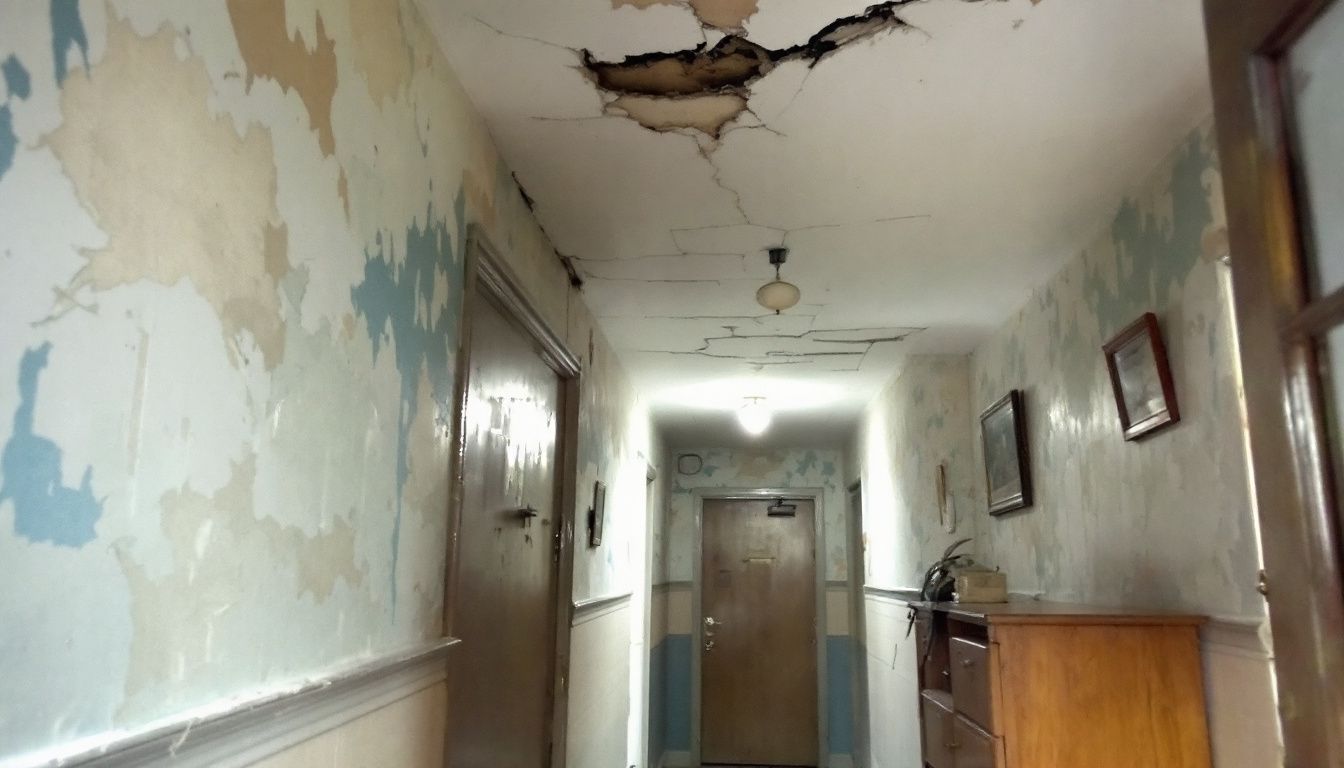
    Your maintenance team should be trained to recognise the warning signs of potentially disturbed asbestos-containing materials. These include crumbling or friable surfaces, water-damaged ceiling tiles, scratched or drilled floor tiles, and damaged pipe lagging.

    If any of these signs are present, work in that area should stop immediately. The area should be cordoned off and a qualified asbestos surveyor contacted without delay. Disturbed asbestos releases microscopic fibres that, when inhaled, can cause mesothelioma, asbestosis, and lung cancer — diseases that may not manifest for decades after exposure.

    Types of Hotel Asbestos Surveys Explained

    Not all asbestos surveys are the same, and understanding which type your hotel needs — and when — is essential for compliance and safety.

    Management Surveys

    A management survey is the standard survey required for all non-domestic premises. It is designed to locate, as far as reasonably practicable, asbestos-containing materials in the normal occupied and accessible areas of the building.

    For hotels, this means a qualified surveyor will inspect guest rooms, public areas, corridors, service areas, plant rooms, and roof spaces, taking samples of suspect materials for laboratory analysis. The resulting report forms the foundation of your Asbestos Management Plan and must be kept up to date.

    An asbestos management survey does not involve destructive inspection — it works within the constraints of normal building occupation. This makes it particularly suitable for operational hotels where disruption to guests needs to be minimised.

    Refurbishment and Demolition Surveys

    Before any significant refurbishment work — whether that is a bedroom renovation, a kitchen refit, or a full-scale extension — you need a more intrusive survey. A demolition survey involves a fully intrusive inspection of the areas to be worked on and must be completed before work begins and before contractors are appointed.

    It is not acceptable to start breaking into walls or ceilings and then commission a survey. The whole point is to identify what is present before any disturbance occurs. If your hotel is being partially demolished, converted, or undergoing significant structural changes, this survey type is mandatory under the Control of Asbestos Regulations.

    How Hotel Asbestos Surveys Are Conducted

    Understanding what to expect from a professional hotel asbestos survey helps you prepare properly and ensures the process runs smoothly with minimal disruption to your operations.

    Before the Survey

    Gather any existing asbestos records, building plans, and previous survey reports before the surveyor arrives. Ensure the surveyor has access to all areas of the building, including locked plant rooms, roof spaces, and service voids. Brief relevant staff so they are aware of the survey and can assist with access where needed.

    During the Survey

    The surveyor will systematically inspect the building, taking bulk samples of suspect materials for analysis at an accredited laboratory. Samples are taken carefully to minimise disturbance, and sampled areas are sealed immediately afterwards.

    For larger hotels, surveys may take place over multiple days or in phases to avoid disrupting guest operations. A professional surveying company will work with you to schedule access at the least disruptive times — early mornings, between check-in and check-out windows, or during planned room closures.

    The Survey Report

    The resulting report will identify all asbestos-containing materials found, their location, condition, and a risk assessment for each. Materials in good condition and unlikely to be disturbed will be assigned a lower priority; damaged or friable materials will require more urgent action.

    This report is a legal document. It must be kept on site, made available to anyone who might disturb the materials, and reviewed and updated regularly — particularly after any building work or if the condition of materials changes. HSG264, the HSE’s guidance on asbestos surveying, sets out the standards your report must meet.

    Developing and Maintaining an Asbestos Management Plan

    The survey report alone is not sufficient. You must translate the findings into a working Asbestos Management Plan that your team can actually use day to day.

    A robust AMP for a hotel should include:

    • A register of all identified asbestos-containing materials with their locations and conditions
    • Risk assessments for each material, prioritised by likelihood of disturbance
    • Clear instructions for maintenance staff and contractors working near asbestos
    • A schedule for regular condition monitoring
    • Records of all asbestos-related work carried out on the premises
    • Staff training records
    • Emergency procedures for accidental disturbance

    The AMP is a living document. It needs to be reviewed whenever building work is planned, whenever the condition of materials changes, and at least annually as a matter of routine.

    Emergency Procedures for Asbestos Disturbance

    Every hotel’s AMP must include clear emergency procedures. If asbestos is accidentally disturbed during maintenance or building work, the response needs to be immediate and structured.

    1. Stop all work in the affected area immediately
    2. Evacuate the area and prevent re-entry
    3. Turn off any air handling systems that serve the affected area to prevent fibre spread
    4. Contact a licensed asbestos contractor for emergency assessment
    5. Record the names of anyone who may have been exposed
    6. Report the incident under RIDDOR if required
    7. Arrange air monitoring before allowing anyone back into the area
    8. Update your risk assessment and AMP following the incident

    Having these steps written down and communicated to staff before an incident occurs is what separates a well-managed property from one that faces prosecution and reputational damage.

    Asbestos Removal in Hotels

    In some cases, managing asbestos in place is not the right approach. If materials are in poor condition, are located in areas of frequent disturbance, or if planned refurbishment makes removal the more practical option, you will need to arrange asbestos removal by a licensed contractor.

    Removal of higher-risk asbestos materials — such as asbestos insulating board, pipe lagging, and sprayed coatings — must be carried out by a contractor licensed by the HSE. The work must be notified to the HSE in advance, carried out under controlled conditions, and the waste disposed of as hazardous material.

    Removal is not always the cheapest short-term option, but in the context of a hotel undergoing significant renovation, it often makes considerably more sense than managing materials in place for decades to come. Your surveyor can advise on the most appropriate course of action for each material identified.

    Choosing the Right Asbestos Surveying Company for Your Hotel

    Not every asbestos surveying company has experience working in operational hospitality environments. Hotels require a surveyor who understands the need to work around guest bookings, minimise disruption in occupied areas, and maintain confidentiality — guests should not be alarmed by the sight of surveyors in protective equipment unless it is genuinely unavoidable.

    When selecting a surveyor, look for the following:

    • UKAS-accredited laboratory — all bulk samples must be analysed by an accredited laboratory to be legally valid
    • Qualified surveyors — look for P402 qualification as a minimum for building surveys
    • Experience in the hospitality sector — ask specifically about previous hotel survey work
    • Fast turnaround on reports — operational decisions often cannot wait weeks for paperwork
    • Flexibility around hotel operations — the ability to phase surveys around occupancy levels
    • Clear, actionable reports — a good report tells you not just what is there, but what to do about it

    Always ask to see a sample report before commissioning a survey. If the format is unclear or the risk assessments are vague, that is a warning sign.

    Hotel Asbestos Surveys Across the UK — Supernova’s Nationwide Service

    Supernova Asbestos Surveys has completed over 50,000 surveys across the UK, working with hospitality businesses ranging from small B&Bs to large hotel chains. Our surveyors understand the operational demands of the hospitality sector and work flexibly to minimise disruption to your guests and staff.

    We provide hotel asbestos surveys across the entire country. If you are based in the capital, our team offers a fast and thorough asbestos survey London service with reports delivered within 24 hours. For properties in the North West, our asbestos survey Manchester team provides the same high standard of service. And for the Midlands, our asbestos survey Birmingham surveyors cover the full region.

    Wherever your hotel is located, we can provide a competitive quote, a clear timeline, and a report that gives you everything you need to meet your legal obligations and keep your guests and staff safe.

    Call us on 020 4586 0680 or visit asbestos-surveys.org.uk to request a quote or speak to one of our surveyors directly.

    Frequently Asked Questions

    Are hotel asbestos surveys a legal requirement?

    Yes. Under the Control of Asbestos Regulations, anyone who owns, manages, or has responsibility for a non-domestic premises — including hotels, guest houses, and B&Bs — has a legal duty to manage asbestos. This begins with commissioning a professional asbestos survey to identify whether asbestos-containing materials are present. Failure to comply is a criminal offence and can result in unlimited fines.

    How often does a hotel asbestos survey need to be updated?

    Your Asbestos Management Plan and survey records should be reviewed at least annually, and whenever building work is planned or the condition of identified materials changes. If significant refurbishment or demolition work is planned, a new refurbishment or demolition survey will be required for the affected areas, regardless of when the original management survey was completed.

    Can hotel asbestos surveys be carried out while the hotel is open?

    Yes — a management survey is specifically designed to be carried out in occupied premises. A professional surveyor will work with you to schedule access around guest bookings and minimise disruption. For more intrusive refurbishment or demolition surveys, affected areas will need to be taken out of use during the inspection, but this can be planned in advance to limit the impact on operations.

    What happens if asbestos is found in my hotel?

    Finding asbestos does not necessarily mean it needs to be removed. If the materials are in good condition and unlikely to be disturbed during normal operations, they can often be managed safely in place under a documented Asbestos Management Plan. Where materials are damaged, deteriorating, or located in high-disturbance areas, removal by an HSE-licensed contractor may be the appropriate course of action. Your surveyor will advise on the best approach for each material identified.

    How much does a hotel asbestos survey cost?

    The cost of a hotel asbestos survey depends on the size and complexity of the building, the number of samples required, and the type of survey needed. Management surveys for smaller properties are generally more affordable than fully intrusive demolition surveys for large hotel complexes. The best approach is to contact a qualified surveying company directly for a site-specific quote. Contact Supernova Asbestos Surveys on 020 4586 0680 for a competitive, no-obligation quote.

  • Asbestos in the Hospitality Industry: Protecting Guests and Employees

    Asbestos in the Hospitality Industry: Protecting Guests and Employees

    Hotel Asbestos Surveys: What Every Hospitality Owner Needs to Know

    If your hotel was built or refurbished before 2000, there is a realistic chance it contains asbestos. Hotel asbestos surveys are not a bureaucratic box-ticking exercise — they are the legal and practical foundation for protecting your guests, your staff, and your business from one of the most serious occupational health hazards in the UK.

    Asbestos does not degrade or disappear. It sits quietly inside walls, ceilings, pipe lagging, and floor tiles until something disturbs it — a refurbishment project, a burst pipe, a fire, or even a maintenance worker drilling into the wrong surface. The risk is real, it is ongoing, and it is your legal responsibility to manage it.

    Why Hotels Face a Particular Asbestos Risk

    Hotels are not like offices or warehouses. They are complex, multi-use buildings with guest rooms, kitchens, boiler rooms, conference suites, leisure facilities, and staff areas — all operating simultaneously, often around the clock.

    That complexity creates more opportunities for asbestos-containing materials (ACMs) to be disturbed. Maintenance work happens constantly. Refurbishments are frequent. Contractors move through the building regularly, often without a full picture of what lies behind the walls they are working on.

    Add to this the fact that many UK hotels occupy older buildings — converted Victorian townhouses, Edwardian terraces, mid-century purpose-built blocks — and the likelihood of encountering asbestos increases significantly. Any building constructed before 2000 could contain it, and the hospitality sector has more than its fair share of older stock.

    The Legal Duty on Hotel Owners and Managers

    The Control of Asbestos Regulations places a clear legal duty on those who own or manage non-domestic premises. Hotels fall squarely within that definition. The duty holder — typically the owner, managing director, or facilities manager — must:

    • Identify whether asbestos is present in the building
    • Assess the condition and risk of any ACMs found
    • Produce and maintain a written Asbestos Management Plan (AMP)
    • Ensure the AMP is acted upon, reviewed, and kept up to date
    • Share asbestos information with anyone who might disturb it, including contractors

    Failing to meet these duties is not a minor administrative oversight. The courts take this seriously — enforcement action can result in substantial fines and, in serious cases, prosecution.

    Asbestos-related diseases remain one of the leading causes of work-related deaths in the UK. The HSE’s guidance document HSG264 sets out in detail how surveys should be planned and carried out. It is the benchmark that professional surveyors work to, and it is the standard against which your compliance will be judged if the HSE ever comes knocking.

    Where Asbestos Hides in Hotels

    Asbestos was used extensively in UK construction because it was cheap, durable, fire-resistant, and an effective insulator. Those same properties made it popular in virtually every part of a building. In a hotel context, the most common locations include:

    Guest Bedrooms and Corridors

    • Textured ceiling coatings such as Artex
    • Floor tiles and the adhesive beneath them
    • Partition walls and ceiling tiles in suspended grid systems
    • Window surrounds and soffits

    Kitchens and Service Areas

    • Insulation boards around ovens and cooking equipment
    • Pipe lagging on hot water and steam pipes
    • Floor tiles and sheet vinyl flooring
    • Fire doors with asbestos-containing cores

    Boiler Rooms and Plant Rooms

    • Lagging on boilers, pipes, and tanks
    • Insulation on ducts and HVAC components
    • Asbestos cement panels and boards

    Roofs and External Areas

    • Asbestos cement roof sheets and guttering
    • Soffit boards and fascias
    • Rainwater goods and external cladding panels

    None of these materials can be identified by eye. Asbestos cement looks like ordinary cement. Textured coatings look like textured coatings. The only reliable way to confirm whether a material contains asbestos is laboratory analysis of a sample taken by a qualified surveyor.

    Types of Hotel Asbestos Surveys Explained

    Not all asbestos surveys are the same. The type you need depends on what you intend to do with the building. Getting this wrong can mean paying for a survey that does not give you the information you actually need — or worse, starting work without the right data in place.

    Management Surveys

    A management survey is the standard survey for buildings in normal use. Its purpose is to locate ACMs that could be disturbed during everyday activities, assess their condition, and provide the information needed to manage them safely.

    This is the survey most hotels will need as a starting point. It covers accessible areas and does not involve significant intrusion into the building fabric. The results feed directly into your Asbestos Management Plan and give you the foundation for ongoing compliance.

    Refurbishment Surveys

    If you are planning any refurbishment work — even something as seemingly minor as replacing a suspended ceiling or re-tiling a bathroom — you need a refurbishment survey before work begins. This is a legal requirement, not optional guidance.

    A refurbishment survey is more intrusive than a management survey. Surveyors will access areas that are not normally reachable, including voids above ceilings, beneath floors, and within wall cavities. The aim is to ensure that contractors working in those areas are not unknowingly disturbing ACMs.

    Demolition Surveys

    A demolition survey is the most thorough of all, covering the entire building structure and requiring destructive inspection techniques. These are required before any part of a hotel is demolished — no exceptions.

    The demolition survey must be completed in full before any demolition contractor begins work. Attempting to demolish without one puts workers at serious risk and exposes duty holders to significant legal liability.

    What Happens During a Hotel Asbestos Survey

    Understanding the process helps you prepare the building properly and get the most useful results. Here is what to expect when a qualified surveyor visits your hotel:

    1. Pre-survey planning: The surveyor will review any existing asbestos records, building drawings, and maintenance history before attending site.
    2. Site walkthrough: A systematic inspection of all accessible areas, including guest rooms, back-of-house spaces, roof voids, and plant rooms.
    3. Sampling: Small samples are taken from suspect materials using appropriate personal protective equipment. Sampling is kept to the minimum necessary to make a reliable assessment.
    4. Laboratory analysis: Samples are sent to an accredited laboratory for analysis. Results confirm whether asbestos is present and, if so, which type.
    5. Report production: A detailed written report is produced, including a register of all ACMs found, their location, condition, and a risk priority rating for each.
    6. Management recommendations: The report will recommend whether each ACM should be managed in place, repaired, encapsulated, or removed.

    The surveyor must be competent and, for most commercial surveys, hold BOHS P402 qualification or equivalent. At Supernova Asbestos Surveys, every hotel survey is carried out by fully qualified, experienced surveyors — not subcontractors or trainees.

    Building Your Asbestos Management Plan

    Once your survey is complete, the results must be translated into a working Asbestos Management Plan. This is not a document you file and forget — it is a live record that must be regularly reviewed and updated as the building changes.

    An effective AMP for a hotel should include:

    • A full register of all ACMs, including location, type, condition, and risk rating
    • Floor plans or annotated drawings showing where ACMs are located
    • A clear maintenance and inspection schedule
    • Procedures for ensuring contractors are informed before any work begins
    • Staff training records and refresher schedules
    • Emergency procedures for accidental disturbance
    • Records of all inspections, works, and incidents

    The plan must be accessible to anyone who needs it — maintenance staff, housekeeping supervisors, visiting contractors, and emergency services. Keeping it locked in a filing cabinet where nobody can find it defeats the purpose entirely.

    Managing Asbestos Day-to-Day in a Hotel

    Identifying asbestos is only the beginning. Managing it safely on an ongoing basis requires consistent effort and clear protocols across your entire team.

    Regular Inspections

    ACMs that are in good condition and left undisturbed present a low risk. However, their condition can change — through physical damage, water ingress, or general deterioration over time.

    Monthly visual checks by trained staff, supplemented by formal inspections by a competent person at least annually, help ensure problems are caught early. Any ACM showing signs of damage, friability, or deterioration should be assessed by a professional without delay.

    Contractor Management

    Every contractor working in your hotel must be shown the asbestos register before they start work. This is not a courtesy — it is a legal requirement under the Control of Asbestos Regulations.

    Build a step into your procurement process where contractors sign to confirm they have received and reviewed the asbestos information relevant to their work area. Keep those signed records on file.

    Staff Training

    All staff whose work could bring them into contact with ACMs — maintenance, housekeeping, facilities management — must receive appropriate asbestos awareness training. This does not mean turning them into asbestos experts.

    It means they need to know what to look for, what not to touch, and who to call if they find something concerning. Refresher training should be scheduled regularly, not treated as a one-off exercise.

    Emergency Procedures

    If ACMs are accidentally disturbed, your team needs to know exactly what to do:

    1. Stop work immediately and evacuate the area
    2. Isolate the area with physical barriers and warning signs
    3. Switch off any ventilation systems serving the affected space
    4. Contact a licensed asbestos contractor for assessment
    5. Do not re-enter the area until it has been declared safe
    6. Record the incident and notify the relevant parties

    Having this procedure written down and rehearsed before an incident occurs is far better than trying to work it out in the moment.

    When Asbestos Removal Is Required

    Not all asbestos needs to be removed. In many cases, managing ACMs in place is the safer and more practical option. However, removal becomes necessary when:

    • ACMs are in poor condition and cannot be safely repaired or encapsulated
    • Planned refurbishment or demolition work will disturb ACMs
    • The material poses an unacceptable ongoing risk to occupants or workers

    When removal is required, it must be carried out by a licensed contractor for most types of asbestos. Asbestos removal is a highly controlled process involving specialist equipment, strict containment procedures, and proper disposal at a licensed facility.

    It is not work that should ever be attempted by unqualified individuals, regardless of cost pressures or programme timescales. Cutting corners here puts lives at risk and exposes you to serious legal consequences.

    Supernova Covers Hotels Across the UK

    Supernova Asbestos Surveys has completed over 50,000 surveys across the UK, including hotels, guest houses, serviced apartments, and hospitality venues of every size and type. Our surveyors understand the operational demands of a working hotel and will plan surveys to minimise disruption to your guests and staff.

    We cover the full length and breadth of the country. If your hotel is in the capital, our asbestos survey London team can be with you quickly. For properties in the North West, our asbestos survey Manchester team operates across the region. And for the Midlands, our asbestos survey Birmingham team covers the area thoroughly.

    Wherever your hotel is located, we can provide a fast, professional, and fully compliant survey that gives you the information you need to protect your guests, your staff, and your legal position.

    Get in touch today for a free quote — our team will advise on the right type of survey for your property and provide a clear, competitive price with no hidden costs.

    Call us on 020 4586 0680 or visit asbestos-surveys.org.uk to book your hotel asbestos survey today.

    Frequently Asked Questions

    Are hotel asbestos surveys a legal requirement?

    Yes. The Control of Asbestos Regulations requires duty holders of non-domestic premises — which includes hotels — to identify and manage asbestos-containing materials. Commissioning a hotel asbestos survey is the essential first step in meeting that legal duty. Failure to comply can result in enforcement action, significant fines, and in serious cases, prosecution.

    How often does a hotel need an asbestos survey?

    An initial management survey should be carried out if you do not already have a valid asbestos register in place. After that, the condition of known ACMs must be reviewed at least annually, and a new survey is required before any refurbishment or demolition work begins. The Asbestos Management Plan should be reviewed and updated regularly to reflect any changes to the building or its use.

    Can hotel guests be at risk from asbestos?

    Asbestos-containing materials that are in good condition and left undisturbed do not release fibres and pose no immediate risk. However, if ACMs are damaged — through maintenance work, renovation, or accidental impact — fibres can become airborne and pose a health risk to anyone in the vicinity, including guests. This is precisely why identifying, managing, and monitoring ACMs is so critical in a hotel environment.

    Do I need a different survey if I am planning a hotel refurbishment?

    Yes. A standard management survey is not sufficient before refurbishment work begins. You will need a refurbishment survey, which is more intrusive and specifically designed to identify ACMs in areas that will be disturbed during the works. This is a legal requirement under the Control of Asbestos Regulations and HSE guidance, and no responsible contractor should begin refurbishment work without it being in place.

    How long does a hotel asbestos survey take?

    The duration depends on the size and complexity of the property. A small boutique hotel might be surveyed in a single day, while a large multi-storey hotel with extensive back-of-house areas could take several days. Supernova’s surveyors will assess your property in advance and plan the survey to minimise disruption to your operations, including working around occupied areas wherever possible.

  • Hidden Dangers: The Presence of Asbestos in UK Hospitality Establishments

    Hidden Dangers: The Presence of Asbestos in UK Hospitality Establishments

    Why Every Restaurant Owner Must Take Asbestos Seriously

    If your restaurant occupies a building constructed before 2000, there is a very real chance that asbestos-containing materials are hidden somewhere within its fabric. Behind the plasterwork, beneath the floor tiles, above the suspended ceiling — this hazardous material does not announce itself. A restaurant asbestos survey is the only reliable way to know what you are dealing with, and the law requires you to find out.

    This is not a concern reserved for large hotel chains or luxury venues. Independent restaurants, cafés, pubs, and takeaways across the UK face exactly the same risk. Asbestos was used extensively in construction until its full ban in 1999, meaning decades’ worth of hospitality premises could contain it right now — and many owners have no idea.

    Where Asbestos Hides in Restaurant Buildings

    Asbestos was valued by builders for its fire resistance, insulation properties, and durability. Those same qualities mean it ended up in a wide range of building materials — many of which are still in place in older hospitality premises today.

    Ceiling Tiles and Suspended Ceilings

    Many restaurants installed suspended ceilings during the 1960s, 70s, and 80s. The tiles used in these systems frequently contained asbestos, particularly amosite (brown asbestos). If your restaurant still has its original ceiling, those tiles may well be a concern.

    Damaged or crumbling tiles are the real danger. Intact tiles left undisturbed pose a lower immediate risk, but any maintenance, renovation, or even a leak from above can disturb them and release fibres into the air your staff and customers are breathing.

    Floor Tiles and Adhesives

    Vinyl floor tiles laid before 2000 are a common source of asbestos in commercial kitchens and dining areas. The adhesive used to bond them to the subfloor — often referred to as black mastic — also frequently contained asbestos fibres.

    Replacing or sanding these tiles without a prior survey is one of the most common ways restaurant workers are accidentally exposed to asbestos. The fibres released during this kind of work are invisible to the naked eye and can remain airborne for hours.

    Pipe Lagging and Boiler Rooms

    Older pipe insulation — particularly around heating and hot water systems — was routinely wrapped in asbestos lagging. Restaurant boiler rooms and plant areas are therefore high-risk zones, especially in buildings that have not been significantly modernised.

    Staff carrying out routine maintenance in these areas, or contractors brought in for heating repairs, can unknowingly disturb this material. Without a survey and a proper asbestos register, no one may even know the risk exists.

    Walls, Partitions, and Spray Coatings

    Asbestos insulation board was used widely in partition walls and as fire protection around structural steelwork. Spray-applied asbestos coatings were also used on ceilings and structural elements for fireproofing purposes.

    These materials are among the most hazardous because they can be friable — meaning they crumble and release fibres easily when disturbed. If your restaurant has undergone any kind of fit-out or refurbishment without a prior asbestos survey, there is a real risk these materials were disturbed without anyone realising.

    The Health Risks Are Severe and Long-Lasting

    Asbestos-related diseases are caused by inhaling microscopic fibres that become permanently lodged in lung tissue. These conditions develop slowly — often taking 20 to 40 years to manifest — which means exposure today may not show up as illness until decades from now.

    Mesothelioma

    Mesothelioma is an aggressive cancer of the lining of the lungs or abdomen. It is almost exclusively caused by asbestos exposure and is invariably fatal. The UK has one of the highest rates of mesothelioma in the world, a direct legacy of the widespread use of asbestos in construction throughout the twentieth century.

    Lung Cancer and Asbestosis

    Asbestos exposure significantly increases the risk of lung cancer, particularly in combination with smoking. Asbestosis is a chronic scarring of the lung tissue that causes progressive breathlessness and has no cure.

    Both conditions are entirely preventable — but only if exposure is prevented in the first place. For restaurant staff who work in the same building day after day, repeated low-level exposure is a genuine concern. The duty to protect them falls squarely on the employer and the dutyholder for the premises.

    Your Legal Obligations as a Restaurant Owner

    The Control of Asbestos Regulations place a legal duty on those responsible for non-domestic premises to manage the risk from asbestos. As a restaurant owner or operator, that duty falls on you — regardless of whether you own the building or lease it.

    The Duty to Manage

    The duty to manage requires you to identify whether asbestos-containing materials are present in your premises, assess their condition, and put a management plan in place to prevent exposure. This duty applies to all non-domestic premises, regardless of size.

    Failing to comply is a criminal offence. The Health and Safety Executive can issue improvement notices, prohibition notices, and prosecute dutyholders. Fines can be substantial, and in serious cases, custodial sentences are possible.

    What the Regulations Require in Practice

    In practical terms, your obligations include:

    • Commissioning a suitable asbestos survey of your premises
    • Maintaining an up-to-date asbestos register
    • Producing and implementing an asbestos management plan
    • Making information about asbestos locations available to anyone who may disturb them — including contractors
    • Reviewing the register and plan regularly

    HSE guidance document HSG264 sets out how surveys should be conducted and what they must cover. Surveys must be carried out by a competent surveyor — not a general contractor or a member of your own staff.

    Before Any Refurbishment or Building Work

    If you are planning any building work — a kitchen refit, a new extraction system, structural alterations, redecoration — you need a refurbishment survey before work begins. This applies even if you already have a management survey in place, because a management survey is not intrusive enough to clear areas for physical work.

    Starting refurbishment work without an appropriate survey puts your contractors at risk and exposes you to serious legal liability. There is no grey area here.

    The Types of Restaurant Asbestos Survey You Need to Know About

    Not all asbestos surveys are the same. The type you need depends on what you intend to do with the information and the nature of any planned work.

    Management Survey

    A management survey is the standard survey required for the ongoing safe management of a building. It identifies asbestos-containing materials in accessible areas, assesses their condition, and provides the information you need to build your asbestos register and management plan.

    This is the survey most restaurant owners will need as a baseline. It does not involve significant intrusion into the building fabric — it covers materials that could be disturbed during normal occupancy and routine maintenance.

    Refurbishment Survey

    An asbestos refurbishment survey is required before any work that will disturb the building fabric. It is more intrusive than a management survey — surveyors will open up walls, lift floor coverings, and access areas that are not normally accessible in order to locate all asbestos-containing materials in the areas to be worked on.

    For a restaurant planning a refit, this survey is not optional. It is a legal requirement, and any contractor worth working with will insist on seeing it before they start.

    Demolition Survey

    If your restaurant is being demolished or partially demolished, a demolition survey is required. This is the most thorough and intrusive type, designed to locate all asbestos-containing materials throughout the entire structure before any demolition work begins. It leaves no area unchecked.

    What Happens During a Restaurant Asbestos Survey

    Understanding what to expect makes it easier to prepare and minimises disruption to your business.

    The Survey Process

    A qualified surveyor will visit your premises and carry out a systematic inspection of all accessible areas. This includes the kitchen, dining areas, storage rooms, staff areas, plant rooms, and any other spaces within the building.

    Where materials are suspected to contain asbestos, the surveyor will take small samples for laboratory analysis. These samples are collected carefully to minimise fibre release, and the area is cleaned and sealed afterwards.

    The Survey Report

    After the survey, you will receive a detailed report identifying the location, type, condition, and risk rating of any asbestos-containing materials found. This report forms the basis of your asbestos register and management plan.

    At Supernova Asbestos Surveys, reports are typically delivered within 24 hours of the survey being completed. The report will also include recommendations for how each identified material should be managed — whether that means leaving it in place with monitoring, encapsulation, or removal.

    Minimising Disruption to Your Business

    A management survey for a typical restaurant can usually be completed in a few hours. Surveyors are used to working around operational businesses and can often schedule visits outside trading hours or during quieter periods.

    The survey itself does not require the building to be vacated, although access to all areas — including the kitchen and any plant rooms — is essential for a thorough inspection.

    Managing Asbestos Once It Has Been Found

    Finding asbestos in your restaurant does not automatically mean it needs to be removed. In many cases, materials that are in good condition and are not at risk of disturbance can be safely managed in place.

    Asbestos Management Plans

    Your asbestos management plan should set out how each identified material will be managed, who is responsible for monitoring it, and what action will be taken if its condition changes. The plan needs to be a living document — reviewed regularly and updated whenever work is carried out or conditions change.

    Critically, the plan must be accessible to any contractor working on your premises. Giving contractors the information they need before they start work is a legal requirement and a basic duty of care.

    When Removal Becomes Necessary

    Removal becomes necessary when materials are in poor condition, when they are at risk of disturbance during planned work, or when they pose an unacceptable ongoing risk. Only licensed contractors can remove the most hazardous asbestos materials — such as sprayed coatings, pipe lagging, and asbestos insulation board.

    Notification to the HSE is required before licensed removal work begins, and strict controls govern how the work is carried out, how the waste is contained, and how it is disposed of at licensed sites.

    Special Considerations for Hospitality Premises

    Restaurants present specific challenges that make a thorough restaurant asbestos survey particularly important — beyond what you might face with a standard office or retail unit.

    High Footfall and Vulnerable Occupants

    Restaurants are occupied not just by employees but by members of the public, including children and elderly individuals who may be more vulnerable to health impacts. Any airborne fibre release in a busy dining environment could affect a large number of people before anyone realises something is wrong.

    This makes the stakes higher than in many other commercial settings, and it is one more reason why having an up-to-date asbestos register and management plan is non-negotiable.

    Frequent Maintenance and Fit-Outs

    Hospitality premises tend to undergo more frequent refurbishment than many other building types. Kitchens are upgraded, dining areas are redesigned, extraction systems are replaced. Each of these activities carries the potential to disturb asbestos-containing materials if the correct surveys have not been carried out beforehand.

    Every time a contractor is brought in to carry out work on your premises, they must be given access to your asbestos register. If the register does not exist — or if it has not been updated to reflect recent changes — you are exposing both your workers and your business to serious risk.

    Tenanted and Leased Premises

    Many restaurant operators lease rather than own their premises. In a leased property, the duty to manage asbestos may fall on the landlord, the tenant, or be shared between them — depending on the terms of the lease and what areas each party controls.

    Do not assume your landlord has dealt with this. Check your lease, understand your responsibilities, and commission a survey if one is not already in place. If your landlord has an existing asbestos register for the building, request a copy before you begin any work.

    Asbestos Surveys for Restaurants Across the UK

    Supernova Asbestos Surveys operates nationwide, with experienced surveyors covering every region of the UK. Whether your restaurant is in the heart of a major city or a smaller market town, we can arrange a survey quickly and with minimal disruption to your operations.

    If you need an asbestos survey London for a restaurant or hospitality venue in the capital, our team is familiar with the wide variety of building types found across London’s boroughs — from Victorian terraces to post-war commercial units.

    For venues in the North West, our team providing an asbestos survey Manchester covers the full range of commercial premises across Greater Manchester and the surrounding area.

    In the Midlands, our asbestos survey Birmingham service supports restaurant and hospitality operators across the city and beyond, with fast turnaround times and clear, actionable reports.

    What to Do Right Now

    If you do not have an asbestos survey for your restaurant premises, the time to act is now — not when a contractor discovers something unexpected during a refit, and not after an HSE inspection.

    Here is a straightforward checklist to get started:

    1. Establish whether your building was constructed or refurbished before 2000
    2. Check whether an asbestos survey has ever been carried out — and whether it is still current
    3. If no survey exists, commission a management survey as your baseline
    4. If any building work is planned, commission a refurbishment survey before work begins
    5. Ensure your asbestos register and management plan are documented and accessible to contractors
    6. Review your plan regularly and update it after any work that affects the building fabric

    Supernova Asbestos Surveys has completed over 50,000 surveys across the UK. Our UKAS-accredited surveyors understand the specific demands of hospitality premises and will work around your trading hours wherever possible. Call us on 020 4586 0680 or visit asbestos-surveys.org.uk to arrange your restaurant asbestos survey today.

    Frequently Asked Questions

    Do I need a restaurant asbestos survey if my building was built after 2000?

    If your building was constructed entirely after 1999, it is very unlikely to contain asbestos-containing materials, as asbestos was banned from use in construction in the UK from that point. However, if the building underwent significant refurbishment using older salvaged materials, or if you are unsure of the exact construction date, it is worth seeking professional advice. For any building with uncertainty around its age or history, a survey provides certainty and peace of mind.

    What is the difference between a management survey and a refurbishment survey for a restaurant?

    A management survey is designed for the ongoing safe management of a building in normal use. It covers accessible areas and identifies asbestos-containing materials that could be disturbed during routine maintenance or occupancy. A refurbishment survey is required before any work that will disturb the building fabric — such as a kitchen refit or structural alterations. It is more intrusive and is legally required before refurbishment work begins. Having a management survey does not remove the need for a refurbishment survey when building work is planned.

    Who is responsible for asbestos management in a leased restaurant premises?

    Responsibility depends on the terms of the lease and which party has control over which parts of the building. In many cases, the landlord retains responsibility for the structure and common areas, while the tenant is responsible for the areas they occupy and control. However, this varies significantly between leases. Both parties should review their obligations carefully. If you are a restaurant tenant and are unsure, seek legal advice and request any existing asbestos survey documentation from your landlord before carrying out any work.

    How long does a restaurant asbestos survey take?

    The duration depends on the size and complexity of the premises. A management survey for a small to medium-sized restaurant can typically be completed in a few hours. Larger premises with extensive plant rooms, multiple floors, or complex layouts will take longer. Supernova Asbestos Surveys will provide you with a clear indication of the expected duration before the survey takes place, and our surveyors can often work outside normal trading hours to minimise disruption.

    Does finding asbestos mean I have to close my restaurant?

    Not necessarily. The discovery of asbestos-containing materials does not automatically require closure or removal. If materials are in good condition and are not at risk of disturbance during normal use, they can often be safely managed in place under a documented asbestos management plan. Closure or removal is typically only required when materials are in poor condition, are actively releasing fibres, or when planned building work means they will be disturbed. Your survey report will include clear recommendations on the appropriate course of action for each material identified.

  • A Necessary Step: Conducting Asbestos Reports in Hospitality Businesses

    A Necessary Step: Conducting Asbestos Reports in Hospitality Businesses

    Why Every Hospitality Business Needs an Asbestos Survey

    If your hotel, pub, restaurant, or leisure venue was built before 2000, there is a very real chance asbestos-containing materials are present somewhere in the fabric of the building. An asbestos survey for hospitality properties is not optional — it is a legal duty, and getting it right protects your guests, your staff, and your business.

    The hospitality sector faces a challenge that most other industries do not. These buildings are busy, often operating around the clock, with maintenance, refurbishment, and renovation work happening alongside paying guests. That combination of constant activity and high occupancy makes asbestos management especially critical — and especially easy to get wrong.

    Legal Duties for Hospitality Property Owners and Managers

    The Control of Asbestos Regulations places a clear duty to manage asbestos on anyone responsible for non-domestic premises. That includes hotels, restaurants, bars, conference centres, leisure facilities, and any other hospitality setting.

    Under the regulations, the dutyholder — typically the owner or managing agent — must take reasonable steps to find out whether asbestos-containing materials (ACMs) are present, assess their condition, and manage any risk they pose. Failing to do so is a criminal offence.

    What the Duty to Manage Requires

    • Conducting or commissioning a suitable asbestos survey
    • Maintaining an up-to-date asbestos register
    • Producing and implementing an Asbestos Management Plan
    • Sharing information with anyone who may disturb ACMs, including contractors
    • Reviewing the plan regularly and after any changes to the building

    The HSE takes enforcement seriously. Penalties for non-compliance include unlimited fines and, in serious cases, prosecution. For a hospitality business, the reputational damage of a publicised asbestos incident can be just as devastating as the legal consequences.

    Where Asbestos Hides in Hospitality Buildings

    Asbestos was used extensively in UK construction right up until its full ban in 1999. It was prized for its fire resistance, insulating properties, and durability — qualities that made it particularly attractive in commercial buildings where fire safety and longevity mattered.

    In hospitality properties, ACMs can turn up in a wide range of locations, many of which are disturbed regularly during routine maintenance and refurbishment work.

    High-Risk Areas to Be Aware Of

    • Boiler rooms and plant rooms — pipe lagging, boiler insulation, and gaskets frequently contain asbestos
    • Ceiling tiles and coatings — textured coatings such as Artex and suspended ceiling tiles were commonly made with asbestos
    • Floor tiles and adhesives — vinyl floor tiles and the black bitumen adhesive beneath them are a common source
    • Wall partitions and boards — asbestos insulating board was widely used in partition walls, particularly around fire doors and stairwells
    • Roof materials — asbestos cement was used in roofing sheets, gutters, and downpipes
    • Kitchen areas — heat-resistant panels behind cookers and ovens, as well as duct linings, may contain ACMs
    • Pipe and duct insulation — throughout the building, particularly in ceiling voids and service risers
    • Fire doors and door panels — asbestos was used in the construction of fire-resistant doors
    • Window surrounds and soffits — particularly in older extensions or outbuildings

    The risk is not confined to obscure plant rooms. Guest-facing areas like corridors, function rooms, and bedrooms can all contain ACMs that are disturbed when a picture hook is drilled in or a ceiling tile is lifted to access a cable.

    Never assume that because an area looks finished and presentable, it is free of asbestos.

    Types of Asbestos Survey for Hospitality Properties

    Not every survey is the same, and choosing the right type for your circumstances matters. Using the wrong survey is a common and potentially costly mistake that can leave you legally exposed.

    Management Survey

    A management survey is the standard survey required for any non-domestic building in normal occupation and use. It is designed to locate ACMs that could be disturbed during everyday activities and routine maintenance.

    The surveyor will inspect accessible areas, take samples where necessary, assess the condition of any materials found, and produce a report with a risk assessment. This forms the basis of your asbestos register and management plan. For most hospitality businesses, this is the starting point — and it needs to be in place before anything else.

    Refurbishment Survey

    Any time you plan to carry out work that will disturb the fabric of the building — fitting a new bar, renovating guest rooms, upgrading the kitchen, or even re-tiling — a refurbishment survey is required in the affected areas before work starts.

    This survey is more intrusive than a management survey. The surveyor will access areas that would normally remain undisturbed, including ceiling voids, wall cavities, and floor spaces. The building or affected area must be vacated during this process, so planning ahead is essential to minimise disruption to your operation.

    Demolition Survey

    Before any structure is demolished, a demolition survey must be carried out across the entire building or affected section. This is the most thorough type of survey and is fully destructive — every material must be identified and sampled.

    This survey must be completed before demolition contracts are awarded, so that any asbestos removal can be planned and costed properly. Leaving this too late can cause significant project delays and unexpected costs.

    When Additional Surveys Become Mandatory

    The duty to manage applies to buildings in normal use. But if you are planning any building work — even a straightforward refurbishment of a guest bedroom or kitchen — the legal requirements go further.

    A refurbishment survey must be completed before any intrusive work begins in areas that may contain ACMs. This applies whether you are a large hotel group undertaking a full renovation programme or an independent pub landlord fitting a new kitchen. The size of the project does not affect the legal obligation.

    If demolition of all or part of a structure is planned, a demolition survey is required. There are no exceptions, and no shortcuts. Getting this wrong exposes workers, contractors, and guests to serious health risks — as well as leaving the dutyholder open to prosecution.

    How to Choose a Competent Asbestos Surveyor

    The quality of your asbestos survey for hospitality premises is only as good as the surveyor conducting it. In a sector where buildings are complex, multi-use, and often subject to ongoing change, choosing the right surveyor is not something to rush.

    What to Look For

    • UKAS-accredited laboratory — samples must be analysed by a UKAS-accredited lab to be legally valid
    • Qualified surveyors — look for P402-qualified surveyors, the recognised qualification for asbestos surveying
    • Experience in commercial and hospitality properties — these buildings have specific complexities that require relevant experience
    • Clear, usable reports — the report should be practical and easy to act on, not just a box-ticking exercise
    • Transparent pricing — a reputable surveyor will give you a clear quote upfront with no hidden costs

    Be cautious of any surveyor who recommends annual surveys as a blanket policy without assessing your specific circumstances. Good surveyors give tailored advice based on the actual risk profile of your building, in line with HSE guidance including HSG264.

    Building and Maintaining Your Asbestos Management Plan

    Once your survey is complete, the work does not stop there. You are legally required to produce and maintain an Asbestos Management Plan (AMP). For hospitality businesses, this plan needs to be practical, accessible, and actively used — not filed away and forgotten.

    What a Good AMP Includes

    • A clear building plan showing the location of all identified ACMs
    • The condition and risk rating of each material
    • Actions required — whether to monitor, encapsulate, or arrange removal
    • A schedule for regular condition monitoring
    • Procedures for contractors — who must see the register before starting any work
    • Emergency procedures in the event of accidental disturbance
    • Staff training records and responsibilities
    • Contact details for your licensed asbestos contractor

    The plan must be reviewed regularly and updated whenever there are changes to the building, after any survey work, or if ACMs are removed or encapsulated. A plan that is out of date is almost as problematic as having no plan at all.

    Staff Training and Awareness in Hospitality Settings

    In a hospitality setting, the people most likely to accidentally disturb asbestos are maintenance staff, housekeeping teams, and contractors. All of these groups need to know what ACMs are present, where they are located, and what to do if they suspect damage or disturbance.

    Asbestos awareness training is a legal requirement for anyone who may come into contact with ACMs in the course of their work. Keep records of all training completed — these records form part of your overall compliance documentation and may be requested by the HSE.

    Do not assume that because someone has worked in hospitality for years, they understand asbestos risks. Awareness training must be specific, documented, and refreshed regularly.

    What to Do If Asbestos Is Damaged or Disturbed

    If ACMs are accidentally disturbed, the area must be vacated immediately and access prevented. Do not attempt to clean up fibres yourself, and do not allow anyone else to do so either. Contact a licensed contractor to assess the situation and carry out any necessary remediation.

    If asbestos removal is required, it must be carried out by a licensed contractor for most types of ACM. Only a small category of lower-risk materials can be removed by a non-licensed contractor, and even then strict controls apply under the Control of Asbestos Regulations.

    Acting quickly and correctly in these situations protects your guests, your staff, and your legal position. Having your Asbestos Management Plan readily accessible means you can respond without delay.

    Managing Asbestos Across Multiple Hospitality Sites

    Many hospitality operators manage more than one property — whether that is a small group of pubs, a regional hotel chain, or a portfolio of serviced apartments. Managing asbestos compliance across multiple sites introduces additional complexity that single-site operators do not face.

    Each property requires its own survey, its own asbestos register, and its own management plan. A survey completed at one site cannot be applied to another, even if the buildings are of similar age and construction. The duty to manage is property-specific.

    When commissioning surveys across a portfolio, it pays to work with a surveying company that can coordinate multiple sites efficiently, maintain consistent reporting formats, and flag properties where the risk profile is higher. Consolidating this work with a single provider also makes it easier to track compliance across your estate and respond quickly when renovation or maintenance work is planned at any location.

    Prioritising Your Portfolio

    If you are managing several properties and need to phase survey work, prioritise based on building age, the extent of recent or planned maintenance activity, and the presence of known higher-risk materials such as pipe lagging or asbestos insulating board. Properties where refurbishment is planned should always be surveyed first.

    Asbestos Surveys Across the UK — We Cover Your Location

    Hospitality businesses operate across every part of the UK, from city centre hotels to rural pubs and coastal leisure venues. Supernova Asbestos Surveys has local surveyors operating nationwide, with rapid response times and reports delivered within 24 hours of the survey being completed.

    If you need an asbestos survey in London — whether for a boutique hotel, a restaurant group, or a multi-site operator — our London team provides fast, fully accredited surveys across all boroughs.

    For hospitality operators in the north west, our team offering an asbestos survey in Manchester covers the city centre and surrounding areas, with experience across hotels, bars, and leisure venues of all sizes.

    If your properties are in the Midlands, our team providing an asbestos survey in Birmingham works with hospitality operators across the region, from independent venues to large commercial estates.

    Wherever your venues are located, we can coordinate survey work across multiple sites, standardise your reporting, and help you build a compliance programme that scales with your business.

    Frequently Asked Questions

    Do I legally need an asbestos survey for my hospitality business?

    Yes. If you are responsible for a non-domestic premises built before 2000 — including hotels, pubs, restaurants, and leisure venues — you have a legal duty under the Control of Asbestos Regulations to manage asbestos. This starts with commissioning a suitable asbestos survey. Failing to comply is a criminal offence that can result in unlimited fines or prosecution.

    What type of asbestos survey does a hotel or restaurant need?

    Most hospitality properties in normal use require a management survey as a baseline. If you are planning any refurbishment or building work, a refurbishment survey is required in the affected areas before work begins. If any part of the building is being demolished, a demolition survey must be completed first. The type of survey depends on what is happening in the building, not just its age.

    How disruptive is an asbestos survey to a working hospitality venue?

    A management survey can usually be carried out with minimal disruption to a working venue, as it only accesses areas in normal use. A refurbishment survey is more intrusive and requires the affected areas to be vacated. An experienced surveyor will work with you to schedule survey work around your operations and minimise impact on guests and staff.

    What happens if asbestos is found in my hotel or restaurant?

    Finding asbestos does not automatically mean it needs to be removed. If ACMs are in good condition and are unlikely to be disturbed, the correct approach is often to manage them in place and monitor their condition regularly. Your surveyor will provide a risk assessment and recommend the appropriate action for each material identified. Removal is only necessary when materials are damaged, deteriorating, or are in an area where work is planned.

    How often does an asbestos management plan need to be reviewed?

    Your Asbestos Management Plan should be reviewed at regular intervals and updated whenever there are changes to the building, after any survey work is carried out, or if ACMs are removed, encapsulated, or their condition changes. There is no single fixed interval mandated by law, but HSE guidance makes clear that the plan must remain current and reflect the actual condition of your building at all times.

    Get Your Asbestos Survey Booked Today

    Supernova Asbestos Surveys has completed over 50,000 surveys across the UK, working with hospitality operators of every size — from single-site independents to large multi-venue groups. Our P402-qualified surveyors understand the specific challenges of hospitality buildings and deliver clear, actionable reports within 24 hours.

    To book an asbestos survey for your hospitality business, call us on 020 4586 0680 or visit asbestos-surveys.org.uk to request a quote. We cover the whole of the UK and can coordinate surveys across multiple sites to keep your compliance programme on track.