Asbestos Bitumen Felt Roofing: What Every Property Owner Needs to Know
Older roofs are rarely as innocent as they look. If your building was constructed or re-roofed before 1999, there is a genuine chance that asbestos bitumen felt roofing is sitting above your head right now — quietly deteriorating and potentially releasing fibres into the air below.
Understanding what this means, how to identify it, and what to do about it could protect your health, your team’s wellbeing, and your legal standing. This is not a niche concern — it affects an enormous proportion of the UK’s existing building stock, from terraced houses with felt-covered garage roofs to large commercial premises with flat roof sections installed decades ago.
Why Asbestos Was Used in Bitumen Felt Roofing
Asbestos fibres were not added to roofing felt by accident. Manufacturers deliberately blended them into bitumen — a thick, tar-like binder — because the combination produced a material that was tough, flexible, fire-resistant, and highly durable.
For decades, this made asbestos bitumen felt roofing the product of choice across the UK. You will find it used in a wide variety of applications on older properties:
- Sarking felt beneath roof tiles and slates
- Flat roof covering on garages and outbuildings
- Damp proof course (DPC) material in older buildings
- Secondary waterproofing layers on roof decks and loft spaces
Its use spans from the 1920s right through to the UK-wide ban on asbestos-containing materials (ACMs) in 1999. That is a very long window — and an enormous amount of existing building stock that may still contain it.
Strength and Durability
Asbestos fibres gave bitumen felt exceptional tensile strength, helping it resist tearing from foot traffic, tool pressure, and the constant movement of a roof structure expanding and contracting with temperature changes. Roofers valued this because it meant fewer failures and fewer callbacks.
The material also performed well as a second waterproofing layer under slates and tiles, slowing leaks and reducing long-term maintenance costs. The problem is that age changes everything — old bitumen felt becomes brittle and powdery, and once that happens, the risk of fibre release during any inspection, repair, or cutting work increases significantly.
Fire Resistance and Weatherproofing
Asbestos roofing felt was genuinely fire resistant, which made it attractive for both domestic and commercial properties. Sarking felt installed beneath tiles served as a safety net against wind-driven rain and fire spread — a dual function that justified its widespread use in housing, garages, and workplaces.
Over time, UV exposure and rainfall degrade the bitumen binder. As the surface breaks down, fibres that were once locked safely within the material begin to migrate to the surface. This weathering process is gradual but relentless, and it is one of the key reasons why older asbestos bitumen felt roofing becomes more hazardous as it ages — not less.
How to Identify Asbestos in Bitumen Felt Roofing
Identifying asbestos in roofing felt visually is unreliable. The fibres are microscopic, and asbestos-containing felt often looks identical to non-asbestos alternatives. That said, there are indicators that should prompt you to seek professional assessment rather than assume the material is safe.
Visual Warning Signs
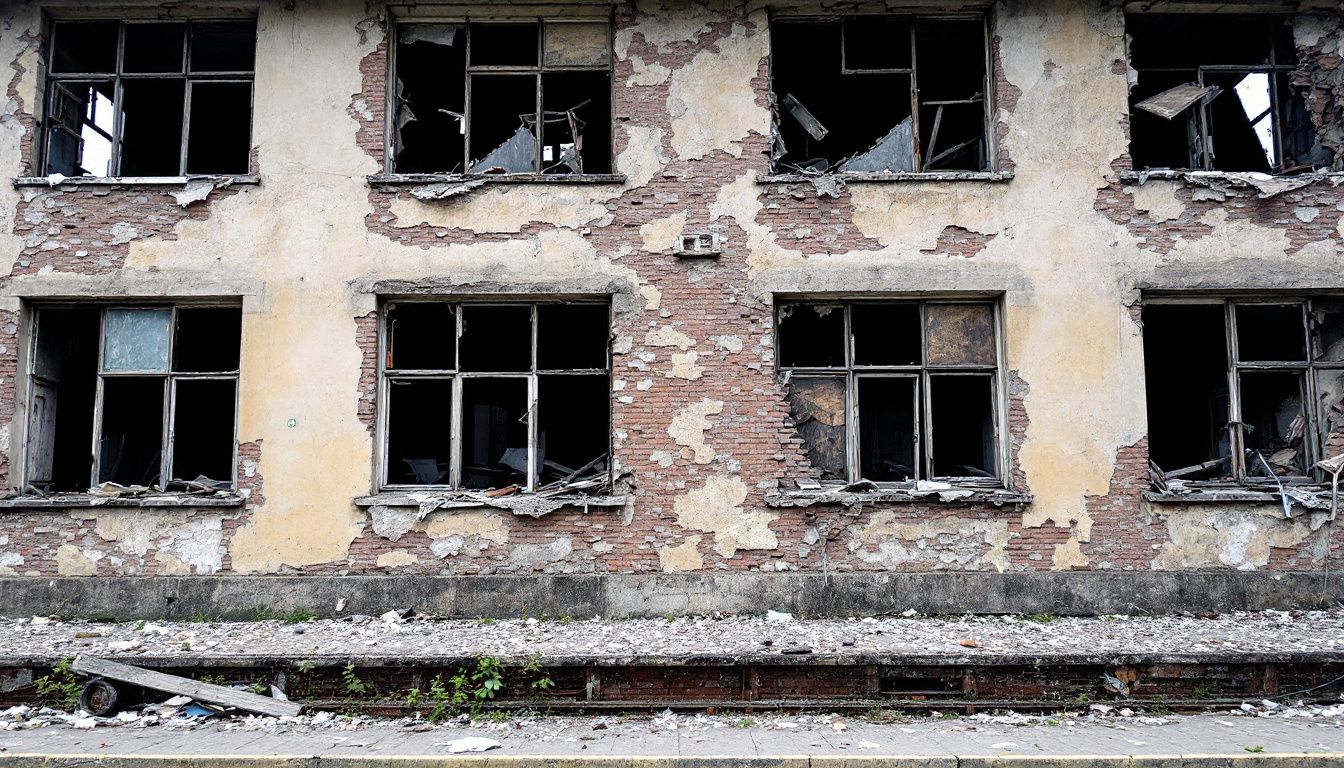
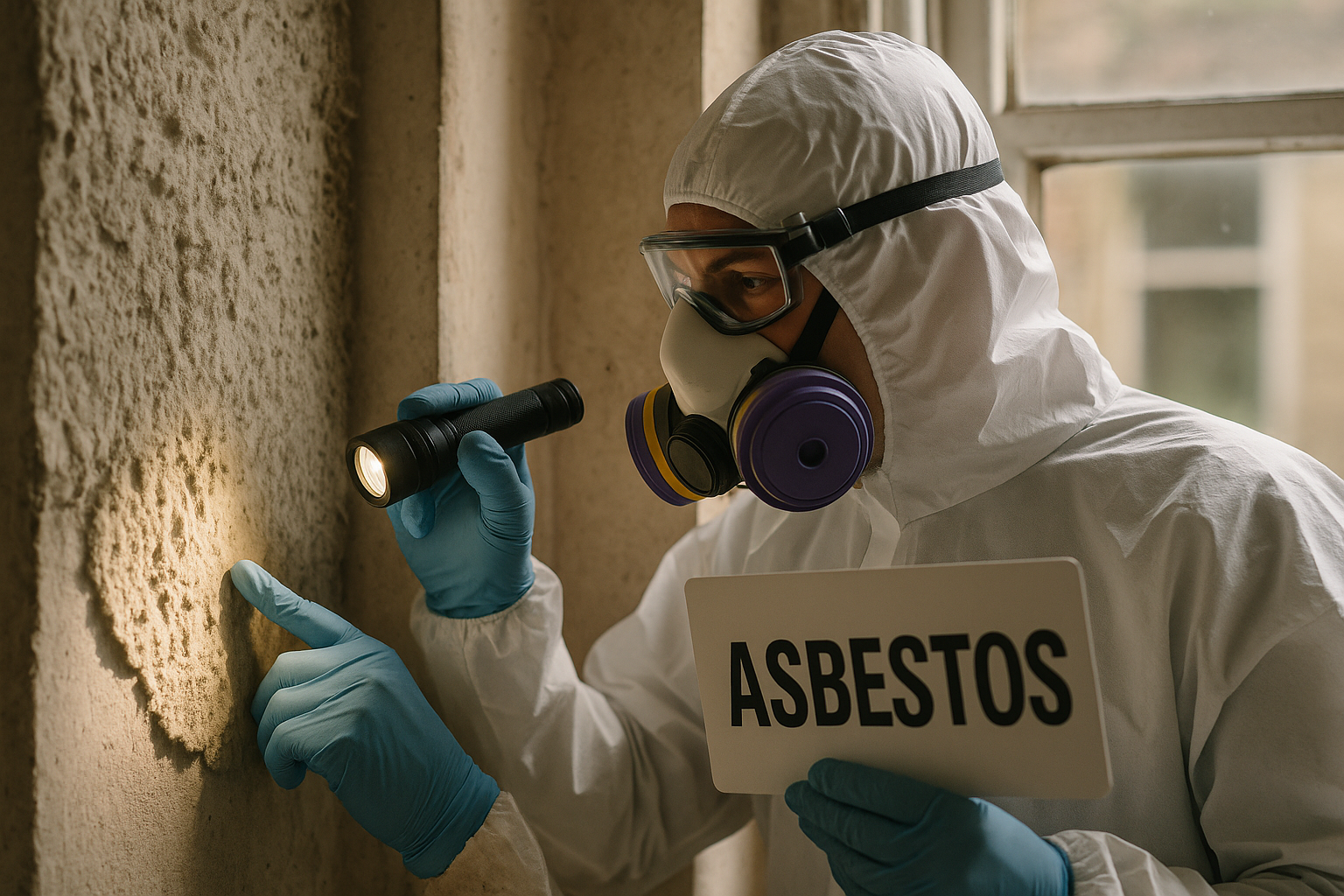
Black, grey, or white speckled textures in older roofing felt can indicate the presence of ACMs. Some materials have a slightly fibrous or cardboard-like appearance when edges are worn or damaged. Flat roofs on garages and outbuildings built before 1999 are particularly likely candidates.
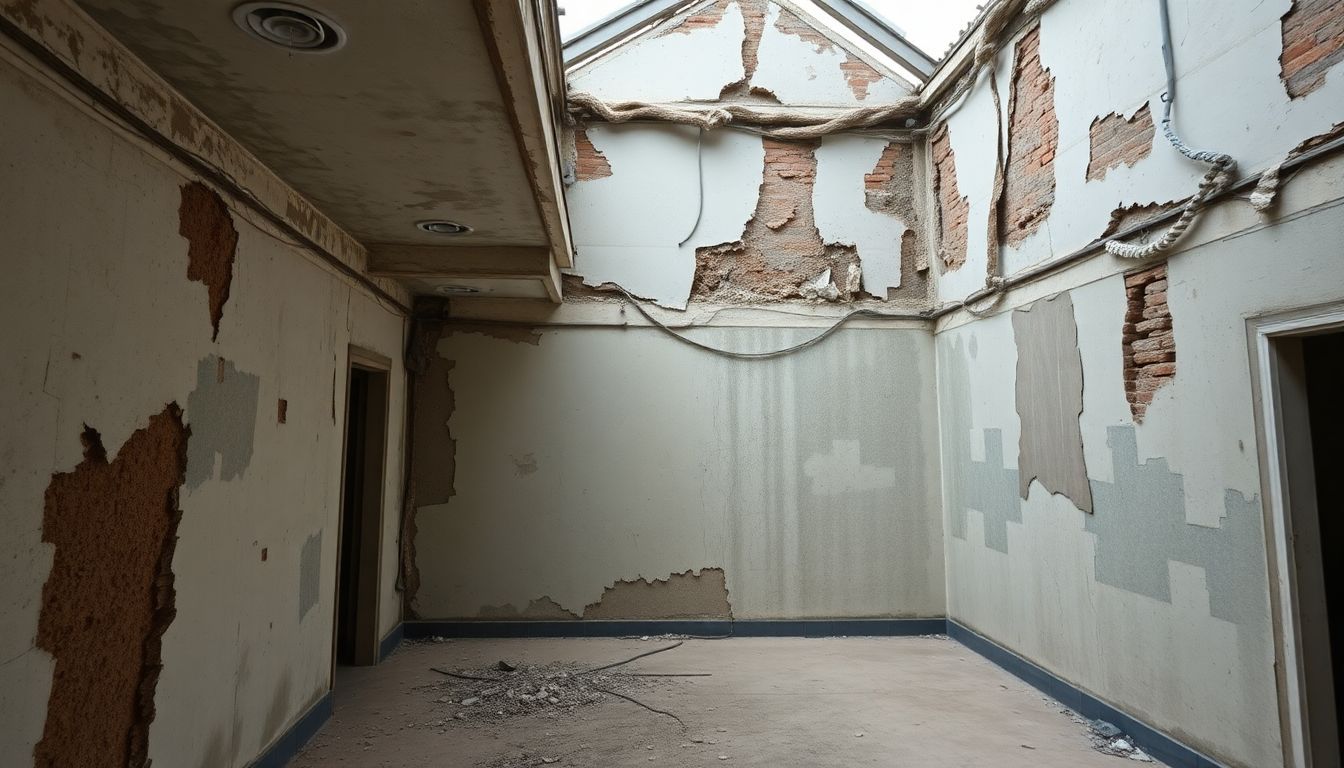
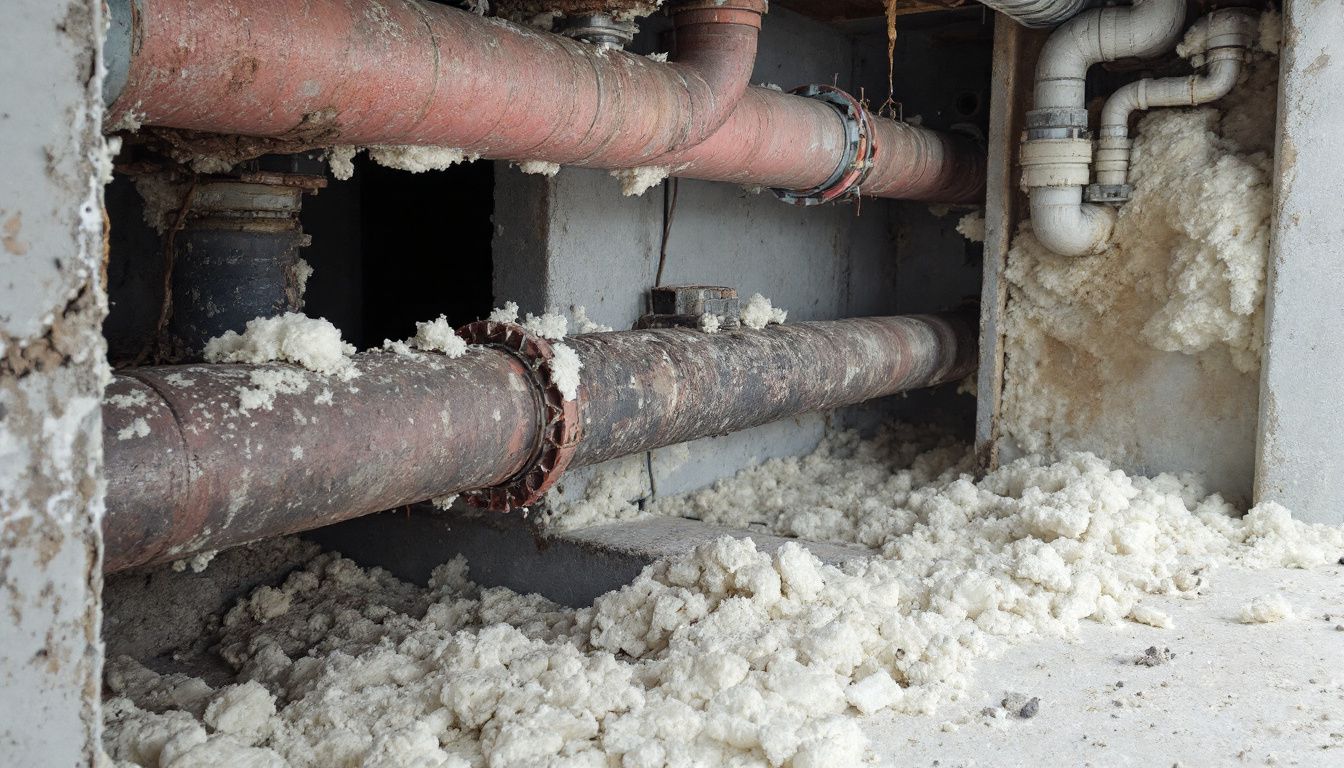
Look out for felt that is crumbling, cracked, or heavily frayed at the edges — these conditions suggest the binder has degraded and fibres may already be mobile. Sarking felt that has dropped from the underside of a roof into a loft space, or DPC material that appears dusty or friable, should be treated as potentially hazardous until proven otherwise.
Colour alone is not a reliable guide. A green tinge sometimes suggests non-asbestos products, but this is not a rule you can rely on. The only reliable method is laboratory analysis following professional sampling — and that means arranging asbestos testing with an accredited surveying company before any work begins.
When Age and Location Are Your Best Clues
If your property was built or re-roofed before 1999 and you have no documentation confirming the roofing materials are asbestos-free, you should treat them as suspect until confirmed otherwise. This is the approach recommended by HSE guidance and is simply the safest default position.
Buildings that have had multiple owners or where historical records are incomplete are particularly at risk of having unidentified ACMs in the roof structure. Do not rely on verbal assurances from previous owners or contractors — only laboratory-confirmed results count.
Why Professional Asbestos Testing Is Essential
If you suspect asbestos bitumen felt roofing in your property, the next step is professional testing carried out by accredited surveyors. This is not a task for DIY approaches — disturbing suspected ACMs without proper controls can release fibres into the air and create a far more serious hazard than the undisturbed material.
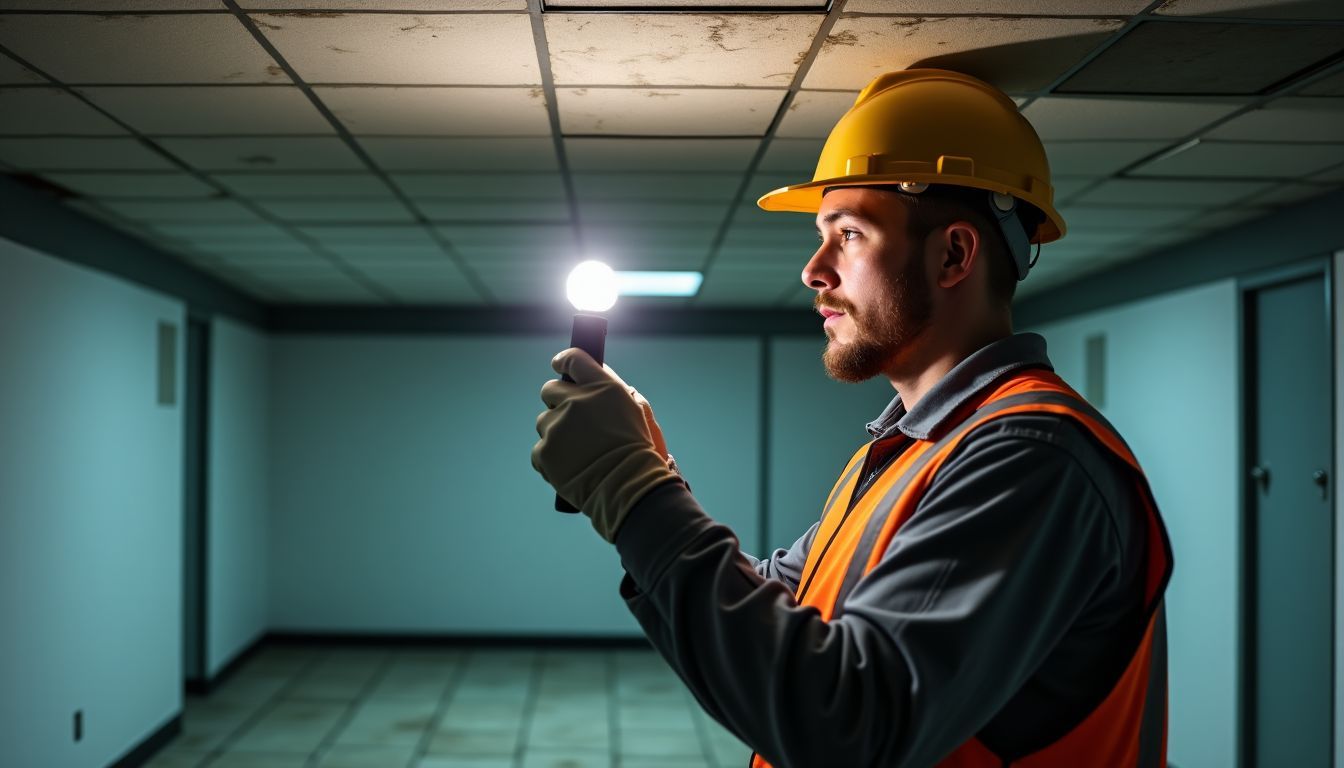
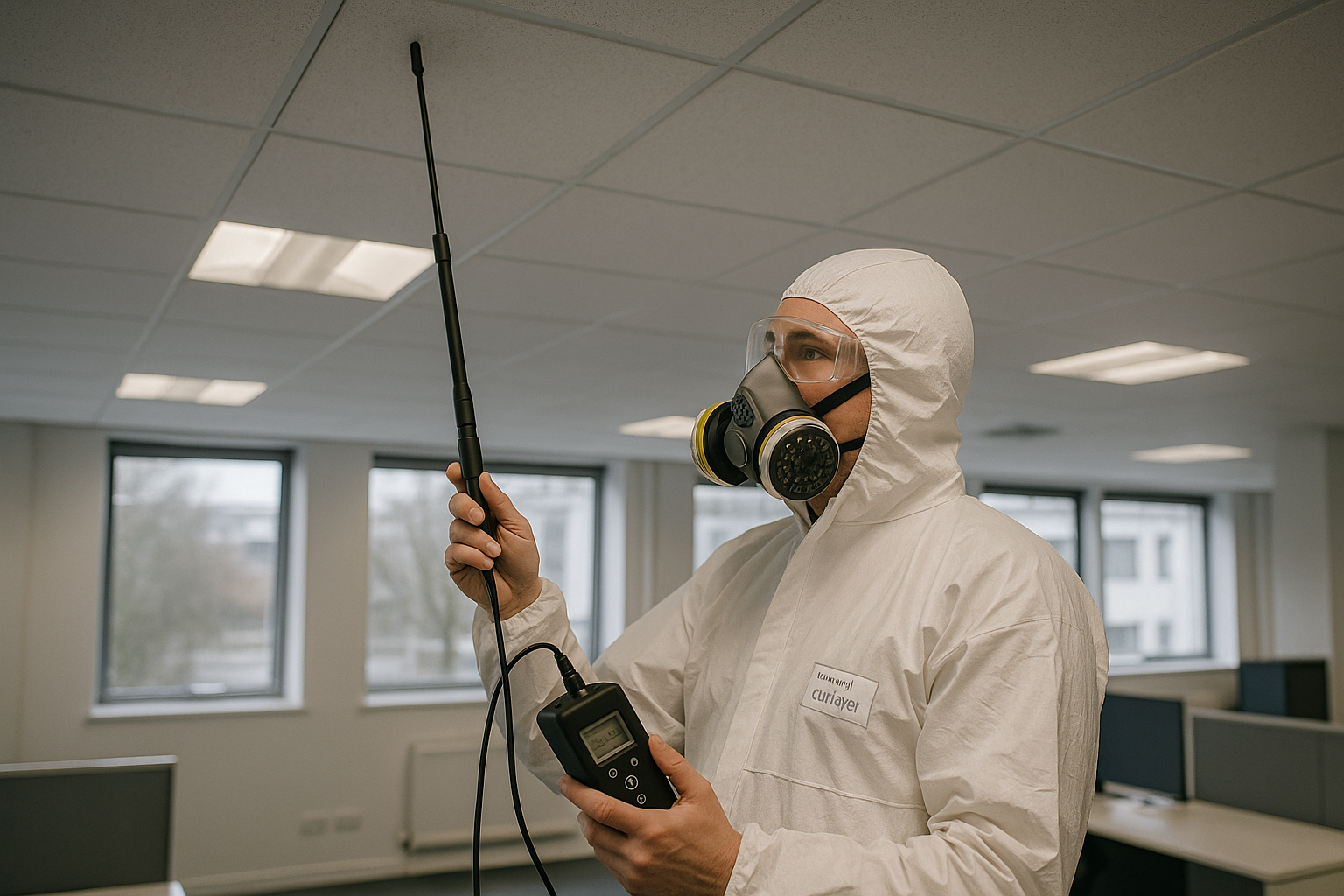
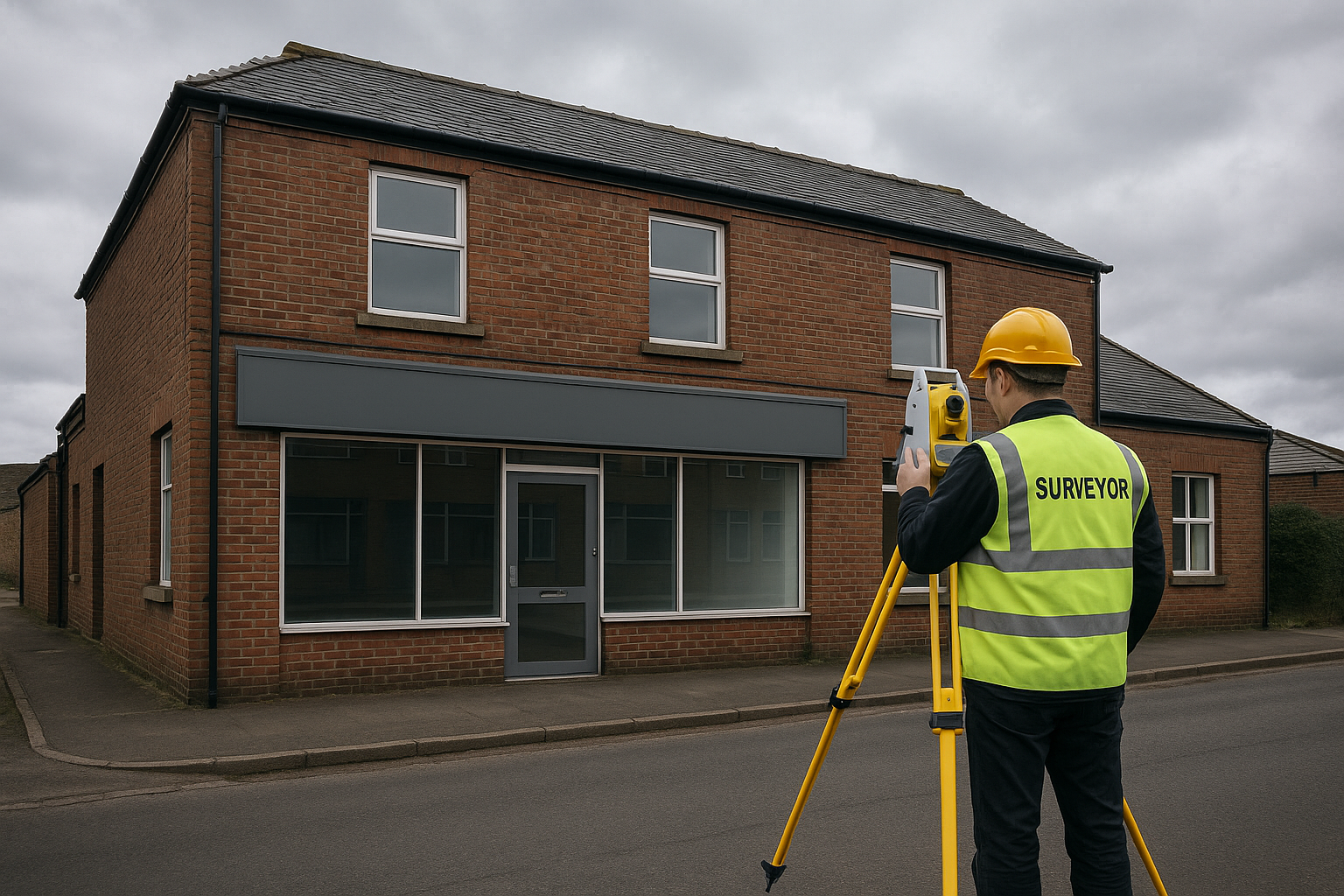
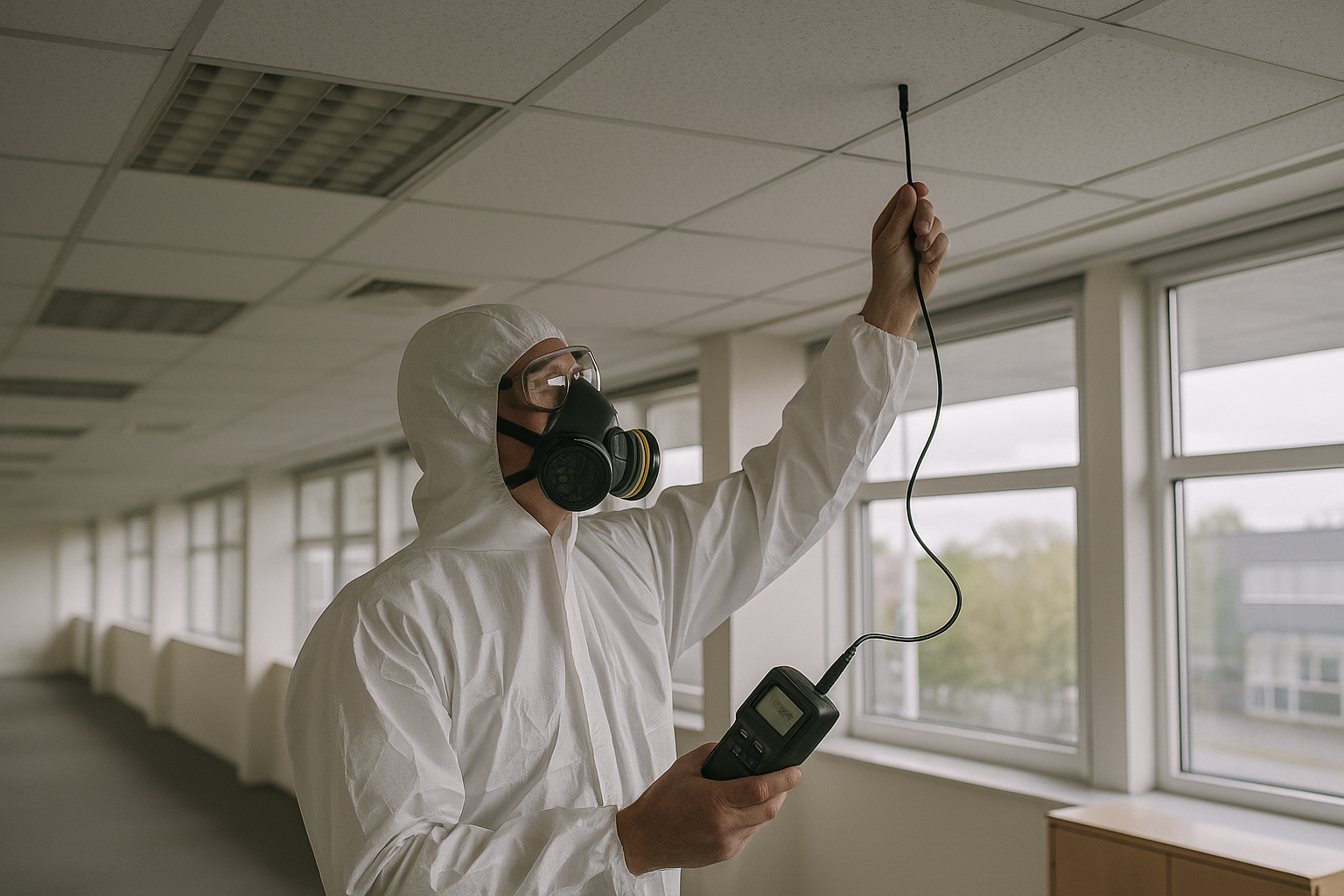
Accredited surveyors will visit your site, assess the condition of roofing materials, and take carefully controlled samples that minimise dust and disturbance. Those samples are then analysed at a UKAS-accredited laboratory, with results typically returned within 24 to 72 hours along with an official certificate.
This is the only method that gives you legally defensible confirmation of what your roof actually contains. For a straightforward route to laboratory confirmation, Supernova’s sample analysis service provides fast, accredited results that you can act on with confidence.
If you prefer a full site visit, our team can carry out asbestos testing across your property, covering roofing materials alongside any other suspected ACMs in the building.
The Health Risks of Asbestos Bitumen Felt Roofing
The health risks associated with asbestos exposure are well established and serious. Breathing in asbestos fibres — which are invisible to the naked eye — can cause lung cancer, mesothelioma, and asbestosis. There is no known safe level of exposure, and diseases caused by asbestos can take decades to develop, which means harm done today may not become apparent for many years.
When Fibres Become Airborne
Asbestos fibres in bitumen felt remain relatively contained while the material is in good condition. The risk escalates when the felt is disturbed. Cutting, grinding, nailing, heating, or removing old bitumen felt releases fibres into the air.
Even slow weathering — the gradual breakdown of the bitumen binder over years of sun and rain — can bring fibres to the surface where they become airborne. Storm damage is a particular concern. A roof that has been partially lifted or torn by high winds may suddenly expose previously stable asbestos-containing felt to physical damage, creating an immediate fibre release risk.
Crumbling material can also fall into loft spaces, where fibres settle on insulation, joists, and stored items — and can be disturbed again by anyone entering the space. This is a realistic scenario in any pre-1999 building with ageing roofing felt, not a theoretical one.
Who Is at Risk
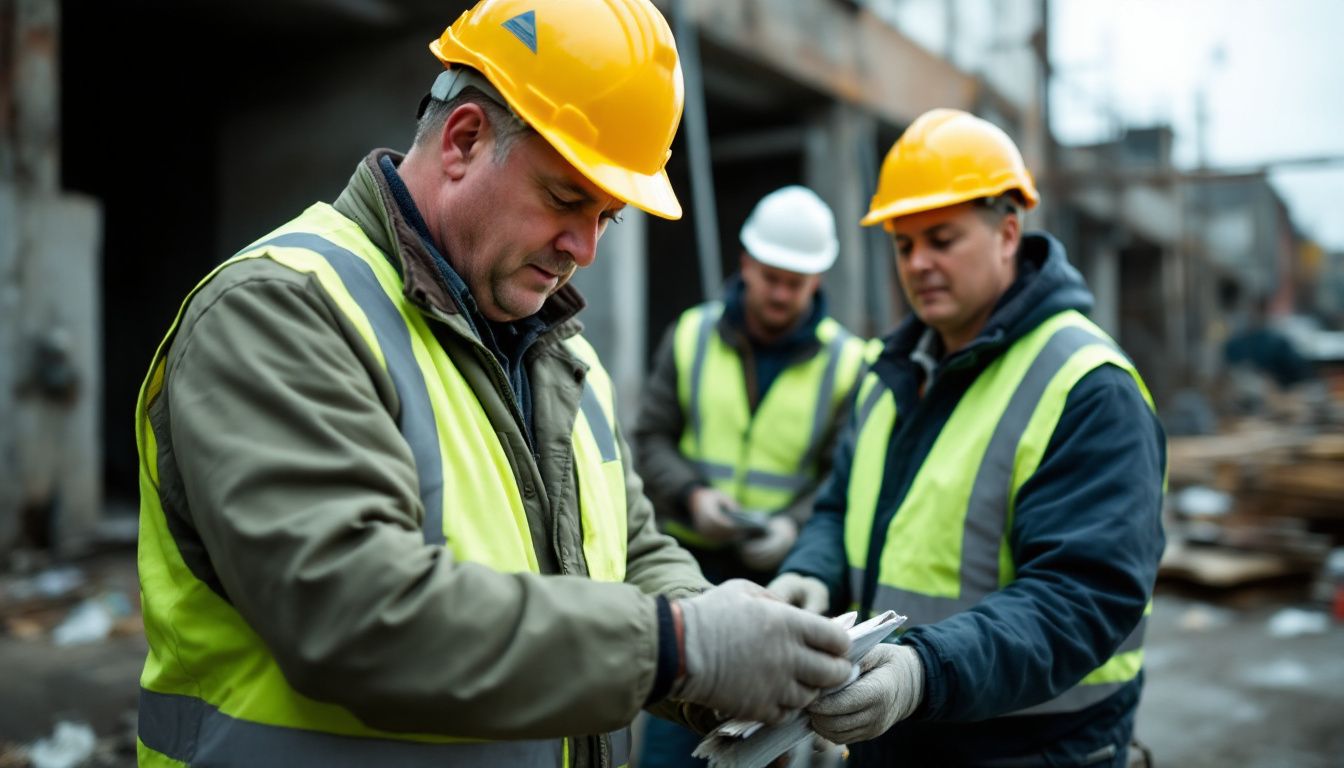
Anyone working on or near a roof that contains asbestos bitumen felt is at risk if proper precautions are not in place. This includes roofers, builders, electricians working in loft spaces, and property maintenance staff.
Occupants of buildings with heavily deteriorated roofing felt face ongoing low-level exposure risk, particularly if fibres are falling into habitable spaces below. Properties built before 1999 that have never had an asbestos survey are the highest concern. If you manage or own such a building and have not confirmed the status of your roofing materials, you are carrying an unknown risk — and potentially a serious legal liability.
Your Legal Duties as a Property Owner or Manager
UK law places clear duties on those who own or manage non-domestic properties. Under the Control of Asbestos Regulations, duty holders must identify whether ACMs are present, assess their condition, and put in place a plan to manage them safely. Ignorance is not a defence — if you have not arranged an asbestos survey for a pre-2000 building, you are likely in breach of your legal obligations.
Before any refurbishment or demolition work, a refurbishment survey is legally required. This is a more intrusive inspection than a standard management survey and is designed to locate all ACMs in areas that will be disturbed by the planned work. Attempting refurbishment without one — including any roofing work on a pre-1999 building — puts workers at risk and exposes you to serious legal consequences.
For ongoing management of known or suspected ACMs in a building that is in use, an asbestos management survey is the appropriate starting point. This establishes the location and condition of ACMs so that a management plan can be put in place and maintained over time.
Licensed vs Non-Licensed Work
Not all work involving asbestos bitumen felt requires a licensed contractor, but the distinction matters enormously. Some roofing felt removal may fall into the category of notifiable non-licensed work (NNLW), which still requires trained operatives, medical surveillance, and notification to the relevant enforcing authority.
Higher-risk work with friable or heavily degraded ACMs requires a fully licensed contractor under HSE regulations. Getting this classification wrong can result in prosecution. Always obtain professional advice before deciding what category your planned work falls into — do not assume that because a task seems minor, it can be handled without specialist input.
Safely Managing Asbestos Bitumen Felt Roofing
The starting point for safe management is always a professional survey. A management survey will identify the location, type, and condition of ACMs across your property, including roofing materials. From there, you can make informed decisions about whether materials need to be monitored, encapsulated, or removed.
When to Leave It Alone
Asbestos-containing roofing felt that is in good condition and is not going to be disturbed can often be safely managed in place. The key is regular monitoring — checking the condition of the material at defined intervals and updating your asbestos management plan accordingly.
If the material remains stable and intact, the risk of fibre release is low. This approach only works if you know what you have. Without a survey, you cannot make this judgement safely or legally — assumptions are not a management plan.
When Removal Is Necessary
If the felt is heavily deteriorated, if you are planning roofing work that will disturb it, or if it is in a location where ongoing fibre release is a realistic concern, professional asbestos removal is the right course of action. This must be carried out by trained and appropriately licensed specialists following HSE guidance.
Proper removal involves a series of controlled steps:
- Setting up controlled work areas to prevent fibre spread
- Using appropriate personal protective equipment (PPE) throughout
- Wetting materials where possible to suppress dust
- Double-bagging all waste in clearly labelled hazardous waste bags
- Disposing of waste through a registered hazardous waste carrier
Standard skips, household waste facilities, and general contractors without asbestos training are not appropriate for this work. After removal, the area must be thoroughly cleaned using specialist H-class vacuum equipment — standard vacuum cleaners will spread fibres rather than capture them. A clearance inspection and air test should be carried out before the area is reoccupied or handed back for use.
Disposal Requirements
All asbestos waste, including bitumen felt, must be treated as hazardous waste under UK regulations. It must be double-bagged in heavy-duty polythene bags marked with the appropriate hazardous waste label, transported by a registered hazardous waste carrier, and disposed of at a licensed facility.
Burning, recycling, or illegally dumping asbestos waste is a criminal offence and creates serious risks for anyone who subsequently comes into contact with it. Keep detailed records of every stage of the removal and disposal process — local authorities and the HSE may request evidence of compliance, and your records are your proof that the work was handled correctly.
Practical Steps Before Any Roofing Work
If you are planning any work on a pre-1999 roof — whether repair, replacement, or full refurbishment — follow these steps before anyone goes near the materials:
- Check your records. Do you have an existing asbestos register or survey report for the property? If so, check whether roofing materials were included and assessed.
- Commission a survey if you have none. A management survey is the minimum requirement for an occupied building. If roofing work is planned, a refurbishment survey is required before work begins.
- Do not allow contractors to start without confirmation. Responsible contractors will ask for asbestos information before beginning work. If a contractor does not ask, that is a warning sign.
- Get written confirmation of contractor competence. Any contractor working with suspected or confirmed ACMs must be able to demonstrate appropriate training and, where required, HSE licensing.
- Keep records. Document every survey, test result, removal, and disposal action. These records form part of your legal compliance trail.
These steps apply whether you are a homeowner managing a garage roof or a facilities manager overseeing a large commercial estate. The scale differs; the principles do not.
Where to Get Help Across the UK
Supernova Asbestos Surveys operates nationwide, with specialist teams covering all regions. Whether you need an asbestos survey in London, an asbestos survey in Manchester, or an asbestos survey in Birmingham, our accredited surveyors can assess your roofing materials and provide the documentation you need to manage your legal obligations with confidence.
With over 50,000 surveys completed across the UK, we have the experience to handle straightforward single-property assessments and complex multi-site programmes with equal rigour.
Frequently Asked Questions
How do I know if my roofing felt contains asbestos?
You cannot tell by looking at it. Asbestos fibres are microscopic and asbestos-containing bitumen felt is visually indistinguishable from non-asbestos alternatives in many cases. The only reliable method is laboratory analysis of a professionally taken sample. If your property was built or re-roofed before 1999 and you have no documentation confirming the materials are asbestos-free, treat the felt as suspect and arrange professional testing before any work takes place.
Is it safe to leave asbestos bitumen felt roofing in place?
In many cases, yes — provided the material is in good condition, is not going to be disturbed, and is being actively monitored as part of a formal asbestos management plan. Asbestos fibres pose the greatest risk when they become airborne, which typically happens when the material is physically disturbed or has deteriorated to the point of being friable. A professional survey will assess the condition of the material and advise on the appropriate management approach.
Do I need a licensed contractor to remove asbestos roofing felt?
It depends on the condition of the material and the type of asbestos present. Some bitumen felt removal may fall into the category of notifiable non-licensed work (NNLW), while heavily degraded or friable material may require a fully licensed contractor under HSE regulations. Getting this classification wrong carries serious legal and health consequences. Always seek professional advice before deciding how to proceed — do not make assumptions based on the apparent scale of the job.
What are my legal obligations regarding asbestos in roofing felt?
Under the Control of Asbestos Regulations, duty holders responsible for non-domestic premises must identify ACMs, assess their condition, and manage them safely. A refurbishment survey is legally required before any work that will disturb suspected ACMs, including roofing work on pre-1999 buildings. Failure to comply can result in enforcement action, prosecution, and significant fines. Even for domestic properties, anyone commissioning roofing work has a duty of care to ensure contractors are not unknowingly exposed to asbestos.
How quickly can I get asbestos test results for roofing felt?
UKAS-accredited laboratory analysis typically returns results within 24 to 72 hours of samples being received. Supernova Asbestos Surveys offers both on-site professional sampling with full survey reports and a sample analysis service for clients who need fast, accredited confirmation of what their materials contain. Results come with an official certificate that you can use to inform work planning and demonstrate compliance.
Get Expert Advice from Supernova Asbestos Surveys
Asbestos bitumen felt roofing is one of the most commonly overlooked hazards in older UK buildings — but the risks are real, the legal duties are clear, and the consequences of getting it wrong are serious.
Supernova Asbestos Surveys has completed over 50,000 surveys nationwide. Our accredited team can survey your property, test suspect materials, and provide the documentation you need to manage your obligations confidently and legally.
Call us on 020 4586 0680 or visit asbestos-surveys.org.uk to book a survey or discuss your requirements with our team.