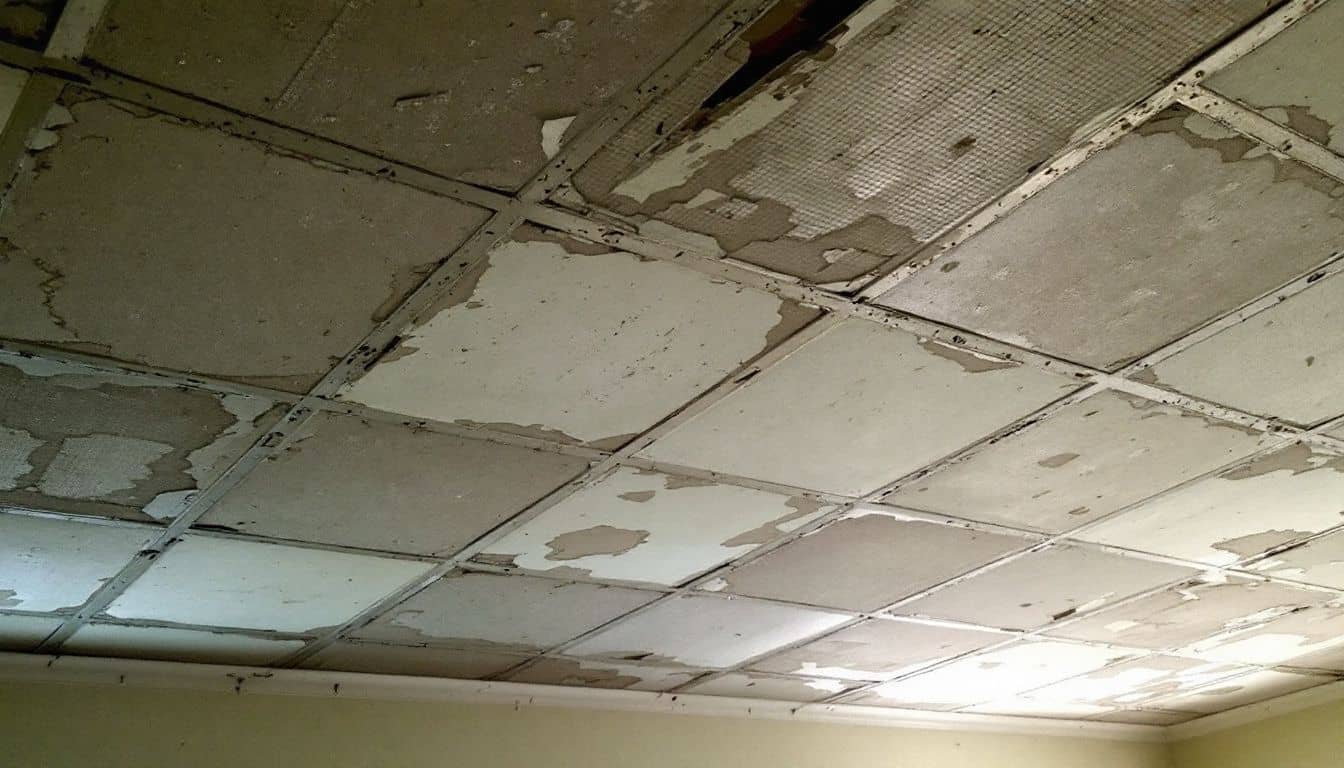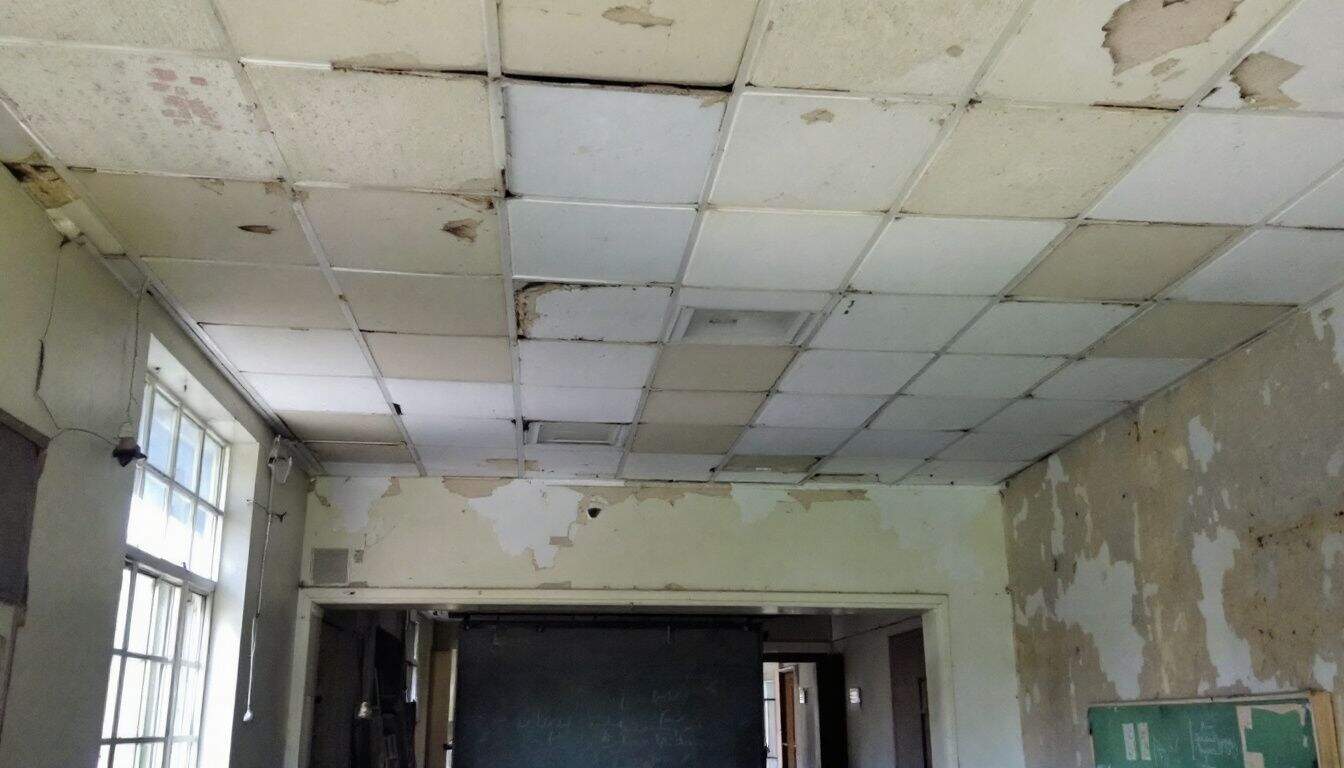
Category: Asbestos in Schools: Understanding the Risks

  • What is the responsibility of school boards in managing asbestos in their facilities?

    What is the responsibility of school boards in managing asbestos in their facilities?

    Which Regulation Outlines the Legal Responsibilities for Managing Asbestos in Schools and Colleges?

    If your school or college was built or refurbished before 2000, there is a very real chance that asbestos-containing materials (ACMs) are hidden within its structure — in ceiling tiles, floor coverings, pipe lagging, wall panels, or structural insulation. Understanding which regulation outlines the legal responsibilities for managing asbestos in schools and colleges is not administrative housekeeping. It is a legal duty that directly protects pupils, teachers, support staff, and contractors every single day.

    This post sets out exactly what the law requires, who carries responsibility, and what good asbestos management looks like across maintained schools, academies, independent schools, and further education colleges.

    The Primary Regulation: Control of Asbestos Regulations

    The Control of Asbestos Regulations is the cornerstone legislation governing asbestos management across all non-domestic premises in the UK — and that includes every type of educational building. Regulation 4 places a specific legal duty on those responsible for non-domestic premises to manage asbestos proactively and systematically.

    In educational settings, the duty holder is typically the employer. Depending on the type of school or college, that may be the local authority, an academy trust, the board of governors, or the proprietor of an independent school. The regulation does not allow for vagueness about who is responsible — it expects a named, accountable party to take ownership of asbestos management.

    The broader legal framework is provided by the Health and Safety at Work etc. Act, which places a general obligation on employers to protect the health, safety, and welfare of employees and anyone else affected by their activities — including students, visitors, and contractors.

    What Regulation 4 Actually Requires

    Regulation 4 of the Control of Asbestos Regulations sets out a clear series of duties for those responsible for educational premises. These are legal requirements, not optional recommendations. Failing to comply is a criminal offence.

    Identify All Asbestos-Containing Materials

    The duty holder must take reasonable steps to establish whether ACMs are present anywhere in the building. In practice, this means commissioning a professional asbestos management survey carried out by a competent, UKAS-accredited surveyor.

    Where materials cannot be confirmed as asbestos-free, the duty holder must presume they contain asbestos unless there is strong evidence to the contrary. This presumption of presence is a fundamental principle of the regulations — it is not something duty holders can choose to ignore for the sake of convenience or cost.

    Assess the Risk Posed by Each ACM

    Once ACMs are identified, the duty holder must assess the risk each one poses. This involves evaluating the condition of the material, its location, and the likelihood of it being disturbed during normal school activities or routine maintenance work.

    A ceiling tile in an undisturbed roof void presents a very different risk profile to damaged pipe lagging in a busy boiler room. The risk assessment must reflect these differences accurately and be proportionate to the actual hazard presented.

    Produce and Maintain an Asbestos Management Plan

    Every school and college with ACMs on site must have a written asbestos management plan. This document sets out how the risks from identified materials will be monitored and controlled over time. It must be kept current and reviewed whenever circumstances change — following building works, damage to a known ACM, or the discovery of previously unidentified materials.

    The management plan is a living document. Filing it away after the initial survey and never revisiting it is a compliance failure, not a solution.

    Maintain an Up-to-Date Asbestos Register

    An asbestos register must be compiled and kept current. This is a detailed record of every known or presumed ACM on the premises, including its location, type, condition, and risk rating.

    The register must be accessible to anyone who could potentially disturb ACMs — including caretakers, maintenance contractors, and cleaning staff. What is not acceptable is keeping it locked away where those who need it cannot reach it before starting work.

    Share Information with Those at Risk

    The duty holder must ensure that anyone liable to work on or disturb ACMs is briefed on their location and condition before work begins. This applies equally to in-house maintenance staff and external contractors.

    Failing to brief a contractor before they begin work on a ceiling, wall, or floor could have fatal consequences — and constitutes a serious breach of the regulations.

    The Role of HSG264 in Asbestos Surveys for Educational Buildings

    The HSE’s guidance document HSG264 sets the standard for asbestos surveying and is the definitive reference for anyone commissioning or carrying out surveys in schools and colleges. It defines the different types of survey and explains when each is appropriate.

    Management Surveys

    A management survey is the standard survey required to locate and assess ACMs that could be disturbed during normal occupation and routine maintenance. For most educational buildings, this is the survey type used to populate the asbestos register and inform the management plan.

    It is not a fully intrusive survey — it covers accessible areas and provides sufficient information to manage risk during day-to-day use. It must be carried out by a UKAS-accredited surveying organisation.

    Refurbishment and Demolition Surveys

    Before any refurbishment or demolition work takes place in an educational building, a demolition survey must be carried out in the affected area. This is a more intrusive survey designed to locate all ACMs that could be disturbed by the planned works — it goes significantly further than a management survey.

    Many schools undertake extensions, internal refits, or modernisation projects. Each of these requires a specific refurbishment and demolition survey before work begins. Relying on an existing management survey for this purpose is a regulatory breach that is far more common than it should be.

    Who Is the Duty Holder in Different Types of Educational Setting?

    Understanding which regulation outlines the legal responsibilities for managing asbestos in schools and colleges is only part of the picture. You also need to be clear about who carries those responsibilities in your specific setting.

    • Local authority-maintained schools: Responsibility is typically shared between the local authority and the governing body. Where budgets are delegated to the school, governors take on more direct responsibility for day-to-day asbestos management.
    • Academy trusts: The academy trust is the employer and therefore the duty holder. Individual academy principals and governors must ensure the trust’s obligations are being met at site level.
    • Independent schools: The proprietor or board of trustees is the duty holder and holds full responsibility for compliance.
    • Further education colleges: The college corporation is the employer and duty holder, responsible for all premises under its control.

    Regardless of governance structure, the duty cannot be delegated away entirely. Those at the top of the organisation retain ultimate accountability for ensuring legal requirements are met at every site they control.

    Staff Training: A Legal Requirement, Not a Recommendation

    The Control of Asbestos Regulations require that any member of staff liable to disturb ACMs receives adequate information, instruction, and training. In a school environment, this extends well beyond specialist contractors.

    Caretakers, site managers, cleaning staff, and even teachers who rearrange rooms or fix displays to walls may inadvertently disturb asbestos if they have not been properly informed. Asbestos awareness training is a legal requirement for all staff in roles where accidental disturbance is a realistic possibility.

    Training must cover:

    • What asbestos is and where it is commonly found in buildings of a certain age
    • The health risks associated with asbestos fibre inhalation, including mesothelioma, asbestosis, and asbestos-related lung cancer
    • How to access and use the asbestos register
    • What to do if suspected ACMs are discovered or damaged
    • Emergency procedures in the event of accidental disturbance

    Training records must be maintained and refreshed at regular intervals. Providing a single training session and treating the obligation as permanently discharged is not sufficient under the regulations.

    Using Accredited Professionals: Why It Is Non-Negotiable

    Schools and colleges must use competent, accredited professionals for all asbestos-related work. For surveying, this means engaging a UKAS-accredited organisation. For most removal work — particularly the removal of asbestos insulation, asbestos insulating board (AIB), and sprayed asbestos coatings — a contractor holding an HSE licence is a legal requirement.

    Attempting to manage asbestos removal using unlicensed contractors or untrained in-house staff is not only dangerous — it is a criminal offence. Penalties for breaching the Control of Asbestos Regulations can include unlimited fines and custodial sentences.

    When procuring asbestos services, duty holders should always request evidence of accreditation, current insurance, and relevant experience in educational settings before any work commences. Do not accept verbal assurances alone.

    Regular Inspections and Risk Assessment Reviews

    Asbestos management is not a one-time activity. The condition of ACMs can change over time, particularly in busy school environments where walls are knocked, ceilings are accessed for maintenance, and building works are ongoing.

    Duty holders should arrange periodic re-inspections of known ACMs to monitor their condition and update the asbestos register accordingly. The frequency of inspections should be proportionate to the risk — materials in a stable condition in low-traffic areas may require less frequent review than damaged or friable materials in regularly accessed spaces.

    Annual risk assessment reviews are considered good practice and are referenced in HSE guidance. Any findings that indicate deterioration must be acted upon promptly — through repair, encapsulation, or removal by a licensed contractor.

    Responding to an Asbestos Exposure Incident

    Despite best efforts, accidental disturbances do occur. When they do, the school or college must respond quickly and systematically.

    Immediate Actions

    1. Evacuate the affected area immediately and prevent re-entry until a competent professional has assessed it.
    2. Notify the designated safety representative and the senior leadership team without delay.
    3. Contact a licensed asbestos contractor to carry out an assessment and, if necessary, decontamination and removal.
    4. Document the incident in detail — how it occurred, who was present, and what actions were taken.
    5. Report the incident to the relevant authorities under the Reporting of Injuries, Diseases and Dangerous Occurrences Regulations (RIDDOR) if applicable.

    Health Monitoring and Support

    Those who may have been exposed to asbestos fibres should be offered appropriate health monitoring and support. This includes clear communication about what happened, what the potential risks are, and what steps are being taken to protect them going forward.

    The long latency period of diseases such as mesothelioma — which can be decades — makes thorough documentation of any exposure incident critically important. Records must be retained securely and for an appropriate period.

    Communication and Transparency with the School Community

    Openness about asbestos management builds trust — and it is also a regulatory expectation. Parents, staff, and governors have a legitimate interest in knowing how asbestos risks are being managed on site.

    Schools are not required to publish their full asbestos register publicly, but they should be prepared to discuss their management approach with governors and, where appropriate, with parents who raise concerns. Governors should receive regular updates on the status of the asbestos management plan as part of their oversight responsibilities.

    Silence or evasiveness around asbestos management tends to generate more anxiety than transparent, factual communication. A clear, calm explanation of what is present, why it is safe to remain in place, and how it is being monitored is almost always better received than no information at all.

    Asbestos Management Across Different Regions

    The legal framework under the Control of Asbestos Regulations applies uniformly across England, Scotland, and Wales. Whether you are managing a Victorian primary school or a modern further education campus, the duties are the same.

    Supernova Asbestos Surveys operates nationally, providing accredited surveys and management support to educational establishments across the UK. If you need an asbestos survey London for a school or college, our teams are ready to respond quickly. We also cover major cities including asbestos survey Manchester and asbestos survey Birmingham, with the same standard of UKAS-accredited service wherever your premises are located.

    A Practical Asbestos Compliance Checklist for Schools and Colleges

    If you are a duty holder in an educational setting, use this checklist to assess your current position:

    • Has a UKAS-accredited management survey been carried out on all pre-2000 buildings on site?
    • Is an up-to-date asbestos register in place and accessible to all relevant staff and contractors?
    • Is a written asbestos management plan in place and reviewed regularly?
    • Have all staff in relevant roles received asbestos awareness training, with records maintained?
    • Are contractors briefed on ACM locations before any work begins?
    • Is a refurbishment and demolition survey commissioned before any building works proceed?
    • Are periodic condition inspections of known ACMs being carried out and recorded?
    • Is there a clear incident response procedure in place?
    • Are governors receiving regular updates on asbestos management as part of their oversight role?

    If you cannot answer yes to all of these, your school or college is likely to have compliance gaps that need addressing as a matter of urgency.

    Frequently Asked Questions

    Which regulation outlines the legal responsibilities for managing asbestos in schools and colleges?

    The Control of Asbestos Regulations is the primary legislation. Regulation 4 specifically places a duty on those responsible for non-domestic premises — including all educational buildings — to identify, assess, and manage asbestos-containing materials. The Health and Safety at Work etc. Act provides the broader legal framework within which these duties sit.

    Who is the duty holder for asbestos management in a school?

    The duty holder is the employer responsible for the premises. In maintained schools this is typically the local authority or governing body; in academy trusts it is the trust itself; in independent schools it is the proprietor or board of trustees; and in further education colleges it is the college corporation. The duty cannot be fully delegated — ultimate accountability remains with those at the top of the governance structure.

    Do all schools need an asbestos survey?

    Any school or college building constructed or refurbished before 2000 must have a management survey carried out by a UKAS-accredited surveyor to establish whether ACMs are present. Buildings constructed after 2000 are very unlikely to contain asbestos, but if there is any doubt, a survey should still be commissioned. The duty holder must not simply assume a building is asbestos-free without evidence.

    What happens if a school fails to manage asbestos properly?

    Breaching the Control of Asbestos Regulations is a criminal offence. The HSE has the power to issue improvement notices, prohibition notices, and prosecute duty holders. Penalties can include unlimited fines and, in serious cases, custodial sentences. Beyond the legal consequences, the human cost of asbestos-related disease — which can take decades to manifest — makes compliance an absolute priority.

    Does a school need a new survey before building works or refurbishment?

    Yes. Before any refurbishment, extension, or demolition work begins, a refurbishment and demolition survey must be carried out in the affected area. An existing management survey is not sufficient for this purpose. This requirement applies regardless of how recently the management survey was completed.

    Get Expert Asbestos Support for Your School or College

    Supernova Asbestos Surveys has completed over 50,000 surveys nationwide, working with educational establishments of every type and size. Our UKAS-accredited surveyors understand the specific demands of school and college environments — including the need to work around term times, minimise disruption, and communicate clearly with non-specialist stakeholders.

    Whether you need a management survey to establish your baseline position, a refurbishment and demolition survey ahead of planned works, or specialist advice on building your asbestos management plan, our team is ready to help.

    Call us on 020 4586 0680 or visit asbestos-surveys.org.uk to discuss your requirements and arrange a survey at a time that suits your school.

  • Are there any financial resources available to assist schools in managing asbestos?

    Are there any financial resources available to assist schools in managing asbestos?

    Asbestos Removal in Schools: What Every Estate Manager Needs to Know

    Budgets are tight, buildings are ageing, and one wrong decision can shut down classrooms, delay maintenance projects and create serious legal exposure. When asbestos removal in schools becomes necessary, the real challenge is not simply getting the material out — it is making the right call at the right time, backed by evidence that satisfies governors, academy trusts, local authorities and the HSE.

    Schools are not typical work sites. They are heavily occupied, access is restricted, holiday windows are short, and even minor disruption can affect teaching, safeguarding and site operations. That is why asbestos work in education settings demands careful planning, accurate survey data and a clear strategy that follows the Control of Asbestos Regulations, HSG264 and current HSE guidance.

    Why Asbestos Removal in Schools Needs a Measured Approach

    Many school buildings still contain asbestos-containing materials, particularly where parts of the estate were constructed or refurbished before asbestos use was fully prohibited. That does not automatically mean there is an immediate danger.

    In many cases, asbestos is safest when it is in good condition, properly sealed, accurately recorded and left undisturbed under a robust management plan. The problem starts when materials are damaged, deteriorating or likely to be disturbed during maintenance, refurbishment or emergency repairs.

    In those situations, asbestos removal in schools may be the right option — but only after the condition, accessibility and likely exposure risk have been properly assessed. Dutyholders should consider:

    • Where asbestos-containing materials are located across the site
    • What type of material is present and what condition it is in
    • Whether staff, pupils, contractors or caretakers could disturb it
    • Whether management in situ remains a reasonable and defensible approach
    • How any remedial work can be carried out with minimal disruption to the school day
    • Whether planned works will affect hidden asbestos behind finishes or in voids

    If there is one practical rule to follow, it is this: do not assume removal is always required, and do not assume leaving asbestos in place is always cheaper or safer. The correct decision depends on evidence, not assumption.

    When to Manage Asbestos in Place and When Removal Is the Better Option

    One of the biggest misunderstandings around asbestos removal in schools is the idea that all asbestos must be stripped out immediately. That is not what the law requires. The legal duty is to identify asbestos, assess the risk and prevent exposure.

    If asbestos-containing materials are in good condition and unlikely to be disturbed, management in place is often the correct approach. If they are damaged, friable, exposed or directly in the path of planned works, removal becomes the more likely and appropriate course of action.

    Situations Where Management in Place May Be Suitable

    • Asbestos cement sheets in sound condition that are not being disturbed
    • Textured coatings that are intact and unaffected by planned work
    • Asbestos insulation board in a protected location with no visible damage
    • Materials that can be sealed, labelled and monitored effectively
    • Areas where access is controlled and the risk of disturbance is genuinely low

    Situations Where Removal Is Often Necessary

    • Damaged asbestos insulation board in occupied or accessible areas
    • Debris or dust from previously disturbed asbestos-containing materials
    • Refurbishment projects affecting walls, ceilings, risers or service ducts
    • Repeated accidental damage in occupied classrooms or corridors
    • Areas where maintenance staff or contractors are regularly working near the material
    • Materials in poor condition that cannot be reliably protected or monitored over time

    For estate managers and school leaders, the key is to document why a material is being managed or removed. If your reasoning is clear, backed by current survey data and reflected in the asbestos register, decisions are far easier to defend to governors, trustees and inspectors.

    Surveys Are the Foundation of Safe Asbestos Removal in Schools

    You cannot plan asbestos removal in schools properly without the right survey. Old records, partial drawings and assumptions are what lead to emergency discoveries, project delays and avoidable cost.

    For day-to-day compliance, many schools require a management survey that identifies asbestos-containing materials which could be disturbed during normal occupation, routine maintenance or minor works. It forms the basis of the asbestos register and management plan.

    If intrusive work is planned, a management survey alone is not sufficient. Before upgrades, structural alterations or major repairs, schools will typically need a refurbishment survey covering the areas affected by the works. This is designed to locate asbestos in hidden locations — behind finishes, inside ceiling voids and within service routes — before any contractor goes near them.

    Where asbestos has already been identified and left in place, regular review is essential. A re-inspection survey helps track changes in condition over time and supports informed decisions on whether continued management is still appropriate or whether action is now required.

    Practical Steps Before Any School Project Starts

    1. Check the date and scope of your existing asbestos information
    2. Match the survey type to the nature of the work being planned
    3. Ensure survey findings are fully reflected in the current asbestos register
    4. Review whether the management plan still reflects how the building is being used
    5. Share relevant asbestos information with all contractors before they start work
    6. Update records immediately if conditions change or works are completed

    If your site team is dealing with frequent repairs, leaks, cabling work or classroom alterations, it is worth reviewing survey coverage before a minor job becomes a major asbestos incident.

    Funding and Financial Support for Schools Managing Asbestos

    There is no single automatic funding stream dedicated solely to asbestos removal in schools. In practice, funding usually comes through wider condition, maintenance or capital improvement routes, and the pathway depends on whether the school is maintained, part of an academy trust or managed under another estate structure.

    The strongest funding cases present asbestos work as a clearly evidenced building condition and safety issue. Decision-makers need to see why the work is necessary, what risk it addresses and why management in place is no longer sufficient.

    Condition and Capital Funding Routes

    Eligible academies, sixth-form colleges and some voluntary aided bodies may seek support through capital routes where asbestos risk forms part of a wider condition case. Maintained schools often access support through local authority processes rather than direct competitive bids.

    Multi-academy trusts may also use central estate budgets or condition allocations where asbestos affects safety, compliance or planned refurbishment programmes. To strengthen any funding request:

    • Use current, site-specific survey evidence rather than generic claims
    • Show the condition and precise location of the material in question
    • Explain whether it is damaged or likely to be disturbed by planned works
    • Link the issue directly to safety concerns or building usability
    • Obtain a realistic scope and cost estimate for the remedial or removal works
    • Demonstrate why delaying action would create a greater risk or cost in the long term

    Local Authority Support

    Some local authorities can assist with urgent works, condition priorities or estate planning where asbestos presents a material risk. Support varies widely between authorities, so schools should speak directly to estates or property teams rather than rely on generic information.

    Useful questions to raise with your local authority include:

    • What capital budgets are available for condition and compliance work this financial year?
    • What approval thresholds apply to urgent asbestos expenditure?
    • Are updated surveys required before funding can be released?
    • How should asbestos work be prioritised against other estate risks?

    Specialist Financial and Legal Advice

    Some organisations involved in property ownership, redevelopment or complex site arrangements may explore reliefs or allowances linked to contaminated land or acquisition issues. Whether that applies to a particular school, trust or associated entity depends on legal structure, tax status and the specific nature of the site.

    That part should always be handled by a qualified financial or legal adviser. An asbestos surveying company can provide the technical evidence; a solicitor or accountant provides the financial and legal interpretation.

    Reducing Cost Without Compromising Safety

    Not every asbestos issue requires an immediate full strip-out. In some cases, schools can reduce short-term costs by choosing a lower-risk control measure, provided it is genuinely suitable and properly documented. The aim is not to avoid spending money — it is to spend it where it makes the greatest safety difference.

    Encapsulation

    Encapsulation involves sealing asbestos-containing materials to prevent fibre release and protect the surface from damage. This can be suitable where the material is stable, accessible for monitoring and unlikely to be disturbed by ongoing maintenance or occupation.

    It is often quicker and less disruptive than removal, but it is not a permanent answer to every problem. The asbestos remains in the building, so the register, labelling and monitoring process must remain active and up to date.

    Enclosure

    Enclosure creates a physical barrier around the asbestos-containing material. This can work well in plant rooms, service voids or less accessible parts of the estate where removal would be highly disruptive or disproportionately expensive.

    It is only suitable if the material can be safely isolated and managed over time. If future works are likely to cut through the enclosure, removal may still be the better long-term option — and delaying that decision can increase overall cost.

    Phased Removal

    For larger estates, phased asbestos removal in schools can be more practical than attempting one major project. Works can be aligned with holiday periods, block-by-block refurbishments or wider condition upgrades already in the pipeline.

    This approach can help schools:

    • Spread costs over a realistic and manageable period
    • Reduce disruption to teaching spaces and school operations
    • Prioritise higher-risk materials first, based on survey evidence
    • Coordinate asbestos work with wider refurbishment budgets
    • Avoid repeated temporary closures or emergency mobilisations

    Phasing only works if the remaining asbestos is still safe to manage in the meantime. That decision should always be based on current survey evidence and regular condition review — not on the assumption that nothing will change.

    How the Asbestos Removal Process Should Work in a School Environment

    Once removal is justified, the process needs tight control. Schools are sensitive sites, and planning has to reflect that. Access routes, contractor segregation, communication with staff and parents, and timing all matter considerably.

    A properly managed asbestos removal project in a school environment typically includes:

    1. Review of survey findings and confirmation of the full scope of works
    2. Risk assessment and detailed method planning
    3. Decision on whether the work is licensed, notifiable non-licensed or non-licensed
    4. Selection of a competent, appropriately accredited contractor
    5. Site preparation, isolation and controls to prevent exposure to occupants
    6. Removal, cleaning and waste handling in line with legal requirements
    7. Clearance procedures where required before reoccupation of the area
    8. Immediate update of the asbestos register after completion

    Schools should also plan the practical side of site management carefully. Schedule intrusive work outside teaching hours or during holidays where possible. Ensure all staff, caretakers and site managers are briefed before work begins. Keep communication lines open with governors and, where appropriate, parents.

    Licensed vs Non-Licensed Work

    Not all asbestos removal in schools requires a licensed contractor, but some types of material — including most sprayed coatings, lagging and asbestos insulation board — do. The distinction matters because licensed work carries additional notification and record-keeping requirements under the Control of Asbestos Regulations.

    Getting this classification wrong can lead to enforcement action, project delays or invalid clearance certificates. Always confirm the material type, fibre type and condition with your surveyor before selecting a contractor or planning a programme.

    Asbestos Removal in Schools Across the UK

    School estate management is a national issue, and the need for competent, local asbestos surveying support applies whether your site is in a city centre or a rural area. Supernova Asbestos Surveys operates across the UK, providing surveys and asbestos management support to schools, academies and multi-site trusts.

    If you manage a school estate in the capital, our asbestos survey London service covers the full range of survey types required for education settings. For schools in the north-west, our asbestos survey Manchester team is available to support both planned programmes and urgent requirements. In the Midlands, our asbestos survey Birmingham service provides the same level of specialist expertise for schools across the region.

    Wherever your school is located, the same principles apply: accurate survey data, a clear management plan and a documented approach to any removal work.

    Keeping Records and Staying Compliant After Removal

    Asbestos removal in schools does not end when the contractor leaves site. The asbestos register must be updated immediately to reflect what has been removed, where and when. Any clearance certificates, waste transfer documentation and contractor reports should be retained as part of the site’s compliance record.

    The management plan should be reviewed after any removal work to confirm whether remaining materials still require the same level of monitoring and control. If a significant amount of asbestos has been removed from a particular block or zone, it may be appropriate to revise the inspection frequency or update the risk assessment for that area.

    Governors, academy trust boards and local authorities may request evidence of compliance at any time. Keeping records in good order is not just good practice — it is a legal requirement under the Control of Asbestos Regulations and HSG264.

    Frequently Asked Questions

    Is asbestos removal in schools always legally required?

    No. The law requires dutyholders to manage asbestos so that exposure is prevented, not to remove it automatically. Removal is required when materials are damaged, deteriorating or likely to be disturbed by planned works. Where asbestos is in good condition and can be managed safely, management in place is often the legally acceptable and appropriate approach.

    What survey does a school need before carrying out building works?

    For any intrusive or refurbishment work, a management survey alone is not sufficient. Schools need a refurbishment survey covering the specific areas affected by the planned works. This identifies asbestos in hidden locations such as ceiling voids, wall cavities and service ducts before any contractor begins work. Failing to commission the right survey type before works start is a common and avoidable compliance failure.

    How can schools fund asbestos removal work?

    There is no single dedicated funding stream for asbestos removal in schools. Funding typically comes through wider capital, condition or maintenance budgets. Maintained schools usually access funding through local authority processes, while academies and multi-academy trusts may use central estate or condition allocations. The strongest funding cases are built on current, site-specific survey evidence that clearly demonstrates the risk and the cost of inaction.

    Can asbestos work be carried out while pupils are in the building?

    In some cases, low-risk non-licensed work can be carried out during school hours if the area is properly isolated and controlled. However, most asbestos removal in schools is planned for holiday periods or out-of-hours windows to minimise any risk of exposure and reduce disruption. Licensed work in particular should not take place in occupied areas without strict segregation and air monitoring controls in place.

    How often should asbestos be re-inspected in a school?

    Under HSG264 and the Control of Asbestos Regulations, asbestos-containing materials that are being managed in place must be re-inspected at regular intervals — typically annually, though higher-risk materials or heavily trafficked areas may require more frequent review. A re-inspection survey documents any changes in condition and informs decisions on whether continued management remains appropriate or whether action is needed.

    Talk to Supernova Asbestos Surveys

    Supernova Asbestos Surveys has completed over 50,000 surveys across the UK, including a significant number for schools, academies and multi-site education trusts. We provide management surveys, refurbishment surveys, re-inspection surveys and asbestos removal support — all carried out by qualified, experienced surveyors who understand the specific demands of education settings.

    If you are planning building works, reviewing your asbestos management plan or dealing with a condition issue that needs urgent attention, we can help you get the right survey in place quickly and provide clear, actionable findings.

    Call us on 020 4586 0680 or visit asbestos-surveys.org.uk to find out more or to book a survey.

  • How can schools stay updated on any changes or developments in regulations for asbestos in schools?

    How can schools stay updated on any changes or developments in regulations for asbestos in schools?

    HSE Asbestos in Schools: What Every Duty Holder Needs to Know

    Asbestos remains one of the most serious ongoing health risks in UK schools. The Health and Safety Executive estimates that the majority of school buildings constructed before 2000 contain some form of asbestos-containing material (ACM), and with millions of pupils and staff occupying those buildings every day, the duty to manage that risk is not optional — it is a legal obligation.

    Understanding HSE asbestos in schools guidance, staying current with regulatory changes, and putting robust management systems in place are the foundations of keeping everyone safe. Here is exactly what schools need to do, who is responsible, and how to stay on the right side of the law.

    Who Is the Duty Holder and What Are Their Legal Responsibilities?

    Under the Control of Asbestos Regulations, the duty to manage asbestos in non-domestic premises — including schools — falls on the “duty holder.” In most cases, this is the employer or the person in control of the building: a headteacher, facilities manager, or the local authority responsible for the estate.

    The duty holder must take reasonable steps to find out whether ACMs are present, assess their condition, and put a written asbestos management plan in place. That plan must be kept up to date and made accessible to anyone who might disturb the materials — including contractors, maintenance staff, and cleaning teams.

    Core Duties Under the Regulations

    • Identify the location and condition of all ACMs in the building
    • Maintain an up-to-date asbestos register
    • Assess the risk posed by each identified material
    • Produce and implement a written asbestos management plan
    • Ensure the plan is reviewed and updated regularly
    • Provide information about ACMs to anyone who may disturb them
    • Arrange periodic re-inspections to monitor the condition of known ACMs

    Failure to meet these duties is not just a regulatory breach. It can result in prosecution, unlimited fines, and — most importantly — preventable harm to children and staff.

    Where Is Asbestos Typically Found in Schools?

    Many school buildings constructed between the 1950s and 1990s used asbestos extensively as an insulating and fire-resistant material. It was cheap, effective, and considered safe at the time — until the evidence of its devastating health consequences became impossible to ignore.

    Knowing where to look is the first step in managing the risk. Common locations for ACMs in school buildings include:

    • Ceiling tiles and suspended ceiling systems
    • Pipe lagging and boiler insulation
    • Floor tiles and the adhesive used to fix them
    • Roof sheeting and guttering (asbestos cement)
    • Textured wall and ceiling coatings such as Artex
    • Ducts, service risers, and heating systems
    • Partition boards and soffit panels
    • Window surrounds and external cladding panels

    Asbestos in good condition and left undisturbed does not typically present an immediate risk. The danger arises when materials are damaged, deteriorating, or disturbed during maintenance and refurbishment work. This is precisely why the condition of ACMs must be monitored continuously — not just noted once and forgotten.

    Recognising the Signs of Deteriorating Asbestos

    Regular visual inspections are a critical part of any school’s asbestos management regime. Staff do not need specialist qualifications to flag potential concerns — but they do need to know what warning signs to look for and who to report them to.

    Physical Indicators That Require Immediate Attention

    • Cracked or missing ceiling or floor tiles — especially in older buildings where tiles may contain chrysotile (white asbestos)
    • Frayed or damaged pipe lagging — loose fibres around boiler rooms or service areas are a serious red flag
    • Sagging or warped boards — deformation in partition or soffit panels can indicate material breakdown
    • Water damage near known ACMs — moisture accelerates deterioration and can release fibres
    • Dust or debris near asbestos areas — unexplained dust accumulation should always be investigated
    • Peeling or flaking coatings — textured coatings that are flaking may contain asbestos
    • Recent maintenance disturbance — any area where work has recently taken place near suspected ACMs should be checked

    If any of these signs are observed, the area should be cordoned off and a qualified asbestos surveyor contacted before any further access is permitted. Acting quickly prevents exposure — and exposure is what causes mesothelioma, asbestosis, and asbestos-related lung cancer.

    HSE Asbestos in Schools: Surveys, Testing, and Monitoring

    The HSE’s guidance document HSG264 sets out the standard for asbestos surveys in non-domestic buildings, including schools. There are two main types of survey that schools will typically require, and understanding the difference between them is essential for duty holders.

    Management Surveys

    A management survey is the standard survey required to manage ACMs during normal occupation of the building. It locates, as far as reasonably practicable, the presence and extent of any suspect ACMs and assesses their condition.

    This type of survey should be carried out by a competent, accredited surveyor and the results used to populate or update the school’s asbestos register. It forms the backbone of any compliant asbestos management plan.

    Refurbishment and Demolition Surveys

    Before any refurbishment, maintenance, or demolition work takes place, a demolition survey is required for the specific area to be disturbed. This is a more intrusive survey that may involve sampling and laboratory analysis, and it must be completed before work begins — not during it.

    Schools that skip this step are exposing staff, pupils, and contractors to serious risk, and are in direct breach of their legal duties. There are no acceptable shortcuts here.

    Air Monitoring and Bulk Sampling

    Where there is concern that fibres may have been released — for example, following accidental damage — air monitoring can be carried out by a UKAS-accredited laboratory. Bulk sampling involves taking physical samples from suspect materials and having them analysed to confirm whether asbestos is present and, if so, which type.

    Schools in major cities can access specialist support quickly. Whether you need an asbestos survey London schools can rely on, an asbestos survey Manchester based, or an asbestos survey Birmingham wide, Supernova Asbestos Surveys provides accredited surveyors across the country.

    Staying Updated on Changes to HSE Asbestos in Schools Guidance

    Regulations and HSE guidance evolve. Duty holders who set up an asbestos management plan and then leave it untouched for years are not meeting their obligations — and may be unaware of updated best practice or changes to enforcement priorities.

    Here are the most reliable ways to stay current:

    Monitor the HSE Website Directly

    The HSE publishes updated guidance, enforcement notices, and sector-specific information at hse.gov.uk. The asbestos section includes specific resources for duty holders in schools, including guidance on the duty to manage and links to HSG264.

    Bookmarking this page and checking it regularly — at minimum quarterly — is a straightforward habit that keeps duty holders informed without relying on third-party summaries that may be incomplete or delayed.

    Subscribe to HSE Newsletters and Alerts

    The HSE offers email updates that can be tailored to specific topics, including asbestos and construction. Subscribing ensures that significant regulatory changes or new enforcement guidance reaches you directly, rather than filtering through to you weeks later.

    Engage with Sector Bodies and Trade Unions

    The National Education Union takes an active interest in asbestos management in schools and regularly publishes guidance, surveys, and campaign updates. Local authority health and safety teams also circulate relevant updates to maintained schools.

    Multi-academy trusts should ensure their central health and safety function is monitoring these channels on behalf of all their schools, rather than leaving individual site managers to navigate it alone.

    Attend Training and CPD Events

    Asbestos awareness training is not a one-off exercise. Duty holders, site managers, and facilities staff should attend refresher training regularly. Many training providers offer e-learning modules that can be completed without disrupting the school day, making it practical even for smaller schools with limited staff cover.

    Use Compliance Management Software

    Dedicated compliance tools allow schools to track asbestos inspection schedules, store survey records, manage contractor notifications, and receive alerts when reviews are due. These platforms significantly reduce the administrative burden on site managers and help ensure nothing falls through the cracks — particularly important for multi-academy trusts managing multiple sites simultaneously.

    Staff Training: What Every Member of the School Community Needs to Know

    Asbestos awareness is not just the responsibility of the duty holder. Every member of staff who works in or around the building — teachers, teaching assistants, cleaning staff, caretakers, and administrative personnel — should have a basic understanding of asbestos risks and what to do if they suspect a problem.

    What Asbestos Awareness Training Should Cover

    • What asbestos is and why it is dangerous
    • The types of asbestos and where they are typically found in school buildings
    • How to identify potential ACMs and signs of deterioration
    • The location of the school’s asbestos register and management plan
    • What to do — and what not to do — if asbestos is suspected or disturbed
    • Who to contact immediately in the event of a suspected release

    Duty holders have specific additional training requirements covering legal responsibilities, risk assessment, management plan development, and contractor management. This training should be formally documented and refreshed whenever there are significant changes to the building, the occupancy, or the regulatory framework.

    Communicating Asbestos Risks to Parents and the Wider School Community

    Transparency about asbestos management builds trust. Parents who discover that their child’s school contains asbestos — particularly if they learn about it through the media rather than from the school itself — are understandably alarmed. Proactive communication prevents that scenario and demonstrates that the school takes its responsibilities seriously.

    Effective communication does not mean alarming people unnecessarily. The message should be clear: asbestos is present in many older school buildings, it is being managed safely in accordance with HSE guidance, and the school has a robust management plan in place.

    Practical Communication Approaches

    • Include a brief asbestos management summary in the school’s annual health and safety report to governors
    • Notify parents promptly if any unplanned disturbance or remedial work is required
    • Ensure staff are briefed before any contractor work begins near known ACMs
    • Make the asbestos management plan accessible to staff, governors, and contractors
    • Use parent newsletters or the school website to share updates following surveys or inspections

    Providing factual information about where asbestos is located, its condition, and what the school is doing to monitor it is far more reassuring than vague reassurances or silence.

    When Asbestos Must Be Removed From a School

    Not all asbestos needs to be removed. The HSE’s guidance is clear that undisturbed ACMs in good condition are often best managed in place rather than removed, because removal itself carries risks if not carried out correctly by a licensed contractor.

    However, there are circumstances where removal is the appropriate course of action. Asbestos removal is typically required when:

    • ACMs are in poor condition and cannot be repaired or encapsulated effectively
    • Planned refurbishment or demolition work will disturb the materials
    • The materials are in a location where damage or disturbance is unavoidable during normal use
    • An HSE inspector or qualified surveyor recommends removal as the safest long-term option
    • The school is undergoing significant structural changes that make ongoing management impractical

    Where removal is required, it must be carried out by a licensed asbestos removal contractor. The work must be notified to the HSE in advance, and the area must be cleared and independently air-tested before reoccupation. This is not work that can be assigned to a general maintenance contractor.

    Contractor Management: Protecting Everyone Who Works in Your Building

    One of the most common causes of asbestos disturbance in schools is contractors carrying out maintenance or refurbishment work without being made aware of the asbestos register. This is a failure of duty holder management — not simply contractor negligence.

    Before any contractor begins work on the premises, the duty holder must:

    1. Share the relevant sections of the asbestos register covering the work area
    2. Confirm whether a refurbishment or demolition survey has been carried out for that specific area
    3. Ensure the contractor has reviewed and understood the information provided
    4. Obtain written confirmation that the contractor has a method statement addressing asbestos risks
    5. Monitor the work to ensure it is carried out in accordance with the agreed plan

    This process applies to every contractor — from large construction firms to individual tradespeople carrying out minor repairs. The size of the job does not reduce the risk if asbestos is present in the work area.

    Building a Culture of Asbestos Awareness in Schools

    The most effective asbestos management in schools is not driven by fear of enforcement — it is driven by a genuine culture of awareness and responsibility. When every member of staff understands the risks, knows how to report concerns, and trusts that those concerns will be acted upon, the management system works as it should.

    Duty holders play a central role in establishing that culture. Visible leadership — attending training, reviewing the management plan, engaging with surveyors, and communicating openly with staff and parents — signals that asbestos management is taken seriously at every level of the organisation.

    Schools that treat asbestos management as a box-ticking exercise are the ones most likely to face enforcement action or, worse, a preventable exposure incident. Those that embed it into their everyday safety culture are the ones that genuinely protect the people in their care.

    Frequently Asked Questions

    Does my school legally have to have an asbestos survey?

    If your school building was constructed before 2000 and you do not already have a comprehensive asbestos register based on a professional survey, then yes — you are almost certainly required to commission one. The Control of Asbestos Regulations place a legal duty on the person in control of the premises to identify any ACMs. Assuming asbestos is absent without evidence is not a compliant approach. A management survey carried out by an accredited surveyor is the standard starting point.

    What is the difference between a management survey and a refurbishment survey for schools?

    A management survey is designed for buildings in normal use. It identifies and assesses the condition of accessible ACMs so they can be monitored and managed safely. A refurbishment or demolition survey is required before any work that will disturb the fabric of the building — it is more intrusive and may involve sampling. Schools need both types at different stages: a management survey for ongoing compliance, and a refurbishment survey before any building work begins in a specific area.

    Who is responsible for asbestos management in an academy school?

    In an academy, the responsibility sits with the academy trust as the employer and the person in control of the premises. The trust’s board of trustees holds ultimate accountability, but in practice the duty is typically delegated to a designated duty holder — often the school business manager, facilities manager, or a central estates team within the trust. Regardless of how responsibility is delegated internally, the legal obligation remains with the trust.

    How often should a school’s asbestos management plan be reviewed?

    There is no fixed statutory interval, but HSE guidance makes clear that the plan must be kept up to date and reviewed regularly. In practice, this means reviewing it at least annually, and immediately following any change to the building, any disturbance of a known ACM, or any new survey findings. Re-inspections of known ACMs should typically take place every six to twelve months depending on their condition and location.

    What should a school do if asbestos is accidentally disturbed?

    Stop all work in the affected area immediately and prevent access by pupils, staff, and contractors. Do not attempt to clean up any debris or dust without specialist advice — ordinary vacuum cleaners and cleaning methods can spread fibres rather than contain them. Contact a UKAS-accredited asbestos surveyor to carry out air monitoring and advise on the appropriate response. Depending on the severity of the disturbance, you may also need to notify the HSE. Document everything, including who was present, what work was taking place, and what steps were taken.

    Get Expert Support From Supernova Asbestos Surveys

    Supernova Asbestos Surveys has completed over 50,000 surveys across the UK, working with schools, local authorities, multi-academy trusts, and facilities management teams to deliver fully compliant asbestos management solutions. Our accredited surveyors understand the specific challenges of managing asbestos in occupied school buildings and can provide practical, clear guidance at every stage.

    Whether you need a management survey to establish your asbestos register, a refurbishment survey ahead of building work, or specialist advice on a complex site, our team is ready to help. We cover the whole of England, Scotland, and Wales.

    Call us on 020 4586 0680 or visit asbestos-surveys.org.uk to book a survey or speak to one of our specialists today.

  • What role do parents and guardians have in advocating for safe management of asbestos in schools?

    What role do parents and guardians have in advocating for safe management of asbestos in schools?

    Asbestos in Schools: What Every Parent and Guardian Needs to Know

    If your child attends a school built before 2000, there is a real chance that asbestos-containing materials are present somewhere in that building. Asbestos in schools is not a fringe concern — it is one of the most significant ongoing health challenges facing the UK education sector. Knowing what that means for your child, and what you can do about it, is not just reasonable. It is essential.

    How Asbestos Ended Up in UK Schools

    Asbestos was used extensively in British construction from the 1950s through to the 1980s. Schools built during this period — and there are tens of thousands still in use today — were constructed with asbestos-containing materials (ACMs) as standard practice.

    Builders and architects favoured asbestos because it was cheap, durable, fire-resistant, and an excellent insulator. It was not until the health risks became undeniable that the UK banned the use of all forms of asbestos in new construction.

    Common materials used in school buildings during this era included:

    • Ceiling tiles and floor tiles
    • Pipe lagging and boiler insulation
    • Sprayed coatings on structural steelwork
    • Textured decorative coatings such as Artex
    • Cement sheets used in roofing and wall panels
    • Ductwork insulation and gaskets
    • Vinyl floor coverings with asbestos backing

    These materials are not always visible. In many schools, ACMs are hidden above suspended ceilings, behind wall panels, or encased within service ducts — which is precisely why professional surveys and ongoing management are so critical.

    Where Is Asbestos Most Commonly Found in School Buildings?

    The location of asbestos in a school depends heavily on when the building was constructed and what renovation work has taken place since. Certain areas, however, appear repeatedly in survey findings.

    Plant Rooms and Boiler Houses

    Older boilers and heating systems were routinely lagged with asbestos insulation. Plant rooms are high-risk areas because maintenance staff frequently work there, and any disturbance of deteriorating insulation can release fibres into the air.

    Corridors, Classrooms, and Ceilings

    Suspended ceiling tiles in older school buildings very commonly contain asbestos. If tiles are damaged, cracked, or disturbed during maintenance — even something as routine as accessing a ceiling void to run a cable — fibres can be released.

    Roof Spaces and Loft Areas

    Sprayed asbestos coatings were applied to structural steelwork in many roof voids. These areas are particularly hazardous because the material can degrade over time, becoming friable — meaning it crumbles easily and releases fibres with minimal disturbance.

    Science Laboratories and Workshops

    Older laboratory benches, fume cupboards, and workshop equipment sometimes incorporated asbestos for heat resistance. This is an area parents and staff should specifically ask about when reviewing asbestos records.

    Why Asbestos in Schools Is a Serious Health Risk

    Asbestos is the single largest cause of occupational death in the UK. When asbestos-containing materials are disturbed, microscopic fibres become airborne. Once inhaled, they lodge permanently in lung tissue and can cause three serious — and often fatal — diseases:

    • Mesothelioma — an aggressive cancer of the lining of the lungs and abdomen, almost exclusively caused by asbestos exposure
    • Asbestosis — progressive scarring of lung tissue that causes severe breathing difficulties
    • Asbestos-related lung cancer — caused by fibre inhalation and similar in presentation to smoking-related lung cancer

    What makes this especially troubling in a school context is the latency period. Symptoms of these diseases typically do not appear until 20 to 50 years after exposure. A child exposed at age seven may not develop symptoms until their 30s or 40s — by which point the damage is irreversible.

    Research has also indicated that children may be at greater risk than adults from equivalent levels of exposure. Their lung tissue is still developing, and they have a longer remaining lifespan over which disease can develop. This is not a reason for panic, but it is absolutely a reason for rigorous management and transparency.

    The Legal Framework: Who Is Responsible for Managing Asbestos in Schools?

    UK law is clear on this. The Control of Asbestos Regulations place a legal duty on those who manage non-domestic premises — including schools — to manage asbestos safely. This is commonly referred to as the duty to manage.

    Who Is the Dutyholder?

    In a school setting, the dutyholder is typically the employer — which may be the local authority, the academy trust, or the governing body, depending on the type of school. The dutyholder must:

    1. Identify whether asbestos is present and where it is located
    2. Assess the condition and risk level of any ACMs found
    3. Produce and maintain a written asbestos management plan
    4. Ensure the plan is implemented and reviewed regularly
    5. Inform anyone who may disturb ACMs — including contractors and maintenance staff — of their location and condition
    6. Arrange for periodic re-inspection of known ACMs

    HSE guidance, including HSG264, provides detailed technical direction on how surveys should be conducted and how management plans should be structured. Schools that fail to comply with these requirements are not just cutting corners — they are breaking the law.

    What About RIDDOR?

    If an asbestos-related incident occurs — for example, if ACMs are accidentally disturbed during building work — schools may be required to report this under RIDDOR (Reporting of Injuries, Diseases and Dangerous Occurrences Regulations). Parents should be aware of this obligation and ask whether any such reports have been made at their child’s school.

    Asbestos Surveys: The Foundation of Safe Management

    You cannot manage what you do not know about. An asbestos survey is the essential first step in understanding what ACMs are present in a school building, where they are, what condition they are in, and what risk they pose. HSG264 defines the main types of survey relevant to schools.

    Management Survey

    This is the standard survey required to manage asbestos safely during the normal occupation and use of a building. A management survey locates ACMs that could be disturbed during everyday activities and routine maintenance. All occupied school buildings should have a current management survey on record.

    Refurbishment Survey

    This more intrusive survey is required before any refurbishment work takes place. A refurbishment survey is designed to locate all ACMs that could be disturbed during the planned work, including in areas not covered by a standard management survey. If your child’s school is undergoing building work, ask whether this survey has been completed before contractors move in.

    Demolition Survey

    Before any part of a school building is demolished, a demolition survey must be completed. This is the most thorough and intrusive type of survey, designed to identify every ACM in the structure so that nothing is disturbed without appropriate controls in place.

    What Good Asbestos Management in Schools Actually Looks Like

    Understanding what best practice looks like helps parents identify when a school is falling short. A well-managed school will:

    • Hold a current, detailed asbestos register that is regularly reviewed
    • Commission the appropriate type of survey from a suitably qualified, accredited surveyor before any building work begins
    • Carry out periodic re-inspections of known ACMs — typically every 12 months for materials in poorer condition
    • Provide asbestos awareness training to all relevant staff, including caretakers and site managers
    • Issue asbestos location information to contractors before any work begins
    • Have a clear emergency procedure for accidental disturbance of ACMs
    • Communicate proactively with parents and staff about asbestos management

    Where ACMs are in poor condition and cannot be safely managed in place, the school should arrange for professional asbestos removal by a licensed contractor. Removal is not always the first option — in many cases, encapsulation or careful ongoing management is appropriate — but when materials are deteriorating, removal is the safest long-term solution.

    The Role of Parents and Guardians in Advocating for Safe Asbestos Management

    Parents and guardians have no formal regulatory role in asbestos management — that responsibility rests with the dutyholder. However, you have every right to ask questions, request documentation, and hold schools to account. An engaged parent body is one of the most effective checks on complacency.

    Request the Asbestos Management Plan

    Every school that has identified asbestos — or has not yet confirmed its absence — must have a written asbestos management plan. You are entitled to ask to see this document. When you receive it, look for the following:

    • When was the most recent asbestos survey carried out, and by whom?
    • Are all areas of the building covered, including roof voids, plant rooms, and service areas?
    • Is there a named asbestos responsible person (ARP) with clear contact details?
    • What is the schedule for re-inspection of known ACMs?
    • How are contractors informed about asbestos locations before starting work?
    • What procedures are in place if ACMs are accidentally disturbed?

    If the plan is out of date, incomplete, or the school is unable to provide it, that is a serious concern you should escalate to the governing body or local authority.

    Attend Governors’ Meetings and Ask Direct Questions

    School governors have oversight responsibilities that include health and safety. Attending governors’ meetings — which are typically open to parents — gives you a formal forum to raise asbestos-related questions. Be specific: ask when the last survey was conducted, whether any ACMs are in a deteriorating condition, and what work has been carried out by contractors in the past 12 months.

    Collaborate With Other Parents

    A single parent raising concerns can be dismissed more easily than a coordinated group. If you have concerns about asbestos management in your child’s school, speak to other parents, form a working group, and present your questions collectively to school leadership and the governing body.

    A united, informed parent group carries significantly more weight. Schools are more likely to take proactive steps when they know parents are engaged, informed, and prepared to escalate if necessary.

    Escalate to the Local Authority or HSE if Necessary

    If you believe a school is failing in its duty to manage asbestos safely, you can escalate your concerns. Depending on the type of school, the local authority may have oversight responsibilities. The HSE is the primary enforcement body for asbestos-related health and safety obligations and can investigate complaints about non-compliance.

    You should not feel that raising a formal complaint is an extreme step. If a school is not managing asbestos in accordance with its legal obligations, reporting it to the appropriate authority is exactly the right course of action.

    Practical Questions to Ask Your Child’s School Right Now

    You do not need to wait for a formal meeting to start getting answers. Here are straightforward questions you can put to any school today:

    1. Does the school have an asbestos management plan, and when was it last reviewed?
    2. Has a management survey been carried out by a qualified, accredited surveyor?
    3. Who is the named asbestos responsible person?
    4. Are there any ACMs currently in a deteriorating or damaged condition?
    5. Have contractors carried out work in the building in the past year, and were they briefed on asbestos locations beforehand?
    6. Has the school ever had to report an asbestos-related incident under RIDDOR?
    7. What asbestos awareness training has been provided to site staff and caretakers?

    A school with robust asbestos management will be able to answer all of these questions clearly and without hesitation. Vague or evasive responses are a warning sign worth pursuing.

    Supernova Asbestos Surveys: Supporting Schools Across the UK

    Supernova Asbestos Surveys has completed over 50,000 surveys nationwide, working with schools, local authorities, academy trusts, and facilities managers to ensure buildings are safe and legally compliant. Our surveyors are fully accredited and work in accordance with HSG264 and the Control of Asbestos Regulations.

    Whether you need a survey for a school in the capital — where our team provides asbestos survey London services — further north where we carry out asbestos survey Manchester work, or in the Midlands where our asbestos survey Birmingham team operates, we have the expertise and accreditation to deliver thorough, compliant surveys.

    If you are a parent, governor, facilities manager, or dutyholder with concerns about asbestos in a school building, contact us today. Call 020 4586 0680 or visit asbestos-surveys.org.uk to arrange a survey or discuss your requirements with our team.

    Frequently Asked Questions

    Is asbestos still present in UK schools?

    Yes. The majority of UK school buildings constructed before 2000 are likely to contain asbestos-containing materials in some form. Asbestos was widely used in school construction from the 1950s through to the 1980s, and many of those buildings remain in active use today. The presence of asbestos does not automatically mean pupils and staff are at risk — undisturbed ACMs in good condition are generally managed in place — but all schools must have a current asbestos management plan.

    What are my rights as a parent when it comes to asbestos in my child’s school?

    You have the right to request and review the school’s asbestos management plan. While parents have no formal regulatory role, the duty to manage asbestos under the Control of Asbestos Regulations requires dutyholders to maintain transparent records. You can also raise concerns at governors’ meetings, contact the local authority, or report non-compliance to the HSE if you believe the school is failing in its legal obligations.

    What type of asbestos survey does a school need?

    All occupied school buildings should have a current management survey in place. This identifies ACMs that could be disturbed during normal use and routine maintenance. Before any refurbishment work, a refurbishment survey is required. Before demolition of any part of the building, a demolition survey must be completed. Each type of survey has a different scope and level of intrusiveness, and all must be carried out by a qualified, accredited surveyor.

    How dangerous is asbestos in schools compared to other buildings?

    The health risks from asbestos exposure are the same regardless of the building type. What makes schools a particular concern is that the occupants include children, whose developing lung tissue may make them more vulnerable to the long-term effects of fibre inhalation. The latency period for asbestos-related diseases — often 20 to 50 years — also means that a child exposed at a young age may not develop symptoms until well into adulthood, making early prevention and rigorous management especially important.

    What should I do if I think asbestos has been disturbed at my child’s school?

    Contact the school immediately and ask to speak with the named asbestos responsible person. Request details of what happened, whether the area has been made safe, and whether the incident has been reported under RIDDOR. If you are not satisfied with the school’s response, escalate your concerns to the local authority or contact the HSE directly. Do not allow concerns about asbestos disturbance to be dismissed without a clear, documented response.

  • How can community members become involved in ensuring their local schools are safe from asbestos exposure?

    How can community members become involved in ensuring their local schools are safe from asbestos exposure?

    Asbestos in Schools: What Every Parent, Teacher, and Community Member Needs to Know

    Asbestos in schools remains one of the most pressing but under-discussed safety issues in the UK today. Thousands of school buildings constructed before 2000 still contain asbestos-containing materials (ACMs), and when those materials are disturbed or deteriorate, the consequences can be severe. Children and staff face daily exposure risks that most people simply aren’t aware of — and that needs to change.

    The UK has one of the highest rates of mesothelioma in the world, a direct legacy of widespread asbestos use in construction throughout the mid-twentieth century. Schools built between the 1950s and 1980s are particularly affected. Understanding the risks, the legal responsibilities, and the practical steps communities can take is essential for protecting the next generation.

    Why Asbestos in Schools Is Still a Live Issue

    It’s a common misconception that asbestos is a problem from the past. In reality, the Health and Safety Executive (HSE) estimates that the majority of UK schools built before 2000 contain some form of ACM. That’s not a historical footnote — it’s a present-day reality for millions of children and thousands of staff members walking into those buildings every single day.

    Asbestos becomes dangerous when it’s damaged, disturbed, or deteriorates with age. Fibres released into the air are invisible to the naked eye and can be inhaled without any immediate symptoms. The diseases they cause — mesothelioma, asbestosis, and asbestos-related lung cancer — can take decades to develop.

    This is precisely why children are considered a particularly vulnerable group. Their longer life expectancy means the window for disease development is far wider than for adult workers. A child exposed to asbestos fibres at age seven has decades ahead in which that exposure can manifest as a life-threatening illness.

    Where Asbestos Is Commonly Found in School Buildings

    ACMs can be present in a wide range of locations throughout older school buildings. Knowing where to look is the first step in effective management. Common locations include:

    • Ceiling tiles and suspended ceilings — a very common location in schools built from the 1960s onwards
    • Pipe and boiler lagging — insulation around heating systems often contained asbestos
    • Floor tiles and adhesives — particularly in corridors, sports halls, and older classrooms
    • Roof panels and soffit boards — asbestos cement was widely used in flat-roofed buildings
    • Wall panels and partition boards — often containing Asbestos Insulating Board (AIB)
    • HVAC systems and ductwork — insulation around ventilation systems can harbour ACMs
    • Cellars, lofts, and service areas — less-visited spaces that are frequently overlooked during routine checks

    The variety of locations means that a thorough, professional asbestos survey is the only reliable way to establish what’s present and where. Visual checks by untrained individuals are not sufficient and can create a dangerous false sense of security.

    Legal Duties: Who Is Responsible for Asbestos Safety in Schools?

    The Control of Asbestos Regulations places a clear duty to manage asbestos on those responsible for non-domestic premises — including schools. This isn’t optional guidance; it’s a legal obligation. Understanding who holds that duty is critical for anyone seeking to hold the right people accountable.

    Local Authorities

    For community and maintained schools, the local authority typically acts as the employer and holds primary responsibility for health and safety. They must ensure that adequate resources are allocated to asbestos management and that compliance with the Control of Asbestos Regulations is maintained across all schools under their remit.

    Headteachers and Governing Bodies

    The headteacher and governing body are responsible for the day-to-day management of asbestos within the school. They must appoint a responsible person — sometimes called the dutyholder — to oversee the Asbestos Management Plan (AMP) and ensure it is kept up to date.

    Academy Trusts

    For academy schools, the trust takes on the role of employer and therefore carries the legal duty to manage asbestos across all schools within its portfolio. Multi-academy trusts must ensure consistent standards are applied regardless of the age or condition of individual buildings.

    The Responsible Person

    Every school should have a named responsible person who maintains the asbestos register, reviews the AMP, and coordinates with contractors and maintenance teams. This individual must have received appropriate asbestos awareness training and must understand their obligations under HSE guidance, including HSG264.

    Maintenance Teams and Contractors

    Anyone carrying out maintenance, refurbishment, or repair work in a school must be made aware of the location of any ACMs before work begins. Disturbing asbestos without prior knowledge is one of the most common causes of accidental exposure.

    Maintenance teams should use HEPA-filtered equipment when working in areas where ACMs are present and must follow the school’s AMP at all times. This applies equally to in-house staff and external contractors.

    The Asbestos Management Plan: What It Should Contain

    Every school that contains — or may contain — ACMs must have a written Asbestos Management Plan. This isn’t a box-ticking exercise; it’s a living document that should actively guide how the school manages asbestos risk on a day-to-day basis.

    A robust AMP should include:

    • A complete asbestos register listing all known or presumed ACMs, their location, condition, and risk rating
    • The findings of the most recent management survey, carried out in line with HSG264
    • A clear schedule for reinspection and condition monitoring of all ACMs
    • Procedures for informing contractors and maintenance staff about the location of ACMs
    • Emergency procedures for accidental disturbance or damage to ACMs
    • Records of all asbestos-related work, including any removal that has been carried out
    • Details of staff training and competency records

    The AMP must be reviewed regularly — at least annually — and updated whenever circumstances change, such as after building work or when new ACMs are discovered. A plan that sits in a filing cabinet and is never acted upon offers no real protection to anyone.

    How Community Members Can Get Involved in Asbestos Safety

    Parents, local residents, and community organisations have a legitimate and important role to play in ensuring that schools take asbestos in schools seriously. You don’t need to be a safety professional to make a meaningful contribution — but you do need to know where to focus your efforts.

    Forming a Community Action Group

    One of the most effective things a community can do is establish a dedicated group focused on asbestos safety in local schools. A well-organised group carries far more weight than individual complaints and can sustain pressure over time.

    To get started:

    1. Invite parents, teachers, local health professionals, and interested residents — aim for a core group of at least five to ten people
    2. Set clear, specific objectives: monitoring asbestos management, reviewing AMPs, raising awareness, and advocating for action where needed
    3. Assign roles — a group leader, a communications lead, and someone to handle liaison with the school and local authority
    4. Meet regularly and keep records of discussions and actions taken
    5. Educate members on the basics of asbestos risk, UK regulations, and what a proper management plan should look like

    Engaging with School Management and Local Authorities

    Community groups are most effective when they work constructively with the people who hold legal responsibility. Adversarial approaches rarely achieve lasting change; collaborative engagement tends to produce better results.

    Practical steps include:

    • Requesting copies of the school’s asbestos register and AMP — these should be available to parents and community members
    • Attending governing body meetings and raising asbestos management as a standing agenda item
    • Writing formally to the local authority if you believe asbestos is not being managed in line with the Control of Asbestos Regulations
    • Contacting the HSE directly if you have serious concerns about safety compliance — the HSE has powers to inspect and enforce
    • Partnering with local health professionals or occupational hygienists who can provide independent expertise

    Conducting Community-Led Audits

    While professional surveys must be carried out by licensed and competent surveyors, community members can conduct their own informal audits to assess whether the school is meeting its basic obligations.

    A community audit checklist might include:

    • Is there a current, dated asbestos register in place?
    • Has a management survey been carried out by a UKAS-accredited surveyor?
    • Is the AMP reviewed annually and updated after any building work?
    • Are contractors and maintenance staff briefed on ACM locations before starting work?
    • Is there a named responsible person with documented asbestos awareness training?
    • Are any damaged or deteriorating ACMs being monitored and managed appropriately?

    If the school cannot answer yes to all of these questions, there is work to be done — and your group can help push for it.

    Promoting Transparency and Raising Awareness

    Transparency is one of the most powerful tools available to community groups. When schools know that parents and community members are paying attention, standards tend to improve. A lack of scrutiny, on the other hand, can allow poor practice to persist unchallenged.

    Sharing Information with the Wider Community

    Use every available channel to keep parents and residents informed about asbestos in schools. School newsletters, parent forums, social media groups, and local community websites are all effective platforms.

    When sharing information, focus on facts rather than alarm. The goal is informed engagement, not panic. Explain what ACMs are, where they might be found, what the school is legally required to do, and what’s actually in place. People respond far better to clear, factual information than to sensationalised headlines.

    Organising Awareness Campaigns

    Structured awareness campaigns can shift the conversation from reactive to proactive. Consider:

    • Hosting a public information evening with a qualified asbestos professional as a guest speaker
    • Producing a simple one-page guide for parents explaining asbestos risks and the school’s management obligations
    • Using local media — community newspapers, radio stations, and online news platforms — to highlight the issue
    • Coordinating with other schools and community groups across the area to amplify your message
    • Advocating with local councillors for dedicated funding for asbestos surveys and remediation in older school buildings

    When Is Asbestos Removal the Right Answer?

    Not all asbestos needs to be removed. The HSE’s guidance is clear that ACMs in good condition and unlikely to be disturbed are often best managed in situ rather than removed. Removal itself carries risks if not carried out correctly, and unnecessary disturbance of stable materials can create hazards where none previously existed.

    However, there are situations where asbestos removal is the appropriate course of action:

    • ACMs that are damaged, deteriorating, or in poor condition
    • Materials in locations where they are likely to be disturbed by routine maintenance or building works
    • Where refurbishment or demolition work is planned — a full demolition survey must be carried out before any such work begins
    • Where the risk assessment concludes that ongoing management is not sufficient to control the risk

    Any removal work involving licensed asbestos — which includes most ACMs found in older school buildings — must be carried out by a licensed asbestos removal contractor. This is a legal requirement, not a recommendation. Community groups should be vigilant about ensuring that schools are not cutting corners by using unlicensed contractors for removal work.

    Getting a Professional Asbestos Survey for Your School

    If you’re unsure whether your school has had a recent, compliant asbestos survey, pushing for one is one of the most impactful things a community group can do. A survey carried out by a UKAS-accredited surveyor in line with HSG264 will identify all known and presumed ACMs, assess their condition, and provide the foundation for a robust management plan.

    For schools in the capital, our team carries out asbestos surveys in London for schools and other premises across the city. If you’re based in the north-west, we also provide asbestos surveys in Manchester for educational and commercial buildings throughout the region. Schools in the West Midlands can access our asbestos surveys in Birmingham service, with experienced surveyors operating across the area.

    Wherever your school is located, the process is the same: a qualified surveyor inspects the building, samples are taken where necessary, and a detailed report is produced that forms the basis of the school’s asbestos register and management plan.

    Frequently Asked Questions

    Is asbestos still present in UK schools?

    Yes. The HSE estimates that the majority of UK school buildings constructed before 2000 contain some form of asbestos-containing material. Many of these buildings are still in daily use, and asbestos management remains an active legal and safety obligation for those responsible for them.

    Who is legally responsible for managing asbestos in schools?

    Responsibility depends on the type of school. For maintained schools, the local authority typically holds primary responsibility. For academies, the academy trust is the dutyholder. In all cases, the headteacher and governing body share day-to-day management responsibilities, and a named responsible person must be appointed to oversee the Asbestos Management Plan.

    Can parents request to see the school’s asbestos register?

    Yes. The asbestos register and Asbestos Management Plan are documents that should be accessible to parents and community members upon request. If a school refuses to share this information, this is itself a concern worth escalating to the local authority or the HSE.

    Does all asbestos in schools need to be removed?

    Not necessarily. The HSE’s guidance is that ACMs in good condition and unlikely to be disturbed are often safer to manage in place than to remove. However, damaged, deteriorating, or at-risk materials should be removed by a licensed contractor. A professional management survey will determine the appropriate course of action for each material identified.

    What should I do if I think my child’s school is not managing asbestos properly?

    Start by raising the concern formally with the headteacher and governing body in writing. If you do not receive a satisfactory response, escalate to the local authority. If you have serious concerns about immediate risk, you can contact the HSE directly. Organising other parents and community members into a group will significantly strengthen your position.

    Talk to Supernova Asbestos Surveys

    Supernova Asbestos Surveys has completed over 50,000 surveys across the UK, working with schools, local authorities, academy trusts, and community organisations to ensure buildings are safe and legally compliant. Our surveyors are UKAS-accredited, fully trained to HSG264 standards, and experienced in the specific challenges that older school buildings present.

    Whether you need a management survey to establish what’s present, a demolition survey ahead of planned building works, or expert advice on what your school’s Asbestos Management Plan should contain, we’re here to help.

    Call us on 020 4586 0680 or visit asbestos-surveys.org.uk to find out more or to book a survey.

  • Are there any alternative building materials that can be used to replace asbestos in schools?

    Are there any alternative building materials that can be used to replace asbestos in schools?

    Why the Replacement of Asbestos Fibre in Schools Can No Longer Wait

    Thousands of school buildings across the UK still contain asbestos. It was the go-to material for insulation, fireproofing, and acoustic control for much of the twentieth century — and it performed those functions well. The problem is what happens when it deteriorates or gets disturbed: microscopic fibres become airborne, are inhaled, and can cause mesothelioma, asbestosis, and lung cancer.

    The replacement of asbestos fibre in educational settings is not a regulatory box-ticking exercise. It is a direct investment in the long-term health of students, teachers, and support staff.

    This post walks through the safest and most practical alternatives available today, what the installation process looks like, how costs stack up, and what UK regulations require of schools and their duty holders.

    Understanding Why Asbestos Was Used in Schools

    Schools built before 2000 are particularly likely to contain asbestos-containing materials (ACMs). Asbestos was cheap, widely available, and genuinely effective at resisting heat and fire — qualities that made it attractive for construction across much of the last century.

    It was used in ceiling tiles, floor tiles, pipe lagging, roof panels, spray coatings, and partition walls. In a busy school environment, any of these materials can become damaged through routine maintenance, renovation work, or simple wear and tear.

    Once damaged, the risk of fibre release increases significantly. The HSE’s guidance document HSG264 makes clear that any non-domestic premises — including schools — must have a robust system for identifying and managing ACMs. For many schools, the next logical step after identification is planning the phased replacement of asbestos fibre with safer modern alternatives.

    The Best Alternative Building Materials for the Replacement of Asbestos Fibre

    There is no single perfect substitute. The right material depends on the application — thermal insulation, fire resistance, acoustic dampening, or structural integrity. The construction industry has developed several excellent alternatives, each with distinct advantages.

    Amorphous Silica Fabrics

    Amorphous silica fabrics are manufactured from silicon dioxide and can withstand temperatures of up to 1,000°C. This makes them an outstanding replacement for asbestos in high-heat applications such as pipe insulation and boiler rooms.

    Unlike asbestos, amorphous silica is non-carcinogenic. It does not release harmful fibres when disturbed, making it significantly safer to work with and to have present in an occupied building. It is suitable for ceilings, walls, and floors, and it complies with the Control of Asbestos Regulations.

    Cellulose Fibre Insulation

    Cellulose fibre insulation is one of the most popular and environmentally responsible alternatives available. It is made predominantly from recycled paper products — typically post-consumer newsprint — treated with borate compounds to improve fire resistance and deter pests.

    It is biodegradable, non-toxic, and poses no known respiratory risks. It provides strong thermal and acoustic insulation, which is particularly valuable in school environments where noise control in classrooms directly affects learning outcomes.

    Cellulose fibre can be blown into cavities or installed as rigid batts, making it adaptable to a wide range of school building configurations. From a cost perspective, it is generally one of the more affordable options, and its thermal performance can reduce energy bills over the long term — a meaningful consideration for schools managing tight budgets.

    Polyurethane Foam

    Polyurethane foam offers excellent thermal and acoustic insulation and is lightweight enough to be used in walls, ceilings, and roof spaces without adding significant structural load. It is non-toxic in its cured state and provides a good level of fire resistance when appropriate formulations are selected.

    Its installation is relatively straightforward and causes minimal disruption — an important factor in schools that cannot afford extended closures during building works. Polyurethane foam is also recyclable, which supports broader sustainability goals.

    Mineral Wool (Rock Wool and Glass Wool)

    Mineral wool — which includes both rock wool and glass wool — is one of the most widely used insulation materials in the UK today. It is manufactured from natural or recycled minerals and offers strong fire resistance, good thermal performance, and effective sound absorption.

    It is non-combustible and does not support the spread of flames, making it particularly well-suited to school corridors, stairwells, and other areas where fire safety is a priority. Mineral wool is available in rolls, slabs, and loose fill, giving contractors flexibility during installation.

    Fibreglass (Glass Fibre Insulation)

    Fibreglass has been used as an insulation material for many decades and is a well-established asbestos alternative. It is manufactured from fine strands of glass woven or compressed into batts and rolls. It is non-carcinogenic, lightweight, and resistant to moisture and temperature extremes.

    Fibreglass is particularly effective in roof spaces and cavity walls. Installers should use appropriate personal protective equipment during fitting, as the fine fibres can cause temporary skin and eye irritation — but it presents none of the long-term health risks associated with asbestos.

    Hempcrete

    Hempcrete is a bio-composite building material made from the woody core of the hemp plant mixed with a lime-based binder. It is naturally fire-resistant, breathable, and has a negative carbon footprint over its lifecycle — it sequesters carbon as it cures.

    It is not a structural material on its own but works well as infill within a frame structure, providing insulation and fire resistance. For schools committed to environmental sustainability, hempcrete is a compelling option worth exploring.

    The Benefits of Replacing Asbestos Fibre With Modern Alternatives

    Improved Health and Safety for Students and Staff

    The most immediate benefit is the elimination of the risk of asbestos fibre inhalation. Mesothelioma, asbestosis, and asbestos-related lung cancer are all caused by inhaling asbestos fibres — diseases that can take decades to manifest but are ultimately fatal.

    Removing ACMs and replacing them with safe modern materials breaks that chain of risk entirely. Indoor air quality improves, and the chronic low-level anxiety associated with managing known ACMs in an occupied building is removed for good.

    Environmental Sustainability

    Many of the best asbestos alternatives are manufactured from recycled or natural materials. Cellulose fibre is made from recycled paper. Hempcrete sequesters carbon. Mineral wool can incorporate recycled glass or stone.

    Choosing these materials supports the UK’s broader sustainability objectives and reduces the environmental burden of construction. High-performance insulation materials also reduce heat loss, lowering the carbon footprint of school buildings and cutting energy costs — money that can be redirected directly into education.

    Long-Term Cost Savings

    The upfront cost of asbestos removal and replacement is real, but so are the long-term savings. Better insulation reduces heating and cooling costs. Eliminating ongoing asbestos management obligations reduces annual expenditure on monitoring surveys and management plans.

    The cost of a future asbestos-related liability claim or enforcement action from the HSE is incalculable. Investing in replacement now is almost always cheaper than managing the consequences of inaction later.

    How the Replacement Process Works in Practice

    Understanding the step-by-step process helps duty holders plan effectively and avoid costly mistakes.

    1. Commission a Professional Asbestos Survey
      Before any replacement work can begin, you need a clear picture of what ACMs are present, where they are, and what condition they are in. An asbestos management survey is the standard starting point for occupied buildings. This type of survey identifies accessible ACMs and assesses their condition to inform a management plan. Where significant renovation or demolition is planned, a demolition survey is required instead — a more intrusive inspection that locates all ACMs that could be disturbed by the planned works.
    2. Develop a Management Plan
      Once ACMs have been identified, a management plan must be put in place. This document records the location and condition of all ACMs, assigns responsibility for monitoring, sets out inspection schedules, and outlines the strategy for remediation or removal. The Control of Asbestos Regulations place a legal duty on those responsible for non-domestic premises to create and maintain such a plan. A thorough management survey forms the foundation of any effective management plan and is a legal requirement for schools and other non-domestic premises.
    3. Engage Licensed Removal Contractors
      For higher-risk ACMs — including sprayed coatings, lagging, and most insulating board — only licensed contractors are legally permitted to carry out removal work under the Control of Asbestos Regulations. Asbestos removal must be conducted under controlled conditions, with the area sealed, negative pressure units in operation, and workers wearing appropriate respiratory protective equipment. Waste asbestos must be double-bagged, labelled, and disposed of at a licensed facility. Attempting to cut corners here is not only dangerous — it is a criminal offence.
    4. Install the Replacement Materials
      Once the ACMs have been safely removed and the area has been cleared following air testing, replacement materials can be installed. The specific materials chosen will depend on the application, the school’s budget, and its sustainability objectives. Contractors should be briefed on the performance requirements of each area — thermal insulation, fire resistance, acoustic performance — and materials selected accordingly. Do not allow contractors to begin installation until written clearance from the licensed removal team has been issued.
    5. Post-Installation Compliance Checks
      After installation, a post-works inspection should be carried out to verify that the work has been completed correctly and that no ACM residue remains. Air monitoring may be required in some cases. All documentation — survey reports, removal certificates, waste transfer notes, and installation records — should be retained as part of the building’s asbestos register. This documentation protects the school and its duty holders in the event of any future inspection or legal challenge.

    Regulatory Requirements for Schools in the UK

    The legal framework governing asbestos in UK schools is clear and enforceable. The Control of Asbestos Regulations place a duty to manage asbestos on whoever is responsible for the maintenance of non-domestic premises. For schools, this is typically the governing body, the local authority, or the academy trust.

    HSG264 — the HSE’s definitive guidance on asbestos surveys — sets out the standards that surveys must meet and the qualifications that surveyors must hold. Non-compliance can result in prohibition notices, improvement notices, and prosecution.

    The Health and Safety at Work etc. Act also places a general duty on employers to ensure, so far as is reasonably practicable, the health, safety, and welfare of employees and others who may be affected by their activities. In a school context, this duty extends to pupils, visitors, and contractors.

    Using modern, approved replacement materials is not just good practice — it is part of fulfilling these legal obligations. Duty holders who fail to act when ACMs are in poor condition risk personal liability as well as institutional enforcement action.

    Cost Considerations: Making Replacement Financially Manageable

    Budget is always a concern for schools, and asbestos replacement projects can be significant undertakings. However, breaking the project into phases makes it far more manageable financially.

    A sensible approach is to prioritise areas of highest risk first — materials in poor condition, high-traffic areas, or spaces used by vulnerable groups such as young children. Lower-risk ACMs that are in good condition and unlikely to be disturbed can remain in place under a managed approach while funding is secured for future phases.

    When calculating costs, schools should factor in:

    • The cost of the initial asbestos survey and management plan
    • Licensed removal contractor fees for notifiable ACMs
    • Air testing and clearance certification
    • The cost of the chosen replacement materials
    • Installation labour costs
    • Ongoing monitoring costs for any ACMs left in situ

    It is worth noting that some replacement materials — particularly cellulose fibre and mineral wool — are cost-competitive with traditional insulation products, so the material cost itself need not be prohibitive. The removal and disposal of the asbestos is typically where the larger costs arise.

    Schools should also explore whether capital funding from their local authority, multi-academy trust, or central government programmes is available to support asbestos remediation projects. Documenting the condition of ACMs thoroughly through a professional survey strengthens any funding application considerably.

    Choosing the Right Survey Before Any Replacement Work Begins

    No responsible replacement programme should begin without a professional survey carried out by a qualified surveyor. The type of survey required depends on the scope of the planned works.

    For schools that are occupied and where no major works are planned imminently, a management survey establishes the baseline — identifying where ACMs are, what condition they are in, and what level of risk they currently pose. This is the legal minimum for any non-domestic premises.

    For schools planning refurbishment or partial demolition, a refurbishment and demolition survey is required before any intrusive works begin. This survey is more disruptive by nature — it involves accessing areas that would not normally be disturbed — but it is essential for ensuring that workers and occupants are not exposed to fibres during the works.

    Supernova Asbestos Surveys operates across the UK, including asbestos survey London, asbestos survey Manchester, and asbestos survey Birmingham — providing UKAS-accredited surveys that meet the full requirements of HSG264 and the Control of Asbestos Regulations.

    Practical Guidance for School Duty Holders

    If you are a headteacher, business manager, facilities manager, or governor with responsibility for a school building, here is what you should be doing right now:

    • Check whether a current asbestos register exists — if not, commission a management survey immediately
    • Review the condition of any identified ACMs — are they deteriorating? Have they been disturbed recently?
    • Ensure your management plan is up to date — it should be reviewed annually and after any incident or works that could have disturbed ACMs
    • Brief all relevant staff — teachers, caretakers, and maintenance workers should all know where ACMs are located and what not to disturb
    • Plan for phased replacement — work with a professional surveyor to prioritise which ACMs should be removed first based on condition and risk
    • Use only licensed contractors for notifiable removal work — do not allow any contractor to carry out removal work without verifying their licence with the HSE

    The replacement of asbestos fibre is not something that needs to happen overnight, but it does need a plan. The longer ACMs in poor condition are left unaddressed, the greater the cumulative risk — and the greater the potential liability for those responsible.

    Frequently Asked Questions

    What is the best replacement for asbestos insulation in schools?

    There is no single best replacement — the right material depends on the specific application. Mineral wool and cellulose fibre are the most widely used alternatives for general insulation. Amorphous silica fabrics are preferred for high-temperature applications such as pipe lagging and boiler rooms. A qualified surveyor can advise on the most appropriate materials for each area of your building once a survey has been completed.

    Do schools have a legal duty to remove asbestos?

    Not automatically. The Control of Asbestos Regulations require duty holders to manage asbestos — which may mean leaving it in place under a management plan if it is in good condition and unlikely to be disturbed. However, where ACMs are in poor condition or where refurbishment or demolition work is planned, removal by a licensed contractor is required. The duty to manage is a legal obligation; removal is required when the risk cannot be adequately managed in situ.

    Who is responsible for asbestos management in a school?

    Responsibility sits with whoever controls the maintenance of the premises. This is typically the governing body for maintained schools, the academy trust for academies, or the local authority where it retains responsibility for the building. In practice, the headteacher or business manager often acts as the nominated duty holder on a day-to-day basis. All duty holders should ensure they understand their obligations under the Control of Asbestos Regulations.

    How long does asbestos replacement take in a school?

    The timescale depends on the volume and type of ACMs present, the scope of the replacement programme, and the availability of licensed contractors. A small-scale removal project in a single room might be completed in a few days. A whole-building phased replacement programme could span several years. Schools typically schedule removal and replacement work during school holidays to minimise disruption to pupils and staff.

    How much does it cost to replace asbestos in a school?

    Costs vary significantly depending on the type and quantity of ACMs, the accessibility of the materials, and the replacement materials chosen. The removal of notifiable asbestos by a licensed contractor is the most significant cost driver. Replacement materials such as mineral wool and cellulose fibre are cost-competitive with standard insulation products. Schools should commission a professional survey first to establish the full scope of ACMs present before seeking contractor quotes — this avoids costly surprises during the works.

    Get Expert Help With Your School’s Asbestos Replacement Programme

    Supernova Asbestos Surveys has completed over 50,000 surveys across the UK and works with schools, local authorities, and academy trusts to identify ACMs, develop management plans, and support safe replacement programmes.

    Whether you need a management survey to establish your baseline, a refurbishment and demolition survey ahead of planned works, or guidance on the replacement of asbestos fibre with modern alternatives, our UKAS-accredited team is ready to help.

    Call us on 020 4586 0680 or visit asbestos-surveys.org.uk to book your survey or speak to one of our specialists.

  • Are there any support systems in place for individuals who have been exposed to asbestos in schools?

    Are there any support systems in place for individuals who have been exposed to asbestos in schools?

    Support for People Exposed to Asbestos in Schools: What You Need to Know

    Thousands of people who studied or worked in UK schools built before 2000 may have been exposed to asbestos without ever realising it. If you are asking whether there are any support systems in place for individuals who have been exposed to asbestos in schools, the answer is yes — but navigating them requires knowing where to look and what steps to take.

    This post covers immediate actions, long-term health monitoring, legal rights, and financial compensation routes available to you.

    Why Asbestos in Schools Remains a Serious Issue

    Asbestos was widely used in UK school construction up until its full ban in 1999. Ceiling tiles, floor coverings, pipe lagging, boiler rooms, and sprayed coatings all frequently contained asbestos-containing materials (ACMs). Many of those buildings are still standing and still in use today.

    When ACMs are disturbed — through maintenance work, renovation, or simple wear and tear — microscopic fibres become airborne. Those fibres, once inhaled, can lodge permanently in lung tissue. The diseases they cause, including mesothelioma, lung cancer, and asbestosis, typically take between 20 and 50 years to develop.

    That long latency period means people exposed during their school years may not fall ill until decades later. The Health and Safety Executive (HSE) acknowledges that asbestos in schools remains one of the most significant occupational and environmental health concerns in the education sector.

    Who Is Most at Risk of Asbestos Exposure in Schools?

    Exposure risk is not limited to one group. Several categories of people face elevated risk in school environments:

    • Teachers and teaching assistants who spend years in older buildings, particularly those with damaged or deteriorating ceiling or wall materials
    • Maintenance and caretaking staff who regularly work near ACMs or inadvertently disturb them during routine repairs
    • Pupils who attended schools where asbestos was present in a damaged or friable state
    • Contractors brought in for building works who may not have been adequately informed about the presence of ACMs
    • Administrative staff based in older buildings with hidden asbestos in walls, floors, or ceiling voids

    Understanding that your exposure may have occurred years or even decades ago is crucial. Many people only begin seeking support after receiving a diagnosis of an asbestos-related disease.

    Common Locations of Asbestos in School Buildings

    Asbestos can appear throughout older school buildings, often in places that are not immediately obvious. Common locations include:

    • Ceiling tiles and suspended ceiling panels
    • Floor tiles and the adhesive used beneath them
    • Pipe and boiler insulation
    • Roof panels and cement sheets
    • Sprayed coatings on structural steelwork
    • Wall panels and partition boards
    • Heating system components and ductwork

    If you attended or worked in a school built before 2000 and are concerned about past exposure, a professional asbestos survey London or an equivalent service in your region can establish whether ACMs are present and assess their current condition.

    Are There Any Support Systems in Place for Individuals Who Have Been Exposed to Asbestos in Schools?

    Yes — and they span several areas including government-backed health monitoring, legal entitlements, financial compensation schemes, and union support. Here is a breakdown of each.

    Government and Regulatory Support

    The legal framework protecting those exposed to asbestos in schools is substantial. Key legislation includes:

    • The Health and Safety at Work etc. Act — places a duty on employers, including school governing bodies, to protect the health, safety, and welfare of staff and anyone else on their premises
    • The Control of Asbestos Regulations — requires duty holders to identify ACMs, assess their condition, produce a written asbestos management plan, and ensure that plan is followed and reviewed regularly
    • The Management of Health and Safety at Work Regulations — sets out specific responsibilities for risk assessment and protective measures
    • RIDDOR (Reporting of Injuries, Diseases and Dangerous Occurrences Regulations) — requires employers to report cases of asbestos-related disease where occupational exposure is confirmed

    The HSE enforces these regulations and provides detailed guidance through HSG264 and related publications. Schools that fail to comply face significant penalties, and those penalties exist precisely to protect people like you.

    Health Monitoring Programmes

    One of the most important support systems available is structured health monitoring. Because asbestos-related diseases have such a long latency period, regular medical surveillance is essential for early detection.

    If you have been exposed to asbestos in a school setting, you should:

    1. Inform your GP of the exposure as soon as possible, even if you have no current symptoms. This creates a formal record in your medical notes.
    2. Ask to be referred to an occupational health specialist if your GP is unfamiliar with asbestos-related conditions.
    3. Enrol in any available health monitoring programmes — these typically involve periodic check-ups, chest X-rays, and lung function assessments over many years.
    4. Report any respiratory symptoms promptly, including breathlessness, persistent cough, or chest pain, rather than waiting for a scheduled appointment.

    Health monitoring programmes can track your condition for decades after exposure. Early detection of mesothelioma or other asbestos-related conditions significantly improves the options available for treatment and management.

    Union and Professional Body Support

    Teaching unions and professional associations play an active role in supporting members affected by asbestos exposure. The National Education Union (NEU), for example, provides an asbestos exposure form that members can complete to formally document an incident.

    Submitting this form places you on an ‘At Risk’ register, which is valuable both for health monitoring purposes and for any future legal or compensation claims. If you are or were a member of a teaching union, contact them directly — they can provide guidance specific to your employment history and exposure circumstances.

    Legal Support and Your Rights

    If you have developed an asbestos-related disease following exposure in a school, you have legal rights. Specialist solicitors who handle industrial disease claims can advise you on:

    • Whether you have grounds for a personal injury or industrial disease claim against a former employer
    • How to trace former employers or their insurers, even where schools have closed or changed status
    • Time limits for bringing claims — these vary depending on when you were diagnosed, so seek advice promptly
    • What evidence you need to gather, including employment records, medical records, and witness statements

    Legal support is often available on a no-win, no-fee basis for asbestos-related disease claims, meaning you do not need to fund legal action yourself upfront.

    Financial Compensation: What Is Available?

    Financial compensation for those exposed to asbestos in schools comes through several routes. Understanding each one helps you pursue the support you are entitled to.

    Civil Compensation Claims

    If your employer — the school, local authority, or academy trust — failed in their duty of care and you have subsequently developed an asbestos-related illness, you may be able to bring a civil compensation claim. Compensation can cover pain and suffering, loss of earnings, medical costs, and care needs.

    The Diffuse Mesothelioma Payment Scheme

    For those diagnosed with mesothelioma who cannot trace a former employer or their insurer, the government-run Diffuse Mesothelioma Payment Scheme provides a lump sum payment. This scheme exists specifically because tracing employers from decades past is not always possible.

    Industrial Injuries Disablement Benefit

    If you were employed at a school and developed an asbestos-related condition as a result of your work there, you may qualify for Industrial Injuries Disablement Benefit (IIDB). This is a government benefit paid to people disabled by an accident or disease caused by their work. It is not means-tested and does not affect most other benefits.

    Pneumoconiosis etc. (Workers’ Compensation) Act

    This legislation provides lump sum payments to workers — and their dependants — who have developed certain dust-related diseases, including asbestosis and mesothelioma, where the employer is no longer in business. Documenting your exposure history thoroughly is essential for all of these routes.

    Keep records of where you worked or studied, the dates involved, any incidents you recall, and all medical correspondence.

    Immediate Steps to Take If You Suspect Past Exposure

    Whether you are currently symptomatic or not, taking action now protects your health and your legal position. Here is what to do:

    1. See your GP — Explain your exposure history in detail and ask for it to be formally recorded in your notes.
    2. Document everything — Write down the schools you attended or worked in, the dates, and any specific incidents you remember involving building works or damaged materials.
    3. Contact your union — If you were a union member, reach out for advice and to complete any relevant exposure documentation.
    4. Seek legal advice — A specialist solicitor can assess your situation and advise on whether a claim is viable, even if you are not yet ill.
    5. Request employment records — Former employers are required to retain certain records, and these can be vital evidence in future claims.
    6. Report ongoing risks — If you believe a school currently in use still has a serious asbestos risk, report it to the HSE or your local authority.

    How Schools Are Required to Manage Asbestos Today

    Understanding what schools are legally required to do now helps you assess whether past failures may have contributed to your exposure.

    Asbestos Management Plans

    Every school with ACMs on its premises must have a written asbestos management plan. This document must identify the location and condition of all ACMs, set out how they will be managed, and be communicated to anyone who might disturb them — including contractors and maintenance staff.

    The plan must be reviewed regularly and updated whenever the condition of ACMs changes or work is carried out that might affect them. Duty holders — which include headteachers, governors, and academy trust leadership — are legally responsible for ensuring the plan is in place and followed.

    Regular Inspections and Monitoring

    ACMs in schools must be inspected regularly to assess their condition. Damaged or deteriorating materials must be repaired, encapsulated, or removed promptly, and records of all inspections must be maintained.

    Where removal is necessary, it must be carried out by a licensed contractor. You can find out more about what that process involves on our asbestos removal service page.

    Staff Training and Awareness

    All staff who might come into contact with ACMs — or who might inadvertently disturb them — must receive asbestos awareness training. This includes teaching staff, caretakers, maintenance personnel, and administrative staff in older buildings.

    Training should cover how to identify potential ACMs, what to do if materials are damaged or disturbed, and who to report concerns to. It must be refreshed regularly, not treated as a one-off exercise.

    Contractor Management

    Before any contractor begins work on a school building, the duty holder must inform them of the location and condition of any ACMs that might be disturbed. Contractors must not begin work until they have this information and have confirmed they will work safely around any asbestos present.

    Schools in major cities should ensure their surveys are carried out by accredited professionals. If you manage a school estate in the north-west, an asbestos survey Manchester from a UKAS-accredited provider will give you the assurance you need. Similarly, for schools in the West Midlands, an asbestos survey Birmingham carried out by qualified surveyors ensures your duty of care obligations are met and your staff and pupils are protected.

    What If You Are a Parent Concerned About Your Child’s School?

    Parents have every right to ask questions about asbestos management in their child’s school. Under the Control of Asbestos Regulations, schools must make their asbestos management plan available on request. You can ask the headteacher or business manager to see it.

    If you have concerns that are not being addressed, you can raise them with the local authority, the governing body, or directly with the HSE. The HSE has powers to inspect schools and enforce compliance where standards fall short.

    If your child has been exposed to asbestos as a result of a specific incident — for example, a ceiling collapse or unplanned disturbance of ACMs — seek medical advice immediately and seek legal guidance on whether a claim against the school or local authority is appropriate.

    The Role of Charities and Support Organisations

    Beyond government and legal routes, several charities provide practical support, information, and emotional assistance to those affected by asbestos-related diseases.

    Mesothelioma UK is a specialist charity that provides free specialist nursing support, information resources, and guidance on accessing treatment and benefits. Their clinical nurse specialists can be invaluable for anyone navigating a new diagnosis.

    The British Lung Foundation (now Asthma + Lung UK) provides support for people with lung conditions including those caused by asbestos exposure, including helplines, local support groups, and online resources.

    Action Mesothelioma Day and associated campaigns raise awareness and push for improved support for those affected. Engaging with these communities can help you feel less isolated and connect with others who have had similar experiences.

    These organisations do not replace legal or medical advice, but they can help you understand your options and connect with specialists who deal with asbestos-related conditions every day.

    Frequently Asked Questions

    Can I claim compensation if I was a pupil — not a member of staff — at a school where I was exposed to asbestos?

    Yes, potentially. Schools have a duty of care to pupils as well as staff. If you were exposed to asbestos as a pupil and have subsequently developed an asbestos-related disease, you may have grounds for a civil claim against the school, local authority, or academy trust responsible at the time. Seek advice from a specialist industrial disease solicitor as soon as possible, as time limits apply from the date of diagnosis.

    What if the school I attended or worked in no longer exists?

    This is a common challenge but not an insurmountable one. Specialist solicitors are experienced in tracing former employers and their insurers, even where schools have been demolished, merged, or converted. The Diffuse Mesothelioma Payment Scheme and the Pneumoconiosis etc. (Workers’ Compensation) Act also exist specifically for situations where employers cannot be traced.

    How do I find out if the school I attended contained asbestos?

    You can submit a Freedom of Information request to the local authority or academy trust that ran the school. Schools are required to maintain asbestos registers, and many local authorities hold historical records. If the school is still operating, you can request to see the current asbestos management plan directly.

    What symptoms should I watch out for if I think I was exposed to asbestos at school?

    Asbestos-related diseases can take 20 to 50 years to develop, so symptoms may not appear until much later in life. Watch for persistent breathlessness, a chronic cough that does not resolve, chest pain or tightness, unexplained weight loss, or fatigue. If you experience any of these and have a history of asbestos exposure, see your GP promptly and mention your exposure history explicitly.

    Is there a time limit for making a compensation claim?

    Yes. In most cases, the time limit for bringing a personal injury claim related to an asbestos-related disease is three years from the date of diagnosis, not from the date of exposure. Given the long latency period of these diseases, this means many people are still within the limitation period even if their exposure occurred decades ago. Always seek legal advice promptly after diagnosis to protect your position.

    Get Professional Asbestos Support From Supernova

    Whether you are a school duty holder trying to fulfil your legal obligations or an individual concerned about past exposure, getting accurate, professional information is the first step. At Supernova Asbestos Surveys, we have completed over 50,000 surveys nationwide and work with schools, local authorities, and academy trusts across the UK.

    Our UKAS-accredited surveyors provide management surveys, refurbishment and demolition surveys, and ongoing monitoring to ensure school buildings are safe for everyone who uses them. We cover the whole of the UK, with specialist teams in London, Manchester, Birmingham, and beyond.

    To speak with our team, call us on 020 4586 0680 or visit asbestos-surveys.org.uk to book a survey or request further information.

  • What steps can be taken to minimize the risk of asbestos exposure during renovations or repairs in schools?

    What steps can be taken to minimize the risk of asbestos exposure during renovations or repairs in schools?

    Minimising Asbestos Exposure During School Renovations: What Every Dutyholder Must Know

    Any school built before 2000 almost certainly contains asbestos-containing materials (ACMs). When renovation or repair work begins — even something as routine as drilling into a ceiling tile or lifting old floor tiles — those materials can release fibres linked to mesothelioma, lung cancer, and asbestosis. Understanding what steps can be taken to minimise the risk of asbestos exposure during renovations or repairs in schools is not optional. It is a legal and moral duty for every dutyholder, facilities manager, and school governor across the UK.

    This post walks through every stage of the process — from initial identification through to post-removal documentation — so that those responsible for school buildings can act with confidence and stay on the right side of the law.

    Why Schools Are Particularly High-Risk Buildings

    Asbestos was used extensively in UK school construction from the 1950s right through to the late 1990s. It appeared in ceiling tiles, floor tiles, pipe lagging, roofing materials, wall panels, and spray coatings on structural steelwork. Many of those materials remain in place today.

    Schools present a unique challenge because they are occupied by large numbers of children and staff. Renovation work often happens during term time or school holidays when supervision may be reduced, and the buildings themselves are frequently older stock with complex histories of modification and repair.

    A disturbed ACM in a school corridor can affect hundreds of people before anyone realises there is a problem. That is why a structured, documented approach to asbestos risk management is non-negotiable.

    Step One: Identify Asbestos Before Any Work Begins

    No renovation or repair work should start until the presence or absence of asbestos has been established. This is not merely a precaution — it is a legal requirement under the Control of Asbestos Regulations.

    Commission a Professional Asbestos Survey

    There are two main survey types relevant to schools undertaking works. A management survey identifies ACMs that could be disturbed during normal occupation and low-level maintenance. A demolition survey goes further — it is intrusive and must be carried out before any significant renovation work begins in areas that will be disturbed.

    Do not rely on visual inspection alone. Many ACMs look identical to non-hazardous materials. A qualified surveyor working to HSG264 guidance will take bulk samples for laboratory analysis and produce a written report detailing the location, condition, and risk rating of every suspected ACM found.

    Asbestos Testing to Confirm Presence

    Where materials are suspected but not confirmed, asbestos testing through bulk sampling and laboratory analysis provides definitive answers. Air sampling may also be carried out during and after works to confirm that fibre levels remain within safe limits.

    Never assume a material is safe because it looks intact. Only laboratory analysis can confirm this with certainty. You can find out more about what asbestos testing involves before booking a service.

    Maintain and Update the Asbestos Register

    Every school must hold an asbestos register — a live document that records the location, type, condition, and risk rating of all known or presumed ACMs. Before any contractor sets foot on site, they must be shown this register and sign to confirm they have read and understood it.

    The register must be updated whenever new materials are found or existing ones are disturbed or removed. Treating it as a static document is one of the most common — and most dangerous — mistakes schools make.

    Step Two: Understand Who Is Legally Responsible

    The Control of Asbestos Regulations places a duty to manage asbestos on the person or organisation responsible for maintaining non-domestic premises. In schools, this varies depending on the type of institution:

    • Local authority maintained schools: The local authority is typically the dutyholder for the building fabric, though the headteacher and governors share responsibility for day-to-day management.
    • Academy trusts: The trust itself is the dutyholder and carries full responsibility for asbestos management across all its schools.
    • Independent schools: The governors or trustees hold the duty.
    • Foundation and voluntary aided schools: Responsibility may be shared between the governing body and the local authority depending on the nature of the work.

    Dutyholders must ensure that an asbestos management plan is in place, that it is reviewed regularly, and that anyone who might disturb ACMs is informed of their location and condition before work begins.

    Failure to comply can result in prosecution, unlimited fines, and — most critically — serious harm to children and staff.

    Step Three: Develop a Robust Asbestos Management Plan

    An asbestos management plan is a written document that sets out how the school will manage its ACMs on an ongoing basis and how it will handle any planned or emergency works that might disturb them. It must be specific to the building — a generic template is not sufficient.

    What the Plan Must Include

    • A copy of, or reference to, the asbestos register
    • Details of who holds the dutyholder role and their responsibilities
    • A schedule for regular condition monitoring inspections (typically every six to twelve months depending on risk)
    • Procedures for informing contractors before any work begins
    • Emergency procedures in the event of accidental disturbance
    • A record of all works carried out on ACMs, including encapsulation, repairs, and removal
    • Staff training records

    Scheduling Regular Condition Monitoring

    ACMs that are left in place — which is often the safest option when they are in good condition — must be monitored regularly. The frequency of inspection depends on the condition and accessibility of the material. A damaged or friable ACM in a high-traffic area needs more frequent checking than intact floor tiles in a locked plant room.

    Condition monitoring inspections must be carried out by a competent person and the results recorded in the asbestos register. If a material is deteriorating, the management plan must be updated to reflect the increased risk and the appropriate remedial action taken.

    Step Four: Plan Renovation and Repair Work Carefully

    Renovation works in schools are where asbestos risks are most acute. Even minor jobs — replacing light fittings, chasing cables into walls, or removing old flooring — can disturb ACMs if they have not been properly identified and managed.

    Brief Every Contractor Before Work Starts

    Every contractor working on the site must be shown the asbestos register before they begin. They must be told specifically which materials in their work area contain or are presumed to contain asbestos, and they must confirm in writing that they have received and understood this information.

    This is not just good practice — it is a legal requirement. Contractors should also confirm that their asbestos awareness training is current. Under the Control of Asbestos Regulations, anyone liable to disturb asbestos in the course of their work must have received appropriate training.

    Engage Licensed Asbestos Removal Contractors Where Required

    Some asbestos work requires a licensed contractor — specifically work involving notifiable non-licensed work (NNLW) or licensed asbestos removal. This includes work on sprayed coatings, pipe lagging, and most insulation materials. Only contractors licensed by the HSE can carry out this work legally.

    For asbestos removal in schools, always verify that the contractor holds a current HSE licence, has relevant experience in educational settings, and can provide references. Do not award this work on cost alone — the consequences of inadequate removal are irreversible.

    Step Five: Establish Controlled Work Areas

    Before any work that might disturb ACMs begins, the work area must be properly controlled to prevent fibre release reaching occupied parts of the building.

    Physical Controls

    • Enclosure: The work area should be physically isolated using heavy-duty polythene sheeting sealed with tape. All ventilation openings into adjacent areas must be sealed.
    • Negative pressure units: These draw air through HEPA filters and exhaust it outside the enclosure, ensuring that any fibres released during work are captured rather than spread.
    • Decontamination units: Workers must pass through a decontamination unit when leaving the enclosure, removing PPE in a controlled sequence to prevent carrying fibres out of the work area.
    • Signage: Clear warning signs must be posted at all access points to the controlled area, indicating that asbestos work is in progress and that access is restricted to authorised personnel only.

    Access Control During School Hours

    No one other than trained and equipped workers should enter a controlled asbestos work area. During school term time, this requires careful coordination with school management to ensure students and non-essential staff are kept well away from the work zone.

    In some cases, partial or full school closure may be the appropriate course of action. This decision should be made in consultation with the removal contractor and the dutyholder, not left to chance.

    Step Six: Safe Removal, Disposal, and Clearance

    Safe removal begins with wet methods — dampening the material before and during removal to suppress dust. Asbestos waste must be double-bagged in heavy-duty polythene bags, clearly labelled as asbestos waste, and transported to a licensed waste disposal facility.

    This is classified as hazardous waste under UK law and must be handled accordingly. Skipping any part of this process is a criminal offence, not just a procedural oversight.

    Clearance testing — air sampling carried out by an independent analyst after removal and before the enclosure is dismantled — must confirm that fibre levels are below the clearance criterion before the area is handed back for use. This step is mandatory and cannot be waived regardless of time pressures.

    Step Seven: Protecting ACMs That Are Being Left in Place

    Where ACMs are being left in place during renovation work — which is common when works are in adjacent areas — additional precautions are needed to ensure they are not accidentally disturbed.

    Keep ACMs Undisturbed

    Do not pin notices to asbestos boards. Do not drill into ceiling tiles without first confirming they are asbestos-free. Do not sand or scrape floor tiles that may contain asbestos.

    These seem like obvious points, but they are frequently the cause of accidental exposure in schools. Brief all contractors and maintenance staff explicitly on which materials must not be touched, and make this briefing a documented part of the pre-works process.

    Dust Control Throughout the Project

    Even where asbestos is not being directly worked on, dust control measures protect against accidental disturbance. Use damp wiping rather than dry sweeping. Ensure HEPA-filtered vacuum cleaners are used in areas near ACMs, and isolate HVAC systems in work zones to prevent any fibres that are released from being distributed through the building’s ventilation.

    Step Eight: Monitor, Inspect, and Document Everything

    Asbestos management is an ongoing process, not a one-off task. Regular inspections during and after renovation work are essential to confirm that controls are working and that no unexpected ACMs have been disturbed.

    During Works

    A competent person should carry out daily checks of controlled areas, confirming that enclosures are intact, signage is in place, and access controls are being observed. Any breach of the enclosure or unexpected discovery of ACMs must be reported immediately and work halted until the situation is assessed.

    After Works

    Post-removal clearance inspections and air sampling must be completed before the area is returned to use. All findings must be recorded and the asbestos register updated to reflect any changes. Where materials have been removed, the register must note the date of removal, the contractor used, and the disposal documentation.

    This paper trail is not bureaucracy — it is the evidence that protects the school, its governors, and its dutyholder in the event of any future dispute or HSE investigation.

    Step Nine: Train Staff and Raise Awareness

    Asbestos awareness training is a legal requirement for anyone whose work could disturb ACMs. In a school setting, this includes not just contractors but also maintenance staff, caretakers, and facilities managers who carry out day-to-day repairs.

    Training must cover what asbestos is, where it is likely to be found, how to recognise it, the health risks associated with exposure, and what to do if a suspected ACM is encountered unexpectedly. It must be refreshed regularly — not delivered once and forgotten.

    Senior leadership and governors do not need the same level of technical training, but they do need to understand their legal responsibilities and the consequences of failing to meet them.

    Step Ten: Emergency Procedures for Accidental Disturbance

    Even with the best planning, accidental disturbance of ACMs can occur. Every school must have a written emergency procedure that is understood by all relevant staff before work begins.

    If an ACM is accidentally disturbed, the immediate steps are:

    1. Stop all work immediately in the affected area.
    2. Evacuate the area and prevent re-entry.
    3. Do not attempt to clean up the material — this can make the situation significantly worse.
    4. Contact a licensed asbestos contractor to assess the situation and carry out emergency remediation.
    5. Arrange for air monitoring to be carried out before the area is reoccupied.
    6. Notify the HSE if the incident meets the threshold for reporting under RIDDOR.
    7. Update the asbestos register and management plan to reflect what happened and what action was taken.

    Speed and containment are the priorities. Attempting to deal with an accidental release without specialist help is one of the most dangerous decisions a school manager can make.

    Regional Asbestos Survey Support Across the UK

    Schools across the country can access professional asbestos surveying services regardless of location. Whether you need an asbestos survey in London, an asbestos survey in Manchester, or an asbestos survey in Birmingham, qualified surveyors are available to carry out the inspections your school legally requires.

    Choosing a surveyor with specific experience in educational settings matters. Schools have unique occupancy patterns, safeguarding requirements, and operational constraints that a generalist surveyor may not fully understand.

    Frequently Asked Questions

    Does every school need an asbestos survey before renovation work?

    Yes. Any school built before 2000 must have a current asbestos survey in place before renovation or repair work begins. If the existing survey does not cover the areas being worked on, or if it is out of date, a new survey must be commissioned. This is a legal requirement under the Control of Asbestos Regulations, not a discretionary step.

    Who is responsible for asbestos management in a school?

    Responsibility depends on the type of school. Local authority maintained schools typically have the local authority as the dutyholder for the building fabric. Academy trusts are the dutyholder for their own schools. Independent schools place responsibility with the governors or trustees. In all cases, the dutyholder must ensure a current asbestos management plan is in place and that all contractors are briefed before any work begins.

    Can renovation work continue while students are in school?

    It depends on the nature of the work and the proximity of ACMs. Where licensed asbestos removal is taking place, it is generally not appropriate for students to be in adjacent areas. Controlled work areas must be physically isolated, and access must be restricted to authorised personnel only. In some cases, partial or full closure of the school may be necessary. This decision must be made by the dutyholder in consultation with the licensed contractor.

    What should a school do if asbestos is accidentally disturbed during repairs?

    Stop work immediately, evacuate the affected area, and do not attempt to clean up the material. Contact a licensed asbestos contractor to assess the situation and arrange emergency remediation. Air monitoring must be carried out before the area is reoccupied. The incident should be reported to the HSE if it meets the RIDDOR threshold, and the asbestos register must be updated to reflect what occurred.

    How often should a school’s asbestos register be updated?

    The asbestos register is a live document and must be updated whenever ACMs are disturbed, removed, or found to have changed condition. In addition, condition monitoring inspections — typically every six to twelve months depending on the risk level of individual materials — must be recorded in the register. It should never be treated as a document that is produced once and then filed away.

    Work With Supernova Asbestos Surveys

    Supernova Asbestos Surveys has completed over 50,000 surveys across the UK, working with schools, academy trusts, local authorities, and independent educational institutions to ensure their buildings are safe, compliant, and properly documented.

    Our surveyors are fully qualified, work to HSG264 guidance, and understand the specific demands of working in educational settings. Whether you need a management survey ahead of routine maintenance, a full refurbishment and demolition survey before major works, or post-removal clearance testing, we can help.

    Call us on 020 4586 0680 or visit asbestos-surveys.org.uk to book a survey or speak to one of our team about your school’s asbestos management requirements.

  • How can school administrators educate students and staff about the risks of asbestos?

    How can school administrators educate students and staff about the risks of asbestos?

    Asbestos Awareness in Schools: What Every Administrator, Teacher and Pupil Needs to Know

    Thousands of school buildings across the UK were constructed before 1999, and a significant proportion contain asbestos-containing materials (ACMs). Asbestos awareness in schools is not optional — it is a legal duty, a moral obligation, and the single most effective way to protect the people who work and learn in those buildings every day.

    The fibres released when ACMs are disturbed are invisible to the naked eye, odourless, and capable of causing fatal diseases decades after exposure. Mesothelioma, asbestosis, and asbestos-related lung cancer have all been linked to school environments. Getting awareness right — for staff, students, and the wider school community — is how you stop that risk from becoming a tragedy.

    Why Asbestos in Schools Demands Serious Attention

    The UK has one of the highest rates of mesothelioma in the world, and the Health and Safety Executive (HSE) has consistently identified school buildings as a priority concern. Many schools built during the post-war construction boom relied heavily on asbestos-based materials for insulation, fireproofing, and structural reinforcement.

    Common locations for ACMs in school buildings include:

    • Ceiling tiles and floor tiles
    • Pipe and boiler insulation lagging
    • Spray coatings on structural steelwork
    • Partition and insulation boards
    • Textured coatings on walls and ceilings
    • Roofing felt and cement products
    • Old heaters and storage heaters

    The critical point is that asbestos in good condition and left undisturbed does not automatically pose an immediate risk. The danger arises when materials are damaged, deteriorating, or disturbed during maintenance and refurbishment work. That is precisely why awareness — knowing where it is, what it looks like, and how to behave around it — is so important in a school setting.

    The Legal Framework: What Schools Are Required to Do

    Under the Control of Asbestos Regulations, duty holders — typically the school governors, the local authority, or the academy trust — have a clear legal obligation to manage asbestos on their premises. This is not guidance; it is law, and failure to comply can result in prosecution.

    The duty to manage requires duty holders to:

    1. Take reasonable steps to find and record the location, condition, and type of any ACMs in the building
    2. Assess the risk of anyone being exposed to those materials
    3. Prepare and implement a written asbestos management plan
    4. Review and monitor that plan regularly
    5. Provide information about the location and condition of ACMs to anyone who may disturb them

    The HSE’s guidance document HSG264 sets out best practice for asbestos surveying and should be the baseline for any school commissioning survey work. The Department for Education has also issued specific guidance for schools in England, and equivalent guidance exists for Wales.

    Beyond the duty to manage, schools must also ensure that any staff who are liable to disturb ACMs — caretakers, maintenance workers, contractors — receive appropriate asbestos awareness training. This is a specific requirement under the Control of Asbestos Regulations, not a discretionary add-on.

    Identifying Asbestos: Surveys Are the Starting Point

    You cannot manage what you have not found. Every school in a building constructed before 2000 should have an up-to-date asbestos survey on record. If one does not exist — or if it is significantly out of date — commissioning one is the first practical step.

    Management Surveys

    A management survey is the standard survey for occupied buildings. It identifies the location, extent, and condition of ACMs that could be disturbed during normal occupation and low-risk maintenance activities.

    For most schools, this is the survey that underpins the asbestos management plan and should be reviewed and updated regularly. If the survey is incomplete or outdated, the management plan built on top of it is unreliable — and so is every decision that follows from it.

    Refurbishment and Demolition Surveys

    Before any significant building work takes place — whether that is a classroom extension, a roof replacement, or a full demolition — more intrusive survey work is legally required. A refurbishment survey must be completed before contractors begin work on any area of the building that will be disturbed.

    For projects involving full or partial demolition, a demolition survey is required. This is a more intrusive inspection that aims to locate all ACMs, including those that would be removed or disturbed during the works. It must be completed before contractors begin — not during the project.

    Skipping this step is one of the most common — and most dangerous — mistakes schools make when undertaking refurbishment. Contractors disturbing hidden ACMs without knowing they are there is how exposure incidents happen.

    Asbestos Awareness Training for School Staff

    Asbestos awareness in schools starts with the adults in the building. All staff who could conceivably come into contact with ACMs — caretakers, site managers, cleaning staff, and anyone involved in maintenance — must receive formal asbestos awareness training.

    That training should cover:

    • What asbestos is and where it is commonly found in buildings
    • The health risks associated with asbestos fibre inhalation
    • How to identify materials that may contain asbestos
    • The school’s asbestos management plan and register
    • What to do — and what not to do — if suspected ACMs are found or disturbed
    • Reporting procedures and who the duty holder is
    • Legal responsibilities under the Control of Asbestos Regulations

    Training should be refreshed regularly — annually is considered good practice — and records of training completion should be kept. If your school uses external contractors for maintenance or building work, verifying that those contractors have their own asbestos awareness training in place is part of your duty of care.

    Empowering Union Representatives

    Trade union safety representatives play an important role in asbestos management in schools. The National Education Union (NEU) has produced specific guidance on asbestos in schools, and NEU representatives have the right to be involved in risk assessments and consulted on management plans.

    Administrators should actively include union reps in asbestos-related discussions rather than treating this as a box-ticking exercise. Their involvement strengthens the management process and helps ensure staff concerns are heard and addressed.

    Educating Students About Asbestos Risks

    Students are not duty holders, but they are occupants of the building and they deserve age-appropriate information about the risks. A student who understands why they should not pick at a damaged ceiling tile or poke around in a maintenance cupboard is a student who is less likely to inadvertently create an exposure risk.

    Age-Appropriate Presentations and Classroom Discussion

    For secondary school students, a straightforward explanation of what asbestos is, where it might be found in older buildings, and what the health consequences of exposure can be is entirely appropriate. Use clear, factual language — mesothelioma, asbestosis, lung cancer — without being gratuitously alarming. The goal is informed behaviour, not panic.

    Primary school students need a simpler message: do not touch or disturb old building materials, and always tell a teacher if something looks damaged. Frame it in the same way you would teach road safety — practical rules that keep them safe.

    Interactive Workshops and Practical Activities

    Workshops that allow students to identify what ACMs might look like — using photographs, samples of safe materials, and case studies — make the learning stick far better than a passive presentation. Hands-on activities that reinforce reporting procedures and safe behaviour are particularly effective with younger secondary school groups.

    Guest Speakers and Real-World Context

    Inviting a qualified asbestos surveyor or health and safety professional to speak to students provides credibility and real-world context that a classroom teacher cannot always replicate. Hearing directly from someone who conducts asbestos surveys for a living, or from a health professional who understands the disease burden, makes the subject tangible rather than abstract.

    Informational Materials Around the School

    Posters in corridors, information in student planners, and brief notices in classrooms all reinforce the message. Keep the content simple: what asbestos is, why it matters, and what to do if you see something that concerns you.

    A QR code linking to the school’s asbestos information page adds a practical digital dimension for older students and ensures the message stays accessible beyond a single assembly or lesson.

    Regular Inspections and Risk Assessments

    An asbestos management plan is not a document you file and forget. It requires active, ongoing management — which means regular inspections of known ACMs to monitor their condition, and prompt risk assessments whenever anything changes.

    Annual inspections of ACMs by a competent person are considered minimum good practice. Any ACM that shows signs of deterioration — crumbling edges, water damage, physical impact — should be reassessed immediately. The condition of the material directly determines the risk it poses.

    Before any maintenance work, renovation, or building project, the asbestos register must be consulted and the relevant contractors briefed on the location and condition of any ACMs in the affected area. This is the mechanism that prevents exposure incidents — not bureaucracy, but a practical safeguard that works.

    Communication Strategies That Actually Work

    Asbestos awareness in schools depends on consistent, clear communication across the whole school community. That means staff, students, parents, governors, and contractors all receiving appropriate information through the right channels.

    School Newsletters and Regular Updates

    School newsletters are an underused tool for asbestos communication. A brief, factual update — confirming that the school’s asbestos management plan has been reviewed, or that a survey has been completed — reassures parents and keeps the wider community informed.

    Transparent, matter-of-fact communication builds trust and demonstrates that the school is taking its legal obligations seriously. It does not need to be alarming to be effective.

    The School Website

    Publishing a summary of the school’s asbestos management approach on the school website — including confirmation that a current survey is in place, who the duty holder is, and how concerns can be reported — is increasingly considered good practice. Parents have a legitimate interest in knowing how asbestos risks are being managed in the building where their children spend their days.

    Include contact details for the duty holder and, where appropriate, a link to the HSE’s asbestos guidance pages. If parents have questions, make it easy for them to find answers.

    Briefing Contractors Before They Start Work

    Every contractor working on the school premises must be briefed on the asbestos register before they begin. This is a legal requirement under the Control of Asbestos Regulations, not a courtesy.

    A simple pre-work briefing that covers the location of known ACMs, the areas they are working in, and the procedure to follow if they suspect they have found or disturbed asbestos is non-negotiable. Document the briefing and keep a record of who received it.

    When Asbestos Needs to Be Removed

    Not all asbestos needs to be removed. In many cases, managing ACMs in situ — keeping them in good condition, monitoring them regularly, and ensuring they are not disturbed — is the safest and most appropriate course of action. Unnecessary removal can actually increase risk by releasing fibres that would otherwise remain contained.

    However, when ACMs are significantly damaged, when the building is being refurbished or demolished, or when ongoing management is no longer practical, removal by a licensed contractor becomes necessary. Only licensed contractors can remove certain categories of ACMs — this is a legal requirement, not a recommendation.

    Before removal work begins, a refurbishment or demolition survey must be completed so that all ACMs in the affected area are identified and the scope of works is clearly defined. Attempting removal without this information puts workers, students, and staff at serious risk.

    Asbestos Awareness Across Different School Types

    The principles of asbestos awareness in schools apply regardless of school type, but the specific governance arrangements vary. Understanding who holds responsibility in your setting is essential.

    • Local authority-maintained schools: The local authority typically acts as duty holder, though day-to-day management responsibilities may be delegated to the headteacher or site manager.
    • Academy trusts: The academy trust is the duty holder and bears full responsibility for asbestos management across all schools in the trust.
    • Independent schools: The governing body or proprietor is the duty holder and must ensure all legal obligations under the Control of Asbestos Regulations are met.
    • Faith schools: Depending on their funding status, responsibility may rest with the local authority, the diocese, or the academy trust.

    Whoever the duty holder is, the obligations are the same. Asbestos surveys must be in place, management plans must be maintained, and staff must be trained. The governance structure changes who is accountable — it does not change what needs to be done.

    Getting Professional Support: Where Supernova Can Help

    Managing asbestos in a school is not something administrators should attempt without professional support. Commissioning a survey from a qualified, accredited surveying company is the foundation of everything else — the management plan, the risk assessments, the contractor briefings, and the staff training all depend on having accurate, up-to-date survey data.

    Supernova Asbestos Surveys has completed over 50,000 surveys across the UK, working with schools, local authorities, academy trusts, and independent educational establishments. Whether you need a management survey for an occupied school building, a refurbishment survey ahead of building works, or a demolition survey for a school being redeveloped, our UKAS-accredited surveyors provide thorough, reliable results that meet HSG264 standards.

    We operate nationwide, including dedicated teams for an asbestos survey in London, an asbestos survey in Manchester, and an asbestos survey in Birmingham, as well as coverage across England, Wales, and Scotland.

    Call us on 020 4586 0680 or visit asbestos-surveys.org.uk to discuss your school’s requirements and arrange a survey at a time that minimises disruption to pupils and staff.

    Frequently Asked Questions

    Is asbestos still present in UK school buildings?

    Yes. The majority of school buildings constructed before 2000 are likely to contain some form of asbestos-containing material. Asbestos was widely used in construction until its full ban in 1999, and many older school buildings have never had ACMs removed. The HSE estimates that asbestos is present in a large proportion of the UK’s school estate. The key is identifying where it is, assessing its condition, and managing it appropriately.

    Who is legally responsible for managing asbestos in a school?

    The duty holder is legally responsible. Depending on the school’s governance structure, this is typically the local authority (for maintained schools), the academy trust (for academies and free schools), or the governing body or proprietor (for independent schools). The duty holder must ensure that a suitable asbestos management plan is in place, that surveys are up to date, and that staff who may disturb ACMs receive appropriate training.

    What type of asbestos survey does a school need?

    Most occupied schools require a management survey as the baseline — this identifies the location and condition of ACMs that could be disturbed during normal use and routine maintenance. Before any refurbishment or building work, a refurbishment survey is required for the affected areas. If the building is being fully or partially demolished, a demolition survey must be completed before work begins. In some cases, more than one type of survey may be needed at different stages of a project.

    Do students need to be told about asbestos in their school?

    There is no specific legal requirement to deliver asbestos education to pupils, but it is widely considered good practice — and it makes practical sense. A student who understands the basic rules (do not touch or disturb old building materials, report anything that looks damaged) is less likely to inadvertently create an exposure risk. Age-appropriate information, delivered clearly and without unnecessary alarm, helps create a safer environment for everyone in the building.

    What should a school do if asbestos is found to be damaged?

    If a known ACM shows signs of deterioration — or if previously unknown material is discovered — the area should be cordoned off immediately and access restricted. A competent person must assess the material and determine whether it poses an immediate risk. If fibres may have been released, specialist advice and air monitoring may be required. Under no circumstances should damaged ACMs be handled, swept, or vacuumed by untrained staff. The school’s asbestos management plan should set out the emergency procedures to follow in exactly these circumstances.

  • Are there any potential legal implications for schools with asbestos present?

    Are there any potential legal implications for schools with asbestos present?

    Asbestos Removal in Schools: Legal Duties, Risks, and What Every Dutyholder Must Know

    Thousands of school buildings across the UK still contain asbestos. Many were constructed during the decades when asbestos was the go-to material for insulation, ceiling tiles, floor coverings, and pipe lagging — and the consequences of that legacy are still being felt today. Asbestos removal in schools is not simply a maintenance issue; it carries serious legal weight, and the responsibilities placed on dutyholders are considerable.

    If you manage, govern, or own a school building constructed before 2000, understanding your obligations is not optional. Getting it wrong can mean criminal prosecution, unlimited fines, and — far more seriously — real harm to the children and staff in your care.

    Why Asbestos Is Still Present in So Many Schools

    Asbestos was used extensively in UK construction from the 1950s through to the late 1990s. It was cheap, fire-resistant, and effective as an insulator — qualities that made it popular during the rapid school-building programmes of the post-war era.

    Common locations where asbestos-containing materials (ACMs) are found in schools include:

    • Ceiling tiles and suspended ceiling systems
    • Pipe and boiler lagging
    • Floor tiles and adhesives
    • Roof panels and asbestos cement sheeting
    • Textured coatings on walls and ceilings
    • Insulation boards around heating systems
    • Roof voids and service ducts

    The material is not always dangerous simply by being present. Asbestos that is in good condition and left undisturbed poses a low risk. The danger arises when ACMs are damaged, deteriorating, or disturbed — releasing microscopic fibres into the air that, once inhaled, can cause mesothelioma, asbestosis, and lung cancer.

    This is precisely why the law demands active management, not passive acceptance.

    The Legal Framework: What the Law Requires

    The primary legislation governing asbestos in non-domestic premises — including schools — is the Control of Asbestos Regulations. These regulations place a statutory duty to manage asbestos on anyone who has responsibility for the maintenance or repair of non-domestic premises.

    Regulation 4 specifically requires dutyholders to:

    1. Take reasonable steps to find out if asbestos-containing materials are present and, if so, where they are and what condition they are in
    2. Presume materials contain asbestos unless there is strong evidence they do not
    3. Make and keep up to date a written record of the location and condition of ACMs
    4. Assess the risk of anyone being exposed to fibres from these materials
    5. Prepare a written asbestos management plan that sets out how the risks will be managed
    6. Carry out and review that plan at regular intervals
    7. Provide information on the location and condition of ACMs to anyone who is liable to work on or disturb them

    The Health and Safety at Work etc. Act also underpins these duties, placing a general obligation on employers to ensure the health, safety, and welfare of their employees and others affected by their activities.

    The HSE’s guidance document HSG264 provides detailed technical guidance on how asbestos surveys should be carried out and is the benchmark standard for all survey work in the UK.

    Who Is the Dutyholder in a School?

    This is where many schools run into difficulty. The identity of the dutyholder depends on the type of school, and getting this wrong can mean the wrong person is held accountable — or worse, nobody takes responsibility at all.

    Community Schools

    In community schools, the local authority typically holds dutyholder responsibility because they own the premises and are responsible for maintenance.

    Academy Trusts and Free Schools

    Academy trusts are responsible for their own premises. The trust board holds the dutyholder responsibility and must ensure all legal obligations are met across every school in the trust.

    Voluntary-Aided and Foundation Schools

    School governors are generally the dutyholders in these settings, as they own or are responsible for the fabric of the building.

    Independent Schools

    Proprietors, governors, or trustees take on the dutyholder role. In practice, this often falls to the bursar or estates manager to implement day-to-day.

    Regardless of school type, the HSE defines the dutyholder as the person with responsibility for maintenance activities. Identifying this person clearly — and ensuring they understand their obligations — is the essential first step.

    Asbestos Surveys: The Starting Point for Compliance

    Before any management plan can be written, a dutyholder must know what they are dealing with. This means commissioning a professional asbestos survey carried out by a UKAS-accredited surveying company.

    There are two main types of survey relevant to schools:

    Management Survey

    A management survey is the standard survey required to locate and assess ACMs that could be disturbed during normal occupation and routine maintenance. It forms the basis of the asbestos management plan and is the first survey any school should commission if one has not already been carried out.

    Refurbishment and Demolition Survey

    A demolition survey is required before any refurbishment or demolition work begins. It is more intrusive than a management survey and is designed to locate all ACMs that could be disturbed during the planned works. Schools planning any building work — however minor — must commission this survey before work starts.

    Schools should never attempt to identify asbestos themselves. Only trained, accredited surveyors have the skills and equipment to do this safely and accurately.

    For schools in major cities, professional support is readily available. Whether you need an asbestos survey London providers can rely on, or coverage elsewhere across England, working with an accredited firm ensures your survey meets the HSG264 standard.

    Asbestos Removal in Schools: When Is It Required?

    Not all asbestos needs to be removed. In fact, removal is not always the safest option — disturbing intact ACMs during removal can create a greater risk than leaving them in place and managing them carefully.

    However, there are circumstances where asbestos removal becomes necessary:

    • ACMs are in poor condition and deteriorating
    • Planned refurbishment or demolition work will disturb the material
    • The material is in a location where it is regularly disturbed by normal activity
    • The risk assessment concludes that management in situ is no longer viable

    Where removal is required, it must be carried out by a licensed contractor. The removal of most asbestos insulation, asbestos coating, and asbestos insulating board (AIB) is licensable work under the Control of Asbestos Regulations. Only contractors licensed by the HSE are permitted to carry out this work.

    Unlicensed removal of licensable asbestos is a criminal offence. The school, the contractor, and potentially individual managers could all face prosecution.

    Notifiable Non-Licensed Work

    Some lower-risk asbestos work — such as work on asbestos cement or textured coatings — may be classed as notifiable non-licensed work (NNLW). This still requires the employer to notify the relevant enforcing authority before work begins, keep health records, and ensure workers are medically surveilled.

    It is not a lighter-touch option that can be handled informally.

    Writing and Maintaining an Asbestos Management Plan

    The asbestos management plan is a legal document. It must be written, kept up to date, and made available to anyone who needs it — including contractors, maintenance staff, and the HSE.

    A robust plan for a school should include:

    • A full register of all ACMs identified, including their location, type, and condition
    • Risk assessments for each ACM
    • Details of how each ACM is to be managed — whether by monitoring, encapsulation, or removal
    • A programme of regular inspections to check the condition of ACMs
    • Records of all inspection outcomes and any remedial work carried out
    • Details of staff training provided
    • Emergency procedures in the event that ACMs are disturbed unexpectedly

    The plan must be reviewed whenever there is reason to believe it is no longer valid — for example, after building work, after an incident involving ACMs, or when the condition of materials changes. Annual review is considered good practice even when nothing has changed.

    Schools in the North West can access expert support for survey and management plan work through a specialist asbestos survey Manchester service, ensuring compliance is handled by professionals familiar with local authority requirements.

    Communication Obligations: Telling People What They Need to Know

    One of the most frequently overlooked aspects of asbestos management in schools is the duty to communicate. The law does not just require you to manage asbestos — it requires you to tell people about it.

    Staff and Contractors

    Anyone who is liable to work on or disturb ACMs must be told where they are and what condition they are in before they begin work. This includes maintenance staff, IT technicians installing cabling, decorators, and any other tradespeople working in the building. Providing this information verbally is not sufficient — it should be documented.

    Parents and Guardians

    Schools should communicate openly with parents about the presence of asbestos in the building, the condition it is in, and the steps being taken to manage it. Failing to communicate proactively — particularly following an incident — can seriously damage trust and expose the school to reputational and legal risk.

    Students

    Age-appropriate information should be shared with older students where relevant, particularly if there is any disruption to the school day as a result of asbestos management activity.

    Practical communication steps include:

    • Displaying clear notices in areas where ACMs are present
    • Holding information sessions for staff at the start of each academic year
    • Including asbestos information in contractor induction packs
    • Publishing the asbestos management plan summary on the school website
    • Sending written communication to parents following any discovery or incident

    What Happens When Asbestos Is Discovered Unexpectedly

    Despite best efforts, asbestos is sometimes found unexpectedly — during routine maintenance, building work, or following damage to a structure. When this happens, the response must be swift and methodical.

    Steps to follow when asbestos is discovered unexpectedly:

    1. Stop work immediately — anyone working in the area should cease activity at once
    2. Evacuate the area — clear students and staff from the affected space without causing panic
    3. Secure the area — restrict access and put up clear warning signage
    4. Do not attempt to clean up — disturbing suspected asbestos debris without proper equipment can significantly worsen contamination
    5. Contact a licensed asbestos surveyor — they will assess the material and advise on the appropriate response
    6. Notify the relevant authority — this may be the local authority, the HSE, or both, depending on the circumstances
    7. Communicate with the school community — inform parents, staff, and students with factual information about what has been found and what is being done
    8. Document everything — keep detailed records of the discovery, the response, any testing carried out, and all remedial work

    Schools in the West Midlands should ensure they have access to a rapid-response asbestos survey Birmingham service to minimise disruption and ensure compliance in the event of an unexpected discovery.

    The Consequences of Non-Compliance

    The penalties for failing to manage asbestos in schools are serious, and the HSE does not treat educational institutions differently from any other employer.

    Potential consequences include:

    • Unlimited fines — under the Health and Safety at Work etc. Act, there is no upper limit on fines for serious breaches
    • Criminal prosecution — individual governors, trustees, and managers can be prosecuted personally, not just the institution
    • Improvement and prohibition notices — the HSE can issue notices that force a school to cease certain activities or close parts of the building until remediation is complete
    • Civil claims — staff or former pupils who develop asbestos-related illness may pursue civil action against the school or responsible individuals
    • Reputational damage — HSE enforcement actions are published and can cause lasting damage to a school’s standing in the community

    The HSE actively inspects schools and investigates complaints. Assuming that asbestos management is a low priority because nothing has gone wrong yet is a dangerous position to take.

    Practical Steps Every School Should Take Now

    If you are responsible for a school building and are unsure whether your asbestos obligations are being met, here is where to start:

    1. Identify the dutyholder — confirm in writing who holds legal responsibility for asbestos management in your school
    2. Check whether a current survey exists — if no survey has been carried out, or if the existing survey is out of date, commission one from a UKAS-accredited provider immediately
    3. Review your asbestos management plan — ensure it reflects the current condition of all ACMs and has been reviewed within the last 12 months
    4. Check contractor controls — confirm that all contractors working on the premises are being briefed on ACM locations before they begin work
    5. Train your staff — ensure all relevant staff have received asbestos awareness training appropriate to their role
    6. Communicate with your community — review whether parents, governors, and staff have been adequately informed about the presence and management of asbestos in the building
    7. Plan ahead for any building work — if refurbishment is planned, ensure a refurbishment and demolition survey is commissioned before work begins

    Asbestos management is not a one-off task. It is an ongoing legal obligation that requires regular attention, proper documentation, and a clear chain of accountability.

    Frequently Asked Questions

    Is asbestos removal in schools always required by law?

    No. The law requires dutyholders to manage asbestos, not necessarily remove it. Where ACMs are in good condition and not at risk of disturbance, managing them in situ through regular monitoring and a written management plan is often the appropriate course of action. Removal becomes a legal necessity when materials are deteriorating, when planned work will disturb them, or when a risk assessment concludes that in-situ management is no longer sufficient.

    Who is legally responsible for asbestos in a school?

    The dutyholder is whoever holds responsibility for the maintenance and repair of the premises. This varies by school type — it may be the local authority, the academy trust board, school governors, or the proprietor of an independent school. In practice, day-to-day responsibility is often delegated to a bursar or estates manager, but legal accountability remains with the dutyholder.

    What type of asbestos survey does a school need?

    Most schools require a management survey as the baseline survey to identify ACMs present during normal occupation. If any refurbishment or demolition work is planned, a refurbishment and demolition survey must also be commissioned before that work begins. Both types of survey must be carried out by a UKAS-accredited surveying company in line with HSG264 guidance.

    Can a school carry out its own asbestos inspection?

    No. Only trained, accredited surveyors have the competence and equipment to identify and assess asbestos-containing materials safely and accurately. Schools must commission surveys from UKAS-accredited providers. Attempting to inspect or sample materials without the appropriate training and equipment puts staff and pupils at risk and does not satisfy the legal duty to manage asbestos.

    What should a school do if asbestos is accidentally disturbed?

    Work must stop immediately, the area must be evacuated and secured, and a licensed asbestos surveyor must be contacted without delay. The school should not attempt to clean up disturbed material. Depending on the nature of the disturbance, the HSE and local authority may need to be notified. Full records of the incident, the response, and any remedial work must be kept. Parents and staff should be informed with clear, factual information as soon as it is appropriate to do so.

    Get Expert Support From Supernova Asbestos Surveys

    Supernova Asbestos Surveys has completed over 50,000 surveys nationwide and works with schools, academy trusts, local authorities, and independent institutions across the UK. Our UKAS-accredited surveyors carry out management surveys, refurbishment and demolition surveys, and asbestos removal projects in full compliance with HSG264 and the Control of Asbestos Regulations.

    If you need to commission a survey, review an existing management plan, or arrange licensed removal work, contact our team today.

    Call us on 020 4586 0680 or visit asbestos-surveys.org.uk to find out how we can help your school meet its legal obligations and keep everyone on the premises safe.

  • What actions should be taken if asbestos is found in a school?

    What actions should be taken if asbestos is found in a school?

    Asbestos Awareness in Schools: What to Do When Asbestos Is Found

    Asbestos awareness in schools isn’t just a regulatory checkbox — it’s a matter of protecting children, teachers, and support staff from one of the UK’s most dangerous carcinogens. With the majority of UK school buildings constructed before 2000, asbestos-containing materials (ACMs) are far more common than many headteachers and governors realise.

    When asbestos is discovered — or suspected — the response in the first hours matters enormously. Acting correctly from the outset can mean the difference between a controlled, compliant remediation and a situation that puts lives at risk. This post sets out exactly what schools must do.

    Why Asbestos in Schools Is a Serious Concern

    Asbestos was widely used in UK school construction for decades. It appears in ceiling tiles, floor tiles, pipe lagging, boiler insulation, roof panels, and wall boards. Many of these materials remain in place today — either managed in situ or undiscovered entirely.

    When ACMs are disturbed during maintenance, renovations, or accidental damage, microscopic fibres are released into the air. Inhaling those fibres can cause mesothelioma, asbestosis, and lung cancer — all of which can take decades to develop.

    Children, because of their longer life expectancy following exposure, face a statistically greater lifetime risk than adults exposed at the same age. That alone makes asbestos awareness in schools a safeguarding priority, not merely a compliance exercise.

    School governors, headteachers, and local authorities all carry legal duties under the Control of Asbestos Regulations and the Health and Safety at Work etc. Act. Failure to comply is not an administrative oversight — it is a criminal offence.

    Immediate Steps When Asbestos Is Found

    Stop All Work and Evacuate the Affected Area

    The moment asbestos is discovered or suspected, all work in the affected area must stop immediately. Do not attempt to clean up, move, or cover the material — any disturbance risks releasing fibres that are invisible to the naked eye.

    Evacuate everyone from the affected area, students and staff alike. If there is any possibility that fibres have spread beyond the immediate zone, consider a wider evacuation of the building. Err firmly on the side of caution.

    Seal Off the Area and Put Up Warning Signs

    Once the area is clear of people, seal it off using physical barriers. Tape, temporary hoarding, or locked doors can all be used depending on what is available. The goal is to prevent anyone from re-entering before a qualified professional has assessed the situation.

    Place clear warning signs at all entry points. Signs should indicate the presence of a potential asbestos hazard and restrict access to authorised personnel only. Visible, unambiguous signage is both a legal requirement and a practical safeguard.

    Notifying the Relevant Authorities

    Once the immediate area is secured, the duty holder — typically the school’s governing body, academy trust, or local authority — must notify the appropriate authorities without delay.

    Reporting to the HSE

    Under RIDDOR (Reporting of Injuries, Diseases and Dangerous Occurrences Regulations), certain asbestos-related incidents must be reported to the Health and Safety Executive (HSE). If there is any reason to believe that staff or pupils have been exposed to asbestos fibres, a report must be made promptly.

    The HSE provides guidance on what constitutes a reportable incident and how to submit a report. Do not delay this step — the HSE may need to be involved in overseeing the remediation process.

    Contacting the Department for Education

    Schools in England should also contact the Department for Education’s asbestos management team. Queries and notifications can be directed to [email protected].

    Academy trusts and governing bodies each have their own lines of responsibility, so ensure the right person within your organisation is leading communications.

    Informing Local Environmental Agencies

    Depending on the scale of the incident and the disposal requirements, local environmental agencies may also need to be notified. Licensed asbestos contractors will typically advise on this, but duty holders should not assume this communication happens automatically.

    Conducting a Thorough Asbestos Survey

    If a survey has not already been carried out, one must be commissioned immediately. For schools built before 2000, an asbestos survey is not optional — it is a legal requirement under the duty to manage asbestos.

    A management survey identifies the location and condition of ACMs during normal occupation and is the starting point for any school’s asbestos management obligations. It should be your first port of call if you don’t already have an up-to-date asbestos register in place.

    A demolition survey is required before any refurbishment or building work takes place. This more intrusive survey must be completed before contractors are allowed on site — cutting corners here puts workers and pupils at serious risk.

    Both types of survey must be conducted by a UKAS-accredited surveyor. The survey should cover all accessible areas of the building, including cellars, roof spaces, plant rooms, and service ducts.

    Surveyors will identify the type of asbestos present — whether chrysotile (white), amosite (brown), or crocidolite (blue) — and assess the condition and risk level of each material.

    All findings must be recorded in an asbestos register, which is a live document that must be kept up to date and made available to anyone who might disturb ACMs, including contractors and maintenance staff.

    If your school is in the capital, our team provides a specialist asbestos survey London service covering all building types including educational premises. We also offer dedicated services for schools in the Midlands through our asbestos survey Birmingham team, and for schools across the North West through our asbestos survey Manchester service.

    Developing an Asbestos Management Plan

    Every school with identified ACMs must have a written asbestos management plan. This is not a one-off document — it needs to be reviewed and updated regularly, and it must reflect the current condition of all ACMs in the building.

    What the Plan Should Include

    • A full list of identified ACMs and their locations
    • The condition and risk rating of each material
    • Procedures for managing ACMs safely in situ
    • Protocols for contractors and maintenance staff before any work begins
    • A schedule for regular re-inspections
    • Timelines and responsibilities for any planned remediation or removal
    • Emergency procedures if ACMs are accidentally disturbed

    The plan should be accessible to all relevant staff and shared with any contractor working on the premises. HSE guidance document HSG264 provides detailed advice on how to develop and implement an effective asbestos management plan.

    Setting Realistic Timelines for Remediation

    If removal or encapsulation is required, set clear project timelines with defined start and end dates. Break the work into phases where necessary — particularly in a school environment where term dates and occupancy patterns affect when work can be safely carried out.

    Coordinate closely with your licensed contractor to build a realistic schedule. Monitor progress at each stage and be prepared to adjust timelines if unexpected complications arise — asbestos remediation in older buildings often uncovers additional ACMs not identified in the initial survey.

    Professional Asbestos Removal in Schools

    Not all asbestos work requires full removal. Some ACMs in good condition are best left in place and managed. However, where removal is necessary — particularly before refurbishment work or where materials are in poor condition — only licensed contractors should be engaged.

    Under the Control of Asbestos Regulations, certain types of asbestos work can only be carried out by contractors holding a licence issued by the HSE. This applies to most work involving sprayed asbestos coatings, asbestos insulation, and asbestos insulating board.

    When commissioning asbestos removal, you should expect your licensed contractor to:

    1. Prepare a detailed method statement and risk assessment before work begins
    2. Notify the HSE of the planned work at least 14 days in advance
    3. Set up appropriate enclosures and use negative pressure units to prevent fibre release
    4. Conduct air monitoring throughout the removal process
    5. Dispose of all asbestos waste at an authorised facility, correctly sealed and labelled
    6. Provide a clearance certificate following a four-stage clearance procedure

    Never engage an unlicensed contractor to carry out notifiable asbestos work. The consequences — both legally and in terms of health risk — are severe.

    Communicating with Staff, Parents, and the Community

    Asbestos discoveries in schools understandably cause concern among parents and staff. Transparent, timely communication is essential — not just as a matter of good practice, but because it builds the trust needed to manage the situation effectively.

    Communicating with Staff

    Notify all staff as soon as the situation is confirmed. Provide clear information about what has been found, where it is located, and what steps are being taken.

    Instruct any staff member who believes they may have been exposed to complete an asbestos exposure form and notify the HR department immediately. Staff — particularly those involved in maintenance or facilities management — should receive asbestos awareness training. This is a legal requirement for anyone who might disturb ACMs in the course of their work.

    Communicating with Parents

    Parents should be informed promptly and factually. Avoid alarmist language, but do not downplay the situation. Explain what asbestos was found, where, and what actions are being taken to protect pupils.

    • Offer a meeting or Q&A session for parents who want more information
    • Provide regular updates as the remediation progresses
    • Use newsletters, the school website, and direct communications to keep parents informed at each stage

    Community Engagement

    If the school serves as a community hub or if the discovery has wider implications, consider holding a community briefing. Transparency throughout the process is far more effective than attempting to manage information tightly — and far less likely to result in reputational damage.

    Health Monitoring for Those Potentially Exposed

    If there is any possibility that staff or pupils were exposed to asbestos fibres before the area was secured, health monitoring must be arranged. This is not optional.

    Arrange medical screenings through occupational health services for anyone who may have been exposed. Diseases caused by asbestos exposure — mesothelioma, asbestosis, and lung cancer — can take 20 to 40 years to develop, which means early recording of potential exposure is critical for future reference.

    Keep detailed records of all exposure incidents, including dates, locations, individuals involved, and the nature of the potential exposure. These records should be retained for a minimum of 40 years. They may be vital for any future health claims or investigations.

    Asbestos Awareness in Schools: A Continuing Obligation

    Discovering asbestos in a school building is not the end of the process — it is the beginning of an ongoing management responsibility. Asbestos awareness in schools must be embedded into the culture of the institution, not treated as a one-off crisis response.

    Key ongoing obligations include:

    • Regular re-inspections of all known ACMs — at least annually, or more frequently if condition changes
    • Keeping the asbestos register and management plan up to date after every inspection or incident
    • Ensuring all new contractors are briefed on the asbestos register before starting any work
    • Providing asbestos awareness training for relevant staff, refreshed regularly
    • Reviewing the management plan whenever the building undergoes changes or refurbishment
    • Recording any incidents involving ACMs, however minor, and updating the register accordingly

    Governing bodies and academy trusts should treat asbestos management as a standing agenda item — not something that only receives attention when a problem arises.

    The Legal Framework: What Duty Holders Must Know

    The duty to manage asbestos in non-domestic premises — which includes schools — is set out in Regulation 4 of the Control of Asbestos Regulations. The duty holder is the person or organisation responsible for maintaining the building, which in a school context is typically the governing body, the academy trust, or the local authority.

    The duty holder must:

    • Take reasonable steps to determine whether ACMs are present
    • Presume materials contain asbestos unless there is strong evidence they do not
    • Assess the condition and risk of any ACMs found
    • Prepare and implement a written management plan
    • Review and monitor the plan on an ongoing basis
    • Provide information on the location and condition of ACMs to anyone who might disturb them

    HSG264, the HSE’s guidance document on asbestos surveys, provides the definitive reference for surveyors and duty holders alike. Every school’s facilities manager and bursar should be familiar with its key requirements.

    Non-compliance carries serious consequences. The HSE has powers to issue improvement notices, prohibition notices, and to pursue criminal prosecution. Fines can be substantial, and individual duty holders can face personal liability.

    Common Mistakes Schools Make — and How to Avoid Them

    Even well-intentioned schools can fall into avoidable errors when managing asbestos. Being aware of the most common pitfalls is half the battle.

    Failing to Update the Asbestos Register

    An asbestos register that was accurate three years ago may not reflect the current state of the building. Every maintenance job, every minor repair, and every inspection finding should trigger a review of the register. Treat it as a live document, not an archive.

    Not Briefing Contractors

    One of the most common causes of accidental asbestos disturbance in schools is contractors starting work without being shown the asbestos register. Before any contractor — however routine the job — begins work on the premises, they must be shown the register and sign to confirm they have reviewed it.

    Assuming Low Risk Means No Risk

    A material rated as low risk in the asbestos register is not risk-free — it simply means the risk is manageable under current conditions. Conditions can change. A material in good condition today can deteriorate, be damaged accidentally, or be disturbed during seemingly minor works. Regular re-inspection is the only way to stay ahead of this.

    Delaying Action When Damage Is Found

    If a member of staff notices damage to a suspected ACM — a cracked ceiling tile, damaged pipe lagging, or a scuffed floor tile — the response should be immediate. Seal the area, stop access, and call a qualified surveyor. Waiting to see if it gets worse is never the right answer.

    Using Unqualified Surveyors

    Asbestos surveys must be conducted by UKAS-accredited surveyors. Using a cheaper, unaccredited service may appear to save money in the short term, but any survey findings will be unreliable and potentially legally worthless. The cost of getting it wrong far exceeds any saving made on the survey fee.

    Frequently Asked Questions

    What should a school do the moment asbestos is discovered?

    Stop all work in the affected area immediately and evacuate everyone — staff and pupils alike. Seal off the area with physical barriers and post clear warning signs. Do not attempt to clean up or move any material. Contact a UKAS-accredited asbestos surveyor and notify the duty holder straight away. If there is reason to believe fibres have been released, report the incident to the HSE under RIDDOR.

    Is asbestos in schools always dangerous?

    Not necessarily. Asbestos-containing materials that are in good condition and left undisturbed do not pose an immediate risk. The danger arises when ACMs are damaged, deteriorating, or disturbed — releasing microscopic fibres into the air. This is why regular condition monitoring and a robust asbestos management plan are so important. The goal is to manage the risk, not simply to remove every ACM regardless of condition.

    Who is legally responsible for managing asbestos in a school?

    The duty holder under the Control of Asbestos Regulations is the person or organisation responsible for maintaining the building. In practice, this is usually the governing body, the academy trust, or the local authority, depending on the type of school. Individual duty holders can face personal liability for non-compliance, so it is essential that the right person within the organisation takes ownership of asbestos management.

    Does a school need a new asbestos survey if it already has one?

    It depends on the age and scope of the existing survey and whether any building work has taken place since it was completed. A management survey should be reviewed at least annually and updated whenever the building changes. If any refurbishment or demolition work is planned, a separate demolition survey is legally required regardless of whether a management survey already exists. Always use a UKAS-accredited surveyor.

    What training do school staff need regarding asbestos?

    Any member of staff who could disturb ACMs in the course of their work — including caretakers, maintenance staff, and facilities managers — must receive asbestos awareness training. This is a legal requirement under the Control of Asbestos Regulations. The training should cover the types of asbestos commonly found in buildings, how to identify potential ACMs, what to do if damage is suspected, and how to access and interpret the school’s asbestos register. Training should be refreshed regularly.

    How Supernova Asbestos Surveys Can Help

    Supernova Asbestos Surveys has completed over 50,000 surveys across the UK, including extensive work in educational settings. Our UKAS-accredited surveyors understand the specific challenges schools face — from managing surveys around term dates to communicating findings clearly to non-specialist governors and trustees.

    Whether you need an initial management survey, a pre-refurbishment demolition survey, or specialist advice on your asbestos management plan, our team is ready to help. We operate nationwide, with dedicated teams covering London, Birmingham, Manchester, and everywhere in between.

    Call us on 020 4586 0680 or visit asbestos-surveys.org.uk to request a quote or speak to one of our surveyors directly. Asbestos awareness in schools starts with the right professional support — and we are here to provide it.

  • What are the most common sources of asbestos in schools?

    What are the most common sources of asbestos in schools?

    A school estate can look well maintained and still hide serious asbestos risks behind ceiling tiles, inside risers, beneath floor finishes and around old service runs. That is why asbestos in schools remains a live compliance issue for local authorities, academy trusts, governors, bursars, estates teams and site managers across the UK.

    The problem is rarely the simple presence of asbestos. The real danger starts when asbestos-containing materials are drilled, cut, broken, sanded, lifted or otherwise disturbed during maintenance, minor works, refurbishment or demolition. If you are responsible for school premises, the key question is blunt: do you know what is in the building, where it is, what condition it is in, and who checks that information before work starts?

    Why asbestos in schools still matters

    Asbestos in schools is still a major issue because many education buildings were constructed, extended or refurbished when asbestos was widely used in UK construction. It was valued for insulation, fire resistance and durability, so it appeared in a huge range of products across teaching blocks, halls, plant rooms and outbuildings.

    That legacy has not disappeared. Even where previous asbestos work has taken place, materials can remain in less obvious areas such as service ducts, heater cupboards, old floor adhesives, ceiling voids, roof sheets and external stores.

    Under the Control of Asbestos Regulations, those responsible for premises must identify asbestos-containing materials so far as is reasonably practicable, assess the risk and put arrangements in place to manage that risk. HSE guidance and HSG264 set the framework for asbestos surveys, registers, re-inspection and management planning.

    For most schools, sensible asbestos management means:

    • having the right survey information for each building
    • maintaining an accurate asbestos register
    • reviewing the condition of known or presumed materials
    • sharing asbestos information with anyone liable to disturb it
    • planning intrusive works properly before they begin
    • making sure relevant staff understand local asbestos procedures

    If any one of those points is weak, your arrangements need attention.

    What asbestos is and why condition matters

    Asbestos is the name for a group of naturally occurring fibrous minerals that were added to building materials because they resist heat, fire and chemical attack. In schools, asbestos may be present in insulation, boards, coatings, cement products, floor materials, gaskets and textured finishes.

    The three asbestos types most commonly encountered in UK buildings are chrysotile, amosite and crocidolite. You cannot confirm asbestos reliably just by sight. Some materials can be strongly presumed to contain asbestos because of age and appearance, but confirmation usually requires sampling and laboratory analysis by a competent provider.

    Not all asbestos-containing materials present the same level of risk. A damaged insulating board or deteriorating pipe lagging can release fibres far more easily than an intact asbestos cement sheet. The management response depends on several factors:

    • the type of asbestos-containing material
    • its condition
    • whether the surface is sealed or damaged
    • how accessible it is
    • how likely it is to be disturbed
    • whether maintenance or building works are planned nearby

    This is why blanket assumptions are dangerous. Two materials in the same school can require very different controls.

    Common sources of asbestos in schools

    When people think about asbestos in schools, they often picture boiler rooms and corrugated roof sheets. Those are certainly common locations, but asbestos can be found across the estate, including classrooms, corridors, sports halls, laboratories, workshops and temporary buildings.

    asbestos in schools - What are the most common sources of asbe

    Typical sources include:

    • pipe lagging and thermal insulation
    • boiler and plant insulation
    • asbestos insulating board in partitions, ceiling tiles, soffits and risers
    • sprayed coatings on structural elements
    • textured coatings on walls and ceilings
    • vinyl floor tiles and bitumen adhesives
    • asbestos cement roof sheets, wall panels, gutters and downpipes
    • heater cupboard linings and backing boards
    • electrical flash guards and backing boards
    • laboratory panels and older service enclosures
    • toilet cisterns, flues, ducts and tanks made from asbestos cement

    Classrooms and corridors

    Older classrooms may contain asbestos in ceiling tiles, wall panels, column casings, service boxing and textured finishes. Corridors often include floor tiles, service risers, soffit boards and enclosures around pipework.

    These areas matter because they are heavily used and often subject to small jobs that people underestimate. Fixing displays, installing whiteboards, replacing lighting, fitting IT cabling or mounting security equipment can all disturb asbestos if the register is not checked first.

    Boiler rooms and plant areas

    Plant rooms are among the most sensitive areas in older schools. Pipe lagging, boiler insulation, rope seals, gaskets and insulating boards may all be present, sometimes hidden by later alterations or poor housekeeping.

    If these materials are damaged or deteriorating, the risk of fibre release is much higher than with more robust products. Access controls, clear labelling where appropriate and strict contractor checks are especially important in these spaces.

    Sports halls, stores and external buildings

    Asbestos cement was widely used on sports halls, garages, sheds, stores and temporary classroom blocks. Roof sheets, wall cladding, gutters and downpipes are common examples.

    Intact asbestos cement is generally lower risk than friable insulation materials, but it still needs to be identified, recorded and managed. Weathering, impact damage, roof access, drilling and maintenance work can all increase the chance of disturbance.

    Science labs and workshops

    Science rooms and design technology areas deserve close attention. Older bench materials, heat-resistant panels, service ducts, partitions and fume cupboard components may contain asbestos-containing materials.

    These spaces also tend to see more intrusive maintenance and adaptation over time. If a school is upgrading labs or workshops, a pre-works survey is essential rather than optional.

    Who is responsible for managing asbestos in schools?

    One of the most common problems with asbestos in schools is confusion over responsibility. The legal duty usually rests with whoever has responsibility for maintenance and repair of the premises, but the exact arrangement depends on the school type and property structure.

    In practice, the duty holder may be:

    • the local authority for many maintained schools
    • the academy trust for academies
    • the proprietor or governing body in some independent schools
    • a landlord or other responsible party where obligations are set out by lease or contract

    Where responsibility is shared, there must be absolute clarity. If nobody is certain who commissions surveys, updates the register, briefs contractors and signs off remedial work, the management system already has a serious weakness.

    What the duty holder must do

    The duty to manage asbestos is practical. It is about preventing accidental disturbance, not just filing paperwork.

    That usually means the responsible person or organisation must:

    1. identify whether asbestos is present, so far as is reasonably practicable
    2. keep an up-to-date record of the location and condition of known or presumed asbestos-containing materials
    3. assess the risk of exposure
    4. prepare and implement a plan to manage that risk
    5. review the plan and material condition regularly
    6. provide relevant asbestos information to staff, contractors and anyone else who may disturb the material

    Without reliable survey information, the asbestos register and management plan are only guesswork.

    What type of asbestos survey does a school need?

    The right survey depends on what is happening in the building. Schools often run into trouble when they rely on an old survey for work it was never intended to support.

    asbestos in schools - What are the most common sources of asbe

    Management survey for occupied school buildings

    Where a school is in normal occupation and the aim is to manage asbestos during everyday use, a management survey is usually the starting point. This survey helps locate, as far as reasonably practicable, the presence and extent of asbestos-containing materials that could be damaged or disturbed during normal occupation, including foreseeable maintenance.

    For property managers, this is the core document behind the asbestos register. It supports day-to-day decisions, contractor control and routine re-inspection.

    Refurbishment survey before intrusive works

    If the school is planning upgrades, alterations or intrusive maintenance, a management survey is not enough for the affected area. A refurbishment survey is required before work starts where the job will disturb the fabric of the building.

    This applies to projects such as replacing ceilings, opening walls, upgrading toilets, rewiring, installing new heating systems or modernising science labs. The survey must cover the specific area affected by the works so contractors are not exposed to hidden materials once the job begins.

    Demolition survey before a building comes down

    Where a block, outbuilding or structure is due for demolition, a demolition survey is needed. This is a fully intrusive survey intended to identify asbestos-containing materials before demolition proceeds.

    For schools with ageing mobile classrooms, redundant stores or obsolete sports buildings, this is a critical step. Demolition should never begin on assumptions.

    How to manage asbestos in schools day to day

    Good asbestos management is not complicated, but it does require discipline. The schools that handle it well tend to follow the same practical routine.

    Keep the asbestos register current and usable

    The register should be accurate, accessible and easy to understand. It should not sit in a file nobody opens.

    Make sure the register is available to:

    • site managers and caretakers
    • estates and compliance teams
    • approved contractors
    • project managers
    • maintenance staff
    • senior leaders making premises decisions

    If contractors are signing in without checking asbestos information, your control system needs tightening immediately.

    Re-inspect known materials

    Known or presumed asbestos-containing materials should be reviewed regularly to check whether their condition has changed. Damage, water ingress, vibration, repeated impact and unauthorised works can all alter the risk profile.

    Re-inspection should be recorded clearly, and any change in condition should trigger action. That might mean repair, encapsulation, restricted access, updated labelling or removal by a licensed contractor where necessary.

    Control minor works properly

    Many asbestos incidents in schools happen during minor jobs rather than major projects. Someone fixes shelving, drills into a boxed-in service, lifts old floor tiles or opens a ceiling void without checking the register.

    Set a simple rule: no drilling, cutting, lifting, chasing, sanding or intrusive access until asbestos information has been reviewed. That rule should apply to in-house teams and external contractors alike.

    Plan school holidays carefully

    Holiday periods often bring a rush of maintenance and refurbishment. That is exactly when asbestos controls can slip because multiple contractors are on site and programmes are tight.

    Before holiday works begin:

    • review the scope of each project
    • check whether existing survey information is suitable
    • commission refurbishment or demolition surveys where needed
    • brief all contractors on asbestos arrangements
    • make sure emergency procedures are understood

    Do this early. Leaving asbestos checks until the week before works start creates delays and unnecessary risk.

    Do teachers and school staff have responsibilities?

    Teachers and most school staff are not usually the legal duty holders for asbestos in schools. They are not generally expected to commission surveys or design the asbestos management system unless that sits within their formal premises role.

    They do, however, have a practical role in preventing accidental disturbance. Day-to-day awareness matters.

    Staff should:

    • know that asbestos may be present in older school buildings
    • avoid pinning, drilling or fixing into walls, ceilings or panels unless the area has been checked
    • report damage to suspect materials promptly
    • follow local procedures if debris or deterioration is found
    • co-operate with access restrictions and asbestos controls

    Site teams, caretakers and premises staff often need a higher level of awareness because they may arrange or undertake minor works. They should know how to read the register, when to stop work and when to escalate concerns.

    What to do if suspect asbestos is damaged

    If a material that may contain asbestos is damaged, the immediate response should be simple and controlled:

    1. stop work straight away
    2. keep people out of the area
    3. do not sweep, vacuum or clean debris unless properly trained and authorised
    4. report the issue through the school’s asbestos procedure
    5. seek competent asbestos advice before re-entry or remedial work

    Fast reporting and calm isolation of the area can prevent a minor incident from becoming a much larger one.

    Government and HSE guidance on asbestos in schools

    HSE guidance on asbestos in schools is consistent on the central point: asbestos must be managed effectively to prevent exposure. The expectation is not that every asbestos-containing material is automatically removed. The expectation is that schools know what is present and control the risk properly.

    Key themes from the guidance include:

    • identifying asbestos-containing materials so far as reasonably practicable
    • maintaining an asbestos register and management plan
    • sharing information with anyone liable to disturb asbestos
    • ensuring relevant staff have suitable awareness
    • reviewing material condition regularly
    • planning refurbishment and demolition works before they begin

    HSG264 is particularly relevant when deciding what type of survey is appropriate. If the building is occupied and the aim is routine management, the survey must support that purpose. If intrusive work is planned, the survey must be intrusive enough for the affected area. Using the wrong survey type is a common compliance failure.

    Does asbestos always need to be removed?

    No. One of the biggest misunderstandings around asbestos in schools is the belief that all asbestos must be removed immediately. That is not what the regulations or HSE guidance require.

    If asbestos-containing materials are in good condition, unlikely to be disturbed, properly recorded and actively managed, leaving them in place can be the safest option. Unnecessary removal can create more disturbance than controlled management.

    The right decision depends on:

    • the type of material
    • its condition
    • its location
    • how accessible it is
    • the likelihood of disturbance
    • whether works are planned nearby

    Where materials are damaged, deteriorating, exposed to frequent impact or likely to be disturbed by planned works, repair, encapsulation or removal may be the better option. The decision should be based on competent assessment, not guesswork.

    A practical asbestos checklist for schools

    If you manage school premises, use this checklist to test whether your arrangements are working in practice.

    1. Confirm the duty holder. Make sure responsibility for asbestos management is clear and documented.
    2. Check survey coverage. Confirm that each building has suitable survey information for its current use.
    3. Review the asbestos register. Make sure it is accurate, current and easy for staff and contractors to access.
    4. Inspect known materials. Re-inspect asbestos-containing materials at suitable intervals and record findings.
    5. Control contractor access. Require asbestos checks before any intrusive work begins.
    6. Assess planned works early. Commission refurbishment or demolition surveys before projects are tendered or scheduled.
    7. Train relevant staff. Ensure caretakers, premises teams and others likely to encounter asbestos understand procedures.
    8. Plan for incidents. Have a clear procedure for damage, suspected disturbance and area isolation.
    9. Review external structures. Do not overlook garages, sheds, stores, sports buildings and temporary classrooms.
    10. Audit the system. Test whether the process is actually followed on site, not just written down in policy files.

    Finding asbestos survey support across the school estate

    Large estates often need support across multiple sites, especially where buildings vary in age and condition. If your school or trust operates in the capital, arranging an asbestos survey London service can help keep occupied sites, refurbishment projects and estate records aligned.

    For schools in the North West, using a local asbestos survey Manchester provider can make it easier to plan pre-works surveys around term dates and contractor programmes. The same applies in the Midlands, where an asbestos survey Birmingham service can support academies, maintained schools and independent settings with practical site-specific advice.

    Whatever the location, the priority is the same: survey information must be suitable, current and matched to the work being done.

    Get expert help with asbestos in schools

    If you are unsure whether your asbestos register is current, whether your survey type is suitable, or whether planned school works need a more intrusive inspection, get advice before the risk becomes an incident. Supernova Asbestos Surveys has completed more than 50,000 surveys nationwide and supports schools, trusts, local authorities and property managers with clear, practical asbestos guidance.

    For help with asbestos in schools, call 020 4586 0680 or visit asbestos-surveys.org.uk to arrange a survey or discuss your compliance needs.

    Frequently Asked Questions

    Where is asbestos most commonly found in schools?

    Common locations include pipe lagging, boiler insulation, asbestos insulating board, ceiling tiles, service risers, floor tiles, textured coatings, heater cupboard linings and asbestos cement roof sheets or wall panels on external buildings. The exact locations vary by age, construction type and later refurbishment history.

    Do all schools need an asbestos survey?

    Not every school building will contain asbestos, but many older premises do. Where asbestos may be present, those responsible for maintenance and repair need suitable information to manage the risk. In occupied buildings, that often means a management survey, with refurbishment or demolition surveys required before intrusive work.

    Should asbestos in schools always be removed?

    No. If asbestos-containing materials are in good condition, unlikely to be disturbed and properly managed, they may safely remain in place. Removal is usually considered where materials are damaged, deteriorating or likely to be disturbed by planned work.

    What should staff do if they discover damaged material that could contain asbestos?

    Stop work, keep people away from the area, report the issue through the school’s procedure and seek competent asbestos advice. Staff should not sweep or clean up suspect debris unless they are properly trained and authorised to do so.

    What survey is needed before refurbishment in a school?

    If the work will disturb the fabric of the building, a refurbishment survey is usually required for the affected area before the project begins. A management survey alone is not suitable for intrusive refurbishment work.

  • Are there any warning signs that a school may have asbestos present?

    Are there any warning signs that a school may have asbestos present?

    Asbestos in School Buildings: Warning Signs, Legal Duties and What to Do Next

    Thousands of school buildings across the UK were constructed during the decades when asbestos was the go-to material for insulation, fire protection and acoustic dampening. That means asbestos in school buildings is not a historical footnote — it is an active, ongoing responsibility for headteachers, governors, facilities managers and local authorities right now.

    Knowing what to look for, where to look, and what the law requires of you is not optional. It could be the difference between a safe learning environment and a serious health crisis.

    Why Asbestos in School Buildings Is Still Such a Pressing Issue

    Asbestos use in UK construction peaked between the 1950s and 1980s, and schools built during this period are extremely likely to contain asbestos-containing materials (ACMs). The ban on all asbestos types was not fully enforced until 1999, which means buildings constructed right up to the turn of the millennium may also harbour ACMs.

    The Health and Safety Executive (HSE) has consistently highlighted that school buildings are among the most asbestos-affected public structures in the country. This is partly due to the sheer number of schools built during the post-war construction boom, and partly because asbestos was heavily favoured for its low cost and practical properties.

    When ACMs are in good condition and left undisturbed, they do not necessarily pose an immediate risk. The danger arises when materials degrade, are damaged during maintenance work, or are disturbed by building refurbishment — all common occurrences in ageing school estates.

    How to Tell If Your School Building May Contain Asbestos

    The Age of the Building

    The single most reliable indicator is construction date. If your school was built before 2000, the likelihood of ACMs being present is significant. Buildings dating from the 1960s and 1970s — a period of rapid expansion in UK school construction — are particularly high-risk.

    Check the original building records, planning documentation or any existing asbestos register. If no records exist, that is itself a warning sign that a formal survey has never been carried out.

    Construction Materials and Building Style

    Certain building types and materials are strongly associated with asbestos use. CLASP (Consortium of Local Authorities Special Programme) school buildings, which were widely used across England and Wales from the late 1950s onwards, are known to contain significant quantities of asbestos insulating board (AIB).

    Other construction types to be aware of include:

    • Prefabricated or modular buildings from the 1960s–1980s
    • Flat-roofed structures with asbestos cement sheeting
    • Buildings with suspended ceiling systems installed before the 1990s
    • Structures with visible pipe lagging or boiler insulation

    Where Asbestos Is Most Commonly Found in Schools

    Asbestos does not announce itself. It is often hidden behind wall panels, above ceiling tiles or wrapped around pipework. Understanding the most common locations helps duty holders prioritise their inspections and make informed decisions about where to focus attention first.

    Insulation and Lagging

    Pipe lagging and boiler insulation are among the most frequently identified ACMs in school buildings. Asbestos was applied as thermal insulation around heating pipes, boilers and hot water systems throughout the mid-twentieth century. Over time, this lagging can crack, crumble and shed fibres — particularly in plant rooms and service corridors that receive heavy foot traffic from maintenance staff.

    Asbestos insulating board (AIB) was also used extensively in wall panels, partitions, door panels and ceiling linings. AIB is a particularly hazardous material because it releases fibres relatively easily when disturbed.

    Ceiling Tiles and Suspended Ceilings

    Many older school classrooms, corridors and sports halls were fitted with ceiling tiles containing AIB or asbestos cement. These tiles may look unremarkable — often plain white or textured — but can release fibres when broken, drilled or lifted during routine maintenance.

    Suspended ceiling systems also create a hidden void above the tiles where asbestos debris can accumulate over decades. Any work involving access to ceiling voids must be preceded by appropriate asbestos testing to confirm whether the materials above are safe to work near.

    Floor Coverings

    Vinyl floor tiles installed before the 1980s frequently contained chrysotile (white asbestos) as a binding agent. These tiles are often found in corridors, changing rooms and older classroom blocks. While intact floor tiles pose a lower risk, sanding, cutting or lifting them without proper precautions can release significant quantities of asbestos dust.

    The adhesive used to bond floor tiles to the substrate — known as black mastic — can also contain asbestos and must be treated with equal caution.

    Heating Systems and Boiler Rooms

    School boiler rooms are one of the highest-risk areas for asbestos exposure. Sprayed asbestos coatings were applied directly to structural steelwork, boiler casings and ductwork as both fireproofing and insulation. These spray coatings are classed as the most hazardous form of ACM because the fibres are loosely bound and become airborne very easily.

    Any school with an original boiler room that has not been professionally surveyed should treat this space as a high-priority area for investigation.

    Textured Coatings and Decorative Finishes

    Artex and similar textured coatings applied to ceilings and walls before the mid-1980s often contained chrysotile asbestos. These coatings are widespread in older school buildings and are frequently disturbed during redecoration work. Sanding or scraping textured coatings without prior testing is a common — and serious — mistake.

    Physical Warning Signs That Asbestos May Be Deteriorating

    Even where an asbestos register exists, materials can deteriorate between formal inspections. Staff and caretakers should be trained to recognise the physical warning signs that ACMs may be releasing fibres.

    Damaged or Crumbling Insulation

    Insulation lagging that appears cracked, crumbling or flaking is a clear red flag. This type of deterioration is common in older plant rooms and around heating pipes that have been subjected to years of thermal cycling. Any damaged lagging should be treated as a potential asbestos hazard until confirmed otherwise.

    Do not attempt to repair or remove damaged insulation without first arranging a professional assessment. Even a brief disturbance can release a significant quantity of fibres into the air.

    Broken or Damaged Ceiling and Wall Panels

    Cracked, broken or missing ceiling tiles and wall panels in older buildings should raise immediate concern. AIB panels that have been chipped, drilled or broken during maintenance work are particularly hazardous.

    If you notice damage to panels in an older building and cannot confirm the material is asbestos-free, restrict access to the area and seek professional advice without delay.

    Visible Dust Near Suspected ACMs

    Fine white or grey dust accumulating around ceiling tiles, pipe lagging or wall panels may indicate that ACMs are actively shedding fibres. This is an urgent warning sign that should not be ignored or cleaned up without specialist guidance.

    Visible dust from suspected asbestos-containing materials should prompt immediate restriction of the area and professional asbestos testing to determine whether airborne fibres are present at hazardous levels.

    Deterioration Following Maintenance Work

    Unplanned or poorly managed maintenance work is one of the most common triggers for asbestos fibre release in school buildings. If maintenance has recently been carried out in an area containing suspected ACMs — drilling, cutting, plastering or pipework — this should be flagged immediately and air monitoring considered.

    Legal Requirements for Managing Asbestos in Schools

    The legal framework for managing asbestos in school buildings is clear and non-negotiable. Schools are not exempt from the Control of Asbestos Regulations — they are subject to the same duties as any other non-domestic premises.

    The Duty to Manage

    Regulation 4 of the Control of Asbestos Regulations places a legal duty on those responsible for non-domestic premises to manage asbestos. In schools, this duty typically falls on the governing body, the academy trust, or the local authority — depending on the type of school.

    The duty holder must:

    1. Take reasonable steps to identify whether ACMs are present
    2. Assess the condition and risk posed by any ACMs found
    3. Prepare and implement a written asbestos management plan
    4. Monitor the condition of ACMs at regular intervals
    5. Provide information about ACM locations to anyone who may disturb them

    Failure to comply with these duties is a criminal offence. The HSE has the power to issue improvement notices, prohibition notices and prosecute duty holders where these obligations are not met.

    HSG264 and the Requirement for a Survey

    HSE guidance document HSG264 sets out the requirements for asbestos surveys in non-domestic buildings. For schools, a management survey is the minimum baseline requirement. This survey identifies the location, extent and condition of ACMs that could be disturbed during normal occupancy and routine maintenance.

    Where refurbishment or demolition work is planned, a more intrusive refurbishment survey is required before any work begins. This applies even if a management survey has already been completed — the two survey types serve different purposes and one does not replace the other.

    If a building is being taken down entirely, a demolition survey must be completed before any structural work commences. This is the most intrusive survey type and ensures every ACM is identified before workers are put at risk.

    The Asbestos Management Plan

    Every school with confirmed or suspected ACMs must have a written asbestos management plan. This document should set out:

    • The location and condition of all known ACMs
    • The risk assessment for each ACM
    • The actions required to manage each material safely
    • The schedule for regular monitoring inspections
    • Emergency procedures in the event of accidental disturbance
    • Named individuals responsible for each aspect of management

    The plan must be kept up to date and made available to all contractors and maintenance staff before they begin any work on the premises. A plan that sits in a filing cabinet and is never shared with those who need it offers no real protection.

    What to Do If You Suspect Asbestos Is Present or Has Been Disturbed

    Immediate Actions for School Administrators

    If you suspect asbestos has been disturbed, or if you identify damaged ACMs, act immediately. Speed is not optional here — the longer a potentially contaminated area remains accessible, the greater the risk of further exposure.

    1. Restrict access to the affected area — do not allow staff, pupils or contractors into the space
    2. Do not attempt to clean up any visible dust or debris yourself
    3. Contact a UKAS-accredited asbestos surveyor to carry out an assessment
    4. Notify the relevant duty holder (governing body, local authority or trust)
    5. Document everything — photographs, location, time and circumstances
    6. Inform staff and, where appropriate, parents of the situation and the steps being taken

    When to Commission a Professional Survey

    If your school does not have an up-to-date asbestos register, or if you cannot confirm the status of materials in a specific area, commission a survey before any maintenance, refurbishment or building work begins. This is not a discretionary step — it is a legal requirement under the Control of Asbestos Regulations.

    Supernova Asbestos Surveys provides management surveys and refurbishment surveys for schools across the UK. Whether you need an asbestos survey London schools and academies can rely on, an asbestos survey Manchester facilities managers trust, or an asbestos survey Birmingham duty holders book with confidence — our UKAS-accredited surveyors are available nationwide.

    Asbestos Removal in Schools

    Not all ACMs need to be removed. In many cases, materials in good condition are best managed in place under a robust monitoring programme. Removal introduces its own risks and should only be undertaken when the risk assessment clearly supports it.

    However, where materials are severely damaged, where refurbishment is planned, or where the risk assessment concludes that removal is the safest option, asbestos removal must be carried out by a contractor licensed by the HSE. Certain types of ACM — including AIB, sprayed coatings and most pipe lagging — can only be legally removed by a licensed contractor. Attempting to remove these materials without the appropriate licence is a serious criminal offence.

    Before any removal work begins, ensure the contractor has sight of the asbestos survey report and the management plan. They should also produce a written plan of work outlining exactly how the removal will be conducted safely.

    Training and Awareness for School Staff

    Legal compliance does not begin and end with a survey. Everyone who works in or around a school building — from teaching staff to caretakers and contractors — should have a basic awareness of asbestos: what it is, where it might be found, and what to do if they suspect it has been disturbed.

    Duty holders are legally required under the Control of Asbestos Regulations to share information about ACM locations with anyone who might disturb them. This means contractors must be briefed before starting any work, and maintenance staff must know which areas require particular caution.

    Short asbestos awareness training sessions are widely available and represent a modest investment against the potential cost — human and financial — of an unmanaged asbestos incident in a school environment.

    Frequently Asked Questions

    How do I know if my school building contains asbestos?

    The most reliable way to confirm whether asbestos is present is to commission a professional asbestos management survey carried out by a UKAS-accredited surveyor. If your school was built before 2000 and has no existing asbestos register, you should assume ACMs may be present until a survey confirms otherwise. Building age, construction style and the absence of records are all strong indicators that a survey is overdue.

    Is it illegal to have asbestos in a school?

    No — having asbestos in a building is not itself illegal. What the law requires is that it is properly managed. Under the Control of Asbestos Regulations, duty holders must identify ACMs, assess their condition, produce a written management plan and monitor materials regularly. Failure to do this is a criminal offence, regardless of whether anyone is actually harmed.

    What should I do if asbestos is accidentally disturbed in a school?

    Act immediately. Restrict access to the affected area, do not attempt to clean up dust or debris yourself, and contact a UKAS-accredited asbestos surveyor without delay. Notify the duty holder, document the incident thoroughly, and consider whether air monitoring is required to assess fibre levels. Do not reopen the area until a professional has confirmed it is safe to do so.

    Do all school buildings need an asbestos survey?

    Any school building that was built or refurbished before 2000 and does not have a confirmed, up-to-date asbestos register should be surveyed. HSE guidance under HSG264 makes clear that a management survey is the minimum requirement for occupied premises. If refurbishment or demolition is planned, a more intrusive survey type is required before work begins.

    Who is responsible for managing asbestos in a school?

    The legal duty to manage asbestos falls on the person or organisation that has responsibility for maintaining the building. In practice, this is typically the governing body for maintained schools, the academy trust for academies and free schools, or the local authority where it retains responsibility for the estate. The duty is set out in Regulation 4 of the Control of Asbestos Regulations and cannot be delegated away — though day-to-day management tasks can be assigned to a named individual.


    Supernova Asbestos Surveys has completed over 50,000 surveys across the UK and works with schools, academies, local authorities and multi-academy trusts to ensure their asbestos obligations are met fully and efficiently. If your school does not have an up-to-date asbestos register, or if you have concerns about materials in your building, call us today on 020 4586 0680 or visit asbestos-surveys.org.uk to arrange a survey.

  • Is there a risk of asbestos contamination spreading throughout the school?

    Is there a risk of asbestos contamination spreading throughout the school?

    Yes, Asbestos Contamination Can Spread Throughout a School — Here Is What Every Duty Holder Needs to Know

    Is there a risk of asbestos contamination spreading throughout a school? The answer is an unequivocal yes — and it is a risk that governing bodies, academy trusts, and local authorities cannot afford to treat casually. Thousands of UK school buildings were constructed during the decades when asbestos was the material of choice for insulation, fire protection, and general building work, and many of those buildings are still occupied by children and staff every single day.

    Understanding where asbestos hides, what disturbs it, and how fibres travel through a building is not optional knowledge for those responsible for school premises. It is the foundation of your legal duty to protect the people inside.

    Why So Many UK Schools Still Contain Asbestos

    Asbestos use in UK construction peaked between the 1950s and the early 1980s. It was cheap, fire-resistant, and extraordinarily versatile — making it the go-to material for builders and architects working on public buildings, including schools.

    Any building constructed or significantly refurbished before 1999, when the import and use of all forms of asbestos was finally banned in the UK, may still contain asbestos-containing materials (ACMs). That covers the vast majority of the UK’s school estate.

    The Health and Safety Executive has consistently acknowledged that most school buildings in England and Wales were built during the period when asbestos was in widespread use. The problem is not simply that asbestos exists in these buildings — it is that ACMs are often undocumented, poorly maintained, or disturbed during routine works.

    When ACMs are disturbed, fibres become airborne and contamination can spread rapidly through ventilation systems, corridors, and shared spaces before anyone realises what has happened. The question of whether there is a risk of asbestos contamination spreading throughout a school is not theoretical — it is a documented, recurring reality in poorly managed buildings.

    Where Asbestos Is Typically Found in School Buildings

    Asbestos was used in such a wide range of building products that it can appear almost anywhere in an older school. Knowing the most common locations helps duty holders prioritise inspections and ongoing monitoring.

    Ceiling and Wall Coatings

    Spray-applied asbestos coatings were used extensively on ceilings, walls, and structural steelwork as a fire-retardant measure. These coatings are among the most hazardous ACMs because the material is soft and friable — meaning it crumbles easily and releases fibres with very little disturbance.

    Pipe and Boiler Lagging

    Insulation lagging around pipework, boilers, and heating ducts frequently contained asbestos. In older school buildings, this lagging can be found in plant rooms, service corridors, and beneath floors. Damaged or deteriorating lagging is a significant source of airborne fibre release and should be treated as a priority concern.

    Ceiling and Floor Tiles

    Many schools have asbestos insulation board (AIB) ceiling tiles and vinyl floor tiles containing chrysotile (white asbestos). These are lower-risk when intact, but sanding, cutting, or even aggressive cleaning can release fibres into the air. Intact does not mean safe indefinitely — condition must be monitored regularly.

    Asbestos Cement Products

    Roofing sheets, guttering, external cladding panels, and water tanks made from asbestos cement are common in schools built from the 1950s onwards. Although asbestos cement is a more stable material than AIB, weathering and physical damage cause fibre release over time — particularly on ageing school roofs that receive little maintenance attention.

    Science Laboratories and Workshop Areas

    Science laboratories were frequently fitted with asbestos insulation boards as heat shields around Bunsen burner areas and on workbench surfaces. These boards are often highly friable when aged, making science blocks a particularly high-risk area. Workshop and technology rooms may also contain ACMs in wall linings and workbench surfaces.

    Boiler Rooms and Heating Systems

    Boiler rooms in older schools are high-risk areas. Asbestos was used extensively in gaskets, rope seals, and insulation around heating equipment. Routine maintenance in these areas can easily disturb ACMs if workers are not properly briefed before they begin work.

    Is There a Risk of Asbestos Contamination Spreading Throughout a School? Here Is Exactly How It Happens

    This is the critical concern for school managers. Asbestos fibres are microscopic — invisible to the naked eye and light enough to remain suspended in air for hours. Once released, they do not simply settle in one place and stay there.

    Ventilation and Air Handling Systems

    Schools with mechanical ventilation or air handling units present a particularly serious contamination risk. If ACMs near air intakes or within ductwork are disturbed, fibres can be drawn into the system and distributed throughout the entire building within minutes.

    A single disturbance event in one room can result in contamination across multiple classrooms, corridors, and communal areas before anyone has even identified the source. This is one of the most dangerous pathways for widespread contamination, and one that many duty holders fail to account for in their risk assessments.

    Foot Traffic and Movement Through the Building

    Fibres that settle on floors, clothing, or equipment can be redistributed through normal movement around the building. Children and staff moving between rooms after a disturbance event can inadvertently carry fibres on their clothing or shoes, extending the area of contamination well beyond the original source.

    This is one reason why a contained and controlled response to any suspected disturbance is so important. Allowing people to continue moving freely through an affected area before it has been assessed and cleared makes the situation significantly worse.

    Maintenance and Renovation Work

    Unplanned or poorly managed maintenance work is one of the most common triggers for asbestos contamination in schools. Drilling into walls, removing ceiling tiles, cutting pipes, or sanding floors without first checking for ACMs can release significant quantities of fibres.

    Without proper containment measures, those fibres can spread throughout the building before the work is even complete. No contractor should begin any intrusive work in a school without first consulting the asbestos register and management plan — this is not a courtesy, it is a legal requirement under the Control of Asbestos Regulations.

    Gradual Building Deterioration

    ACMs that are left unmanaged and allowed to deteriorate can become a chronic source of low-level fibre release. Crumbling ceiling tiles, damaged lagging, and weathered asbestos cement all shed fibres over time.

    In a school building with poor maintenance, children and staff can be exposed to background levels of asbestos fibres on an ongoing basis — a slow, invisible risk that is easy to overlook precisely because there is no single obvious incident to respond to. This gradual exposure is no less dangerous for being undramatic.

    Health Risks: What Asbestos Exposure Means for Children and School Staff

    There is no safe level of asbestos exposure. All three types of asbestos commonly found in schools — chrysotile (white), amosite (brown), and crocidolite (blue) — are classified as Group 1 carcinogens by the International Agency for Research on Cancer.

    The diseases caused by asbestos exposure include:

    • Mesothelioma — a cancer of the lining of the lungs and other organs, almost exclusively caused by asbestos exposure and currently incurable
    • Asbestos-related lung cancer — with risk significantly increased by smoking
    • Asbestosis — a chronic scarring of the lung tissue that causes progressive breathlessness
    • Pleural thickening — a non-malignant condition that nonetheless causes significant and lasting respiratory impairment

    The latency period for these diseases is typically 20 to 50 years. A child exposed to asbestos fibres in a school today may not develop symptoms until well into adulthood — but the long latency period does not reduce the risk in any way.

    Children may face a higher lifetime risk than adults exposed to the same level of fibres, simply because they have more years ahead of them during which disease can develop. School staff who work in the same building for many years face a cumulative exposure risk that should not be dismissed either.

    Legal Responsibilities: Who Is Accountable for Asbestos in Schools

    The legal framework governing asbestos in UK schools is clear. The Control of Asbestos Regulations place a duty to manage asbestos on the person or organisation responsible for maintenance and repair of non-domestic premises. In a school, this is typically the governing body, the local authority, or the academy trust — whoever holds responsibility for the building.

    The duty holder’s obligations include:

    • Taking reasonable steps to identify whether ACMs are present in the building
    • Assessing the condition and risk posed by any ACMs found
    • Producing and maintaining a written asbestos management plan
    • Ensuring that anyone likely to disturb ACMs — including contractors and maintenance staff — is informed of their location and condition
    • Monitoring the condition of ACMs on a regular basis
    • Arranging for the safe management or removal of ACMs where necessary

    HSG264, the HSE’s guidance document on asbestos surveys, provides detailed advice on how duty holders should approach the surveying and management of ACMs in non-domestic premises, including schools. Whilst a formal asbestos survey is not always a strict legal requirement in every circumstance, the duty to manage asbestos effectively makes one strongly advisable in any school building constructed before 2000.

    Failure to meet these obligations can result in enforcement action by the HSE, prosecution, and — in the event of an exposure incident — significant civil liability. Ignorance of what is in the building is not a defence.

    Identifying and Assessing Asbestos Risks in Schools

    The HSE sets out three approaches to establishing whether asbestos is present in a building. Duty holders can presume that ACMs are present based on the building’s age and construction type; they can commission sampling and analysis of suspect materials; or they can establish through strong documentary evidence that no ACMs are present.

    In practice, for most school buildings, the only reliable approach is to commission a professional asbestos survey carried out by a UKAS-accredited surveying company.

    Management Survey

    A management survey is the standard survey for occupied buildings. It identifies the location, extent, and condition of ACMs that might be disturbed during normal occupation and routine maintenance. This is the minimum survey that most occupied school buildings should have in place, and it forms the foundation of any credible asbestos management plan.

    Refurbishment and Demolition Survey

    A demolition survey is required before any major works are carried out on a school building. It is a more intrusive survey that accesses areas not normally disturbed during day-to-day use. Any school planning building works — even relatively minor ones — should commission this type of survey for the areas to be worked on before any contractor sets foot on site. This is a legal requirement before refurbishment or demolition work begins, not an optional extra.

    Managing Asbestos Contamination: A Practical Approach for Schools

    Finding asbestos in a school building does not automatically mean it needs to be removed. In many cases, ACMs that are in good condition and are unlikely to be disturbed can be safely managed in place. The priority is to know what is there, monitor it regularly, and ensure that anyone who might disturb it is properly informed.

    Developing an Asbestos Management Plan

    Every school that has, or may have, ACMs in its buildings must have a written asbestos management plan. This document should record the location and condition of all known or presumed ACMs, set out a programme for regular monitoring, and detail the procedures to follow if ACMs are disturbed or damaged.

    The plan is only useful if it is actively maintained and kept up to date. A management plan that was written ten years ago and has not been reviewed since is not adequate — conditions change, buildings deteriorate, and the plan must reflect the current state of the building.

    Contractor Briefing and Permit-to-Work Systems

    One of the most effective practical measures a school can take is implementing a robust permit-to-work system for any maintenance or building work. Before any contractor begins intrusive work, they must be shown the asbestos register and briefed on the location of any ACMs in the area where they will be working.

    This briefing should be documented. If a contractor cannot demonstrate that they have reviewed the asbestos register before beginning work, they should not be permitted to start. This one step prevents a significant proportion of accidental disturbance incidents.

    Responding to a Suspected Disturbance

    If an ACM is accidentally disturbed, the response must be immediate and controlled. The affected area should be evacuated and sealed off as quickly as possible to prevent further spread. No one should re-enter until the area has been assessed by a competent person and, where necessary, air testing has confirmed that fibre levels are safe.

    The instinct to minimise disruption and keep the school running is understandable — but allowing people to move through a contaminated area in the name of avoiding inconvenience can turn a contained incident into a building-wide contamination event. Act first, assess thoroughly, and only return to normal operation when it is confirmed safe to do so.

    Regular Condition Monitoring

    ACMs that are being managed in place must be inspected regularly. The frequency of inspections should be proportionate to the condition and risk rating of the material — high-risk or deteriorating ACMs may need quarterly checks, whilst stable, low-risk materials might be inspected annually.

    Every inspection should be recorded, and any deterioration should trigger a reassessment of the management approach. ACMs that were previously considered suitable for management in place may reach a point where remediation or removal becomes necessary.

    Why Professional Surveying Is Non-Negotiable for Schools

    Some duty holders attempt to manage asbestos risk on the basis of visual inspections carried out by their own maintenance staff. Whilst maintenance teams play a vital role in day-to-day monitoring, they are not a substitute for a professional survey carried out by a qualified, UKAS-accredited surveyor.

    Visual inspection alone cannot identify whether a material contains asbestos. Many ACMs look identical to their non-asbestos equivalents. Without laboratory analysis of samples taken by a trained surveyor, presumption is the only alternative — and presumption, whilst sometimes appropriate, does not give you the detailed location and condition data that effective management requires.

    Supernova Asbestos Surveys has completed over 50,000 surveys across the UK, working with schools, local authorities, and academy trusts to identify and manage asbestos risk effectively. Our surveyors are UKAS-accredited and fully familiar with the specific challenges that school buildings present.

    Whether you need a survey in the capital or elsewhere in the country, our teams operate nationwide. If you are looking for an asbestos survey in London, need an asbestos survey in Manchester, or require an asbestos survey in Birmingham, Supernova has experienced local surveyors ready to help.

    Frequently Asked Questions

    Is there a real risk of asbestos contamination spreading throughout a school, or is it overstated?

    The risk is real and well-documented. Asbestos fibres are microscopic and can remain airborne for hours after a disturbance. In a school building with mechanical ventilation, a single disturbance event can distribute fibres across multiple rooms and corridors very quickly. The risk is not overstated — it is frequently underestimated by duty holders who have not experienced a contamination incident firsthand.

    Does asbestos need to be removed from a school immediately if it is found?

    Not necessarily. ACMs that are in good condition and are unlikely to be disturbed can often be safely managed in place rather than removed. Removal itself carries risks if not carried out correctly. The right course of action depends on the type of material, its condition, its location, and how likely it is to be disturbed. A professional survey and risk assessment will determine the appropriate management approach.

    Who is legally responsible for managing asbestos in a school?

    The duty to manage asbestos under the Control of Asbestos Regulations falls on whoever is responsible for the maintenance and repair of the building. In practice, this is usually the governing body, the local authority, or the academy trust. The duty holder cannot delegate away their legal responsibility — they must ensure that the obligation is being met, even if day-to-day management is carried out by others.

    How often should asbestos be surveyed or inspected in a school?

    A full professional survey should be carried out if no up-to-date survey exists, and a refurbishment or demolition survey must be commissioned before any intrusive works take place. For ongoing management, ACMs identified in the survey should be inspected at regular intervals — typically at least annually for stable, low-risk materials, and more frequently for materials in poorer condition. The asbestos management plan should set out the inspection schedule clearly.

    What should a school do if asbestos is accidentally disturbed?

    The affected area should be evacuated immediately and access prevented until a competent person has assessed the situation. Do not attempt to clean up suspected asbestos debris without specialist advice. Air testing may be required before the area can be reoccupied. The incident should be reported internally and, depending on the circumstances, may need to be reported to the HSE. Acting quickly and decisively is essential — delay allows fibres to spread further.

    Speak to Supernova Asbestos Surveys Today

    If your school does not have an up-to-date asbestos survey or management plan in place, now is the time to act. Supernova Asbestos Surveys provides professional, UKAS-accredited asbestos surveys for schools and educational establishments across the UK, with over 50,000 surveys completed and a team that understands the specific requirements of occupied school buildings.

    Call us on 020 4586 0680 or visit asbestos-surveys.org.uk to book a survey or discuss your requirements with one of our specialists. Protecting the people in your building starts with knowing what is in it.

  • How does the age of a school building affect the likelihood of asbestos presence?

    How does the age of a school building affect the likelihood of asbestos presence?

    A school building can look modern, clean and well maintained while still hiding a very old problem. Asbestos in schools remains a live issue across the UK because many education buildings were constructed, altered or repaired during decades when asbestos-containing materials were widely used.

    If you manage a school estate, age is a strong warning sign, but it is not the whole story. The real question is where asbestos may be, what condition it is in, and whether staff, contractors or planned works could disturb it.

    Why asbestos in schools still demands attention

    Asbestos was used extensively in UK construction for insulation, fire protection and durability. That means it can still be present in primary schools, secondary schools, academies, colleges and independent schools, especially where older buildings sit alongside later extensions and refurbishments.

    One of the biggest misconceptions about asbestos in schools is that it only affects very old Victorian sites. In practice, mid-century teaching blocks, post-war additions, system-built classrooms, boiler houses, service ducts and outbuildings can all contain asbestos-containing materials.

    Even where a school has been upgraded over time, asbestos may remain hidden behind ceilings, inside risers, under floor finishes or within plant areas. Refurbishment does not automatically mean asbestos has been removed.

    How the age of a school building affects the likelihood of asbestos presence

    Building age is one of the clearest indicators when assessing the likelihood of asbestos in schools. If a school building, extension or refurbishment predates the final prohibition on asbestos use in the UK, asbestos-containing materials may be present and should not be ruled out without proper evidence.

    That does not mean every older school is dangerous. It means the duty holder should work on the basis that asbestos could be present unless a suitable survey, sampling results and current records show otherwise.

    Higher-risk construction periods

    Some periods of school construction are more closely associated with asbestos use than others. This is especially relevant where there was rapid expansion, modular construction or repeated refurbishment.

    • 1950s to 1970s: heavy use of asbestos in insulation, fire protection, ceiling systems, partition walls, service ducts and plant areas
    • 1980s: asbestos still appeared in a range of building products and finishes
    • 1990s refurbishments: some asbestos-containing materials remained in circulation or were left in place during repair works

    If your estate includes buildings from these periods, asbestos in schools should be treated as a realistic possibility rather than a remote one.

    Why age also affects condition

    Age does not only increase the chance that asbestos was used. It also affects the condition of those materials. Over time, leaks, knocks, vibration, wear and repeated maintenance can cause asbestos-containing materials to deteriorate.

    A sealed asbestos cement sheet in good condition usually presents a lower risk than damaged pipe lagging in a service riser. The practical risk depends on both the material itself and the likelihood of disturbance.

    Older schools also tend to need more repair work. Every cable run, heating upgrade, roof repair or classroom alteration increases the chance that hidden asbestos will be disturbed if the right checks are not made first.

    Where asbestos is commonly found in schools

    When people hear about asbestos in schools, they often think only of insulation board in classrooms. In reality, asbestos can appear across a wide range of materials and locations throughout the estate.

    asbestos in schools - How does the age of a school building af

    Common places where asbestos may be found include:

    • Ceiling tiles and materials above suspended ceilings
    • Pipe lagging and thermal insulation
    • Boiler rooms, plant rooms and service ducts
    • Asbestos insulating board in partitions, soffits and fire protection panels
    • Floor tiles and bitumen adhesive
    • Textured coatings on walls and ceilings
    • Cement roof sheets, wall panels, gutters and downpipes
    • Toilet cisterns and service duct covers
    • Fire doors and backing panels
    • Laboratory bench linings or heat-resistant panels
    • Store rooms, caretakers’ areas, garages and outbuildings
    • Temporary or system-built classrooms

    Some of these materials are more friable than others. Friable materials can release fibres more easily when disturbed, so they usually require tighter controls and, in some cases, more urgent action.

    This is why no school should rely on guesswork. A suitable survey, clear register and regular review are the only reliable way to manage asbestos in schools safely.

    What the law requires from schools

    Under the Control of Asbestos Regulations, the duty to manage asbestos applies to non-domestic premises, including schools. The exact duty holder may differ depending on who controls maintenance and repair, but the obligation to identify and manage asbestos risks is clear.

    In practice, that can include local authorities, academy trusts, governing bodies, proprietors, estates managers and others with responsibility for the premises. Whoever holds that duty must make sure asbestos risks are properly identified, assessed and controlled.

    Survey work should follow HSG264, the HSE guidance on asbestos surveying. Day-to-day management should also align with wider HSE guidance so that asbestos information is used in real decisions, not left sitting in a file.

    Core duties for school duty holders

    • Find out whether asbestos is present, and where
    • Assess the risk from those materials
    • Keep an up-to-date asbestos register
    • Prepare and implement an asbestos management plan
    • Share asbestos information with staff and contractors
    • Review the condition of known materials regularly
    • Arrange further action where materials are damaged or likely to be disturbed

    A register that nobody checks before work starts is not enough. Effective management of asbestos in schools means the information must be current, accessible and built into maintenance planning.

    Management survey or refurbishment survey: what does a school need?

    One of the most common mistakes with asbestos in schools is assuming one survey answers every question forever. Different activities require different levels of inspection.

    asbestos in schools - How does the age of a school building af

    For normal occupation and routine maintenance, a management survey is usually the starting point. Its purpose is to locate, as far as reasonably practicable, the presence and extent of asbestos-containing materials that could be damaged or disturbed during normal occupancy, including foreseeable maintenance.

    If the school is planning intrusive works, that is a different situation. Rewiring, boiler replacement, structural alterations, ceiling removals, window replacement and major upgrades may require a refurbishment survey before work begins.

    Relying on a management survey for destructive works is a frequent and costly error. It can lead to unexpected asbestos discoveries, project delays, emergency stoppages and possible exposure incidents.

    When a management survey is appropriate

    • Routine occupation of classrooms, offices and circulation areas
    • General estate management
    • Minor planned maintenance with limited intrusion
    • Creating or updating the asbestos register

    When a refurbishment survey is needed

    • Refurbishment projects
    • Structural alterations
    • Accessing hidden voids or service routes
    • Removal of walls, ceilings, risers or plant
    • Demolition of all or part of a building

    If there is any doubt, stop the job and get specialist advice before contractors start. That one decision can prevent fibre release, disruption and enforcement issues.

    How to manage asbestos in schools safely

    Safe management is not always about removing everything. In many cases, asbestos in schools can be managed safely where materials are identified, in good condition and unlikely to be disturbed.

    The right approach depends on the material, its condition, its location and the likelihood of disturbance. A locked plant room is very different from a damaged panel in a busy corridor or a classroom cupboard used every day.

    Practical steps every school should take

    1. Gather all existing records. Pull together previous surveys, plans, asbestos registers, sampling results and contractor notes.
    2. Check whether the information is current. Older surveys may not reflect later refurbishments, damage or newly accessed areas.
    3. Review the asbestos register carefully. Make sure locations, material assessments and recommendations are clear and usable.
    4. Inspect known materials regularly. Look for impact damage, wear, water ingress or signs of unauthorised disturbance.
    5. Control access where needed. Secure risers, label plant areas and protect vulnerable materials from knocks or accidental contact.
    6. Brief staff and contractors before work starts. Caretakers, electricians, IT installers, plumbers and decorators all need asbestos information in advance.
    7. Link asbestos checks to permit-to-work systems. No intrusive work should begin until asbestos information has been checked.
    8. Update records after any change. If materials are removed, repaired, encapsulated or reclassified, the register must be updated.

    These are not box-ticking exercises. They are the practical controls that turn asbestos information into real protection for pupils, staff and contractors.

    When encapsulation may be suitable

    If asbestos-containing materials are in reasonable condition and unlikely to be disturbed, encapsulation can sometimes be the right control measure. This means sealing or covering the material to reduce the chance of fibre release and protect it from damage.

    Encapsulation must be properly specified and carried out by competent professionals. It is not a shortcut, and it still requires ongoing inspection and management.

    When removal may be the better option

    Removal is often considered where asbestos is damaged, difficult to protect, likely to be repeatedly disturbed or directly affected by planned works. In those cases, schools should use competent specialists to assess the situation and plan the work properly.

    If removal is needed, arrange professional asbestos removal rather than relying on general contractors. The work must be assessed correctly, controlled properly and recorded in the asbestos register once completed.

    Health risks linked to asbestos exposure in schools

    The concern around asbestos in schools is based on the health effects of inhaling airborne asbestos fibres. These fibres are microscopic and can remain suspended in the air when asbestos-containing materials are cut, drilled, broken or otherwise disturbed.

    Exposure to asbestos is associated with serious diseases including asbestosis, lung cancer and mesothelioma. These diseases usually develop after a long latency period, which is one reason asbestos management must be taken seriously even when there is no immediate visible dust or damage.

    The key practical point is simple: the risk comes from fibre release, not from the mere existence of asbestos somewhere in the building. A well-managed material in good condition presents a very different risk from damaged insulation board disturbed during maintenance.

    Who may be at risk in a school setting?

    • Site managers and caretakers
    • Maintenance staff
    • External contractors
    • Cleaning teams working in service or plant areas
    • Teachers or support staff near damaged materials
    • Pupils, if asbestos is disturbed in occupied spaces

    Contractors are a particular concern because they are more likely to drill, cut, remove panels or access hidden voids. That is why asbestos information must be provided before work starts, not after a problem has been discovered.

    Common mistakes schools make with asbestos

    Most failures involving asbestos in schools are not caused by a complete lack of concern. They usually happen because assumptions were made, records were out of date, or maintenance moved ahead without proper checks.

    Watch for these common mistakes:

    • Assuming newer-looking areas are asbestos-free. Later refurbishments may have left older materials hidden behind finishes.
    • Using outdated surveys. Buildings change, materials deteriorate and inaccessible areas may later be opened up.
    • Not sharing the asbestos register. Contractors cannot avoid materials they have not been told about.
    • Treating all asbestos the same. Risk varies depending on product type, condition and likelihood of disturbance.
    • Starting intrusive works too early. Even small jobs like installing cabling or replacing heaters can disturb hidden asbestos.
    • Failing to update records after work. A register that does not reflect removals, repairs or discoveries quickly becomes unreliable.

    If you want to reduce risk quickly, start by tightening communication. Make asbestos checks a formal step before any maintenance, repair or contractor access.

    What to do if you suspect asbestos has been disturbed

    If you think asbestos in schools has been accidentally disturbed, act quickly and calmly. Fast, practical steps can reduce further exposure and help specialists assess the situation properly.

    1. Stop the work immediately.
    2. Keep people out of the area. Close doors and restrict access.
    3. Do not sweep, vacuum or clean up debris yourself. Ordinary cleaning can spread fibres.
    4. Switch off ventilation if this can be done safely without re-entering the affected area.
    5. Report the incident internally. Notify the duty holder or responsible person straight away.
    6. Call a competent asbestos professional. They can assess the material, arrange sampling if needed and advise on next steps.
    7. Record the incident and update management documents.

    Do not let well-meaning staff improvise. The wrong response can make a small incident much worse.

    How school leaders can build a stronger asbestos management system

    Managing asbestos in schools works best when it is part of everyday estate control rather than a separate document reviewed once a year. The schools that handle asbestos well tend to have clear responsibilities, simple procedures and no ambiguity about who checks what.

    Useful improvements include:

    • Assigning a named responsible person for asbestos coordination
    • Making the asbestos register easy to access for relevant staff
    • Including asbestos checks in contractor induction
    • Linking planned maintenance to survey review
    • Reviewing high-risk areas more frequently
    • Escalating any sign of damage immediately

    For larger estates, it also helps to map survey information against block names, room references and planned capital works. That makes it much easier to avoid surprises when projects move from planning to site.

    Local support for schools across the UK

    Whether you manage one site or a large estate, local knowledge matters when dealing with asbestos in schools. Access to competent surveyors can help you move quickly when inspections, refurbishment planning or emergency advice are needed.

    If your school is in the capital, Supernova can arrange an asbestos survey London service tailored to education premises. For schools in the North West, our asbestos survey Manchester team supports routine management and project-led surveys. We also provide responsive asbestos survey Birmingham services for schools and academy trusts across the Midlands.

    The key is not to wait until a contractor uncovers something unexpected. Early surveying and clear records make estates safer and projects easier to manage.

    Frequently Asked Questions

    Does an old school definitely contain asbestos?

    No. Age increases the likelihood, but it does not prove asbestos is present. The only reliable way to confirm whether materials contain asbestos is through a suitable survey and, where needed, sampling and analysis.

    Is asbestos in schools always dangerous?

    Not always. Asbestos in schools can often be managed safely if the material is in good condition and left undisturbed. The main risk arises when asbestos-containing materials are damaged or disturbed during maintenance, refurbishment or accidental impact.

    Who is responsible for managing asbestos in a school?

    The duty holder is usually the person or organisation with responsibility for maintenance and repair of the premises. That may be a local authority, academy trust, governing body, proprietor or another responsible party, depending on how the school is run.

    When does a school need a refurbishment survey?

    A refurbishment survey is needed before intrusive works such as rewiring, ceiling replacement, structural alterations, plant replacement or demolition. A management survey is not enough where the work will disturb the building fabric.

    Should schools remove all asbestos immediately?

    Not necessarily. Removal is sometimes the right option, especially where materials are damaged or likely to be disturbed. In other cases, safe management, protection and regular inspection may be the correct approach. The decision should be based on the material, condition, location and planned use of the area.

    If you need expert help with asbestos in schools, Supernova Asbestos Surveys can support everything from routine inspections to refurbishment planning and removal coordination. Call 020 4586 0680 or visit asbestos-surveys.org.uk to arrange a survey or speak to our team.

  • Are there any safety precautions in place to protect students and staff from asbestos in schools?

    Are there any safety precautions in place to protect students and staff from asbestos in schools?

    Asbestos in Schools: The Safety Precautions Protecting Students and Staff

    Thousands of school buildings across the UK still contain asbestos, hidden in ceilings, floor tiles, pipe lagging, and insulation boards. For parents, teachers, and school leaders, the question is always the same: are there any safety precautions in place to protect students and staff from asbestos in schools? The short answer is yes — but the quality and rigour of those precautions varies enormously from one institution to the next.

    Understanding what the law requires, what good practice looks like, and what happens when things go wrong is essential for anyone responsible for a school building. This post covers all of it.

    Why Asbestos Is Still Present in So Many Schools

    Asbestos was used extensively in UK construction from the 1950s through to the mid-1980s, and its use wasn’t fully banned until 1999. Schools built or refurbished during that period are highly likely to contain asbestos-containing materials (ACMs). Because asbestos was cheap, fire-resistant, and an excellent insulator, it found its way into virtually every part of a building.

    Crucially, asbestos that is intact and undisturbed poses a relatively low risk. The danger arises when fibres become airborne — during maintenance work, renovation, or accidental damage. That’s why identifying where asbestos is located, and managing it carefully, is the cornerstone of school asbestos safety.

    Common Locations of Asbestos in School Buildings

    Asbestos can turn up almost anywhere in an older school building. The most frequently identified locations include:

    • Spray coatings on structural steelwork and ceilings, used for fire protection
    • Pipe lagging and boiler insulation
    • Insulation boards in laboratories, heating cupboards, and partition walls
    • Asbestos cement roof sheets, wall panels, and guttering
    • Floor tiles and the adhesive beneath them
    • Ceiling tiles and suspended ceiling systems
    • Ductwork and ventilation systems
    • Loft insulation in older flat-roofed buildings

    The three main types found in schools are chrysotile (white asbestos), amosite (brown asbestos), and crocidolite (blue asbestos). All three are hazardous when disturbed, with blue and brown asbestos considered the most dangerous.

    The Legal Framework: What Schools Are Required to Do

    Schools in England, Scotland, and Wales operate under a clear legal framework when it comes to asbestos management. The primary legislation is the Control of Asbestos Regulations, which places a duty to manage asbestos on those who are responsible for non-domestic premises — including schools.

    The Health and Safety at Work Act also applies, placing a general duty of care on employers — including school governing bodies and multi-academy trusts — to ensure the health, safety, and welfare of employees and others on the premises.

    The Health and Safety Executive’s guidance document HSG264 sets out the standards for asbestos surveys and underpins how schools should approach identification and management. These aren’t optional guidelines — they represent the benchmark against which compliance is assessed.

    Who Is the Duty Holder in a School?

    In most maintained schools, the governing body holds the duty of care and is legally responsible for asbestos management. In academy trusts, that responsibility typically sits with the trust’s board. Headteachers and premises managers carry day-to-day operational responsibility.

    Duty holders must:

    • Identify whether asbestos is present in the building
    • Assess the condition and risk posed by any ACMs found
    • Produce and maintain a written asbestos management plan
    • Ensure that anyone who may disturb ACMs is informed of their location
    • Review and update the plan regularly

    Failure to meet these obligations isn’t just a regulatory breach. It can result in prosecution, significant fines, and most importantly, serious harm to children and staff.

    Are There Any Safety Precautions in Place to Protect Students and Staff from Asbestos in Schools?

    Yes — and when implemented properly, they form a robust, multi-layered system of protection. The key precautions are as follows.

    1. Asbestos Surveys

    The starting point for any safety precaution is knowing where asbestos is. A management survey is the standard type carried out in schools that are in normal use. It locates ACMs that could be damaged or disturbed during everyday activities, and assesses their condition and risk level.

    For schools planning refurbishment or demolition work, a demolition survey is required. This is a far more intrusive inspection that locates all ACMs before any structural work begins, ensuring contractors are not unknowingly disturbing asbestos during a building project.

    Surveys must be carried out by surveyors who are accredited by UKAS (United Kingdom Accreditation Service). Using unaccredited surveyors is not legally compliant and puts everyone at risk.

    2. The Asbestos Register

    Once a survey has been completed, the results are compiled into an asbestos register — a document that records the location, type, condition, and risk rating of every ACM identified in the building. This register must be kept up to date and made accessible to anyone who may work on or in the building.

    Best practice is to display the asbestos register permanently in the staff room so that all staff can see it. Contractors must be shown the register before any maintenance or building work begins — and they should sign to confirm they have reviewed it.

    3. The Asbestos Management Plan

    The asbestos register feeds into a broader asbestos management plan — a written document that sets out how ACMs will be managed, monitored, and if necessary, removed. A good management plan will include:

    • The location and condition of all known ACMs
    • Risk assessments for each material
    • A schedule for regular reinspections
    • Procedures for notifying contractors
    • Protocols for dealing with accidental disturbances
    • Records of all maintenance and remedial work

    The plan should be a living document, reviewed at least annually and updated following any building work, survey, or incident.

    4. Staff Asbestos Awareness Training

    All school staff — not just premises managers — should receive asbestos awareness training. This training helps staff recognise potential ACMs, understand the risks associated with disturbing them, and know what to do if they suspect asbestos has been damaged.

    Training should cover:

    • What asbestos is and why it is dangerous
    • Where it is commonly found in school buildings
    • How to read and use the asbestos register
    • What to do if damage or disturbance is suspected
    • Who to contact in an emergency

    Annual refresher training is strongly recommended. Staff who carry out maintenance work — such as drilling, cutting, or working in ceiling voids — require a higher level of training than general awareness.

    5. Regular Monitoring and Reinspection

    Asbestos that is in good condition and left undisturbed can remain safely in place for many years. However, the condition of ACMs can deteriorate over time, particularly in areas subject to physical wear, water ingress, or vibration.

    Duty holders should carry out periodic visual checks of known ACMs between formal surveys, and schedule professional reinspections at appropriate intervals based on the risk rating of the materials involved. Any deterioration should be documented and acted upon promptly.

    6. Contractor Management

    A significant proportion of asbestos incidents in schools occur because contractors are not properly informed about the presence of ACMs before starting work. Schools must ensure that every contractor — from electricians to decorators — is shown the asbestos register and signs to confirm they have seen it before work begins.

    Contractors should also be asked to provide evidence of their asbestos awareness training. Any work that has the potential to disturb ACMs must be carried out by appropriately licensed contractors.

    When Asbestos Is Disturbed: Emergency Protocols

    Even with the best precautions in place, accidental disturbances can occur. Schools must have clear, tested emergency protocols for dealing with these situations.

    Immediate Actions Following a Disturbance

    1. Stop all work immediately in the affected area
    2. Evacuate students and staff from the area without delay
    3. Seal off the area to prevent fibres from spreading to other parts of the building
    4. Do not attempt to clean up the material — this must be done by trained specialists
    5. Notify the duty holder and premises manager immediately
    6. Contact a licensed asbestos contractor to carry out air monitoring and remediation
    7. Report the incident under RIDDOR if required, and inform the HSE where appropriate
    8. Communicate with parents and relevant stakeholders in a clear, factual manner

    Schools should practise these protocols through regular drills and ensure all staff know their role in an emergency response. Having a pre-agreed relationship with a licensed asbestos removal contractor means you can act quickly when it matters most.

    Air Monitoring After an Incident

    Following any suspected disturbance, air monitoring should be carried out before the area is reoccupied. This involves taking air samples and having them analysed by an accredited laboratory to confirm that fibre levels are within safe limits.

    The area should remain sealed until clearance has been formally granted. Reopening too soon — even under pressure from timetabling or parental concern — is never acceptable.

    When Removal Is the Right Answer

    Managing asbestos in place is not always the best long-term solution. In some cases — particularly where ACMs are in poor condition, in areas of high activity, or where planned refurbishment work would inevitably disturb them — removal is the safer and more cost-effective option.

    The National Education Union (NEU) and the Joint Union Asbestos Committee (JUAC) have long advocated for the removal of asbestos from schools wherever it is safe and practicable to do so. Removal must be carried out by a licensed contractor, following a thorough pre-removal survey and a detailed method statement.

    Poorly planned removal can itself create risk if not carried out correctly. Always use contractors who hold a licence from the HSE and have demonstrable experience working in occupied or recently occupied buildings.

    The Challenges Facing Schools Today

    Despite the legal framework being well established, asbestos management in schools is not uniformly excellent. Several challenges persist.

    Academy trusts — particularly those that have converted from maintained school status — sometimes lose the institutional knowledge and local authority support that helped manage asbestos compliance. Smaller trusts may lack dedicated premises expertise entirely.

    Budget pressures can lead to surveys being delayed or management plans becoming outdated. And because asbestos is often hidden from view, it can be easy for busy school leaders to deprioritise it — until something goes wrong.

    Transparency is also an issue. Freedom of Information requests have revealed significant variation in how well schools document and communicate their asbestos management arrangements. Parents and staff have a right to know whether asbestos is present in the building and what is being done to manage it.

    Where Supernova Asbestos Surveys Works

    Supernova Asbestos Surveys works with schools, academies, and multi-academy trusts across the UK. We provide accredited surveys and management support throughout the country, including asbestos survey London, asbestos survey Manchester, and asbestos survey Birmingham — as well as many other locations throughout England, Scotland, and Wales.

    With over 50,000 surveys completed nationwide, we have the experience and UKAS-accredited expertise to carry out management surveys, refurbishment and demolition surveys, and to support schools in developing robust, compliant management plans.

    If your school has not had a recent asbestos survey, or if you’re unsure whether your management plan meets current requirements, get in touch with our team today. Call us on 020 4586 0680 or visit asbestos-surveys.org.uk.

    Frequently Asked Questions

    Are there any safety precautions in place to protect students and staff from asbestos in schools?

    Yes. Schools are legally required under the Control of Asbestos Regulations to manage asbestos-containing materials (ACMs) on their premises. This includes commissioning an asbestos survey, maintaining an asbestos register, producing a written management plan, providing staff awareness training, and ensuring contractors are informed before any work begins. When these measures are properly implemented, they provide a robust framework of protection for everyone in the building.

    How do I know if my school contains asbestos?

    If your school was built or refurbished before 2000, there is a strong likelihood that asbestos-containing materials are present somewhere in the building. The only way to know for certain is to commission an asbestos management survey carried out by a UKAS-accredited surveyor. The results will be compiled into an asbestos register that documents exactly where ACMs are located and what condition they are in.

    What should staff do if they think asbestos has been disturbed?

    Staff should stop work immediately, leave the area, and prevent others from entering. The area should be sealed off and the premises manager or duty holder notified straight away. A licensed asbestos contractor should be called to carry out air monitoring and any necessary remediation. The area must not be reoccupied until air clearance testing confirms it is safe to do so.

    Who is legally responsible for asbestos management in a school?

    In maintained schools, the governing body is the duty holder under the Control of Asbestos Regulations. In academy trusts, responsibility sits with the trust’s board of directors. Day-to-day management is typically delegated to the headteacher or premises manager, but ultimate legal accountability rests with the duty holder. Failure to comply can result in prosecution and significant financial penalties.

    Does asbestos always need to be removed from a school?

    Not necessarily. Asbestos that is in good condition and unlikely to be disturbed can be safely managed in place, provided it is regularly monitored and clearly documented. However, where ACMs are deteriorating, located in high-traffic areas, or are at risk of disturbance during planned building work, removal by a licensed contractor is often the safest long-term solution. The decision should always be based on a professional risk assessment.

  • What are the potential long-term effects of exposure to asbestos in schools?

    What are the potential long-term effects of exposure to asbestos in schools?

    The Long-Term Health Risks of Asbestos Exposure in Schools

    Asbestos was once called a wonder material — cheap, fireproof, and durable. For decades, it was built into the fabric of thousands of UK school buildings. The consequences of that decision are still unfolding, and understanding what are the potential long term effects of exposure to asbestos in schools is not an academic exercise. For parents, teachers, governors, and facilities managers, it is a matter of life and death.

    The UK banned asbestos in new construction in 1999, but the material remains present in a significant proportion of school buildings constructed before that date. Many of those buildings are still in daily use.

    How Asbestos Ended Up in UK Schools

    From the 1940s through to the late 1980s, asbestos was a standard building material across the UK. Schools built or refurbished during that period routinely incorporated asbestos-containing materials (ACMs) because of their low cost, strength, and resistance to fire and heat.

    The industries supplying asbestos were aware of its dangers long before the public was told. That information was suppressed for decades, during which time entire generations of children and teachers were exposed without their knowledge or consent.

    Where Asbestos Is Typically Found in Schools

    Asbestos does not announce itself. It can be hidden in plain sight or concealed entirely within the building’s structure. Common locations in school buildings include:

    • Ceiling tiles and suspended ceiling systems
    • Floor tiles and the adhesive used to fix them
    • Pipe lagging and boiler insulation in plant rooms and corridors
    • Textured coatings and Artex on walls and ceilings
    • Spray-on insulation in roof spaces and attics
    • Partition walls and wallboard in older classroom blocks
    • Roof panels and external cladding on prefabricated buildings

    Even when undisturbed, asbestos-containing materials can deteriorate over time, releasing fibres into the air. In a school environment, where maintenance work, drilling, and general wear and tear are routine, the risk of disturbance is ever-present.

    What Are the Potential Long Term Effects of Exposure to Asbestos in Schools?

    The diseases caused by asbestos exposure are serious, often fatal, and characterised by a cruelly long latency period. Symptoms may not appear until 10 to 50 years after the initial exposure. This means someone who attended or worked in an asbestos-containing school in the 1970s or 1980s may only now be developing a related illness.

    There are four primary conditions associated with asbestos exposure.

    Mesothelioma

    Mesothelioma is a cancer of the lining of the lungs, abdomen, or heart. It is almost exclusively caused by asbestos exposure and carries an extremely poor prognosis. Diagnosis typically comes at a late stage, and median survival from diagnosis is often less than two years.

    The UK has one of the highest rates of mesothelioma in the world — a direct legacy of widespread asbestos use in the post-war decades. Teachers and school staff appear in mesothelioma mortality statistics at rates that reflect their prolonged occupational exposure. The Health and Safety Executive’s own data links occupational exposure, including in educational settings, to a substantial proportion of UK mesothelioma deaths.

    Lung Cancer

    Asbestos is a recognised cause of lung cancer, entirely independent of smoking. When someone who has been exposed to asbestos also smokes, the risk is dramatically compounded.

    The cancer can develop decades after exposure, making it difficult to attribute definitively to a specific source. Symptoms include persistent coughing, chest pain, breathlessness, and unexplained weight loss. By the time these symptoms present, the disease is frequently at an advanced stage.

    Asbestosis

    Asbestosis is a chronic, progressive scarring of the lung tissue caused by inhaling asbestos fibres. It is not cancer, but it is a serious and debilitating condition. The scarring reduces the lungs’ ability to transfer oxygen into the bloodstream, leading to breathlessness that worsens over time.

    People with asbestosis also carry an elevated risk of developing mesothelioma or lung cancer. There is no cure — management focuses on slowing progression and improving quality of life.

    Pleural Thickening and Pleural Plaques

    Pleural plaques are areas of hardened tissue on the lining of the lungs. They are a marker of past asbestos exposure rather than a disease in themselves, but their presence confirms that significant exposure has occurred.

    Diffuse pleural thickening, where larger areas of the lining become scarred, can cause breathlessness and chest discomfort. In severe cases it significantly impairs lung function and quality of life.

    Who Is Most at Risk: Students or Staff?

    Both groups face real risks, but the nature and level of those risks differ in important ways.

    School Staff

    Teachers, caretakers, maintenance staff, and cleaners face the highest cumulative exposure. They spend more hours in the building, over more years, and may work in areas — such as plant rooms, roof spaces, and service corridors — where ACMs are more concentrated or more likely to be disturbed.

    Caretakers and maintenance workers are particularly vulnerable. Any activity involving drilling, cutting, or disturbing building fabric — however routine it seems — can release asbestos fibres if ACMs are present. Historically, these workers often had no idea what they were working alongside.

    Students

    Children are generally considered more biologically vulnerable to carcinogens than adults, meaning the same dose of asbestos fibres may carry a greater long-term risk. However, students typically spend fewer hours in the building than staff and move on after a few years, so their total cumulative exposure is usually lower.

    That said, children who attended heavily affected schools during the period of greatest use — particularly those in buildings where ACMs were deteriorating — may have received significant exposure. Given the latency period involved, some of those individuals are only now entering the age range where asbestos-related diseases typically manifest. Understanding what are the potential long term effects of exposure to asbestos in schools is therefore urgent for former pupils as well as current ones.

    UK Regulations Governing Asbestos in Schools

    The management of asbestos in UK schools is governed by the Control of Asbestos Regulations, which impose a legal duty on those responsible for non-domestic premises — including schools — to manage asbestos-containing materials. This is known as the duty to manage.

    Under these regulations, duty holders must:

    1. Identify whether ACMs are present in the building
    2. Assess the condition and risk posed by any ACMs found
    3. Produce and maintain a written asbestos management plan
    4. Ensure the plan is implemented and kept up to date
    5. Share information about ACMs with anyone who may disturb them
    6. Review the plan regularly and whenever circumstances change

    The HSE’s guidance document HSG264 sets out the standards for asbestos surveying and is the benchmark against which surveys are assessed. Schools are required to hold an asbestos register — a documented record of all known or suspected ACMs — and to make this available to contractors, maintenance teams, and local authorities. Failure to comply with these duties is a criminal offence. More importantly, failure to comply puts lives at risk.

    The Role of Local Authorities

    Local authorities have oversight responsibilities for maintained schools in their area. They are expected to support schools in meeting their asbestos management obligations, including helping to fund surveys and remedial work where necessary. Academy trusts and independent schools hold their own duty to manage responsibilities directly.

    Asbestos Management Plans: What Schools Must Have in Place

    An asbestos management plan is not a one-off document — it is a living record that must be maintained and acted upon. A robust plan will include:

    • A full asbestos register identifying the location, type, and condition of all ACMs
    • A risk assessment for each ACM, taking into account its condition and likelihood of disturbance
    • Procedures for managing ACMs in good condition through monitoring and maintenance
    • Procedures for dealing with damaged or deteriorating ACMs through repair, encapsulation, or removal
    • A system for informing contractors and maintenance workers before they begin any work
    • Records of all inspections, works, and incidents involving asbestos
    • Staff training records confirming that relevant personnel understand the risks

    Where asbestos is in good condition and not at risk of disturbance, the safest approach is often to leave it in place and monitor it. Where it is damaged, deteriorating, or in a location where disturbance is likely, asbestos removal should be considered as part of a planned remediation programme.

    Safe Removal and Containment: What the Process Involves

    When asbestos must be removed — whether because it is damaged or because building works are planned — the process must be carried out by licensed contractors following strict HSE-approved procedures.

    Safe removal involves:

    • Sealing off the affected area to prevent fibre migration
    • Using negative pressure enclosures to contain airborne fibres
    • Equipping workers with appropriate personal protective equipment, including respiratory protection
    • Conducting air monitoring throughout and after the work
    • Disposing of asbestos waste in sealed, clearly labelled containers at licensed disposal sites
    • Carrying out a thorough clearance inspection and air test before the area is returned to use

    Schools should never allow maintenance staff or general contractors to disturb suspected ACMs without first verifying whether asbestos is present and following the correct procedures. Even well-intentioned but uninformed intervention can cause far greater harm than leaving materials undisturbed.

    Air Quality Monitoring and Regular Inspections

    Asbestos management does not end with the production of a register. Schools must monitor the condition of known ACMs on a regular basis — typically annually, though higher-risk materials may require more frequent checks. Any change in condition must be recorded and acted upon.

    Air quality monitoring can establish whether asbestos fibres are present in the air at measurable levels. This is particularly relevant following any incident where ACMs may have been disturbed, or in buildings where deterioration is a concern.

    Transmission electron microscopy (TEM) provides the most accurate measurement of airborne fibre concentrations and is used in situations where a high degree of certainty is required.

    The Long Latency Period: Why Early Action Matters Now

    One of the most troubling aspects of asbestos-related disease is that the damage is done long before any symptoms appear. Fibres inhaled in a school corridor decades ago may be causing cellular changes that will not manifest as cancer until years or decades from now.

    This latency period means that the full scale of harm caused by asbestos in UK schools is still unfolding. It also means that action taken today — to identify, manage, and where necessary remove asbestos — is not just about protecting current occupants. It is about preventing a further wave of disease in the decades ahead.

    Early and accurate surveying, rigorous management planning, and prompt remediation of damaged materials are the most effective tools available. Schools that have not had a recent, HSG264-compliant survey should treat commissioning one as a priority.

    Getting a Professional Asbestos Survey for Your School

    The starting point for any school’s asbestos management programme is a professional survey carried out by a qualified, accredited surveyor. There are two main types of survey relevant to schools.

    Management Survey

    A management survey identifies ACMs that could be disturbed during normal occupation and routine maintenance. This is the baseline requirement for all occupied schools and must be in place before any maintenance activity takes place. It forms the foundation of the asbestos register and management plan.

    Demolition and Refurbishment Survey

    A demolition survey is required before any major refurbishment or demolition work begins. It is more intrusive than a management survey and is designed to locate all ACMs in areas that will be disturbed during the works. No school should proceed with significant building works without one.

    Both survey types must be conducted in accordance with HSG264 by a surveyor with the appropriate qualifications and accreditation. The results must be documented clearly and communicated to all relevant parties.

    What Happens If a School Has No Survey?

    Operating a pre-2000 school building without an up-to-date asbestos survey is not only a breach of the duty to manage under the Control of Asbestos Regulations — it is a direct and ongoing risk to everyone in the building. Contractors working without knowledge of ACM locations are among the most common causes of uncontrolled asbestos fibre release in educational settings.

    If your school does not have a current, HSG264-compliant survey, commissioning one is the single most important step you can take right now.

    Asbestos Surveys for Schools Across the UK

    Supernova Asbestos Surveys provides professional asbestos surveys for schools and educational establishments across the country. Whether your school is in a major city or a rural area, our accredited surveyors can carry out HSG264-compliant surveys quickly and with minimal disruption to school operations.

    We cover schools throughout England, including those seeking an asbestos survey in London, an asbestos survey in Manchester, and an asbestos survey in Birmingham. Our nationwide reach means that wherever your school is located, expert help is close at hand.

    With over 50,000 surveys completed, Supernova has the experience and expertise to support your school’s asbestos management obligations from initial survey through to ongoing monitoring and, where required, safe removal.

    Frequently Asked Questions

    What are the potential long term effects of exposure to asbestos in schools?

    The primary long-term health effects of asbestos exposure in schools include mesothelioma, lung cancer, asbestosis, and pleural thickening. These conditions can take between 10 and 50 years to develop after the initial exposure, meaning former pupils and staff from decades ago may only now be experiencing symptoms. All of these conditions are serious, and mesothelioma in particular carries a very poor prognosis.

    Are children more at risk from asbestos than adults?

    Children are generally considered more biologically susceptible to carcinogens than adults, which means the same level of exposure may carry a proportionally higher long-term risk. However, students typically accumulate less total exposure than staff because they spend fewer hours in the building and leave after a few years. Both groups face real risks if ACMs are present and poorly managed.

    What should a school do if it suspects asbestos is present?

    The first step is to commission a professional asbestos management survey carried out by an accredited surveyor in line with HSG264. Do not disturb any suspected materials in the meantime. Once the survey is complete, a management plan must be produced, and any damaged or high-risk ACMs should be addressed promptly through encapsulation or licensed removal.

    Is it legal for a school to operate without an asbestos survey?

    Under the Control of Asbestos Regulations, duty holders — including those responsible for school buildings — are legally required to identify and manage asbestos-containing materials. Operating a pre-2000 building without a current asbestos survey is a breach of these regulations and constitutes a criminal offence. It also exposes staff, pupils, and contractors to unnecessary and potentially fatal risk.

    How often should a school’s asbestos management plan be reviewed?

    The asbestos management plan must be reviewed regularly and updated whenever circumstances change — for example, following building works, a change in the condition of known ACMs, or a significant incident. The condition of ACMs should be physically inspected at least annually, and high-risk materials may require more frequent monitoring. The plan is a live document, not a one-off exercise.


    Concerned about asbestos in your school? Supernova Asbestos Surveys has completed over 50,000 surveys across the UK. Our accredited surveyors deliver HSG264-compliant reports that give you the information you need to protect staff, pupils, and contractors. Call us on 020 4586 0680 or visit asbestos-surveys.org.uk to arrange a survey.

  • What are the recommended steps for schools to take in managing asbestos?

    What are the recommended steps for schools to take in managing asbestos?

    Managing Asbestos in Schools: What Every Dutyholder Needs to Know

    Schools are rarely straightforward buildings to manage. Older blocks, repeated refurbishments, and constant daily wear mean that managing asbestos has to be organised, documented, and reviewed properly. If you hold responsibility for a school site, getting this right protects staff, pupils, contractors, and your organisation’s legal standing.

    Many UK schools were built or altered during the decades when asbestos-containing materials were widely used in construction. That does not automatically make the building unsafe. It does mean that managing asbestos must be treated as an active, ongoing duty — not a paper exercise gathering dust in a filing cabinet.

    Under the Control of Asbestos Regulations, dutyholders must identify asbestos-containing materials so far as is reasonably practicable, assess the risk, and put arrangements in place to manage it. In schools, that duty typically falls to the organisation with maintenance and repair responsibility — supported by headteachers, estates teams, business managers, and governors where relevant.

    Why Managing Asbestos Matters in School Buildings

    Asbestos is still present in a significant number of education buildings across the UK, because it was used extensively for insulation, fire protection, and durability. You may find it in ceiling tiles, pipe insulation, wall panels, floor tiles, boiler rooms, service ducts, risers, storerooms, and outbuildings.

    The main risk arises when materials are damaged or disturbed. Drilling, sanding, lifting ceiling tiles, replacing light fittings, or carrying out refurbishment can all release fibres if the material contains asbestos. That is precisely why managing asbestos in a school is about control — knowing what is present, where it is, what condition it is in, and how people are prevented from disturbing it.

    Who Is Responsible for Managing Asbestos?

    The legal duty sits with the dutyholder. In a school setting, that could be the local authority, academy trust, governing body, proprietor, or another party with clear responsibility for maintenance and repair. The exact arrangement depends on how the school is structured and governed.

    In practice, effective managing asbestos also depends on named individuals on site. A facilities manager, site manager, or estates lead often handles day-to-day arrangements, but they must have the authority, access to records, and adequate budget to act when needed.

    What the Dutyholder Is Required to Do

    • Find out whether asbestos is present, and if so, where it is and what condition it is in
    • Presume materials contain asbestos where there is uncertainty and no evidence to the contrary
    • Keep an up-to-date asbestos register
    • Assess the risk of anyone being exposed to asbestos fibres
    • Prepare and implement an asbestos management plan
    • Review the plan and the condition of materials regularly
    • Provide relevant information to anyone liable to disturb asbestos, including all contractors

    When these steps are weak or incomplete, managing asbestos quickly becomes reactive. That is when schools run into serious problems during maintenance jobs, emergency repairs, and holiday works.

    Start With the Right Asbestos Survey

    You cannot make sound decisions without reliable information. A professional survey carried out by a competent asbestos surveying organisation is the foundation of managing asbestos properly. Surveys should follow the approach set out in HSG264, the HSE’s guidance on asbestos surveys.

    The right type of survey depends on what the building is being used for and what work is planned. Using the wrong survey type is a common and avoidable mistake.

    Management Survey

    For normal occupation and routine maintenance, a management survey is usually the starting point. Its purpose is to locate, as far as reasonably practicable, the presence and extent of suspected asbestos-containing materials that could be damaged or disturbed during normal occupancy, including foreseeable maintenance and minor works.

    This type of survey supports the school’s asbestos register and management plan, and helps those responsible with the day-to-day task of managing asbestos across the site.

    Refurbishment Survey

    If you are replacing kitchens, rewiring classrooms, upgrading toilets, installing new heating systems, or carrying out any intrusive works, a refurbishment survey will usually be required. This is a more intrusive investigation, because it must identify all asbestos in the area affected before any work begins.

    Do not rely on an old management survey for refurbishment works. That is a common failure in managing asbestos, particularly during school holiday projects when contractors are under time pressure and cutting corners feels tempting.

    Demolition Survey

    If a structure is due to be demolished, a demolition survey is required. This is a fully intrusive investigation that aims to identify all asbestos-containing materials so they can be properly dealt with before demolition begins. For schools with ageing temporary blocks, garages, plant rooms, or outbuildings, this is a critical part of managing asbestos safely and lawfully.

    Re-Inspection Survey

    Where asbestos has already been identified and remains in place, a re-inspection survey confirms whether the condition of those materials has changed. This supports ongoing monitoring and helps you update risk assessments and prioritise action where needed.

    Regular re-inspection is essential because managing asbestos is never a one-off task. Materials age, areas are repurposed, and accidental damage happens regardless of how well-run a site is.

    Building an Asbestos Register That Actually Gets Used

    An asbestos register should be clear enough that a site manager, caretaker, or visiting contractor can understand it quickly. If the register is vague, outdated, or difficult to access, it will not support safe decision-making when it matters most.

    For practical managing asbestos, your register should include:

    • The exact location of each suspected or confirmed asbestos-containing material
    • A clear description of the material
    • The product type, where known
    • The condition at the time of inspection
    • The material assessment or risk information from the survey
    • Any actions taken, such as encapsulation, labelling, or restricted access
    • The date of the last inspection or review

    Keep the register where relevant staff can access it easily. Digital access is often best, but there must also be a clear process for contractors to review the relevant information before starting any work on site.

    Creating an Asbestos Management Plan That Works in Practice

    The register tells you what is there. The management plan explains how your school controls the risk. Good managing asbestos depends on this plan being specific, realistic, and embedded into day-to-day operations — not filed away and forgotten.

    What Your Management Plan Should Set Out

    • Who the dutyholder is and their contact details
    • Who manages asbestos information on site
    • How asbestos risks are assessed and prioritised
    • How staff and contractors are informed before work begins
    • What to do if materials are accidentally damaged
    • How inspections and reviews are scheduled
    • How records are updated after maintenance, removal, or changes to the building

    A useful plan also assigns responsibilities by role. For example, the site manager checks access controls, the business manager keeps records current, and project leads confirm survey requirements before any works begin. Vague plans that assign responsibility to no one in particular are rarely followed.

    Questions Your Plan Should Be Able to Answer Quickly

    • What asbestos-containing materials are currently on site?
    • Which areas present higher risk because of damage, access, or planned works?
    • Who must be informed before any maintenance work starts?
    • What happens if a ceiling tile, panel, or pipe covering is damaged?
    • When are re-inspections due and who is responsible for arranging them?

    If your current paperwork cannot answer those questions quickly, your approach to managing asbestos needs tightening without delay.

    Assessing Risk and Deciding What Action to Take

    Not every asbestos-containing material requires removal. In many cases, the safest approach is to leave it in place and prevent disturbance. Effective managing asbestos means judging risk based on condition, location, and the realistic likelihood of contact.

    A material in good condition inside a locked service riser may present very low risk. Damaged insulation board in a busy corridor or storage cupboard is a very different matter entirely.

    Factors to Consider When Assessing Risk

    • Condition: Is the material intact, sealed, cracked, or broken?
    • Surface treatment: Is it painted, encapsulated, or exposed?
    • Accessibility: Can pupils, staff, or contractors reach it easily?
    • Activity in the area: Is the space frequently used or subject to knocks and vibration?
    • Planned maintenance: Are electricians, plumbers, or IT installers likely to work nearby?
    • Material type: Some materials release fibres more readily than others when disturbed

    Use the survey findings alongside your practical knowledge of how the school operates. That combination is the difference between basic record-keeping and genuinely effective managing asbestos.

    Manage, Repair, Encapsulate, or Remove?

    Once risk is assessed, the next decision is what action is proportionate. HSE guidance is clear on the principle: if asbestos-containing materials are in good condition and unlikely to be disturbed, leaving them in place and managing them is often the correct approach.

    1. Manage in place — Common for lower-risk materials in sound condition. Works well when there is clear labelling, controlled access, and robust contractor procedures. For many schools, this is the core of managing asbestos on a day-to-day basis.
    2. Repair or encapsulate — Where a material is slightly damaged but stable, repair or encapsulation may be suitable. This should only be specified and carried out by competent people using the correct method for the material and its condition. Improvised or temporary fixes can create additional risk.
    3. Remove — Necessary where materials are significantly damaged, high risk, repeatedly disturbed, or in the way of planned refurbishment or demolition. Some asbestos removal work must be carried out by a licensed contractor depending on the material type and scope of work. Always obtain competent advice before proceeding.

    Training Staff and Controlling Contractor Access

    One of the most significant failures in managing asbestos is assuming that records alone will keep people safe. They will not. Staff and contractors need the right information at the right time, delivered in a way they can actually act on.

    Staff Awareness

    Anyone who may encounter asbestos during their work should have suitable asbestos awareness training. In a school, that can include site staff, caretakers, maintenance teams, and anyone who might drill, fix, lift panels, or access ceiling voids. They do not need to identify every asbestos product by sight, but they do need to know how to avoid disturbing suspect materials, where the register is kept, and how to report damage immediately.

    Contractor Control

    Before any contractor starts work, they must be given the relevant asbestos information for the area they will enter. This is both a legal requirement and a practical cornerstone of managing asbestos. Use a clear pre-start process:

    1. Check the scope of work against the asbestos register
    2. Review the register for the specific area involved
    3. Confirm whether existing survey information is adequate for the planned work
    4. Provide the contractor with the relevant records in writing
    5. Record that they have received and understood the information
    6. Establish a clear instruction to stop work immediately if suspect materials are uncovered

    This matters even for small jobs. Replacing a noticeboard, fitting data cabling, or accessing a ceiling void can all disturb asbestos if controls are not in place.

    Monitoring Condition and Keeping Records Current

    Buildings change constantly. Rooms are repainted, partitions are added, leaks occur, and service routes are altered. That is why managing asbestos requires regular re-inspection and record updates — not just a survey carried out once and then forgotten.

    Asbestos-containing materials left in place should be checked periodically, with the frequency based on condition and risk. Higher-risk materials or busy areas may need more frequent attention than low-risk, sealed materials in restricted spaces.

    What to Check During Inspections

    • Cracks, chips, or surface abrasion
    • Water damage or staining
    • Signs of impact from furniture or equipment
    • Evidence of unauthorised drilling, cutting, or alterations
    • Deterioration of encapsulation or protective seals
    • Changes in room use that increase the likelihood of disturbance

    Every inspection should feed back into the register and management plan. If the condition of a material worsens, your control measures need to change to reflect that. That is how effective managing asbestos works in practice — it is a cycle, not a one-time event.

    Common Locations for Asbestos in School Buildings

    Knowing where asbestos is commonly found helps site staff and contractors stay alert. While a professional survey is the only reliable way to confirm presence, the following locations are frequently identified during surveys of school buildings:

    • Ceiling tiles, particularly in older classrooms, corridors, and sports halls
    • Pipe lagging and boiler insulation in plant rooms and service areas
    • Insulating board used in partition walls, door panels, and service risers
    • Floor tiles and the adhesive beneath them in older buildings
    • Roof sheeting and soffit panels on outbuildings, temporary classrooms, and garages
    • Textured coatings on walls and ceilings
    • Guttering, downpipes, and rainwater goods on older structures

    This list is not exhaustive. Managing asbestos in a school means never assuming a material is safe simply because it looks intact or unremarkable.

    Supernova Asbestos Surveys: Supporting Schools Across the UK

    Supernova Asbestos Surveys works with schools, academies, local authorities, and multi-academy trusts to help them meet their legal duties and manage asbestos safely. With over 50,000 surveys completed nationwide, our surveyors understand the specific challenges of school estates — including the need to work around term times, safeguarding requirements, and complex building histories.

    Whether you need a management survey for a single site, a refurbishment survey ahead of summer works, or support across a portfolio of schools, we can help. We operate across the UK, including asbestos survey London, asbestos survey Manchester, and asbestos survey Birmingham, as well as throughout the rest of England, Scotland, and Wales.

    Call us on 020 4586 0680 or visit asbestos-surveys.org.uk to discuss your requirements or book a survey.

    Frequently Asked Questions

    Does every school need an asbestos survey?

    If you are the dutyholder for a school built before the year 2000, you must have a process in place to identify whether asbestos-containing materials are present. For most schools, that means commissioning a professional management survey if one has not already been carried out, or reviewing and updating existing survey records if they are out of date. Presuming materials do not contain asbestos without evidence is not an acceptable approach under the Control of Asbestos Regulations.

    How often should asbestos be re-inspected in a school?

    There is no single fixed interval that applies to all materials. Re-inspection frequency should be based on the condition of each material and the risk it presents. In practice, many schools carry out annual re-inspections of known asbestos-containing materials, with higher-risk items checked more frequently. Your asbestos management plan should set out the schedule clearly and record when each inspection was carried out.

    Can asbestos-containing materials be left in place in a school?

    Yes, in many cases leaving materials in place and managing them is the correct approach. HSE guidance supports this where materials are in good condition and unlikely to be disturbed. The key is having a robust management plan, a current asbestos register, effective controls on who can access the area, and a process for informing contractors before any work begins. Removal is not always the safest option, as disturbance during removal can itself create risk if not properly managed.

    Who needs asbestos awareness training in a school?

    Any member of staff who may encounter asbestos-containing materials during their normal duties should have appropriate asbestos awareness training. In a school setting, this typically includes site managers, caretakers, and maintenance staff. It may also include anyone who carries out minor tasks such as drilling, hanging equipment, or accessing ceiling voids. The training does not need to be highly technical — the goal is to ensure people know how to recognise suspect materials, avoid disturbing them, and report concerns promptly.

    What should I do if asbestos is accidentally damaged in a school?

    Stop work in the affected area immediately and restrict access. Do not attempt to clean up dust or debris without competent advice. Notify the dutyholder and refer to your asbestos management plan, which should set out the emergency procedure for exactly this situation. Depending on the material and extent of damage, you may need to arrange air testing, specialist cleaning, or remediation before the area can be reoccupied. Prompt, calm action is far better than delay or improvisation.

  • How is the presence of asbestos in schools typically identified?

    How is the presence of asbestos in schools typically identified?

    In a Building, Some Materials That Are Suspected to Contain Asbestos Can Be Positively Identified — Here’s How Schools Do It

    Walk into almost any school built before 2000 and you are almost certainly walking through a building that contains asbestos. That is not scaremongering — it is the reality of Britain’s educational estate, where asbestos-containing materials (ACMs) were used extensively in construction for decades.

    The critical question is not whether asbestos is present, but whether it has been properly identified. In a building, some materials that are suspected to contain asbestos can be positively identified through a structured process of inspection, sampling, and laboratory analysis. For schools, getting this right is both a legal obligation and a moral one.

    This post walks through exactly how that identification process works, what duty holders are responsible for, and what happens once asbestos is confirmed.

    Why Asbestos Identification in Schools Matters So Much

    Asbestos fibres, when disturbed and inhaled, cause serious and often fatal diseases — including mesothelioma, lung cancer, and asbestosis. There is no safe level of exposure, a position that underpins every aspect of UK asbestos legislation and HSE guidance.

    Schools are a particular concern because children and staff occupy these buildings daily, often for decades. A teacher exposed to disturbed asbestos during routine maintenance in the 1980s may only be receiving a diagnosis today. The latency period for asbestos-related diseases can be 20 to 50 years, which makes early and accurate identification all the more critical.

    Identifying ACMs accurately — and managing them properly — is not optional. It is a legal duty under the Control of Asbestos Regulations and the Health and Safety at Work etc. Act.

    Starting With What You Already Know: Building Records and Historical Information

    Before a surveyor sets foot on site, the first step in identifying suspected asbestos-containing materials is reviewing whatever documentary evidence already exists. Schools often have more information available than they realise.

    Reviewing Original Construction Documents

    Original architectural drawings, construction specifications, and maintenance logs can indicate where asbestos-based products were specified and installed. Materials such as asbestos insulating board, textured coatings, floor tiles, pipe lagging, and roof sheeting were all commonly used — and frequently documented in original building records.

    If the school was built or refurbished between the 1950s and 1990s, there is a strong likelihood that at least some of these materials were incorporated. The records tell you where to look first and help a surveyor prioritise their inspection.

    Consulting Previous Facility Managers

    People who managed the building previously are an underused source of information. Former caretakers, site managers, and facilities staff often have direct knowledge of where asbestos materials are located, which areas have been disturbed, and what maintenance work has been carried out over the years.

    This institutional knowledge does not always make it into written records. Speaking to former staff directly — or checking whether any previous asbestos surveys were conducted — can significantly inform the scope of any new inspection.

    Checking Existing Asbestos Registers

    Many schools already hold an asbestos register from a previous survey. If one exists, it should be reviewed critically. Registers become outdated as buildings change — new partitions are added, old ceilings are replaced, or materials are disturbed during maintenance.

    An old register is a starting point, not a definitive answer. It should inform the new survey rather than replace it.

    Visual Inspections by Qualified Surveyors

    Once background research is complete, the next stage is a physical inspection carried out by qualified personnel. This is not a job for a caretaker with a clipboard — it requires trained surveyors who understand where ACMs are typically found, what they look like, and how to assess their condition without causing a disturbance.

    Surveyors will examine materials throughout the building, including:

    • Ceiling tiles and suspended ceiling systems
    • Textured wall and ceiling coatings (such as Artex)
    • Pipe lagging and boiler insulation
    • Floor tiles and associated adhesives
    • Insulating board used in partition walls, door linings, and service ducts
    • Roofing materials, including corrugated cement sheets
    • Soffit boards and fascias

    In school buildings specifically, surveyors pay close attention to plant rooms, roof spaces, basements, and areas around heating systems. These are locations where asbestos insulation was heavily used and where disturbance is most likely to occur during routine maintenance work.

    Visual inspection alone cannot confirm the presence of asbestos. Many ACMs are visually indistinguishable from non-asbestos alternatives. That is precisely why sampling is essential.

    In a Building, Some Materials That Are Suspected to Contain Asbestos Can Be Positively Identified Through Sampling

    This is the stage where suspected materials are either confirmed or cleared. In a building, some materials that are suspected to contain asbestos can be positively identified only through physical sampling and laboratory analysis — visual assessment alone is never sufficient for a definitive determination.

    How Samples Are Collected

    Sampling must be carried out by trained professionals using appropriate controls to prevent fibre release. The process typically involves:

    1. Wetting the area around the sample point to suppress fibre release
    2. Using a sharp tool to extract a small, representative piece of the material
    3. Immediately sealing the sample in a labelled, airtight container
    4. Resealing the sampled area with tape or a suitable filler to prevent further disturbance
    5. Transporting the sample to an accredited laboratory under chain-of-custody procedures

    The number of samples taken depends on the size of the building, the number of suspect materials identified, and the type of survey being conducted. Homogeneous materials — those that appear uniform throughout — may require fewer samples, while variable or composite materials require more.

    What Happens in the Laboratory

    Accredited laboratories analyse samples using polarised light microscopy (PLM) as the standard method. This technique allows analysts to identify the type and proportion of asbestos fibres present within the sample matrix.

    Where more detailed analysis is required — for example, where fibre concentrations are very low or the material is particularly complex — electron microscopy may be used. This provides analysis at a finer level, identifying individual fibres that PLM might miss.

    Results will confirm whether asbestos is present, identify the type (chrysotile, amosite, crocidolite, or others), and indicate the proportion by weight. This information directly informs the risk assessment and management decisions that follow.

    Types of Asbestos Surveys Used in Schools

    The type of survey conducted determines the scope of inspection and sampling. UK guidance under HSG264 defines the main survey types, each suited to different circumstances.

    Management Surveys

    A management survey is the standard survey for occupied buildings. It is designed to locate ACMs that could be disturbed during normal occupation and routine maintenance. The survey is non-intrusive — surveyors work within accessible areas and do not break into the fabric of the building beyond what is reasonably necessary.

    For schools, this is the survey type used to establish and maintain the asbestos register. It should be repeated whenever the building changes significantly or when the existing register is more than a few years old.

    Refurbishment Surveys

    Before any structural work or renovation takes place in a school, a more intrusive survey is required. A refurbishment survey involves accessing areas that would be disturbed by the planned works — inside wall cavities, above ceilings, beneath floors — to ensure all ACMs in the work zone are identified before contractors begin.

    This type of survey is only carried out on the specific area where work is planned, and the building or affected section must be unoccupied during the investigation. It is far more intrusive than a management survey and must be completed before any works commence.

    Demolition Surveys

    Where a school building is being demolished entirely, a demolition survey is required. This is the most thorough type of survey and must be completed in full before any demolition work commences. It is a legal requirement, not a recommendation, and covers the entire structure — including areas that would be destroyed in the process.

    The Role of Asbestos Duty Holders in Schools

    Under the Control of Asbestos Regulations, every non-domestic premises — including schools — must have a designated duty holder responsible for managing asbestos. In a school setting, this responsibility typically falls to the governing body, the academy trust, or the local authority, depending on the school’s structure.

    Legal Responsibilities

    The duty holder must:

    • Identify all ACMs in the building or presume materials contain asbestos
    • Assess the condition and risk associated with each ACM
    • Produce and maintain a written asbestos management plan
    • Keep an up-to-date asbestos register
    • Ensure that anyone who might disturb ACMs is made aware of their location
    • Arrange regular re-inspections to monitor the condition of known ACMs

    Failure to meet these duties is a criminal offence. The Health and Safety Executive has the power to prosecute duty holders, and schools have faced enforcement action for inadequate asbestos management.

    Keeping the Asbestos Register Current

    An asbestos register is only useful if it is accurate and up to date. Schools must review and update their register at least annually, and immediately following any work that may have affected ACMs.

    New materials discovered during maintenance must be added; materials that have been safely removed should be recorded as such. The register must be accessible to anyone who might disturb asbestos materials — contractors, maintenance staff, and emergency services.

    Challenges That Make Identification Difficult

    Identifying asbestos in school buildings is rarely straightforward. Several factors make the process more complex than it might appear on paper.

    Inaccessible Areas

    Many school buildings have areas that are genuinely difficult to access — roof voids, service ducts, areas above suspended ceilings, and spaces beneath raised floors. ACMs in these locations may not be visible during a standard management survey, which is one reason why refurbishment surveys require more intrusive investigation before any work begins.

    Visual Similarity to Non-Asbestos Materials

    Asbestos-containing materials frequently look identical to their non-asbestos equivalents. Asbestos insulating board and standard plasterboard, for example, are visually indistinguishable without analysis. Textured coatings may or may not contain asbestos — the only way to know is to test them.

    This is why the presumption principle in HSG264 is so important: if a material cannot be confirmed as asbestos-free without sampling, it should be presumed to contain asbestos until proven otherwise.

    Incomplete or Missing Records

    Older school buildings may have no surviving construction records. Buildings may have been extended, refurbished, or modified multiple times over the decades, with each phase potentially introducing different materials. Where records are absent, surveyors must rely entirely on physical inspection and sampling — a more time-consuming but equally valid process.

    Ongoing Monitoring After Identification

    Identifying ACMs is not the end of the process — it is the beginning of ongoing management. Not all asbestos needs to be removed immediately. In good condition and left undisturbed, ACMs can often be safely managed in place. What matters is that they are monitored regularly.

    Regular Re-Inspections

    Known ACMs should be inspected at regular intervals — typically annually, though higher-risk materials may require more frequent checks. The purpose is to identify any deterioration in condition before it becomes a hazard.

    If an ACM is found to be damaged or deteriorating, the duty holder must act promptly to have it repaired, encapsulated, or removed by a licensed contractor.

    When Removal Is Necessary

    Where ACMs are in poor condition, located in areas of high activity, or likely to be disturbed by planned works, removal may be the safest long-term option. Removal of higher-risk asbestos materials — such as sprayed coatings, asbestos insulating board, and pipe lagging — must be carried out by a contractor licensed by the HSE.

    Removal is not always the right answer. Disturbing asbestos during removal can itself create a risk if not managed correctly. The decision should always be based on a proper risk assessment, not convenience or cost alone.

    Asbestos Surveys Across the UK: Getting the Right Support

    Whether your school is in London, Manchester, Birmingham, or anywhere else in the country, the legal obligations around asbestos identification are the same. What matters is working with a surveying team that understands both the regulatory framework and the practical challenges of surveying occupied educational buildings.

    Supernova Asbestos Surveys provides asbestos surveys across the UK, including specialist support for schools and educational establishments. For those requiring an asbestos survey in London, an asbestos survey in Manchester, or an asbestos survey in Birmingham, our teams are experienced in working within school environments with minimal disruption to staff and pupils.

    Surveys can be scheduled during term time, evenings, or school holidays — whatever minimises disruption while meeting your legal obligations on time.

    Frequently Asked Questions

    Can you tell if a material contains asbestos just by looking at it?

    No. Many asbestos-containing materials are visually identical to non-asbestos alternatives. The only way to confirm whether a material contains asbestos is through physical sampling and laboratory analysis. In a building, some materials that are suspected to contain asbestos can be positively identified only by sending samples to an accredited laboratory for polarised light microscopy analysis.

    How often should a school’s asbestos register be updated?

    The asbestos register should be reviewed at least annually and updated immediately following any work that may have affected known ACMs, or whenever new materials are discovered. It is a live document, not a one-off exercise. Duty holders are legally required to keep it current and accessible to all relevant parties.

    What type of survey does a school need before refurbishment work?

    Before any refurbishment or structural work, schools require a refurbishment survey rather than a standard management survey. This is a more intrusive investigation focused on the specific areas where work will take place. It must be completed before contractors begin work, and the affected area must be unoccupied during the survey.

    Who is responsible for asbestos management in a school?

    Under the Control of Asbestos Regulations, the duty holder is responsible for managing asbestos in any non-domestic premises, including schools. Depending on the school’s structure, this may be the governing body, the academy trust, or the local authority. The duty holder must ensure that ACMs are identified, assessed, managed, and monitored — and that all relevant parties are informed of their location.

    Does all asbestos in a school have to be removed?

    Not necessarily. Asbestos that is in good condition and unlikely to be disturbed can often be safely managed in place, provided it is monitored regularly and recorded in the asbestos register. Removal is required when materials are deteriorating, located in high-traffic areas, or likely to be disturbed by planned works. Any removal of licensable asbestos materials must be carried out by an HSE-licensed contractor.

    Get Expert Asbestos Identification Support From Supernova

    Supernova Asbestos Surveys has completed over 50,000 surveys across the UK, working with schools, local authorities, academy trusts, and facilities managers to meet their legal obligations and keep occupants safe.

    Whether you need a management survey to establish your asbestos register, a refurbishment survey before planned works, or advice on an existing register that needs reviewing, our team is ready to help. Call us on 020 4586 0680 or visit asbestos-surveys.org.uk to request a quote or speak to a surveyor directly.

    Do not wait for a problem to arise. If your school does not have a current, accurate asbestos register, now is the time to act.

  • Can students and staff be exposed to asbestos through daily activities in schools?

    Can students and staff be exposed to asbestos through daily activities in schools?

    Asbestos in School Buildings: What Every School Needs to Know

    Thousands of school buildings across the UK still contain asbestos — and many staff, governors, and facilities managers don’t fully understand the risks or their legal obligations. Asbestos in school buildings isn’t a historical footnote; it’s an active, ongoing duty of care issue that affects millions of pupils and staff every single day.

    This isn’t about scaremongering. Asbestos that’s in good condition and left undisturbed poses a low risk. But the moment it’s damaged, drilled into, or disturbed during routine maintenance, the consequences can be severe and irreversible.

    Why So Many Schools Contain Asbestos

    Asbestos was used extensively in construction from the 1950s through to the late 1990s. It was cheap, fire-resistant, and incredibly durable — making it a favourite material for the large-scale school building programmes that took place across the UK during that era.

    The importation and use of all forms of asbestos was finally banned in the UK in 1999. Any school building constructed or significantly refurbished before that date should be treated as potentially containing asbestos-containing materials (ACMs) until a professional survey proves otherwise.

    According to the Health and Safety Executive (HSE), the majority of school buildings in England and Wales were built before 1976 — a period when asbestos use was at its peak. That means a significant proportion of the UK’s school estate is likely to contain ACMs in some form.

    Common Locations of Asbestos in School Buildings

    Asbestos doesn’t appear in one convenient, easy-to-spot location. It was used across a wide range of building materials, and its presence isn’t always obvious to the untrained eye.

    Floor and Ceiling Tiles

    Vinyl floor tiles and ceiling tiles manufactured before the late 1990s frequently contain chrysotile (white asbestos). These tiles were chosen for their durability and fire resistance.

    In good condition, they pose minimal risk — but sanding, cutting, or replacing them without proper precautions can release fibres into the air. Textured ceiling coatings such as Artex can also contain asbestos, so any decorative work or repairs to these surfaces must be handled with care.

    Pipe and Boiler Insulation

    Insulation lagging around pipes, boilers, and heating systems is one of the more hazardous forms of asbestos found in schools. This lagging often contains amosite (brown asbestos) or crocidolite (blue asbestos) — both considered more dangerous than white asbestos due to the shape and size of their fibres.

    As this lagging ages, it can become friable — meaning it crumbles easily and releases fibres with minimal disturbance. Boiler rooms and plant rooms require particular attention during any asbestos management programme.

    Asbestos Insulating Board (AIB)

    AIB was widely used in schools for fire protection around structural elements, in ceiling panels, partition walls, and door linings. It’s a high-risk material because it’s relatively easy to drill into or cut during routine maintenance without realising what it contains.

    AIB is considered a licensed asbestos material in most circumstances, meaning any removal or significant disturbance must be carried out by a licensed contractor.

    Cement Roofing, Guttering, and Soffits

    Asbestos cement was used extensively in school roofing, guttering, downpipes, and external cladding. While generally lower-risk than AIB or lagging when in good condition, weathering and physical damage can cause deterioration over time.

    Other ACMs Commonly Found in Schools

    • Sprayed asbestos coatings on structural steelwork
    • Bitumen-based damp proof courses and roof felts
    • Gaskets and seals within heating systems
    • Fire doors containing asbestos infill panels
    • Laboratory bench tops in older science rooms

    How Daily School Activities Can Disturb Asbestos

    Normal classroom activity — pupils walking around, teachers writing on boards, doors opening and closing — is very unlikely to disturb ACMs in good condition. The risk increases significantly when physical work is carried out on or near asbestos-containing materials.

    Maintenance and Repair Work

    This is where the greatest risk lies. Drilling into an AIB ceiling panel to hang a display, cutting through asbestos cement roofing during repairs, or disturbing pipe lagging while fixing a heating fault — these are all realistic scenarios in a busy school environment.

    Any contractor working in a school must be informed of the location and condition of all known ACMs before work begins. This is a legal requirement under the Control of Asbestos Regulations, not merely a recommendation.

    Pinning and Fixing to Walls

    It might seem trivial, but pinning display materials to walls or fixing shelving can damage ACMs if the wall contains asbestos insulating board. Staff should be made aware of which surfaces contain asbestos and should avoid drilling or pinning into them without authorisation.

    Moving Furniture and Equipment

    Dragging furniture across asbestos floor tiles, or knocking into AIB partition walls, can cause localised damage. In a school environment with high footfall and regular furniture rearrangement, this is a genuine consideration that should be addressed in staff training.

    Ceiling Voids and Roof Spaces

    Access to ceiling voids and roof spaces for IT cabling, electrical work, or HVAC maintenance is a common trigger for asbestos disturbance. These areas frequently contain asbestos debris from deteriorating materials above, and access should be controlled and documented at all times.

    Health Risks: Why Asbestos in Schools Demands Serious Attention

    Asbestos-related diseases are caused by inhaling microscopic fibres that become permanently lodged in lung tissue. The diseases they cause are serious, progressive, and in most cases, fatal.

    Mesothelioma

    Mesothelioma is a cancer of the lining of the lungs or abdomen, almost exclusively caused by asbestos exposure. It has a latency period of 20 to 50 years, meaning someone exposed in a school building today may not develop symptoms until decades later.

    There is no cure, and survival following diagnosis is typically very limited. This long latency period is precisely why robust asbestos management in schools cannot be delayed or deprioritised.

    Asbestosis

    Asbestosis is a chronic scarring of the lung tissue caused by prolonged asbestos exposure. It causes progressive breathlessness, reduces quality of life significantly, and can be fatal. It’s typically associated with heavier, longer-term exposure.

    Lung Cancer

    Asbestos exposure is a recognised cause of lung cancer, and the risk is significantly multiplied in individuals who also smoke. As with mesothelioma, there is a long latency period between exposure and disease onset.

    The Particular Concern for School Staff and Pupils

    Teachers and school support staff who work in older buildings over many years face cumulative low-level exposure that, while difficult to quantify, is a recognised occupational health concern. The HSE has acknowledged that teachers have historically appeared in mesothelioma mortality statistics at rates that warrant serious attention.

    Children’s lungs are still developing, and their longer life expectancy means a longer window in which asbestos-related disease could develop following exposure. This makes robust asbestos management in schools not just a legal obligation, but a moral one.

    Legal Responsibilities for Schools and Dutyholders

    The Control of Asbestos Regulations places a clear duty to manage asbestos on anyone who has responsibility for the maintenance or repair of non-domestic premises. In a school context, this means:

    • Local authorities hold dutyholder responsibility for community schools, maintained nurseries, and pupil referral units
    • Academy Trusts and governing bodies are responsible for academies, free schools, and independent schools
    • Headteachers and facilities managers often act as the responsible person on a day-to-day basis

    The dutyholder’s core obligations include:

    1. Identifying whether ACMs are present through a suitable asbestos survey
    2. Assessing the condition and risk of any ACMs found
    3. Producing and maintaining an asbestos management plan
    4. Ensuring the plan is implemented and reviewed regularly
    5. Providing information about ACM locations to anyone who may disturb them
    6. Keeping accurate, up-to-date records of all asbestos-related activity

    The HSE’s guidance document HSG264 sets out best practice for asbestos surveys and should be the reference point for any school commissioning survey work. Failure to comply with the duty to manage is a criminal offence and can result in prosecution, improvement notices, and significant fines.

    Types of Asbestos Survey Required in Schools

    Not all asbestos surveys are the same, and choosing the right type matters significantly for compliance and safety.

    Management Survey

    A management survey is the standard survey required to locate and assess ACMs in a building that is in normal use. It’s designed to inform the asbestos management plan and ensure that routine maintenance doesn’t inadvertently disturb asbestos.

    This is the survey most schools will need as a baseline, and it must be carried out by a competent, UKAS-accredited surveyor working to HSG264 standards.

    Refurbishment and Demolition Survey

    Before any significant building work, refurbishment, or demolition takes place, a demolition survey is legally required. This is a more intrusive survey designed to locate all ACMs in the areas to be worked on, including those that may be hidden within the structure.

    Schools undergoing building works — including relatively minor projects like kitchen refits or classroom conversions — must commission this type of survey before work begins. There are no exceptions to this requirement.

    Managing Asbestos in Schools: Practical Steps

    Having an asbestos management plan isn’t a box-ticking exercise — it’s a living document that needs to reflect the current condition of ACMs and be accessible to anyone who needs it.

    Conduct a Baseline Survey

    If your school doesn’t have an up-to-date asbestos register based on a professional survey, this is the starting point. A survey carried out to HSG264 standards by a UKAS-accredited surveyor will give you an accurate picture of what’s present, where it is, and what condition it’s in.

    Maintain and Update the Asbestos Register

    The register must be kept current. Any disturbance, repair, or removal of ACMs should be recorded. If building work takes place, the register must be updated to reflect any changes to the asbestos profile of the building.

    Implement a Permit to Work System

    Any contractor or maintenance operative working in the school should be required to consult the asbestos register before starting work. A formal permit to work system ensures this happens consistently and creates an audit trail that protects the school in the event of an incident.

    Conduct Regular Condition Monitoring

    ACMs in good condition don’t need to be removed — but they do need to be monitored. Visual inspections should be carried out at regular intervals (at least annually, or more frequently for high-risk materials) to check for deterioration, damage, or disturbance.

    Provide Asbestos Awareness Training

    All staff who might encounter ACMs during their work — including caretakers, cleaners, maintenance staff, and teachers — should receive asbestos awareness training. They should know what ACMs look like, where they’re located in the building, and what to do if they suspect damage.

    What to Do If Asbestos Is Disturbed

    If an accidental disturbance occurs, the response must be immediate and structured. Do not wait to see whether the situation resolves itself.

    1. Stop all work in the affected area immediately
    2. Evacuate the area and restrict access to prevent further exposure
    3. Do not attempt to clean up any debris — this can spread fibres further
    4. Contact a licensed asbestos contractor to assess and remediate the situation
    5. Notify the dutyholder and, where required, report the incident under RIDDOR
    6. Update the asbestos register to reflect what occurred and what action was taken

    Speed matters. The longer an area remains accessible after a disturbance, the greater the potential for fibre spread throughout the building.

    Asbestos Surveys for Schools Across the UK

    Whether your school is in the capital or further afield, access to a qualified, UKAS-accredited surveyor is essential. Schools in the south-east can access specialist support through our asbestos survey London service, while those in the north-west can arrange surveys through our dedicated asbestos survey Manchester team. For schools in the West Midlands, our asbestos survey Birmingham service provides the same rigorous, HSG264-compliant approach.

    Supernova Asbestos Surveys operates nationwide, so no matter where your school is located, we can provide the survey and support you need to meet your legal obligations and protect the people in your buildings.

    Frequently Asked Questions

    Does my school legally have to have an asbestos survey?

    Yes. Under the Control of Asbestos Regulations, dutyholders responsible for non-domestic premises — including schools — must identify whether ACMs are present. If the presence of asbestos cannot be confirmed or ruled out through existing records, a professional survey is required. Most schools built before 2000 should have a current, professionally produced asbestos register.

    Is asbestos in school buildings dangerous to pupils?

    Asbestos that is in good condition and left undisturbed poses a low risk. The danger arises when ACMs are damaged or disturbed, releasing microscopic fibres into the air. Children are considered particularly vulnerable because their lungs are still developing and their longer life expectancy increases the window in which disease could develop following any exposure.

    Who is responsible for managing asbestos in a school?

    The dutyholder depends on the school type. Local authorities are responsible for community schools and maintained nurseries. Academy Trusts and governing bodies hold responsibility for academies, free schools, and independent schools. In practice, the headteacher or facilities manager often acts as the day-to-day responsible person and must ensure the asbestos management plan is in place and followed.

    What type of asbestos survey does a school need?

    Most schools in normal operation require a management survey as a baseline. This locates and assesses ACMs to inform the asbestos management plan. If any building work, refurbishment, or demolition is planned, a refurbishment and demolition survey is legally required before work begins — even for relatively minor projects.

    What should I do if I think asbestos has been disturbed in my school?

    Stop work and evacuate the affected area immediately. Do not attempt to clean up any debris. Contact a licensed asbestos contractor to assess and remediate the situation. Notify the dutyholder, update the asbestos register, and consider whether the incident requires reporting under RIDDOR. Acting quickly limits the potential for fibre spread and reduces risk to staff and pupils.

    Get Expert Support for Your School’s Asbestos Obligations

    Supernova Asbestos Surveys has completed over 50,000 surveys across the UK, working with schools, academy trusts, local authorities, and facilities managers to meet their legal obligations and protect the people in their buildings.

    If your school doesn’t have an up-to-date asbestos register, or you’re planning building work and need a refurbishment or demolition survey, our UKAS-accredited surveyors are ready to help.

    Call us on 020 4586 0680 or visit asbestos-surveys.org.uk to arrange a survey or discuss your school’s requirements with our team.