Lung disease names linked to asbestos are not just medical labels on a report. They describe serious illnesses that can affect breathing, independence and long-term health, often many years after fibres were first inhaled. For landlords, duty holders, employers and property managers, understanding these lung disease names helps connect building safety with real human consequences.
That matters because asbestos-related disease is usually delayed. A contractor can disturb asbestos during maintenance, refurbishment or demolition, breathe in fibres, and feel completely well for decades. Under the Control of Asbestos Regulations, supported by HSG264 and HSE guidance, the practical priority is simple: identify asbestos properly, prevent disturbance and keep accurate records.
Summary: the main lung disease names linked to asbestos
When people search for lung disease names, they are often trying to match symptoms, exposure history or a recent diagnosis with something more specific. In asbestos-related cases, several recognised conditions affect the lungs or the lining around them.
The main asbestos-related lung disease names include:
- Asbestosis
- Mesothelioma
- Asbestos-related lung cancer
- Pleural plaques
- Diffuse pleural thickening
- Pleural effusion
Some of these conditions are non-cancerous. Others are malignant and aggressive. All of them reinforce the same point for anyone managing premises: if asbestos-containing materials may be present, they must be identified and managed before work starts.
How asbestos affects the lungs and respiratory system
Asbestos fibres are microscopic and durable. If asbestos-containing materials are damaged or disturbed, those fibres can become airborne and be inhaled deep into the lungs.
Once inhaled, some fibres lodge in lung tissue or in the pleura, which is the lining around the lungs. The body responds with inflammation, but asbestos does not break down easily. Over time, that irritation can lead to scarring, pleural thickening and, in some cases, cancer.
What happens after fibres are inhaled
- Fibres enter the airways and settle in lung tissue or the pleural lining.
- The immune system reacts and causes inflammation.
- Persistent irritation may lead to fibrosis or pleural change.
- Lung expansion can become restricted.
- In some cases, prolonged damage contributes to cancer development.
This process is typically slow. That is why prevention matters far more than waiting for symptoms or tests later on.
Specifics: common lung disease names caused by asbestos exposure
Knowing the specific lung disease names associated with asbestos helps when speaking to staff, residents, contractors or medical professionals. Each condition has different features, although they all point back to the need for strict exposure control.
Asbestosis
Asbestosis is a chronic, non-cancerous lung disease caused by significant asbestos exposure, usually over a prolonged period. It involves scarring within the lung tissue itself.
As the scarring progresses, the lungs become less flexible. People may develop breathlessness, a persistent cough and reduced tolerance for physical activity. The scarring cannot be reversed, so treatment focuses on symptom control and lung function support.
Mesothelioma
Mesothelioma is a cancer of the mesothelium, most often affecting the pleura around the lungs. It is strongly associated with asbestos exposure and can occur after relatively low or indirect exposure in some cases.
Among the most serious lung disease names, mesothelioma is often diagnosed late because early symptoms may be vague. These can include chest pain, breathlessness, fatigue, weight loss and fluid around the lungs.
Asbestos-related lung cancer
Asbestos can also cause primary lung cancer. This is different from mesothelioma because it starts in the lung tissue rather than the lining around it.
Smoking increases the risk significantly when combined with asbestos exposure. For anyone with a known exposure history, stopping smoking is one of the most practical steps to reduce additional harm.
Pleural plaques
Pleural plaques are localised areas of thickening on the pleura. They are usually benign and often cause no symptoms.
Even so, they are clinically relevant because they indicate previous asbestos exposure. Their presence may lead doctors to look more closely at occupational or environmental history.
Diffuse pleural thickening
Diffuse pleural thickening is more extensive scarring of the pleural lining. Unlike small plaques, it can restrict lung expansion and contribute to breathlessness.
Symptoms vary. Some people notice only mild limitation, while others find day-to-day activity more difficult.
Pleural effusion
Pleural effusion is a build-up of fluid between the lungs and the chest wall. It can occur with asbestos-related pleural disease and always needs medical assessment.
Fluid around the lungs may cause chest discomfort and shortness of breath. It may also need investigation to rule out malignancy.
Common conditions, symptoms and related health topics
Many asbestos-related lung disease names share symptoms with more common respiratory conditions. That means symptoms alone cannot confirm the cause.
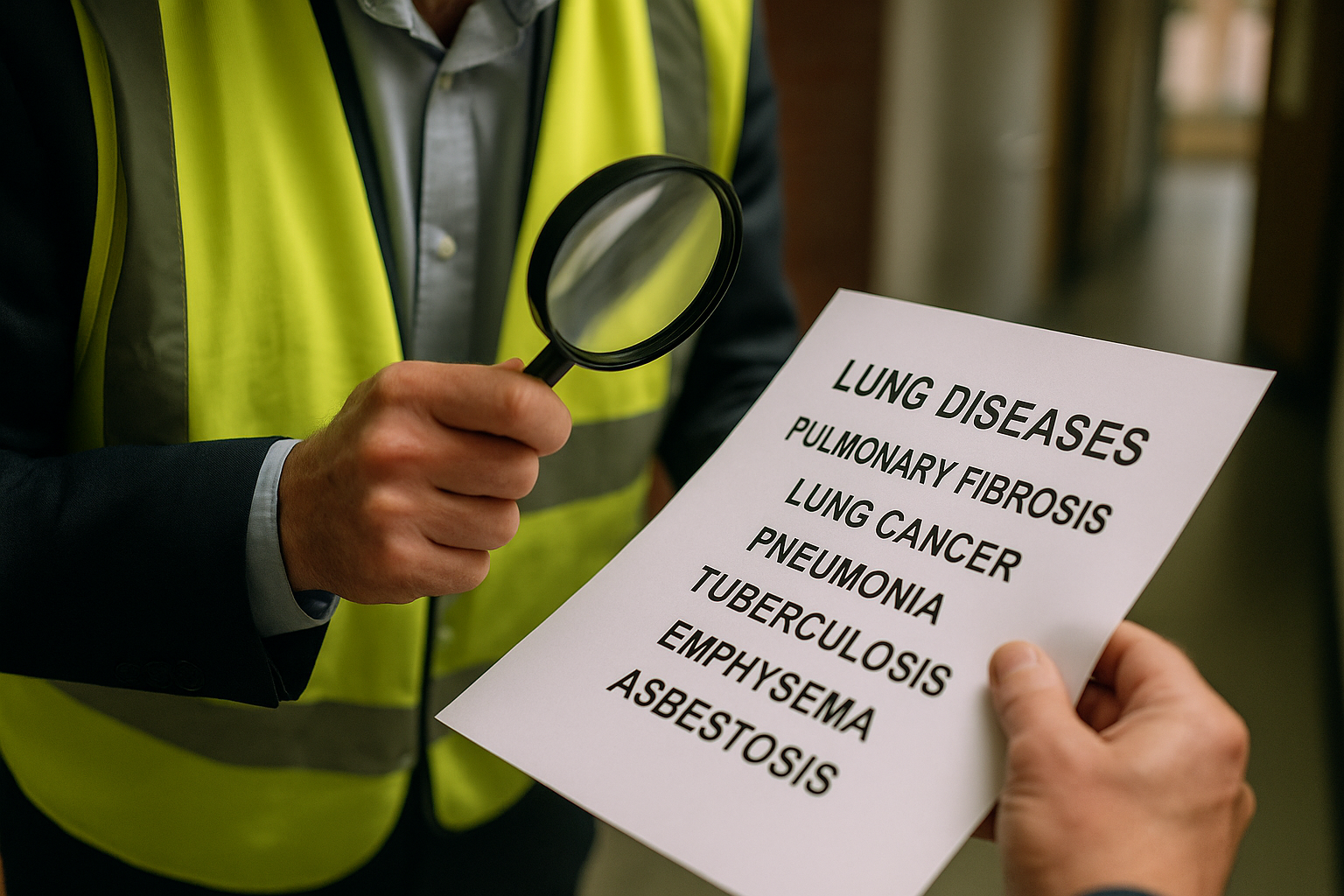
Doctors may also consider other related health topics when assessing a patient, including:
- Asthma
- Chronic obstructive pulmonary disease
- Pneumonia
- Pulmonary fibrosis
- Lung cancer
- Pleurisy and other pleural disorders
- Smoking-related respiratory disease
Common warning signs linked to asbestos-related conditions include:
- Shortness of breath
- Persistent dry cough
- Chest pain or tightness
- Wheezing
- Fatigue
- Reduced exercise tolerance
- Unexplained weight loss
- Finger clubbing in more advanced disease
Anyone with these symptoms and a possible exposure history should tell their GP. That history can be just as important as the symptoms themselves.
Diagnosis and tests for asbestos-related lung disease names
Diagnosis usually depends on a combination of symptoms, imaging, breathing tests and exposure history. Because several lung disease names overlap with asthma, COPD and other respiratory illnesses, doctors rarely rely on a single test.
Tests commonly used
- Chest X-ray to look for pleural plaques, fibrosis or other changes
- CT or high-resolution CT scan for more detailed imaging of lung tissue and pleura
- Pulmonary function tests to measure breathing capacity and airflow
- Biopsy where cancer or mesothelioma is suspected
- Pleural fluid analysis if fluid has collected around the lungs
Early diagnosis does not reverse asbestos damage. It can, however, help with treatment planning, symptom management and monitoring.
Why exposure history matters
Doctors often ask where a person worked, what tasks they carried out and whether dust was present. If asbestos was known or suspected in the environment, that detail may help explain imaging findings that would otherwise be unclear.
For property managers and duty holders, this is one more reason records matter. Survey reports, asbestos registers and maintenance histories can support safer decisions long before anyone reaches the point of diagnosis.
Genetics and why some people become ill after exposure
People often ask whether genetics explain why one person develops asbestos-related disease while another does not. Genetics may influence how disease develops or how the body responds to damage, but they do not remove the central role of exposure.
From a building management point of view, genetics are not something you can control. Exposure prevention is. The actionable step is always to identify suspect materials, assess the risk properly and stop fibres being released into the air.
Risk is influenced by several factors:
- Type of asbestos fibres involved
- Amount of fibre released
- Duration and frequency of exposure
- Condition of the asbestos-containing material
- Whether the task created airborne dust
- Quality of controls and respiratory protection
- Smoking history, especially for lung cancer risk
Help and guidance for landlords, employers and duty holders
If you manage a building, the safest time to deal with asbestos is before work starts. Waiting until materials are broken, drilled or stripped out creates avoidable risk.
Practical help and guidance starts with the right survey. For occupied premises where asbestos needs to be identified and managed during normal use, a management survey is usually the correct first step.
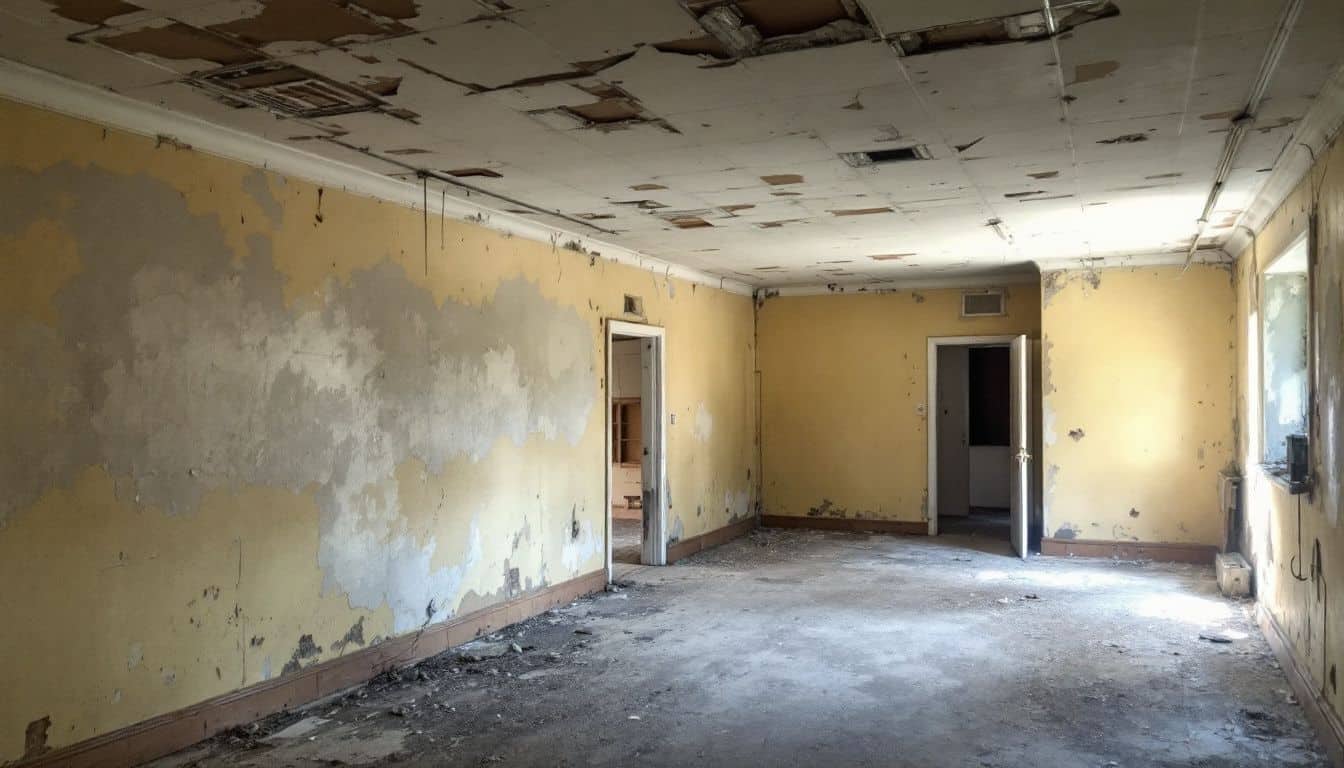
If the building is due for major structural work, a demolition survey is required before intrusive works begin. This is essential because hidden asbestos may be present behind walls, above ceilings or within service voids.
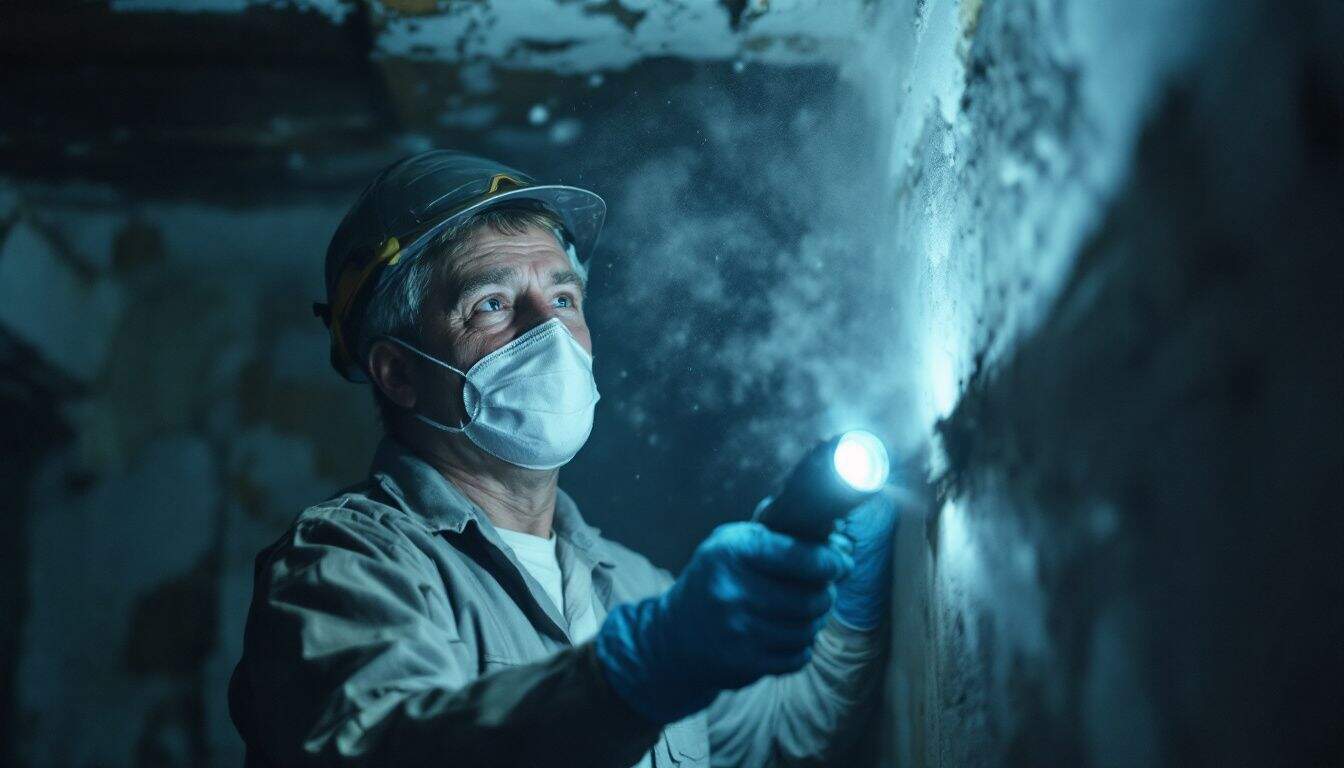
Where a suspect material needs confirmation, professional asbestos testing can establish whether asbestos is present through controlled sampling and laboratory analysis. For broader information on the process, this page on asbestos testing explains what clients can expect.
What to do if asbestos exposure is suspected
- Stop work immediately
- Keep people out of the area
- Do not sweep, vacuum or wipe dust
- Do not cut, bag or break materials yourself
- Report the issue to the responsible person or duty holder
- Arrange professional assessment and sampling
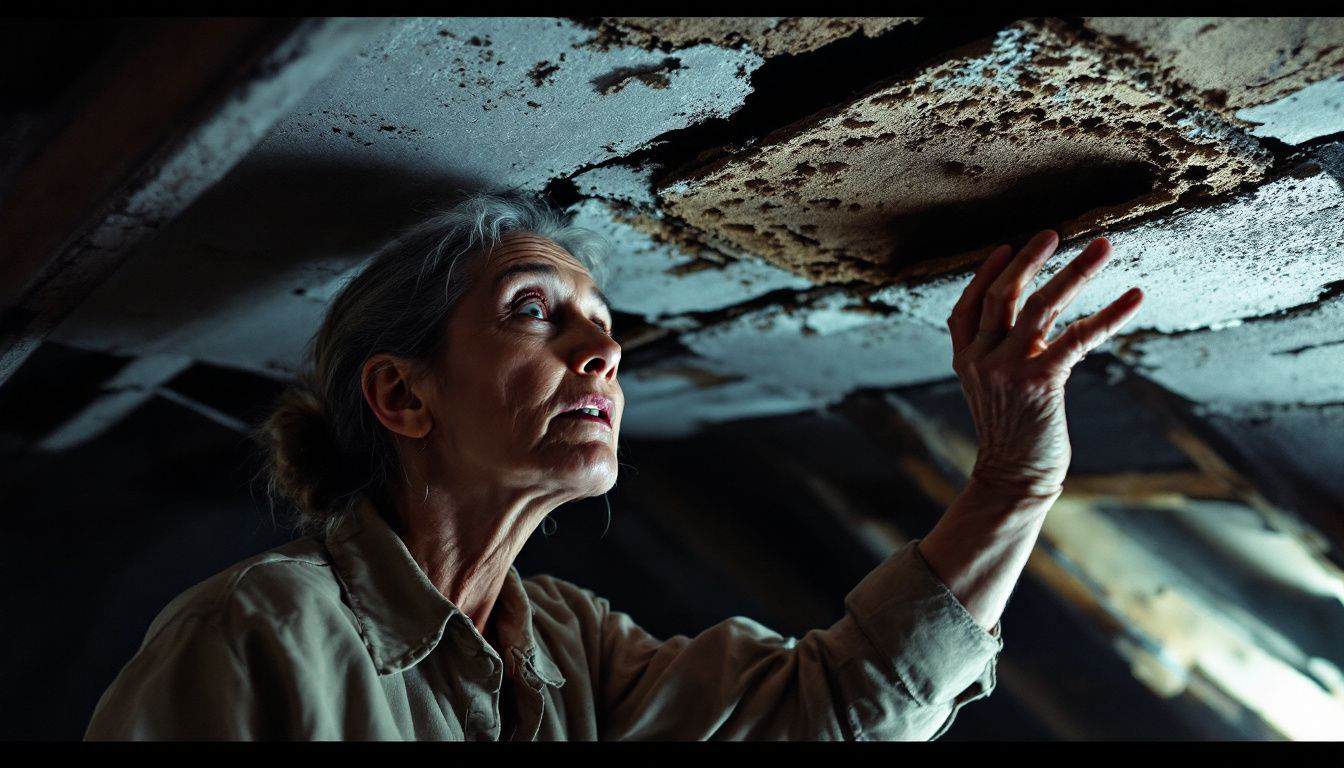
Visual checks are not enough. Many asbestos-containing materials look identical to non-asbestos products, so assumptions should never replace proper inspection.
See, play and learn: practical ways to improve awareness
When people remember information, they are more likely to act on it. In workplace settings, awareness improves when training is practical rather than purely theoretical.
Useful ways to help teams see, play and learn include:
- Using marked-up plans to show known asbestos locations
- Reviewing survey images before maintenance starts
- Running short toolbox talks for contractors
- Using simple scenario-based briefings on what to do if hidden materials are found
- Checking that staff know where the asbestos register is stored
The aim is not to turn maintenance staff into surveyors. It is to make sure they recognise risk, stop work when needed and ask for the right information before disturbing the building fabric.
Living with asbestos-related respiratory disease
For people already diagnosed with one of these lung disease names, daily life may involve monitoring, treatment and practical adjustments. The effect varies widely depending on the condition and its severity.
Day-to-day measures may include:
- Attending regular respiratory reviews
- Using prescribed inhalers or oxygen correctly
- Taking part in pulmonary rehabilitation if offered
- Staying active within safe limits
- Stopping smoking and avoiding second-hand smoke
- Keeping vaccinations up to date where advised by clinicians
- Seeking prompt medical advice if breathing worsens
For employers and property managers, the lesson is straightforward. The best way to support people is to prevent further exposure in the first place.
Building records, local support and safer decisions
Good asbestos management depends on accurate records. If contractors cannot see what has been identified, where it is located and what condition it is in, accidental disturbance becomes far more likely.
Useful records include:
- Survey reports
- Sample results
- Annotated plans and images
- Asbestos register entries
- Material risk assessments
- Recommended actions and reinspection dates
These records should be available to anyone who may disturb the building fabric, including electricians, plumbers, decorators, HVAC engineers and refurbishment contractors.
Where projects need local support, Supernova can help with an asbestos survey London booking, an asbestos survey Manchester appointment or an asbestos survey Birmingham service depending on site location.
Review date 8/19/2024: what to keep in mind when checking health information
If you are reading medical information online, you may notice a review date such as 8/19/2024. That tells you when the page was last checked by the publisher, but it does not replace advice from a GP, respiratory specialist or occupational health professional.
For asbestos risk in buildings, medical information and compliance information serve different purposes. Health pages help explain symptoms, diagnosis and living with disease. Survey reports, registers and HSE-aligned asbestos management help prevent exposure at source.
Why knowing lung disease names should change how buildings are managed
Knowing these lung disease names is useful, but the real value lies in what you do with that knowledge. If your premises were built or refurbished before 2000, asbestos may still be present in insulation, textured coatings, floor tiles, ceiling panels, cement products, pipe lagging and other materials.
Under the Control of Asbestos Regulations, duty holders must identify and manage asbestos risk in non-domestic premises. Surveying should follow HSG264 and relevant HSE guidance so decisions are based on evidence rather than guesswork.
If you need expert help, Supernova Asbestos Surveys can arrange surveys, sampling and practical support nationwide. Call 020 4586 0680 or visit asbestos-surveys.org.uk to book the right asbestos service for your property.
Frequently Asked Questions
What are the main lung disease names caused by asbestos?
The main lung disease names linked to asbestos are asbestosis, mesothelioma, asbestos-related lung cancer, pleural plaques, diffuse pleural thickening and pleural effusion. Some are non-cancerous, while others are malignant.
How are asbestos-related lung diseases diagnosed?
Diagnosis usually involves a combination of medical history, exposure history, chest imaging, pulmonary function tests and, where needed, biopsy or pleural fluid analysis. Doctors use several pieces of information rather than relying on one test alone.
Can genetics cause asbestos-related disease without exposure?
No. Genetics may influence how disease develops in some people, but asbestos exposure remains the central cause of asbestos-related illness. From a property management perspective, prevention of exposure is the key control measure.
What should I do if asbestos is disturbed in a building?
Stop work immediately, keep people away from the area and do not attempt to clean up the dust yourself. Report the issue to the duty holder or responsible person and arrange professional assessment and sampling.
Why do property managers need to understand lung disease names?
Understanding lung disease names helps property managers appreciate the consequences of poor asbestos control. It supports better decisions around surveys, registers, contractor information and safe maintenance planning.