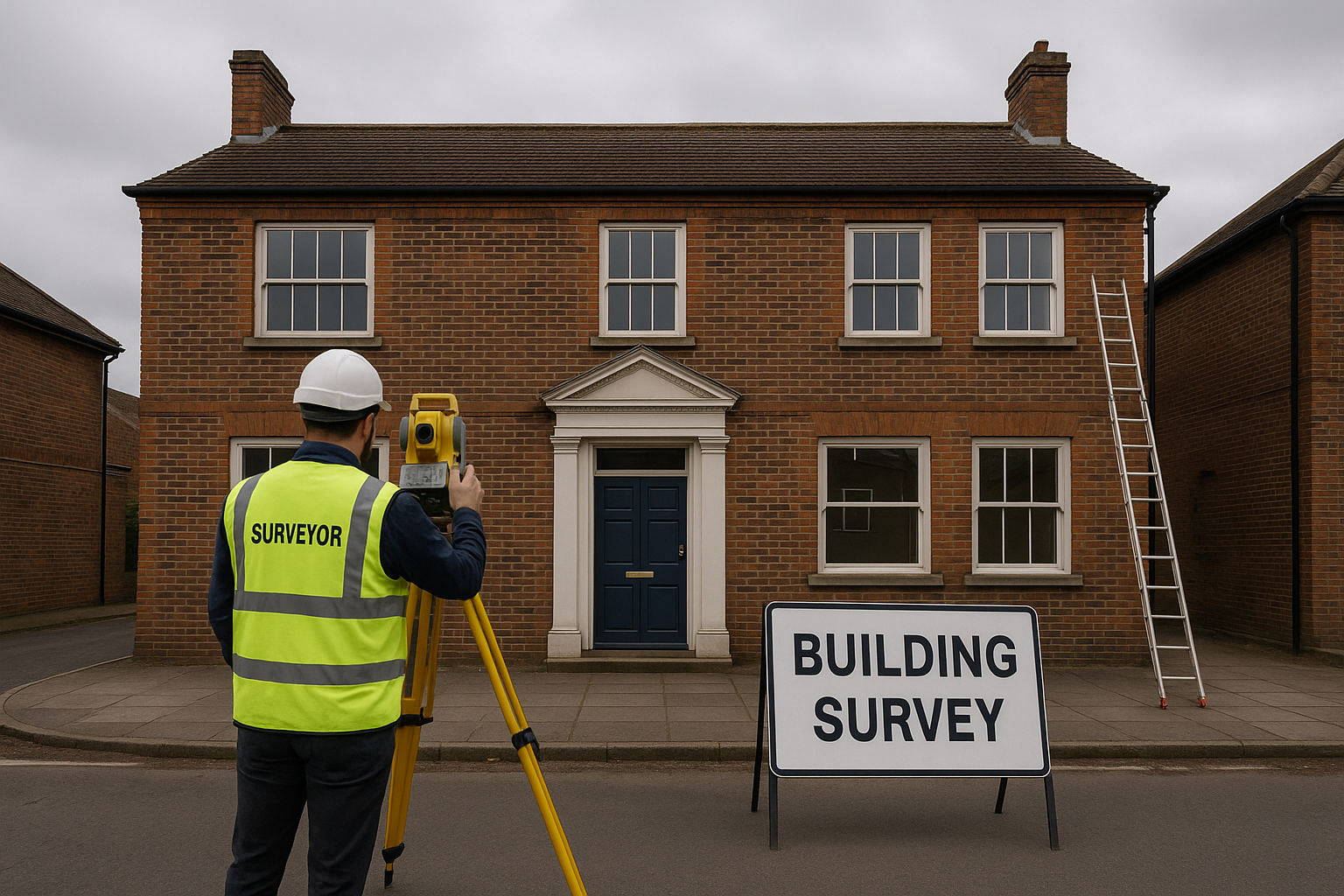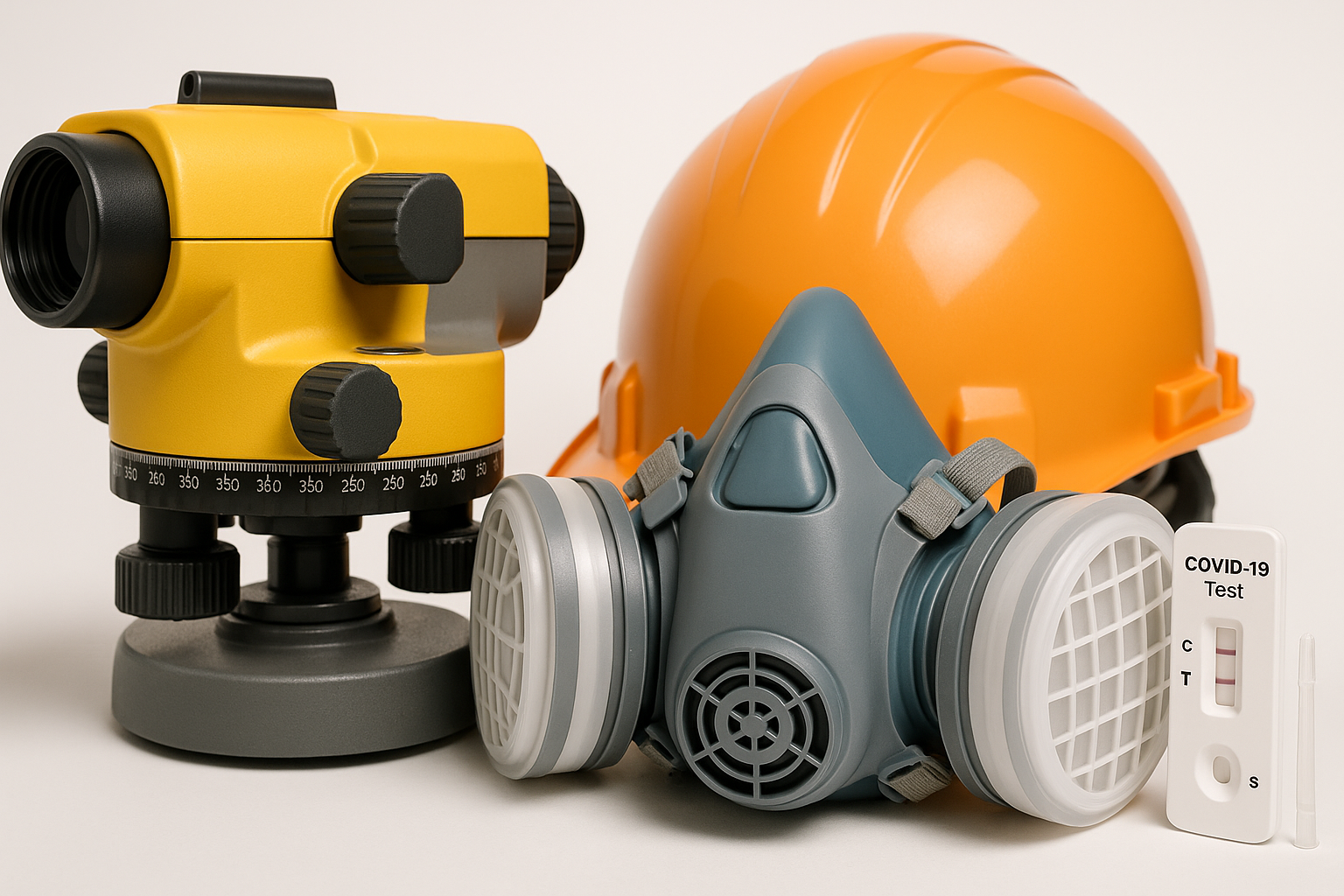
Get asbestos disposal wrong and the problem does not end when the waste leaves site. For landlords, managing agents, contractors and duty holders, the real risk is uncontrolled fibre release, a breach of legal duties, and paperwork gaps that become very awkward when a client, auditor or regulator starts asking questions.
The good news is that lawful asbestos disposal in the UK is usually not about applying for a single special permission. It is about following the correct process from identification through to transport, final disposal and record keeping, with the right people involved at each stage.
What asbestos disposal actually means
Asbestos disposal is the controlled handling of asbestos waste from the moment it is identified for removal to the point it is accepted at an authorised disposal facility. That includes removal, packaging, labelling, storage, transport and the final deposit of waste that contains asbestos.
In practice, asbestos waste can include whole asbestos-containing materials, broken fragments, contaminated rubble, used personal protective equipment, disposable cleaning materials and sheeting used during the work. If asbestos fibres may be present, the waste stream needs proper control.
This sits within a wider legal framework. The Control of Asbestos Regulations set duties around identification, risk assessment, training, management and exposure control. HSG264 guides how asbestos surveys should be carried out. HSE guidance then supports decisions on classification of work, safe removal methods and waste handling.
For most property professionals, compliant asbestos disposal usually involves:
- Identifying whether asbestos is present
- Assessing the type, condition and risk of the material
- Deciding whether the work is licensed, notifiable non-licensed work or non-licensed work
- Planning the task and control measures properly
- Using suitable PPE, equipment and containment methods
- Packaging and labelling the waste correctly
- Using an authorised hazardous waste carrier
- Sending waste to an authorised disposal facility
- Keeping the right records after the job
If you manage non-domestic premises, asbestos disposal should never be treated as a standalone task. It needs to sit within your wider asbestos management arrangements, including surveys, registers, contractor communication and planned remedial works.
Do you need permission for asbestos disposal in the UK?
This is where many people get caught out. In most cases, there is no single universal permission that a property owner applies for simply to dispose of asbestos.
Lawful asbestos disposal depends on whether the correct steps have been followed before the waste is moved. The legal focus is on identifying asbestos properly, assessing the risk, classifying the work, controlling exposure, transporting the waste lawfully and sending it to a site authorised to accept it.
You may need some or all of the following before asbestos waste can be moved legally:
- A suitable asbestos survey or sampling results
- A risk assessment
- A plan of work or method statement
- Notification to the HSE where licensable work requires it
- A competent contractor
- A registered hazardous waste carrier
- An authorised disposal facility booked to receive the waste
- Consignment documentation and disposal records
So when people ask about permission for asbestos disposal, the practical answer is usually this: you do not apply for one blanket permit, but you do need the correct evidence, the correct contractor chain and the correct paperwork.
When local authorities may be involved
Some local councils offer guidance or limited collection arrangements for domestic asbestos waste, often bonded materials such as cement sheets from garages or sheds. That is not the same as a general approval to bag asbestos up and take it anywhere you like.
For commercial premises, schools, offices, warehouses and managed portfolios, the route is usually through specialist contractors, authorised waste carriers and approved disposal facilities rather than council permission forms.
Identify asbestos before planning asbestos disposal
You cannot plan safe asbestos disposal unless you know exactly what you are dealing with. Visual guesses are not enough, especially in older buildings where asbestos-containing materials can look very similar to non-asbestos products.
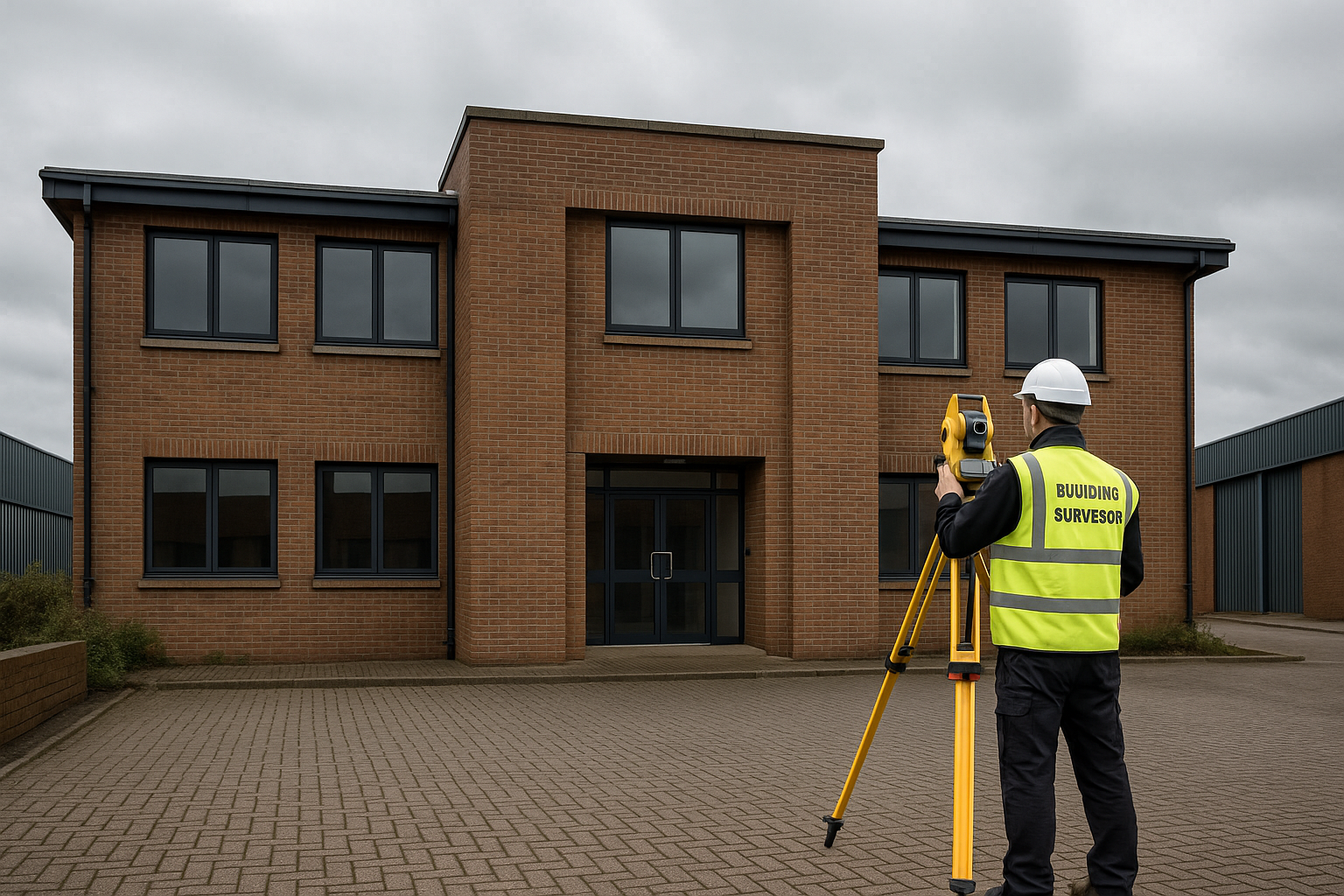
Common locations include:
- Pipe insulation and boiler lagging
- Asbestos insulation board in partitions, risers, ceilings and soffits
- Textured coatings
- Ceiling tiles and panels
- Floor tiles and bitumen adhesives
- Roof sheets, gutters and wall cladding made from asbestos cement
- Gaskets, ropes and seals
Do not rely on appearance alone
Some lower-risk bonded materials can appear harmless but still contain asbestos. Equally, some products that look suspicious may not contain asbestos at all.
The reliable route is a suitable survey and, where necessary, sampling by a competent asbestos professional. In occupied premises, that is the difference between controlled work and an avoidable incident.
Which survey may be needed?
If the building is occupied and you need to manage asbestos during normal use, a management survey is often the correct starting point. If refurbishment, intrusive works or strip-out are planned, a more intrusive survey may be needed before any work begins.
That distinction matters. A management survey helps locate and assess asbestos-containing materials that could be disturbed during normal occupation, while refurbishment or demolition work usually needs targeted inspection of the building fabric before contractors start opening up walls, ceilings or service voids.
If you are planning works in the capital, arranging an asbestos survey London service early can prevent delays, disputes and expensive changes to the programme.
For regional portfolios, the same principle applies. Early instruction of an asbestos survey Manchester team or an asbestos survey Birmingham provider helps you make decisions before contractors are already on site and waiting.
Why professional assessment matters
Professional assessment is not paperwork for its own sake. It tells you what the material is, what condition it is in, how likely it is to release fibres and whether it can remain in place or needs removal.
A proper survey carried out in line with HSG264 gives duty holders a sound basis for decisions. Without that, asbestos disposal becomes guesswork, and guesswork is exactly what leads to uncontrolled disturbance, unsuitable contractors and rejected waste loads.
A professional assessment should help answer these questions:
- Is asbestos present?
- What type of asbestos-containing material is involved?
- Is it bonded, damaged, sealed, weathered or friable?
- Is the material likely to be disturbed?
- Can it be managed in place?
- Does it need licensed removal?
- What waste stream will be produced?
Legal requirements that affect asbestos disposal
Asbestos disposal in the UK sits across more than one legal duty. The Control of Asbestos Regulations deal with identification, risk assessment, control measures, training and the duty to manage asbestos in non-domestic premises. Waste law then controls how hazardous asbestos waste is packaged, moved and received.
For most duty holders, the key legal points are straightforward:
- Identify asbestos before work starts where it may be present
- Assess the risk and plan the work properly
- Decide whether the work is licensed, notifiable non-licensed or non-licensed
- Use suitable controls to prevent or reduce fibre release
- Package and label asbestos waste correctly
- Use an authorised hazardous waste carrier
- Send the waste only to a facility authorised to accept it
- Keep records that show the waste was handled lawfully
Licensed and non-licensed work
Not all asbestos work is treated the same. Higher-risk materials and activities often require a licensed asbestos contractor, particularly where asbestos insulation, lagging or damaged asbestos insulation board is involved.
Some lower-risk tasks may fall into non-licensed work or notifiable non-licensed work, depending on the material and how it will be handled. That does not make the waste any less controlled. Even where a licence is not required for the task itself, the asbestos disposal process still has to be managed properly.
If removal is necessary, using a specialist provider for asbestos removal is the safest way to make sure the work is classified correctly, controlled properly and documented from start to finish.
The duty to manage asbestos
If you are responsible for non-domestic premises, you may be the duty holder under the Control of Asbestos Regulations. That means finding out whether asbestos is present, keeping records, assessing the risk and making sure anyone liable to disturb it has the information they need.
Disposal is only one part of that duty. If asbestos can remain safely in place and be managed, removal may not be necessary. If it is damaged, deteriorating, likely to be disturbed or affected by planned works, removal and asbestos disposal may become the sensible route.
The asbestos disposal process step by step
Good asbestos disposal follows a clear sequence. Whether you are dealing with a small amount of cement debris or a major refurbishment project, the logic stays the same.
1. Confirm whether asbestos is present
Do not start by breaking, lifting or bagging suspect materials. Start with a survey or targeted sampling carried out by a competent professional.
This first step prevents expensive mistakes. It also avoids classifying ordinary waste as asbestos unnecessarily, which can increase costs without improving safety.
2. Assess the material and the task
Ask practical questions. What product contains the asbestos? What condition is it in? Is it bonded or friable? Will the work disturb it significantly? Is the work licensed, notifiable non-licensed or non-licensed?
The answers affect who can carry out the work, what controls are required and how the waste will be packaged and transported.
3. Prepare a plan of work
Before removal starts, the task should be planned properly. That usually includes access arrangements, area segregation, PPE, decontamination procedures, emergency arrangements, cleaning methods and waste transfer arrangements.
For occupied buildings, practical planning matters just as much as technical compliance. Schedule works when footfall is low, isolate nearby areas and make sure staff, tenants or contractors know which spaces are restricted.
4. Remove the material safely
The material should be removed using methods that minimise fibre release. Depending on the task, that may include controlled wetting, careful handling, shadow vacuuming with suitable equipment and immediate containment of waste.
Shortcuts create problems fast. Snapping cement sheets, dry sweeping debris or using unsuitable tools can turn a manageable task into a contamination incident.
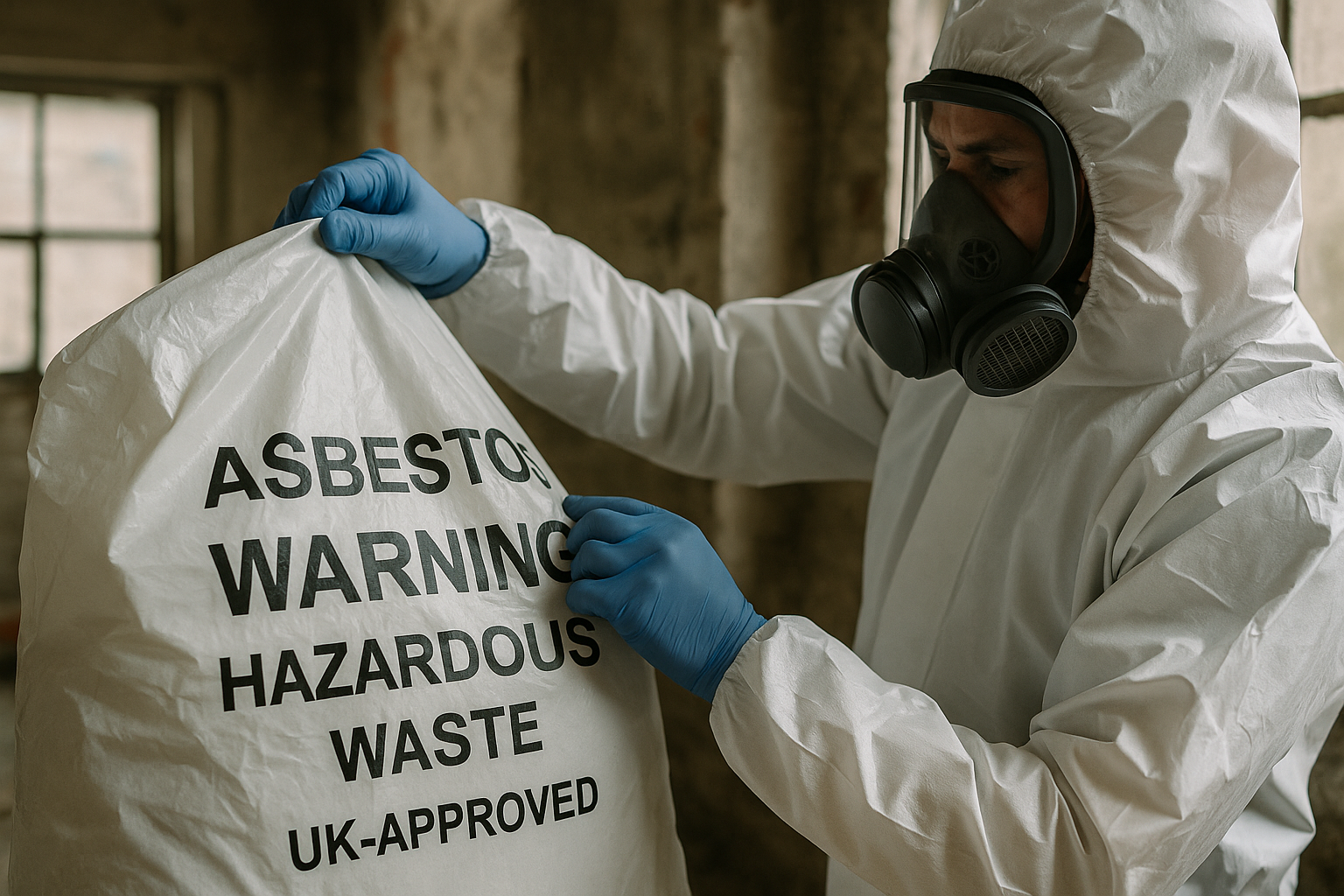
5. Package and label the waste correctly
Asbestos waste must be sealed in suitable packaging and labelled appropriately. The exact method depends on the type and size of the waste, but the principle is always to prevent fibre release during storage and transport.
Useful checks include:
- Use suitable approved packaging where required
- Double-bag smaller waste where appropriate
- Wrap larger items in heavy-duty polythene and seal securely
- Label clearly so anyone handling the waste understands the hazard
- Do not overfill bags or use torn packaging
- Store packaged waste securely until collection
6. Use an authorised waste carrier
Do not assume a general waste contractor can transport asbestos. The carrier must be authorised to move hazardous waste and should be able to provide registration details on request.
Ask direct questions before collection:
- Are you registered to carry hazardous waste?
- What type of asbestos waste are you collecting?
- Which disposal facility will receive it?
- What paperwork will you provide?
If the answers are vague, stop there and verify the chain before any waste leaves site.
7. Take it to an authorised disposal facility
Asbestos cannot go to an ordinary waste site. It must be taken to a facility authorised to accept that category of hazardous waste.
Always confirm acceptance in advance. Some facilities only accept certain asbestos waste streams, require pre-booking or have specific packaging rules that must be met before arrival.
8. Keep the records
Once the waste has been removed, the job is not finished. Keep the paperwork in a way that can be retrieved easily if a client, tenant, buyer, auditor or regulator asks for evidence later.
Typical records may include survey reports, sampling results, risk assessments, plans of work, training records, waste consignment documentation and disposal receipts. If you manage multiple sites, store these records centrally rather than leaving them buried in email chains.
Practical mistakes that cause asbestos disposal problems
Most asbestos disposal failures are not caused by obscure technical issues. They come from simple mistakes made at the start of the job or during handover between different parties.
Watch out for these common problems:
- Assuming a material is asbestos without testing, or assuming it is not asbestos without evidence
- Using a builder or maintenance contractor for work they are not competent to carry out
- Failing to classify the work correctly
- Starting removal before the plan of work is in place
- Using damaged or unsuitable packaging
- Leaving waste unsecured on site pending collection
- Booking a carrier before confirming the disposal site will accept the waste
- Not retaining consignment records after the job
These are all avoidable. A short pre-start check usually saves far more time than it costs.
A simple pre-start checklist
- Do we have evidence that the material contains asbestos?
- Has the work been classified correctly?
- Is the contractor competent for this type of asbestos work?
- Is there a written plan of work?
- Have building users been informed where necessary?
- Is suitable packaging on site before removal begins?
- Is the waste carrier authorised?
- Has the receiving disposal facility been confirmed?
- Who is responsible for storing and filing the paperwork?
Domestic and commercial asbestos disposal are not handled the same way
People often mix up domestic guidance with commercial duties. That creates confusion, especially when someone has read that a local authority may accept small amounts of asbestos cement from a householder.
Domestic arrangements can be very limited and often depend on local authority rules. Commercial sites, managed blocks, schools, industrial premises and offices generally need a more formal contractor-led process, with proper surveys, risk assessment, waste transport and records.
If you are a property manager or duty holder, treat asbestos disposal as part of site compliance, not as a general waste issue. That mindset leads to better decisions from the start.
What about small amounts of asbestos?
Small quantity does not automatically mean low risk. A minor amount of damaged insulation board may require far tighter control than a larger area of intact asbestos cement sheeting.
Focus on the material type, condition and likely fibre release, not just the volume. That is how competent contractors and surveyors assess the situation.
How to choose the right contractor for asbestos disposal
Choosing the right contractor is one of the biggest factors in whether asbestos disposal runs smoothly. Price matters, but it should never be the first filter.
Ask for clear evidence of competence and process. A good contractor should be able to explain what category of work applies, what controls will be used, how the waste will be packaged, who will carry it and where it will go.
Useful questions include:
- Have you reviewed the survey or sampling results?
- Is this licensed, notifiable non-licensed or non-licensed work?
- What control measures will be used on site?
- How will the area be cleaned and checked afterwards?
- What packaging and labelling method will be used?
- Which waste carrier and disposal facility are involved?
- What records will I receive at the end?
If a contractor seems reluctant to answer these questions, that is a warning sign. Competent asbestos professionals are used to being asked for detail.
Record keeping after asbestos disposal
Paperwork is not the glamorous part of asbestos disposal, but it is often the part that protects you later. If a tenant reports concerns, a buyer raises enquiries, or an insurer asks what happened to hazardous waste from a project, your records need to be complete and easy to follow.
At a minimum, make sure you can trace the story from identification to final disposal. That means keeping the documents that show what the material was, why removal was required, who carried out the work, how the waste left site and where it ended up.
For property managers, practical record keeping means:
- Saving reports in a central compliance folder
- Linking disposal records to the relevant building and location
- Updating the asbestos register after removal where required
- Keeping contractor paperwork together rather than split across teams
- Making sure handovers between FM, projects and health and safety teams are documented
Poor filing creates avoidable risk. Good filing makes future projects faster and easier.
When asbestos should be managed in place instead of removed
Not every asbestos-containing material needs immediate removal. In many buildings, asbestos can remain in place safely if it is in good condition, sealed where necessary, not likely to be disturbed and properly recorded within an asbestos management plan.
This matters because unnecessary removal creates cost, disruption and waste. The right question is not “Can we get rid of it?” but “What is the safest and most proportionate option?”
Removal and asbestos disposal are usually the right route when:
- The material is damaged or deteriorating
- It is likely to be disturbed during maintenance or refurbishment
- Its condition cannot be reliably managed
- Occupation patterns or future works increase the risk
- The material presents an ongoing management burden that is no longer practical
That decision should be based on evidence, not assumptions. Survey findings, risk assessment and competent advice are what matter.
Frequently Asked Questions
Do I need a permit to carry out asbestos disposal at my property?
Usually, no single permit is obtained by the property owner just to dispose of asbestos. What matters is that the asbestos has been identified properly, the work is classified correctly, suitable controls are used, the waste is carried by an authorised hazardous waste carrier and it is taken to an authorised facility with the right paperwork in place.
Can I take asbestos to my local tip?
Not unless the facility is authorised to accept that type of asbestos waste and any local rules allow it. Many ordinary waste sites will not accept asbestos. Commercial asbestos disposal should always be arranged through the correct hazardous waste route.
Does all asbestos removal require a licensed contractor?
No. Some lower-risk work may be non-licensed or notifiable non-licensed work, depending on the material and the task. Higher-risk materials such as insulation, lagging and some work involving asbestos insulation board often require a licensed contractor. The waste still needs proper asbestos disposal either way.
What paperwork should I keep after asbestos disposal?
Keep survey reports, sampling results where relevant, risk assessments, plans of work, contractor details, waste consignment documentation and disposal records. For non-domestic premises, make sure the asbestos register and related management records are updated where necessary.
Can asbestos ever be left in place instead of removed?
Yes. If asbestos-containing materials are in good condition, unlikely to be disturbed and can be managed safely, removal may not be necessary. If they are damaged, deteriorating or affected by planned works, removal and proper asbestos disposal may be the better option.
If you need clear advice on surveys, removal or asbestos disposal, Supernova Asbestos Surveys can help. We support landlords, duty holders, property managers and contractors across the UK with practical, compliant asbestos services. Call 020 4586 0680 or visit asbestos-surveys.org.uk to arrange expert support.