Category: Asbestos and the UK Housing Crisis: Challenges and Solutions

  • The Impact of Asbestos on the UK Housing Crisis

    The Impact of Asbestos on the UK Housing Crisis

    When Was Asbestos Used in Homes UK? The Timeline Every Homeowner Needs to Know

    If your home was built before 2000, there is a very real chance it contains asbestos. Understanding when asbestos was used in homes UK-wide is not just a matter of historical curiosity — it tells you exactly how much risk your property carries and what you must do before picking up a drill or calling in a builder.

    Asbestos was not banned overnight. It crept into British housing over decades, woven into the fabric of millions of homes before anyone fully understood the consequences. Here is what every homeowner, landlord, and tenant needs to know.

    The Timeline: When Was Asbestos Used in UK Homes?

    Asbestos use in British construction did not begin and end on a single date. It grew gradually, peaked dramatically, and was phased out far too slowly. The story spans more than a century.

    Early Use: Pre-1950s

    Asbestos had been used in industrial settings throughout the late 19th and early 20th centuries. Its fire-resistant and insulating properties made it attractive to builders and manufacturers alike.

    By the early 20th century, it was already appearing in some residential properties — particularly in pipe lagging, boiler insulation, and fireproofing materials. Homes from this era are less likely to contain the wide variety of asbestos-containing materials (ACMs) found in later decades, but pipe insulation and boiler areas remain a concern wherever these older properties survive.

    The Peak Years: 1950s to 1980s

    This is the period when asbestos use in UK homes reached its height. Post-war Britain was rebuilding rapidly, social housing programmes were rolling out at scale, and asbestos was cheap, versatile, and widely available.

    During these decades, asbestos appeared in virtually every part of a home, including:

    • Artex and textured ceiling coatings
    • Floor tiles and the adhesive beneath them
    • Insulation boards around boilers, pipes, and heating systems
    • Roof sheets and garage roofing, particularly corrugated asbestos cement
    • Wall panels and partition boards
    • Soffit boards and guttering
    • Fire doors and fire blankets
    • Bath panels and airing cupboard linings
    • Rope seals around boilers and stoves

    Social housing built during this era carries a particularly high burden. Many council estates constructed in the 1960s and 1970s used asbestos extensively as a cost-effective building material — and those buildings are still occupied today.

    The Decline: 1980s to 1999

    Awareness of asbestos dangers grew through the 1970s and 1980s. Crocidolite (blue asbestos) and amosite (brown asbestos) were both banned in the UK in 1985. However, chrysotile (white asbestos) — the most commonly used variety — was not banned until 1999.

    This means homes built right up to the end of the 1990s could still contain asbestos-containing materials. A house built in 1996 is not automatically safe. White asbestos was still being used in cement products, floor tiles, and textured coatings until the ban came into force.

    After 1999: The Ban and Its Limits

    The UK ban on the import, supply, and use of all forms of asbestos came into effect in 1999. From that point, new asbestos-containing materials could no longer be used in construction.

    However — and this is critical — the ban did not remove asbestos already installed in buildings. Millions of homes built before 2000 still contain asbestos in place. The material does not become safer simply because it is now illegal to use. If it is undisturbed and in good condition, it may be managed in situ. If it is damaged, deteriorating, or about to be disturbed by renovation work, it poses a genuine health risk.

    Which Types of Homes Are Most at Risk?

    Not all pre-2000 homes carry the same level of risk. The type of property and the decade it was built both affect how much asbestos is likely to be present.

    Post-War Social Housing (1950s–1970s)

    Council houses and tower blocks from this era are among the highest-risk properties in the UK. Builders used asbestos extensively in prefabricated panels, ceiling tiles, insulation boards, and pipe lagging. Many of these properties have never had a full asbestos survey.

    Social landlords have a legal duty under the Control of Asbestos Regulations to manage asbestos in their properties. Despite this, a significant proportion of social housing stock still has damaged or deteriorating asbestos-containing materials that have not been properly addressed.

    Private Homes Built in the 1960s and 1970s

    Private housing from these decades used many of the same materials as social housing. Artex ceilings were fashionable and almost universally applied using products that contained chrysotile asbestos. Garage roofs, shed roofs, and outbuildings were frequently constructed with asbestos cement sheets.

    If you own a 1960s or 1970s home and have not had it surveyed, the chances are high that asbestos-containing materials are present somewhere on the property.

    1980s and 1990s Properties

    Homes from this period are often assumed to be safe, but that assumption is dangerous. White asbestos continued to be used in floor tiles, roof products, and some insulation materials right up until 1999.

    A thorough survey is still advisable for any property built before the turn of the millennium. Do not let the relative modernity of the building lull you into a false sense of security.

    Where Is Asbestos Commonly Found in UK Homes?

    Knowing where asbestos was typically installed helps homeowners and landlords identify areas that need professional assessment before any work begins.

    Inside the Home

    • Ceilings: Artex and textured coatings applied before 2000 frequently contain asbestos. Sanding, scraping, or drilling into these surfaces can release fibres.
    • Floors: Vinyl floor tiles, particularly those from the 1960s to 1980s, often contain asbestos. The adhesive beneath them can also be an ACM.
    • Walls: Asbestos insulation boards were used in partition walls, particularly around boilers and in airing cupboards.
    • Heating systems: Pipe lagging, boiler insulation, and flue pipes are common locations for asbestos in older homes.
    • Fire doors: Older fire doors sometimes contain asbestos as a fire-resistant core material.

    Outside the Home

    • Garage roofs: Corrugated asbestos cement sheets were the standard roofing material for garages built before the 1990s.
    • Shed roofs and outbuildings: The same materials were widely used in garden structures.
    • Soffits and fascias: Older asbestos cement soffits are still in place on many properties across the UK.
    • Guttering and downpipes: Some older drainage products were manufactured from asbestos cement.

    The Health Risks: Why Getting This Right Matters

    Asbestos is not dangerous simply because it exists in a building. The risk comes when asbestos-containing materials are disturbed and microscopic fibres are released into the air. Once inhaled, these fibres can lodge permanently in lung tissue.

    The diseases caused by asbestos exposure include:

    • Mesothelioma: A cancer of the lining of the lungs, almost exclusively caused by asbestos exposure.
    • Asbestosis: Scarring of lung tissue that causes progressive breathing difficulties.
    • Asbestos-related lung cancer: A primary lung cancer triggered by asbestos fibre inhalation, distinct from mesothelioma.
    • Pleural thickening: Thickening of the lung lining that restricts breathing.

    What makes these diseases particularly serious is the latency period. Symptoms typically do not appear until 20 to 40 years after exposure. Someone exposed during a home renovation in the 1990s might not receive a diagnosis until well into the 2020s or 2030s.

    This long gap between exposure and diagnosis makes prevention the only reliable strategy. You cannot undo asbestos exposure after the fact.

    DIY Tasks That Can Disturb Asbestos in Your Home

    Many homeowners are unaware that routine DIY tasks can disturb asbestos-containing materials. The following activities carry significant risk in pre-2000 properties:

    1. Drilling into walls or ceilings — particularly through textured coatings or insulation boards
    2. Sanding or scraping Artex ceilings
    3. Pulling up old vinyl floor tiles
    4. Removing old pipe lagging or boiler insulation
    5. Breaking through walls to install new doors or windows
    6. Demolishing or cutting asbestos cement garage roofs
    7. Stripping out old kitchens or bathrooms where asbestos boards were used behind units
    8. Any structural work involving cutting, breaking, or disturbing older building materials

    Before starting any of these tasks, professional asbestos testing is not just advisable — in many commercial and rental properties, it is a legal requirement under the Control of Asbestos Regulations.

    Your Legal Obligations as a Property Owner or Landlord

    The Control of Asbestos Regulations places clear duties on those responsible for non-domestic premises, including landlords of residential properties. The duty to manage asbestos requires that responsible persons:

    • Identify whether asbestos-containing materials are present
    • Assess the condition and risk of those materials
    • Produce and maintain an asbestos register
    • Implement a management plan to control the risk
    • Provide information to anyone who might disturb those materials

    For occupied properties where no major work is planned, a management survey will identify ACMs that could be disturbed during normal occupation and help you fulfil your duty to manage.

    Before any refurbishment or demolition work, a more detailed survey is required. A demolition survey involves intrusive inspection to locate all ACMs that might be disturbed by the planned work — it goes significantly beyond what a standard management survey covers.

    Failure to comply with these regulations can result in significant fines and, in serious cases, criminal prosecution. The legal and financial risks of ignoring asbestos far outweigh the cost of a professional survey.

    How to Find Out If Your Home Contains Asbestos

    If your property was built before 2000, the safest course of action is to assume asbestos may be present until proven otherwise. There are two main routes to establishing the facts.

    Professional Asbestos Survey

    A qualified asbestos surveyor will inspect your property, take samples of suspected materials, and arrange laboratory analysis. The results are compiled into a survey report that tells you exactly what is present, where it is, and what condition it is in.

    Supernova Asbestos Surveys provides professional surveys nationwide. Whether you need an asbestos survey London, an asbestos survey Manchester, or an asbestos survey Birmingham, our UKAS-accredited surveyors are ready to help.

    DIY Asbestos Testing Kits

    For homeowners who want a preliminary check before committing to a full survey, an asbestos testing kit allows you to take a small sample and send it to a laboratory for analysis. This can be a cost-effective first step — though it does not replace a full professional survey for properties undergoing renovation work.

    Follow the sampling instructions carefully. Take only the smallest sample possible, seal it immediately, and do not disturb the surrounding material. If in any doubt, call a professional rather than sampling yourself.

    You can also explore the full range of options available through our dedicated asbestos testing service page.

    What Happens If Asbestos Is Found?

    Finding asbestos in your home does not automatically mean it needs to be removed. HSE guidance is clear: if asbestos-containing materials are in good condition and are unlikely to be disturbed, they are often best left in place and managed.

    However, if the material is damaged, deteriorating, or is in an area where work is planned, action is required. The main options are:

    • Encapsulation: Sealing the asbestos material with a specialist coating to prevent fibre release. Suitable for materials in reasonable condition.
    • Enclosure: Building a physical barrier around the ACM to prevent disturbance.
    • Removal: The complete removal of the asbestos-containing material by a licensed contractor. Required for the most hazardous materials, including sprayed coatings and pipe lagging.

    Never attempt to remove asbestos yourself. Licensed removal must be carried out by contractors holding the appropriate HSE licence. Unlicensed removal of notifiable ACMs is a criminal offence.

    Buying or Selling a Property? Asbestos Matters

    Asbestos is increasingly relevant in property transactions. Buyers of pre-2000 homes are becoming more aware of the risks, and mortgage lenders and insurers may ask questions about asbestos-containing materials — particularly if the property is being purchased for renovation.

    If you are selling a pre-2000 home, having an up-to-date asbestos survey report can actually strengthen your position. It demonstrates transparency, removes uncertainty for buyers, and can prevent deals from collapsing at the eleventh hour over undisclosed asbestos concerns.

    If you are buying, always ask whether an asbestos survey has been carried out. If one has not, factor the cost of a survey — and any potential remediation — into your calculations before exchanging contracts.

    The Ongoing Challenge in UK Housing Stock

    The scale of the asbestos challenge in UK housing is significant. With millions of properties built before the 1999 ban still standing and occupied, the material remains embedded in the fabric of the nation’s housing stock.

    Renovation activity — driven by permitted development rights, energy efficiency upgrades, and the general trend towards home improvement — means more homeowners are disturbing older building materials than ever before. The risk is not historical. It is live and ongoing.

    HSG264, the HSE’s guidance on asbestos surveying, sets out the standards that professional surveyors must follow. Understanding these standards helps property owners know what to expect from a professional survey and how to interpret the results they receive.

    The best protection against accidental asbestos exposure is knowledge. Know when your property was built, understand where asbestos was commonly used, and commission professional testing before any work that might disturb older building materials.

    Frequently Asked Questions

    When was asbestos banned in UK homes?

    The use of all forms of asbestos in construction was banned in the UK in 1999. However, blue and brown asbestos (crocidolite and amosite) were banned earlier, in 1985. White asbestos (chrysotile) continued to be used until the 1999 ban came into force. Any property built before 2000 may contain asbestos-containing materials.

    How do I know if my home contains asbestos?

    You cannot identify asbestos by sight alone. The only reliable way to confirm whether a material contains asbestos is laboratory analysis. A professional asbestos survey is the most thorough option. For a preliminary check, a testing kit allows you to take a sample and have it analysed — though this does not replace a full survey where renovation work is planned.

    Is asbestos in my home dangerous if I leave it alone?

    Asbestos-containing materials that are in good condition and are not being disturbed pose a low risk. The danger arises when fibres are released into the air — typically through cutting, drilling, sanding, or breaking the material. HSE guidance recommends managing undisturbed asbestos in place rather than removing it unnecessarily, provided it is monitored regularly for deterioration.

    Do I have a legal duty to deal with asbestos in my home?

    The duty to manage asbestos under the Control of Asbestos Regulations applies primarily to non-domestic premises and landlords of residential properties. Private homeowners living in their own homes do not face the same statutory duty, but they still carry a responsibility not to expose others — including tradespeople and contractors — to asbestos fibres. Before any renovation work, professional assessment is essential.

    What types of surveys are available for asbestos?

    There are two main types. A management survey is used for properties in normal occupation — it identifies accessible ACMs that could be disturbed during everyday use or minor maintenance. A refurbishment and demolition survey is required before any significant building work takes place. It is more intrusive and designed to locate all ACMs that might be disturbed by the planned work. A qualified surveyor will advise which type is appropriate for your situation.


    Supernova Asbestos Surveys has completed over 50,000 surveys across the UK. Our UKAS-accredited team provides fast, accurate, and fully compliant asbestos surveys for homeowners, landlords, and property professionals. Call us on 020 4586 0680 or visit asbestos-surveys.org.uk to book your survey today.
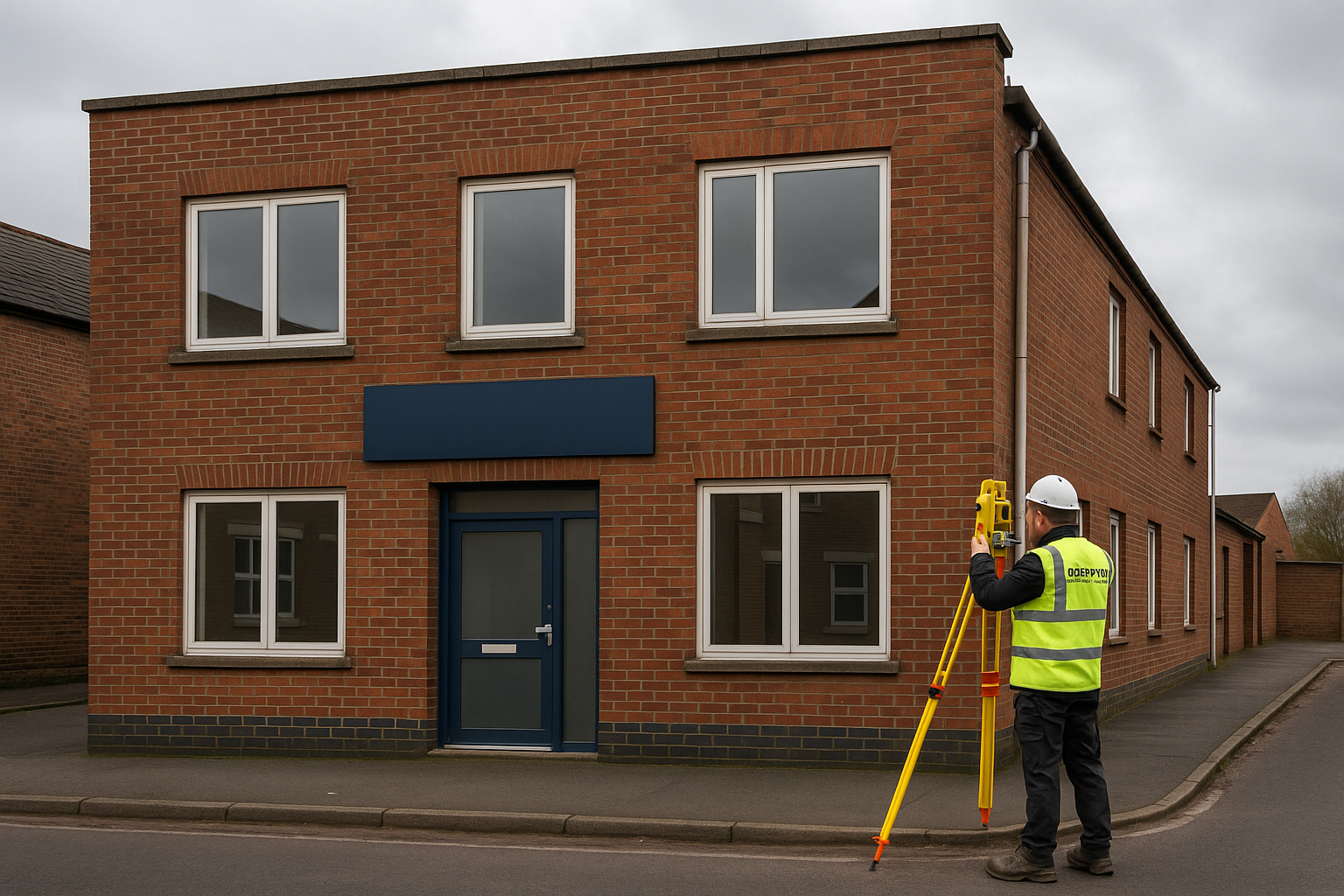
  • The Hidden Dangers of Asbestos in UK Homes

    The Hidden Dangers of Asbestos in UK Homes

    Asbestos in house materials is rarely obvious until somebody drills, sands, strips out or breaks into the wrong surface. A tidy ceiling, an old garage roof or a boxed-in pipe can all look harmless, yet disturbance can turn a hidden issue into a serious health risk very quickly.

    That is why homeowners, landlords and property managers need a practical approach. If a property was built or refurbished when asbestos-containing materials were still commonly used, the safest assumption is not that it is present everywhere, but that it could be present until a competent surveyor confirms otherwise.

    Why asbestos in house materials still matters

    Asbestos was used widely in UK homes because it offered heat resistance, strength, insulation and durability. Those qualities made it useful in everything from cement sheets and insulation boards to textured coatings, floor tiles and pipe insulation.

    The danger is not simply the presence of asbestos in house materials. The real risk begins when fibres are released through damage, wear, drilling, cutting, sanding or poor removal methods.

    You cannot see, smell or taste airborne asbestos fibres. That is why identifying suspect materials before maintenance, refurbishment or repair work starts is so important.

    • Do not assume a solid-looking material is safe
    • Do not rely on appearance alone to identify asbestos
    • Do not start intrusive work until the area has been properly assessed

    Surveyors inspect properties in line with HSE guidance and the principles set out in HSG264. The aim is to locate suspect materials, assess their condition and recommend the right next step, whether that is management, encapsulation, repair or removal.

    What asbestos is and why it was used in homes

    Asbestos is a group of naturally occurring minerals made up of microscopic fibres. Those fibres were added to building products because they improved fire resistance, thermal performance and strength.

    In domestic settings, asbestos turned up in far more places than most people expect. It was used in structural products, decorative finishes, service ducts, heating systems and everyday fittings, which is why asbestos in house settings can be obvious in one room and completely hidden in another.

    Why it became such a common building material

    Builders and manufacturers favoured asbestos because it was versatile and long-lasting. It could reinforce cement, improve insulation, reduce fire spread and cope with heat around boilers, pipes and electrical equipment.

    That historic use explains why older houses, flats, maisonettes, garages and outbuildings may still contain asbestos today. Even homes that have been modernised several times can still conceal original asbestos-containing materials behind newer surfaces.

    Where asbestos in house settings is commonly found

    When people think about asbestos in house materials, they often picture one item such as a garage roof. In reality, asbestos was used across the building envelope and inside many internal components.

    asbestos in house - The Hidden Dangers of Asbestos in UK Hom

    Roofs, garages and outside structures

    Garages and outbuildings are among the most common domestic asbestos locations. Corrugated cement roof sheets, wall cladding, soffits, fascias, flues, rainwater goods and some water tanks were often made with asbestos cement.

    Asbestos cement is generally lower risk than more friable materials, but it is not risk-free if mishandled. Cutting, drilling, smashing or pressure washing old sheets can release fibres.

    • Never saw or break old garage roofing sheets
    • Do not pressure wash suspect cement products
    • Get external materials checked before repair or replacement

    Textured coatings on walls and ceilings

    Textured decorative coatings may contain asbestos. Many owners only discover the issue when they try to scrape, sand or drill into ceilings and walls during redecoration.

    If the coating is intact and painted, the immediate risk is often low. The problem starts when somebody removes it aggressively or carries out installation work for lights, speakers, alarms or cabling.

    Flooring and adhesives

    Older vinyl floor tiles, thermoplastic tiles, sheet flooring backings and bitumen adhesives can contain asbestos. These materials often look routine, which is why people start lifting them without checking first.

    Breaking tiles, grinding adhesive or using heat during removal can disturb fibres. If you are replacing flooring in an older property, stop before lifting anything and get it assessed.

    Walls, partitions and ceiling boards

    Asbestos insulation board was used in partition walls, ceiling tiles, service risers, boxing, fire protection panels and heater linings. This material is more friable than asbestos cement and can release fibres more easily when damaged.

    It may also be found in airing cupboards, understairs enclosures and around older electrical installations. If a board looks old and dense, do not assume it is simply plasterboard.

    Heating systems and insulation

    Pipe lagging, boiler insulation, rope seals, gaskets and warm-air heating systems can all contain asbestos. These are among the more serious domestic risks because insulation products can be highly friable.

    If you see damaged lagging, dusty insulation debris or old boiler cupboard linings, stop work immediately. Do not touch it, sweep it or attempt to bag it yourself.

    Doors, panels and fire protection materials

    Some older fire doors, meter cupboard linings, fuse board back panels and heat-resistant boards behind fires or stoves may contain asbestos. These materials are easy to miss because they are part of normal fixtures rather than obvious building fabric.

    Bathrooms, kitchens and utility areas

    Bath panels, toilet cisterns, sink pads, splashbacks, duct panels and airing cupboard linings may all contain asbestos in older properties. Kitchen and bathroom refurbishments often uncover hidden asbestos because original panels and linings sit behind units and appliances.

    Less obvious places asbestos may be hiding

    Some of the most awkward cases of asbestos in house properties are the hidden ones. A room can look modern while still concealing asbestos behind later refurbishments or inside service voids.

    Pay close attention to areas such as:

    • Inside boxed-in pipework
    • Behind old fuse boxes or meter boards
    • Under replacement flooring
    • In loft areas around tanks and pipework
    • Behind fireplace surrounds
    • Within old airing cupboards
    • In partition wall infill panels
    • On the underside of window boards or soffit linings
    • In shed roofs and outbuilding wall sheets
    • Around boiler flues and service penetrations

    One of the biggest mistakes is assuming asbestos only appears in visibly old or neglected spaces. Surveyors regularly find asbestos in house settings where the décor is modern and the materials have simply been covered over.

    Does every older property contain asbestos?

    No. Some older homes contain no asbestos at all. Others contain a small amount in one or two materials, while some have several asbestos-containing products across the property.

    asbestos in house - The Hidden Dangers of Asbestos in UK Hom

    The age of a building gives you a clue, not a diagnosis. Refurbishment history matters as well. One house may have had asbestos removed years ago, while another may still have original materials hidden behind newer finishes.

    You cannot confirm asbestos by sight alone. Many asbestos-containing materials look almost identical to non-asbestos alternatives, which is why sampling and laboratory analysis are often needed.

    When asbestos in house materials becomes dangerous

    The presence of asbestos does not automatically mean immediate danger. In many homes, the likelihood of harmful exposure is low if the material is sealed, in good condition and left undisturbed.

    Risk increases when the material is damaged or likely to be disturbed. That often happens during DIY work, maintenance, leaks, rewiring, kitchen replacements, bathroom upgrades or structural alterations.

    Common situations that increase risk

    • Drilling walls or ceilings without checking what is behind the surface
    • Sanding or scraping textured coatings
    • Lifting old floor tiles and adhesives
    • Breaking garage roof sheets during removal
    • Water damage causing boards or insulation to deteriorate
    • Tradespeople working without asbestos information
    • Demolition or refurbishment opening hidden voids

    If planned work is intrusive, the safest step is to arrange a suitable survey before anything starts. For example, if works are taking place in the capital, booking an asbestos survey London service before refurbishment can prevent delays and avoid unsafe disturbance.

    What to do if you suspect asbestos in your home

    If you think you have found asbestos in house materials, resist the urge to investigate it yourself. Poking, scraping, snapping off a sample or using a household vacuum can make the situation worse.

    Use this process instead:

    1. Stop work immediately. Put tools down and avoid further disturbance.
    2. Keep people away. Limit access to the room or affected area.
    3. Do not clean it up yourself. Avoid sweeping, brushing or vacuuming debris.
    4. Arrange professional inspection or sampling. A competent asbestos surveyor can assess the material safely.
    5. Follow the recommendations. The right action may be to manage it, seal it, repair it or remove it.

    If accidental disturbance has already happened, keep movement through the area to a minimum. Shut doors if possible and wait for specialist advice before attempting any clean-up.

    Can asbestos stay in place?

    Yes. Not every case of asbestos in house materials requires removal. Under the Control of Asbestos Regulations, the correct response depends on the type of material, its condition, where it is located and the likelihood of disturbance.

    In practical terms, if asbestos is confirmed or strongly suspected but remains in good condition and is unlikely to be disturbed, it may be safer to manage it than remove it straight away.

    What management may involve

    • Recording the location of the material
    • Labelling where appropriate
    • Sealing or encapsulating the surface
    • Checking its condition periodically
    • Informing anyone carrying out work nearby

    Removal is more likely to be appropriate where the material is damaged, friable, difficult to protect or directly affected by planned works. If removal is needed, use a specialist provider of asbestos removal services rather than attempting any DIY approach.

    Surveys, sampling and why they matter

    A survey does more than confirm whether asbestos is present. It helps you make safe decisions before maintenance, refurbishment or demolition starts.

    For domestic properties, the right survey depends on what you are planning. If the property is occupied and you need to locate materials that could be disturbed during normal use or routine maintenance, a management approach may be appropriate. If you are planning intrusive work, refurbishment or structural changes, a more intrusive survey is usually needed in the affected area.

    Sampling should only be carried out by a competent professional. Breaking off a piece yourself may release fibres and could contaminate the area.

    Good reasons to arrange a survey early

    • You avoid exposing occupants and tradespeople
    • You reduce the chance of project delays
    • You can budget properly for any remedial work
    • You prevent accidental disturbance during strip-out
    • You create a clear record for future maintenance

    If you are opening up a property in the North West, arranging an asbestos survey Manchester inspection before walls, ceilings or floors are disturbed is a sensible step. The same applies in the Midlands, where an asbestos survey Birmingham can help keep a refurbishment project compliant and under control.

    Practical advice for homeowners, landlords and property managers

    Most domestic asbestos problems start with good intentions. A simple decorating job turns into scraping a textured ceiling. A flooring update becomes adhesive grinding. A new light fitting leads to drilling through a suspect board.

    A few habits can prevent expensive mistakes and unnecessary exposure.

    • Check the age and refurbishment history of the property before starting work
    • Warn tradespeople if there is known or suspected asbestos in house materials
    • Do not authorise intrusive works without the right survey information
    • Keep records of previous sampling, surveys and removal work
    • Inspect garages, lofts, cupboards and outbuildings before planning upgrades
    • Take water damage seriously where suspect materials are present

    Before DIY work

    If you are planning to drill, sand, strip, chase walls, replace ceilings or remove old flooring, pause first. In older homes, these are exactly the jobs that disturb hidden asbestos.

    If you do not know what the material is, treat it as suspect until proven otherwise.

    Before hiring trades

    Do not assume every contractor will identify asbestos on sight. Many materials are easy to misjudge, especially when they are painted over, boxed in or partly concealed.

    Give contractors any existing asbestos information before they quote or start. That helps them plan safely and reduces the risk of work stopping halfway through.

    During refurbishment

    Refurbishment is one of the most common points at which asbestos in house materials is discovered. Kitchens, bathrooms, rewires, heating upgrades and loft conversions often open up areas that have not been disturbed for decades.

    The practical answer is simple: survey first, strip out second. That sequence protects people and prevents avoidable contamination.

    Common mistakes to avoid

    When asbestos is suspected, poor decisions often create more risk than the material itself. These are the mistakes surveyors see most often in domestic properties:

    • Assuming a material is safe because it looks modern
    • Taking a sample without proper controls
    • Using a household vacuum on debris
    • Breaking asbestos cement sheets into smaller pieces for disposal
    • Letting multiple trades work in an area before asbestos checks are done
    • Ignoring minor damage because the material has been there for years
    • Starting demolition or strip-out without the correct survey

    If you avoid those errors, you cut the chance of accidental exposure dramatically.

    How asbestos is assessed by professionals

    A competent surveyor does not guess. They inspect the property methodically, identify suspect asbestos in house materials, assess accessibility, note condition and, where appropriate, take samples for laboratory analysis.

    The findings are then recorded clearly so you can act on them. That may mean leaving the material in place and managing it, sealing it, repairing local damage or arranging licensed work where required.

    The key point is that decisions should be based on evidence, not assumptions. That is exactly what HSE guidance and HSG264 are designed to support.

    When removal is the right option

    Removal is not always necessary, but sometimes it is the safest and most practical route. That is usually the case where asbestos in house materials are damaged, deteriorating, highly friable or directly in the path of planned refurbishment works.

    Removal may also be appropriate where the material cannot realistically be protected from future disturbance. For example, asbestos insulation board in a kitchen being stripped back to the structure is a very different risk from an intact cement sheet on a rarely accessed shed.

    The right approach depends on the material, its condition and how the area will be used. That is why survey and risk assessment come first.

    Frequently Asked Questions

    How do I know if there is asbestos in house materials?

    You cannot confirm asbestos by sight alone. Many asbestos-containing materials look like standard cement, plasterboard, textured coating or flooring products. The reliable way to confirm it is through inspection and, where needed, professional sampling and laboratory analysis.

    Is asbestos in house materials dangerous if left alone?

    It can be low risk if it is in good condition, sealed and unlikely to be disturbed. The danger increases when the material is damaged, deteriorating or affected by drilling, sanding, removal or refurbishment work.

    Should I remove asbestos from my home immediately?

    Not always. Some materials are safer managed in place, while others should be removed because of their condition or planned works nearby. The decision should be based on a competent assessment under the Control of Asbestos Regulations and relevant HSE guidance.

    Can I take my own sample to save money?

    No. Taking a sample yourself can release fibres and contaminate the area. Sampling should be carried out by a competent professional using the right controls.

    What is the first step before renovating an older property?

    Arrange the correct asbestos survey before any intrusive work starts. That gives you clear information on suspect materials, helps protect trades and occupants, and reduces the risk of delays once work begins.

    Need expert help with asbestos in house concerns?

    If you suspect asbestos in house materials, planning guesswork is the last thing you need. Supernova Asbestos Surveys carries out professional inspections, sampling and surveys across the UK, helping homeowners, landlords and property managers make safe, compliant decisions before work starts.

    To book a survey or discuss the next step, call 020 4586 0680 or visit asbestos-surveys.org.uk. Supernova can help with surveys, sampling and guidance on the safest route forward.

  • Asbestos Regulations and the UK Housing Crisis: A Delicate Balance

    Asbestos Regulations and the UK Housing Crisis: A Delicate Balance

    Asbestos Housing in the UK: What Every Property Owner and Landlord Must Know

    Asbestos housing is one of the most pressing yet underappreciated challenges facing the UK property sector. Millions of homes built before 2000 contain asbestos-containing materials (ACMs), and the risks don’t disappear simply because a building is residential. Whether you’re a landlord, housing association manager, or homeowner planning renovation work, understanding your obligations — and the practical realities of managing asbestos — is essential.

    This isn’t a regulatory box-ticking exercise. Asbestos-related diseases kill thousands of people in the UK every year, and the majority of exposures happen during everyday maintenance and refurbishment work. Getting this wrong has consequences that last decades.

    Why Asbestos Remains a Significant Problem in UK Homes

    Asbestos was used extensively in British construction from the 1950s through to the late 1990s. It was cheap, durable, fire-resistant, and an excellent insulator — which made it popular in everything from roof tiles and floor coverings to pipe lagging and artex ceilings.

    The UK banned the import and use of all forms of asbestos in 1999, but that ban didn’t remove what was already built in. Older properties — particularly social housing stock, terraced houses, and pre-war flats — are likely to contain ACMs in multiple locations. Many of these materials remain in place today, either because they’re in good condition and deemed safe to leave undisturbed, or because removal costs are prohibitive.

    The challenge for the housing sector is significant. Social landlords manage enormous volumes of older stock. Private landlords often don’t know what’s in their properties. And homeowners carrying out DIY work may unknowingly disturb asbestos without any awareness of the danger they’re creating.

    The Legal Framework Governing Asbestos Housing

    UK law on asbestos is well established, though it’s worth understanding where the residential sector sits within it — because there are some important nuances that catch people out.

    The Control of Asbestos Regulations

    The Control of Asbestos Regulations are the primary piece of legislation governing how asbestos must be managed in buildings. These regulations place a legal duty to manage asbestos on the owners and occupiers of non-domestic premises — which includes commercial property, communal areas of residential blocks, and any areas used for work purposes.

    Crucially, private dwellings are largely exempt from the duty to manage under these regulations. However, this does not mean asbestos in homes can be ignored. The moment any work is planned — whether that’s a loft conversion, kitchen renovation, or replacing old floor tiles — the risk of disturbing asbestos must be assessed before work begins.

    Licensed contractors must be used for higher-risk asbestos work, and even notifiable non-licensed work (NNLW) comes with specific requirements around training, supervision, and health monitoring.

    The Health and Safety at Work Act

    The Health and Safety at Work etc. Act provides the overarching framework for protecting workers from hazards including asbestos. Employers have a duty to protect employees and others who may be affected by their work activities — which means builders, electricians, plumbers, and other tradespeople working in older properties must be trained to recognise and respond to potential ACMs.

    This is one of the most common points of failure in the residential sector. Tradespeople are often unaware that the materials they’re cutting, drilling, or stripping contain asbestos. The legal liability falls squarely on the employer, and the consequences for workers can be fatal.

    Asbestos Waste and the Environmental Protection Act

    Asbestos waste is classified as hazardous waste under the Environmental Protection Act, which means it cannot simply be bagged up and put in a skip. There are strict requirements around packaging, labelling, transportation, and disposal at licensed facilities.

    Fly-tipping asbestos waste is a serious criminal offence, and local authorities have powers to prosecute those who dispose of it illegally. This is not an area where cutting corners is worth the risk.

    Where Asbestos Is Commonly Found in UK Housing

    One of the most practical things any property owner can do is understand where ACMs are likely to be found. Asbestos was used in so many building products that the list of potential locations is long — but some are more common than others.

    • Artex and textured coatings — extremely common on ceilings in homes built or renovated between the 1960s and 1990s
    • Floor tiles and adhesives — vinyl floor tiles and the black adhesive used to fix them frequently contain asbestos
    • Roof tiles and soffits — cement asbestos was widely used in garage roofs, outbuildings, and flat roof sections
    • Pipe lagging and boiler insulation — older heating systems often used asbestos insulation around pipes and boilers
    • Partition walls and ceiling tiles — particularly in properties built or refurbished in the 1970s and 1980s
    • Insulating board — used around fireplaces, in airing cupboards, and as fire protection in older properties
    • Gutters and downpipes — older cement asbestos guttering is still found on many properties

    The critical point is that you cannot identify asbestos by sight alone. Materials that look perfectly ordinary may contain asbestos fibres. The only way to know for certain is through asbestos testing carried out by an accredited laboratory.

    Asbestos Housing and Local Authority Responsibilities

    Local authorities have significant responsibilities when it comes to asbestos in housing — both as social landlords and as enforcement bodies.

    Social Housing and the Duty to Manage

    Housing associations and local councils that own residential blocks have clear legal obligations under the Control of Asbestos Regulations for communal areas — stairwells, plant rooms, roof spaces, and shared facilities. These areas are treated as non-domestic premises, meaning the full duty to manage applies.

    This requires maintaining an asbestos register, carrying out regular condition monitoring of known ACMs, and having a written management plan in place. When repair or refurbishment work is planned, the asbestos register must be consulted and contractors must be briefed accordingly.

    The scale of this task is enormous. Much of the UK’s social housing stock dates from the post-war building boom, when asbestos was used extensively. Many of these properties have never had a thorough asbestos survey, and the management burden on housing associations is substantial.

    Enforcement and Inspection

    Local authority environmental health teams and the Health and Safety Executive (HSE) share responsibility for enforcing asbestos regulations across different sectors. The HSE leads on workplace enforcement, while local authorities typically handle housing-related complaints and enforcement in certain premises.

    The Housing Ombudsman has received significant numbers of complaints relating to asbestos management failures in social housing, reflecting the gap between what landlords are required to do and what is actually happening on the ground. Budget pressures across the public sector have reduced inspection activity, which means non-compliance can go undetected for longer.

    Asbestos Housing and the UK’s Wider Housing Crisis

    The UK’s housing shortage is well documented. There is sustained pressure to build more homes, regenerate existing stock, and bring empty properties back into use. Asbestos sits right in the middle of this challenge — and it’s a tension that doesn’t have an easy resolution.

    The Cost of Asbestos Removal in Housing Projects

    Asbestos removal is expensive. In large residential estates, the cost of surveying, removing, and disposing of ACMs can run into tens of thousands of pounds per unit. This adds significantly to the overall cost of regeneration projects and can make schemes financially unviable without additional funding.

    For housing associations working with tight budgets, the choice between maintaining existing stock safely and funding new development is a genuine dilemma. Where asbestos removal is required before renovation work can proceed, projects face delays as licensed contractors are brought in, work areas are set up safely, and post-removal air testing is completed.

    The Risk of Cutting Corners

    Budget pressure creates an environment where corners can be cut — and in asbestos housing, the consequences are severe. Unlicensed removal, failure to survey before work begins, and inadequate disposal of asbestos waste all carry significant legal penalties.

    The HSE takes a robust approach to prosecuting asbestos offences, and conviction rates in asbestos-related cases are high. Fines can be substantial, and in serious cases, custodial sentences are possible. The reputational damage to a housing organisation found to have mismanaged asbestos can be long-lasting.

    Planning for Asbestos from the Outset

    There is no shortcut through asbestos management. Asbestos-related diseases — mesothelioma, asbestosis, and lung cancer — are fatal and irreversible. The latency period between exposure and disease can be 20 to 50 years, which means that failures today won’t become visible for decades.

    The answer is not to slow down housing development, but to plan for asbestos from the outset. Commissioning an asbestos survey early in the project planning process allows costs to be accurately estimated, programmes to be realistically planned, and removal to be scheduled without disrupting the wider build programme.

    What Homeowners Need to Know About Asbestos in Their Properties

    Private homeowners occupy an interesting position in the asbestos regulatory landscape. While the duty to manage doesn’t apply to private dwellings in the same way it does to commercial premises, homeowners still have responsibilities — particularly when they employ contractors to carry out work.

    If you’re planning any work on a property built before 2000, the responsible approach is to arrange an asbestos survey before work begins. This protects your contractors, protects you from liability, and ensures that any ACMs are dealt with safely rather than disturbed unknowingly.

    The HSE’s guidance document HSG264 sets out the methodology for asbestos surveys and provides a clear framework for understanding what type of survey is needed for different situations. If you suspect asbestos in your home but aren’t sure, don’t disturb the material. Asbestos that is in good condition and left undisturbed poses very little risk — the danger arises when fibres are released into the air through drilling, cutting, sanding, or breaking ACMs.

    Choosing the Right Asbestos Survey for Your Property

    Not all asbestos surveys are the same, and choosing the right type matters. The two main types defined under HSG264 are:

    Management Survey

    A management survey is designed to locate ACMs that could be disturbed during normal occupation and maintenance. It involves visual inspection and, where necessary, sampling. The results feed into an asbestos register and management plan.

    This is the appropriate starting point for most landlords and housing managers. It gives you a clear picture of what’s in the property, where it is, and what condition it’s in — which is the foundation of any sound asbestos management approach.

    Refurbishment and Demolition Survey

    A more intrusive survey is required before any work that could disturb the building fabric — including loft conversions, extensions, full refurbishments, and demolition projects. A demolition survey must be completed before any significant structural work begins.

    If you’re unsure which type of survey your project requires, a qualified asbestos surveyor can advise you. Choosing the wrong survey type — or skipping the survey entirely — is one of the most common and costly mistakes made in residential refurbishment projects.

    What Happens After the Survey

    Once a survey has been completed, the results should inform a clear management plan. This plan sets out which ACMs are present, their condition, the risk they pose, and what action — if any — is required.

    Not all ACMs need to be removed immediately. In many cases, materials in good condition can be managed in situ, with regular monitoring to check their condition hasn’t deteriorated. The decision to remove or manage depends on the type of material, its condition, its location, and the likelihood of disturbance.

    Where removal is necessary, it must be carried out by appropriately licensed contractors using correct containment procedures. Following removal, asbestos testing of the air in the affected area confirms that fibre levels have returned to background and the area is safe to reoccupy.

    The asbestos register should be updated after any survey, removal, or significant change to the property. This document is a live record — not something to be filed away and forgotten.

    Asbestos Housing Across the UK: Regional Considerations

    Asbestos housing is a national issue, but the concentration of older stock varies significantly by region. Cities with large amounts of post-war social housing — including London, Manchester, and Birmingham — face particularly acute challenges.

    If you’re managing or developing property in the capital, our team offers specialist asbestos survey London services tailored to the specific challenges of urban residential stock. For properties in the North West, our asbestos survey Manchester team has extensive experience with the region’s housing types. And for the Midlands, our asbestos survey Birmingham service covers everything from Victorian terraces to post-war council estates.

    Wherever your property is located, the principles are the same: survey before you work, manage what you find, and never assume a material is safe without testing.

    Practical Steps for Landlords and Housing Managers

    If you’re responsible for residential property built before 2000, here’s a straightforward checklist to guide your approach:

    1. Commission a management survey if you don’t already have an up-to-date asbestos register for the property
    2. Review your asbestos register before authorising any maintenance, repair, or refurbishment work
    3. Brief contractors on the presence and location of any known ACMs before they begin work
    4. Commission a refurbishment or demolition survey before any work that will disturb the building fabric
    5. Use licensed contractors for any higher-risk asbestos removal work
    6. Ensure asbestos waste is disposed of correctly through a licensed waste carrier
    7. Update your asbestos register following any survey, removal, or significant change to the property
    8. Keep records — documentation of surveys, management plans, and removal work protects you legally and operationally

    These steps aren’t bureaucratic overhead. They’re the practical foundation of responsible property management in a sector where the consequences of failure are measured in lives.

    Frequently Asked Questions

    Does asbestos housing legislation apply to private homes?

    The duty to manage asbestos under the Control of Asbestos Regulations applies to non-domestic premises, which means private homes are largely exempt. However, this doesn’t mean homeowners can ignore asbestos. If you’re employing contractors to carry out work on a property built before 2000, you have a responsibility to ensure their safety — which means arranging an asbestos survey before work begins. The moment tradespeople are involved, the regulatory picture changes significantly.

    How do I know if my property contains asbestos?

    You cannot tell by looking. Asbestos fibres are microscopic and many ACMs look identical to non-asbestos materials. The only reliable way to confirm whether a material contains asbestos is through laboratory analysis of a sample taken by a qualified surveyor. If your property was built or significantly refurbished before 2000, you should assume ACMs may be present until proven otherwise.

    What’s the difference between a management survey and a demolition survey?

    A management survey is a standard inspection designed to identify ACMs that could be disturbed during normal occupation and maintenance. It’s appropriate for ongoing property management. A refurbishment or demolition survey is far more intrusive — it’s required before any work that will disturb the building fabric, and it must locate all ACMs in the affected areas, even those that are hidden. Using the wrong survey type for a refurbishment project is a common and costly mistake.

    Can I remove asbestos myself?

    Some limited, lower-risk work can be carried out by non-licensed operatives, but the regulations are specific about what qualifies. Higher-risk materials — including sprayed coatings, asbestos insulation board, and pipe lagging — must be removed by a licensed contractor. Attempting unlicensed removal of licensable materials is a criminal offence, and the health risk to you and anyone nearby is severe. Always seek professional advice before attempting any asbestos removal work.

    What should I do if I discover asbestos during renovation work?

    Stop work immediately and do not disturb the material further. Secure the area to prevent others from entering, and arrange for a qualified surveyor to assess the situation. If fibres have already been released — through drilling, cutting, or breaking the material — the area should be treated as potentially contaminated until air testing confirms it is safe. Do not attempt to clean up suspected asbestos debris yourself.

    Get Expert Asbestos Support from Supernova

    Supernova Asbestos Surveys has completed over 50,000 surveys across the UK, working with housing associations, private landlords, local authorities, and homeowners to manage asbestos safely and in full compliance with UK regulations. Our UKAS-accredited surveyors operate nationwide, with specialist teams covering London, Manchester, Birmingham, and every region in between.

    Whether you need a management survey for an existing tenanted property, a refurbishment survey ahead of renovation work, or advice on managing ACMs already identified in your building, our team can help. We provide clear, practical reports that tell you exactly what you’re dealing with and what to do next.

    Call us on 020 4586 0680 or visit asbestos-surveys.org.uk to book a survey or speak to one of our qualified surveyors.

  • The Role of Asbestos Surveys in Addressing the Housing Crisis

    The Role of Asbestos Surveys in Addressing the Housing Crisis

    The UK housing crisis needs quick fixes, but old buildings hide a deadly secret: asbestos. Recent studies show that over 75% of UK buildings built before 2000 contain some form of asbestos materials.

    Proper asbestos surveys play a vital role in making these buildings safe for new homes. We’ll show you how these surveys help solve our housing shortage while keeping people safe.

    Key Takeaways

    • Over 75% of UK buildings built before 2000 have asbestos in them. The law says these buildings need proper surveys before any work starts.
    • Each year, more than 5,000 people in the UK die from asbestos-related illnesses. Life Environmental helps keep tenants safe by doing regular checks in Bron Afon homes.
    • The Control of Asbestos Regulations 2012 makes surveys a must for older buildings. Empty buildings need full checks before workers can start any changes.
    • Buildings near old factories need extra care due to higher asbestos risks. About 1.5 million UK buildings still have asbestos inside them, even after the 1999 ban.
    • Smart asbestos checks help turn old buildings into safe homes faster. This helps fix the housing crisis while keeping people safe from harm.

    Legal Requirements for Asbestos Surveys in Housing

    A middle-aged homeowner conducts an asbestos survey in their dimly lit attic.

    The UK law demands asbestos surveys for buildings built before 2000. These checks keep people safe and help owners spot harmful materials before any work starts.

    Regulations for Older Buildings

    Building owners must follow strict rules about asbestos in older properties. Legal obligations under the Control of Asbestos Regulations 2012 make asbestos surveys a must for buildings built before 2000.

    These rules protect people from harmful asbestos fibres that can cause serious health issues. Right now, about 1.5 million UK buildings still have asbestos materials inside them, even though we banned its use in 1999.

    Safety isn’t expensive, it’s priceless – especially when dealing with asbestos in older buildings.

    Building safety laws require proper testing and checks before any work starts on older structures. Property owners need to get professional asbestos surveys done to spot any dangerous materials.

    These surveys help create safe plans for repairs or changes to the building. Smart building owners always put safety first by following these legal requirements for asbestos testing.

    Compliance in Renovation and Demolition Projects

    Strict rules guide asbestos safety in older buildings. These rules extend to all renovation and demolition work. Project managers must follow clear steps before any work starts. The law says they need proper asbestos surveys done first.

    These surveys help find hidden dangers in walls, floors, and ceilings.

    Safety checks must happen before workers enter any site. Modern buildings built after 2000 still need testing for asbestos materials. Teams must leave work areas empty during refurbishment surveys.

    This rule keeps everyone safe from harmful dust. Project leaders must get written proof that surveys are complete. They need to show this proof to local authorities. The safety team must check every room and space carefully.

    They look for any signs of asbestos-containing materials before work can start.

    The Importance of Asbestos Surveys in Social Housing

    Social housing needs proper asbestos checks to keep families safe in their homes. These surveys help councils spot dangers early and fix them before they harm anyone.

    Ensuring Tenant Safety

    Tenant safety sits at the top of Life Environmental’s priority list. The company runs regular asbestos checks in Bron Afon homes to keep residents safe. They send letters to tell tenants about upcoming surveys.

    Each tenant gets a set time for their property check within three months. These safety inspections help spot any risks before they become big problems.

    Safety isn’t just a word, it’s our promise to every tenant we serve.

    Property maintenance teams focus on finding harmful materials during these visits. They look closely at walls, floors, and ceilings for signs of asbestos. Quick action follows if they spot any issues.

    The safety checks protect both the people living in the homes and those who work on them. Life Environmental makes sure every tenant knows what’s happening in their home through clear written updates.

    Preventing Health Hazards

    Asbestos poses serious health risks in older buildings. Safe inspections help stop deadly diseases like mesothelioma and asbestosis. Regular checks by trained experts keep people safe from harmful asbestos fibres.

    These checks must follow strict health and safety rules to protect everyone in the building.

    More than 5,000 people die each year in the UK from asbestos-related illnesses. Building maintenance teams need proper environmental monitoring to spot any dangers early. Public housing blocks need special care because many were built when asbestos was common.

    Quick action on contaminated buildings saves lives. Regular surveys help find and fix problems before anyone gets sick.

    Types of Asbestos Surveys Relevant to Housing

    Asbestos surveys play a vital role in keeping homes safe for everyone. You need to pick the right type of survey based on your plans for the property, whether you want to check its current state or plan major changes.

    Management Asbestos Surveys

    Management asbestos surveys play a vital role in keeping buildings safe. These surveys help create a clear record of where asbestos might be in a building. A trained expert looks at all the areas and takes samples to test.

    They make notes about any risks and put this info into an asbestos register.

    Safety isn’t expensive, it’s priceless – especially when dealing with asbestos in buildings.

    The survey leads to a proper management plan that tells building owners what to do next. This plan shows which areas need watching and how often they need checking. It also lists rules for workers who might need to fix or change parts of the building.

    Regular checks help spot any new risks before they become big problems. The survey team takes special care to mark all danger spots clearly on their maps.

    Refurbishment and Demolition Asbestos Surveys

    Refurbishment and demolition asbestos surveys play a vital role in building safety. These surveys find hidden asbestos materials before any work starts. The process needs empty buildings to check walls, floors, and ceilings properly.

    Safety teams must spot every bit of asbestos to keep workers safe during changes to the building.

    Modern buildings built after 2000 still might have asbestos hiding inside them. Building owners must get proper surveys done before any changes happen. The survey team looks at every part of the building and takes samples to test.

    This helps stop dangerous asbestos dust from getting into the air during building work. A clear survey report tells builders which parts need special care during the work.

    Factors Influencing the Need for Asbestos Surveys

    Old buildings face higher risks of hidden asbestos in their walls, floors, and ceilings. The location of a property near past industrial sites raises the chances of asbestos exposure, making surveys vital for safe housing.

    Property Age and Construction Materials

    The age of a building plays a big role in spotting asbestos risks. Most homes built before 2000 need careful checks for this harmful material. Asbestos hides in many places like walls, roofs, and pipes.

    Property owners must know their building’s history to keep people safe.

    Building materials from different times tell us where asbestos might lurk. Old insulation often contains this dangerous substance. The Control of Asbestos Regulations 2012 makes surveys a must for older properties.

    These checks help find risky areas before any work starts. Smart property owners get their buildings tested early to avoid health problems later. Regular surveys protect workers and residents from breathing in harmful dust during repairs or changes to the building.

    Proximity to Industrial Areas

    Buildings near industrial zones face higher risks of asbestos presence. Old factories and warehouses often used asbestos in their construction, which affects nearby homes. Many industrial sites built before 1980 still contain large amounts of this harmful material.

    These areas need careful checking to keep people safe.

    Older buildings close to manufacturing sites must get thorough asbestos surveys. Past building methods in industrial areas relied heavily on asbestos-containing materials. Local councils now require strict risk assessments for properties near these zones.

    Regular checks help spot any asbestos that might spread from old industrial buildings to homes. This protects families living in urban areas from dangerous exposure.

    Asbestos Regulations and the UK Housing Crisis: A Delicate Balance

    The UK faces a tough choice between safe homes and quick housing fixes. Property owners must follow strict rules about asbestos in their buildings. These rules protect people but can slow down work on empty houses.

    The HSE guidelines tell landlords what they must do to keep tenants safe. Many old buildings need careful checks before anyone can move in.

    Social housing providers walk a fine line between speed and safety. They want to offer more homes to people who need them. Still, they must check each building for asbestos first. The law says they cannot skip these important safety steps.

    Making homes ready takes time and money. This balance affects how fast we can help people find new homes. Local councils must stick to all health and safety rules while trying to house more families.

    Addressing the Housing Crisis Through Asbestos Management

    Safe asbestos management opens up more homes for people who need them. Proper surveys help turn old, empty buildings into safe spaces where families can live, which tackles both safety and housing needs at once.

    Safe Renovation of Vacant Properties

    Empty buildings need proper checks before any work starts. Property teams must clear all areas for asbestos surveys to spot hidden dangers. These surveys help find harmful materials that could hurt workers and future residents.

    The process needs careful planning to keep everyone safe during building updates.

    Many vacant buildings go through changes at the same time. This makes it hard to do full asbestos checks in every space. Survey teams face big tasks in old buildings with lots of rooms.

    They must look at walls, floors, and ceilings for any risky materials. Good surveys help turn empty buildings into safe homes faster. This helps fix the housing shortage while keeping people protected from asbestos risks.

    Increasing Housing Availability

    Empty buildings need proper asbestos checks before they can become homes. Safe asbestos removal opens up more housing options for people who need them. Many old buildings sit unused because of asbestos risks.

    Smart asbestos management helps turn these spaces into safe, affordable homes. This helps solve the housing shortage while keeping people healthy.

    Social housing groups must handle asbestos risks in their buildings carefully. Budget limits make this task hard. Still, proper asbestos surveys help these groups fix up more properties faster.

    They can then offer more homes to people on waiting lists. Clear asbestos plans help housing providers work better with their money. The next step looks at how good asbestos control helps tackle the UK housing crisis.

    Conclusion

    Asbestos surveys play a vital role in making more homes safe and ready for use. Smart asbestos checks help bring old buildings back to life while keeping people safe from harm. Property owners must take these surveys seriously to protect tenants and workers during renovations.

    Quick action on asbestos checks today will lead to more safe homes tomorrow, helping solve our housing needs.

    For a deeper exploration of how asbestos regulations impact the UK housing crisis, visit our detailed article Asbestos Regulations and the UK Housing Crisis: A Delicate Balance.

    FAQs

    1. Why are asbestos surveys important in old houses?

    Asbestos surveys help spot harmful materials in old buildings. These checks keep workers and future residents safe when fixing up houses. They’re a must-have before any work starts on older properties.

    2. How do asbestos surveys help with the housing crisis?

    Surveys speed up the process of making old buildings safe for new homes. This means more houses become ready for people to live in faster.

    3. What happens if we skip asbestos surveys during housing renovations?

    Skipping surveys puts workers at risk and can lead to big fines. It also means the whole project might need to stop if someone finds asbestos later.

    4. How long does an asbestos survey take?

    A basic survey takes about 2-3 hours for a normal house. The time can change based on how big the building is and what type of check you need.

    What to Expect From an Asbestos Survey

    When you book an asbestos survey with Supernova Group, our BOHS P402-qualified surveyor will contact you to confirm a convenient appointment, often available within the same week. On arrival, the surveyor will conduct a thorough visual inspection of the property, taking samples from any materials suspected to contain asbestos. Samples are sent to our UKAS-accredited laboratory for analysis, and you will receive a comprehensive written report — including an asbestos register, risk assessment, and management plan — within 3–5 working days. The report is fully compliant with HSG264 guidance and satisfies all legal requirements under the Control of Asbestos Regulations 2012.

    • Step 1 – Booking: Contact us by phone or online; we confirm availability and send a booking confirmation.
    • Step 2 – Site Visit: A qualified P402 surveyor attends at the agreed time and carries out a thorough inspection.
    • Step 3 – Sampling: Representative samples are collected from suspect materials using correct containment procedures.
    • Step 4 – Lab Analysis: Samples are analysed under polarised light microscopy (PLM) at our UKAS-accredited laboratory.
    • Step 5 – Report Delivery: You receive a detailed asbestos register and risk-rated management plan in digital format.

    Survey Costs & Pricing

    Supernova Group offers transparent, fixed-price asbestos surveys across the UK. Our pricing is competitive without compromising on quality or compliance. Below is a guide to our standard pricing:

    • Management Survey: From £195 for a standard residential or small commercial property.
    • Refurbishment & Demolition (R&D) Survey: From £295, covering all areas to be disturbed prior to works.
    • Bulk Sample Testing Kit: From £30 per sample, posted to you for DIY collection (where permitted).
    • Re-inspection Survey: From £150, plus £20 per ACM (Asbestos-Containing Material) re-inspected.
    • Fire Risk Assessment (FRA): From £195 for a standard commercial premises.

    All prices are subject to property size and location. Contact us for a free, no-obligation quote tailored to your specific requirements.

    Asbestos Regulations You Need to Know

    Asbestos management is governed by a strict legal framework in the United Kingdom. Understanding your obligations helps you stay compliant and protects everyone who works in or visits your property.

    • Control of Asbestos Regulations 2012 (CAR 2012): The primary legislation controlling work with asbestos in Great Britain. It sets out licensing requirements, notification duties, and the obligation to protect workers and others from asbestos exposure.
    • HSG264 – Asbestos: The Survey Guide: The HSE’s definitive guidance on conducting management and refurbishment/demolition asbestos surveys. Supernova Group follows HSG264 standards on every survey.
    • Duty to Manage (Regulation 4, CAR 2012): Owners and managers of non-domestic premises have a legal duty to manage asbestos. This includes identifying ACMs, assessing risk, and maintaining an up-to-date asbestos register.

    Failure to comply with these regulations can result in significant fines and, more importantly, serious harm to building occupants. Our surveys provide the documentation you need to demonstrate full legal compliance.

    Why Choose Supernova Group?

    With thousands of surveys completed and over 900 five-star reviews, Supernova Group is one of the UK’s most trusted asbestos consultancies. Here’s why clients choose us:

    • BOHS P402/P403/P404 Qualified Surveyors: All our surveyors hold British Occupational Hygiene Society qualifications — the gold standard in asbestos surveying.
    • 900+ Five-Star Reviews: Our reputation is built on consistently excellent service, clear communication, and accurate reports.
    • UK-Wide Coverage: We operate across England, Scotland, and Wales — whether you’re in London, Manchester, Cardiff, or anywhere in between.
    • Same-Week Availability: We understand that surveys are often time-critical. We prioritise fast scheduling to keep your project on track.
    • UKAS-Accredited Laboratory: All samples are analysed in our accredited lab, ensuring accurate and legally defensible results.
    • Transparent Pricing: No hidden fees. You receive a fixed-price quote before we begin.

    Book Your Asbestos Survey Today

    Do not leave asbestos management to chance. Whether you need a management survey for an ongoing duty of care, a refurbishment survey before renovation works, or bulk sample testing, Supernova Group is ready to help.

    📞 Call us on 020 4586 0680 to speak with a specialist today.
    🌐 Visit asbestos-surveys.org.uk to request a free quote online.

  • Managing Asbestos in UK Housing: Challenges and Solutions

    Managing Asbestos in UK Housing: Challenges and Solutions

    Asbestos Housing in the UK: What Every Property Owner and Tenant Needs to Know

    Millions of UK homes contain asbestos — and most occupants have no idea it’s there. Asbestos housing is one of the most persistent safety challenges facing property owners, landlords, and tenants across Britain today. With an estimated six million homes still harbouring asbestos-containing materials (ACMs), understanding the risks, your legal obligations, and the practical steps available to you isn’t optional — it’s essential.

    This isn’t a distant industrial problem. It’s in terraced houses, council flats, semi-detached properties, and Victorian conversions up and down the country. With the right knowledge and professional support, asbestos in housing can be managed safely and effectively.

    Why Asbestos Housing Remains Such a Widespread Problem

    Asbestos was used extensively in UK construction from the 1950s right through to its full ban in 1999. It was cheap, fire-resistant, and an excellent insulator — which made it enormously popular with builders for several decades. The legacy of that widespread use is still being felt today.

    Any property built or significantly refurbished before the year 2000 could contain ACMs. Common locations include:

    • Ceiling tiles and textured coatings such as Artex
    • Floor tiles and the adhesive beneath them
    • Pipe lagging and boiler insulation
    • Roof sheets and soffit boards
    • Partition walls and wall panels
    • Garage roofs and outbuildings
    • Window surrounds and guttering

    The problem is compounded by the fact that asbestos doesn’t always look dangerous. In good condition, many ACMs pose a relatively low risk. But as buildings age, materials deteriorate — and that’s when fibres can become airborne and hazardous.

    The Health Risks Linked to Asbestos in Housing

    Asbestos fibres are microscopic. When disturbed, they become airborne and can be inhaled without any immediate sensation. Once lodged in the lungs, they cannot be removed by the body, and over time they cause serious, irreversible damage.

    The diseases linked to asbestos exposure include:

    • Mesothelioma — an aggressive cancer of the lining of the lungs or abdomen, almost exclusively caused by asbestos exposure
    • Asbestosis — scarring of the lung tissue that progressively impairs breathing
    • Asbestos-related lung cancer — particularly prevalent in those who smoked and were also exposed to asbestos
    • Pleural thickening — swelling of the membrane surrounding the lungs, which can cause breathlessness

    What makes these conditions particularly devastating is the latency period. Symptoms typically don’t appear until 15 to 60 years after initial exposure, meaning a diagnosis often arrives when the disease is already at an advanced stage.

    Asbestos-related diseases kill thousands of people in the UK every year. The majority of these deaths are linked to occupational exposure, but domestic exposure — through DIY work, home renovations, and deteriorating building materials — is a growing and serious concern.

    Legal Responsibilities Around Asbestos Housing in the UK

    UK law is clear on the duties of those who own or manage properties containing asbestos. Failing to meet these obligations can result in significant fines, enforcement action, or in serious cases, prosecution.

    The Control of Asbestos Regulations

    The Control of Asbestos Regulations is the primary legislation governing asbestos management in the UK. It places a legal duty on those responsible for non-domestic premises — including landlords of commercial properties and communal areas in residential blocks — to manage asbestos. This is known as the “duty to manage.”

    The duty to manage requires duty holders to:

    1. Identify whether ACMs are present in the building
    2. Assess the condition and risk of those materials
    3. Produce and maintain an asbestos register and management plan
    4. Share information with anyone likely to work on or disturb those materials
    5. Monitor the condition of ACMs regularly

    The duty to manage applies specifically to non-domestic premises and the communal areas of residential blocks. Private domestic dwellings fall under different obligations, but landlords still carry significant responsibilities under other legislation.

    The Housing Act and Landlord Obligations

    The Housing Act gives local authorities the power to inspect properties and take enforcement action where hazardous materials — including asbestos — pose a risk to occupants. Under the Housing Health and Safety Rating System (HHSRS), asbestos is classified as a Category 1 hazard when it presents a serious risk, meaning councils can compel landlords to act.

    The Landlord and Tenant Act reinforces this further, requiring landlords to maintain the structure and fabric of their properties in a safe condition. This includes addressing deteriorating asbestos materials that could put tenants at risk.

    Tenants who discover damaged or deteriorating materials that may contain asbestos should report this to their landlord in writing immediately. If a landlord fails to act, tenants have recourse through the Housing Ombudsman Service or, in more serious cases, through the courts.

    HSE Guidance and Best Practice

    The Health and Safety Executive (HSE) publishes detailed guidance on asbestos management, including HSG264, which covers asbestos surveying. This guidance sets the standard for how surveys should be conducted, what they should cover, and how findings should be recorded and acted upon.

    Following HSE guidance isn’t just good practice — it’s the benchmark against which compliance is measured if enforcement action is ever taken.

    Asbestos Surveys: The Essential First Step

    Before any decision can be made about managing or removing asbestos in a property, you need to know exactly what you’re dealing with. A professional asbestos survey is the only reliable way to identify ACMs, assess their condition, and determine the appropriate course of action.

    There are two main types of survey relevant to residential and mixed-use properties.

    Management Survey

    A management survey is the standard survey for properties that are occupied and in normal use. It identifies ACMs that could be disturbed during everyday activities or routine maintenance, with the surveyor inspecting accessible areas, taking samples where necessary, and producing a detailed register showing the location, type, and condition of any ACMs found.

    This survey forms the basis of your asbestos management plan and should be updated whenever the condition of materials changes or before any planned maintenance work.

    Refurbishment and Demolition Survey

    If you’re planning significant building work — anything from a kitchen refit to a full structural demolition — a demolition survey is required before work begins. This is a more intrusive survey that involves accessing areas which would normally remain undisturbed, ensuring that contractors know exactly what they may encounter before breaking into walls, floors, or ceilings.

    Skipping this step isn’t just a legal risk — it can expose workers and residents to serious harm if ACMs are disturbed unknowingly.

    Managing Asbestos in Place: When Removal Isn’t the Answer

    One of the most common misconceptions about asbestos housing is that all asbestos must be removed immediately. In reality, ACMs that are in good condition and unlikely to be disturbed are often best left in place and managed rather than removed.

    Disturbing asbestos unnecessarily during removal can actually increase the risk of fibre release. A well-maintained asbestos management plan — one that records the location and condition of ACMs, schedules regular monitoring, and ensures anyone working on the property is informed — is frequently the safest and most cost-effective approach.

    An effective asbestos management plan should include:

    • A detailed asbestos register with floor plans and photographs
    • Risk ratings for each ACM based on condition and likelihood of disturbance
    • Clear instructions for contractors and maintenance staff
    • A schedule for regular condition monitoring
    • Procedures for responding to accidental damage or deterioration

    The plan must be a live document — not something produced once and filed away. It should be reviewed regularly and updated whenever circumstances change.

    When Asbestos Removal Becomes Necessary

    There are circumstances where managing asbestos in place is no longer viable and asbestos removal becomes the appropriate course of action. These include situations where materials are in poor condition and actively releasing fibres, where planned refurbishment work would disturb ACMs, or where a property is being prepared for demolition.

    Removal must always be carried out by licensed contractors for certain types of asbestos — particularly friable materials such as sprayed coatings, lagging, and insulation board. The Control of Asbestos Regulations sets out which materials require a licensed contractor and which can be handled under a notification-only arrangement.

    Modern asbestos removal techniques include:

    • Full enclosures with negative pressure units to prevent fibre escape
    • High-efficiency particulate air (HEPA) vacuum systems
    • Wet removal methods to suppress dust during the process
    • Air monitoring before, during, and after removal to verify safety
    • Proper disposal in sealed, labelled bags to licensed waste facilities

    Costs vary considerably depending on the volume of material, its type, and the complexity of the work. Cutting corners on asbestos removal is both illegal and potentially fatal — always use a licensed contractor.

    The DIY Risk in Asbestos Housing

    One of the most significant ongoing challenges in asbestos housing management is a persistent lack of awareness — particularly among private tenants and smaller private landlords. Many people who carry out DIY work in older homes have no idea they may be drilling into or sanding materials that contain asbestos.

    A quick internet search before picking up a drill isn’t sufficient. If your property was built before 2000 and you’re planning any work that involves breaking into walls, ceilings, or floors, a professional survey should be your first step.

    Common high-risk DIY activities in asbestos housing include:

    • Drilling into walls or ceilings to hang pictures or shelves
    • Sanding or scraping textured coatings such as Artex
    • Removing floor tiles or stripping adhesive
    • Cutting or breaking corrugated roofing sheets
    • Removing old pipe lagging or boiler insulation

    If you suspect you’ve disturbed asbestos, stop work immediately, leave the area, and seek professional advice before re-entering. Do not vacuum up debris with a domestic vacuum cleaner — this will spread fibres further and worsen the situation considerably.

    Asbestos Housing and Social Housing Providers

    Social housing providers — housing associations and local councils — manage some of the oldest residential stock in the UK. Many of these properties were built during the peak years of asbestos use, making asbestos management a central operational challenge for every responsible social landlord.

    For social landlords, the obligations go beyond basic compliance. They have a duty of care to vulnerable residents who may have limited ability to advocate for themselves. This means proactive surveying, clear communication with tenants about ACM locations, thorough training for maintenance staff, and robust contractor management processes.

    Maintenance staff working in social housing are at particular risk if they aren’t properly trained. UKATA (the UK Asbestos Training Association) sets the standard for asbestos awareness training in the UK, and all staff who may encounter asbestos in the course of their work should hold appropriate, up-to-date certification.

    Failing to train staff adequately isn’t just an operational failing — it can expose the organisation to serious legal liability and, more importantly, put lives at risk.

    Buying and Selling Properties With Asbestos

    The presence of asbestos in a property doesn’t automatically make it unsaleable — but it does need to be handled transparently. Buyers and their solicitors will increasingly ask about asbestos during the conveyancing process, and sellers who have had a survey carried out are in a much stronger position to demonstrate due diligence.

    For buyers, commissioning an asbestos survey before exchange of contracts is a sensible precaution, particularly for older properties. Understanding what ACMs are present, their condition, and the likely cost of management or removal allows you to factor this into your offer and avoid expensive surprises after completion.

    Estate agents and solicitors are not qualified to advise on asbestos risk. If you have any concerns, commission an independent professional survey rather than relying on the seller’s assurances or a general property survey that may not have examined the issue in depth.

    Regional Considerations: Asbestos Housing Across the UK

    Asbestos housing isn’t confined to any particular region — it’s a national issue. However, areas with high concentrations of post-war social housing or industrial-era terraced properties tend to have a greater prevalence of ACMs.

    If you’re based in the capital and need a professional assessment, our asbestos survey London service covers the full range of residential and commercial property types across the city. For properties in the north-west, our asbestos survey Manchester team operates across Greater Manchester and the surrounding area. And if you’re in the Midlands, our asbestos survey Birmingham service provides the same high standard of survey work across the region.

    Wherever you are in the UK, local knowledge matters. Understanding the typical construction methods and materials used in a given area helps surveyors know where to look and what to expect.

    What to Do If You Find or Suspect Asbestos in Your Home

    If you discover a material you think might contain asbestos, the most important thing to do is leave it undisturbed. Don’t break it, sand it, drill it, or attempt to remove it yourself. Asbestos that is intact and in good condition is far less dangerous than asbestos that has been disturbed.

    Follow these steps:

    1. Stop any work in the area immediately and keep others away from the material
    2. Assess the condition — is the material damaged, crumbling, or releasing dust? If so, treat it as higher risk
    3. Contact a qualified asbestos surveyor to inspect the material and take samples for laboratory analysis if needed
    4. Follow the surveyor’s recommendations — this may mean leaving the material in place with monitoring, encapsulating it, or arranging licensed removal
    5. If you’re a tenant, notify your landlord in writing and keep a record of the communication

    Never attempt to identify asbestos by visual inspection alone. Many ACMs look identical to non-asbestos materials. The only way to confirm the presence of asbestos is through laboratory analysis of a sample taken by a trained professional.

    Choosing the Right Asbestos Surveying Company

    Not all asbestos surveyors are equal. When choosing a company to survey your property, look for the following:

    • UKAS accreditation — the United Kingdom Accreditation Service accredits asbestos inspection bodies to ensure they meet the required standard
    • P402-qualified surveyors — this is the recognised qualification for asbestos surveyors under the British Occupational Hygiene Society (BOHS) framework
    • Clear, detailed reporting — your survey report should include photographs, floor plans, and a full register of findings
    • Transparent pricing — be wary of unusually low quotes that may indicate corners are being cut
    • Experience with your property type — residential, social housing, and commercial properties each present different challenges

    A good surveyor will take the time to explain their findings clearly and help you understand what action, if any, is required. If a surveyor simply hands you a report without any explanation, that’s a warning sign.

    Frequently Asked Questions

    Does my home definitely contain asbestos if it was built before 2000?

    Not necessarily, but the risk is significant. Any property built or substantially refurbished before 2000 could contain ACMs, as asbestos was used extensively in UK construction throughout the second half of the twentieth century. The only way to know for certain is to commission a professional asbestos survey. Visual inspection alone cannot confirm or rule out the presence of asbestos.

    Is asbestos in my home dangerous if I leave it alone?

    Asbestos that is in good condition and left undisturbed poses a relatively low risk. The danger arises when ACMs are damaged, deteriorating, or disturbed — releasing microscopic fibres into the air. If you know or suspect asbestos is present in your home, the priority is to monitor its condition regularly and avoid any activity that could disturb it. A management survey will help you understand exactly what you’re dealing with.

    Am I legally required to remove asbestos from my home?

    There is no blanket legal requirement to remove asbestos from a private domestic dwelling. However, landlords have legal obligations under the Housing Act and the Housing Health and Safety Rating System to ensure their properties are safe for tenants. Where asbestos presents a serious risk — for example, because materials are damaged or deteriorating — landlords can be compelled to act. If you’re planning refurbishment or demolition work, a survey and potentially removal will be legally required before work begins.

    How much does an asbestos survey cost for a residential property?

    Survey costs vary depending on the size of the property, its age, the type of survey required, and your location. A management survey for a typical residential property is generally more affordable than a full refurbishment and demolition survey, which involves more intrusive investigation. The best approach is to contact a qualified surveying company for a specific quote. At Supernova Asbestos Surveys, we provide transparent, competitive pricing with no hidden costs.

    Can I carry out asbestos removal myself?

    For certain lower-risk, non-licensed materials, it is technically possible for a competent person to carry out limited work under a notification-only arrangement. However, for the majority of asbestos removal work — particularly friable materials such as insulation board, sprayed coatings, and pipe lagging — a licensed contractor is legally required under the Control of Asbestos Regulations. Attempting to remove licensed asbestos materials yourself is illegal and extremely dangerous. Always seek professional advice before undertaking any work that may disturb asbestos.


    Supernova Asbestos Surveys has completed over 50,000 surveys nationwide, working with private homeowners, landlords, housing associations, and commercial property managers. Whether you need a straightforward residential management survey or a complex multi-site programme, our UKAS-accredited team delivers clear, reliable results.

    Call us today on 020 4586 0680 or visit asbestos-surveys.org.uk to book a survey or request a quote. Don’t leave asbestos to chance — get the facts from people who know what they’re doing.