The UK’s Asbestos Problem Won’t Wait — And Other Countries Prove It Doesn’t Have To
Overcoming asbestos challenges in the UK housing crisis is not a distant policy ambition — it is an immediate public health emergency playing out in millions of ordinary homes right now. Families are living alongside asbestos-containing materials they cannot see, in properties where nobody has ever checked. Meanwhile, Australia, the Netherlands, and Canada have already built evidence-based frameworks that are genuinely saving lives. The UK needs to take notes.
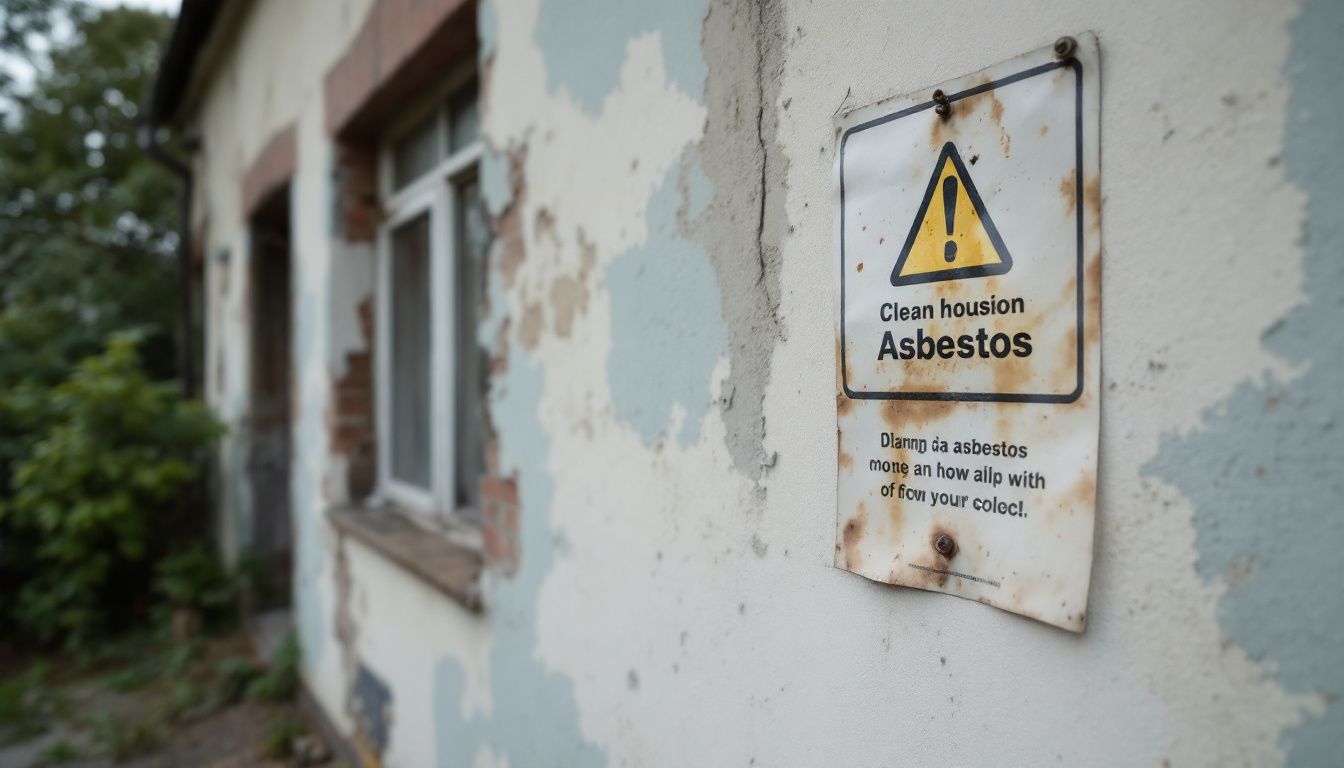
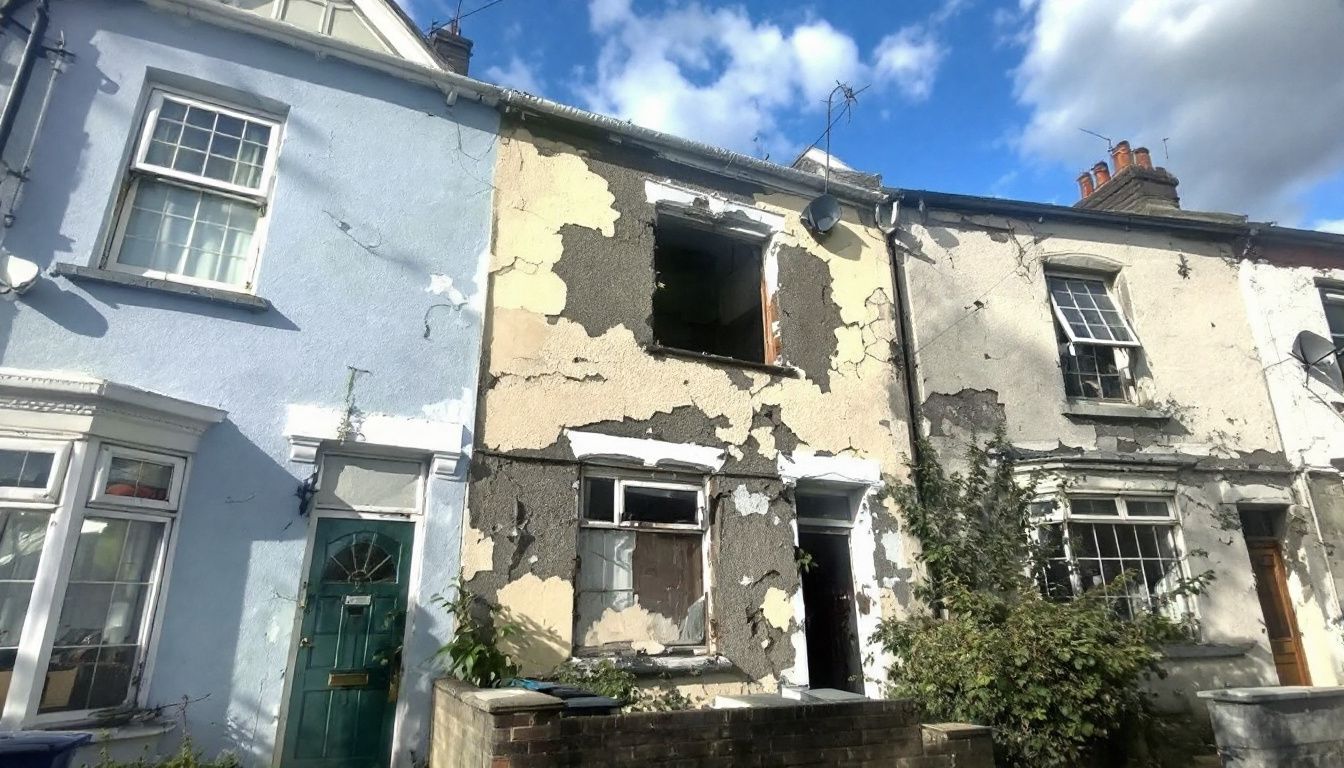
Asbestos was woven into British construction throughout the mid-twentieth century. The ban did not arrive until 1999, meaning decades of housing stock — council estates, terraced rows, schools, hospitals — was built with a material we now know causes fatal disease. The question is no longer whether we have a problem. It is how quickly and effectively we choose to deal with it.
The Scale of Asbestos in UK Housing Stock
Asbestos fibres are classified as a category 1 carcinogen. Inhaling them can cause mesothelioma, lung cancer, and asbestosis — diseases that may not appear for decades after first exposure. The UK records more than 5,000 asbestos-related deaths annually, with approximately 2,500 from mesothelioma alone, making Britain one of the worst-affected countries in the world.
Construction workers carry the highest occupational risk, with asbestos responsible for a significant proportion of work-related cancer deaths in that sector. But the danger does not stay on site. Workers can carry fibres home on their clothing, inadvertently exposing family members — and the rise in female mesothelioma deaths in recent years reflects exactly this secondary exposure pattern.
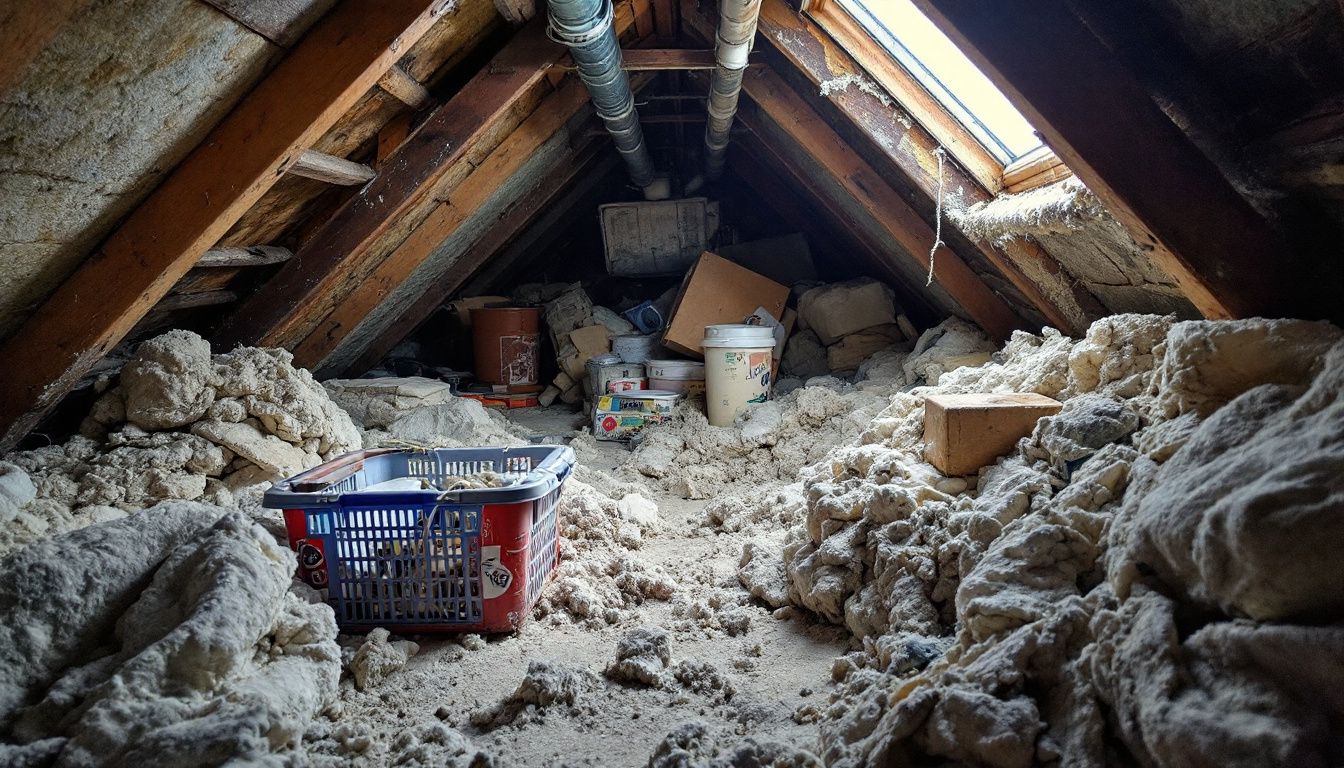
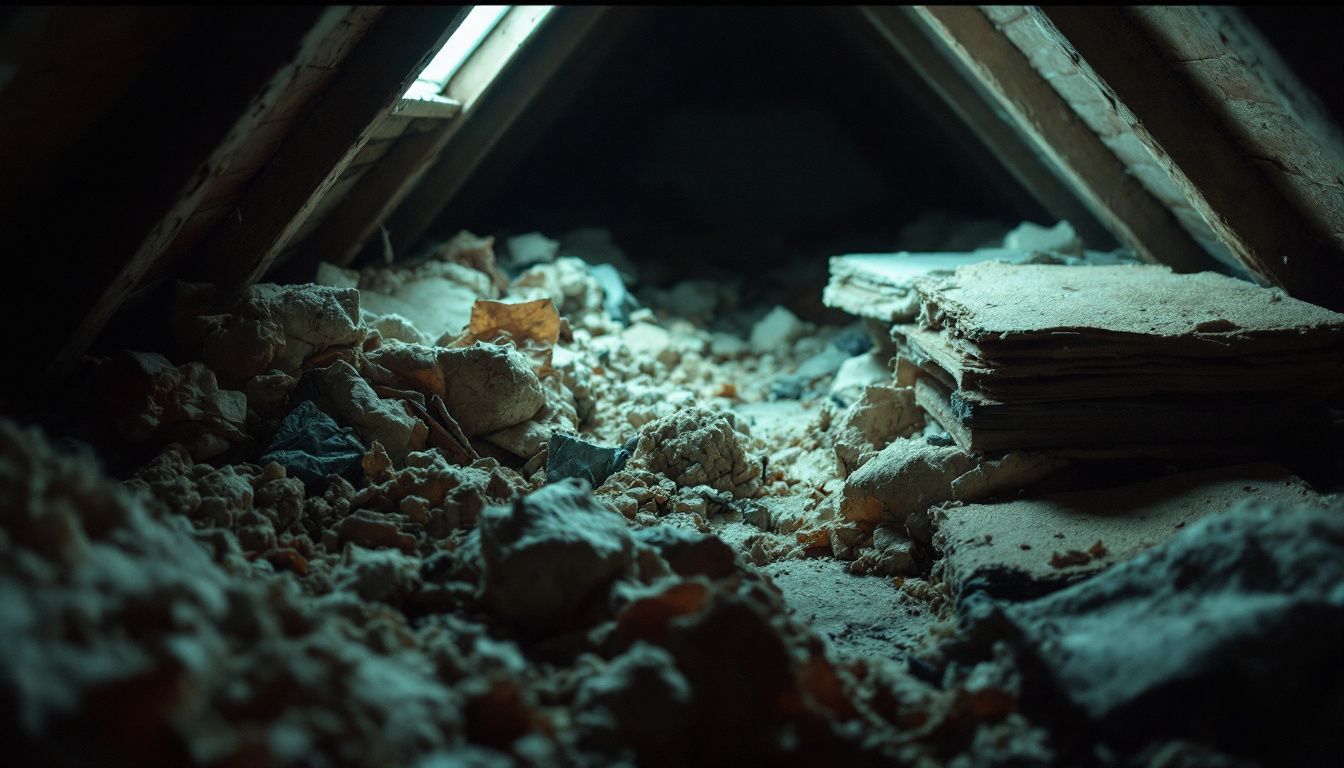
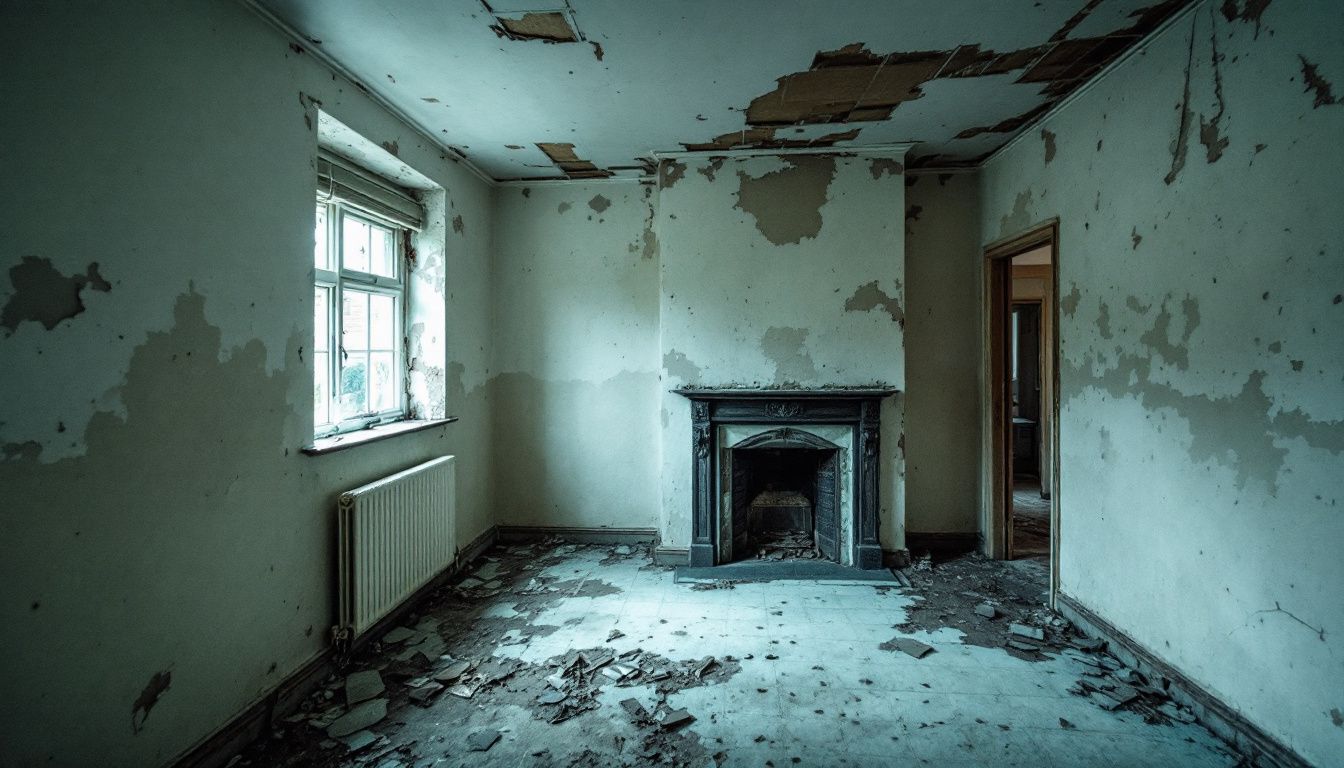
Older properties are the primary concern. Buildings constructed before 2000 may contain asbestos in a wide range of locations, including:
- Floor and ceiling tiles
- Pipe lagging and insulation boards
- Roof sheets and corrugated panels
- Textured coatings such as Artex
- Boiler and tank insulation
- Partition walls and soffit boards
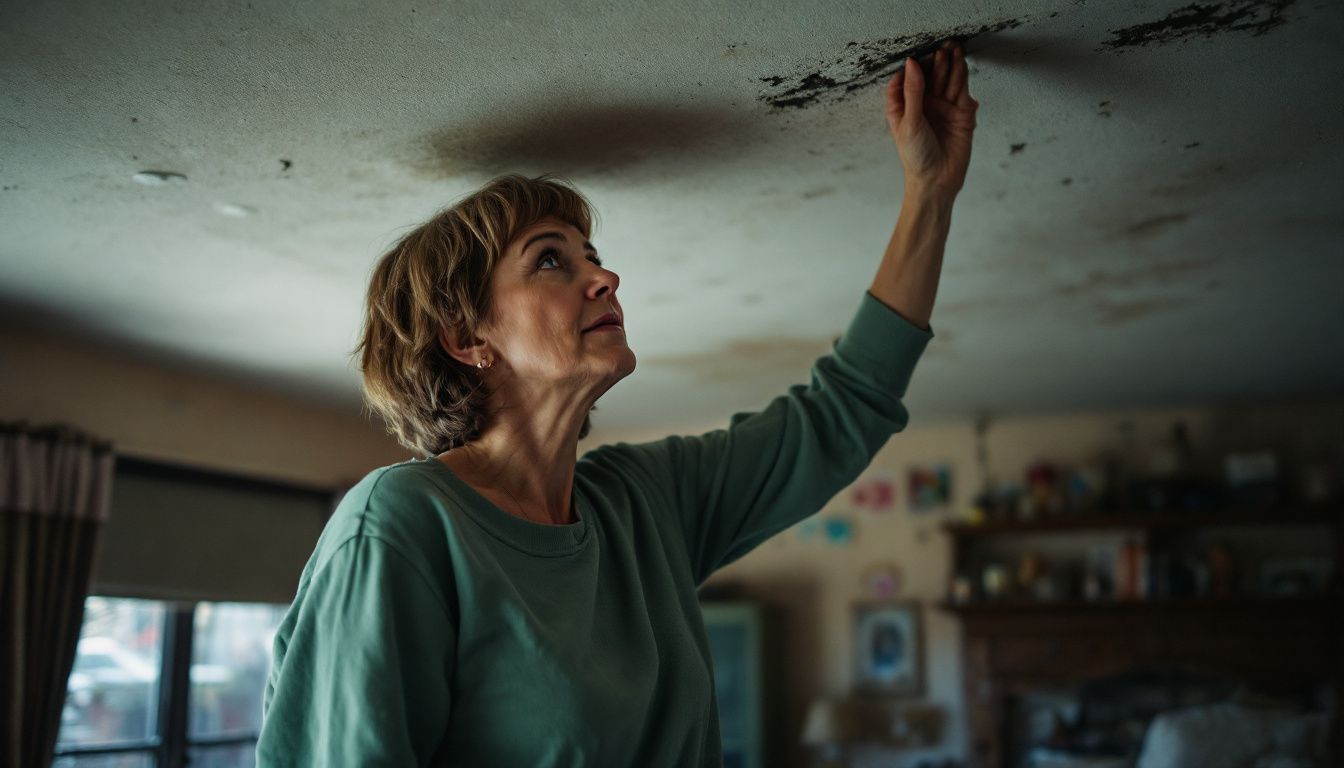
Many homeowners and tenants are entirely unaware of what lies beneath their walls, floors, and ceilings. The Housing Ombudsman received 246 asbestos-related complaints between 2018 and 2021 alone, pointing to a systemic failure to identify and manage risk in social housing. The government’s current target for removing asbestos from public buildings stretches to 2062 — cold comfort for anyone living or working in an affected building today.
Lessons from Australia: What a Zero-Tolerance Approach Looks Like
Australia banned all forms of asbestos in 2003 and has since built one of the most rigorous asbestos management systems in the world. The Australian model is worth examining in detail, because it demonstrates what becomes possible when regulation, enforcement, and public awareness operate together effectively.
Mandatory Registers and Strict Enforcement
Under Australian law, building owners are required to identify asbestos-containing materials and maintain detailed asbestos registers. These are not optional documents — they are legally mandated records that must be updated and made available to anyone working on the premises. Failure to comply carries significant financial penalties.
Workplace health and safety authorities carry out regular inspections, and the consequences for non-compliance are real and meaningful. This enforcement culture creates a genuine incentive for building owners to act responsibly rather than ignore the problem and hope for the best.
Worker Training and Public Awareness
Australia has invested heavily in training for anyone likely to encounter asbestos during their work. Tradespeople, builders, and maintenance workers receive formal instruction on identifying asbestos-containing materials and following safe work procedures. Public awareness campaigns have been sustained over many years, ensuring homeowners understand the risks and know how to respond.
The result is a culture where asbestos is taken seriously at every level — from government policy down to the individual tradesperson arriving to fix a leaking pipe in an older property. The UK has no equivalent sustained programme, and that gap costs lives.
The Netherlands: Setting a Hard Deadline for Removal
The Netherlands took a different but equally instructive approach. Dutch legislation set a firm deadline requiring all asbestos to be removed from buildings, backed by government financial support to help property owners meet the cost. This approach acknowledges a fundamental truth: telling people to remove asbestos without helping them fund it produces inaction.
Coordinated Removal Teams
Dutch cities developed coordinated teams of licensed specialists who worked systematically through housing stock, carrying out surveys, removing materials safely, and disposing of waste responsibly. By pooling resources and working at scale, the cost per property was reduced significantly compared with ad hoc individual removals.
The contrast with the UK is stark. The Netherlands treated asbestos removal as a national infrastructure challenge requiring a national response. The UK has largely left it to individual property owners to manage on their own — and that approach is not working.
Financial Support for Homeowners
The Dutch government provided grants and low-interest loans to homeowners who could not afford removal costs. This removed the primary barrier to action for many households who would otherwise have done nothing. Some areas of the UK have begun to offer limited grant schemes, but coverage remains patchy and funding is wholly insufficient to match the scale of the problem.
A more ambitious, nationally coordinated approach is long overdue. Professional asbestos removal by licensed contractors is the only way to eliminate long-term risk — but cost remains the single biggest barrier for many property owners. Closing that funding gap is essential.
Canada’s Approach: Reaching Communities Before the Crisis Hits
Canada’s contribution to the international picture lies primarily in public education and community engagement. Canadian health authorities have run sustained campaigns to raise awareness of asbestos risks in older buildings, using printed materials, social media, community meetings, and door-to-door outreach in areas with high concentrations of older housing.
The key insight from the Canadian approach is that awareness is not a one-off exercise. It requires consistent, repeated communication over time. Many homeowners only encounter the asbestos question when they are about to renovate or sell their property — by which point the risk of disturbance is already present.
Some Canadian municipalities have developed digital tools allowing residents to report suspected asbestos-containing materials, triggering a professional assessment. This kind of low-barrier reporting system could translate well to the UK context, particularly in areas with large volumes of older social housing.
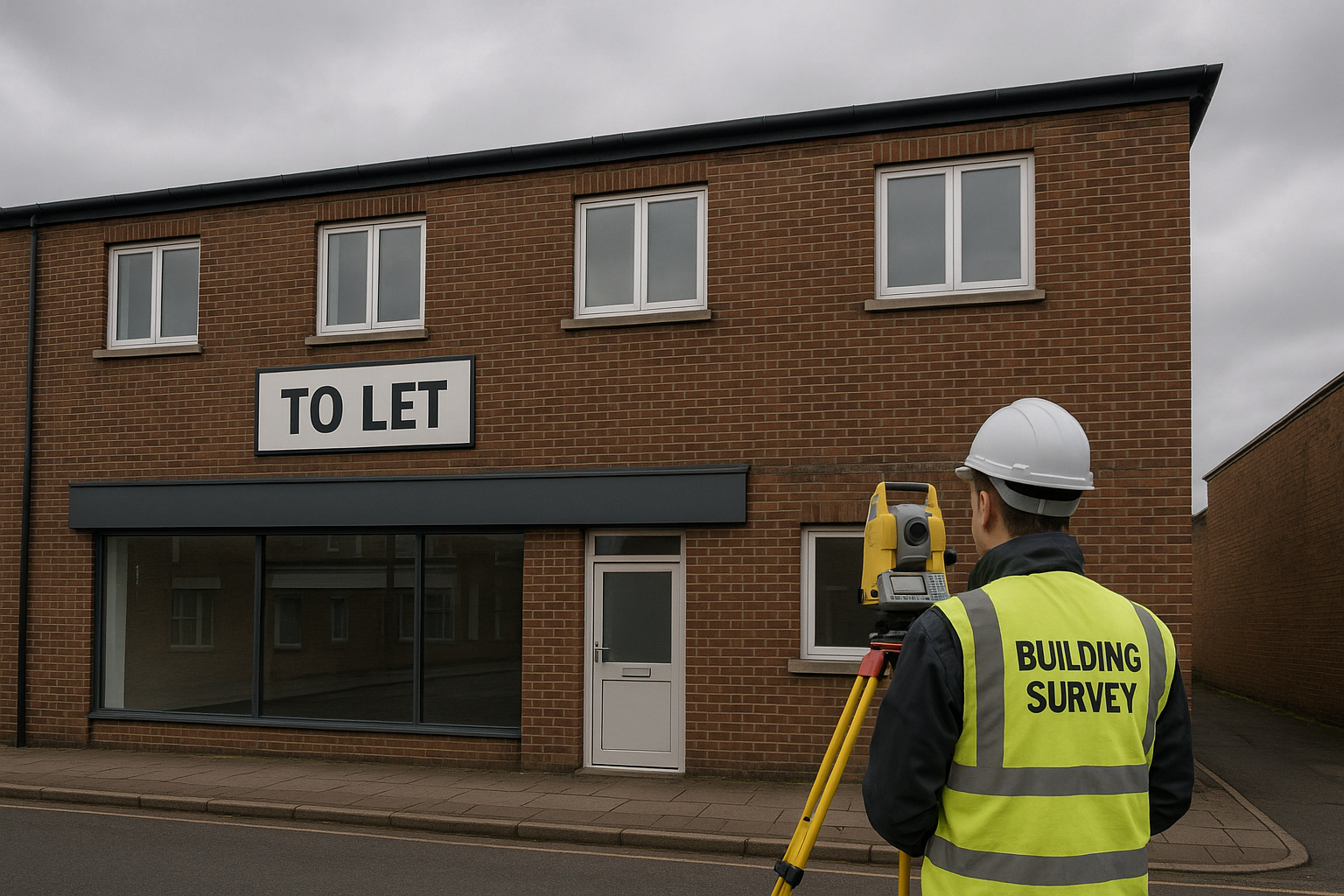
Cities like London, Manchester, and Birmingham — where pre-2000 housing stock is dense — would benefit most from such an approach. Supernova provides asbestos survey London services, asbestos survey Manchester services, and asbestos survey Birmingham services to help property owners in these areas take the first step towards understanding what is in their buildings.
Overcoming Asbestos Challenges in the UK Housing Crisis: What Needs to Change
Overcoming asbestos challenges in the UK housing crisis will require simultaneous action on several fronts. Regulation, funding, enforcement, and public awareness all need to improve. Drawing on the international lessons above, here is what a credible UK response would look like.
Strengthening the Regulatory Framework
The Control of Asbestos Regulations set out the legal duties for managing asbestos in non-domestic premises, but private residential properties fall largely outside their scope. This is a significant gap. Millions of people rent homes in the private sector where there is no legal requirement for the landlord to survey for asbestos before letting the property.
A strengthened regulatory framework should include mandatory asbestos surveys for all privately rented homes built before 2000, with results disclosed to tenants, and a legal obligation for landlords to act on any findings that present a risk. The HSE’s guidance under HSG264 provides a solid technical foundation — the missing element is the legal obligation to follow it in residential settings.
Mandatory Surveys in Older Properties
Regular, professional asbestos testing by accredited surveyors provides the baseline data that property owners, managers, and occupants need to make informed decisions. Without knowing where asbestos is located and in what condition, it is impossible to assess risk accurately or prioritise action.
For social housing providers, the case for mandatory surveys is particularly strong. Many local authority and housing association properties date from the post-war building boom, when asbestos use was at its peak. Tenants in these properties deserve the same level of protection as workers in commercial premises.
Expanding Funding for Removal
Identifying asbestos is only half the challenge. Removal carries a cost that many property owners — particularly owner-occupiers of older homes — struggle to meet without support. A national funding programme, modelled on the Dutch approach, would make a material difference.
A combination of grants for low-income households, interest-free loans for others, and tax incentives for landlords who invest in removal would create a far more accessible pathway than currently exists. The cost of inaction — in healthcare, lost productivity, and human suffering — far exceeds the cost of a well-funded removal programme.
Improving Collaboration Between Sectors
Effective asbestos management requires joined-up working between local authorities, housing associations, private landlords, health bodies, and specialist contractors. At present, these groups often operate in silos. Local councils may not have access to data held by housing associations, and private landlords may be unaware of their obligations or the resources available to help them comply.
Shared data systems, joint training programmes, and regular multi-agency coordination would help close these gaps. The Australian and Dutch models both demonstrate the value of systematic collaboration — it reduces duplication, speeds up identification of high-risk properties, and ensures resources are directed where they are most needed.
The Role of Innovation in Safer Asbestos Management
Technology is making asbestos identification and removal faster, safer, and more cost-effective than ever before. Modern detection equipment can identify asbestos-containing materials with greater accuracy and speed than older methods, reducing both the time and cost of surveys. Portable devices used on site give surveyors immediate data, improving decision-making during inspections.
On the disposal side, thermal treatment processes can break down asbestos fibres into inert materials that can be repurposed in construction — reducing landfill dependency and the environmental impact of removal programmes. Sealed transport containers and advanced air filtration systems have also improved the safety of the removal process for workers and surrounding communities.
These innovations are not a substitute for proper regulation and funding. But they do mean that the practical barriers to safe asbestos management are lower than they have ever been. The tools exist — what is needed is the political will and the financial commitment to deploy them at scale.
For those who want to understand the process before commissioning work, a thorough asbestos testing service from an accredited provider is the logical starting point — giving you clear, evidence-based information on which to base your next steps.
Why the Housing Crisis Makes This More Urgent, Not Less
The UK’s housing crisis creates a dangerous temptation to cut corners. Under pressure to deliver new homes quickly and cheaply, developers and local authorities may deprioritise asbestos management in older buildings slated for conversion or refurbishment. This is precisely the wrong response.
Renovation and conversion work in older buildings is one of the highest-risk scenarios for asbestos disturbance. Drilling, cutting, and demolishing materials that contain asbestos fibres releases those fibres into the air, where they can be inhaled by workers and, if containment fails, by nearby residents. The more renovation activity there is, the more important robust asbestos management becomes — not less.
There is also a housing quality argument to be made here. Homes that have been properly surveyed and, where necessary, had asbestos removed or safely managed are demonstrably safer to live in. As the UK pushes to improve housing standards across the board, asbestos management should be embedded in that agenda, not treated as a separate and inconvenient complication.
The international evidence is clear: countries that have invested in proactive asbestos management have fewer asbestos-related deaths, less disruption to renovation and construction programmes, and a housing stock that is safer for everyone. The UK has the regulatory foundations, the technical expertise, and the international models to draw from. What has been missing is the urgency and the scale of ambition.
Practical Steps Property Owners Can Take Now
Waiting for government policy to catch up is not a sensible strategy for anyone responsible for an older property today. There are concrete steps that landlords, housing associations, and homeowners can take right now:
- Commission a professional asbestos survey — a management survey for occupied properties, or a refurbishment and demolition survey before any building work begins.
- Review your asbestos management plan — if you already have survey data, check that it is up to date and that any recommended actions have been carried out.
- Brief your maintenance contractors — anyone working on an older property should be made aware of the asbestos register and trained to recognise potentially hazardous materials.
- Do not disturb suspected materials — if you encounter something you think may contain asbestos, stop work immediately and seek professional advice before proceeding.
- Keep records — document all surveys, assessments, and actions taken. Good record-keeping protects you legally and helps anyone working on the property in the future.
None of these steps requires a change in government policy. They are available to any responsible property owner today, and they make a real difference to the safety of the people living and working in older buildings.
Frequently Asked Questions
Which countries have handled asbestos management most effectively?
Australia, the Netherlands, and Canada are frequently cited as international leaders. Australia’s mandatory asbestos registers and strong enforcement culture, the Netherlands’ coordinated removal programme backed by government funding, and Canada’s sustained public awareness campaigns each offer lessons that the UK could adapt to its own context.
Does the Control of Asbestos Regulations cover private rented homes?
The Control of Asbestos Regulations primarily applies to non-domestic premises and the common areas of residential buildings. Private rented homes are largely outside its scope, which means there is currently no legal requirement for landlords to survey for asbestos before letting a property to tenants. Campaigners and health bodies have long argued this gap needs to be closed.
What is the difference between a management survey and a refurbishment survey?
A management survey is designed for occupied buildings and aims to locate and assess the condition of asbestos-containing materials that could be disturbed during normal occupation and maintenance. A refurbishment and demolition survey is more intrusive and is required before any significant building work, renovation, or demolition takes place. HSE guidance under HSG264 sets out the requirements for both types.
How much does asbestos removal typically cost in the UK?
Costs vary considerably depending on the type of asbestos, its location, the quantity involved, and the access required. A small, straightforward removal job may cost a few hundred pounds, while larger or more complex projects can run into thousands. Getting a survey completed first gives you accurate information about what is present and allows contractors to provide meaningful quotes.
Is asbestos always dangerous, or only when disturbed?
Asbestos-containing materials that are in good condition and are not being disturbed are generally considered lower risk. The danger arises when fibres become airborne — typically through cutting, drilling, sanding, or demolishing materials that contain asbestos. This is why professional surveys are essential before any building work: they identify what is present so that appropriate precautions can be taken before work begins.
Supernova Asbestos Surveys has completed more than 50,000 surveys across the UK, working with landlords, housing associations, local authorities, and commercial property owners to identify and manage asbestos safely. Whether you need a management survey, a refurbishment survey, or advice on next steps following an existing report, our accredited surveyors are ready to help.
Call us on 020 4586 0680 or visit asbestos-surveys.org.uk to book your survey or request a quote.