Category: Asbestos and its Hidden Dangers in the Workplace

  • Can the presence of asbestos in the workplace be entirely eliminated? Understanding employer responsibilities and best practices

    Can the presence of asbestos in the workplace be entirely eliminated? Understanding employer responsibilities and best practices

    What Is the Purpose of an Asbestos Register? Everything Dutyholders Need to Know

    If you manage or own a non-domestic building in the UK, you have almost certainly encountered the term asbestos register — but what is the purpose of an asbestos register, exactly? The answer is clear: the register exists primarily to inform workers on site where asbestos is located, or where there might be asbestos. Everything else flows from that single, critical function.

    Asbestos remains the single greatest cause of work-related deaths in the UK. It was used extensively in construction materials right up until the ban in 1999, meaning any building constructed or significantly refurbished before that date could contain asbestos-containing materials (ACMs). Without a register, the people most at risk — maintenance workers, electricians, plumbers, contractors — are effectively working blind.

    The Primary Purpose of an Asbestos Register: Informing Workers Where Asbestos Is Located

    The core purpose of an asbestos register is to tell workers on site where asbestos is located, or where it might be present. This is not a bureaucratic formality. It is a life-saving document.

    When a maintenance engineer drills into a wall, when a plumber cuts through a ceiling tile, when an electrician chases a cable run — they need to know what they are dealing with before they start. If ACMs are present and nobody has told them, fibres can be released into the air without anyone realising.

    Those fibres do not cause immediate symptoms. The diseases they cause — mesothelioma, asbestosis, asbestos-related lung cancer — can take decades to develop. By the time someone is ill, it is too late to undo the exposure.

    The asbestos register solves this by creating a single, accessible record that captures:

    • The location of all known or suspected ACMs within the premises
    • The type of asbestos material identified — for example, asbestos cement, asbestos insulating board, lagging
    • The condition of each material at the time of inspection
    • The risk rating assigned to each ACM based on its condition and likelihood of disturbance
    • The date of the last inspection and any actions taken

    This information must be made available to anyone who might disturb those materials, including contractors arriving on site for the first time. Sharing the register with workers and visitors is not optional — it is a legal requirement under the Control of Asbestos Regulations.

    What the Asbestos Register Is NOT Designed to Do

    Because the register is sometimes misunderstood, it is worth being clear about what it does not cover — and why those things sit elsewhere in your asbestos management framework.

    It Does Not Instruct Workers on How to Remove Asbestos

    The asbestos register is a location and condition record, not a removal guide. Instructions for removing asbestos are governed by separate legislation, risk assessments, and method statements. Licensed removal work must be carried out by a contractor holding a current HSE licence.

    A document that records where something is cannot substitute for that expertise and authorisation. If ACMs in your building need to come out, the register informs the decision and the planning — but asbestos removal is a distinct, highly regulated activity in its own right.

    It Does Not Detail PPE Requirements for Removal Work

    Personal protective equipment requirements for asbestos work are determined by the type of work being carried out, the risk level involved, and the specific materials being disturbed. This information belongs in risk assessments and method statements — not the register itself.

    PPE for asbestos work typically includes respiratory protective equipment (subject to face-fit testing), disposable Type 5 coveralls, gloves, and appropriate footwear. The exact specification depends on the work category — licensed, notifiable non-licensed, or non-licensed — and must be assessed on a job-by-job basis.

    It Does Not Classify Materials as Licensed or Non-Licensed

    The distinction between licensed and non-licensed asbestos materials is important, but it is not the register’s job to make that determination. Whether a particular activity requires a licensed contractor depends on the type of material, its condition, the nature of the work, and the likely fibre release — not simply on what type of ACM is present.

    That classification is made by a competent person when planning specific works, using the register as one input alongside a full risk assessment. The register informs the process; it does not complete it.

    The Legal Framework: Why You Must Have an Asbestos Register

    The duty to manage asbestos in non-domestic premises is established under the Control of Asbestos Regulations. If you are a dutyholder — an employer, building owner, or anyone with responsibility for maintaining non-domestic premises — you are legally required to:

    1. Take reasonable steps to identify whether ACMs are present in your premises
    2. Assess the condition and risk posed by any ACMs found
    3. Produce and maintain an asbestos register
    4. Create and implement an asbestos management plan
    5. Review and update both documents regularly
    6. Share information with anyone who might disturb ACMs

    The HSE’s guidance document HSG264 sets out in detail how surveys should be conducted and how findings should be recorded. Failure to comply with the duty to manage is a criminal offence. Employers have faced prosecution, significant fines, and reputational damage for neglecting these obligations. More importantly, failure puts lives at risk.

    How the Asbestos Register Is Created

    An asbestos register does not appear from nowhere. It is produced as the output of a formal asbestos survey carried out by a qualified surveyor. The type of survey required depends on the circumstances of the building and any planned works.

    Management Surveys

    For buildings in normal occupation and use, a management survey is the standard starting point. This type of survey is designed to locate ACMs that could be disturbed during routine activities and maintenance.

    The surveyor inspects accessible areas, takes samples of suspect materials, and sends those samples for analysis at an accredited laboratory. The results feed directly into the asbestos register and form the basis of your asbestos management plan.

    A management survey gives you the information you need to fulfil your duty to manage — including the ability to brief workers and contractors on where ACMs are located before any work begins.

    Refurbishment and Demolition Surveys

    Before significant building work takes place, a management survey alone is not sufficient. A refurbishment survey is required before any intrusive works begin, while a demolition survey is required before any major demolition work commences.

    Both involve a more intrusive process — including destructive inspection to access areas that would normally remain undisturbed — because they need to locate every ACM that could be affected by the planned works. The findings update the asbestos register and inform the removal specification before any structural work starts.

    Re-Inspection Surveys

    ACMs left in place do not stay the same forever. Condition deteriorates over time, particularly in buildings subject to vibration, water ingress, or physical wear. A periodic re-inspection survey assesses whether materials have deteriorated since the last inspection, whether risk ratings need updating, and whether any action is now required.

    Re-inspection is a legal obligation under the duty to manage — not an optional extra. The asbestos register must be updated following each re-inspection to reflect the current condition of all ACMs.

    The Role of Asbestos Testing in Populating the Register

    Visual inspection alone cannot confirm whether a material contains asbestos. Samples must be analysed in an accredited laboratory to identify the presence and type of asbestos fibres. This is a fundamental step in producing a reliable asbestos register.

    If you have a building with no existing asbestos records, or you have found a suspect material during maintenance work, asbestos testing is the logical first step before any further decisions are made.

    Supernova provides bulk sample analysis through accredited laboratory partners, with results typically returned within a few working days. For straightforward situations where you need a cost-effective answer quickly, an asbestos testing kit is available through our website — you collect the sample, send it to the lab, and receive a formal analysis report.

    Bear in mind that sampling should only be carried out by someone with appropriate training and PPE. If you are in any doubt, have a qualified surveyor take the sample on your behalf. Our accredited asbestos testing service provides the documented evidence you need to populate or update your asbestos register with confidence.

    The Asbestos Register vs the Asbestos Management Plan

    These two documents are closely related but serve different purposes, and both are legal requirements for dutyholders. The asbestos register tells you where ACMs are and what condition they are in. The asbestos management plan tells you what you are going to do about them. One without the other is incomplete.

    An effective asbestos management plan should:

    • Reference the register and detail the risk rating of each identified ACM
    • Set out the actions to be taken — monitoring, encapsulation, or removal
    • Define responsibilities: who is accountable for what, and by when
    • Include procedures for contractors and maintenance staff
    • Establish a re-inspection schedule
    • Set out emergency procedures in the event of accidental disturbance

    The plan is a living document. It should be reviewed whenever there are changes to the building, following any work that may have affected ACMs, and at regular intervals — typically annually as a minimum.

    Making the Asbestos Register Work in Practice

    Having an asbestos register is one thing. Using it effectively is another. Here is what good practice looks like day to day.

    Contractor Briefing

    Every contractor arriving on site to carry out work that could disturb building fabric should be shown the relevant sections of the asbestos register before they start. This is not a courtesy — it is a legal requirement.

    Many asbestos incidents occur because contractors were not told what was in the building, or because the register had not been updated since the last survey. Build this briefing into your site induction process without exception.

    Permit to Work Systems

    In buildings with significant ACMs, a formal permit to work system adds an additional layer of protection. Before any intrusive work begins, the permit process requires the register to be checked, the relevant ACMs to be identified, and appropriate controls to be confirmed.

    This creates an auditable trail and reduces the risk of accidental disturbance. It also demonstrates to regulators and insurers that you are managing your obligations seriously.

    Keeping the Register Current

    An out-of-date register can be as dangerous as no register at all. If work has been carried out that removed or disturbed ACMs, the register must be updated to reflect this. If a re-inspection has identified changes in condition, the register must be amended accordingly.

    Assign clear responsibility for maintaining the document and build register reviews into your routine site management procedures. Do not leave it to chance.

    Storage and Accessibility

    The register must be readily accessible to anyone who needs it. This typically means keeping a copy on site at all times — whether in physical form, as a digital document on a building management system, or both.

    A register locked in a head office filing cabinet serves nobody. The whole point is that workers and contractors can access it before they start work, not after something has gone wrong.

    Common Mistakes Dutyholders Make

    Even well-intentioned dutyholders sometimes get this wrong. The most common failures include:

    • Assuming a clean survey means no asbestos: A management survey covers accessible areas. It cannot rule out ACMs in inaccessible voids or behind sealed surfaces. Presumed materials must be treated as containing asbestos until proven otherwise.
    • Failing to share the register with contractors: The register has no protective value if the people who need it never see it. Make sharing it part of your standard contractor management process.
    • Not updating the register after works: Every time ACMs are removed, disturbed, or re-inspected, the register must be updated. A snapshot in time becomes misleading the moment circumstances change.
    • Confusing the register with a management plan: Knowing where asbestos is located is only the first step. You also need a plan that sets out how you will manage those materials going forward.
    • Treating the register as a one-off task: The duty to manage is ongoing. The register is a live document, not a box-ticking exercise carried out once and then filed away.

    Who Is Responsible for the Asbestos Register?

    Responsibility for the asbestos register sits with the dutyholder. In most non-domestic premises, this is the employer, the building owner, or the person or organisation with responsibility for maintaining the building — such as a facilities manager or managing agent.

    Where there are multiple occupiers in a shared building, responsibilities must be clearly allocated. In practice, this often means the landlord or managing agent holds the register and shares relevant sections with each occupying tenant.

    The dutyholder does not have to carry out the survey themselves — indeed, they should not, unless they hold appropriate qualifications. The survey must be conducted by a competent person with the necessary training, equipment, and access to accredited laboratory analysis. What the dutyholder cannot delegate is their ultimate legal responsibility for ensuring the register exists, is accurate, and is acted upon.

    Frequently Asked Questions

    What is the purpose of an asbestos register?

    The primary purpose of an asbestos register is to inform workers on site where asbestos is located, or where there might be asbestos. It records the location, type, condition, and risk rating of all known or suspected asbestos-containing materials in a building, and must be made accessible to anyone who could disturb those materials. It is not a removal guide, a PPE specification, or a licensing classification document — those matters are addressed separately through risk assessments, method statements, and contractor arrangements.

    Is an asbestos register a legal requirement?

    Yes. Under the Control of Asbestos Regulations, dutyholders with responsibility for non-domestic premises are legally required to identify ACMs, assess their condition, and produce and maintain an asbestos register. Failure to comply is a criminal offence and can result in prosecution, fines, and enforcement action by the HSE. The duty also extends to sharing the register with anyone who might disturb ACMs, including contractors and maintenance staff.

    How is an asbestos register created?

    An asbestos register is created as the output of a formal asbestos survey conducted by a qualified surveyor. For occupied buildings, a management survey is the standard starting point. Before refurbishment or demolition work, more intrusive surveys are required. Suspect materials identified during the survey are sampled and sent to an accredited laboratory for analysis. The survey findings — including locations, material types, condition ratings, and risk assessments — are compiled into the register.

    How often should an asbestos register be updated?

    The asbestos register must be updated whenever circumstances change — for example, following a re-inspection survey, after ACMs have been removed or disturbed, or when new suspect materials are identified. HSE guidance recommends that ACMs in anything other than good condition are re-inspected at least annually. The management plan associated with the register should also be reviewed at regular intervals and whenever significant changes occur in the building.

    Does having an asbestos register mean asbestos must be removed?

    No. The presence of asbestos in a building does not automatically mean it must be removed. ACMs in good condition and unlikely to be disturbed can often be safely managed in place. The register and management plan set out how those materials will be monitored and controlled. Removal is only necessary when materials are in poor condition, pose an unacceptable risk, or are likely to be disturbed by planned works. Any removal must be carried out by a competent contractor, and in many cases a licensed contractor is required by law.

    Get Your Asbestos Register in Order with Supernova

    Supernova Asbestos Surveys has completed over 50,000 surveys nationwide. Whether you need a management survey to create your first asbestos register, a re-inspection to bring an existing register up to date, or laboratory analysis for a suspect material, our UKAS-accredited team has the expertise to help.

    We work with building owners, facilities managers, housing associations, local authorities, and contractors across the UK. Our surveyors are qualified, our laboratory partners are accredited, and our reports are clear, actionable, and legally compliant.

    Call us on 020 4586 0680 or visit asbestos-surveys.org.uk to book a survey, request a quote, or find out more about our full range of asbestos services.
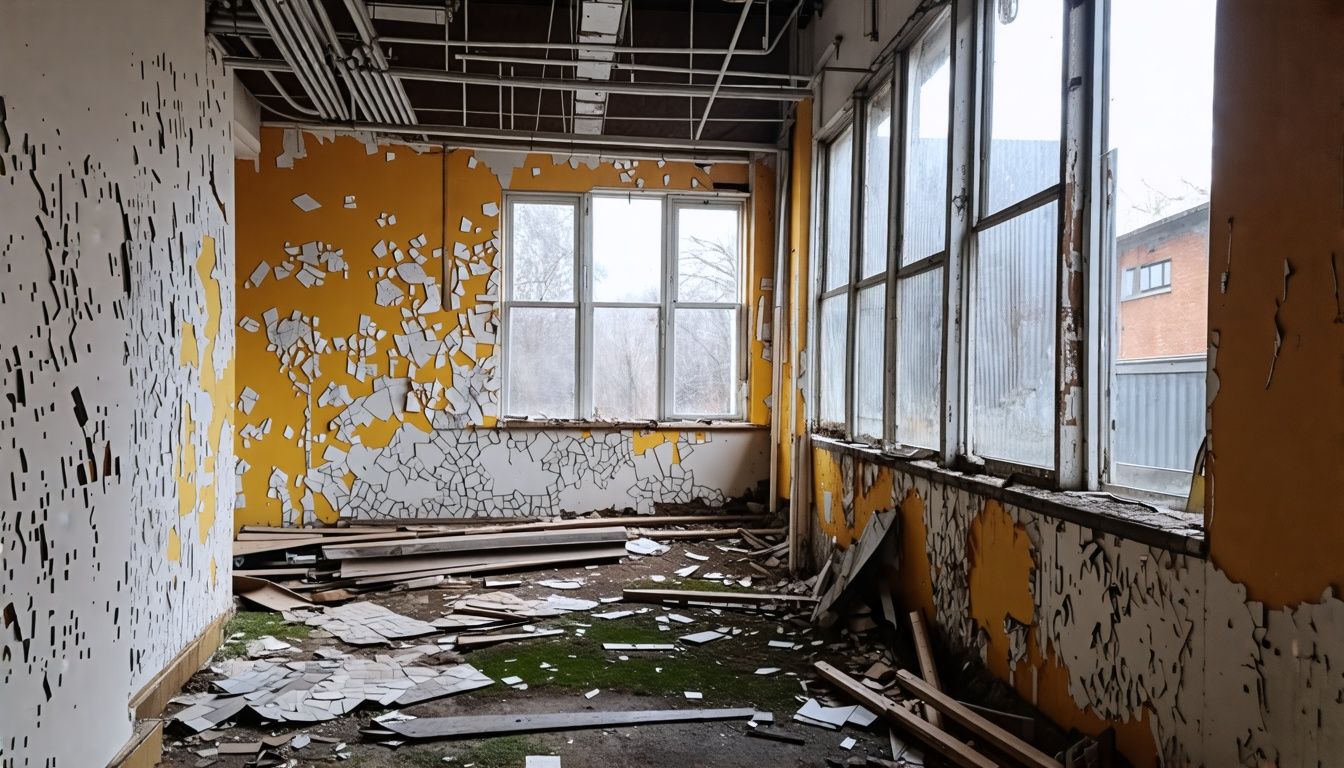
  • How Does an Asbestos Survey Help Identify Potential Dangers in the Workplace for Workplace Safety?

    How Does an Asbestos Survey Help Identify Potential Dangers in the Workplace for Workplace Safety?

    How Are Asbestos-Containing Materials Identified Before Work Commences — And How Are the Findings Documented?

    If your building was constructed or refurbished before 2000, asbestos-containing materials (ACMs) are very likely present somewhere on the premises. The critical question isn’t whether asbestos exists — it’s whether you know exactly where it is, what condition it’s in, and how the findings are documented so that ACMs can be identified before work commences. Without that documentation, every maintenance job, refurbishment, or demolition project carries a hidden risk.

    An asbestos survey isn’t a formality. Done properly, it produces a detailed, legally defensible record that protects your workers, satisfies your regulatory obligations, and gives contractors the information they need before they pick up a single tool.

    Why ACMs Must Be Identified Before Any Work Begins

    Asbestos was banned from use in new UK construction in 1999, but that ban didn’t remove it from the millions of buildings where it had already been installed. It was used in ceiling tiles, pipe lagging, floor adhesives, roofing felt, textured coatings, insulating board, and dozens of other building materials.

    Undisturbed asbestos in good condition doesn’t automatically pose a risk. The danger arises when ACMs are damaged, deteriorating, or disturbed — releasing microscopic fibres into the air that can be inhaled and lodge permanently in the lungs. The resulting diseases — mesothelioma, asbestosis, and lung cancer — are serious, often fatal, and can take decades to manifest after the original exposure.

    This is why the Control of Asbestos Regulations require that ACMs are identified before work commences. Workers breaking through walls, stripping out old building fabric, or drilling into ceilings without knowing what’s in them is precisely how serious asbestos exposures happen. The survey and its documentation are what stand between ignorance and harm.

    What an Asbestos Survey Is Designed to Establish

    An asbestos survey identifies the presence, location, type, and condition of ACMs within a building. It gives dutyholders — those legally responsible for managing asbestos in non-domestic premises — the factual basis they need to act.

    Specifically, a survey will:

    • Identify which materials within the building contain asbestos, or presume they do where sampling isn’t immediately practical
    • Record the exact location of each ACM using annotated floor plans and photographs
    • Assess the condition of each material and its potential to release fibres
    • Assign a risk priority rating to guide management decisions
    • Form the foundation of your asbestos register and management plan

    Without this information, you’re managing blind. Maintenance contractors, facilities managers, and building occupants are all exposed to hazards they can’t see and haven’t been warned about.

    The Types of Asbestos Survey and When Each Applies

    The type of survey you need depends on what’s happening with your building. Each produces its own form of documentation, and choosing the wrong type leaves gaps in your knowledge — and your legal compliance.

    Management Survey

    A management survey is the standard survey for buildings in normal occupation and use. It’s designed to locate ACMs that could be disturbed during everyday activities — general maintenance, minor repairs, or routine works. The surveyor inspects all normally accessible areas, samples suspect materials, and assesses their condition.

    The results feed directly into your asbestos register and management plan, which you’re legally required to maintain and keep current under the Control of Asbestos Regulations. Management surveys aren’t intrusive — surveyors won’t break into wall cavities or lift floorboards — but they do cover everything a maintenance worker or contractor might realistically encounter during normal day-to-day activity.

    Refurbishment and Demolition Survey

    If you’re planning any significant building work — from a partial fit-out to full demolition — a demolition survey is a legal requirement before work starts. This is explicitly mandated under the Control of Asbestos Regulations, and it exists because refurbishment and demolition work disturbs areas of a building that a management survey doesn’t reach.

    This type of survey is intrusive by design. Surveyors need access to hidden voids, beneath floors, inside service risers, and behind partition walls. The goal is to locate every ACM that could be disturbed by the planned works so it can be safely removed beforehand. Skipping this step puts workers directly in harm’s way.

    Re-Inspection Survey

    If you already have an asbestos register, it needs to be kept current. ACMs degrade over time, and building use changes. A re-inspection survey revisits previously identified materials to check their condition and update risk ratings accordingly. Most management plans recommend re-inspections on an annual basis, though higher-risk or deteriorating materials may require more frequent review.

    How the Survey Process Works — From Access to Analysis

    Planning and Preparation

    A competent surveyor doesn’t simply arrive on site and begin inspecting. Good surveys start with a desk-based review of available building information — construction dates, previous survey records, known or suspected uses of asbestos, and any refurbishment history. This helps focus the on-site inspection and ensures nothing obvious is missed.

    A site-specific survey plan is then developed, covering scope, methodology, sampling strategy, and safety protocols. Surveyors will coordinate with you to ensure safe access to all areas and minimise disruption to building occupants.

    On-Site Inspection and Sampling

    On site, the surveyor carries out a systematic inspection of the building, examining materials that could reasonably be expected to contain asbestos. Where materials are suspect, representative samples are taken using specialist tools, then sealed, labelled, and sent to an accredited laboratory for analysis.

    Sampling is carried out carefully and in line with strict protocols to minimise any fibre release. Where sampling isn’t possible — for example, in an occupied area with a fragile material — the surveyor will presume asbestos is present. This means the material is treated as if it contains asbestos until laboratory analysis proves otherwise. It’s a precautionary approach built into HSE guidance (HSG264) for good reason.

    Laboratory Analysis

    Samples are analysed using polarised light microscopy (PLM) or other accredited methods to confirm the presence and type of asbestos. Different types — chrysotile, amosite, crocidolite, and others — carry different risk profiles. Knowing which type is present informs how the material should be managed or removed. For independent confirmation, asbestos testing can also be arranged separately where there’s doubt about a specific material.

    How Are the Findings Documented? Understanding the Survey Report

    This is where the survey becomes a practical working tool rather than just a process. The question of how findings are documented for asbestos-containing materials is central to everything that follows — your legal compliance, your contractor briefings, and your ongoing management obligations.

    A properly completed survey report will include:

    • A full ACM inventory — every identified and presumed ACM listed with its material type, location, extent, and condition
    • Annotated floor plans — drawings marking the precise location of each ACM so contractors can identify them at a glance
    • Photographs — visual records of each ACM and its condition at the time of survey
    • Material condition assessments — a structured assessment of each ACM’s physical state, including surface damage, delamination, and any visible deterioration
    • Risk priority scores — numerical ratings that allow you to rank ACMs by urgency and plan your management response accordingly
    • Laboratory analysis results — confirmation of asbestos type for every sample taken
    • Management recommendations — clear guidance for each ACM on whether it should be monitored, labelled, encapsulated, or removed
    • Access limitations — a record of any areas that couldn’t be inspected, and why, so you know where gaps exist

    This report isn’t a document to file away. It’s a live reference that should be updated whenever conditions change, work is carried out, or re-inspections are completed.

    Understanding Risk Scores — What They Mean in Practice

    Survey reports assign risk scores to each ACM based on a combination of factors. Understanding these scores helps you prioritise action effectively rather than treating every ACM as equally urgent.

    Key factors in the risk assessment include:

    • Material condition — Is it intact, slightly damaged, or severely deteriorated?
    • Friability — How easily can the material release fibres if disturbed? Sprayed coatings and pipe lagging are high-risk; floor tiles and bitumen products are generally lower-risk.
    • Location — Is it in a high-traffic area, a plant room rarely accessed, or above a suspended ceiling?
    • Likelihood of disturbance — How often might maintenance or other activities put the material at risk?
    • Occupant exposure potential — How many people are in the vicinity, and for how long?

    A high-risk score doesn’t automatically mean immediate removal — it means immediate action is required, whether that’s remediation, encapsulation, or a priority removal programme. Lower-risk materials may be safely managed in place with regular monitoring and clear labelling.

    Your Legal Obligations as a Dutyholder

    The Control of Asbestos Regulations place a legal duty to manage asbestos on those responsible for non-domestic premises. This applies to employers, building owners, landlords, and facilities managers — anyone with responsibility for maintenance or repair of a building.

    Your core obligations include:

    1. Taking reasonable steps to find out whether ACMs are present
    2. Assessing the condition and risk of any ACMs found
    3. Preparing and maintaining an up-to-date asbestos management plan
    4. Keeping an asbestos register and making it available to contractors
    5. Ensuring ACMs are monitored and their condition regularly reviewed
    6. Providing information to anyone who might disturb ACMs

    Failure to meet these duties isn’t just a regulatory risk — it’s a direct risk to people’s health. Enforcement action by the HSE can include improvement notices, prohibition notices, and prosecution. In serious cases, individuals can face personal liability.

    The asbestos survey and its documentation are the starting point for all of this. Without them, you cannot demonstrate that you have met your duty to manage.

    Acting on Your Survey Results — A Practical Checklist

    Receiving a survey report is the beginning, not the end. Here’s how to use it effectively:

    Build and Maintain Your Asbestos Register

    Use the survey findings to create or update your asbestos register. This is a live document — it needs to reflect any changes to ACMs, any removal work carried out, and any re-inspection updates. It should be stored somewhere accessible and version-controlled so you always know which edition is current.

    Develop or Update Your Management Plan

    Your asbestos management plan should detail how each ACM will be managed, who is responsible, what monitoring schedule is in place, and what the emergency procedures are if asbestos is accidentally disturbed. It should reference the survey report directly.

    Brief Every Contractor Before They Start

    Every contractor working on your premises must be shown the asbestos register before they begin work. This is non-negotiable under the Control of Asbestos Regulations, and it’s your responsibility as dutyholder to ensure it happens. Keep a record of who has been briefed and when.

    Train Relevant Staff

    Anyone who might encounter or disturb ACMs in the course of their work — maintenance staff, facilities personnel, cleaning staff — needs appropriate asbestos awareness training. This is a separate obligation from the survey itself, but the survey findings inform what that training needs to cover.

    Arrange Removal Where Necessary

    Where survey findings indicate high-risk or deteriorating ACMs, asbestos removal may be the safest long-term option. Certain types of asbestos removal must be carried out by a contractor licensed by the HSE. Always verify contractor credentials before any work begins.

    How Often Should You Survey and Re-Inspect?

    A management survey is the baseline — if you don’t have one for your premises, you need one now. After that, the frequency of re-inspections depends on the condition and risk profile of the ACMs identified.

    As a general guide:

    • Annual re-inspections are recommended for most commercial premises
    • Higher-risk or deteriorating materials may warrant more frequent review
    • A new management survey is required if the building undergoes significant changes in use or layout
    • A refurbishment or demolition survey must be carried out before any significant works begin — even if you already have a management survey in place

    If you’re unsure which type of survey applies to your situation, or whether your existing documentation meets current HSE standards, speaking to an accredited surveyor is the fastest way to get clarity.

    Where Supernova Operates

    Supernova Asbestos Surveys operates nationwide, with dedicated teams covering major cities and regions across the UK. Whether you need an asbestos survey in London, an asbestos survey in Manchester, or an asbestos survey in Birmingham, our surveyors are available to mobilise quickly and work around your operational requirements.

    We’ve completed over 50,000 surveys across the country, and every report we produce meets the standards set out in HSG264 and the Control of Asbestos Regulations. If you need asbestos testing as a standalone service, we can arrange that too.

    Get a Professional Asbestos Survey From Supernova

    Supernova Asbestos Surveys provides management surveys, refurbishment and demolition surveys, re-inspection surveys, asbestos testing, and asbestos removal support across the UK. Our surveyors are fully accredited, our reports are clear and actionable, and we work to minimise disruption to your building and its occupants.

    If you need to ensure that ACMs are properly identified and documented before work commences — or if you’re not confident your existing documentation is up to date — get in touch today.

    Call us on 020 4586 0680 or visit asbestos-surveys.org.uk to request a survey or speak to one of our team.

    Frequently Asked Questions

    How are the findings documented for asbestos-containing materials identified during a survey?

    The findings are documented in a formal survey report that includes a full ACM inventory, annotated floor plans, photographs, material condition assessments, risk priority scores, laboratory analysis results, and clear management recommendations. This report forms the basis of your asbestos register and management plan, both of which must be maintained and made available to contractors working on the premises.

    Why must ACMs be identified before work commences?

    The Control of Asbestos Regulations require that ACMs are identified before any refurbishment or demolition work begins. Disturbing asbestos without prior identification puts workers at risk of inhaling fibres that can cause mesothelioma, asbestosis, and lung cancer. The survey and its documentation give contractors the information they need to avoid or safely manage those materials before work starts.

    What is the difference between a management survey and a refurbishment and demolition survey?

    A management survey covers normally accessible areas of a building in routine use and is designed to identify ACMs that could be disturbed during everyday maintenance. A refurbishment and demolition survey is more intrusive, accessing hidden voids, beneath floors, and behind walls to locate every ACM that could be disturbed by planned building works. The latter is a legal requirement before significant works begin.

    How often does an asbestos register need to be updated?

    Your asbestos register should be updated whenever the condition of an ACM changes, removal work is carried out, or a re-inspection is completed. Most management plans recommend annual re-inspections for commercial premises, though higher-risk materials may need more frequent review. The register must always reflect the current state of ACMs in the building.

    Do I need a new survey before every refurbishment project?

    Yes. Even if you have an existing management survey, a separate refurbishment or demolition survey is required before any significant building works begin. Management surveys don’t cover hidden voids, service risers, or areas behind walls — exactly the areas that refurbishment work tends to disturb. A dedicated pre-works survey ensures all ACMs in the affected areas are identified and safely managed before work commences.

  • What Information is Typically Included in an Asbestos Report: Understanding the Content

    What Information is Typically Included in an Asbestos Report: Understanding the Content

    What Information Does a Non-Domestic Building’s Asbestos Register Include?

    If you manage or own a non-domestic building, the asbestos register is not optional paperwork — it is a legal requirement, and getting it wrong puts people at risk. Yet a surprising number of duty holders receive their report and are not entirely clear on what the register actually contains, what each section means, or what they are expected to do with it.

    This post answers the question directly: what information does a non-domestic building’s asbestos register include, and why does every element of it matter?

    The Legal Foundation: Why the Asbestos Register Exists

    Under the Control of Asbestos Regulations, duty holders for non-domestic premises have a legal obligation to manage asbestos. That obligation starts with finding out what is there — which means commissioning a survey and maintaining a register of the findings.

    The asbestos register is the central document in that process. It records every asbestos-containing material (ACM) identified in a building, along with the information needed to manage each one safely. Without it, you are making decisions about building safety with no reliable basis.

    The HSE’s guidance document HSG264 sets out how surveys should be conducted and what the resulting documentation should contain. Any professionally produced register should be consistent with that guidance.

    The Type of Survey Determines the Scope of the Register

    Before examining what the register contains, it is worth understanding how it is produced — because the type of survey carried out directly affects the completeness of the findings.

    Management Survey

    A management survey is the standard survey for occupied buildings. The surveyor inspects all reasonably accessible areas, takes samples of suspect materials, and assesses their condition. It is not fully intrusive — it will not involve breaking into concealed voids — but it covers the areas where ACMs could realistically be disturbed during normal building use.

    The register produced from a management survey gives you what you need to manage asbestos safely during day-to-day occupation.

    Refurbishment Survey

    A refurbishment survey is required before any refurbishment work begins. It is more intrusive — surveyors access concealed areas, break into building fabric, and sample materials a management survey would not reach. The register it produces is comprehensive enough to support contractor planning and safe working.

    You cannot legally begin refurbishment work without this survey being completed first.

    Demolition Survey

    A demolition survey is the most thorough of the three. Every part of the structure is assessed, including areas that are difficult or hazardous to access. The register it generates identifies all ACMs across the whole building so that licensed removal can be planned before demolition begins.

    If a refurbishment survey has already been completed for part of a building, a demolition survey must still cover any areas not previously assessed.

    What Information Does a Non-Domestic Building’s Asbestos Register Include? A Section-by-Section Breakdown

    The register is the core of any asbestos report. Here is what a properly produced register contains, section by section.

    Property and Inspection Details

    Every register opens with the basics: the property address, the date of inspection, the surveyor’s name and qualifications, and the scope of the survey. This section also identifies which areas were inspected and — critically — which areas were inaccessible or excluded.

    Do not overlook the exclusions. If a loft space, plant room, or basement was not accessed, that is a gap in your knowledge. Excluded areas should be treated as potentially containing asbestos until a further survey proves otherwise.

    Survey Methodology

    A credible register explains how the survey was conducted — the inspection techniques used, the number of samples taken, and the sampling strategy employed. This section confirms that the survey followed HSG264 guidance.

    If a report does not describe its methodology, that is a red flag about the quality of the work overall.

    The ACM Schedule: The Heart of the Register

    This is where the detailed information lives. For every material identified as containing — or presumed to contain — asbestos, the register should record:

    • Location — floor, room, and specific area within the building
    • Material type — for example, ceiling tiles, pipe lagging, textured coating, floor tiles, or insulating board
    • Asbestos type identified — chrysotile (white), amosite (brown), crocidolite (blue), or a combination
    • Extent of the material — approximate area or quantity, so you understand the scale of what is present
    • Condition assessment — whether the material is intact, damaged, or deteriorating
    • Risk priority score — a numerical or categorised score reflecting the likelihood of fibre release
    • Recommended action — manage in place, repair, encapsulate, or remove

    The register should be presented in a format that is straightforward to update. It is a living document — every time conditions change or materials are disturbed, the register must reflect that.

    Condition Assessment and Risk Scoring

    Not all asbestos presents the same level of risk. The condition of a material — whether it is intact, damaged, or actively deteriorating — directly determines how likely it is to release fibres into the air.

    UK surveyors typically use a scoring system based on the material’s physical condition, its surface treatment, and the potential for disturbance given how the building is used. This produces a priority score that guides decision-making.

    The common action categories are:

    • Manage in place — The material is in good condition and not at risk of disturbance. Monitor and record at agreed intervals.
    • Repair or encapsulate — The material is damaged or at moderate risk. Remedial work is needed before it deteriorates further.
    • Remove — The material is severely damaged, at high risk of disturbance, or poses an immediate risk. Licensed removal is required.

    The risk score is not just a number — it is the basis for prioritising your actions and allocating resources appropriately.

    Sample Analysis Results

    Where samples were taken during the survey, the register should include the laboratory analysis results. This section confirms:

    • Which samples contained asbestos and which did not
    • The type of asbestos identified — this matters, as different fibre types carry different risk profiles
    • The percentage of asbestos within the material
    • The analytical method used — typically polarised light microscopy

    For materials that were not sampled, the surveyor may record them as presumed to contain asbestos. This is a legitimate and cautious approach. Presumed ACMs must be managed identically to confirmed ones until analysis proves otherwise.

    If you want to move a presumed ACM to confirmed status without commissioning a full survey, sample analysis is available as a standalone service — useful for targeted clarification.

    Laboratory Accreditation Details

    Any laboratory carrying out asbestos analysis for a UK survey must be accredited by UKAS — the United Kingdom Accreditation Service. The register should reference the laboratory used and confirm its accreditation status.

    This is not box-ticking. UKAS accreditation means the laboratory meets independently verified quality standards and its analysts are regularly assessed for proficiency. Results from non-accredited labs carry no legal weight and cannot be relied upon for compliance purposes.

    The surveyor themselves should hold relevant qualifications — typically the P402 certificate for building surveys and bulk sampling, issued under the British Occupational Hygiene Society (BOHS) proficiency scheme. Always check credentials before commissioning work.

    Photographs

    A properly produced register is supported by photographs of each identified ACM. These images should clearly show the material, its location context, and its current condition.

    Photographs serve multiple purposes: they help future surveyors locate materials during re-inspections, they provide a baseline record of condition at the time of survey, and they make it easier for contractors to plan work safely. A register with no photographs — or photographs that do not clearly correspond to specific entries — is a quality concern.

    Recommendations and Action Plan

    Every material in the register should come with a clear, specific recommended action. Generic statements about managing asbestos are not sufficient. Look for:

    • Clear timescales for any required actions
    • A distinction between urgent actions and those that can be planned
    • Guidance on whether licensed or non-licensed contractors are required for specific work
    • Re-inspection intervals for materials being managed in place

    If the recommendations are vague or unspecific, go back to the surveyor and ask for clarification. You need actionable guidance, not general commentary.

    Presumed vs Confirmed ACMs: Understanding the Difference

    The distinction between presumed and confirmed ACMs appears throughout any register and is worth understanding clearly.

    A confirmed ACM has been sampled and laboratory-tested — asbestos was detected. A presumed ACM was not sampled, but the surveyor assessed it as likely to contain asbestos based on its appearance, age, and location in the building.

    Both must be managed in the same way. The presumption of asbestos is the legally defensible and responsible position — treating a presumed ACM as safe without analysis is not.

    If you want to verify a presumed material, you can use an asbestos testing kit to collect a sample for laboratory analysis, or arrange for a surveyor to take a targeted sample as part of a re-inspection visit.

    The Register as a Living Document

    One of the most important things to understand about the asbestos register is that it does not stay static. It must be updated whenever anything changes — and a number of situations trigger that requirement.

    The register should be updated when:

    • Any maintenance or building work affects or disturbs an ACM
    • A material’s condition worsens between re-inspections
    • An ACM is removed or encapsulated
    • A presumed material is tested and the result changes its status
    • Previously inaccessible areas are surveyed
    • A re-inspection survey is carried out

    Periodic re-inspection surveys are a regulatory requirement — not an optional extra. The frequency depends on the risk level of the materials present, but annual re-inspection is typical for most commercial premises.

    What the Register Feeds Into: The Asbestos Management Plan

    The register does not stand alone — it feeds directly into your asbestos management plan, which is the broader document governing how asbestos is managed across the building’s lifetime.

    An asbestos management plan sets out:

    • Who is responsible for managing asbestos on site
    • How and when ACMs will be monitored and re-inspected
    • What information is communicated to staff, contractors, and emergency services
    • Procedures for planned and emergency work near ACMs
    • How the register will be kept up to date

    The management plan must be reviewed regularly and updated whenever conditions change. It is a live document, just like the register it is built on.

    Your Legal Obligations Once You Have a Register

    Receiving the register is the beginning of your duty, not the end of it. As a duty holder, you are legally required to:

    1. Keep the register accessible at all times and share it with anyone who needs it — maintenance staff, contractors, and emergency services
    2. Implement the recommended actions within appropriate timescales
    3. Arrange re-inspections at the intervals specified in the report
    4. Ensure all contractors confirm they have read and understood the register before commencing any work on the premises
    5. Update the register whenever any work is carried out that affects an ACM

    Failure to meet these obligations is not a minor administrative oversight — it is a breach of the Control of Asbestos Regulations, which can result in enforcement action, improvement notices, or prosecution.

    When You Need More Than a Management Survey

    The management survey register gives you what you need for day-to-day building management. But there are situations where the information it contains is not sufficient on its own.

    If you are planning refurbishment work — even minor work involving drilling, cutting, or disturbing building fabric — a refurbishment survey must be completed for the affected areas before work begins. The management survey register cannot be used as a substitute.

    Similarly, if you are considering demolition of any part of a structure, a demolition survey is required. The register from that survey will form the basis of the licensed removal plan.

    For buildings in London or elsewhere across the UK where you need asbestos testing carried out as part of a wider survey programme, always ensure the work is commissioned through a UKAS-accredited provider using qualified surveyors.

    Checking the Quality of Your Existing Register

    If you have inherited a register from a previous owner or manager, or if your existing register is several years old, it is worth auditing its quality before relying on it.

    Ask yourself:

    • Does the register clearly identify all areas inspected and all areas excluded?
    • Is there a condition assessment and risk score for every ACM listed?
    • Are laboratory analysis results included, with UKAS accreditation confirmed?
    • Are photographs present and clearly matched to register entries?
    • Are the recommendations specific and actionable?
    • Has the register been updated following any work or re-inspections since it was produced?

    If the answer to any of these questions is no, the register may not provide adequate protection — legally or practically. A fresh survey, or at minimum a re-inspection, may be needed to bring the documentation up to standard.

    If you are unsure whether a specific material in your building contains asbestos, you do not always need to commission a full survey to find out. An asbestos testing service or a DIY testing kit can provide laboratory-confirmed results for individual materials — a practical first step when you need targeted answers quickly.

    Frequently Asked Questions

    What is the difference between an asbestos register and an asbestos management plan?

    The asbestos register is the record of all ACMs identified in a building — their location, type, condition, and risk score. The asbestos management plan is the broader document that sets out how those materials will be managed, monitored, and communicated about. The register feeds into the management plan, but they are two distinct documents. Both are required under the Control of Asbestos Regulations.

    Does an asbestos register need to be updated after building work?

    Yes. Whenever any work is carried out that affects, disturbs, removes, or encapsulates an ACM, the register must be updated to reflect the change. Failing to keep the register current is a breach of your legal duty as a duty holder. A re-inspection survey is the formal mechanism for reviewing and updating the register at regular intervals.

    What happens if a material was not sampled during the survey?

    If a surveyor did not sample a material but assessed it as likely to contain asbestos, it will be recorded as a presumed ACM. Presumed ACMs must be managed exactly as confirmed ACMs — they cannot be treated as safe until laboratory analysis proves otherwise. You can use a testing kit or arrange targeted sampling to move a presumed material to confirmed status.

    Who needs to be given access to the asbestos register?

    The register must be made available to anyone who could disturb ACMs or be affected by them. This includes maintenance staff, contractors, and the emergency services. Before any contractor begins work on the premises, they must be shown the register and confirm they have understood its contents. This is a legal requirement, not a courtesy.

    How often does the asbestos register need to be re-inspected?

    The frequency of re-inspection depends on the condition and risk level of the ACMs present. For most commercial premises, annual re-inspection is standard. Higher-risk materials or materials in poor condition may require more frequent monitoring. The original survey report should specify re-inspection intervals, and these should be followed as part of your asbestos management plan.

    Get Your Asbestos Register Right With Supernova

    Supernova Asbestos Surveys has completed over 50,000 surveys across the UK, producing registers that are accurate, HSG264-compliant, and built to support duty holders in meeting their legal obligations — not just satisfy a tick-box exercise.

    Whether you need a management survey for an occupied building, a refurbishment survey ahead of planned works, or an asbestos survey in London or anywhere else in the country, our qualified surveyors deliver documentation you can rely on.

    Call us on 020 4586 0680 or visit asbestos-surveys.org.uk to discuss your requirements or book a survey.

  • What Steps Are Taken to Monitor and Regulate the Presence of Asbestos in the Workplace?

    What Steps Are Taken to Monitor and Regulate the Presence of Asbestos in the Workplace?

    Asbestos Monitoring in the Workplace: What Every Duty Holder Must Know

    Asbestos remains one of the most serious occupational health hazards in the UK. Despite a complete ban on its use and importation, asbestos-containing materials (ACMs) are still present in vast quantities across buildings constructed or refurbished before 2000 — and that makes asbestos monitoring far more than a best-practice recommendation.

    It is a legal obligation that falls squarely on anyone responsible for a non-domestic premises. If you own, manage, or occupy a commercial building, understanding how asbestos is monitored and regulated could protect your workforce, your tenants, and yourself from serious consequences.

    Here is what effective workplace asbestos management actually looks like in practice.

    The Legal Framework Underpinning Asbestos Monitoring

    The Control of Asbestos Regulations

    The Control of Asbestos Regulations form the backbone of asbestos law in the UK. They apply to all non-domestic premises and place clear duties on employers, building owners, landlords, facilities managers, and anyone else responsible for maintaining or repairing a building.

    Enforcement sits with the Health and Safety Executive (HSE) and, in certain workplaces, with local authorities. Non-compliance can result in improvement notices, prohibition notices, prosecution, and unlimited fines — and in the most serious cases, custodial sentences for individuals.

    Who Counts as a Duty Holder?

    A duty holder is anyone with responsibility for the maintenance or repair of non-domestic premises. In practice, that could be:

    • A building owner
    • An employer operating from the premises
    • A facilities manager or managing agent
    • A leaseholder, depending on the terms of the lease

    Where responsibility is shared between multiple parties, duty holders must cooperate to ensure asbestos is properly managed. Gaps in responsibility are not a legal defence.

    The Duty to Manage

    At the heart of the regulations is the “duty to manage” asbestos. This requires duty holders to:

    1. Identify whether ACMs are present in their premises
    2. Assess the condition and risk of those materials
    3. Produce and maintain an asbestos management plan
    4. Keep an asbestos register — a written record of all ACMs identified
    5. Share information about ACMs with anyone who might disturb them
    6. Review and update all records regularly

    Asbestos monitoring is an ongoing responsibility. It must be revisited whenever building work is planned, occupancy changes, or materials deteriorate — not just ticked off once and forgotten.

    Why Visual Inspection Alone Is Never Enough

    Asbestos fibres are microscopic. ACMs frequently look identical to non-asbestos alternatives, and there is no visual test that can confirm or rule out their presence. Textured coatings, floor tiles, ceiling tiles, pipe lagging, and insulation boards can all contain asbestos — and none of them are labelled.

    The HSE’s position, set out in HSG264, is unambiguous: any material suspected of containing asbestos should be treated as though it does, until laboratory analysis proves otherwise. Assumption is not a management strategy.

    Where ACMs Are Commonly Found

    In buildings constructed or refurbished before 2000, ACMs can appear almost anywhere. The most common locations include:

    • Sprayed coatings on ceilings, beams, and structural steelwork
    • Pipe and boiler lagging
    • Insulating boards used in partitions, ceiling tiles, and fire doors
    • Textured decorative coatings such as Artex
    • Vinyl and thermoplastic floor tiles
    • Roofing felt and cement roof sheets
    • Electrical switchgear and distribution boards
    • Toilet cisterns and water storage tanks
    • Gaskets and rope seals in boiler rooms

    All three main types of asbestos — white (chrysotile), brown (amosite), and blue (crocidolite) — present health risks. Blue and brown asbestos are considered particularly hazardous and were among the earliest types to be banned in the UK.

    Asbestos Surveys: The Foundation of Effective Asbestos Monitoring

    Commissioning the right type of survey is essential. Using the wrong survey type — or skipping one entirely — can put workers at serious risk and leave you legally exposed. There are three main survey types, each serving a distinct purpose.

    Management Survey

    A management survey is the standard survey for occupied buildings. Its purpose is to locate ACMs that could be disturbed during normal occupation and routine maintenance activities.

    A qualified surveyor will inspect all accessible areas, take samples from suspected materials, and produce a detailed report including an asbestos register and risk assessment. This is the survey that fulfils your duty to manage under the regulations — if you haven’t had one carried out, you are not compliant.

    Refurbishment and Demolition Survey

    Before any refurbishment, renovation, or demolition work begins, a demolition survey is required. This is a far more intrusive process, involving access to areas that would normally be sealed — voids, ceiling cavities, wall interiors — to identify all ACMs that could be disturbed during the planned works.

    This survey must be completed before work starts, not during it. Discovering asbestos once contractors are already on site creates significant risk and can be extremely costly to manage retrospectively.

    Re-Inspection Survey

    If you already have an asbestos register, your duty doesn’t end there. ACMs left in situ must be periodically re-inspected to confirm their condition hasn’t deteriorated. A re-inspection survey assesses whether previously identified materials remain stable and updates your register accordingly.

    The frequency of re-inspections depends on the risk rating of the materials involved. Higher-risk ACMs in poor condition may require more frequent checks — typically every six to twelve months.

    Risk Assessment and the Asbestos Register

    Carrying Out a Proper Risk Assessment

    Once ACMs have been identified, each one must be assessed for risk. The key factors that determine risk include:

    • Condition: Is the material intact, damaged, or actively deteriorating?
    • Type of asbestos: Different fibre types carry different risk profiles
    • Location: Is it in a high-traffic area where disturbance is likely?
    • Accessibility: Could it be accidentally disturbed by maintenance workers or occupants?
    • Friability: How easily could it release fibres if disturbed?

    This assessment determines what action to take — whether to leave the material in place and monitor it, encapsulate it, or arrange for removal. Each decision must be documented and justified.

    Maintaining the Asbestos Register

    The asbestos register is the central document in your asbestos management system. It must record:

    • The precise location of every ACM, by building, floor, room, and position
    • The type, condition, and estimated quantity of each material
    • The risk rating assigned to each ACM
    • Control measures currently in place
    • Dates of surveys, re-inspections, and any remedial work
    • Photographic records where possible

    This register must be kept up to date and made available to anyone who could disturb the materials — including contractors, maintenance staff, and emergency services. Keeping it locked in a filing cabinet that nobody knows about defeats the purpose entirely.

    The Asbestos Management Plan

    Alongside the register, you must have a written asbestos management plan. This sets out how ACMs in your building will be managed, who is responsible, how information will be shared with workers and contractors, and what will trigger a review.

    The plan should be a living document — reviewed regularly and updated whenever there are significant changes to the building, its use, or the condition of identified materials.

    Air Monitoring: Measuring Fibre Concentrations

    Asbestos monitoring in the most literal sense — measuring airborne fibre concentrations — is a critical safety control during high-risk activities. During asbestos removal and certain other intrusive works, air monitoring is used to verify that fibre levels remain within safe limits.

    Air samples are taken at the work area and analysed by an accredited laboratory. The results determine whether work can safely continue or whether additional controls are needed.

    The Four-Stage Clearance Process

    At the end of licensed asbestos removal work, a four-stage clearance procedure must be completed before an area can be reoccupied. This involves:

    1. A thorough visual inspection of the work area
    2. A thorough clean of all surfaces
    3. A background air test to establish baseline fibre levels
    4. A final air clearance test carried out by an independent analyst

    Only once all four stages have been satisfactorily completed can the area be declared safe for reoccupancy. This process must be carried out by a body accredited to UKAS for asbestos air testing — it cannot be signed off by the removal contractor themselves.

    Asbestos Removal: When It’s Necessary and Who Can Do It

    A common misconception is that all asbestos must be removed immediately. That’s not the case. ACMs in good condition that are unlikely to be disturbed can often be safely left in place and managed through ongoing asbestos monitoring. Unnecessary removal can actually create more risk by releasing fibres that would otherwise remain stable.

    Removal becomes necessary when materials are in poor condition, when they’re in a location where disturbance is unavoidable, or when refurbishment or demolition is planned. When removal is required, asbestos removal must be carried out by appropriately licensed and qualified contractors.

    Licensed, Notifiable Non-Licensed, and Non-Licensed Work

    The regulations distinguish between three categories of asbestos work:

    • Licensed work: High-risk activities such as removing sprayed asbestos coatings, asbestos lagging, or asbestos insulating board (AIB). This must only be carried out by contractors holding an HSE licence, and the work must be notified to the HSE before it begins.
    • Notifiable non-licensed work (NNLW): Lower-risk work with ACMs, such as minor maintenance on asbestos insulating board or removing small amounts of textured coating. No licence is required, but the work must be notified to the relevant enforcing authority at least 14 days in advance. Workers must be subject to health surveillance, and exposure records must be kept for at least 40 years.
    • Non-licensed work: Short-duration, low-risk tasks involving materials such as asbestos cement or floor tiles in good condition. Notification is not required, but safe working practices must still be followed.

    If you’re unsure which category applies to your situation, don’t guess. Seek professional guidance before any work begins.

    Worker Protection During Asbestos Work

    Respiratory Protective Equipment

    For workers who may be exposed to asbestos fibres, appropriate personal protective equipment is essential. Respiratory protective equipment (RPE) is the most critical element — at a minimum, FFP3 disposable masks are required for most asbestos work. Powered air-purifying respirators or supplied-air systems may be required for licensed removal activities.

    Disposable coveralls, gloves, and overshoes must also be worn to prevent fibres being carried out of the work area on clothing. PPE must be the correct type for the task, properly fitted, and used consistently throughout.

    Face-Fit Testing

    Any worker required to wear tight-fitting RPE must undergo face-fit testing. This verifies that the specific mask forms an adequate seal against that individual’s face — facial structure, facial hair, and the mask model all affect fit, and a mask that works for one person may be entirely unsuitable for another.

    Face-fit testing must be carried out by a competent person using an approved method. It should be repeated if the worker’s face shape changes significantly or if a different mask model is introduced.

    Decontamination and Waste Disposal

    Asbestos waste is classified as hazardous waste and must be handled accordingly. All waste materials — including used PPE, sheeting, and debris — must be double-bagged in clearly labelled, UN-approved asbestos waste sacks before being removed from site.

    Asbestos waste can only be disposed of at a licensed hazardous waste facility. It cannot be mixed with general construction waste or placed in standard skips. Failure to comply with hazardous waste regulations carries its own serious legal consequences, entirely separate from asbestos legislation.

    Workers must also decontaminate themselves before leaving the work area — using a decontamination unit on larger projects, or at minimum removing and bagging disposable coveralls and washing hands and face thoroughly.

    Asbestos Monitoring Across the UK

    The duty to manage asbestos applies equally whether your premises are in a city centre or a rural location. The regulations make no geographical distinction, and the HSE enforces them nationwide.

    If you are based in the capital and need an asbestos survey London professionals can rely on, Supernova operates across all London boroughs. For businesses in the North West, our asbestos survey Manchester service covers the full Greater Manchester area. And for property managers and duty holders in the Midlands, our asbestos survey Birmingham team is on hand to help you meet your obligations.

    Wherever you are in the UK, the standards are the same — and so is our approach to delivering accurate, actionable survey results.

    Common Mistakes That Put Duty Holders at Risk

    Even well-intentioned duty holders can fall into traps that leave them non-compliant. The most common errors include:

    • Assuming a building is asbestos-free because it looks modern or has been recently decorated — cosmetic refurbishment does not remove ACMs buried within the structure
    • Commissioning the wrong survey type — a management survey is not sufficient before demolition or major refurbishment
    • Failing to share the asbestos register with contractors before they begin work on site
    • Not updating the register after remedial work, re-inspections, or changes to the building
    • Treating the asbestos management plan as a one-off document rather than a living record that requires regular review
    • Allowing unlicensed contractors to carry out work that legally requires an HSE licence

    Each of these mistakes can result in enforcement action, and more importantly, can put real people at risk of exposure to one of the most dangerous substances ever used in construction.

    Frequently Asked Questions

    What is asbestos monitoring and why is it required?

    Asbestos monitoring refers to the ongoing process of identifying, assessing, and tracking asbestos-containing materials (ACMs) within a building, as well as measuring airborne fibre concentrations during high-risk work. It is required under the Control of Asbestos Regulations for all non-domestic premises. The duty to manage asbestos means that building owners and managers must not only identify ACMs but actively monitor their condition over time and take action when risks change.

    How often does an asbestos re-inspection need to take place?

    The frequency depends on the risk rating of the materials identified. ACMs in good condition in low-disturbance areas may only need checking annually, while materials in poor condition or in high-traffic areas may require inspection every six months or more frequently. Your asbestos management plan should specify the re-inspection schedule for each material, and this should be reviewed whenever the building’s use or condition changes.

    Can asbestos be left in place rather than removed?

    Yes — in many cases, leaving ACMs in place and managing them through ongoing asbestos monitoring is the safest approach. Removing asbestos unnecessarily can disturb stable materials and release fibres that would otherwise pose no immediate risk. Removal is required when materials are in poor condition, are likely to be disturbed, or when refurbishment or demolition is planned. The decision must be based on a proper risk assessment, not assumptions.

    Who can carry out asbestos air monitoring?

    Air monitoring during and after asbestos removal must be carried out by a body accredited to UKAS for asbestos air testing. Critically, the final air clearance test after licensed removal work must be conducted by an independent analyst — it cannot be carried out by the removal contractor themselves. This independence is a legal requirement, not a recommendation, and is designed to ensure that clearance results are objective and reliable.

    What happens if I don’t comply with asbestos monitoring regulations?

    The consequences of non-compliance can be severe. The HSE has powers to issue improvement notices, prohibition notices, and to prosecute duty holders. Fines are unlimited, and in the most serious cases — particularly where non-compliance leads to exposure — individuals can face custodial sentences. Beyond the legal penalties, the health consequences for workers exposed to asbestos fibres can be fatal, with diseases such as mesothelioma typically not appearing until decades after exposure.

    Get Your Asbestos Monitoring in Order with Supernova

    Supernova Asbestos Surveys has completed over 50,000 surveys across the UK, helping duty holders in every sector meet their legal obligations with confidence. Whether you need a first-time management survey, a pre-demolition inspection, or a periodic re-inspection of existing ACMs, our UKAS-accredited surveyors deliver accurate, detailed reports that stand up to scrutiny.

    Don’t wait until a contractor uncovers something on site or an HSE inspector comes knocking. Get your asbestos monitoring programme in place now.

    Call us on 020 4586 0680 or visit asbestos-surveys.org.uk to book a survey or speak to one of our team.

  • Exploring Asbestos and its Hidden Dangers in the Workplace

    Exploring Asbestos and its Hidden Dangers in the Workplace

    Asbestos at Work: What Every Employer and Dutyholder Needs to Know

    Asbestos doesn’t announce itself. It sits silently inside walls, beneath floor tiles, above suspended ceilings, and around pipe lagging — often completely undisturbed for decades. But the moment it’s touched, drilled, cut, or damaged, it releases microscopic fibres that can cause life-altering and fatal diseases. Managing asbestos at work isn’t optional for employers and those responsible for non-domestic premises — it’s a legal duty, and more importantly, it’s the difference between protecting your workforce and unknowingly putting them at serious risk.

    Where Asbestos Hides in the Workplace

    Asbestos-containing materials (ACMs) were used extensively in UK construction right up until 1999, when a full ban came into force. Any building constructed or refurbished before that year could contain asbestos — and in many cases, does.

    In a typical commercial or industrial building, ACMs can be found in:

    • Sprayed coatings on structural steelwork, ceilings, and beams
    • Pipe lagging and boiler insulation
    • Ceiling tiles and floor tiles
    • Textured coatings such as Artex
    • Roofing sheets and guttering (particularly asbestos cement)
    • Insulating boards used in partition walls, door linings, and fire breaks
    • Gaskets, rope seals, and friction materials in older plant and machinery

    The problem is that many of these materials look completely unremarkable. There’s no way to identify asbestos by sight alone — a textured ceiling, a floor tile, or a piece of board panelling could be entirely benign, or it could contain asbestos. Only sample analysis of a physical sample taken from the material can confirm which.

    Industries at Highest Risk from Asbestos at Work

    While asbestos is a hazard across all sectors operating in older buildings, certain industries carry a heightened risk due to the nature of the work involved:

    • Construction and refurbishment — disturbing building fabric regularly means a higher chance of inadvertent exposure
    • Building maintenance — electricians, plumbers, and joiners often work in areas where ACMs are present
    • Shipbuilding and heavy industry — asbestos was used extensively in these environments historically
    • Automotive repair — older brake pads, gaskets, and clutch linings may contain asbestos
    • Education and healthcare — many older schools and hospitals still contain significant quantities of ACMs

    The risk isn’t limited to blue-collar trades. Office workers, teachers, and healthcare staff can be exposed if building fabric is disturbed during routine maintenance — often without anyone realising it at the time.

    The Health Risks: What Asbestos Exposure Actually Does

    There is no safe level of asbestos exposure. Even a brief, one-off encounter with airborne fibres carries some risk, and the diseases caused by asbestos are among the most serious in occupational medicine. What makes it particularly cruel is the latency period — symptoms often don’t appear until 20 to 50 years after exposure.

    Asbestosis

    Asbestosis is a chronic, progressive lung disease caused by the inhalation of asbestos fibres over a sustained period. The fibres embed in lung tissue and cause scarring — a process called fibrosis — which gradually reduces the lungs’ ability to function. Symptoms include a persistent dry cough, increasing breathlessness, and chest tightness. There is no cure; treatment focuses on managing symptoms and slowing deterioration.

    Pleural Disease

    Exposure to asbestos can also cause changes to the pleura — the lining surrounding the lungs. Pleural plaques are the most common asbestos-related condition and, while generally benign themselves, indicate that significant past exposure has occurred. Pleural thickening is more serious and can restrict lung expansion, causing breathlessness.

    Lung Cancer

    Asbestos is a recognised cause of lung cancer, and the risk is compounded significantly by smoking. Workers who have been exposed to asbestos and who smoke face a substantially higher risk than either risk factor in isolation — the two interact in a way that multiplies rather than simply adds to the overall risk. Asbestos-related lung cancer is often diagnosed at an advanced stage, when treatment options are more limited.

    Mesothelioma

    Mesothelioma is the disease most closely associated with asbestos at work. It is a cancer of the mesothelium — the thin membrane lining the lungs, chest cavity, abdomen, and heart — and it is almost exclusively caused by asbestos exposure. Its latency period — often 30 to 50 years — means that people exposed during their working years in the 1970s and 1980s are still being diagnosed today.

    Mesothelioma is currently incurable, and prognosis remains poor for most patients. The UK has one of the highest rates of mesothelioma in the world, a direct legacy of the heavy industrial use of asbestos throughout the twentieth century. The Health and Safety Executive continues to highlight asbestos as the single greatest cause of work-related deaths in the country.

    Your Legal Duties as a Dutyholder

    If you own, manage, or have maintenance responsibilities for a non-domestic building, the Control of Asbestos Regulations place a legal duty on you to manage the risk from asbestos at work. This is commonly referred to as the “duty to manage.”

    In practical terms, this means you must:

    1. Take reasonable steps to identify whether asbestos is present in your premises
    2. Assess the condition of any ACMs found and the risk they present
    3. Prepare and implement a written asbestos management plan
    4. Keep records up to date and share relevant information with anyone who might disturb the fabric of the building — including contractors
    5. Review and monitor the plan regularly

    Before any refurbishment or demolition work begins, a more detailed survey is required — one that involves intrusive inspection of the areas to be disturbed. You cannot rely on a management survey alone before committing to building work.

    Failure to comply with these duties is a criminal offence. The HSE has enforcement powers that include prohibition notices, improvement notices, and prosecution. Employers and dutyholders have faced custodial sentences for serious breaches — not just financial penalties.

    What About Domestic Properties?

    The duty to manage under the Control of Asbestos Regulations applies specifically to non-domestic premises. However, landlords of residential properties have responsibilities under other health and safety legislation, and any landlord undertaking refurbishment work on a pre-2000 property should commission an appropriate survey before work commences.

    The Different Types of Asbestos Survey — and When You Need Each One

    Not all asbestos surveys are the same. Using the wrong type of survey for your situation can leave you legally exposed and your workers unprotected. Here’s what each survey covers and when it’s required.

    Management Survey

    A management survey is the standard survey for occupied premises in normal use. It identifies the location, extent, and condition of ACMs that might be disturbed during everyday activities, and it provides the information needed to create your asbestos management plan. It is not suitable for use before refurbishment or demolition work — a different survey type is required for that.

    Refurbishment Survey

    A refurbishment survey is required before any refurbishment, fit-out, or planned building works. It is intrusive — surveyors need to access all areas likely to be disturbed, which may include breaking into walls, lifting floors, and examining voids. The aim is to ensure that no asbestos is disturbed during the project without appropriate controls in place.

    Demolition Survey

    Before a building is demolished, a demolition survey is required. This is the most thorough and intrusive type of survey, covering the entire structure to ensure all ACMs are identified and safely managed before demolition begins. Proceeding without one is not only dangerous — it’s unlawful.

    Re-inspection Survey

    If you already have an asbestos management plan in place, the Control of Asbestos Regulations require you to review it periodically to ensure it remains current. A re-inspection survey allows a qualified surveyor to assess whether conditions have changed, whether any previously identified ACMs have deteriorated, and whether the management plan needs updating. Annual re-inspections are standard practice for most premises.

    What Happens When Asbestos Is Found at Work

    Finding asbestos in your building doesn’t automatically mean it needs to be removed. In many cases, ACMs in good condition and in locations where they’re unlikely to be disturbed are best managed in situ — monitored regularly, kept in good condition, and recorded in your management plan.

    Removal is generally recommended when:

    • The material is in poor condition and deteriorating
    • Refurbishment or demolition work requires the area to be disturbed
    • The material is in a location where repeated disturbance is unavoidable
    • Removal is the most practical long-term management option

    Where removal is required, it must be carried out by a licensed contractor for higher-risk materials such as sprayed coatings, lagging, and insulating board. Our asbestos removal service covers the full process, from planning through to clearance certification.

    Some lower-risk materials — such as asbestos cement — may be removed by trained but unlicensed operatives, though notification and other requirements still apply under HSE guidance.

    Protecting Your Workers: Practical Steps for Employers

    Beyond commissioning surveys and managing records, there are practical day-to-day steps that employers and dutyholders should take to protect their workforce from asbestos at work.

    • Always check your asbestos register before work begins. Contractors must be shown the relevant section of your management plan before they start — every time, without exception.
    • Ensure maintenance staff receive asbestos awareness training. Anyone whose work could bring them into contact with ACMs — directly or indirectly — must be trained. This is a regulatory requirement under the Control of Asbestos Regulations, not a recommendation.
    • Have a clear procedure for unexpected discovery. If workers find a suspicious material they weren’t expecting, they should stop work immediately, isolate the area, and seek professional advice before proceeding.
    • Commission air monitoring when appropriate. During and after asbestos removal work, air monitoring should be carried out to confirm that fibre levels are within safe limits.
    • Keep your asbestos register up to date. Any changes to the building, any new information, and any re-inspection results should be incorporated promptly.

    If you’re unsure whether a material contains asbestos and need a quick answer before work proceeds, a testing kit allows you to collect a sample safely, which can then be sent for laboratory analysis. It’s a practical option when you need clarity fast and a full survey isn’t immediately available.

    Don’t Overlook Fire Safety Alongside Asbestos Management

    Many of the same buildings that contain asbestos also require a fire risk assessment under the Regulatory Reform (Fire Safety) Order. For employers and property managers, it makes sense to address both obligations together where possible.

    Supernova Asbestos Surveys offers both asbestos surveying and fire risk assessments, meaning you can manage your compliance requirements through a single, trusted provider rather than coordinating multiple contractors.

    Asbestos Surveys Across the UK — Including London

    Supernova operates nationwide, with surveyors covering the full length of the country. If you manage premises in the capital, our asbestos survey London service covers all London boroughs, with fast turnaround times and clear, actionable reports.

    Whether your building is a Victorian school, a 1970s office block, or an industrial unit, our surveyors have the experience and accreditation to give you an accurate picture of what you’re dealing with — and practical guidance on what to do next.

    Frequently Asked Questions

    Is asbestos still present in UK workplaces?

    Yes — asbestos remains present in a large number of UK workplaces. Because asbestos-containing materials were used extensively in construction until 1999, any non-domestic building built or refurbished before that date may contain ACMs. The Health and Safety Executive estimates that millions of tonnes of asbestos remain in UK buildings, making asbestos at work an ongoing concern for employers and dutyholders.

    Who is responsible for managing asbestos at work?

    Under the Control of Asbestos Regulations, the “dutyholder” is responsible. This is typically the owner of the building, the employer, or whoever has maintenance or repair obligations for the premises — as set out in a tenancy agreement or contract. In some buildings, responsibility may be shared between multiple parties, in which case all parties must cooperate to ensure the duty to manage is fulfilled.

    What should I do if I suspect I’ve disturbed asbestos at work?

    Stop work immediately and evacuate the area. Do not attempt to clean up any debris yourself. Seal off the area to prevent others from entering, and contact a qualified asbestos surveyor or licensed contractor as soon as possible. The area should not be re-entered until a thorough assessment has been carried out and, if necessary, a licensed contractor has completed any required remediation and clearance testing.

    How often does an asbestos management plan need to be reviewed?

    The Control of Asbestos Regulations require that asbestos management plans are reviewed and kept up to date. In practice, annual re-inspections are the industry standard for most premises. Re-inspections should also be triggered by any changes to the building, any deterioration in known ACMs, or any work that has the potential to disturb asbestos-containing materials.

    Can I remove asbestos myself?

    In most cases, no. The Control of Asbestos Regulations require that higher-risk ACMs — including sprayed coatings, pipe lagging, and insulating board — are removed only by a contractor licensed by the HSE. Some lower-risk materials may be removed by trained but unlicensed operatives, but strict conditions apply. Attempting to remove asbestos without the appropriate licence, training, and controls in place is a criminal offence and a serious risk to health.

    Speak to Supernova Asbestos Surveys Today

    Supernova Asbestos Surveys has completed over 50,000 surveys across the UK, helping employers, landlords, and property managers meet their legal obligations and protect the people who work in and around their buildings. Whether you need a management survey, a pre-refurbishment inspection, or advice on managing a known ACM, our team is ready to help.

    Call us on 020 4586 0680 or visit asbestos-surveys.org.uk to request a quote or find out more about our services.

  • How Prevalent is Asbestos in the Workplace in the UK: Understanding the Prevalence

    How Prevalent is Asbestos in the Workplace in the UK: Understanding the Prevalence

    Asbestos in UK Workplaces: The Scale of a Problem That Hasn’t Gone Away

    Walk into almost any commercial building, school, hospital, or factory built before 2000, and there is a reasonable chance you are sharing a space with asbestos. Understanding how prevalent asbestos is in the workplace in the UK is not a matter of idle curiosity — for anyone who manages a building, employs tradespeople, or works in maintenance or construction, it is a legal and moral imperative.

    The UK banned all forms of asbestos in 1999. But that ban did not remove the material from the millions of buildings where it had already been installed. Asbestos remains the single greatest cause of work-related death in the UK — not a historical footnote, but an ongoing reality in workplaces across the country, every single day.

    How Prevalent Is Asbestos in the Workplace in the UK? The Numbers Tell a Stark Story

    The volume of asbestos-containing materials (ACMs) still present in UK buildings is extraordinary. The Health and Safety Executive (HSE) estimates that well over a million buildings across Britain still contain asbestos in some form. That includes commercial offices, public sector buildings, industrial premises, retail units, and schools.

    Schools deserve particular attention. A substantial proportion of UK school buildings were constructed during the post-war building boom — a period when asbestos use was at its absolute peak. Many of these buildings have never been significantly refurbished, meaning original ACMs remain in place today, often in areas where children and staff spend every working day.

    Asbestos was used in an enormous range of building products, including:

    • Ceiling tiles and textured coatings such as Artex
    • Pipe lagging and boiler insulation
    • Floor tiles and adhesives
    • Roofing sheets and soffit boards
    • Partition walls and door surrounds
    • Insulation boards around heating systems

    Its versatility made it ubiquitous throughout the twentieth century. Its legacy makes it dangerous today.

    The critical point is this: asbestos that is intact and undisturbed poses a lower immediate risk. The danger arises when it is damaged, deteriorating, or disturbed during maintenance and refurbishment work — which is precisely when workers are most exposed.

    Asbestos-Related Deaths: The UK’s Ongoing Public Health Crisis

    The UK has one of the highest rates of mesothelioma in the world. Mesothelioma is the cancer caused almost exclusively by asbestos exposure, and it is a direct legacy of Britain’s industrial past and the widespread use of asbestos in shipbuilding, construction, and manufacturing throughout the twentieth century.

    Thousands of people continue to die from asbestos-related diseases in the UK every year. The diseases caused by asbestos exposure include:

    • Mesothelioma — a cancer of the lining of the lungs or abdomen, almost always caused by asbestos exposure
    • Asbestosis — progressive scarring of lung tissue caused by inhaling asbestos fibres
    • Asbestos-related lung cancer — distinct from mesothelioma and frequently underattributed to asbestos exposure
    • Pleural thickening — thickening of the membrane surrounding the lungs, causing breathlessness and reduced lung function

    What makes these figures particularly troubling is the latency period. Asbestos-related diseases typically take 20 to 50 years to develop after the original exposure. Many of the people dying today were exposed decades ago, often without their knowledge or consent.

    The people being exposed now will not see the consequences until much later. That is precisely why current workplace exposure must be taken seriously — not dismissed as a legacy problem that has already been solved.

    Who Is Most at Risk? High-Risk Industries and Occupations

    Not every worker faces the same level of risk. Those who regularly enter, maintain, or work on older buildings are significantly more exposed than office workers in purpose-built modern premises. Here is where the risk is concentrated.

    Construction and Refurbishment Workers

    This is the highest-risk category. Builders, labourers, and site managers working on older buildings regularly disturb ACMs without realising it. Drilling, cutting, breaking, and removing materials in pre-2000 buildings can release asbestos fibres into the air if proper surveys and controls have not been put in place first.

    Before any intrusive work begins on a building of this age, a refurbishment survey is legally required under the Control of Asbestos Regulations — not a recommendation, an enforceable legal duty.

    Plumbers and Heating Engineers

    Pipe lagging in older properties was frequently made from asbestos insulation. Plumbers working on heating systems, boilers, and pipework in pre-2000 buildings can encounter ACMs without any warning. Boiler rooms in older commercial and industrial buildings are among the highest-risk environments for asbestos exposure.

    Electricians

    Electrical wiring in older buildings is often routed through areas where asbestos was used — ceiling voids, service ducts, and partition walls. Electricians who drill, cut, or work in these areas without an up-to-date asbestos survey are placing themselves at serious risk, often without realising it.

    Carpenters and Joiners

    Floor tiles, soffit boards, ceiling panels, and door surrounds in older buildings can all contain asbestos. Any cutting, sanding, or removal work can disturb fibres if the material has not been properly assessed beforehand.

    Facilities Managers and In-House Maintenance Teams

    In-house maintenance teams in commercial buildings, schools, hospitals, and housing associations are often unaware that routine jobs — fixing a leaking pipe, replacing a ceiling tile, installing new cabling — can disturb ACMs. This group is particularly vulnerable because the risks are not always visible, and they may not receive the same level of specialist training as external contractors.

    Other High-Risk Sectors

    • Shipbuilding and ship repair — historically one of the heaviest users of asbestos
    • Power generation — older power stations contain significant quantities of ACMs
    • Rail and transport — older rolling stock and station infrastructure
    • Local authority and housing maintenance — particularly pre-1980 council properties
    • Healthcare — many NHS buildings were constructed during the peak asbestos era

    The Legal Framework: What Employers and Dutyholders Must Do

    The Control of Asbestos Regulations set out clear duties for anyone who owns, manages, or maintains a non-domestic building. Ignorance of these duties is not a defence in law.

    The Duty to Manage

    The duty to manage asbestos falls on the dutyholder — typically the building owner, employer, or person responsible for maintenance. This duty requires you to:

    1. Identify whether ACMs are present in your premises
    2. Assess the condition of any ACMs found
    3. Produce and maintain an asbestos register
    4. Develop and implement an asbestos management plan
    5. Share information about ACM locations with anyone who may work on the building
    6. Review and update the register and plan regularly

    The starting point for meeting this duty is commissioning a management survey. This is a non-intrusive survey designed to locate and assess ACMs in the normally occupied areas of a building, and it forms the foundation of your legal compliance.

    Surveys Before Refurbishment or Demolition

    Before any refurbishment, renovation, or demolition work begins on a building, a demolition survey or refurbishment survey is required. This is a fully intrusive survey that accesses areas not covered by a management survey — above ceilings, inside walls, beneath floors — to ensure workers will not unknowingly disturb ACMs during the project.

    Training Requirements

    Employees who are liable to encounter asbestos during their work must receive asbestos awareness training. This is a legal requirement under the Control of Asbestos Regulations, not an optional extra. The level of training required depends on the nature of the work — awareness training for those who may encounter ACMs incidentally, and licensed training for those carrying out higher-risk activities.

    Licensed vs Non-Licensed Work

    Not all asbestos work requires a licensed contractor, but the highest-risk activities do. Work on sprayed coatings, asbestos insulation, and asbestos insulating board must be carried out by an HSE-licensed contractor. Employers and building managers should never attempt to make this assessment themselves without professional guidance — if in doubt, use a licensed contractor.

    The Workplace Exposure Limit

    There is a legal workplace exposure limit for asbestos fibres. Any work liable to expose workers to asbestos must be managed to keep concentrations below this level, and air monitoring is required in many situations to verify compliance. HSG264 provides detailed technical guidance on how surveys should be conducted and how exposure should be assessed — it is the benchmark document for the industry.

    Penalties for Getting It Wrong

    The HSE takes asbestos enforcement seriously, and the consequences of non-compliance are severe:

    • Prosecutions for asbestos breaches can result in unlimited fines on indictment in the Crown Court
    • Custodial sentences for company directors and senior managers have been handed down in serious cases
    • Employers face civil claims from workers who develop asbestos-related diseases — liability can extend for decades after the original exposure event
    • Improvement and prohibition notices can be issued immediately, shutting down sites and operations until compliance is achieved

    There is no grace period for asbestos non-compliance. The reputational, financial, and human cost of getting this wrong is simply too high to justify inaction.

    Managing Asbestos Effectively: What Good Practice Looks Like

    Compliance is not complicated, but it does require a systematic and consistent approach. Here is what effective asbestos management looks like in practice.

    Step 1: Commission a Management Survey

    If you do not have an up-to-date asbestos register for your premises, this is your starting point. A qualified asbestos surveyor will inspect the building, sample suspected materials, and produce a register and risk assessment. This document becomes the foundation of your asbestos management plan and your primary tool for protecting workers.

    Step 2: Implement and Communicate Your Management Plan

    Your asbestos management plan needs to set out how you will manage each ACM — whether it should be left in place and monitored, encapsulated, or removed. This information must be accessible to anyone working on your building. Contractors must be briefed before starting any work, without exception.

    Step 3: Schedule Regular Re-Inspection Surveys

    ACMs do not stay the same. Condition changes over time, and buildings are modified. A re-inspection survey of known ACMs by a qualified surveyor — typically carried out annually — ensures your register remains accurate and your management plan stays legally compliant.

    Step 4: Commission a Refurbishment Survey Before Any Intrusive Work

    Never allow intrusive work to begin on a pre-2000 building without a current refurbishment survey for the areas affected. This is both a legal requirement and the most effective way to prevent accidental exposure during renovation or maintenance projects.

    Step 5: Use Licensed Contractors for Higher-Risk Removal

    When ACMs need to be removed, always verify that your contractor holds the appropriate HSE licence where required. Ask to see their licence and check it against the HSE’s public register of licensed contractors. Never assume — verify.

    If You’re a Worker: Know Your Rights and Responsibilities

    Employers bear the primary legal duty, but workers also have rights — and responsibilities — when it comes to asbestos. Before starting work in any pre-2000 building, you should:

    • Ask for sight of the asbestos register and management plan for the building
    • Confirm that a refurbishment survey has been completed if the work is intrusive
    • Refuse to carry out work that may disturb suspected ACMs without proper assessment
    • Report any damaged or deteriorating materials you encounter to your supervisor or the dutyholder immediately
    • Ensure you have received appropriate asbestos awareness training before entering high-risk environments

    Workers who are asked to carry out work that may expose them to asbestos without appropriate controls in place have the right to refuse. This is not insubordination — it is a legal protection that exists precisely because the consequences of exposure are so serious and so irreversible.

    Regional Picture: Asbestos Risk Across the UK

    Asbestos is not a problem confined to any single region. Because the UK’s industrial and post-war building boom was nationwide, ACMs are present in buildings from Cornwall to Caithness. That said, areas with a high concentration of older commercial, industrial, and public sector stock carry a proportionally higher risk.

    Major urban centres — with their dense mix of pre-2000 offices, schools, NHS buildings, and industrial premises — present particular challenges. If you manage property or carry out maintenance work in a large city, the probability of encountering asbestos is high.

    Supernova Asbestos Surveys provides professional surveying services across the country. Whether you need an asbestos survey in London, an asbestos survey in Manchester, or an asbestos survey in Birmingham, our qualified surveyors are available nationwide to help you meet your legal duties and protect the people in your buildings.

    The Bottom Line: Why This Problem Demands Action Now

    The question of how prevalent asbestos is in the workplace in the UK has a clear answer: it is extraordinarily prevalent, and it will remain so for decades to come. The challenge is not to wish it away — it is to manage it correctly, consistently, and in full compliance with the law.

    The good news is that asbestos can be managed safely. Buildings containing ACMs do not need to be demolished or vacated. What they do need is a proper survey, a robust management plan, and a dutyholder who takes their responsibilities seriously.

    The cost of a professional asbestos survey is modest compared to the financial, legal, and human cost of getting it wrong. Every day that passes without an up-to-date asbestos register is a day that workers, contractors, and occupants are at unnecessary risk.

    Frequently Asked Questions

    How prevalent is asbestos in the workplace in the UK?

    The HSE estimates that well over a million buildings in the UK still contain asbestos in some form. Any commercial, industrial, or public building constructed before 2000 should be treated as potentially containing ACMs until a professional survey has confirmed otherwise. The risk is particularly high in buildings from the 1950s through to the 1980s, when asbestos use was at its peak.

    Is asbestos still a significant cause of death in the UK?

    Yes. Asbestos remains the single greatest cause of work-related death in the UK. Thousands of people die each year from asbestos-related diseases including mesothelioma, asbestosis, and asbestos-related lung cancer. Because these diseases have a latency period of 20 to 50 years, the consequences of current workplace exposures will not become apparent for many years.

    What type of asbestos survey does my workplace need?

    The type of survey required depends on what you intend to do with the building. A management survey is required for all non-domestic premises to meet the duty to manage under the Control of Asbestos Regulations. A refurbishment or demolition survey is required before any intrusive work begins. An annual re-inspection survey is best practice for maintaining an accurate and legally compliant asbestos register.

    Who is responsible for managing asbestos in a workplace?

    The dutyholder — typically the building owner, employer, or person with responsibility for maintenance and repair of the premises — holds the legal duty to manage asbestos under the Control of Asbestos Regulations. This duty cannot be delegated away, though the practical work of surveying and management can be carried out by qualified professionals on the dutyholder’s behalf.

    What happens if an employer fails to manage asbestos properly?

    The consequences of non-compliance are serious. The HSE can issue improvement and prohibition notices, prosecute employers and company directors, and impose unlimited fines. Employers also face civil liability claims from workers who develop asbestos-related diseases, which can arise decades after the original exposure. There is no statute of limitations that protects negligent dutyholders from these consequences.

    Speak to Supernova Asbestos Surveys

    Supernova Asbestos Surveys has completed over 50,000 surveys nationwide, working with building owners, facilities managers, housing associations, schools, and contractors across the UK. Our qualified surveyors provide management surveys, refurbishment and demolition surveys, re-inspection surveys, and sampling services — everything you need to meet your legal duties and protect the people in your buildings.

    Call us on 020 4586 0680 or visit asbestos-surveys.org.uk to book a survey or discuss your requirements with our team.