Category: Asbestos: A Lurking Danger in Older Buildings

  • Asbestos Surveys in Older Buildings: Why It Matters

    Asbestos Surveys in Older Buildings: Why It Matters

    Why Historic Buildings Present Unique Asbestos Challenges

    Asbestos surveys for historic buildings are not the same as surveys carried out on a modern warehouse or a post-2000 office block. The materials are older, the construction methods are less predictable, and the consequences of disturbing something incorrectly can be severe — both for health and for a building that may be listed or protected.

    Asbestos was used extensively in UK construction from the 1950s right through to its final ban in 1999. That means virtually any building constructed or significantly refurbished before 2000 could contain asbestos-containing materials (ACMs). In historic properties, those materials are often hidden inside original fabric, layered beneath later modifications, or present in forms that are not immediately obvious even to experienced surveyors.

    Understanding what you are dealing with — and getting the right professional advice — is the starting point for managing these risks properly.

    What Asbestos Surveys for Historic Buildings Actually Involve

    An asbestos survey is a structured inspection of a building’s fabric to locate, identify, and assess materials that may contain asbestos. In a historic building, this process requires both technical expertise and a careful approach to avoid causing unnecessary damage to original features.

    Surveyors examine materials such as:

    • Thermal insulation on pipework and boilers
    • Textured coatings and decorative plasters
    • Floor tiles and their adhesives
    • Ceiling tiles and suspended ceiling systems
    • Fire-resistant boards around structural steelwork
    • Roof slates, corrugated roofing, and guttering
    • Electrical switchgear and fuse boxes
    • Gaskets, rope seals, and insulating boards

    In older properties, asbestos can appear in places that would surprise even experienced building managers. Wall cavities, original oven linings, and Victorian-era pipe lagging are all possibilities that a thorough surveyor will consider.

    Samples are collected carefully to prevent fibre release, then sent to an accredited laboratory for analysis. The results inform a written report that identifies the location, condition, and risk level of any ACMs found.

    Management Surveys vs Refurbishment and Demolition Surveys

    There are two main types of asbestos survey, and understanding the difference matters enormously when dealing with historic buildings.

    A management survey is the standard survey for occupied buildings. It is designed to locate ACMs that could be disturbed during normal occupation, routine maintenance, or minor works. For a historic building in active use — whether that is a museum, a church, a country house, or a converted mill — a management survey is typically the starting point. It helps building owners understand what is present and put a management plan in place.

    A demolition survey (also called a refurbishment and demolition survey) is required before any significant structural work, major refurbishment, or demolition takes place. This survey is more intrusive — it may require accessing areas behind walls, above ceilings, and beneath floors. In a listed building, this needs to be coordinated carefully to ensure the survey work itself does not cause damage that triggers planning or conservation issues.

    Choosing the wrong survey type is a common and costly mistake. If you are planning works on a historic property, speak to a qualified surveyor before deciding which type of survey you need.

    The Legal Framework: What Building Owners Must Know

    The Control of Asbestos Regulations place a clear duty on those who manage non-domestic buildings to identify and manage asbestos. This duty applies regardless of whether the building is listed, protected, or of historic significance. Heritage status does not exempt a building owner from their legal obligations.

    The duty to manage requires that:

    1. A suitable and sufficient assessment is made of whether ACMs are present
    2. The condition of any ACMs is monitored regularly
    3. A written asbestos management plan is produced and kept up to date
    4. Anyone who might disturb ACMs — contractors, maintenance staff, emergency services — is informed of their location and condition
    5. Re-inspections are carried out, typically every 12 months, to check that the condition of known ACMs has not deteriorated

    The HSE’s guidance document HSG264 sets out in detail how surveys should be planned and conducted. It is the benchmark against which any competent surveyor should be working. If a surveyor is not familiar with HSG264, that is a significant red flag.

    Non-compliance is not just a legal risk — it is a practical one. If a contractor disturbs an unidentified ACM during works on your building, the consequences can include enforcement action, prosecution, and significant remediation costs on top of whatever the original project was going to cost.

    Listed Buildings and Planning Considerations

    If your historic building is listed, there is an additional layer of complexity. Any works that could affect the character of the building — including some types of intrusive survey work — may require listed building consent. This does not mean asbestos surveys cannot be carried out; it means they need to be planned carefully.

    A good surveyor working in the heritage sector will understand how to minimise physical intrusion while still gathering the information required by HSG264. They will also be able to advise on how to approach the local planning authority if consent is needed before any sampling can take place in sensitive areas.

    The key point is that heritage considerations and asbestos management are not in conflict — they simply require careful coordination.

    Health Risks: Why Getting This Right Is Non-Negotiable

    Asbestos is the single largest cause of occupational cancer death in the UK. The fibres released when ACMs are disturbed are invisible to the naked eye and can remain airborne for hours. Once inhaled, they can lodge permanently in lung tissue.

    The diseases caused by asbestos exposure — mesothelioma, asbestosis, and asbestos-related lung cancer — typically take decades to develop. Someone exposed during a renovation project today may not develop symptoms until the 2040s or 2050s. This long latency period is one of the reasons asbestos risks are sometimes underestimated.

    In historic buildings, the risks can be compounded by several factors:

    • Age of materials: Older ACMs may be more friable (easily crumbled) and therefore more likely to release fibres when disturbed
    • Previous disturbance: Materials that have been partially disturbed by earlier, undocumented works may already be in poor condition
    • Inaccessible locations: Asbestos in wall cavities or beneath original flooring may have gone undetected for decades
    • Lack of records: Historic buildings rarely have complete construction records, making it harder to predict where ACMs might be found

    This is why asbestos testing by an accredited laboratory is an essential part of the survey process, not an optional extra. Visual identification alone is not sufficient — many materials look similar, and only laboratory analysis can confirm the presence or absence of asbestos.

    Practical Steps for Managing Asbestos in a Historic Building

    If you own or manage a historic building and are not certain whether an up-to-date asbestos survey is in place, the following steps will help you get on the right footing.

    Step 1: Establish What Documentation Already Exists

    Check whether a previous survey has been carried out and, if so, when. Surveys more than a few years old may not reflect the current condition of ACMs, and they may not have covered all areas of the building. A survey carried out before significant works were undertaken may be out of date.

    Step 2: Commission the Right Type of Survey

    Decide whether you need a management survey, a refurbishment and demolition survey, or both. If you are unsure, a qualified surveyor can advise you based on the building’s current use and any planned works. Do not attempt to make this decision based on cost alone — the wrong survey type can leave you with significant gaps in your knowledge.

    Step 3: Use a Qualified and Experienced Surveyor

    Surveyors working on historic buildings should hold relevant qualifications and have demonstrable experience in the heritage sector. They should work to HSG264 and be able to explain their methodology clearly. Ask about their experience with listed buildings and their approach to minimising intrusion.

    Step 4: Ensure Laboratory Analysis Is Carried Out

    Any samples collected during the survey should be analysed by a UKAS-accredited laboratory. This is the standard required by HSG264 and is the only way to confirm whether a material contains asbestos. You can also arrange standalone asbestos testing if you need specific materials checked outside of a full survey.

    Step 5: Produce and Maintain an Asbestos Management Plan

    The survey report is the foundation of your asbestos management plan, but it is not the plan itself. The management plan should set out how identified ACMs will be managed, who is responsible, how contractors will be informed, and when re-inspections will take place. Keep it up to date and make sure it is accessible to anyone who needs it.

    Where Asbestos Is Most Commonly Found in Historic Buildings

    While every building is different, certain materials and locations come up repeatedly in asbestos surveys for historic buildings. Being aware of these can help building managers ask the right questions and understand their survey reports more clearly.

    • Boiler rooms and plant rooms: Pipe lagging, boiler insulation, and gaskets were routinely made with asbestos in older buildings. These areas often contain some of the highest concentrations of ACMs.
    • Roof spaces: Asbestos insulation board was widely used in roof spaces, and asbestos cement products were common in roofing materials.
    • Original floor coverings: Vinyl floor tiles from the mid-twentieth century frequently contain chrysotile asbestos, as does the adhesive used to fix them.
    • Decorative textured coatings: Textured wall and ceiling coatings applied before the mid-1980s may contain asbestos.
    • Fire doors and fire-resistant linings: Asbestos insulating board was the material of choice for fire protection in older buildings.
    • Electrical installations: Older fuse boxes, consumer units, and electrical switchgear often incorporated asbestos components.

    Asbestos Surveys Across the UK: Getting Local Expertise

    Historic buildings are found throughout the UK, and local knowledge can be genuinely valuable when commissioning a survey. Understanding the typical construction methods and materials used in a particular region helps surveyors know where to look and what to expect.

    Supernova Asbestos Surveys operates nationwide. Whether you need an asbestos survey in London — where the density of historic commercial and residential buildings is particularly high — an asbestos survey in Manchester covering former industrial or civic buildings, or an asbestos survey in Birmingham for Victorian-era properties or converted warehouses, our surveyors have the experience and qualifications to deliver accurate, actionable results.

    With over 50,000 surveys completed across the UK, we understand the specific challenges that historic buildings present and know how to navigate them without compromising on thoroughness or accuracy.

    Frequently Asked Questions

    Do asbestos surveys for historic buildings differ from surveys on modern properties?

    Yes, significantly. Historic buildings often contain a wider variety of ACMs, many of which may be in older or more deteriorated condition. The construction methods used in older buildings can make it harder to predict where asbestos is located, and in listed buildings, survey work needs to be planned carefully to avoid causing damage that could affect the building’s protected status. Surveyors working on historic properties need experience in the heritage sector as well as technical asbestos qualifications.

    Does a listed building status exempt a property from asbestos regulations?

    No. Listed building status has no bearing on your legal obligations under the Control of Asbestos Regulations. If you manage a non-domestic building — whether it is listed, in a conservation area, or of any other heritage designation — you have a duty to manage asbestos. What listed status does affect is how survey and remediation work is planned, since some intrusive works may require listed building consent.

    How often does an asbestos management plan need to be reviewed in a historic building?

    Your asbestos management plan should be reviewed at least annually, and the condition of known ACMs should be re-inspected on the same timescale. You should also review the plan whenever significant works are planned, when new areas of the building are accessed, or when the condition of any ACM is found to have changed. In a building with a complex history of alterations, more frequent reviews may be appropriate.

    What happens if asbestos is found during renovation works on a historic building?

    Work should stop immediately in the affected area. The area should be secured and access restricted. A qualified asbestos surveyor should be called to assess the material and advise on next steps. Depending on the type and condition of the asbestos, remediation options may include encapsulation, enclosure, or removal by a licensed contractor. Any removal works must be notified to the HSE in advance if they involve licensable asbestos work.

    Can I carry out a visual inspection myself rather than commissioning a professional survey?

    No. A visual inspection by an untrained person is not a substitute for a professional asbestos survey conducted to HSG264. Many ACMs cannot be identified visually — laboratory analysis of samples is required to confirm the presence of asbestos. Relying on a visual inspection could leave you with significant gaps in your knowledge, expose occupants and workers to risk, and leave you in breach of your legal duties. Always use a qualified surveyor.

    Get Expert Help With Your Historic Building

    Managing asbestos in a historic building requires expertise, care, and a thorough understanding of both the technical and regulatory requirements. Supernova Asbestos Surveys has completed over 50,000 surveys across the UK and has the experience to handle the specific challenges that older and heritage properties present.

    If you need an asbestos survey for a historic building — whether for ongoing management, planned refurbishment, or to establish your legal compliance position — contact our team today.

    Call us on 020 4586 0680 or visit asbestos-surveys.org.uk to request a quote or find out more about our services.
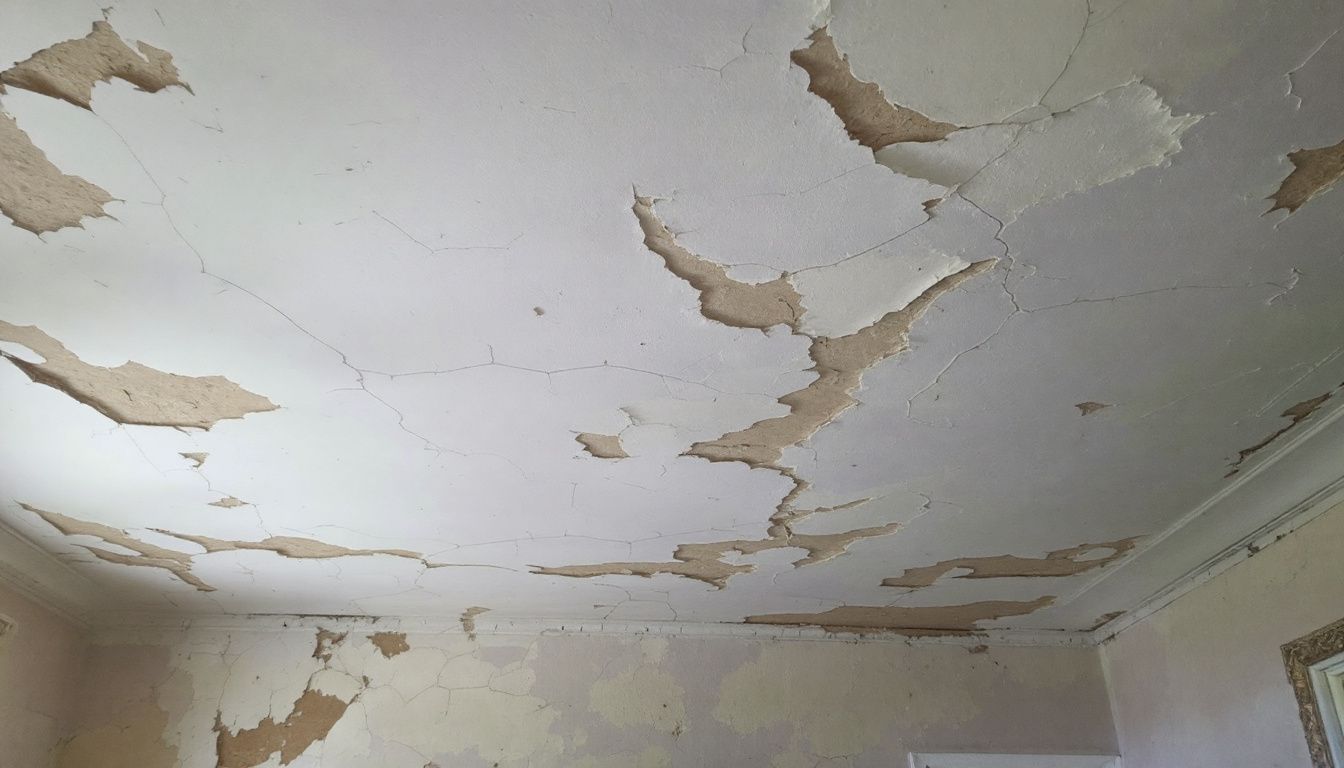

  • Beyond the Surface: Investigating Asbestos in Older Building Materials

    Beyond the Surface: Investigating Asbestos in Older Building Materials

    Why Asbestos Reinspection Is a Legal Duty, Not a Box-Ticking Exercise

    Asbestos doesn’t stand still. Once identified in a building, the materials degrade, get disturbed during routine maintenance, or simply deteriorate through age and use. That’s precisely why asbestos reinspection exists as a distinct legal obligation — not a recommended best practice, not an optional extra.

    If you manage or own a non-domestic property built before 2000, you almost certainly have asbestos-containing materials (ACMs) on site. Identifying them was step one. Keeping track of their condition is an ongoing responsibility that never really ends.

    This post breaks down exactly what asbestos reinspection involves, who needs it, how often it should happen, and what the consequences are if it’s neglected.

    What Is an Asbestos Reinspection?

    An asbestos reinspection — sometimes called a re-inspection survey — is a periodic review of known ACMs already recorded in your asbestos register. Its purpose is to assess whether those materials have changed in condition since they were last inspected.

    A reinspection is not the same as an initial survey. You’re not searching for new asbestos — you’re revisiting what’s already been found and asking: has anything got worse? Has anything been disturbed? Does the risk rating still reflect reality?

    The surveyor will physically check each recorded ACM, update its condition score, and revise the risk assessment in your management plan accordingly. If something has deteriorated significantly, that triggers action — whether that’s encapsulation, repair, or removal.

    Who Is Legally Required to Carry Out Asbestos Reinspections?

    The legal duty sits with whoever is responsible for maintaining or repairing the non-domestic premises. Under Regulation 4 of the Control of Asbestos Regulations — the duty to manage — that person must not only identify ACMs but also monitor their condition on a regular basis.

    This applies to a wide range of duty holders, including:

    • Commercial landlords and building owners
    • Facilities managers and property managers
    • Local authorities managing public buildings
    • School and university estates teams
    • NHS trusts and healthcare facility managers
    • Housing associations managing communal areas

    Domestic properties are generally exempt from the duty to manage, but if you’re a landlord with communal areas — hallways, plant rooms, roof spaces — those areas fall within scope. If you’re unsure whether your property is covered, speak to a qualified surveyor before assuming you’re exempt.

    How Often Should Asbestos Reinspections Take Place?

    HSG264 — the HSE’s definitive guidance on asbestos surveys — recommends that ACMs in non-domestic premises are reinspected at least once every 12 months. That’s a minimum, not a ceiling.

    Higher-risk materials, or those in areas of heavy footfall or frequent maintenance activity, may need to be checked more regularly. Your asbestos management plan should specify the inspection frequency for each ACM based on its condition, accessibility, and likelihood of disturbance.

    Several factors might mean you need more frequent asbestos reinspection visits:

    • ACMs in poor or deteriorating condition
    • Materials in high-traffic areas where accidental damage is more likely
    • Buildings undergoing ongoing maintenance or minor works
    • Sites where multiple contractors access the building regularly
    • Any ACM previously rated as medium or high risk

    Conversely, materials in excellent condition in low-disturbance areas may be reviewed less frequently — but only if your management plan explicitly justifies that decision and a competent person has signed off on it.

    What Does an Asbestos Reinspection Actually Involve?

    A reinspection survey is methodical and site-specific. The surveyor works through your existing asbestos register, locating each recorded ACM and assessing its current state against a standardised scoring system.

    Condition Assessment

    Each ACM is scored for its physical condition — looking at surface damage, delamination, water damage, mechanical damage, and any signs of previous disturbance. The scoring directly influences the risk rating assigned to the material.

    A material that was previously in good condition but has since been knocked, scratched, or exposed to moisture will receive a higher risk score. That change in score should prompt a review of the management approach for that item.

    Updating the Asbestos Register

    The register must be updated following every reinspection. A static register that hasn’t been reviewed in years is not just poor practice — it’s a potential breach of your duty to manage.

    Updated records should include the date of reinspection, the name of the qualified surveyor, any changes in condition, and revised risk ratings. This creates an auditable trail that demonstrates ongoing compliance.

    Reviewing the Management Plan

    If the reinspection reveals that conditions have changed, your asbestos management plan needs to be updated to reflect that. The management plan isn’t a one-off document — it’s a live record that evolves alongside the condition of your building.

    If ACMs have deteriorated to the point where management in situ is no longer appropriate, the reinspection report should make clear recommendations — including whether asbestos removal is now the most appropriate course of action.

    How Asbestos Reinspection Fits Within the Broader Survey Landscape

    Understanding where reinspection sits within the full range of survey types helps you make the right decisions at the right time.

    Management Survey

    A management survey is typically the starting point. It identifies and assesses ACMs in a building that is in normal occupation and use, producing the initial asbestos register and management plan. Reinspections are then carried out periodically to keep that information current.

    Refurbishment Survey

    A refurbishment survey is required before any work that will disturb the fabric of the building — whether that’s a full renovation or a relatively minor alteration. It’s intrusive by nature, accessing areas that a management survey wouldn’t touch. This is a separate obligation from routine reinspection and is triggered by planned works, not by the calendar.

    Demolition Survey

    A demolition survey is required before a building is demolished or significantly deconstructed. Like a refurbishment survey, it’s a distinct obligation that arises from specific planned activity rather than the passage of time.

    Where Reinspection Fits

    Reinspection sits between the initial management survey and any works-triggered survey. It’s not identifying new asbestos and it’s not preparing for demolition — it’s maintaining an accurate, up-to-date picture of known ACMs so that your management plan remains valid and your duty to manage is being met continuously.

    What Happens If You Don’t Carry Out Asbestos Reinspections?

    Skipping reinspections isn’t just a compliance gap — it’s a genuine safety risk. ACMs that were stable when first surveyed can degrade over time. Without reinspection, you won’t know when a material crosses the threshold from manageable to hazardous.

    From a legal standpoint, failure to reinspect can constitute a breach of your duty to manage under the Control of Asbestos Regulations. The HSE has the power to issue improvement notices, prohibition notices, and prosecute duty holders who fail to meet their obligations.

    Enforcement action aside, the human cost of failing to manage asbestos properly is significant. Asbestos-related diseases — mesothelioma, asbestosis, and lung cancer — have long latency periods, which means exposure today may not manifest as illness for decades. That makes vigilance now all the more critical.

    If you’re unsure whether your property has had a recent reinspection, or if you’ve inherited a building with an outdated asbestos register, don’t wait. Get a qualified surveyor in to review what’s there.

    Asbestos Reinspection After Building Works or Incidents

    Scheduled annual reinspections are the baseline, but certain situations should trigger an unscheduled reinspection regardless of when the last one took place.

    These include:

    • Any maintenance or repair work carried out near known ACMs
    • Accidental damage to a material suspected or known to contain asbestos
    • Water ingress or flooding in areas where ACMs are present
    • Fire or smoke damage affecting any part of the building
    • Structural changes or alterations to the building fabric
    • Discovery of a previously unrecorded material that may contain asbestos

    If you suspect that asbestos fibres may have been released during an incident, stop work immediately, restrict access to the area, and contact a licensed asbestos professional. Do not attempt to clean up or assess the damage yourself.

    It’s also worth noting that if your building requires a fire risk assessment, the assessor will want to know that your asbestos management is current and documented. The two obligations are separate, but they intersect — particularly in older buildings where asbestos insulation and fire protection materials often overlap.

    Can a DIY Testing Kit Replace a Professional Asbestos Reinspection?

    A testing kit can be a useful tool for confirming whether a specific material contains asbestos — particularly if you’ve identified something that wasn’t included in the original survey. Samples are collected by the property owner or manager and sent to an accredited laboratory for analysis.

    However, a testing kit is not a substitute for a formal reinspection. It tells you whether asbestos is present in a sample — it doesn’t assess condition, assign risk ratings, update your management plan, or satisfy your duty to manage.

    Use a testing kit as a supplementary tool where you have a specific, isolated question about a material. For everything else, you need a qualified surveyor.

    How to Prepare for an Asbestos Reinspection

    Getting the most from a reinspection survey means preparing properly beforehand. Here’s what you should have ready:

    1. Your existing asbestos register — the surveyor will work from this, so it needs to be accessible and as up to date as possible.
    2. Records of works carried out since the last inspection — maintenance logs, contractor records, and any notifications of disturbance to ACMs.
    3. Access to all areas — reinspection requires physical access to every recorded ACM. Locked rooms, plant rooms, and roof spaces must all be accessible on the day.
    4. A point of contact on site — someone who knows the building and can assist the surveyor in locating materials, particularly in complex or large properties.
    5. Your current management plan — so the surveyor can review whether actions from the previous inspection have been completed.

    Preparing these documents in advance saves time on the day and ensures the reinspection is as thorough and efficient as possible.

    Asbestos Reinspection Across the UK — Supernova’s Coverage

    Supernova Asbestos Surveys carries out reinspection surveys across the length and breadth of the UK. Whether you’re managing a commercial property in the capital and need an asbestos survey London team to attend, or you’re overseeing a portfolio of buildings elsewhere in the country, we have qualified surveyors ready to help.

    All reinspection surveys are carried out by BOHS P402-qualified surveyors and fully comply with HSG264 and the Control of Asbestos Regulations. Reports are delivered in digital format, typically within three to five working days, and include an updated asbestos register and revised risk ratings for every ACM inspected.

    Reinspection Pricing and Getting a Quote

    Supernova’s reinspection surveys start from £150, plus £20 per ACM reinspected. Pricing varies depending on the number of materials recorded in your register and the size and complexity of the site.

    We provide fixed-price quotes before any work begins — no hidden fees, no surprises. To get an accurate figure for your property, request a free quote online or call us directly on 020 4586 0680. You can also find out more about our full range of services at asbestos-surveys.org.uk.

    Frequently Asked Questions

    How often is an asbestos reinspection required?

    HSG264 recommends that ACMs in non-domestic premises are reinspected at least once every 12 months. However, materials in poor condition or located in high-disturbance areas may need to be checked more frequently. Your asbestos management plan should specify the appropriate frequency for each individual ACM based on its risk rating.

    Is an asbestos reinspection the same as an asbestos survey?

    No. An initial asbestos survey — typically a management survey — identifies and records ACMs for the first time. A reinspection reviews materials that have already been found and recorded, assessing whether their condition has changed. Reinspections are periodic and ongoing; an initial survey is a one-off starting point.

    What happens if an ACM has deteriorated during a reinspection?

    If a material has deteriorated significantly, the reinspection report will recommend an appropriate course of action. This might include encapsulation, repair, or full removal. The risk rating in your asbestos register will be updated, and your management plan will need to be revised to reflect the change.

    Do I need an asbestos reinspection if no work has been carried out in the building?

    Yes. ACMs can deteriorate through age, environmental factors, and normal wear and tear even without direct disturbance. The annual reinspection requirement applies regardless of whether any works have taken place. Condition can change without anyone touching the material directly.

    Can I carry out an asbestos reinspection myself?

    The reinspection must be carried out by a competent person with the appropriate knowledge, training, and experience to assess ACMs accurately. In practice, this means a qualified surveyor — typically BOHS P402-certified. While there is no absolute legal prohibition on a sufficiently trained duty holder conducting reinspections themselves, the vast majority of organisations use a professional asbestos surveying company to ensure the process is defensible and fully compliant.

  • Protecting the Public: Regulations for Asbestos in Older Buildings

    Protecting the Public: Regulations for Asbestos in Older Buildings

    Protecting the Public from Asbestos in Older Buildings Is a Legal Duty, Not a Choice

    If you own, manage, or hold responsibility for an older building in the UK, you are already operating in one of the most demanding areas of British health and safety law. Protecting public regulations asbestos older buildings is not a framework built on good intentions — it is a legally enforceable duty with serious consequences for those who fall short.

    Asbestos remains the single largest cause of work-related deaths in the UK. Millions of older buildings still contain it. Understanding what the law requires is not optional — it is the difference between keeping people safe and facing prosecution, unlimited fines, or a custodial sentence.

    Why Older Buildings Remain a Significant Asbestos Risk

    Asbestos was used extensively in UK construction from the 1950s through to the mid-1980s, with a full ban on all asbestos types coming into force in 1999. Any building constructed or refurbished before 2000 could contain asbestos-containing materials (ACMs). The older the building, the greater the likelihood — and the wider the variety of materials likely to be present.

    Common locations for ACMs in older buildings include:

    • Ceiling tiles and floor tiles
    • Pipe lagging and boiler insulation
    • Textured coatings such as Artex
    • Roof sheeting and soffit boards
    • Insulating board used in partition walls, fire doors, and ceiling panels
    • Sprayed coatings on structural steelwork
    • Gaskets and rope seals in heating systems

    The danger is not simply the presence of asbestos — it is disturbance. When ACMs are cut, drilled, sanded, or damaged, microscopic fibres become airborne. Once inhaled, those fibres can cause mesothelioma, asbestosis, and lung cancer, often decades after the original exposure.

    This is precisely why protecting the public through robust regulations around asbestos in older buildings is so critical. The harm is invisible, delayed, and irreversible — which makes prevention the only viable strategy.

    The Legal Framework Governing Protecting Public Regulations Asbestos Older Buildings

    Several pieces of legislation work together to form the UK’s asbestos management framework. Understanding which rules apply to your situation is the starting point for compliance — and ignorance of the law is not a defence.

    The Control of Asbestos Regulations

    The Control of Asbestos Regulations represent the primary legislation governing all work with asbestos in Great Britain. They consolidate earlier asbestos-related rules into a single, unified framework covering maintenance work, removal, disposal, and any activity likely to disturb ACMs.

    The regulations apply to all non-domestic premises and set out clear obligations for duty holders — those who own or are responsible for the maintenance of a building. They also establish licensing requirements for higher-risk asbestos work, notification duties to the HSE, and mandatory health surveillance for workers exposed to asbestos.

    HSG264: The HSE’s Survey Methodology Guide

    HSG264 is the HSE’s definitive guidance document on asbestos surveying. It sets out the methodology that surveyors must follow when conducting management surveys and refurbishment or demolition surveys. Any survey that does not comply with HSG264 standards is not fit for purpose, regardless of who carried it out.

    At Supernova Asbestos Surveys, every survey we carry out follows HSG264 in full, giving clients a legally compliant and defensible record of their asbestos position.

    The Health and Safety at Work Act

    The Health and Safety at Work Act provides the overarching legislative backdrop. Under this Act, employers and building owners carry a general duty of care to protect anyone who may be affected by their activities — including members of the public who enter their premises.

    It is this Act that allows courts to impose unlimited fines for serious breaches of asbestos regulations. Individual directors and managers can also face personal prosecution, not just the organisations they represent.

    The Duty to Manage: What It Actually Requires

    Regulation 4 of the Control of Asbestos Regulations places a specific legal duty on those who own or manage non-domestic premises to manage asbestos. This is commonly referred to as the duty to manage, and it has several concrete requirements that cannot be delegated away or ignored.

    Identify Asbestos-Containing Materials

    The first step is establishing whether ACMs are present. This means commissioning a management survey of the premises, carried out by a competent, qualified surveyor. The survey identifies the location, type, and condition of any ACMs and provides the foundation for everything that follows.

    If you are planning any refurbishment or intrusive works, a standard management survey is not sufficient. You will need a refurbishment survey, which involves a more intrusive inspection of the areas to be affected by works. This must be completed before any contractor sets foot on site.

    For full demolition projects, a demolition survey is required — the most thorough type of asbestos survey, designed to locate all ACMs throughout the entire structure before demolition begins.

    Assess the Risk

    Once ACMs have been identified, duty holders must assess the risk they present. This takes into account the type of asbestos, its condition, its location, and the likelihood of disturbance. Not all asbestos poses the same level of immediate risk — well-encapsulated, undisturbed ACMs in good condition may be safer to manage in place than to remove.

    A risk assessment is not a one-time exercise. As conditions change, so does the risk profile of individual materials.

    Create and Maintain an Asbestos Management Plan

    Duty holders must produce a written asbestos management plan that sets out how identified ACMs will be managed, monitored, and — where necessary — removed. This plan must be kept up to date and made available to anyone who might disturb the asbestos, including contractors and maintenance workers.

    A management plan that sits in a filing cabinet and is never reviewed is not compliant. The regulations require active, ongoing management — not a box-ticking exercise carried out once and forgotten.

    Keep an Asbestos Register

    An asbestos register is a formal record of all identified ACMs in a building, including their location, condition, and risk rating. It is a live document that must be reviewed and updated regularly. Every contractor working on the building must be given access to it before they begin any work.

    Failing to share asbestos register information with contractors is one of the most common compliance failures — and one of the most dangerous, because it puts workers at direct risk of disturbing unknown ACMs.

    Arrange Regular Re-Inspections

    Asbestos does not remain in the same condition indefinitely. Materials degrade, buildings change, and new risks can emerge. A re-inspection survey — typically carried out annually — allows duty holders to monitor the condition of known ACMs and update their management plan accordingly.

    This is not a one-off exercise. It is an ongoing legal responsibility that runs for as long as ACMs remain in the building.

    Licensed, Notifiable Non-Licensed, and Non-Licensed Work

    Not all work involving asbestos carries the same legal requirements. The Control of Asbestos Regulations distinguish between three categories of work, each with different obligations attached.

    Licensed Work

    Licensed work covers the highest-risk activities, such as removing asbestos insulation or asbestos insulating board. This must only be carried out by contractors holding a current HSE asbestos licence. Using an unlicensed contractor for licensable work is a criminal offence — not just a procedural failing.

    When ACMs are in poor condition and likely to be disturbed, duty holders must engage licensed contractors for asbestos removal. There is no grey area here.

    Notifiable Non-Licensed Work (NNLW)

    NNLW covers lower-risk work that still requires notification to the relevant enforcing authority before it begins. Workers undertaking NNLW must have medical examinations every three years, and employers must retain health records for those workers for a minimum of 40 years.

    The 40-year record-keeping requirement reflects the long latency period of asbestos-related diseases — a reminder that the consequences of exposure may not become apparent for decades.

    Non-Licensed Work

    Non-licensed work covers the lowest-risk category, such as minor work with asbestos cement in good condition. It still requires appropriate precautions, risk assessment, and training — but does not require a licence or notification to the HSE.

    Even in this category, assuming a material is safe without testing it first is a mistake. If you are unsure whether a material contains asbestos, a testing kit allows you to take a sample for laboratory analysis. For full legal compliance, however, a professional survey from a qualified surveyor is always the recommended route.

    How the HSE Enforces Asbestos Regulations

    The Health and Safety Executive takes enforcement of asbestos regulations seriously. HSE officers conduct proactive site inspections, respond to complaints, and investigate incidents involving potential asbestos exposure. Non-compliance is not treated lightly.

    Enforcement tools available to the HSE include:

    • Improvement notices — requiring duty holders to remedy a specific breach within a set timeframe
    • Prohibition notices — stopping work immediately where there is a risk of serious personal injury
    • Prosecution — pursued through the courts, with all enforcement notices and prosecutions recorded publicly

    Under the Health and Safety at Work Act, companies can face unlimited fines for serious breaches. Individual directors and managers can also face personal prosecution, and non-compliance with asbestos regulations can result in up to two years’ imprisonment in the most serious cases.

    Enforcement action is not theoretical. Poor asbestos management during building works has resulted in significant financial penalties for businesses across the UK. The reputational damage alone — given that HSE prosecutions are publicly recorded — can be severe and long-lasting.

    Asbestos and Fire Safety: A Combined Risk in Older Buildings

    In older buildings, asbestos management rarely sits in isolation. Many of the same buildings that contain ACMs also present fire safety challenges — older electrical systems, inadequate compartmentation, and degraded fire-stopping materials. Some of those fire-stopping materials may themselves contain asbestos.

    This overlap means that any fire risk assessment or fire safety upgrade in an older building should be coordinated carefully with asbestos management. Disturbing asbestos-containing fire-stopping materials without proper precautions creates a dual risk — both immediate fibre release and longer-term compromised fire resistance.

    Duty holders should ensure that contractors involved in fire safety works are made aware of the asbestos register before any work begins. The two disciplines must work in tandem, not in isolation.

    Practical Steps Every Duty Holder Should Take Now

    Compliance with protecting public regulations asbestos older buildings does not have to be overwhelming. Breaking it down into clear, sequential actions makes the process manageable — and defensible if the HSE ever comes knocking.

    1. Establish whether your building could contain ACMs. If it was built or refurbished before 2000, assume it does until a survey confirms otherwise.
    2. Commission the right type of survey. A management survey for occupied premises in normal use; a refurbishment survey before any intrusive works; a demolition survey before any demolition activity.
    3. Create your asbestos register and management plan. These are legal requirements, not optional documentation.
    4. Share the register with every contractor before works begin. This is a specific legal obligation and one of the most frequently breached.
    5. Schedule annual re-inspections. Conditions change. Your documentation must reflect the current state of ACMs at all times.
    6. Use licensed contractors for licensable work. Never cut corners on this — the legal consequences are severe.
    7. Coordinate asbestos and fire safety management. Especially in older buildings where fire-stopping materials may contain asbestos.

    Where Asbestos Surveys Are Most Urgently Needed

    Older building stock is not evenly distributed across the UK, and neither is the asbestos risk. Cities with large concentrations of pre-2000 commercial, industrial, and residential buildings present the greatest challenge for duty holders.

    If you manage property in the capital, an asbestos survey London from a qualified team gives you the legally compliant documentation you need. For property managers in the North West, an asbestos survey Manchester covers the significant volume of older industrial and commercial stock across the region. And for the Midlands, an asbestos survey Birmingham addresses one of the UK’s most densely built urban environments, where pre-2000 buildings remain prevalent across every sector.

    Wherever your property is located, the legal obligations are identical. The geography changes — the duty to manage does not.

    Frequently Asked Questions

    Does the duty to manage asbestos apply to residential properties?

    The duty to manage under the Control of Asbestos Regulations applies specifically to non-domestic premises. However, landlords of residential properties — including houses in multiple occupation (HMOs) and flats — have related obligations under other health and safety legislation. If you manage or own residential rental property, you should seek specific advice on your obligations, particularly before any refurbishment work.

    What happens if I do not have an asbestos survey for my older building?

    Without a survey, you cannot know whether ACMs are present, which means you cannot manage them, cannot inform contractors, and cannot produce a compliant management plan. If workers or members of the public are subsequently exposed to asbestos fibres in your building, you are likely to face HSE enforcement action, prosecution, and potentially unlimited fines. The absence of a survey is not a neutral position — it is a breach of your legal duty.

    How often does an asbestos management plan need to be reviewed?

    There is no fixed statutory interval for reviewing an asbestos management plan, but HSE guidance makes clear that it must be kept up to date and reviewed whenever circumstances change — for example, following building works, a change of use, or a re-inspection that identifies deterioration in ACMs. Annual re-inspections are standard practice and provide a natural trigger for plan reviews.

    Can I use a non-licensed contractor to remove asbestos?

    Only for non-licensed work — the lowest-risk category of asbestos activity. For licensed work, which includes removing asbestos insulation and asbestos insulating board, you must use a contractor holding a current HSE asbestos removal licence. Using an unlicensed contractor for licensable work is a criminal offence for both the contractor and, potentially, the duty holder who engaged them.

    What is the difference between a management survey and a refurbishment survey?

    A management survey is designed for buildings in normal occupation and use. It locates ACMs that could be disturbed during everyday activities and provides the basis for an asbestos management plan. A refurbishment survey is more intrusive and is required before any refurbishment or maintenance work that will disturb the building fabric. It must be carried out in the specific area affected by the planned works before those works begin.

    Get Expert Help from Supernova Asbestos Surveys

    Supernova Asbestos Surveys has completed over 50,000 surveys across the UK. Our qualified surveyors work to HSG264 standards, providing legally compliant reports that hold up to scrutiny — whether from the HSE, insurers, or prospective buyers.

    Whether you need a management survey, a refurbishment survey ahead of planned works, a demolition survey, or annual re-inspections to keep your management plan current, we have the expertise and national coverage to help you meet your legal obligations.

    Call us on 020 4586 0680 or visit asbestos-surveys.org.uk to discuss your requirements and arrange a survey at a time that suits you.

  • The Hidden Threat: Asbestos in Older Buildings

    The Hidden Threat: Asbestos in Older Buildings

    What’s Hiding in Your Walls? The Hidden Threat Asbestos Poses in Older Buildings

    If your building went up before the year 2000, there is a reasonable chance it contains asbestos — and you may have absolutely no idea. The hidden threat asbestos poses in older buildings is not some distant, theoretical risk. It is a live issue affecting schools, offices, residential blocks, warehouses, and homes across the UK right now.

    Understanding where asbestos hides, what it does to human health, and what your legal obligations are is not optional. For anyone who owns, manages, or works in an older building, it is essential knowledge.

    Why Older Buildings Are So Vulnerable to the Hidden Threat Asbestos Presents

    Asbestos was not used sparingly. For much of the twentieth century, it was the go-to material for builders and developers because it was cheap, durable, fire-resistant, and remarkably versatile. It was woven into the fabric of British construction — quite literally.

    The UK banned the final commercially used form of asbestos (chrysotile, or white asbestos) in 1999. That means any building constructed or significantly refurbished before that date may contain asbestos-containing materials (ACMs). Buildings from the 1950s through to the 1980s are particularly high-risk, but even properties updated during the 1990s are not automatically in the clear.

    The problem is that asbestos does not announce itself. It blends into floor tiles, ceiling boards, pipe lagging, roof sheets, and textured coatings. Unless you know exactly what you are looking for — and have the training to identify it — you can walk past it every single day without a second thought.

    Where Asbestos Hides: Common Locations in Older Properties

    Asbestos was used in hundreds of building products, which is precisely what makes it such a pervasive hidden threat in older buildings. It does not tend to sit in one obvious location. It is distributed throughout a structure, often in places that only become apparent during renovation or demolition work.

    Some of the most common locations include:

    • Ceiling tiles and textured coatings — Artex and similar decorative finishes applied before the mid-1980s frequently contain chrysotile asbestos.
    • Floor tiles and adhesives — Vinyl floor tiles and the bitumen-based adhesive used to fix them are a well-known source of ACMs.
    • Pipe lagging and boiler insulation — Older heating systems were routinely insulated with amosite (brown asbestos), which is particularly hazardous when disturbed.
    • Roof sheets and guttering — Asbestos cement was widely used in industrial and agricultural buildings, as well as domestic garages and outbuildings.
    • Insulating board panels — Found in fire doors, partition walls, ceiling panels, and around boilers.
    • Loose-fill insulation — Found in some cavity walls and loft spaces, this is one of the most dangerous forms because fibres can migrate easily through a structure.
    • Soffits, fascias, and rainwater goods — Particularly common in properties built between the 1950s and 1970s.
    • Spray-applied coatings — Used on structural steelwork and concrete for fire protection; highly friable and dangerous if disturbed.

    The appearance of a material is not a reliable indicator of whether it contains asbestos. Fibres can appear grey, white, or bluish-green, but they are often bound within other materials and completely invisible to the naked eye. Only laboratory analysis can confirm the presence of asbestos with certainty.

    The Health Risks: Why the Hidden Threat Asbestos Poses Cannot Be Ignored

    Asbestos fibres are microscopic. When ACMs are disturbed — through drilling, cutting, sanding, or even just physical deterioration over time — those fibres become airborne. Once inhaled, they lodge in the lungs and surrounding tissue, and the body has no mechanism to expel them.

    The diseases caused by asbestos exposure are serious, frequently fatal, and have extremely long latency periods. This is what makes the hidden threat asbestos represents so insidious: people can be exposed for years without any symptoms, only for illness to emerge decades later.

    Mesothelioma

    Mesothelioma is a rare and aggressive cancer affecting the lining of the lungs (pleura) or abdomen (peritoneum). It is almost exclusively caused by asbestos exposure and typically presents 20 to 50 years after initial contact with fibres. There is no cure, and the prognosis is poor.

    Asbestosis

    Asbestosis is a chronic lung disease caused by prolonged inhalation of asbestos fibres, resulting in progressive scarring of lung tissue. It causes worsening breathlessness and can significantly reduce life expectancy. Symptoms typically emerge 10 to 20 years after exposure.

    Lung Cancer

    Asbestos is a recognised cause of lung cancer, independent of smoking. The risk is substantially higher for individuals who both smoke and have been exposed to asbestos fibres. Lung cancer linked to asbestos exposure can develop 15 to 35 years after contact.

    Pleural Disease

    Pleural plaques (scarring of the lung lining) and pleural thickening are non-malignant conditions associated with asbestos exposure. While not always symptomatic, they are indicators of significant past exposure and can cause breathing difficulties over time.

    These are not historical statistics — people are being diagnosed today as a direct result of exposures that occurred decades ago in buildings that still stand. Protecting people now means preventing future harm.

    Your Legal Obligations as a Duty Holder

    If you own, manage, or have responsibility for a non-domestic building, you have a legal duty to manage asbestos under the Control of Asbestos Regulations. This is not discretionary. Failure to comply can result in substantial fines, prosecution, and — most critically — serious harm to the people who use your building.

    The key obligations under the regulations are:

    1. Identify whether ACMs are present — This requires a formal asbestos survey carried out by a competent, qualified surveyor.
    2. Assess the condition and risk — Not all asbestos needs to be removed. The priority is understanding whether materials are in good condition and unlikely to be disturbed.
    3. Maintain an asbestos register — A written record of the location, type, and condition of all known or presumed ACMs must be kept and regularly updated.
    4. Produce and maintain a management plan — This sets out how ACMs will be monitored, managed, and — where necessary — remediated.
    5. Share information — Anyone who may work on or disturb ACMs must be made aware of their presence before work begins.

    The HSE’s guidance document HSG264 sets out in detail how surveys should be conducted and what they must cover. All Supernova surveys are carried out in full accordance with HSG264 and the Control of Asbestos Regulations.

    For domestic landlords, the duty to manage applies to common areas of residential buildings — hallways, stairwells, plant rooms, and communal spaces. Individual privately owned homes are not subject to the same statutory duty, but the health risks are identical regardless of tenure.

    The Different Types of Asbestos Survey Explained

    Not every situation calls for the same type of survey. Understanding which survey applies to your circumstances is the first step towards compliance and safety.

    Management Survey

    A management survey is the standard survey for buildings in normal use. It is designed to locate ACMs that could be disturbed during routine maintenance and everyday occupation, producing an asbestos register and risk assessment that form the basis of your management plan. This is the survey most duty holders require as a baseline starting point.

    Refurbishment Survey

    Before any significant building work begins, a refurbishment survey is required. This is a more intrusive inspection that examines areas which will be disturbed during the planned works. It is a legal requirement before refurbishment and must be completed before contractors set foot on site.

    Demolition Survey

    Where a structure is to be demolished in full, a demolition survey is required. This is the most thorough and intrusive type of survey, examining the entire fabric of the building to ensure all ACMs are identified before any demolition work commences.

    Re-Inspection Survey

    If ACMs have been identified and are being managed in situ, they must be periodically checked to ensure their condition has not deteriorated. A re-inspection survey updates the asbestos register and confirms whether the management plan remains appropriate. The frequency of re-inspections depends on the risk rating assigned to the materials.

    What Happens During an Asbestos Survey?

    An asbestos survey is a structured, methodical process carried out by a BOHS P402-qualified surveyor. Here is what to expect when you book with Supernova:

    1. Booking — Contact us by phone or online. We confirm availability quickly, with same-week appointments often available.
    2. Site visit — The surveyor attends at the agreed time and carries out a thorough visual inspection of the property, accessing all relevant areas.
    3. Sampling — Representative samples are taken from suspect materials using correct containment procedures to prevent fibre release during collection.
    4. Laboratory analysis — Samples are analysed under polarised light microscopy (PLM) at our UKAS-accredited laboratory.
    5. Report delivery — You receive a detailed asbestos register, risk-rated management plan, and full written report — typically within three to five working days.

    If you are unsure whether materials in your property contain asbestos and want a preliminary indication before commissioning a full survey, our testing kit allows you to collect bulk samples yourself for laboratory analysis. It is a cost-effective first step for homeowners and smaller properties.

    When Asbestos Must Be Removed

    Contrary to a common misconception, asbestos does not always need to be removed. If ACMs are in good condition, are not likely to be disturbed, and are being properly managed and monitored, leaving them in place is often the safest option. Unnecessary removal can actually create more risk by releasing fibres that would otherwise remain safely contained.

    However, removal becomes necessary when:

    • Materials are deteriorating and cannot be effectively managed in situ
    • Refurbishment or demolition work will disturb the ACMs
    • The risk assessment indicates the material poses an unacceptable ongoing risk
    • The building is being sold, repurposed, or fully cleared

    All licensed asbestos removal must be carried out by a contractor holding a licence from the HSE. Our asbestos removal service connects you with licensed, experienced contractors who work to strict safety protocols, ensuring compliant and safe remediation every time.

    The Relationship Between Asbestos and Fire Safety

    Asbestos management and fire safety are closely linked in older buildings, particularly where asbestos was used specifically for its fire-resistant properties — in fire doors, around boilers, and on structural steelwork. When planning any fire safety upgrade or remediation work in an older building, it is essential to know what you are dealing with before work begins.

    A fire risk assessment carried out alongside an asbestos survey gives you a complete picture of the risks within your building. For commercial property managers and landlords, having both assessments in place is best practice and demonstrates a thorough, responsible approach to duty of care.

    The Hidden Threat Asbestos Poses Across the UK: Our Nationwide Coverage

    The hidden threat asbestos poses in older buildings is not confined to any one region. Supernova operates nationwide, with specialist teams covering every major city and region across England, Scotland, and Wales.

    If you need an asbestos survey in London — whether for a commercial premises in the City, a residential block in South London, or a school in the suburbs — our London team is ready to mobilise quickly. For clients in the North West, our asbestos survey service in Manchester covers the full Greater Manchester area and surrounding counties. In the Midlands, our asbestos survey team in Birmingham serves commercial and residential clients across the region.

    Wherever your property is located, Supernova can deploy a qualified surveyor promptly. We have completed over 50,000 surveys nationwide, and that experience shows in the quality and reliability of every report we produce.

    Practical Steps You Can Take Right Now

    If you manage or own an older building and have not yet addressed the hidden threat asbestos may present, here is where to start:

    • Do not disturb suspect materials. If you think something might contain asbestos, treat it as though it does until you know otherwise. Avoid drilling, cutting, or sanding any material in an older building without first establishing its composition.
    • Commission a management survey. If your building is in normal use and you do not have an asbestos register in place, a management survey is your immediate priority. It is the foundation of legal compliance and safe building management.
    • Check your existing register. If a survey has been carried out previously, review when it was done and whether a re-inspection is overdue. Asbestos registers are not a one-time exercise — they require regular review.
    • Inform contractors. Before any maintenance or building work takes place, share your asbestos register with all contractors. This is a legal requirement, and failing to do so can expose both you and workers to serious risk.
    • Plan ahead for refurbishment. If you are considering renovation work, commission a refurbishment survey before any plans are finalised. Discovering asbestos mid-project causes delays, cost overruns, and potential enforcement action.

    Frequently Asked Questions

    How do I know if my building contains asbestos?

    The only reliable way to confirm whether asbestos-containing materials are present is through a formal asbestos survey carried out by a qualified surveyor, followed by laboratory analysis of any suspect samples. Visual inspection alone is not sufficient — many ACMs are indistinguishable from non-asbestos materials without testing. If your building was constructed or refurbished before 2000, you should assume ACMs may be present until a survey confirms otherwise.

    Is asbestos only dangerous if it is disturbed?

    Asbestos that is in good condition and left undisturbed poses a low risk, because fibres are not being released into the air. The danger arises when ACMs deteriorate or are physically disturbed — through drilling, cutting, sanding, or demolition work. This is why managing asbestos in situ is often the preferred approach for materials that are stable and unlikely to be touched.

    Who is legally responsible for managing asbestos in a building?

    Under the Control of Asbestos Regulations, the duty to manage asbestos falls on the “duty holder” — typically the person or organisation with responsibility for maintaining the building. This could be a building owner, a managing agent, an employer, or a landlord. In multi-occupancy buildings, the duty holder is usually the person responsible for the common areas and structure.

    How often does an asbestos register need to be updated?

    An asbestos register must be kept up to date whenever the condition of known ACMs changes, when new materials are identified, or when remediation work is carried out. In addition, a periodic re-inspection survey should be conducted at intervals determined by the risk rating of the materials — typically every six to twelve months for higher-risk materials, and annually or longer for lower-risk ones.

    Can I remove asbestos myself?

    In most cases, no. The Control of Asbestos Regulations require that licensed asbestos removal work — which covers the majority of higher-risk ACMs, including insulating board, pipe lagging, and spray coatings — is carried out only by contractors holding an HSE licence. Some lower-risk materials may be handled by trained non-licensed workers under specific conditions, but attempting to remove asbestos without appropriate training and equipment is extremely dangerous and likely unlawful.

    Speak to Supernova Today

    The hidden threat asbestos poses in older buildings is manageable — but only if you take action. Supernova Asbestos Surveys has carried out over 50,000 surveys across the UK, helping property owners, managers, and landlords meet their legal obligations and protect the people in their buildings.

    Our BOHS-qualified surveyors operate nationwide, with fast turnaround times and clear, detailed reports that give you everything you need to manage asbestos compliantly and confidently.

    Call us today on 020 4586 0680 or visit asbestos-surveys.org.uk to book your survey or find out more about our services.
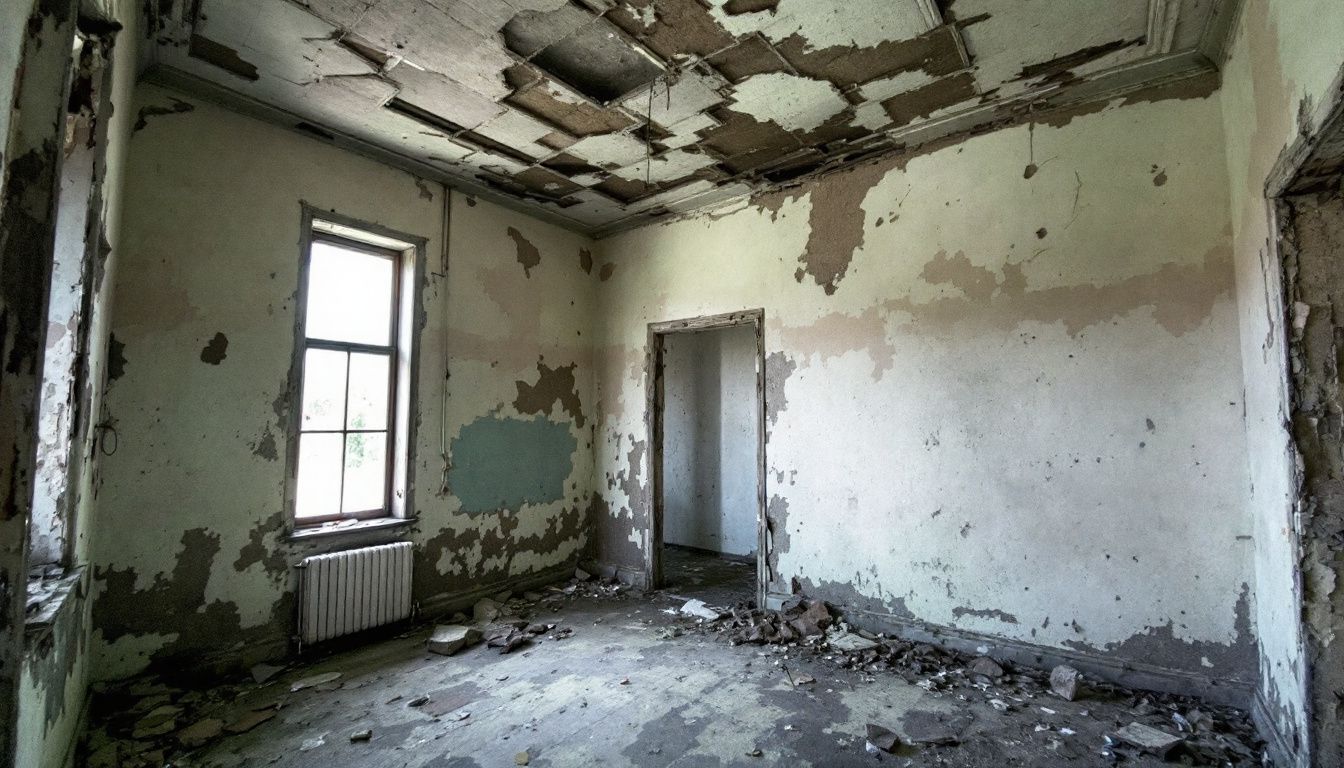
  • Dealing with Danger: How to Identify and Manage Asbestos in Older Buildings

    Dealing with Danger: How to Identify and Manage Asbestos in Older Buildings

    Asbestos in Old Buildings: What Every Property Owner Needs to Know

    If your building was constructed before 2000, there is a realistic chance it contains asbestos. Asbestos in old buildings is not a historical curiosity — it is an active health and legal concern affecting millions of properties across the UK right now. Understanding where it hides, what risks it poses, and what you are legally required to do about it could protect lives and keep you on the right side of the law.

    The consequences of getting it wrong range from serious illness to significant regulatory penalties. Here is everything you need to know.

    Why Asbestos in Old Buildings Is Still Such a Serious Problem

    Asbestos was used extensively in UK construction from the 1950s through to the late 1990s. It was cheap, fire-resistant, and incredibly versatile — which is precisely why it ended up in so many building materials. A full ban on its use in construction came into force in 1999, but the material left behind did not disappear with the legislation.

    Asbestos-containing materials (ACMs) are present in a vast number of non-domestic buildings, including schools, hospitals, offices, and industrial premises. Many residential properties built before 2000 are also affected. The danger is not the presence of asbestos itself — it is disturbance. When ACMs are damaged, drilled, cut, or deteriorate with age, they release microscopic fibres into the air. Those fibres, once inhaled, can lodge permanently in lung tissue and cause life-threatening disease decades later.

    Where Asbestos Hides in Older Properties

    One of the most challenging aspects of dealing with asbestos in old buildings is that it is rarely obvious. It does not look dangerous. In many cases, it looks like perfectly ordinary building material — because that is exactly what it was designed to be.

    Common locations where ACMs are found in older buildings include:

    • Insulation boards — used around boilers, pipes, and heating systems
    • Ceiling tiles and floor tiles — particularly vinyl floor tiles and their adhesive backing
    • Artex and textured coatings — widely used on ceilings and walls in domestic and commercial properties
    • Roofing and guttering — especially cement-based products such as corrugated roofing sheets
    • Fire doors — asbestos was used as a fire-resistant filler within door panels
    • Wall cavities and partition walls — spray-applied asbestos was used for fireproofing in many commercial buildings
    • Pipe lagging — particularly in older heating and hot water systems
    • Electrical switchgear and equipment — older fuse boxes and switchboards sometimes contain asbestos components
    • Soffits and fascias — especially in properties built between the 1960s and 1980s

    The key point is that asbestos can be present in materials that appear entirely intact and undamaged. You cannot identify ACMs by sight alone. Professional asbestos testing is the only reliable way to confirm whether a material contains asbestos fibres.

    The Health Risks: Why This Cannot Be Ignored

    Asbestos-related diseases are among the most serious occupational health conditions in the UK. What makes them particularly insidious is the latency period — the time between exposure and the onset of disease. This can range from 10 to 50 years, meaning people exposed during the 1970s and 1980s construction boom are still being diagnosed today.

    Diseases Caused by Asbestos Exposure

    Mesothelioma is a cancer of the lining of the lungs or abdomen and is almost exclusively caused by asbestos exposure. It is aggressive and currently incurable. The UK has one of the highest rates of mesothelioma in the world.

    Asbestos-related lung cancer is linked to both asbestos exposure and smoking. When both risk factors are present, the likelihood of developing lung cancer increases substantially.

    Asbestosis is a chronic scarring of lung tissue caused by prolonged exposure to asbestos fibres. It leads to progressive breathlessness and has no cure.

    Pleural plaques and pleural thickening are changes to the lining of the lungs. While pleural plaques are not themselves disabling, they indicate significant past exposure and are associated with other asbestos-related conditions.

    The delayed onset of these conditions is precisely why asbestos in old buildings continues to claim lives long after its use in construction ended. This is not a historical problem — it is an ongoing public health crisis.

    Your Legal Duties as a Property Owner or Manager

    If you own or manage a non-domestic building — whether that is a commercial office, a school, a care home, or any other premises where people work or visit — you have a legal duty to manage asbestos under the Control of Asbestos Regulations. This is known as the Duty to Manage, and it is not optional.

    What the Duty to Manage Requires

    Under Regulation 4 of the Control of Asbestos Regulations, duty holders must:

    1. Take reasonable steps to find out whether ACMs are present and assess their condition
    2. Presume materials contain asbestos unless there is strong evidence they do not
    3. Prepare and maintain an up-to-date written asbestos register
    4. Assess the risk from any ACMs identified
    5. Prepare, implement, and review a plan to manage those risks
    6. Provide information about the location and condition of ACMs to anyone who might disturb them

    For domestic landlords, the duty still applies to common areas of residential buildings such as hallways, plant rooms, and roof spaces.

    Notifying the HSE Before Removal Work

    If asbestos needs to be removed, the Health and Safety Executive (HSE) must be notified at least 14 days before licensed removal work begins. Only licensed contractors are permitted to work with certain categories of asbestos, including friable asbestos and asbestos insulation board.

    The HSE’s guidance document HSG264 sets out the standards that must be met when conducting surveys and managing asbestos. Non-compliance can result in prosecution, substantial fines, and — far more seriously — preventable harm to workers, residents, and visitors.

    Types of Asbestos Survey and When You Need Each One

    Not all asbestos surveys are the same. The type of survey you need depends on what you intend to do with the building and the level of disturbance anticipated.

    Management Survey

    A management survey is the standard survey required for managing asbestos in an occupied building during normal use. It locates and assesses the condition of ACMs that could be disturbed during everyday activities — routine maintenance, minor repairs, and the like. The result is an asbestos register and a risk-rated management plan.

    This is the survey most property managers will need as a baseline, and it is the starting point for demonstrating compliance with the Duty to Manage.

    Refurbishment Survey

    A refurbishment survey is required before any renovation or refurbishment work that will disturb the building fabric. This is a more intrusive survey — it involves accessing areas not normally inspected, including wall cavities, above ceiling tiles, and beneath floor coverings. It must be completed before work begins, not during it.

    Demolition Survey

    Before any building is demolished, a demolition survey is legally required. This is the most thorough and intrusive type of survey, designed to locate all ACMs in the structure so they can be safely removed before demolition commences. It covers the entire building, including areas that may be structurally compromised or difficult to access.

    Re-Inspection Survey

    Once an asbestos register is in place, it must be kept up to date. A re-inspection survey is carried out periodically — typically annually — to reassess the condition of known ACMs and update the management plan accordingly. The condition of ACMs can change over time, particularly if the building is ageing or has been subject to minor disturbance.

    What Happens During an Asbestos Survey

    Understanding the survey process helps you prepare properly and ensures you get the most accurate result. Here is what to expect when you book with Supernova Asbestos Surveys.

    1. Booking — Contact us by phone or via our website. We confirm availability and send a booking confirmation. Same-week appointments are frequently available.
    2. Site Visit — A BOHS P402-qualified surveyor attends at the agreed time and carries out a thorough visual inspection of the property.
    3. Sampling — Representative samples are collected from suspect materials using correct containment procedures to prevent fibre release.
    4. Laboratory Analysis — Samples are analysed under polarised light microscopy (PLM) at our UKAS-accredited laboratory, ensuring accurate and legally defensible results.
    5. Report Delivery — You receive a detailed asbestos register and risk-rated management plan in digital format, typically within 3 to 5 working days. The report is fully compliant with HSG264 guidance.

    If you are based in the capital and need a fast turnaround, our asbestos survey London service covers all London boroughs with experienced local surveyors.

    Asbestos Testing: When You Need Confirmation Without a Full Survey

    Sometimes a full survey is not immediately required, but you need to know whether a specific material contains asbestos before work proceeds. In these situations, targeted asbestos testing of individual materials can provide rapid, laboratory-confirmed answers.

    For smaller jobs or situations where a property owner wants to test a specific material themselves, a postal testing kit allows samples to be collected and sent directly to our UKAS-accredited laboratory for analysis. This is a cost-effective option for straightforward situations, though it should not be used as a substitute for a full survey where one is legally required.

    Asbestos Removal: When Management Is Not Enough

    Not all asbestos needs to be removed. In many cases — particularly where materials are in good condition and unlikely to be disturbed — the safest approach is to manage asbestos in place, monitor its condition, and keep a detailed register. Unnecessary disturbance of intact ACMs can create more risk than leaving them undisturbed.

    However, removal becomes necessary when:

    • Materials are in poor condition and releasing or at risk of releasing fibres
    • Refurbishment or demolition work will disturb the ACMs
    • The asbestos is in a location where it cannot be adequately managed or protected
    • The duty holder decides removal is the most practical long-term solution

    When removal is required, it must be carried out by a licensed contractor following strict HSE-approved procedures. Our asbestos removal service connects you with licensed professionals who work to the highest safety standards, ensuring full compliance with the Control of Asbestos Regulations.

    Fire Risk and Asbestos: An Overlooked Connection

    In older buildings, asbestos management and fire safety are often intertwined. Asbestos was widely used in fire doors, ceiling voids, and structural fireproofing — meaning that fire safety assessments and asbestos surveys frequently cover overlapping areas of a building.

    If you are managing an older building, a fire risk assessment should be conducted alongside your asbestos management plan. Both are legal requirements for non-domestic premises, and addressing them together ensures a coherent approach to building safety rather than piecemeal compliance.

    Survey Costs and What to Expect

    Supernova Asbestos Surveys offers transparent, fixed-price surveys across the UK. There are no hidden fees — you receive a confirmed price before we begin.

    • Management Survey — From £195 for a standard residential or small commercial property
    • Refurbishment & Demolition Survey — From £295, covering all areas to be disturbed prior to works
    • Re-Inspection Survey — From £150, plus £20 per ACM re-inspected
    • Bulk Sample Testing — From £25 per sample, with results typically returned within 3 to 5 working days

    Prices vary depending on property size and complexity. Contact us directly for a precise quote tailored to your building.

    Practical Steps Every Property Owner Should Take Now

    If you manage or own a building constructed before 2000 and have not yet addressed asbestos, here is where to start:

    1. Do not disturb suspect materials. Until you know what you are dealing with, avoid drilling, cutting, or sanding any material that could potentially contain asbestos.
    2. Commission a management survey. This is your legal baseline. It identifies what is present, assesses the risk, and gives you the register and plan you are required to maintain.
    3. Keep your register up to date. Schedule annual re-inspections to ensure the condition of known ACMs is reassessed and your plan remains current.
    4. Brief your contractors. Before any maintenance or repair work, share the asbestos register with the contractors involved. This is a legal requirement under the Control of Asbestos Regulations.
    5. Plan ahead for refurbishment. If you are planning any renovation work, commission a refurbishment survey before work begins — not after.
    6. Do not attempt DIY removal. Removing asbestos without the correct training, equipment, and licensing is illegal for notifiable work and extremely dangerous in all circumstances.

    Frequently Asked Questions

    How do I know if my building contains asbestos?

    You cannot tell by looking. If your building was constructed or refurbished before 2000, you should assume ACMs may be present until a professional survey confirms otherwise. A management survey carried out by a qualified surveyor is the only reliable way to identify and assess asbestos-containing materials in your property.

    Is asbestos in old buildings always dangerous?

    Not always immediately. Asbestos that is in good condition and unlikely to be disturbed poses a low risk if properly managed and monitored. The danger arises when ACMs are damaged, deteriorating, or disturbed — releasing fibres into the air. This is why condition monitoring through regular re-inspection surveys is so important.

    Do I need an asbestos survey if I am planning building work?

    Yes. If the work will disturb the building fabric in any way — including removing walls, lifting floors, or working above ceiling tiles — a refurbishment survey must be completed before work begins. Starting work without one puts contractors at risk and places you in breach of the Control of Asbestos Regulations.

    Who is responsible for managing asbestos in a commercial building?

    The duty holder — typically the building owner, employer, or managing agent — is responsible under Regulation 4 of the Control of Asbestos Regulations. In leased premises, responsibility can be shared between landlord and tenant depending on the terms of the lease, but the duty to manage cannot be ignored by either party.

    Can I remove asbestos myself?

    For most notifiable asbestos work — including the removal of asbestos insulation board, lagging, and sprayed asbestos — a licensed contractor is legally required. Some minor, non-licensable work may be carried out by a competent person following strict HSE guidance, but this is a narrow category. If in doubt, always use a licensed professional. The risks of getting this wrong are simply too serious.

    Get Expert Help With Asbestos in Old Buildings

    Supernova Asbestos Surveys has completed over 50,000 surveys nationwide. Our BOHS-qualified surveyors, UKAS-accredited laboratory, and transparent pricing make us the trusted choice for property owners, landlords, and facilities managers across the UK.

    Whether you need a management survey, a refurbishment survey ahead of planned works, or simply want to test a suspect material, we can help. Same-week appointments are available across the country.

    Call us on 020 4586 0680 or visit asbestos-surveys.org.uk to book your survey or request a quote today.

  • Asbestos and Its Presence in Older Structures

    Asbestos and Its Presence in Older Structures

    Asbestos Risk in Older Buildings: What Every Property Owner Needs to Know

    If your building was constructed before 2000, there is a very real asbestos risk present within its walls, ceilings, floors, and pipework. Asbestos was used extensively across UK construction for decades — prized for its fire resistance, durability, and insulating properties — before its full ban in 1999. The problem is not simply that it exists in older buildings. The problem is that millions of property owners, landlords, and facilities managers still do not know what to do about it.

    This is not a niche concern. The Health and Safety Executive estimates that asbestos-related diseases claim around 5,000 lives in the UK every year — more than road traffic accidents. Understanding the asbestos risk in your property is not optional. For many building owners, it is a legal obligation.

    Why Asbestos Was Used So Widely in UK Construction

    Asbestos is a naturally occurring silicate mineral that comes in several forms, most notably chrysotile (white), amosite (brown), and crocidolite (blue). All three types are hazardous. All three were used extensively in UK construction.

    Builders and manufacturers favoured asbestos because it was cheap, fire-resistant, thermally insulating, and easy to work with. From the early twentieth century through to the late 1990s, it was incorporated into an enormous range of building products. When the full import and use ban came into force, it was already embedded in an estimated half a million commercial buildings and countless residential properties across the UK. The legacy of that widespread use is what property professionals are still managing today.

    Where Asbestos Risk Is Highest in Older Structures

    One of the most dangerous misconceptions about asbestos is that it only appears in industrial or commercial buildings. In reality, asbestos-containing materials (ACMs) are found in all property types — schools, hospitals, offices, shops, flats, and family homes alike.

    Common locations where ACMs are found include:

    • Pipe and boiler insulation — lagging around pipes and boilers in plant rooms, cupboards, and roof spaces was frequently made from asbestos-based materials
    • Textured coatings — Artex and similar textured ceiling and wall finishes applied before 2000 commonly contained chrysotile asbestos
    • Asbestos cement products — roof sheets, guttering, soffits, and fascias made from cement-bonded asbestos remain common in industrial and agricultural buildings
    • Floor tiles and adhesives — vinyl floor tiles, thermoplastic tiles, and the black bitumen adhesive used to fix them frequently contained asbestos
    • Ceiling and wall tiles — insulating board tiles used in suspended ceilings and partition walls often contained amosite or crocidolite
    • Sprayed coatings — applied to structural steelwork and concrete for fire protection, sprayed asbestos is one of the most hazardous forms
    • Gaskets and rope seals — found in older boilers, heating systems, and industrial plant
    • Roofing felt — some older roofing underlays incorporated asbestos fibres

    The sheer variety of materials means that visual inspection alone is never sufficient. You cannot identify asbestos by looking at it. Professional asbestos testing with laboratory analysis of bulk samples is the only reliable way to confirm whether a material contains asbestos fibres.

    Understanding the Health Risks of Asbestos Exposure

    The asbestos risk to human health stems from its fibrous structure. When ACMs are disturbed — through drilling, cutting, sanding, or demolition — microscopic fibres are released into the air. These fibres are invisible to the naked eye, can remain airborne for hours, and are easily inhaled deep into the lungs.

    Once lodged in lung tissue, asbestos fibres cannot be expelled by the body. Over time, they cause scarring, inflammation, and cellular damage. The diseases that result are serious, often fatal, and have a notoriously long latency period — symptoms may not appear until 20 to 50 years after exposure.

    Mesothelioma

    Mesothelioma is a cancer of the lining of the lungs (pleura) or abdomen (peritoneum). It is almost exclusively caused by asbestos exposure and has no cure. Prognosis following diagnosis is typically poor, with most patients surviving less than two years after diagnosis.

    The UK has one of the highest rates of mesothelioma in the world — a direct consequence of the country’s industrial history and widespread asbestos use.

    Asbestosis

    Asbestosis is a chronic lung disease caused by prolonged inhalation of asbestos fibres. The fibres cause progressive scarring of lung tissue (fibrosis), leading to breathlessness, persistent cough, and reduced lung function. There is no treatment to reverse the damage, and the condition can be severely debilitating.

    Lung Cancer

    Asbestos exposure significantly increases the risk of lung cancer, particularly in combination with smoking. The risk is not limited to those who worked directly with asbestos — secondary exposure through contaminated clothing or environments has also been linked to lung cancer diagnoses.

    Pleural Thickening and Pleural Plaques

    Pleural thickening involves scarring and thickening of the membrane surrounding the lungs, which can restrict breathing and cause chronic discomfort. Pleural plaques are localised areas of scarring on the pleura and are a marker of past asbestos exposure, though they do not themselves cause significant impairment.

    All of these conditions share one characteristic: they are entirely preventable. Managing asbestos risk properly is the single most effective way to protect people from these diseases.

    The Legal Framework: What UK Regulations Require

    The Control of Asbestos Regulations set out clear legal duties for those who manage or own non-domestic premises. Understanding these duties is essential for any building owner, landlord, or facilities manager.

    The Duty to Manage

    The duty to manage asbestos applies to anyone responsible for the maintenance or repair of non-domestic premises. This includes commercial landlords, employers, managing agents, and local authorities.

    The duty requires you to:

    1. Find out whether your building contains asbestos and, if so, where it is and what condition it is in
    2. Assess the risk from any asbestos identified
    3. Prepare and implement a written asbestos management plan
    4. Monitor the condition of ACMs regularly and keep the plan up to date
    5. Provide information about the location and condition of ACMs to anyone who might disturb them

    A management survey is the starting point for fulfilling this duty. It is designed to locate and assess ACMs in areas of the building that are likely to be disturbed during normal occupancy and routine maintenance.

    Refurbishment and Demolition Surveys

    Before any refurbishment or demolition work begins on a pre-2000 building, a refurbishment and demolition survey is legally required. This is a more intrusive survey that involves accessing all areas of the building, including those that would be disturbed by the planned works.

    HSG264 — the HSE’s guidance document on asbestos surveys — sets out the methodology and standards that surveyors must follow. Failing to commission the appropriate survey before refurbishment work begins is a criminal offence. It also puts contractors and workers at serious risk of exposure.

    Residential Properties

    The duty to manage does not apply to domestic properties in the same way, but landlords renting residential properties still have obligations. Where common areas such as hallways, stairwells, and plant rooms are involved, the duty to manage applies.

    Homeowners undertaking renovation work on pre-2000 properties should also arrange appropriate surveys before any work begins. The asbestos risk during renovation is particularly acute — it is precisely the kind of disturbance that releases fibres into the air.

    How Professional Asbestos Surveys Work

    A professional asbestos survey is not simply a visual walkthrough. It is a structured, methodical inspection carried out by a qualified surveyor who understands where ACMs are likely to be found and how to assess their condition and risk.

    During a management survey, the surveyor will:

    • Inspect all accessible areas of the building systematically
    • Identify materials suspected of containing asbestos
    • Assess the condition of each suspected material using a standardised scoring system
    • Take bulk samples where necessary for laboratory analysis
    • Produce a detailed written report including an asbestos register, risk assessment, and recommendations

    Laboratory analysis uses techniques such as polarised light microscopy (PLM) to identify asbestos fibre types within sampled materials. The results inform the risk assessment and determine what action, if any, is required.

    If you need asbestos testing for a specific material you suspect may be an ACM — rather than a full survey — this can also be arranged through a specialist provider. Targeted sample testing is a cost-effective way to get clarity on a particular concern without commissioning a full building survey.

    Supernova Asbestos Surveys operates across the UK, providing surveys to the highest professional standards. Whether you need an asbestos survey in London, an asbestos survey in Manchester, or an asbestos survey in Birmingham, our accredited surveyors are ready to help.

    Managing Asbestos Risk: Removal Is Not Always the Answer

    A common assumption is that asbestos must always be removed immediately. This is not the case. In fact, disturbing ACMs that are in good condition and are not at risk of being damaged can actually increase the asbestos risk rather than reduce it.

    The HSE’s guidance is clear: where ACMs are in good condition and are unlikely to be disturbed, the safest option is often to manage them in place. This means monitoring their condition regularly, recording their location in an asbestos register, and ensuring that anyone who might disturb them — maintenance workers, contractors, emergency services — is made aware of their presence.

    However, where ACMs are damaged, deteriorating, or located in areas where they are likely to be disturbed, removal or encapsulation may be the appropriate course of action. Any asbestos removal work must be carried out by a licensed contractor in accordance with the Control of Asbestos Regulations.

    For the most hazardous materials — including sprayed coatings, asbestos insulation board, and pipe lagging — only a contractor holding an HSE licence is legally permitted to carry out removal. Attempting to remove these materials without the correct licence is a criminal offence and creates serious health risks for anyone in the vicinity.

    Practical Steps to Reduce Asbestos Risk in Your Property

    Whether you are a commercial landlord, facilities manager, or homeowner, there are concrete steps you can take to manage asbestos risk effectively right now.

    Step 1: Commission a Professional Survey

    If you do not already have an up-to-date asbestos survey for your property, this is the first and most important step. Do not assume your building is asbestos-free because it looks modern or has been recently refurbished — ACMs can be hidden behind new finishes and in inaccessible spaces.

    Step 2: Create and Maintain an Asbestos Register

    Your survey report should include an asbestos register — a document recording the location, type, condition, and risk rating of all ACMs identified. Keep this document accessible and share it with contractors before any work begins. An out-of-date or incomplete register is almost as dangerous as having no register at all.

    Step 3: Implement a Written Management Plan

    A written asbestos management plan sets out how you will manage the ACMs in your building over time. It should include inspection schedules, responsibilities, and procedures for dealing with any accidental disturbance. Review it at least annually and update it whenever circumstances change.

    Step 4: Train Relevant Staff

    Anyone who is likely to work with or near ACMs — including maintenance staff and building managers — should receive appropriate asbestos awareness training. This is a legal requirement under the Control of Asbestos Regulations. Training does not need to be extensive, but it must be sufficient for the level of risk involved.

    Step 5: Act Before Any Renovation Work

    Before any building work begins on a pre-2000 property, commission a refurbishment and demolition survey. Do not allow contractors to begin work until the survey is complete and any ACMs in the work area have been appropriately managed or removed. This single step prevents the majority of accidental asbestos exposures that occur during renovation projects.

    The Cost of Getting It Wrong

    The consequences of failing to manage asbestos risk properly are severe — in both human and financial terms. From a legal perspective, breaches of the Control of Asbestos Regulations can result in unlimited fines and, in serious cases, custodial sentences. The HSE takes enforcement action regularly, and prosecutions following accidental exposures during renovation work are not uncommon.

    Beyond the legal consequences, the human cost is incalculable. Mesothelioma and asbestosis are devastating diseases. The knowledge that exposure could have been prevented — and the liability that flows from that — weighs heavily on those responsible for building management.

    The good news is that managing asbestos risk is straightforward when you have the right professional support. A survey, a register, a management plan, and regular monitoring are the foundations of a compliant and responsible approach. None of these steps is prohibitively expensive. The cost of not taking them is far greater.

    Frequently Asked Questions

    How do I know if my building contains asbestos?

    You cannot tell by looking. Asbestos fibres are microscopic and ACMs often look identical to non-asbestos materials. The only reliable way to determine whether a material contains asbestos is through professional asbestos testing, which involves taking bulk samples and analysing them in an accredited laboratory. If your building was constructed or refurbished before 2000, you should assume ACMs may be present until a survey confirms otherwise.

    Is asbestos in my building dangerous if it is left undisturbed?

    Not necessarily. Asbestos fibres are only released into the air when ACMs are damaged or disturbed. Materials that are in good condition and are unlikely to be disturbed can often be safely managed in place rather than removed. The key is to have them identified, recorded in an asbestos register, and monitored regularly by a qualified professional.

    Who is legally responsible for managing asbestos risk in a commercial building?

    The Control of Asbestos Regulations place a duty to manage asbestos on anyone who has responsibility for the maintenance or repair of non-domestic premises. This typically includes building owners, commercial landlords, employers, and managing agents. If responsibility is shared, it should be clearly defined in writing. Ignorance of the regulations is not a defence.

    What is the difference between a management survey and a demolition survey?

    A management survey is designed to locate ACMs in areas likely to be disturbed during normal occupancy and routine maintenance. It is the standard survey for buildings in active use. A demolition or refurbishment survey is far more intrusive — it involves accessing all parts of the building, including those behind walls and above ceilings, to ensure that all ACMs are identified before any major works begin. The latter is a legal requirement before refurbishment or demolition of any pre-2000 building.

    Can I remove asbestos myself?

    For the most hazardous materials — including sprayed coatings, asbestos insulation board, and pipe lagging — removal must be carried out by a contractor holding an HSE licence. Some lower-risk materials, such as small amounts of asbestos cement, may be removed by an unlicensed contractor following strict HSE guidelines, but this still requires specific training and precautions. Attempting to remove asbestos without appropriate knowledge and equipment is extremely dangerous and likely illegal. Always seek professional advice before proceeding.

    Speak to Supernova Asbestos Surveys

    Supernova Asbestos Surveys has completed over 50,000 surveys nationwide. Our accredited surveyors work with commercial landlords, facilities managers, housing associations, local authorities, and homeowners across the UK — delivering clear, actionable survey reports that meet the requirements of the Control of Asbestos Regulations and HSG264.

    If you are unsure about the asbestos risk in your property, do not wait. Call us today on 020 4586 0680 or visit asbestos-surveys.org.uk to arrange a survey, request a quote, or speak to one of our specialists about your specific situation.

  • Spotlight on Asbestos: Examining the Presence of this Hazardous Material in Older Buildings

    Spotlight on Asbestos: Examining the Presence of this Hazardous Material in Older Buildings

    What Building Hazardous Materials Surveys Actually Cover — And Why Older Properties Need Them

    If you own, manage, or are about to renovate an older building in the UK, hazardous materials are almost certainly present somewhere within its fabric. The question isn’t whether they exist — it’s whether you know where they are, what condition they’re in, and what your legal obligations require you to do about them.

    Building hazardous materials surveys exist to answer exactly those questions. They give duty holders, property managers, and contractors the documented evidence they need to manage risk, stay compliant, and protect everyone who lives or works in the building.

    What Are Building Hazardous Materials Surveys?

    A building hazardous materials survey is a systematic inspection of a property to identify, locate, and assess materials that pose a risk to human health or safety. In UK buildings constructed before 2000, asbestos is by far the most significant hazardous material — but surveys can also cover lead paint, man-made mineral fibres, and other substances depending on the scope agreed with your surveyor.

    The survey produces a written record — typically an asbestos register and risk assessment — that forms the foundation of any ongoing management plan. Without it, you’re essentially managing blind.

    Why Buildings Built Before 2000 Carry the Greatest Risk

    Asbestos was used extensively in UK construction from the 1930s right up until its full ban in 1999. During those decades, it was incorporated into hundreds of building products because it was cheap, durable, fire-resistant, and an effective insulator.

    That widespread use means a vast number of buildings still contain asbestos-containing materials (ACMs) today. Many are in good condition and don’t require immediate action — but they still need to be identified, recorded, and monitored.

    Assuming a pre-2000 building is clear without evidence to support that assumption is not a defensible position, legally or practically.

    Where Hazardous Materials Are Commonly Found in Older Buildings

    One of the most valuable things building hazardous materials surveys do is locate materials that aren’t always obvious. Asbestos, in particular, was used in so many different products that even experienced property managers are sometimes surprised by where it turns up.

    Interior Locations

    • Ceiling tiles and Artex coatings — textured coatings applied to ceilings and walls were commonly mixed with asbestos fibres up until the late 1980s
    • Insulation board — used around boilers, in partition walls, and as fire protection panels; often one of the higher-risk materials if damaged
    • Vinyl floor tiles and adhesives — floor tiles and the black bitumen adhesive beneath them frequently contain chrysotile asbestos
    • Pipe lagging and boiler insulation — sprayed or wrapped insulation on heating systems is among the most hazardous forms of ACM
    • Fireplace panels and hearth surrounds — particularly in commercial and residential properties built or refurbished mid-century
    • Boiler flue pipes and duct insulation — often overlooked during routine maintenance inspections
    • Water tanks — older cisterns, especially in loft spaces, were sometimes manufactured from asbestos cement
    • Loose-fill loft insulation — asbestos insulation in loft spaces presents a serious risk if disturbed

    Exterior Locations

    • Asbestos cement roofing sheets — extremely common on industrial buildings, garages, and agricultural structures
    • Soffit boards and fascias — flat or profiled boards under roof overhangs were routinely made from asbestos cement
    • Guttering and downpipes — older cast asbestos cement drainage components remain on many properties
    • Window rope seals — asbestos rope was used as a sealant in steel-framed windows
    • Cement tiles and cladding panels — external wall cladding on commercial and industrial buildings built before the ban

    A qualified surveyor will check all of these locations systematically, taking samples where materials are suspected to contain asbestos and sending those samples to a UKAS-accredited laboratory for analysis using polarised light microscopy (PLM).

    Types of Building Hazardous Materials Surveys Explained

    Not every survey is the same. The type you need depends on what you’re planning to do with the building and what your legal obligations are. Getting this wrong — commissioning the wrong survey type for the situation — can leave you exposed both legally and practically.

    Management Survey

    A management survey is the standard survey required for any non-domestic premises under the duty to manage. It’s designed to locate ACMs in the normal occupied areas of a building so that they can be managed safely over time — not necessarily removed.

    The surveyor will inspect all reasonably accessible areas, take samples from suspect materials, and produce a risk-rated asbestos register. This document must be kept up to date and made available to anyone likely to disturb the fabric of the building, including maintenance contractors.

    Refurbishment Survey

    Before any structural work or renovation begins, a refurbishment survey is legally required for the areas to be disturbed. This is a more intrusive inspection — the surveyor will access voids, lift floors, break into walls, and inspect areas that would otherwise remain untouched.

    Disturbing ACMs without knowing they’re there is one of the most common causes of serious asbestos exposure in the UK. Contractors have been prosecuted, and property owners have faced significant penalties, for failing to carry out this type of survey before works began.

    Demolition Survey

    Where a building or part of a building is to be demolished entirely, a demolition survey is required. This is the most thorough and intrusive type of survey, covering all areas of the structure regardless of accessibility.

    Every ACM must be identified and removed before demolition work can safely proceed. There is no compliant route around this requirement — it is a legal prerequisite, not a recommendation.

    Re-inspection Survey

    Once ACMs have been identified and recorded, they need to be checked at regular intervals to ensure their condition hasn’t deteriorated. A re-inspection survey updates the asbestos register with the current condition of each known ACM and flags any materials that may now require remediation or removal.

    The frequency of re-inspections depends on the risk rating of the materials involved — typically annually for higher-risk ACMs, but this should always be determined by a qualified surveyor based on the specific circumstances of your building.

    The Health Risks That Make These Surveys Non-Negotiable

    The reason building hazardous materials surveys matter so much comes down to the consequences of getting it wrong. Asbestos-related diseases remain a serious public health issue in the UK, decades after the material was banned.

    When asbestos fibres are disturbed — through drilling, cutting, sanding, or demolition — they become airborne and can be inhaled. The fibres lodge deep in lung tissue and can cause:

    • Mesothelioma — an aggressive cancer of the lining of the lungs or abdomen, almost exclusively caused by asbestos exposure
    • Lung cancer — asbestos exposure significantly increases the risk, particularly in combination with smoking
    • Asbestosis — a chronic scarring of lung tissue that causes progressive breathing difficulties
    • Pleural thickening — thickening of the membrane surrounding the lungs, causing breathlessness and chest pain

    These diseases typically have a latency period of 20 to 40 years, meaning someone exposed today may not develop symptoms until decades later. Early warning signs — a persistent cough, chest pain, breathlessness, and fatigue — are often mistaken for other conditions.

    This is precisely why the regulatory framework around building hazardous materials surveys is so robust, and why compliance is not something that can be deferred or ignored.

    UK Legal Obligations for Building Owners and Duty Holders

    If you manage or own a non-domestic building, you have a legal duty to manage asbestos under the Control of Asbestos Regulations. This isn’t optional — it’s a statutory requirement, and failure to comply can result in prosecution, significant fines, and — far more seriously — harm to building occupants and workers.

    The Duty to Manage

    Regulation 4 of the Control of Asbestos Regulations places the duty to manage asbestos on the person responsible for maintenance and repair of non-domestic premises. That duty holder must:

    1. Take reasonable steps to find out if ACMs are present and assess their condition
    2. Presume materials contain asbestos unless there is strong evidence they don’t
    3. Make and keep up to date a written record of the location and condition of ACMs
    4. Assess the risk from those materials
    5. Prepare and implement a plan to manage that risk
    6. Provide information about the location and condition of ACMs to anyone who may disturb them

    HSG264 — the HSE’s definitive guidance on asbestos surveys — sets out exactly how management and refurbishment/demolition surveys should be conducted. All surveys carried out by Supernova Asbestos Surveys follow HSG264 standards.

    What Happens If You Don’t Comply?

    The HSE takes non-compliance seriously. Duty holders who fail to carry out appropriate building hazardous materials surveys, maintain an asbestos register, or inform contractors of known ACMs can face improvement notices, prohibition notices, and prosecution under the Health and Safety at Work etc. Act as well as the Control of Asbestos Regulations.

    Beyond the legal risk, there is a straightforward moral responsibility: workers and occupants have a right to know what hazards exist in the buildings where they spend their time.

    What to Expect When You Book a Building Hazardous Materials Survey

    The process is straightforward when you work with a qualified provider. Here’s how it works with Supernova Asbestos Surveys:

    1. Booking — Contact us by phone or online. We confirm availability and send a booking confirmation, often with same-week appointments available.
    2. Site visit — A BOHS P402-qualified surveyor attends at the agreed time and carries out a thorough visual inspection of the property.
    3. Sampling — Representative samples are collected from suspect materials using correct containment procedures to prevent fibre release.
    4. Laboratory analysis — Samples are sent for asbestos testing at a UKAS-accredited laboratory using polarised light microscopy (PLM).
    5. Report delivery — You receive a detailed asbestos register and risk-rated management plan in digital format, typically within 3–5 working days.

    The report is fully compliant with HSG264 guidance and satisfies all legal requirements under the Control of Asbestos Regulations. If you’re based in the capital and need an asbestos survey London clients can rely on, Supernova covers the full city and surrounding areas.

    If you’re unsure which survey type you need, our team can advise you before you book.

    DIY Testing Versus Professional Surveys

    Some property owners ask whether they can test for asbestos themselves before committing to a full survey. In limited circumstances — where a single material needs to be tested in a domestic dwelling — an asbestos testing kit can be a useful first step. You collect a sample following the instructions provided, post it to a UKAS-accredited laboratory, and receive a confirmed result.

    However, DIY testing has significant limitations. It can confirm whether a specific material contains asbestos, but it cannot replace a professional survey. It won’t identify all ACMs in a building, won’t produce a risk-rated register, and won’t satisfy your legal duty to manage.

    For non-domestic premises, a professional survey carried out by a qualified surveyor is always required. There is no compliant shortcut.

    Combining Surveys With a Fire Risk Assessment

    Many commercial and residential buildings requiring a building hazardous materials survey will also need a fire risk assessment to comply with fire safety legislation. Supernova can carry out both at the same visit, reducing disruption to your building and its occupants.

    Combining these two obligations into a single appointment is a practical approach that many property managers find considerably more efficient than booking separately. Ask our team about combined survey options when you get in touch.

    Choosing a Qualified Surveyor: What to Look For

    Not all surveyors are equal. When commissioning building hazardous materials surveys, look for the following as a minimum:

    • BOHS P402 qualification — the recognised qualification for asbestos surveyors in the UK
    • UKAS-accredited laboratory — all sample analysis should be carried out by an accredited lab; results from non-accredited labs are not reliable
    • HSG264 compliance — the survey methodology must follow HSE guidance
    • Clear, detailed reports — the register and risk assessment should be easy to read and act upon, not just a tick-box exercise
    • Professional indemnity insurance — essential for any surveying company operating in this field

    Supernova Asbestos Surveys meets all of these requirements. Our surveyors are fully qualified, our laboratory partners are UKAS-accredited, and every report we produce is compliant with HSG264 and the Control of Asbestos Regulations.

    Specific Considerations for Different Property Types

    Building hazardous materials surveys are not one-size-fits-all. The approach varies depending on the type and age of the building involved.

    Commercial and Industrial Buildings

    Offices, warehouses, factories, and retail units built before 2000 are among the highest-risk properties for ACMs. Industrial buildings in particular often have large areas of asbestos cement roofing, profiled cladding, and pipe insulation that require careful assessment.

    The duty to manage applies in full to all non-domestic premises, and the consequences of non-compliance in a commercial setting — where multiple workers may be exposed — are particularly serious.

    Schools and Public Buildings

    Schools, hospitals, and other public buildings constructed in the post-war decades frequently contain significant quantities of ACMs, particularly insulation board and sprayed coatings. The HSE has specific guidance for managing asbestos in schools, and duty holders in these settings carry additional responsibilities given the vulnerability of building occupants.

    Residential Properties

    The duty to manage does not apply to domestic dwellings in the same way it applies to commercial premises. However, landlords of residential properties — including houses in multiple occupation (HMOs) and purpose-built flats — do have obligations to ensure their tenants are not exposed to risk from ACMs.

    For domestic properties where asbestos is suspected, asbestos testing or a domestic survey can provide the clarity needed before renovation or sale.

    Keeping Your Asbestos Register Up to Date

    A building hazardous materials survey is not a one-time event. The asbestos register produced following the initial survey must be maintained and updated throughout the life of the building.

    Any time work is carried out that disturbs the fabric of the building, the register should be reviewed beforehand and updated afterwards if materials have been removed or conditions have changed. Contractors must be shown the register before starting work — this is a legal requirement, not a courtesy.

    Regular re-inspections ensure the register remains accurate and that any deterioration in the condition of ACMs is caught early. Leaving a register unreviewed for years at a time is a compliance failure that the HSE takes seriously.

    Ready to Book Your Survey?

    Supernova Asbestos Surveys has completed over 50,000 surveys across the UK. Our BOHS-qualified surveyors deliver HSG264-compliant reports with fast turnaround times, and our team is available to advise you on the right survey type for your building before you commit.

    Whether you need a management survey for an occupied office, a refurbishment survey ahead of renovation works, or a demolition survey for a site clearance project, we have the expertise and capacity to deliver.

    Call us on 020 4586 0680 or visit asbestos-surveys.org.uk to book or request a quote. Same-week appointments are frequently available.

    Frequently Asked Questions

    What is a building hazardous materials survey?

    A building hazardous materials survey is a professional inspection of a property to identify, locate, and assess materials that pose a risk to health or safety. In UK buildings constructed before 2000, the primary focus is asbestos-containing materials (ACMs), though surveys may also cover lead paint, man-made mineral fibres, and other substances. The survey produces a written register and risk assessment that duty holders are legally required to maintain.

    Do I need a building hazardous materials survey if my building was built after 2000?

    Asbestos was fully banned in the UK in 1999, so buildings constructed entirely after that date are very unlikely to contain ACMs. However, if a post-2000 building incorporates older materials, or if there is any uncertainty about its construction history, a survey may still be advisable. For buildings constructed before 2000, a survey is strongly recommended and — for non-domestic premises — legally required under the Control of Asbestos Regulations.

    How long does a building hazardous materials survey take?

    The duration depends on the size and complexity of the building. A small commercial unit may take two to three hours, while a large industrial facility or multi-storey building could take a full day or longer. Your surveyor will give you an estimated timeframe when you book. The laboratory analysis of samples typically takes two to three working days, after which your report is prepared and delivered.

    Who is legally responsible for commissioning a building hazardous materials survey?

    Under the Control of Asbestos Regulations, the duty to manage asbestos falls on the person responsible for the maintenance and repair of non-domestic premises — typically the building owner, employer, or managing agent. This duty holder must take reasonable steps to identify ACMs, assess their condition, and manage the risk they present. Failure to do so can result in prosecution and significant penalties.

    Can I use a DIY testing kit instead of a professional survey?

    A testing kit can confirm whether a specific material in a domestic property contains asbestos, but it cannot replace a professional survey. DIY testing does not identify all ACMs in a building, does not produce a risk-rated register, and does not satisfy the legal duty to manage for non-domestic premises. For any commercial, industrial, or public building, a survey carried out by a BOHS P402-qualified surveyor is always required.

  • The Legacy of Asbestos: Implications for Older Building Owners and Occupants

    The Legacy of Asbestos: Implications for Older Building Owners and Occupants

    The Hidden Danger Still Sitting Inside Britain’s Buildings

    Asbestos doesn’t announce itself. It sits quietly inside walls, ceiling tiles, pipe lagging, and floor coverings — waiting. For millions of people living and working in buildings constructed before 2000, legacy asbestos exposure in UK construction remains one of the most serious and underappreciated health threats in the country.

    Around 5,000 people die each year in the UK from asbestos-related diseases, and the majority of those deaths trace back to exposure that happened decades ago. If you own, manage, or occupy an older building, this isn’t a distant problem. It’s a live one — and your legal obligations are very real.

    Why Asbestos Was Used So Widely in UK Construction

    Asbestos seemed like a miracle material for most of the twentieth century. It was cheap, abundant, fire-resistant, and an excellent insulator. Builders, architects, and contractors used it in virtually every type of structure — offices, schools, hospitals, factories, housing estates, and public buildings.

    The UK construction industry used asbestos extensively from the 1950s through to the late 1980s, with use declining but not stopping entirely until the full ban came into force in 1999. By that point, asbestos had already been incorporated into an estimated 1.5 million commercial properties across the country.

    Around 75% of UK schools are also believed to contain asbestos-containing materials (ACMs) in some form. The sheer scale of legacy asbestos exposure in UK construction means the problem isn’t going away any time soon. The buildings are still standing, the materials are still in place, and every time someone drills, cuts, sands, or disturbs those materials without proper precautions, fibres are released into the air.

    The Health Consequences of Asbestos Exposure

    What makes asbestos so dangerous is the delay between exposure and disease. Asbestos-related conditions typically take between 20 and 50 years to develop after the initial exposure. This means workers who were exposed during the construction boom of the 1960s and 70s are still dying today — and people being exposed now may not see the consequences for decades.

    legacy asbestos exposure uk construction - The Legacy of Asbestos: Implications for

    Diseases Caused by Asbestos

    Asbestos fibres, when inhaled, lodge permanently in lung tissue. The body cannot break them down or expel them. Over time, they cause:

    • Mesothelioma — a cancer of the lining of the lungs or abdomen, almost exclusively caused by asbestos exposure, accounting for over 2,500 deaths in the UK annually.
    • Asbestos-related lung cancer — particularly prevalent in those who also smoked.
    • Asbestosis — scarring of the lung tissue that causes progressive breathing difficulties.
    • Pleural thickening — thickening of the membrane surrounding the lungs, leading to breathlessness.

    None of these diseases have a cure. Prevention — through proper management and control of asbestos in buildings — is the only effective strategy.

    Who Is Most at Risk Today?

    The highest-risk group historically was tradespeople working directly with asbestos. Today, the greatest ongoing risk comes from maintenance workers, electricians, plumbers, and builders who disturb hidden ACMs during routine work on older buildings. They are sometimes called the “second wave” of asbestos victims.

    Building occupants — office workers, teachers, pupils — face lower but still real risks if ACMs are damaged or deteriorating and releasing fibres into the air. This is why proper management, not just removal, is central to UK asbestos law.

    Legal Responsibilities for Building Owners and Managers

    The legal framework governing legacy asbestos exposure in UK construction is robust, and ignorance of it is not a defence. The primary legislation is the Control of Asbestos Regulations, supported by detailed HSE guidance in HSG264 — Asbestos: The Survey Guide.

    The Duty to Manage

    Regulation 4 of the Control of Asbestos Regulations places a legal duty on owners and managers of non-domestic premises to manage asbestos. This duty requires you to:

    1. Take reasonable steps to identify whether ACMs are present in the building.
    2. Assess the condition and risk of any ACMs found.
    3. Produce and maintain an up-to-date asbestos register.
    4. Prepare a written management plan and act on it.
    5. Share information about ACM locations with anyone who might disturb them.

    The duty applies to all non-domestic premises — offices, warehouses, schools, shops, churches, and communal areas of residential blocks. If you manage a property built or refurbished before 2000, you almost certainly need an asbestos survey completed.

    Consequences of Non-Compliance

    Failure to comply with the duty to manage is a criminal offence. The HSE has the power to issue improvement notices, prohibition notices, and prosecute duty holders. Penalties can include substantial fines and, in serious cases, imprisonment.

    Beyond the legal penalties, the reputational damage to a business or property management company can be severe — particularly if a worker or occupant is harmed as a result of inadequate asbestos management.

    Understanding Asbestos Surveys: Your First Step

    The starting point for managing legacy asbestos exposure in UK construction is knowing what you’re dealing with. That means commissioning a professional asbestos survey carried out by a qualified surveyor. There are several types of survey, and the right one depends on your circumstances.

    legacy asbestos exposure uk construction - The Legacy of Asbestos: Implications for

    Management Survey

    A management survey is the standard survey for buildings in normal occupation and use. It’s designed to locate ACMs that could be disturbed during everyday maintenance and activities, producing a risk-rated asbestos register and management plan.

    This is the survey that fulfils your duty to manage under the Control of Asbestos Regulations. If you haven’t had one done and your building predates 2000, you need one — full stop.

    Refurbishment Survey

    Before any renovation, refurbishment, or significant alteration work, a refurbishment survey is legally required. This is a more intrusive survey that involves accessing all areas that will be disturbed by the planned works — including within walls, floors, and ceiling voids.

    Without this survey, contractors working on your building could unknowingly disturb ACMs and expose themselves and others to asbestos fibres. That puts you, as the duty holder, in a very difficult legal position.

    Demolition Survey

    If a building or part of a building is to be demolished entirely, a demolition survey is required. This is the most intrusive type of survey, covering all areas of the structure to ensure all ACMs are identified and safely removed before demolition work begins.

    Skipping this step is not just a legal risk — it’s a serious hazard to demolition workers and anyone in the surrounding area.

    Re-Inspection Survey

    Once an asbestos register is in place, the condition of ACMs must be monitored over time. A re-inspection survey is carried out periodically — typically annually — to check whether the condition of known ACMs has changed and whether the risk rating needs updating.

    Materials that were in good condition and low risk when first surveyed can deteriorate over time, particularly in ageing buildings subject to physical wear. This is a critical part of active asbestos management, not an optional extra.

    Asbestos Testing: When You Need Confirmation

    Sometimes you need to know whether a specific material contains asbestos before deciding how to proceed — particularly if you’re planning maintenance work and aren’t sure whether a previous survey covered all areas.

    Professional asbestos testing involves collecting a sample from the suspect material and having it analysed under polarised light microscopy at a UKAS-accredited laboratory. Results give you certainty — either the material is safe to work with, or it needs to be managed or removed accordingly.

    For those who need a straightforward way to test a specific material at home or in a small commercial property, a postal testing kit is available from our online shop. You collect the sample yourself and post it to our UKAS-accredited laboratory for analysis. It’s a practical, cost-effective option when you have a single suspect material rather than a whole building to assess.

    Asbestos Removal: When Management Isn’t Enough

    Not all asbestos needs to be removed. In many cases, ACMs that are in good condition and unlikely to be disturbed can be safely managed in place — and this is often the preferred approach under HSE guidance.

    However, there are circumstances where asbestos removal is the right course of action. These include situations where materials are deteriorating badly, where refurbishment or demolition work is planned, or where the risk assessment determines that ongoing management is not practicable. In these cases, removal eliminates the long-term liability rather than simply deferring it.

    Licensed asbestos removal must be carried out by HSE-licensed contractors. The work involves setting up controlled enclosures, using appropriate personal protective equipment, and following strict waste disposal protocols. Asbestos waste is classified as hazardous and must be disposed of at an authorised site.

    Never attempt to remove asbestos yourself unless you are certain the material is non-licensable and you have the appropriate training. Even non-licensed work carries risks and must follow HSE guidance.

    The Broader Picture: Legacy Asbestos Exposure in UK Construction Today

    While no new asbestos is being installed in UK buildings, the legacy of past use continues to shape the construction and property management landscape. Developers, contractors, and building owners are still grappling with the consequences of decisions made half a century ago.

    There is growing discussion within the industry and among regulators about the need for a centralised digital registry of asbestos in non-domestic buildings — a single, accessible record that would allow contractors and surveyors to check whether a building has a known asbestos history before work begins. The HSE continues to develop guidance and enforcement priorities in this area.

    For building owners, the practical takeaway is straightforward: proactive management is far less costly — financially and in human terms — than reactive crisis management after an exposure incident. An up-to-date asbestos register and management plan protects your workers, your occupants, and yourself.

    Fire Risk and Asbestos: A Dual Obligation

    Older buildings with legacy asbestos often carry other compliance obligations that run alongside asbestos management. A fire risk assessment is a legal requirement for most non-domestic premises and for the common areas of residential buildings.

    Many of the same buildings that require asbestos surveys also require up-to-date fire risk assessments — and it’s efficient to address both at the same time. Combining both assessments in a single visit reduces disruption to your building’s occupants and ensures there are no gaps between your asbestos management plan and your fire safety procedures.

    Supernova offers fire risk assessments alongside our full range of asbestos services, making it straightforward to meet multiple compliance obligations through a single provider.

    Practical Steps Every Building Owner Should Take Now

    If you’re unsure where to start, here’s a clear sequence of actions that will put you on the right side of the law and protect everyone in your building:

    1. Establish whether your building predates 2000. If it does, assume ACMs may be present until a survey proves otherwise.
    2. Commission a management survey if you don’t already have an asbestos register in place. This is your baseline obligation.
    3. Review your existing register if one exists — check when it was last updated and whether a re-inspection is overdue.
    4. Brief your maintenance team and contractors. Anyone likely to disturb the fabric of the building must be told where ACMs are located before they start work.
    5. Book a refurbishment or demolition survey before any planned works begin — not after.
    6. Keep your management plan live. An asbestos register is not a one-time exercise. It needs reviewing and updating as conditions change.
    7. Act on deteriorating materials. If a re-inspection flags worsening condition, don’t defer the decision. Get professional advice on whether encapsulation or removal is the right next step.

    None of these steps are complicated, but all of them matter. The cost of getting it right is a fraction of the cost — financial, legal, and human — of getting it wrong.

    What to Expect from a Supernova Asbestos Survey

    When you book with Supernova, our BOHS P402-qualified surveyors will contact you to confirm a convenient appointment — often available within the same week. On the day, the surveyor conducts a thorough visual inspection and collects samples from suspect materials using correct containment procedures.

    Samples go to our UKAS-accredited laboratory for analysis under polarised light microscopy. You’ll receive a detailed written report — including a risk-rated asbestos register and management plan — within 3–5 working days.

    Every report is fully compliant with HSG264 guidance and satisfies your legal obligations under the Control of Asbestos Regulations. We’ve completed over 50,000 surveys nationwide, and we work with property managers, local authorities, schools, housing associations, and private landlords across the UK.

    Frequently Asked Questions

    Does my building definitely contain asbestos if it was built before 2000?

    Not necessarily, but you should treat it as a strong possibility until a survey confirms otherwise. Asbestos was used so extensively across UK construction from the 1950s onwards that the majority of buildings erected or significantly refurbished before 2000 contain ACMs in some form. A professional management survey is the only reliable way to know for certain.

    What is the difference between managing asbestos in place and having it removed?

    Managing asbestos in place means monitoring ACMs that are in good condition and pose a low risk of fibre release. This is often the safest short-term approach because removal itself disturbs the material and can release fibres if not handled correctly. Removal becomes the preferred option when materials are deteriorating, when refurbishment or demolition is planned, or when ongoing management is no longer practicable. Your surveyor will advise on the right approach based on the specific materials and their condition.

    How often does an asbestos register need to be updated?

    There is no fixed legal interval, but HSE guidance recommends that the condition of known ACMs is reviewed at least annually through a re-inspection survey. If the building undergoes significant changes, or if materials are found to be deteriorating faster than expected, more frequent reviews may be appropriate. An out-of-date register provides limited legal protection and may not reflect the actual risk in the building.

    Can I collect an asbestos sample myself?

    In some limited circumstances, yes — but only with the correct precautions. Disturbing a suspect material to collect a sample can release fibres if not done carefully. For a single suspect material in a domestic or small commercial setting, a postal asbestos testing kit provides a safer, structured way to collect and submit a sample for laboratory analysis. For larger or more complex properties, a professional survey is always the better option.

    What happens if I don’t comply with the duty to manage asbestos?

    Non-compliance with Regulation 4 of the Control of Asbestos Regulations is a criminal offence. The HSE can issue improvement notices, prohibition notices, and bring prosecutions against duty holders. Fines can be substantial, and in the most serious cases, custodial sentences are possible. Beyond the legal consequences, failure to manage asbestos puts workers and occupants at genuine risk of life-threatening illness.

    Speak to Supernova Today

    Legacy asbestos exposure in UK construction is not a problem that resolves itself. Every year you delay putting proper management in place is another year of legal exposure, potential harm to the people in your building, and growing liability.

    Supernova Asbestos Surveys has completed over 50,000 surveys across the UK. Our qualified surveyors are available at short notice, our reports are fully HSG264-compliant, and our service covers everything from initial management surveys through to re-inspections, testing, and removal coordination.

    Call us on 020 4586 0680 or visit asbestos-surveys.org.uk to book your survey or request a quote. Don’t wait for a problem to force your hand.