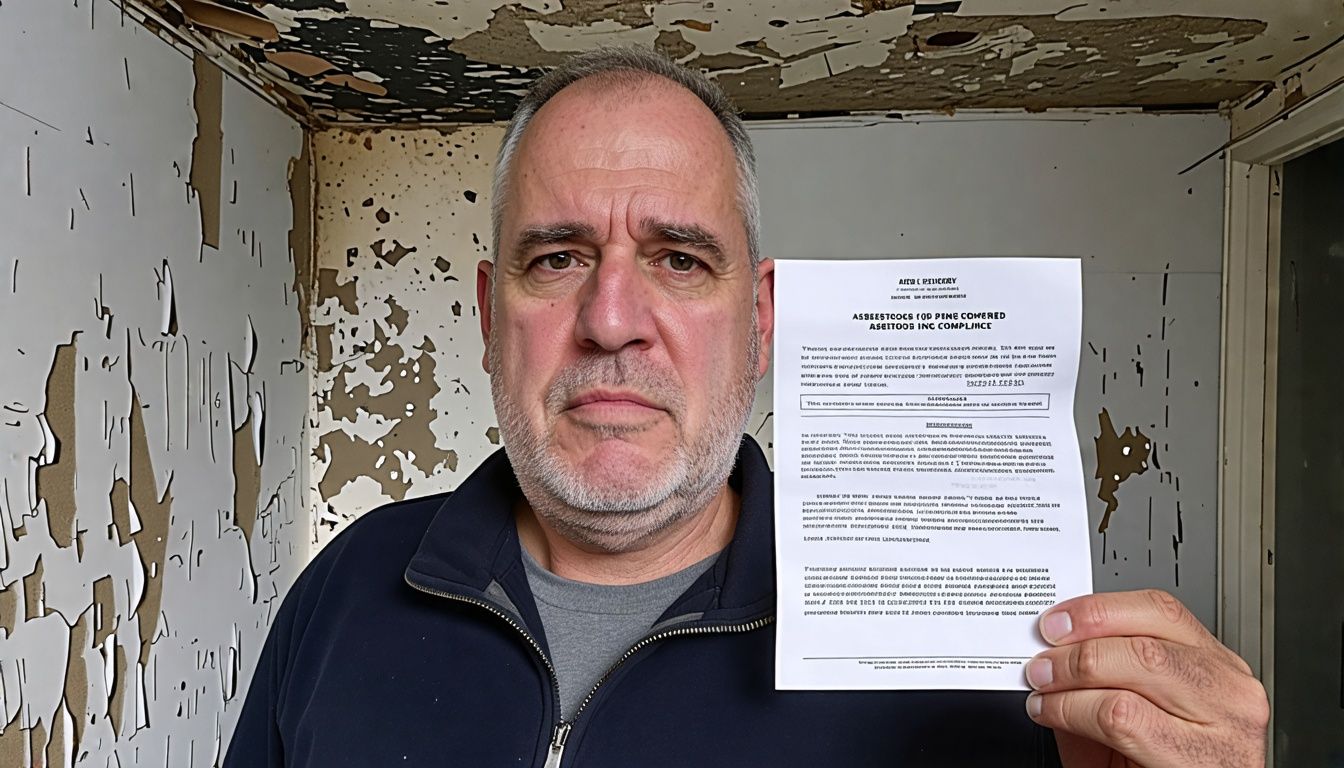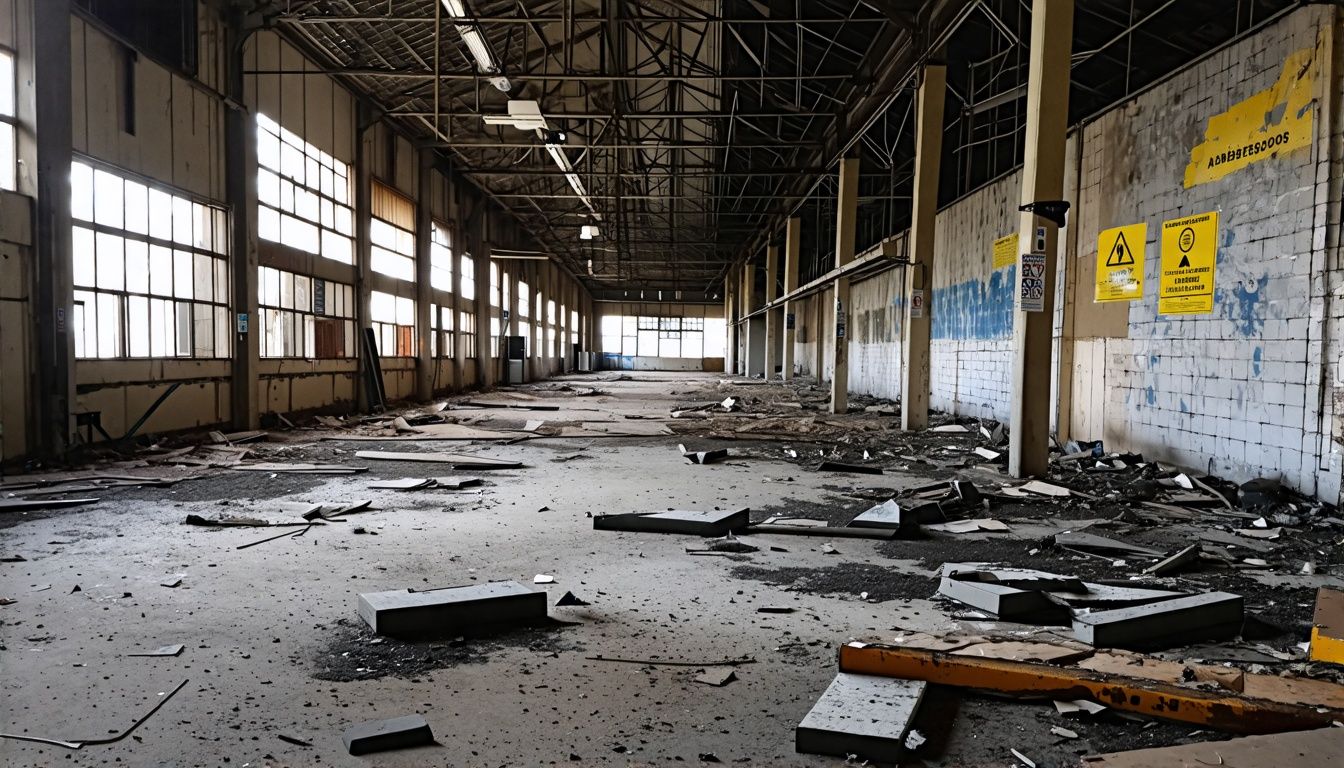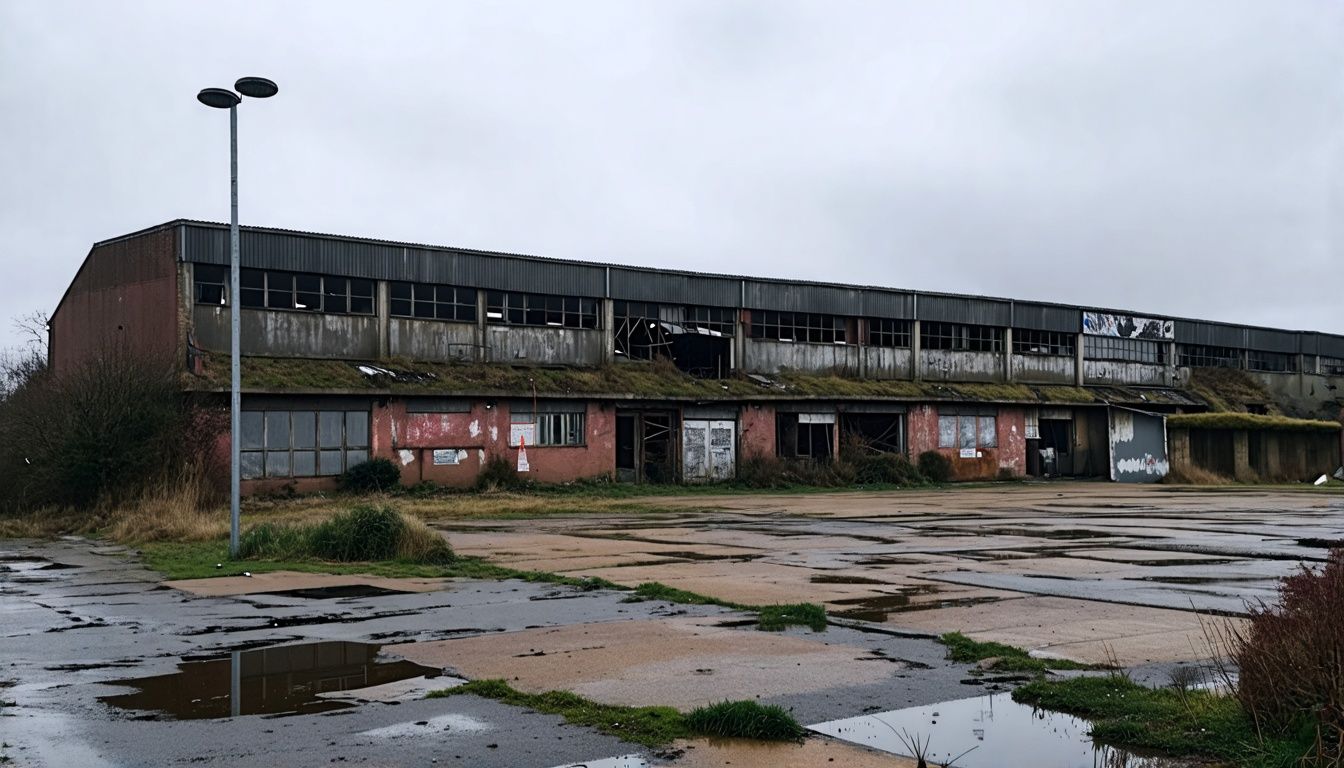
Choosing the right types of asbestos survey is one of those decisions that looks simple until a project stops, a contractor finds a suspect board behind a wall, or a dutyholder realises the existing report does not match the work planned. The right survey protects people, keeps works moving, and helps you meet your duties under the Control of Asbestos Regulations.
For property managers, landlords, facilities teams and buyers, the issue is rarely whether asbestos matters. It is which survey fits the building, the planned works and the level of intrusion involved. HSE guidance and HSG264 are clear on that point: different situations call for different survey approaches.
Why the types of asbestos survey matter
Many UK properties built before 2000 may still contain asbestos-containing materials, often called ACMs. These materials can sit in plain sight or remain hidden behind finishes, inside risers, above ceilings or within plant areas.
Common examples include insulation board, pipe lagging, sprayed coatings, ceiling tiles, floor tiles, textured coatings and cement products. The risk increases when these materials are disturbed by drilling, cutting, lifting, stripping out or demolition.
That is why the types of asbestos survey are not interchangeable. Each one is designed to answer a different practical question:
- What asbestos might be present during normal occupation?
- What asbestos could be disturbed during refurbishment or intrusive maintenance?
- What asbestos is present anywhere in the structure before demolition?
- Has the condition of known ACMs changed since the last inspection?
If you rely on the wrong survey, the report may leave major gaps. That can lead to delays, emergency sampling, contractor disputes and avoidable exposure risks.
Main types of asbestos survey used in the UK
When people search for types of asbestos survey, they are usually trying to work out which report they actually need. In practice, there are four core survey types you are most likely to deal with.
- Management survey
- Refurbishment survey
- Demolition survey
- Re-inspection survey
There are also testing and sampling services, plus pre-purchase instructions, but these sit alongside the formal survey types rather than replacing them.
Management survey
A management survey is the standard starting point for occupied non-domestic premises. Its purpose is to locate, as far as reasonably practicable, the presence and extent of any suspected ACMs that could be disturbed during normal occupation, including foreseeable maintenance and installation work.
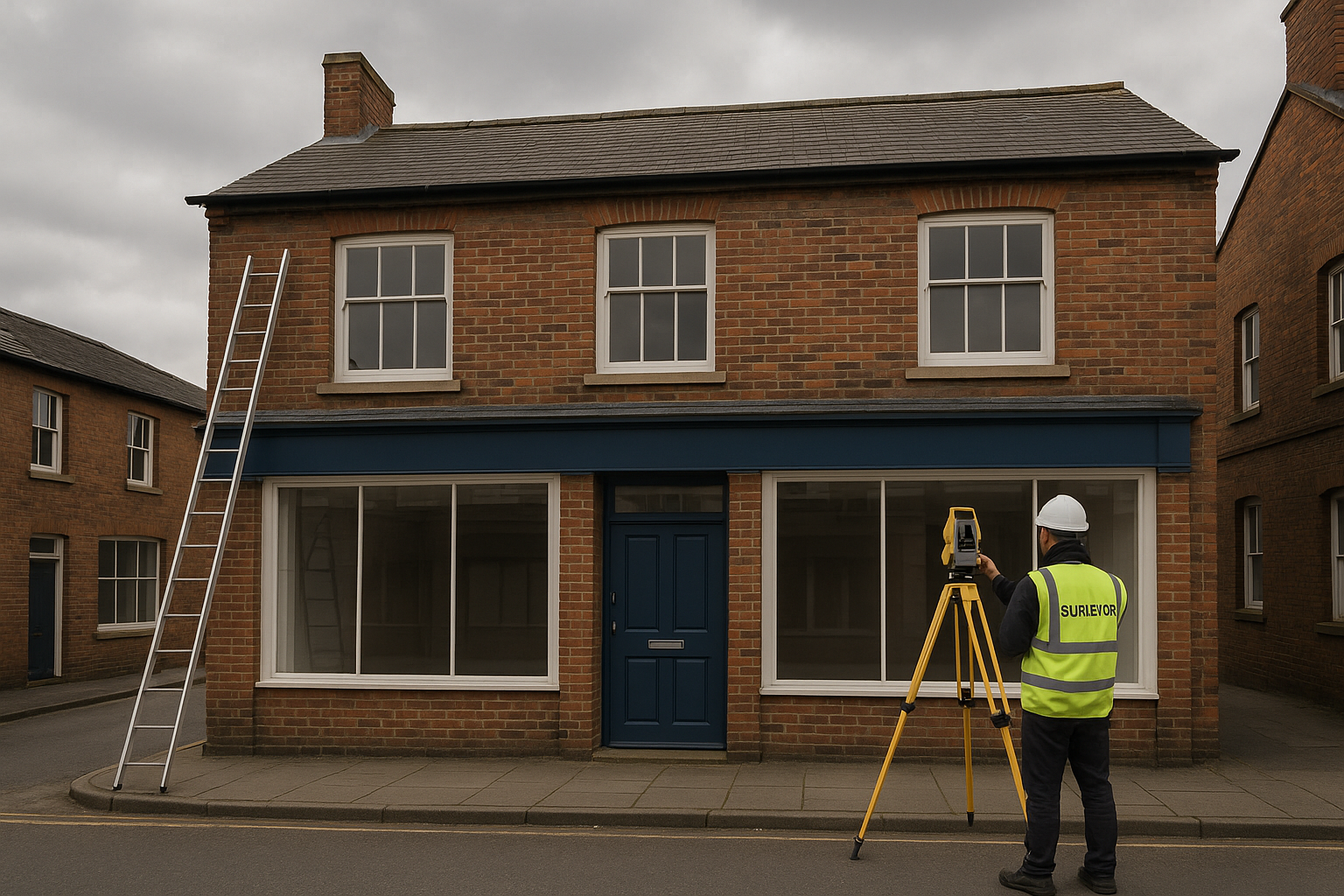
This is usually the baseline survey for dutyholders who need an asbestos register and a workable management plan. If you are responsible for an office, school, retail unit, warehouse, communal area or similar premises, this is often the first survey to arrange.
When a management survey is needed
- You manage a non-domestic property and no asbestos information is available
- You are taking over responsibility for a building
- You need an asbestos register for day-to-day management
- You need to support an asbestos management plan
How intrusive is it?
A management survey is usually non-intrusive or only mildly intrusive. Surveyors inspect accessible areas and may take samples from suspect materials, but the aim is not to open up every hidden void or dismantle the building fabric.
In many cases, the premises can remain occupied while the survey takes place, provided the work can be done safely. That makes it practical for live environments such as offices, schools and managed blocks.
What the report should include
- Locations of identified or presumed ACMs
- Material assessments and condition notes
- Photographs and plans where useful
- Laboratory results for sampled materials
- Recommendations to monitor, repair, encapsulate or remove
- An asbestos register that supports ongoing management
If you need a baseline report for routine occupation, a management survey is normally the correct instruction.
Refurbishment survey
A refurbishment survey is required before any work that will disturb the fabric of a building. This is one of the most commonly misunderstood types of asbestos survey because many projects seem minor until you look at what they actually involve.
Replacing kitchens, rewiring, upgrading washrooms, opening service risers, changing heating systems, fitting out offices and removing floor finishes can all disturb hidden ACMs. If the works are intrusive, the survey needs to be intrusive too.
When a refurbishment survey is needed
- Office fit-outs and internal alterations
- Strip-out works before refurbishment
- Rewiring and major mechanical or electrical upgrades
- Kitchen or bathroom replacements in commercial settings
- Intrusive maintenance affecting walls, ceilings, floors or voids
How intrusive is it?
This survey is intrusive by design. Surveyors need access to the specific areas affected by the planned works, and that often means opening up parts of the structure to inspect concealed materials.
Those areas should usually be vacant during the inspection. The survey is focused on the work zone, not automatically the whole building, so clear scoping is essential.
Practical advice before booking
- Send drawings and a written scope of works before the visit
- Identify every room, riser, void or plant area contractors may access
- Confirm whether the area will be vacant on the survey date
- Flag any phased works so the survey matches each stage
If you are planning alterations, a refurbishment survey gives contractors the information they need before work starts.
Demolition survey
Of all the types of asbestos survey, the demolition survey is the most invasive. It is needed before a building, or part of a building, is demolished.
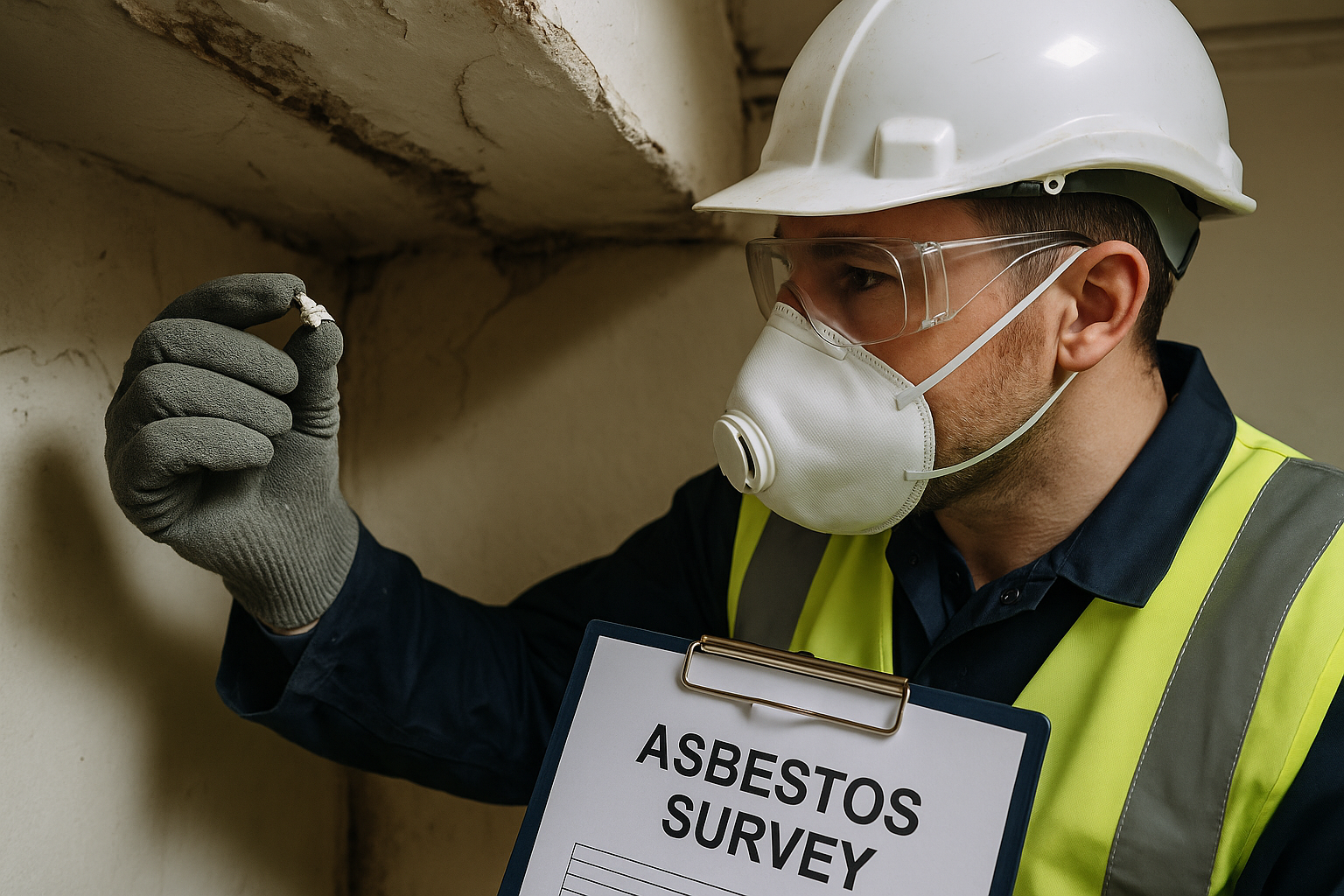
The aim is to identify all ACMs, as far as reasonably practicable, so they can be removed or otherwise managed before demolition begins. This is not a light-touch inspection. It is a destructive survey designed to find materials that would never be accessed during normal occupation.
When a demolition survey is needed
- Full building demolition
- Demolition of part of a structure
- Major structural dismantling
- Heavy strip-out that effectively reduces an area to shell
What to expect
A demolition survey usually requires the building or relevant area to be vacant. Surveyors may need to break through surfaces, open up structural elements and inspect hidden spaces such as floor voids, roof spaces, service ducts and cladding details.
Trying to proceed without the correct survey can stop a project immediately if suspect materials are found mid-demolition. It also creates obvious safety and compliance risks.
Where demolition is planned, a demolition survey should be arranged well before contractors mobilise.
Re-inspection survey
Once ACMs have been identified, they cannot just sit on a register and be forgotten. A re-inspection survey checks known or presumed ACMs to confirm whether their condition has changed and whether the asbestos register still reflects the site.
This is a vital part of asbestos management. Materials that were sealed and sound during the last inspection may have been damaged by leaks, tenant alterations, maintenance activity or simple wear and tear.
When a re-inspection survey is needed
- ACMs remain in place and are being managed rather than removed
- You need to review the condition of known materials
- Your asbestos register needs updating
- The management plan requires periodic review
How often should it happen?
There is no single universal interval that applies to every building. The frequency should be based on risk, occupancy, accessibility, material condition and the recommendations in your asbestos management plan.
Many dutyholders arrange periodic reviews annually, but higher-risk materials or busy environments may justify more frequent checks. The key point is that the interval should be sensible and documented.
If your register is already in place and materials remain on site, a re-inspection survey helps keep your records accurate and usable.
Other services people confuse with the types of asbestos survey
Not every asbestos instruction is a formal survey. When people look up types of asbestos survey, they are often also searching for testing, sampling or pre-purchase checks.
These services can be useful, but they do not replace the need for the correct survey where management, refurbishment or demolition duties apply.
Asbestos testing and targeted sampling
If you have a single suspect material and simply need to know whether it contains asbestos, targeted testing may be the most practical first step. This can work well for items such as textured coatings, floor tiles, cement sheets or insulation board where a full survey is not yet required.
For a professional service-led option, you can arrange asbestos testing where a surveyor attends and samples the material safely.
If you already have a safely obtained sample, sample analysis can confirm whether asbestos is present. That said, sampling should never be treated casually. If the material is damaged, friable or difficult to access, use a professional rather than trying to take it yourself.
For straightforward low-complexity situations, some clients choose an asbestos testing kit. Others may simply search for a testing kit as an affordable way to start the process.
If you want a separate service page focused on project support and attendance-based options, Supernova also provides asbestos testing for clients who need a practical next step.
Pre-purchase asbestos surveys
A pre-purchase asbestos survey is a common instruction, but it is not a separate legal survey category under HSE guidance. In most cases, it is scoped around one of the recognised survey types, often a management-style survey for due diligence.
This can help a buyer understand:
- Whether ACMs are known or suspected
- What management burden may follow the purchase
- Whether remedial works are likely
- Whether planned alterations will trigger a refurbishment survey
If a buyer intends to refurbish soon after completion, it may be sensible to plan both due diligence and project-specific asbestos information early.
How to choose the right types of asbestos survey for your situation
The easiest way to decide between the types of asbestos survey is to start with one question: what is actually happening at the property?
- Normal occupation and routine management: usually a management survey
- Refurbishment, fit-out or intrusive maintenance: a refurbishment survey
- Demolition or structural dismantling: a demolition survey
- Known ACMs already on the register: a re-inspection survey
Here is a simple way to think about it:
- Management survey = manage asbestos during normal use
- Refurbishment survey = identify asbestos before planned intrusive works
- Demolition survey = identify asbestos before the structure comes down
- Re-inspection survey = keep existing asbestos information up to date
If you are unsure, do not guess. Send the surveyor your building details, age, use, planned works and any existing asbestos register. A short scoping discussion can prevent the wrong instruction and save time later.
What a good asbestos survey report should contain
Whatever the survey type, the report must be clear enough for you to act on. A vague report creates just as many problems as no report at all.
A useful asbestos survey report should normally include:
- A clear description of the survey scope
- Any limitations, exclusions or inaccessible areas
- Room-by-room or area-by-area findings
- Descriptions and locations of suspected or confirmed ACMs
- Laboratory results for sampled materials
- Presumptions where sampling was not possible
- Condition details and material assessments where relevant
- Photographs and marked-up plans where appropriate
- Recommendations for management, repair, encapsulation or removal
For management surveys, the report should feed directly into your asbestos register and management plan. For refurbishment and demolition surveys, it should give designers, contractors and removal teams enough detail to plan work safely.
Common mistakes people make with the types of asbestos survey
Most asbestos problems do not start with dramatic discoveries. They start with ordinary planning mistakes that could have been avoided.
Using a management survey for refurbishment works
This is one of the most common errors. A management survey is not designed to uncover hidden ACMs behind finishes or inside voids that will be opened during works.
If the project is intrusive, the survey must match that level of intrusion.
Assuming an old survey is still enough
Asbestos information needs to reflect current site conditions. Damage, tenant alterations, leaks and maintenance can all change the risk profile over time.
If ACMs remain, re-inspection is part of proper management.
Surveying the wrong area
If the scope of works is not properly defined, contractors may later need access to rooms or voids that were never surveyed. That can stop the job until further inspection is carried out.
Always provide drawings and a written project description before the survey takes place.
Relying on testing when a full survey is required
Testing one board or one ceiling tile does not replace a formal survey where the building use or planned works require one. Sampling is helpful, but it is not a shortcut around survey duties.
Ignoring limitations in the report
Every survey has limits. If areas were locked, obstructed or unsafe to access, those exclusions matter.
Read the report carefully and arrange follow-up access where needed before works begin.
Practical steps before you book an asbestos survey
If you want a smoother process and a more useful report, a little preparation makes a big difference.
- Define the purpose. Are you managing the building, refurbishing part of it, demolishing it, or reviewing known ACMs?
- Gather existing documents. Old asbestos reports, plans, registers and work scopes help the surveyor understand the site.
- Confirm access. Locked rooms, roof spaces, risers and plant areas should be identified in advance.
- Make occupancy clear. Some surveys can happen in live areas; others should be done in vacant zones.
- Share project drawings. For refurbishment and demolition work, this is essential.
- Ask about limitations. If some areas cannot be accessed, agree how they will be dealt with.
For clients in the capital, arranging an asbestos survey London service with local coverage can also help keep scheduling practical, especially where access windows are tight.
Frequently Asked Questions
What are the main types of asbestos survey?
The main types of asbestos survey are management surveys, refurbishment surveys, demolition surveys and re-inspection surveys. Each has a different purpose, depending on whether the building is occupied, being altered, being demolished or already has known ACMs on the register.
Do I need a refurbishment survey if I already have a management survey?
Usually, yes. A management survey is for normal occupation and routine maintenance. If planned works will disturb the fabric of the building, a refurbishment survey is needed for the affected areas because hidden ACMs may be present behind finishes or inside voids.
Is asbestos testing the same as an asbestos survey?
No. Asbestos testing checks whether a specific material contains asbestos. An asbestos survey is broader and is designed to locate, assess and report on ACMs in relation to building occupation, planned works or demolition.
How often should asbestos be re-inspected?
There is no single fixed interval for every property. Re-inspection frequency should be based on risk, condition, occupancy and the recommendations in your asbestos management plan. Many dutyholders review known ACMs periodically, often annually, but some sites need more frequent checks.
Which asbestos survey do I need before demolition?
You need a demolition survey before a building, or part of a building, is demolished. This survey is fully intrusive and aims to identify all ACMs, as far as reasonably practicable, so they can be dealt with before demolition starts.
Need help choosing the right survey?
If you are unsure which of the types of asbestos survey fits your property or project, Supernova Asbestos Surveys can help you scope it properly. We carry out management, refurbishment, demolition, re-inspection and testing services nationwide, with practical advice that matches the building and the work planned.
Call 020 4586 0680, visit asbestos-surveys.org.uk, or contact Supernova today to arrange the right asbestos survey without delays or guesswork.