Why Waiting for a Problem Is the Worst Asbestos Strategy a Landlord Can Have
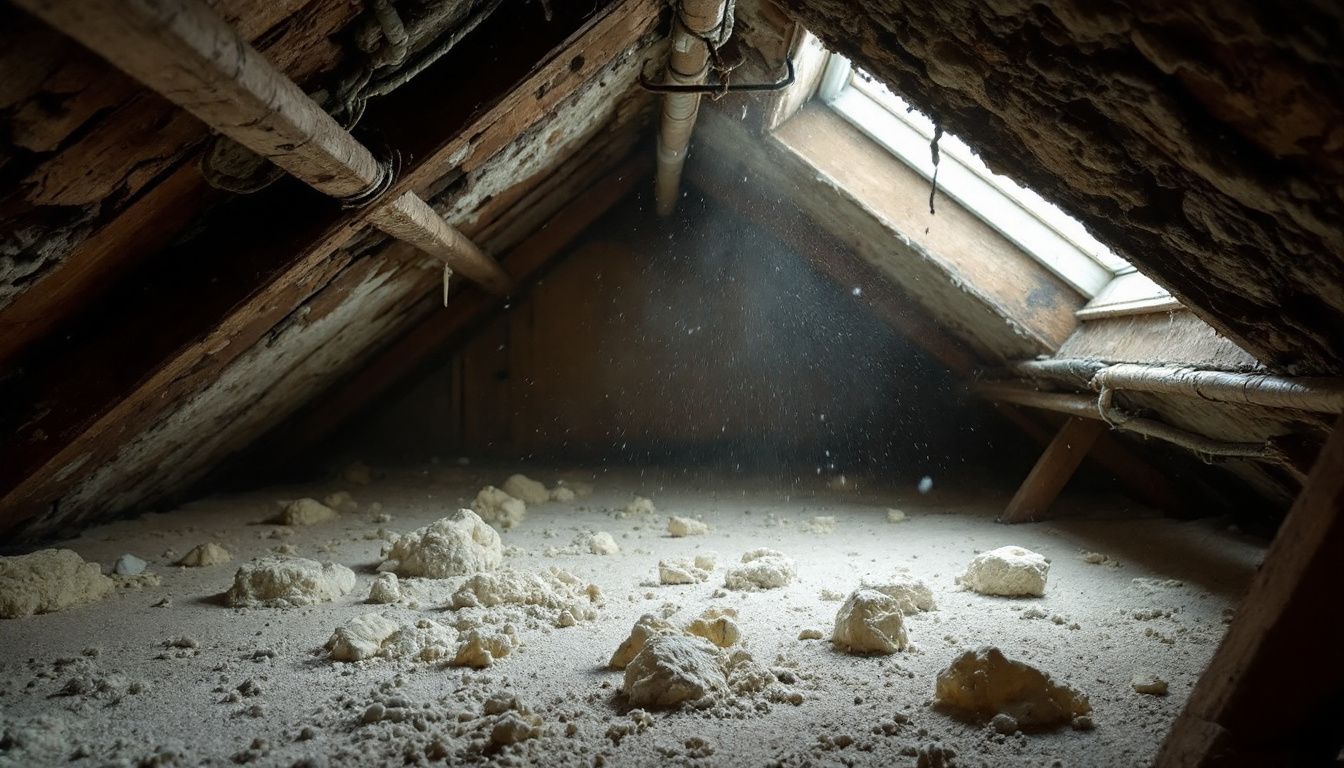
Asbestos doesn’t announce itself. It sits quietly inside walls, ceiling tiles, pipe lagging, and floor coverings — completely invisible, completely odourless, and completely capable of ending someone’s life decades after exposure. For landlords and property owners, the temptation is to leave well alone until something forces the issue.
That approach is both legally dangerous and financially reckless. A proactive asbestos management strategy flips that logic entirely — instead of reacting to emergencies, you identify risks early, manage them systematically, and protect your tenants, your workforce, and your own liability before anything goes wrong.
The Scale of the Asbestos Problem in UK Properties
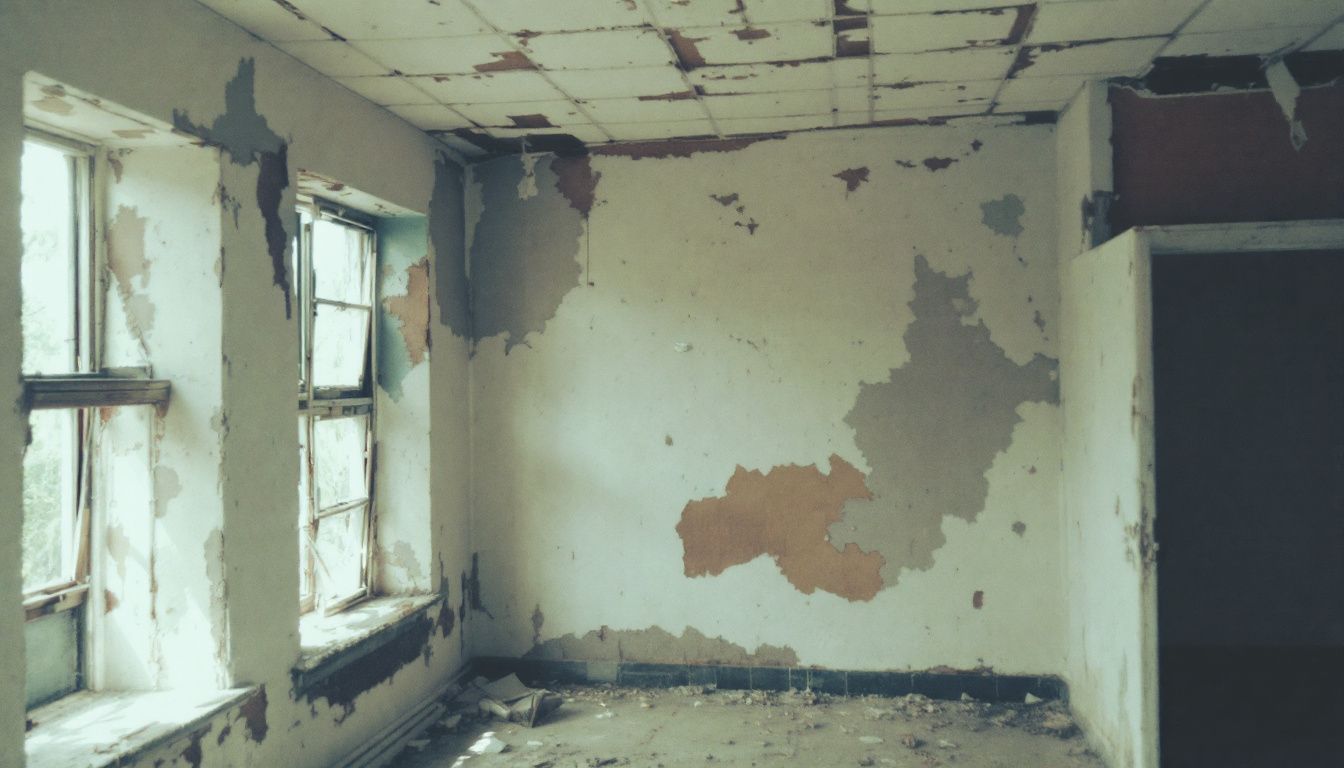
Asbestos was used extensively in UK construction right up until its full ban in 1999. Any building constructed or significantly refurbished before that date may contain asbestos-containing materials (ACMs). That covers an enormous proportion of the UK’s housing and commercial property stock.
The health consequences of asbestos exposure are severe and irreversible. Mesothelioma, asbestosis, and asbestos-related lung cancer are all caused by inhaling asbestos fibres — and symptoms often don’t appear until decades after exposure. The UK records some of the highest rates of mesothelioma in the world, a direct legacy of widespread asbestos use throughout the twentieth century.
ACMs are commonly found in:
- Ceiling tiles and textured coatings such as Artex
- Pipe and boiler insulation
- Floor tiles and adhesive backing
- Roof sheets and guttering
- Sprayed coatings on structural steelwork
- Partition boards and ceiling panels
- Electrical equipment and fuse boxes
The risk isn’t theoretical. It’s present in millions of properties across the country, and it falls squarely on the shoulders of property owners and landlords to manage it.
What Proactive Asbestos Management Actually Means
Proactive asbestos management means taking deliberate, planned steps to identify, assess, and control asbestos risks — rather than waiting until a contractor disturbs a suspect material or a tenant raises a complaint. It’s a structured, ongoing process rather than a one-off tick-box exercise.
At its core, a proactive asbestos approach involves three things:
- Identification — knowing where ACMs are located in your property through a professional survey
- Risk assessment — understanding the condition of those materials and the likelihood of fibre release
- Management — putting a plan in place to monitor, maintain, or remove ACMs appropriately
This isn’t optional for many property owners. Under Regulation 4 of the Control of Asbestos Regulations — the Duty to Manage — owners and managers of non-domestic premises have a legal obligation to manage asbestos. But even where the duty doesn’t apply in its strictest sense, a proactive asbestos strategy is simply good practice.
The Surveys That Form the Backbone of a Proactive Asbestos Programme
The Asbestos Management Survey
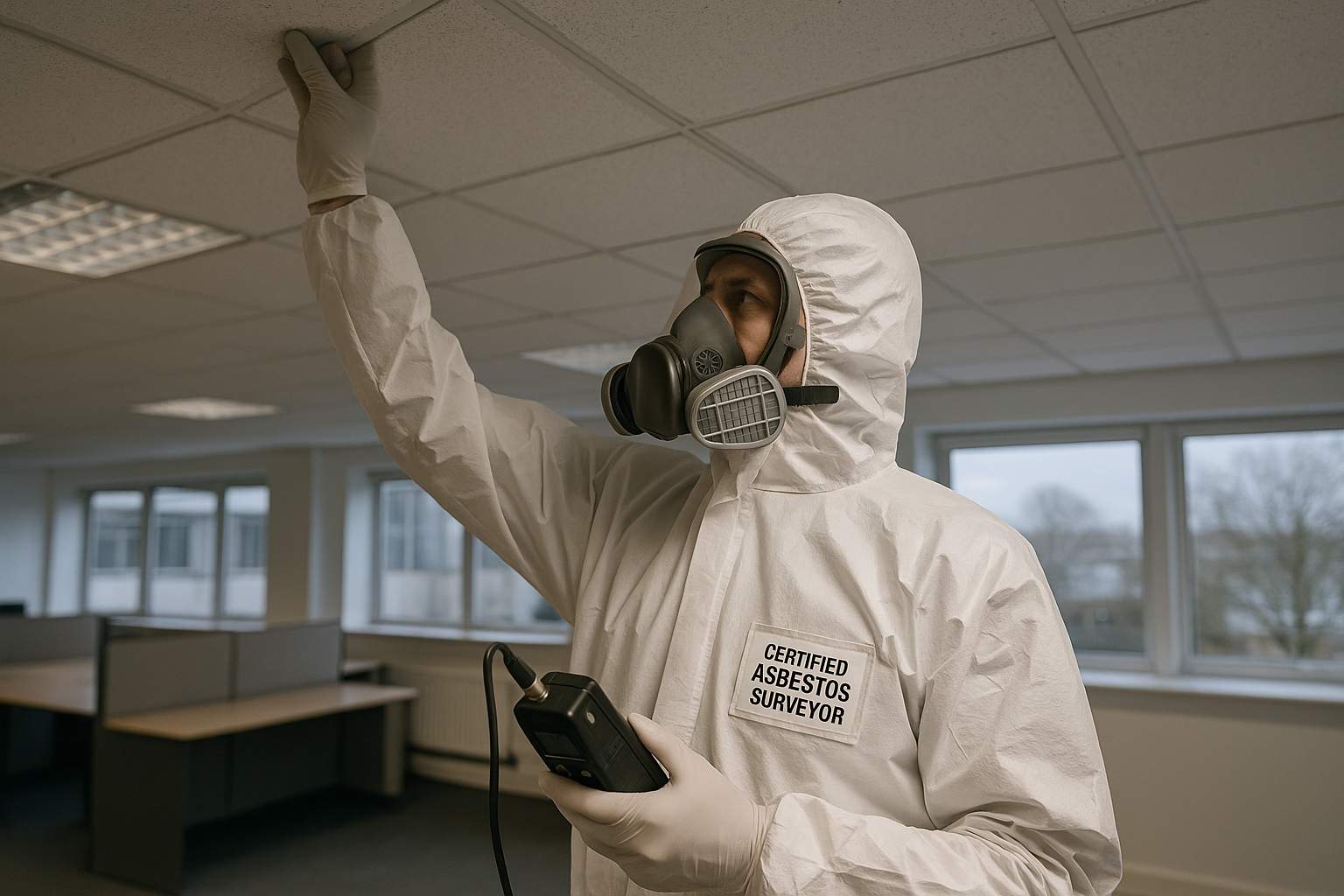
The starting point for any proactive asbestos programme is a professional survey. For occupied properties where no major works are planned, an asbestos management survey is the appropriate first step. It identifies the location, extent, and condition of ACMs that could be disturbed during normal occupation and routine maintenance.
The survey produces an asbestos register — a documented record of all identified ACMs, their risk ratings, and recommended actions. This becomes the foundation of your asbestos management plan and your primary defence if your duty of care is ever questioned.
The Refurbishment Survey
If you’re planning renovation, refurbishment, or demolition work, a refurbishment survey is legally required before any work begins. This is a more intrusive inspection that covers all areas likely to be disturbed during the works, ensuring contractors aren’t unknowingly exposing themselves — or anyone else — to asbestos fibres.
Skipping this step isn’t just a legal risk. It’s the kind of oversight that leads to emergency site closures, contractor decontamination, and potential prosecution.
Ongoing Re-Inspection
A survey isn’t a permanent document. ACMs deteriorate over time, and the condition of materials in your property can change significantly. A periodic re-inspection survey keeps your asbestos register current, identifies any deterioration, and ensures your management plan remains fit for purpose.
Annual re-inspections are standard practice for most non-domestic premises. Skipping them doesn’t just leave you exposed legally — it means you could be managing your property against outdated information.
The Legal Framework Every Landlord Must Understand
The Control of Asbestos Regulations is the primary legislation governing asbestos management in Great Britain. It sets out licensing requirements, notification duties, and obligations to protect workers and anyone who visits or occupies a building.
The HSE’s guidance document HSG264 — Asbestos: The Survey Guide — provides the definitive framework for how surveys should be conducted and documented. Every professional survey should be carried out in accordance with this guidance.
Non-compliance carries serious consequences. Landlords have faced substantial fines, and in cases of gross negligence, custodial sentences are not off the table. Beyond the financial penalties, the reputational damage of a high-profile asbestos breach can be devastating for a property business.
Key compliance requirements for landlords include:
- Maintaining an up-to-date asbestos register for non-domestic premises
- Sharing asbestos information with anyone who may disturb ACMs, including contractors
- Reviewing and updating asbestos records when property conditions change
- Providing tenants with asbestos reports upon request
- Ensuring any work involving ACMs is carried out by appropriately licensed contractors
Proactive asbestos management isn’t just about avoiding fines. It’s about building a documented paper trail that demonstrates your duty of care — which matters enormously if a claim is ever made against you.
The Financial Case for Acting Early
Many landlords view asbestos surveys as an unwanted cost. In reality, they’re one of the more cost-effective investments a property owner can make.
Consider the alternative: an undiscovered ACM disturbed during a routine maintenance visit, triggering a full emergency response, contractor decontamination, potential site closure, and legal proceedings. Emergency asbestos remediation is significantly more expensive than planned management. Planned removal or encapsulation — carried out as part of a scheduled programme — can be budgeted, phased, and managed efficiently. Emergency responses cannot.
There are also direct financial benefits to a proactive asbestos approach:
- Reduced insurance exposure — documented asbestos management can lower your liability profile
- Higher property values — a clean asbestos register is increasingly expected by buyers and lenders
- Faster transactions — having surveys and records in place removes a common cause of delays in property sales and remortgaging
- Lower maintenance costs — knowing where ACMs are prevents accidental disturbance during routine works
If you’re unsure whether your property has been surveyed or want to understand the likely cost, you can request a free quote from Supernova Asbestos Surveys without any obligation.
Protecting Tenants and Building Occupants
Beyond legal compliance and financial considerations, there is a straightforward moral dimension to proactive asbestos management. Tenants and building occupants trust that the spaces they live and work in are safe. That trust is the foundation of any responsible landlord-tenant relationship.
Asbestos-related diseases are entirely preventable — but only if the risk is identified and managed before exposure occurs. Once fibres are inhaled, the damage is done. No remediation can undo it.
Proactive asbestos management demonstrates to tenants that their safety is taken seriously. It builds confidence, reduces complaints, and creates the kind of transparent landlord-tenant relationship that benefits both parties. Tenants who feel safe and well-managed are more likely to stay, reducing void periods and the costs associated with turnover.
A Practical Framework for Building Your Proactive Asbestos Programme
Getting started doesn’t need to be complicated. Here’s a step-by-step framework for landlords and property owners:
- Audit your portfolio — identify which properties were built or refurbished before 2000 and may contain ACMs
- Commission surveys — arrange a professional management survey for all relevant properties if they haven’t been assessed recently
- Create an asbestos register — document all identified ACMs, their locations, conditions, and risk ratings
- Develop a management plan — set out how each ACM will be managed, monitored, or removed
- Train your team — ensure maintenance staff and property managers understand asbestos awareness and know not to disturb suspect materials
- Inform contractors — always share your asbestos register with any contractor working on the property before work begins
- Schedule re-inspections — keep your register current with periodic professional re-inspections
- Review before any works — commission a refurbishment survey before any renovation or structural work
If you’re ever uncertain whether a material might contain asbestos and want a quick preliminary answer, a postal testing kit allows you to collect a sample safely and send it to an accredited laboratory for analysis.
Don’t Overlook Associated Compliance Obligations
Proactive asbestos management doesn’t exist in isolation. Properties that require asbestos surveys often carry other compliance obligations that responsible landlords should address at the same time.
A fire risk assessment is a legal requirement for most non-domestic premises and shared residential buildings. Combining this with your asbestos survey can be an efficient way to address multiple compliance needs in a single visit, reducing disruption to occupants and keeping costs manageable.
Treating your compliance obligations as interconnected — rather than isolated tasks — is itself a hallmark of proactive property management. It saves time, money, and the kind of stress that comes from discovering gaps in your records at the worst possible moment.
Proactive Asbestos Management Across the UK
Asbestos risk is not confined to any particular region. Pre-2000 buildings exist in every city, town, and village across the UK, and the obligation to manage ACMs applies equally whether your property is a converted Victorian terrace or a 1980s office block.
Supernova Asbestos Surveys operates nationwide, with local expertise across major urban centres. If you need an asbestos survey London property owners can rely on, our BOHS P402-qualified surveyors are available with same-week appointments across the capital.
We also cover the North West — our asbestos survey Manchester service is well established across Greater Manchester and the surrounding area. Our asbestos survey Birmingham operation covers the Midlands with the same professional standards applied nationwide.
Every survey follows HSG264 guidance, every sample goes to our UKAS-accredited laboratory, and every report is delivered in a format that satisfies the requirements of the Control of Asbestos Regulations.
What to Expect From a Supernova Asbestos Survey
When you book with Supernova Asbestos Surveys, the process is straightforward and transparent. A BOHS P402-qualified surveyor will contact you to confirm a convenient appointment — often available within the same week.
On the day, the surveyor conducts a thorough visual inspection of the property, takes samples from suspect materials where required, and documents all findings in detail. Your report is typically delivered within a few working days and includes a full asbestos register, condition ratings, risk scores, and recommended actions for each identified ACM.
There are no hidden charges, no unnecessary upselling, and no vague recommendations. You receive a clear, actionable document you can use to build or update your asbestos management plan immediately.
With over 50,000 surveys completed nationwide, Supernova Asbestos Surveys has the experience and accreditation to support landlords and property owners at every stage of their proactive asbestos programme — from the initial management survey through to re-inspections and refurbishment assessments.
Call us on 020 4586 0680 or visit asbestos-surveys.org.uk to request your free quote today.
Frequently Asked Questions
What is proactive asbestos management and why does it matter for landlords?
Proactive asbestos management means identifying, assessing, and controlling asbestos risks in your property before they become an emergency. For landlords, it matters because the Control of Asbestos Regulations places a legal duty to manage asbestos on owners and managers of non-domestic premises. Beyond legal compliance, acting early protects tenants, reduces costs, and limits your liability exposure significantly.
Do I need an asbestos survey if my property was built before 2000 but seems fine?
Yes. Asbestos-containing materials can appear perfectly intact while still posing a risk if disturbed. The only way to know whether ACMs are present — and in what condition — is through a professional survey carried out in accordance with HSG264. Visual inspection alone is not sufficient, and assuming a property is asbestos-free without survey evidence is not a defensible position under the Control of Asbestos Regulations.
How often should an asbestos register be updated?
For most non-domestic premises, an annual re-inspection is standard practice. The condition of asbestos-containing materials can change due to wear, accidental damage, or building works, so your register needs to reflect the current state of the property. If any refurbishment or maintenance work has taken place since the last inspection, a review should be carried out promptly rather than waiting for the next scheduled date.
What is the difference between a management survey and a refurbishment survey?
A management survey is designed for occupied properties where no major works are planned. It identifies ACMs that could be disturbed during normal use and routine maintenance. A refurbishment survey is required before any renovation, structural alteration, or demolition work begins. It is more intrusive and covers all areas that will be affected by the planned works. Using a management survey in place of a refurbishment survey when works are planned is a serious compliance failure.
Can I collect an asbestos sample myself?
You can use an accredited postal testing kit to collect a small sample from a suspect material and send it to a laboratory for analysis. This can be a useful preliminary step if you want a quick indication of whether a material contains asbestos. However, a testing kit is not a substitute for a professional survey — it won’t give you a full picture of all ACMs in your property, their condition, or the risk they present. For a complete and legally defensible assessment, a professional survey is always required.